Tag: Smile! Your Visiting New Jersey!

Salem Oak/Friends Burial Ground                                         112 West Broadway (Route 49)                                          Salem, NJ 08079

Salem Oak/Friends Burial Ground 112 West Broadway (Route 49) Salem, NJ 08079

Salem Oak/Friends Burial Ground

112 West Broadway (Route 49)

Salem, NJ 08079

(859) 935-3381

https://www.findagrave.com/cemetery/1997710/salem-friends-burial-ground

Open: Sunday-Saturday Dawn to Dusk

Admission: Free

My review on TripAdvisor:

https://www.tripadvisor.com/ShowUserReviews-g46799-d24137617-r844157468-Salem_Oak_friends_Burial_Cemetery-Salem_New_Jersey.html?m=19905

The Salem Oak Cemetery in Downtown Salem, NJ

There is a true beauty to a historical cemetery with its old tombstones, its interesting artwork on the grave sites and the history behind the famous families who are buried there whose homes we tour and roads and parks that are named after them. The cemetery is located right in Downtown Salem, which serves as the County Seat for the County of Salem.

It was also home to one of the oldest oak trees in the country which fell in 2019. The over 500 year old oak tree has been part of the original virgin forest and is said to where town founder, John Fenwick, met with the Lenape Indians for the establishment of a settlement and for peaceful negotiations.

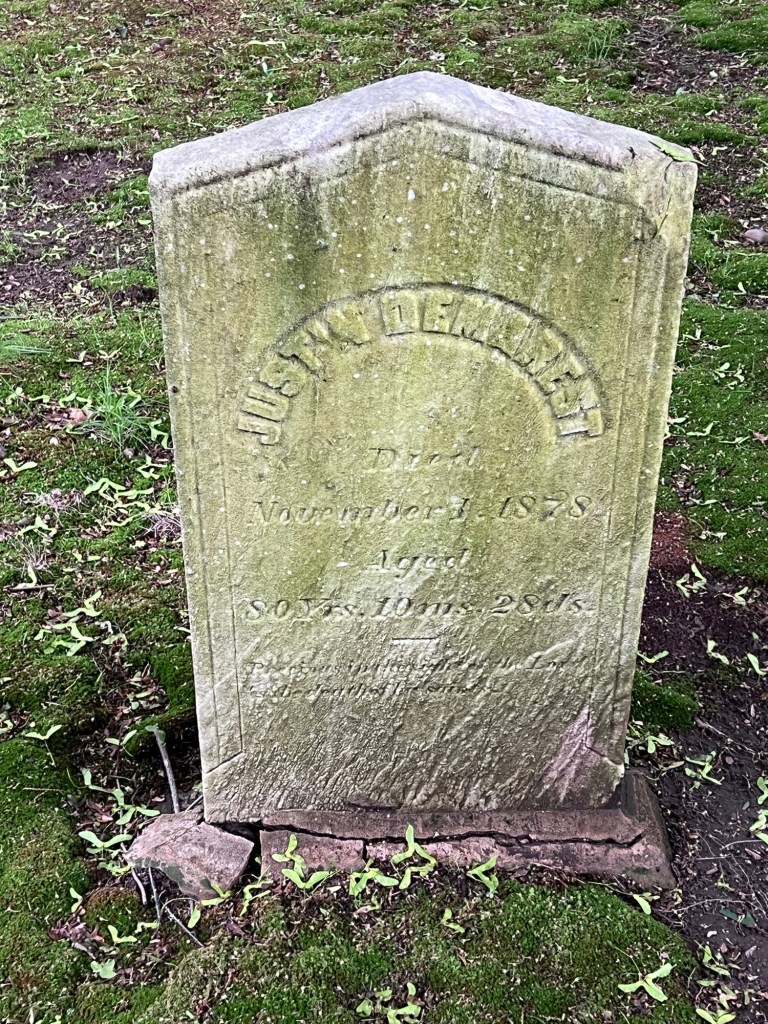
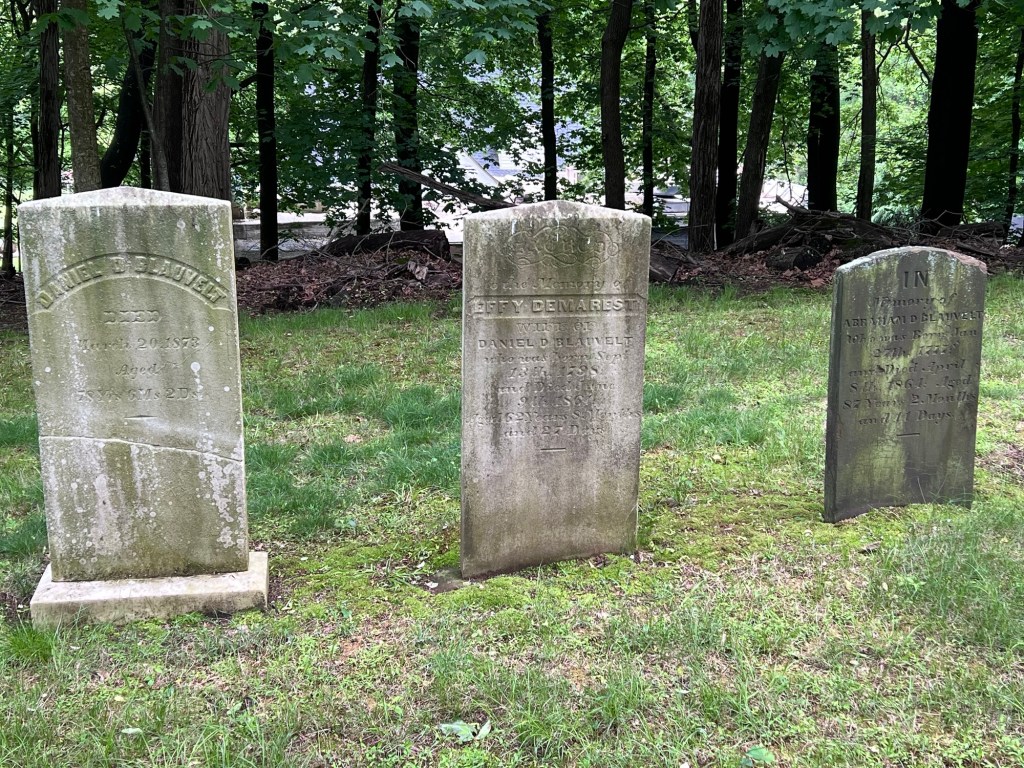
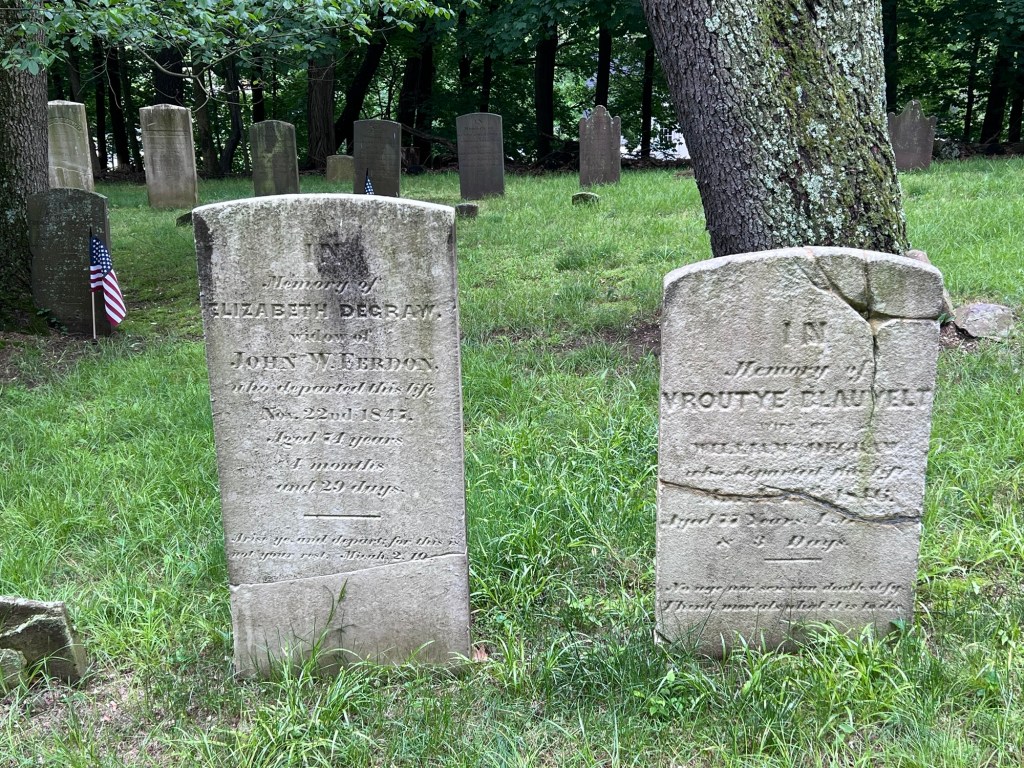
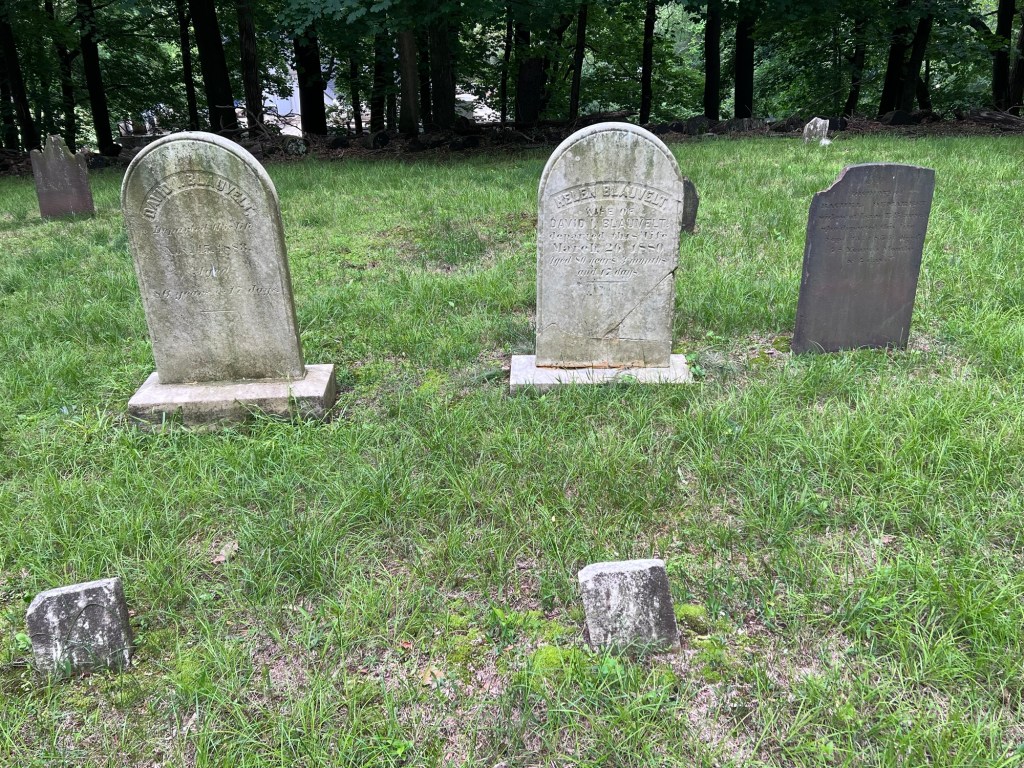
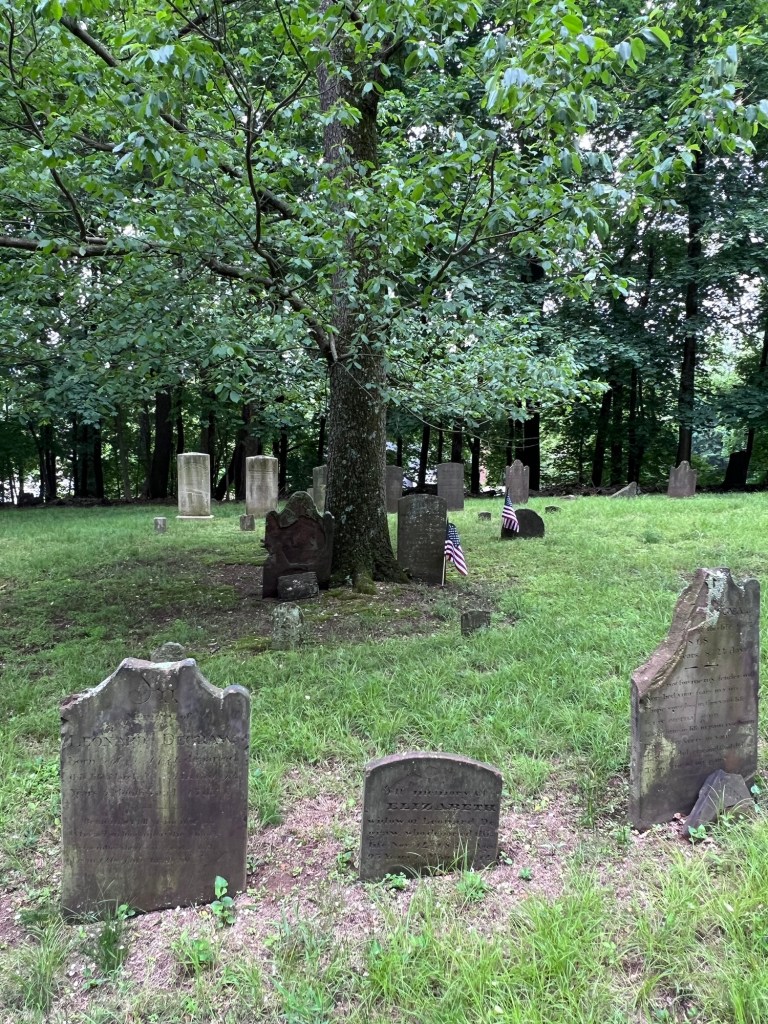
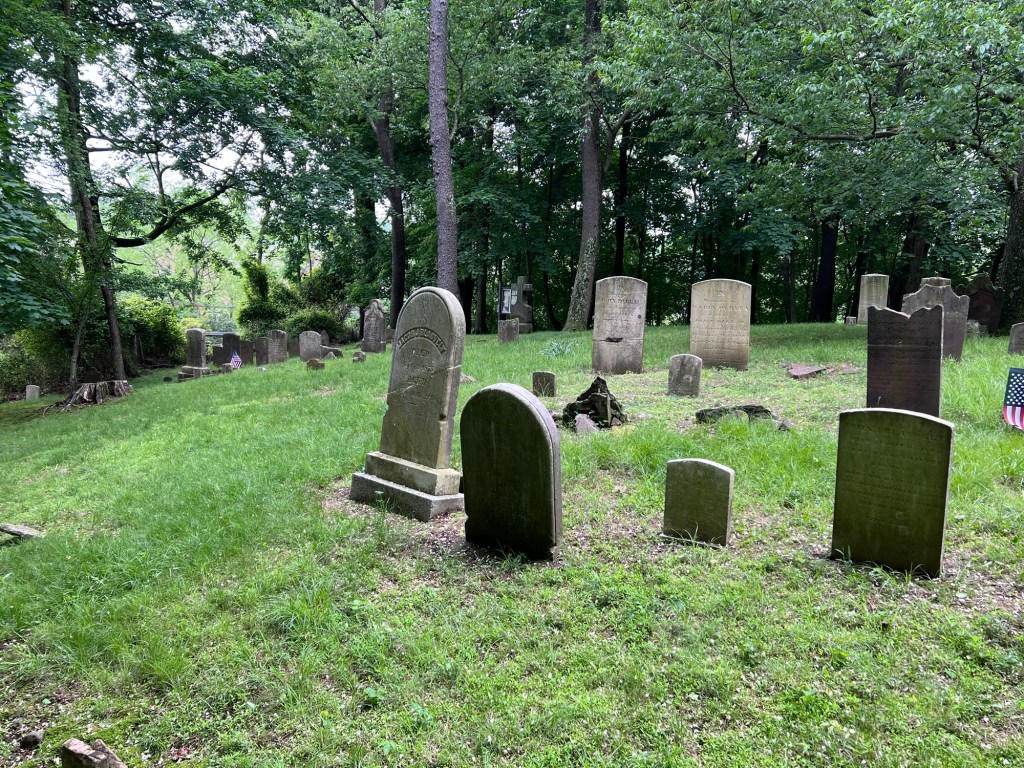
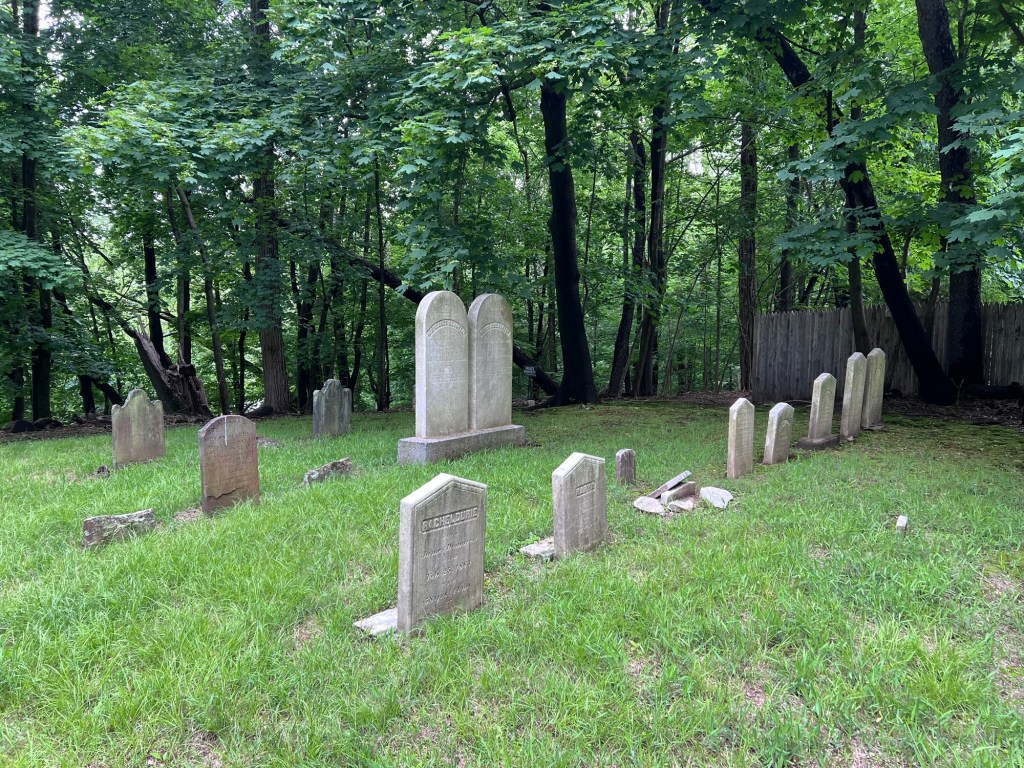
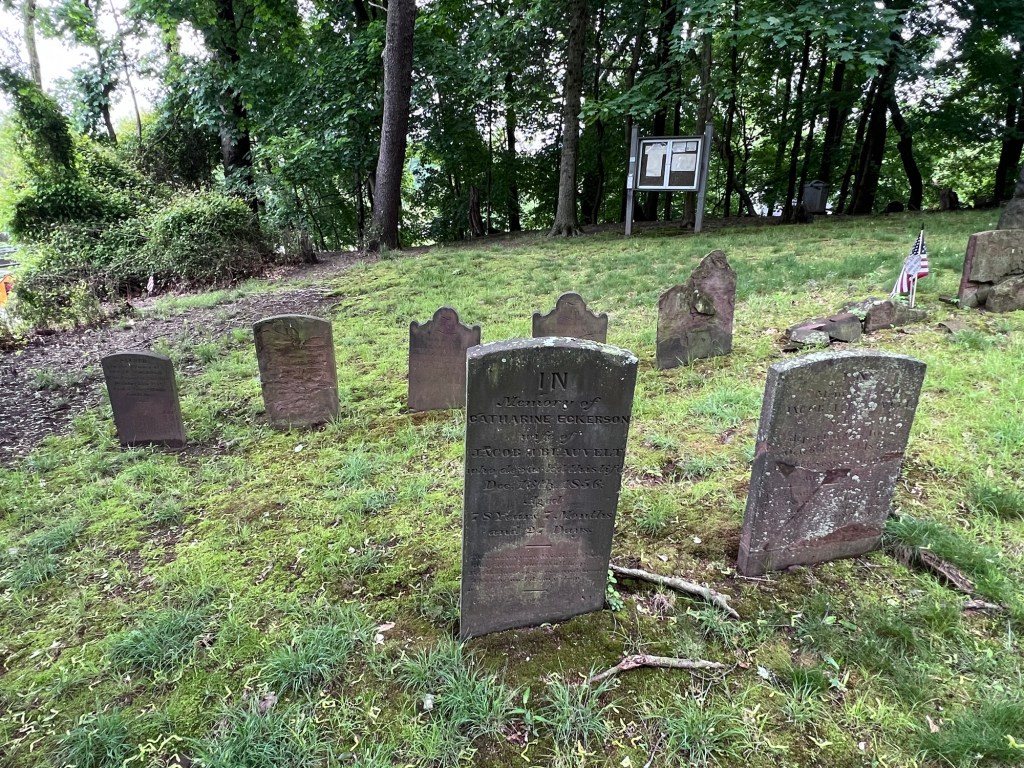
The family plots at the Salem Oak Cemetery

All that is left of the tree now is the rotting stump but three of its saplings still exist on the grounds and they look about two hundred years old. They grow majestically amongst the gravesites.

The family plots line the aisles at the cemetery

Inside the cemetery, the graves bear the names of founding fathers of the Town of Salem and prominent families who once made up the population with names such as Thompson, Reeves, Abbott, Wister, Bacon, Griscom, Waddington, Sickler, Lippencott, Goodwin, Bullock, Woodnutt and Bassett.

You will see these names on artifacts in the Salem Historical Society such as clothes, business document and household items. There names and influence still hold a position in the community.

The Salem Oak in the Friends Burial Ground before it fell in 2019 (Salem County Historical Society)

This is the spot where founder John Fenwick met with the Lenape Indians in 1675.

Take time to walk amongst the family plots and pay your respects to these important families who were once the founding members of both the community and of the great State of New Jersey.

The Friends Burial Ground plaque

The cemetery’s spot in Downtown Salem, NJ

The Salem Oak Cemetery in Downtown Salem, NJ

The cemetery is part of the Women’s Heritage Trail

Old Broad Street Presbyterian Church & Cemetery                                                                 54 West Avenue                                                                              South Bridgeton, NJ 08302

Old Broad Street Presbyterian Church & Cemetery 54 West Avenue South Bridgeton, NJ 08302

Old Broad Street Presbyterian Church & Cemetery

54 West Avenue

South Bridgeton, NJ 08302

Check website

https://en.wikipedia.org/wiki/Old_Broad_Street_Presbyterian_Church_and_Cemetery

http://cumberlandnjart.org/cumberland-historic-sites/broad-st-presbyterian-church/

Open: From Dawn to Dusk every day

Admission: Free

My review on TripAdvisor:

https://www.tripadvisor.com/ShowUserReviews-g46324-d24140698-r844174571-Old_Broad_Street_Presbyterian_Church_Cemetery-Bridgeton_New_Jersey.html?m=19905

The Old Broad Street Presbyterian Church in its glory in the entrance to the historic cemetery

The Church and its historic cemetery.

When I was traveling to Salem and Cumberland Counties to visit historical sites, this was the last one on my list the first day of exploring. The Old Broad Street Presbyterian Church sits in the middle of a declining downtown in Bridgeton, NJ like a ghost of its former self. This graceful and elegant church is not used much anymore and sits like a majestic building overlooking a city that has passed it by.

The Church and its historic cemetery.

The church was built in 1792 for the growing Presbyterian congregation who was living in Bridgetown as it was called at the time. The brick walls and roof were completed but it would take another three years for the interior to be finished (Cumberland History.org).

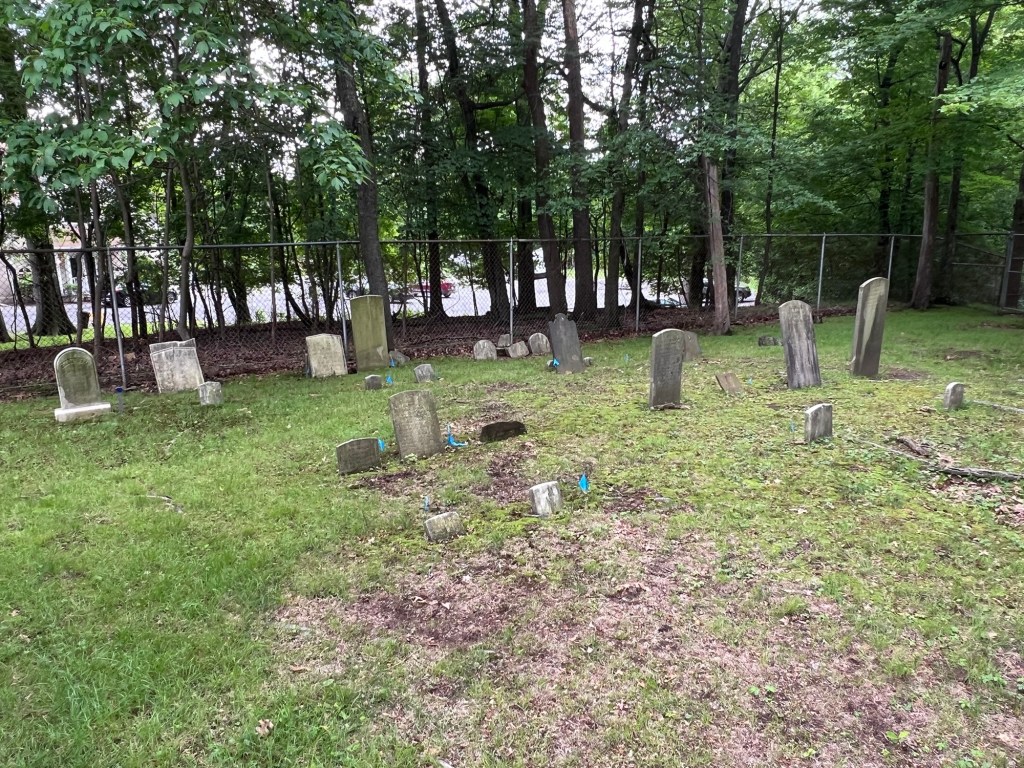
The historic family cemetery

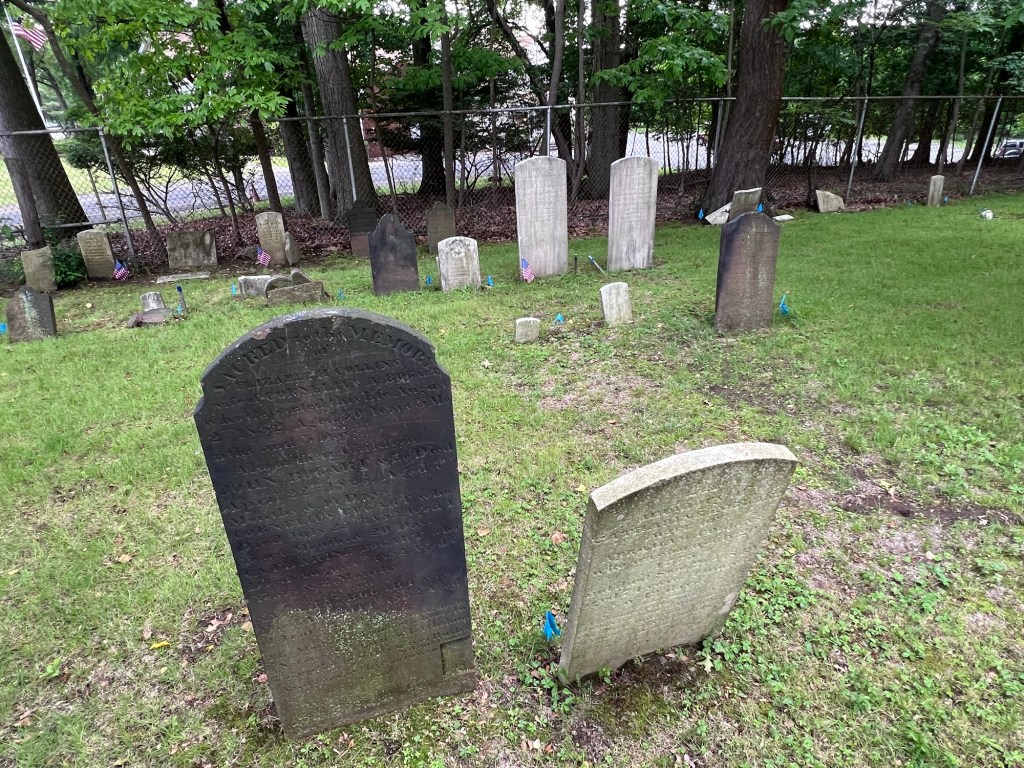
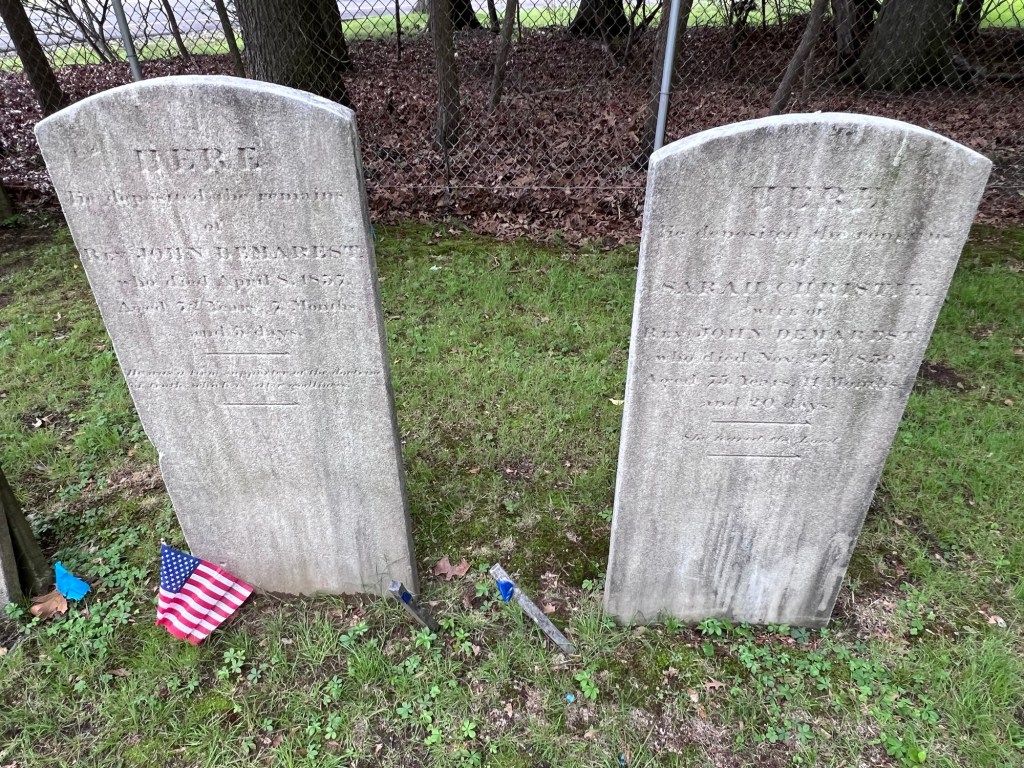
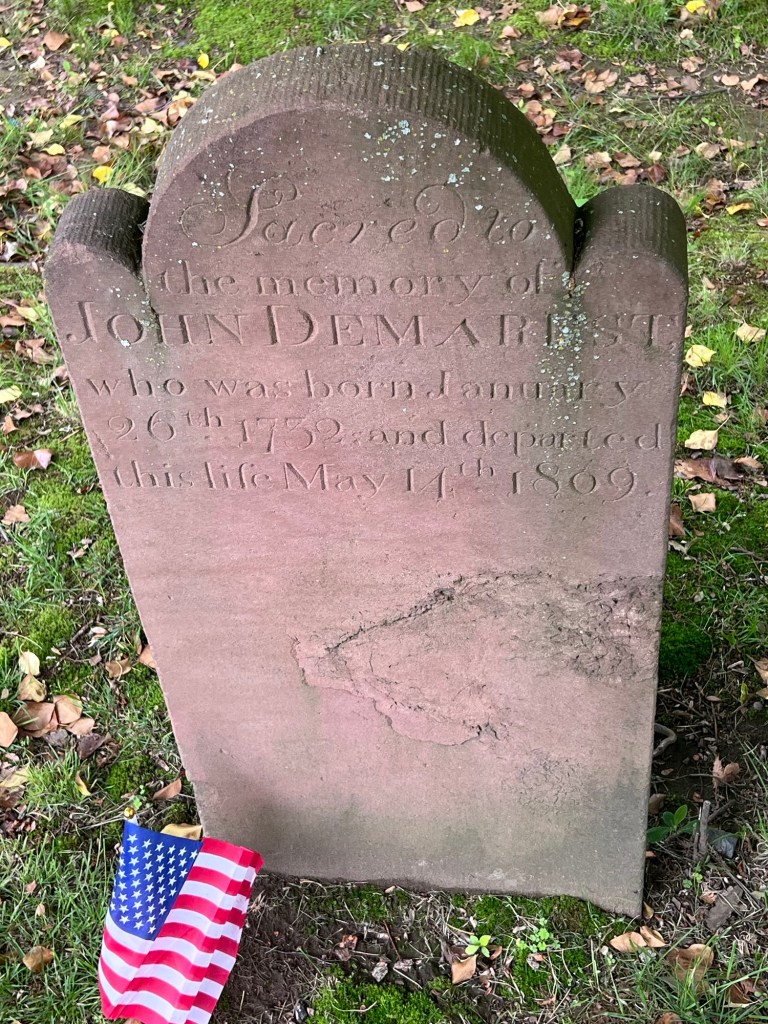
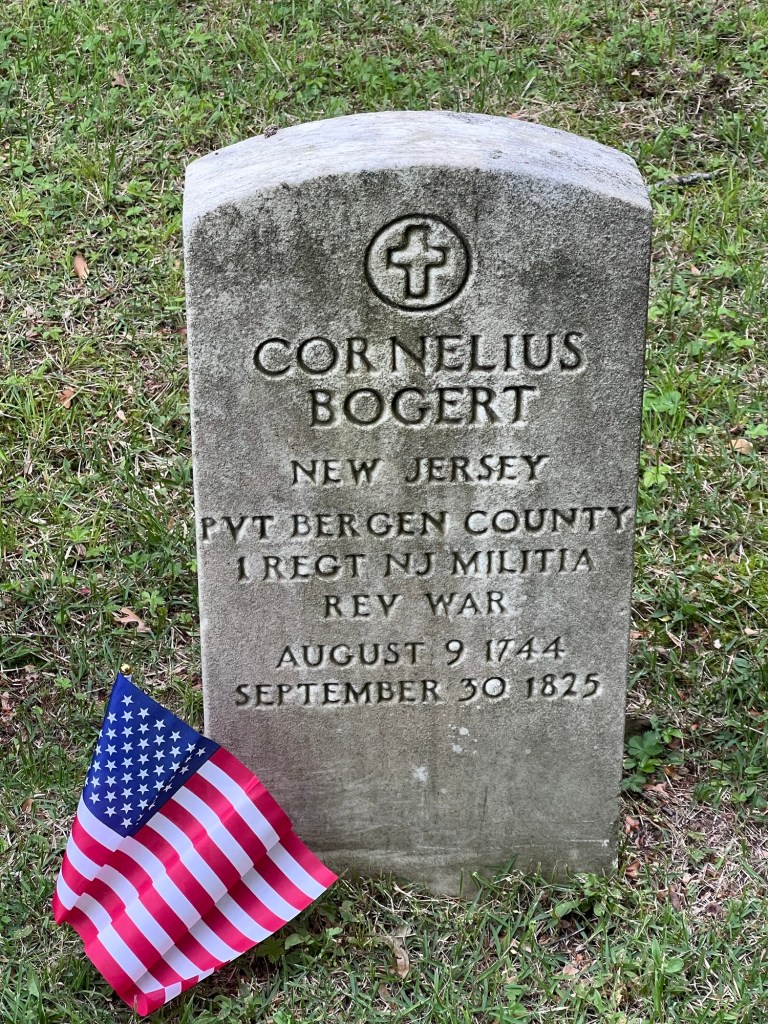
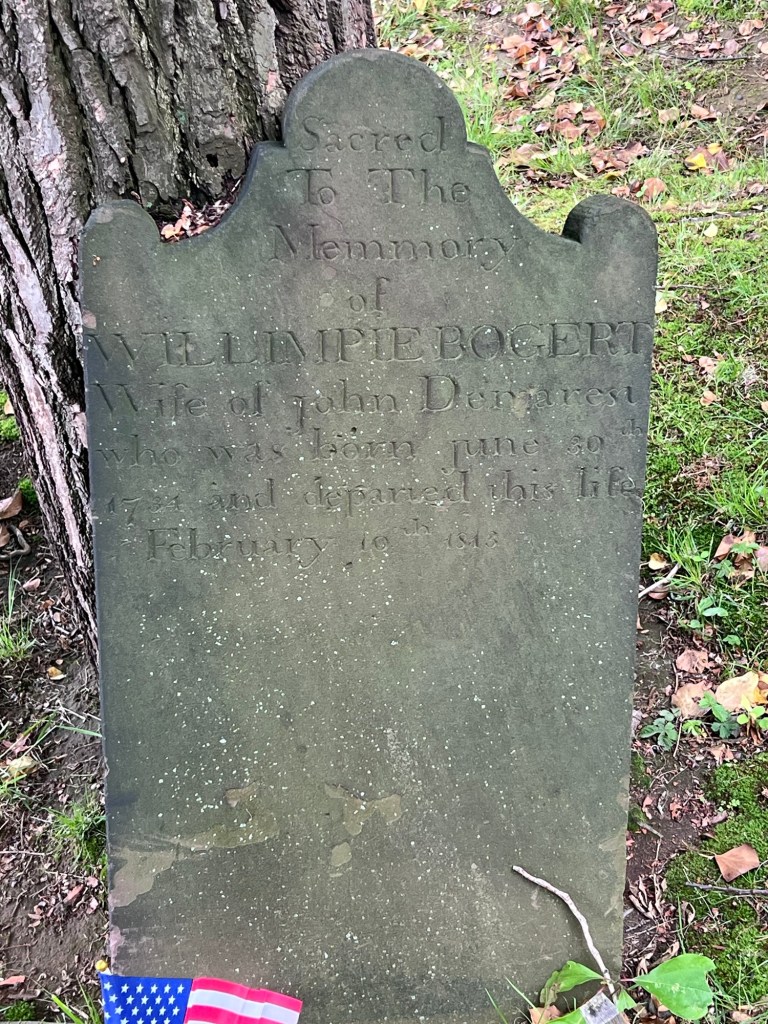
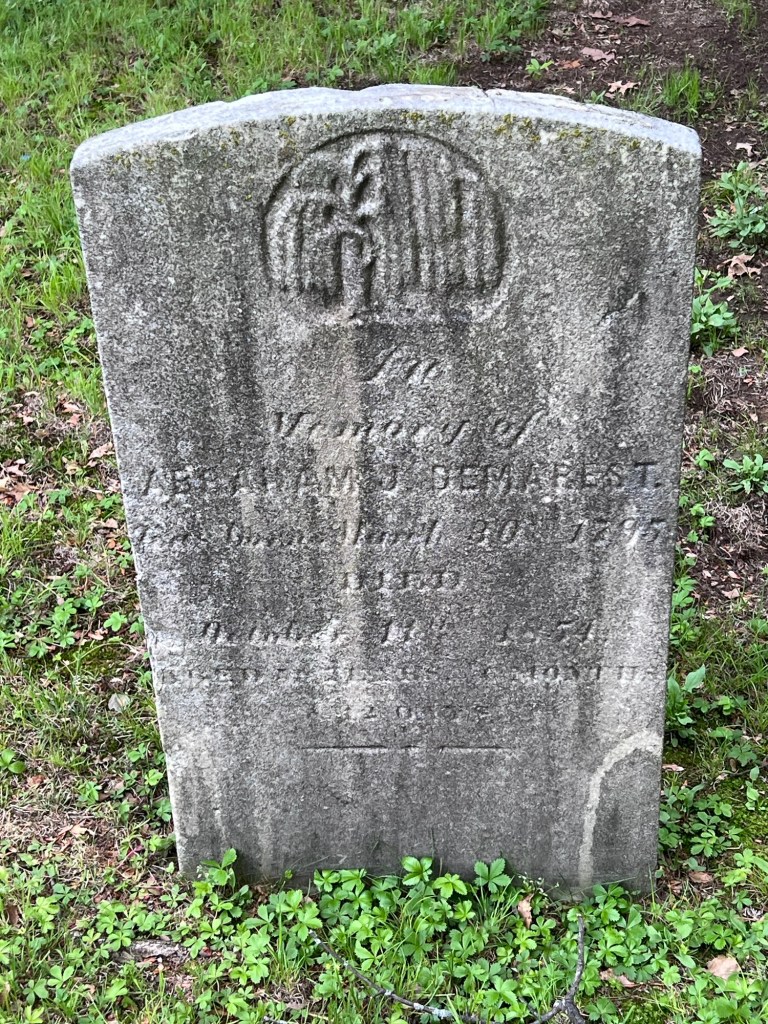
The cemetery is extremely interesting as you visit the historic tombstones and the family plots and try to figure out the connections. The biggest problem with the cemetery is that is has gotten very overgrown in parts of it. It needs a good mowing and the gravestones need to be cleaned as they are wearing away with the elements. It was hard to follow the historical listing but many famous residents and leaders of the community are buried here as well as members of the armed forces from the Revolutionary and Civil Wars and earlier.

The family plots at the cemetery

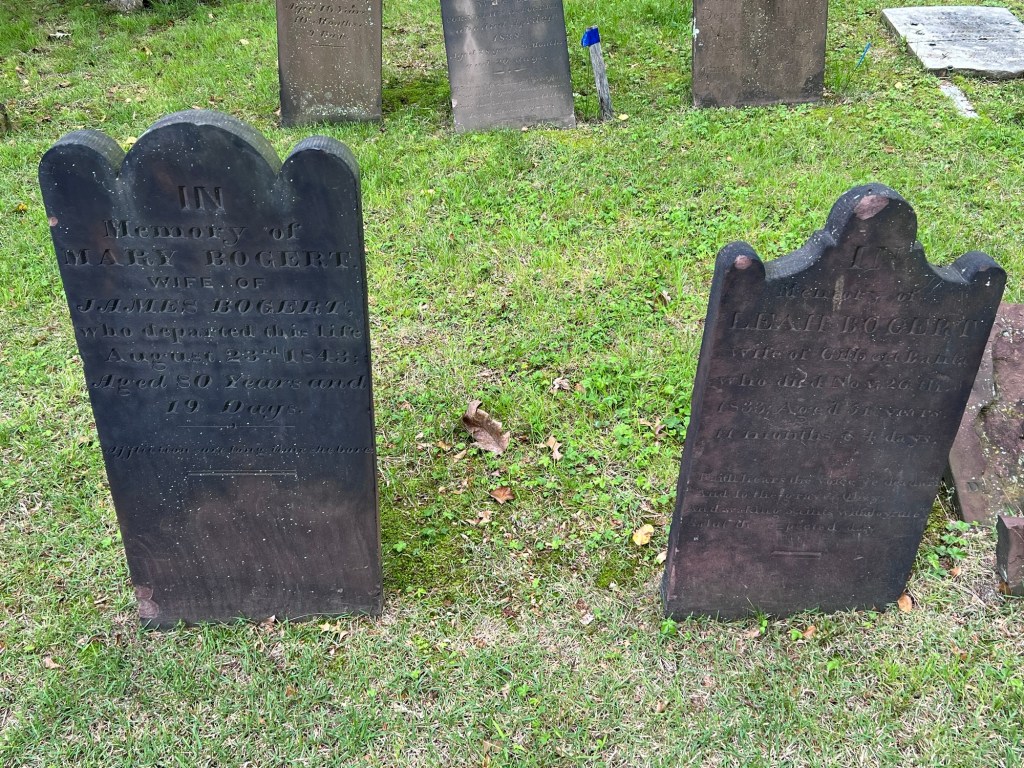
In some cases, when the families were buried together, it almost told the story of what happened within the family. I saw grave sites where the son or daughter either died in child birth or a disease or in battle and then the devastated parents followed a few years later which was a sad narrative. I saw this many times in the family plots. How many children died of diseases that today are solved by a pill.

The family plots

Some of the notable people buried in the cemetery are Ebenezer Elmer, who represented New Jersey in the United States House of Representatives from 1801-1807 and Jonathan Elmer, who represented New Jersey in the United States Senate from 1789-1791. Lucius Elmer, who represented New Jersey’s First congressional district from 1843-1845. Eilas Seeley, who was the Eleventh Governor of New Jersey serving in 1833. William G. Whiteley, who represented Delaware in the United States House of Representative from 1857 to 1861. Joseph Archibald Clark and Clement Waters Shoemaker, who were two of the founders of Cumberland Glass Manufacturing Company (Wiki).

The David Potter tomb

The history of the Broad Street Presbyterian Church and its cemetery:

(From Cumberland NJ Art.org)

For much of the 18th century in Bridgetown, which will eventually change its name to Bridgeton, there existed no church for Presbyterians, who were a large and growing segment of the local population. For church services, they were forced to conduct services in the Courthouse or travel to churches in Greenwich, Fairfield or Deerfield several miles away.

Family plots and crips

In 1792, about two acres of land were donated along King’s Highway, which was the main road from Bridgeton to Greenwich and ran along the south end of the church construction site. In 1800, this main route was relocated to the north and is today Broad Street (Route 49).

The cemetery grounds on a late summer afternoon.

The basic design of the Broad Street Presbyterian Church was set by it congregation and organizers who requested a masonry building with dimensions of at least forty by fifty feet. By December 1792, the brick walls and roof has been completed but it would take another three years for the interior to be finished.

The church in the early Fall of 2024

The design of the Broad Street Presbyterian Church is that of a meeting house, almost square in proportion. In the 17th and early 18th centuries, many American houses of worship were built in the meeting house form. This design was in contrast to the more formal churches of the period, which were more rectangular than square with an alter and/or communion table and pulpit approached by a long nave and often divided from the congregation by a railing. Broad Street Presbyterian Church has a tall pulpit, accessed by a winding stair and surrounded on three sides by pews so as many congregations as possible could attend and sit as close as possible to the preacher.

The beautifully designed church behind the fence

Above the pulpit is one of the most significant architectural features of the church, the Palladian window with its central window and semicircular arch flanked on each side by smaller windows and all unified by an entablature supported by columns. The name “Palladian” comes from the Venetian architect who originated the design, Andrea Palladio, who worked in 16th century.

The Elmer Family plot

Architects in the 17th and 18th centuries would travel from other parts of Europe to Italy to study architecture and they brought the Palladian style back to England and the American Colonies. Thomas Jefferson acquired an intense appreciation of Palladian architecture and used it extensively in his design for Monticello.

By 1835, the congregation had erected a new church but because the Broad Street church was surrounded by the cemetery, the congregation did not abandon or sell it but rather maintained it exactly as they left it, which is why today it is identified as one of the most pristine and unaltered examples of 18th century church architecture in the United States.

Today the Broad Street Presbyterian Church is used for special services and opened to the pubic by appointment. It is carefully maintained by the Presbyterian congregation of First Presbyterian Church located on Commerce Street in Bridgeton, NJ.

The graveyard is fascinating

Union Schoolhouse & Union Church and Burial Ground/Washington Township Historical Society                               6 Fairview Avenue                                                                          Long Valley, NJ 07853

Union Schoolhouse & Union Church and Burial Ground/Washington Township Historical Society 6 Fairview Avenue Long Valley, NJ 07853

Union Schoolhouse & Union Church and Burial Ground/

Washington Township Historical Society

6 Fairview Avenue

Long Valley, NJ 07853

(908) 876-9696

Home

https://br-fr.facebook.com/wthsnj

http://www.pathwaysofhistorynj.net/19.html

Open: Sunday 2:00pm-4:00pm/Monday-Saturday Closed

Admission: please call site

My review on TripAdvisor:

https://www.tripadvisor.com/Attraction_Review-g46583-d24075223-Reviews-Union_Schoolhouse_Union_Church_And_Burial_Ground-Long_Valley_Morris_County_New_Je.html

A Video on the Washington Township Historical Society

I came to the Washington Township Historical Site as part of Morris County’s “Pathways of History” tour and visited the Union Schoolhouse Museum and then the Union Church and Burial Ground that is located right next door on the same property. This sleepy little town was once a bustling manufacturing site with the sawmill and Ghrist around the corner and the Welsh Farms Ice Cream factory up the street from the site.

The Union Schoolhouse Museum at 6 Fairview Avenue

The museum, which was once the town’s schoolhouse, is an engaging site that showcases how the town developed over the last two hundred years. On the bottom floor, the society has Native American artifacts, period furniture and clothing and in the back of the museum is a full display of the original Welsh Farms Ice Cream factory. The Welsh’s were a very prominent family from the area.

The Welsh Farms Ice Cream Factory display

Some of the old bottles and equipment from the factory

The second floor of the museum has a display of town memorabilia from different businesses, farming equipment from the area’s agricultural past and pictures of businesspeople and prominent citizens of the town. It shows how the commercial past of the community kept evolving.

Display of the town memorabilia

To the side of the second floor is a display of a period schoolroom from the time that the building served as a school of the local population. You can see that not much has changed over the years.

School rooms of the past are not too different from today

The one thing that creeped me out was a picture of a local businessman from the 1800’s who looked exactly like the actor, Blake Ritson, who plays “Oscar Van Rijin” in the TV show “The Gilded Age”. These men are almost 100 years apart and he looks like the actor from that exact time period.

The picture is of local businessman Ernest Paul Hunger

This picture is of actor Blake Ritson who plays “Oscar Van Rijin” in “The Gilded Age”

I had to take this picture because everyone says you have a twin from the past and I can tell that these two men look exactly alike in the same clothing. What is really interesting is that they are the same age at the same time period. Like that picture of the gentleman from the 1880’s that looks exactly like actor Nicolas Cage, I think there is some weird time travel here. It is almost like the film “Time after Time”.

After touring the whole museum, I went next door to visit the church and the cemetery for a tour. When I exited the museum, I had not really noticed the beauty of the gardens that surrounded the museum. The local garden club had done a great job in landscaping and planting the walled garden around the museum. In the early Spring, it was a colorful display of flowers.

The walled garden was so colorful in the early spring

The cemetery walk was intriguing in that you got to walk through the ruins of the old church and get to see how it was once constructed. It gave me insight of how big these churches were at one time and building construction was in early colonial New Jersey.

The ruins of the old Union Church

The Union Church surrounded by the cemetery

When we visited each family’s plot, there was a discussion about what contributions that everyone made to the town and their place in society. What was interesting was that the volunteers were cleaning the tombstones with tombstone cleaner, and I had wondered when we were taking the tour why they looked so new. There is a lot of care of the people of this cemetery.

The Welsh Farm Family plot at the Union Church was just cleaned

The whole site is an interesting look into the community’s past by a group of volunteers who give it their all to make the site interesting, historical, visually engaging to the visitor and offer a surprise or two into history that you may not know of New Jersey. One the warm, sunny day that we visited the site, it made it even nicer to walk around and have the time to soak it all in.

When you visit the Union Schoolhouse and Union Church and Burial Ground take the time out to take the formal tour of the site. It is very informative to a past that is not so different from today. It offers a lot of insight of people’s lives of this community.

The history of the Union Church and Cemetery Site:

(From the Washington Township Historical Society pamphlet)

Mission: To bring together people interested in the history of Washington Township, Morris County, NJ and promote a better appreciation of our American heritage.

The history of the site:

European settlement had begun in Long Valley by 1730. The early settlers, primarily from Germany and Holland, came fleeing religious persecution, an oppressive tax burden and hoping for a better life in America.

In 1749, a joint log meeting house had been built near the site of the Stone Church by the Zion Lutherans and Dutch Reformed Congregations. During these early times the congregations were served either by preachers from these churches or by laymen. One of the ministers of the time was Henry M. Muhlenberg, who has been called the Father of the Lutheran Church in America. His son, John Peter also ministered to the Raritan Valley before 1772. In 1776, John left his church in Virginia to raise and lead a regiment in the American Revolution, serving with distinction and retiring as a brevet major general.

On February 4th, 1774, the Dutch Reformed and German Lutheran congregations drew up articles and agreements that provided for the building of a joint meetinghouse. “Whereas we the members of the Evangelical Reformed Congregation and we, the members of the Evangelical Lutheran Congregation are willing to build a meeting house jointly, “Acted the 4th day of February 1774, which is testified to by: Henry Muhlenberg Jr., deputy director of Zion’s Welsch; Diedric Strubel; Conrad Rorick; Casper Eick; Anthon Waldorf; Adam Lorenz; Philip Weis; Christopher Karn; Leonard Neighbour; Roulof Roulofsen; John Schwackhammer; Andrew Flock.”

Let the Building Begin:
According to local tradition, the stone used to construct the building of the meetinghouse, the people of the two congregations turned out in a body to cart the stone. It had been a previous agreement, that whoever on the day appointed, should bring the first load, should receive the honor of having his horse decorated with flags and ribbons. The story goes that Judge David Welsch, then 17, secretly loaded his wagon and hid it that night. The next day, wagons came like thunder from all parts of the valley. Although David Welsch was confident of winning, he was almost beaten. Before he could unload his wagon, all of German Valley was on the ground.”

A Stately and well built structure:

A description of the Stone Church was given during a sermon by Reverend Alfred Hiller in July 1876. He said, “it was a heavy gallery on the one side and across each end; the entrance on one side (south), under the gallery and on the opposite side (north) was the pulpit, one of the Jack in the Pulpit style, with sounding board suspended above. There is no chimney on the church, in the center of the church, a space about eight feet square was made with a dirt floor and on the square a great mass of charcoal was burned, the congregation getting for their share at least the smell of the fire.”

The Old Stone Church today

Historic photographs indicate the building had a clipped-gable or jerkin-head roof with roof ridge parallel to the longer north and south walls. The two-story church, three bays wide and two bays deep, featured a wide and two bays deep, featured a wide central entry surmounted by a segmental arch, as were the windows. The walls were of coursed rubble stone construction, pointed with a white lime-rich mortar, except on the south or front elevation which was stuccoed and “penciled” with white pointing to replicate regular ashlar stone. However, this may have been a later 19th century embellishment.

Decline:

In 1832, both congregations decided to separate houses of worship. Since that time the Old Stone Church has stood abandoned and surrounded by the graves of the early congregants. Despite efforts at stabilization between the 1960’s and the 1980’s, the deterioration continued until recent efforts spearheaded by the members of the Washington Township Historical Society with permission of The Zion Lutheran and Long Valley Presbyterian Churches have improved this.

The Old Stone Church with the cemetery surrounding it

The Paterson Museum                                                                              2 Market Street                                                                              Paterson, NJ 07501

The Paterson Museum 2 Market Street Paterson, NJ 07501

The Paterson Museum

2 Market Street

Paterson, NJ  07501

(973) 321-1260

Open: Monday-Friday 10:00am-4:00pm/Sunday-Sunday 12:30pm-4:30pm

Fee: Free

http://www.thepatersonmuseum.com/

http://www.patersonmuseum.com

https://www.patersonnj.gov/department/?structureid=16

My review on TripAdvisor:

https://www.tripadvisor.com/Attraction_Review-g46718-d2704664-Reviews-Paterson_Museum-Paterson_New_Jersey.html?m=19905

The front of the museum

The Paterson Museum is an interesting museum of the history of the City of Paterson, NJ. The museum is broken into different sections of the City’s history. The museum discusses from the time that the Lenape Indians lived in the area to the rise of colonization and then to how it developed into the Silk City  through city planning and placement. The museum covers the history of the City of Paterson in the industrial Age as well with the rise of the Silk Industry, the Wright Airplane Factory, the Colt Revolver and the growth of the hospital industry in the City.

Paterson Fire Department

The Public Safety exhibition

Paterson Steam Engine

Take time to look at the live displays of minerals, Native American artifacts, old fire department equipment and the life and times of its native son, Lou Costello.

The inside of the Paterson Museum

The nice part of this museum is that the parking is free, it can be toured in about two to three hours and it is walking distance to the Paterson Falls and to Little Peru restaurants. It is also free.

The Paterson Falls up the road

Little Peru down the road

The Introduction:

The Welcome Center

The Paterson Museum offers a ‘History within History’ experience. Located inside the former erecting shop if the Rogers Locomotive & Machine Works, the museum, presents a glimpse of the rich history and the many factors that gave rise to Paterson, New Jersey: “America’s First Planned Industrial City.”

From the natural wonders and the first inhabitants of the land that lay below and above the ground to the vital role Paterson played in setting of our nation’s industrial course. Through the museum’s exhibits. you’ll find out why Paterson was known for more than a century as the “Silk City.”

Silk City

You’ll discover that Paterson was at the forefront of locomotive, submarine and airplane engine development. And that’s just the beginning of our story. By the time you finish your visit, you will want to learn more about this city that surrounds the Great Falls.

The Exhibitions:

Paterson Residents: There are exhibitions on such celebrity natives as Lou Costello and his life after living in Paterson are shown in detail.

The Lou Costello exhibition

The Lou Costello exhibition

Baseball players, football players and actors have shown against all odds and color barriers they found success in the world with Paterson being their roots.

Sports in Paterson, NJ

The Silk Industry

Silk City: The history of Paterson as ‘Silk City’ features winders, warpers and power-looms that produced beautiful fabrics. How the Falls and the location of the City of Paterson played its part in the garment industry at the turn of the last century. Not just in the silk industry but also in other companies like the Wright Aeronautical Corporation and the their time as a manufacturer in Paterson.

The Paterson Fire Department

The Paterson Fire and Police Departments: The history and development of both the Paterson Police and Fire Departments are told through pictures, stories, uniforms and equipment through the ages. There are many turn of the last century fire trucks in the museum.

World War Exhibition: The museum has a wonderful exhibition on the history of Paterson and the role it played in the World Wars. There are all sorts of uniforms, munitions and stories to tell.

The War years

The Veterans exhibition

Geographical: There is a whole side exhibition of gems and minerals both native and from all over the country at the museum and a full display of native New Jersey stone formations. There is also a discussion of how the Falls played such an important role inf the development not just of the City of Paterson but of New Jersey as well.

The Minerals

Alexander Hamilton Exhibit: The history and life of Alexander Hamilton is told from the time he was born in the Caribbean to his coming to the United States, his marriage and his rise through the ranks of the government. There is how he helped develop the banking industry and paying of the government debts to his fall from grace and his eventual fatal duel with Aaron Burr.

The Alexander Hamilton exhibit

Lenape Indian Culture: The Lenape Native American culture is shown how the tribes developed, lived, worked and hunted and gathered to create the society that was in place before colonization.

The Lenape exhibit

There are all sorts of tools, displays on their regions of living, language, housing (there is a recreation of a Tee Pee here), that native wardrobe and a complete display of tools and arrow heads. It is a very detailed account of life as a Lenape Indian.

Lenape Exhibition at the Paterson Art Museum

The Lenape Indian exhibition

The Lenape exhibition

The museum shows the history not just of Paterson but of the surrounding areas and how growth of the City of Paterson made an impact on the region.

The history of Paterson, NJ

The history of Paterson, NJ

The history of Paterson, NJ at 109 years old