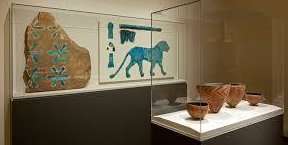
I just happened to stumble across this museum on the way back from the Metropolitan Museum of Art and saw that they were having an exhibition entitled “A Wonder to Behold: Craftsmanship and the Creation of Babylon’s Ishtar Gate”. The exhibition is on the craftsman who created the ‘Ishtar Gate’ and the ‘Processional Way’ in the Ancient City of Babylon.
Glazed brick art from the ‘Processional Way’
The small exhibition contains many examples of clay bricks that were used to build the decorative walls and pathways, artwork from the ‘Processional Way’ were displayed as well as smaller decorative art pieces from the time period.
Some of the works in the exhibition
The exhibition also showed tablets from the time period, information on the digs on the site of Babylon and some of the recorded history of the civilization.
There are interesting tablets on display
For two small rooms of gallery space, the Institute for the Study of the Ancient World covers a lot of information on the time period. One nice thing about the museum is that you can see the whole exhibit in less than an hour and they do have a very nice gift shop.
The History of the Museum:
The Institute for the Study of the Ancient World is a center for advanced scholarly research and graduate education, which aims to encourage particularly the study of the economic, religious, political and cultural connections between ancient civilizations. It offers both doctoral and postdoctoral programs with the aim of training a new generation of scholars who will enter the global academic community and become intellectual leaders.
In effort to embrace a truly inclusive geographical scope while maintaining continuity and coherence, the Institute focuses on the shared and overlapping periods in the development of cultures and civilizations around the Mediterranean basin and across central Asia to the Pacific Ocean. The approaches of anthropology, archaeology, geography, geology, history, economics, sociology, art history, digital humanities and the history of science and technology are as integral to the enterprise as the study of texts, philosophy and the analysis of artifacts. The Institute’s Director and permanent faculty determine particular directions of research but both historical connections and patterns as well as socially illuminating comparisons will always be central to its mission.
The public presence matches its vision, engaging both the public and scholars worldwide in the work and findings of its scholarly community. Exhibitions, public lectures, publications, digital resources and other programs reflect the Institute’s ideal of study that bridges disciplines and ancient peoples.
The creation of the Institute for the Study of the Ancient World at New York University has its roots in the passion that Shelby White and Leon Levy had for the art and history of the ancient world, which led them to envision an Institute that would offer an unshuttered view of antiquity across vast stretches of time and place. It was founded in 2006 with funding from the Leon Levy Foundation.
Areas of specialty among the museum’s faculty include the Greco-Roman world, the Ancient Near East, Egypt, Central Asia and the Silk Road, East Asian art and archaeology, Late Antiquity and the early Middle Ages, ancient science and digital humanities.
Disclaimer: This information was taken from the museum’s website and I give them full credit for it.
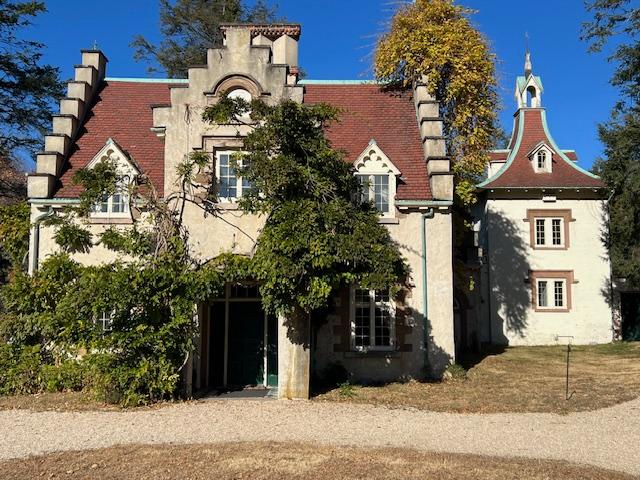
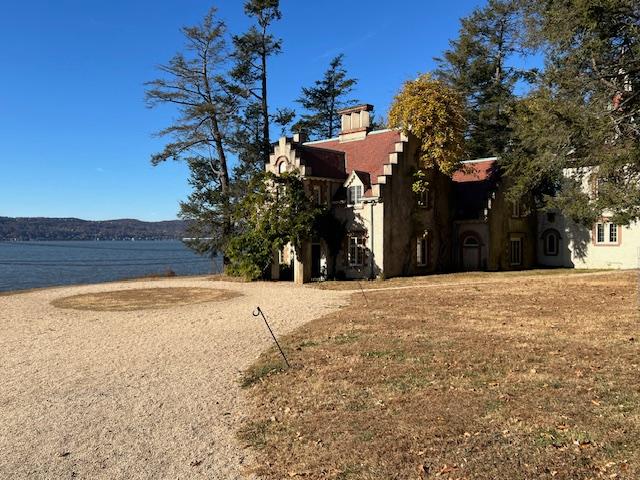
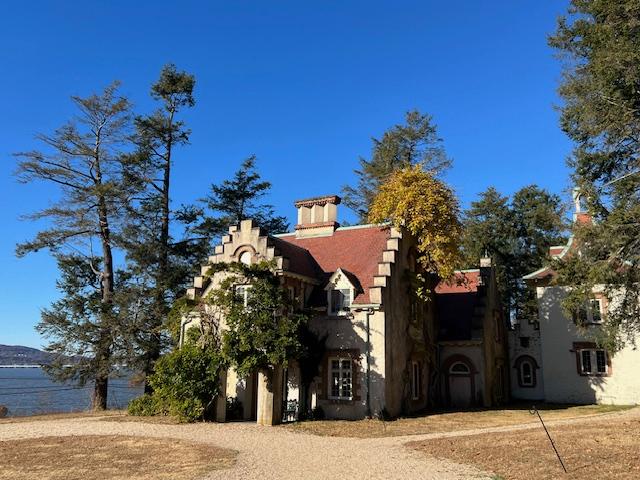
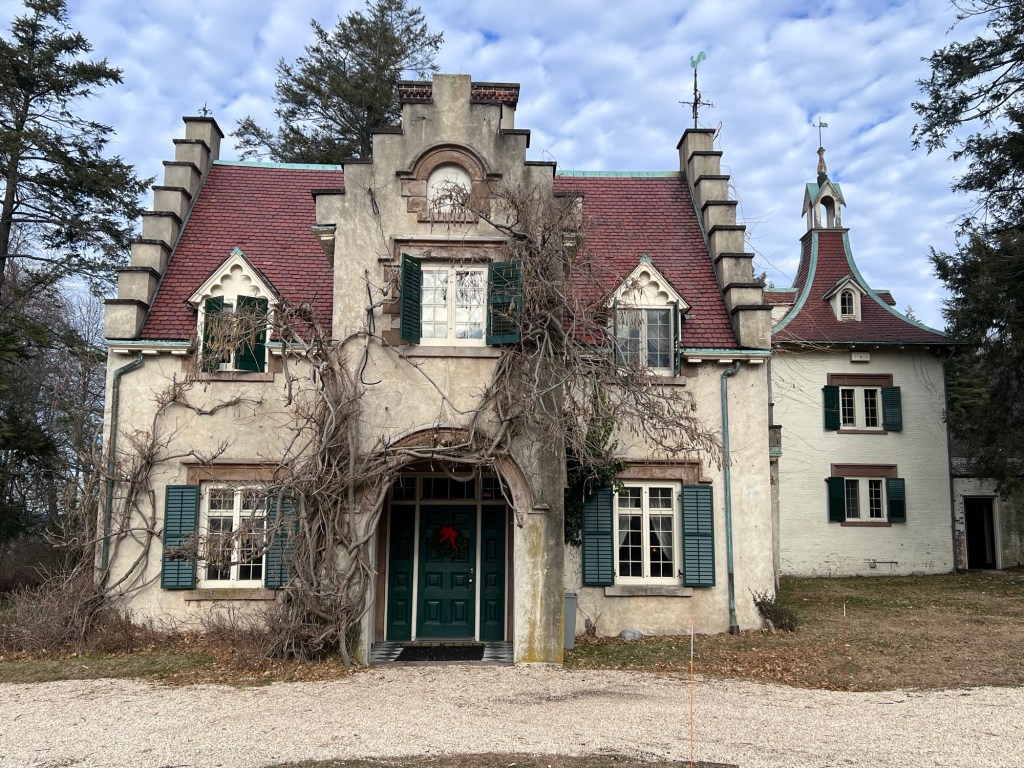
Washington Irving’s home, Sunnyside is open during the warmer months of the year, closing at the end of October. The house looks like a enchanted cottage with almost a fairy like appearance right on the banks of the Hudson River with the most spectacular views of the river valley and the Tappan Zee Bridge in the distance.
Sunnyside during the Fall of 2024
The house was designed by architect George Harvey and reflects the Dutch Colonial Revival, Scottish Gothic and Tudor Revival influences with wisteria growing up and around it and a jagged crow stepped gable.
The front of Sunnyside in the Fall of 2024
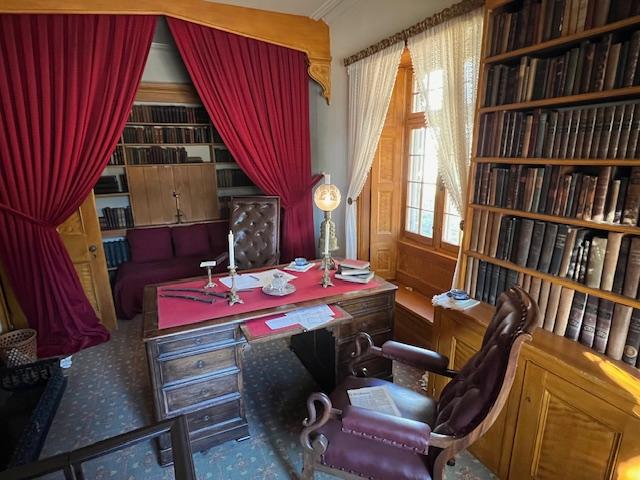
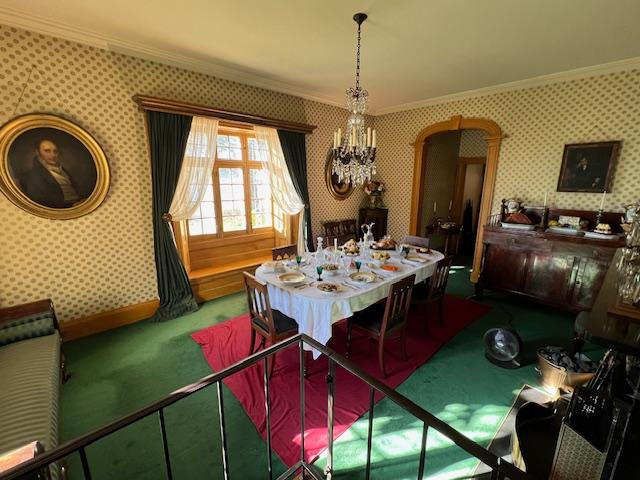
When walking through the home, you will see the study where Washington Irving conducted the business of the house and did his writing. To the other side of the house, you will see the living room and small dining room where the family used to entertain.
Washington Irving’s Study
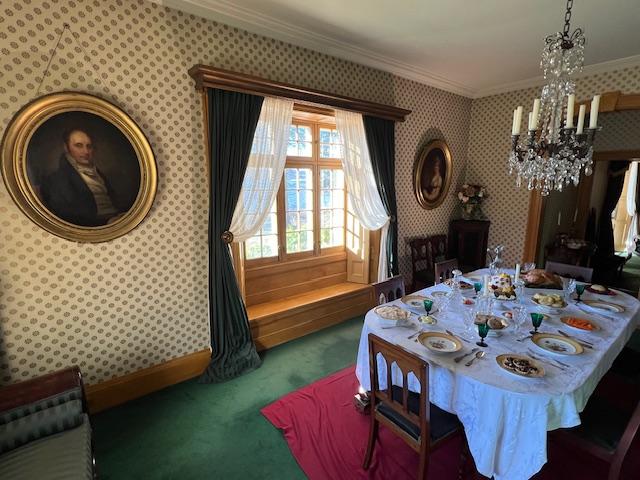
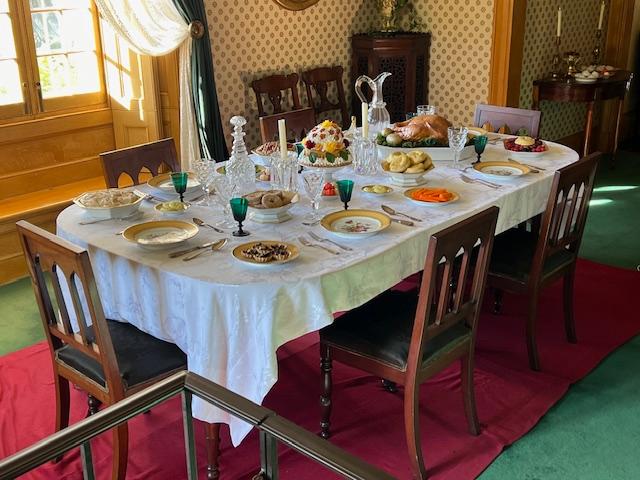
The Dining Room set for a formal lunch
The Dining Room in the Fall of 2024
The formal meal at the afternoon
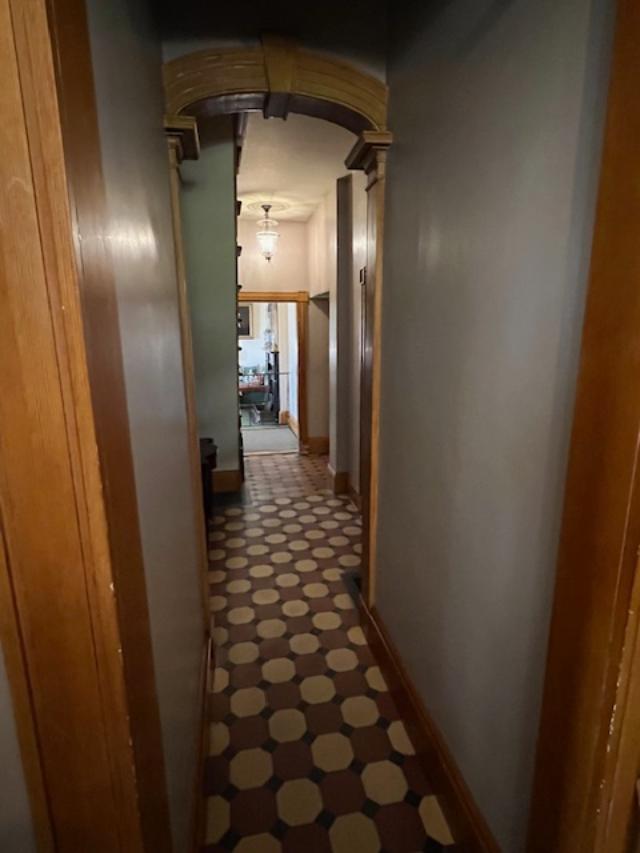
The hallway between the Dining Room and the Living Room
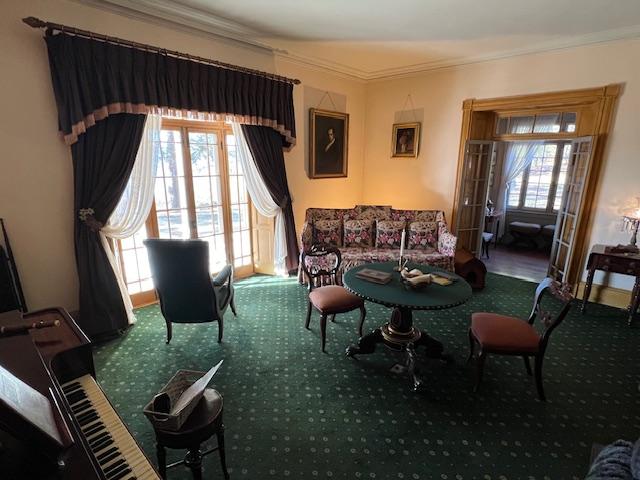
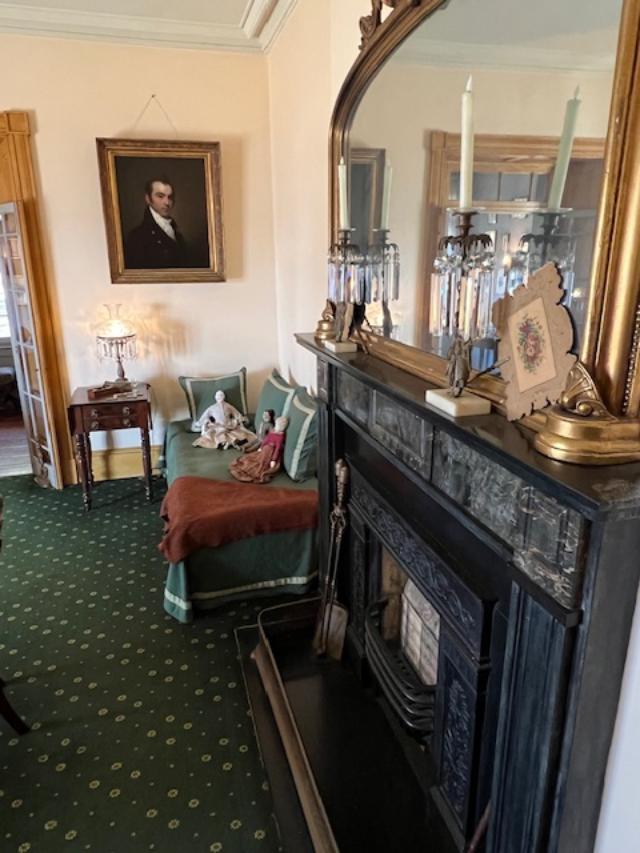
The Living Room where the family gathered and entertained visitors
The Living Room of Sunnyside
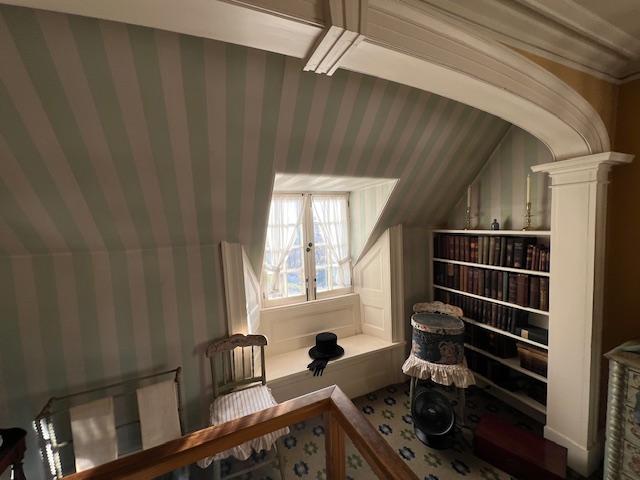
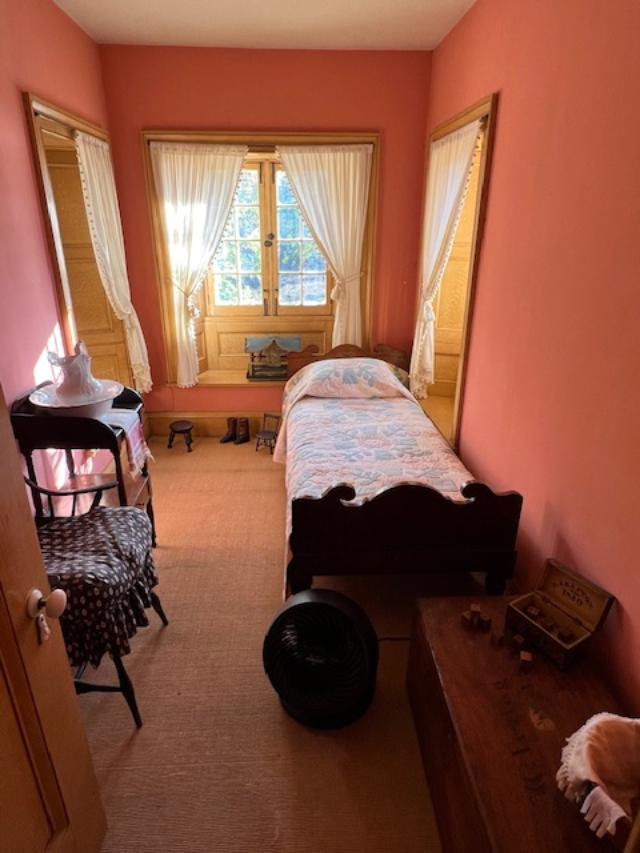
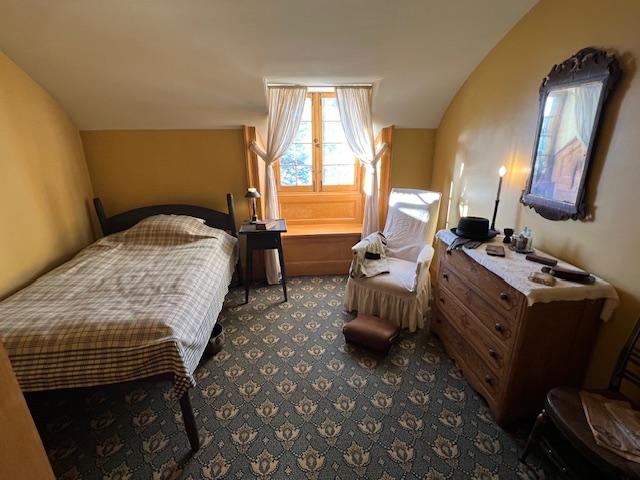
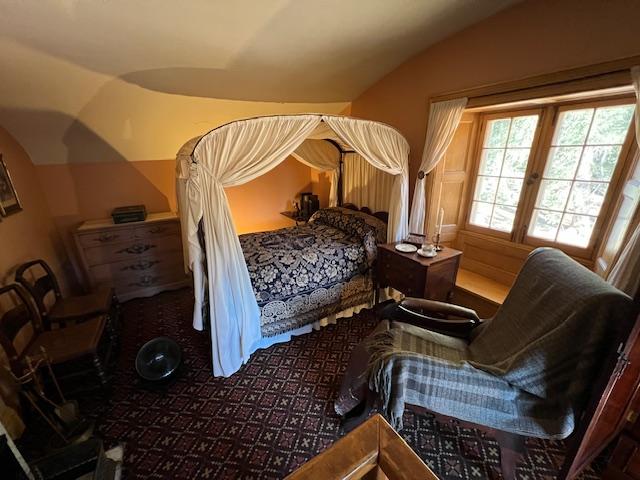
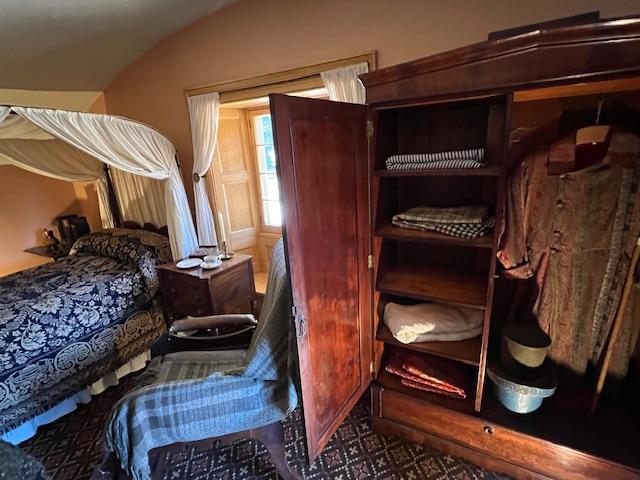
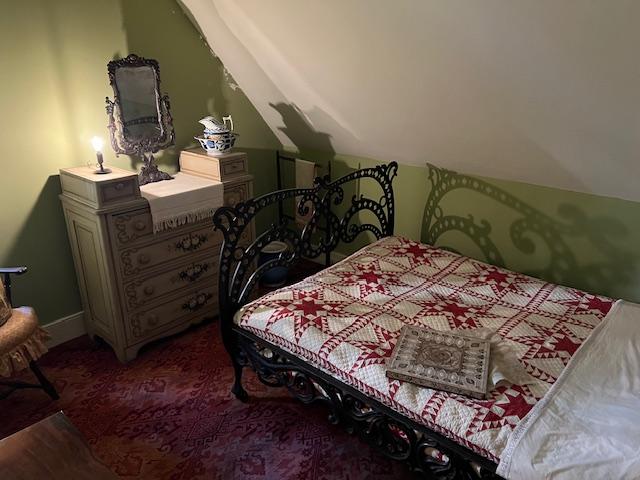
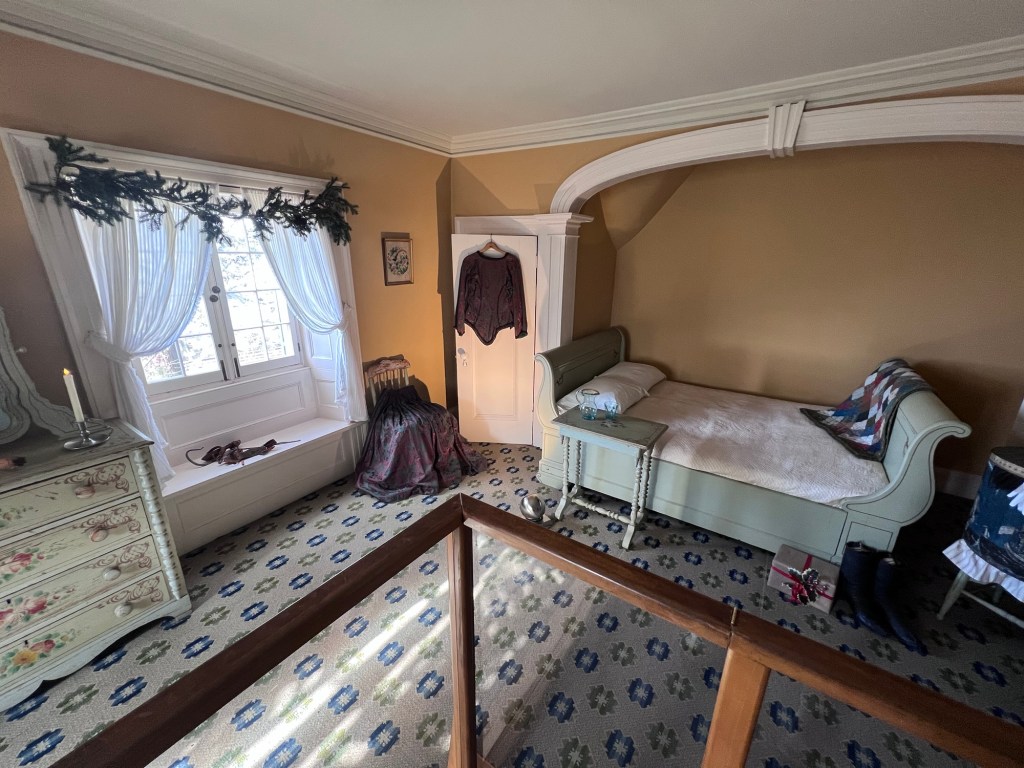
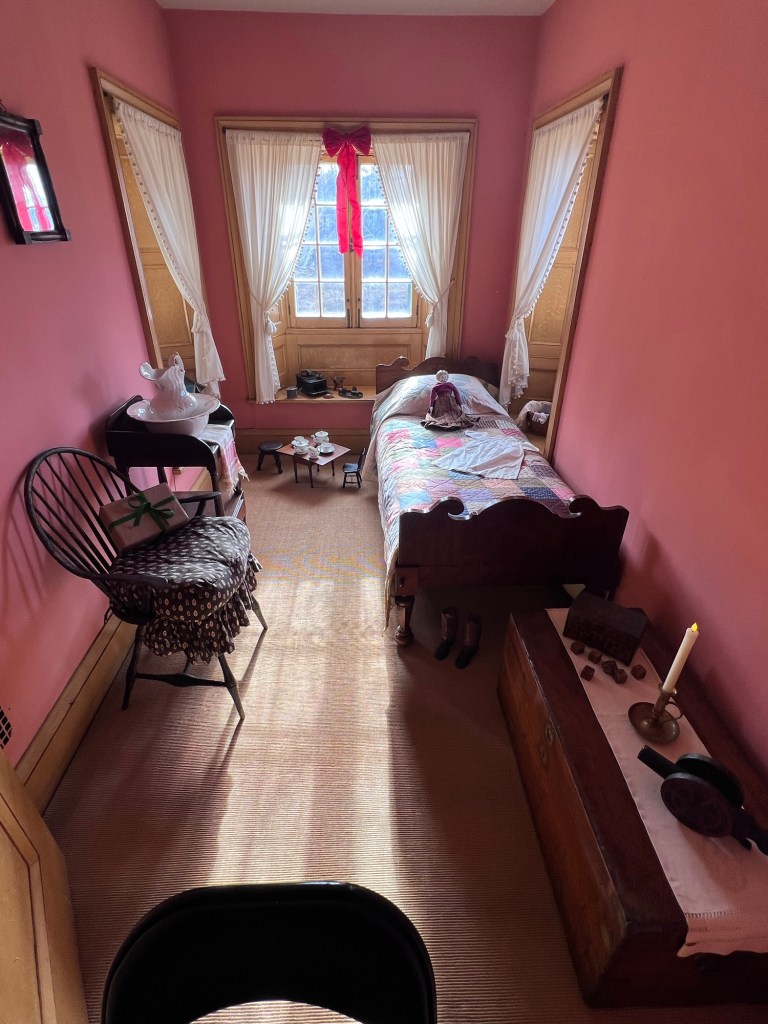
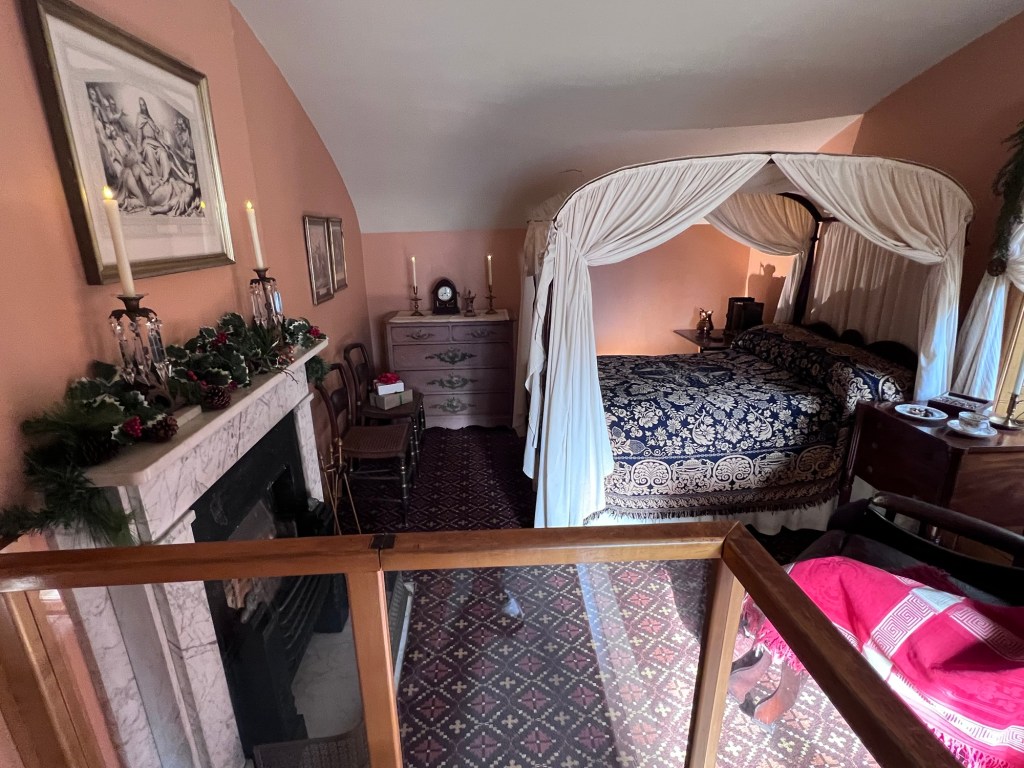
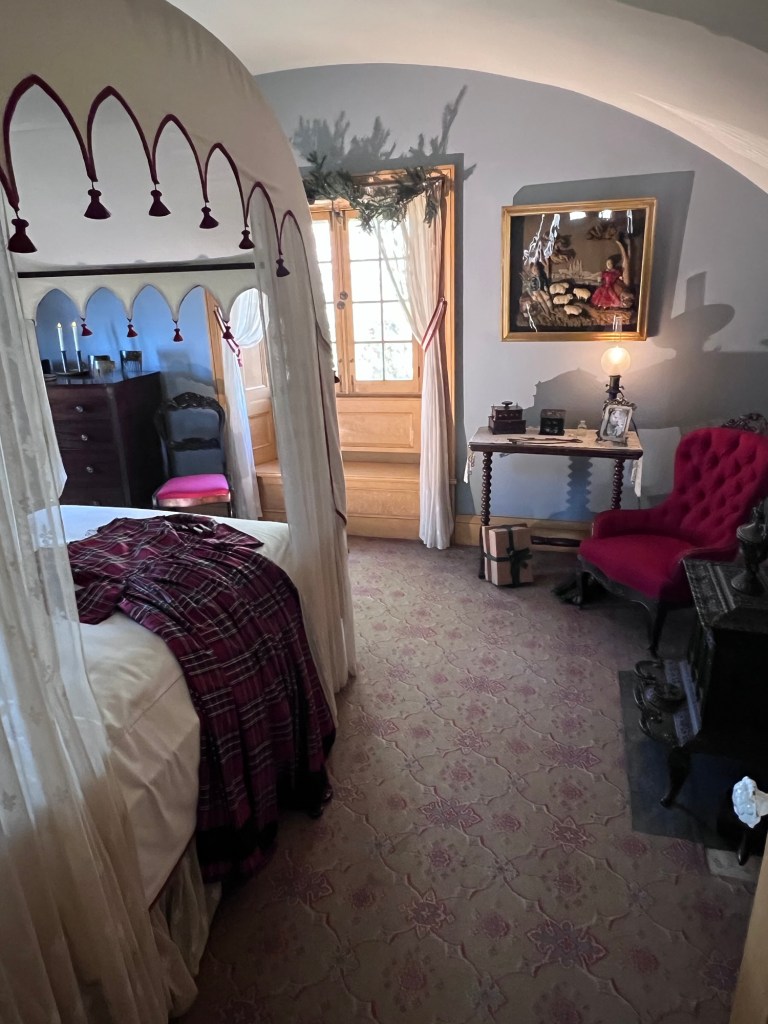
The upstairs contains small bedrooms where Washington Irving, his brother, Ebeneezer and his five nieces lived on and off when they were living at the house. Washington’s brother’s business had failed and the family came to live with him. Two of the nieces never married and ran the home for their uncle.
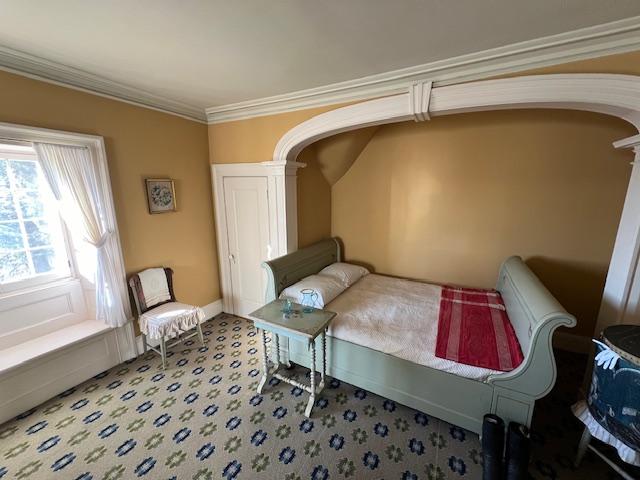
The Guest bedroom at Sunnyside
The Guest Bedroom
The Children’s Bedroom that catered to the little guests
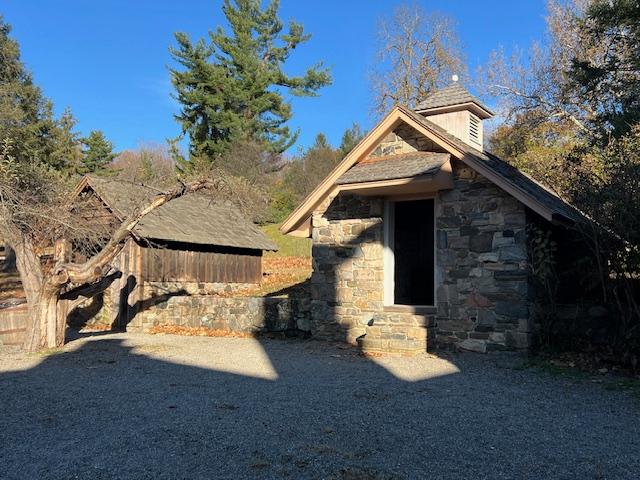
The house is nicely furnished in the most modern decor of its time but is not an elaborate house. It is a home and not a weekend mansion and this ten acre estate was a once a working farm. In the back of the house, there is an ice house and a barn show where the people who worked on the estate kept the house running.
Ebenezer’s daughter’s room
Ebenezer’s Room in Sunnyside; Ebenezer was Washington Irving’s Older Brother
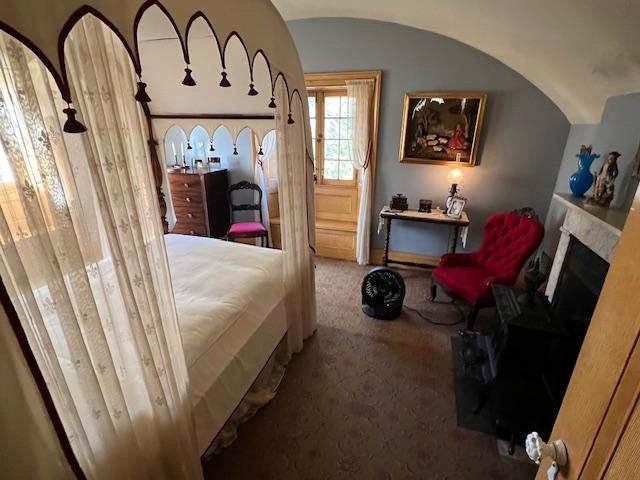
Washington Irving’s bedroom
Washington Irving’s bedroom
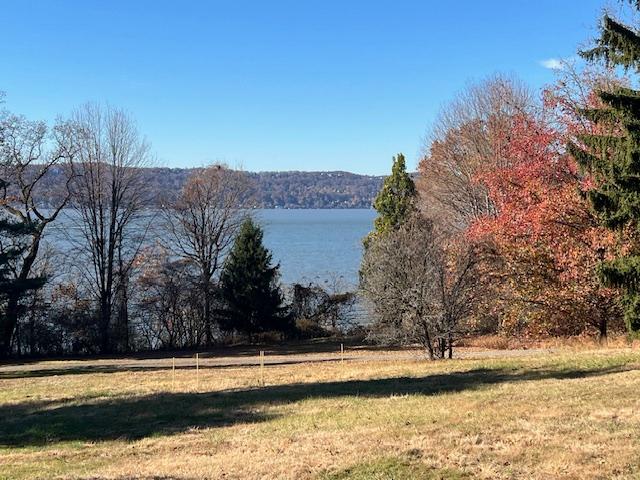
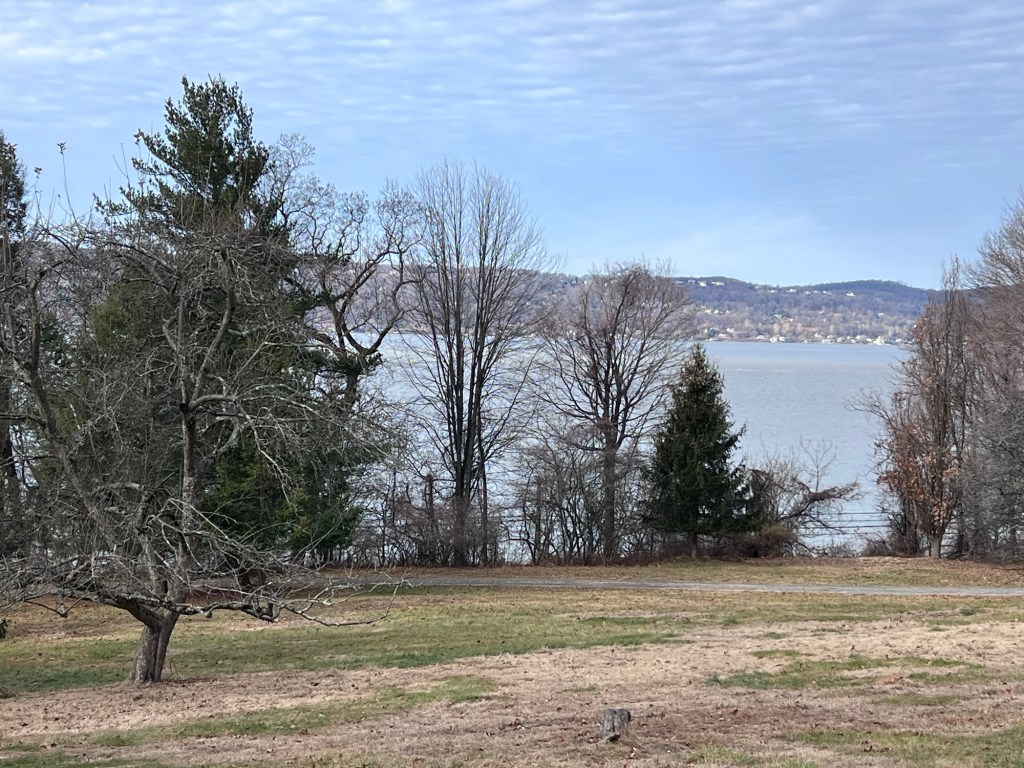
The view of the river is one of the most spectacular in the Hudson River Valley as its at the widest part of the Hudson River. You can see the cliffs of New Jersey on the other side with views of Nyack and the Tappan Zee Bridge in the background.
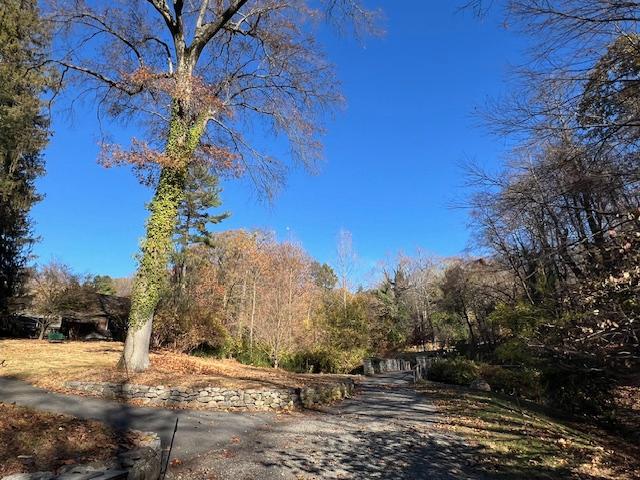
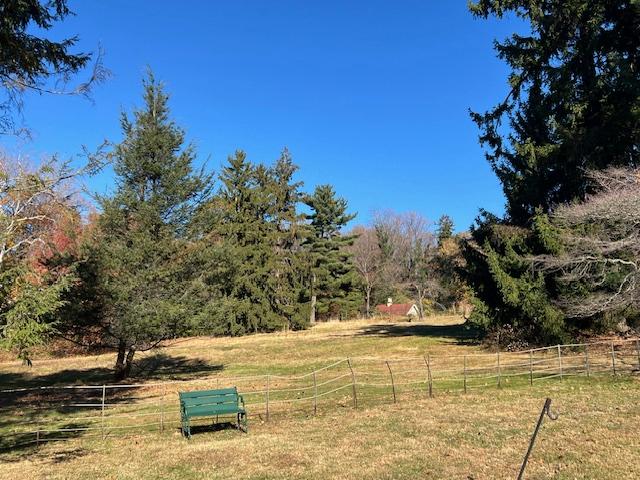
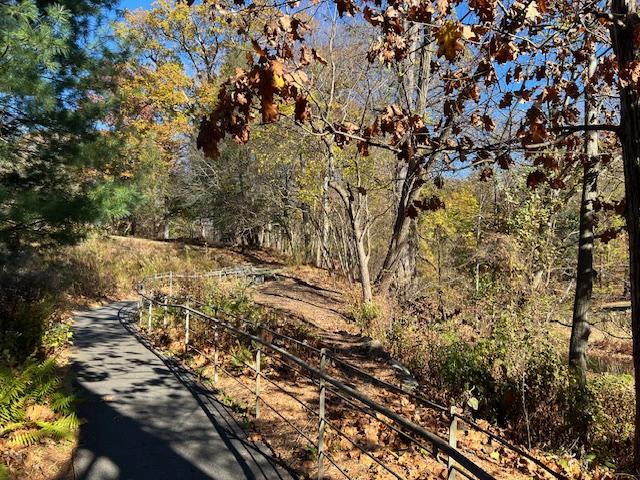
The grounds of Sunnyside
The grounds of Sunnyside
During the Fall season there are all sorts of activities going on at the estate and the tours are a very interesting look at life at that time. The Kitchen staff ran the home for social calls and main family meals as well as all the things it took to run the household.
The Sunnyside Kitchen
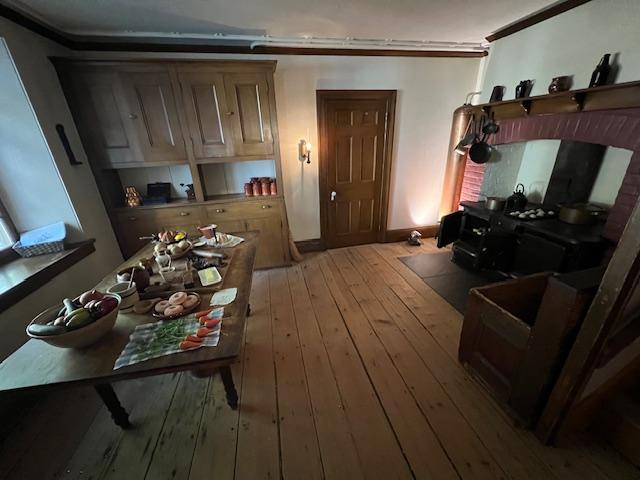
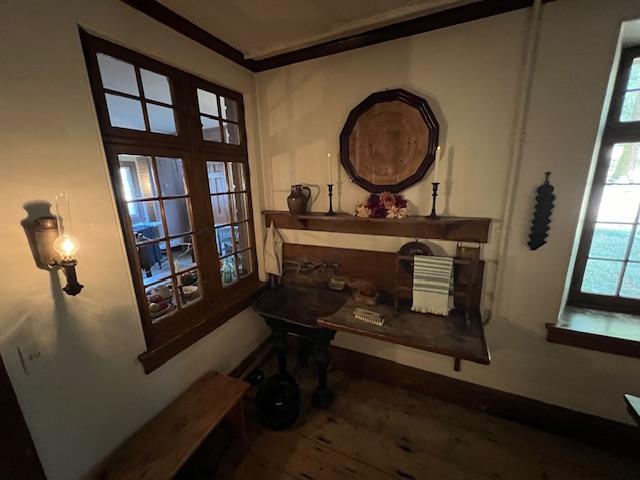
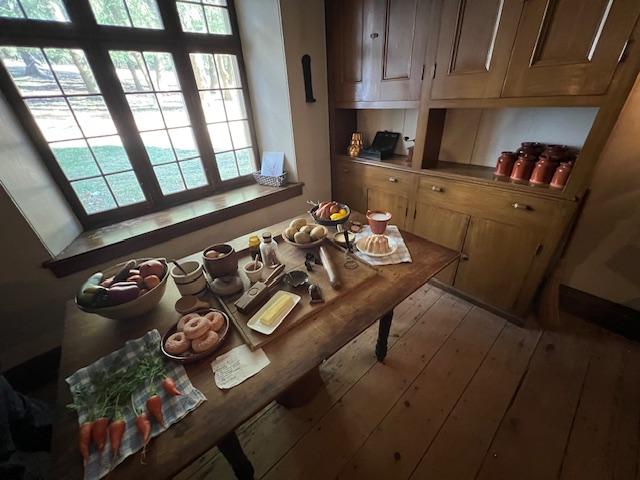
The kitchen and pantry area
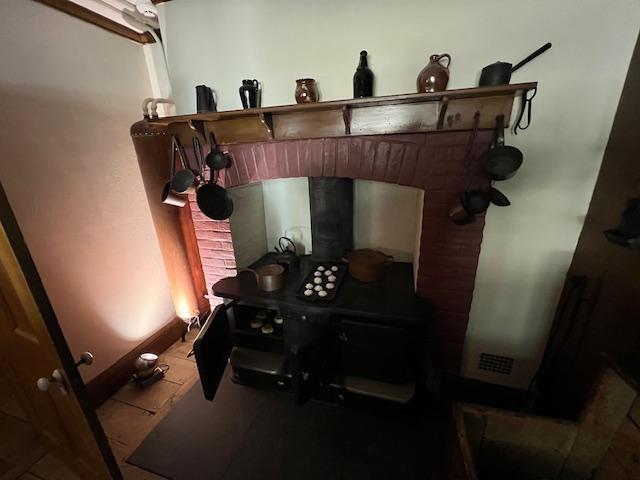
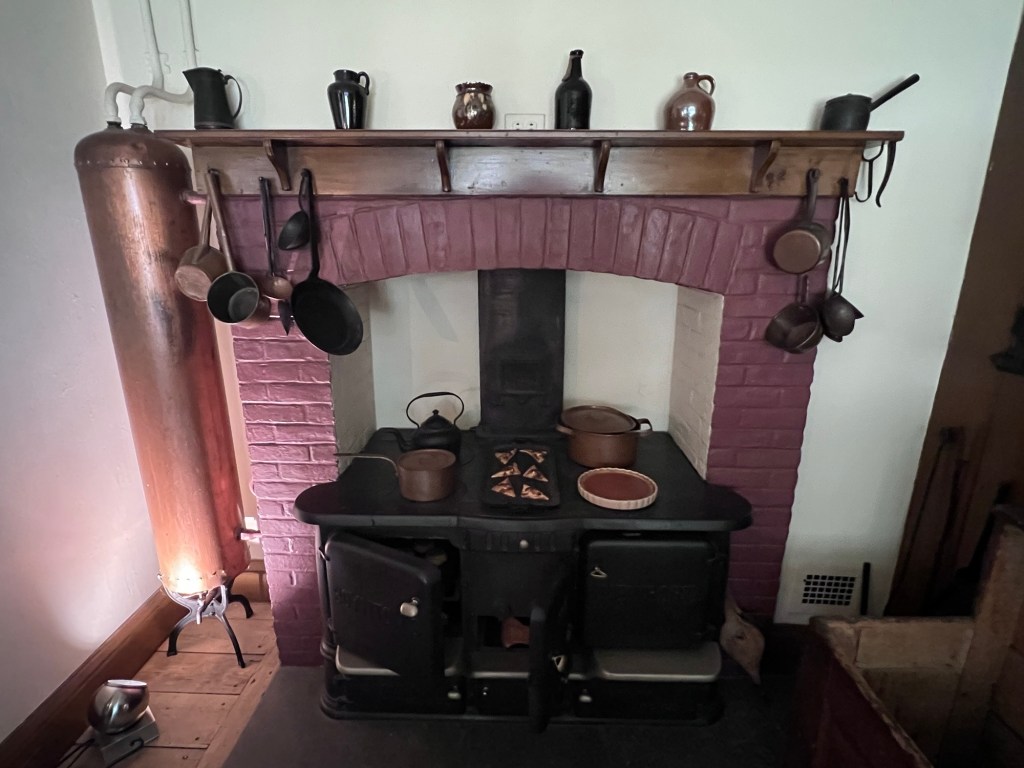
The stove in the kitchen
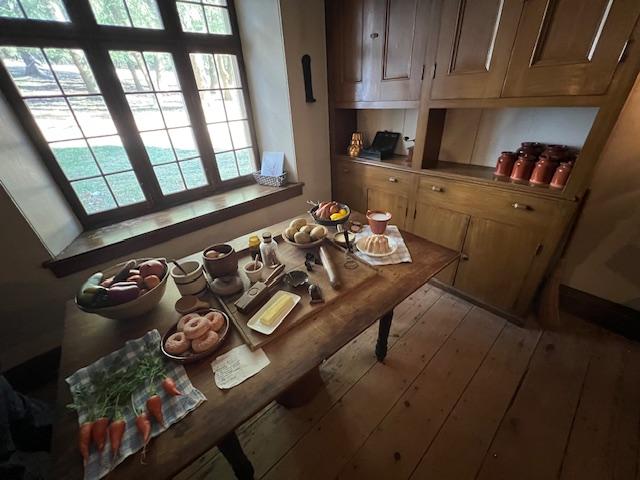
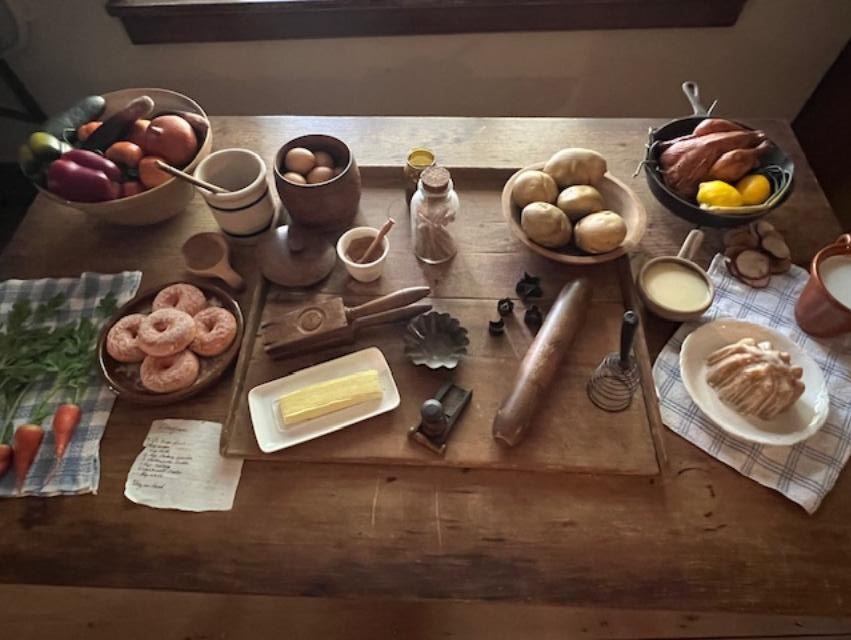
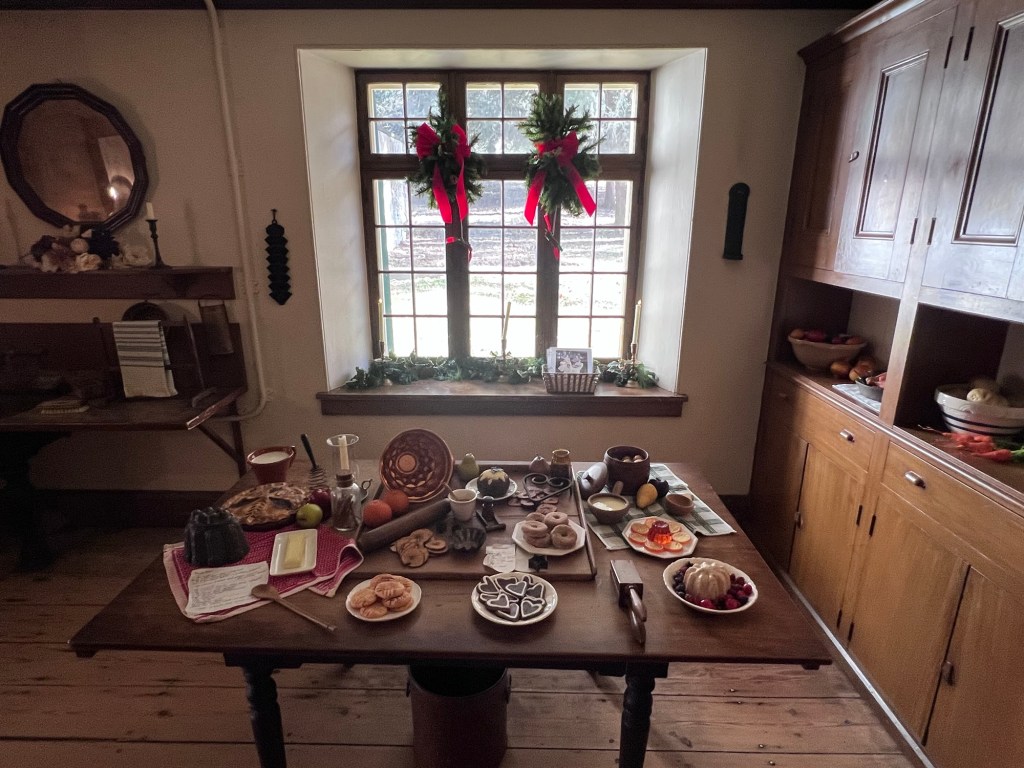
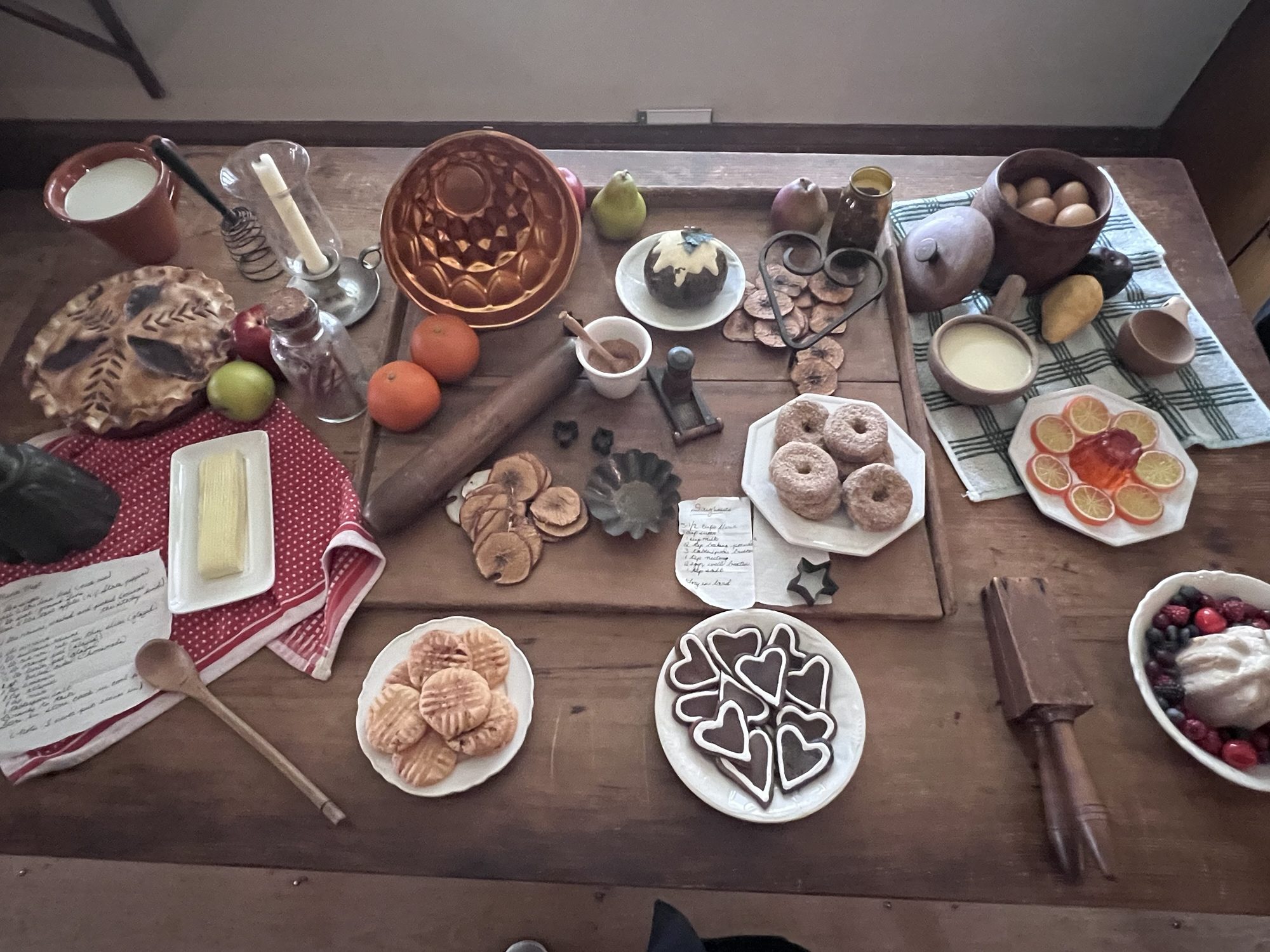
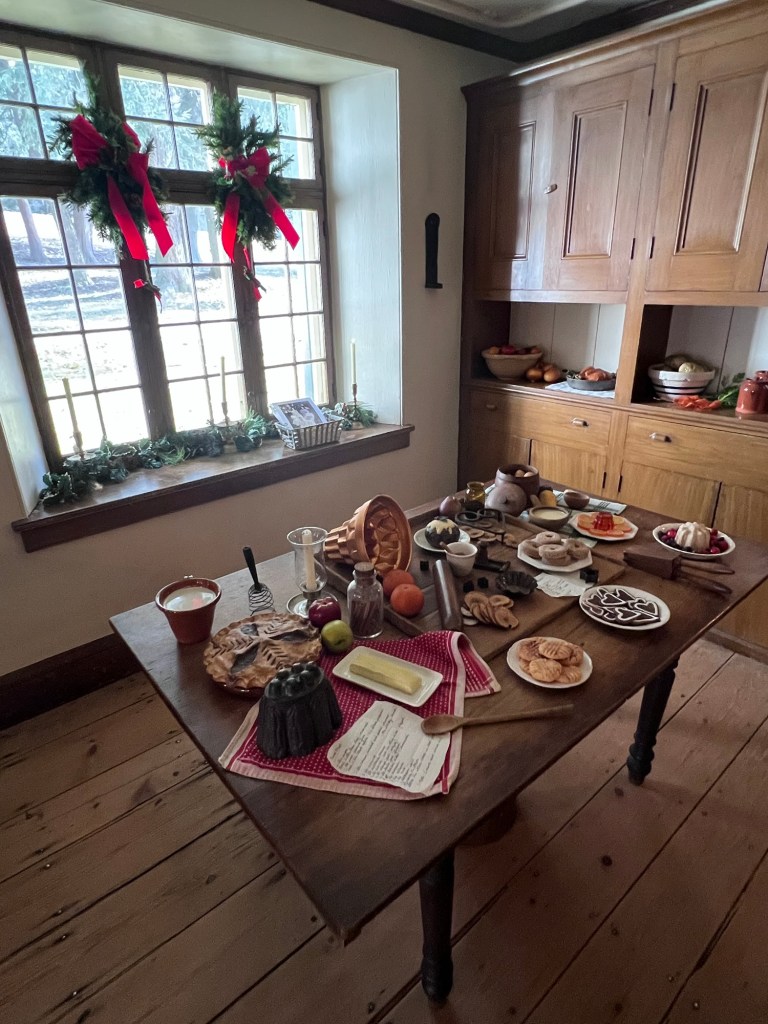
The delicious items that were prepared in the Country kitchen
The sink area of the kitchen
The Cooks Kitchen
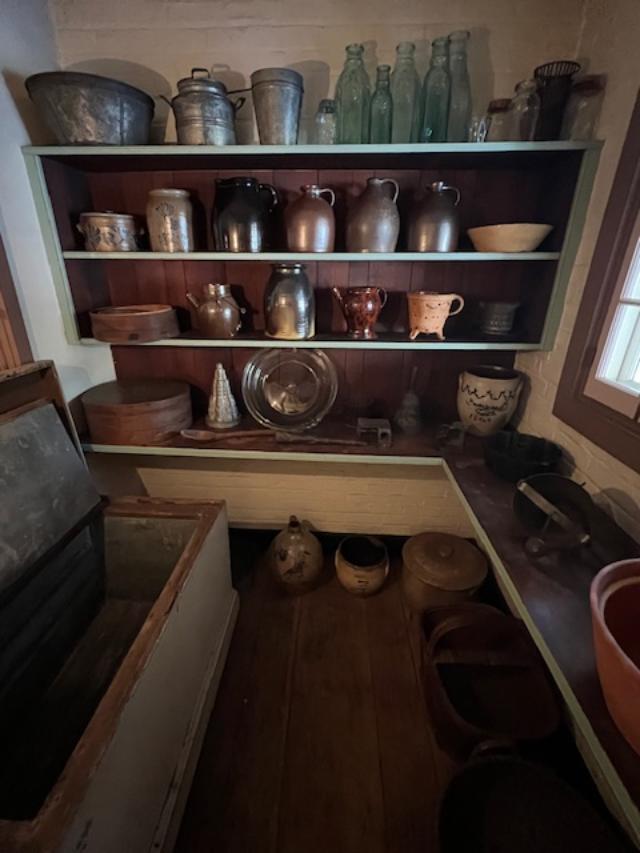
The Pantry
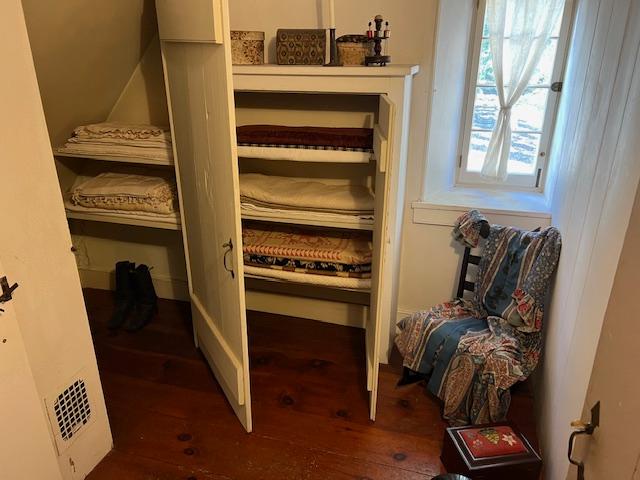
The Linen Room
The Sewing Room for the family
The History of Sunnyside:
The estate was once the home of Wolfert Acker called Wolfert’s Roost and was part of the Manor of Philipsburg and this home was once a simple two room stone tenant farmhouse built around 1690.
The patio view from the back of the house
The property came into the hands of the Van Tassel family, who were married into the Eckert family and owned it until 1802. That year, 150 acres were deeded to the family of Benson Ferris, one time clerk of the Old Dutch Church of Sleepy Hollow, whose wife, Maria Acker, was a descendant of Wolfert Acker’s.
The grounds of Sunnyside
In 1832, Washington Irving visited his nephew, Oscar Irving, who lived near the old stone farmhouse and was looking for a home at the time. He purchased the property on June 7, 1835 and would add to the property.
The view of the house of the Hudson River
Irving wrote a story, “Wolfert’s Roost”, about Acker and the site. In a letter to his brother Peter, he described it as “a beautiful spot, capable of being made a little paradise…I have had an architect up there and shall build upon the old mansion this summer. My idea is to make a little nookery somewhat in the Dutch style, quaint but unpretending. It will be of stone.” He asked his neighbor to help him remodel the house and landscape the grounds in Romantic style adding a brook and waterfall.
The grounds of Sunnyside
The house became a major spot of people visiting the area to meet the author. In 1842, he was appointed to be the Ambassador of Spain and left the estate in the care of his brother and four daughters. He returned in 1846 and added to the home the ‘Spanish Tower” in 1847. This added four more bedrooms to the home.
The Smokehouse
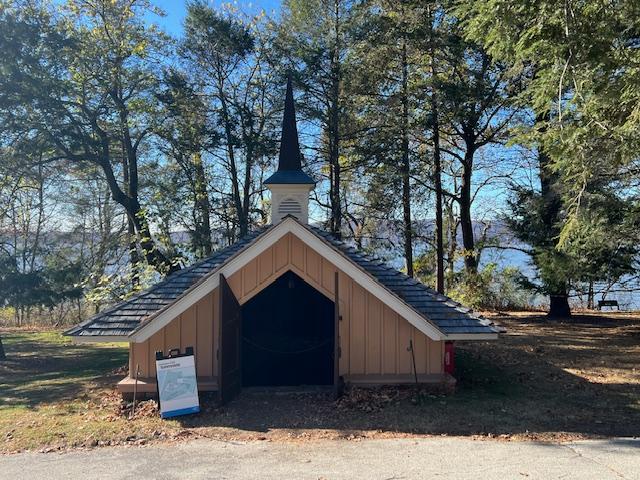
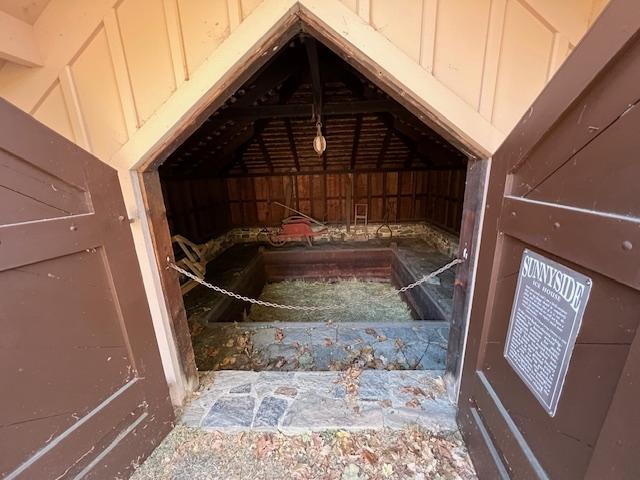
The Ice House at Sunnyside
The Ice House
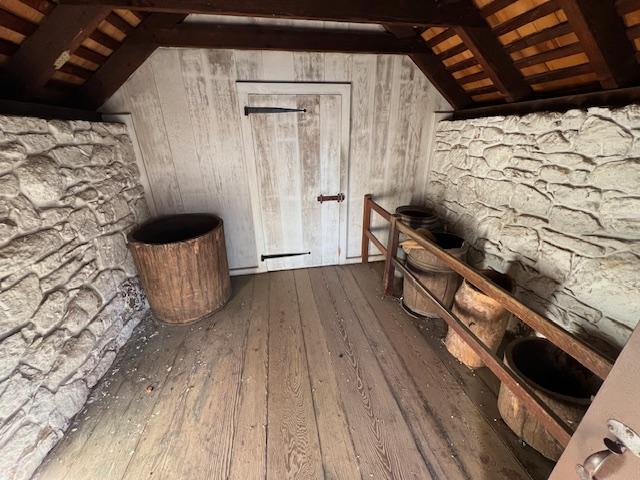
The Fruit Cellar
Irving died in the house in 1859 of a heart attack at age 76.
The house was purchased from Louis Irving by John D. Rockefeller Jr. and was restored for historic preservation. It was opened to the public in 1947.
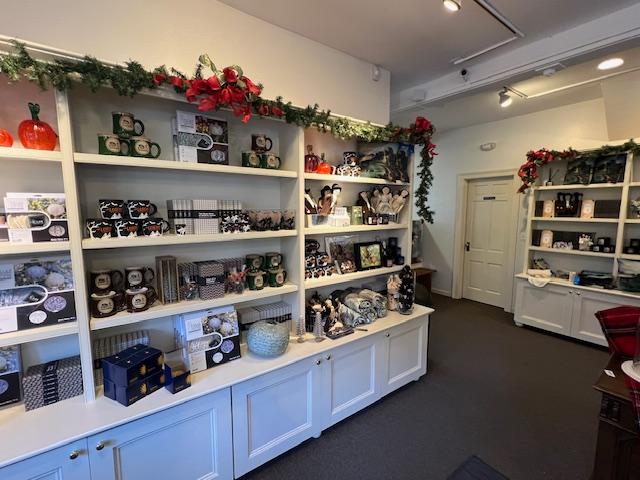
The grounds has a very nice gift shop
Sunnyside at Christmas time decorated for the holidays:
In 2025, I visited Sunnyside during the holidays to see what Christmas would have been like in the pre-Civil War era. These were not the elaborate times of the Victorian era but still the life of an Upper Middle Class families who celebrated the spirit of the holiday.
I visited the estate for a special Victorian event with refreshments, creating crafts and a special open tour of the home decorated for the Christmas holidays.
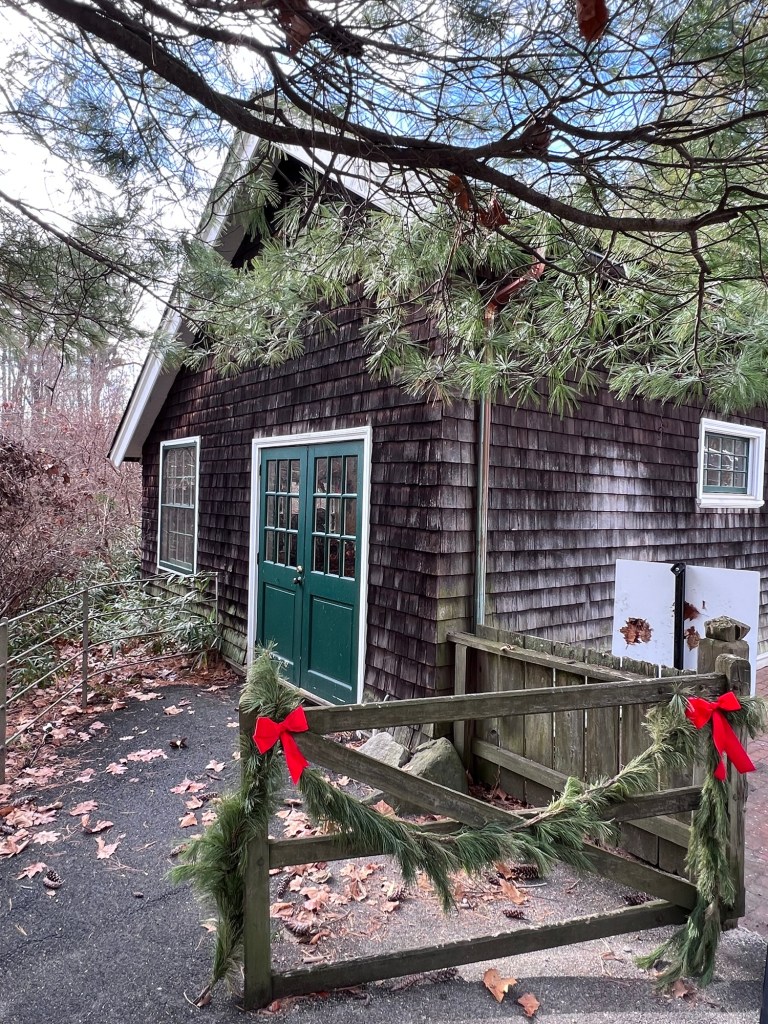
The property decorated during the holidays
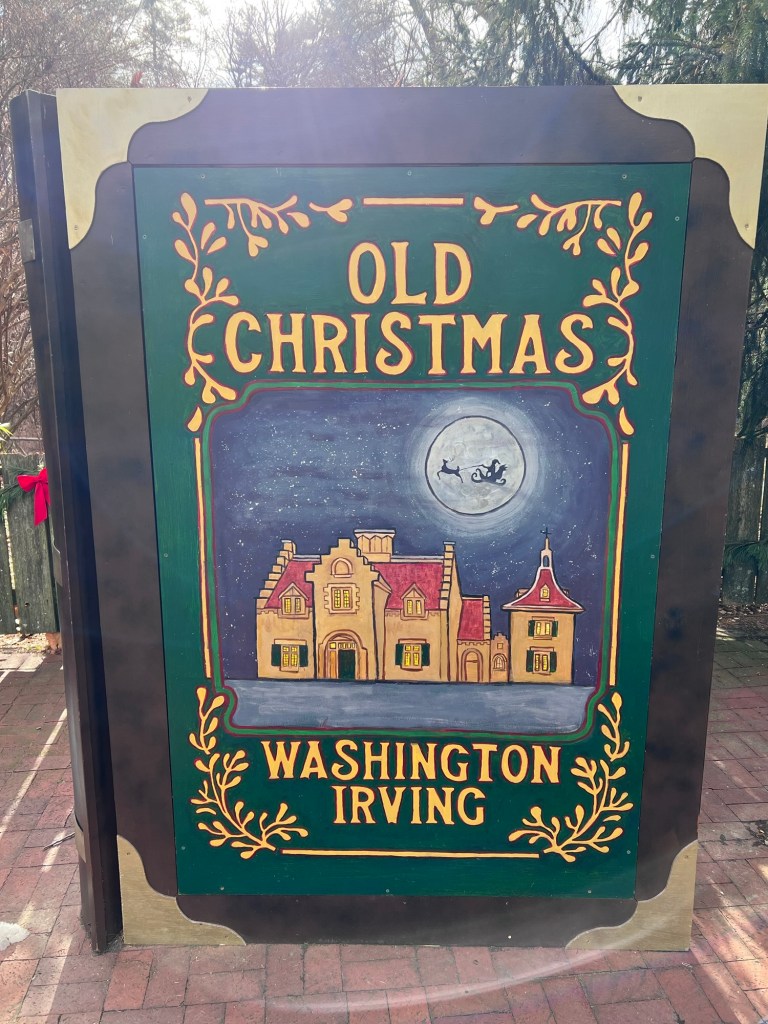
The holiday events at the estate
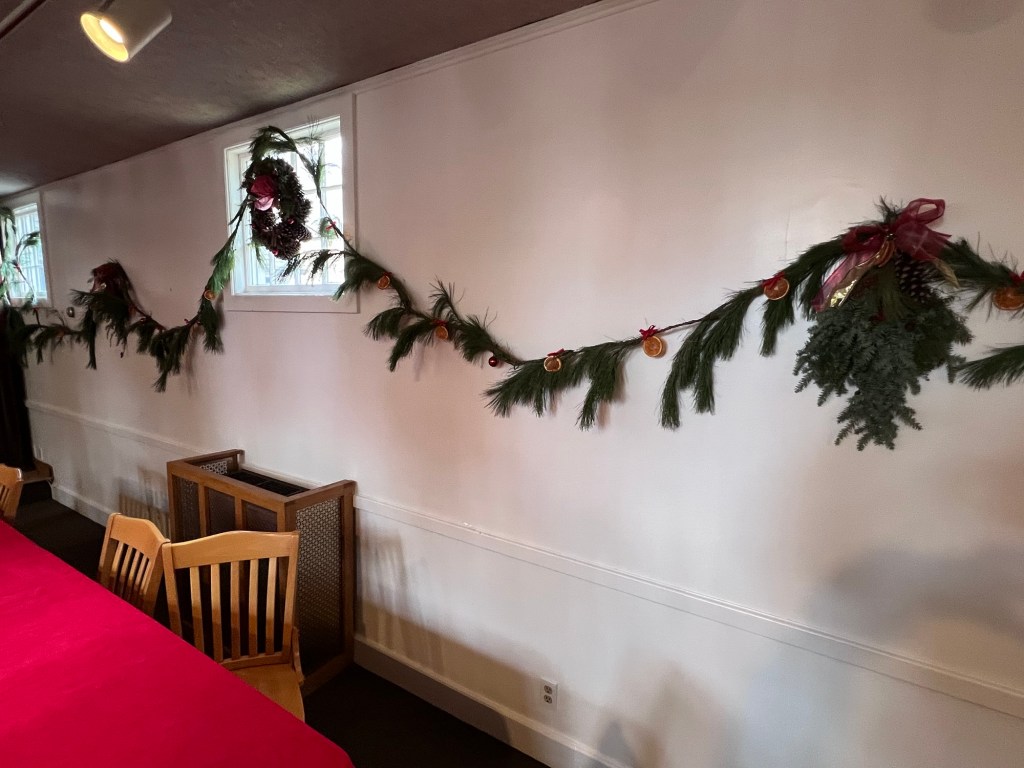
The meeting room was decorated for the holidays for refreshments and good conversation
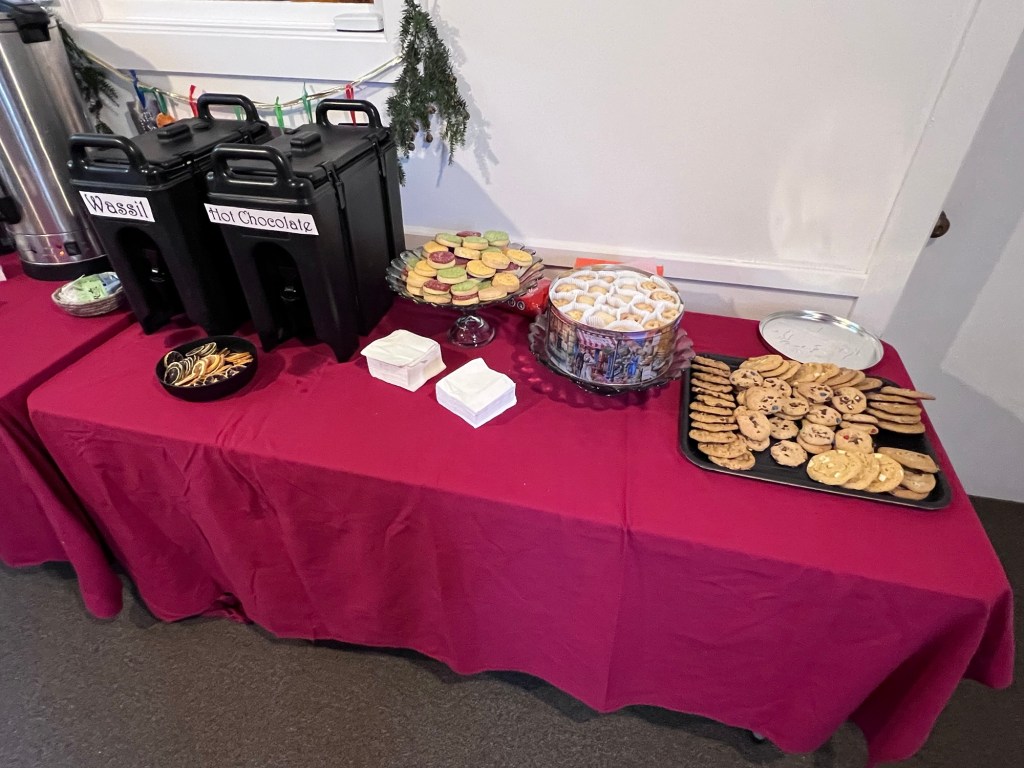
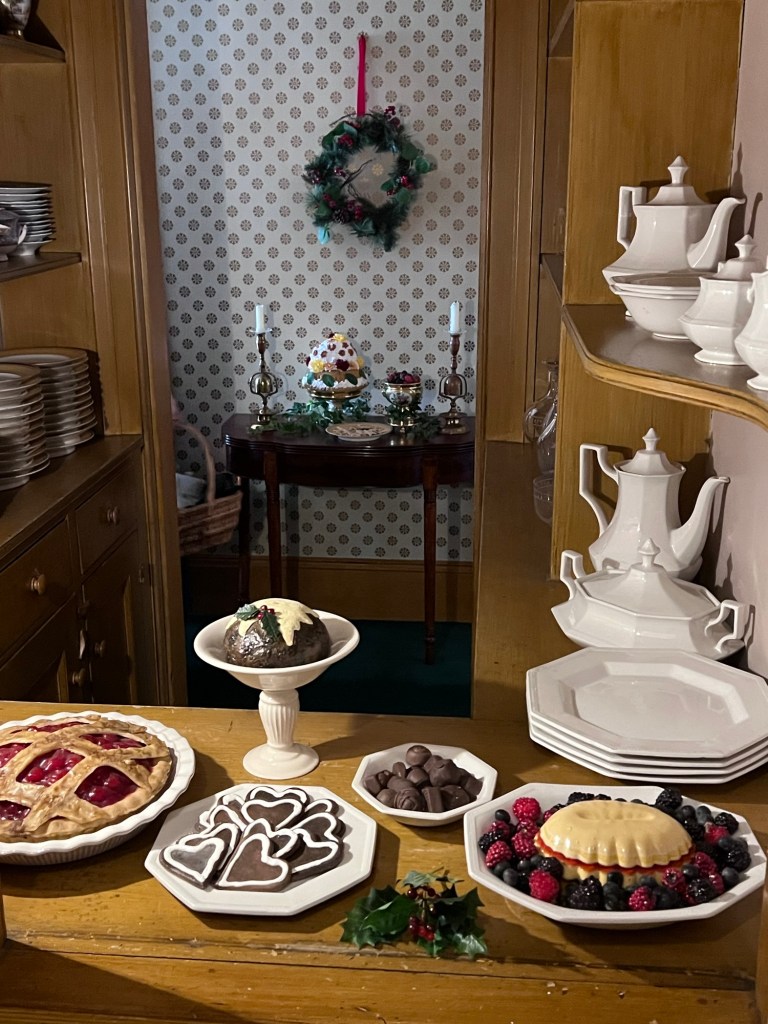
The refreshments at the Open House included cookies, candies, Hot Cider Wassil and Hot Chocolate and Tea
Sunnyside at Christmas time
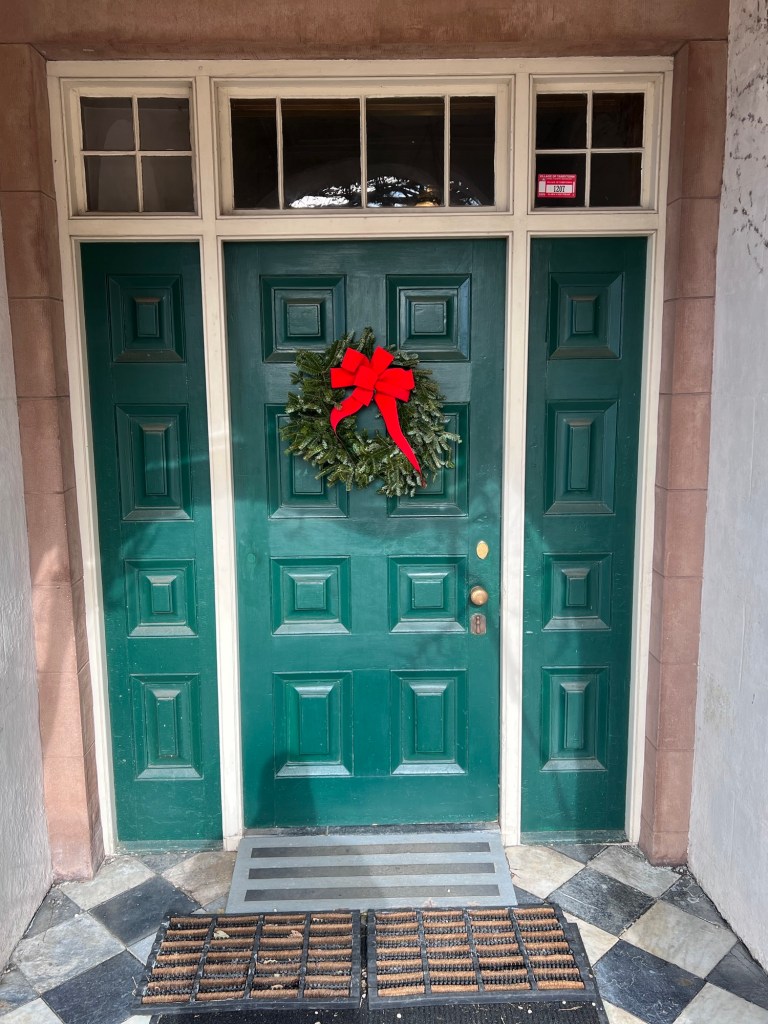
The Sunnyside front door at the holidays
The beautiful view of the estate overlooking the Hudson River
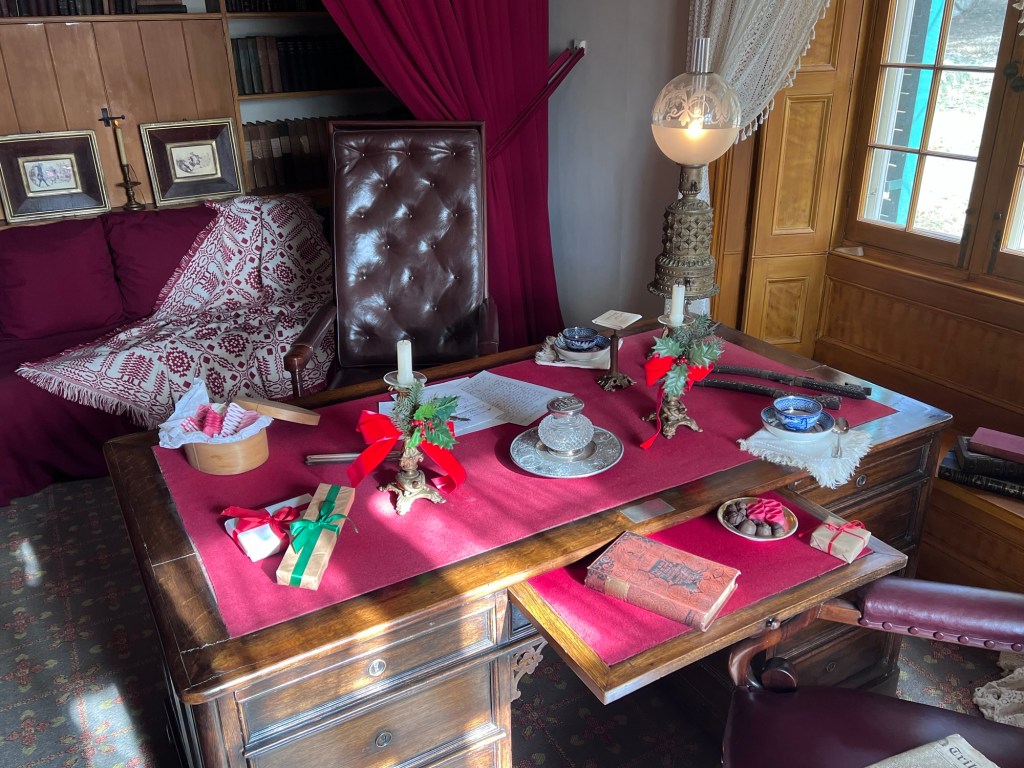
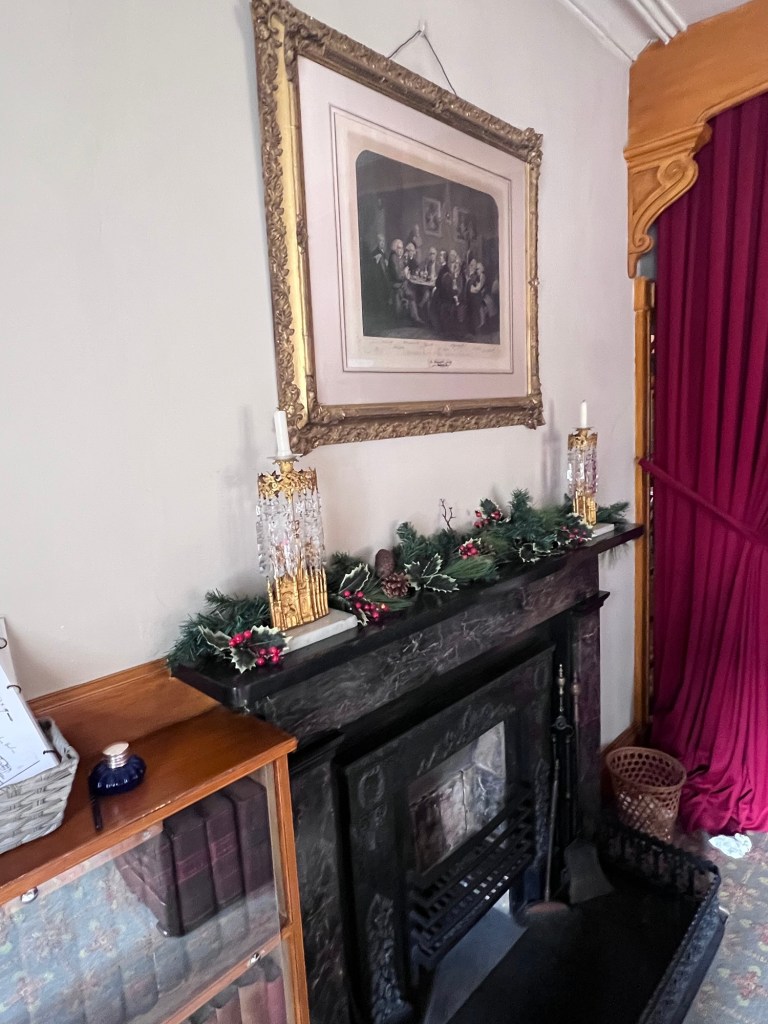
When you enter the house, the first room to the left is the office of Washington Irving. There was a bed in the room for last night work and the room decorated for the holidays.
Washington Irving’s office during the holidays
The fireplace in the author’s office
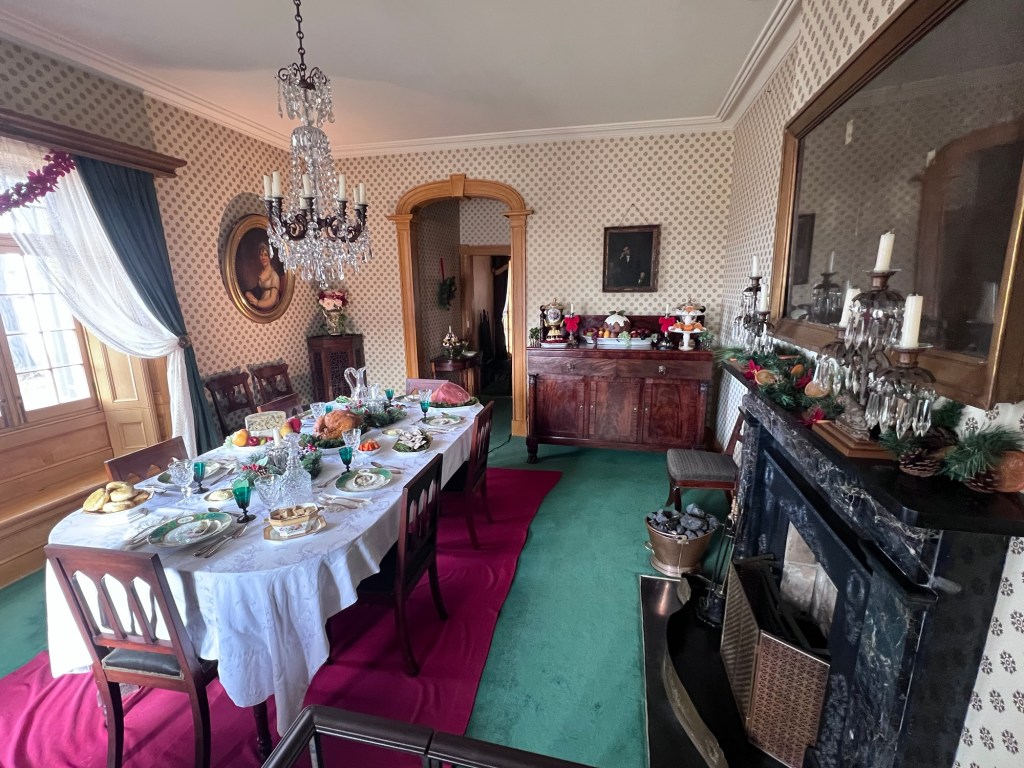
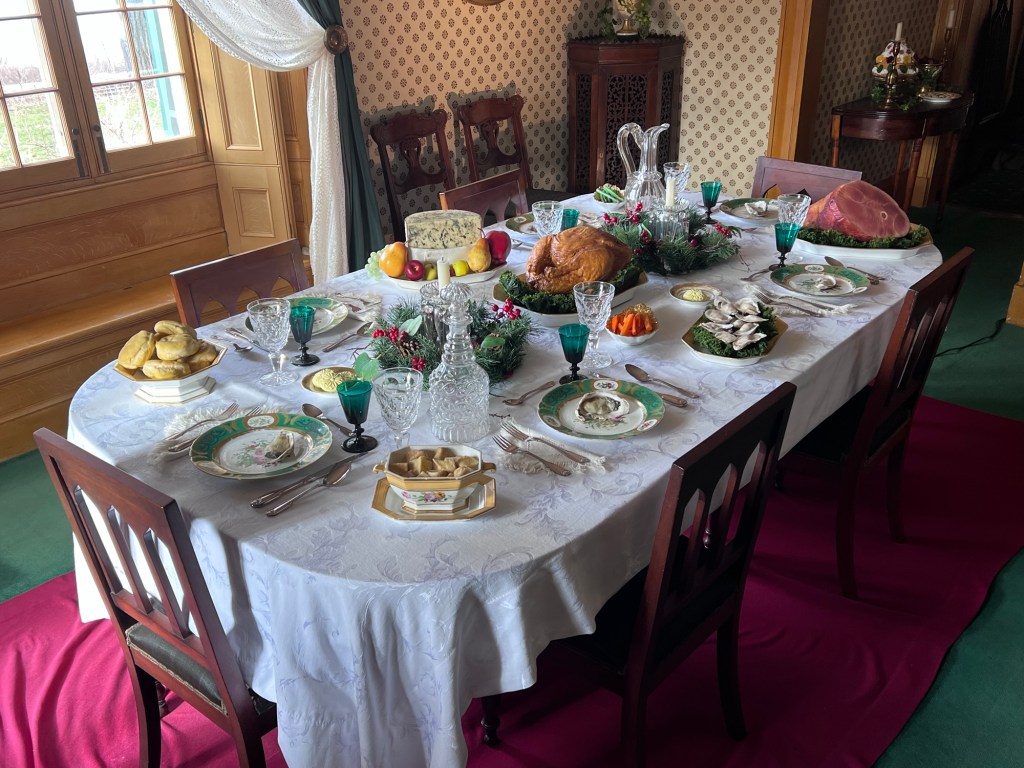
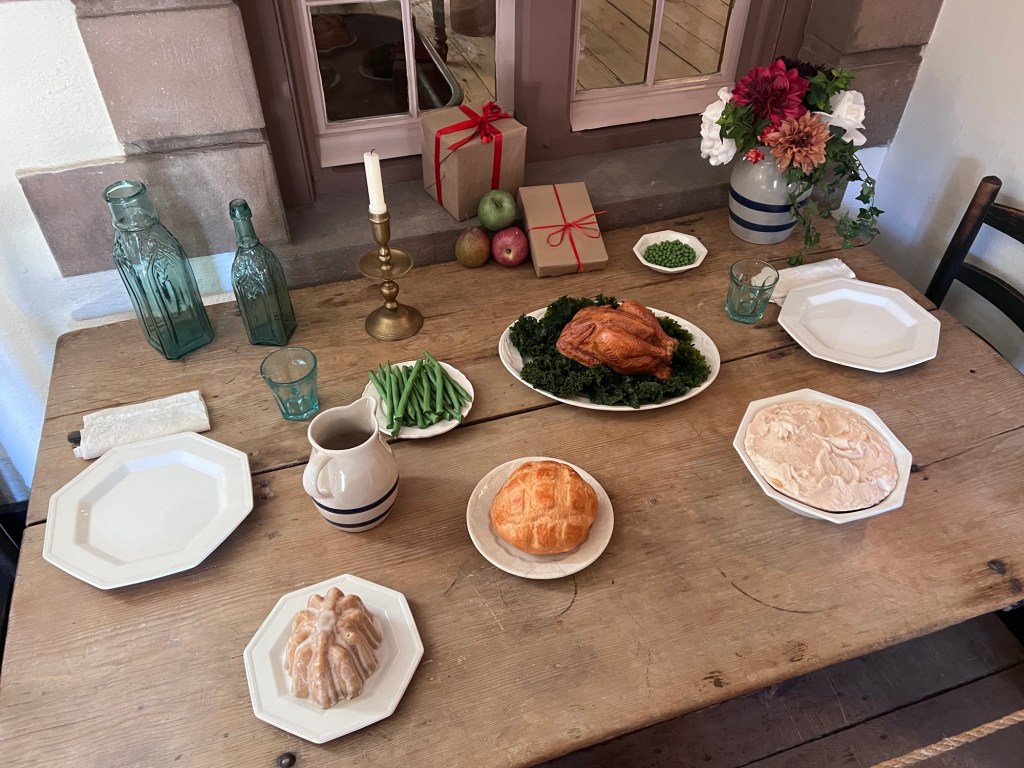
Nothing says entertaining than the dining room with a holiday lunch set with family china and all the delicacies of the time.
The Dining Room set for a holiday lunch
The Dining Room table set for Christmas lunch
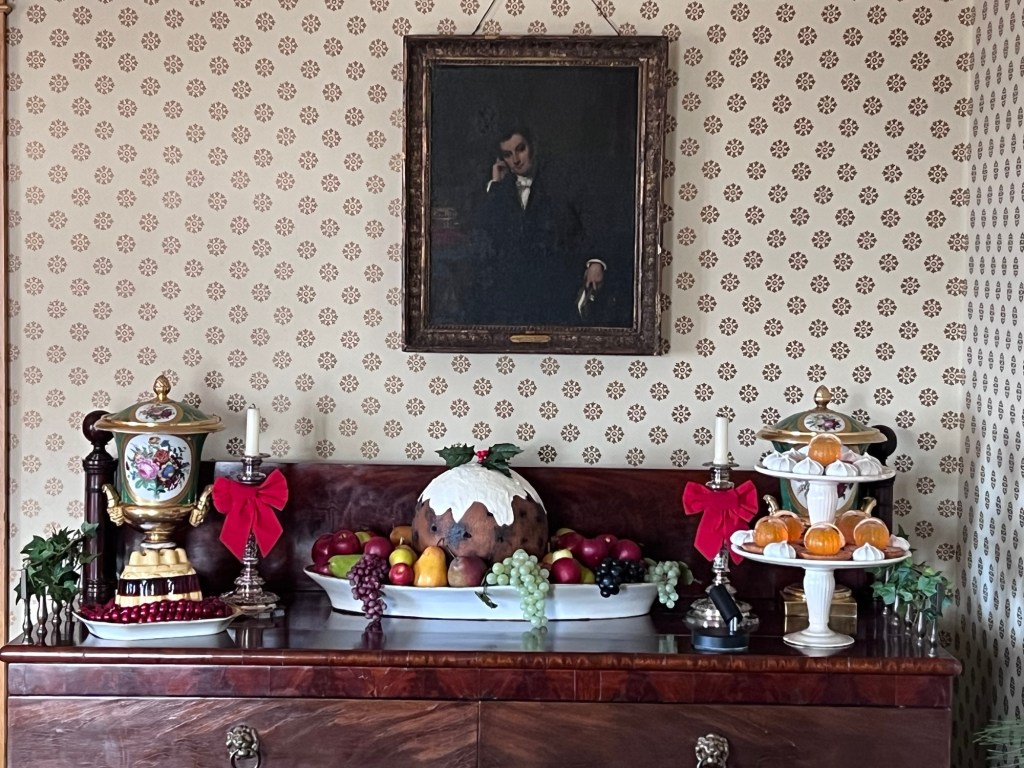
The Christmas desserts showcasing the Christmas pudding
The pantry set for Afternoon Tea
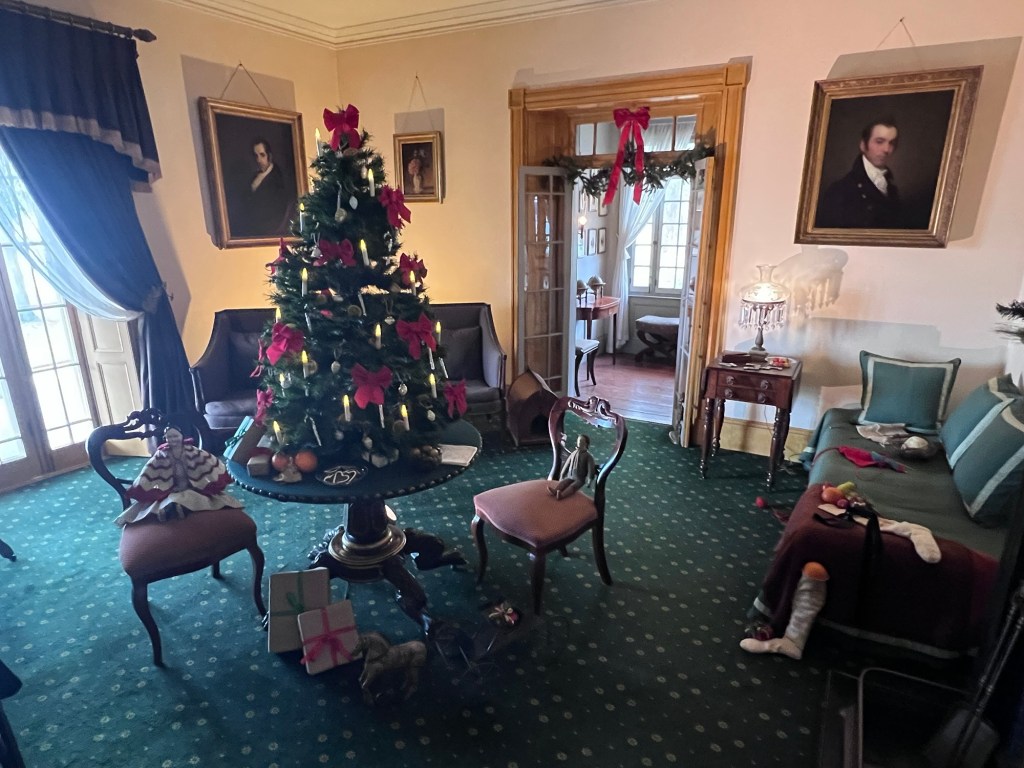
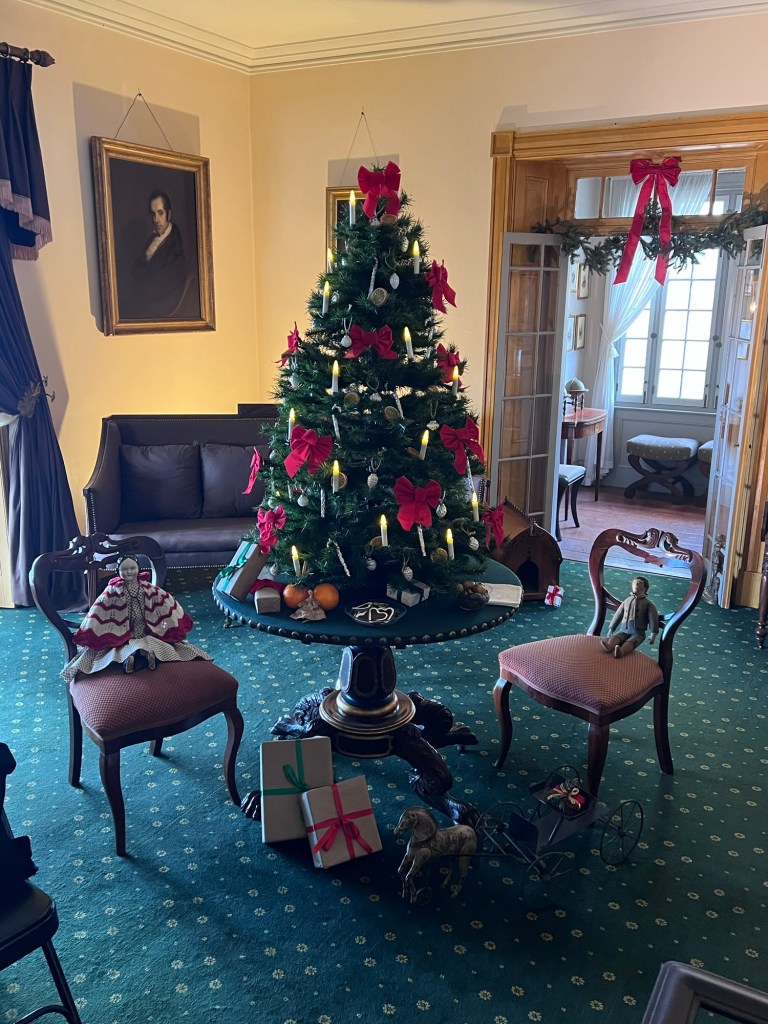
The Living Room decorated for the holidays with a Table tree, fashionable for the times.
The Table tree in the Living Room
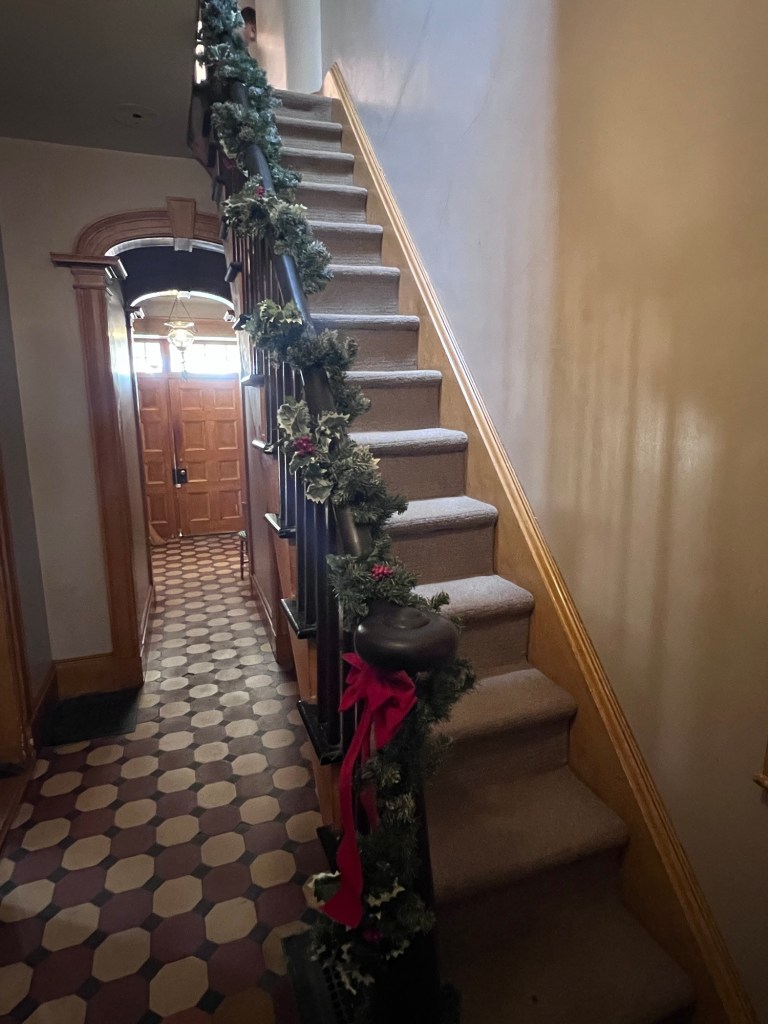
The hallway and stairs decorated for the holidays
The French inspired bedroom
The Children’s room of a visiting niece
Washington Irving’s bedroom
The niece’s bedroom of those that lived with him
My last part of the tour led to the behind the scenes of how the household runs with the kitchen, washrooms and sewing room.
The Christmas dinner being prepared for the family
The delicious foods prepared for the family meals including cookies, pies and a favorite treat, doughnuts
The kitchen stove where all the family meals were cooked
The house kitchen is decorated for the holidays
The staff holiday dinner was less elaborate but still very festive
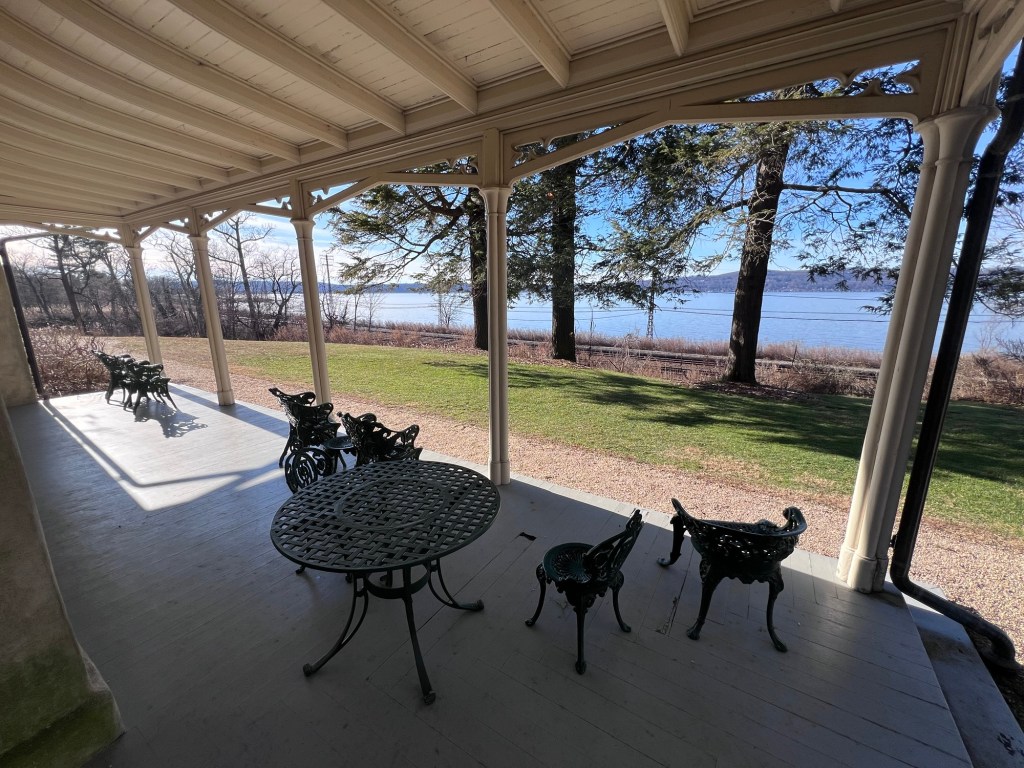
The patio off the kitchen overlooking the Hudson River
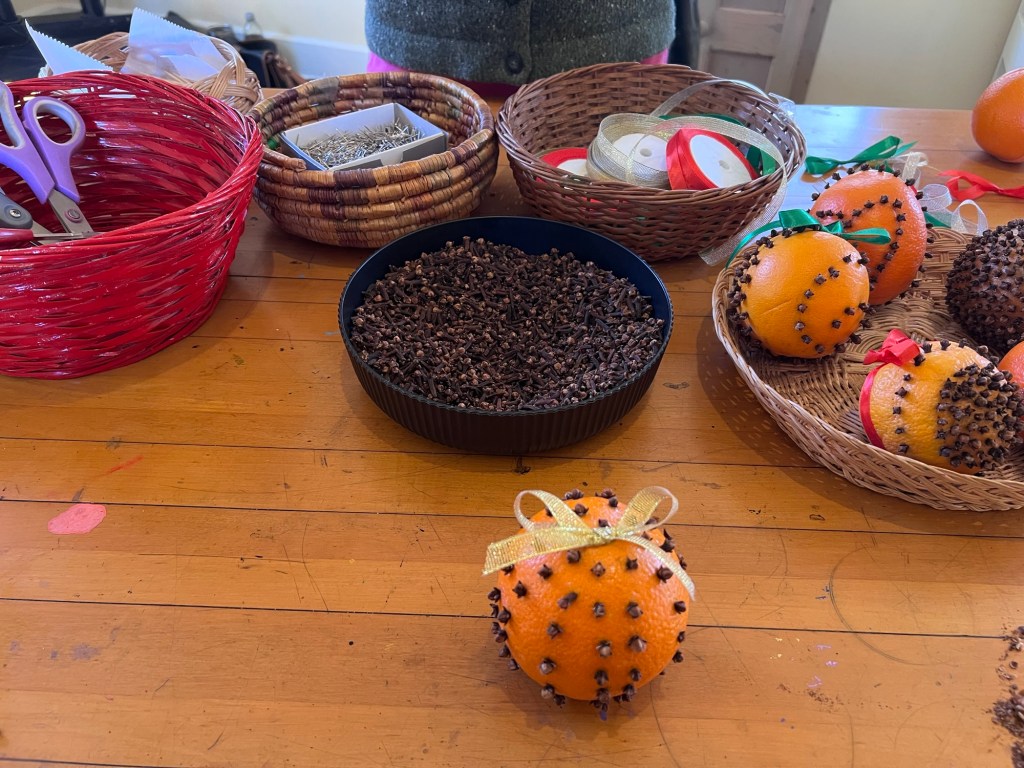
After the tour was over, I joined other guests making crafts such as Christmas crackers, creating ornaments and making pumices, the oranges studded with clovers.
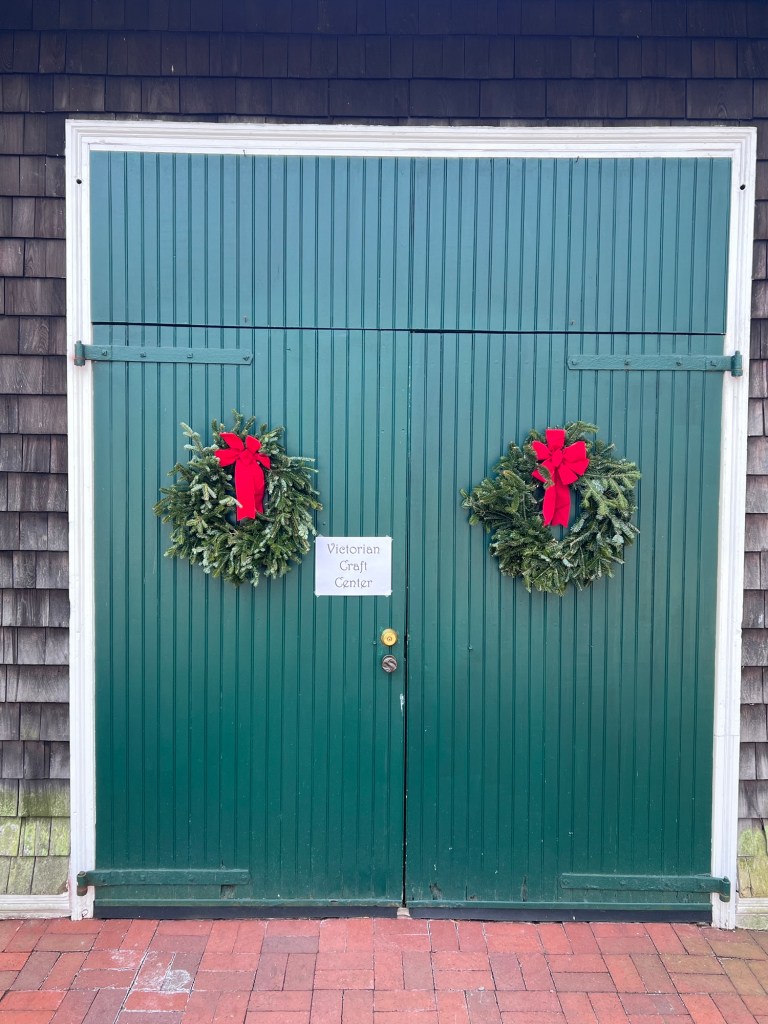
The festive barn where crafts were created
Me making my pumice for the holidays
Visiting Sunnyside during the holidays is a special trip to the past to join the Irving family in their celebration. Not as elaborate as some of the Victorian mansions of the Hudson River Valley but a look at a family whose celebration was similar to our own. Their traditions are the basis of our own of food, family and fun.
Washington Irving’s Birthday:
I came back for a special event for Washington Irving’s Birthday. They had special tours of the house, crafts to do with families and birthday cake in both vanilla and chocolate with thick icing and flowers that was so good! It really was a nice event. The estate was just starting to come into bloom and their ‘daffodil hill’ was in full bloom and was a sea of yellow and white.
Sunnyside in the early Spring
The estate in the early Spring of 2026
The entrance of the estate during Washington Irving’s Birthday event
Touring the estate before touring the house. The original entrance to the estate was once heavily landscaped.
The grounds in the front of the house
I then took the tour of the house. I had just been there for the Christmas tour so I knew all the rooms. Some rooms like the dining room and kitchen had been decorated for the Summer season. These rooms were decorated for a regular dining experience on a daily basis. It was not as elaborate as Christmas time.
The Dining Room set for afternoon lunch
The fully set table for afternoon Lunch
The end of the meal
I toured the house again and ended my tour in the kitchen which differed from the tour at Christmas with a less elaborate meal for a normal day.
The afternoon meal being prepared
Preparing the afternoon meal
The servants afternoon meal in their private dining room just off the kitchen
The laundry room and servants meal area where the household work gets done.
The back of the house and the patio overlooking the Hudson River in the Spring of 2026
The View of the Hudson River
The Daffodil display in the back of the house in the Spring
The gardens in the Spring
The gardens in the early Spring
The back of the estate from the gardens
I went back to the Visitor’s Center for birthday cake. It was so good! It was a birthday cake with a sugary icing and colorful flowers. It was the perfect way to end the afternoon.
After the tour of the house, I went in to enjoy some birthday cake
The birthday cake for the celebration
Happy birthday to Washington Irving!
I enjoy the special events that they run at Sunnyside.
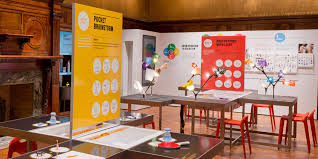
I recently visited the Cooper-Hewitt Smithsonian Design Museum for the first time. I can’t believe that all those years visiting the Met just down the road I had never stopped in the museum to take a peak. I went into see the “Nature-Cooper Hewitt Design Triennial” exhibition that was showing on all three floors of the museum. It was an interesting look on how nature plays a role in design and there is a beauty in the unusual shapes and colors that nature provides us.
Third Floor studio
The first floor was composed of design found in nature. You will see blood samples that move and shiver, electric movements and the role of it in nature and how plants and animals can be shown in simplest terms. On the second floor, you will see the prints in clothing and in home décor and see how color and design enhance beauty in an every day environment. The third floor will show more home décor and design objects.
The First Floor Elements
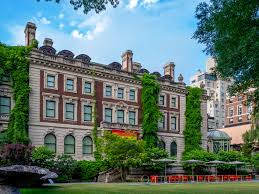
What is unique about the museum is how the mansion was converted into display areas and the use of the interior was blended into fabric of the museum. Take time to look at the areas around the staircases to admire the ceiling and the walls. It must have been a very grand home in its day.
The stairs of the mansion
Purpose of the Museum:
The Cooper Hewitt Smithsonian Design Museum is a design museum located in the Upper East side’s Museum Mile in Manhattan. It is the only museum in the United States devoted to historical and contemporary design. Its collections and exhibitions explore approximately 240 years of design aesthetic and creativity. In June 2014, the museum changed its name from Cooper-Hewitt, National Design Museum to Cooper Hewitt, Smithsonian Design Museum and reopened to the public that December (Wiki).
History of the Museum: (Provided by Wiki)
The Cooper-Hewitt Museum was founded in 1896. It was originally named Cooper Union Museum for the Arts of Decoration and it fell under the wing of the Cooper Union for the Advancement of Science and Art. In 1895, the granddaughters of Peter Cooper, Sarah Cooper Hewitt, Eleanor Garnier Hewitt and Amy Hewitt Green, asked the Cooper Union for a space to create a Museum for the Arts of Decoration. The museum would take its inspiration from the Musee des Arts Decoratifs, Paris. The museum would serve as a place for Cooper Union students and professional designers to study decorative arts collections. Cooper Union trustees provided the fourth floor of the Foundation Building. It opened in 1897. It was free and open three days a week (Wiki).
The museum and the art school started to distance themselves from on another in regards to programming. Other departments of the Cooper Union were making financial demands and the Cooper Union announced that they would close the museum. This led to the museum being closed on July 3, 1963. Public outcry was strong against the closing. A committee to Save the Cooper Union Museum was formed by Henry Francis Du Pont (Wiki).
The American Association of Museums developed a case study about the future of the museum. Negotiations then began between the Cooper Union and the Smithsonian Institution. On October 9, 1967, Smithsonian Secretary S. Dillon Ripley and Daniel Maggin, the chair of the Board of Trustees signed an agreement turning over the collection and library of the museum to the Smithsonian. On May 14, 1968, the New York Supreme Court transferred to the Smithsonian and the museum was renamed the Cooper-Hewitt Museum of Design. The following year, 1969, it was renamed as the Cooper-Hewitt Museum of Decorative Arts and Design. In October of that year, Lisa Taylor became the Director (Wiki).
The museum, which was the first Smithsonian museum outside of Washington DC, moved to its home at the Andrew Carnegie Mansion in 1970. The Mansion was renovated and the museum opened to the public on October 7, 1976 with the exhibition “Man transFORMs”. A conservation laboratory was opened in July 1978. The Samuel H. Kress Foundation funded the lab and it focuses on textile and paper conversation. Lisa Taylor retired in 1987 and in 1988 Dianne H. Pilgrim took her place as Director. In 1994, the museum’s name was changed again to Cooper-Hewitt, National Design Museum. Pilgrim retired from the museum in 2000. In 2000, Paul W. Thompson became Director. On June 17, 2014, the museum’s name was changed again to Cooper Hewitt, Smithsonian Design Museum. A new graphic identity, wordmark and new website was launched on this day. This identity was designed by Eddie Opara (Wiki).
The building is located in the Andrew Carnegie Mansion. The Georgian style mansion was built over the course of years 1899 to 1902 and has sixty rooms. The home served as not only the home for Andrew Carnegie, his wife and daughter but also as his office for his philanthropic work after his retirement. The mansion was designed by Babb, Cook & Willard. It was the first private residence in the United States to have a structural steel frame. It was the first home in New York to have an Otis elevator (Wiki).
I recently visited the MoMa PS 1 in Long Island City for a private members night and was really blown away by the exhibitions that I saw there. It is all contemporary art but really edgy, probably more innovative than some of the things in the main branch of the museum. Even the clientele was different. I was one of the oldest people there and I am in my early 50’s. There must have been three people older than me.
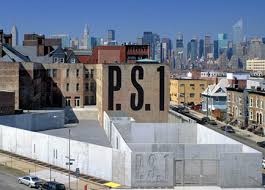
The museum is built into an old elementary school and with the rooms there some have been merged together for bigger exhibitions and others were smaller and showcased a newer artist or an individual work. The works from current artists are very unusual and I guess you have to like very contemporary art.
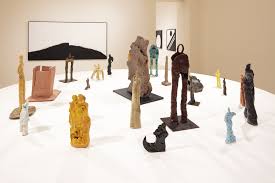
Some of the pottery from artist Simone Fattal “Works and Days”
I saw the work from artist Simone Fattal who is from Lebanon. I have to admit her works are eclectic. Her pottery looks like a third grader did it. I was not very impressed even though everyone oohhed and aahhed. It was very unusual.
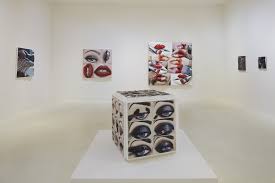
I also saw the work of artist Gina Beavers whose works have someone always looking at you. Her eye portraits were different but they reminded me of some of Salvatore Dali works of the 50’s. Her works look at you from every direction with a look of judgement.
Artist Gina Beavers works “The Life I Deserve”
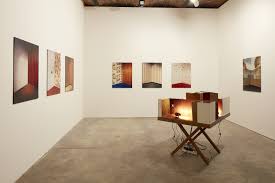
One exhibition which was loosely based on the movie “The Shining” by artist Julie Becker. The whole exhibition is made of works that looked like someone just left the room. There were creepy office set ups and hallways. The work was almost surreal itself by trying to confuse you and throw you off balance with her art.
Artist Jule Becker “I must Create a Masterpiece to pay the Rent”
I was able to quickly tour the whole museum which is not as big as its counterpart in Manhattan. It just has a different feel and direction to it.
What was nice about the evening was there was music outside for people to enjoy and there were hammocks that were art of a display at the entrance of the museum. It is a smaller museum that showcases the newer artists and gives them a voice. I have to say one thing is that the museum does fit into the neighborhood as Long Island City is going through a huge building boom and renovation/gentrification of the surrounding area. There is a lot of street art in the area and a lot of residents who look ‘bohemian’ to say the least. It was enlightening night of music and art.
History of MoMA PS 1:
MoMA PS 1 is one of the oldest and largest non-profit contemporary art institutions in the United States. An exhibition space rather than a collecting institution, MoMA PS 1 devotes its energy and resources to displaying the most experimental art in the world. A catalyst and an advocate for new ideas, discourses and trends in contemporary art, MoMA PS 1 actively pursues emerging artists, new genres and adventurous new work by recognized artists in an effort to support innovation in contemporary art. MoMA PS 1 achieves this mission by presenting its diverse program to a broad audience in a unique and welcoming environment in which visitors can discover and explore the work of contemporary artists. Exhibitions at MoMa PS 1 include artist’s retrospectives, site-specific installations, historically surveys, arts from across the United States and the world and a full schedule of music and performance programming.
MoMA PS 1 was founded by Alanna Heiss as the Institute for Art and Urban Resources Inc., an organization devoted to organizing exhibitions in underutilized and abandoned spaces across New York City. In 1976, it opened the first major exhibition in its permanent location in Long Island City, Queens with the seminal Rooms exhibition. An invitation for artists to transform the building’s unique spaces. Rooms established the MoMA PS 1 tradition of transforming the building’s spaces into site-specific art that continues today with long term installation by James Turrell, William Kentridge, Pipilotti Rist, Lawrence Weiner and others.
For the next twenty years, the building was used as studio, performance and exhibition spaces in support of artists from around the world. After a building-wide renovation, PS 1 Contemporary Art Center (now MoMA PS 1) reopened in 1997, confirming its position as the leading contemporary art center in New York. True to the building’s history and form, the renovation preserved much of the original architecture as well as most of its unique classroom-sized galleries.
In 2000, P.S. 1 Contemporary Art Center became an affiliate of The Museum of Modern Art to extend the reach of both institutions and combine MoMA PS 1’s contemporary mission with MoMa’s strength as one of the greatest collecting museums of modern art.
A true artistic laboratory, MoMa PS 1 aspires to maintain its diverse and innovative activities to continue to bring contemporary art to international audiences.
(This information was taken from the MoMA PS 1 website and I give them full credit for the information. Please see the web link above for more information).