Tag: Historical Sites

Pascack Historical Society Museum                                                (John C. Storms Museum)                                                                     19 Ridge Avenue                                                                                Park Ridge, NJ 07656

Pascack Historical Society Museum (John C. Storms Museum) 19 Ridge Avenue Park Ridge, NJ 07656

The Pascack Historical Society Museum (John C. Storms Museum)

19 Ridge Avenue

Park Ridge, NJ  07656

Phone: (201) 573-0307

Open on Sundays from 1:00pm-4:00pm; Admission is Free. Gift Shop hours are when the museum is open. (Holiday Excepted).

http://www.pascackhistoricalsociety.org

http://www.facebook.com/pascackhistoricalsociety

TripAdvisor Review:
https://www.tripadvisor.com/Attraction_Review-g46713-d12610386-Reviews-Pascack_Historical_Society_Museum-Park_Ridge_New_Jersey.html?m=19905

The Pascack Valley Historical Society is now celebrating their 75th Anniversary.
Pascack Historical Society IV

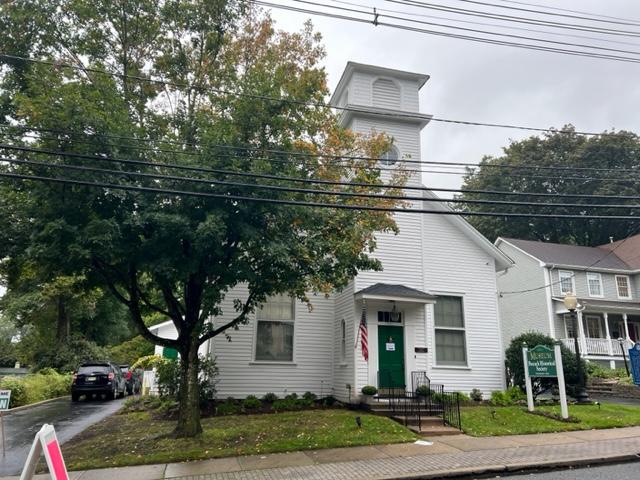
The Pascack Historical Society Museum (John C. Storms Museum), headquarters of the award-winning Pascack Historical Society, is located in the 1873 church building that was dedicated by the Reverend Henry Ward Beecher. The building and all the exhibitions have gone through an extensive renovation and have been reinstalled with more signage and information. Please check out their new displays.

The sign that greets you in the front of the building.

The Historical Marker in front of the building.

As you enter the building, you are welcomed to a comfortable spot.

The extensive exhibits include a general store, colonial kitchen, a Victorian Living Room, dolls, clothing and other displays of American life in the Pascack Valley. The front gallery as you enter serves as a classroom and lecture hall for the society. There you can see a variety of artifacts in the collection from china to guns and clothing.
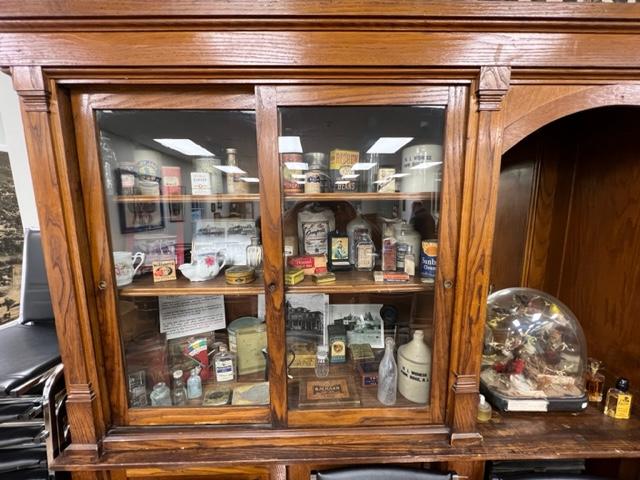
Artifacts in the front room.

Artifacts in the first gallery.

A collection of antique guns in the front gallery.
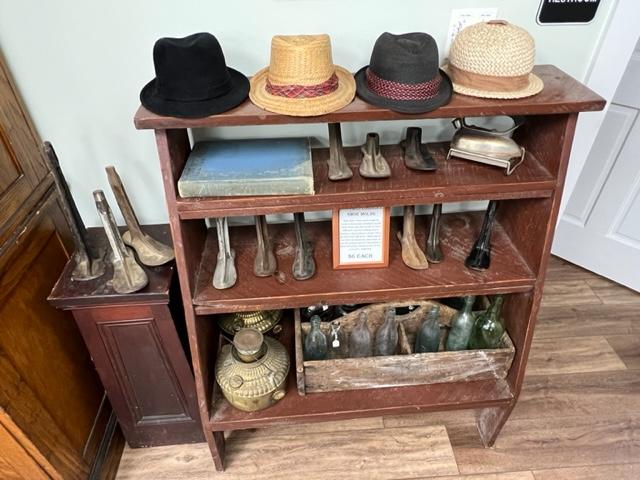
A selection of hats in the front gallery.

There is also a special exhibition that features the world’s only wampum drilling machine as well as a collection of early colonial currency.
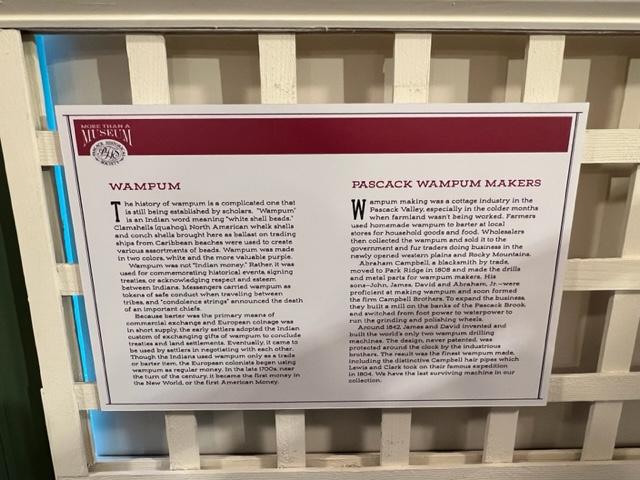
The Wampum Machine sign and how Wampum is made.

Their early Colonial Financial exhibits include an early wampum machine that the tour guide had said that it was the only one of its kind that made a type of rolled wampum from the inner section of a conch shell. Early New Jersey currency is well represented in the collection with several types of dollar bills at a time when states printed their own currency for its citizens. Really take a look at the early detail  work of these bills.
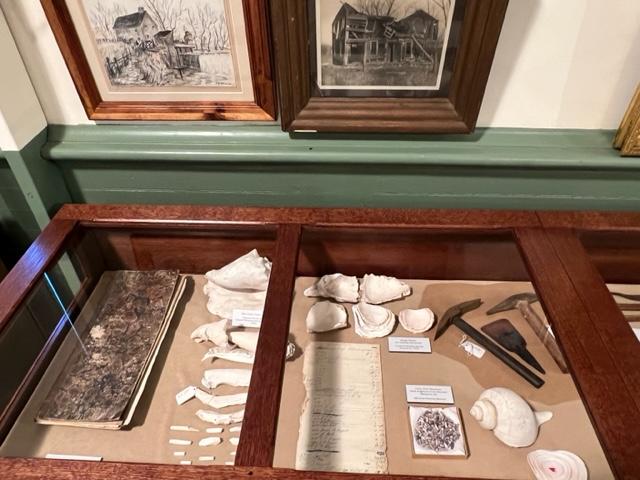
The Wampum display of shells and tools.
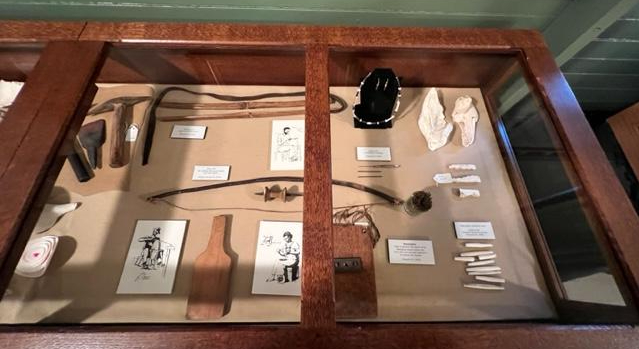
The uses of Wampum and how it is made.

The oldest working Wampum machine in the world.

The Van Ripper General Store exhibition features many types of early Colonial artifacts that include weights and measures, food items found in an early grocery store, turn of the last century bottles and many types of appliances for cooking. Several treasures are tucked here and there to create the mood of shopping at the turn of the last century in Bergen County. There are classic groceries, weights and measures to weight groceries and several artifacts from the Van Ripper and Stockdale Farms which used to be located in the area.

The General Store sign

The General Store display.
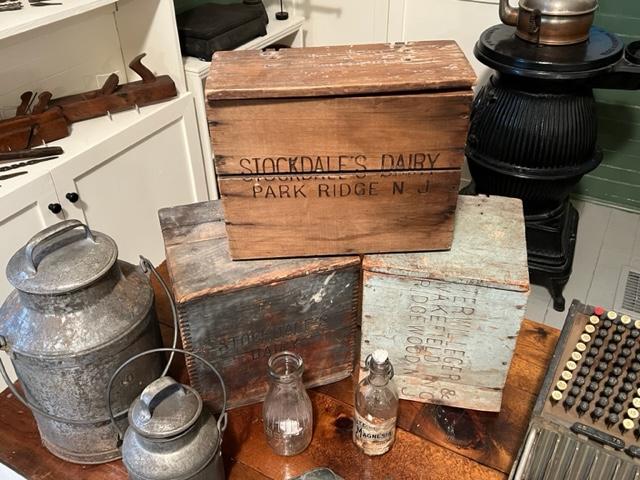
Stockdale’s Dairy Farm was a popular farm in Park Ridge before the 1960’s.

Tools need on the farm and in the home.

The Tool display at the General Store.

The Toy Collection is extensive and covers several time periods. They have a interesting collection of dolls over the ages that include cloth and china dolls that would cater to children from different economic status. There are also games, wooden and metal pull toys and hobby toys such as marbles and jacks.

The Early Dutch Farmhouse Kitchen & Dining Room features one of the first beds that has no mattress but constructed by a series of ropes that are tightened. The tour guide explained that this might be where the expression “Sleep tight and don’t let the bed bugs bite” might have come from as the ropes needed to be tightened each evening before the family went to bed.

Early Dutch life sign.

The exhibit also had early furniture hatches, chamber pots, a butter churner, various chairs that were manufactured in the area and several detailed decorative pieces.
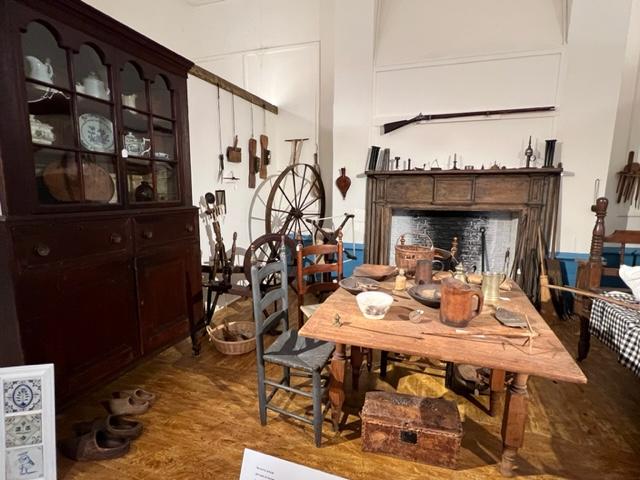
The Early Dutch Kitchen and Living Space
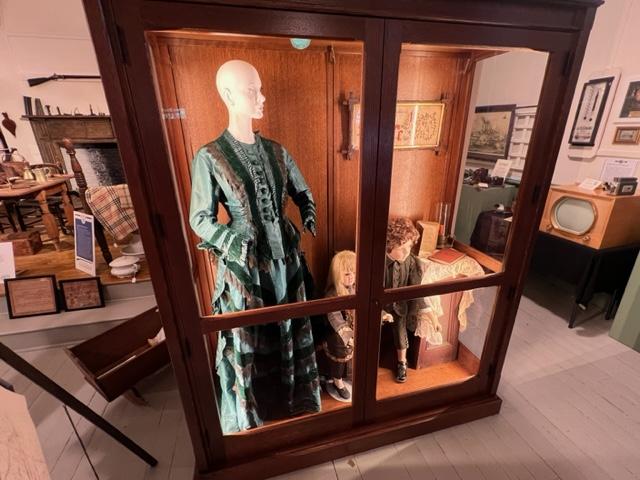
The Victorian Dress of the church visitation.

The Victorian Living Room features many plush pieces of furniture, decorative knick-knacks that used to dominate the décor and a graceful piano with mother of pearl keys and decorative carved sides. This model was one of maybe a hundred made for a very elite client. The display also featured one of the early record players that still works.

The ‘Victorian Afternoon’ exhibition in 2024:

The sign for the Victorian home:

The ideal Victorian Home ‘Parlor’
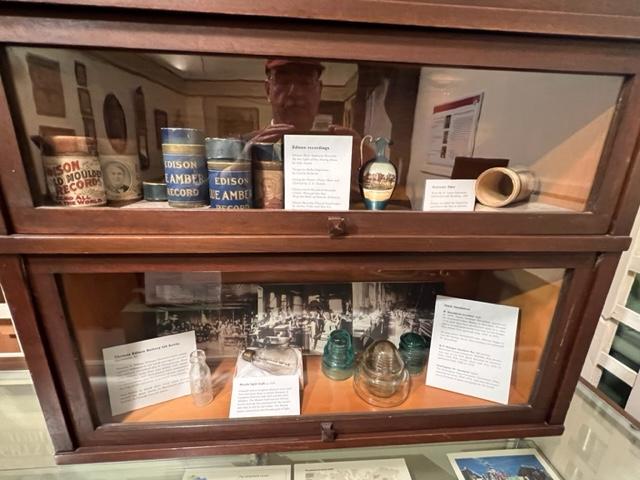
Early Edison products
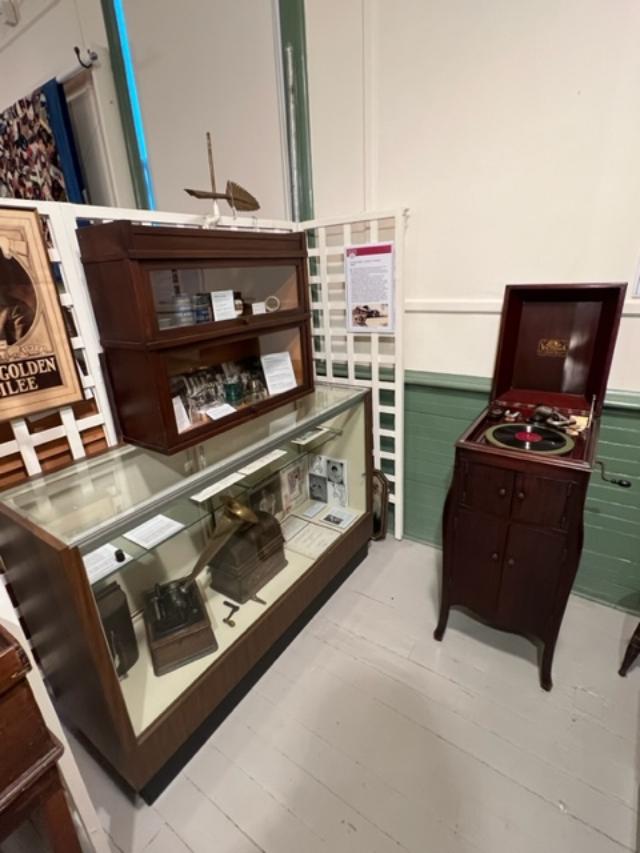
Early Edison recording equipment was not just musical but decorative.
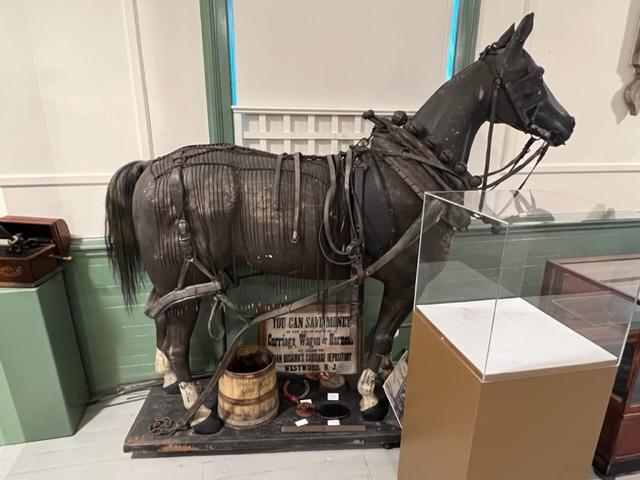
The horse display.

The new exhibition 2025: ‘Collignon Chairs’

The exhibition is on the Collignon Chair factory of River Vale, NJ and the selection of chairs that the factory once manufactured.
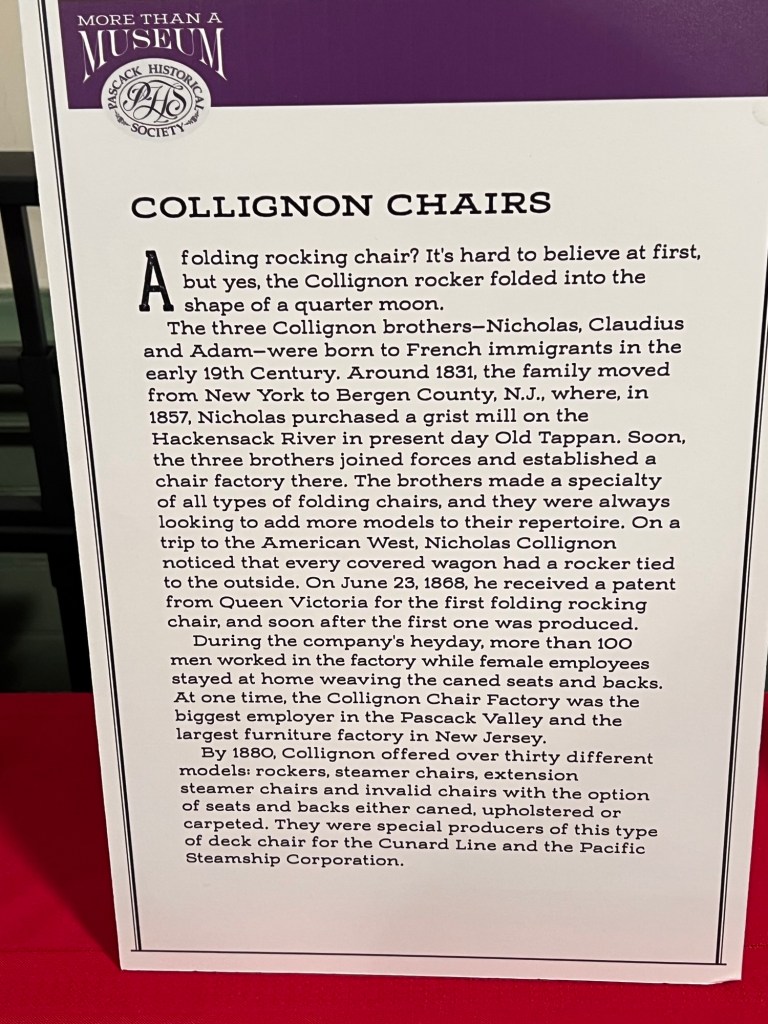
The sign from the exhibition
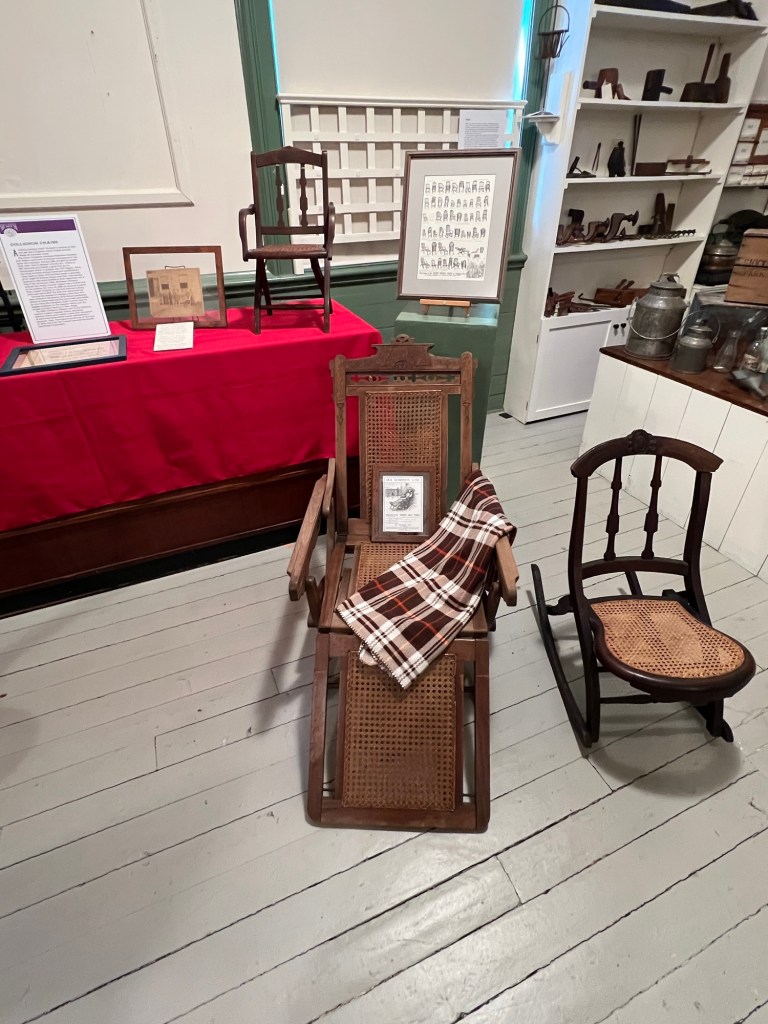
Some of the collection of Collignon chairs on display including the popular deck chair used on streamlines.

The popular folding rocker from the collection
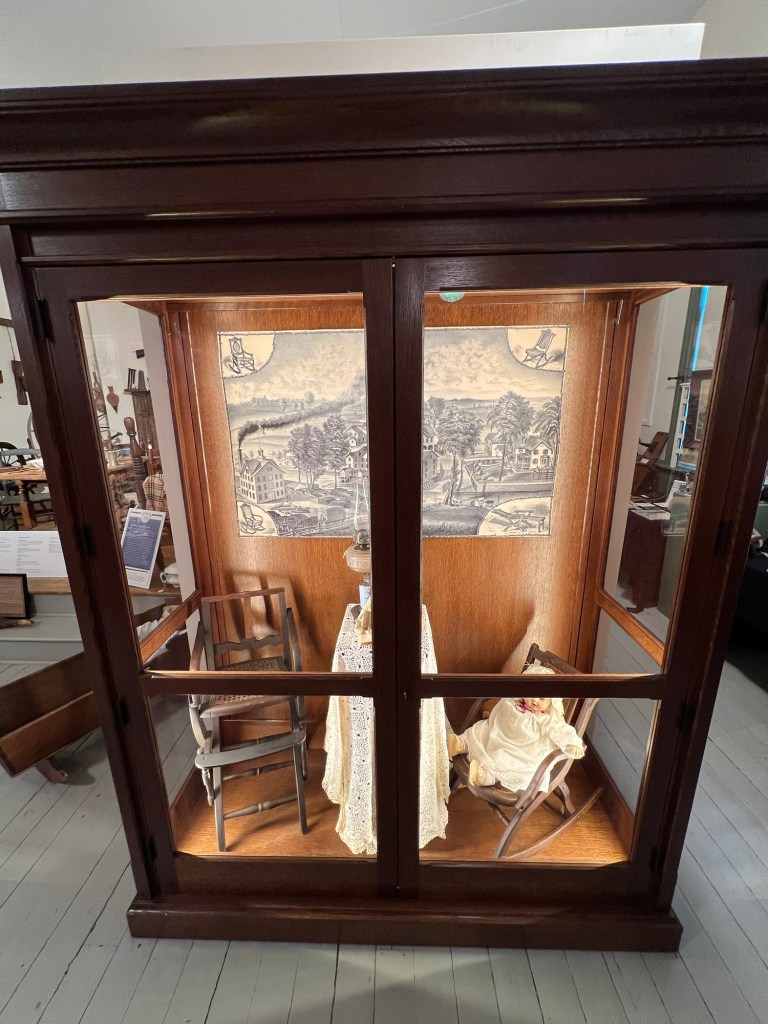
The display of chairs and a drawing of the old factory

Off to the side, there is an early sleigh and horse display, an exhibit of typewriters and carbon paper as I found out the area was once the leading manufacturer for carbon paper and a complete workshop with tools from all eras.

Typewriter collection at the museum.
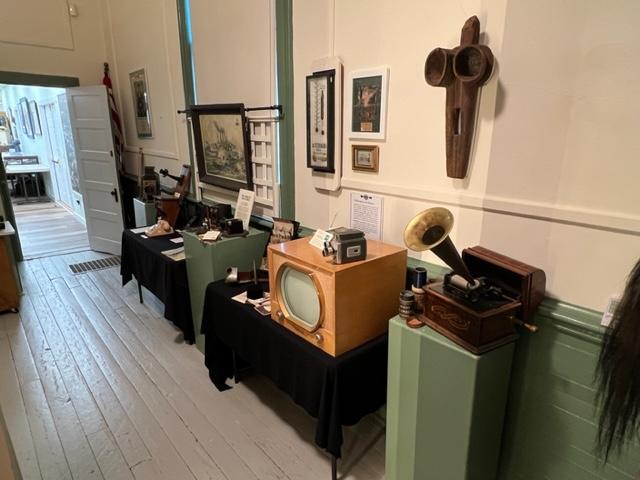
Early Electronics

The schoolhouse desk of the school master.

The workshop is a very detailed in its artifacts with early saws, hammers and items that even I could not figure out what they were.

In the main room, there are more cases of toys, Revolutionary items and Native American artifacts to explore.
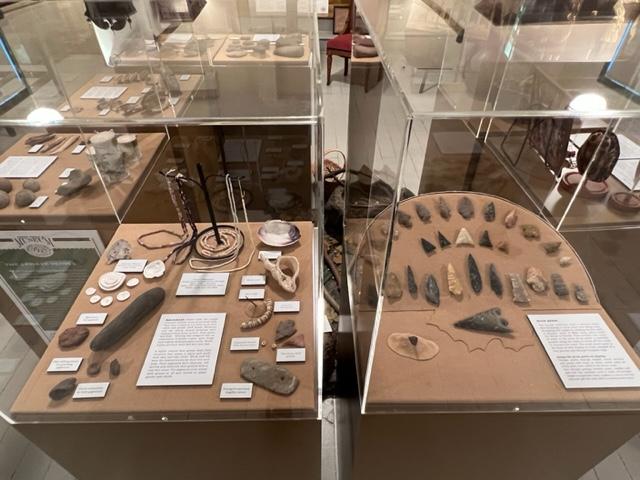
Native American Artifacts

The Lenape display
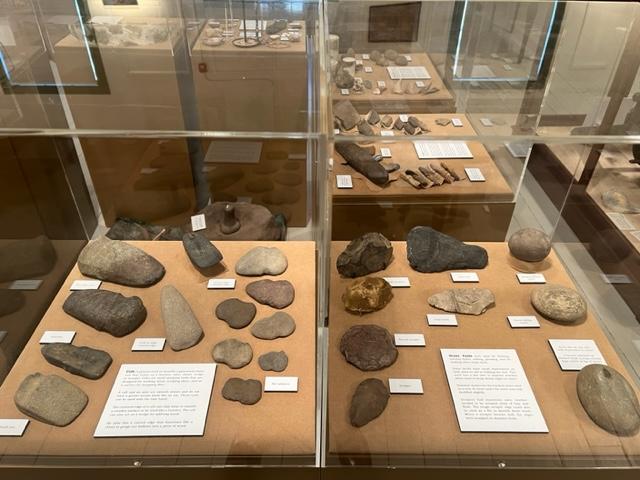
The Native American display.

A small gift shop is off to the side selling items donated by members.

Become a Friend: From the Friends of the Pascack Historical Society Museum pamphlet:

Pascack Historical Society Information and History:
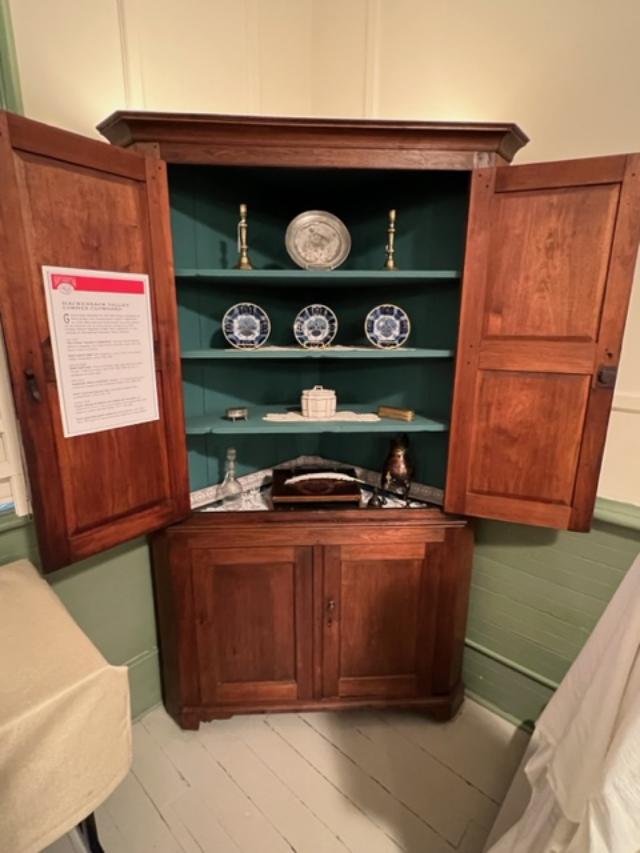
The Corner Cupboard of early American china.

(From their pamphlet):

Membership Benefits:

Become a member of the Pascack Historical Society, a 501C3 organization. Dues are modest and membership has its privileges!

  1. One year of free admission to the museum and most of its activities.
  2. A one year subscription to the Society’s award-winning quarterly newsletter, RELICS.
  3. 10% discount on museum gift shop items (Sale items and new books excluded).
  4. 50% discounts on programs for children and adults.
  5. You will receive Members Only advance notice mailings and emails about upcoming events and activities.
  6. Members only “behind the scenes tours” of the museum. (By Appointment Only).
  7. You will have the satisfaction of knowing you have joined the ranks of the area’s most passionate historical preservationists, who have a commitment to educate and enrich their neighbors’ lives-young and old.

The Military embellishments

In 2026, the museum was celebrating the ‘250th Anniversary’ of the Revolutionary War and had an exhibition of artifacts from the Pascack Valley.
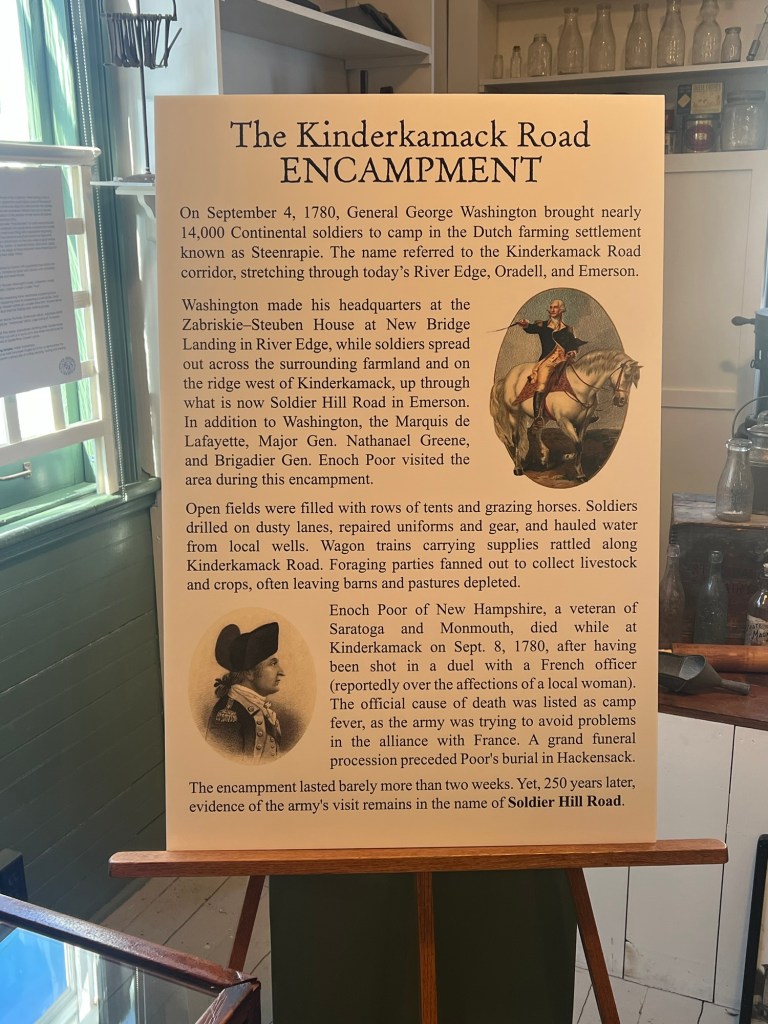
The ‘250th Anniversary’ of Revolutionary War

This included all the stops that General Washington made in Bergen County, battles and confrontations with British soldiers and family battles by members who were loyalists and patriots.
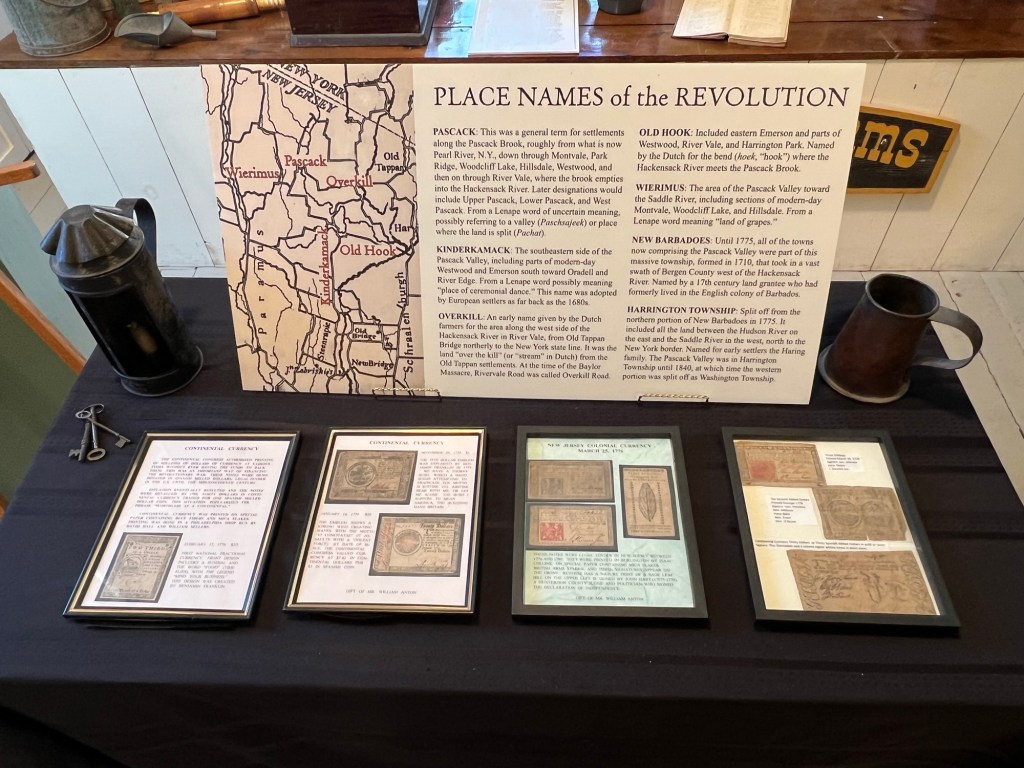
The currency of the war years

The exhibitions shows New Jersey’s contributions to the war effort. This part of the exhibition has Colonial currency from New Jersey.
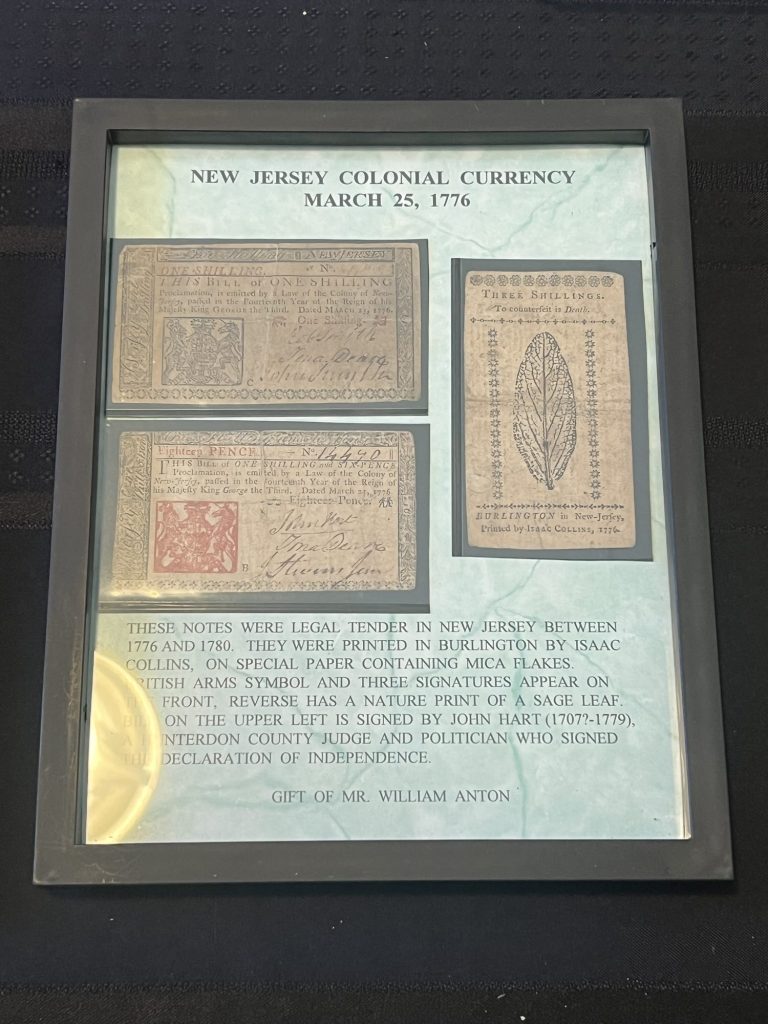
New Jersey Colonial Currency
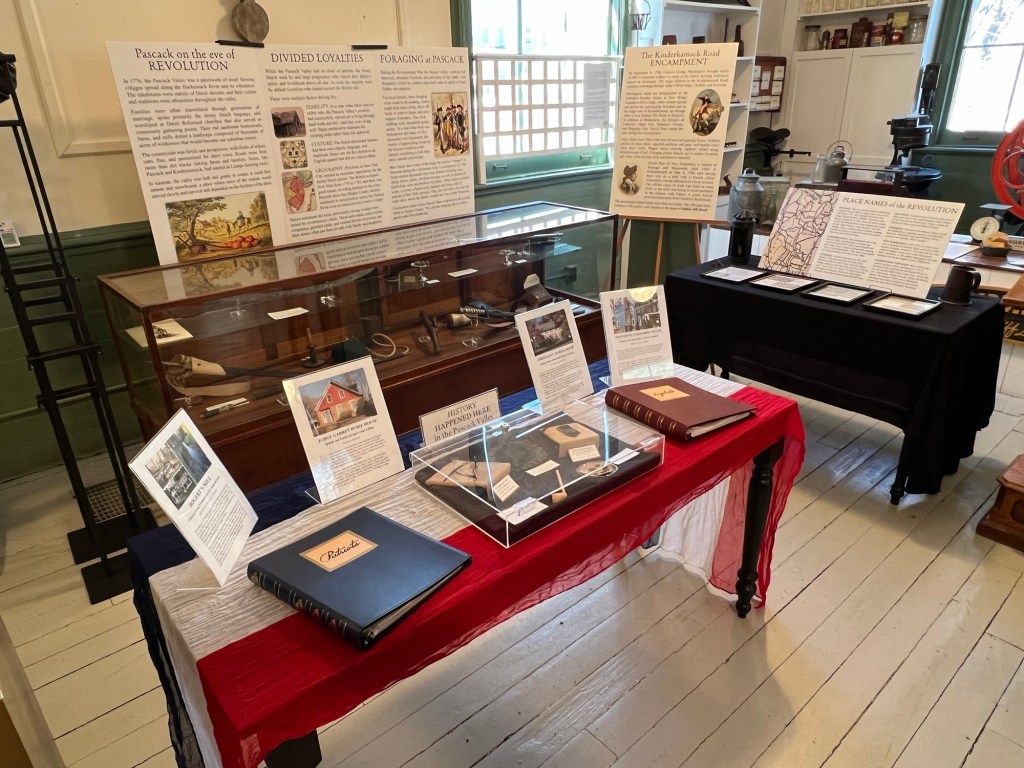
The full exhibition of the ‘250th Anniversary’ of the Revolution War
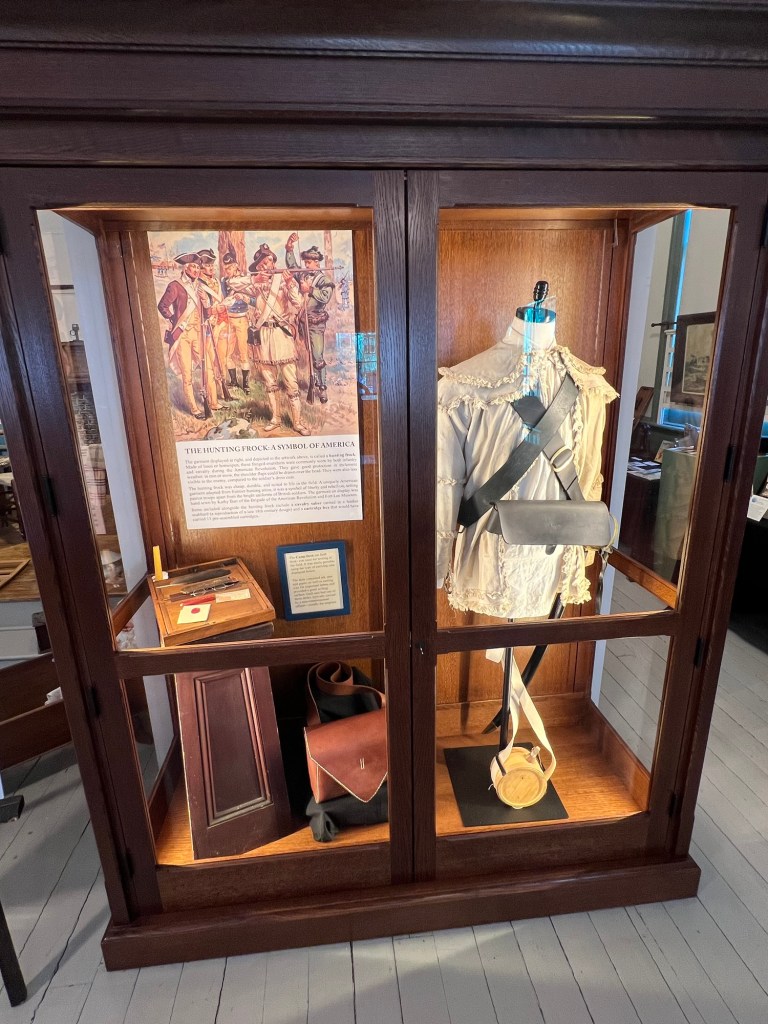
Uniforms and accessories of the War years
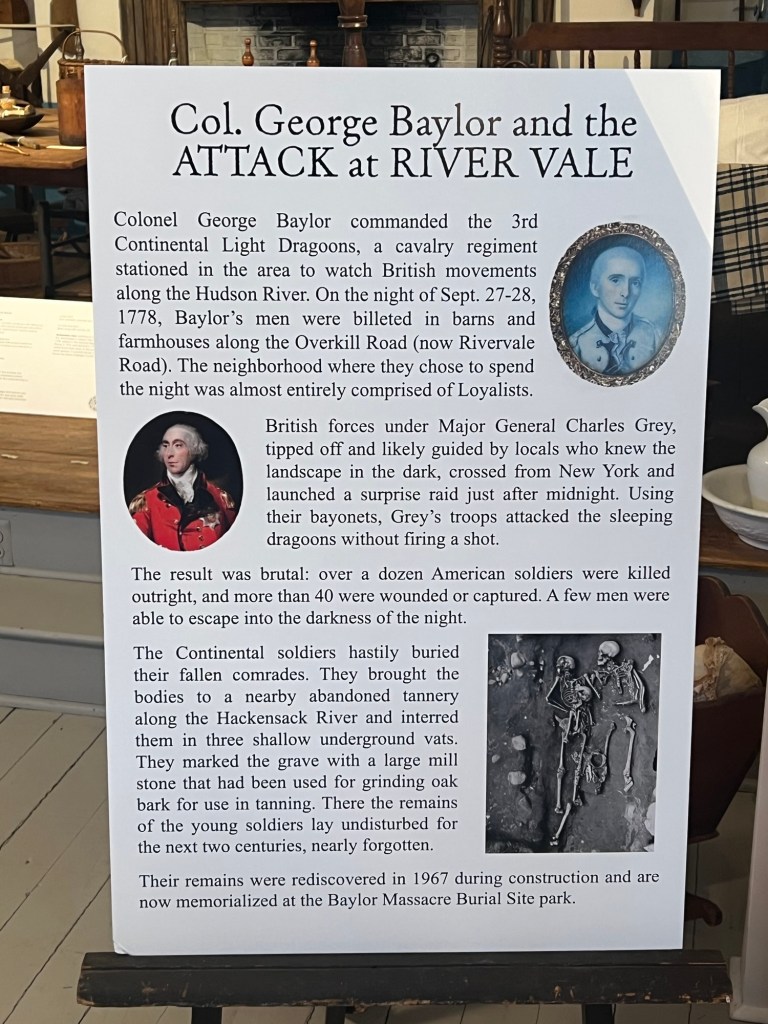
The Baylor Massacre attack
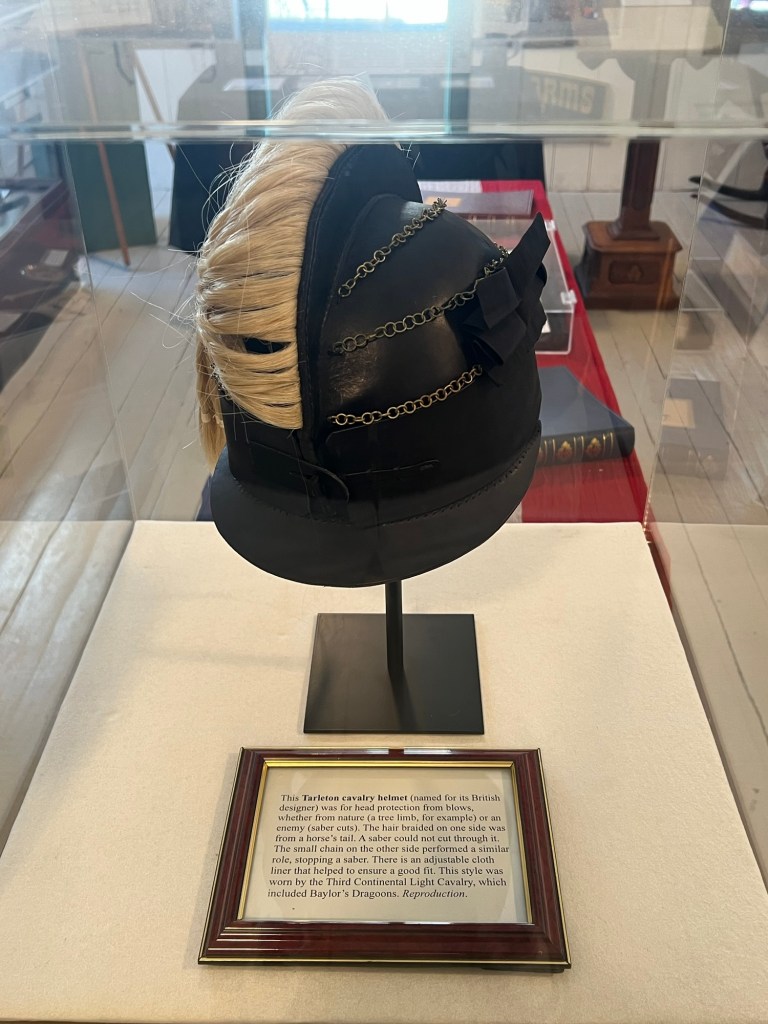
The Tarlatan Calvary helmet
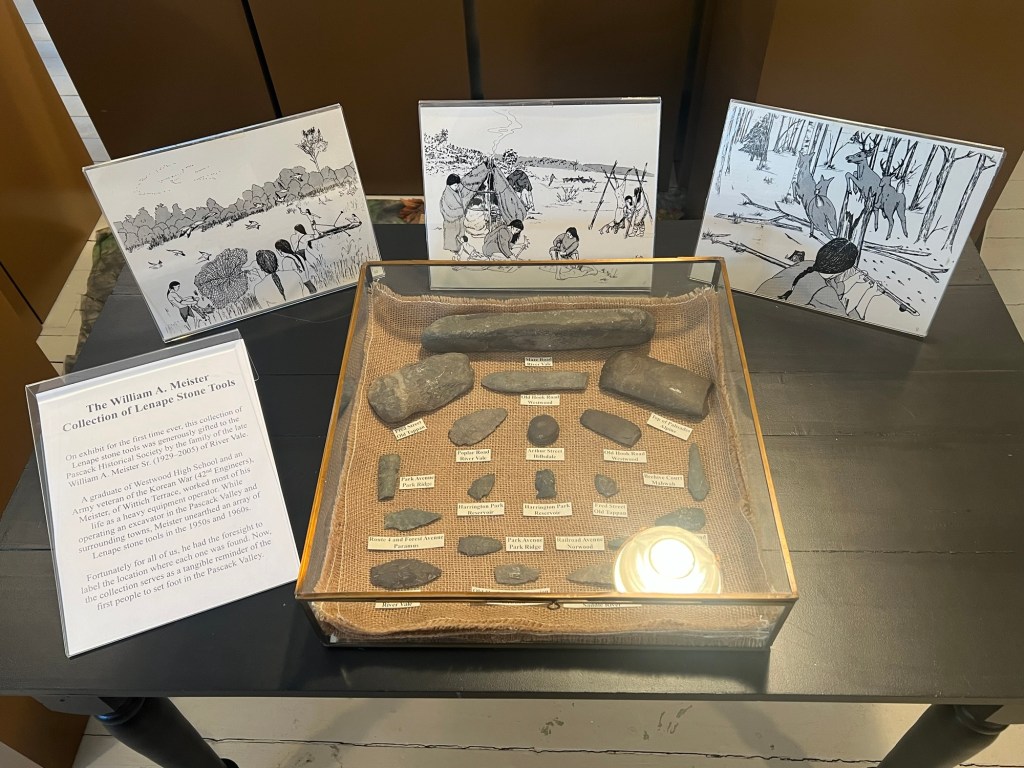
The Lenape artifacts from that era

Membership Opportunities:

Preserving and disseminating local history is a labor of love when you become a PHS member. It is a partnership between you and your fellow members. We encourage you to think about volunteering at some level at the museum or its events. Check out the volunteer opportunities below and give us a call if you would like to participate in any of them.

  1.  Docent: Act as a guide when people visit the museum. A simple one-day training session is all it takes.
  2. Researcher: Do you like to wander through books and archives searching for answers to questions?
  3. Archivists: Preserve and catalog the history of the Pascack Valley.
  4. Educators: Work with youngsters and licensed teachers at Society events.
  5. Tech Savvy: Volunteer your time to help with our website or graphic design.
  6. Handy Helpers: Do you like to repair things? Can you sew, do carpentry? This might be for you.

*Disclaimer: Information on Volunteer and Membership opportunities are taken directly from the Pascack Historical Society Museum pamphlet. Most of the descriptions of the displays is what I was able to see in my short time visiting. The museum has a treasure trove of items to look at in detail.

The Reformed Dutch Church with its Colonial cemetery and the Wortendyke Barn is right down the road so take a few hours to explore the area. The members of the Wortendyke family are buried in the church’s cemetery.

Visit from Bergen Community College for the Bergecco- Parc Consulting Inc. on April 9th, 2025: for the ‘Bergen 250’ project:

The project we created for the “Bergen 250: the 250th Anniversary of the Revolutionary War” that was created:

https://mywalkinmanhattan.com/tag/bergen-250-the-250th-anniversary-of-the-revolutionary-war-in-bergen-county-nj/

As part of my International Marketing class, I took my students to visit the three sites for our project on the ‘Bergen 250’:
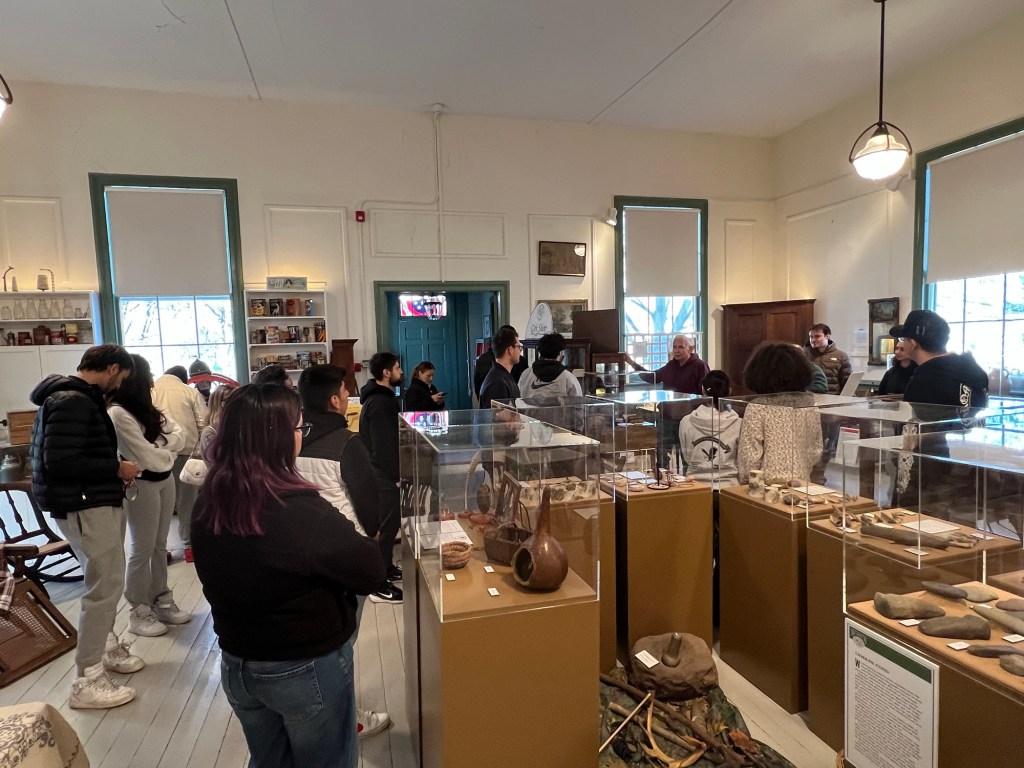
The students toured the museum with the assistance of the Museum’s Board members

As part of the assignment for our ‘Farm to Table Dinner’, the project starts here with a Cocktail Party and tour of the museum. The back room of the museum was where the party takes place and then the guests would tour the museum before heading to dinner at the Wortendyke Barn down the road.
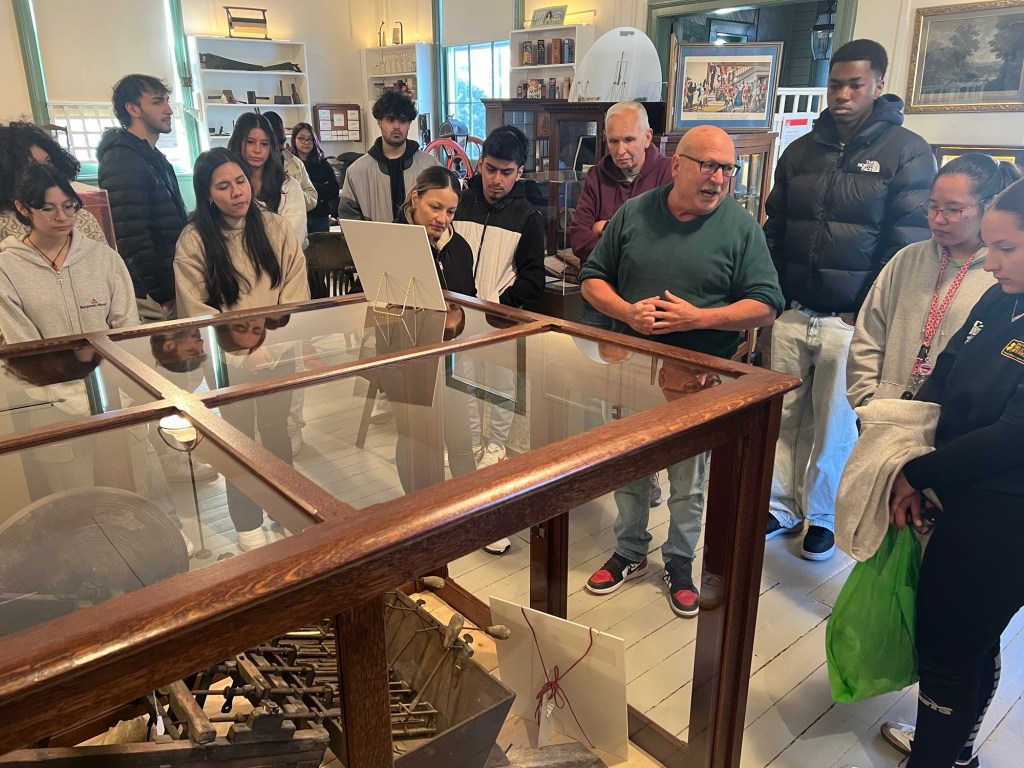
Peter Meany, the First Vice President of the Board explaining the Wampum machine to the students. This form of Native American currency is the only machine in the world like it and is a rare artifact.
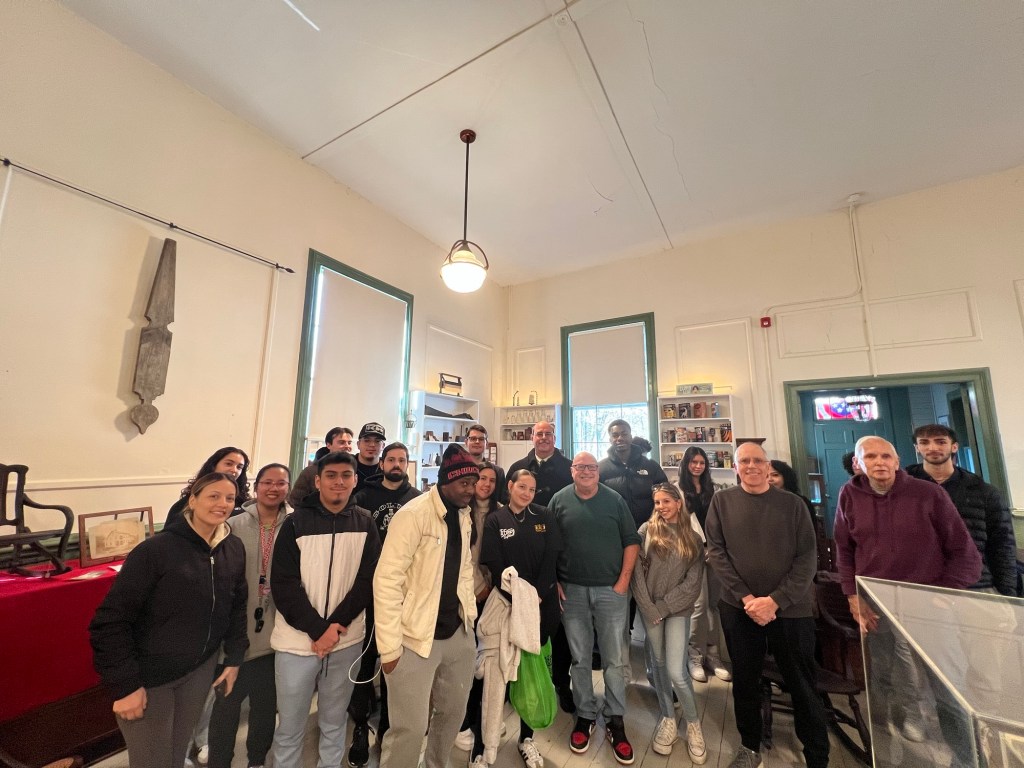
Our Team group picture at the Pascack Valley Historical Society with members of the Museum’s Executive Board Peter Meany, Ralph Donnell Jr. and Christopher Kersting.

We want to thank the Board for taking time out of their busy schedule to support the students on this project.
The Wortendyke Barn                                            13 Pascack Road                                                  Park Ridge, NJ 07656

The Wortendyke Barn 13 Pascack Road Park Ridge, NJ 07656

The Wortendyke Barn

13 Pascack Road

Park Ridge, NJ  07656

(201) 930-0124 (in season)/(201) 336-7267

http://www.co.bergen.nj.us

https://www.facebook.com/pages/Wortendyke-Barn/107718765917899

Open: Seasonal April-October

Fee: Free (concerts are free)

TripAdvisor Review:

https://www.tripadvisor.com/Attraction_Review-g46713-d12591229-Reviews-Wortendyke_Barn_Museum-Park_Ridge_New_Jersey.html?m=19905

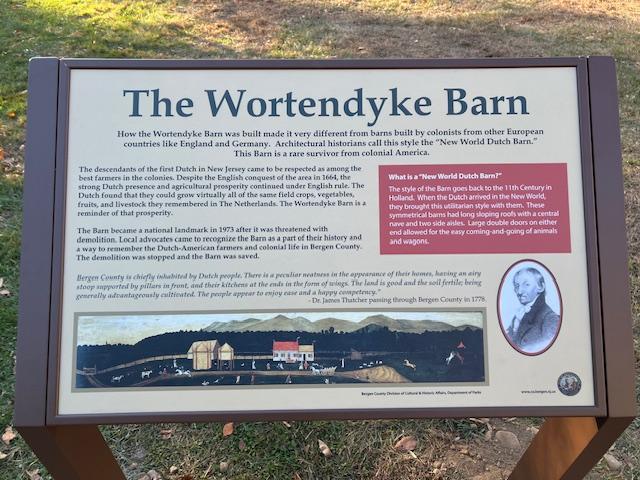
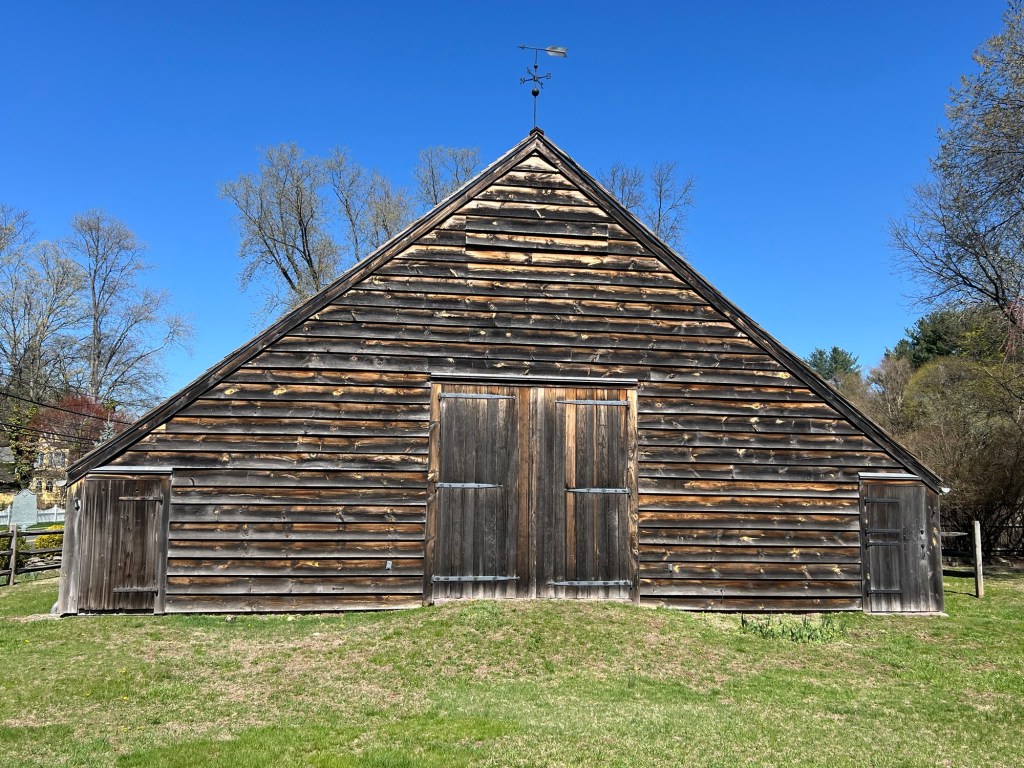
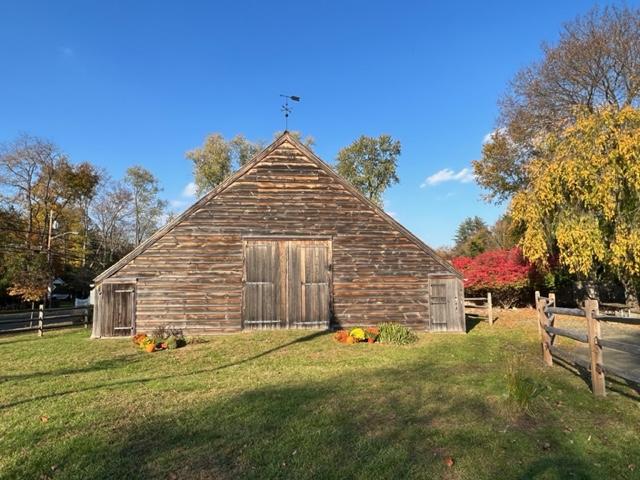
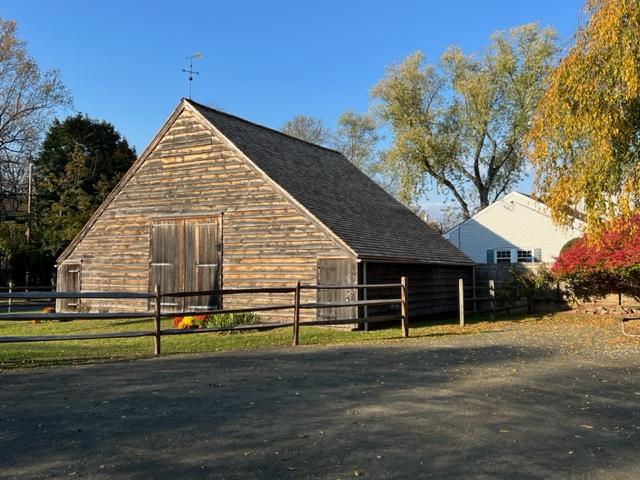
The Wortendyke Barn Museum, a National Register landmark, is all that remains of the original Wortendyke family farm. The barn, built circa 1770, is an outstanding example of the vernacular architecture referred to as a “New World Dutch Barn”, which could be found throughout 18th and 19th century Bergen County.

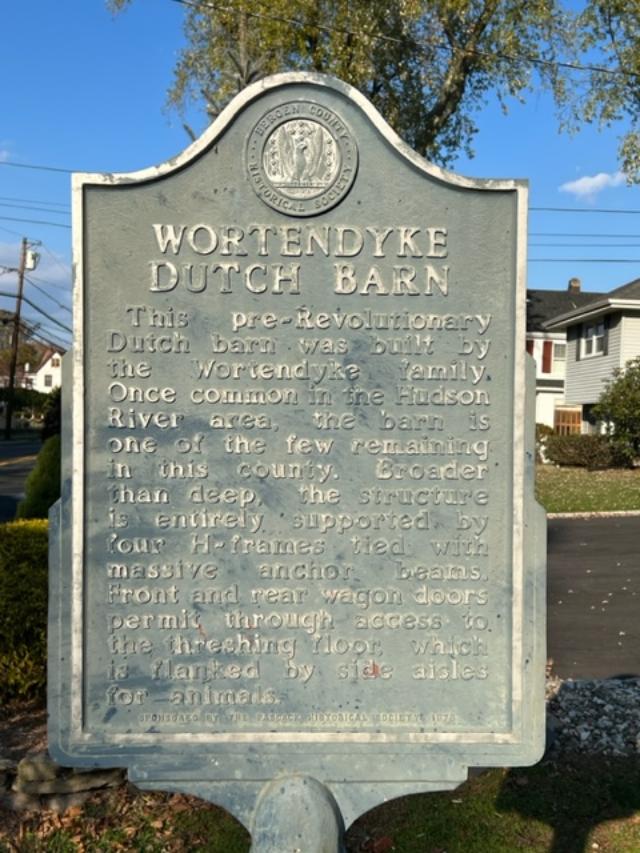
The Historic sign of the barn

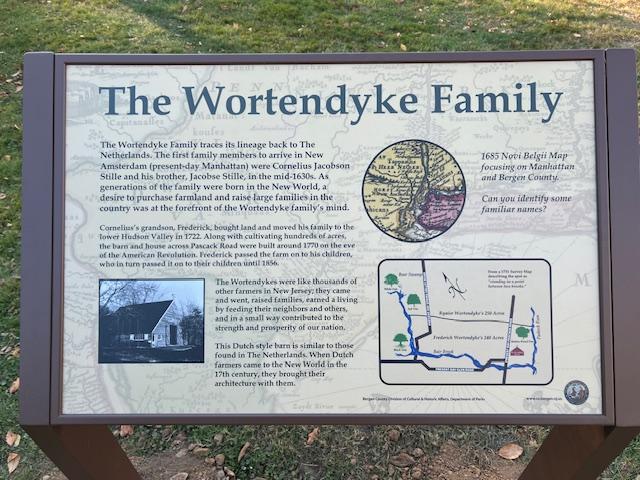
The Wortendyke Family sign

Most were built between 1624 and 1820 wherever Dutch farmers settled along the Hudson, Hackensack, Passaic, Raritan and Mohawk rivers. Today there are probably fewer than 100 of these barns left in various states of use and repair.

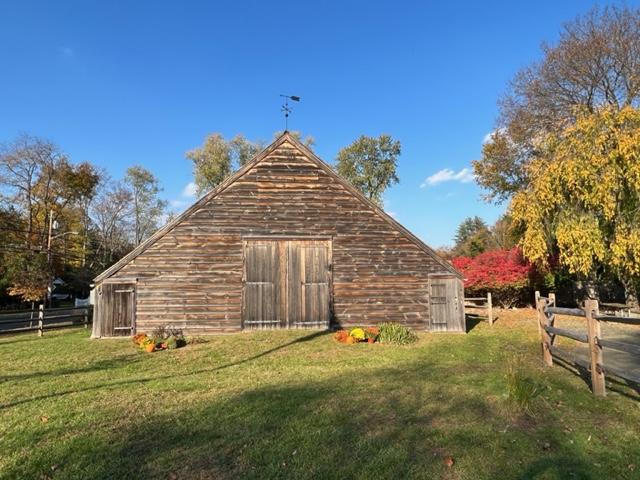
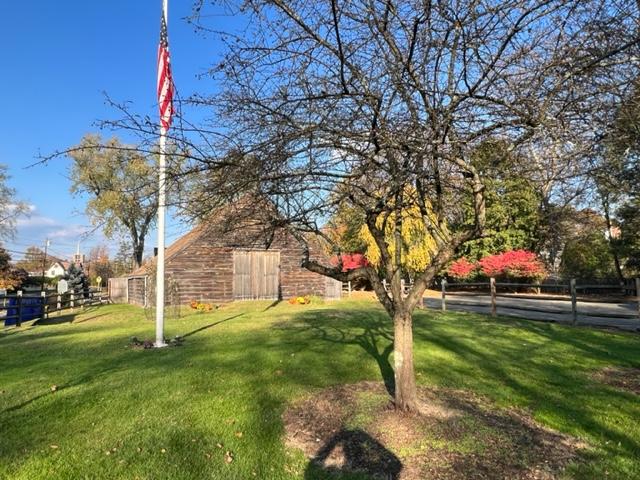
The Wortendyke Barn from Pascack Road

It was completely made of local wood, down to the nails called trunnels. Massive anchor beams support by posts creating an H-Frame, support the entire structure. These beams in turn support the ‘pulin’ plates, which support the roof. These barns were wider than long with steep, sloping roofs and low sidewalls, which created large storage areas. Farmers were able to store a variety of crops, keep many animals in the side bays and store hay in the large, roomy lofts. Because they were raised off the ground on a sill, the wood plan floors could last for decades. Large entrances on both gable ends allowed for the efficient unloading of wagons.

The Wortendyke Barn’s Museum exhibits include handmade 18th and 19th Century farm implements and tools and the history of the Wortendyke family farm and exhibits showing the agricultural history of Bergen County from the first settlers through the 20th century. The Wortendyke family settled in northern New Jersey in 1735 and maintained the land as a working family farm for over 115 years. After 1851, the land was sold several items but the barn continued to be used for its original purpose until well into the 20th century.

At the time the barn was built, most of the families living in the Hackensack Valley were independent farmers some owning hundreds of acres of fertile farmland. People of Dutch ancestry were numerous in Bergen County, speaking Dutch in their homes and churches. The Wortendyke family settled in this area in 1735, when Fredrick Wortendyke Senior moved from Tappan, NY and purchased 465 acres in present day Woodcliff Lake and Park Ridge. The family home, a sandstone house originally built around 1750, still stand directly across the street from the barn.

The Wortendyke Homestead that is privately owned.

The Wortendyke Homestead across the street from the barn.

The Historical marker for the Wortendyke Homestead.

From 1735 to 1851, from before the French and Indian War until nine years before the start of the Civil War, when the farm was sold, the land was maintained by the Wortendyke family as a working farm. After 1851, the land was sold several times. From 1960 until the middle of the 1980’s, the Pascack Historical Society displayed some of their collections in the barn showing it on occasion. After restoration was completed in 1997, Bergen County opened the barn as an accessible museum and County Historic site.

The Wortendyke Barn

The site now contains the barn and landscaped property that surrounds it. The old family homestead is now a private home but you can still see it from across the street. Many of the Wortendyke family are buried in the Dutch Reformed Church up the road, so take some time to visit the cemetery  when you are in the area. The whole area is just beautiful this time of the year with all the trees and flowers in bloom and the woody areas close by. The Pascack Historical Society is also right up the road so plan your day wisely.

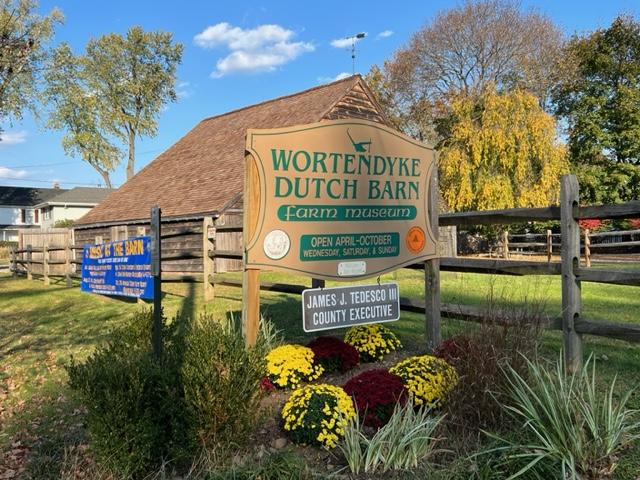
The historic sign of the barn.

During the Summer and early Fall months, they have a nice array of outdoor concerts on the lawn outside the barn. These usually take place on the last Sunday of the Month so please check the County of Bergen Website for details.

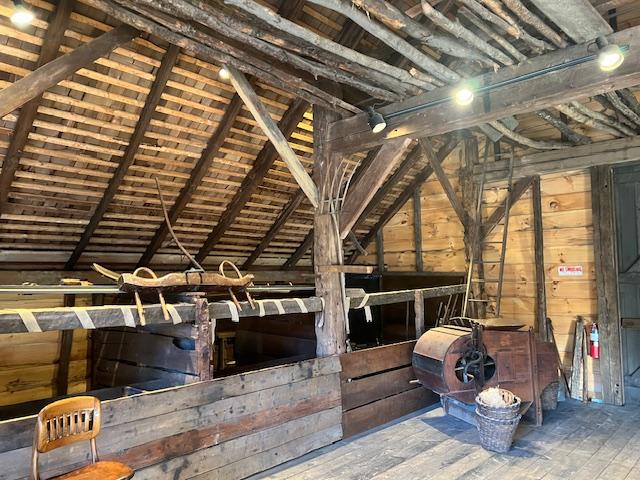
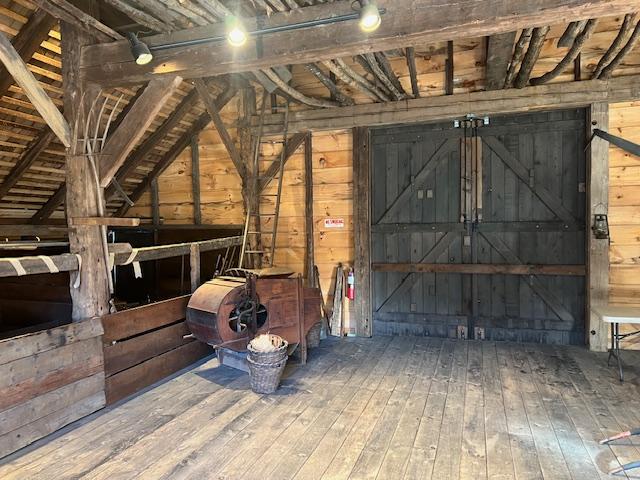
The inside of the Wortendyke Barn

The Ceiling of the barn

The back of the barn after one of the concerts

Also visit the Reformed Church up the road and the family homestead across the street while visiting the barn. You will see more of the family history in the homestead and in the family cemetery at the Church.

Bergen Community College Field Trip-Bergecco-Parc Consulting April 2025

A tour with my students on the Wortendyke Barn for the Bergecco- Parc Consulting Inc. Team Project on the ‘Bergen 250’: the history of the Revolutionary War in Bergen County’.

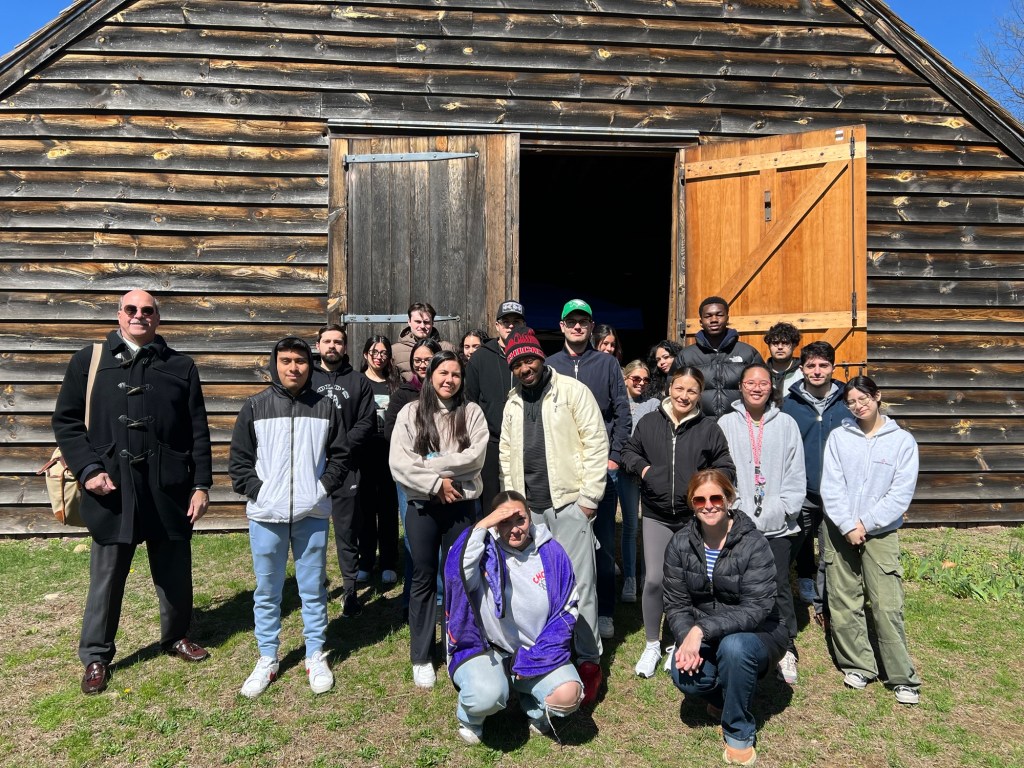
On April 9th, 2025, my students in my International Marketing class at Bergen Community College did an extensive tour of Park Ridge, NJ to the Wortendyke Barn, the Pascack Reformed Church and the Pascack Valley Historical Society as part of this extensive marketing project.

We toured the barn and the grounds on this spectacular day with County Historian, Vivian Davis, who I am partnering with on this project. We discussed the history and architecture of the barn and of the Wortendyke family. It was a very interesting tour for all of us.

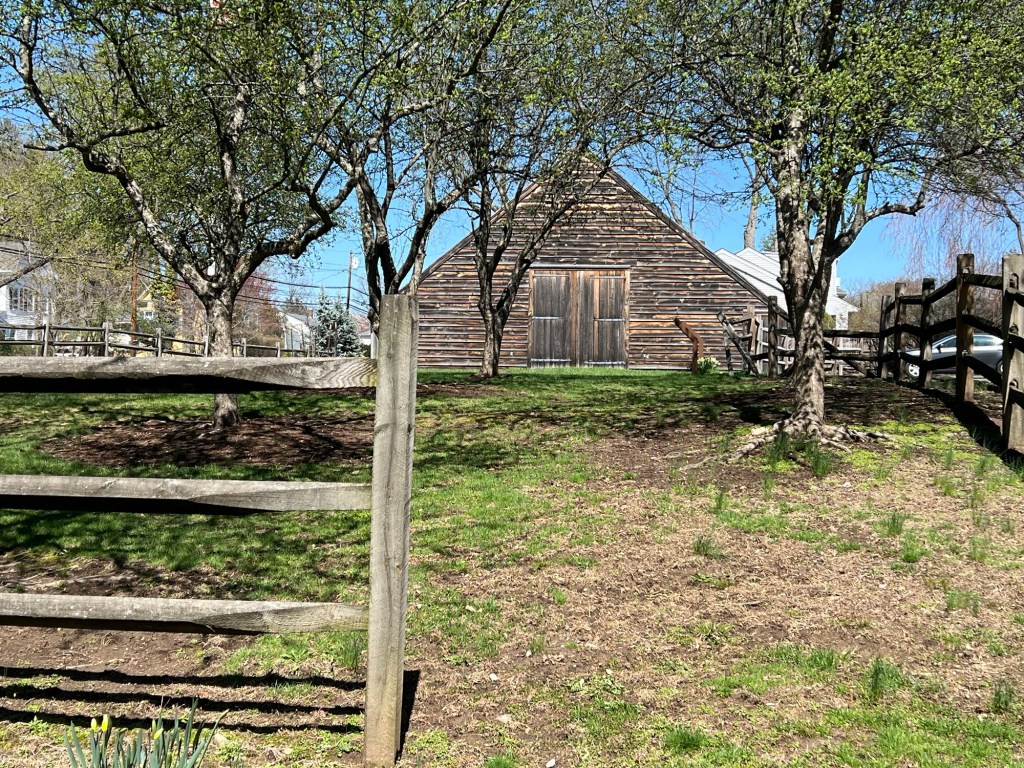
The barn in the early Spring

The Wortendyke Barn in the Spring

The grounds in the Spring

The Wortendyke Barn

Old farming equipment

Old equipment at the barn

Touring the outside of the barn and grounds with Vivian Davis, the County Historian

My class touring the inside of the barn

Our class picture after the tour of the barn and grounds

The Bergen County Division of Cultural and Historical Affairs publication is funded by a general operating support grant from the New Jersey Historical Commission, a Division of the Department of State.

*Disclaimer: This information about the Wortendyke Barn Museum was taken directly from the Bergen County Division of Cultural and Historical Affairs pamphlet. The barn is a beautiful example of Dutch architecture and really should be visited in the Spring and Fall for the areas true beauty shines. Please call the above number and ask about extended hours, programming and accessibility for the disabled.-

Easton Tower                                                        Red Mill Road Route 4 & Saddle River Road                           Paramus, NJ 07652

Easton Tower Red Mill Road Route 4 & Saddle River Road Paramus, NJ 07652

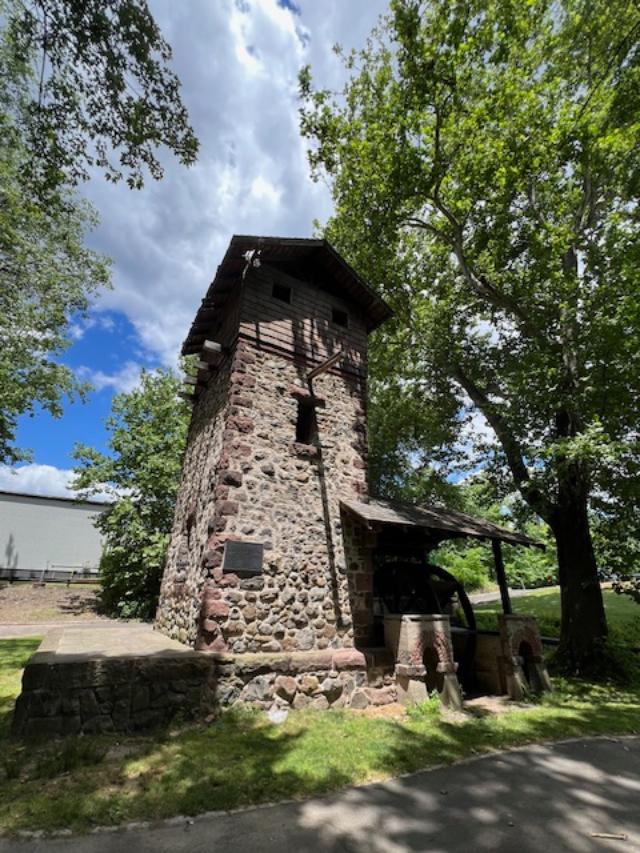
The Easton Tower

Red Mill Road

Route 4 & Saddle River Road

Paramus, NJ  07652

http://www.co.bergen.nj.us

http://bergencountyhistory.org/Pages/redmill.html

Open: Dawn to Dusk

Fee: Free

TripAdvisor Review:

https://www.tripadvisor.com/Attraction_Review-g46712-d12591227-Reviews-Easton_Tower-Paramus_New_Jersey.html?m=19905

The back of the Easton Tower

The historic marker on the back of the tower

I recently visited the Easton Tower on a beautiful sunny day and it really is a treat to see. It is located on the Saddle River Bike Path, so you can access it from the other side of the park and park on that side of the road for easy access. After seeing the tower, take a walk up and down the Saddle River Bike Path. It is really beautiful to follow the river on a nice day. It is really picturesque and a wonderful place to take pictures and enjoy nature.

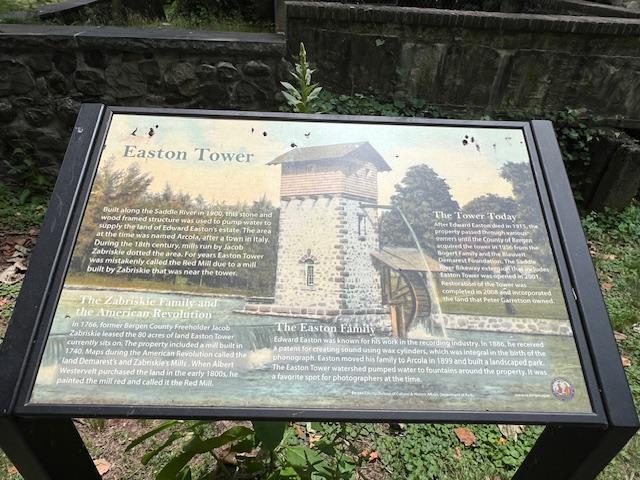
The historic Red Mill Marker

This information is provided by the Bergen County Division of Cultural and Historic Affairs:

The Easton Tower is a unique historic site in Bergen County, NJ. This stone and wood frame structure was built along the Saddle River in 1900 as part of a private landscaped park in the Arcola area Paramus. Surrounded by busy NJ roadways, it is now adjacent to the County’s Saddle River Bikeway.

The front of the tower on the bike path

The tower sits near the Saddle River in the Saddle River Park

Once used to pump water to irrigate and provide a scenic setting for the estate of Edward Easton, it is a 20 foot rectangular, stone-masonry tower topped with a wood-frame structure and a wood-shingle, gabled roof. On the side is a large wood water wheel, which is under a wood-shingle roof.  The architect Henry Ihnen designed it.

Easton Tower historical information sign

In the 18th century, this area along the Saddle River and near the heavily used Albany Post Road, was the location of many mills. Jacob Zabriskie, a Bergen County Freeholder during the Revolutionary War had leased the 80 acre mill site around 1766 and in 1771 acquired the mill that had been built in the 1740’s. Revolutionary maps identify it as “Demarest’s and Zabriskie’s Mills.”

The Easton Tower in Saddle River Park

Over time it was rebuilt or expanded and in the early 1800’s painted red by its owner Albert Westervelt. It is at this time it  acquired the “Red Mill” name often mistakenly applied to Easton Tower. By the 1800’s, the mill had fallen into disrepair and was demolished circa 1894.

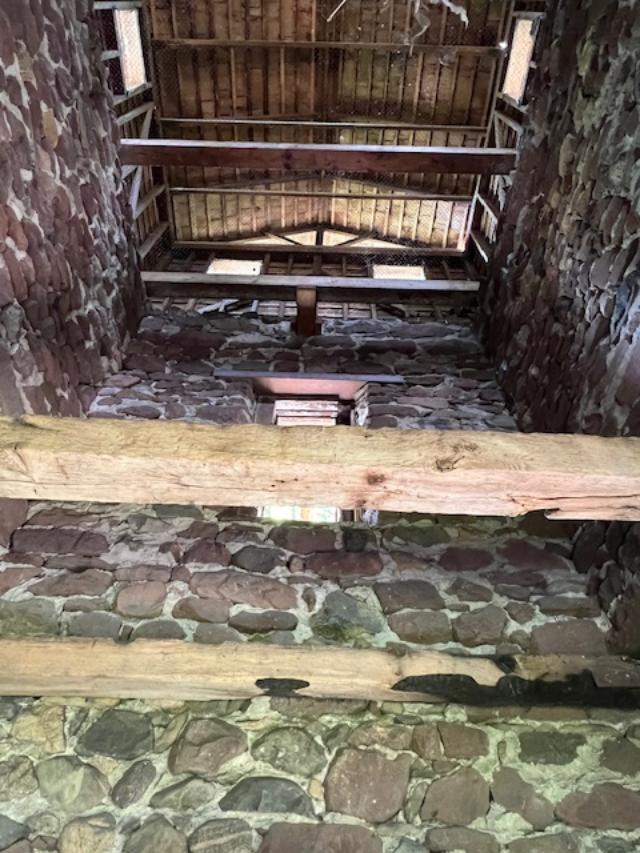
The inside of the tower

The Easton Tower inside

In 1899, Edward D. Easton (1856-1915), bought this almost 48 acre site, which included the mill pond and dam. The area was called “Arcola”. Easton’s father, a teacher, had originally brought his young  family to this area and suggested the name for the new settlement after a town in Italy. Edward Easton was a notable figure in American technological history. He started out as a stenographer, reporter and then a court stenographer In Washington DC, covering many famous trials in the 1880’s. After the 1886 patent was granted for the method of engraving sound by incising wax cylinders, Easton went on to make his fortune in the recording industry. He was a founder and eventually president of the Columbia Phonograph Company, which became one of the three major recording companies at the turn of the twentieth century.

The Easton Tower from the back

After opening an office in New York City, Eaton relocated his family from Washington DC to Arcola. He had a large house built on his property and commissioned the design of a landscaped park. The tower, to be built neat the site of the old Red Mill was a functioning structure pumping water to several fountains. There were also rustic bridges, lakes and expansive lawns. The tower was a favorite of photographers and appears in many contemporary postcards. People came from miles around to this beautiful spot to take boat rides and walks and in the winter, ice skate near the tower. Sources list the Easton home and park as having been used in early silent films.

After Easton’s death in 1915, the property went through various owners. In 1931,  construction of the Route 208 connection with Route 4 at “the Old Mill at Arcola” provided access to the recently opened George Washington Bridge. This destroyed sections of the landscaped park and isolated the tower. In 1940, the 1.26 acres site was sold at a sheriff’s sale to Clyde A. Bogert. The County acquired the tower from the Bogerts and the Blauvelt-Demarest Foundation in 1956. In 1967, the Bergen County Park Commission dedicated the tower. Easton Tower was placed on the State and National Register of Historic Places and in 2008 was completely restored by the County. It can be viewed from the Saddle River Bikeway and visited year round.

Disclaimer: This information is taken from the Bergen County Division of Cultural and Historic Affairs (C) 2015 pamphlet. The Bergen County Division of Cultural & Historic Affairs received an operating support grant from the New Jersey Historical Commission, a division of the Department of State.

Special Note: I visited the site recently and it is hard to get to by car. It is located right off Saddle River Road and it is off on a odd bend in the road. It is a quick turn to the right so pay attention to the directions.


The Bergen County Court House                           10 Main Street                                        Hackensack, New Jersey 07601

The Bergen County Court House 10 Main Street Hackensack, New Jersey 07601

The Bergen County Court House: Hackensack, New Jersey

10 Main Street

Hackensack, NJ 07601

(201) 221-0700

https://www.co.bergen.nj.us/component/rseventspro/location/16-bergen-county-courthouse

Open: Monday-Friday-8:30am-4:30pm

*Call about touring the facility when court is in session.

The Historic Courthouse at 10 Court Street in Hackensack, NJ.

The Bergen County Justice Complex (including the Bergen County Court House) was placed on the New Jersey and National Registers of Historic placed on November 22, 1982 and January 11, 1983 respectively. The Register nomination referred to the building’s significance as “important to the judicial of the Bergen County Justice Complex-the Court House, the Jail (now called the ‘Old Jail’), and the Administration Building-were the work of important architects and all possessed architectural quality and interesting examples of early 20th century technology.

The Historic marker

Designed by James Riely Gordon, in the Beaux Art style reflecting monuments of classical Rome and Italian Renaissance, the Court House incorporated rich materials including marble and bronze. With a dome modeled on the U.S. Capital, it incorporated other art forms including painting, sculpture and stained glass. The exterior contains many sculptures including the female statue of “Enlightenment Giving Power” on the dome’s cupola. The dome’s interior is decorated with Tiffany stained glass panels. Three of the courtrooms have elaborate stained glass skylights fabricated by the famous Lamb Studios. Some of the courtrooms also contain large murals painted in the 1930’s by artists working for the Federal Art Project of the Works Project Administration.

The Hackensack Green, Courthouse and Dutch Reformed Church and Cemetery.

The other side of The Green from the Courthouse.

The symbolic value of the Court House was recognized when it was built in 1910-1912. A local newspaper, The Hackensack Republican, wrote on July 7, 1910 that the courts “stand for the protection of rights, for the redressing of wrongs and for the punishment of crime. There are the great safeguards of the freedom of the people…Hence we build these courthouses as temples of justice-substantial, ornate and commodious as the appropriate form for the great duties which are here to exercised”.

Bergen County Court House 1715-1912 with the historic cemetery in the distance.

First Court House 1715: The Court House was combined jail and courthouse built on the site of three blocks south of the present County Administration  Building. It was located in an area known as Quacksack, later becoming part of the southern portion of Hackensack. It was built of stone laid up by two of the freeholders, John Stagg and Ryer Ryerson.

Second Court House 1734: This Court House, built on “land near the Dutch Church by Hackensack River.” was probably on or adjacent to the Green in Hackensack and closer to the river than the site of the current courthouse. It burned in 1780 during the Revolutionary War in the British raid of Hackensack.

Third Court House 1780: The 1780 Court House was something of a temporary structure built during the Revolutionary War away from Hackensack. It was a log building with the courthouse and jail housed under one roof, erected at “The Ponds” (Present day Oakland) in northwest Bergen County.

Fourth Court House 1786: The fourth Court House was built on a site “about 100 feet east of Main Street,” Hackensack where present day Bridge Street connects with Main Street (southern side of Bridge Street) fronting on the river. It was built on land bought from Peter Zabriskie, who lived in the magnificent Mansion House which faced the Green.

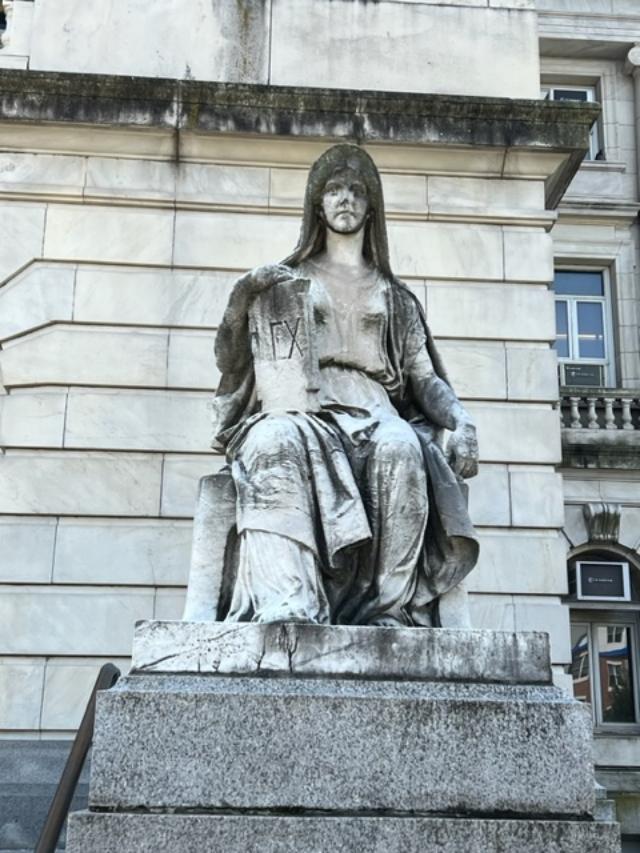
The unique statues that flank the front of the courthouse.

Fifth Court House 1819: The Fifth Court House was a brick structure built on the site of the present courthouse on land deeded to the county by Robert Campbell, a prominent Hackensack attorney and son of Archibald Campbell, whose tavern on the west side of Main Street faced the Green. Campbell specified that the land was deeded for the use of the county. If used for any other purpose, it was to revert to Campbell’s heirs. It was torn down in January 1912 when the present courthouse building had been completed on the side behind it and to its west.

The other statue that flanks the Green.

Sixth Court House 1912: The present Court House was designed by James Riely Gordon (1863-1937), a prominent architect responsible for the design of about 70 courthouses and two state capitals. The cornerstone was laid July 6, 1910 and was built by John T. Brady & Company of New York. Completed in February 1912 at the cost of $1,617,000, it was the subject of considerable investigation and lawsuits due to charges that there was over-payment of funds as well as added costs, which became the basis for political battles.

For Justice Center information: contact http://www.judiciary.state.nj.us/bergen/

http://www.co.bergen.nj.us

2015 Bergen County Division of Cultural and Historic Affairs

The Bergen County Division of Cultural & Historic Affairs received an operating support grant from the New Jersey Historical Commission, a division of the Department of State.

*Disclaimer: This information was taken directly from the Bergen County Division of Cultural & Historical Affairs pamphlet. Please refer to the website for tours and other information on visiting the site as it is a working courthouse. Please check the website and email or call before you visit.