Tag: Historical Sites

Teaneck, NJ Historic Burial Ground                    622 Pomander Walk Road                           Teaneck, NJ 07666

Teaneck, NJ Historic Burial Ground 622 Pomander Walk Road Teaneck, NJ 07666

Teaneck, NJ Historical Burial Ground

622 Pomander Walk Road

Teaneck, NJ  07666

The Bergen County Division of Cultural and Historic Affairs

(201) 336-7267

http://www.co.bergen.nj.us

https://www.teanecknj.gov/events/39326/

http://www.afrigeneas.com/forum-cemeteries/index.cgi/md/read/id/1803/sbj/slave-native-american-burial-in-teaneck-nj/

My review on TripAdvisor:

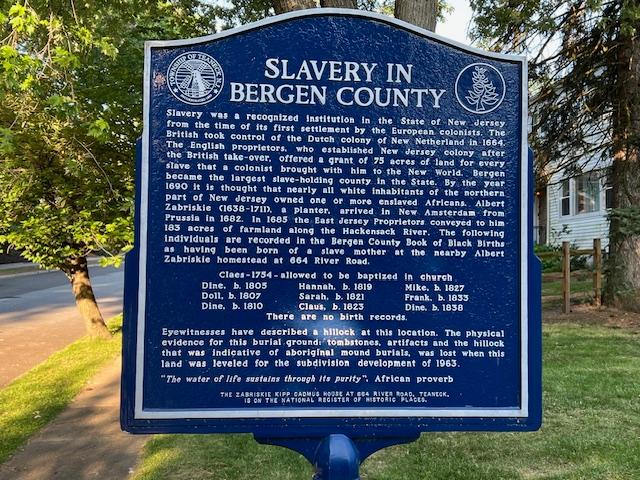
The historic marker for the Teaneck Historic Burial Ground for slaves in Bergen County.

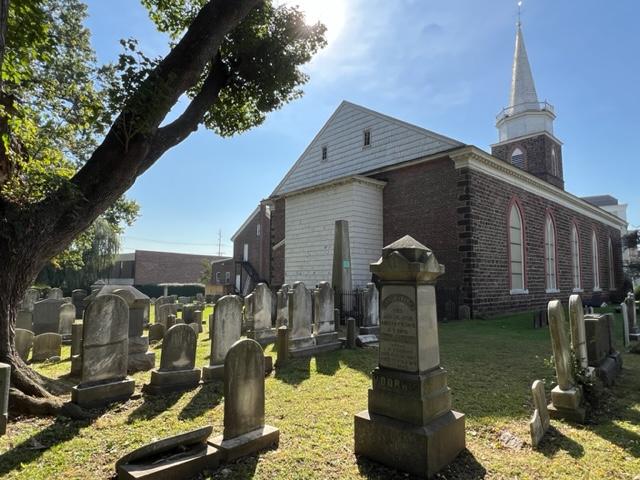
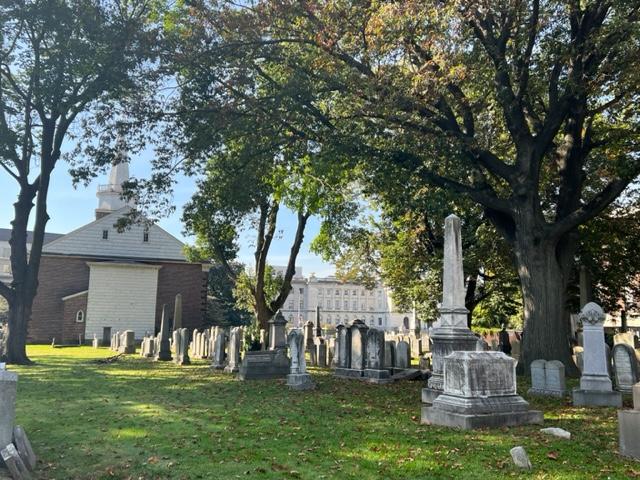
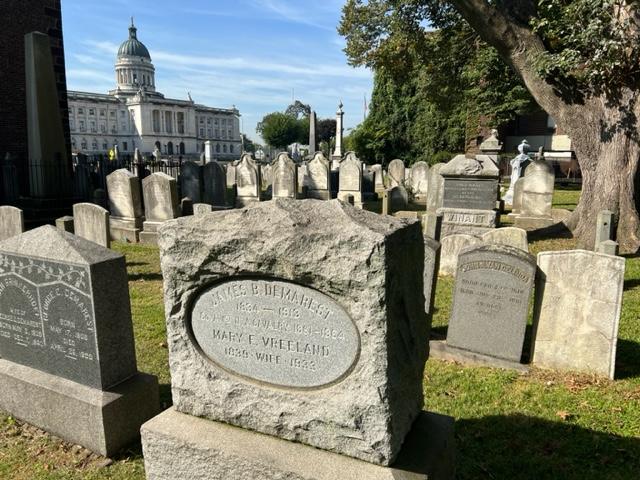
Located on Pomander Walk Road near the Hackensack River, this land was in use as a burial ground by the Native Americans prior to the arrival of the European settlers. This site might have been used for hundreds of years as a burial site for the Native peoples.

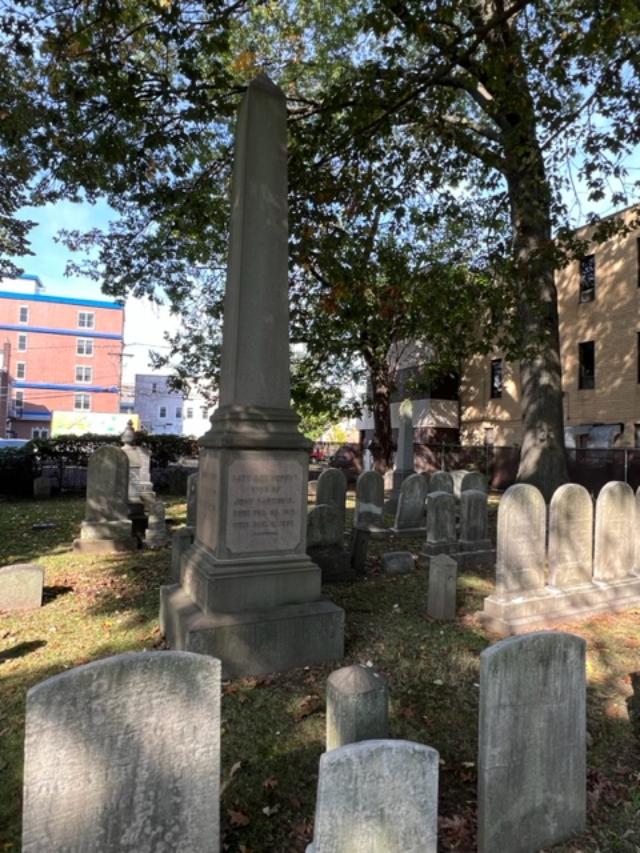
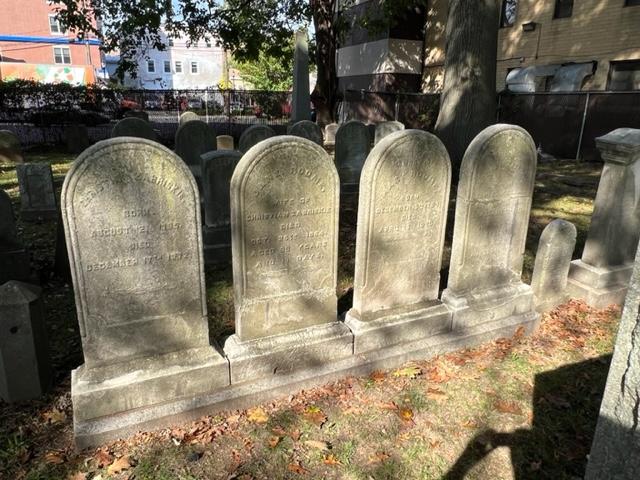
African slaves, who worked the farmland of the early European settlers, like the Zabriskie’s who owned the 125 acre farm that surrounded it, were subsequently buried at this location as were some of the early settlers. In 1663, the great elder, Oratam, was the Chief Sachem for the Ackingsacks, who lived along the Hackensack River. Oratam promised to give Sarah Kiersted a parcel of land between the Hackensack River and Overpeck’s Creek called “Neck of Land”.

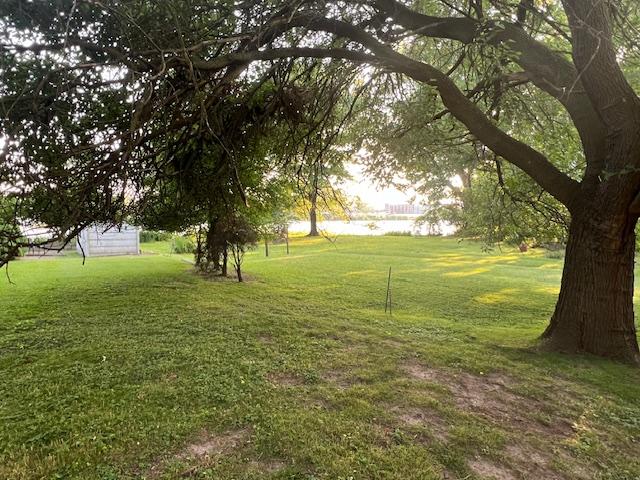
The location of the site on the side of the Hackensack River

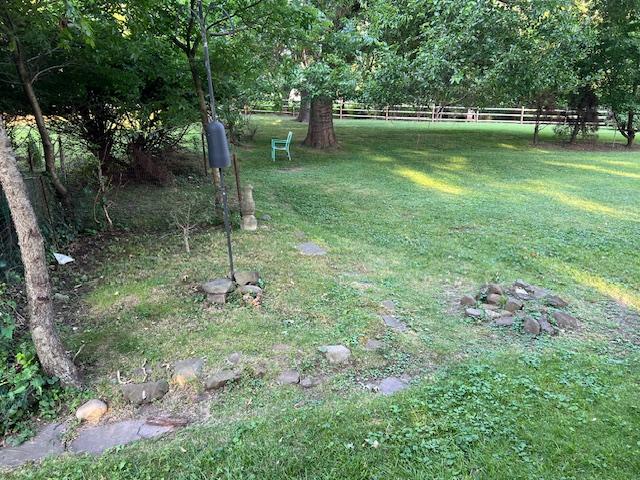
The site of the graveyard in Teaneck, NJ

It consisted of 2,260 acres which included Teaneck, Bogota and Ridgefield Park. The  original patent was dated October 21, 1667. On March 25, 1685, the East Jersey Proprietors conveyed 183 acres of this patent, located on the Hackensack River in what is now Teaneck, to Albert Sabboresco (Zabriskie) of Bergen, a planter/farmer.

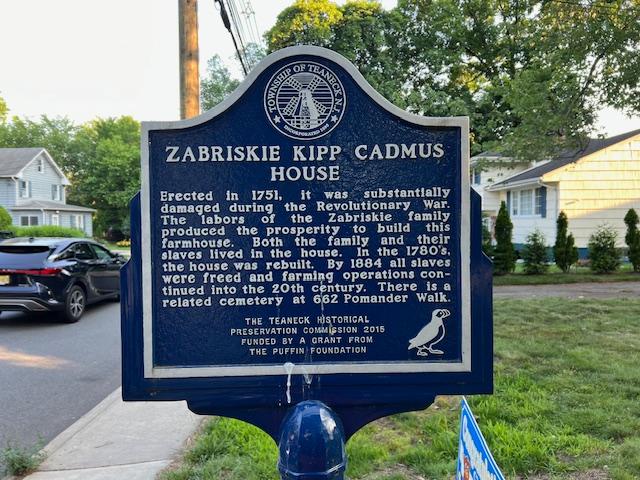
The Zabriskie House on Cadmus Street one block over is not open to visitors (privately owned)

The Zabriskie Homestead in Teaneck, NJ

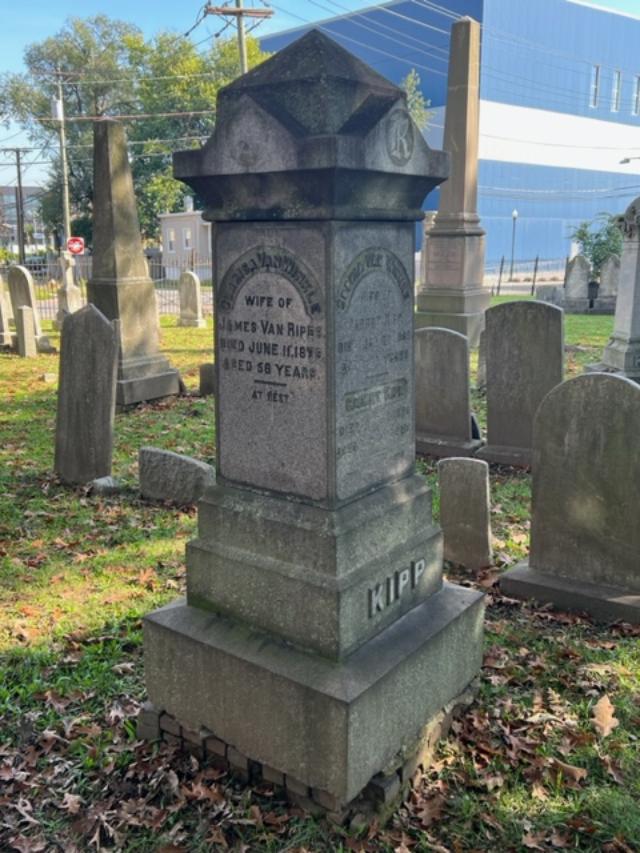
Albert Zabriskie, his descendant and later Henry Kip, owned the enslaved African American men, who were used to work the farmland and build the early colonial sandstone houses. Even though slavery was outlawed in 1804, the last slaves were not freed until 1865 making New Jersey the last of the Northern States to abolish slavery.

The Zabriskie-Kipp Homestead in Teaneck, NJ is not open to the public. The historic Zabriskie-Kip Farmhouse (now a private residence) is located around the corner from the site on a buff on River Road facing the Hackensack River.

The site is right by a cove in the Hackensack River

To prevent the loss of this sacred ground, the ‘Coalition to Preserve Teaneck’s Native American/African Slave/Settler Cemetery’, was organized. With the Coalition’s encouragement, in 2006 Teaneck bought this open parcel of land on the banks of the Hackensack River. It can be visited during daylight hours and is designated with a Blue Historic Marker erected by the town of Teaneck, NJ.

The historic site by the Hackensack River in Teaneck, NJ.

The gravesite today along the Hackensack River

Disclaimer: This information was taken directly from the handout from the Bergen County Division of Cultural and Historic Affairs. There is no fee for this site but be warned, there is not much to see. There will be plantings and a small memorial is being planned (the above plaque from the town of Teaneck, NJ).

 The burial site in Teaneck, NJ

Greater Newark Conservatory                              32 Prince Street                                              Newark, NJ 07103

Greater Newark Conservatory 32 Prince Street Newark, NJ 07103

Greater Newark Conservatory

32 Prince Street

Newark, NJ   07103

(973) 642-4646

http://www.citybloom.org

https://www.citybloom.org/

Open: Please check the website for site and time listings

Fee: Free but donations accepted

My review on TripAdvisor:

https://www.tripadvisor.com/Attraction_Review-g46671-d16726541-Reviews-Greater_Newark_Conservancy-Newark_New_Jersey.html?m=19905

The Greater Newark Conservatory has been credited for much of the improvement in the City of Newark.

Newark Conservatory IV

Having three farms, it has given new life to empty lots, given school children a chance to experience urban farming and given suburbanites a taste of country life in the city all while improving the lives of its residents. Having attended the recent “Beds & Breakfast” gardening program put on every year, I can see the outreach that the Conservatory is trying to have on people outside the city.

Newark Conservatory V

The Beds & Breakfast Seminar is an annual event that covers things like sustainable farming, trips for growing and pruning plants and trees and cooking classes. In the era of COVID, we had the 2021 “Beds & Breakfast” virtually this year and it was really nice because we could attend the meetings via Zoom. It was very engaging and you could ask questions online.

In the warmer months, it is nice to walk along the gardens and admire all the fruits, vegetables and plants being grown here. They have other events as well like Summer Cocktail parties and Pot Lucks.

Greater Newark Conservatory

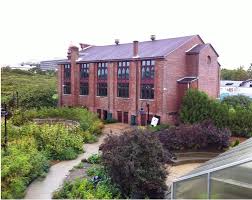
The gardens and the new Demo building

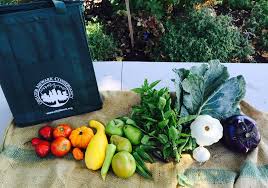
Another event I recently attending was the Conservatory’s October Fest, which was a small festival where the gardens on Prince Street were open to the public and local vendors were selling their wares at tables surrounding the main walk way of the garden. The Conservatory was also running their Youth Farm Stand as well with fresh vegetables from their ‘farm’. In 2021, they had a smaller event with vendor booths and music. It was funny to see so many people with masks in the cool weather.

Try to support the Youth Farm Stand at the Greater Newark Conservatory

In the future, there will be Pumpkin Patches by the farm and a small event for Halloween.

The History and Purpose of The Greater Newark Conservatory:

The Greater Newark Conservatory (GNC) is a non-profit organization headquartered in Newark, NJ with the state goal of promoting ‘environmental stewardship to improve the quality of life in New Jersey’s urban communities’. It offers programs for youth education, community greening and gardening, nutritional health, job training and prisoner re-entry (Wiki).

Founded in 1987, the Greater Newark’s Conservatory’s mission is to promote environmental stewardship to improve the quality of life in New Jersey’s urban communities. The 3.7 million Prudential Outdoor Learning Center, named in honor of a $750,000 grant from the Prudential Foundation, was completed in 2004 and has hosted more than 16,000 at risk inner city children for environmental education field trips since that time (Vince Baglivo, Star-Ledger 2010).

Newark Conservatory III

The Conservatory grounds

The first step toward making the new Center a reality was the purchase of the historic former synagogue/church building at 32-34 Prince Street in downtown Newark. Acquired by the City of Newark, the property included the building and the land that it occupies (Vince Baglivo, Star-Ledger 2010).

Educational Programs:

The Conservatory provides programs on youth education and nutritional health and cooking. In the Demonstration Kitchen program, participants are provided instruction on cooking with recipes having high nutritional value. The Newark Youth Leadership Program (NYLP) provides training to high school students in Newark through a year-round program on horticulture. The  program also includes a summer internship program where high school students are assigned to various department in the Conservatory in order to gain experience with career-related skills. The summer interns also receive training on finance, public speaking and nutrition (Wiki).

Urban Farming:

One Conservatory initiative is to bolster and support urban farms in the City of Newark. The urban farms were created with the purpose of offering low-cost and healthy foods in Newark. Participants also have the option of growing their food in one of 360 private plots. In 2011, the urban farms administered by the Conservatory generated 5,000 pounds of produce. The produce is sold in local farmers’ markets. Crops raised include arugula, beets and corn. Other related programs include raising chickens and maintaining a honey apiary (Wiki).

Newark Conservatory II

The gardens and grounds

Job Training:

The Conservatory is community partner for the City of Newark’s prisoner re-entry programs where job training is provided to ex-offenders through its ‘Clean and Green’ program. They include vacant lots in Newark, labor in maintaining urban farms and offering instruction to school groups on the basics of farming (Wiki).

Urban Environmental Center:

The Conservatory conducts its activities primarily at the Judith L. Shipley Urban Environmental Center, the Prudential Outdoor Learning Center and at its main education building. Many educational programs take place there as well. The center was named after Judith and Walter Shipley, who were major donors of the Conservatory. The Prudential Outdoor Learning Center is 1.5 acre site located on Prince Street in Newark and contains a series of outdoor exhibits and thematic gardens (Wiki).

Programming:

Four program areas: environmental education, community greening and gardening, advocacy for environmental justice and job training, are the focus of activities involving everyone from students to seniors (Vince Baglivo Star-Ledger 2010).

Community Greening:

The Community Greening Program addresses Newark’s deficit of quality preserved open space by enhancing existing community parks, creating new pocket parks, establishing greenways and improving neighborhoods with street trees, street side planted flower barrels and community gardens. The program works with Newark residents to transform neighborhoods with curbside flower barrels and lush community gardens on former vacant lots. These urban farms increase accessibility to food sources for urban residents by providing high quality, locally grown healthy food using natural pest control methods (Vince Baglivo Star-Ledger 2010).

https://www.tripadvisor.com/Attraction_Review-g46671-d16726541-Reviews-Greater_Newark_Conservatory-Newark_New_Jersey.html?m=19905

Disclaimer: I want to credit writer Vince Baglivo from the Star-Ledger “Greater Newark Conservatory: City’s best kept Secret” 2010 and Wikipedia (current) as well as the Greater Newark Conservatory for information on the site. Please call the above number for more information on upcoming programs.

Hackensack Water Works Van Buskirk          County Park Elm Street                                 Oradell, New Jersey 07649

Hackensack Water Works Van Buskirk County Park Elm Street Oradell, New Jersey 07649

Hackensack Water Works

Van Buskirk County Park

Elm Street

Oradell, NJ  07649

A Bergen County Historic Site

https://www.hwwc.org/

The Hackensack Water Works building is closed for visiting and under renovation.

When I visited the day I went to see the Hackensack Water Works Building all you could see is the signs outside the building.

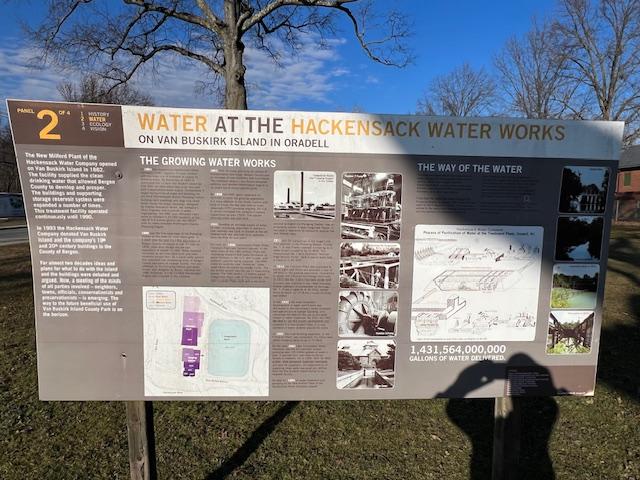
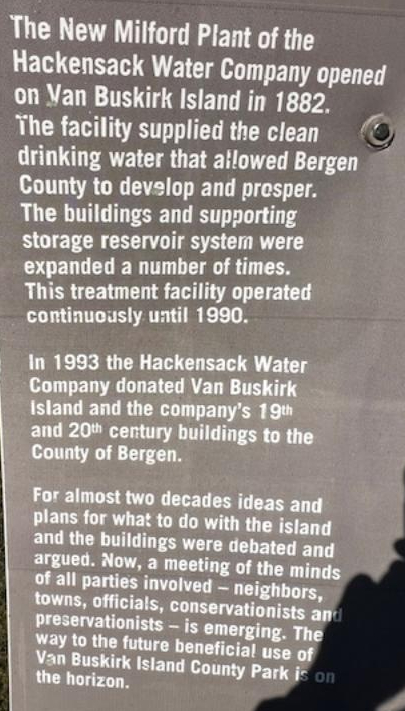
The information sign outside the Waterworks.

The layout of the pump station.

On an oxbow in the northern reaches of the Hackensack River is Oradell’s Van Buskirk Island, a man made island that did not exist until 1802. Created by the dams built for the local mills, this stretch of the Hackensack River was the highest point of navigable water on the river where schooners regularly carried goods to and from New York.

Hackensack Water Works II

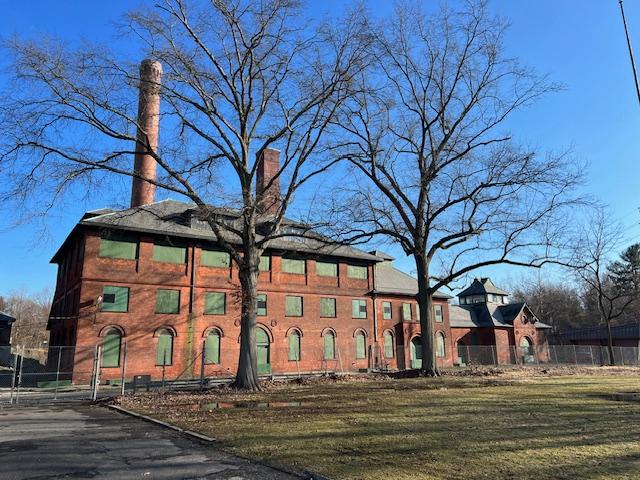
The Hackensack Water Works Building in full.

Now a part of the Bergen County Parks system, this almost 14 acre site contains the historic Romanesque brick buildings of the Hackensack Water Works. This is the oldest surviving representative of a water purification and delivery system from the late 19th and early 20th century period, crucial to the development of a modern, safe water supply that was critical to turn of the century metropolitan and suburban growth.

The Pump Station right side.

The left side of the Pump Station.

The Hackensack Water Works, in continuous operation from 1882 to 1990 is a rare example of later 19th and early 20th century water works architecture and engineering. The historic buildings include the 1882 Pumping Station, expanding five times from 1886-1911 and innovative 1905 Filtration House, expanded in 1912 and 1955. The Pumping Station contains a unique collection of steam pumping equipment representing over four decades of development of steam technology in the early 20th century, including a 1911 Allis Chalmers Vertical Triple Expansion Pump and a 1915 Allis Chalmers Centrifugal Pump. The plant also contains the 1905 coagulation basin and gatehouse and the 1911 intake and waste gates.

Hackensack Water Works III

The inside of the Hackensack Water Works

This Bergen County Historic Site with its open space and park like setting is a living 100 year old timeline of technology from steam to electricity as well as a river site that represents the evolution of Bergen County from its pre-Revolutionary War saw and grist mills to the creation of pioneering water filtration technology so vital to the 20th Century development of towns and cities all over America. Not open to the public at this time.

The history sign of the pump station.

http://www.co.bergen.nj.us

The Bergen County Division of Cultural and Historic Affairs

The Bergen County Division of Cultural & Historic Affairs received an operating support grant from the New Jersey Historical Commission, a division of the Department of State.

Disclaimer: This information was taken directly from the Bergen County Division of Cultural and Historic Affairs handout. Please call the above number or email them for more information.

Meadowlands Museum                                                               91 Crane Avenue                                                         Rutherford, NJ 07070

Meadowlands Museum 91 Crane Avenue Rutherford, NJ 07070

Meadowlands Museum

91 Crane Avenue

Rutherford, NJ  07070

Phone: (201) 935-1175

Email: meadowlandsmuseum@verizon.net

https://www.meadowlandsmuseum.com/

https://www.facebook.com/MMusRutherford/

Open: Most Wednesdays and Saturdays from 10:00am-4:00pm

TripAdvisor Review:

https://www.tripadvisor.com/Attraction_Review-g46796-d2403380-Reviews-Meadowlands_Museum-Rutherford_New_Jersey.html?m=19905

Both Curator & Chronicler

The Meadowlands Museum is the main steward of the history and culture of the Meadowlands region and one of its leading storyteller.

Meadowlands Museum Scarecrow Day V

Its mission and collection, which resides in the Yereance-Berry House in southern Bergen County in Rutherford, NJ are distinctive and unique. The house too is a historic treasure and landmark and was built in 1804 by the Berry family, who were among the county’s earliest European settlers.

Meadowlands Museum VIII

Rooms in the three-level American Dutch farmhouse are alive with permanent and temporary exhibits and sometimes include loaned objects from other museums and private collections.  Historical artifacts like archives and photographs are mingled with textiles, furniture, housewares and artwork. There is even correspondence by the daughters of John Rutherfurd, a close confidant of George Washington. Grounds include the William Carlos Williams Poetry Garden, which acknowledges the legacy of Rutherford’s most famous native and the town’s history as a cultural center.

Meadowlands Museum VII

The everyday products of the Meadowlands Museum

Founder in 1961 as the Rutherford Junior Museum by parents of school age children to help connect them to their community, the museum is staffed by professionals assisted by dedicated volunteers and involved trustees. Interns add to the rich resource of individuals who contribute to its present and future.

A recent commercial developed by my Business 101 Class for the Meadowlands Museum for the project “Rocking it in Rutherford: Being a Tourist in your own Town”

The location of the Yereance-Berry House suggests a colonial farm dating to 1740. The oldest house in south Bergen County in close to original condition, it was part of the Historic American Building Survey project of the 1930’s. The building is also listed on the state and national registers of historic places and the Bergen County Stone House Survey.

Meadowlands Museum

The Yereance-Berry House is the now the Meadowlands Museum

Affiliated organization include the American Alliance of Museums, American Association for State and Local History, Meadowlands Regional Chamber of Commerce, New Jersey Association of Museums and The National Trust for Historic Preservation.

Programming & Community Service:

Free and reasonably priced services for individuals, community groups, businesses, government bodies and educational institutions are available.

*Educational programs, lectures and traveling exhibits.

*Customized on and off site programs.

*Collaborative ventures with a wide range of partners.

*Assistance with academic research and other archival support.

Special Events:

Special events, which often are made possible by partnerships with businesses and other organizations, are an additional way for visitors of all ages to enjoy the museum. Public and private events occur on a regular or one-time basis; many are fundraisers. Call or email for a current calendar and sponsorship possibilities. The house hosts both permanent and special exhibits.

Our permanent exhibits include:

*Yereance Berry House on Scarecrow Day:

Meadowlands Museum Scarecrow Day IV

*Pre-electric kitchen: This unique kitchen in the basement shows off the collection of equipment that would be used in the kitchen from the Civil War to the 1950’s. There are coffee grinders, whisks, wash boards and such. It showed how much effort was put into preparing the family meal through the ages.

Meadowlands Museum IV

The Farm Kitchen of Bergen County

*Meadowlands Geology: there are all sorts of rocks and gems not just from the area but all over the state. There are two different rooms one of the specimens locally and there is a separate room for glowing stones. It is very interesting to see when the lights are out.

Meadowlands Museum III

The Mineral Collection at the Meadowlands Museum

*Mining in South Bergen: This is how the county has changed when we mined ore.

Meadowlands Museum Scarecrow Day II

The Mining Display at the Meadowlands Museum

*19th century Laundry Room: The Laundry room that is located in the basement has many of the things our grandparents would have used. The washboards,  scrub bushes, old washing machines and ringers. Washing clothes was much harder back then.

*The wonderful Toy Exhibition of turn of the last century toys and from the 1960’s 70’s and 80’s. This contains Dolls, Board Games, play things and instruments:

Meadowlands Museum II

The Toy Collection fascinates kids of all ages

Meadowlands Museum Scarecrow Day III

The wonderful toy factory in Kearny, NJ that used to produce all these wonderful toys.

*Horse elevator

Recent special exhibits have included:

*High school football

*Needlecraft

*Steampunk

*Medical Innovations

*Maps of the region

*Civil Rights

*Dr. Williams’ Babies

*World War I

Special Events:

Scarecrow Day 2028

I went to the recent Scarecrow Day on October 20, 2018 where guests of the museum created their own scarecrows using their own creativity. All the scarecrows were lined up facing the street with their interesting clothes and accessories. Each person got to use their own clothes and each one had its own style to it. It was fun watching the families show their creativity at this annual event.

Image result for scarecrow day at meadowland museum

Scarecrow Day at the museum in 2018

Meadowlands Museum Scarecrow Day

Scarecrow Day in 2021: the winners of the contest for best Scarecrow

I also stopped by for the Dutch Christmas decorations. The museum was decorated for the holidays with garland and trees. On December 1st, they had a Dutch Christmas festival (I could not attend) with food and entertainment.

Help tell the story…

(from the museum website)

Individuals who value the purpose and work of the Meadowlands Museum remain its inspiration and abiding spirit. Donations, memberships, sponsorship’s, grants and fundraisers are crucial elements of the museum’s financial well-being.

Admission to the museum is free but donations are greatly appreciated. Fees for events and other services vary. A personal letter to the appropriate person acknowledges a gift made in the name of an individual. Donations to provide for the buildings and grounds are valuable links to the future and a kind of giving that is among the museum’s top priorities.

Disclaimer: This information was taken directly from the Meadowlands Museum’s pamphlet. For information on the site, please call or email the museum for more information.

Bergecco-Parc Consulting Inc.-Rocking it in Rutherford:

My Business 101 class at Bergen Community College Lyndhurst branch visit in the Spring of 2022 for the project “Rocking it in Rutherford: Be a Tourist in your own Town”.

For Spring Semester in 2022, my Business 101-Introduction to Business class made a weekend visit to the Meadowlands Museum for the project “Rocking it in Rutherford-Be a Tourist in your own Town”. We were promoting the museum to increase tourism with a fundraiser and a barbecue. So on the weekend, I took my Team to the museum to tour it for extra credit. They ended up learning a lot about not just the museum but the history of Rutherford and Bergen County, NJ.

The project was promoting the Town of Rutherford for Domestic and Foreign Tourism and created a fundraiser and modernization of displays for the museum. This is a copy of the project, presentation and Commercials.

The Team Project “Rocking it in Rutherford: Be a Tourist in your own Town”:

Video’s of the Presentation:

The video presentation promoting the museum