Tag: Gilded Age Homes

Locust Grove Estate                                                                 2683 South Road (Route 9)                                    Poughkeepsie, NY 12601

Locust Grove Estate 2683 South Road (Route 9) Poughkeepsie, NY 12601

Locust Grove: A National Historic Landmark

2683 South Road (Route 9)

Poughkeepsie, NY  12601

(845) 454-4500

http://www.lgny.org

https://www.lgny.org/

Open: Seasonal-See Below

Visitor Information: The gardens and grounds are open year round from 8:00am to dusk, weather permitting.

House Tours: Offered May through November, daily from 10:00am-5:00pm and weekends in April & December. Groups tours by appointment.

Visitor Center: Open January through March, weekdays from 10:00am-5:00pm. April through December daily from 10:00am-5:00pm.

Fee: Adults $12.00/Children (6-18) $6.00

TripAdvisor Review:
https://www.tripadvisor.com/Attraction_Review-g48443-d263920-Reviews-Locust_Grove_Estate-Poughkeepsie_New_York.html?m=19905

The Locus Grove Estate

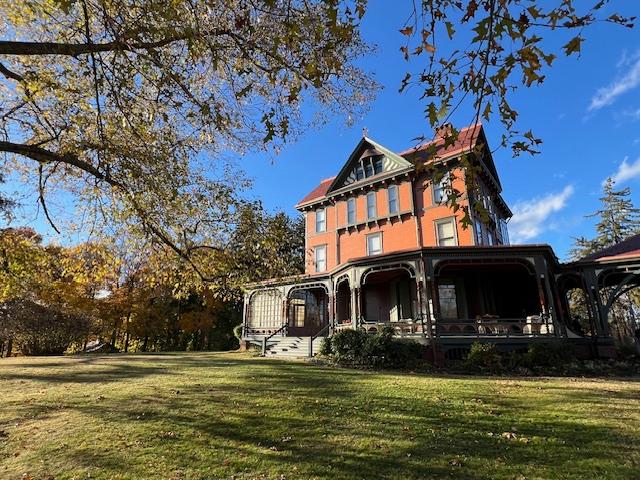
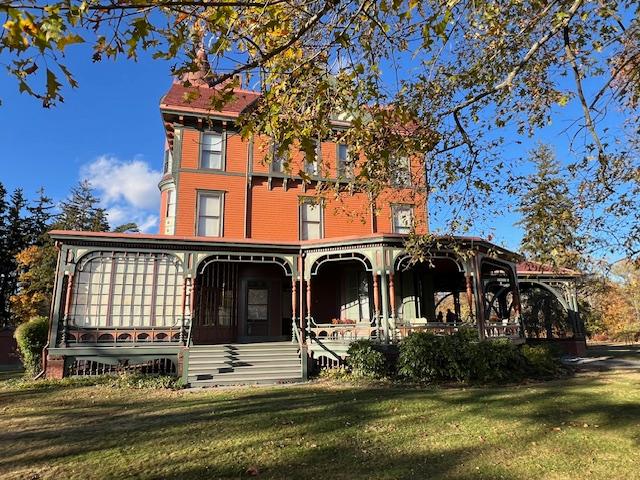
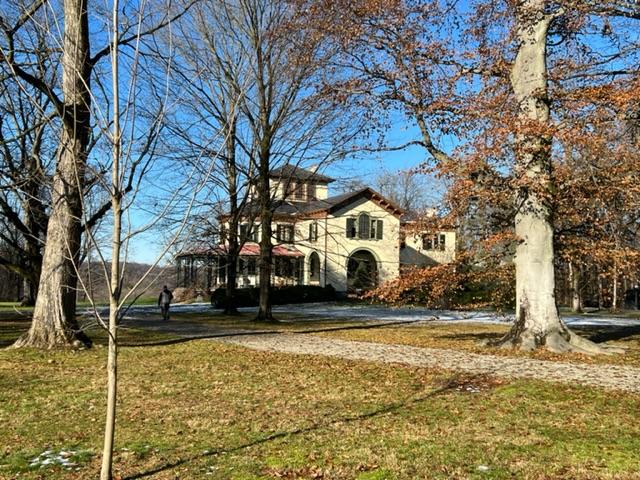
Overlooking the Hudson River, the 180 acre Locust Grove Estate includes an Italianate villa designed in 1851 by architect Alexander Jackson Davis for artist and inventor Samuel F. B. Morse.

The Locus Grove additions of the tower and back rooms

The estate, with miles of carriage roads, landscaped grounds, historic gardens and Hudson River views, was preserved as a museum and nature preserve by the Young family, whose collection of art and antiques is exhibited in the mansion’s 25 rooms.

Entering Locus Grove for the Christmas holidays

I have visited the house twice for Christmas with the mansions elaborate but tasteful displays and once in the last fall when the foliage was in full peak. The house is an interesting example of turn of the century architecture and innovation of both the Morse and Young family’s love of Locust Grove. Each added their own touch to the house.
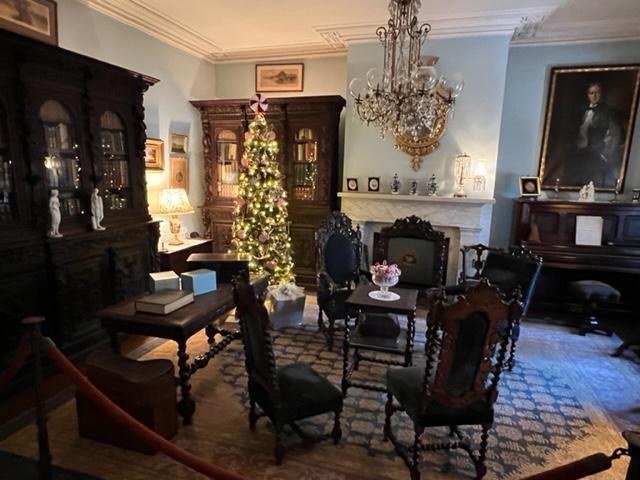
The Library right off the main hallway entrance used to be the original Dining Room when the Morse’s owned the house

The Christmas tree in the Library
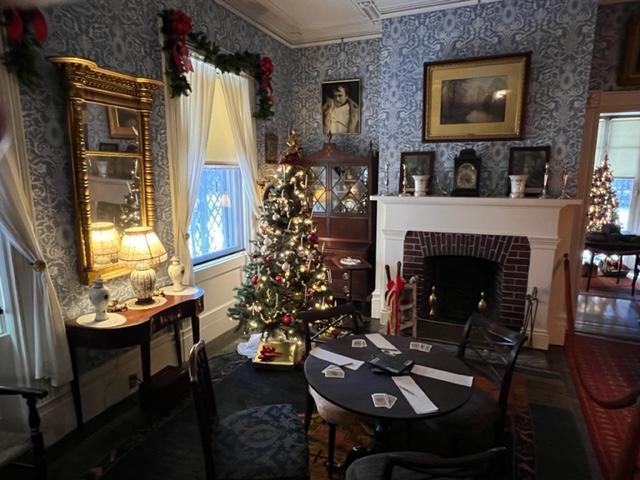
The Parlor across the hall from the Library

A closer look at the Christmas tree

During the Christmas holiday season, the house is beautifully decorated both inside and out for the holidays, with a formal tree in the back Living room, smaller trees and garland around the house on the first floor and smaller trees with presents in the bedrooms and in the Billiards room.

The Library at Locust Grove for the holidays

One of the rooms set for Afternoon Tea

One of the back offices

When the Young’s moved into the house, they needed more room for entertaining so they added the larger dining room (The Morse’s added the Tower to the home). So the old Dining Room became one of the reception rooms and a library. Some of the smaller rooms were used for social occasions so the first floor was reconfigured.
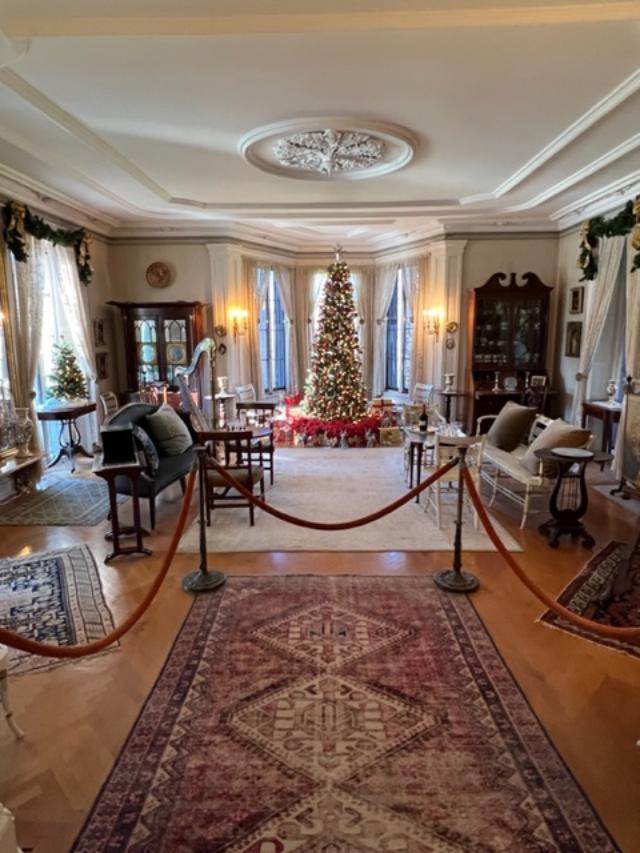
The Living Room in the Tower addition of the home
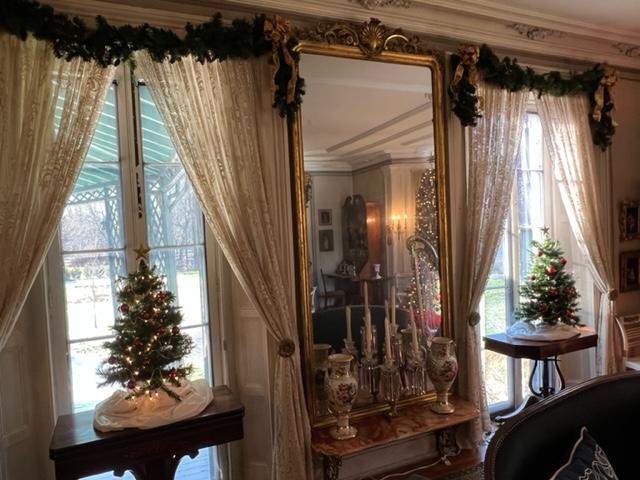
The mirror in the Living Room was the last thing left by the Morses

The larger Living Room held the most beautiful Christmas tree with a gorgeous view of the Hudson River from the back window. The room is elaborately decorated for the holidays and the volunteers created a very festive decor for the room. I do not know if the family would have decorated this much but still the halls were decked perfectly.

The Dining Room was set for an formal Christmas lunch with the family’s best china, crystal and silver and had displays of fruits and desserts that would have been served during the holidays. The Morse family spent their holidays in New York City so it would have been the Young’s who spent their holidays here.
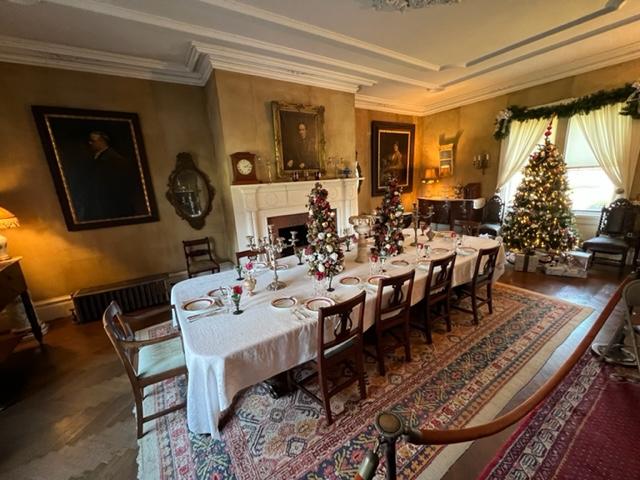
The Dining Room set for Christmas lunch
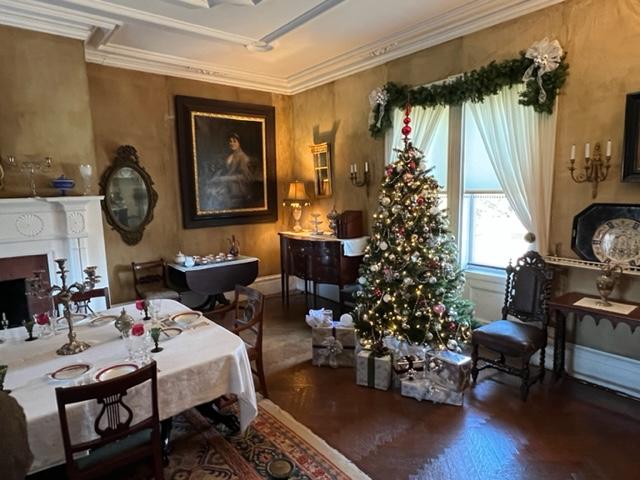
The Christmas tree in the Dining Room

The Butler’s Pantry for the Dining Room

The upstairs to the bedrooms

The house had been added onto twice from the small cottage that had been built by the second owners, the Montgomery family. The back tower and wings were built by the Morse family and the formal dining room by the Young’s for their growing family.

The bedrooms were nicely decorated and the rooms had lots of Christmas decorations that you would not ordinarily see in a bedroom. Each room had its own Christmas tree.

The Master Bedroom with a breakfast nook overlooking the Hudson River

The paintings above the bed are of the Young family
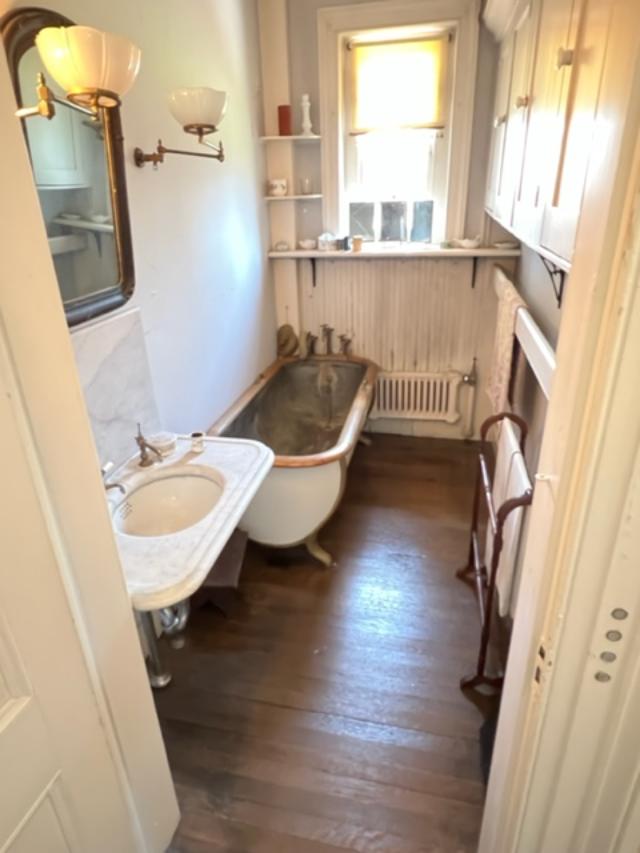
The modern bathroom with hot and cold running water

The Young’s son lived in this room until he died
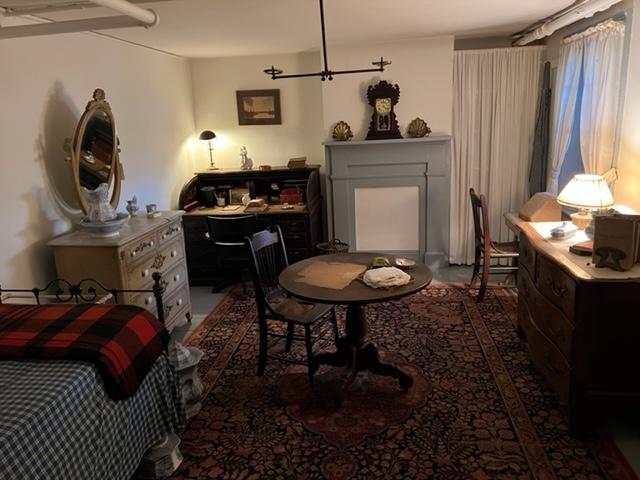
The Young’s daughter lived in this room until her death

The guest rooms were also nicely decorated
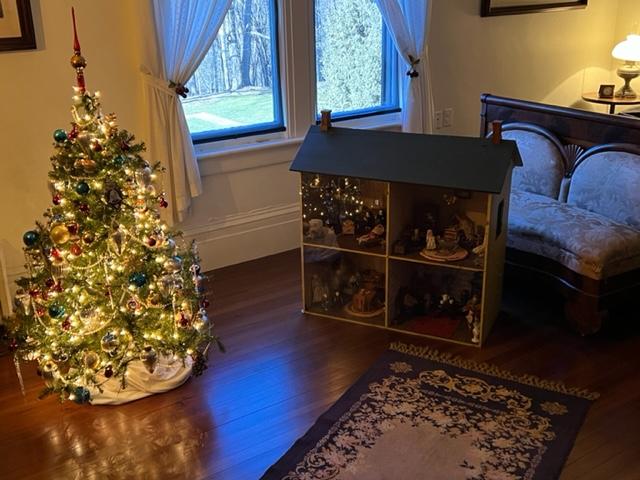
The dollhouse in the guest bedroom

Another guestroom

Guest room

The tour guide told us that the second floor Billiards Room was once a very popular and engaging room in the house for everyone visiting. There was always a lot of action going on in this room.

The Second Floor Billiards Room
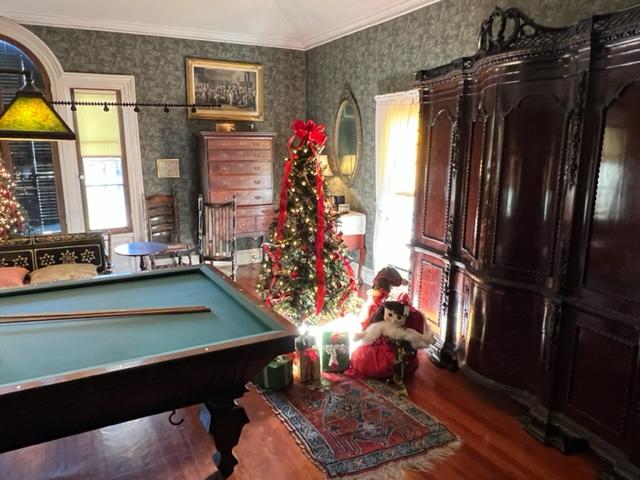
The Christmas decorations in the Billiards Room

Our last stop on the second floor was the modern bathroom which was considered extremely innovative for its day. This was the most modern approach to plumbing.

The upstairs bathroom

The last stop on the tour was the downstairs Servants Quarters which were also decorated for the holidays. It showed what the Servants of the household would have been doing on a daily basis to help keep the house running.
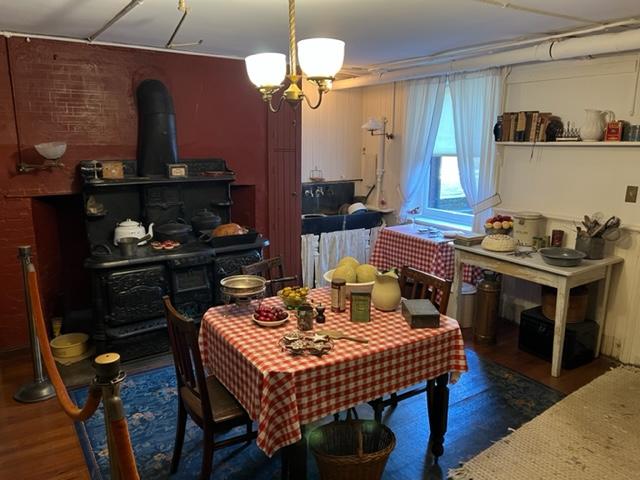
The Servants kitchen

The kitchen table in the Servants Quarters

The Servants Dining Room

Our tour guide, Ethel, did a nice job interpreting how each family would have used the house and for what occasions. The Young’s lived here full time until the last owner, Annette, died in 1975 and the Morse family used it as a summer retreat until Samuel Morse died in 1872.

locust-grove-ii.jpg

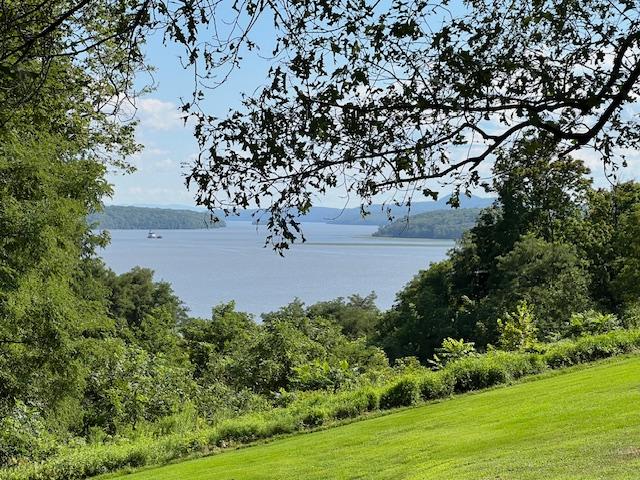
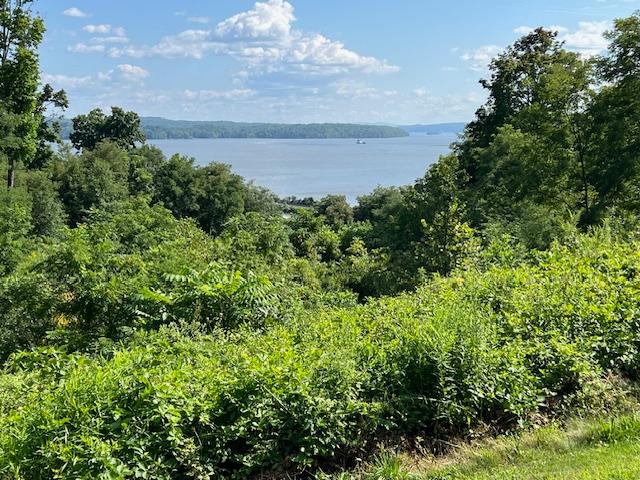
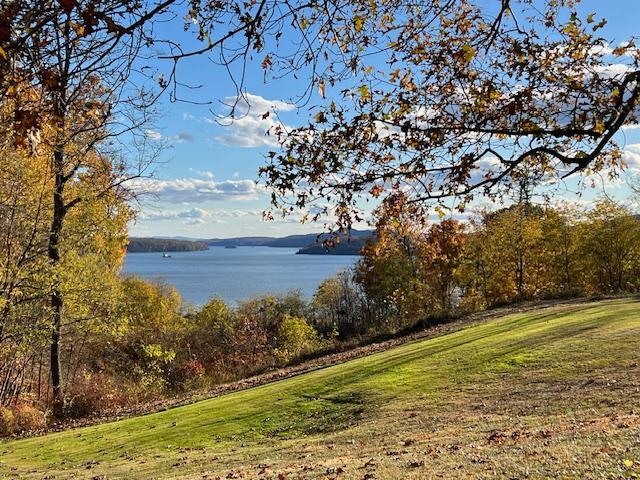
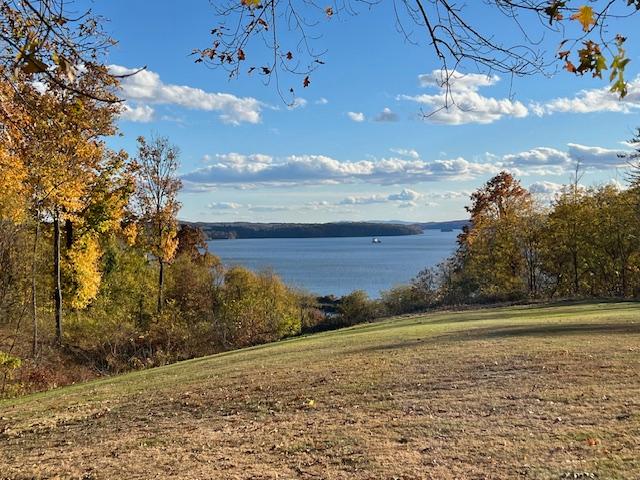
The view from the back of Locust Grove to the Hudson River during the early fall

The view to the Hudson River from the back of the house during Christmas 2022

The house is tastefully furnished both in turn of the last century decor and some more modern pieces. The grounds in the spring and summer months are in full bloom and in the fall awash with colors from the trees.

Also, don’t miss visiting the small museum of Samuel Morris’s paintings and his development of the telegraph system, where the patents is where most of the family fortune came from. Mr. Morse was an artist, educator and inventor and his life’s work is displayed in the galleries.

The Morse Family
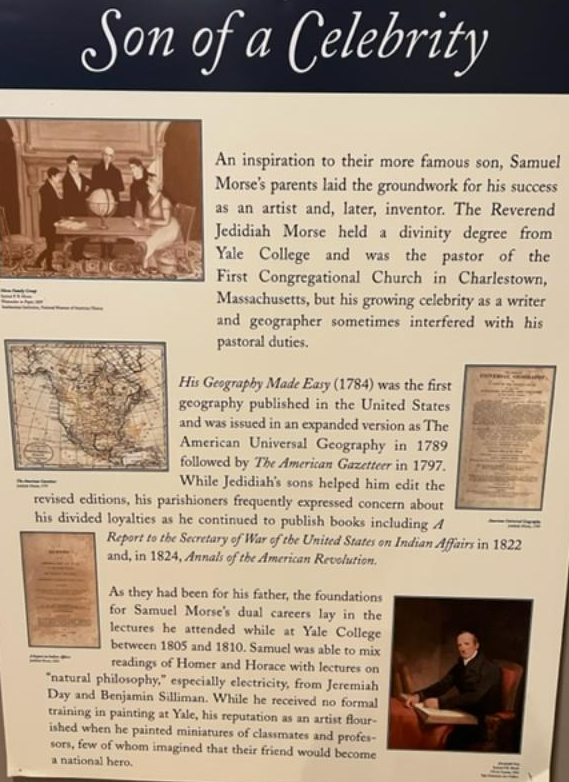
Morse Museum: Samuel Morse family in the early Colonies

Samuel Morse with his career in portrait painting
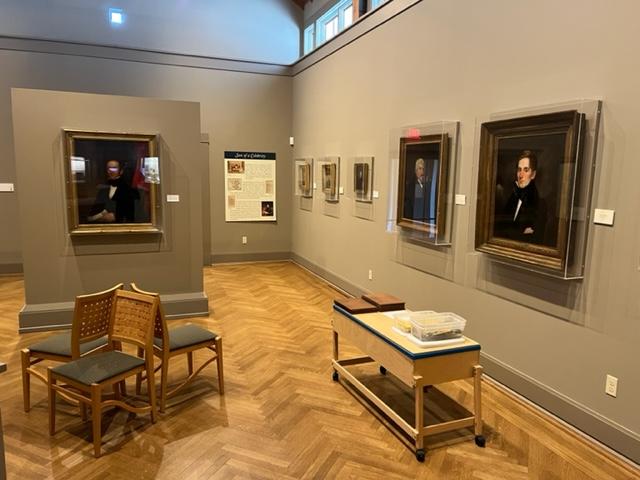
Samuel Morse’s Portraits
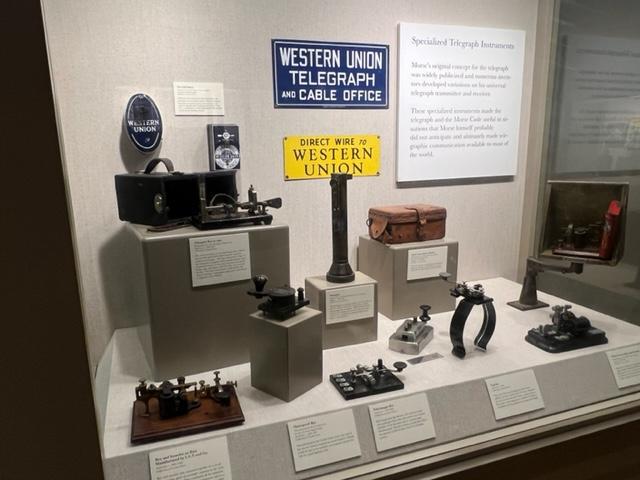
Samuel Morse’s inventions and innovations with the telegraph

Samuel Morse’s innovations

The History of Locust Grove:

Locust Grove has an interesting history. The estate was first owned by Henry Livingston Jr. when he purchased the property from his father in 1771. The estate was such named because of the black locust trees that grew on the property. After his death, the estate was sold to John and Isabella Montgomery who built the original cottage on the estate. Mr. Livingston’s home had been torn down by this point.

The main house at Locust Grove is a villa in the Italianate style designed in 1850. Morse had recalled the elegant villas that he had visited years earlier in the Italian countryside and he sketched towers, windows and floor plans. Construction on the villa, sited on a dramatic bluff overlooking the Hudson River began in 1851 and was completed the following year.

He continued to expand the cottage and the gardens during his time and the family continued to use the house as a summer retreat and living in the winters in their brownstone in Gramercy Park. After Mr. Morse’s death, the family used the house occasionally and then sold it to one of their renters, the Young family.

William and Martha Young added modern amenities to the house like central heat and running water and updated the bathrooms. They added the new dining room and guest bedrooms in the new North Wing of the house. They also brought with the many family heirlooms and their decorative art collection which is still on display in the house.

After their deaths, the Young’s children, Annette and Ennis worked to preserved and restore their family’s homes in here, in New Haven, New York City and Ulster County. After the death of her brother in 1953, Annette Young continued to live at Locust Grove and began donating to museums the art, land and historic houses she inherited so that they would be protected. When she died in 1975, she established a not-for-profit foundation to ensure that Locust Grove with its collections and archives would be protected. The house is now available for touring and for weddings.

(Locust Grove History and Wiki: I give both organizations full credit for this information)

Location: Locust Grove is located on Route 9 in Poughkeepsie, NY, two miles south of the Mid-Hudson Bridge or 11 miles north of Interstate 84.
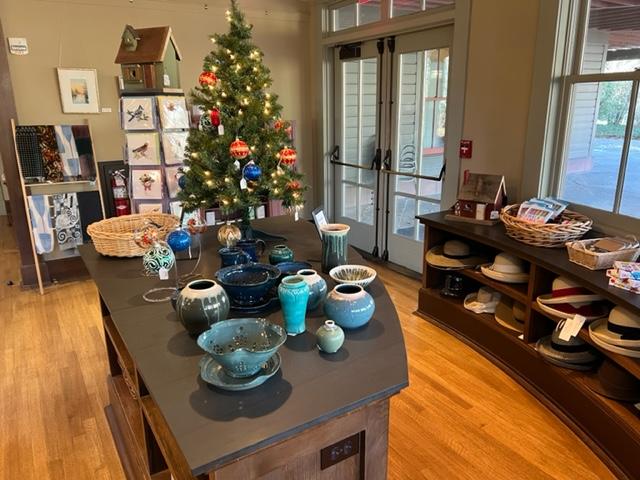
Locus Grove Gift Shop

Disclaimer: this information is taken from the Locust Grove Historic pamphlet. The site is very interesting and should be added to your list of ‘must sees’ in the area. Please call the site for more information.
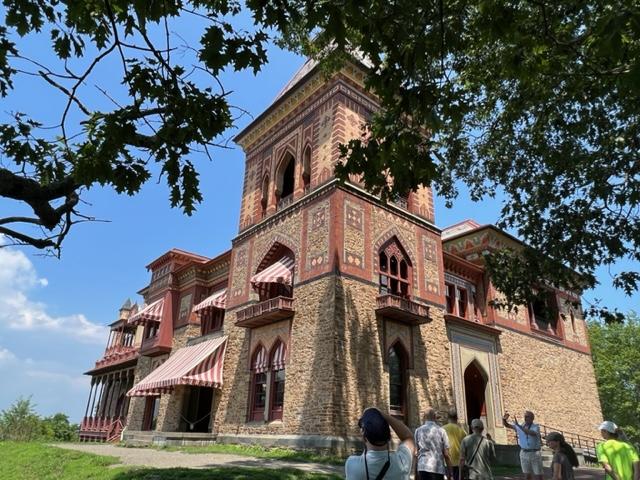
Olana State Historic Site                                    5720 Route 9G                                               Hudson, NY 12534

Olana State Historic Site 5720 Route 9G Hudson, NY 12534

Olana State Historic Site

5720 Route 9G

Hudson, NY  12534

(518) 828-0135

Open: 11:00am-3:00pm (check the website for seasonality)

Directions: Located on Route 9G, five miles south of Hudson. Take NYS I-87 to Exit 21, Catskill. Take Route 23 over Rip Van Winkle Bridge. Bear right on Route 9G south. Olana is one mile on the left. Or visit our websites at http://www.Olana.org and http://www.nysparks.com.

Hours: House available by guided tour only. Call for days and hours or visit http://www.olana.org. Reservations suggested; group tours by advance reservation only. Grounds open 8:00am-sunset year around.

http://www.nyparks.com

http://www.olana.org

Admission: $10.00 Adults (Tickets depend on the type of tour you are taking)

TripAdvisor Review:

https://www.tripadvisor.com/Attraction_Review-g47931-d263717-Reviews-Olana_State_Historic_Site-Hudson_New_York.html?m=19905

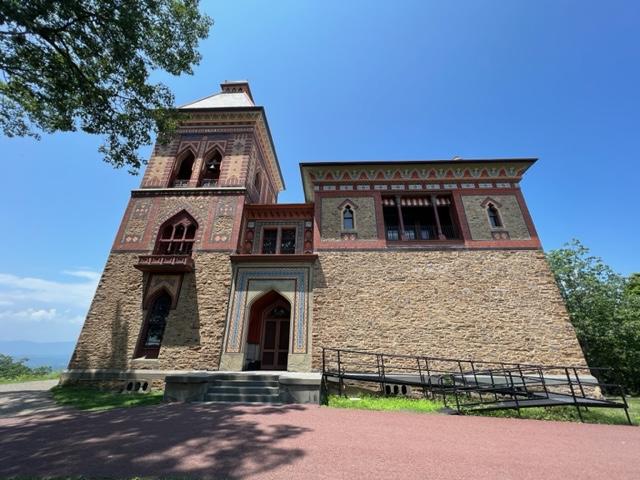
The front of Olana when we toured the house.

I had not been to the Olana Mansion since 2014 and it was finally nice to see it during the summer when everything was in bloom. The tours were every hour of the day during the warmer months with several types of tours available at different prices. There was a house and garden tour for two hours which I had just missed so I took the house tour.

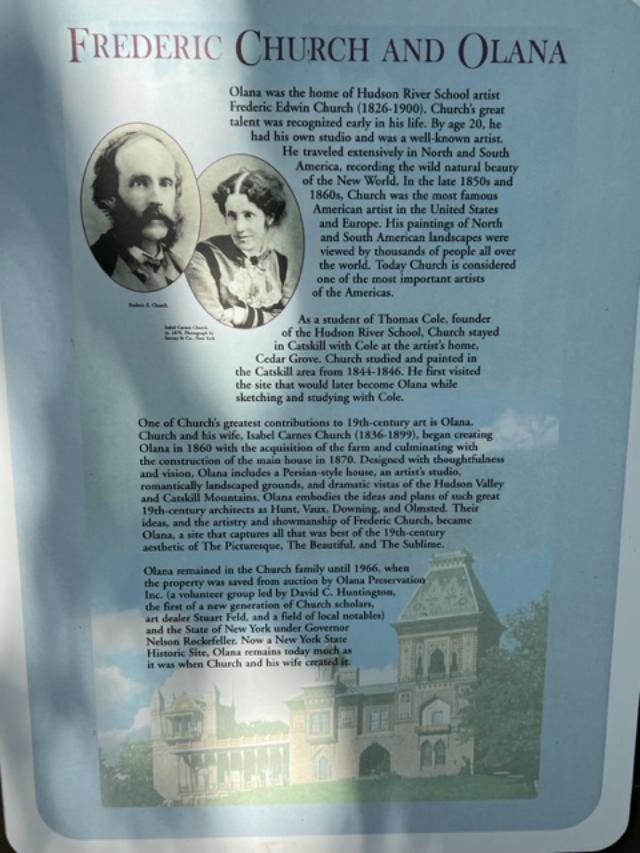
The story board of Olana pf the family

The house is filled with original family furnishings from when the house was almost sold off in the 1960’s. An industrialist saw a reason to save the house for future generations and raised the money to keep everything intact. It gave us a glimpse into the life of artist Fredrick Church and his family. The tour consists of all the bottom floors of the house and the garden. The unique part of the tour is that the man who was our tour guide partner was the last Mrs. Church’s grandnephew. So, he remembered visiting the house as a child.

We started the tour in the formal gardens that have been replanted. They were in full bloom giving us insight to how the grounds were once landscaped. The gardens were made up of mostly local flowers that were native to the area.

The formal gardens of Olana

The Olana gardens leading to the house.

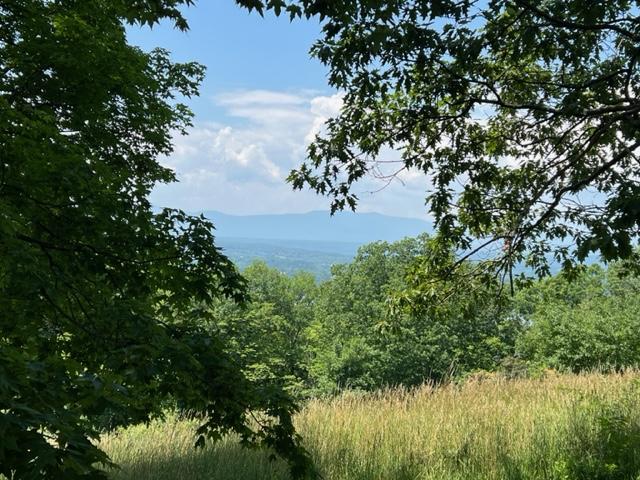
We explored the views from the porch to see what the family would have experienced when they were at the house in season. There are breathtaking views of the Hudson River and the surrounding Catskill Mountains from the porch of the house. Things have grown in since the family’s time, but it still offers amazing vistas.

The views are beautiful from the porch.

We then toured the house’s first floor where the family did their receiving of guests, their social rooms and the offices of both Mr. & Mrs. Church. Each of the rooms still contained family heirlooms and original furnishings. We started with the Receiving Room where guests would wait to be welcomed by the family or leave a calling card that they were making a visit.

The Receiving Room in the front of Olana

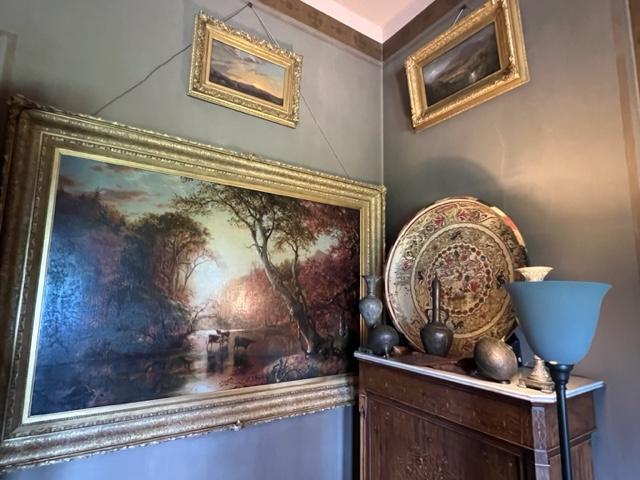
When you look at the walls of the room, it is decorated with Fredrick Church’s artwork. The tour guide told us that the house had the largest collection of Fredrick Church’s paintings in the country. I took this attribute as these were the pieces that he did not sell at the time. The works of the Hudson River School and of his travels abroad were very interesting and lively.

Fredrick Church paintings that line the house.

We toured the house room by room admiring the furnishings and all the artwork of Fredrick Church that lined the walls of the house. This included family members including his wife, Isabel Carnes Church, his partner for the rest of his life.

Isabel Carnes Church, the mistress of the house

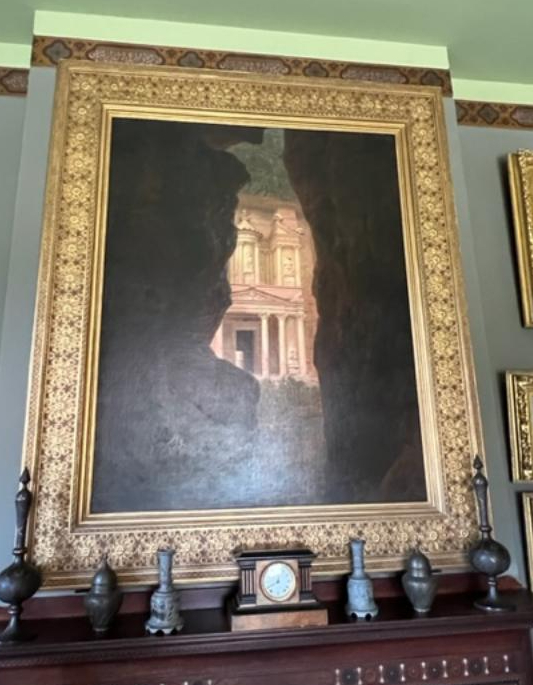
On his many trips abroad, Fredrick Church painted many of the sites he had visited that included the Far and Middle East.

Fredrick Church’s painting of “Petra” in the Middle East.

Both Mr. and Mrs. Church kept up social appearances on top of their work. They had a steady stream of guests visit the house and there was a lot of entertaining here.

The view from the porch

The view from the other side of the porch

We next visited the parlor, where the family would gather when they were staying at the house. There were many exotic furnishings from their trips on top of the personal family items. There were musical instruments to keep the family entertained when they were home.

The family piano in the Parlor

The formal Dining Room was more personal with a dining table that extended out for twenty people or open enough for the family to diner in this room.

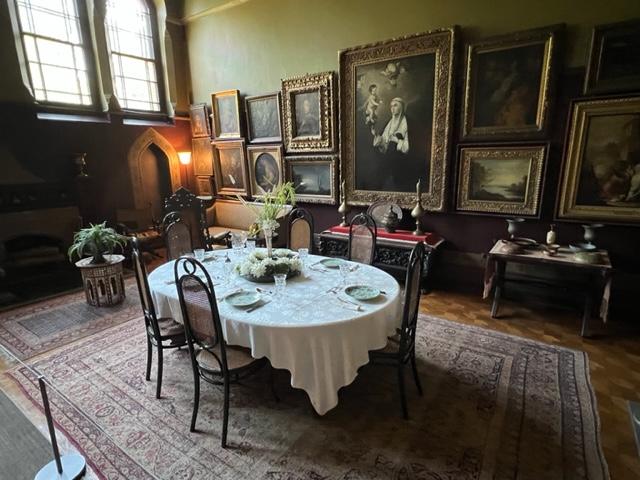
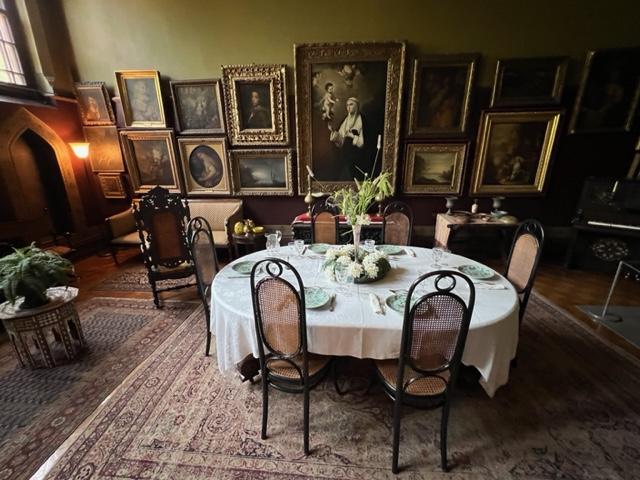
The formal Dining Room

The formal Dining Room with the collection of painting that the family acquired when they were aboard.

As we finished the visit to the public rooms of the home, we toured the outside of the home as well as we exited out the side door.

The side view of Olana

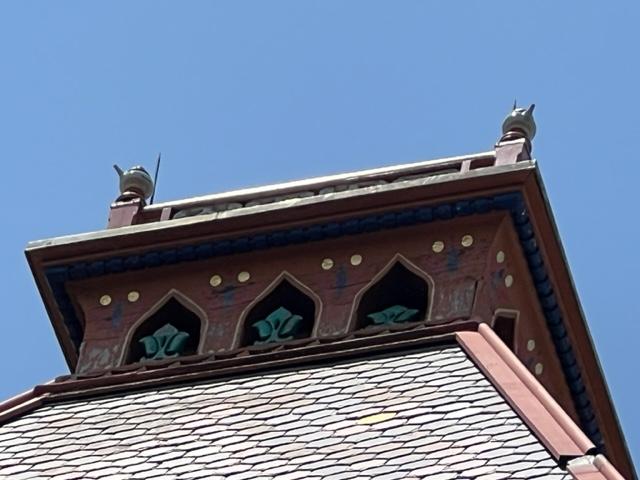
When we looked up at the home with its combination of Morrish and Arabic design we saw four teapots at the top of the tower. When asked what they meant and why they were there, no one including the tour guide knew. It was figured by a group of landscape architects that it may have something to do with longevity or renewal. This secret died with the family.

The teapots line the roof.

The tour is very interesting and gives you a view on the house and on the family who lived there and how they lived when they were in residence here. They entertained, they worked, they traveled, and they made great art. The location on the hill in the Hudson River Valley shows their investment in the location. This was all kept intact after the 1960’s for us to enjoy.

The views of the Hudson River Valley

History of Olana:

Olana, one of the most important artistic residences and planned landscapes in the United States, is the last and perhaps greatest masterpiece created by Hudson River School artist Fredrick Edwin Church (1826-1900). Church designed the landscape and his Persian style home on and around the same hilltop where, as an eighteen year old student, he sketched spectacular views of the Catskills and the river alongside his mentor Thomas Cole.

The view of the house from the back.

Even in an era defined by personal architectural statements, the home of Fredric and Isabel Church was unique. Delight in the Moorish details of the building and each room. View the original furnishings of the house and walk or jog along the paths and carriage drives of the surrounding landscape, also designed by Church. A designated National Historic Landmark, Olana State Historic Site opened to the public in 1967. The house, its contents and the landscape still look very much as they did in Church’s day.

The inside of Olana in the main rooms

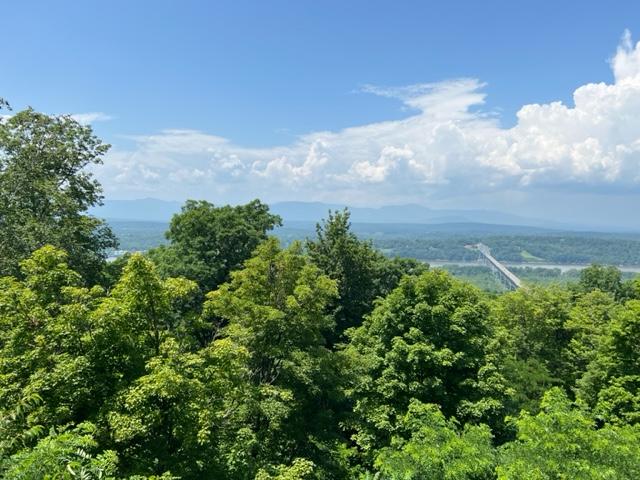
The views of the Hudson River from the porch of the house

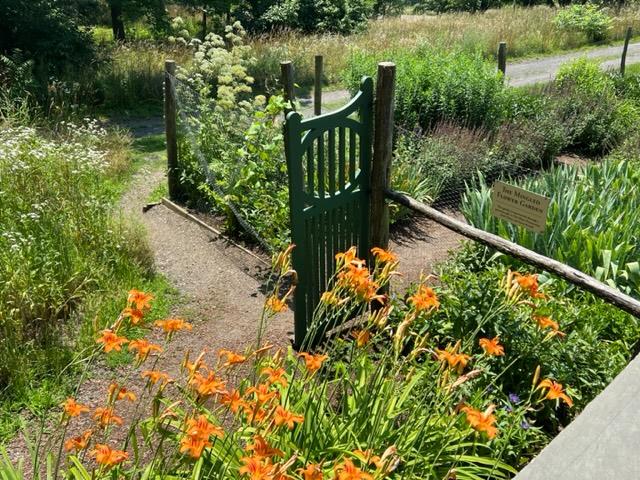
Decorations in the historic garden

The story of the grounds and the estate

Wilderstein Historic Site                                                            330 Morton Road                                                        Rhinebeck, NY 12572

Wilderstein Historic Site 330 Morton Road Rhinebeck, NY 12572

Wilderstein Historic Site

330 Morton Road

Rhinebeck, New York 12572

(845) 876-4818

http://www.wilderstein.org

Home

Open: Thursday-Sunday 1:00pm-4:00pm/Closed Monday-Wednesday

Fee: $10.00 donation at the Holidays/$16.00 Adults/$10.00 Seniors & Students/Children Under 12 free

Visit Wilderstein-With its exquisite Queen Anne mansion and Calvert Vaux designed landscape, this historic estate is widely regarded as the Hudson Valley’s most important example of Victorian architecture.

TripAdvisor Review:

https://www.tripadvisor.com/Attraction_Review-g48486-d263984-Reviews-Wilderstein_Historic_Site-Rhinebeck_New_York.html?m=19905

The welcome sign for the estate

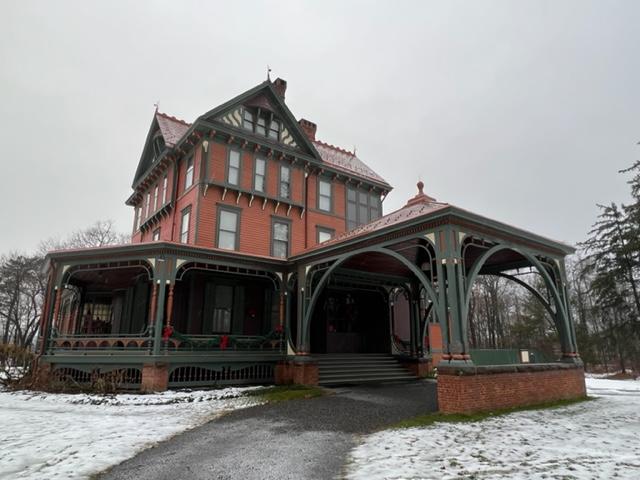
Wilderstein from the driveway at Christmas

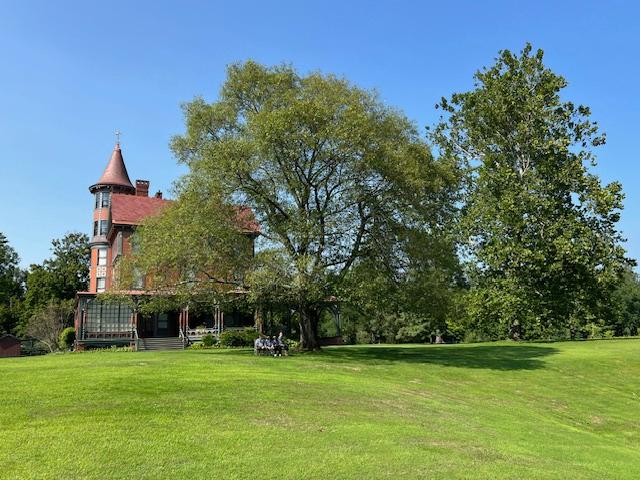
The estate during the summer of 2024

I just visited Wilderstein for my third time at Christmas and it never gets boring. The house is so beautiful on its own, with its elegant woodwork and interesting family are portraits sometimes even the decorations get lost in its beauty.

The Wilderstein Carriage entrance

The carriage entrance in the summer of 2024

The entrance to Wilderstein at Christmas 2022

The same entrance in the Summer in 2024

Only the first floor is open to tourists (the rest of the house is under restoration and they fare hoping to open some rooms on the second floor by 2020) so the tour of the Receiving Room, The Dining Room, Living Room, Kitchen and Library does not take too long. Though take time to admire the rooms full of furniture that was owned by the Suckely family.

When you walk into the main hallway, you are greeted by portraits of the Suckley family descendants who line the walls of the house.  To the left is the grand staircase to the upper floors and right behind that is the library.

wilderstein-mansion-staircase.jpg

The staircase was decorated for Christmas

Off to the right is the Receiving Room which is still in need of a renovation as the silk furnishings and wall coverings need a lot of work. Still there is almost rotting elegance to it all as if you can still see how beautiful the room must have looked when it was new.

That lead to the Family Living Room with it’s breathtaking views of the Hudson River. The room had the family Christmas tree in it and was all set out for tea. Here was one of the most livable rooms in the house where the family must have gathered every night to enjoy each others company.

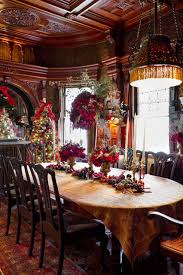
The Formal Dining Room with its heavy wood paneling and carved wood work is extremely detailed accented by stained glass windows and more portraits of the family tree. The room was decked out with holiday decorations and laid out for Christmas dinner.

Wilderstein Mansion III.jpg

The Family Dining Room decked out for Christmas

Off to the side of the Dining Room was the Butler’s pantry which Ms. Suckley used as her kitchen in the later years and was equipped with a modern oven and refrigerator. It must have been a very comfortable place to cook in.

Down the hall off to the side of the formal staircase is the Library where Ms. Suckley slept in her later years but still had loads of books lining the walls and a giant fireplace in the middle of the wall to keep the room warm. The whole room was lined with ivy and garland which gave it a festive look.

Wilderstein Mansion Library.jpg

The Wilderstein Library decked out for Christmas

Touring the house takes about an hour as the first floor is the only floor open right now and there is only five rooms to tour. Take time to walk the grounds especially during the warmer months. There is a spectacular view of the Hudson River from the house and grounds. It must have been fun to sit on the veranda in the summer months and just look at the river.

The view from Wilderstein is amazing! This was in the Summer of 2024

The view of the Hudson River during the Summer of 2024

In the Summer of 2024, I was able to take time to tour the grounds, it has the most amazing views of the Hudson River. There was beautiful views of the grounds, the Hudson River and the fields of wildflowers. Just walking around the grounds it has colorful flowers, wonderful shade trees and a relaxing environment. It is so relaxing in the late afternoon.

No wonder Daisy Suckley never wanted to leave this house.

The view of the lawn overlooking the Hudson River at Christmas time

The estate in the Summer of 2024

History of Wilderstein Mansion:

The Mansion: Originally built in 1852 as a restrained Italianate Villa, the house was transformed in 1888 into the elaborate Queen Anne Victorian mansion seen today. The house was designed by Poughkeepsie architect Arnout Cannon who transformed the original two story Italianate villa that had been designed in 1852 by architect John Warren Rich to the Queen Anne style mansion of today.

Wilderstein estate in the summer

The Landscape: Renowned landscape architect Calvert Vaux designed Wilderstein’s romantic grounds taking advantage of the varied topography and magnificent views of the Hudson. It was laid out in the ‘American Romance’ style of landscape.

The grounds in the Summer of 2024

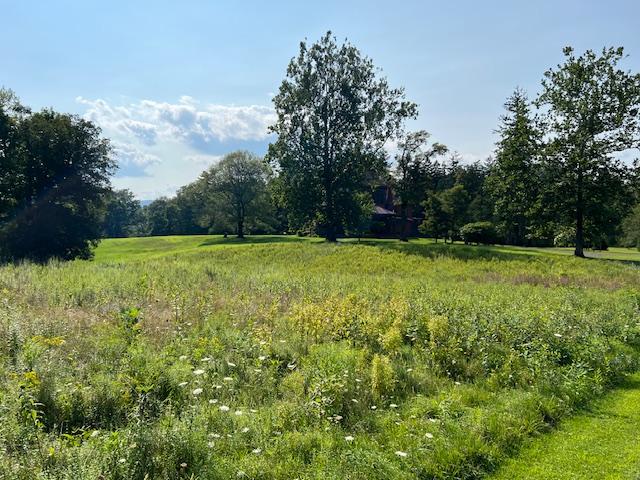
The fields of wildflowers on the estate

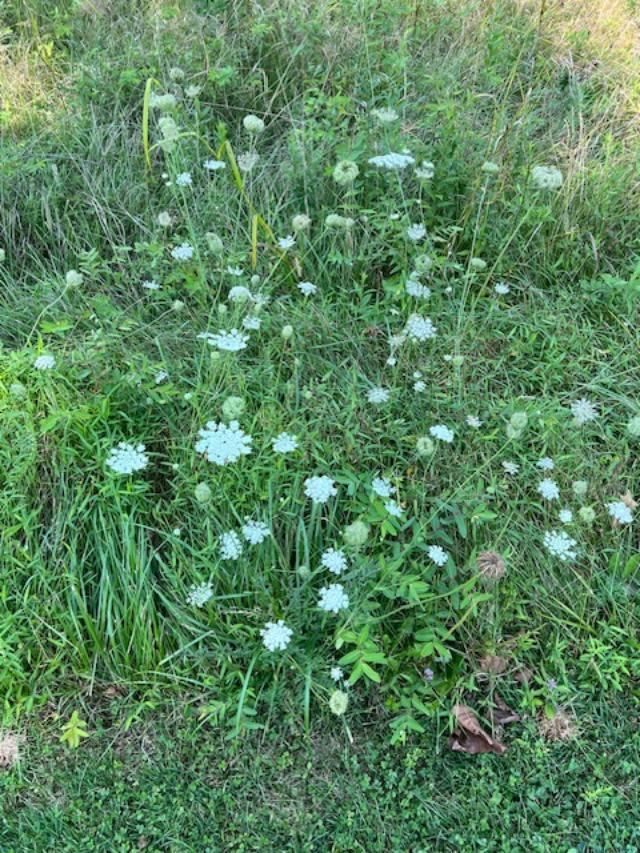
Queen Ann Lace on the estate

The Family: Wilderstein was home to three generations of the Suckley family. The last family member to live at Wilderstein was Margaret (Daisy)  Suckley, whose extraordinary friendship with Franklin Delano Roosevelt has been well-chronicled and is the subject of much interest.

The Mansion Interiors: Joseph Burr Tiffany decorated the first floor of the mansion in eclectic mix of styles. The interiors are virtually untouched since 1888 and contain original woodwork, stained glass, wall coverings and furniture.

Wilderstein at Christmas time

The mansion in the Summer of 2024

Mansion Information:

Directions: From the center of Rhinebeck travel south on Route 9, take first right to Mill Road and go 2.2 miles, take right to Morton Road (County Route 85) and Wilderstein’s entrance is one quarter mile on the left.

Hours: Tours May to October, Thursday through Sunday, from 1:00pm until 4:00pm (last tour at 3:30pm) and weekends in December. Group tours by advance reservation.

Disclaimer: This information is taken from the Wilderstein Historic Site pamphlet. Please call the site for more information.
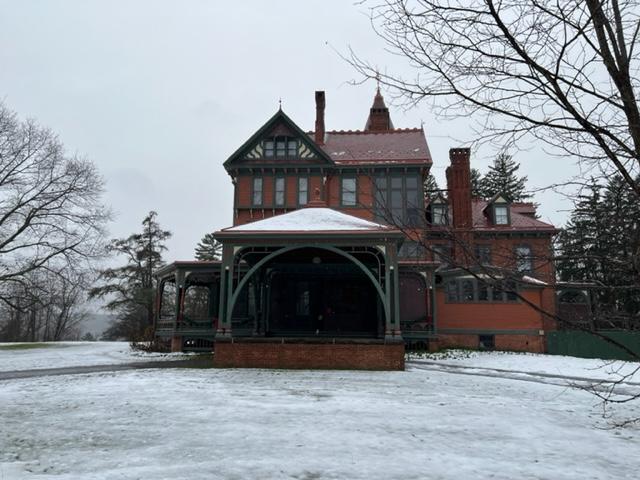
The driveway at Wilderstein in the winter months

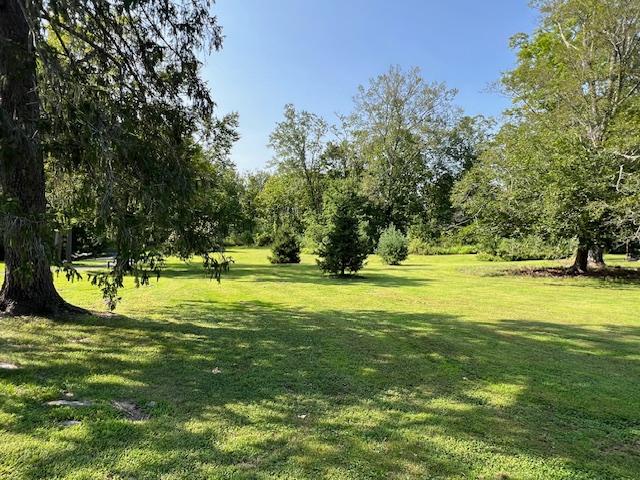
The grounds in the Summer of 2024

The view of the estate in the Summer of 2024

Wilderstein in the Fall of 2024

Wilderstein in the Fall of 2024

Wilderstein in the Fall of 2024

The views from Wilderstein in Fall 2024

The Hermitage Museum 335 North Franklin Avenue Turnpike Ho-Ho-Kus, NJ 07423

The Hermitage Museum

335 North Franklin Turnpike

Ho-Ho-Kus, NJ  07423

(201) 445-8311

http://www.thehermitage.org

http://www.thehermitage.org/

https://www.facebook.com/hermitagehhk/

Hours: Wednesday-Friday-10:00am-3:00pm/Saturday & Sunday-1:00pm-4:00pm

Fee: Adults: $7.00/AAA $6.00/Students & Seniors $4.00/Children $4.00/Children under 6 Free

Tours: 1:15pm/2:15pm/3:15pm

TripAdvisor Review:

https://www.tripadvisor.com/Attraction_Review-g46514-d10356697-Reviews-The_Hermitage-Ho_Ho_Kus_New_Jersey.html?m=19905

I have been to the Hermitage Museum many times for events and they do a nice job portraying the house in different periods at different times of the year. Both Christmas and Halloween at the homestead are always a treat.

The Hermitage at Christmas is very special.

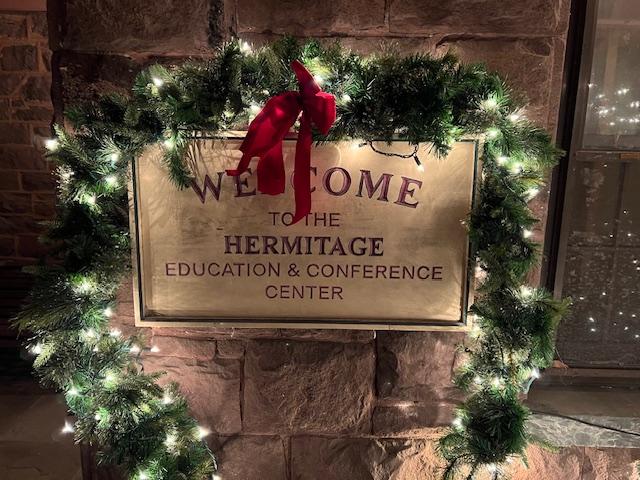
The front of the Visitors Center and Gift Shop at Christmas time.

I have taken the Haunted House tours during Halloween when The Hermitage hosts seances. Their medium was not that convincing and I did not believe a word he said. We took a tour around the house at midnight and that was interesting. The house can be quite spooky at midnight but then every house is spooky at midnight. I noticed the boards creaking and the wind blowing around the house but that’s what old houses do. The house does creak a lot and when the wind acts up you can jump. Still there was noting to convey to me that the place was haunted.

Hermitage at Halloween.jpg

The Hermitage is spooky at Midnight at Halloween.

The tour guides will go through how the family fortunes changed the way people lived in the house up to the 1970’s when the last family member died. Please don’t miss visiting the home during Halloween for their ‘Ghost tours’ . It can get quite spooky in the house at midnight with the wind hallowing and things creaking.

Things are much more cheerful at Christmas time when the house is decorated for the holidays. During the Revolutionary War, things were kept simple. There was church service in the morning and then a Christmas lunch and visits to family. It was not until the Victorian Age and the Industrial Revolution that things got more elaborate. Queen Victoria’s husband, King George came from Germany and brought with him Pagan traditions of evergreens, garland and greens all over the house to show life in the colder months of the year.

The tours of the house are $25.00 and very reasonable for a hourlong tour.

The house was decorated in 2018 for Christmas in the 1930’s during the Depression and it showed that people still decorated and gave presents in a more subdued way during this tough time.

The Hermitage keeps this tradition alive by decorating the house for the holidays. The entrance to the kitchen was kept simple but welcoming for visitors.

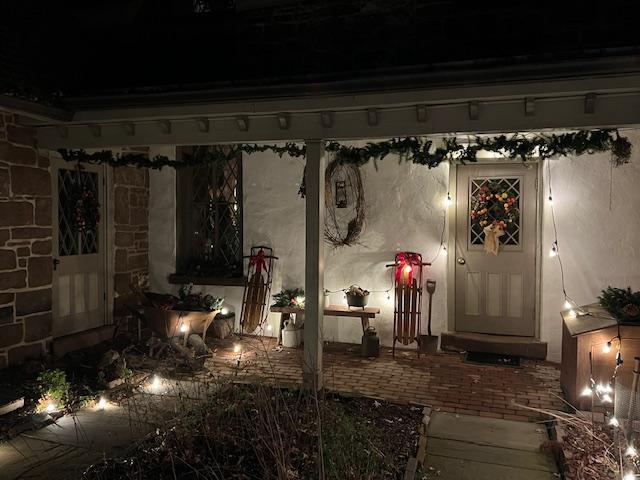
The decorations outside were kept simple with greens.

The outside of the house for the tour in 2023 was done in simple lights and greens but when it gets dark the magic of the holidays shows it beauty in the house. Each room is decorated for the holidays and there are all sorts of displays about Christmas, life at the Hermitage and elaborate displays of toys and gifts and meals that would have been served to the family at that time. There did not seem to be a nook or cranny that was missed and the house was just beautiful.

Getting ready for the holidays at the Hermitage.

The docent took us room by room and we got to see how the families lived at different times of the house’s history. We were allowed a glimpse into their daily lives at the holidays.

The Hermitage decorated for Christmas

In 2019, the house was decorated for the Victorian era and was done up quite elaborately. The Dining Room was set in the best china and silver with decorative poppers for Christmas lunch. The meal that day was one of the biggest and finest of the year with roasted oysters, roast turkey, sweet and mashed potatoes and many root vegetables.

The Hermitage is beautiful at Christmas time

The Living Room was decorated with an elaborate tree with lights and beautiful Christmas ornaments and there was garland all over the room leading into the hallway with more garland on the banister. The upstairs rooms were set with seasonal plants and clothing depicting the era. It looked like the family was going on an outing.

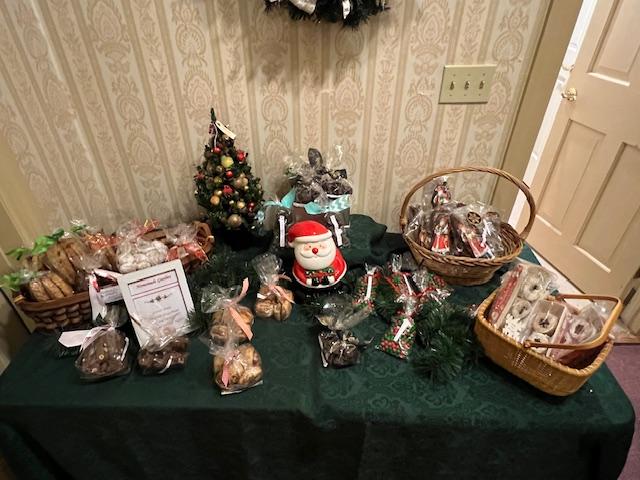
Sweets and Treats on sale and after the tours at Christmas time.

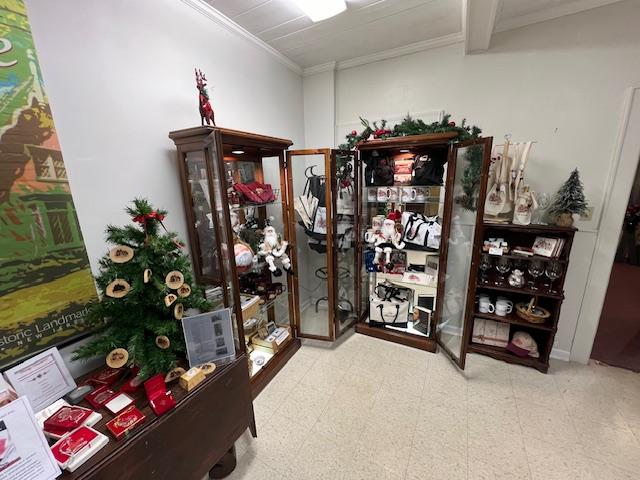
The Hermitage gift shop has amazing things at Christmas.

Touring the house at Christmas is always a treat as it was set up for a Victorian Christmas and the whole house was decorated inside and out. The pathways were set with luminaries and white lights and the porches were elaborately decorated.

The side of the house was decorated with white lights and luminaries.

The porch was decorated with an old fashioned sleigh

The front entrance to the house at Christmas.

The Hermitage Museum History:

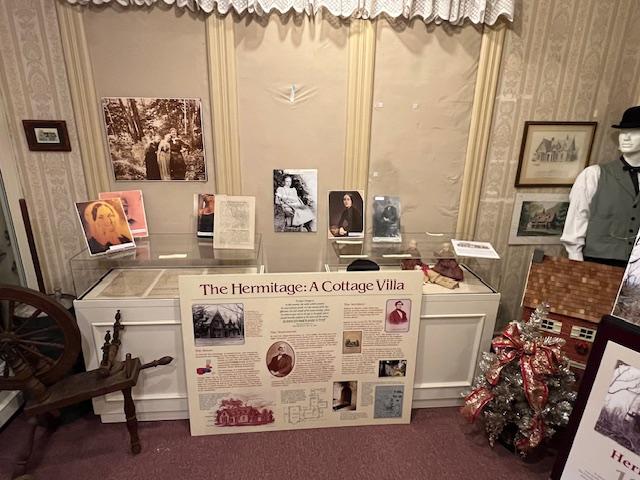
The Hermitage Museum in Ho-Ho-Kus, New Jersey is a charming and romantic mid-19th century Gothic Revival cottage. Surrounded by more than four acres of park land, the Hermitage is restored and furnished  to reflect the lifestyle and interests of the Rosencrantz family during the second half of the 19th century.

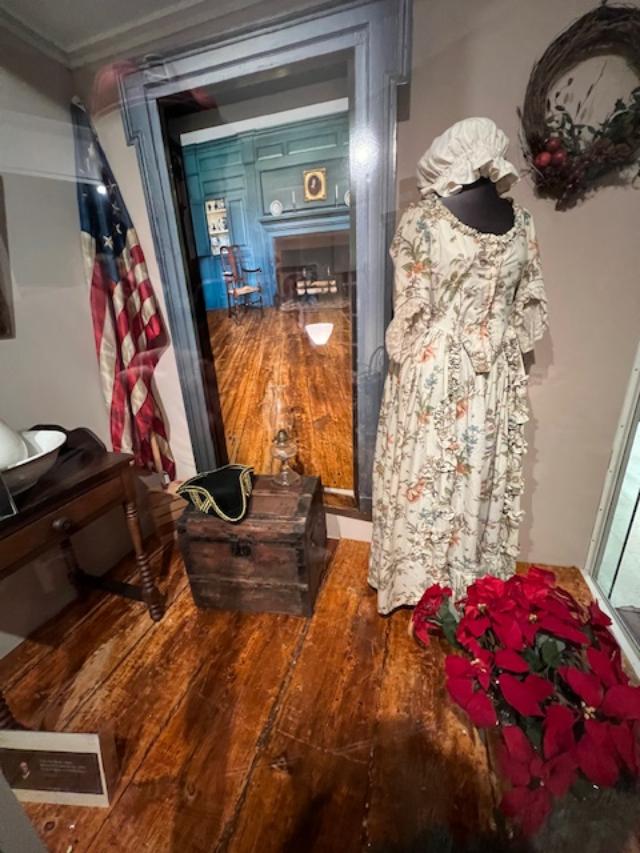
The Revolutionary War display.

The fourteen room home is built in the Gothic Revival architecture that surrounds the original Dutch American home built in the 1700’s. The original colonial estate was bought by Ann Barlow DeVisne, who  was from Manhattan, for herself and her five children.

The Rosencrantz Doll collection at the Hermitage.

One of the children, Theodosia Bartow Prevost, lived in the house with her husband, James Marcus Prevost. Major James Marcus Prevost fought on the side of the British during the Revolutionary War in battles in Georgia and North Carolina. Her husband would be later killed in the War.

The front of the house decorated for Christmas 2023.

During battle time with the British, Theodosia invited General Washington to stay at the house which he and his troops did in 1778. Theodosia welcomed all troops, both British and American to stay at the house during the war. In 1782, she married Aaron Burr, a soldier she had met during the war.  On top of her five children by her first marriage, she had another child with Aaron Burr named Theodosia. Theodosia Prevost-Burr died in 1794.

The original Ice House/Smoke House at night.

The house was then sold to the Rosencrantz family in 1807 and then the house was expanded from the Dutch tradition into the Gothic Revival addition between 1847-48 by noted architect, William H. Ranlett. The addition was at the request of Elijah Rosencrantz Jr.

The Revolutionary War display at the Hermitage.

The house was lived in by four generation of Rosencrantz’s. Elijah’s daughter, Mary Elizabeth, was born in the house in 1885 and lived there her entire life until 1970 when she fell ill. She left the house to the State of New Jersey as a National Historical site.

The history of the Hermitage display at the museum.

The Hermitage is special at the holidays

During Christmas time,  the house is decorated for the holidays. This year’s theme in 2018 is “Home for the Holidays: A 1930’s Christmas at the Hermitage”. The house is decorated at the time of the Great Depression and how people dealt with those times while still providing holiday cheer to their families. The decorations do not reflect Victorian times but more when times were tough and people had to watch their budgets.

The house was beautifully decorated for the holidays.

Even the gift shop offered cheerful items such as ornaments, collectables, small trees and elaborate gifts.

This cheerful Santa was on sale at the gift shop at the Hermitage. By the time I came back from the tour, he was sold.

Disclaimer: this information was taken directly from The Hermitage pamphlet and Wikipedia and Google. Please call the facility for information on special events.

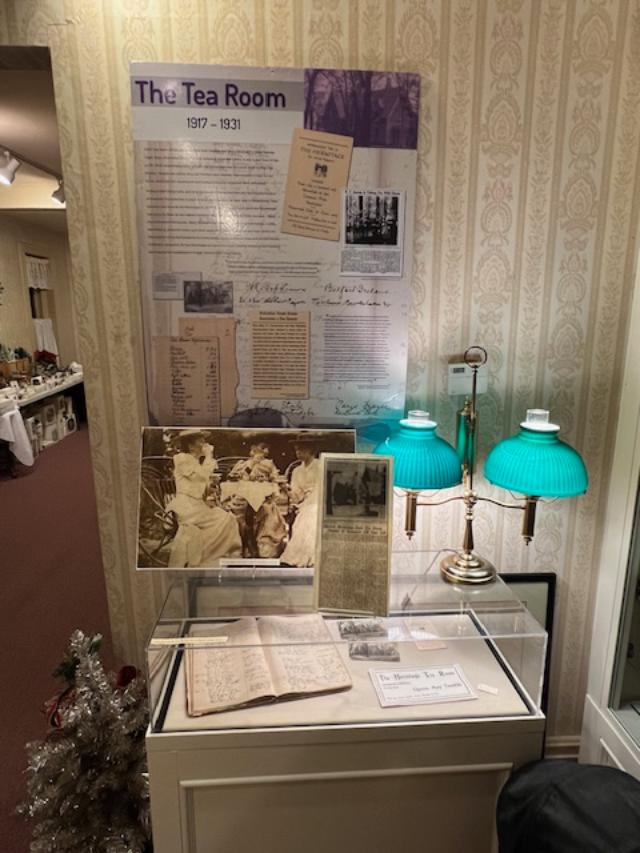
The Hermitage “Tea Room” exhibition where the family made money during the 1900’s -1930s.