Tag: Bergen County History

The Old Station Museum                                      171 Old Station Lane                                   Mahwah, NJ 07430

The Old Station Museum 171 Old Station Lane Mahwah, NJ 07430

The Old Station Museum

171 Old Station Lane

Mahwah, NJ  07430

(201) 512-0099

http://www.mahwahmuseum.org

http://mahwahmuseum.org/mahwah-history/old-station-timetable/

https://mahwahmuseum.org/the-old-station-museum/

*The Museum is currently closed for the season yet it was open for this event. It will reopen in late June. Admission to the museum is $3.00 per person over the age of 16 and is free for kids under 16 years of age.

TripAdvisor Review:
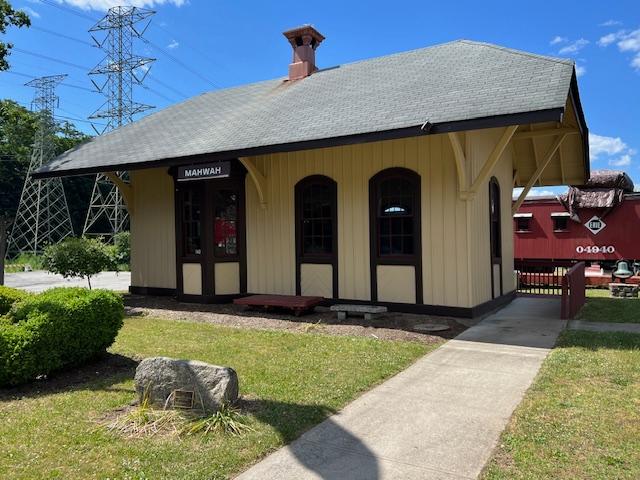
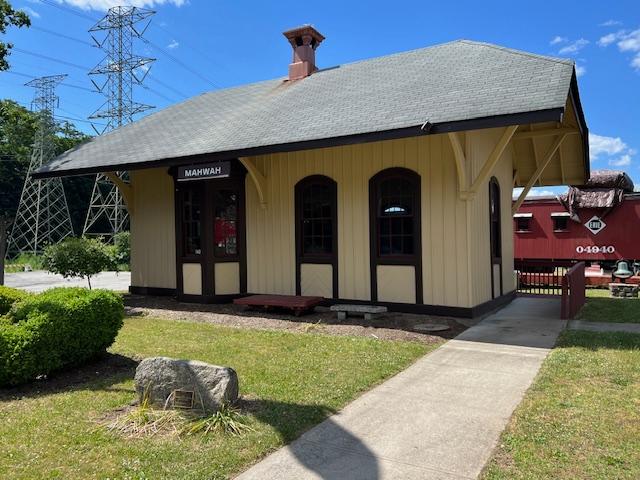
 The front of the Old Station Museum in Downtown Mahwah, NJ
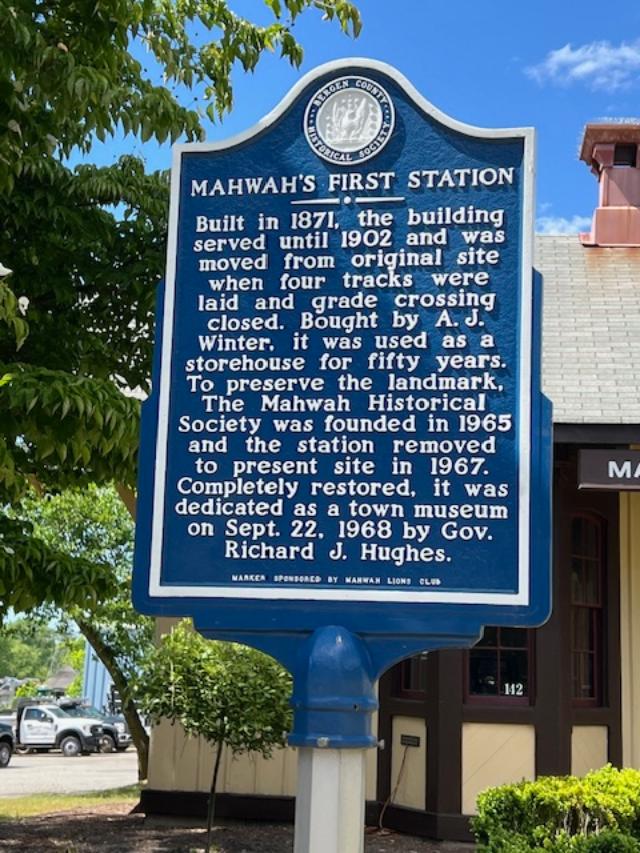
The historic Marker for the Old Train Station

As part of my tour on the Eighth Annual Northwest Bergen History Coalition Day, I visited the Old Station Museum, which is partnered with the Mahwah Museum (mentioned in this blog also) and its concentration is on the history of trains and the trains that serviced the area.
Old Station Museum VI

They had an interesting exhibition on the trains that used to run in the area before they consolidated years ago, the companies that ran them and a full train display (as well as there is a complete train set in the lower level of the Mahwah Museum that you should not miss. It will bring the kid out in you).
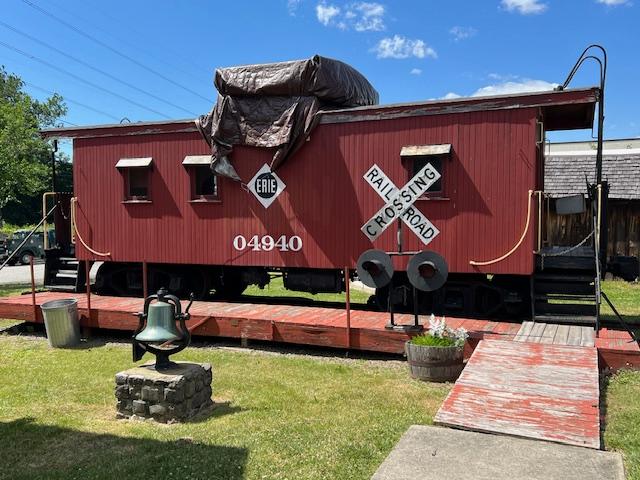
The Old Caboose in the back of the museum is open for touring in the summer months

One of the displays that I really liked was the Pullman Car exhibition of menus, china and other things that were used on the car to make service the best it could be. Like they mentioned in the display, food was a loss leader to the company which was made up in the ticket itself but it is what made the experience for the passenger. It what was brought them to the train in the first place. All I could keep thinking of was Eve Marie Saint in ‘North by Northwest’ when she was dining with Cary Grant.
Old Station Museum IV

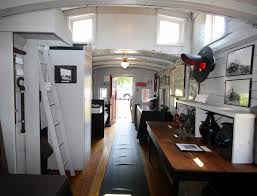
The inside of the Caboose at the Old Station Museum in Mahwah.

The best part of the museum is when you tour the museum’s caboose that is located in the back of the museum. There are displays of the men that worked the line and their role in the railroad as well as a display of their living conditions. With new technology the caboose went out of service and there are very few left now. You really see the caboose from inside out and its purpose on the train.
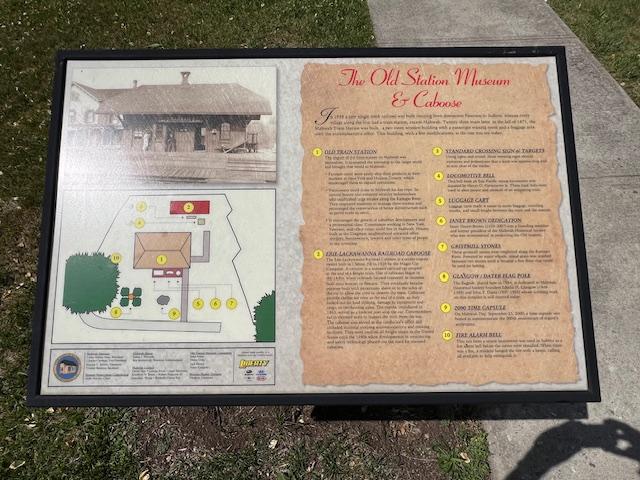
The historical sign in front of the museum

The exhibition at the station this season features several models built by former Mahwah resident, Hollis C. Bachmann. Mr. Bachmann constructed a model of N.Y.C. #999 and several other trolleys. We are fortunate to receive a donation of this balance of Mr. Bachmann’s collection from his niece, Kay Doody. Mr. Bachmann had built out model of the North Jersey Rapid Transit interurban car (trolley) that ran from Suffern to Paterson. You may remember seeing that model in our main museum building. It was constructed of tin cars, was two feet in length and included a detailed interior, having taken Mr. Bachmann six months to build. Please come by and see these really nicely detailed creations that are the offspring of that trolley.

The Old Station Museum established in 1967 is located in a building that was the original station on the Erie Railroad in Mahwah. It was rescued from destruction, first by the Winters family and later by the Mahwah Historical Society. It contains many interesting artifacts given to the museum by collectors of railroad memorabilia. It also features a 1929 Erie cupola caboose which has been recently restored. There is a scale model of the Erie system and photos of the early days of railroading in Mahwah and along the rest of the mainline.

In 1848, the Paterson and Ramapo Railroad was built through Mahwah to carry passengers and freight from New York City via Paterson  to the mainline of the Erie Railroad located in Suffern, New York. From there, connections could be made to upstate New York then Chicago and on to the west.

In 1871, the leaders of Mahwah petitioned the Erie to allow a stop at a new station in Mahwah. The 1871 station remained in service until 1904 when the Erie expanded to four tracks and raised the roadbed from the ground level. The second station remained until 1914 when it was destroyed by fire. The current station was built in 1914 and still serves commuters today.

Disclaimer: This information was taken directly from the museum’s website and I give them full credit for all of the work. The museum will be reopening in June so be on the lookout for more information on events at the museum. It is a great place for kids.


Carlstadt Historical Firehouse Museum        Division Avenue & Sixth Street                 Carlstadt, NJ 07072

Carlstadt Historical Firehouse Museum Division Avenue & Sixth Street Carlstadt, NJ 07072

Carlstadt Historical Firehouse Museum

Division Avenue & Sixth Street

Carlstadt, NJ  07072

(201) 933-1070

http://www.carlstadt.nj.us/historical.html

https://www.co.bergen.nj.us/discovering-history/cultural-historic-sites

Open: The last Sunday of every month from 2:00pm-4:00pm.

TripAdvisor Review:

https://www.tripadvisor.com/Attraction_Review-g46344-d13910563-Reviews-Carlstadt_Historical_Society_Museum-Carlstadt_New_Jersey.html?m=19905

The Carlstadt Historical Firehouse Museum at Division & Sixth Street

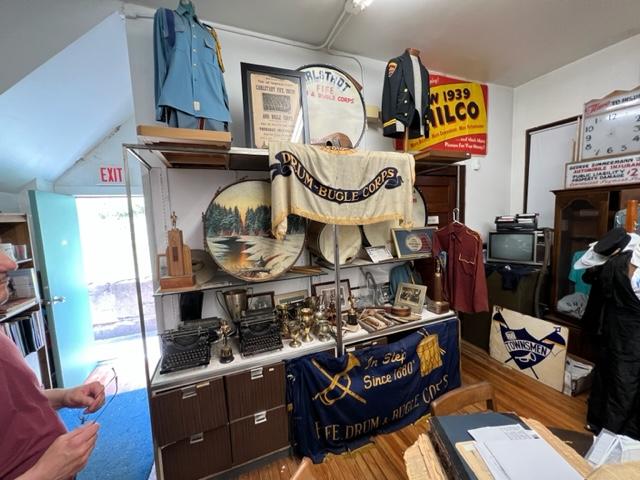
The Carlstadt Historical Firehouse Museum is run by the Carlstadt Historical Society houses a remarkable collection that includes archival photographs, written documents, new articles, clothing and other items that bring the borough’s colorful history to life. You can find everything from 1930’s era school pennants to early 20th Century fife and drum corps uniforms to a vintage breathalyzer used by the police department. The collection is housed on two floors of the town’s old firehouse from 1919.

The museum’s Pipe & Drum Corps display on the Second Floor Gallery

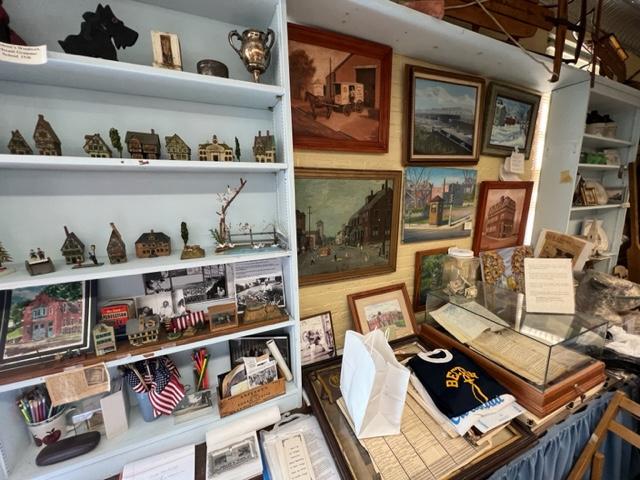
The first floor of the museum is dedicated to the War effort with memorabilia from residents who fought in WWI and WWII, articles from both the Carlstadt Police and Fire Department, pieces of artwork from buildings around the town and mementos from residents of the town. It also houses a series of collectables that are displayed on the shelves.

The First Floor Gallery with Police, Fire and Military displays

First Floor Collectables display and artwork

The First Floor Gallery with Military displays and collectibles

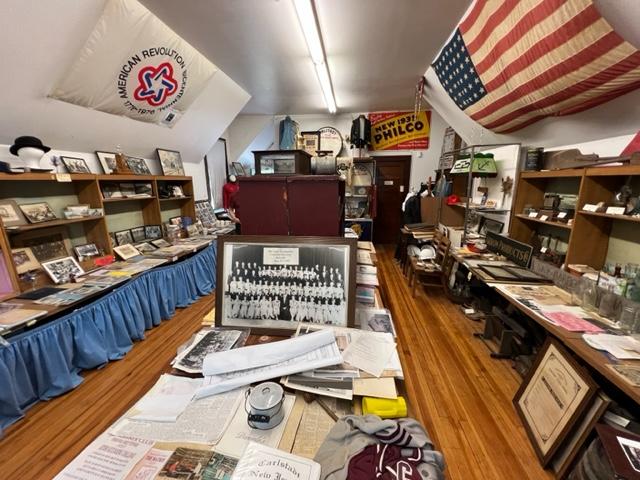
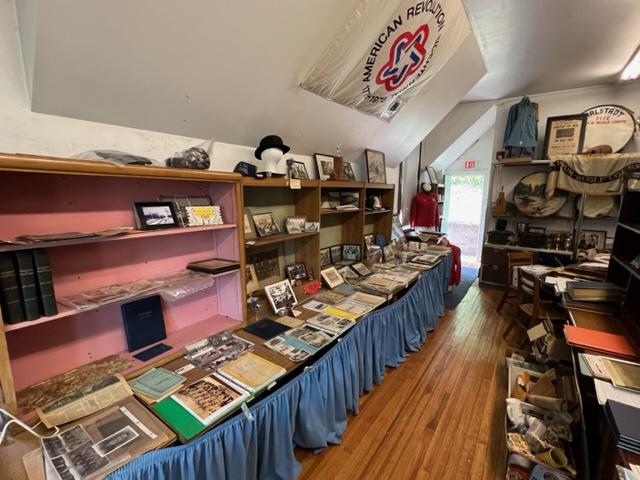
The second floor is dedicated to the school district with pennants from school graduations and parties (Carlstadt is home to the oldest continuing school picnic in the county), pictures of classes of the schools (I even found my aunt and uncle’s pictures from when they attended school here) and high school yearbooks.

It also displays items from old businesses that were in town and a series of hometown items such as awards and plaques that have been donated to the collection by people in town. There are still boxes of items that have not gotten out on display yet.

The Second Floor Gallery with the schools, businesses and special events of Carlstadt, NJ.

Second Floor Gallery of Fire Department Memorabilia

If you are an alumnus of the school system, you will get a kick out of the second floor of the museum. Not only does it have the school archives but lots of pictures that were donated by alumni of the schools of their experiences. Years of school pennants line the ceiling from the annual picnic that is the oldest continuous school picnic in the United States.

Carlstadt School Exhibit

The museum can be seen in one afternoon but you will spend more time just looking at all the pictures and getting lost in the experience. Don’t miss the displays from the Carlstadt Fire and Police Departments.

Carlstadt Pipe & Drum history

History of Carlstadt, NJ hometown businesses

The Carlstadt Glass Industry display that was once in town.

The Business display has a collection of glass bottles that were once manufactured in the town for local businesses. One of the curators told me that people find them buried in their yards and donate them to the museum. There are also signs, menus and display items from old restaurants and stores that once dotted the town.

There is a vast array of items that cover every aspect of the community of Carlstadt, NJ on the walls and tables of the museum.

Disclaimer: Some of the information was taken from the Bergen County Historical Society and some from my recent trip to the museum. The museum is open only on the 4th Sunday of each month and by appointment only so you need to plan accordingly.

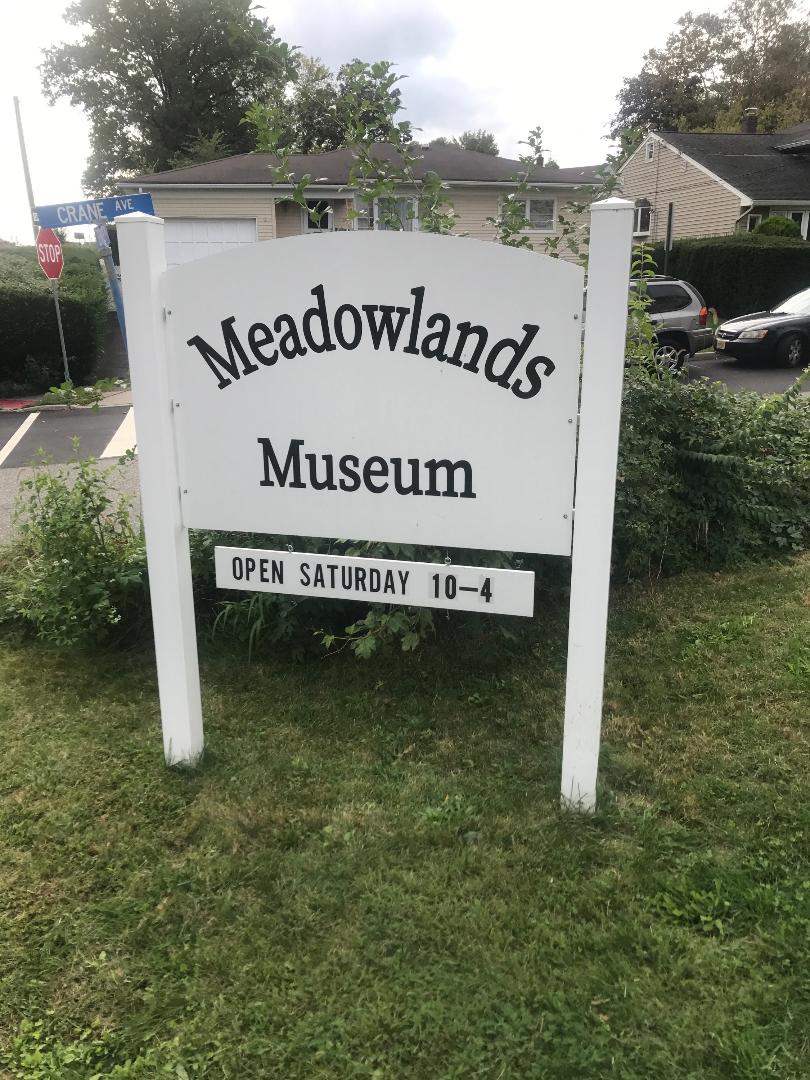
Meadowlands Museum                                                               91 Crane Avenue                                                         Rutherford, NJ 07070

Meadowlands Museum 91 Crane Avenue Rutherford, NJ 07070

Meadowlands Museum

91 Crane Avenue

Rutherford, NJ  07070

Phone: (201) 935-1175

Email: meadowlandsmuseum@verizon.net

https://www.meadowlandsmuseum.com/

https://www.facebook.com/MMusRutherford/

Open: Most Wednesdays and Saturdays from 10:00am-4:00pm

TripAdvisor Review:

https://www.tripadvisor.com/Attraction_Review-g46796-d2403380-Reviews-Meadowlands_Museum-Rutherford_New_Jersey.html?m=19905

Both Curator & Chronicler

The Meadowlands Museum is the main steward of the history and culture of the Meadowlands region and one of its leading storyteller.

Meadowlands Museum Scarecrow Day V

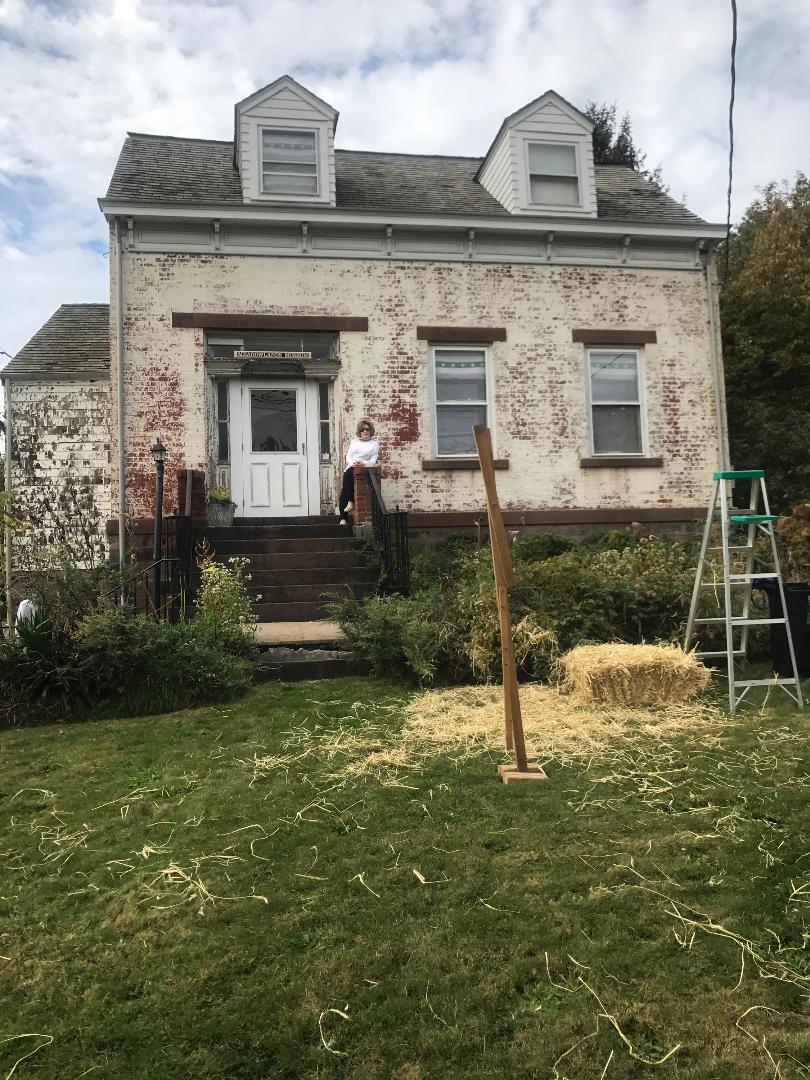
Its mission and collection, which resides in the Yereance-Berry House in southern Bergen County in Rutherford, NJ are distinctive and unique. The house too is a historic treasure and landmark and was built in 1804 by the Berry family, who were among the county’s earliest European settlers.

Meadowlands Museum VIII

Rooms in the three-level American Dutch farmhouse are alive with permanent and temporary exhibits and sometimes include loaned objects from other museums and private collections.  Historical artifacts like archives and photographs are mingled with textiles, furniture, housewares and artwork. There is even correspondence by the daughters of John Rutherfurd, a close confidant of George Washington. Grounds include the William Carlos Williams Poetry Garden, which acknowledges the legacy of Rutherford’s most famous native and the town’s history as a cultural center.

Meadowlands Museum VII

The everyday products of the Meadowlands Museum

Founder in 1961 as the Rutherford Junior Museum by parents of school age children to help connect them to their community, the museum is staffed by professionals assisted by dedicated volunteers and involved trustees. Interns add to the rich resource of individuals who contribute to its present and future.

A recent commercial developed by my Business 101 Class for the Meadowlands Museum for the project “Rocking it in Rutherford: Being a Tourist in your own Town”

The location of the Yereance-Berry House suggests a colonial farm dating to 1740. The oldest house in south Bergen County in close to original condition, it was part of the Historic American Building Survey project of the 1930’s. The building is also listed on the state and national registers of historic places and the Bergen County Stone House Survey.

Meadowlands Museum

The Yereance-Berry House is the now the Meadowlands Museum

Affiliated organization include the American Alliance of Museums, American Association for State and Local History, Meadowlands Regional Chamber of Commerce, New Jersey Association of Museums and The National Trust for Historic Preservation.

Programming & Community Service:

Free and reasonably priced services for individuals, community groups, businesses, government bodies and educational institutions are available.

*Educational programs, lectures and traveling exhibits.

*Customized on and off site programs.

*Collaborative ventures with a wide range of partners.

*Assistance with academic research and other archival support.

Special Events:

Special events, which often are made possible by partnerships with businesses and other organizations, are an additional way for visitors of all ages to enjoy the museum. Public and private events occur on a regular or one-time basis; many are fundraisers. Call or email for a current calendar and sponsorship possibilities. The house hosts both permanent and special exhibits.

Our permanent exhibits include:

*Yereance Berry House on Scarecrow Day:

Meadowlands Museum Scarecrow Day IV

*Pre-electric kitchen: This unique kitchen in the basement shows off the collection of equipment that would be used in the kitchen from the Civil War to the 1950’s. There are coffee grinders, whisks, wash boards and such. It showed how much effort was put into preparing the family meal through the ages.

Meadowlands Museum IV

The Farm Kitchen of Bergen County

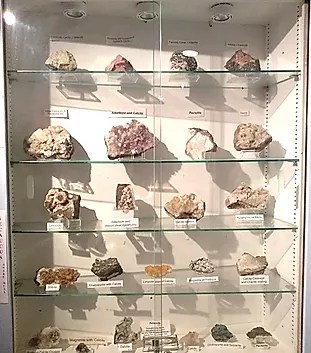
*Meadowlands Geology: there are all sorts of rocks and gems not just from the area but all over the state. There are two different rooms one of the specimens locally and there is a separate room for glowing stones. It is very interesting to see when the lights are out.

Meadowlands Museum III

The Mineral Collection at the Meadowlands Museum

*Mining in South Bergen: This is how the county has changed when we mined ore.

Meadowlands Museum Scarecrow Day II

The Mining Display at the Meadowlands Museum

*19th century Laundry Room: The Laundry room that is located in the basement has many of the things our grandparents would have used. The washboards,  scrub bushes, old washing machines and ringers. Washing clothes was much harder back then.

*The wonderful Toy Exhibition of turn of the last century toys and from the 1960’s 70’s and 80’s. This contains Dolls, Board Games, play things and instruments:

Meadowlands Museum II

The Toy Collection fascinates kids of all ages

Meadowlands Museum Scarecrow Day III

The wonderful toy factory in Kearny, NJ that used to produce all these wonderful toys.

*Horse elevator

Recent special exhibits have included:

*High school football

*Needlecraft

*Steampunk

*Medical Innovations

*Maps of the region

*Civil Rights

*Dr. Williams’ Babies

*World War I

Special Events:

Scarecrow Day 2028

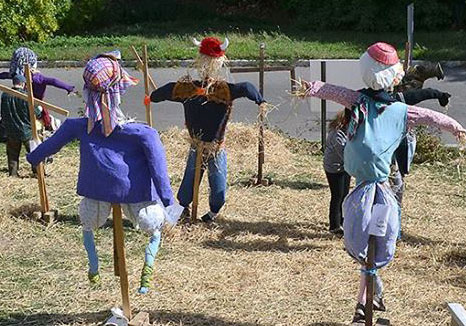
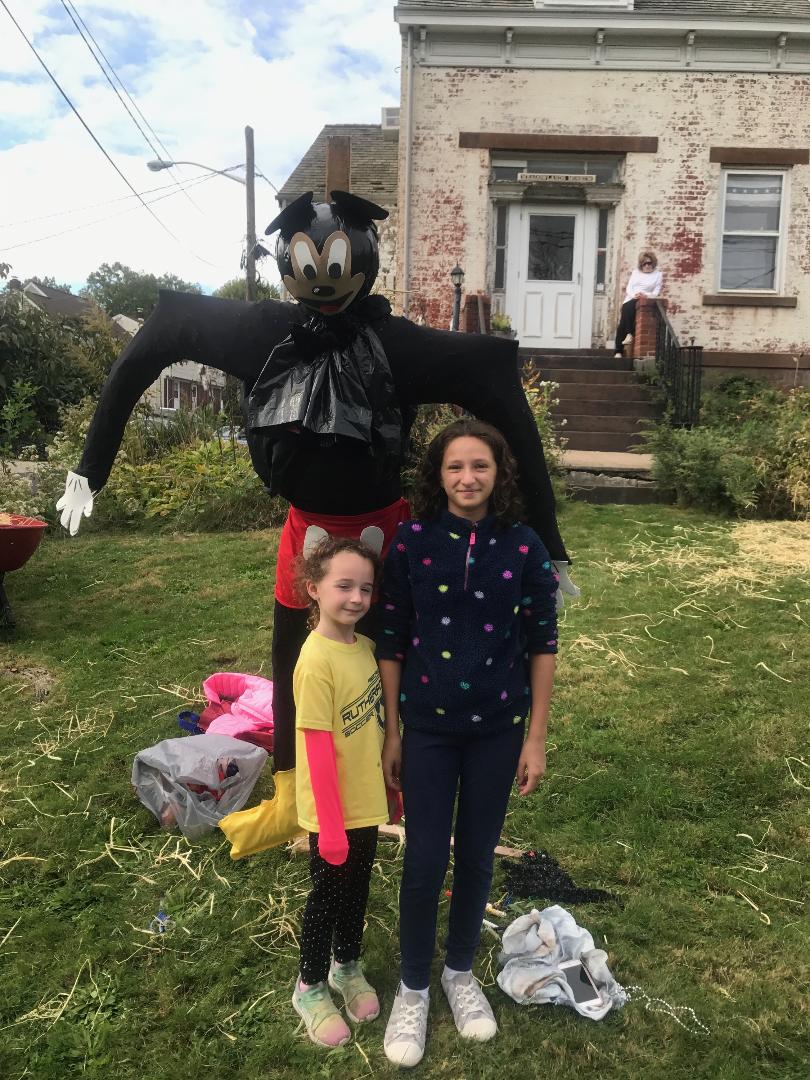
I went to the recent Scarecrow Day on October 20, 2018 where guests of the museum created their own scarecrows using their own creativity. All the scarecrows were lined up facing the street with their interesting clothes and accessories. Each person got to use their own clothes and each one had its own style to it. It was fun watching the families show their creativity at this annual event.

Image result for scarecrow day at meadowland museum

Scarecrow Day at the museum in 2018

Meadowlands Museum Scarecrow Day

Scarecrow Day in 2021: the winners of the contest for best Scarecrow

I also stopped by for the Dutch Christmas decorations. The museum was decorated for the holidays with garland and trees. On December 1st, they had a Dutch Christmas festival (I could not attend) with food and entertainment.

Help tell the story…

(from the museum website)

Individuals who value the purpose and work of the Meadowlands Museum remain its inspiration and abiding spirit. Donations, memberships, sponsorship’s, grants and fundraisers are crucial elements of the museum’s financial well-being.

Admission to the museum is free but donations are greatly appreciated. Fees for events and other services vary. A personal letter to the appropriate person acknowledges a gift made in the name of an individual. Donations to provide for the buildings and grounds are valuable links to the future and a kind of giving that is among the museum’s top priorities.

Disclaimer: This information was taken directly from the Meadowlands Museum’s pamphlet. For information on the site, please call or email the museum for more information.

Bergecco-Parc Consulting Inc.-Rocking it in Rutherford:

My Business 101 class at Bergen Community College Lyndhurst branch visit in the Spring of 2022 for the project “Rocking it in Rutherford: Be a Tourist in your own Town”.

For Spring Semester in 2022, my Business 101-Introduction to Business class made a weekend visit to the Meadowlands Museum for the project “Rocking it in Rutherford-Be a Tourist in your own Town”. We were promoting the museum to increase tourism with a fundraiser and a barbecue. So on the weekend, I took my Team to the museum to tour it for extra credit. They ended up learning a lot about not just the museum but the history of Rutherford and Bergen County, NJ.

The project was promoting the Town of Rutherford for Domestic and Foreign Tourism and created a fundraiser and modernization of displays for the museum. This is a copy of the project, presentation and Commercials.

The Team Project “Rocking it in Rutherford: Be a Tourist in your own Town”:

Video’s of the Presentation:

The video presentation promoting the museum

The Blauvelt Art Museum                                   705 Kinderkamack Road                               Oradell, NJ 07649

The Blauvelt Art Museum 705 Kinderkamack Road Oradell, NJ 07649

The Blauvelt Art Museum

705 Kinderkamack Road

Oradell, NJ  07649

Phone: (201) 261-0012

(w) blauveltartmuseum.com

(e) info@blauveltartmuseum.com

https://www.blauveltartmuseum.com/current.html

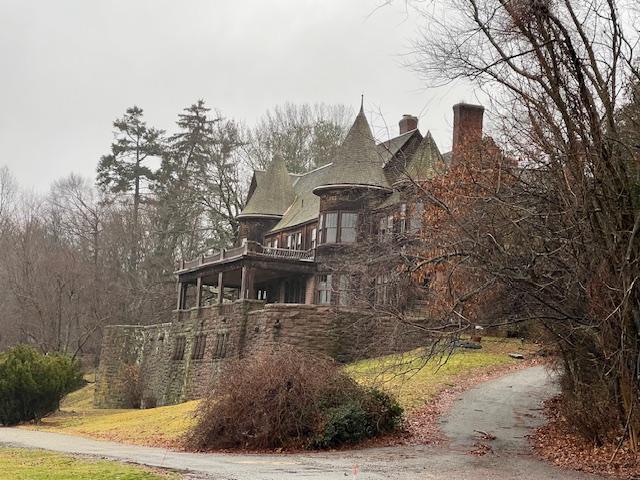
This interesting little ‘gem’ is located up on the hill next to Blauvelt Mansion and is easy to miss. You will see the signs as you drive past it.

Open: Wednesday, Thursday and Friday: 10:00am-4:00pm/Saturday and Sunday: 2:00pm-5:00pm

Fee: Free donations accepted

The Blauvelt Art Museum is funded by the Blauvelt-Demarest Foundation and is a member of the New Jersey Association of Museums, the Mid-Atlantic Association of Museums and the American Association of Museums.

TripAdvisor Review:

https://www.tripadvisor.com/Attraction_Review-g46706-d10628647-Reviews-Hiram_Blauvelt_Art_Museum-Oradell_New_Jersey.html?m=19905

The Blauvelt Art Museum was established in 1957 by the Blauvelt-Demarest Foundation, a legacy of the late Hiram Blauvelt, philanthropist, conservationist and collector. Through the contribution of his private wildlife art and big game collections, he hoped to promote the cultural value of wildlife art and the need for conservation of its subject and their habitats.

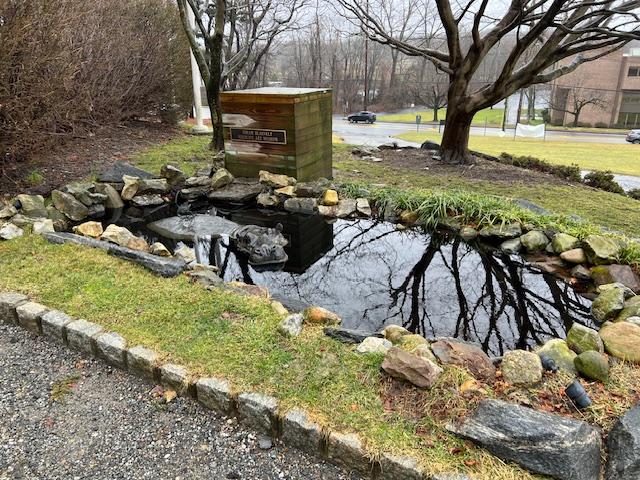
The fountain outside the museum

The entrance to the museum.

During the early part of the 20th Century, wildlife was believe to be abundant. Many dedicated conservationists, notable Theodore Roosevelt, gathered animals from their natural habitats for museums. The beauty of the animals could then be viewed by many.

The entrance to the museum.

Like Roosevelt, Hiram Blauvelt realized the value of his collection and wanted to share it with the public. It was his interest and desire to share his far ranging adventures, his stories of explorations and his collection of these animals. Hiram hoped to educate the coming generations to the diversity and beauty of the wildlife kingdom. He especially wanted to enlighten the public to the challenges we face to preserve the marvels of wildlife and their natural environments.

The interesting artwork by the carriage house of pelicans.

The Pelican art outside the museum.

Founded in 1957 as a natural history museum, it introduced students, scouts and youth groups to the need to support wildlife and habitats conservation. Visiting artists created drawings and paintings from close observations of the specimens.

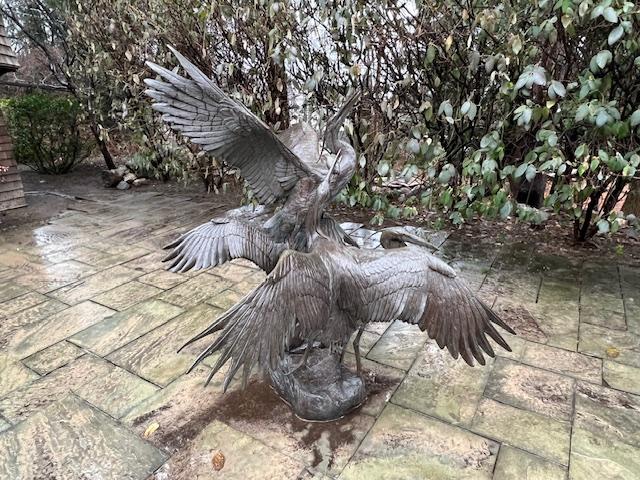
Embracing Penguins outside the museum dedicated to Wildlife Art.

Twenty-five years later, the Board of Directors of the Blauvelt-Demarest Foundation decided that the original objectives would be best achieved by redesigning the museum to feature the works of contemporary wildlife artists, built on the artistic foundation of the Blauvelt’s early collection of works by Charles Livingston Bull (notably a resident of Oradell at one time), Carl Rungius and a complete Audubon Folio of birds of America.

The interesting wildlife artwork just outside the museum.

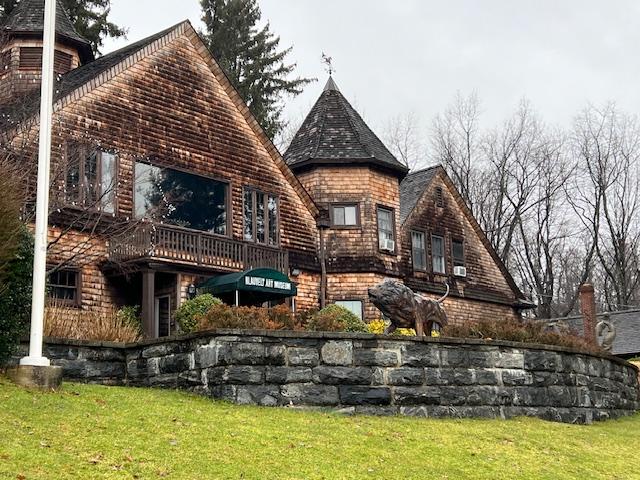
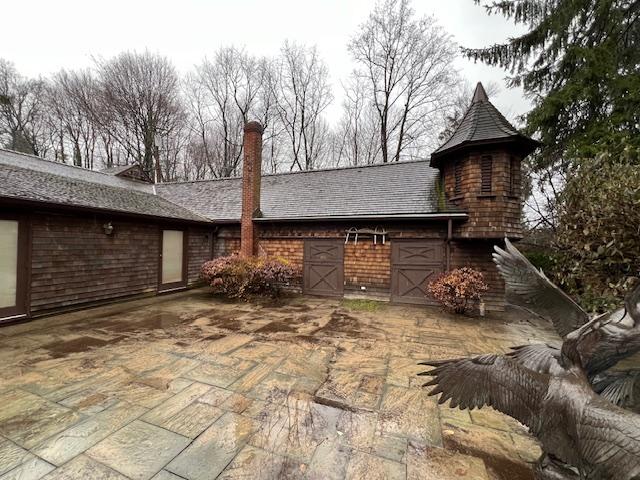
The Blauvelt Museum, located in an 1893 cedar shingle and turret carriage house, underwent extensive renovations to accommodate its new and expanded mission. The original carriage house was re-designed to include a large reception area, 4 mini galleries and museum offices, all with original materials from the historic building and preserving its aura.

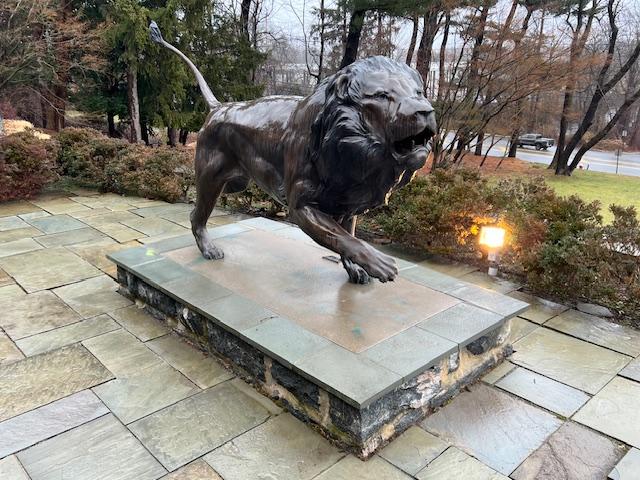
The Blauvelt Art Museum lion statue “Fides et Virtus” by artist Aaron Yount outside the museum.

Four new galleries were added, providing wall space for mounting museum quality flatwork and generous room for pedestals to hold creative sculpture. Substantial artificial lighting is augmented by natural light from the north.

High on a hill overlooking the Hackensack River, the Oradell Reservoir and parklands to the east, the entrance to the museum is through a curving stone and slate terrace, framed by large oak trees and other indigenous foliage, which serves as a natural sculpture garden.

The open air museum just outside the museum itself dedicated to wildlife art.

Many of  its visitors today, accompanied by their children, are revisiting the museum which they first visited with their parents in past decades. The Blauvelt treasures their comments remarking on the greater beauties of its collections, while preserving the ambiance of their memories.

Blauvelt Museum II

The inside galleries of the museum (from their Facebook page).

Artist in Residence:

The Blauvelt Art Museum established an Artist-in-Residence program in 1985. Artists were selected on the basis of their artistic ability and promise and on their commitment to the museum’s mission for the need for conservation to protect wildlife and their habitats. The museum provides a furnished home for the artist on the museum property, including a studio, painting supplies, etc. Artist-in-Residence have given lectures, led round table discussions, visited schools and demonstrated painting and drawing techniques.

The Carriage House from the outside.

The Current Exhibition (2018):

Artist Brian Jarvi’s African Menagerie is showing right now and the collection has some very interesting and detailed pieces on Mr. Jarvi’s visits to Africa. Don’t miss this exhibition!

The Blauvelt Museum is on the Blauvelt-Demarest Estate.

Disclaimer: This information was take directly from the pamphlet provided by the Blauvelt Art Museum. Please call the museum for any changes to their time schedule and don’t miss the current exhibition.