Tag: Author Justin Watrel

‘Church on the Green’                                                               (The First Reformed Church of Hackensack), the Church Cemetery and the Hackensack Green                                                                   42 Court Street                                                                      Hackensack, NJ 07601

‘Church on the Green’ (The First Reformed Church of Hackensack), the Church Cemetery and the Hackensack Green 42 Court Street Hackensack, NJ 07601

“Church on the Green” (The First Reformed Church of Hackensack), the Cemetery and the Hackensack Green

43 Court Street

Hackensack, NJ  07601

Bergen County Division of Cultural and Historic Affairs

(201) 336-7267

(201) 342-7050

http://www.co.bergen.nj.us

https://www.facebook.com/pages/First-Reformed-Dutch-Church-Hackensack/107959952566397
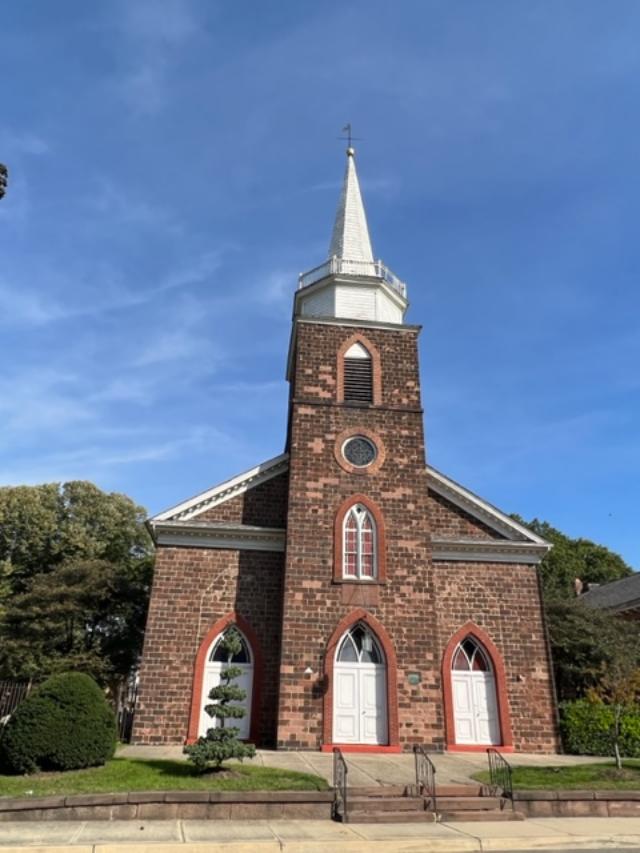
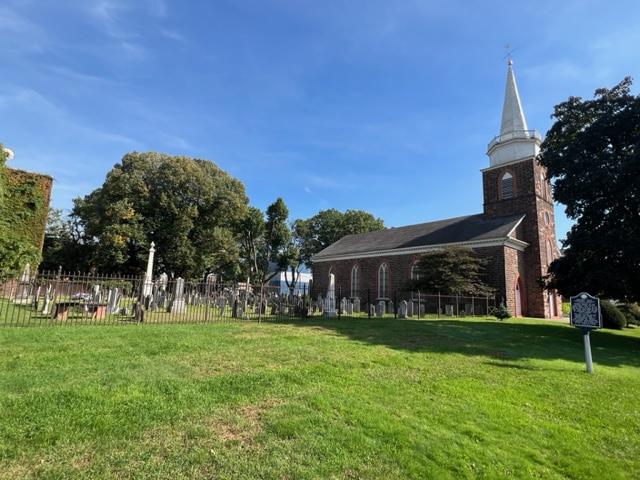
The First Reformed church of Hackensack at 43 Court Street

Due to their national historic significance the church, cemetery and the adjacent Hackensack Green were placed on the National Register of Historic Places in 1983. The Green dates back to 1696 and is one of the oldest public squares in NJ.
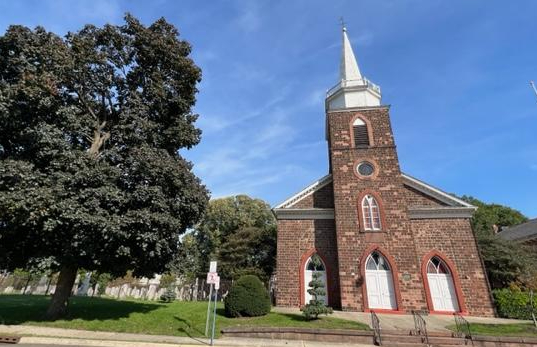
The church and its interesting cemetery.

The inside of the church was visited by General George Washington visited and worshipped here. The church still has the original pews and fixturing.

The inside of the church

The inside of the church

The bell tower and gas light fixture

The light fixture

A strategic point during the American Revolution, Hackensack was a small village centered on The Green, a public meeting place where public notices were posted. In the 18th century it was where punishments were inflicted on criminals and where the local militia trained.
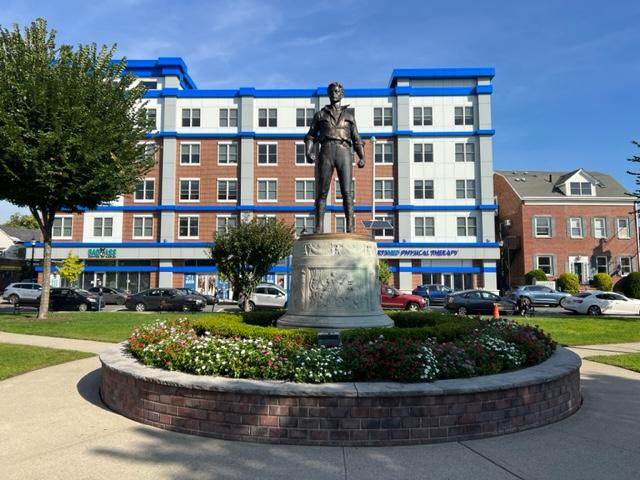
The Hackensack Green
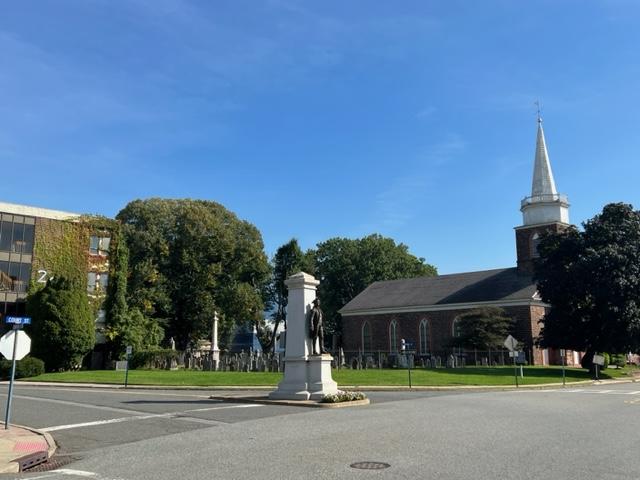
The Hackensack Green

General Washington headquartered here in November 1776, while he surveyed the local roads and bridges. On November 20, 1776, he led his army into Hackensack. The army camped on The Green as Washington made the important decision to continue the retreat from overwhelming British and Hessian forces. On March 23, 1780, the British raided Hackensack and burned the courthouse that stood on the Green at that time. Since 1715, a Bergen County courthouse building faced The Green in Hackensack, the County Seat since 1710, making it the historic heart of Bergen County (County of Bergen Division of Cultural and Historic Affairs).
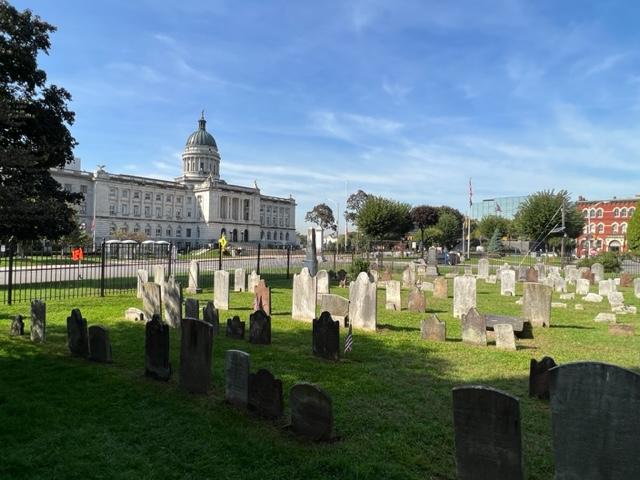
The historic Courthouse of Hackensack, NJ facing the cemetery at the Church.
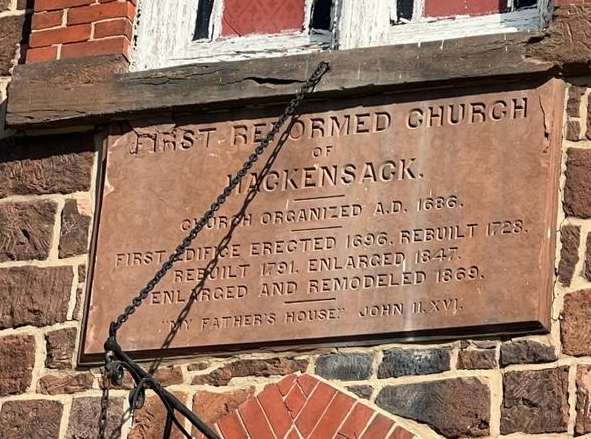
The Cornerstone

The First Dutch Reformed Church congregation was organized in 1686, the oldest Reformed Dutch congregation in Bergen County and second oldest in NJ. (County of Bergen Division of Cultural and Historic Affairs).
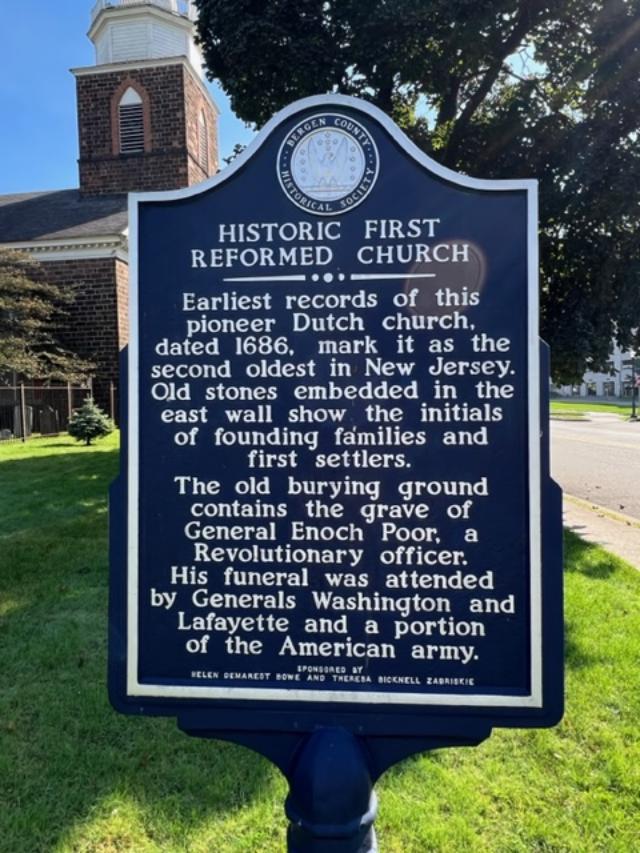
The historic marker outside the church.
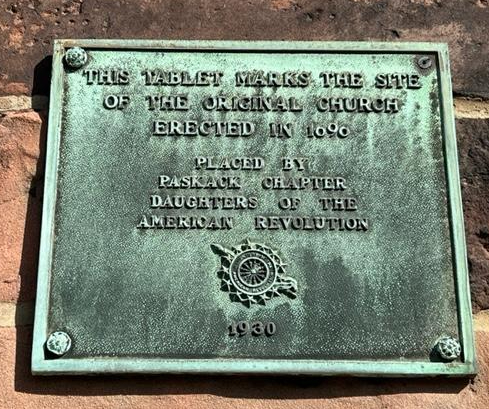
The historic marker

The Hackensack Reformed Church graveyard is one of the most famous in the State of New Jersey with many prominent families of Bergen County whose contributions helped shape not just the State of New Jersey but the United States as well. The graveyard contains the graves of many who fought for our freedom in the Revolutionary War.

The front of the church

The back of the graveyard

The historic graveyard

During the first ten years, churchgoers worshiped in a private home outside the limits of modern-day Hackensack. The official name of the congregation was the “Dutch Reformed Church of Ackensack” and comprised thirty-three residents from Hackensack, New Barbadoes and Acquackanonk. All three of these townships made up most of northeastern New Jersey.

Acquackanonk was located in the northern portion of modern Essex County. New Barbadoes was comprised of land west of the Hackensack River, while Ackensack was located to the east. In April of 1696, Captain John Berry (1619-1712), the proprietor of a large portion of land in northeastern New Jersey, donated two and three-quarter acres of his property to the congregation to support their efforts to build the church.

Most of present-day Hackensack at that time was called “New Barbadoes Township” and Hackensack is thought to have gotten its unofficial name when the Church relocated to New Barbadoes and brought the name “Ackensack” with it (Church website).
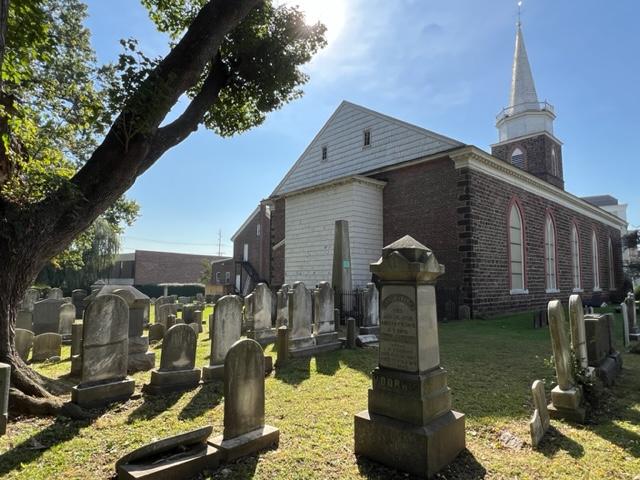
The historic church and cemetery in the back.

The emergence of the Dutch Reformed Church in America developed from Dutch colonization of New York and New Jersey during the 17th century. Dutch settlement was prominent in these areas before the British took control of the area in the late 1600’s. Still, the Dutch were freely allowed to practice their religion in America, even under British sovereignty. The Hackensack First Reformed Church would become the second oldest Reformed Church in New Jersey and the first in Hackensack. Construction of the church was completed in the latter part of 1696.
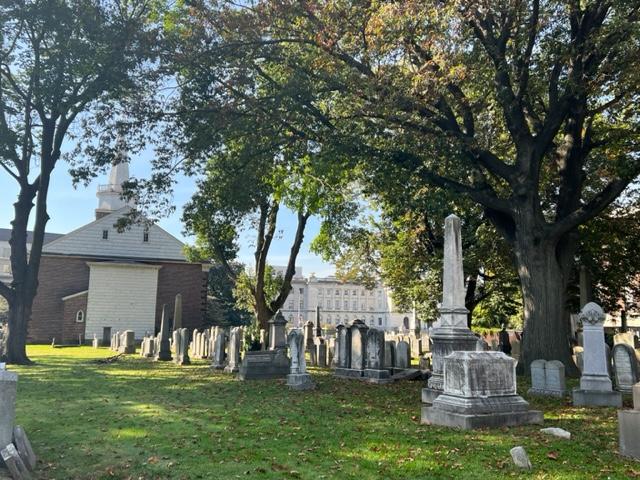
The historic cemetery at the church

John Berry’s donation of land was appropriately dubbed, “The Green” and the church soon became known as “The Church on the Green”. The first sermon was preached on November 15th, 1696, based on Psalm 26:8 “Lord, I have loved the habitation of thy house and the place where thine honor dwelleth.” Although the first church was largely completed in 1696, the steeple was not built until 1708. The entire structure was rebuilt in 1728 on the same site. These two early church buildings were thought to have been octagonal structures.
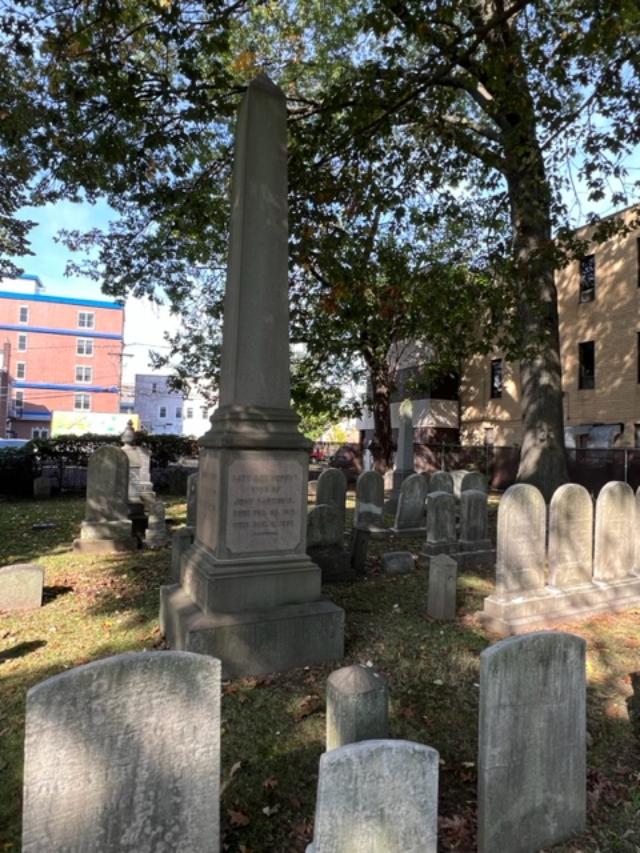
The Schuyler Family marker

In 1780, during the Revolutionary War, the British invaded Hackensack. They burned the courthouse and jail and threatened to destroy the Church on the Green, which was located adjacent to the aforementioned buildings. Fortunately, the church was spared. Dutch Colonial architecture with sandstone walls being the prominent feature of the building. Some aspects, especially the arched and pointed windows, appear to have Gothic elements.
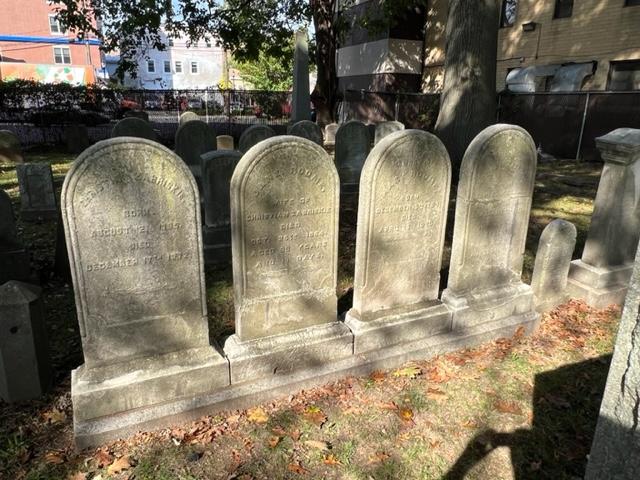
The Zabriskie Family plot

The front of the church has three sets of double doors with similarly arched doorways and transom windows. This style was a precursor for many of the Reformed Dutch churches that were eventually build in New Jersey. Although the present-day building dates from 1791, the church was enlarged in 1847 and again in 1847 and again in 1869, thus containing newer elements.
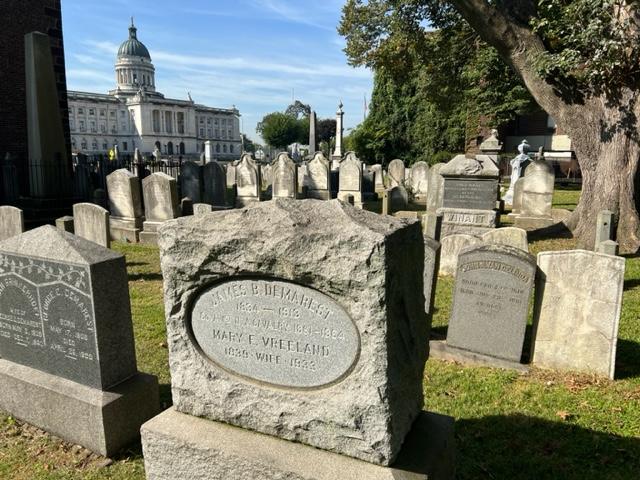
The Demarest Family plot.

The attached cemetery is original to the first building’s construction in the late seventeenth century but during the renovation in 1847, it was also enlarged. The neighboring service house was built in 1867 and was used as a Sunday school, lecture hall and chapel.
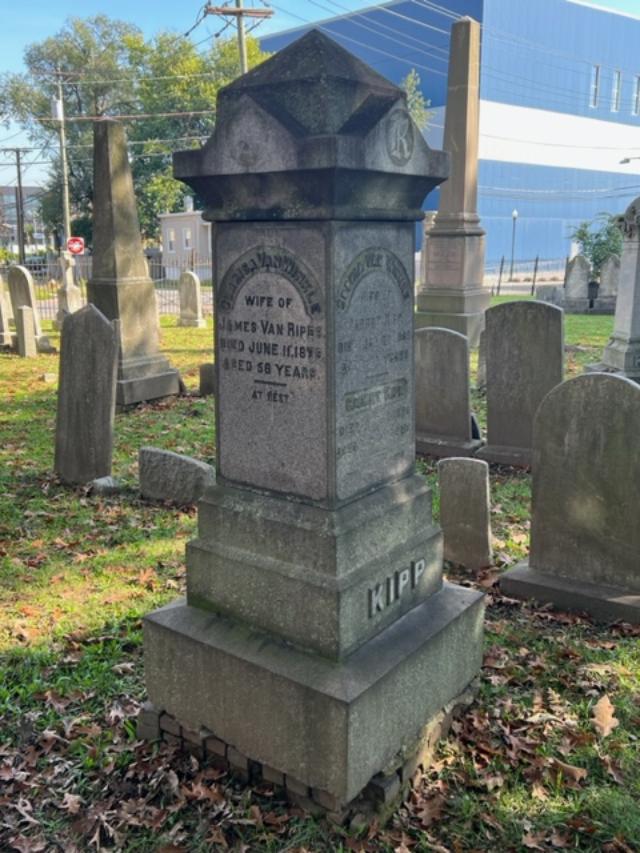
The Van Riper/Kipp Family plot

The churchyard cemetery features simple stone tablets and obelisks that are surrounded by a wrought iron fence. Some notable burials include General Enoch Poor (1736-1780), Colonel and New York Mayor Richard Varick (1753-1831), Congressman George Cassedy (1783-1842) and Congressman Adam Boyd (1746-1835). General Enoch Poor’s burial is especially noteworthy as he served alongside George Washington during the Revolutionary War.
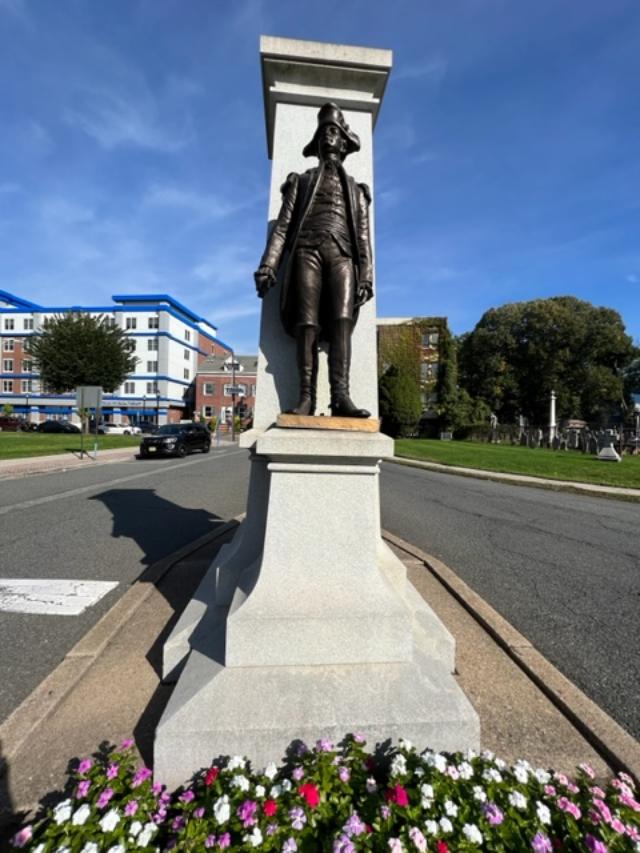
The General Poor statue on the Green
Enoch Poor – Wikipedia

Enoch Poor | New Hampshire Society of the Cincinnati
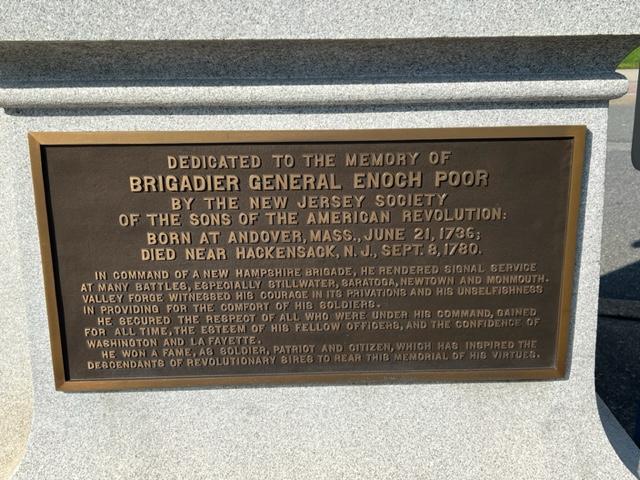
Plaque on the side of the statue

General Poor’s grave

Additionally, both Washington and the Marquis de Lafayette were in attendance at Poor’s funeral. Enoch Poor’s gravestone reads: “In Memory of the Hon’ble Brigadier General Enoch Poor of the State of New Hampshire who Departed this Life on the 8 day of Sept: 1780 aged 44 years/Washington, Lafayette and a portion of the American army attended the burial of Gen. Poor.

In 1824, Lafayette visited this grave and turned away much affected, exclaimed, “Ah, that was one of my Generals!” Poor died in 1780, before the close of the Revolutionary War, so this gravestone is clearly not the original (Church website).
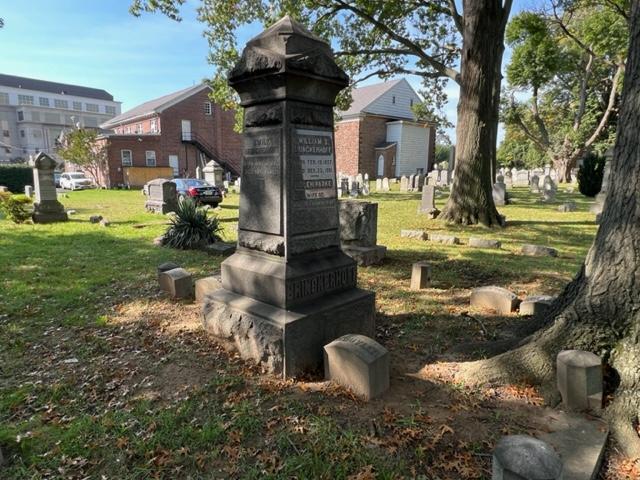
The graveyard at the Dutch Reformed Church

The Reformed Church was nominated to the National Register of Historic Places on April 25, 1983. Included in this nomination was the “Green”,  which is one of the oldest public squares in New Jersey. This area encompasses the Churchyard, the cemetery, the church outbuilding and the green area that is adjacent to the Bergen County Courthouse. There are a few monuments that occupy this space, including a statue memorial to General Enoch Poor, which was dedicated in 1904 and the Hackensack War Memorial, which dates to 1924.

The church continues to be a prominent feature of the history of Hackensack through community and self-guided walking tours. In addition to this, there are yearly Memorial Day commemorations, where a wreath is placed over General Enoch Poor’s grave and a tour of the church is provided to the attendees of the celebration.
Surrounding the Green, there are a few other historical buildings:

*The Peter Zabriskie Mansion site at 50 Main Street.

*Archibald Campbell’s Tavern Site at 41 Main Street

*The Hackensack War Memorial

*Site of the Burned Jail

*The Annual Christmas Tree on the Green
Christmas Tree at Hackensack Green

Disclaimer: This information was taken directly from the Bergen County Historical Society pamphlet and the Clio Website on the First Dutch Reformed Church of Hackensack and from visiting downtown Hackensack. Please call the church at (201) 342-7050 for details on visiting it. Please remember this is a resting place.

Teaneck, NJ Historic Burial Ground                    622 Pomander Walk Road                           Teaneck, NJ 07666

Teaneck, NJ Historic Burial Ground 622 Pomander Walk Road Teaneck, NJ 07666

Teaneck, NJ Historical Burial Ground

622 Pomander Walk Road

Teaneck, NJ  07666

The Bergen County Division of Cultural and Historic Affairs

(201) 336-7267

http://www.co.bergen.nj.us

https://www.teanecknj.gov/events/39326/

http://www.afrigeneas.com/forum-cemeteries/index.cgi/md/read/id/1803/sbj/slave-native-american-burial-in-teaneck-nj/

My review on TripAdvisor:

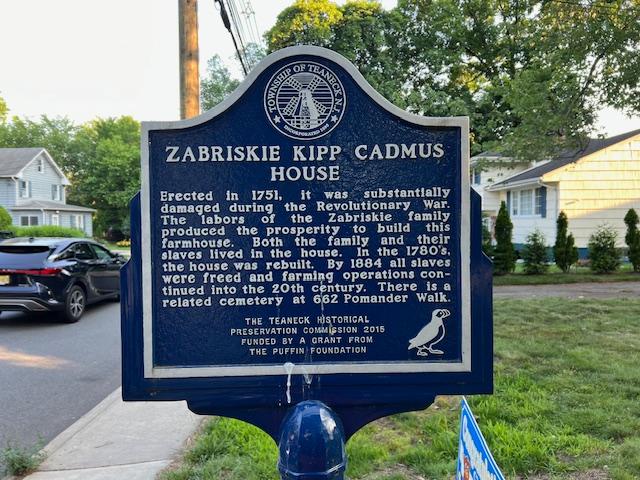
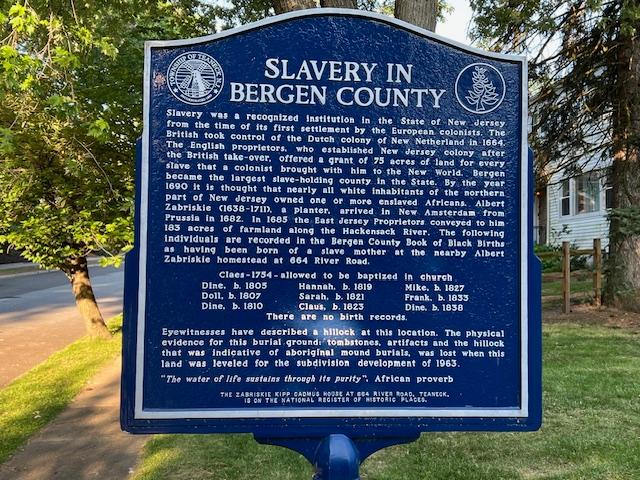
The historic marker for the Teaneck Historic Burial Ground for slaves in Bergen County.

Located on Pomander Walk Road near the Hackensack River, this land was in use as a burial ground by the Native Americans prior to the arrival of the European settlers. This site might have been used for hundreds of years as a burial site for the Native peoples.

African slaves, who worked the farmland of the early European settlers, like the Zabriskie’s who owned the 125 acre farm that surrounded it, were subsequently buried at this location as were some of the early settlers. In 1663, the great elder, Oratam, was the Chief Sachem for the Ackingsacks, who lived along the Hackensack River. Oratam promised to give Sarah Kiersted a parcel of land between the Hackensack River and Overpeck’s Creek called “Neck of Land”.

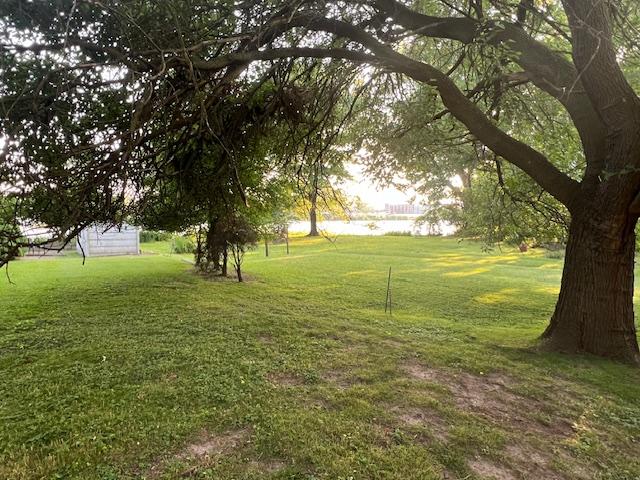
The location of the site on the side of the Hackensack River

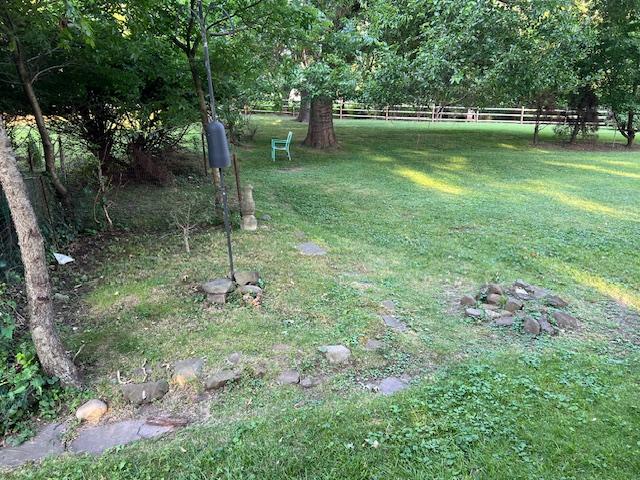
The site of the graveyard in Teaneck, NJ

It consisted of 2,260 acres which included Teaneck, Bogota and Ridgefield Park. The  original patent was dated October 21, 1667. On March 25, 1685, the East Jersey Proprietors conveyed 183 acres of this patent, located on the Hackensack River in what is now Teaneck, to Albert Sabboresco (Zabriskie) of Bergen, a planter/farmer.

The Zabriskie House on Cadmus Street one block over is not open to visitors (privately owned)

The Zabriskie Homestead in Teaneck, NJ

Albert Zabriskie, his descendant and later Henry Kip, owned the enslaved African American men, who were used to work the farmland and build the early colonial sandstone houses. Even though slavery was outlawed in 1804, the last slaves were not freed until 1865 making New Jersey the last of the Northern States to abolish slavery.

The Zabriskie-Kipp Homestead in Teaneck, NJ is not open to the public. The historic Zabriskie-Kip Farmhouse (now a private residence) is located around the corner from the site on a buff on River Road facing the Hackensack River.

The site is right by a cove in the Hackensack River

To prevent the loss of this sacred ground, the ‘Coalition to Preserve Teaneck’s Native American/African Slave/Settler Cemetery’, was organized. With the Coalition’s encouragement, in 2006 Teaneck bought this open parcel of land on the banks of the Hackensack River. It can be visited during daylight hours and is designated with a Blue Historic Marker erected by the town of Teaneck, NJ.

The historic site by the Hackensack River in Teaneck, NJ.

The gravesite today along the Hackensack River

Disclaimer: This information was taken directly from the handout from the Bergen County Division of Cultural and Historic Affairs. There is no fee for this site but be warned, there is not much to see. There will be plantings and a small memorial is being planned (the above plaque from the town of Teaneck, NJ).

 The burial site in Teaneck, NJ

Greater Newark Conservatory                              32 Prince Street                                              Newark, NJ 07103

Greater Newark Conservatory 32 Prince Street Newark, NJ 07103

Greater Newark Conservatory

32 Prince Street

Newark, NJ   07103

(973) 642-4646

http://www.citybloom.org

https://www.citybloom.org/

Open: Please check the website for site and time listings

Fee: Free but donations accepted

My review on TripAdvisor:

https://www.tripadvisor.com/Attraction_Review-g46671-d16726541-Reviews-Greater_Newark_Conservancy-Newark_New_Jersey.html?m=19905

The Greater Newark Conservatory has been credited for much of the improvement in the City of Newark.

Newark Conservatory IV

Having three farms, it has given new life to empty lots, given school children a chance to experience urban farming and given suburbanites a taste of country life in the city all while improving the lives of its residents. Having attended the recent “Beds & Breakfast” gardening program put on every year, I can see the outreach that the Conservatory is trying to have on people outside the city.

Newark Conservatory V

The Beds & Breakfast Seminar is an annual event that covers things like sustainable farming, trips for growing and pruning plants and trees and cooking classes. In the era of COVID, we had the 2021 “Beds & Breakfast” virtually this year and it was really nice because we could attend the meetings via Zoom. It was very engaging and you could ask questions online.

In the warmer months, it is nice to walk along the gardens and admire all the fruits, vegetables and plants being grown here. They have other events as well like Summer Cocktail parties and Pot Lucks.

Greater Newark Conservatory

The gardens and the new Demo building

Another event I recently attending was the Conservatory’s October Fest, which was a small festival where the gardens on Prince Street were open to the public and local vendors were selling their wares at tables surrounding the main walk way of the garden. The Conservatory was also running their Youth Farm Stand as well with fresh vegetables from their ‘farm’. In 2021, they had a smaller event with vendor booths and music. It was funny to see so many people with masks in the cool weather.

Try to support the Youth Farm Stand at the Greater Newark Conservatory

In the future, there will be Pumpkin Patches by the farm and a small event for Halloween.

The History and Purpose of The Greater Newark Conservatory:

The Greater Newark Conservatory (GNC) is a non-profit organization headquartered in Newark, NJ with the state goal of promoting ‘environmental stewardship to improve the quality of life in New Jersey’s urban communities’. It offers programs for youth education, community greening and gardening, nutritional health, job training and prisoner re-entry (Wiki).

Founded in 1987, the Greater Newark’s Conservatory’s mission is to promote environmental stewardship to improve the quality of life in New Jersey’s urban communities. The 3.7 million Prudential Outdoor Learning Center, named in honor of a $750,000 grant from the Prudential Foundation, was completed in 2004 and has hosted more than 16,000 at risk inner city children for environmental education field trips since that time (Vince Baglivo, Star-Ledger 2010).

Newark Conservatory III

The Conservatory grounds

The first step toward making the new Center a reality was the purchase of the historic former synagogue/church building at 32-34 Prince Street in downtown Newark. Acquired by the City of Newark, the property included the building and the land that it occupies (Vince Baglivo, Star-Ledger 2010).

Educational Programs:

The Conservatory provides programs on youth education and nutritional health and cooking. In the Demonstration Kitchen program, participants are provided instruction on cooking with recipes having high nutritional value. The Newark Youth Leadership Program (NYLP) provides training to high school students in Newark through a year-round program on horticulture. The  program also includes a summer internship program where high school students are assigned to various department in the Conservatory in order to gain experience with career-related skills. The summer interns also receive training on finance, public speaking and nutrition (Wiki).

Urban Farming:

One Conservatory initiative is to bolster and support urban farms in the City of Newark. The urban farms were created with the purpose of offering low-cost and healthy foods in Newark. Participants also have the option of growing their food in one of 360 private plots. In 2011, the urban farms administered by the Conservatory generated 5,000 pounds of produce. The produce is sold in local farmers’ markets. Crops raised include arugula, beets and corn. Other related programs include raising chickens and maintaining a honey apiary (Wiki).

Newark Conservatory II

The gardens and grounds

Job Training:

The Conservatory is community partner for the City of Newark’s prisoner re-entry programs where job training is provided to ex-offenders through its ‘Clean and Green’ program. They include vacant lots in Newark, labor in maintaining urban farms and offering instruction to school groups on the basics of farming (Wiki).

Urban Environmental Center:

The Conservatory conducts its activities primarily at the Judith L. Shipley Urban Environmental Center, the Prudential Outdoor Learning Center and at its main education building. Many educational programs take place there as well. The center was named after Judith and Walter Shipley, who were major donors of the Conservatory. The Prudential Outdoor Learning Center is 1.5 acre site located on Prince Street in Newark and contains a series of outdoor exhibits and thematic gardens (Wiki).

Programming:

Four program areas: environmental education, community greening and gardening, advocacy for environmental justice and job training, are the focus of activities involving everyone from students to seniors (Vince Baglivo Star-Ledger 2010).

Community Greening:

The Community Greening Program addresses Newark’s deficit of quality preserved open space by enhancing existing community parks, creating new pocket parks, establishing greenways and improving neighborhoods with street trees, street side planted flower barrels and community gardens. The program works with Newark residents to transform neighborhoods with curbside flower barrels and lush community gardens on former vacant lots. These urban farms increase accessibility to food sources for urban residents by providing high quality, locally grown healthy food using natural pest control methods (Vince Baglivo Star-Ledger 2010).

https://www.tripadvisor.com/Attraction_Review-g46671-d16726541-Reviews-Greater_Newark_Conservatory-Newark_New_Jersey.html?m=19905

Disclaimer: I want to credit writer Vince Baglivo from the Star-Ledger “Greater Newark Conservatory: City’s best kept Secret” 2010 and Wikipedia (current) as well as the Greater Newark Conservatory for information on the site. Please call the above number for more information on upcoming programs.

Hackensack Water Works Van Buskirk          County Park Elm Street                                 Oradell, New Jersey 07649

Hackensack Water Works Van Buskirk County Park Elm Street Oradell, New Jersey 07649

Hackensack Water Works

Van Buskirk County Park

Elm Street

Oradell, NJ  07649

A Bergen County Historic Site

https://www.hwwc.org/

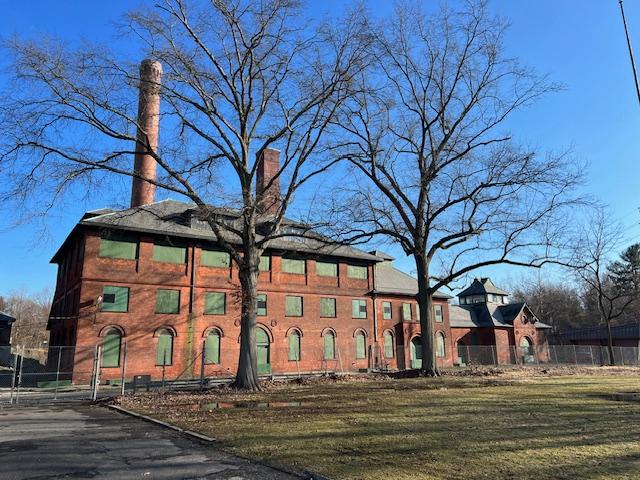
The Hackensack Water Works building is closed for visiting and under renovation.

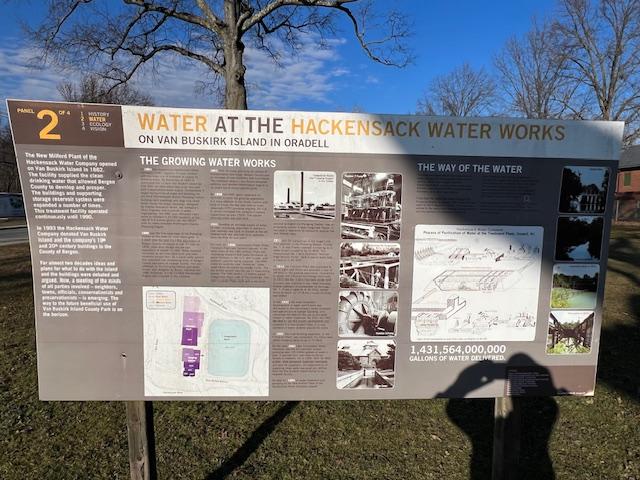
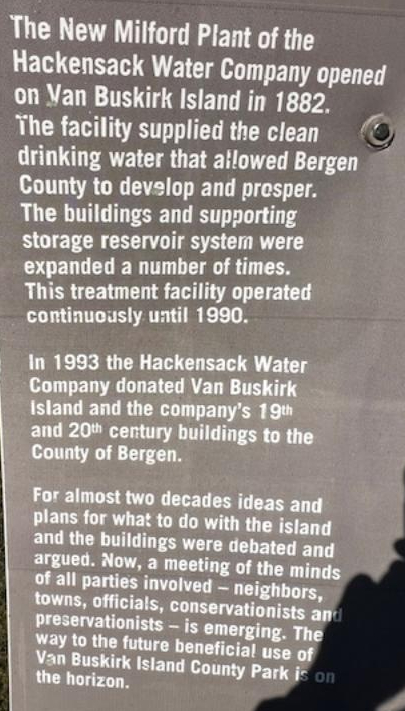
When I visited the day I went to see the Hackensack Water Works Building all you could see is the signs outside the building.

The information sign outside the Waterworks.

The layout of the pump station.

On an oxbow in the northern reaches of the Hackensack River is Oradell’s Van Buskirk Island, a man made island that did not exist until 1802. Created by the dams built for the local mills, this stretch of the Hackensack River was the highest point of navigable water on the river where schooners regularly carried goods to and from New York.

Hackensack Water Works II

The Hackensack Water Works Building in full.

Now a part of the Bergen County Parks system, this almost 14 acre site contains the historic Romanesque brick buildings of the Hackensack Water Works. This is the oldest surviving representative of a water purification and delivery system from the late 19th and early 20th century period, crucial to the development of a modern, safe water supply that was critical to turn of the century metropolitan and suburban growth.

The Pump Station right side.

The left side of the Pump Station.

The Hackensack Water Works, in continuous operation from 1882 to 1990 is a rare example of later 19th and early 20th century water works architecture and engineering. The historic buildings include the 1882 Pumping Station, expanding five times from 1886-1911 and innovative 1905 Filtration House, expanded in 1912 and 1955. The Pumping Station contains a unique collection of steam pumping equipment representing over four decades of development of steam technology in the early 20th century, including a 1911 Allis Chalmers Vertical Triple Expansion Pump and a 1915 Allis Chalmers Centrifugal Pump. The plant also contains the 1905 coagulation basin and gatehouse and the 1911 intake and waste gates.

Hackensack Water Works III

The inside of the Hackensack Water Works

This Bergen County Historic Site with its open space and park like setting is a living 100 year old timeline of technology from steam to electricity as well as a river site that represents the evolution of Bergen County from its pre-Revolutionary War saw and grist mills to the creation of pioneering water filtration technology so vital to the 20th Century development of towns and cities all over America. Not open to the public at this time.

The history sign of the pump station.

http://www.co.bergen.nj.us

The Bergen County Division of Cultural and Historic Affairs

The Bergen County Division of Cultural & Historic Affairs received an operating support grant from the New Jersey Historical Commission, a division of the Department of State.

Disclaimer: This information was taken directly from the Bergen County Division of Cultural and Historic Affairs handout. Please call the above number or email them for more information.