I had planned to go out to Punxsutawney, PA again for Groundhog’s Day but the weather really turned this year. There was an Arctic Vortex (or whatever they are calling it this week) and the weather plunged in Pennsylvania. It was going to be 20 degrees on Groundhog’s Day (that meant 0 degrees that night) and raining when I would drive home on Sunday and I thought that would be over doing it for me.
I later saw that it did go up to 38 degrees that day in Punxsutawney, higher than expected but the overnight Friday night into Saturday was 4 degrees and sorry but the thought of standing in Gobbler’s Knob for five and a half hours in that weather was too much. I did that in 2016 in 30 degrees and that was bad enough. I will wait until next year.
The aquarium’s outside tanks with sea lions, otters and penguins.
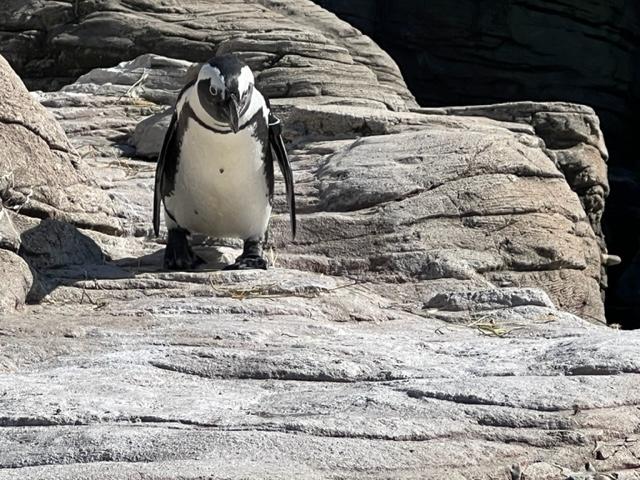
The penguins were very entertaining that afternoon.
The otter just ignored us. They just played amongst themselves.
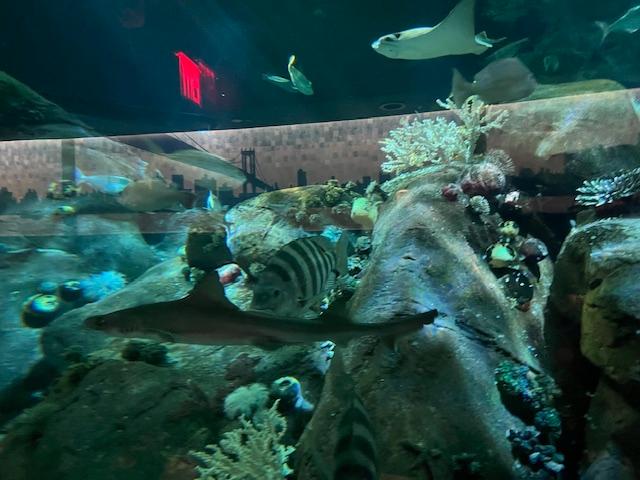
I have been to the NY Aquarium many times since it reopened after Hurricane Sandy and there have been many positive improvements in both the facility and the service. The new Ocean Wonders: Shark! exhibition which has opened up giving an interesting look at the underwater world of the many different types of sharks that dominate the deep.
The Shark Exhibit
The Shark exhibition
The sharks and string rays
It is not just a display but also a commentary on the conditions of the deep and the treatment of sharks around the world. There contributions as bottom dwellers cleans our oceans and benefits other fish. It was shocking what the treatment is of these animals in Asia when strip these animals of their fins for soup. I like how professionally the aquarium shows this in their displays and videos and doesn’t preach but offer solutions to the problem.
The entrance to the new shark tanks.
That and walking through the tanks themselves in the darkened rooms with music makes for a fascinating and almost ominous trip into the ocean behind the walls with the sharks and other mammals and fish swim past you. There is also a small tunnel that you can climb under to watch the fish swim on top of you and past you.
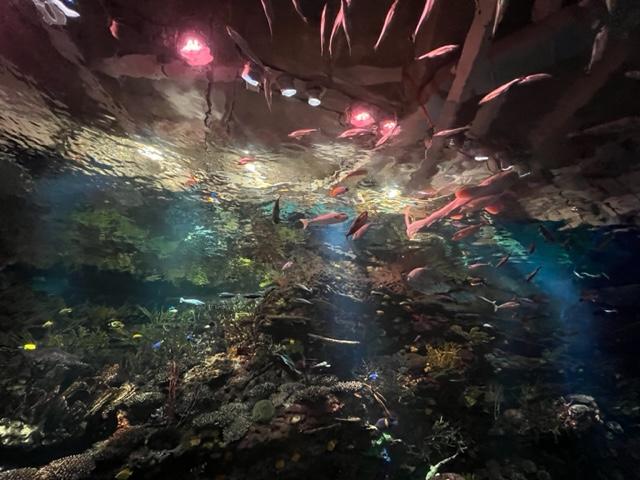
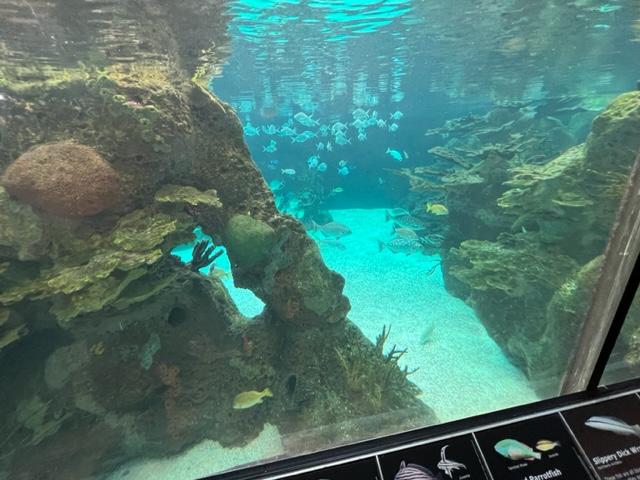
The tropical fish exhibition
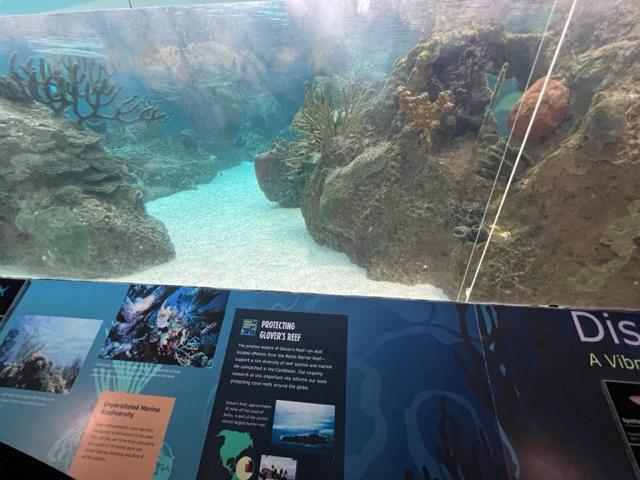
In the Conservation Hall, you will learn all about the fish that dominate and keep our reefs vibrant and what happens when pollution takes over and kills them. Again the aquarium displays this in a positive way, shows how the animals keep the reefs healthy. I point out that there are a lot of colorful fish on display and it is fun to watch the small children yell out to them.
The coral reef exhibition
The Coral Reef Exhibition
The fish in the Coral tanks
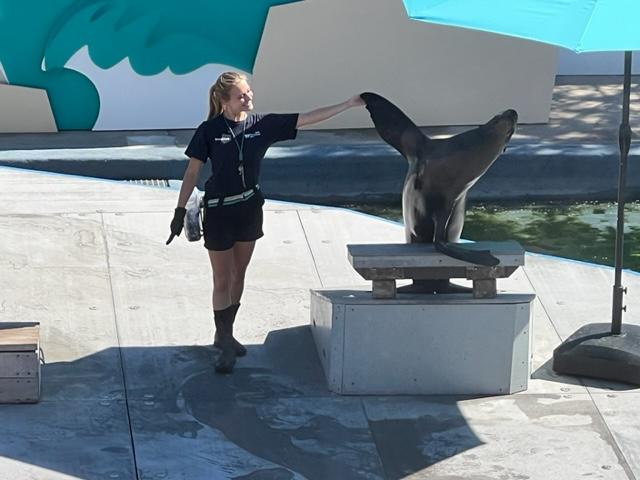
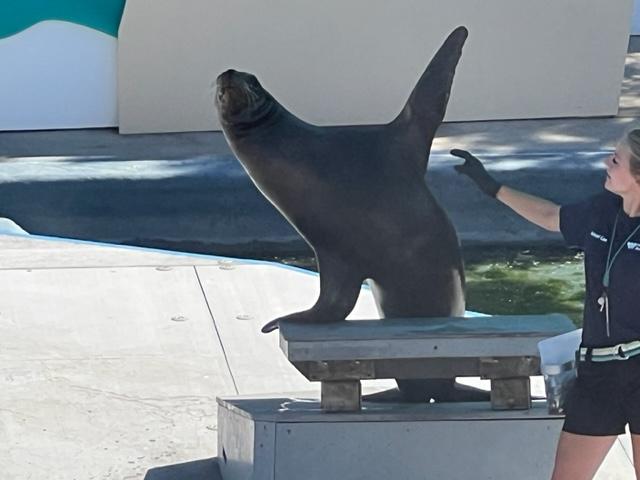
There is a wonderful seal show during the day that you should not miss especially in the warmer months when you can sit in the stands and watch them perform with their trainers. They are more Native New Yorkers than most humans having been born at the aquarium and showing their own pride in their home and abilities.
The Sea lion show at the aquarium is very popular.
The Sea lion show
The Sea lion show
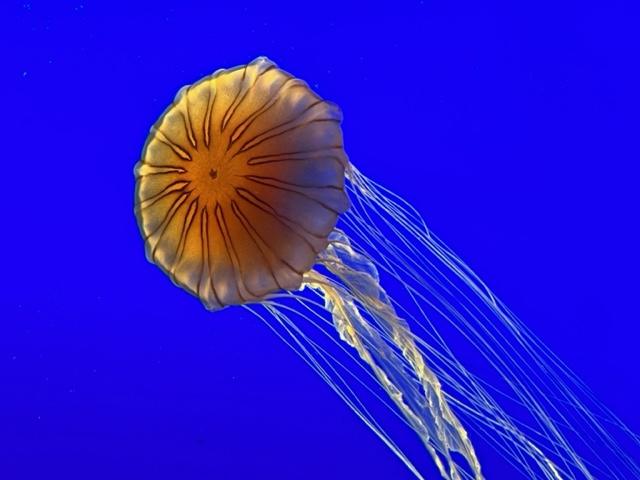
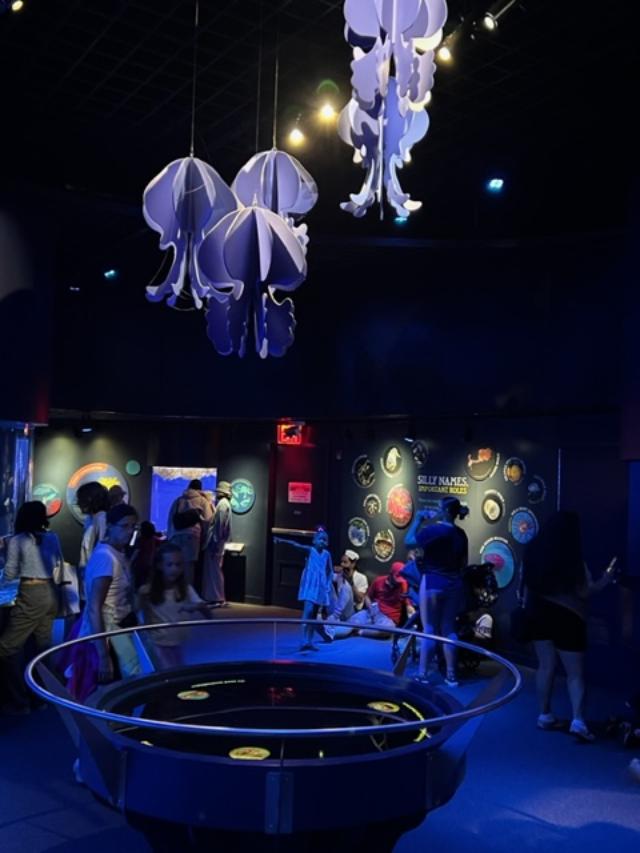
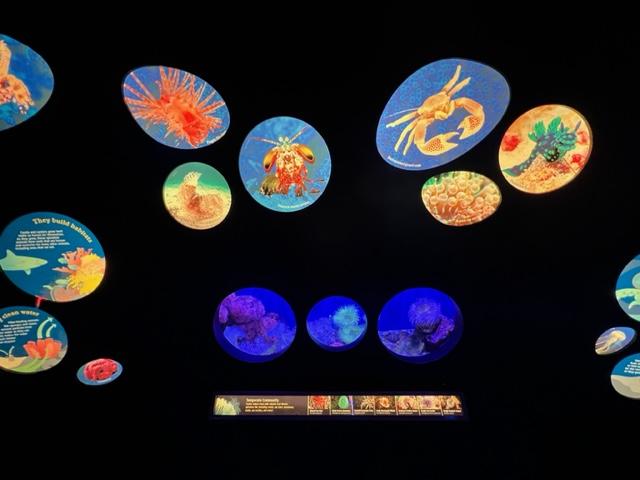
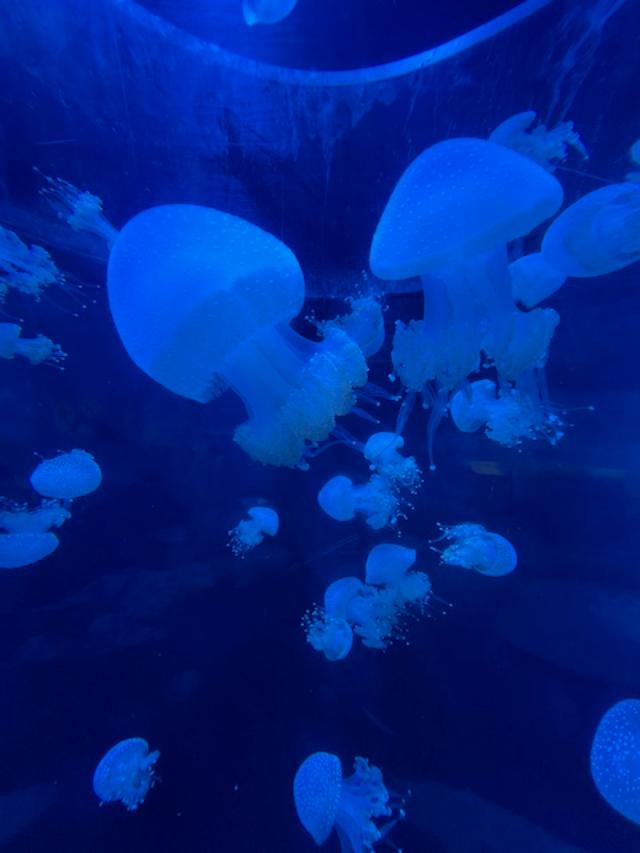
The new “Spineless” exhibition shows all the jelly fish and related species.
The “Spineless” exhibition
The beautiful jelly fish at the aquarium.
The “Spineless” exhibition
The different creatures of the deep.
The Jellyfish tank
The Jellyfish are amazing to look at in the tank
There were all sorts of tanks displaying many different types of tropical fish and corals that are exotic and very much endangered. We are beginning to destroy their habitants.
The fish habitats
As part of the new building there are also several new eating establishments at the aquarium including the new Oceanside Grill that I have not visited yet (it was closed on my last visit) as well as The New York Bite food truck (which was also not opened). The most impressive restaurant is the Oceanview Bites on the second floor of the Ocean Wonders building. This beautiful new restaurant has an interesting but somewhat routine menu with prices usual to an aquarium but offer the most spectacular views of the ocean and of Coney Island. Do not miss just walking up to the restaurant in the circular pathway for the views alone.
The NY Aquarium is a treat in of itself and a great excuse to visit Coney Island. Don’t miss the rest of the island’s amusements and museums while you are there.
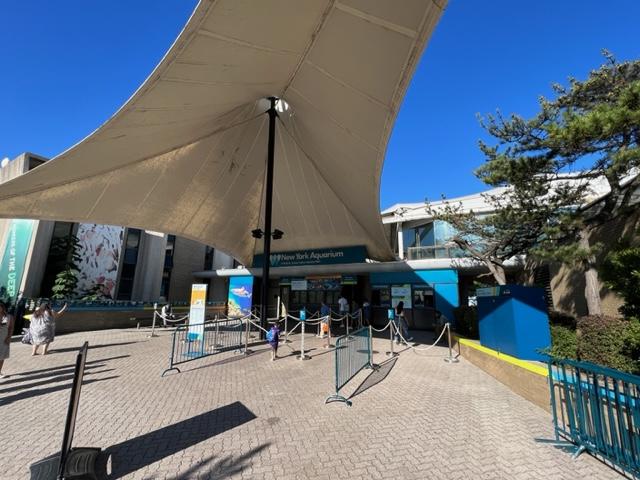
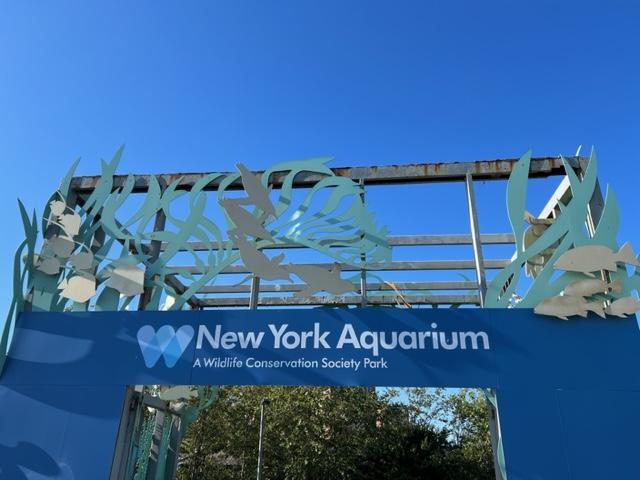
The NY Aquarium
History of the New York Aquarium:
(this information is provided by a combination of the NY Aquarium and Wiki and I give them full credit for the information)
The New York Aquarium is the oldest continually operating aquarium in the United States, having opened in Castle Garden in Battery Park in Manhattan in 1896. Since 1957, it has been located on the Reigelmann Boardwalk in Coney Island. The aquarium is operated by the Wildlife Conservation Society (WCS) as part of its integrated system of four zoos and one aquarium, most notably the Bronx Zoo. It is accredited by the Association of Zoos and Aquariums (AZA).
The sea lion tanks
As part of the WCS, the aquarium’s mission is to save wildlife and wild places worldwide through science, conservation action, education and inspiring people to value nature.
The facility occupies 14 acres and boasts 266 species of aquatic wildlife. Its mission is to raise public awareness about issues facing the ocean and its inhabitants with special exhibitions, public events and research. The New York Seascape program, based out of the aquarium, is WCS’s local conservation program designed to restore healthy populations of marine species and protect New York waters, which are vital to the area’s economic and cultural vitality.
The penguin tank
The Penguin exhibition on the outside
On June 6, 1957, the Aquarium opened at its new location in Coney Island. The new site of the New York Aquarium is the home of the WCS New York Seascape program, the society’s research and conservation program focusing on nearby rivers, harbor and ocean from Cape May, NJ to Montauk, Long Island.
The new “Shark” exhibition tunnel
The Shark Tank
The aquarium kept an orca briefly in 1968 and a narwhal in 1969. Both reportedly died of possible pneumonia. The aquarium’s beluga whales were transferred to the Georgia Aquarium in 2007 as part of a breeding program. In September 2011, the aquarium named its new electric eel Wattson and in March 2012, it launched a sea horse breeding program.
In October 2006, the New York Aquarium announced the finalists to a competition to develop a more inviting and visually prominent exterior for the aquarium. In March 2007, the winning design by firms WRT and Cloud 9 was selected, which featured an enclosure resembling a whale over the aquarium. However, in March 2008 that concept was scrapped due to concerns over a new exhibit based on sharks was announced. The massive 784,000 US gallon exhibition, Ocean Wonders: Sharks! was originally scheduled to break ground in November 2012 and open in 2015.
A penguin ready to take a dive.
However, the New York Aquarium was significantly damaged by Hurricane Sandy in October 2012, which severely flooded the facility and shut down power. A small group of WCS staff who remained onsite during the hurricane were able to save 90% of the animals in the collection. As a result, the exhibition opened June 30, 2018, becoming the first major exhibition at the New York Aquarium to open after Hurricane Sandy.
The Shark tank’s fish display
Disclaimer: this history of the NY Aquarium is taken from Wiki and I give them full credit for this information.
The Sculptures in the NY Aquarium in 2024:
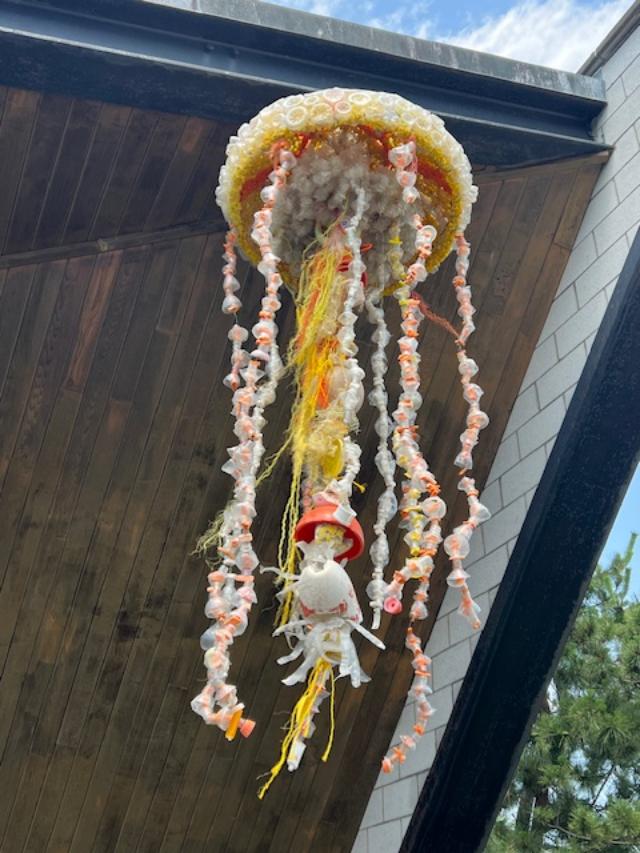
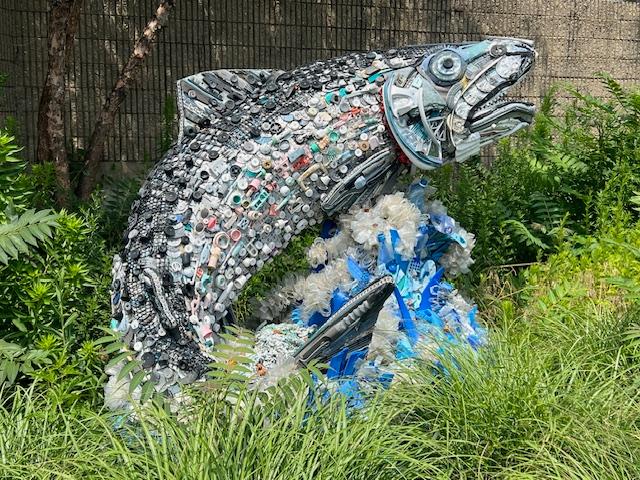
These sculptures were at NY Aquarium by Washed Ashore
The sign for Leo the Jellyfish
The Leo the Jellyfish sculpture
The Angus the Longhorn Cowfish sculpture sign
The Angus the Longhorn Cowfish sculpture
The Nora the Salmon sculpture sign
The Nora the Salmon sculpture
The Maggie and Charlotte Adele Penguins
The Maggie and Charlotte Adele Penguins sculpture
The Chompers the Tiger Shark
The Chompers the Tiger Shark sculptures
The Penguin sculpture
The artworks were all made of items that were thrown in the ocean and plastics that are thrown in the ocean. Washed Ashore created these works to show what is thrown in ocean and how it affects the wildlife in the oceans.
I am finding more and more that the university art galleries are mounting very interesting and clever exhibitions and some as edgy as their large museum counterparts. I recently attended the ‘Art After Stonewall’ exhibition which is created as a two part exhibition with the Leslie-Lohman Museum of Gay and Lesbian Art to showcase the post Stonewall riots to the beginning of the AIDS crisis.
“Art After Stonewall” exhibition
The exhibition was an interesting mix of pictures, video, graphic paintings and posters and documentary work combined to show the mood of the times. Some of the most impressive works came from clips of documentaries on Andy Warhol’s ‘Factory Movies’, and the documentaries on ‘Tongues Untied’ and ‘Paris is Burning’ about the gay crisis about men of color and the racism that they faced even within the Gay Community.
The East Village Art Community from the 1980’s “Art After Stonewall”
Some of the photos of then fringe neighborhoods are funny to see as they have been gentrified beyond what anyone could have thought thirty years ago from the early 1980’s. The East Village of back then and of today are world’s apart.
The College did a good job mounting the show and telling the story that is both humorous and sad at the same time. Also, the Grey Gallery is small so you can get through the exhibition in about an hour.
The Grey Gallery exhibition “Art After Stonewall” This is a Keith Haring poster.
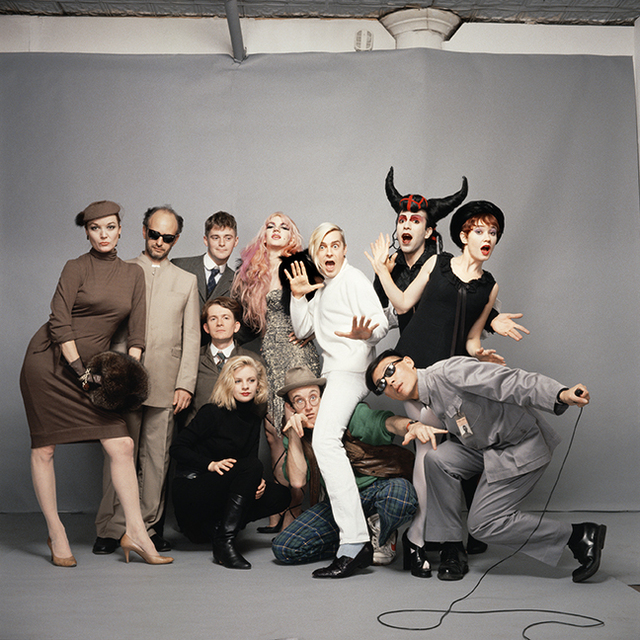
The most recent exhibition that I visited “Mudd Club 1978-1983: The Stephen Mass Papers” and the people who had visited the club at that time.
The Broadway Windows of the “The Mudd Club” exhibition in the NYU Broadway building.
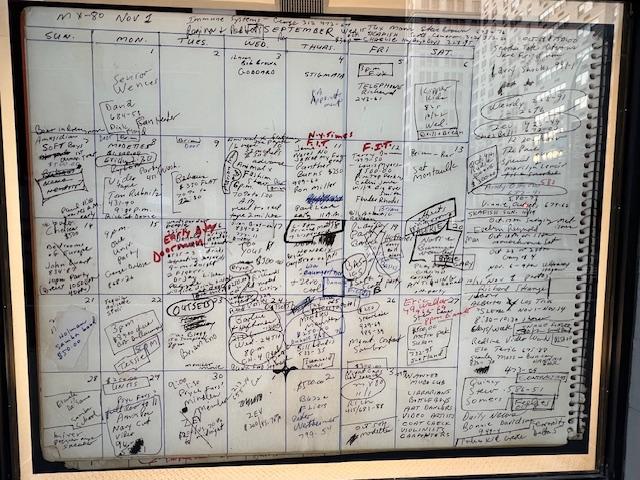
In collaboration with NYU Fales Library and Special Collections, 80WSE Gallery presents an exhibition featuring materials from The Stephen Mass Papers, focusing on the legendary Mudd Club venue in New York City (1978-1983) through photographs and extensive notes. Located at the street-level Broadway Windows gallery and Project Space, the exhibition materializes the file structures of the archive and select visual documents contained within the collection.
The Broadway Windows of “The Mudd Club”.
The archival extracts provide rare insight into an important epicenter of downtown art, music, fashion, and culture at a transitional point in New York City and American life marked by rapid urban gentrification and the dawn of The Reagan Era. Within this atmosphere, post-punk musicians, independent designers, contemporary artists, and celebrities coalesced to animate the Mudd Club ‘cabaret’.
The Broadway windows of the “The Mudd Club”.
Acquired by Fales in 2019, the Stephen Mass Papers spans 16.75 Linear Feet in 24 manuscript boxes, 3 half manuscript boxes, 2 small flat boxes, 2 oversize flat boxes, 1 media box, 1 oversize folder in shared housing, and 1 sound reel in shared housing, including 33.92 Megabytes in 167 computer files, 1 sound tape reels , 1 videocassettes (u-matic), 10 audiocassettes, and 6 film reels.
The Broadway Windows of the “Mudd Club”.
“Stephen Mass is an entrepreneur who co-founded the Mudd Club located at 77 White Street in downtown New York City in 1978 along with art curator Diego Cortez and Anya Phillips. The venue became a focal point of the downtown music, art, and cultural scene in the late 20th century, showcasing the intersections of popular and avant-garde performance culture, gender and sexuality, celebrity culture, music, visual art, fashion, film, and nightlife.
The opening sign from the Grey Gallery on the NYU Campus.
The Stephen Mass Papers (inclusive dates 1940-2019, bulk dates 1978-2009) documents the founding and operation of the Mudd Club in New York City, Mass’s other entrepreneurial ventures in New York, and his nightclubs and restaurants in Berlin, as well as his personal life and family history. Consisting of both paper and electronic formats, the collection includes extensive notebooks and notes containing the planning and working notes for Mass’s various endeavors, financial and legal documents, promotional materials for events (such as posters, flyers, and newsletters), ephemera (differentiated from promotional material, as promotional material Mass collected from other clubs or organizations), press coverage, and photographic materials such as prints, negatives, and slides.”
The Grey Gallery exhibition of the “Mudd Club 1978-1983: The Stephen Mass Papers”.
—Fales Library and Special Collections
The Fales Library & Special Collections comprises 350,000 volumes of book and print items, over 11,000 linear feet of archive and manuscript materials, and about 90,000 audiovisual elements.
In 2024, the Grey Gallery moved to its new home at 18 Cooper Square and has a whole new contemporary look to it.
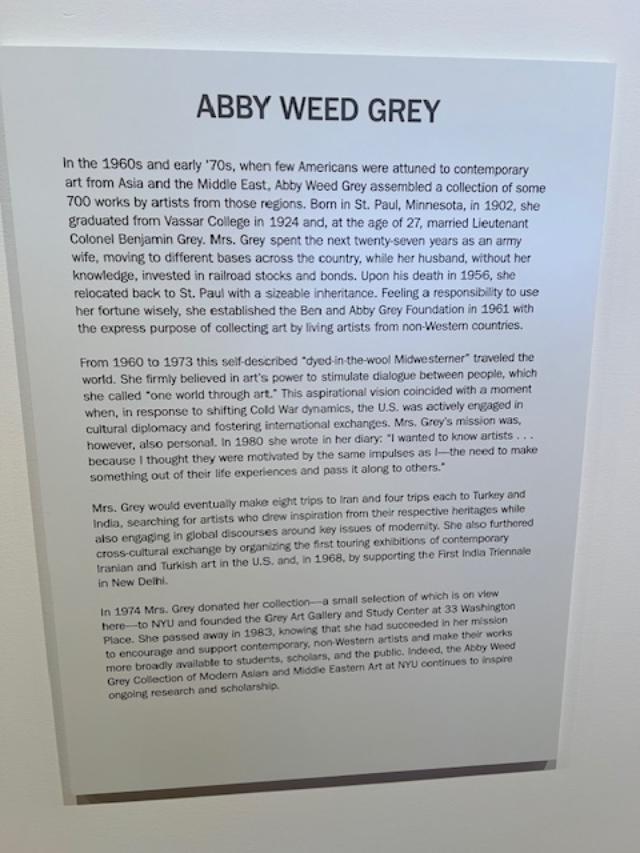
The history of the Grey Gallery on the NYU Campus.
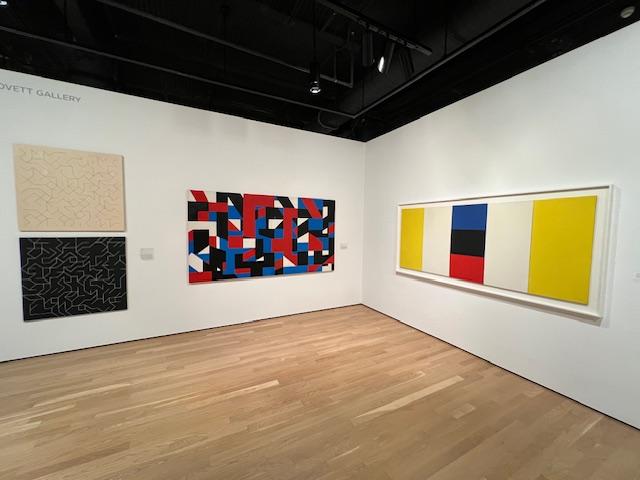
Works from the permanent collection at the new “Grey Gallery” at 18 Cooper Square.
The front of the gallery for the “Americans in Paris” exhibition
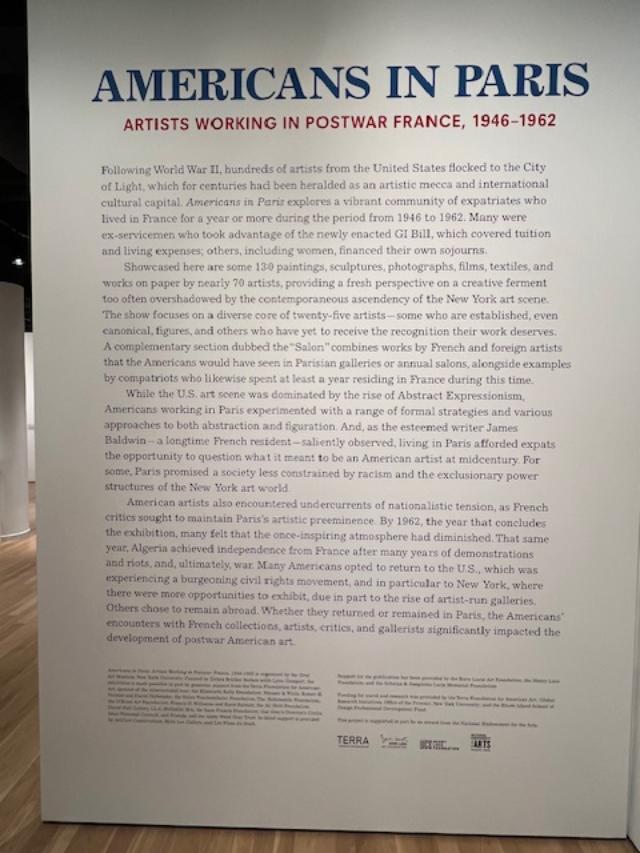
I was invited to a new exhibition open to students at NYU “American’s in Paris”, an exhibition of American artists who had been living and creating their art in the City of Lights after WWII until the 1960’s.
The sign for the “American in Paris” exhibition.
The entrance to the new Grey Galleries.
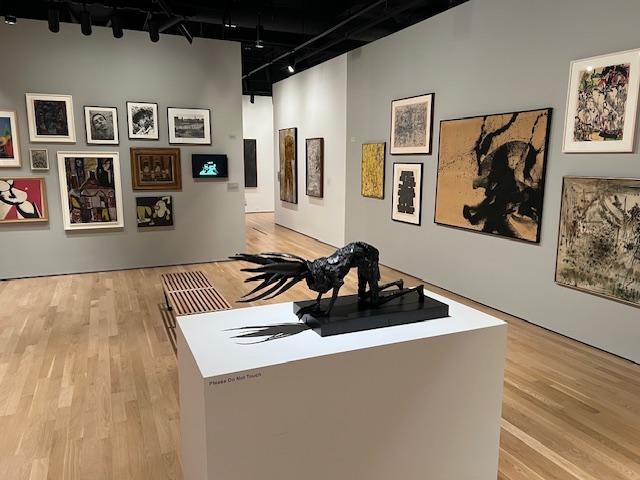
The back Galleries for the “Americans in Paris” exhibition.
The works of the artist “Kimber Smith” in the “American in Paris” exhibition.
The exhibition “American’s in Paris” with artist Joan Mitchell’s work.
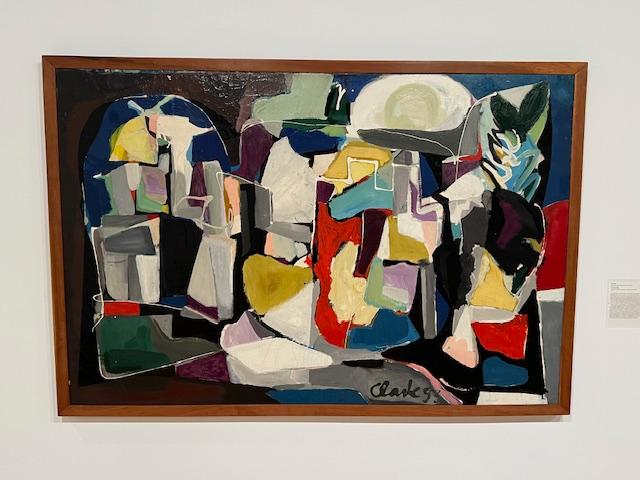
The exhibition “American’s in Paris” work by artist Ed Clark.
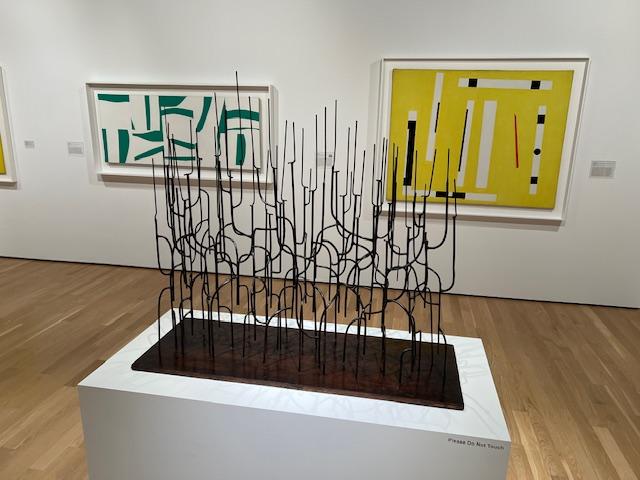
The works of artist Henry Cousin’s in the exhibition “American’s in Paris”.
The galleries of the Grey Art Galleries
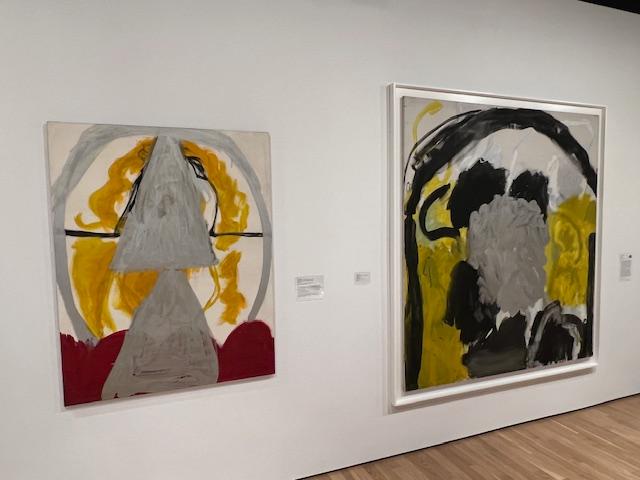
Peter Saul’s “Man in Electric Chair”
“Man in Electric Chair”
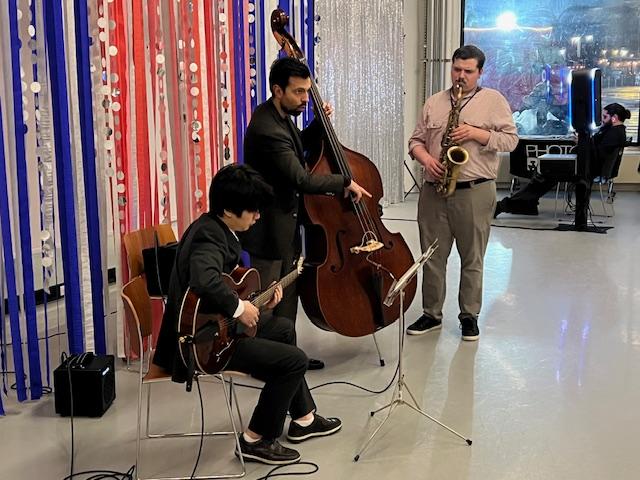
The Jazz band entertaining us at the opening of the “Americans in Paris” exhibition.
As an Alumnus of NYU, I now come for the exhibitions and just enjoy myself. I came in for the newest exhibition.
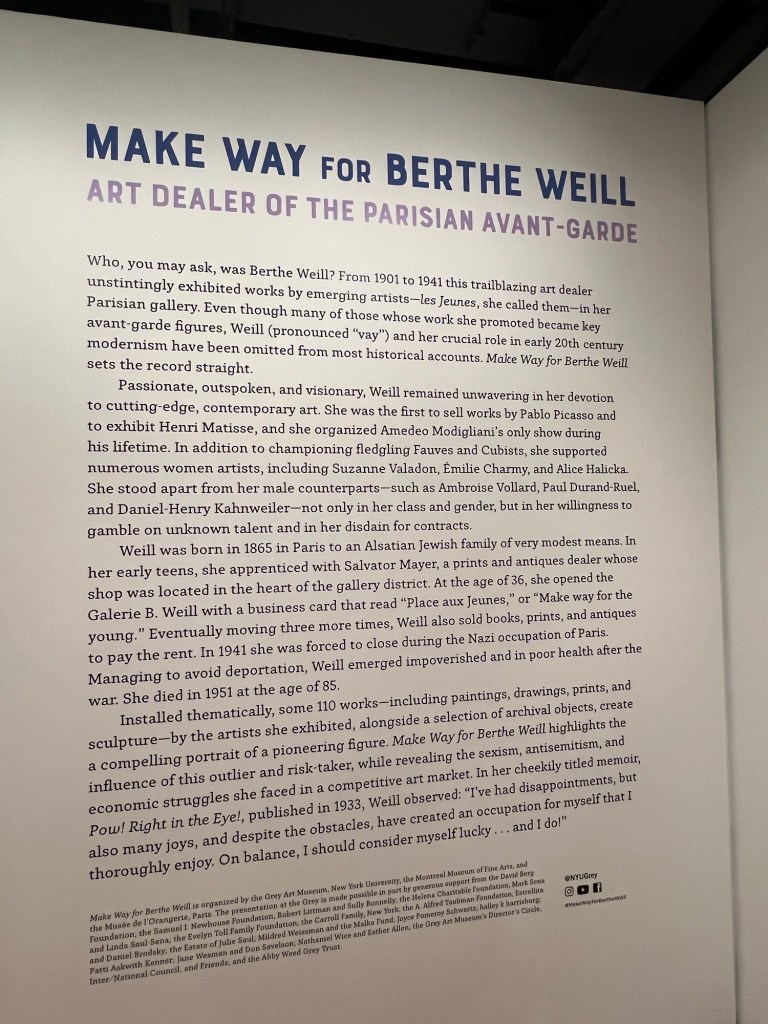
The exhibition in 2024 was “Make Way for Berthe Weill”: Art Dealer of the Parisian Avant-Garde
The main sign from the exhibition
(from the Grey Gallery website)
Make Way for Berthe Weill: Art Dealer of the Parisian Avant-Garde surveys the groundbreaking career of the first woman modern art dealer. Berthe Weill (1865–1951) championed many fledgling masters of modern art early on—such as Pablo Picasso, Henri Matisse, and Amedeo Modigliani—as well as numerous others who did not achieve wide acclaim. Yet her role in early 20th century modernism has been omitted from most historical accounts.
The exhibition will feature some 110 paintings, drawings, prints, and sculpture—many of which were shown at her gallery during the first four decades of the 20th century. Examining Weill’s contributions to the history of modernism as a gallerist, a passionate advocate of contemporary art, and a Jewish woman, it brings to light the remarkable achievements of a singular figure who overcame sexism, antisemitism, and economic struggles in her quest to promote emerging artists (From the NYU-Grey Gallery website).
The timeline of her career
The gallery that night
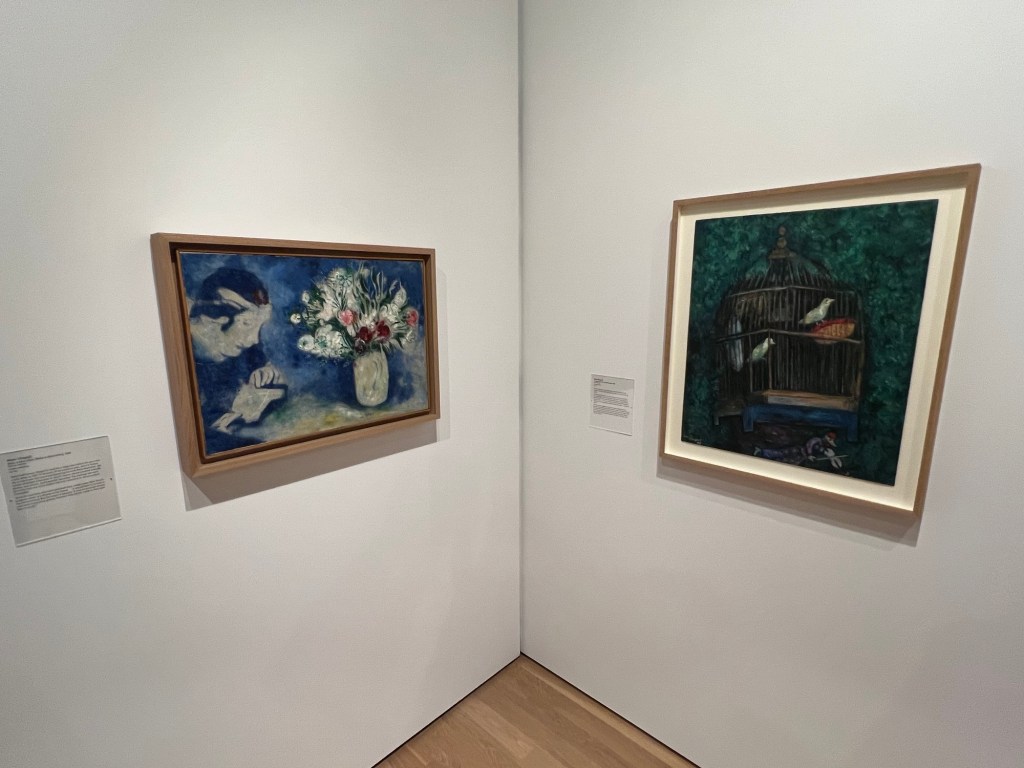
The art featured were artists promoted by the art dealer
The artwork by female artist Emilie Charmy
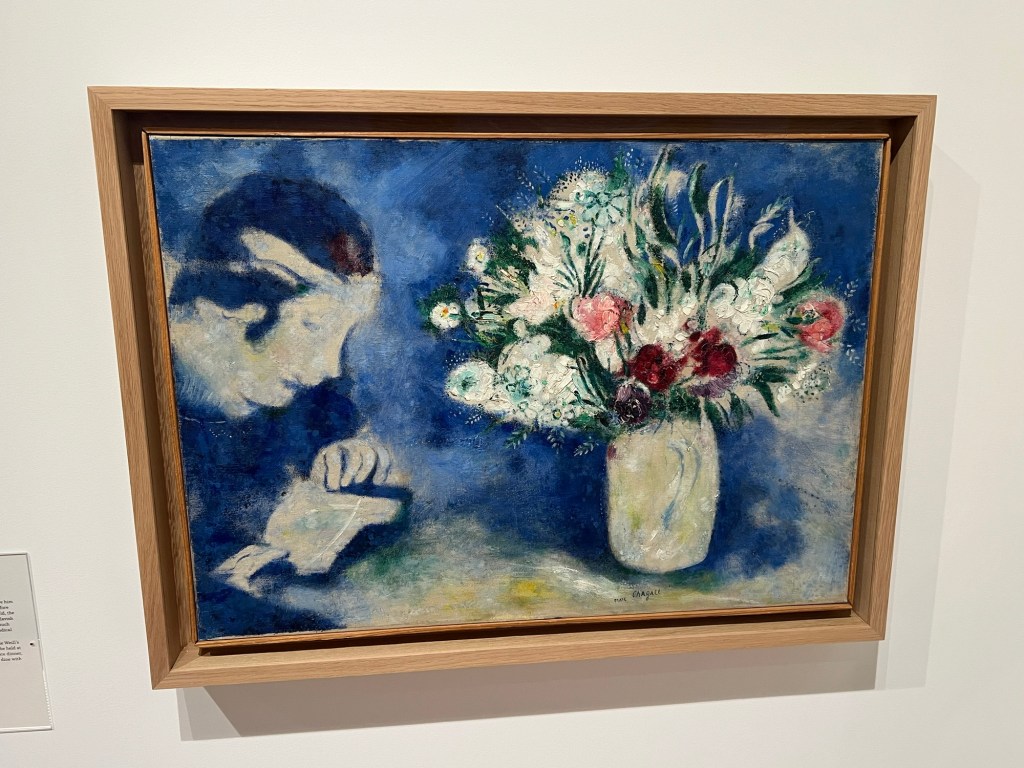
The work by artist Mark Chagall
One of my favorite pieces in the show by Mark Chagall
The Mission of the Grey Art Gallery:
The Grey Art Gallery is New York University’s fine arts museum, located on historic Washington Square Park in New York City’s Greenwich Village. As a university art museum, the Grey Art Gallery functions to collect, preserve, study, document, interpret and exhibit the evidence of human culture. While these goals are common to all museums, the Grey distinguishes itself by emphasizing art’s historical, cultural and social contexts, with experimentation and interpretation as integral parts of the programmatic planning. Thus, in addition to being a place to view the objects of material culture, the Gallery serves as a museum-laboratory in which a broader view of an object’s environment enriches our understanding of its contribution to civilization (NYU Grey Gallery History)
The History of the Grey Art Gallery at New York University:
The Grey Art Gallery is located within New York University’s Silver Center-the site of NYU’s original home, the legendary University Building (1835-1892). Winslow homer, Daniel Huntington, Samuel Colt, George Innes and Henry James all lived and worked there, as did Professor F.B.Morse, who established the first academic fine arts department in America on the site now occupied by the Grey Art Gallery.
Demolished in 1892, the original building was replaced by the Main Building (renamed the Silver Center in 2002). Here was located, from 1927 to 1942, A. E. Gallatin’s Museum of Living Art, NYU’s first art museum and the first institution in this country to exhibit work by Picasso, Leger, Miro, Mondrian, Arp and members of the American Abstract Artists group. Gallatin aspired to create a forum for intellectual exchange, a place where artists would congregate to acquaint themselves with the latest developments in contemporary art. In 1975, with a generous gift from Mrs. Abby Weed Grey, the Museum’s original space was renovated, office and a collection storage facility were added and the doors were reopened as the Grey Art Gallery (Museum history).
Exhibitions organized by the Grey Art Gallery encompass aspects of all the visual arts: painting, sculpture, drawing and printmaking, photography, architecture and decorative arts, video, film and performance. In addition to originating its own exhibitions, some of which travel throughout the United States and abroad, the Gallery hosts traveling exhibitions. Award-winning scholarly publications, distributed worldwide are published by the Grey Art Gallery. In conjunction with its exhibitions, the Grey also sponsors public programs including lectures, symposia, panel discussions and films (Museum history).
The new Gallery is at 18 Cooper Square.
(This was taken from the Museum’s website).
Enjoying a evening at the Grey Gallery
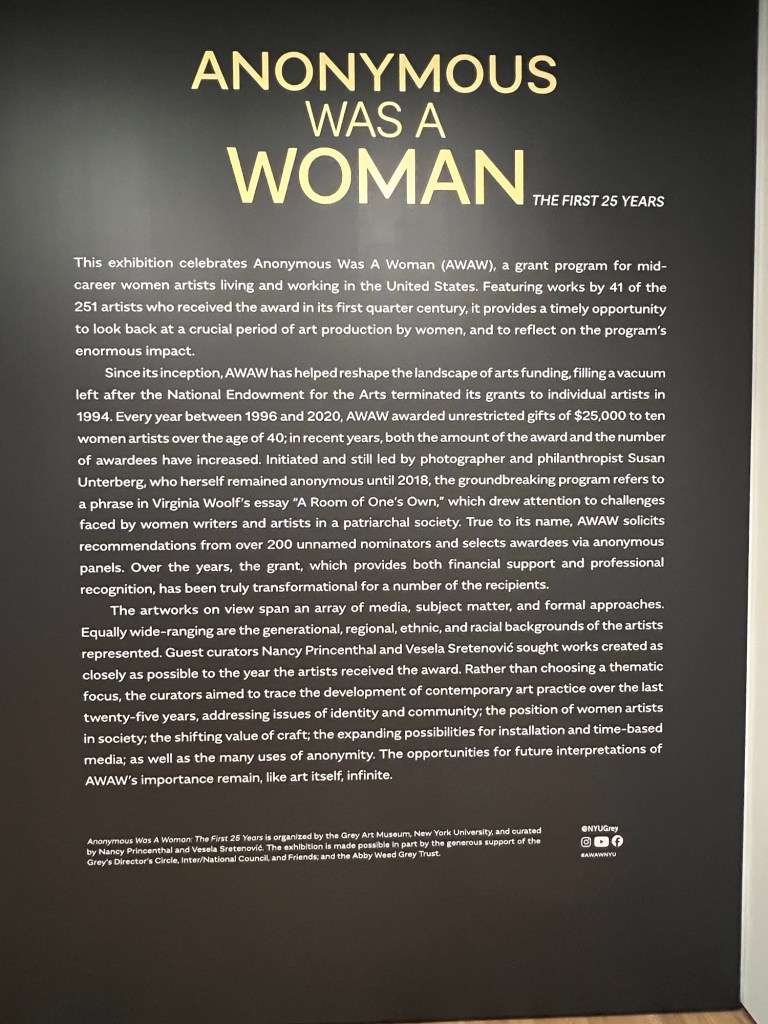
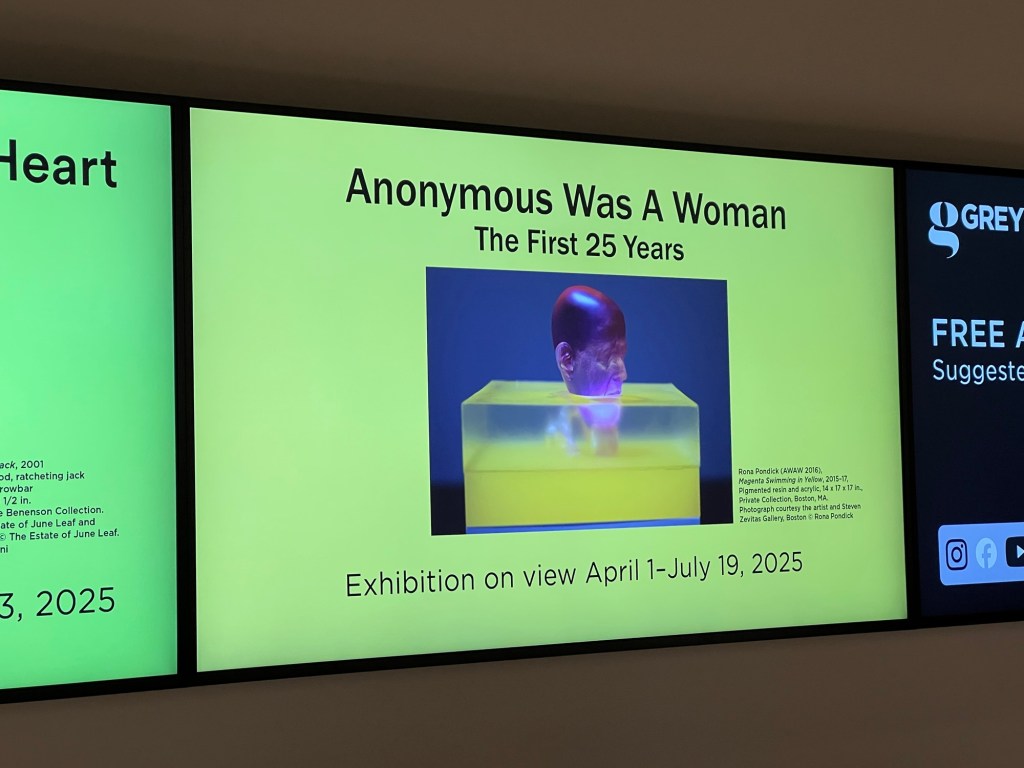
The new exhibition in the spring of 2025 was ‘Anonymous was a Woman’ , an execution on the ‘Anonymous was a Woman’s and the great programs effects on mid-Career female artists in the Unit.
The information sign in the front gallery
The entrance of the gallery the night of the exhibition
The entrance to the Grey Art Museum
This was the sign inside for the exhibition
The inside gallery at the start of the show showcasing the collection on display
The main gallery at Grey Gallery
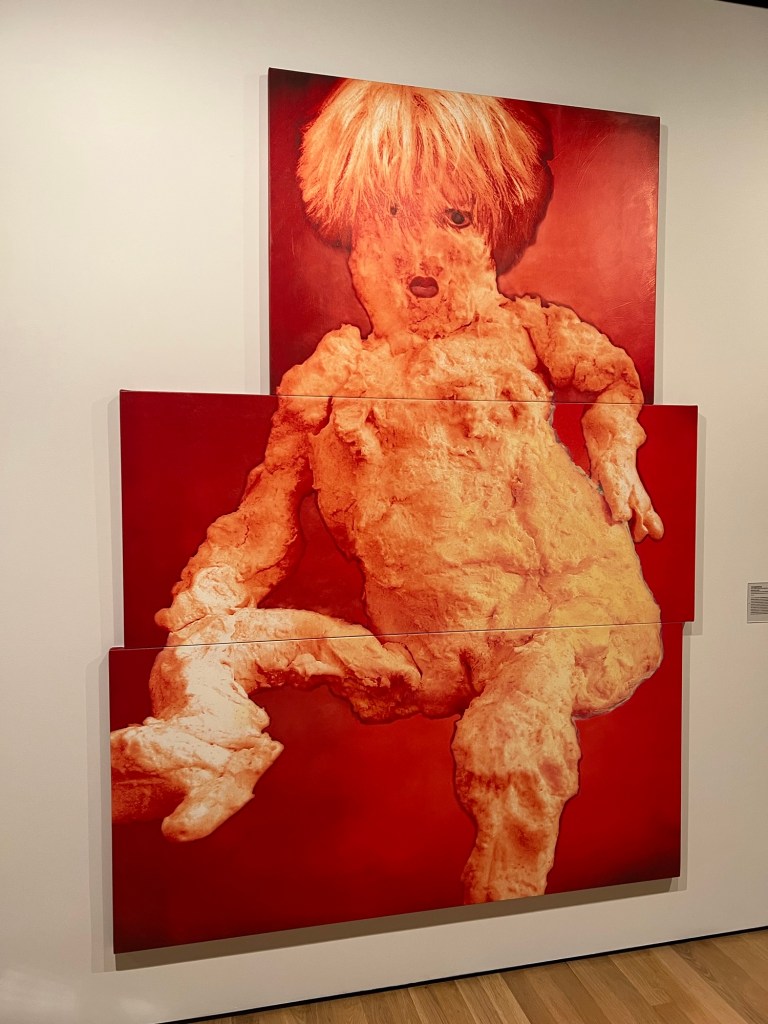
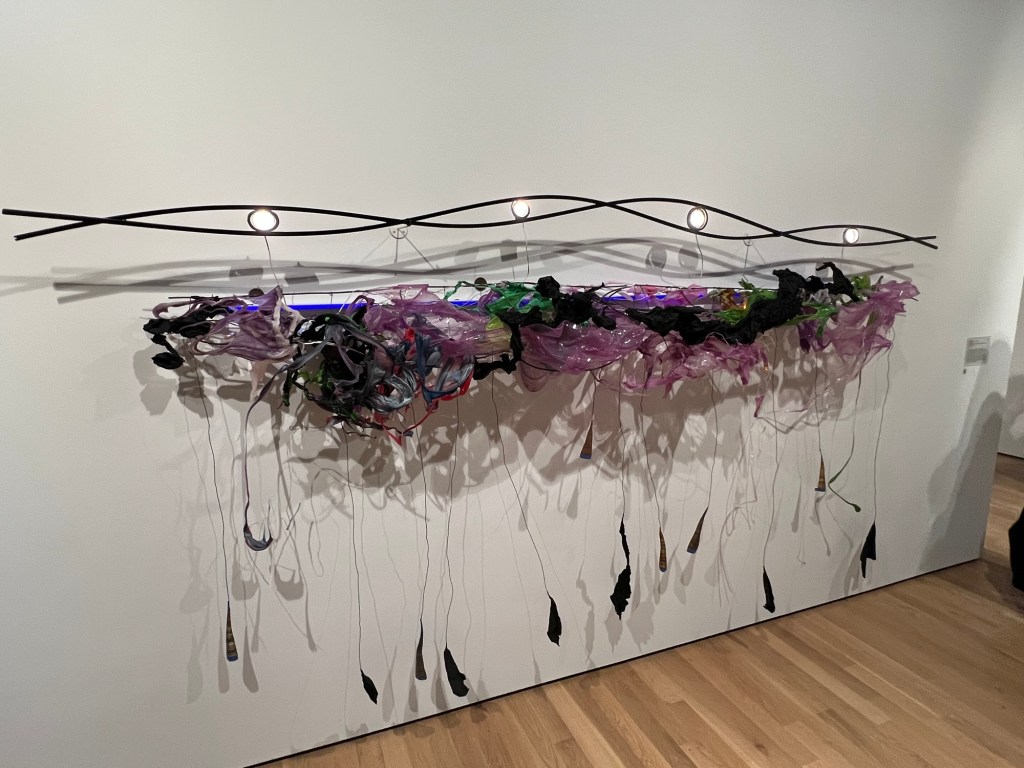
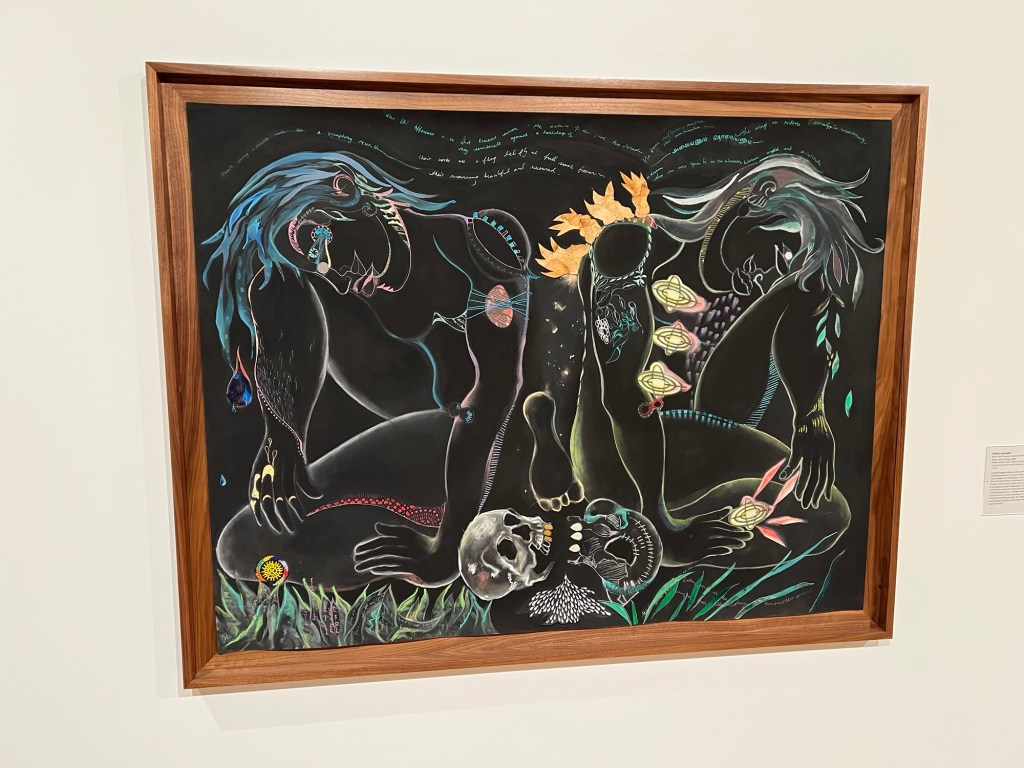
These were the pieces from the show that I found most impressive:
One of the more unusual paintings from the exhibition ‘Monalisa’ by artist Ida Applebroog
The sign for ‘Monalisa’ by Artist Ida Applebroog
The sculpture ‘Rom’s Delhi’ by artist Judy Pfaff
The sign for ‘Rom’s Delhi’
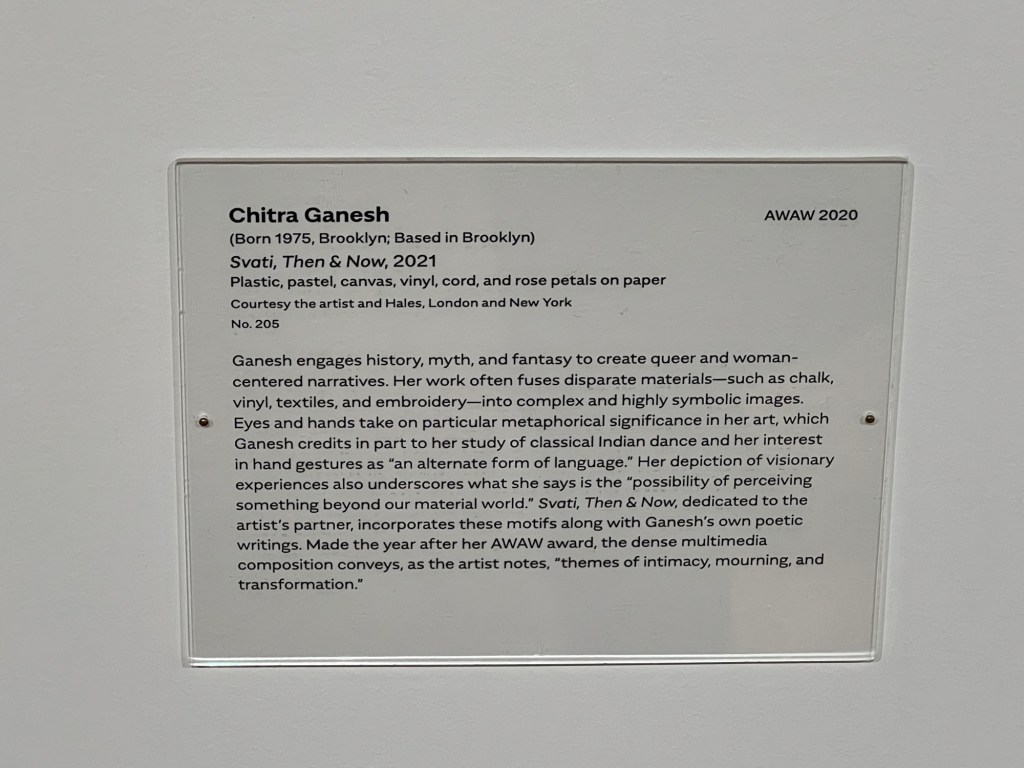
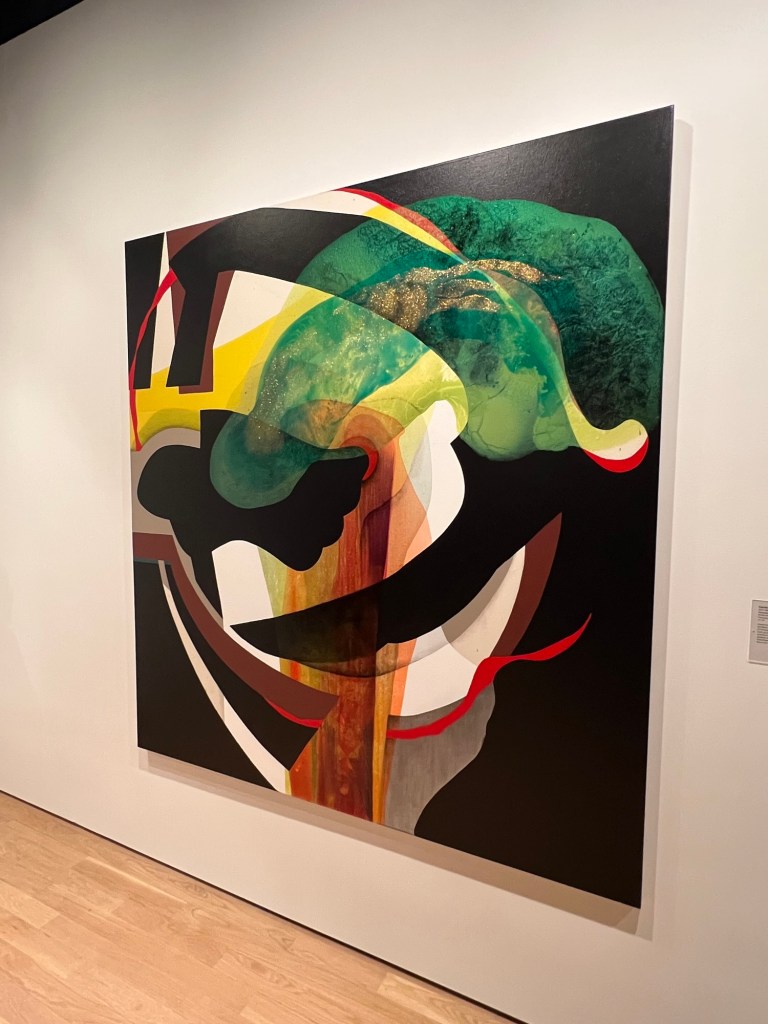
The painting ‘Svati: Now and Then’ by Artist Chita Ganesh
The sign for ‘Svanti: Now and Then’
The sculpture ‘Untitled #1242’ by Artist Petah Coyne
The sign for the sculpture
The sculpture ‘Bones 2000’ by Artist Polly Apfelbaum
The sign for the sculpture
The painting ‘Flamethrower’ by Artist Carrie Moyer
The sign for the painting
The crowd at the end of the evening at the
‘Opening Night’
This unusual sculpture in the middle of the room
Astor Court at the end of the evening at the Grey gallery
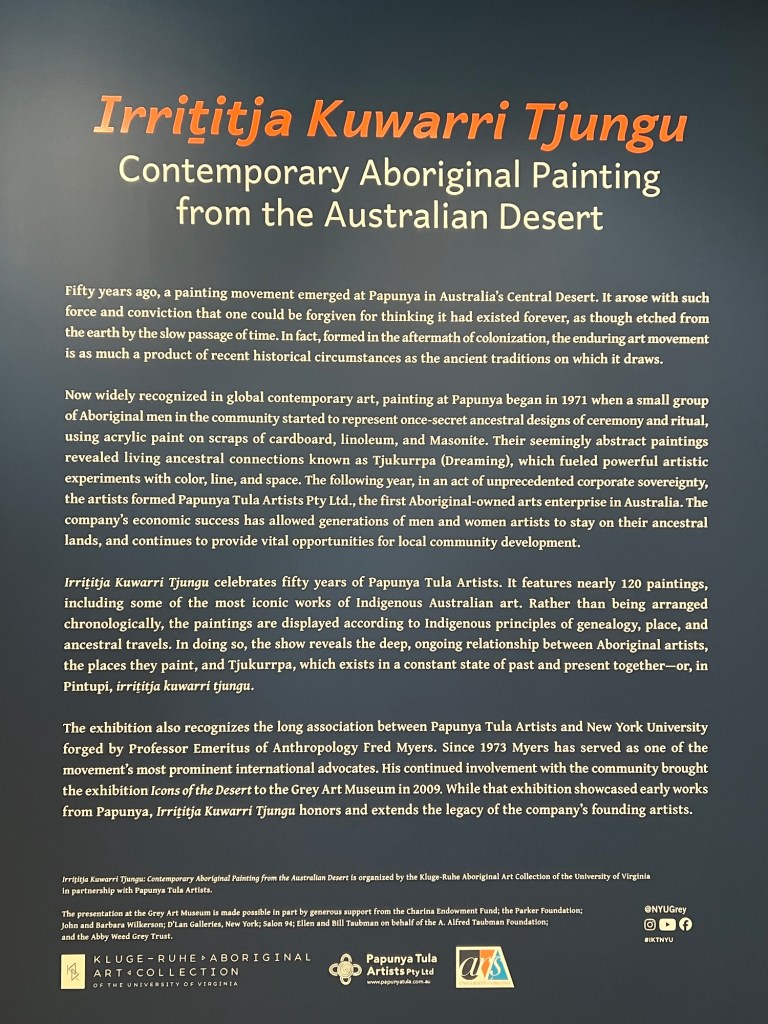
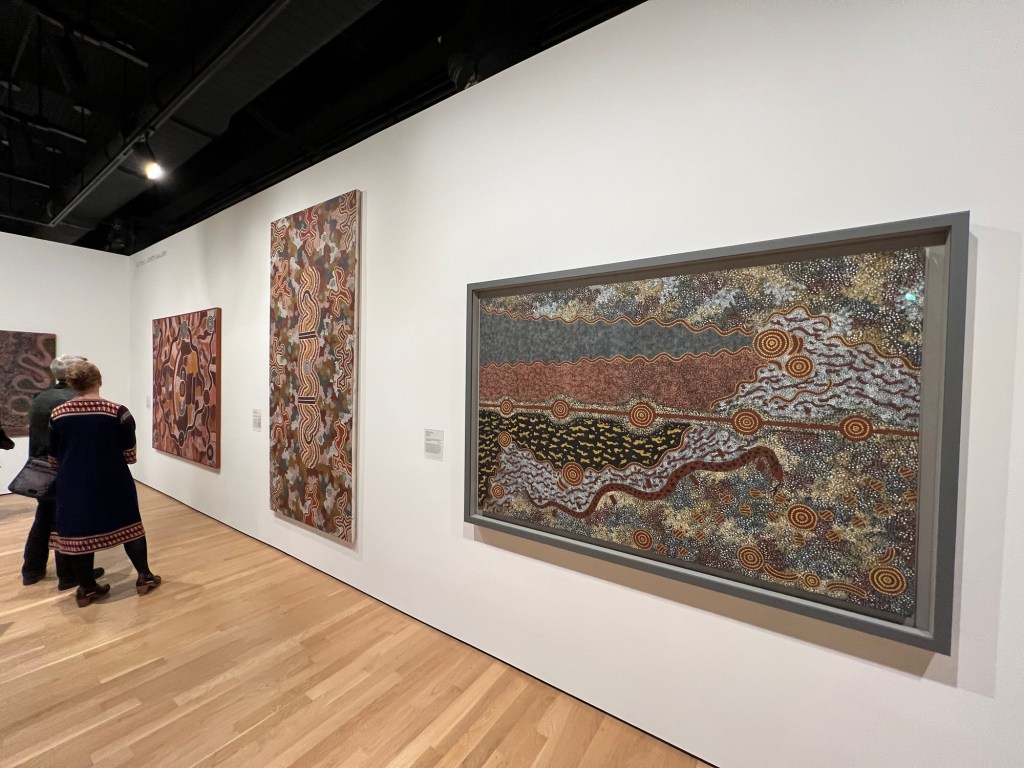
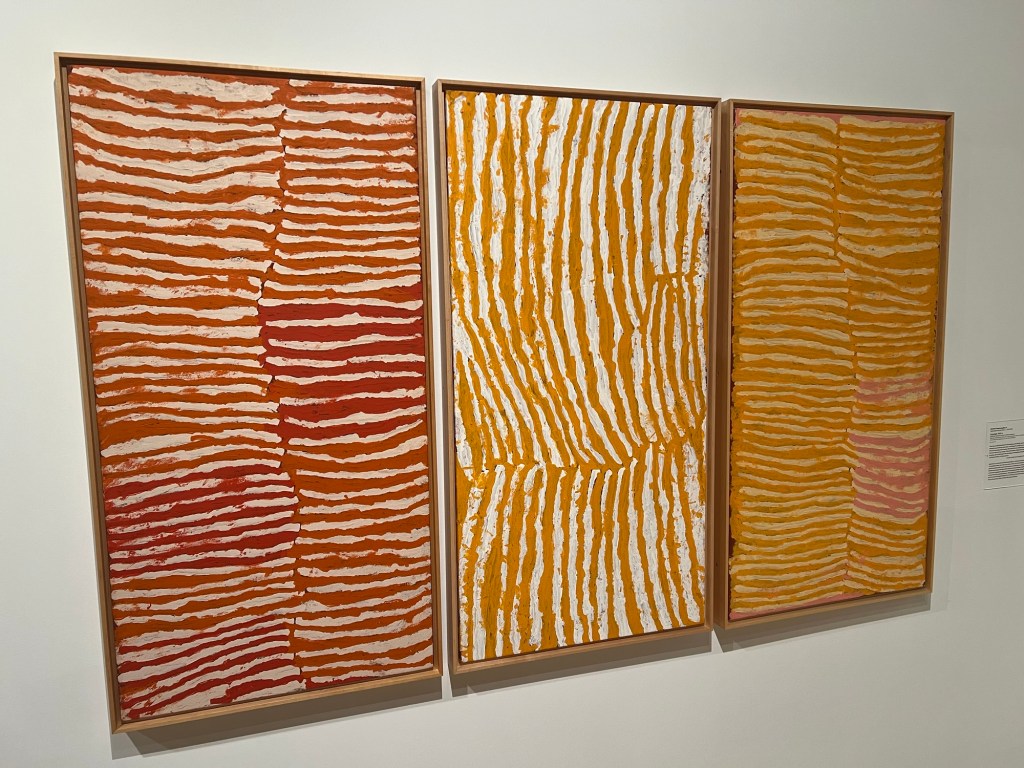
I recently attended the ‘Irrititja Kuwaiti Tjungu‘ exhibition on Aboriginal art. It was a very interesting look at Native Art from Australia. This exhibition opened in February of 2026 and the artists were in attendance to talk about their works.
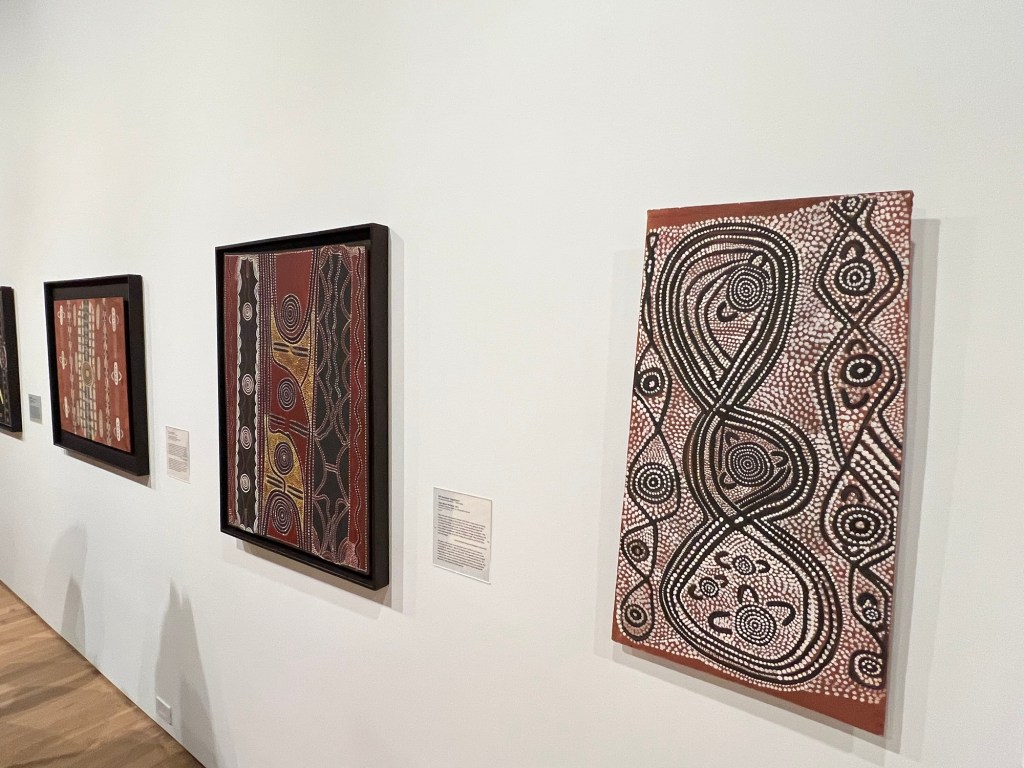
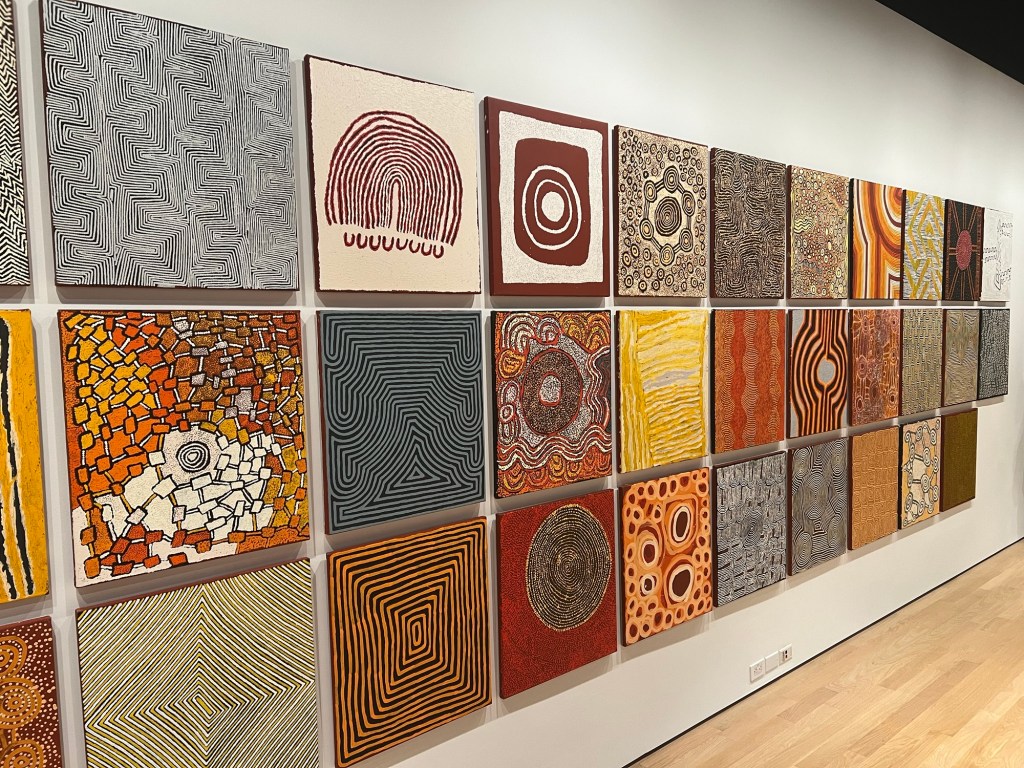
Irriṯitja Kuwarri Tjungu celebrates fifty years of Papunya Tula Artists. It features nearly 120 paintings, including some of the most iconic works of Indigenous Australian art. Rather than being arranged chronologically, the paintings are displayed according to Indigenous principles of genealogy, place, and ancestral travels. In doing so, the show reveals the deep, ongoing relationship between Aboriginal artists, the places they paint, and Tjukurrpa, which exists in a constant state of past and present together—or, in Pintupi, irrititja kuwarri tjungu.
The exhibition also recognizes the long association between Papunya Tula Artists and New York University forged by Professor Emeritus of Anthropology Fred Myers. Since 1973 Myers has served as one of the movement’s most prominent international advocates. His continued involvement with the community brought the exhibition Icons of the Desert to the Grey Art Museum in 2009. While that exhibition showcased early works from Papunya, Irrititja Kuwarri Tjungu honors and extends the legacy of the company’s founding artists.
The promotion sign for the exhibition
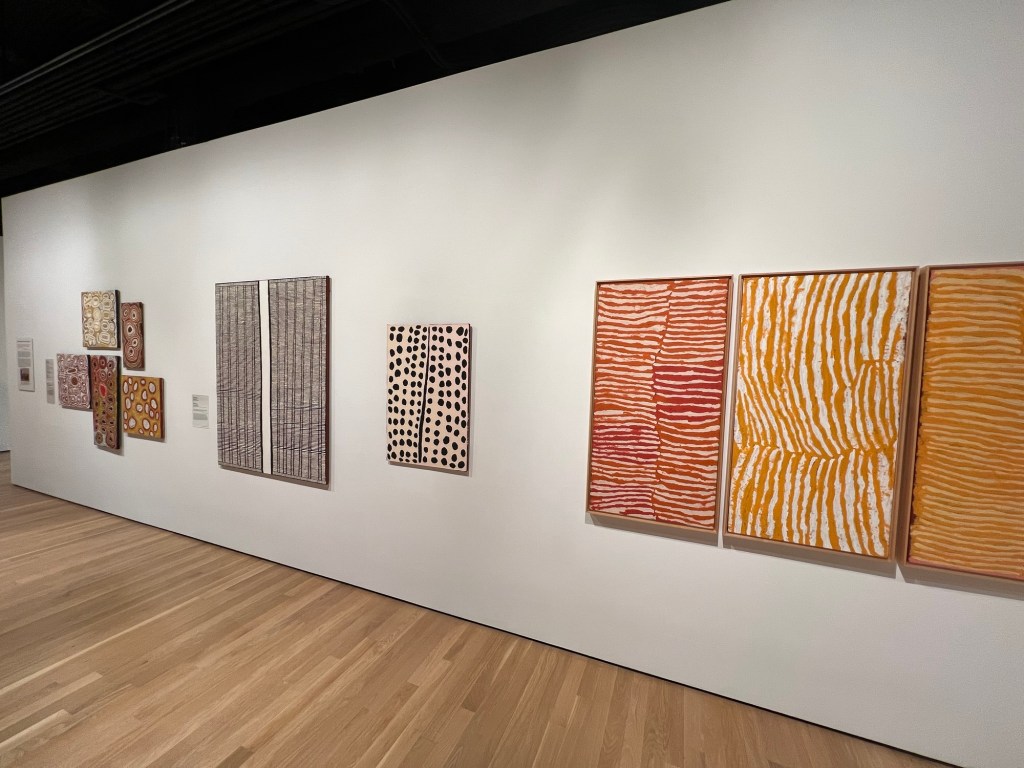
The art exhibition in the main gallery
Some of the works in the main gallery
(from the NYU/Grey Gallery website):
Fifty years ago, a painting movement emerged at Papunya in Australia’s Central Desert. It arose with such force and conviction that one could be forgiven for thinking it had existed forever, as though etched from the earth by the slow passage of time. In fact, formed in the aftermath of colonization, the enduring art movement is as much a product of recent historical circumstances as the ancient traditions on which it draws.
Now widely recognized in global contemporary art, painting at Papunya began in 1971 when a small group of Aboriginal men in the community started to represent once-secret ancestral designs of ceremony and ritual, using acrylic paint on scraps of cardboard, linoleum, and Masonite. Their seemingly abstract paintings revealed living ancestral connections known as Tjukurrpa (Dreaming), which fueled powerful artistic experiments with color, line, and space. The following year, in an act of unprecedented corporate sovereignty, the artists formed Papunya Tula Artists Pty Ltd., the first Aboriginal-owned arts enterprise in Australia. The company’s economic success has allowed generations of men and women artists to stay on their ancestral lands, and continues to provide vital opportunities for local community development.
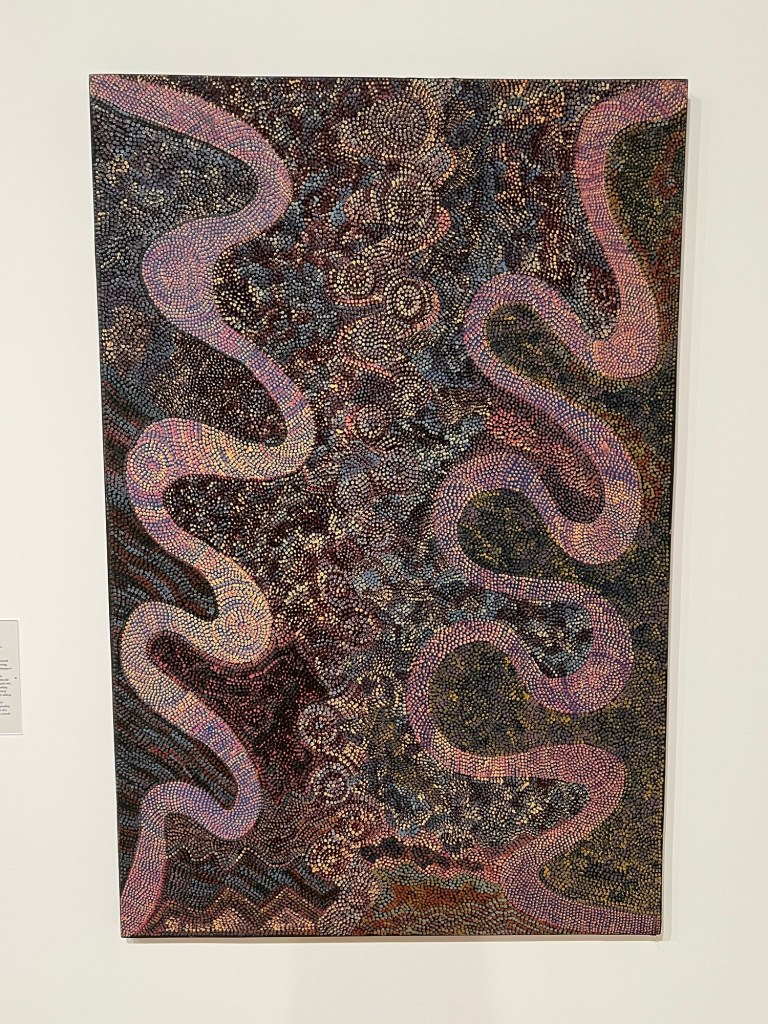
These were some of my favorite pieces of art from the exhibition:
One of the pieces I admired in the exhibit
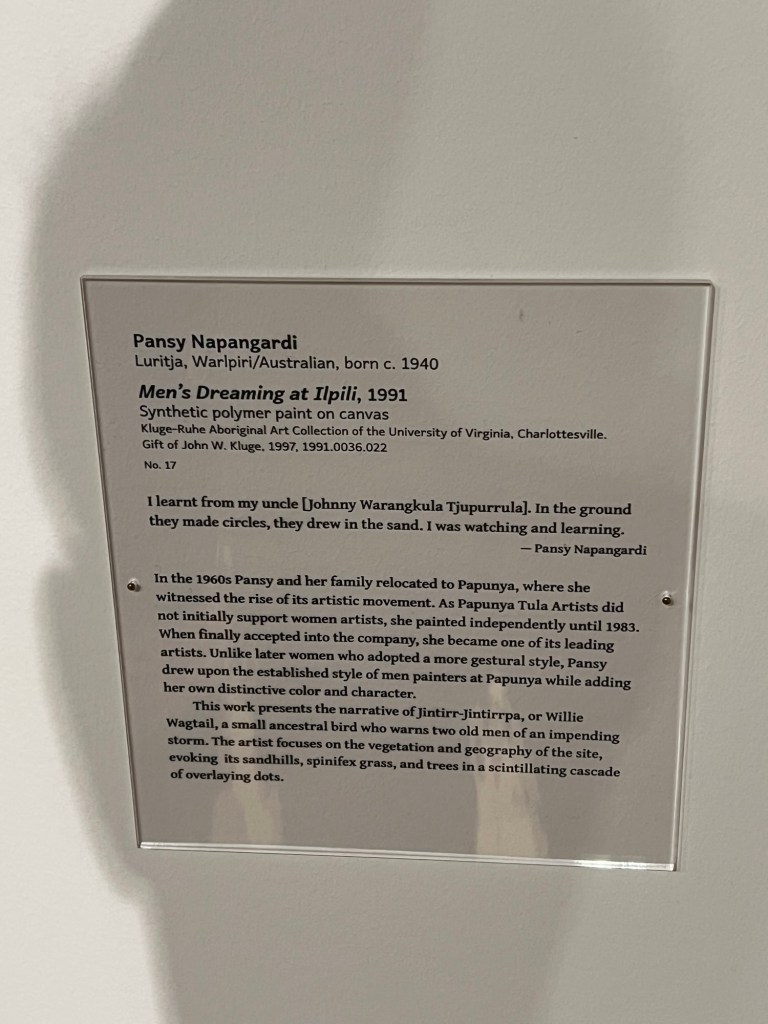
‘The Men’s Dreaming at Iloilo’
I thought this colorful work was interesting
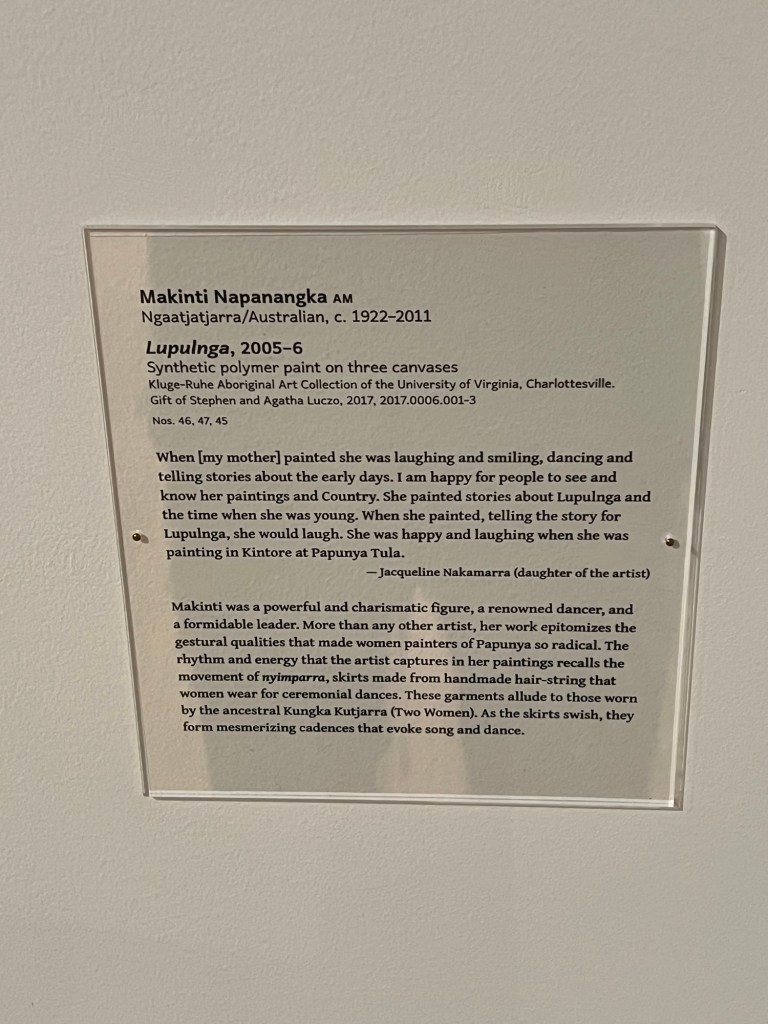
The work ‘Lupuinga’
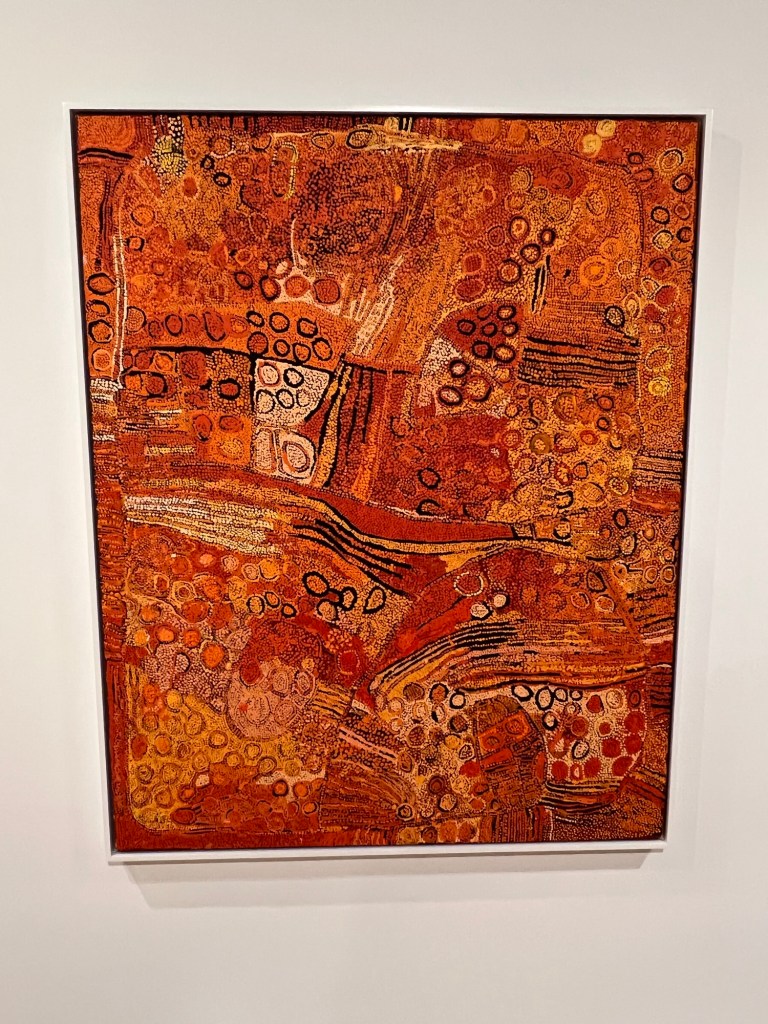
I loved the powerful colors of this painting
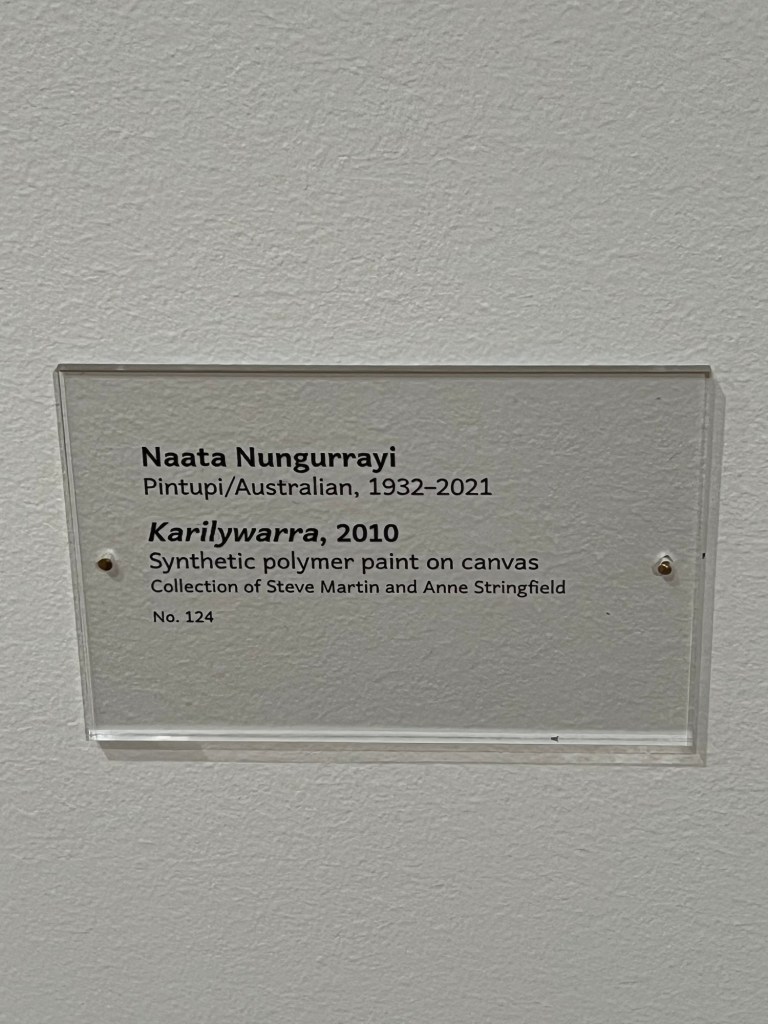
The ‘Karilywarra’ work is very colorful
This painting I thought would be interesting in textiles
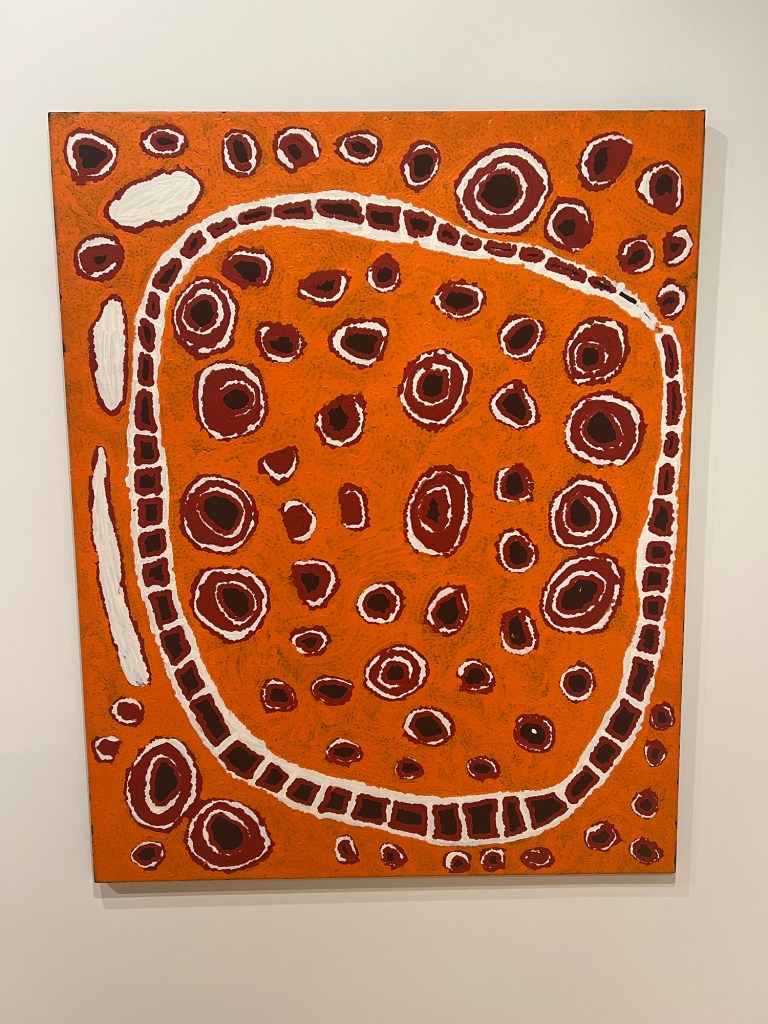
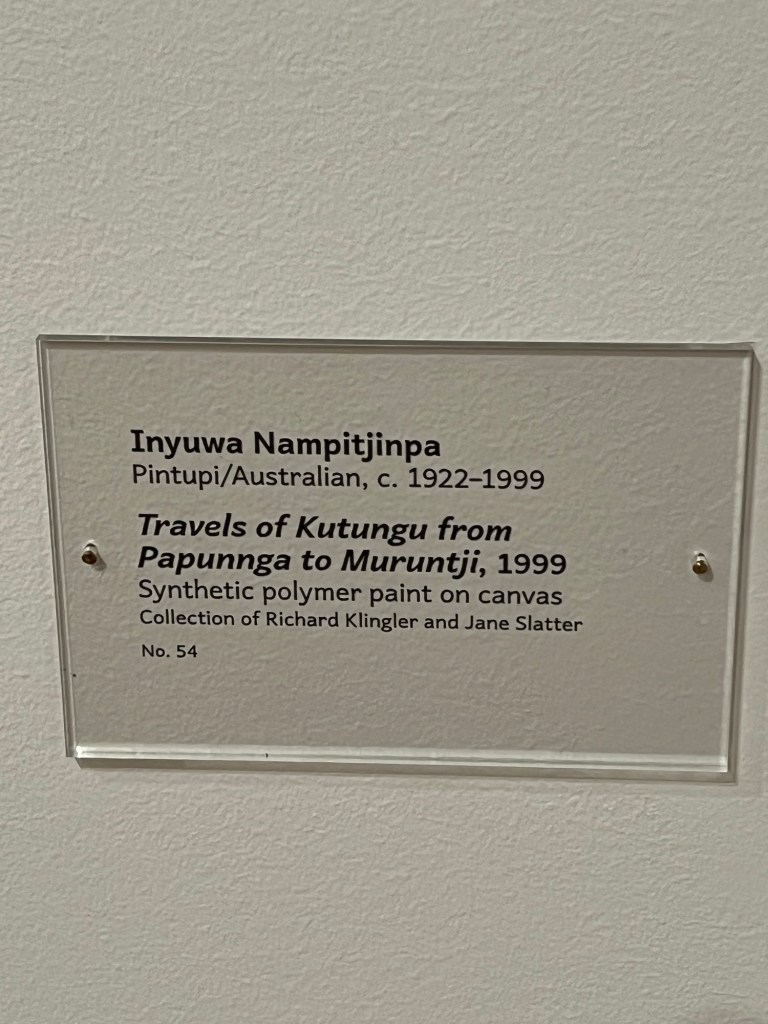
The painting ‘Travels of Kutungu from Papunnga to Muruntji’
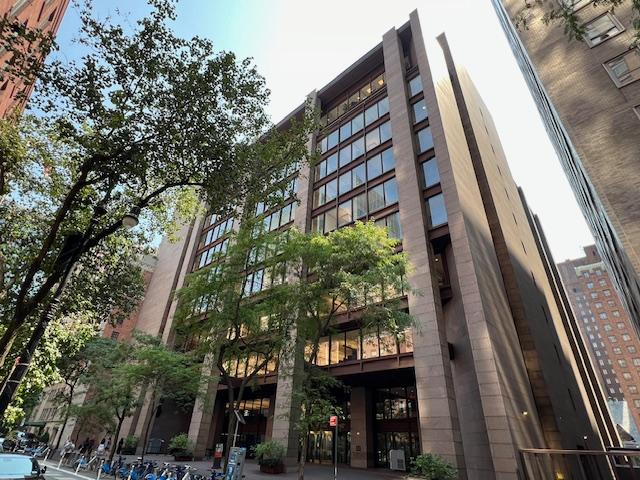
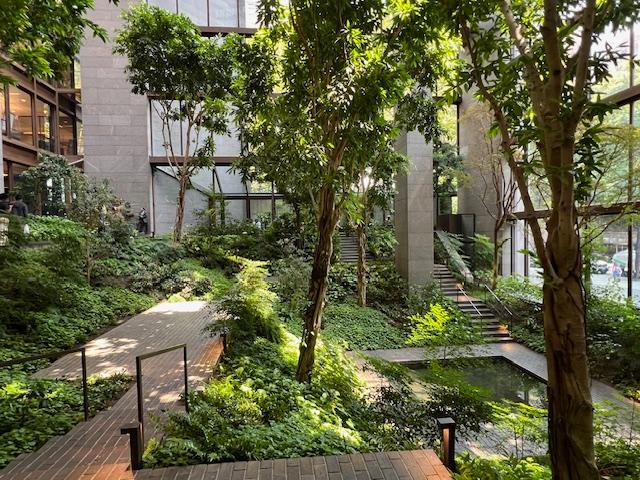
The Ford Foundation Building at 320 East 43rd Street in the Turtle Bay neighborhood. Take time after visiting the gallery to tour the gardens in the lobby.
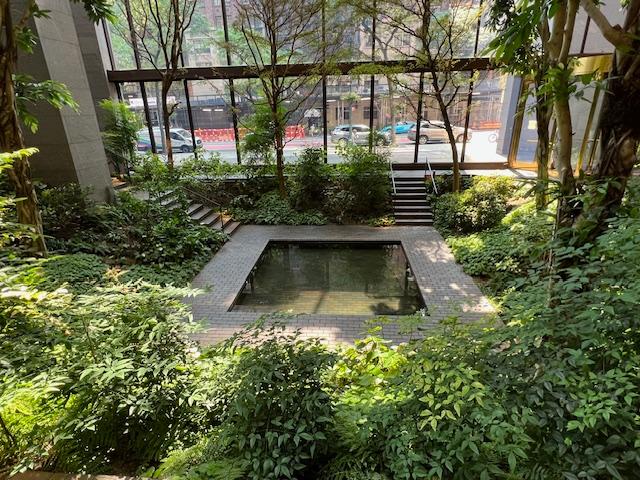
When I was touring the Turtle Bay neighborhood for my blog, “MywalkinManhattan.com”, I toured the Ford Foundation Building on East 43rd Street and wondered through the lobby area gardens I came across the Ford Foundation Gallery, which is just off the main lobby. The small gallery delves into some deep material on social commentaries about life and the artists featured have some pretty interesting perspectives on their work.
The Ford Gallery gardens inside the building
The pool of the Ford Foundation Garden
The beauty of the Ford Foundation gardens
The Ford Foundation Gallery entrance
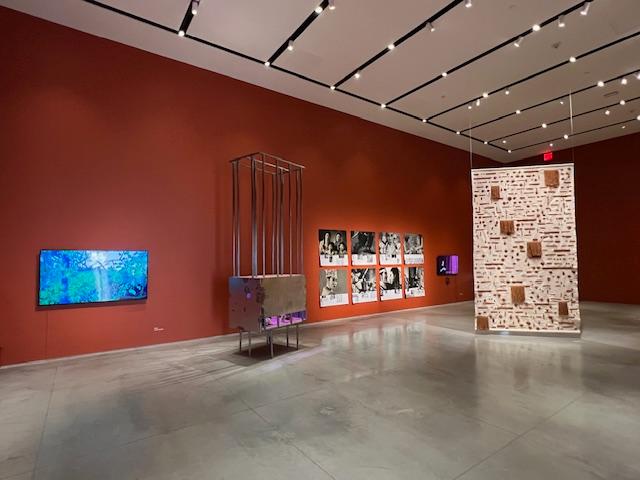
The first exhibition I saw there was “Radical Love”, a theme is dealing with ‘love as the answer to a world in peril’. This interesting exhibition offers multidisciplinary art dealing with human nature and society. How different cultures show their respect and love to one another. It is an interesting mix of paintings, photos and video art from all over the world with each other showing their interpretation of dealing with the issues in life. You really have to read between the lines with this exhibition.
The ‘Radical Love’ exhibition at the new Ford Foundation Gallery
(from the museum website on the exhibition)
Through the theme of Utopian Imagination, the trilogy of exhibitions in the gallery’s inaugural year create a trajectory toward a more just future. The first exhibition, Perilous Bodies(March 4 – May 11, 2019), examined injustice through the intersecting lens of violence, race, gender, ethnicity, and class. Radical Love responds to the first show by offering love as the answer to a world in peril.
Love, in the context of this exhibition, is defined by a commitment to the spiritual growth and interconnectedness of the individual, their community, and stewardship of the planet. Guided by the powerful words of bell hooks, “Were we all seeing more images of loving human interaction, it would undoubtedly have a positive impact on our lives.” The works in Radical Love are grounded in ideas of devotion, abundance, and beauty; here, otherness and marginality is celebrated, adorned, and revered. The Utopian Imagination exhibition trilogy concept was developed by Jaishri Abichandani.
In 2024, I saw the new show “Cantando Bajito Incantations“:
The sign from the exhibition:
(from the website)
The Gallery
Work from the exhibition
Translated into English as “singing softly,” the exhibition series title is drawn from a phrase used by Dora María Téllez Argüello, a now-liberated Nicaraguan political prisoner, to describe the singing exercises she did while she was incarcerated in isolation. Helping her to conserve her voice and defeat the political terror she endured, Téllez’s quiet singing became a powerful strategy for survival and resistance. Conceived in three movements, Cantando Bajito features artists who explore similar forms of creative resistance in the wake of widespread gender-based violence. The second chapter, Cantando Bajito: Incantations, brings together artists who consider ancestral, contemporary, and future-facing networks of support and care that safeguard feminized bodies through forms of knowledge transmission.
Work from the exhibition
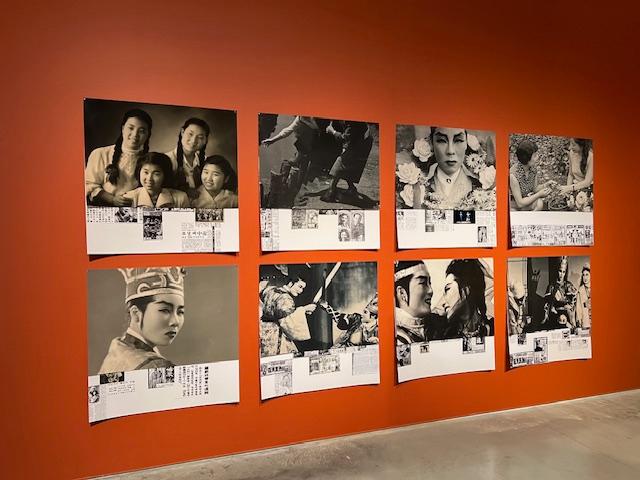
Such networks—symbolic systems, subversive spaces, or covert forms of language—are as varied as the communities that develop them. They include Nüshu, a form of script passed from mother to daughter in China; the use of henna as an agent of protection; and forms of therapeutic communication that have been deemed “gossip.” All have long existed, whether in the shadows or in plain sight. Preserved not in written history but in the body, these channels prepare feminized bodies for potential violence while giving them tools to resist it.
Works from the show
Works from the show
From inside the tent
The History of the Ford Foundation Gallery and it’s recent opening:
(From the museum website)
This new 1,900 square foot gallery space opened in February of 2019 after a two-year renovation of the Ford Foundation Building. The Ford Foundation Gallery will be an innovative exhibition space dedicated to presenting multidisciplinary art, performance and public programming by artists committed to exploring issues of justice and injustice. In creating a space for artists whose work addresses pressing social issues, the foundation continues its decades long history of investing in the arts to advance human welfare (Ford Foundation Press Release).
Athi-Patra Ruga’s ‘Umesiyakazi in Waiting’
With a mission focused on addressing inequality in all its forms and providing more than $600 million annually in grant support to organizations on four continents, the Ford Foundation is a natural home for art that challenges viewers to grapple with fundamental questions of fairness and dignity. Three exhibitions in this inaugural year offer varied interpretations on the theme of Utopian Imagination (Ford Foundation Press Release).
The gallery is small and you can see these exhibitions in under an hour.


















































 Visiting a Museum: The Unique, Unusual, Obscure and Historical