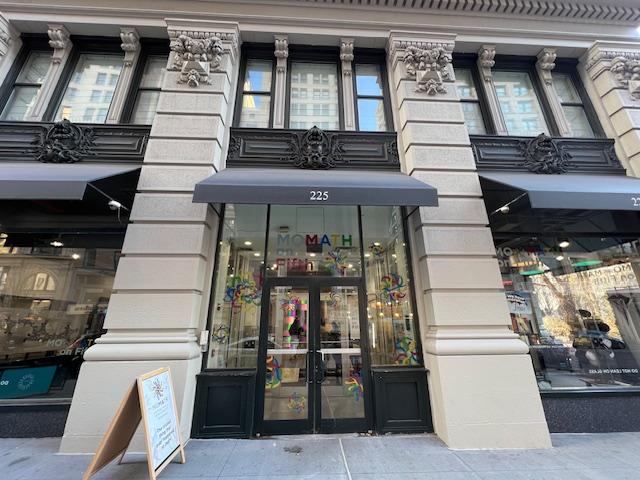
Category: Walking Around Manhattan

The National Museum of Mathematics                                     225 Fifth Avenue                                                                   New York, NY 10010

The National Museum of Mathematics 225 Fifth Avenue New York, NY 10010

The National Museum of Mathematics

225 Fifth Avenue

New York, NY 10010

(212) 542-0566

https://momath.org/

https://www.facebook.com/MoMath1/

Open: Sunday-Saturday 10:00am-5:00pm

Fee: Adults $25.00/Seniors-Children-Students $20.00/Members are Free

My review on TripAdvisor:
https://www.tripadvisor.com/Attraction_Review-g60763-d3726207-Reviews-National_Museum_of_Mathematics-New_York_City_New_York.html?m=19905

The Museum of Mathematics at 225 Fifth Avenue

https://momath.org/

In 2020, COVID had closed this unique little family orientated museum when I visited the NoMAD neighborhood earlier last year and it finally reopened for business right before the holidays. I could see the reasons why in that the museum is very interactive and there are a lot of activities and displays that warrant families touching objects and getting involved with the exhibitions.
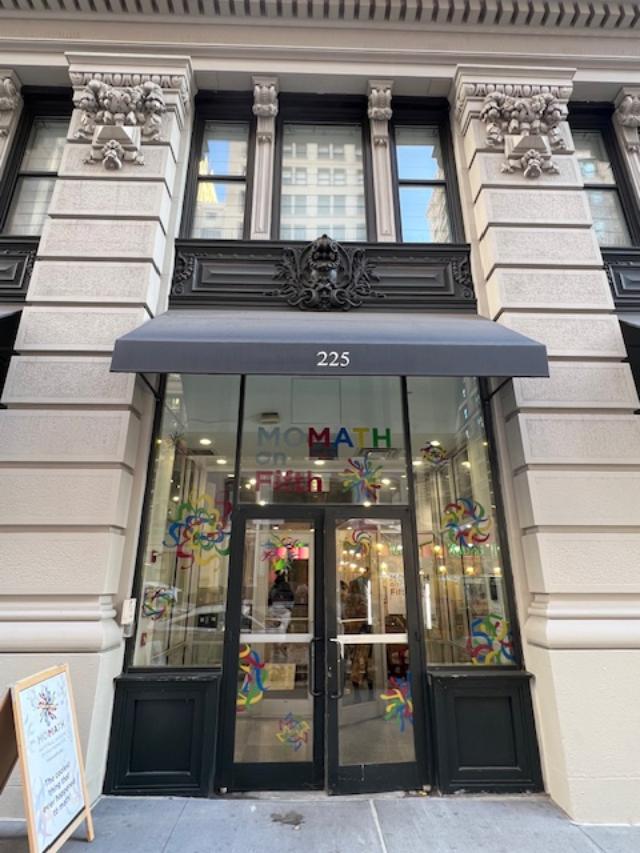
The entrance to the new museum at 225 Fifth Avenue

Like most museums in Manhattan, the MoMATH or the Museum of Mathematics is quite pricey at $25.00 ($26.00) for an adult and for students, children over 12 and seniors over 60 it is $20.00. While it may be lot for an average family, a trip there is an eye-opening experience at least to me it was that day.

The sign welcoming you on Fifth Avenue

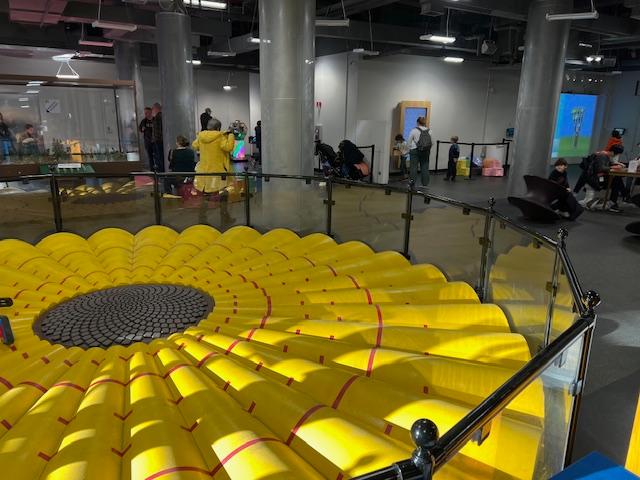
In 2021 when it reopened, the museum was two full floors of exhibitions with a spiral staircase separating the floors and a gift shop at the entrance. On the main floor there are interesting interactive exhibitions such as the Shapes of Space that show how different shapes fit together on a curved surface. I was not too sure what the point of it was, but the kids seemed to enjoy it and it was interesting to see how they connected. The Square wheeled Trike was interesting as you rode a square wheeled type of bike on a bumpy surface to check velocity. The kids and young parents really liked this.

The “Shapes of Space” exhibition
In 2024, the museum was moved around the corner until the permanent location could be finished. The museum was on one floor with a art gallery in the front of the museum and the back of the museum was all the interactive activities.

The Math “Fractorals” Gallery Exhibit at the Museum of Math

The “Fluids and Fractals” exhibition of artist Karl Sims

The Art Gallery exhibition
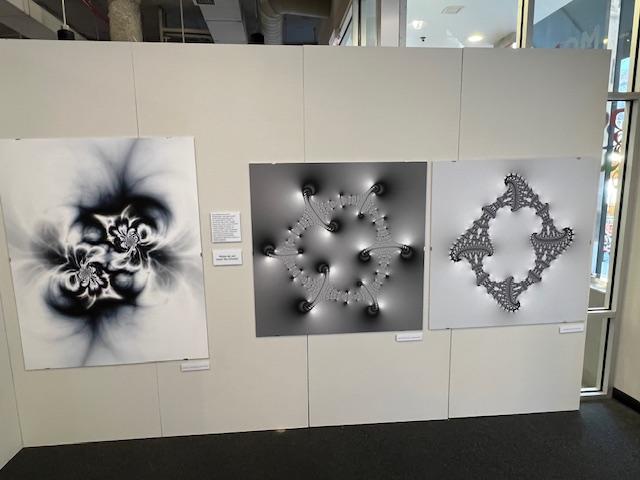
The art in the Gallery

The art gallery at the Museum of Mathematics
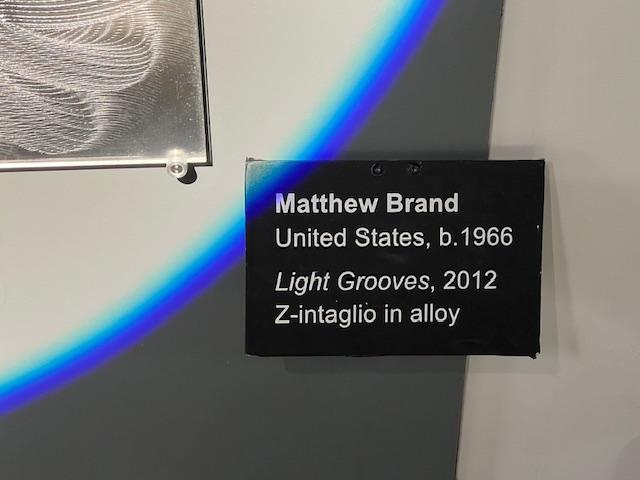
‘Light Grooves’ by artist Matthew Brandt

Artist Matthew Brandt

https://matthewbrandt.com/

Matthew Brandt is an American born artist. Matthew Brandt received his BFA from Cooper Union and MFA from UCLA. Brandt has been the subject of institutional solo shows at the Newark Museum, the Columbus Museum of Art, Virginia Museum of Contemporary Art and SCAD Museum of Art, Savannah (Artist bio).

“Light Grooves”

The interactive display

The interactive display

The displays I enjoyed in the old museum were Motionscape, where you had to walk as fast as you could on the track to check the relationship between velocity, your position and acceleration. It was interesting to see how your body movements when walking affects the way you react. The other display that was really popular was Hoop Curves which was always busy. The exhibit used statistics and a robot arm to shoot the basketball. The kids got a real kick out of this when trying to make a basket.

In 2021, the museum was two stories but in 2024, the museum moved to the new Fifth Avenue location and all the interactive displays were on the first floor, along with an explanation of the math along with the creators of the theory. I found that interesting because you could see who all the mathematicians were who the projects were based on or who had contributed to them.

I started with the “Self-Reflections” exhibit where shapes and sizes mattered, and the use of symmetrical patterns shaped our faces and observations. I got to see how the shapes altered my reflection in the mirrors.
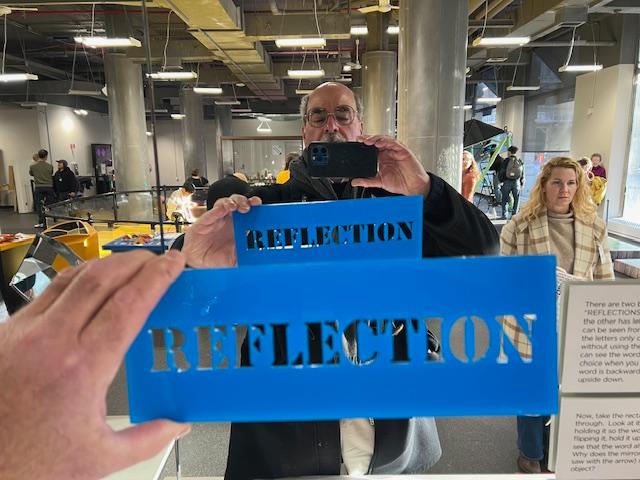
The use of mirrors and shapes
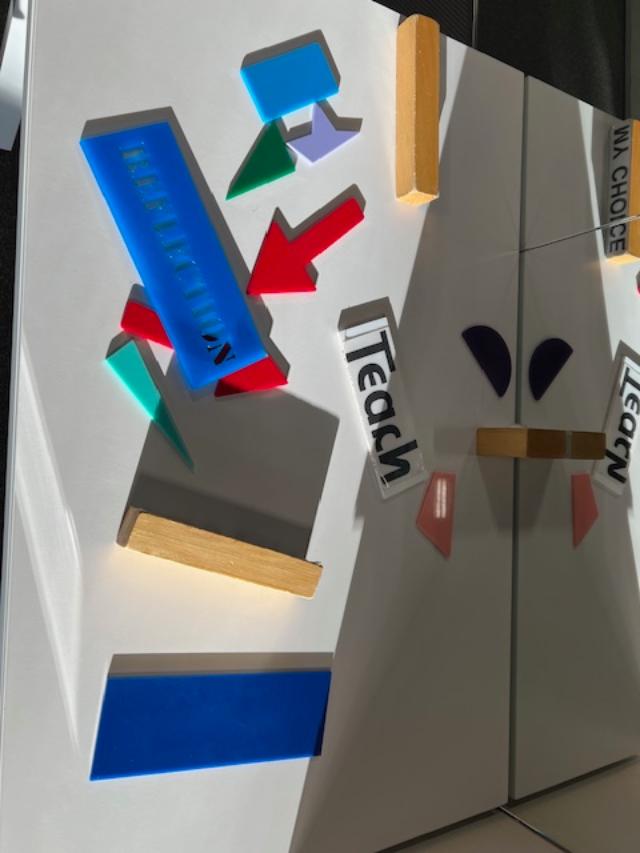
The use of shapes and colors in the experiment

The signage
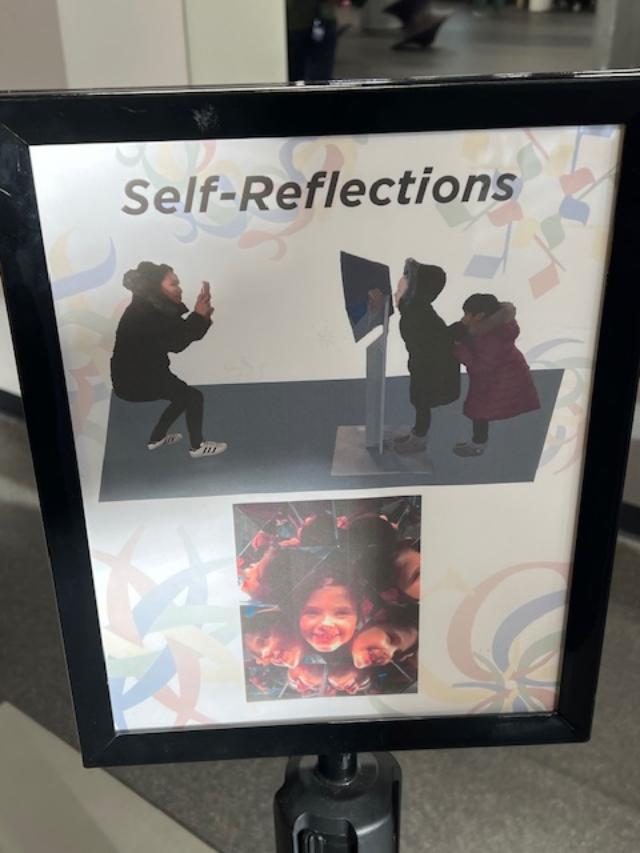
How we look at ourselves in the mirror
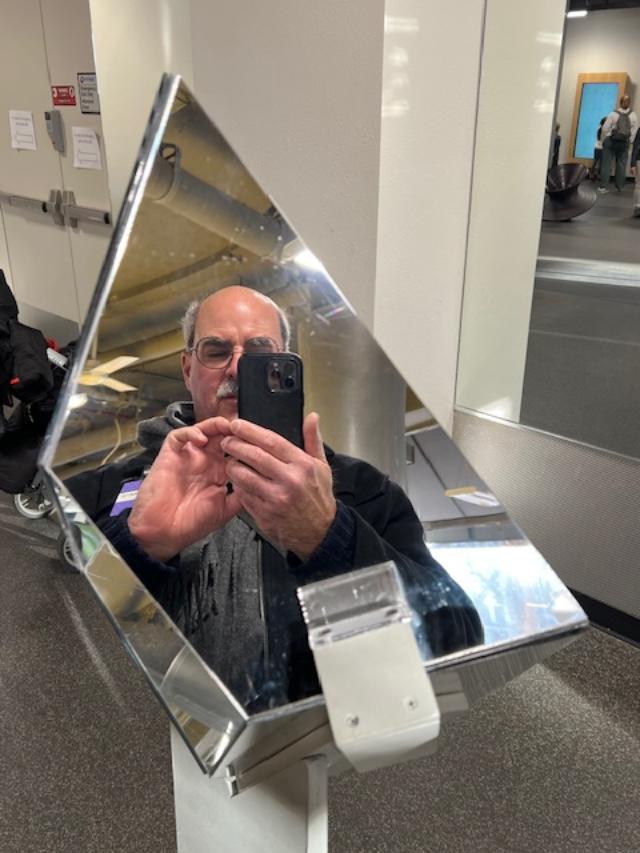
Taking pictures in the ‘mirror’

One of the first interactive displays that I enjoyed was the Tessellation Station, where you could create displays with magnetic tiles on a large board. Later I learned about Tessellation as a form of making shapes fit together in a pattern and then the theory behind that. It was a fun way to use your creativity. This exhibition was very popular in the old museum as well but had been a much bigger interactive display.
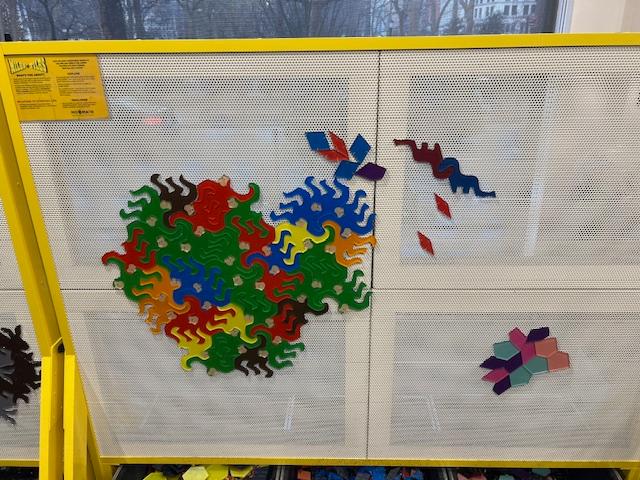
The “Tessellation Station” exhibition is a lot of fun

Another was the Tree of Life, where the computer copied the movements of myself and then used them to show the how I moved my arms and legs in a pattern. It was funny to see myself repeated over and over again like a tree with branches. It really did measure the movement of my body. This was a lot of fun because you got to see smaller versions of yourself attached to you.

Me playing with the Tree of Life

Me having fun by the Tree of Life exhibition

The Twist and Roll display showed how to put different shapes and sizes together and show their movement on the board.

The Twist and Roll hands on display

The one display that all the kids got a kick out of was the Math Board, where the colors and shapes of the section of the floor lit up when you walked on them and was controlled by the way you walked on them.

The “Math Morphing-Formula Morph” replaced the “Math Board”

The Museum of Mathematics is a great museum for younger children who want to get physical and have a good time and like the interaction. I learned a few things too about the fundamentals of math and some of its background theories.

The geometrics of the Museum of Mathematics

Still, it is a great museum for kids under the age of twelve and their younger parents. I think anything over that age would warrant a trip to the American Museum of Natural History or the Liberty Science Center with more exhibits that are age appropriate. It is a museum you should visit once or twice with small children who are at the learning stage and just want to have fun.
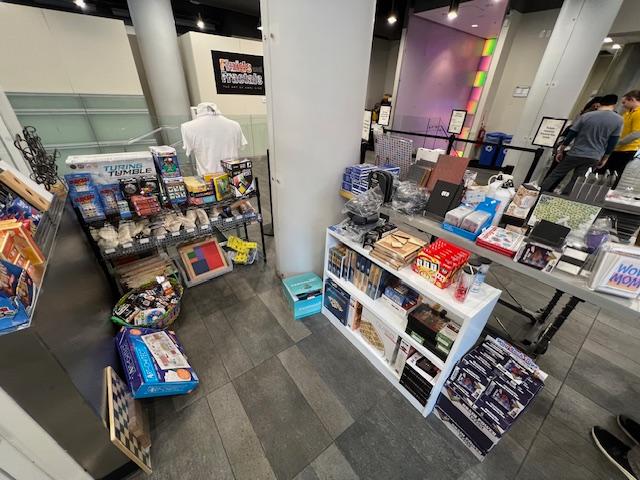
The Gift Shop

The Museum Gift Shop

The History of the National Museum of Mathematics:

(From the museum website)

The National Museum of Mathematics began in response to the closing of a small museum of mathematics on Long Island, the Goudreau Museum. A group of interested parties (the “working group”) met in August 2008 to explore the creation of a new museum of mathematics-one that would go well beyond the Goudreau in both its scope and methodology. The group quickly discovered that there was no museum of mathematics in the United States, and yet there was a incredible demand for hands0n math programming.

Interactive objects at the Museum of Mathematics

Accomplishments to date include: opening Manhattan’s only hands-on science center, welcoming more than one million visitors; creating the popular Math Midway exhibition, which has delighted millions of visitors at museums throughout the United States and internationally; leading math tours in various U.S. cities; running dozens of Math Encounters and Family Fridays events; delivering a broad array of diverse and engaging programs for students, teachers, and the public to increase appreciation of mathematics and creating the largest public outdoor demonstration of the Pythagorean Theorem ever.
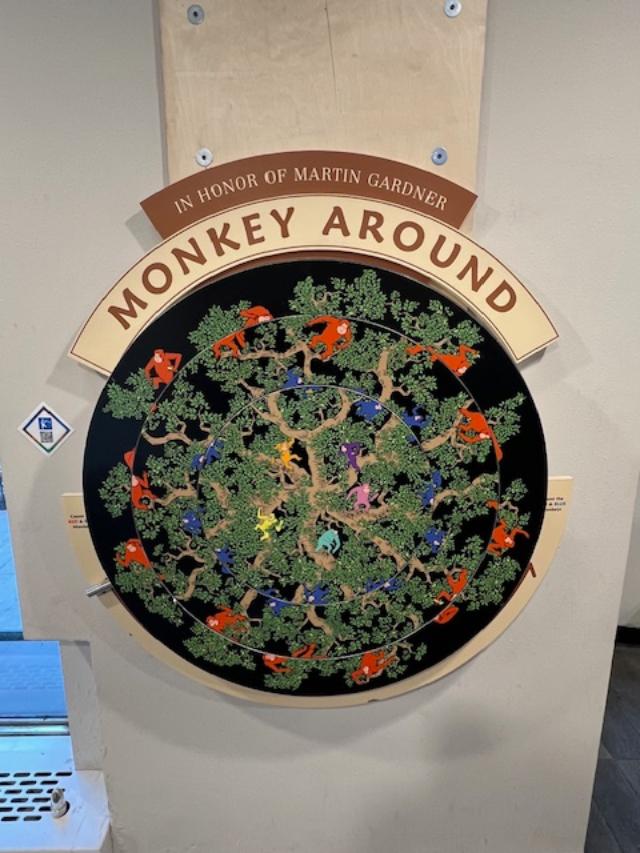
The “Monkeying Around” exhibition at the museum

The Museum Mission:

(From the Museum website)

Mathematics illuminates the patterns that abound in our world. The National Museum of Mathematics strives to enhance public understanding and perception of mathematics. Its dynamic exhibits and programs stimulate inquiry, spark curiosity and reveal the wonders of mathematics. The Museum’s activities lead a broad and diverse audience to understand the evolving, creative, human and aesthetic nature of mathematics.

The “Weights and Balances” exhibition at the museum
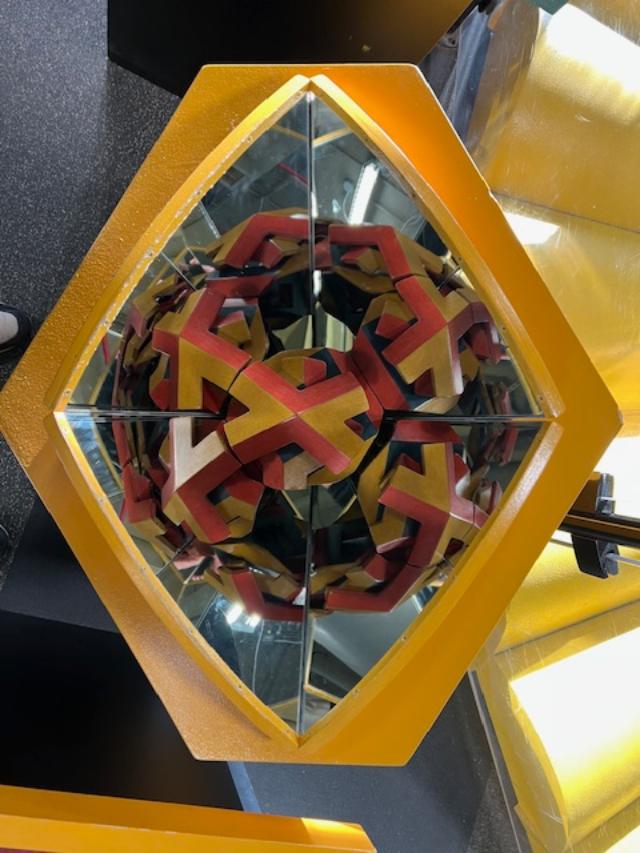
Math Geographics

Video on the displays

The displays are so interesting

The Morgan Library & Museum                                                                                                225 Madison Avenue                                           New York, NY 10016

The Morgan Library & Museum 225 Madison Avenue New York, NY 10016

The Morgan Museum & Library

225 Madison Avenue

New York, NY 10016

(212) 685-3484

Open: Sunday 11:00am-6:00pm/Monday Closed/Tuesday-Friday 10:30am-5:00pm/Saturday 10:00am-6:00pm

Fee: Adults $22.00/Seniors (over 65) $14.00/Current Students with ID $13.00/Free to Members and Children under 12 accompanied by a parent. Free on Friday Nights from 7:00pm-9:00pm. Discount for people with disabilities $13.00-Caregiver Free.

https://www.themorgan.org/

My review on TripAdvisor:

https://www.tripadvisor.com/Attraction_Review-g60763-d107356-Reviews-The_Morgan_Library_Museum-New_York_City_New_York.html?m=19905

The Morgan Restaurant:

https://www.tripadvisor.com/Restaurant_Review-g60763-d502683-Reviews-Morgan_Cafe-New_York_City_New_York.html?m=19905

What I love about the Morgan Library & Museum is the level of sophistication and quality of their exhibitions. The museum really makes you think when you tour their galleries and attend their lectures and gallery talks. Their docents and curators bring an exhibition to a whole new level. I always feel like I am taking a college course and will be graded afterwards. They really make you think about the work or what the author or artist is trying to say.

Two of my favorite exhibitions were the “150th Anniversary Celebration of Alice in Wonderland”, which is why I joined the Morgan Library & Museum. I loved the novel and I wanted to get some ideas for our library’s own celebration. They had the original manuscript written by Lewis Carroll, some original prints and memorabilia from various times including posters, books, artwork and decorative items.

The entrance to the “Alice in Wonderland” exhibition

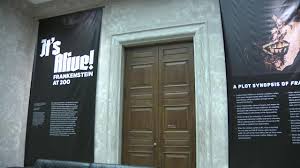
Another wonderful and interesting exhibition was on Mary Shelley’s “Frankenstein” which was a celebration of her life, her works and of the novel through the ages in both context of the novel and in Hollywood. There were various copies of the books in the exhibition as well as the history of the author’s life.

The Frankenstein print

The exhibition showed the clips of the original silent version of the film, the 1931 version with Boris Karloff and the modern version “Young Frankenstein” with Gene Wilder from 1974. I learned from the exhibition that the set used in the 1974 version of the film was from the original 1931 film and it had been in the director’s basement all those years.

The entrance to “It’s Alive: Frankenstein at 200” exhibition at the museum

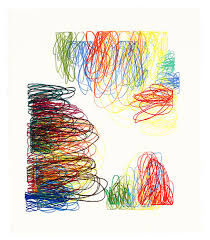
Another exhibition that was very interesting was the recent American artist Al Taylor with an showing of his drawings. The works were unusual but really stood out was his time in Hawaii and the drawings that inspired him.

Duck Bondage Study by Al Taylor

Untitled by Al Taylor

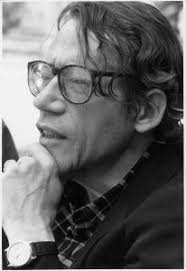
American artist Al Taylor

A YouTube video on the “David Hockney” Exhibition:

The recent David Hockney Exhibition that I missed.

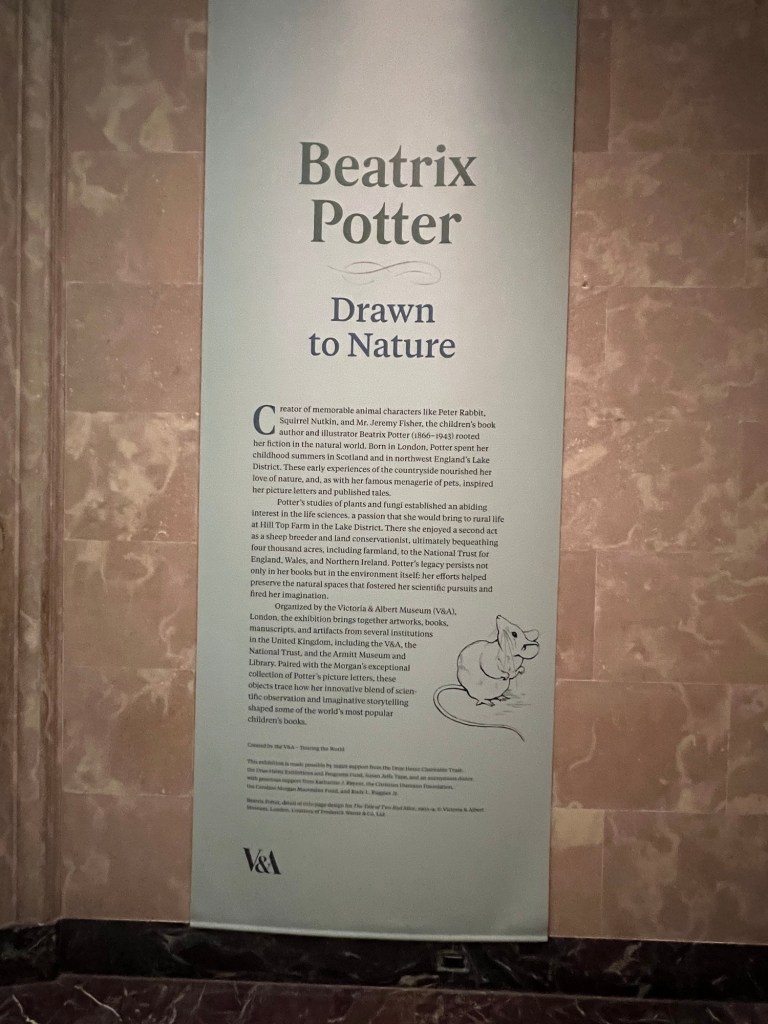
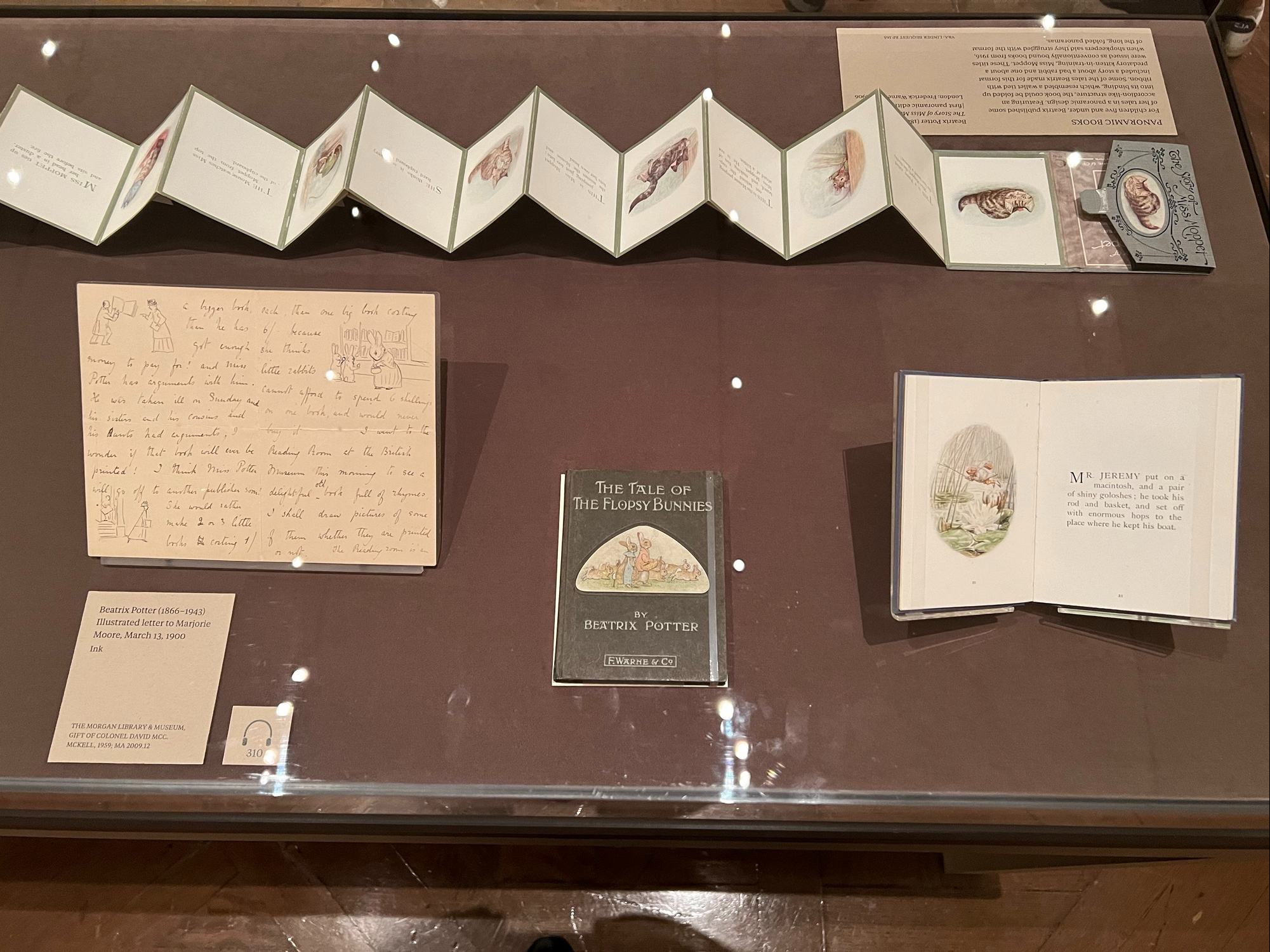
I rejoined the museum after a long COVID absence and the first exhibition that I attended was the “Beatrix Potter” exhibition on her work on Peter Rabbit. It had many of the early drawings of her children’s books as well as some of her merchandising. The exhibition discusses her life before and after her books were published and then her second act as a farmer and conservationist.

The “Beatrix Potter: Drawn to Nature” exhibition in April 2024:

Beatrix Potter: Drawn to Nature

The entrance to the gallery

The gallery opening

Here work included the initial drawings to the actual books.

Her early gift cards
One of her original pieces.
The main part of the exhibition.

The gallery of the exhibition

The exhibition is broken into two parts. The first part is on her early life in London with her family and her personal life as a child and an early adult. The second half of the exhibition is on her early books, manuscripts and letters. Then her later life as a ‘gentle farmer’ who ended up preserving and donation over 4000 acres of Lake District land for later generations to enjoy.

These are the original drawings for the book “The Tale of Peter Rabbit”

The original card
The original card

Other pieces of her works.

Some of the original drawings.

Some letters that she wrote to friends.

All the wonderful novelty items that she helped create. She had a real hand in merchandising way before this became the norm in publishing. She created all the cards, stuffed animals and small books that would become her collection.

Some of her original books.
The original Peter Cottontail book.
The original drawing from the exhibition.

The stuffed animal of Jeremiah Puddle Duck

The sign as you enter the exhibition.

The end of the exhibition with the author holding one of her pets.

https://en.wikipedia.org/wiki/Beatrix_Potter

The other exhibition that I saw that day which will be closing soon is the Walton Ford exhibition. Mr. Ford’s works are a reflection on his relationship with nature with works being influenced by trips to the American Museum of Natural History. His works draw from nature.

The entrance to the exhibition

Artist Walton Ford

https://en.wikipedia.org/wiki/Walton_Ford

https://www.kasmingallery.com/artists/63-walton-ford/

The main gallery of Mr. Ford’s works.

The works with the Black Tiger

It is nice to walk among the permanent collection of prints in the lower level and to visit the former private areas of Mr. Morgan’s home. It adds to who he was as a financier and as a homeowner. The home was not as elaborate as you would have thought.

The private part of the museum

I also enjoy the Morgan Cafe on the main level of the museum in the courtyard area of the first floor. The food is a little pricey and a limited menu but the service is wonderful and the quality of the food is very good. You will enjoy the meal and I have heard from other patrons that the Afternoon Tea is very nice as well.

They also have a Dining Room in the Library area that I have heard is very nice as well.

The Morgan Dining Room

They have a nice selection of books, cards and gifts in their Gift Shop just beyond The Morgan Dining Room. I really like their selections at the holidays and their theme books to the exhibitions especially for the “Alice in Wonderland” exhibition.

The Morgan Library giftshop

It is a nice place to take a gallery talk, then a light lunch in the main hall and then a lecture at night. It’s a great way to spend the day.

The History of the Morgan Library & Museum:

(from the Morgan Library & Museum website)

The Museum is a complex of buildings in the heart of New York City and began as the private library of financier Pierpont Morgan, one of the preeminent collectors and cultural benefactors in the United States. As early as 1890, Mr. Morgan had begun to assemble a collection of illuminated, literary and historical manuscripts, early printed books and old master drawings and prints.

Mr. Morgan’s library was built between 1902 and 1906 adjacent to his New York residence at Madison Avenue and 36th Street. Designed by Charles McKim of the architectural firm McKim, Mead & White, the library was intended as something more than a repository of rare materials. Majestic in appearance yet intimate in scale, the structure was to reflect the nature and stature of its holdings.

The side view of the Morgan Library

The result was an Italian Renaissance-style palazzo with three magnificent rooms epitomizing America’s Age of Elegance. Completed three years before McKim’s death, it is considered by many to be his masterpiece. In 1924, eleven years after Mr. Morgan’s passing, his son, J.P. Morgan Jr., known as Jack, realized that the library had become too important to remain in private hands. It what constituted one of the most momentous cultural gifts in the United States history. He fulfilled his father’s dream of making the library and its treasures available to scholars and the public alike by transforming it into a public institution.

Mr. Morgan’s private areas are part of the museum

Over the years, through purchases and generous gifts, The Morgan Library & Museum has continued to acquire rare materials as well as important music manuscripts, early children’s books, Americana and materials from the twentieth century. Without loosing its decidedly domestic feeling, the Morgan also has expanded its physical space considerably.

The Middle Eastern exhibit in the Library.

In 1928, the Annex building was erected on the corner of Madison Avenue and 36th Street, replacing Pierpont Morgan’s residence. The Annex connected to the original McKim library by means of a gallery. In 1988, Jack Morgan’s former residence, a mid-nineteenth century brownstone on Madison Avenue and 37th Street was added to the complex. The 1991 garden court was constructed as a means to unite the various elements of the Morgan campus.

JP Morgan II home which is now part of the Morgan Library.

The largest expansion in the Morgan’s history, adding 75,000 sq ft to the campus was completed in 2006. Designed by Pritzker Prize winning architect Renzo Piano, the project increases exhibition space by more than fifty percent and adds more important visitor amenities, including a new performance hall, a welcoming entrance on Madison Avenue, a new cafe and a new restaurant, a shop, a new reading room and collections storage. Piano’s design integrates the Morgan’s three historical buildings with three new modestly scaled steel and glass pavilions. A soaring central court connects the buildings and serves as a gathering place for visitors in the spirit of an Italian piazza.

The Morgan Library & Museum expansion by Renzo Piano

The Morgan Library & Museum Mission:

The mission of The Morgan Library & Museum is to preserve, build, study, present and interpret a collection of extraordinary quality, in order to stimulate enjoyment, excite the imagination, advance learning and nurture creativity.

The Dorothea Maria Gsell painting “Heron Encircled by a Snake with a worm in his Bill”

A global institution, focused on the European and American traditions, the Morgan houses one of the world’s foremost collections of manuscripts, rare books, music, drawings and ancient and other works of art. These holdings, which represent the legacy of Pierpont Morgan and numerous later benefactors, comprise a unique and dynamic record of civilization as well as an incomparable repository of ideas and of the creative process.

(From the Morgan Library & Museum website and history)

Central Park Zoo                                                  Fifth Avenue and East 64th Street                     New York, NY 10021

Central Park Zoo Fifth Avenue and East 64th Street New York, NY 10021

Central Park Zoo

Fifth Avenue and East 64th Street

New York, NY 10021

(212) 439-6500

https://centralparkzoo.com/

Open: Sunday-Saturday 10:00am-4:30pm

Fee: Adults $12.00/Seniors (65+) $10.00/Children (3-12)$8.00/Total Experience Adults $16.00/Seniors (65+) $15.00/Children (3-12) $12.00

My review on TripAdvisor:

https://www.tripadvisor.com/Attraction_Review-g60763-d267703-Reviews-Central_Park_Zoo-New_York_City_New_York.html?m=19905

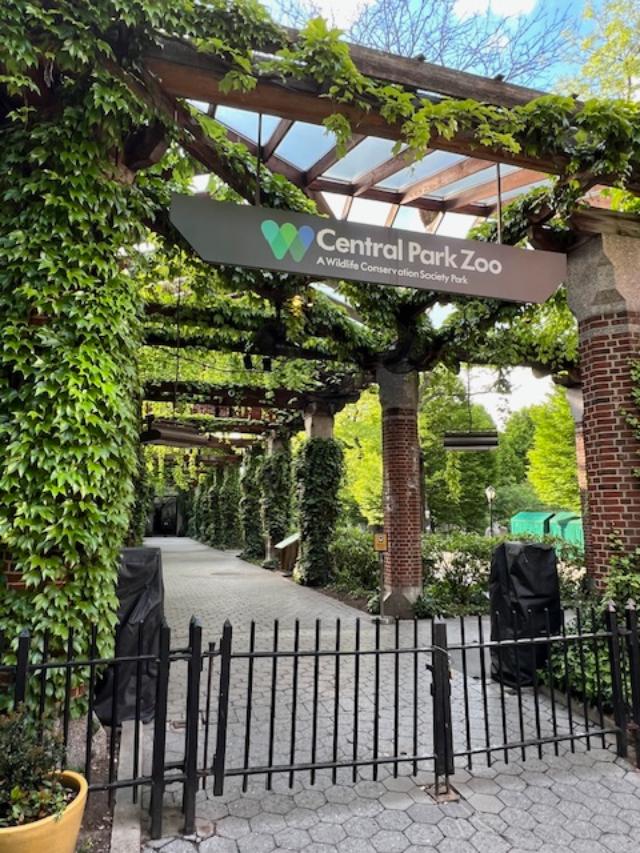
The entrance of the zoo in Central Park

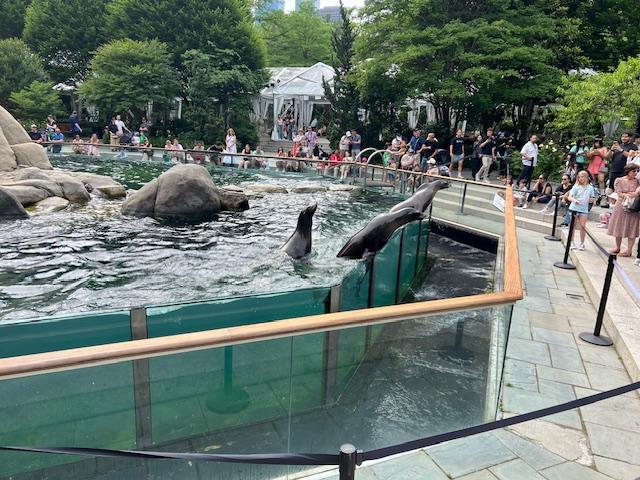
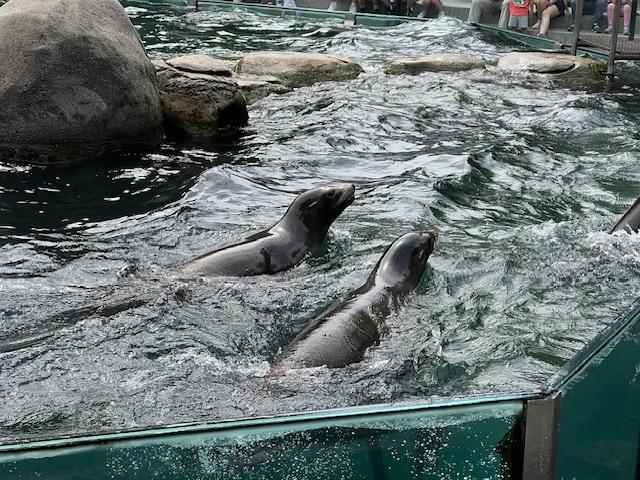
I love coming to the Central Park Zoo when I am visiting the Upper East Side. The zoo is a nice to just relax and reflect from the hustle and bustle of the City. On a quiet midweek day, there is nothing like going to the 2:00pm seal feeding at all times of the year. The seals get so excited and the humans like seeing the seals in their playful mood.

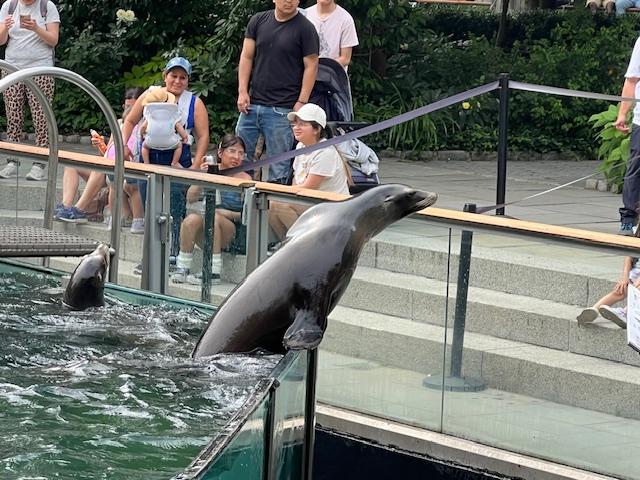
The seals can be very friendly and don’t mind humans around.

The seals like to reach out for attention.

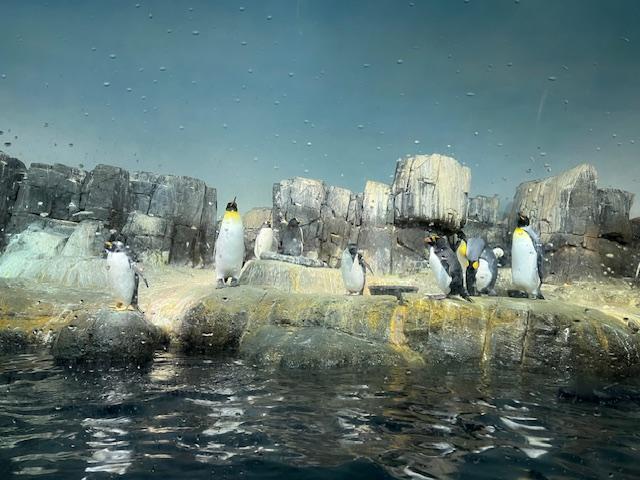
The zoo is small so touring it will only take about an hour or so to see all the exhibitions. You have a choice of seeing the monkeys, the birds, the seals and the penguins. They finally moved the polar bear out of the zoo a few years ago and he always looked so bored with his life. He would give you a look like ‘get me out of here’.

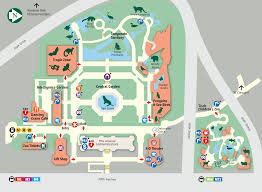
The Central Park Zoo is set up with different exhibitions.

The smaller animals like the monkeys and the penguins look like they are having more fun in their enclosed homes with more room to move around. They always look at us as visitors in an amusing way like why are we so interested in them. It is an interesting interaction with the animals there to see their reaction to us.

The Monkey Island

The Monkey Island with the monkeys hiding that afternoon.

There is also more birds, amphibians and bats to see in other exhibitions around the zoo and smaller outside areas to view the smaller animals such as pandas and leopards that have finally been given space to roam around.

The Penguins are very playful all day long.

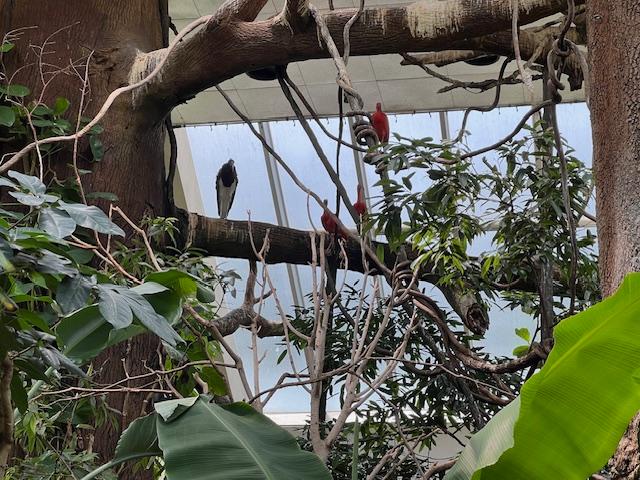
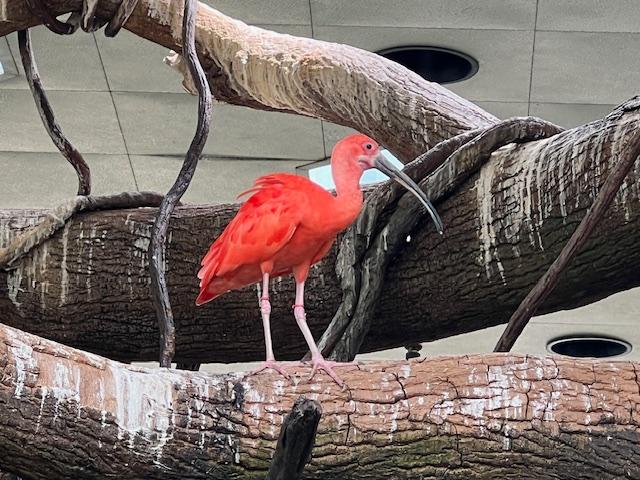
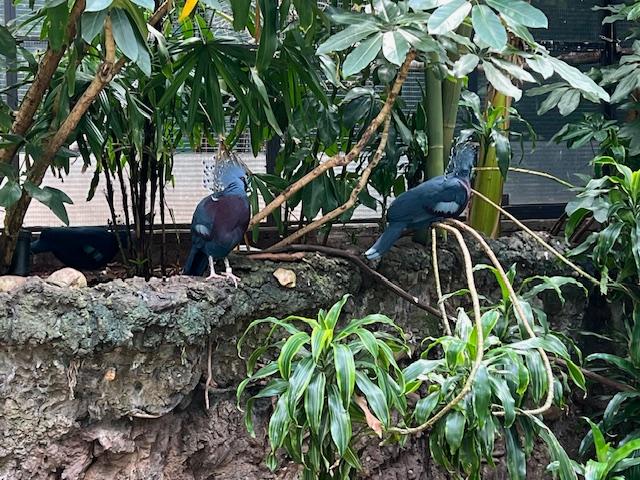
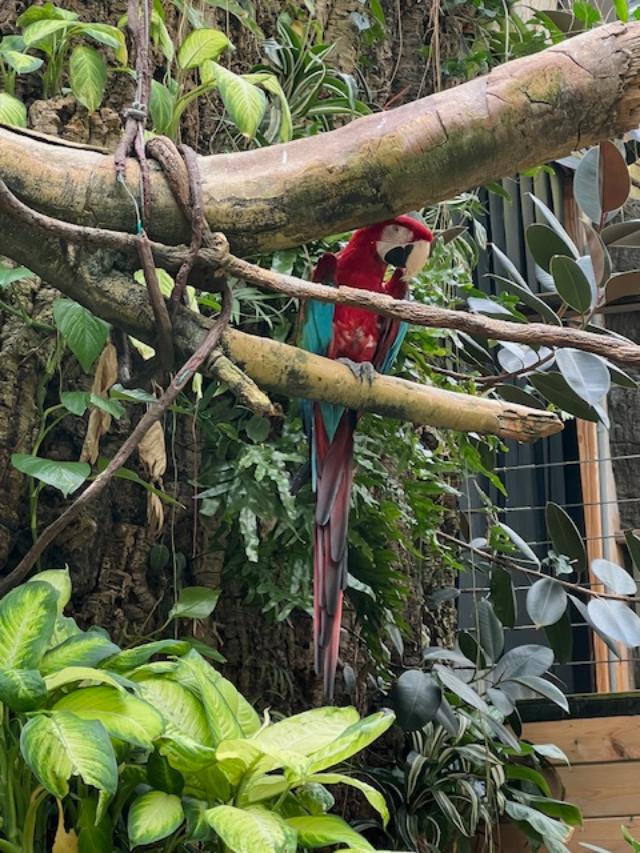
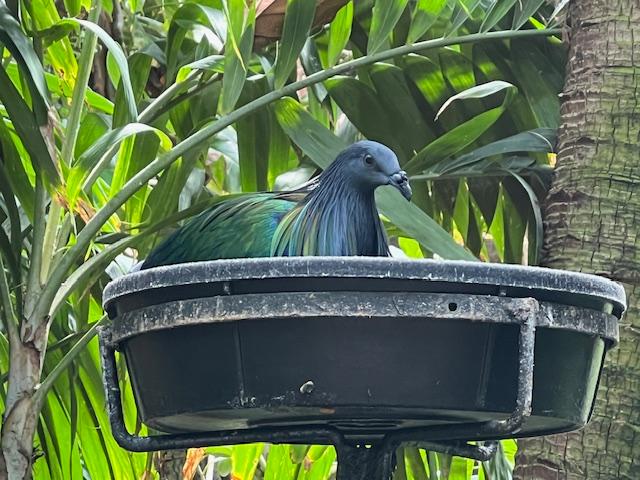
The Bird Sanctuary is another popular section of the zoo. There are all sorts of rare and exotic birds to see and watch in a copy of their native habitat. I thought they looked a little bored seeing the same birds day after day.

The birds have a lot of space to fly around but seemed a bit bored.

The pink Heron

The Bird Sanctuary

The parrot seemed a little bored.

The Birds feeding themselves.

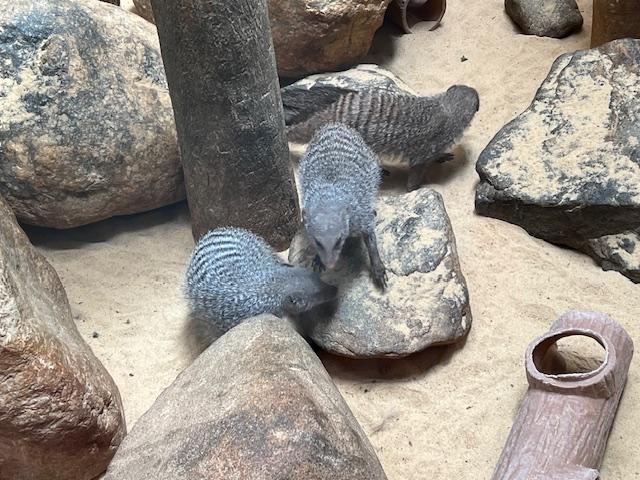
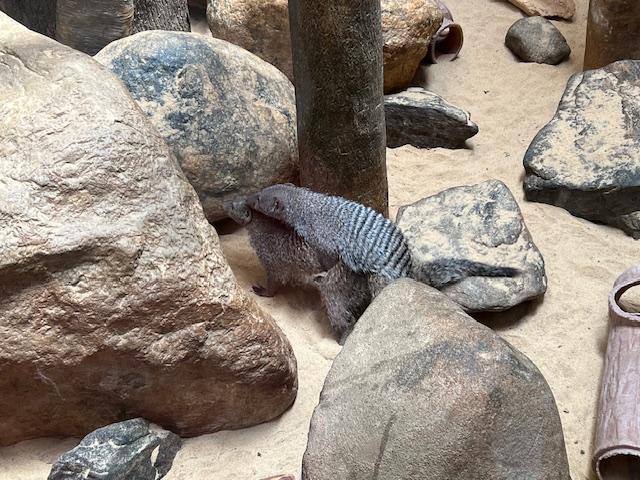
In the small animal exhibition, the mongooses were putting on quite a show for all of us. It looked liked they were mating in front of the crowd.

The mongooses running around.

These two looked like they were mating.

It is a nice walk around the zoo and the perfect way to spend a sunny afternoon.

There is also a nice gift shop just outside the zoo and the Dancing Crane Cafe is the zoo restaurant which is over-priced and the food the few times I have tried it was mediocre. It is not like the cafe up at the Bronx Zoo that was pretty decent.

The Dancing Crane Restaurant

https://centralparkzoo.com/plan-your-visit/dining

My review on TripAdvisor:

https://www.tripadvisor.com/Restaurant_Review-g60763-d5585261-Reviews-Dancing_Crane_Cafe-New_York_City_New_York.html?m=19905

Don’t miss the hourly concert at Delacorte Clock when the animal sculptures dance to the music played. It is such an enjoyable experience.

History of the Zoo:

The Zoo was not originally part of the layout for Central Park when designed by Fredrick Law Olmstead and Calvert Vaux. A small menagerie developed on the edge of the park with exotic animals that had been donated to the park starting with a bear cub tied to a tree in 1859 and a monkey in 1860. Other animals came later including cranes, a peacock and a goldfish.

The original menagerie

In 1860, the American Zoological and Botanical Society wanted to create a zoo somewhere in New York City. In 1864, the zoo received a formal charter, making it the second publicly owned zoo behind the Philadelphia Zoo. Though a formal zoo had not yet been created, the menagerie, with its free admission and good location made it the most popular attraction in Central Park.

By the 1930’s, the menagerie had become run down and was not sufficient to hold the animals. In 1834, Mayor Fiorello La Guardia hired Robert Moses to head the unified Parks Department and a new more formal zoo was created. The new zoo was opened on December 2nd, 1934 and by 1936 over six million people had visited the zoo.

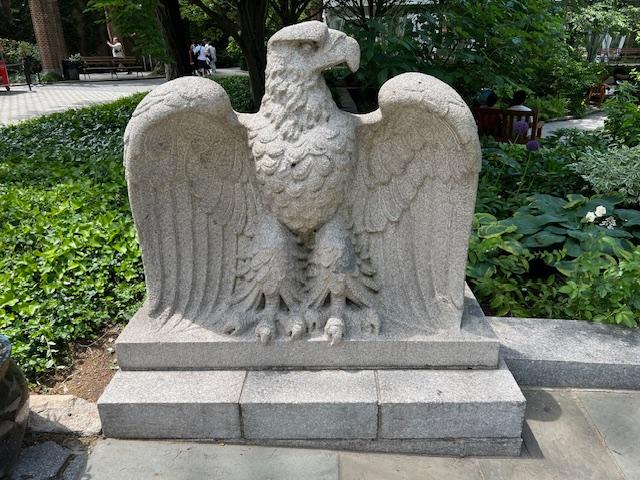
The eagle statues dotted the zoo.

By 1967, the zoo was again falling apart due to years of negligence and budget cuts. New York City’s fiscal crisis had affected the Parks System and conditions had gone downhill. In 1980, The Wildlife Conservatory (the former NY Zoological Society) signed a fifty year agreement in April of that year and started a renovation of the zoo from 1982 to its opening in 1988.

When the Zoo opened in August of 1988, the concept of the zoo had changed. The Wildlife Conservation Society had taken over the Queens Zoo, the Prospect Park Zoo in Brooklyn and already had possession of the Bronx Zoo and the direction of the society was toward conservation and care of animals while the Prospect Zoo was to be used as a Children’s Zoo and the Queens Zoo would concentrate on North American animals. The Children’s Zoo next to the Central Park Zoo went through its own renovation in the late 1990’s and is now called the Tisch Children’s Zoo after businessman, Laurence Tisch who had donated most of the money for the renovation.

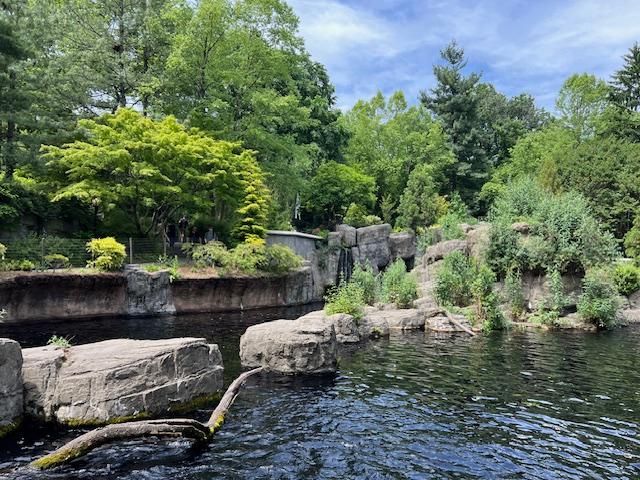
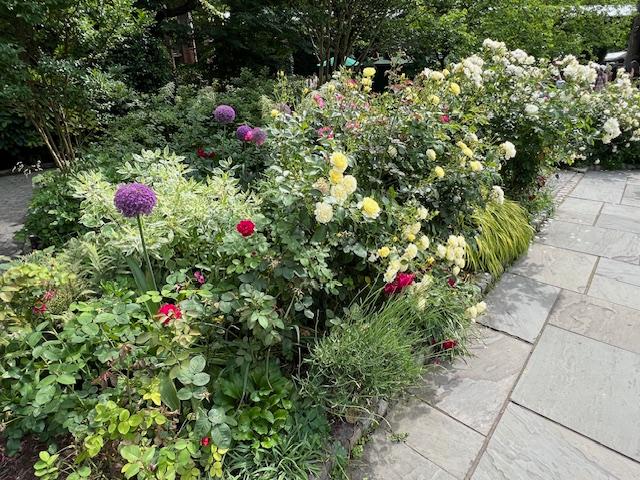
The gardens make a big impact around all the exhibitions.

(This information was taken from both Wiki and the Central Park Zoo History)

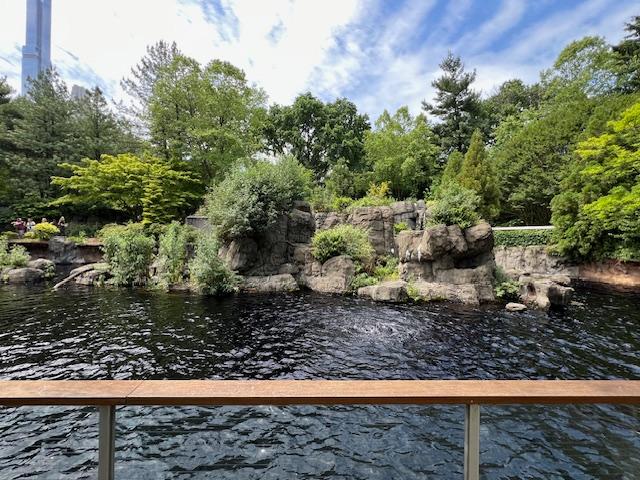
The zoo has the most amazing view of Central Park South. This neighborhood lines the southern part of the park.

Fort Jay                                                       Governors Island                                                 New York City, NY 10004

Fort Jay Governors Island New York City, NY 10004

Fort Jay

Governors Island

New York, NY 10004

My review on TripAdvisor:

https://www.tripadvisor.com/Attraction_Review-g60763-d136072-Reviews-Governors_Island_National_Monument-New_York_City_New_York.html?m=19905

My review on MywalkinManhattan.com in 2018 and 2024:

https://wordpress.com/post/mywalkinmanhattan.com/7658

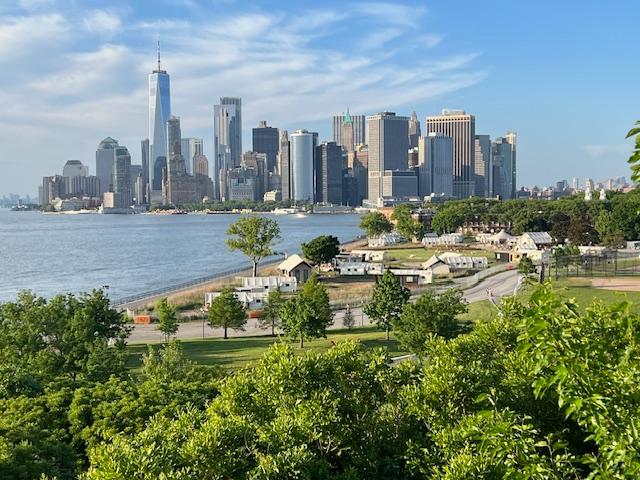
The view from the top of the hill on Governor’s Island.

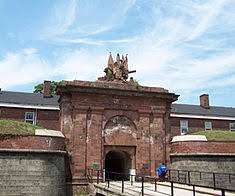
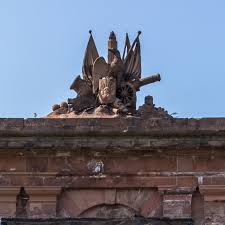
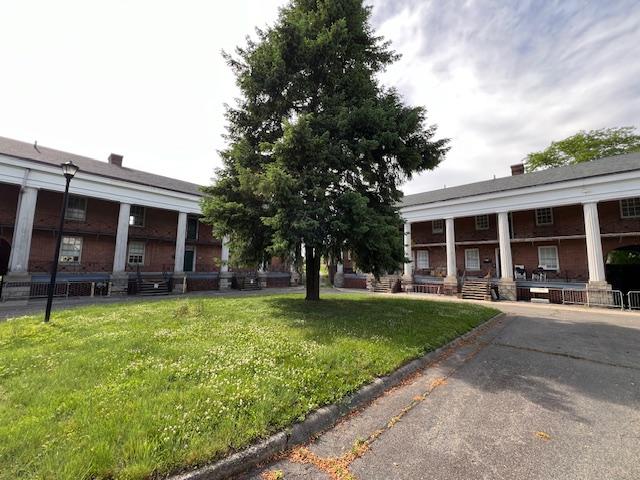
When I was touring Governors Island for my blog, “MywalkinManhattan.com”, I explored the Fort Jay complex which is located on the northern end of the island just past Castle Williams. This fort is mostly in a state of ruin and is currently being restored at various stages all around the complex. The decorative entrance with its statuary is being cleaned and the entrance fixed on one side of the fort and the walls and some of the interior space is being repaired inside the fort.

The main entrance to Fort Jay (currently under restoration)

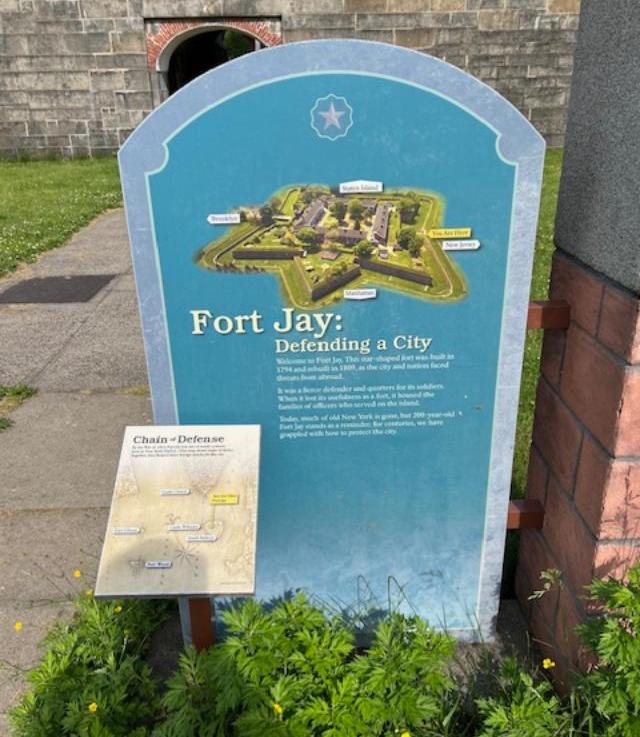
This fort and Castle Williams were built to protect the City of New York between the Revolutionary War and the War of 1812. After that these forts fell out of use as the times and technology changed .

The decorative statuary is being repaired on the fort (currently under restoration)

Now the fort is used for art exhibitions in some of the interior hallways and grass has grown over most of the walkways. Still it is interesting to walk along the pathways near the walls of the fort and see how they were once used. It is interesting to see how far we have progressed in warfare.
The entrance to Fort Jay

The History of Fort Jay:

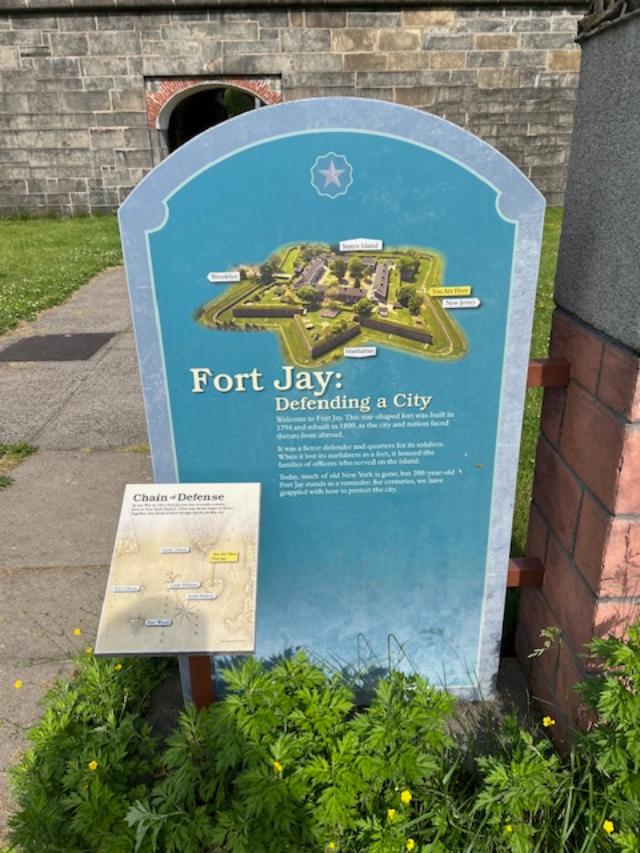
Fort Jay is located on Governors Island in New York Harbor, one half-mile from the southern tip of Manhattan. No defensive works are known to have been erected on the island during its early history. Defensive earthen works were first erected on the highest point of Governors Island by Continental troops in 1775-76. The island and its fort were occupied by the British during the American Revolution until 1783, when it surrendered, along with several buildings to the Governor of New York.

More than ten years passed before renewed tensions with Great Britain resulted in funding from both the New York Legislature and the United States Congress in 1794 to reconstruct the works on Governors Island. This part of a larger national effort to fortify ports that later became known as the First American System of coastal fortifications.

Design of the New York Harbor defenses was assigned to French engineer Charles Vincent. The works on Governors Island had been completed by 1796, described in January of that year by the Secretary of War as “a fort made of earth and two batteries under its protection, partly lined with brick masonry, two air furnaces, a large powder magazine and a barrack for the garrison.”

The inside of Fort Jay.

Fears of a French invasion in 1797 resulted in a second phase effort funded by additional appropriations to complete and enhance the coastal fortifications, including those on Governors Island. The fort is said to have acquired the name “Fort Jay” in 1798 for John Jay, then the Governor of New York State. Governors Island and its fort were conveyed to the federal government two years later in 1800, by an Act of the New York State Legislature.

The inside of Fort Jay

A plan of the fort as it existed that year shows it as a four-bastioned form surrounded by a ditch with a parapet having 51 embrasures, a gate and bridge on the east side and a large magazine in the northeast bastion. The fort was still incomplete and incapable of defense in 1802 according to a written report, although it was then equipped with a “handsome Gateway with a Corps de Garde” or guardhouse, that survives today.

Fort Jay had fallen into ruinous condition by 1806 when a second national campaign to strengthen the coastal defenses of the country, now known as the Second American System of fortifications, was implemented. This effort differed from the first by employing American engineers and using more durable masonry construction.

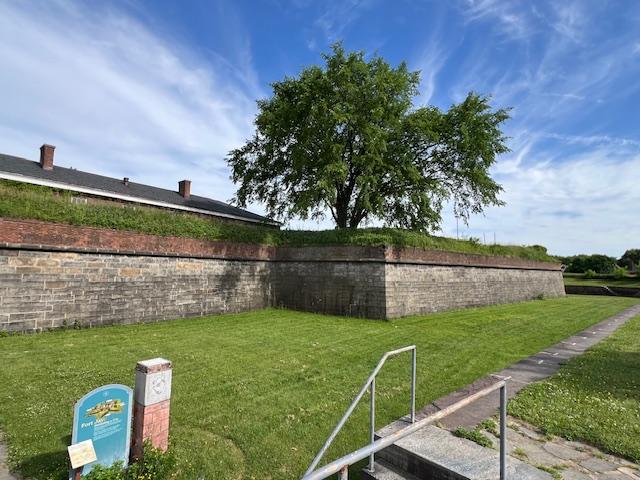
The outside wall of the fort.

The engineer chosen to design and oversee the defenses of New York Harbor was Colonel Jonathan Williams, Chief Engineer of the Corps of Engineers and first Superintendent of the Military Academy at West Point. Reconstruction of Fort Jay, renamed Fort Columbus about this time, began in July 1806 and was completed by December 1809. The only components of the old fort judged worth saving were “the walled Counterscarp, the Gate, the Magazine and the Barracks,” according to Colonel Williams in a report dated November 1808.

The completed fort was described in a later report to Congress as “an enclosed pentagonal work, with four bastions of masonry, calculated for one hundred guns, fifty-five mounted with brick barracks for two hundred and thirty men, including officers. The earliest known plan of the completed fort is a plan by Joseph Mangin drawn in 1813.

The walkway between the forts.

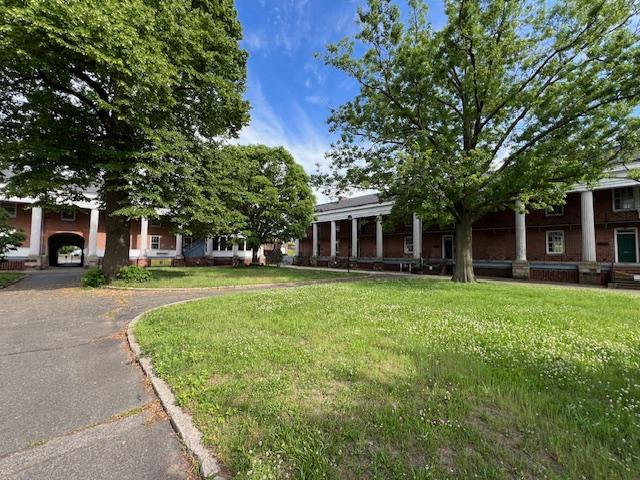
The first significant repairs and alterations were made to Fort Columbus in the 1830’s, resulting in the overall appearance of the fort as it exists today. The stone retaining walls were extensively rebuilt at this time, including the scarp that was faced with granite and topped with a new brickwork parapet. The old magazine in the northeast bastion was demolished and replaced by four new magazines erected in the north ravelin. Finally, the four existing brick were replaced by four new barracks with flanking triangular structures and outdoor courtyards.

Later changes have been made to the barracks by the U.S. Army over the years, including interior remodeling and replacement of the flat roofs with hipped roofs in 1855-57, incorporated of five of the triangular buildings as additions in the 1860’s and 1898-99 and reconfiguration of the buildings as officers’ apartments in 1921-22 and again in the 1930’s. Paint was stripped from the exterior brick buildings in the 1930’s, the sodded glacis of the fort was converted to recreational use as a golf course by 1940 and the flagstaff was moved from the northwest bastion to the north ravelin by 1953.

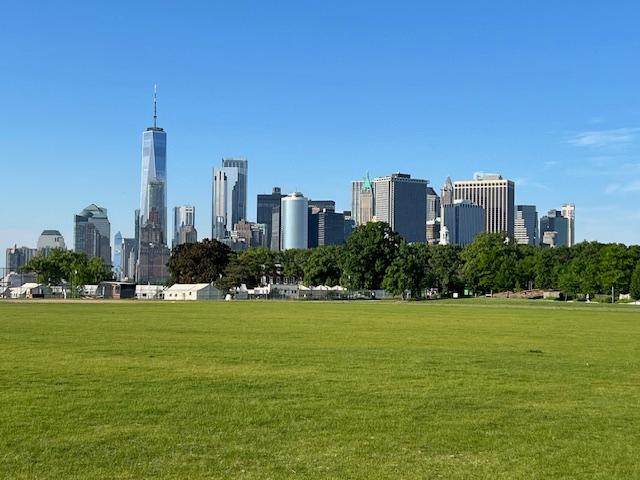
The lawn on Governor’s Island overlooking Lower Manhattan.

Jurisdiction of Governors Island passed from the U.S. Army to the U.S. Coastguard in 1966. Improvements made by the Coast Guard to Fort Jay, whose name was officially reinstated in 1904, included expansion of the golf course; remodeling of the barracks with new kitchens, bathrooms, heating and electrical systems and storm windows and doors and erection of chain-link fencing on the glacis. Fort Jay sat vacant with minimal upkeep since the closure of the Coast Guard in 1997.

Fort Jay was recorded by the Historic American Buildings survey in 1934 and in 1982-83. The fort was individually listed in the National Register of Historic Places in 1974. It was included in a National Historic Landmark District designated in 1985 and a New York Historic District designated in 1996. The fort is also located within the boundaries of the Governors Island National Monument, established by Presidential Proclamations in 2001 and 2003.

(This information I credit to the National Park System-Division of Culture website)