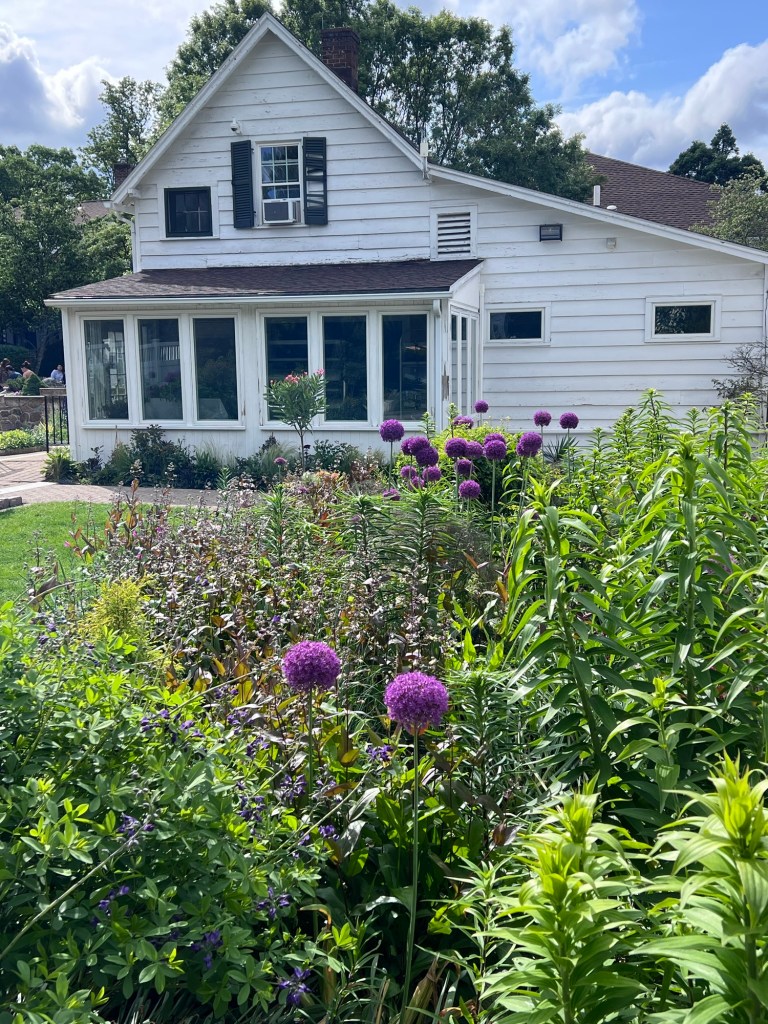
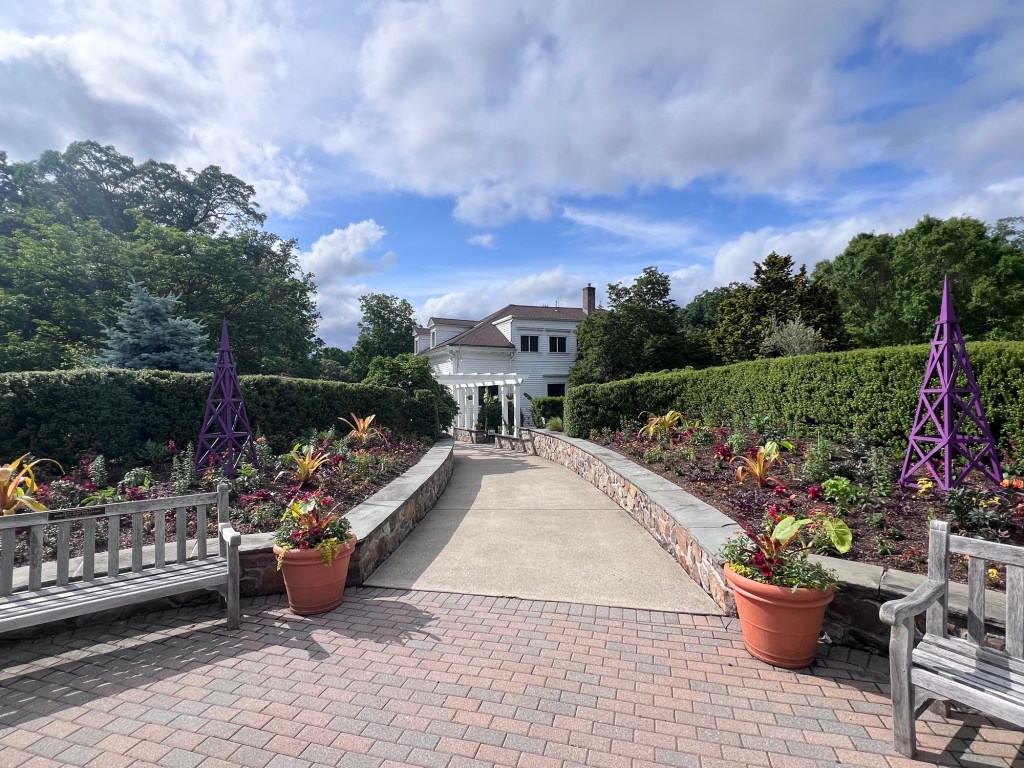
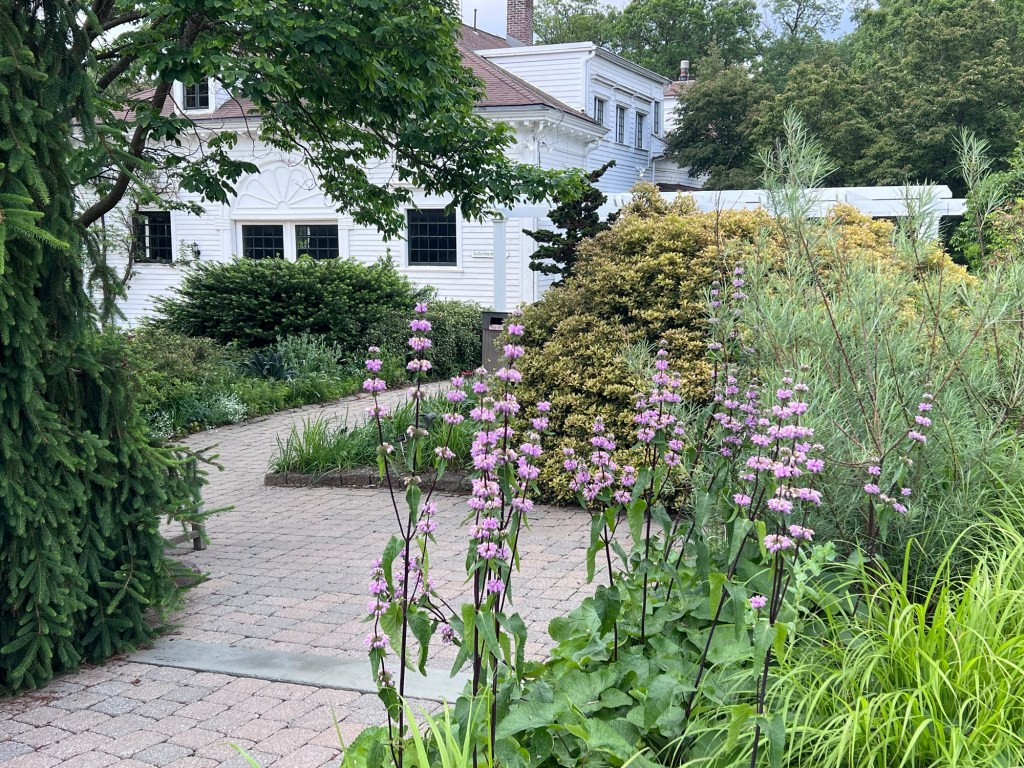
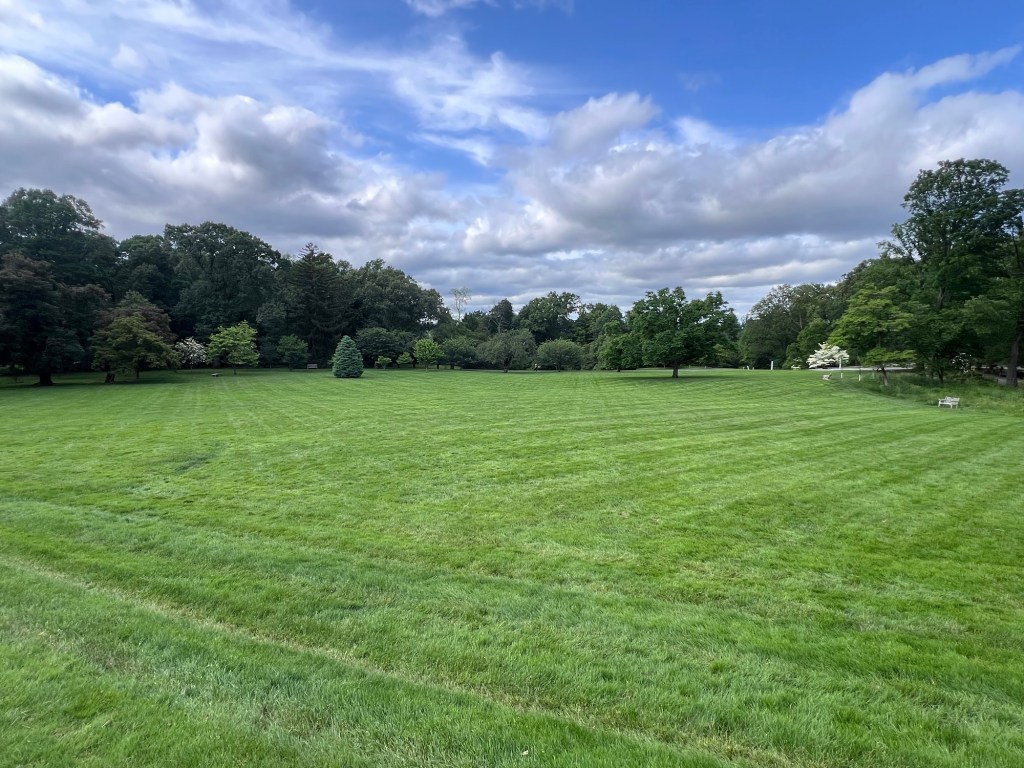
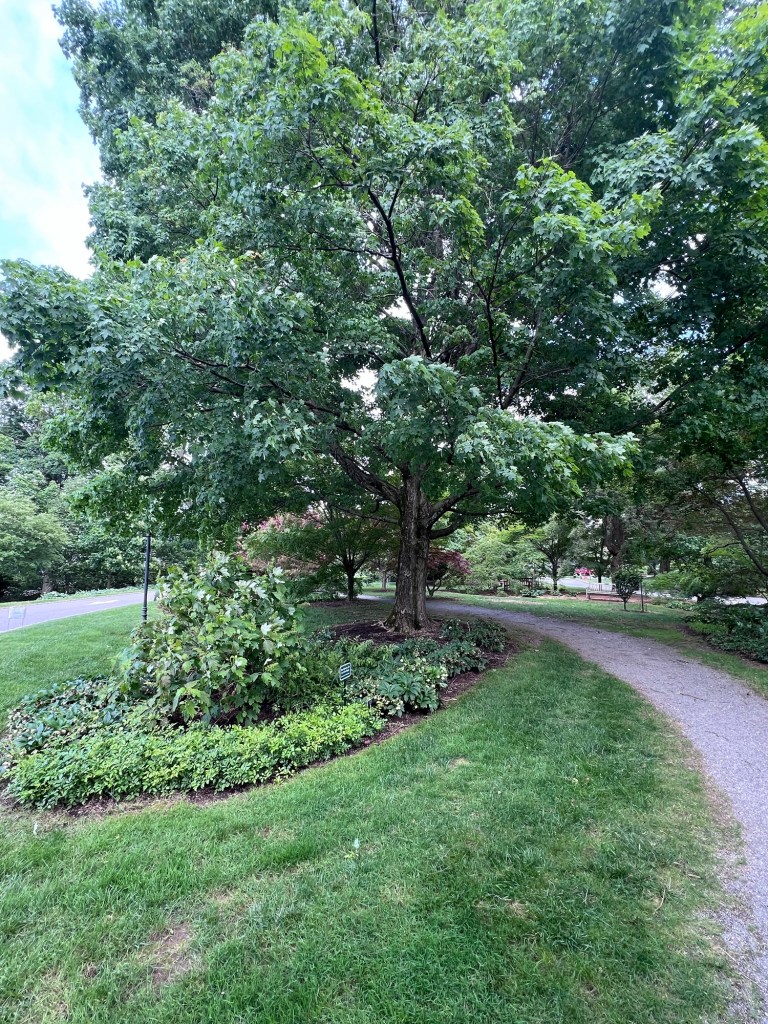
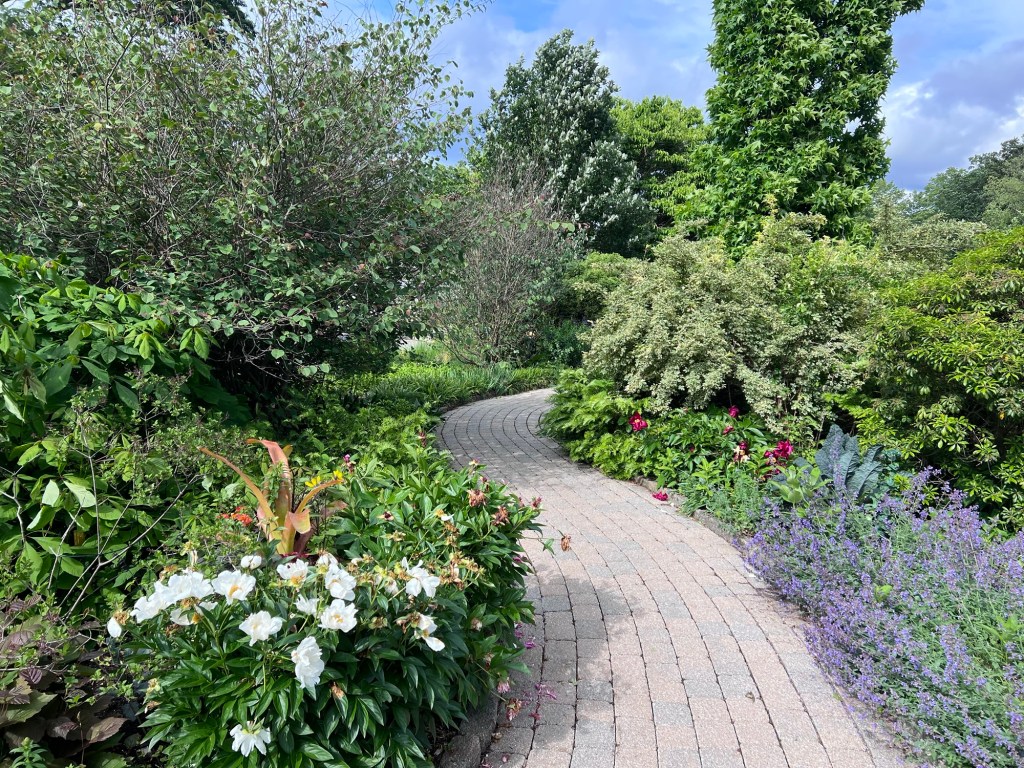
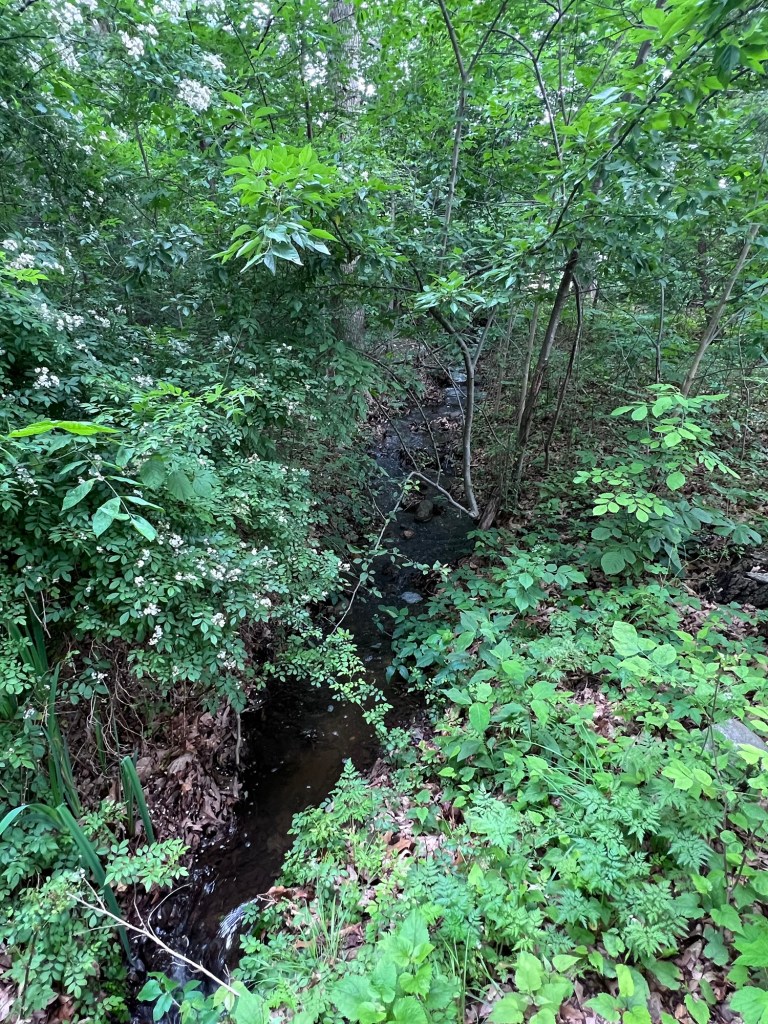
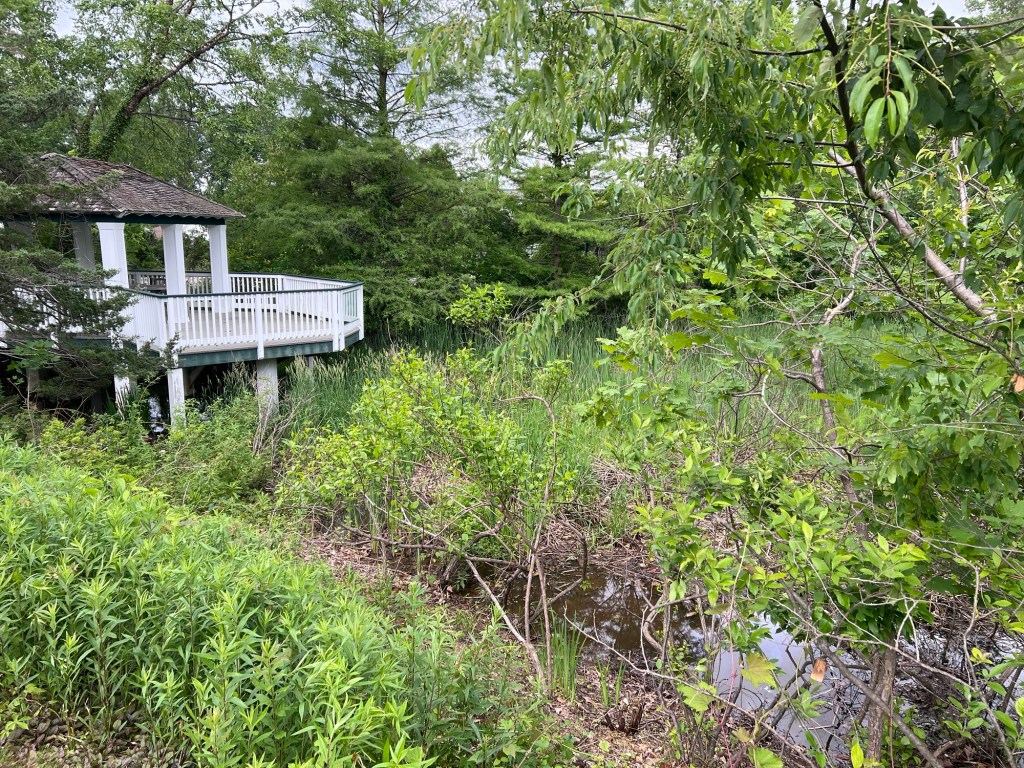
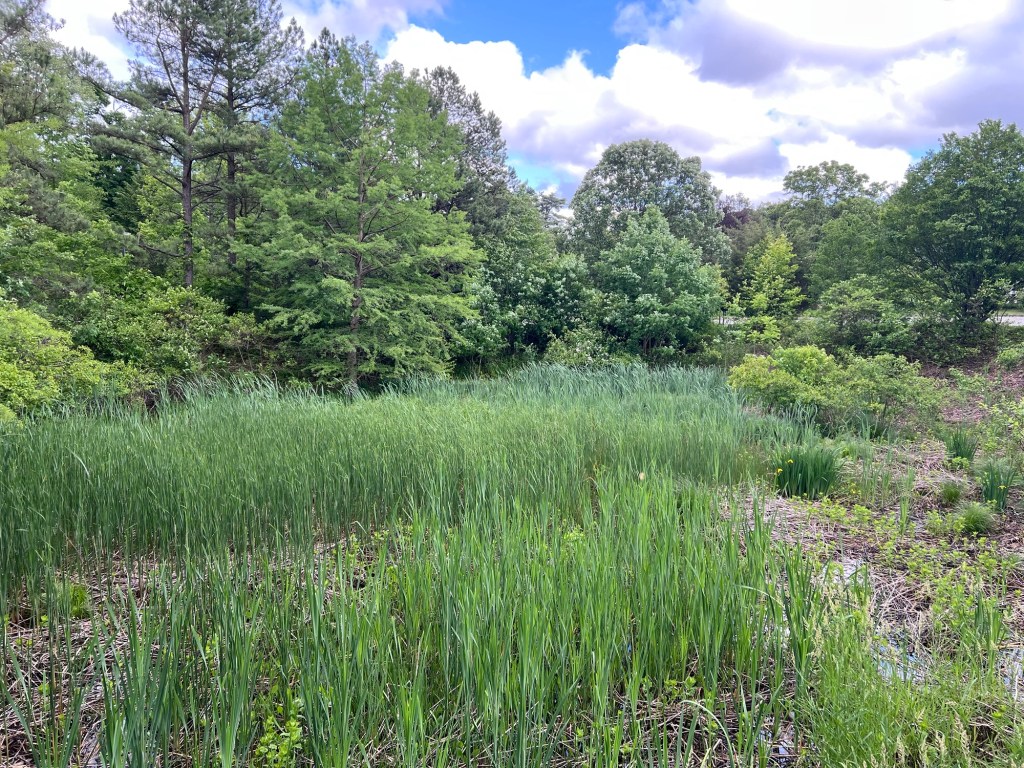
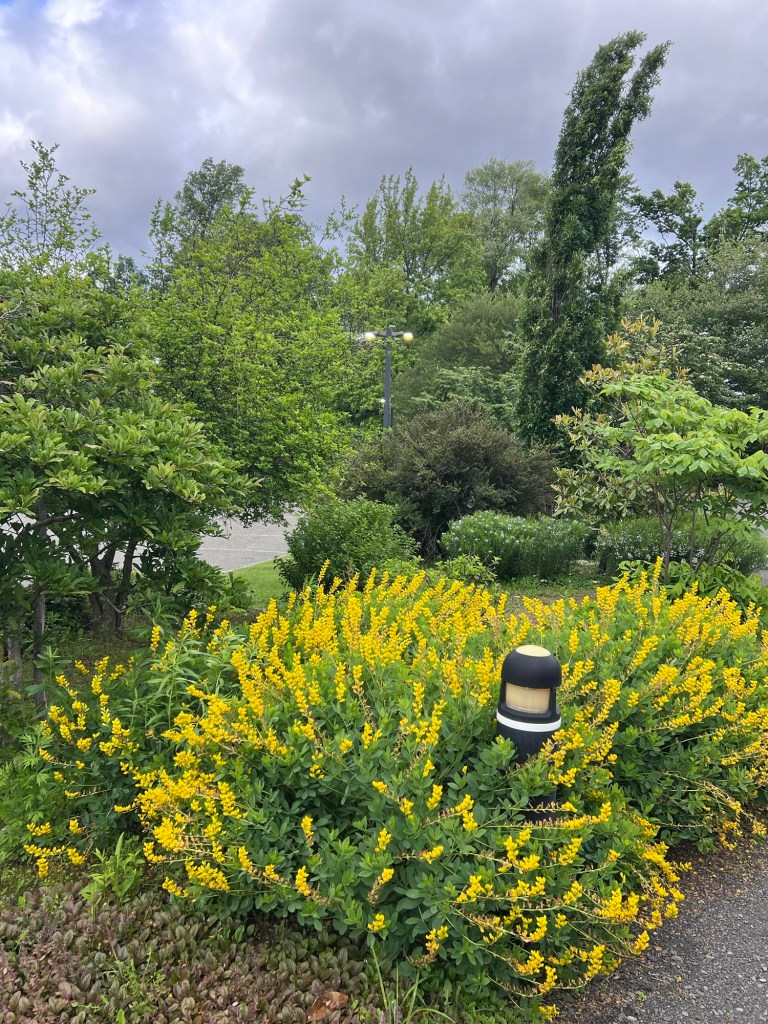
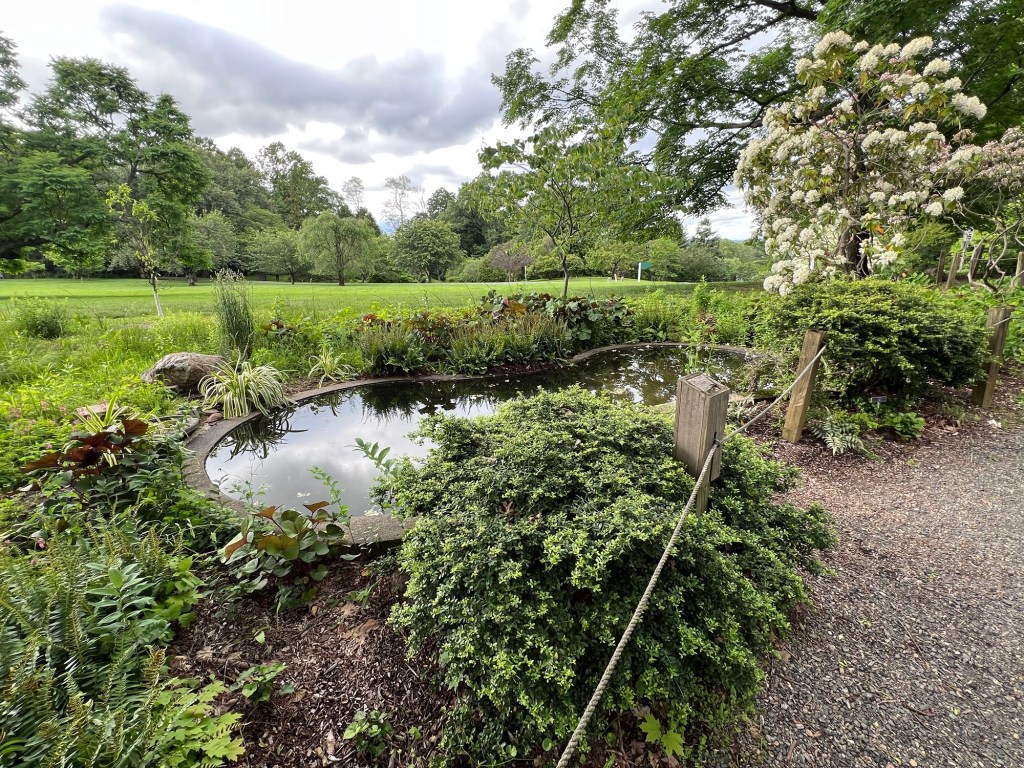
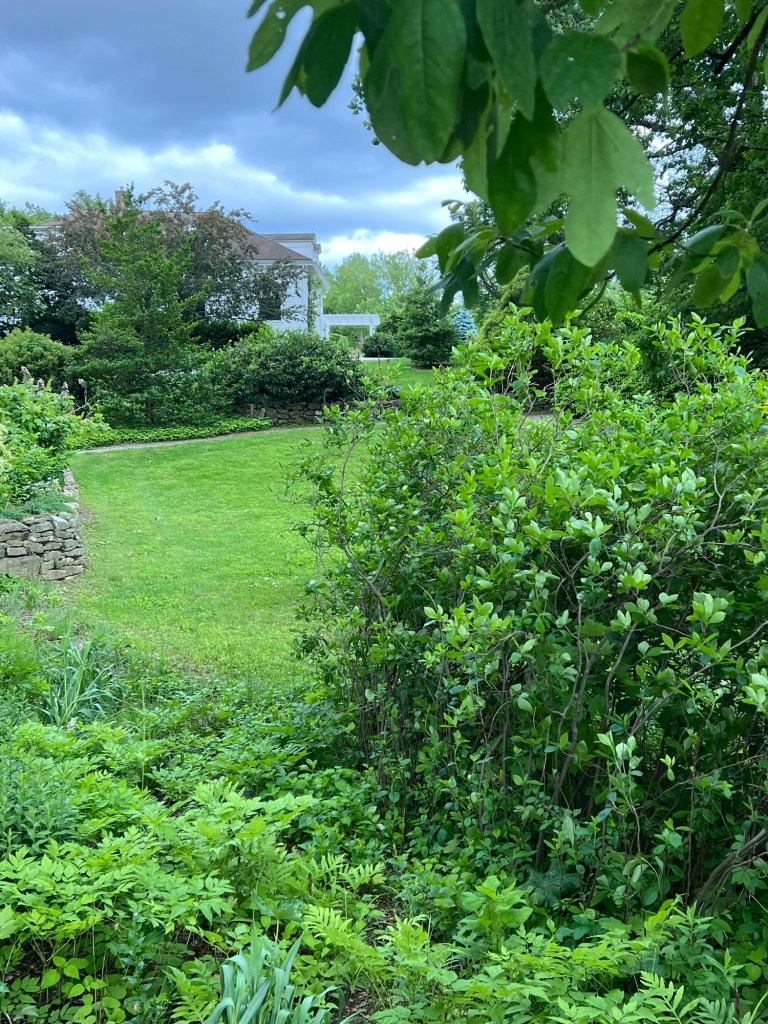
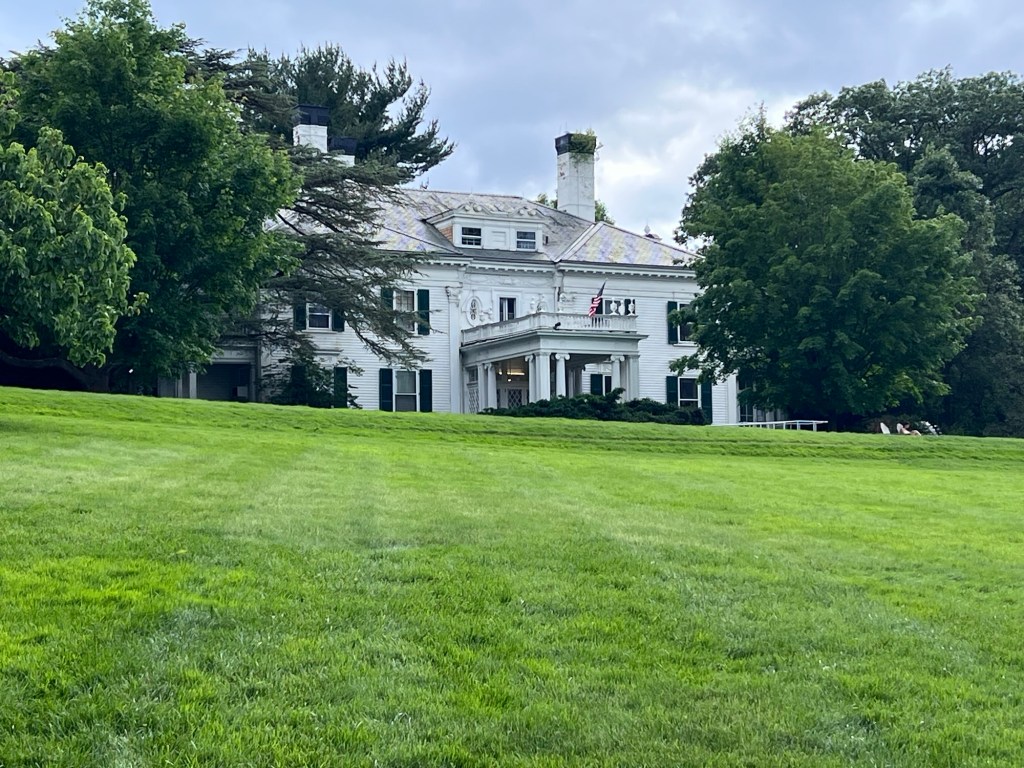
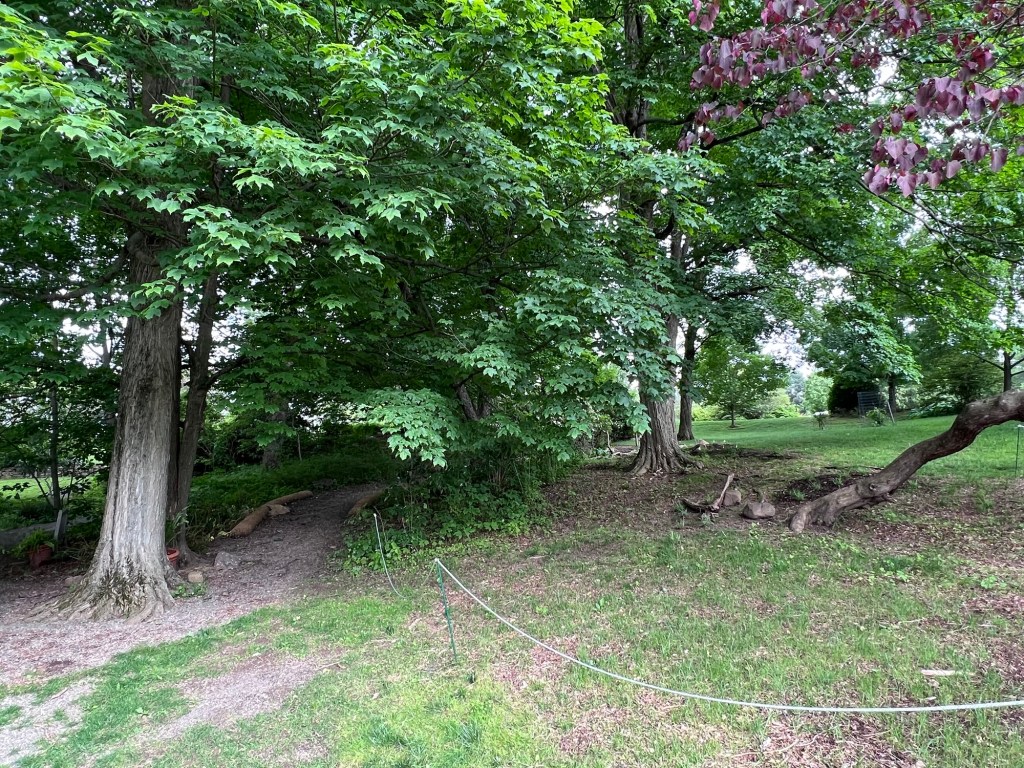
The beautiful Magnolia Trees in the Spring of 2025
The beautiful Cherry Blossoms in 2025
The Gardens were really crowded that day
Then I returned to see Daffodil Hill in full bloom at its finest peak. The hill was a sea of different hues of yellows and greens. It was amazing to look at on a warm aftrernoon.
The front of the Mahanoy Area Historical Society at 1 West Centre Street#5 in Mahanoy City, PA
(from the museum website)
The museum is located on the first floor of the James J. Rhoades Downtown Center at the corner of Main and Centre Streets in Mahanoy City.
A representation of the Coal Mining Industry in Mahanoy City
The inside of this interesting museum
The Mission of the Museum:
(From the museum pamphlet):
To preserve and protect the history of the Mahanoy Area and to work toward the restoration, revitalization and future of the community.
A glimpse into the areas contributions to the Mining industry
I took time on my visit to Mahanoy City, PA to visit the Mahanoy Area Historical Society and discovered an interesting little museum that tells the story of this small city, whose roots and founding are around the local mines. The displays show a tight knit and proud community even in the changes in the economy and the status of the mines.
There is a lot of memorabilia on the contributions of local residents to our armed forces
The pride of the community to our country
The characters of the movers and shakers of the community in The Mahanoy City Social Club, who once dominated the business scene in town.
The display of the Kaier Brewery, once a dominate business in town until the late 1960’s
The other being Victor Schertzinger, who was a director and composer, who won the Academy Award for best original music for the film ‘One Night of Love’.
A big part of the museum is the collection from the Mahanoy City and the Mahanoy Township school systems. There is a big history of sports and with school pride in this area.
The display of school memorabilia at the museum
The high school memorabilia from Mahanoy City schools
High School memoribilia
High school pride
School uniforms and clothing
Awards, plaques and yearbooks
The school and local band equipment
The para-Military is prominent in the collection with many families donating their family items. Items from the Police and Fire departments are prominently on display.
Display cases of local items
Civic items in the collection
More historical items from around the community
Local artifacts from the community
There were many businesses that were created in the area when innovation and technology were changing between the wars.
The clothing and beauty industries were founded and thriving businesses in the community.
Items from the mining industry are prominently displayed in the front of the museum.
The front of the museum
The museum shows the creation, growth and pride in this and the surrounding communities. Innovation and creation were once prominent in Mahanoy City now waiting for another generation to discover it and keep this tradition alive.
The Church community
After the visit to the museum, I walked around the downtown to see the before and after effects of the mines and the industries that have closed down over the years.
While it does look depressed in some ways, you can still the spark of a community that needs to be discovered again. Somewhere buried in this community is the next new business or innovative idea that will once again showcase it again. There is a lot of pride still here and it shows in the history in this museum.
The entrance to the Nagel/Auryansen Cemetery in Closter, NJ
The historic marker sign
The History of the Cemetery:
(From the Boro of Closter, NJ website)
The Naugle/Auryansen Cemetery is significant in the early settlement period of Closter’s history. Documented burials date to circa 1722 and include Dutch pioneer families with names like Vervalen, Naugle (Nagle), DeClark, Ferdon, Parsells, Auryansen, Demarest, Haring, Cole, Kearney, Montague and Bogert. Seven Soldiers, Closter farmers, who served in the Bergen County Militia during the Revolutionary war and one veteran from the War of 1812 are known to be among the interred.
The cemetery once known only as the “Burying Place,” was part of the original lands purchased in 1710 by the Naugle brothers, Barent and Resolvent. They divided their lands in 1748 and the division stones carved with their initials (“BN” and “RN”) are still visible in the middle of the cemetery.
Later, the place became known as the Auryansen Grave Yard because this family took title to the land upon which it sits. Many of the sandstone and frame houses built by these families and their descendants are still standing in the Borough today.
The description sign of the cemeteries plot locations
The plot location sign
The Historical Maintenance and care of the cemetery in the modern era:
(from the Boro of Closter, NJ website)
In 1996, the Closter Historical Society undertook a three year project to restore the 19th century sandstone gravemarkers. At that time a complete survey was done of the tombstones in the Cemetery and Tim Adriance is in the process of preparing this information for publication.
In 1961 Ralph Heaton of the American Legion obtained official granite plaques from the Veterans Administration and placed them at the foot of five Revolutionary soldiers’ graves.
Various caretakers have helped maintain and clean the cemetery through the years. Presently, Tim Adriance, the Auryansen family historian is the caretaker. This is still an active cemetery. From: 1999 “Revisions and Update” of the Historic Sites Survey, by Pat Morillo for the Closter Historic Preservation Commission – attached to the Bergen County Historic Sites Survey: Borough of Closter dated 1981-1982.
Recent work on the cemetery grounds has been overseen by the Closter Historic Preservation Commission and undertaken by the Closter DPW, as well as local Eagle Scouts. The cemetery now has an attractive rustic wooden fence and gate at the Susan Drive entrance, a newly refurbished flagpole with an historic American flag, new fencing along the perimeter, and other improvements to the Susan Drive entrance.
In 2010, the Bergen County Historical Society erected an historic blue marker describing the site. This marker is located at the Susan Drive entrance.
The Cemetery is open to the public through the new gate at the entrance on Susan Drive, between house numbers 42 and 50 Susan Drive, off Ruckman Road. This gate is unlocked, though the gate off the Hickory Lane entrance remains padlocked to prevent damage from off-road vehicles passing through the cemetery.
The inside of the cemetery on s gloomy afternoon
The Nagel family plot inside the cemetery
I visited the Nagel-Auryansen Cemetery one gloomy afternoon. This small cemetery is one of about a half dozen in Bergen County, NJ that were once part of family homesteads that are long gone.
These once important family farms started to disappear after the Civil War and with the coming of income tax, smaller families and automation of farming, these farms disappeared. These small cemeteries are what remains of these families legacies.
The grave of resident Abraham Auryansen
The Auryansen family plot inside the cemetery
The Nagel family plot inside the cemetery
The Auryansen family plot inside the cemetery towards the back
The Nagel and Haring family gravestones
The gravestones closer to the entrance of the cemetery
On the next block over, the original family farmhouse along with the Metropolitan farm still exists. The family farmhouse and nursery are still part of the community. It is the oldest continuous farms in the State of New Jersey.
The Metropolitan Farm is home to the Resolvert Nagel Farmhouse and farm
The historic marker to the home
The entrance to the Metropolitan Farm at 119 Hickory Lane in Closter, NJ
Started in 2012, our farm is located on the property which is the oldest working farm in the State of New Jersey. Every year, we are improving our ability to help you and make it more convenient to access our 70.000 perennials.
Our perennial growers have been working with perennials in Northern New Jersey for over 30 years. In that time, they have discovered what works the best and what thrives in our hot summers and survives our bitter cold winters. We overwinter all our perennials that we carry and our products are ready to be planted and enjoyed wherever you may place them.
The original section of the Nagel family farmhouse
The History of the farmhouse:
(from the Metropolitan Farm website)
The Stone Farmhouse dates back to the early 1700’s. The Auryansen/Naugle family lived here for generations and owned over 1000 acres from the hudson river to the farm. (Currently parts of Alpine and Closter). It was sold to several other families and was put into the Historic Commission in 1980. The house was sold to the current owners in 2012 along with the rest of the property and was renovated to restore some of its original beauty and architecture. Part of the current family lives there now.
The modern farmhouse today with modern addition
The Metropolitan Farm and Nursery
The outside plants at the farm
The outside plant and shrubs
The perennials for sale on the farm
The greenhouse flowers
The greenhouse flowers and plants
The inside of the farm store
Inside the farm store
The beautiful flowers on sale at the store
The outside grounds and the property left of this historical farm in Closter, NJ
It is interesting to see how the legacy of this family still lives on in the Twentieth century as a nursery farm but it shows how it has matured and adapted to today’s population.
Some of the descendants of these families still call Bergen County home and are also names we see on streets, towns and schools in the area.
Galleries at Fairleigh Dickinson University-University Hall
1000 River Road
Teaneck, NJ 07666
(201) 692-2801
Open: Sunday Closed/Monday-Friday 10:00am-5:00pm
Admission: Free but donations accepted
My review on TripAdvisor:
University Hall on the Fairleigh Dickinson Campus 1000 River Road
The entrance to the museum
The entrance to the Art Gallery
I recently visited the Galleries at Fairleigh Dickinson University and I walked through the new exhibition of being featured by artists Cordelia Barney and Makenna Savnik who are local artists to New Jersey. This was an interesting gallery with walls lined with whimsical art.
The Galleries Museum is located on the first floor of the University Building next to the art Department.
The works by the artists lined the walls
The history of the Arts Department at Fairleigh Dickinson University:
(from the University website)
In September 2018, Fairleigh Dickinson University inaugurated the School of the Arts, a robust center of learning for students who seek arts training grounded in a real-world framework. Today, the School of the Arts is a thriving and exciting community fostering talented students and faculty who are dedicated to a wide variety of artistic expression.
School of the Arts students participate in an innovative curriculum that combines a strong liberal arts education, hands-on creative work, valuable opportunities for internships, and an integrated new approach to arts entrepreneurship.
Outstanding and nationally recognized artists and authors empower our students to reach their full creative potential through speaking engagements, workshops, art shows, and performances. School of the arts students are connected to a network of professional mentors and colleagues who help jump-start their careers. Our Florham Campus features a beautiful and inspiring landscape where students can collaborate across disciplines and flourish while the Metro Campus is located closely to Manhattan. Graduates will be equipped to thrive in today’s — and tomorrow’s — complex interconnected world.
The art works by artist Cordelia Barnet were whimsical and fun with bright colors and inviting patterns. These were the works that stood out in her part of the exhibition.
‘The Flags that Represent Us’ by artist Cordelia Barnet
The sign for the art
The work ‘How would Botticelli See Me?’
The sign for the art
Cordelia Barnet also did an interesting collection of works with Cats as a theme. These were the ones that stood out to me.
The work ‘Hold up the Pinnacle’
The sign for the event
The work ‘Sleeping with the Fishes’
The sign for the work
The works on the other side of the Gallery were by artist Makenna Savnik. Her works were interesting in the repeated symbols and characters she created.