There is always a lot of excitement when a new art exhibition is ready to open. It is even better when the museum opens it to its members first before the public gets a glimpse. It gives a chance to see the exhibitions before it opens to the public.
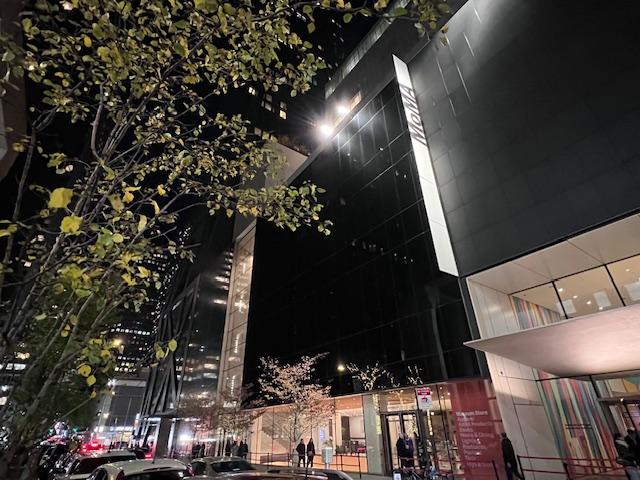
The long line of MoMA members waiting to get into the museum for the opening night of Artist Ruth Asawa’s exhibition
I noticed this year especially and right before Thanksgiving, all the museums are throwing open their doors for Member’s Nights. I have been invited to five Members Nights at museums all over the City. You can’t attend them all.
The excitement the museum creates for these evenings
Video of entering the museum at the start of the opening with 80’s Japanese Pop Music
I think in an economy like this, these Members Nights are one of the best ways to engage with the membership for both donations and renewals of memberships especially before the holiday season. Plus it gives the members a wonderful night out to see the exhibitions ahead of time and enjoy the evening after a long week at work.
Born on a farm in Southern California, Asawa began her arts education when she was a teenager and she and her family were among the thousands of persons of Japanese descent who were forcibly incarcerated by the US government during World War II. It was at the internment camp that Asawa began taking classes in painting and drawing. After her release, Asawa studied to be a teacher but was unable to get a license because of her Japanese heritage, so she enrolled at Black Mountain College, an experimental art school in North Carolina. Asawa took classes from and worked alongside fellow artists Josef Albers, Robert Rauschenberg, Merce Cunningham, and R. Buckminster Fuller. Black Mountain was also where she met her husband, the architect Albert Lanier.
I loved her wire woven sculptures.
The wire woven sculptures were the standouts of the exhibition
I thought these were a unique design
I liked here colorful paintings, these are of her child’s footprints. I loved the idea that her children were involved with the art
The patrons enjoying the art
The display of the wire art
The displays were impressive and graceful
The colorful faces looked tired
The look of nature in the wire art in the form of trees
I loved her works of food
At the end of the exhibition and the evening, I joined everyone on the main floor where the bar and gift shop were located. The main floor was the busiest part of the museum. I wondered if some of these people even went upstairs to see the exhibition or just stayed downstairs to socialize.
The main floor of the museum is always packed with people
Share in the excitement of the Membership opening
These evenings always get my mind off the stress of life. It is nice to just be in Midtown Manhattan and be in the moment. It is nice to see art, hear music and walk through the museum.
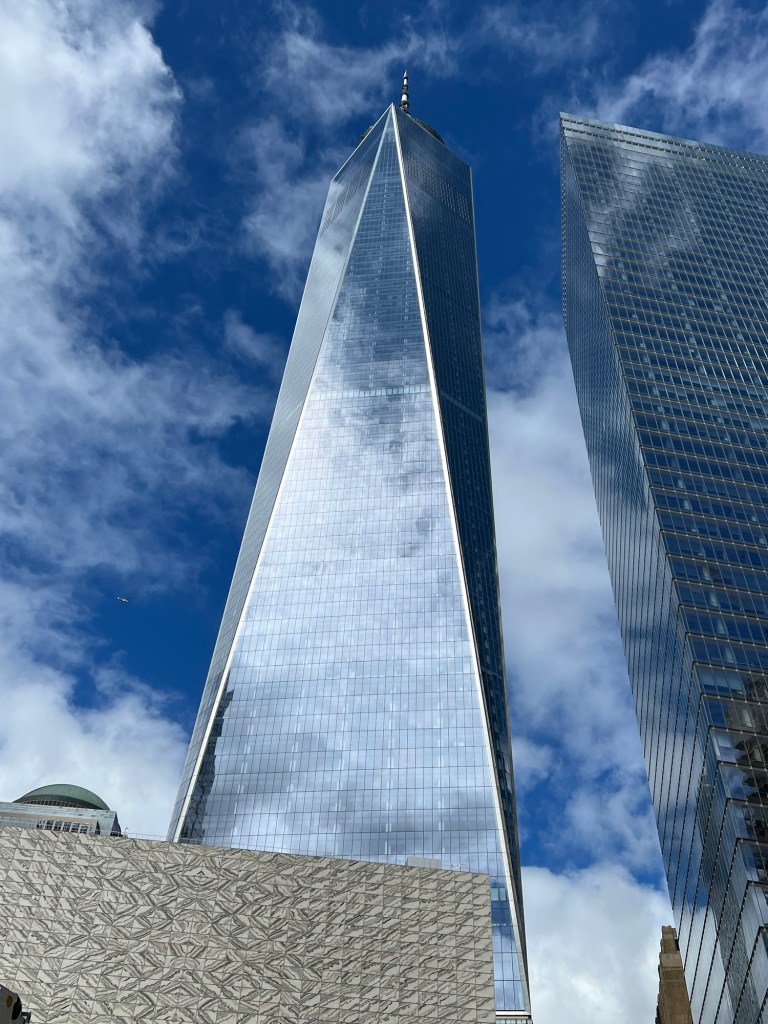
Though it is not a museum, it is a view of the world. I had been to the original World Trade Center three times before 9/11 and the views were just amazing. There is nothing like it as the Empire State Building’s are a bit different.
The building itself is very impressive to visit (quite frankly I would NEVER want to work here) but with its past leery of anything else. Too many people died on this site and I would not want to work in an office here no matter what company. I would want a parachute in my office at all times. Still this was going to be my second trip to the top of the building since 2015 when I visited with my best friend, Kris.
I had won two tickets to the Observatory from a contest at NYU and had set VIP tickets to skip the line to go to the top. At 10:00am in the morning, there was no line to skip. I went right to the top with not that many people there at that time. If you get there early in the morning in the off season, there are no crowds.
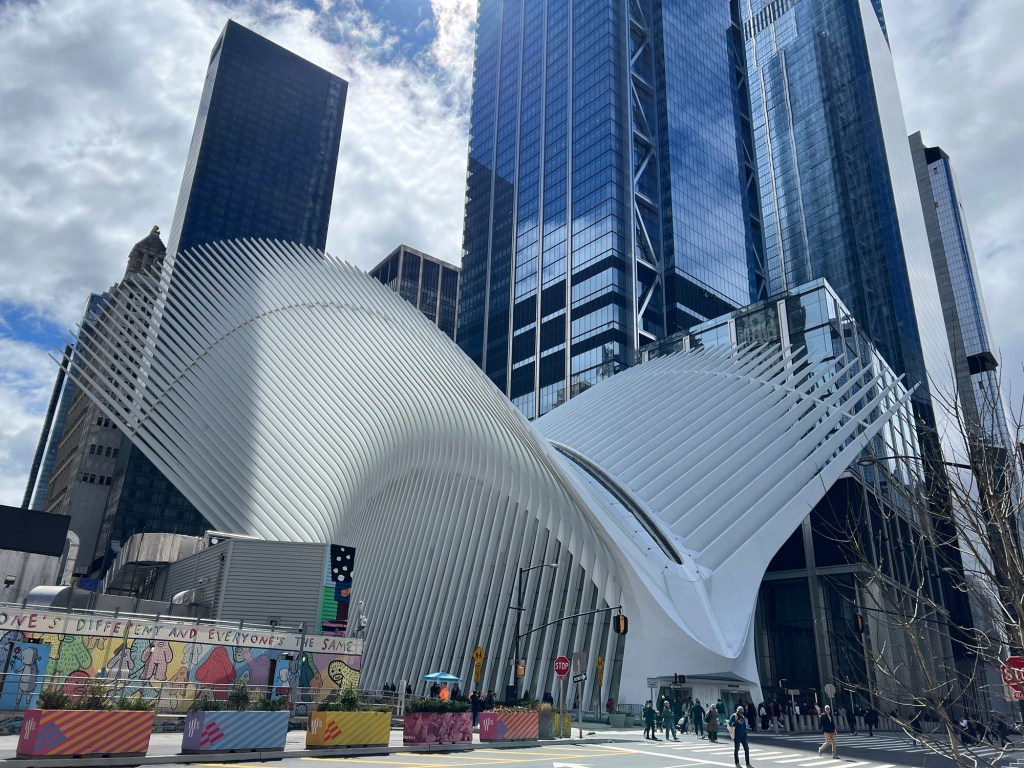
The site is still so impressive. This is the Occulus right by the Tower.
One World Observatory is at the top of the tallest building in the Western Hemisphere, One World Trade Center. The Observatory is located on the 100th, 101st, and 102nd floors encompassing over 125,000 square feet. You’ll take an incredible Sky Pod Elevator ride to the top. Once aloft guests can explore three levels of the Observatory filled with innovation and inspiration. One World Observatory offers views of New York City’s iconic sights, surrounding waters, and iconic skyline – amazing 360 views for up to 45 miles in every direction (One World Trade Center website).
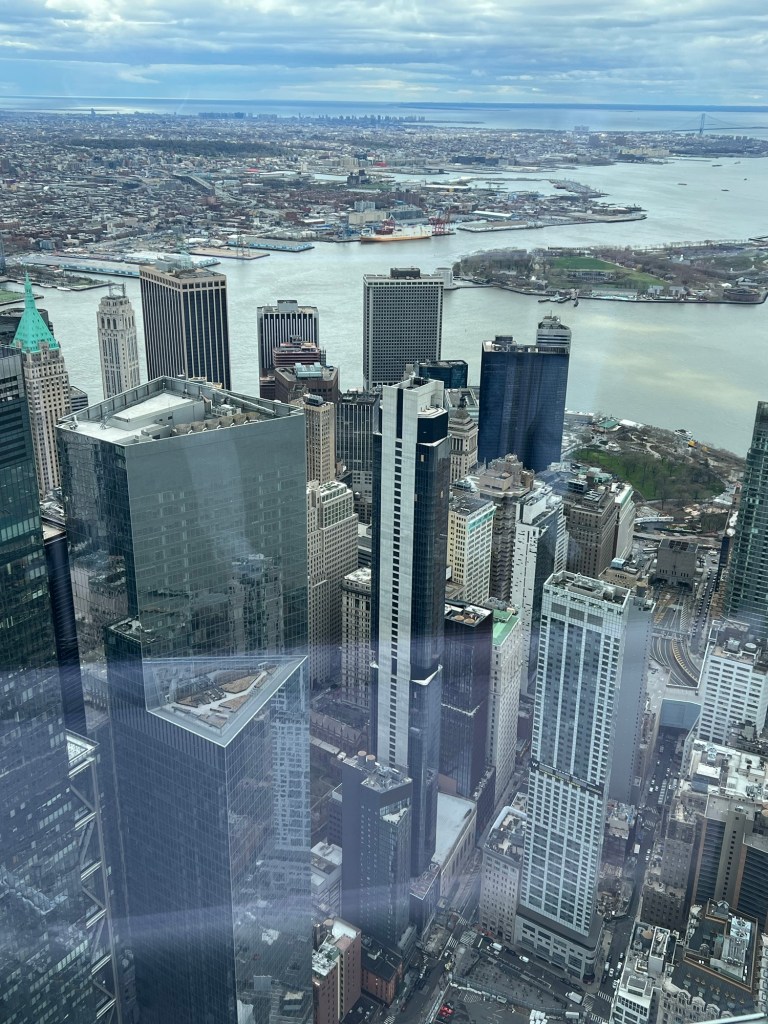
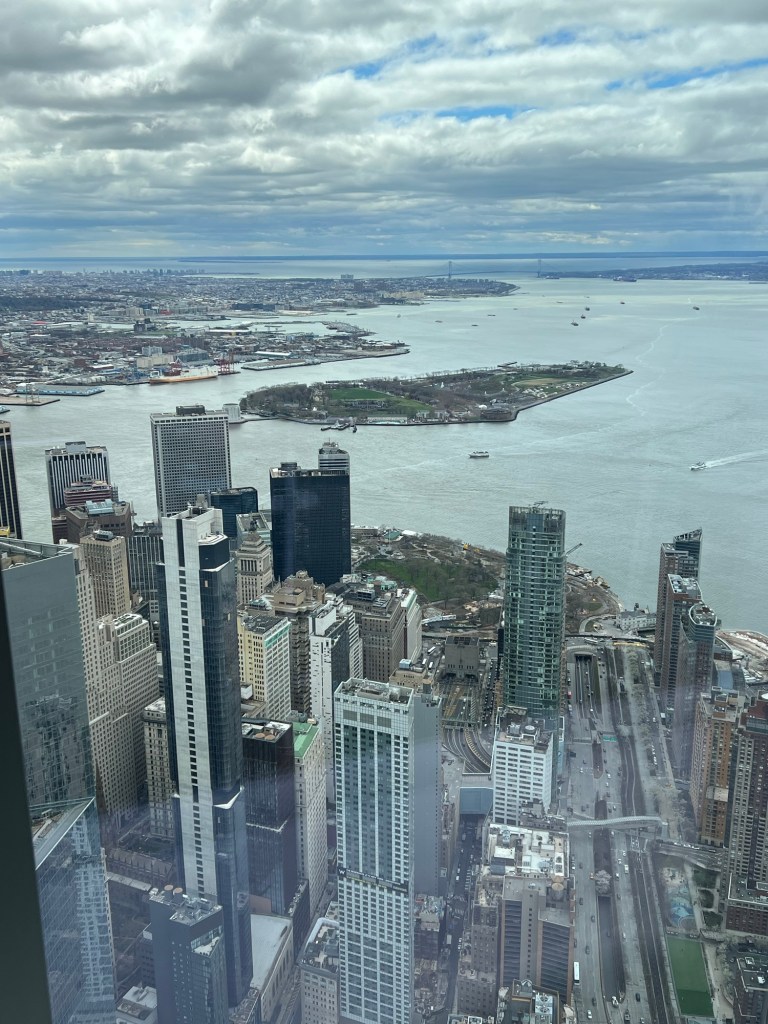
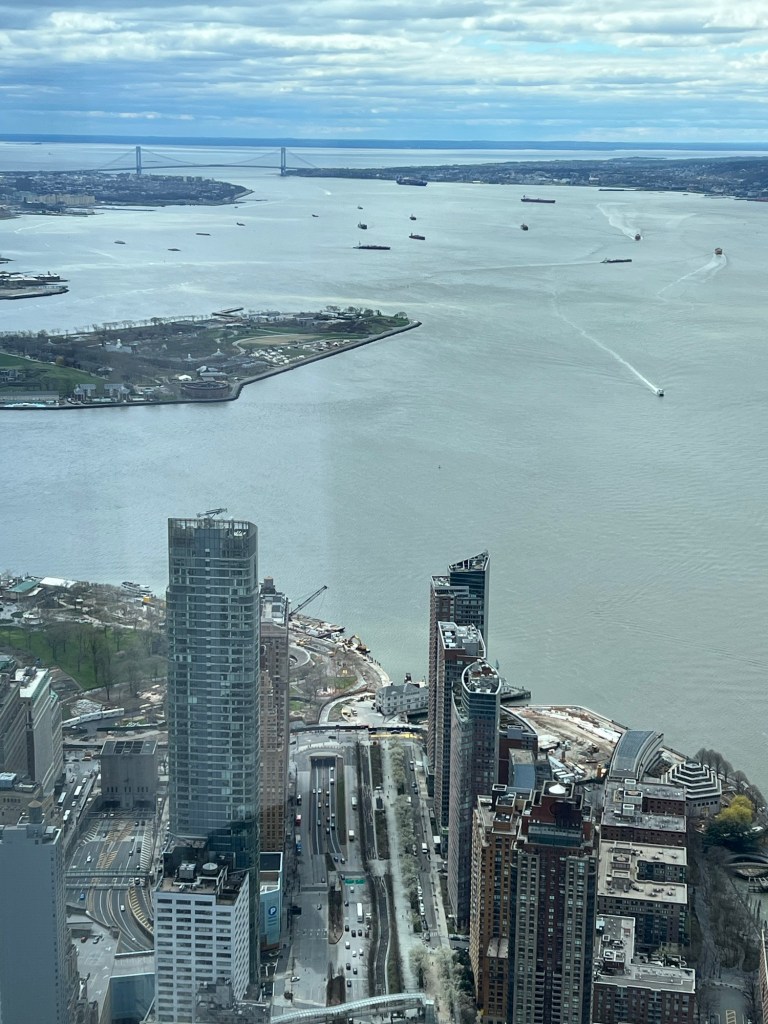
The views from the top are so impressive of downtown and Governors Island.
Governors Island in the foreground and lower Manhattan. This is the original colony.
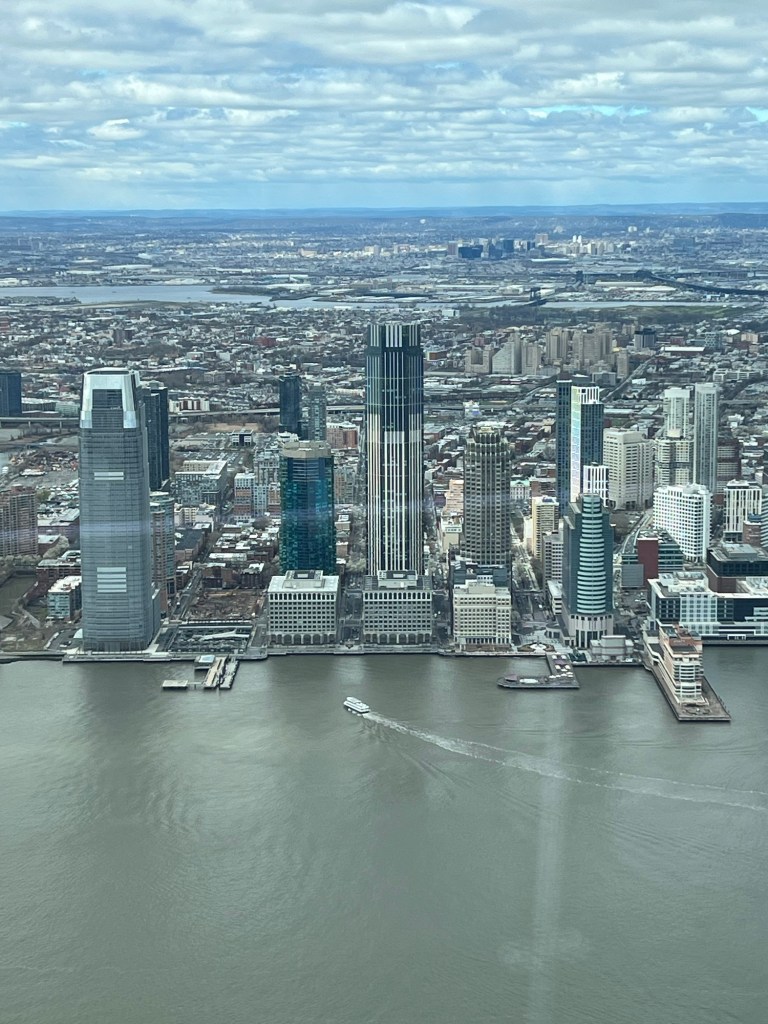
The views of Downtown Jersey City and the Waterfront are so spectacular.
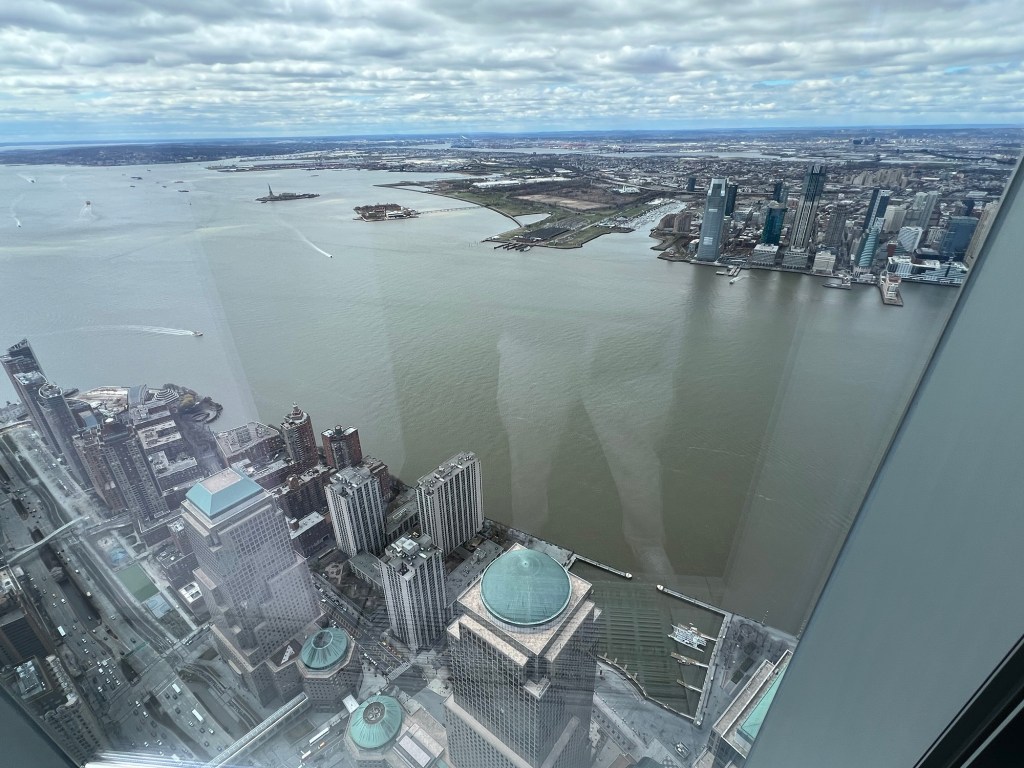
The Statue of Liberty seemed so close.
The views of Downtown Brooklyn were amazing.
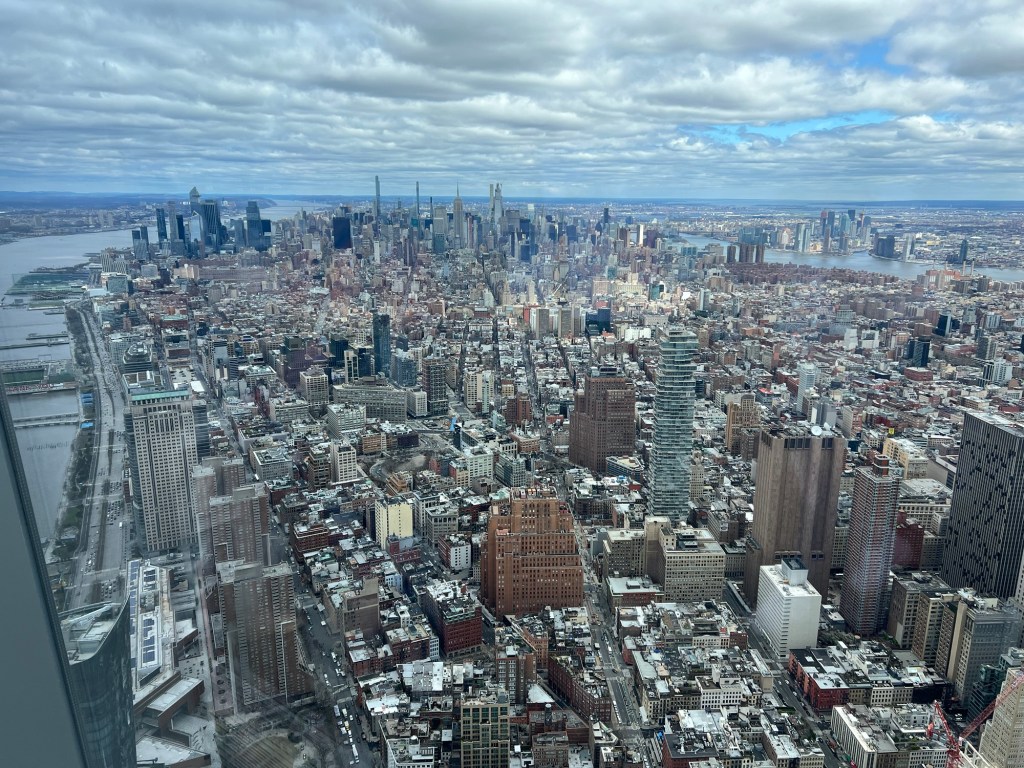
Midtown was so impressive on a clear day. You can see all the way up to Central Park.
Even the Battery was so impressive from this vantage point along the Hudson River.
Another shot of the Battery and Jersey City.
The views of New York Harbor are spectacular.
The Oculus and the Memorial Pools of the 9/11 Memorial from the top of the Observatory.
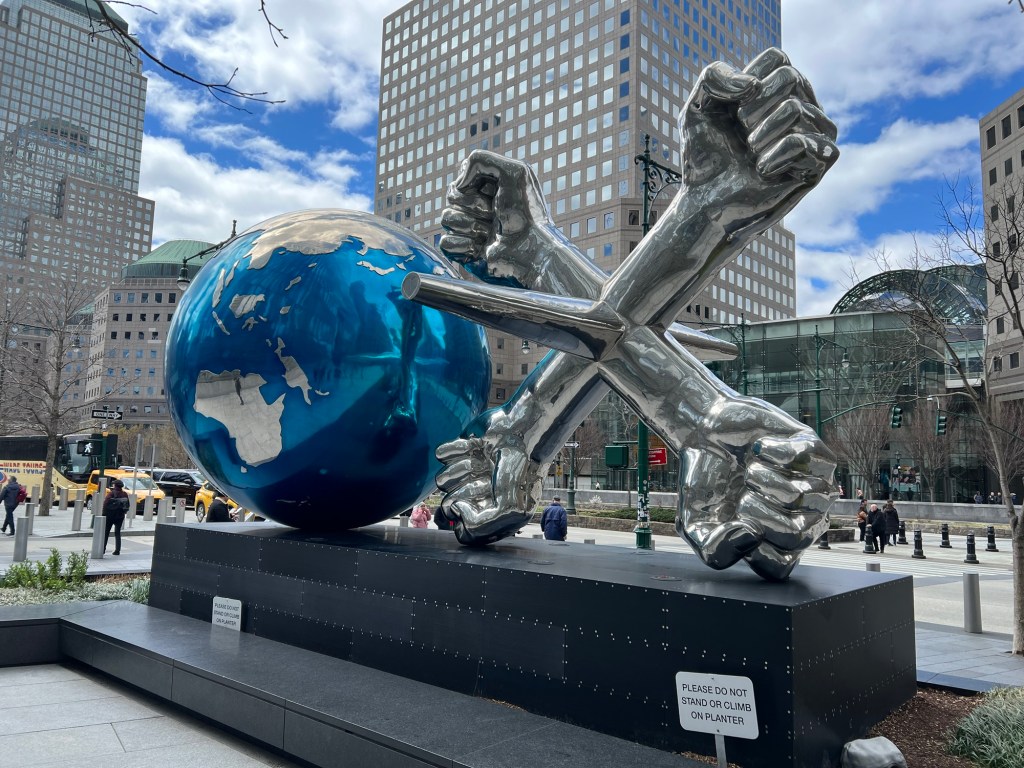
This interesting sculpture, XO World Project, is at the entrance when you leave the building.
The XO World Project was created by artist Daniel Anderson, features two sculptures, “XO PLAY” and “XO WORLD,” that encourage peace and love around the world. “XO PLAY,” on display in the Oculus, depicts children playing a game of jacks, symbolizing childhood innocence and harmony with the world. “XO WORLD,” on display just outside One World Trade Center at West Plaza, features a 12-foot “Jack” from the game of Jacks with an “X” representing “love” in universal sign language and “O” representing the world (World Trade Center website).
Contemporary abstract sculptor and painter Daniel Anderson was born and raised in Pompton Plains, New Jersey. His interest and passion for art began at an early age and led him to be recruited and to receive a scholarship to attend the College of Visual & Performing Arts at Syracuse University in New York. He continued his formal education in Florence, Italy, and was the sole artist from New York City selected to participate in an annual residency program in Melbourne, Australia (Artist’s website).
The sculpture is a visual expression of the powerful message of equality, unity, peace, and love. This use of iconography and symbolism is meant to connect with the hearts and minds of the masses as it is intended to motivate, activate, and further progress humanity (Artist’s website).
“As our society faces unprecedented challenges stemming from a global pandemic, economic recovery, racial inequity, and territorial conflicts, World Peace Day offers the perfect backdrop to unveil these two inspiring sculptures intended to bring people together,” said Anderson (Business Wire.com)
The view from the bottom when you leave.
The view from the 9/11 Memorial Park.
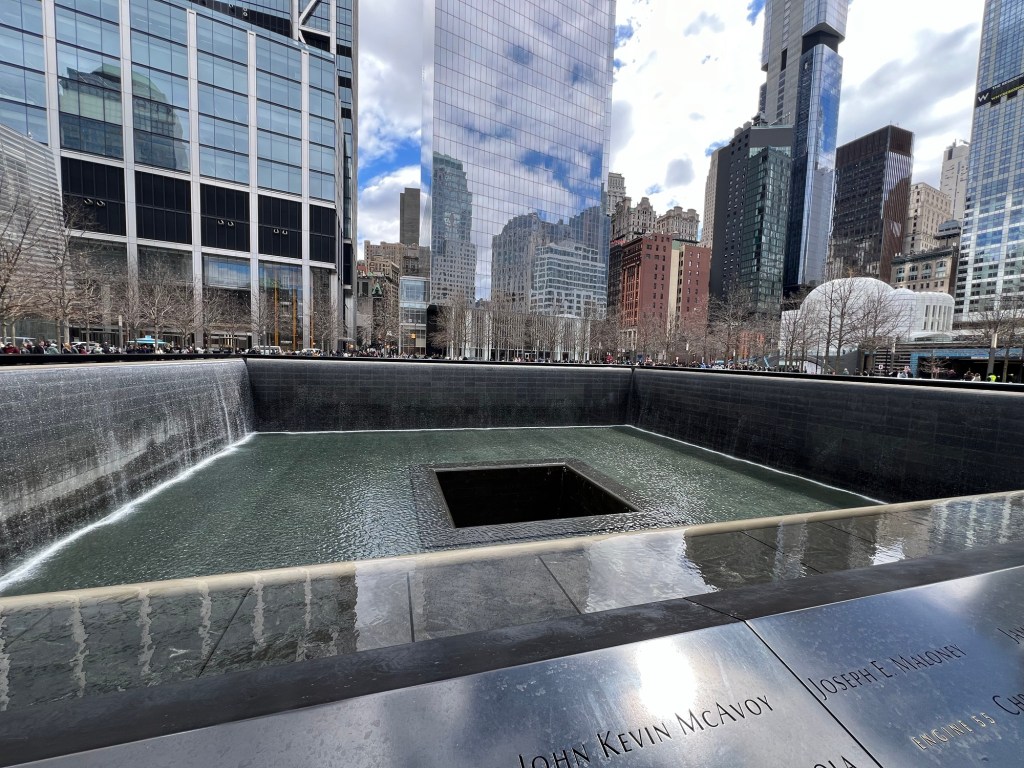
The 9/11 Memorial Pools which are the footprint of the original Trade Center Buildings.
This memorial still gets me choked up with what happened here over twenty years ago. I still see flags and flowers of near loved ones names along the edges of the pools. It is nice that family members still remember their family here.
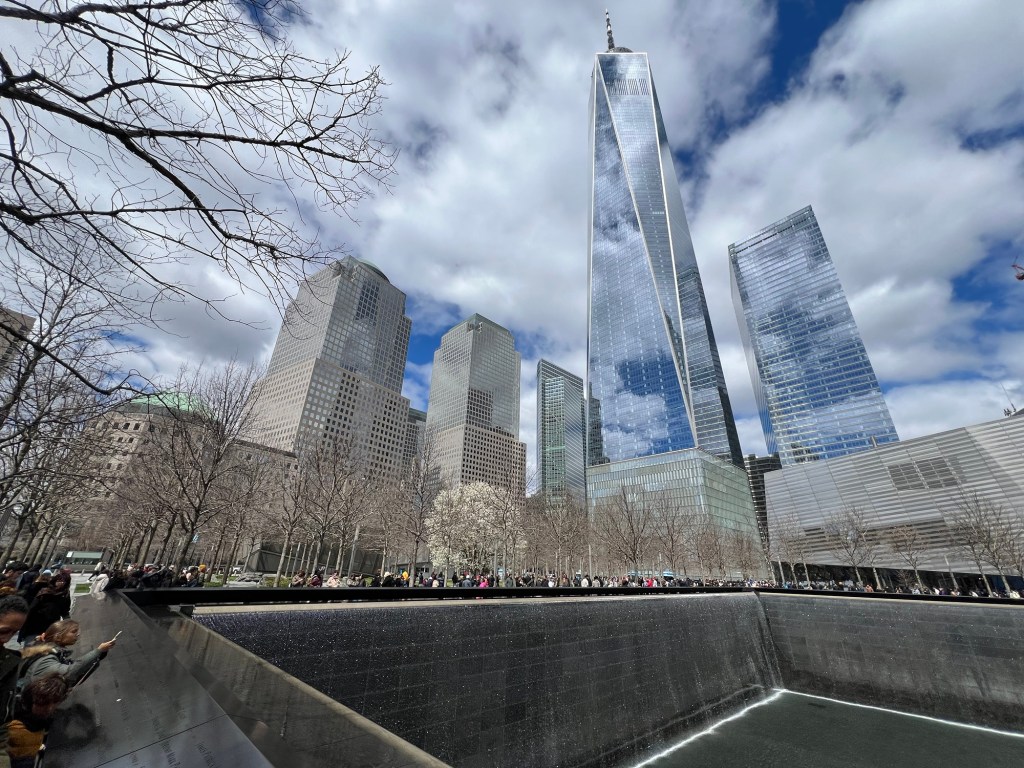
The skyline of the park from the Memorial pools.
The pools are reminder of time when the world went mad. Those feelings are still simmering under the surface of society today.
Admission: Adults $7.00/Seniors-Students with ID-Children 9-17 $4.00/Children 0-8 Free
My review on TripAdvisor:
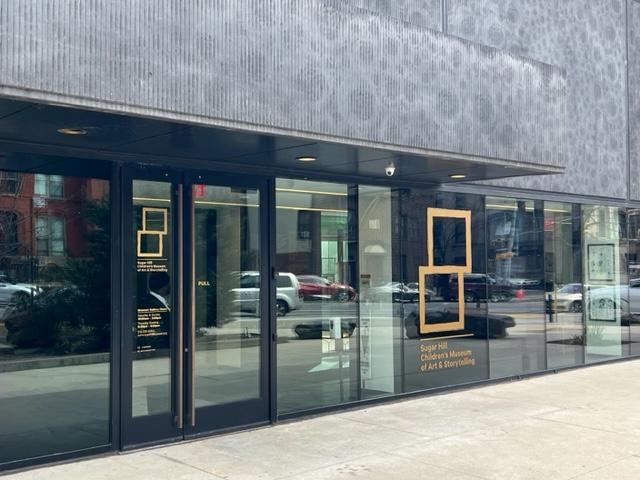
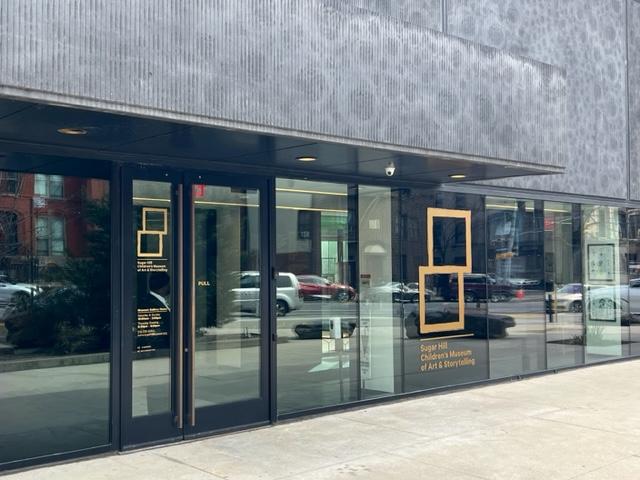
The entrance of the Sugar Hill Children’s Museum
Sugar Hill Children’s Museum of Art & Storytelling building
The Sugar Hill Children’s Museum of Art and Storytelling is located on the first floor and basement level of 880 St. Nichols Avenue. This unique little museum caters to small children and their families with lots of interactive programs for the children.
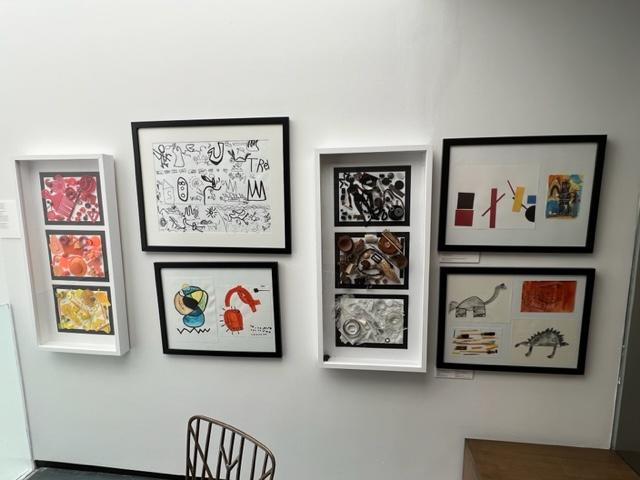
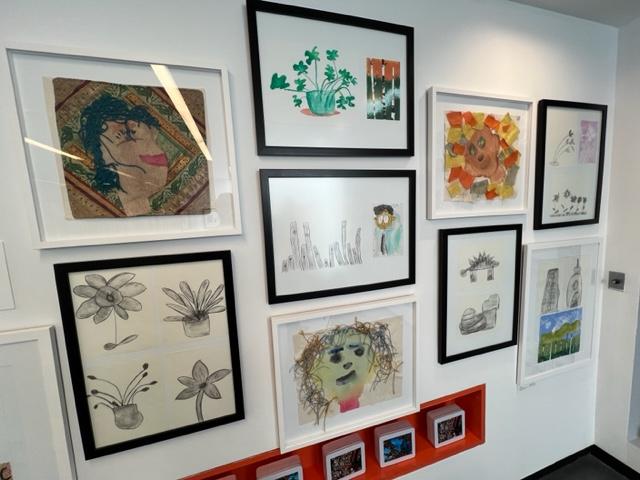
The Children’s Gallery in the First Floor of the Museum with the gift shop.
Children’s Room Exhibition on the first floor
Children’s Room Exhibition on the first floor
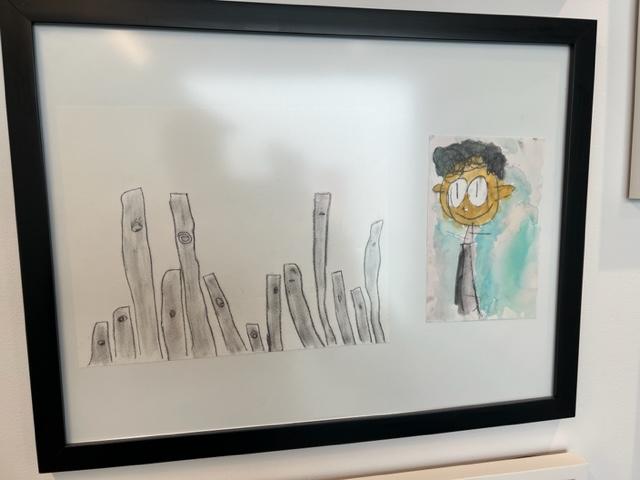
My favorite piece in the Children’s Room exhibition
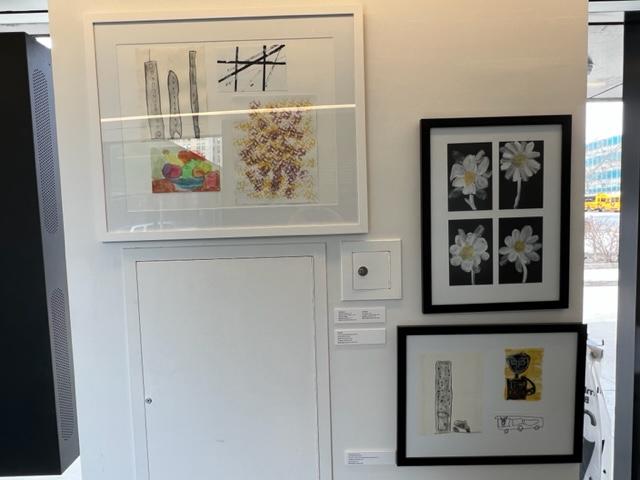
Children’s Room Exhibition
The Galleries:
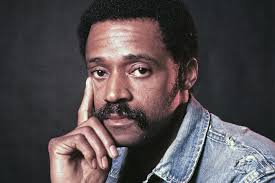
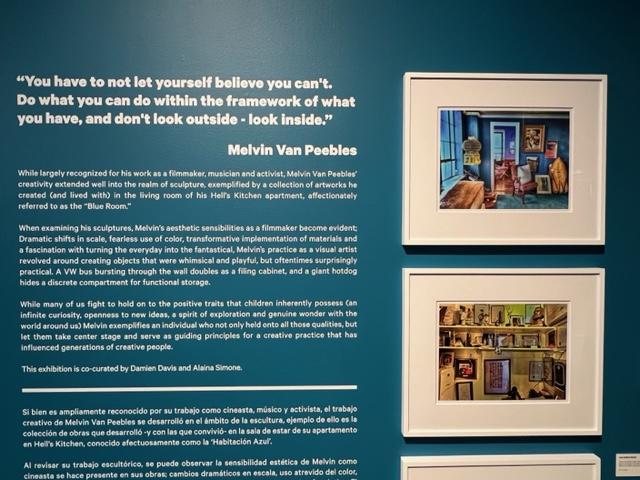
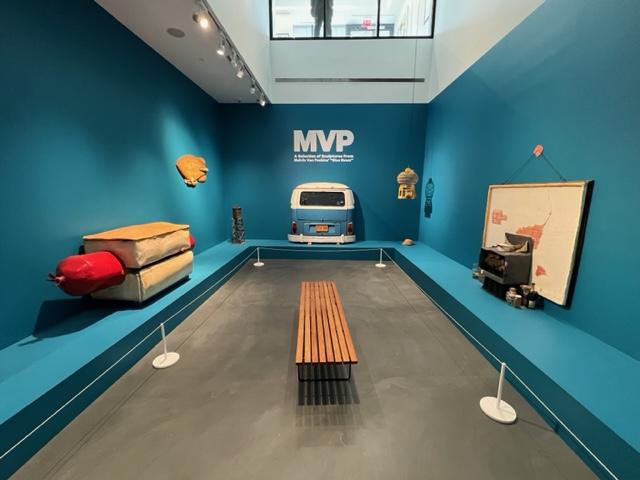
There were two exhibitions going on at the museum was I visited in March of 2023, Melvin Van Peebles “Blue Room” exhibition which was narrated by his son, Mario. This featured a lot of his artwork in his East Village apartment. I never realized that he was an artist on top of a filmmaker.
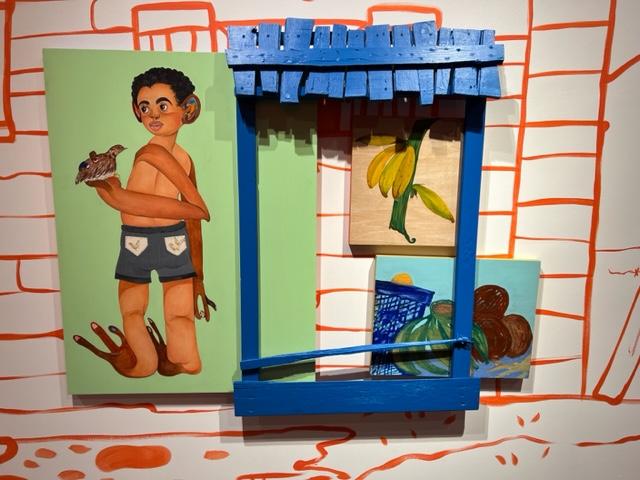
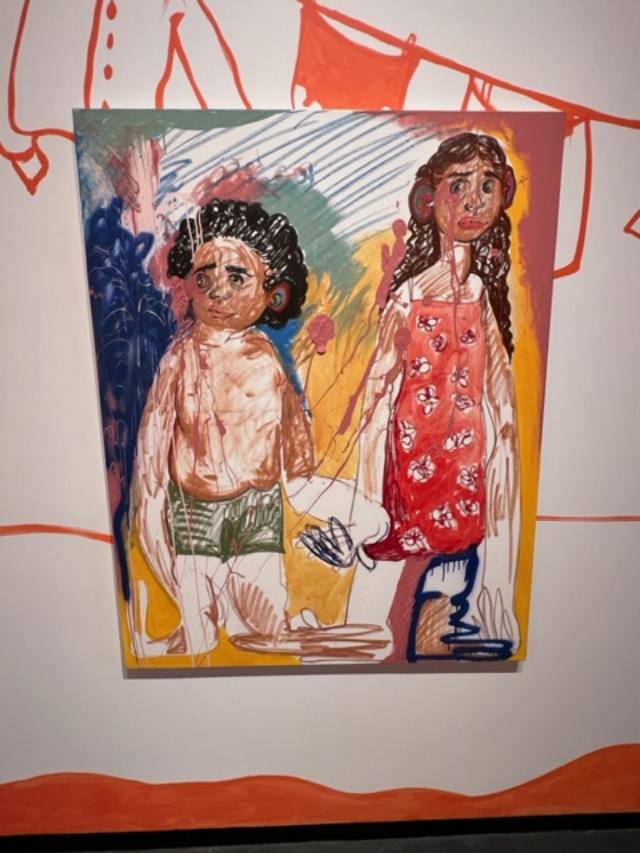
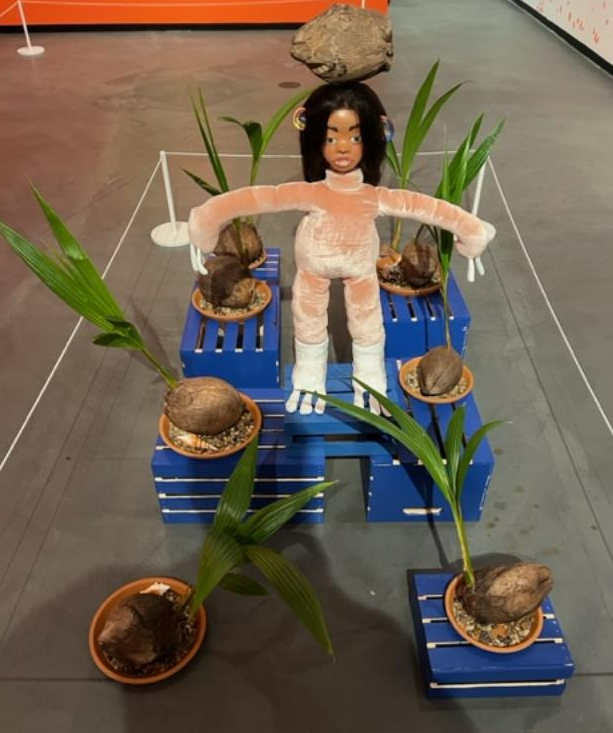
The works were quirky and unique I have to say that and they did stand out.
Melvin Van Peebles “Blue Room” exhibition
The artist/filmmaker Melvin Van Peebles “Blue Room” exhibition
The Melvin Van Peebles “Blue Room” exhibition
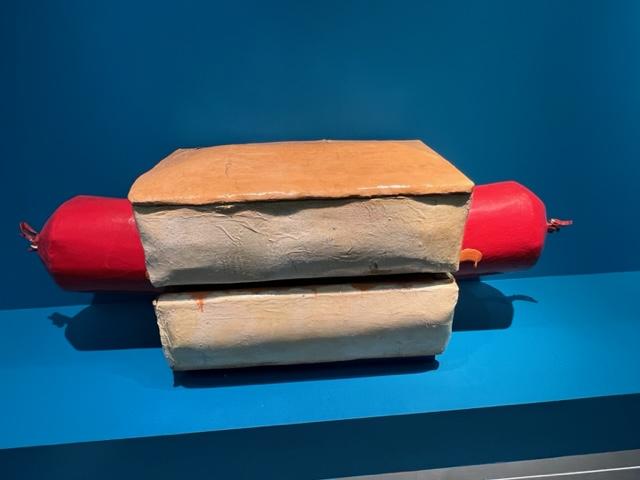
The “Hot Dog” sculpture in the “Blue Room” exhibition
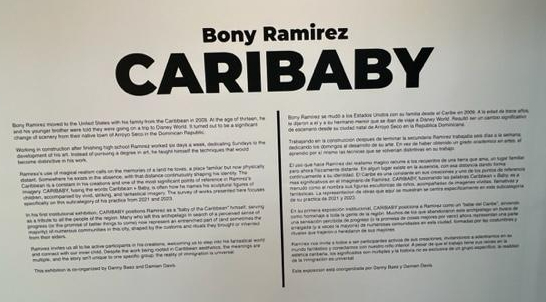
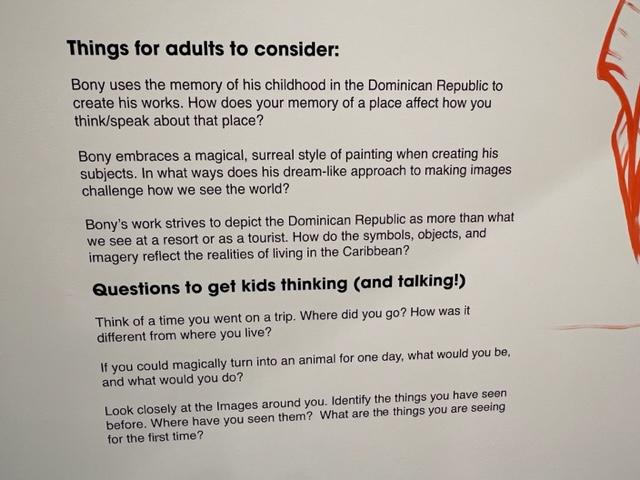
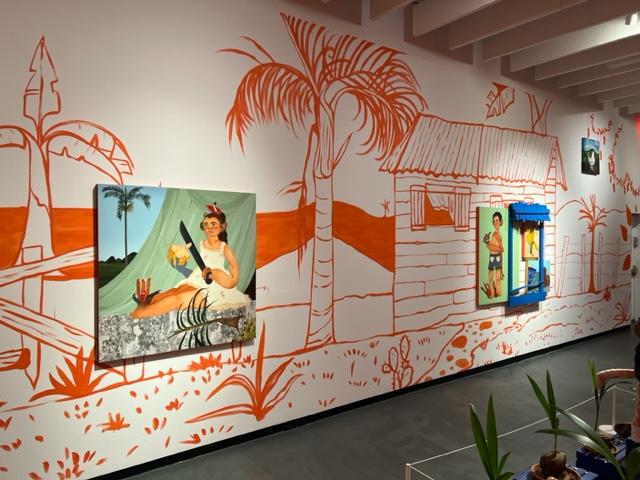
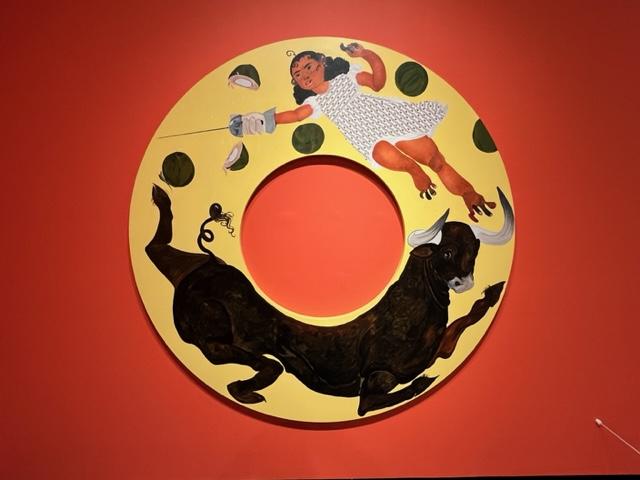
The other exhibition that was on display was the “Caribaby” exhibition by artist Bony Ramírez. The artist is a Dominican born American artist who is self taught. His works are large, childlike and offer a look at life in the Caribbean with a twist of the influence of European Colonialism in his work. The works had unusual contours and had a distinct island feel to them.
I could see by the artworks featured by both artists that the museum show pieces that were colorful and somewhat interactive which would be perfect for a child to relate to. The two galleries were small so that the works did not overwhelm children whose attention spans were not long but make it interesting for adults as well to have such unique works by contemporary artists.
At the top of the stairs near the entrance, they had the Children’s Gallery where art students from the museum showcased their works. In some cases, the works looked pretty sophisticated. The museum is perfect for small children and their families to get involved with the interactive art and projects that the kids were doing together in the ‘Living Room’ area of the museum.
The museum galleries were broken up into the Legacy Gallery where the Melvin Van Peebles exhibition was located and the Salon where the Bony Ramirez exhibition was shown.
Mission of the Sugar Hill Children’s Museum of Art & Storytelling:
(From the museum’s website)
The Sugar Hill Children’s Museum of Art & Storytelling provides our culturally rich neighborhood with a space where children and their families grow and learn about Sugar Hill and about the world at large, through intergenerational dialogue with artists, art and storytelling.
A spider sculpture at the Sugar Hill Children’s Museum
Designed to nurture the curiosity and creative spirit of three- to eight-year-old children, Sugar Hill Children’s Museum of Art & Storytelling provides opportunities to grow as both author and audience as children engage with the work of accomplished artists and storytellers and create and share their own.
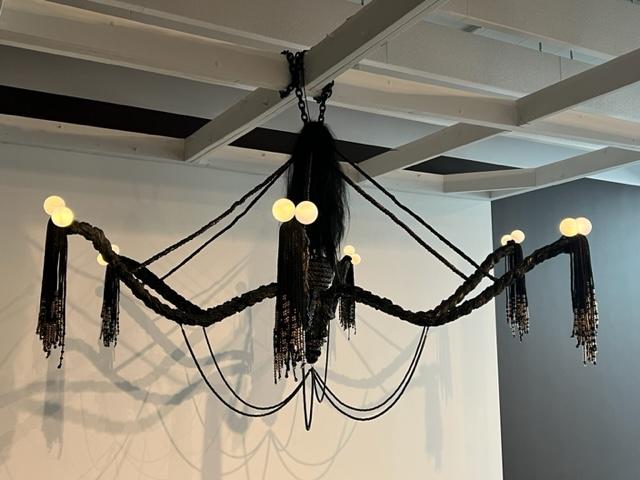
Another interesting work at the museum
Another work in the main hall
The History of the Sugar Hill Children’s Museum of Art & Storytelling:
(From the museum’s website)
Developed by the Broadway Housing Community, The Sugar Hill Children’s Museum of Art & Storytelling is the cultural heart of the Sugar Hill project.
Led by founder and executive director Ellen Baxter for over 30 years, BHC has pioneered high impact solutions to the challenges of deep generational poverty and homelessness in the underserved communities of Upper Manhattan with an innovative model leveraging the synergies of housing, education and the arts to creating lasting change for underserved children, families and communities.
Together with a devoted group of community members and advisers led by Steve Seidel, Director of Harvard University’s Arts in Education Program, BHC conceived of Sugar Hill Children’s Museum of Art & Storytelling not only as a stimulating space for neighborhood families to gather and share in cultural programs but as a setting to actively address the educational needs of the community’s youngest children, many from families challenged by poverty, little formal education and a lack of proficiency in the English language.
This painting looked like girl’s earrings
Recognizing that young children are natural artists and embracing their love of stories, the Museum planning team envisioned a place that tapped into children’s intrepid curiosity and wide-ranging imaginations; where they would not only see art and talk current research on the impact of early childhood education in the arts, 3 to 8 year old’s were identified as Sugar Hill Children’s Museum of Art & Storytelling primary audience the age cohort identified as most open to learning through the arts. Through transformational experiences in art and storytelling. Sugar Hill Children’s Museum of Art & Storytelling would foster the creative intelligence and cognitive skills that prepare children for social and academic success, positively impacting the outlook for their future and the future of their community.
The Sugar Hill Project marks the geographic center of the legendary Sugar Hill historic district, home to the Harlem Renaissance. Celebrating the important history of this landmark neighborhood and signaling BHC’s commitment to the community, internationally acclaimed architect David Adjay was selected to design Sugar Hill as a beacon of opportunity. David’s architectural practice-grounded in the philosophy that social purpose and design are intertwined and mutually reinforcing was a great fit for the vision for the Museum as a vibrant arts space that reverberates with the social and cultural milieu in which it is located.
A place that celebrates learning, creativity and culture, the story of Sugar Hill Children’s Museum of Art & Storytelling is now part of the Sugar Hill neighborhood too.
I have been to the South Street Seaport dozens of times over the years and can’t believe that I never noticed this memorial dedicated to those lost in the Titanic disaster. I was visiting the Seaport recently after finishing another walk down the length of Broadway for my blog, “MywalkinManhattan.com” and was walking past the Seaport on my way to Chinatown. Something about it this time caught my attention and I stopped to look at the dedication of this small lighthouse.
It was really touching to see that the people from the 1912 disaster were not forgotten in New York City, its ultimate destination. This was the work of Molly Brown, the ‘Unsinkable Molly Brown’ from the movie. She wanted to be sure that the people who survived were never forgotten. The small lighthouse structure sits at the entrance to the main part of the seaport on an island just off the cobblestone walkway into the complex.
The Memorial plaque on the lighthouse
The tower that it was originally placed a top of the Seamen’s Church Institute Building and it was put up for sale and demolished in 1965 and the small lighthouse memorial was donated to the South Street Seaport Museum. It was placed in its current location in 1976 (Friends of the Lighthouse).
The little lighthouse is a touching reminder of Manhattan’s connection to the event over 100 years ago. Try not to miss it when you are visiting the Seaport.
The history of the Titanic Memorial Lighthouse:
(This is from the Friends of the Titanic Memorial Lighthouse website)
On April 15th, 1913, one year after the sinking of the Titanic, the Titanic Memorial Lighthouse and Time Ball, mounted atop the Seamen’s Church Institute, were dedicated to honor the passengers, officers and crew who perished in the tragedy. The dedicatory service opened with a hymn and prayer and then Rt. Rev. David h Greer, Bishop of New York, read the following lines of dedication:
“To the glory of Almighty God and in loving memory of those passengers, officers and crew who lost their lives in the foundering of the steamship, Titanic, on April 15, 1912, I, David Hummell Greer, Bishop of New York and president of the Seamen’s Church Institute of New York, do solemnly dedicate the Titanic Memorial Lighthouse Tower. As its light by night shall guide pilgrims and seafaring men from every clime into this port, so may they follow Him who is the Light of Life across the waves of this troublesome world to everlasting life and looking at noon toward this place to note the time of day, may they remember that our days pass as the swift ships and in view of the shortness and uncertainty of human life, strive to fulfill their duty well as the beat preparation for Eternity. Amen.”
The Titanic Memorial Lighthouse exhibited a fixed green light that could be seen throughout New York harbor and down as far as Sandy Hook. Five minutes before noon each day, a time ball would be hoisted to the top of a steel rod mounted atop the lighthouse and dropped at the stroke of twelve as indicated over the wires from Washington DC. According to The Lookout, the magazine of the Seamen’s Church Institute, the Titanic Memorial Lighthouse would be a much needed daily reminder for ‘in a busy, carless city the average person so soon forgets’.
The Seamen’s Church Institute was established in 1834 and had announced plans for its new twelve story headquarters at South Street and Coenties Slip in Lower Manhattan several years before the loss of the Titanic. The Flemish style building was meant to reflect new York’s Dutch origins and was to be crowned by a tower whose beacon would welcome incoming seamen. The cornerstone for the building was laid one day after the sinking of the Titanic and a week later the institute announced the lighthouse atop their building would be a memorial to the victims of the tragedy.
















 Visiting a Museum: The Unique, Unusual, Obscure and Historical