Brinckerhoff House Historic Site/East Fishkill Historical Society
68 North Kensington Drive
Hopewell Junction, NY 12524
(845) 227-4136
https://www.facebook.com/profile.php?id=100057186982344
Admission: Free
Open: Sundays 1:00pm-4:00pm/Monday-Saturday Closed/June-August
My review on TripAdvisor:
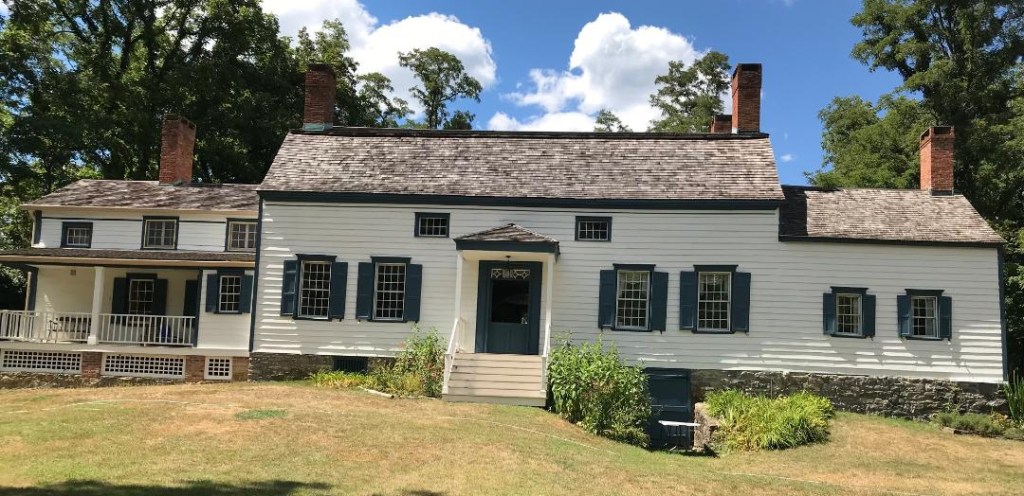
The Brinckerhoff House Historical Site
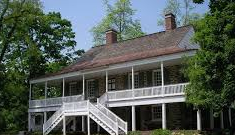
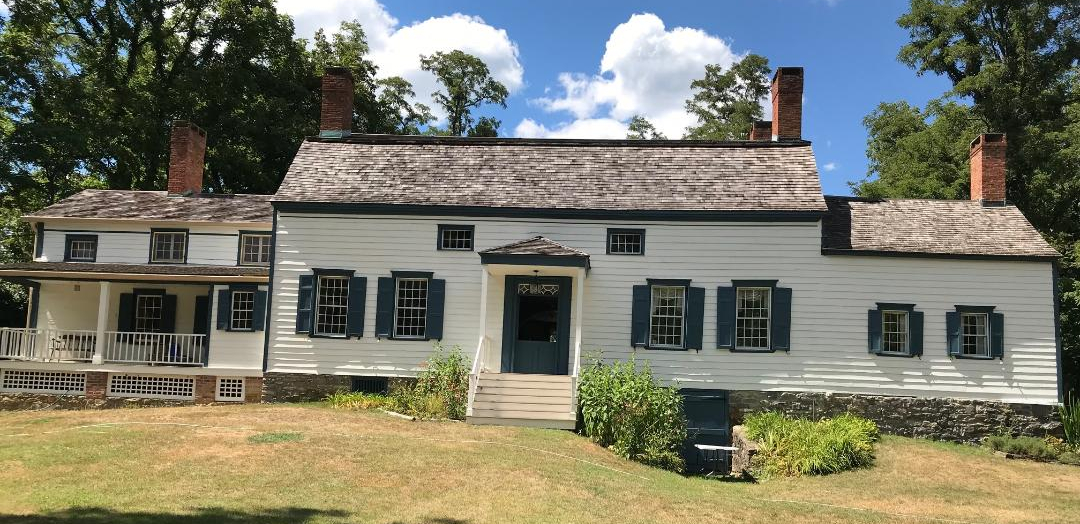
The Brinckerhoff House Historical Site was built in three different time periods with the oldest part of the house to the right, the main part of the house was built second and the Sun Room and porch to the left was built last. The house opens up in all parts but you can see the distinct different in the style of the design.
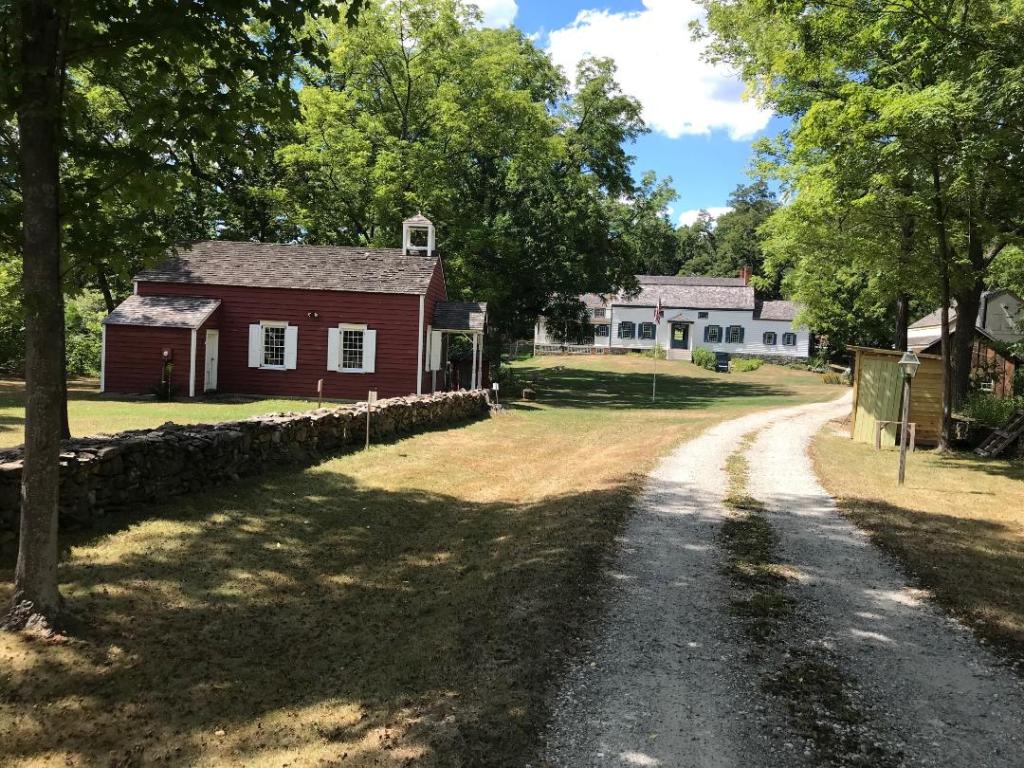
The entrance of the original homestead
The entrance of the Homestead has the schoolhouse and icehouse to the left of the entrance and the blacksmith shop and the carriage house to the right. The Blacksmith shop has a real blacksmith on duty working when the house is open for tours.
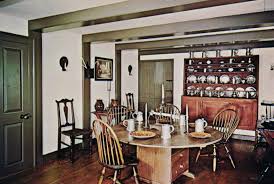
The original section of the house in the “Everything Room” where cooking, dining and socializing took place for the first generation of the family. This is the original part of the home that was built around 1755 by John G. Brinckerhoff and his bride, Marie Terboss for their family. There was a single upper room for the family as well. The main room is where all the cooking, eating, socializing and work was done by the family.
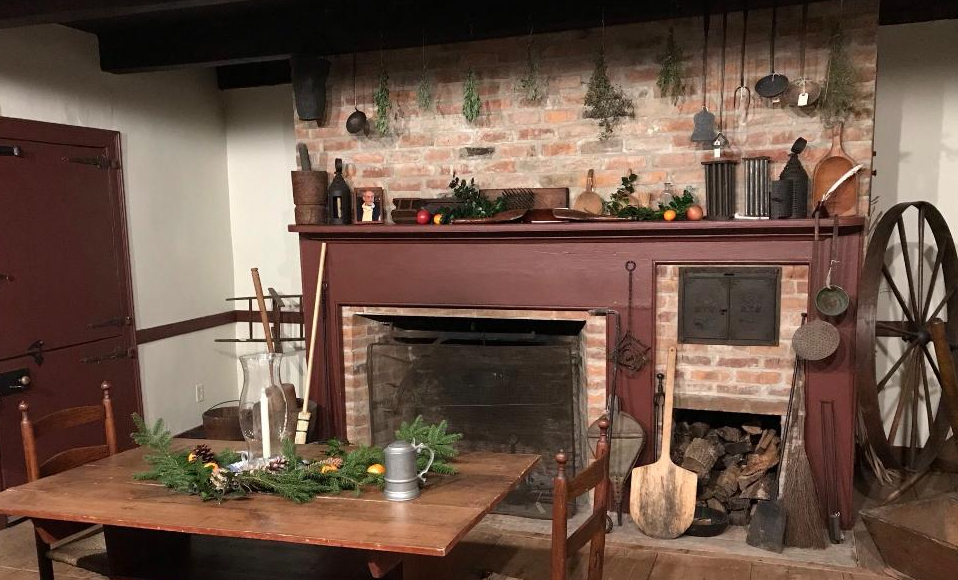
The original Brinckerhoff Kitchen in the first section of the home
When their family grew, the moved out and John’s brother, George G. and his wife, Elizabeth Wilcox moved into the house. After the Revolutionary War was over (both brothers were captains in the local militia), George G. added the main addition to the house with four additional rooms in the eastern wing of the house.
The addition showed the affluence of the family in that they could have separate rooms for socializing and higher ceilings meaning that they could heat the house properly.
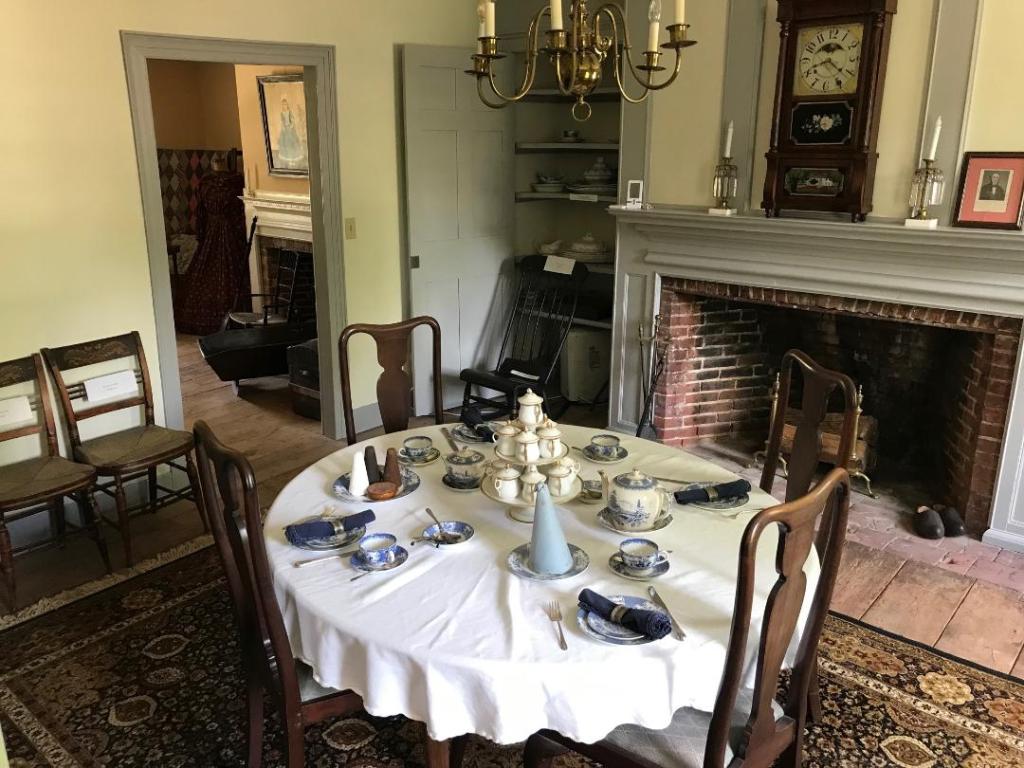
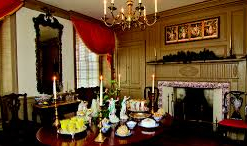
The formal Dining Room in the Victorian times set for entertaining. A hot chocolate service is on the table which was a luxury at the time.
The formal Living Room is where socializing and work was done. Spinning and needlepoint as well as dressmaking where done by the ladies here.
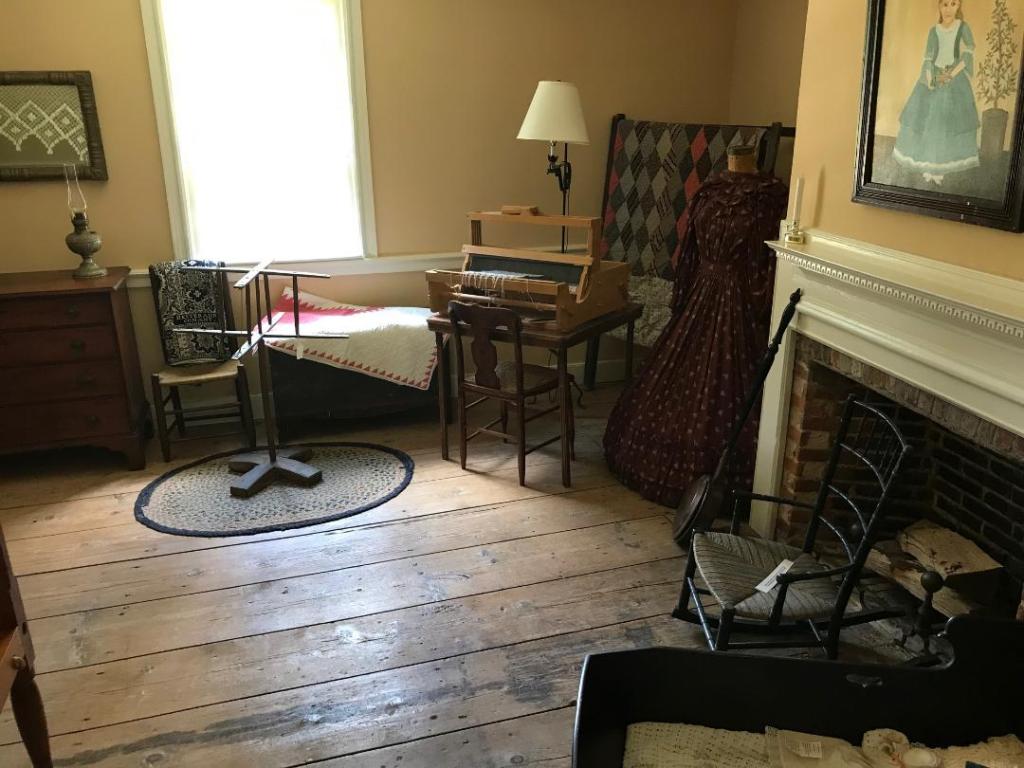
The Living Room at the Brinckerhoff House
In the main hallway of the addition to the home services as a display area for all sorts of artifacts that deal with the different time periods of the home. These items are from the Revolutionary War.
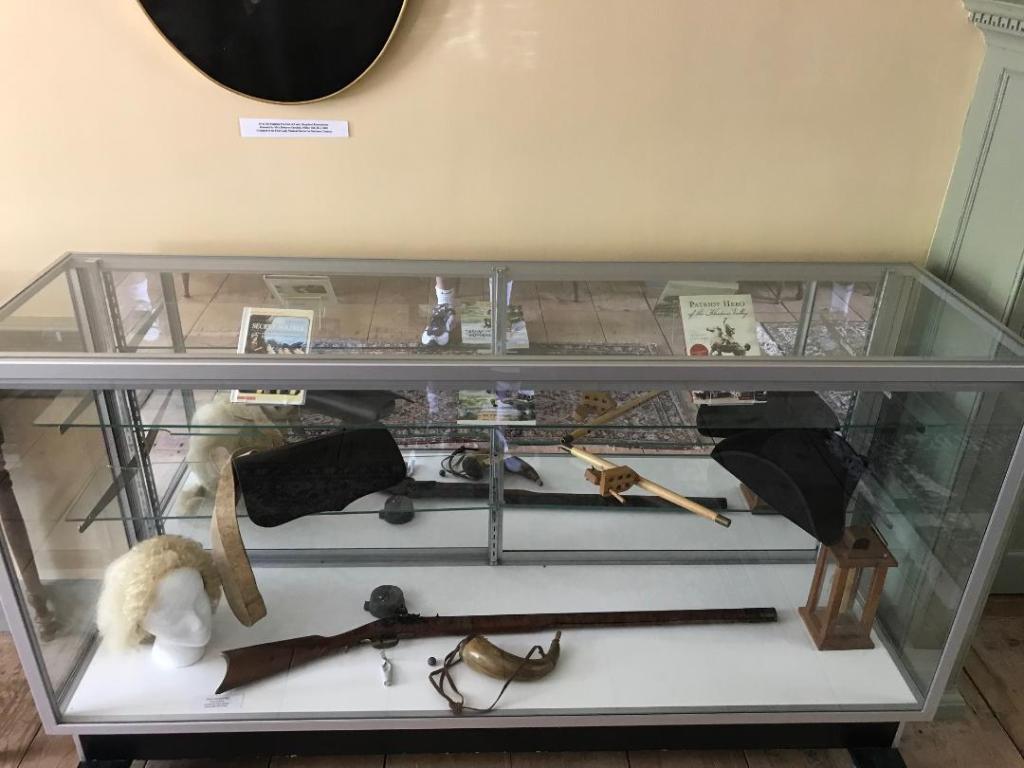
Display cases in the main hall
Visiting the Historical Society at Christmas time and for the their Afternoon Tea:
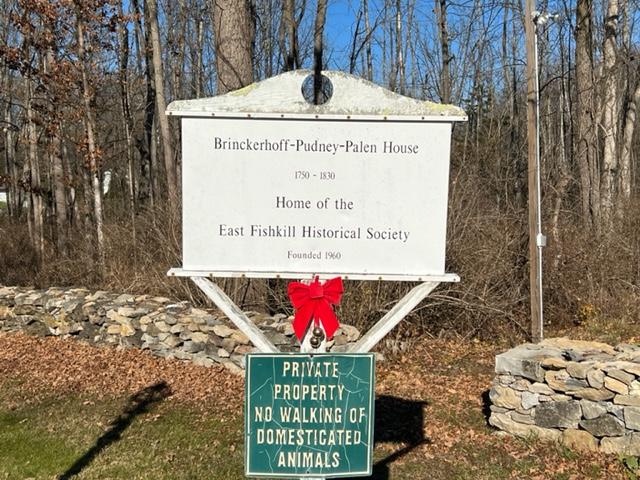
Arriving at the Brinckerhoff House for the holidays on a beautiful sunny day
During a recent Christmas event held at the house in December of 2022, the house was decked out for the holidays. The Brinckerhoff house held its annual Holiday Tea, which it not held since 2019 due to COVID. This popular fundraising event was sold out that day.
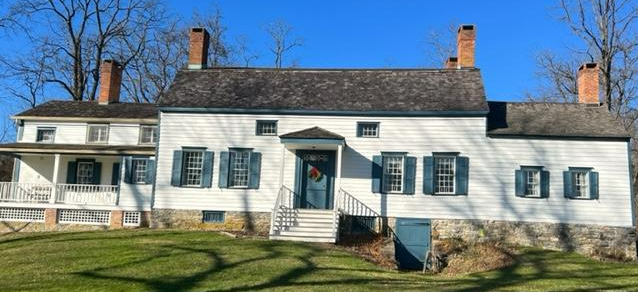
The Brinckerhoff House ready for the holidays in December 2022
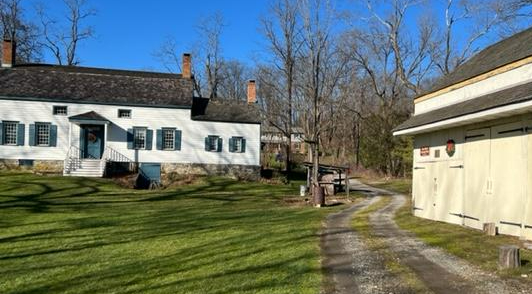
Approaching the house on the estate. The Van Wyck Barn is to the right.

Santa’s Sleigh for when Santa comes to visit the Brinkerhoff House
This sold out event really showcased the beauty of the house during a Revolutionary Christmas. Homes would be decorated in natural garlands and fruits of the season and the house would be decorated with candles. There was a Christmas tree in the home but that would not be seen until the Victorian era.
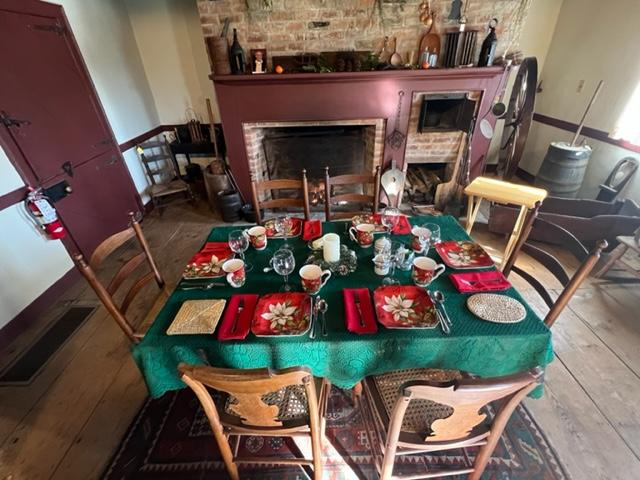
The Keeping Room decked out for the Afternoon Tea at the Brinkerhoff House
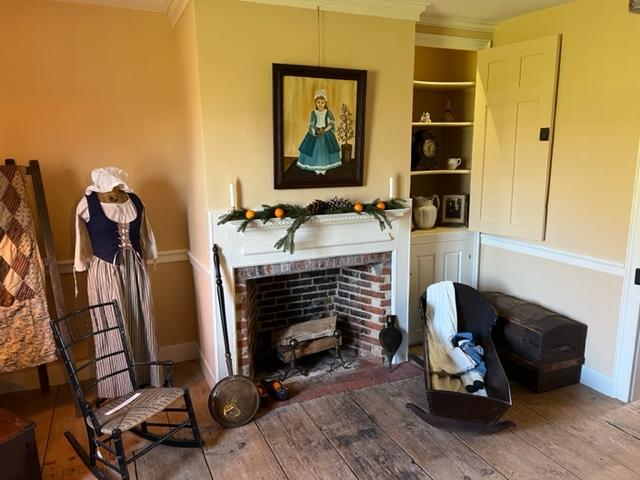
The Family Room at the Brinkerhoff House for the holiday in 2022
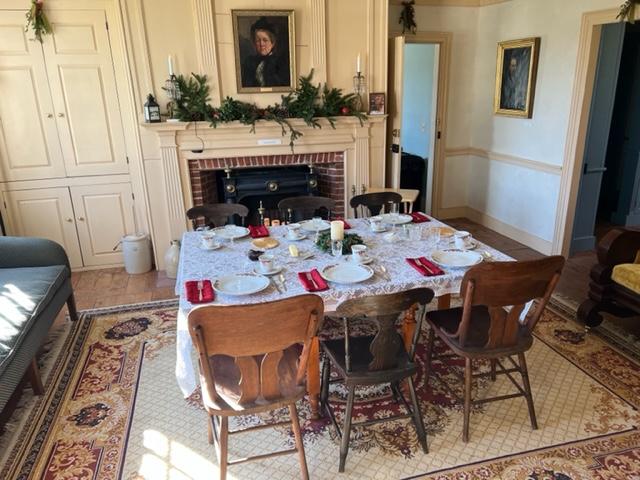
The Living Room decorated for the Afternoon Tea
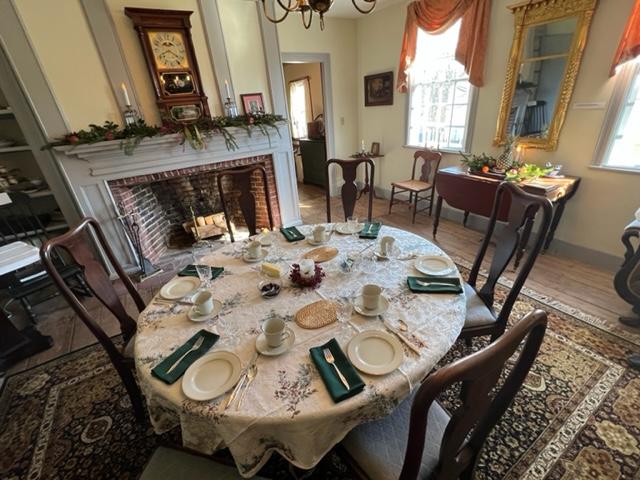
The Living Room decorated for the Afternoon Tea at Christmas 2022
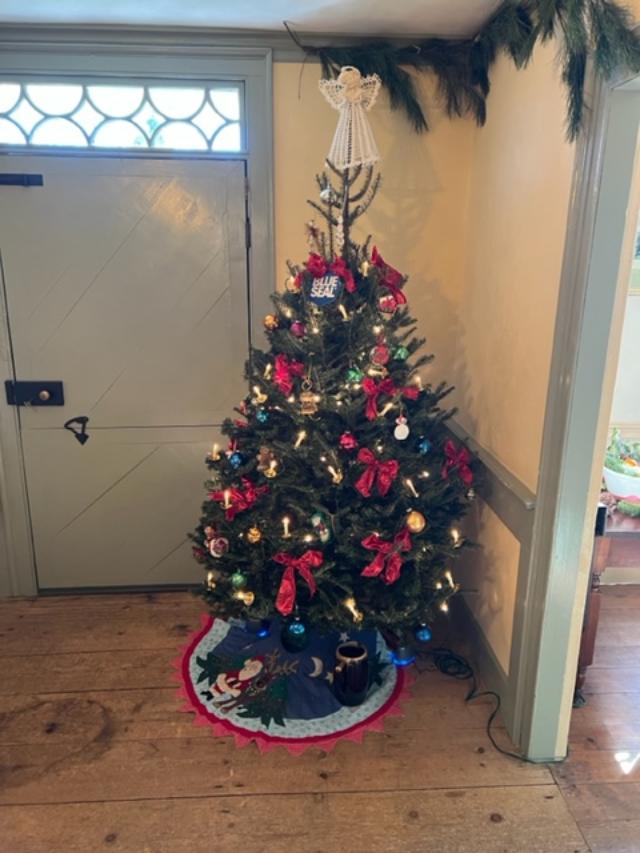
The family Christmas tree would not have been part of a Revolutionary Christmas but a Victorian era decoration in the late 1800’s
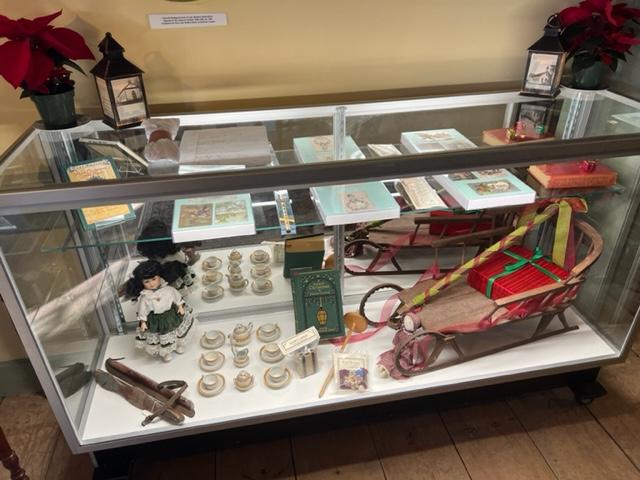
A Children’s wish list for Santa during the Victorian era with all sorts of playthings; dolls, sleighs, tea sets and books
The Strawberry Festival in Spring 2025:
Please read my entire blog on “Attending the Strawberry Festival at the Brinckerhoff House”:
The Brinckerhoff farm and estate. This used to cover hundreds of acres

The entrance to the property before the festival began

The Brinckerhoff House before the start of the Strawberry Festival
https://eastfishkillhistoricalsociety.org/
https://destinationdutchess.com/listingsv/the-brinckerhoff-house-east-fishkill-historical-society
My review on TripAdvisor:
My review on VistitingaMuseum.com:
https://visitingamuseum.com/tag/east-fishkill-historical-society/
When the festival began and before the Strawberry Shortcakes came out that afternoon, there were all sorts of activities and docent led tours. The first one that I went to was the 1820 Schoolhouse.

The historic sign for the 1820 One Room Schoolhouse of Upper Hopewell

The entrance to the schoolhouse
Even though the schoolhouse is from the early part of the 1800’s, it is amazing how it still relates to classrooms of today. I am still convinced it is the connection that students have with their teachers establishes the fundamentals of a good education and learning.

The schoolhouse from the back of the building

The inside of the classroom has not changed in two hundred years

The schoolhouse classroom is similar to today
I will be quite honest in saying that outside the potbelly stove, the classroom here is pretty much the same as the lecture halls that I see at our college campus.

Games and books of the past are similar to those of today

The items of the classroom of the 1800’s. I am not too sure the use of the Apple press but the children may have had chores to do outside the classroom.

A discipline system that should be brought back
After the tour and talk at the schoolhouse and a talk with other educators on the status of the modern classroom (we all had a lot to say on this), I went over to tour the barn.

The Van Wyck Barn

The historic sign of the mid-1800’s barn

The historic marker of the 1845 barn

The actor who was working at the barn told us about wood making and about saws and how to maintain them for work on the farm.
Next to the barn, there was a small blacksmith building where the volunteer was demonstrating items that would have to been made or maintained to keep work on the farm going. Never a dull moment on the farm.

Keeping the fires going and a certain amount of heat is needed to fix these items and create the objects needed on the farm.

The objects and items made at the blacksmith
I know that these tours may seem hokey to some but the volunteers who were at both the barn and the blacksmith were really interesting in their demonstrations. There was a lot of time, talent and creativity needed to keep these aspects of the farm in working conditions.
The rains had really made the grounds lush and all the flowers and trees were in full bloom. The gardens were really well maintained and it was really pretty to walk arounds the grounds of the house.

The gardens by the schoolhouse
In the little pen by the Ice House, they set up a small petting zoo with little goats who looked terrified of us. If we had something to feed them, trust me they would have been less shy.

These little lambs were so cute

I was trying to wave them down but they huddled together

Walking around the grounds

The Icehouse was closed that day

The crowds were starting to get bigger around 1:30pm because that was when the Strawberry Shortcakes were being served.
Since they were a little behind as the high school students were inside preparing the Strawberry Shortcakes, I decided to tour the Brinckerhoff House again. They had a Butter Making class going on in the old kitchen section of the home and there were early American displays in all the cases. All the first floor rooms were open and I got a chance to see some of the new artifact donations.
There were all sorts of displays of clothing, furnishings and assorted dish ware on display in the Living Room and Dining Room.

Early American display of women’s clothing

Early American display of Men’s clothing

The Dining Room on the first floor was all set for tea

The Dining Room led to the bedrooms and the old kitchen

The old Main Bedroom on the first floor

Some the artifacts in the second floor bedroom

Some of the paperwork and artifacts in the main foyer
As I exited the house, I passed the door to the roof cellar. I did not think they would put this on the tour. Only the first floor of the house is open to the public.

The door to the root cellar

I took a tour around the grounds and passed the old outhouse
As soon as I finished the tour of the house and grounds the first trays of Strawberry Shortcakes started to come out and I never saw such a mad dash to get something.

The tent set up to sit and relax and eat
As I went to reach for a Strawberry Shortcakes on one of trays. I swear this woman grabbed two off the tray and practically barreled into me. I know they looked good but I could not believe the way some people behave. These were plenty of trays coming outside.
After I avoided the collusion, I was able to get one of the shortcakes off the tray and sit down. The Historical Society had plenty of seating under the tent and what was nice was they had ice cold lemonade as well. It made the perfect afternoon snack and the reason why everyone was here. When I had taken the initial tour of the property three years earlier, the tour guide told me that they went through 600 of these. I could believe it.

The Strawberry Shortcake with homemade whipped cream

I hate to say this but I waited almost four years to finally try this shortcake and admittingly it was well worth the wait.

The strawberries were so juicy and fresh. I was not sure if they were from a local farm but by the sweetness and juiciness these were not imported.

Yum!
The family remained in the house until the death of George G. in 1812 when his brother moved back in and then it was sold to Thorn Purdy in 1814. The Purdy family added the west wing of the house in 1830 that houses a small summer kitchen with a fireplace, crane and small brick oven.
The house was donated to the East Fishkill Historical Society by developer Gustav Fink in 1974 along with three acres when he could not sell it for redevelopment.
The Strawberry Festival in 2026:
The Strawberry Festival at the Brinkerhoff House:

The East Fishkill Historical Society sign at the Brinkerhoff House
I love any reason to visit the Hudson River Valley at any season but last year I enjoyed attending the Strawberry Festival at the Brinkerhoff House that I made note to come back this year. While the petting zoo and the tractor rides around the property were not part of the festival this year, the warm weather and the historical demonstrations around the house were a lot of fun and very interesting to listen to from the docents. I could not wait for the Strawberry Shortcakes which I could still taste from last year. The strawberries from this region are so sweet and juicy.

The entrance of the Strawberry Festival in 2026

The antique car display at the entrance to the festival
The first thing I did when I arrived was tour the outer buildings before the crowds started to arrive and I had plenty of time to take pictures. The first building I visited on the property was the old Ice House.

The Rapalye Ice House

The historic sign
What is interesting about the Ice House display is it tells the story of the roll that the Hudson River Valley had in the production of ice from the river, the tools to cut it out and how it was transported down to New York City for ice boxes before refrigeration.

The inside of the ice house

The production of the ice industry in the Hudson River Valley
I then toured the small school house next to it. Even though the one room school house was circa 1800’s, it is amazing how little has changed since then. The desks are board still remain in place as today.

The One Room Schoolhouse

The front of the one room school house

The grounds the day of the Strawberry Festival

The blacksmith shop
I then toured the Blacksmith Shop, where they were showing an ironworks demonstration and then the barn where demonstrating farm equipment.

The Van Wyck barn where the demonstration took place

The farm equipment

The wood work and tanning demonstration
Then I toured the grounds. The petting zoo they had last year they didn’t repeat this year so there were no small goats and calf’s to pet.

The gardens and small pen where the petting zoo was the year before
It was going to be a while before they would be handing out the Strawberry Shortcakes so I listened to the singer who was performing on the porch and then toured the house.

The guitarist performed classic 1970’s and 80’s songs from the porch
I then toured the Brinkerhoff House, which had been built in three stages, the original late 1700’s house with the full fire place, then the Victorian addition which was the main part of the house and then the Summer kitchen where the performer was playing.

The Brinkerhoff House in the early Spring

The kitchen and oven in the original part of the house

Everything supplied from the farm

The fireplace and oven, which was part of the original house used for cooking and heating the house

The formal dining room which was part of the Victorian edition

The formal dining room set for Afternoon Tea and Hot Chocolate

The back bedroom

The sewing and storage area of the back bedroom
The main hall of the house held many of the house’s artifacts including items from the era, and objects related to the house.

The Revolutionary era artifacts on display for the ‘250th Anniversary’.
As I exited the house from the inside tour, I passed the vegetable garden where the volunteers were growing all sorts of

The Vegetable garden

The Herb Garden on the other side of the house
After my tour of the house and grounds and the outer buildings, it was time to join the other visitors for some Strawberry Shortcake. The tents started to fill up with guests enjoying their shortcakes and lemonade.

Heading down to the tent for dessert

The view of the tents and the barn on the Brinkerhoff property
I finally got to sit down and enjoy a Strawberry Shortcake with other visitors. The strawberries were at the peak of the season and were so juicy.

The Strawberry Shortcake

Enjoying dessert with some lemonade

Yum!
While I was talking to other visitors about the festival and the historic significance of the house, I did not realize that three hours had passed since I arrived and it was almost 4:00pm.
I finished chatting with my group and took one tour of the grounds before I left. What a wonderful festival the East Fishkill Historical holds every year . It really is the perfect family event Society holds every year and was a lot of fun.
History of the Brinckerhoff-Pudney-Palen House:
(From Museum Pamphlet)
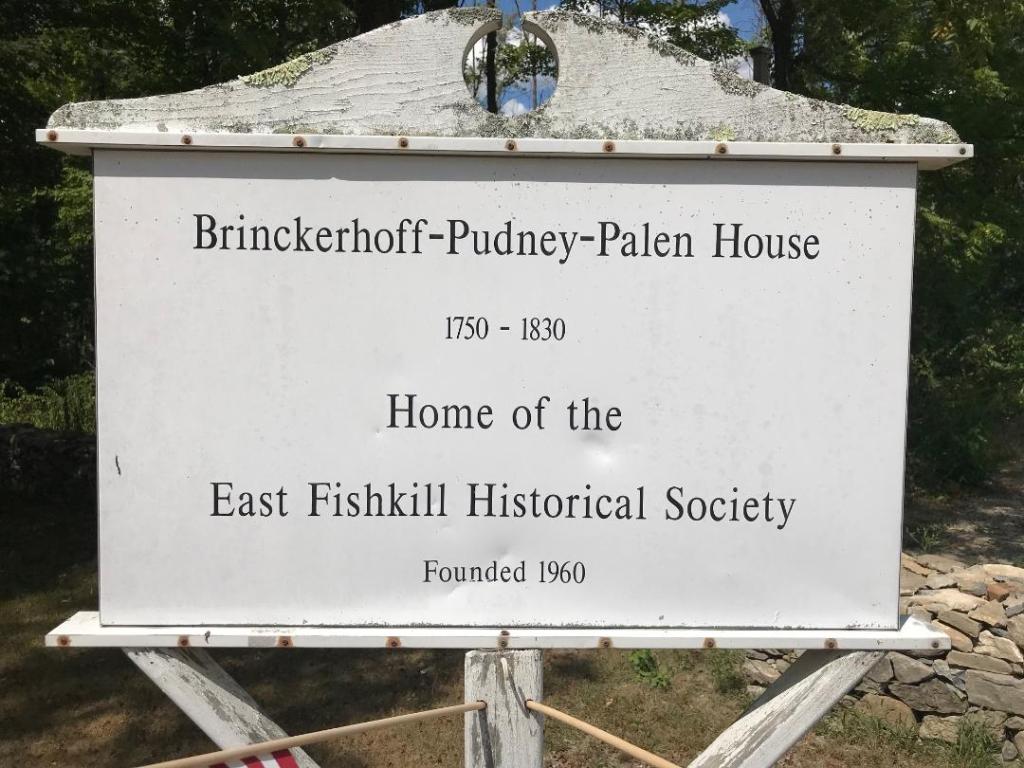
Around 1755, John G. Brinckerhoff and his bride, Marie Terboss purchased the land that the home sits on today. The original structure consisted of one room that included a kitchen with a large fireplace and beehive oven and a single upper room.
When their family their family grew, the house and farmed were conveyed to John. G.’s brother, George G. Brinckerhoff and his wife, Elizabeth Wilcox. In 1755, John G. and George G. were given commissions as Lieutenants in the Dutchess County Militia. Both men were promoted to Captain and were active with the Committee of Safety of the Rombout Precinct.
After the war in 1785, George G. built a four-room addition to the original east wing of the house. This is the largest section of the house and contains a spacious center hall, graced by elegant architectural features. The small paned windows, enclosed staircases, Dutch doors and wrought iron “HI” hinges were characteristics of the 18th century. A small shed was added around the same time.
When Captain George G. Brinckerhoff died in 1812, Captain John G. Brinckerhoff took possession of the farm again and in 1814 sold it to Thorn Pudney who christened it “ARCADIA”. The Pudney family would remain at “ARCADIA” for the next 60 years. In 1830, the family added the western wing of the house featuring a small summer kitchen complete with a fireplace, crane and a brick oven with an iron door cast at Fishkill Landing. It also contains an indoor stone cistern in the basement to collect rainwater for cooking, washing and drinking.
In 1875, Edward Palen purchased “ARCADIA” from Thorn Pudney’s son Jacob and changed the character of the farm by focusing on dairy production. It was very convenient to ship their milk to marker in New York City via the rail line two miles away at Hopewell Junction.
Edward Palen’s son, James H. would eventually take over the farm. The Palen farm produced their own lumber from the trees grown on the farm. As James Palen’s health began to fail, the farm was sold to Banton Moore in 1926, who rented it to Gene Satterlee. Gene continued dairy farming for many years until a fire burned the cow barn in 1970.
The house and the farm were sold one last time in 1974 to local developer Gustav Fink, who after many unsuccessful attempts to sell the house to be restored gave the house and three acres to the East Fishkill Historical Society. At this time, the old farmhouse was in a poor state of repair.
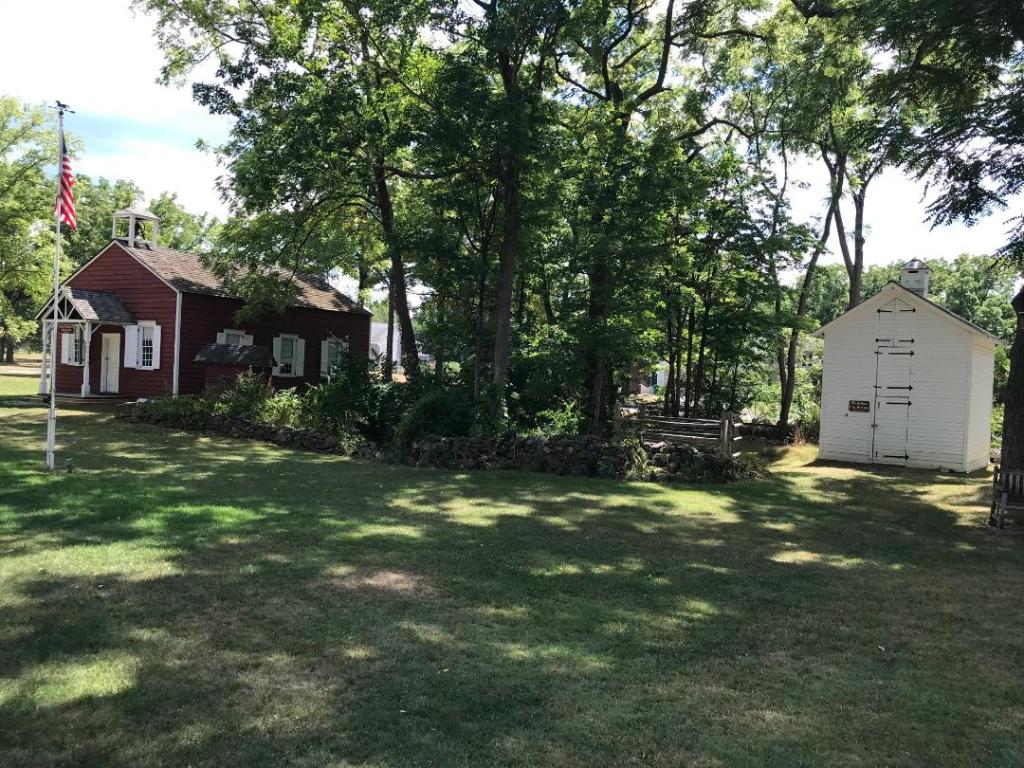
The Brinckerhoff Historical Sites Schoolhouse and Icehouse on the estate
Through the continuing efforts of the East Fishkill Historical Society’s members and many years of fundraising and restoration, the Brinckerhoff-Pudney-Palen House has once again been resurrected to its original condition and stands as a fine example of an original Hudson River Valley Dutch farmhouse.
On the grounds are also the 1870 Icehouse, the 1826 Schoolhouse, the 1880 John Hyatt Blacksmith Shop and the 1845 Carriage Barn from the Van Wyck family.
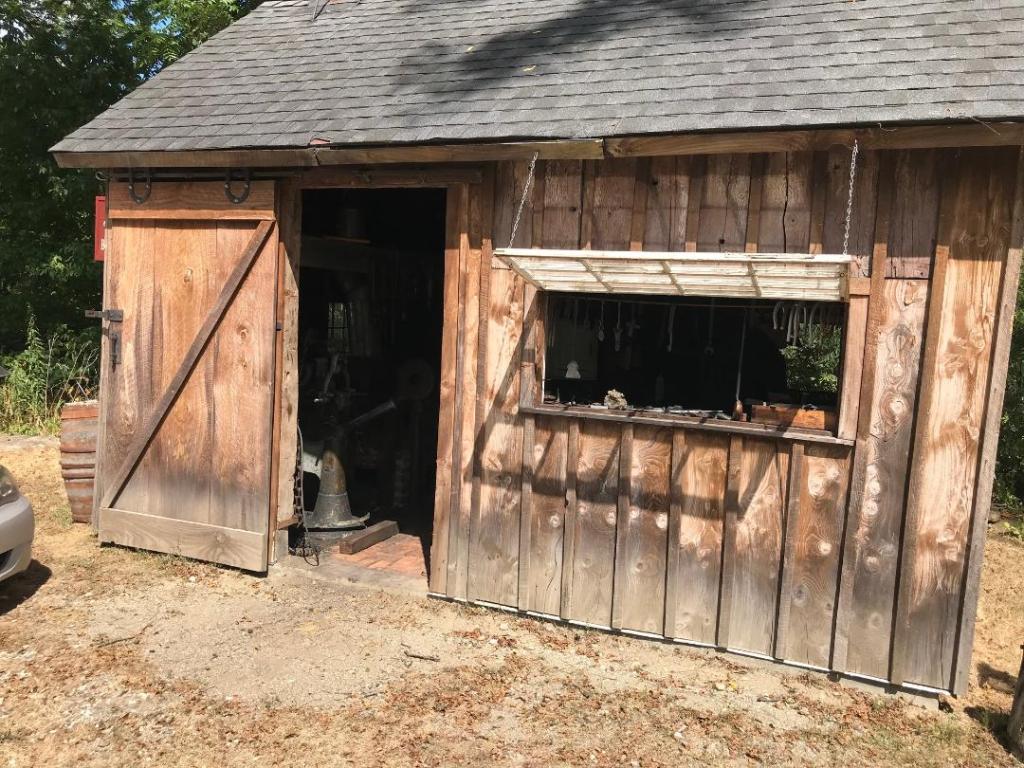
The 1880 John Hyatt Blacksmith Shop
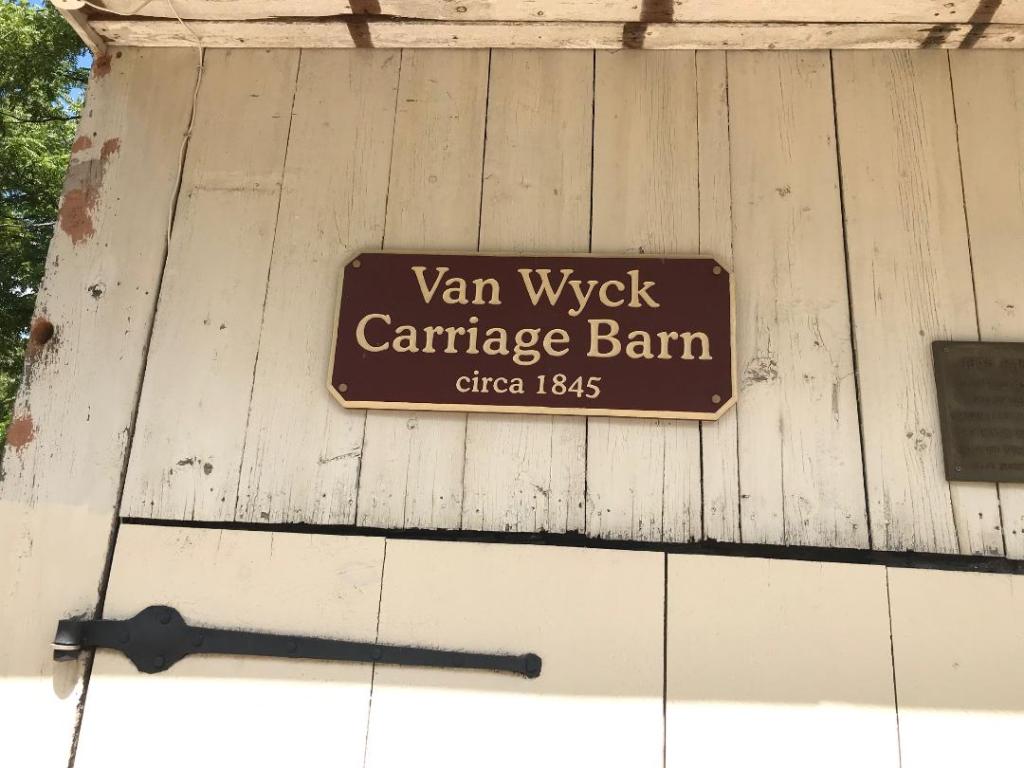
The Van Wyck Carriage Barn from 1845
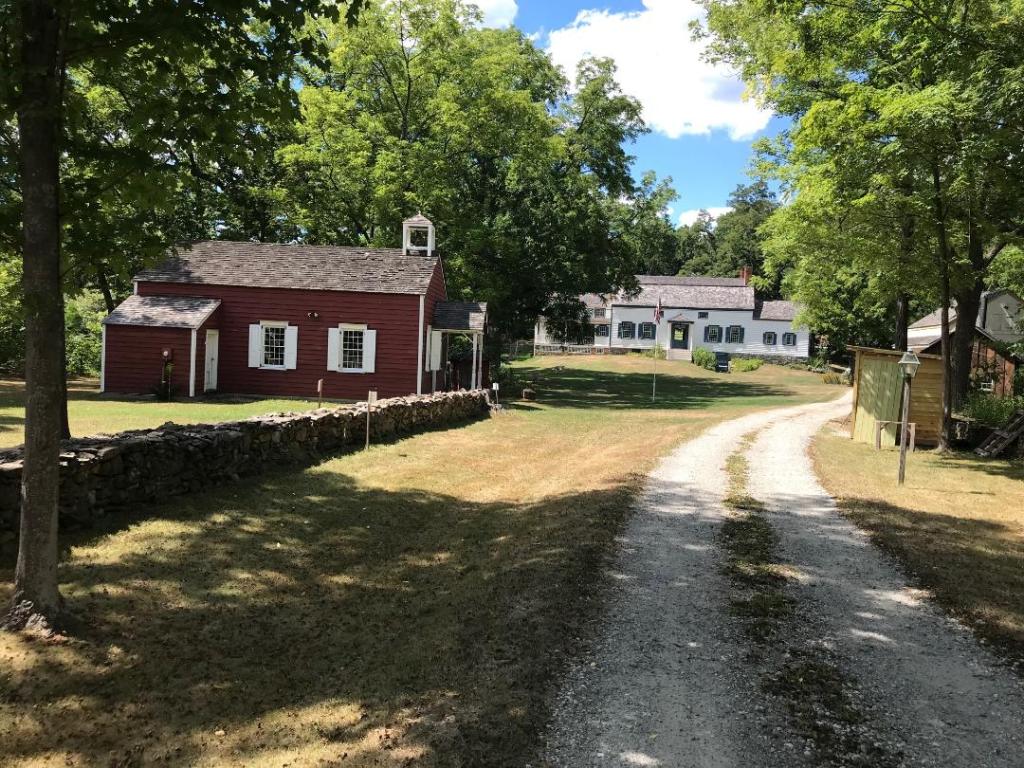
The entrance to the Brinckerhoff home with the Schoolhouse from 1826 to the left and the Blacksmith Shop to the right and the main homestead of the estate.
Don’t forget to visit the Brinckerhoff House gift shop at the end of your tour! This helps with the fundraising efforts to support this wonderful home.
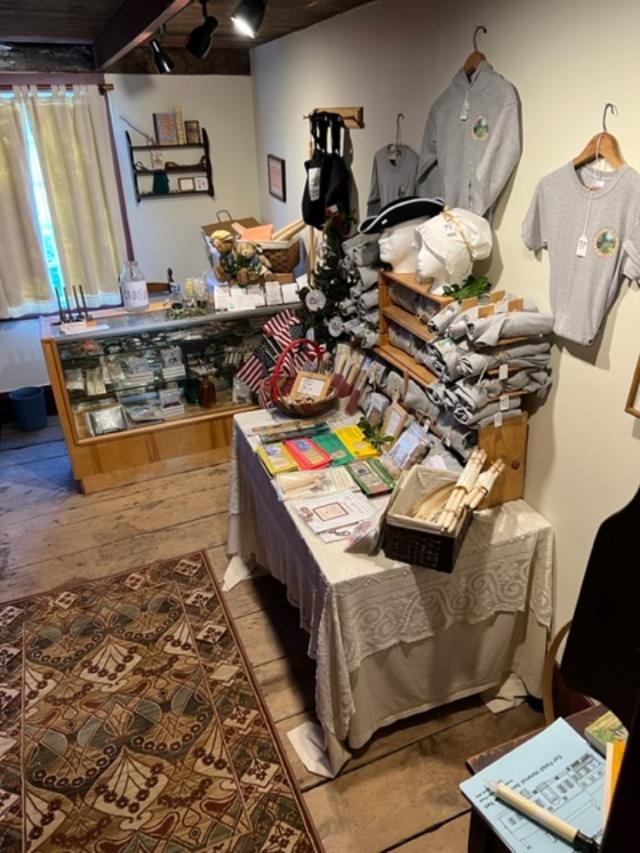
The Brinckerhoff Gift Shop
Visiting the house at any season is a lot of fun.