Tag: nj historic sites

Lambert Castle/Passaic County Historical Society 3 Valley Road Paterson, NJ 07503

Lambert Castle/Passaic County Historical Society

3 Valley Road

Paterson, NJ  07503

Phone: (973) 247-0085

Fax: (973) 881-9434

info@lambertcastle.org

http://www.lambertcastle.org

https://lambertcastle.org

Hours:

Museum Wednesday-Sunday-1:00pm-4:00pm

The Castle closed for a five year renovation starting January 2020.

Library & Archives Wednesday-Friday-1:00pm-4:00pm/2nd and 4th Saturday of each month 1:00pm-4:00pm (Memorial Day through Labor Day: 12:00pm-4:00pm)

Admission: $5.00 Donation

My TripAdvisor Review:

https://www.tripadvisor.com/Attraction_Review-g46718-d1880569-Reviews-Lambert_Castle-Paterson_New_Jersey.html?m=19905

I have visited Lambert Castle a few times, most recently to see the Christmas decorations before they were taken down for the season. I found out from one of the director’s that they had not been put back up since their Holiday Bazaar back in November. I had seen them the year before and they had been very impressive.
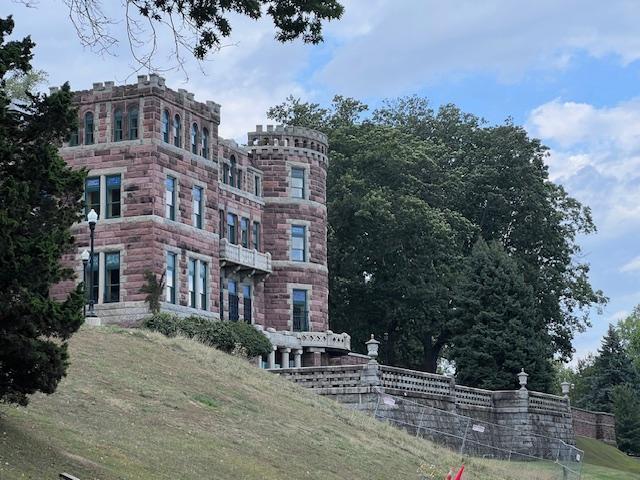
Lambert Castle during the renovation in 2025

Right now the Castle is decorated for the Annual Christmas Craft Bazaar and it is just loaded with handmade crafts for the Christmas holidays. There are three floors of crafts and then on the third floor, there is a small restaurant to relax and look over the court of the house. After the bazaar in 2019, the Castle will close for a much needed five year renovation.

lambert-castle-vi.jpg

The Lambert Castle Christmas Bazaar 2019

I had a chance to visit the floors when they were not decorated for the holidays . The first floor is set up as if the family still lived there with the Billiards Room, Dining Room, Sitting Room, Music Room and Atrium still set as the family resided there. There is period furniture and decorations in all the first floor rooms to give a feel of what it must have been like to live there at that period.

lambert castle ii

The view of Lambert Castle from the second floor

The second floor galleries hold the collection of the Passaic County Historical Society with all sorts of objects, signs and historical items from all eras of the collection. You are able to see the footprint of the living quarters of the family.

Lambert Castle V.jpg

The stained glass windows

The third floor at the time I was there was dedicated to the work of an Italian stone worker and artist who migrated and lived and worked in Paterson.

It is a very interesting way to see life at the turn of the last century in Paterson and the home offers a beautiful view of the City of Paterson and New York in the distance. I have never seen the grounds in the Spring but I am sure that they are quite lovely.

The view alone is worth the visit.

Don’t miss this virtual tour of the Castle and await until the renovations are done to visit again.

Bergecco-Parc Consulting Inc. commercial on Lambert Castle in 2019.

Bergecco-Parc Consulting Inc. Project: “Take me back to Paterson, NJ”.

History of Lambert Castle:

Catholina Lambert and his Castle:

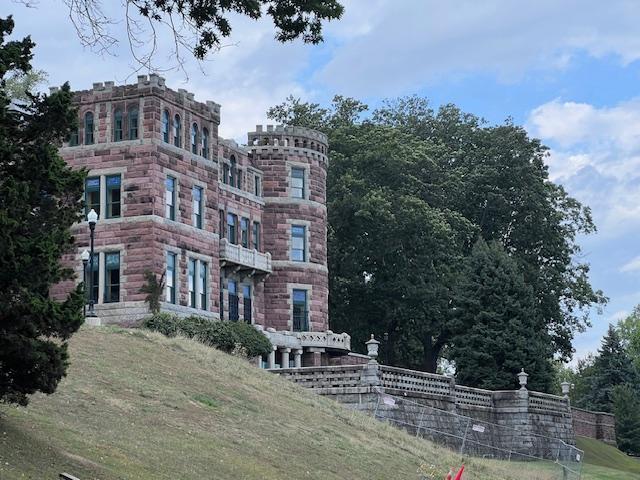
Catholina Lambert was born in 1834 in Goose Eye, England. In 1851 at the young age of 17, Lambert left home to seek his fortune in the “Land of Opportunity” that was America. After several successful ventures in the silk industry, Lambert decided to build a home that would be reminiscent of the castles he recalled from his boyhood in England. In 1892, he built his own castle on Garret Mountain in Paterson, NJ, then known as the “Silk, City of the New World.”

Catholina Lambert II

Catholina Lambert

Lambert’s home was built to showcase his elaborate art collection  of fine European and American paintings and sculpture. At one time, his collection was so vast that it was considered to be “the nucleus of an American Louvre.” In 1913, Lambert fell into debt and his fortune started to dwindle. As a result, he was forced to mortgage the Castle and eventually sell much of his art collection. The proceeds allowed him to live comfortably in the Castle until his death at age 89 in 1923.

After Lambert’s death, his son, Walter sold the Castle to the City of Paterson, which later sold it to the County of Passaic. Today the Castle is still owned by the County and  serves as the headquarters of the Passaic County Historical Society. The Society, a private not for profit organization, owns the historical artifacts and works of art.

Catholina Lambert

Catholina Lambert and Company

The home and the museum, exist as a reminder of a bygone era and as a tribute to the great accomplishment of  the Castle’s creator. Although most of the furnishings today are not original to the Lambert’s home, they represent period furnishings that would have been found in the Castle during the Lambert era.

For more information about the rooms and decor, visit The Lambert Castle Blog at:

https://lambertcastleweb.wordpress.com/museum

Passaic Historical Society:

The Society & Museum:

The Passaic County Historical Society is a private non-profit educational organization founded in 1926 and dedicated to cultivation of interest in the history and culture of Passaic County and former home of silk magnate Catholina Lambert was built in 1892. The Castle is owned by the County of Passaic and has been the home to the Society since 1934.

Library & Archives:

Located in the lower level of the Castle is the Elizabeth A. Beam Memorial Historical Research Library, operated by the Passaic County Historical Society. Here scholarly researchers, genealogists and historical enthusiasts may find books, manuscripts, maps, photographs, genealogy records and other information that reveals the history of Passaic County. Access to the library is included with regular admission to Lambert Castle.

Membership:

The Society depends upon the support of its membership as well as museum admission to sustain its important mission. Please consider becoming a member and helping to preserve the history of Passaic County.

The Second Floor Galleries:

The Castles’s second floor has several exhibition galleries, each presenting a different historical display from the Society’s collections. To the right of the fireplace on the walls of the second floor balcony is an exhibition of works by noted Paterson artist Julian Rix. On the opposite side are portraits of notable Passaic County residents and a collection of historic engravings of the Passaic Falls. Behind the fireplace are the Lambert’s private rooms. To the left, in the former sitting room and bedroom of Mr. Lambert, are the Curiosities and Local Folk Art galleries and the famous Brass Dog Sculpture that served for many years as an advertising sign for a tinsmith’s shop in nineteenth-century Paterson. In the adjacent room, the former bedroom of Mrs. Lambert, is the Local History Gallery which features historical images of prominent businesses and people.

The Third Floor Exhibition Gallery:

The Third floor of Lambert Castle is reserved for changing or seasonable exhibitions.

Disclaimer: This information comes directly from the Passaic County Historical Society & Museum pamphlet and I give them full credit of it. Rather than transcribing the whole pamphlet with the description of rooms, I attached their website and blog on WordPress.com for more detailed viewing.

Waldwick Museum of Local History                                           4 Hewson Avenue                                                                 Waldwick, NJ 07463

Waldwick Museum of Local History 4 Hewson Avenue Waldwick, NJ 07463

Waldwick Museum of Local History

4 Hewson Avenue

Waldwick, NJ  07463

(201) 873-8913

http://www.WaldwickMuseum.org

https://www.facebook.com/waldwick.MLH/

The Museum is open one Sunday afternoon a month and for special events only.

TripAdvisor Review:

https://www.tripadvisor.com/Attraction_Review-g46892-d14049026-Reviews-Waldwick_Museum_of_Local_History-Waldwick_New_Jersey.html?m=19905

The Waldwick Museum of Local History

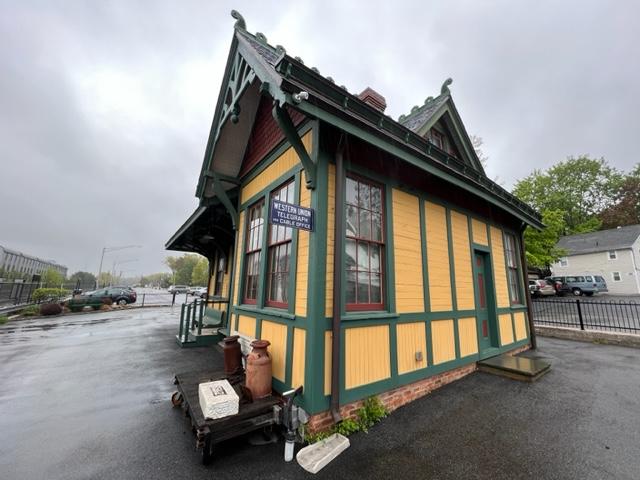
The Museum sign

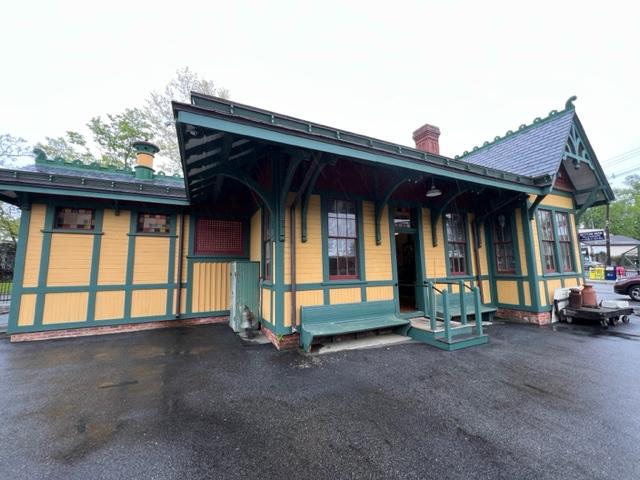
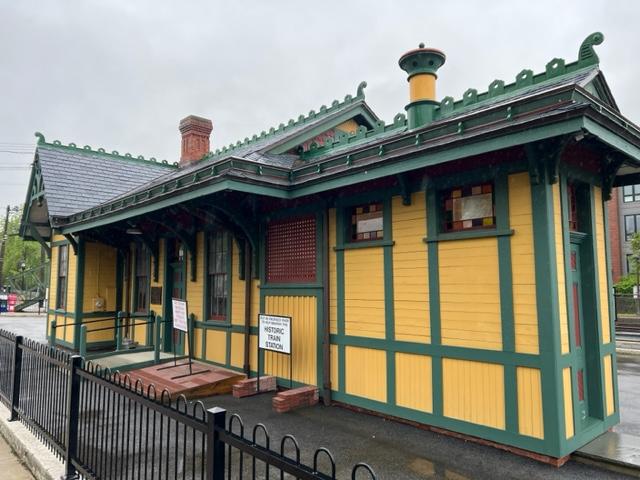
I visited the Waldwick Museum of Local History during the Northwest Bergen History Coalition 8th Annual History Day for their exhibition, “How Immigration & the Railroad Shaped our Towns”. They currently have an exhibition on the “100th Anniversary of Waldwick”. The Waldwick Museum is in the restored 1887 Railroad Station, which has served the town of Waldwick and the surrounding towns.

The back of the museum

The Museum is having been planned for years and the restoration was spearheaded by Doug Cowie, the Vice-President of the Waldwick Community Alliance, who at the ribbon cutting ceremony at the opening on May 22nd, 2016, thanked resident, Kay Williams. Ms. Williams formed the Waldwick Historical Society in 1977.

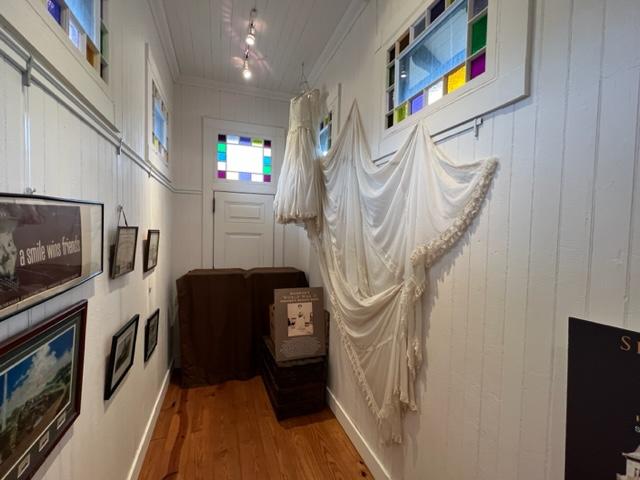
The Wedding Dress display

The town is celebrating their 100 Anniversary and the new exhibition at the museum reflects it with exhibitions and memorabilia from the town of Waldwick. The currently exhibition is broken down into sections.

The Train Booth Display

The conductor’s Office right next to the Ticket Booth

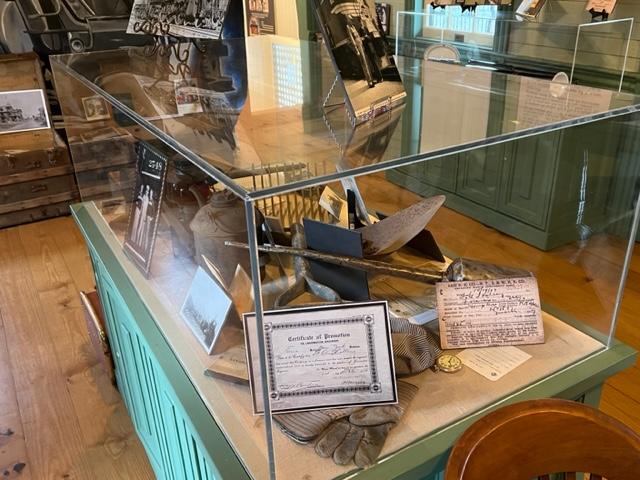
The Conductor’s collection of artifacts

The main part of the museum has the history of the town displayed including the schools, police and fire departments and town organizations. The history of the railroad service in town is displayed of how it developed and the how the town grew around the station. Since the town is celebrating its ‘100th Birthday’, there are all sorts of pictures of the town at various stages.

The Railroad display

The inside displays

The museum is only open once a month so please check their website.

In a ‘Brief History of the Borough of Waldwick’, the timeline for the town is:

Pre-1700: Lenni-Lenape Indians inhabited the land.

1600’s: European farmers settled the land.

Late 1700’s: Franklin Turnpike is a toll road.

1840’s: The Railroad connecting Jersey City with Suffern is built and ran through Waldwick, then named New Prospect.

1852: Erie Railroad Company takes over the railroad.

1880: New Prospect becomes a depot.

1886: An architectural Queen Anne Style depot is built. The depot is called ‘Waldwick’ meaning “Light in the Woods”. The depot brings more commerce to the area also called Orville Township.

1890: The Railroad Signal Tower is erected in a similar style as the Depot.

1919: The small railroad hamlet is incorporated as the Borough of Waldwick.

When I visited the museum that day, the theme of the day was how immigration had changed the suburbs and how the Town of Waldwick had a increase of Italian immigrants move into the town bringing their traditions with them and how it shaped the town.

The Railroad Display

The Railroad Display

The Museum Displays

They also had an extensive exhibition of the town’s railroad past with maps and pictures of the old railroads. The pictures are accompanied with memorabilia from the railroad era. There is also artifacts from the town in different eras on display.

The museum has limited hours and is run by volunteers. It is open one afternoon a month and for special events.

History of the Waldwick Train Station:

The Waldwick Railroad Station is one of the few extant frame terminal predating 1900 on the Erie Railroad line in New Jersey. Planned and built in 1887, the structure’s Queen Anne style is representative of the small suburban railroad depots erected throughout the United States in the last quarter of the 19th century. In 1996, the Station was named to the National Registry of Historic Places as well as the New Jersey Registry of Historic Places.

The Waldwick Town History Displays

It also serves as home to the Waldwick Museum of Local History where exhibits commemorate life in the late 19th and the early 20th centuries and the impact that the railroad has had on the Borough of Waldwick and the surrounding area. The Waldwick Community Alliance (WCA) has complied a collection of hundreds of historical photographs and documents as well as artifacts from that time that are or will be on display. The WCA exhibits these historic artifacts along with others that are donated and collected.

The Waldwick Town History Displays

(The Waldwick Historical Society)

Disclaimer: This information was from the Waldwick Historical Society and I give them full credit for this information.

Little Red School House Museum/Lyndhurst Historical Society                                                  400 Riverside Avenue                                Lyndhurst, NJ 07071

Little Red School House Museum/Lyndhurst Historical Society 400 Riverside Avenue Lyndhurst, NJ 07071

Little Red School House Museum/Lyndhurst Historical Society

400 Riverside Avenue

Lyndhurst, NJ  07071

(201) 804-2513

http://www.lyndhursthistoricalsociety.org

https://www.facebook.com/LyndhurstHistoricalSociety/

Open: The Second and Fourth Sunday of the month from 2:00pm-4:00pm

TripAdvisor Review:

https://www.tripadvisor.com/Attraction_Review-g46586-d3207980-Reviews-Lyndhurst_Historical_Society_Little_Red_Schoolhouse-Lyndhurst_New_Jersey.html?m=19905

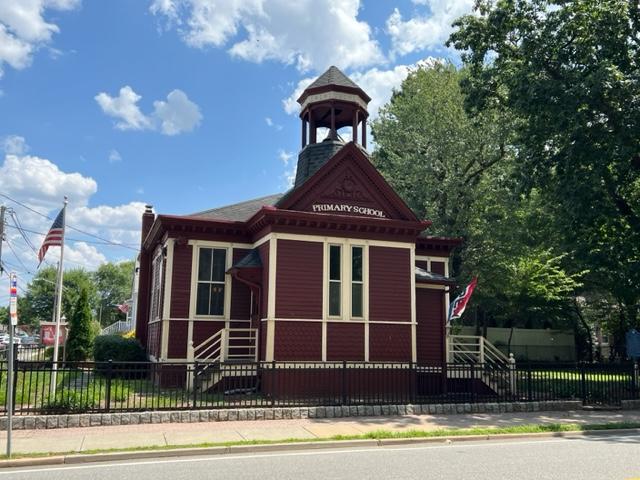
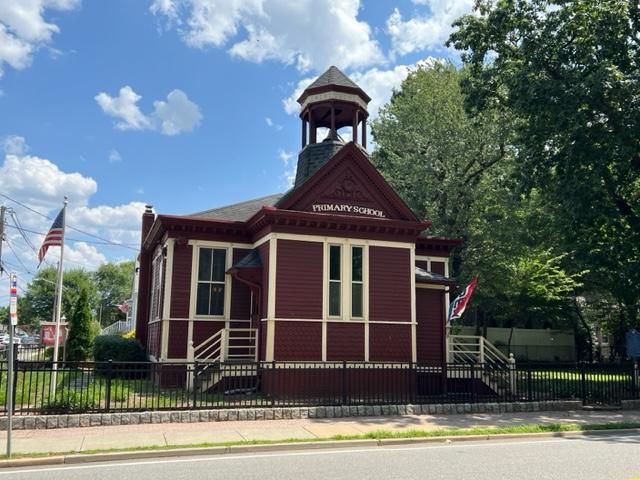
The Lyndhurst Historical Society at 400 Riverside Avenue

The Lyndhurst Historical Society is an interesting look into the early history of both the town of Lyndhurst, NJ and Bergen County. The museum shows how we moved from the agricultural era to the modern era in just one generation. The growth of the county really accelerated after the Civil War into the 1920’s.

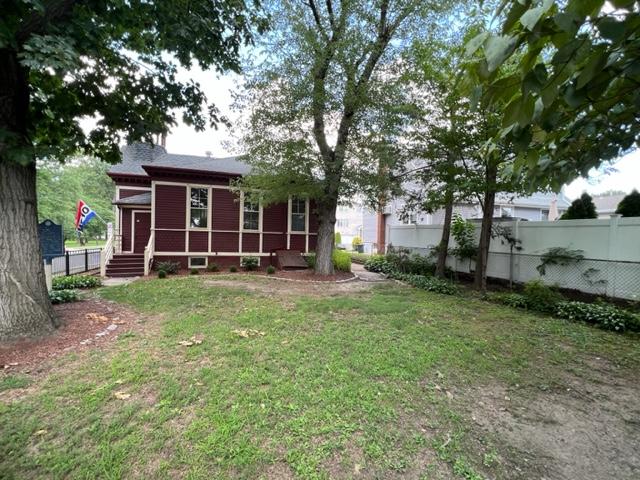
Lyndhurst Schoolhouse grounds

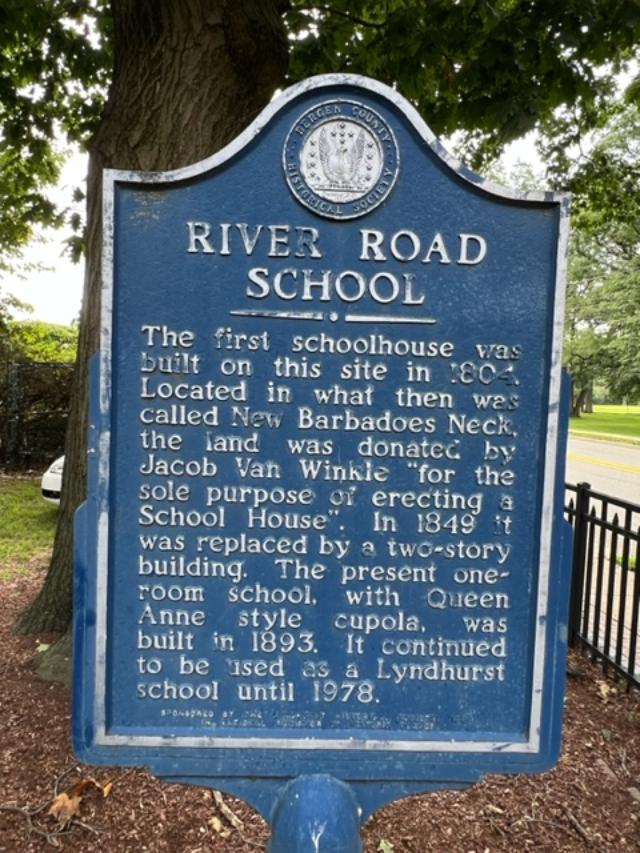
The Lyndhurst Schoolhouse historic marker

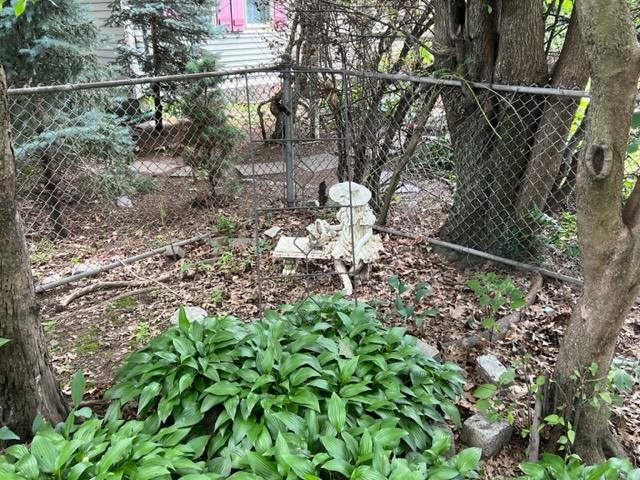
A child’s statue in the gardens on the grounds of the museum.

The building itself is built on the original 1804 school house that was torn down for the newer one built in 1893. The unique part of the museum’s history is that the building was used as a school house for third graders in the town until 1980.

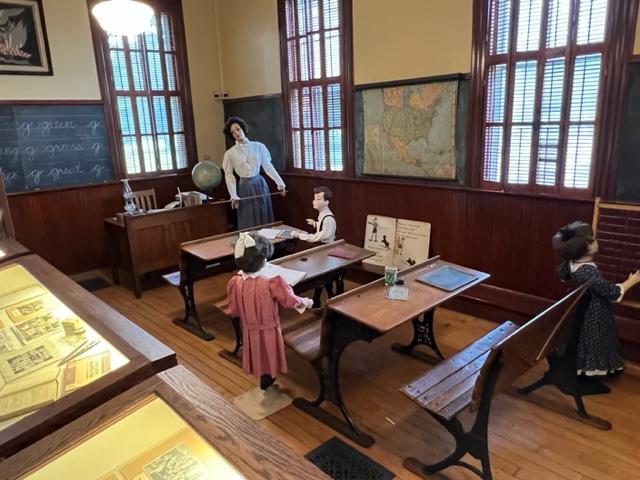
The museum’s school display

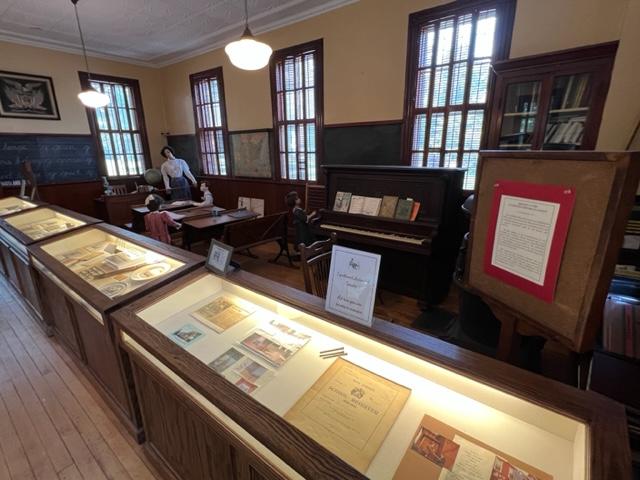
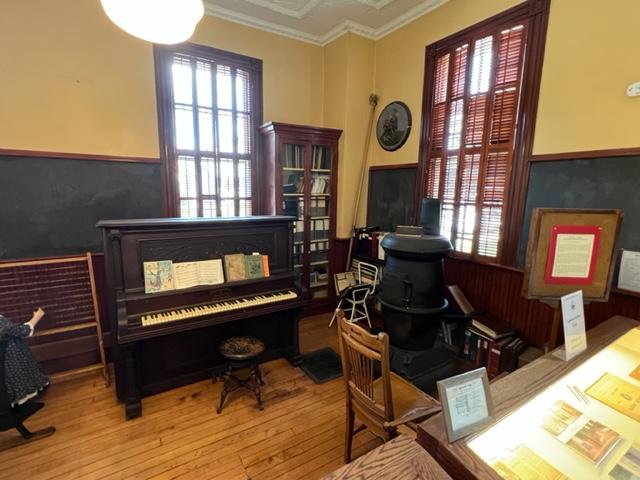
The museum is a treasure trove of memorabilia from the town’s past. One part of the museum is set up as an early school room with desks, blackboards and a whole teacher’s work area while the other side of the display is a nurses office for the kids.

The history of the school over the past hundred years.

The history and school pictures surrounded the display.

What is unique about the museum is that the original bell to call the children for school is still located on the top of the building and the bell can be accessed by the string in the coat room. They even let you ring the original school bell that has been in place all this time.

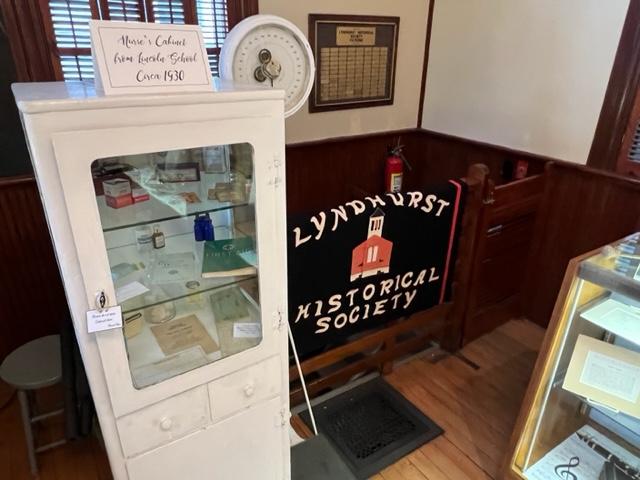
School nurse display

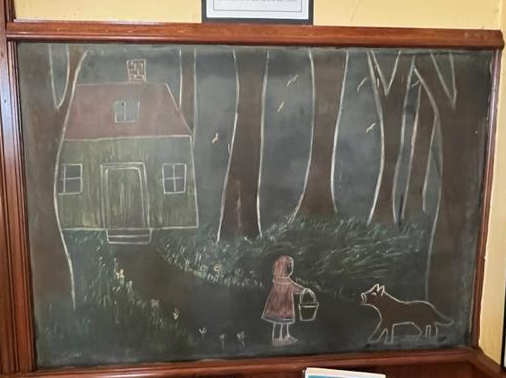
The original built in chalk boards exist with artwork that had been left on them from the 20’s that have now been preserved. What is interesting about them is that they had been covered up since the 1930’s and a child had drawn out in colored chalk two children’s fairy tales that have now been preserved. They had been hiding under the new chalkboard after the renovation for over fifty years.

The Little Red Riding Hood chalkboard drawing

The Three Bears chalkboard drawing

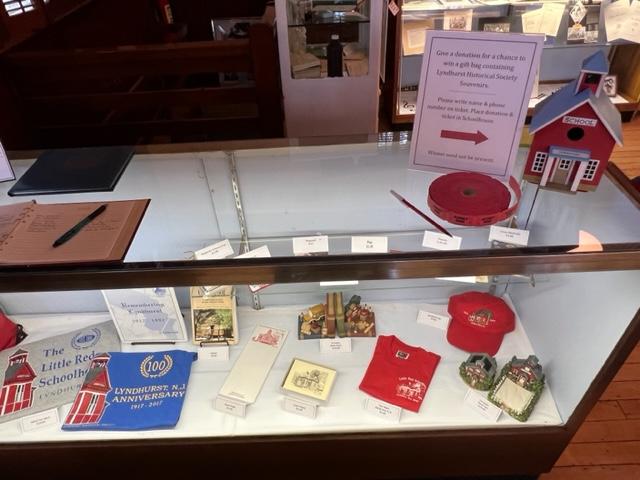
The other side of the floor plan is items from the 100th Anniversary of Lyndhurst. This had happened a few years earlier and the display is very prominent when you walk in. There is a lot of pride in this town.

The displays are related to the celebration with displays on businesses that have been in town for many years, Indian relics that were found in the town and memorabilia.  Even the basement bathrooms are from the 1920’s and still work!

Music display and heating the school house

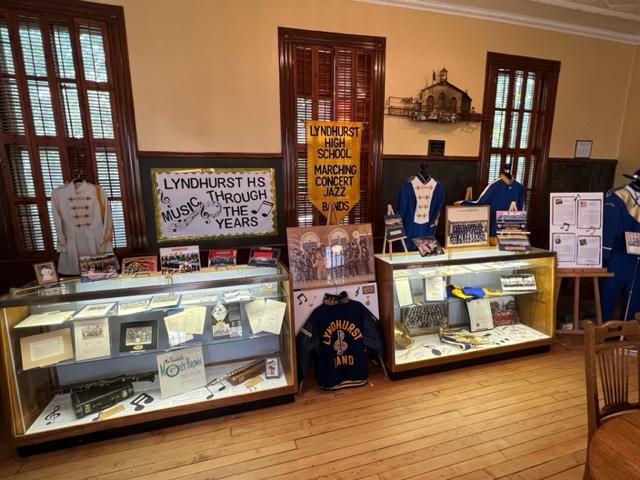
The big exhibition in the museum was the history of the ‘Lyndhurst High School Marching Band’, its past events and the teachers who run the program now. They have a very talented Music Department.

The History of the Lyndhurst High School Marching Band

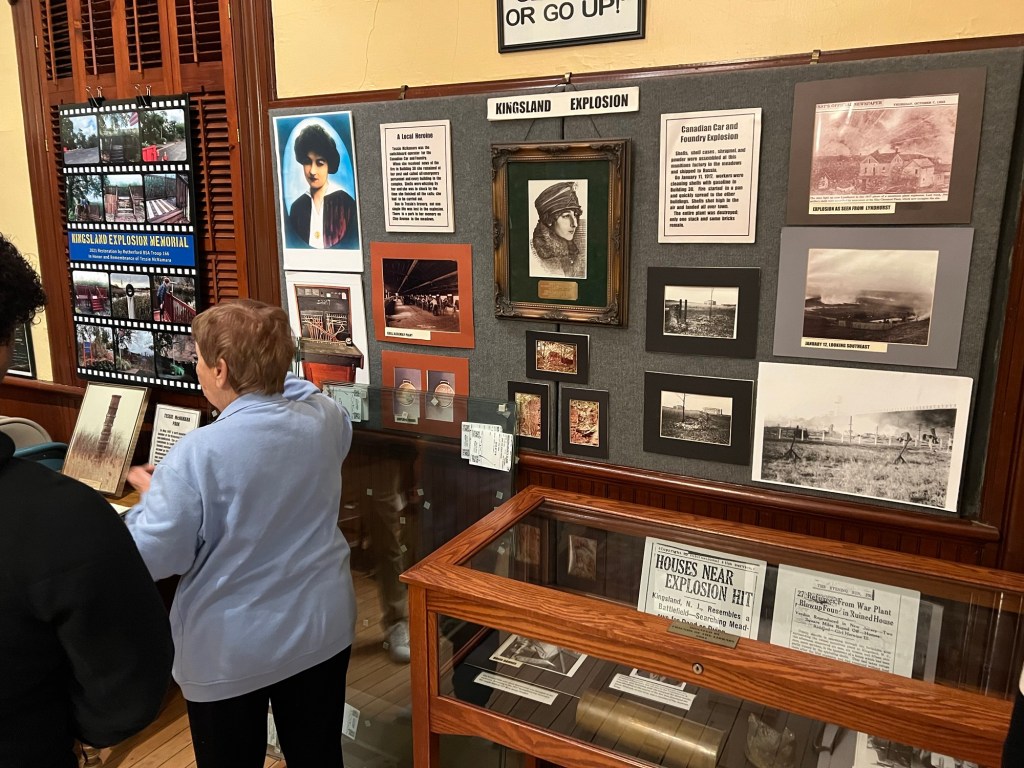
The other big display was the ‘Kingsland Explosion and Fire’ that had occurred over twenty years ago and it is part of the permanent collection. It was interesting to see how it happened, how it was put out by the fire department and the history of the company.

The Kingsland Explosion and Fire Exhibition

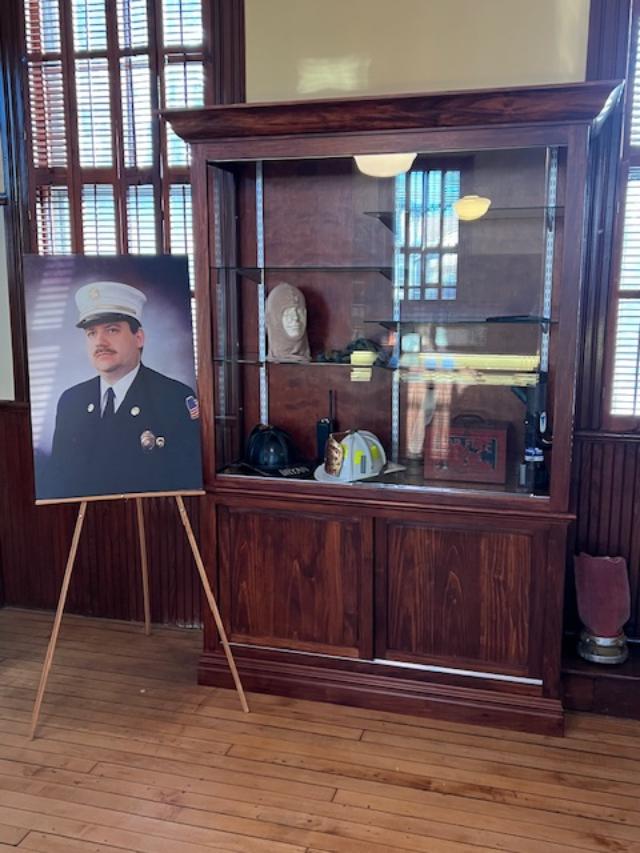
This was a new exhibition that the museum is featuring in the Winter and Spring of 2025 on the history of the Lyndhurst Fire Department. This had unique items from the fire service donated by firefighters from the Lyndhurst Fire Department:

‘The History of the Lyndhurst Fire Department’ exhibition

The exhibition on ‘The History of the Lyndhurst Fire Department’

This exhibition will on display through the Spring of 2025.

Lyndhurst Historical Society:

(from the museum website)

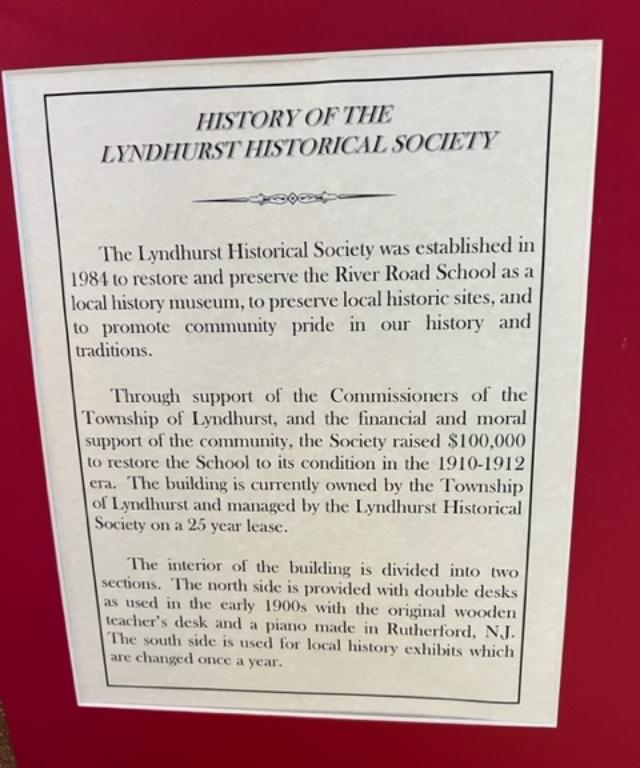
The Lyndhurst Historical Society is a private, non-profit organization dedicated to the preservation of local historic sites and the promotion of community pride in our history and traditions.

In 1984, a group of local citizens formed the Lyndhurst Historical Society. One of the Society’s early projects was to restore the “Little Red Schoolhouse” on Riverside Avenue and establish a museum in the schoolhouse for the exhibition of local history memorabilia.

The School Nurse cabinet in the schoolhouse

With community support as well as county and state grants, the Society’s goal to open the Schoolhouse Museum to the public was achieved in 1993.

The Society meets regularly on the third Wednesday of each month (except July and August) to…

*plan and present educational programs and workshops of historical interest.

*raise funds to meet the goals of the organization.

Active members and supporters are vital to the success and growth of the Lyndhurst Historical Society.

The history of the Lyndhurst Historical Society Museum

We welcome:

*those interested in membership.

*anyone wishing to volunteer time.

*offers of financial support (all memberships and donations are tax deductible in accordance with IRS regulations).

Lyndhurst Historical Society Museum grounds

Little Red Schoolhouse History:

(from the museum website)

A one room schoolhouse crowned by a bell, symbolizes a simpler time, 19th and early 20th century America.

In 1804, Jacob Van Winkle presented a strip of land to the school trustees for the construction of River Road School (“The Little Red Schoolhouse”). The yearly rent was one peppercorn if demanded. Thus was born the first known public school system of southern Bergen County. A subsequent building was erected in 1849. In 1893, the present school was built and used for classes until 1980.

Old Class pictures at the museum

The Township purchased the school in 1984. It was leased to the Lyndhurst Historical Society in order to preserve this landmark, now more than a century old, for future generations to appreciate and to use as a local museum.

Lyndhurst Historical Sites:

The Little Red Schoolhouse is one of three historic sites in Lyndhurst.

Just south of the Schoolhouse is the Jeremiah Yearance House, circa 1841. Years ago, teachers assigned to the School often boarded at the Yearance House during the week because the commute by train to their permanent homes would be too long.
One block north of the Schoolhouse is the Jacob Van Winkle House, built in 1797. Van Winkle presented the property for the Schoolhouse in 1804. River Road School is joined by the Van Winkle and Yearance Houses on both the National and New Jersey registries of historic places.

Historical Events & Trivia:

Did you know…

*Lyndhurst was once called Achter Kol?

*The town has three sites on both the New Jersey and National Historic Sites Registry?

*January 9, 2004 marked the 200th anniversary of the deeding of the land to the school house?

*Lewandowski Commons is named for the brothers killed in World War II?

*Palazzo Corner, built in 1905 and located at 262 Ridge Road, was used as the town’s first police state and court clerk’s office?

*The Jacob Van Winkle House, now the Masonic Club is the oldest building in Lyndhurst?

Events sponsored by the Lyndhurst Historical Society include:

*festivals

*re-enactments & historical portrayals

*cultural, artistic and musical presentations

*educational lectures

*bus and walking tours of Lyndhurst

Schoolhouse Museum Information:

The museum is located on the corner of Fern and Riverside Avenue, is open to the general public on the fourth Sundays of each month from 2:00pm to 4:00pm.

Group tours can be arranged at any time by reservation for schools, organizations and individuals. A visit includes a tour of the Schoolhouse, its exhibits and a presentation of local history by one of the Society’s docents. Call (201) 804-2513 for further information on museum tours and special events.

Disclaimer: The second part of the this information was taken directly from the Lyndhurst Historical Society’s pamphlet. The Little Red Schoolhouse is open from 2:00pm-4:00pm on the last Sunday of each month or by appointment only. Please plan accordingly.

In November of 2024, I had my Introduction to Business at Bergen Community College in Paramus, NJ create a Destination Tourism project for the museum. This is their project:

Here is the Blog on project:

It was going to be a tight project as we only had five weeks to pull it off and we had Thanksgiving Weekend break in the middle of the project. I created one less Team and gave them a fair amount of work to develop and then we started the project.

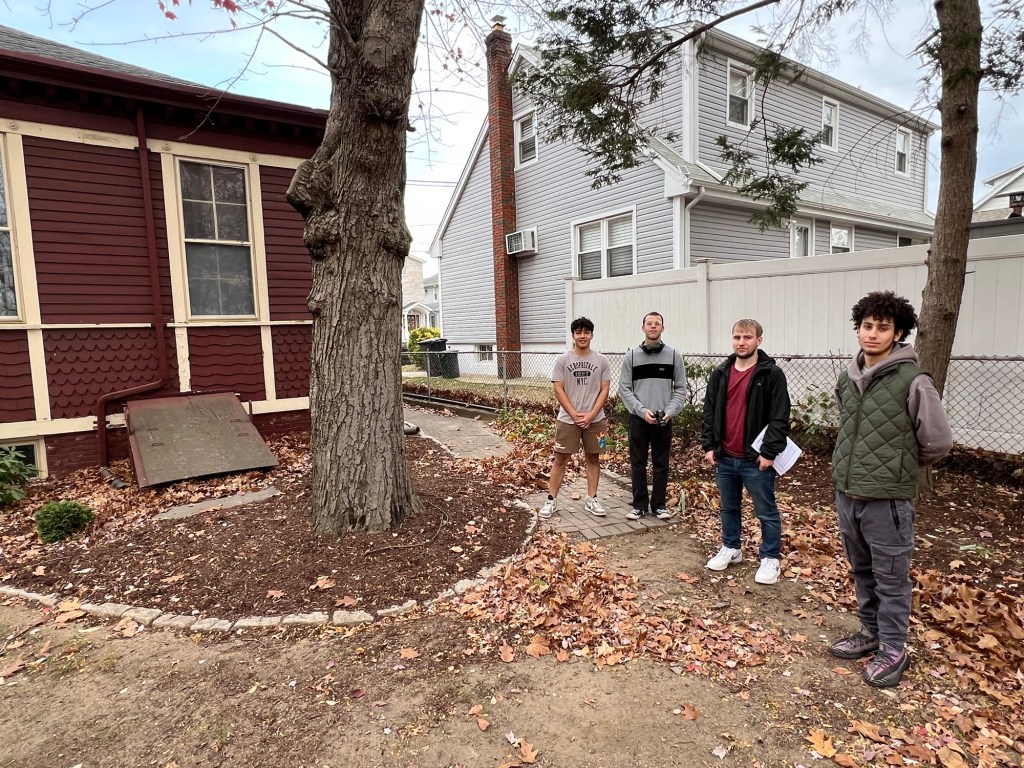
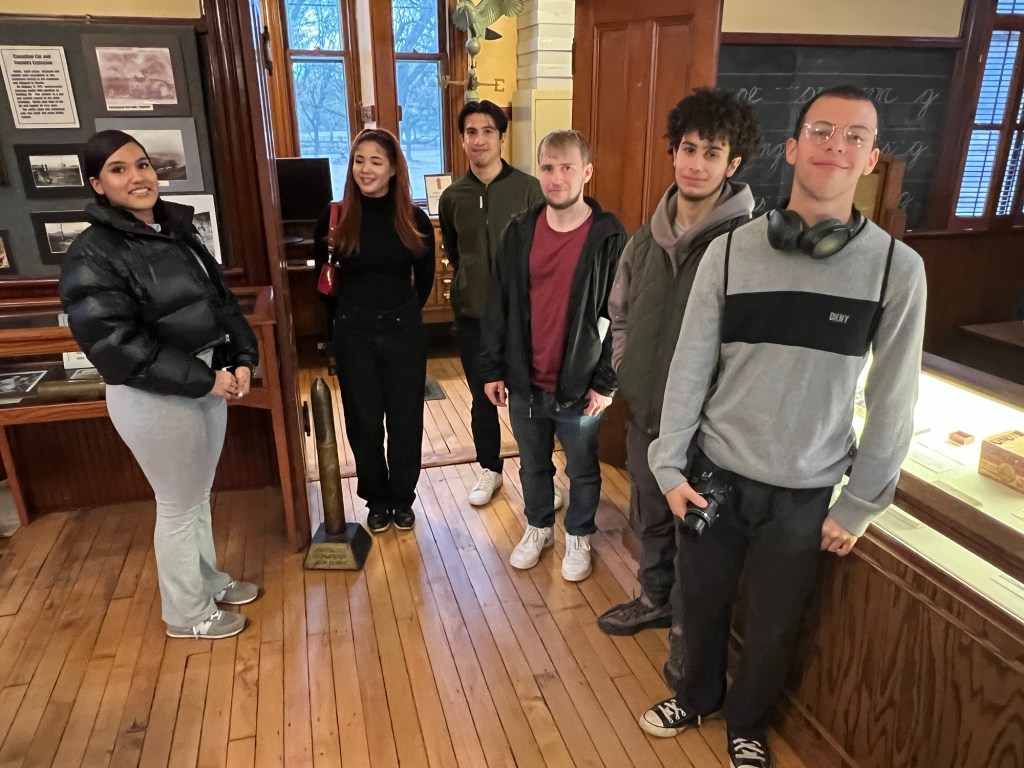
I had an extra credit Team Field trip to the museum that Sunday and about a third of the students showed up. The museum is a one room schoolhouse so it is easy to tour.

Team members touring the museum on the extra credit trip

Touring and planning ideas in the museum’s backyard and gardens

The next week during class time, I took the students on a more formal tour and lecture on the museum where they met with the Museum Board, their volunteers and it was time to ask questions and view the museum from the vantage point of how to we promote this museum and how can we bring people in from outside the Bergen County area.

First we met with the staff at the museum on class night

We started with a discussion of the museum, its history and its direction in the community. We also got to meet the Volunteer Board of the museum.

Then we toured the museum

The Kingsland Explosion Fire display

Going over the project steps with the Museum Board

Our Team picture with the Museum Board of the Lyndhurst Red Schoolhouse Museum

Here is the Marketing Team Project that was created by the students:

The next week on December 12th, 2024, the students presented the project to myself, the Board and members of the Lyndhurst Schoolhouse Museum and to parents and other invited guests. For a four week project, the students did a good job.

The Bergecco-Parc Corporate Website for the Lyndhurst Schoolhouse Museum Team:

https://littleredmuseum.wordpress.com/?_gl=11eisv45_gcl_au*MzA4MzYyMTAxLjE3MzMyNzg1MDU

The start of the Presentation that evening:

The start of the Team Presentation that evening

Video of the Presentation:

PowerPoint of the Presentation:

Team One starting their presentation

Team Two ordering their ideas to the museum board

Team Two presenting their Holiday events to the Board

Team Two presenting their Holiday events budgets

Team Three making their presentation

The Lyndhurst Schoolhouse Museum Team at the end of the presentation

At the end of the Presentation, we had a Q &A with the Board of the Museum, who really loved the ideas that the students came up with and how creative they were with such a small museum. The President even admitted to me that she, like all the other museums I worked with this semester, would miss having the students visiting and touring the museum. That made me feel good, that in some small way we made a difference.

The Belskie Museum of Art & Science, Inc.                           280 High Street                                                                    Closter, NJ 07624

The Belskie Museum of Art & Science, Inc. 280 High Street Closter, NJ 07624

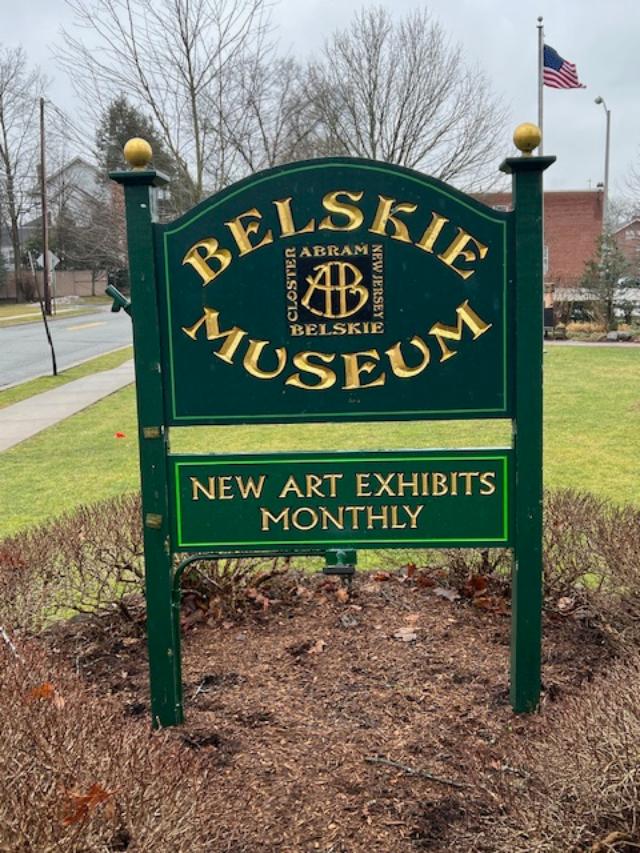
The Belskie Museum of Art & Science Inc.

280 High Street

Closter, NJ  07624

(201) 768-0286

http://www.belskiemuseum.com

http://www.belskiemuseum.com/homepage.asp

https://www.facebook.com/Belskie-Museum-of-Art-Science-184088978288696/

Open: Saturday & Sunday  1:00pm-5:00pm

Free Admission

Closed July and August

TripAdvisor Review:

https://www.tripadvisor.com/Attraction_Review-g46367-d13833492-Reviews-Belskie_Museum_of_Art_Science-Closter_New_Jersey.html?m=19905

The History:

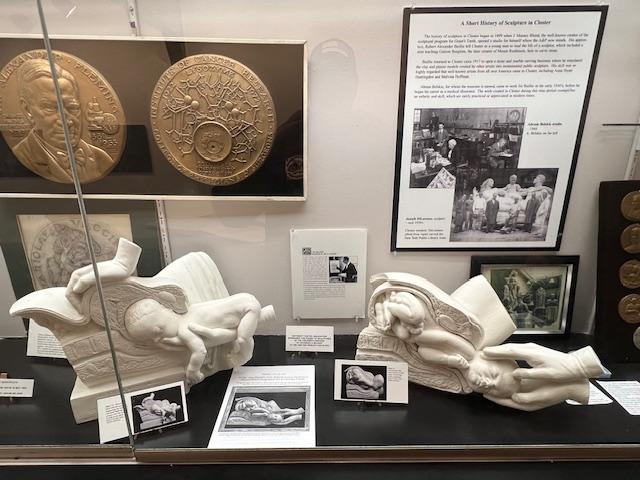
The Belskie Museum, a tax exempt non-profit corporation, was founded in Closter, New Jersey in 1993 to save, restore and exhibit the works of Abram Belskie (1907-1988), one of our country’s most accomplished sculptors and one of the most eminent medical of times.

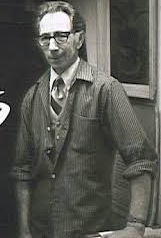
Abrame Belskie

Abram Belskie

https://americanart.si.edu/artist/abram-belskie-332

Mr. Belskie was a resident of Closter his entire adult life.

The museum’s 3,900 square feet modern building was built entirely by the Closter Lions Club and donated to the Borough of Closter upon its completion in 1994.

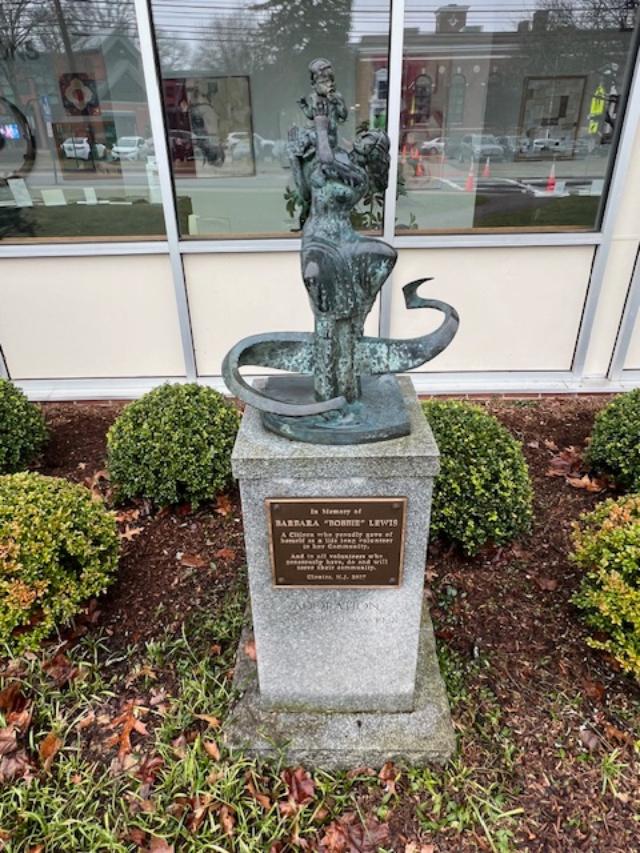
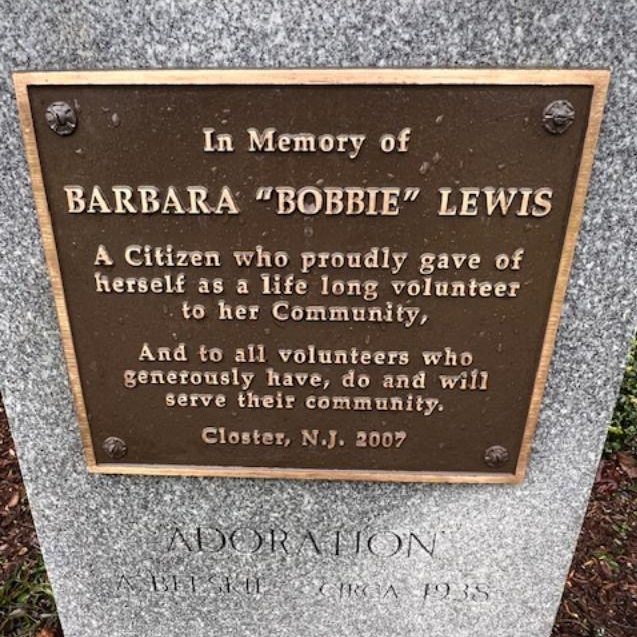
The Memorial Statue “Adoration” outside the museum.

In addition to housing the many works of Abram Belskie, the museum also hosts monthly art exhibits by local, national and international artists and as a result, has become one of Bergen County’s leading forum for the arts.

The Belskie Collection of Art:

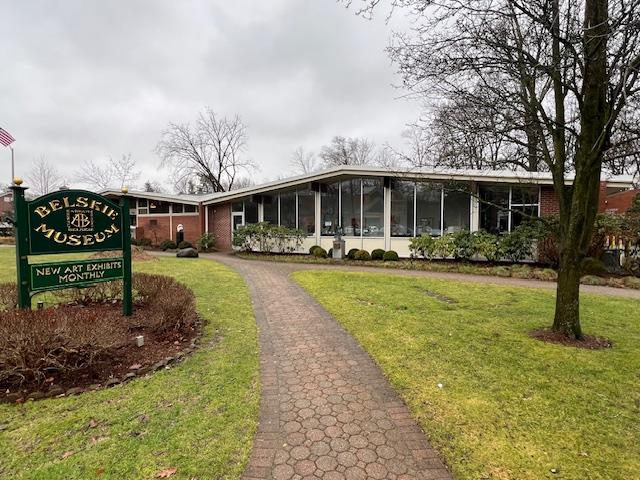
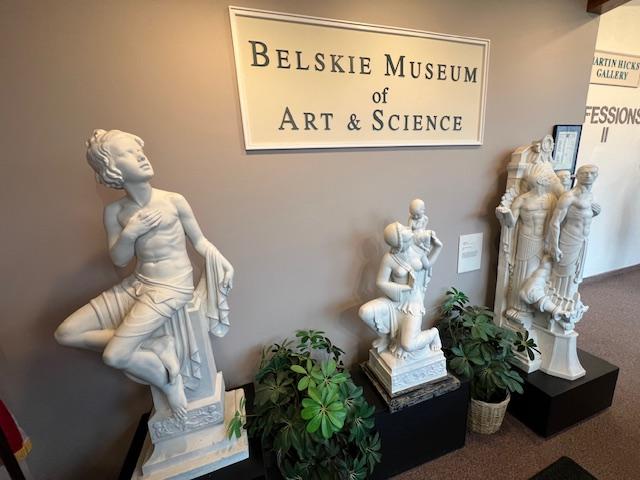
The entrance of the Belskie Museum with the works of Mr. Belskie

Past exhibitors include the estate of world famous photographer Andre Kertesz and Italian painter/sculptors Emilio & Ugo Baracco. A featured exhibit of photography in March 2003 was by Academy Award and Tony Award winning actress Ellen Burstyn. The museum also hosts exhibits from the local schools and colleges and many local artists.

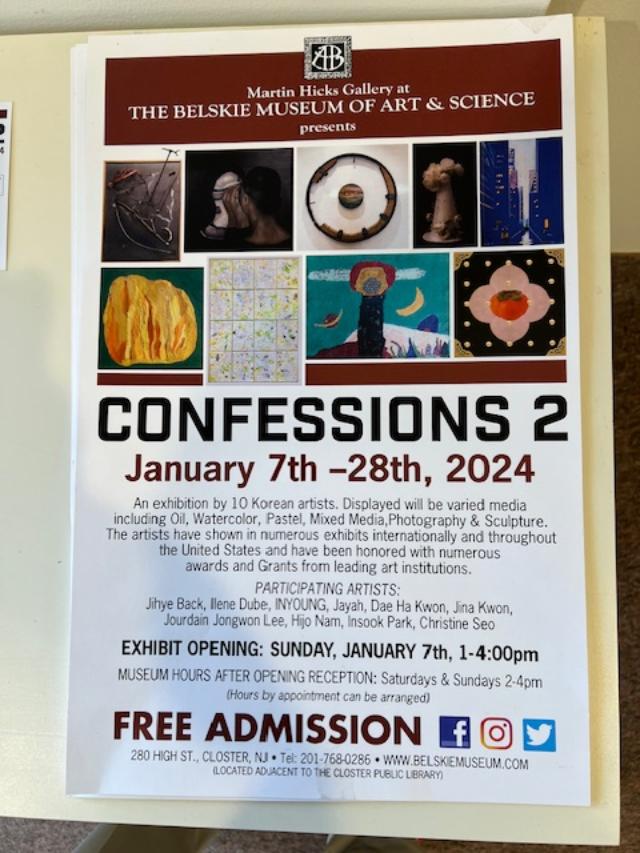
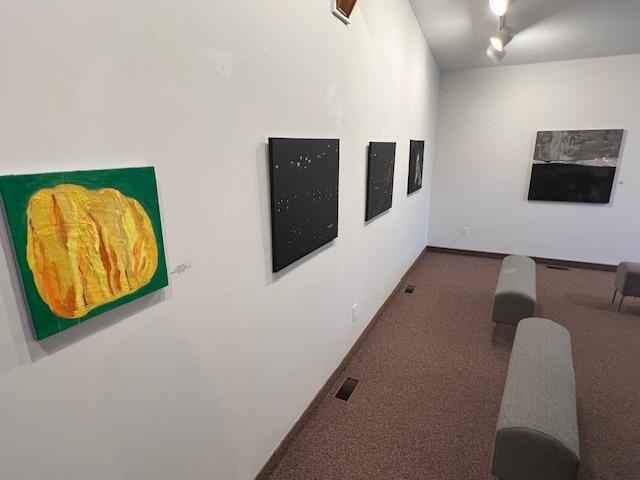
In January of 2024, the museum hosted the exhibition ‘Confessions Two’, featuring the works ten Korean artists displaying varied media including oil, watercolor, pastels, mixed media, photography and sculpture.

The “Confessions Two” Exhibition of Korean art.

The Gallery featuring the exhibition “Confessions Two”

The museum is operated entirely by volunteers under the direction of a six-member Board of Directors (also entirely volunteer) appointed by the Borough of Closter, The Closter Lions Club and the Closter Public Library Trustees. Funding is from grants, memberships, fundraising exhibitions and donors. The museum has new art, history and science exhibits throughout the year. Open on Saturdays, Sundays and by appointment.

The works of Abram Belskie are in the back gallery.

Disclaimer: This information was taken directly from The Belskie Museum of Art & Science Inc. pamphlet. Please call the above number or email them for more information of hours of operation. The museum does change their exhibitions almost every month.