Tag: Historical Sites

The Old Stone House                                                                   538 Island Road                                                                       Ramsey, NJ 07446

The Old Stone House 538 Island Road Ramsey, NJ 07446

The Old Stone House

538 Island Road

Ramsey, NJ  07446

(201) 327-2655

http://www.RamseyHistorical.org

https://www.facebook.com/pages/Old-Stone-House-Museum/448284202043523

Open: Four times a year, for special events and by special appointment only. Call for hours.

Fee: Voluntary donations

TripAdvisor Review:

https://www.tripadvisor.com/Attraction_Review-g46762-d20323524-Reviews-The_Old_Stone_House_Ramsey_Historical_Society-Ramsey_New_Jersey.html?m=19905

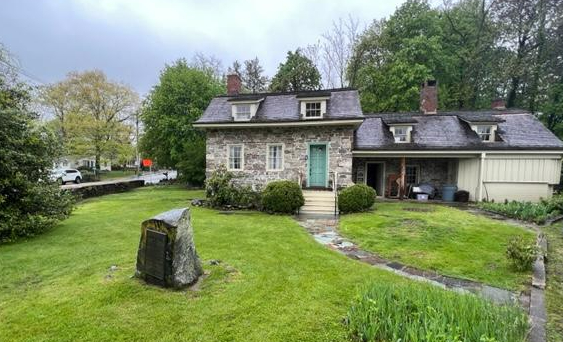
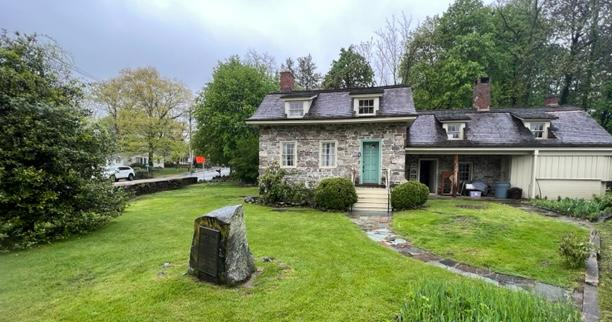
The Old Stone House in April 2023 for the Northwest Bergen History Day tours

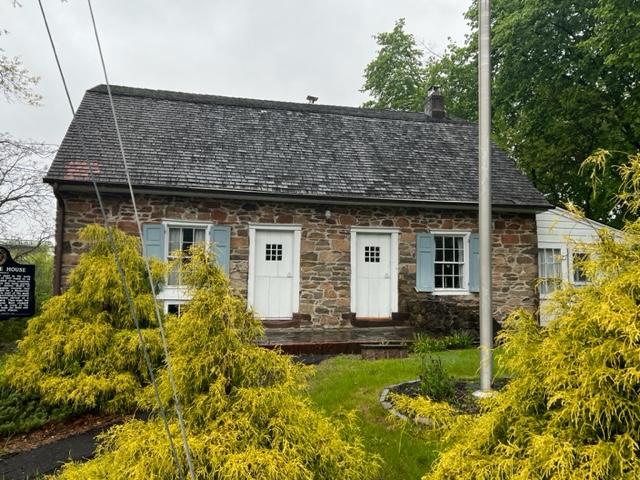
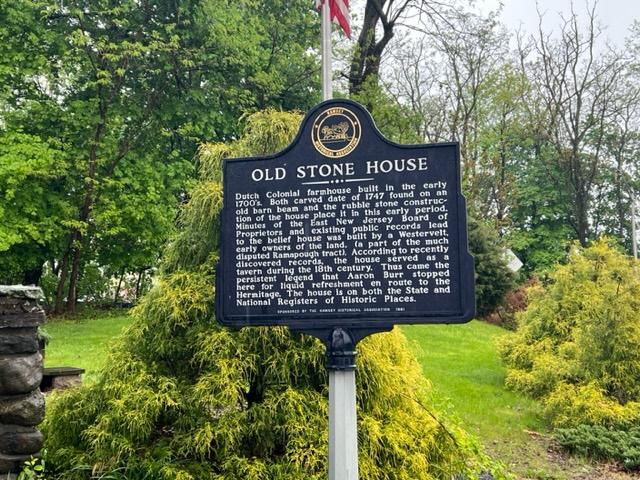
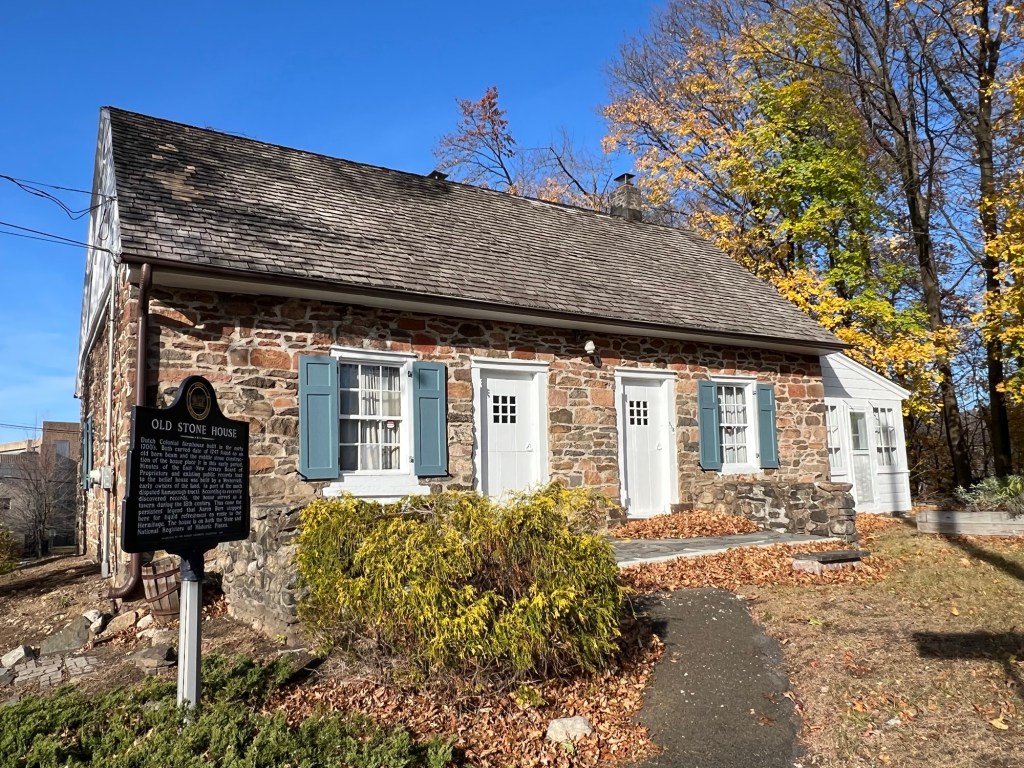
I visited ‘The Old Stone House’ during the Northwest Bergen History Coalition’s 8th Annual History Day.  This Dutch stone farmhouse is one of the oldest buildings in Ramsey, NJ. It has been known as the Westervelt-Ackerson House to the families that built it and have lived in it in the past. The house is on the State and National Registers of Historic Places.

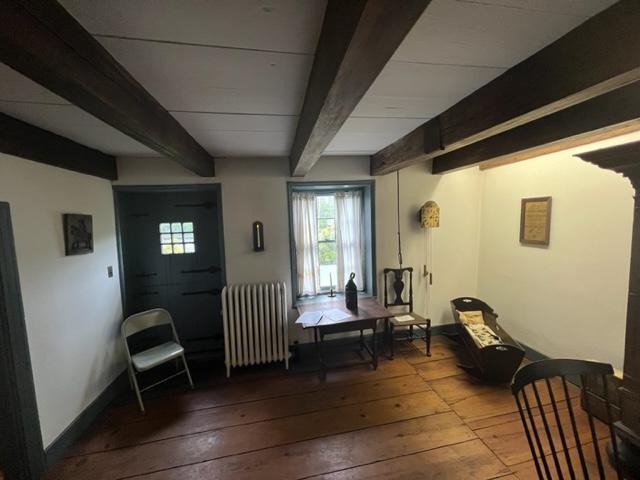
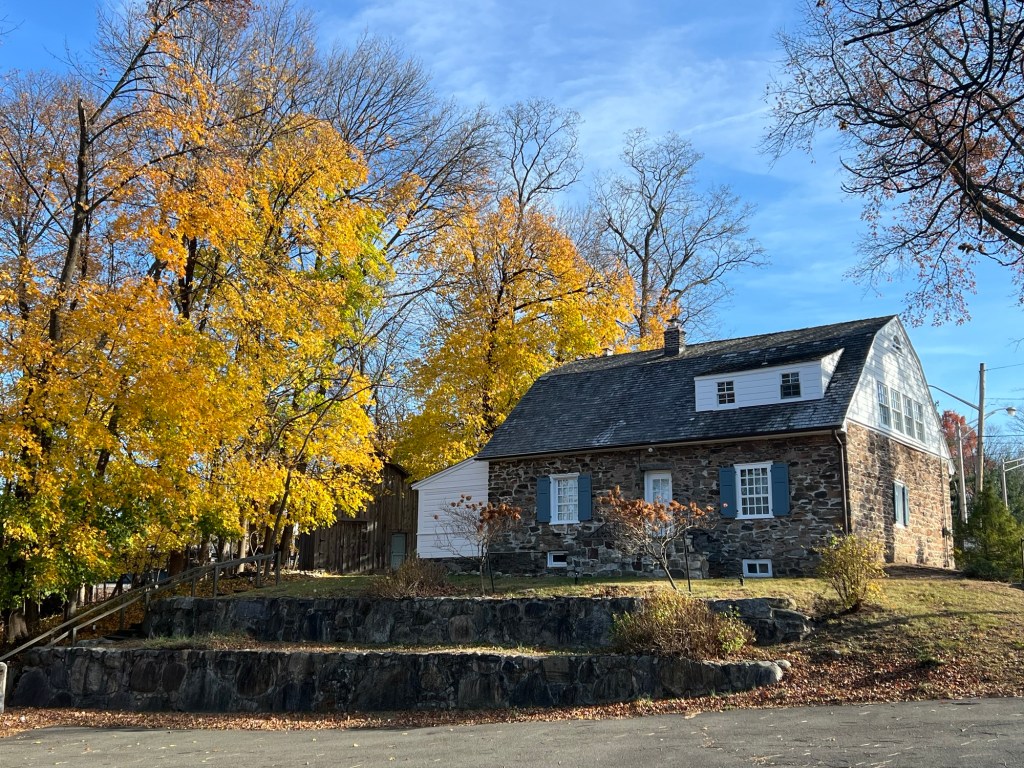
The house sits on a bluff that overlooks the highway but at one time was a 300 acre farm. The house’s furnishings on the first floor are period to the house with some of the original doors and windows of the house. There are still many original features in the house.

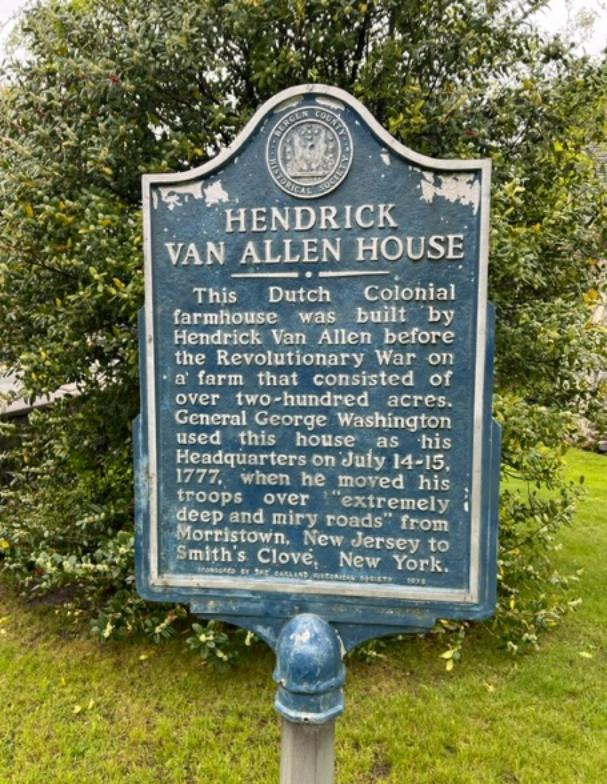
The Old Stone House signage

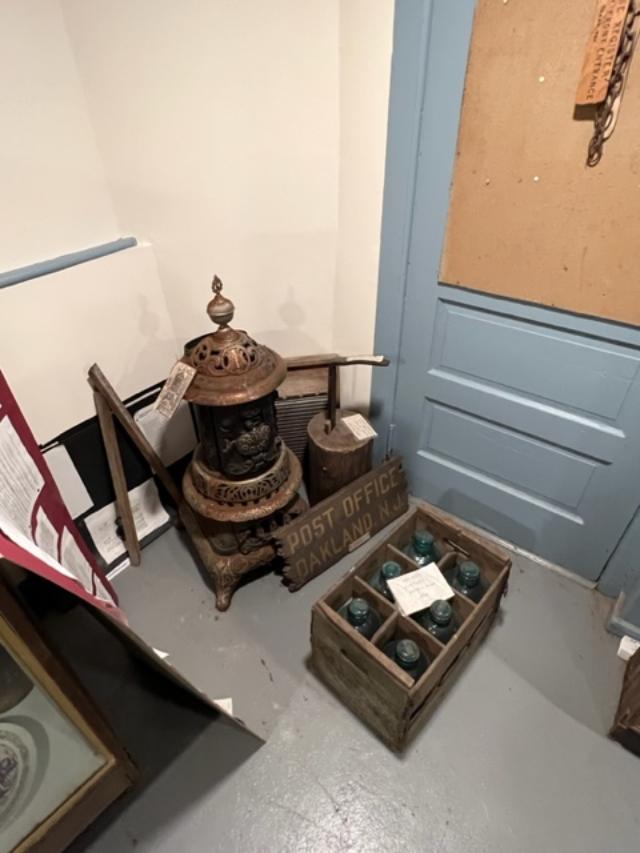
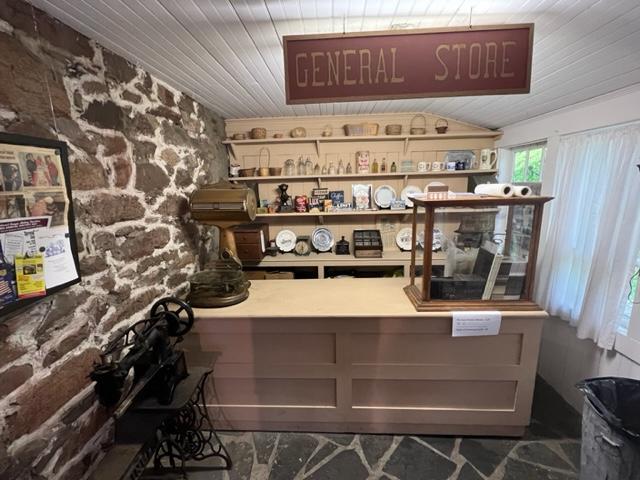
The first floor has a exhibit on the armed services and off to the side of the house which had once served as a antique shop to the last two owners of the house is a general store exhibition.

The General Store display on the first floor

The Armed Forces Display was very touching

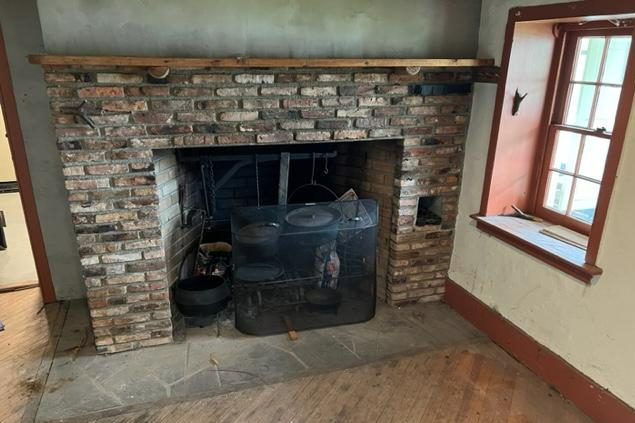
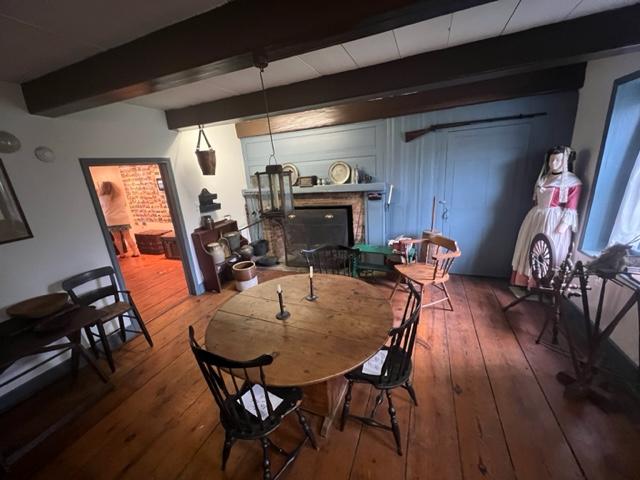
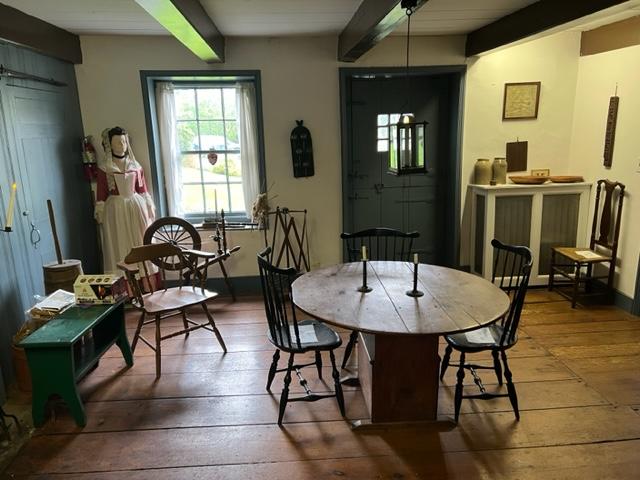
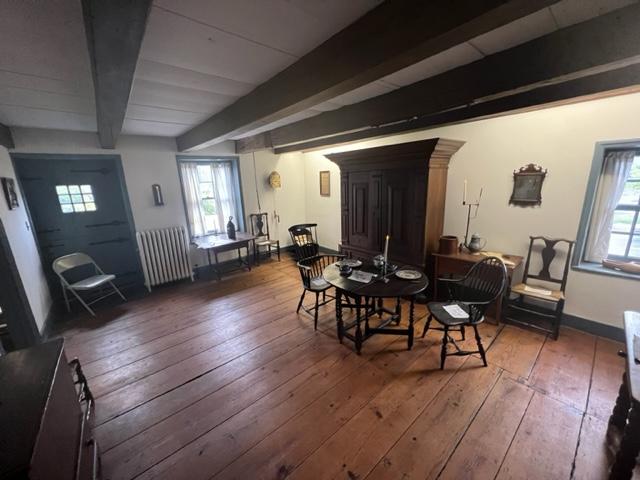
The first floor is designed as most Dutch homes were at the time in the farming community. The kitchen was the center point of the home as a source of heating and cooking. The other rooms were connected so that the heat from the fireplace could spread through the home. It was simply furnished to reflect the life on the farm.

Another view of the Dining Room

As time went on and the family got more affluent, better furnishings were bought for the home. The house today reflects that home that would have been during the late 1700’s early 1800’s life on the farm.

The Old Stone House kitchen

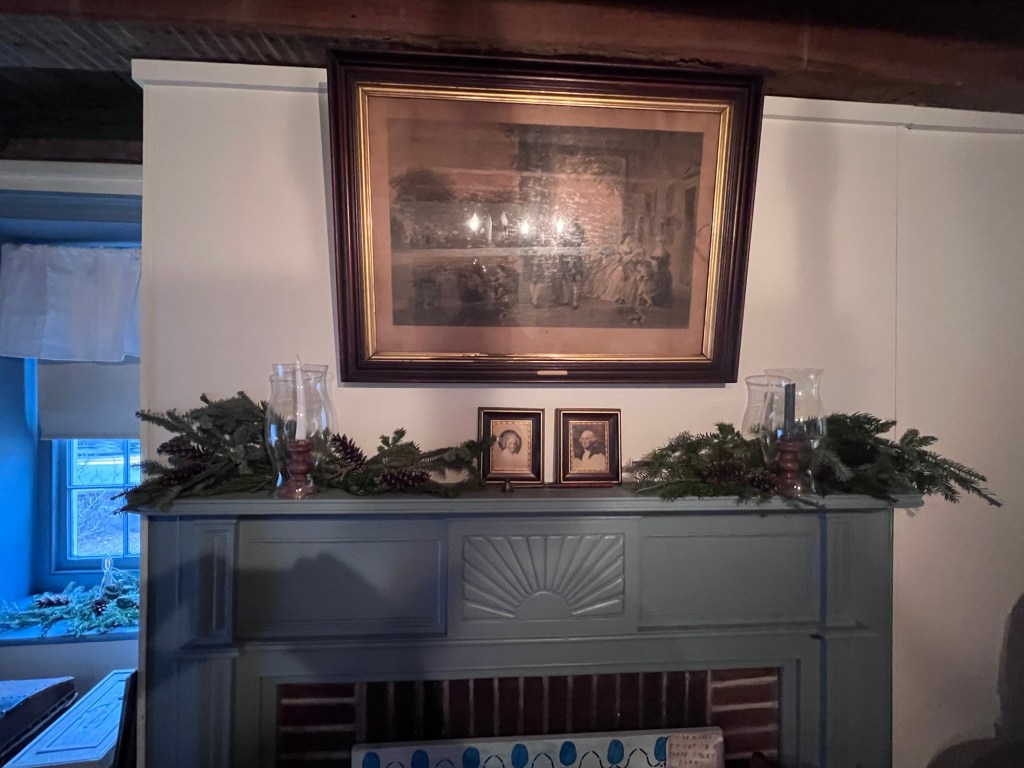
The Old Stone House parlor

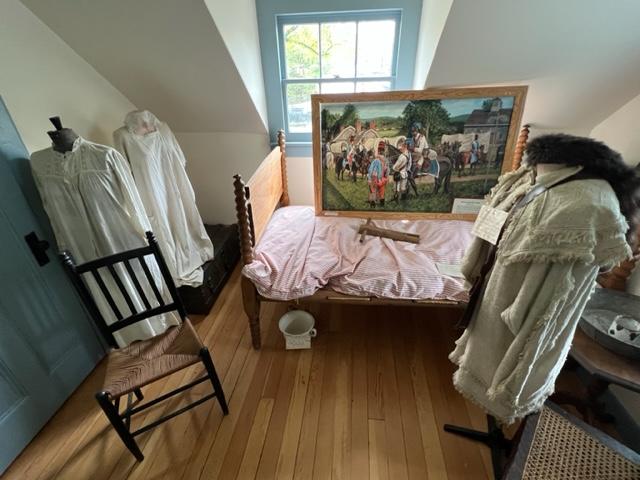
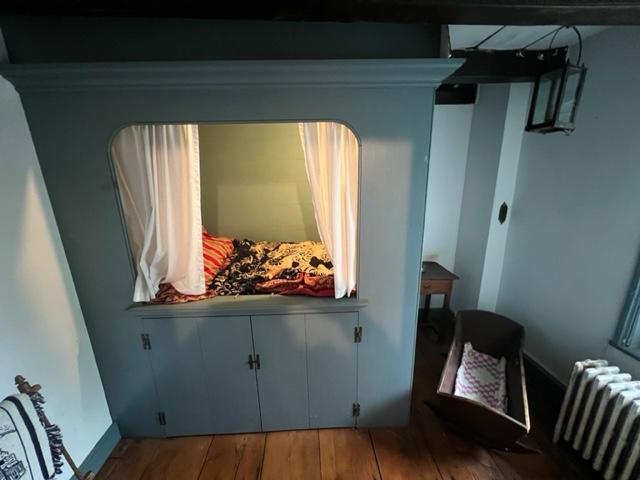
The Old Stone House Bedroom

The Old Stone House Living Room

Old Stone House Living Room

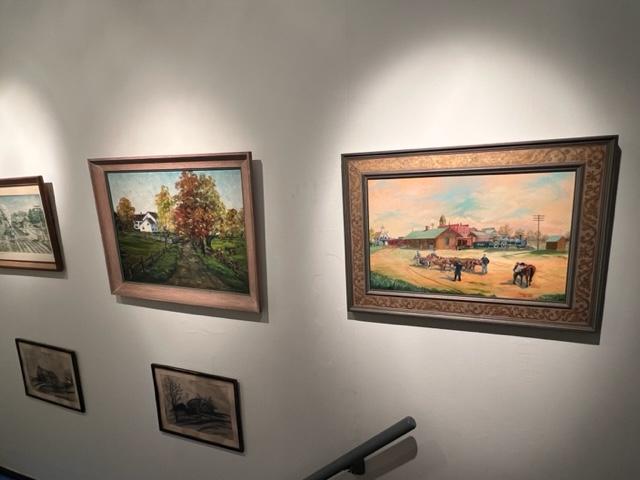
The upstairs painting and art collection

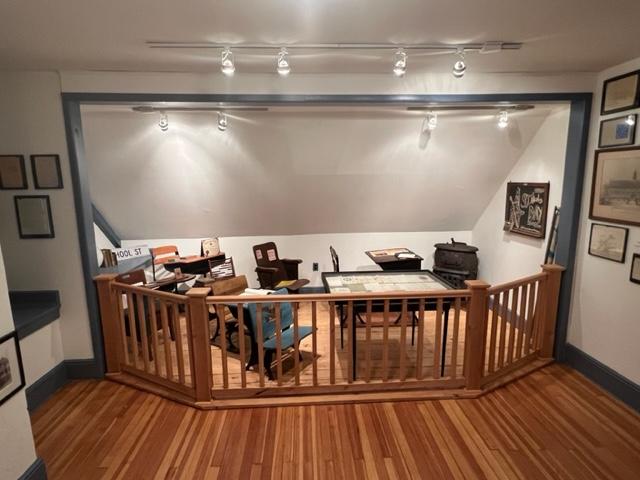
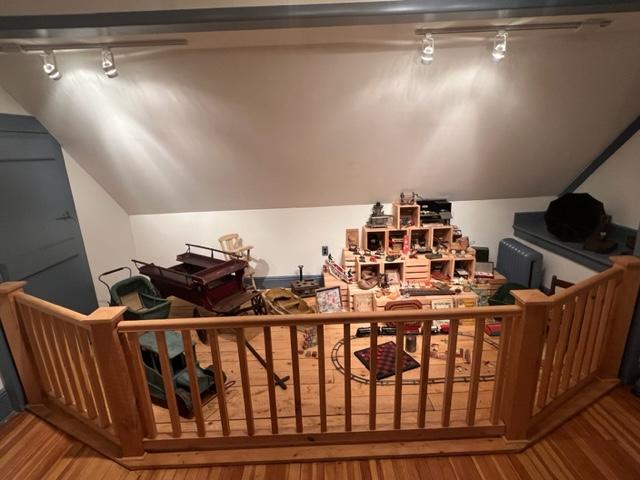
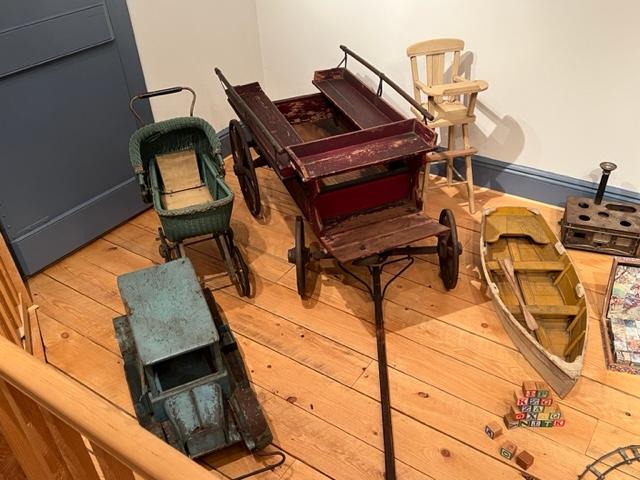
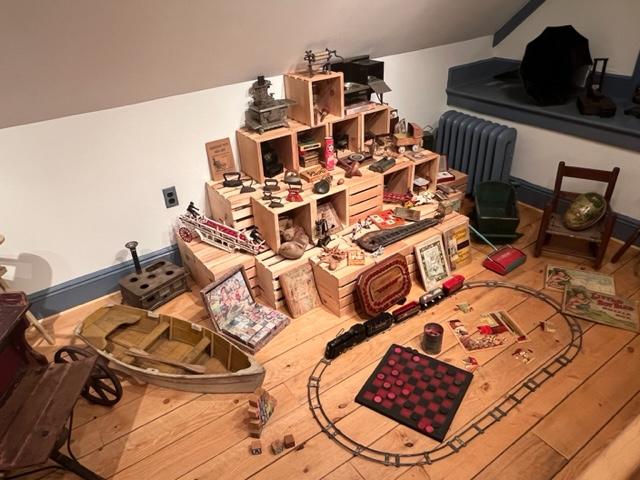
On the second floor are two children’s displays, one of toys and the other is set up like a school. There are period furnishings and children’s playthings in both rooms. The upstairs was finished off the house in the 1920’s.

The Old Stone House Schoolhouse display

The Old Stone House Toy Display

Antique Toys

Antique Toy Display

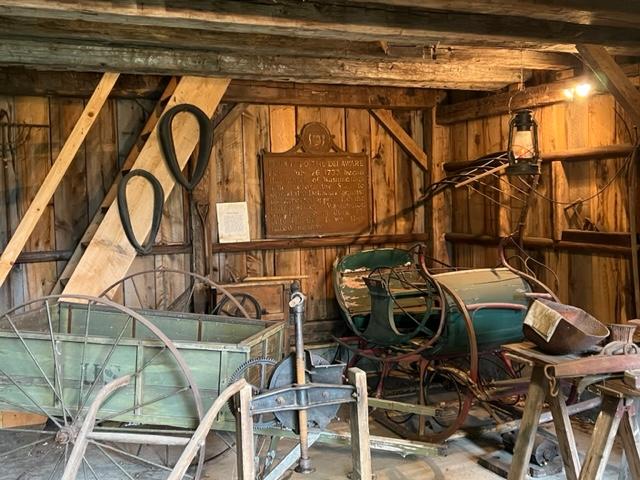
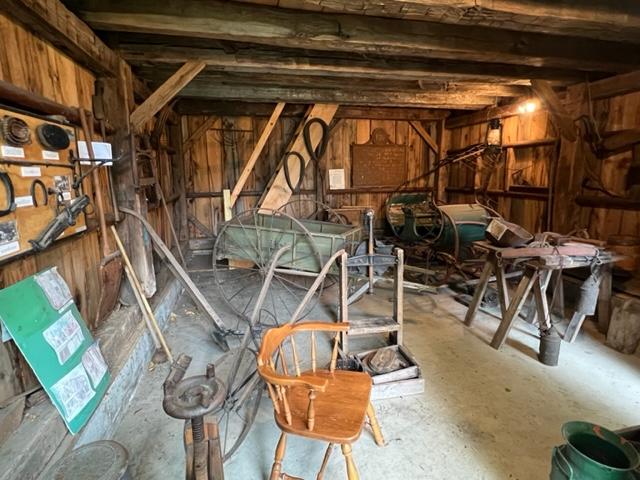
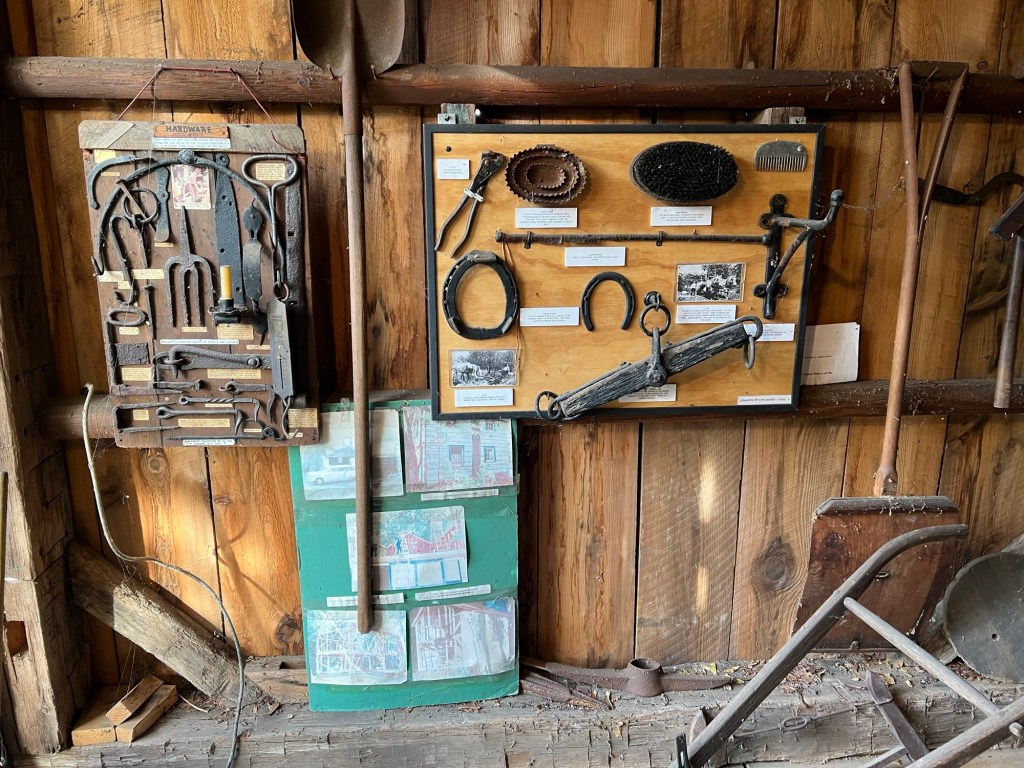
The barn off to the side of the house was moved to the property and holds a collection of period farm equipment.

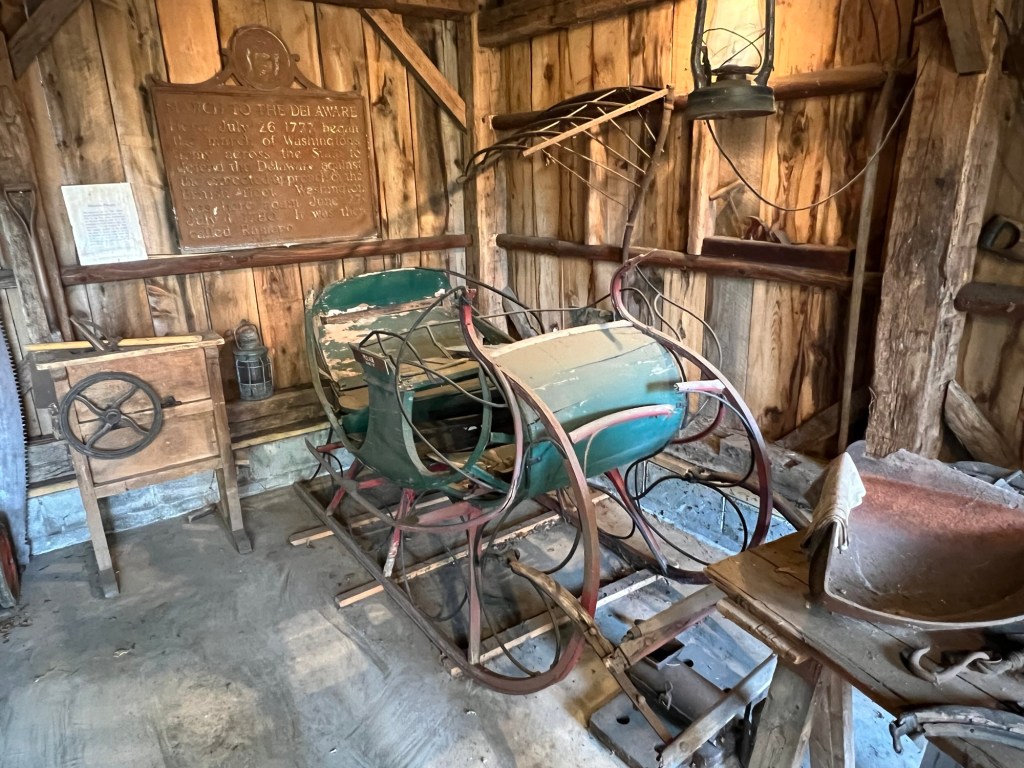
The Old Stone House barn and farming equipment

The Old Stone House barn equipment

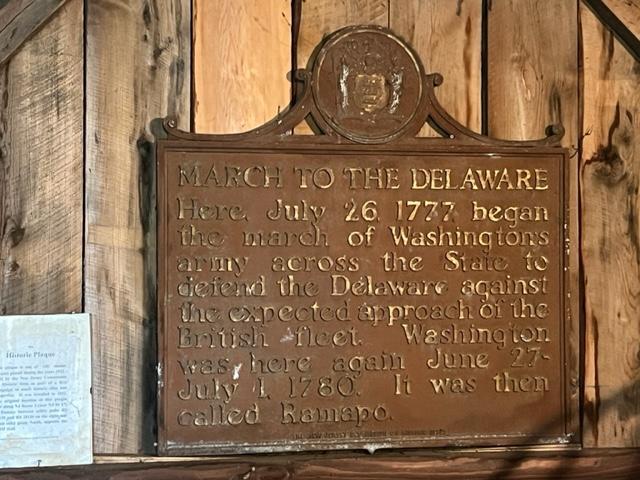
A historic marker in the barn

The house had been used as a private home for most of its history as well as a tavern during the late 1700 to early 1800’s. In the modern age, it was used as a antique store for the last two residents.

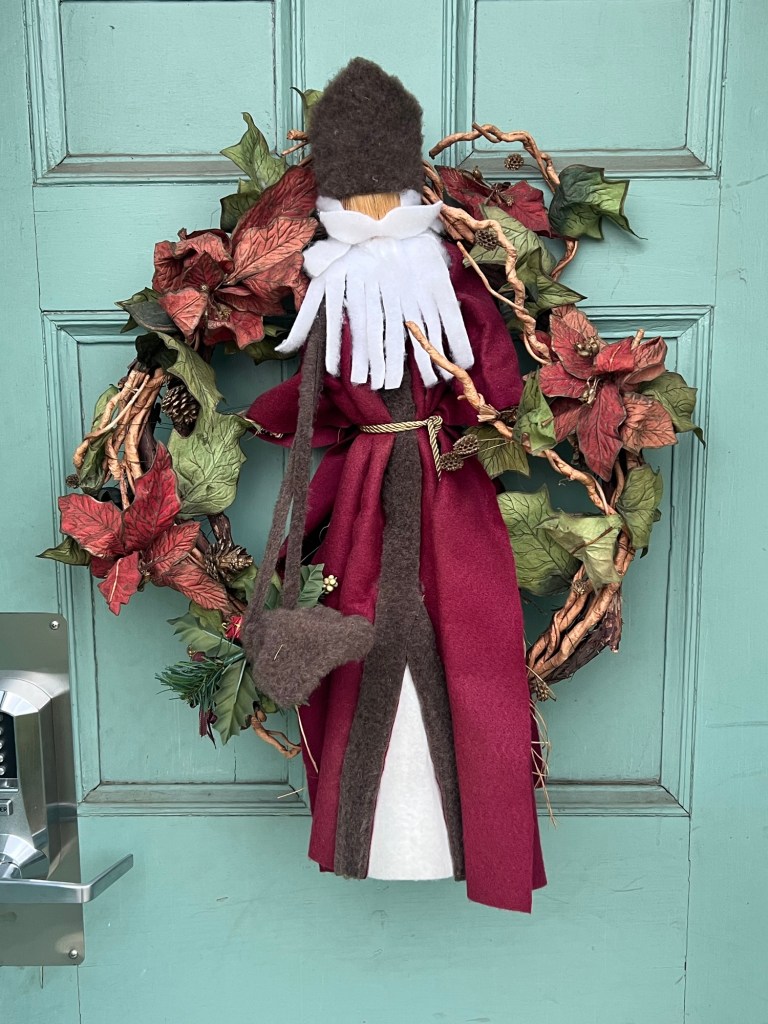
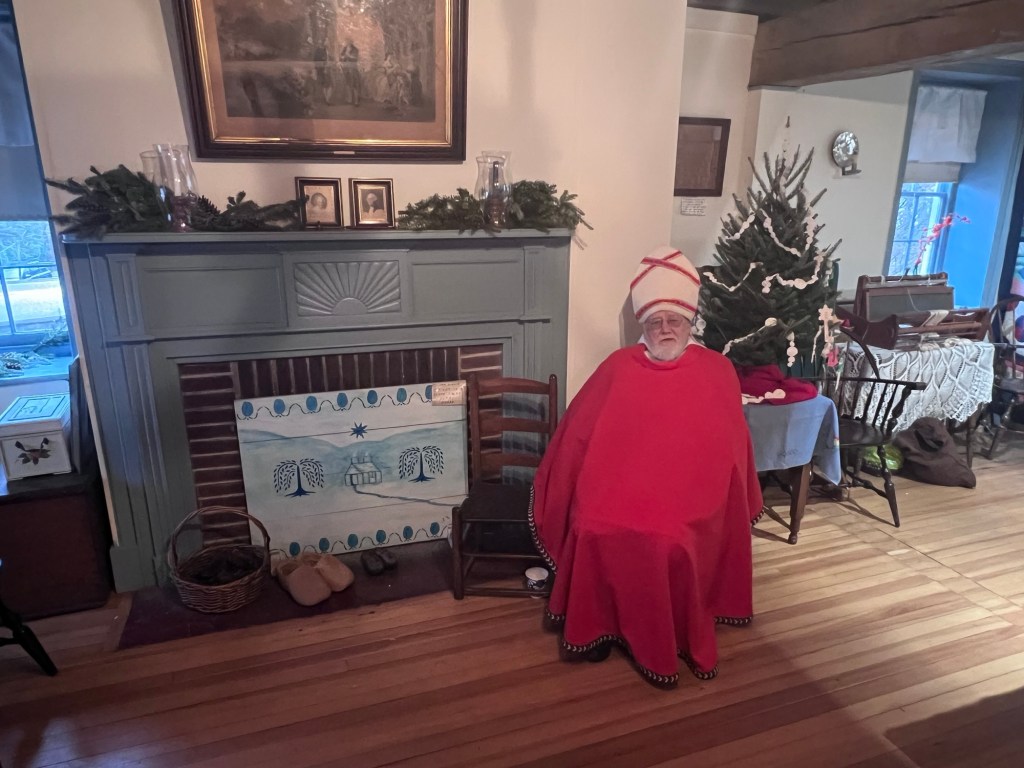
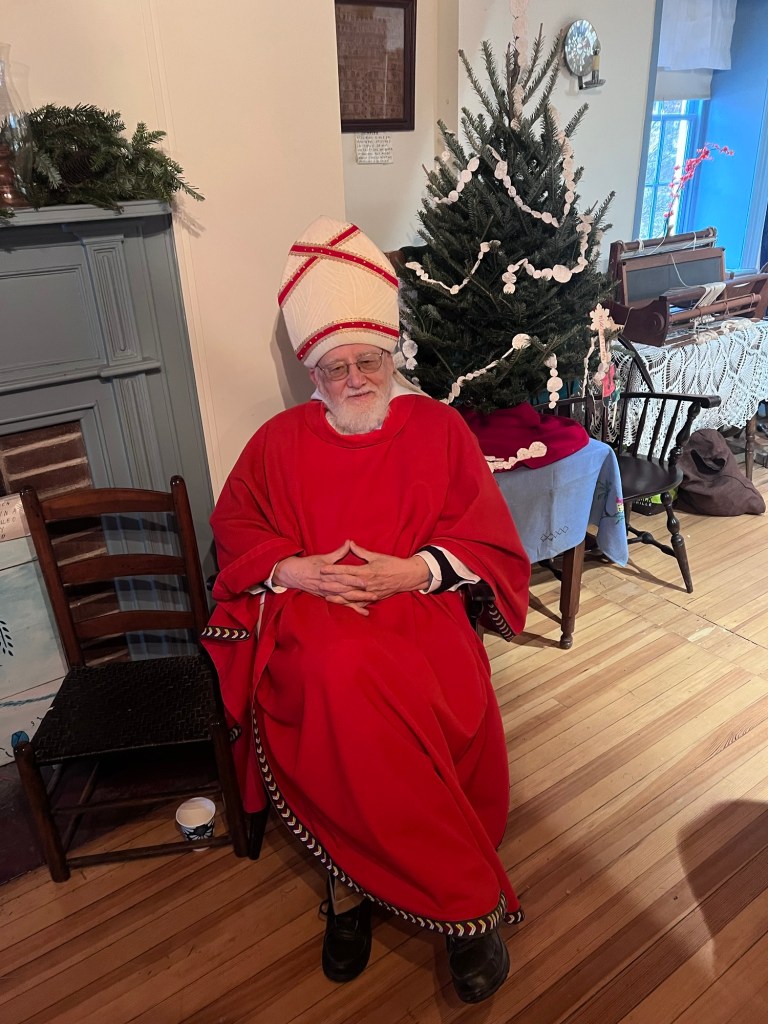
During the holidays, there is a big Christmas ‘Sinterklaas Festival’ (Dutch Christmas) that happens in early December.

Old Stone House II.jpg

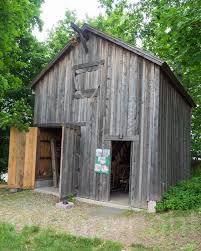
The Old Stone House Barn

The History of the house:

(from the museum website)

The house has had many owners who have put their own touches to the ownership of the house. The original part of the house was built around 1746 by the original owner of the house, Jan Westervelt. This may have been part of the land leased to Uriah and Ruloff Westervelt in 1744. The land was part of the Ramapough Tract for the Proprietors and was from Peter Fauconier, one of its original purchasers (RHS).

The Ramapough Tract is situated between  the Ramapo Mountains and the Saddle River. It was purchased from the Indians on November 18, 1709 and it was acknowledged by the Indians at Tappan before Cornelius Harring, the Justice of the Peace. The land was passed through the Westervelt family through the early 1800’s until it was sold outside the family in 1837.

From there the house had multiple owners until it was sold to the State of New Jersey in 1955 and is now leased to the borough of Ramsey for a dollar and is maintained by the Ramsey Historical Society.

The Old Stone House

My class promotion of the Borough of Ramsey for the project “It’s Razzling in Ramsey: Be a Tourist in your Own Town”:

The blog on this project:

https://mywalkinmanhattan.com/category/exploring-ramsey-nj/

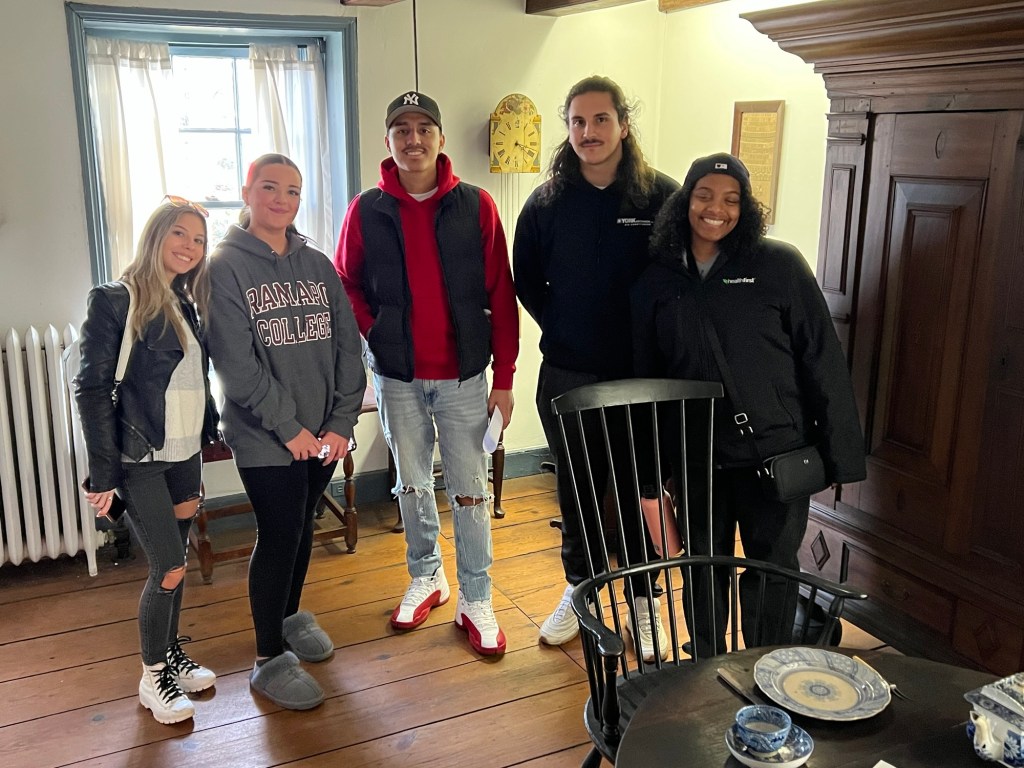
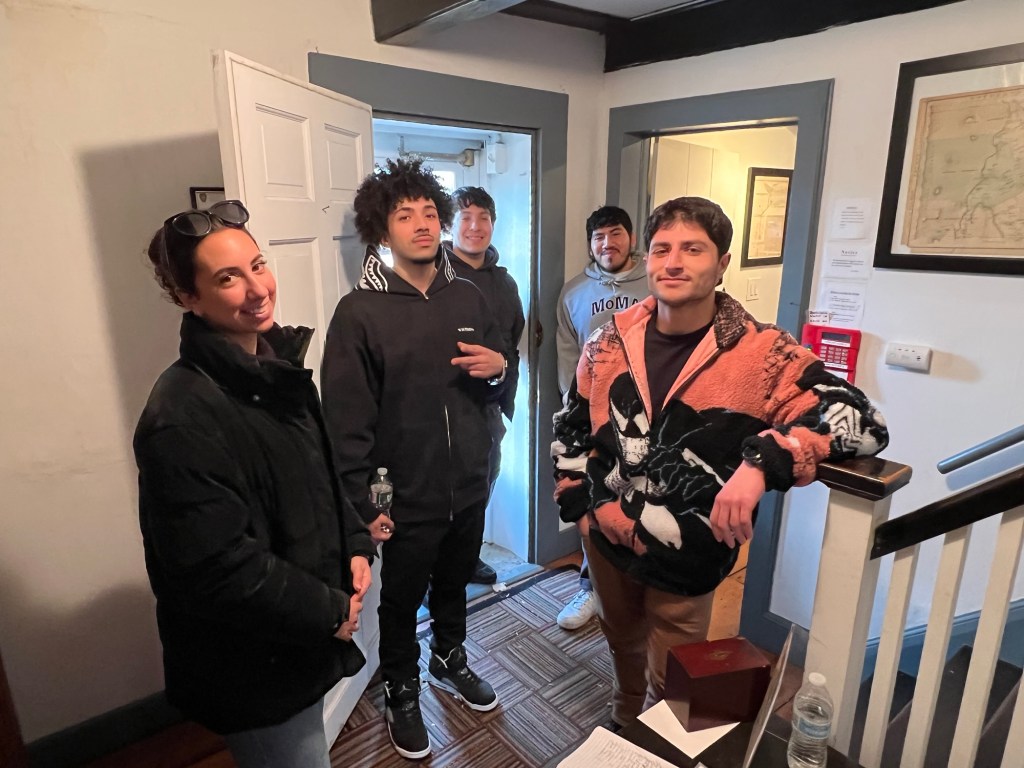
In the Fall of 2024, I created a Team Project with my students at Bergen Community College that promoted the Borough of Ramsey for Destination Tourism. Part of this project was a trip to the Old Stone House with the assistance of the Ramsey Historical Society, our class toured the museum and understood its rich history not just in Ramsey but in Bergen County.

Touring the Old Stone House right before Thanksgiving

The Old Stone House from the street

The barn on the property

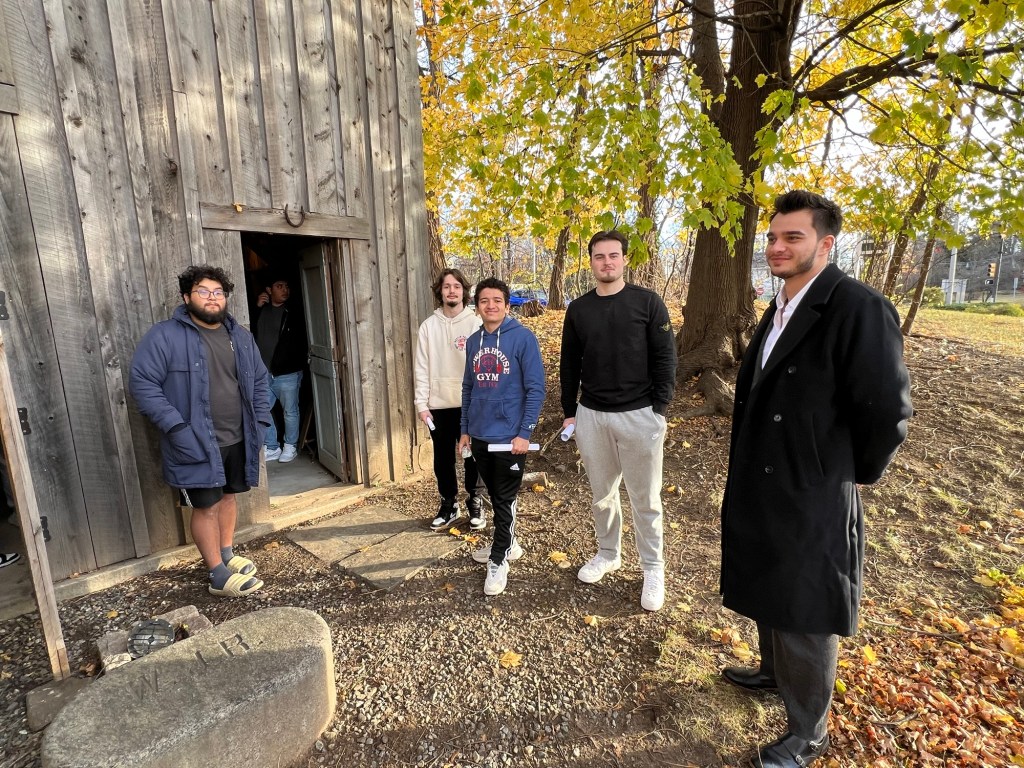
The President of the Ramsey Historical Society tour us on a tour of the barn, the grounds and then around the house. He explained the town’s past and its place from Colonial to modern times.

My students exploring the barn

Taking class pictures outside the barn

Touring inside the barn with its farm equipment and sleighs

Looking at the farm equipment from all ages

My students touring the Old Stone House

My students touring the museum

A group of my students touring the museum to promote it for tourism

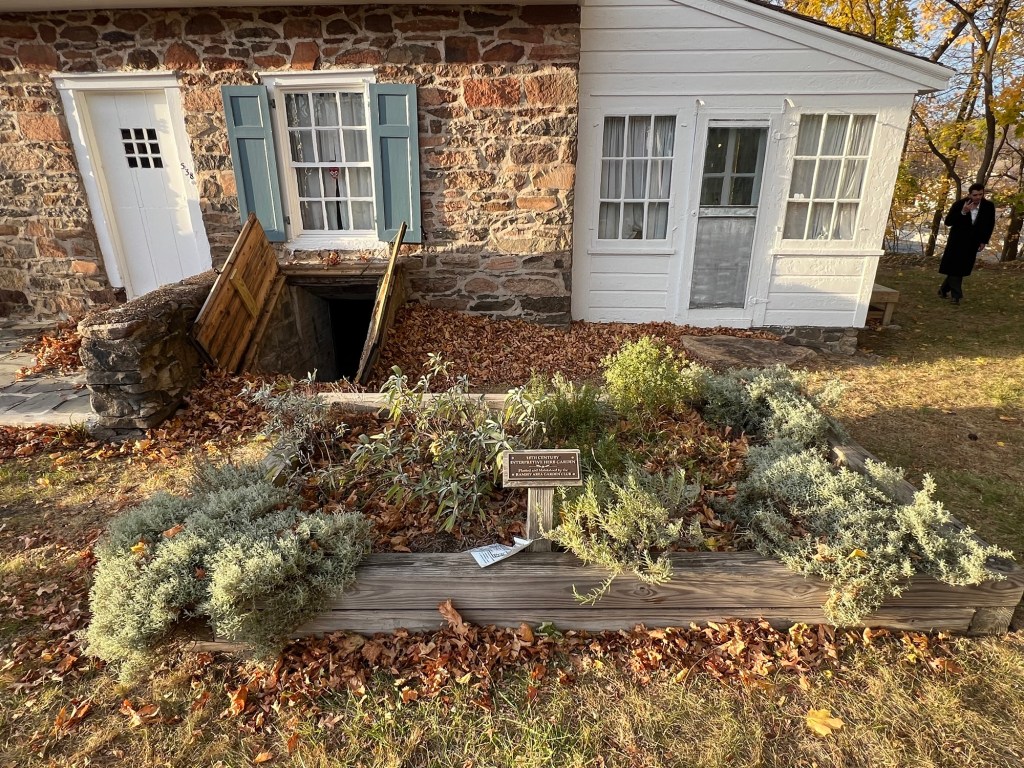
The Historical Society even let us tour the basement

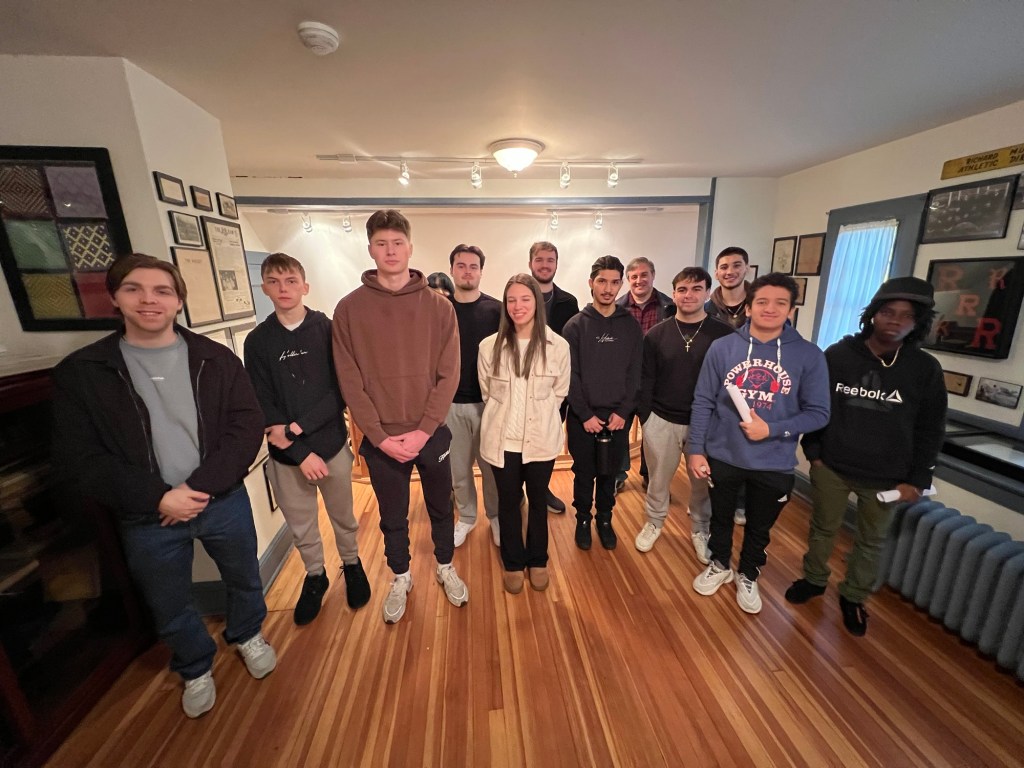
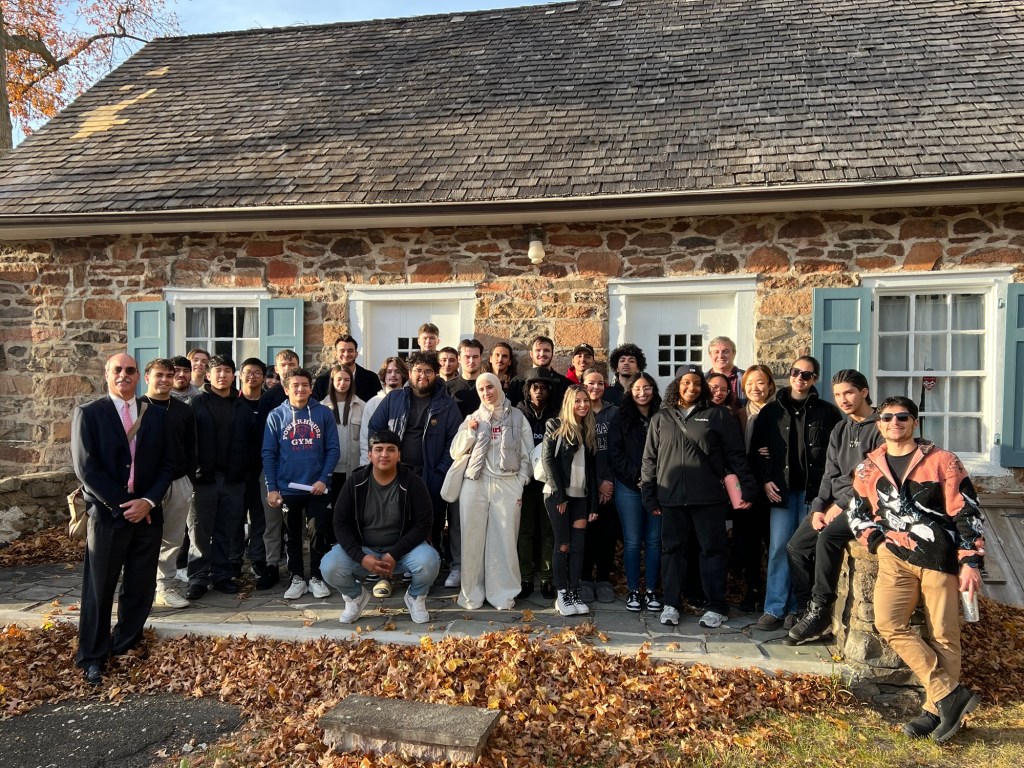
The Team group picture of all my students touring on the walking tour of the Old Stone House in November 2024.

They created the very funny and clever “Visit from Mr. Pumpkin” event for the project. Here is a link to the video:

https://www.youtubeeducation.com/watch?v=qbs2jhkrNWE

The students did an excellent job on the project and you can see the whole present above through the blog and its links. It was the perfect showcase to this hidden gem of a museum.

The Museum at the Station                                                      176 Rock Road                                                                        Glen Rock, NJ 07452

The Museum at the Station 176 Rock Road Glen Rock, NJ 07452

The Museum at the Station

The Glen Rock Main Line Station

178 Rock Road

Glen Rock, NJ  07452

(201) 342-3268

http://www.glenrockhistory.org

http://glenrockhistory.wix.com/grhs

email: GRHistoricalsociety@gmail.com

Open: The last Sunday of each month from 1:00pm-3:00pm

There is no admission fee although donations are gratefully accepted.

TripAdvisor Review:

https://www.tripadvisor.com/Attraction_Review-g46608-d2661796-Reviews-Maywood_Station_Museum-Maywood_New_Jersey.html?m=19905

The Museum was featured in the project by Bergecco-Parc Consulting Inc. “I’m Glad I’m in Glen Rock, NJ: Be a Tourist in your own Town”:

https://mywalkinmanhattan.com/category/exploring-glen-rock-nj

The Video’s of the Presentation in Glen Rock City Hall.

Video One

City Hall Presentation December 2023

Video Two

Glen Rock City Hall Presentation December 2024

Video Three

Glen Rock City Hall Presentation of “I’m Glad I’m in Glen Rock, NJ” December 2023

The museum was given a Digital Marketing Campaign in the videos.

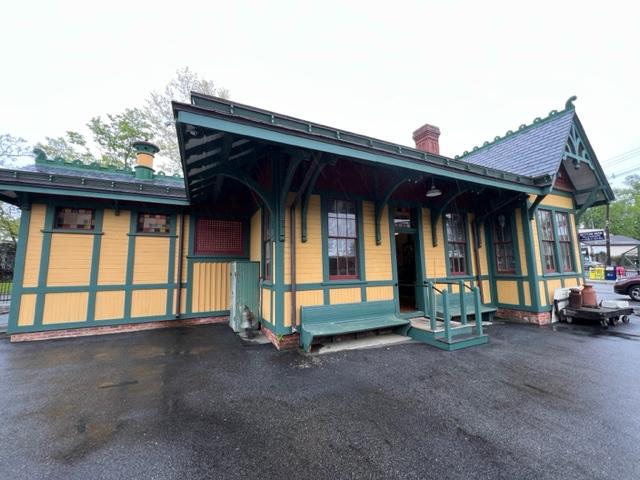
The Glen Rock Historical Society at the old train station.

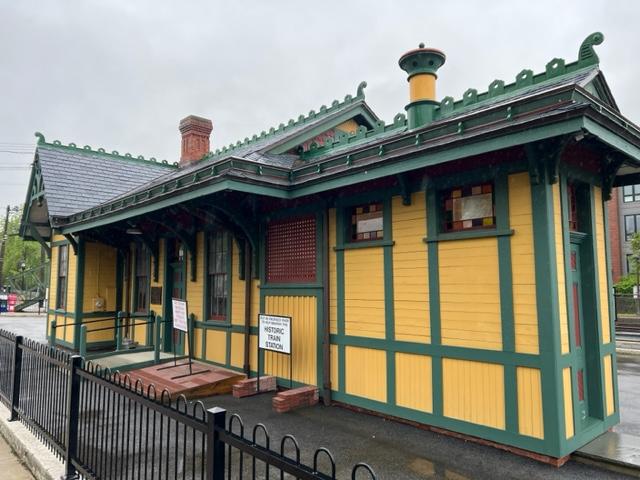
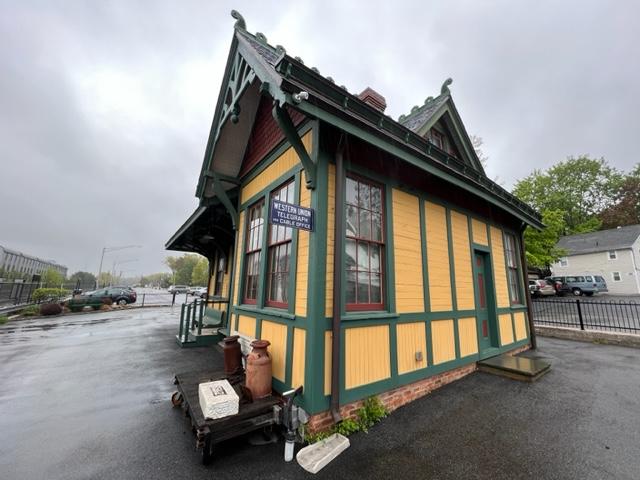
I visited the Museum at the Station as my last stop on the Northwest Bergen History Coalition 8th Annual History Day tour. The station is managed by the Glen Rock Historical & Preservation Society and is housed inside the original 1905 Erie Main Line Train Station on Rock Road at the tip of downtown Glen Rock.

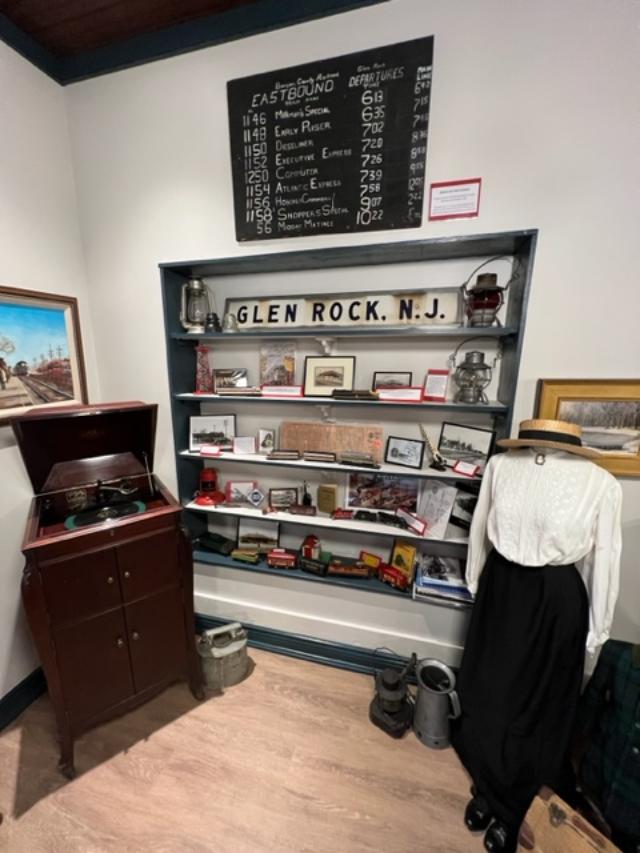
The Dispatch area of the Museum at the Station in Glen Rock, NJ

The station was at one time a destination and departure point for families and farmers, commuters and immigrants. There are permanent exhibits  on the Erie Railroad’s past and artifacts from Glen Rock’s past including clothing, furniture, toys and farm equipment.

Some of the items they have on display are an interesting toy train collection by a local resident, an old Victrola with the accompanying records, period clothing donated from local residents and local artifacts from local residents.

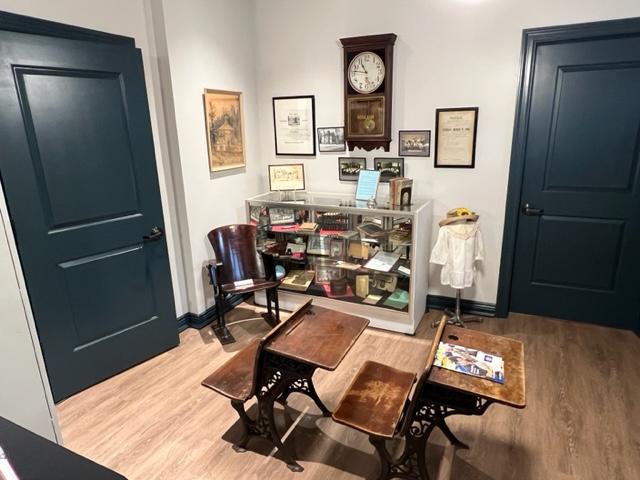
Toys and school set up at the Museum at the Station

They had a small display for the day on how immigration shaped the town of Glen Rock and it grew on the transportation that was brought to this small town. The volunteer docents who operate the museum do a nice job with the tours and in describing all the artifacts on display.

The Museum at the Station in full view

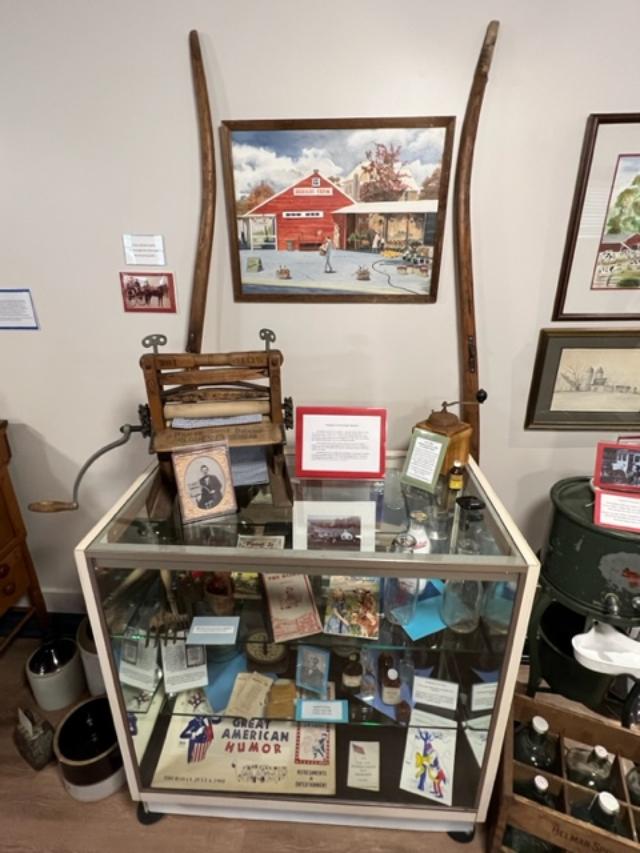
Local historical items at the museum

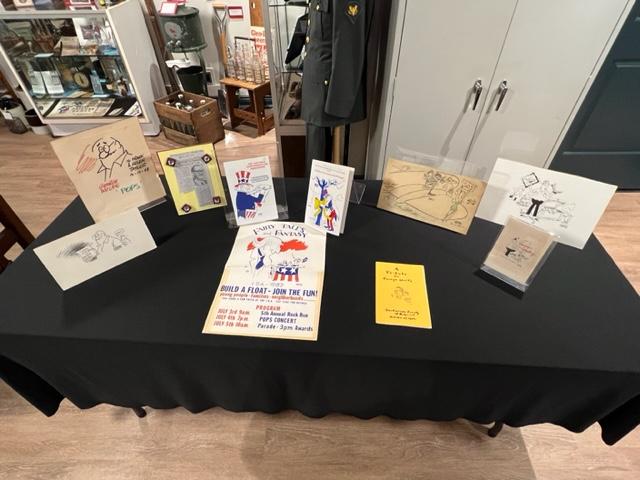
The museum was hosting an exhibition on the work of artist and cartoonist George Wolfe, who is best known for his jumbles cartoons. The artist had lived in New York City and then moved to Glen Rock in the 1970’s. His works were displayed all over the museum.

The sign for the “George Wolfe” exhibition

The work of artist and cartoonist George Wolfe at the Museum at the Station.

The original artwork of artist George Wolfe;

What is nice is that right down the road is the historic ‘Rock’ that Glen Rock is named for is a block down the road at the corner of Rock Road and Doremus Avenue. This historic landmark is a product of the its movement here in the last Ice Age. During the time of the Lenape Indian living in the area, it was considered sacred and used as a historic marker. During the Colonial era of the town, it was used as a gathering place.

The Rock at downtown Glen Rock, NJ

My blog on the Rock:

https://wordpress.com/post/visitingamuseum.com/1593

The museum is open limited times of the month so please call in advance.

The history of Glen Rock at the Museum at the Station

History of the Museum:

The Museum at the Station is housed in the 1905 Glen Rock Main Line train station. The Erie Main Line was originally part of the Paterson-Ramapo Railroad that was one of the earliest railroads in New Jersey, coming through this area in 1842. The building now houses the Glen Rock Historical and Preservation Society.

Artifacts at the museum

The Borough was incorporated in 1894 and the Museum’s collection contains many artifacts, documents and photographs illustrating  the history, growth and development of Glen Rock, NJ.

(From the Northwest Bergen History Coalition)

Disclaimer: This information was take directly from the Northwest Bergen History Coalition pamphlet and I give them full credit for the information. Please call or email the above numbers for more information.

(Please see my blogs under my site, “MywalkinManhattan.com”, ‘Days One Hundred & Nine’ and ‘Day Forty-Three’ for description of my touring days of the sites of Bergen County)

The artifacts in the museum.

Waldwick Museum of Local History                                           4 Hewson Avenue                                                                 Waldwick, NJ 07463

Waldwick Museum of Local History 4 Hewson Avenue Waldwick, NJ 07463

Waldwick Museum of Local History

4 Hewson Avenue

Waldwick, NJ  07463

(201) 873-8913

http://www.WaldwickMuseum.org

https://www.facebook.com/waldwick.MLH/

The Museum is open one Sunday afternoon a month and for special events only.

TripAdvisor Review:

https://www.tripadvisor.com/Attraction_Review-g46892-d14049026-Reviews-Waldwick_Museum_of_Local_History-Waldwick_New_Jersey.html?m=19905

The Waldwick Museum of Local History

The Museum sign

I visited the Waldwick Museum of Local History during the Northwest Bergen History Coalition 8th Annual History Day for their exhibition, “How Immigration & the Railroad Shaped our Towns”. They currently have an exhibition on the “100th Anniversary of Waldwick”. The Waldwick Museum is in the restored 1887 Railroad Station, which has served the town of Waldwick and the surrounding towns.

The back of the museum

The Museum is having been planned for years and the restoration was spearheaded by Doug Cowie, the Vice-President of the Waldwick Community Alliance, who at the ribbon cutting ceremony at the opening on May 22nd, 2016, thanked resident, Kay Williams. Ms. Williams formed the Waldwick Historical Society in 1977.

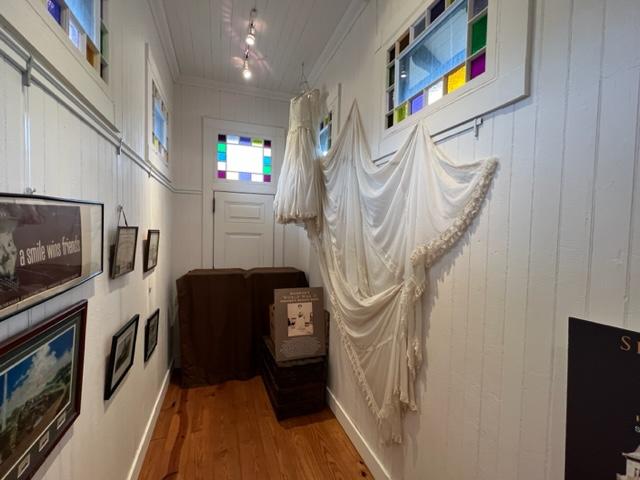
The Wedding Dress display

The town is celebrating their 100 Anniversary and the new exhibition at the museum reflects it with exhibitions and memorabilia from the town of Waldwick. The currently exhibition is broken down into sections.

The Train Booth Display

The conductor’s Office right next to the Ticket Booth

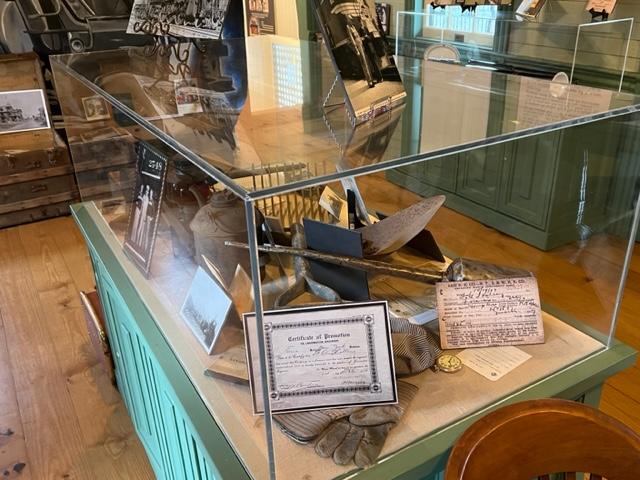
The Conductor’s collection of artifacts

The main part of the museum has the history of the town displayed including the schools, police and fire departments and town organizations. The history of the railroad service in town is displayed of how it developed and the how the town grew around the station. Since the town is celebrating its ‘100th Birthday’, there are all sorts of pictures of the town at various stages.

The Railroad display

The inside displays

The museum is only open once a month so please check their website.

In a ‘Brief History of the Borough of Waldwick’, the timeline for the town is:

Pre-1700: Lenni-Lenape Indians inhabited the land.

1600’s: European farmers settled the land.

Late 1700’s: Franklin Turnpike is a toll road.

1840’s: The Railroad connecting Jersey City with Suffern is built and ran through Waldwick, then named New Prospect.

1852: Erie Railroad Company takes over the railroad.

1880: New Prospect becomes a depot.

1886: An architectural Queen Anne Style depot is built. The depot is called ‘Waldwick’ meaning “Light in the Woods”. The depot brings more commerce to the area also called Orville Township.

1890: The Railroad Signal Tower is erected in a similar style as the Depot.

1919: The small railroad hamlet is incorporated as the Borough of Waldwick.

When I visited the museum that day, the theme of the day was how immigration had changed the suburbs and how the Town of Waldwick had a increase of Italian immigrants move into the town bringing their traditions with them and how it shaped the town.

The Railroad Display

The Railroad Display

The Museum Displays

They also had an extensive exhibition of the town’s railroad past with maps and pictures of the old railroads. The pictures are accompanied with memorabilia from the railroad era. There is also artifacts from the town in different eras on display.

The museum has limited hours and is run by volunteers. It is open one afternoon a month and for special events.

History of the Waldwick Train Station:

The Waldwick Railroad Station is one of the few extant frame terminal predating 1900 on the Erie Railroad line in New Jersey. Planned and built in 1887, the structure’s Queen Anne style is representative of the small suburban railroad depots erected throughout the United States in the last quarter of the 19th century. In 1996, the Station was named to the National Registry of Historic Places as well as the New Jersey Registry of Historic Places.

The Waldwick Town History Displays

It also serves as home to the Waldwick Museum of Local History where exhibits commemorate life in the late 19th and the early 20th centuries and the impact that the railroad has had on the Borough of Waldwick and the surrounding area. The Waldwick Community Alliance (WCA) has complied a collection of hundreds of historical photographs and documents as well as artifacts from that time that are or will be on display. The WCA exhibits these historic artifacts along with others that are donated and collected.

The Waldwick Town History Displays

(The Waldwick Historical Society)

Disclaimer: This information was from the Waldwick Historical Society and I give them full credit for this information.

The Hopper-Goetschius Museum                                                   363 East Saddle River Road                                                          Upper Saddle River, NJ 07458

The Hopper-Goetschius Museum 363 East Saddle River Road Upper Saddle River, NJ 07458

The Hopper-Goetschius Museum

363 East Saddle River Road

Upper Saddle River, NJ  07458

(201) 327-8644

Open: Please check website for seasonal openings

http://www.usrhistoricalsociety.org

https://www.facebook.com/pages/Hopper-Goetschius-House/131274536912683

TripAdvisor Review:

https://www.tripadvisor.com/Attraction_Review-g46882-d14048029-Reviews-Hopper_Goetschius_Museum-Upper_Saddle_River_New_Jersey.html?m=19905

The Hopper-Goetschius House Museum

I visited the Hopper-Goetschius House Museum during the 8th Annual Northwest Bergen History Coalition History Day. I had never been here before and it is a real treat. There are many buildings on the property to visit on top of the house and the fact that this was someone’s house into the 1980’s is pretty interesting.

The historic marker in front of the house

The Hopper property in April 2023 for the Northwest Bergen History Day

Christmas Open House December 2019:

The house still holds many secrets. The best part of the tour of the house is the secret stairs in the kitchen that lead to the old second floor. This  can only accessed behind a panel that leads to a narrow set of steps. You can see it from the new second floor from the top floor.

I attended Holiday Celebration on December 8th, 2019 and it was a beautiful sunny day for an outside event.  It was a really nice afternoon. They had a visit with Santa at the Dutch barn which was decorated with trees surrounding him and presents and a decorated Dutch sleigh. In the schoolhouse, there were all sorts of games and talks to enjoy.

hopper-goetschius-museum-christmas.jpg

Santa in the Dutch Barn at the Hopper museum

In the outside kitchen, there were chestnuts and fresh popcorn being made that you could munch on while walking around enjoying the festivities and the smells of the cooking food were mouthwatering. The gentleman doing the cooking was doing a demonstration on how the food was cooked and the amount of time it took to make things.
hopper-goetschius-museum-christmas-ii.jpg

The outside buildings still had a bit of snow left

The inside of the house was decorated for the Victorian holidays with a nicely decorated tree in the Living Room and garland all over the place. There was a Victorian music box playing songs and a reading of “The Night Before Christmas” being read on the hour.

In the kitchen of the oldest part of the house, they served hot cider and homemade Christmas cookies of all kinds. They were also selling fresh homemade jam that one of the members made. The kitchen was decorated for the holidays as well. There was an open tour of the house and it was fun to see the upstairs decorated with all sorts of Victorian toys and dolls. The fee was a $5.00 donation and it happens every first week of December at the site.

The Hopper House kitchen

The house is a treasure trove of period furniture and family items and on the property there is a schoolhouse, a barn, a blacksmith shop and an outhouse. During the Summer months, the house is open for special tours on the weekends and in the Fall, they have a Harvest Festival and Christmas holiday events. The house is run and operated by the Upper Saddle River Historical Society.

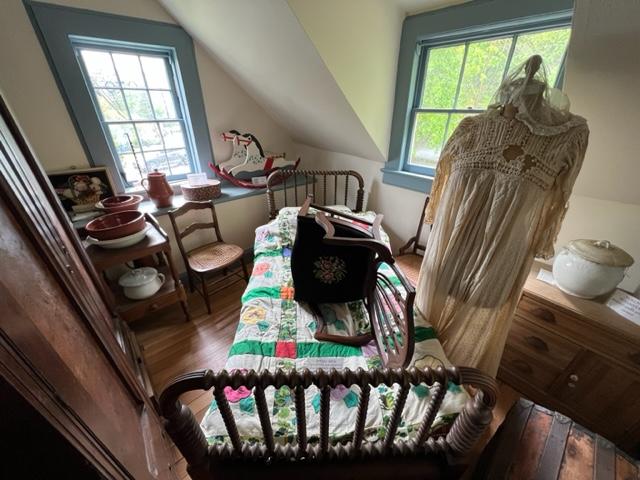
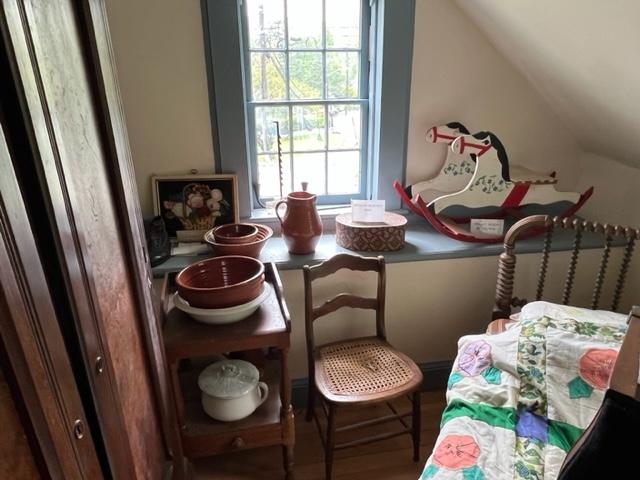
The antique toys in the upstairs bedroom

In April of 2023, I returned to the Hopper-Goetschius House for the Northwest Bergen History Coalition Day for the event. It was a gloomy day with mist and rain but that did not put a damper on the event. There were lots of activities going on in each of the buildings.

My first stop was at the barn where the ladies were doing a demonstration on spinning thread and we had a conversation of where the expression “Pop goes the weasel” came from (from the spun threat reaching its max and then the machine made a ‘pop’ sound). The ladies were demonstrating the way women spun yarn and made clothes and the work that it entailed.

The yarn spinning demonstration at the Hopper Barn

The ladies explaining how the spinning works

‘Pop goes the weasel’, the weasel at the Van Riper-Tice Barn

When I left the barn, I went over to the school house building to see what was going on. A very bored volunteer took up all my time and would not leave me alone. She had to read from a script and take me all over the house. I just wanted to get out of there. Thank God another person walked in so that I could escape and see the rest of the property.

The Ramsey House was moved to the property to save it from destruction and the society has done a good job transform it to a turn of the century classroom. This is a surprising display in many historical societies as I am sure that people have donated so much of their childhood mementos.

The Ramsey House schoolroom

The schoolroom

The teacher’s seat at the school room. Nothing has really changed.

The farm artifacts at the Ramsey House schoolhouse

After the tour of the Ramsey House, I took the tour of the main house again and its secrets. The Hopper House is a very interesting home as the owner did not want plumbing in the house. Up until 1963, she still used the well. She was forced by her nephew to get a modern bathroom. I thought this was strange that the woman did not want a bathroom. She still used the outhouse into the 1960’s.

The Hopper House kitchen

The home is decorated with all sorts of beautiful antique furnishes and decorations. The house is so well organized and the volunteers do such a nice job telling its story especially at the holidays. I visited all the rooms where the volunteers explained its purpose.

The bedroom upstairs

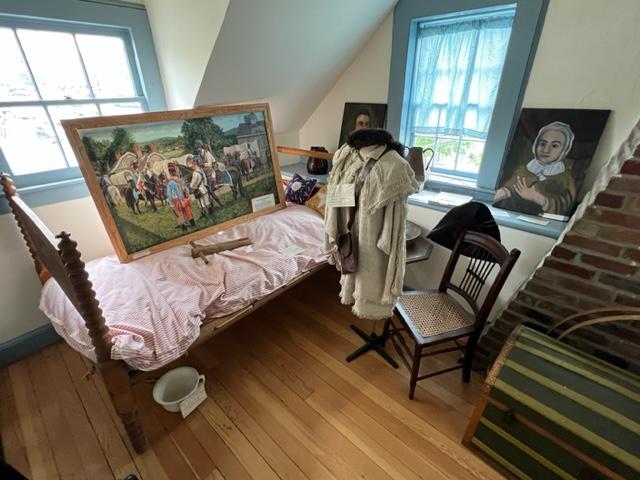
Bedroom Two

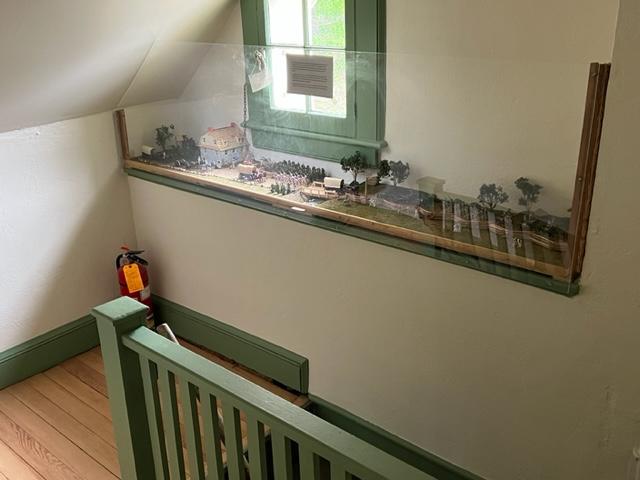
Bedroom Three in the upstairs loft of the house

My last part of the tour was visiting the Smokehouse right behind the house. The volunteers were cooking corn bread, homemade potato soup and biscuits in the fireplace. It was interesting to see how food was cooked on the farm in the days before modern kitchens. The two volunteers working there were so happy to see someone. They told me that no one wanted any soup. On a cold rainy and misty day, I was taking them up on it and it was really good! Talk about warming you up.

The Smoke House on the Hopper estate was cooking away that afternoon

The volunteers were making breads, biscuits and soup that afternoon that warmed me up

The delicious Potato Soup warmed me up on this rainy day

The delicious Corn Bread was cooked with bacon fat and tasted so good! I munched on most of this.

I finished eating and talking with the volunteers about all cooking they were doing. They told me that they were following the recipes that were from the late 1700’s that would have been cooked at the farmhouse at that time. It was a really interesting conversation we had on cooking. It was nice to eat something as well. I was starved at this point.

After the meal, I left to go to the next site. I felt for these volunteers. The Hopper House is off the beaten tract and they must have not gotten the visitors that the other homes had seen. Still it was a wonderful visit with members who care so much about the house and its grounds.

Upper Saddle River Historical Society:

The Upper Saddle River Historical Society was organized in 1977 to collect, preserve and distribute the history of the Upper Saddle River area. The Society is also responsible for the management and restoration of the Hopper-Goetschius House Museum located at 245 Lake Street, Upper Saddle River, NJ.

The Hopper estate with the barn, school house and ice house in the distance

The Historical Society has over 500 members and is host to nearly 2000 museum visitors each year. The Society holds program meetings throughout the year along with special events such as a Spring Concert, a wonderful Harvest Fair in the fall and an Old Time Holiday Open House in December, featuring mulled cider with chestnuts roasting on an open fire.

The Museum is open for tours every Sunday during July & August from 2:00pm-4:00pm or by appointment. For group or individual tours contact: Althea Gardner @ (201) 327-7807 or Kay Yeoman @(201) 327-2236.

Hopper-Goetschius House Museum Restoration Fund Drive

USR Historical Society.org

Hopper Genealogy Info. http://www.reetree.com

(Upper Saddle River Historical Society)

The Hopper House entrance hall

The Hopper-Goetschius house on the corner of Lake Street and East Saddle River Road dates back to 1739. Built by the Hopper family, it is the oldest remaining house in Upper Saddle River. We know it existed in 1739 because it was recorded in surveyor Charles Clinton’s journal and possible it is older. Rosalie Fellows Bailey in her book on pre-Revolutionary Dutch houses, says it was marked as the home of Gerrit Hoppa on a rough sheepskin map made about 1713.

The Goetschius family, the second owners of the house

The house underwent several changes in the mid 1800’s. The large central chimney with back to back fireplaces was removed. Probably, with more modern forms of heating available such as wood stoves, the fireplace seemed a bit old-fashioned and the owners took it out. Besides, they wanted to use the entrance hall as a room, so the stairway along the east wall was removed and a central staircase added where the fireplaces had once been. The dormers were added in the Victorian era.

The Hopper house in 2023

The Hoppers farmed the land and had a lot of it by today’s standards. The property extended from the Saddle River (Lion’s Park) up the hill almost to Montvale and up the East Road to where Creative Gardens was located.

The antique dolls at the Hopper House bedrooms

In 1814, the house became the home of the Reverend Stephen Goetschius of the Old Stone Church. It remained in the Goetschius family for a century and a half, always a place of central importance in town as Stephen Goetschius, the great-great grandson of the Reverend Stephen, served as the borough clerk for over 40 years and conducted his town business from the east room of the house.

The Hopper House Living Room

The house was without running water until Stephen’s death in 1962. Until improvements were made at that time, Steve’s wife, Lizzie, as those before her, carried water from the well for washing, cooking and shoveled coal for heat.

The Hopper House Kitchn

In 1985, the Hopper-Goetschius house was presented to the Borough of Upper Saddle River by Clinton and Grace Carlough. Lizzie Goetschius, the last resident of the house was Clint Carlough’s aunt. The house today serves as a museum, run by the Upper Saddle River Historical Society and offers the public historically related events throughout the year.

The Hopper House Living Room

(Upper Saddle River Historical Society)

The property also contains:

*The Privy or Outhouse that was in use at the Hopper-Goetschius House until 1962 when plumbing was installed in the house.

Hopper House estate with all the important buildings

*The Ramsey Sayer house was moved to the grounds in 1999 to become part of the museum complex. This is the oldest existing from house in Upper Saddle River, a good example of a tenant house common on farms in this area. The Ramsey Sayer house belonged to William Ramsey, the grandfather of Kate Fisher Goetschius, mother of Steve Goetschius, who lived in the Hopper Goetschius house for many years.

The Ramsey-Sayre House now serves as the makeshift schoolhouse

The schoolhouse at the turn of the last century

The Native American artifact collection at the Schoolhouse

*The Van Riper-Tice Barn was erected about 1800 by the Van Riper Family on their farm on West Saddle River Road (near the Cultural Center). It was later owned for many years by Harmon Tice. In 1989, it was scheduled to be demolished to make way for a development, the Historical Society dismantled it, moved it to the Museum ground and had it restored and rebuilt on its present location.

The inside of the Van Riper-Tice Barn at the Hopper House estate

Winter transportation at the barn

The farming equipment display

The displays of wool at the Van Riper-Tice Barn

*Snake Fence: a zig-zag fence of split rails once common in this area was added in the property north of the Van Riper Tice barn. The project was completed in 2001 with the help of Will Mazzuto and the vision of John Kroner and Joanne Lombardo.

The Hopper House estate

Disclaimer: This information was taken directly from the Upper Saddle River Historical Society website. Please check the site for the hours and days it is open.