Tag: Exploring New York City by Foot

National Baseball Hall of Fame & Museum                      25 Main Street                                     Cooperstown, NY 13326

National Baseball Hall of Fame & Museum 25 Main Street Cooperstown, NY 13326

National Baseball Hall of Fame & Museum

25 Main Street

Cooperstown, NY 13326

(607) 547-7200

https://baseballhall.org/

Open: Sunday-Saturday 9:00am-5:00pm

Fee: Adults $30.00/Seniors (65+) $20.00/Veterans $18.00/Children 7-12 $15.00/Active Military-Children under 6-Members Free

My review on TripAdvisor:
https://www.tripadvisor.com/Attraction_Review-g47529-d102933-Reviews-National_Baseball_Hall_of_Fame_and_Museum-Cooperstown_Otsego_New_York.html?m=19905

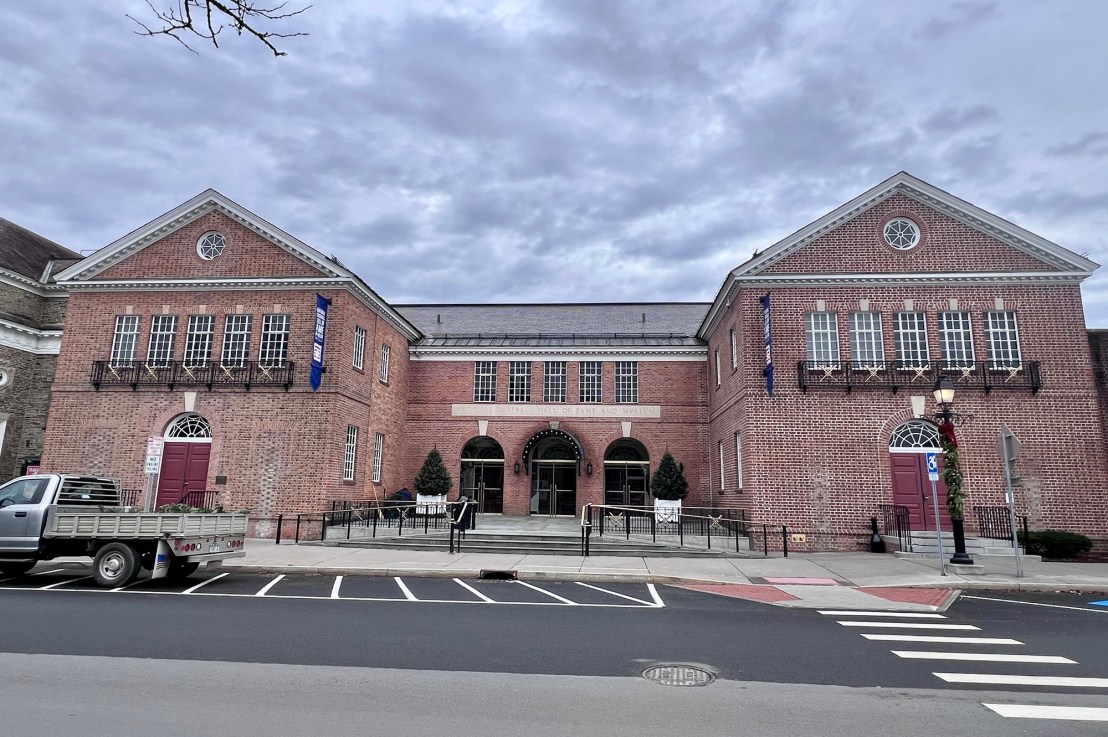
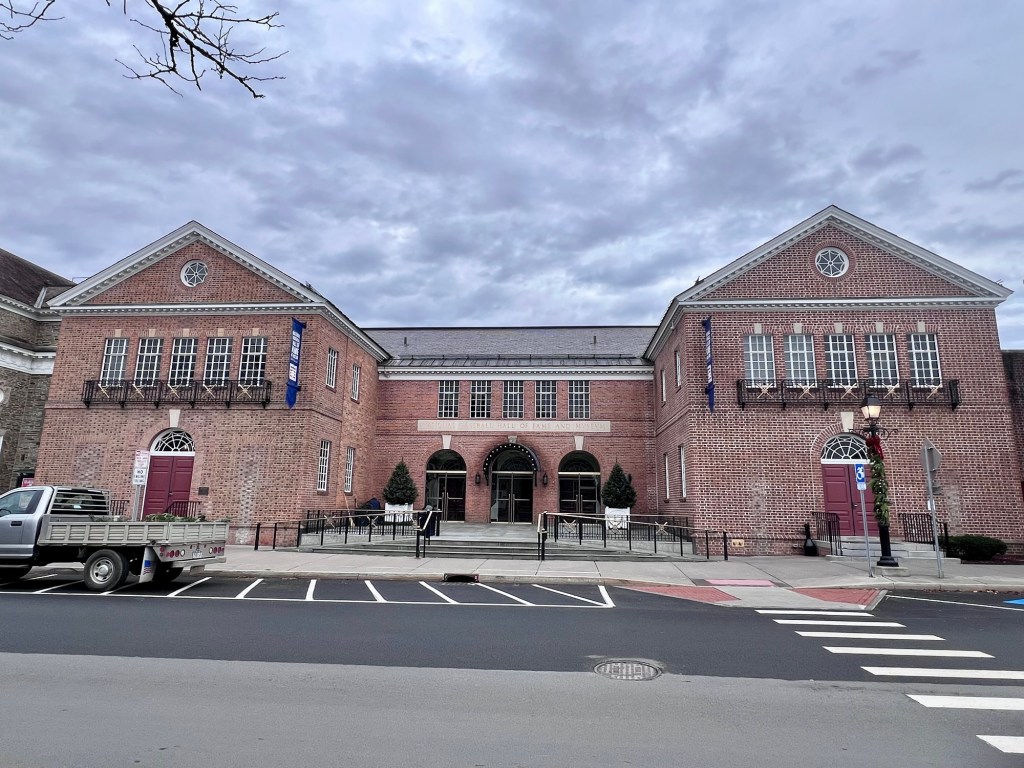
The National Baseball Hall of Fame at 25 Main Street

When visiting the National Baseball Hall of Fame be prepared to spend over two hours in the museum because there is so much to see. When I visited the museum recently they had just inducted Derek Jeter as one of its newer members so a lot of Yankee fans were swarming around the picture and the display.
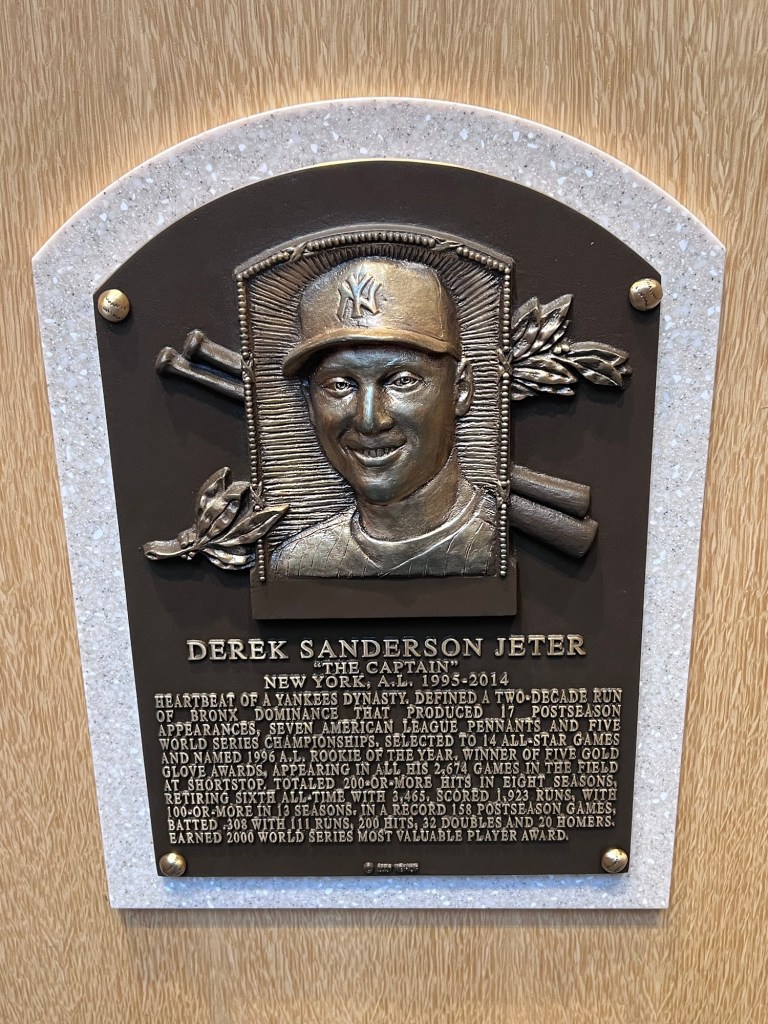
Derek “The Captain” Jeter being inducted into the Baseball Hall of Fame

The museum can be overwhelming if you don’t break it down to the part of the visit. I wanted to see the Hall of Fame plaques so I started there. All the players of the past were memorialized by the pictures on plaques with a small blurb about their careers and what team they wanted to be remembered by when they were inducted in.
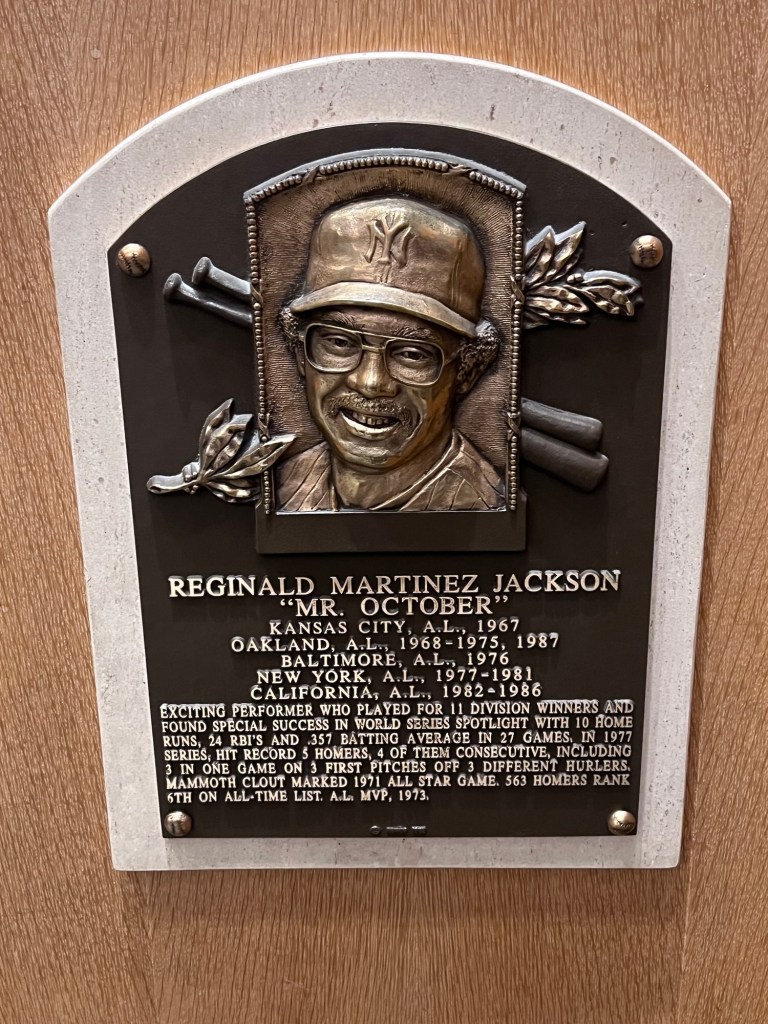
My hero, Reggie Jackson ‘Mr. October’

I was looking for Reggie Jackson, because I remember when “Mr. October” entered he said with pride that he was coming in as a Yankee. He was one of my hero’s of the 1970’s.
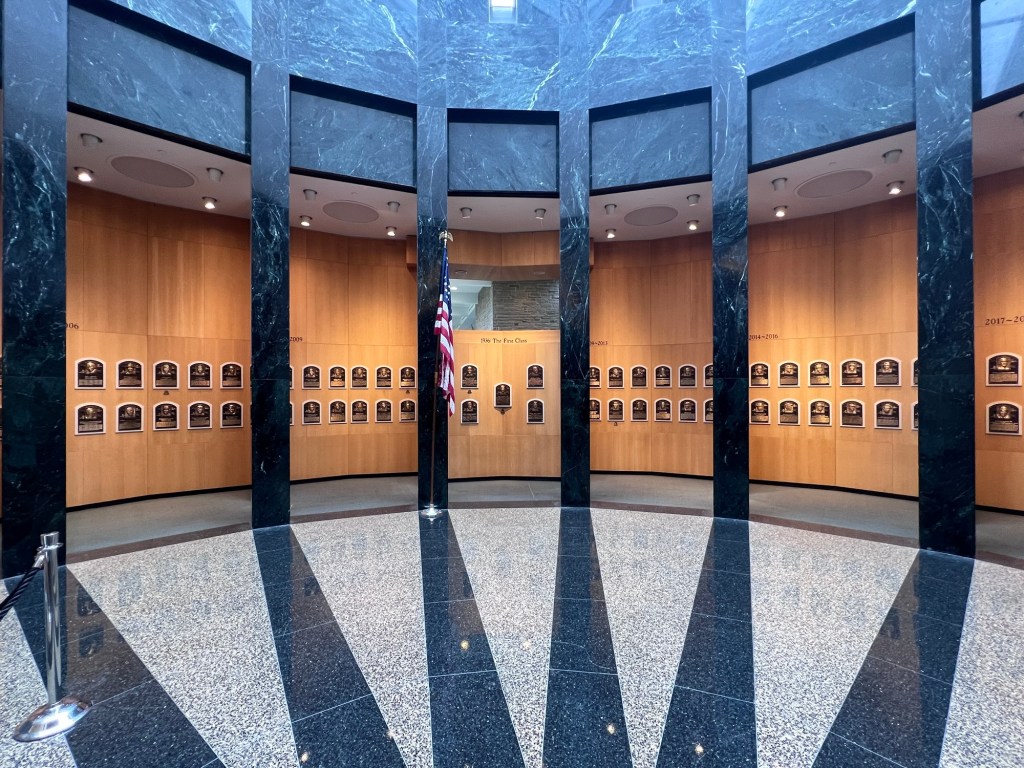
The Hall of Fame Plaque Wall
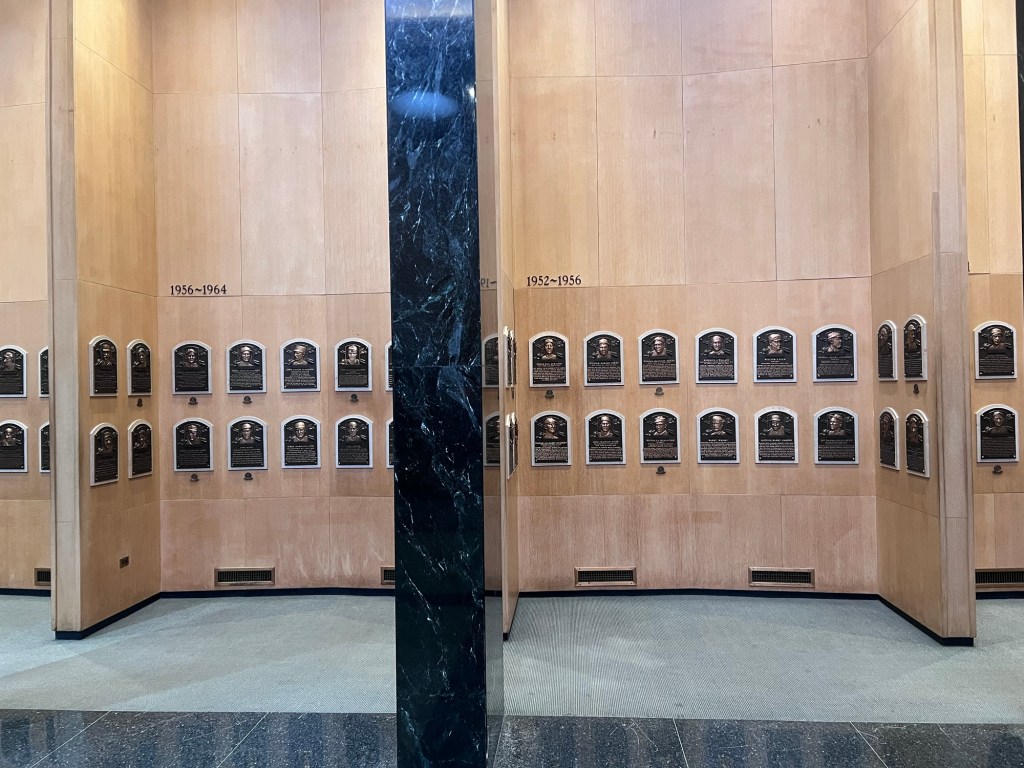
The Hall of Fame Gallery

The second floor is loaded with all sorts of baseball memorabilia from Hank Aaron’s uniforms, pictures and stats to a complete display of all of Babe Ruth’s career history from uniforms, stats, recordings, pictures and even his locker.
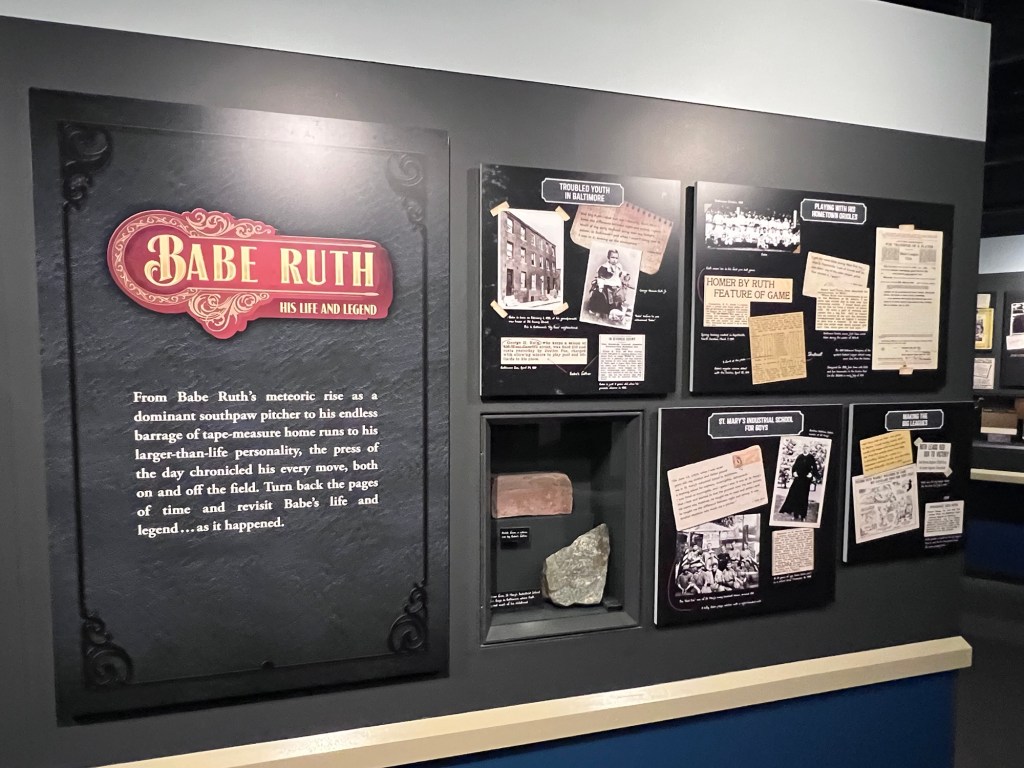
Babe Ruth display
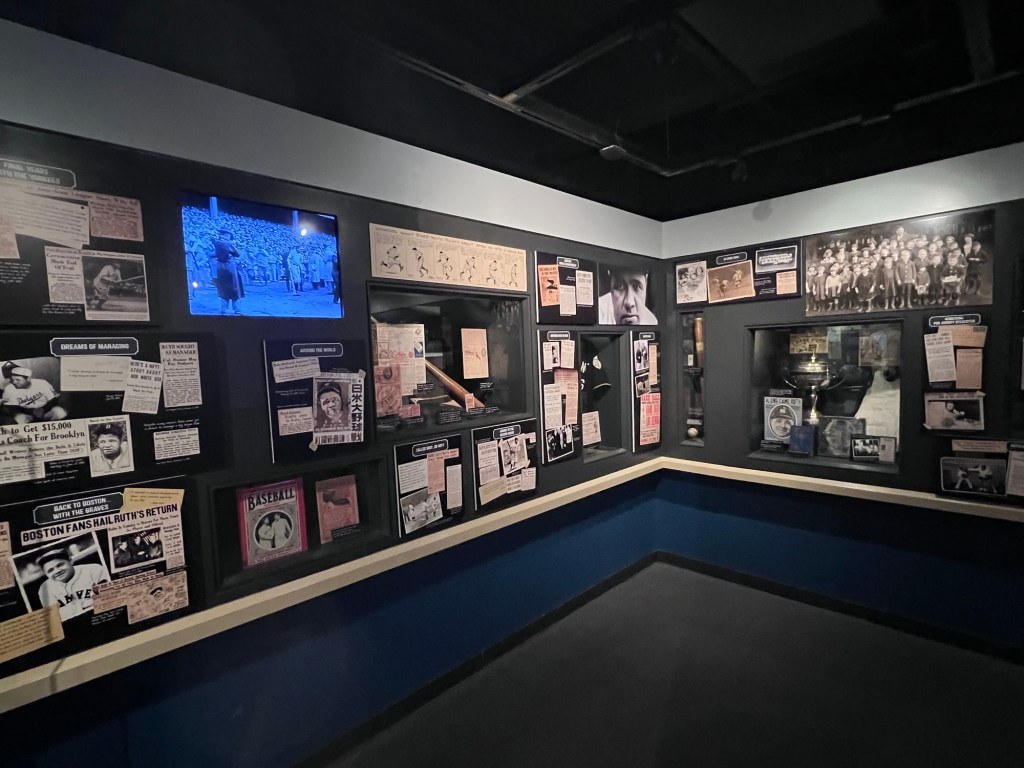
The Babe Ruth exhibit
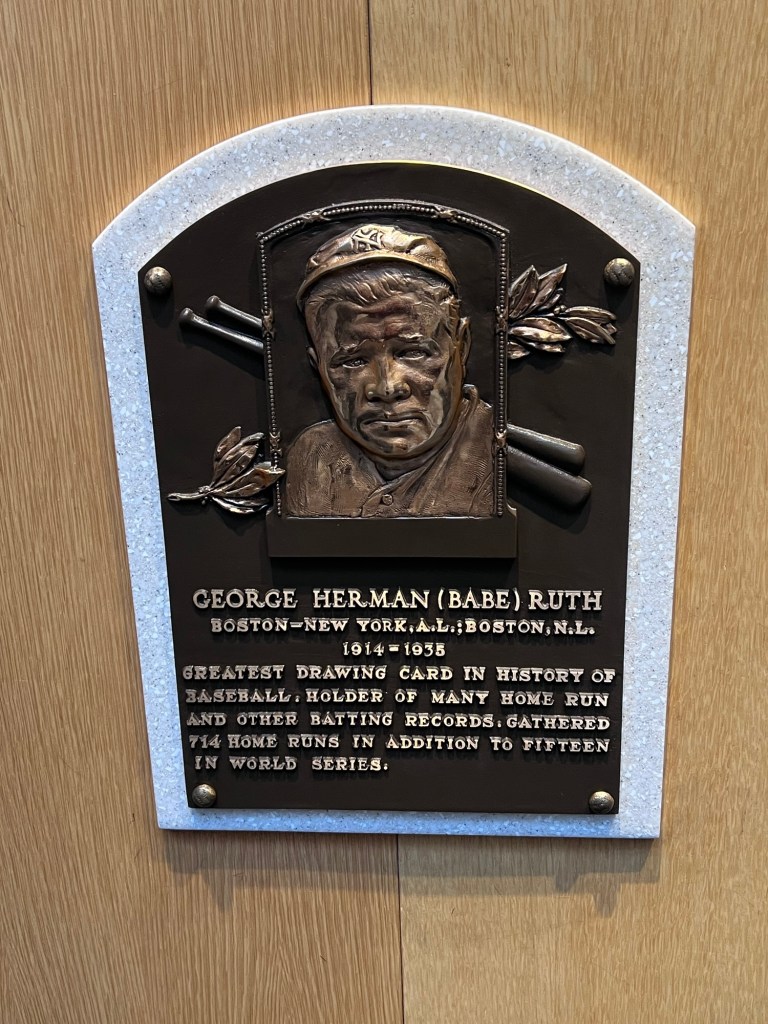
The Babe Ruth panel

Each display case represented the history of baseball and how it has progressed over the years. From the early Egyptians playing a similar sport with a bat and ball to the progression of cricket in the British Territories to modern day stickball in the cities, baseball keeps morphing and changing to modern times.
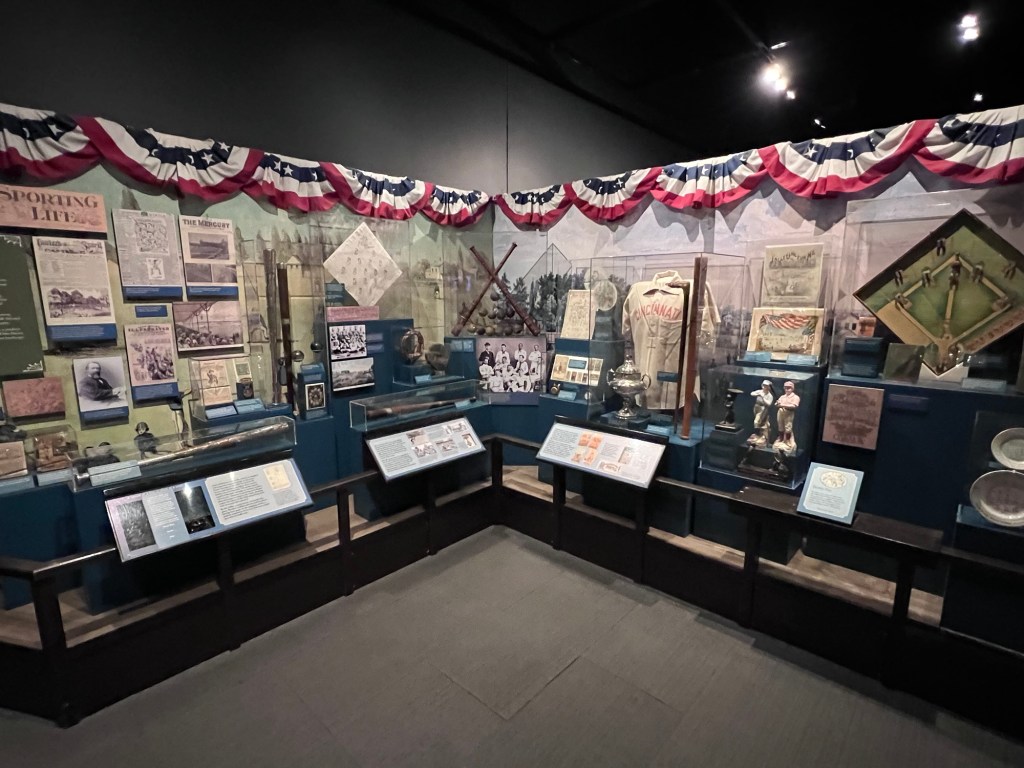
The history of Baseball
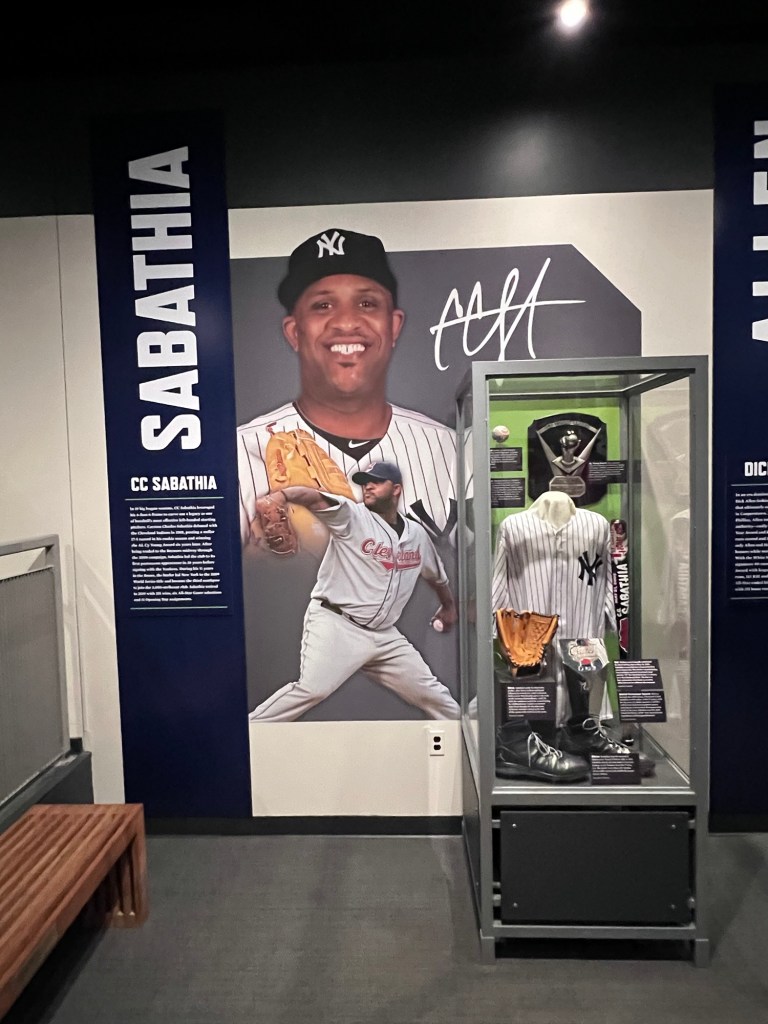
The CC Sabathia exhibit on his coming into the Hall of Fame

Many famous players have donated their entire collections to the museum so it was interesting to see their progression from the time they were young to the time of their retirement.
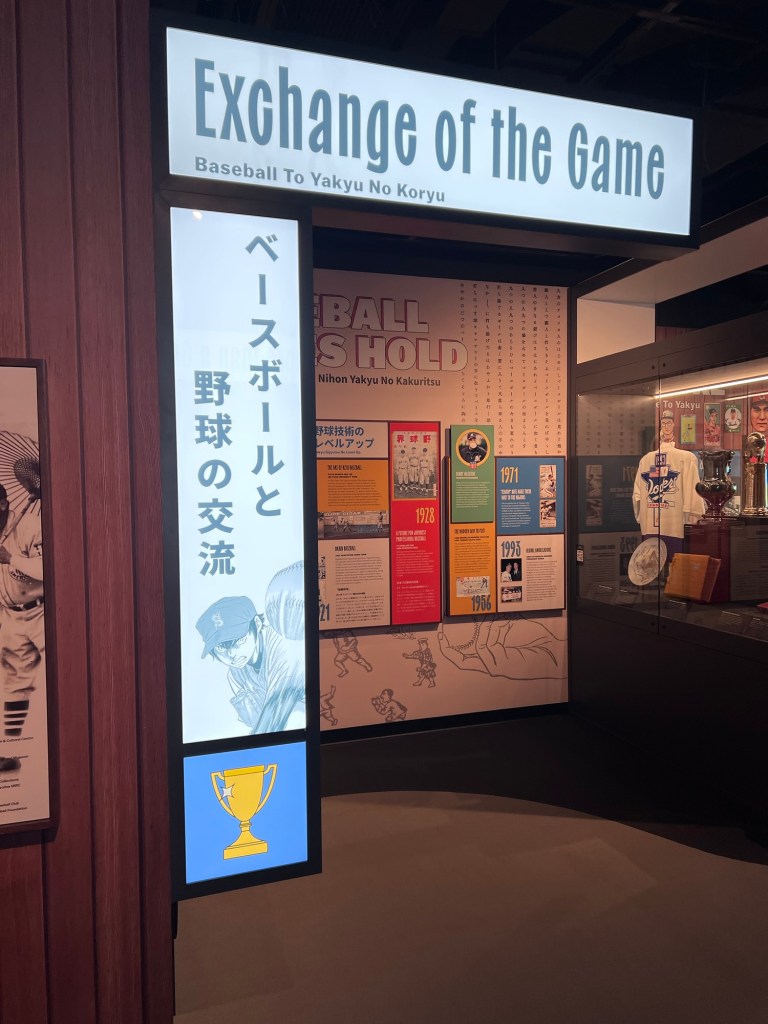
The Japanese baseball history

There are also collections of baseball cards, recordings and films, modern day artworks and even Hollywood’s take on baseball with posters like the “Field of Dreams” and “The Bad News Bears”. I was surprised how the lines between reality and the truth begin to blur in a museum like this.

What I was grateful to was the amount of items donated by the fans, wanting to part with something so valuable to them to share it with other fans.
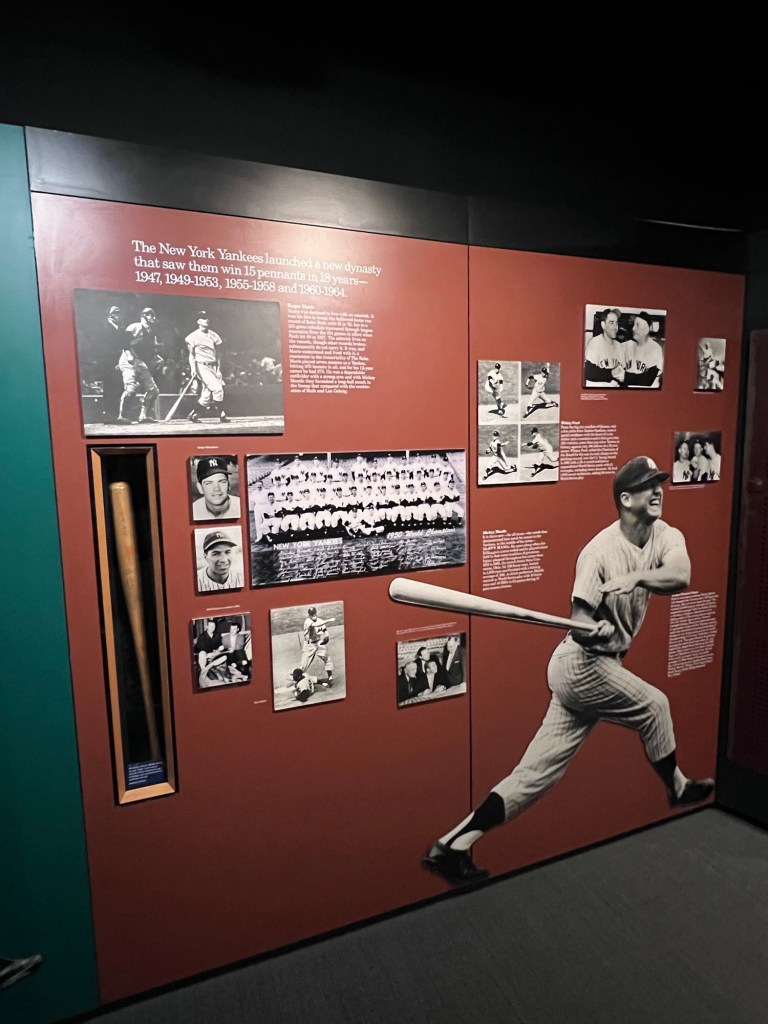
The NY Yankee dynasty

I have to say that the museum can be a little overwhelming at time since there is so much to see so plan on spending at least over two hours and break the visit into two days to really experience the museum especially if you are a true baseball fan at heart.

It is an amazing experience.
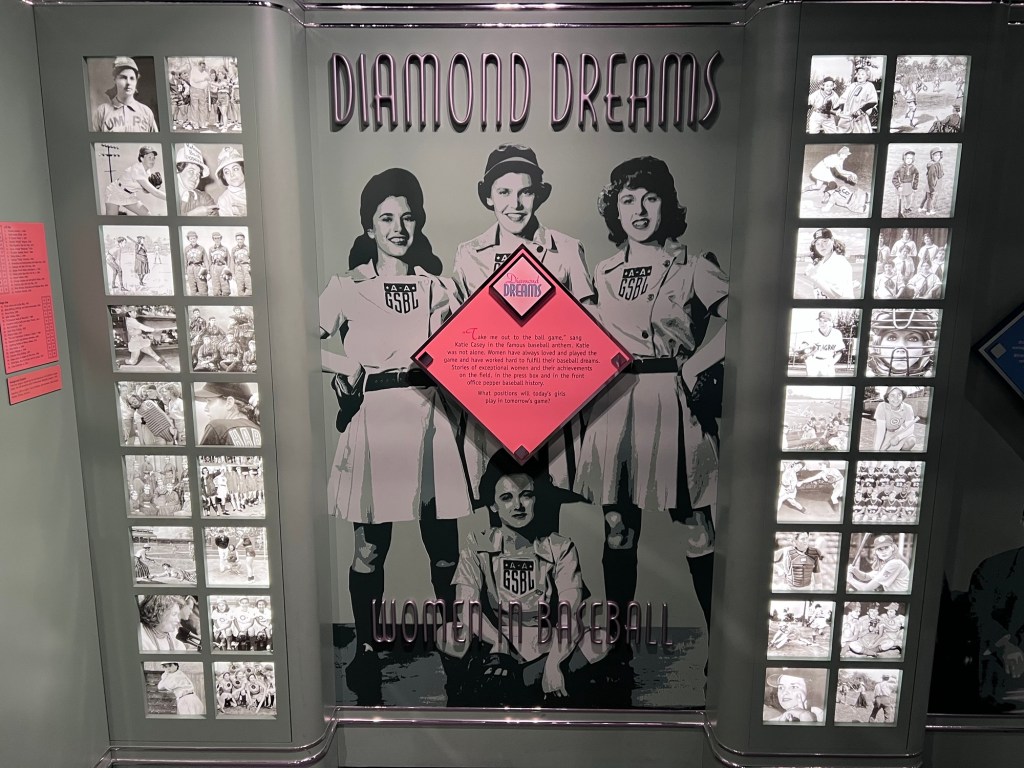
The Women’s League history
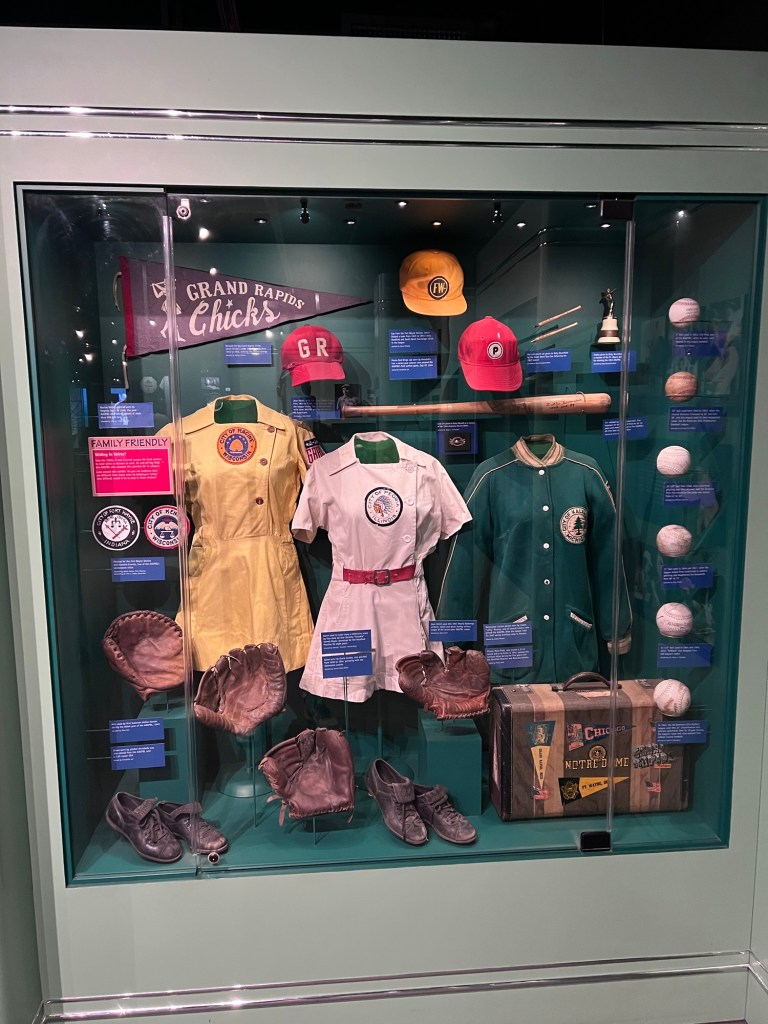
The outfits for Women’s Baseball League

History of the National Baseball Hall of Fame:

(From the museum website)

The Village is pure Americana, a one-stoplight town nestled between the Adirondacks and the Catskills in Central New York. It drew from the family of James Fenimore Cooper, whose father, William, founded the village, whose works of literature have become American standards.

And yet Cooperstown has become a synonym for “baseball”, thanks to a story about a Civil War general and the country’s love for a timeless game. By the last half of the 19th Century, baseball had become the National Pastime. The United States was a little more than 100 years old and baseball had evolved with the country. But there was no definitive answer as to the birth of the game.

Enter the Spalding Commission, a board created by sporting goods magnate and former player A. G. Spalding to establish the genesis of baseball. And after a few years of searching, they found their answer.

A plaque commemorating Major General Abner Doubleday was installed prior to the Hall of Fame’s opening on June 12th, 1939.(Homer Osterhoudt/National Baseball Hall of Fame and Museum).
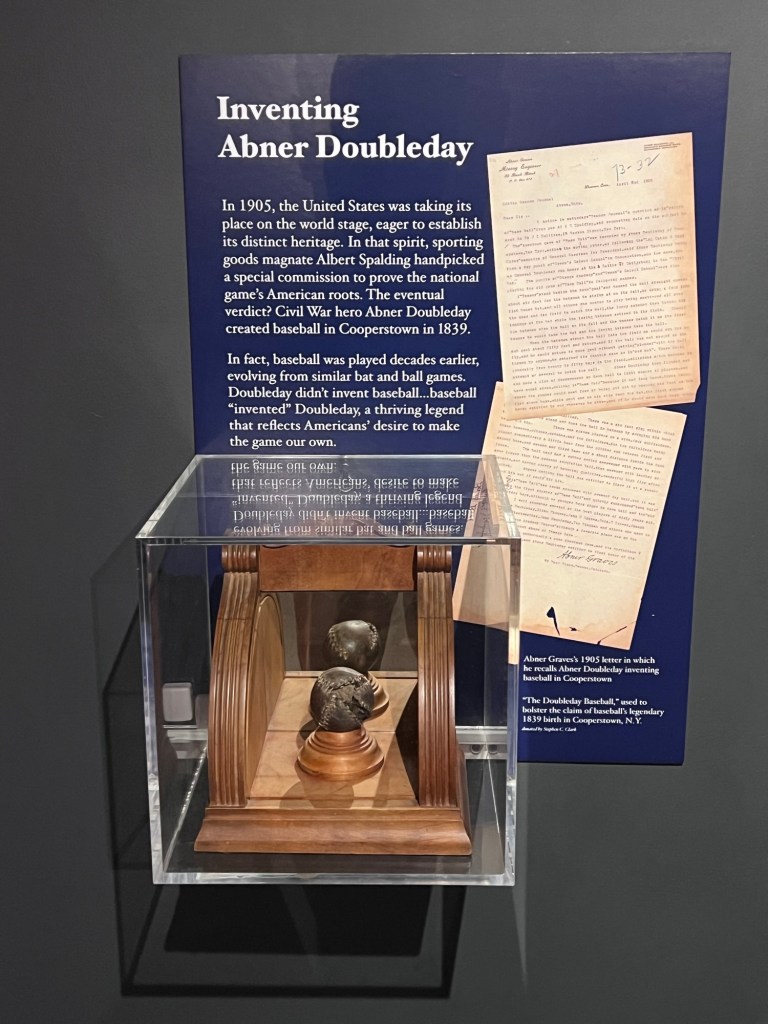
The Abner Doubleday display

Abner Graves, a mining engineer, proclaimed that Abner Doubleday, a decorated Union Army officer who fired the first shot of defense of Fort Sumter at the start of the Civil War and later served at the Battle of Gettysburg, invented baseball in 1839 in Cooperstown. That was good enough for the Spalding Commission, which came to its conclusion in 1907.

Three decades later, Cooperstown philanthropist Stephen C. Clark, seeking a way to celebrate and protect the National Pastime as well as an economic engine for Cooperstown, asked National League president Ford C. Frick if he would support the establishment of a Baseball Hall of Fame in Cooperstown. The idea was welcomed and in 1936 the inaugural Hall of Fame class of Ty Cobb, Walter Johnson, Christy Mathewson, Babe Ruth and Honus Wagner was elected.

Three years later, the Hall of Fame building officially opened in Cooperstown as all of baseball paused to honor what was called “Baseball’s Centennial” and as the first four Hall of Fame classes were inducted.

To mark the occasion, Time Magazine wrote: “The world will little note nor long remember what (Doubleday) did at Gettysburg but it can never forget what he did at Cooperstown.”

In the years since, The Doubleday Myth has been refuted. Doubleday himself was at West Point in 1839. Yet the Myth has become strong enough that the facts alone do not deter the spirit of Cooperstown.

The National Baseball Hall of Fame and Museum surely the most well-known sports shrine in the world, continues to thrive in the town where baseball’s pulse beats the strongest.

But in the following the opening of the Hall of Fame on June 12th, 1939, the Museum has become much more than just home to baseball’s biggest stars. The Hall of Fame is the keeper of the game.

The Hall of Fame’s collections contain more than 40,000 three demensional artifacts, such as bats, balls, gloves and uniforms donated by players and fans who want to see history preserved. The museum’s curators use the artifacts, whose number grows by about 400 a year, to tell the story of the National Pastime through exhibits.

The Museum itself is a melding of five buildings sewn together via several renovation and expansion programs. Today, the Museum easily accommodates more than 3000 visitors per day during the peak season.

The artifact collection is housed in climate-controlled rooms to protect the delicate, fabric and wood materials used in baseball. The Museum promises, in exchange for the donation of an artifact, to care for an item in perpetuity, which means the effects of temperature and humidity must be constantly regulated. The Museum’s first accessioned item was the “Doubleday Baseball”, which was discovered in a farmhouse in nearby Fly Creek, NY in 1935 and dates to the 19th Century.

Then in 1937, Cy Young, elected to the Hall of Fame that year in the second year of voting, generously donated several artifacts, including the 1908 ball from his 500th win and the 1911 uniform he wore with the Boston Braves. Young’s donations generated new offers from other players as well as fans.

Thousands of fans attended the opening of the Hall of Fame on June 12th, 1939 and that same year another Cooperstown tradition was started with the launch of the annual Hall of Fame game. For 70 years, the Hall of Fame game became an annual celebration of the game as two Major League Baseball teams played an annual exhibition contest at Doubleday Field in Cooperstown.

Though the game was discontinued in 2008, the legends live on with the advent of the Hall of Fame Classic, an annual event over Memorial Day Weekend featuring Hall of Famers and former major leaguers at historic Doubleday Field.

The field itself dates back to 1920 and the first grandstand was built in 1924. Thanks to Works Progress Administration money during the Great Depression, Doubleday Field was expanded again in 1934. Today, the field is occupied non-stop during the spring, summer and fall as high school athletes, collegiate summer league stars and recreational players savor the chance to play on hallowed ground.

The A. Bartlett Giamatti research Center is also part of the Museum experience and the Center’s Library contains more than three million documents on the history of baseball, ranging from reference books to the “Green Light Letter” sent by President Franklin D. Roosevelt to baseball commissioner Kenesaw Mountain Landis in January of 1942, urging Landis to keep baseball going during World War II. The National Baseball Hall of Fame Library also contains more than 250,00 baseball photographs and images.

As an educational institution, the Museum offers outreach programs for audiences of all ages. Through virtual classroom technology, Cooperstown is transported to school across the country with video-conference lessons featuring any one of 16 learning modules.
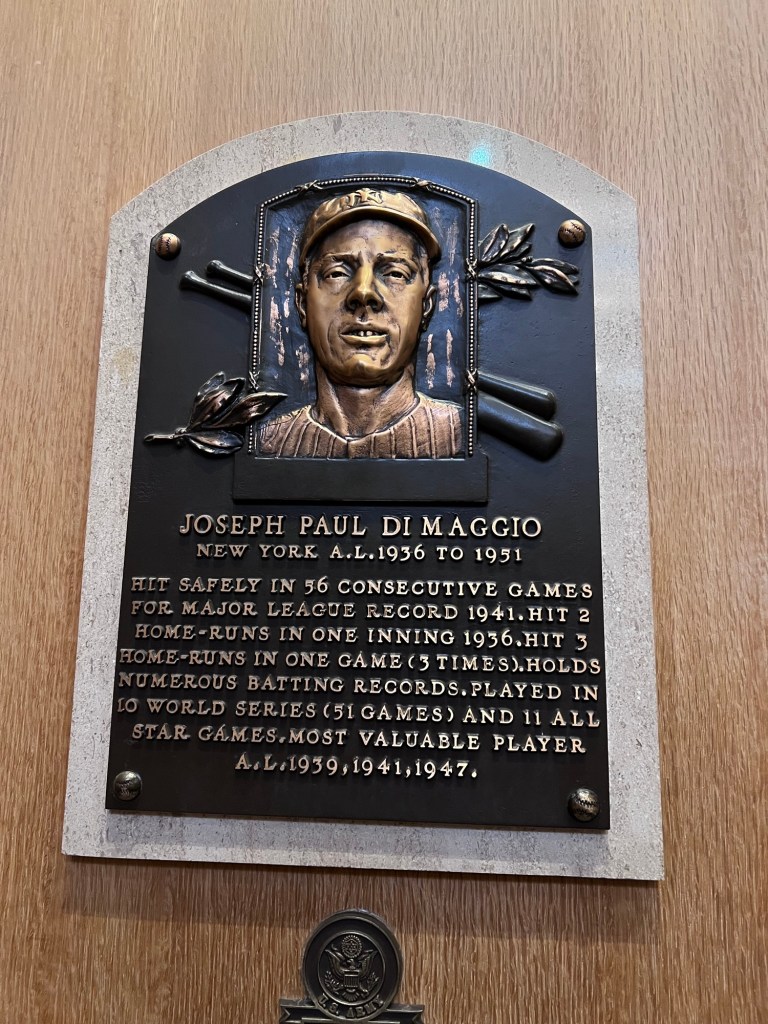
The Joe Di Maggie award

Mission of the Museum:

Preserving History, Honoring Excellence and Connecting Generations.

The National Baseball Hall of Fame and Museum is an independent, non-profit educational institution dedicated to fostering an appreciation of the historical development of baseball and its impact on our culture by collecting, preserving, exhibiting and interpreting its collection for a global audience as well as honoring those who have made outstanding contributions to our national pastime.
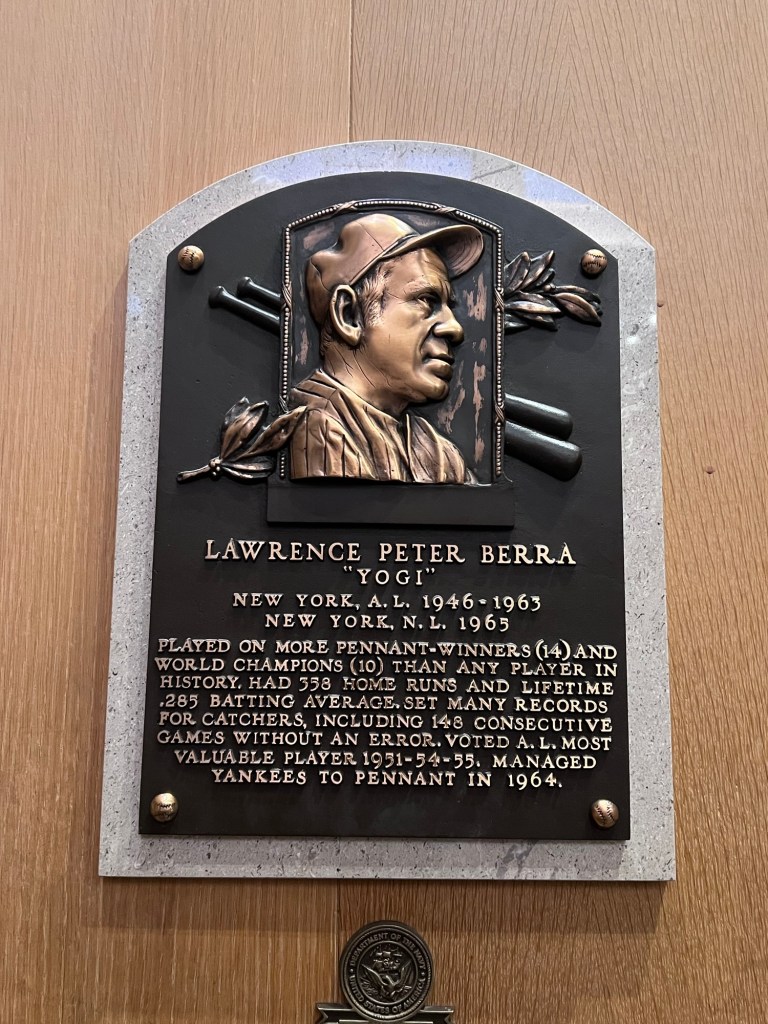
The Yogi Berra panel

The Hall of Fame’s mission is to preserve the sport’s history, honor excellence within the game and make a connection between the generations of people who enjoy baseball. Likewise the institution functions as three entities under one roof with a museum, the actual Hall of Fame and a research library. With these parts working together, the Museum is committed to fulfilling its mission by:

Collecting, through donations, baseball artifacts, works of art, literature, photgraphs, memorabilia and related materials which focus on the history of the game over time, its players and those elected to the Hall of Fame.

Preserving the collections by adhering to professional museum standards with respect to conservation and maintaining a permanent record of holdings through documentation, study, research, cataloging and publication.
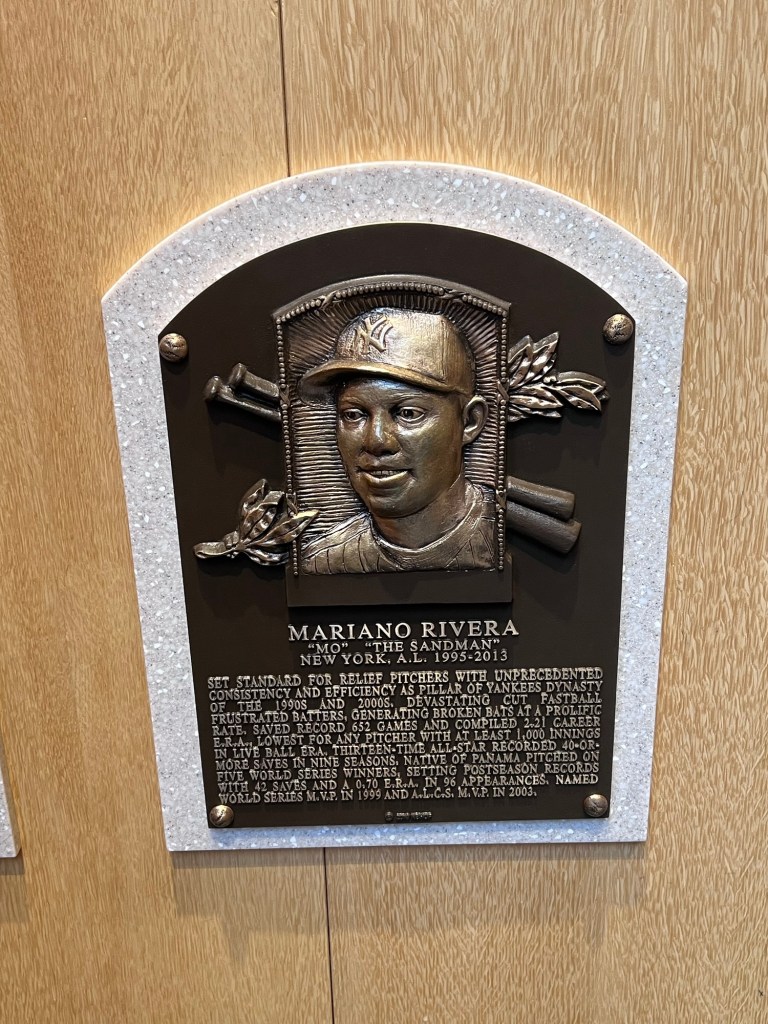
The Mariano Rivera plaque

Exhibiting material in permanent gallery space, organizing on-site changing exhibitions on various themes, with works from the Hall of Fame collectins or other sources, working with other individuals or organizations to exhibit loaned material of significance to baseball and providing related research facilities.

Interpreting artifacts its exhibition and education programs to enhance awareness, understanding and appreciation of the game fora diverse audience.
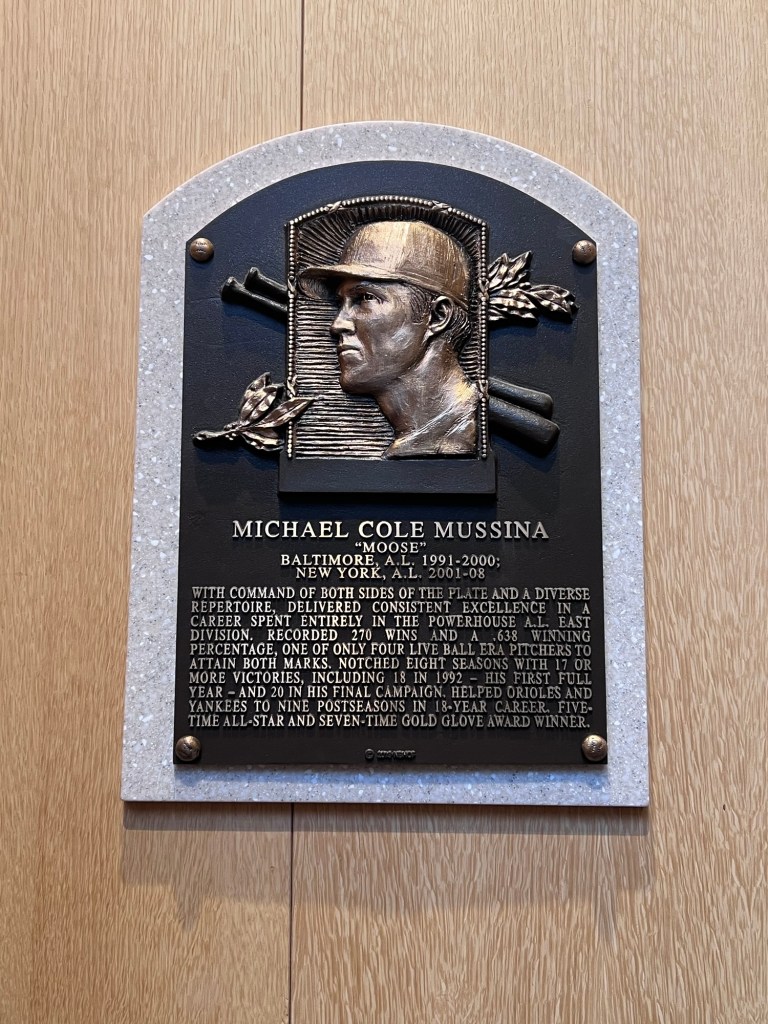
The Mike Mussina plaque

Honoring, by enshrinement, those individuals who had exceptional careers and recognizing others for their significant achievements.

Prospect Park Zoo                                                 450 Flatbush Avenue                                  Brooklyn, NY 11225

Prospect Park Zoo 450 Flatbush Avenue Brooklyn, NY 11225

The Prospect Park Zoo

450 Flatbush Avenue

Brooklyn, NY 11225

(718) 220-5100

https://prospectparkzoo.com/

Open: Sunday 10:00am-5:30pm/Monday-Friday 10:00am-5:00pm/Saturday 10:00am-5:30pm

Admission: Adults $9.95/Seniors $7.95/Children from 3-12 $6.95/Children under 3 are Free/Members Free

My review on TripAdvisor:

https://www.tripadvisor.com/Attraction_Review-g60827-d283820-Reviews-Prospect_Park_Zoo-Brooklyn_New_York.html?m=19905

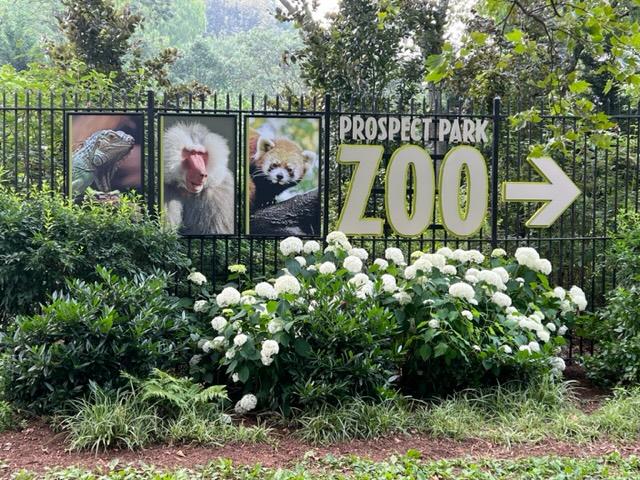
The entrance to the Prospect Park Zoo

The Prospect Park Zoo is one of my ‘go to’ places along with the Brooklyn Museum and the Brooklyn Botanical Garden when visiting Brooklyn. The three popular destinations are all in the same neighborhood and if you have a full day is worth the subway ride from Manhattan to visit.

On a nice day, the best place to start is the Brooklyn Botanical Garden at opening, then head over through the back part of the garden to Prospect Park and walk to the entrance near Flatbush Avenue and go past the carousel and enter the Zoo past the old Leffert’s Homestead. The Zoo is just past that.

My review on TripAdvisor:

https://www.tripadvisor.com/Attraction_Review-g60827-d103505-Reviews-Lefferts_Homestead-Brooklyn_New_York.html?m=19905

My review of the Leffert’s Homestead on VisitingaMuseum.com:

https://wordpress.com/block-editor/post/visitingamuseum.com/2864

The grounds of the Lefferts Homestead grounds

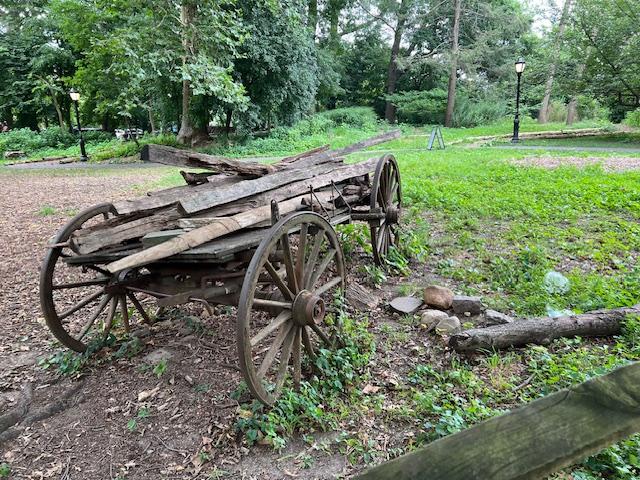
The old cart outside of the Lefferts House

The best part of the Prospect Park Zoo is that like the Central Park Zoo it is small enough to see in one day and be able to enjoy the exhibitions in one afternoon and still have time for lunch.

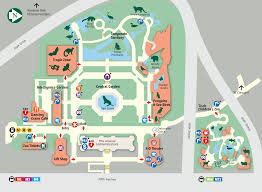
The Map of the Zoo

The Zoo has gone through a lot of improvements since COVID and reopened. There is a unique sculpture garden when you walk inside.

The Prospect Park Zoo Sculpture Garden at the entrance

Fish Sculptures at the entrance

The sculptures at the entrance of the zoo by artist Mags Harries

Artist Mags Harries

https://www.magsharries.com/maybe-home

https://smfa.tufts.edu/directory/mags-harries

Artist Mags Harries is an Wales born artist who graduated the Leicester College of Art with a Diploma in Art and Design and Illinois University, Carbondale with a Master of Fine Arts. She is known for her creative sculptures and their use in enhancing public spaces (Artist bio/Tufts.edu).

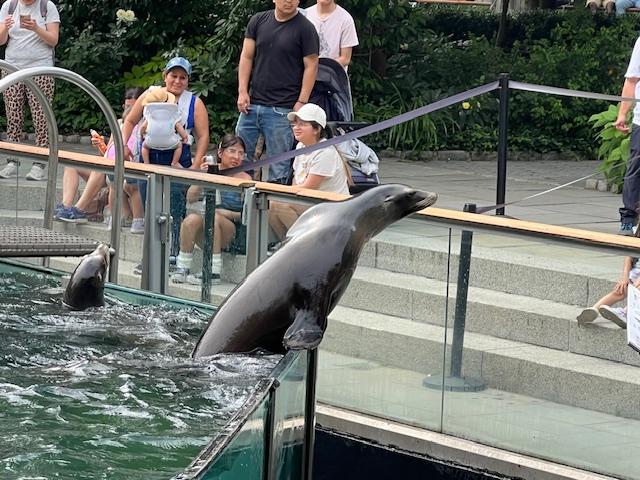
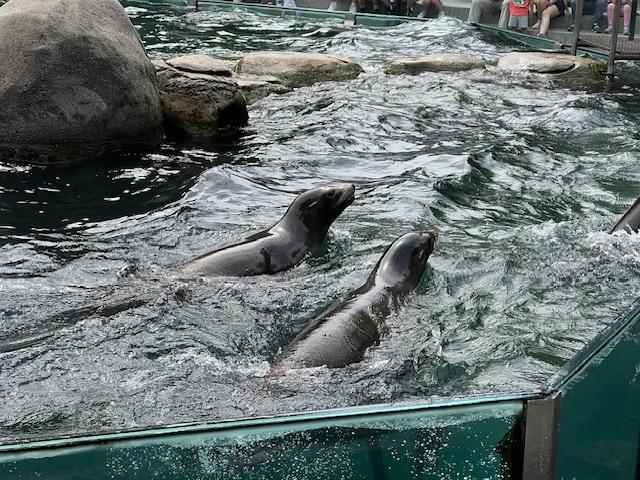
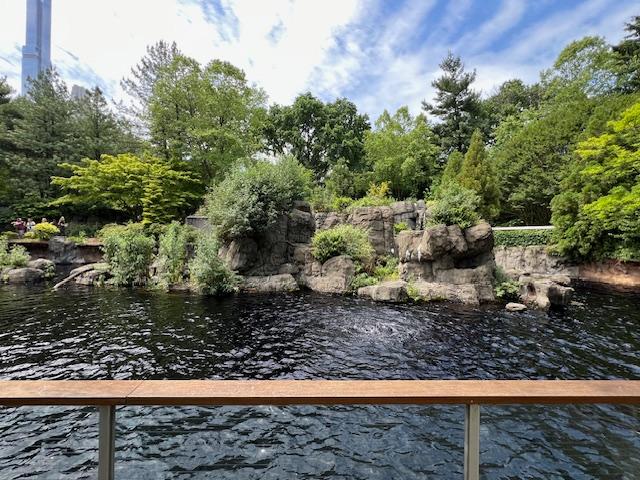
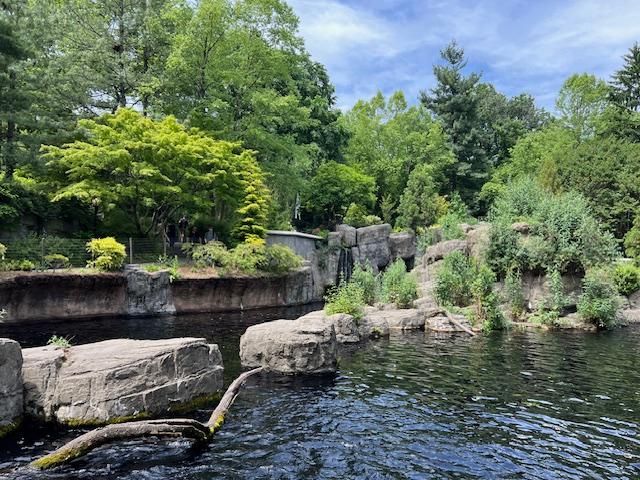
The main focus of the zoo when you walk through the gates is the seal tanks. These playful animals spend most of their time swimming around or sunning themselves on a warm day. During the feeding schedule, it is interesting to see how they interact with the trainers.

The Seal Tanks at the entrance of the Zoo

The Seal tanks when you walk in are very active

Walking further into the zoo you will walk past the Hall of Animals, where all the smaller animals and amphibians like frogs, snakes and turtles are located. These are a lot of fun for the smaller children who may not see these things in their backyards or even in the parks anymore.

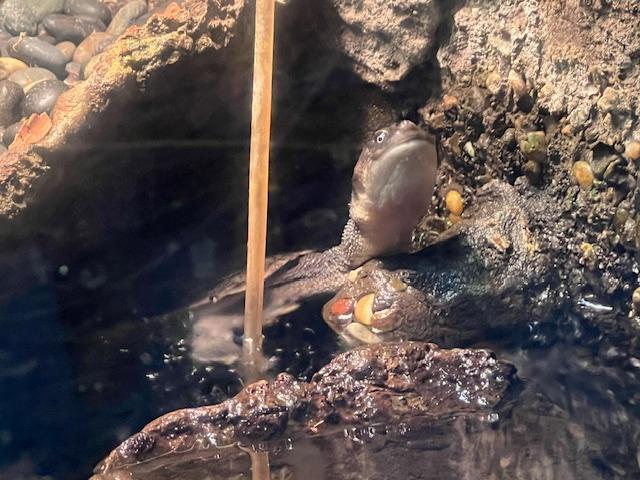
The rare Longnecked Turtle in the Small Animals exhibition

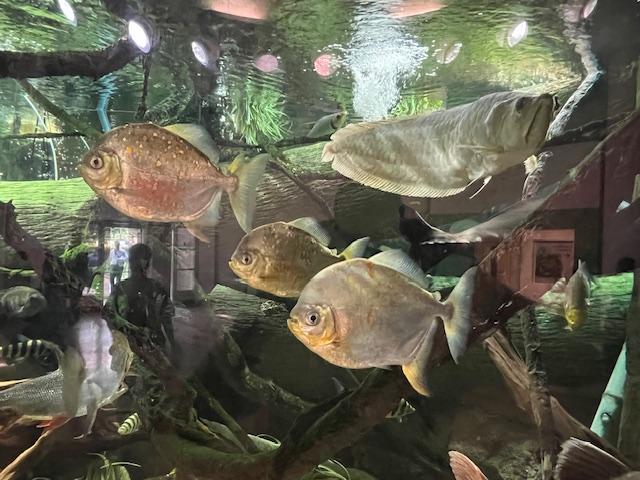
The Fish tank at the Small Animals exhibition

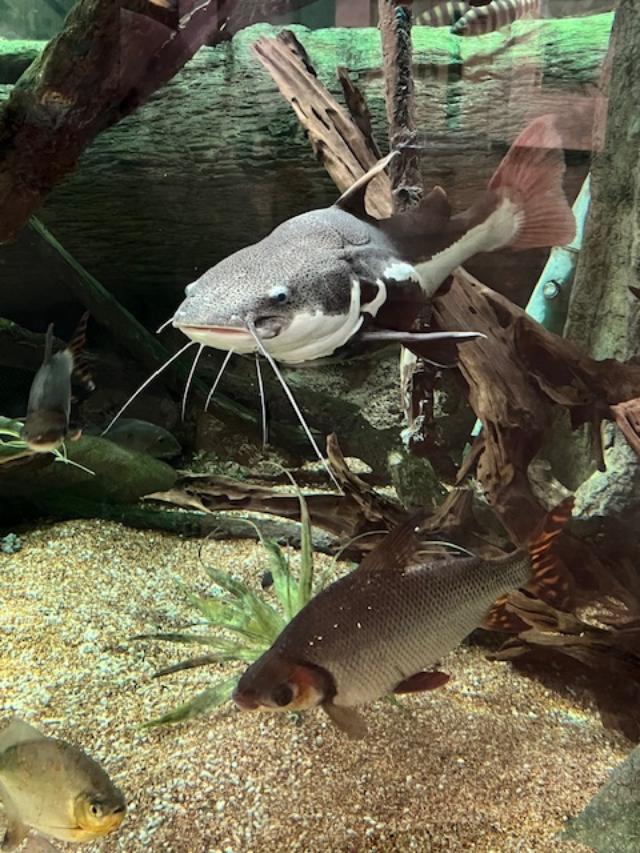
The catfish in the Fish Tank at the Small Animals exhibition

I went to the Bird Cages and saw a Kookaburra bird from Australia. He looked at me like I looked at him. He had the most inquisitive look on his face.

The Kookaburra looking at me

The Kookaburra looking around the cage

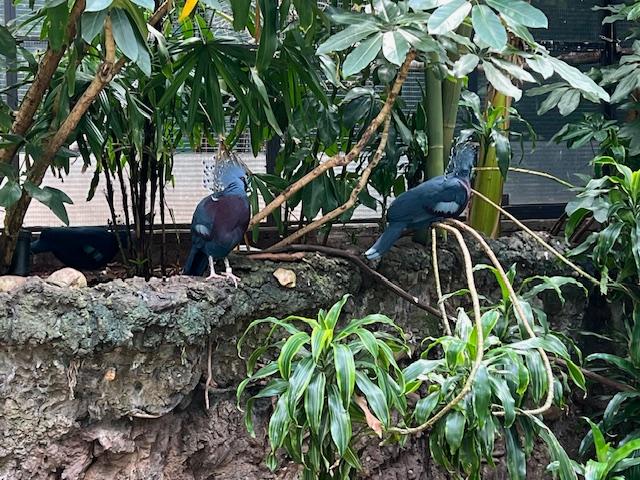
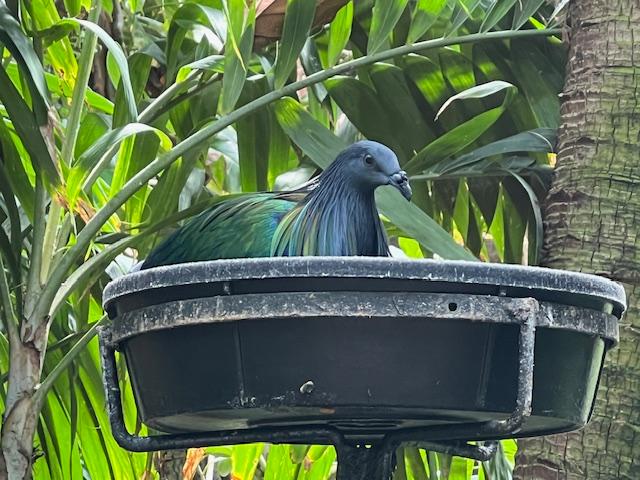
The Victorian Pigeons with their beautiful colors and feathers

The tropical hornbill birds

As I sat down to rest after visiting both the Brooklyn Museum and the Brooklyn Botanic Garden, a peacock walked past me looking for food. It must be very used to humans because he just ignored me and kept on walking.

The peacock at the zoo just does his own thing

Beyond that is the Barn, where your horses and cows are located and they even have a pair of turkeys, which makes for interesting conversation for children who wonder where they come from at Thanksgiving. The turkeys here are more bred than the wild ones you will see in the woods. They also have sheep, pigs and lambs that you can feed.

The gardens leading to the Barn area

The gardens leading to the Barn area

The different barnyard animals were in the process of being feed and taken care of by their trainers. If you put food in front of them though, they cam running. The kids were having a ball feeding them snacks.

The Barn pens at the zoo

Lambs and calf’s in the Barnyard at the zoo

The lambs hoping they would be fed by the visitors

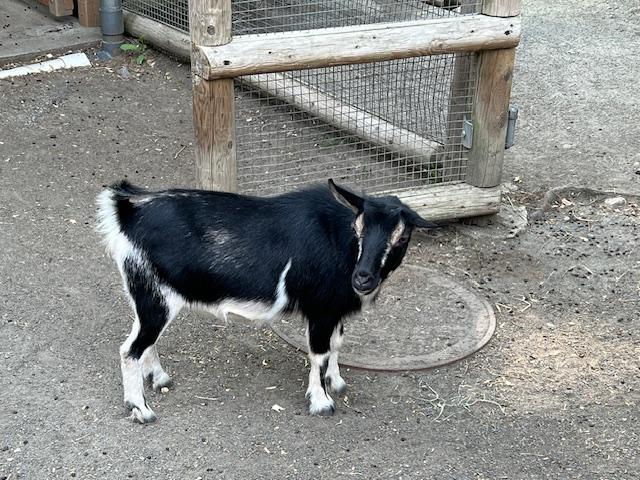
The friendly lamb in the pens

The sheep at the barnyard

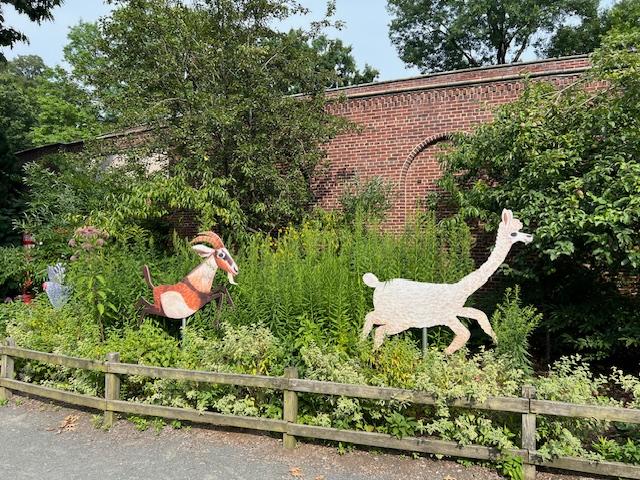
The animal sculptures just outside the Barnyard display

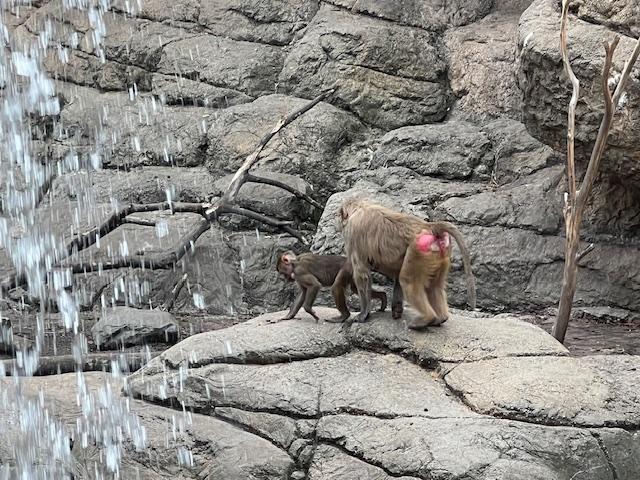
Next to the Hall of Animals is the Animal Lifestyle exhibition where a lot of the gorillas and monkeys are located. It is funny to watch their mannerisms and see ourselves and out behaviors in them. I guess a couple of thousand years never really separated us that much and we still are a lot alike.

The Baboons at the Hall of Animals

From there you will take the Discovery Trail to see more familiar animals that you might see in every day nature such as deer, foxes, porcupines, ducks and geese in a more natural habitat where they can roam free. The space is limited but they look a lot happy to move around than some of the other animals.

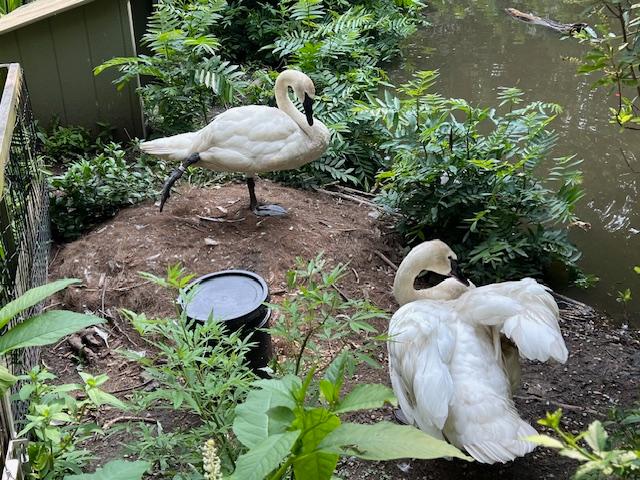
The swans on the Discovery Trail

The swans on the trail

All trails lead back to the Seal Tanks where the popular feeding time gathers a crowd and you will see the care that many of the trainers and zoo keepers give to their residents. There is a lot of love for these animals that is given and I can see a lot of respect.
Relaxing by the Seal Tanks

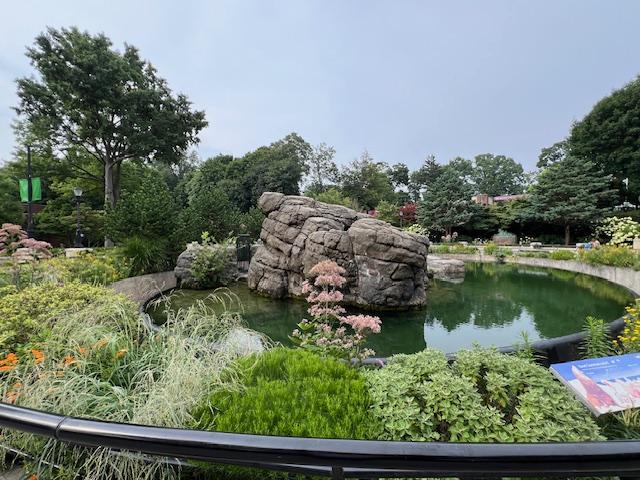
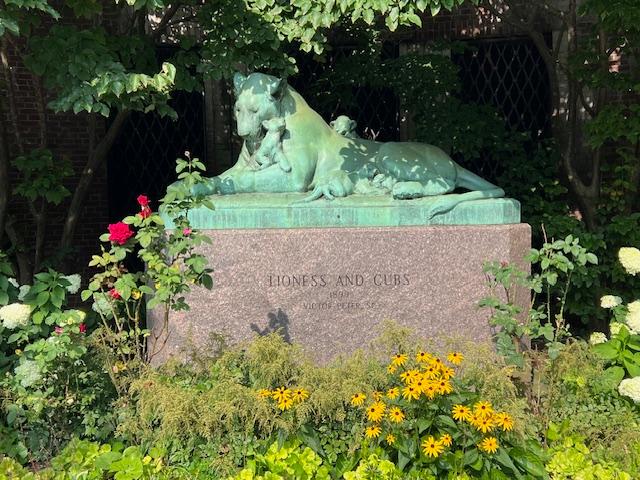
I got to sit and relax by the Seal Tanks and just enjoy the afternoon. The landscaping around the main Seal Tanks were in full bloom. I also never noticed the statuary around the pool.

The landscaped stairs leading to the zoo from the main road

‘Lioness and Cubs’ by French sculptor Victor Peter

https://www.nycgovparks.org/about/history/zoos/prospect-park

Artist Victor Peter

https://www.metmuseum.org/art/collection/search/208856

Artist Victor Peter is a French born artist known for his realistic sculptures.

A trip to the snack shop and gift shops at the zoo are expensive and cater to the tourists. They are not as nicely merchandised as the Bronx Zoo or the Central Park Zoo. Still they are fun to visit once or twice.

The Prospect Park Zoo is still a nice afternoon out for families and a nice way to communicate with nature.

The History of the Prospect Park Zoo:

The Prospect Park Zoo is a 12 acre zoo located in Prospect Park, Brooklyn and as of 2016 houses 864 animals. The zoo was originally part of the plan of Prospect Park as a “Zoological Garden” in the western part of the park. The zoo was not part of the finished plan in the park in 1874 by designers Fredrick Law Olmsted and Calvert Vaux.
The original zoo layout

The park design included a Wild Fowl Pond in the northern part of the park that was stop off for water birds and a Deer Paddock in the southern part of the zoo where deer lived in a penned area.

In the 1890’s, gardens were created for park enjoyment and a informal Menagerie was created by the Brooklyn Parks Commission, George V. Brower, when the donation of small bear, white deer, seven seals, a cow and twelve peacocks came into the possession of the park.

In 1934, Parks Department head Robert Moses set a plan to reconstruct the City’s Parks and under the Works Progress Administration started to revamp the park system. In March of that year architect Aymar Embury II set to design the new zoo with six new buildings and centered by a Seal Pool.

By the 1970’s, the zoo faced disrepair and was neglect for the animals. It was considered one of the worst zoo’s in the country according to the press and finally in 1980, the Koch Administration signed a 50 year agreement with the NY Zoological Society, now called the Wildlife Conservation Society, which was also administrating the Central Park and Queens Zoo.

The park closed in 1988 for a five year, 37 million dollar renovation that gutted all the pits and cages but saved the historic buildings and statuary. The new zoo opened in 1993 with a new name, “The Prospect Park Wildlife Conservation Center” and a philosophy of educating children. The zoo along with the Queens Zoo have had some shortfalls in the past but have the full support of the Society and the public since the early 2000’s. Still the zoo remains popular with families from all over Brooklyn and the world.

The main view of the zoo

(This information is provided by Wiki and the Wildlife Conservatory website and I give them both full credit for the information)

Central Park Zoo                                                  Fifth Avenue and East 64th Street                     New York, NY 10021

Central Park Zoo Fifth Avenue and East 64th Street New York, NY 10021

Central Park Zoo

Fifth Avenue and East 64th Street

New York, NY 10021

(212) 439-6500

https://centralparkzoo.com/

Open: Sunday-Saturday 10:00am-4:30pm

Fee: Adults $12.00/Seniors (65+) $10.00/Children (3-12)$8.00/Total Experience Adults $16.00/Seniors (65+) $15.00/Children (3-12) $12.00

My review on TripAdvisor:

https://www.tripadvisor.com/Attraction_Review-g60763-d267703-Reviews-Central_Park_Zoo-New_York_City_New_York.html?m=19905

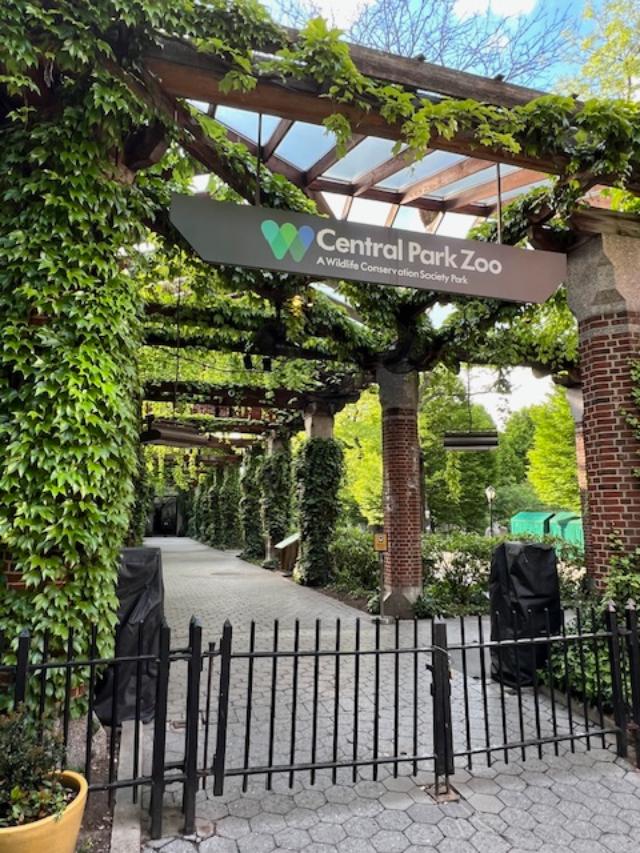
The entrance of the zoo in Central Park

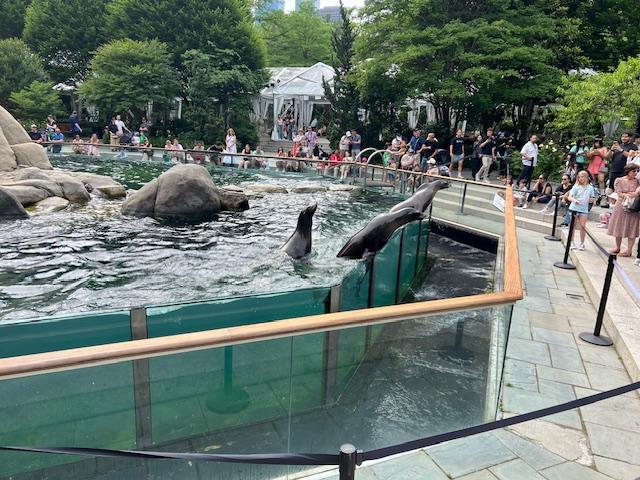
I love coming to the Central Park Zoo when I am visiting the Upper East Side. The zoo is a nice to just relax and reflect from the hustle and bustle of the City. On a quiet midweek day, there is nothing like going to the 2:00pm seal feeding at all times of the year. The seals get so excited and the humans like seeing the seals in their playful mood.

The seals can be very friendly and don’t mind humans around.

The seals like to reach out for attention.

The zoo is small so touring it will only take about an hour or so to see all the exhibitions. You have a choice of seeing the monkeys, the birds, the seals and the penguins. They finally moved the polar bear out of the zoo a few years ago and he always looked so bored with his life. He would give you a look like ‘get me out of here’.

The Central Park Zoo is set up with different exhibitions.

The smaller animals like the monkeys and the penguins look like they are having more fun in their enclosed homes with more room to move around. They always look at us as visitors in an amusing way like why are we so interested in them. It is an interesting interaction with the animals there to see their reaction to us.

The Monkey Island

The Monkey Island with the monkeys hiding that afternoon.

There is also more birds, amphibians and bats to see in other exhibitions around the zoo and smaller outside areas to view the smaller animals such as pandas and leopards that have finally been given space to roam around.

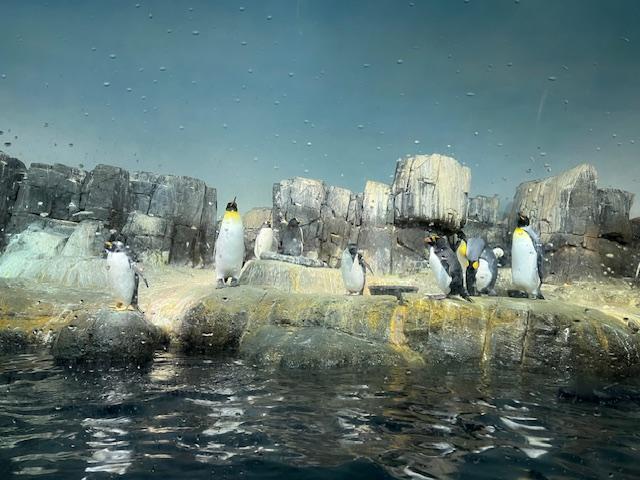
The Penguins are very playful all day long.

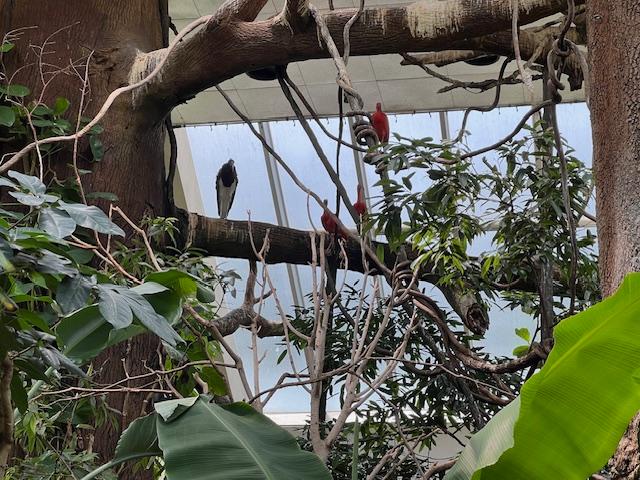
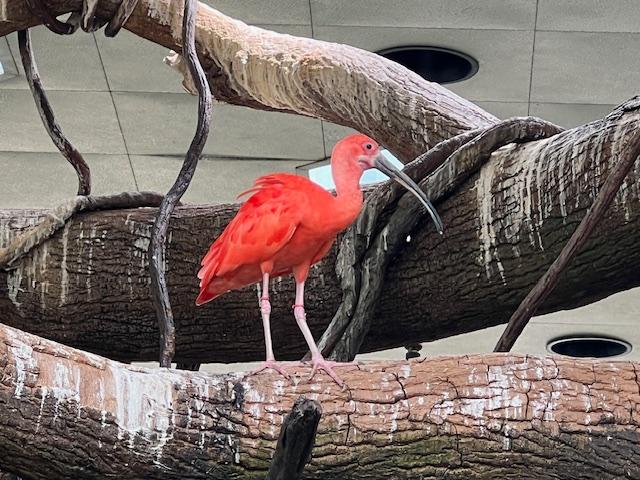
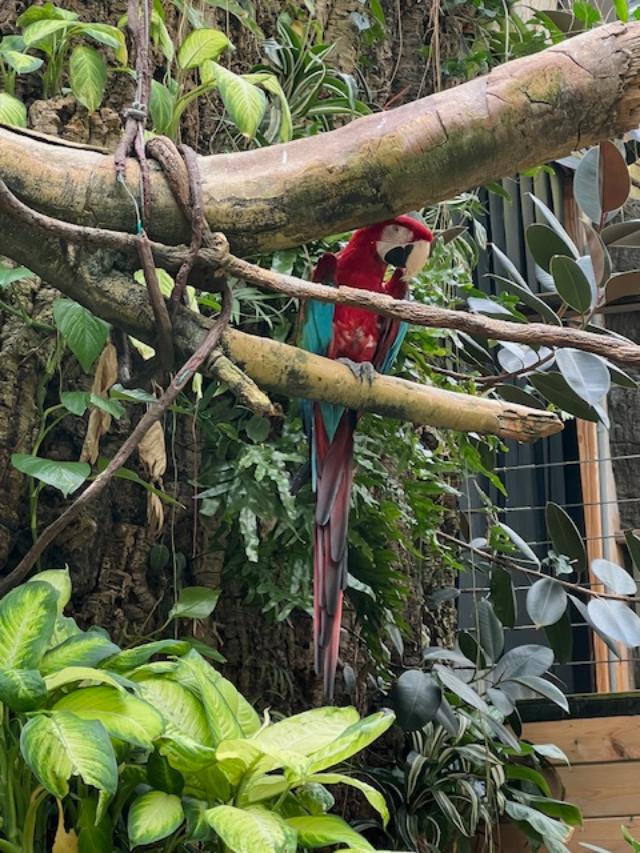
The Bird Sanctuary is another popular section of the zoo. There are all sorts of rare and exotic birds to see and watch in a copy of their native habitat. I thought they looked a little bored seeing the same birds day after day.

The birds have a lot of space to fly around but seemed a bit bored.

The pink Heron

The Bird Sanctuary

The parrot seemed a little bored.

The Birds feeding themselves.

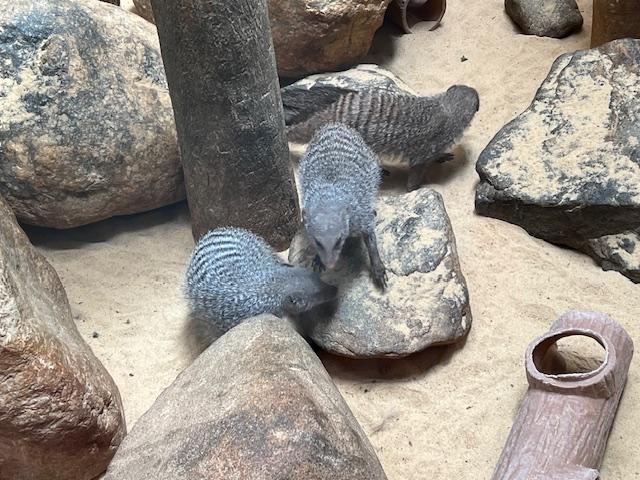
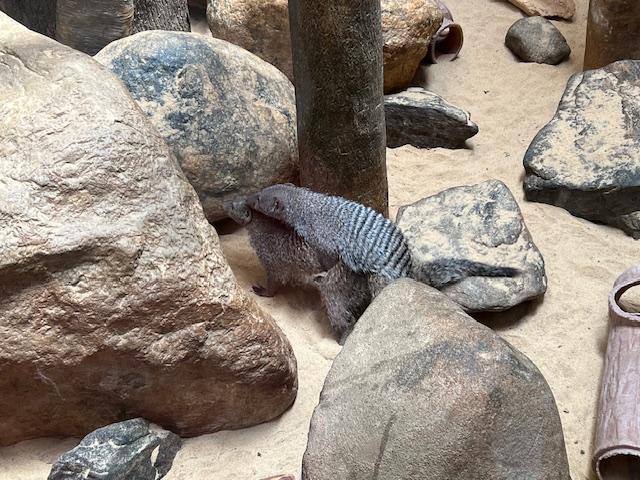
In the small animal exhibition, the mongooses were putting on quite a show for all of us. It looked liked they were mating in front of the crowd.

The mongooses running around.

These two looked like they were mating.

It is a nice walk around the zoo and the perfect way to spend a sunny afternoon.

There is also a nice gift shop just outside the zoo and the Dancing Crane Cafe is the zoo restaurant which is over-priced and the food the few times I have tried it was mediocre. It is not like the cafe up at the Bronx Zoo that was pretty decent.

The Dancing Crane Restaurant

https://centralparkzoo.com/plan-your-visit/dining

My review on TripAdvisor:

https://www.tripadvisor.com/Restaurant_Review-g60763-d5585261-Reviews-Dancing_Crane_Cafe-New_York_City_New_York.html?m=19905

Don’t miss the hourly concert at Delacorte Clock when the animal sculptures dance to the music played. It is such an enjoyable experience.

History of the Zoo:

The Zoo was not originally part of the layout for Central Park when designed by Fredrick Law Olmstead and Calvert Vaux. A small menagerie developed on the edge of the park with exotic animals that had been donated to the park starting with a bear cub tied to a tree in 1859 and a monkey in 1860. Other animals came later including cranes, a peacock and a goldfish.

The original menagerie

In 1860, the American Zoological and Botanical Society wanted to create a zoo somewhere in New York City. In 1864, the zoo received a formal charter, making it the second publicly owned zoo behind the Philadelphia Zoo. Though a formal zoo had not yet been created, the menagerie, with its free admission and good location made it the most popular attraction in Central Park.

By the 1930’s, the menagerie had become run down and was not sufficient to hold the animals. In 1834, Mayor Fiorello La Guardia hired Robert Moses to head the unified Parks Department and a new more formal zoo was created. The new zoo was opened on December 2nd, 1934 and by 1936 over six million people had visited the zoo.

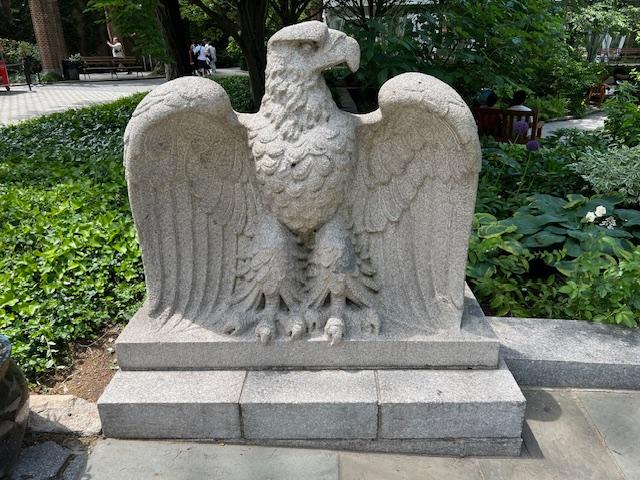
The eagle statues dotted the zoo.

By 1967, the zoo was again falling apart due to years of negligence and budget cuts. New York City’s fiscal crisis had affected the Parks System and conditions had gone downhill. In 1980, The Wildlife Conservatory (the former NY Zoological Society) signed a fifty year agreement in April of that year and started a renovation of the zoo from 1982 to its opening in 1988.
When the Zoo opened in August of 1988, the concept of the zoo had changed. The Wildlife Conservation Society had taken over the Queens Zoo, the Prospect Park Zoo in Brooklyn and already had possession of the Bronx Zoo and the direction of the society was toward conservation and care of animals while the Prospect Zoo was to be used as a Children’s Zoo and the Queens Zoo would concentrate on North American animals. The Children’s Zoo next to the Central Park Zoo went through its own renovation in the late 1990’s and is now called the Tisch Children’s Zoo after businessman, Laurence Tisch who had donated most of the money for the renovation.

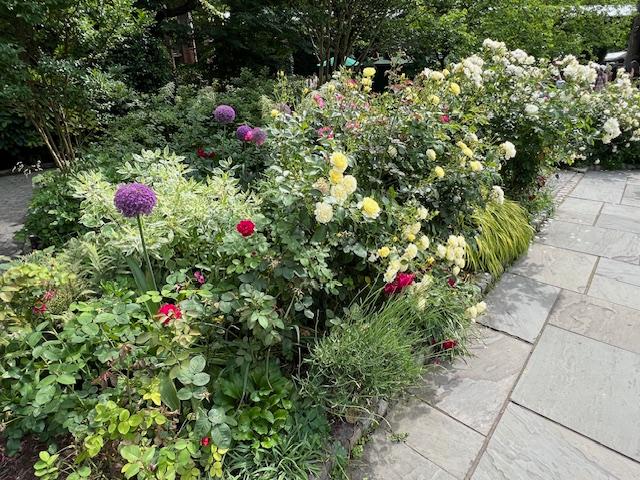
The gardens make a big impact around all the exhibitions.

(This information was taken from both Wiki and the Central Park Zoo History)

The zoo has the most amazing view of Central Park South. This neighborhood lines the southern part of the park.

Bronx Zoo                                                            2300 Southern Boulevard                                Bronx, NY 10460

Bronx Zoo 2300 Southern Boulevard Bronx, NY 10460

The Bronx Zoo

2300 Southern Boulevard

The Bronx, NY 10460

(718) 367-1010

https://bronxzoo.com/

Open: Monday-Friday 10:00am-5:00pm/Saturday & Sunday 10:00am-5:30pm

Fee: Members Free/Adults-Full Experience $39.95/Senior Full Experience $34.99/Child (3-12) $29.99/Child (under 3) Free

My review on TripAdvisor:

https://www.tripadvisor.com/Attraction_Review-g47369-d136079-Reviews-Bronx_Zoo-Bronx_New_York.html?m=19905

My review on TripAdvisor for the “Holiday Lights Festival”:

https://static.tacdn.com/AttractionProductReview-g47369-d19708232-Bronx_Zoo_Holiday_Lights-Bronx_New_York.html?m=19905

The entrance of the Bronx Zoo from the original entrance by Astor Court

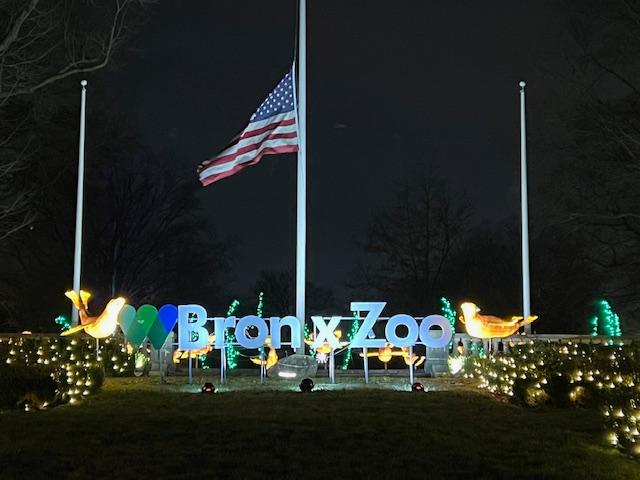
The 125th Sign by the “Holiday Lights” event that evening

I have been coming to the Bronx Zoo since I was five years old, and I never really thought it changed that much over the years. I recently went to a Private Members Night last Fall (See Day One Hundred and in MywalkinManhattan.com) and realized that I had not been there since they opened the Congo Gorilla Forest exhibition and that was in the late 90’s. I had not been in the zoo for over twenty years. A lot has changed since I visited back in 1997. A lot of new exhibitions have opened and renovations made.

My blog on the Private Members Night at the Bronx Zoo on MywalkinManhattan.com:

https://wordpress.com/post/mywalkinmanhattan.com/9545

The Zoo covers about 265 acres of the park in the middle of The Bronx. I took the time to walk all through the park and visiting all the exhibitions, riding on the train and on the monorail system looking over all the animals in their natural habitats set up by the zoo.

I revisited the Congo Gorilla Forest, the Worlds of Birds and Reptiles, exploring the African Plains that I rode past on the monorail system and walked through Jungle World. I really got to visit the park in more detail than I ever had before.

The one thing I really liked about the Zoo was I had never noticed the architecture of the buildings and fountains that I had passed when I was younger and had a real appreciation for them. Most had been around the turn of the last century when the philosophy of looking at animals was different. The graceful stone buildings have beautiful animal carvings all over them.

The Monkey House Building in the old section of the zoo

The best part was since it was a rather gloomy night out there were not that many members in the zoo so I got to ride the rides and walk through the Tree Top Maze with crowds behind me rushing the experience.

I finished the evening visiting the new Dinosaur exhibition and that was creepy. There were dinosaur replications hiding in the woods making sounds and looking at you as you passed. It had been a very popular exhibition that summer.

The Dinosaur display

For dinner that evening, I enjoyed the Dancing Crane Cafe, the main restaurant in the zoo. I was impressed that the food was really good. It was mostly kid staples like pizza and chicken fingers but everything was really fresh, and everything was cooked for us. I returned again for the “Holiday Lights” event in 2024, and the food was just as good as the first time (so many patrons online complain about this restaurant, and I think it very good for what it is).

The outside of the Dancing Crane Cafe during the holiday season at the Bronx Zoo

https://bronxzoo.com/plan-your-visit/dining/dancing-crane

My review on TripAdvisor:

https://en.tripadvisor.com.hk/Restaurant_Review-g60763-d5585261-Reviews-or25-Dancing_Crane_Cafe-New_York_City_New_York.html?m=19905

The beautiful Green Tree outside the restaurant

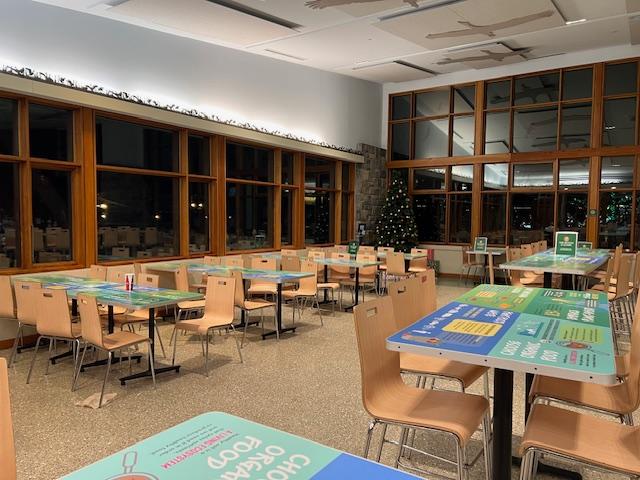
The inside of the Dancing Crane Cafe at holiday time

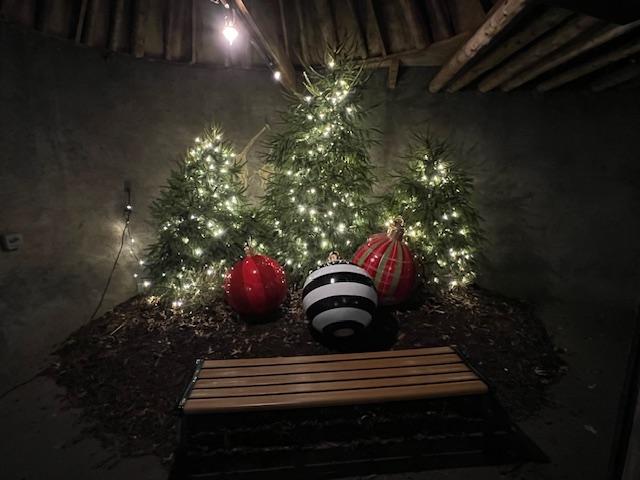
The Christmas tree at the Dancing Crane during the “Holiday Lights” event

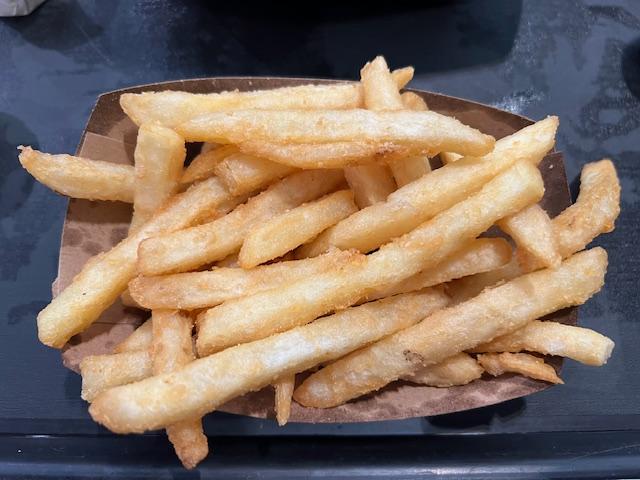
I had the Chicken Fingers with French Fries, and it was a nice sized portion. The chicken was a generous portion that was almost a whole breast. The restaurant is pricey but every once in a while, it is a treat. The one thing I have to say about the place is the food is consistent and for a zoo it is pretty good. I thought the quality was excellent.

My Chicken Fingers dinner was really good

The Chicken was so well fried and tasted really good

The Fries were really good as well

I looked over the zoo with a fresh pair of eyes without the throngs of visitors that you normally see there. I enjoyed looking over the animals in a more natural habitat that a lot of zoos don’t offer.

The holiday display at the Bronx Zoo in 2024

The Holiday display in 2024 at the Bronx Zoo

Recently the Zoo has brought back the “Holiday Lights” event for the holidays. I was able to attend the last night of the event on a Sunday night and it was pretty special. In the era of COVID, it really cheered me up. In 2024, I visited the last weekend that the event took place, and it was nice to tour the park after hours and not a lot of people be there. The best time to come to this event is after Christmas. I came the last weekend it was open, and it was the best time to come with no crowds and plenty of time to walk around the park in the dark to enjoy the displays.

Almost all of the Zoo was decorated with lights and there was Christmas music playing the whole night. Even though the holidays had passed it still put me back into the mood.

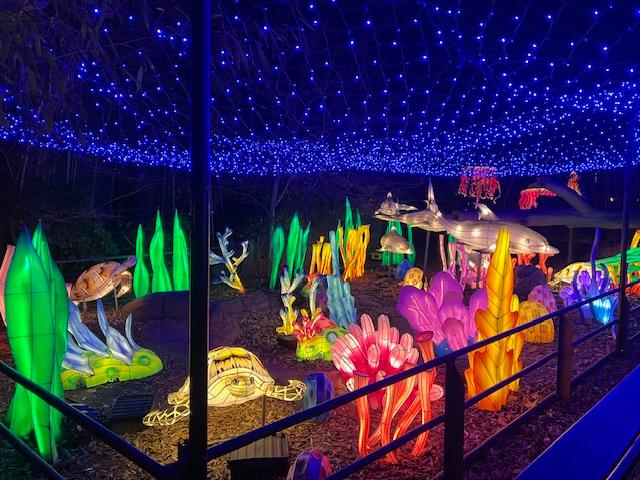
The nautical display at the Bronx Zoo “Holiday Lights”

The Nautical scenes of the display

The “African” exhibit at the “Holiday Lights” event

The giraffes in the “African” event

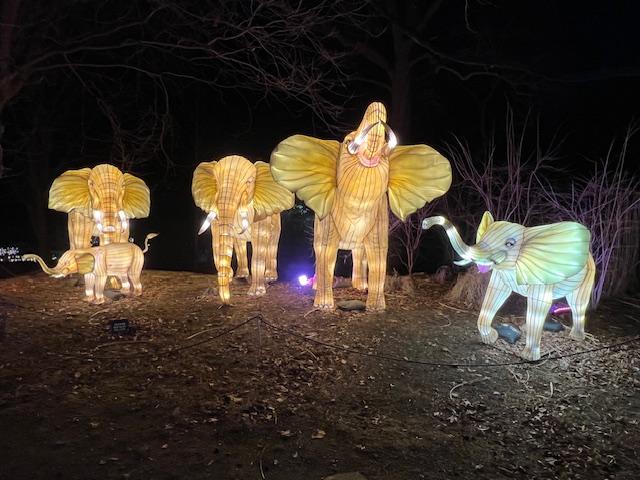
The Elephants in the “African” section

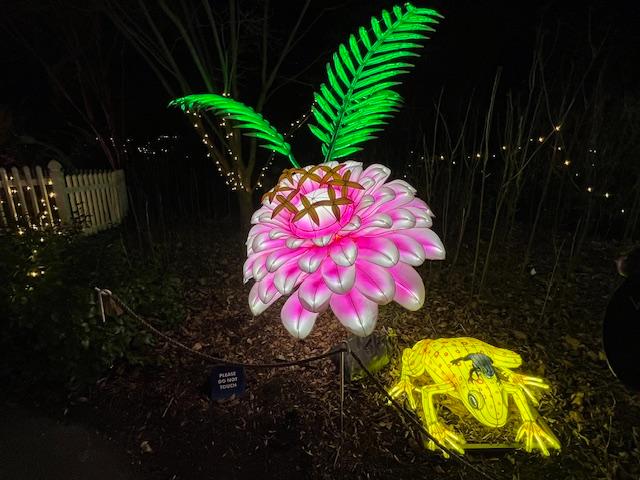
The colorful frog in the “Magical Forest”

The colorful flowers in the “Magical Forest” at “Holiday Lights”

The forest of flowers

More Flowers

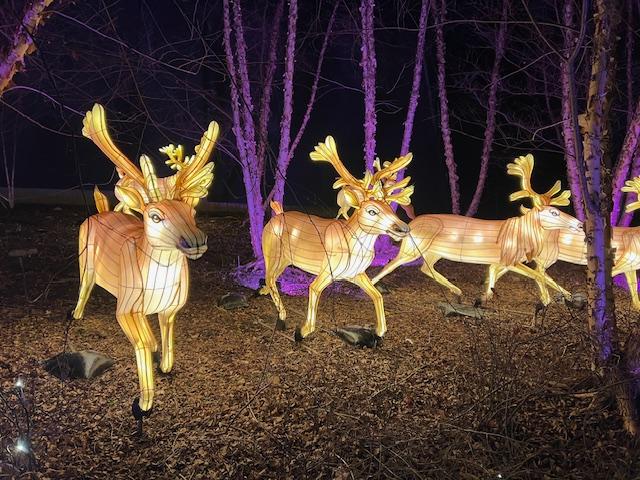
The tribe of Moose at the “Holiday Lights” event

Flock of Parrots in the woods

Path of Rhinos on display

Mother and baby frogs

The Frog family on display

Each of the trails had lighted tunnels that were a sensory excitement to walk through especially as it got darker.

The Circular tunnel

The other lighted tunnel offered a wonder in lights to walk through

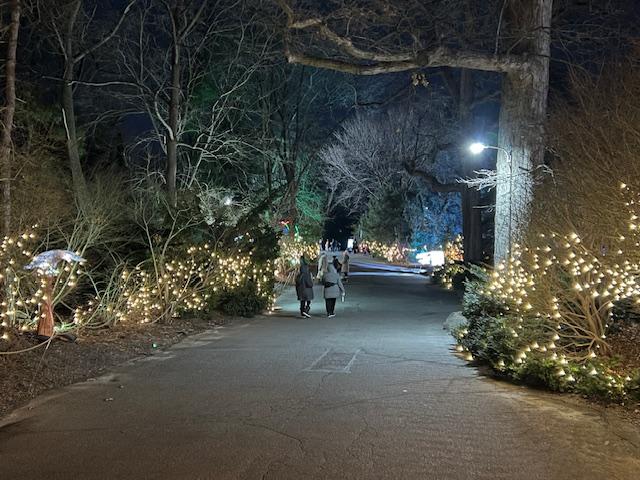
All the trees were adorned with white lights and each of the sections of the park were decorated with a theme.

The Snowflake display in the park

There were elephants wondering through the paths, seals and penguins swimming through their displays and all sorts of tinkling snowmen and animals like bears, lions, tigers and giraffes lining the paths.

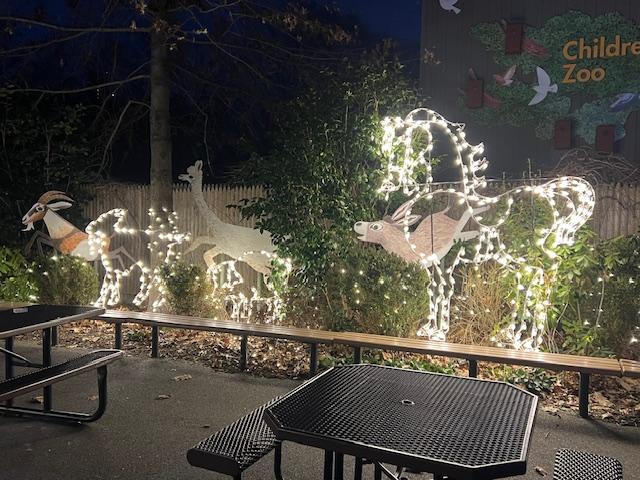
Various animals in white lights

The lightshow paths were lined with all sorts of light

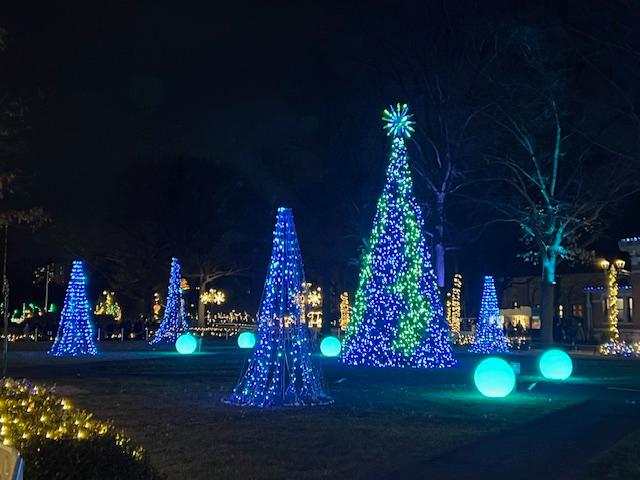
The “Magical Musical Christmas Tree” and show at the “Holidays Lights” event

The musical show that takes place on a continuous basis. You have to see this show once. It is amazing show!

The Video on the show:

The Video on the show:

The Video on the show:

The nicest section that I almost missed was the musical Christmas tree in the old section of the park and the zebras on stilts.

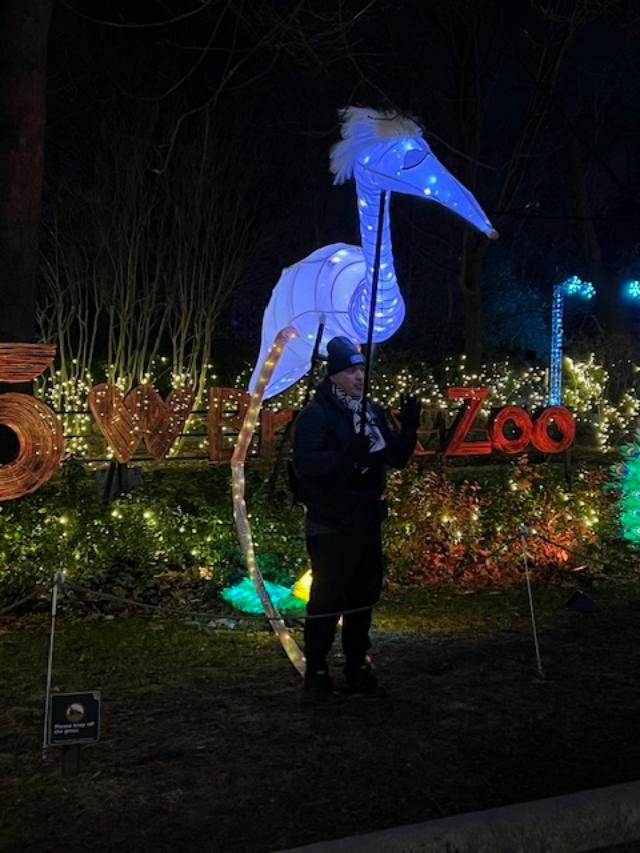
The Illuminated puppets at the zoo during the “Holidays Lights” event

The original section of the park was decorated with multiple lights with contemporary Christmas music playing in the background. There were birds flying, reindeer being chased and seals leading the way for other animals.

The entrance of the zoo that evening

I was finally able to ride the Bug Carousel which was a little hokey but a lot of fun. I could see why the kids like it so much. There were plenty of adults who were also enjoying the complimentary ride. There was ice sculpture demonstrations, comics performing and all of the food outlets and gift shops were open to a somewhat limited crowd. We had timed tickets, so the crowd was rather small for such a big event.

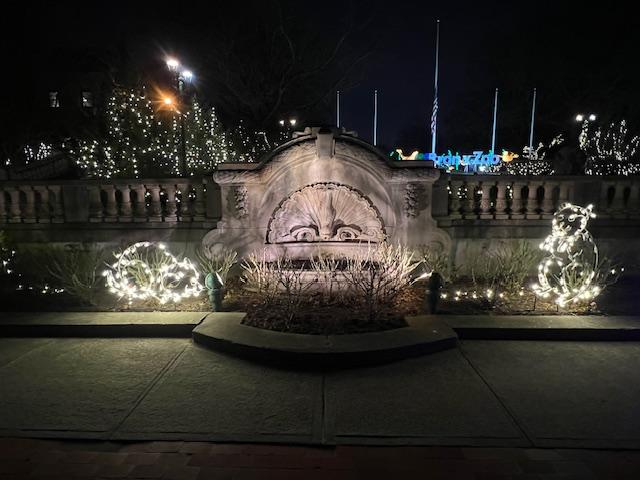
The Rockefeller Fountain and Astor Court decorated for the holidays

The Totem Pole lit up and decorated for the holidays

I got there by 6:15pm and the park display was open until 9:30pm. By the time I left for the evening at 9:00pm, the park crowd had really thinned out and there were very few people walking around. Still it was nice to walk around and feel I had the whole park to myself. It was getting cool that evening but still a nice night to walk around. I will have to remember this for next year.

Leaving for the evening of the Lightshow at the Bronx Zoo for “Holiday Lights”

The History of The Bronx Zoo:

In 1895, a group made up of members of the Boone and Crockett Club founded the New York Zoological Society with the purpose of founding the zoo. The architectural team of Heins & LaFarge designed the original permanent buildings as a series of Beaux-Arts pavilions grouped around the sea lion pool.

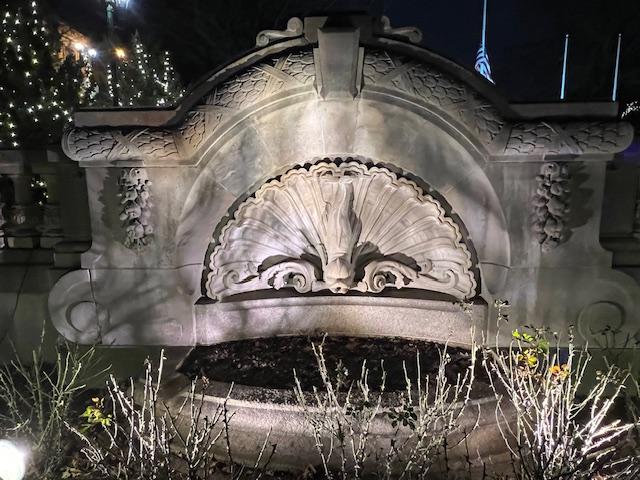
The Astor Court Fountain during the “Holiday Lights” event

The Fountain at night

Jellyfish display by Astor Court

The Jellyfish lightshow inside one of the buildings

The Rockefeller Fountain was bought to the park in 1902 from another part of the park. It had been built in 1872 and was moved to the front of the zoo by the Rockefeller family and is now surrounded by a series of gardens as you enter the park from the parking lot.

The Rockefeller Fountain in Astor Court the night of “Holiday Lights”

When the zoo opened, it featured 843 animals in twenty-two exhibitions around the park. The zoo has been home to many exotic animals many being the first of their kind in a zoo. At various times in its history, the park has featured Komodo Dragons, Andean flamingos and a Sumatran rhinoceros.

Today the park is run by the Wildlife Conservation Society and is accredited by the Association of Zoos and Aquariums. The main exhibitions are the Congo Gorilla Forest, Jungle World, the Wild Asia Monorail, Madagascar!, Tiger Mountain, the African Plains, the World of Birds, the World of Reptiles and the Zoo Center. There are also various restaurants and snack shops throughout the park (that were closed the evening I went there), a carousel and a playground.

The Bronx Zoo Gift Shop the night of “Holidays Lights”

(This information on the park comes from Zoo history and Wiki)