Tag: cemeteries

Union Cemetery                                                                   316 Darlington Avenue                                             Ramsey, NJ 07446

Union Cemetery 316 Darlington Avenue Ramsey, NJ 07446

Union Cemetery

316 Darlington Avenue

Ramsey, NJ 07446

(291) 327-3879

https://www.findagrave.com/cemetery/1680177/union-cemetery

https://www.countyoffice.org/ramsey-union-cemetery-ramsey-nj-4cf/

Open: Sunday-Saturday Dusk to Dawn

My review on TripAdvisor:

The Union Cemetery of The First Presbyterian Church of Ramsey, NJ

History of the Cemetery:

(from the church website)

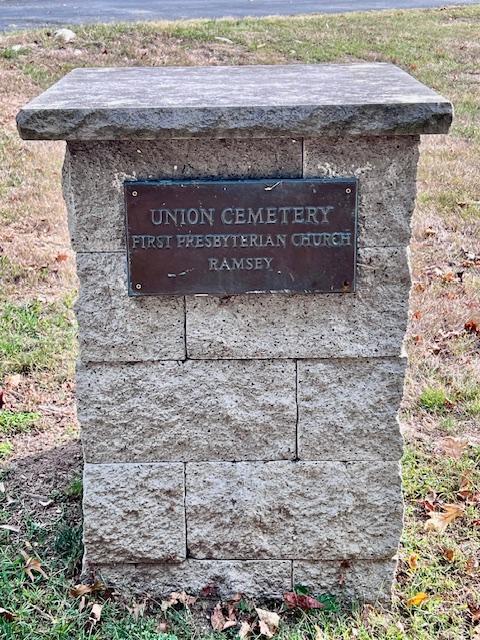
Union Cemetery is a religious cemetery located at 316 Darlington Ave. in Ramsey, NJ. The cemetery is owned and managed by the First Presbyterian Church in Ramsey. As a religious cemetery, the cemetery is restricted under New Jersey state law and is not open to the general public. Only members of a Christian church and their immediate relatives may be interred at the cemetery.

The historic cemetery from the road. To the left is the oldest part of the cemetery

Entering the cemetery from Darlington Avenue

The newer part of the cemetery is to the right of the driveway

I was visiting the Union Cemetery in search of veterans of the Revolutionary War and found an interesting cemetery with a deep history in Bergen County. Many first families of Bergen County are buried here and veterans not just from the Revolutionary War but the Civil War all the way up to today are buried in this active town cemetery.

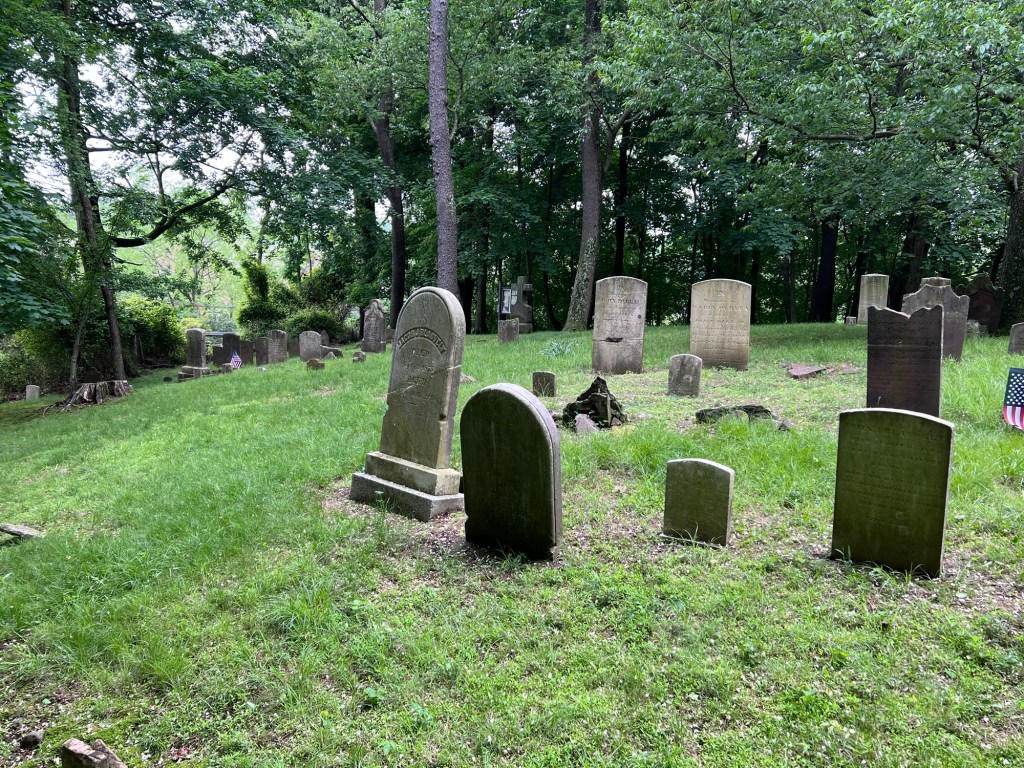
The older part of the cemetery is to the left of the driveway. These tombstones are from the early 1800’s.

The older part of the cemetery dates back to before the Revolutionary War

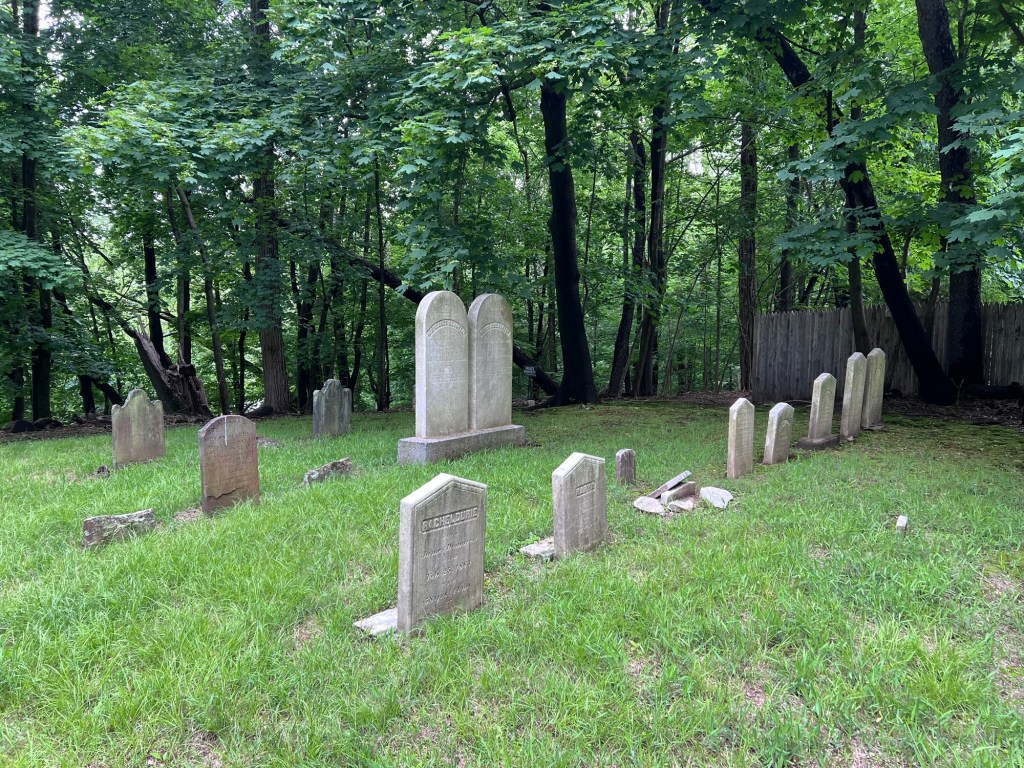
Many of the early family plots are located here with well known names like Hopper, Christie, Ackerman and the town’s namesake, the Ramsey family, whose family plot is in the oldest section of the cemetery.

The grave of Hannah Jane Ramsey in the Ramsey family plot

Part of the Ramsey family plot

The Ramsey family plot

The Union Cemetery to find the graves of Revolutionary War veterans and found some but not all of them. The tombstones are so worn after over two hundred years that they either had disappeared or were so worn you could not read them.

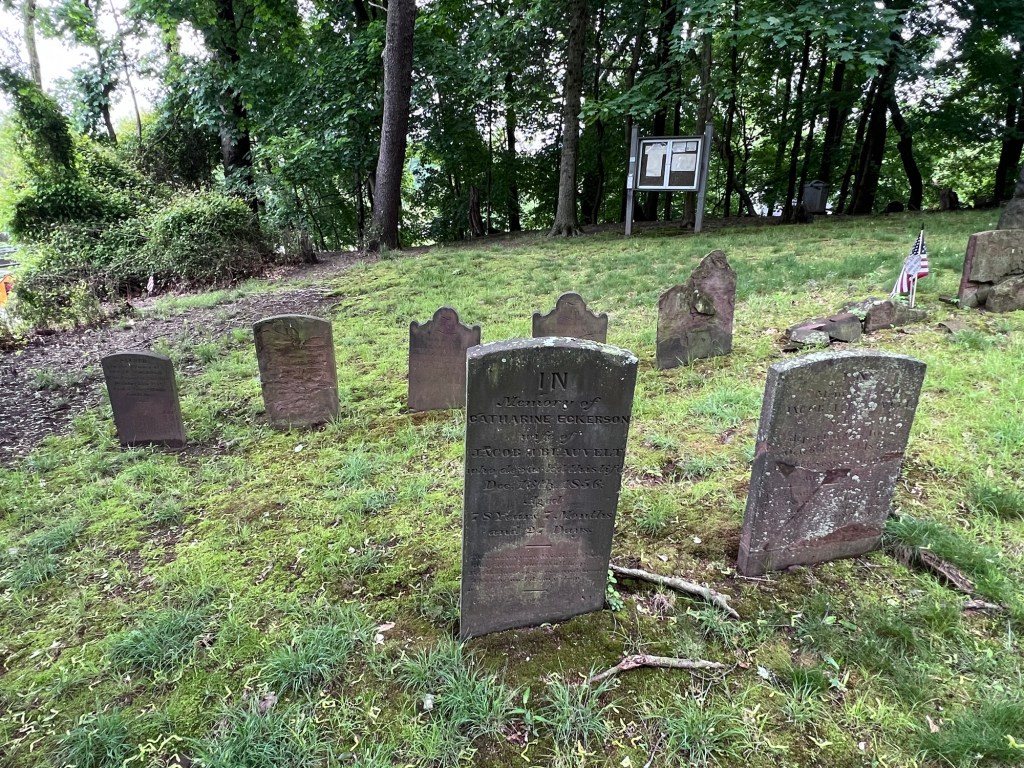
The oldest section of the cemetery where many veterans both from the Revolutionary and Civil War are buried. It was hard to read many of the tombstones. Some the veterans were buried in their family plots, others with their spouses separately. The burials were concentrated in the oldest part of the cemetery. Most of the veterans have been honored with American flags.

The first tombstones I found were from Ackerman family members

https://www.njgsbc.org/files/familyfiles/g0/p10.htm

The grave of veteran John Ackerman

The grave of veteran James Ackerman

I could not make out the name of this Ackerman member but I figured it was one of the brothers wife

The grave of veteran John P. Post

The Post family history:

(from the Saddle River Historical Society website)

The Post family was of Dutch descent. The first Post was a soldier, who came here to protect the new settlements along the Hudson. They soon turned to milling; the name Post is attached to several mills in Bergen and Rockland Counties. Joseph Post, born in 1775, built a mill on the west branch of the Saddle River about 1800. He also opened a tavern and store on what is now West Saddle River Road, just north of Parker Place, across from the entrance to the mill.

The graves of members of the community at that time including the grave of John P. Post

The grave of veteran William Vanderbeck

The grave of a member of the Van Brock family, who was married to James Ramsey

I was not too sure who this was but by the veteran’s flower I am assuming the grave of veteran John Van Blarcom

The grave of Hannah (I believe Ackerman)

The Christie family plot

The Hopper family plot

The Hopper Family history:

(from the Saddle River Historical Society website)

The Hopper family is one of the oldest of European descent in Bergen County. Andries Hopper came from the Netherlands to New Amsterdam in the 1640’s. His widow and her son Hendrick were in the Polifly area (Hackensack) by the late 1600s. There was land to be had in the unsettled areas of what became Bergen County. Hendrick’s two oldest sons, Andries and Jan settled in the HoHoKus area (part of Paramus) around 1712. The Hopper name appears on many old homes and mills on early maps of the area. It was two of Andries’ children, Abram and Jan, who settled sometime around 1730 along the Saddle River in what is now Upper Saddle River.
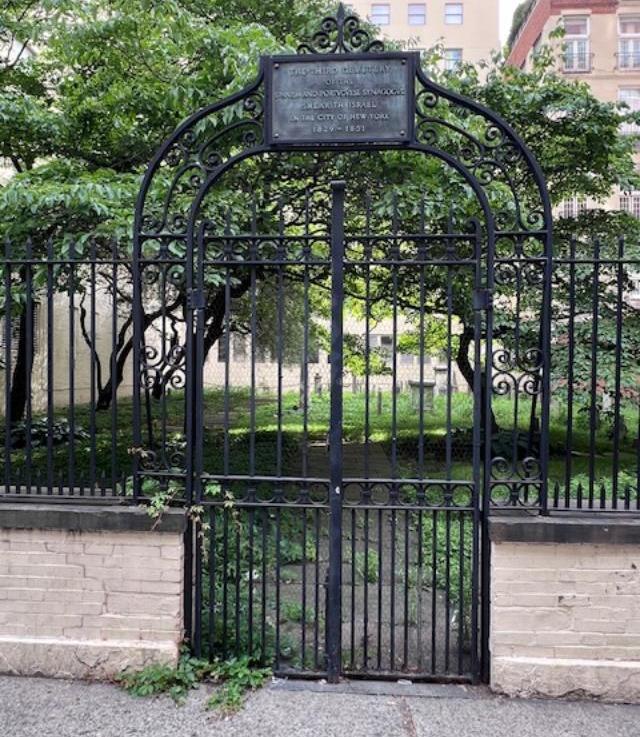
Third Shearith Israel Cemetery                                             98-110 West 21st Street                                            New York, NY 10011

Third Shearith Israel Cemetery 98-110 West 21st Street New York, NY 10011

Third Shearith Israel Cemetery

98-110 West 21st Street

New York, NY 10011

https://www.findagrave.com/cemetery/2260432/third-cemetery-of-congregation-shearith-israel

Open: Closed to the Public but you can see it from outside the fence.

My review on TripAdvisor:

Closed to the public

The cemetery sits behind the former ‘Ladies Shopping District’ department stores

The front of the cemetery

When I was finishing my walk of the streets of Lower Chelsea, I came across this quiet and respectful cemetery in the middle of a busy neighborhood. This small graveyard was the third of series of moves that Shearith Israel made to bury their dead since the original cemetery open on the edge of what is today Chinatown.

Like its earlier counterparts, the cemetery is locked to visitors. So you can only admire it from a far. The graves date back to the early 1800’s.

The History of the cemetery:

(From the New York City Cemetery Project and Find a Grave)

This cemetery is located on 21st Street between 6th and 7th Avenues, in use 1829-1851. Shearith Israel, the first Jewish congregation in North America, was formed in 1654 by Spanish and Portuguese Jews who journeyed from Recife, Brazil, seeking refuge from the Inquisition.

The entrance to the cemetery is always locked

The sign for the cemetery

While New Amsterdam’s city fathers did not recognize freedom of worship, they respected the Jews’ right to their own consecrated burial ground. Shearith Israel purchased the cemetery plot on West 21st Street in 1829 for $2,750. It, too, was on the outskirts of the expanding city, which for sanitary reasons had prohibited interment below Grand Street after the yellow fever epidemic of 1822.

The view of the cemetery from the fence

In 1832 the congregation bought land extending the cemetery east to Sixth Avenue and south to 20th Street. Fifty years later the land was sold to Hugh O’Neal, who built a dry goods store there. Shearith Israel used the cemetery for burials until 1851.

The graves are from the early 1800’s

That year, New York City prohibited burials south of 86th Street and the establishment of any new cemeteries within city limits (Find a grave.com).

The side section of the cemetery and pathway

The view of the cemetery and its quiet respect to those buried there

The history of the Cemetery from the Congregation of Shearith Israel The Spanish & Portuguese Synagoge website:

According to rules of ritual purity, Cohanim are prohibited from coming into contact with the deceased (except for their immediate family.)  This means that ordinarily Cohanim cannot participate in any of the mitzvoth related to burial.  One particularly commendable priest, Mr. Lewis I. Cohen, realized that the consecration of a new and unused cemetery afforded him an opportunity to participate in a mitzvah usually off limits to Cohanim.  So it was Mr. Cohen who volunteered to dig the first grave for the first burial of the new cemetery in November 1829.

Some of the notable persons laid to rest in the 21st Street cemetery were Moses Levy Maduro Peixoto and Isaac Seixas, ministers of our congregation, and Harmon Hendricks, founder of one of America’s first great industrial companies and whose descendants are still members of our congregation today. Perhaps the most influential person to be buried in the 21st Street cemetery was the great Jewish diplomat and proto-Zionist, Mordecai Manual Noah.

In 1851, the city prohibited burial in Manhattan below 86th Street.  Rather than continue to look north (as Trinity Church did), the Congregation searched outside of Manhattan for its next burial ground.  Together with Bnai Jeshurun and Shaarei Tefila, the congregation purchased a large plot of land in Ridgewood, Queens.

Voorhis-Lozier-Demarest Family Burial Ground Genther Avenue                                                       Oradell, NJ 07649

Voorhis-Lozier-Demarest Family Burial Ground Genther Avenue Oradell, NJ 07649

Voorhis-Lozier-Demarest Burial Ground

Genther Avenue

Oradell, NJ 07649

https://www.findagrave.com/cemetery/1875079/voorhis-lozier-demarest-cemetery

Open: Sunday-Saturday Dawn through Dusk

My review on TripAdvisor:

https://www.tripadvisor.com/ShowUserReviews-g46706-d33246110-r1011336224-Voorhis_Family_Burial_Grounds-Oradell_New_Jersey.html?m=19905

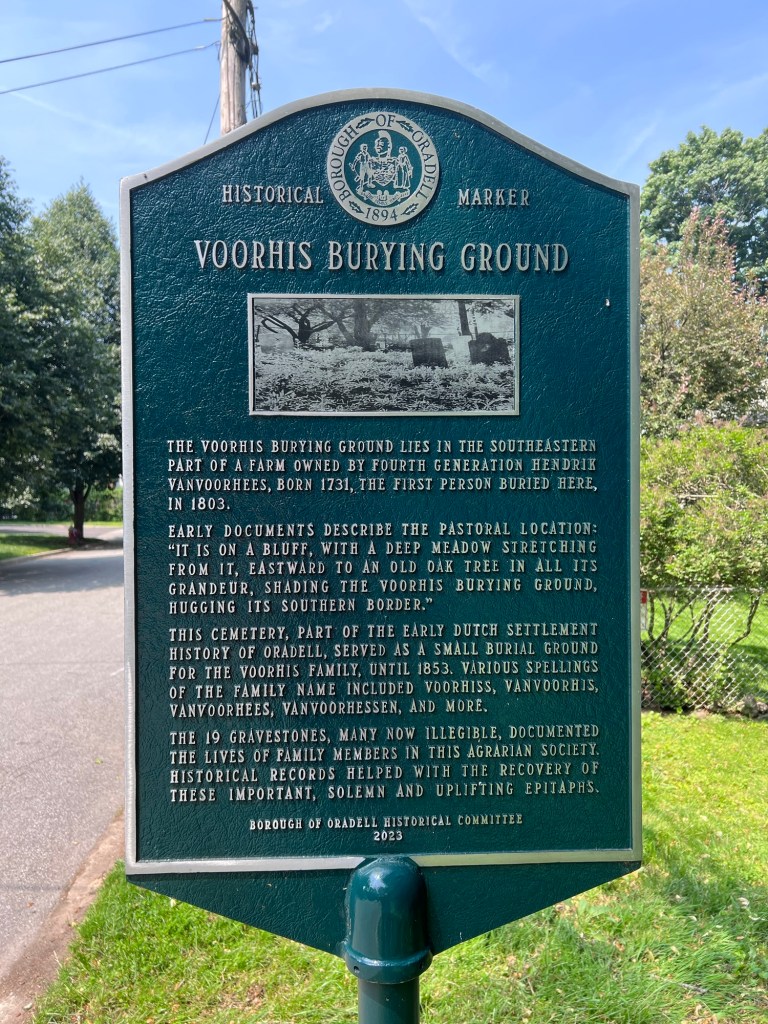
The Voorhis Family Burying Ground was once part of the extensive farm owned by Henry Van Voorhis. This small burial plot houses this branch of the family and sits in what used to be the southeastern section of the farm. Now it sits behind a small house in need of a good lawn cutting.

The historic sign of the Voorhis Burying Ground

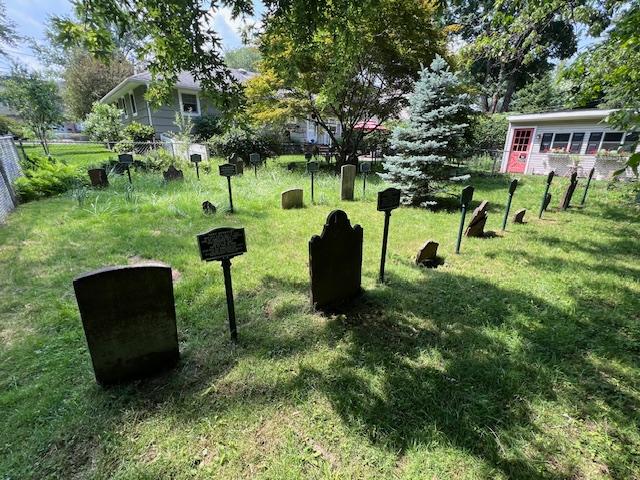
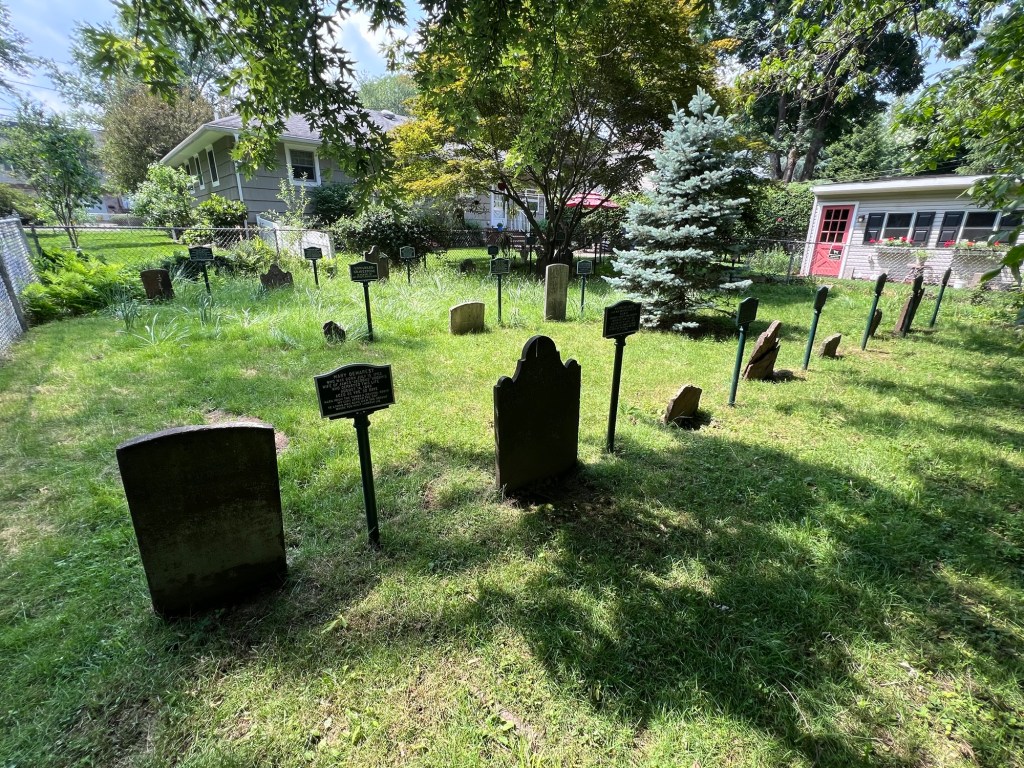
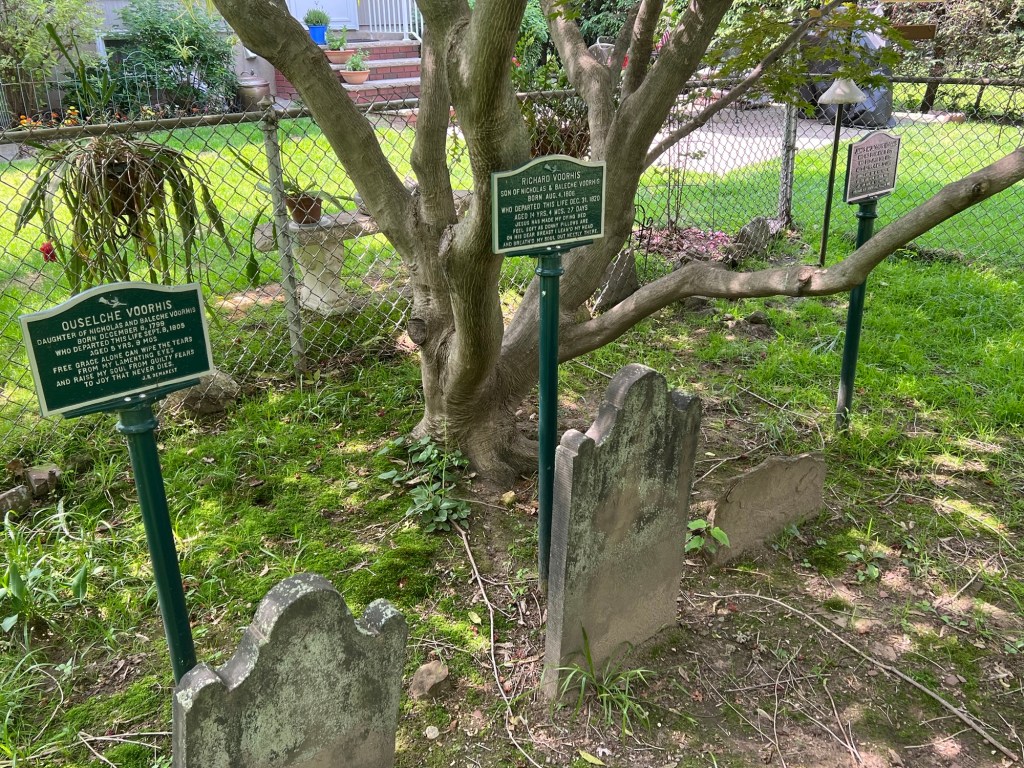
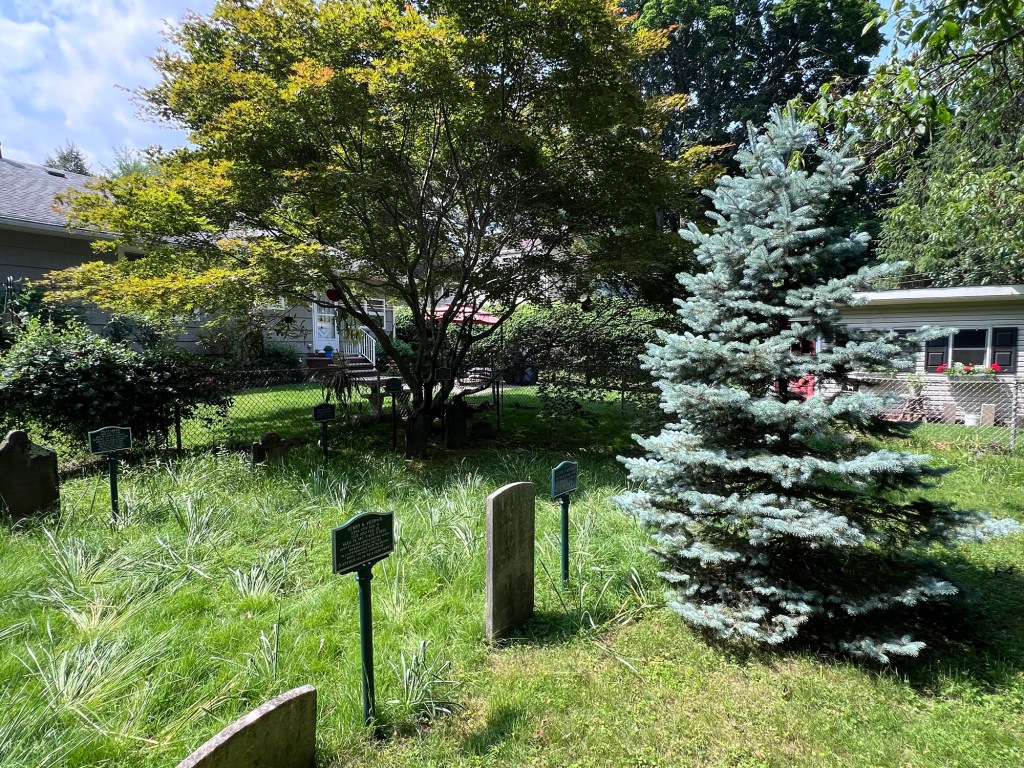
The inside of the Voorhis Burial Ground

What is sad about these small family cemeteries is that I am sure that the families never thought to the future when the land would be sold off and the family would move on. The Voorhis and Demarest names still dot the landscape of Bergen County but these tiny plots are lost to the current generations.

The gravesite of Lucas Van Voorhis

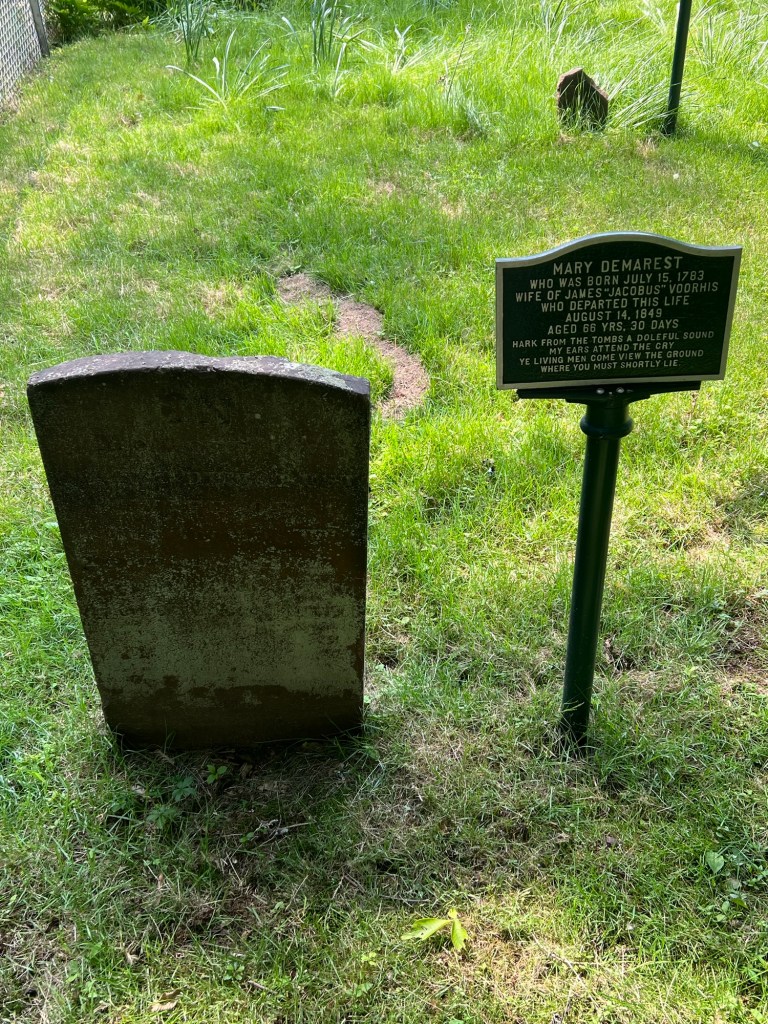
The grave of Mary Demarest, who was the wife of James

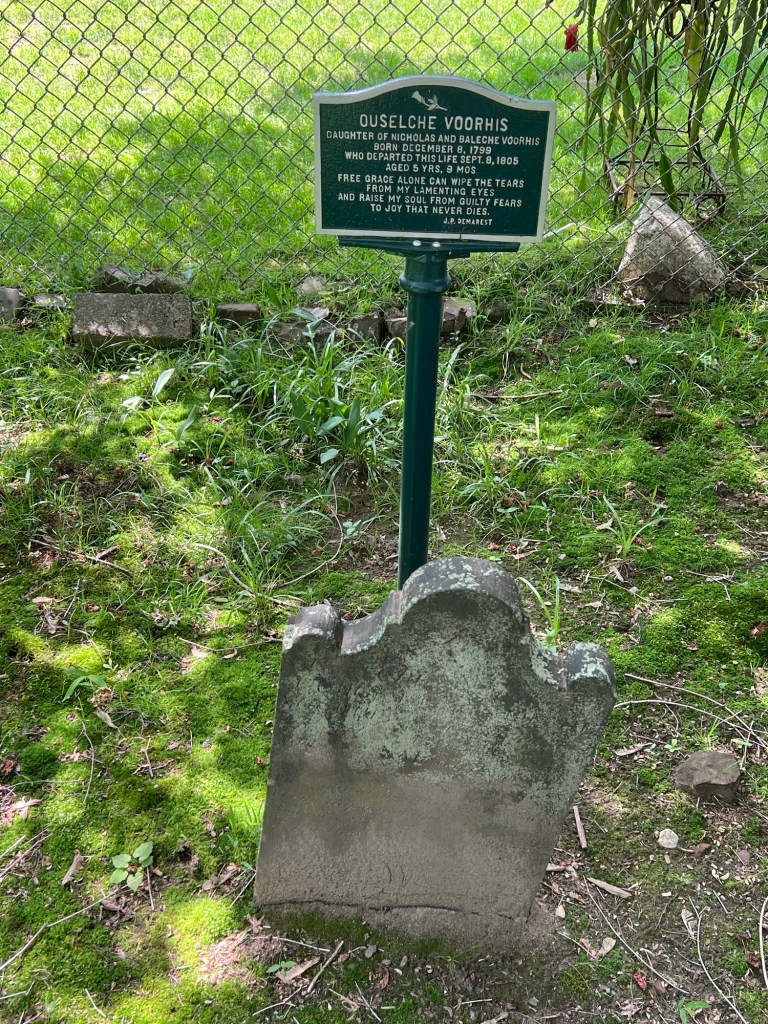
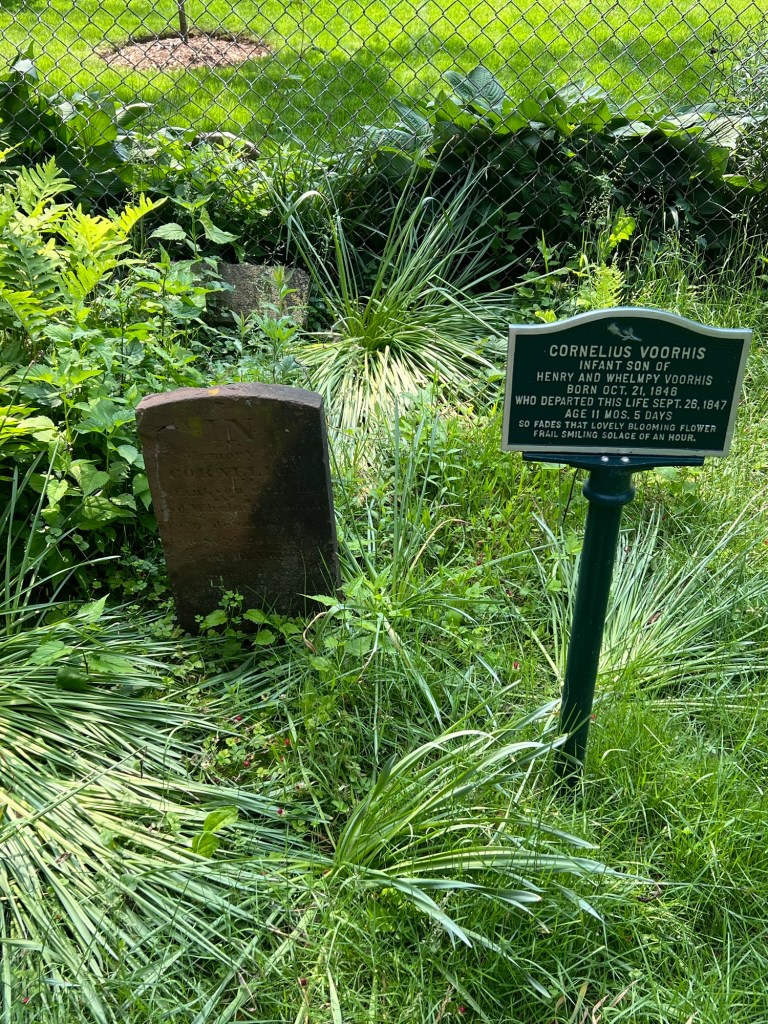
The one thing that I like about this particular cemetery is that someone in town had done their research on this cemetery and each grave marker was tastefully recreated in separate historic signs right next to the graves as the tombstones have worn out over the years.

The grave of Hannah Voorhis

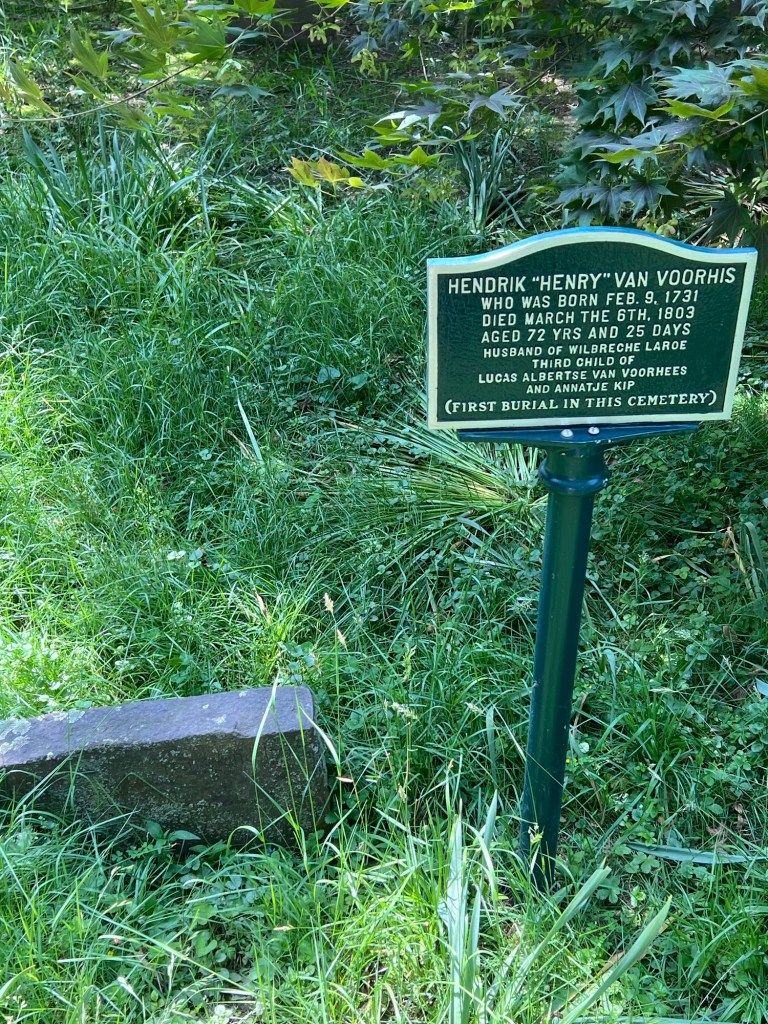
The grave of Henry Van Voorhis, the first person buried in the site.

This was the first person buried here and the former owner of the farm, Henry Van Voorhis, whose line of the family had once owned this farm of several hundred acres.

The grave of Ouselche Voorhis

The grave of Cornelius Voorhis. I could not believe how many small children were buried in these cemeteries.

I was impressed by how organized and well researched this cemetery was with all the markers. I just needs a good lawn cutting.

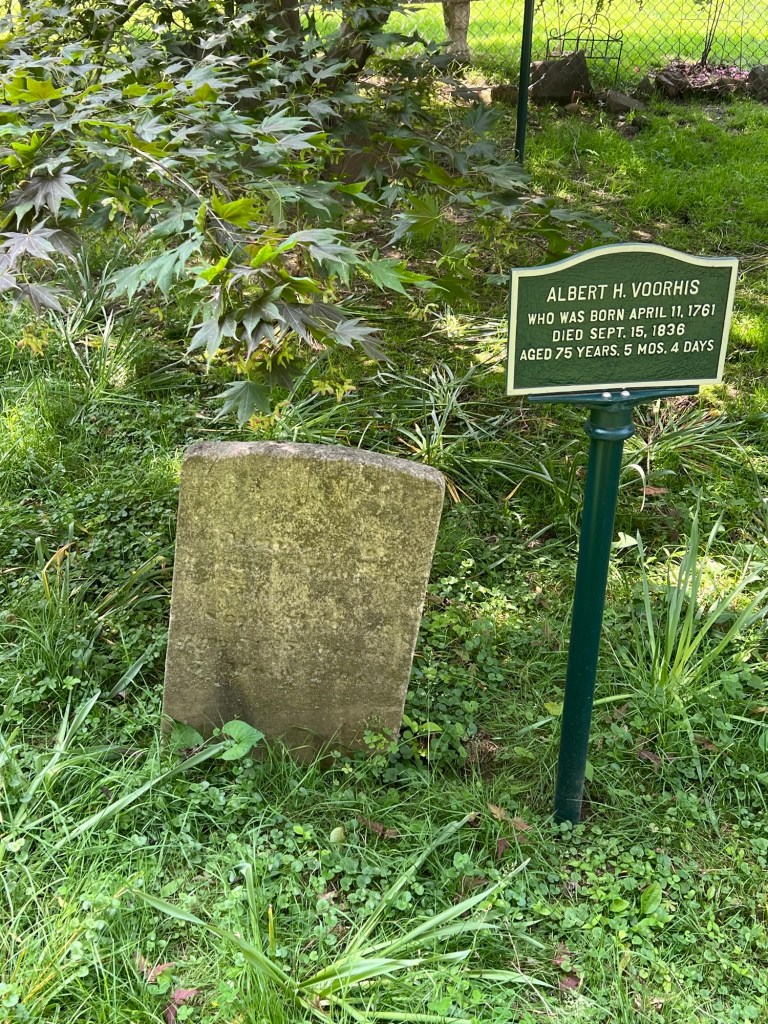
The grave of Albert Voorhis, son of the Revolutionary veteran, Albert Voorhis

The grave of Henry Voorhis Sr,

The full view of the cemetery as I was leaving

This quiet and respectful looking cemetery now sits in the back of someone’s home looking lost and forgotten but when you really look at all the historical signs and read them to yourself, their memories still linger on. The family will never truly be forgotten.

Old Burying Ground-Blauvelt Cemetery-Harrington Park Historical Society                                Tappan Road                                                           Harrington Park, NJ 07640

Old Burying Ground-Blauvelt Cemetery-Harrington Park Historical Society Tappan Road Harrington Park, NJ 07640

Old Burying Ground/Blauvelt Cemetery-Harrington Park Historical Society

Tappan Road

Harrington Park, NJ 07640

(201). 768-2615

https://www.findagrave.com/cemetery/1653309/harrington-park-old-burial-ground

http://www.harringtonparkhistoricalsociety.com/

Open: Dawn to Dusk

Admission: Free

My review on TripAdvisor:

https://www.tripadvisor.com/Attraction_Review-g46493-d33215617-Reviews-Old_Burying_Ground-Harrington_Park_New_Jersey.html

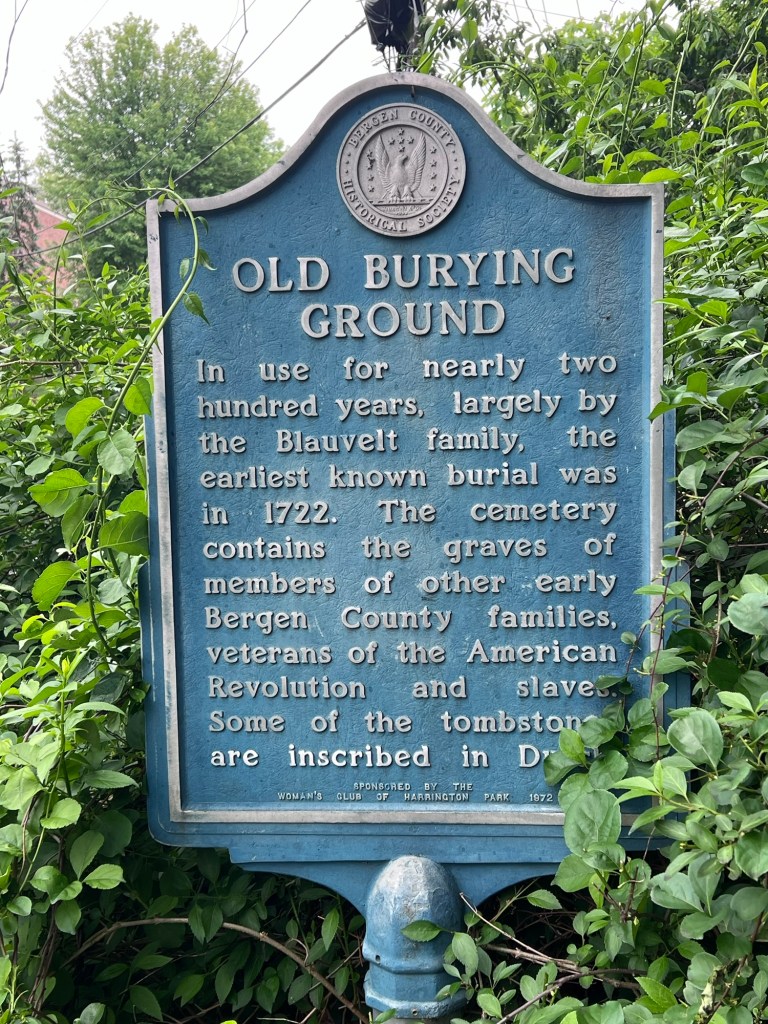
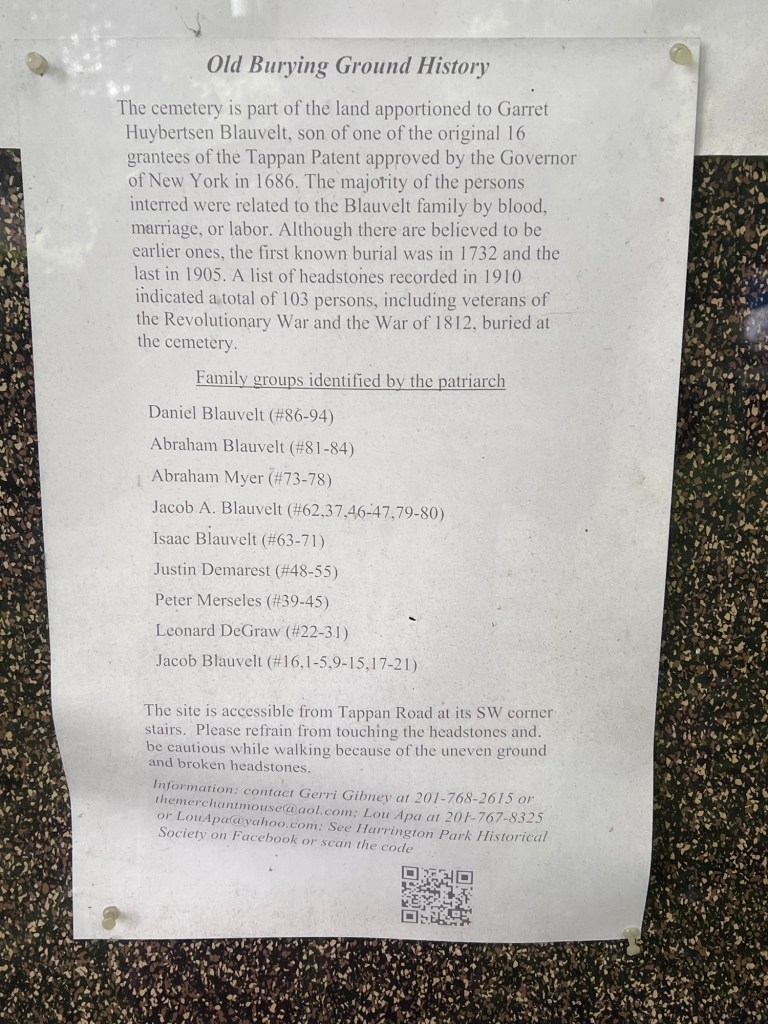
The historical marker for the Old Burying Ground

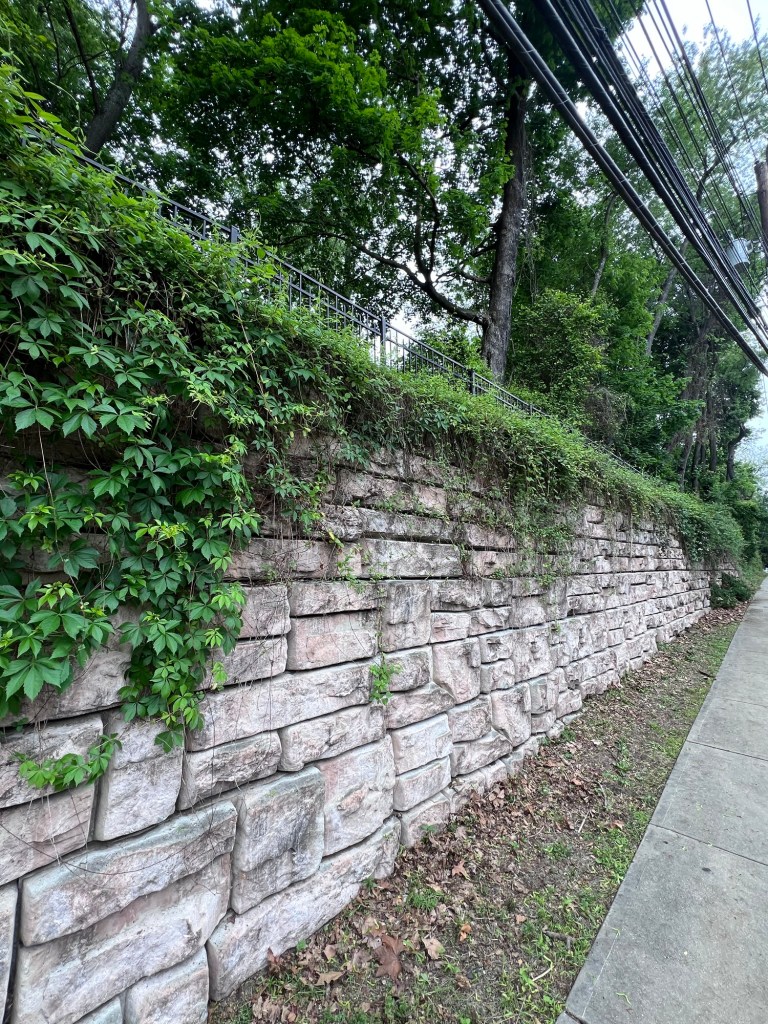
The wall outside the cemetery

The Old Burying Ground known also as the Blauvelt Cemetery, is an interesting look at the burial rights of prominent farming families of early Bergen County and their forgotten legacy of their contributions to building not just the County to our Country as well.

Many of these families intermarried over time combining properties and farms that over time since the turn of that last century, have become lost corners of our county’s history due to growth after WWII of suburban communities.

It is interesting to see who the movers and shakers of these communities of the past whose descendants were still live in Bergen County. The sad part is that these distant family members may not know their own family history enough to visit these tiny pieces of history that hold members who fought in the Revolutionary War and contributions to the growth of businesses with names that have been reduced to well known street addresses. A lot of history lies in these tiny plots that dot Bergen County. Here you can see the ‘ghosts’ of the past and walk past their graves to hear their stories.

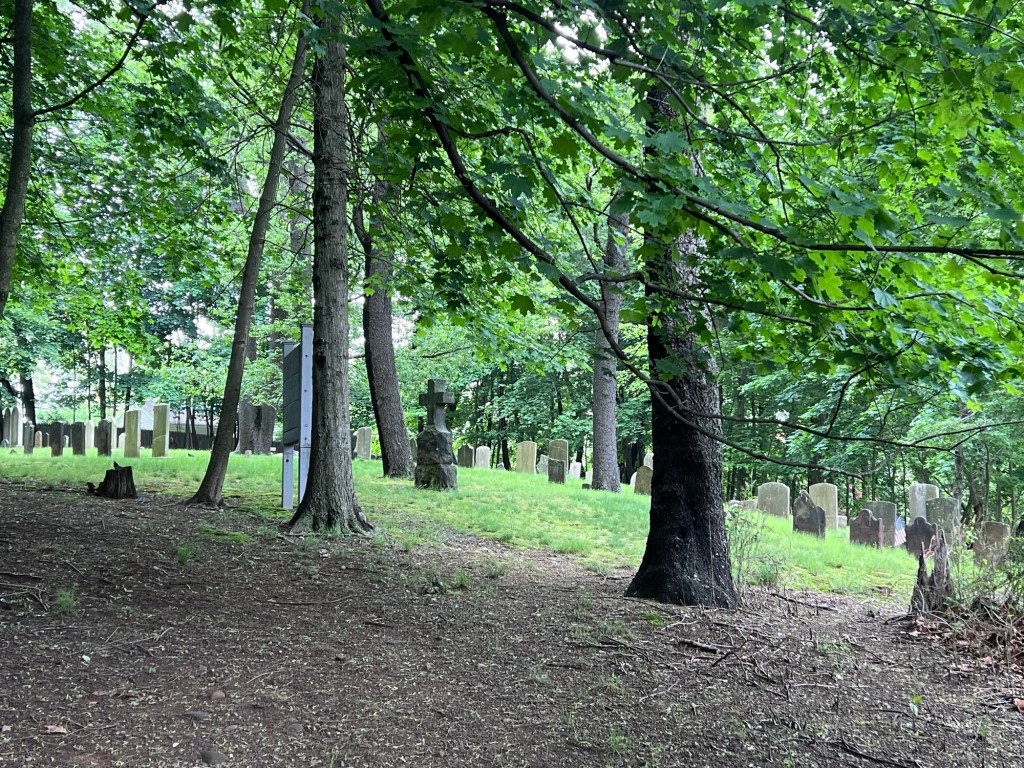
The entrance to the cemetery

The History of Burying Ground:

(from the Harrington Park Historical Society)

In use for nearly two hundred years, largely by the Blauvelt family, the earliest known burial was in 1722. The cemetery contains the graves of members of other early Bergen County families, veterans of the American Revolution and slaves. Some of the tombstones are inscribed in Dutch.

The description of the family plots

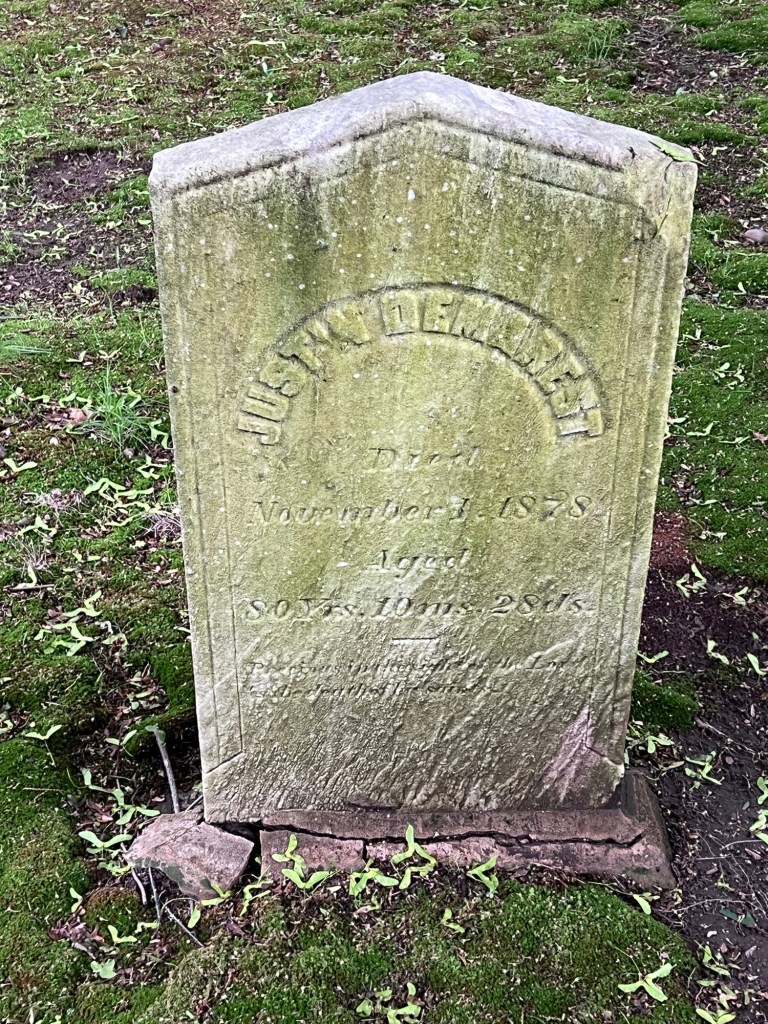
The grave of Patriarch Justin Demarest

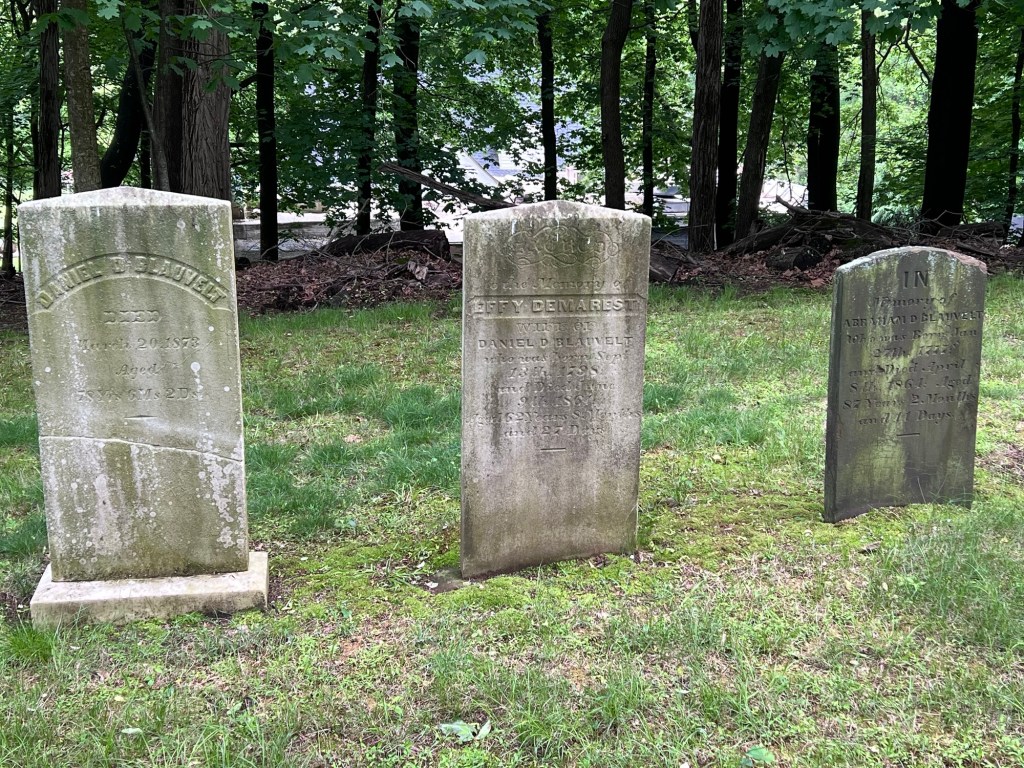
The Blauvelt family plot of Patriarch Daniel Blauvelt

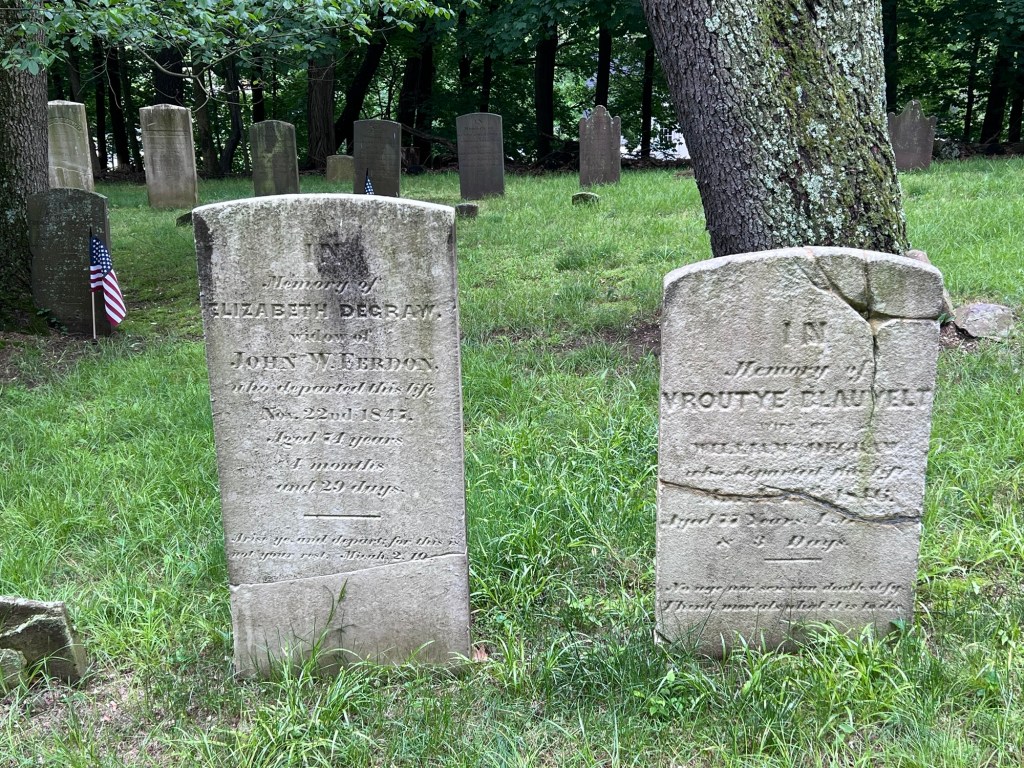
The graves of members of the Blauvelt and DeGraw families

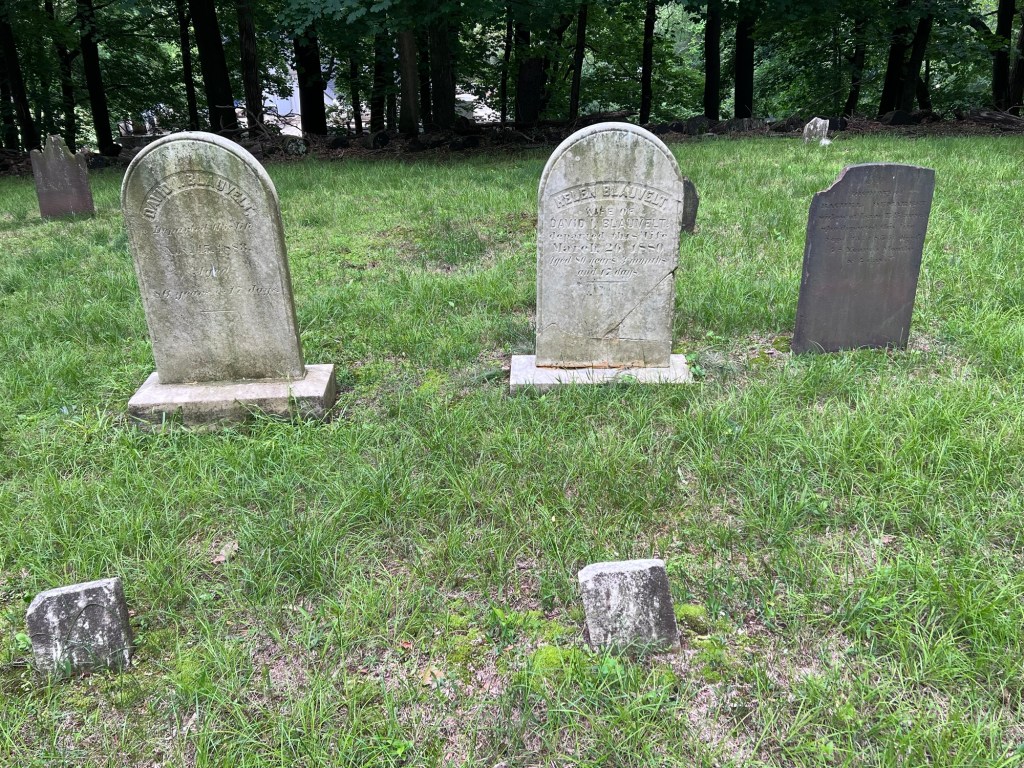
The graves of David and Helen Blauvelt

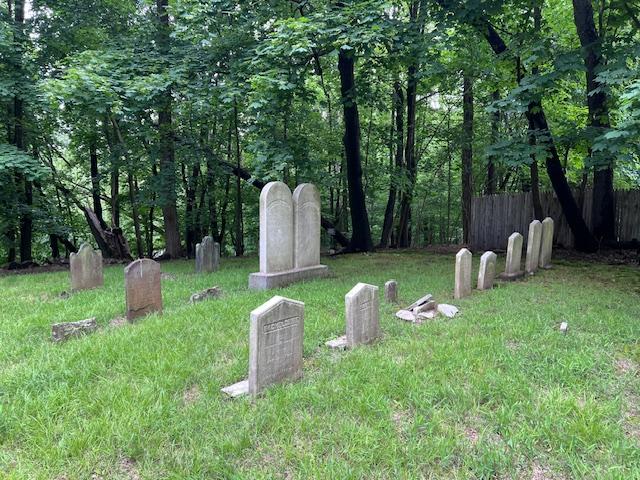
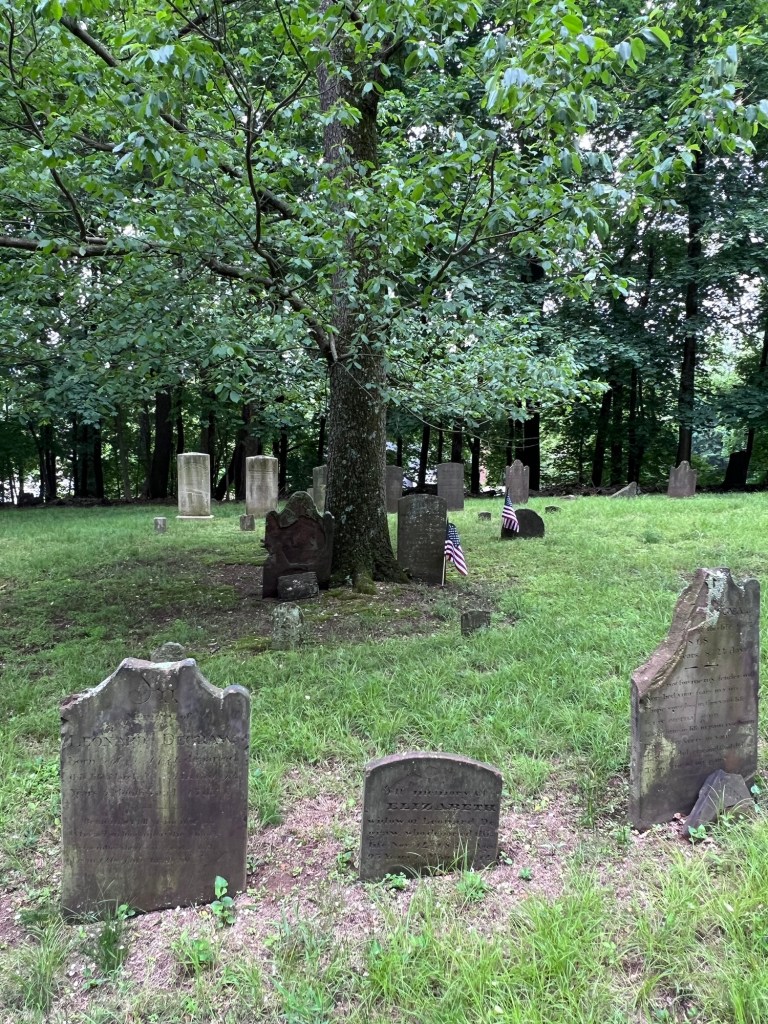
The middle of the Blauvelt family plot

The cemetery from the other side of the Blauvelt family plot

The Blauvelt and Demarest family plots (damaged tombstones)

(From the Harrington Park Historical Society)

Abraham Quackenbush (1768-1854) and his wife, Elizabeth Myers (1770-1807)) are part of the Abraham Myers family burial plot at the Old Burying Ground. In the middle of the 18th century, Abraham Myers received a royal charter from King George III to build a grist mill on the Hackensack River which his grandson John Bogert later operated, and it thereby became known as “Bogert’s Mill.”

The Myers family members interred in the plot are Abraham Myers, his wife Cathrena Nederman, daughter Cathrena, daughter Elizabeth and Abraham Quackenbush, son John Myers and wife Rebecca Durie. 

The Blauvelt-Eckerson-DeGraw family graves

Patriarchs David and Helen Blauvelt family plot

Video on the Cemetery from the Harrington Park Historical Society