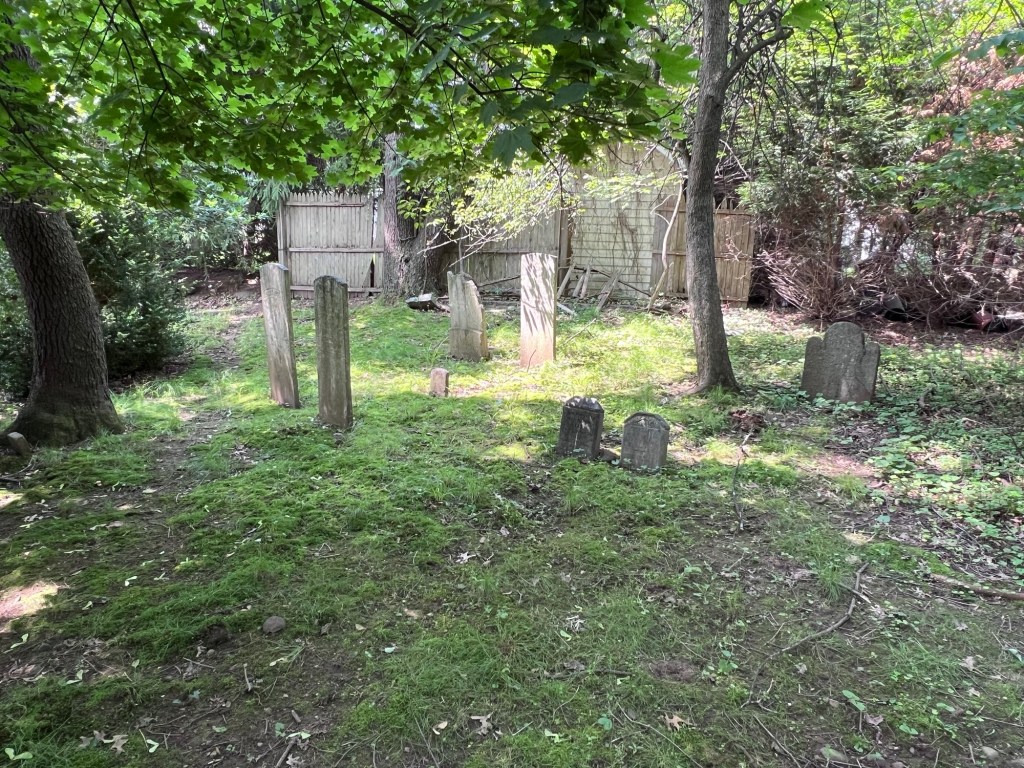
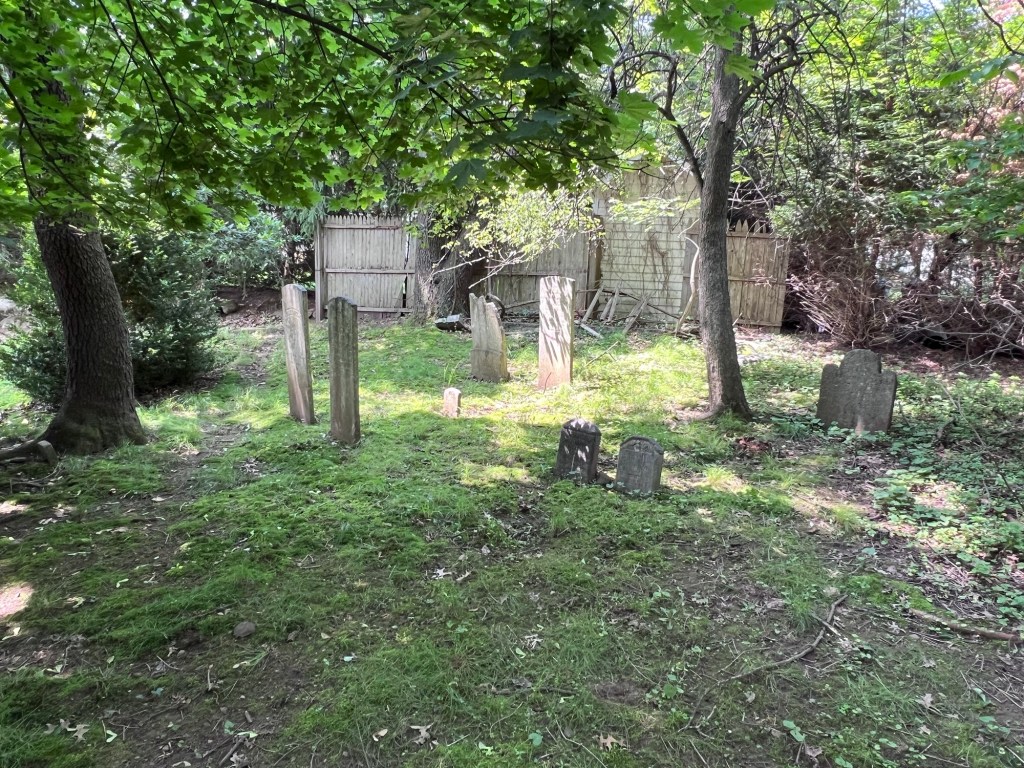
The cemetery is in a quiet corner between two house in what was once the Haring Farm
The family that is buried here:
(From the Dutch Door Genealogy website)
When some of this property, which originally had belonged to Abraham Jans Haring
according to the Zabriskie genealogy, was sold in 1785, ownerhip of the burial plot
was retained, and is described as being one square chain, which is 66 feet on each
side.
HARING FAMILY BURIAL PLOT AT NORWOOD, BERGEN COUNTY, N.J.
ON THE PROPERTY NOW KNOWN AS THE ALLISON FARM.

10718  Abraham J. Haring    d.1.1.1801  b.9.30.1720  a.80.3.1 (Tap. #358)

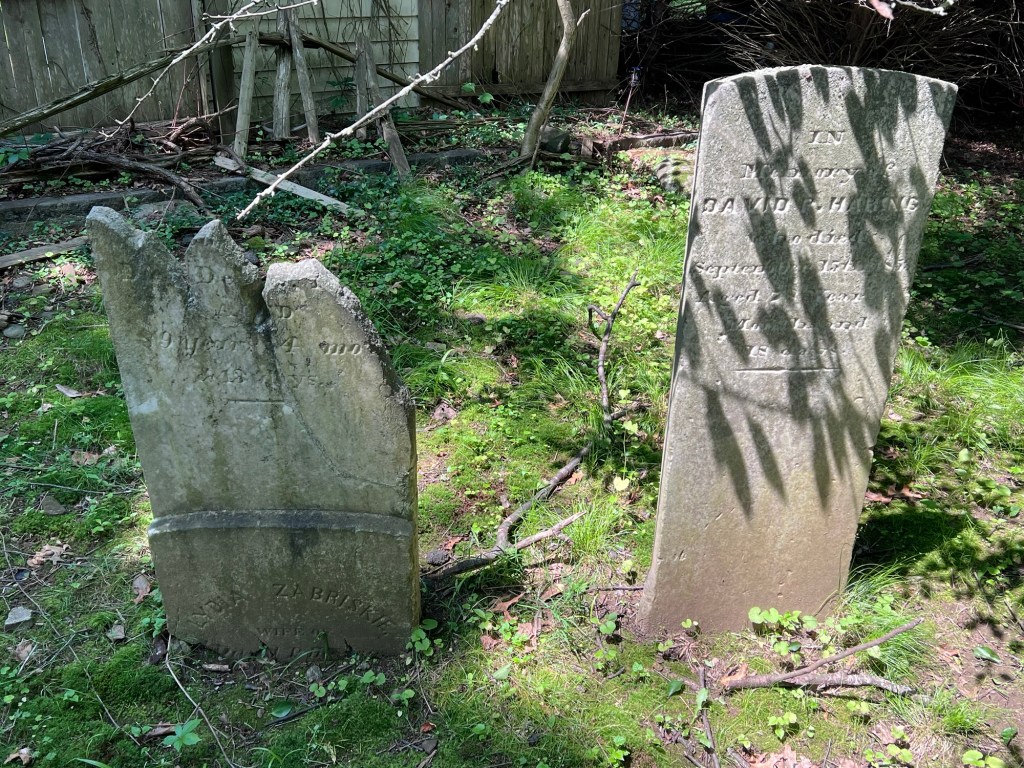
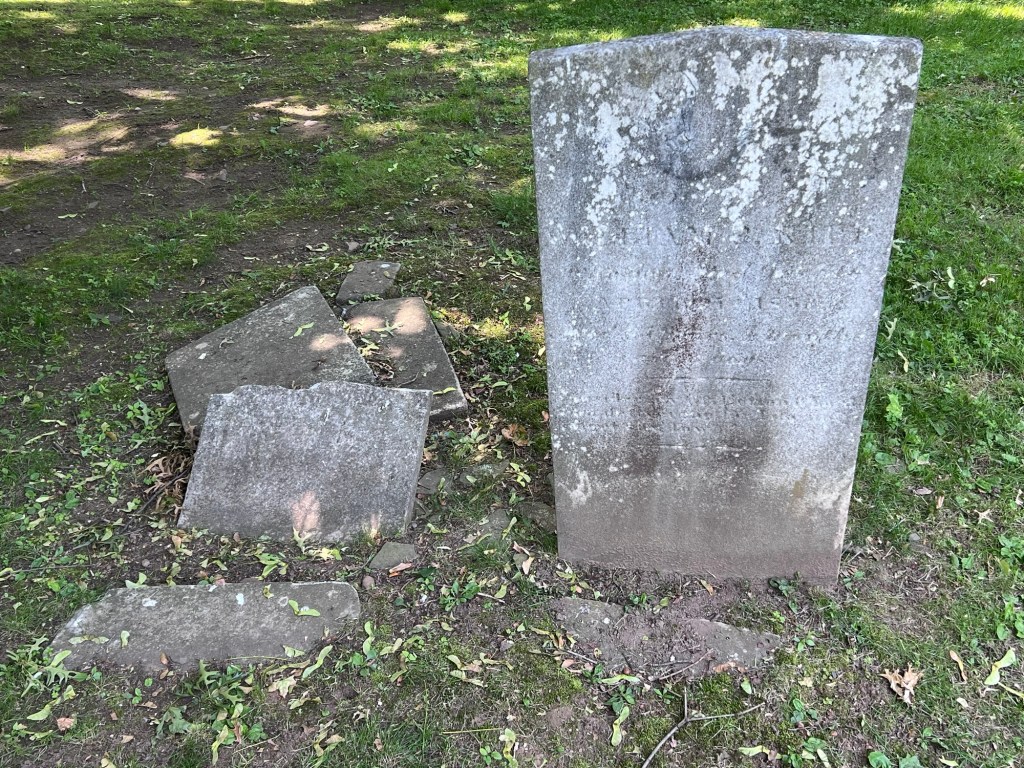
       Broken stone

10719  David P. Haring      d.9.15.1853   a.78.3.18  (Tap.#2418)

10720  Lydia Zabriskie  w. of        (Sch.p.186)
       David P. Haring      d.12.30.1869  a.89.4.13

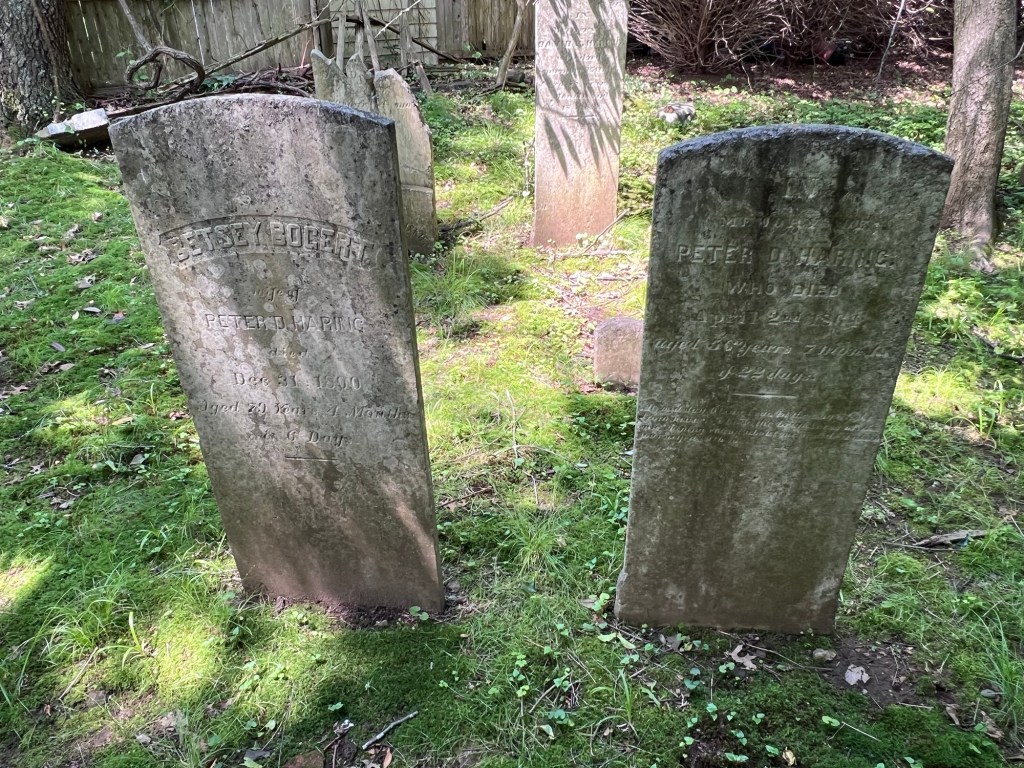
10721  Peter D. Haring      d.4.2.1864   a.56.7.22  (Tap.#3727)

10722  Betsey Bogert   w.
       Peter D. Haring      d.12.31.1890   a.79.4.6

10723  Ruth Haring          d.3.3.1876    a.0.2.14

10724  Bessie Haring        d.10.2.1877   a.0.7.24
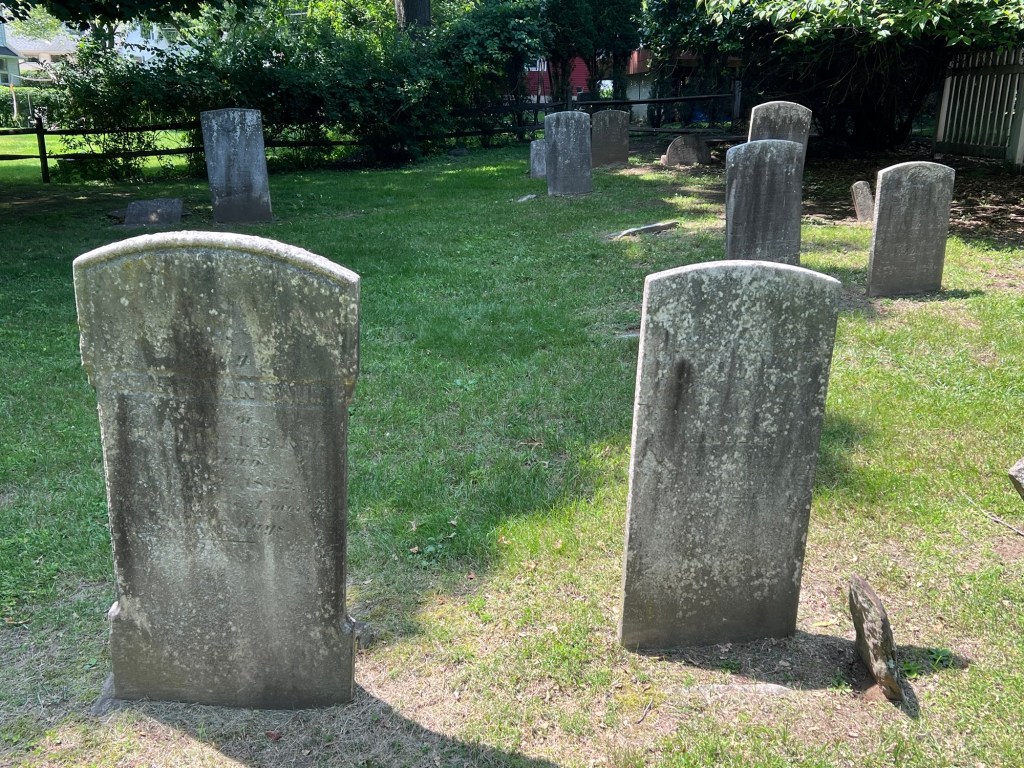
Betsey Bogart Haring and Peter Haring
Ruth and Bessie Haring who died as children
The tombstone of Cornelius Haring (I could barely read this)
What also is difficult is when two major museums have their Members Night on the same night. I had to do a lot of coordinating to go to both museums. What made it work is that both museums closed at different times with The Met closing at 10:00pm. I timed it perfectly.
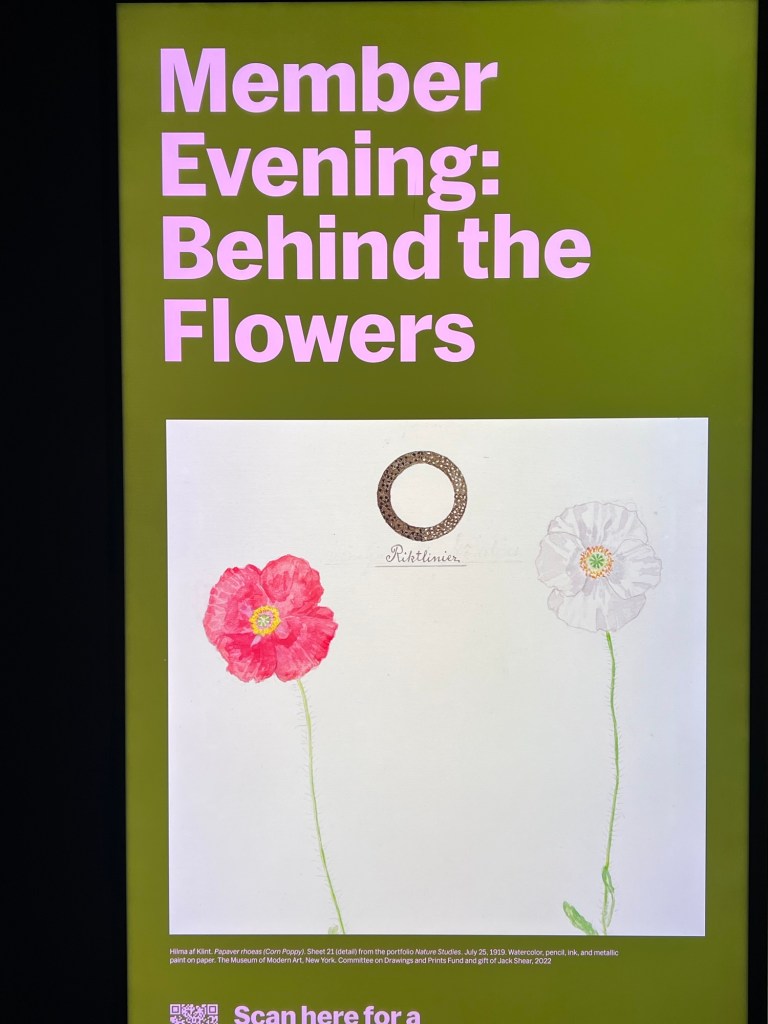
Members Night at the MoMA ‘Behind the Flowers’ for the Hilma af Klint exhibition
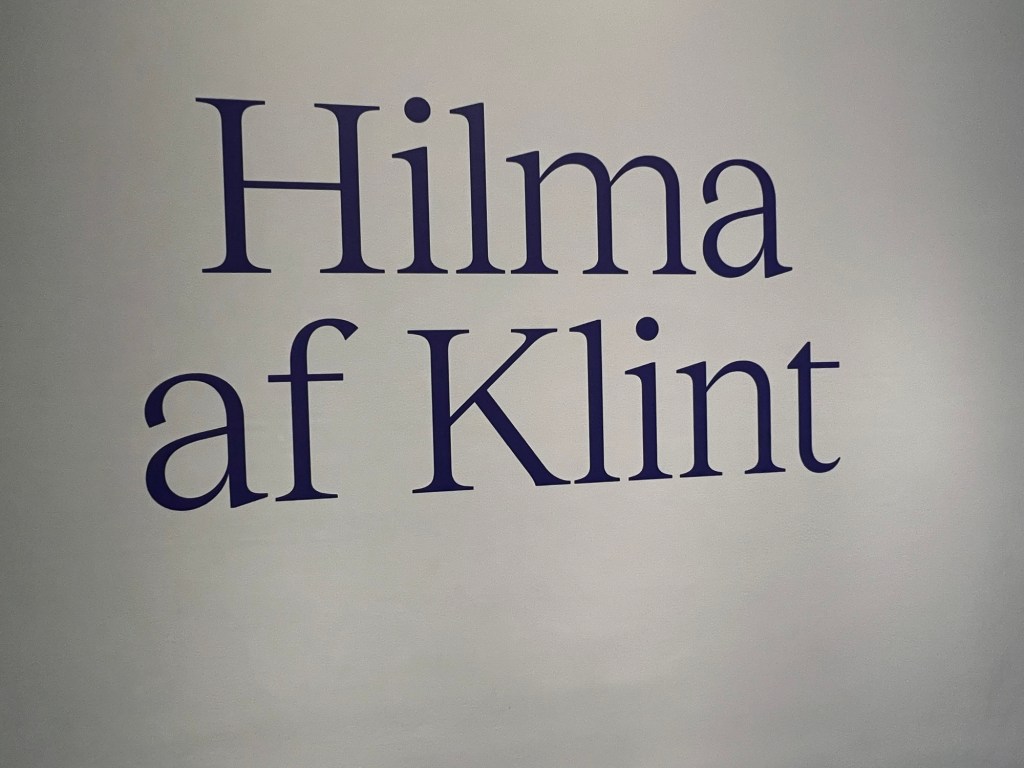
The theme that evening was based on the Hilma af Klint exhibition
Going this evening took a lot of planning as I had to teach in the morning and cut the lawn on the afternoon. I was already exhausted by the time I left for the City at 4:00pm. Even on this gloomy afternoon, the weather held and it was a nice evening.
The area around the museum was in full bloom that early evening
The event opened early at the MoMA with their event from 6:00pm-9:00pm and the Met went from 7:00pm-10:00pm so I was able to enjoy both with a lot of walking in between. It was worth it as I was able to see several exhibitions on my bucket list before they closed. With work and finals, it had been tough to visit both of them.
People were enjoying conversation and cocktails when I arrived at the MoMA that evening.
I decided to start my evening at the Sculpture Garden on the first floor. The weather was cloudy but still it was a warm evening. People were conversing near the fountains and listening to music. The lines for the cash bar never let up and they were about thirty deep the whole time.
The Sculpture Garden at the MoMA
While I walked around the gardens and fountains I noticed a lot of the art that they were featuring was really unique, some of which I had not seen before.
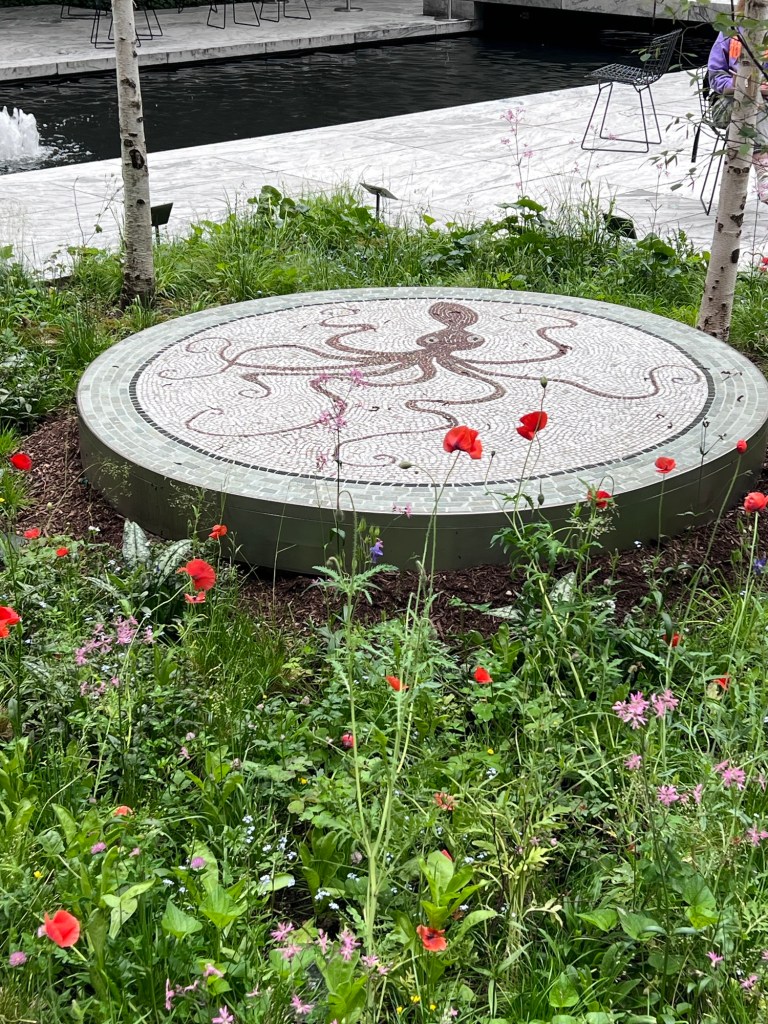
The gardens with the poppies in bloom
This beautiful mosaic of a octopus did not have a name
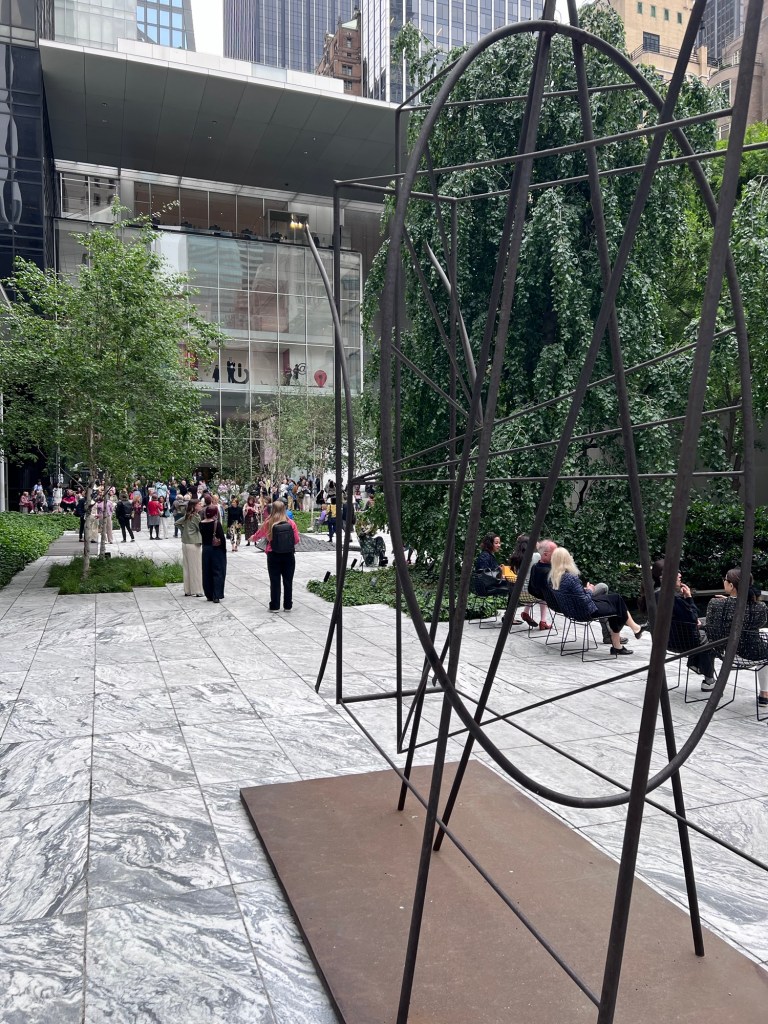
This metal artwork was towards the back of the sculpture garden
The Met at night is quite dazzling
The entrance to The Met in the evening
Looking down Fifth Avenue at night
The entrance in the Rotunda was filled with fresh flowers and members chatting away. I even saw some of the members I had seen at the MoMA earlier.
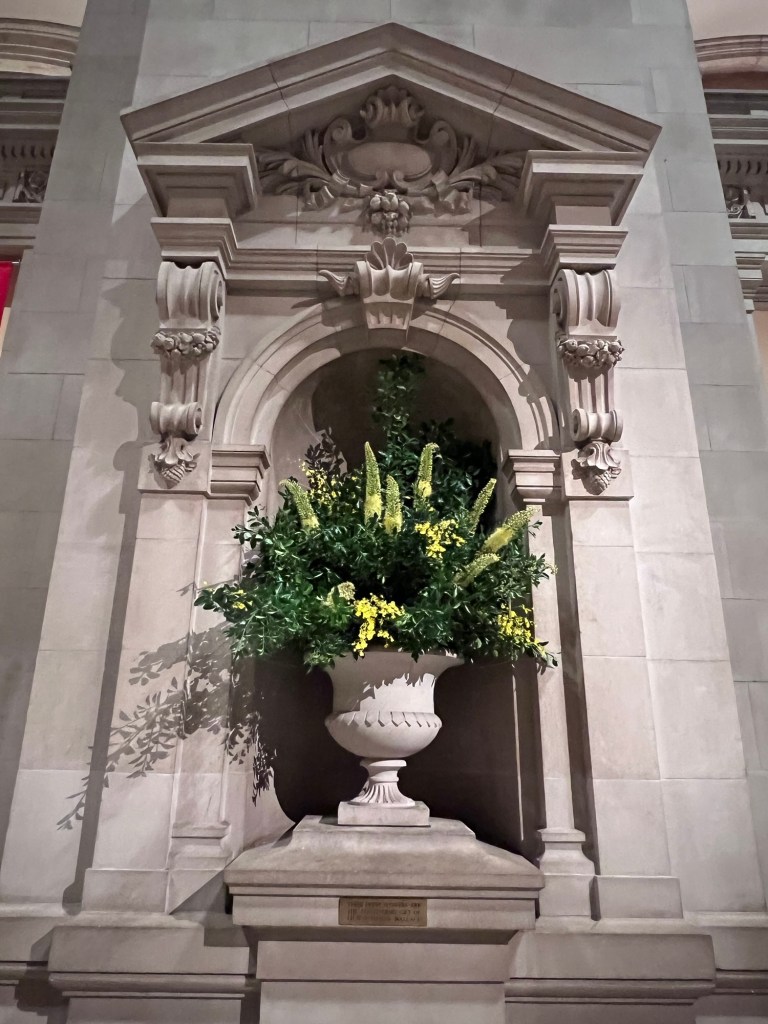
The floral arrangements were spectacular
The beauty of the Rotunda in the evening
Maybe because these Members Nights were on a Tuesday evening, they both did not seem as crowded as they had been in the past. The museum was crowded but not as crowded as the past two Member’s Nights. I think that I arrived at 8:00pm most people were starting to leave. What was nice was that the MoMA night went until 9:00pm and The Met Night went until 10:00pm so it gave me the time to run through both museums.
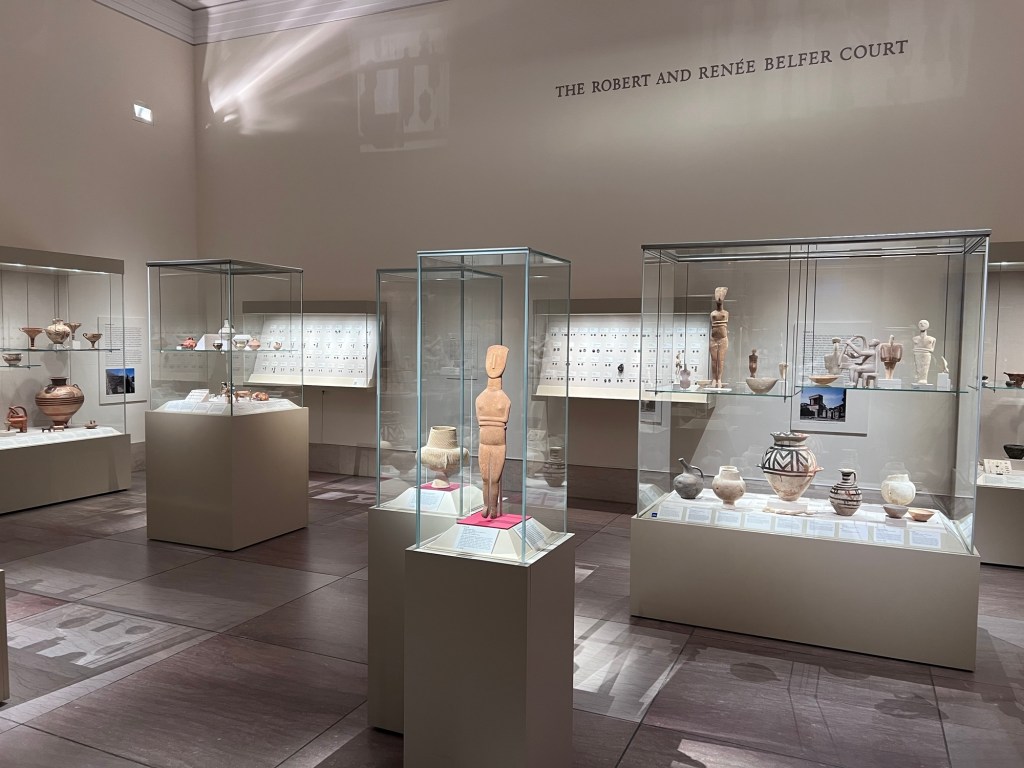
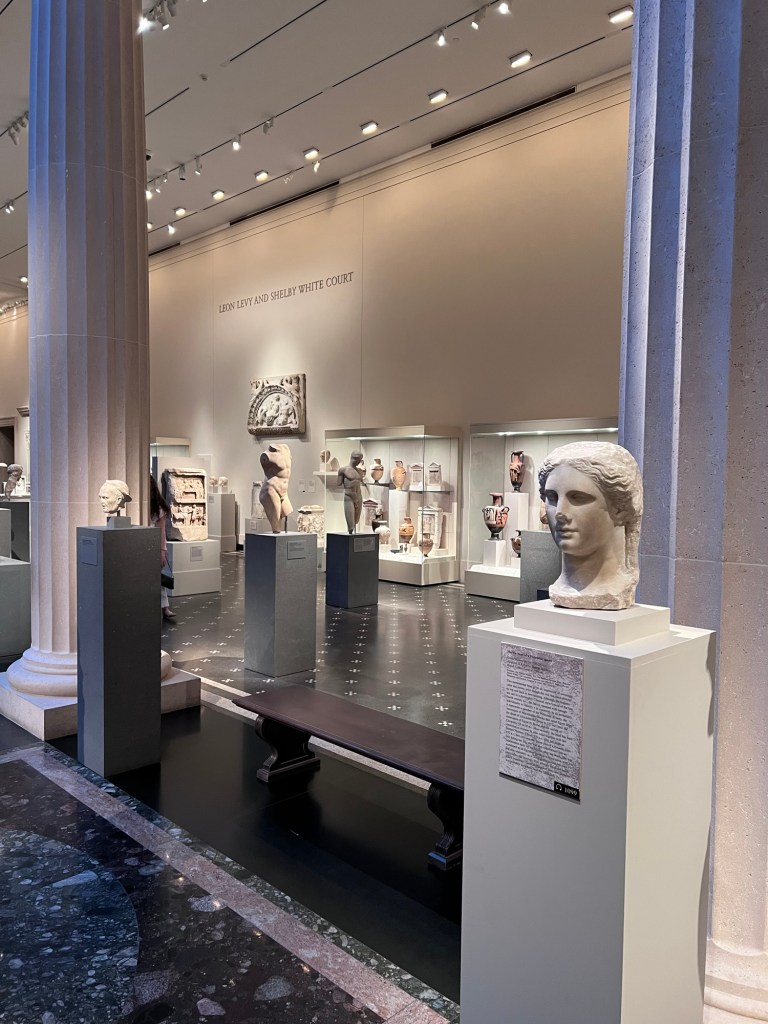
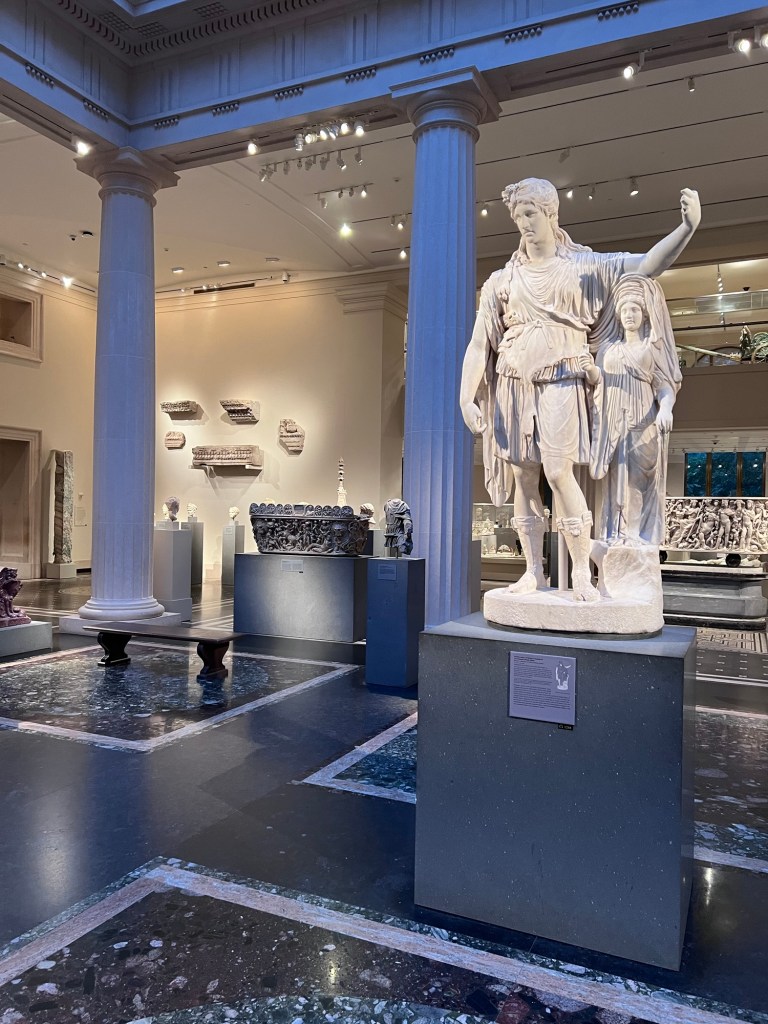
I started my tour of The Met in the Greek Galleries looking at the Cycladic Art. I always loved the looks of these works.
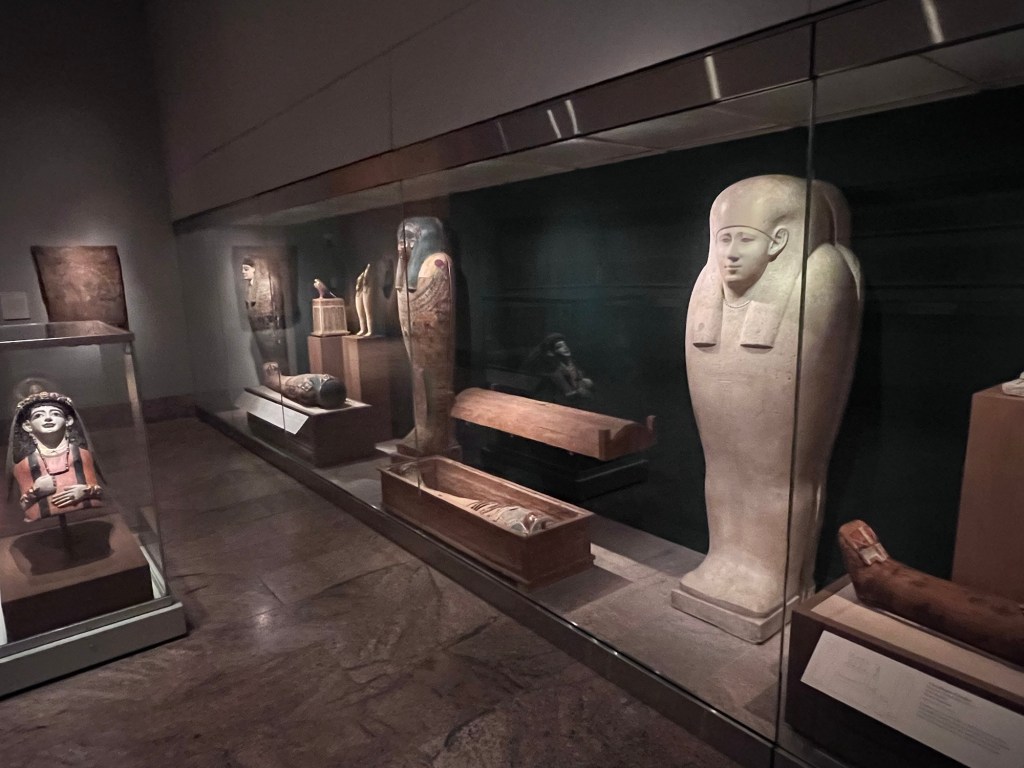
I love the Egyptian Galleries. I have been coming here since 1973 and have loved them ever since.
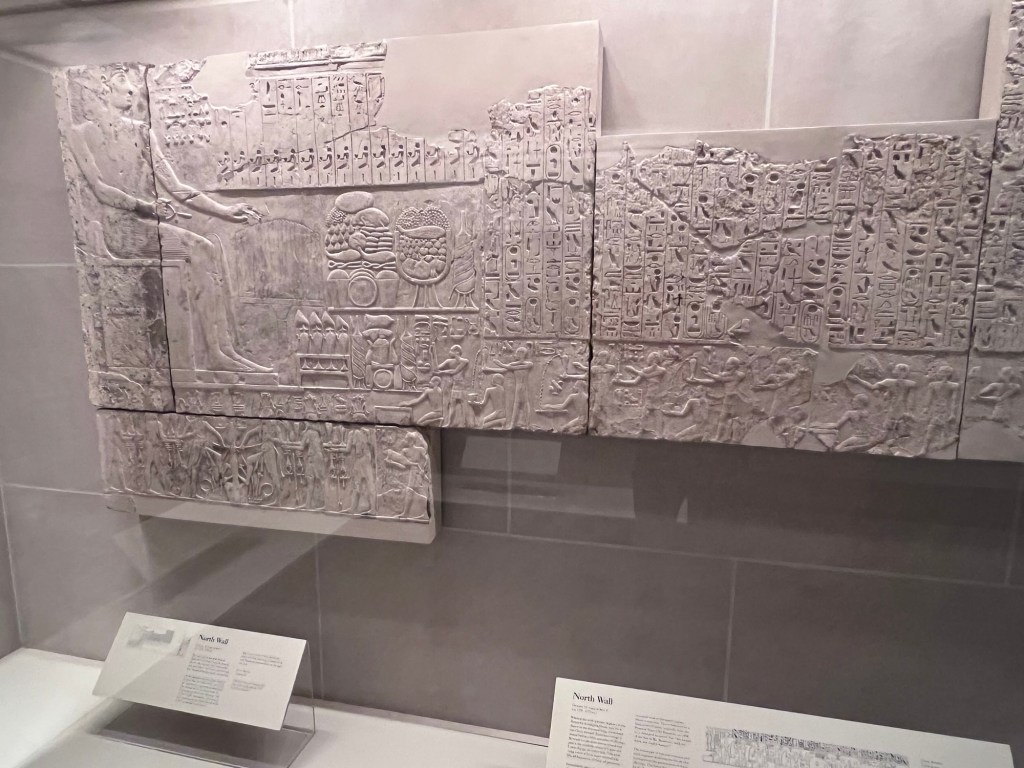
I love the ancient hieroglyphics
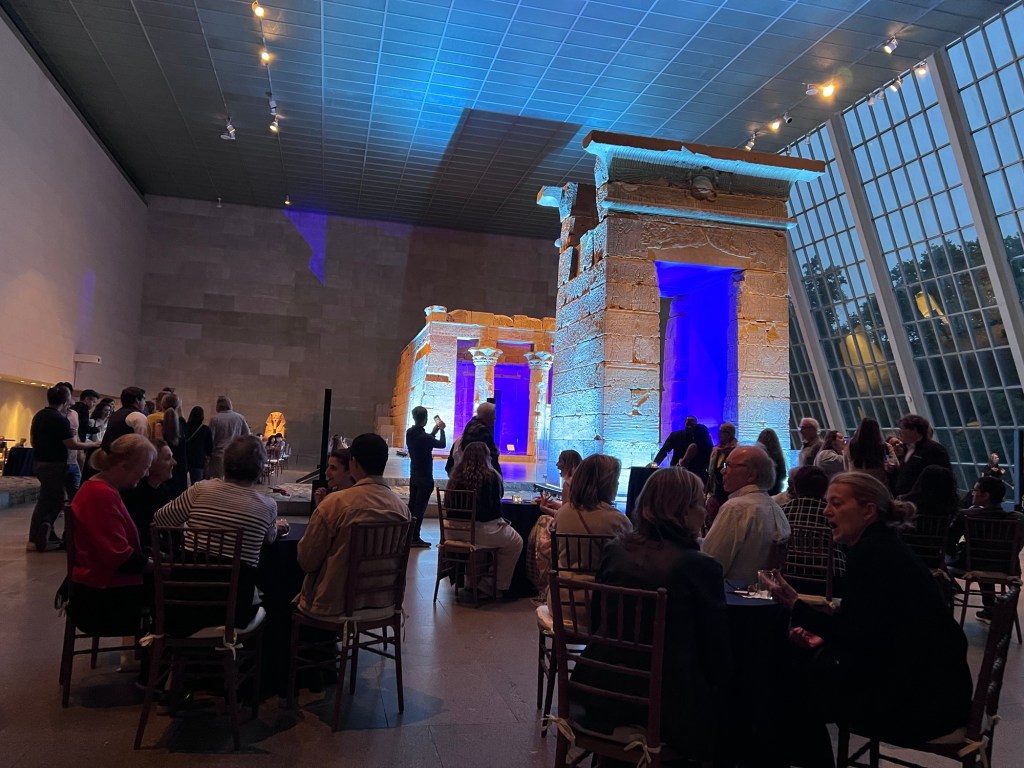
For the last two Members Nights, the Members Bar was in the Temple of Dendur. It is always so well lit and the music was wonderful. It is a nice way to end the evening.
The Temple of Dendur lit for the evening
The Temple of Dendur was the perfect place to relax and have a cocktail
The crowds were rather large at the bar that evening
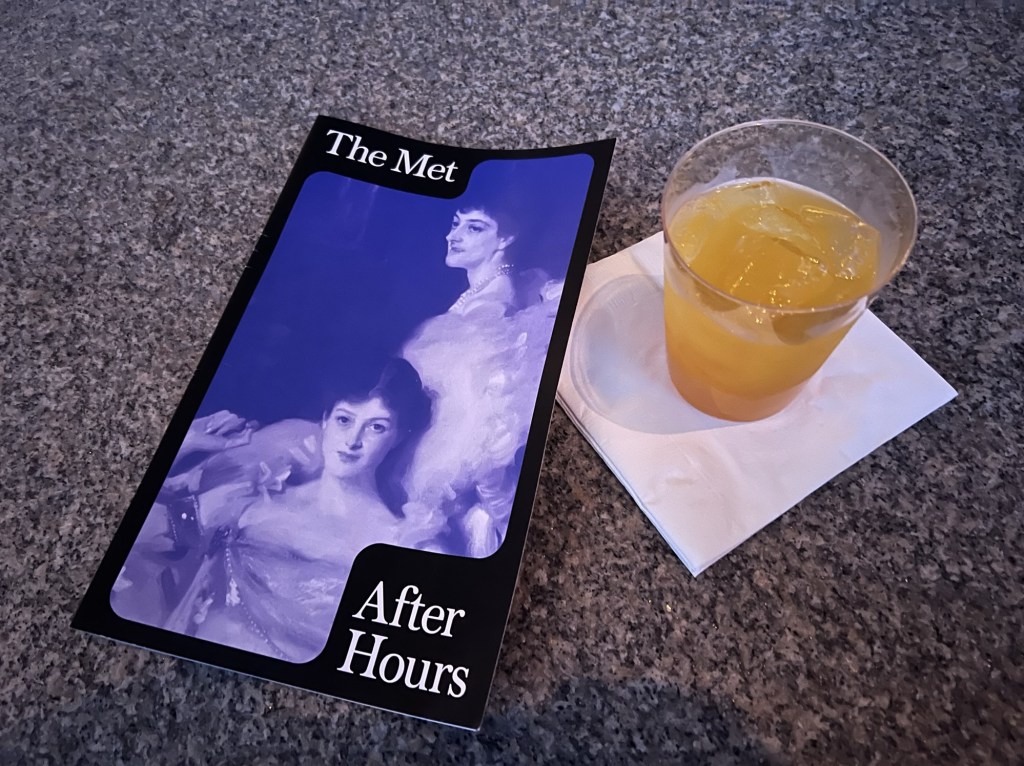
The Passion fruit cocktail was the specialty drink of the evening
Admission: Free; please do not walk on other people’s property
My review on TripAdvisor:
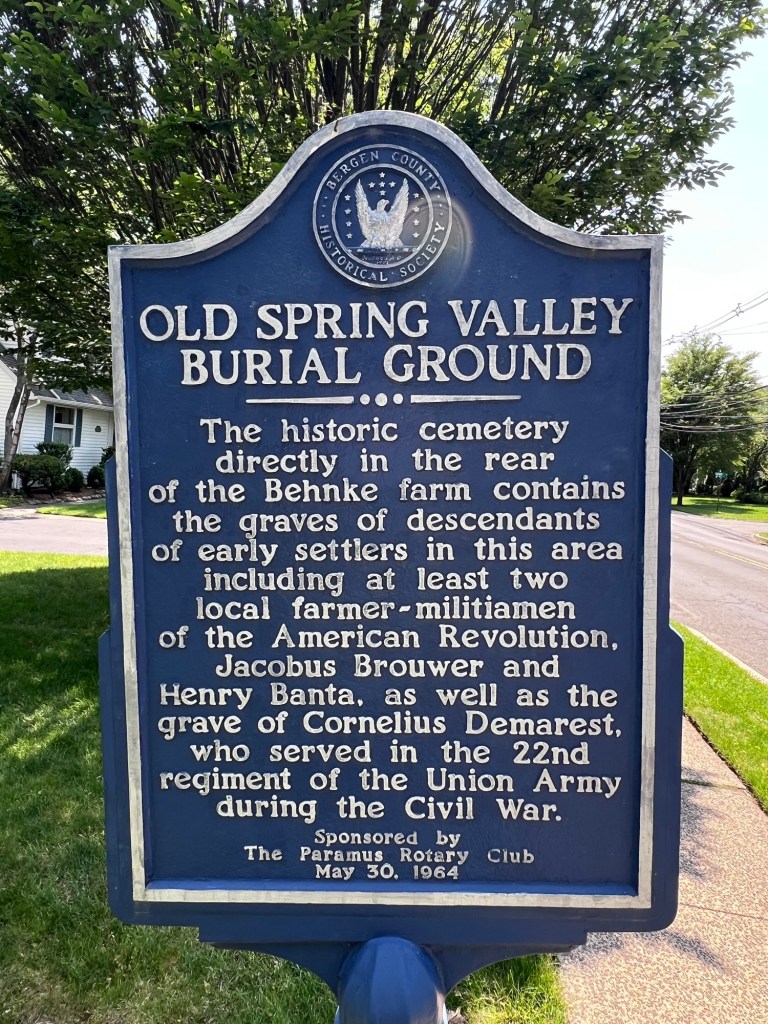
The historical marker that leads you to had path to the cemetery
History of the Cemetery:
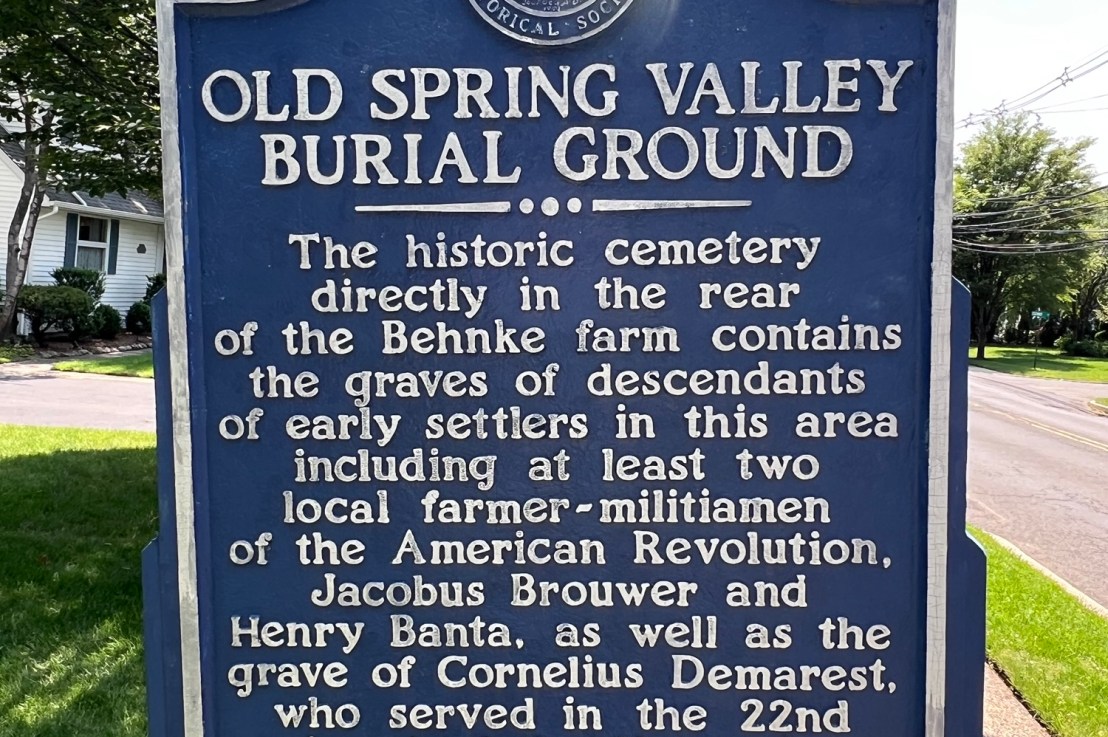
(From the Historic Marker sign)
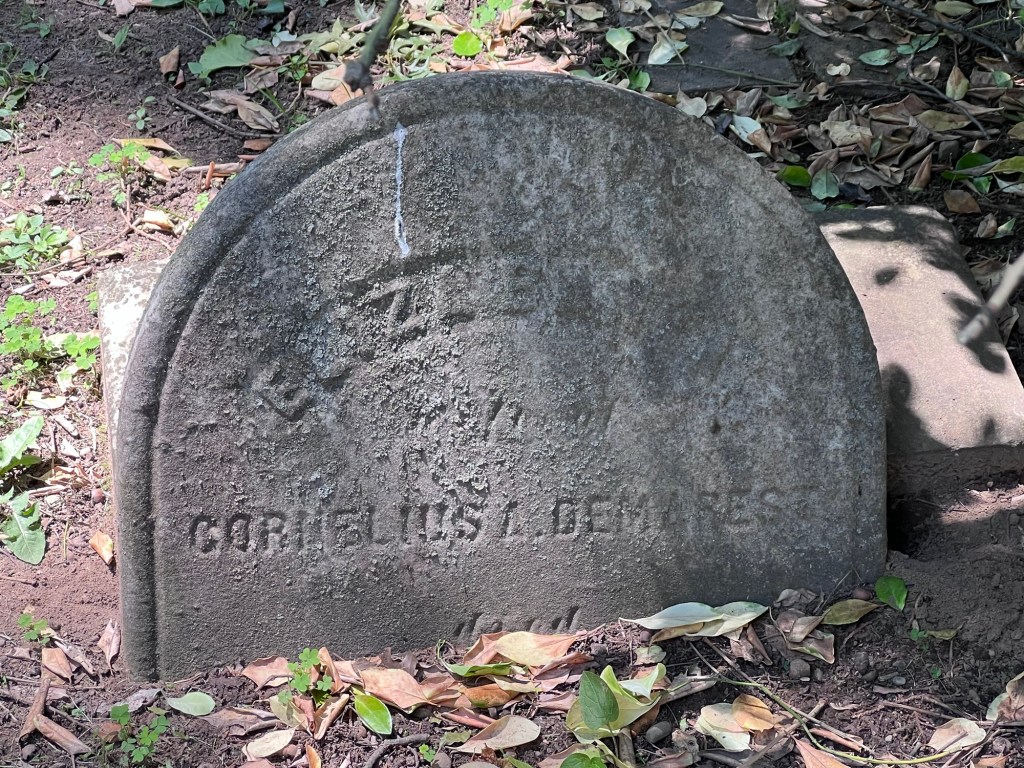
The historic cemetery directly in the rear of the Behnke farm contains the graves of descendants of early settlers in this area including a least two local farmer-militiamen of the American Revolution, Jacobus Brouwer and Henry Banta, as well as the grave of Cornelius Demarest, who served in the 22nd regiment of the Union Army during the Civil War (From Paramus Rotary sign).
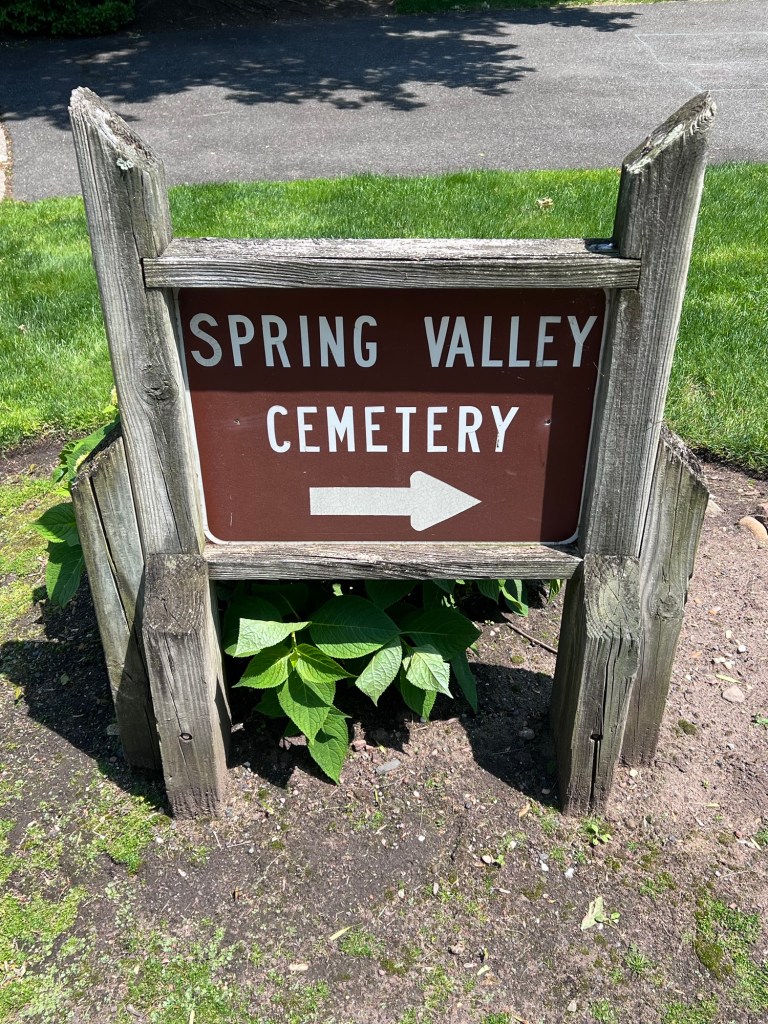
The only way into this tiny cemetery is through z path located on Viola Road
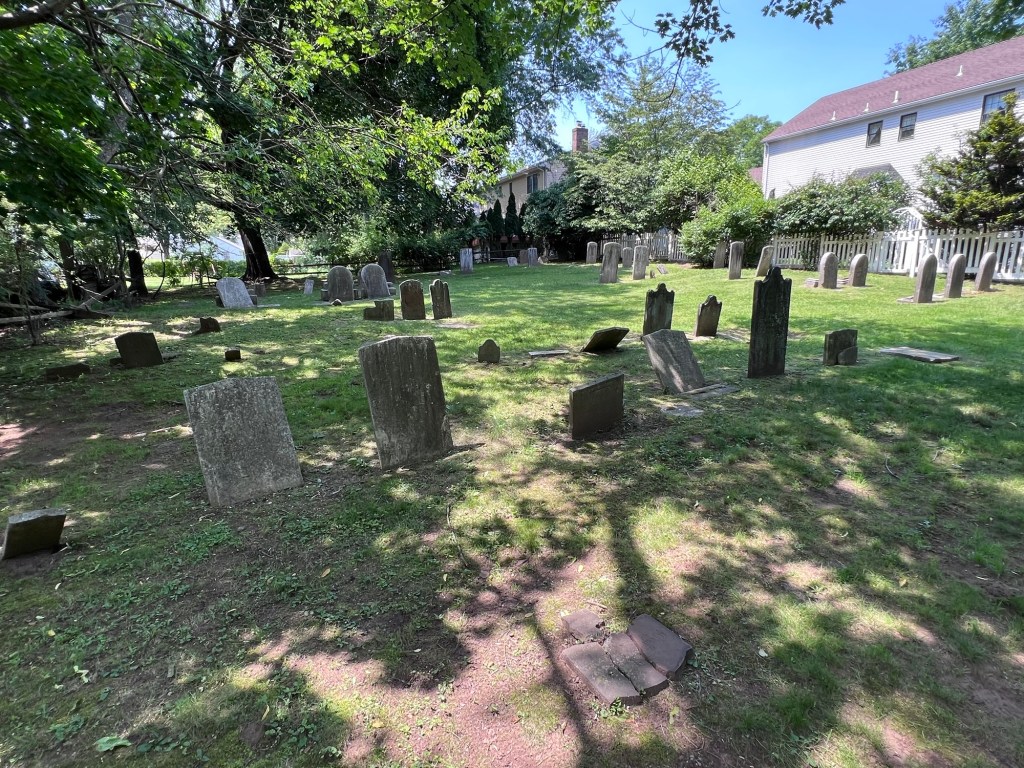
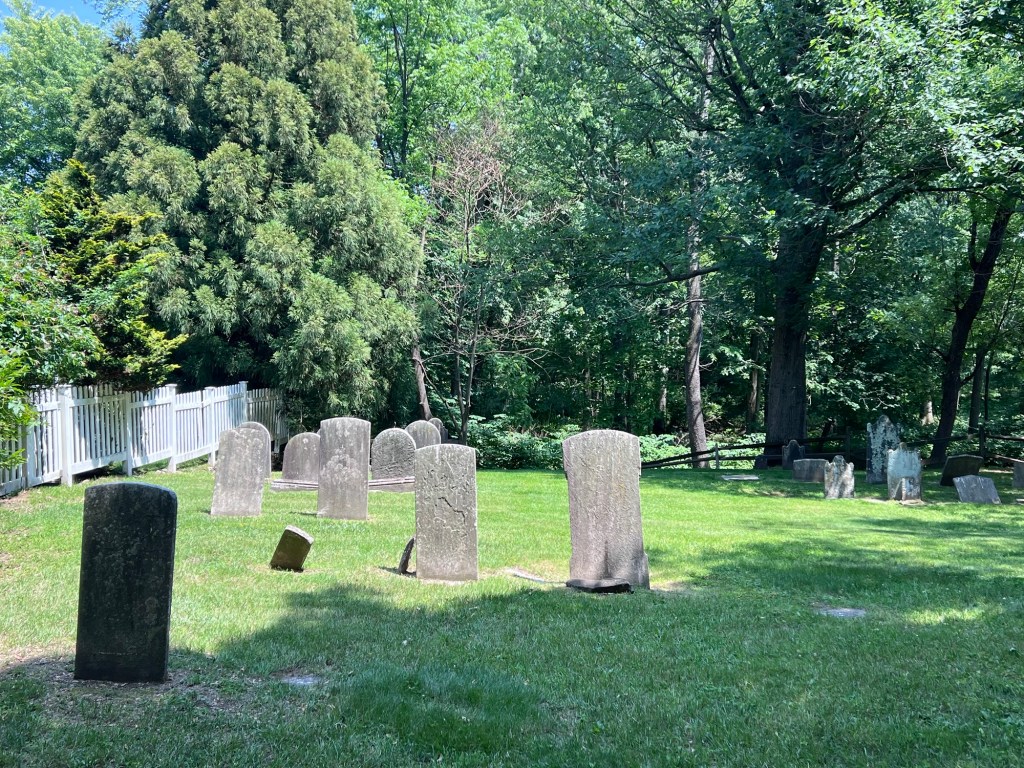
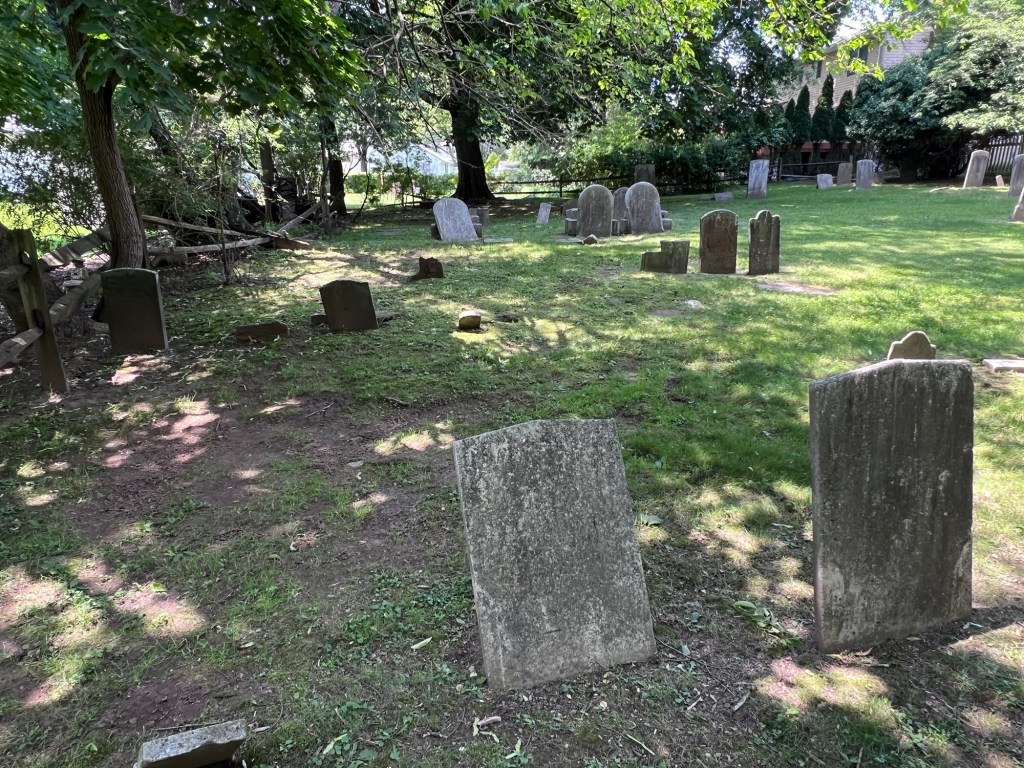
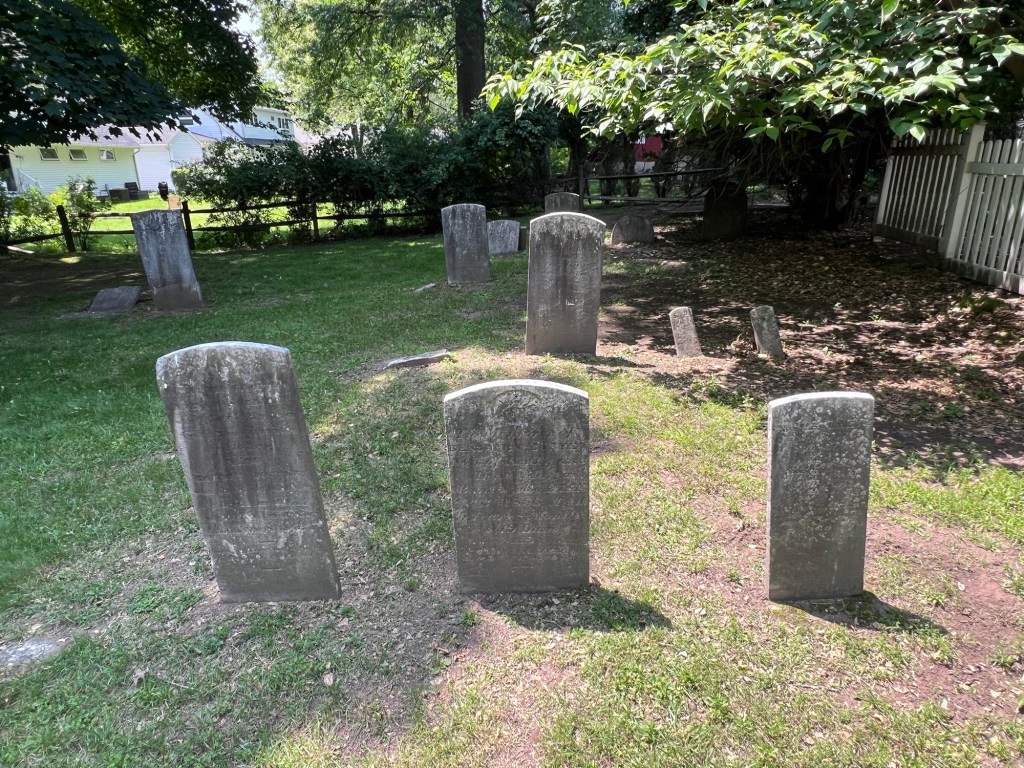
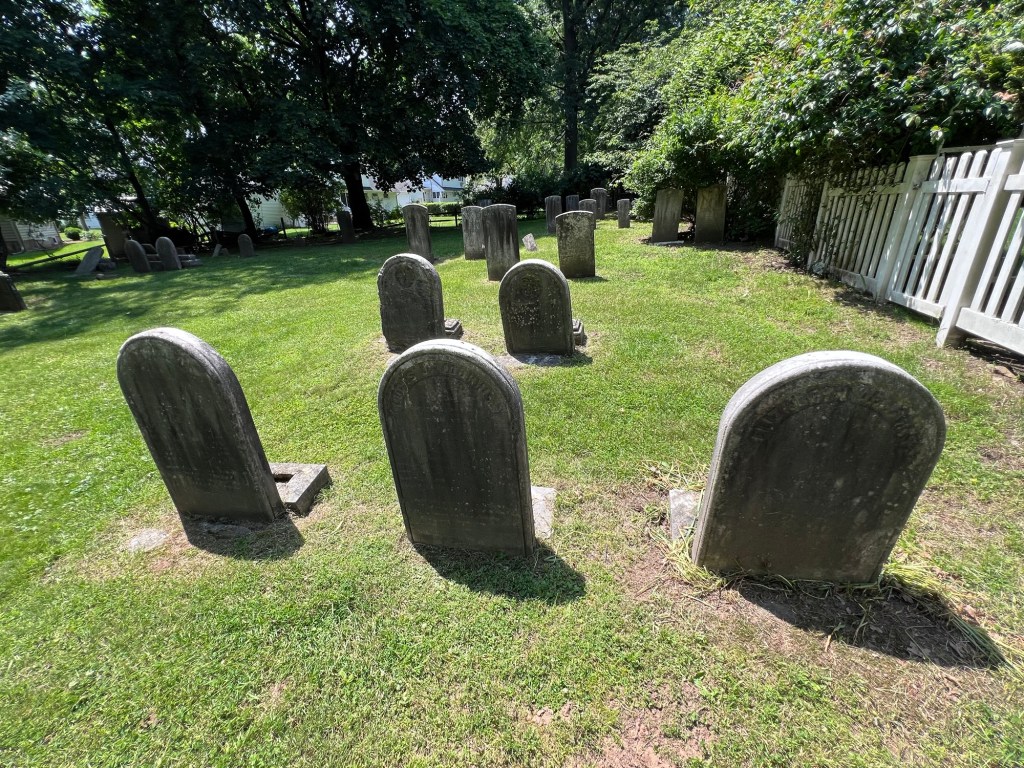
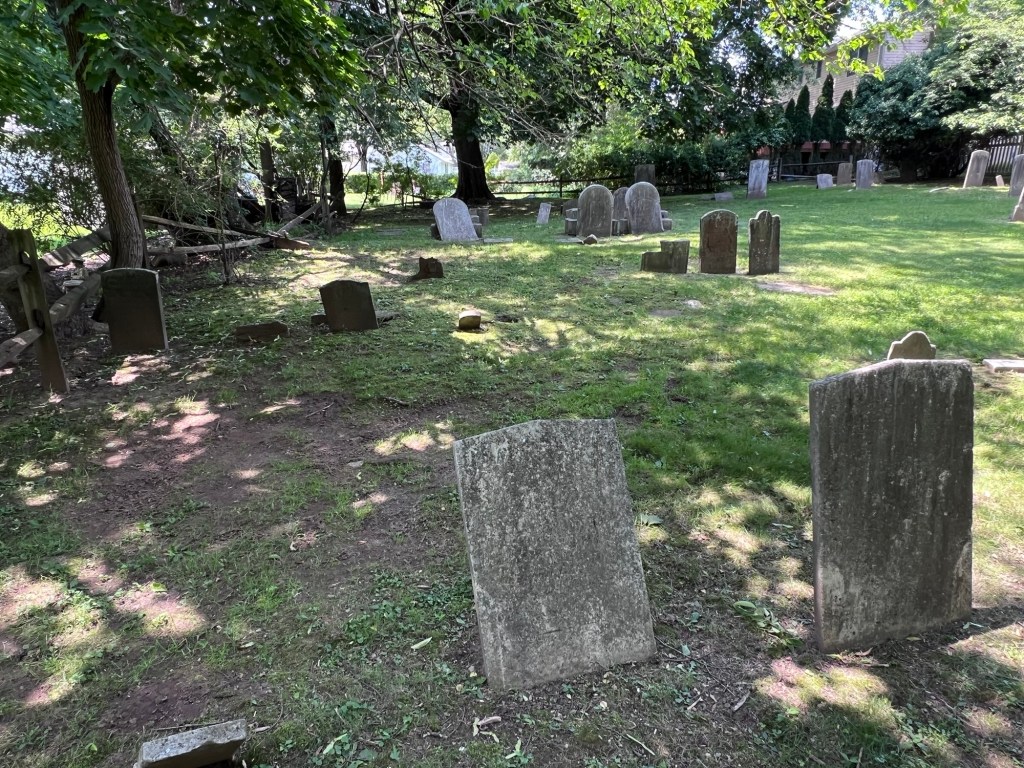
The historic little cemetery is rich in history of the first families of Bergen County including Revolutionary War and Civil War veterans
The cemetery is the resting place of members of the Banta, Bogert, Terhune, Van Saun, Demarest, Kipp and Voorhis families
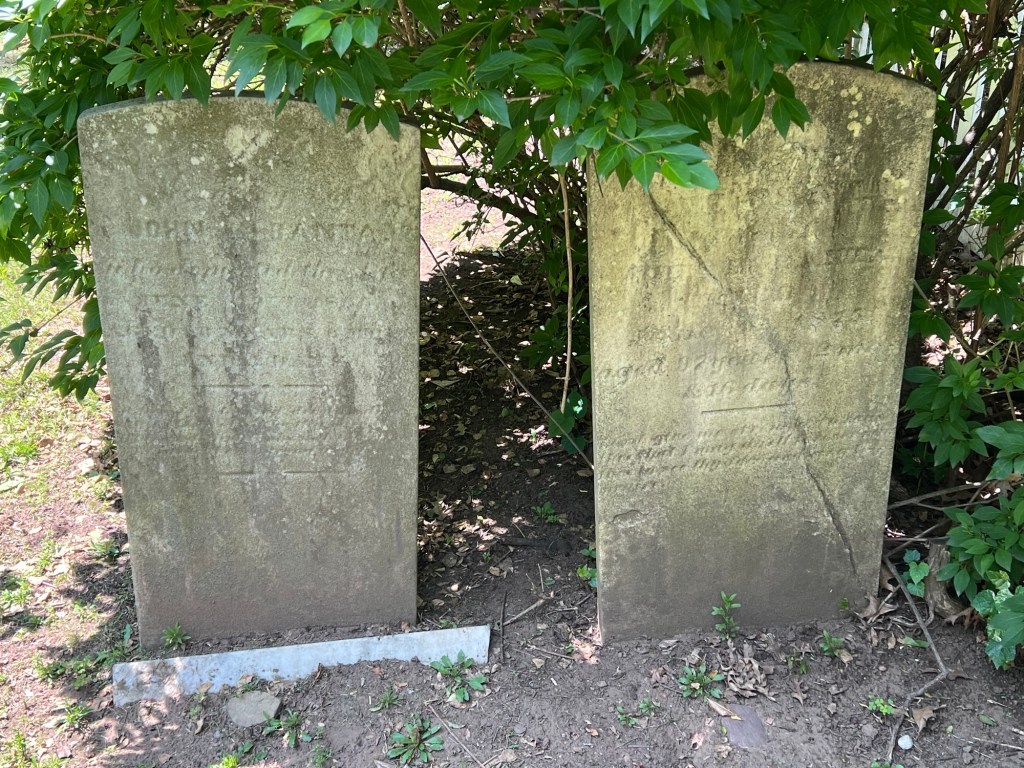
The Van Saun family graves
The Bogart family graves
The graves of the Van Saun family
The graves of the Kipp family
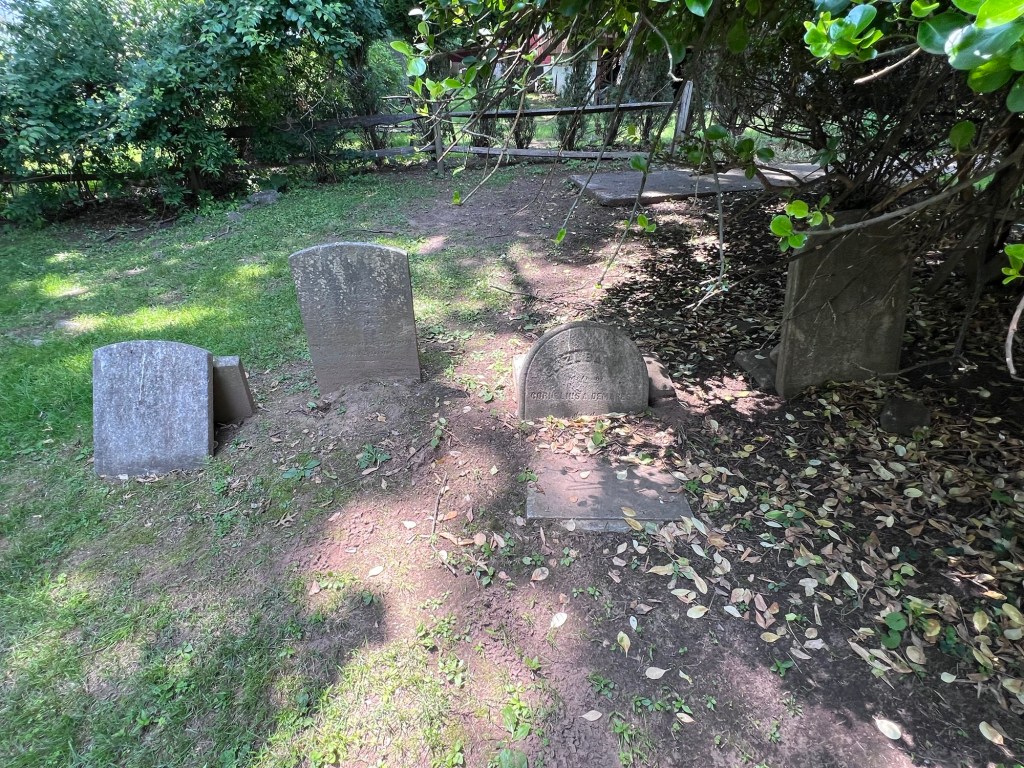
The graves of the Demarest family and of Cornelius Demarest of Civil War fame
Elizabeth Demarest, wife of Cornelius grave
These graves I could not figure out who they were
The graves of the Banta family
The graves of the Voorhis family
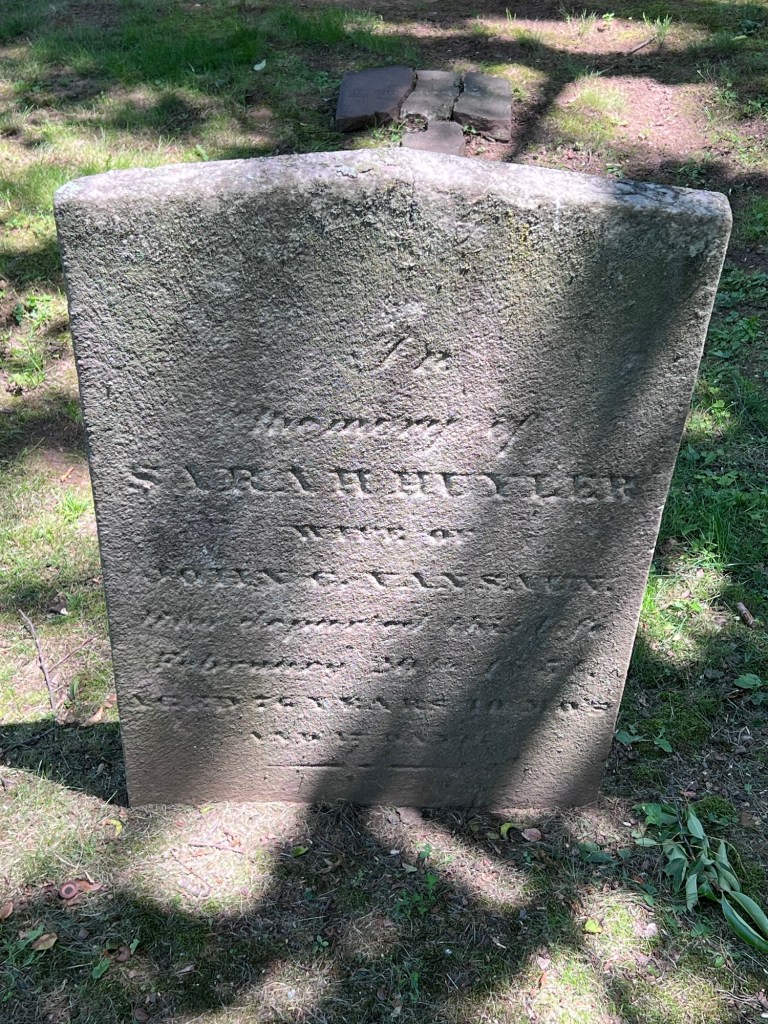
The grave of Sara Huyler, wife of John Van Saun
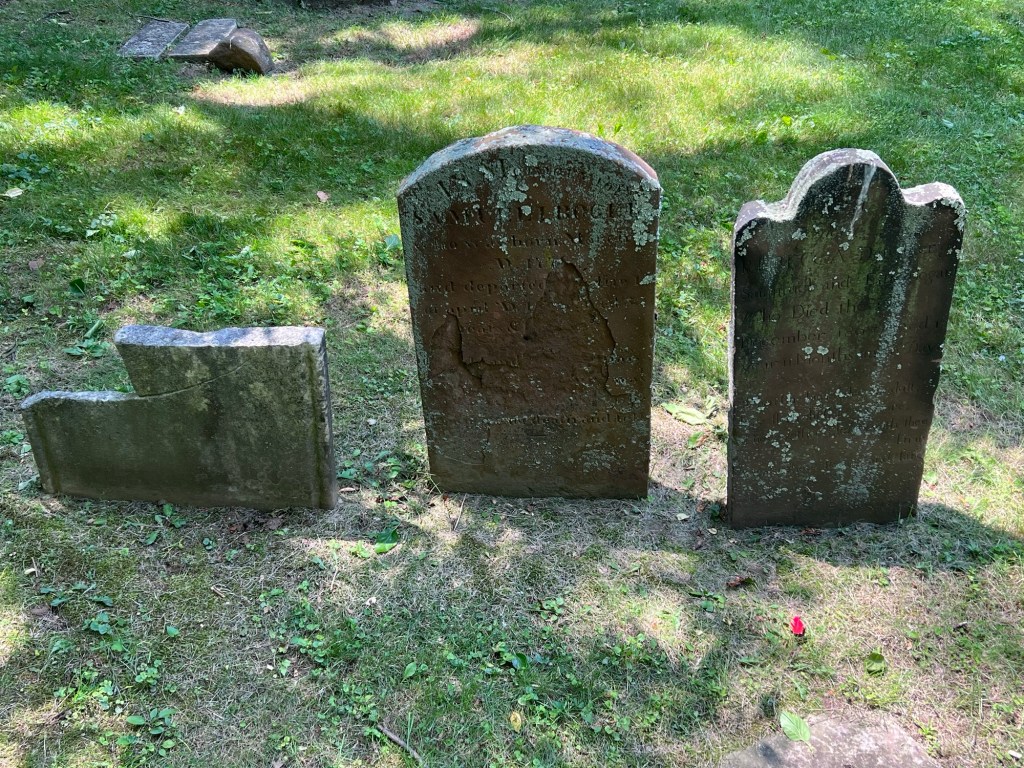
The graves were so covered in mold that I could not see who these people were
There is a quiet elegance to these historical cemeteries. Their well known family members relics of a past that now forgets them.
Who is buried here:
(From an survey done by George Budke in 1916)
??, B. P., d. 1780 Ackerman, Margaret, b. 10 Feb 1764, d. 6 Sep 1805, birth year may be 1767* Banta, Abram C., b. 6 Nov 1852, d. 16 Nov 1886 Banta, Agness (Van Saun), d. 21 Dec 1862, age: 78y 4m 15d, w/o Cornelius H. Banta* Banta, Benjamin Duryea, d. 3 Oct 1856, age: 5y 8m 19d, s/o Henry & Anna Maria Banta Banta, Catharine (Terhune), b. 6 Aug 1823, d. 27 Jun 1890, w/o Cornelius H. Banta Banta, Charles Augustus, d. 7 Oct 1861, age: 3m 20d, s/o Henry & Anna Maria Banta Banta, Cornelius H., b. 13 Mar 1819, d. 18 Nov 1904 Banta, Cornelius H., d. 17 Aug 1854, age: 84y 5m 9d* Banta, Elizabeth (Lake), d. 4 Sep 1817, age: 67y 8m 18d, w/o Henry Banta Banta, Garret Hopper, d. 14 Feb 1850, age: 7m, s/o Henry & Anna Maria Banta* Banta, Henry C., d. 13 Sep 1821, age: 22y 8m* Banta, Henry H., d. 29 Feb 1864, age: 69y 10m 16d Banta, Henry, b. 15 Sep 1796, d. 31 May 1798, age: 1y 8m 15d* Banta, Henry, d. 12 Aug 1817, age: 66y 1m 18d, h/o Elizabeth Lake, Veteran of the Revolutionary War Banta, Jane, d. 12 Jun 1875, age: 97y 2m 16d, w/o John H. Banta Banta, John H., d. 29 Jun 1855, age: 83y 6m 7d Banta, Lavina (Zabriskie), d. 16 Jan 1862, age: 70y 4m 12d, w/o Henry H. Banta* Banta, Lavinah Sobriskie, d. 7 Feb 1850, age: 3y 11m 10d, d/o Henry & Anna Maria Banta* Banta, Lidia (Van Saun), d. 22 Feb 1804, age: 32y 5m, w/o Cornelius Banta* Banta, Sarah, d. 8 Aug 1845, age: 2y 6m 24d, d/o Cornelius H. & Catharine Banta* Bartholf, Maria, d. 18 Feb 1870, age: 70y 5m 9d* Begart, Rebecca, d. 12 Dec 1807, age: 1y 11m 6d, d/o Samuel & Ettie Begart Bertholff, John, d. 8 Apr 1852, age: 86y 9m 15d* Bogert, Albert I., d. 22 Sep 1861, age: 84y 10m 3d* Bogert, Jacob A., d. 10 Dec 1866, age: 76y 8m 19d* Bogert, Jane (Kipp), d. 3 Jun 1853, age: 74y 3m 7d, w/o Albert I. Bogert* Bogert, John A., b. 26 Mar 1748, d. 25 Oct 1823, age: 74y 6m 30d* Bogert, Rachel (Van Saun), b. 15 Feb 1798, d. 1 Sep 1846, age: 48y 6m 16d, w/o Jacob A. Bogert* Bogert, Samuel A., d. 24 Jul 1867, age: 61y 8m 23d Bogert, Samuel I., b. 31 Mar 1778, d. 13 Apr 1830 Brouwer, Yacob, d. 26 Aug 1784, age: 58y, Veteran of the Revolutionary War* Cundlah, C. A., b. 14 Apr 1828, d. Jan ?, age: ?? Debaun, Effie (Demarest), d. 13 Dec 1862, age: 75y 8m 7d, w/o Peter C. Debaun, formerly wife of Samuel I. Bogert* Demarest, Aaron, d. 14 Mar 1838, age: 57y 6m 18d* Demarest, Christina (Bogert), d. 5 Dec 1868, age: 82y 5m 12d, w/o Aaron Demarest Demarest, Cornelius A., d. 27 May 1883, age: 66y 8m 5d, Civil War Veteran Demarest, Eliza (Banta), d. 6 Jan 1883, age: 65y 8m, w/o Cornelius A. Demarest Demarest, Elizabeth, b. 16 Jul 1792, d. 23 Mar 1869 * Demarest, Nicholas, b. 3 May 1759, d. 6 Feb 1811, age: 51y 9m 3d Kipp, Albert, d. 28 Jan 1852, age: 66y 7m 18d* Kipp, Araminta, d. 30 Dec 1853, age: 15y 4m 25d* Kipp, James Bogert, d. 25 Sep 1848, age: 21y 10m 1d* Kipp, John, d. 28 Feb 1862, age: 50y 19d Kipp, Rachel, d. 21 Jul 1854, age: 63y 10m 23d, w/o Albert Kipp* Kipp, William B., d. 21 Apr 1856, age: 65y 4m 11d Van Arsdale, James, d. 21 Apr 1855, age: 51y 5m 5d, Deacon* Van Saun, David, d. 8 Mar 1825, age: 56y 5m 3d* Van Saun, Isaac L., b. 1 Nov 1778, d. 24 Apr 1850, age: 71y 1m 23d Van Saun, Isaac, b. 17 Mar 1749, d. 9 May 1832, age: 83y 1m 22d Van Saun, Jane (Ackerman), b. 4 Apr 1754, d. 6 Oct 1822, age: 68y 6m 2d, w/o Isaac Van Saun Van Saun, Jane (Demarest), d. 9 May 1870, age: 57y 5m 9d, w/o Lucas I. Van Saun* Van Saun, John C., d. 1 Mar 1849, age: 74y 7m 4d* Van Saun, Kastyne, b. 1 Jul 178?, d. 5 Feb 1791* Van Saun, Leah (Brower), d. 5 Jun 1859, age: 93y, w/o David Van Saun* Van Saun, Lucas I., d. 31 Oct 1848, age: 34y 4m 15d Van Saun, Margaret, d. 5 Sep 1832, age: 23y 11m 15d, w/o Albert Z. Van Saun* Van Saun, Maria, b. 13 Jul 1829, d. 6 Apr 1836, d/o Albert & Margaret Van Saun* Van Saun, Rachel, b. 5 Dec 1821, d. 28 Jun 1839, age: 17y 6m 23d Van Saun, Sarah (Huyler), d. 20 Feb 1854, age: 76y 10m 17d, w/o John C. Van Saun* Van Voorhis, Jane, d. 19 Aug 1805, age: 1y 8m 2d, d/o Hendrick & Wantea Van Voorhis* Voorhis, Albert I., d. 20 Nov 1879, age: 73y 10m 20d Voorhis, John L., b. 26 Apr 1791, d. 22 Feb 1849, age: 57y 9m 26d Voorhis, Lucas J., d. 4 May 1855, age: 30y 8m 25d Westervelt, Jane (Ackerman), b. 29 Jul 1769, d. 2 Jul 1851, age: 81y 11m 3d, w/o Henry Westervelt Wortendyke, Cornelius, d. 12 Feb 1843, age: 3y 10m 12d, s/o Cornelius & Lydia Wortendyke*
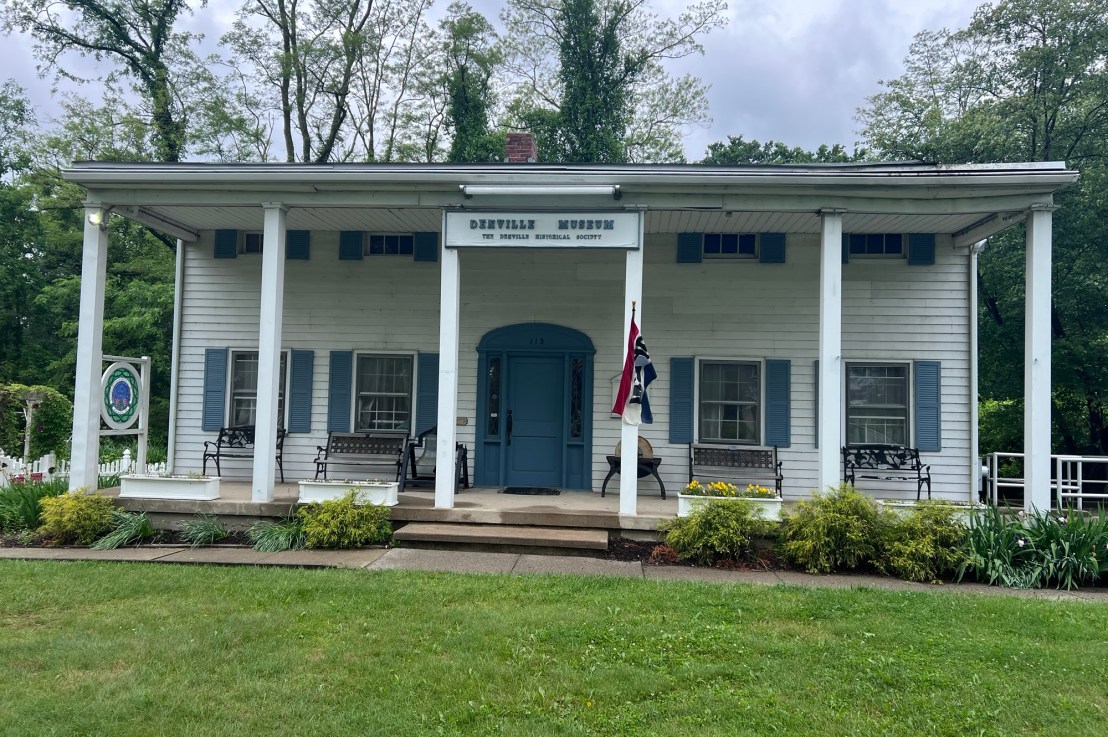
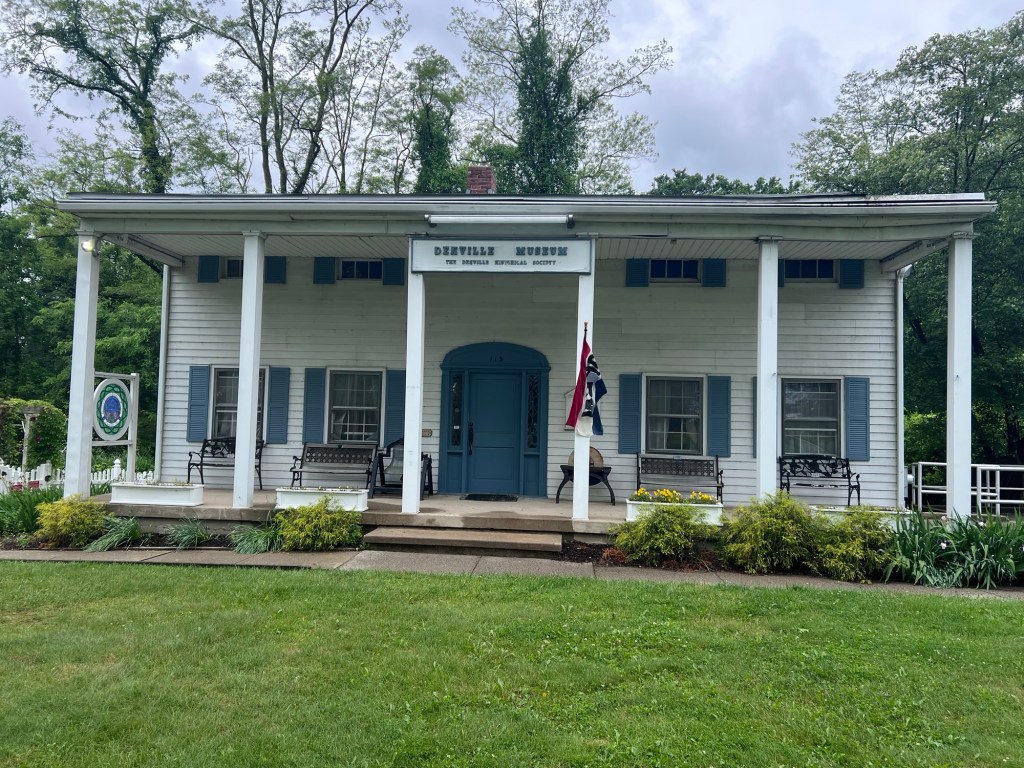
The front of the Denville Museum at Diamond Spring Road
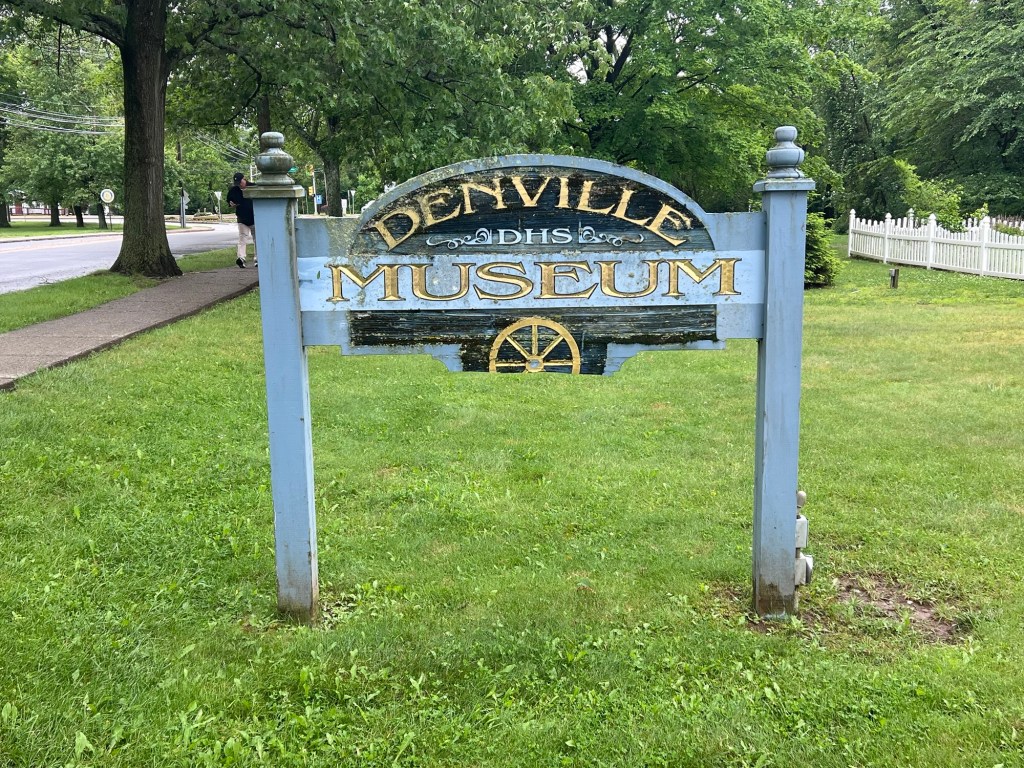
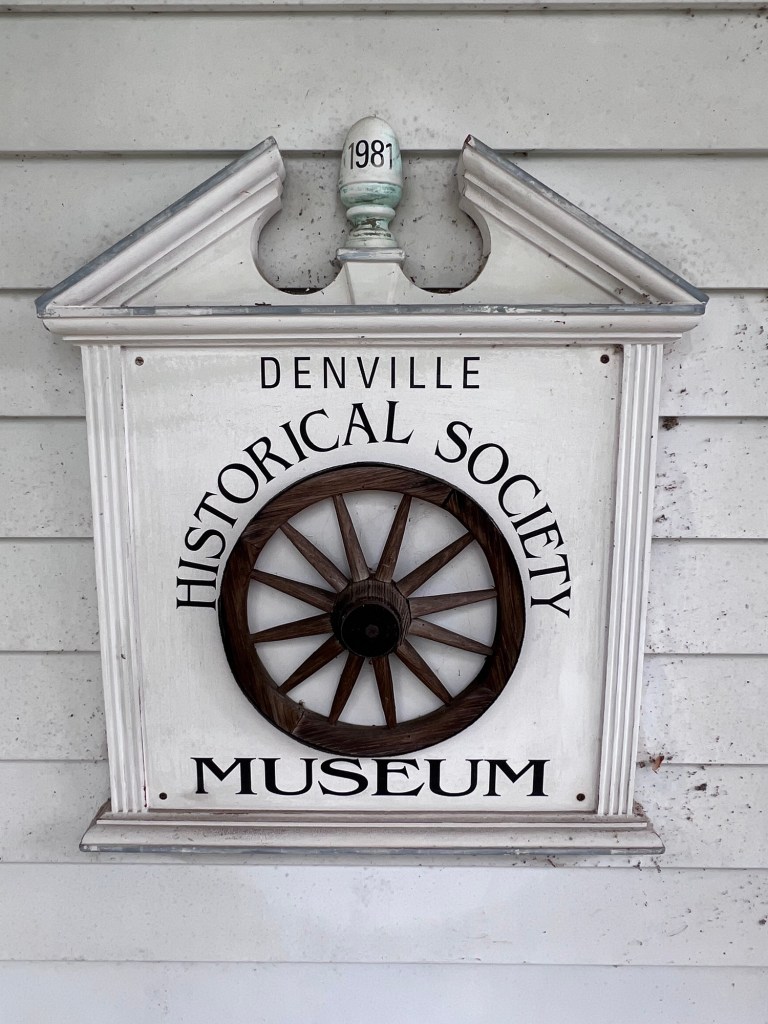
The front sign for the Denville Museum
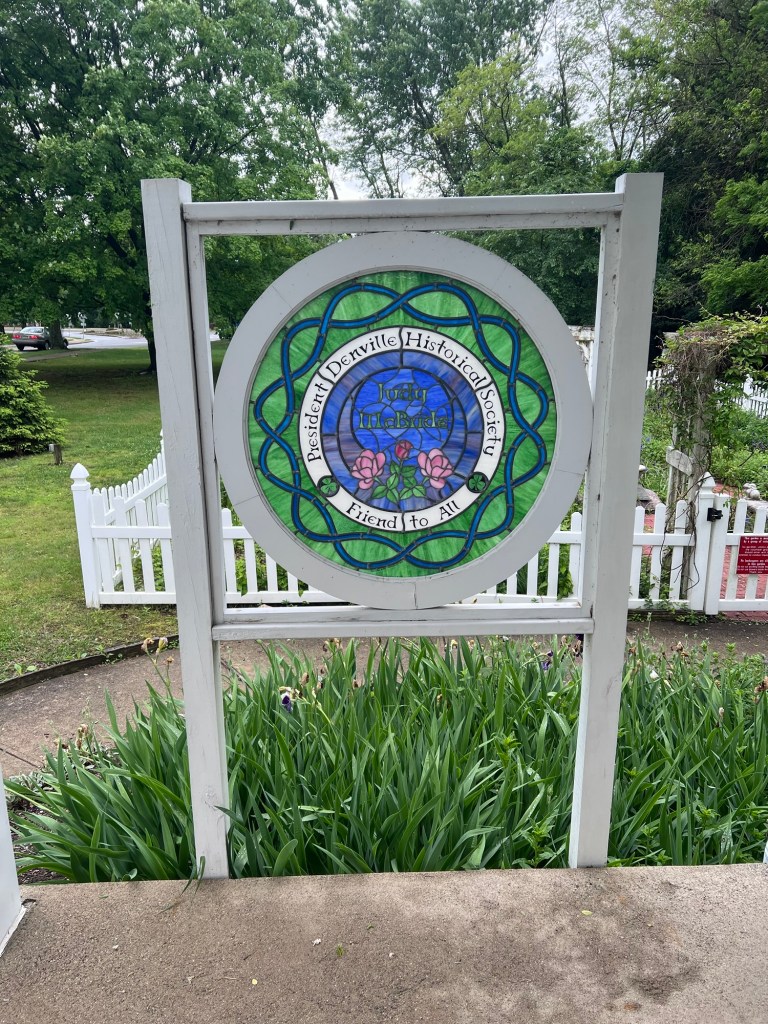
The beautiful stained glass sign outside
The front sign of the museum
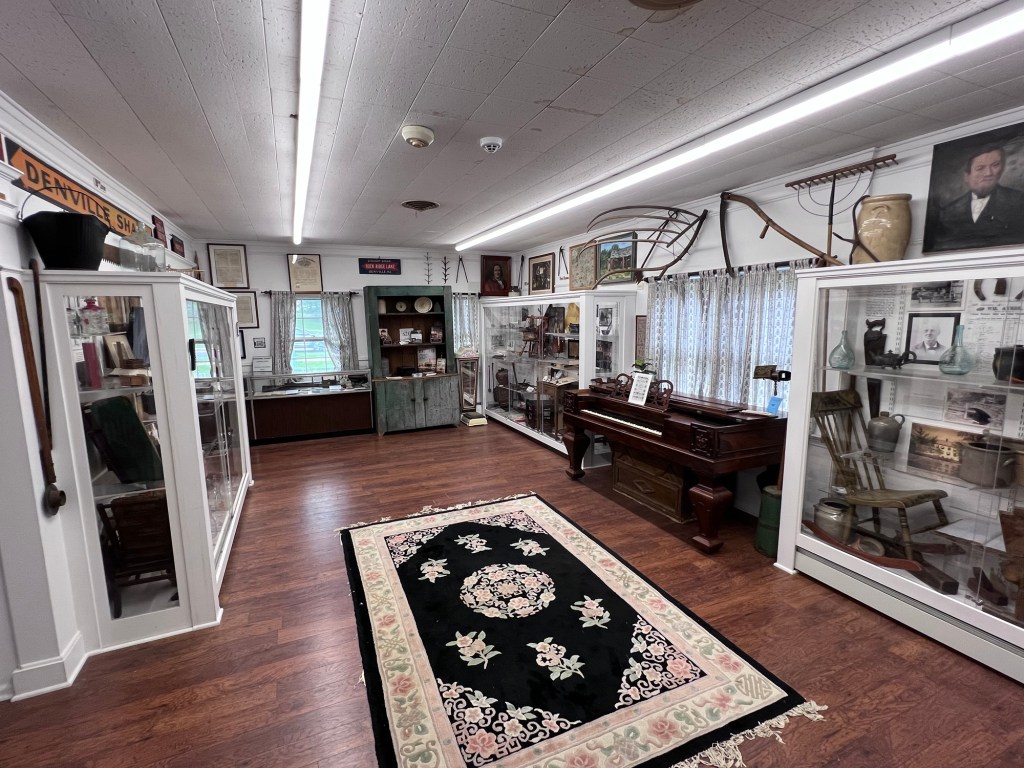
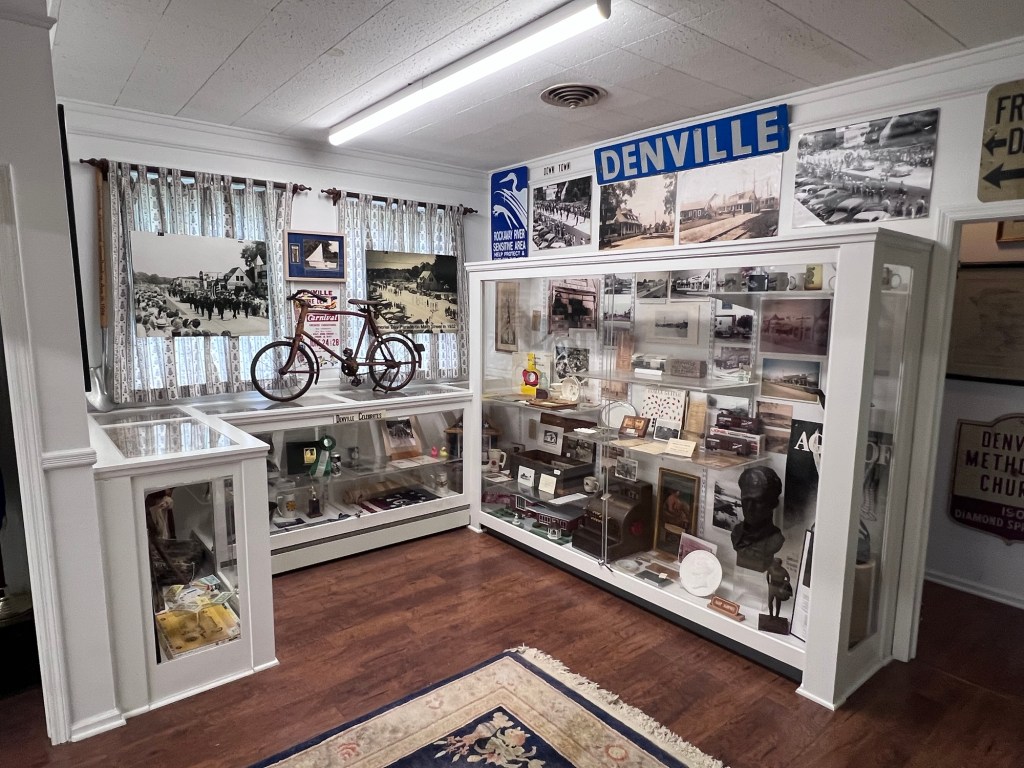
The front gallery of the museum
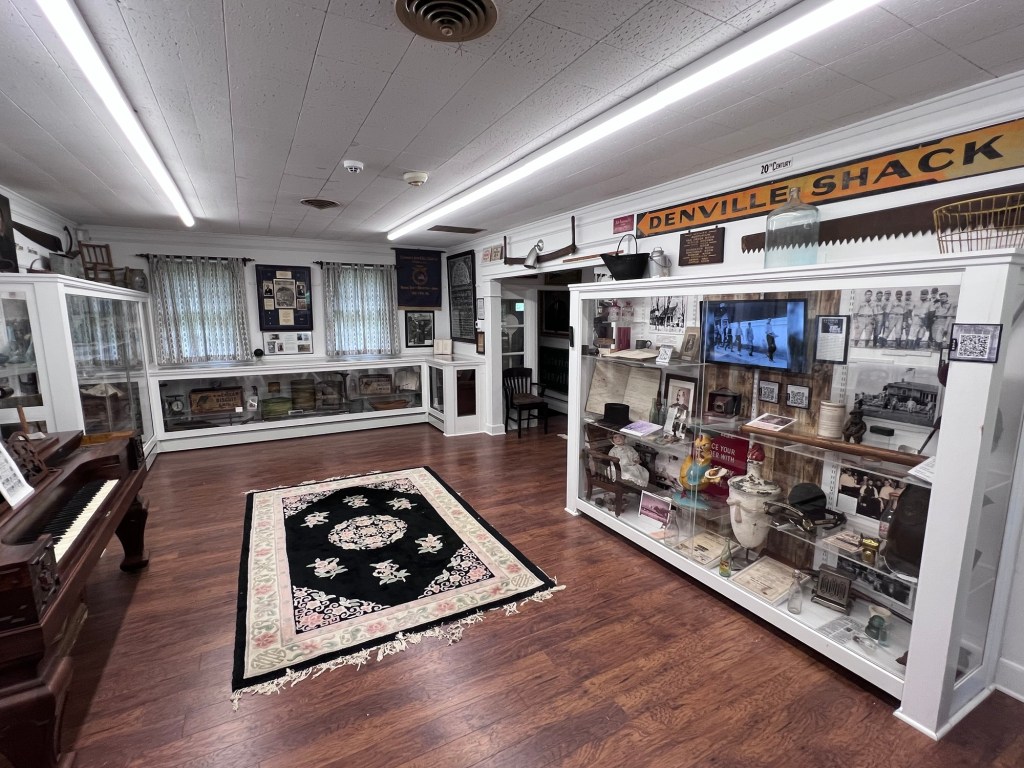
The back part of the front gallery of the museum
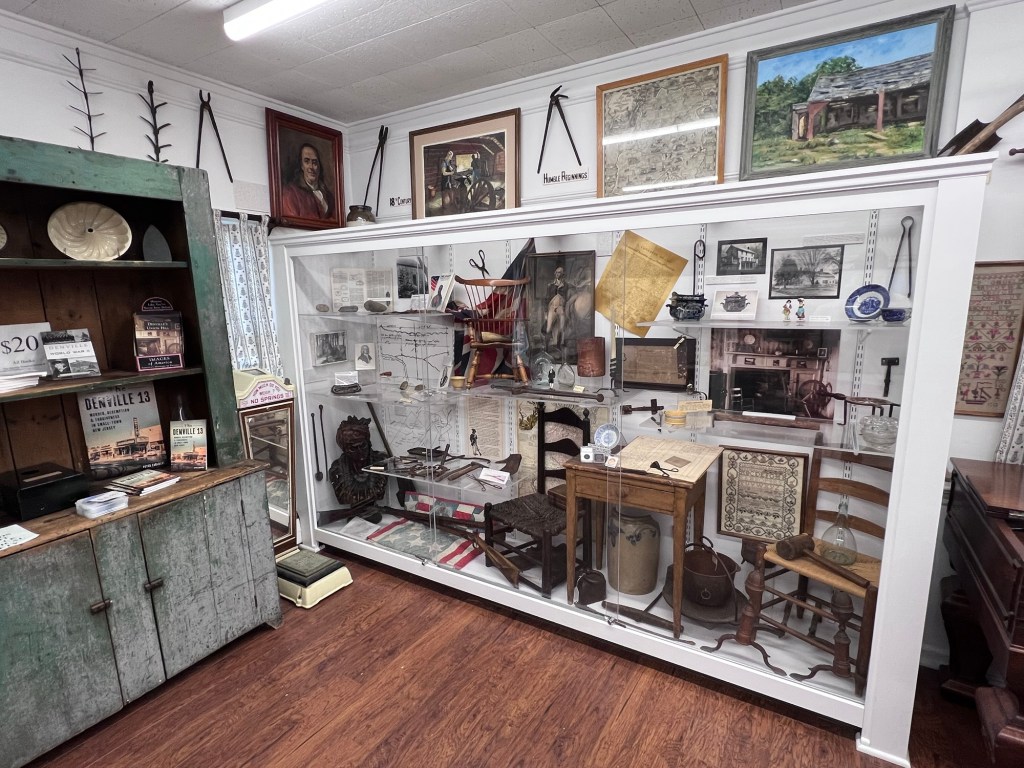
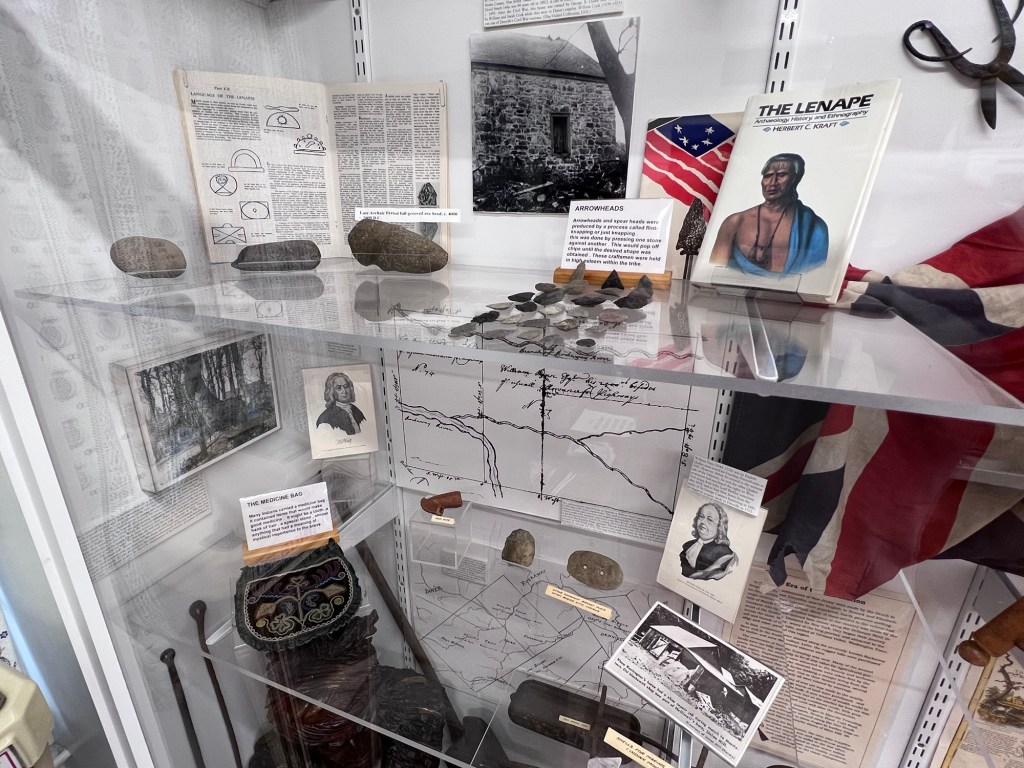
The Denville Museum is an interesting and beautifully organized museum in Downtown Denville, NJ that tells the history of Denville and the surrounding communities. The collection starts with a collection of Native American artifacts and Revolutionary era household objects.
The early foundation of the Denville community is displayed in the front case
The Native American artifacts in the collection
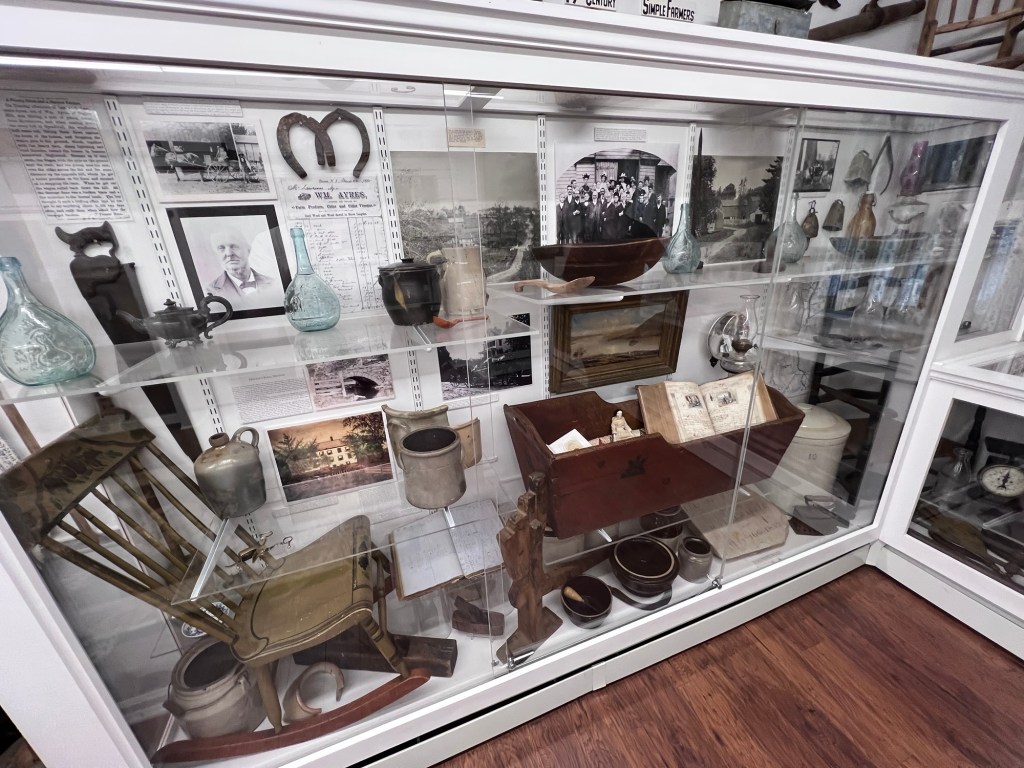
The museum has an extensive amount of artifacts from the progression of the area from the Native Americans to the Dutch settlers who then populated the area leading to the progression of modern farming and commercial trade in the area.
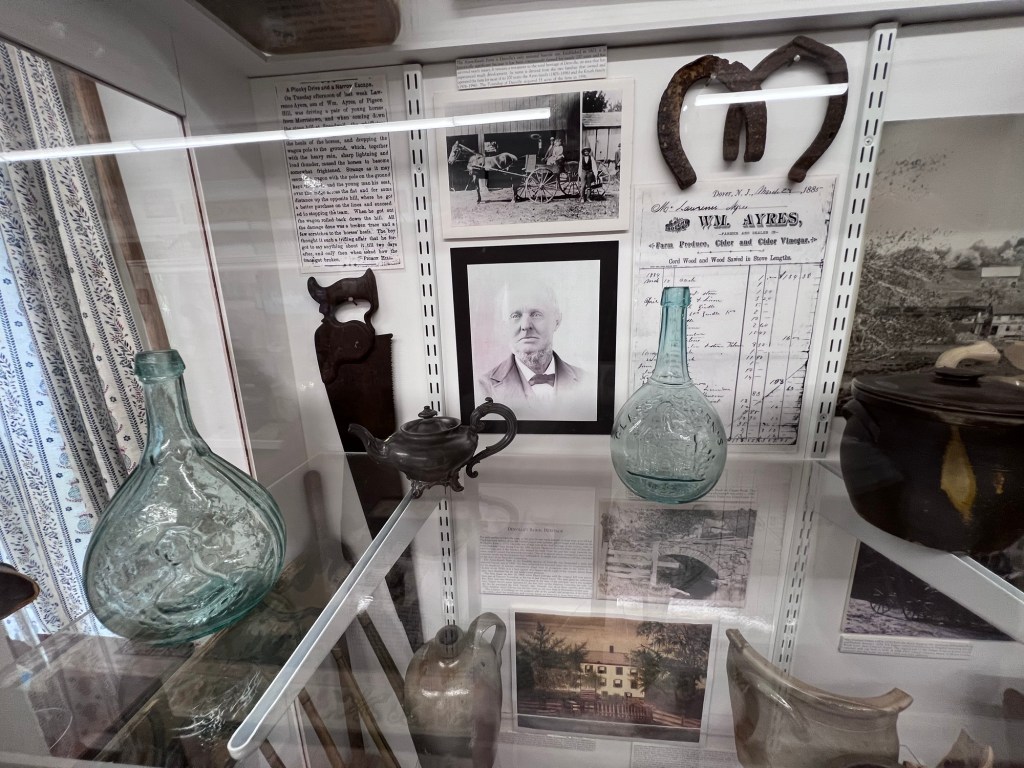
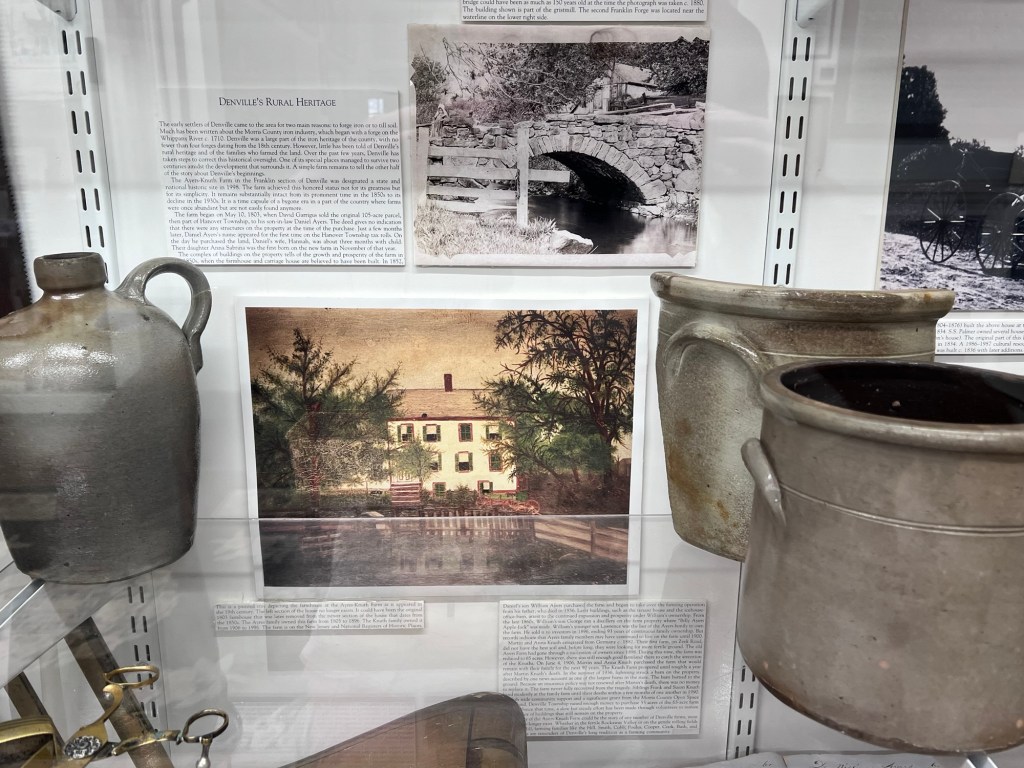
The farming display with many items from the Ayres Farm
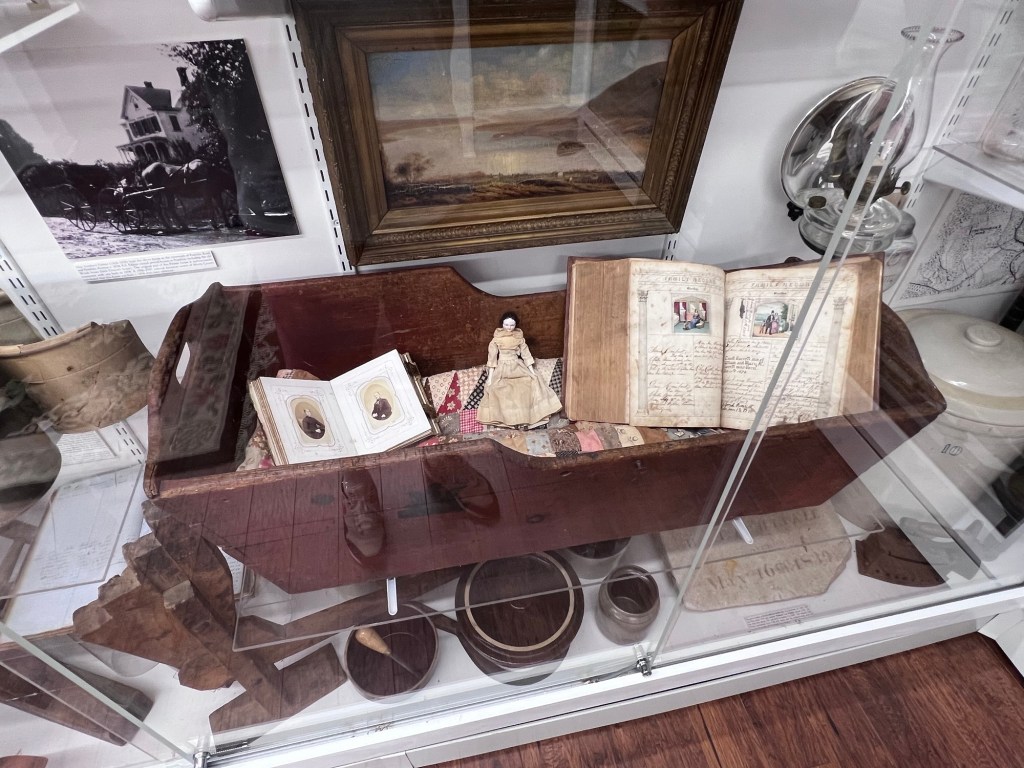
Children’s items from both the Ayres Farm and from the community including a handmade cradle
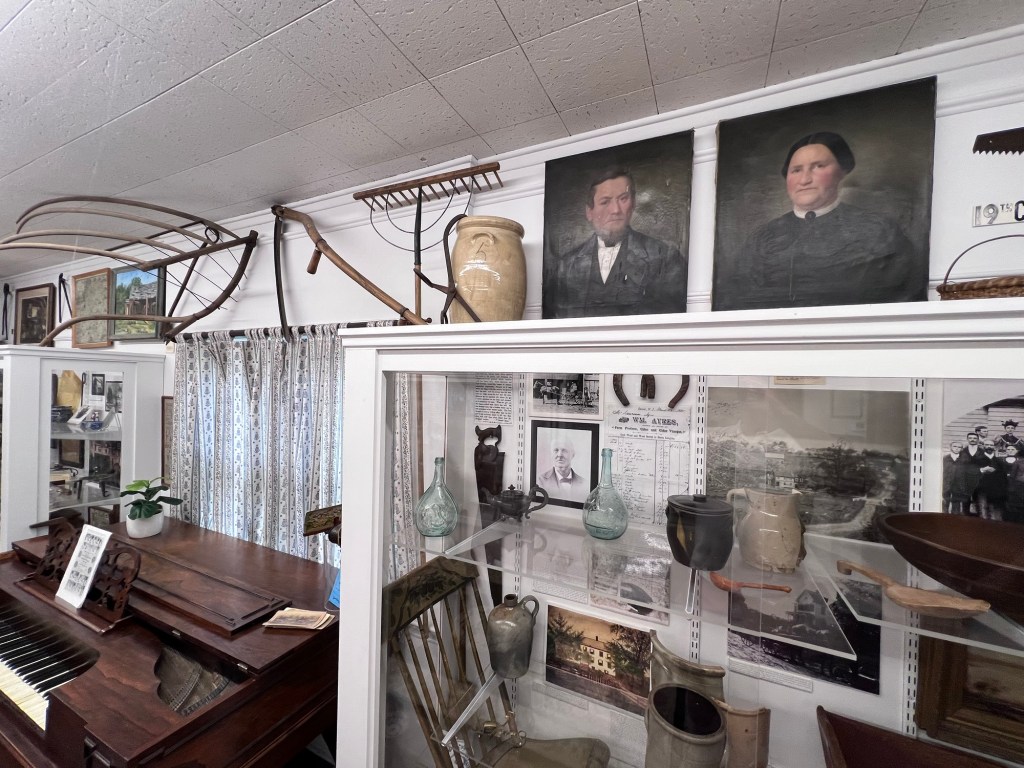
Farm equipment and home furnishings and portraits of Ayres family members
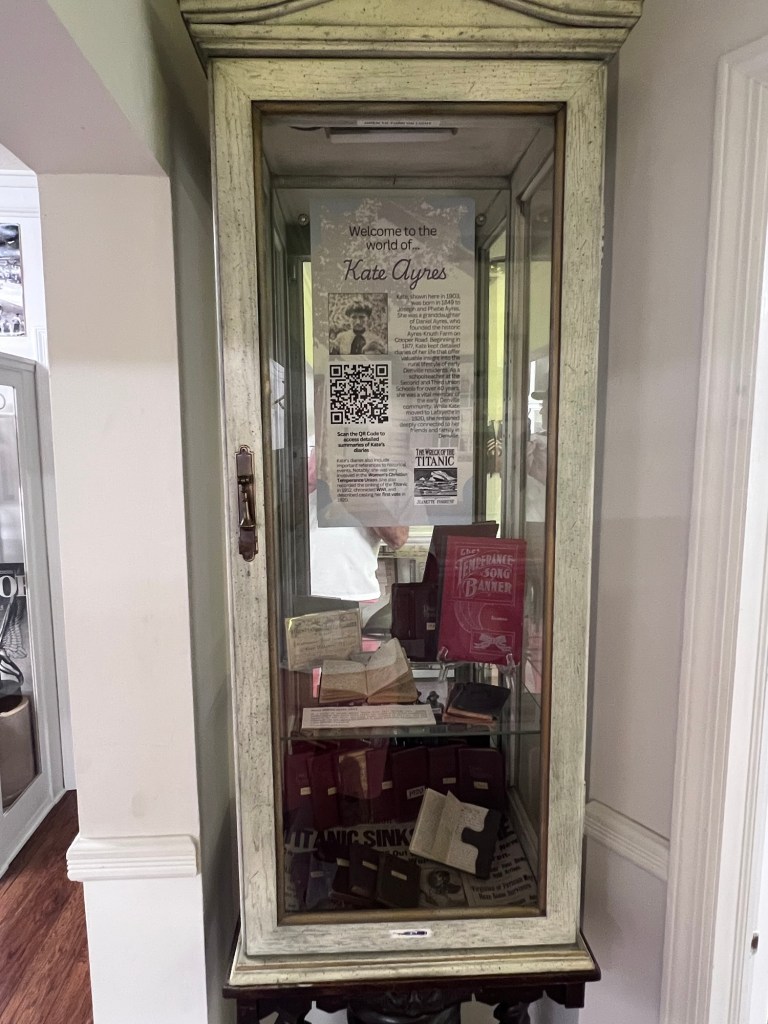
Items from the Ayres Farm
As the community entered the post-Revolutionary War era to the Civil War era, the area entered both its agricultural and industrial boom period.
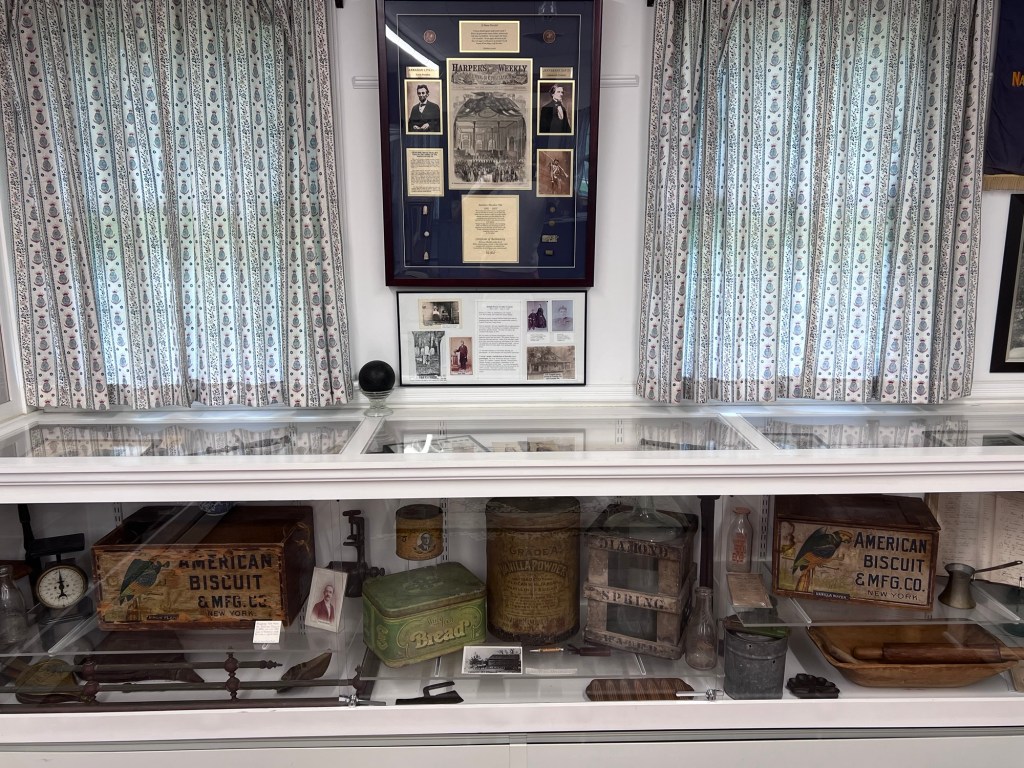
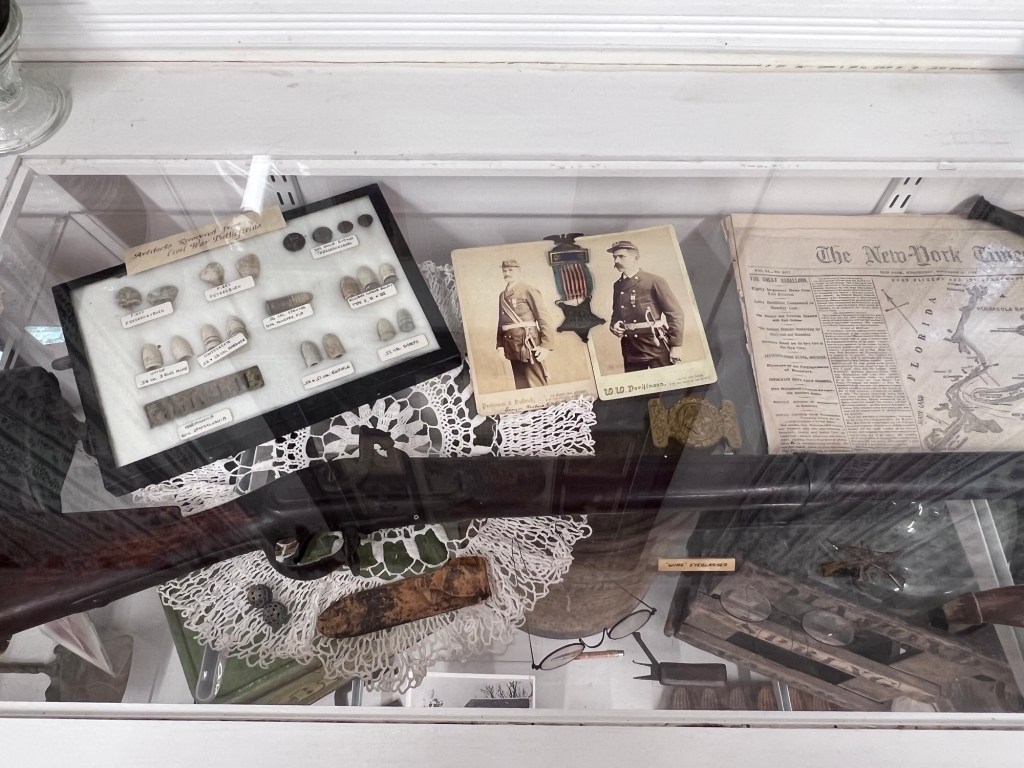
Artifacts from the Civil War and post war commercial era. Many of the artifacts are an early example of companies that still exist today.
Civil War era items of residents of the community
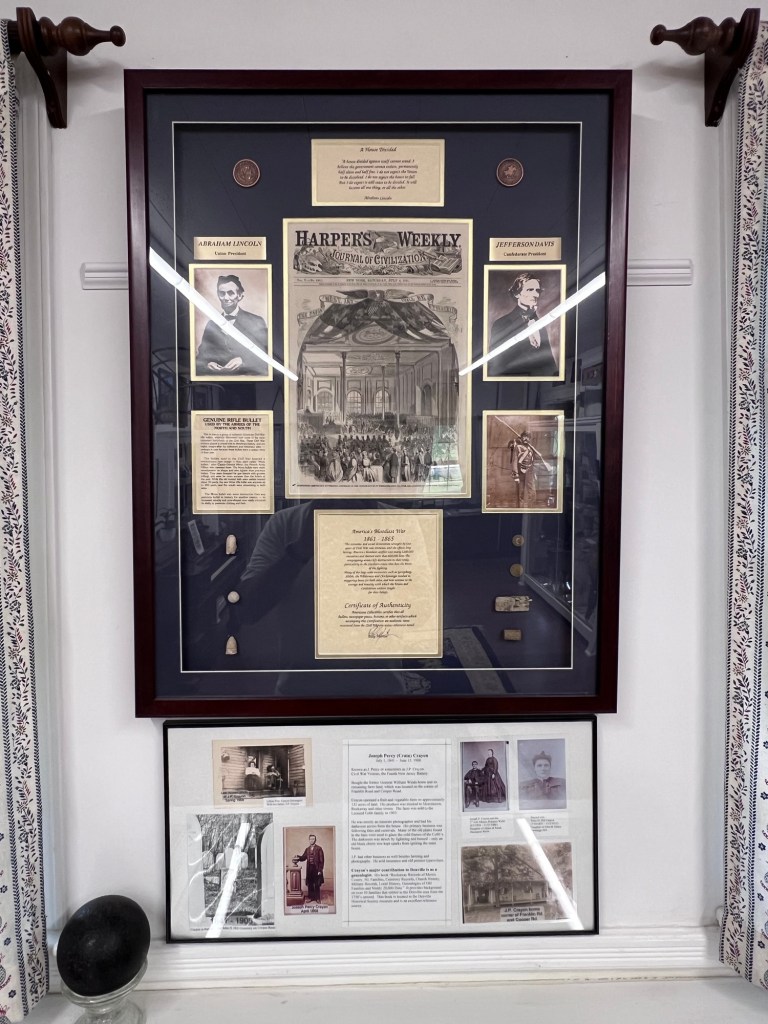
Presidential items from the Civil War period of both President’s Lincoln and Davis
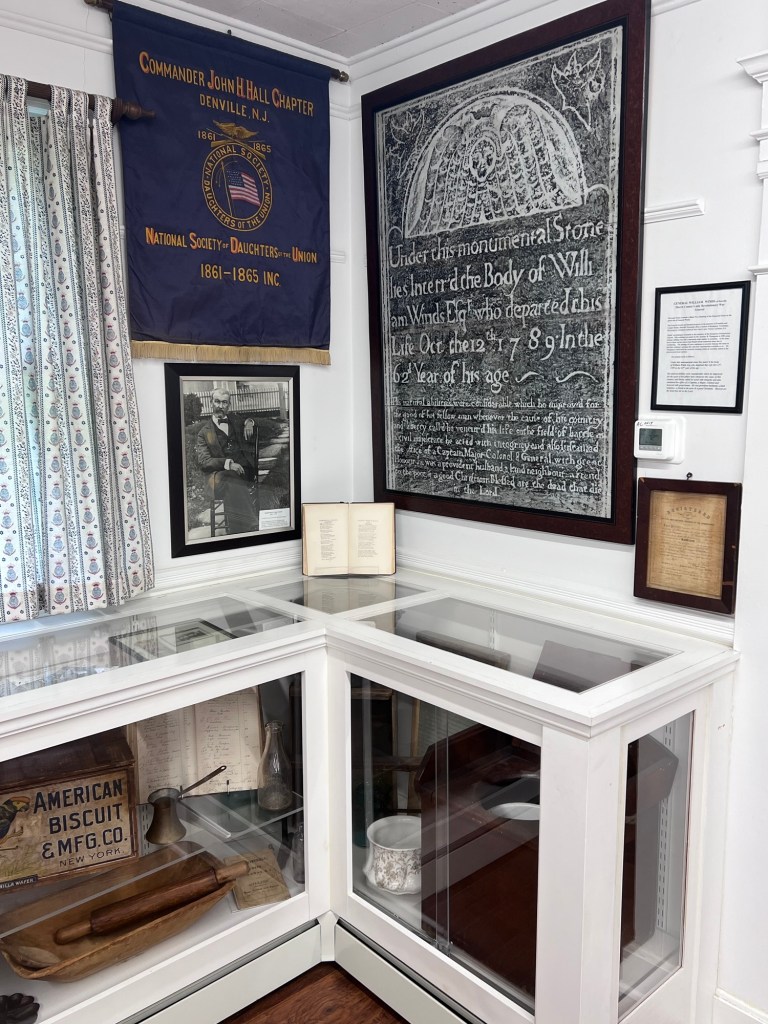
Commercial items and tombstone etchings of the period
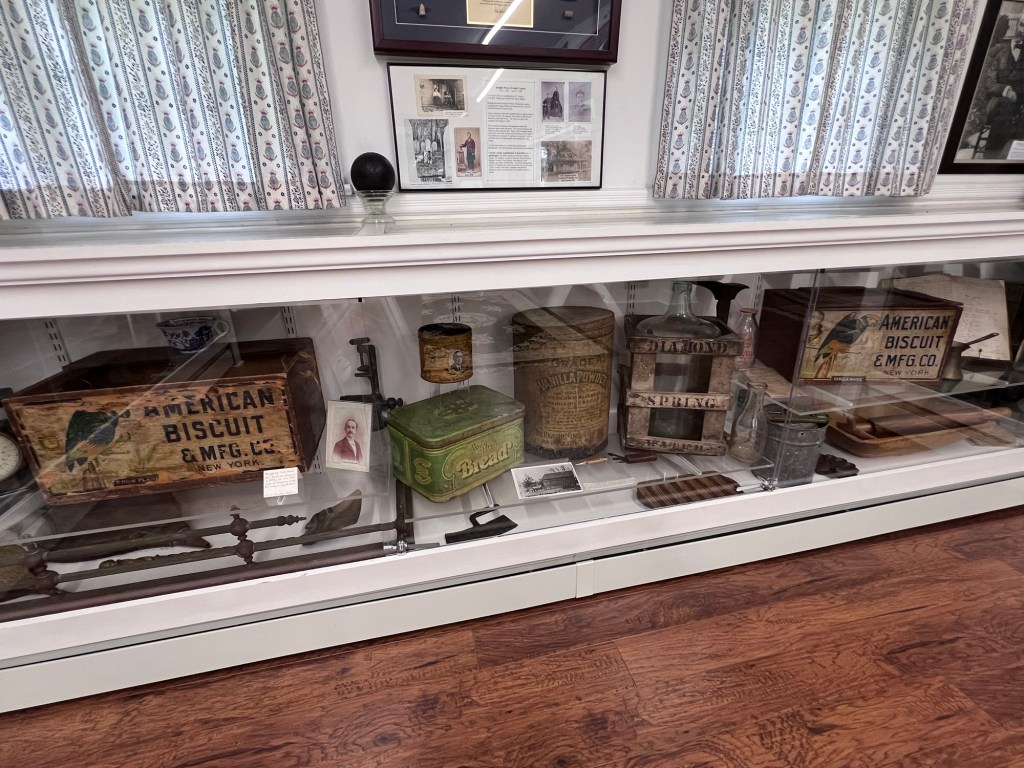
The manufactures of commercial products of that era. Many of these items are early examples from the modern Nabisco company. These were some of the original tea biscuit containers.
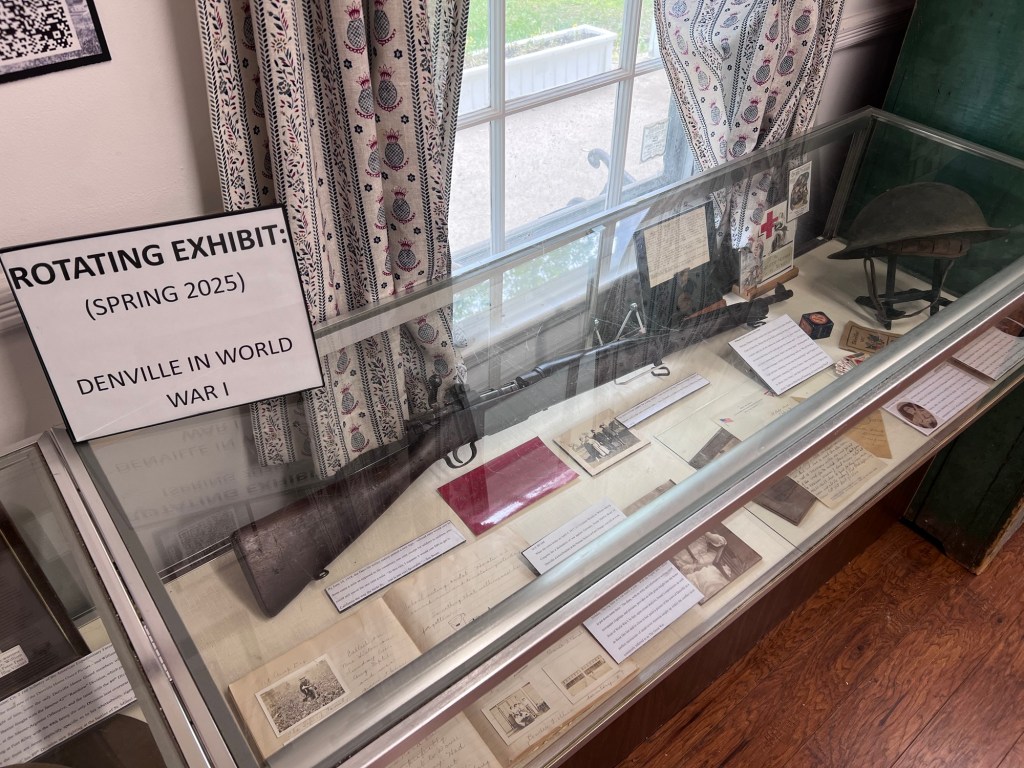
The exhibition of World War One artifacts on display
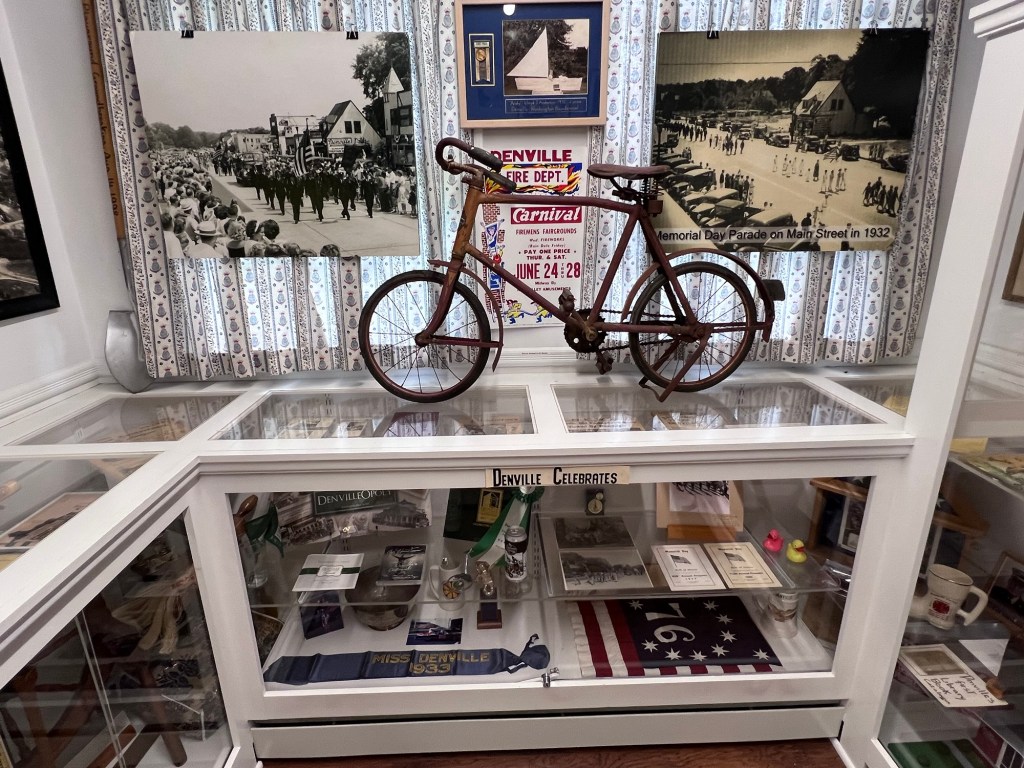
School and town events
The town parades and artifacts from the town
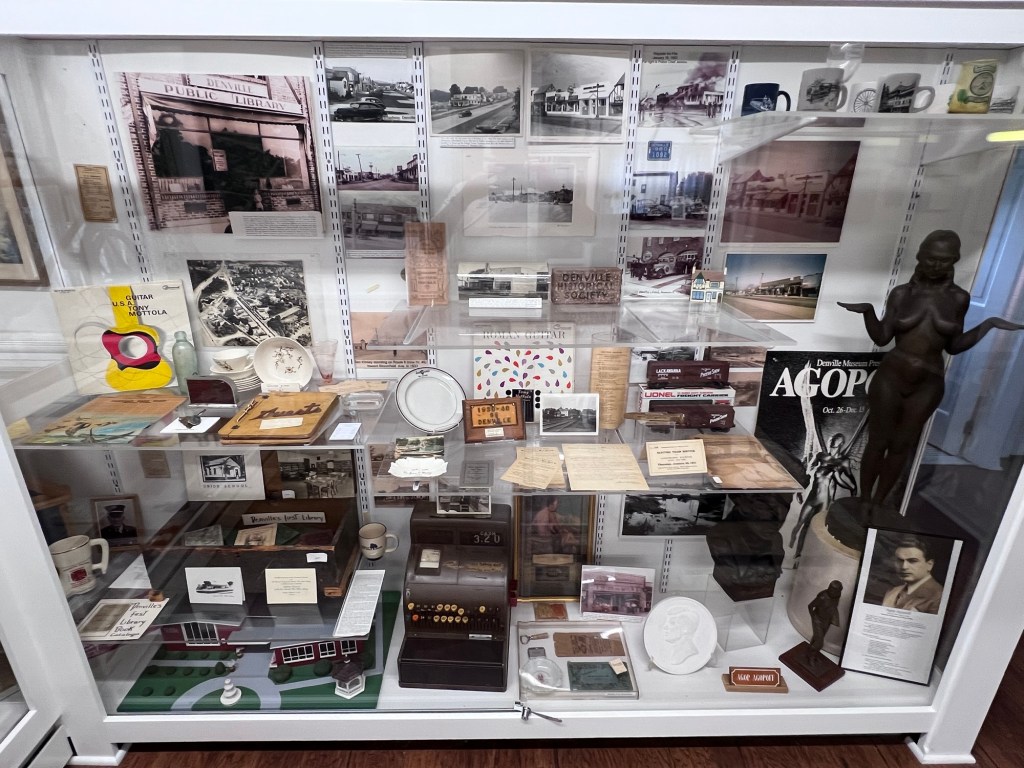
The display of town merchant items
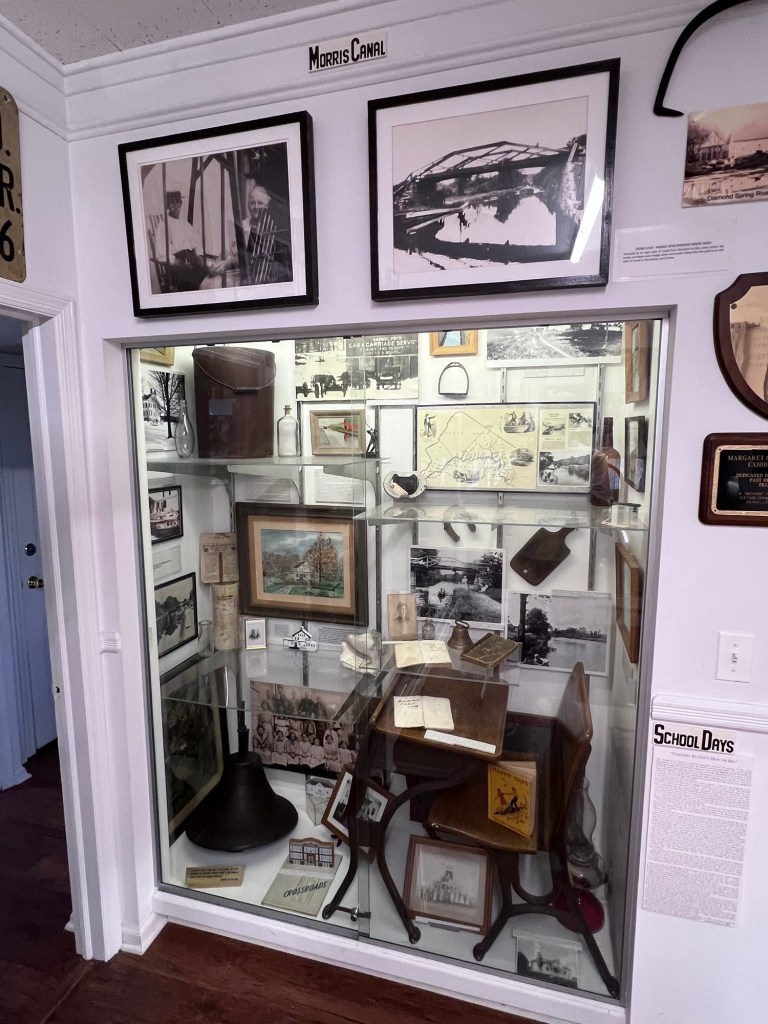
The creation of and growth of trade on the Morris Canal that once ran through the town is on display as well with pictures and artifacts.
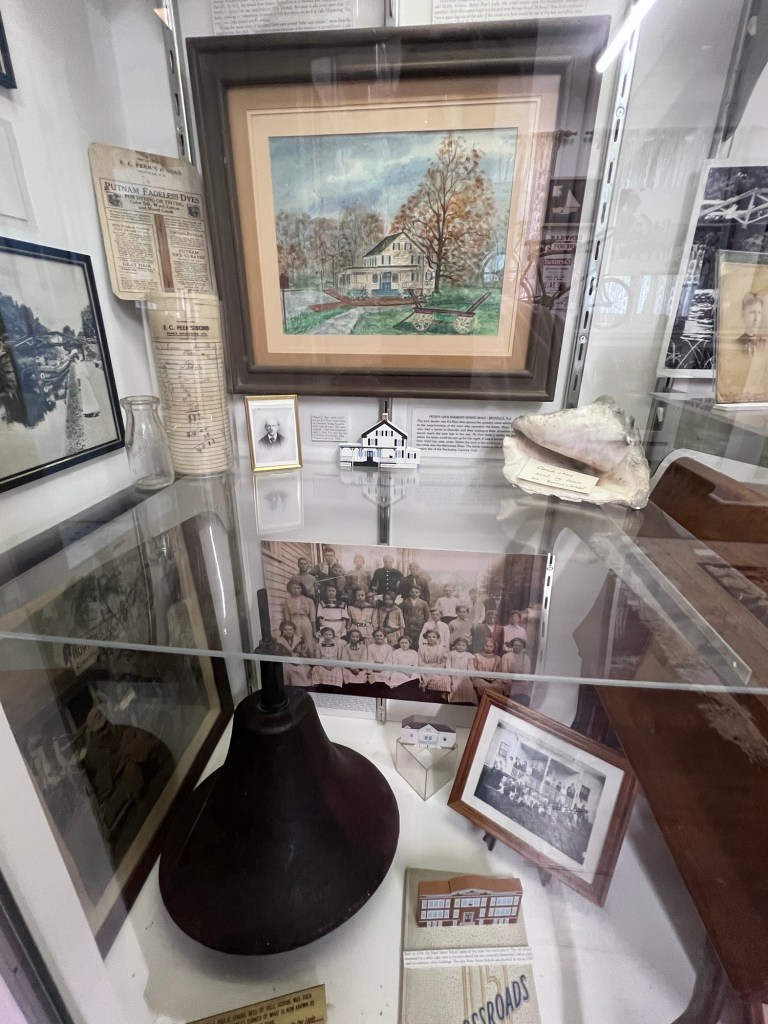
The Morris Canal display and some school house artifacts as well
More town artifacts
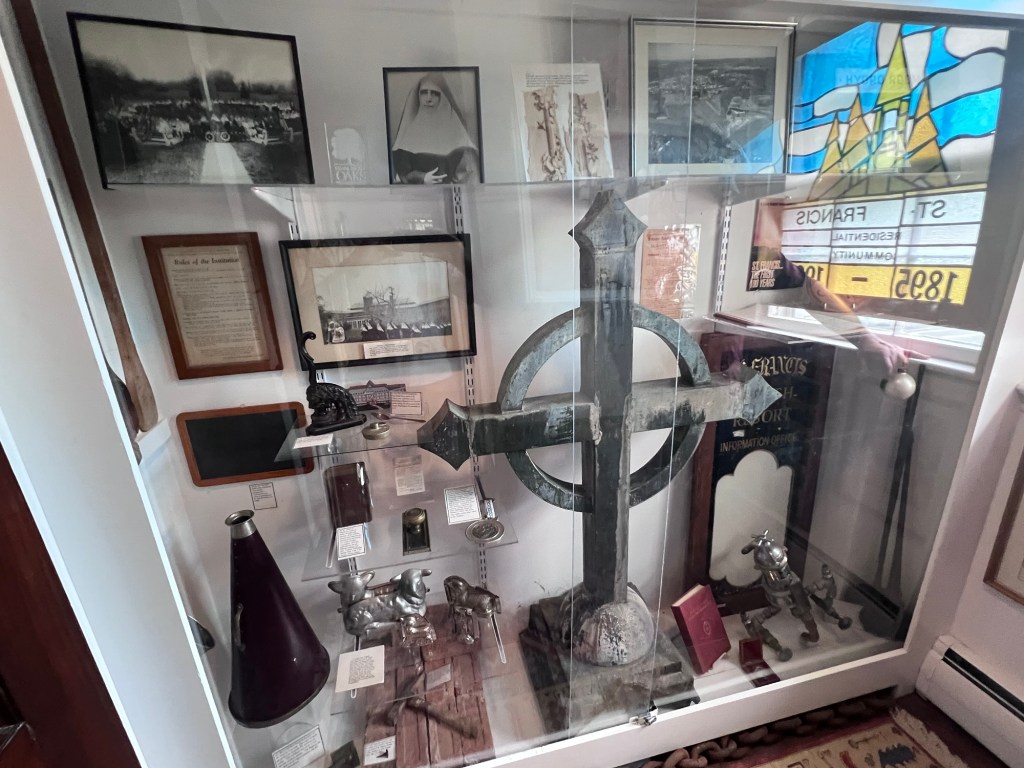
The order of St. Francis once had a building with a school here and as the order died out, they sold the building in town
These are some of the artifacts from that time
Some more of the artifacts from St. Francis
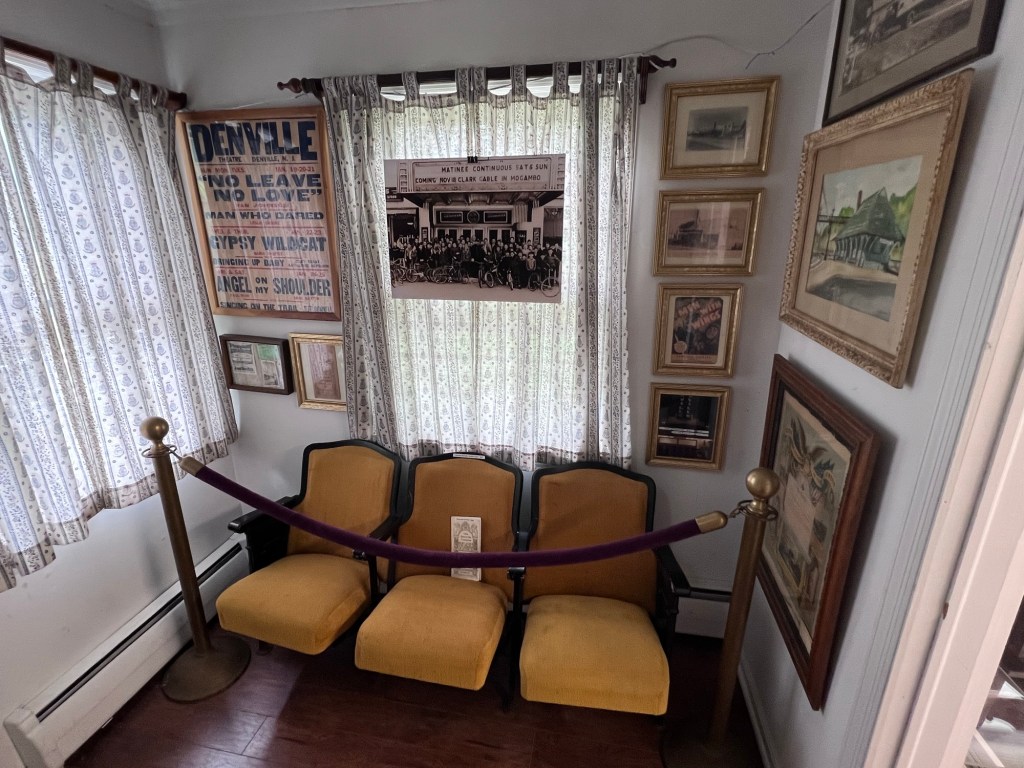
A display on the old Denville Theater
Another Ayres Family display
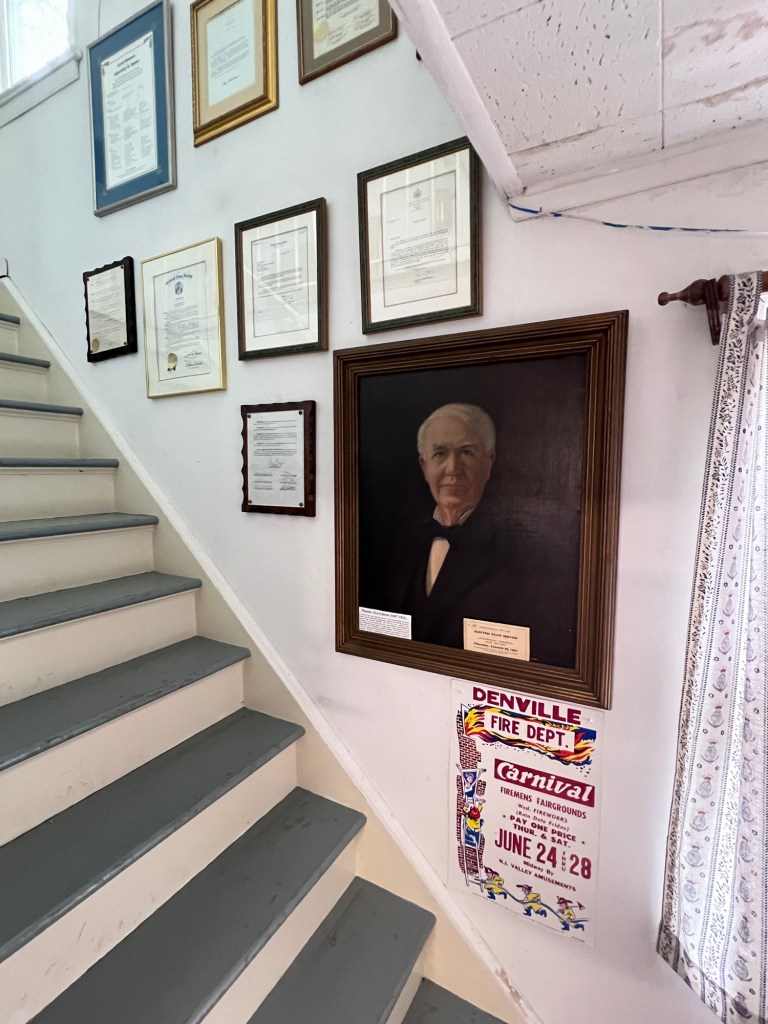
Historical items from the town
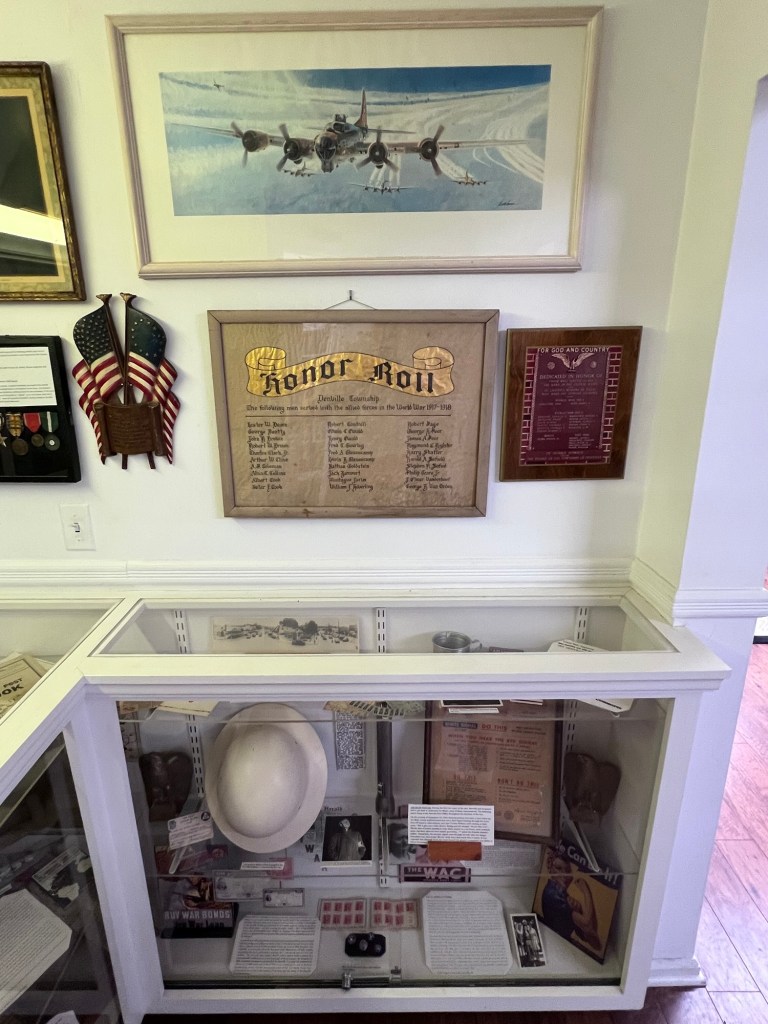
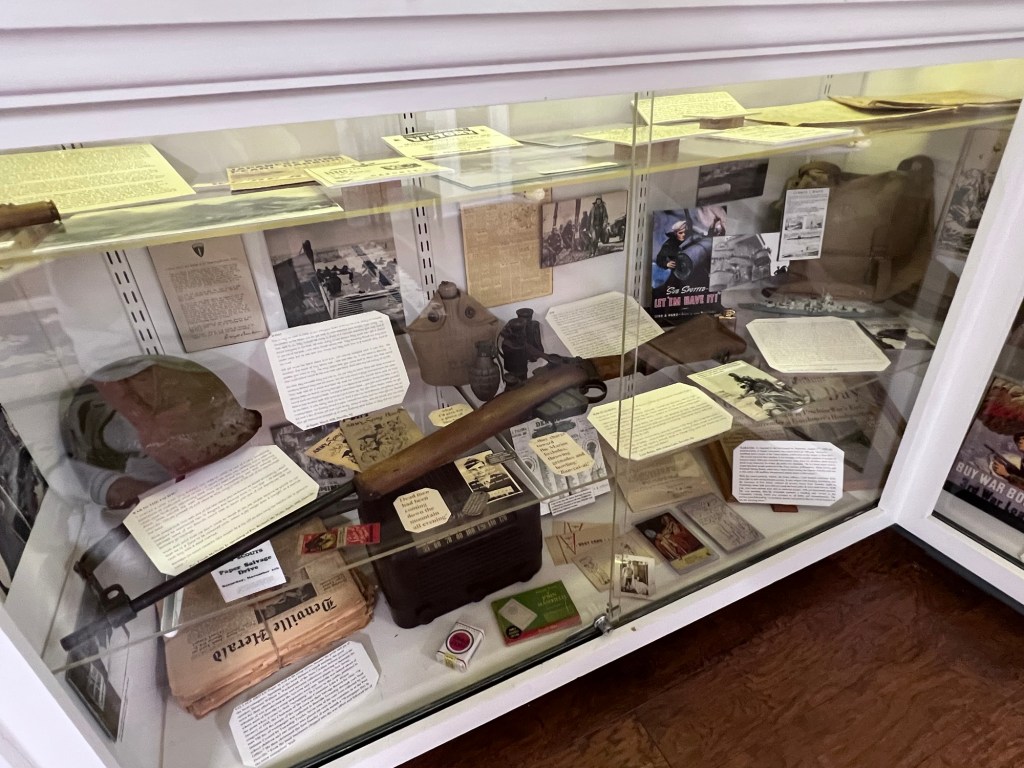
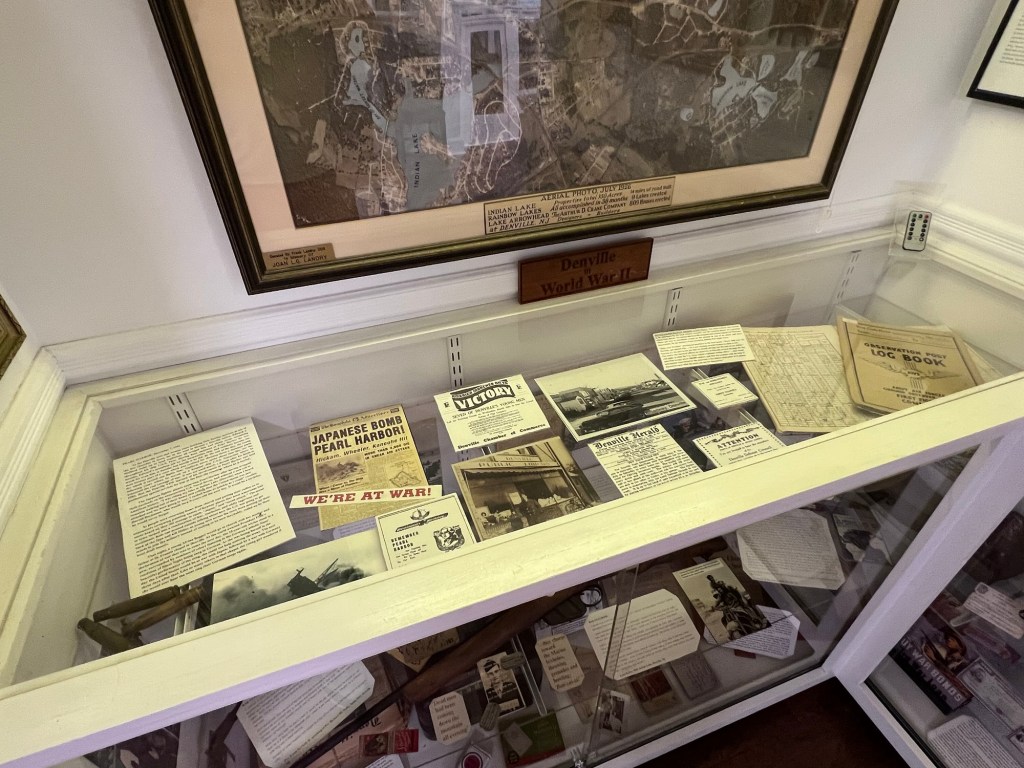
Military items from the community
More Military items
More Military items from the War years
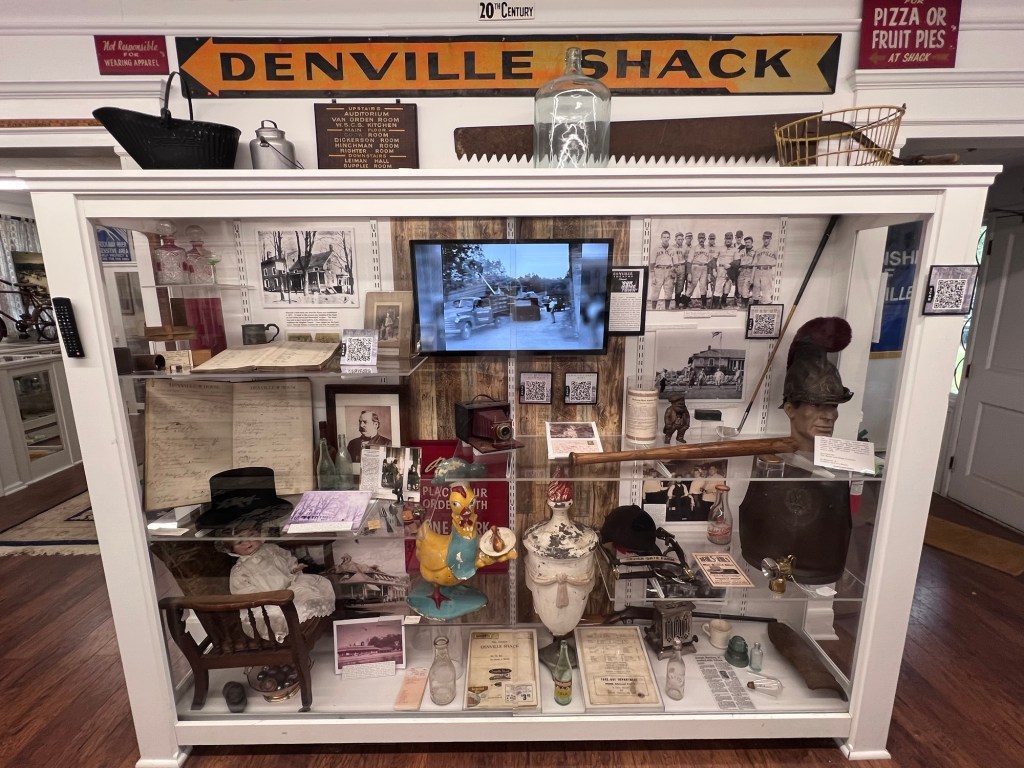
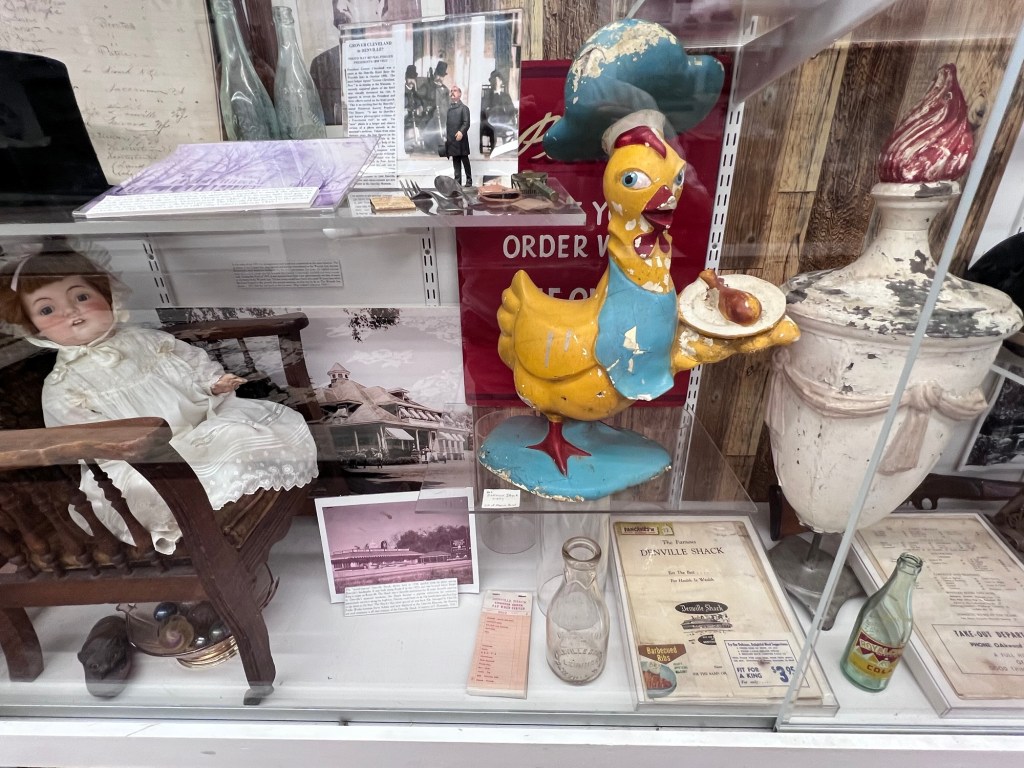
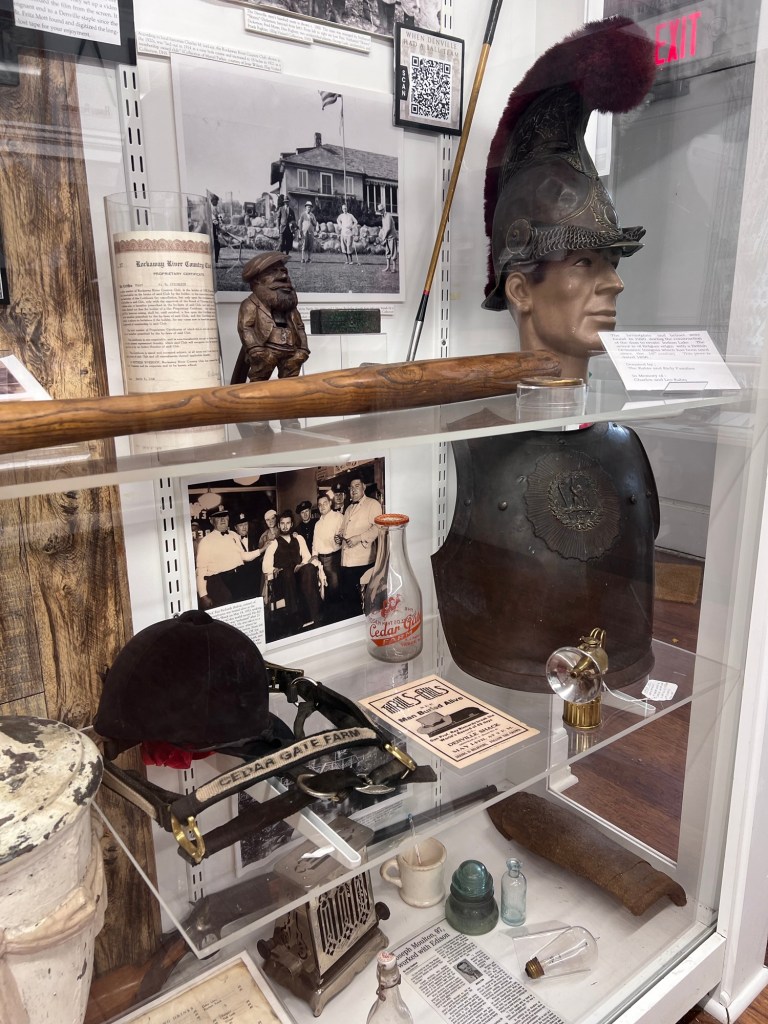
The last display I admired before I left for the afternoon was the Denville Shack display on a popular restaurant that was once in town. These popular restaurants used the dot the sides of local highways from the early 1960’s through the early 1980’s.
The display from the Denville Shack
Some of the items from the old restaurant plus other artifacts
Some other town artifacts with a set of armor that was found in town.
The Denville Museum was a delight to visit. It was loaded with interesting displays and town artifacts that not only talk about the founding of the town but how it has come into its own as a modern town and a bedroom community of New York City.















 Visiting a Museum: The Unique, Unusual, Obscure and Historical