Open: To Groups on Fridays and Saturdays and to individuals on Saturdays 10:00am/12:00pm/2:00pm
Fee: Free to Individuals/Donations welcome-Groups tours are $100.00 for up to five people with an additional $15.00 fee per person. There is also an administration fee of $25.00 for groups over 20 people.
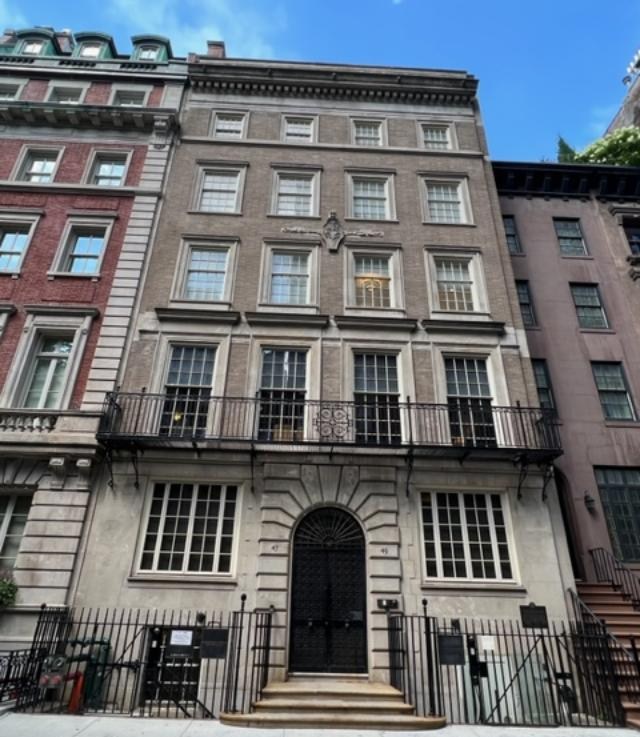
The Sara Delano Roosevelt Home at 47-49 East 65th Street
It is amazing what you discover when you are walking around the Upper East Side of Manhattan. I was exploring the Streets of the Upper East Side for my blog, ‘MywalkinManhattan’ and when walking around the Hunter College Campus came across the Sara Delano Roosevelt Memorial House at 47-49 East 65th Street.
This beautiful brownstone was built as a wedding present to Franklin Delano Roosevelt and his wife, Eleanor and their future family by his mother Sara Delano Roosevelt. It was their New York City residence until they moved to the White House. His mother continued to use the house until her death in 1941 when the home was sold to Hunter College.
Tours are available when the building is open (Hunter College is currently closed) and you can tour the whole house. The home was listed on the National Register of Historic Places in 1980.
History of the Sara Delano Roosevelt Memorial House:
The Neo-Georgian townhouse was designed by architect Charles A. Platt for Sara Ann Delano Roosevelt in 1907. It originally held “two mirror-image residences with a single facade and entrance. Each floor had its own front reception room with a welcoming fireplace. Rear parlous could be combined through sliding doors
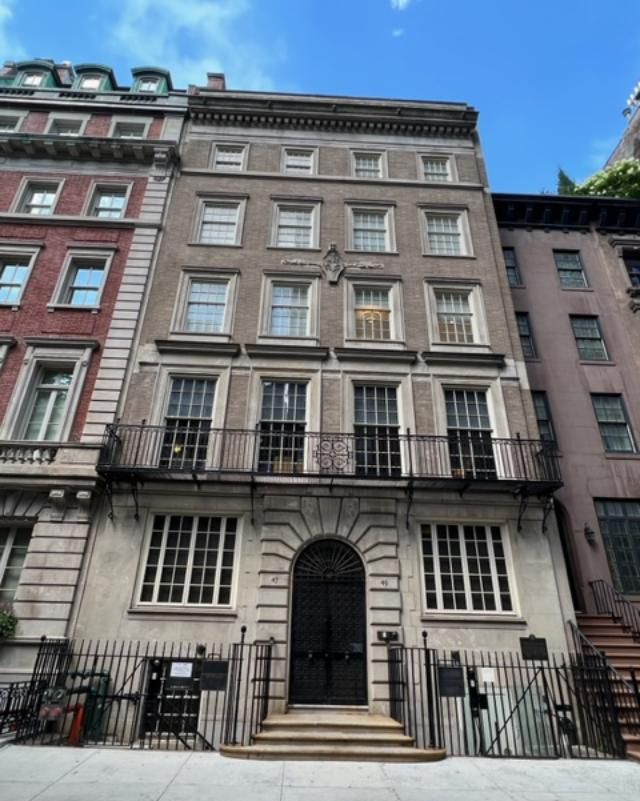
The mansion at 47-49 East 65th Street on the Upper East Side
The house was given to the Roosevelt’s by Franklin’s mother as a wedding gift for them. The house originally two homes and Franklin’s mother had doors put in place so she could enter their part of the home whenever she wanted. The house was used by Sara Ann Delano Roosevelt from its completion in 1908 to her death in 1941 and intermittently by the Roosevelts until the sale to Hunter College in 1943.
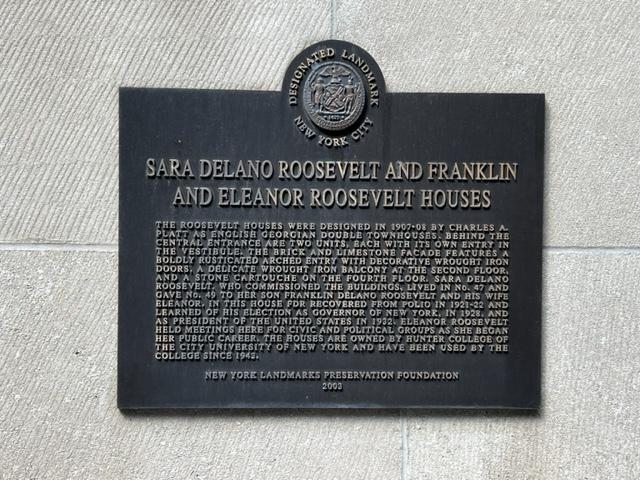
The house historical marker
After his mother’s death in 1941, President Roosevelt and his wife placed the house up for sale and a non-profit consortium was organized to purchase the house on behalf of Hunter College.
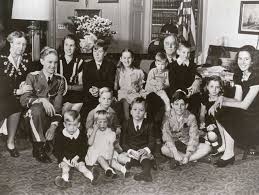
The Extended Roosevelt family
The house was closed in 1992 and reopened in 2010 after an $18 million renovation. Leslie E Robertson Associates was the structural engineers on this renovation. The building is currently used by Hunter College as the Roosevelt House Public Policy Institute at Hunter College or just known as the Roosevelt House.
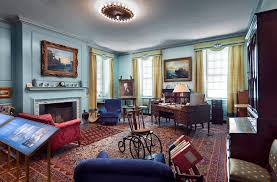
The inside of the house’s museum
(Disclaimer: This information was from Wiki and I give them full credit for the History of the Roosevelt House).
The Old Paramus Reformed Church at 660 East Glen Avenue
I have toured the Old Paramus Reformed Church at 660 East Glen Avenue in Ridgewood, NJ many times during the year. I have been on cemetery walks and talks during the summer. I have had Christmas services at the church during the Epiphany. I have also toured the grounds during Halloween when the Ridgewood Historical Society had lead tours at the church.
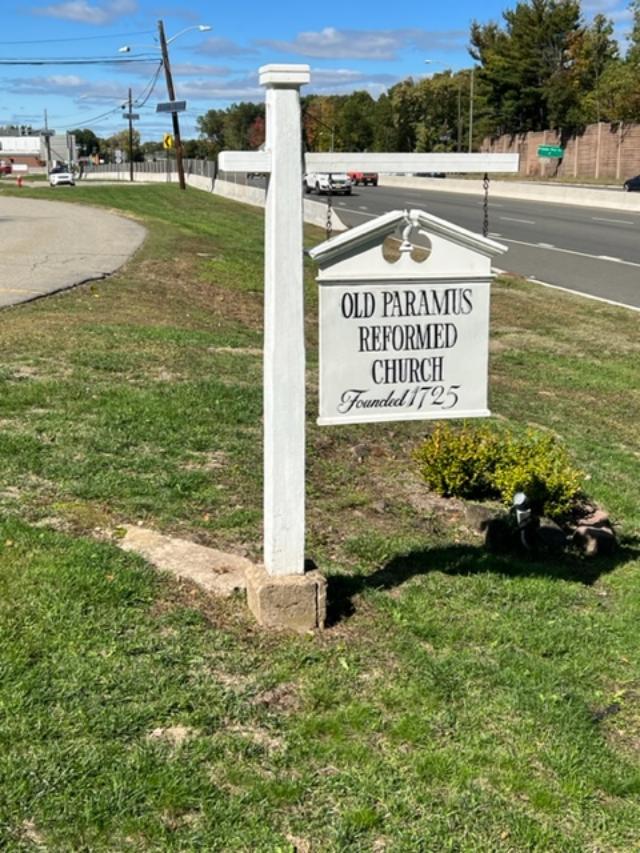
Signage from Route 17
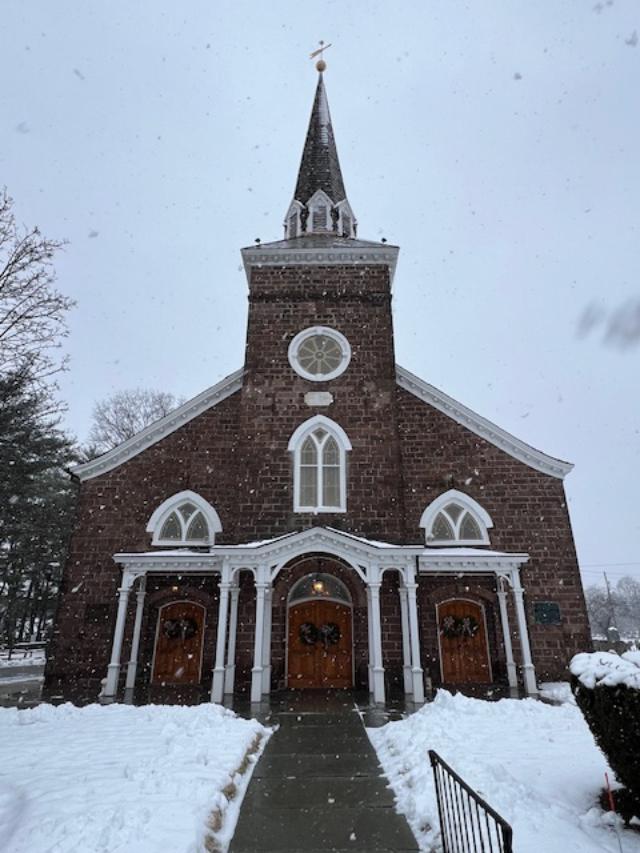
During the Christmas holiday season I was so busy that I was not able to visit my local church. So when I was able to celebrate the Epiphany, I visited the Old Dutch Reformed Church in Ridgewood, NJ. The Church is one of the oldest in both Bergen County, NJ and the State of New Jersey. It is especially beautiful during the holidays. I love coming here because it just reminds you of Christmas and what a church should look like during the holidays. It looks like a Currier & Ives woodcut during the holiday season. The congregation does a nice job decorating it.
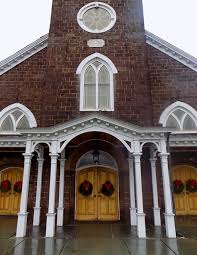
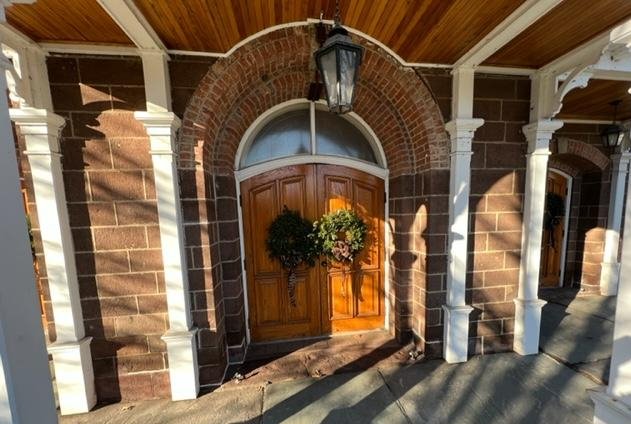
The entrance to the Old Paramus Reformed Church at Christmas time
It really was a nice service with music, the choir singing Christmas hymns and a bell service. It reminded me of my years at the Dutch Reformed Church in Woodstock, NY when I celebrated Christmas there. The whole church was decorated in holly and garland with Christmas trees in the corners and white candles lit in the corner.
The entrance of the church in 2023 for Epiphany services.
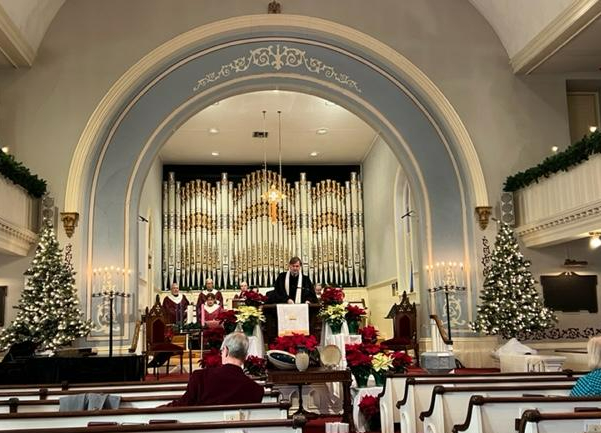
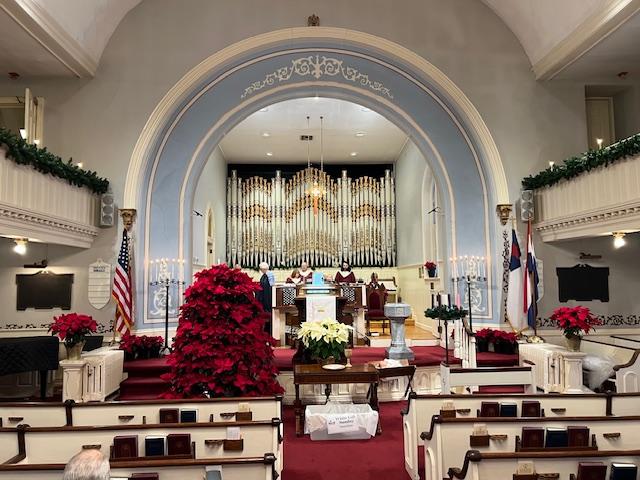
The Inside of the Old Paramus Reformed Church for the Epiphany holidays in 2023.
The interior of the church during Epiphany services 2022
The start of the Epiphany Services January 8th, 2022
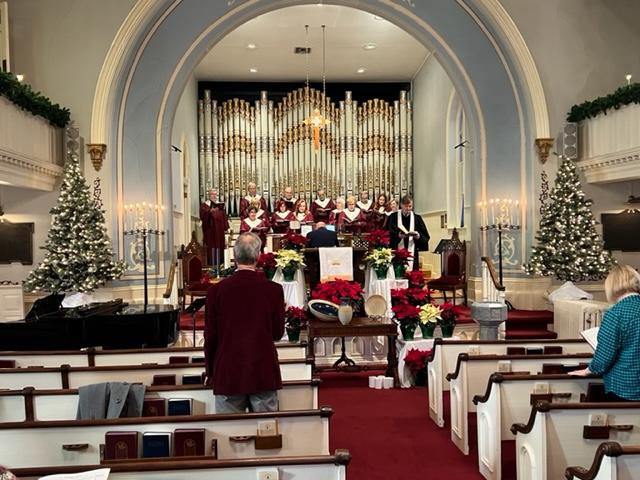
The Choir singing during church services at the Epiphany services
The beautiful decorations at Christmas time at the Paramus Reformed Church
The Front Alter with the Poinsette tree.
The Poinsette tree at the Alter.
What I liked after the service was over was that everyone walked up to me to greet me. I was one of the younger people in the church and I guess that they were happy to see some young blood. The congregation is so welcoming as I think they want newer members to join and I have to say that the services there are very inspiring and though provoking.
The outside of the church during the Epiphany in 2023. It looked like it was out of a Currier & Ives woodcut.
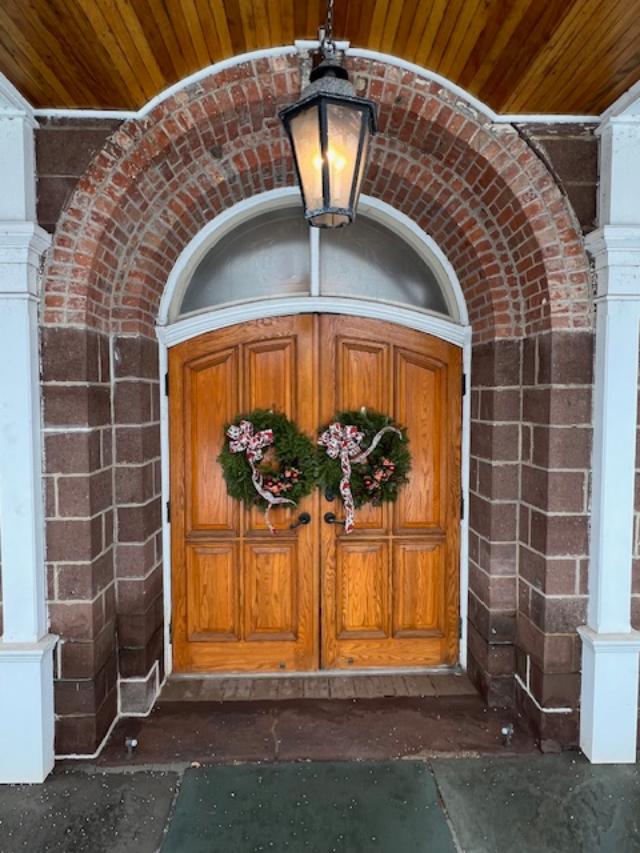
The doorway of the church at Christmas time.
I find that message very positive and very contemporary in an environment that may seem old-fashioned to some. It is called manners, curtesy and a sense of spiritualism that is lacking in the world today. They make the church so welcoming again.
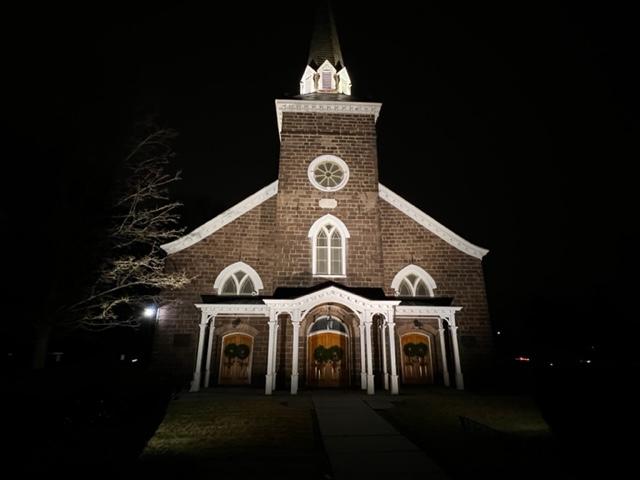
Paramus Reformed Church at nighttime during Christmas 2022
Paramus Reformed Church during night time Christmas services
Nativity scene at the Paramus Reformed Church during Christmas 2022 at night
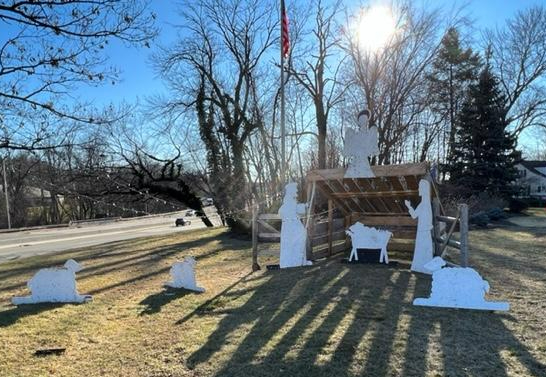
The Nativity scene during the day
The services there are very nice and I thought the church with its wooden benches and older architecture made the service even more special. It was a combination of the decoration, the music, the songs and the friendliness of the congregation that made the last day of the 12 Days of Christmas special for me.
This church makes a statement when passing it on Route 17 South.
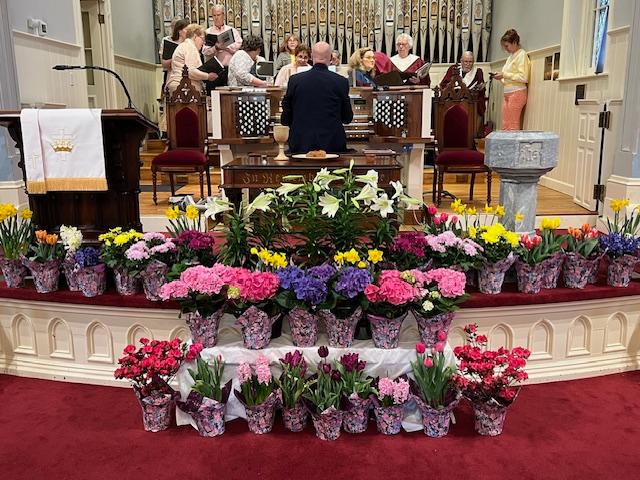
I visited in 2024 the Easter service which was a nice change of pace. I really liked the service of the Reformists and the Reverend here is super nice and very inspirational.
The Choir preparing for the Easter Mass in 2024.
The beautiful flower assortment at the church during the Easter service.
The floral cross on Easter 2024 during the church service.
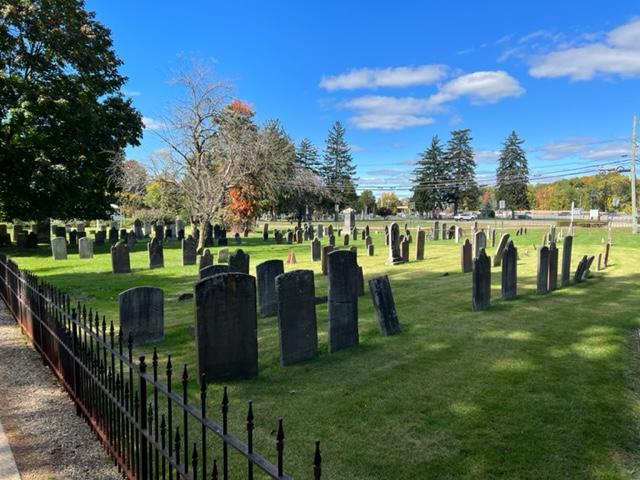
I had also been to the church a few years prior for a private cemetery walk through the back part of the church looking at the old tombstones, The church is the burial place of many of Bergen County’s original settlers so the headstones are very old. Some of the tombstones were made of sandstone and the other of shale. Many had not survived the weather after all these years.
The cemetery at the Old Paramus Reformed Church is an interesting place
The interesting part of the pre-Halloween walk was that the tour guide from the Ridgewood Historical Society told us the reason the cemetery was shaped the way it was today. The cemetery was placed around the original church and when the new church was built in 1800, the newer part of the cemetery was created. It is interesting to walk amongst the graves and look at all the names of the original families of Bergen County that included the Haring’s, Zabriskie’s, Terhune’s, Blauvelt’s, Van Ripper’s and Demarest’s.
The cemetery at the Old Paramus Reformed Church
The cemetery guide at the Old Paramus Reformed Church
Touring through these historical graveyards is a step back in time. History was made by the people buried here who contributions in the shaping of the Revolution and Civil Wars shaped not just Bergen County and New Jersey but the whole country as well.
The Conklin Family
The Banta Family
The Snyder family
If you get a chance to tour the church or the grounds you will know the reason why this is such a special church. Maybe it was the church’s rich history in Bergen County. It is a really special place during all the holidays.
I returned to church services for the Epiphany in 2025 and I always enjoy the welcoming service and the choir at the church. It is also still decorated for the holidays. Some places do forget that there are Twelve Days of Christmas.
The church decorated for the Christmas holidays
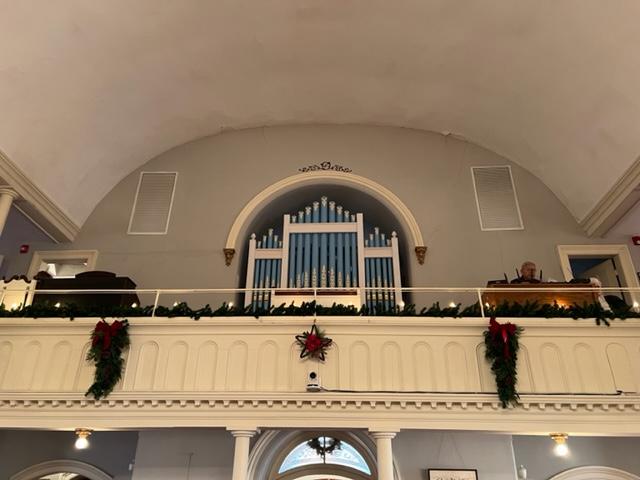
The organ area beautifully decorated
The choir practicing before the service
The History of the Old Paramus Reformed Church of Ridgewood, NJ:
(from the Church website)
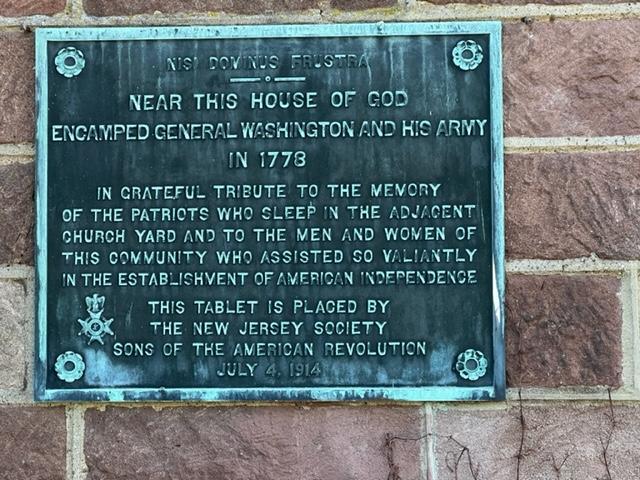
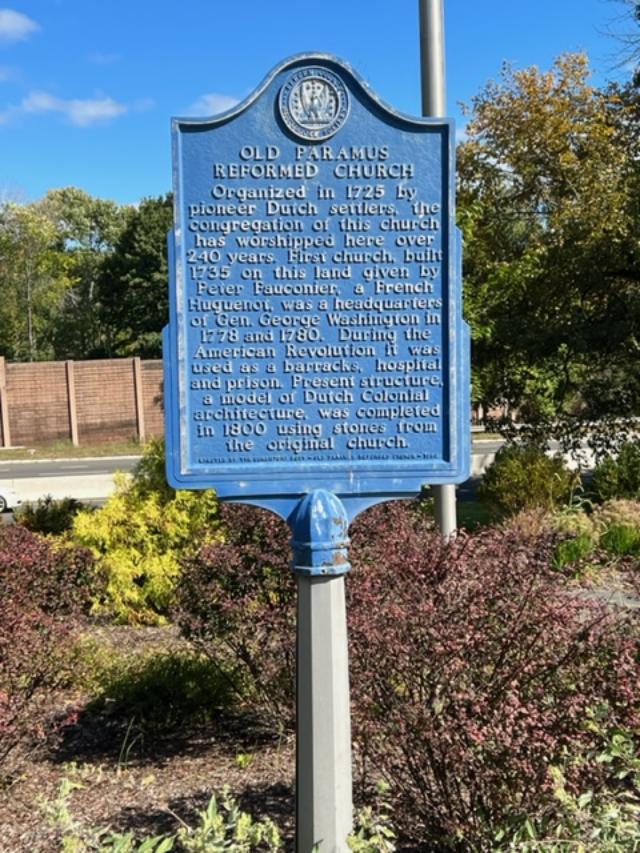
The Old Paramus Reformed Church has a rich past. The congregation was formed in the year 1725. During the American Revolution, the Paramus Church was the site of a Continental Army military post for four years during which clashes between American and British forces tool place. It was also in the original church building that General George Washington held a session of the court-martial of General Charles Lee who disobeyed order at the Battle of Monmouth in 1778. Washington had his headquarters here at the church a total of ten times during various days from 1778-1780.
Other noted Revolutionary War figures such as Alexander Hamilton, the Marquis de Lafayette, Anthony Wayne, Richard Henry Lee and Aaron Burr also were here from time to time during the war. From early colonial times, slaves were members of the church congregation, the upper galleries on both sides being designed for their use during services.
The present church building was built in 1800. An interesting feature is that the pews are numbered. The members of earlier days rented them on an annual basis. The most expensive were numbers 50-57 at $52.00 per year while the least expensive were numbers 38-100 at $4.00 per year> Needless to say, the less expensive pews are at the rear of the sanctuary.
On each side of the pulpit, there are three pews placed at right angles to the rest of the pews in the church. These were reserved for the Elders and Deacons (on the left and right respectively). These persons collectively are known as the Consistory, which is the governing board of the church. It was their duty to sit in these pews each Sabbath with their Bibles and copies of the day’s sermons to check on the “Domine” as to his conduct of the service as well as sticking to his sermon!
That tradition (as to seating) was kept alive for many years in Old Paramus by members of the Consistory who sat in the first pew facing the pulpit each Sunday. The only similar practice in use today is that the Elders serving Communion sit in the first rows on either side of the center aisle.
The decorated organ pipes in the rear of the chancel (choir loft) behind the pulpit date back to 1892. In that year, they were installed when the church received the gift of a new organ from a congregation member.
The inside of the Old Paramus Reformed Church
At the top of the arch the pulpit, there is a Dove of Peace. The dove is made of wood and is hand-carved. The exact date of origin of the dove is unknown. One authority claims that, “The bird is an eagle and was a donation by Dr. Garrett D. Banta in 1800.” Records from the Consistory minutes read: 1874, August 3rd: Resolved that the Consistory thankfully recognize the kindness of Mrs. Catherine Wessella for repairing and regilding the Dove, which has been a part of the decoration of the old church.
There are three flags on the pulpit-the American flag, the Christian flag and the flag of The Netherlands, the last representing our Dutch heritage. In a similar vein, for many years the Dutch flag was flown under the American flag on the staff in front of the church. Today only the American flag is flown on the flag pole.
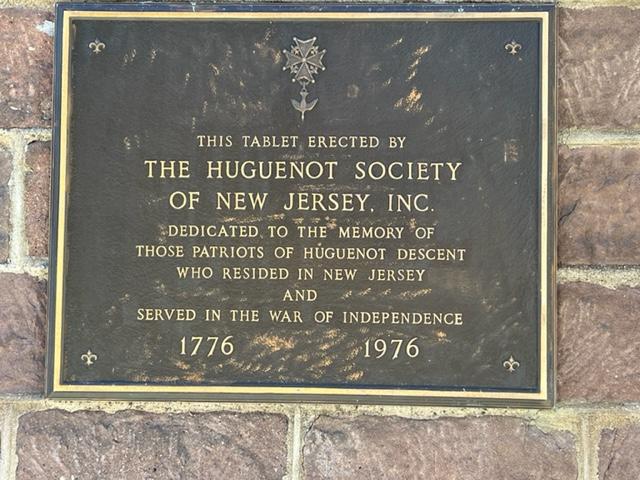
There are several plaques on the inside walls of the church. Some honor the ministers and others honor the various Consistories since 1725. Another just inside the front door notes that this church has been placed on the National Register of Historic Places. In display cases you will find various bits of memorabilia concerning our history.
When attending Old Paramus Reformed Church, you will have come to a warm and comfortable historic church to your whole being.
The Chandelier and the upper pews at the church during Epiphany services in 2024.
On the church campus, you will find modern Educational Building which houses the church offices and facilities need for Christian nurture. Another building is the one-room church like schoolhouse. This building houses the Ridgewood Historical and Preservation Society and is known as The Schoolhouse Museum. It was built in 1872 and was used as a school until 1905. It contains many items of historical note to this area. Make it a point to visit this museum during visiting hours. You should find it to be a very interesting and reward visit.
The signage of the historical landmark status
So what kind of church is Old Paramus Reformed Church? It is affiliated with the Reformed Church in America, the oldest Protestant denomination with a continuous ministry in America. The first church was established in New York City, then known as New Amsterdam in 1628. The Collegiate Churches presently represent the origins of that original Congregational. The best known is Marble Collegiate Church, which is where Dr. Norman Vincent Peale was the minister for fifty-two years. The Reformed Church in America (RCA) is an historic denomination coming out of the Reformation when the Church was “re-formed” and re-organized according to the teachings of the Word of God, the Bible. The Reformed Church of is Biblical in doctrine, semi-liturgical in worship. Presbyterian in government and evangelical in practice.
This year, Old Paramus Reformed Church celebrates 295 years of God’s Loving Spirit. Come join us next Sunday at 10:00am. We would be most happy to see you and you will surely feel rewarded for the experience.
(Disclaimer: This information was taken from the Church’s history and I give them full credit for the information).
My International Marketing class at Bergen Community College recently did a complete study and marketing plan for the “Bergen250” on the Revolutionary War veterans buried at graveyards and cemeteries all over Bergen County, NJ:
For a Mapping of all the historic graveyards and cemeteries, I had the students visit all the sites that the Daughters of the American Revolution had researched and I had the students find all the locations, photo the tombstones and create a bio on each of the veterans. I enclosed a copy of their work above.
My blog on the historic graveyards and cemeteries of Bergen County:
These are the graves of members of the veterans of the American Revolutionary War that I could find recently when I visited the church graveyard:
The grave of Wait Rathbone
The grave of John Van Embury
The grave of Calpares Westervelt
The grave of Johannes Ackerman
The graves of Abraham Hopper and his wife, Mary
It was fitting that we honored these men and their families on the 250th Anniversary of our country. Thank you for your service gentlemen for our freedom and the freedoms we sometimes take for granted in this country.
Open: Seasonal when school is open and only at certain times of the year
Fee: Free-check in with the security guard
The High School of Art & Design at 245 East 54th Street
I passed the High School of Art & Design when I was touring the Turtle Bay neighborhood in Manhattan for my blog, MywalkinManhattan.com. The school was open during the Spring Break and some of the kids were in the school were taking classes. The security guard let me walk around and then he asked me would I like the see the art gallery. I said sure and I was able to explore the John B. Kenny Gallery.
John B. Kenny was Ceramist and an administrator who saved the school and created the school with three other artists in 1936. He founded the school with artists Henry Cordes, Mildred Harston and Jerod Magon.
The Mission of the High School of Art & Design is to inspire, educate and fully prepare our gifted students to become exceptional artists. Through a unified curriculum that incorporates a broad spectrum of disciplines integrating art, technology and academics, our students are prepared to go on to college and careers with industry-standard mastery in the major of their choice.
With a commitment to promoting strong ethical values and professional demeanor, we strive to foster a sense of community among our students, staff and parents. We are dedicated to engendering student’s productive, creative and innovative participation in the world of visual arts as concerned and caring citizens of the global community (School Mission Statement).
The Gallery is full with Alumni and student art and it revolves at various times of the year. It is a nice size gallery full of interesting art. There was a combination of sculpture, painting and paper sculpture in the gallery.
The John B. Kenny Gallery is very interesting
I was only able to spend a short time in the gallery but it is a hidden gem tucked in the side of the main entrance and just talk to the security guards at the front of the school and they will let you tour on your own.
The entrance to the Gallery is at 1 East 53rd Street
The Dragon that guards the door of the gallery.
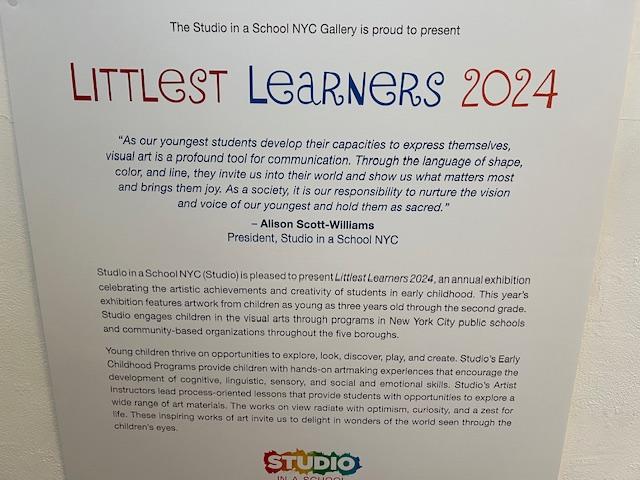
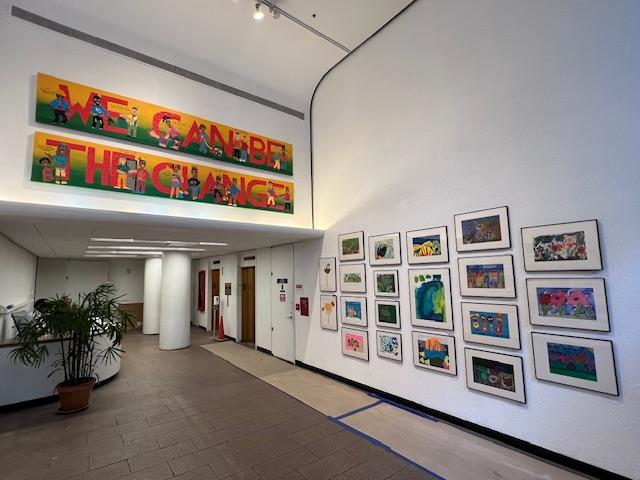
I came across this little gallery full of Public School K-12 art when walking around the Upper East Side for my walking project, “MywalkinManhattan.com” This small gallery space in the lobby of 1 East 53rd Street has a revolving exhibition of works from students in schools all over New York City.
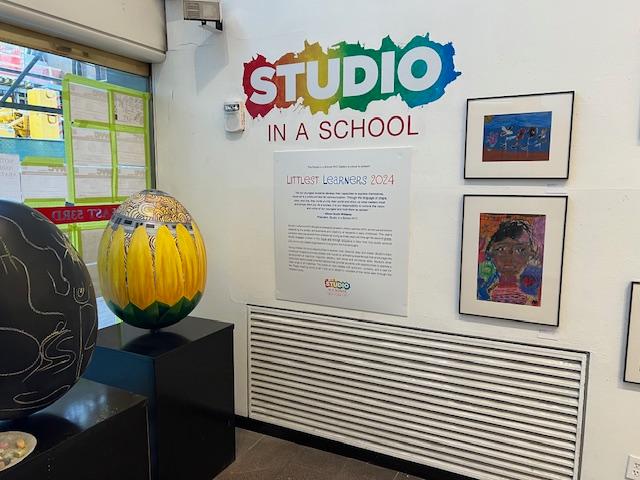
The revolving art at the Studio in a School Gallery is unique.
The Littlest Learners 2024 exhibition.
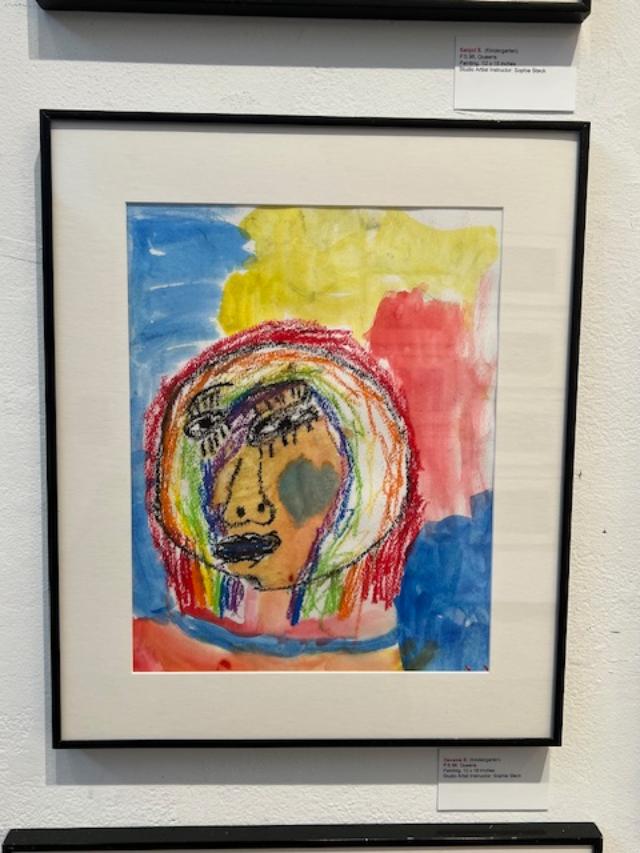
The art gallery revolves its art at different times of the year and you get to see the students creativity. There are paintings, sculptures and paperwork objects. It is amazing to see the talent the students have at all ages.
“These kids have talent “Littlest Learners Exhibition 2024”
“Littlest Learners Exhibition” gallery work. Like a Picasso.
“The Littlest Learners” exhibition
The best part of the gallery is that it is free. Just don’t try to go past the security guards at the desk and you will be fine. Take time to look at the over-hanging paper sculptures. They are very unique. Almost like a surrealist kite.
The “Littlest Learners” exhibition was wonderful. It was like visiting a modern art gallery of contemporary works. The 2024 exhibition was colorful, creative and delightful.
What is also nice is that it is free and only takes about 45 minutes to get through the whole gallery so it is a nice place to visit on a rainy day or on lunch hour.
Congratulations to the student artists.
History of the Studio in a School:
Studio in a School fosters the creative and intellectual development of New York City youth through quality visual arts program, directed by arts professionals. The organizer also collaborates with and develops the ability of those who provide or support arts programming and creative development for youth both in and outside of schools.
Studio in a School serves young people by integrating the visual arts into teaching and learning and provides professional development for artists and teachers.
In 1977, during a financial crisis in New York City, public school arts education budgets were dramatically cut. In response, Agnes Gund, philanthropist and President Emerita of The Museum of Modern Art, founded Studio in a School.
Today, under Ms. Gund’s leadership, together with the support of many, our programs continue to thrive, bringing visual arts education taught by professional artists to students in New York City and beyond. We fulfill out mission through two divisions: the NYC Schools Program, offering programs for students in Pre-K through high school and the Studio Institute, which shares professional learning, partnership programs, arts internships and research grants in local and national forums.
It’s such a nice little gallery of student artwork.
Disclaimer: This information was taken from the Studio in a School website and I give them full credit for the information.























 Visiting a Museum: The Unique, Unusual, Obscure and Historical