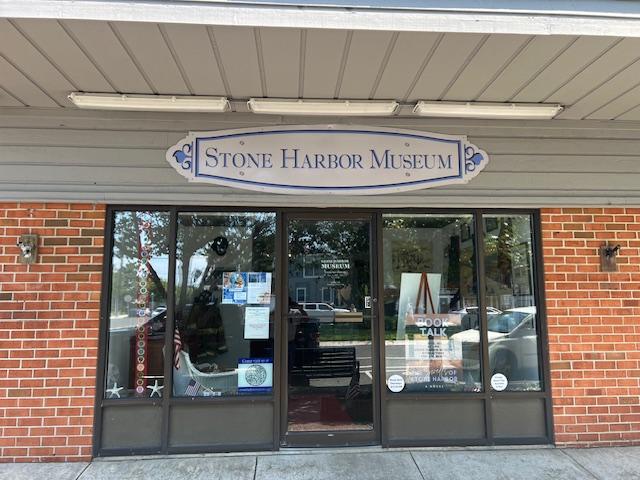
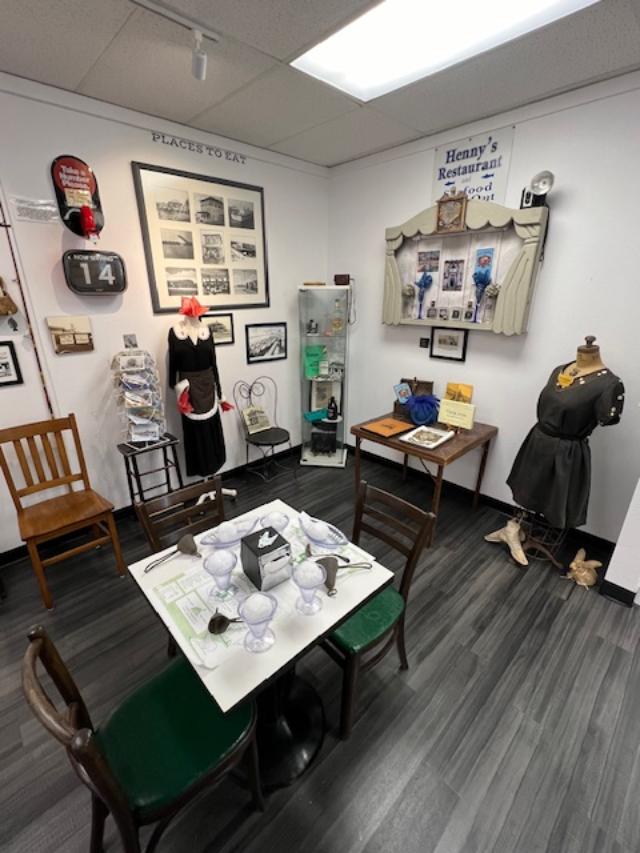
Stone Harbor (Tatham) Life Saving Station
11617 Second Avenue
Stone Harbor, NJ 08247
(609) 368-2294
https://en.wikipedia.org/wiki/U.S._Life-Saving_Station_No._35
Open: (Seasonal-June-Labor Day)
Admission: Free but they ask for a donation of $5.00
My review on TripAdvisor:
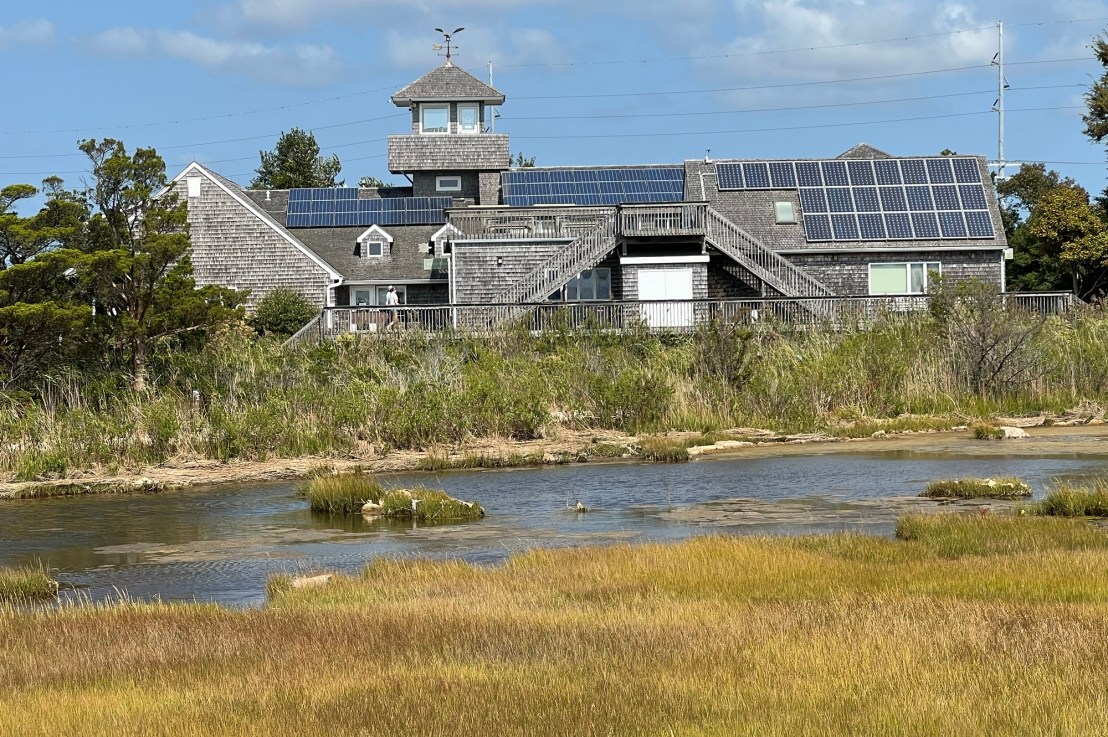
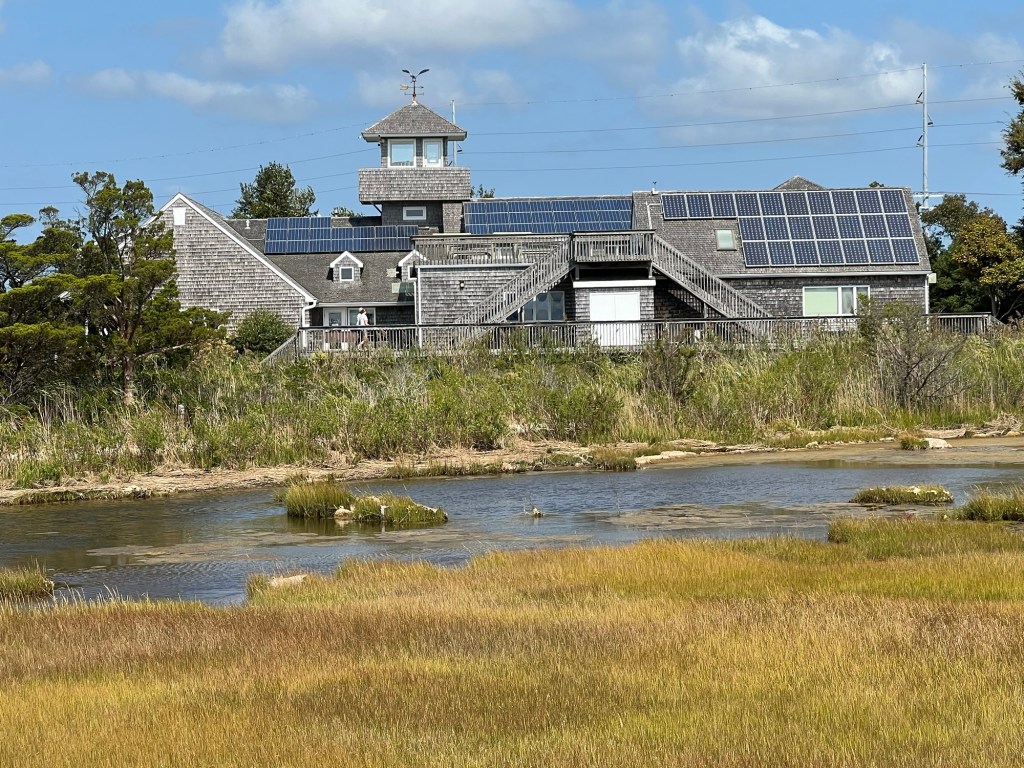
The outside of the museum:

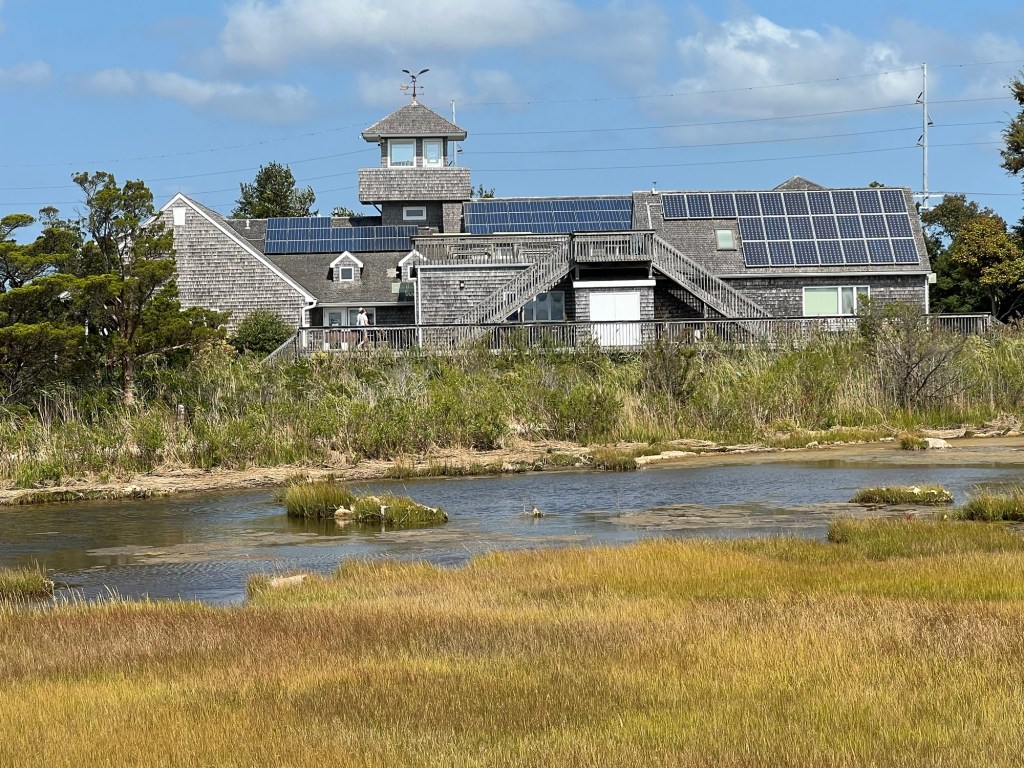
The Stone Harbor Life Saving Station at 11617 Second Avenue
(From the Stone Harbor Museum website)
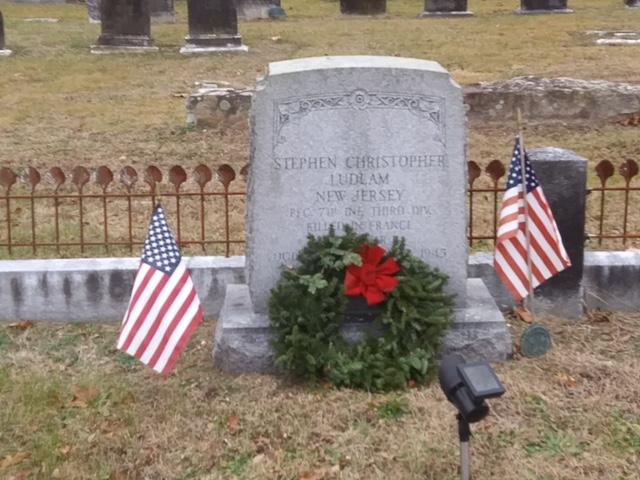
American Legion Post 331 represents both Avalon and Stone Harbor, but also includes many members from outside the area. The Post occupies the old Tatham Life Saving Station, the oldest building in Stone Harbor, and is dedicated to the memory of PFC Stephen C. Ludlam, of Stone Harbor, New Jersey (1925-1945). Stephen was the recipient of the Distinguished Service Cross (our nation’s 2nd highest award) and Purple Heart for heroic action during the Battle of the Colmar Pocket in World War II (Stone Harbor Museum website).
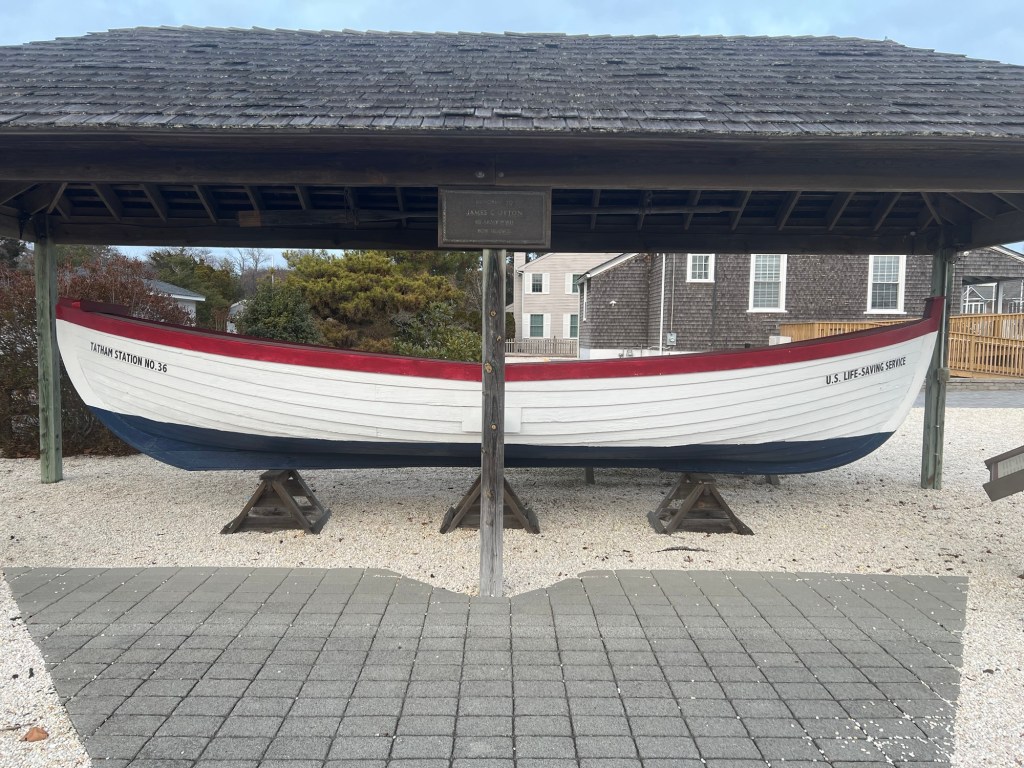
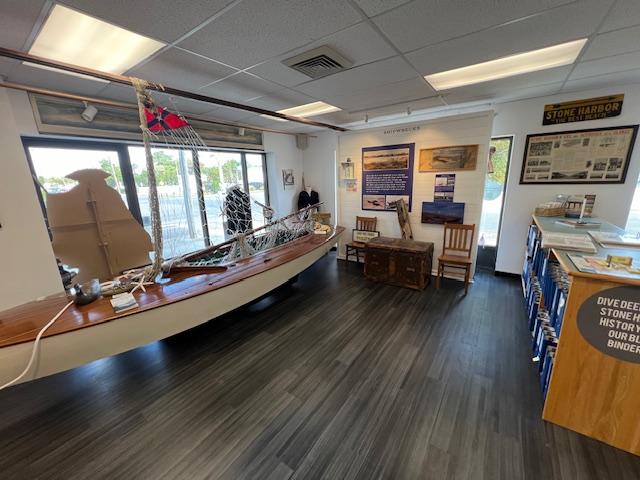
The historic Life Saving Boat
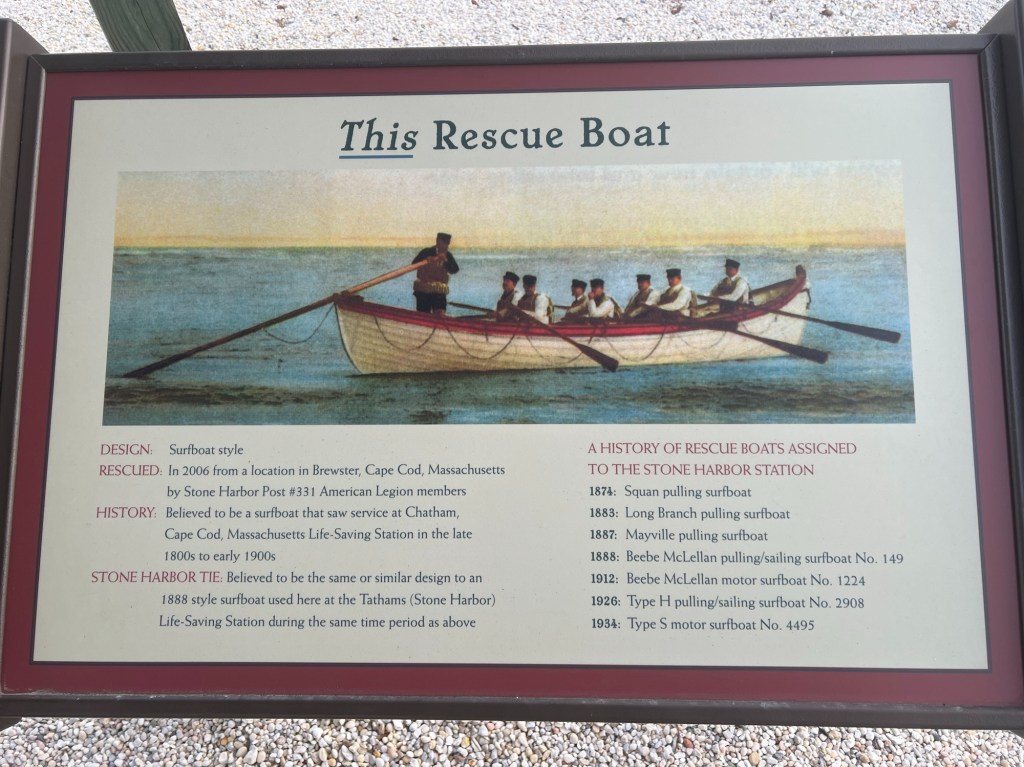
The historic signs
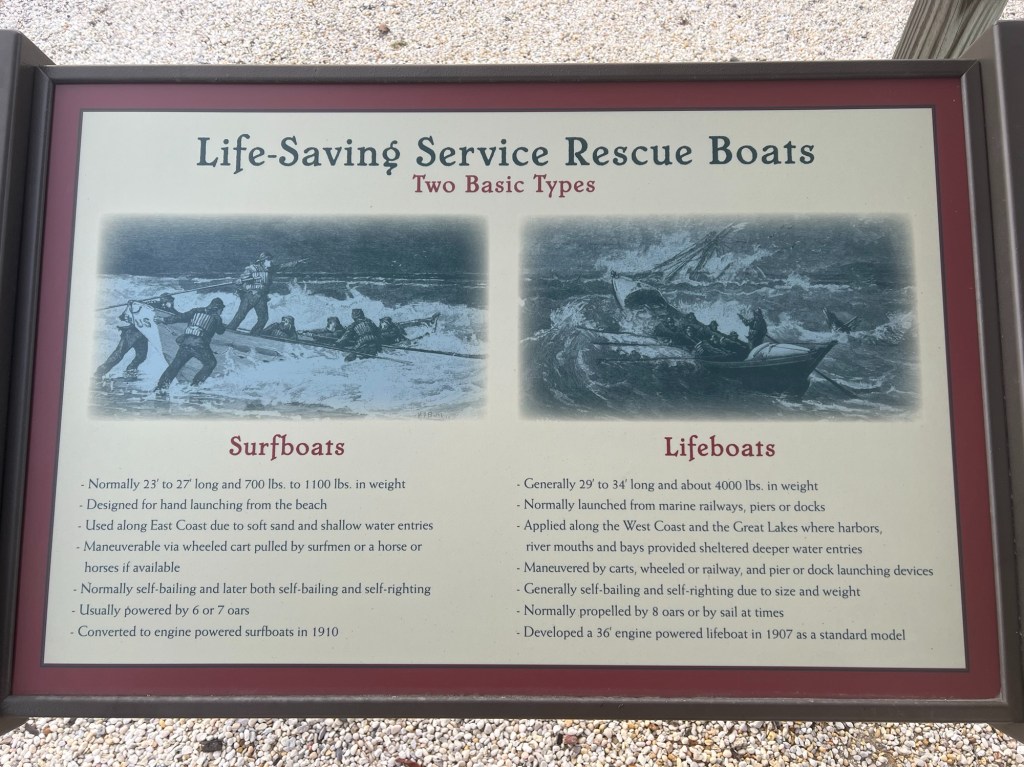
The historic signs
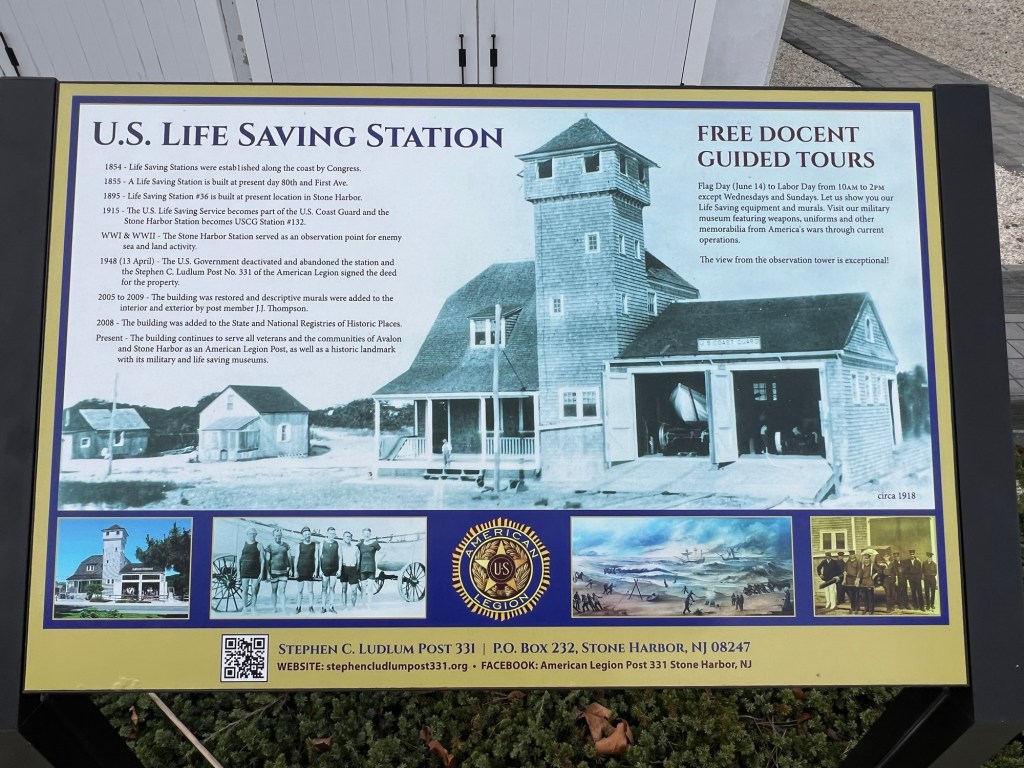
The historic signs
The museum is open for limited hours Monday-Wednesday and on Fridays from 10:00am-2:00pm during the summer months and then by appointment only during the rest of the year. The building is used for the local Veterans VFW meeting place so the building is used all year round.

The outside painting of the rescue team on the outside of the old bay
(From the Stone Harbor Museum website)
Murals in the building depict the history of the building, use of life saving equipment during the 1900s and honor to our fallen soldiers. All murals were created by artist and member Mr. James J. Thompson. Memorabilia available includes the life saving surf boat, steering oars, historic photos of the Life Saving Service and wall panels describing in detail the various aspects of life saving operations. The murals, wall panels and surfboat restoration were funded by the Cape May County Board of Chosen Freeholders. Also of interest is the view from the tower which presents an excellent panorama of Stone Harbor, the ocean, Hereford Inlet and the bay (Stone Harbor Museum website).

The second painting
I took a guided tour on a recent Friday and one of the veterans gave me a very though tour of the museum and all the displays. If you like this depth of the history of both the Coast Guard, the Jersey Shore Rescues and this history of all the wars especially WWI and WWII, this museum shows that history in depth with artifacts from both local residents and members of the military from New Jersey.

The Rescue painting from the old rescue bays
We started the tour on the first floor with the history of the building, how the Jersey Shore Rescue units worked and the early formation of the Coast Guard from the earlier Rescue Units.

The painting in the lobby is rescued

The beginnings of the US Coast Guard
The building is named after local resident , Stephen Ludham. The memorial to Private First Class Stephen Ludham is located in the first room.

The memorial Stephen Ludlam

The picture of Stephen C. Ludlam
(From the American Legion Post 331 website)
The American Legion Post 331 was chartered on March 30, 1946. At the time of our organization, we received permission from Mr. and Mrs. Jesse D. Ludlam of Stone Harbor to name the new post in honor of their son, Private First Class (PFC) Steven C. Ludlam. PFC Ludlam was killed in action at the age of 19 near Ostheim, France on January 23, 1945. For his heroic action on that date, he was posthumously awarded the Distinguished Service Cross, an award second only to the Medal of Honor. His brother, John Ludlam an Army Air Corps member, was a charter member of the new post (American Legion Post 331 website).
Post 331 is unique primarily because it is fortunate enough to have been able to purchase and restore a deactivated U. S. Coast Guard (USCG) station that was formerly an 1895 U. S. Life-Saving Service (USLSS) station as its Post building. The building not only serves as a meeting place for legionnaires, but it also houses a life-saving museum on its first floor and a military museum on its second floor. The building’s tower offers a panoramic view of the southern part of Seven Mile Island (formerly Seven Mile Beach). American Legion Post 331 and Sons of The American Legion (S. A. L.) Squadron 331 members provide free tours of the historic building five days a week during the summer (American Legion Post 331 website).
Post 331 is also unique among many Posts because it services the summer resort communities of Avalon and Stone Harbor whose populations, to include active legion members, drastically fall during the off-season months. As a result, the Post is closed during the months of February and March. The Post has a membership of over 200 members. Our membership is comprised of past and present members of our nation’s military services: Army, Navy, Marine Corps, Coast Guard, Air Force and in the future US Space Force. As members of The American Legion, they carry out our goal of veterans helping veterans and our local communities (American Legion Post 331 website).
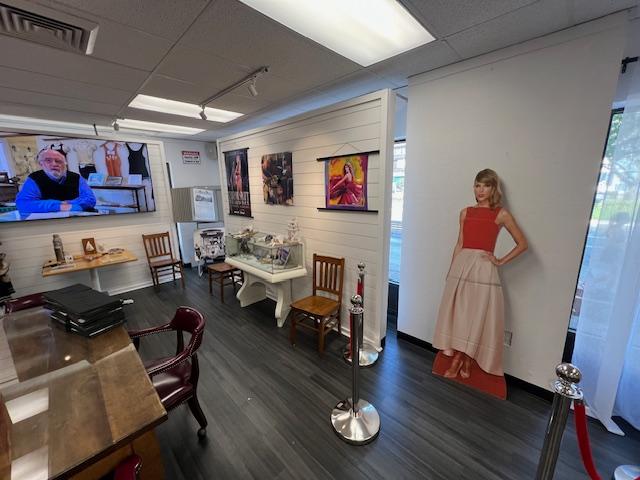
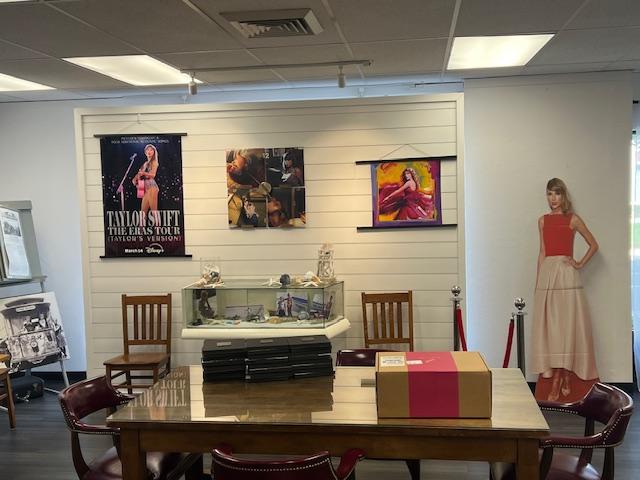
The main room on the first room where the VFW meets, there is all sorts of artifacts and pictures along the walls.

The main meeting room of the building

The beach live Guarding stations in this part of the shore district
The Rescue Stations used to line the coastline along a certain amount of miles that could be covered by Teams with the technology of the time. As modern rescue practices were developed after WWI, we saw the formation of the current US Coast Guard.

The uniform and the award to Charles M. Wright, along with his memos.

What the site looked like in the early part of the last century before Stone Harbor grew up around it.
The next memorial was to Seaman Stephen Tieser along with his uniform.

The memorial to Stephen Tieser

Stephen Teiser’s Sailor’s uniform

The uniforms and the group shot of the ‘Manning Station’, the men of the life guarding station
As we left the first floor of the station and arrived on the second floor, the first display was on the ‘Code Talkers’, the native Americans who spoke the ‘Navajo’ language, and established a code that no one could break during WWII.

The Code Talkers display. This was the basis for the movie “Windtalkers”
The second floor landing has an interesting display of artifacts, including uniforms and art from WWII.

The second floor display

The second floor WWII display

The WWI display of the ‘Doughboy’ uniform and pictures

The full uniform

The WWII display of veterans memorabilia
The museum has an interesting display of items that were taken as spoils of the war from veterans based in Germany. The collection as a lot of Nazi war items.

The Nazi memorabilia

The second floor gallery of the station

The electronic equipment used in the war

The WWII Women’s display of factory and war support
A local couple who both members of the armed forces during WWII family donated their entire collection of their parent’s memorabilia from the war years.

The collection of family memorabilia

Jay and Rosie Hart and all awards and accolades

A Japanese bomber uniform in the WWII

The Vietnam veteran display in the second floor gallery

The war display on the second floor landing
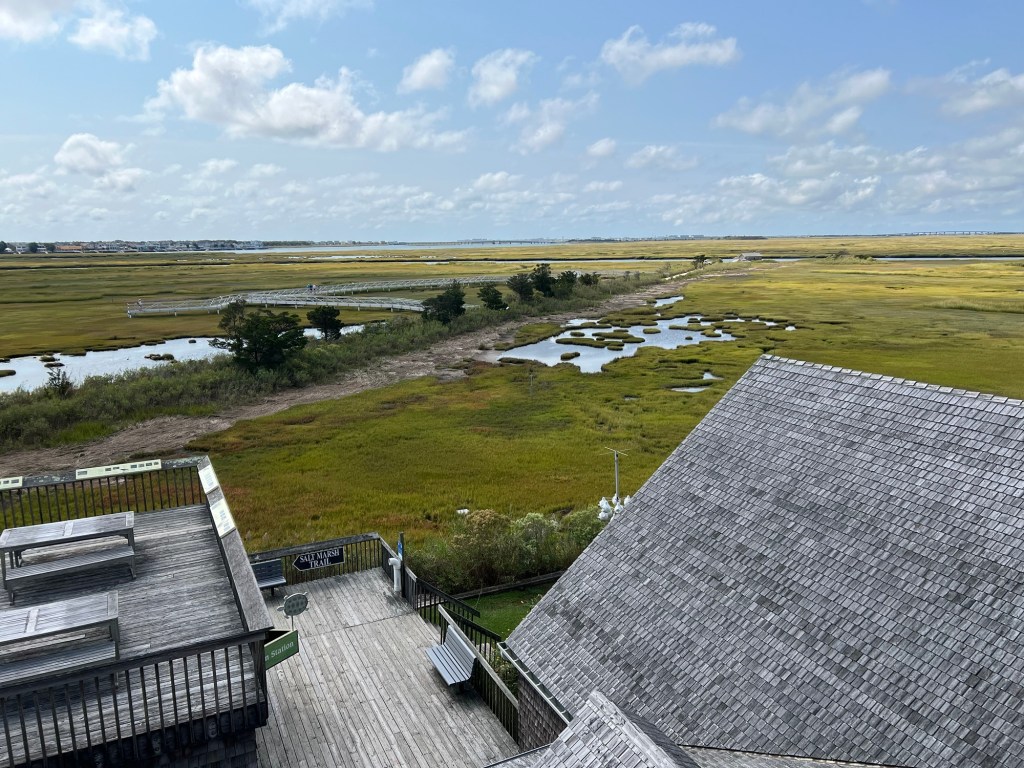
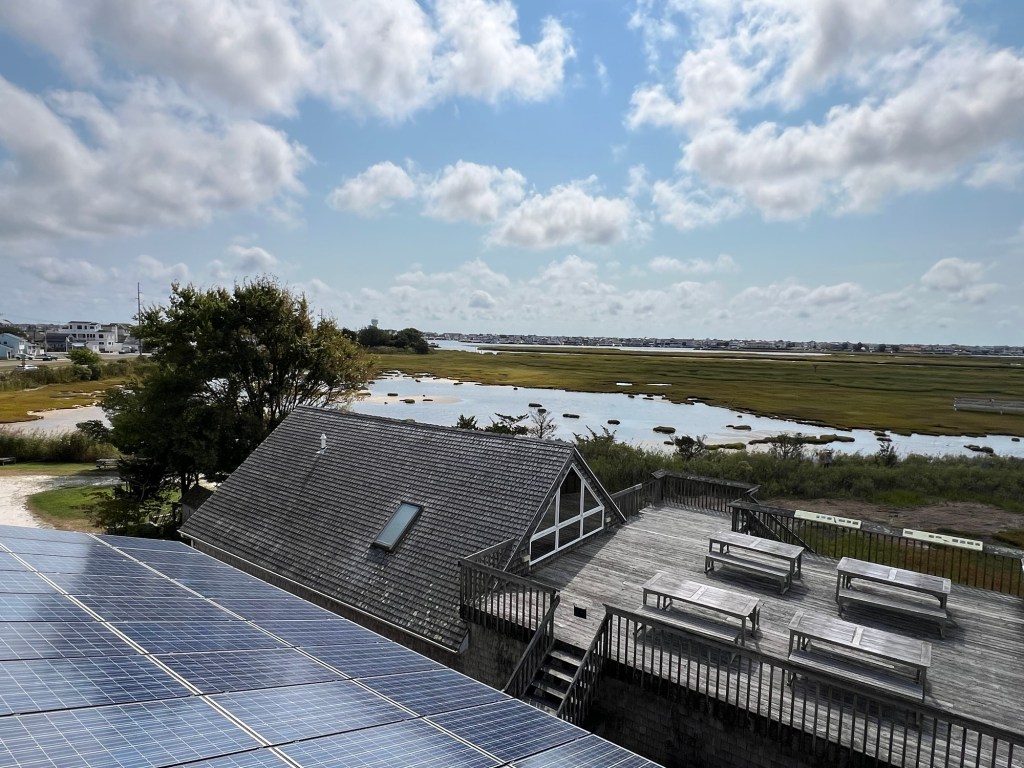
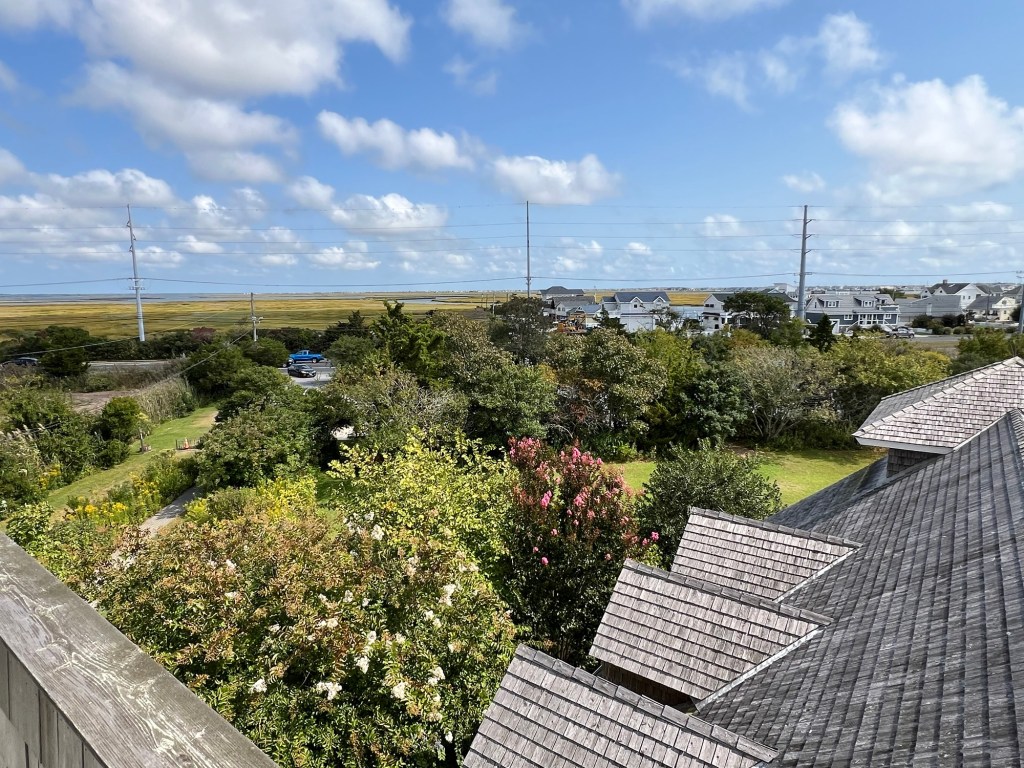
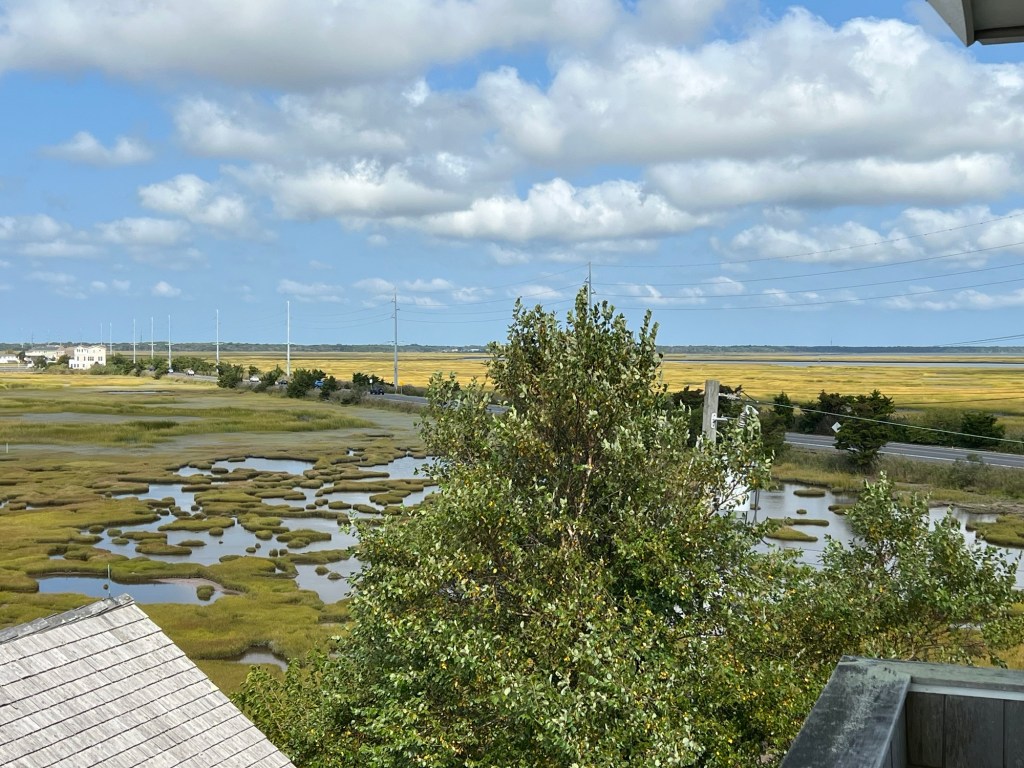
The third floor of the building had the look out and a spectacular view of the ocean.

The third floor lookout

The view from the lookout tower
The tour takes about an hour but can go longer depending on your tour guide and the amount of time you want to spend on each exhibition. It is a fascinating look not just at the history of the Legion and of the Rescue facility but of all our foreign wars. The museum is open from 10:00am-2:00pm on selected days of the week depending on the season.
The History of the American Legion Post 331:
(From the American Legion Post 331 website)
Since being chartered in 1946, Stephen C. Ludlam Post 331 of The American Legion has been welcoming veterans from all branches of our Armed Forces. The American Legion was chartered and incorporated by Congress in 1919 as a patriotic veterans organization devoted to mutual helpfulness. It is the nation’s largest wartime veterans service organization, committed to mentoring youth and sponsorship of wholesome programs in our communities, advocating patriotism and honor, promoting strong national security, and continued devotion to our fellow service members and veterans (American Legion Post 331 website).
The American Legion is a nonpartisan, not-for-profit organization with great political influence perpetuated by its grass-roots involvement in the legislation process from local districts to Capitol Hill. Legionnaires’ sense of obligation to community, state and nation drives an honest advocacy for veterans in Washington. The Legion stands behind the issues most important to the nation’s veterans community, backed by resolutions passed by volunteer leadership (American Legion Post 331 website).