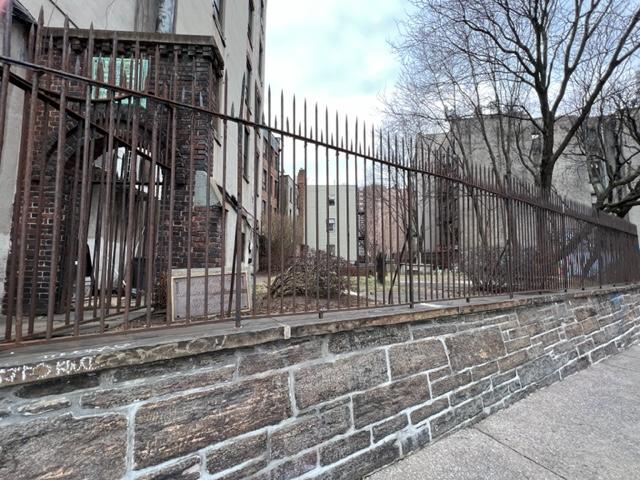
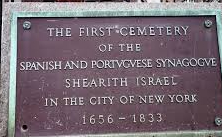
There are times that I walk around Manhattan and things just pop out at you. Tucked inside small pockets of the City are small community gardens, detailed statues, street art and sometimes a small cemetery. I had passed the First Shearith Israel Graveyard or also known as the Chatham Square Cemetery many times when visiting Chinatown since I was a kid. This tiny elevated pocket square of land is located next to a building and locked behind a gate just off St. James Place right at the end of Mott Street strip of Chinatown.
You really have to look for this at the side of 55-57 St. James Place
This is the oldest Jewish Cemetery in Manhattan that was in use from 1683 to 1833. The site of the cemetery was originally on a hill overlooking the East River in an open area at the northern periphery of the British-Dutch colonial settlement. The plot was purchased in 1682 by Joseph Bueno de Mesquita and the cemetery’s first interment was for his relative, Benjamin Bueno de Mesquita. The cemetery expanded in the 1700’s from Chatham Square to the upper part of Oliver Street to Madison Avenue (Wiki).
The original map of the Dutch Colony (New York Historical Society)
In 1823, a City ordinance prohibited burials south of Canal Street and the congregation opened a second burial spot at West 11th Street. A third cemetery was opened at 21st Street west of Sixth Avenue. The size of the cemetery has been reduced over the years because of development and most of the bodies were removed and moved to the other cemeteries. In 1851, the City again prohibited burials below 86th Street and the congregations again opened a fourth cemetery in Ridgewood, Queens. In 1855, with more development changing the area again and over two hundred graves were removed from the site. Only about hundred remain (Wiki).
The inside of the cemetery
Two of the most notable people buried here are Reverend Gershom Mendes Seixas (1745-1816), the first American born Jewish spiritual leader and Dr. Walter Jonas Judah, the second person of the Jewish faith to attend an American Medical School (now Columbia University) and the first native born one. (Wiki). There are also 18 Jewish Revolutionary War era veterans and patriots buried here.
History of the Jewish Settlement in Dutch New York:
In September of 1654, just after the Jewish New Year, twenty-three Jews, mostly of Spanish and Portuguese origin arrived in Manhattan. These people had been living in Recife, the former capital of the 17th Century Dutch Brazil. When the Portuguese defeated the Dutch for control of Recife and brought with them the Inquisition, the Jews of that area left. Some returned to Amsterdam, where they had originated and others moved around the Caribbean to other islands. These twenty-three arrived in New York due a series of unseen events (Big Apple Secrets).
Governor Peter Stuyvesant did not want to permit them to stay but these settlers fought for their rights and won permission to remain. In 1655, the Jewish settlers applied to the Dutch authorities for permission to purchase a parcel of land as an exclusive place to bury their dead. In February of 1656, appealed “that consent may be given” for the purchase. In 1644, the British took New Amsterdam and renamed it New York and the Jews were granted more civil rights. In 1706, they had organized their own congregation, Shearith Israel (Big Apple Secrets).
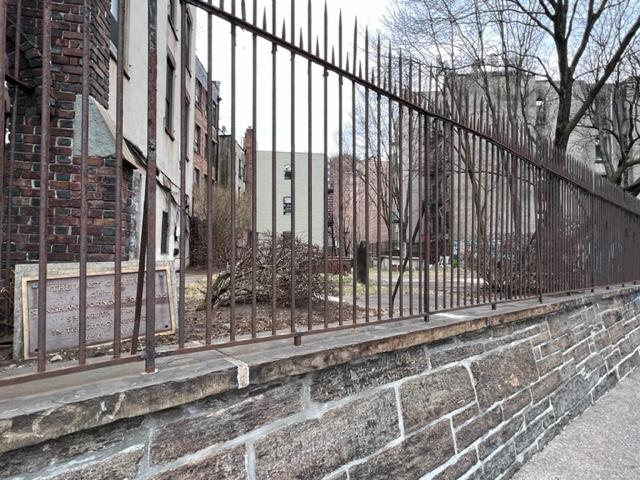
The cemetery for the most part is pad locked but you can view the outside from the street level. The cemetery is open on Memorial Day for services to the members of the armed services but for the most part you have to view the cemetery from the street level.
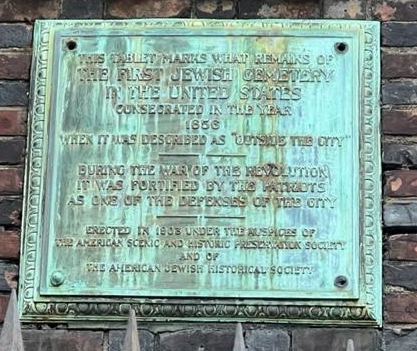
The plaque that you can see at eye level just inside the cemetery.
This unique plot of land is easy to miss so look for the plaque at eye level as you pass it.
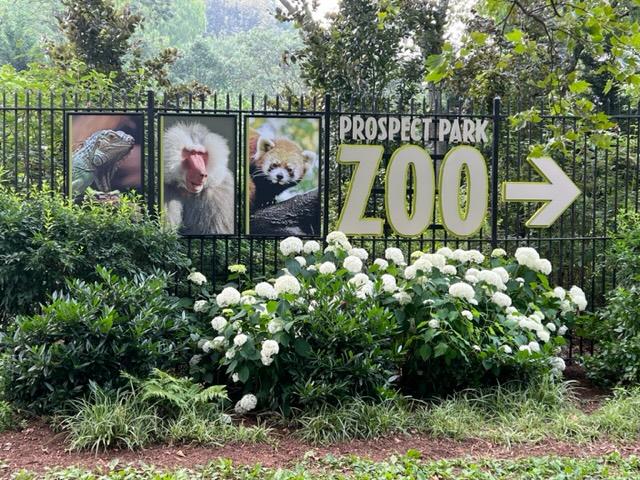
The Prospect Park Zoo is one of my ‘go to’ places along with the Brooklyn Museum and the Brooklyn Botanical Garden when visiting Brooklyn. The three popular destinations are all in the same neighborhood and if you have a full day is worth the subway ride from Manhattan to visit.
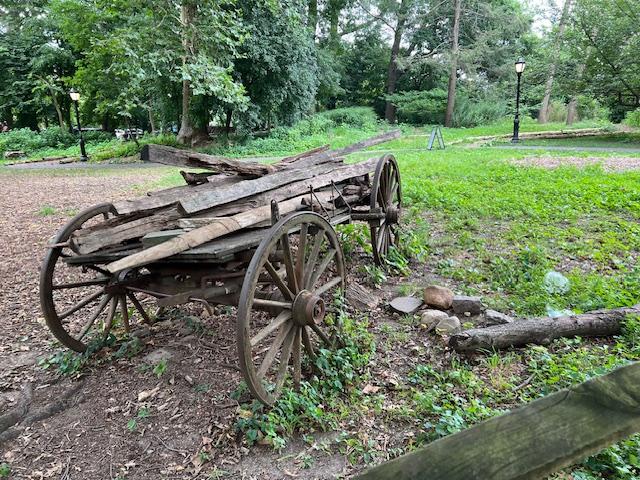
On a nice day, the best place to start is the Brooklyn Botanical Garden at opening, then head over through the back part of the garden to Prospect Park and walk to the entrance near Flatbush Avenue and go past the carousel and enter the Zoo past the old Leffert’s Homestead. The Zoo is just past that.
The best part of the Prospect Park Zoo is that like the Central Park Zoo it is small enough to see in one day and be able to enjoy the exhibitions in one afternoon and still have time for lunch.
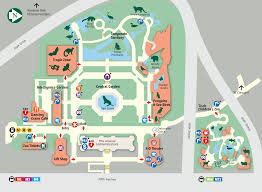
The Map of the Zoo
The Zoo has gone through a lot of improvements since COVID and reopened. There is a unique sculpture garden when you walk inside.
The Prospect Park Zoo Sculpture Garden at the entrance
Fish Sculptures at the entrance
The sculptures at the entrance of the zoo by artist Mags Harries
Artist Mags Harries is an Wales born artist who graduated the Leicester College of Art with a Diploma in Art and Design and Illinois University, Carbondale with a Master of Fine Arts. She is known for her creative sculptures and their use in enhancing public spaces (Artist bio/Tufts.edu).
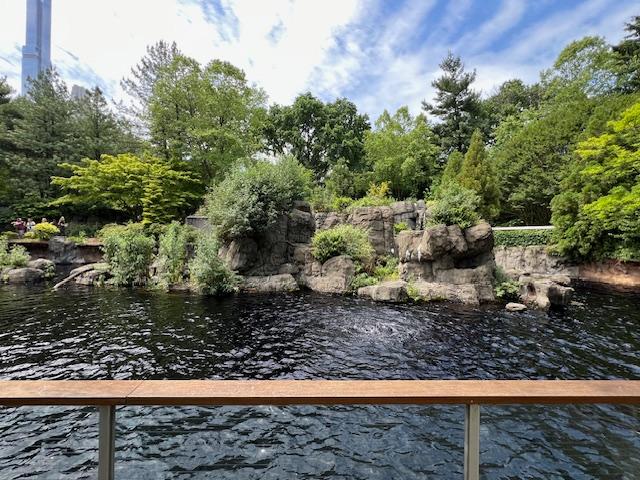
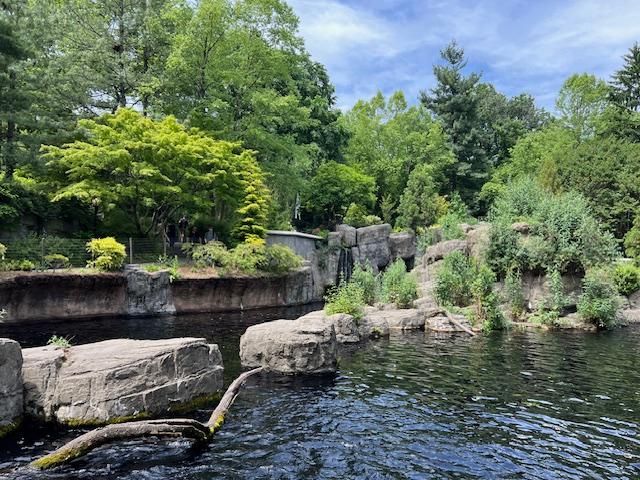
The main focus of the zoo when you walk through the gates is the seal tanks. These playful animals spend most of their time swimming around or sunning themselves on a warm day. During the feeding schedule, it is interesting to see how they interact with the trainers.
The Seal Tanks at the entrance of the Zoo
The Seal tanks when you walk in are very active
Walking further into the zoo you will walk past the Hall of Animals, where all the smaller animals and amphibians like frogs, snakes and turtles are located. These are a lot of fun for the smaller children who may not see these things in their backyards or even in the parks anymore.
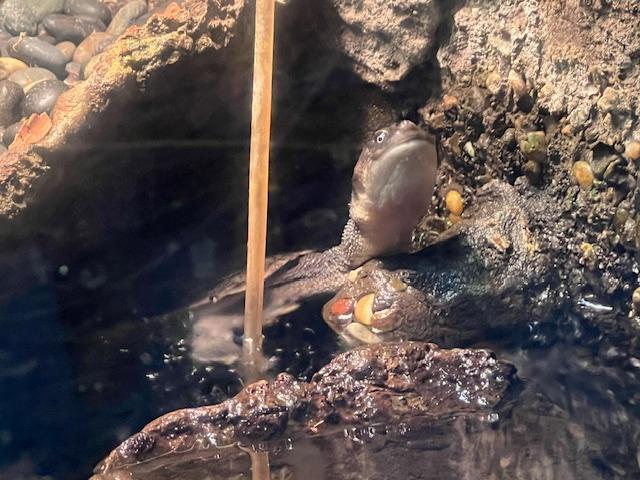
The rare Longnecked Turtle in the Small Animals exhibition
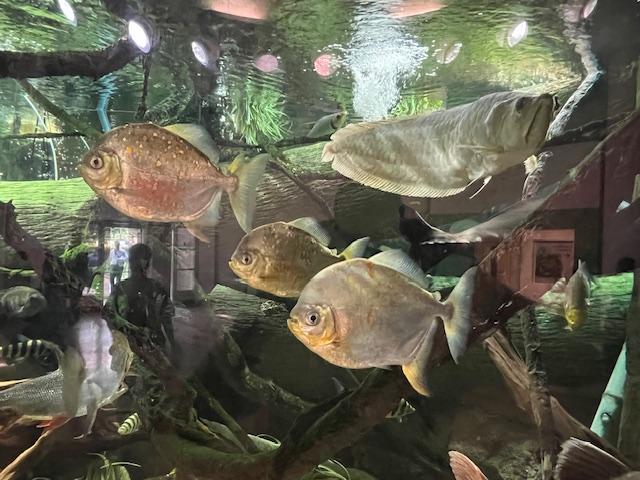
The Fish tank at the Small Animals exhibition
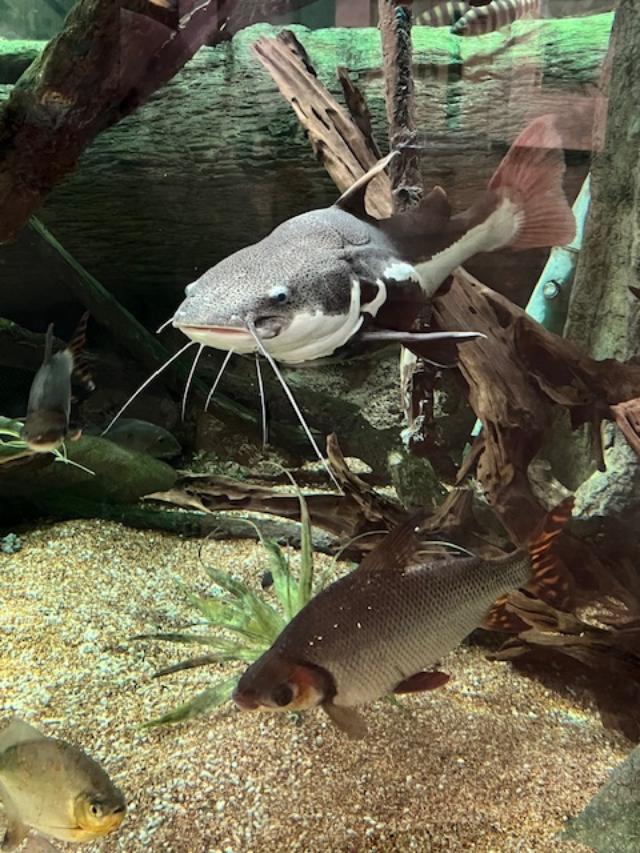
The catfish in the Fish Tank at the Small Animals exhibition
I went to the Bird Cages and saw a Kookaburra bird from Australia. He looked at me like I looked at him. He had the most inquisitive look on his face.
The Kookaburra looking at me
The Kookaburra looking around the cage
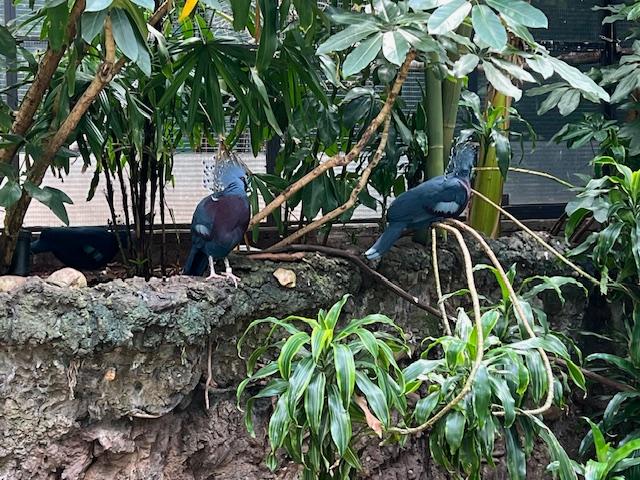
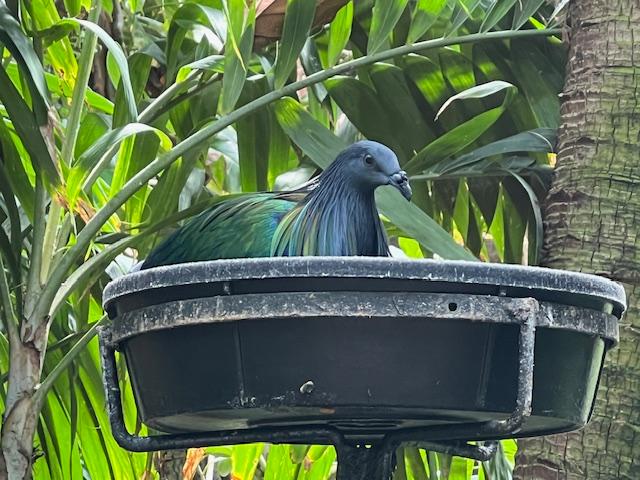
The Victorian Pigeons with their beautiful colors and feathers
The tropical hornbill birds
As I sat down to rest after visiting both the Brooklyn Museum and the Brooklyn Botanic Garden, a peacock walked past me looking for food. It must be very used to humans because he just ignored me and kept on walking.
The peacock at the zoo just does his own thing
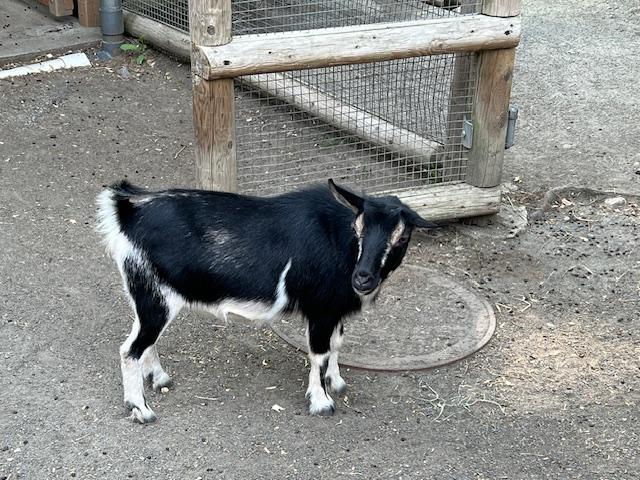
Beyond that is the Barn, where your horses and cows are located and they even have a pair of turkeys, which makes for interesting conversation for children who wonder where they come from at Thanksgiving. The turkeys here are more bred than the wild ones you will see in the woods. They also have sheep, pigs and lambs that you can feed.
The gardens leading to the Barn area
The gardens leading to the Barn area
The different barnyard animals were in the process of being feed and taken care of by their trainers. If you put food in front of them though, they cam running. The kids were having a ball feeding them snacks.
The Barn pens at the zoo
Lambs and calf’s in the Barnyard at the zoo
The lambs hoping they would be fed by the visitors
The friendly lamb in the pens
The sheep at the barnyard
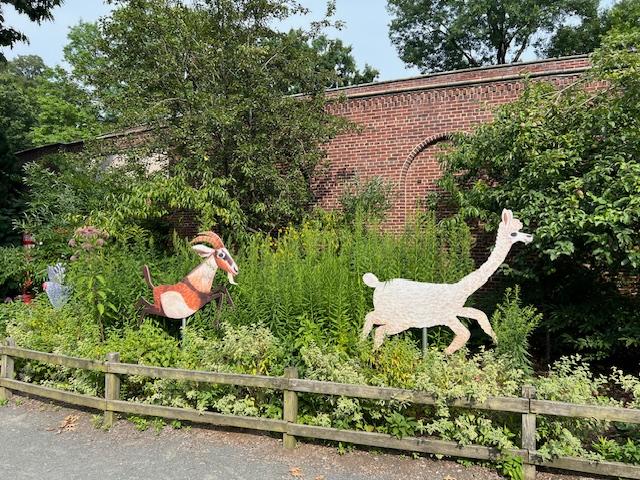
The animal sculptures just outside the Barnyard display
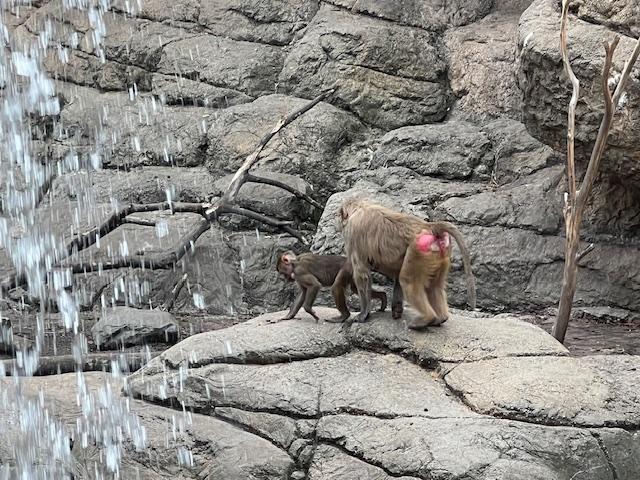
Next to the Hall of Animals is the Animal Lifestyle exhibition where a lot of the gorillas and monkeys are located. It is funny to watch their mannerisms and see ourselves and out behaviors in them. I guess a couple of thousand years never really separated us that much and we still are a lot alike.
The Baboons at the Hall of Animals
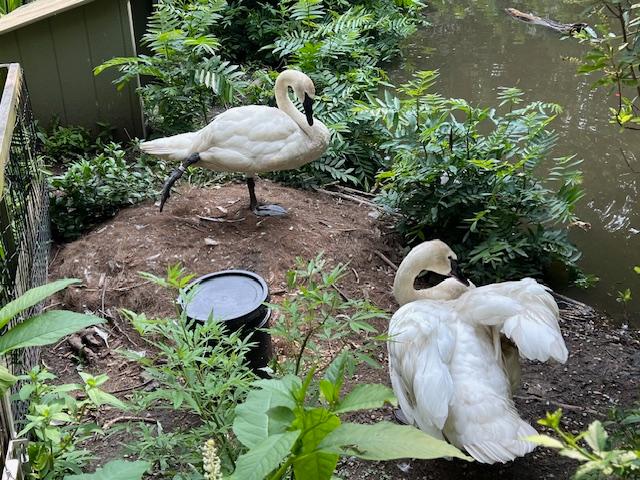
From there you will take the Discovery Trail to see more familiar animals that you might see in every day nature such as deer, foxes, porcupines, ducks and geese in a more natural habitat where they can roam free. The space is limited but they look a lot happy to move around than some of the other animals.
The swans on the Discovery Trail
The swans on the trail
All trails lead back to the Seal Tanks where the popular feeding time gathers a crowd and you will see the care that many of the trainers and zoo keepers give to their residents. There is a lot of love for these animals that is given and I can see a lot of respect.
Relaxing by the Seal Tanks
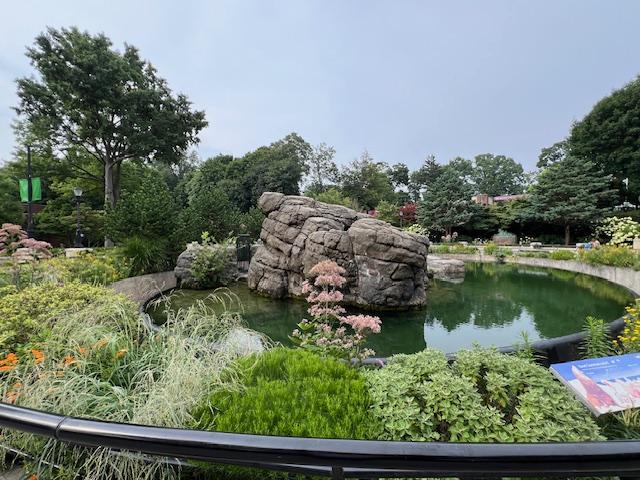
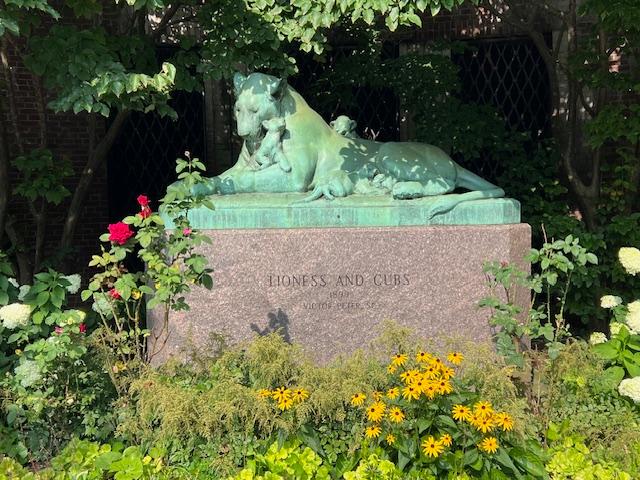
I got to sit and relax by the Seal Tanks and just enjoy the afternoon. The landscaping around the main Seal Tanks were in full bloom. I also never noticed the statuary around the pool.
The landscaped stairs leading to the zoo from the main road
‘Lioness and Cubs’ by French sculptor Victor Peter
Artist Victor Peter is a French born artist known for his realistic sculptures.
A trip to the snack shop and gift shops at the zoo are expensive and cater to the tourists. They are not as nicely merchandised as the Bronx Zoo or the Central Park Zoo. Still they are fun to visit once or twice.
The Prospect Park Zoo is still a nice afternoon out for families and a nice way to communicate with nature.
The History of the Prospect Park Zoo:
The Prospect Park Zoo is a 12 acre zoo located in Prospect Park, Brooklyn and as of 2016 houses 864 animals. The zoo was originally part of the plan of Prospect Park as a “Zoological Garden” in the western part of the park. The zoo was not part of the finished plan in the park in 1874 by designers Fredrick Law Olmsted and Calvert Vaux.
The original zoo layout
The park design included a Wild Fowl Pond in the northern part of the park that was stop off for water birds and a Deer Paddock in the southern part of the zoo where deer lived in a penned area.
In the 1890’s, gardens were created for park enjoyment and a informal Menagerie was created by the Brooklyn Parks Commission, George V. Brower, when the donation of small bear, white deer, seven seals, a cow and twelve peacocks came into the possession of the park.
In 1934, Parks Department head Robert Moses set a plan to reconstruct the City’s Parks and under the Works Progress Administration started to revamp the park system. In March of that year architect Aymar Embury II set to design the new zoo with six new buildings and centered by a Seal Pool.
By the 1970’s, the zoo faced disrepair and was neglect for the animals. It was considered one of the worst zoo’s in the country according to the press and finally in 1980, the Koch Administration signed a 50 year agreement with the NY Zoological Society, now called the Wildlife Conservation Society, which was also administrating the Central Park and Queens Zoo.
The park closed in 1988 for a five year, 37 million dollar renovation that gutted all the pits and cages but saved the historic buildings and statuary. The new zoo opened in 1993 with a new name, “The Prospect Park Wildlife Conservation Center” and a philosophy of educating children. The zoo along with the Queens Zoo have had some shortfalls in the past but have the full support of the Society and the public since the early 2000’s. Still the zoo remains popular with families from all over Brooklyn and the world.
The main view of the zoo
(This information is provided by Wiki and the Wildlife Conservatory website and I give them both full credit for the information)
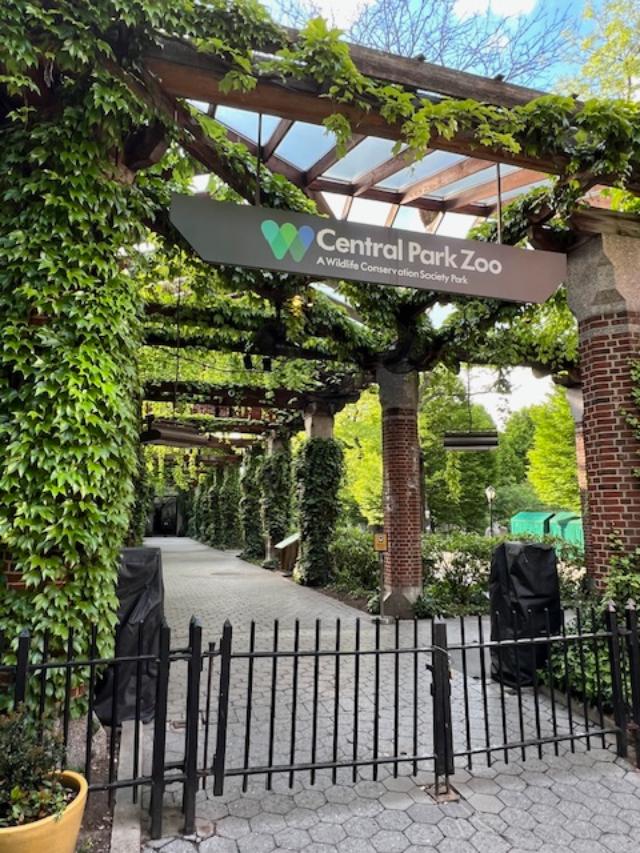
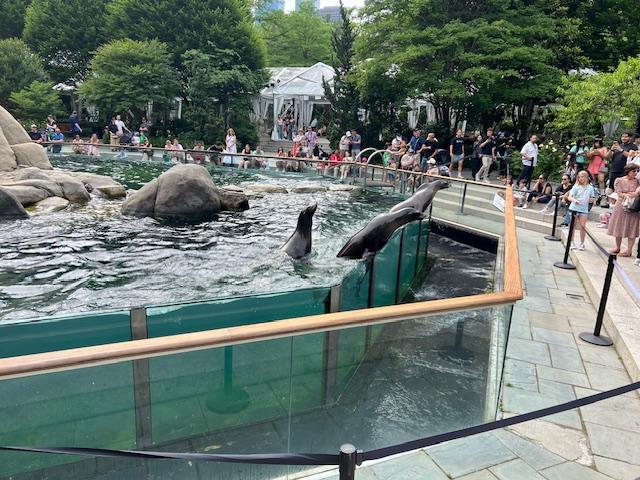
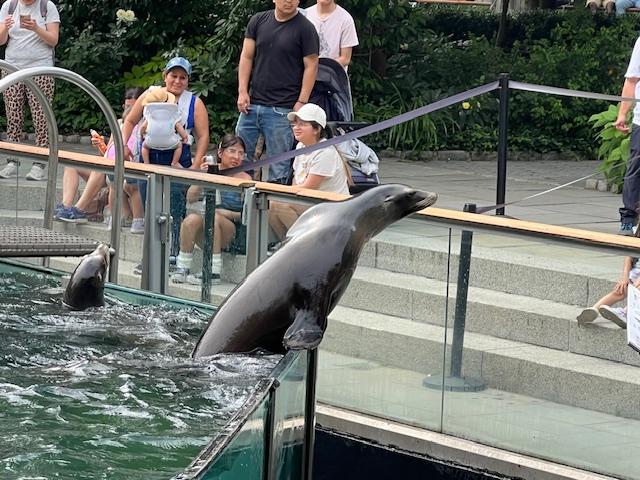
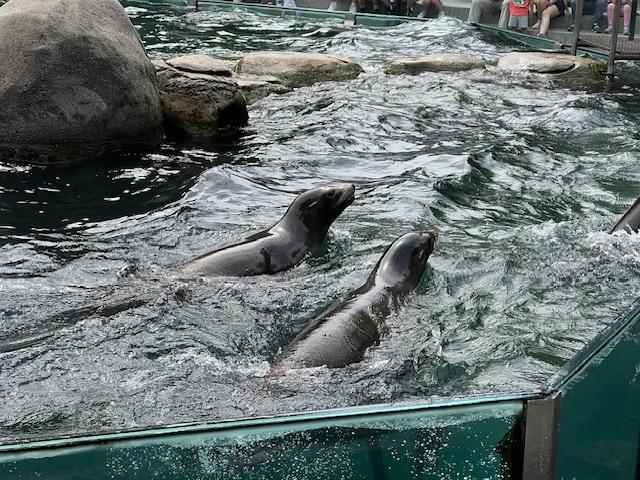
I love coming to the Central Park Zoo when I am visiting the Upper East Side. The zoo is a nice to just relax and reflect from the hustle and bustle of the City. On a quiet midweek day, there is nothing like going to the 2:00pm seal feeding at all times of the year. The seals get so excited and the humans like seeing the seals in their playful mood.
The seals can be very friendly and don’t mind humans around.
The seals like to reach out for attention.
The zoo is small so touring it will only take about an hour or so to see all the exhibitions. You have a choice of seeing the monkeys, the birds, the seals and the penguins. They finally moved the polar bear out of the zoo a few years ago and he always looked so bored with his life. He would give you a look like ‘get me out of here’.
The Central Park Zoo is set up with different exhibitions.
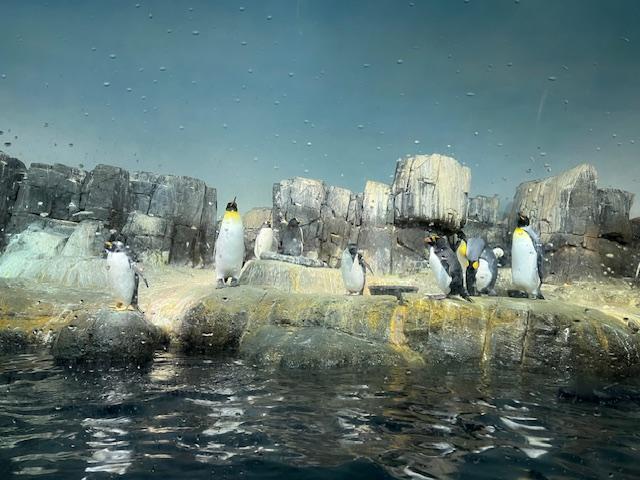
The smaller animals like the monkeys and the penguins look like they are having more fun in their enclosed homes with more room to move around. They always look at us as visitors in an amusing way like why are we so interested in them. It is an interesting interaction with the animals there to see their reaction to us.
The Monkey Island
The Monkey Island with the monkeys hiding that afternoon.
There is also more birds, amphibians and bats to see in other exhibitions around the zoo and smaller outside areas to view the smaller animals such as pandas and leopards that have finally been given space to roam around.
The Penguins are very playful all day long.
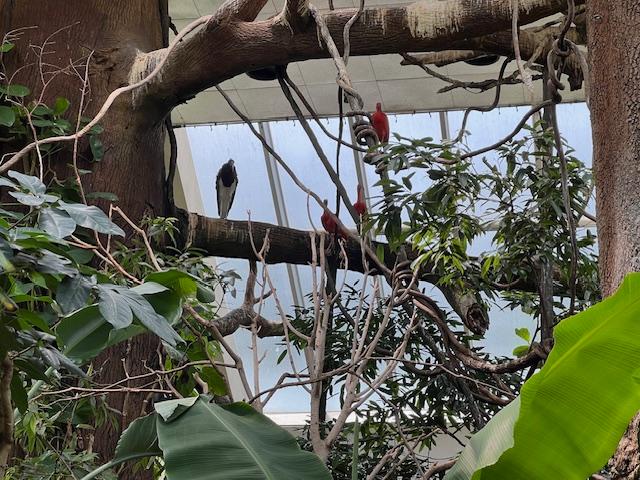
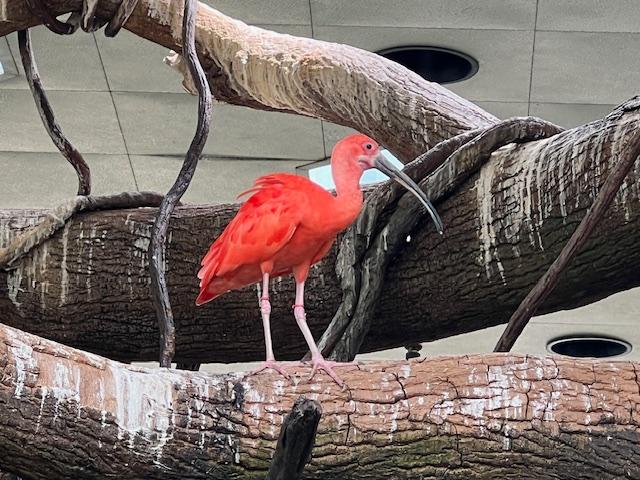
The Bird Sanctuary is another popular section of the zoo. There are all sorts of rare and exotic birds to see and watch in a copy of their native habitat. I thought they looked a little bored seeing the same birds day after day.
The birds have a lot of space to fly around but seemed a bit bored.
The pink Heron
The Bird Sanctuary
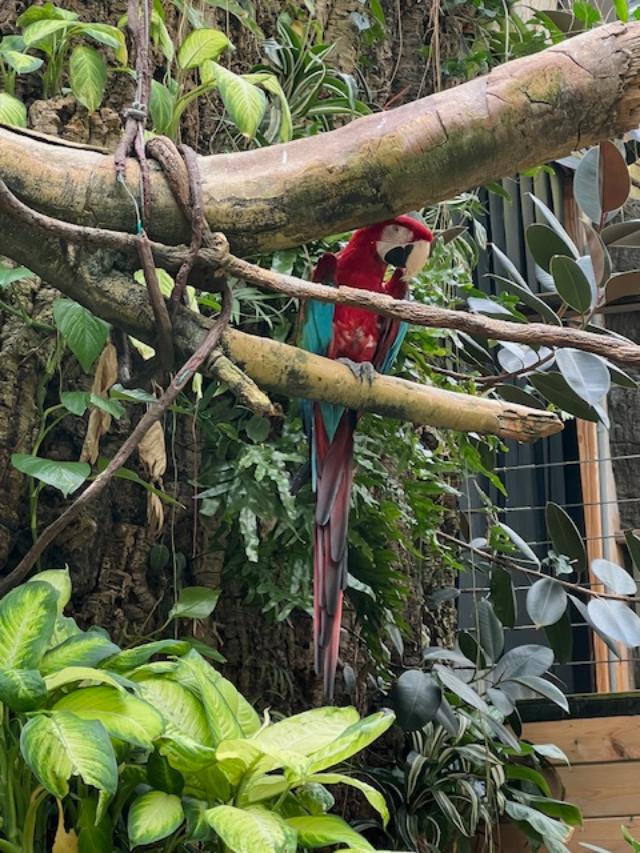
The parrot seemed a little bored.
The Birds feeding themselves.
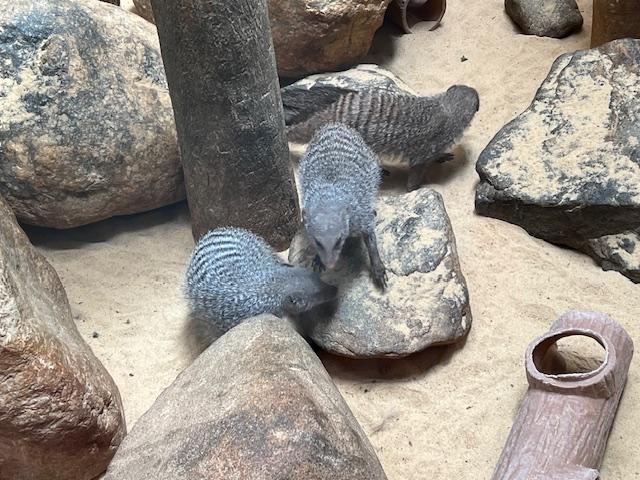
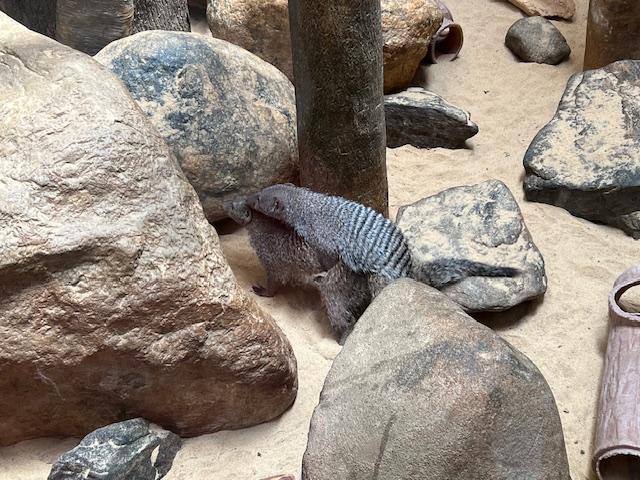
In the small animal exhibition, the mongooses were putting on quite a show for all of us. It looked liked they were mating in front of the crowd.
The mongooses running around.
These two looked like they were mating.
It is a nice walk around the zoo and the perfect way to spend a sunny afternoon.
There is also a nice gift shop just outside the zoo and the Dancing Crane Cafe is the zoo restaurant which is over-priced and the food the few times I have tried it was mediocre. It is not like the cafe up at the Bronx Zoo that was pretty decent.
Don’t miss the hourly concert at Delacorte Clock when the animal sculptures dance to the music played. It is such an enjoyable experience.
History of the Zoo:
The Zoo was not originally part of the layout for Central Park when designed by Fredrick Law Olmstead and Calvert Vaux. A small menagerie developed on the edge of the park with exotic animals that had been donated to the park starting with a bear cub tied to a tree in 1859 and a monkey in 1860. Other animals came later including cranes, a peacock and a goldfish.
The original menagerie
In 1860, the American Zoological and Botanical Society wanted to create a zoo somewhere in New York City. In 1864, the zoo received a formal charter, making it the second publicly owned zoo behind the Philadelphia Zoo. Though a formal zoo had not yet been created, the menagerie, with its free admission and good location made it the most popular attraction in Central Park.
By the 1930’s, the menagerie had become run down and was not sufficient to hold the animals. In 1834, Mayor Fiorello La Guardia hired Robert Moses to head the unified Parks Department and a new more formal zoo was created. The new zoo was opened on December 2nd, 1934 and by 1936 over six million people had visited the zoo.
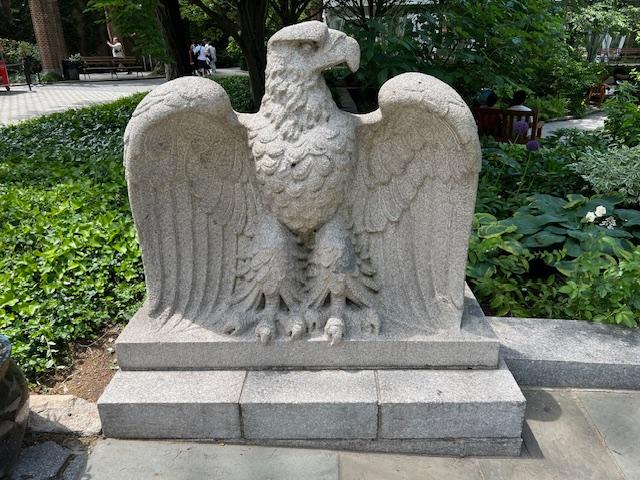
The eagle statues dotted the zoo.
By 1967, the zoo was again falling apart due to years of negligence and budget cuts. New York City’s fiscal crisis had affected the Parks System and conditions had gone downhill. In 1980, The Wildlife Conservatory (the former NY Zoological Society) signed a fifty year agreement in April of that year and started a renovation of the zoo from 1982 to its opening in 1988.
When the Zoo opened in August of 1988, the concept of the zoo had changed. The Wildlife Conservation Society had taken over the Queens Zoo, the Prospect Park Zoo in Brooklyn and already had possession of the Bronx Zoo and the direction of the society was toward conservation and care of animals while the Prospect Zoo was to be used as a Children’s Zoo and the Queens Zoo would concentrate on North American animals. The Children’s Zoo next to the Central Park Zoo went through its own renovation in the late 1990’s and is now called the Tisch Children’s Zoo after businessman, Laurence Tisch who had donated most of the money for the renovation.
The gardens make a big impact around all the exhibitions.
(This information was taken from both Wiki and the Central Park Zoo History)
The zoo has the most amazing view of Central Park South. This neighborhood lines the southern part of the park.
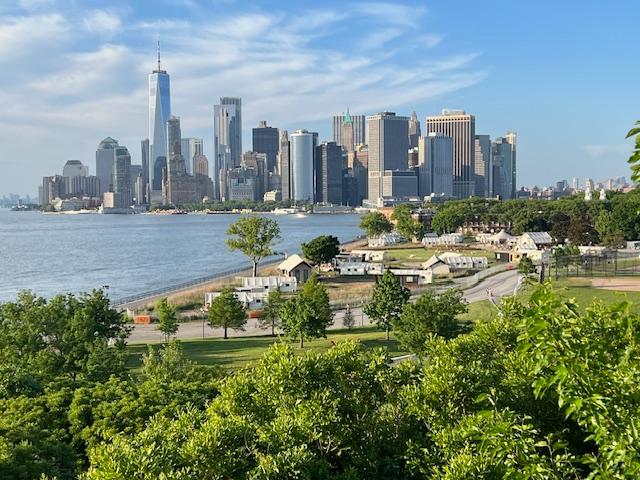
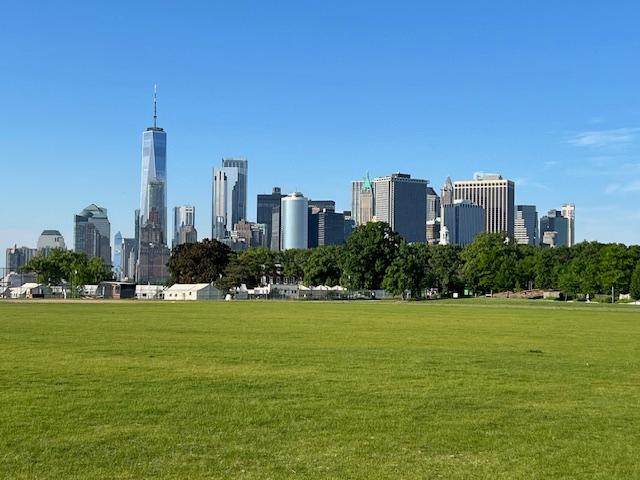
The view from the top of the hill on Governor’s Island.
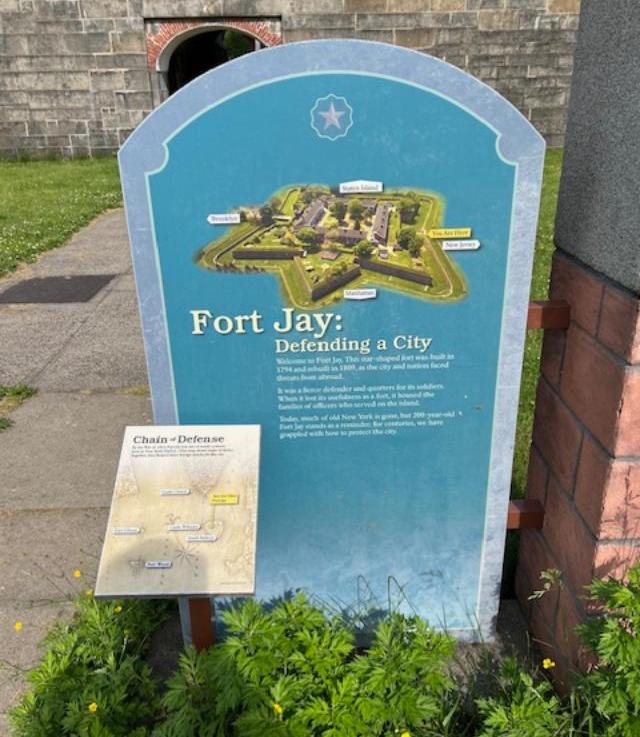
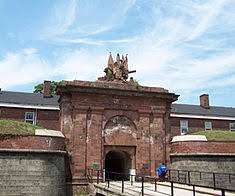
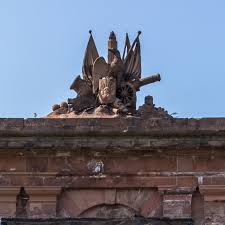
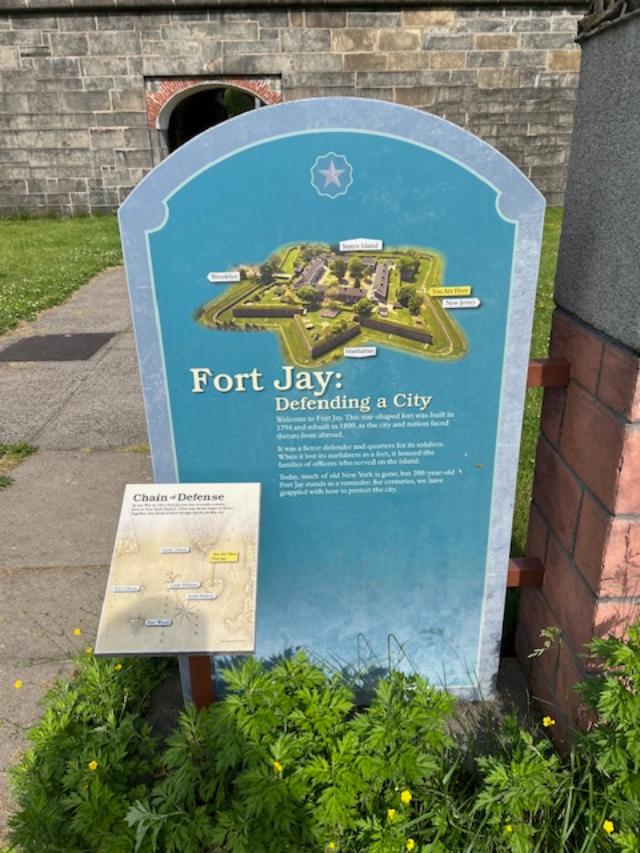
When I was touring Governors Island for my blog, “MywalkinManhattan.com”, I explored the Fort Jay complex which is located on the northern end of the island just past Castle Williams. This fort is mostly in a state of ruin and is currently being restored at various stages all around the complex. The decorative entrance with its statuary is being cleaned and the entrance fixed on one side of the fort and the walls and some of the interior space is being repaired inside the fort.
The main entrance to Fort Jay (currently under restoration)
This fort and Castle Williams were built to protect the City of New York between the Revolutionary War and the War of 1812. After that these forts fell out of use as the times and technology changed .
The decorative statuary is being repaired on the fort (currently under restoration)
Now the fort is used for art exhibitions in some of the interior hallways and grass has grown over most of the walkways. Still it is interesting to walk along the pathways near the walls of the fort and see how they were once used. It is interesting to see how far we have progressed in warfare.
The entrance to Fort Jay
The History of Fort Jay:
Fort Jay is located on Governors Island in New York Harbor, one half-mile from the southern tip of Manhattan. No defensive works are known to have been erected on the island during its early history. Defensive earthen works were first erected on the highest point of Governors Island by Continental troops in 1775-76. The island and its fort were occupied by the British during the American Revolution until 1783, when it surrendered, along with several buildings to the Governor of New York.
More than ten years passed before renewed tensions with Great Britain resulted in funding from both the New York Legislature and the United States Congress in 1794 to reconstruct the works on Governors Island. This part of a larger national effort to fortify ports that later became known as the First American System of coastal fortifications.
Design of the New York Harbor defenses was assigned to French engineer Charles Vincent. The works on Governors Island had been completed by 1796, described in January of that year by the Secretary of War as “a fort made of earth and two batteries under its protection, partly lined with brick masonry, two air furnaces, a large powder magazine and a barrack for the garrison.”
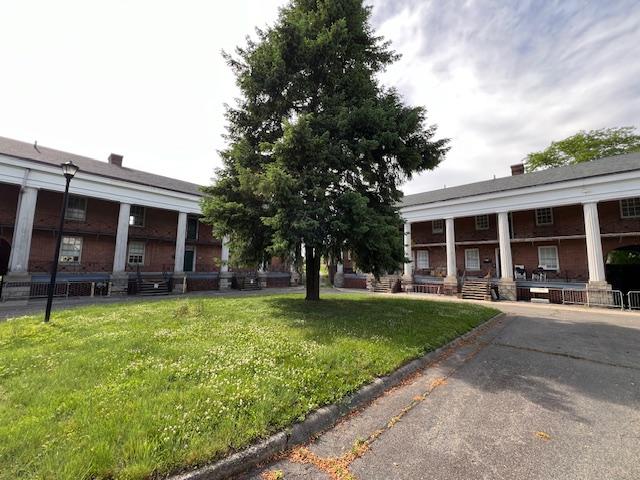
The inside of Fort Jay.
Fears of a French invasion in 1797 resulted in a second phase effort funded by additional appropriations to complete and enhance the coastal fortifications, including those on Governors Island. The fort is said to have acquired the name “Fort Jay” in 1798 for John Jay, then the Governor of New York State. Governors Island and its fort were conveyed to the federal government two years later in 1800, by an Act of the New York State Legislature.
The inside of Fort Jay
A plan of the fort as it existed that year shows it as a four-bastioned form surrounded by a ditch with a parapet having 51 embrasures, a gate and bridge on the east side and a large magazine in the northeast bastion. The fort was still incomplete and incapable of defense in 1802 according to a written report, although it was then equipped with a “handsome Gateway with a Corps de Garde” or guardhouse, that survives today.
Fort Jay had fallen into ruinous condition by 1806 when a second national campaign to strengthen the coastal defenses of the country, now known as the Second American System of fortifications, was implemented. This effort differed from the first by employing American engineers and using more durable masonry construction.
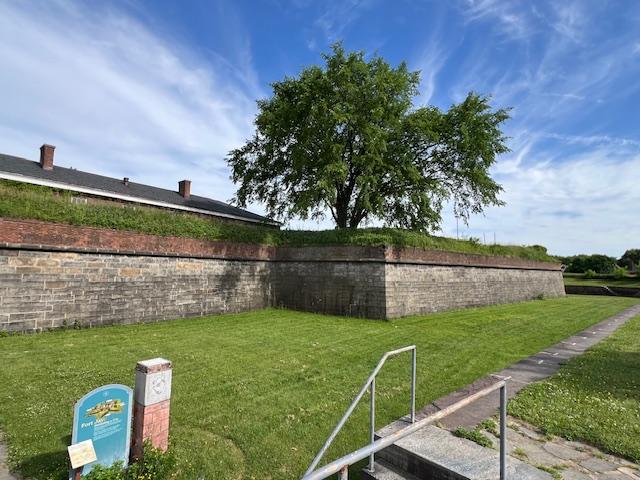
The outside wall of the fort.
The engineer chosen to design and oversee the defenses of New York Harbor was Colonel Jonathan Williams, Chief Engineer of the Corps of Engineers and first Superintendent of the Military Academy at West Point. Reconstruction of Fort Jay, renamed Fort Columbus about this time, began in July 1806 and was completed by December 1809. The only components of the old fort judged worth saving were “the walled Counterscarp, the Gate, the Magazine and the Barracks,” according to Colonel Williams in a report dated November 1808.
The completed fort was described in a later report to Congress as “an enclosed pentagonal work, with four bastions of masonry, calculated for one hundred guns, fifty-five mounted with brick barracks for two hundred and thirty men, including officers. The earliest known plan of the completed fort is a plan by Joseph Mangin drawn in 1813.
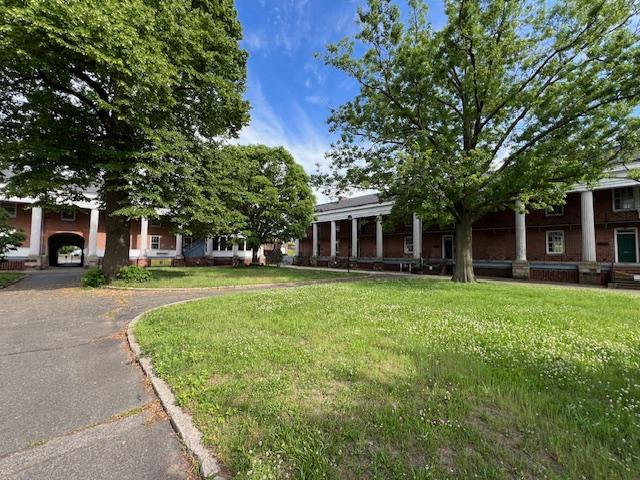
The walkway between the forts.
The first significant repairs and alterations were made to Fort Columbus in the 1830’s, resulting in the overall appearance of the fort as it exists today. The stone retaining walls were extensively rebuilt at this time, including the scarp that was faced with granite and topped with a new brickwork parapet. The old magazine in the northeast bastion was demolished and replaced by four new magazines erected in the north ravelin. Finally, the four existing brick were replaced by four new barracks with flanking triangular structures and outdoor courtyards.
Later changes have been made to the barracks by the U.S. Army over the years, including interior remodeling and replacement of the flat roofs with hipped roofs in 1855-57, incorporated of five of the triangular buildings as additions in the 1860’s and 1898-99 and reconfiguration of the buildings as officers’ apartments in 1921-22 and again in the 1930’s. Paint was stripped from the exterior brick buildings in the 1930’s, the sodded glacis of the fort was converted to recreational use as a golf course by 1940 and the flagstaff was moved from the northwest bastion to the north ravelin by 1953.
The lawn on Governor’s Island overlooking Lower Manhattan.
Jurisdiction of Governors Island passed from the U.S. Army to the U.S. Coastguard in 1966. Improvements made by the Coast Guard to Fort Jay, whose name was officially reinstated in 1904, included expansion of the golf course; remodeling of the barracks with new kitchens, bathrooms, heating and electrical systems and storm windows and doors and erection of chain-link fencing on the glacis. Fort Jay sat vacant with minimal upkeep since the closure of the Coast Guard in 1997.
Fort Jay was recorded by the Historic American Buildings survey in 1934 and in 1982-83. The fort was individually listed in the National Register of Historic Places in 1974. It was included in a National Historic Landmark District designated in 1985 and a New York Historic District designated in 1996. The fort is also located within the boundaries of the Governors Island National Monument, established by Presidential Proclamations in 2001 and 2003.
(This information I credit to the National Park System-Division of Culture website)






















 Visiting a Museum: The Unique, Unusual, Obscure and Historical