Category: Historic Homes in New York

Montgomery Place-Bard College                                                26 Gardener Way & River Road                                            Red Hook, NY 12571

Montgomery Place-Bard College 26 Gardener Way & River Road Red Hook, NY 12571

Montgomery Place-Bard College

26 Gardener Way & River Road

Red Hook, NY 12571

https://www.bard.edu/montgomeryplace/

Open: Sunday-Saturday From Dawn to Dusk/Mansion is closed

My review on TripAdvisor:
https://www.tripadvisor.com/Attraction_Review-g29820-d209648-Reviews-Montgomery_Place-Annandale_on_Hudson_New_York.html

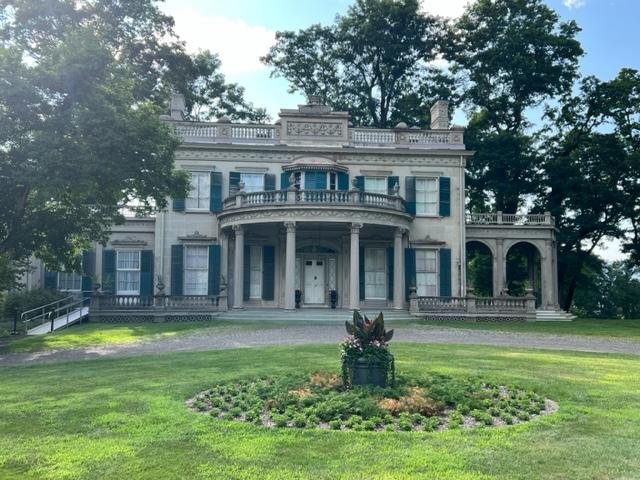
The front of Montgomery Place in the summer of 2023

On a recent trip to the Hudson River Valley for Fall events I took a tour of Bard Campus to visit their campus and tour Montgomery Place which the college bought from the Hudson River Historical Society in 2016. It is now part of the campus and you can tour the grounds but not the inside of the house.

The back of Montgomery Place

Montgomery Place on the Bard College Campus

Before 2016 when the house was owned by the Historic Hudson Valley Society, who used to have tours of the mansion. When the family sold the mansion and all its contents to the Society, they left the house untouched when they moved out you got to see how the Livingston family lived not just in current times but with all the historical furniture that came with the house.
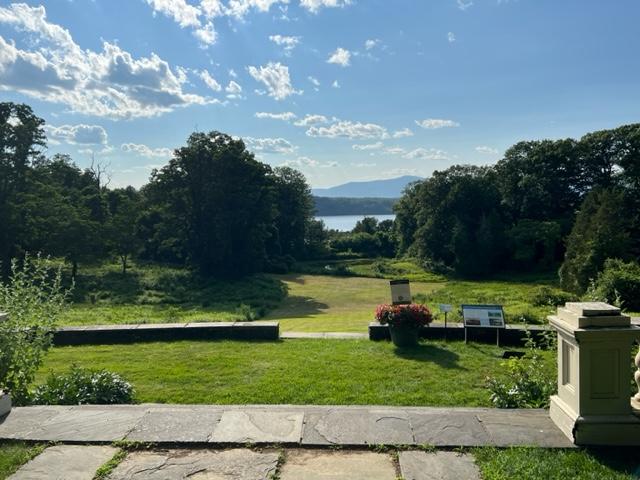
The view from the house to the Hudson River
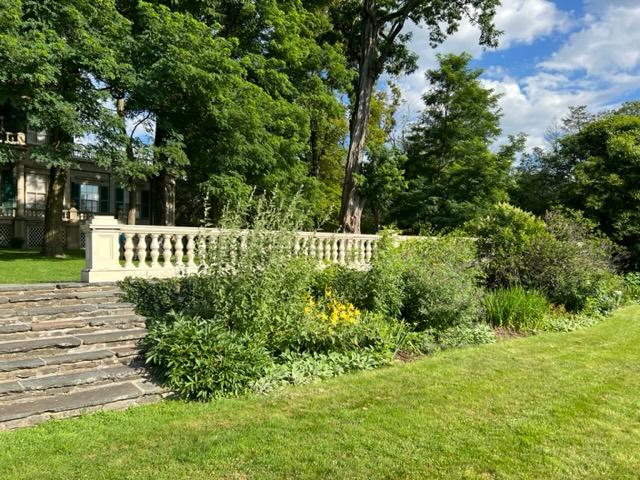
The gardens from the back of the house

The former tour used to take you through each room that had antique furniture and decorations but much of the house had been modernized over the years. Older furnishings had either been conserved or slipcovered because of age. Since the house has been sold to Bard College, you can only tour the house by appointment only through the college.

The mansion’s portico overlooking the Hudson River

The grounds are still impressive. During the Spring, the formal gardens next to the house are in full bloom and the last time I had taken a tour there, the gardens were being maintained by a local garden club.

The entrance to the Montgomery Place gardens

There were flower beds, herb gardens and cutting gardens on top of the flowing lawns from the house to the river. The gardens are broken into three different sections: the Eclipse Gardens, the Wilderness Gardens and the Walled Gardens. Each of them connects to the other and some have returned to their natural state over time and care of them.
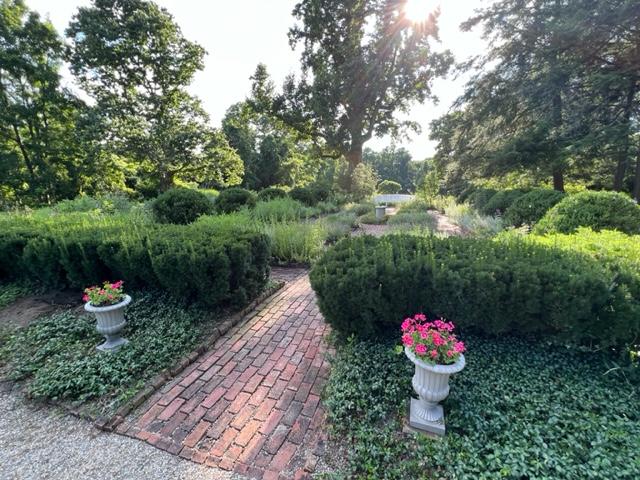
The Montgomery Place Gardens are changing from Summer to Fall
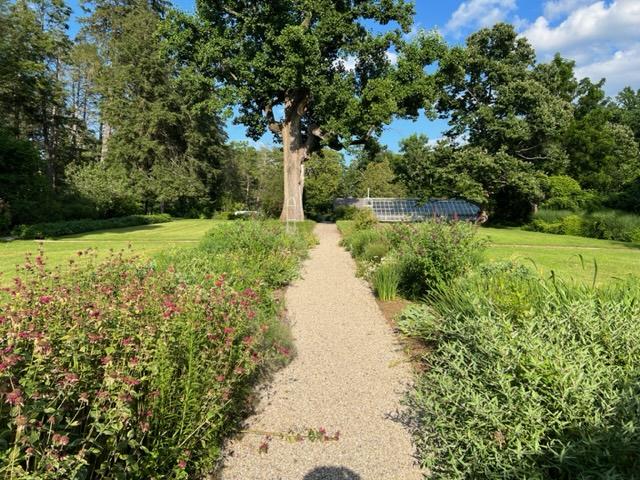
Pathways through the gardens

The gardens were developed over time from Louise Livingston’s day to her daughter, Clara Livingston Barton and her husband building on them the to Delafield family, who were the last owners of the house maintaining and adding to them.
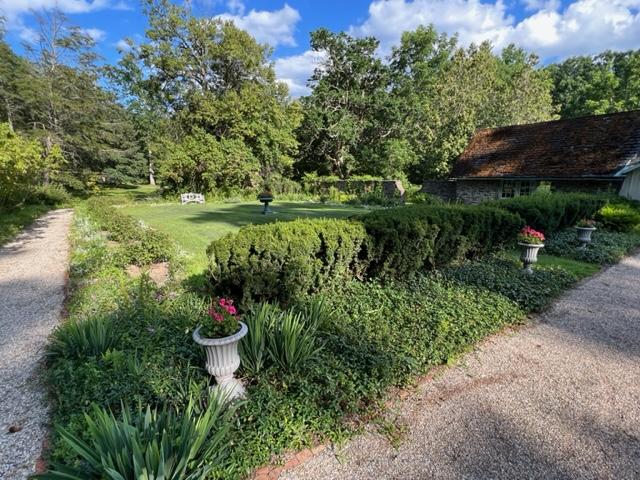
The formal gardens

The Garden Sign of the Ellipse and Rough Gardens
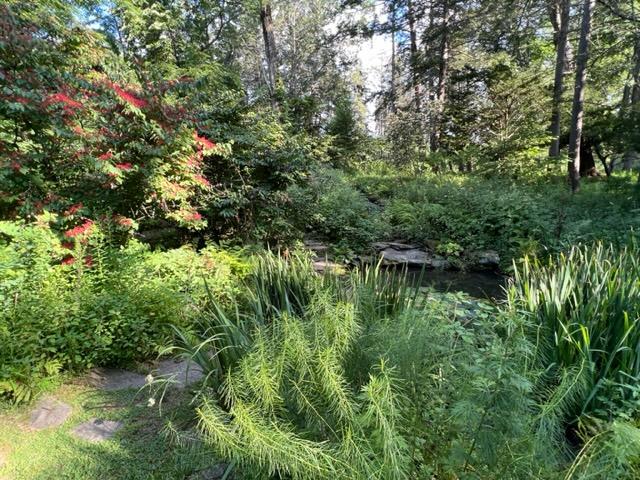
The Rough Garden
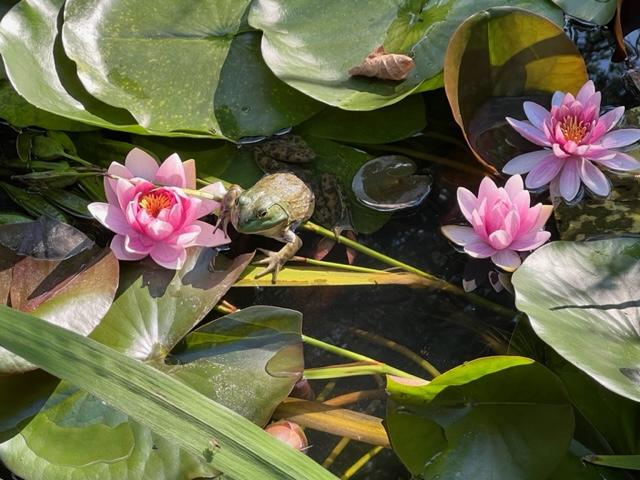
The Rough Garden was in full bloom with lotus and frogs all over the pond

The Ecllipse Garden has gone back to nature in comparison to the garden’s original plans

In the Fall on a recent visit, most of the gardens had been cut back with a few seasonal flowering bushes still showing color. The trees surrounding the house were turning a gold hue while the lawn that had been freshly cut was still emerald green. The house while a little worn from the outside still looked like it was ready to receive guests for the Fall season in the Hudson River Valley. The views from the back of the house are breathtaking from the window views of the Hudson River and the paths leading to it.
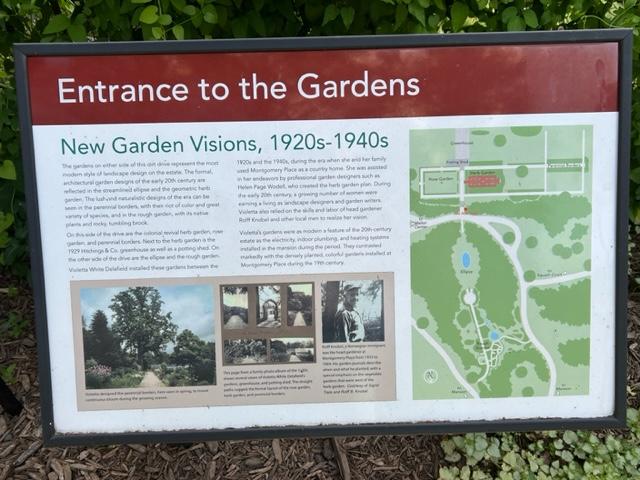
The Garden sign

In the Summer of 2023, the mansion grounds are open until dusk for people to walk around the estate and visit the gardens. The gardens were in bloom with summer flowers and plantings. The Rough Garden with it ponds were full of frogs who were making all sorts of noise. I had not seen a frog in the wild in many years and you just don’t see those and turtles anymore in the woods. The mansion is still not open except by appointment through the college.

The formal gardens in the summer of 2023

The grounds are well maintained but there is more detail in the maintenance of the gardens that are needed. They could use some weeding with all the crabgrass coming into the beds. Still the gardens are breathtaking on a warm sunny day and make quite an impression. They must have been something when the family maintained them with their gardeners.

the beauty of the formal gardens

There are all sorts of hiking trails to the Sawkill River and through the forests, a trail down to the Hudson River and tours of the property. The grounds are open from dawn to dusk and there is plenty of parking by the Visitor’s Center along with a history of the estate.

The History of the Estate:

(Taken from Wiki)

https://en.wikipedia.org/wiki/Montgomery_Place

The property had been home Native Americans for at least 5,000 years as a seasonal hunting ground. The Dutch settled in the area in the late 18th century using the Saw Kill River for various mills.

In the late 1770’s, Janet Livingston Montgomery purchased from Abraham Van Benthuysen 242 acres of land on the Hudson River after the death of her husband General Richard Montgomery at the Battle of Quebec. She moved into the home they built after the Revolutionary War. She later had plans made for a Federal style mansion on the riverfront property she bought and moved into her new home, Chateau de Montgomery, in 1805. She established a working farm with the help of friends who gave her tree samples (Wiki).
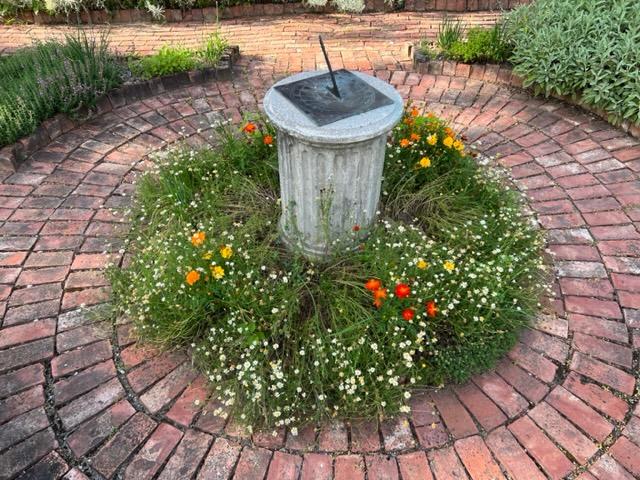
The Sun Dial in the Walled Garden during the summer of 2023.

Upon her death in 1828, the mansion was inherited by her brother, Edward Livingston. He had spent his summers vacationing here with his wife, Louise. They renamed the estate ‘Montgomery Place’. He died the next year and his wife, Louise hired Alexander Jackson Davis to convert the mansion into a more ornate villa. Two wings and exterior decoration were added at this time of the renovation. With the help of Andrew Jackson Downing, a friend of Louise’s and mentor to Davis, she developing the landscapes. Her daughter, Cora Barton worked with the architect on designing garden and conservatory (Wiki).

The front of the mansion
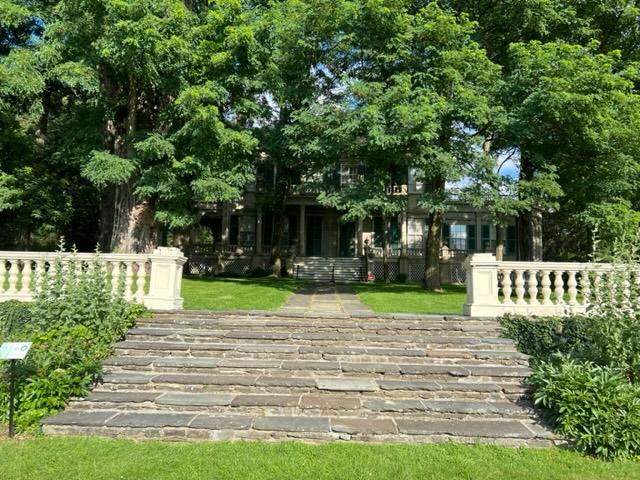
The back of the mansion from the grassy gardens facing the Hudson River

Upon Louise’s death in 1860, Cora and her husband hired Davis again to build some the earlier outbuildings including Coach House, Swiss Cottage and farmhouse and then extended the landscaping to turn the estate into more ‘pleasure grounds’ and have a separation from the farming operations.
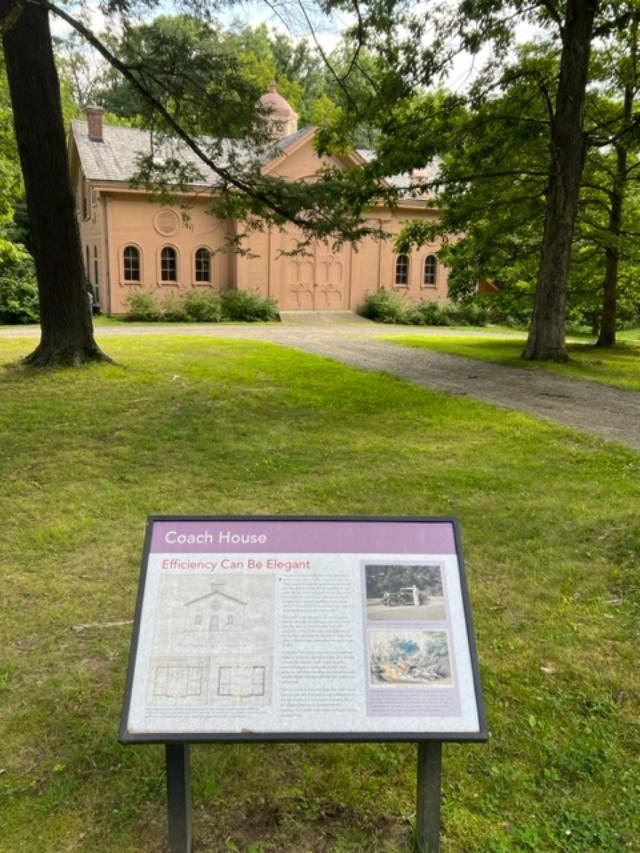
The Coach House for Carriages and then cars

The house then passed on to another relative in 1921, John Ross Delafield who added heating and modern plumbing to the house. He and his wife also extended the gardens on the estate as well (Wiki). The gardens had more ornate features to them.
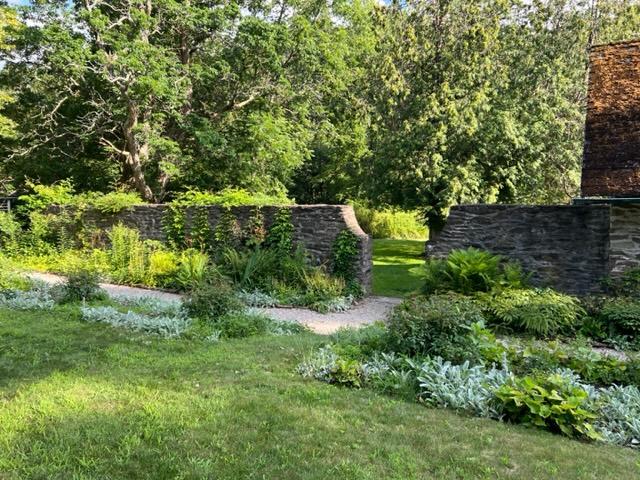
The “Walled Gardens” to the right of the mansion

Upon his death, his son John White Delafield inherited the house and they opened two corporations to own and operate the property.

The expansion of the gardens

In 1981, the estate was sold to the Historic Hudson Valley, the historical society. After an extensive renovation, the house was designated a National Historic Landmark in 1992 and it was bought by Bard College in 2016 who is its current owner (Wiki).
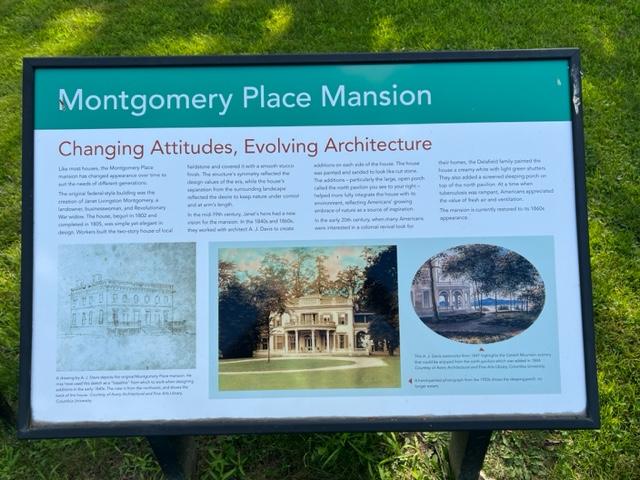
The Montgomery Place Mansion sign and the evolution of the home.

Philipsburg Manor House                                                        381 North Broadway                                                            Sleepy Hollow, NY 10591

Philipsburg Manor House 381 North Broadway Sleepy Hollow, NY 10591

Philipsburg Manor House

381 North Broadway

Sleepy Hollow, NY 10591

(914) 336-6900

Open: Please check the website for COVID updates

Fee: Please check the website for the COVID updates

My review on TripAdvisor:

https://www.tripadvisor.com/Attraction_Review-g48622-d299069-Reviews-Philipsburg_Manor-Sleepy_Hollow_New_York.html

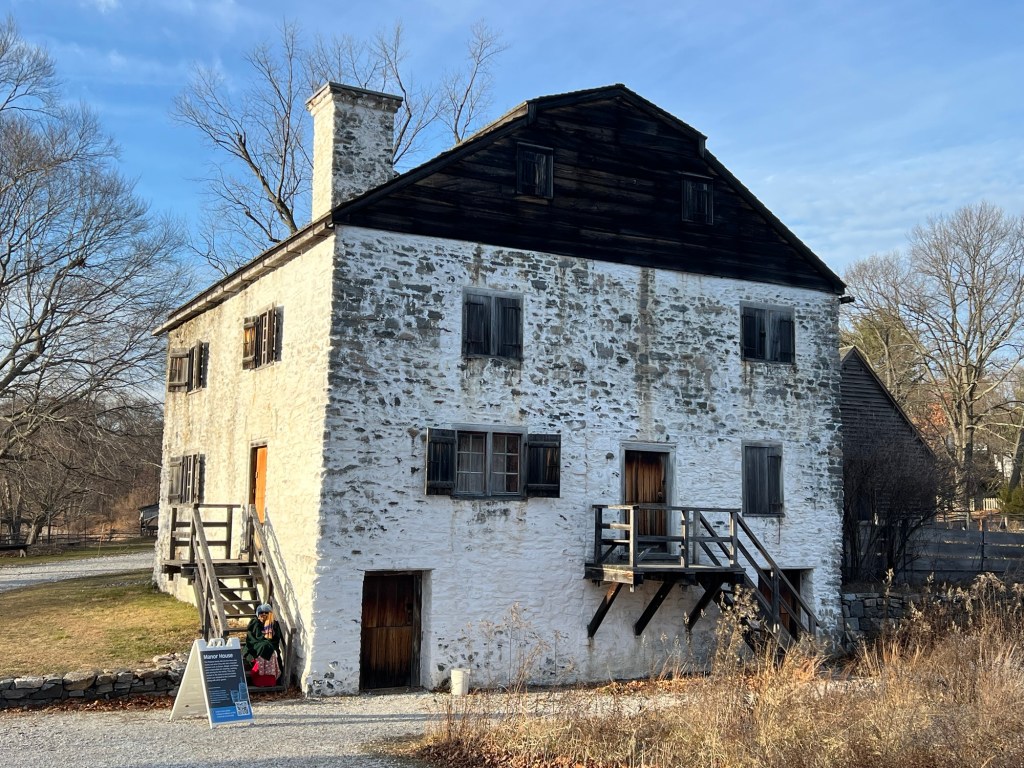
The Philipsburg Manor House

I have visited the Philipsburg Manor House and Estate many times over the years. During the “Headless Horseman” Halloween activities, the house is open for tours. You are able to tour the rooms and see the home in a spooky environment. The house was lit by candles and the tour guides lead you through the house.

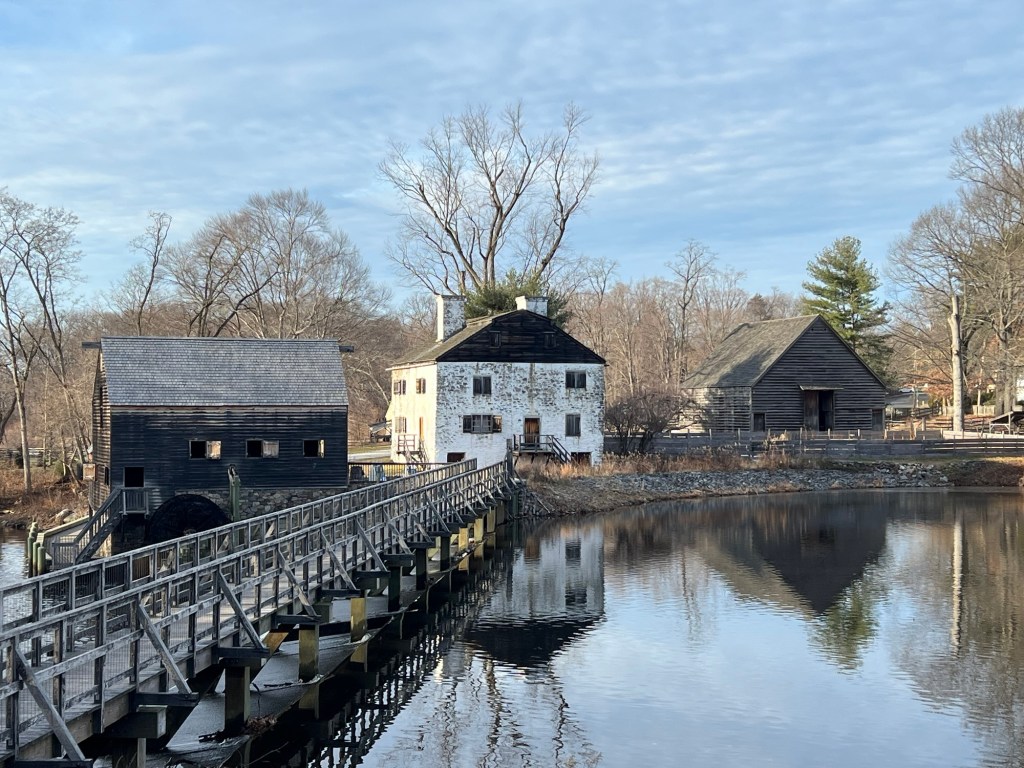
The Manor House from the bridge over the creek

During a special event at the holidays, the house had seasonal decorations, lit by a combination candles and open hearth fires in the fireplace and tour guides explained a Colonial holiday season.
The estate during the day

The Manor House as it was explained to me was a place where the Philipse family stayed when they were away from the main family mansion and was doing business on the estate. So the home was comfortable and workable and functional but not luxurious as the main manor house where the family lived.

The back gardens are used during the Spring and Summer to grow fruits and vegetables

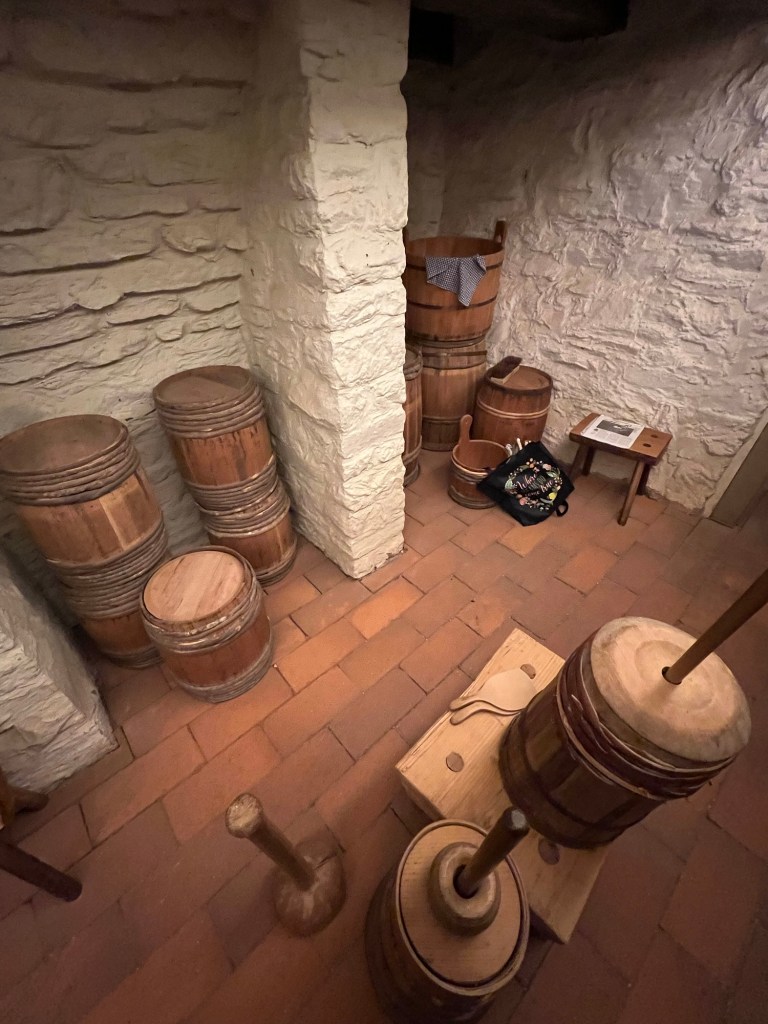
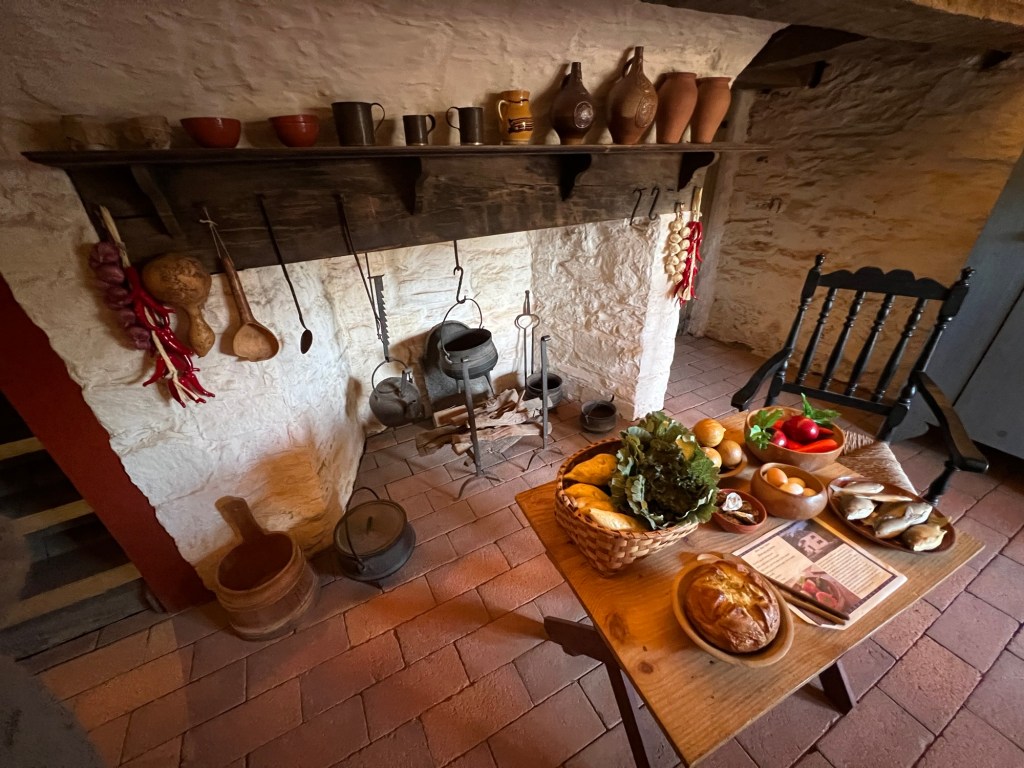
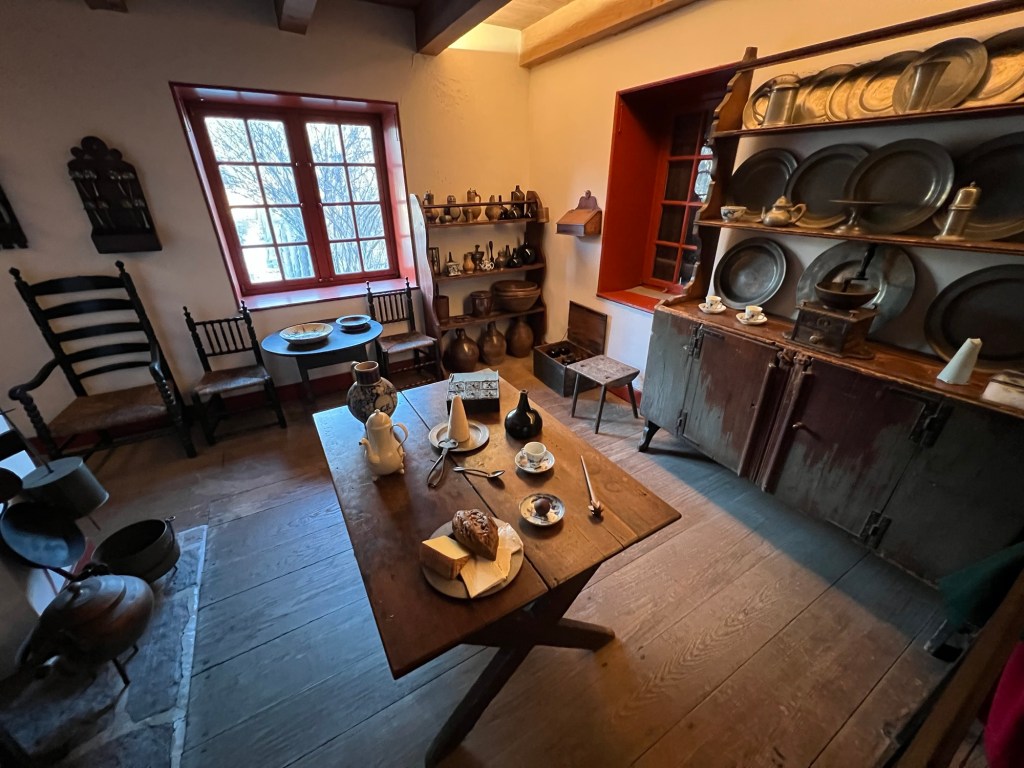
The kitchen, common room and bedrooms were nicely furnished at the time for the owners visits but was not elegant in the form of the main manor house. This was full working estate at all times. The Mill is located near the manor house and their are walking paths around the house.

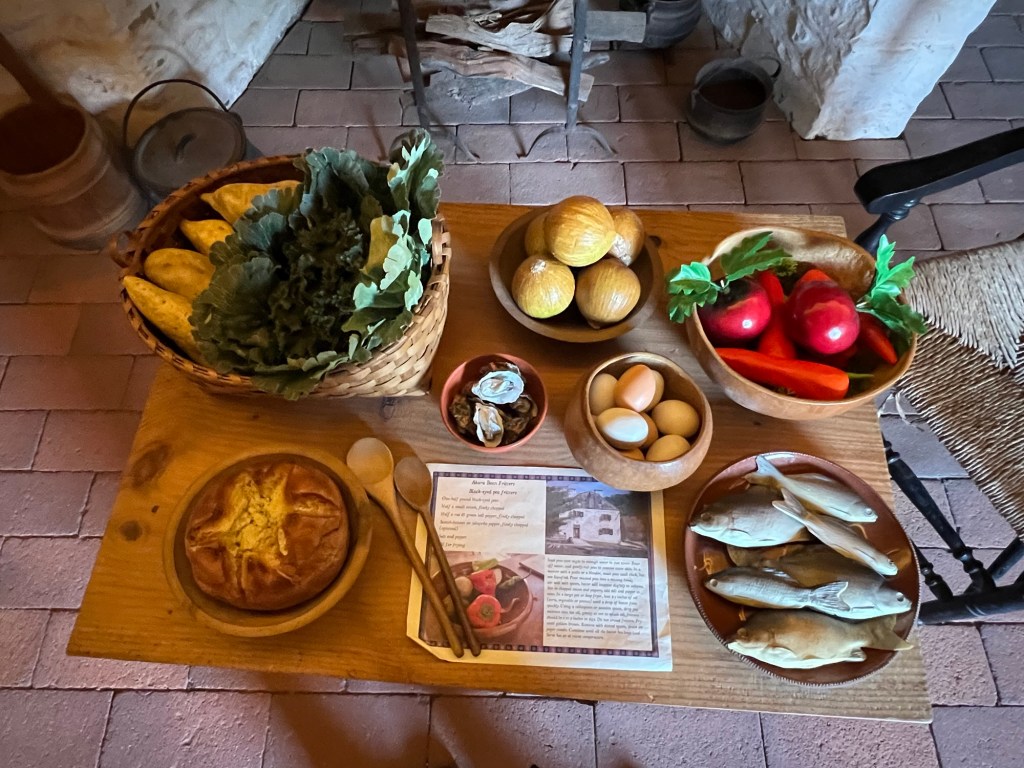
The kitchen at the manor house was functional but not elaborate

During the Halloween season, both Tarrytown and Sleepy Hollow are busy with activities with readings, cemetery tours, ‘haunted events’ and other activities. Please check out the Historic Hudson Valley website for the roster of events. Things have changed since the era of COVID.

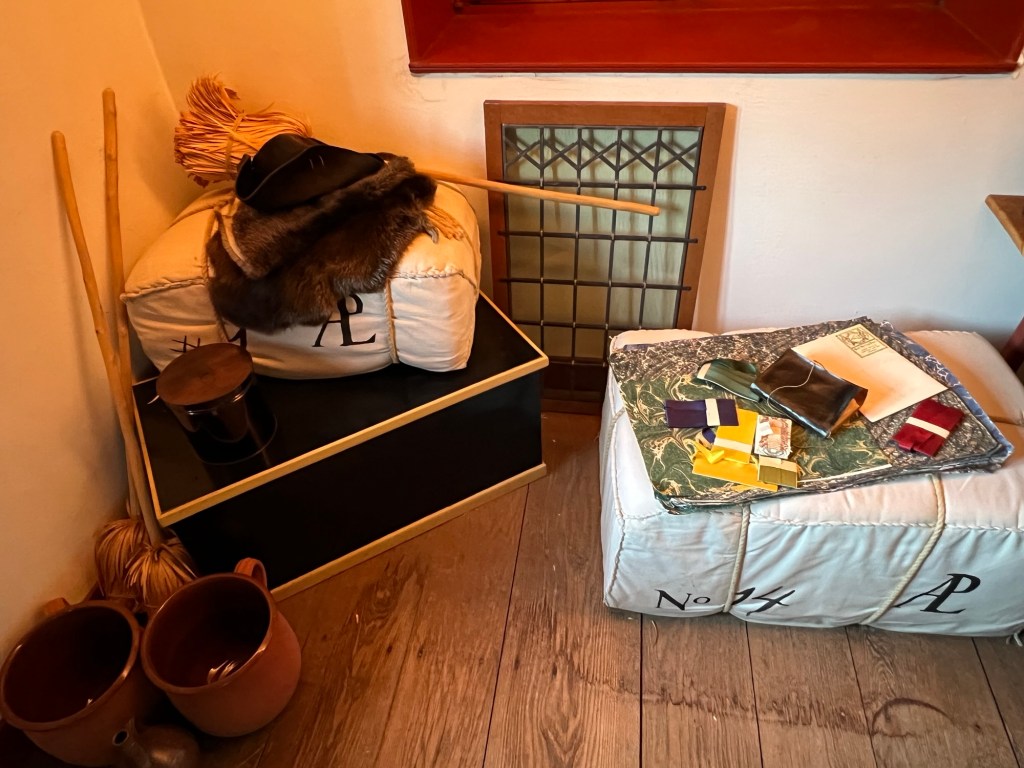
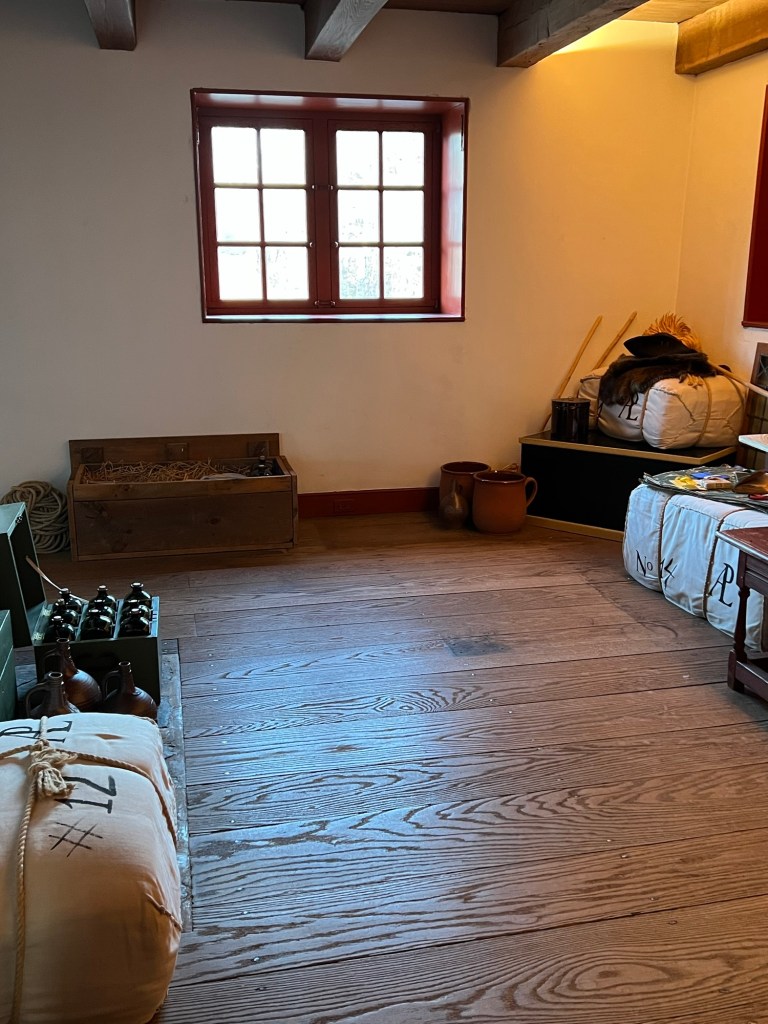
a recreation of the bedroom at the Philipsburg Manor

During the Christmas holidays, the house in the past was decorated for Christmas but in the post-COVID time, the house was just open for tours. In December 2022, I got to visit the house the week before Christmas before it closed for the season. Like most older historical homes and sites will be closed until the Spring so this was the last opportunity to see the house and grounds. Unlike the past, the house was kept in regular touring state. We got to tour the kitchens and bedrooms of the home and heard a talk on how the how was run when Mr. Philispe was not in residence. This was strictly a working farm and mill for the family with the main residence being closer to the City.

The estate at the close of winter

Most of the action was outdoors with tours of the mill, the outside ovens used for the family’s bakery business and outdoor gardens that were cleared out for the winter months.

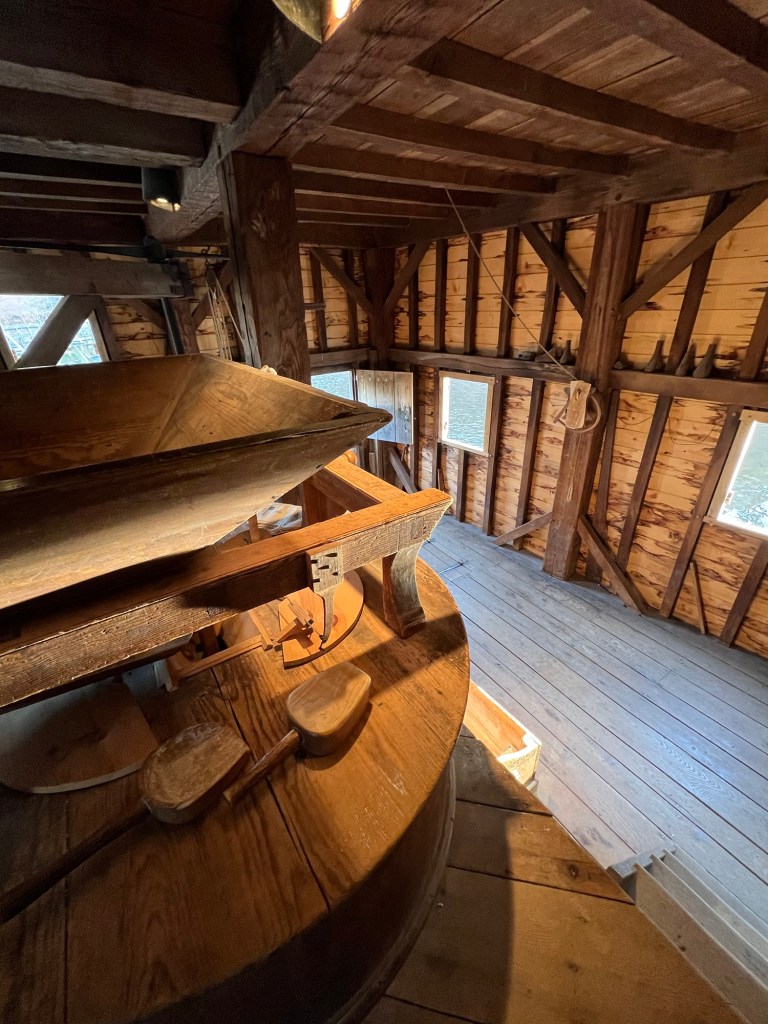
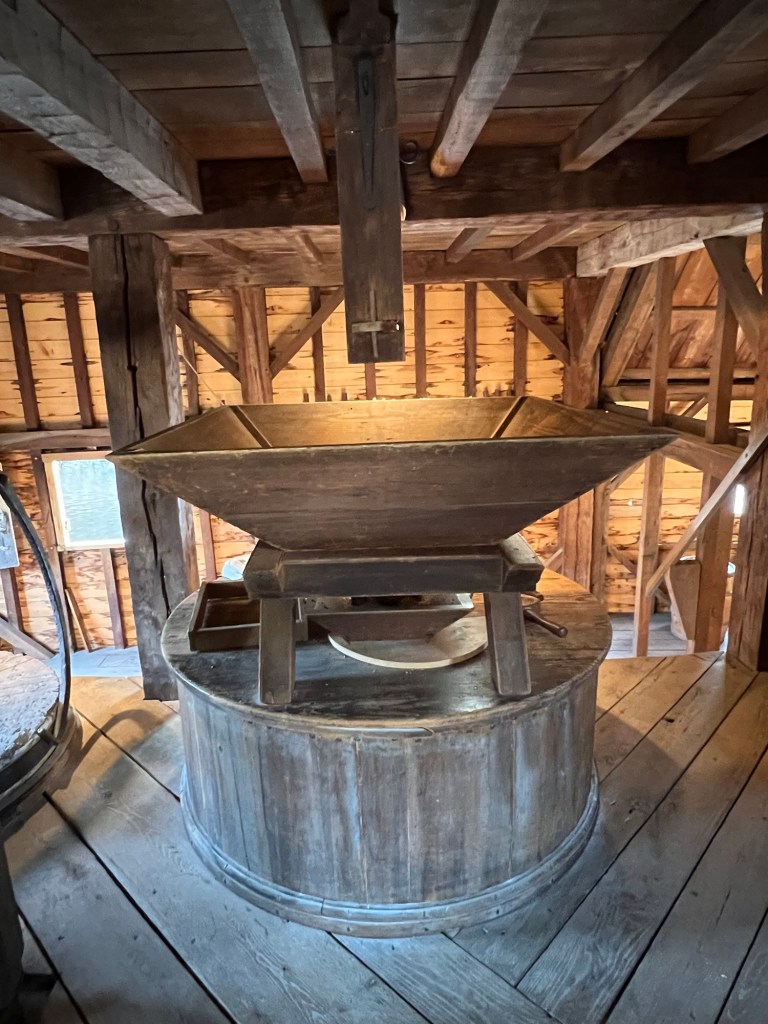
The Mill is where the process of converting wheat grown on the estate was made into flour for the New York market

The Milling wheel to process wheat to flour

The History of the Philipsburg Manor House:

(WIKI/Historic Hudson River Valley Society)

The manor house in the Fall of 2024

The grounds around the park

The sunset over the estate in the Fall of 2024

The Philipsburg Manor House is an historic house in the Upper Mills Section of the former sprawling Colonial-era estate known as Philipsburg Manor. Together with the water mill and the trading site the house is operated bas a non-profit museum by the Historical Hudson River Valley. It is located on US 9 in the Village of Sleepy Hollow, NY. (Wiki)

The Philipsburg Manor House and Mill area of the estate

The Manor House dates from 1693 when wealthy Province of New York merchant Frederick Philipse was granted a charter for 52,00 acres along the Hudson River by the British Crown. He built this facility at the meeting of the Pocantico and Hudson Rivers as a provisioning depot for the family Atlantic sea trade and as headquarters for a worldwide shipping operation. For more than thirty years, Frederick and his wife, Margaret and later his son Adolph shipped hundreds of African men, women and children as slaves across the Atlantic. The manor was tenanted by farmers of various European backgrounds and operated by enslaved Africans (Wiki).

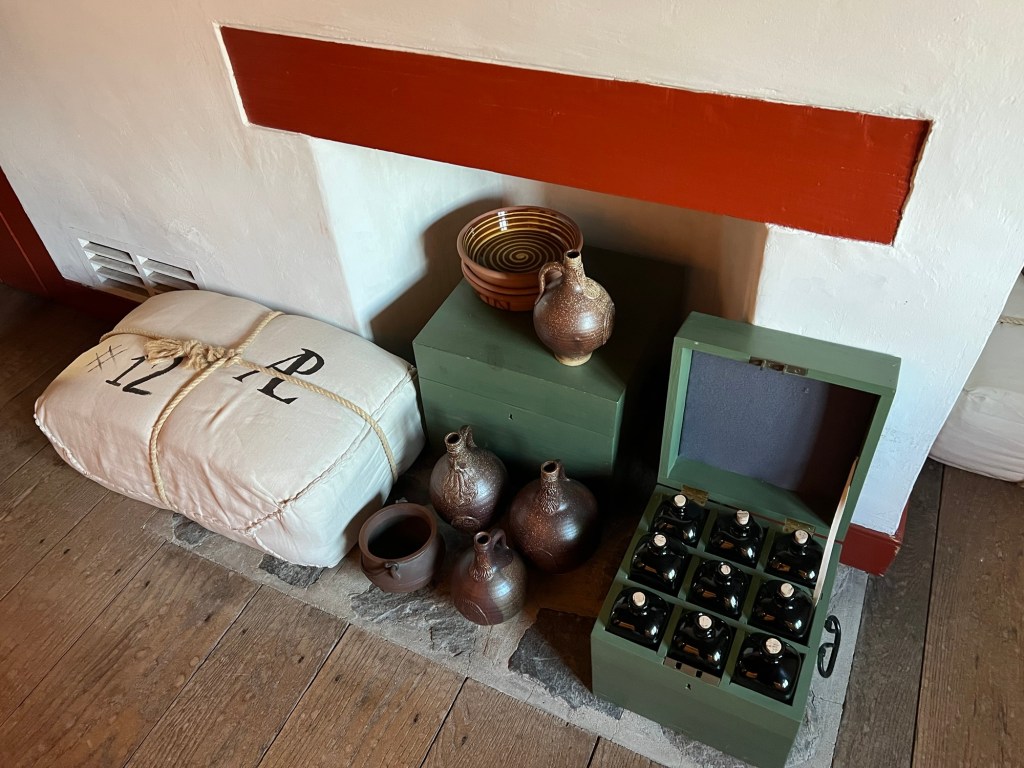
Recreation of the baking operations on the estate

The baking oven

Baking hardtack at the ovens. This would have been used for shipping voyages.

At the outbreak of the American Revolutionary War, the Philipses supported the British Crown and their landholdings were seized and auctioned off. The manor house was used during the war, most notably by British General Sir Henry Clinton during the militaries in 1779. It was there that he wrote what is known as the Philipsburg Proclamation, which declared all Patriot-owned slaves to be freed and that blacks taken prisoner while serving in Patriot forces would be sold in slavery (Wiki/Hudson River Valley History).

Touring the Dutch barns for wheat seed processing

The processing of wheat and straw

A National Historic Landmark in 1961, the farm features a stone manor house filled with a collection of 17th and 18th Century period furnishings, a working water-powered grist mill and millpond, an 18 century barn, a slave garden and reconstructed tenant farm house (Wiki/Hudson River Valley History).

Philipsburg Manor in the Fall of 2024

During the season when the estate is open for visitors, there are costumed interpreters who reenact life in pre-Revolutionary War times doing various chores around the estate. During the Halloween season, the home is open for haunted tours of the manor during the “Headless Horseman” event. During the Christmas holiday season, the home is open for seasonal activities. Please check the website during COVID for activities (Historic Hudson River Valley).

The Philipsburg Manor and grounds in the Fall of 2024

Prospect Park Zoo                                                 450 Flatbush Avenue                                  Brooklyn, NY 11225

Prospect Park Zoo 450 Flatbush Avenue Brooklyn, NY 11225

The Prospect Park Zoo

450 Flatbush Avenue

Brooklyn, NY 11225

(718) 220-5100

https://prospectparkzoo.com/

Open: Sunday 10:00am-5:30pm/Monday-Friday 10:00am-5:00pm/Saturday 10:00am-5:30pm

Admission: Adults $9.95/Seniors $7.95/Children from 3-12 $6.95/Children under 3 are Free/Members Free

My review on TripAdvisor:

https://www.tripadvisor.com/Attraction_Review-g60827-d283820-Reviews-Prospect_Park_Zoo-Brooklyn_New_York.html?m=19905

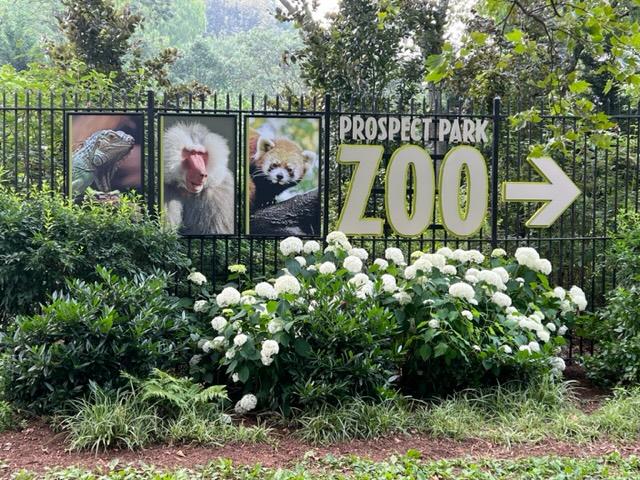
The entrance to the Prospect Park Zoo

The Prospect Park Zoo is one of my ‘go to’ places along with the Brooklyn Museum and the Brooklyn Botanical Garden when visiting Brooklyn. The three popular destinations are all in the same neighborhood and if you have a full day is worth the subway ride from Manhattan to visit.

On a nice day, the best place to start is the Brooklyn Botanical Garden at opening, then head over through the back part of the garden to Prospect Park and walk to the entrance near Flatbush Avenue and go past the carousel and enter the Zoo past the old Leffert’s Homestead. The Zoo is just past that.

My review on TripAdvisor:

https://www.tripadvisor.com/Attraction_Review-g60827-d103505-Reviews-Lefferts_Homestead-Brooklyn_New_York.html?m=19905

My review of the Leffert’s Homestead on VisitingaMuseum.com:

https://wordpress.com/block-editor/post/visitingamuseum.com/2864

The grounds of the Lefferts Homestead grounds

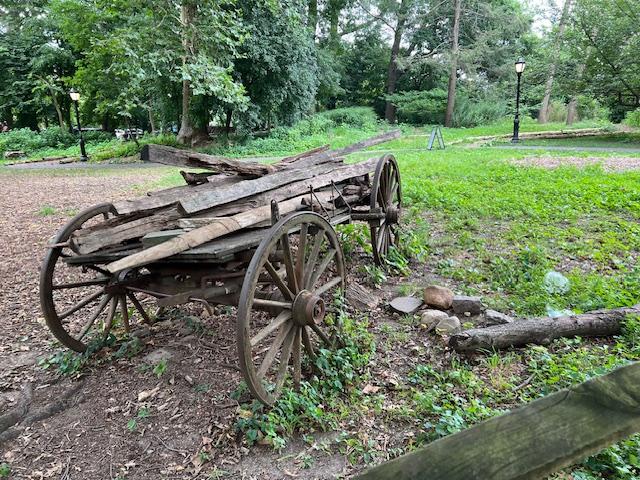
The old cart outside of the Lefferts House

The best part of the Prospect Park Zoo is that like the Central Park Zoo it is small enough to see in one day and be able to enjoy the exhibitions in one afternoon and still have time for lunch.

The Map of the Zoo

The Zoo has gone through a lot of improvements since COVID and reopened. There is a unique sculpture garden when you walk inside.

The Prospect Park Zoo Sculpture Garden at the entrance

Fish Sculptures at the entrance

The sculptures at the entrance of the zoo by artist Mags Harries

Artist Mags Harries

https://www.magsharries.com/maybe-home

https://smfa.tufts.edu/directory/mags-harries

Artist Mags Harries is an Wales born artist who graduated the Leicester College of Art with a Diploma in Art and Design and Illinois University, Carbondale with a Master of Fine Arts. She is known for her creative sculptures and their use in enhancing public spaces (Artist bio/Tufts.edu).

The main focus of the zoo when you walk through the gates is the seal tanks. These playful animals spend most of their time swimming around or sunning themselves on a warm day. During the feeding schedule, it is interesting to see how they interact with the trainers.

The Seal Tanks at the entrance of the Zoo

The Seal tanks when you walk in are very active

Walking further into the zoo you will walk past the Hall of Animals, where all the smaller animals and amphibians like frogs, snakes and turtles are located. These are a lot of fun for the smaller children who may not see these things in their backyards or even in the parks anymore.

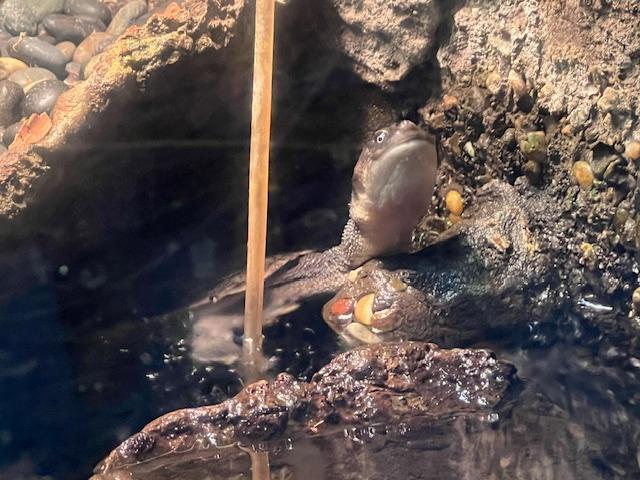
The rare Longnecked Turtle in the Small Animals exhibition

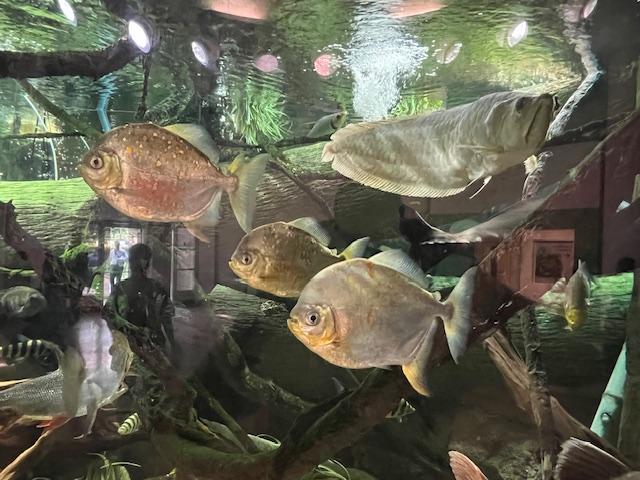
The Fish tank at the Small Animals exhibition

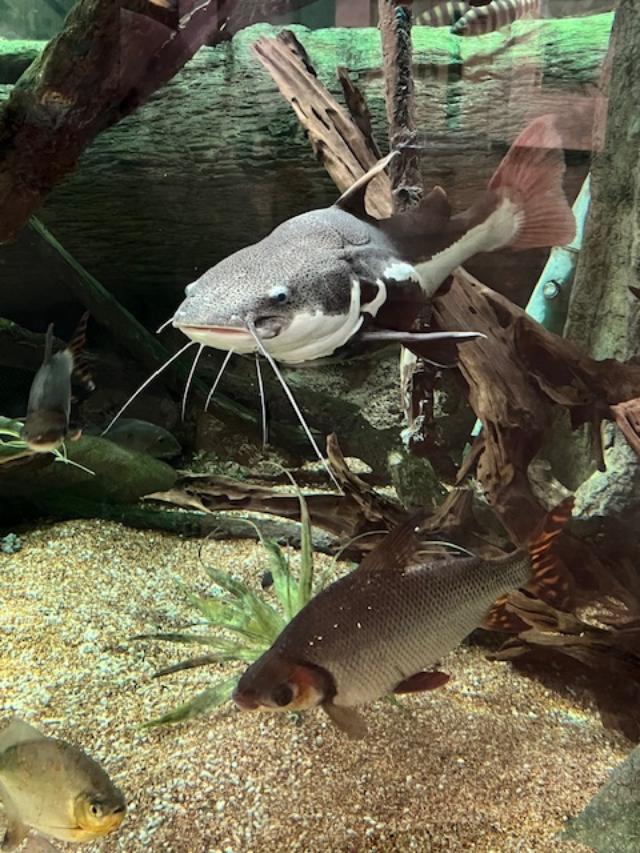
The catfish in the Fish Tank at the Small Animals exhibition

I went to the Bird Cages and saw a Kookaburra bird from Australia. He looked at me like I looked at him. He had the most inquisitive look on his face.

The Kookaburra looking at me

The Kookaburra looking around the cage

The Victorian Pigeons with their beautiful colors and feathers

The tropical hornbill birds

As I sat down to rest after visiting both the Brooklyn Museum and the Brooklyn Botanic Garden, a peacock walked past me looking for food. It must be very used to humans because he just ignored me and kept on walking.

The peacock at the zoo just does his own thing

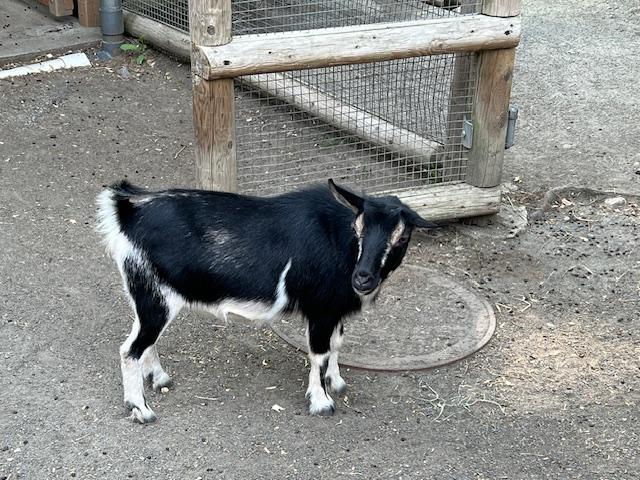
Beyond that is the Barn, where your horses and cows are located and they even have a pair of turkeys, which makes for interesting conversation for children who wonder where they come from at Thanksgiving. The turkeys here are more bred than the wild ones you will see in the woods. They also have sheep, pigs and lambs that you can feed.

The gardens leading to the Barn area

The gardens leading to the Barn area

The different barnyard animals were in the process of being feed and taken care of by their trainers. If you put food in front of them though, they cam running. The kids were having a ball feeding them snacks.

The Barn pens at the zoo

Lambs and calf’s in the Barnyard at the zoo

The lambs hoping they would be fed by the visitors

The friendly lamb in the pens

The sheep at the barnyard

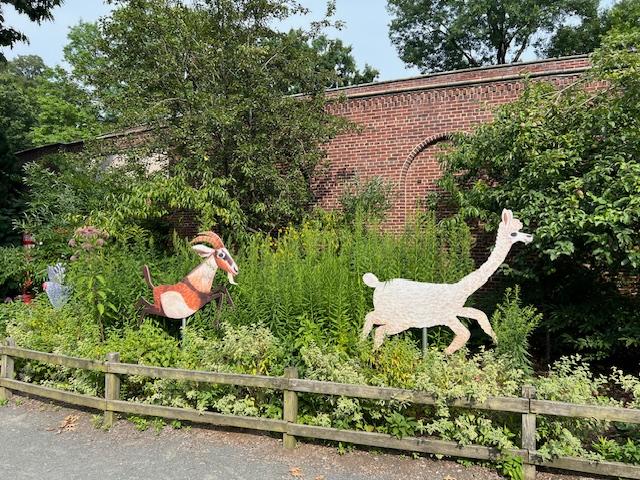
The animal sculptures just outside the Barnyard display

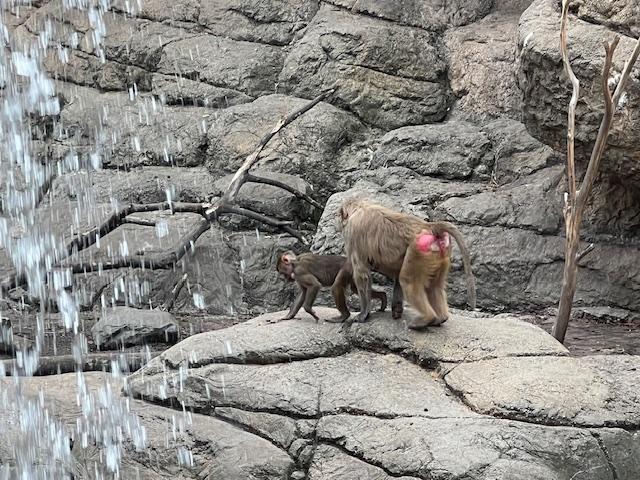
Next to the Hall of Animals is the Animal Lifestyle exhibition where a lot of the gorillas and monkeys are located. It is funny to watch their mannerisms and see ourselves and out behaviors in them. I guess a couple of thousand years never really separated us that much and we still are a lot alike.

The Baboons at the Hall of Animals

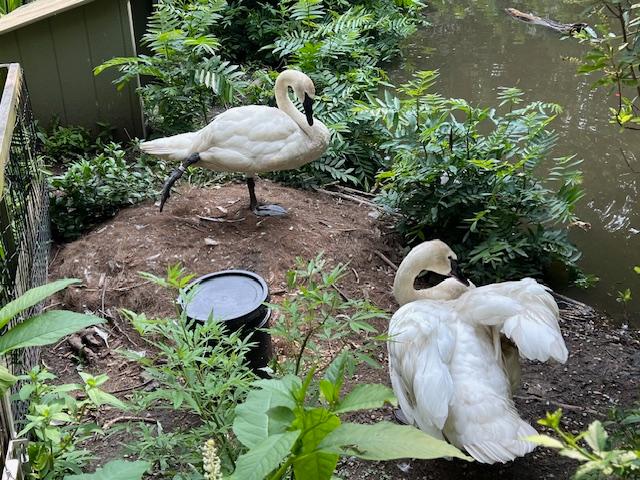
From there you will take the Discovery Trail to see more familiar animals that you might see in every day nature such as deer, foxes, porcupines, ducks and geese in a more natural habitat where they can roam free. The space is limited but they look a lot happy to move around than some of the other animals.

The swans on the Discovery Trail

The swans on the trail

All trails lead back to the Seal Tanks where the popular feeding time gathers a crowd and you will see the care that many of the trainers and zoo keepers give to their residents. There is a lot of love for these animals that is given and I can see a lot of respect.

Relaxing by the Seal Tanks

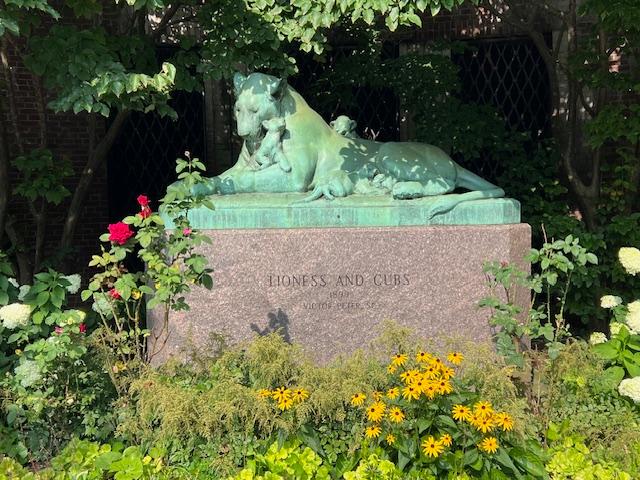
I got to sit and relax by the Seal Tanks and just enjoy the afternoon. The landscaping around the main Seal Tanks were in full bloom. I also never noticed the statuary around the pool.

The landscaped stairs leading to the zoo from the main road

‘Lioness and Cubs’ by French sculptor Victor Peter

https://www.nycgovparks.org/about/history/zoos/prospect-park

Artist Victor Peter

https://www.metmuseum.org/art/collection/search/208856

Artist Victor Peter is a French born artist known for his realistic sculptures.

A trip to the snack shop and gift shops at the zoo are expensive and cater to the tourists. They are not as nicely merchandised as the Bronx Zoo or the Central Park Zoo. Still they are fun to visit once or twice.

The Prospect Park Zoo is still a nice afternoon out for families and a nice way to communicate with nature.

The History of the Prospect Park Zoo:

The Prospect Park Zoo is a 12 acre zoo located in Prospect Park, Brooklyn and as of 2016 houses 864 animals. The zoo was originally part of the plan of Prospect Park as a “Zoological Garden” in the western part of the park. The zoo was not part of the finished plan in the park in 1874 by designers Fredrick Law Olmsted and Calvert Vaux.

The original zoo layout

The park design included a Wild Fowl Pond in the northern part of the park that was stop off for water birds and a Deer Paddock in the southern part of the zoo where deer lived in a penned area.

In the 1890’s, gardens were created for park enjoyment and a informal Menagerie was created by the Brooklyn Parks Commission, George V. Brower, when the donation of small bear, white deer, seven seals, a cow and twelve peacocks came into the possession of the park.

In 1934, Parks Department head Robert Moses set a plan to reconstruct the City’s Parks and under the Works Progress Administration started to revamp the park system. In March of that year architect Aymar Embury II set to design the new zoo with six new buildings and centered by a Seal Pool.

By the 1970’s, the zoo faced disrepair and was neglect for the animals. It was considered one of the worst zoo’s in the country according to the press and finally in 1980, the Koch Administration signed a 50 year agreement with the NY Zoological Society, now called the Wildlife Conservation Society, which was also administrating the Central Park and Queens Zoo.

The park closed in 1988 for a five year, 37 million dollar renovation that gutted all the pits and cages but saved the historic buildings and statuary. The new zoo opened in 1993 with a new name, “The Prospect Park Wildlife Conservation Center” and a philosophy of educating children. The zoo along with the Queens Zoo have had some shortfalls in the past but have the full support of the Society and the public since the early 2000’s. Still the zoo remains popular with families from all over Brooklyn and the world.

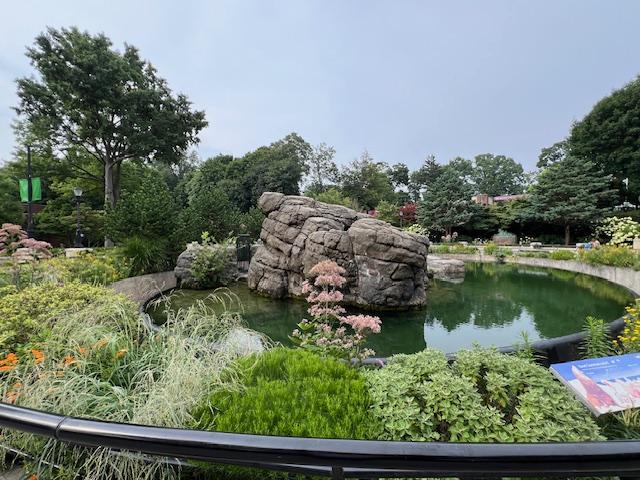
The main view of the zoo

(This information is provided by Wiki and the Wildlife Conservatory website and I give them both full credit for the information)

Sara Delano Roosevelt Memorial House             47-49 East 65th Street                                        New York, NY 10065

Sara Delano Roosevelt Memorial House 47-49 East 65th Street New York, NY 10065

Sara Delano Roosevelt Memorial House

47-49 East 65th Street

New York, NY  10065

(212) 650-3174

Roosevelt House History

Sara Delano Roosevelt Library

Open: To Groups on Fridays and Saturdays and to individuals on Saturdays 10:00am/12:00pm/2:00pm

Fee: Free to Individuals/Donations welcome-Groups tours are $100.00 for up to five people with an additional $15.00 fee per person. There is also an administration fee of $25.00 for groups over 20 people.

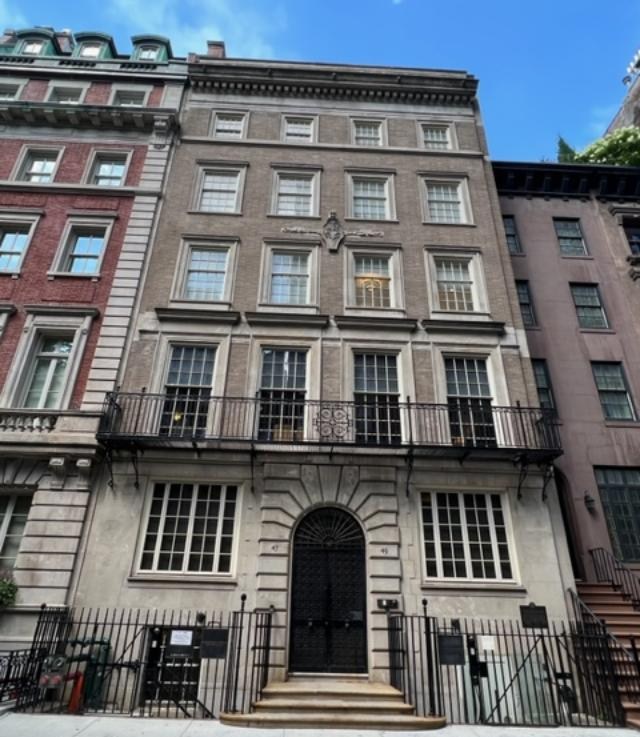
The Sara Delano Roosevelt Home at 47-49 East 65th Street

It is amazing what you discover when you are walking around the Upper East Side of Manhattan. I was exploring the Streets of the Upper East Side for my blog, ‘MywalkinManhattan’ and when walking around the Hunter College Campus came across the Sara Delano Roosevelt Memorial House at 47-49 East 65th Street.

This beautiful brownstone was built as a wedding present to Franklin Delano Roosevelt and his wife, Eleanor and their future family by his mother Sara Delano Roosevelt. It was their New York City residence until they moved to the White House. His mother continued to use the house until her death in 1941 when the home was sold to Hunter College.

Tours are available when the building is open (Hunter College is currently closed) and you can tour the whole house. The home was listed on the National Register of Historic Places in 1980.

History of the Sara Delano Roosevelt Memorial House:

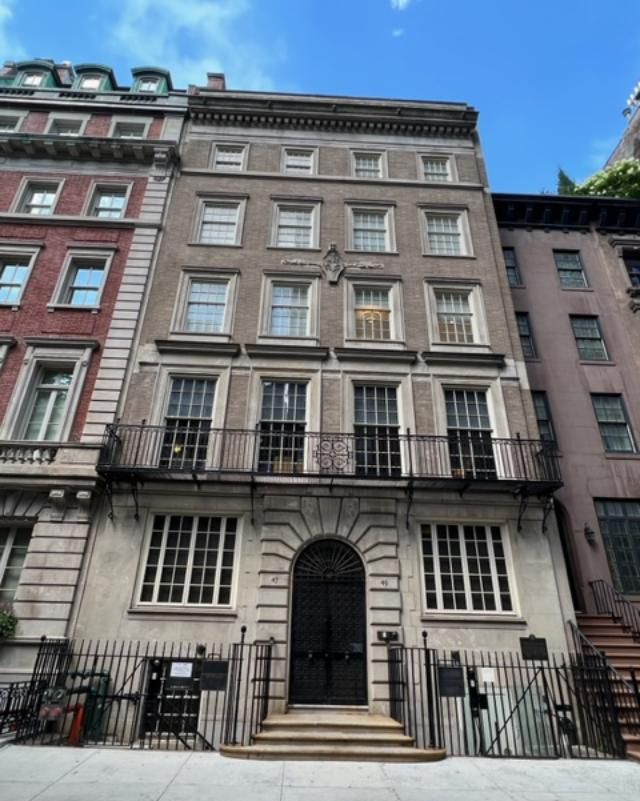
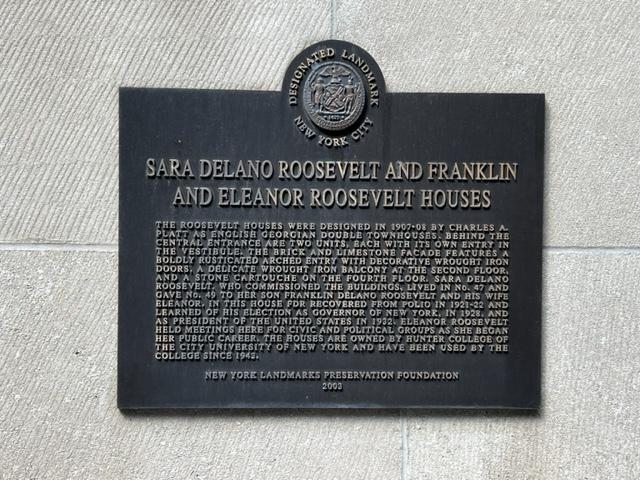
The Neo-Georgian townhouse was designed by architect Charles A. Platt for Sara Ann Delano Roosevelt in 1907. It originally held “two mirror-image residences with a single facade and entrance. Each floor had its own front reception room with a welcoming fireplace. Rear parlous could be combined through sliding doors

The mansion at 47-49 East 65th Street on the Upper East Side

The house was given to the Roosevelt’s by Franklin’s mother as a wedding gift for them. The house originally two homes and Franklin’s mother had doors put in place so she could enter their part of the home whenever she wanted. The house was used by Sara Ann Delano Roosevelt from its completion in 1908 to her death in 1941 and intermittently by the Roosevelts until the sale to Hunter College in 1943.

The house historical marker

After his mother’s death in 1941, President Roosevelt and his wife placed the house up for sale and a non-profit consortium was organized to purchase the house on behalf of Hunter College.

Sara Delano Roosevelt House IV

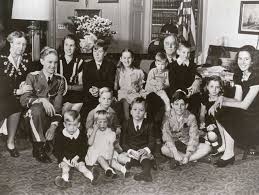
The Extended Roosevelt family

The house was closed in 1992 and reopened in 2010 after an $18 million renovation. Leslie E Robertson Associates was the structural engineers on this renovation. The building is currently used by Hunter College as the Roosevelt House Public Policy Institute at Hunter College or just known as the Roosevelt House.

Sara Delano Roosevelt House

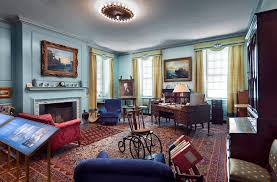
The inside of the house’s museum

(Disclaimer: This information was from Wiki and I give them full credit for the History of the Roosevelt House).

Video’s Related to the House on YouTube:

Visiting the Roosevelt House:

The History of the House: