The Voorhis Family Burying Ground was once part of the extensive farm owned by Henry Van Voorhis. This small burial plot houses this branch of the family and sits in what used to be the southeastern section of the farm. Now it sits behind a small house in need of a good lawn cutting.
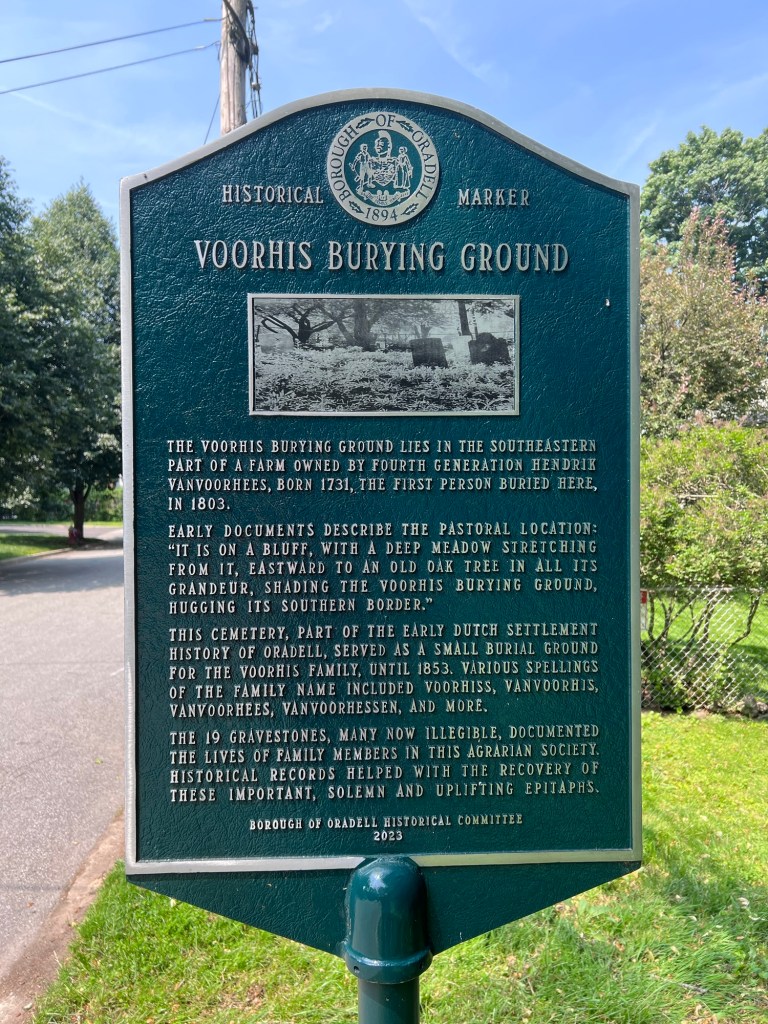
The historic sign of the Voorhis Burying Ground
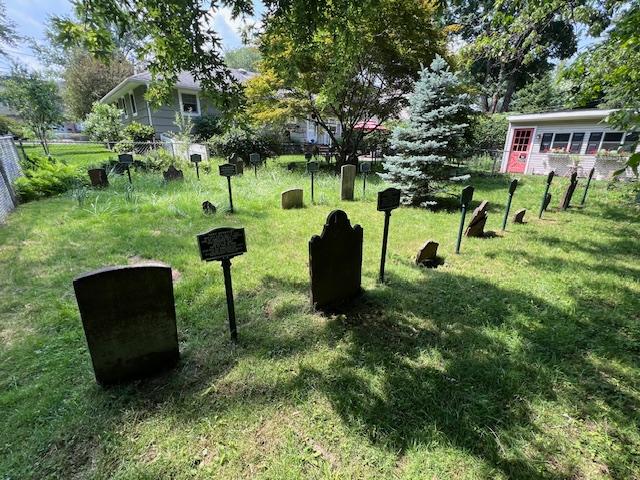
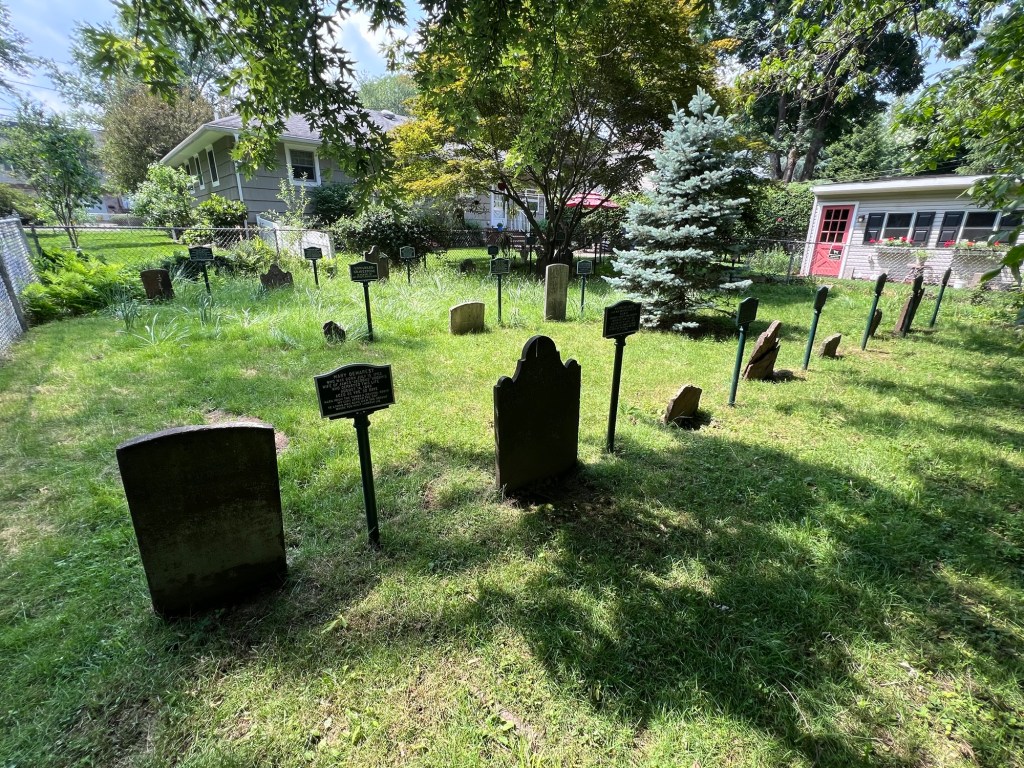
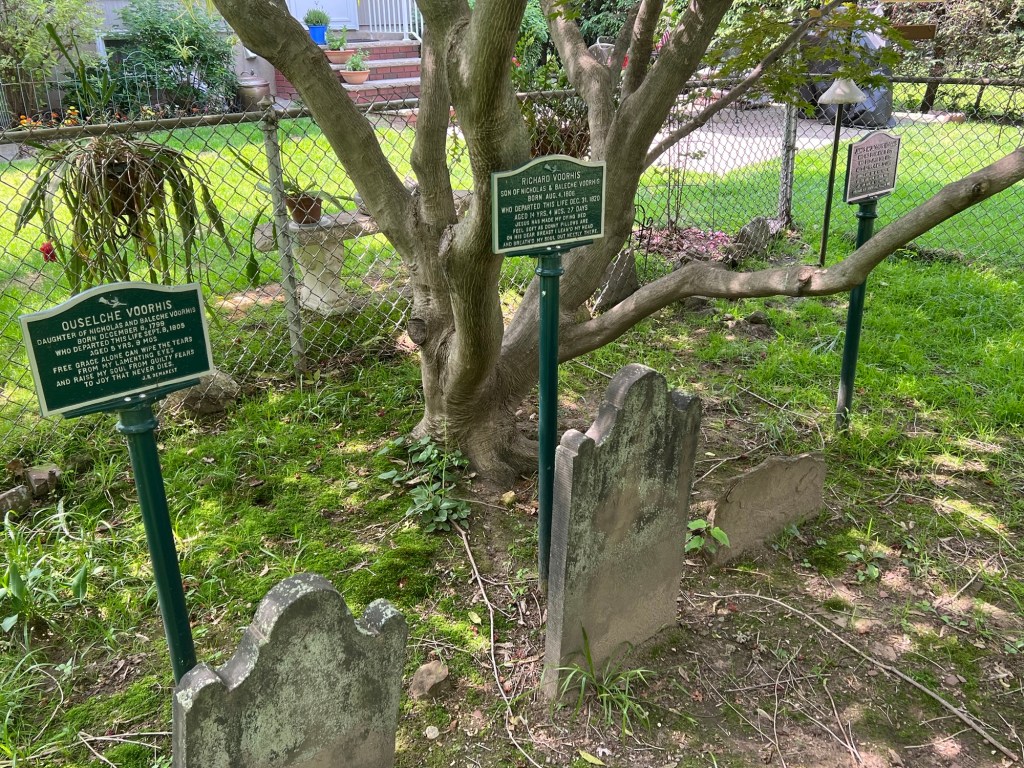
The inside of the Voorhis Burial Ground
What is sad about these small family cemeteries is that I am sure that the families never thought to the future when the land would be sold off and the family would move on. The Voorhis and Demarest names still dot the landscape of Bergen County but these tiny plots are lost to the current generations.
The gravesite of Lucas Van Voorhis
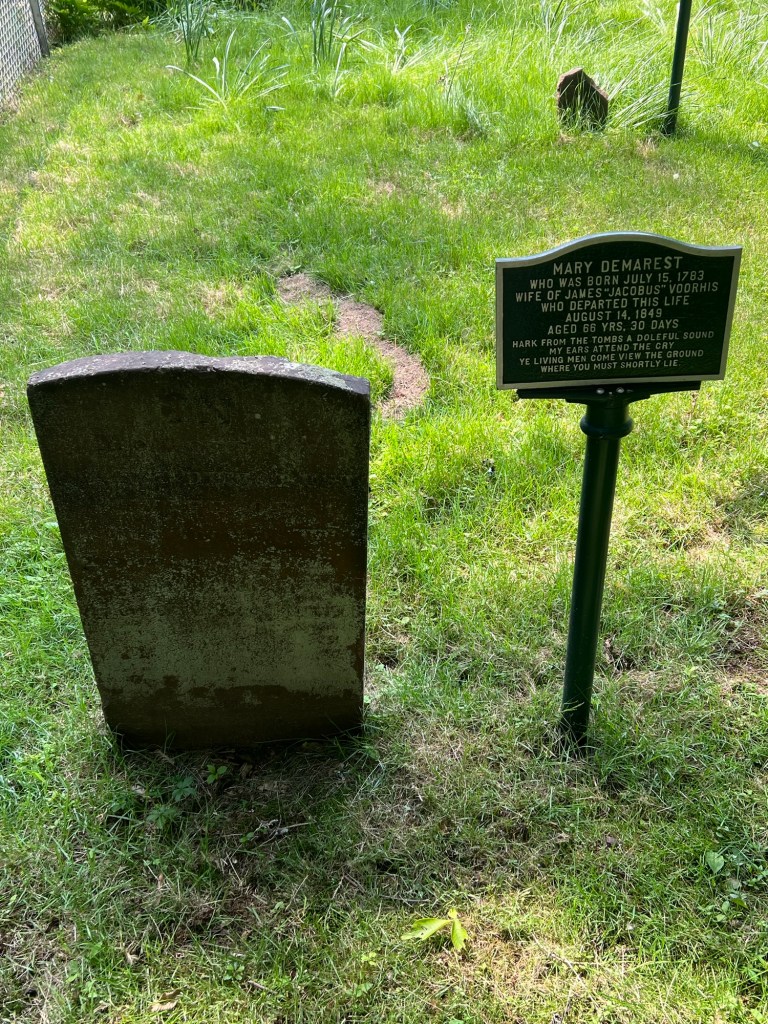
The grave of Mary Demarest, who was the wife of James
The one thing that I like about this particular cemetery is that someone in town had done their research on this cemetery and each grave marker was tastefully recreated in separate historic signs right next to the graves as the tombstones have worn out over the years.
The grave of Hannah Voorhis
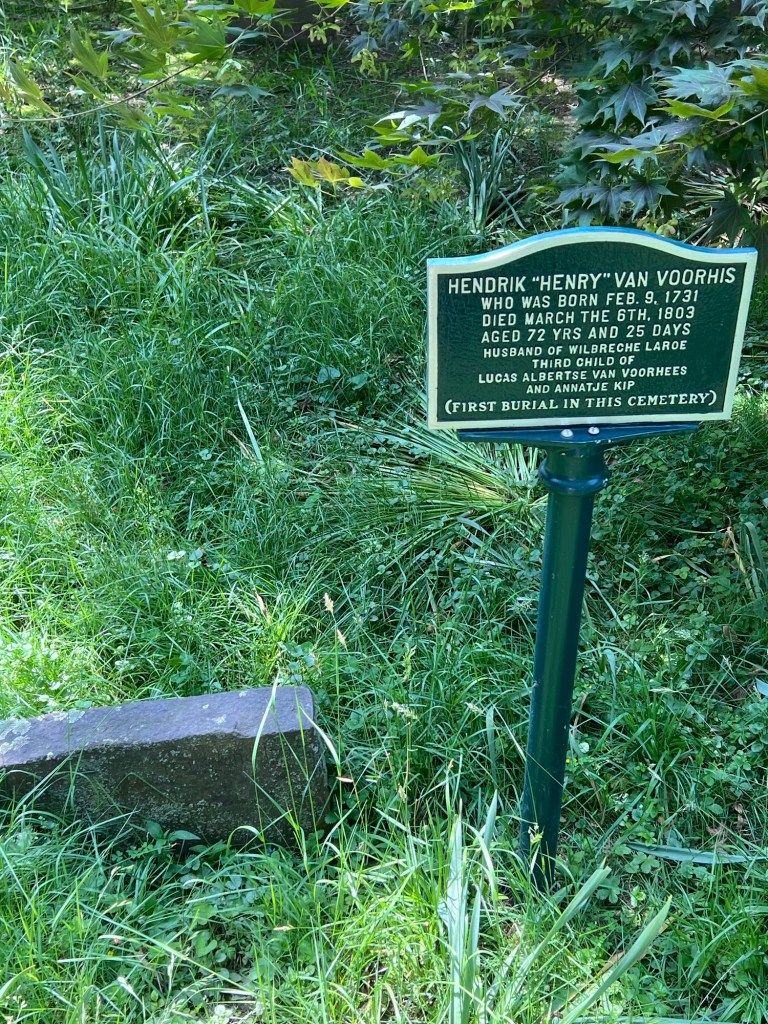
The grave of Henry Van Voorhis, the first person buried in the site.
This was the first person buried here and the former owner of the farm, Henry Van Voorhis, whose line of the family had once owned this farm of several hundred acres.
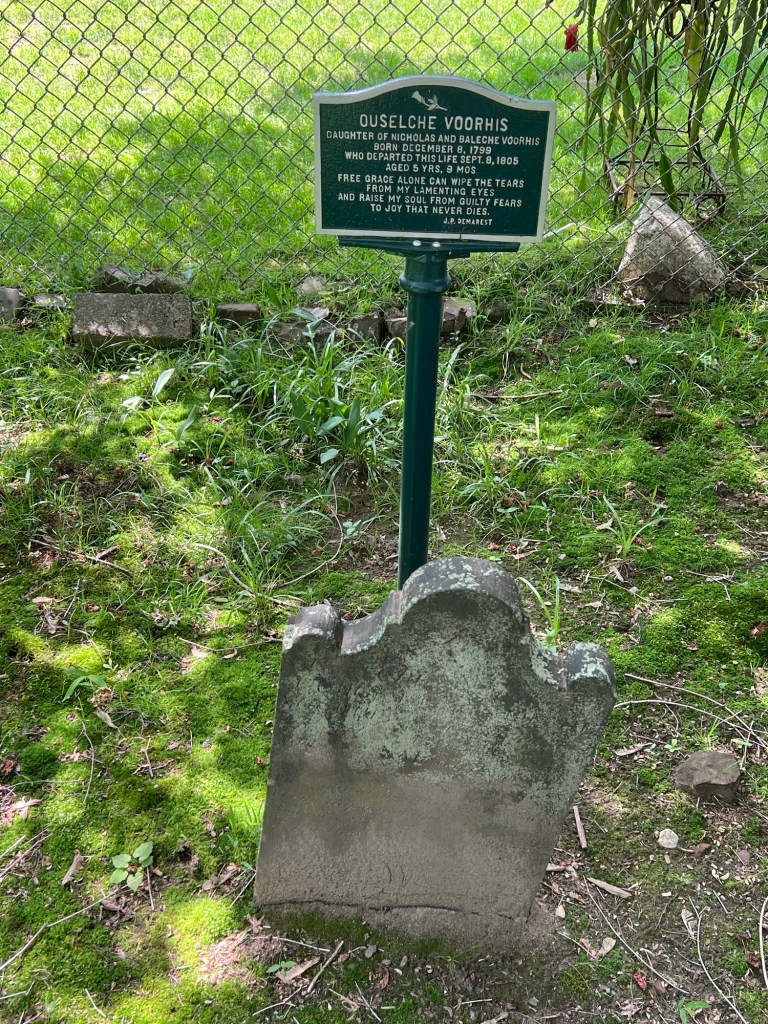
The grave of Ouselche Voorhis
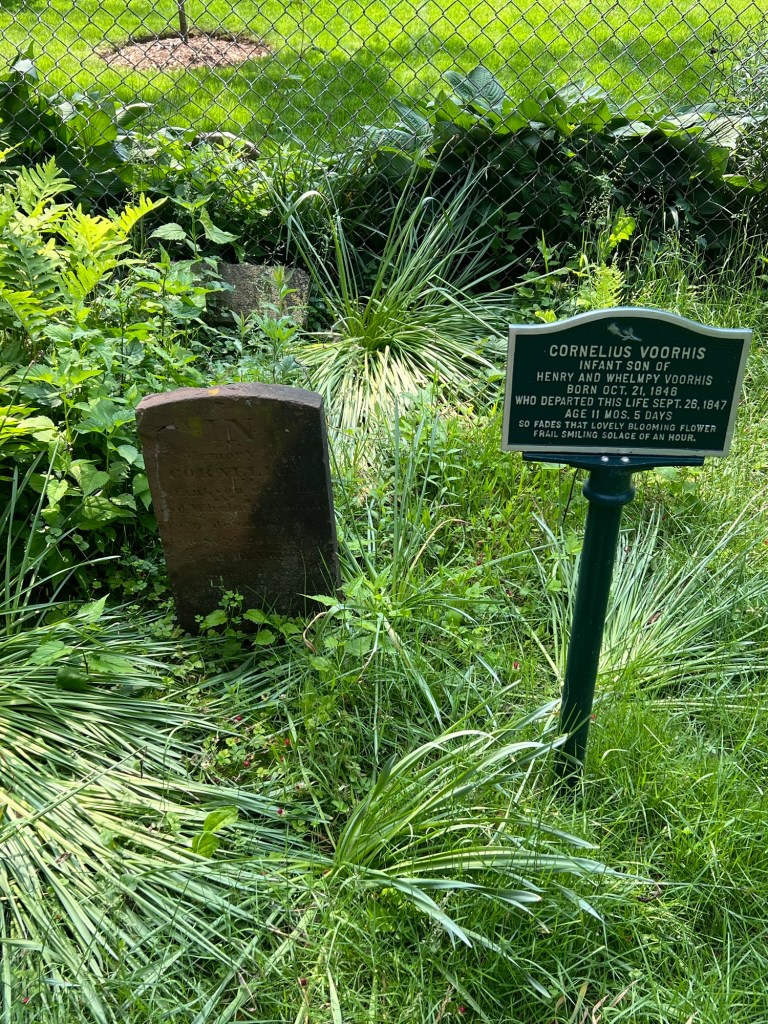
The grave of Cornelius Voorhis. I could not believe how many small children were buried in these cemeteries.
I was impressed by how organized and well researched this cemetery was with all the markers. I just needs a good lawn cutting.
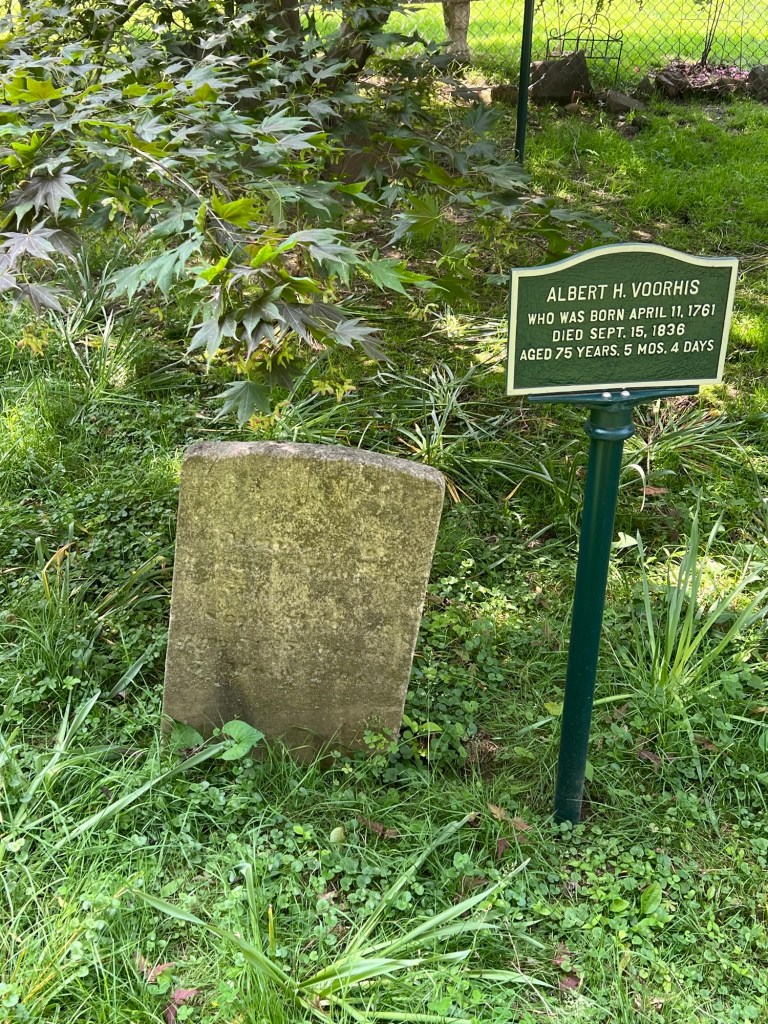
The grave of Albert Voorhis, son of the Revolutionary veteran, Albert Voorhis
The grave of Henry Voorhis Sr,
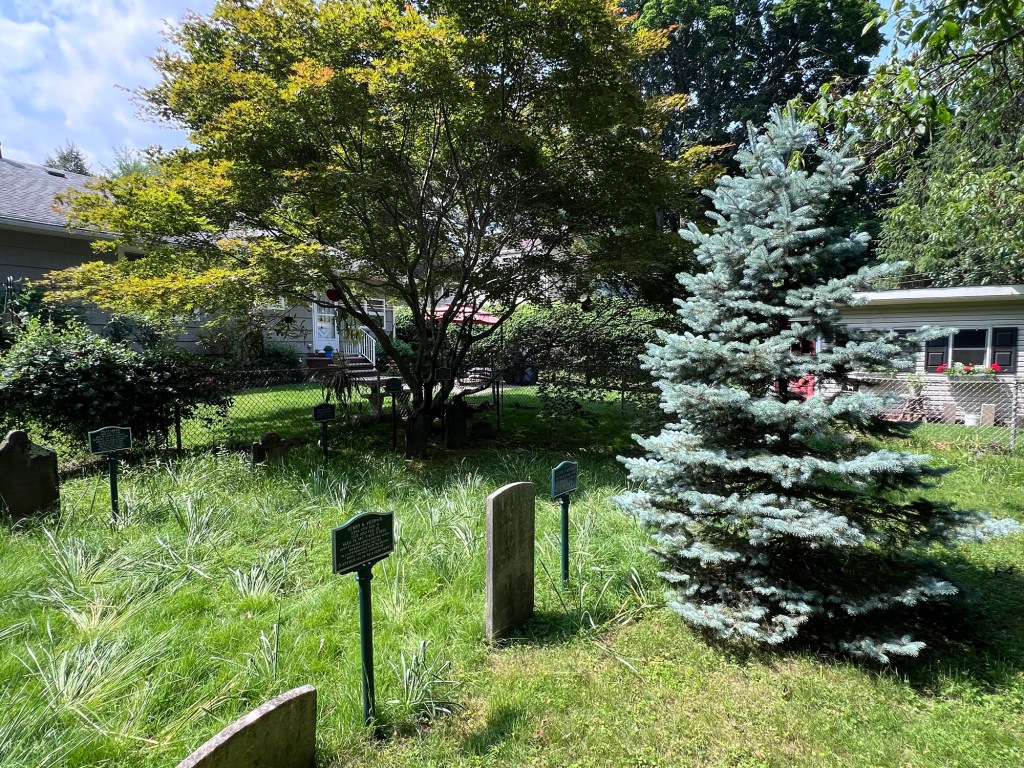
The full view of the cemetery as I was leaving
This quiet and respectful looking cemetery now sits in the back of someone’s home looking lost and forgotten but when you really look at all the historical signs and read them to yourself, their memories still linger on. The family will never truly be forgotten.
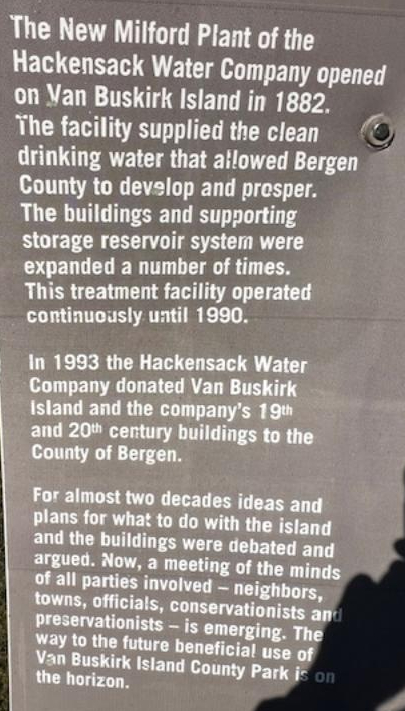
The Hackensack Water Works building is closed for visiting and under renovation.
When I visited the day I went to see the Hackensack Water Works Building all you could see is the signs outside the building.
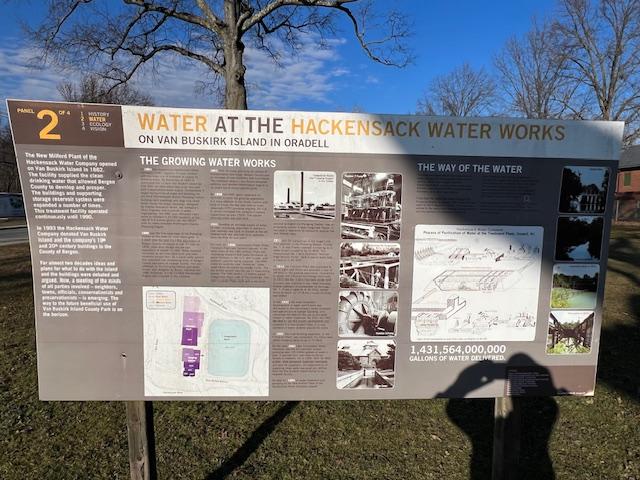
The information sign outside the Waterworks.
The layout of the pump station.
On an oxbow in the northern reaches of the Hackensack River is Oradell’s Van Buskirk Island, a man made island that did not exist until 1802. Created by the dams built for the local mills, this stretch of the Hackensack River was the highest point of navigable water on the river where schooners regularly carried goods to and from New York.
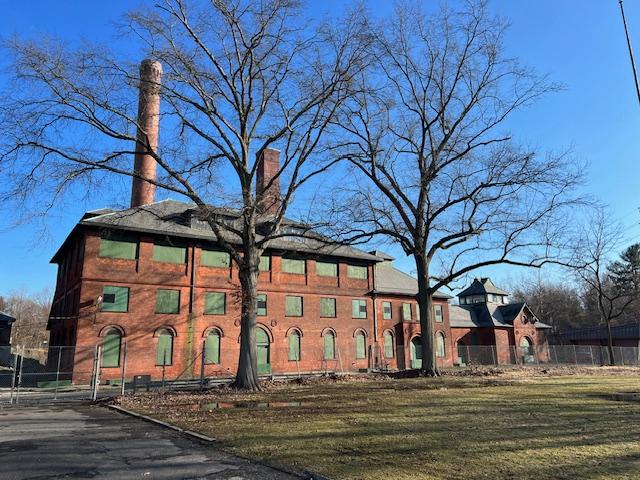
The Hackensack Water Works Building in full.
Now a part of the Bergen County Parks system, this almost 14 acre site contains the historic Romanesque brick buildings of the Hackensack Water Works. This is the oldest surviving representative of a water purification and delivery system from the late 19th and early 20th century period, crucial to the development of a modern, safe water supply that was critical to turn of the century metropolitan and suburban growth.
The Pump Station right side.
The left side of the Pump Station.
The Hackensack Water Works, in continuous operation from 1882 to 1990 is a rare example of later 19th and early 20th century water works architecture and engineering. The historic buildings include the 1882 Pumping Station, expanding five times from 1886-1911 and innovative 1905 Filtration House, expanded in 1912 and 1955. The Pumping Station contains a unique collection of steam pumping equipment representing over four decades of development of steam technology in the early 20th century, including a 1911 Allis Chalmers Vertical Triple Expansion Pump and a 1915 Allis Chalmers Centrifugal Pump. The plant also contains the 1905 coagulation basin and gatehouse and the 1911 intake and waste gates.
The inside of the Hackensack Water Works
This Bergen County Historic Site with its open space and park like setting is a living 100 year old timeline of technology from steam to electricity as well as a river site that represents the evolution of Bergen County from its pre-Revolutionary War saw and grist mills to the creation of pioneering water filtration technology so vital to the 20th Century development of towns and cities all over America. Not open to the public at this time.
The Bergen County Division of Cultural and Historic Affairs
The Bergen County Division of Cultural & Historic Affairs received an operating support grant from the New Jersey Historical Commission, a division of the Department of State.
Disclaimer: This information was taken directly from the Bergen County Division of Cultural and Historic Affairs handout. Please call the above number or email them for more information.
This interesting little ‘gem’ is located up on the hill next to Blauvelt Mansion and is easy to miss. You will see the signs as you drive past it.
Open: Wednesday, Thursday and Friday: 10:00am-4:00pm/Saturday and Sunday: 2:00pm-5:00pm
Fee: Free donations accepted
The Blauvelt Art Museum is funded by the Blauvelt-Demarest Foundation and is a member of the New Jersey Association of Museums, the Mid-Atlantic Association of Museums and the American Association of Museums.
The Blauvelt Art Museum was established in 1957 by the Blauvelt-Demarest Foundation, a legacy of the late Hiram Blauvelt, philanthropist, conservationist and collector. Through the contribution of his private wildlife art and big game collections, he hoped to promote the cultural value of wildlife art and the need for conservation of its subject and their habitats.
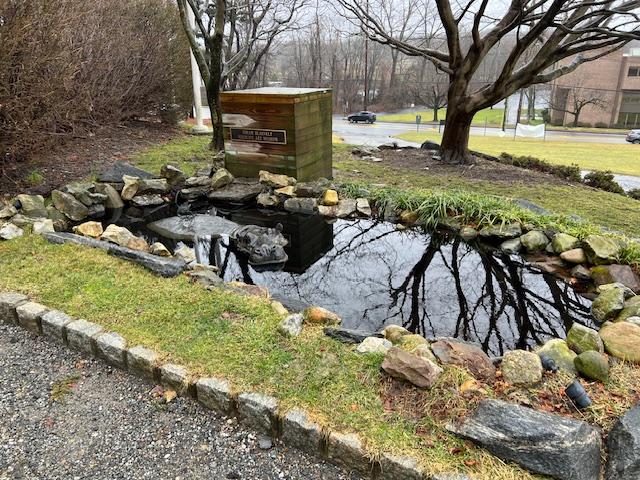
The fountain outside the museum
The entrance to the museum.
During the early part of the 20th Century, wildlife was believe to be abundant. Many dedicated conservationists, notable Theodore Roosevelt, gathered animals from their natural habitats for museums. The beauty of the animals could then be viewed by many.
The entrance to the museum.
Like Roosevelt, Hiram Blauvelt realized the value of his collection and wanted to share it with the public. It was his interest and desire to share his far ranging adventures, his stories of explorations and his collection of these animals. Hiram hoped to educate the coming generations to the diversity and beauty of the wildlife kingdom. He especially wanted to enlighten the public to the challenges we face to preserve the marvels of wildlife and their natural environments.
The interesting artwork by the carriage house of pelicans.
The Pelican art outside the museum.
Founded in 1957 as a natural history museum, it introduced students, scouts and youth groups to the need to support wildlife and habitats conservation. Visiting artists created drawings and paintings from close observations of the specimens.
Embracing Penguins outside the museum dedicated to Wildlife Art.
Twenty-five years later, the Board of Directors of the Blauvelt-Demarest Foundation decided that the original objectives would be best achieved by redesigning the museum to feature the works of contemporary wildlife artists, built on the artistic foundation of the Blauvelt’s early collection of works by Charles Livingston Bull (notably a resident of Oradell at one time), Carl Rungius and a complete Audubon Folio of birds of America.
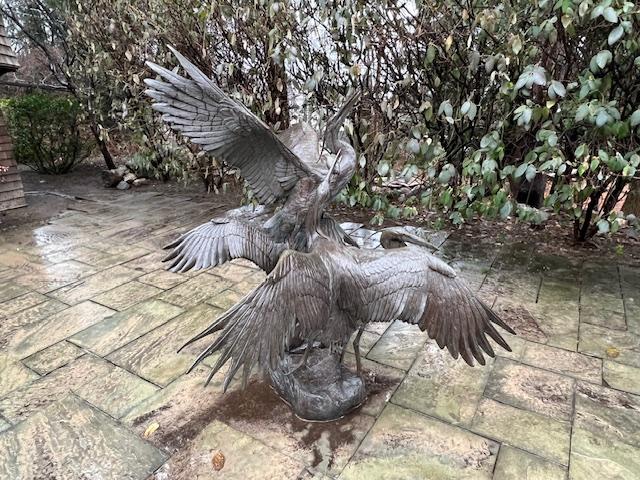
The interesting wildlife artwork just outside the museum.
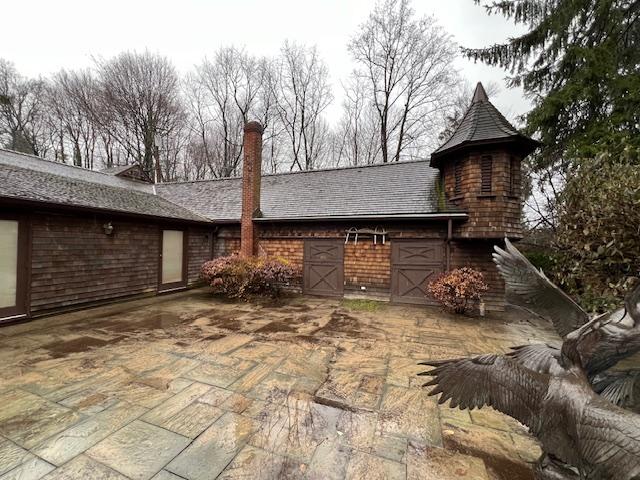
The Blauvelt Museum, located in an 1893 cedar shingle and turret carriage house, underwent extensive renovations to accommodate its new and expanded mission. The original carriage house was re-designed to include a large reception area, 4 mini galleries and museum offices, all with original materials from the historic building and preserving its aura.
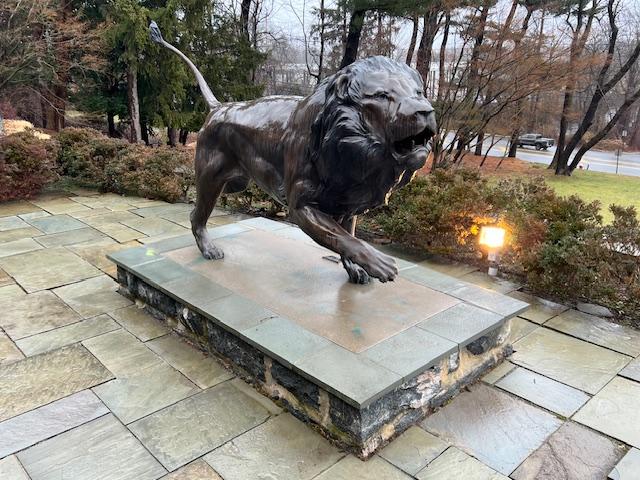
The Blauvelt Art Museum lion statue “Fides et Virtus” by artist Aaron Yount outside the museum.
Four new galleries were added, providing wall space for mounting museum quality flatwork and generous room for pedestals to hold creative sculpture. Substantial artificial lighting is augmented by natural light from the north.
High on a hill overlooking the Hackensack River, the Oradell Reservoir and parklands to the east, the entrance to the museum is through a curving stone and slate terrace, framed by large oak trees and other indigenous foliage, which serves as a natural sculpture garden.
The open air museum just outside the museum itself dedicated to wildlife art.
Many of its visitors today, accompanied by their children, are revisiting the museum which they first visited with their parents in past decades. The Blauvelt treasures their comments remarking on the greater beauties of its collections, while preserving the ambiance of their memories.
The inside galleries of the museum (from their Facebook page).
Artist in Residence:
The Blauvelt Art Museum established an Artist-in-Residence program in 1985. Artists were selected on the basis of their artistic ability and promise and on their commitment to the museum’s mission for the need for conservation to protect wildlife and their habitats. The museum provides a furnished home for the artist on the museum property, including a studio, painting supplies, etc. Artist-in-Residence have given lectures, led round table discussions, visited schools and demonstrated painting and drawing techniques.
The Carriage House from the outside.
The Current Exhibition (2018):
Artist Brian Jarvi’s African Menagerie is showing right now and the collection has some very interesting and detailed pieces on Mr. Jarvi’s visits to Africa. Don’t miss this exhibition!
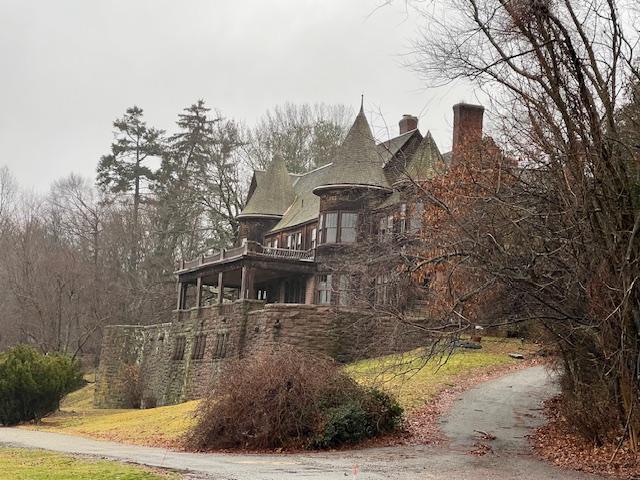
The Blauvelt Museum is on the Blauvelt-Demarest Estate.
Disclaimer: This information was take directly from the pamphlet provided by the Blauvelt Art Museum. Please call the museum for any changes to their time schedule and don’t miss the current exhibition.








 blauveltartmuseum.com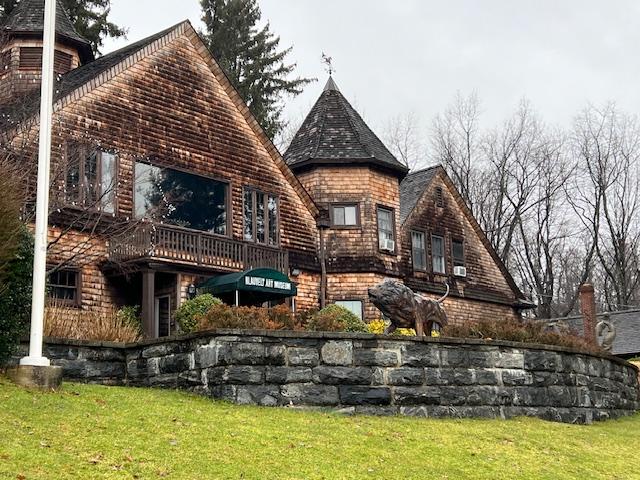






 Visiting a Museum: The Unique, Unusual, Obscure and Historical