Category: Exploring Midtown East

Museum of Broadway                                           145 West 45th Street                                          New York, NY 10036

Museum of Broadway 145 West 45th Street New York, NY 10036

Museum of Broadway

145 West 45th Street

New York, NY 10036

https://www.themuseumofbroadway.com/plan-your-visit

Open: Sunday-Tuesday 9:30am-6:30pm/Wednesday 9:30am-2:30pm/Thursday-Friday 9:30am-6:30pm/Saturday 9:30am-8:00pm

Admission: Adults $49.00/Seniors $32.00/Students $29.00

My review on TripAdvisor:
https://www.tripadvisor.com/AttractionProductReview-g60763-d25074776-Museum_of_Broadway-New_York_City_New_York.html

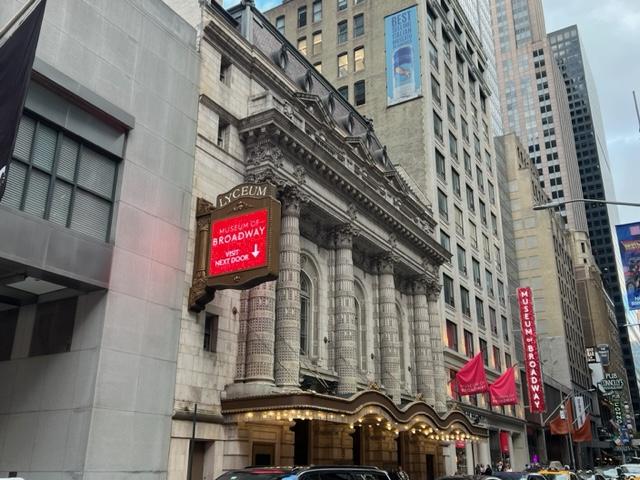
The entrance to the Museum of Broadway at 145 West 45th Street
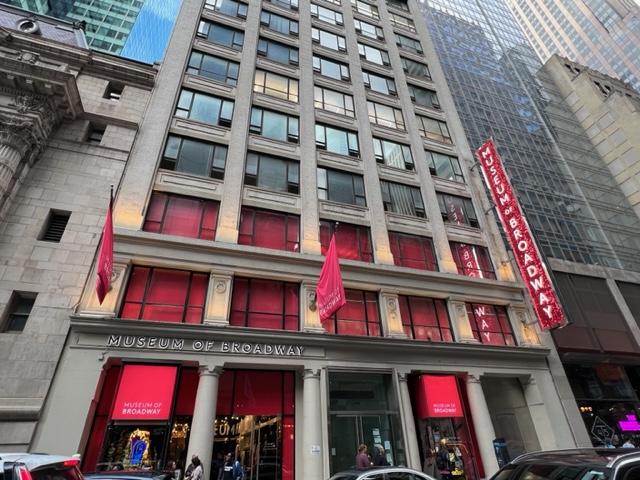
The front of the Museum of Broadway

I visited the newly opened Museum of Broadway recently and what a nice surprise the museum is with a great depth in the collection. There was the history of the theater in New York City and how it progressed from small theaters downtown to the theater’s progression uptown to it home now in the core of Times Square.
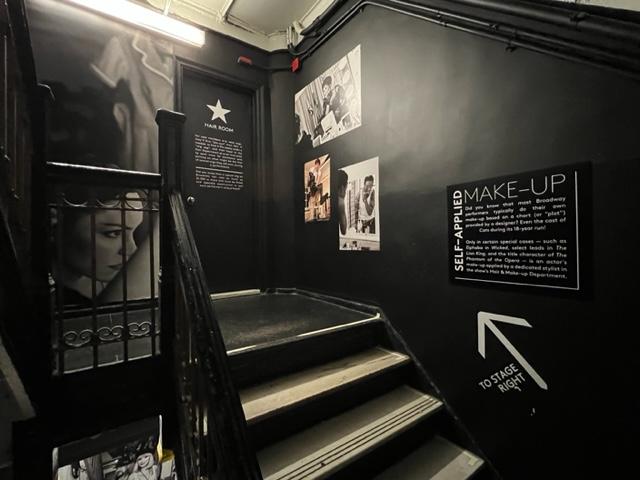
The Make-Up Room on the way up the stairs.

The Call Board display.

The museum is very interesting in that when you enter the back of the museum you feel that you are going backstage at a theater and preparing for a show. You head up the stairs past make up rooms, wardrobe rooms and the star’s rooms. The you head out the door like you are going out on stage. You feel that rush of the stage.
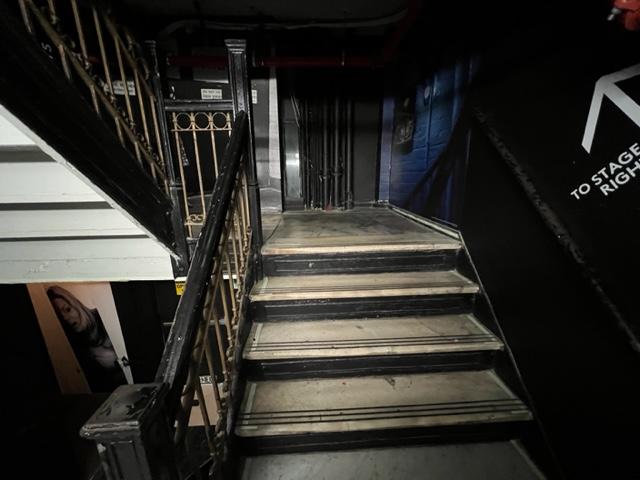
The Stage Door stairs.

The Broadway Playbill Room exhibit
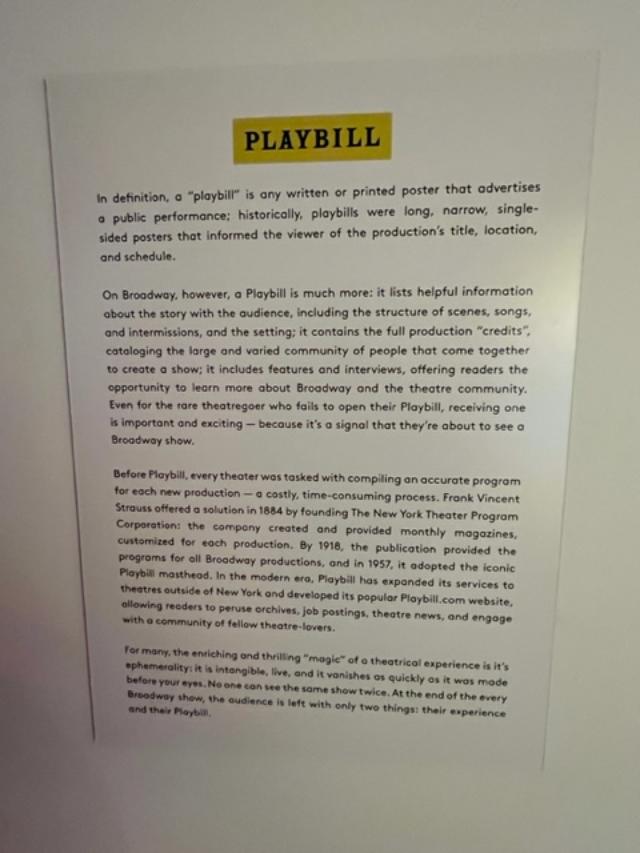
The Playbill Room display

As you head up the stairs to the exhibition the museum makes you feel like an actor on opening night. The sounds of the stage and the noises of the crew in the background make you feel like you are part of the show. The Playbill Room displays some of the popular shows from the past and present.
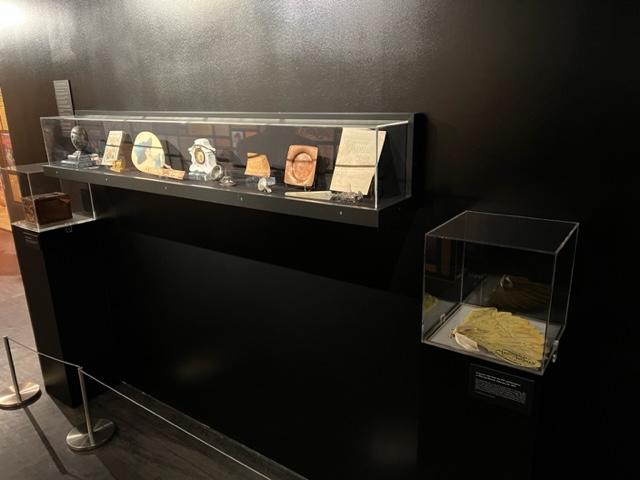
The Props of the backstage.

Then you open the door, and you enter the main museum with displays on the history of the theater. As you progress through the museum, you will see displays on popular shows through the years from Flo Ziegfield and the Ziegfield Follies to the modern shows on Broadway.

The Ziegfield Room

The Ziegfield Room

Costumes that were found in a box in the attic of the theater.
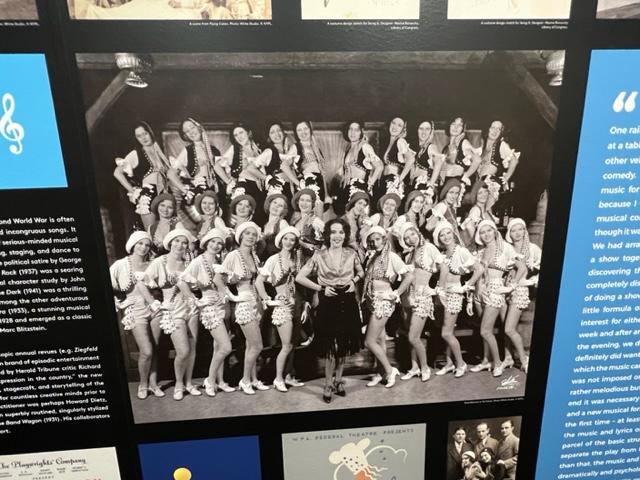
Ethel Merman in “Anything Goes” when she first started her career. She was so young. I pulled the movie that featured a lot of the Broadway cast. Ethel Merman never lost her touch throughout her career.

“Anything Goes” from the movie.

From there, I explored the museum and many of the most famous shows on Broadway had their own displays with props, scripts, pictures and costumes from the shows. Not just the revivals but the original shows as well. It was interesting to see what the original stars wore in the shows as well as these costumes still existed after all this time. I kept the pictures in order as I toured through the displays of the Broadways most popular productions.

The Oklahoma! exhibit with costumes and scenery from the show.

The Oklahoma set props from the recent revival
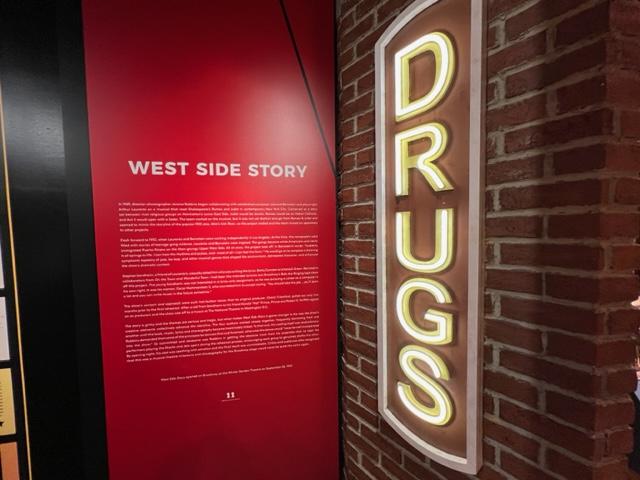
The West Side Story set
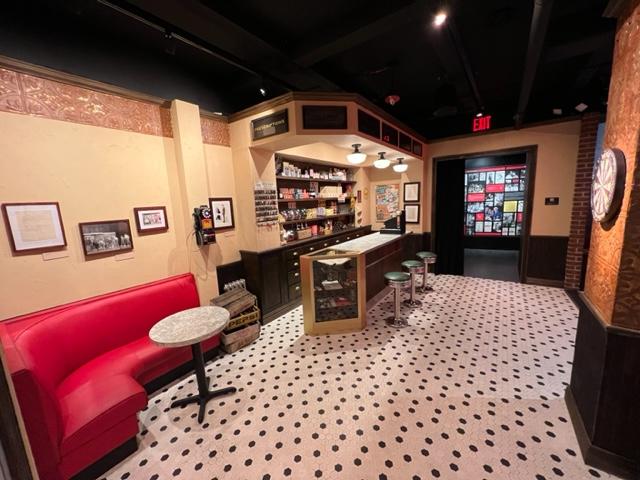
The West Side Story set from the recent revival

When the original “Hello Dolly” came out in the 1960’s, it made a huge star of Carol Channing, who owned the role until the day she died. I had seen her revival production in the early 1990’s and I will tell you that even in her 80’s, she had more pep and vitality than any one person had. She went on tour with the company after the show closed in New York to China and all over Asia. When you hear her sing “Hello Dolly”, you knew it was her.
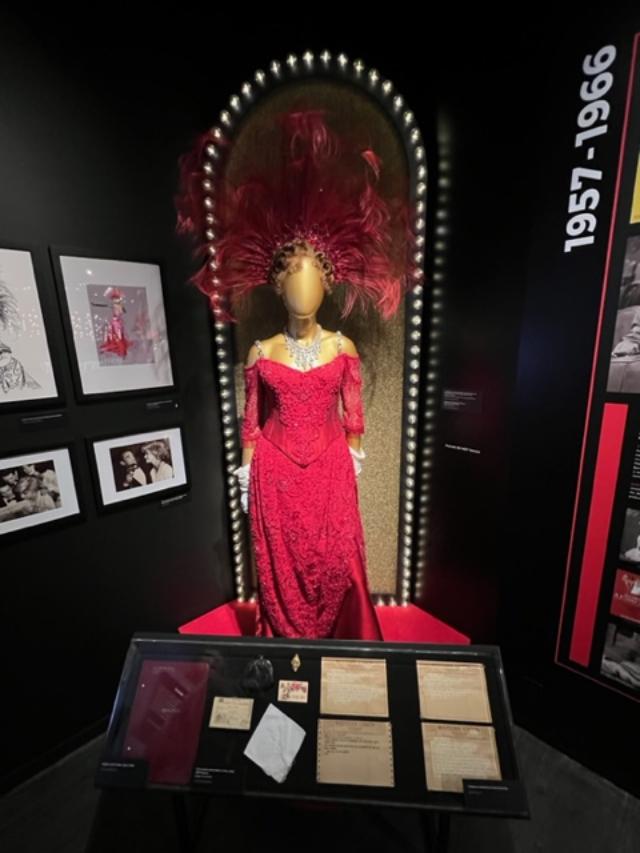
“Hello Dolly” with Carol Channing’s original outfit from the show.
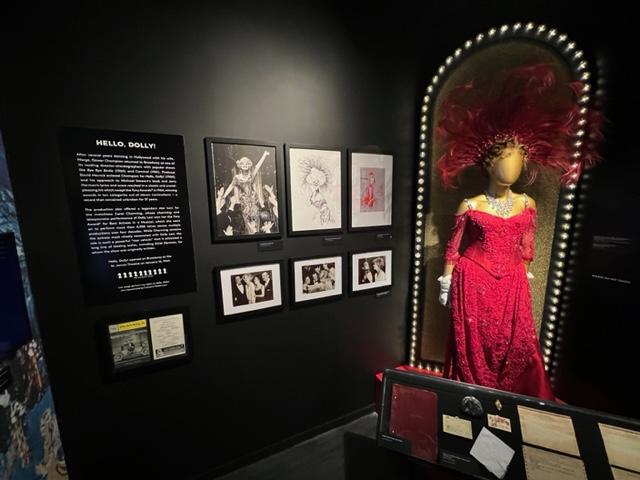
The display on the original show “Hello Dolly” with Carol Channing.

The video from London’s West End

The original show “Cabaret”
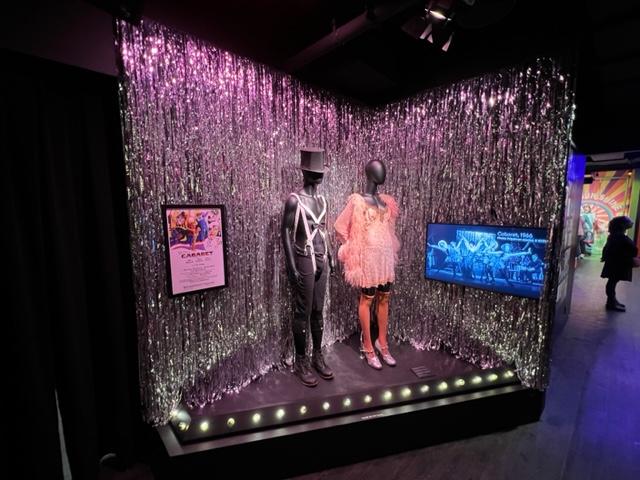
The costumes from “Cabaret”
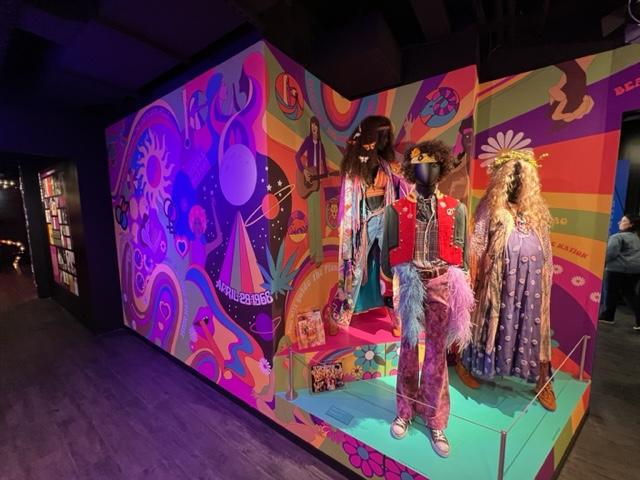
The costumes from the show “Hair”

There was a large display to the late and great Stephen Sondheim:

There was a large display of props, scripts, costumes and pictures from all of his show especially the groundbreaking show “Company”. Today it might not seem so unusual for a thirty year old not to be married but in 1970 when the show came out, it was rare. Since the passing of Mr. Sondheim, there has been more interest in his life and his productions that he created. I have seen so many of his show especially his last show “Bounce”, when I was seeing his retrospect at the Kennedy Center in Washington DC.
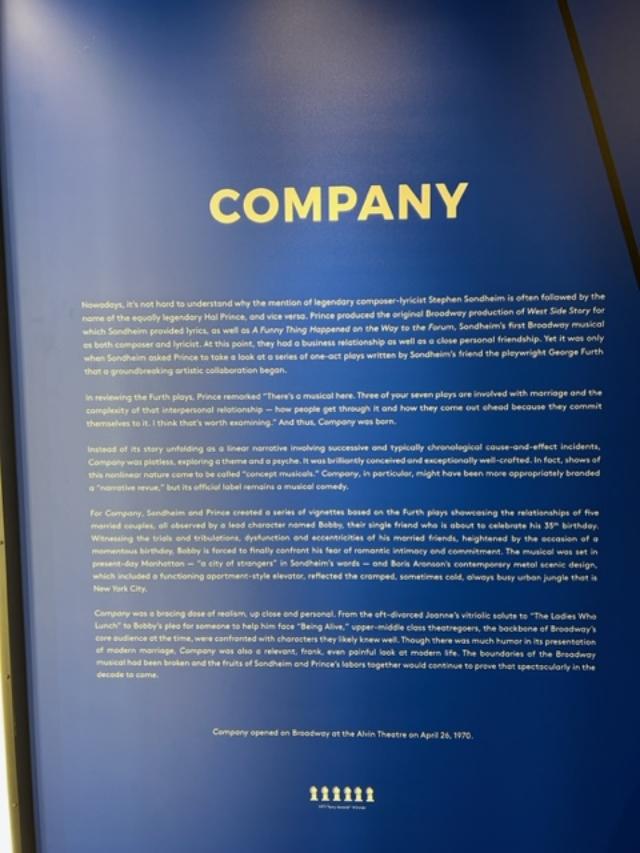
The groundbreaking show “Company”

“Company” is an excellent show.

The original cast of Company in the 1993 revival.

The revival of company with the production that my father and I saw in 2010.
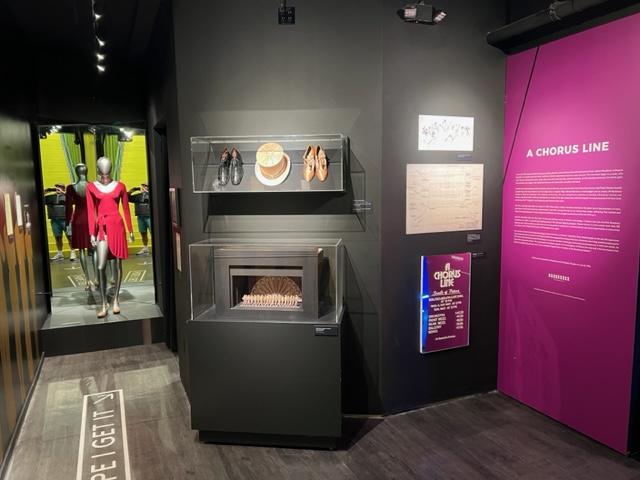
The “A Chorus Line” display
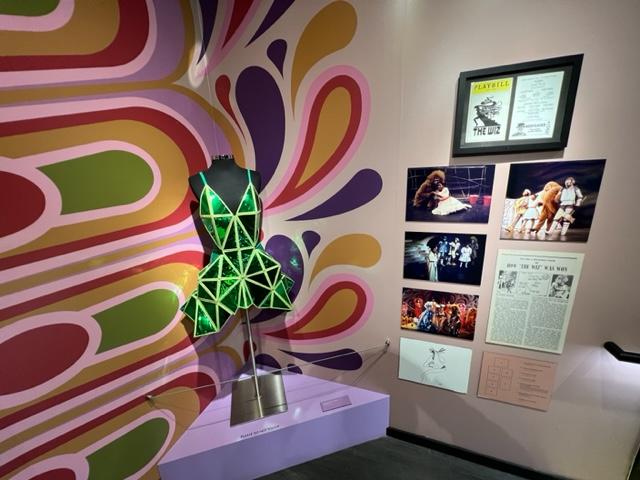
“The Wiz” display
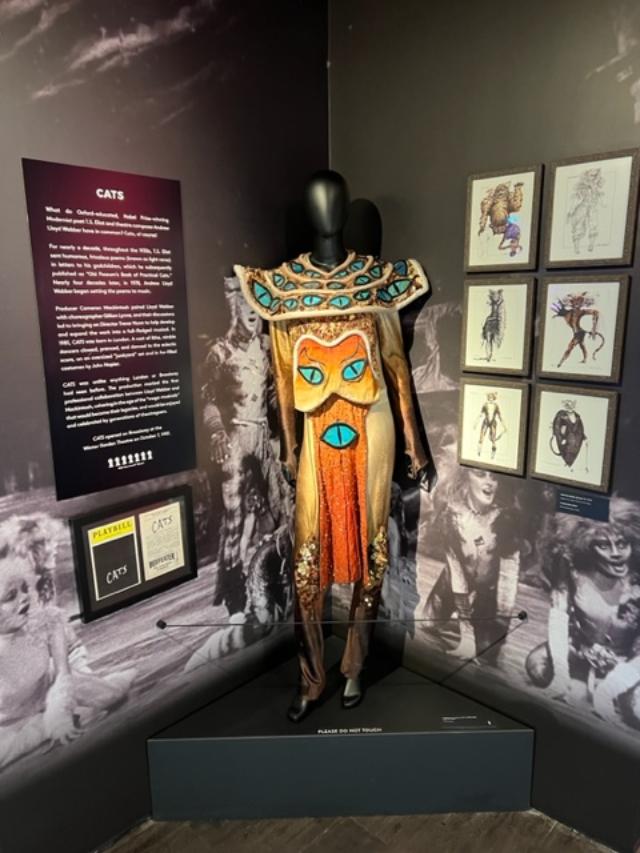
The “Cats” display and costumes
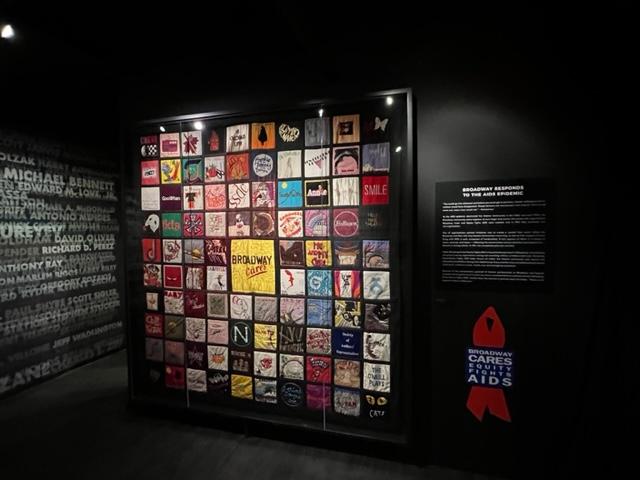
The Broadway Timeline

Phantom of the Opera
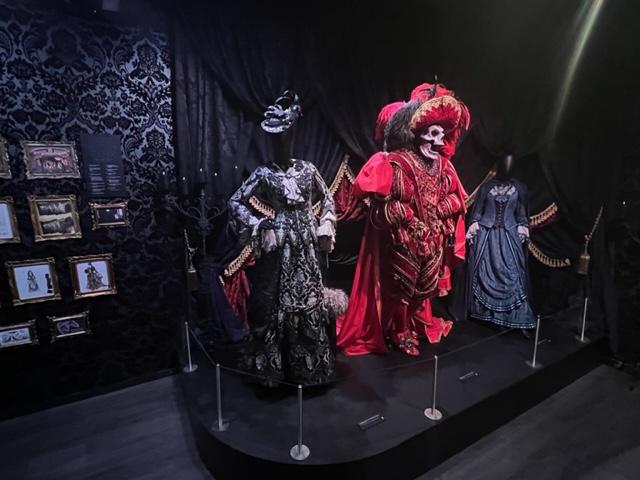
Phantom of the Opera
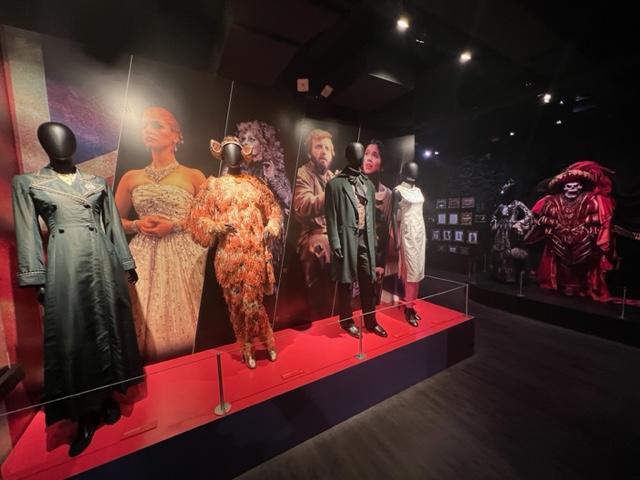
The Costumes for Evita and Phantom of the Opera

Me in the Hallway of Mirrors

“The Producers” display

The “Avenue Q” display

The ‘Making of a Broadway Show’
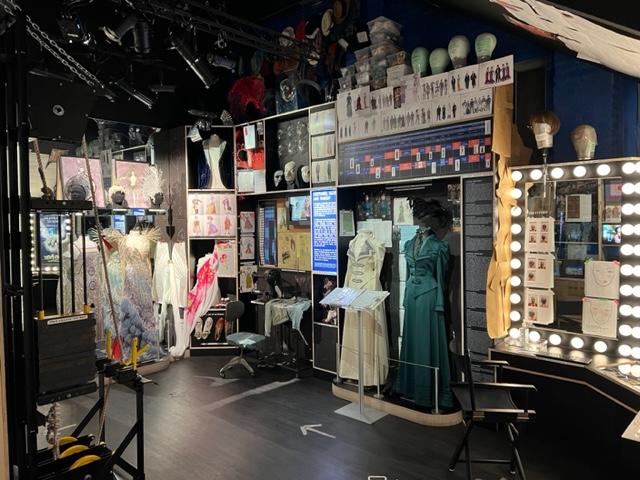
The costumes of a Broadway show
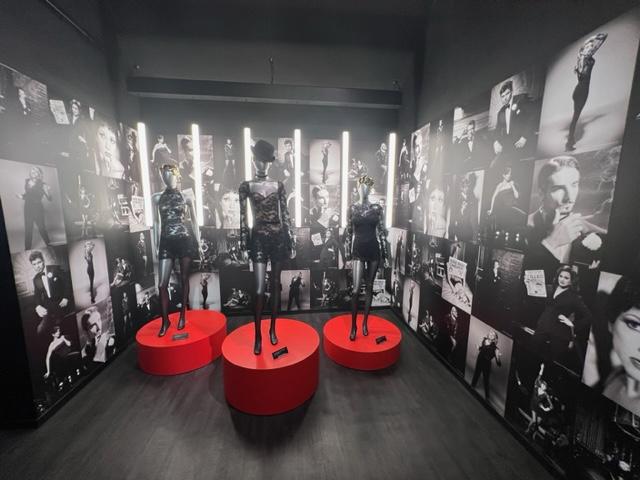
The “Chicago” display was the last show display before I got to the gift shop.

The museum progresses room by room and display by display showing the costumes and props of some of the most popular shows on Broadway and shows from the past. The collection has an extensive selection of memorabilia from productions of the past through today and showcases them in such an interesting way.

The Museum of Broadway is such an engaging museum from start to finish and I can see more shows of the future will be displayed here as well. The staff is available to answer any questions you might have and they also have an extensive gift shop in the front of the museum.

New York Transit Museum Gallery                                           89 East 42nd Street                                                                  New York, NY 10001

New York Transit Museum Gallery 89 East 42nd Street New York, NY 10001

New York Transit Museum Gallery

89 East 42nd Street

New York, NY 10001

(212) 878-0106

https://en.wikipedia.org/wiki/New_York_Transit_Museum

My review on TripAdvisor:

https://www.tripadvisor.com/Attraction_Review-g60763-d9873833-Reviews-New_York_Transit_Museum-New_York_City_New_York.html

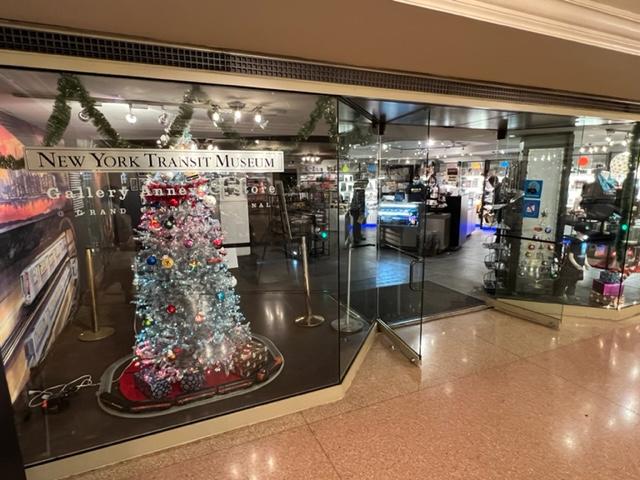
The NY Transit Museum Gallery inside Grand Central Station on the first floor

It is amazing to be in a building a record number of times and miss a small gallery that makes an impact on a visitor. This is how I felt when I entered Grand Central Station recently and discovered the New York Transit Museum Gallery. This little gem is tucked into a corner away from the ticket booths and Grand Hall and is free to the public.

The Gallery is a branch of the larger New York Transit Museum in downtown Brooklyn. This smaller space can be toured in about an hour which is perfect in case you need to spend some time in the terminal before your train.

The Gallery was showing an exhibition entitled “Transit Sketches” by six artists who were based in New York City over the last 100 years. It was nice to see different perspectives of the artist though the overall theme was still the same.

“Transit Sketches” at the New York Transit Gallery

Video by Burning Hammer Productions

Tired people going to and from work. Works featured were from artists Ebony Bolt, Marvin Franklin, Naomi Grossman, Joseph Solman, Amy Tenenouser and Hank Virgona. Each artist represented a different time in the subway system, and it was nice to see that nothing really has changed over the years with the exception of the iPhone has replaced the newspaper as a place to do your work on the subway.

Each artist had their own mini gallery show in each section of the museum gallery and all the works showed people after either getting to work in the morning or after a long day at work. It showed the human side of riding the subway and just wanting to get to our destination.

Artist Ebony Bolt created a series entitled “The Bolt Dairies”, where she drew sketches of people either reading or sleeping on the subways and most of the faces were looking down. I took this that she was secretly drawing them while they were content being distracted by whatever means possible from the other riders and the books were full of overlapping faces.

Artist Ebony Bolt on her work on the inspiration of the people on the subway

https://www.theboltdiaries.com/

Artist Naomi Grossman show her works with an interesting approach of capturing the moods of the passengers as they spent their time on the train almost wishing to get off at the next stop. It was a way of looking at the patrons and capturing them after a long day at work.

Artist Naomi Grossman

https://www.naomigrossman.com/

MTA worker and Artist Marvin Franklin’s work

Artist Marvin Franklin

http://thejadesphinx.blogspot.com/2015/06/sketches-of-marvin-franklin.html

Artist Marvin Franklin was an MTA worker who worked the lines as a track worker who died on the job in 2007. He was on the job with another worker picking up a non-working dolly on the track whose lights were out and the train operator who hit them did not see them (NY Times.com). His vision to see the people who disappeared after work and became part of the fabric of the City. He showed their stories in his art.

Joseph Solman Artist

https://en.wikipedia.org/wiki/Joseph_Solman

Joseph Solman work on riders on the subway

Joseph Solman used to sketch people when they were involved in just trying to ignore what was going on around them. He caught people in a part of time of just trying to keep their space on the subway.

Artist Amy Tenenouser

https://amytenenouser.com/home.html

https://www.facebook.com/people/Amy-Tenenouser/646628208/

Artist Amy Tenenouser’s work also gives the patron a Birdseye view of average people living their lives and capturing them in a moment in time. She has a good view of the riders on the subway and a whimsical approach.

Artist Amy Tenenouser captures the everyday person.

Artist Hank Virgona

https://www.hankvirgonaart.com/

https://www.facebook.com/HankVirgona/

Hank Virgona’s work shows people in a state of mind

Hank Virgona’s career goes back to the Great Depression, and he captures like many of the artists in the exhibition the everyday person on the subway. Being a native New Yorker, he looks at the riders keeping an uncomfortable position keeping their space. I liked his work on the written word.

The newest exhibition is on the tunnel extension from Grand Central Terminal called the “Grand New Connection”:

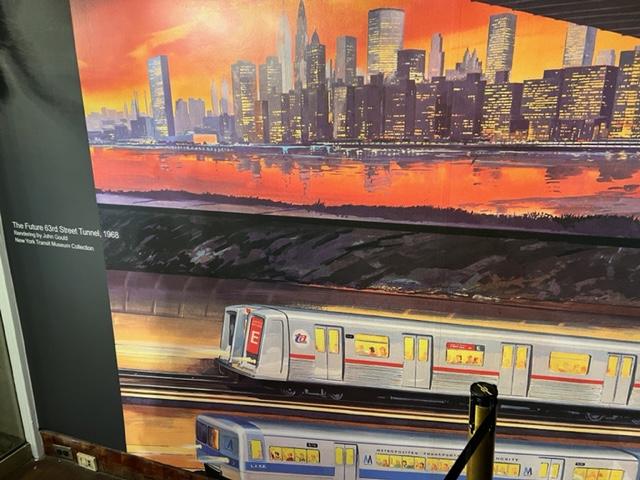
The plans for the new tunnel in 1968

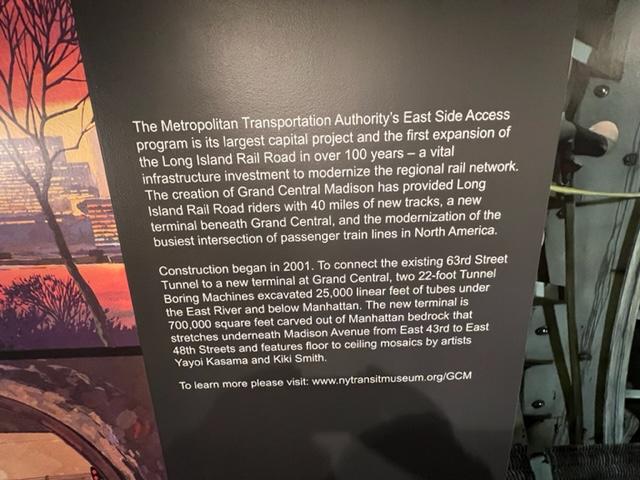
The East Side Access program

The new plans for the tunnel

The updates and pictures of what the tunnels are going to look like when finished

The exhibition was interesting at looking what progress in transportation can be in the modern age of New York City. The new boring machines can do a lot more that manmade labor was able to accomplish at the same time. It was interesting to see all these pictures.

In the corner of the gallery there is a very extensive gift shop that features hats with subway numbers and letters representing the routes they take, games, puzzles and books that are all railroad themed catering to both children and adults. It has a nice selection of products to choose from.

The best part of the New York Transit Gallery is that it is free and a nice way to spend the afternoon while waiting to get on your train.

The gift shop at the NY Transit Museum Gallery

The History of the Transit Museum:

(From the museum’s website)

Founded in 1976, the New York Transit Museum is dedicated to telling and preserving the stories of mass transportation-extraordinary engineering feats, workers who labored in the tunnels over 100 years ago, communities that were drastically transformed and the ever-evolving technology, design and ridership of a system that runs 24 hours a day, every day of the year.

Housed underground in a authentic 1936 subway station in Downtown Brooklyn, the Transit Museum’s working platform level spans a full city block and is home to a rotating selection of twenty vintage subway and elevated cars dating back to 1907.

Visitors can board the vintage cars, sit at the wheel of a city bus, step through a time tunnel of turnstiles and explore changing exhibits that highlight the cultural, social and technology history and future of mass transit.

The New York Transit Museum is a self-supporting division of the Metropolitan Transportation Authority, Friends of the New York Transit Museum, a 501c3 not-for-profit organization was established in 1995 to promote and raise funds for the Museum’s operations and programs.

Ford Foundation Gallery at the Ford Foundation Center for Social Justice                                      320 East 43rd Street                                           New York, NY 10017

Ford Foundation Gallery at the Ford Foundation Center for Social Justice 320 East 43rd Street New York, NY 10017

Ford Foundation Gallery at the Ford Foundation Center for Social Justice

320 East 43rd Street

New York, NY  10017

(212) 573-5000

https://www.fordfoundation.org/about/the-ford-foundation-center-for-social-justice/ford-foundation-gallery/

Open:  Sunday Closed/Monday-Saturday 11:00am-6:00pm

Fee: Free to the public

My review on TripAdvisor:

https://www.tripadvisor.com/Attraction_Review-g60763-d615514-Reviews-Ford_Foundation_Building-New_York_City_New_York.html

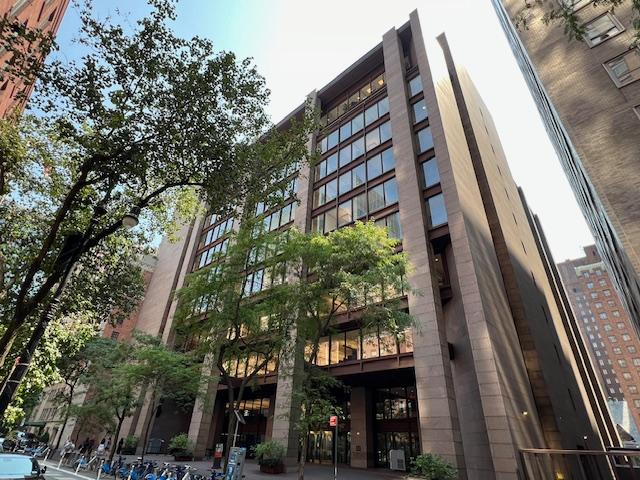
The Ford Foundation at 320 East 43rd Street

https://www.fordfoundation.org/about/the-ford-foundation-center-for-social-justice/visitor-information/

The Ford Foundation Building

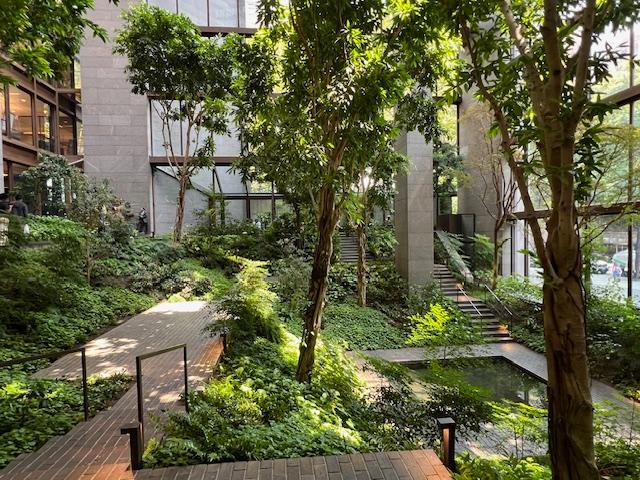
The Ford Foundation Building at 320 East 43rd Street in the Turtle Bay neighborhood. Take time after visiting the gallery to tour the gardens in the lobby.

When I was touring the Turtle Bay neighborhood for my blog, “MywalkinManhattan.com”, I toured the Ford Foundation Building on East 43rd Street and wondered through the lobby area gardens I came across the Ford Foundation Gallery, which is just off the main lobby. The small gallery delves into some deep material on social commentaries about life and the artists featured have some pretty interesting perspectives on their work.

The Ford Gallery gardens inside the building

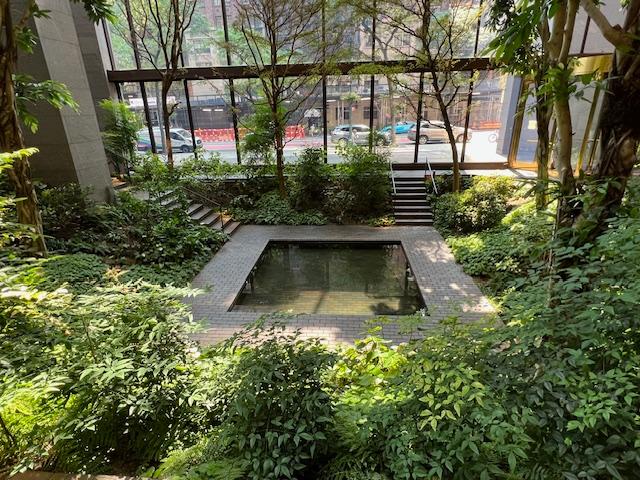
The pool of the Ford Foundation Garden

The beauty of the Ford Foundation gardens

The Ford Foundation Gallery entrance

The first exhibition I saw there was “Radical Love”, a theme is dealing with ‘love as the answer to a world in peril’. This interesting exhibition offers multidisciplinary art dealing with human nature and society. How different cultures show their respect and love to one another. It is an interesting mix of paintings, photos and video art from all over the world with each other showing their interpretation of dealing with the issues in life. You really have to read between the lines with this exhibition.

Ford Foundation Gallery II

The ‘Radical Love’ exhibition at the new Ford Foundation Gallery

(from the museum website on the exhibition)

Through the theme of Utopian Imagination, the trilogy of exhibitions in the gallery’s inaugural year create a trajectory toward a more just future. The first exhibition, Perilous Bodies (March 4 – May 11, 2019), examined injustice through the intersecting lens of violence, race, gender, ethnicity, and class. Radical Love responds to the first show by offering love as the answer to a world in peril.

Love, in the context of this exhibition, is defined by a commitment to the spiritual growth and interconnectedness of the individual, their community, and stewardship of the planet. Guided by the powerful words of bell hooks, “Were we all seeing more images of loving human interaction, it would undoubtedly have a positive impact on our lives.” The works in Radical Love are grounded in ideas of devotion, abundance, and beauty; here, otherness and marginality is celebrated, adorned, and revered. The Utopian Imagination exhibition trilogy concept was developed by Jaishri Abichandani.

In 2024, I saw the new show “Cantando Bajito Incantations“:

The sign from the exhibition:

(from the website)

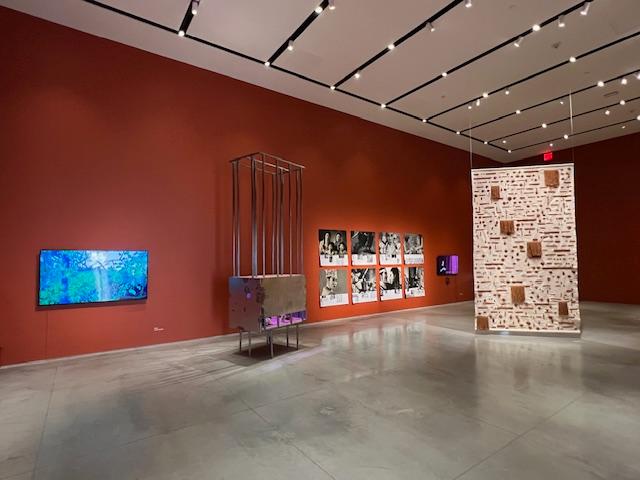
The Gallery

Work from the exhibition

Translated into English as “singing softly,” the exhibition series title is drawn from a phrase used by Dora María Téllez Argüello, a now-liberated Nicaraguan political prisoner, to describe the singing exercises she did while she was incarcerated in isolation. Helping her to conserve her voice and defeat the political terror she endured, Téllez’s quiet singing became a powerful strategy for survival and resistance. Conceived in three movements, Cantando Bajito features artists who explore similar forms of creative resistance in the wake of widespread gender-based violence. The second chapter, Cantando Bajito: Incantations, brings together artists who consider ancestral, contemporary, and future-facing networks of support and care that safeguard feminized bodies through forms of knowledge transmission. 

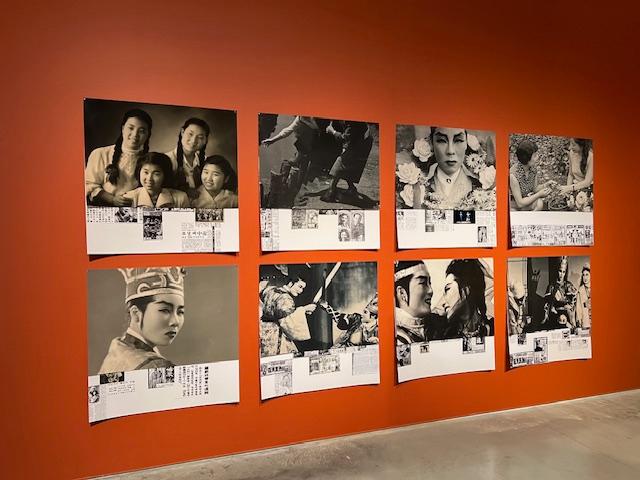
Work from the exhibition

Such networks—symbolic systems, subversive spaces, or covert forms of language—are as varied as the communities that develop them. They include Nüshu, a form of script passed from mother to daughter in China; the use of henna as an agent of protection; and forms of therapeutic communication that have been deemed “gossip.” All have long existed, whether in the shadows or in plain sight. Preserved not in written history but in the body, these channels prepare feminized bodies for potential violence while giving them tools to resist it. 

Works from the show

Works from the show

From inside the tent

The History of the Ford Foundation Gallery and it’s recent opening:

(From the museum website)

This new 1,900 square foot gallery space opened in February of 2019 after a two-year renovation of the Ford Foundation Building. The Ford Foundation Gallery will be an innovative exhibition space dedicated to presenting multidisciplinary art, performance and public programming by artists committed to exploring issues of justice and injustice. In creating a space for artists whose work addresses pressing social issues, the foundation continues its decades long history of investing in the arts to advance human welfare (Ford Foundation Press Release).

Ford FOundation Gallery V

Athi-Patra Ruga’s ‘Umesiyakazi in Waiting’

With a mission focused on addressing inequality in all its forms and providing more than $600 million annually in grant support to organizations on four continents, the Ford Foundation is a natural home for art that challenges viewers to grapple with fundamental questions of fairness and dignity. Three exhibitions in this inaugural year offer varied interpretations on the theme of Utopian Imagination (Ford Foundation Press Release).

The gallery is small and you can see these exhibitions in under an hour.