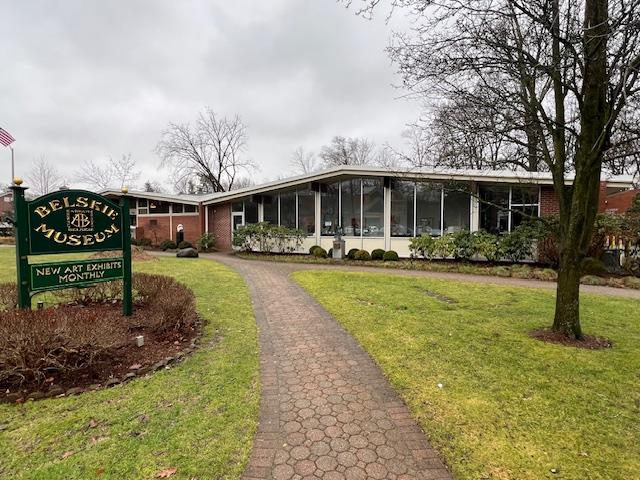
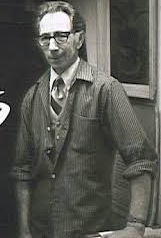
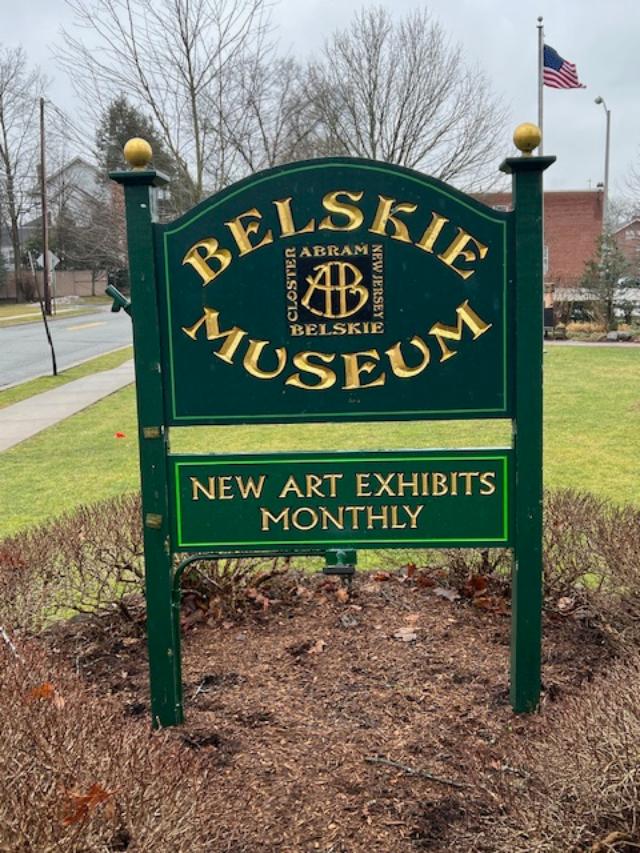
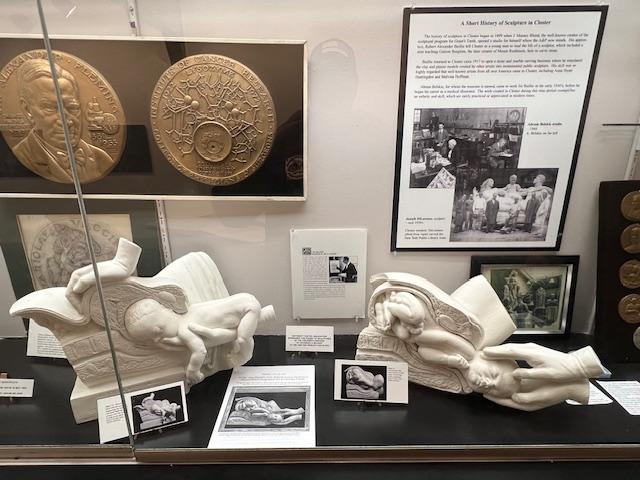
The Belskie Museum, a tax exempt non-profit corporation, was founded in Closter, New Jersey in 1993 to save, restore and exhibit the works of Abram Belskie (1907-1988), one of our country’s most accomplished sculptors and one of the most eminent medical of times.
Mr. Belskie was a resident of Closter his entire adult life.
The museum’s 3,900 square feet modern building was built entirely by the Closter Lions Club and donated to the Borough of Closter upon its completion in 1994.
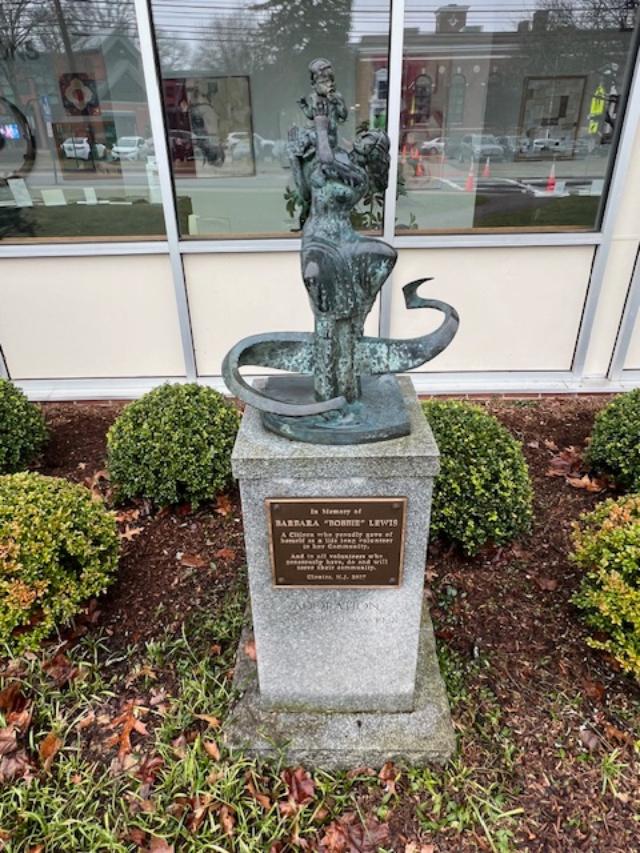
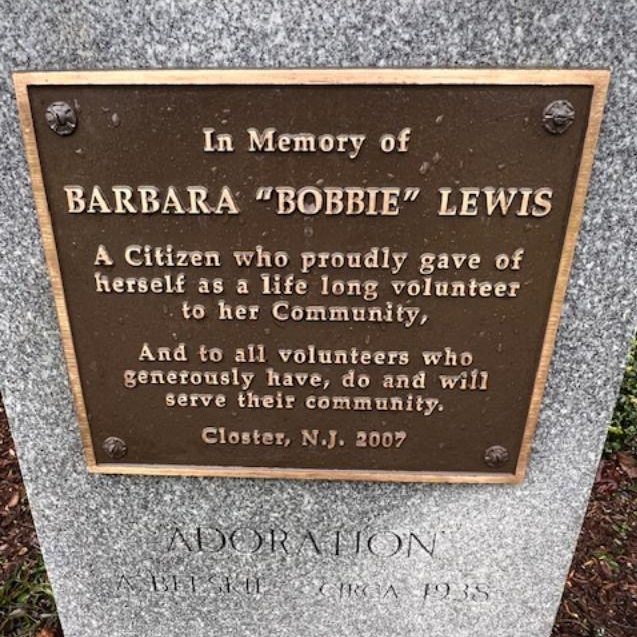
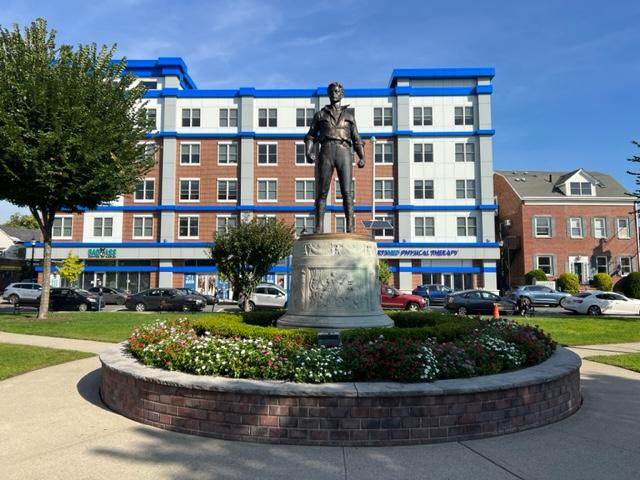
The Memorial Statue “Adoration” outside the museum.
In addition to housing the many works of Abram Belskie, the museum also hosts monthly art exhibits by local, national and international artists and as a result, has become one of Bergen County’s leading forum for the arts.
The Belskie Collection of Art:
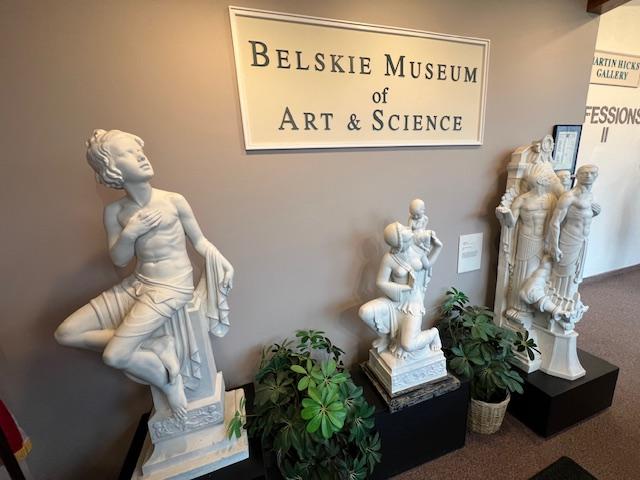
The entrance of the Belskie Museum with the works of Mr. Belskie
Past exhibitors include the estate of world famous photographer Andre Kertesz and Italian painter/sculptors Emilio & Ugo Baracco. A featured exhibit of photography in March 2003 was by Academy Award and Tony Award winning actress Ellen Burstyn. The museum also hosts exhibits from the local schools and colleges and many local artists.
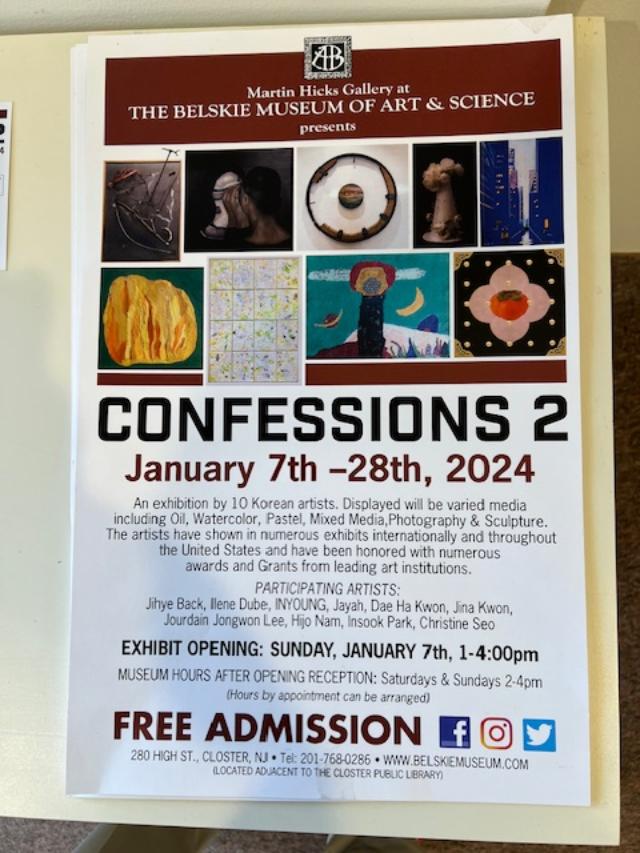
In January of 2024, the museum hosted the exhibition ‘Confessions Two’, featuring the works ten Korean artists displaying varied media including oil, watercolor, pastels, mixed media, photography and sculpture.
The “Confessions Two” Exhibition of Korean art.
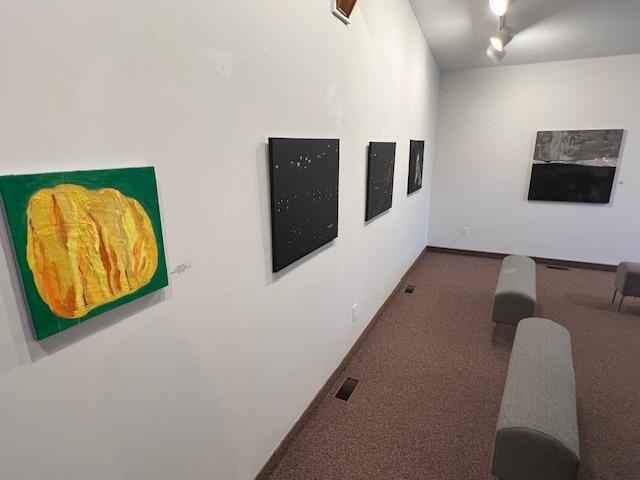
The Gallery featuring the exhibition “Confessions Two”
The museum is operated entirely by volunteers under the direction of a six-member Board of Directors (also entirely volunteer) appointed by the Borough of Closter, The Closter Lions Club and the Closter Public Library Trustees. Funding is from grants, memberships, fundraising exhibitions and donors. The museum has new art, history and science exhibits throughout the year. Open on Saturdays, Sundays and by appointment.
The works of Abram Belskie are in the back gallery.
Disclaimer: This information was taken directly from The Belskie Museum of Art & Science Inc. pamphlet. Please call the above number or email them for more information of hours of operation. The museum does change their exhibitions almost every month.
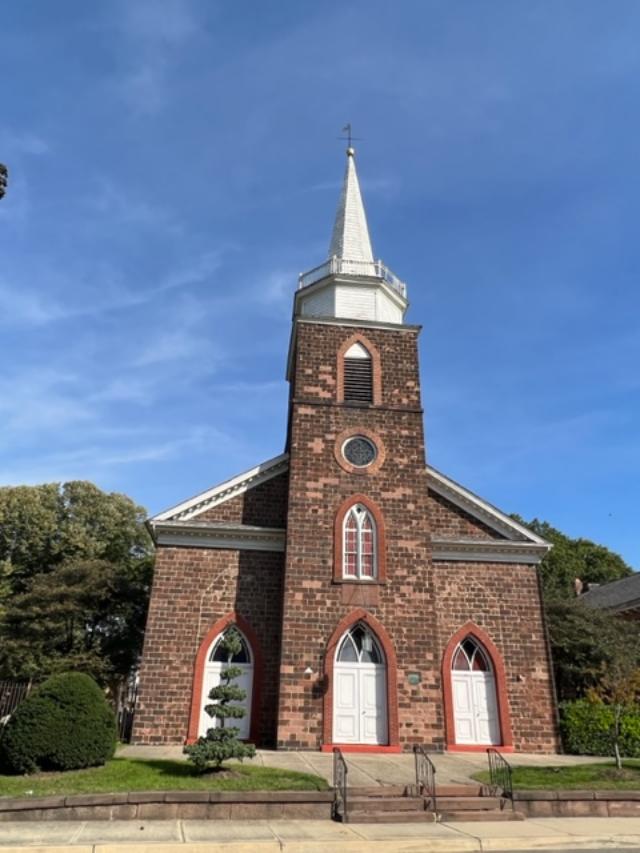
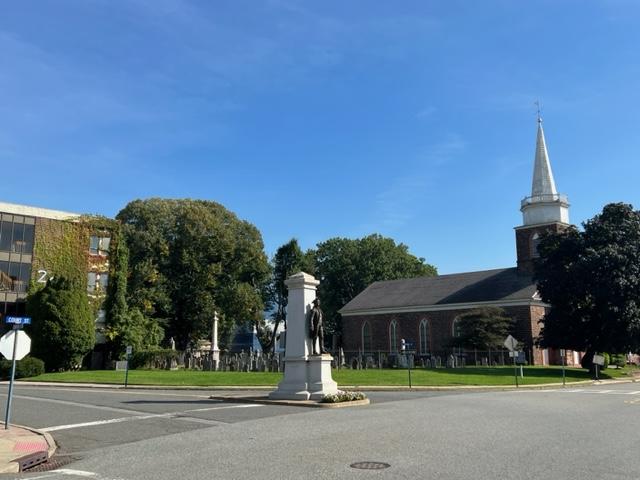
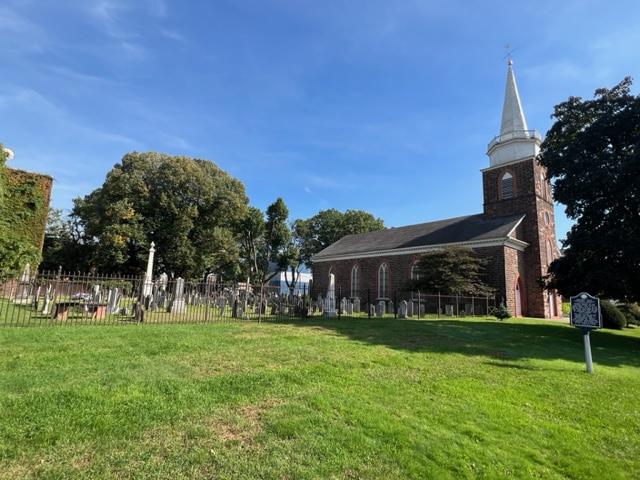
The First Reformed church of Hackensack at 43 Court Street
Due to their national historic significance the church, graveyard and the adjacent Hackensack Green were placed on the National Register of Historic Places in 1983. The Green dates back to 1696 and is one of the oldest public squares in NJ.
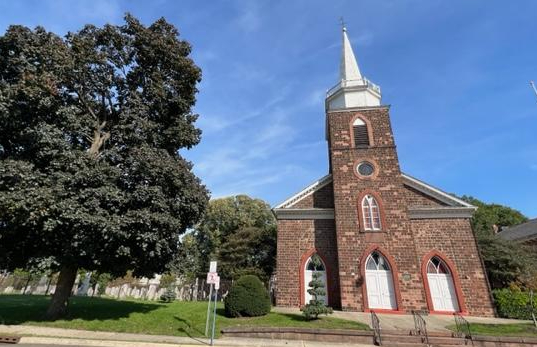
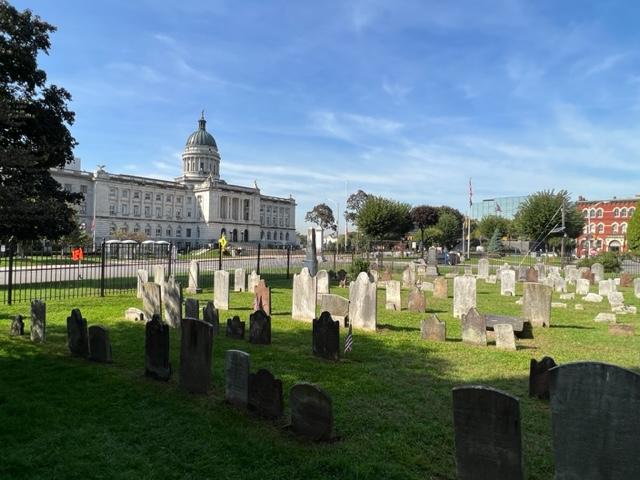
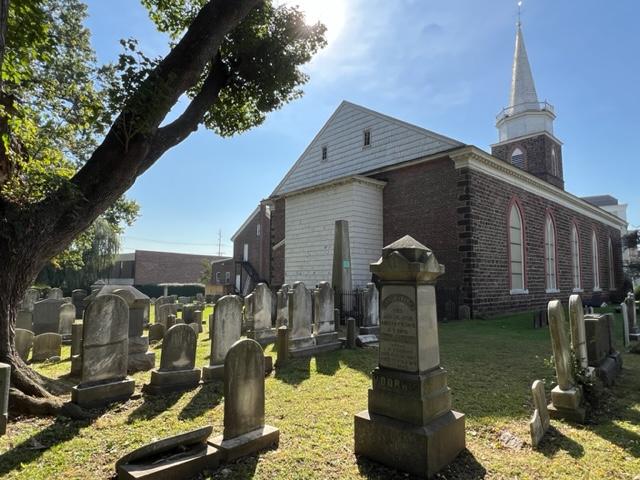
The church and its interesting cemetery.
The inside of the church was visited by General George Washington visited and worshipped here. The church still has the original pews and fixturing. I visited the church for Sunday services which is now run by the Korean Joy Catholic Church. I had a very nice time visiting with the parishioners and the Pastor.
The inside of the church
The inside of the church
The bell tower and gas light fixture
The light fixture
A strategic point during the American Revolution, Hackensack was a small village centered on The Green, a public meeting place where public notices were posted. In the 18th century it was where punishments were inflicted on criminals and where the local militia trained.
The Hackensack Green
The Hackensack Green
General Washington headquartered here in November 1776, while he surveyed the local roads and bridges. On November 20, 1776, he led his army into Hackensack. The army camped on The Green as Washington made the important decision to continue the retreat from overwhelming British and Hessian forces. On March 23, 1780, the British raided Hackensack and burned the courthouse that stood on the Green at that time. Since 1715, a Bergen County courthouse building faced The Green in Hackensack, the County Seat since 1710, making it the historic heart of Bergen County (County of Bergen Division of Cultural and Historic Affairs).
The historic Courthouse of Hackensack, NJ facing the cemetery at the Church.
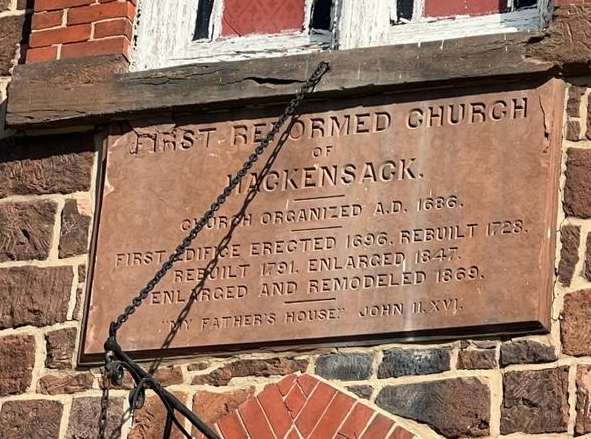
The Cornerstone
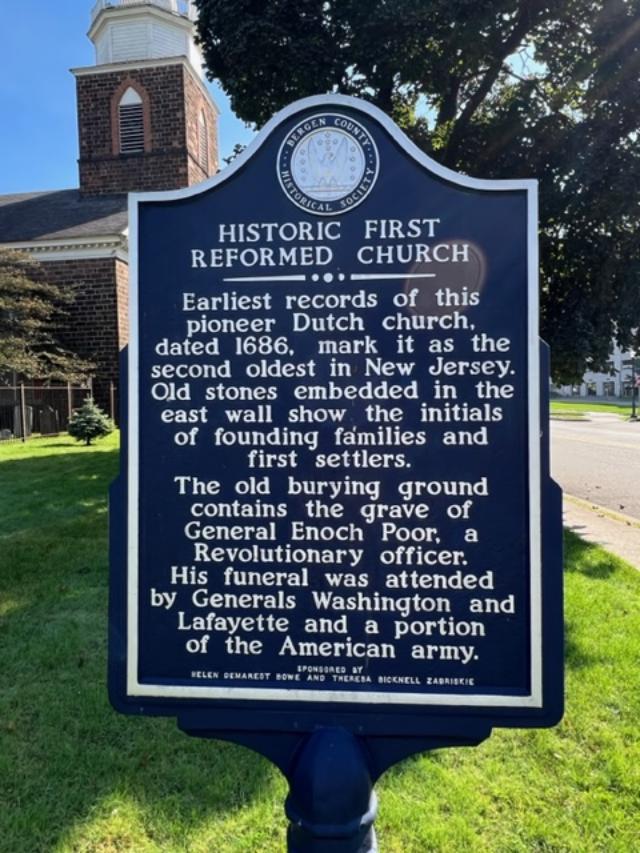
The First Dutch Reformed Church congregation was organized in 1686, the oldest Reformed Dutch congregation in Bergen County and second oldest in NJ. (County of Bergen Division of Cultural and Historic Affairs).
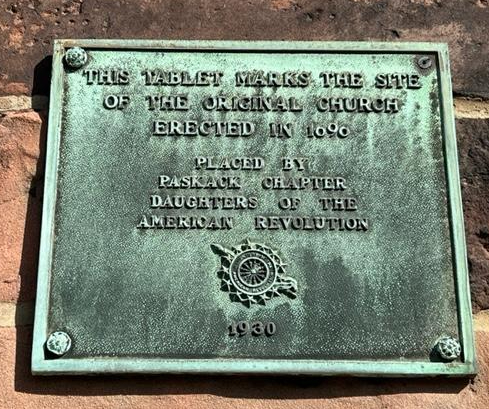
The historic marker outside the church.
The historic marker
The cornerstones of the original church with the names of the ‘First Families’ of Bergen County. The original spelling of the Zabriskie’s, Paulson’s, Haring’s, and Terhune’s are embedded in the history of this church.
The First Families of Bergen County keystones on the Church:
The family keystones
John Paulson keystone
Henry Berry keystone
Albert C. Zabrifky keystone
The stone of Peter Zabrfky
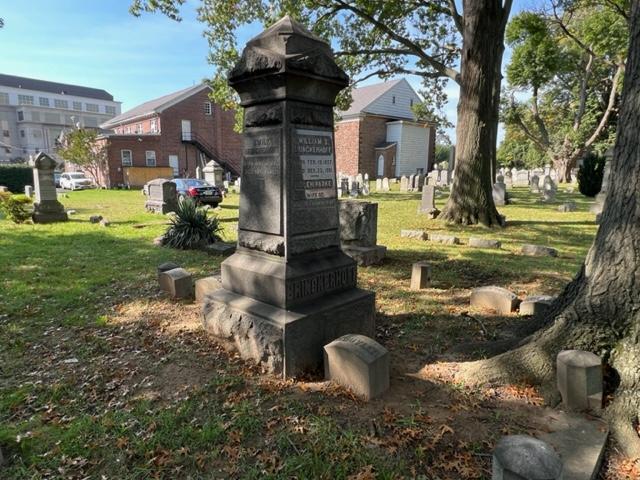
The stone of Jacob Brinckerhoff
The Hackensack Reformed Church graveyard is one of the most famous in the State of New Jersey with many prominent families of Bergen County whose contributions helped shape not just the State of New Jersey but the United States as well. The graveyard contains the graves of many who fought for our freedom in the Revolutionary War.
The front of the church
The back of the graveyard
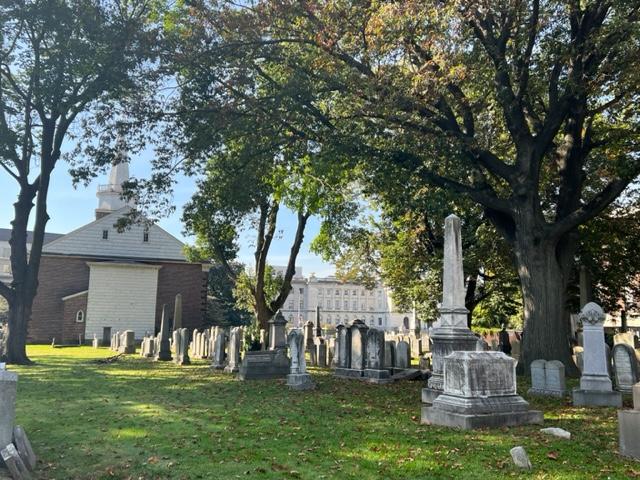
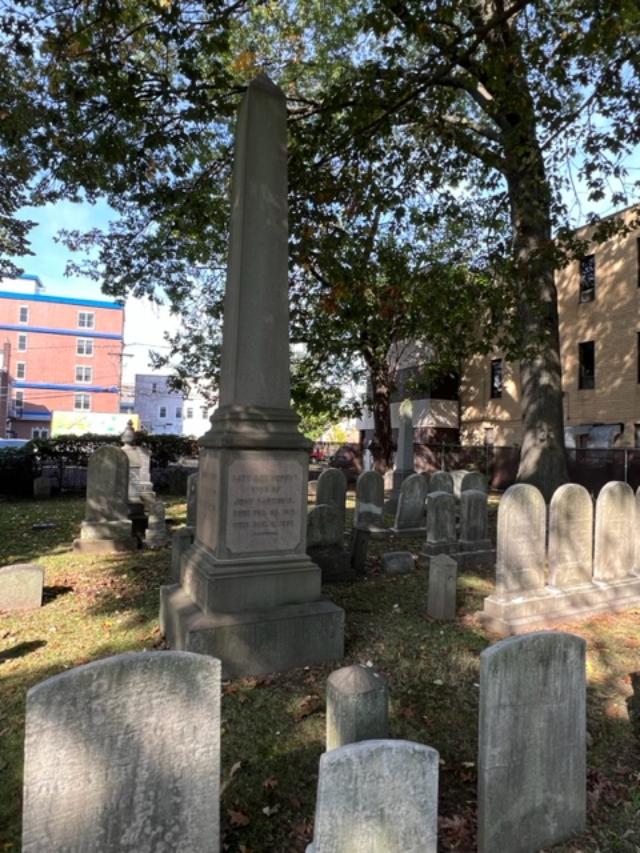
The historic graveyard
During the first ten years, churchgoers worshiped in a private home outside the limits of modern-day Hackensack. The official name of the congregation was the “Dutch Reformed Church of Ackensack” and comprised thirty-three residents from Hackensack, New Barbadoes and Acquackanonk. All three of these townships made up most of northeastern New Jersey.
Acquackanonk was located in the northern portion of modern Essex County. New Barbadoes was comprised of land west of the Hackensack River, while Ackensack was located to the east. In April of 1696, Captain John Berry (1619-1712), the proprietor of a large portion of land in northeastern New Jersey, donated two and three-quarter acres of his property to the congregation to support their efforts to build the church.
Most of present-day Hackensack at that time was called “New Barbadoes Township” and Hackensack is thought to have gotten its unofficial name when the Church relocated to New Barbadoes and brought the name “Ackensack” with it (Church website).
The historic church and cemetery in the back.
The emergence of the Dutch Reformed Church in America developed from Dutch colonization of New York and New Jersey during the 17th century. Dutch settlement was prominent in these areas before the British took control of the area in the late 1600’s. Still, the Dutch were freely allowed to practice their religion in America, even under British sovereignty. The Hackensack First Reformed Church would become the second oldest Reformed Church in New Jersey and the first in Hackensack. Construction of the church was completed in the latter part of 1696.
The historic cemetery at the church
John Berry’s donation of land was appropriately dubbed, “The Green” and the church soon became known as “The Church on the Green”. The first sermon was preached on November 15th, 1696, based on Psalm 26:8 “Lord, I have loved the habitation of thy house and the place where thine honor dwelleth.” Although the first church was largely completed in 1696, the steeple was not built until 1708. The entire structure was rebuilt in 1728 on the same site. These two early church buildings were thought to have been octagonal structures.
The Schuyler Family marker
In 1780, during the Revolutionary War, the British invaded Hackensack. They burned the courthouse and jail and threatened to destroy the Church on the Green, which was located adjacent to the aforementioned buildings. Fortunately, the church was spared. Dutch Colonial architecture with sandstone walls being the prominent feature of the building. Some aspects, especially the arched and pointed windows, appear to have Gothic elements.
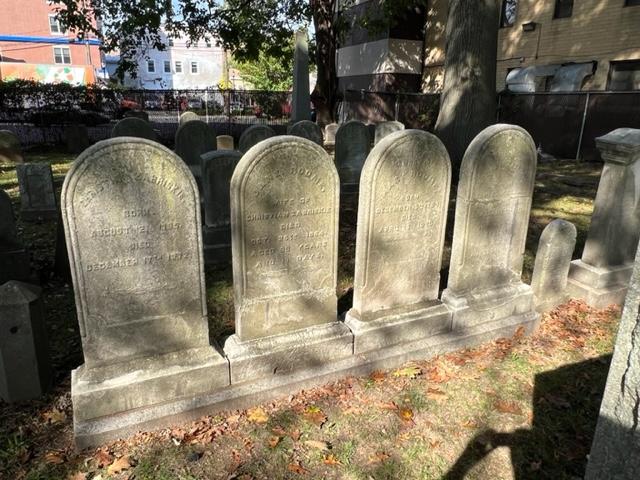
The Zabriskie Family plot
The front of the church has three sets of double doors with similarly arched doorways and transom windows. This style was a precursor for many of the Reformed Dutch churches that were eventually build in New Jersey. Although the present-day building dates from 1791, the church was enlarged in 1847 and again in 1847 and again in 1869, thus containing newer elements.
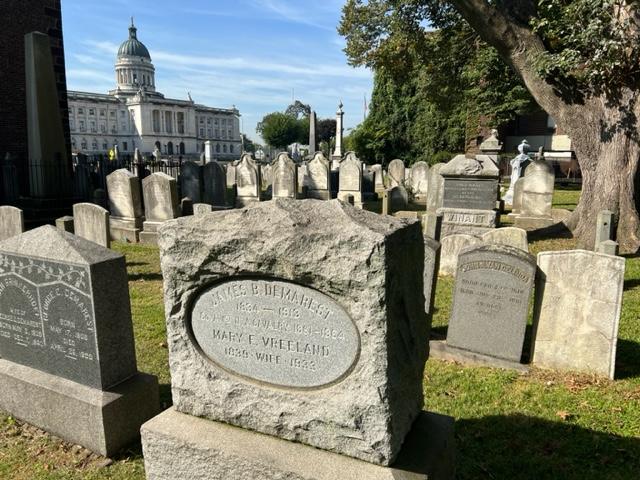
The Demarest Family plot.
The attached cemetery is original to the first building’s construction in the late seventeenth century but during the renovation in 1847, it was also enlarged. The neighboring service house was built in 1867 and was used as a Sunday school, lecture hall and chapel.
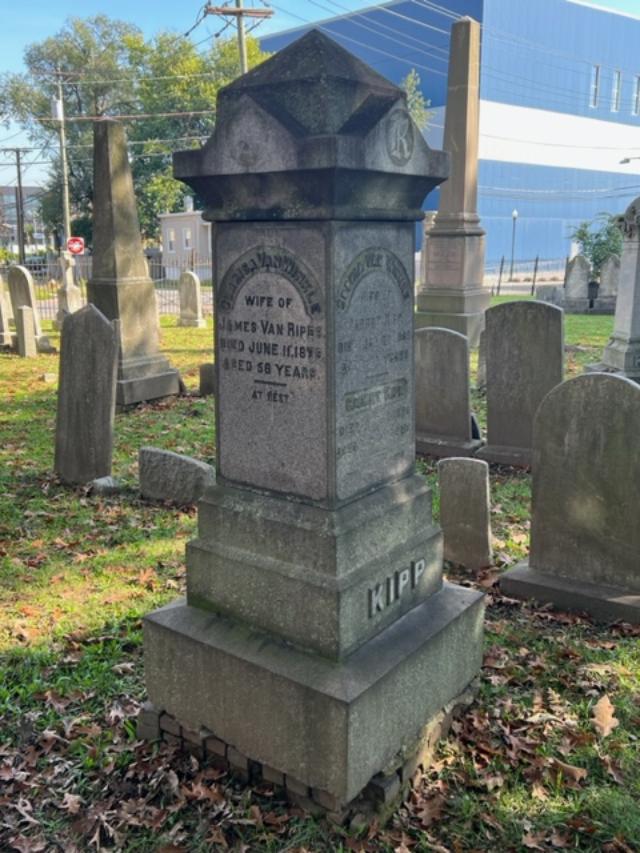
The Van Riper/Kipp Family plot
The Hackensack graveyard
The First Reformed Church of Hackensack
I recently visited both the church and the graveyard of the church which is home to many veterans of both the Revolutionary and Civil War. It is home also to the family plots of ‘Founding Families’ of Bergen County who worshipped at this famous church.
As one of my Team Projects, my students were mapping the cemetery for veterans of the Revolutionary War, many of them buried in the church graveyard. We came to pay our respects.
The Van Buren family plot
The Van Saun family plot
The Westervelt family plot
The Banta family plot
The Brinckerhoff-Terhune family
The Herring family
The Kipp family plot
The Paulson family plot
The Demarest-Doremus family plot
The Zabriskie family
Easter at the First Reformed Church of Hackensackwith the Korean Joy Catholic Church:
I visited the church during the Easter Holidays as a invitation by members of the congregation and it was a very nice experience. I found that the service being very inspiring. The service was followed by an Easter Dinner with the congregation and I was very honored to be invited. It was a wonderful time and I really enjoyed the experience. I had never been to a Christian service that was done all in Korean, The Paster was very inspiring and knew how to inspire to the congregation. The whole service was very uplifting. Then members of the congregation invited me to stay for Easter Dinner which was very nice. A combination of classic Easter dishes mixed with traditional Korean specialties. It was one of the most enjoyable Easter’s I had had in a long time.
The beginning of the service
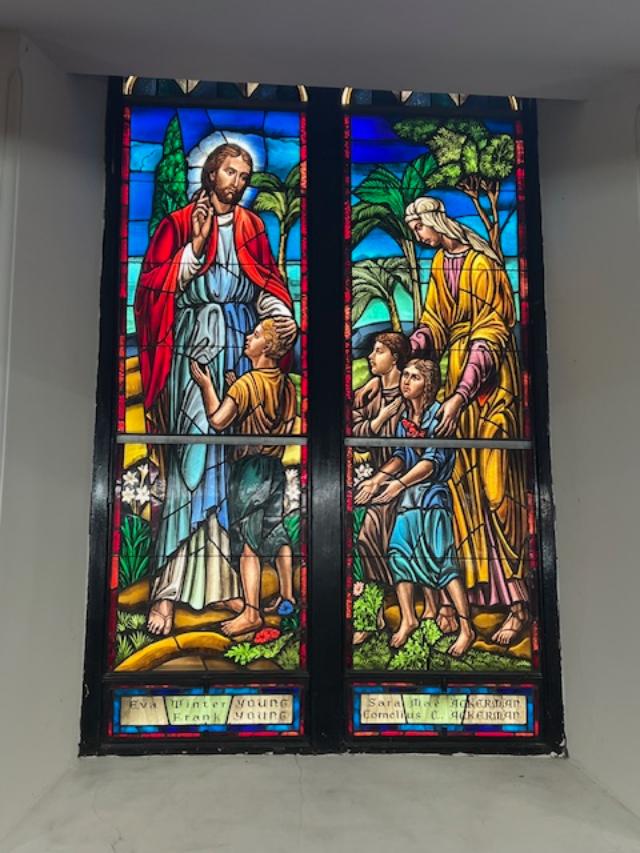
The Historic First Reformed Church of Hackensack pews and stained glass windows. Each one of the stained glass windows were dedicated by a well known “First Family” of Northern New Jersey:
The first floor of the church
The stained glass windows inside the church dedicated by the Ackerman family
The Child’s family windows
Voorhis-Lozier-Moore Windows
The Kraissi family windows
The Van Valen windows
The War years windows
The alter at Easter in the Spring of 2026
The Easter flowers on the alter
After the Easter service was over, I joined the other members of the congregation for dinner. This was a combination of Korean and American foods for the holidays. What a wonderful experience!
Easter Dinner
Easter dinner with the other parishioners
Yam rice cakes for dessert
Layer cake for dessert
Enjoying the service so much, I have returned for Sunday Service a few more times, enjoying the music, the sermons and the comradery. Even though I do not speak Korean, I can follow the inspiring words of Pastor Jung just by emotion and passion in the sermon.
What I like after the service is that after the sermon is over, the congregation joins with the English speaking congregation to have supper, which I think is a nice way for everyone to talk and get to know each other.
Enjoying a recent supper with the rest of the congregation and getting to know the members of the church. Everyone makes you feel so welcome. I think this is really how we celebrate God by joining in and getting to know one another. We have the same traditions in both the Polish and Italian churches I have attended.
Supper with the Congregation
Fish Tofu Soup
Korean specialties for supper
My International Marketing class at Bergen Community College recently did a complete study and marketing plan for the “Bergen250” on the Revolutionary War veterans buried at graveyards and cemeteries all over Bergen County, NJ:
For a Mapping of all the historic graveyards and cemeteries, I had the students visit all the sites that the Daughters of the American Revolution had researched and I had the students find all the locations, photo the tombstones and create a bio on each of the veterans. I enclosed a copy of their work above.
My blog on the historic graveyards and cemeteries of Bergen County:
My Team Project from Bergen Community College “Bergen 250: Exploring the Revolutionary War era Cemeteries and Graveyards of Bergen County, NJ”:
The recent tour with my students hosted by members of the church, we were able to see the second floor, take a full tour of the church and graveyard. We got to see parts of the church that you do not see during service plus many of the artifacts the church owns from different eras of the church’s history. The church served as an important part of the American Revolutionary where later members of the same families, both Loyalists and Patriots, broke away from each other and some formed their own churches in other parts of Bergen County. This church still stands as a testament to Bergen County’s religious beginnings.
We toured the inside of the church, the second floor with its historical artifacts and views of the stained glass windows and then toured the historic graveyard where the majority of the Revolutionary War veterans were buried. Our Team covering this graveyard spent of their time walking amongst the tombstones searching for our veterans.
The inside pews
The alter
The view of inside of the church
The Revolutionary War artifacts
My student visit:
Tour of the church
The Team picture in front of the church
Many of the veterans of the American Revolution were buried closest to the church which was the tradition of the time to be buried as close to the church as possible. Their graves were marked by Revolutionary War medallions and American flags.
The Demarest-Voorhis Revolutionary War graves
General Poor’s grave
Albert Romin grave Revolutionary War veteran
The front part of the church by the Hackensack Green was the resting place of many of these heros
Our Team of Student Consultants picture inside the historic graveyard
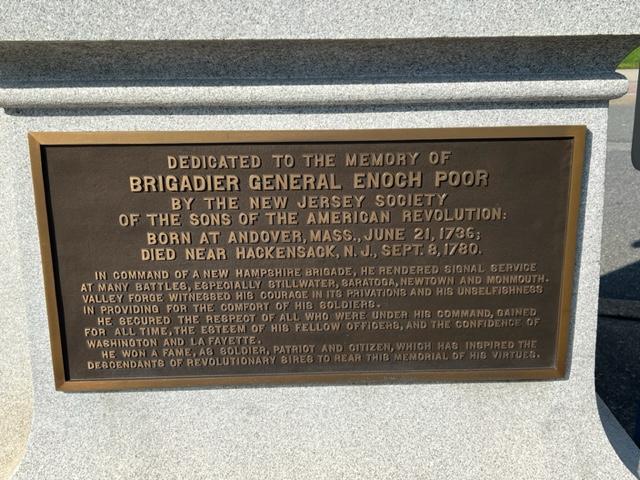
The churchyard cemetery features simple stone tablets and obelisks that are surrounded by a wrought iron fence. Some notable burials include General Enoch Poor (1736-1780), Colonel and New York Mayor Richard Varick (1753-1831), Congressman George Cassedy (1783-1842) and Congressman Adam Boyd (1746-1835). General Enoch Poor’s burial is especially noteworthy as he served alongside George Washington during the Revolutionary War.
Additionally, both Washington and the Marquis de Lafayette were in attendance at Poor’s funeral. Enoch Poor’s gravestone reads: “In Memory of the Hon’ble Brigadier General Enoch Poor of the State of New Hampshire who Departed this Life on the 8 day of Sept: 1780 aged 44 years/Washington, Lafayette and a portion of the American army attended the burial of Gen. Poor.
The Team picture in front of General Poor’s grave
In 1824, Lafayette visited this grave and turned away much affected, exclaimed, “Ah, that was one of my Generals!” Poor died in 1780, before the close of the Revolutionary War, so this gravestone is clearly not the original (Church website).
The graveyard at the Dutch Reformed Church
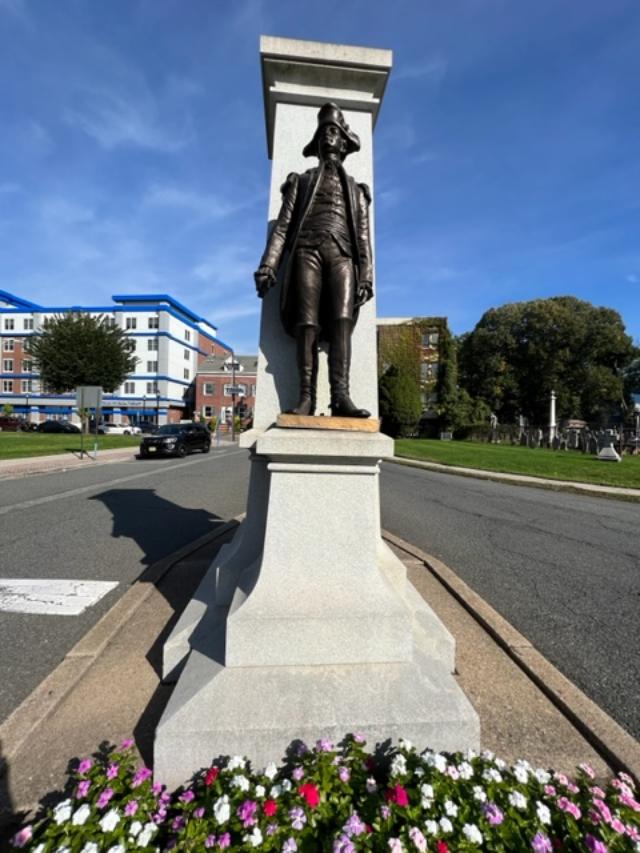
The Reformed Church was nominated to the National Register of Historic Places on April 25, 1983. Included in this nomination was the “Green”, which is one of the oldest public squares in New Jersey. This area encompasses the Churchyard, the cemetery, the church outbuilding and the green area that is adjacent to the Bergen County Courthouse. There are a few monuments that occupy this space, including a statue memorial to General Enoch Poor, which was dedicated in 1904 and the Hackensack War Memorial, which dates to 1924.
The church continues to be a prominent feature of the history of Hackensack through community and self-guided walking tours. In addition to this, there are yearly Memorial Day commemorations, where a wreath is placed over General Enoch Poor’s grave and a tour of the church is provided to the attendees of the celebration.
Surrounding the Green, there are a few other historical buildings:
*The Peter Zabriskie Mansion site at 50 Main Street.
*Archibald Campbell’s Tavern Site at 41 Main Street
*The Hackensack War Memorial
*Site of the Burned Jail
Christmas at the First Reformed Church of Hackensack:
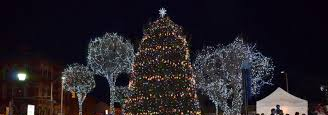
During the holidays, this evergreen serves as the Christmas tree for the City of Hackensack at the historical Green other downtown. The entire Green is decorated for the entire Christmas season and the light display is amazing in the early evenings of December. Santa is on his way!
The Hackensack Town Green
The Christmas tree from downtown
*The Annual Christmas Tree on the Hackensack Town Green
Disclaimer: This information was taken directly from the Bergen County Historical Society pamphlet and the Clio Website on the First Dutch Reformed Church of Hackensack and from visiting downtown Hackensack. Please call the church at (201) 342-7050 for details on visiting it. Please remember this is a resting place.
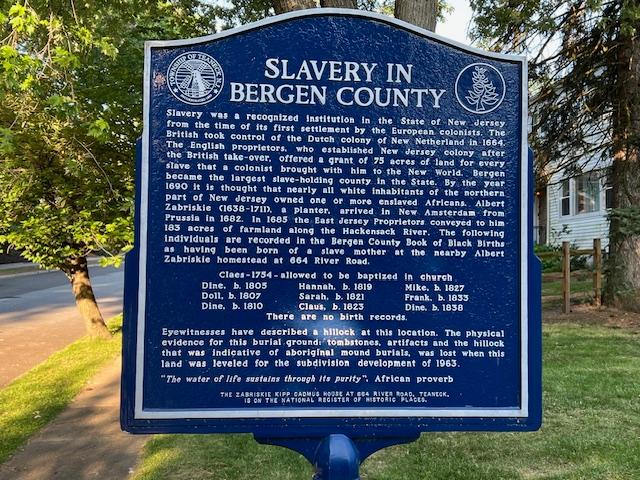
The historic marker for the Teaneck Historic Burial Ground for slaves in Bergen County.
Located on Pomander Walk Road near the Hackensack River, this land was in use as a burial ground by the Native Americans prior to the arrival of the European settlers. This site might have been used for hundreds of years as a burial site for the Native peoples.
African slaves, who worked the farmland of the early European settlers, like the Zabriskie’s who owned the 125 acre farm that surrounded it, were subsequently buried at this location as were some of the early settlers. In 1663, the great elder, Oratam, was the Chief Sachem for the Ackingsacks, who lived along the Hackensack River. Oratam promised to give Sarah Kiersted a parcel of land between the Hackensack River and Overpeck’s Creek called “Neck of Land”.
The location of the site on the side of the Hackensack River
The site of the graveyard in Teaneck, NJ
It consisted of 2,260 acres which included Teaneck, Bogota and Ridgefield Park. The original patent was dated October 21, 1667. On March 25, 1685, the East Jersey Proprietors conveyed 183 acres of this patent, located on the Hackensack River in what is now Teaneck, to Albert Sabboresco (Zabriskie) of Bergen, a planter/farmer.
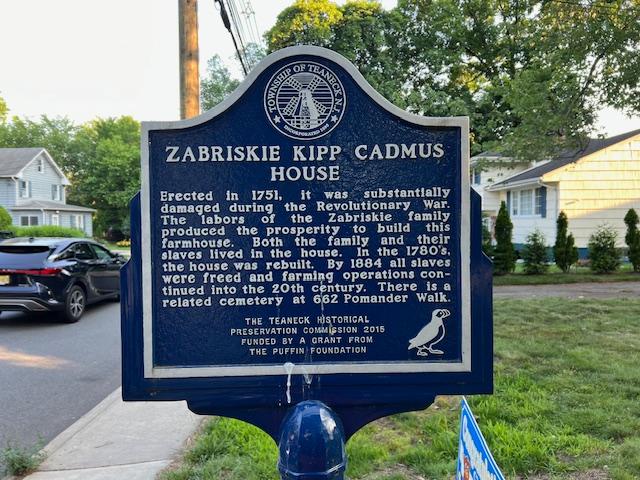
The Zabriskie House on Cadmus Street one block over is not open to visitors (privately owned)
The Zabriskie Homestead in Teaneck, NJ
Albert Zabriskie, his descendant and later Henry Kip, owned the enslaved African American men, who were used to work the farmland and build the early colonial sandstone houses. Even though slavery was outlawed in 1804, the last slaves were not freed until 1865 making New Jersey the last of the Northern States to abolish slavery.
The Zabriskie-Kipp Homestead in Teaneck, NJ is not open to the public. The historic Zabriskie-Kip Farmhouse (now a private residence) is located around the corner from the site on a buff on River Road facing the Hackensack River.
The site is right by a cove in the Hackensack River
To prevent the loss of this sacred ground, the ‘Coalition to Preserve Teaneck’s Native American/African Slave/Settler Cemetery’, was organized. With the Coalition’s encouragement, in 2006 Teaneck bought this open parcel of land on the banks of the Hackensack River. It can be visited during daylight hours and is designated with a Blue Historic Marker erected by the town of Teaneck, NJ.
The historic site by the Hackensack River in Teaneck, NJ.
The gravesite today along the Hackensack River
Disclaimer: This information was taken directly from the handout from the Bergen County Division of Cultural and Historic Affairs. There is no fee for this site but be warned, there is not much to see. There will be plantings and a small memorial is being planned (the above plaque from the town of Teaneck, NJ).
The burial site in Teaneck, NJ
My International Marketing class at Bergen Community College recently did a complete study and marketing plan for the “Bergen250” on the Revolutionary War veterans buried at graveyards and cemeteries all over Bergen County, NJ:
For a Mapping of all the historic graveyards and cemeteries, I had the students visit all the sites that the Daughters of the American Revolution had researched and I had the students find all the locations, photo the tombstones and create a bio on each of the veterans. I enclosed a copy of their work above.
My blog on the historic graveyards and cemeteries of Bergen County:
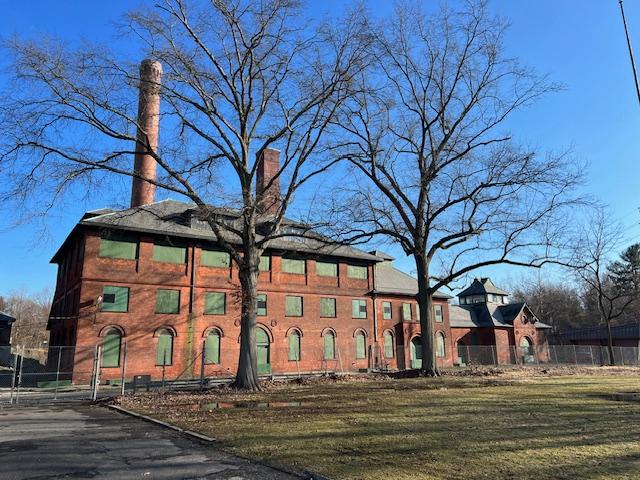
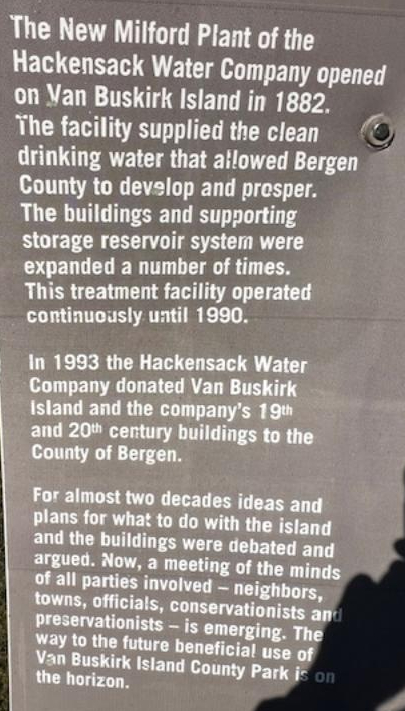
The Hackensack Water Works building is closed for visiting and under renovation.
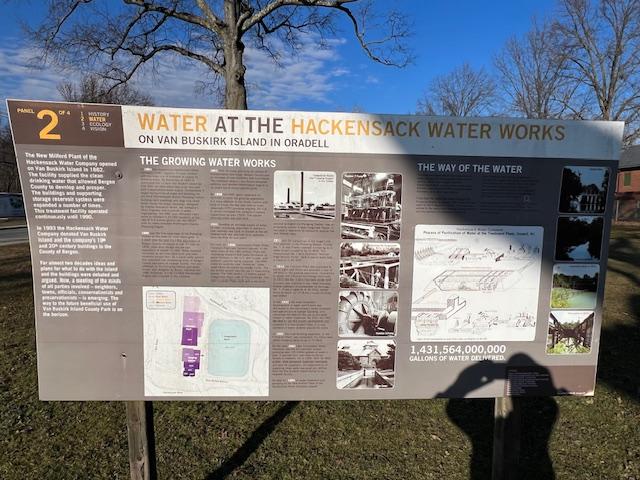
When I visited the day I went to see the Hackensack Water Works Building all you could see is the signs outside the building.
The information sign outside the Waterworks.
The layout of the pump station.
On an oxbow in the northern reaches of the Hackensack River is Oradell’s Van Buskirk Island, a man made island that did not exist until 1802. Created by the dams built for the local mills, this stretch of the Hackensack River was the highest point of navigable water on the river where schooners regularly carried goods to and from New York.
The Hackensack Water Works Building in full.
Now a part of the Bergen County Parks system, this almost 14 acre site contains the historic Romanesque brick buildings of the Hackensack Water Works. This is the oldest surviving representative of a water purification and delivery system from the late 19th and early 20th century period, crucial to the development of a modern, safe water supply that was critical to turn of the century metropolitan and suburban growth.
The Pump Station right side.
The left side of the Pump Station.
The Hackensack Water Works, in continuous operation from 1882 to 1990 is a rare example of later 19th and early 20th century water works architecture and engineering. The historic buildings include the 1882 Pumping Station, expanding five times from 1886-1911 and innovative 1905 Filtration House, expanded in 1912 and 1955. The Pumping Station contains a unique collection of steam pumping equipment representing over four decades of development of steam technology in the early 20th century, including a 1911 Allis Chalmers Vertical Triple Expansion Pump and a 1915 Allis Chalmers Centrifugal Pump. The plant also contains the 1905 coagulation basin and gatehouse and the 1911 intake and waste gates.
The inside of the Hackensack Water Works
This Bergen County Historic Site with its open space and park like setting is a living 100 year old timeline of technology from steam to electricity as well as a river site that represents the evolution of Bergen County from its pre-Revolutionary War saw and grist mills to the creation of pioneering water filtration technology so vital to the 20th Century development of towns and cities all over America. Not open to the public at this time.
The Bergen County Division of Cultural and Historic Affairs
The Bergen County Division of Cultural & Historic Affairs received an operating support grant from the New Jersey Historical Commission, a division of the Department of State.
Disclaimer: This information was taken directly from the Bergen County Division of Cultural and Historic Affairs handout. Please call the above number or email them for more information.