Tag: warren george watrel

Greater Newark Conservatory                              32 Prince Street                                              Newark, NJ 07103

Greater Newark Conservatory 32 Prince Street Newark, NJ 07103

Greater Newark Conservatory

32 Prince Street

Newark, NJ   07103

(973) 642-4646

http://www.citybloom.org

https://www.citybloom.org/

Open: Please check the website for site and time listings

Fee: Free but donations accepted

My review on TripAdvisor:

https://www.tripadvisor.com/Attraction_Review-g46671-d16726541-Reviews-Greater_Newark_Conservancy-Newark_New_Jersey.html?m=19905

The Greater Newark Conservatory has been credited for much of the improvement in the City of Newark.

Newark Conservatory IV

Having three farms, it has given new life to empty lots, given school children a chance to experience urban farming and given suburbanites a taste of country life in the city all while improving the lives of its residents. Having attended the recent “Beds & Breakfast” gardening program put on every year, I can see the outreach that the Conservatory is trying to have on people outside the city.

Newark Conservatory V

The Beds & Breakfast Seminar is an annual event that covers things like sustainable farming, trips for growing and pruning plants and trees and cooking classes. In the era of COVID, we had the 2021 “Beds & Breakfast” virtually this year and it was really nice because we could attend the meetings via Zoom. It was very engaging and you could ask questions online.

In the warmer months, it is nice to walk along the gardens and admire all the fruits, vegetables and plants being grown here. They have other events as well like Summer Cocktail parties and Pot Lucks.
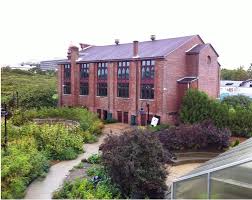
Greater Newark Conservatory

The gardens and the new Demo building

Another event I recently attending was the Conservatory’s October Fest, which was a small festival where the gardens on Prince Street were open to the public and local vendors were selling their wares at tables surrounding the main walk way of the garden. The Conservatory was also running their Youth Farm Stand as well with fresh vegetables from their ‘farm’. In 2021, they had a smaller event with vendor booths and music. It was funny to see so many people with masks in the cool weather.
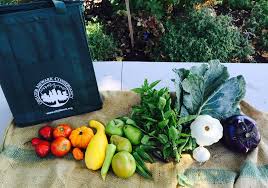
Try to support the Youth Farm Stand at the Greater Newark Conservatory

In the future, there will be Pumpkin Patches by the farm and a small event for Halloween.

The History and Purpose of The Greater Newark Conservatory:

The Greater Newark Conservatory (GNC) is a non-profit organization headquartered in Newark, NJ with the state goal of promoting ‘environmental stewardship to improve the quality of life in New Jersey’s urban communities’. It offers programs for youth education, community greening and gardening, nutritional health, job training and prisoner re-entry (Wiki).

Founded in 1987, the Greater Newark’s Conservatory’s mission is to promote environmental stewardship to improve the quality of life in New Jersey’s urban communities. The 3.7 million Prudential Outdoor Learning Center, named in honor of a $750,000 grant from the Prudential Foundation, was completed in 2004 and has hosted more than 16,000 at risk inner city children for environmental education field trips since that time (Vince Baglivo, Star-Ledger 2010).

Newark Conservatory III

The Conservatory grounds

The first step toward making the new Center a reality was the purchase of the historic former synagogue/church building at 32-34 Prince Street in downtown Newark. Acquired by the City of Newark, the property included the building and the land that it occupies (Vince Baglivo, Star-Ledger 2010).

Educational Programs:

The Conservatory provides programs on youth education and nutritional health and cooking. In the Demonstration Kitchen program, participants are provided instruction on cooking with recipes having high nutritional value. The Newark Youth Leadership Program (NYLP) provides training to high school students in Newark through a year-round program on horticulture. The  program also includes a summer internship program where high school students are assigned to various department in the Conservatory in order to gain experience with career-related skills. The summer interns also receive training on finance, public speaking and nutrition (Wiki).

Urban Farming:

One Conservatory initiative is to bolster and support urban farms in the City of Newark. The urban farms were created with the purpose of offering low-cost and healthy foods in Newark. Participants also have the option of growing their food in one of 360 private plots. In 2011, the urban farms administered by the Conservatory generated 5,000 pounds of produce. The produce is sold in local farmers’ markets. Crops raised include arugula, beets and corn. Other related programs include raising chickens and maintaining a honey apiary (Wiki).

Newark Conservatory II

The gardens and grounds

Job Training:

The Conservatory is community partner for the City of Newark’s prisoner re-entry programs where job training is provided to ex-offenders through its ‘Clean and Green’ program. They include vacant lots in Newark, labor in maintaining urban farms and offering instruction to school groups on the basics of farming (Wiki).

Urban Environmental Center:

The Conservatory conducts its activities primarily at the Judith L. Shipley Urban Environmental Center, the Prudential Outdoor Learning Center and at its main education building. Many educational programs take place there as well. The center was named after Judith and Walter Shipley, who were major donors of the Conservatory. The Prudential Outdoor Learning Center is 1.5 acre site located on Prince Street in Newark and contains a series of outdoor exhibits and thematic gardens (Wiki).

Programming:

Four program areas: environmental education, community greening and gardening, advocacy for environmental justice and job training, are the focus of activities involving everyone from students to seniors (Vince Baglivo Star-Ledger 2010).

Community Greening:

The Community Greening Program addresses Newark’s deficit of quality preserved open space by enhancing existing community parks, creating new pocket parks, establishing greenways and improving neighborhoods with street trees, street side planted flower barrels and community gardens. The program works with Newark residents to transform neighborhoods with curbside flower barrels and lush community gardens on former vacant lots. These urban farms increase accessibility to food sources for urban residents by providing high quality, locally grown healthy food using natural pest control methods (Vince Baglivo Star-Ledger 2010).

https://www.tripadvisor.com/Attraction_Review-g46671-d16726541-Reviews-Greater_Newark_Conservatory-Newark_New_Jersey.html?m=19905

Disclaimer: I want to credit writer Vince Baglivo from the Star-Ledger “Greater Newark Conservatory: City’s best kept Secret” 2010 and Wikipedia (current) as well as the Greater Newark Conservatory for information on the site. Please call the above number for more information on upcoming programs.
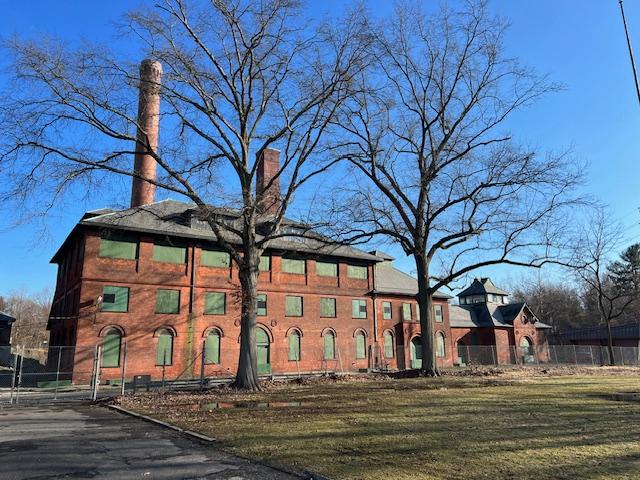
Hackensack Water Works Van Buskirk          County Park Elm Street                                 Oradell, New Jersey 07649

Hackensack Water Works Van Buskirk County Park Elm Street Oradell, New Jersey 07649

Hackensack Water Works

Van Buskirk County Park

Elm Street

Oradell, NJ  07649

A Bergen County Historic Site

https://www.hwwc.org/

The Hackensack Water Works building is closed for visiting and under renovation.

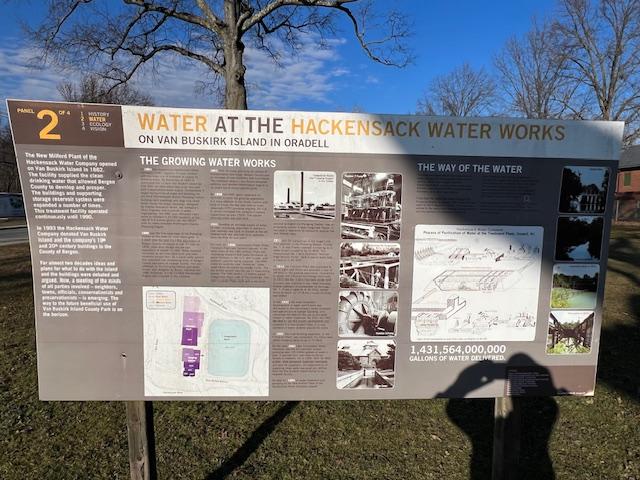
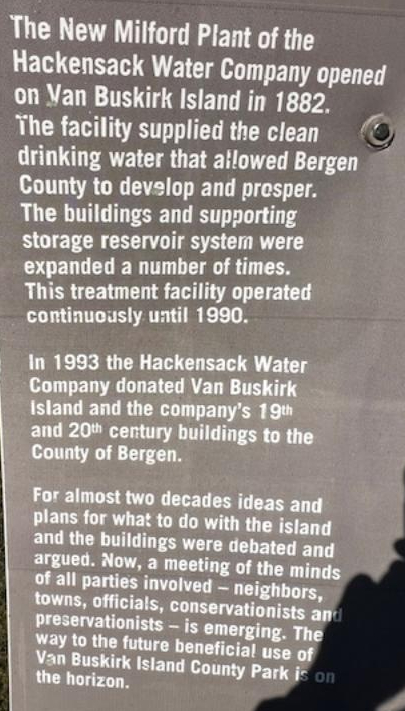
When I visited the day I went to see the Hackensack Water Works Building all you could see is the signs outside the building.

The information sign outside the Waterworks.

The layout of the pump station.

On an oxbow in the northern reaches of the Hackensack River is Oradell’s Van Buskirk Island, a man made island that did not exist until 1802. Created by the dams built for the local mills, this stretch of the Hackensack River was the highest point of navigable water on the river where schooners regularly carried goods to and from New York.

Hackensack Water Works II

The Hackensack Water Works Building in full.

Now a part of the Bergen County Parks system, this almost 14 acre site contains the historic Romanesque brick buildings of the Hackensack Water Works. This is the oldest surviving representative of a water purification and delivery system from the late 19th and early 20th century period, crucial to the development of a modern, safe water supply that was critical to turn of the century metropolitan and suburban growth.

The Pump Station right side.

The left side of the Pump Station.

The Hackensack Water Works, in continuous operation from 1882 to 1990 is a rare example of later 19th and early 20th century water works architecture and engineering. The historic buildings include the 1882 Pumping Station, expanding five times from 1886-1911 and innovative 1905 Filtration House, expanded in 1912 and 1955. The Pumping Station contains a unique collection of steam pumping equipment representing over four decades of development of steam technology in the early 20th century, including a 1911 Allis Chalmers Vertical Triple Expansion Pump and a 1915 Allis Chalmers Centrifugal Pump. The plant also contains the 1905 coagulation basin and gatehouse and the 1911 intake and waste gates.

Hackensack Water Works III

The inside of the Hackensack Water Works

This Bergen County Historic Site with its open space and park like setting is a living 100 year old timeline of technology from steam to electricity as well as a river site that represents the evolution of Bergen County from its pre-Revolutionary War saw and grist mills to the creation of pioneering water filtration technology so vital to the 20th Century development of towns and cities all over America. Not open to the public at this time.

The history sign of the pump station.

http://www.co.bergen.nj.us

The Bergen County Division of Cultural and Historic Affairs

The Bergen County Division of Cultural & Historic Affairs received an operating support grant from the New Jersey Historical Commission, a division of the Department of State.

Disclaimer: This information was taken directly from the Bergen County Division of Cultural and Historic Affairs handout. Please call the above number or email them for more information.

Meadowlands Museum                                                               91 Crane Avenue                                                         Rutherford, NJ 07070

Meadowlands Museum 91 Crane Avenue Rutherford, NJ 07070

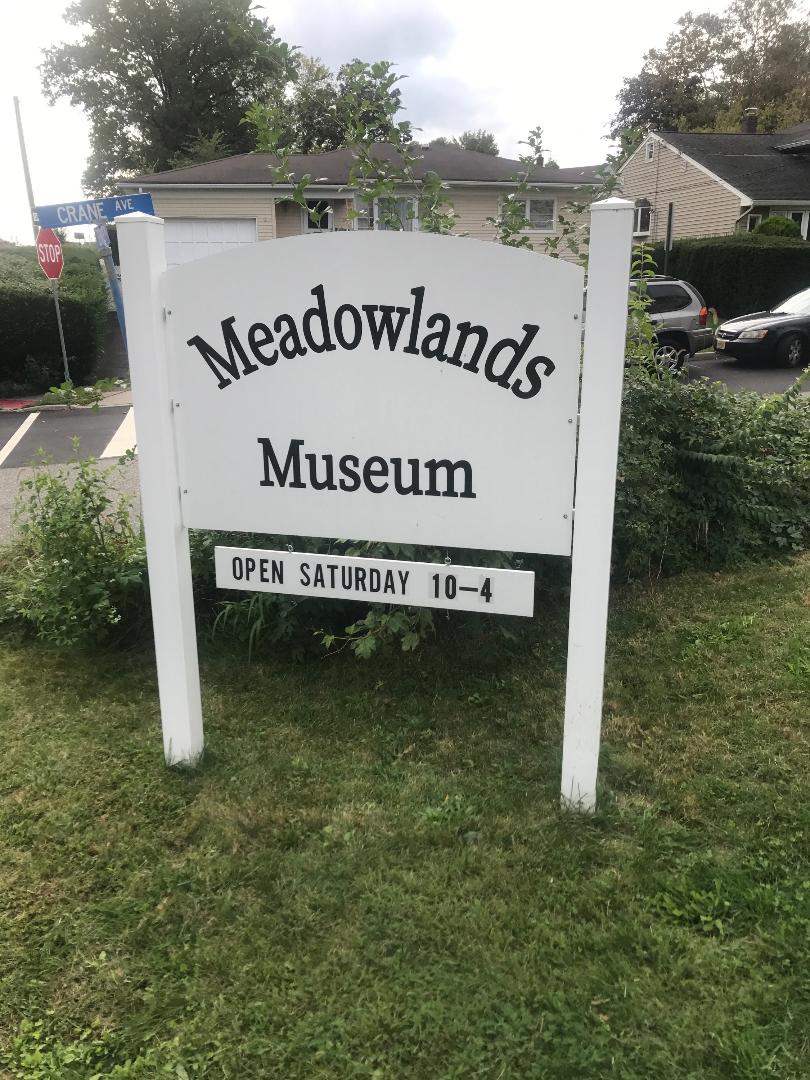
Meadowlands Museum

91 Crane Avenue

Rutherford, NJ  07070

Phone: (201) 935-1175

Email: meadowlandsmuseum@verizon.net

https://www.meadowlandsmuseum.com/

https://www.facebook.com/MMusRutherford/

Open: Most Wednesdays and Saturdays from 10:00am-4:00pm

TripAdvisor Review:

https://www.tripadvisor.com/Attraction_Review-g46796-d2403380-Reviews-Meadowlands_Museum-Rutherford_New_Jersey.html?m=19905

Both Curator & Chronicler

The Meadowlands Museum is the main steward of the history and culture of the Meadowlands region and one of its leading storyteller.

Meadowlands Museum Scarecrow Day V

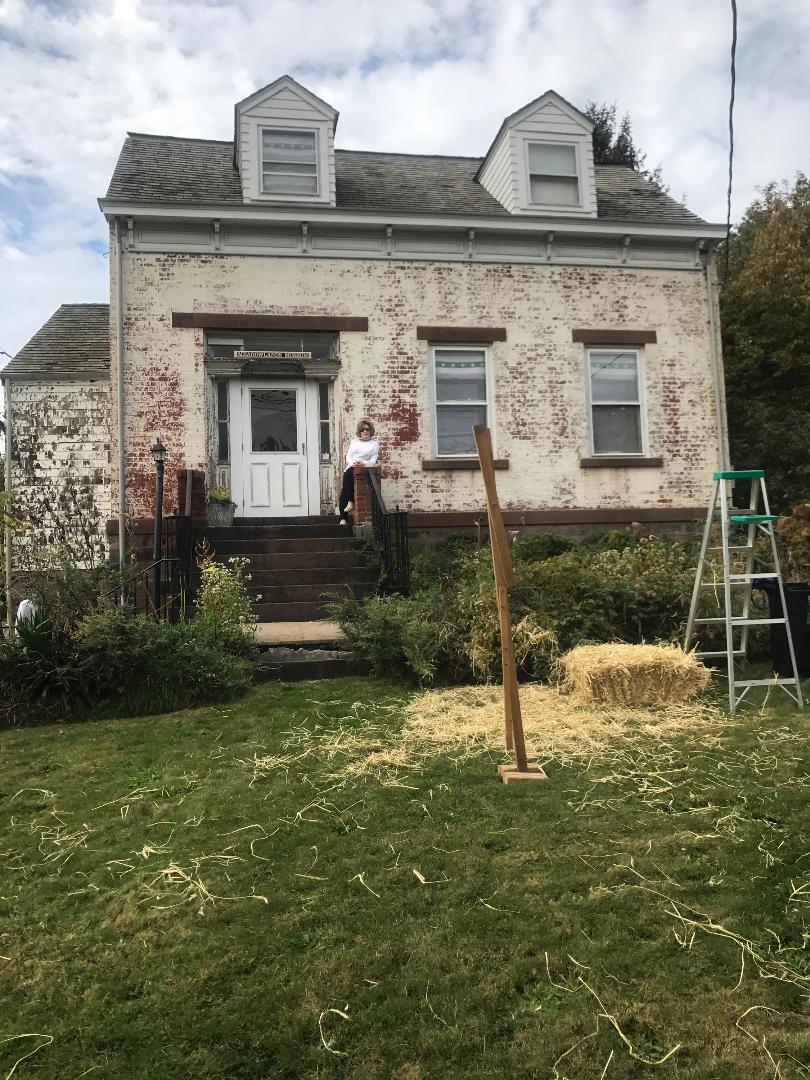
Its mission and collection, which resides in the Yereance-Berry House in southern Bergen County in Rutherford, NJ are distinctive and unique. The house too is a historic treasure and landmark and was built in 1804 by the Berry family, who were among the county’s earliest European settlers.

Meadowlands Museum VIII

Rooms in the three-level American Dutch farmhouse are alive with permanent and temporary exhibits and sometimes include loaned objects from other museums and private collections.  Historical artifacts like archives and photographs are mingled with textiles, furniture, housewares and artwork. There is even correspondence by the daughters of John Rutherfurd, a close confidant of George Washington. Grounds include the William Carlos Williams Poetry Garden, which acknowledges the legacy of Rutherford’s most famous native and the town’s history as a cultural center.

Meadowlands Museum VII

The everyday products of the Meadowlands Museum

Founder in 1961 as the Rutherford Junior Museum by parents of school age children to help connect them to their community, the museum is staffed by professionals assisted by dedicated volunteers and involved trustees. Interns add to the rich resource of individuals who contribute to its present and future.

A recent commercial developed by my Business 101 Class for the Meadowlands Museum for the project “Rocking it in Rutherford: Being a Tourist in your own Town”

The location of the Yereance-Berry House suggests a colonial farm dating to 1740. The oldest house in south Bergen County in close to original condition, it was part of the Historic American Building Survey project of the 1930’s. The building is also listed on the state and national registers of historic places and the Bergen County Stone House Survey.

Meadowlands Museum

The Yereance-Berry House is the now the Meadowlands Museum

Affiliated organization include the American Alliance of Museums, American Association for State and Local History, Meadowlands Regional Chamber of Commerce, New Jersey Association of Museums and The National Trust for Historic Preservation.

Programming & Community Service:

Free and reasonably priced services for individuals, community groups, businesses, government bodies and educational institutions are available.

*Educational programs, lectures and traveling exhibits.

*Customized on and off site programs.

*Collaborative ventures with a wide range of partners.

*Assistance with academic research and other archival support.

Special Events:

Special events, which often are made possible by partnerships with businesses and other organizations, are an additional way for visitors of all ages to enjoy the museum. Public and private events occur on a regular or one-time basis; many are fundraisers. Call or email for a current calendar and sponsorship possibilities. The house hosts both permanent and special exhibits.

Our permanent exhibits include:

*Yereance Berry House on Scarecrow Day:

Meadowlands Museum Scarecrow Day IV

*Pre-electric kitchen: This unique kitchen in the basement shows off the collection of equipment that would be used in the kitchen from the Civil War to the 1950’s. There are coffee grinders, whisks, wash boards and such. It showed how much effort was put into preparing the family meal through the ages.

Meadowlands Museum IV

The Farm Kitchen of Bergen County

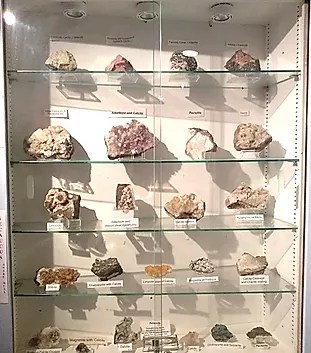
*Meadowlands Geology: there are all sorts of rocks and gems not just from the area but all over the state. There are two different rooms one of the specimens locally and there is a separate room for glowing stones. It is very interesting to see when the lights are out.

Meadowlands Museum III

The Mineral Collection at the Meadowlands Museum

*Mining in South Bergen: This is how the county has changed when we mined ore.

Meadowlands Museum Scarecrow Day II

The Mining Display at the Meadowlands Museum

*19th century Laundry Room: The Laundry room that is located in the basement has many of the things our grandparents would have used. The washboards,  scrub bushes, old washing machines and ringers. Washing clothes was much harder back then.

*The wonderful Toy Exhibition of turn of the last century toys and from the 1960’s 70’s and 80’s. This contains Dolls, Board Games, play things and instruments:

Meadowlands Museum II

The Toy Collection fascinates kids of all ages

Meadowlands Museum Scarecrow Day III

The wonderful toy factory in Kearny, NJ that used to produce all these wonderful toys.

*Horse elevator

Recent special exhibits have included:

*High school football

*Needlecraft

*Steampunk

*Medical Innovations

*Maps of the region

*Civil Rights

*Dr. Williams’ Babies

*World War I

Special Events:

Scarecrow Day 2028

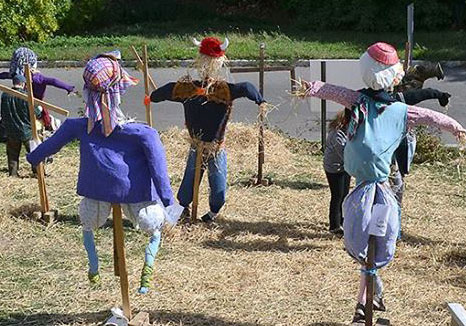
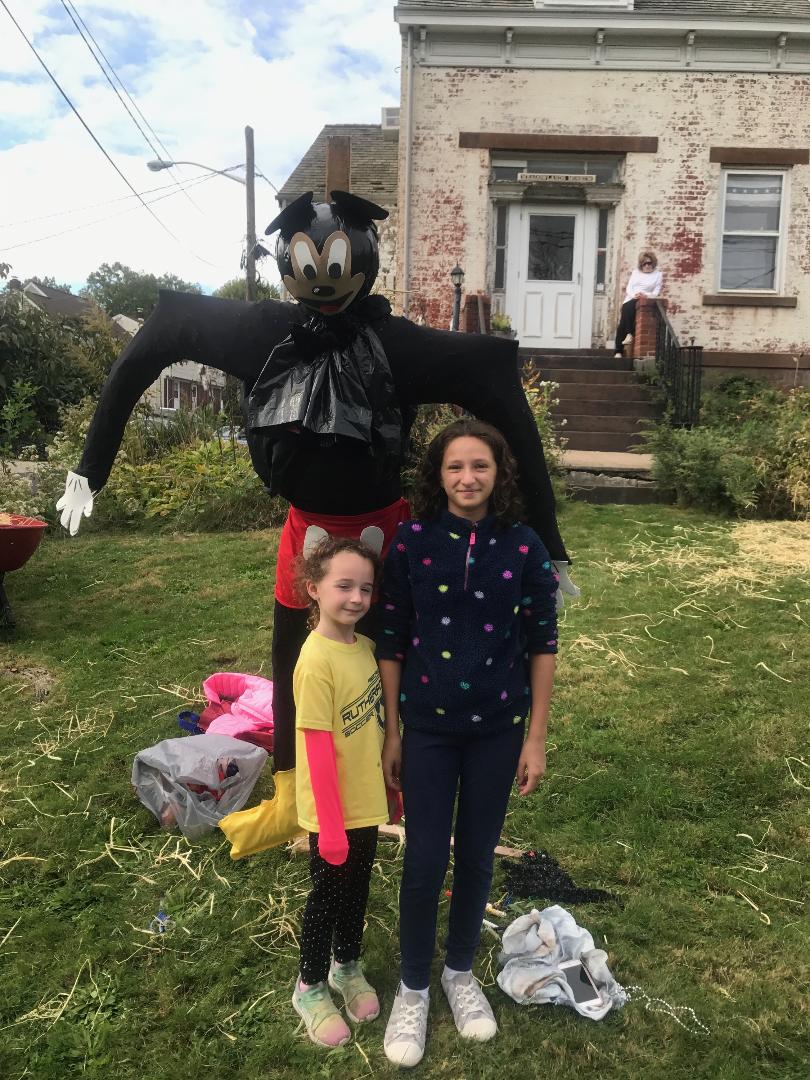
I went to the recent Scarecrow Day on October 20, 2018 where guests of the museum created their own scarecrows using their own creativity. All the scarecrows were lined up facing the street with their interesting clothes and accessories. Each person got to use their own clothes and each one had its own style to it. It was fun watching the families show their creativity at this annual event.

Image result for scarecrow day at meadowland museum

Scarecrow Day at the museum in 2018

Meadowlands Museum Scarecrow Day

Scarecrow Day in 2021: the winners of the contest for best Scarecrow

I also stopped by for the Dutch Christmas decorations. The museum was decorated for the holidays with garland and trees. On December 1st, they had a Dutch Christmas festival (I could not attend) with food and entertainment.

Help tell the story…

(from the museum website)

Individuals who value the purpose and work of the Meadowlands Museum remain its inspiration and abiding spirit. Donations, memberships, sponsorship’s, grants and fundraisers are crucial elements of the museum’s financial well-being.

Admission to the museum is free but donations are greatly appreciated. Fees for events and other services vary. A personal letter to the appropriate person acknowledges a gift made in the name of an individual. Donations to provide for the buildings and grounds are valuable links to the future and a kind of giving that is among the museum’s top priorities.

Disclaimer: This information was taken directly from the Meadowlands Museum’s pamphlet. For information on the site, please call or email the museum for more information.

Bergecco-Parc Consulting Inc.-Rocking it in Rutherford:

My Business 101 class at Bergen Community College Lyndhurst branch visit in the Spring of 2022 for the project “Rocking it in Rutherford: Be a Tourist in your own Town”.

For Spring Semester in 2022, my Business 101-Introduction to Business class made a weekend visit to the Meadowlands Museum for the project “Rocking it in Rutherford-Be a Tourist in your own Town”. We were promoting the museum to increase tourism with a fundraiser and a barbecue. So on the weekend, I took my Team to the museum to tour it for extra credit. They ended up learning a lot about not just the museum but the history of Rutherford and Bergen County, NJ.

The project was promoting the Town of Rutherford for Domestic and Foreign Tourism and created a fundraiser and modernization of displays for the museum. This is a copy of the project, presentation and Commercials.

The Team Project “Rocking it in Rutherford: Be a Tourist in your own Town”:

Video’s of the Presentation:

The video presentation promoting the museum

Assateague Island National Seashore                 7307 Stephen Decatur Highway                    Berlin, MD 21811

Assateague Island National Seashore 7307 Stephen Decatur Highway Berlin, MD 21811

Assateague Island National Seashore

7307 Stephen Decatur Highway

Berlin, MD 21811

(410) 641-2120

http://www.dnr.state.md.us/public-lands/eastern/assateague.asp

https://www.nps.gov/asis/index.htm

TripAdvisor Review:

https://www.tripadvisor.com/Attraction_Review-g57603-d106596-Reviews-Assateague_Island_National_Seashore-Assateague_Island_Maryland.html?m=19905

Bloggers Note: Over the holidays we visited this national park in Delaware when we were visiting my mother. We went to see the wild horses. The horses were so used to seeing humans that they just ignored us. On a beautiful day, it is nice to visit the island and just look at the ocean.

Barrier Islands are among the most dynamic land forms on earth. From ocean to bay, Assateague Island is defined by change.

The rhythms of tides and seasons shape the island. The smallest gust of wind or gentlest of waves moves sand in a ceaseless rearrangements of island terrain. While summer waves and long-shore currents may build a wide beach, most of the year sand is scoured from the shore and moved southward leaving a narrow, steep shoreline. Storms can create inlets or fill them in. They can cut away dunes and wash sand across the island. The retreating dunes mark the islands’s westward movement. New habitats are created-old ones are reinvented. Plants and animals shift and adapt in counterpoint to these changes. On Assateague Island, nature’s rhythmic processes are a brilliant display.

Assateague Island III

Natural zones shaped and reshaped by wind, wave and current characterize Assateague Island. Distinct plant and animal communities have adapted to each zone. This north-facing view depicts these habitats, left to right from bay to ocean.

Coastal Bays:

Chincoteague Bay and two smaller bays separate Assateague from the mainland. They provide an environment rich in aquatic life and vital to ocean ecosystems. The warm, shallow waters create a productive nursery for mussels, crabs, clams, terrapin and fish. Twice a day, tides rejuvenate these areas and ferry aquatic animals out to the ocean or into the relative safety of the bays.

Just beneath the bays’ surface, in the shadowy world of the seagrass meadows, diverse marine life thrives. Blue carbs molt, hidden in the grasses. Young fish find refuge from predators. Seahorses and pipefish, vulnerable in open water, depend on grasses for anchorage and safe haven. Mud-loving creature cluster around roots. These are the secret gardens of the coastal bays.

Assateague Island II

Salt Marsh:

Once considered worthless, salt marshes are incredibly valuable areas. They are complex ecosystems defined by the constant ebb and flow of salt water. Tides transport nutrients into the marsh and detritus (decaying plants and animals) out into the bay. Scavengers, like snails, amphipods and fiddler crabs, feed on detritus. They in turn are food for high tide visitors to the salt marsh like fish and crabs. When the tide is out, a banquet is exposed in the mudflats where birds feast on the small creatures that inhabit this transitional area. Few plants can thrive in a salt marsh. Cordgrass, salt meadow hay and saltwort are among those that can. These plants create shelter for willet and rail and hunting grounds for Northern harrier and raccoon. Horses can often be seen grazing on marsh grasses.

Maritime Forest:

The forest edge is bordered by a shrub thicket on both bay and ocean sides. This is another transition area between distinct communities. Greenbrier, highbrush blueberry and bayberry thrive here. Trees, stunted and sculptured by salt-laden winds, mingle with shrubs and vines. Guarded by this thicket, the maritime forest is sheltered from much of the wind and provides habitat for some of Assteague’s other residents. While lobolly pine is the dominant tree, southern wax myrtle, American holly and red cedar survive in the shaded understory. The forest is home to white-tailed and sika deer, raccoons and birds like the yellow-rumped warbler and Eastern towhee. Predators like great horned owls and red fox hunt small mammals, birds and reptiles in the woodland.

Dunes and Upper Beach:

The dunes and upper beach are always in motion. Windblown sand and salt dictate the plant and animal life of this stark environment. Less salt-tolerate plants like beach heather and seaside goldenrod hide on the leeward side of dunes, sheltering the small but fierce dune wolf spider as it hunts its insect prey. Plants trap sand, elevate dunes and form a malleable barrier against the assault of wind and water. Where overwash does occur, piping plovers and other birds find prized nestling habitat. The primary beach front dunes are dominated by American beach grass, with its extensive root system and ability to tolerate relentless exposure to the elements. Many creatures visit the beach but ghost crabs enjoy a great view from oceanfront burrows.

Asseategue Island

The wild horses on the island are a main attraction

Ocean:

So visually compelling are the surf and ocean that it is easy to forget how much happens beneath the surface. Mole crabs, coquina clams and small invertebrates thrive in the inter-tidal zone where crashing waves deliver food and render all homes temporary.  Shore-birds dance away from the surf while attempting to dine on creatures concealed in the sand.

The ocean food web starts with phytoplankton. Most other marine life is dependent upon these tiny plant for survival. The oceans support more than half the species on earth, yet 95% of these waters remains unexplored, offering endless possibilities for discovery.

Surf and Seashore Safety:

National Park Service lifeguards cover North Ocean Beach (Maryland) and Tome Cover Beach (Virginia, in the National Wildlife Refuge) in Summer only Assateague State Park also had lifeguards in the summer.

Mats and floats except U.S. Coast Guard-approved personal flotation devices are prohibited at all life-guarded beaches. Surf conditions are posted in multiple locations near the beach. Learn about rip currents (seaward currents) and their danger at http://www.ripcurrents.noaa.gov. Never swim alone.

Prevent overexposure to sunlight with sunscreen or protective clothing. Biting insects are abundant spring through autumn. Insect repellent and/or protective clothing are recommended.

About your visit:

Assateague Island National Seashore is open year-round. Camping is allowed in designated areas only. Campers may not bring firewood from out of state. Firewood must be purchased locally. Assateague Island Visitor Center is open from 9:00am-5:00pm year round except Thanksgiving Day and December 25th. Here you can get information and see aquariums, a touch tank, exhibits, maps and a film about the island’s wild horses. You can register for camping and get permits for the Over Sand Vehicle (OSV) zone at the campground office on the island. Dates and hours vary for Toms Cove Visitor Center. Contact the park for information; phone and website at right.

Chincoteague National Wildlife Refuge, managed by the U.S. Fish and Wildlife Service is open year-round. The Herbert H. Bateman Educational and Administrative Center is open year-round except December 25th and January 1st. Hours vary seasonally. Contact the refuge for information; phone and website at right.

Assateague State Park’s beach and parking lot are open year-round, 9:00am to sunset. Contact the park for camping information; phone and website at right.

Accessibility: Visitor centers, restrooms, bookstores and some trails are wheelchair-accessible. Service animals are welcome. Call each area for more specifics.

Regulations: Call or visit each area’s website for regulations on firearms, pets, personal watercraft and more.

Assateague Island National Seashore is one of over 390 parks in the National Park System. To learn more about national parks, visit http://www.nps.gov.

The Parks:

Assateague State Park: Maryland’s only oceanfront state park has two miles of beach for swimming, surfing and fishing. Lifeguarded areas are available Memorial Day through Labor Day. The campground is open late April through October Campsites include fire rings, picnic tables and bathhouses with warm showers. A small number of electric hookups are available. Reservations are recommended. Alcohol is prohibited in all areas of the state park. A park store is open seasonally, offering food and souvenirs. Pets are permitted with restrictions in designated areas. The marina/boat launch; located on the mainland side of the Verrazano Bridge, is a popular fishing and crabbing spot and features seasonal kayak rentals. Visit the Nature Center in the campground for live animal exhibits, arts and crafts and family fun. Entrance fees apply. Assateague State Park offers something for everyone.

Assateague State Park

7307 Stephen Decatur Highway

Berlin, MD  21811

(410) 641-2120

http://www.dnr.state.md.us/public-lands/eastern/assateague.asp

Assateague Island National Seashore:

Explore the national seashore and discover the mysteries of a barrier island. Before traveling across the Verrazano Bridge to the Maryland end of the island begin your visit at the Assateague Island Visitor Center. Watch a film about the wild horses. The visitor center also includes restrooms, a gift shop, exhibits, aquariums and staff to provide information and orientation. Touch a sea snail or horseshoe crab. Ask at the information desk for a Junior Ranger booklet and have some family fun.

Enjoy the park roads by bike. Observe wild horses feeding in the salt marsh. During summer, visit the Beach Hut for supplies and beverages and swim at the lifeguarded North Ocean Beach. Camping is available a year-round and reservations are encouraged April 15th through October 15th. Expect rustic conditions, vault toilets and coldwater showers. Electric hookups are not provided. Pets are permitted in designated  areas. Avid paddlers and hikers should not miss the countryman camping experience. The Over Sand Vehicle (OSV) zone provides an adventurous getaway (permit required). Nature trails, beach-combing and ranger-led programs will bring back childhood memories, while guided kayak tours and campfire programs will make new ones. Entrance fees apply.

Assateague National Seashore

7206 National Seashore Lane

Berline, MD  21811

(410) 641-1441

http://www.nps.gov.asis

Chincoteague National Wildlife Refuge:

Originally established to protect migratory birds, the refuge today is a destination for birders, beachcombers, anglers and outdoor enthusiasts. Careful management of freshwater pools and marshes provides ideal habitat and feeding areas for migratory waterfowl, shorebirds and other wetland-dependent species. The refuge is a paradise for birders and photographers. Walk or bike the trails to catch a glimpse of the rare Delmarva Peninsula fox squirrel or the Chincoteague ‘ponies’. Drive the Wildlife loop around Snow Goose Pool between 3:00pm and dusk. Expect Toms Cover Hook to be closed during the nesting season of the threatened piping plover. Visit the Refuge-operated Herbert H. Bateman Educational and Administrative Center and the National Seashore-operated Toms Cove Visitor Center for exhibits, programs and assistance. There is no camping in the refuge, so check in the nearby community of Chincoteague. A lifeguarded beach is available Memorial Day to Labor Day. Pets are prohibited Entrance fees apply.

Chincoteague National Wildlife Refuge

8231 Beach Road

Chincoteague, VA  23336

(757) 336-6122

chinco.fws.gov

Disclaimer: This information is taken directly from the National Park Service pamphlet on Assateague Island National Seashore State Park. It is really a fascinating place. It covers both Delaware and Maryland. Please check out the website and call for more information.  Don’t miss this interesting ‘gem’.