The Wyckoff Historical Society was established to research, preserve and educate about the rich history of Wyckoff, NJ. The organization was founded in 1974 and is incorporated. Recent programs included a walking tour of Wyckoff.
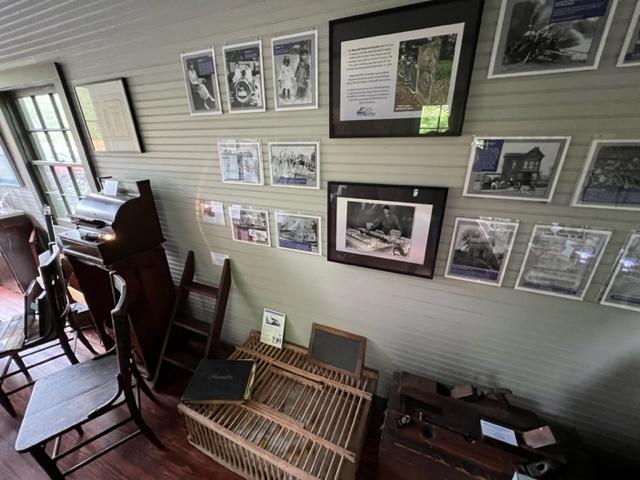
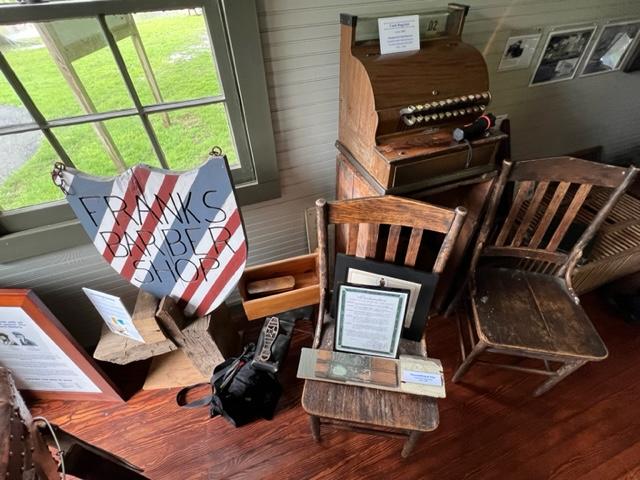
The Society recently restored the old Wyckoff barbershop that was donated to them and now sits on the town property by the Zabriskie Pond and the historic Zabriskie Home. Inside the building houses all sorts of local artifacts, farm tools and vintage furniture along with historic photos of the town of Wyckoff, NJ.
The little building sits right on the Zabriskie Pond.
The Zabriskie Pond in Wyckoff, NJ
History of the Museum:
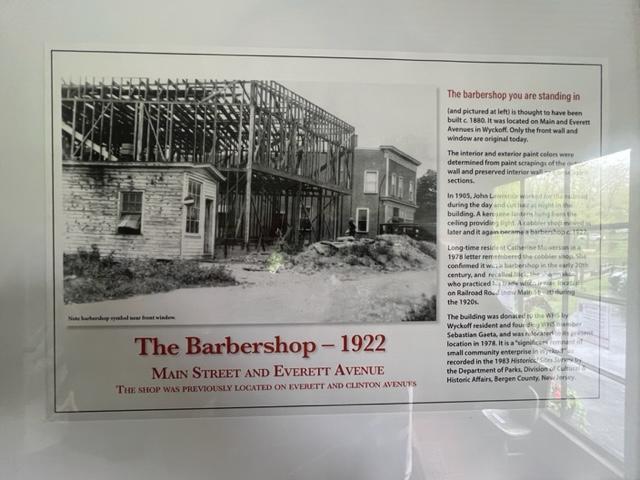
This 1890’s structure was recorded as being a barbershop in 1905 when it was owned by John Lawrence, who worked for the railroad by day and cut hair at night. It was also a cobbler shop for several years and again a barbershop. The building was on Main Street and Everett Avenue relocating to its current home and donated to the Wyckoff Historical Society by resident and member, Sebastian Gaeta.
The farming display at the Barbershop Museum
The history of the building
The building was neglected for several years and was restored several times, most recently in the summer of 2018 by the society including a full paint job of the interior and exterior and refinishing the bare floors.
The barber chair from the old barber shop
On display are artifacts from Russell Farms, a barber chair from longtime Wyckoff barber, Frank Muscara, a 1905 child’s dress, Lenape artifacts, a Hoosier cabinet and photographs.
The Native American Collection
Artifacts from Wyckoff’s past
Artifacts from old businesses in Wyckoff and the surrounding areas
The tiny museum has a display of its own history as a barbershop on the Main Street of Wyckoff, NJ and how the building served as a local center for its citizens. It was eventually moved as times changed and became the museum it is today telling the story of the Town of Wyckoff, NJ.
The history and movement of the building when it left its original location
The history of the barbershop
The history of the building and the barbershop and of Wyckoff, NJ
Where the building was located in Wyckoff, NJ
Please check their website for opening dates.
The beauty of the Zabriskie Pond on a fall day in 2022. The area is just beautiful.
The Zabriskie Pond in Wyckoff, NJ
Disclaimer: This information was taken directly from the Wyckoff Historical Society pamphlet and I give them full credit for the information. Please email them for more information.
Note: There are renovations going on at the site so please call ahead to check on hours and fees.
The Thomas Edison National Historical Park, Laboratory Complex and Glenmont home are a step back in time when machines were run by belts and pulleys and music was played on phonographs. Where to the passerby, the buildings betray little evidence of the industries they once started. Discover where America’s greatest inventor changed our world forever.
The Laboratory site Complex contains:
Visitor Center (Restrooms & Gift shop)
Chemistry Laboratory
Chemical Storage and Pattern Shop
Metallurgical Laboratory
Main Laboratory
Powerhouse
Blacksmith Shop
Building 11
Vault 12
Black Maria
Water Tower
Vault 32
Vault 33
Building 35 (Maintenance Facility)
Park Information:
The Laboratory Complex is open Wednesday through Sunday. The Glenmont Estate is open Friday, Saturday and Sunday. Glenmont tickers are limited and are distributed on a first-come, first-serve basis from the Laboratory Visitor Center. Please call for specific hours.
Fees:
Entrance Fee-$10 (Under 16 years old free)
Optional Laboratory Audio Tour-$5
Park Annual Pass-$40
Inter-agency Passes Accepted
Group Reservations: Call 973-736-0550 ext. 33
Filming and Photography: Call 973-736-0550 ext. 50
I had visited the Laboratories of Thomas Edison and it is very interesting to tour the floors of inventions. There are very innovative items that I never knew he invented, things like talking dolls and many household items for the kitchen and home.
Another room they showed was his private office where he did most of his personal work and spent his sleeping hours when working at the laboratory. Each of the rooms show how and at what stages of the invention process that each object.
Glenmont, the family home, can be a musty place in the colder months. The house smells like it is old. It needed a good airing out. The period furniture are very interesting. The house is full of Victorian elegance but it needs a good renovation. The walls and ceilings need some plastering and the home needs a good deep cleaning. Still it is interesting that for all their prestige, they still lived more like an upper middle class family.
The history Edison National Historical Park:
Thomas Edison National Historical Park preserves Thomas Edison’s laboratory and residence, Glenmont, in Llewellyn Park in West Orange in Essex County, NJ. These were designed, in 1887, by Henry Hudson Holly. For more than 40 years, the laboratory had a major impact on the lives of people worldwide. Out of the West Orange laboratories came the motion picture camera, improved phonographs, sound recordings, silent and sound movies and the nickel-iron alkaline electric storage battery (Wiki).
Edison’s home was designated as the Edison Home National Historic Site on December 6, 1955. The laboratory was designated as Edison Laboratory National Monument on July 14, 1956. On September 5, 1962, the 21 acre site containing the home and the laboratory were designated the Edison National Historic Site and overseen by the National Park Service. On March 30, 2009, it was renamed Thomas Edison National Historical Park, adding “Thomas” to the title in hopes to relieve confusion between the Edison sites in West Orange and Edison, NJ. Following extensive renovations of the laboratory complex, there was a grand reopening on October 10, 2009 (Wiki).
Historic Glenmont Mansion:
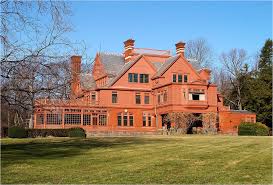
Thomas Edison resided at Glenmont, his 29 room Victorian mansion, for over half his lifetime. Its architect, Henry Hudson Holly, is considered to be the father of the Queen-Anne style architectural movement in the United States. Holly’s crowning achievement, Glenmont, was part of a working estate which presently contains six outbuildings including a barn and a greenhouse. Examples of Thomas Edison’s poured concrete structures, the auto garage and the potting shed are also still in existence. (Wiki).
Thomas Edison’s Home “Glenmont”
The interior of the fully furnished Victorian home is a rare example of Pottier & Stymus interiors, a New York decorating firm that lost the majority of its records in a catastrophic warehouse fire in the year 1888. Glenmont’s interiors display rare examples of the firm’s modern Gothic style furniture suites and also include decorative arts objects chosen by the company to outfit this home in Victorian style. The Edison family appreciated the original interiors, consequently making only minimal changes to the home’s decoration during their residency (Wiki).
Glenmont’s period rooms reflect examples of the era’s Eastlake style and Aesthetic Movement style interiors. The first floor library boasts hand stenciled walls in flat, stylized floral patterns with a ceiling of distemperment. Tall case cabinets store leather bound volumes. The decorative arts collection at Glenmont ranges from major works of art and sculpture to everyday objects. The collection, consisting of 40,000 items, includes remarkable examples of Hudson River School artists and antiques (Wiki).
Examples of more utilitarian items include the Edison china collection, still housed in the historic Butler’s Pantry, the household linen collection, family toiletry items, books and household receipts that detail purchases made by the Edison family. These vouchers reveal to us the Edison’s choice of household products and their spending habits (Wiki).
Disclaimer: The above information on the history of the house and labs came from Wiki and I give the format full credit for the information. The above information also comes from the National Parks Services pamphlet and I give them full credit for the Visitor’s information.
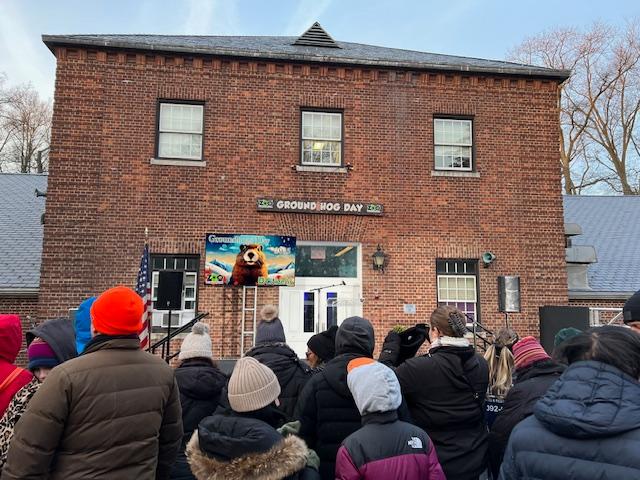
The front of the Staten Zoo on Groundhog’s Day in 2025
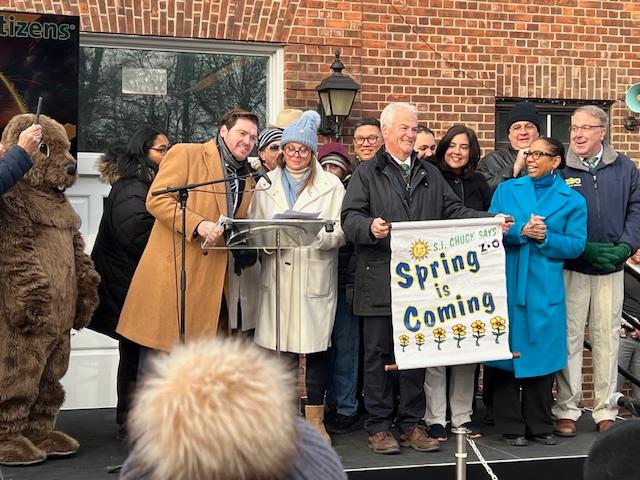
The ceremony for Groundhog’s Day in 2025
I wanted to celebrate Groundhog’s Day this year and had fully planned to go to Punxsutaway, PA to see the Groundhog’s Day festival again (see Day Thirty-Seven of ‘MywalkinManhattan’) but a ‘Arctic Vortex’ swept all over the Midwest with its fringes reaching the middle of Pennsylvania. It would be 30 degrees on Groundhog’s Day with a temperature of 4 degrees that night. The thought of sitting in Gobbler’s Knob in almost 0 weather had no appeal to me and I changed my plans. I had remembered that there was a festival on Staten Island at the Staten Island Zoo with ‘Staten Island Chuck’ on Groundhog’s Day so off I went early the next morning to see the groundhog see his shadow.
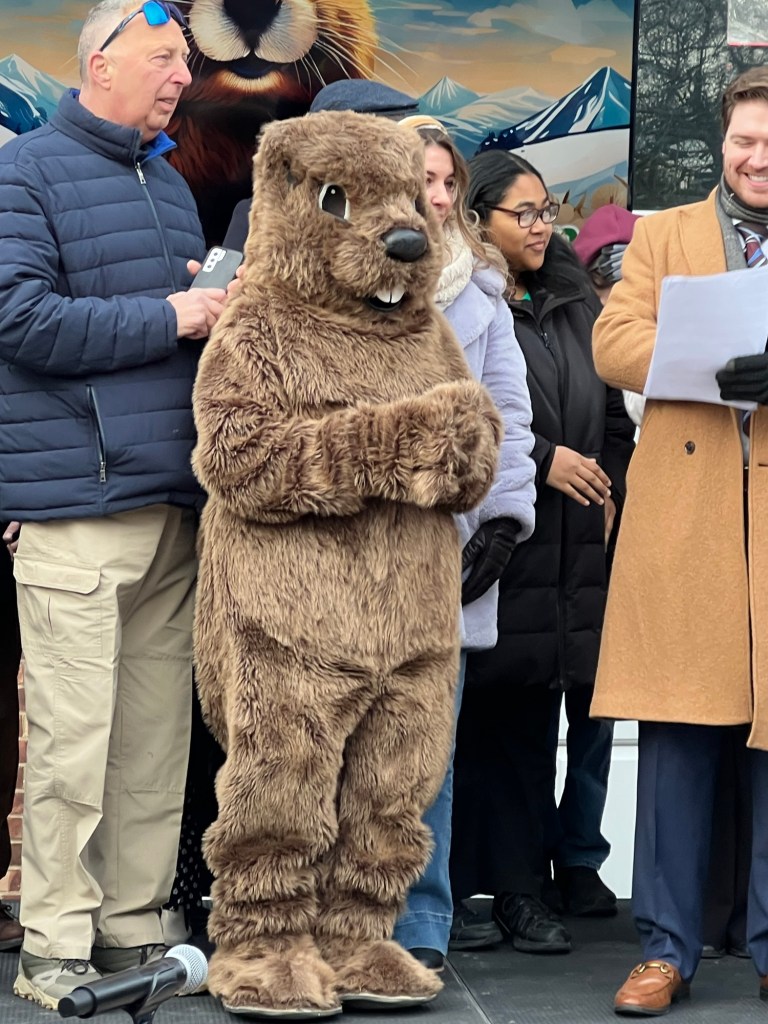
Staten Island Chuck during the ceremony in 2025
The Staten Island Zoo had a fun and engaging Groundhog’s Day ceremony (see Day One Hundred and Thirty One of ‘MywalkinManhattan’) with a musical concert with the students of P.S. 29 and a private band who made up a song to go with the festival. At 8:00am, they presented Staten Chuck to the audience and he told us that there would be an early spring (its still freezing out!).
The Groundhog’s Day ceremony in 2025
The video on the event in 2025:
After the ceremony was over, the Zoo gave us plenty of time to explore the park before it opened to the public. With it being so cold outside, a lot of the outdoor animals were not in their pens outside but I was able to most of the exhibits.
Map of the Staten Island Zoo
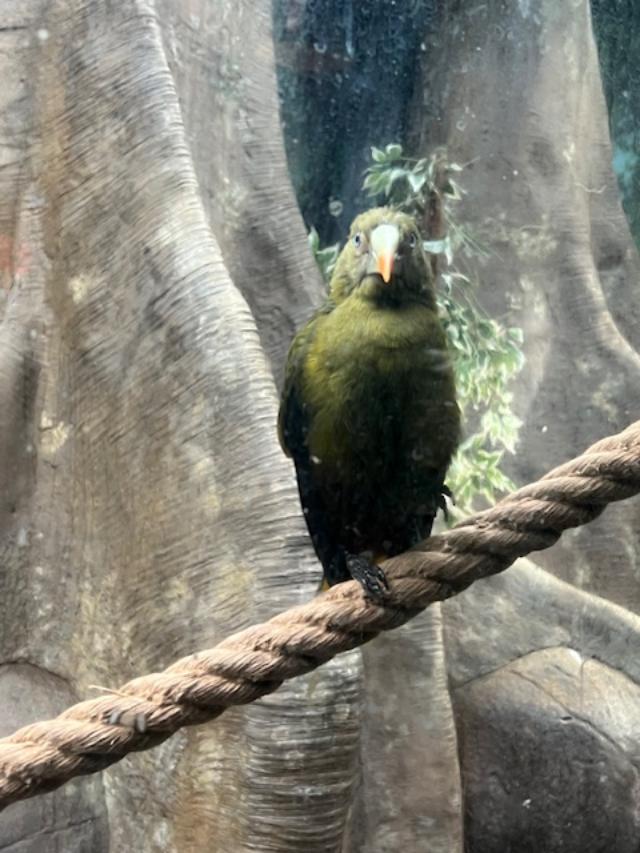
I was able to visit all the inside exhibitions which was nice because the crowds began to thin as the morning went on. It is a nice sized zoo with a lot of indoor exhibitions for a rainy or cold day. I visited the Birds of Prey exhibit which contains many types of birds in their simulated natural habitat. There were some interesting colorful birds that the zoo keepers took out so that we could see them up close.
The Bird display at the zoo
There was a Fox exhibition where the small furry creatures were crawling and climbing all over the rocks and formations. They just stared at me looking at them leading me to believe that they were used to humans looking at them. There were all sorts of animals that stare back at you. The Meerkats were very playful and really started at me like they knew who I was.
The Meerkat display inside
The Meerkats are so playful when I was visiting
The video on these Meerkats playing in front of me:
The Meerkats being playful and trying to get my attention:
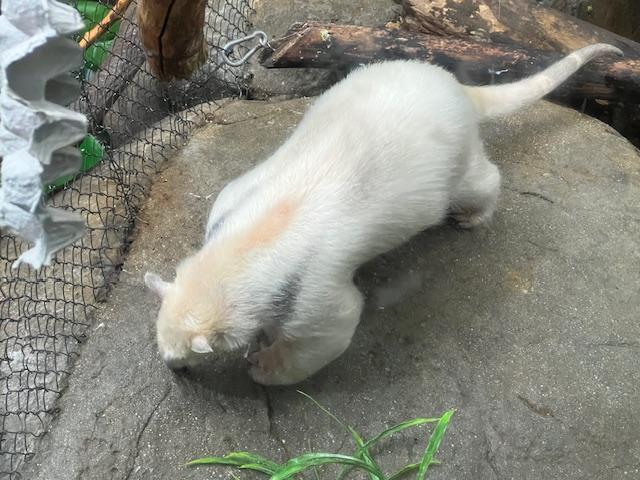
The furry anteater
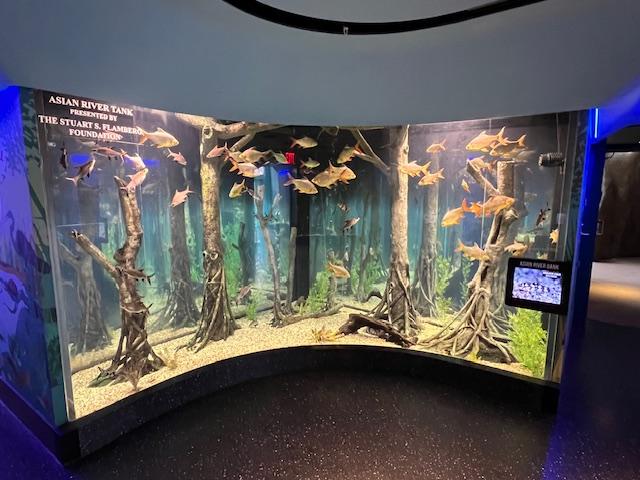
I walked through the African, Tropical Forest and the Aquarium which were located towards the front of the zoo. I walked through the aquarium which is small but still nice and you are able to see many types of fish and plant life.
The Aquarium tanks at the zoo
The Aquarium tanks from the Asian River Tank
The Starfish tank in the tanks
The Pacific Kelp Forest with kelp and starfish
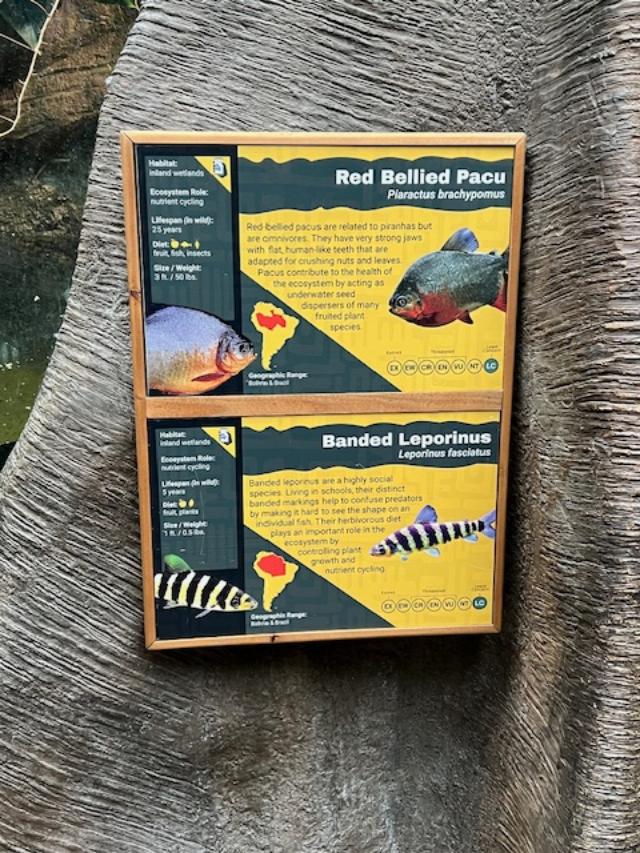
The Red Bellied Pacu fish display in the Jungle exhibition
The Pacu sign describing the fish
The Pacu fish in the display
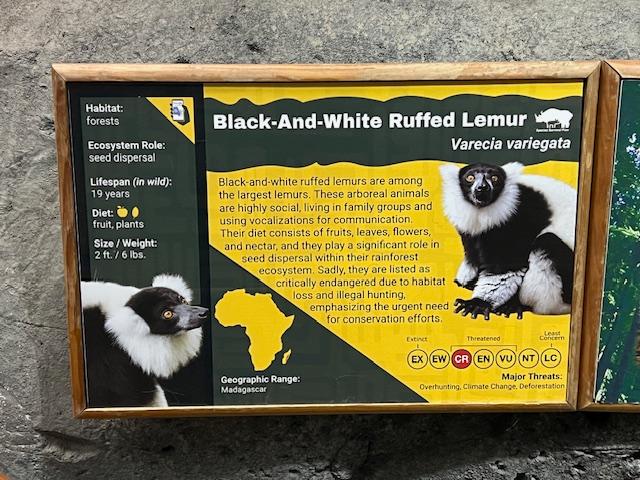
In the African exhibition, I loved looking at the bearded monkeys who just looked back at me and then it was off to the reptile wing to look at snakes, turtles and frogs.
The display of the Lemur monkeys
The Lemur just stared at me
I went outside later in the morning and looked at the horses (who looked freezing) and the kangaroos, who looked at me like they wanted to run back inside (it was about 35 degrees at that point). The emus looked at me with desperation as well like ‘at least he is going to feed us’ look.
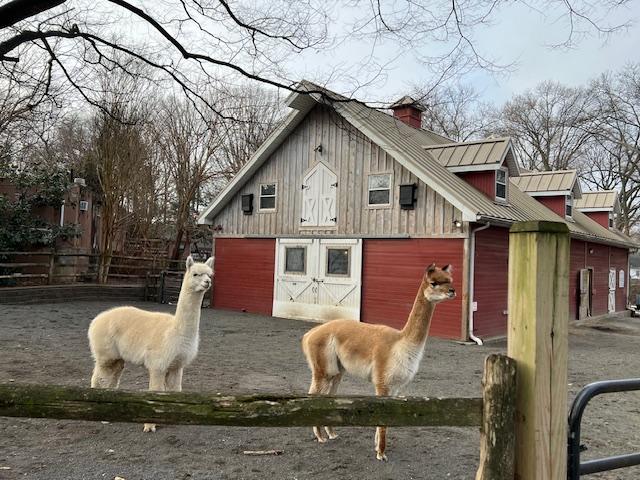
The Llamas and Pony looked at me like they were shivering
None of the outdoor animals looked comfortable in this weather. Even Staten Island Chuck was inside because his keeper said that it was too cold even for him to be outside.
The Llamas looking at all of us when we were walking around
The one thing about the Staten Island Zoo is that it is compact and you can see the whole zoo in one afternoon. There is also plenty of parking behind the zoo in the park.
The small goats at the zoo
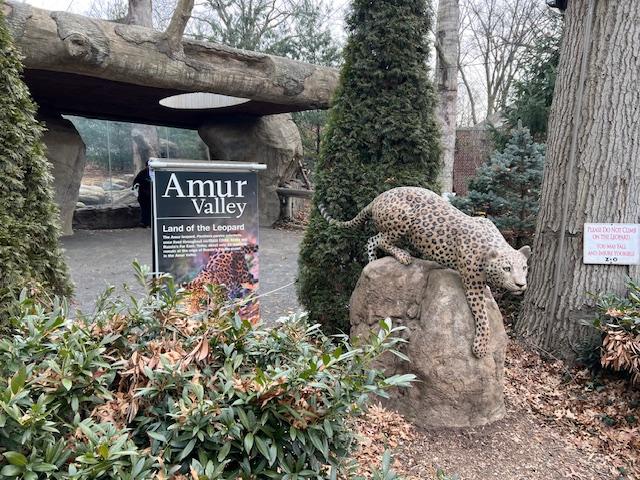
The Leopard exhibition and the poor Leopard looked so cold
The Leopard looked so cold
The Zoo also has a nice gift shop, where a ‘Staten Island Chuck’ stuffed animal will cost you $20.00 ( in 2020 I bought the little stuffed animal. It is really cute). There is also a restaurant with stand kid fare like chicken fingers and burgers in the afternoon hours. There selection of doughnuts are really good. For a dollar, it is worth the trip.
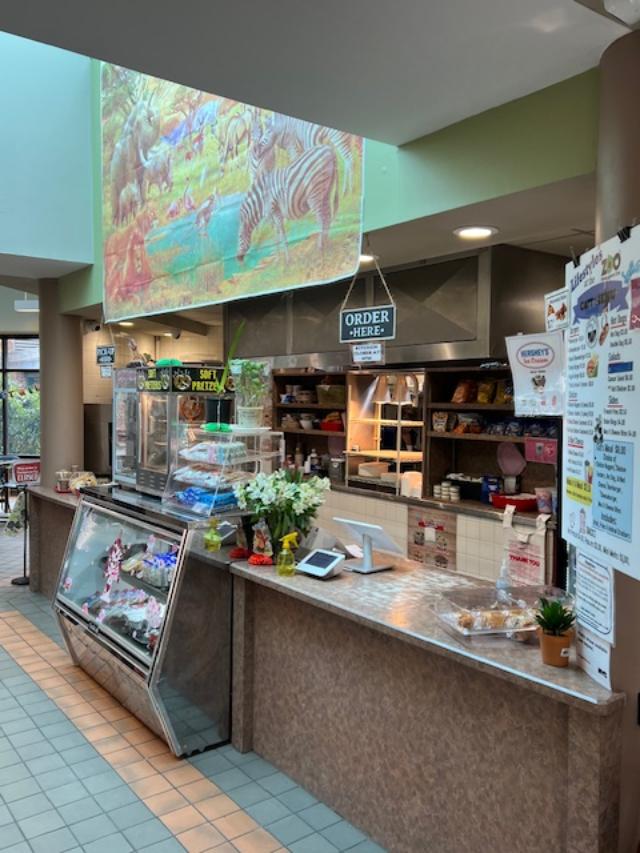
The Staten Island Zoo Snack Shop
The menu is very basic but the food is really good
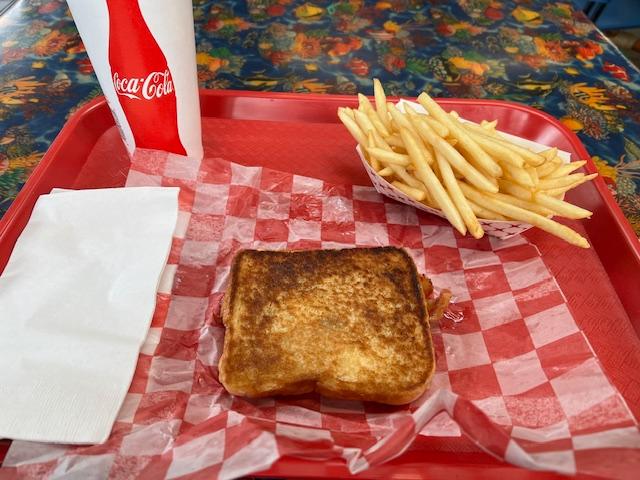
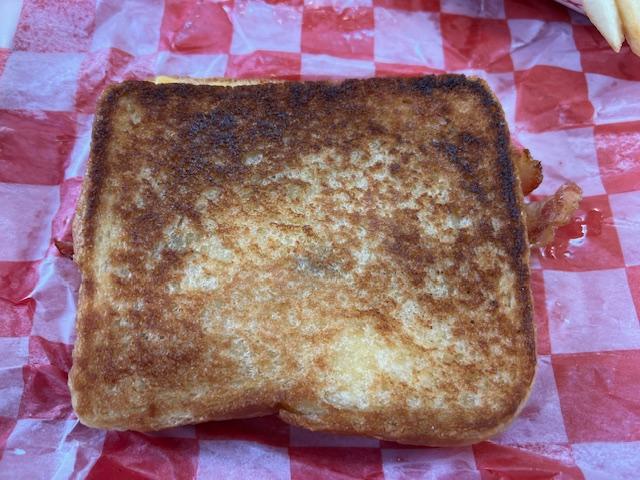
I ate a early lunch at the Snack Shop and the food is very reasonable. I got a Grilled Cheese with Bacon with a side of French Fries and a Coke and it was really good. The selection of items are the typical items that appeal to children and adults alike.
The Grilled Cheese lunch at the Staten Island Zoo Snack Shop
I would highly suggest the Grilled Cheese with Bacon as savory and buttery and was really gooey. The perfect comfort food on a cold day.
The Grilled Cheese with Bacon was the perfect lunch on a cold day
The gift shop has a lot of fun things to buy and I did buy a Staten Island Chuck in 2020 when I visited the second time. It really is a great toy and memento of the event.
The stuffed Staten Island Chuck is the perfect gift to remember the event
The Groundhog Day ceremony in 2020!
Watch the video on the event right before the country’s shutdown:
Check out my blog on ‘Visiting the Staten Island Zoo for the Groundhog’s Celebration Day One Hundred and Thirty-One’:
After visiting the zoo, take time to walk through the park and then walk down Forest Avenue to visit the shops and restaurants. Don’t miss Bruno’s and Moretti’s Bakery’s for a snack.
Very clever cartoon when the Mayor dropped the Groundhog.
Chuck predicted Spring would come early in 2025
Spring is in the air in 2025
The History of the Staten Island Zoo:
(from the Zoo website)
In August 1933, the Staten Island Zoological Society was created and the park built by the Civilian Conservation Corps. On March 25, 1935, the Egbert-Robillard Bill was passed by the New York State Senate to have the city provide maintenance for the zoo. Two months later on May 7, 1935, the Governor of New York signed an agreement to allocate public fund for the zoo to cover operational and maintenance costs while the exhibits, animal care and educational programs were to be maintained by the Staten Island Zoological Society. With the land now owned by the city and a program to convert the 8 acre estate into a zoo. The zoo opened to the public on June 10, 1936 and was considered the first U.S. “educational zoo”. (Wiki)
The murals made of tile in the Jungle exhibit
Staten Island Zoological Society:
(from the Zoo website)
Unlike all the other zoos in New York City, which are operated by the Wildlife Conservation Society, the Staten Island Zoo is operated by the Staten Island Zoological Society which was created in August 1933 under the organization of Harold O’Connel. Local legend maintains that the society was partially formed from the Staten Island Reptile Club, which was located nearby on Britton Street and Broadway.
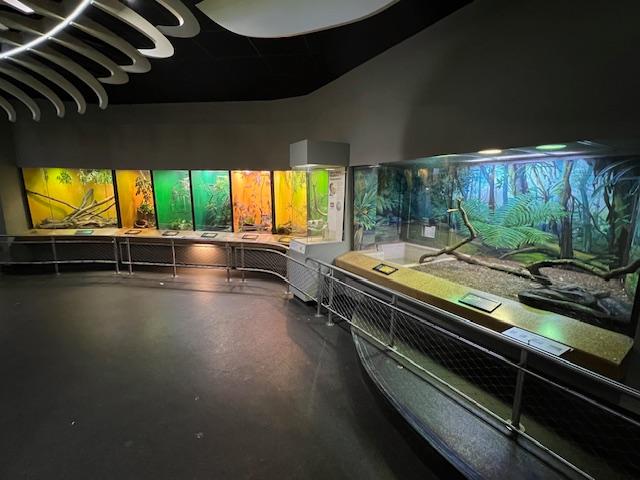
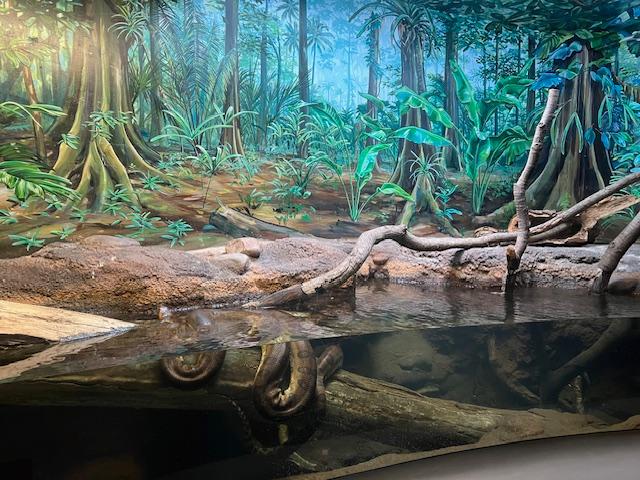
The Reptile Room at the Zoo
The snakes in the Reptile Room
Although no written documentation exists regarding the merger it would explain the newly formed Staten Zoological Society’s affinity for reptiles and why the zoo was (and still is) known for its extensive reptile collection. Just short of one year after its organization on July 24, 1934, the Staten Island Zoological Society was officially incorporated. (Wiki)
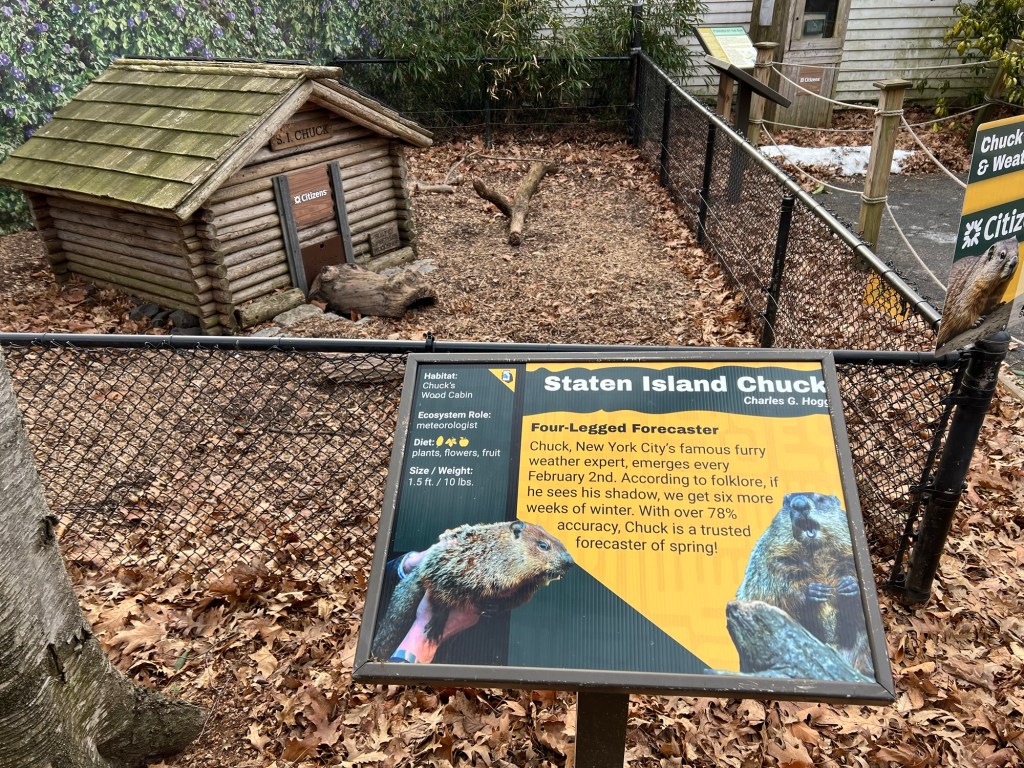
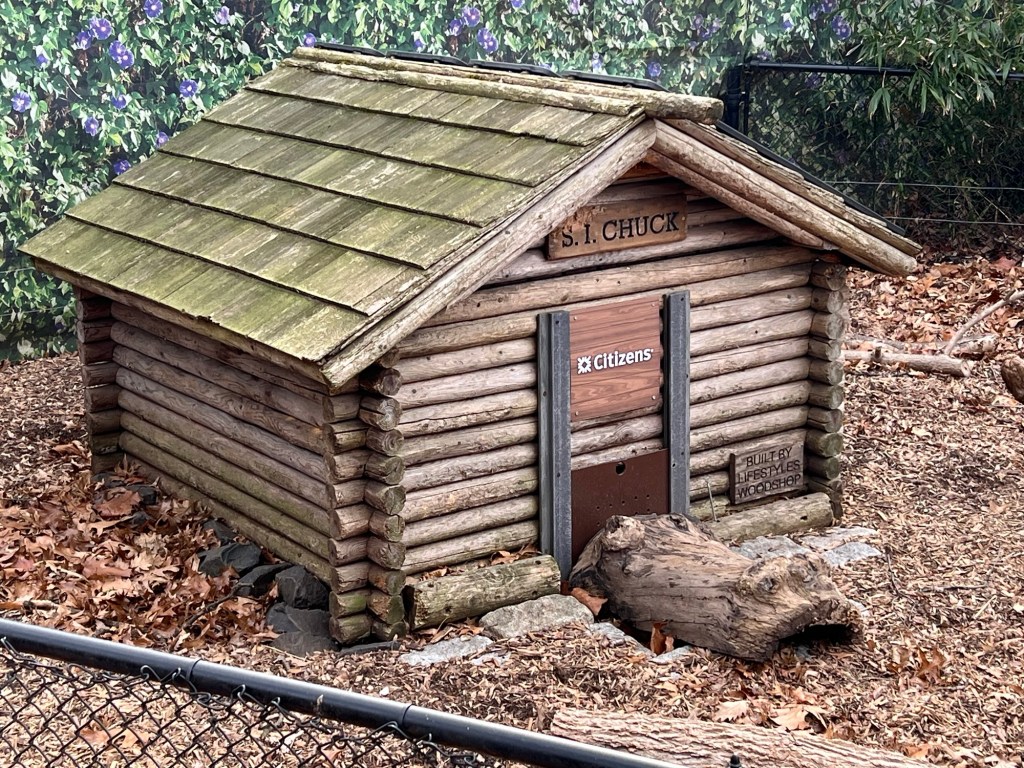
Chuck’s Home at the Zoo
Chuck looked really cold in 2025
The zoo is home to Staten Island Chuck, a groundhog who is the official Groundhog Day forecaster for New York City and Grandpa, a black-handed Spider Monkey, who made local newspapers when he accurately ‘predicted’ the outcome of six out of nine matches during the U.S. Open Tennis Championship. (Wiki)
The presentation in 2019:
Staten Island Chuck Festival 2019
The presentation in 2025 at the Staten Island Zoo:
The musical performance of the band live singing ‘Staten Island Chuck’:
The live musical performance at the event
There was also a second song about Groundhog’s Day:
The second song on Groundhog’s Day
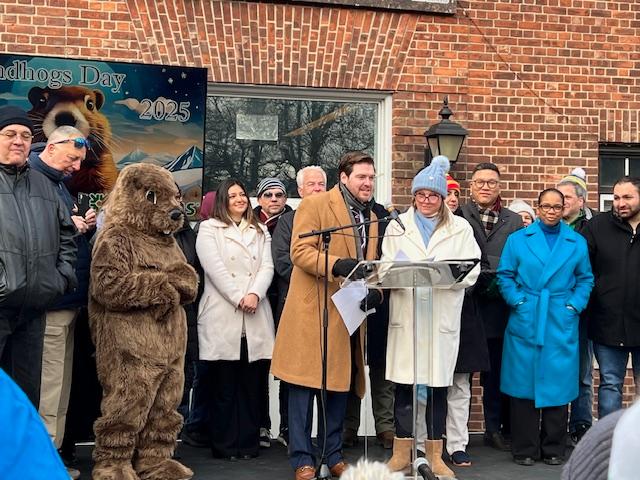
The ceremony was a little on the long side because every politician had to chime in but still was a lot of fun:
The Opening Ceremony in 2025
The next person to talk was the Zoo Director:
The Staten Island Zoo directors speech
It was nice to welcome back the choir of P.S. 29 in Staten Island who had entertained us back in 2019. They had not been there in 2020 during the start of the pandemic.
The musical performance of P.S. 29
The prediction of an early Spring:
The prediction was of an early Spring
Meanwhile in Punxsutawney Phil predicted six more weeks of Winter. It depends on who you want to listen to in the forecast. Once they finished the ceremony, everyone took pictures with Chuck and then they put the poor, cold guy away.
Chuck’s home at the Zoo
Chuck’s private home at the zoo
His personal sign
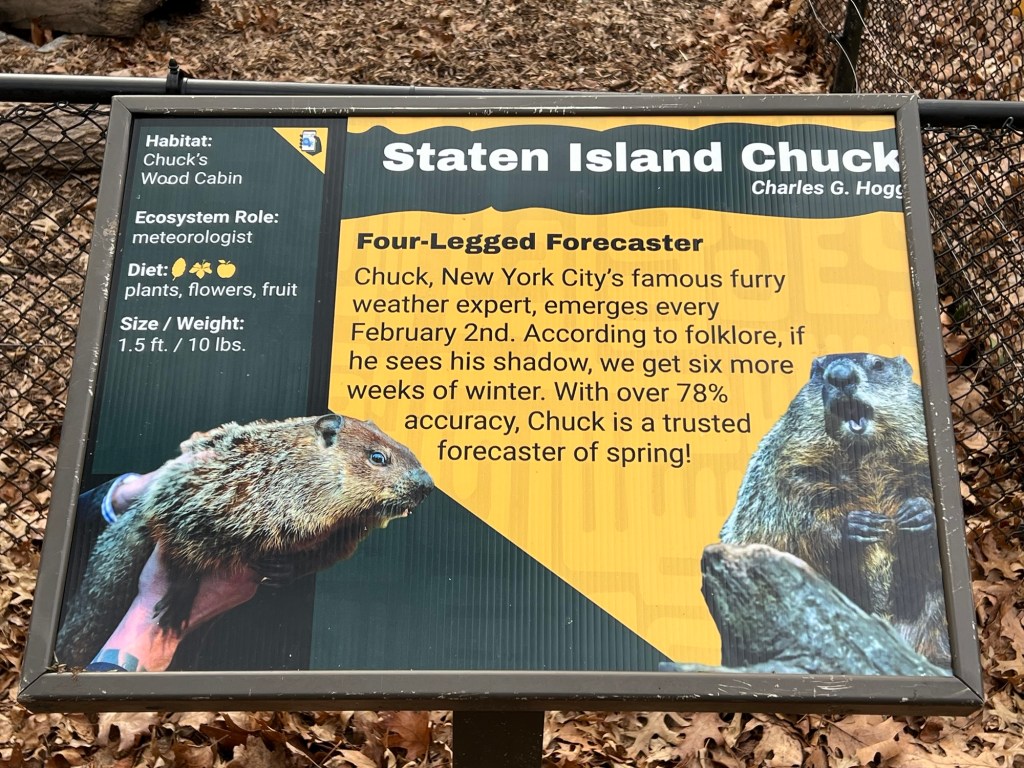
The story of the Groundhog
The sign on Groundhog’s Day at the Staten Island Zoo
I visited the Hereford Lighthouse Museum recently (See my review on TripAdvisor) and toured the building and grounds. It was three floors of vintage furnishings, artifacts from the nautical era and the items from a working lighthouse, past and present.
The first floor meeting room.
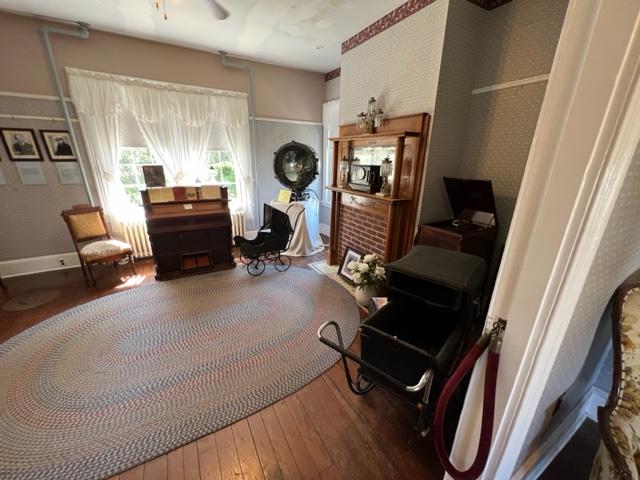
The Living Room of the Hereford Lighthouse.
The Living Room of the Hereford Lighthouse.
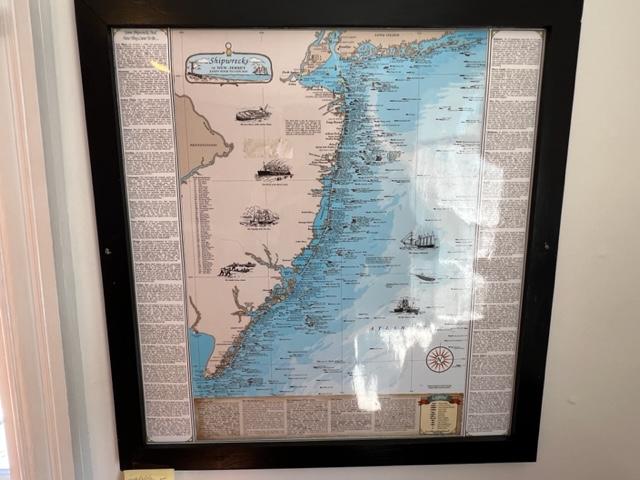
There was an interesting display of ship wrecks and their history, the role of lighthouses in New Jersey and their past and an interesting storyboard of the lighthouse keepers and the families that lived there at all stages of the history of the lighthouse.
The shipwrecks of the Jersey coastline
The shipwrecks off the coast of New Jersey.
The Hereford Victorian Lighthouse Museum and Gardens is a working lighthouse as well as a museum. Visitors will learn about the historic structure’s history and get a glimpse into the life of a lighthouse keeper in the late 19th and early 20th centuries (Hereford Lighthouse Museum).
The Children who lived in the Hereford Lighthouse.
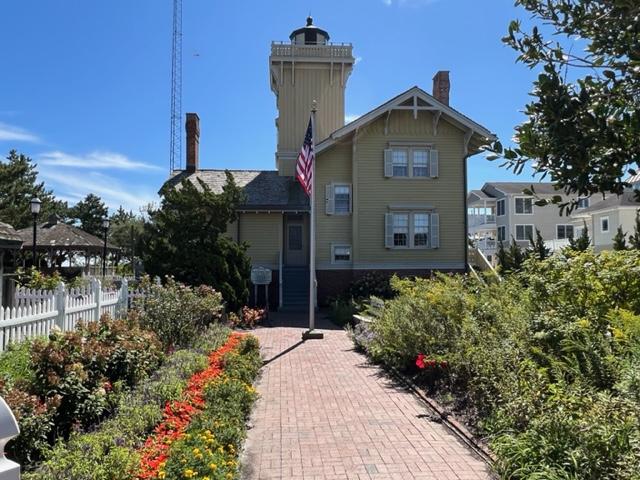
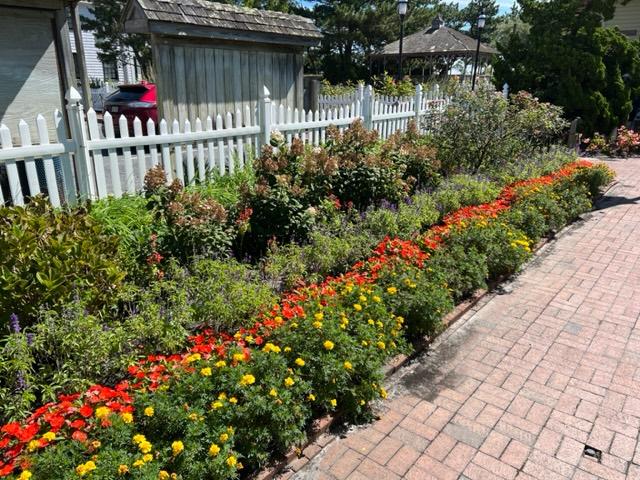
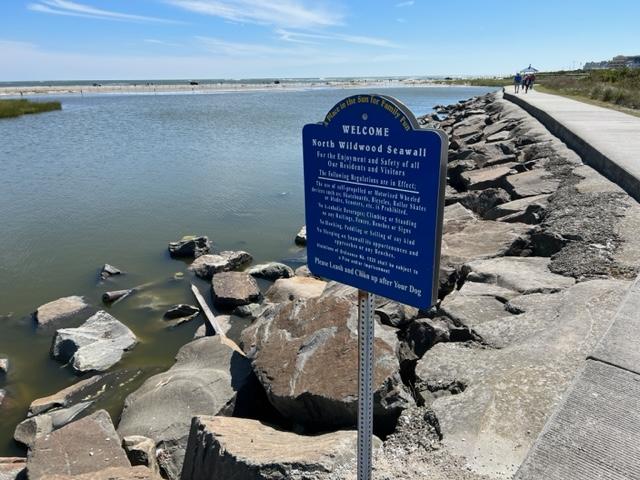
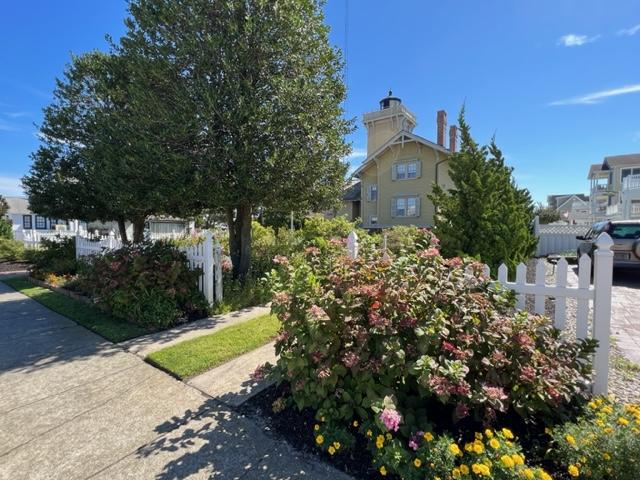
Nestled into one of the most scenic settings in the State, the lighthouse overlooks the picturesque Hereford Inlet and the Atlantic Ocean. A park surrounding the building overflows with numerous flower gardens that have won many awards. Benches, a gazebo and a seawall observation deck allow visitors to linger and take in all the beauty (Hereford Lighthouse Museum).
The seawall just outside the lighthouse.
There is a gift shop located on the first floor of the lighthouse.
History of the Lighthouse:
(from the museum website)
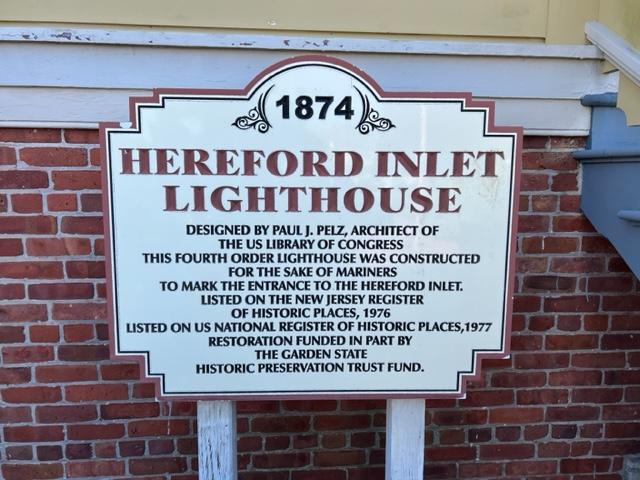
The Lighthouse sign welcomes you.
Historic and picturesque Hereford Inlet Lighthouse, a beacon of safety and assurance to the 19th century mariners, has become a cherished landmark for residents and visitors of this seashore resort community.
The Lighthouse is situated on the south side of the Hereford Inlet, which leads from the Atlantic Ocean to the famed Intra-Coastal Waterway linking Maine to Florida. First used by the 17th century whalers to haul in and butcher their catches, the Inlets use as a haven to mariners greatly increases as travel and shipping along the coast became more prevalent.
The front of the lighthouse and the front gardens.
Strong currents and shifting sandbars near the entrance to the Inlet caused frequent groundings and shipwrecks. Because of this, in 1849, a Life Saving Station was constructed along the south bank of the Hereford Inlet. A second, larger station replaced this in 1871, the time of the creation of the United States Life Saving Service. As the use of the Inlet and coastal shipping continued to increase, so did the number of shipwrecks. It became obvious that a Lighthouse was needed to mark the mouth of the Inlet.
On June 10th, 1872, Congress enacted legislation to finance the purchase of land and the construction of a fourth order Lighthouse. The site chosen held a prominent position on the dune area overlooking the approach to the Inlet.
The view from the top of the lighthouse.
Construction bean on the uninhabited barrier island on November 8, 1873 and was completed on March 30, 1874. This wood frame residential style Lighthouse was designed by the Lighthouse Boards Chief Draftsman, Paul J. Pelz. His Victorian era design is referred to as Swiss Carpenter Gothic and also Stick Style.
Hereford is the only Lighthouse like it on the East Coast although it had five sister lights on the West. Pelz designed Point Fermin, East Brother, Mare Island and Point Hueneme in California and Point Adams in Washington State. All of these were almost identical to Hereford and were built about the same time. Only Point Fermin and East Brother still exist. Paul Pelz would later garner world wide fame as the designer of the Library of Congress in Washington DC.
The view from the top of the lighthouse.
On May 11, 1874, a Notice to Mariners formally announced the start of operation of the Light. The fixed white light was located at latitude 39 degrees and longitude 74 degrees, 47 minutes. The tower height is 49 1/2 feet with the light elevation rising to 57 feet above sea level. The light is visible at a distance of 13 nautical miles.
John Marche was the first Lighthouse Keeper. He was in the post less than three months when he drowned when his boat capsized while returning to the mainland. He was replaced by a young man from Cape May Court House, Freeling Hysen Hewitt.
Freeling was a civil war veteran and a former merchant seaman. He would stay on as the keeper of the Light for the next 45 years. Freeling was considered a Pioneer of the island and among his many contributions, held the first formal religious services to occur in the Wildwood’s, in the Lighthouse parlor.
In 1888, a third larger Bibb#2 style Life Style Station was constructed three hundred feet Northwest of the Lighthouse. The Lighthouse Service and the Life Saving Service were both run by the Department of the Treasury but were separate organization. They were, however, both in the business of saving lives. The Lighthouse by warning and the Life Saving Service by rescue.
Hereford stood firm against the onslaught of the winds, rains and tides for 40 years at its original location. A severe storm in August of 1913 significantly damaged the foundation, requiring it to be moved westward 150 feet to where it sits today.
In 1915 the Coast Guard absorbed the duties of the U.S. Life Saving Service. A larger building was needed and in 1939 the modern Roosevelt Style Coast Guard Station was constructed. This Station also had a boathouse and a maintenance garage. These are the white buildings just north of the Lighthouse. 1939 was also the year that the Coast Guard took over control of the Lighthouse Service.
For the next 25 years the Hereford Lighthouse continue in operation. By the early 1960’s the Coast Guard began to automatize many of its many of its lighthouses. In 1964 this was the fate of Hereford when an automatic rotating modern optic was placed on an iron skeletal tower behind the Lighthouse. The Lighthouse was closed as was the Coast Guard Station next door. The entire property was transferred to the control of the New Jersey State Marine Police. The Police made use of the Coast Guard Buildings but the Lighthouse was boarded up and left to deteriorate for the next 18 years.
In 1982 through the long and painstaking efforts of Mayor Anthony Catanoso and his wife, Phyllis, a lease was signed Whereby the New Jersey Department of Environmental Protection turns over the stewardship of the Lighthouse to the City of North Wildwood.
The Children’s Room at the Hereford Lighthouse.
Restoration of the neglected building was immediately begun. After only ten months of intense work, on July 1, 1983, a portion of the restored building was opened to the public. Hundreds of public spirited citizens who helped raise funds for the restoration and contributed time, talent, energy and materials were on hand to celebrate the official reopening of the historic landmark for public use.
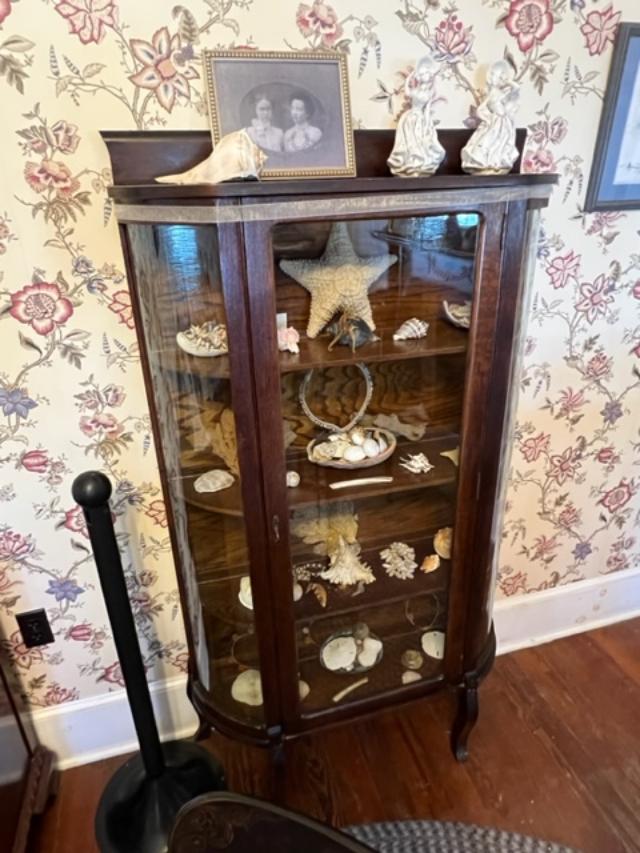
The Shell Collection in the Living Room of the Hereford Lighthouse.
In 1986, the modern automated light was removed from the iron tower and placed in the Lighthouse lantern room making it a fully functional aid to navigation once again.
Efforts were then begun to also create a museum in the Lighthouse. The interior of the building was furnished with period antiques, educational displays and lighthouse memorabilia. The 4th order Fresnel Lens was also restored and placed on display on the 2nd floor of the Lighthouse.
The Fresnel Lens at the Hereford Lighthouse
A project to improve the sandy, barren grounds into a park was undertaken by Superintendent of Parks Steve Murray, who designed the Park along with its many garden areas.
Finally an authentic restoration of the entire Lighthouse was begun in 1998 and as with many old, historic structures is always a work in progress. Grants awarded by the New Jersey Historic Trust and the N.J. Department of Transportation have helped finance this work.
The Hereford Lighthouse is listed on both the National and State Registers of Historic Places. It is also part of the New Jersey Coastal Heritage Trail.
The pictures of the Lighthouse Keepers over the years.
Keepers of The Hereford Inlet Lighthouse:
John Marche: 1874
John Nickerson: 1874
Freeling Hewitt: 1874-1919
William Hedges: 1919-1925
Laura Hedges: 1925-1926
Ferdinand Heizman: 1926-1939
Robert O’Neil: 1939-1942
George Baker: 1945-1955
Newman Bowden: 1955-1959
Bruce Bolon: 1960-1961
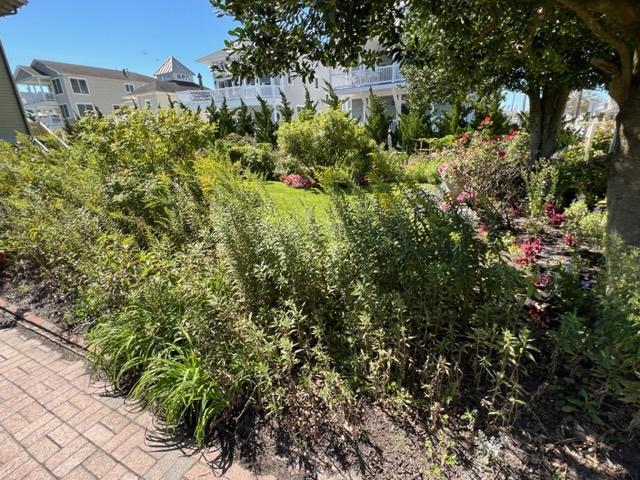
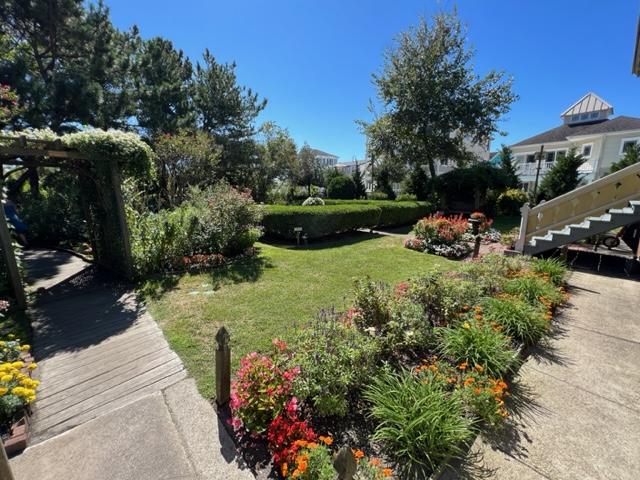
In the back of the Lighthouse is a wonderful set of gardens maintained by the local Garden Club.
The back gardens are beautifully maintained.
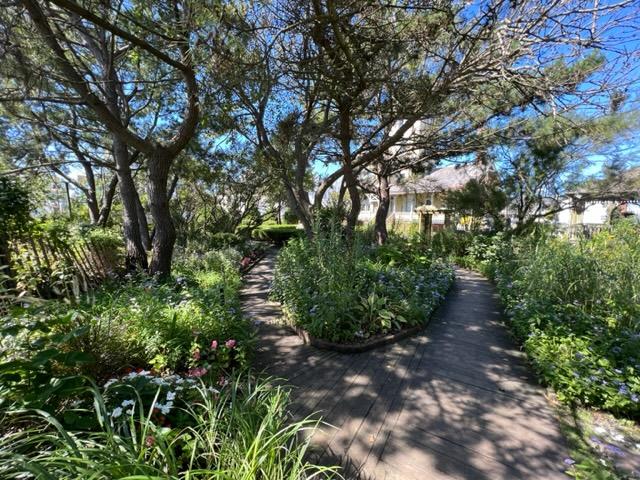
The back garden paths.
The back paths of the formal gardens in the back.
The paths leading to the seawall.
The lawns and gardens in the back of the lighthouse.
Disclaimer: This information was taken from the Hereford Lighthouse History website and I give the museum full credit for this information. Please call ahead before visiting in the off-season to see when the museum is open. It is a fascinating piece of New Jersey history.