Tag: Small Museums of New Jersey

Beach Haven Library & Museum                                    219 North Beach Avenue                                               Beach Haven, NJ 08008

Beach Haven Library & Museum 219 North Beach Avenue Beach Haven, NJ 08008

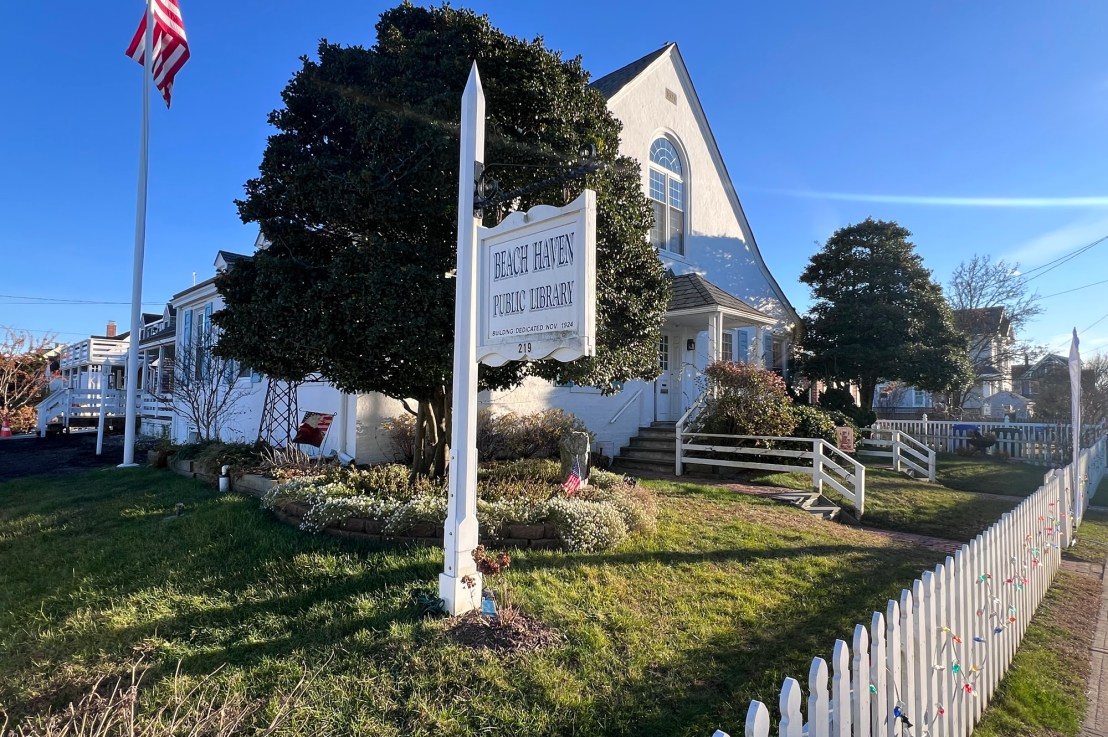
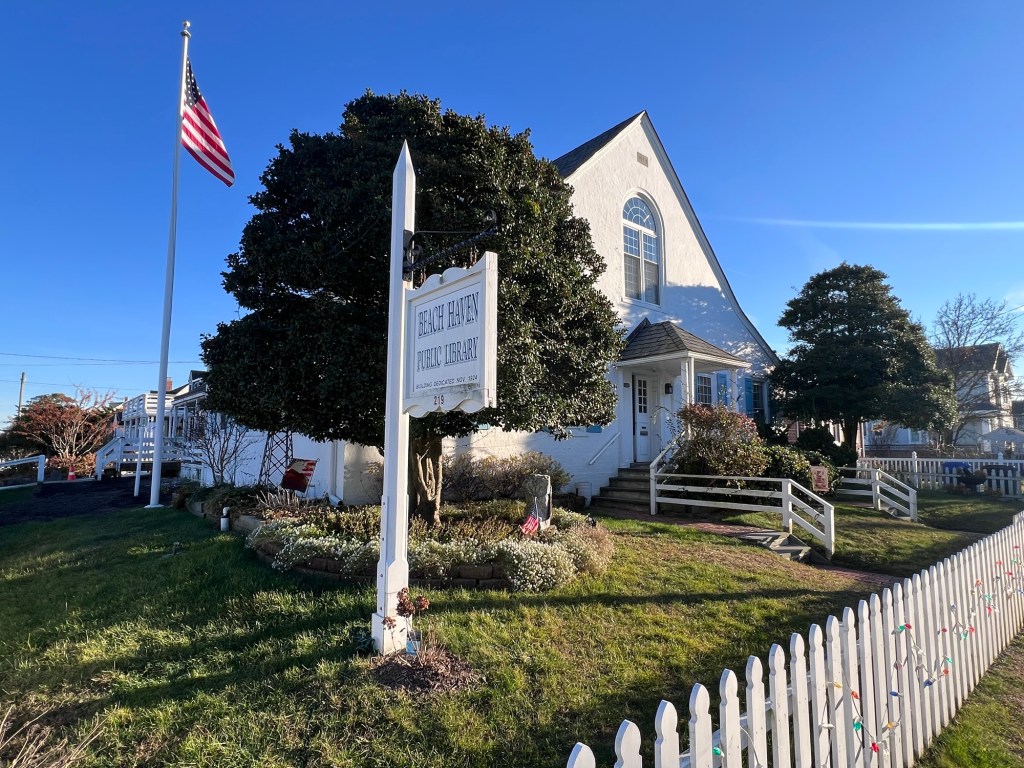
The library at 219 North Beach Haven Avenue

https://www.beachhavenlibrary.org/

https://www.instagram.com/bhpl1924/

My review on TripAdvisor:
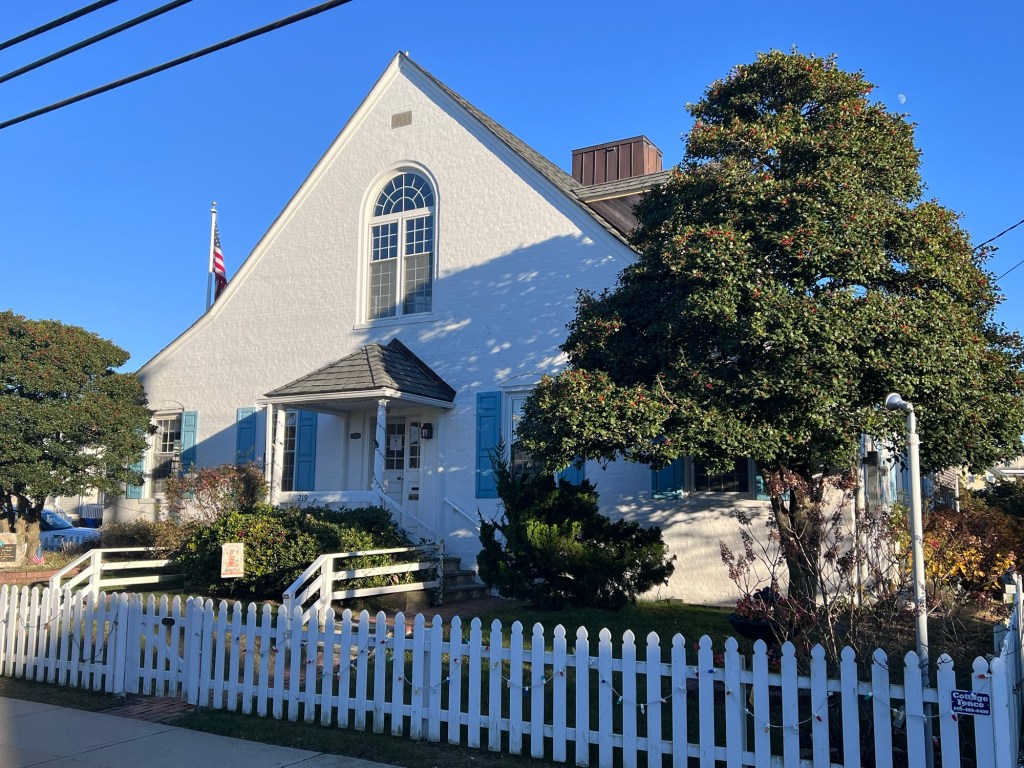
The front of the library and museum in the Fall of 2025
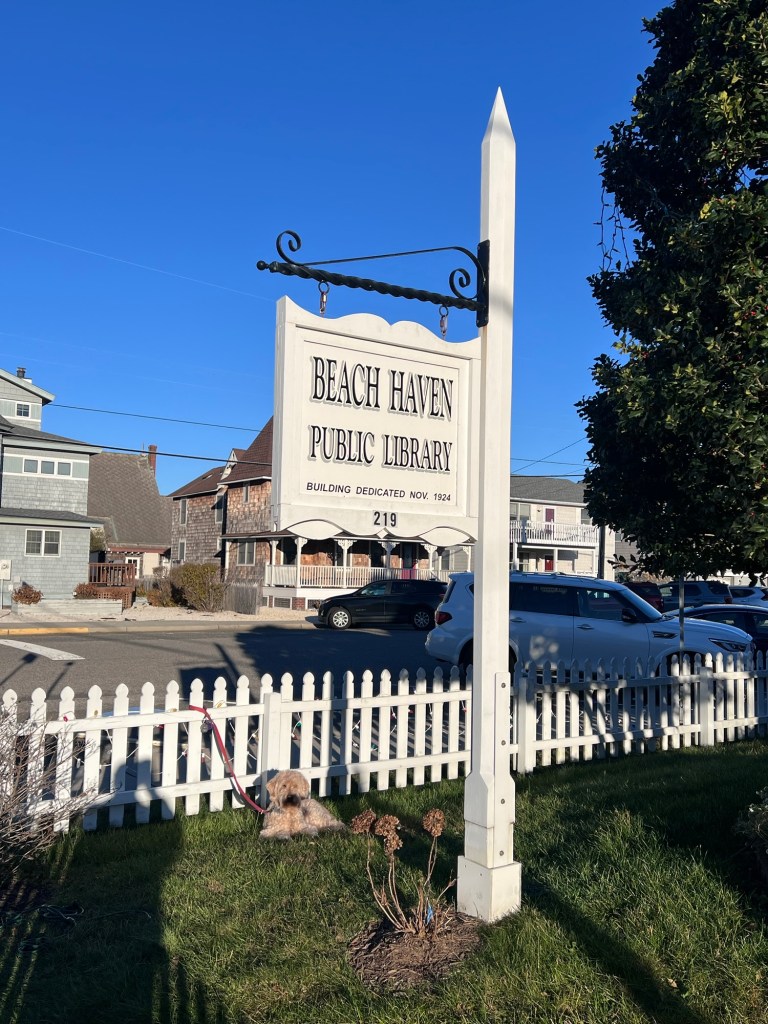
The historic sign

I recently visited the Beach Haven Library and Museum in Beach Haven during the holiday season and discovered a historical library with a rich history in both the community and on Long Beach Island.
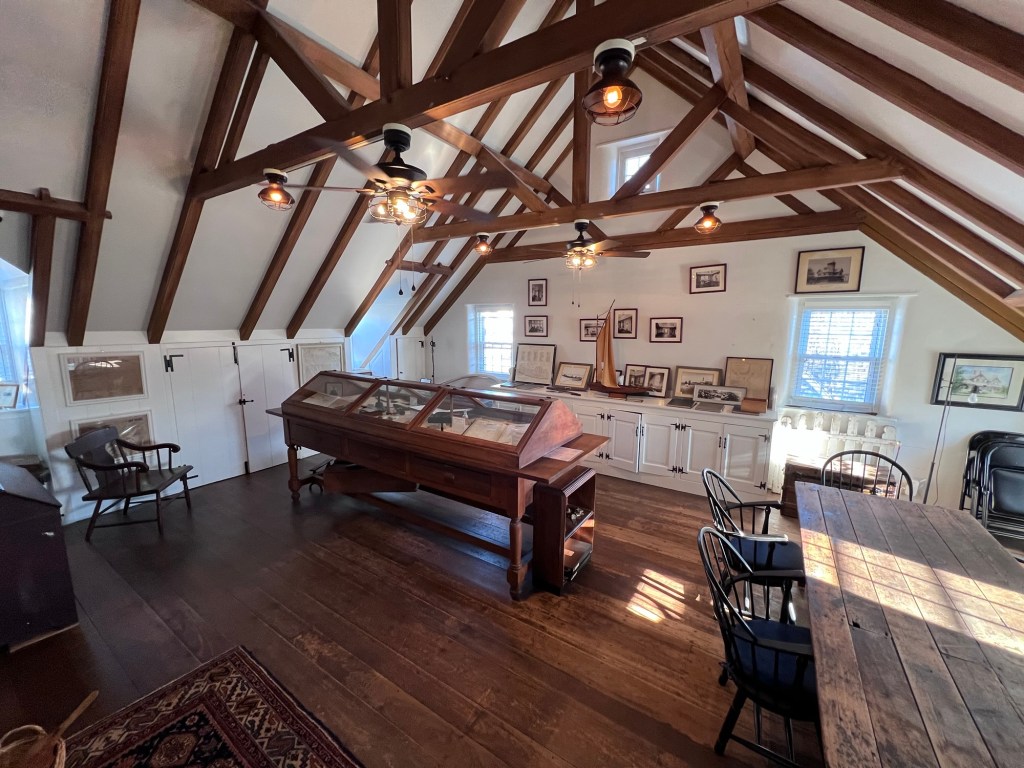
The museum on the second floor

On the second floor of the library is the history room of the Beach Haven Library that contains a collection of historic artifacts and ledgers from hotels and businesses on the island. Each of the case lines tells a different story of the community from the grand hotels that once lined the shore and have since disappeared to the lives of the families that once called the island home. When I talked with one of the librarians, she told me that estates from the area donate these items to the library and this has established their collection.
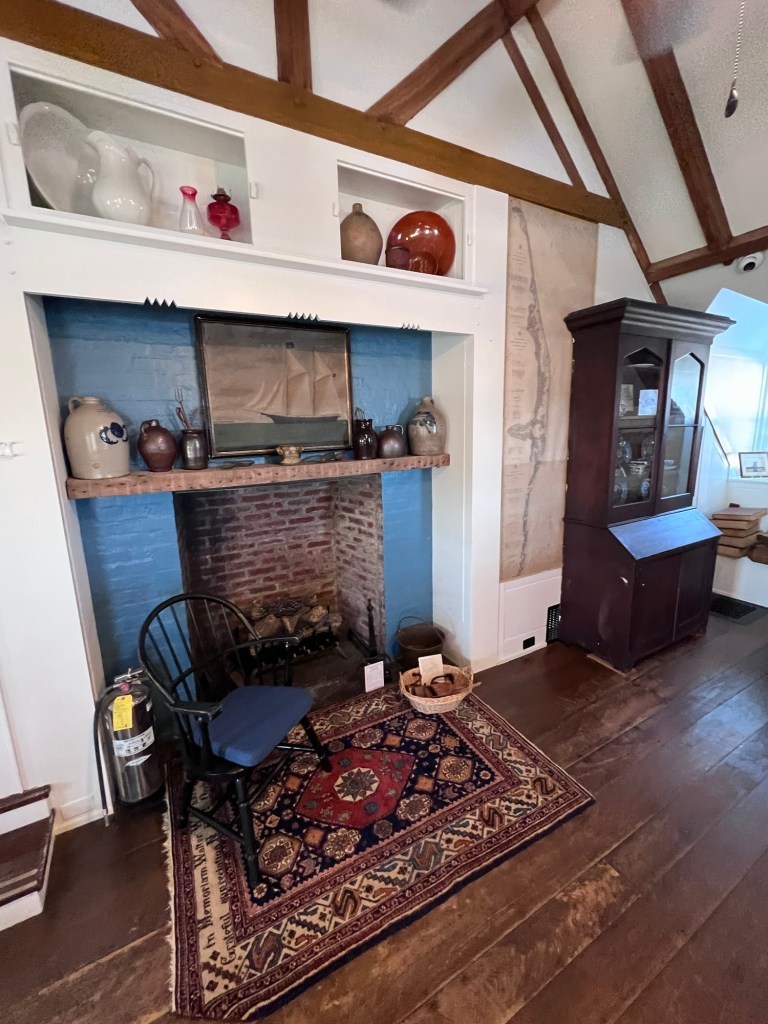
The second floor fireplace
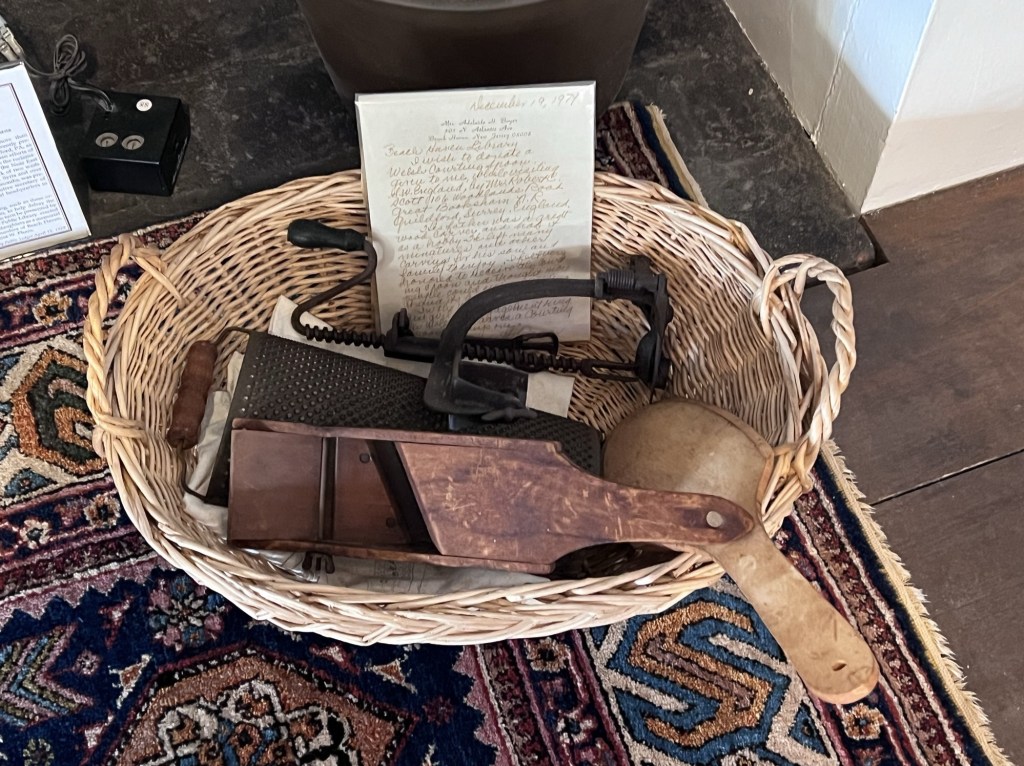
The antique kitchen equipment

The second floor of the library has another fireplace where vintage pottery and kitchen items are on display. There are also decorative pieces of pottery lining the shelves.
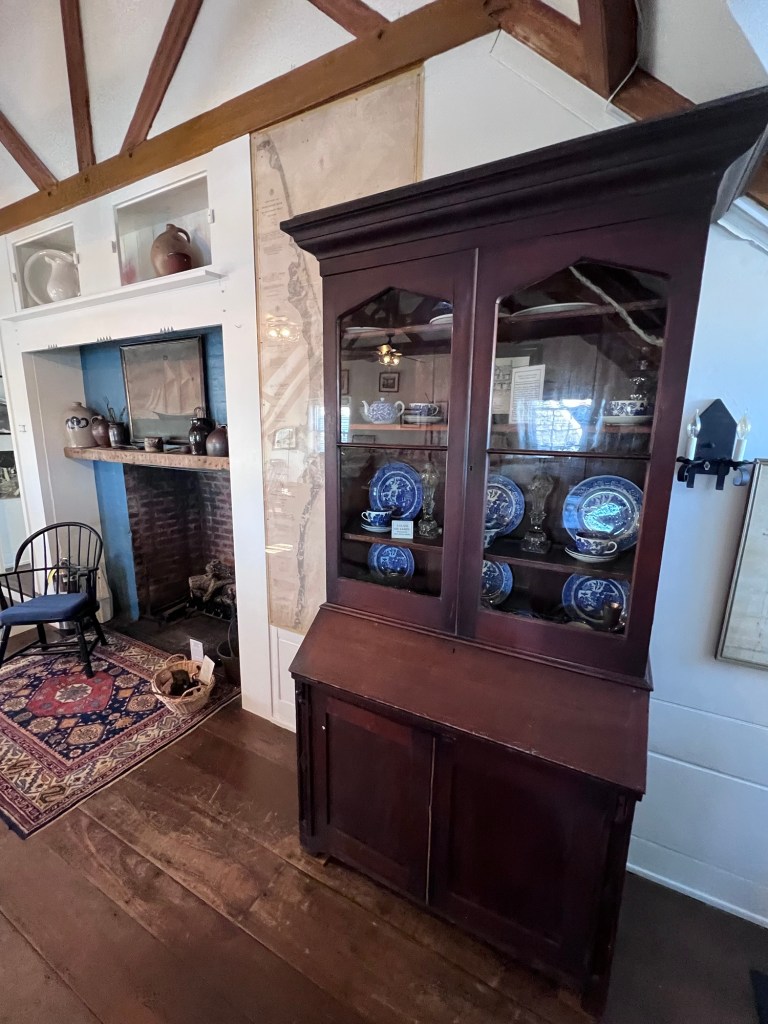
Historic China inside the Emily Lloyd Wilson Secretarial desk. Her father designed the Baldwin Hotel in Beach Haven.
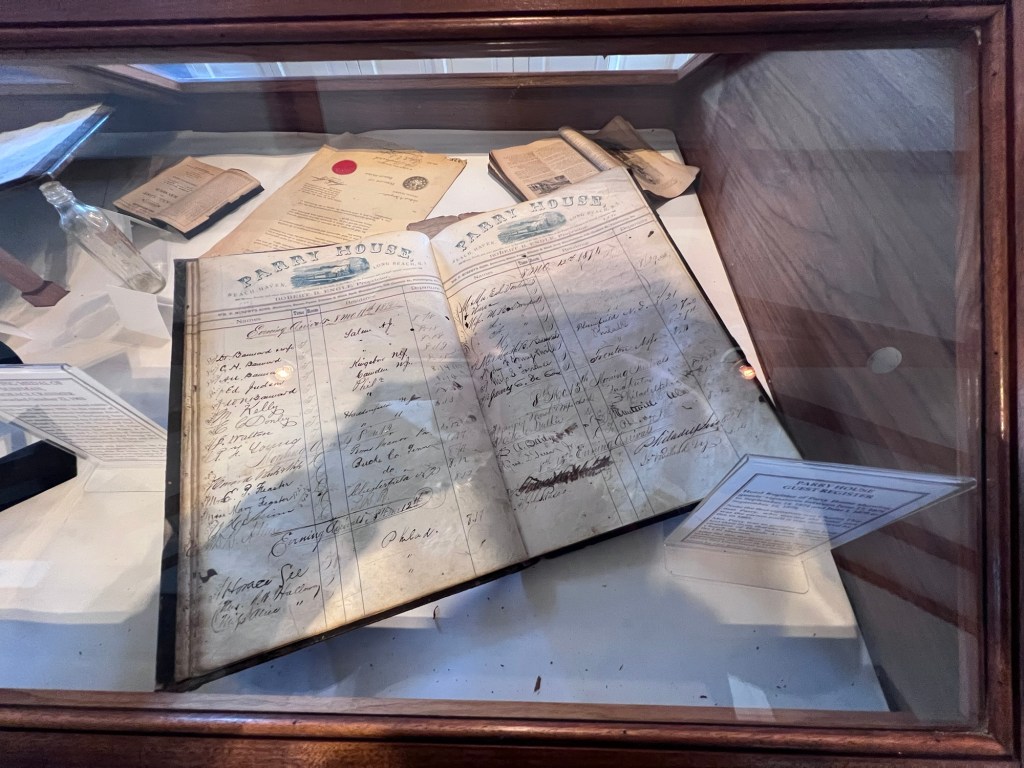
The historic ledger from the Parry Hotel

The library has another fireplace where extensive collection of hotel ledgers and artifacts.
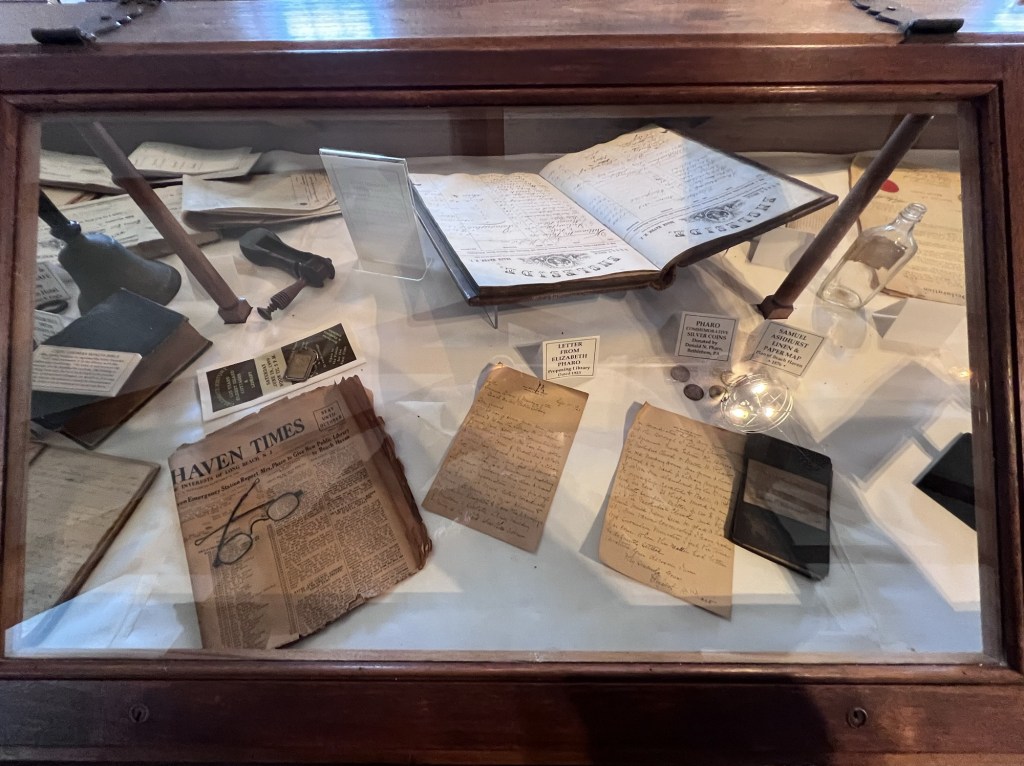
Letters from Elizabeth Pharo proposing the Library in 1923

Short History of the Library:

(From the library pamphlet)

Mrs. Pharo presented to the library board a proposal to build the library entirely at her own expense. She contacted Philadelphia architect, R. Brognard Okie to design the library. He chose the model of a Pennsylvania Farmhouse. The library was completed in the Fall of 1924. The museum is now over a hundred years old.
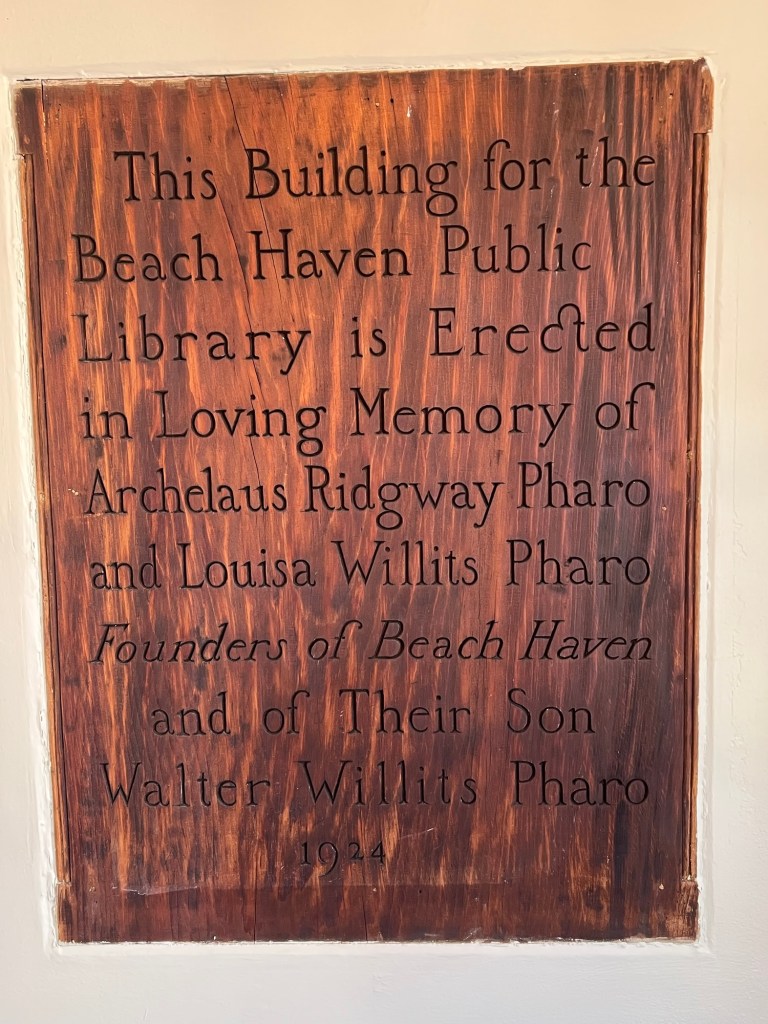
The dedication to Elizabeth Pharo, who dedicated the museum.
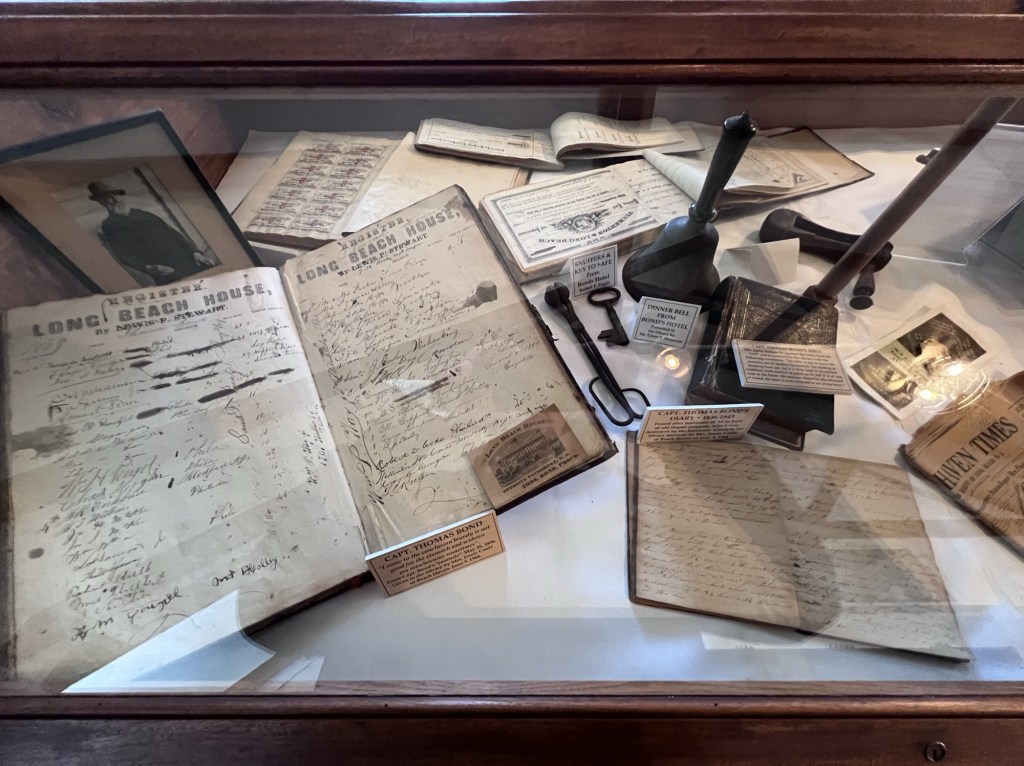
The Long Beach Island House Guest Ledger and historic items from the historic Bond Hotel

The records of the past resort town Long Beach Island used to be with guests coming from New York City, Philadelphia and beyond.
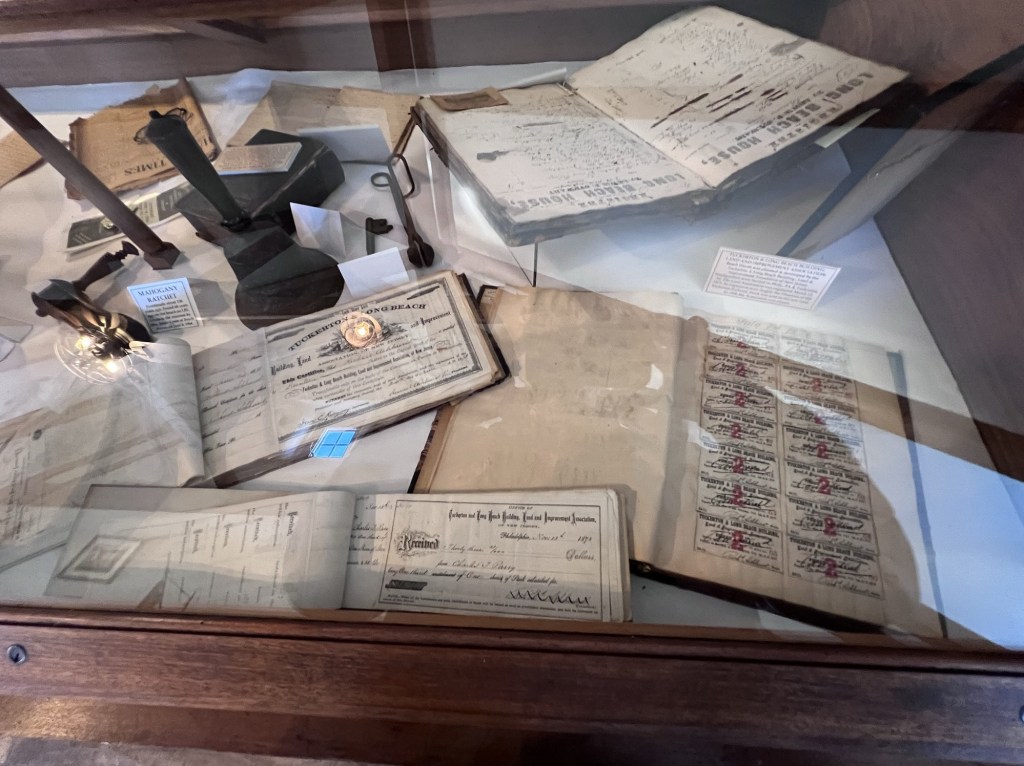
Historic items from the Tuckerton & Long Beach Building Land and Improvement Association
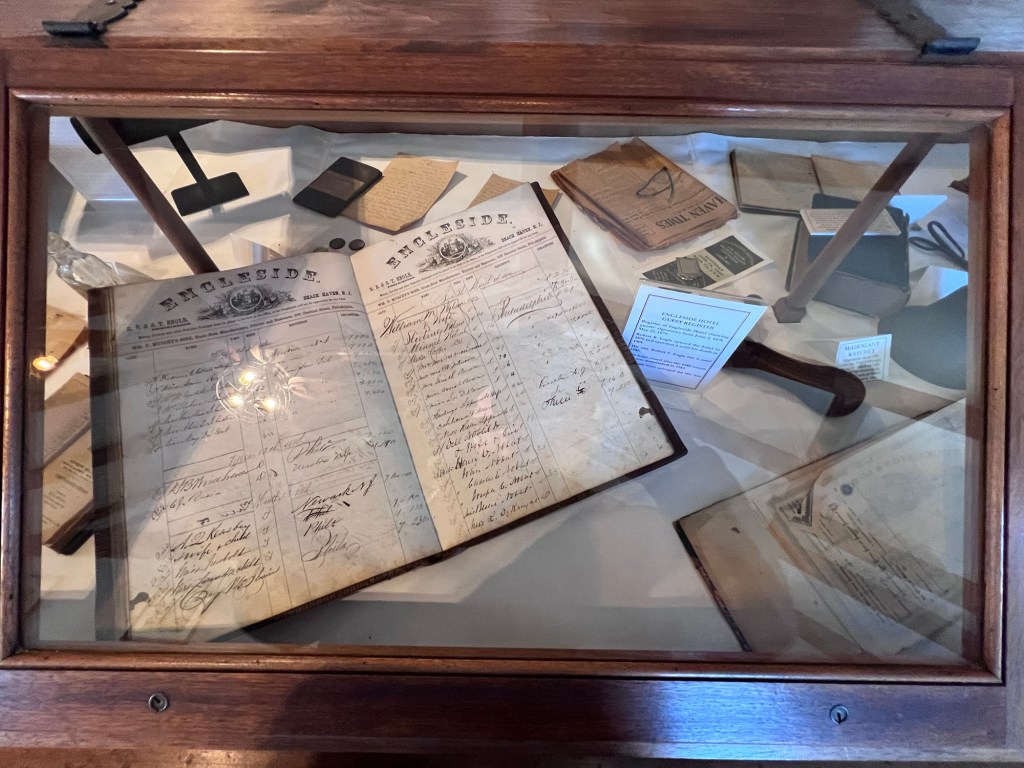
The Engleside Hotel ledger and items from the hotel
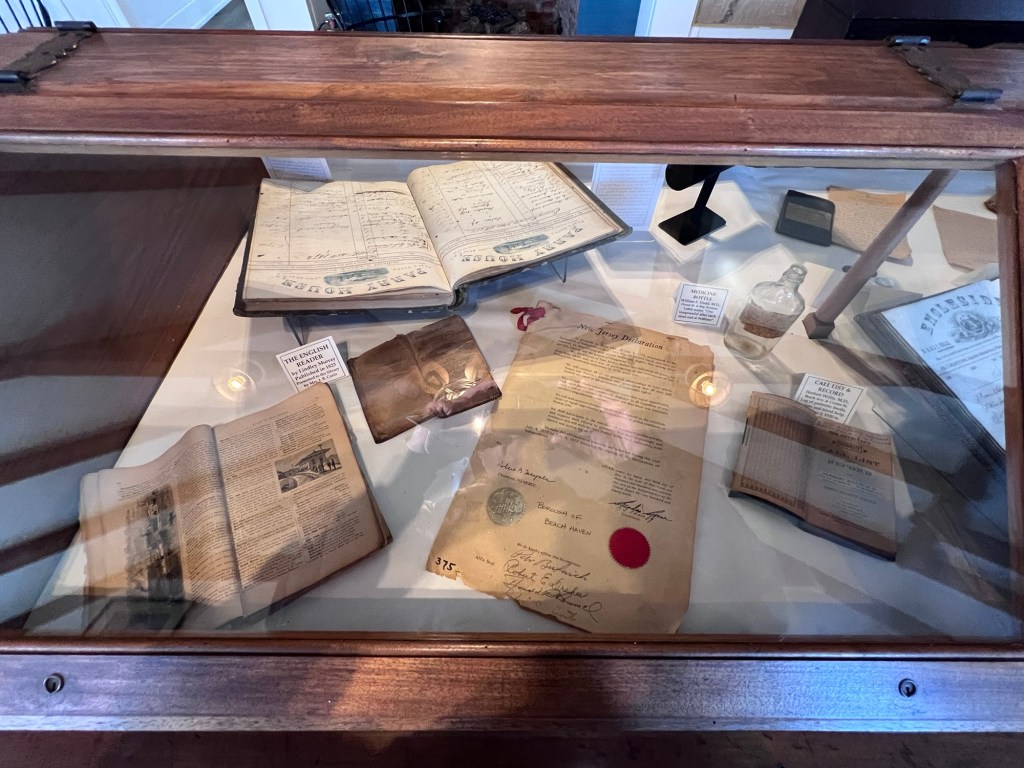
The New Jersey Declaration towards the Declaration of Independence
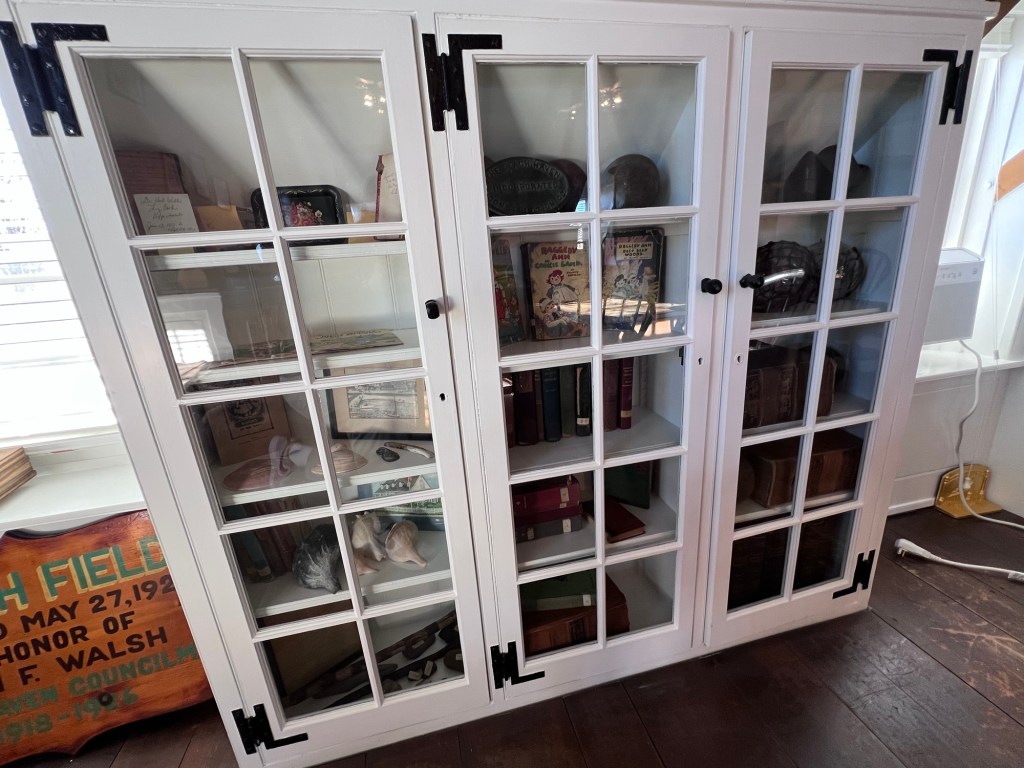
Historic books and periodicals

The library has an interesting collection of vintage and antique books that have been donated to the collection.
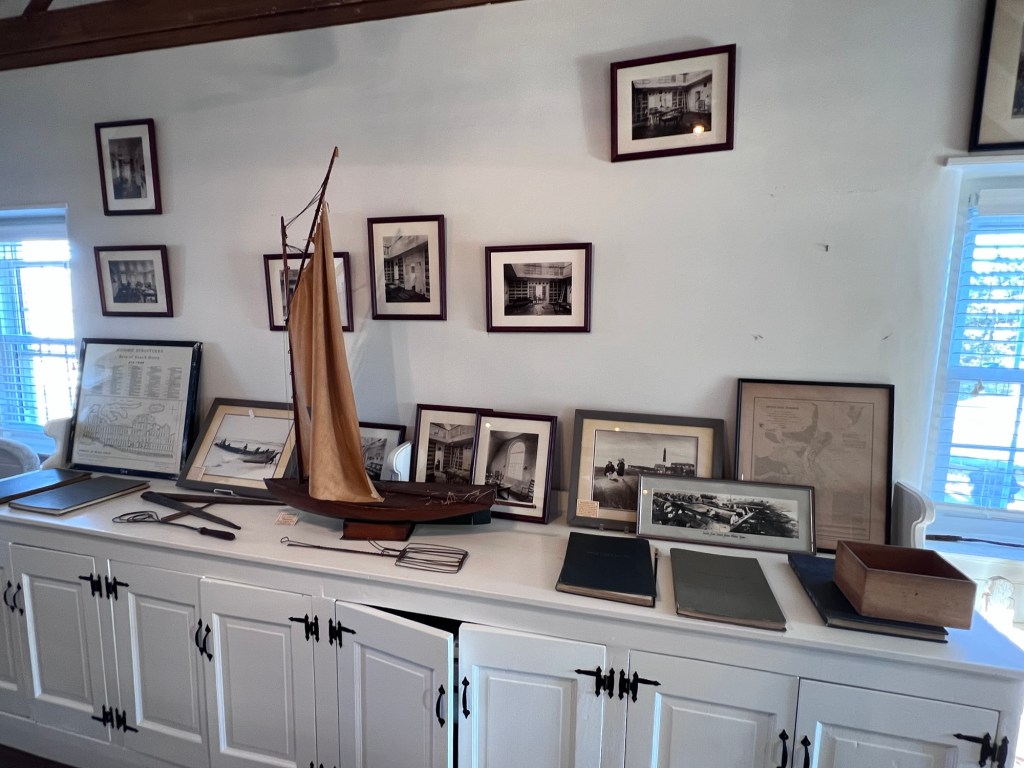
Photo display on historic sites in Beach Haven and pictures of the original library

Some of the pictures are from the old library and the artifacts come from ships ground ashore. The library has a diverse collection of items to view.
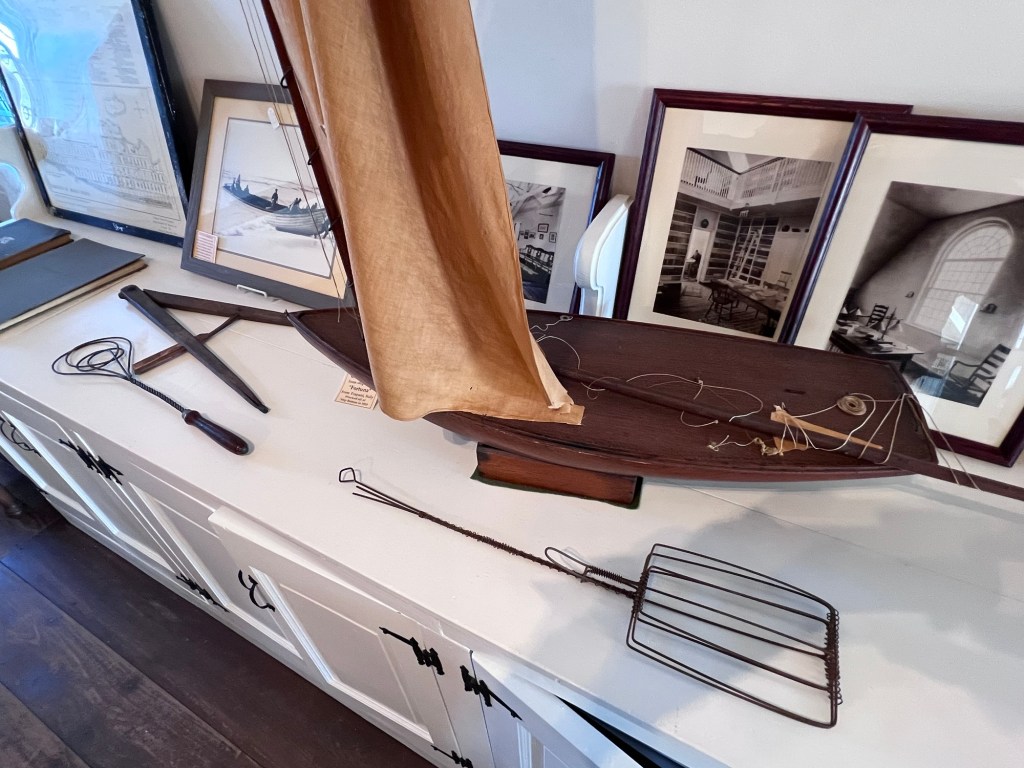
The Compass from the historic shipwreck ‘Fortuna’ that wrecked off Ship Bottom in 1910 and historic boat
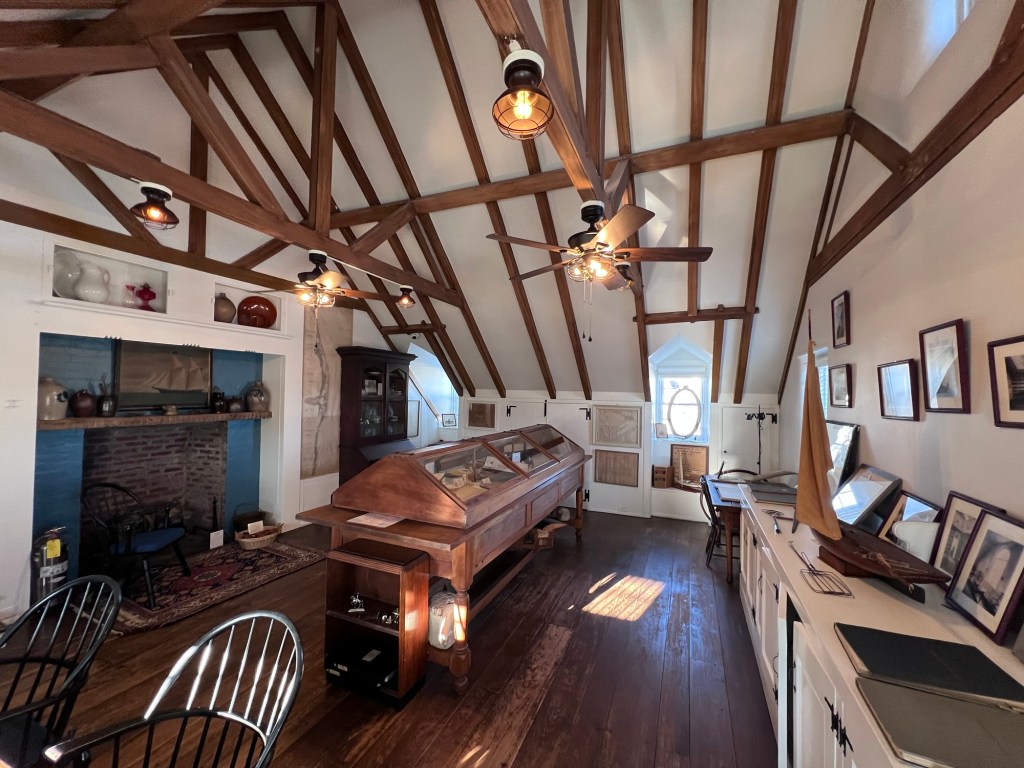
The second floor museum gallery holds the diverse collection of artifacts
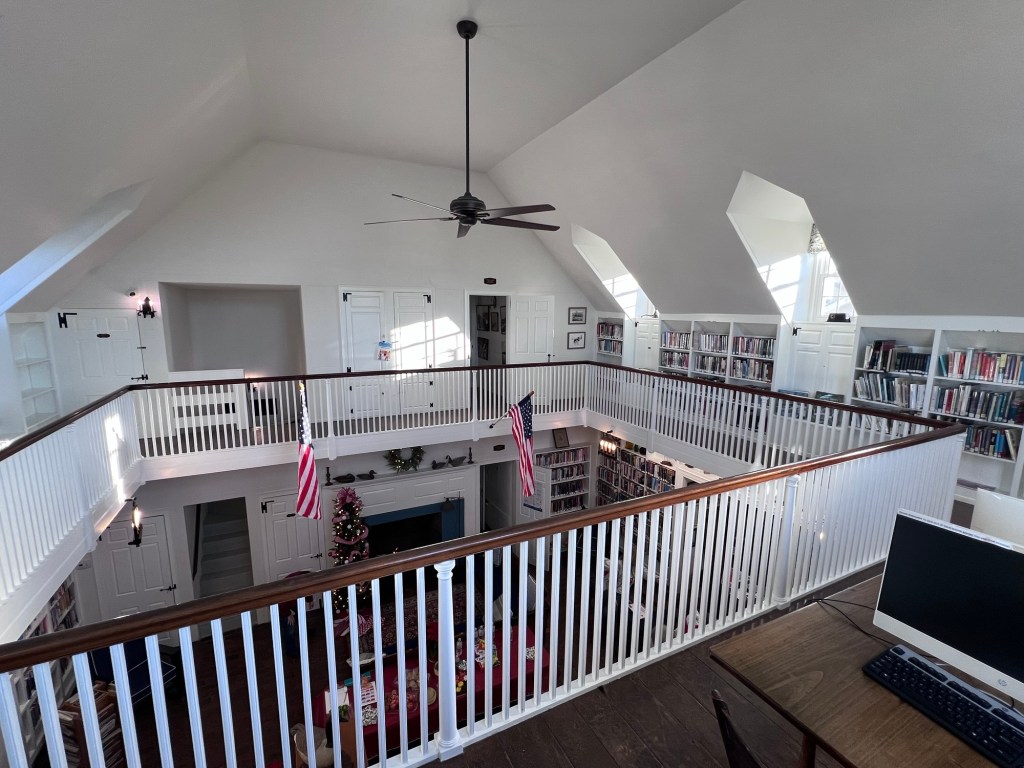
The second floor of the 1928 building
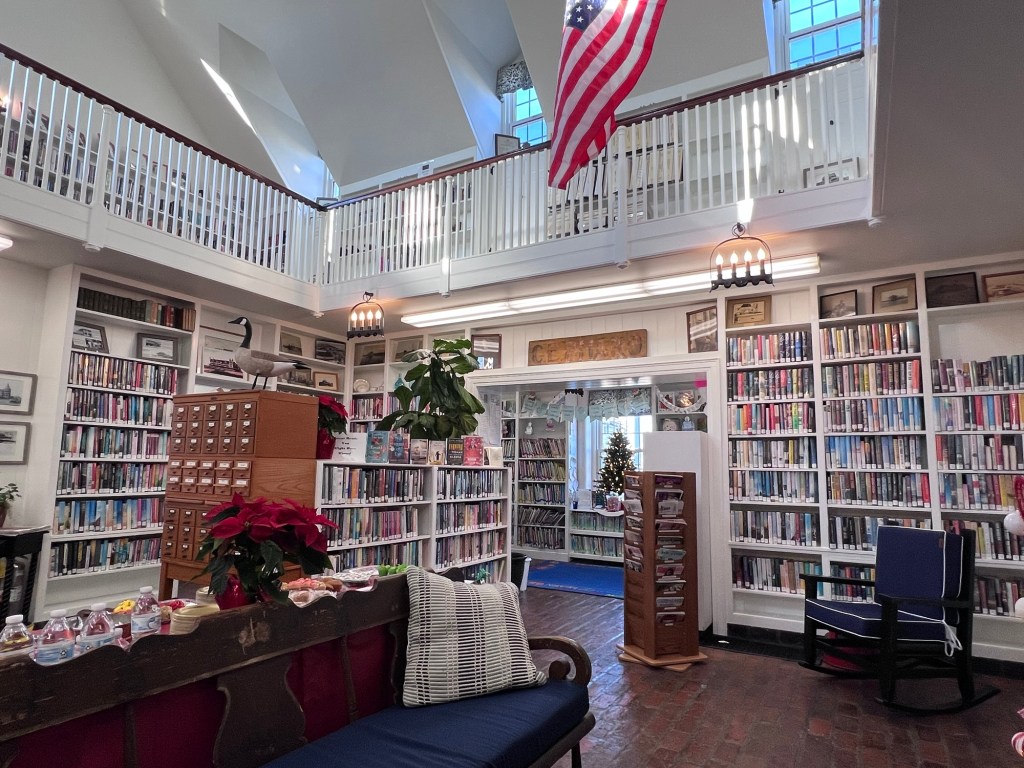
The first floor of the library has all sorts of historical artifacts along the walls

The Holiday Kickoff in 2025:

I visited during the library’s Holiday Open House with games, trivia and activities. There was also live music in the afternoon. It was a way that the library gives back to the community. It was a nice family event with good food and nice conversation with people from the community.
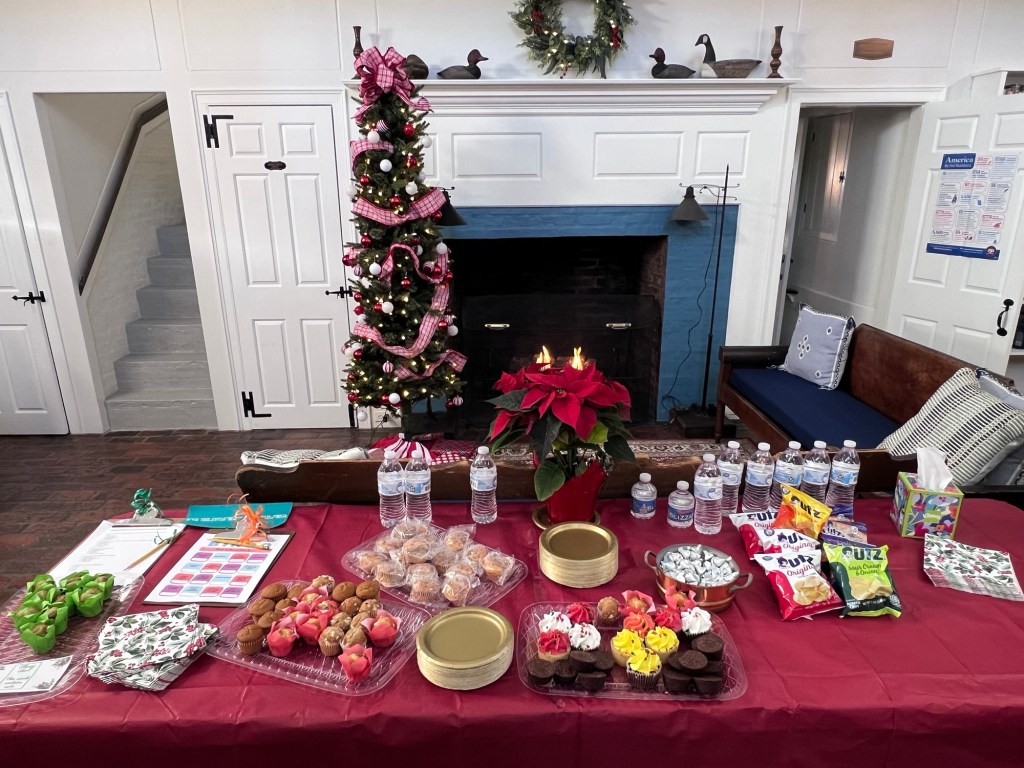
The Holiday Open House
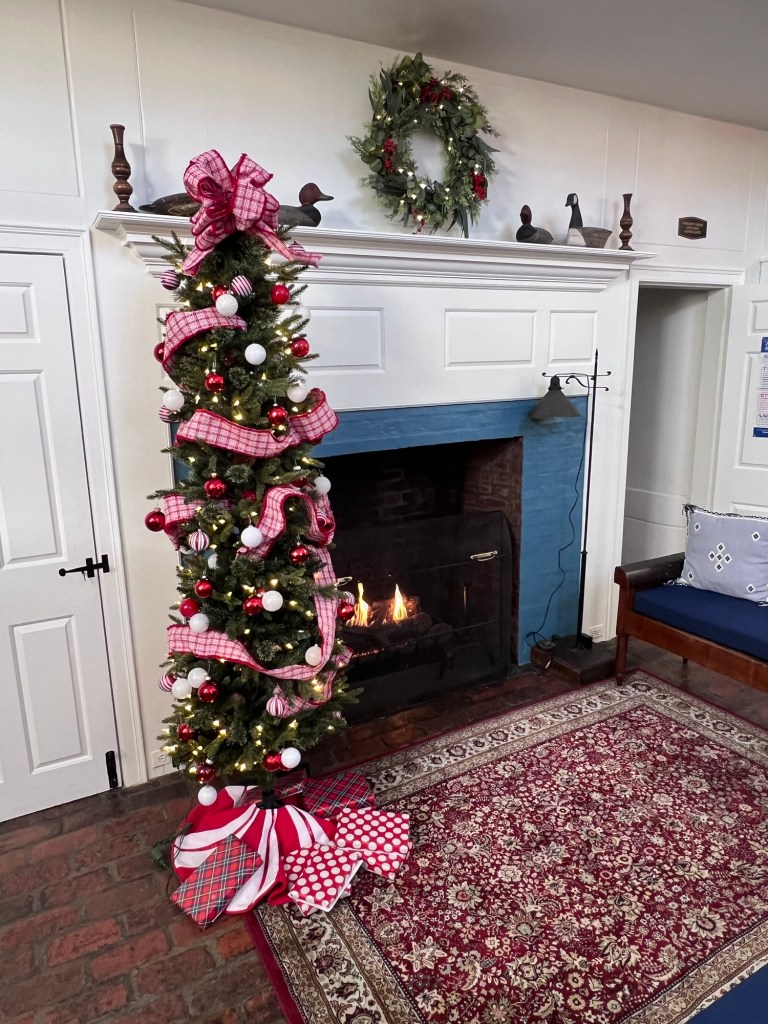
The fireplace was going when I was talking to the librarians

It was a very nice family event where patrons families could relax, have something to eat and play games with their children. The Liberians could not have been more friendly and engaging with the public.
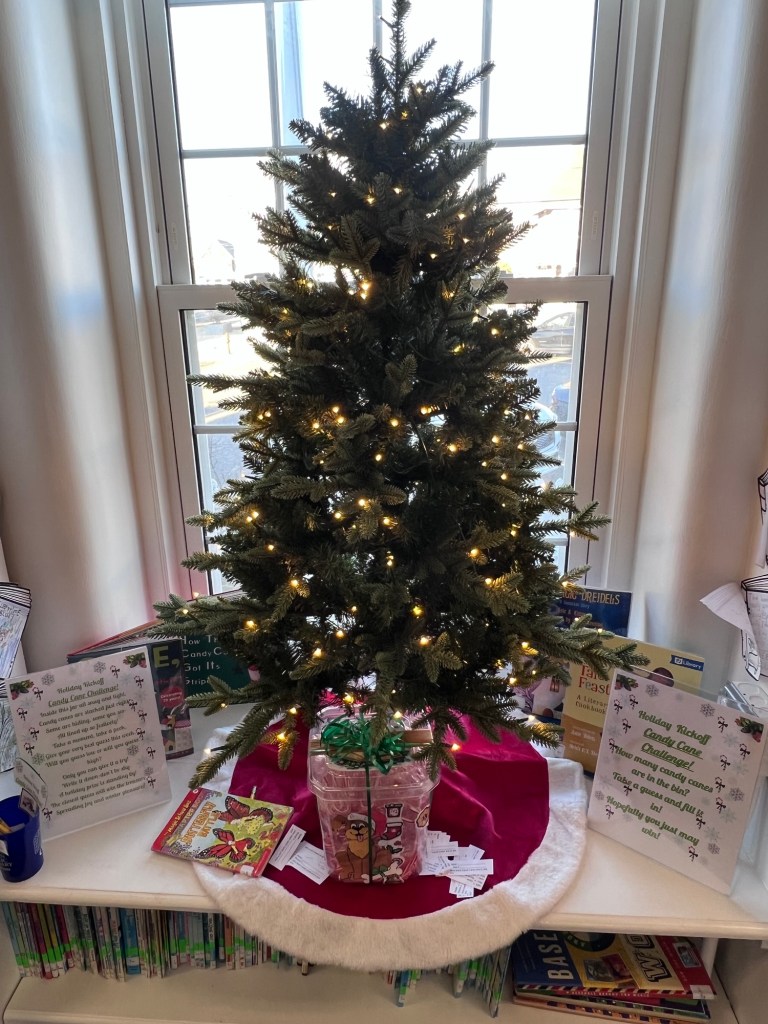
The Children’s Room had a holiday challenge

The museum is a rare gem tucked not just on the second floor but along the shelves and tables of the entire historic library giving visitors a chance to see all these historic artifacts mixed in with the library book collection.

The History of the Beach Haven Library:

(from the library website)

Attempts to establish a library in Beach Haven had begun as early as the 1880’s with a gift of books for the town’s children by Dr. Edward Williams. Williams, along with Charles Parry of the Parry House and the Baldwin Hotel, was a partner in the Baldwin Locomotive Works. The library collection was first housed in the home of Samuel Copperthwaite on Engleside Avenue. It was later moved into one of the Sunday School rooms of the Kynett Methodist Church, which had been built in 1890.

After the old Quaker Meeting House was donated to the town by Walter Pharo, the Reverend Alexander Corson of the Methodist Church began work, with the help of his wife, to turn the former Meeting House into a viable library. By the time they left in 1908, it was well on its way.

In 1923, Walter’s widow, Elizabeth Pharo, presented the library’s board of trustees with a proposal to build, entirely at her own expense, a new library for the town. It would be sited two blocks away from the Methodist church on a corner lot which she owned at Third Street and Beach Avenue. The library would be dedicated to the memory of her husband’s parents, Archelaus Ridgway Pharo and Louisa Willits Pharo–the founders of Beach Haven–as well as to her late husband Walter. 

Mrs. Pharo contracted R. Brognard Okie, one of Philadelphia’s finest architects, to design the new library. He chose as his model a Pennsylvania farmhouse–not an early lifesaving station, as some believed. Unlike a traditional farmhouse, however, it would be constructed entirely of brick and steel and include several stunning features: three working fireplaces, a vaulted ceiling, and an interior balcony encircling the first floor.

Tons of concrete were poured and steel girders for the new, two-story structure were already up by the spring of 1924 on the southeast corner of Beach Avenue at Third Street. Okie moved to Beach Haven to supervise every step of the construction, which was all done by local builder Floyd Cranmer. Ten railcar loads of bricks were used to build the solid outer walls and it was soon evident that the town was to have the finest library on the New Jersey coast.

As the library neared completion in the late fall of 1924, its beauty was already drawing praise. Every window in the structure was framed with long shutters of pale green, which gleamed against the white brick exterior. A sweeping, multi-dormered black roof added a grace seldom seen in a public building. Surrounded by a low, white picket fence and later, a well-kept green lawn, it added an incomparable dignity to what, in that time period, was the town’s main street, Beach Avenue.

There are two large colonial-style working fireplaces on the first floor. One is in the main room and the other is behind it in the long back room on the ocean side of the library. Today this room houses the Mystery collection and its solid, ten-foot table makes it useful as a meeting room. In the early years, however, it served a different function–it was designated as the men’s reading room, and there male patrons could sit in large comfortable chairs to read magazines and newspapers. It was well lit by two tall French windows and it opened out onto the screened porch on the north side.

The main reading room with its vaulted ceiling is encircled with a balcony reached by a spiral stone staircase, its steps topped with thick slabs of slate. The balcony flooring is of oak, as are all of the spindles in the railings. The upstairs walls are lined with books. One great window on the west side rises ten feet to the ceiling. The rest are all set into dormers. On the east wall behind the upstairs balcony there is a door where one may step down into a well-furnished little museum with high, beamed ceilings and a huge stone fireplace. It is filled with old hotel registers, deeds, diaries, photographs and other mementos of Beach Haven’s vibrant history.

The Beach Haven Public Library is a prime architectural treasure on Long Beach Island and a direct link to a colorful past that is the town’s most precious heritage. Mrs. Elizabeth Pharo’s gift to the town, itself now almost 100 years old, is as stunning as the day it was built. The taxpayers who support it are proud of its status as the only independent library in Ocean County and have chosen to keep it that way.
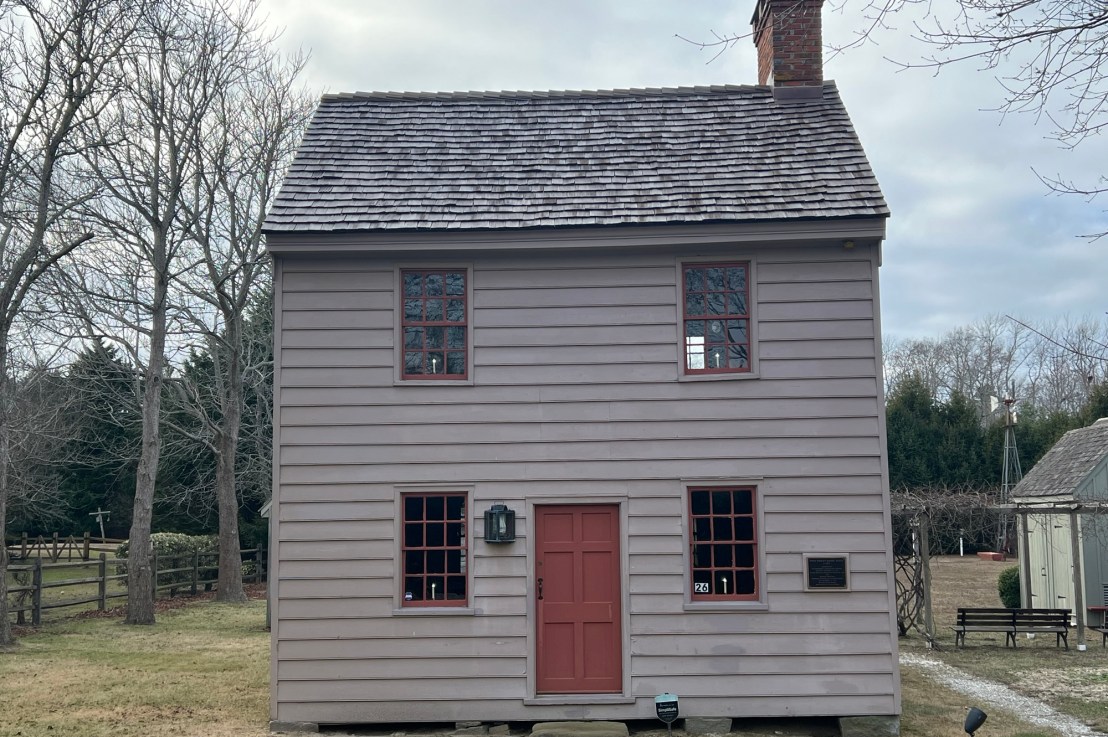
The J.W. Gandy Farmstead                                          26 Tyler Road                                                        Greenfield, NJ 08250

The J.W. Gandy Farmstead 26 Tyler Road Greenfield, NJ 08250

The J.W. Gandy Farmstead

26 Tyler Road

Greenfield, NJ 08250

(609) 390-5656

https://theclio.com/entry/100872

Click to access Upper-Twp-History_2-page_Sep2013.pdf

Click to access gandy-house-history_copy_%2015June2008.pdf

Open: Sunday 1:00pm-3:00pm (Seasonal and Special Events

Admission: Free but donations accepted

My review on TripAdvisor:

https://www.tripadvisor.com/Profile/R4960NKjustinw/mediabatch/13884120?m=19905

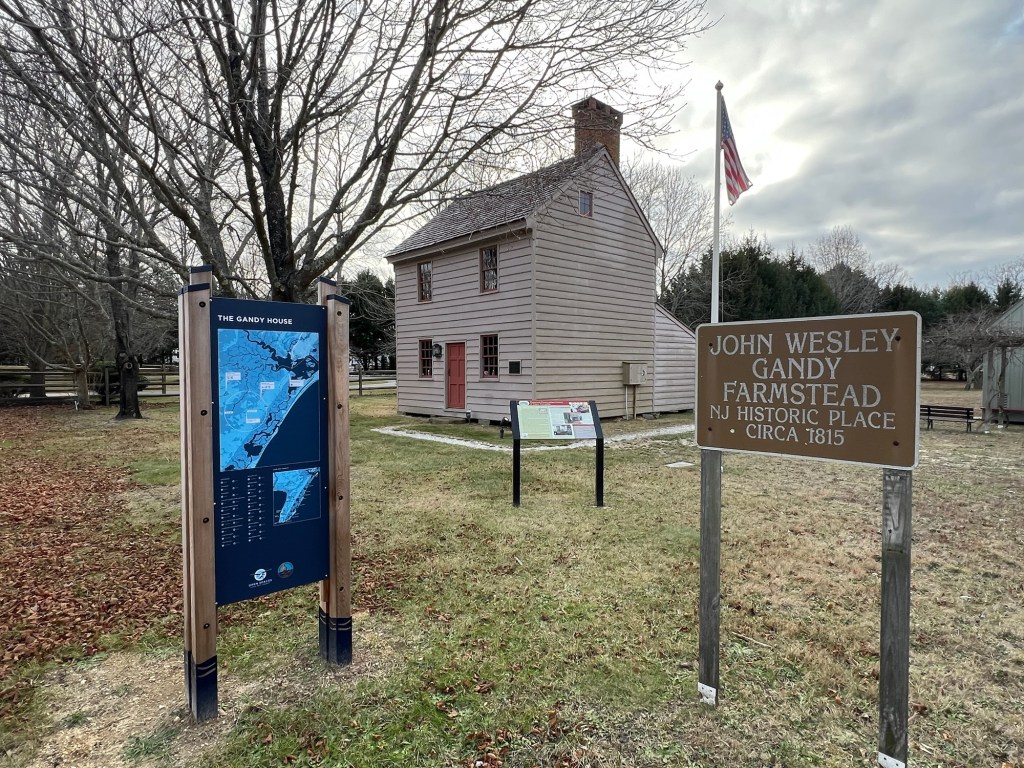
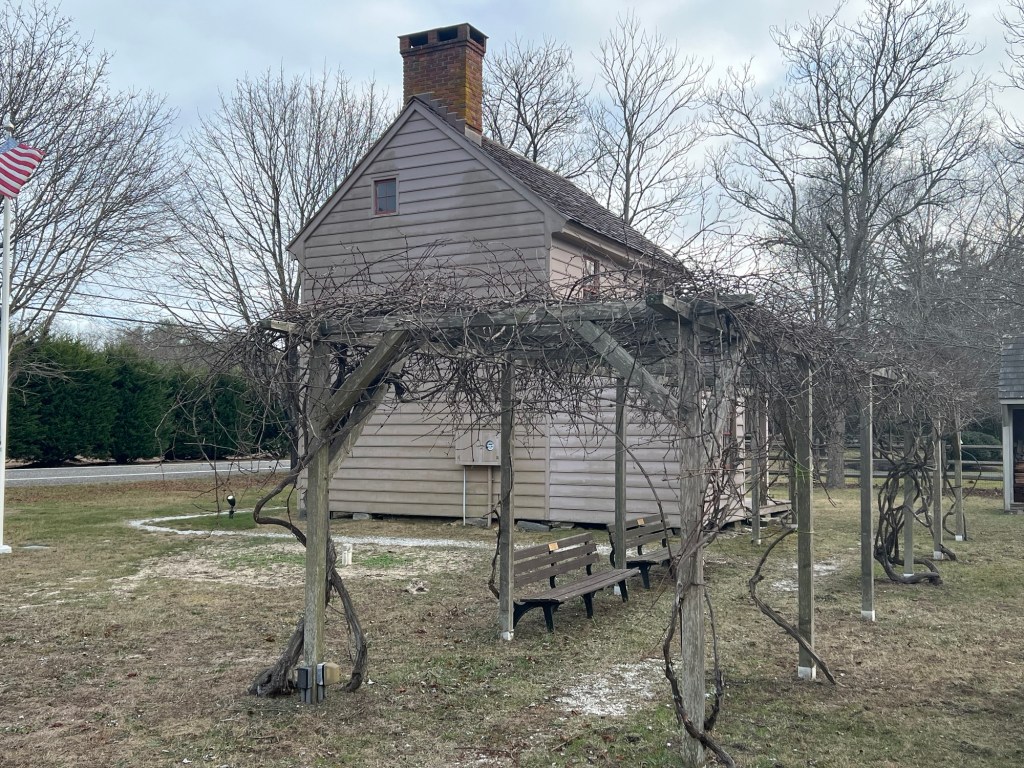
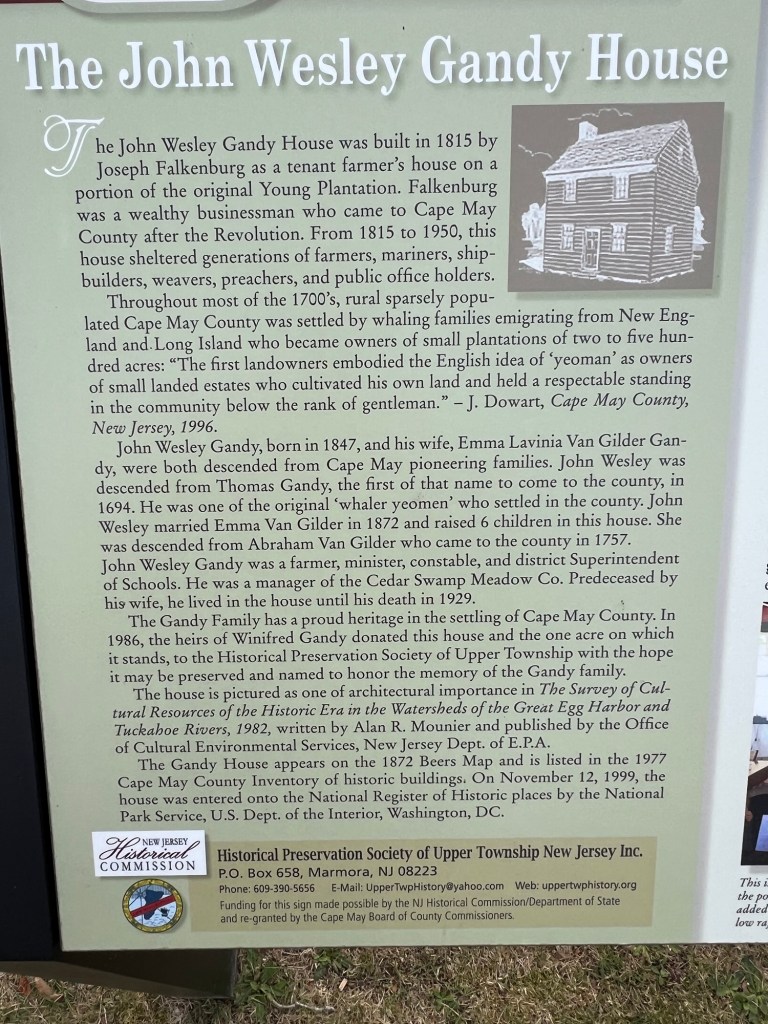
The J. W. Gandy House at 26 Tyler Road

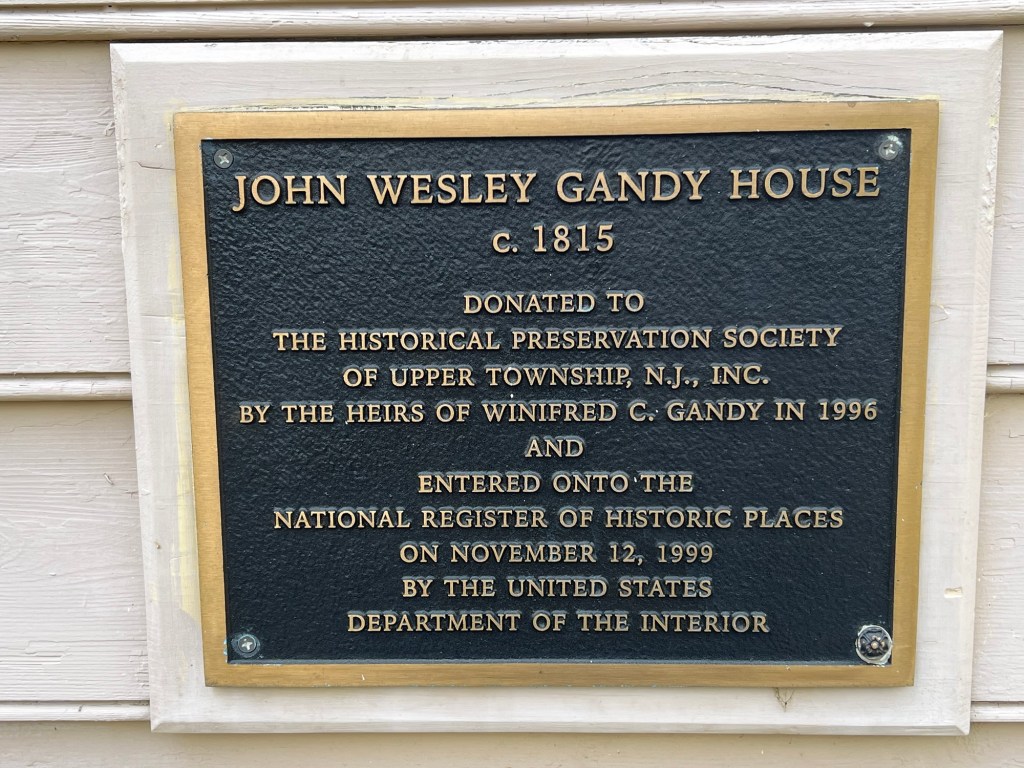
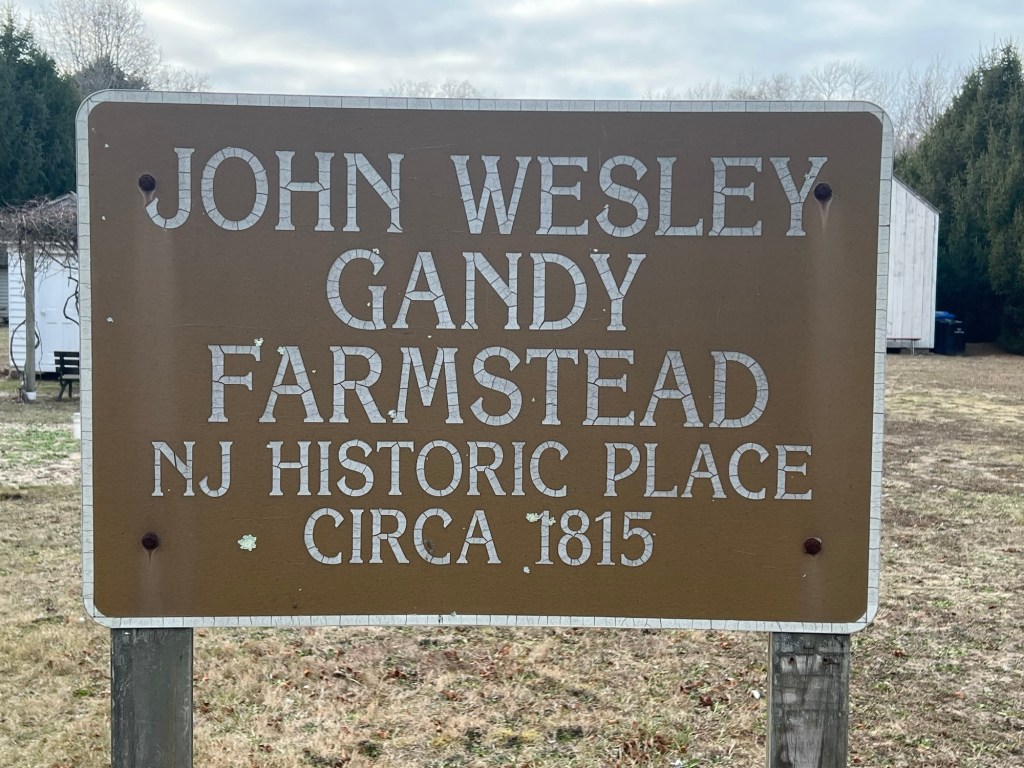
The historic marker

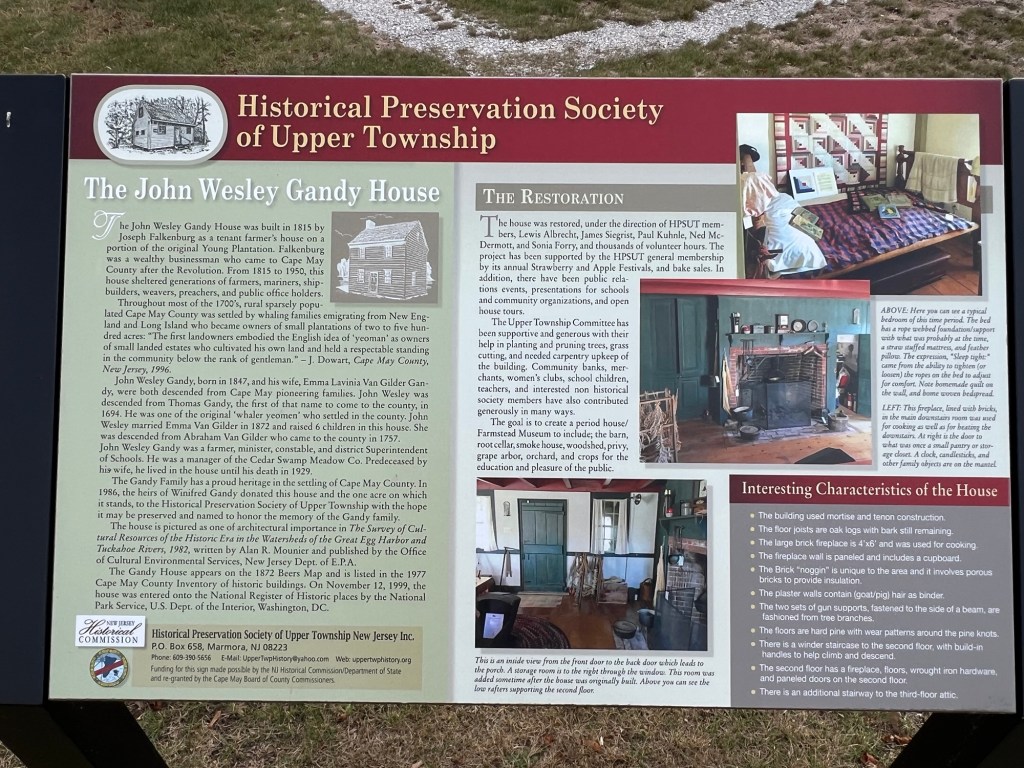
The historic signs

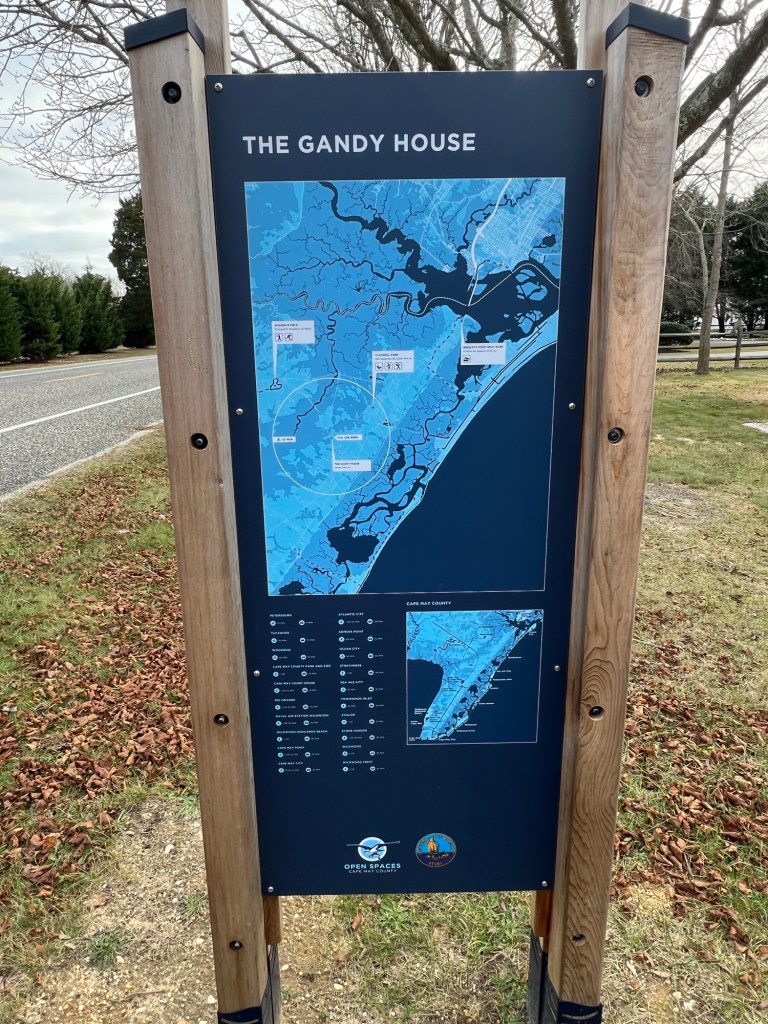
The Gandy House sign

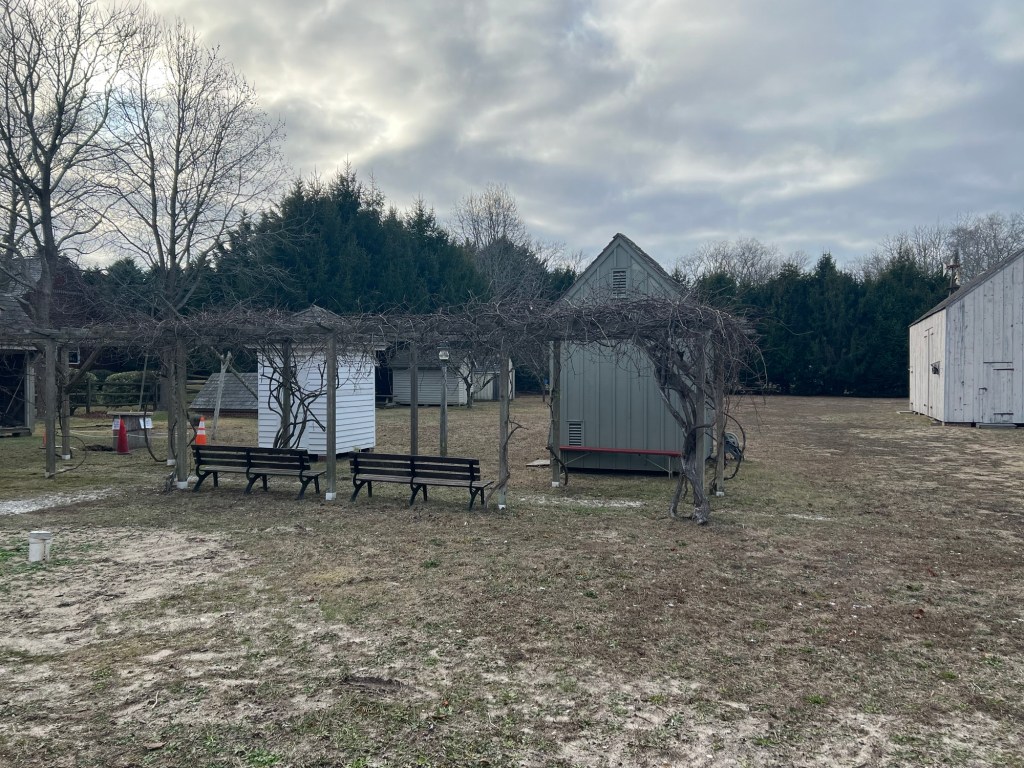
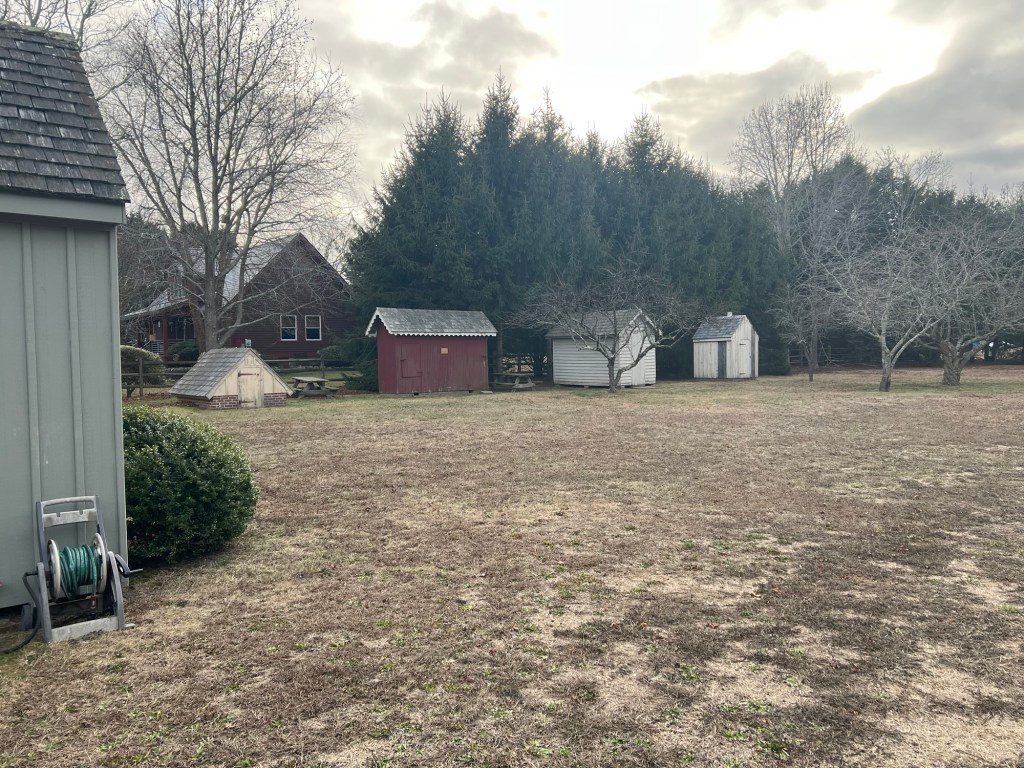
The farm grounds

The historic sign

The historic grounds of the property in the winter

I visited the John Westley Gandy Farmstead on private walking tours both in the Winter of 2024 and the Summer of 2025 and got a glimpse of farm life in early rural Southern New Jersey. Away from the markets of New York City, I got to see how tenant farming and life was for early farmers after the Revolutionary War.

The house is decorated with artifacts from the early 1800’s to the turn of the Twentieth century and how they affected the lives of early inhabitants of the house. There is antique furniture, home made quilts and a fully stocked kitchen with a wood burning fireplace to cook meals from scratch (which was not a trend in those days, that is how they lived).

The grounds when I visited in the summer months

The grounds of the farm in the winter

The grounds of this historic homestead in the winter

The same grounds in the summer

The history of the house

The front of the house during the summer

The Laundry Room

The Laundry Room

When you walk inside the Gandy Housr on the first floor, you are welcomed into the kitchen and pantry area plus some of public areas of the house. Here meals were prepared and guests were greeted.

The pantry area of the kitchen

Wood was stored for heat and cooking and herbs were drying for the winter months for cooking and daily use.

The fire wood and herb s drying

The pantry and larders for daily cooking and baking for the daily meals. All meals were cooked from scratch and large breakfasts and lunches were part of farm life. All meals were cooked in the open hearth so meals had to be properly timed and cooking and baking had to be coordinated for the family meals.

The larders were filled with the items that were in season

Cooking over a wood burning fire was part of everyday meals in the farm kitchen. Various pots and pans were in use to cook the family meals.

The inside of the kitchen area that heated the main room

Meals were coordinated for the day with cereals and soups cooking first, baked items going into the oven when it was warm enough followed by roasts and stews.

The days cooking over a hot stove

There were early morning breakfasts on the farm and then a late lunch/ early supper when the afternoon work was done.

The other half of the main room was used for dining and the families social space. Here meals were served and the family relaxed.

Everyday family objects of the household

The front part of the room faced the road and the comings and goings of the surrounding community.

The side bench and family objects

The most interesting part of the tour of the first floor is the view of the construction of the home. Behind the glass frame showed how the home was built and of what.

The construction of the home behind the glass frame

The family quarters on the second floor show the chores that followed during the day with spinning yarn, making and mending clothes and dying fabrics.

The spinning wheels and the making of quilts

The landing and the first floor rooms

The spinning wheels and patterns

The first bedroom was furnished with handmade quilts and sown linens. The wash basins were used before indoor plumbing.

The first bedroom upstairs

The wash basin and grooming products

Going out for a formal evening

The second bedroom on the second floor has is collection of quilts

The hand made quilts in the second bedroom

The children’s toys

The handmade quilt collection in the one bedroom

Handmade linens were part of the fabric of rural life as women were trained to sew and quilt their clothes and bed linens. Store bought linens were a rarity at this time and the quality of a woman’s homemaking skills defined her household. The handwork on these quilts were amazing.

The upstairs fireplace to keep the rooms warm

The upstairs alcove where the fireplace is located

The Morning clothing in the alcove

We then headed up the stairs to see the attic which were hard to walk up they were such small stairs.

The narrow stair’s to the attic

I got to see the attic area which visitors normally don’s see. This is where the boys of the family would sleep in the summarrr

The attic loft area

We finished the house tour back in the kitchen-living room

The full kitchen and living room room

The laundry area just off the main room

The we then toured the grounds of the estate walking through the grounds and exploring all the buildings on the property, some original to the estate and some brought here from other properties that awaited the wrecking ball. The grounds included the family well, barn, outhouse, root cellar, wood shed and a grape arbor.

The area right behind the main

The estate well which was going to be replaced

Fresh well water is still a part of the communities in Southern New Jersey. These farmsteads were pretty much self-sufficient and people grew what they needed and could barter for the rest or bring it to market.

The woodshed on the estate

The estate on a sunny day

The root cellar

The Root Cellar was used to keep Summer foods and preserves cool throughout the season. People tried to eat seasonally as much as possible and store for the Winter months.

The Ice House

The historic sign for the Ice House

The inside of the ice house and the hooks to hold meats

Ice was brought in from local lakes and ponds to keep foods well preserved during the warmer months of the Spring and Summer.

The barn that was moved here

The inside of the barn with all sorts of historic farm. These are pieces of equipment that were used over the last 100 years.

The farm equipment

The equipment that runs a farm

The storage area of the farm

The storage bins

The Outhouse

There was no indoor plumbing in those days and the use of the outhouse was placed far from the main house.

The grounds of the farm

The back of the farm

The front of the homestead in the summer of 2025

The house was warm and contained by fireplaces in the Winter months and open and airy in the Summer months with a flow of air through the open windows. The Upper Cape May Township Historical Society is open also for special events like their Strawberry and Apple festivals plus private tours.

The Gandy Farmstead Annual Apple Festival 2025:

Two weeks after my initial visit to the Gandy House during the Firemen’s Convention, I returned for the Historical Society’s Annual Apple Festival. The event reminded me of the Brinckerhoff House Strawberry Festival, a very nice family and community event that attracted everyone.

Since there were a lot of shore towns I wanted to revisit while the weather was nice, I arranged to stay at an Airbnb in Ocean City so I had plenty of time to do what I needed to do and relax afterwards.

I could not believe how crowded the roads were as so many places were having either Fall festivals or October Fest. Route 9 was like a parking lot near Smithville, NJ.

I got to the Apple Festival around noon and the parking lot was packed with people. One of the members said later that afternoon that he could not believe the consistent crowds as it was still busy at 2:15pm (the festival was over by 3:00pm). The crowds were filled with several generations of family members who I am sure were traveling from one event to another on this spectacular sunny morning.

The sign welcoming you to the event

When I arrived at the festival, the parking lot was still filling up so I had to park way in the back so I could get in and out easily.

On the Gandy family property on the other side of the home, they had an antique car show, a mini train ride around the tracks of this part of the property and a Caboose train car that you could explore.

The train tracks around the farm property

The train set up and tracks to tour around the farm

The train rides were really popular with both the small and ‘big’ kids

This small train trip had a nice sized line to it as families were really enjoying themselves

I then toured the Caboose which was set up for service and a day in the life of a conductor. Some of the volunteers were even dressed as conductors leading tour and talking to families.

The caboose on the farm property

The inside of the caboose

Getting ready for the holidays

Life of a train conductor shown in the caboose

After the tour of the car show and watching the families have fun on the trains, I headed across the street to the Gandy House for the tours and activities.

The back of the Gandy Farmstead with crafts and entertainment

Entering the Apple Festival with a Farmers Market and Apple sale

The Farmers Market of locally grown produce

They had a wonderful duo interesting the crowds that afternoon

There were all sorts of crafts stands around where the entertainment was performing

The local crafts people were really talented and included crocheted, painters, floral arrangers and jewelry markers.

One woman sold flowers from her gardens and arranged bouquets

This woman painted her own crafts and did beautiful work for both Halloween and Christmas

Here beautiful holiday crafts

I loved this Santa tree and was going to get it for my mom

This woman had the most beautiful handmade doll clothing and knit items for the holidays

What is an Apple Festival without food? I went to the concession stand for lunch and ordered a hot dog with a glass of locally made Apple cider and had an homemade Apple Shortcake, which I found out later the members had made the night before.

The concession stand where all the food was made

Enjoying my lunch. Both the hotdogs and apple cider were locally made. That’s why it tasted so good!

Hot dogs taste so good off the grill!

The delicious homemade Apple Shortcake with homemade apple topping were made by the members

I also stopped off at the apple stand where cases of apples were being sold. It looked like many people were going to make pies and sauce with these and the stand looked like they were selling out.

I managed to buy one of the Mango sweet apples they were selling individually

The apples were so hard, fresh and sweet that it made the perfect addition to dessert.

The Mango Sweet apples

Talk about delicious

After lunch I ran into the Board members who had helped me with the tour two weeks early and I took a quick tour of the first floor of the home. The laundry room was not open the day of my private tour.

Touring the outside grape arbor

The grape arbor on an early Fall day

Touring the first floor laundry room

An early washing machine

How to do laundry at the turn of the last century

After having lunch, touring the house and visiting all the vendors I relaxed for the rest of the afternoon and listened to the entertainment perform. They did a combination of 70’s hit songs, country music and some James Taylor.

The duo performing

The first part of the song “Brandy (You’re a Fine Girl)” from the 1970’s before people walked in the way

The rest of the song performed. They did an excellent job with it

Before I left just after 2:00pm, I stayed to see who won the Apple pie contest. There were only three contributors but I wanted to get a slice before I left. They did not slice them up. Bummer!

The winners of the Apple pie contest

The Apple Festival sponsored by the Upper Township Historical Society happens every October. It is a wonderful family event and fundraiser for the Historical Society. I know I had a lot of fun and it reminded me of the events that I went to as a kid in the 1970’s.

It was funny that the only person who had a cell phone glued to his hand was me. It was just like the 1970’s all over again with families enjoying each other’s company. Try to visit in the future.

Denville Museum                                                    Diamond Spring Road                                         Denville, NJ 07834

Denville Museum Diamond Spring Road Denville, NJ 07834

Denville Museum

Diamond Spring Road

Denville, NJ 07834

(973) 625-1165

https://www.denvillemuseum.org/

https://www.facebook.com/denvillehistoricalsociety/

Open: Sunday 10:00am-2:00pm/Monday-Saturday Closed

Admission: Free

My review on TripAdvisor:

https://www.tripadvisor.com/ShowUserReviews-g46392-d33235821-r1010531601-Denville_Museum-Denville_Morris_County_New_Jersey.html?m=19905

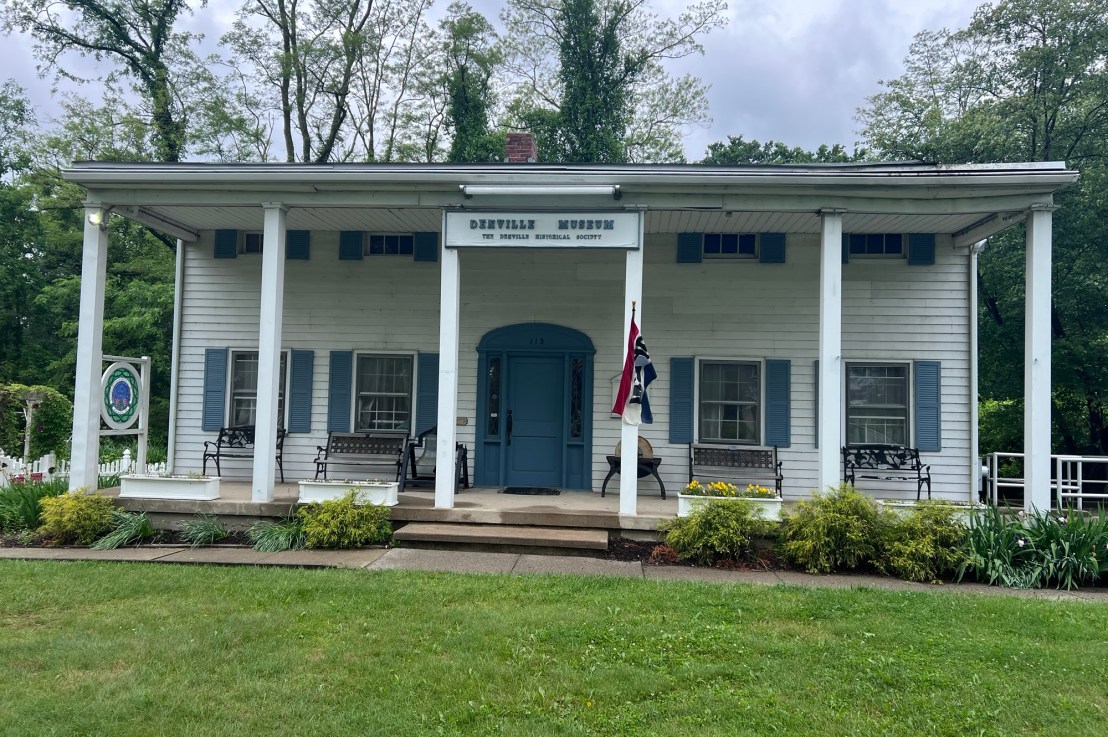
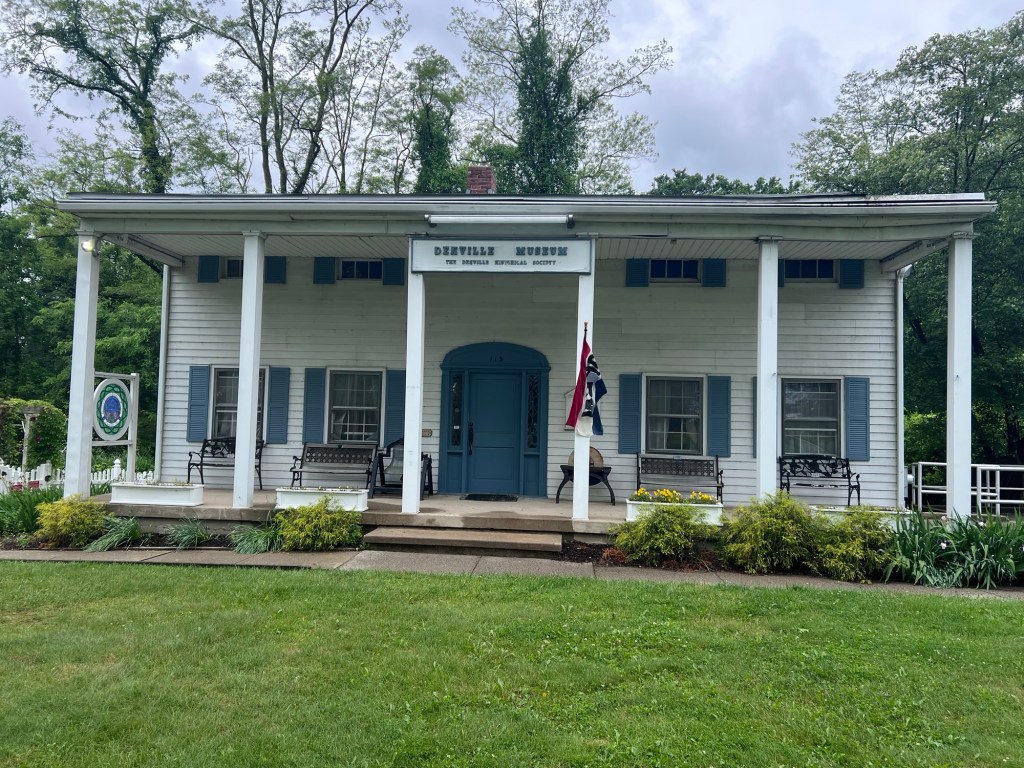
The front of the Denville Museum at Diamond Spring Road

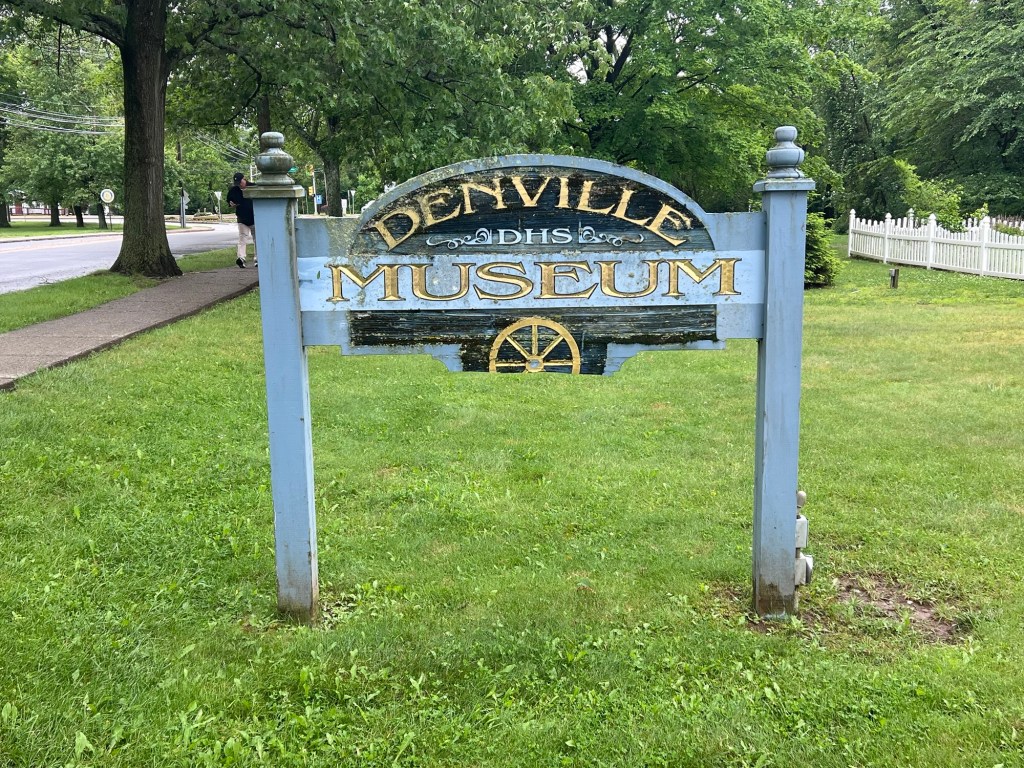
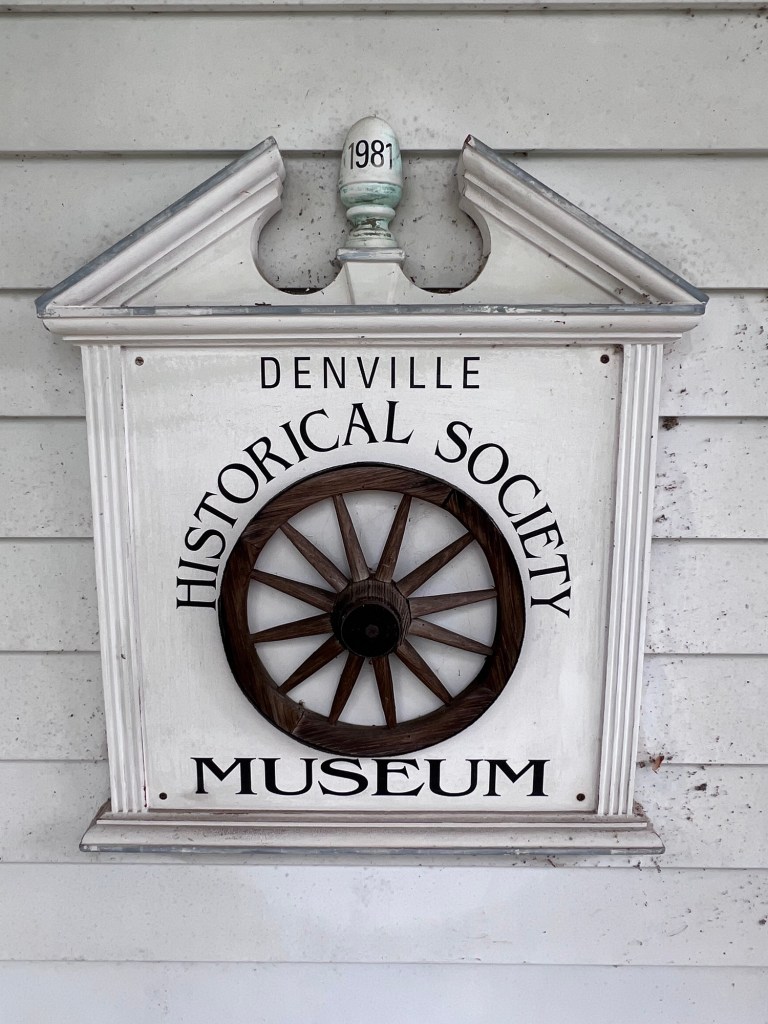
The front sign for the Denville Museum

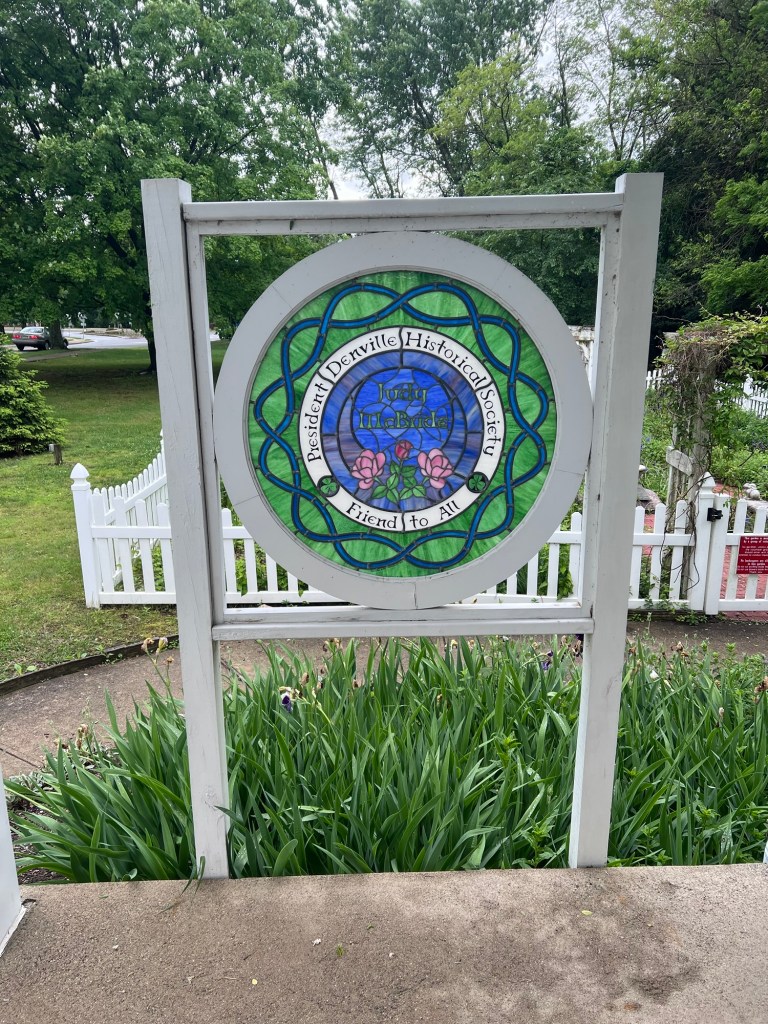
The beautiful stained glass sign outside

The front sign of the museum

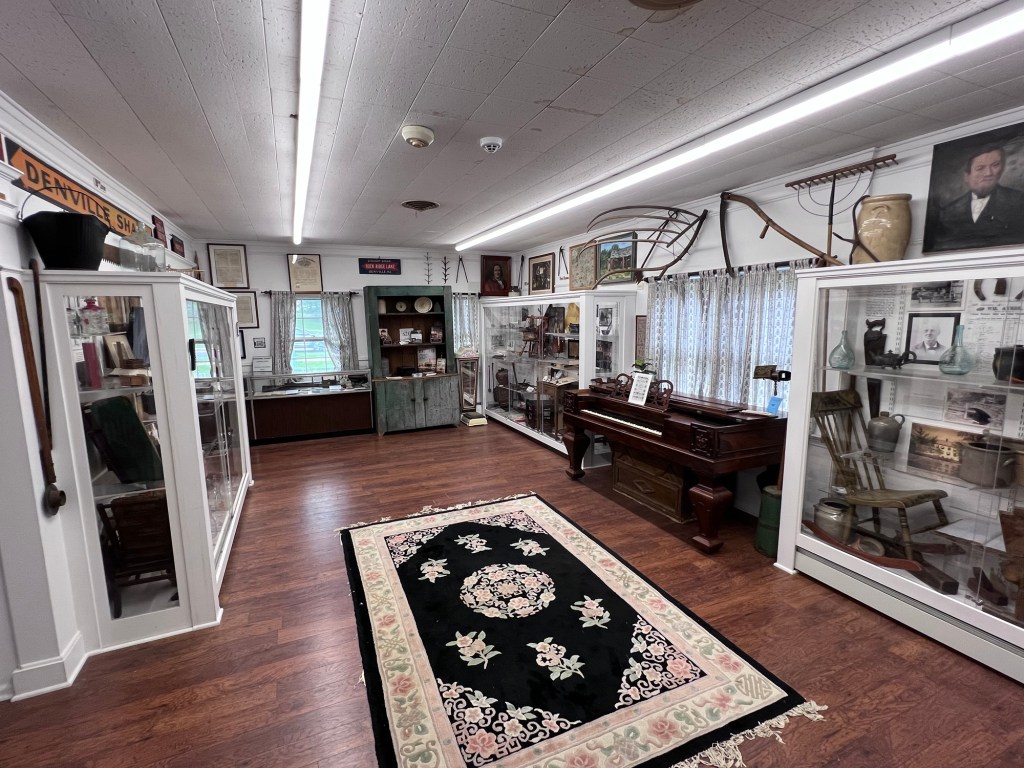
The front gallery of the museum

The back part of the front gallery of the museum

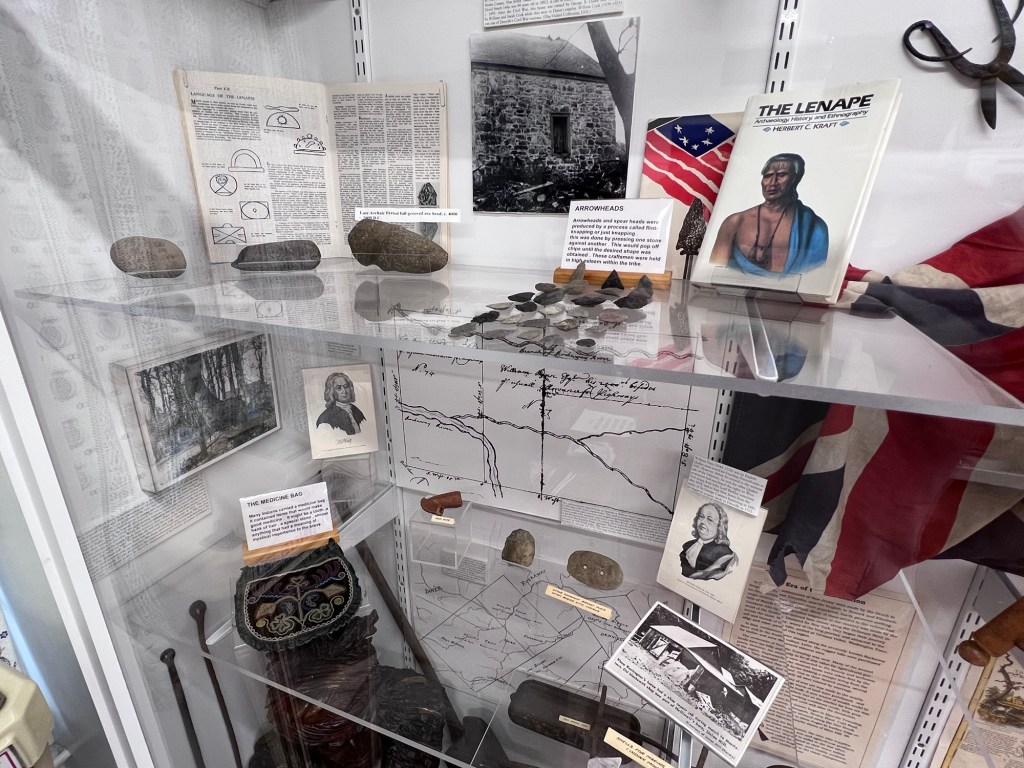
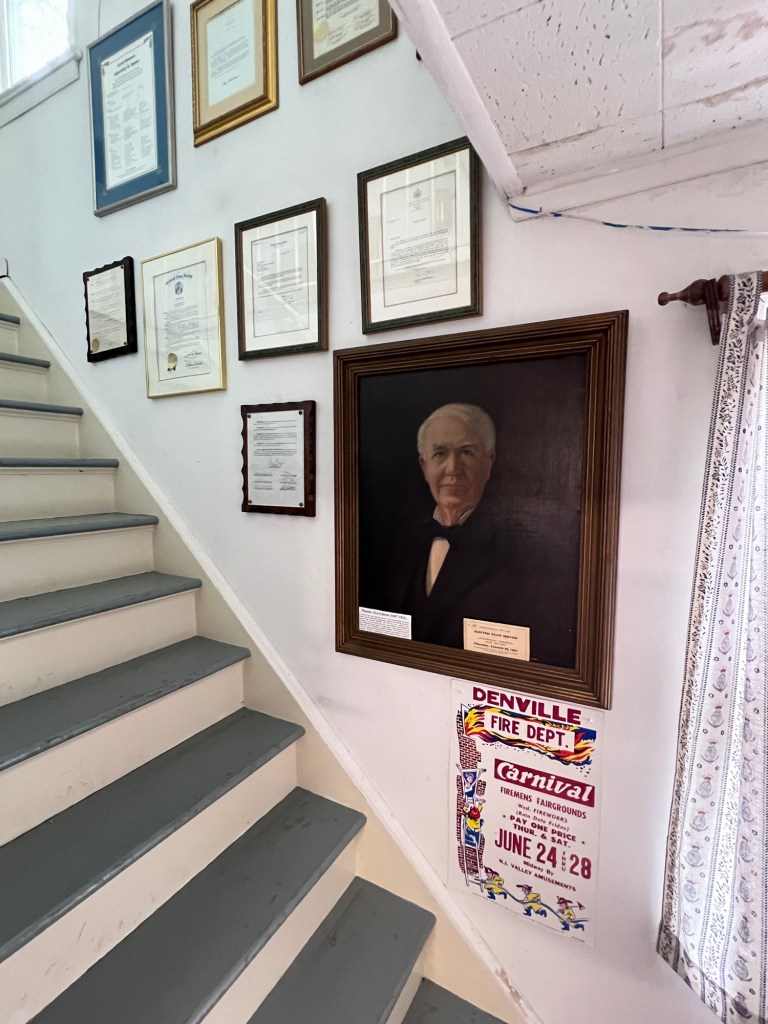
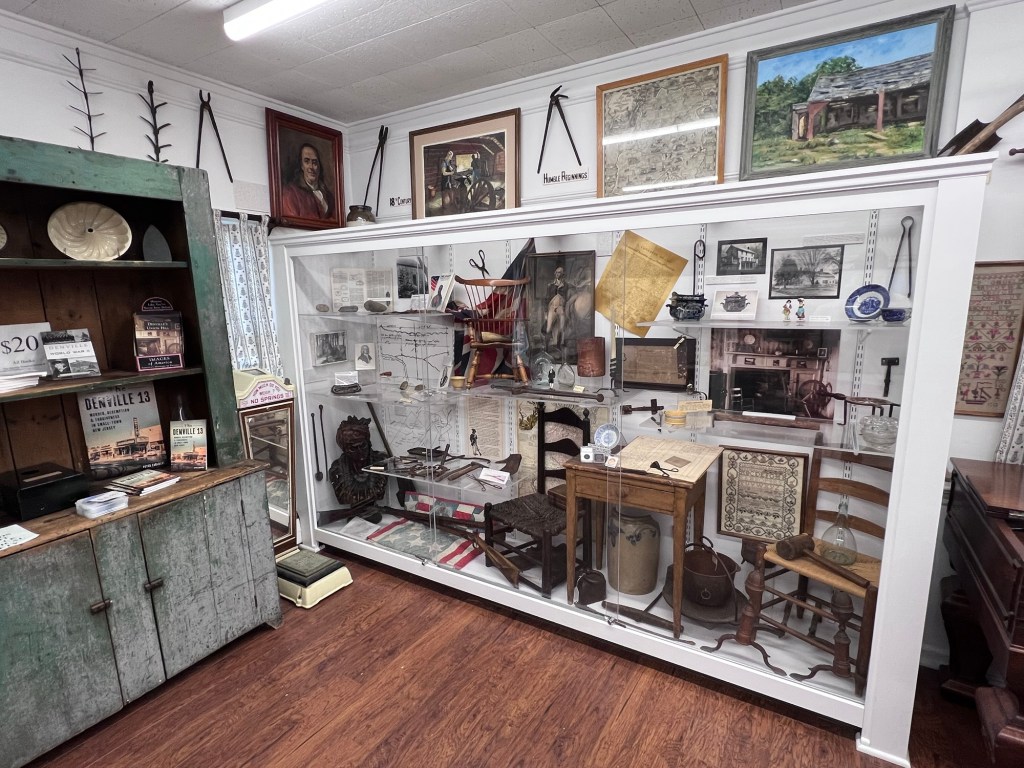
The Denville Museum is an interesting and beautifully organized museum in Downtown Denville, NJ that tells the history of Denville and the surrounding communities. The collection starts with a collection of Native American artifacts and Revolutionary era household objects.

The early foundation of the Denville community is displayed in the front case

The Native American artifacts in the collection

The museum has an extensive amount of artifacts from the progression of the area from the Native Americans to the Dutch settlers who then populated the area leading to the progression of modern farming and commercial trade in the area.

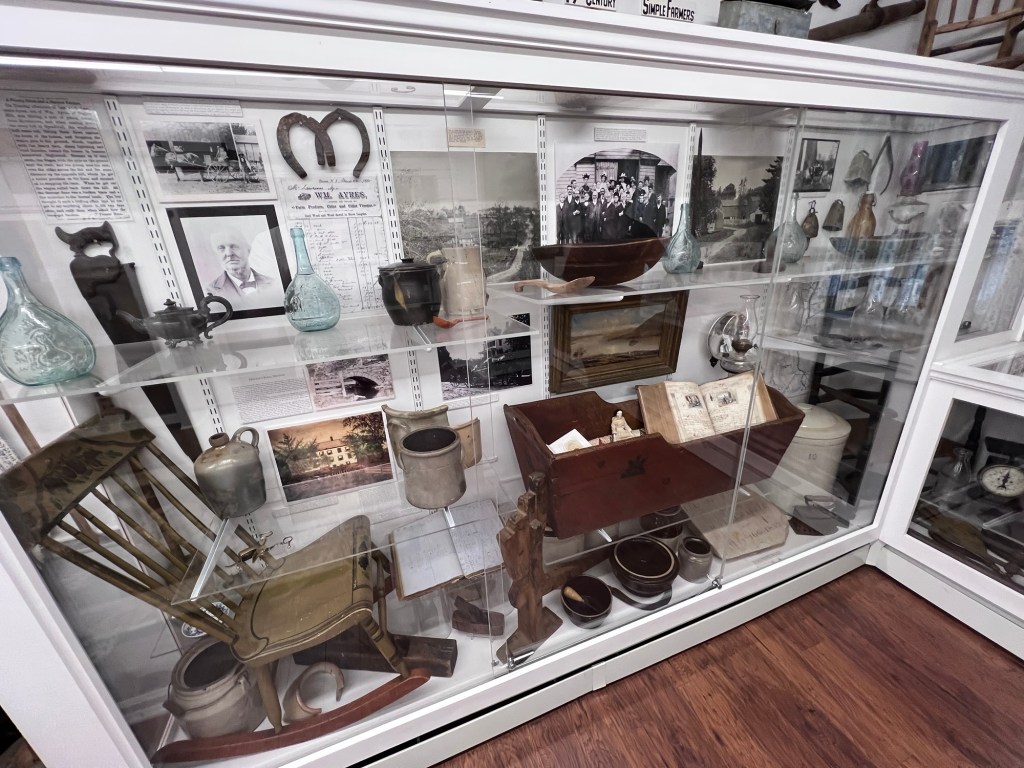
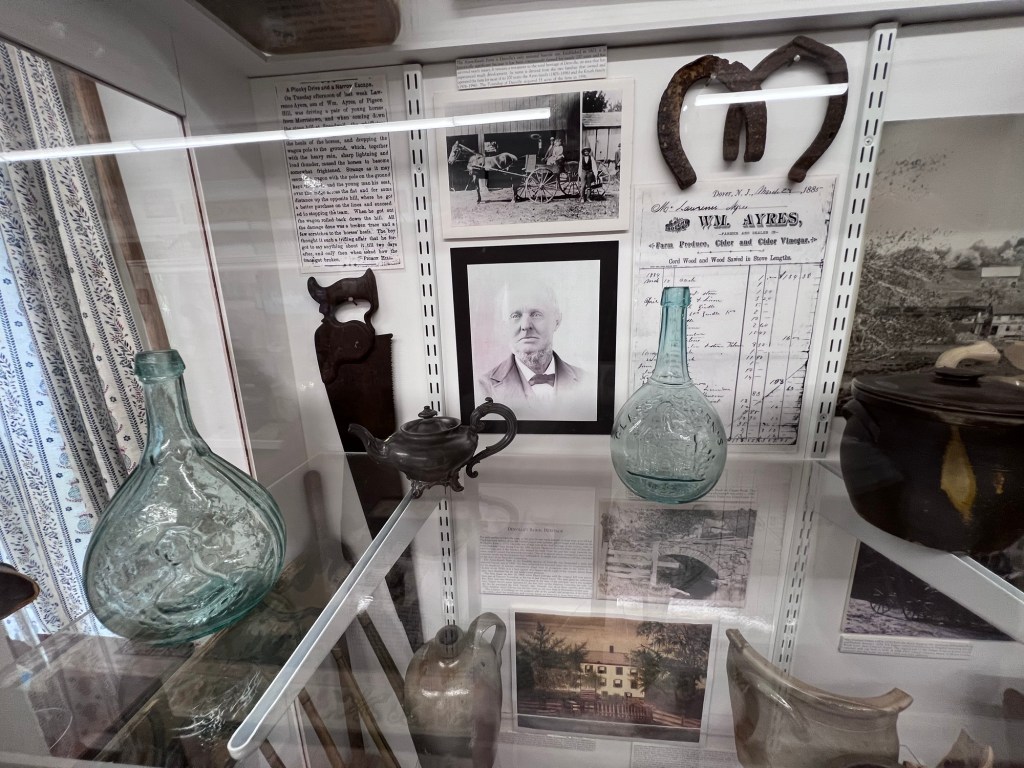
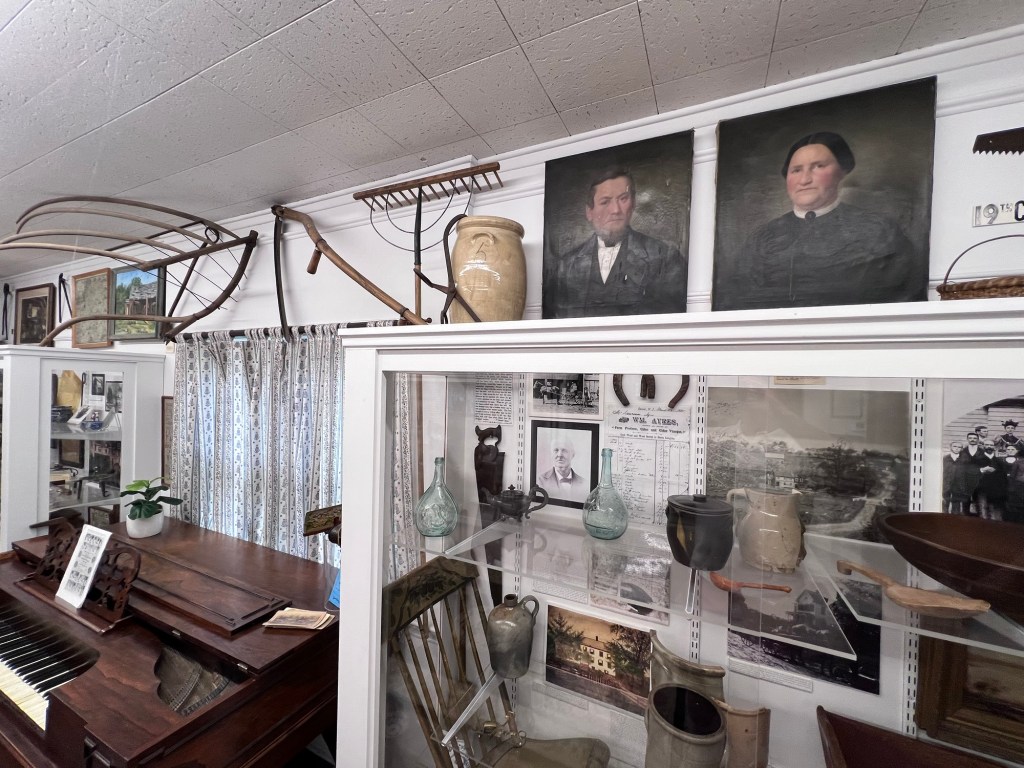
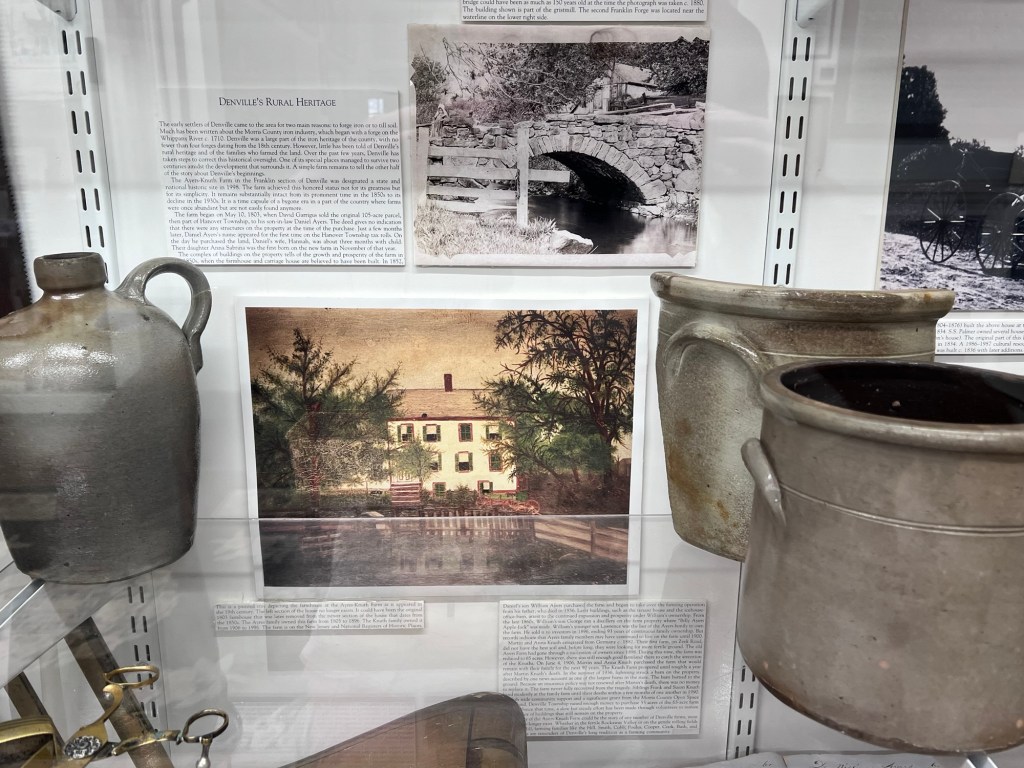
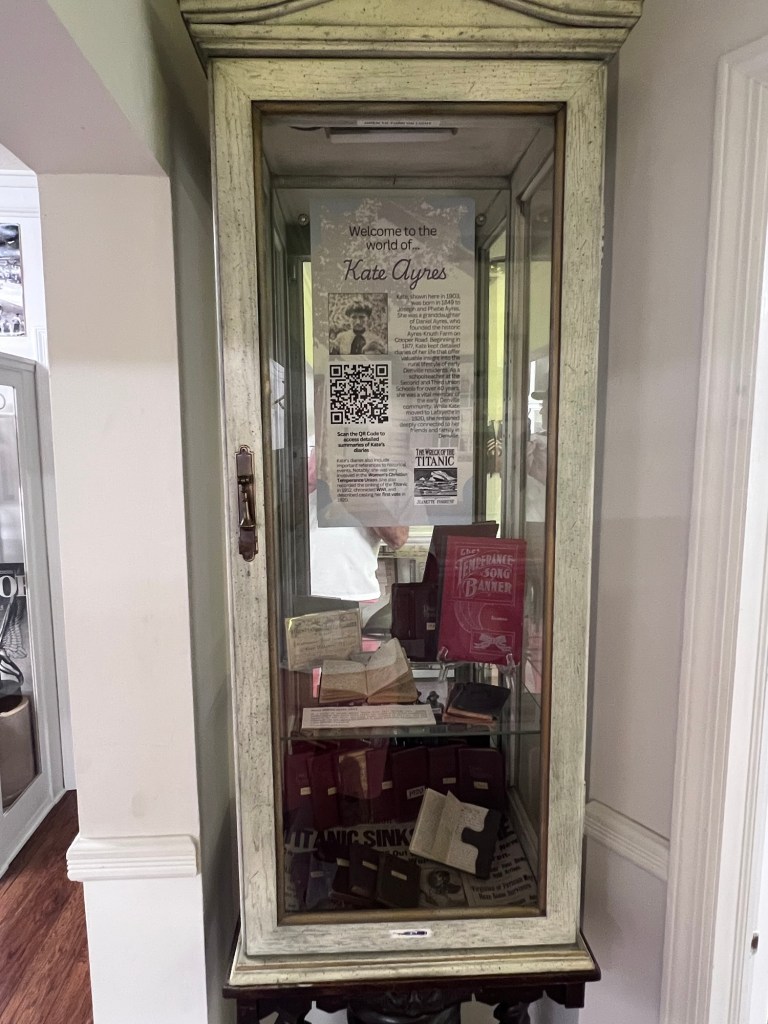
The farming display with many items from the Ayres Farm

My blog on the Ayres Farm:

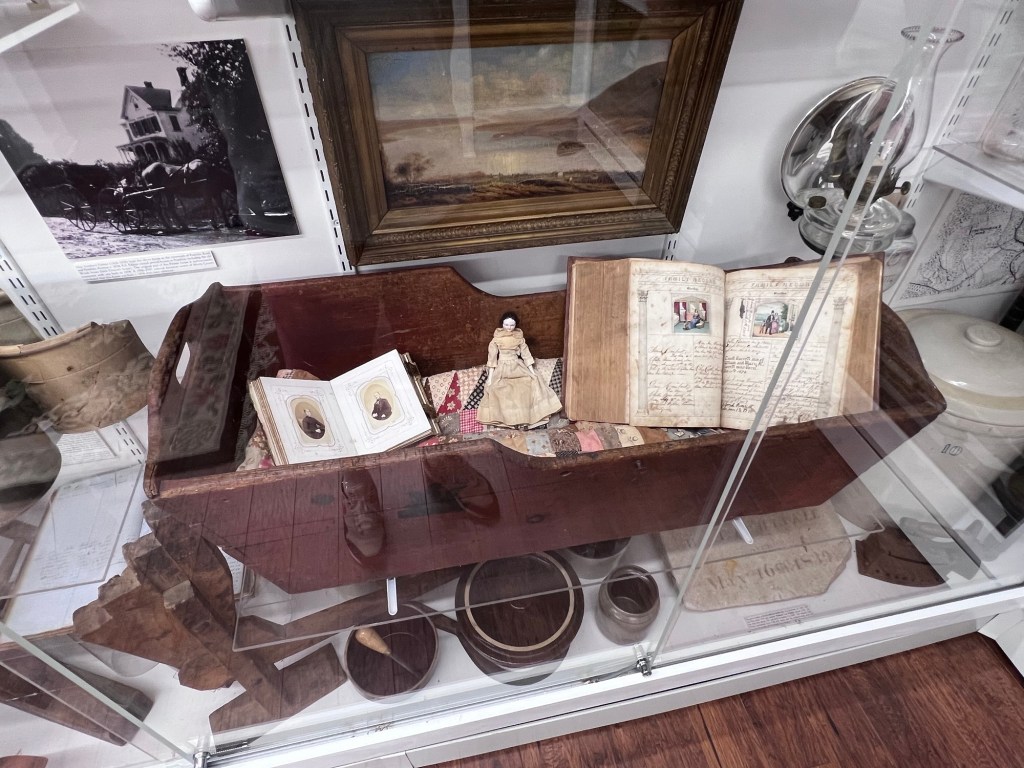
Artifacts from the Ayres Farm

Children’s items from both the Ayres Farm and from the community including a handmade cradle

Farm equipment and home furnishings and portraits of Ayres family members

Items from the Ayres Farm

As the community entered the post-Revolutionary War era to the Civil War era, the area entered both its agricultural and industrial boom period.

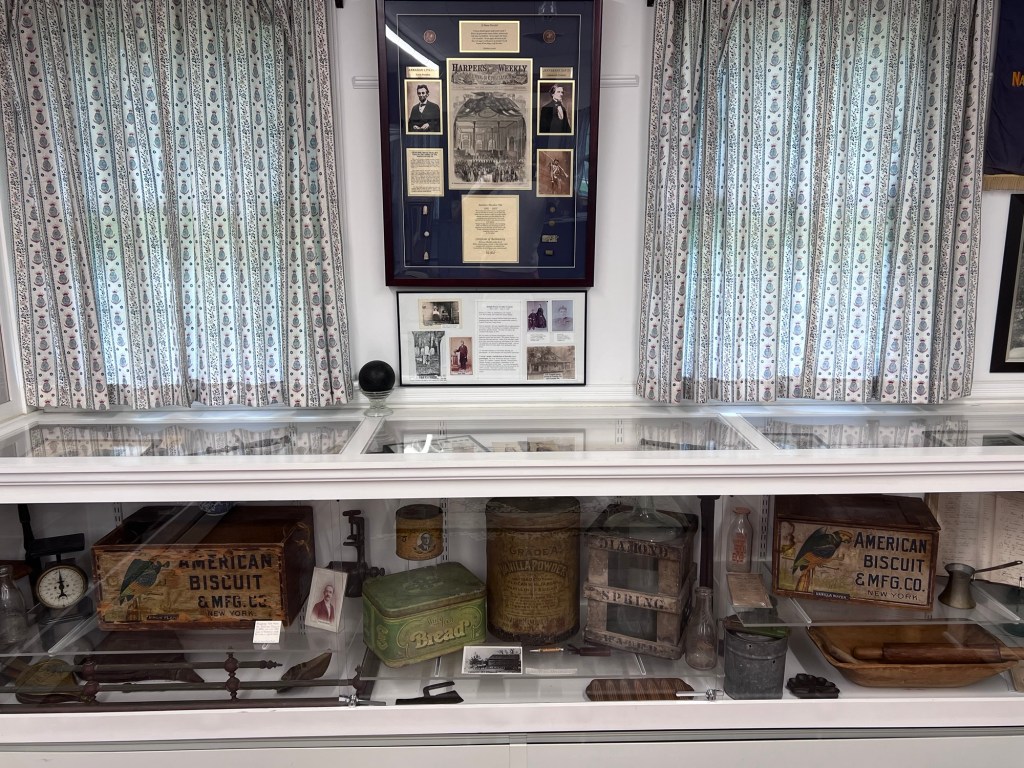
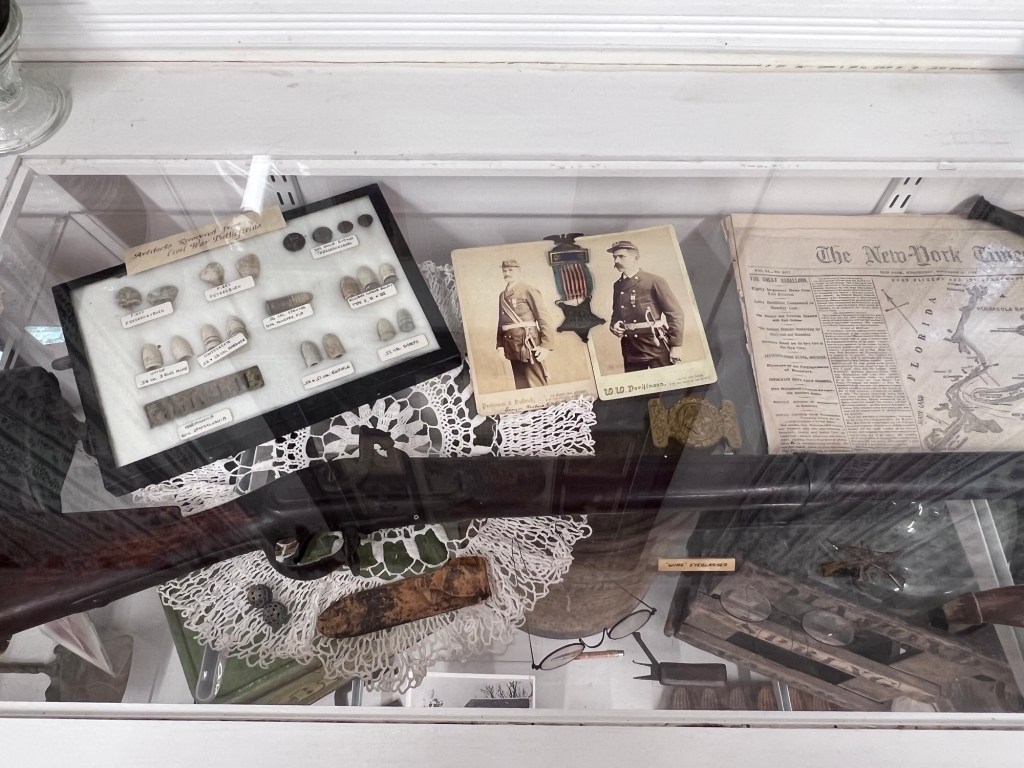
Artifacts from the Civil War and post war commercial era. Many of the artifacts are an early example of companies that still exist today.

Civil War era items of residents of the community

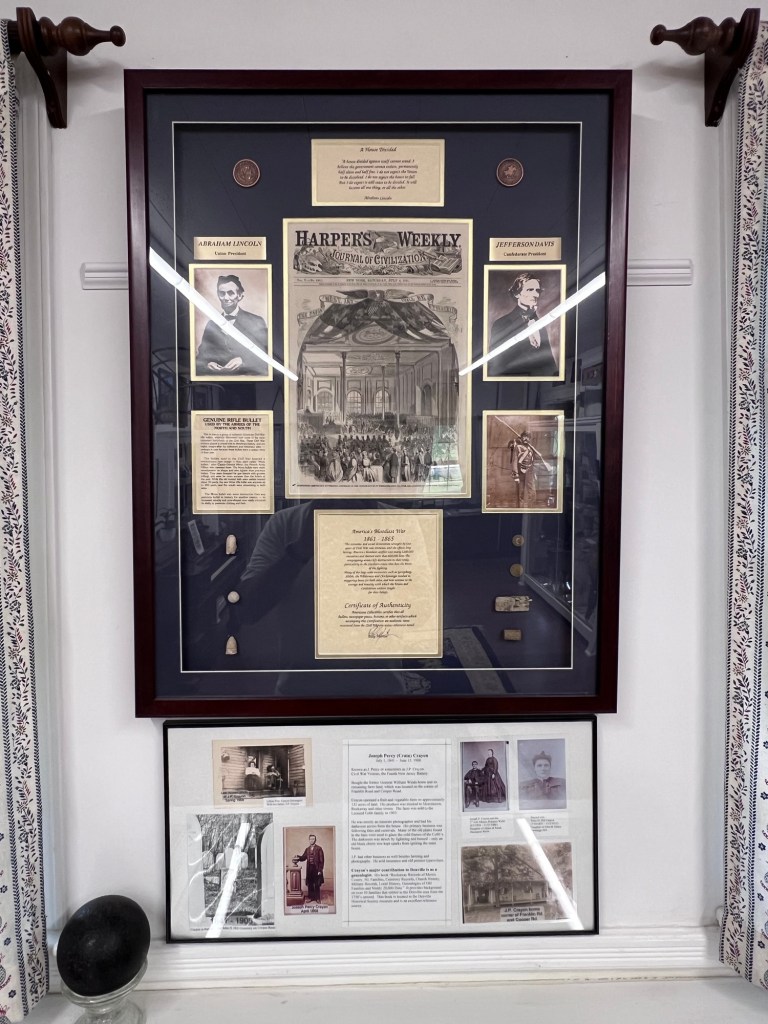
Presidential items from the Civil War period of both President’s Lincoln and Davis

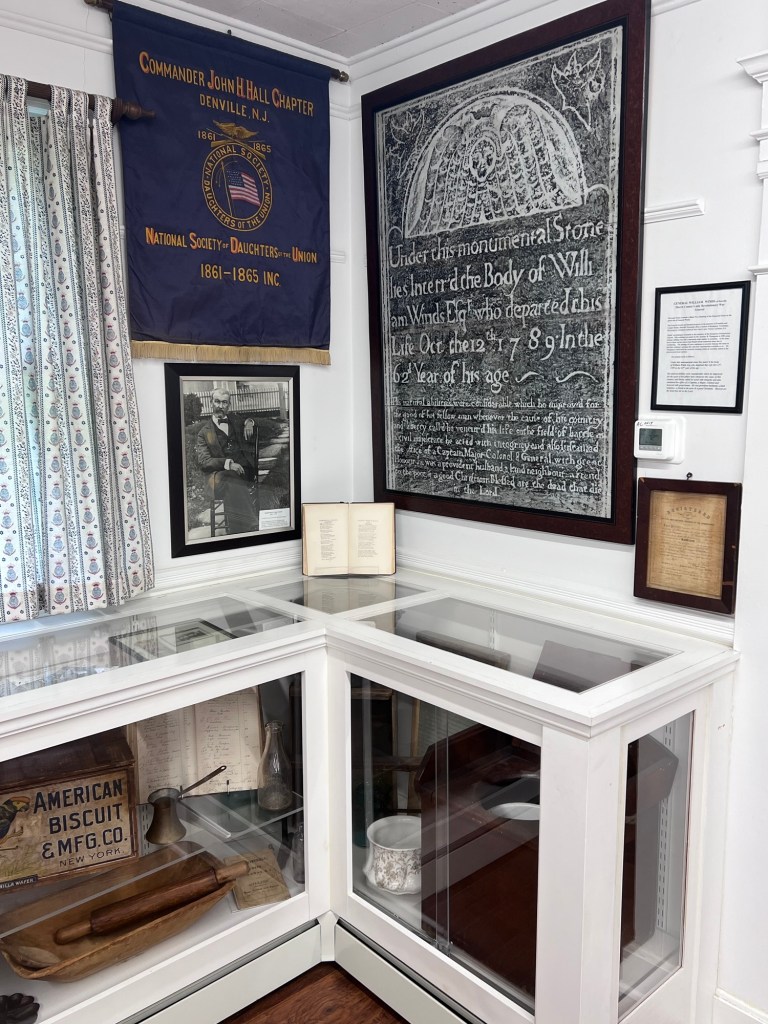
Commercial items and tombstone etchings of the period

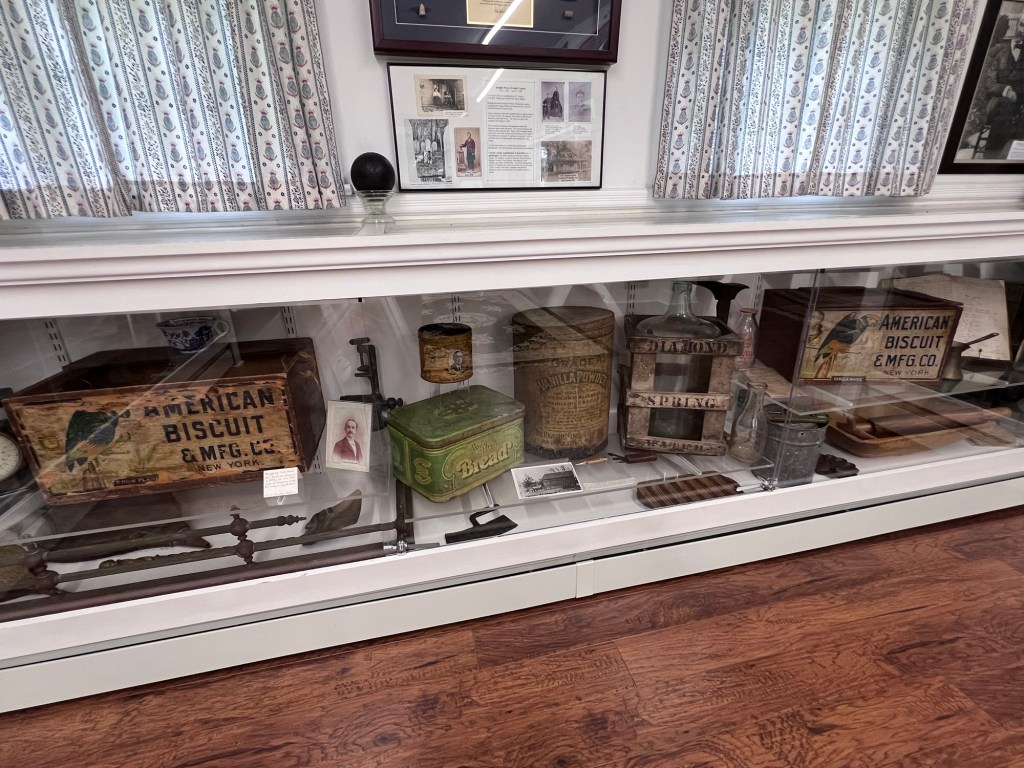
The manufactures of commercial products of that era. Many of these items are early examples from the modern Nabisco company. These were some of the original tea biscuit containers.

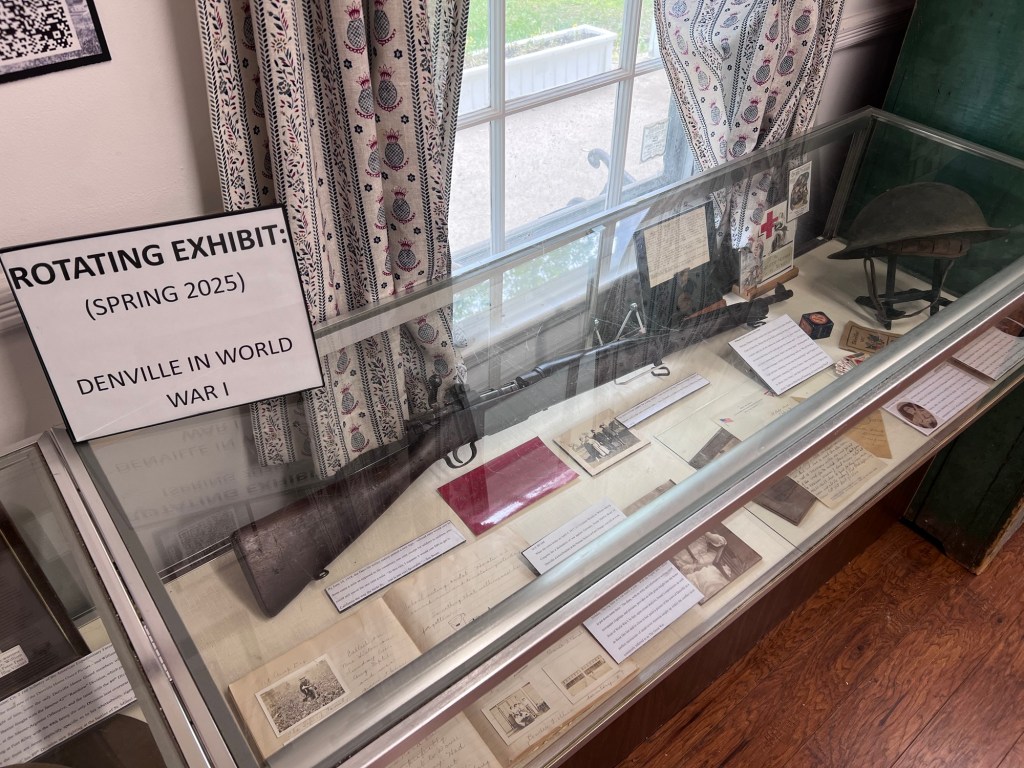
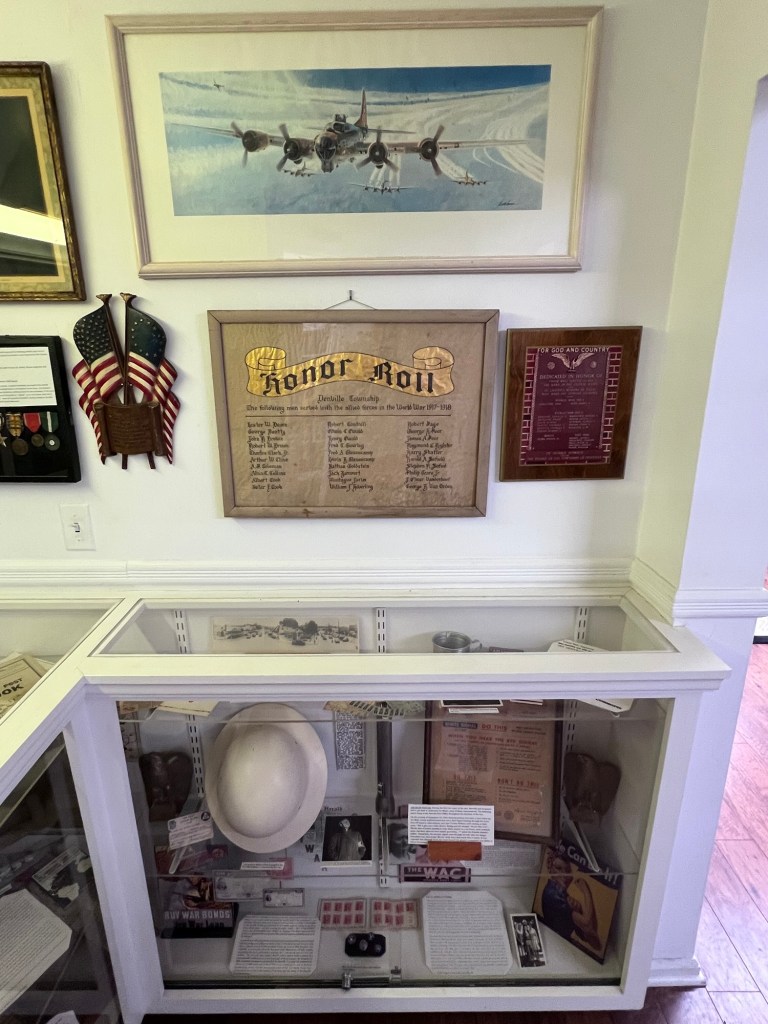
The exhibition of World War One artifacts on display

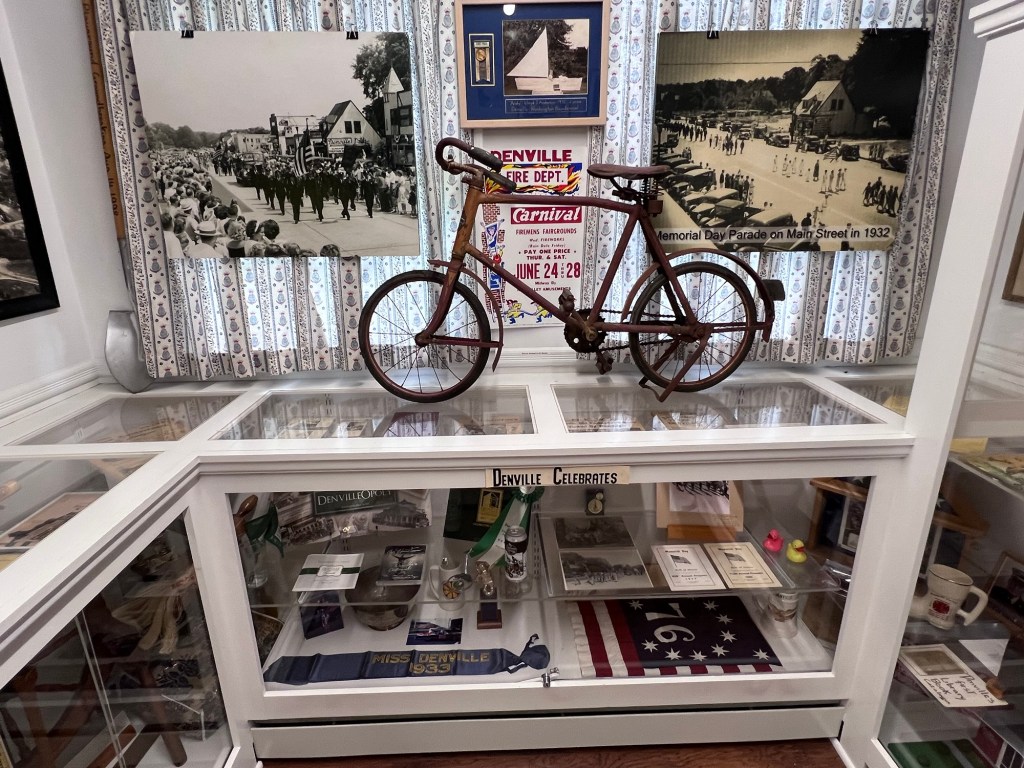
School and town events

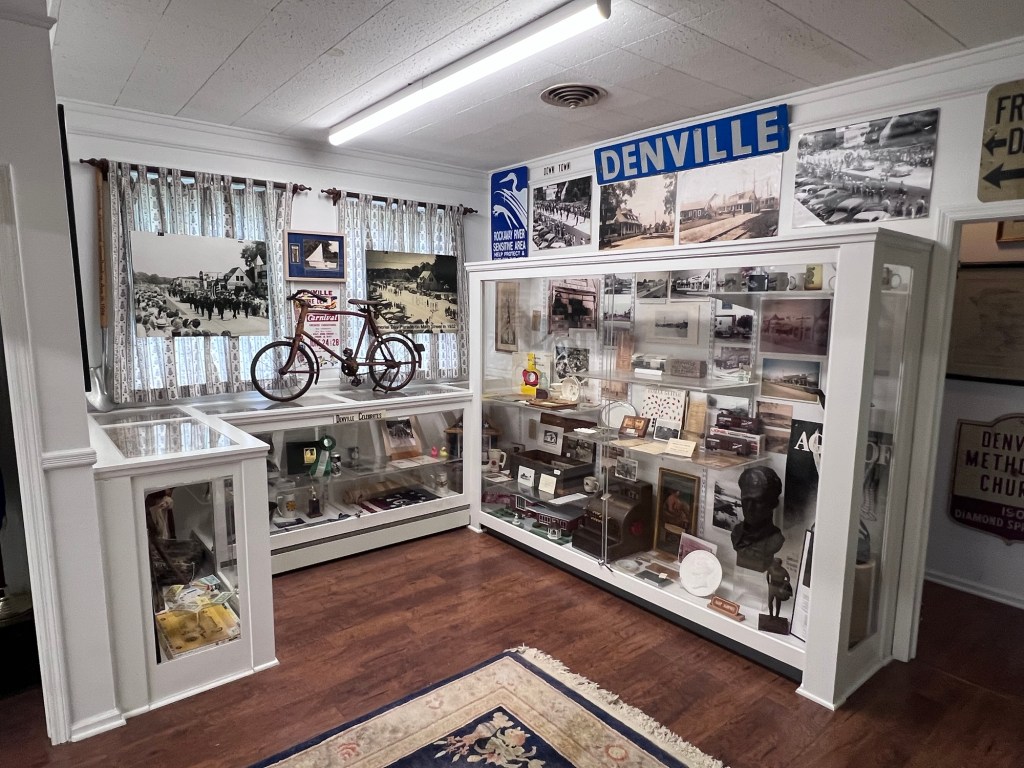
The town parades and artifacts from the town

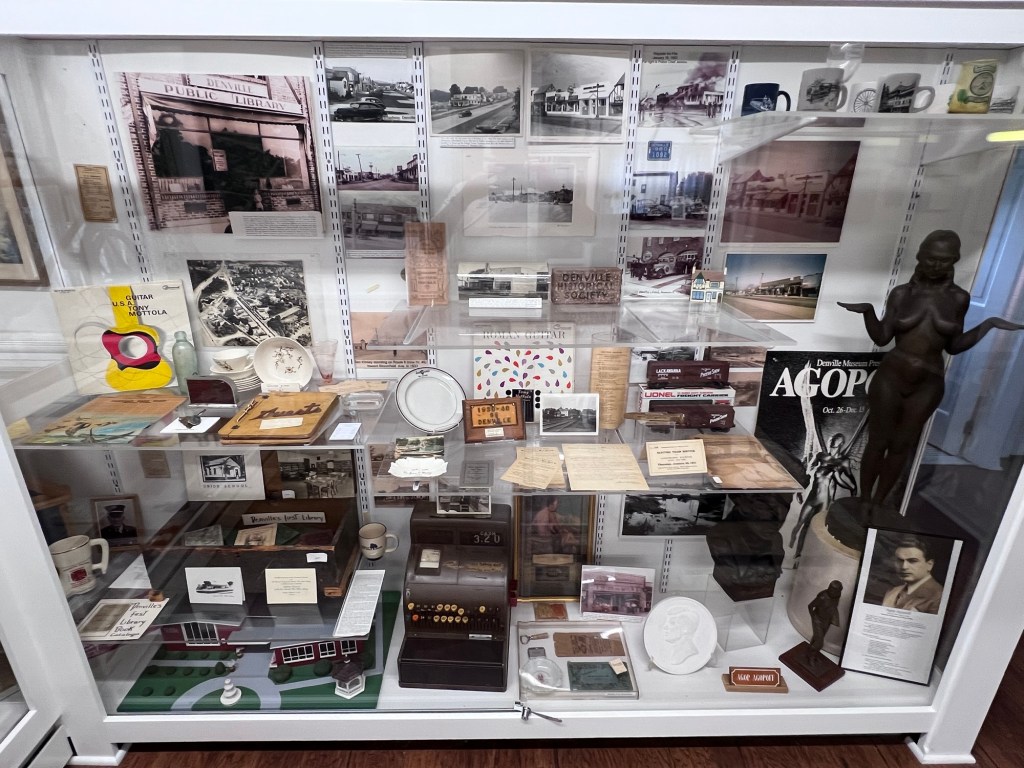
The display of town merchant items

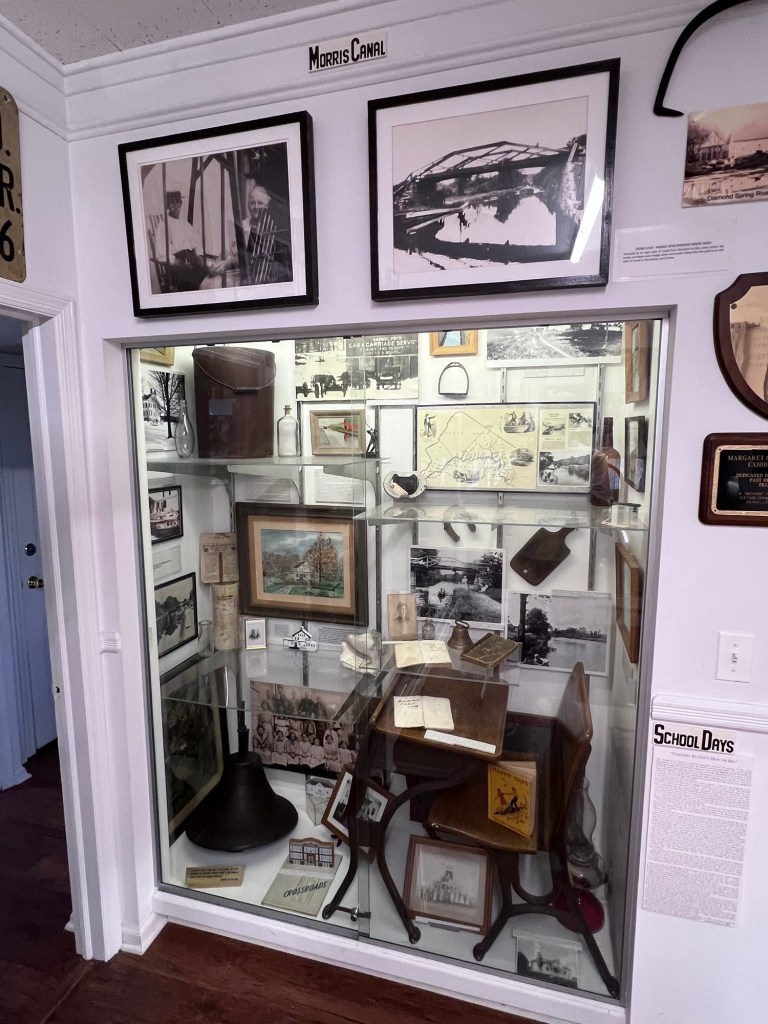
The creation of and growth of trade on the Morris Canal that once ran through the town is on display as well with pictures and artifacts.

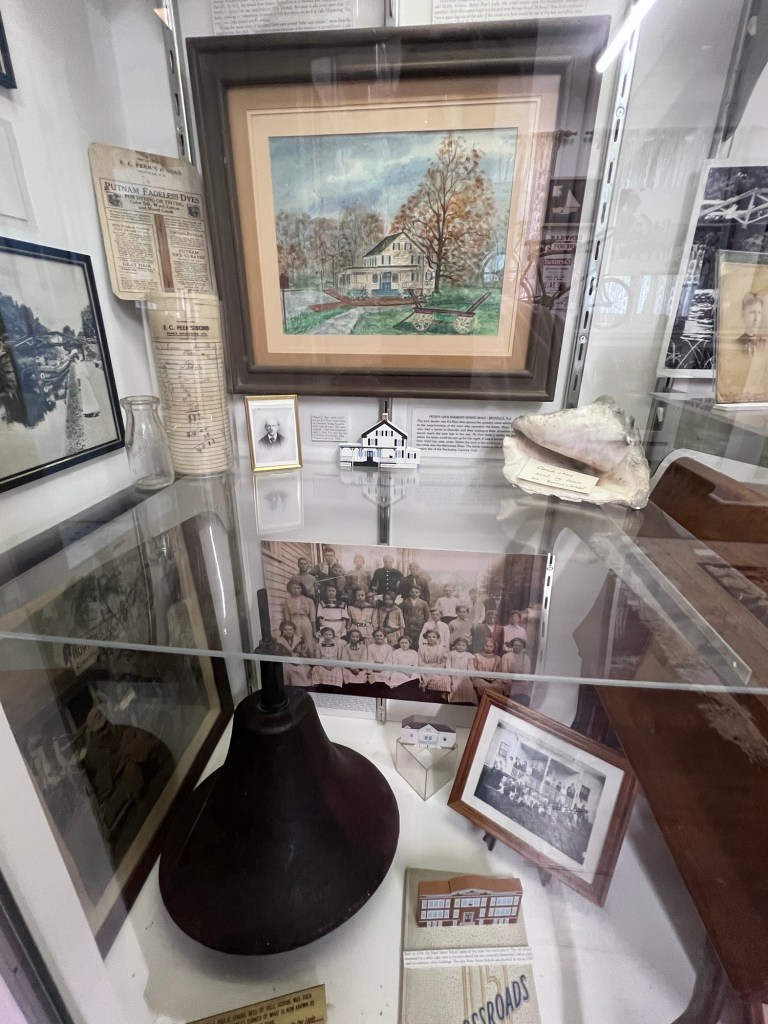
The Morris Canal display and some school house artifacts as well

More town artifacts

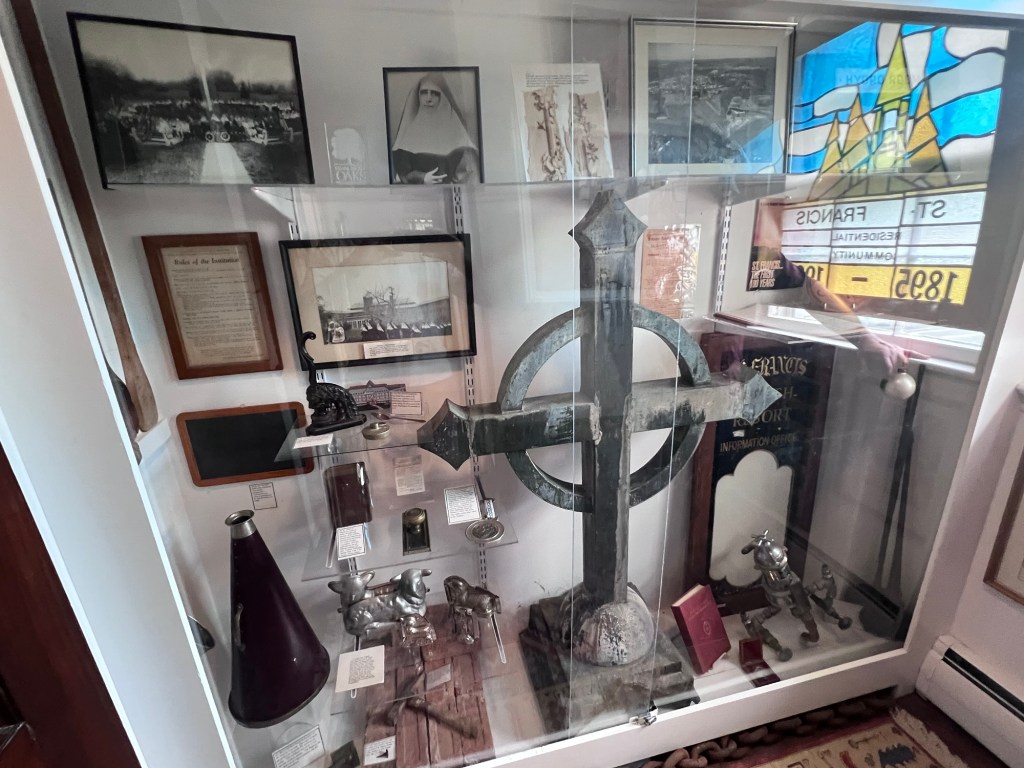
The order of St. Francis once had a building with a school here and as the order died out, they sold the building in town

These are some of the artifacts from that time

Some more of the artifacts from St. Francis

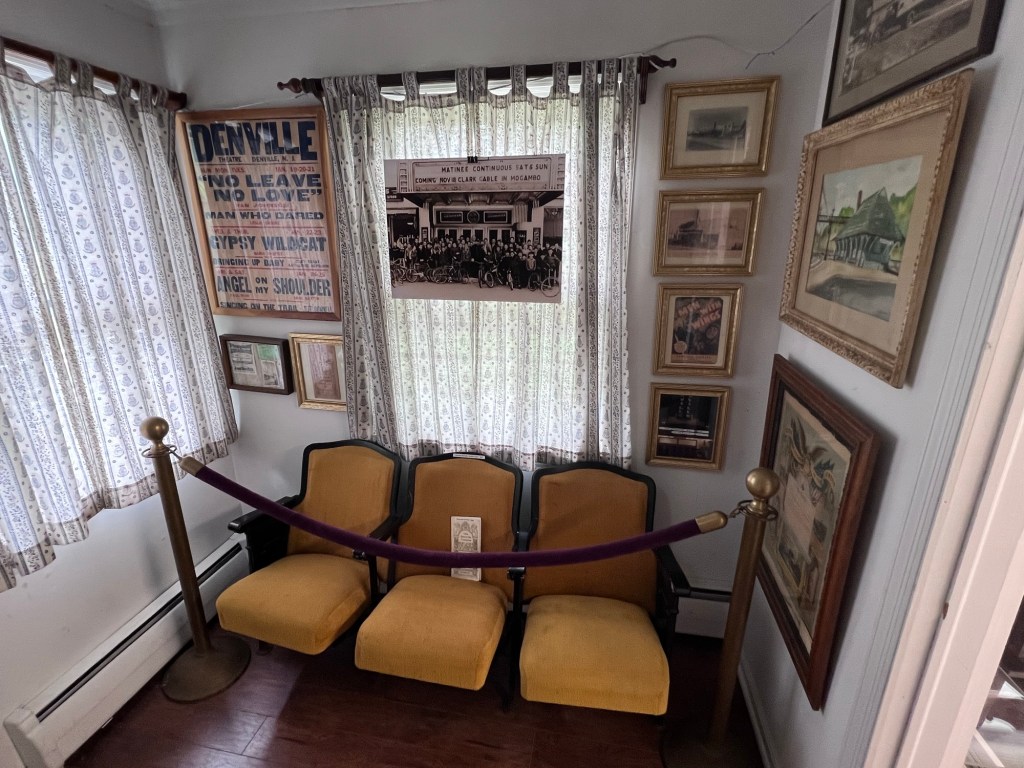
A display on the old Denville Theater

Another Ayres Family display

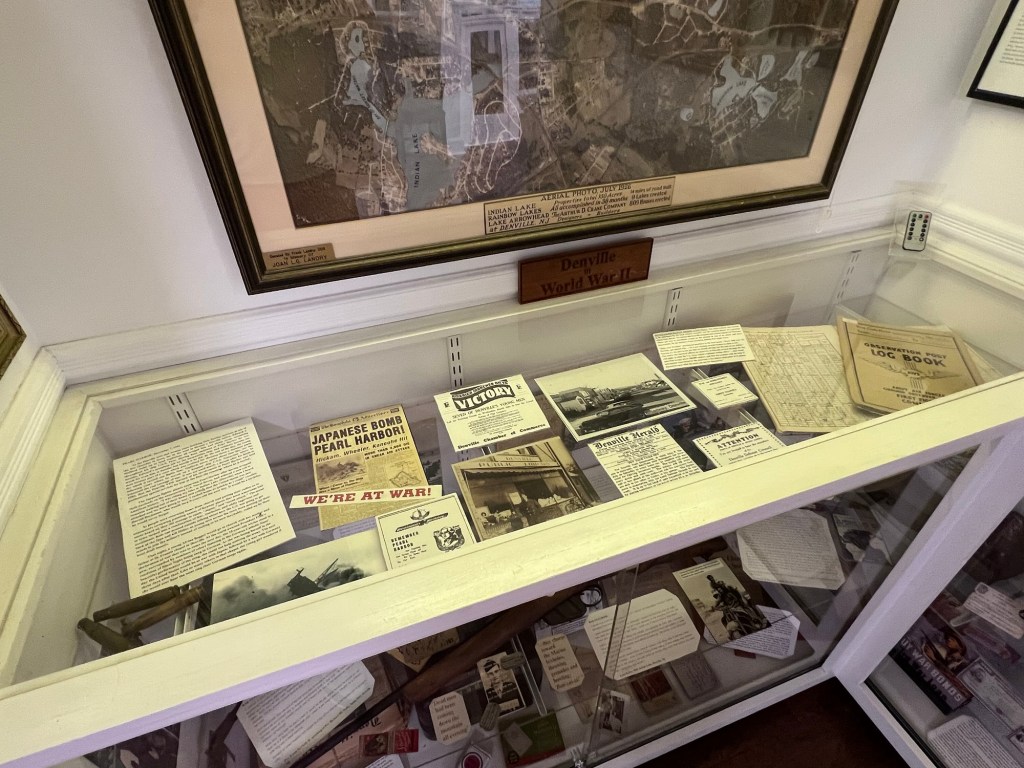
Historical items from the town

Military items from the community

More Military items

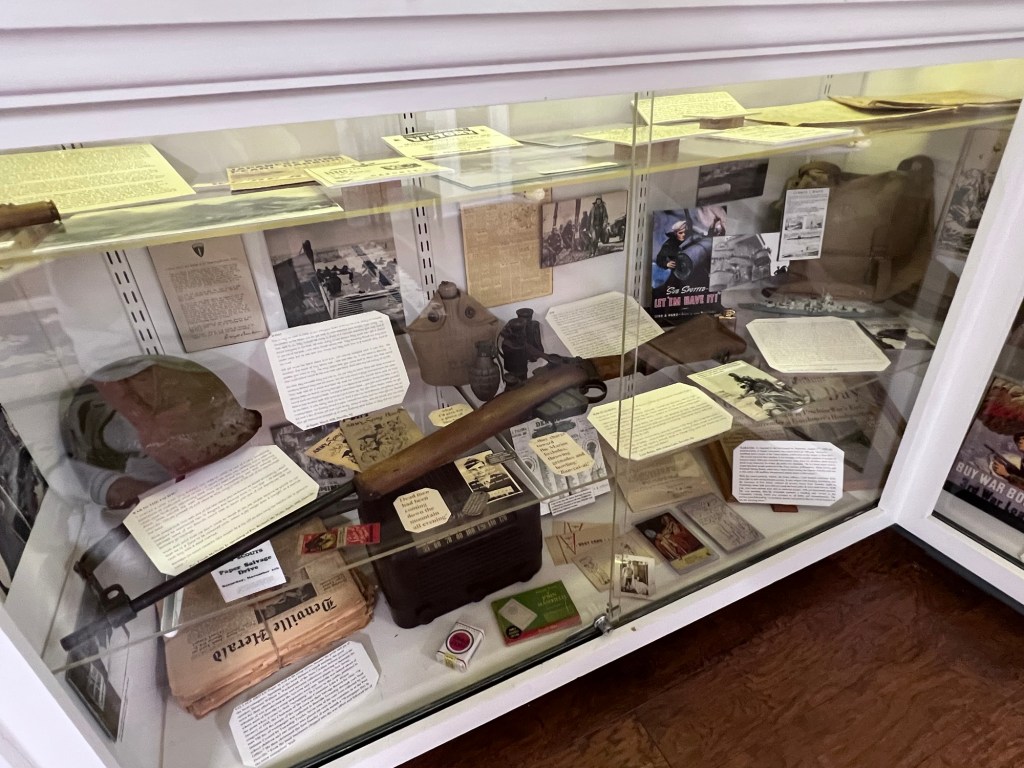
More Military items from the War years

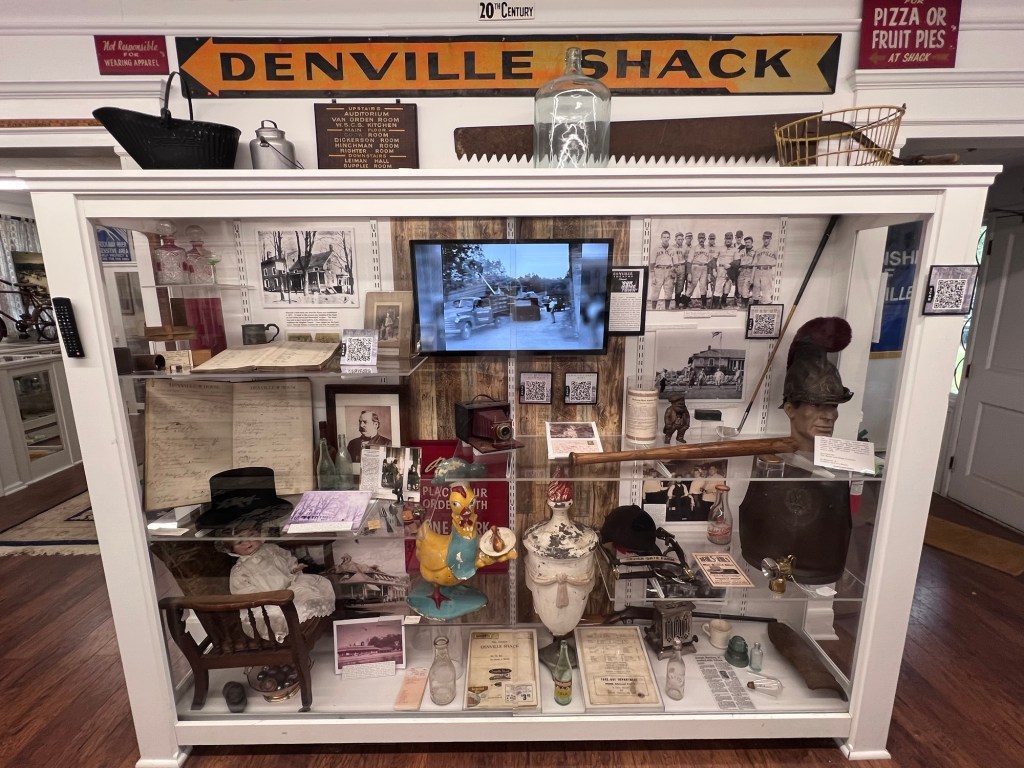
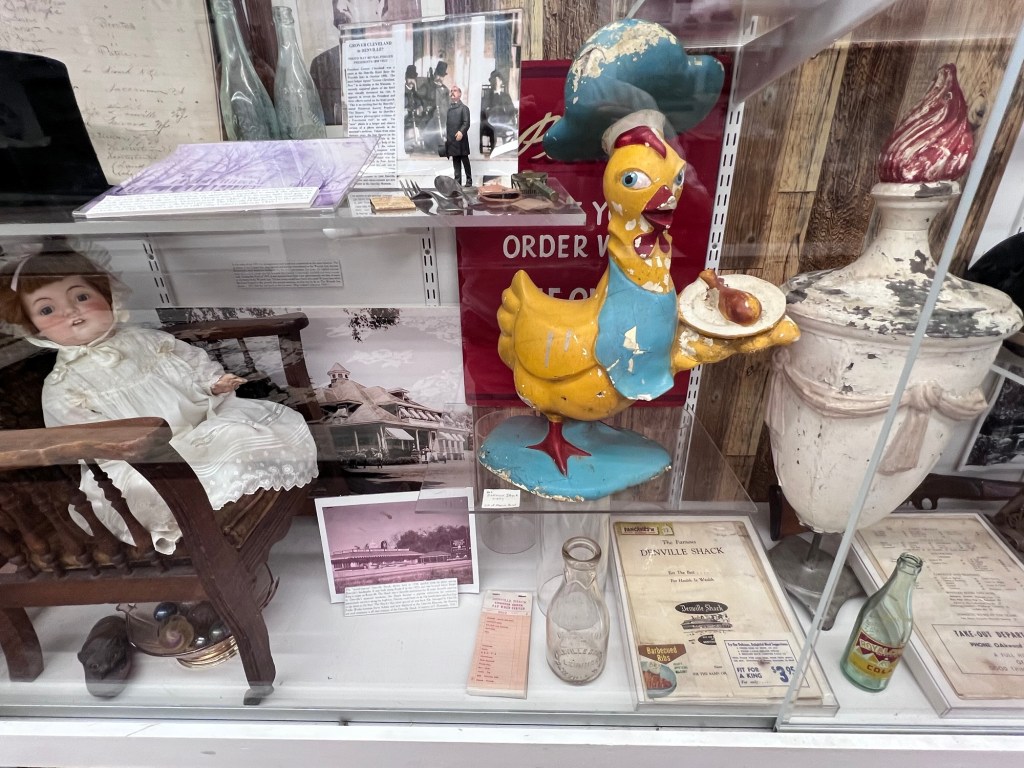
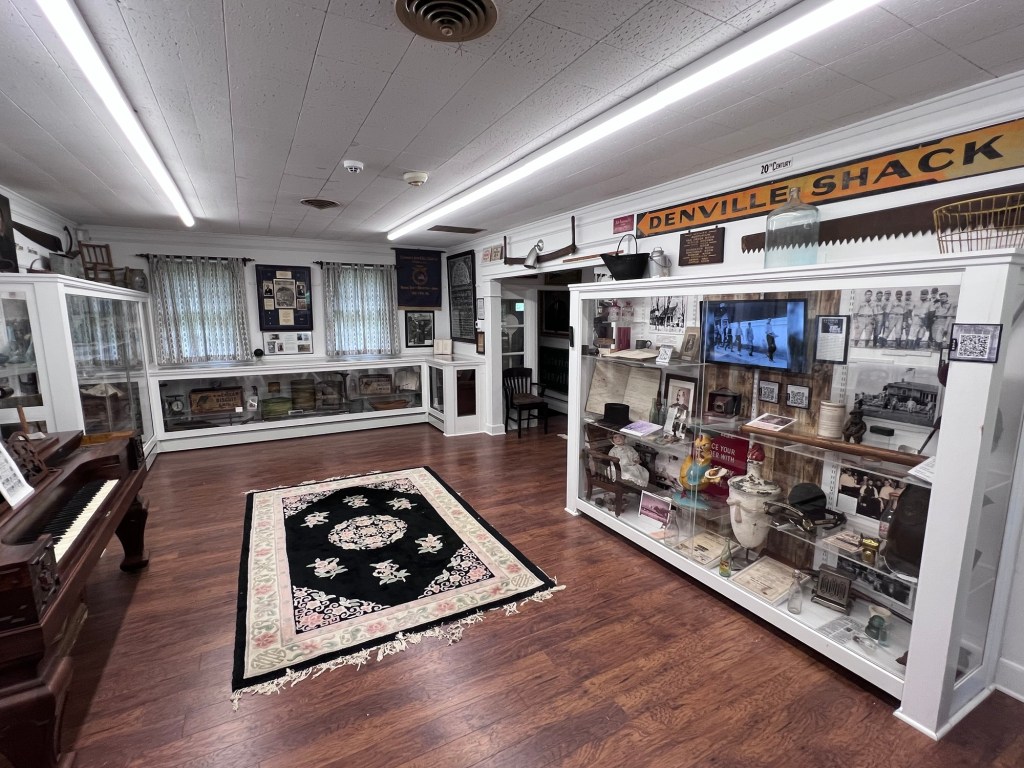
The last display I admired before I left for the afternoon was the Denville Shack display on a popular restaurant that was once in town. These popular restaurants used the dot the sides of local highways from the early 1960’s through the early 1980’s.

The display from the Denville Shack

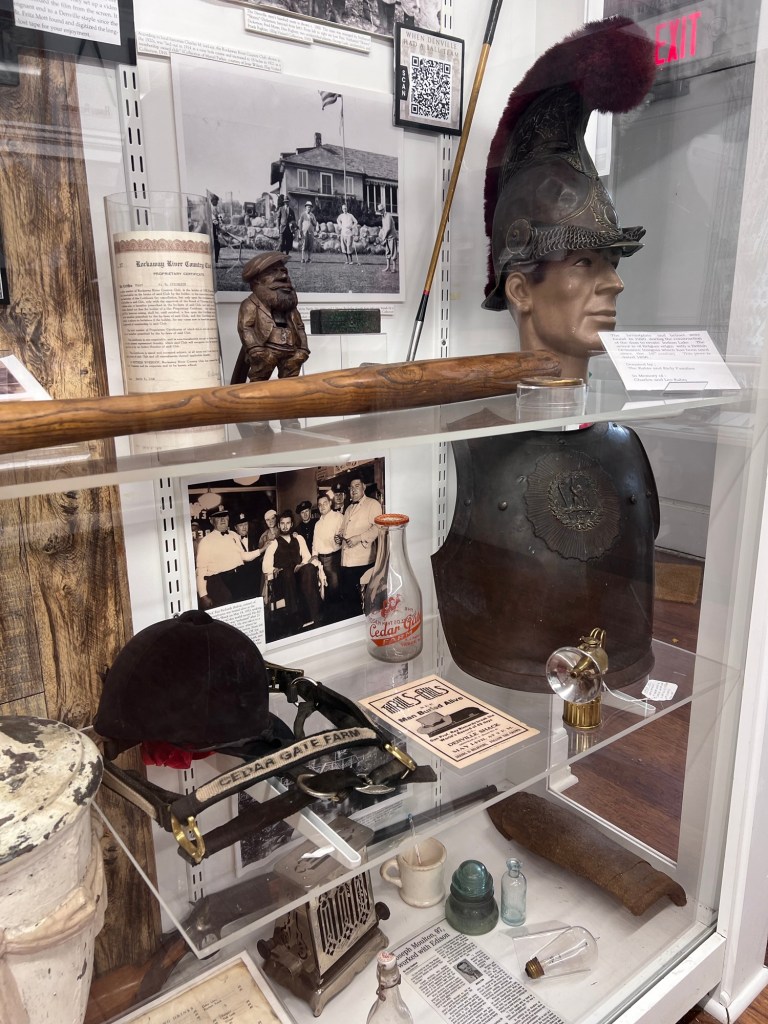
Some of the items from the old restaurant plus other artifacts

Some other town artifacts with a set of armor that was found in town.

The Denville Museum was a delight to visit. It was loaded with interesting displays and town artifacts that not only talk about the founding of the town but how it has come into its own as a modern town and a bedroom community of New York City.
There’s a lot to experience here.
Day Three-Hundred and Thirty-Seven Bergecco-Parc Consulting Inc. presents “The Bergen 250-the 250th Anniversary of the Revolutionary War in Bergen County, NJ”                                             April 23rd, 2025

Day Three-Hundred and Thirty-Seven Bergecco-Parc Consulting Inc. presents “The Bergen 250-the 250th Anniversary of the Revolutionary War in Bergen County, NJ” April 23rd, 2025

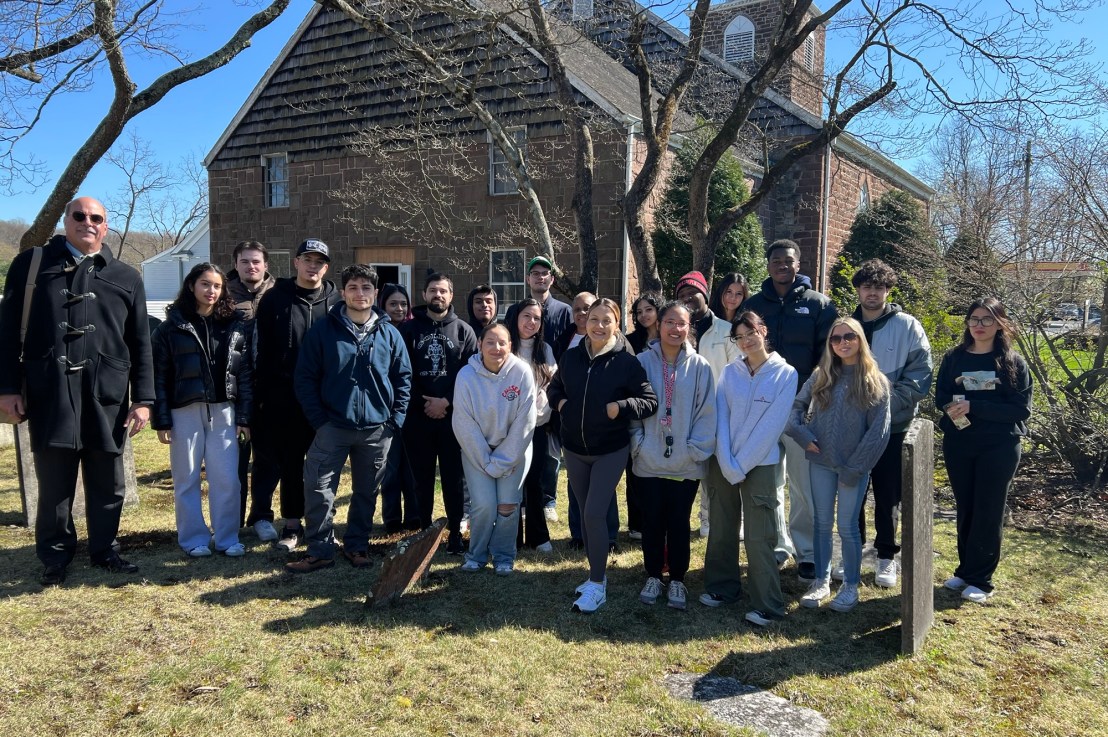
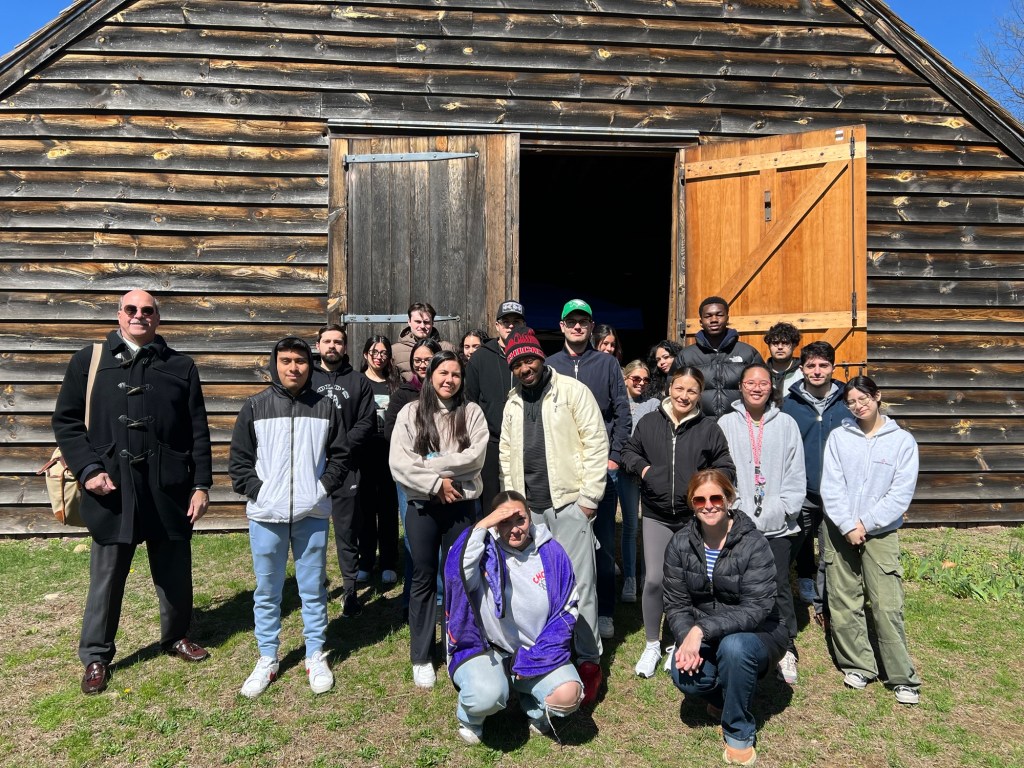
Bergecco-Parc Consulting Inc. CEO/Co-Founder Professor Justin Watrel and his Executive Team outside the Wortendyke Barn in Park Ridge, NJ for a Team Field Trip.