Open: Please check the website for the seasonality of the park
*Located in Van Saun Park at the entrance.
My review on TripAdvisor:
The historic marker of the Washington Spring
The Washington Spring, a 1/2 area within Van Saun County Park, is associated with General George Washington and the movement of his Continental Army through this area of Bergen County during the Revolutionary War.
The small section of Van Saun County Park is one of the more quieter places to visit and one of its most historical. The pathways work their way around the springs and the plantings and flowers are especially nice in the early to late Spring months. It really is a beautiful walk.
The entrance to the Washington Spring
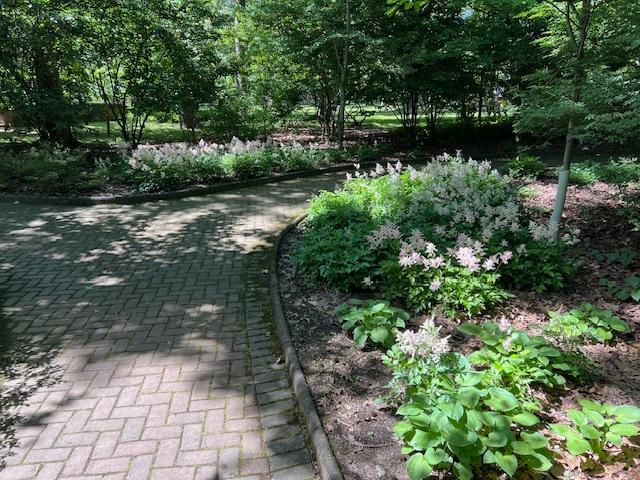
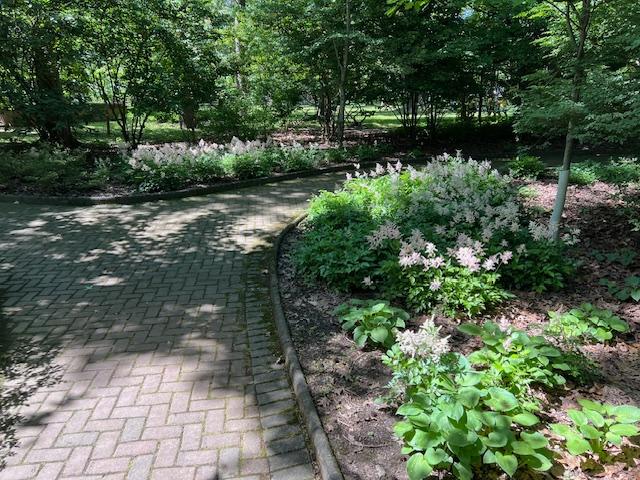
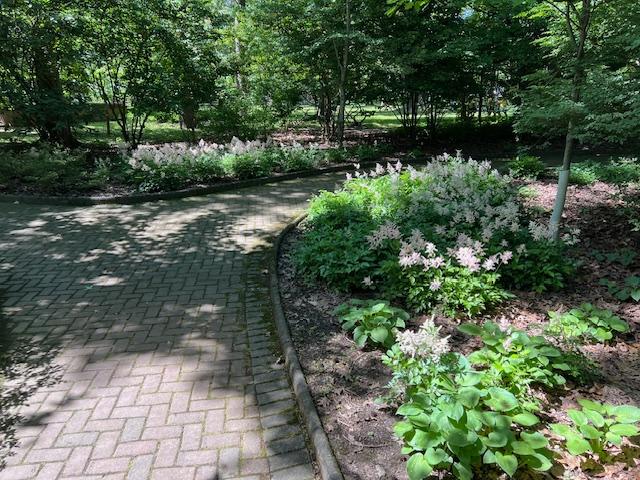
The pathways in bloom
History of the Washington Spring:
The hollow between hills known as “Slukup” until it was changed to the more pleasant-sounding “Spring Valley” in 1832. In the Dutch Frisan language “slukup” described a boggy area. The local Banta family was from Friesland in northern Holland and one of the area’s earliest settlers. Natural springs feed the streams in this area that flow through Van Saun Pond and eventually into the Hackensack River. The park’s land was part of 300 acres owned by Albert Zabriskie in 1686. In 1695, he sold 224 acres to Jacob Van Saun of New York City.
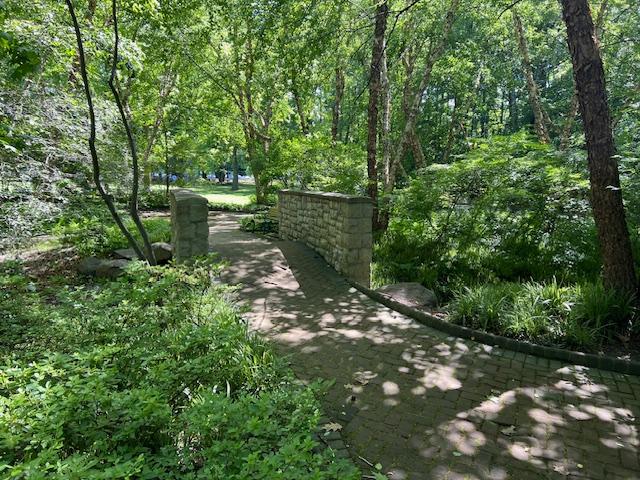
The spring running through the garden area.
The road to Slukup, now Howland Avenue, served as the border between Jacob Van Saun’s farm to the south and son-in-law Christian Dederer’s farm to the north. Hendrick C. Banta, who owned a cider mill in the Steenrapie area (River Edge), lived west of the Mill Creek that flows through the park.
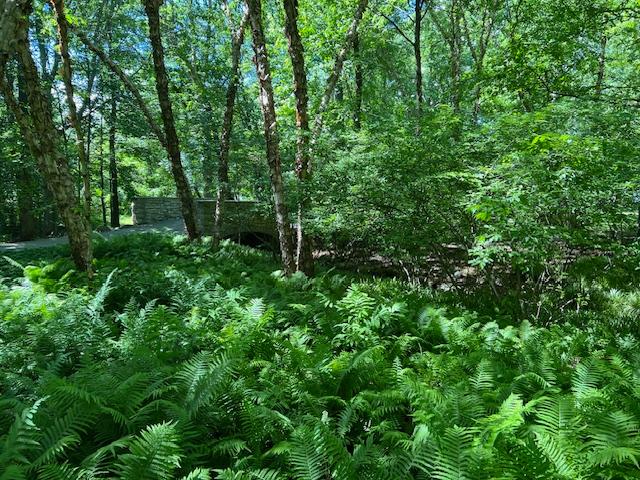
Ferns along the pathways
On September 4, 1780, General Washington moved the troops of the Continental army, numbering approximately 14,000 into a strategic encampment west of the Hackensack River between New Bridge in the south and Kinderkamack to the north in Steenrapie. They were part of the defense to challenge the British military stronghold on Manhattan and prevent any intervention with the landing of allied French troops in Rhode Island. Hendrick Banta reportedly sold a barrel of cider to these troops “every other day”. His 10 year old son, Cornelius, reportedly saw General Washington on his horse three times. During one of these sightings the General was watering his horse at the spring, giving rise to the name “Washington Spring”.
The Washington Spring pathways
On September 17th, General Washington, General Knox and the Marquis de Lafayette, who was headquartered at the northern end of the encampment in the area known as “Soldier Hill” in Oradell, left for Hartford, Connecticut to meet the recently arrived French commanding officers. The rest of the Continental Army decamped on September 20th.
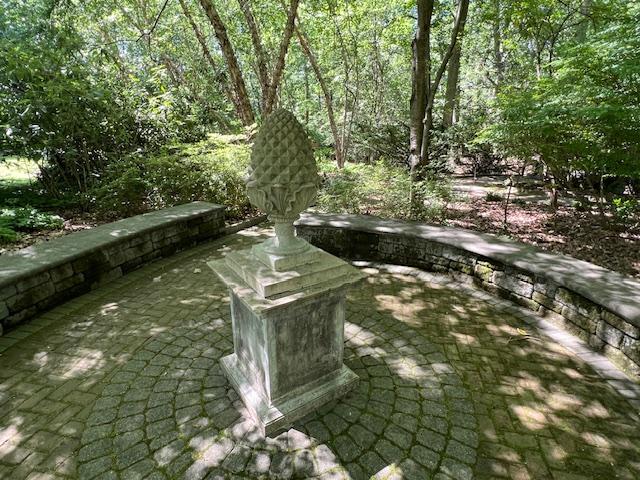
Sitting area and monument in the Washington Springs
The Bergen County Park Commission was created in November 1946 and in 1987 because the Division of Parks. Recreation and Cultural Affairs. Van Saun Park, whose 140 acres include Washington Spring, was created in 1957. Also, within the park is the Bergen Zoological Park, that opened in 1960. Open year round during park hours and is surrounded by accessible pathways.
The Spring area, which is right off the parking lot leading to the zoo, is beautifully landscaped with benches, pathways and flowering plants like azaleas, rhododendrons and flowering trees. In the early spring, the look around the Spring is quite colorful and picturesque. It is a nice way to spend the afternoon, walking quietly around the paths and see where the General once watered his horse. The entrance of the Spring is under plants but becomes a stream further down. Another part of the great history of Revolutionary War and the part New Jersey played in winning the war.
The spring running through the woods
*Disclaimer: this information is taken directly from the Bergen County Division of Cultural & Historic Affairs pamphlet. The Spring is part of Van Saun Park as you drive in and watch for the signs. It really is a beautifully landscaped part of the park and its historical influence in the war should not be missed. (2015 Bergen County division of Cultural and Historic Affairs. The Bergen County Division of Cultural & Historic Affairs received an operating grant from the New Jersey Historical Commission, a division of the Department of State.
There is a real beauty and quietness to the Washington Spring.
I visited the Fort Lee Museum at the Judge Moor House today to see the exhibition on Palisades Park Amusement Park and to see the history of the early film industry. Silent films started in Fort Lee long before they moved Los Angeles.
It was interesting to see how many silent screen stars started in Fort Lee including Mae Marsh, Lillian and Dorothy Gish and Mabel Normad and where the movies were shot. The museum shows how the industry grew and the studios that were created in town.
Exhibitions at the museum
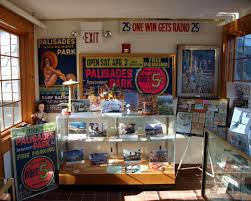
The Palisade Park exhibition was on the progression of the growth of the amusement industry in North Jersey and exhibited many artifacts from the old park. There were many pictures of the park in many different eras.
The Palisade Park exhibition
From the museum:
The Fort Lee Museum is a historic museum in Fort Lee, New Jersey on Palisade Avenue within Monument Park. The museum opened in April 1999 and is operated by the Fort Lee Historical Society.
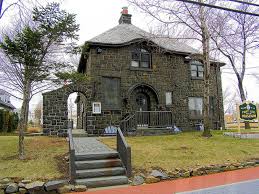
The museum building is also known as the Judge Moore House. It was built in 1922 with an exterior of bluestone quarried from the Hudson Palisades atop which Fort Lee is situated. The building was slated for demolition in 1989 but community intervention prevented its destruction and the borough purchased it.
The Judge Moore house
The museum has a collections which speak the long history of Fort Lee and surrounding communities such as the Battle of Fort Lee. America’s first motion picture, the George Washington Bridge and Palisades Amusement Park.
Monument Park was built by the Daughters of the American Revolution and dedicated in 1908 at a ceremony attended by General “Black Jack” Pershing. The park was part of the original Fort Constitution of the Continental Army under the leadership of General George Washington. Over 2,600 troops were stationed in and around the Monument Park area. In 2004, the park was reconstructed for the Fort Lee Centennial. A time capsule was placed at the foot of the monument to be opened at the Bicentennial Celebration in the year 2104. Monument Park and Continental Army Park in Williamsburg, Brooklyn are the only parks in the US to be dedicated to soldiers of the American Revolution.
*Note from the editor: The Fort Lee Museum is in a very unusual location right off the Main Street of Fort Lee and tucked off to the side. It only takes about an hour to see the whole museum.
From Highway 17 & 4 proceed west on Route 4 approximately 1 mile to Paramus Road. Exit toward Ridgewood. Continue north through the traffic light. Pass a cemetery and a golf course. The museum is next on the right.
The front of the Fritz Behnke Historical Museum on 330 Paramus Road
I visited The Fritz Behnke Historical Museum of Paramus, NJ the other day after passing it for many years and found a smaller museum that told the history of Paramus, NJ. It has interesting displays on the agricultural past of the County of Bergen. Fred Behnke, the founder’s son, took me on the tour of his father’s masterpiece and I found the displays to be interesting and engaging.
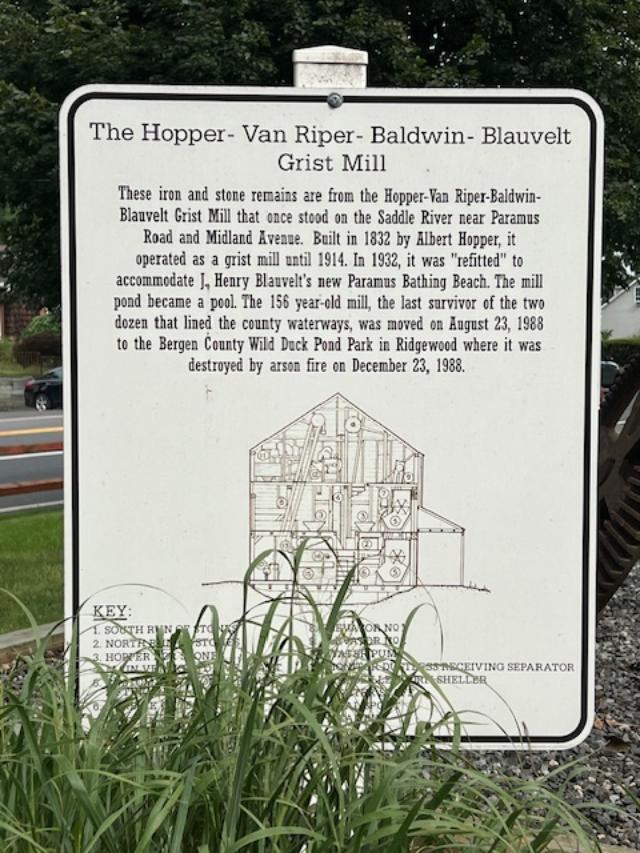
The Grist Mill sign from the old mill
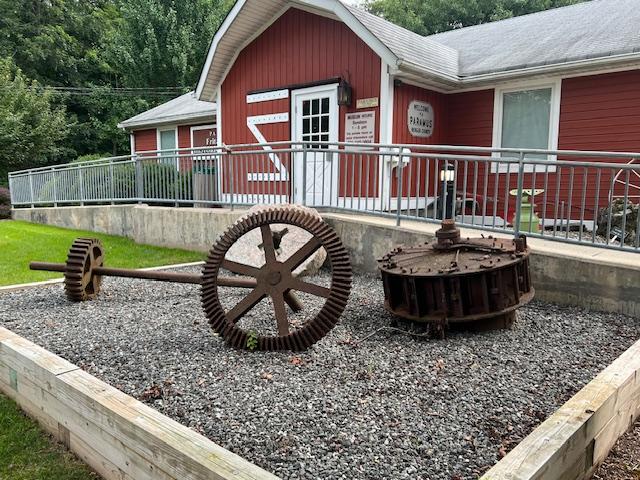
The Grist Mill pieces in the new display outside the museum
The sign that welcomes you to the museum
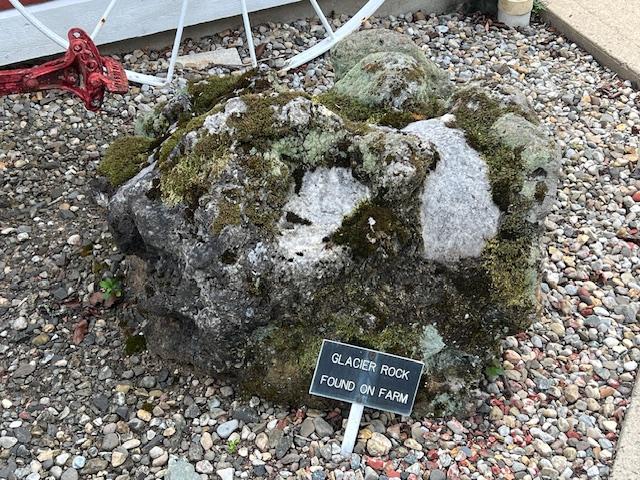
The Glacier Rock in the front of the museum
The farming hoe display in the front of the museum
He showed me equipment that had been in his family for generations and some of the Indian artifacts that his family had found on the property which gave more depth to the history of the property as it had been farmed by local Native American tribes.
The Fritz Behnke Historical Museum contains 2 floors of artifacts dating back to the early 1900’s when there were many farms in the Bergen County area.
Take the time to visit the basement and watch their history video. It is very interesting short on the history of the museum and the borough of Paramus. If you are from Bergen County and grew up here in the 70’s and 80’s, you will recognize a lot of the changes that have happened over the last forty years. It is a real reflection on the changes of Bergen County, NJ over the last 100 years. The museum is only open on Sunday’s so plan accordingly.
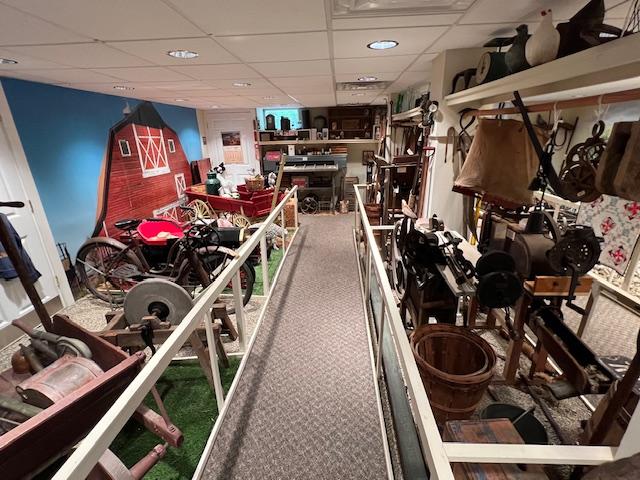
The Farming gallery in the basement in of the museum
The Behnke family farming equipment
The farming equipment on display for use on the farm
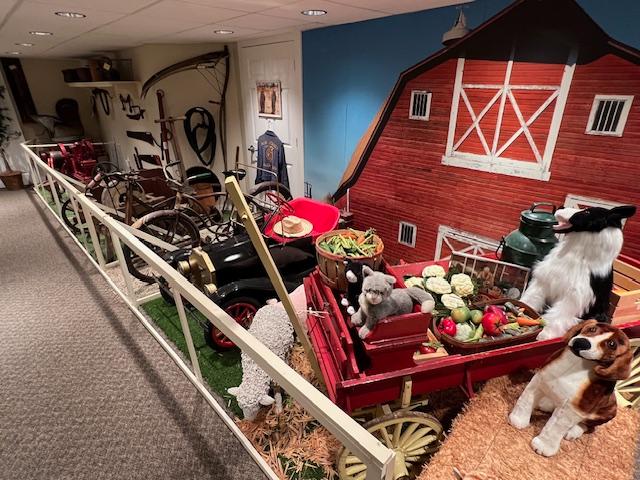
The farm crops and the recreation around the farm
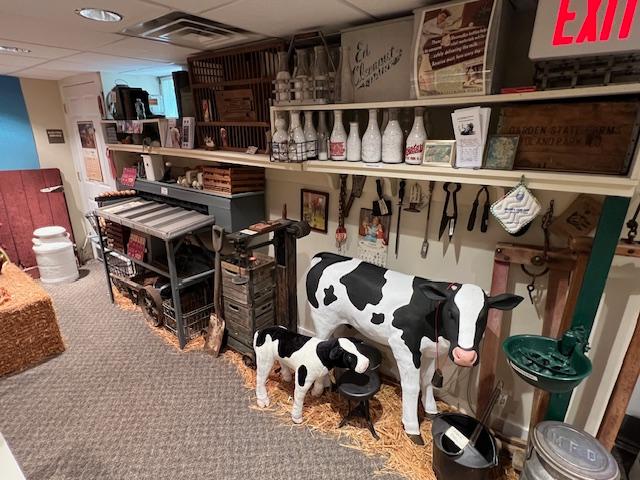
The Egg Sorter and the Dairy industry for milking and bottles
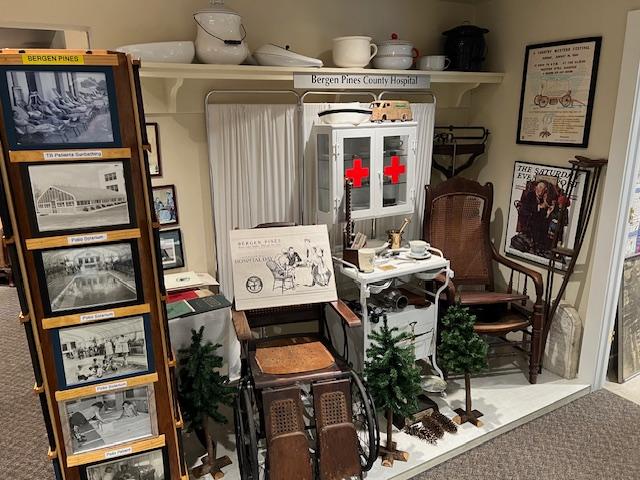
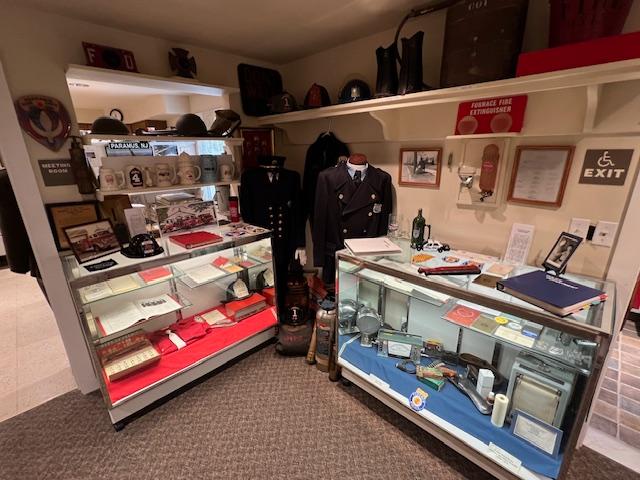
The main floor had an exhibit of Police and Fire Department memorabilia, an being the exhibit displaying the history of Bergen Pines County Hospital and a display of an old school room. This was Paramus during different eras.
The Paramus Fire Department
The Paramus Fire Department
The Police and Fire Department displays
The hospital display
The School room display from the turn of the century until today
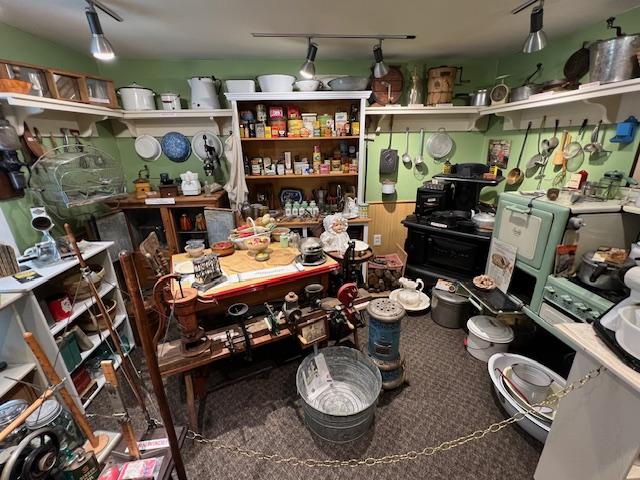
There is an area showing household cleaning and laundry items, including one of the first electric washing machines, a duplicate of which is at the Smithsonian Museum. The kitchen area displays many old devices, used in cooking and includes an old ice box and a wood-burning stove as well as a early gas stove.
The Farmhouse kitchen
The Children’s Toy exhibition
The toys that have not changed over the years for children to enjoy
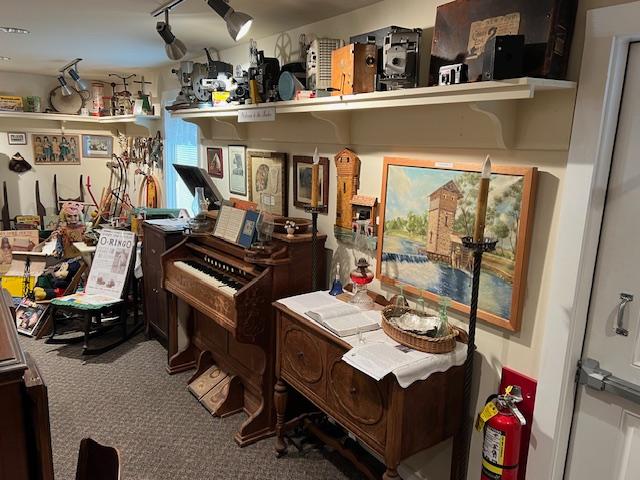
The Kids Room contains many old toys such as strap-on ice and roller skates, dolls, doll houses and cast metal farm tractors. In the parlor area there are old wind up phonographs and a church organ. In the corridors there are many photographs showing the Paramus of yesteryear.
The 1930’s items in the room
The room in the 1930’s and 40’s
The history of Paramus, NJ is explained at the museum
On the lower lever is an interesting 12-minute video presentations on the history of Paramus. There are also displays of woodworking, blacksmithing and farming. The farm display depicts the two distinct differences in Paramus farming that of the celery farms in the muck soil on the west side of town and vegetable farms in the brown soil on the east side of town. There are many different farming items displayed including an egg sorting machine and a shovel hand carved from one piece of wood.
The history of the radios and record player
More household items over time
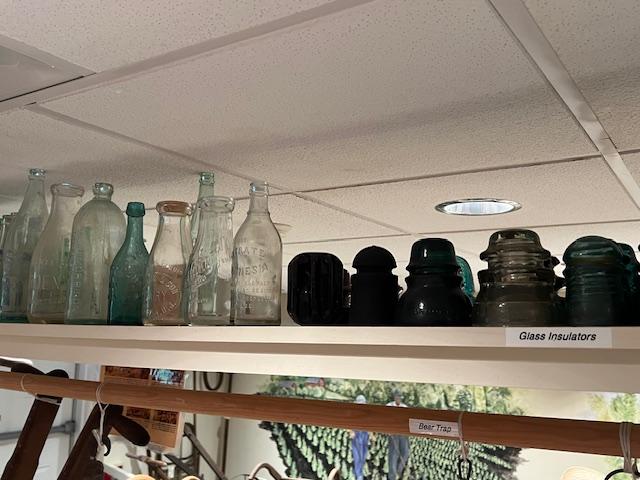
The bottles and glass insulators from the top of telephone poles
Special Notes in History provided by the museum:
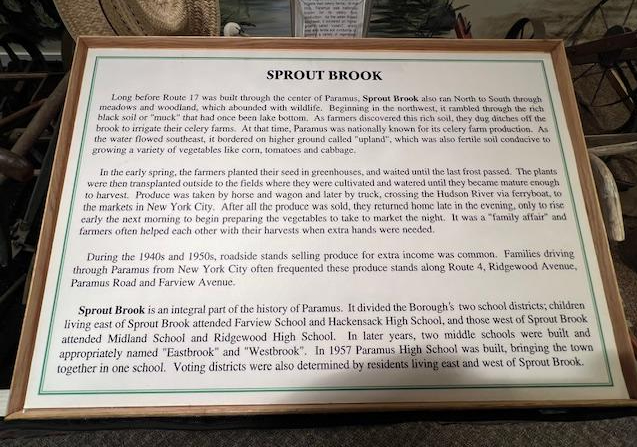
The History of Sprout Brook: Long before Route 17 was built through the center of Paramus, Sprout Brook also ran north to south through meadows and woodland, which abounded with wildlife. Beginning in the northwest, it rambled through the rich black soil or ‘muck’ that had once been a lake bottom.
The dark soil farm on one side of the brook
The Light Farm soil on the other side of the stream
As farmers discovered the rich soil, they dug ditches off the brook to irrigate their celery farms. At that time, Paramus was nationally known for its celery farm production. As the water flowed southeast, it bordered on higher ground called ‘upland’, which was also fertile soil conducive to growing a variety of vegetables like corn, tomatoes and cabbage.
The Sprout Brook history and farming
In the early Spring, the farmers planted their seed in greenhouses and waited until the last frost passed. The plants were then transported outside to the filed where they were cultivated and watered until they became mature enough to harvest. Produce was taken by horse and wagon and later by truck crossing the Hudson river via ferry board to the markets in New York City.
The colored eggs from different species of chickens
After all the produce was sold, they returned home late in the evening only to rise early the next morning to begin preparing the vegetables to take to market that night. It was a ‘family affair’ and farmers often helped each other with their harvests when extra hands were needed.
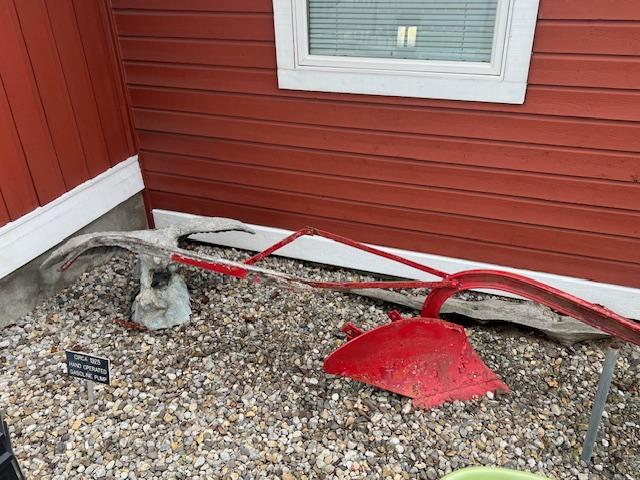
An early plow of an early design
During the 1940’s and 1950’s, roadside stand selling produce for extra income was common. Families driving through Paramus from New York City often frequented these produce stands along Route 4, Ridgewood Avenue, Paramus Road and Farview Avenue.
Items for life on the farm
The Farms of Bergen County, NJ
Sprout Brook is an integral part of the history of Paramus. It divided the Borough’s two school districts; the children living east of the Sprout Brook attended Farview School and Hackensack High School and those west of Sprout Brook attended Midland School and Ridgewood High School. In later years, two middle schools were built and appropriately named “Eastbrook” and “Westbrook”. In 1957, Paramus High School was built bringing the town together in one school. Voting districts were also determined by residents living east and west of Sprout Brook.
The Paramus High School Display
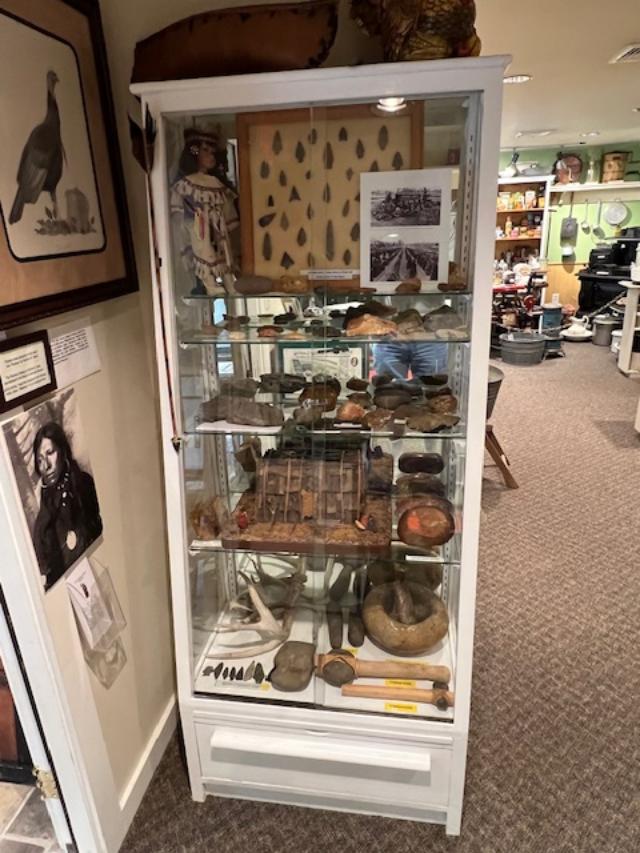
History of the Lenape Indians: The Indians of Bergen County, the Lenni Lenape Indians settled in the area for many reasons. The climate was ideal all year so they could survive during the winter months. Also the Ramapo Mountains made an ideal place to live. The shale rock overhangs were like caves that provided protection from the weather. There was abundant water in the area from the Hackensack and Saddle Rivers, Sprout Brook and many ponds that provided good fishing and navigation.
The Lenape Native American display
The wild animals in the area came to drink at these waterways thus providing great opportunities for hunting. The land was also fertile, which made for good farming such as corn (or Maize) and other root crops. These crops attracted many birds such as quail, pheasant and of course, the wild turkey which hare still in the area today.
Our early settlers traded with the Indians. Mrs. Lawrence, the one room school teacher was of Indian descent. As the early farmers in the area plowed their fields, they found arrowheads, tomahawks and grinding stones. The Lenni Lenape called this area “Perapepus”, which meant rich or fertile land. Through the years, the name changed several times until it became Paramus.
The museum also has the history of the Paramus Fire and Police Departments as well as the early Bergen Pines Hospital.
The history of the Police and Fire Departments
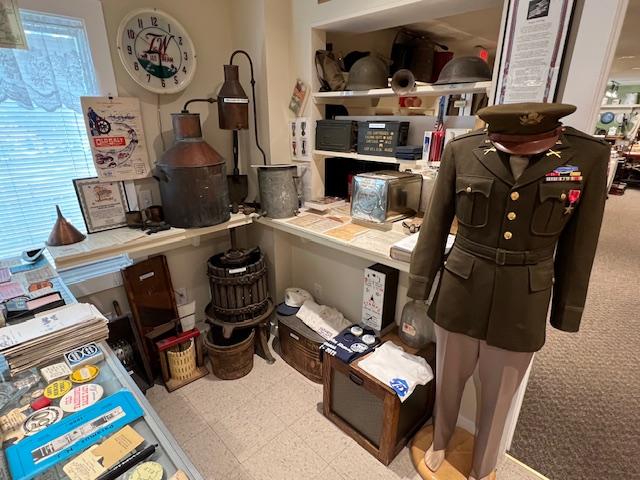
The Military display
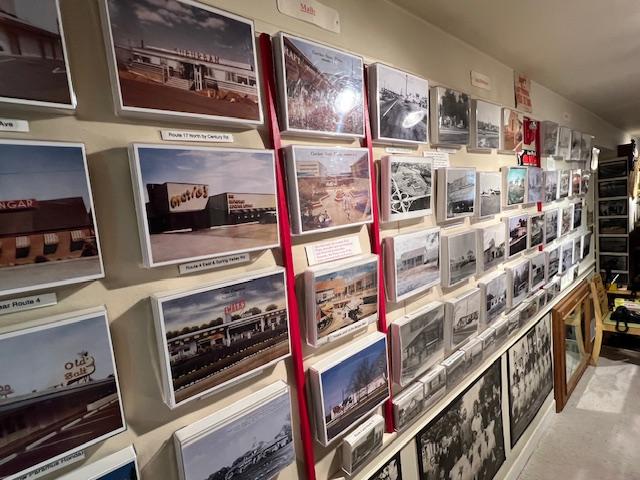
There was also a wonderful display of old businesses in Bergen County. For many residents who grew up in the area will recognize from the 1960’s and 1970’s. There were menus, dishes and meal set ups on display reminding us of dining from that era.
Businesses from Paramus and from Bergen County
Businesses in Paramus and Bergen County, NJ
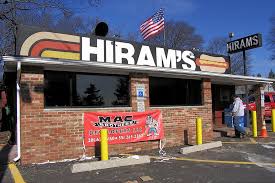
The new “Fireplace Hamburger” display for the well-known restaurant that closed during COVID
*This little gem of a museum is only open one day a week but can be opened to accommodate groups so please call the museum for details. The museum is free to the public but please leave a donation to help with the costs of the museum. It is well worth the trip if you like the history early farming communities or want the know the history of Bergen County.
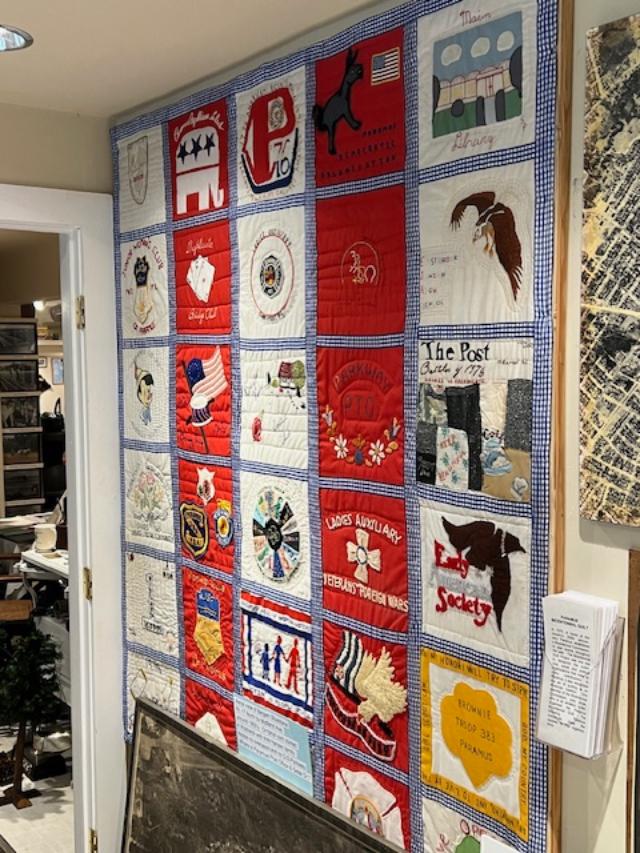
The Paramus Quilt display
The “Whatchamacallit” display
My Marketing Class at Bergen Community College Project promoting the museum:
In October of 2024, I partnered with the museum to a Destination Tourism project to assist the museum in targeting to a new visitor with new Digital Marketing. I thought the museum had a lot of potential that had not been tapped into and thought this would be the perfect challenge to for the students to give the museum a fresh perspective.
I made an appointment with the staff at the museum and asked if they would partner with me for a Marketing project and they gladly accepted.
I arranged the class to have a field trip to the Behnke Museum during class time but I also arranged an extra credit trip the Sunday before so the students could get a glimpse of the museum ahead of time.
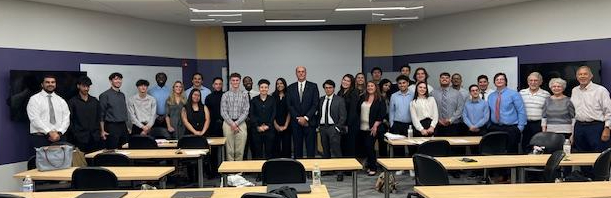
My class on their field trip to the Behnke Museum in Paramus, NJ
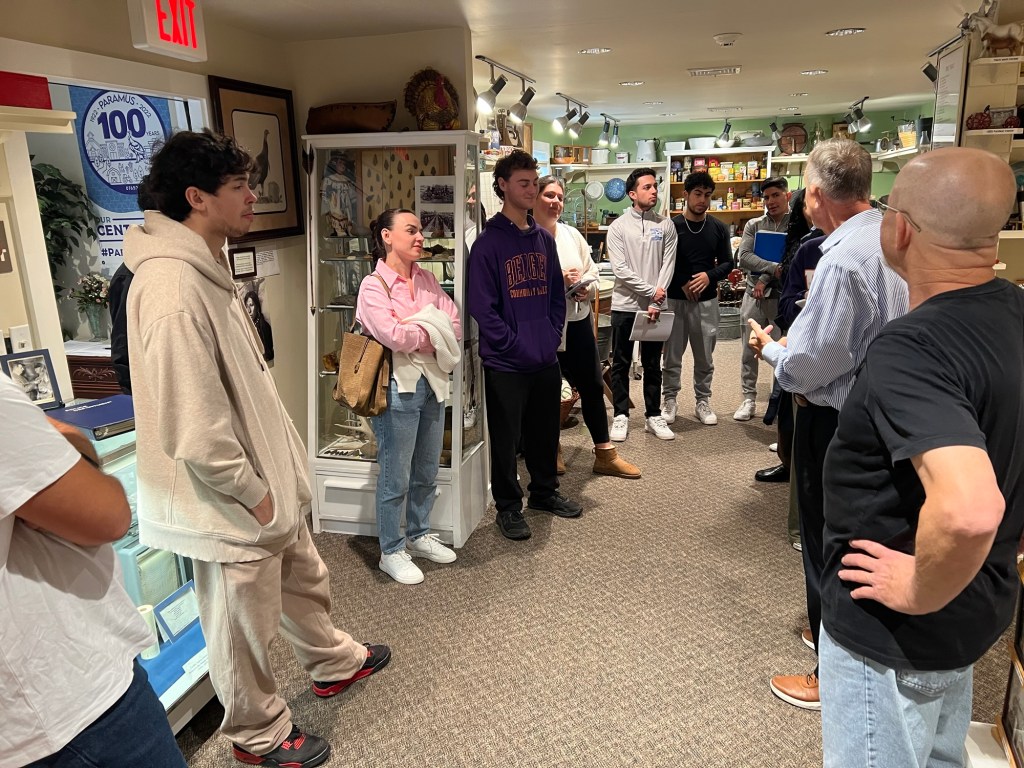
Then during class time we took a more formal tour of the museum with the founder’s son, Fred Behnke and his Volunteer Board, who gave us a better perspective of the museum.
The students at the Behnke Museum during our field trip
The class getting the tour from the founder’s son, Fred Behnke
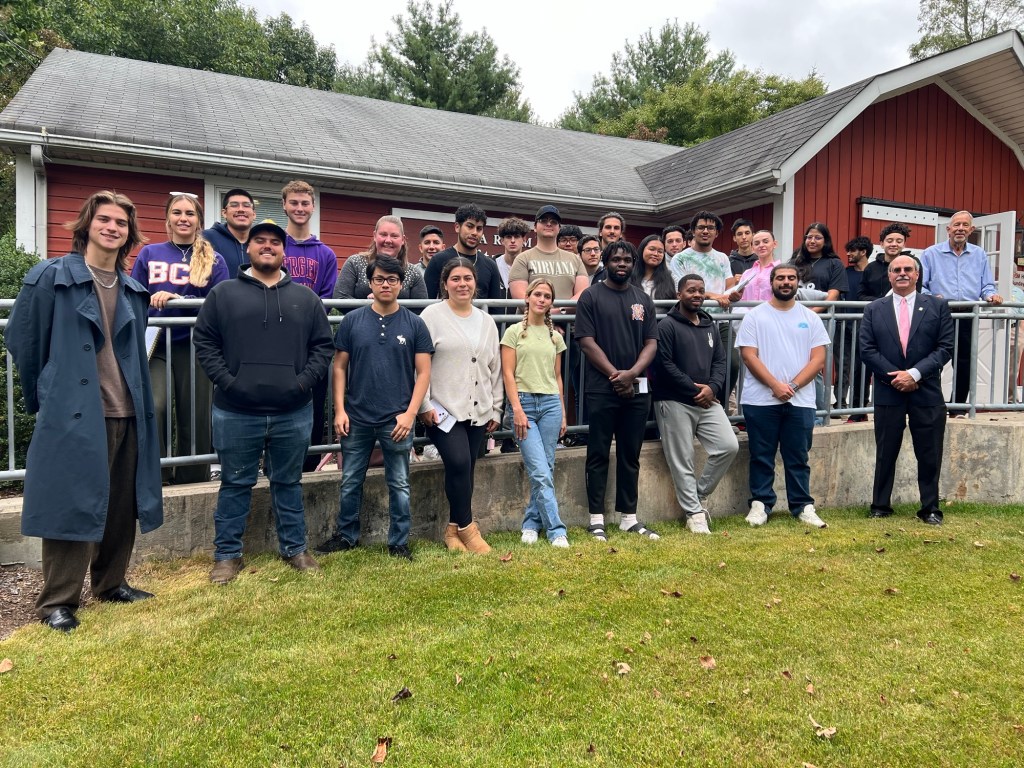
After the tour was over, our class took a group picture
I had the students write a paper on their thoughts of improving the museum and the broke them into groups based on their thoughts. They had one week to put their game plan together and then they presented it to myself and the museum.
This is their presentation:
The Student Consultants had a week to put the Presentation together and create a commercial to promote the museum and their PowerPoint on their ideas to create excitement at the museum. Here is their project Presentation and PowerPoint on the project. Please remember that they had seven days to do this.
Open: The hours for the structure change throughout the year, so please check the website for time availability of the park and structure.
Admission: $8.00 Adults/$4.00 Children/Children under 2 free
Group Tours & Information:
Lucy is available year round for groups of 10 or more by appointment. For special holiday hours and weather closings, please call or check our website.
How to get to Lucy:
It is best to check the website for your location to the structure. For detailed instructions, please visit http://www.lucythe elephant.org.
I visited Lucy the Elephant in the fall of 2015 right before Christmas on a tour I was taking of Southern New Jersey and the shoreline. This unique structure was built to attract people to the shore to buy land and for development.
The view from the parking lot
There were two other ‘Lucy’s’ built one of them being the former ‘Elephant Hotel’ in Coney Island that burned down in the last century.
The front view of the elephant
This well preserved building has been renovated and part of the Jersey shore lore. It is well worth the visit in the off season on a nice day. I unfortunately visited on a rainy day in 2015 and was not able to go to the top and still have a free pass to go whenever I want to visit again.
Entering the elephant through the winding stairs
Still I was able to take the spiral staircase to her belly to learn the history of the structure and that is very interesting.
Lucy the Elephant in its full glory
I started my tour in 2025 at the door of her base
I visited Lucy again in 2025 and was finally able to visit the top of the statue, the howdah, and able to take in the view of the ocean and the surrounding area. Try to visit “Lucy” when it is a sunny day out. You will be able to take in the spectacular view of the ocean.
The tour starts in her inside, looking over the displays and where the bar was located where the owner would ply investors with liquor to have them invest in beach real estate.
Inside of Lucy the Elephant: the history and displays
The inside of Lucy on a recent tour
Touring the inside of Lucy
I was able to take my time because I visited in the off season on a nice day and since J was the only one on the tour, I got to take my time and talk with the tour guide.
I got to look through Lucy’s eyes and see the views of the ocean and of the surrounding areas was interesting.
Lucy’s eyes and truck
Lucy’s left eye
Lucy’s right eye
The former bathroom inside of Lucy
The inside displays of Lucy
The skylight that illuminates the inside
Then it was time to walk up to the howdah and enjoy the view. It was a somewhat over cast day but you could still enjoy the view.
The view from the howdah on the top of the elephant
The roof of the howdah
The view of the beach from the howdah
The view of Margate from the howdah
The view from the howdah showcases the view of both the beach and the City of Margate. You can see from mikes around and on a hot day, the breezes are amazing.
The restored wood work
The video of the views
The tour of Lucy is about an hour but the history of this shore landmark and its influence in shore real estate and the development of these towns is so interesting.
Leaving the elephant we could see her behind
The History of Lucy the Elephant:
Lucy was built by a real estate speculator who owned a great many parcels of open land at the Jersey shore. In order to attract visitors and potential buyer, he built Lucy as a novelty amusement. He patented his idea, ensuring that Lucy would remain a unique piece of architecture.
Eventually, a popular hotel business was built around Lucy. Presidents and royalty came from around the world to stay at the neighboring Elephant Hotel and climb the stairs to Lucy’s howdah.
Lucy facing the ocean
During her history, Lucy has survived hurricanes, ocean floods and even a fire accidentally stated by some inebriated party-goers when she served as tavern. However, by the 1960’s, it became apparent there was one disaster Lucy could not overcome-neglect. By that time, the once proud jewel of the South Jersey Isles had become an almost hopeless, condemned structure.
Eventually a developer purchased Lucy’s lot and intended to build a new condominium building on the site. The beach and the ocean could stay-but the elephant had to go!
Lucy the Elephant near the wrecking ball
To the rescue came the Save Lucy Committee. Within weeks, this small, concerned group of ordinary citizens had raised enough money to move the entire decaying structure two blocks away to a new site owned by the city. Thirty years and over one million dollars later, Lucy has been completely restored to her original splendor, inside and out.
In 1976, Lucy was designated a National Historic Landmark by the United States Government as the oldest surviving example of a unique form of “zoomorphic” architecture. Today, she is every bit as popular and beloved as she ever was.
The history of the elephant
The history of the park
The history of Lucy
The history of the park and who saved it
About the Park:
Lucy the Elephant is located along the beach in Josephine Harron Park (named for our co-founder) in Margate, NJ. Lucy is six stories high and is listed on the National Park Registry of Historical Landmarks. Our park is fenced and contained, making child supervision easy. Picnic tables are on site for eating outdoors. We also have friendly, trained volunteers and staff to assist you during your visit. On the tour, you will learn about Lucy’s unique architecture and her colorful history.
Lucy facing the sea
You will get to climb a spiral staircase through her insides and all the way up to the howdah on her back, providing a spectacular 360 degrees view of the surrounding shore area. Kids and adults alike are sure to enjoy visiting the only elephant in the world “you can walk through and come out alive”.
Lucy is also available by appointment for schools, groups and special events such as weddings or birthday parties. There are guided tours, a gift shop, free parking and all major credit cards are accepted.
Lucy the Elephant symbol of the town
Lucy from the front of the parking lot
Lucy from the ticket booth across the street
This information was taken from the pamphlet from The Save Lucy Committee. For more information, visit the online website at http://www.LucyTheElephant.org
*Disclaimer from author: All this information is located both on the pamphlet and on the website. Visiting Lucy is a treat and should be visited by all residents of New Jersey.
The gift shop the supports raising much needed funds for restoration.
Visit downtown Margate for lunch after your visit
Downtown Margate after my tour
I went to Pierre’s Pizza at 7 North Washington Avenue for lunch. Their cheese pizza is wonderful. The restaurant is two blocks from Lucy.
Pierre’s Pizza at 7 North Washington Street in Margate, NJ































 Visiting a Museum: The Unique, Unusual, Obscure and Historical