Tag: NJ Historic Homes

Bergen County Survey of the Early Dutch Stone Houses of Bergen County, NJ

Bergen County Survey of the Early Dutch Stone Houses of Bergen County, NJ

Bergen County Department of Parks, Division of Cultural and Historic Affairs

Court Plaza South

21 Main Street, Room 203 W

Hackensack, N.J. 07601-7000

Survey of the Early Stone Houses of Bergen County:

One of the most important early American building types is that of the pre-1840 stone house built in areas with Dutch Cultural affiliation. Bergen County is unique in the abundance, variety and architectural quality of these early stone houses, although adjacent areas of New Jersey and New York have some of the type.

Materials and methods remained constant but the house which were built from the time of Dutch colonization in the 17th century vary in size, plan and stylistic detail. Bergen County’s surviving early stone houses many located along major thoroughfares, provide county residents with tangible links to the formation years of the County, State and Nation.
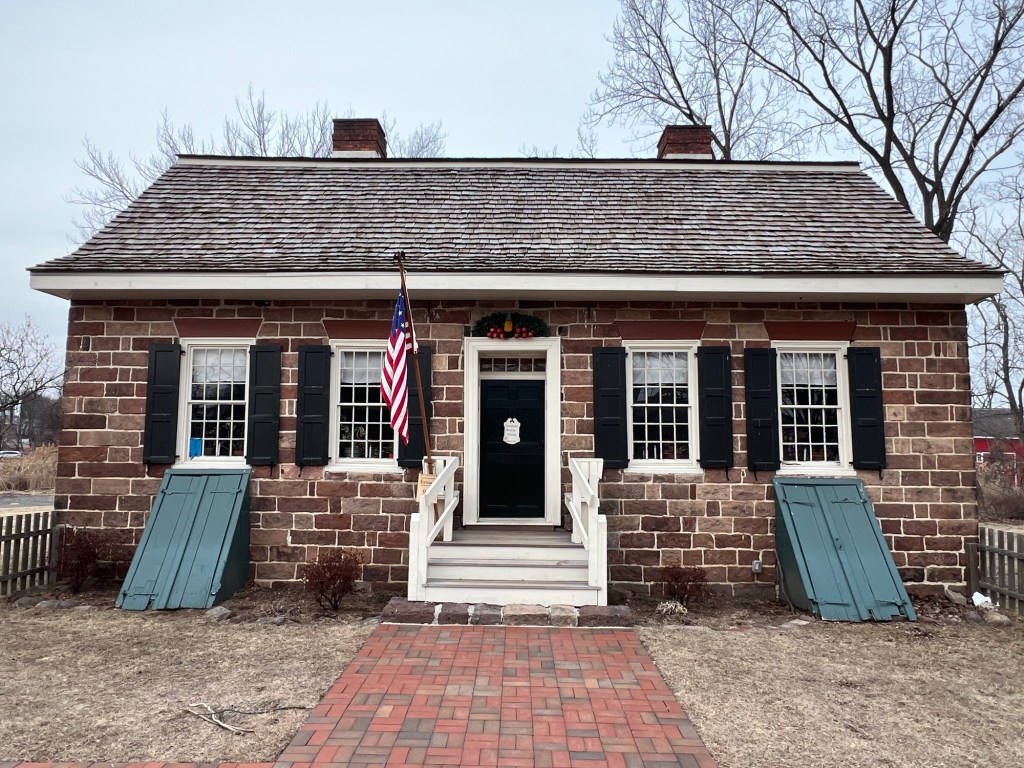
The Campbell-Christi House at New Bridge Landing/Bergen County Historical Society

The Survey of Early Stone Houses of Bergen County conducted in 1978-79 identified and recorded 230 of these early houses. Of these, 208 retained sufficient architectural integrity to be placed as a thematic group on the New Jersey Register of Historic Places in 1983, 1984 and 1985. A clear recognition of the houses importance is given by inclusion on these Registers, which are the State’s and Nation’s official lists of cultural resources worthy of preservation.

For inclusion in the Stone House Survey a building has to have at least two first story walls of pre-1840 stonework. The stone used in constructing the houses varies according to what as locally available. Many of the houses have reddish-brown sandstone walls but in the north-western section of the county rougher local fieldstone was utilized. Some houses have exterior walls of various types of stone and in some brick or frame exterior walls appear with stone ones. Frequently front facades display finer masonry work than do sides and rear. Usually the houses are 1 1/2 stories in height and have gable or gambrel roofs, sometimes with sweeping overhangs. Often there are side wings.
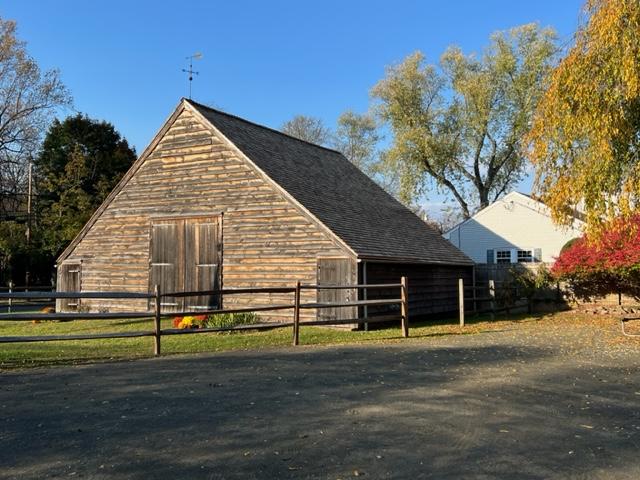
Wortendyke Barn in Oakland, NJ

The Wortendyke Homestead across the street from the barn.

Examples of the house-type are commonly called “Dutch Colonial.” This name most frequently applied to gambrel-roofed houses is a misnomer. Most of the houses were erected in the early 19th century, long after New Jersey passed from Dutch control in 1664. They date to a time when Anglo-American culture was being assimilated into Bergen’s Dutch cultural base. The typical stone house of the Colonial Period in Bergen County is a simple gable-roofed building.

Because they have been continuous use since they were constructed, many early stone houses have been modified and embellished. Often these changes in themselves have architectural distinction and are important to Bergen’s 19th and 20th century architectural history. Even when altered, the basic form and fabric of the original stone dwellings are usually recognizable and the houses are part of the county’s earliest architectural heritage.
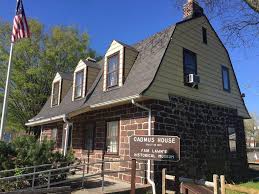
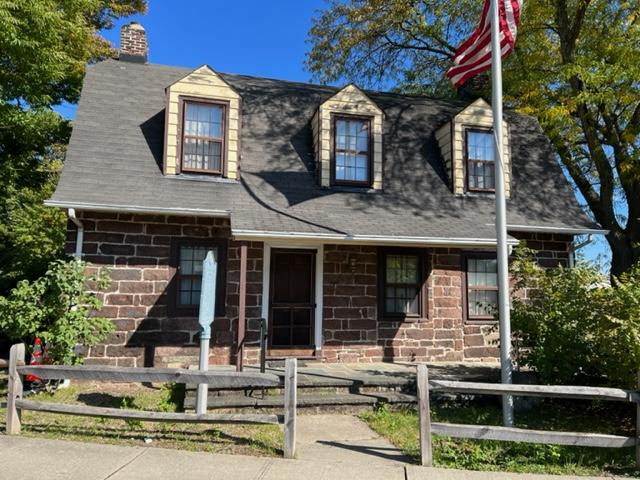
Cadmus House

Cadmus House in Fairlawn, NJ

The Stone House survey was sponsored by the Bergen County Board of Chosen Freeholders, the Bergen County Historic Sites Advisory Board and the Division of Cultural and Historic Affairs. It was prepared by the Office of Albin H. Rothe, A.I.A. Claire K. Tholl did the field survey. The survey was made possible by a grant-in-aid from the Office of New Jersey Heritage, Division of Parks and Forestry, N.J. Department of Environmental Protection and matched by funds from the Bergen County Board of Chosen Freeholders.

The report for the Survey of the Early Stone Houses, with background text and inventory forms for houses, may be consulted at the Division of Cultural and Historic Affairs between 9:00am and 4:30pm weekdays.
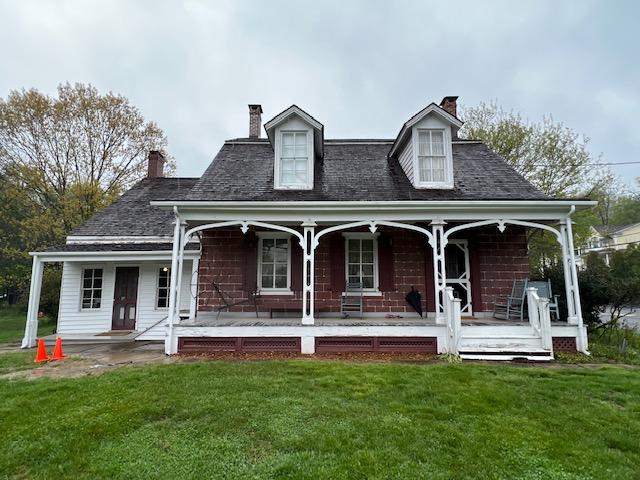
Hopper House in Upper Saddle River, NJ
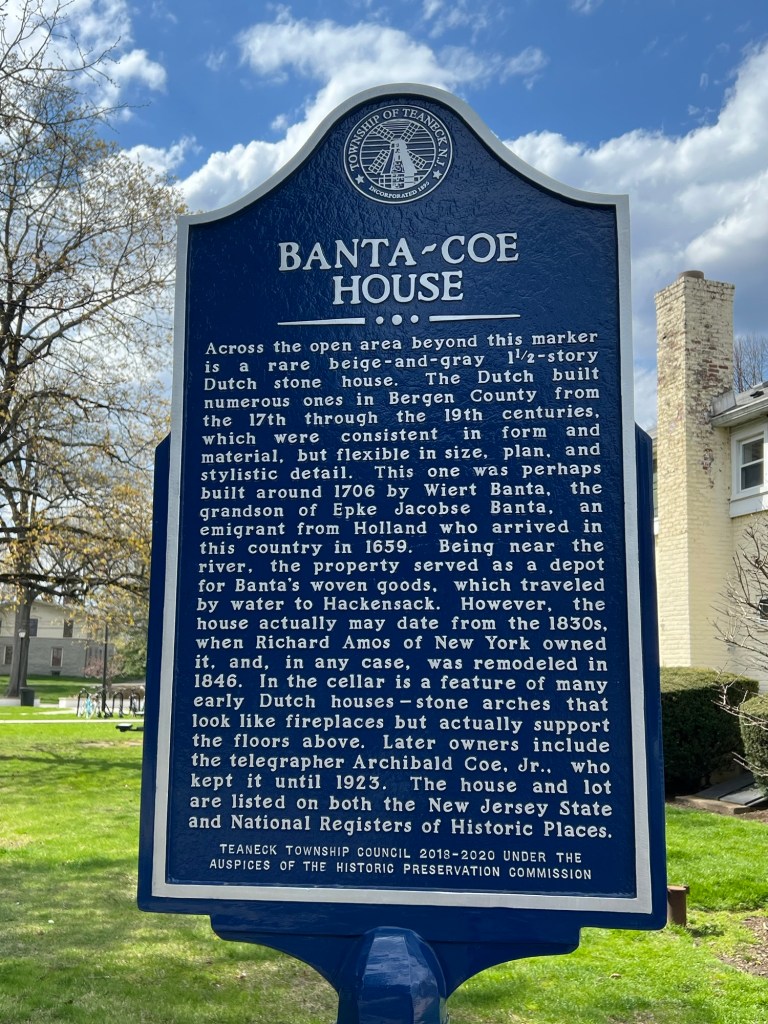
The Banta-Coe House on the Fairleigh Dickinson University campus

The Banta-Coe House prominently faces the Hackensack River

Disclaimer: This information was taken directly from the Bergen County Department of Parks, Division of Cultural and Historic Affairs pamphlet and I give them full credit for this information. Please contact the Department for more information on the subject.

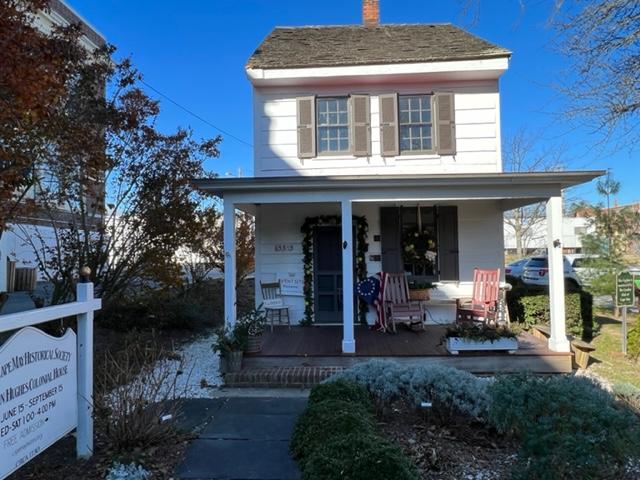
The Greater Cape May Historical Society                         6531/2 Washington Street                                                      Cape May, NJ 08204

The Greater Cape May Historical Society 6531/2 Washington Street Cape May, NJ 08204

The Greater Cape May Historical Society

6531/2 Washington Street

Cape May, NJ  08204

(609) 884-9100

http://www.capemayhistory.org/

http://www.capemayhistory.org/about-us.html

Open: Colonial House Museum hours:

Wednesday-Saturday, 1:00pm-4:00pm June 15th-September 15th

Open during Victorian Weekend in October. Special exhibits at Halloween and Christmas.

My review on TripAdvisor:

https://www.tripadvisor.com/Attraction_Review-g46341-d286395-Reviews-The_Colonial_House-Cape_May_Cape_May_County_New_Jersey.html?m=19905

The Historical Society at Christmas time.

The Cape May Historical Society in the summer of 2023.

What an interesting visit I had to the Cape May Historical Society’s Memucan Hughes Colonial House. This tiny museum is only open between June 15th-September 15th and after that only for special events.

It is an fascinating little home that was built somewhere between 1730 to 1760. The original house no one is too sure if it had been built for the original owner or had been there and added on to as the records for the age of the house are unclear.

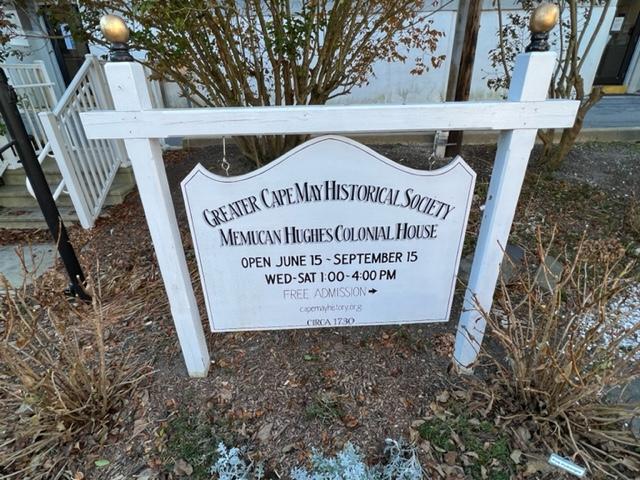
The welcoming sign at Christmas

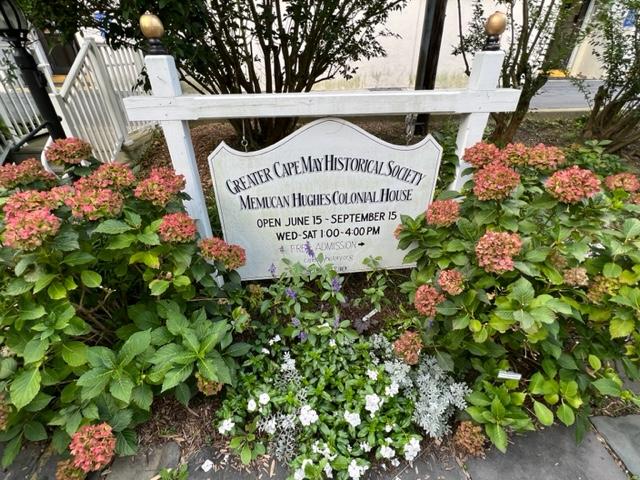
The sign in the summer of 2023.

The home consists of two small downstairs room filled with period furniture and decorations and there is an upstairs with three small rooms that have just opened up to the public. The front room Mr. Hughes used as a tavern that he kept open until almost the 1800’s. He had catered to a growing whaling industry that needed some form of entertainment in this quiet town that was isolated from the rest of the state.

The Pub in the front room of the house for meals and conversation.

The Front Room of the house served as a pub for visiting travelers.

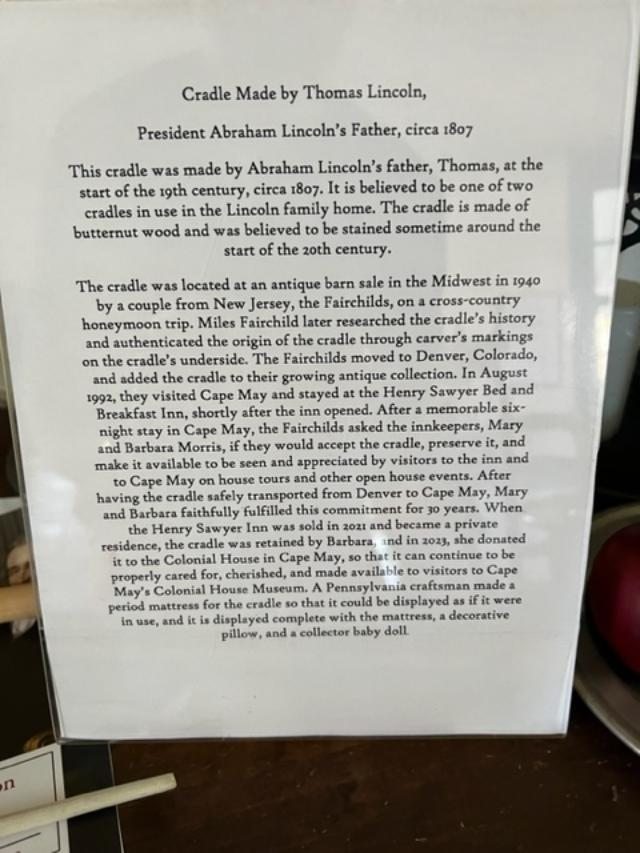
The room was set up for dining and amusements. The Lincoln Crib is in the background.

The Lincoln crib was built by Abraham Lincoln’s father.

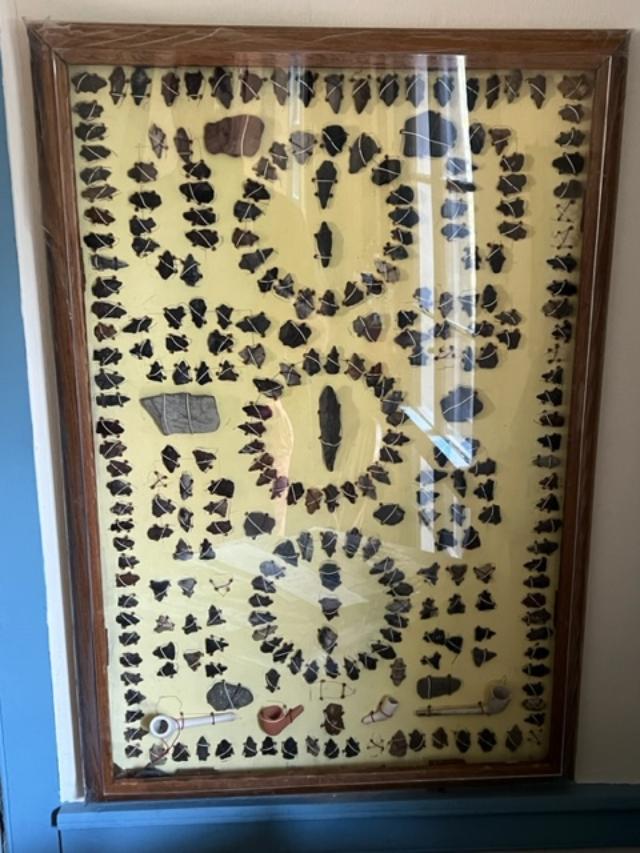
The Arrowhead and Pipe collection in the Pub Room.

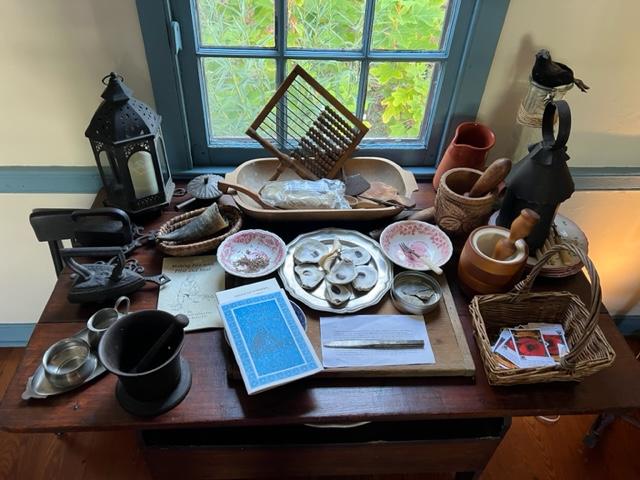
The front of the house is decorated as tavern to greet guests. There were tables filled with games and items that would have catered to the trade but still you knew you were in someone’s home. There are vintage card tables, board games and some household items.

The Living room at the Cape May Historical Society

The back room is a closed off kitchen with a fireplace and spinning wheels and wash tubs, all the things to run a household. There were also children’s toys, kitchen and garden gadgets and family items to personalize the house.

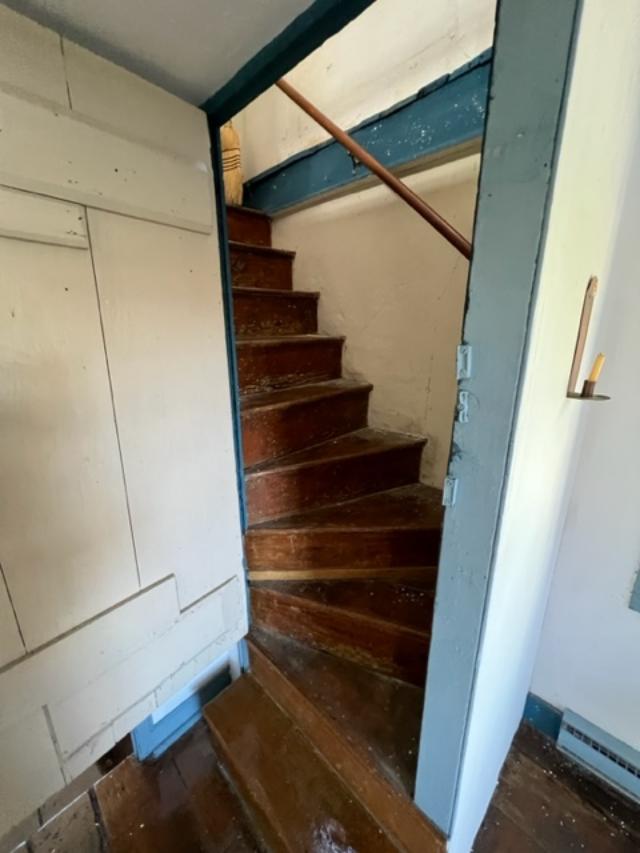
The narrow stairs lead to the upper bedrooms and the attic loft.

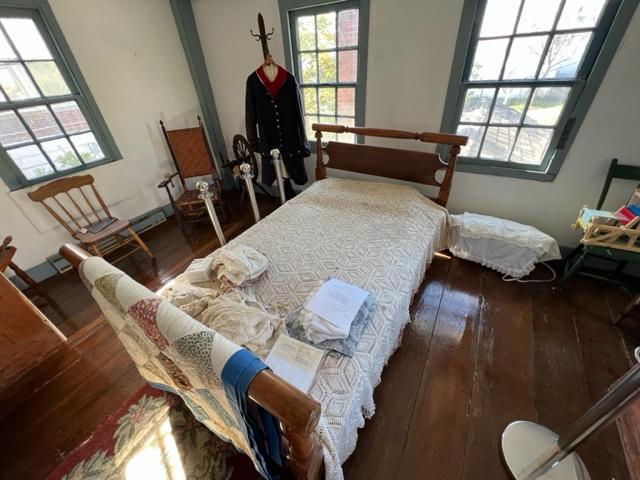
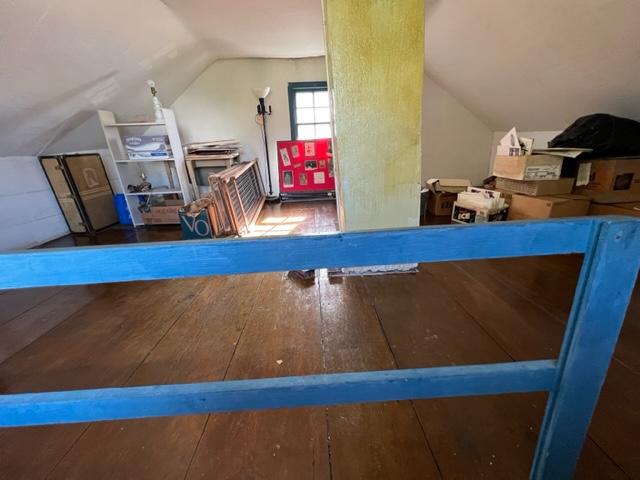
The upstairs bedrooms and the attic room were open in the summer of 2023, and I got to see the whole house. The upstairs is supposedly haunted, but I did not see anything. What I did see was how large the house really was and why the family of eight were able to live in this small house.

The upstairs bedroom

The upstairs bedroom

The attic loft room was supposed to be haunted but I saw nothing.

During the Victorian Age, the family came into a more prosperous life and built the big house in the front of the home.

The Hughes mansion in the Victorian times sits right in front of the old house and is now a B & B

The Hughes family lived in the house until the Victorian age and then they built the house on the front of the property and moved the smaller house to the back of the grounds. The house had been moved three times since its original location on the main road a few blocks away.

The tour itself is only about a half hour long and the guides do a nice job explaining the history of the house. On the gloomy day I visited, the museum was very busy with people visiting the house and with its connection to colonial history and the popularity of the musical, “Hamilton”, it is making it a popular destination when visiting Cape May.

History of the Museum:

The sign outside the house

The mission of the Greater Cape May Historical Society is to collect, preserve, document, interpret and share the history of Greater Cape May and to enhance the appreciation of that history through the Society’s historic site, The Colonial House Museum, collections, research, exhibitions, educational programs and publications.

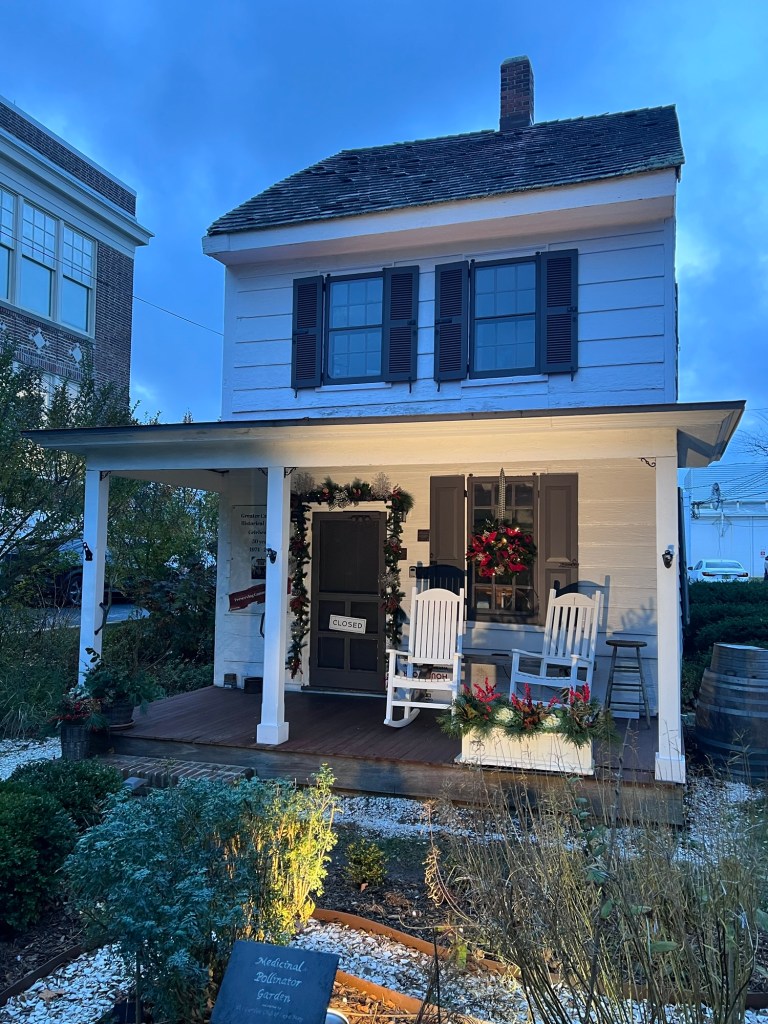
The Hughes family home during the Christmas Holiday season 2022

All are invited to visit the Colonial House Museum, a 1700’s era house. The house was moved to its present site next to City Hall when the Hughes Family built the grand Victorian that is now a Bed & Breakfast.

The Hughes family home of the 1700’s at Christmas time.

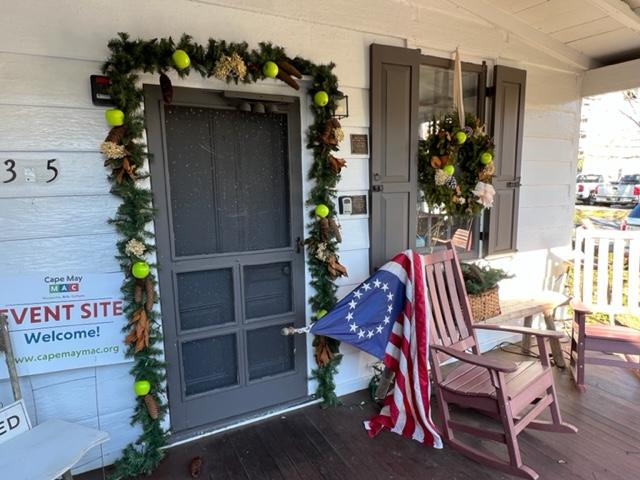
The house decorated for the holidays in 2025

Th Ed front of the house decorated for the holidays

Come visit us and see the House as it was with a Tavern Room and a Common Room when it was owned by Memucan Hughes. On display are period furnishings and other period household items.

The Hughes family home of the late 1800’s

The Society presents an annual exhibit dedicated to an unique chapter of Greater Cape May History along with special events for Halloween and Christmas.

Disclaimer: This information was taken directly from the Greater Cape May Historical Society’s pamphlet, and I give them full credit for it. Please call the above number for more information and selected openings.

The Cape May Historical Society in the summer of 2023.

Hamilton-Van Wagoner House Museum                     971 Valley Road                                              Clifton, NJ 07013

Hamilton-Van Wagoner House Museum 971 Valley Road Clifton, NJ 07013

Hamilton-Van Wagoner House Museum

971 Valley Road

Clifton, NJ  07013

(973) 744-5707

https://www.cliftonnj.org/256/Hamilton-House-Museum

Open: Sunday 9:00am-5:00pm/Monday & Tuesday Closed/Wednesday-Saturday 9:00am-5:00pm

Fee: Suggested Donation $5.00

My review on TripAdvisor:

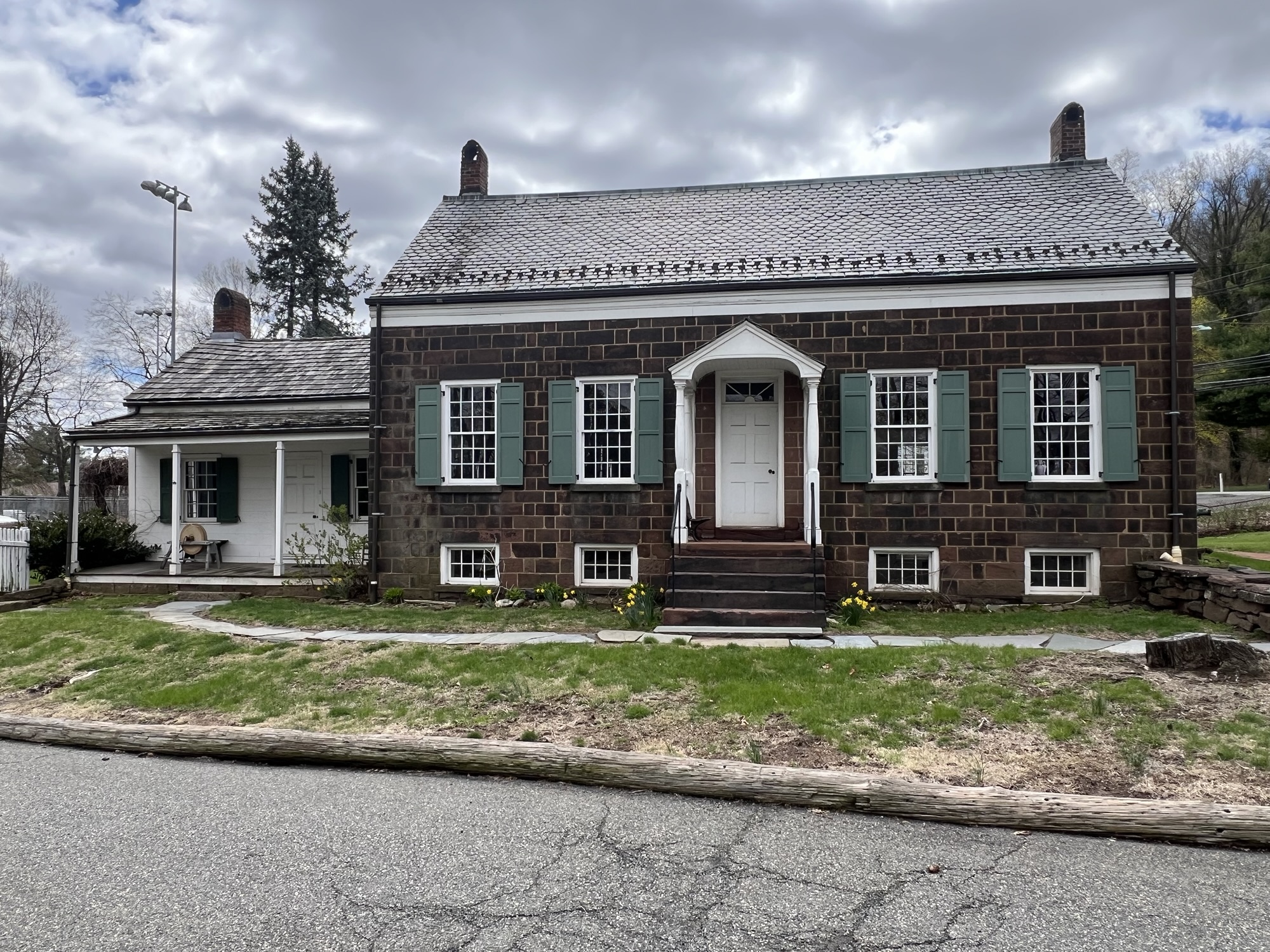
 The front of the Hamilton House in the early Spring

I visited the Hamilton House Museum this afternoon which is right down the road from Montclair State College and sits at the border of the Clifton-Montclair border. The interesting part of the house location is that it still sits the farm land of the Van Wagoner Family but the house was moved from its location to the current one because of the building of Route 46 in 1973.

The front of the house in the Spring

When talking with curator, the house is going through a transition from the City of Clifton ownership to the County of Passaic Historical Society’s site. They are currently cataloging every piece in the house and putting it online. They want to view the collection to see what they can work with within the home.

Each room represents a different time in the history of the house. There is a living room from the Victorian age, the kitchen is from the late 1700’s to the early 1800’s and the dining room is from the mid-1800’s. These rooms are furnished to represent a certain time in the house.

There will be many revisions in the future for the house so there are some changes on the way. The upstairs is currently being used for storage and there will be revision there as well. I got a quick tour of the rooms with the curator and he said there will be more changes in the future as they catalog each piece. The grounds are currently being replanted.

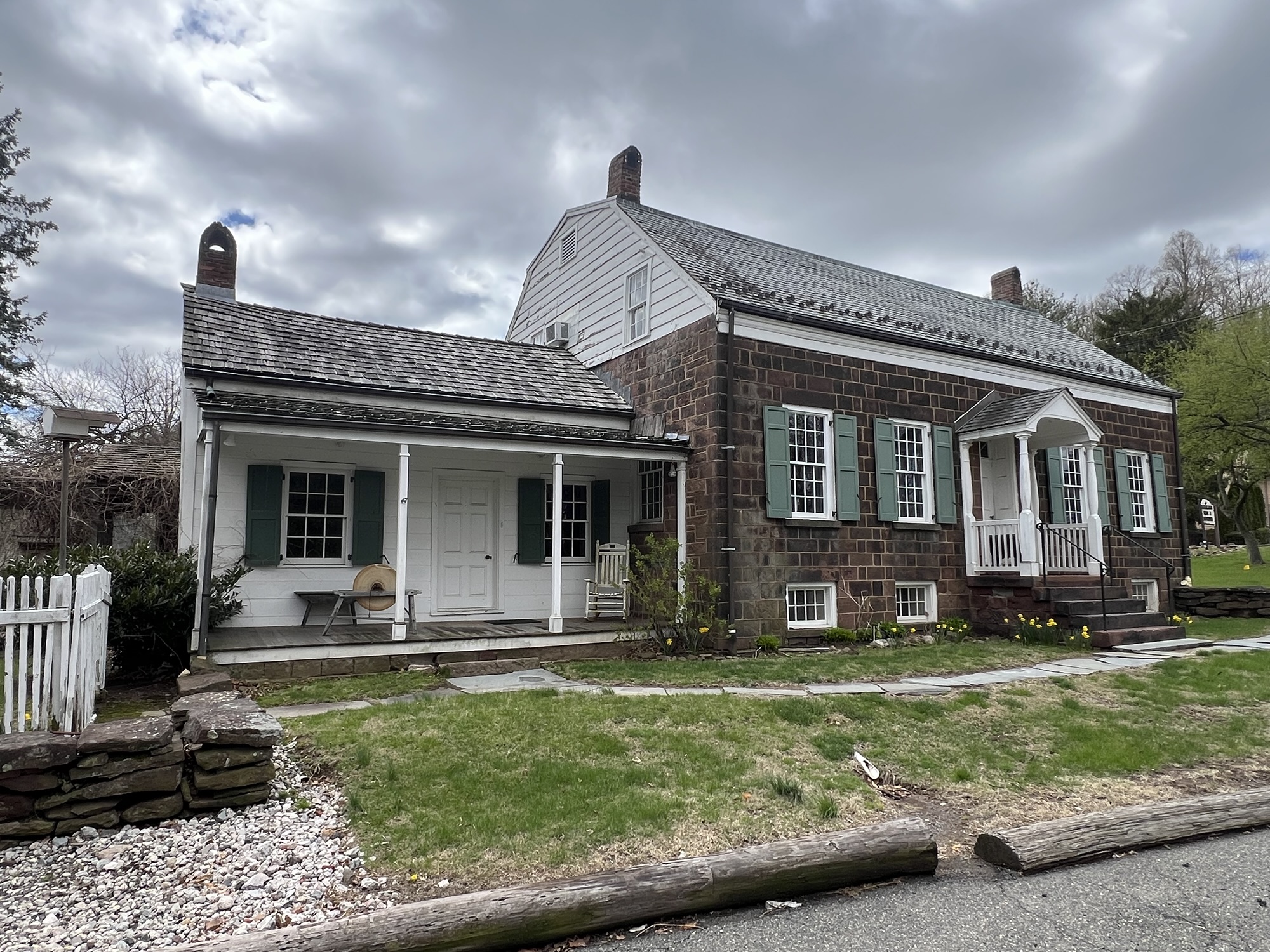
The Hamilton House Museum sits at the Clifton and Montclair border

The house is one of the last examples of early 19th century stone houses in Passaic County. The house was built in 1817 by John and Ann Vreeland and then passed to the Van Wagoner family. It changed hands a few times until 1856 when the Hamilton Family bought the house (no relationship to Alexander Hamilton). The house remained in the Hamilton Family until 1972 when the last living relative died and no one in the family wanted possession of the house (Tour Guide & Wiki).

The oldest section of the house

That’s when the City of Clifton bought the house from the family of its historic value. The house was added to the National Register of Historic Places on May 13th, 1982 (Wiki).

The outside grounds of The Hamilton House Museum

The Grape Arbor on the grounds of the Hamilton House

History of the Hamilton House:

(taken from the City of Clifton website)

This 18th Century Dutch gambrel-roofed homestead was once the home of the Van Wagoner and Hamilton families. This basic of the house does not greatly differ from its Dutch antecedents.

The sturdy one and one half story cut sandstone structure, flanked by a grainery, spring-house and gardens reflects almost two hundred years of American history. It brings back memories of an uncluttered horizon with farms, orchards, fresh brooks, forest full of game and filled with scent of wildflowers.

Hamilton House & the Clifton Community:

Although the City of Clifton was incorporated in 1917, a community had existed since 1679. Prior to 1917, the area was known as Acquackanonk Township and included parts of : Little Falls, Passaic, Paterson and West Paterson.

The Indian Chief Captahem deeded 11,000 acres to the early Dutch settlers on the shores of the Passaic River. Predominately rural, this sparsely populated village thrived and grew.

The farmhouse was presented to the City of Clifton by the developers of the late Henry Hamilton. The Hamilton family had bought the 96 acre property in 1856 and for over 100 years until the death of Mr. Hamilton in 1970, it had been the family home.

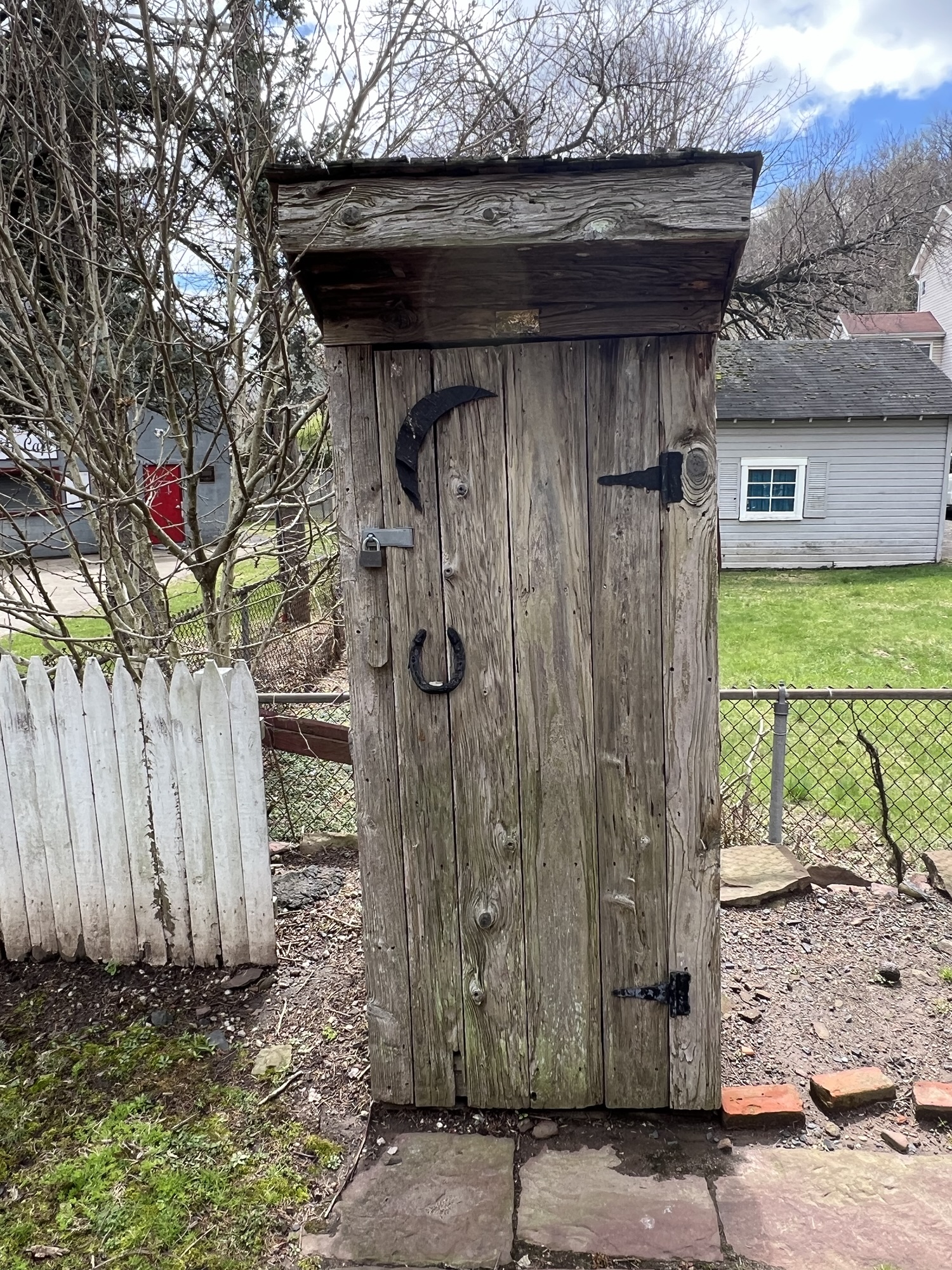
The old outhouse in the back of the property

Current Location and Future Plans:

The house was moved to its present location in Surgent Park in 1973. Infinite plans have been taken with examination and documentation of the building’s structural elements. Extensive research has been conducted including the records and treasured memories of Miss Caroline Hamilton as well as: Artifacts, Deeds, Manuscripts, Maps, Photographs and Wills.

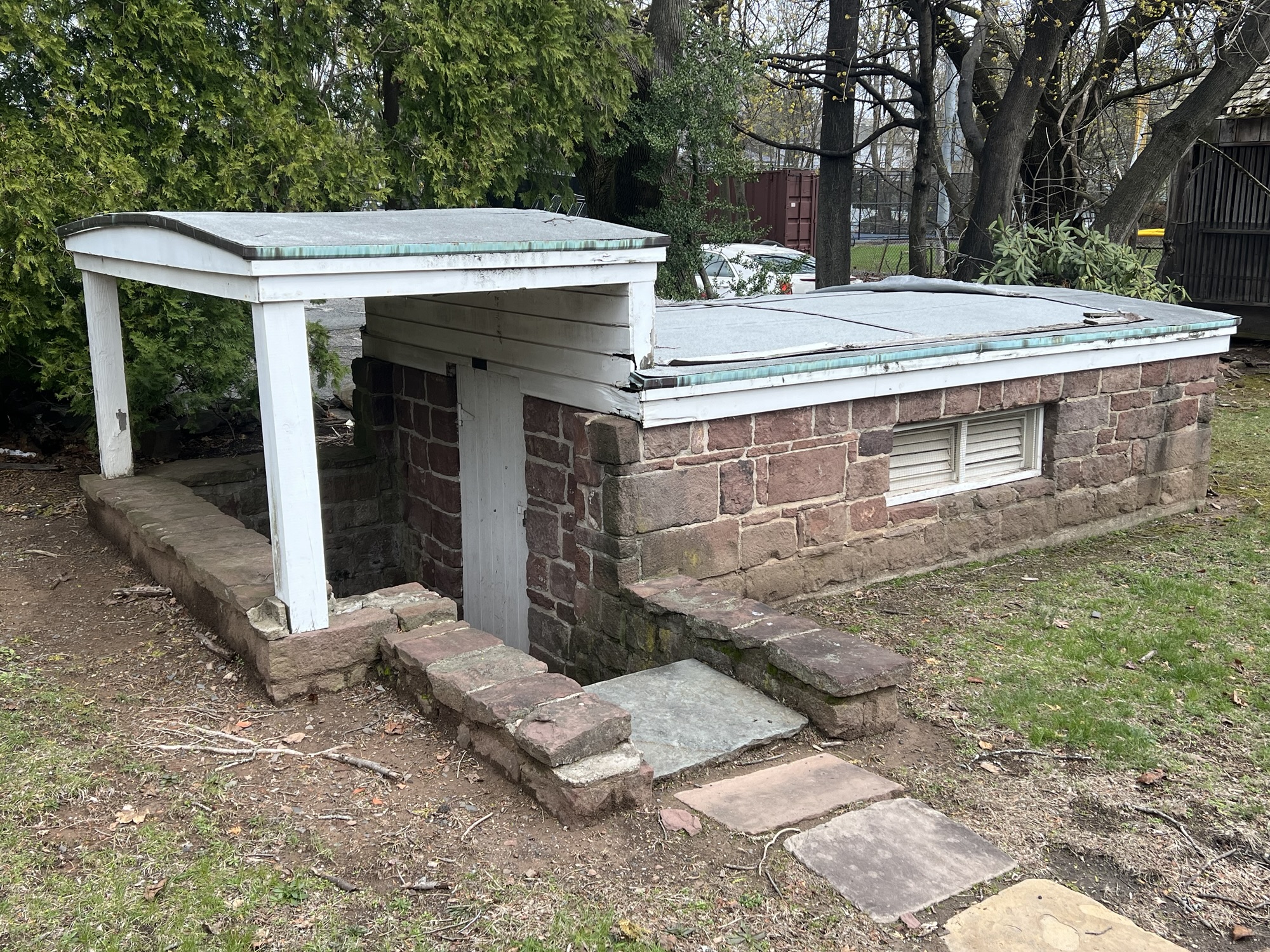
The old Ice House on the property

Scheduling Tours:

The museum is opened for tours on Sunday from 2:00pm-4:00pm (except on holidays). The house is going through a transition right now with the change over.


The Cadmus House: Fair Lawn Museum                               14-01 Politt Drive                                                                     Fair Lawn, NJ 07410

The Cadmus House: Fair Lawn Museum 14-01 Politt Drive Fair Lawn, NJ 07410

The Cadmus House: The Fair Lawn Museum

14-01 Politt Drive

Fair Lawn, NJ  07410

(201) 796-7692

http://www.cadmushouse.org

https://www.facebook.com/profile.php?id=133299403367223

http://www.fairlawn.org/content/203/267/521.aspx

https://www.co.bergen.nj.us/discovering-history/cultural-historic-sites

Open: Check the Fair Lawn Town Website

Fee: Free to the public

My review on TripAdvisor:

https://www.tripadvisor.com/Attraction_Review-g46430-d17707566-Reviews-Cadmus_House-Fair_Lawn_New_Jersey.html?m=19905

I visited the Cadmus House today and it is a very interesting look back on the history of Dutch Bergen County and the town of Fair Lawn, NJ.

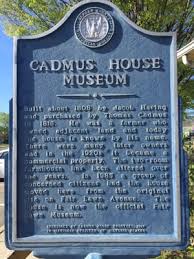
The Marker

The Cadmus House Museum

Jacob Haring: Bergen County resident

https://www.wikitree.com/wiki/Haring-684

http://trees.wmgs.org/getperson.php?personID=I108461&tree=Schirado

The Cadmus House was built in 1808 by landowner Jacob Haring and his wife, Margarat. It was originally a two room farmhouse when it was built on their extensive farm land. The Harings’ sold the house to Abraham and Harmones Van Derbeek in 1815 and they turned around and sold the house to Thomas Cadmus and his  wife, Margaret in 1816 and the name stuck from there.

Cadmus House

The Haring house originally and then it had a gable and second floor built in the late 19th century

More information on the Haring Family from the novel “A Dutch Family for the Middle Colonies” by author Firth Haring:

https://books.google.com/books/about/A_Dutch_Family_in_the_Middle_Colonies_16.html?id=hAZ5AAAAMAAJ

Over the years, the house had had many owners and many uses. Before the house was moved in 1985 to its current location, it served as a real estate office at that time. When they were building new construction on the spot, the house was saved by a group of concerned Fair Lawn residents to preserved the town’s past and it was turned into the Cadmus House-Fair Lawn Museum.

The house is broken down into different themed rooms. The downstairs rooms are devoted to the Fair Lawn’s past with pictures of old homes that used to line the streets of the neighborhood. There are pictures of old farms and farm houses, relics from town such as arrowheads, farming equipment and old farm house decor such as ice boxes and apple presses for cider.

Cadmus House II

Pictures of Fair Lawn’s past

In the room that once served as a dining room, there are period Dutch items that would be needed to run a household or a business.

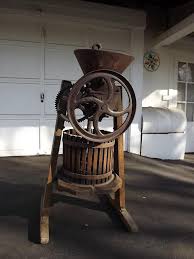
Cadmus House Cider Press.jpg

The apple press which was a big part of the farming community in Bergen County

The upstairs rooms have different displays. One room is devoted to Victorian living with furniture and bedroom decors along with dolls and cribs. The other room is dedicated to the history of the Fair Lawn Fire and Police Departments as well as memorabilia from Fair Lawn High School such as trophies, yearbooks and old films of football games.

There is plenty of parking in the front of the house and the parking lot is shared with the railroad station next door. The house is only open the third Sunday of each month and it is closed for the months of July and August.

If you want to take a glimpse of Bergen County’s past Colonial, Victorian, Motor Age or current, the Cadmus House will give you a perspective on living in Bergen County in the past into current times.

The house now sits by the train station in Fairlawn, NJ