Tag: nature

The Garrett Family Preserve at Cape Island Creek 801 Wilson Avenue                                                       Cape May, NJ 07204

The Garrett Family Preserve at Cape Island Creek 801 Wilson Avenue Cape May, NJ 07204

The Garrett Family Preserve at Cape Island Creek

801 Wilson Avenue

Cape May, NJ 07204

(908) 879-7262

https://www.nature.org/en-us/get-involved/how-to-help/places-we-protect/garrett-family-preserve-at-cape-island-creek/

My review on TripAdvisor:

https://www.tripadvisor.com/Attraction_Review-g46341-d7190574-Reviews-Garrett_Family_Preserve-Cape_May_Cape_May_County_New_Jersey.html

While I was searching for the Cape May Maritime Museum, I made a detour into a parking lot and came across the Garrett Family Preserve

The sign that welcomes you to the park

Visiting the Preserve:

(from the Cape May Visitor website)

The Nature Conservancy protects the 180-acre Garrett Family Preserve situated between Seashore Road and Cape Island Creek, offering a tranquil setting for walking, picnics, painting, biking, and observing nature.

The preserve offers six trails ranging from 0.2-0.5 miles in length, and a two-mile perimeter loop along the forested edge–four miles in total. Explore year-round on foot or by bicycle. Sights vary by season, with bird migration peaking in the spring and fall, and the wildflower field blooming from May through July. Beginning in late August into the fall, Monarch butterflies stop here to feed before their journey south.

Preserve amenities include a mobile bird blind, welcome kiosk, shaded pavilion with picnic tables, benches and picnic tables along the trails, and three adjustable art easels. From November 1st to March 1st, leashed dogs are welcome. Because this is a preserve, the Nature Conservancy does not provide trash receptacles. Be sure to take anything you’ve brought with you.

The size of the preserve

The history of the Garrett Family

History of the Preserve:

(From the Nature Conservatory website)

Originally slated for development, TNC acquired the property in 2000, as the preserve offered an unusual opportunity to manage a significant piece of land for migratory songbirds, whose stopover habitat, especially at the southern tip of the peninsula, has been all but wiped out.

In 2013, the generosity of the Garrett family enabled TNC to further protect Cape Island Creek for future generations by acquiring crucial land, improving and stewarding habitat, performing coastal research and installing enhanced visitor amenities.  

After reading some of the history of the preserve, I decided to take a walk down the paths. I ended up walking down several paths that took me through woods and many natural gardens. I could see by how dry everything was how the lack of rain was affecting the preserve.

The pathways leading to different parts of the preserve

Following the pathways through the preserve

My first stop was the picnic area and rest stop

The Insect Hotel

The Insect Hotel

The description of the insect hotel

I thought this was an interesting concept of creating a place for insects to have a breather. It is a place of reproduction and in helping pollinate the preserve.

The fields of plants and wildflowers that make up the preserve

The flowering plants and wildflowers in the fields

Each of the paths took me through different parts of the preserve that were wooded or with meadows or an array of wildflowers that attracted birds, butterflies and bees.

The batches of wildflowers in the meadow

The Salt Marsh part of the Preserve was filled with more wildflowers that had bees and butterflies swarming them.

The Salt Marsh Habitat

The sign for the Salt Marsh Habitat

The the pathways though the meadows

The fields of flowers and plants in the marsh area

Th e next section of the preserve I visited was the Wildflower Meadows

The Wildflower Meadows in the late summer

The Wildflower Meadows paths

As I left this part of the preserve, I took many paths around the park lands. There are all sorts of fields of flowers and woods to shade the way during touring the preserve.

Going on the different trails throughout the preserve

I walked down the paths to the Bird Habitat area

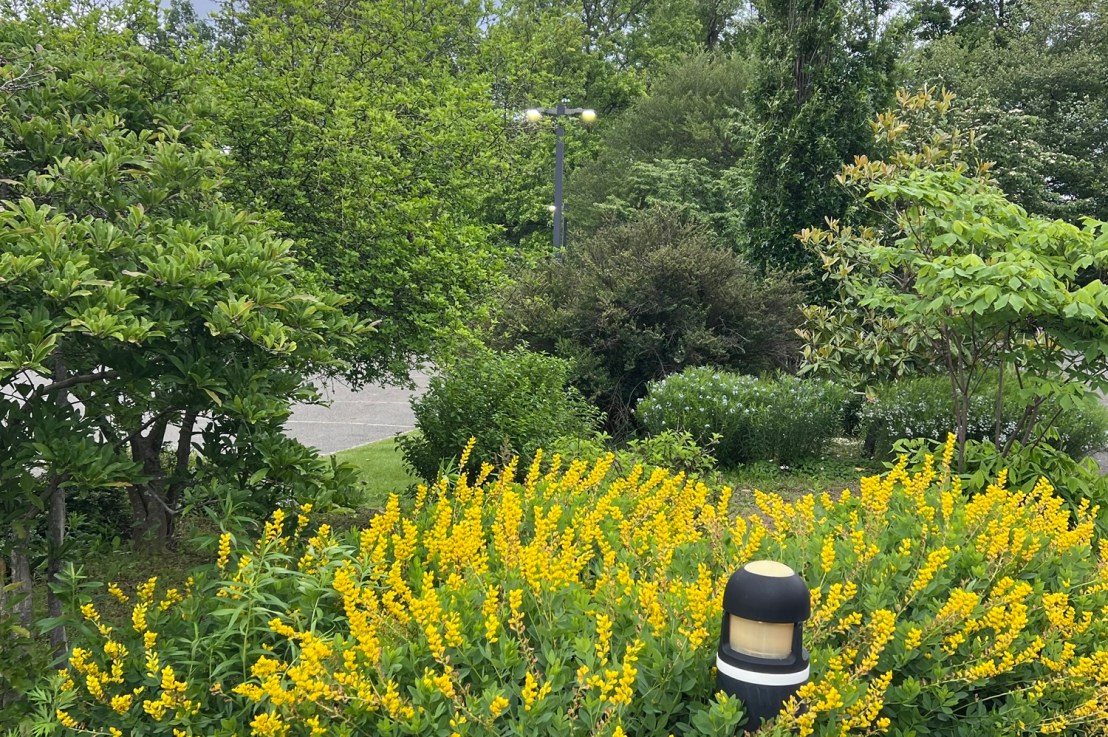
The golden rod flowers attract all sorts of bees and butterflies

Flowering Honey Suckle

Beautiful flowering plants in the woods area

The colorful paths of flowers that lined the Bird Sanctuary

This all led to the end of the trails and a wrap up of how the pollinators work. How the plants, insects and birds play a role in nature.

The last thing I saw at the preserve was this butterfly sculpture by the parking lot

The history of the Garrett family

The park changes its complexity with each season. What I noticed at the end of the summer with no rain is how dry the fields were and the trees were changing colors early because the lack of moisture.

It will be interesting to see the preserve in the Spring and early Summer in the future. It was a nice walk through the preserve.

Tuckerton Seaport Museum                                    120 West Main Street                                      Tuckerton, NJ 08087

Tuckerton Seaport Museum 120 West Main Street Tuckerton, NJ 08087

Tuckerton Seaport Museum

120 West Main Street

Tuckerton, NJ 08087

(609) 296-8868

Open: Sunday-Wednesday 10:00am-4:00pm/Thursday-Friday Closed/Saturday 10:00am-4:00 pm

Admission: Based on tours arranged during the season. Please check the website.

My TripAdvisor:

https://www.tripadvisor.com/ShowUserReviews-g46876-d271270-r1033440153-Tuckerton_Seaport-Tuckerton_New_Jersey.html?m=19905

The Tuckerton Museum and the Seaport at 120 West Main Street in Tuckerton, NJ

The entrance to the complex from Route 9

The entrance to the Tuckerton Seaport complex on a sunny Saturday morning

The complex was once a bustling fishing and shipping area that has now been preserved as a cultural site with tours, a series of restaurants and a museum.

The Mission of the Museum:

(from the Tuckerton Seaport Museum website)

Our mission at the Tuckerton Seaport is to preserve, present and interpret the rich maritime history, artistry, heritage and environment of the Jersey shore and the unique contributions of its baymen.

The dock area by the coffee shop

The artwork by the parking lot and coffee shop

I walked over to the main building which served as both the gift shop and museum. It was funny that the gift shop took both the first two front rooms of the museum. I had to look behind shirts to see the displays.

The docks and touring boats by the museum

The Seaport Tuckerton Museum at 120 West Main Street

The History of the Complex:

(from the Tuckerton Museum website)

Originally launched as the Barnegat Bay Decoy and Baymen’s Museum, the Tuckerton Seaport has evolved over the past twenty-two years into a community museum and community center occupying 40 acres located along historic Tuckerton Creek in Tuckerton, New Jersey. Tuckerton Seaport benefits from a prime location at the center of the Jersey shore, easily accessible via Exit 58 on the Garden State Parkway. Tuckerton Seaport works as a coastal cultural center to bring folklife traditions of the past and present to life through programs on land and water.

The museum was just opening up as I arrived and the staff was busy getting everything ready so I just walked around the museum. It is an interesting museum on New Jersey’s nautical past and the growth of the shipping and trading that went on in the turn of the last century. The museum also showed the bustling fishing industry that still exists today.

The Giant Chicken greets you at the door

The Giant Chicken was a road stop symbol of the White Way Farm Market and a tourist attraction

I thought it was rather cute and could see why people stopped

The view from the front porch of the museum was spectacular on this sunny day

The exhibit at the museum ‘Museum in the Making’, which is a through look at Tuckerton, its past and its contributions to the growth of New Jersey

The first room also served as a bustling gift shop with the main attraction this carving of the ‘Jersey Devil’

A display of Duck Decoys

A collection of woodcarvings of fisherman

The popular businesses that once lined Route 9 up and down the shore area

Displaying life down the shore in that era with quilting and sewing

The display of wood carvings and artwork on the first floor

The artworks made of driftwood by local artists

The driftwood art display on the first floor

The rooms both on the first and second floor were displayed by themes of Lenape Indian life at the shore, the Dutch and English traders, growth of shore farming, shipping and trade and fishing industries and the development of tourism in the area with steamships and the railroads.

The first room in the museum is a detailed look at the life of the Lenape and the froth of the fishing industry

The early life at the Jersey shore

The Native American display

The first part of the early development of Tuckerton started as the fishing and hunting grounds of the Native Americans until the settlement of the Dutch

The history of the Lenape

The arrival of the Europeans started the bustling shipping and trade industries that supplied the home country

With the growth of industry and farming many people started businesses to supply the population

Some started popular businesses that lasted over a century

E. Walter Parsons Jr. had a very successful fishing business that was in the family until 1984

With the rich soil in the area, local farmers worked the land providing fruits and vegetables for the growing population

Early farming equipment on display

The second floor galleries depicted the developing life at the shore with creating of modern life saving for the shipping and fishing industries and with coming of railroads, the bustling tourism industry with the change of leisure travel after the Civil War and the Industrial Revolution.

The second floor rail transportation display

The second floor display on shipwrecks off the Jersey coast

The development of modern Life Saving procedures

With storms at sea and affecting life in the area, as it still does today, there was a growth and development of modern Live-saving procedures and rescue methods.

The Life Saving exhibit

The use of the Lyle Gun in rescues

The series of pulleys and wenches are still used today in different forms. They had to create a safe way to rescue people not just from storms but accidents as well.

The Life Saving and Rescue display

Rescue display

The railroad made its way to the Jersey shore bringing tourists from both New York and Philadelphia and bustling North Jersey. This opened the area up to tourism as leisure travel grew at the end of the nineteenth century.

One example of a visiting tourist was the Cinderella Cramer display with long distance travel to the shore.

The first female passenger of the Tuckerton Railroad

Getting the rail ticket

Tourism developing at the Jersey shore

The Cinderella Cramer display representing that eras travels to the shore with Victorian standards and use of steamer trunks

Packing the steamer trunks for the long journey

Artifacts from the shore

Life at the shore still had its perils as it does today with storms affecting development and shifting shore lines

The lighthouse light display

The museum once served as a beacon for shipping and the top level served as a lookout. Today you can walk upstairs and enjoy the views.

Traveling up the tower stairs

On this beautiful sunny and clear morning that I visited, the views were spectacular.

The view of the port area of the complex

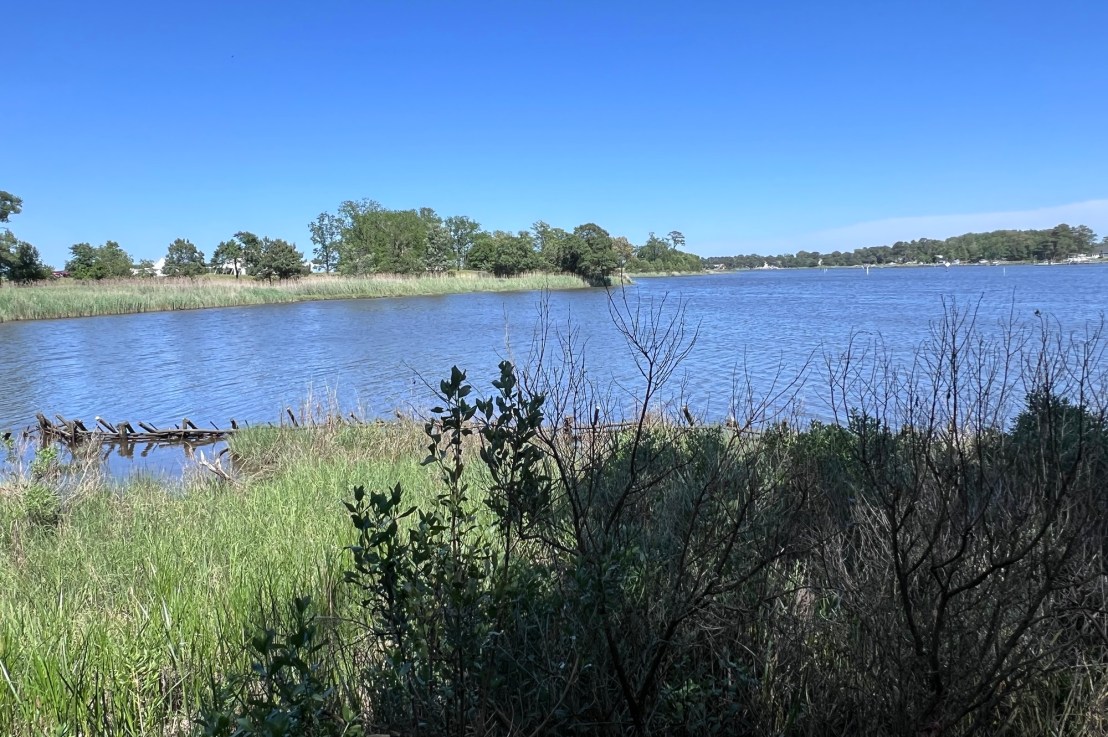
The view of the inlet and Lake Pohatcong across from Route 9

My video of the views from the top of the lookout

The Tuckerton Seaport Museum tour was a very thorough look at the community and its development over the last three hundred years. The exhibits showed the progress the community has made and where it is headed in the future as the shore communities keep changing.

With the economy, the rise of AI, climate change and overall population growth toward the shore, it will be interesting to see the changes of the future.

Leaving the museum complex at the end of the trip

Tuckerton has an interesting past as a shipping and fishing destination and now you can tour the buildings and see what life was like back then and there it is moving in to the future today.

Dinker-Irvin Museum                                                  318 Garfield Parkway                                                Bethany Beach, DE 19930

Dinker-Irvin Museum 318 Garfield Parkway Bethany Beach, DE 19930

Dinker-Irvin Museum

318 Garfield Parkway

Bethany Beach, DE 19930

https://www.townofbethanybeach.com/110/Town-Museum

https://en.wikipedia.org/wiki/Dinker-Irvin_House

https://visitsoutherndelaware.com/listing/bethany-beach-dinker-irvin-museum

My review on TripAdvisor:

https://www.tripadvisor.com/ShowUserReviews-g33997-d33496882-r1029950348-Dinker_Irvin_Museum-Bethany_Beach_Delaware.html?m=19905

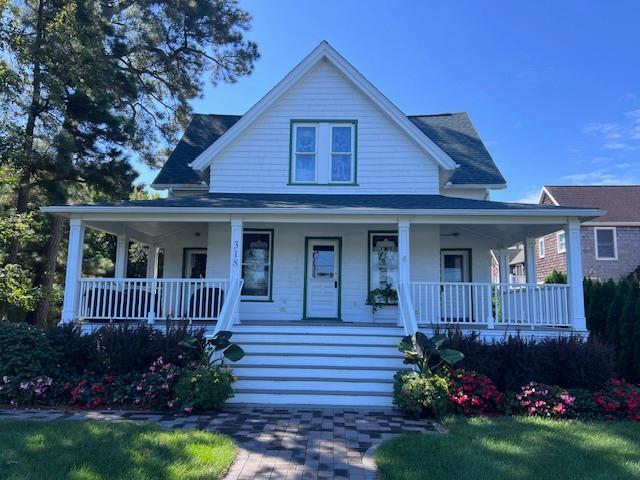
The front of the museum

History of the Museum:

(from the museum website)

Located across from Central Park at 318 Garfield Parkway, this beautifully restored cottage offers visitors an immersive experience of an historically significant early 1900’s home and a glimpse of what life was like during the early days of the town.  It is one of the few remaining original cottages in Bethany Beach and the oldest public building in town.  It served as a U.S. Post Office from 1922-25. 

The sign in the front

The historic sign

The backyard of the home

I arranged a personal tour with members of the Board of the Dinker-Irvin House Museum and I got to see one of the few remaining shore homes from the turn of the last century.

The Virtual tour of the Museum

Sneak Peek view of the museum

The History of Bethany Beach

The Dinker-Irvin House is an example of early beach living on the Delaware coast. This small home was just enough space for a family to live comfortably at the shore for the summer season before and after it was a religious retreat.

The antiques of the time period in the front entrance

This interesting little shore home shows life in early Bethany Beach similar to the development of shore communities up and down the Eastern seaboard first as religious retreats then with the changes of the modern work week with leisure travel.

The history of the cottage:

The background of William Dinker, the original owner of the home

Mr. Dinker’s family history. The house was first owned by the Dinker family and then the Irwin family.

The Irwin family history

The second family, the Irvin’s buys the home

The history of the development of the museum

The front of the museum building was dedicated to the history of beach life in Bethany. This was complete with bathing outfits and the history of swimming for pleasure. One covered up at the shore to show respect and modesty.

The bathing costumes from the turn of the last century

Life at the beach

Swimming at the shore would change a lot in the next 100 years.

Life Guard uniform

The modern life guards were developed in response to the increasing tourism and modern ocean swimming. In 1942, the beach community got its first female life guard, Marjorie Townsend Bramhall Slaughter. Her two sons would follower her into the profession.

The first female life guard in Bethany Beach

The start of tourism in Bethany Beach started first with ship then by rail and then by car. As the modern highways brought more people to the shore, the town continued to progress.

Early tourism and travel to Bethany Beach

The kitchen was original to the house and some of the original items to the home are on display. As small as the house was meals were still a serious affair at the shore. Fresh fish, fruits and vegetables were all available at farm stands as they are today.

The kitchen of a beach town

The kitchen of a beach home

The ice box of the turning of the last century

The hand pump

The kitchen items, foods and recipes

The kitchen provided a look of what was in the pantry at the time. The kitchen even included recipes for meals that would have been popular at the time.

The house served as the post office at that time

The house once served as the post office for the community.

The collection travel postcards in the museum’s collection. This shows the progression of working people at the time and how leisure travel became popular first with the railroads and then by car.

The Horse Racing in the area

The Chautauqua Assembly records on display

The development of religious communities at the beach

The museum gives a glimpse of the past of this diverse beach community from its development as a religious retreat to its development as the modern resort of today.

Bethany Beach Nature Center                                        807 Garfield Parkway                                                Bethany Beach, DE 19930

Bethany Beach Nature Center 807 Garfield Parkway Bethany Beach, DE 19930

Bethany Beach Nature Center

807 Garfield Parkway

Bethany Beach, DE 19930

(302) 537-7680

https://www.townofbethanybeach.com/397/Nature-Center

https://visitsoutherndelaware.com/listing/bethany-beach-nature-center

Open: Sunday-Monday Closed/Tuesday-Friday 10:00am-3:00pm/Saturday 10:00am-12:00pm

Admission: Free

My review on TripAdvisor:

https://www.tripadvisor.com/Attraction_Review-g33997-d1632695-Reviews-Bethany_Beach_Nature_Center-Bethany_Beach_Delaware.html

The front of the Bethany Beach Nature Center

The Nature Center sign

The wonderful little natural preserve is the perfect getaway on a sunny day. With something for the whole family, there are nature paths, gardens, aquatic tanks to view and even a butterfly area, the preserve is a nice way to spend the afternoon.

The front of the historic Addy Cottage

The historic Addy Cottage building

The Addy Cottage historic marker

The history of the Addy houses

The cottage where the Nature Center is located is an example of early beach homes in the community. Once a series of homes by the same family , this is the last surviving home in the series.

The History of the Bethany Nature Center:

(from the center’s website)

The Addy Cottage houses the Bethany Beach Nature Center.  It was built circa 1903 by John Addy, one of the Pittsburgh Six that founded Bethany Beach.  Located on the 26 acre Delaware land conservation trust, the property was originally owned by the heirs of the Natter Family.  

In 2001 the U.S. Fish and Wildlife Service, Delaware Division of Parks and Recreation, and the Town of Bethany Beach successfully funded the acquisition of this natural land to be preserved for all future generations in Bethany Beach.

The inside of the Nature Center

The inside of the nature center is perfect for children and families with interactive games and playthings plus fish and turtle tanks.

The fish display

The Box turtle display

The Box turtle display

Finding this Baby Terrapin turtle hiding in the display

The Box Turtle display

The Box Turtle display

The Red Eared Slider Turtle display

The Aquatic display of marine life in the community

The highlight of the visit on a beautiful sunny afternoon is the half a mile long Baldwin Trail into the marshes.

The entrance to the Baldwin Tral

The dedication sign

The pathways as part of the trails

The Garden of Native Plants was in full bloom at the end of the summer and I started my walk of the Nature Center here.

The Garden of Native Plants

The entrance to the Gardens

The gardens were still in full bloom when I visited and offered a sanctuary for insects and birds who were flying all over the place. There were areas to sit under the shade and paths to walk down to admire the gardens.

The center of the garden

The gardens in bloom toward the end of the summer

A view of the gardens from the back

I then continued down the path and toured the area by the wetlands. The back trails took you to the marshes.

The sign for the wetlands

The pathway into the Wetlands

The wetlands were very picturesque with the marshes glistening in the light. The trees still reflected a summer not quite over.

The entrance to the wetlands

The pathway to the pools

The beauty of the pools

After I left the pools, I headed to the back of the Wetlands area, to the woods and marshes.

The pathways to the back of the marshes

The marshes

The Hard Surface runoff

The back paths were dense with trees and brush but you could still hear the running of water and the birds calling.

The paths to the back part of the natural preserve

The natural preserve

It was such a beautiful day

The fresh water marshes

The fresh water marshes

The fresh water marshes

The very back of the fresh water marshes

Heading back to the Visitors Center

When I headed back to the Natural Preserve, I visited the other part of the gardens again.

People were reading books and relaxing

Visiting the Butterfly Gardens

The flowers were in full bloom

The gardens in the back of the Nature Center

Off to the side of the property, the catch basin was planted as a Butterfly Garden. The area was full of flowers and plants to attract butterflies and other insects.

The Rain Garden

The Rain Garden in bloom

Then it just so happened that a butterfly flew in the gardens. He just sat there not doing anything and I actually yelled at him to open up so I could take a picture of him.

The butterfly flew into the gardens

He listened and opened up and after I showed him the picture he flew away. Everyone is a critique.

The Nature Preserve is the perfect place to just walk around and just relax. When the weather is beautiful, there is nothing like it. Take time to walk the paths and enjoy the surrounding environment. You will surprised what small creature might pop up.

Video on touring the Nature Center:

Visiting the Nature Center: