Tag: museums

Beacon Historical Society                                                  61 Leonard Street                                                                 Beacon, NY 12508

Beacon Historical Society 61 Leonard Street Beacon, NY 12508

Beacon Historical Society

61 Leonard Street

Beacon, NY 12508

(845) 831-0514

https://www.beaconhistorical.org/

https://www.facebook.com/BeaconHistoricalSociety/

Open: Sunday- Wednesday Closed/ Thursday 10:00am-12:00pm/Friday Closed/Saturday 1:00pm-3:00pm

Admission: Free but donations are accepted

My review on TripAdvisor:
https://www.tripadvisor.com/Attraction_Review-g47291-d15772700-Reviews-Beacon_Historical_Society-Beacon_New_York.html

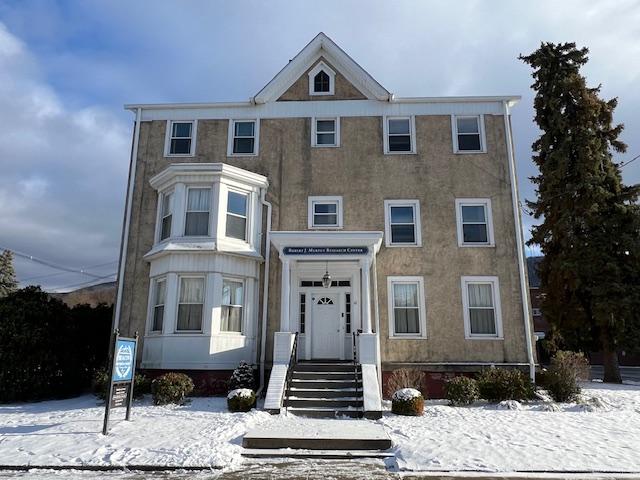
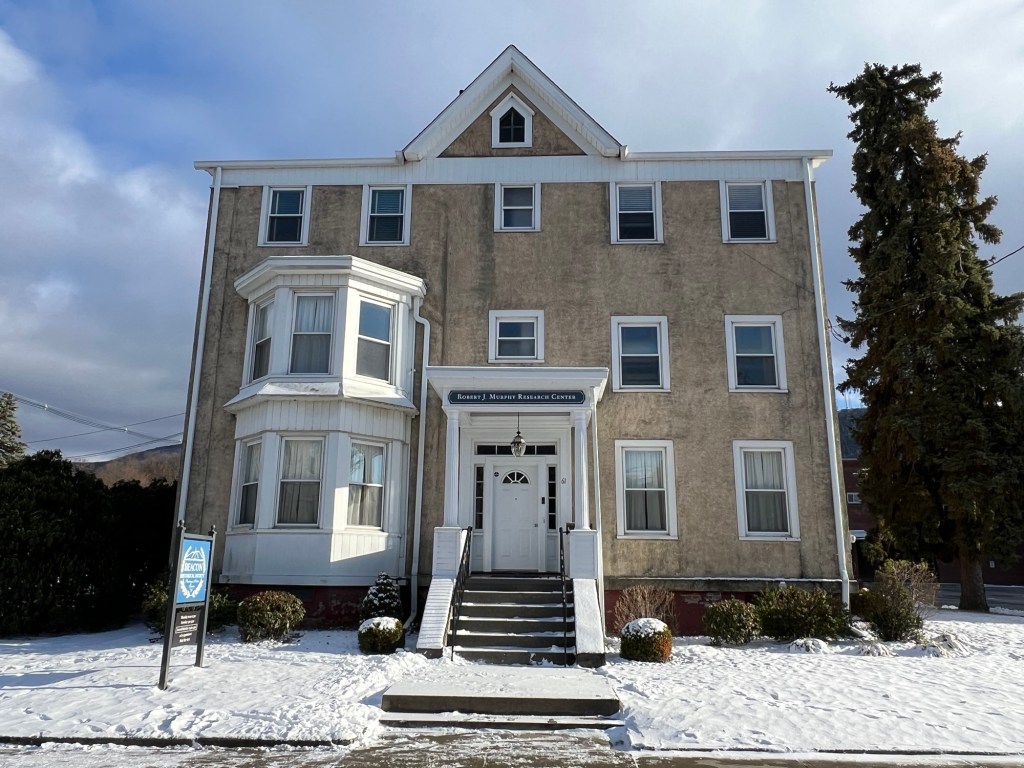
The Beacon Historical Society at 61 Leonard Street at Christmas time

The outside of the building in the Summer
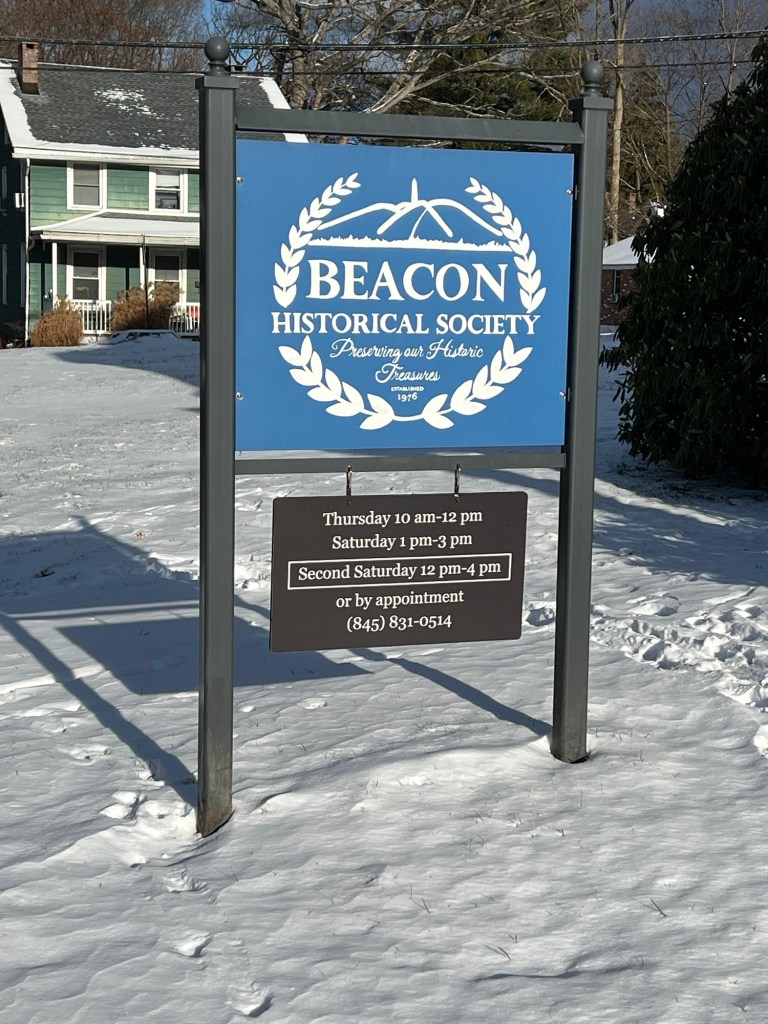
The sign for the Beacon Historical Society at Christmas time

The outside sign in the Summer

The Mission of the Society:

(From the Society pamphlet

The Beacon Historical Society was founded in 1976 to preserve, collect and interpret the rich history of the City of Beacon and its predecessor Villages of Fishkill Landing and Matteawan.

History of the Society:

(From the Museum website)

Established in 1976, the Beacon Historical Society showcases Beacon’s history through exhibitions, collections, programs, books and an informative monthly newsletter. The Beacon Historical Society is proud to serve as Beacon’s repository of rare photographs, paintings and prints, Hudson River ship models, objects and ephemera from local factories and Main Street businesses, records of local cemeteries and Civil War veterans, maps of Beacon, Fishkill Landing and Matteawan.

I recently did a walking tour of Downtown Beacon, NY and was impressed by the numbers of restaurants, bars and stores in the downtown area. It is an impressive downtown with very few empty stores and impressive and lively street life. On my first trip to the Beacon Historical Society I learned this was not always the case.

I recently visited this small historical society packed with information on the history not just of the City of Beacon but the surrounding Hudson River area. The museum gives an in depth view of the industrial history of the area and the highs and lows of many of the river communities. These small communities have seen a renaissance over the last decade especially during COVID and many of the older towns have seen new life being breathed into them.

The first exhibition I looked at was the Photographer Patrick Prosser exhibition (being shared with the Howland Cultural Center) ‘Work in Decay: The City of Beacon NY’.

Artist Patrick Prosser

https://www.facebook.com/groups/Beaconphotogroup/posts/30007658412154532

Photographer Patrick Prossner was born and raised in Beacon and a graduate of Beacon High School and SUNY New Paltz with BFA. His work on this project started in 1982 photographing the decay of his home town (Author’s Bio on BHS website).

The photographer moved to the area in the early 1980’s during a time when Beacon’s mills and factories were closing and the downtown was boarded up. It shows what the downtown business district looked like and the changes that were made to shape it today.

The sign for the exhibition

Pictures of the former industrial zone

The pictures showed a once vibrant industrial community and the changes once these factories closed.

The changes in the surrounding area

The exhibition really shows the transformation of these towns from the once industrial hubs to the artsy communities filled with galleries and bars that many of them have become.

Downtown Beacon today filled with art galleries, shops and small restaurants

The former mill is now a luxury hotel and restaurant overlooking the same waterfall that used to power the mill

These small communities factories have now become hotels, lofts and in some cases new cottage industries have moved in. Time transforms areas and what is old becomes new again.

The first floor gallery

The second exhibition that I walked through was the ‘From Haverstraw to Beacon: Inside the Brickyards the built New York City’, an extensive look at the brickyards and the clay deposits that once lined the Hudson River that build most buildings in the City in the end of the Eighteenth, Nineteenth and early Twentieth centuries.

The exhibition sign

The map of the location of the brickyards along the Hudson River. This depended on the location of the clay deposits.

Transportation of freight and people for both recreation and business was described in this display of different boats down the Hudson River.

The display of understanding the brick business

Display of the different companies and processes of making bricks

The display of people that make up the industry

The process of mining, making, drying and creating the bricks that would end up in New York City

Some of the bricks and the companies from the New York market that were created in the region

Another display on the companies

More of the companies and processes to making bricks

The exhibition was a very interesting look at what was once a dominant industry in the area but like any industry as the clay ran out and building materials changed, the industry diminished in the area and that way of life changed. With it as well was the transformation of the area.

The former brick factories

The Brockway Brick Company that built Macy’s original building in Manhattan

There were smaller exhibitions as well all over the two floors of displays. First there was a handmade dollhouse on the first floor that is a favorite of the elementary school students.

The handmade dollhouse on the first floor

On the seconded floor is a display is the socially prominent Van Nydeck family. The family donated their family tree and many family heirlooms and portraits.

Part of the Schenck Van Nydeck family tree

The Van Nydeck family heirlooms

There was also artwork and artifacts from the surrounding community on display all over the museum.

The painting is by a local artist and the pottery is locally made

The window is a Tiffany window from a local church that the Historical Society saved for the museum

The first floor gallery

The docent told me after I toured the exhibition that there are more exhibitions being planned for the future.

Touring Downtown Beacon, NY:

After the trip through the Historical Society, I ventured and walked Downtown Beacon. The neighborhood has certainly changed since the early eighties.

Downtown Beacon today

Downtown Beacon today with Mount Beacon in the distance

The beautiful floral arrangements in the downtown today
Mahanoy Area Historical Society                                          1 West Center Street #5                                    Mahanoy City, PA 17948

Mahanoy Area Historical Society 1 West Center Street #5 Mahanoy City, PA 17948

Mahanoy Area Historical Society

1West Center Street#5

Mahanoy City, PA 17948

(570) 773-1295

https://www.mahanoyhistory.org/

https://www.facebook.com/p/Mahanoy-Area-Historical-Society-100063570881125/

Open: Sunday-Wednesday Closed/Thursday-Friday 12:00pm-3:00pm/Saturday Closed
Admission: Free but donations are accepted

My review on TripAdvisor:

https://www.tripadvisor.com/Profile/R4960NKjustinw/mediabatch/13476787?m=19905

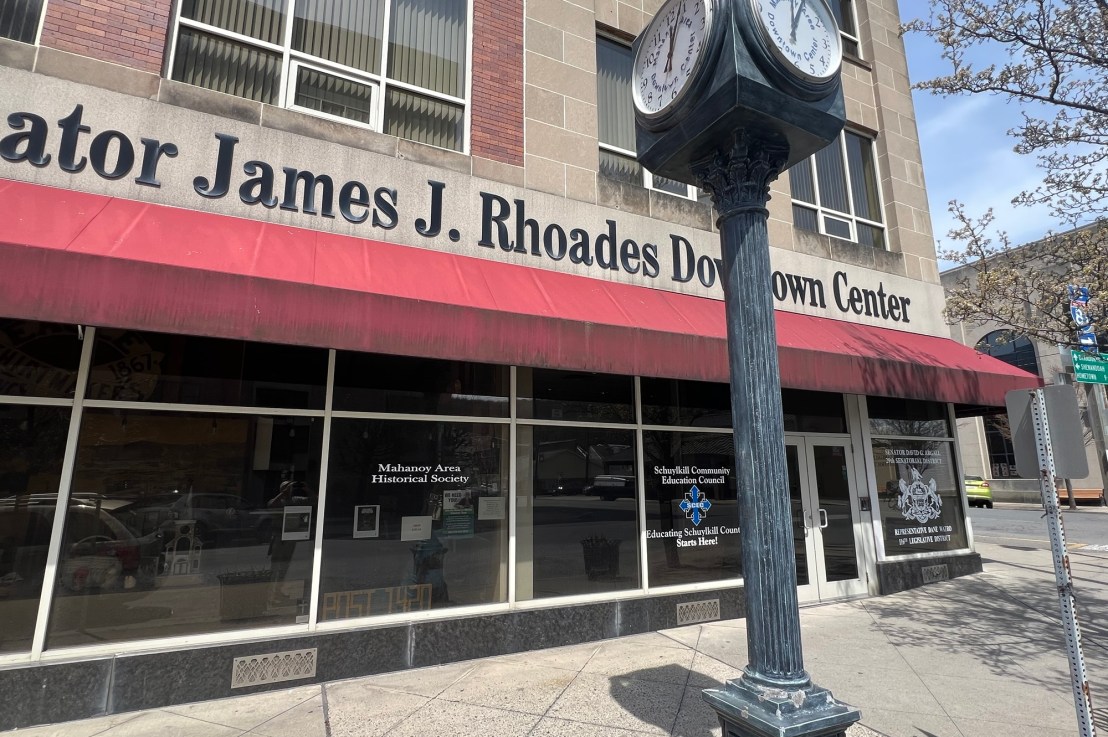
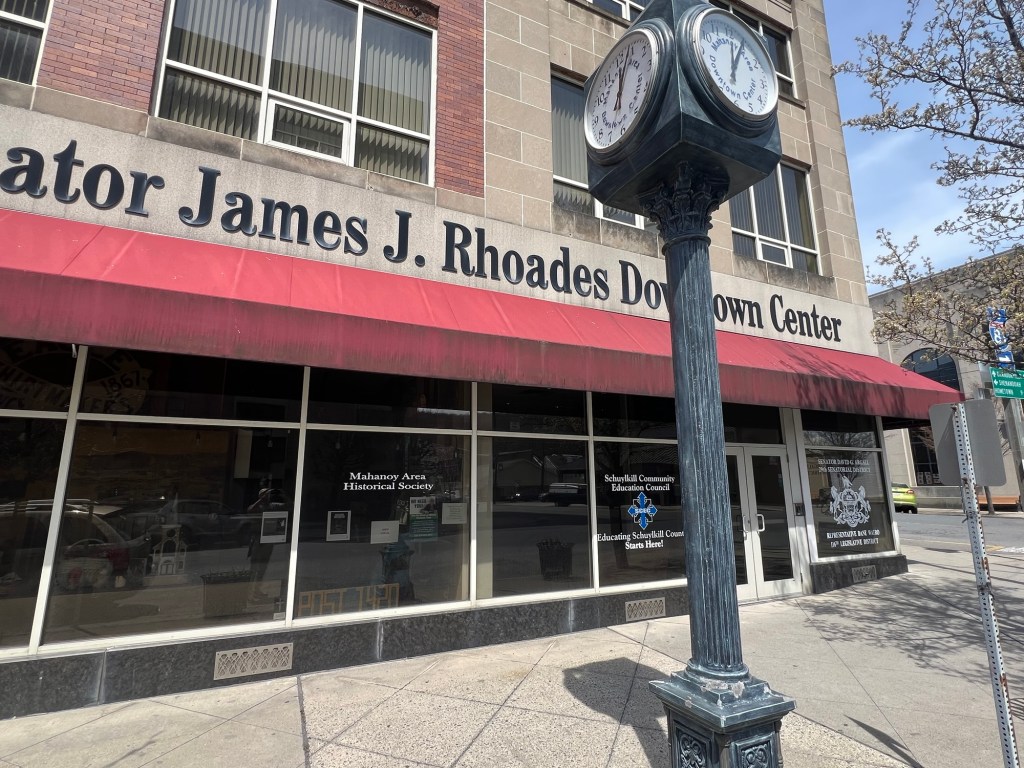
The front of the Mahanoy Area Historical Society at 1 West Centre Street#5 in Mahanoy City, PA

(from the museum website)

The museum is located on the first floor of the James J. Rhoades Downtown Center at the corner of Main and Centre Streets in Mahanoy City.

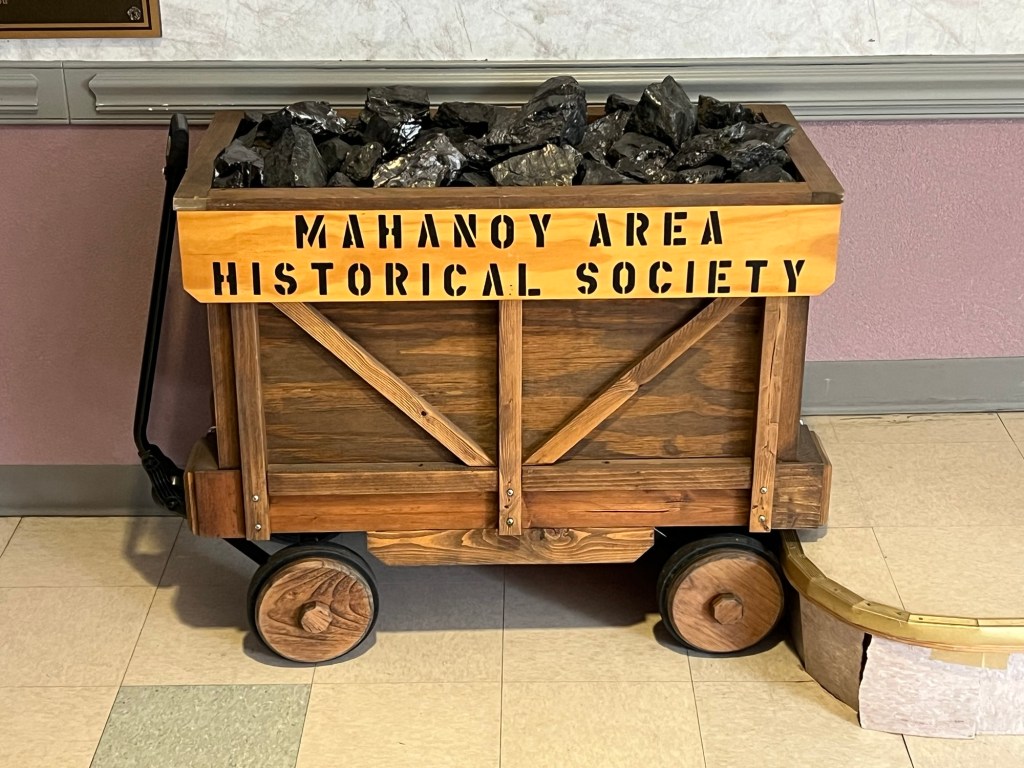
A representation of the Coal Mining Industry in Mahanoy City

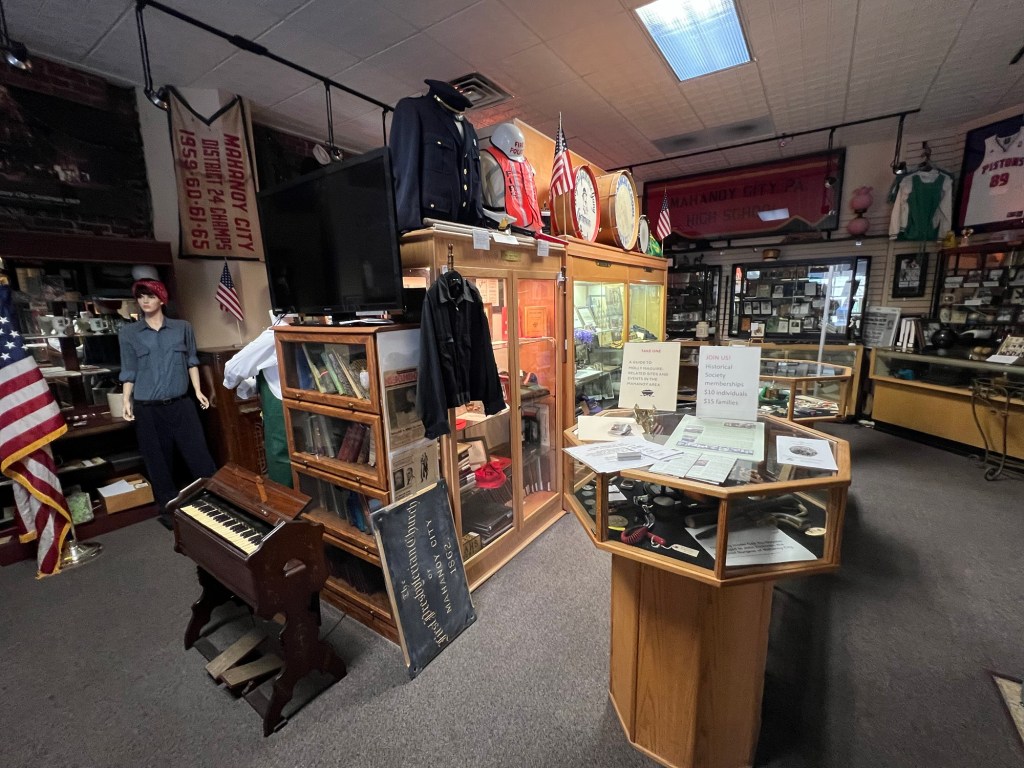
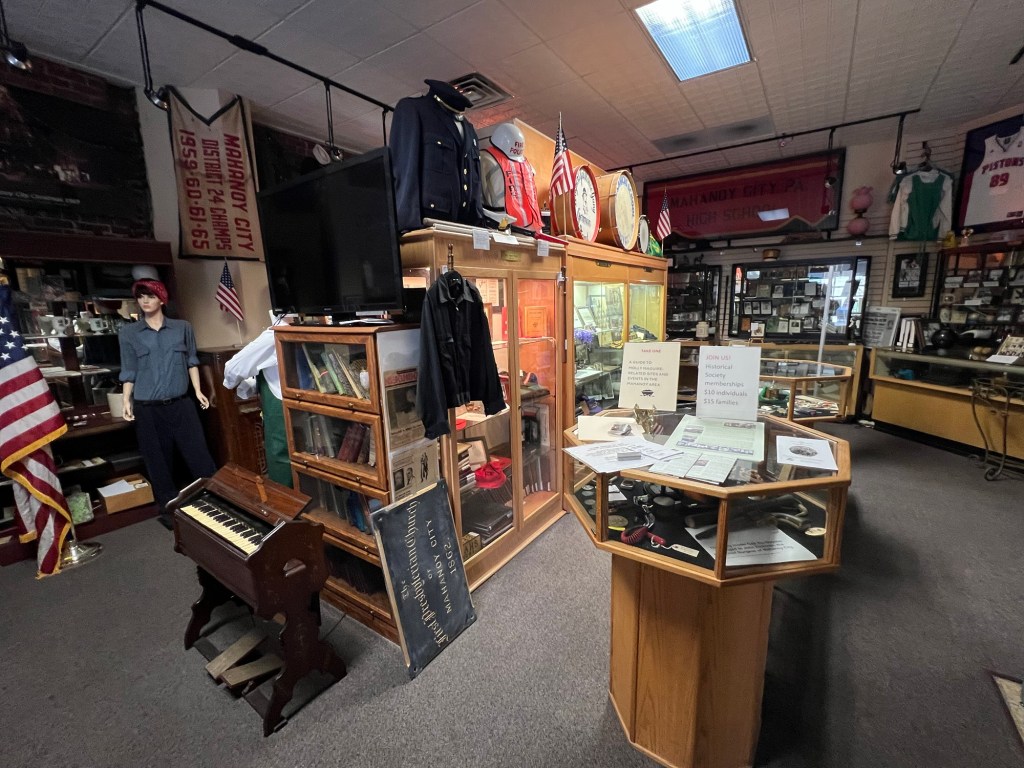
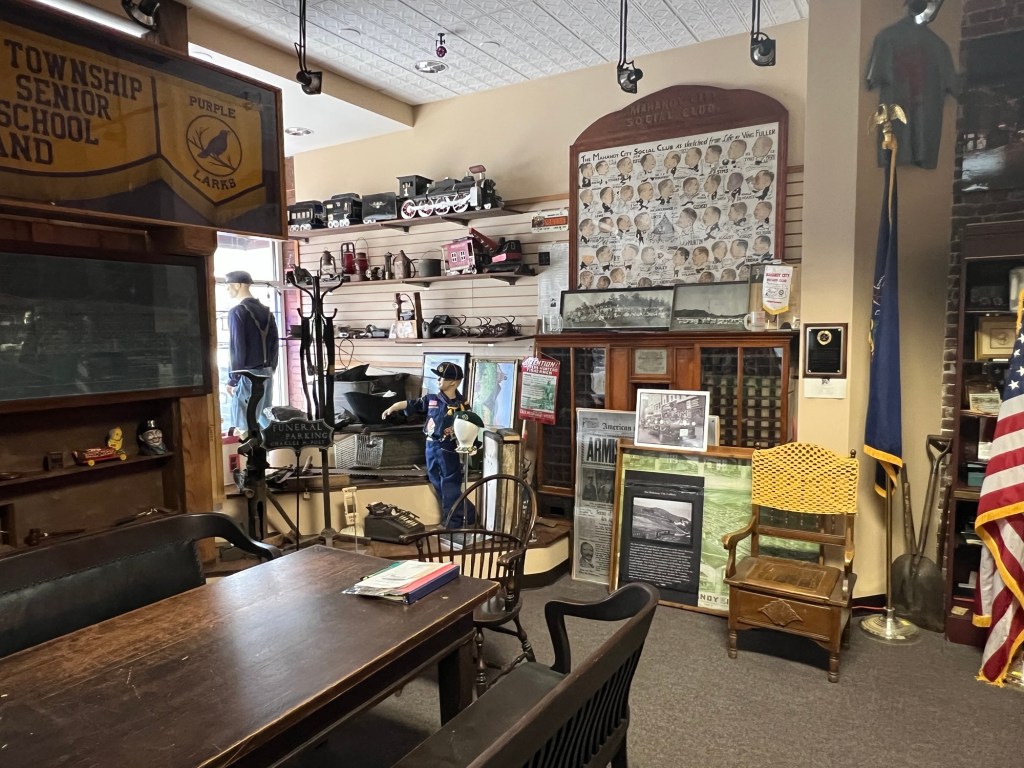
The inside of this interesting museum

The Mission of the Museum:

(From the museum pamphlet):

To preserve and protect the history of the Mahanoy Area and to work toward the restoration, revitalization and future of the community.

A glimpse into the areas contributions to the Mining industry

I took time on my visit to Mahanoy City, PA to visit the Mahanoy Area Historical Society and discovered an interesting little museum that tells the story of this small city, whose roots and founding are around the local mines. The displays show a tight knit and proud community even in the changes in the economy and the status of the mines.

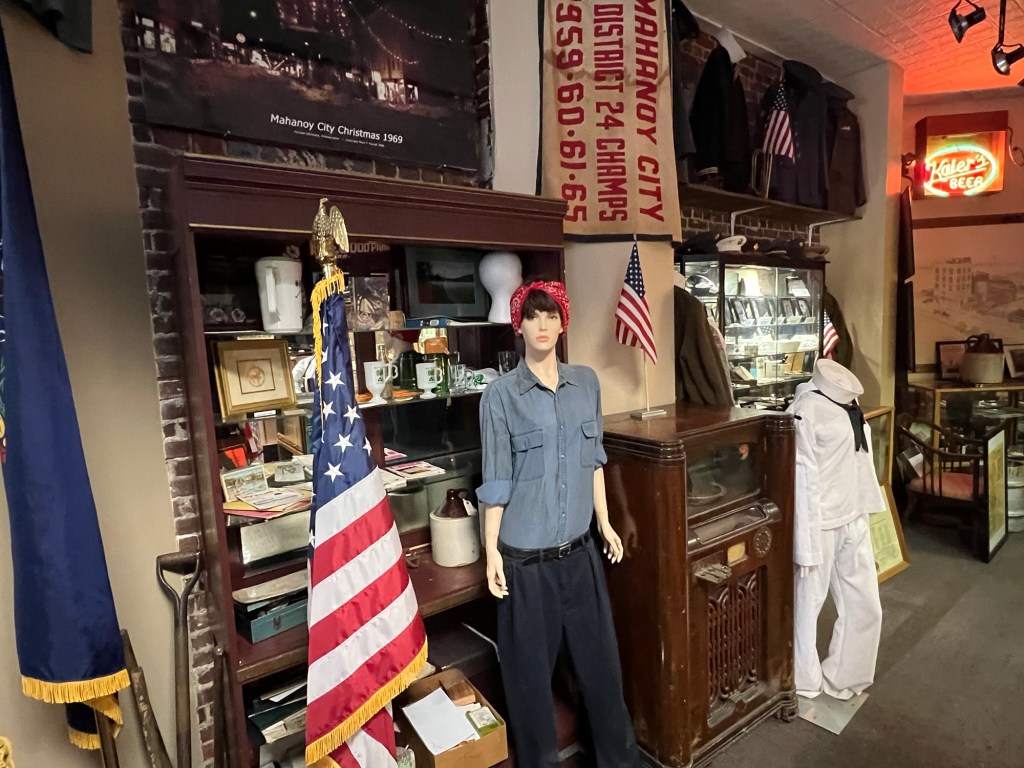
There is a lot of memorabilia on the contributions of local residents to our armed forces

The pride of the community to our country

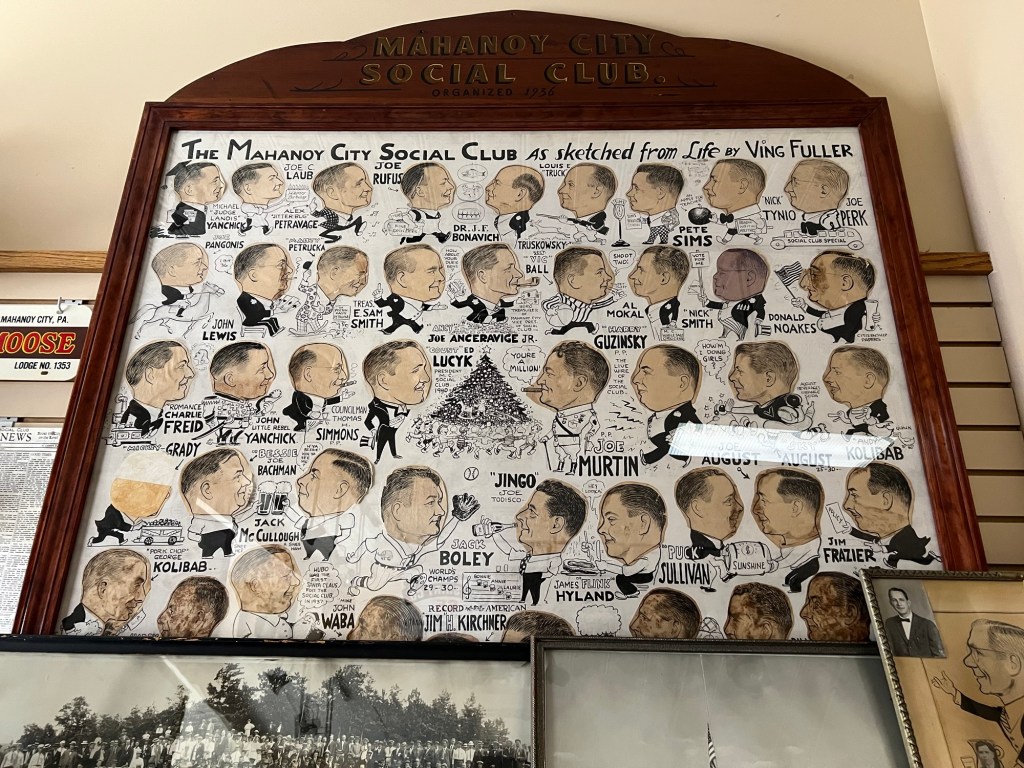
The characters of the movers and shakers of the community in The Mahanoy City Social Club, who once dominated the business scene in town.

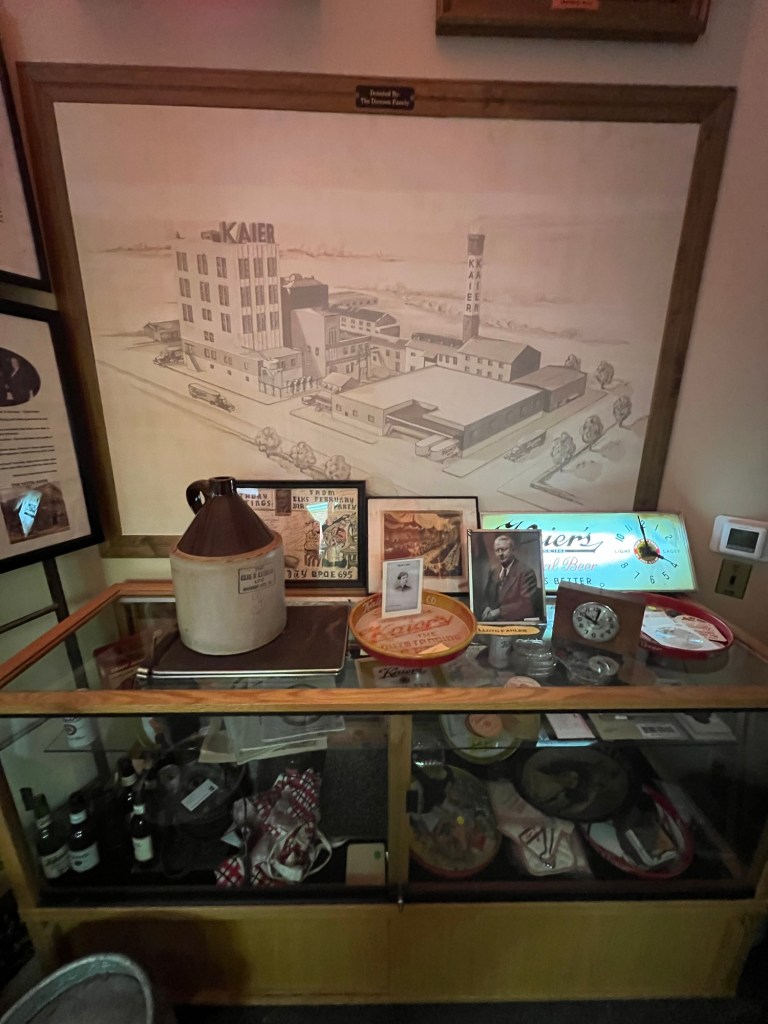
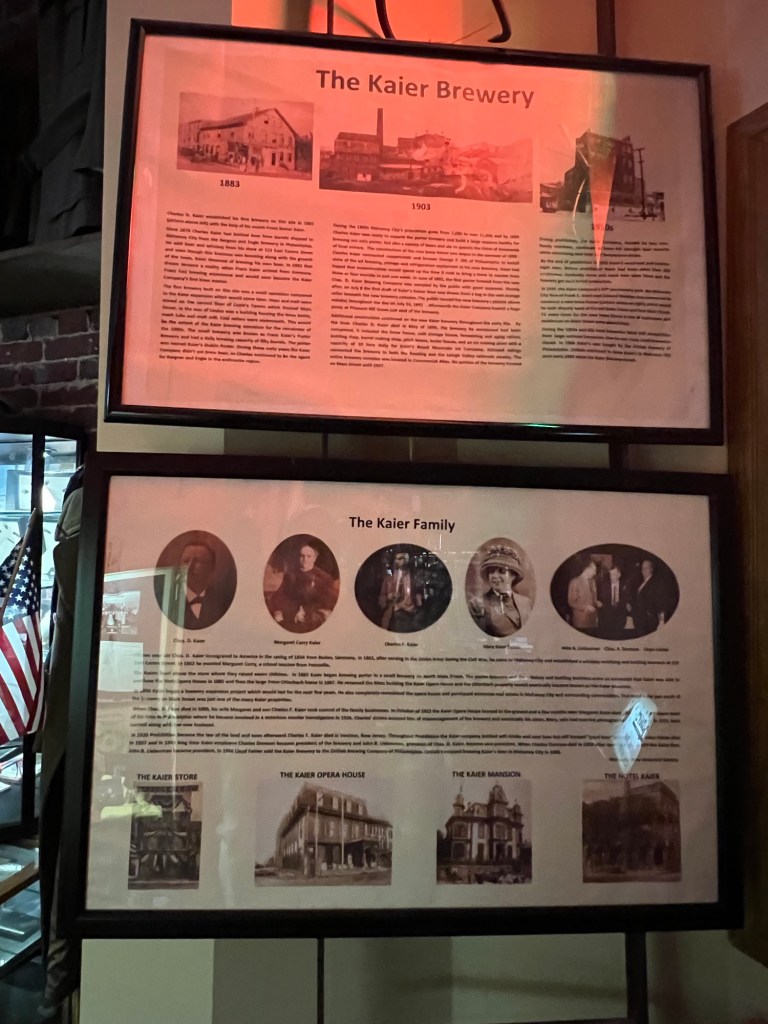
The display of the Kaier Brewery, once a dominate business in town until the late 1960’s

https://en.wikipedia.org/wiki/Charles_D._Kaier_Company

https://www.thebeerprofessor.com/?tag=kaiers-beer

The knocking down of the old Brewery Building:

https://www.wnep.com/article/news/local/schuylkill-county/watch-the-old-kaier-brewery-come-crashing-down-in-mahanoy-city/523-f8ce5f7e-136f-4bff-806e-d5debcd86553

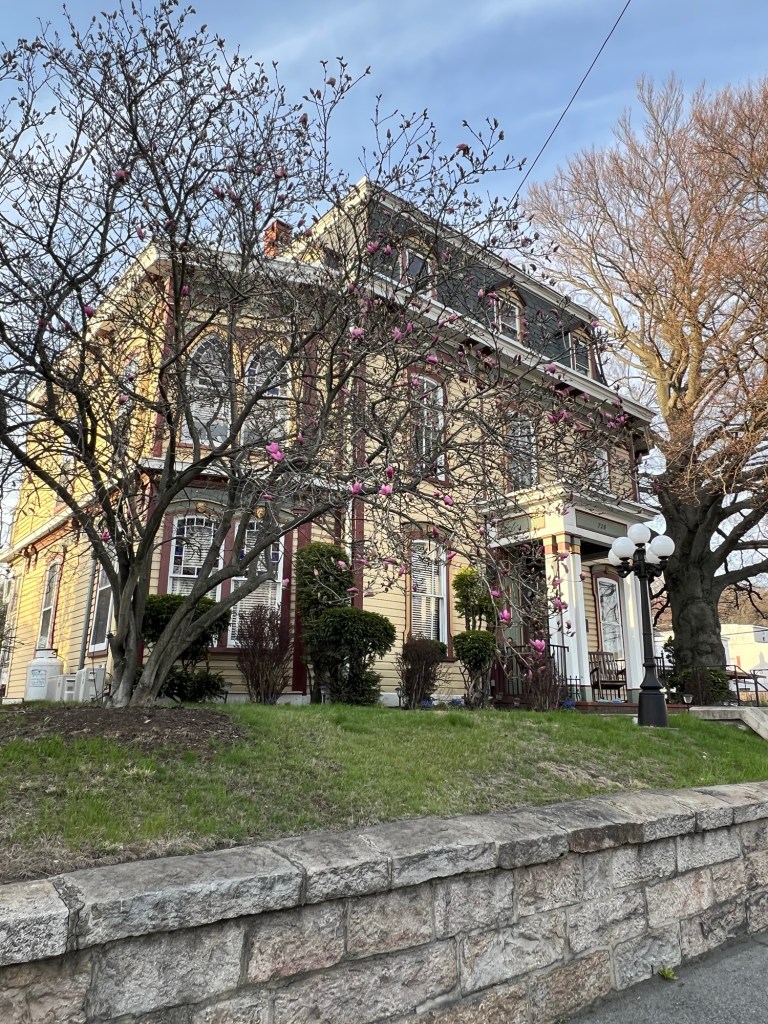
The former Kaier Mansion is right down the road from the old brewery is now a B & B

https://www.kaiermansion.com/

Review on TripAdvisor:

https://www.tripadvisor.com/Hotel_Review-g53087-d1517244-Reviews-Kaier_Mansion_Bed_Breakfast-Mahanoy_City_Pennsylvania.html?m=19905

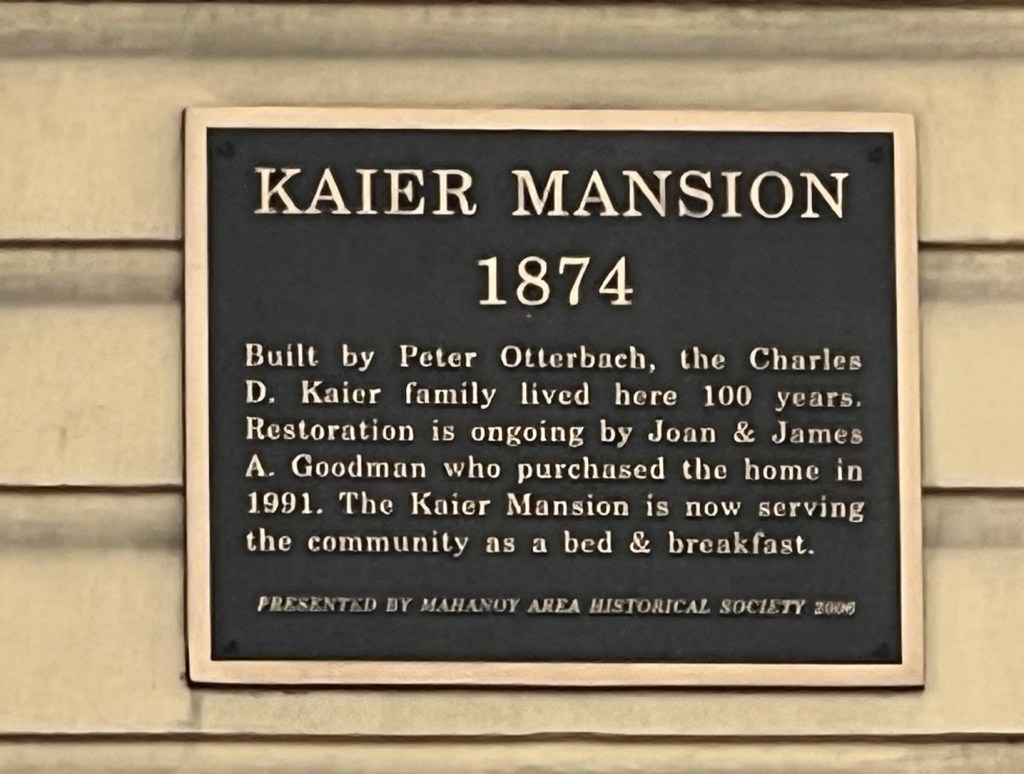
The plaque on the old mansion down the road from the museum

The history of the Kaier Brewery family in the area

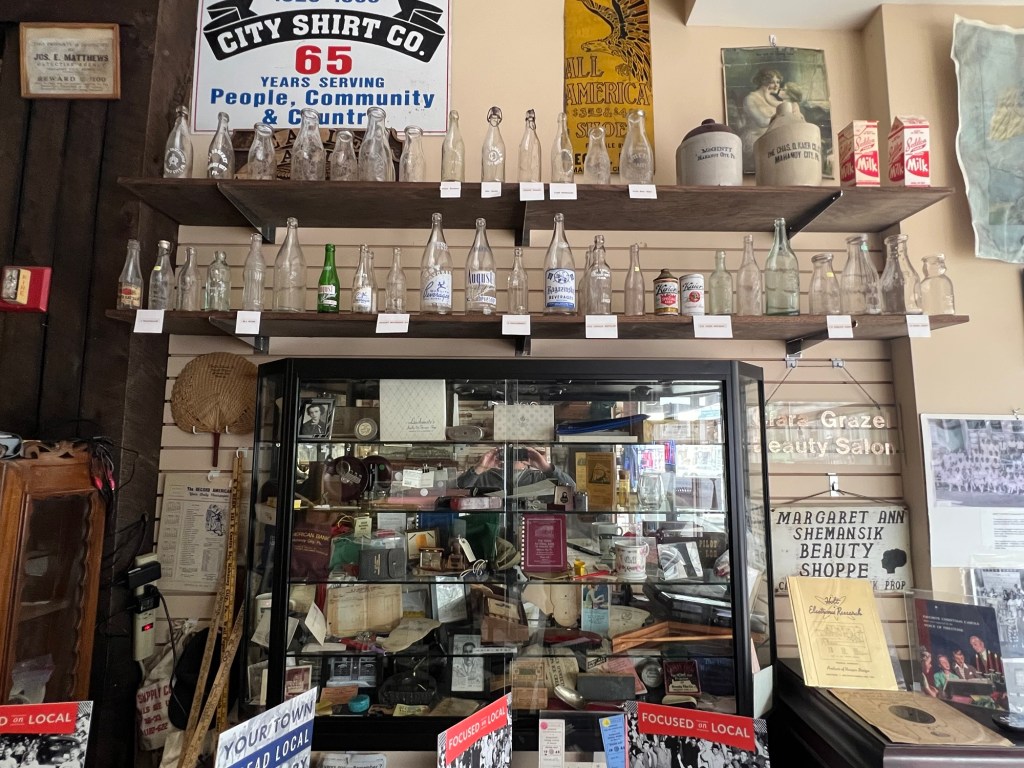
The local businesses in the downtown and the bottling plants that once dominated the area for beverages produced around Mahanoy City.

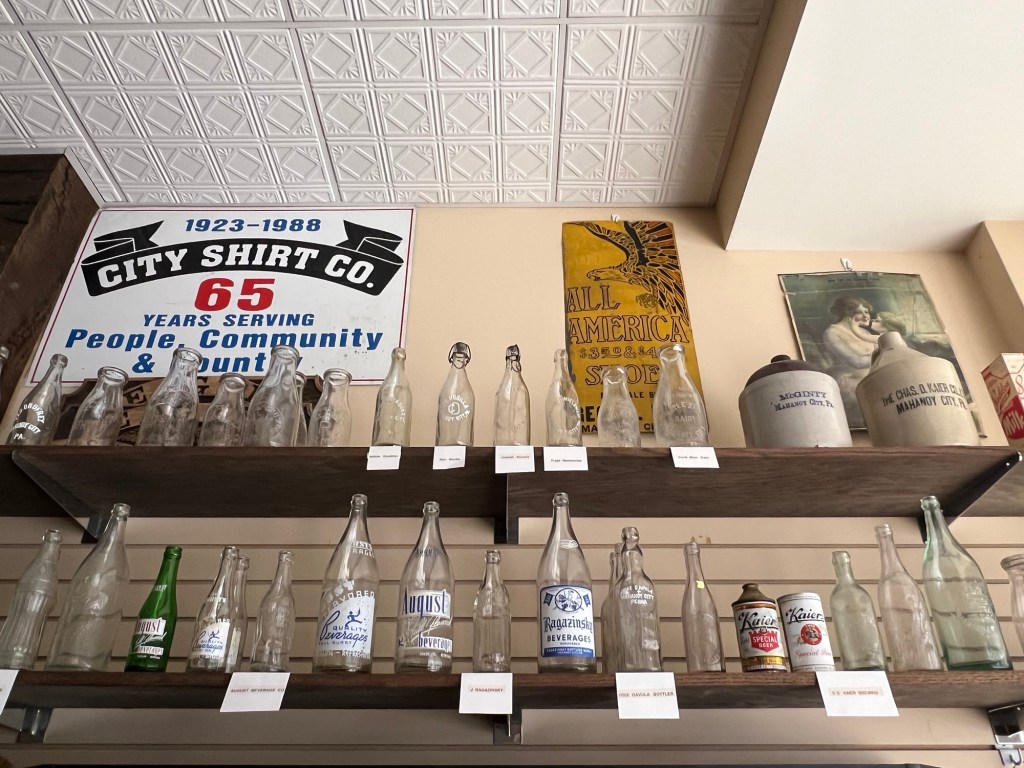
There were many individual bottlers in the area

The many companies that dominated the area

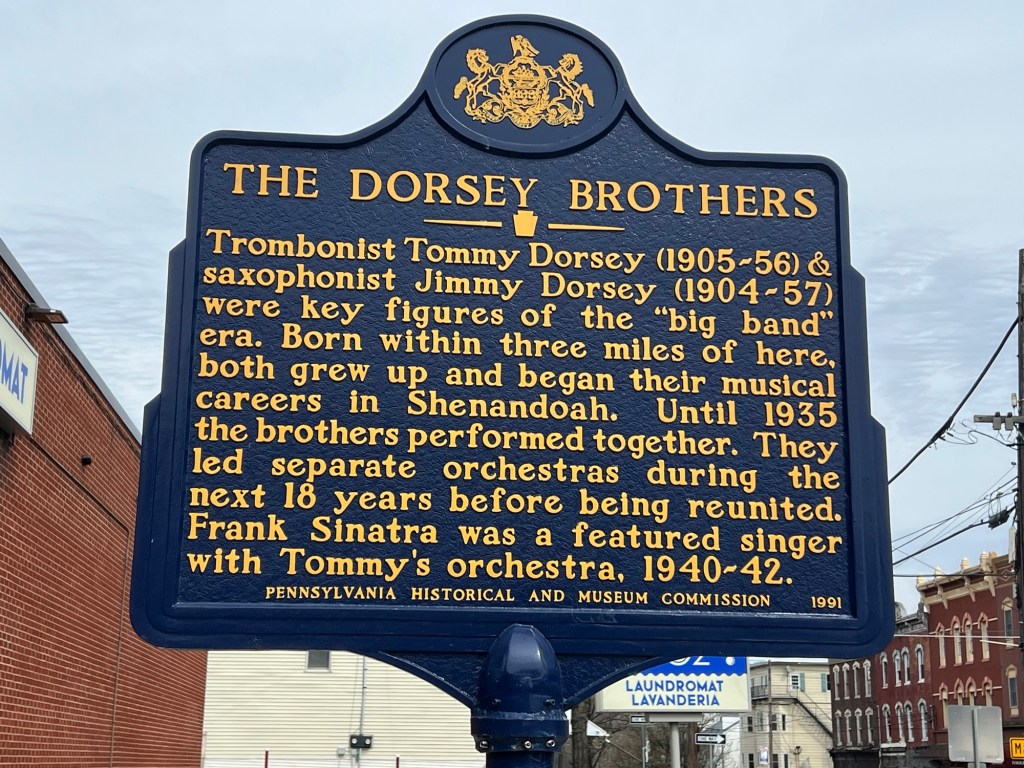
New York and Hollywood have their roots in the community too with the Dorsey Brothers, Tommy and Jimmy Dorsey raised around both here and Shenandoah.

The historical marker in Shenandoah

https://en.wikipedia.org/wiki/Tommy_Dorsey

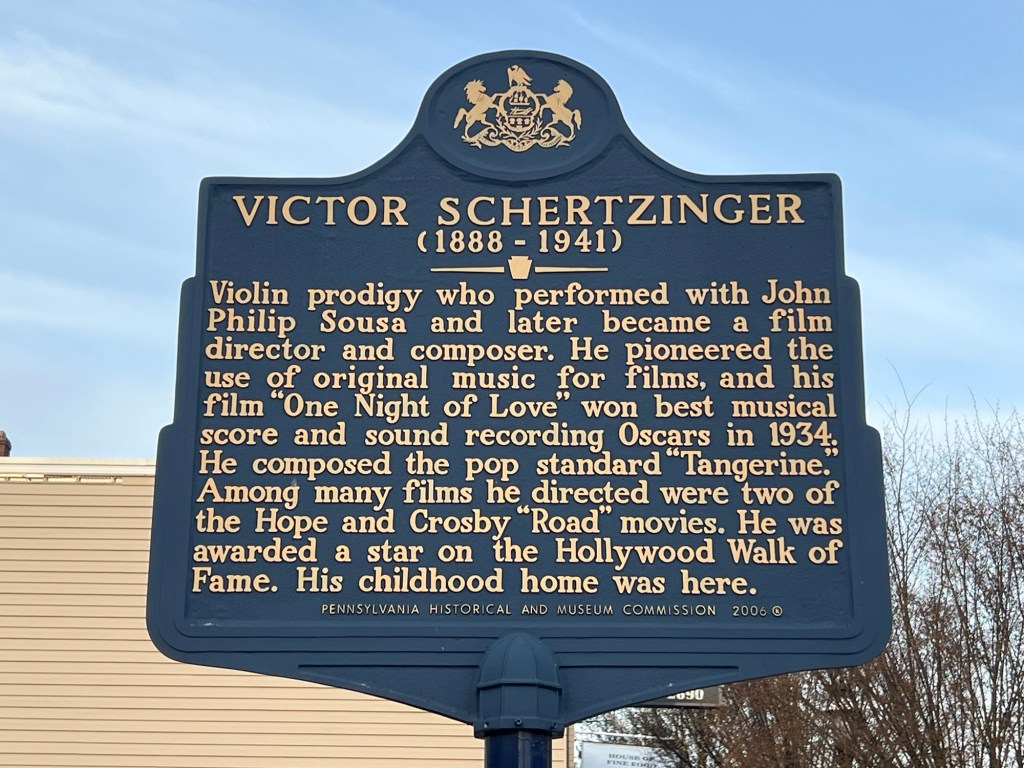
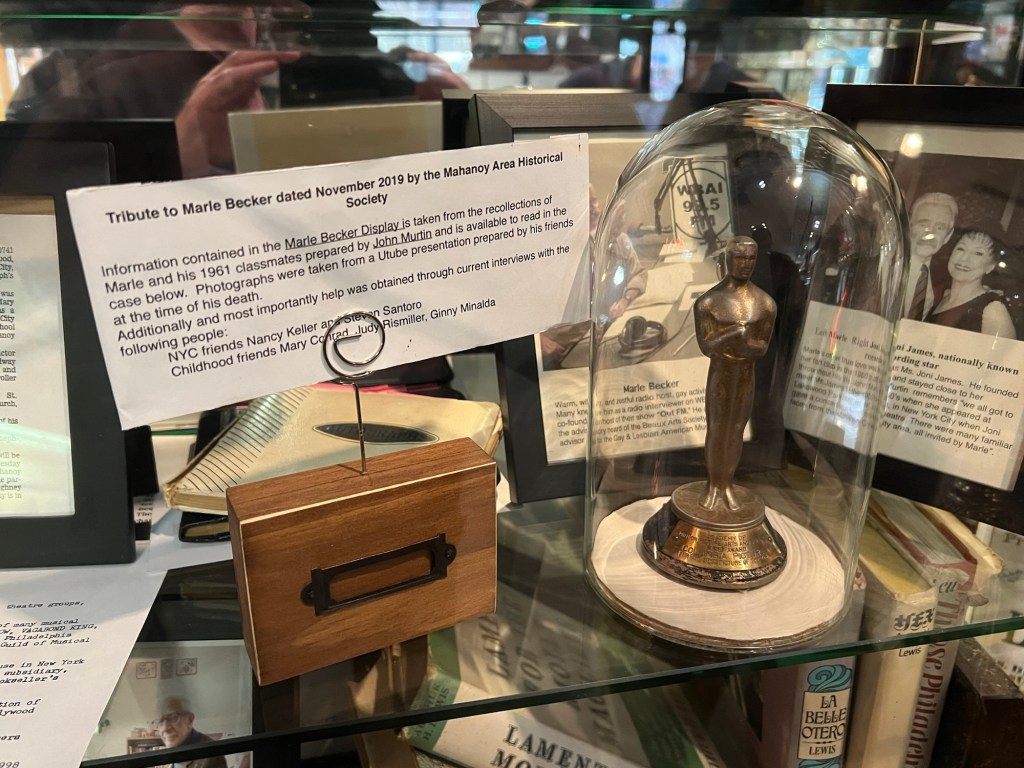
The other being Victor Schertzinger, who was a director and composer, who won the Academy Award for best original music for the film ‘One Night of Love’.

The marker near the Historical Society

https://en.wikipedia.org/wiki/Victor_Schertzinger

The Clip from “One Night of Love”

His Oscar was donated to the museum by his family

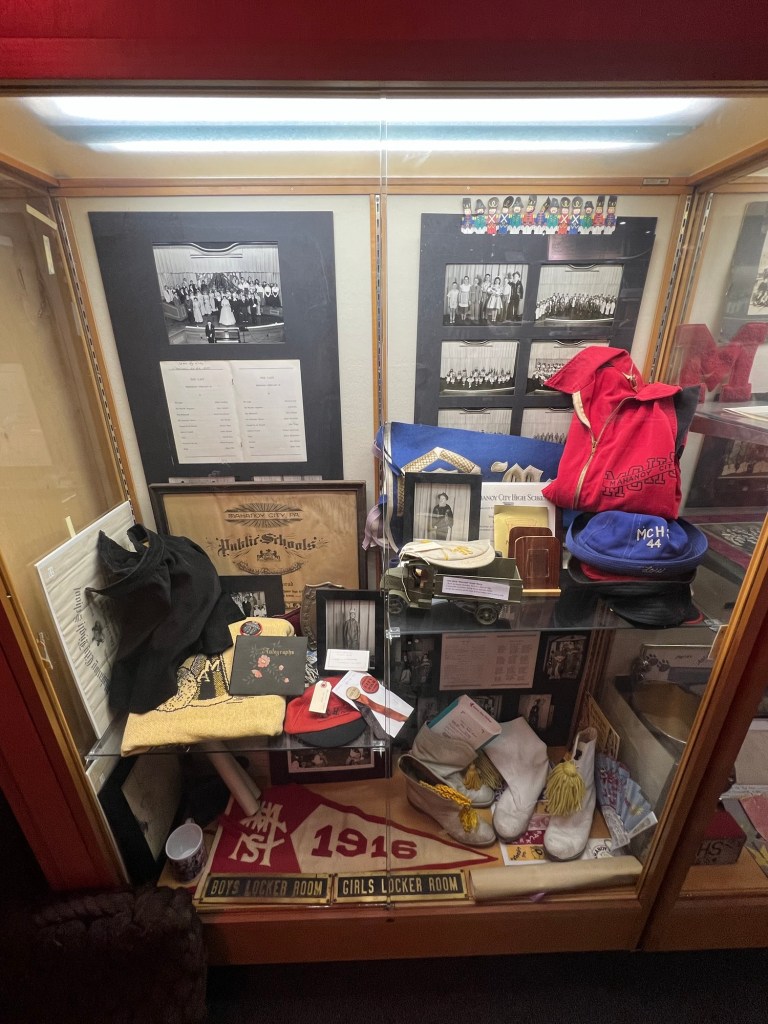
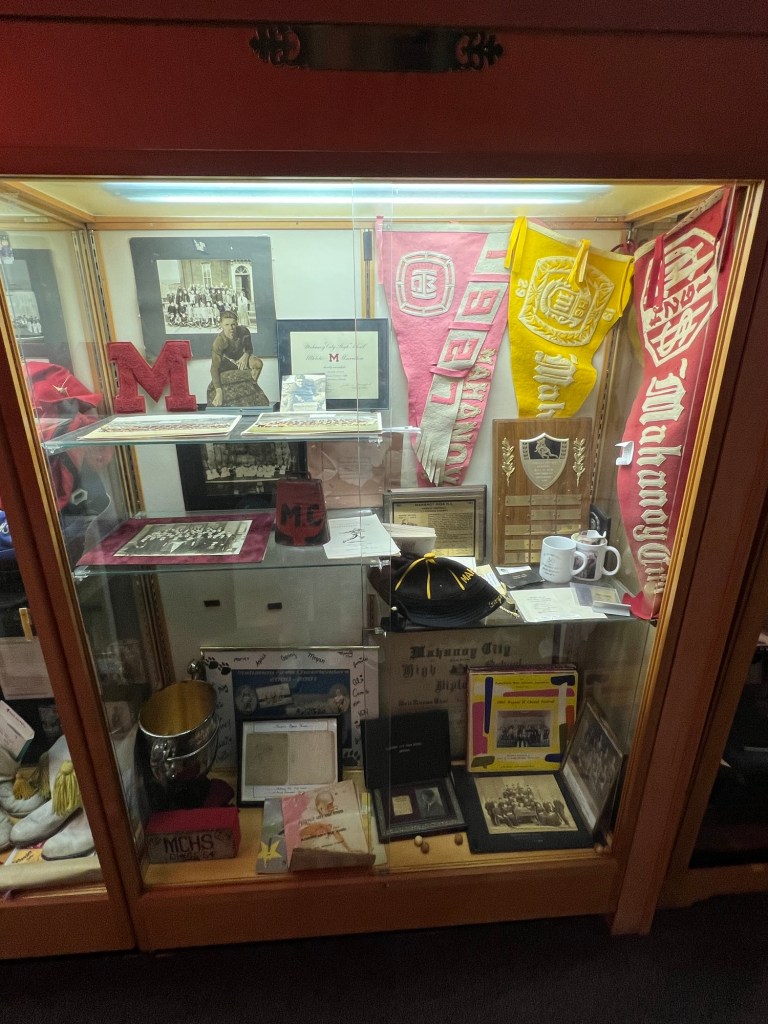
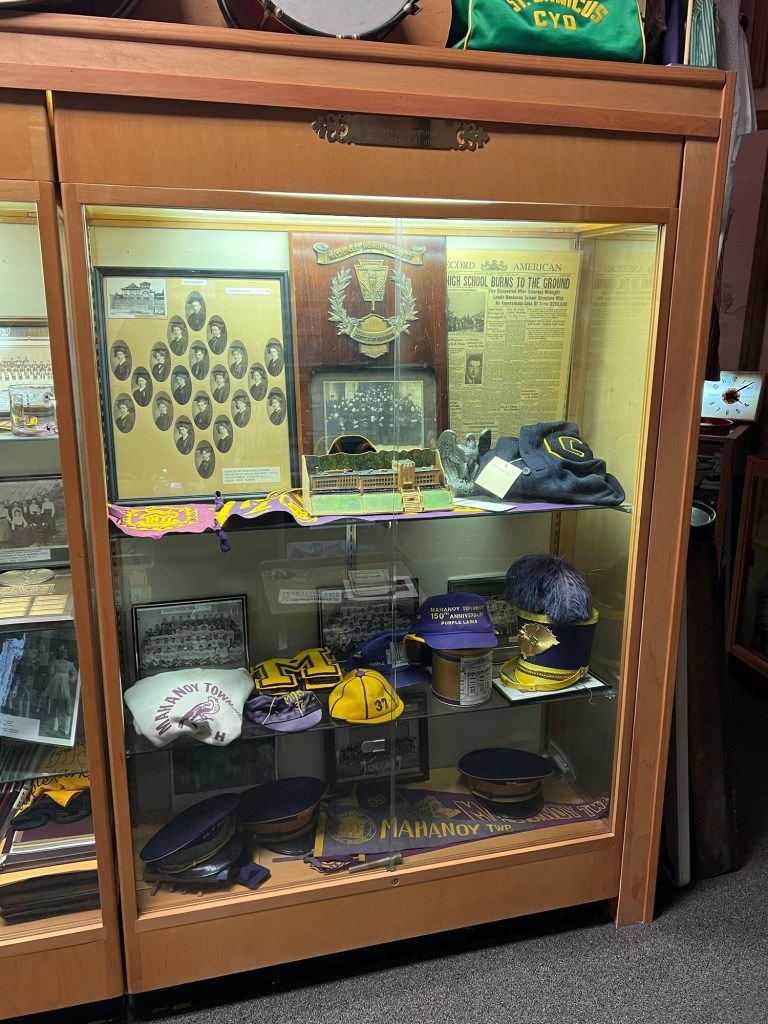
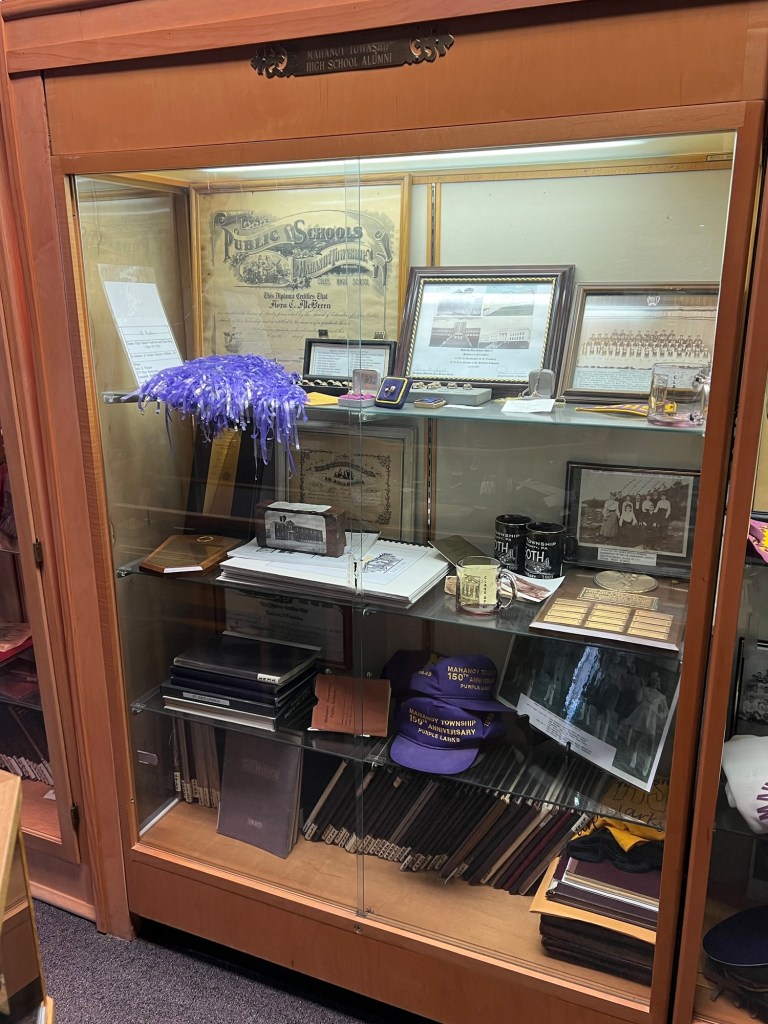
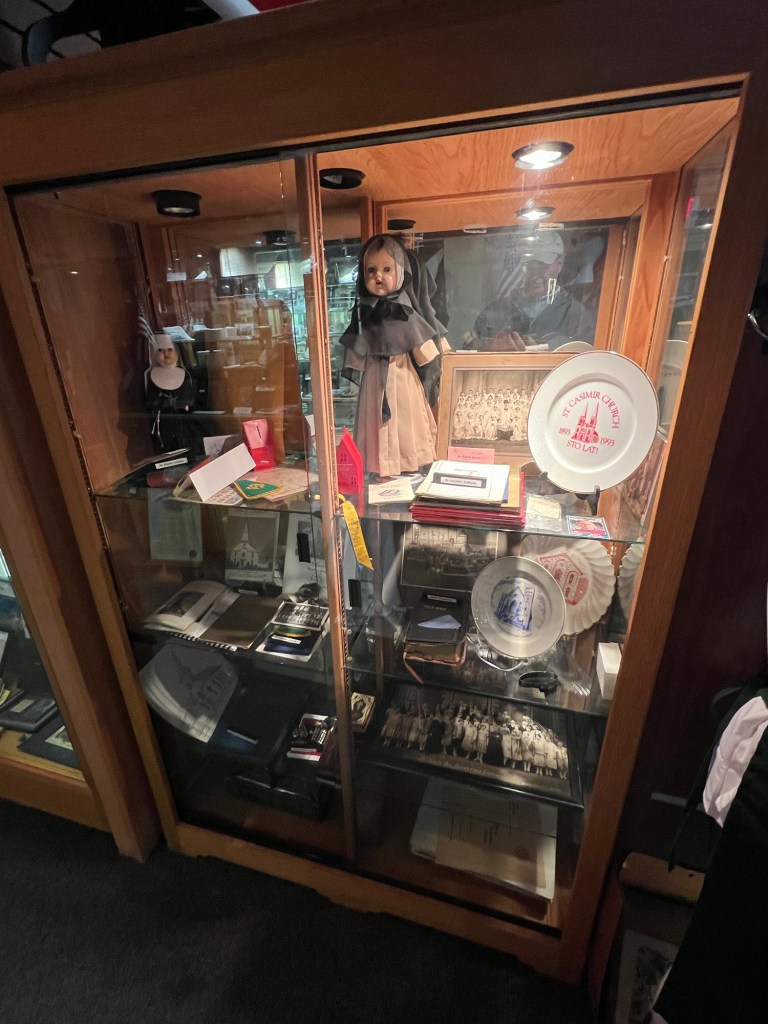
A big part of the museum is the collection from the Mahanoy City and the Mahanoy Township school systems. There is a big history of sports and with school pride in this area.

The display of school memorabilia at the museum

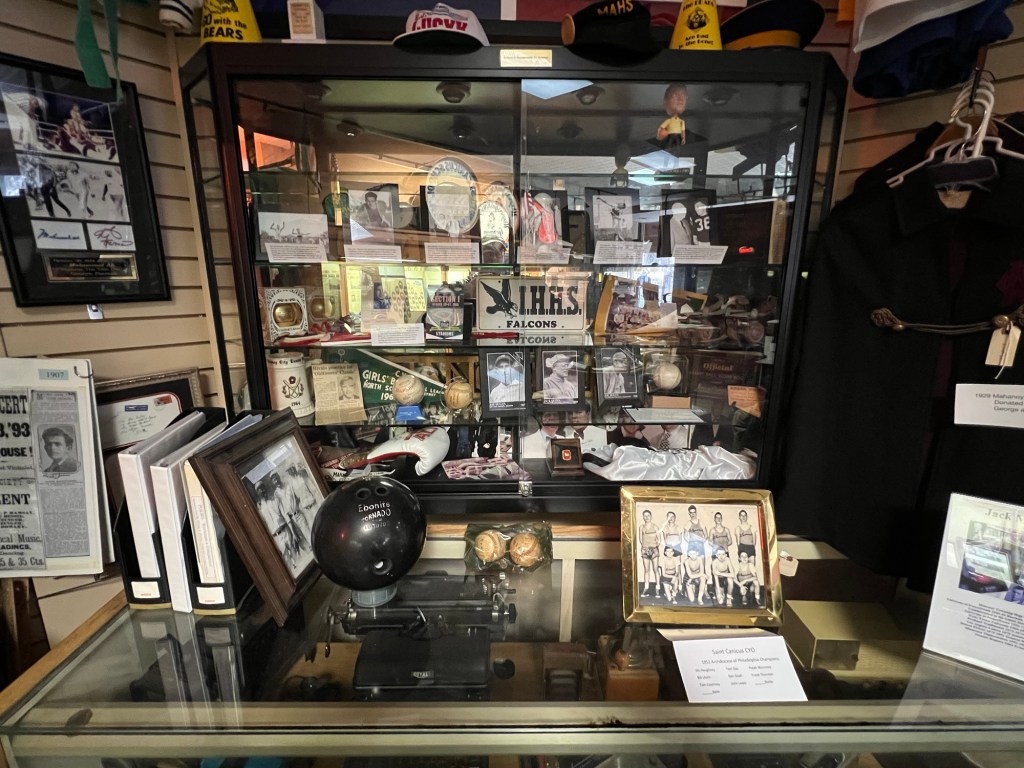
The high school memorabilia from Mahanoy City schools

High School memoribilia

High school pride

School uniforms and clothing

Awards, plaques and yearbooks

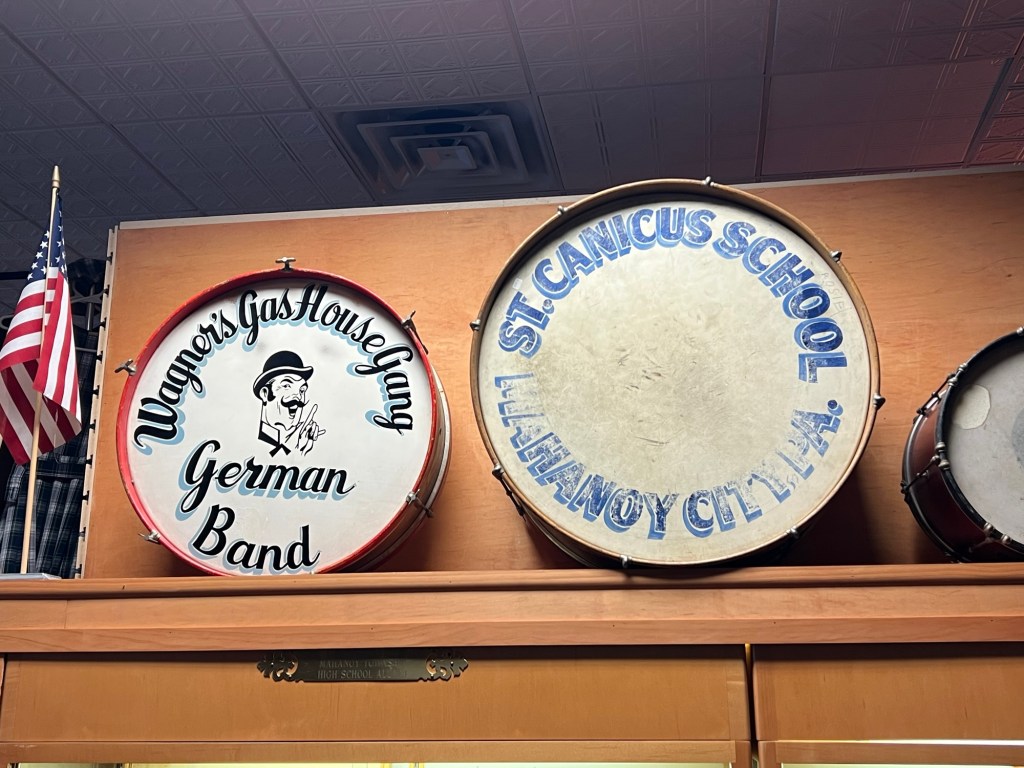
The school and local band equipment

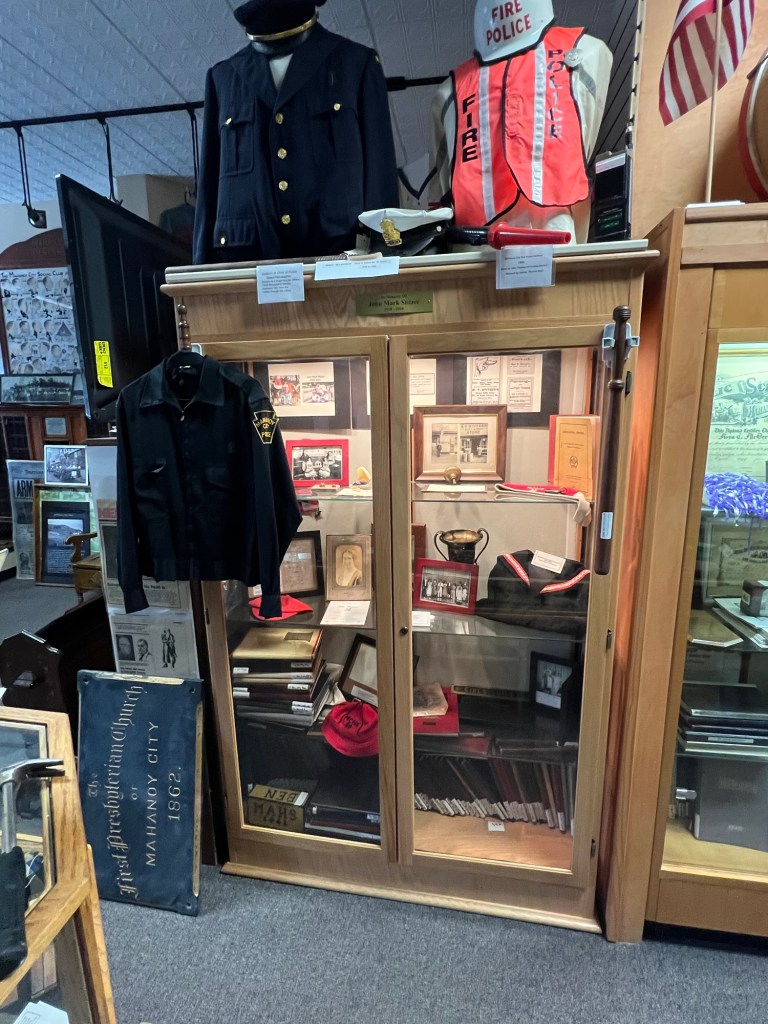
The para-Military is prominent in the collection with many families donating their family items. Items from the Police and Fire departments are prominently on display.

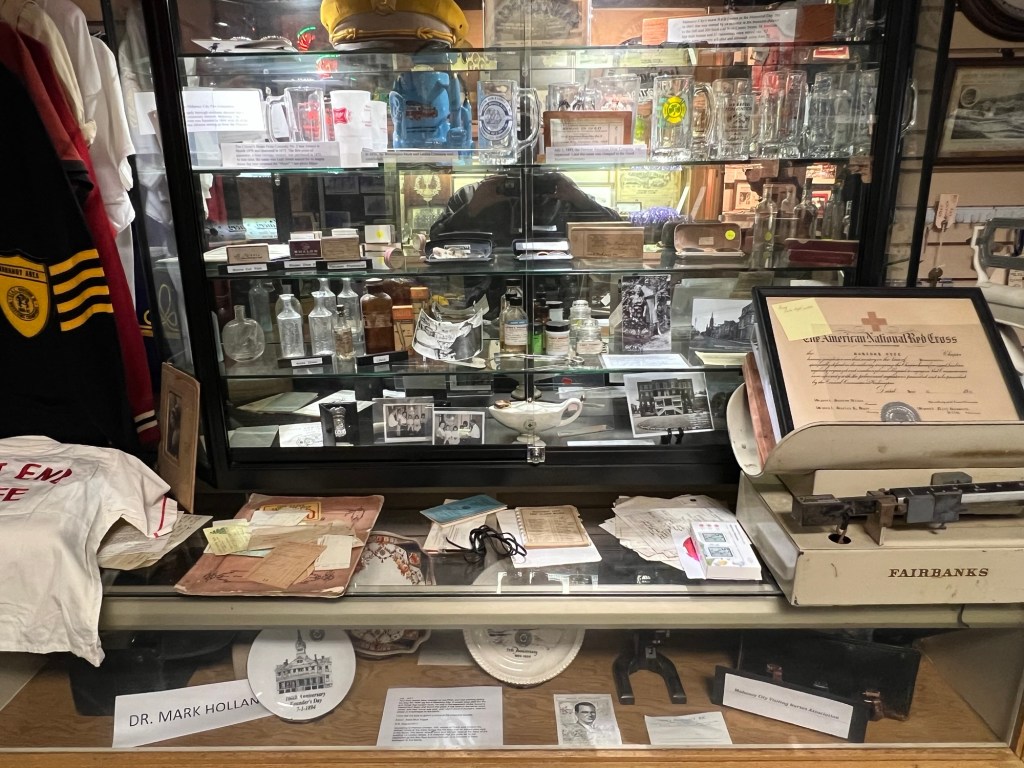
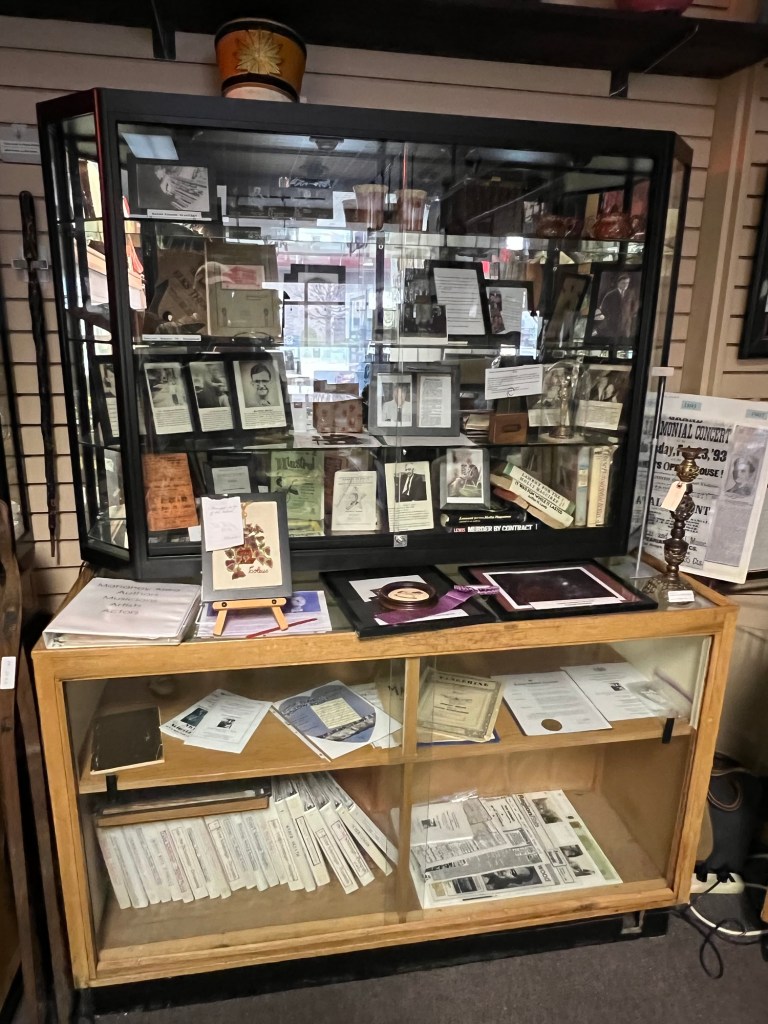
Display cases of local items

Civic items in the collection

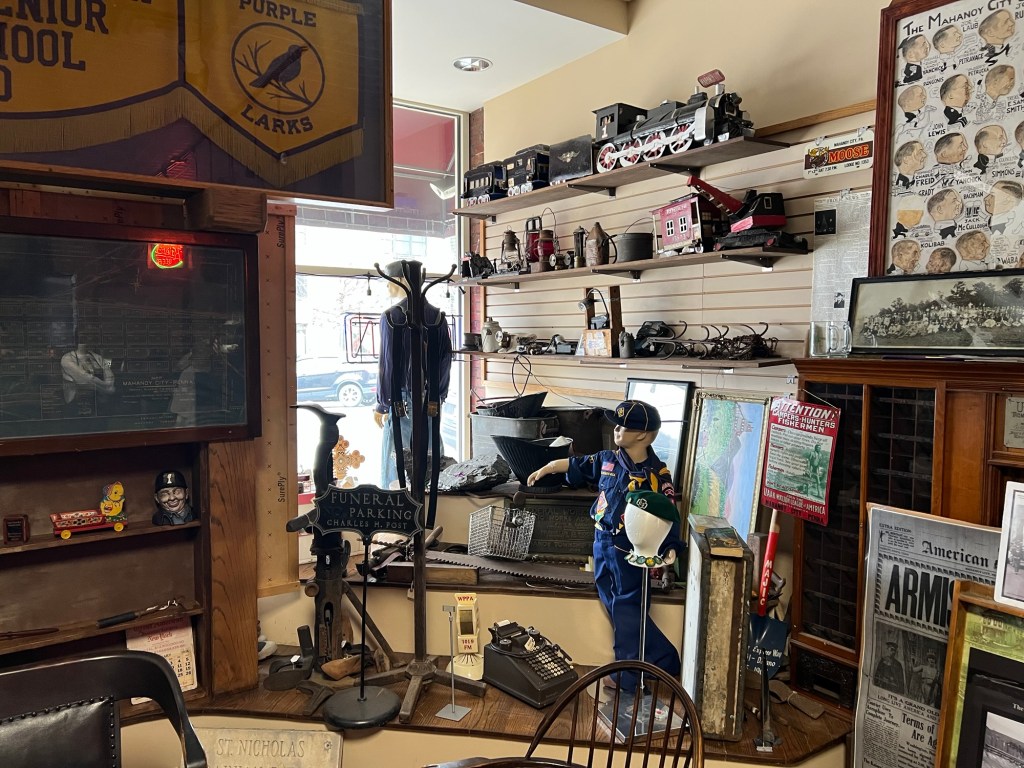
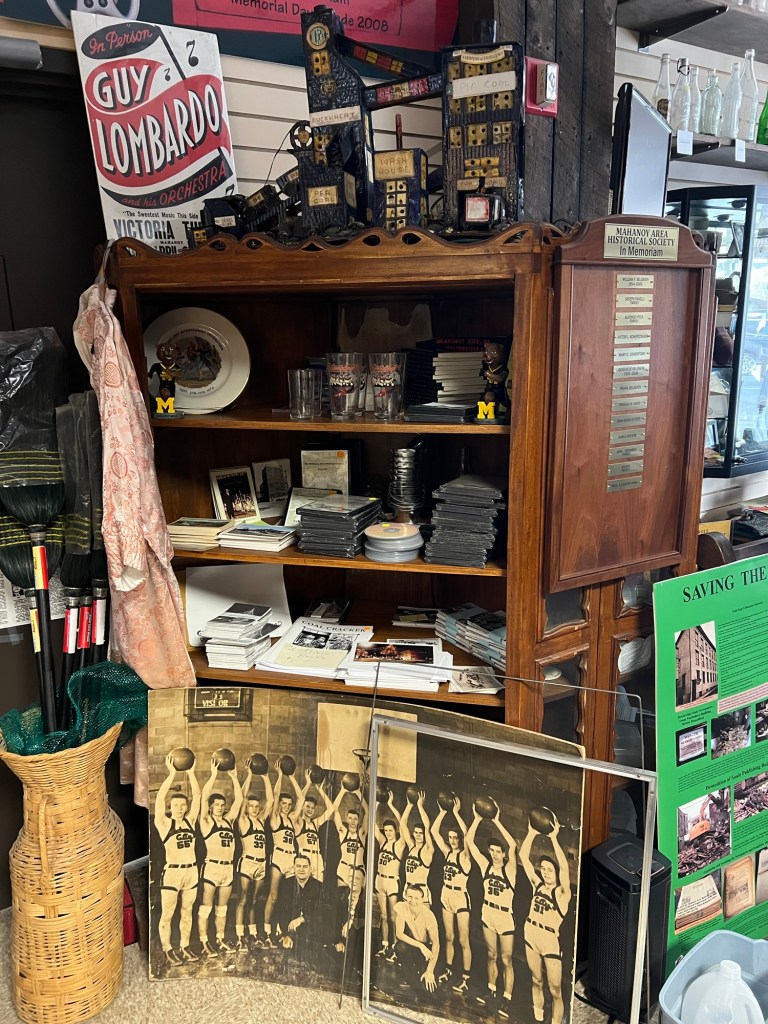
More historical items from around the community

Local artifacts from the community

There were many businesses that were created in the area when innovation and technology were changing between the wars.

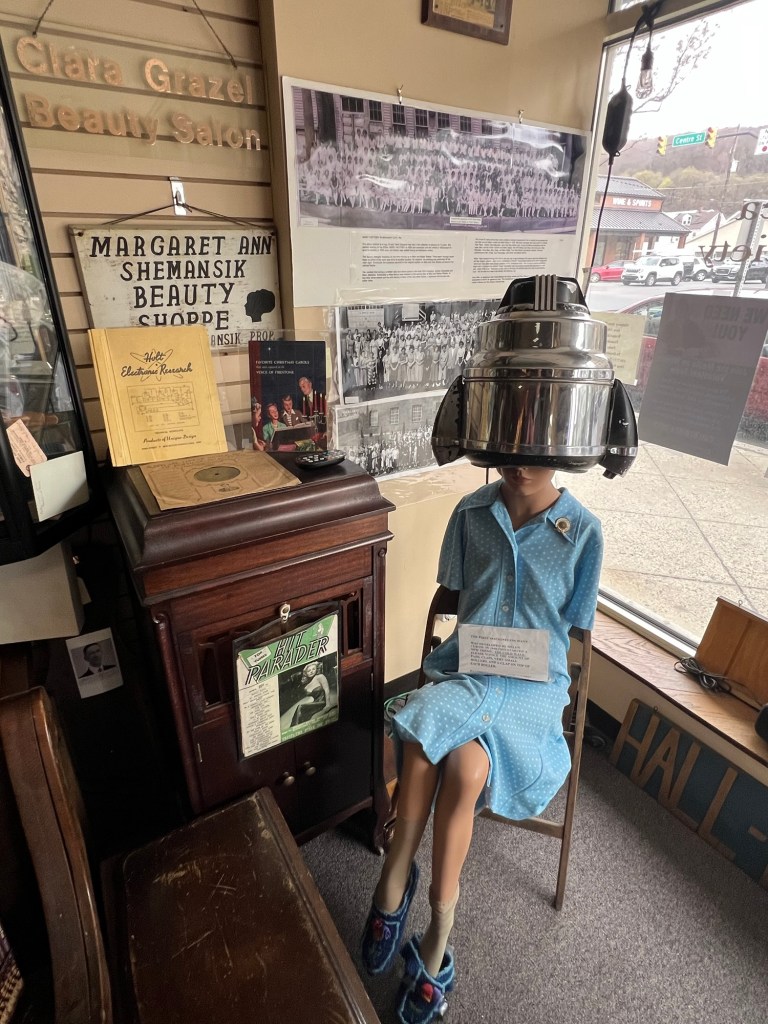
The clothing and beauty industries were founded and thriving businesses in the community.

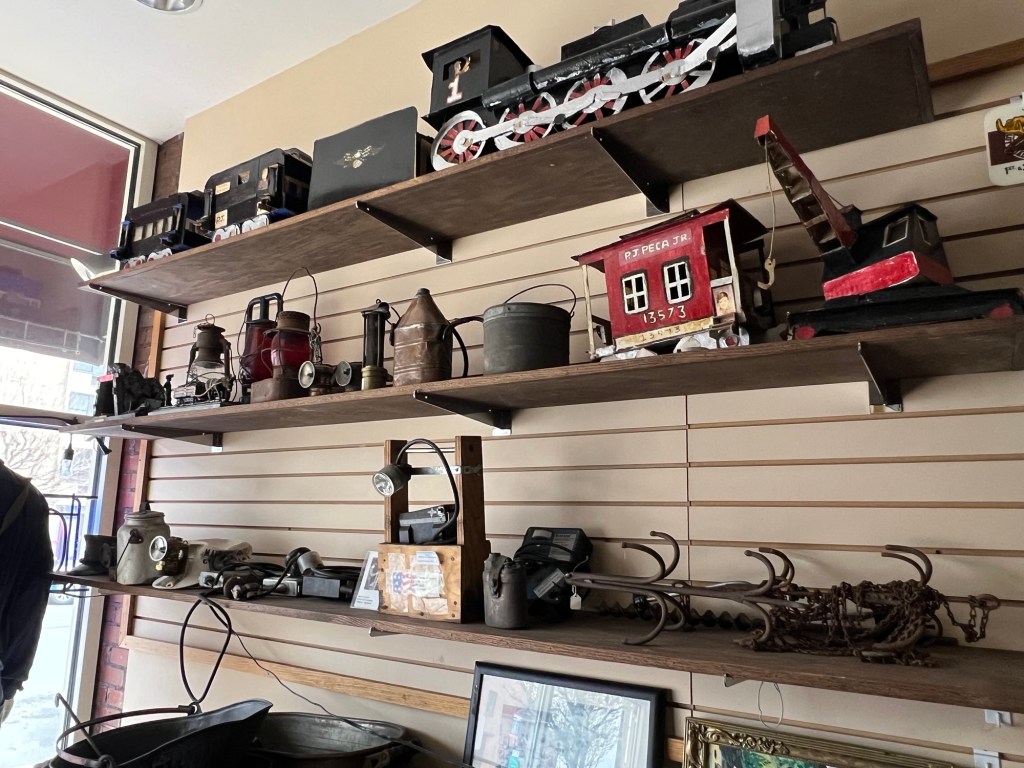
Items from the mining industry are prominently displayed in the front of the museum.

The front of the museum

The museum shows the creation, growth and pride in this and the surrounding communities. Innovation and creation were once prominent in Mahanoy City now waiting for another generation to discover it and keep this tradition alive.

The Church community

After the visit to the museum, I walked around the downtown to see the before and after effects of the mines and the industries that have closed down over the years.

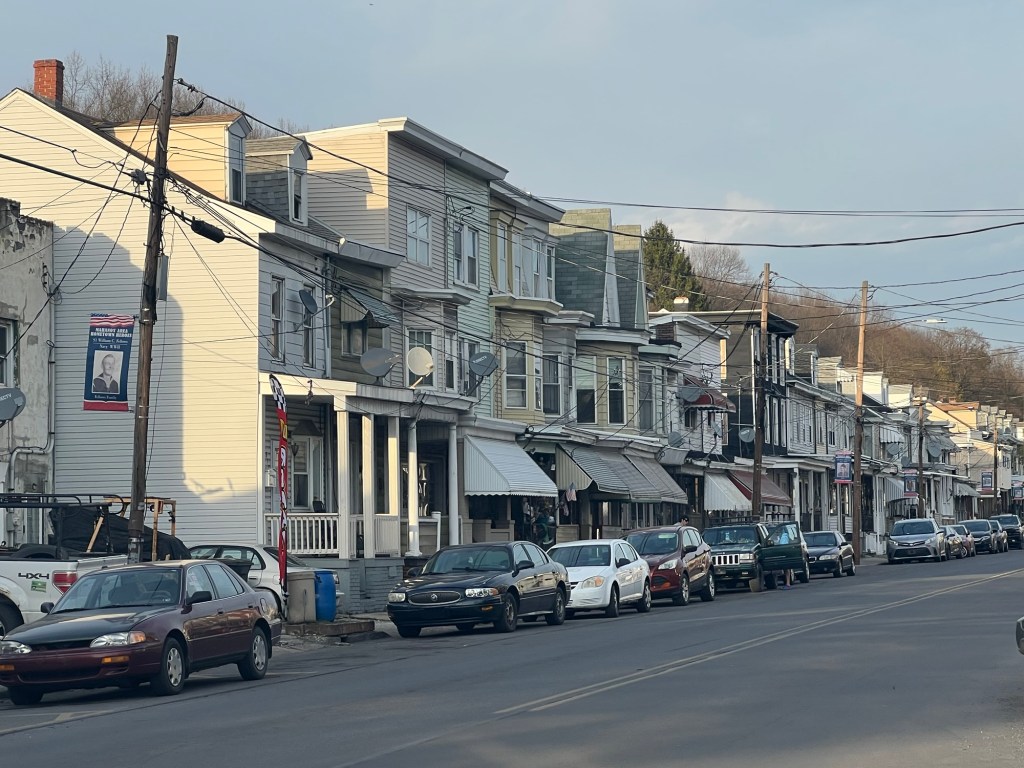
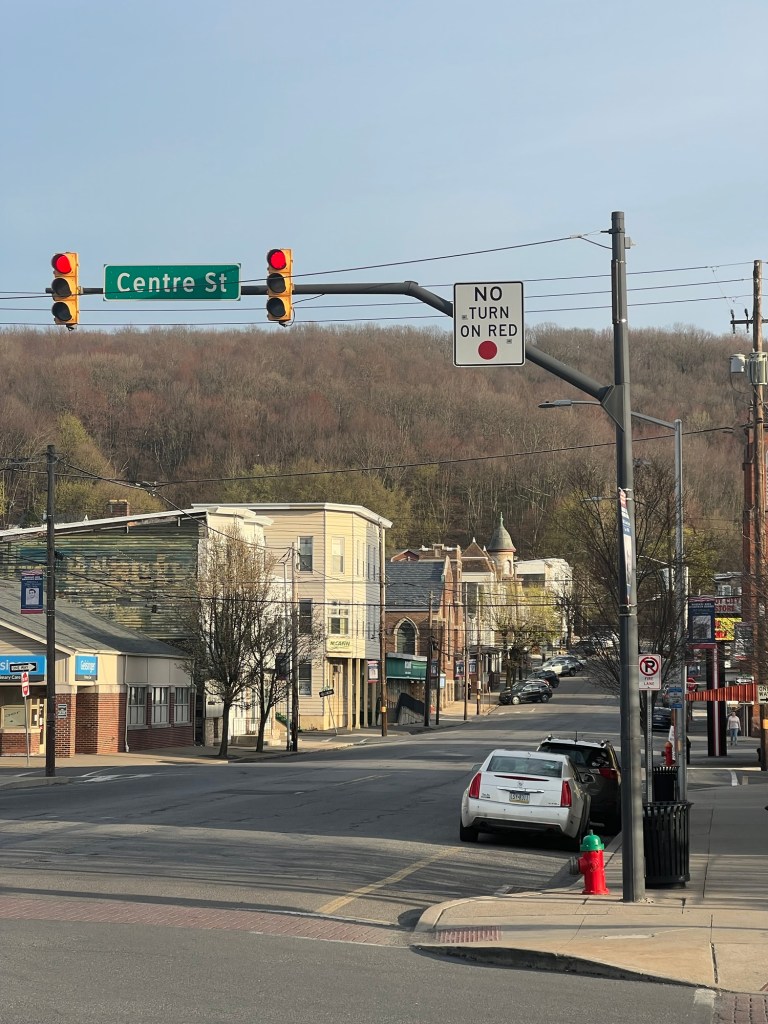
Downtown Mahanoy City, PA

https://www.mahanoycity.org/

While it does look depressed in some ways, you can still the spark of a community that needs to be discovered again. Somewhere buried in this community is the next new business or innovative idea that will once again showcase it again. There is a lot of pride still here and it shows in the history in this museum.

Exploring the downtown area

West Milford Museum                                                         1477 Union Valley Road                                             West Milford, NJ 07480

West Milford Museum 1477 Union Valley Road West Milford, NJ 07480

West Milford Museum

1477 Union Valley Road

West Milford, NJ 07480

(973) 728-1823

https://www.westmilford.org/cn/webpage.cfm?TPID=3979

Open: Sunday-Friday Closed/Saturday 1:00pm-4:00pm
Admission: Free but donations are accepted

My review on TripAdvisor:

https://www.tripadvisor.com/Profile/R4960NKjustinw/photo/798400892?m=19905

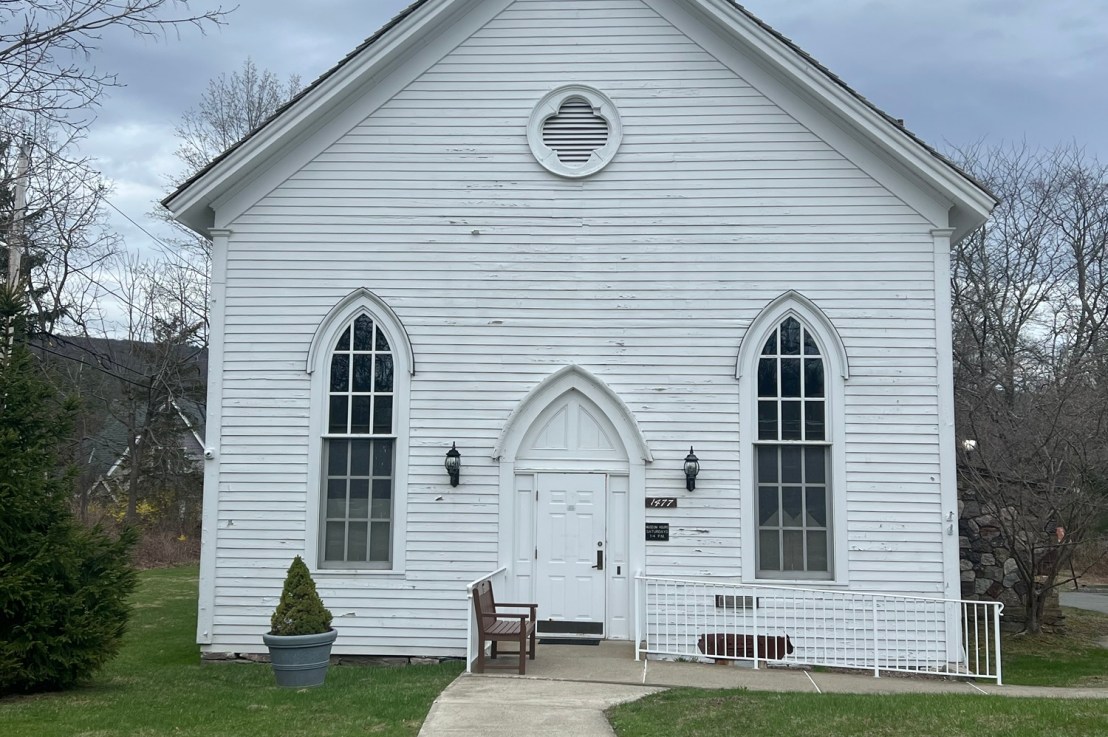
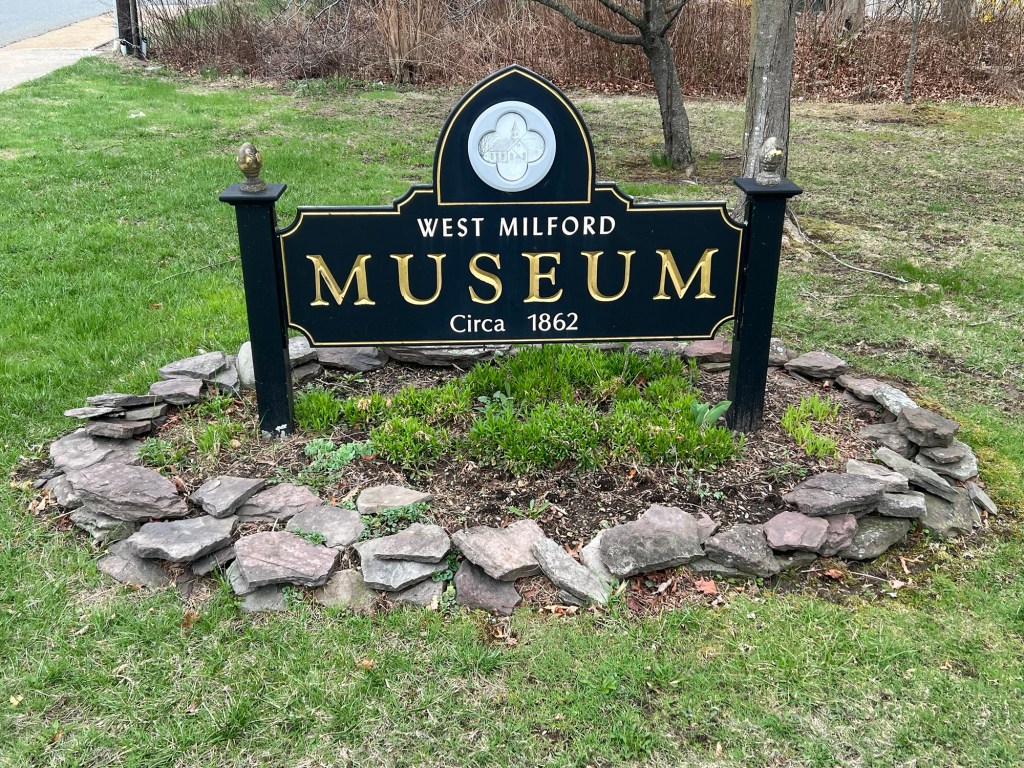
The West Milford Museum at 1477 Union Valley Road

The Museum focus:

(From the Township of West Milford, NJ website)

The Museum presents an eclectic view of local and regional history through permanent and changing exhibits of artifacts, documents, photographs, books, and videos. The West Milford Museum is the result of over 35 years of collaboration between local volunteers, donors, businesses, and municipal government. Formerly a M.E. Church, circa1860, this local historic landmark has been renovated extensively in the interior to accommodate the museum exhibits. 

The entrance to the museum

The museum is located in the former Methodist Episcopalian church built during the Civil War. It was designed in the Gothic Revival style with a cedar shingled roof over hand hewn beams and a dried laid foundation. The congregation moved to a new location in 1906 and the building was deeded to the town in 1910 (museum pamphlet).

The museum sign

The inside of the West Milford Museum

History of the museum:

(From the museum pamphlet)

Following the 1976 Bicentennial, with a renewed interest in American history, the Town of West Milford, NJ decided to establish a museum in the old Town Hall Annex. Passing a resolution in 1985, the museum started the collection and archiving it and renovating the building. The museum opened in 2000 to patrons.

Maps of the early history and colonization of the town

The Farming Community display of the Dutch and English settlers

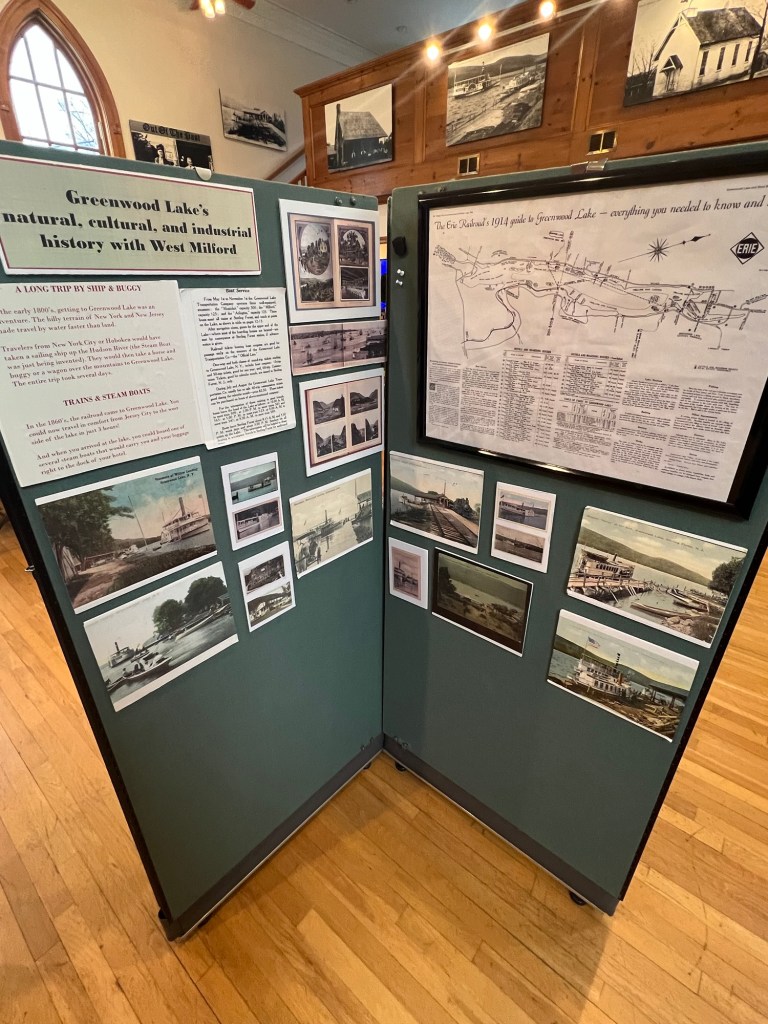
The development and population growth around Greenwood Lake

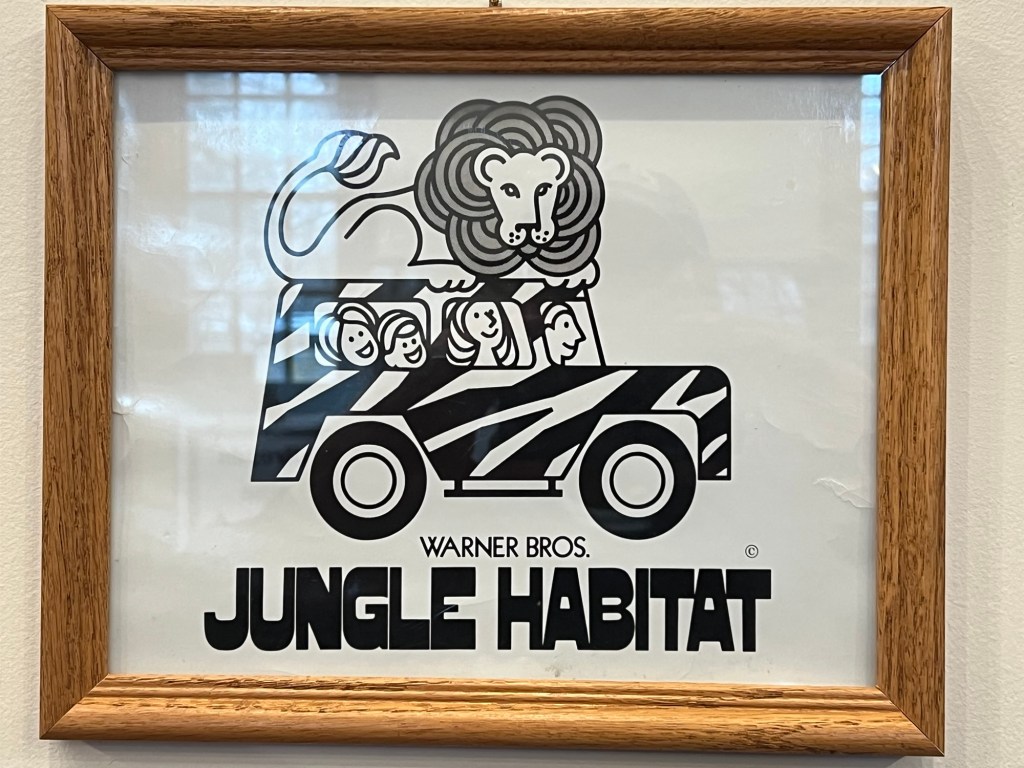
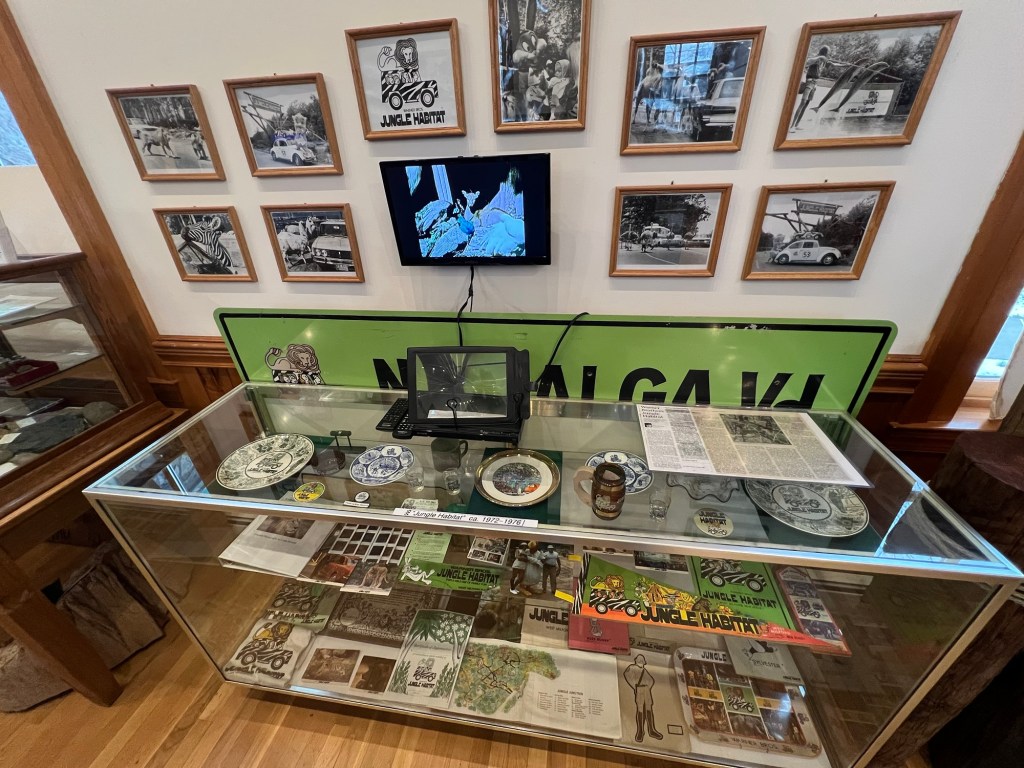
The Warner Brothers ‘Jungle Habitat’ Park of the early 1970’s that was located in the area. This drive through park was very popular in that time. The park was once filled with exotic animals. Warner Brothers moved the operation out of the area when they built Six Flags Great Adventure Park in Jackson, NJ.

The display of the old park with promotional videos

Some of the promotional items and mementos from the park

The Long Pond Ironworks display

The display on the growth of the railroad in the area

The Long Pond Ironworks display at the museum. This was a big business between the World Wars

The Long Pond Ironworks

The History of the Ironworks:

The ironworks got its name from ‘Long Pond’, the Native American translation for Greenwood Lake. The ironworks were an important business in the area serving both the Revolutionary and Civil War armies with much needed iron for equipment and munitions. Because of cheaper options in the Midwest and more abundant ore, the ironworks closed in 1882 (museum pamphlet).

The Native American exhibition

The extensive collection of Lenape artifacts in the collection

The museum has a large collection of arrowheads and other hunting and fishing artifacts

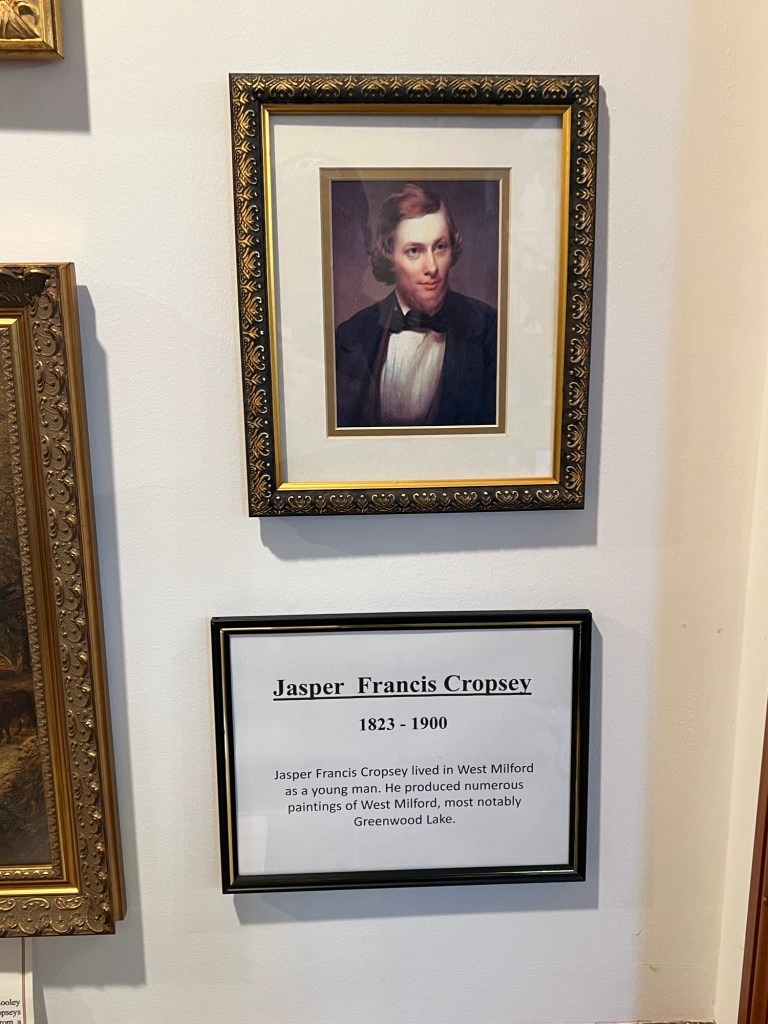
The museum has an extensive collection of reproductions of the Hudson River School painter Jasper Francis Cropsey

https://en.wikipedia.org/wiki/Jasper_Francis_Cropsey

https://www.nga.gov/collection/artist-info.1191.html

The reproduction works of the artist in the collection

Many of the books and notes from the artist and the locations where the works were made

They even had a resident bear as a artist

The museum has an extensive collection of textiles both clothing and quilts

This display quilt has many of the town’s historical sites that are of significance in the town

One of the sites was the Cross Castle that was knocked down years ago from neglect

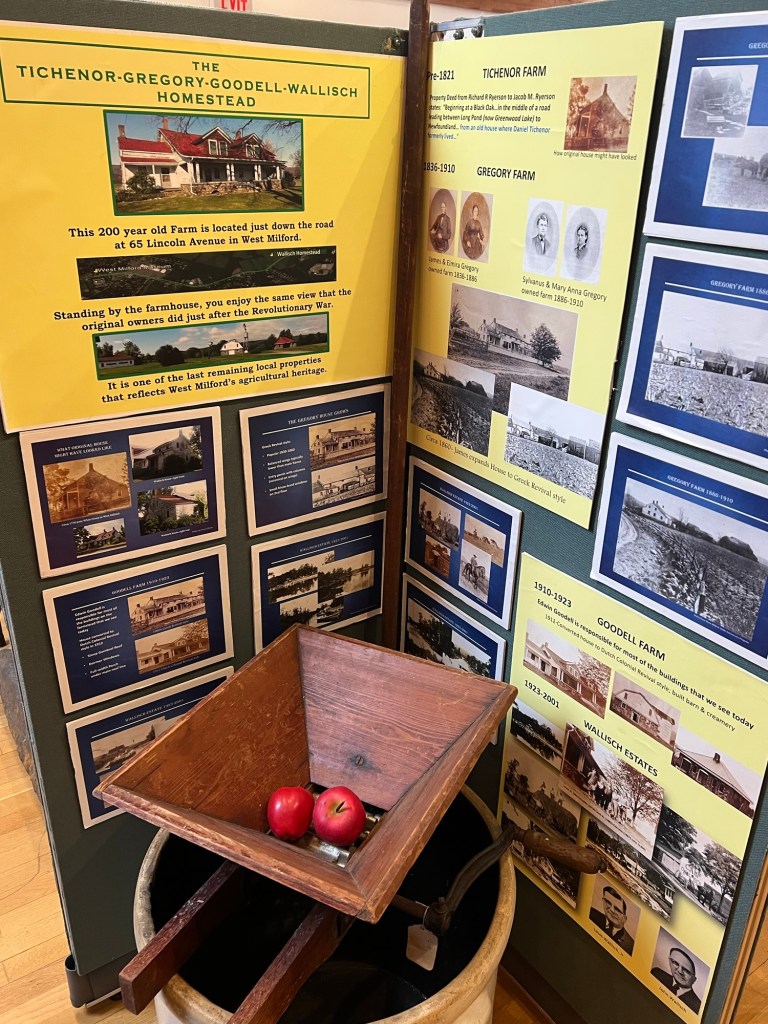
Pictures of one of the local homesteads that has passed through many families hands

The Ice Industry which was a big business on the lake and the Rocket Mail business which was a failure

The resort business and the Greenwood Lake hotels were a big business until the advancement of the automobile made other areas desirable.

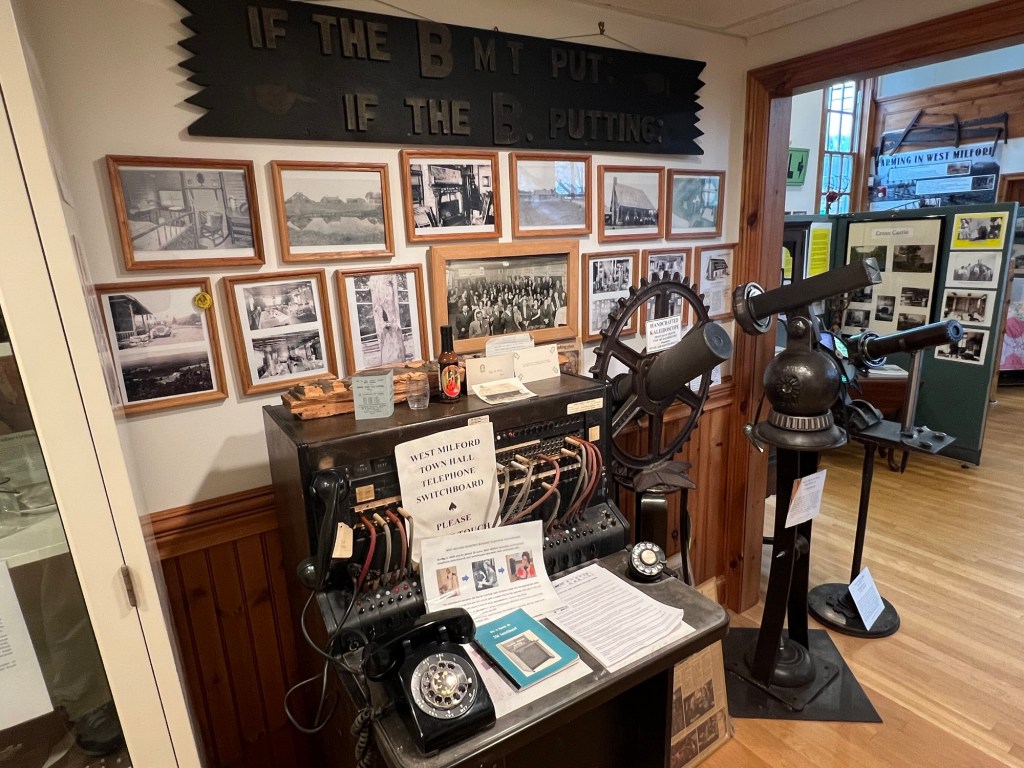
Local businesses had an interesting display along with community organizations

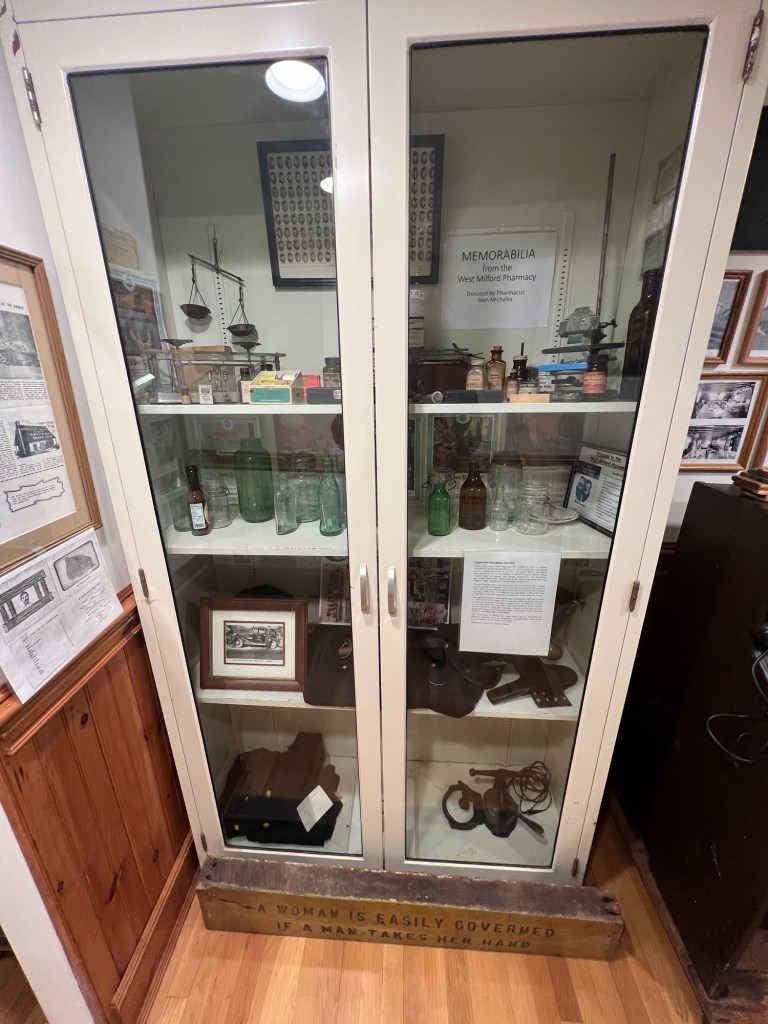
There was an interesting display on the West Milford Pharmacy

Some of the old medical equipment that you would have seen in the past

The museum is also dedicated to the West Milford school system. Their first display is a replication of an old schoolhouse, which has not changed too much in form. Desks still face the chalk board and the teacher still leads the class.

The old classroom

The old fashioned classroom has not changed much in the last 100 years

The museum gives children a glimpse of the past and a better understanding of how it relates to the future. There are all sorts of artifacts in which children can relate to and compare to today’s counterparts. It is a good place to use your imagination and think back to life in the past.

The new exhibition on the West Milford Marching Band will be opening soon

The back of the museum is filled with interesting artifacts

The gallery of Paintings and Native American artifacts

Kearny Museum at the Kearny Library                                   318 Kearny Avenue                                                   Kearny, NJ 07032

Kearny Museum at the Kearny Library 318 Kearny Avenue Kearny, NJ 07032

Kearny Museum at the Kearny Library

318 Kearny Avenue

Kearny, NJ 07032

(201) 998-2666

Open: Sunday-Tuesday Closed/Wednesday 5:00pm-6:30pm/Thursday-Friday Closed/Saturday 10:00am-12:30pm

My review on TripAdvisor:

https://www.tripadvisor.com/ShowUserReviews-g46536-d33058185-r1001224452-Kearny_Museum_At_The_Kearny_Library-Kearny_New_Jersey.html?m=19905

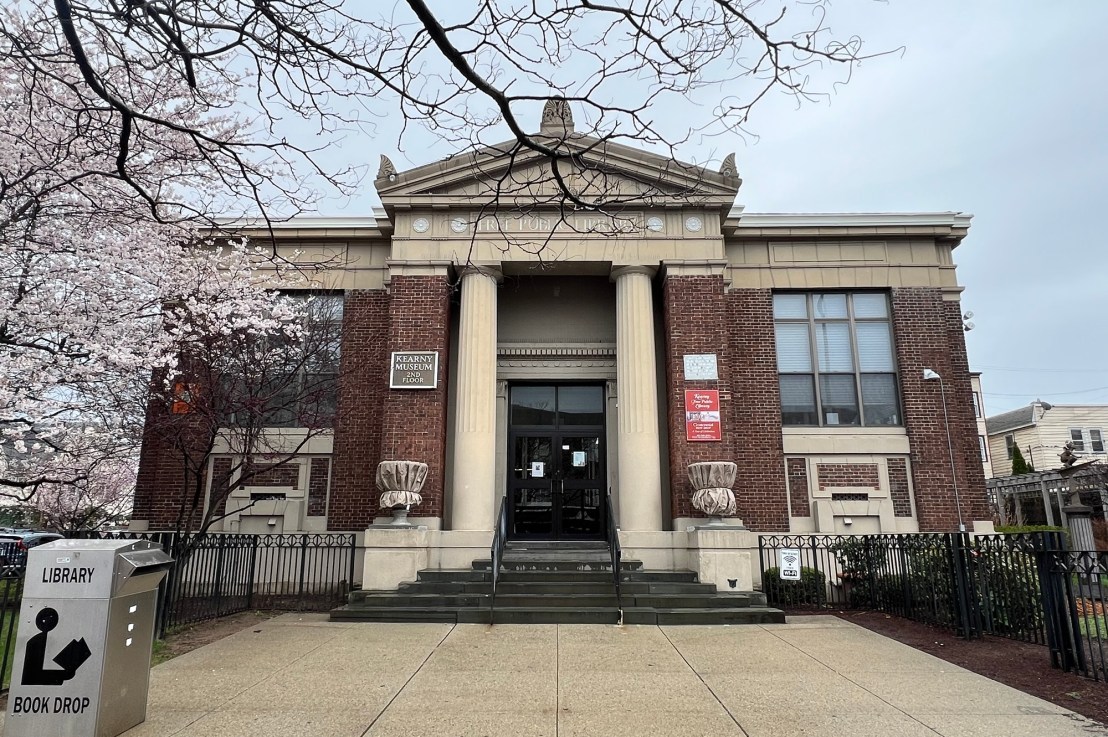
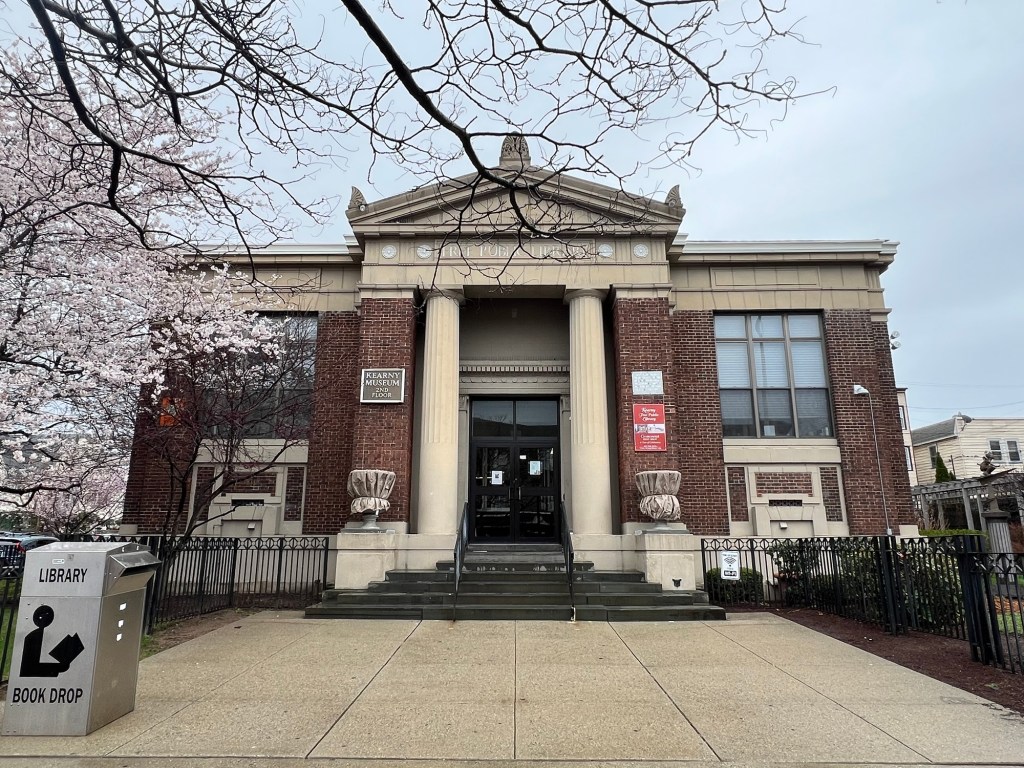
The front of the Kearny Library at 318 Kearny Avenue

The library during the early spring

The historic marker of the library

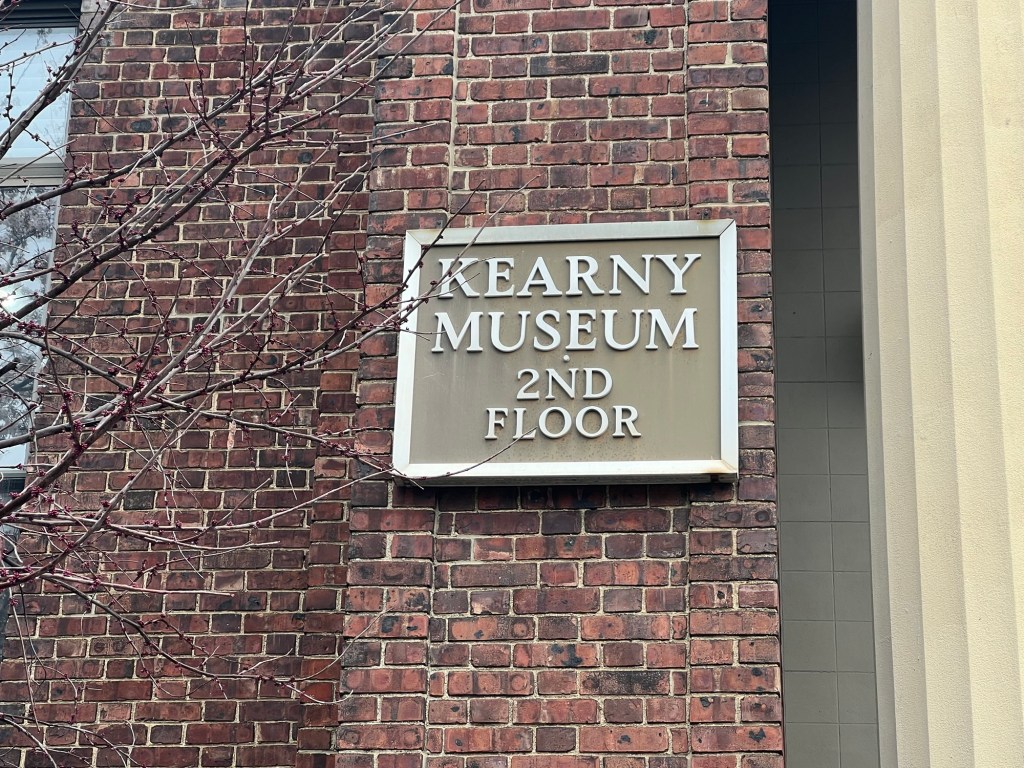
The outside sign of the museum

The History of the Museum and Mission:

(from the museum website)

The Kearny Museum, on the upper floor of the Kearny Public Library, is a history museum that houses local displays about the town. The collection includes photographs, articles of clothing, and war memorabilia from the town’s history.

Special attention is given to Civil War hero Major General Philip Kearny Jr. for whom the town is named.  This includes a display of furniture from his Belle Grove home, donated by his granddaughter and second wife. The museum also includes a full collection of Kearny High School yearbooks.

The museum has a collection of antique clothes and accessories, representing town life between 1850 and 1960, which were donated or are on loan by townspeople.

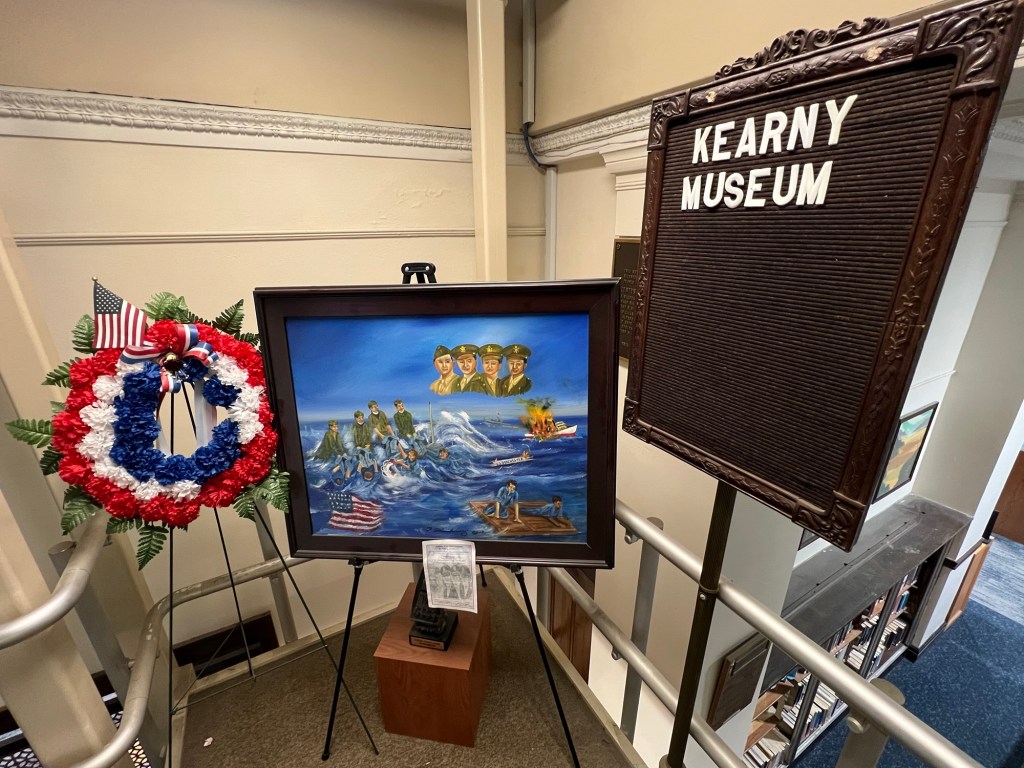
The entrance of the Kearny Museum on the second floor of the Kearny Library

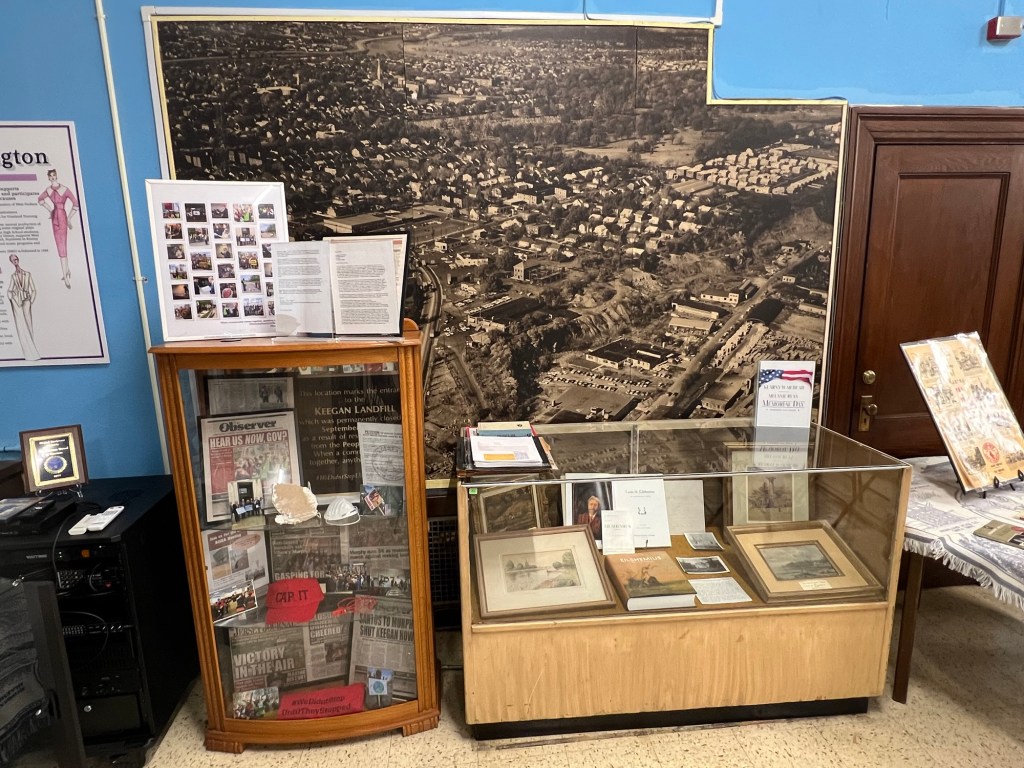
The main gallery of the museum with historical pictures of the town

The history of the community of businesses and organizations

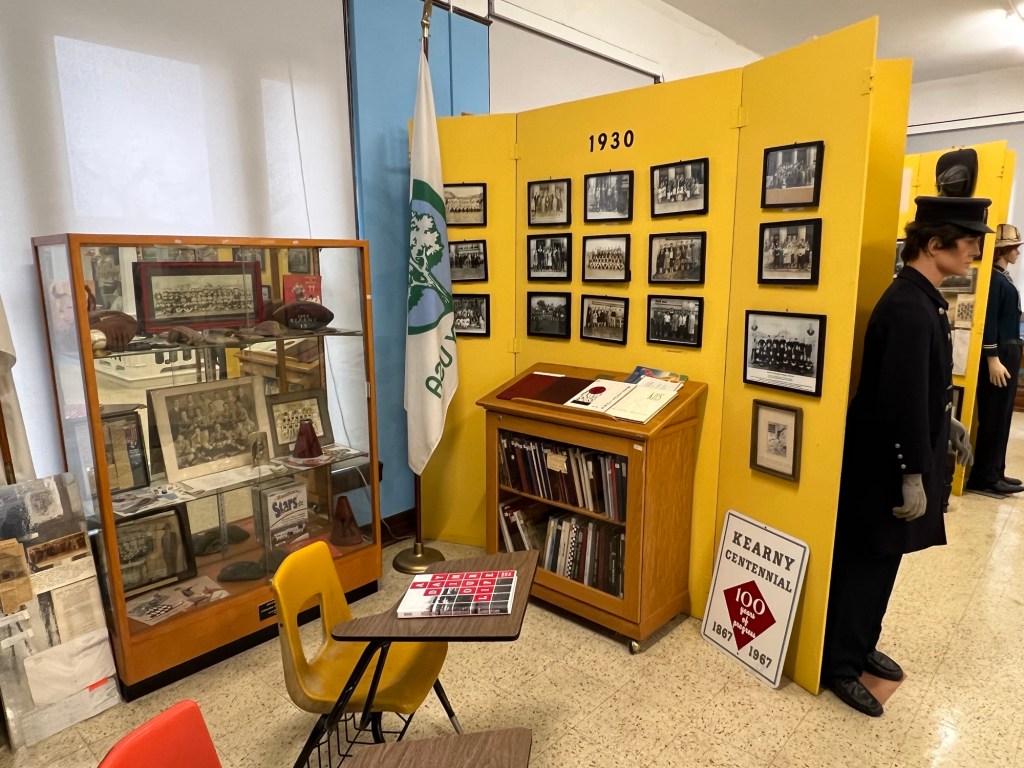
The history of St. Cecilia School

The library docent explained that this statue of a soldier had been boxed up and hidden for years

Town artifacts from the schools and town organizations

Memorabilia from town organizations

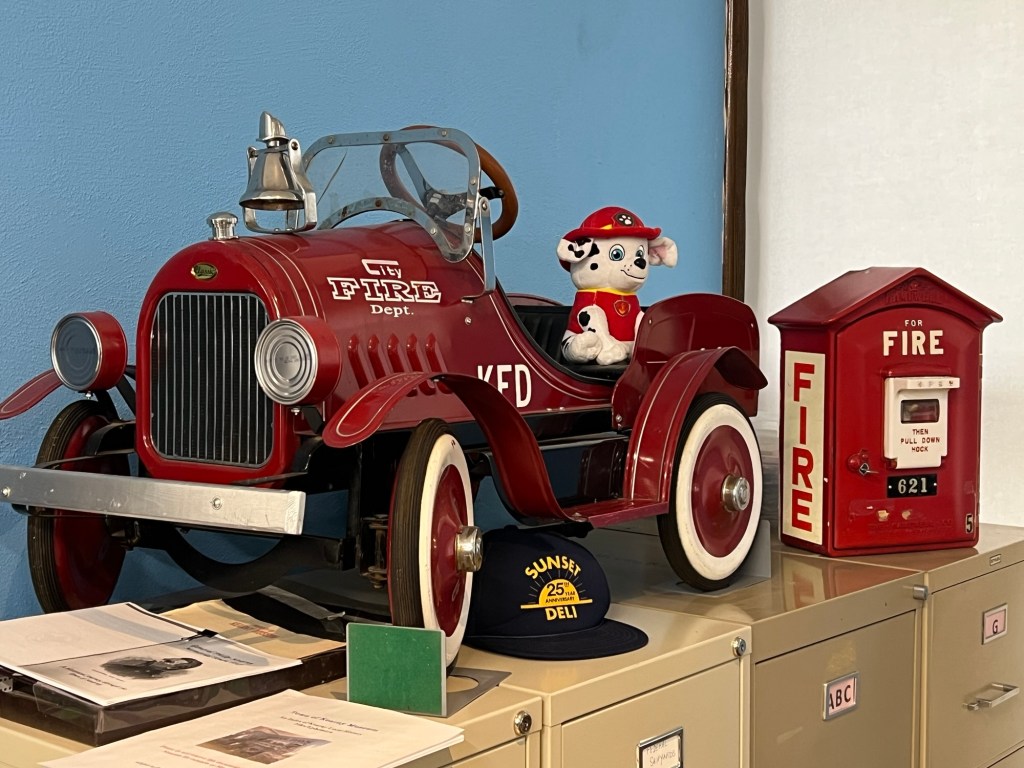
Display of firematic items

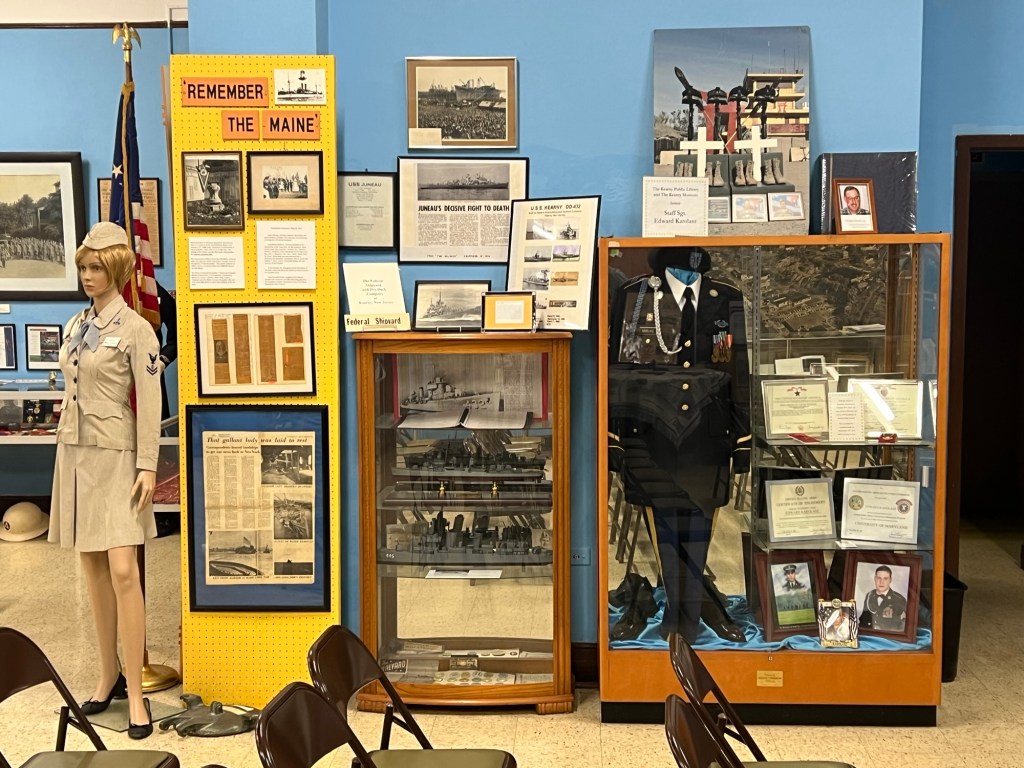
The displays included a large exhibit of military items, uniforms, artifacts donated from local veterans and newspaper clippings

The display covered all branches of the military

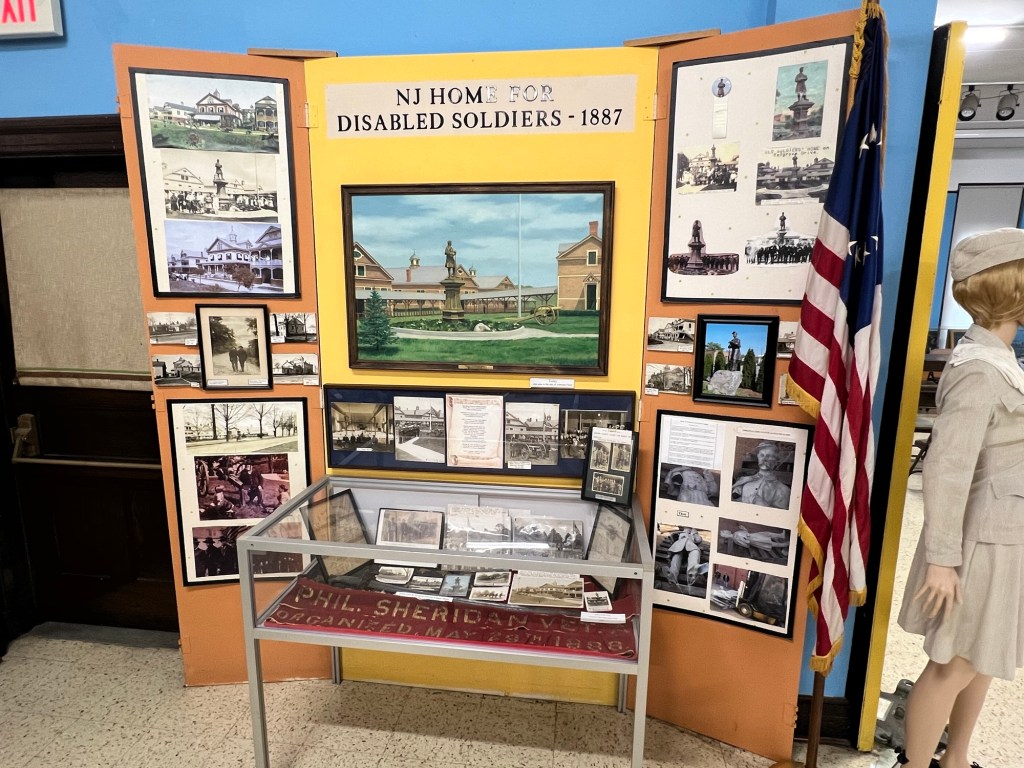
This exhibit was interesting of the old New Jersey home for Disabled Soldiers that no longer exists. This home for VFW was once located in the town.

The Library Directors video on the Disabled Home for Soldiers:

(from the museum website)

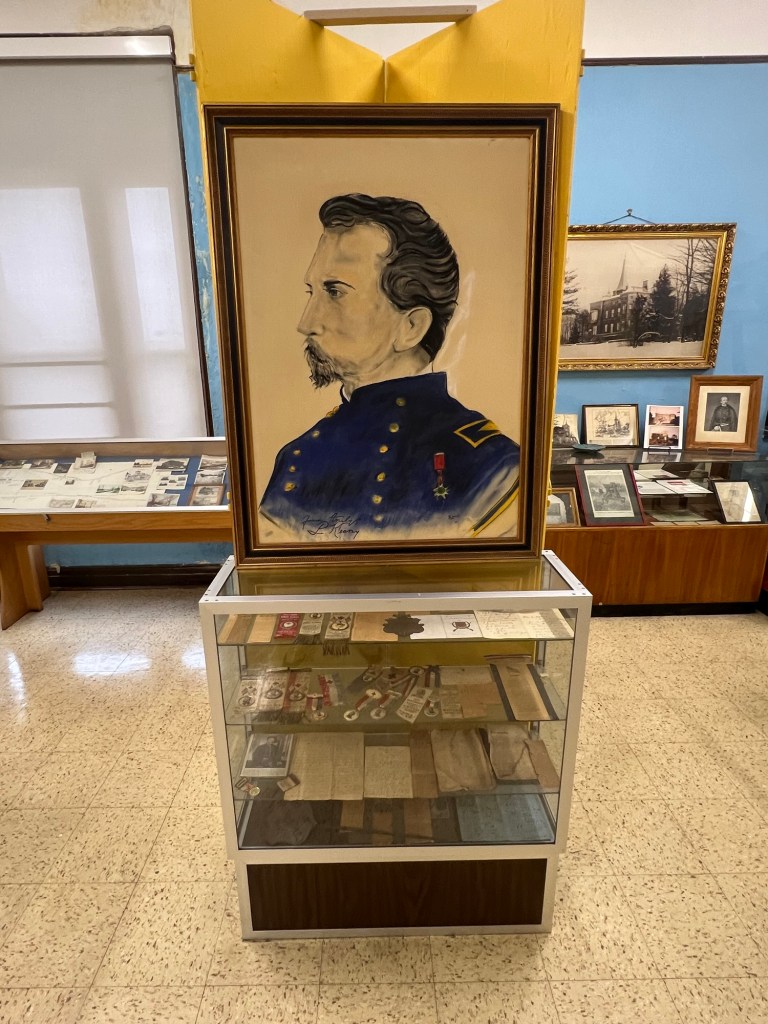
The next display on Major General Philip Kearny whom the town is named after

The General’s information

Major General Philip Kearny

https://en.wikipedia.org/wiki/Philip_Kearny

https://www.battlefields.org/learn/biographies/philip-kearny

The display on Major General Kearny was quite extensive and had many artifacts of his accomplishments including pictures and press clippings.

Library Director’s Video on the General:

(from the museum website)

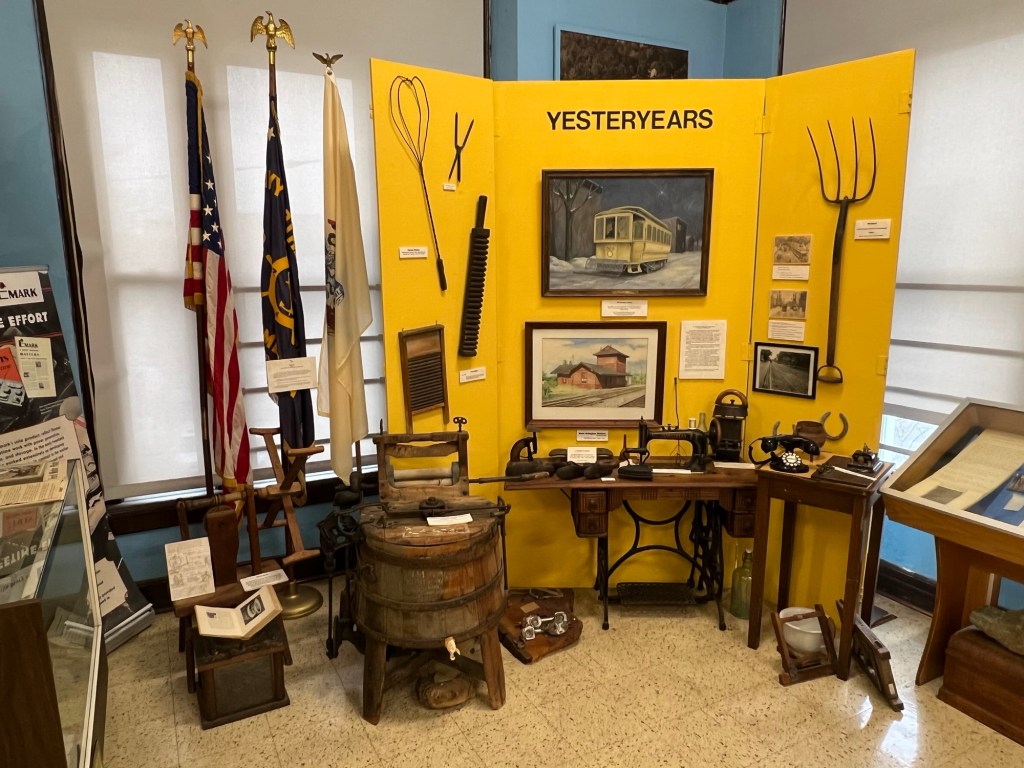
The next exhibit describes Kearny’s past as a rural farming community. This included farm equipment and household items found in a home in the turn of the last century.

Kearny’s past

A closer look at our rural past and how things have changed in the past 100 years

The town has a rich history in the fire and police services and the exhibits show the progress that these departments have made over the last several decades.

The display on the Kearny Fire and Police Departments

The artifacts in the Kearny Police and Fire exhibitio

The display of old Class A uniform

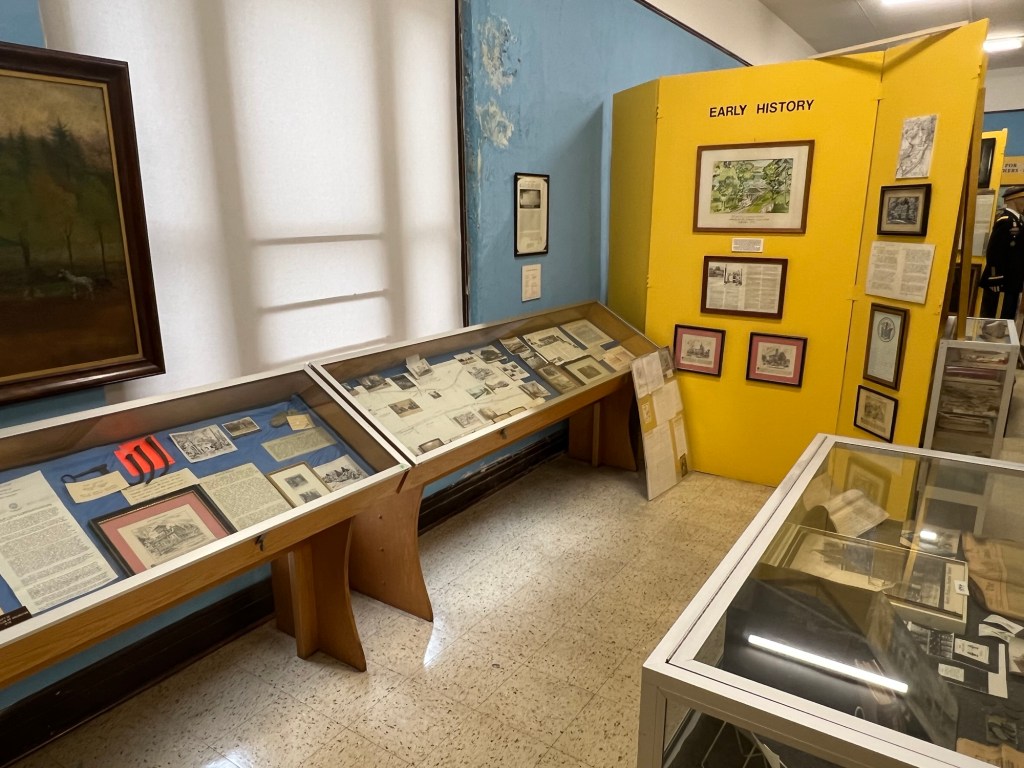
The early founding of the town was displayed in the next exhibit with artifacts and items from the early history before Kearny’s founding.

The Early History of the region

Items from early Lenape tribes to the founding of the railroads in the region

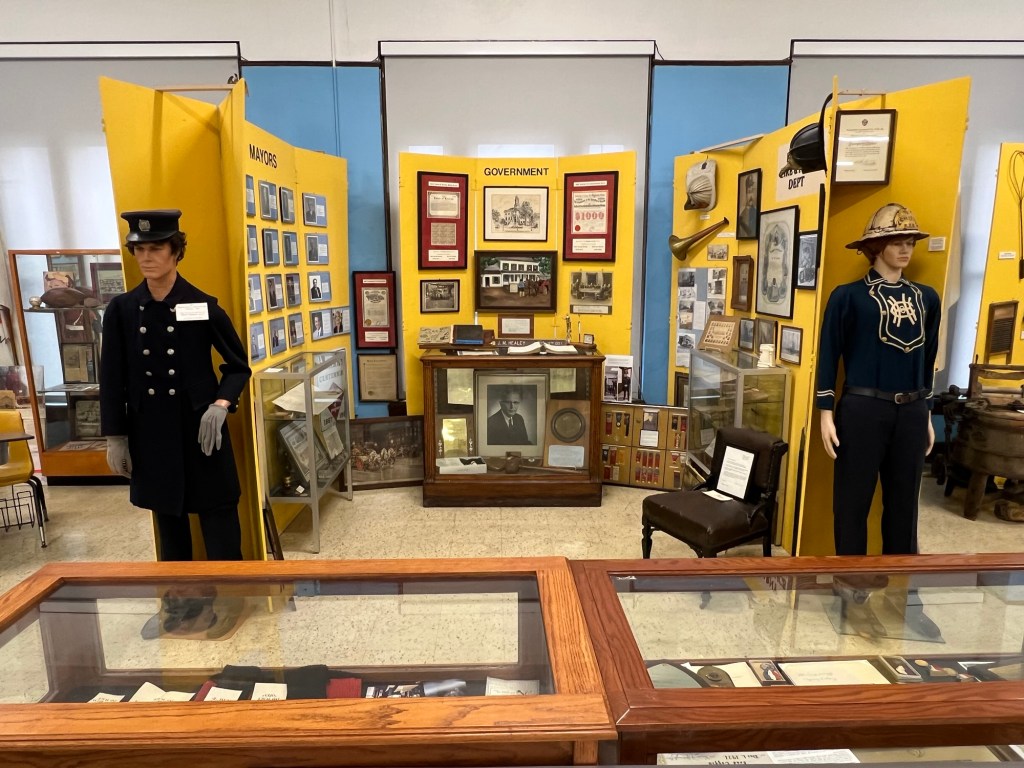
The role of the development of the early government to modern times was nicely displayed along with the history of each Mayor in the town’s history.

The history of the local government in Kearny, NJ

This lead back to the General’s role as a local hero and the founding name of the current town of Kearny, NJ.

A closer look at the General’s history

More history on General Kearny

The museum has a collection of items from local residents and town ‘hero’s’ whose collections are now part of the museum.

Stanley ‘Buck’ Brookes sports collection

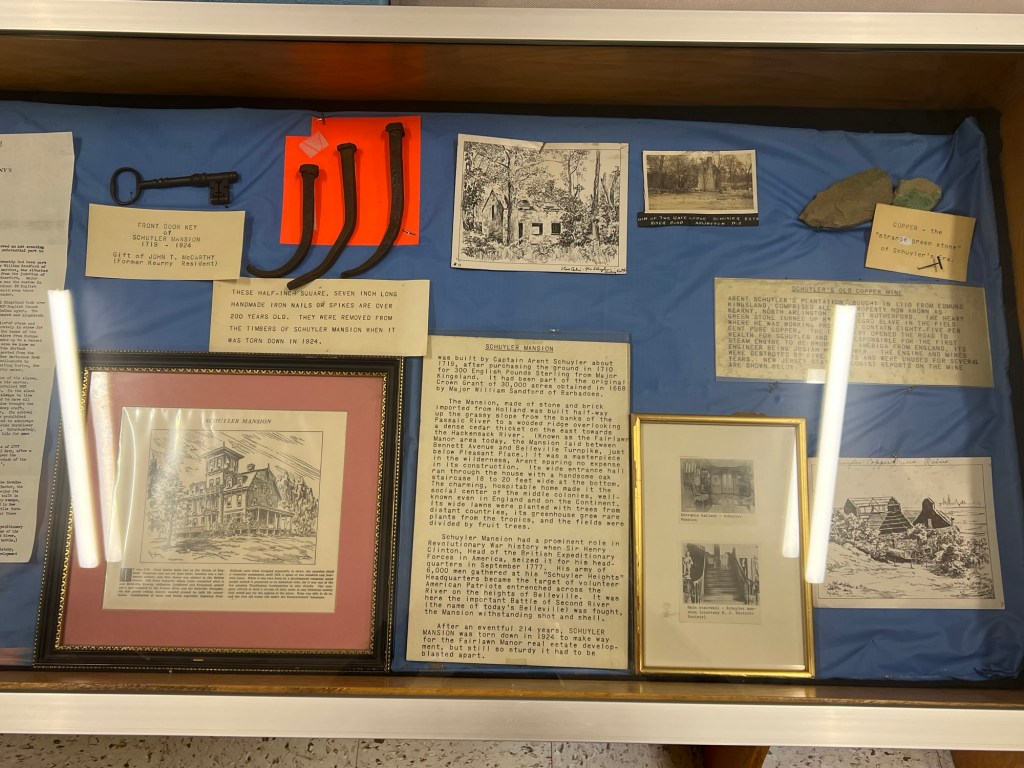
There is also a collection of ‘old’ families of the Kearny region before the town was founded. This display is for early resident, William Sanford.

The artifacts from the William Sanford estate

The museum has an extensive display on the town’s school system and the changes it gone through over the past hundred years.

The school system in the 1920’s and 1930’s

The history of the town’s schools with band uniforms and graduation dresses

The Library Director’s video on the Kearny School System:

(from the museum website)

Artifacts from ‘School Days’ at the Kearny Public Schools

With the formation of the town schools and department, the town’s role in the growth of this part of New Jersey led to new industries being developed.

The history and development of industry in town

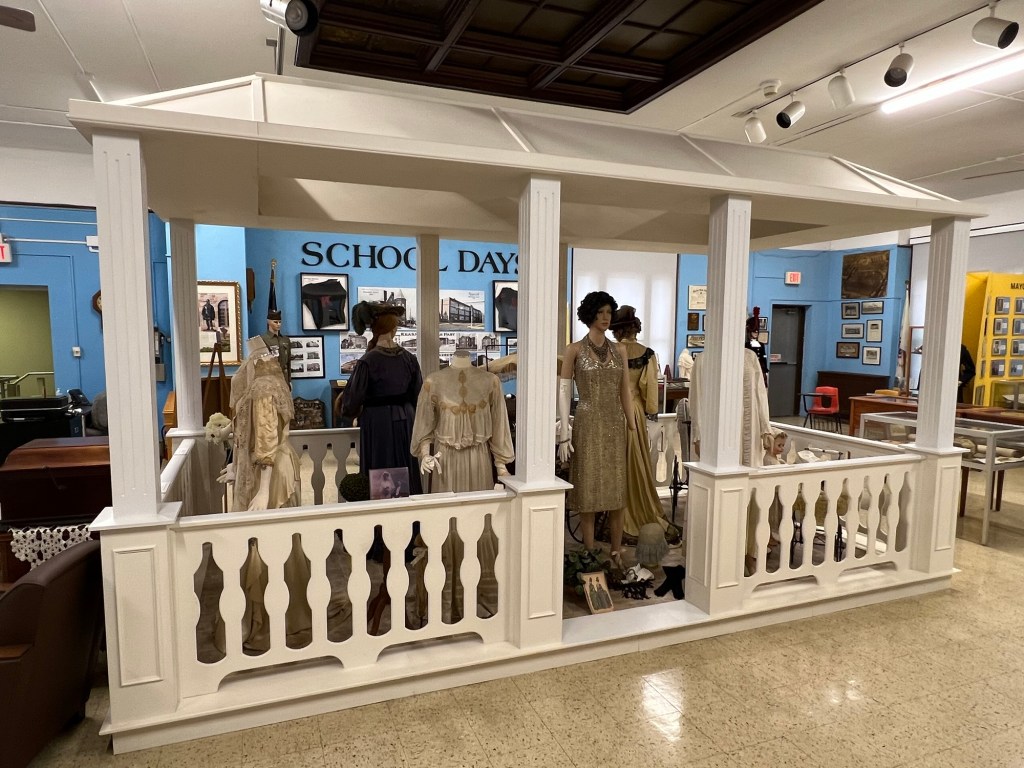
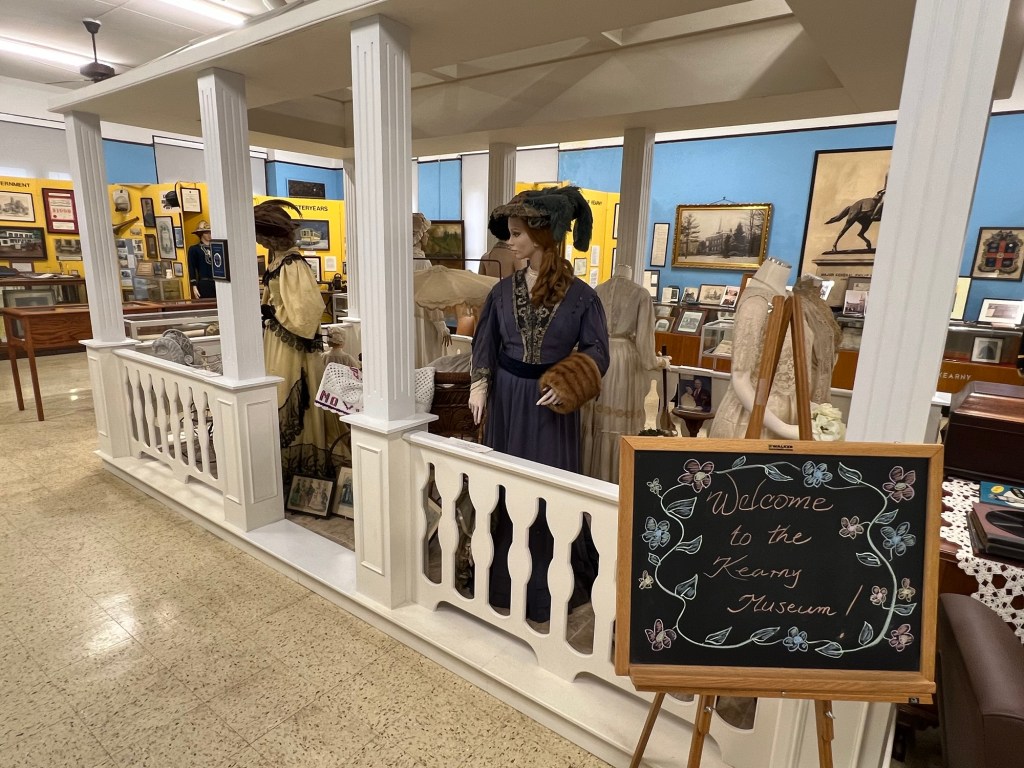
The center of the museum was reserved for a display of ‘Fashion’ through the ages. The display contains all sorts of gowns and wedding dresses through the last hundred and fifty years.

The ‘History of Fashion’ display

The various gowns, coats and tea dresses on display

Gowns from the 1920’s and 1930’s

Gowns from the 1920’s

Gowns from the turn of the last century

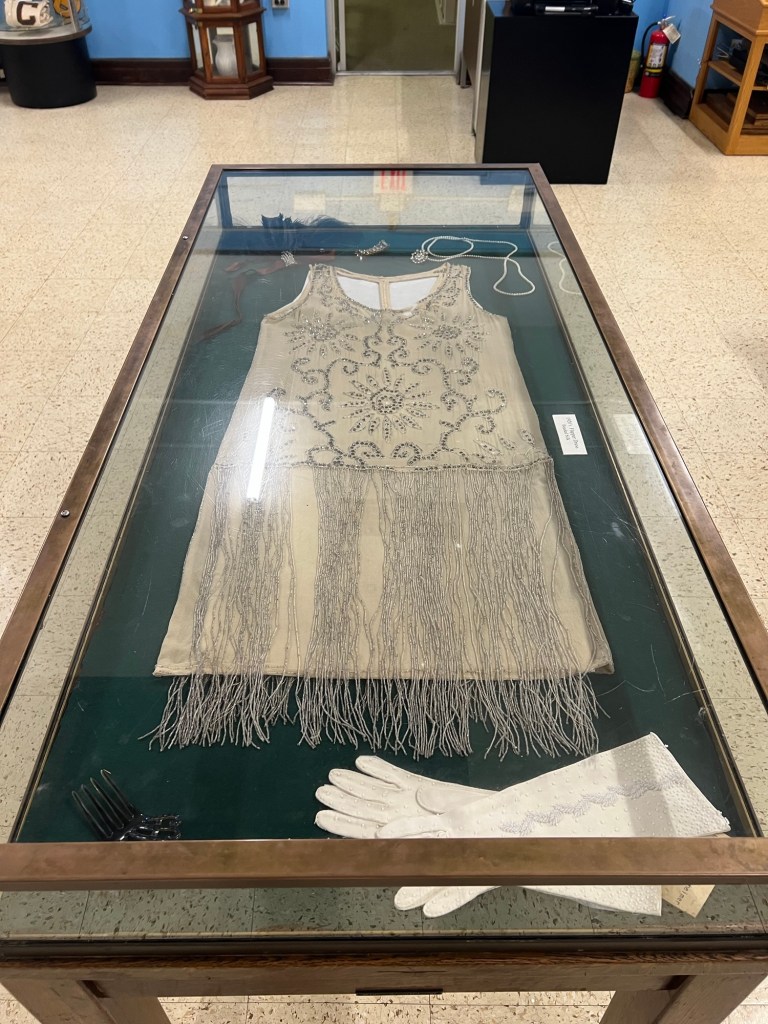
Flapper gown and accessories from the 1920’s

The museum has an extensive display of items that not just cover the history of the town and of its founding and development but of every day life of its citizens. This is all tucked away on the second floor of their local branch of the Kearny Library.

The Kearny Library is the home of the Kearny Museum

What is nice about the Kearny Library is that it sits in the middle of a very vibrant downtown filled with an array of restaurants and bakeries. I walked the downtown after my visit to the museum.

I came across O Pao Quente D’Avenida at 244 Kearny Avenue. This wonderful bakery had an assortment of Spanish and Italian pastries at very reasonable prices.

The bakery ‘O Pao Quente D’Avenida’ (Avenue of Warm Bread) at 244 Kearny Avenue

https://www.facebook.com/pages/O-Pao-Quente-D-Avenida/118731094806654

My review on TripAdvisor:

https://www.tripadvisor.com/ShowUserReviews-g46536-d33058168-r1001223975-O_Pao_Quente_D_avenida-Kearny_New_Jersey.html?m=19905

The selection of pastries were extensive and looked so delicious that I could barely choose between them.

The selection of pastries at the bakery included cakes, cream pastries and cream filled flips.

It was a tough choice but I chose the flip filled with Dulce Leche filling. Talk about delicious. I munched on it while exploring several blocks of the downtown.

The pastry flip with Dulce Leche filling and a sugary topping

It was a nice way to spend the afternoon. You have to explore the rest of the library and its beautiful historical building.