Tag: Hudson Valley Museums

Mount Gulian Historic Site                                   145 Sterling Street                                         Beacon, NY 12508

Mount Gulian Historic Site 145 Sterling Street Beacon, NY 12508

Mount Gulian Historic Site

145 Sterling Street

Beacon, NY  12508

(845) 831-8172

Home

Open: May 5th-October 27th Tours are every hour 1:00pm-5:00pm on Sundays, Wednesdays, Thursdays and Fridays. Special Wedding tours are by appointment.

Fee: Adults $8.00/Seniors $6.00/Children (6-18) $4.00/Members are free

My review on TripAdvisor:
https://www.tripadvisor.com/Attraction_Review-g47291-d10701912-Reviews-Mount_Gulian_Society-Beacon_New_York.html?m=19905

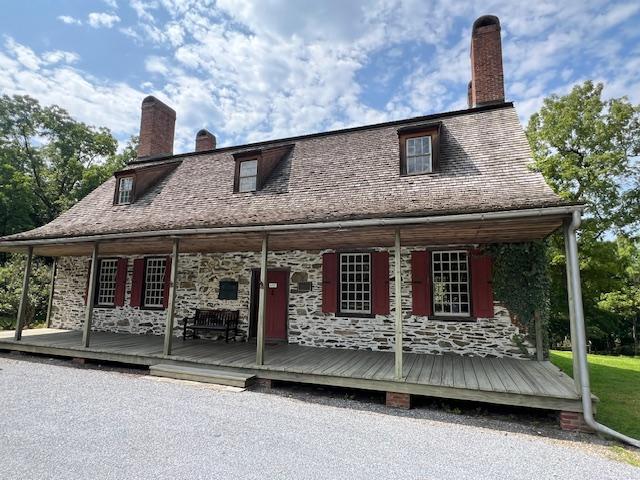
The outside of the Mount Gulian Homestead at 145 Sterling Street in the Summer of 2024
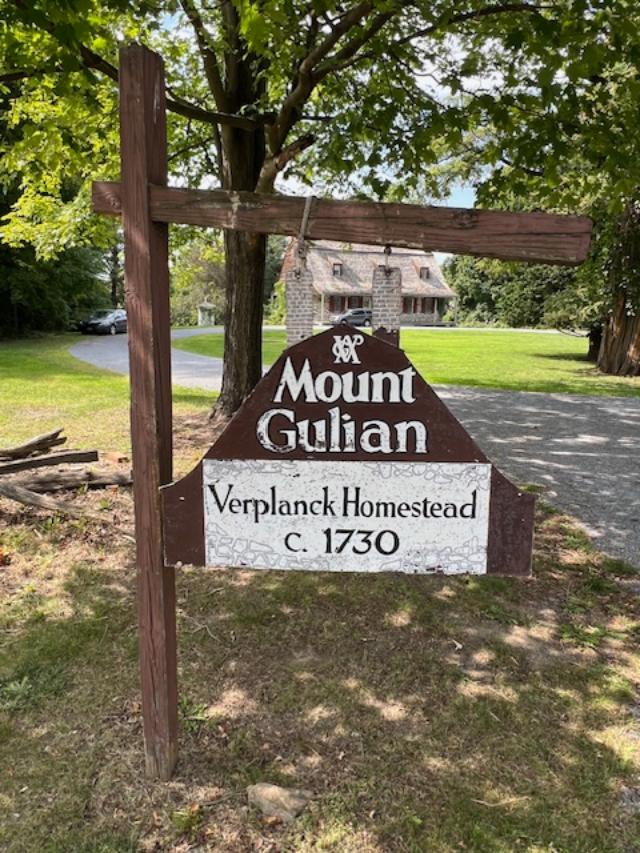
The sign that welcomes you

On my last trip to the Hudson River Valley to visit the great houses of the Hudson, I came across Mount Gulian, a Dutch manor that I never heard of in all my visits. This smaller Dutch manor house is actually a reconstruction of an 18th century home that burned to the ground by arson in 1931. The original house had been built between 1730 and 1740 and added onto over the next two centuries.

Christmas Time at Mount Gulian in the three weekends in December:
Mount Guilian 2021 V

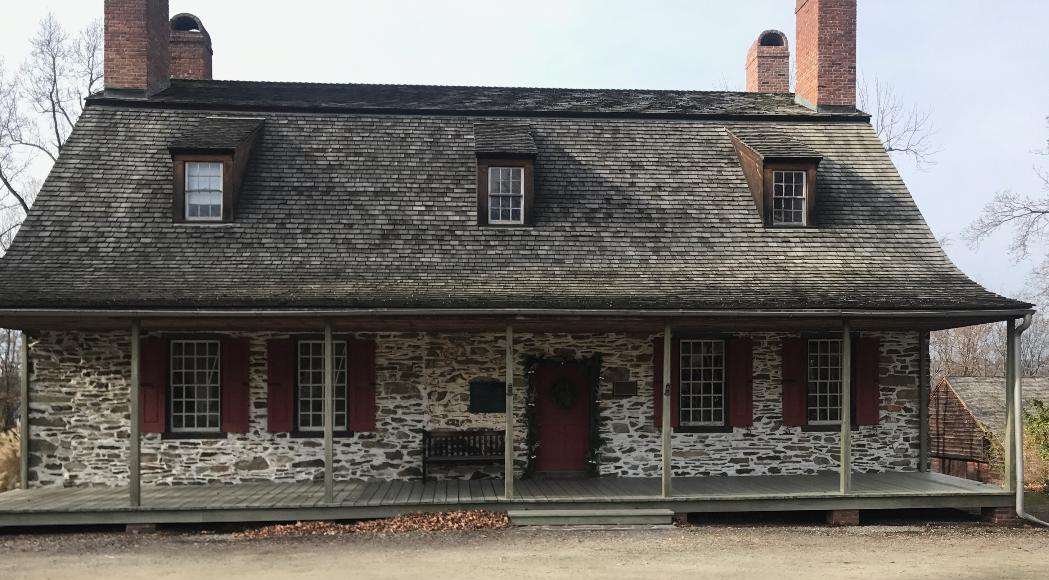
Mount Gulian at Christmas in December of 2021
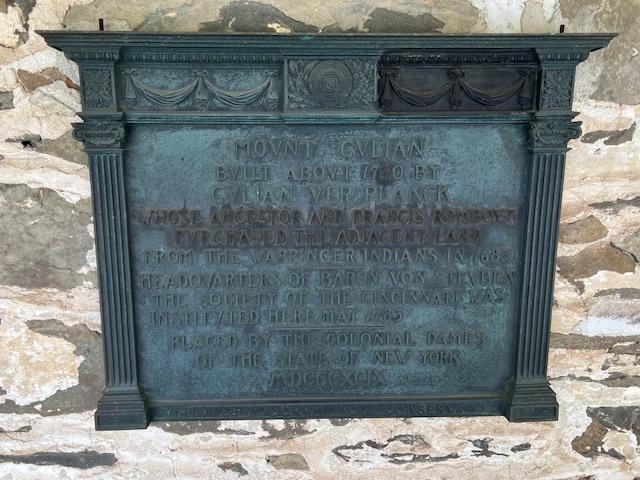
The historic plaque in front of the house

The house officially had closed for the season at the end of October and was decorated for the holidays for the weekend between December 14-16th to represent the Dutch celebrations. There had been a Children’s tea the Monday before the New Year, so the house was closing down for the season. As the ladies that worked there were taking down the garlands, mistletoe and trees, the curator Amy, let me wonder the rooms as long as I did not get in their way.

The beautiful garland and lights adorn the house at Christmas time
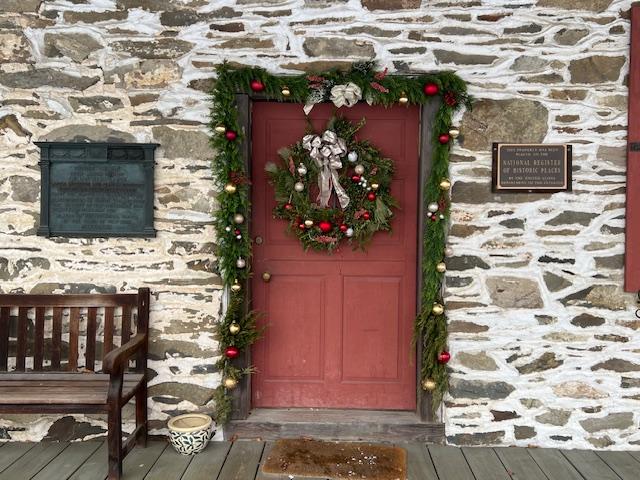
The front door is very welcoming for the holidays
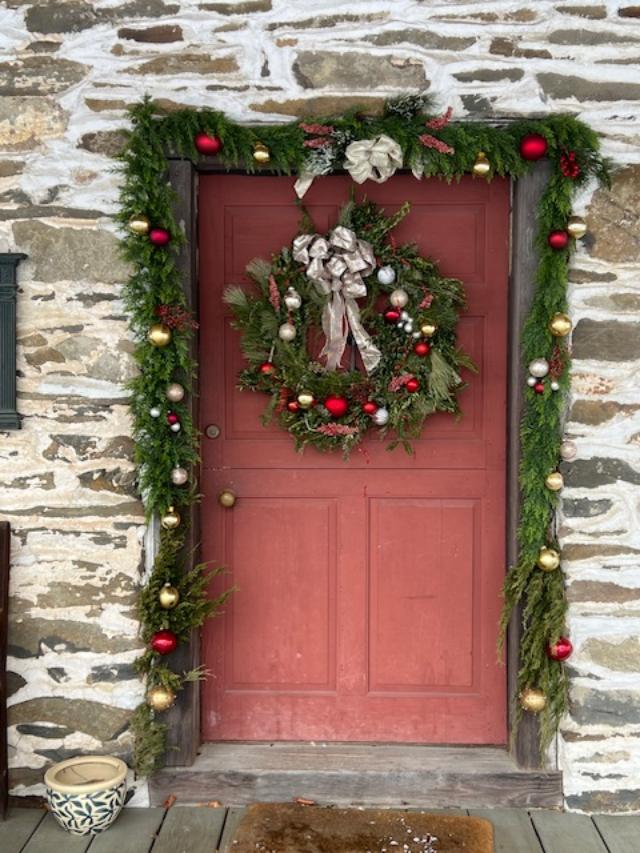
The front door was beautifully decorated for the Christmas season
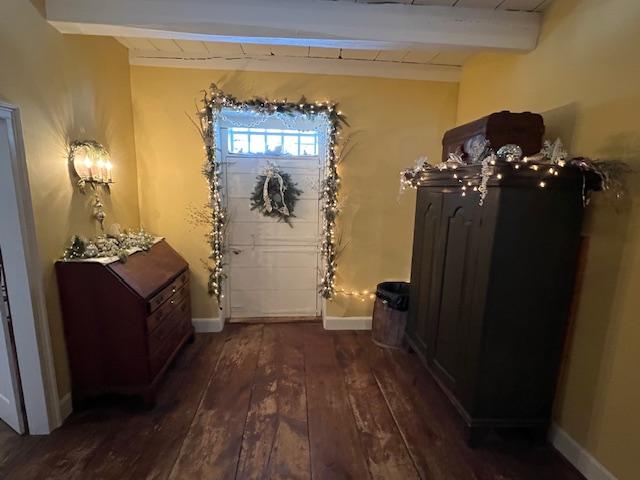
The house as you enter through the front door

The house is very unique. You would have never known it was a reconstruction. The house really looked its age. The funny part of the house is that is at the very back of an old estate that had been developed with townhouses from the main road to almost the border of the house’s property, so it was strange to drive through to find the house. Once in the semicircular driveway, you plunge back into time.
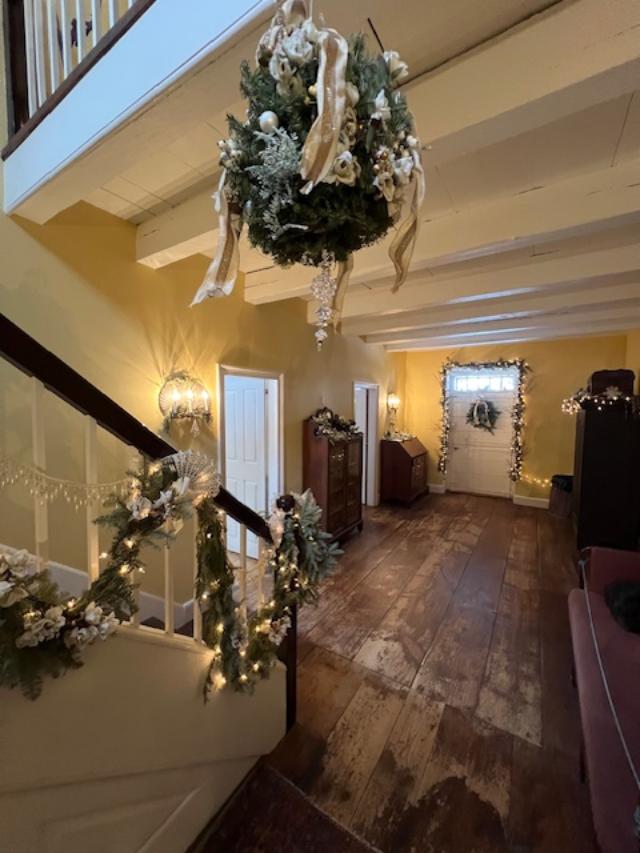
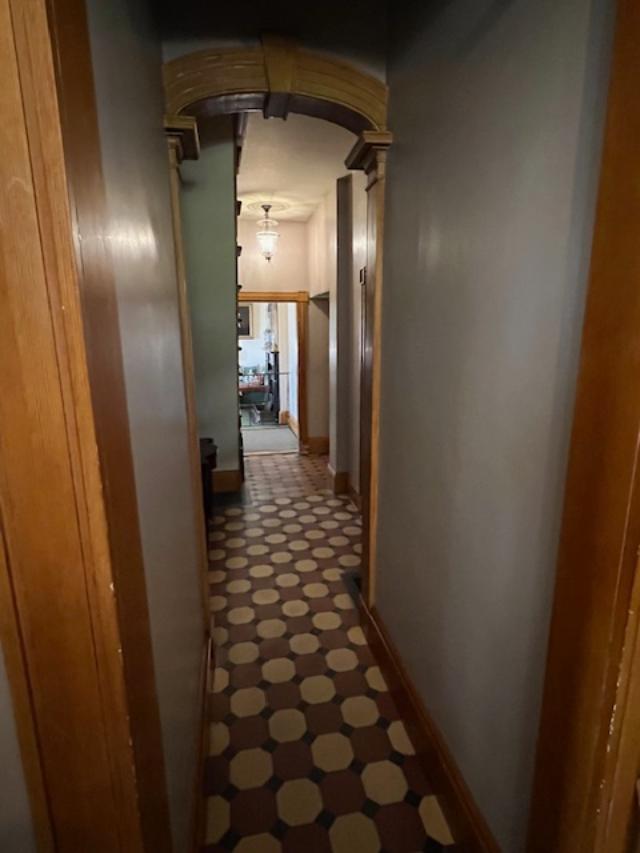
The Hallway decorated for Christmas
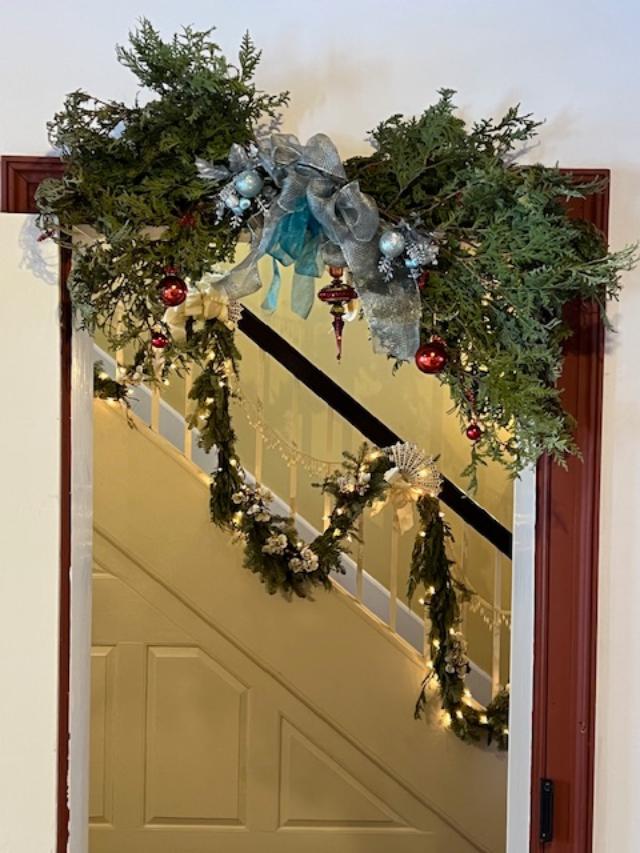
The Hallway decorations in more detail
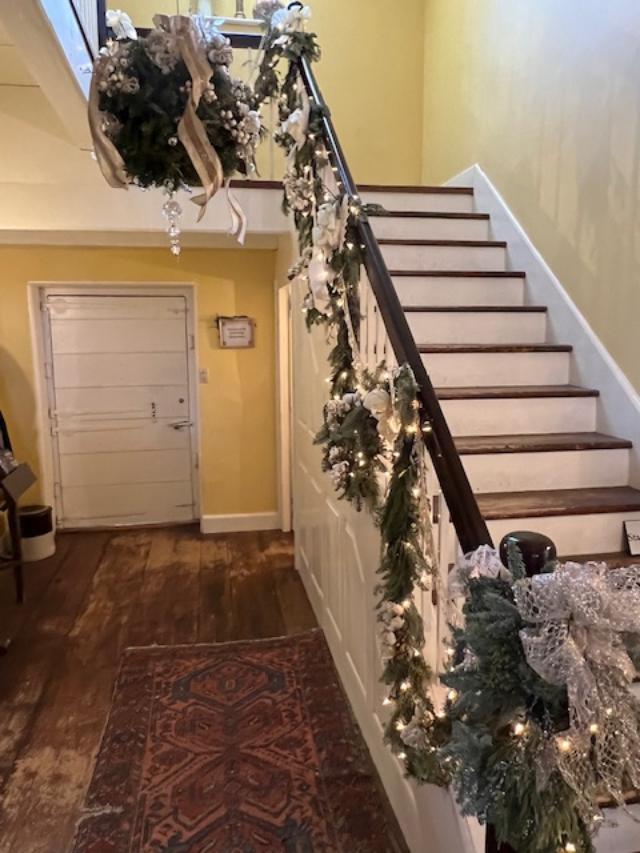
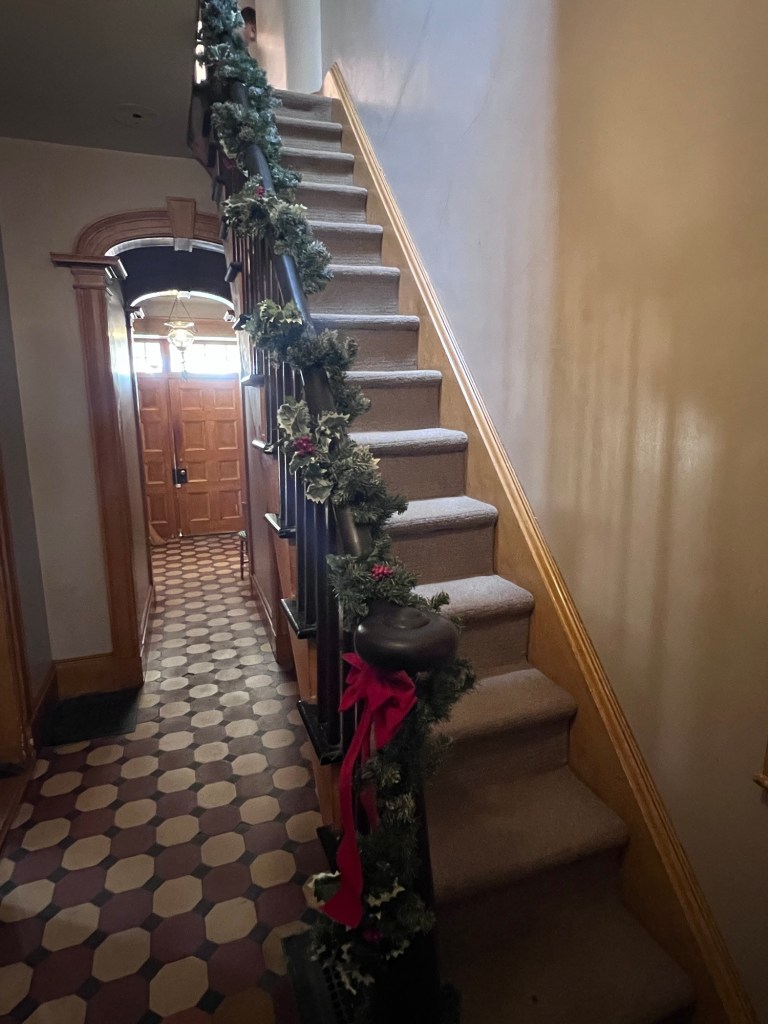
The Staircase to the Second Floor (Closed) was beautifully decorated for the holidays

The large porch in the front of the house looks over what’s left of the lawn and the housing developments. Once inside you enter the foyer and long hallway with rooms on each side. Each room was or had been decorated for the holidays with garland, mistletoe, fruits and a Christmas tree in one room, a kind of mixture of old Dutch meets Victorian Christmas. Still the effects were nice and it was very festive.
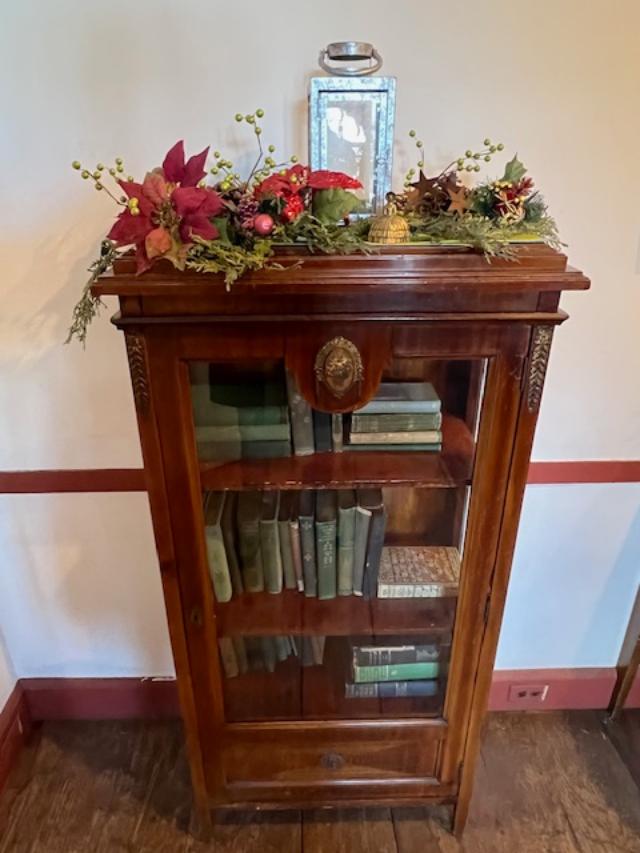
The furniture in the hallway decorated for Christmas in 2024
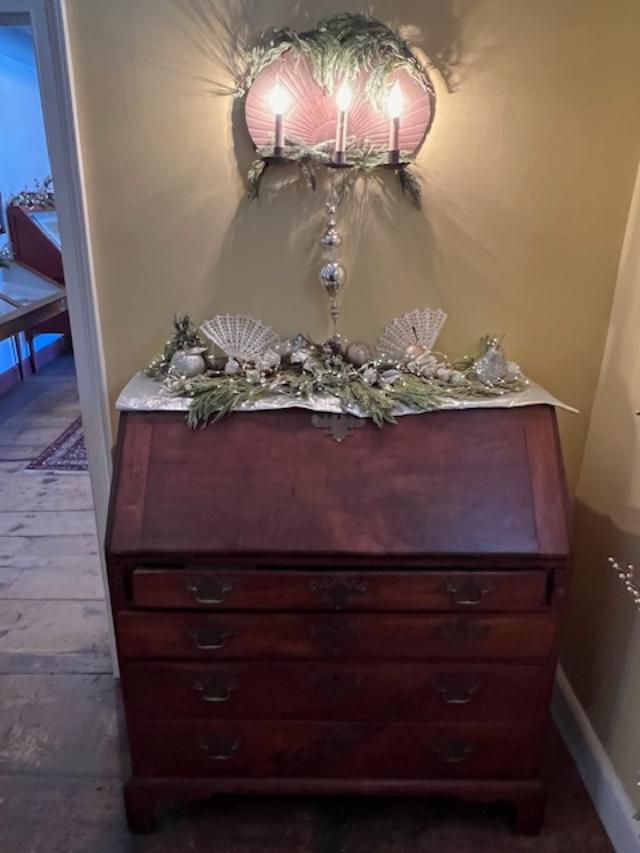
The furniture in the Hallway was nicely decorated for the holidays

What I enjoyed is that in each room, there were stories of the Verplanck family and the role that they played in the formation of the community and in the nation as well. In real life though, this much decorating would not have been done. This is a more elaborate look on how the Victorians would have decorated the house. The Dining Room would have been one of the most elaborate for entertaining during the holiday season for dining and entertaining.

Until the Victorian Age, things had been kept very simple. You would have decorated the house before Christmas Eve and then on Christmas Day, there would have been an afternoon church service and a nice lunch. Gift giving did not come into play until after the Civil War.

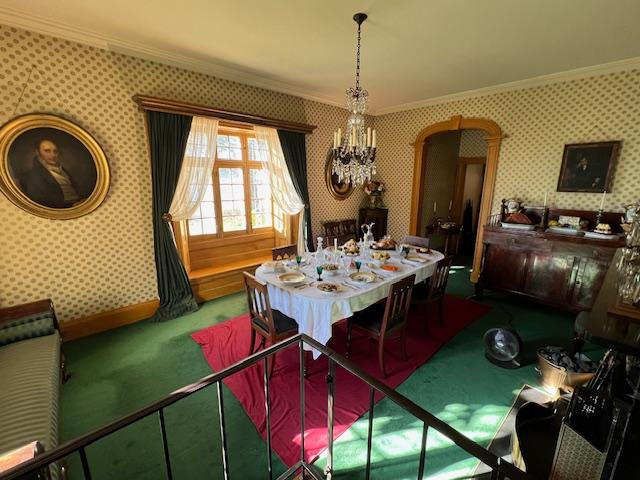
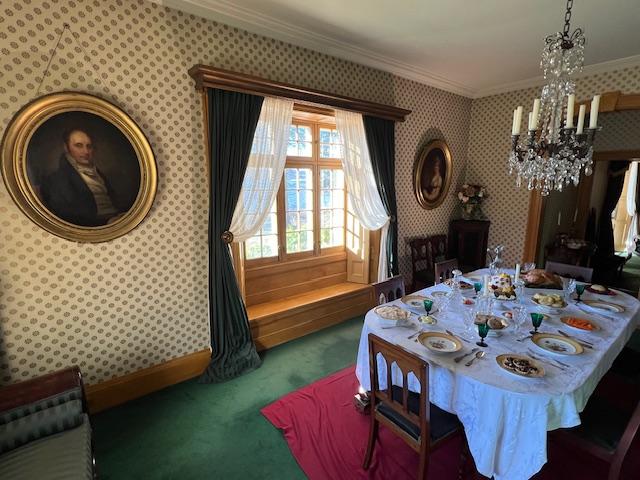
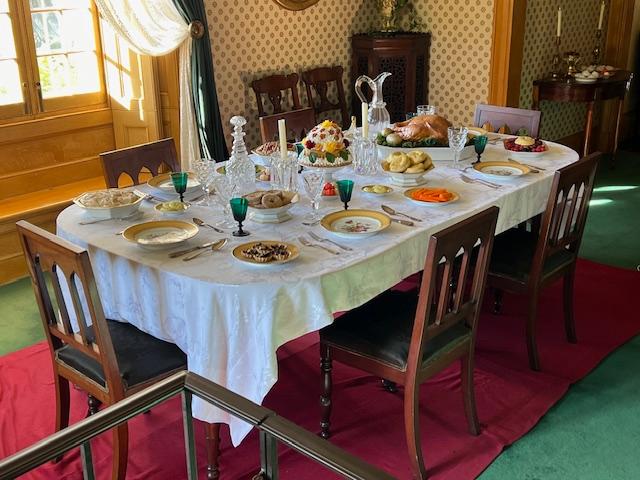
The Dining Room set for Christmas dinner in 2024
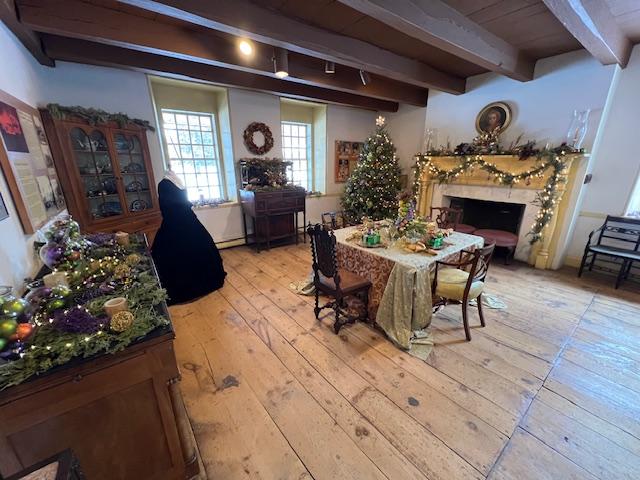
The full view of the Dining Room
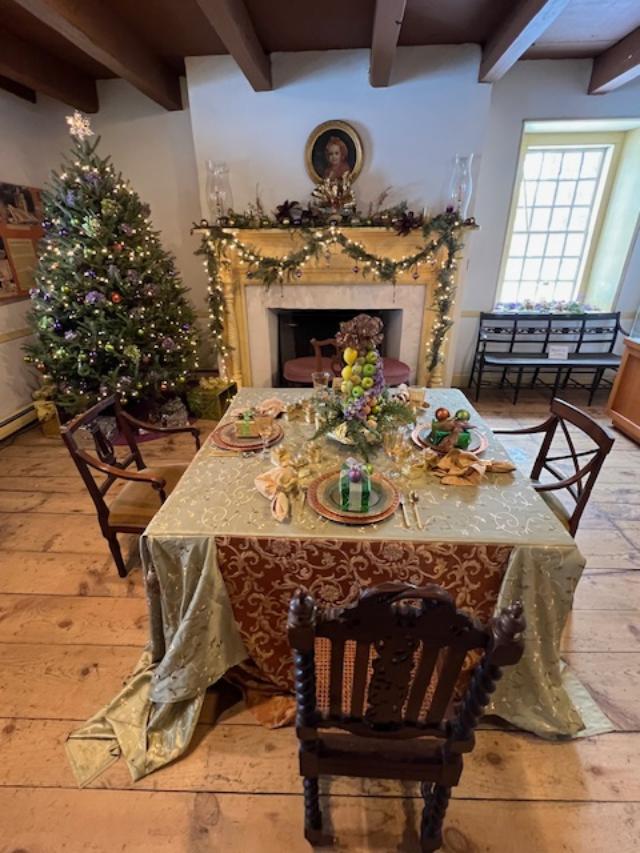
The Dining Room Table and the fireplace mantle
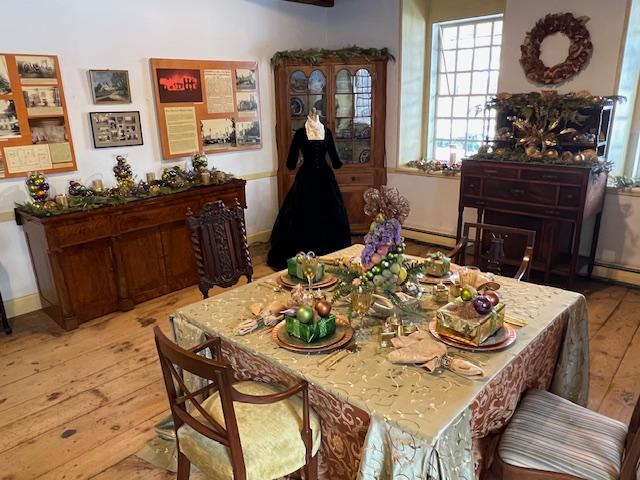
The back part of the Dining Room
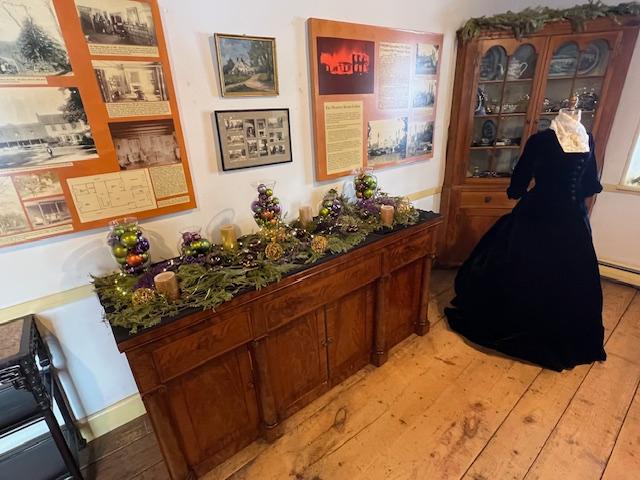
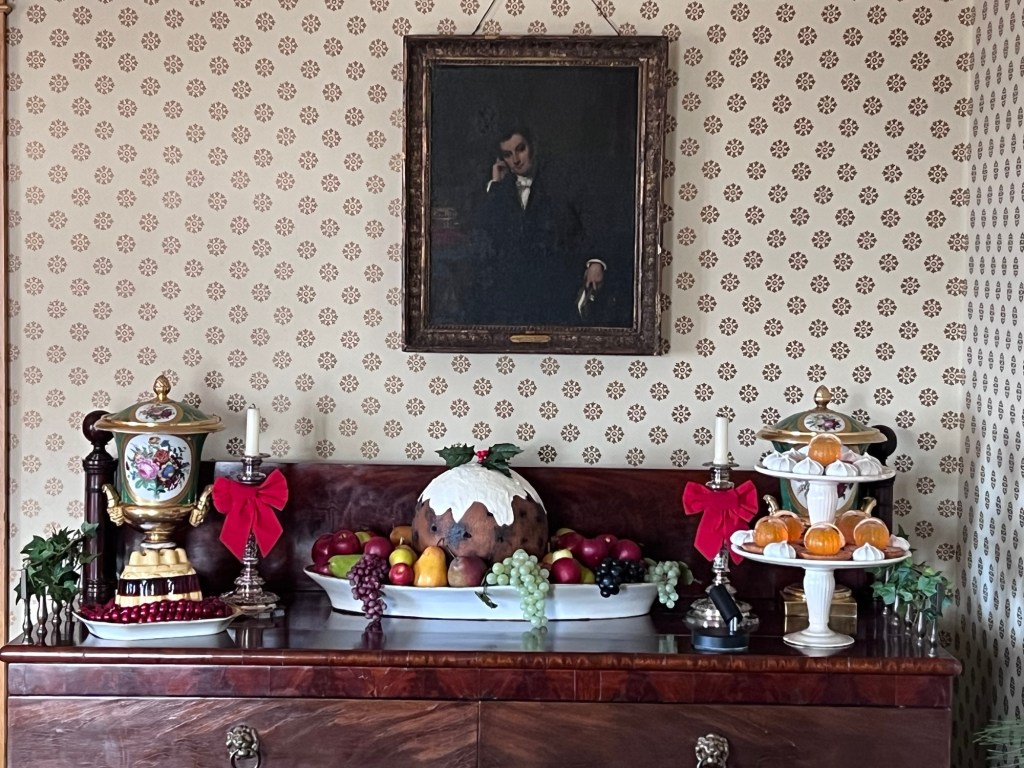
The Dining Room sideboard decorated for the holidays

The Historic Documents in the Dining Room with a funeral dress (why this was here I was not too sure)
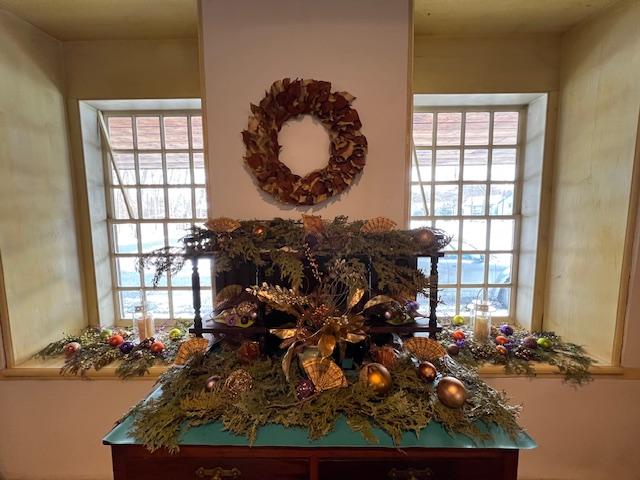
The elaborate decorations between the windows in the Dining Room
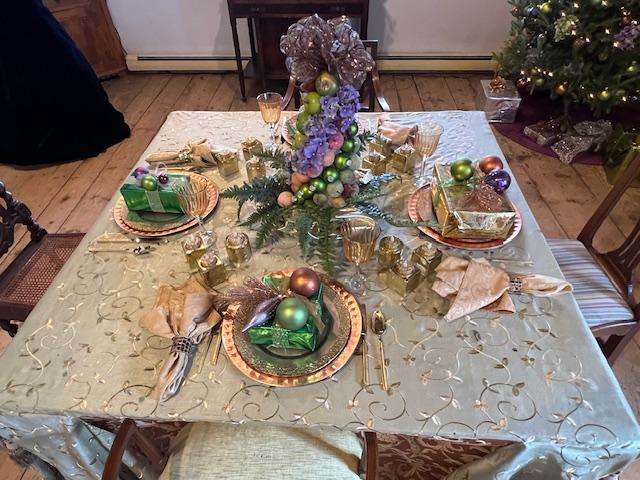
The detailed decorations on the Dining Room table ready for a wonderful Christmas dinner
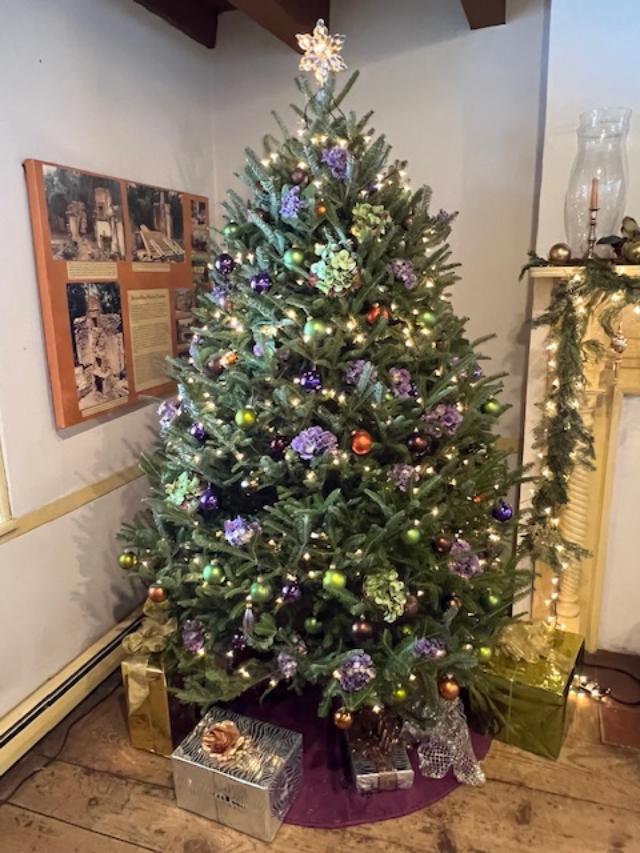
The beautiful fresh Christmas tree in the corner of the Dining Room in 2024

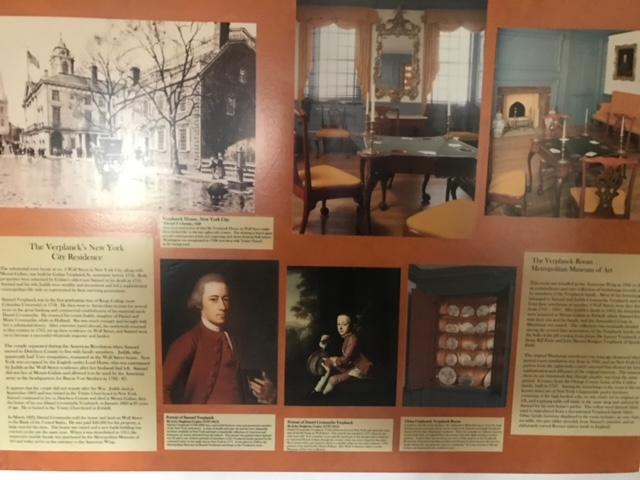
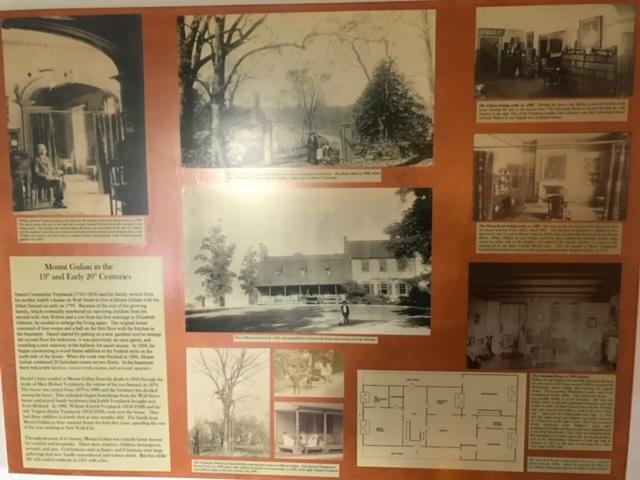
All of the rooms had artifacts that the family keeps donating the house as most of the original furnishings were destroyed in the 1931 fire. Still the furnishings are vintage to the time period. Here and there are stories of the house, the people that lived here and about the family in their daily lives. There were also stories of the Revolutionary War and its headquarters of Major General Friedrich Wilhelm von Steuben. There was also a display on the founding of the Society of the Cincinnati, a Veterans group.

Mount Guilian 2021 XVII

The Order of Cincinnati at Mount Gulian
Mount Guilian 2021 XI

The history of Mount Gulian and the surrounding area
Mount Guilian 2021 VIIII

The history of Mount Gulian and the surrounding area
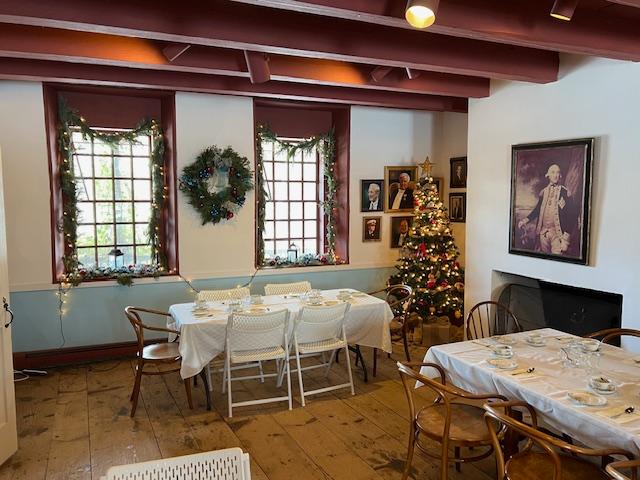
The main room decorated for the Children’s Tea in the room of the Order of Cincinatti information
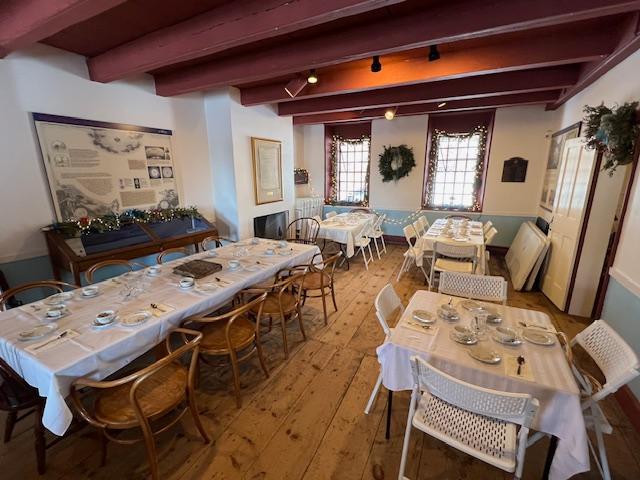
The Main Room set up for the tea
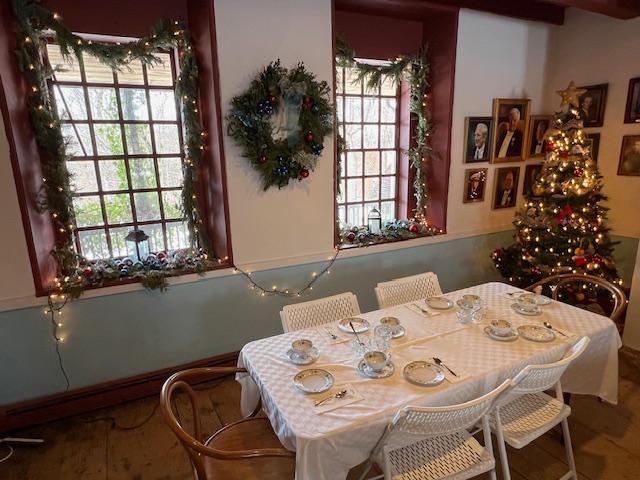
The back part of the room with its elaborate details
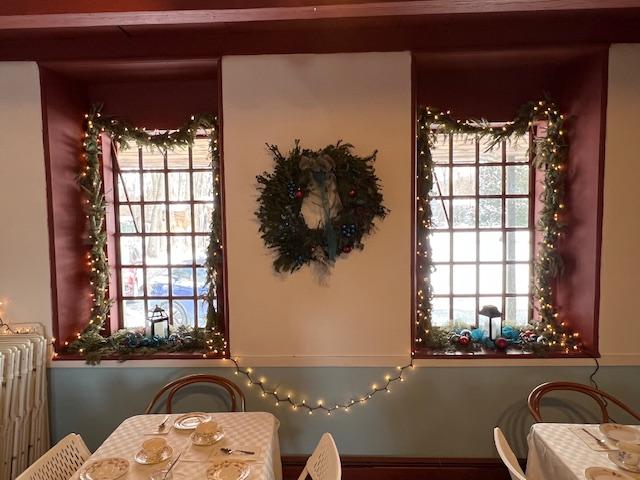
The beautiful window decorations in the main room
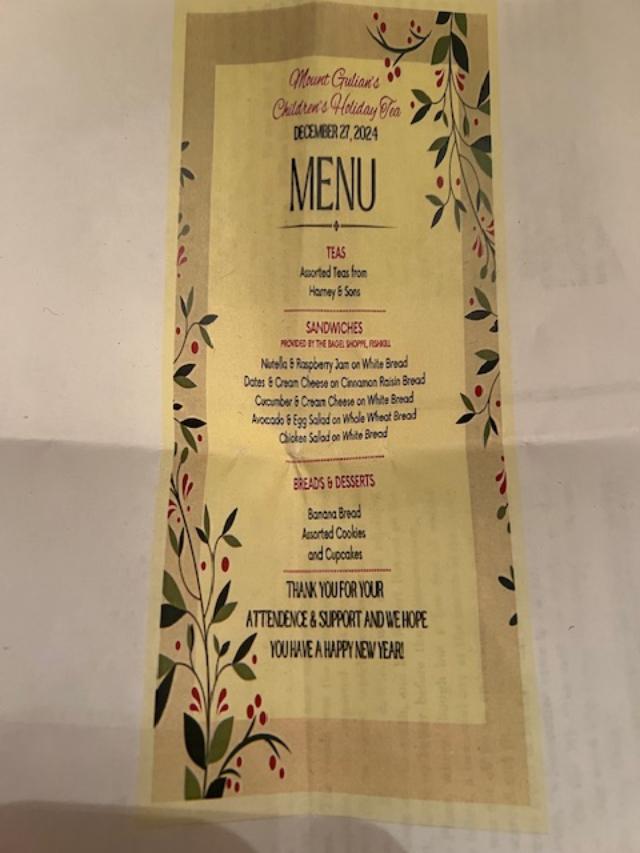
The Children’s Christmas Tea menu at Mount Gulian for the late December event
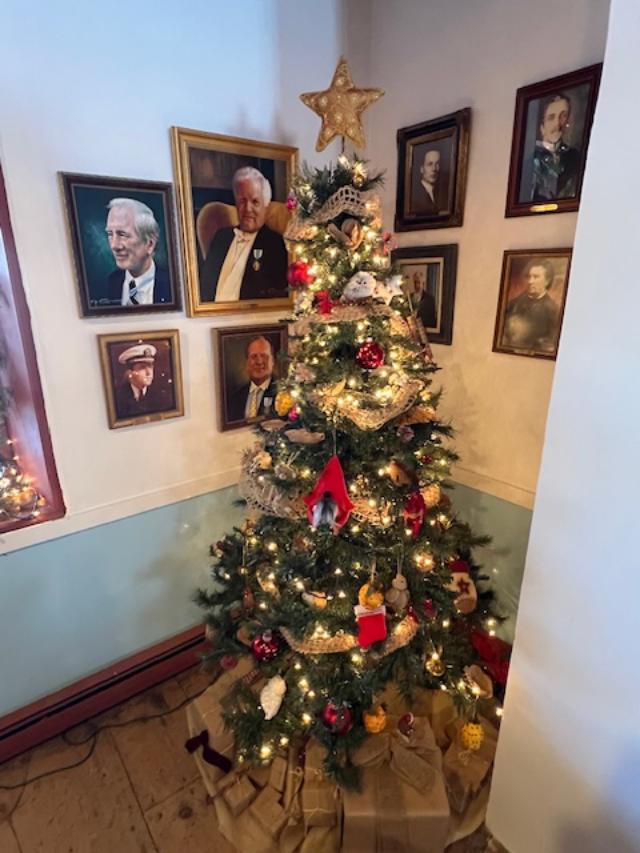
The Christmas tree in the corner of the room by all the portraits and photos of the members

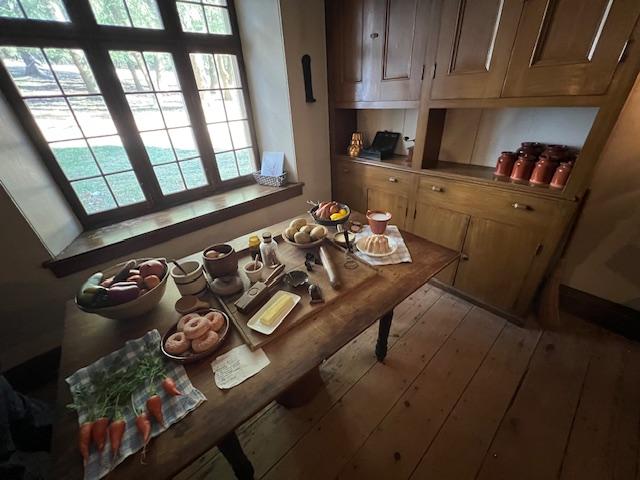
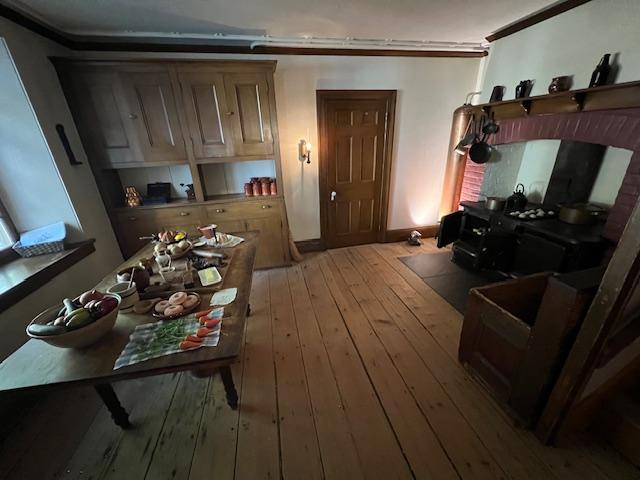
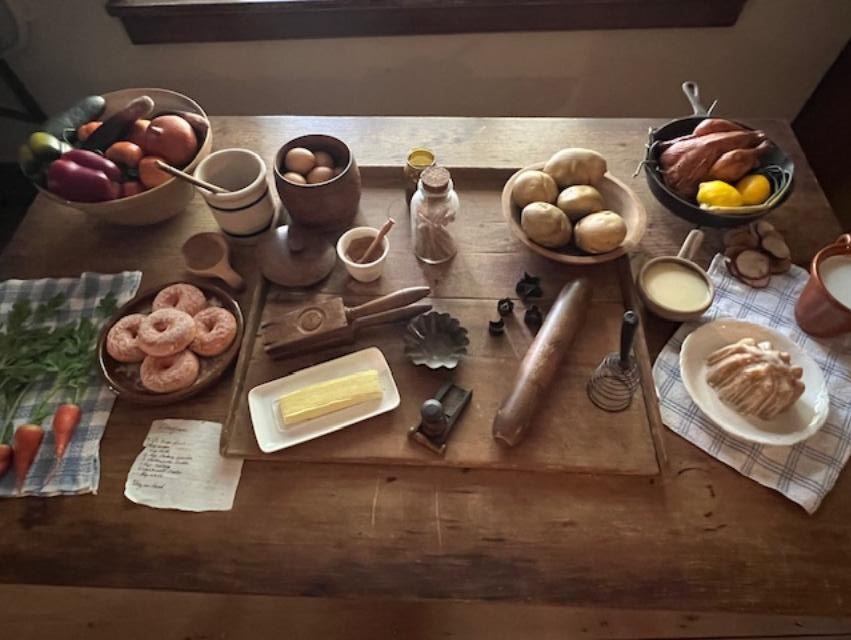
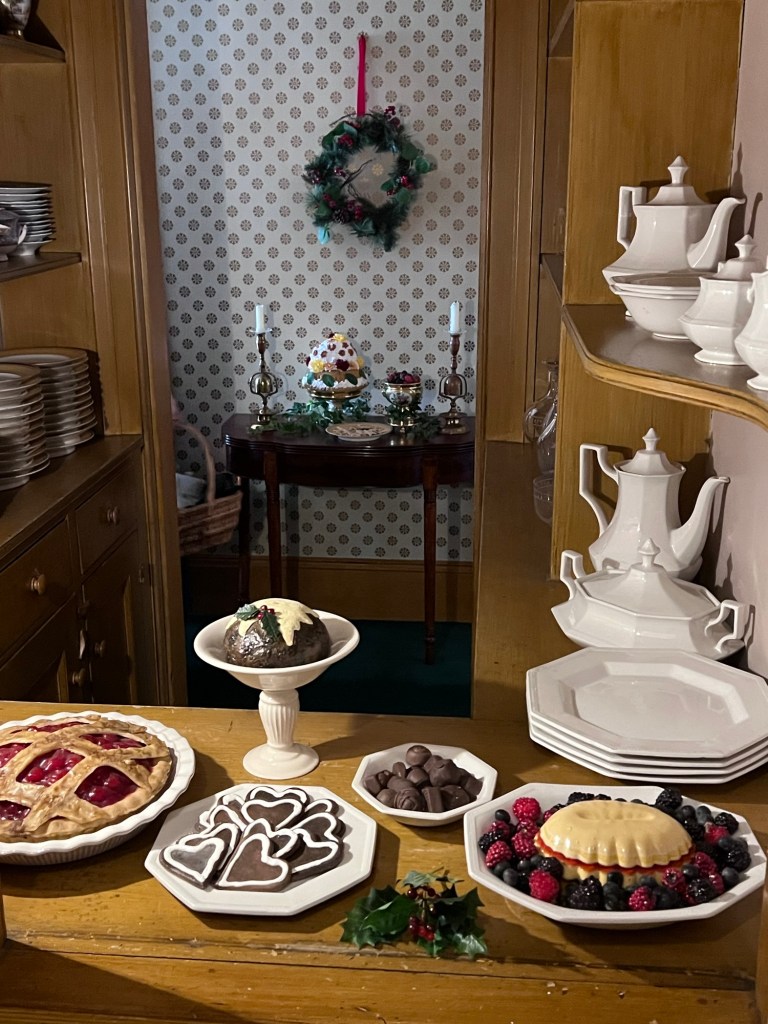
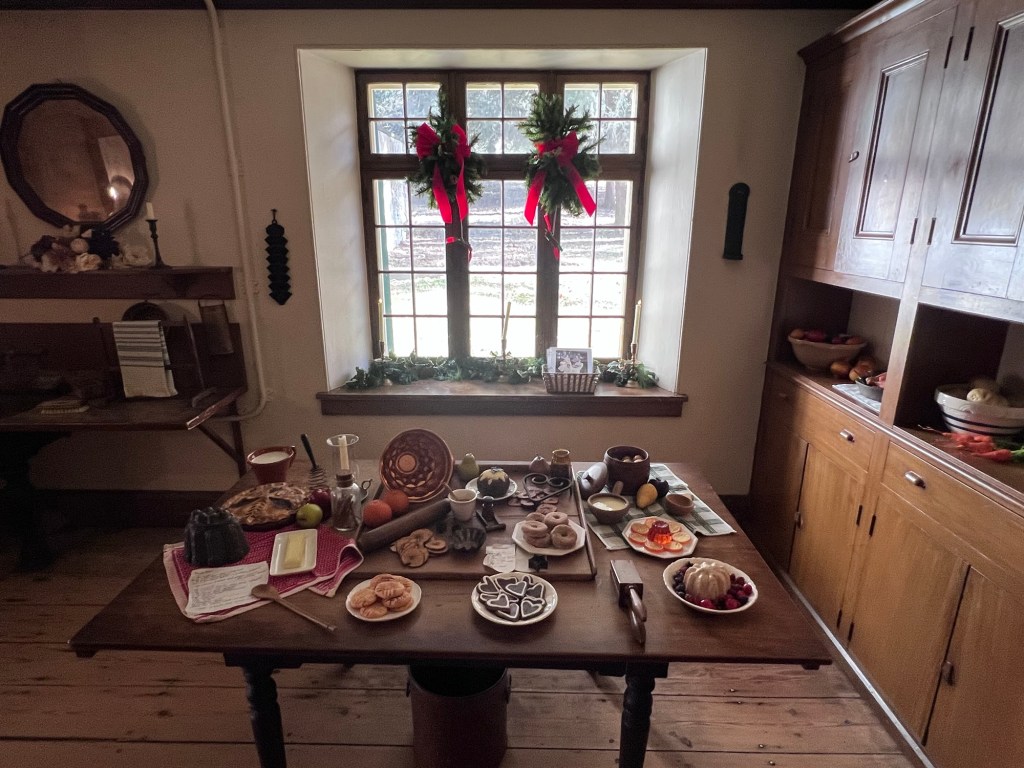
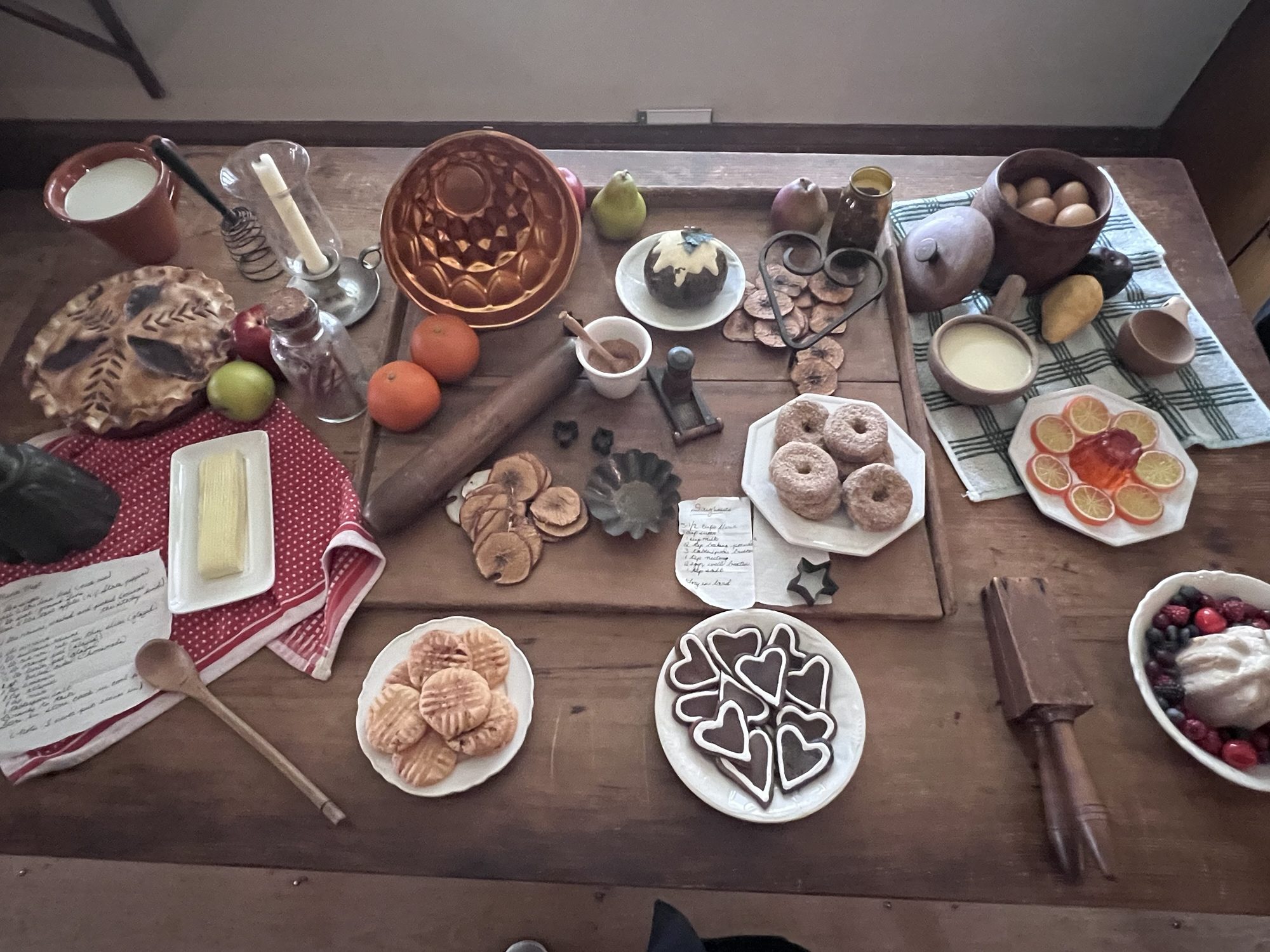
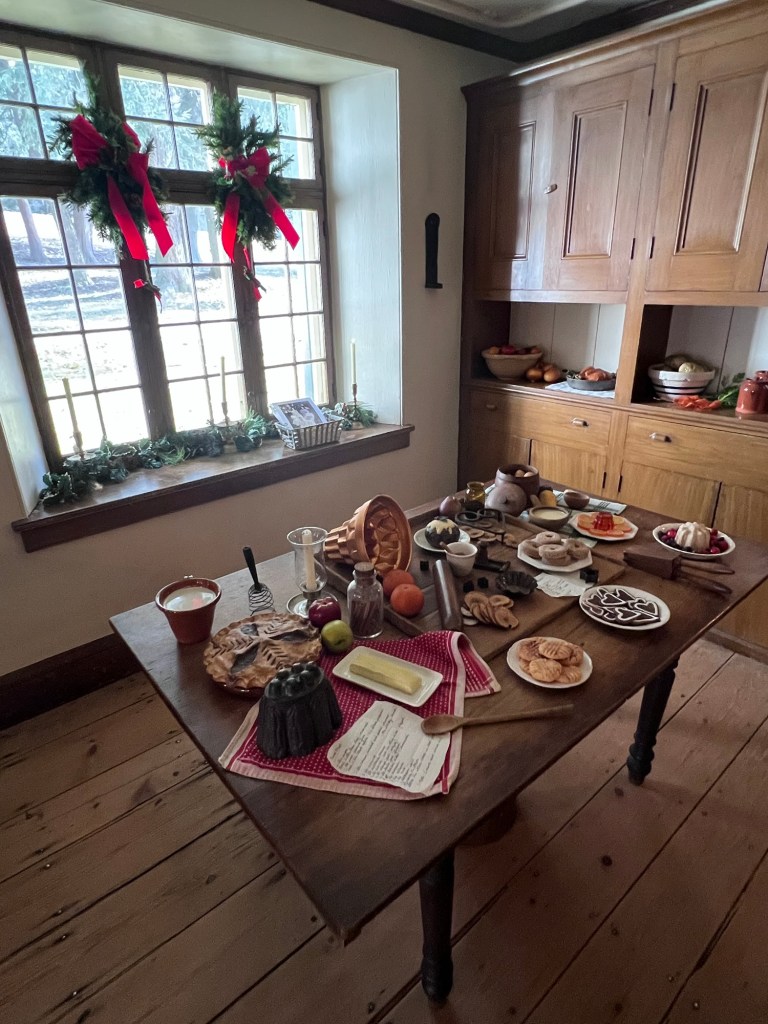
The Kitchen in the basement area is one of the areas of the home that survived the 1932 fire when the house burnt to the ground. It would not have been used in modern times as a more modern kitchen was built in the newer area of the house. Still, this was decorated for the holidays to show the bounty of the Fall harvest and the items that would have been served for the Christmas holidays.

The kitchen decorated for Christmas in 2024
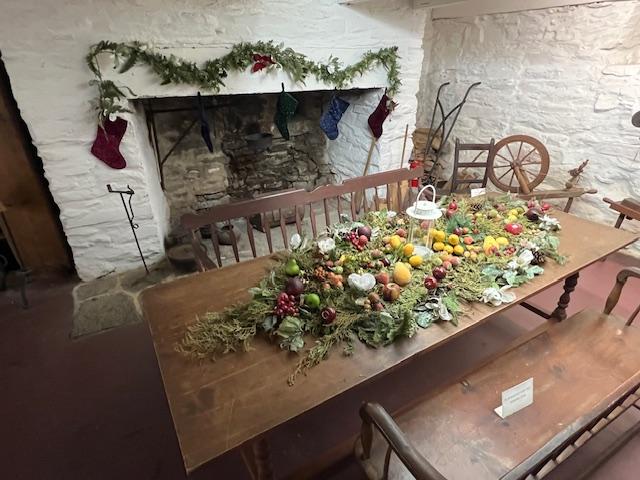
More detail on the Kitchen decorations
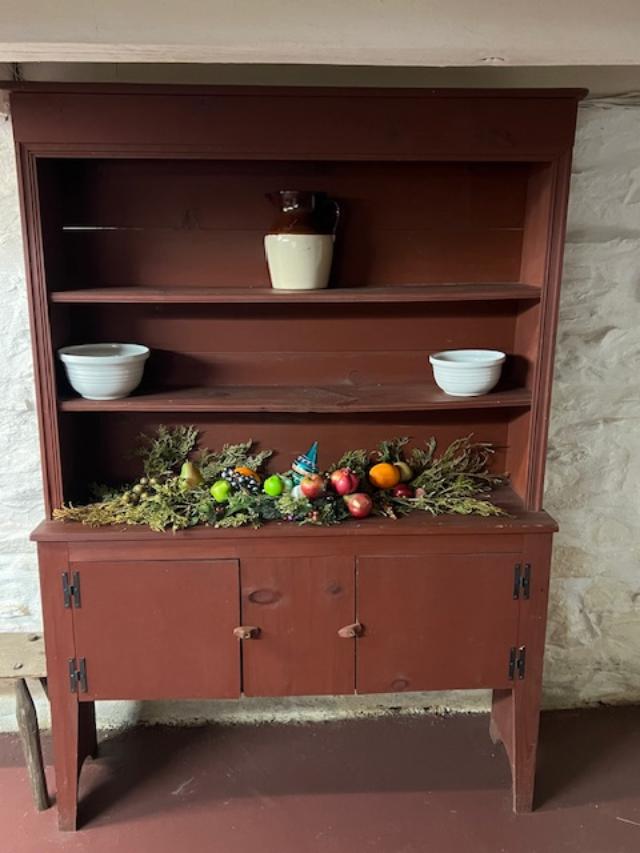
The Kitchen cabinets decorated for the holidays
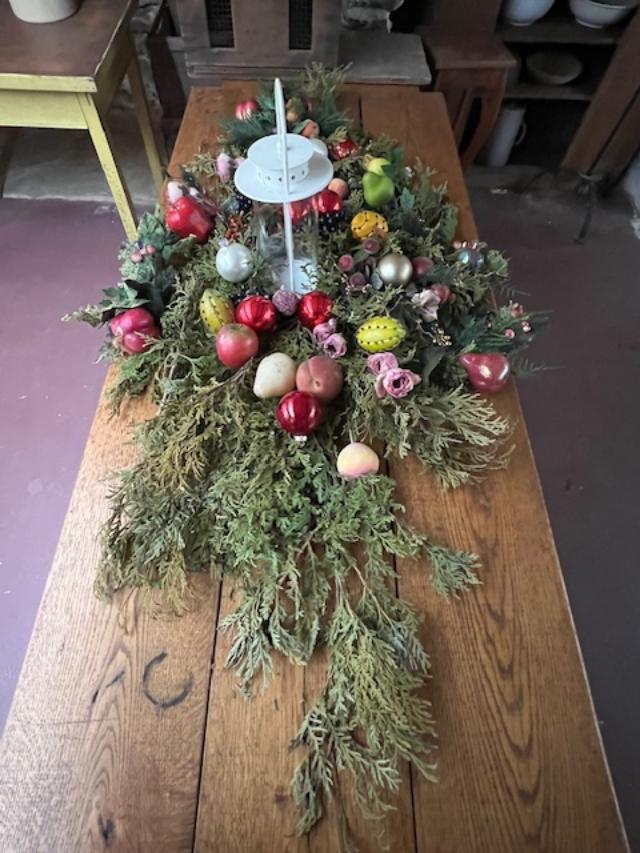
The decorations on the Kitchen table in the basement area
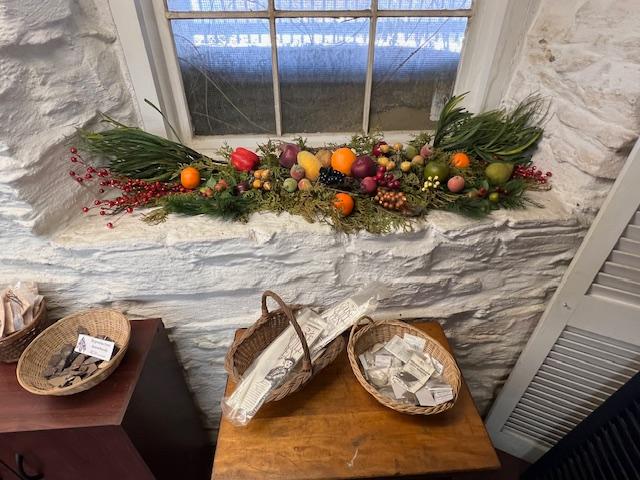
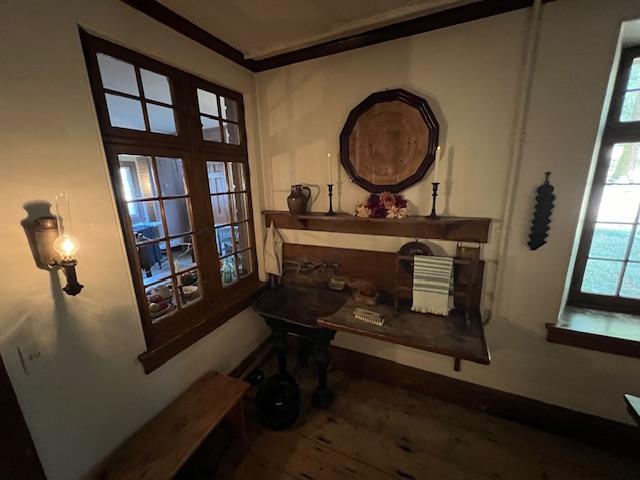
The windows in the basement were decorated as well in the Gift Shop
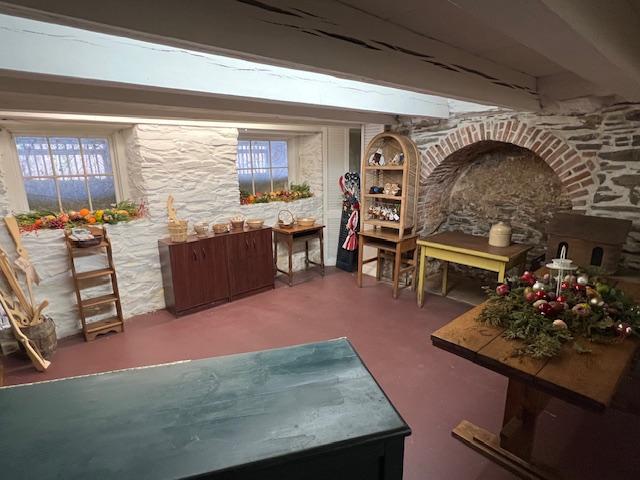
The Gift Shop in the Basement area just off the Kitchen area

When I went back upstairs, we toured the Library and the Sitting Room just off the hallway and the Dining Room.
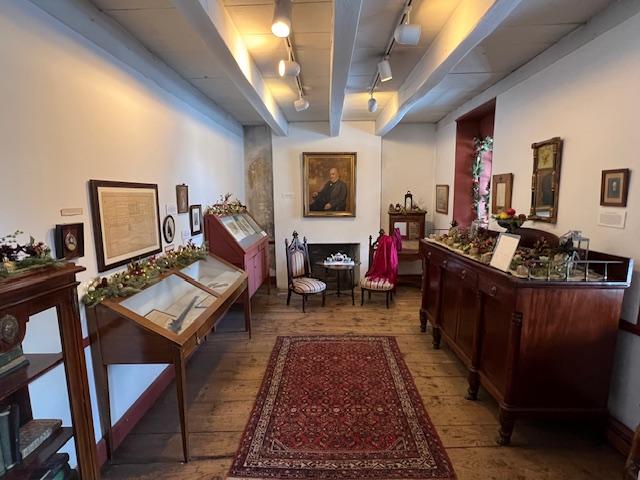
The Library decorated for the holidays
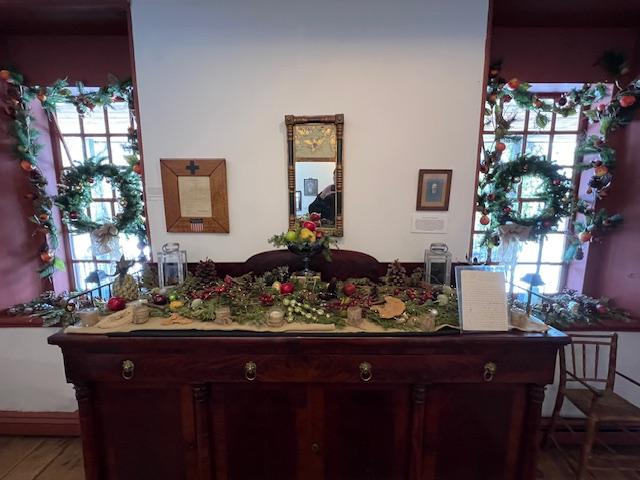
The Library decorations
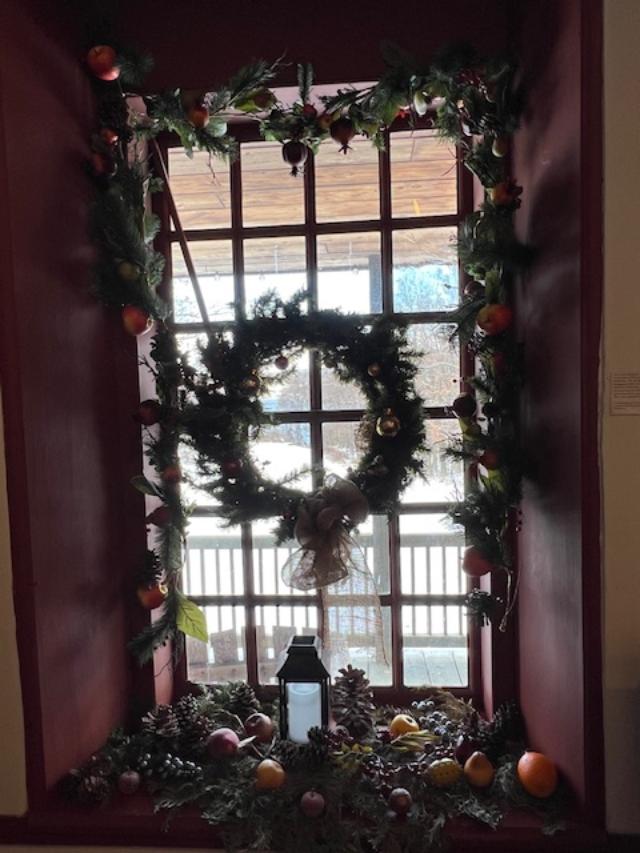
The beautiful details of the window decorations
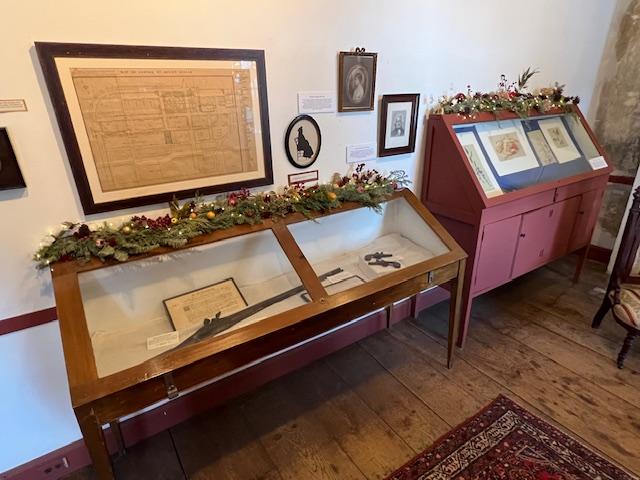
The cases of artifacts with the Christmas garlands decorating the top of the furniture
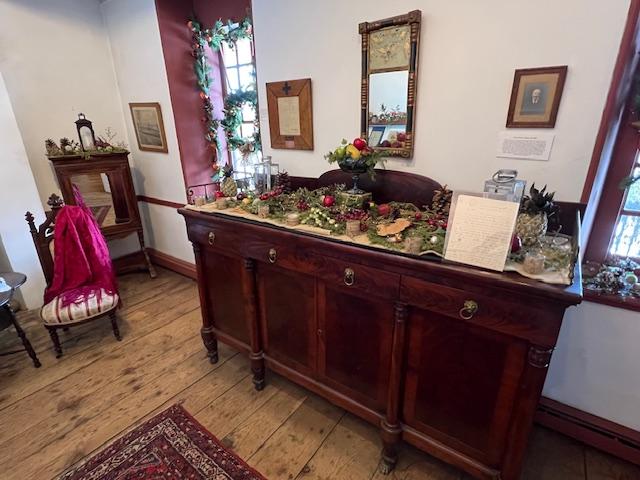
The other side of the Library cases and displays

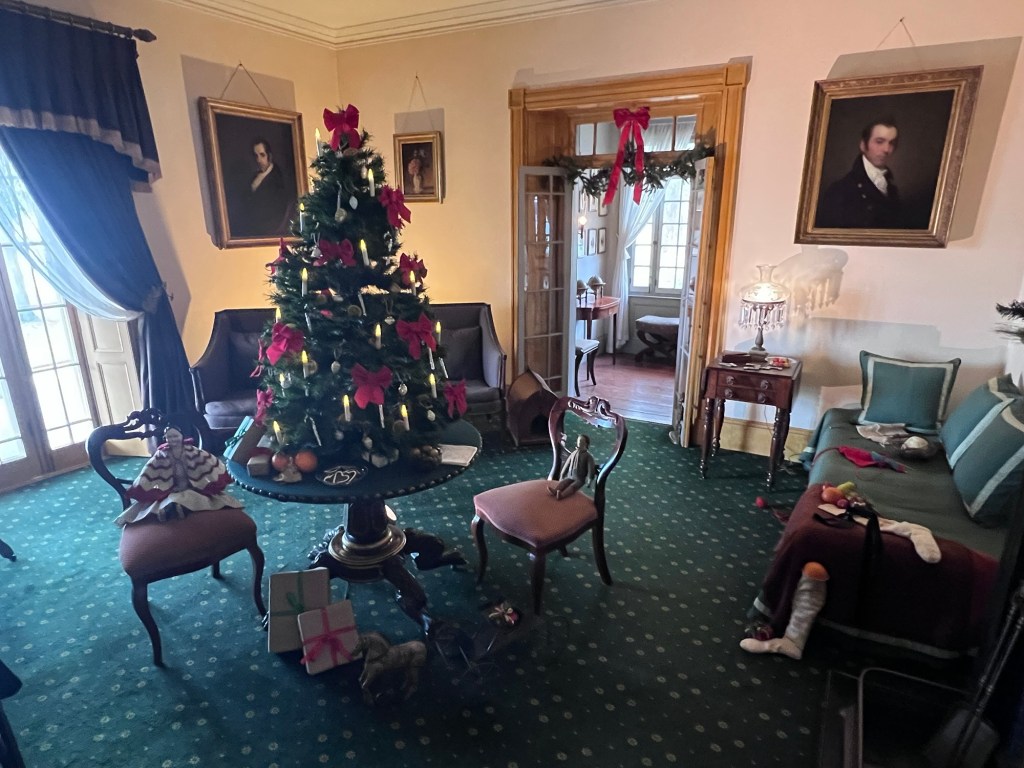
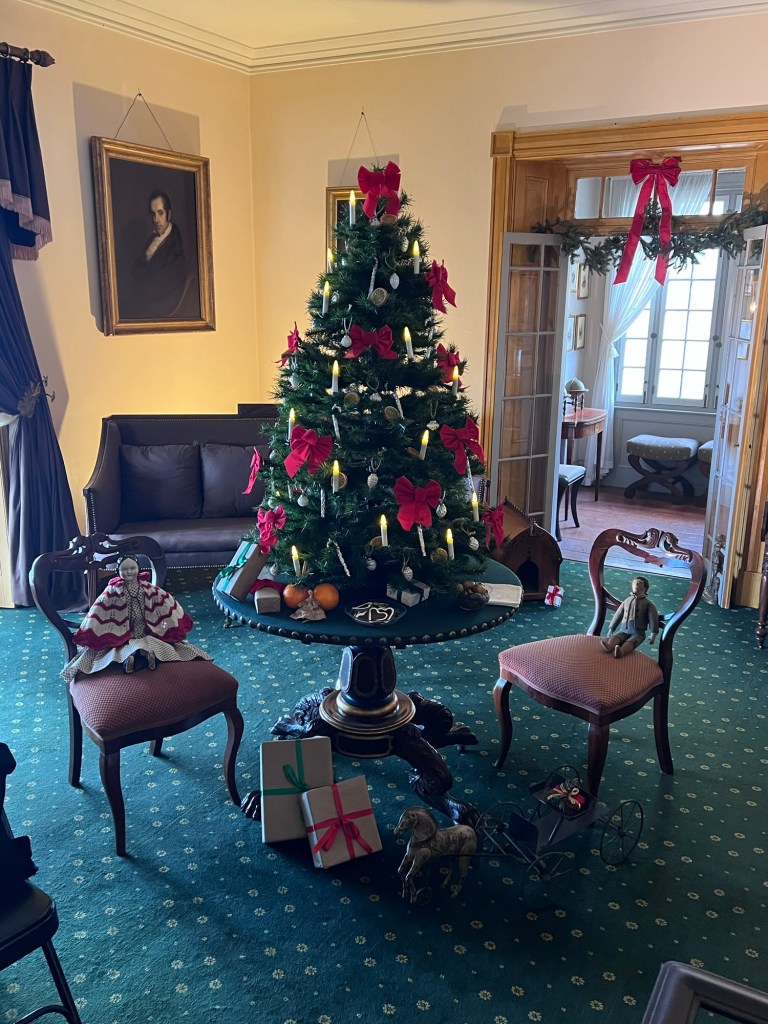
According to family records, Christmas was a big holiday in the house with many members of the Ver Planck family enjoying the holidays together. The Drawing Room (where the Tea was taking place) was ‘decorated with pine over the doors and windows with wreaths of laurel and the berries of the bittersweet in various places and the room was aglow with a bright wood fire and candlelight and it was all adorned for Christmas. When the Drawing Room door was opened Christmas morning, the Christmas tree burst on our sight. It was lighted with little wax candles as the modern trees were but there were none of the stereotyped ornaments of tinsel and glitter. There were Lady Apples on the tree and oranges, cornucopias and toys and the sugar plums. The tree was always of laurel, reaching nearly to the ceiling and yet it looked small in that great room’ (William Samuel ‘Ver Planck Family History’). The current curators have done a nice job keeping this tradition alive in the decorations.

When I left the house, I visited the grounds over-looking the Hudson River. On the property behind the house was a ‘A frame’ Dutch barn. The barn was closed for the season but fit very well into the landscape of the estate. The view of the Hudson River was beautiful.
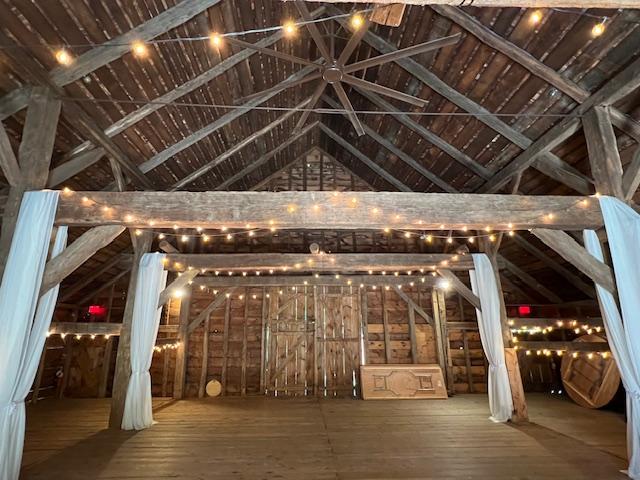
The Dutch Barn at Mount Gulian set up for a party
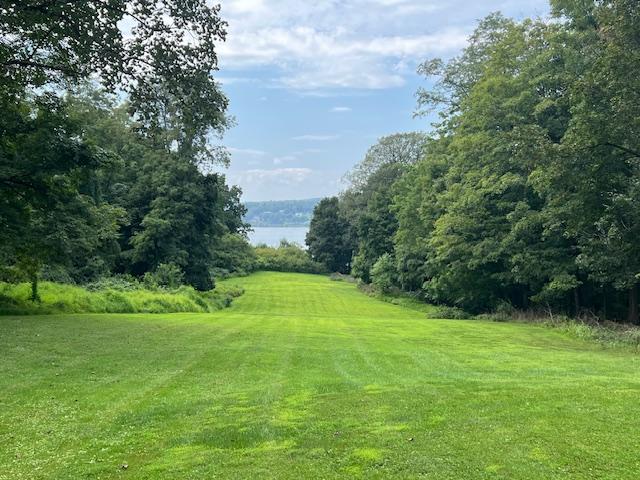
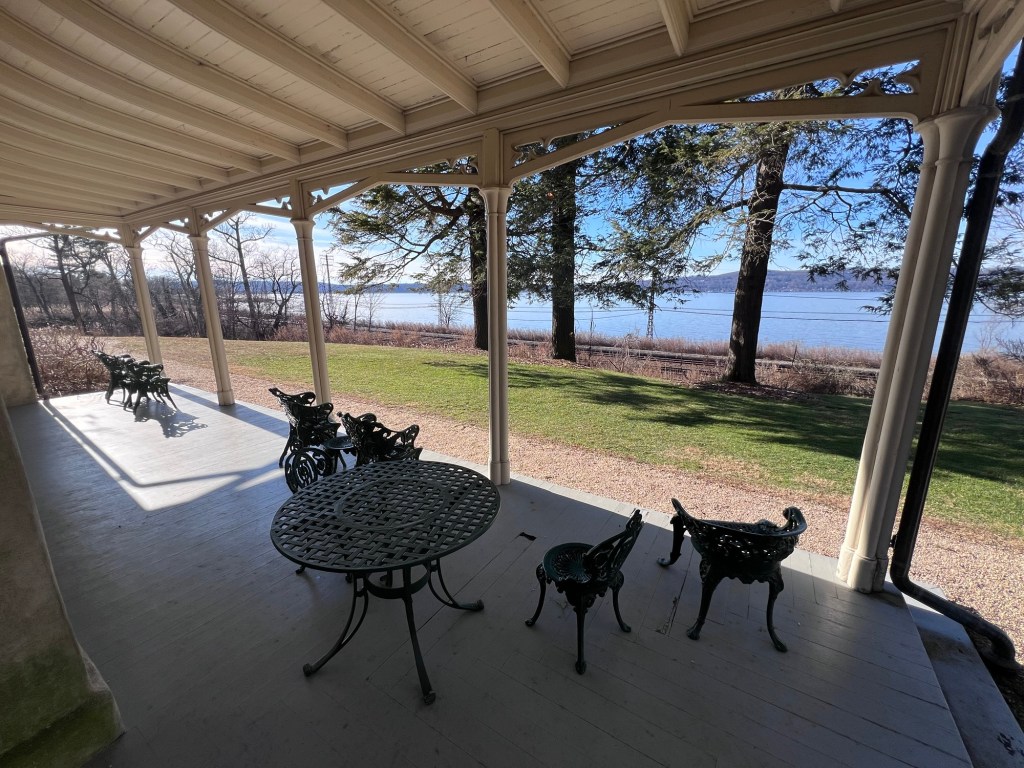
The view to the Hudson River from the house in the Summer

Don’t miss visiting the downtowns of Beacon and Wappinger Falls while visiting the area. Taking Route 9D is an interesting and scenic way to tour the area.
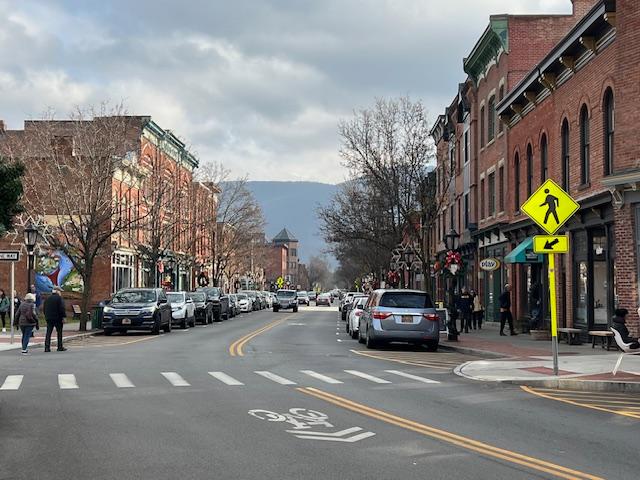
Downtown Beacon, NY at Christmas in 2021
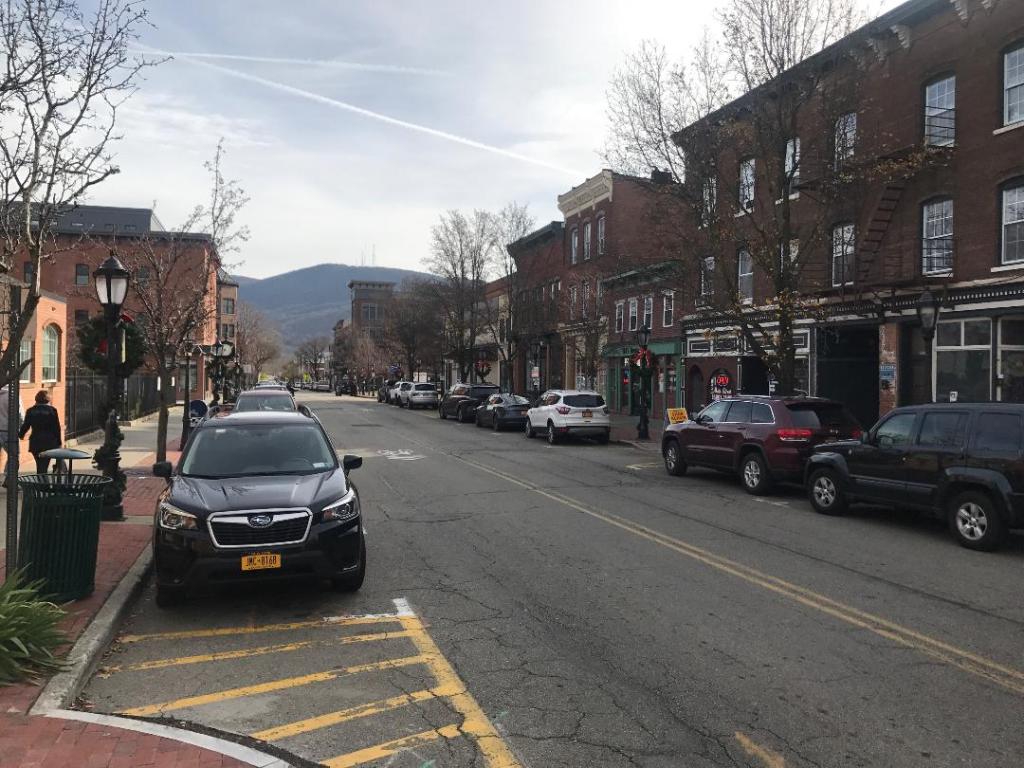
Downtown Beacon, NY at Christmas time

Downtown Beacon at Christmas time

Mount Gulian in the Summer:

In the Summer of 2024, I returned to Mount Gulian to take a full tour of the estate in the summer when everything was in bloom. The same house but a different feeling than the Christmas holiday season. On the Summer tour, you are able to walk the gardens, the barn and the grounds around the house. Plus the gardens were in bloom so it was a more complete tour.
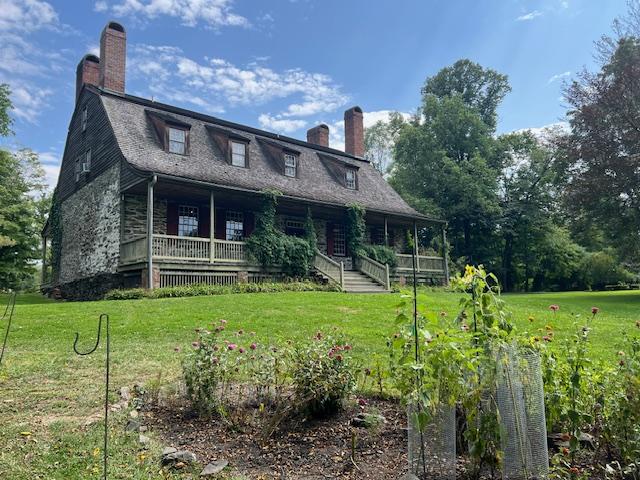
The back of Mount Gulian in the Summer of 2024

The back lawn on the Mount Gulian Homestead estate
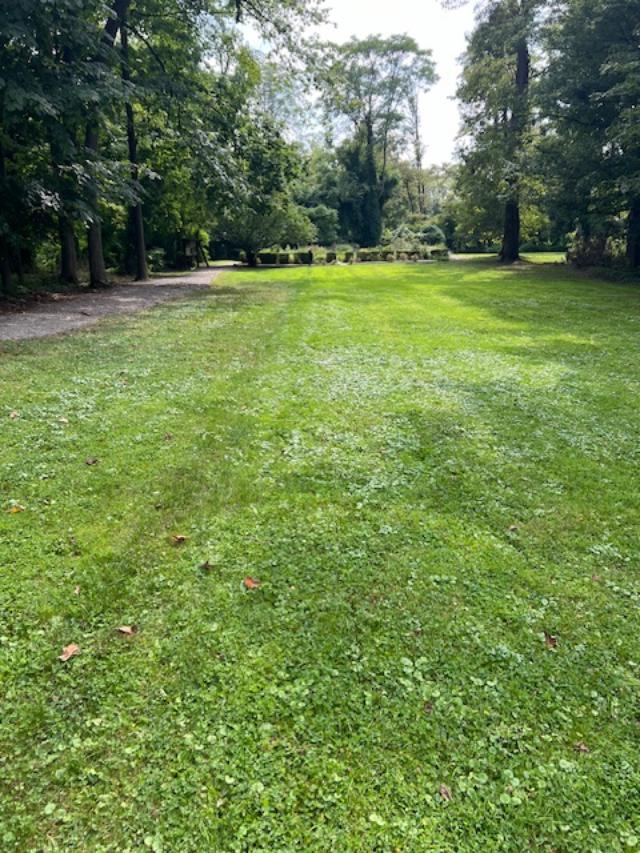
The lawn to the gardens from the house

I started the tour of the property while I waited for my tour at 2:00pm. I walked the lawns and walked around the gardens. The property looked so much nicer than in the winter months. You can see the vibrance of the gardens and the beauty of the lawn and woods against the house. The gardens were well maintained and the flowers were still in bloom in the late summer months.
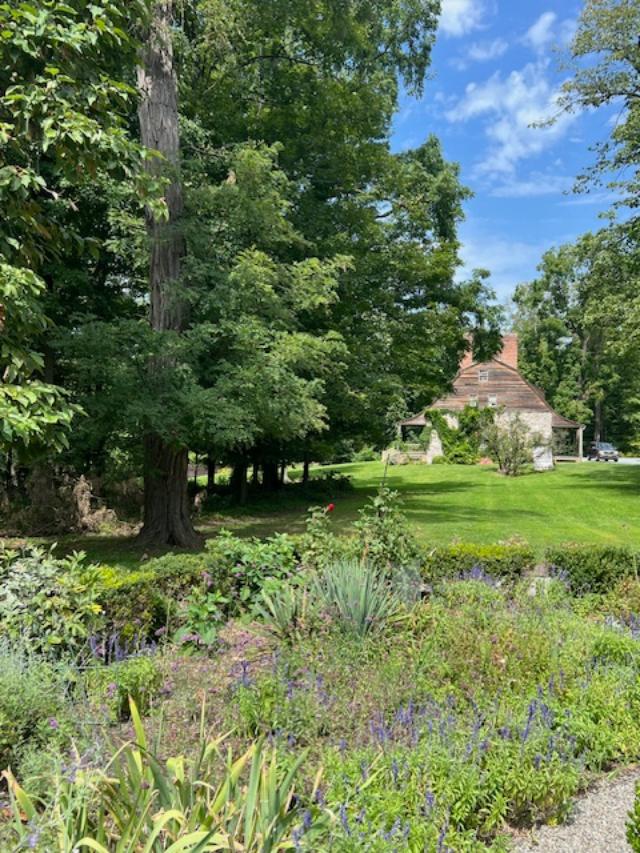
The gardens with the house in the distance

When I started the tour of the house in the Summer of 2024, it was similar to the December tour in the description of the house but the tour guide discussed the house from the perspective of the family living here full time when they moved from their New York City home to the Hudson River Valley permanently.
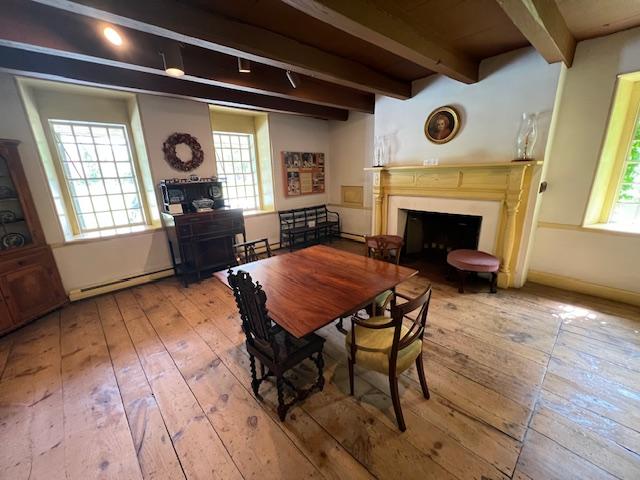
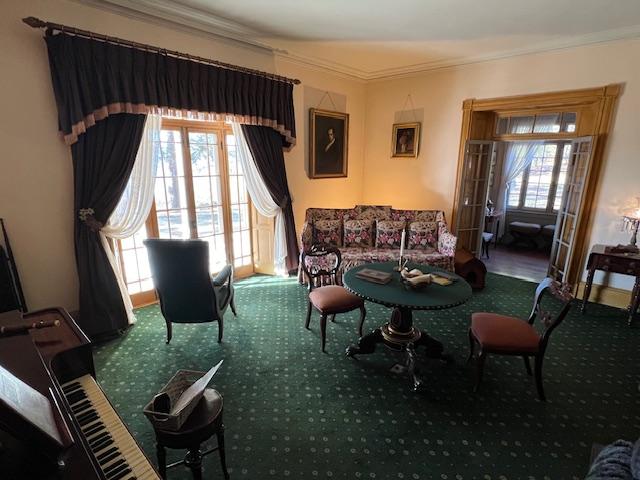
The Living Room with original furniture from the Verplanck family

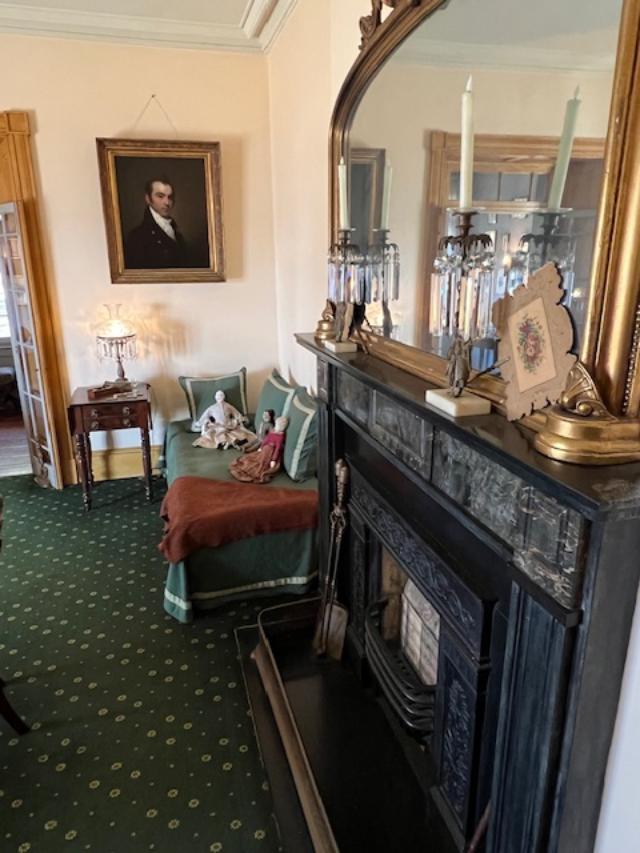
Our first stop was in the Living Room where original family furnishings decorate the room. The family would gather in this room for specials occasions and holidays. The tour guide explained that the room contained some items that used to be in the original house including the portrait of the last resident of the house, Virginia Verplanck before the house burned down in the 1930’s.
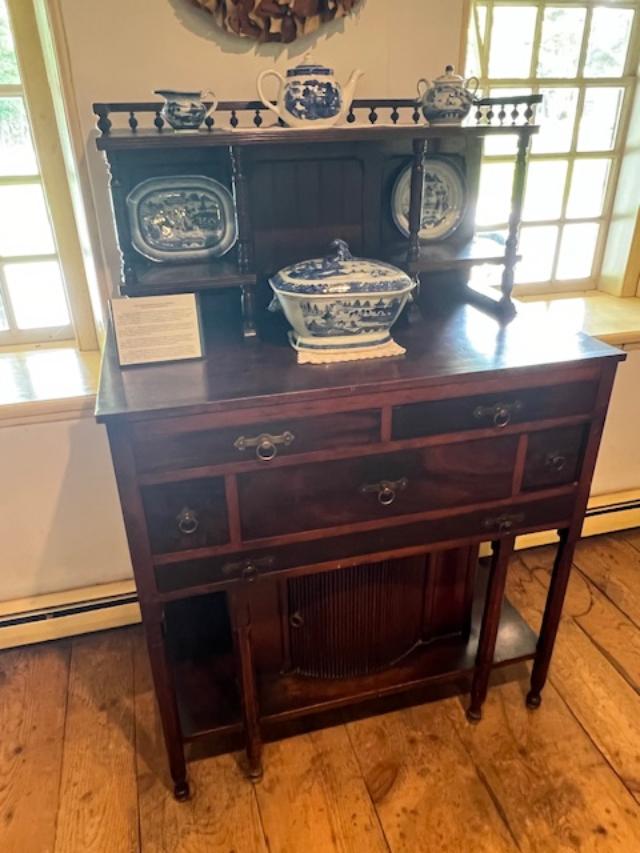
The Verplanck Family china
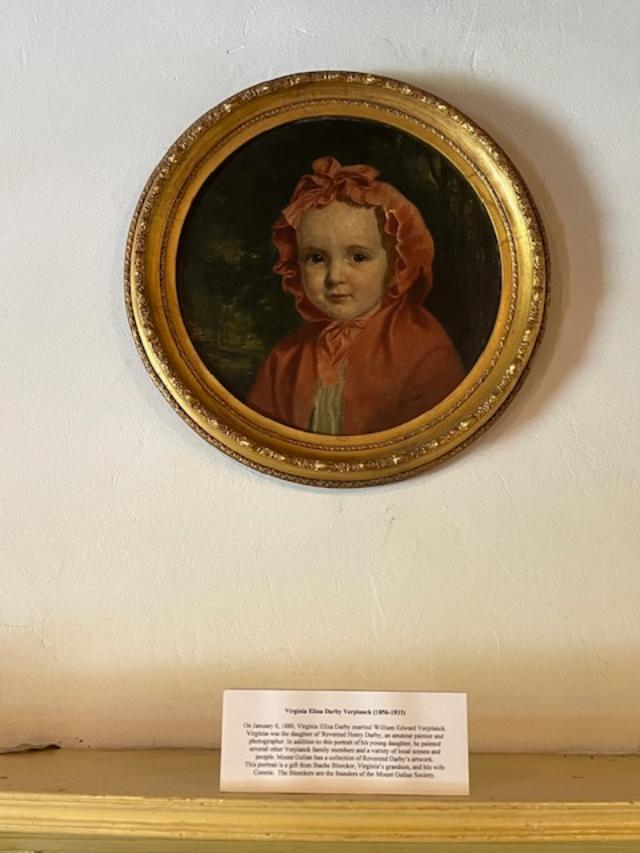
Portrait of Virginia Verplanck as a child. She was the last Verplanck to live in the house

The Library
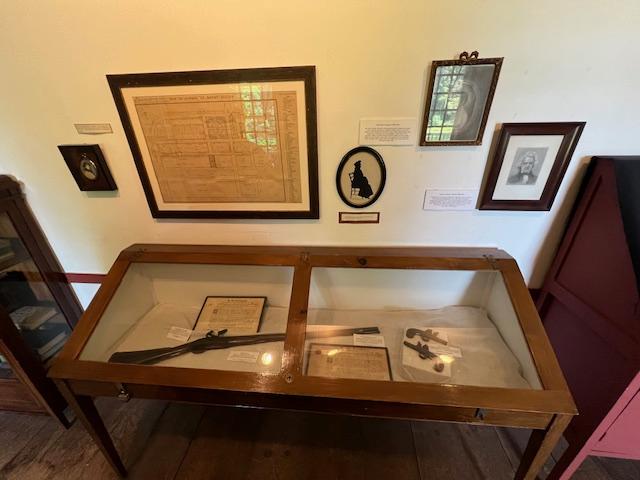
Revolutionary War artifacts in the house

The house was used by General Washington and his troops during the Revolutionary War and Baron von Steuben used the house during the war as well. The proximity both Washington’s Headquarters and the City made it an ideal location.
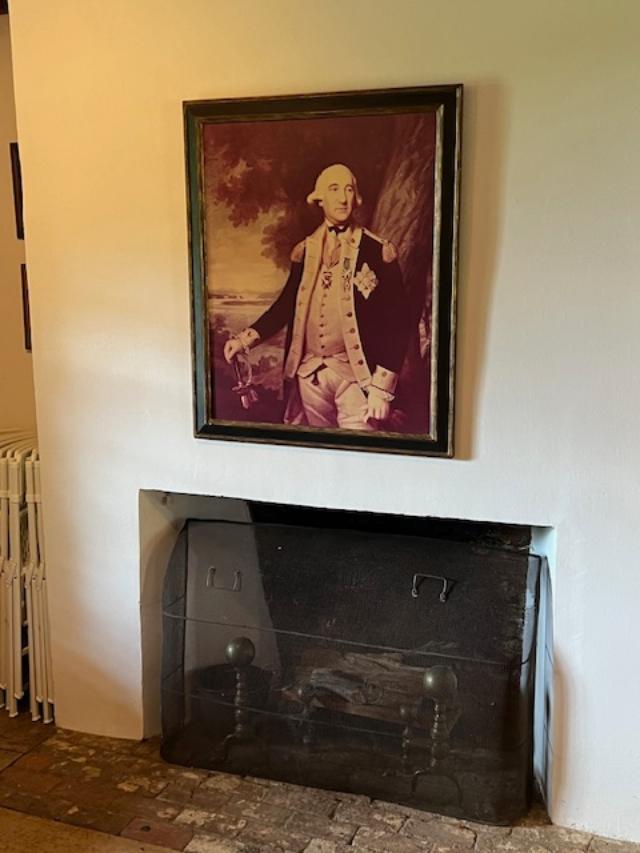
The portrait of the Baron Van Steuben

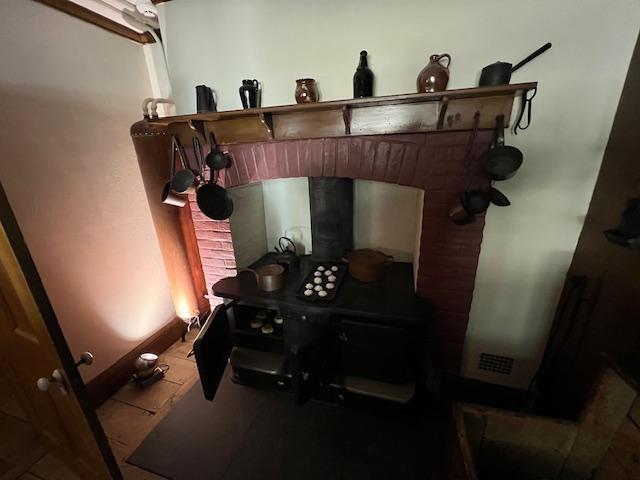
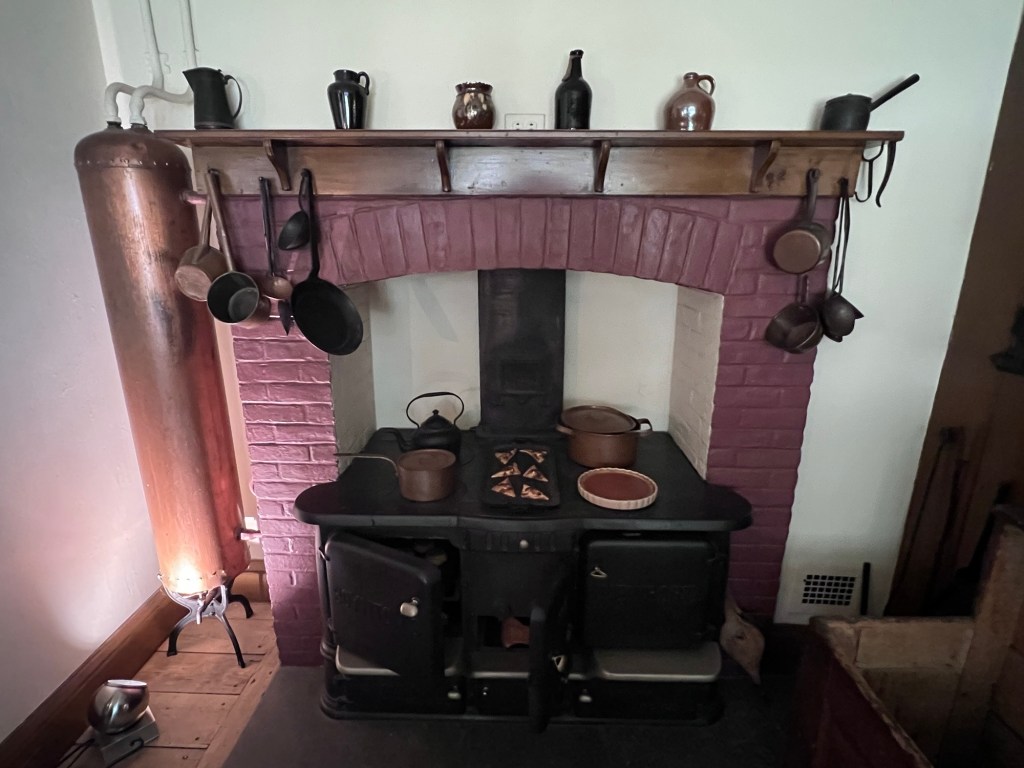
We next toured the kitchen, which had been decorated for a Dutch Christmas the last time I had visited. The hearth was from the original house and you could see how things were cooked in the open fire and then in the beehive oven where breads and cakes were cooked.
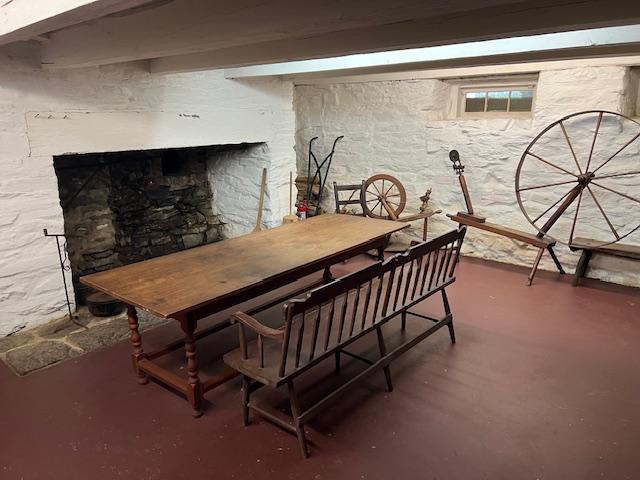
The kitchen in the basement
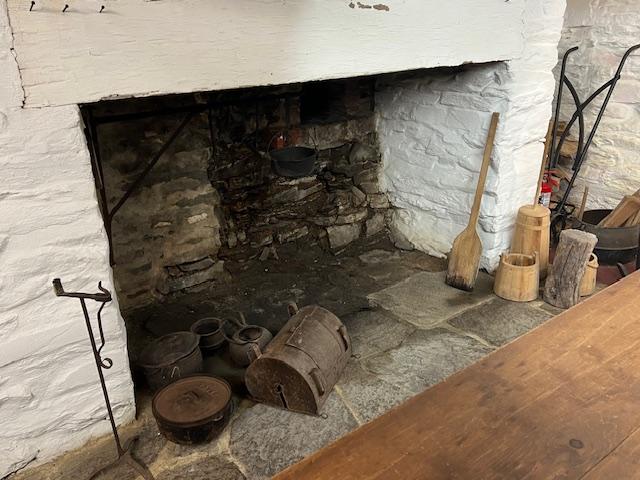
The cooking hearth and heat of the house
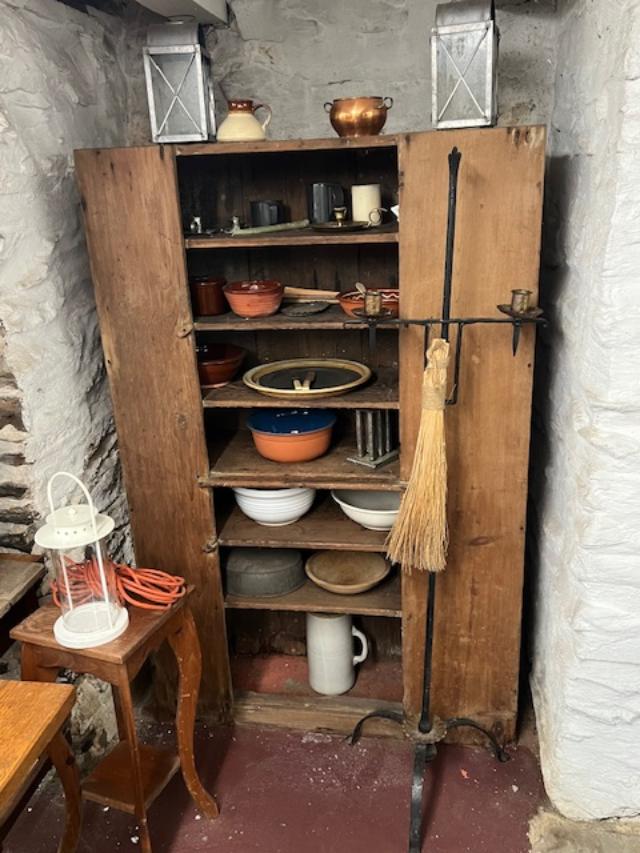
Cooking and Kitchen equipment

The items a cook would need to prepare meals in a Dutch kitchen.

The Grounds part of the tour:

After the full house tour, we went out to the grounds to see the barn and the gardens. The barn was the American Dutch style barn which was specific to this area. It was large and airy, enough to hold the crops and the animals in case of bad weather.
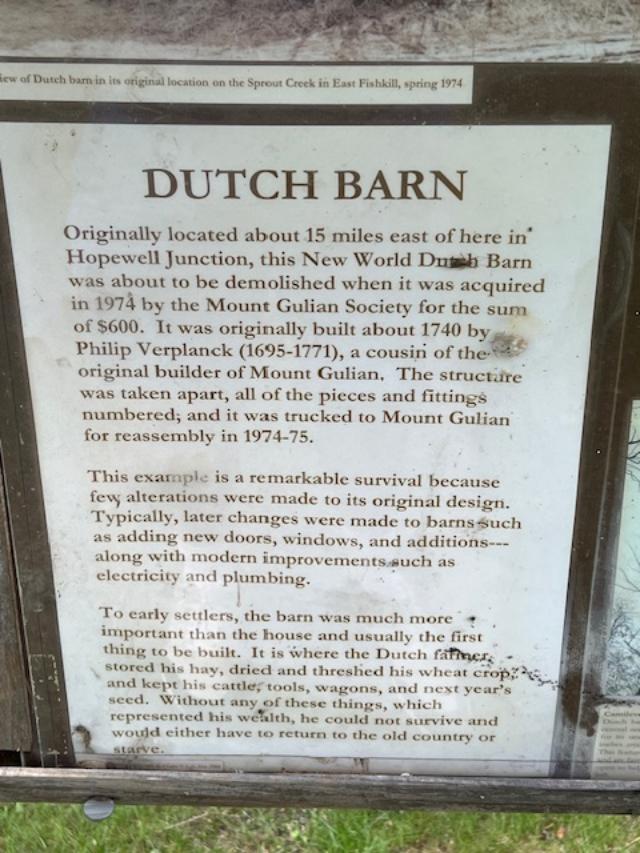
The Dutch Barn sign

The outside of the Dutch Barn
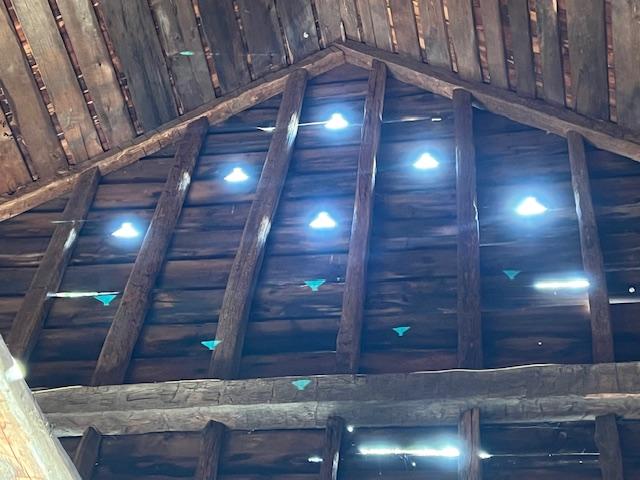
The Maitland bird holes in the barn to eat bugs on the hay and vegetables

My tour guide told me the unusual holes were that of the Maitland bird the could enter the barn to eat the bugs and insects on the crops and hay.
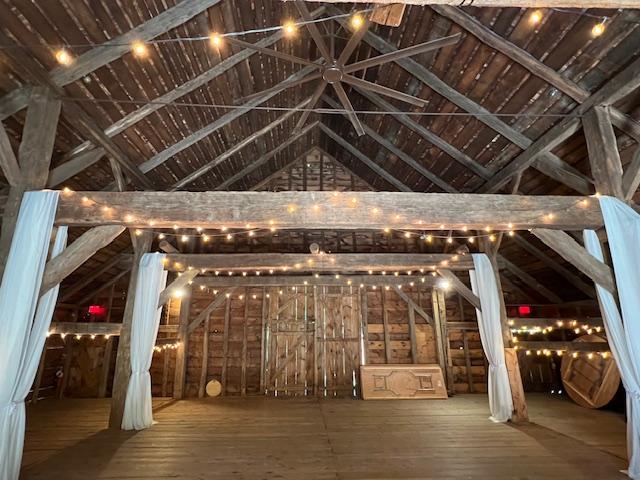
The inside of the barn set up for a future wedding

We next toured the gardens, which have been partly restored to their original design. They were in bloom with late summer flowers and decorative bushes and the layout was taken from early designs from the house.

The formal Gardens and Lawns tour:
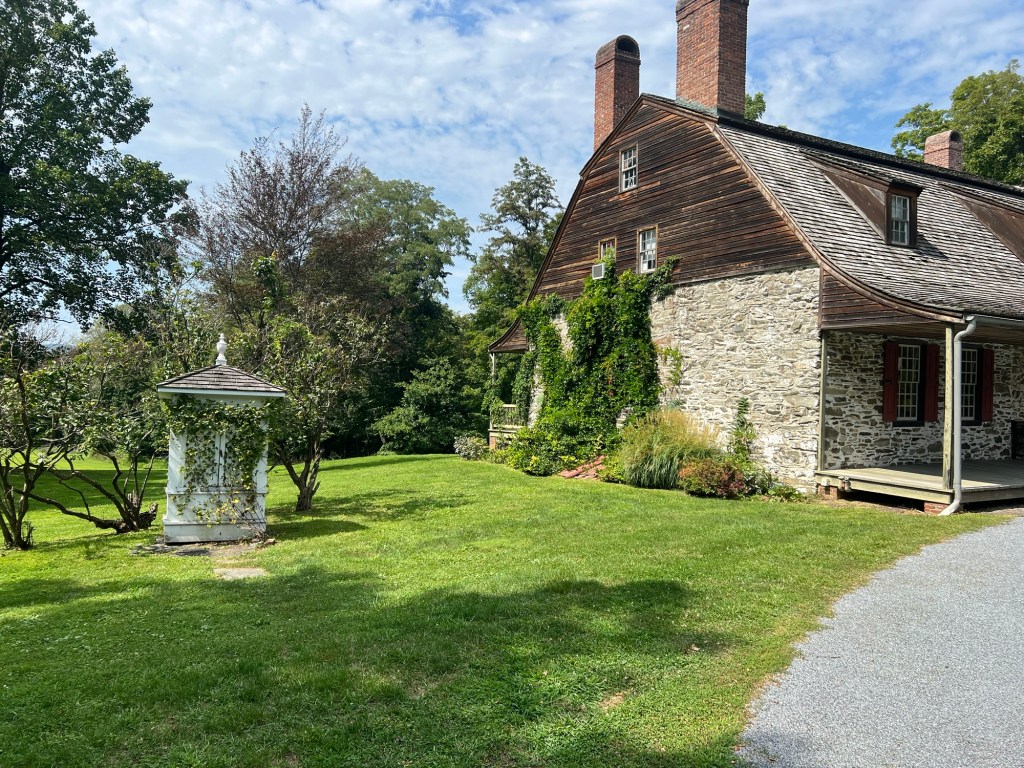
The side of the house leading to the gardens
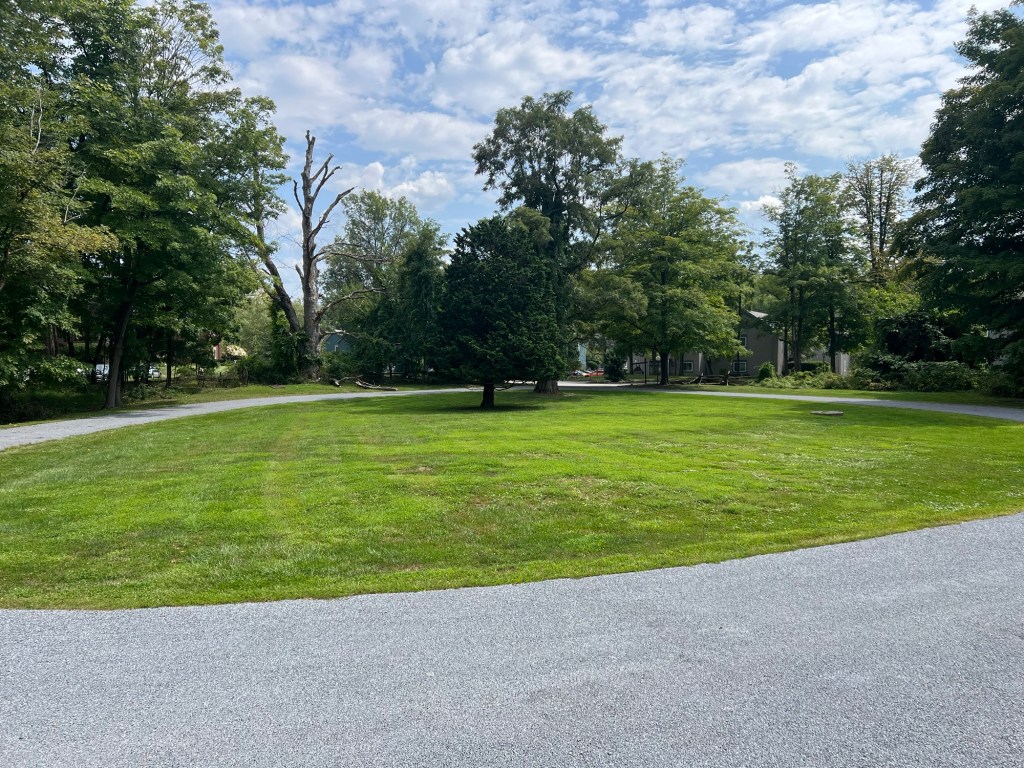
The semi circle in front of the house
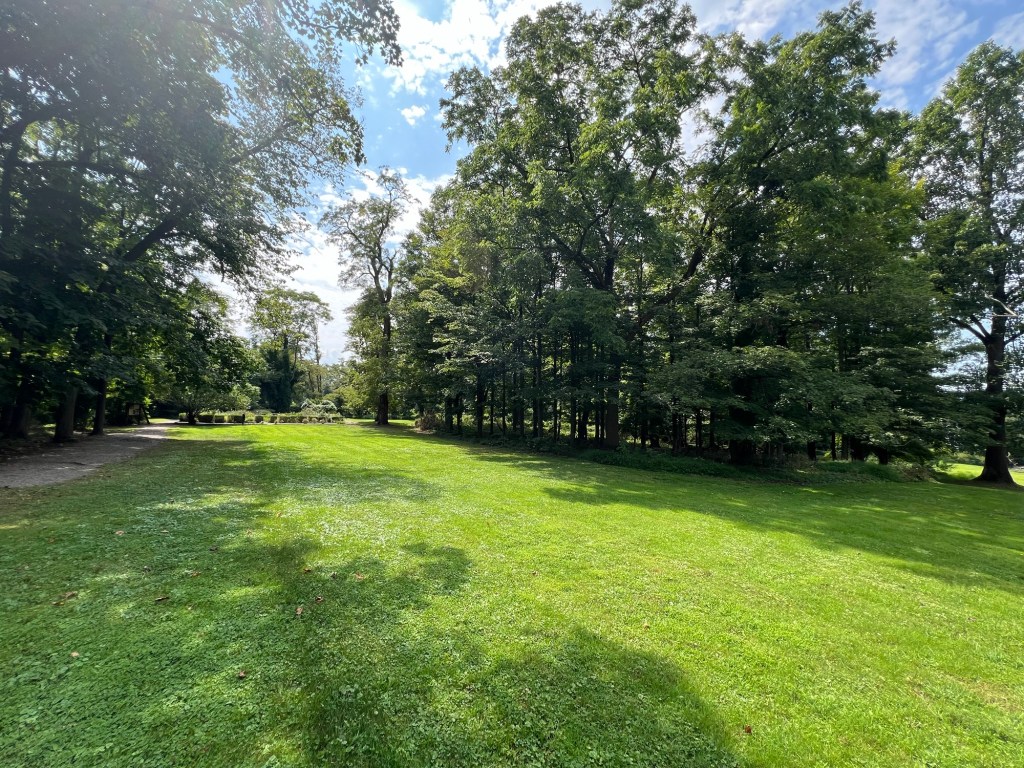
The lawn between the house and the formal gardens used to be vegetable and fruit garden
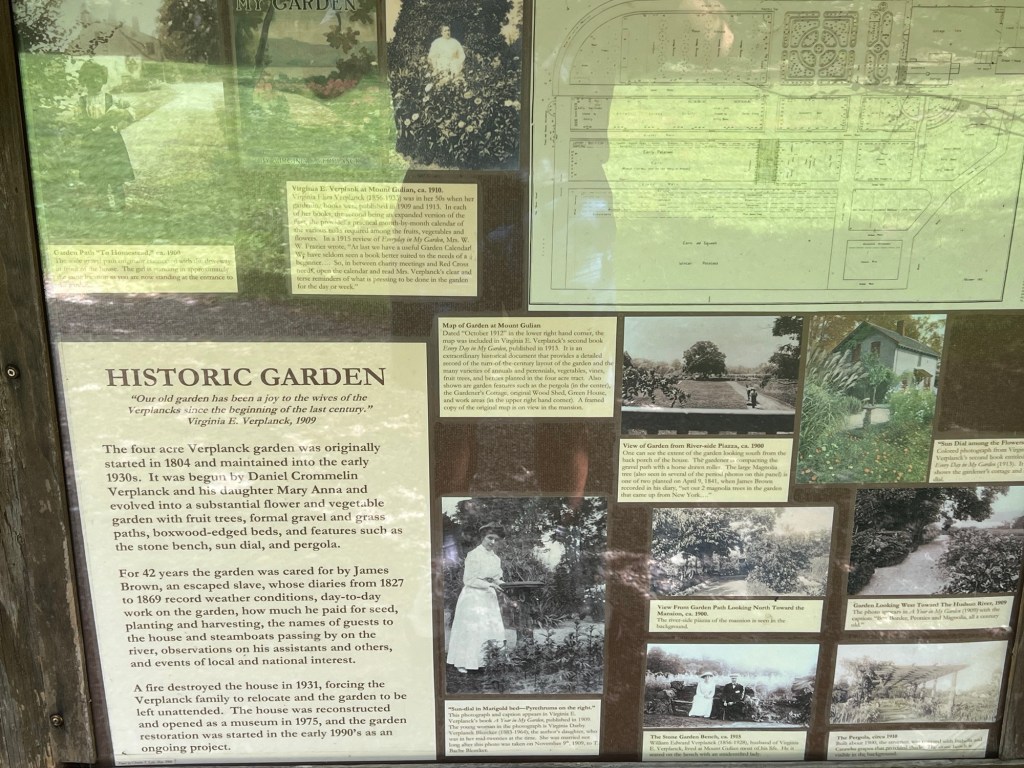
The sign for the formal gardens
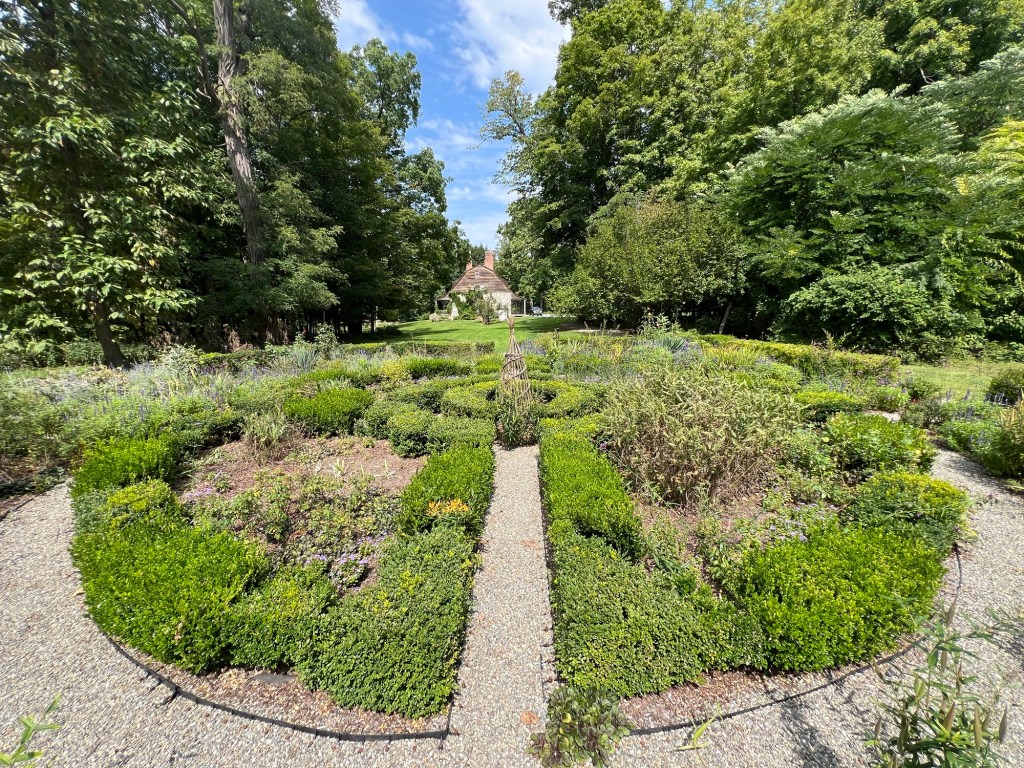
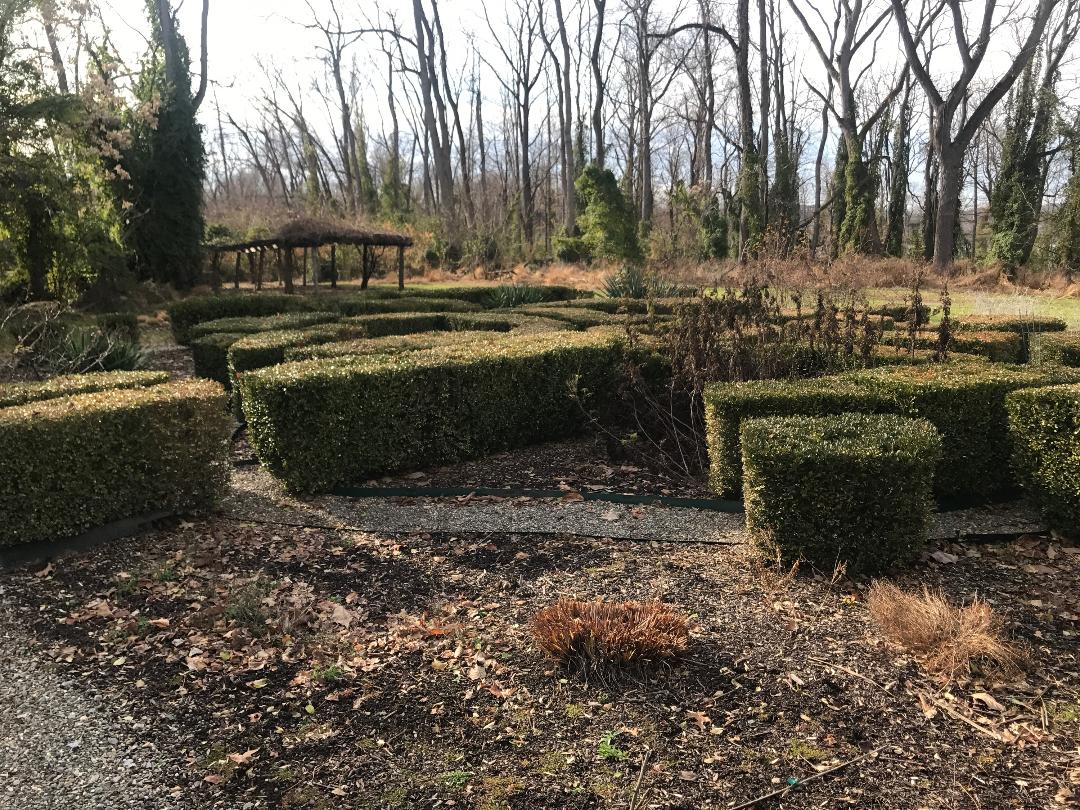
The formal flower gardens followed the original design the Virginia Venplanck had when she lived here

The beautiful gardens had been over grown in the years since the house burned down so volunteers and landscape architects had to cut down the woods and flow pictures and diagrams of the gardens to recreate them.
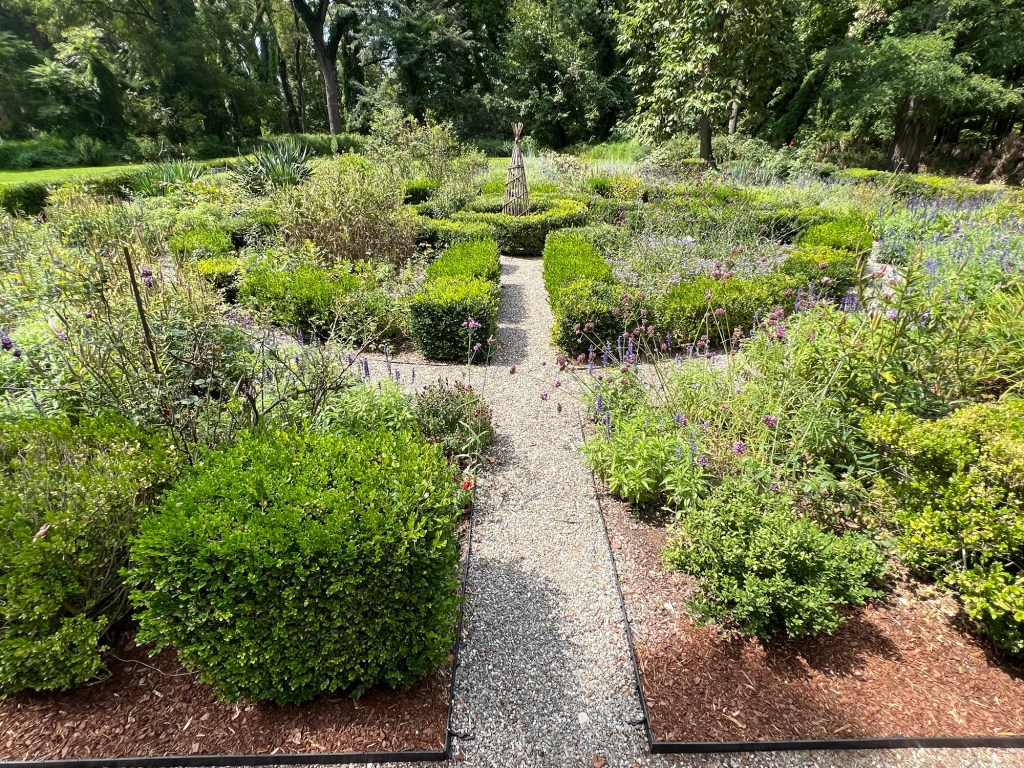
Entering the formal gardens
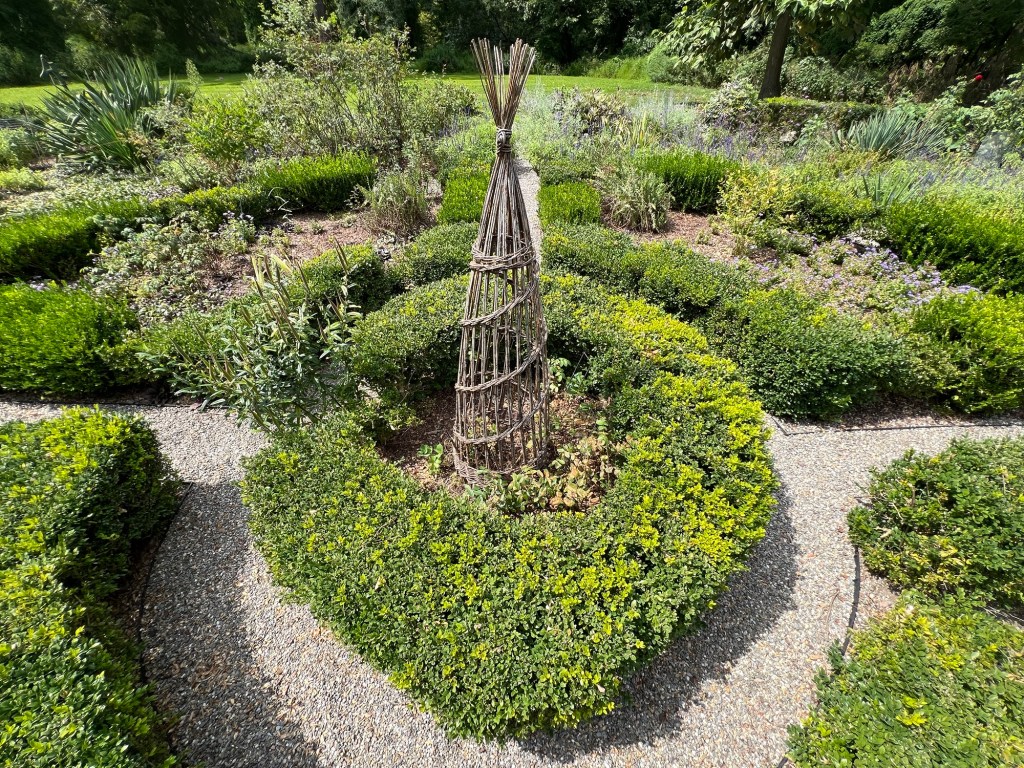
The middle of the gardens
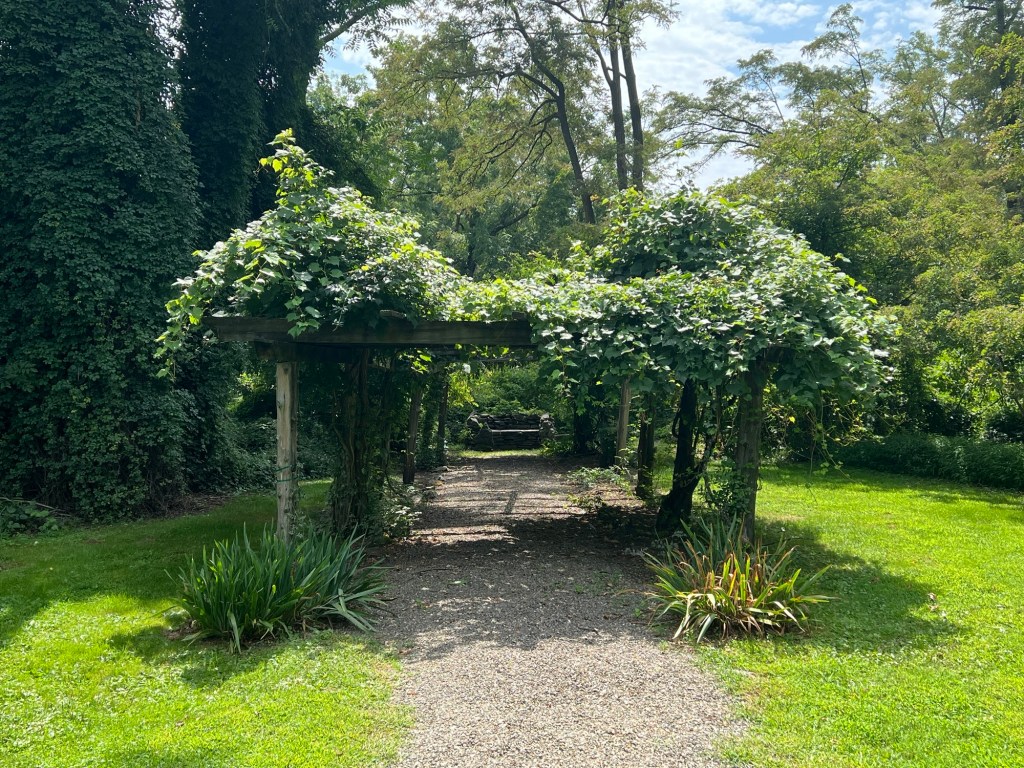
The original trellis was still standing in the woods and it was rebuilt on its original spot
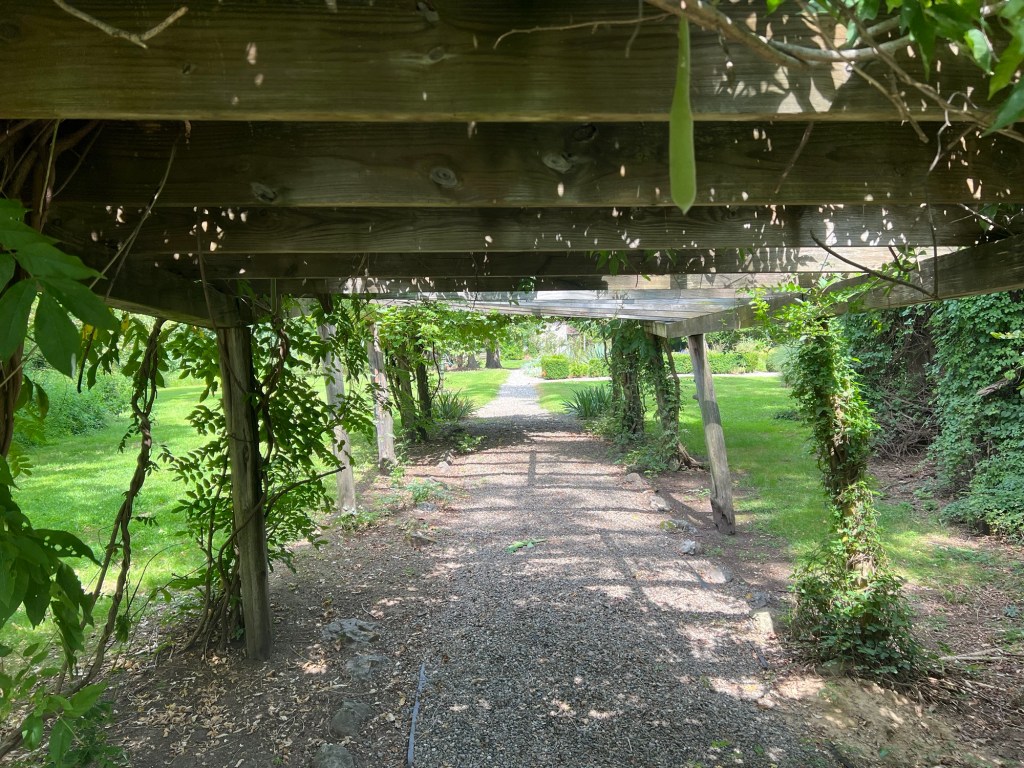
Walking through the trellis
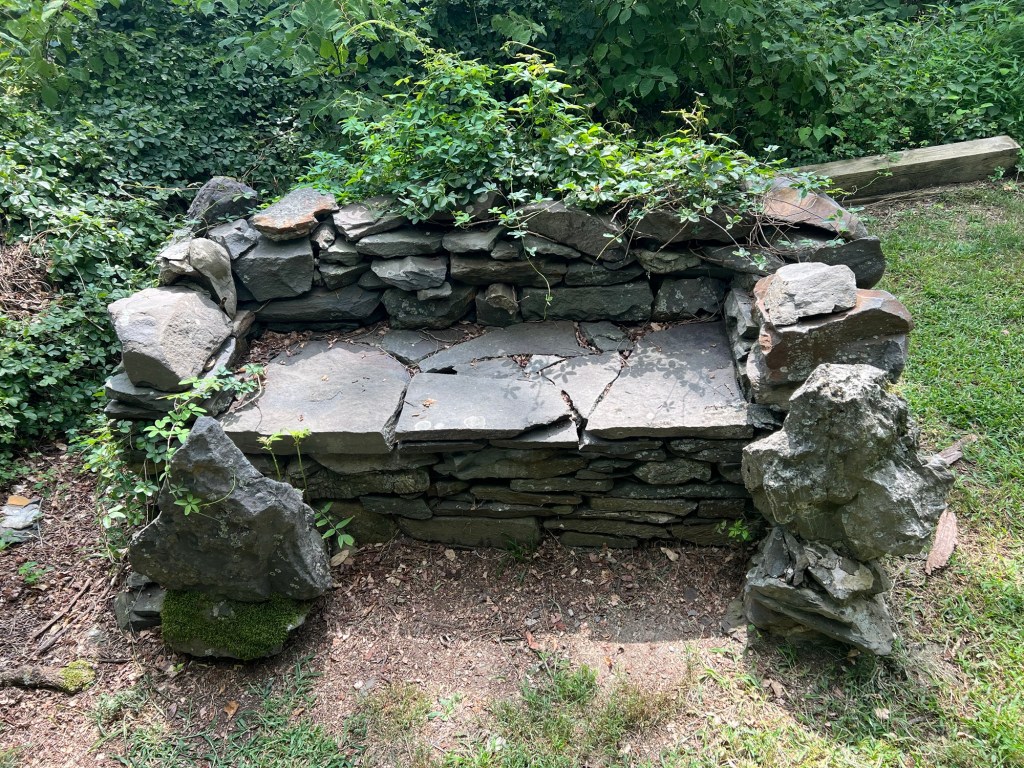
The stone bench at the edge of the gardens
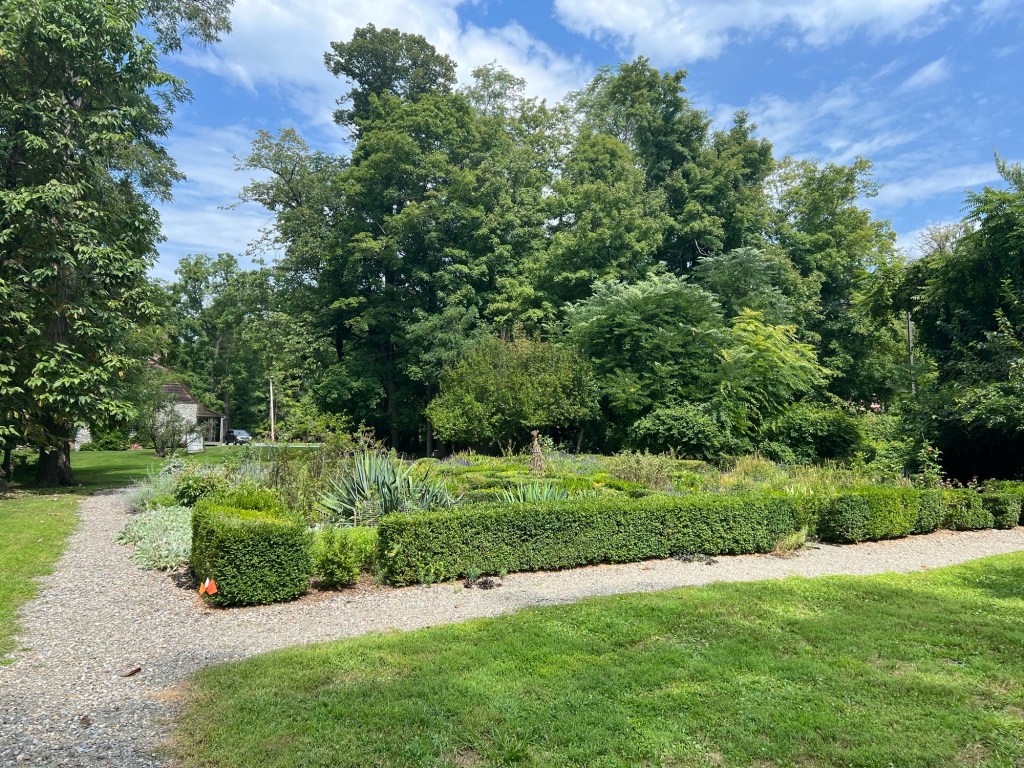
The back of the formal gardens

We ended the tour on the back lawn facing the Hudson River. The tour guide explained that the are thinking of trimming back the the woods near the river to better open up the view. This was probably true of the time of the house to pick up boats when moving around the river.
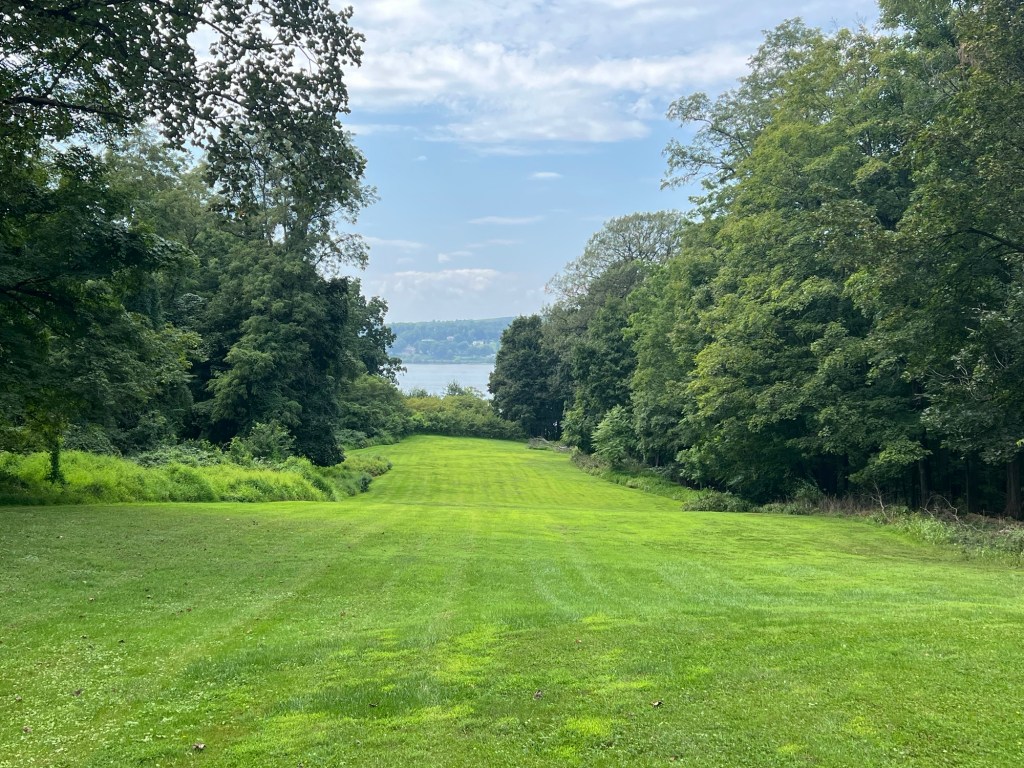
The views are spectacular now

The tour of the house and garden gives it a different perspective than at the holidays. It shows a working farm and an estate of a very prominent Hudson River family.

History of Mount Gulian:

The land where the house stands was purchased by two fur traders Francis Rombout and Gulian Verplanck on August 8, 1683. In exchange for 85,000 acres of land, they paid about $1,250 in goods. The Rombout Patent which formally granted the land to Francis Rombout and Gulian Verplanck was issued by King James II of England on October 17, 1685. After Gulian Verplanck’s death, his estate was eventually divided among divided among his heirs. Julian Verplanck II, a merchant from New York City, received 2880 acres, 400 of which were on a slope overlooking the Hudson River.

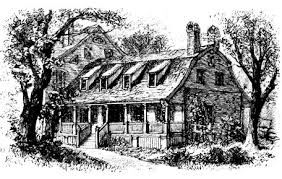
He named his estate Mount Gulian, in honor of his grandfather and had the first house on the site built between 1730 and 1740. The building was a small structure with an a-roof. Archaeological evidence suggests it was probably enlarged around 1767 and the characteristic gambrel roof as well as two porches were added between this year and the American Revolutionary War.
Mount Gulian III.jpg

Mount Gulian in an early picture

The Revolutionary War years:

During the war, Gulian Verplanck’s son Samuel stayed at the house, while his wife, Judith Commerlin remained at the family mansion at 3 Wall Street in Manhattan. In early 1783, Major General Friedrich Wilhelm von Steuben made Mount Gulian his headquarters. At the same time, George Washington had his headquarters in Hasbrouck House, Newburgh on the opposite side of the Hudson River.

On the morning of May 13, 1783, a group of officers of the Continental Army met at Mount Gulian to found the Society of the Cincinnati. Mount Gulian is headquarters of the Society’s New York State branch. The building was extended by in 1804 by Daniel Crommelin Verplanck, the grandson of Gulian Verplanck II, who also laid out the garden. When Marquis de Lafayette visited the house on his return to America in 1824, he stayed in the new addition.
Mount Guilian 2021

The Gardens of Mount Gulian at Christmas in 2021

In 1803, upon the death of Judith Commerlin Verplanck, the family mansion at 3 Wall Street was closed and much of its furnishings moved to Mount Gulian. In 1849, construction of the Hudson River Railroad cut off access to the Verplanck boat and bathhouse at the end of the property at the shoreline.

Mount Guilian 2021 VI

The view to Hudson River from Mount Gulian

The Restoration of the House:

The original mansion was destroyed in a fire laid by an arsonist in 1931. After this, the house laid in ruin and was left unattended until 1966, when Bache Bleecker, a descendant of the Verplanck family and his wife, Connie, founded the Mount Gulian Society, as a nonprofit private organization. The goal reconstructed the house to the state it was when it served as von Steuben’s headquarters. The interior contains artifacts related to the Verplanck family. The 18 century Dutch barn was moved here as well.

(This information came from Wiki and I give them full credit for the information)

History of the Verplanck Family:

Mount Gulian is the Hudson Valley colonial homestead of the Verplanck family. Between 1633 and 1638, a Dutch entrepreneur named Abraham Isaac Verplanck arrived in New Netherlands Colony (now New York and New Jersey) from Holland. He originally came to purchase land for a farming settlement and trading post.

The trading post would enable him to trade Dutch goods with the local Native Americans in exchange for beaver and other furs, Indian tobacco and trade goods that were rare in Europe. New Amsterdam was a thriving port and frontier town, filled with Dutch settlers, Indians and traders from all over Europe, Africans, both freemen and slaves, as well as French Huguenots seeking to escape from religious persecution in Europe and Jews fleeing the Inquisition in South American came to a relatively tolerant and busy New Amsterdam.

Abraham Issac Verplanck settled in the growing city and became a prosperous businessman. he married Maria Vigne Roos by 1635, they had Abigail and Gulian (Gulyn is Old Dutch for William), Catalyna, Isaak, Sussanna, Jacomyntje, Ariaentje, Hillegond and Isaak II moved to Albany and established the Verplanck line in that city, which exists today.

In 1664, an English nave appeared off the coast of New Amsterdam and demanded the city’s surrender. The Dutch surrendered their colony, swore loyalty to the British Crown and saw the city renamed New York. The Verplanck’s spoke Dutch but were now English citizens. By the 1680’s, Gulian Verplanck was sailing up the Hudson River looking for land to increase his wealth.

In 1683, with partners Francis Rombout and Stephanus Van Cortlandt, Gulian Verplanck bought 85,000 acres of land from the local Wappinger Indians for approximately $1200 worth of goods. About 75 miles north of Manhattan, overlooking the Hudson River for miles and going inland into rich meadows and forests, encompassing nearly one-seventh of modern Dutchess County, NY in today’s Fishkill-Beacon area, the purchase was quite a bargain. In 1685, the Deed of Sale was approved by King James II of England and is known as the Rombout Patent.

For the next forty-five years, Verplanck, Rombout and various partners and heirs sub-divided, sold off and rented portions of this huge tract of land, while logging, hunting and planting crops on the land.

During the English colonial period, the Verplanck’s became quite prosperous and built a fine home on Wall Street in Manhattan. The Verplanck’s were civic minded and participated in the development of the business and banking industry in New York City and were among the Trustees of Kings College, now known as Columbia University. Around 1730, a colonial-style fieldstone house was built in Fishkill Landing on the Rombout Patent land.

This rough frontier home was gradually surrounded by a working plantation, a dock on the Hudson that facilitated the New York-Kingston-Albany trade and many service buildings for servants and crop production. This homestead was called “Mount Gulian”, and it was used as a summer retreat for the family and a working plantation, but it is not believed that any family member lived at the site year-round until the early 1800’s. Other Verplancks at this time lived in Albany and Verplanck Point in Westchester County, NY.

The Verplancks were prominent citizens in colonial New York while maintaining correspondence with their Dutch relatives in Holland. Young Samuel Verplanck was fortunate enough to take “the grande tour” of Europe in 1761. As businessmen of that era, it must be noted that the Verplancks of Manhattan and Mount Gulian owned slaves during the mid-1700’s and into the early 1800’s, most likely house servants and skilled laborers.

Before the Revolutionary War, Samuel Verplanck became involved with anti-British groups and joined “the Committee of Safety of One -Hundred” in Manhattan. This patriot group was poised to take over the city in the event of rebellion, which occurred on April 19, 1775 at Lexington & Concord.

Later during the War for Independence, Verplanck turned over Mount Gulian to the Continental Army because of its strategic location on the Hudson near the Fishkill Barracks and across from Washington’s Headquarters at Newburgh. In late 1782, through the summer of 1783, Mount Gulian was the Continental Army headquarters of patriot General Fredrich Von Steuben. After the American victory at Yorktown, upon learning of the Treaty of Paris, General Von Steuben and other Chief American officers created at Mount Gulian on May 13, 1783, the Society of the Cincinnati, America’s first veterans’ fraternal organization.

In 1804, Daniel Crommelin Verplanck, a member of Congress moved from Manhattan to permanently occupy the home at Mount Gulian, which underwent extensive expansion with the addition of a large frame house attached to the original homestead. An ornamental “English Garden”, all the rage in Europe at the time, was laid out by him and his daughter, Mary Anna to supplement the 6 acres “kitchen garden” and the fields filled with salable crops. More permanent structures were built on the property, still thousands of acres, including barns, smokehouses, storage buildings and structures to facilitate brick making from clay taken from the Hudson.

The Verplanck family grew and eventually married into many prominent families in New York such as the Schuyler’s, the Johnsons, the Delancey’s and the Bleecker’s. Daniel’s son, Gulian C. Verplanck, also a member of Congress, ran for Mayor of New York in 1834, losing what many believe was a fixed election. Other Verplancks were judges, businessmen and wealthy farmers.

With slavery abolished in New York in 1827, the conservative Verplancks, along with many upper-class Northerners, gradually sided with the abolitionists, even hiring and assisting James Brown, an escaped slave who worked for the family for forty years. Brown’s diaries, written at Mount Gulian, provide a detailed record of daily life there.

During the Civil War, Robert Newlin Verplanck volunteered in the Union Army’s United States Colored Troops, training and fighting alongside black troops until the victory at Appomattox. His battlefield letters to his mother and sister have been preserved by Mount Gulian.

The Victorian era at Mount Gulian was a grand time, as the family associated with the local Livingstons, Roosevelts and Vanderbilts. Many Verplancks achieved fame in the professions, in arts and letters and as sportsmen. Verplanck Colvin was a topographical engineer who extensively surveyed the Adirondacks. Virginia E. Verplanck was a celebrated gardener and hostess. John Bayard Verplanck was an early seaplane flyer, racing World War I era veteran and banker.
Mount Guilian 2021 XVIII

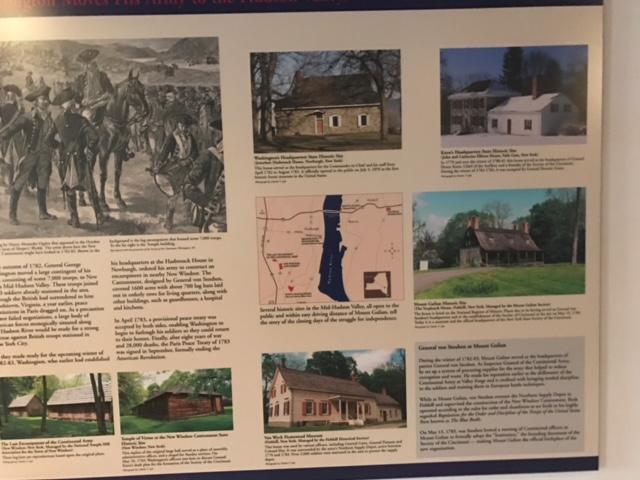
The history of the area around Mount Gulian

Mount Gulian was occupied by the Verplancks until 1931, when the house was destroyed by fire. Many of the furnishings and valuable were saved by family members, neighbors and firemen who cleared the house before it was fully engulfed.

Prior to the American Bicentennial of 1976, Mount Gulian was beautifully restored with the assistance of Verplanck descendants, local history lovers and members of the Society of the Cincinnati. In 1998, Mount Gulian sponsored a well-attended family reunion, which included an updated version of the family genealogy book originally from 1892. Today Ms. Charlotte Verplanck Willman is one of the Mount Gulian Historic Site’s Board of Trustees.

Mount Guilian 2021 XVII

The Order of Cincinnati

(This information was taken from the Mount Gulian Society website and I give them full credit for the information.)

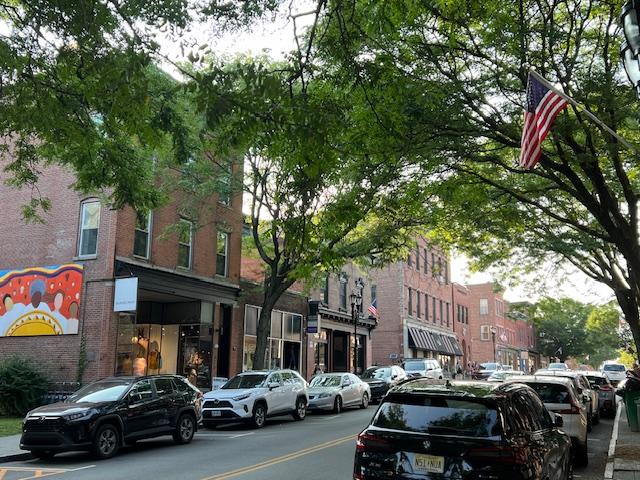
After the tour, it was a long walk in Downtown Beacon, NY to picture taking and window shopping.
Downtown Beacon, NY in the summer of 2024
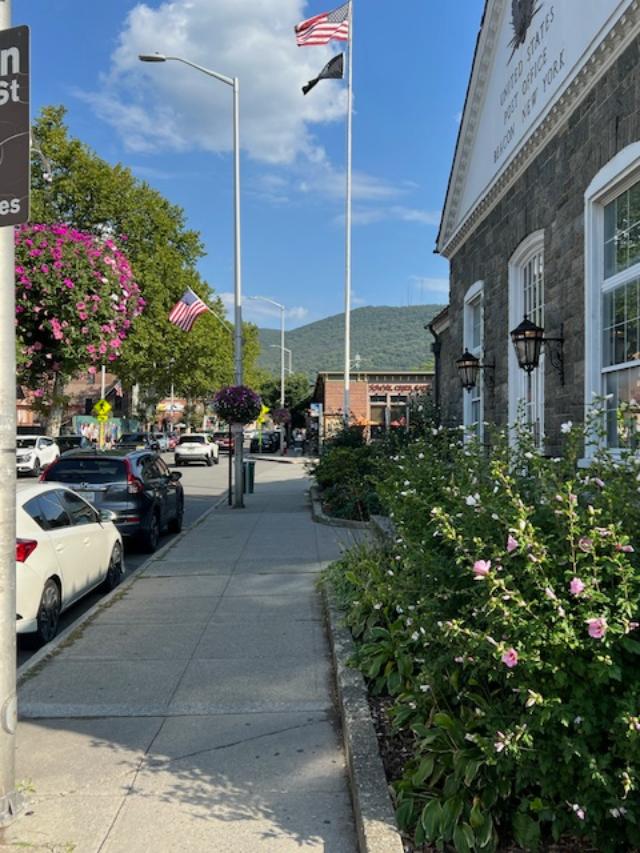
Downtown Beacon, NY in the summer of 2024
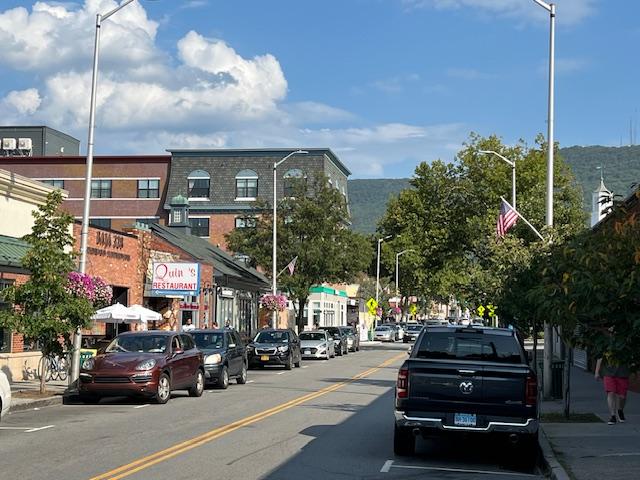
Downtown Beacon, NY in the summer of 2024
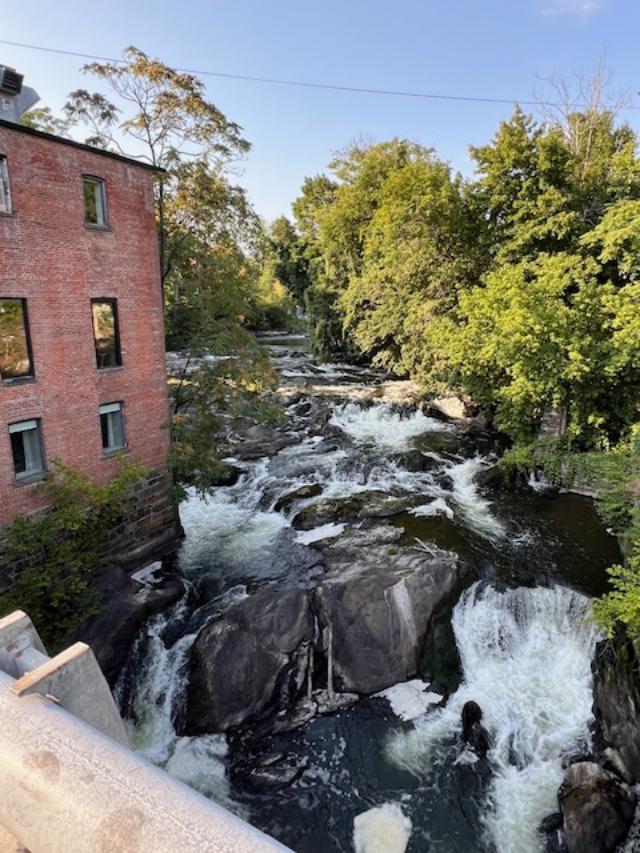
Downtown Beacon, NY falls in the summer of 2024

I also visited Downtown Beacon in December of 2024 for the pre-Christmas holiday season and the whole downtown was decked out for the holidays.
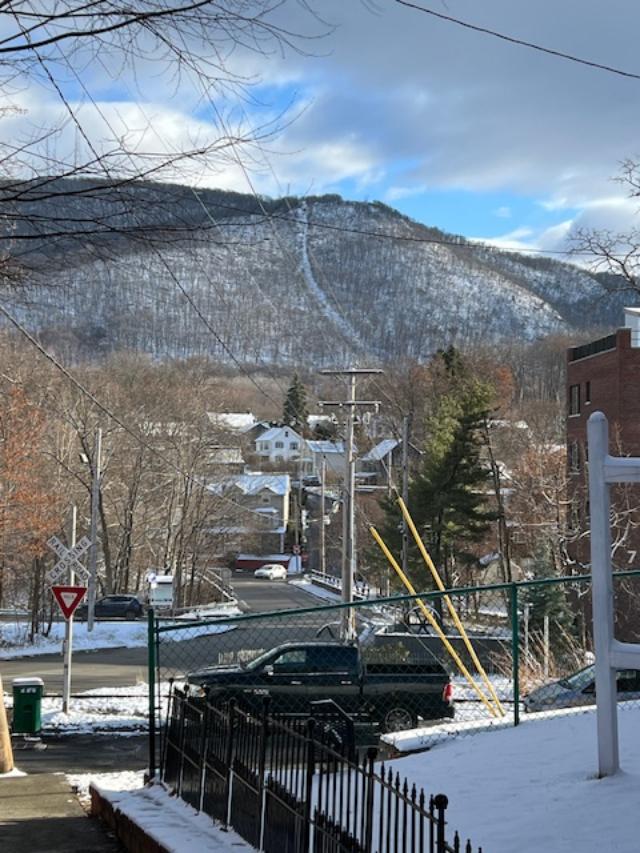
The Mountains behind the downtown glitter with the recent snowfall
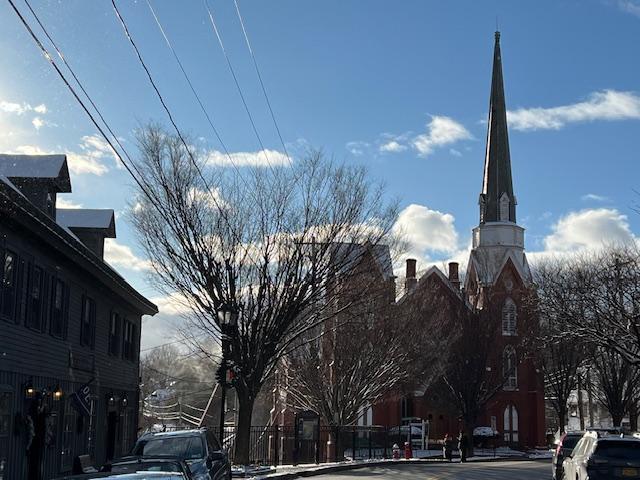
The edge of Downtown where the church is located
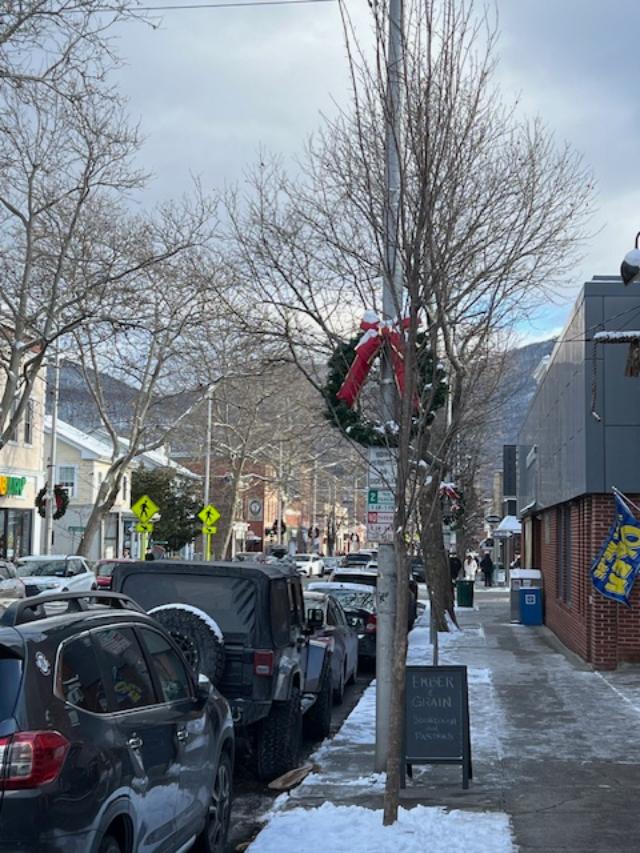
The downtown was decorated with wreaths and garland topped with fresh snow
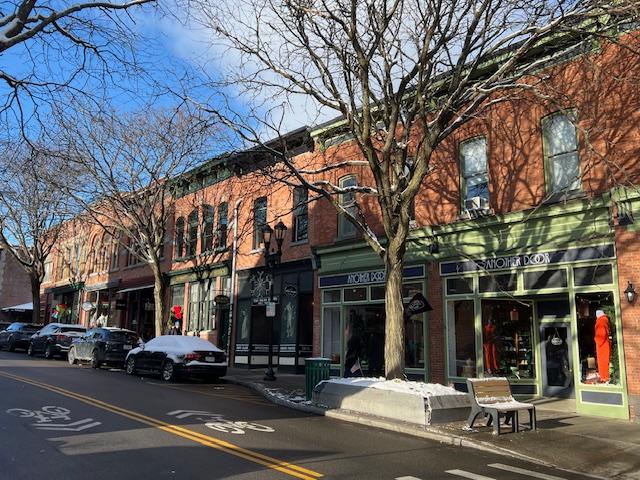
The store fronts during Christmas time in Downtown Beacon, NY

The Falls at Christmas time
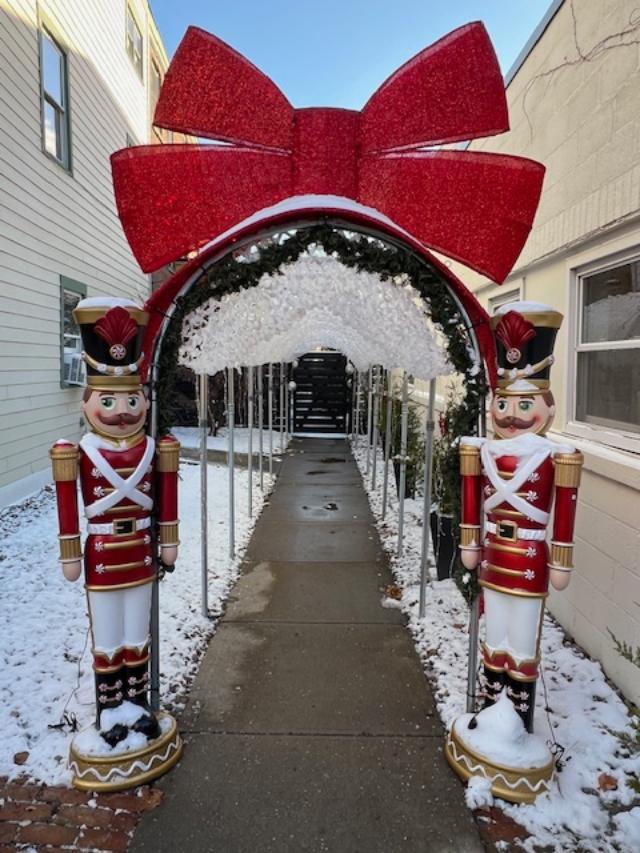
The Downtown Beacon decorations for the holidays

The festive and very creative signs of the merchants in the downtown area
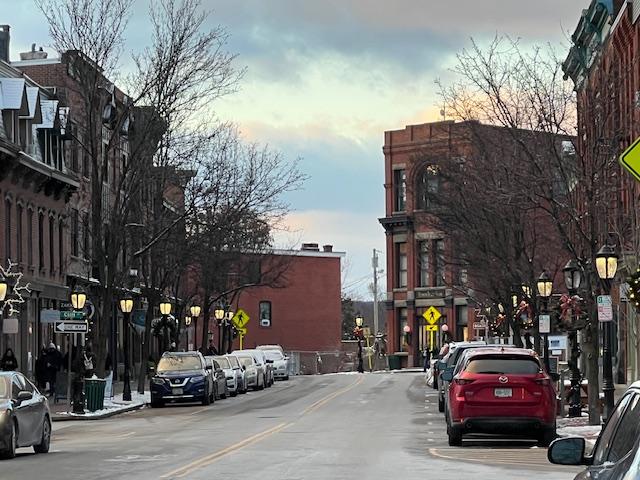
Downtown Beacon decorated for the holidays at dusk as the lights came on
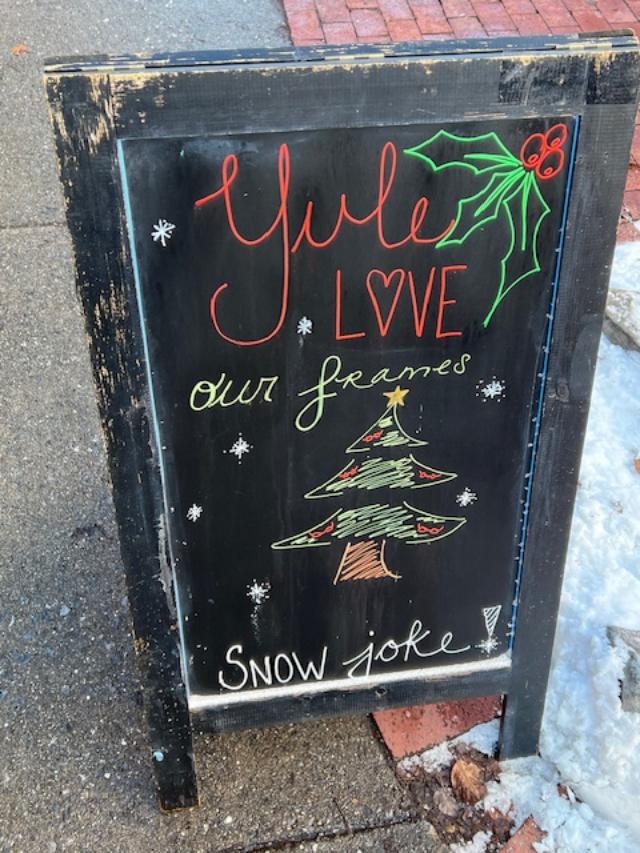
More merchant signs downtown
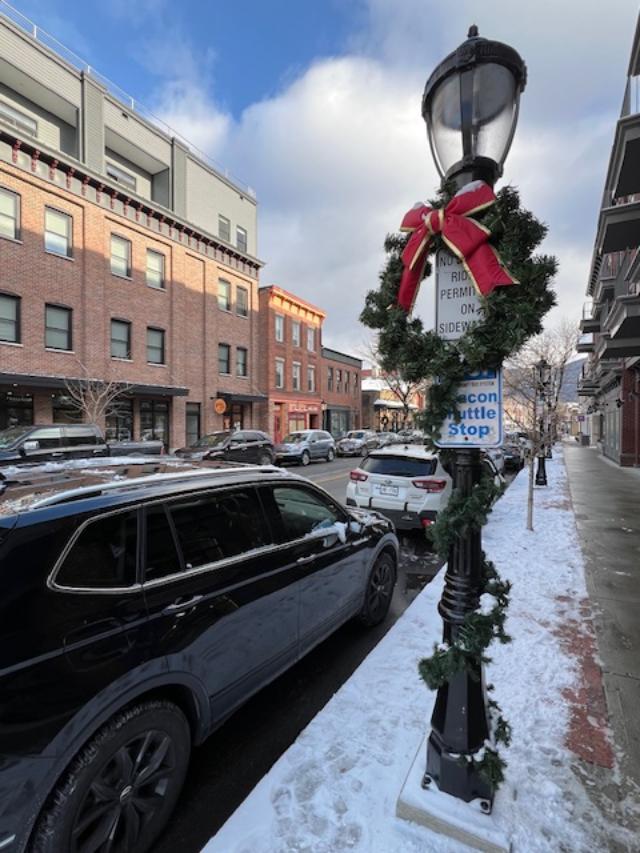
Each lamppost was festive and nicely decorated for the holidays

Clermont State Historic Site                          County Route 6                                    Germantown, NY 12526

Clermont State Historic Site County Route 6 Germantown, NY 12526

Clermont State Historic Site-New York Parks & Recreation

Route 6 (Off Route 9G)

Germantown, NY  12526

(518) 537-6622

https://parks.ny.gov/historic-sites/16/details.aspxhttp:/clermontstatehistoricsite.blogspot.comwww.friendsofclermont.org

https://www.friendsofclermont.org/

Open: April 11-October 31 Wednesday-Sunday 10:30am-4:00pm/November 1-

December 22/Saturday & Sunday 10:30am-3:00pm

Please call in advance due to seasons and weather conditions

Fee: Adults $7.00/Seniors and Adults $6.00/Children Under 12 and Members Free

My review on TripAdvisor:

https://www.tripadvisor.com/Attraction_Review-g47780-d263704-Reviews-The_Clermont_Mansion-Germantown_New_York.html?m=19905

Clermont Manor Estate off Route 9 in Clermont, NY

I enjoy coming up to Germantown to visit the Clermont Mansion at any time of the year especially at Christmas time. I came for a tour of Clermont in the Christmas season of 2019 (pre-COVID) to tour the home. The old mansions of the Hudson River Valley show their real beauty at this time of the year.

The Clermont Library decorated for Christmas

In 2020, the home closed like everything else for COVID and because of extensive renovations on the property and in the home, did not open again until June of 2023. I came up finally in July of 2023 for another tour of the home. The mansion looked very refreshed and bright on a blue, sunny afternoon. The grounds were in full bloom and everything looked so green.

The views of the river when you arrive

Walking around Clermont is like walking through a history book. To think you are walking around the very rooms that family members who wrote the Declaration of Independence, were Governors and Ambassadors from our country and who owned most of Upstate New York lived is really incredible. The Livingston Family did so much for the United States in the formation of this country is a testament to the family.

Once you arrive at the Visitors Center and pay for your tour, you will have time to walk around the exhibition of the history of the family in the old stables. Here you will learn about the family who built and lived in this wonderful home. The family lived here for seven generations and like most families over time when the money depleted, they had to move out. The last daughter of the family, Honoria, sold the estate to the State of New York as a park. The upkeep got to be too much for the family.

The Visitor’s Center display on the family

The family story boards in the old stables

The history of the estate and the Livingston family in the Visitor’s Center

The history of the estate

The tour 2019 was wonderful because of the one on one conversation I had with my tour guide, Molly. It was the same in 2023 when Aaron took me on a one on one tour of the mansion. We started in the entry hallway where the family hang many of the family portraits and the long hall lead to wonderful views of the Hudson River.

The Entrance Hall of Clermont

Just off to the right of the front entrance of the home (the front entrance faces the river not the back entrance where you start the tour) is the Receiving Room. This was the room in 2023 during my summer tour of the house. The Receiving Room is where guests would wait to be welcomed by family members or people would call on the family and leave their calling cards.

The Receiving Room was also used as a Music Room as well

The Receiving Room was decorated for the holidays in 2019 with more beautiful views of the river and a very interesting clock on the mantle that there are only two in the world. This clock represented the first balloon launch in France and this was the clock where the balloon went up. In France was the other clock with the balloon going down. I thought that was pretty interesting.

Clermont III.jpg

The Balloon Clock on the mantle decorated for Christmas

Our next stop was the Library which seemed very homey and relaxing. It looked like a room that a family would want to spend their time in after a long day. The windows faced the river and the formal gardens at that time and let in a lot of light. The room was decorated with a elegant tree and looked like the family was ready to walk in and join us for the holidays.

The Library of Clermont

The Office/Library on the first floor

Next it was off to the formal Dining Room where the portraits of Margaret Beekman Livingston (a VERY distant relative of mine by marriage) and her husband, Robert Livingston hung. She had saved these along with the grandfather clock before her first house was burned by the British during the war years. It was set for Christmas lunch when the family would dine together.

Clermont V.jpg

The Clermont Dining Room is very elegant at Christmas. This is in 2019 (pre-COVID)

In the summer months, the room was pretty plain with no set up on the table. The Dining Room has just had some renovation work so the walls and ceiling looked really nice.

The Clermont Dining Room in the summer of 2023

The Dining Room portraits

Margaret Beekman Livingston’s Wedding portrait in the Dining Room

Robert Livingston’s Wedding portrait in the Dining Room

We also toured where the food was prepared and prepped from the kitchen to the Dining Room, which was all done in organized fashion. I was told by the tour guide that for the most part the family lived here year round unlike some of the other mansions who only lived here during certain times of the season.

The Kitchen at Clermont

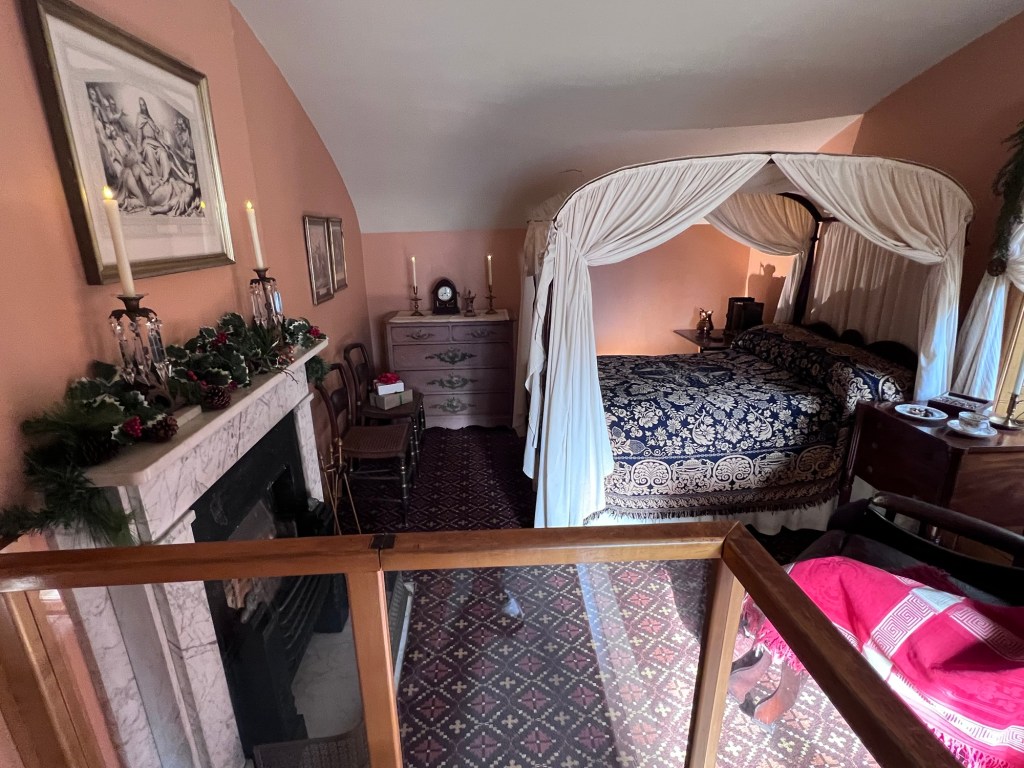
We took a walk upstairs to see the upstairs bedrooms and see where the third Mrs. Livingston lived. I thought it was interesting that she had two beds in her room in which neither was big enough to accommodate her. One was the main bed and the smaller one was a Day bed when she wanted to take a nap but did not want to mess up her main bed.

The last Mrs. Livingston’s bedroom until the 1960’s

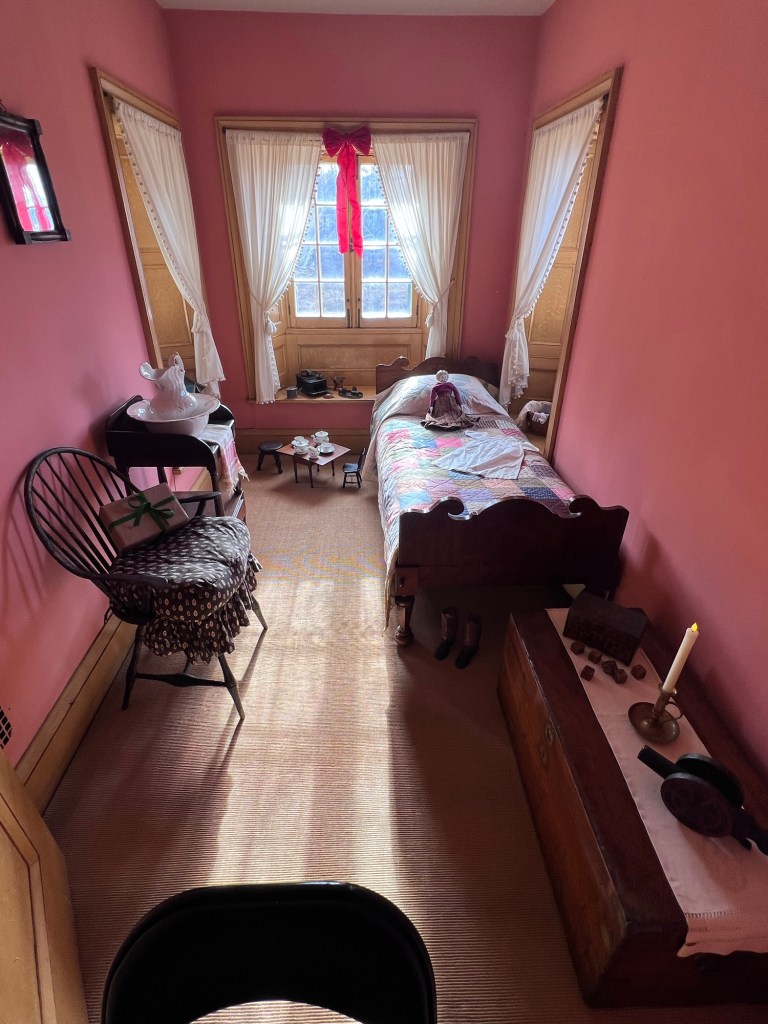
We then toured what had been Honoria’s and Alice’s bedroom when they were children and then became the Guest Room. It still looked like a Children’s Room.

The Daughter’s/Guest Bedroom

Then it was back down to the formal hallway for the end of the tour. The one thing I have to say about Clermont is that it looks like someone’s home not some grand mansion like the Mills or Vanderbilt mansions that looked like they for a moment time or only for a season. This family lived here all the time.

The upstairs bathroom was one of the remodeling features

The family lived here until the 1960’s when upkeep of the estate got to be too much for the family and it was sold to the state. The New York Park is now maintained by the New York State Park system.

The Gardens:

The formal gardens were in bloom when I got there that weekend. Since the house opened in June most of the Spring plantings were already gone but the Summer plantings were in full bloom. There were three gardens on the property, two of which had been brought back to nature, the Wilderness Garden and the South Spring Garden and then the Walled Garden was well maintained and planted.

The Wilderness Garden was well-maintained and planted with natural plants

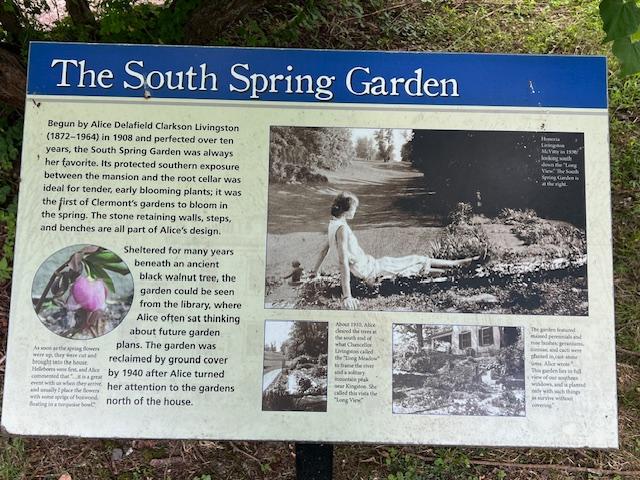
The South Spring Garden

The South Spring Garden has given way to nature

The Walled Garden was the most formal of all the gardens

The Walled Garden

The Walled Garden

The Walled Garden

The Walled Garden

The Walled Garden

In the Fall, I went back up to Clermont for the Ghost Tour and the foliage was amazing, but the rain knocked a lot of it off. Still the colors were glorious.

Clermont in the Fall of 2023

The formal gardens in the Fall

The formal gardens in the Fall

The gardens in the Fall.

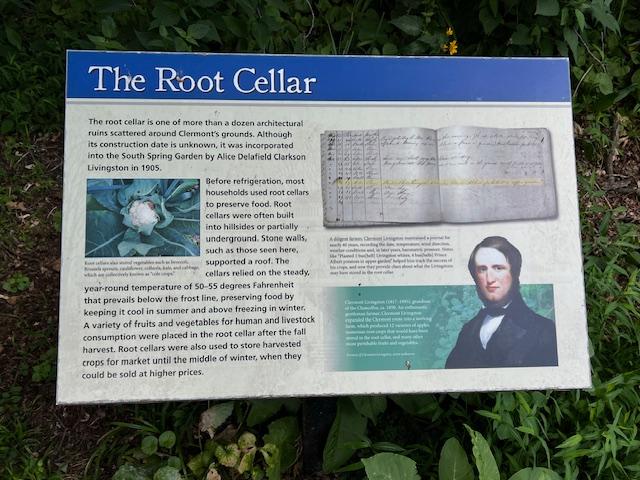
The I toured the rest of the estate and saw the ruins of the other mansion, Arryl, that is on the other side of the parking lot and then saw the ruins of the Old House and the Root Cellar.

The Ice House

The Root Cellar

The flowers by the Root Cellar

View of the Hudson River

The History of Clermont:

The name Clermont derives from “clear mountain” in French and was inspired by the view of the Catskill Mountains across the Hudson River from the estate.

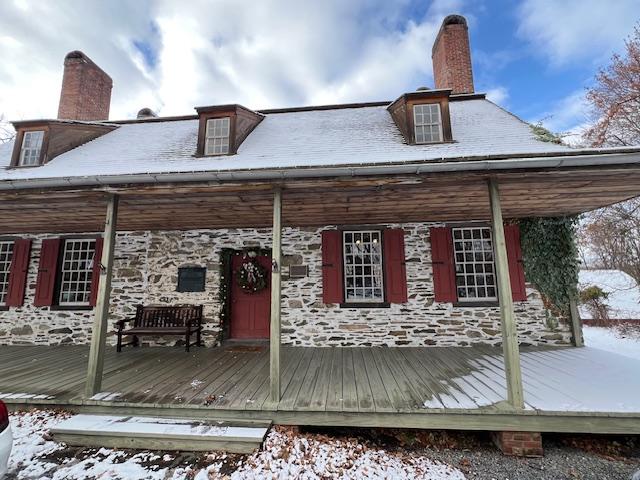
The front of Clermont that faces the Hudson River

The estate was established by Robert Livingston following the death of his father, the first Lord of the Manor was inherited by the eldest son, Philip Livingston, 13,000 acres in the southwest corner later named Clermont was willed to Robert. The original house was built around 1740.

The path leading to the main house

Robert Livingston of Clermont died on June 27, 1775 and the estate passed to his son, Robert, who was known as ‘Judge Livingston’ to distinguish him from his father. Judge Livingston was a member of the New York General Assembly from 1759 to 1768, served as Judge of the admiralty court from 1760 to 1763 and was a delegate to the Stamp Act Congress of 1765. He married Margaret Beekman, daughter of Colonel Henry Beekman. Their son, Robert R. Livingston, later known as “Chancellor”, served on the committee that drafted the Declaration of Independence. Judge Robert died about six months after his father, on December 9, 1775.

Burning and  Rebuilding:

In October 1777, British ships sailed upriver from New York City in support of General John Burgoyne who was north of Albany. That same force had already stormed two forts in the Hudson Highlands and burned Kingston, New York. Major General John Vaughan led a raiding party to Clermont and burned Livingston’s home because of the family’s role in the rebellion.

The history of the ‘famous’ Robert’s of Clermont

Margaret Beekman Livingston rebuilt the family home between 1779 and 1782. Robert R. Livingston became the estate’s most prominent resident. Chancellor Livingston administered the oath of office to President General Washington, became Secretary of Foreign Affairs and negotiated the Louisiana Purchase.

Margaret Beekman Livingston

He also partnered with Robert Fulton in 1807 to create the first commercially successful steamboat on the Hudson River, the North River Steamboat (later known as the Clermont) which stopped at the house on its inaugural trip.

Robert Livingston in the famous Gilbert Sullivan painting.

The home’s final Livingston owners were John Henry Livingston and his wife, Alice. They added to the home and greatly valued the homes important historical role. The Livingston’s built second mansion on the property known as Arryl House, which burned down in 1909. The ruins of Arryl House are still visible at the south end of the property.

The burnt ruins of Arryl Mansion on the other side of the property.

The Arryl Mansion in the Fall of 2023

Alice Livingston was responsible for creating many of the landscaped gardens that are continued to this day. Following John Henry’s death, Alice turned the Mansion and property over to the State of New York in 1962 so that all the people of New York could enjoy it.

The landscaping around the old Ice House

The house is now a New York State Historic Site and was designated a United States National Historic landmark in 1972. It is a contributing property to another National Historic Landmark, the Hudson River Historic District. Although locate in the town of Clermont, its mailing address is in the nearby town of Germantown.

The views from the back of Clermont to the Hudson River

(This information is a combination from the Clermont Website and Wiki and I give them full credit for this information. Please check the website above for more information on the site and its activities through their Friends site.)

The Clermont Grounds

The Fall in the Hudson River Valley is one of the most brilliant times to visit and the foliage is so colorful. The constant rain knocked a lot of it down already but all around the house their were still signs of the reds, golds and oranges. I came up for the Ghost Tours which the mansion resumed this year to sold out crowds.

The Clermont Estate in the Fall.

The river front of the estate in the fall.

The Hudson River in all its glory.

The Ghost Tour of the estate:

The Ghost Tour took us on a tour through the house to meet the costumed characters throughout the mansion. The mansion was decorated for the Halloween and with the lights dimmed, it gave the house an eerie appearance to it.

When I arrived at the estate, the house loomed in the distance in its it glories with the golden colors of autumn.

Jack-a Lanterns lined the pathways and lit the way to the house.

We were greeted with fresh Apple Cider Doughnuts and Apple Cider from a local farm in Kingston, NY.

We were also treated to old fashioned Halloween candy with Mary Janes, Tootsie Rolls and other treats.

We started our tour at 7:00pm at twilight with the lanterns lit and the house waiting in the distance.

The hallway was decorated for Halloween.

First we met an embittered Robert Livingston (who over acted)

We stopped in the haunted Living Room to talk to the maid.

We met the ghost of Janet Livingston Montgomery in the Parlor.

Then it was off to the Dining Room to meet the last inhabitant of the house, Janet Livingston.

Margaret Beekman Livingston guarding the Dining Room.

On the way to the kitchen, we met Captain Kidd, the Livingston children and the last owners of the house on the way out the back door to end the tour. The whole tour took less than an hour.

We exited the house through the kitchen and out the door to a moon lit night with jack-a-lanterns taking us back to the Visitors Center. The night had fallen in the early evening at the mansion as we were the second to last tour of the evening and the moon had come out giving the sky a ominous and spooky look about it.

I visited again for the Christmas Open House in early December to see the decorations. I had not been there since 2018 and wanted to see how things had changed for the winter months. Everything was decked out for Christmas. The rooms were decorated but not in an over the top way as some of the other Hudson River homes.

The Clermont Estate at Christmas time.

The Clermont Estate at Christmas time.

The Front porch at Christmas time.

The Christmas tree on the porch.

Even the logs on the porch were decorated for the holidays.

The entrance foyer from the stairs.

Upon entering the front door, you could see the beauty and simplicity of the Christmas holidays in the early 1800’s before Victorian traditions took over and the house was overdone with decorations. Garland, Holly and simple pine trees adorned the rooms and welcomed everyone to the Christmas Holiday Open House sponsored by the Friends of Clermont. The home was nicely decorated for the holidays circa 1840’s.

Entering the Front Door at Clermont at Christmas.

The wreath was beautiful on the door.

Livingston Painting in the foyer

The Sugar Spun Clermont Sculpture.

Painting in the Foyer of Robert Livingston

Portrait of Margaret Livingston in the Foyer.

The holiday display.

The Office of Clermont

The Table Top tree in the Office.

The Library was set for Christmas morning with a large tree, homemade presents from the family and a morning of Christmas cheer. The views from the windows would have shown the beautiful views of the river.

The Library at Clermont

The Clermont Library at Christmas time.

The Christmas tree in the library.

The Library decorations.

Library decorations.

The Living Room was set for Afternoon Tea and for greeting guests who would have entered through the front door right off the main hallway.

The Living Room decorated for Christmas.

The Living Room was set for Afternoon Tea.

The portrait of Robert Livingston in the Living Room.

The portraits of Alida and Robert Livingston.

The Dining Room was not set for dinner but in anticipation of the holidays. The elegant runners, china, crystal and silver were off to the side awaiting the servants to set the table and prepare for Christmas dinner.

The Dining Room decorated for the holidays.

Holiday display in the Dining Room.

The Wedding Painting of Margaret Beekman Livingston in the Dining Room.

The family’s private bedrooms were decorated with garland and a small tree in the foyer.

Heading to the Second Floor of Clermont.

The view of the foyer from the upstairs.

The Livingston girls Bedroom.

The Livingston girl’s doll adorns the room.

The Christmas tree in the upstairs Foyer outside the bedrooms.

The Gingerbread House display in the Foyer.

When touring the kitchen which is located to the side of the house, the counters and tables were filled with all the delicious foods that would have been served at Christmas. Roasts, Trifles, Cakes and Pies would have been served by the staff for holiday get togethers and dinners at the mansion.

The Kitchen staff preparing the family’s Christmas dinner feast.

Preparations for Christmas dinner for the family.

Preparing Christmas dinner in the kitchen at Clermont.

After the Christmas Open House tour was over, the Friends sponsored Marshmallow roasting on the front lawn of the mansion and refreshments and talks up at the Visitors Center.

Roasting Marshmallows over the firepit on the mansion’s grounds after the walking tour of the mansion.

Christmas cookies, Apple Cider and Classic Candies in the Visitors Center ended the tour and the Open House for the day.

After the tour was over, I toured the gardens, which were dormant at the time and the grounds along the Hudson River. The views were just amazing and the gardens awaited the coming of the Spring when flowers would be blooming again.

Both the Open Houses at Halloween and at Christmas are a lot of fun and very special at Clermont. The Friends of Clermont do a nice job depicting the holidays and how the family would have celebrated them.

In the Summer of 2024, I took a special Garden Tour of the Livingston Gardens. A new Lead Gardener had been hired by the State of New York and she was starting to renovate the gardens. So we took a tour of the four gardens near the mansion. While we toured the estate grounds, we visited the South Spring Garden, the Walled Garden, the Children’s Garden and the Cutting Garden to see how they were progressing. The staff here is doing a good job bringing these gardens back to life to how Alice Livingston envisioned them.

The first was the South Spring Garden which is closest the house. This was built when the stairs to the side of the home were built and one of Alice Livingston’s first gardens.

The South Spring Garden sign

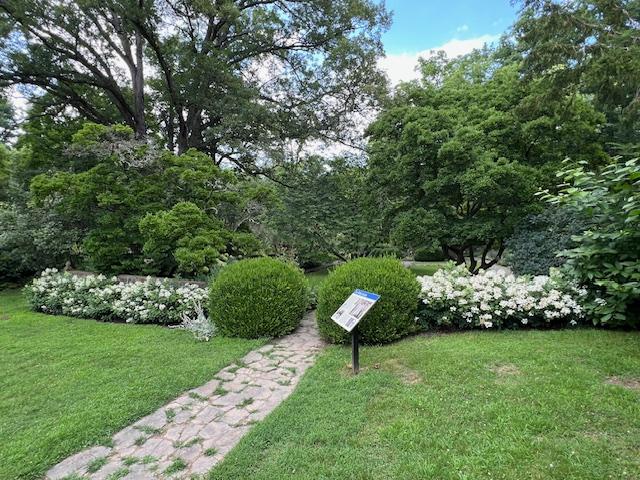
The South Spring Garden in Summer 2023

The South Spring Garden being cleaned up in Summer 2024

The grown in wall of the South Spring Garden

The Root Cellar sign

The Root Cellar remains by the South Spring Gardens

The flowers in the South Spring Gardens

The sign for the Walled Garden

The Walled Garden

The Walled Garden

The Walled Garden

The Walled Garden

The Walled Garden Statuary

The Walled Garden

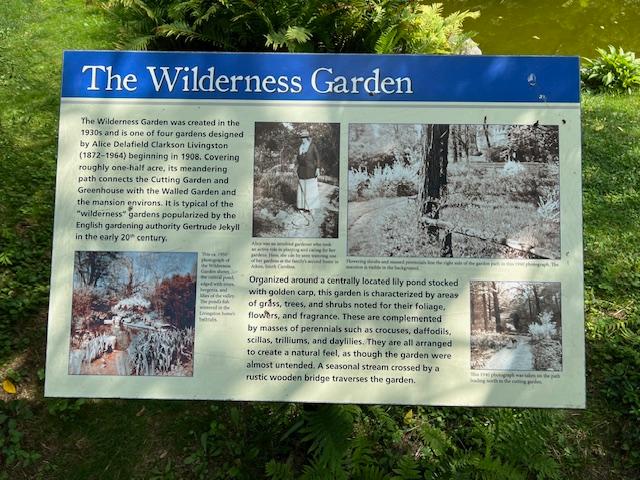
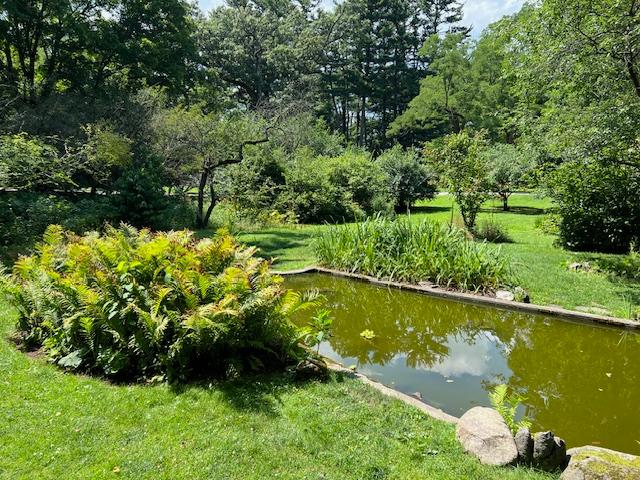
Then we visited the Wilderness Gardens that were just beyond these and they also had been brought back to life by the gardeners. This was to be a transition from the formal gardens to the woods.

The Wilderness Gardens:

The Wilderness Gardens sign

The Wilderness Gardens

The Wilderness Gardens

The we visited the Children’s Garden and the Cutting Gardens which were the newest gardens on the estate. The Children’s Garden playhouse had just been renovated and the beds had been replanted.

The Children’s Garden with the Children’s playhouse

The Children’s Garden from the entrance

The Children’s Garden Garden

The Children’s Garden

The Cutting Gardens were created so that Alice Livingston could grow the types of flowers that would decorate the house at various points in the season. These gardens have been brought back to their original purpose and the flowers and assortments that have been planted are colorful and the fragrances are so nice. On a beautiful day, walking amongst the beds is so nice and relaxing.

The Cutting Garden

The Cutting Garden

The Cutting Garden

The Cutting Garden trellis

The bridge between the Walled Gardens and the Children’s and Cutting Gardens

The Gardens Tour was very informative. Alice Livingston’s love of flowers and how they accented the house were her pride and joy. The Cutting Garden were all the flowers that she used to decorate the house with and the Children’s Gardens taught her daughters responsibilities and knowledge of horticulture.

The biggest problem in recent years is how to maintain all these gardens. This takes a lot of effort and work to weed. plant and prune these beds and make them look nice. The new gardener hired by the State and her team of two staff and volunteers are doing a nice job cleaning out the old beds and replanting and pruning all the plants and bushes that were already there. You can tell by the pictures there is a lot more to do but the gardens are on their way back to their original look.

After touring the mansion at Christmas time in December 2023, I visited Downtown Germantown, which itself was decorated for the both holidays.

Downtown Germantown, NY decorated for the Christmas holidays.

Exploring Germantown, NY:

Downtown Germantown during the Christmas holidays.

Downtown Germantown at the Christmas holidays.

Downtown Germantown for the Christmas holidays and church service.

After the tour in July 2024 for the Summer Garden tour, I revisited Germantown again to see what it was like during the summer months. It is a very active and historical downtown with nice restaurants and shops, a wonderful gourmet grocery store and beautiful historical churches. It is a nice place to spend the weekend when touring the mansions in Columbia and Duchess Counties.

Germantown in the Summer of 2024:

Downtown Germantown, NY in the summer

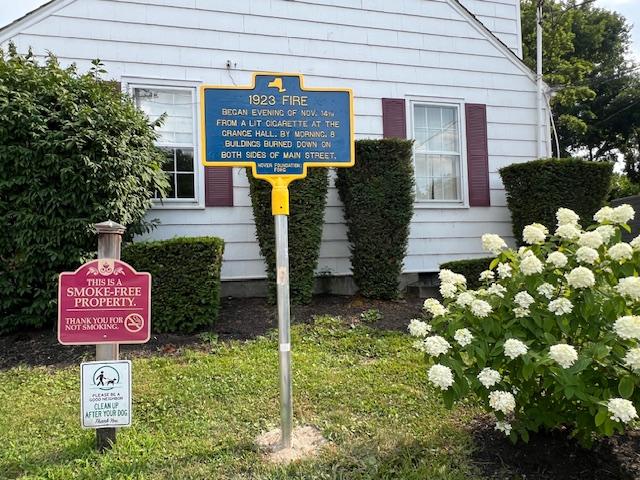
The town square and historical sign

The Inn downtown

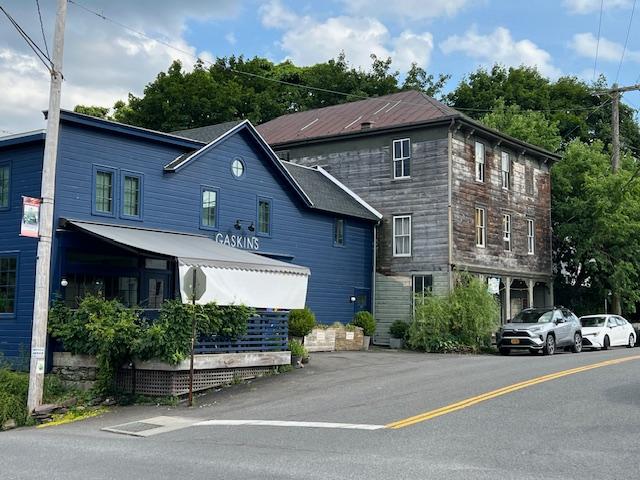
The restaurant row of Germantown with Gaskin’s in the background

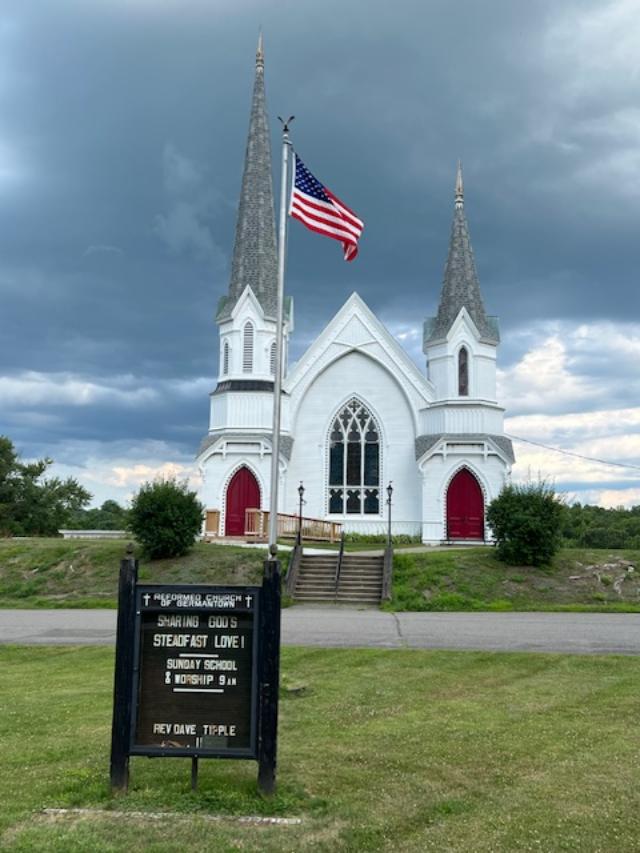
The Reformed Church of Germantown. For some reason the clouds started to roll in after a sunny day.

The church grounds across the street

Germantown is a small town that keeps changing as more people from the City move up to the Hudson River Valley. A lot of the buildings in town are becoming art galleries, furniture shops and new restaurants. With each season, there are more changes coming to the town.

Washington Irving’s Sunnyside                                     3 West Sunnyside Lane                              Irvington, NY 10533

Washington Irving’s Sunnyside 3 West Sunnyside Lane Irvington, NY 10533

Washington Irving’s Sunnyside

3 West Sunnyside Lane

Irvington, NY  10533

(914) 591-8763

Admission: Please see their website

Open: Please check the website for seasonality

My review on TripAdvisor:

https://www.tripadvisor.com/Attraction_Review-g48720-d3680157-Reviews-Sunnyside-Tarrytown_New_York.html?m=19905

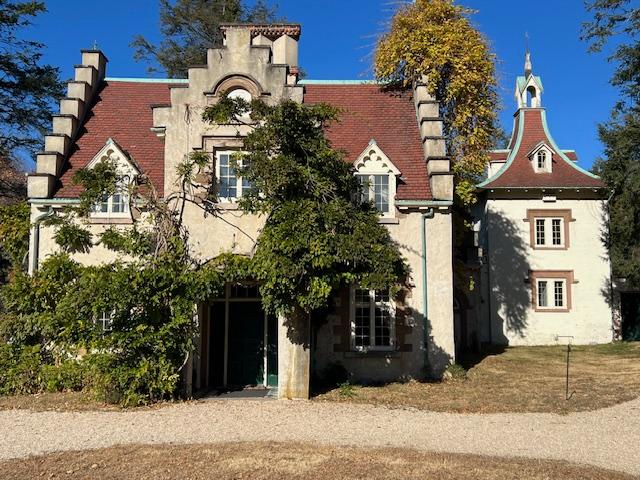
The front of Sunnyside in the Fall of 2024

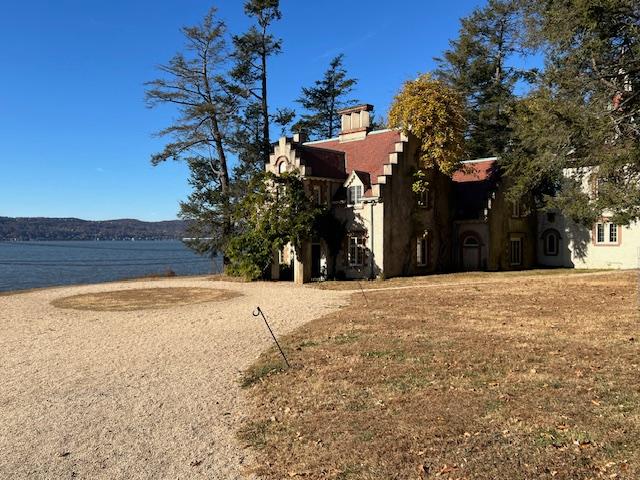
Washington Irving’s home, Sunnyside is open during the warmer months of the year, closing at the end of October. The house looks like a enchanted cottage with almost a fairy like appearance right on the banks of the Hudson River with the most spectacular views of the river valley and the Tappan Zee Bridge in the distance.

Sunnyside during the Fall of 2024

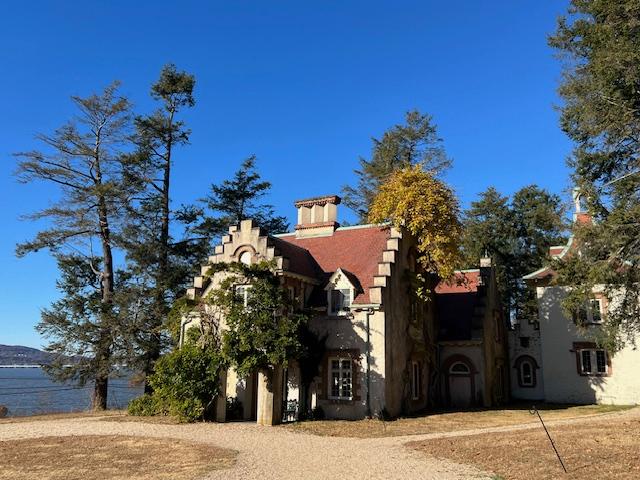
The house was designed by architect George Harvey and reflects the Dutch Colonial Revival, Scottish Gothic and Tudor Revival influences with wisteria growing up and around it and a jagged crow stepped gable.

The front of Sunnyside in the Fall of 2024

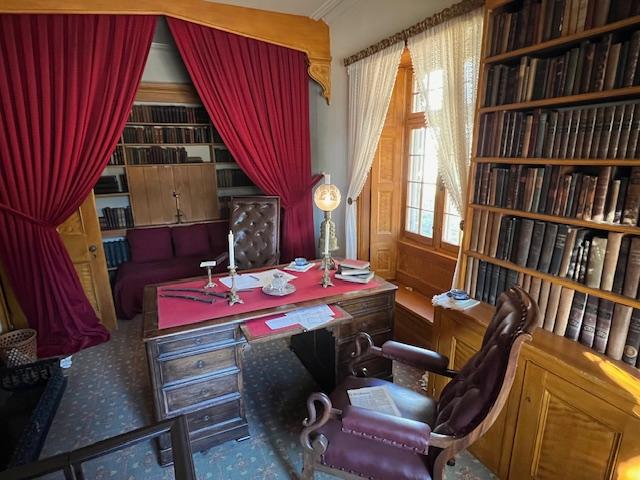
When walking through the home, you will see the study where Washington Irving conducted the business of the house and did his writing. To the other side of the house, you will see the living room and small dining room where the family used to entertain.

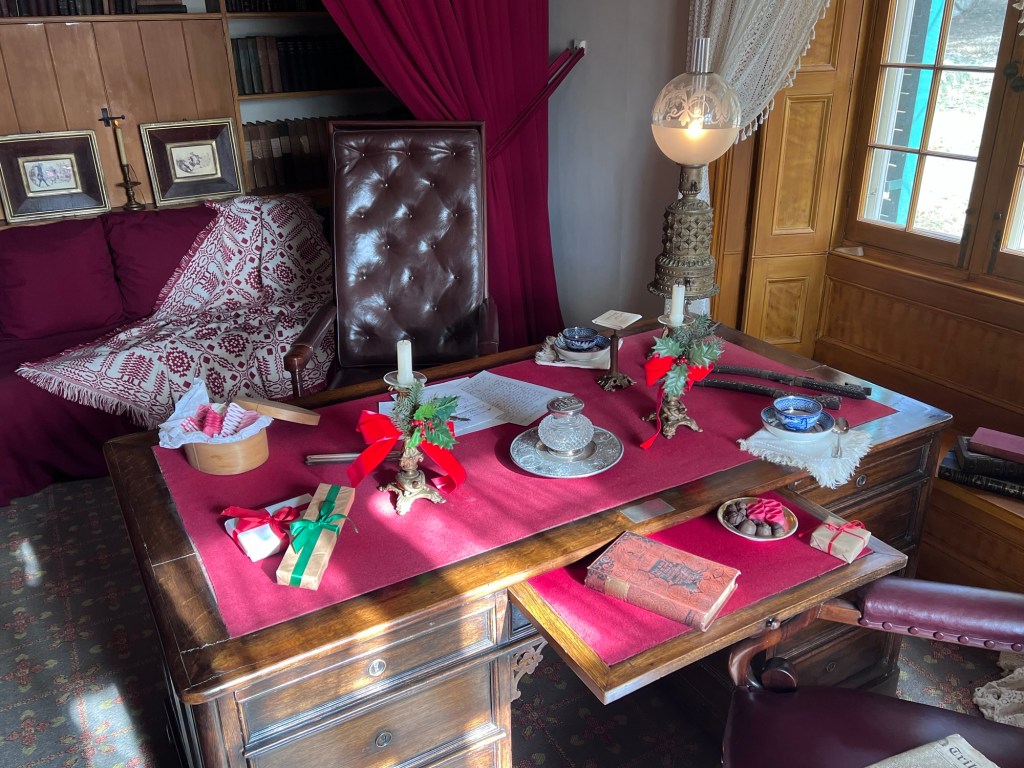
Washington Irving’s Study

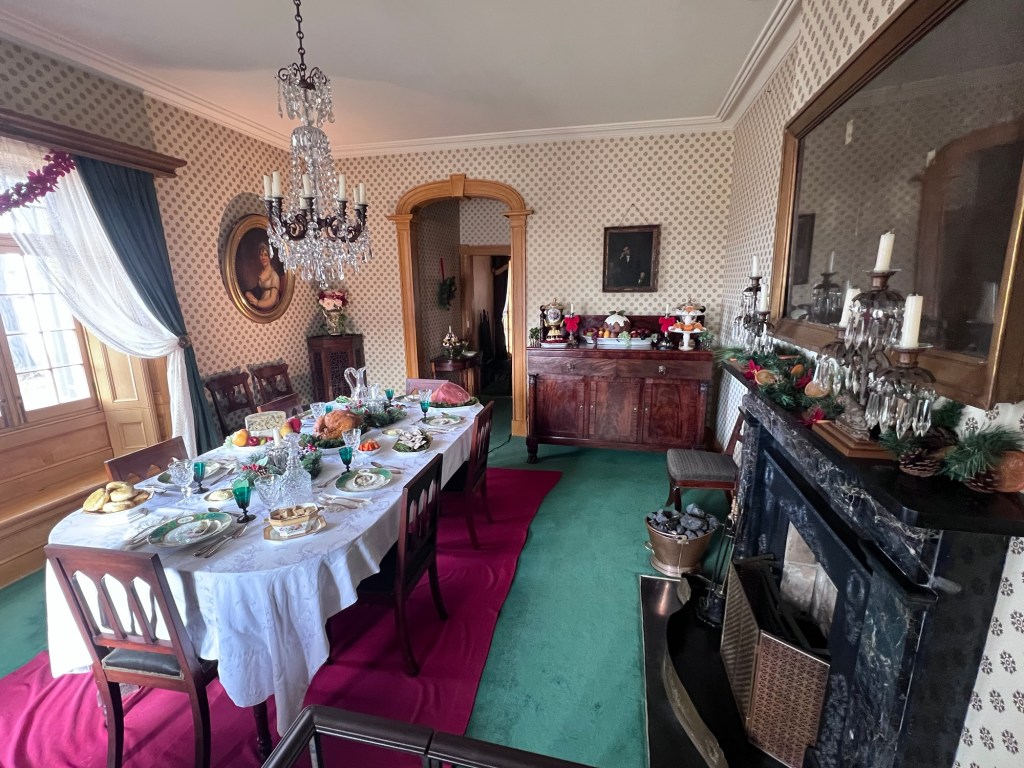
The Dining Room set for a formal lunch

The Dining Room in the Fall of 2024

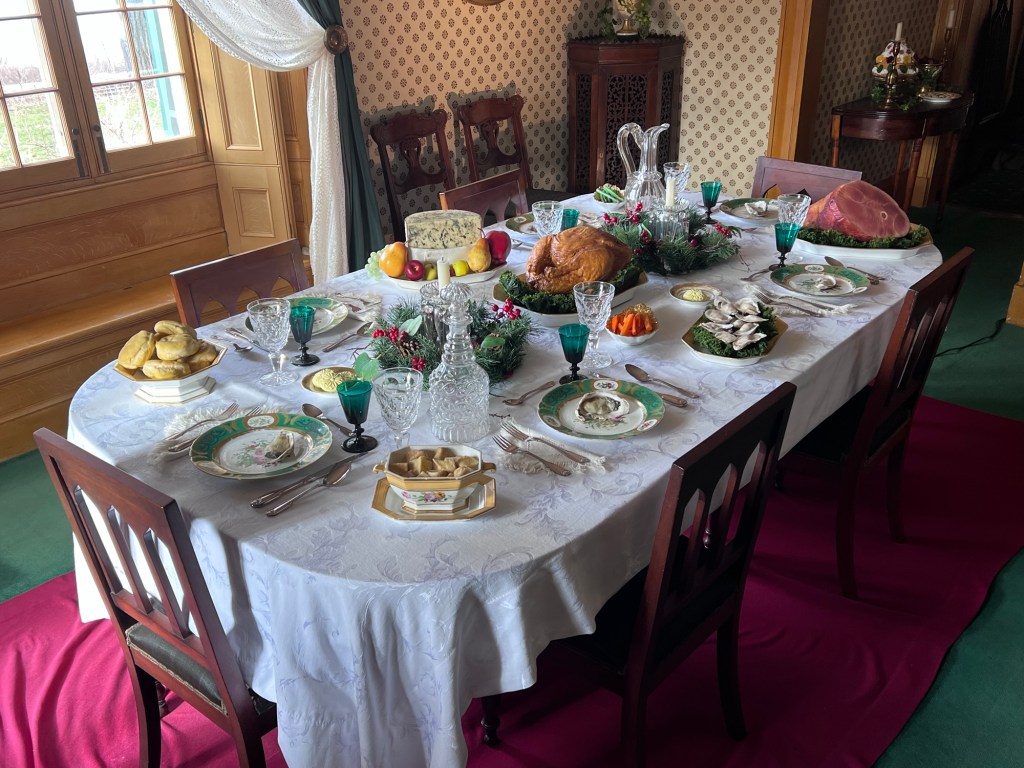
The formal meal at the afternoon

The hallway between the Dining Room and the Living Room

The Living Room where the family gathered and entertained visitors

The Living Room of Sunnyside

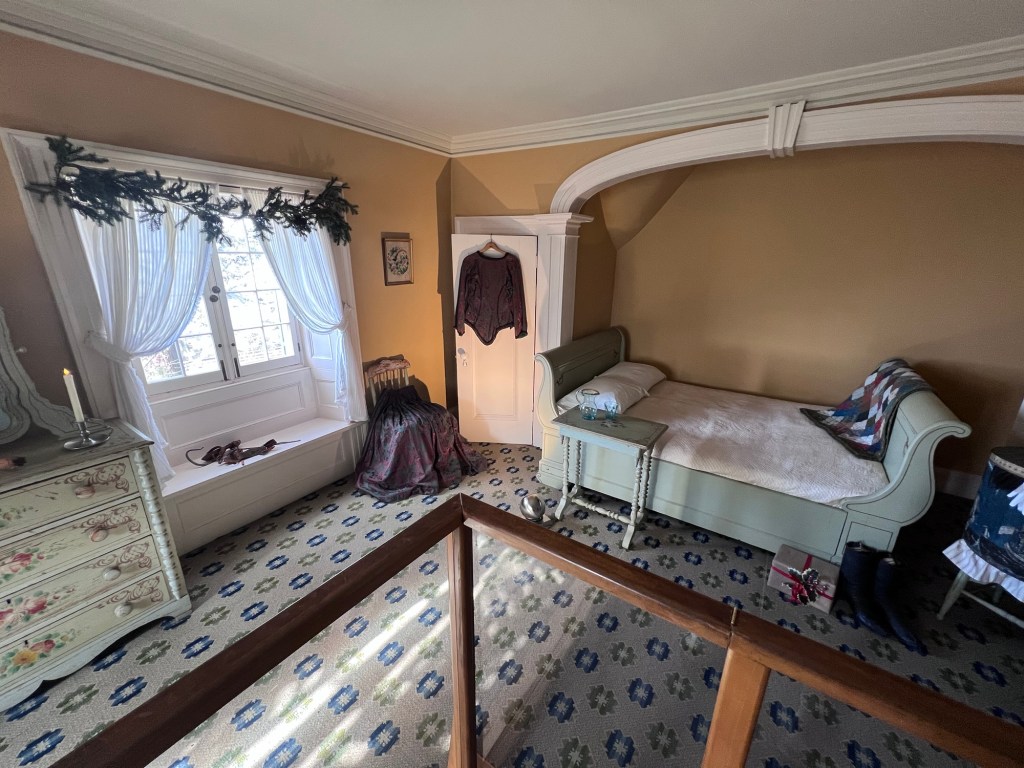
The upstairs contains small bedrooms where Washington Irving, his brother, Ebeneezer and his five nieces lived on and off when they were living at the house. Washington’s brother’s business had failed and the family came to live with him. Two of the nieces never married and ran the home for their uncle.

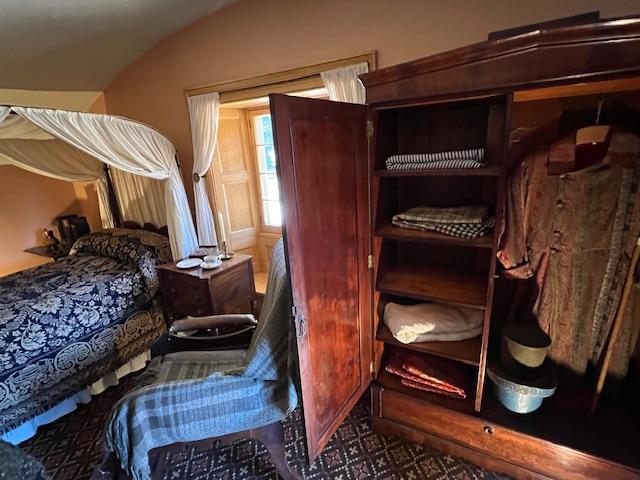
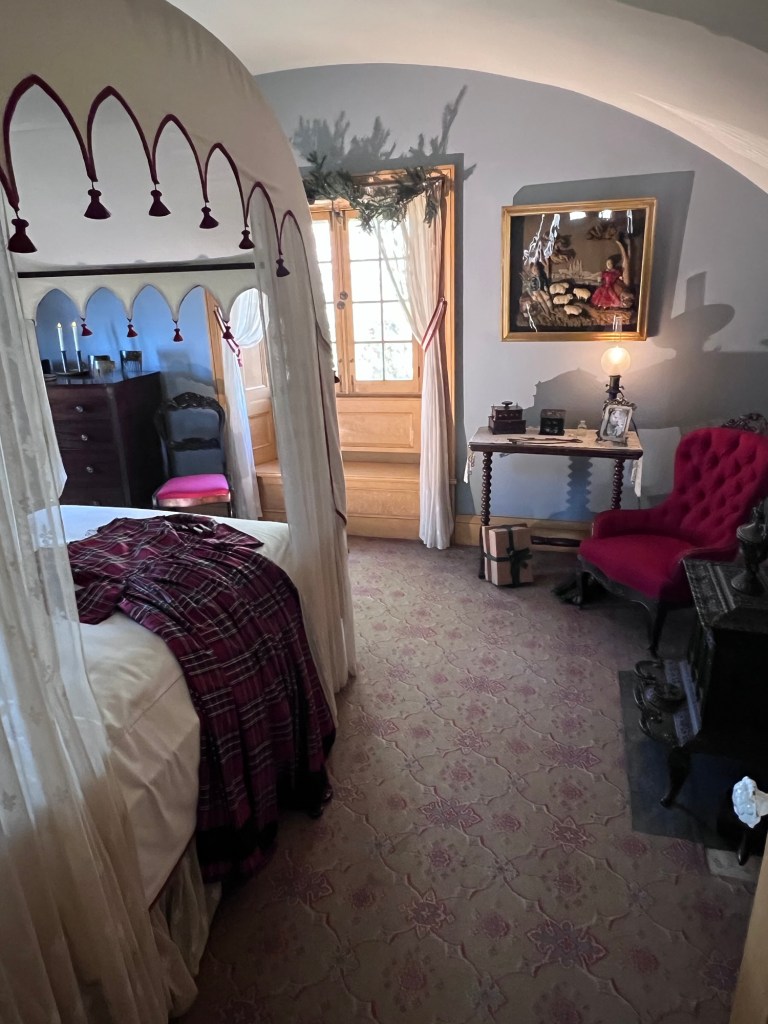
The Guest bedroom at Sunnyside

The Guest Bedroom

The Children’s Bedroom that catered to the little guests

The house is nicely furnished in the most modern decor of its time but is not an elaborate house. It is a home and not a weekend mansion and this ten acre estate was a once a  working farm. In the back of the house, there is an ice house and a barn show where the people who worked on the estate kept the house running.

Ebenezer’s daughter’s room

Ebenezer’s Room in Sunnyside; Ebenezer was Washington Irving’s Older Brother

Washington Irving’s bedroom

Washington Irving’s bedroom

The view of the river is one of the most spectacular in the Hudson River Valley as its at the widest part of the Hudson River. You can see the cliffs of New Jersey on the other side with views of Nyack and the Tappan Zee Bridge in the background.

The grounds of Sunnyside

The grounds of Sunnyside

During the Fall season there are all sorts of activities going on at the estate and the tours are a very interesting look at life at that time. The Kitchen staff ran the home for social calls and main family meals as well as all the things it took to run the household.

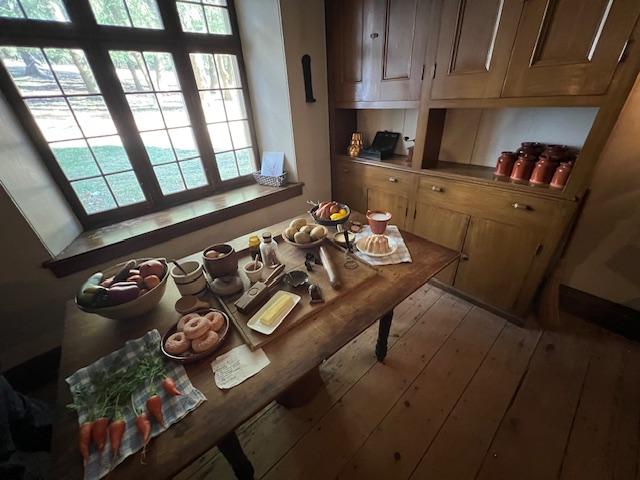
The Sunnyside Kitchen

The kitchen and pantry area

The stove in the kitchen

The delicious items that were prepared in the Country kitchen

The sink area of the kitchen

The Cooks Kitchen

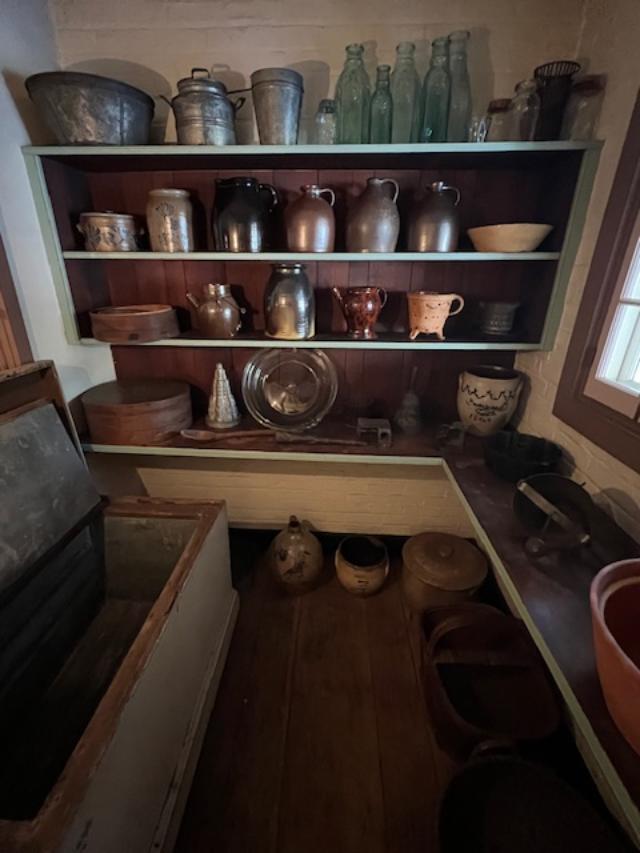
The Pantry

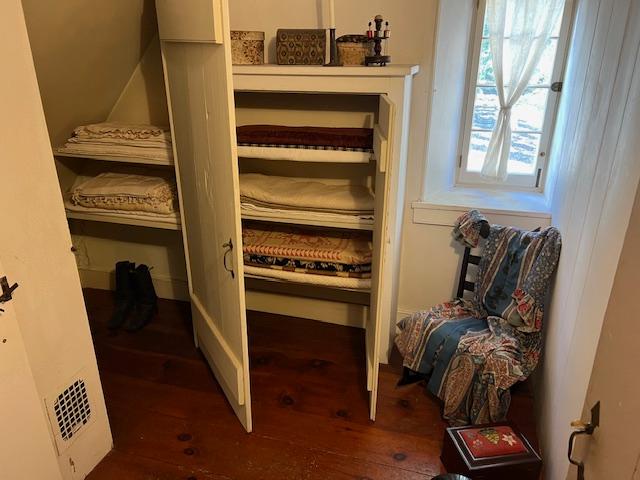
The Linen Room

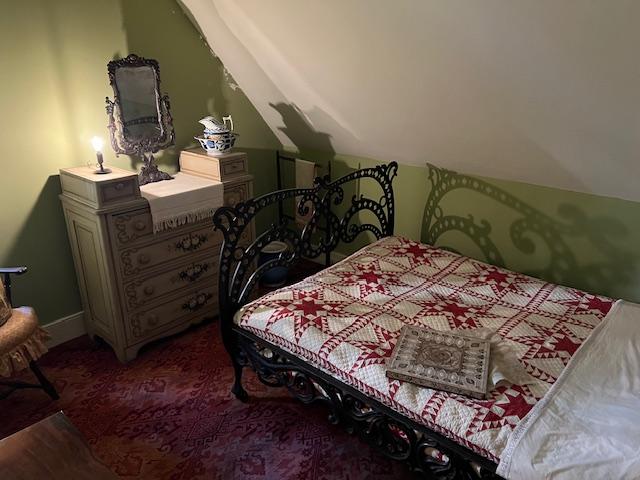
The Sewing Room for the family

The History of Sunnyside:

The estate was once the home of Wolfert Acker called Wolfert’s Roost and was part of the Manor of Philipsburg and this home was once a simple two room stone tenant farmhouse built around 1690.

The patio view from the back of the house

The property came into the hands of the Van Tassel family, who were married into the Eckert family and owned it until 1802. That year, 150 acres were deeded to the family of Benson Ferris, one time clerk of the Old Dutch Church of Sleepy Hollow, whose wife, Maria Acker, was a descendant of Wolfert Acker’s.

The grounds of Sunnyside

In 1832, Washington Irving visited his nephew, Oscar Irving, who lived near the old stone farmhouse and was looking for a home at the time. He purchased the property on June 7, 1835 and would add to the property.

The view of the house of the Hudson River

Irving wrote a story, “Wolfert’s Roost”, about Acker and the site. In a letter to his brother Peter, he described it as “a beautiful spot, capable of being made a little paradise…I have had an architect up there and shall build upon the old mansion this summer. My idea is to make a little nookery somewhat in the Dutch style, quaint but unpretending. It will be of stone.” He asked his neighbor to help him remodel the house and landscape the grounds in Romantic style adding a brook and waterfall.

The grounds of Sunnyside

The house became a major spot of people visiting the area to meet the author. In 1842, he was appointed to be the Ambassador of Spain and left the estate in the care of his brother and four daughters. He returned in 1846 and added to the home the ‘Spanish Tower” in 1847. This added four more bedrooms to the home.

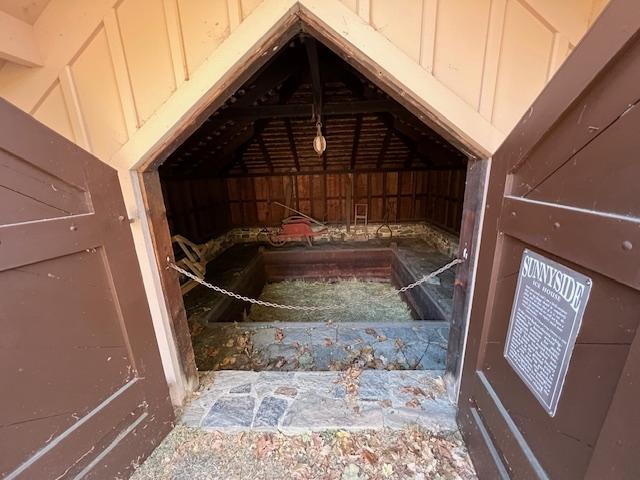
The Smokehouse

The Ice House at Sunnyside

The Ice House

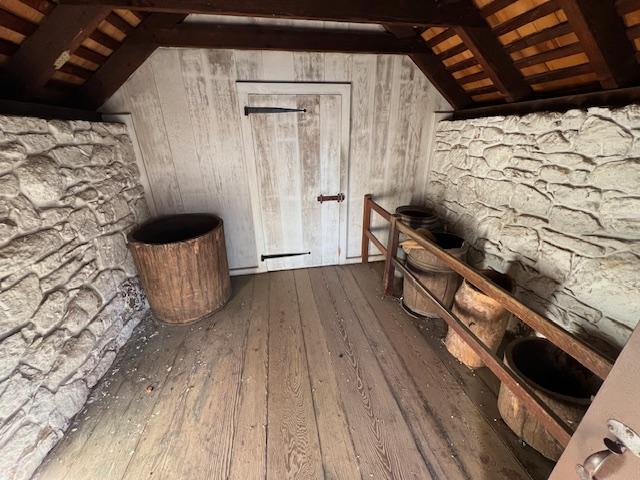
The Fruit Cellar

Irving died in the house in 1859 of a heart attack at age 76.

The house was purchased from Louis Irving by John D. Rockefeller Jr. and was restored for historic preservation. It was opened to the public in 1947.

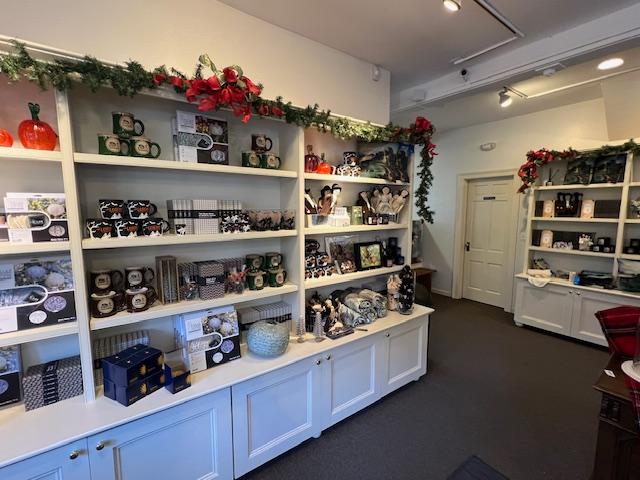
The grounds has a very nice gift shop

In 2025, I visited Sunnyside during the holidays to see what Christmas would have been like in the pre-Civil War era. These were not the elaborate times of the Victorian era but still the life of an Upper Middle Class families who celebrated the spirit of the holiday.

I visited the estate for a special Victorian event with refreshments, creating crafts and a special open tour of the home decorated for the Christmas holidays.

The property decorated during the holidays

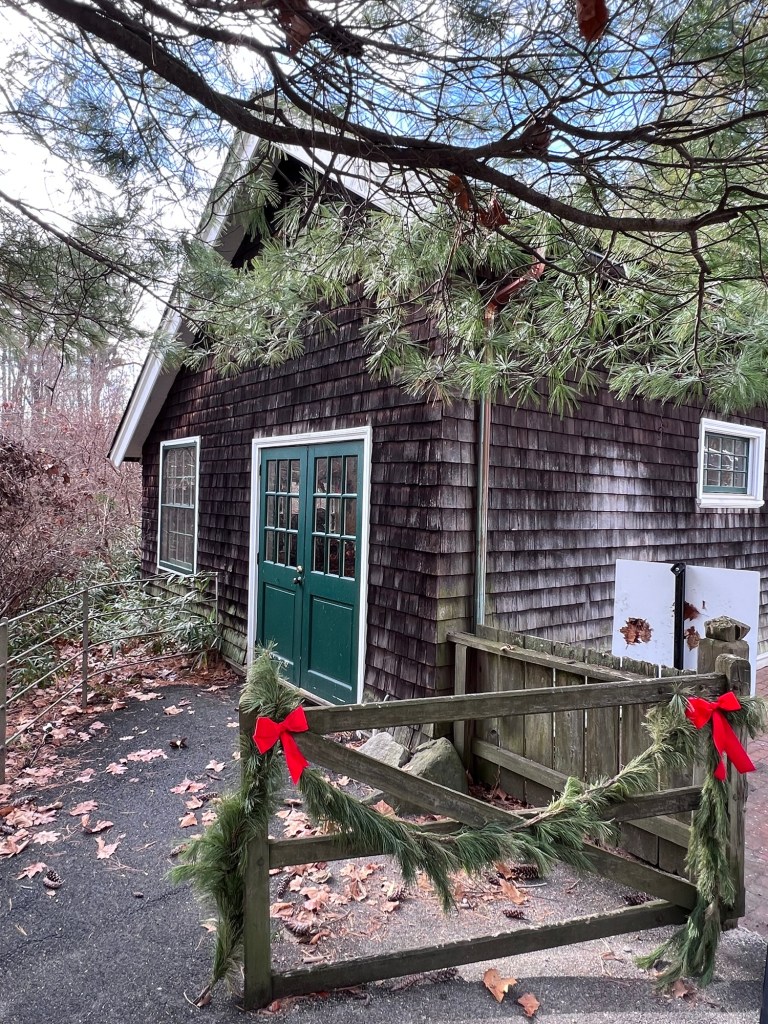
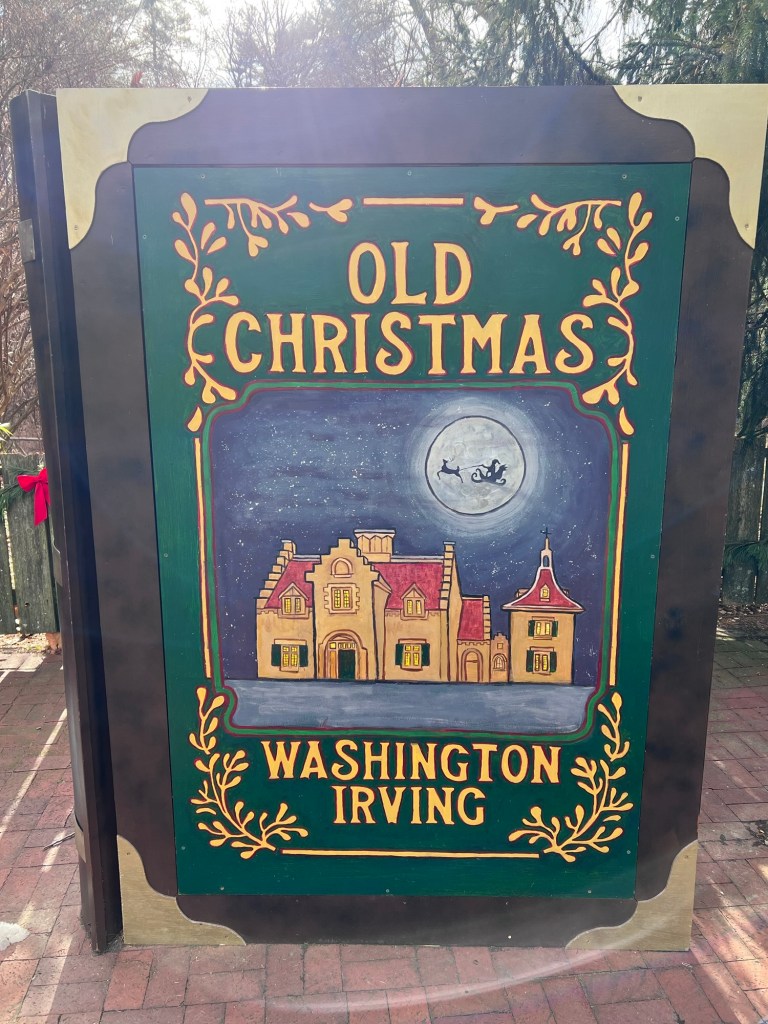
The holiday events at the estate

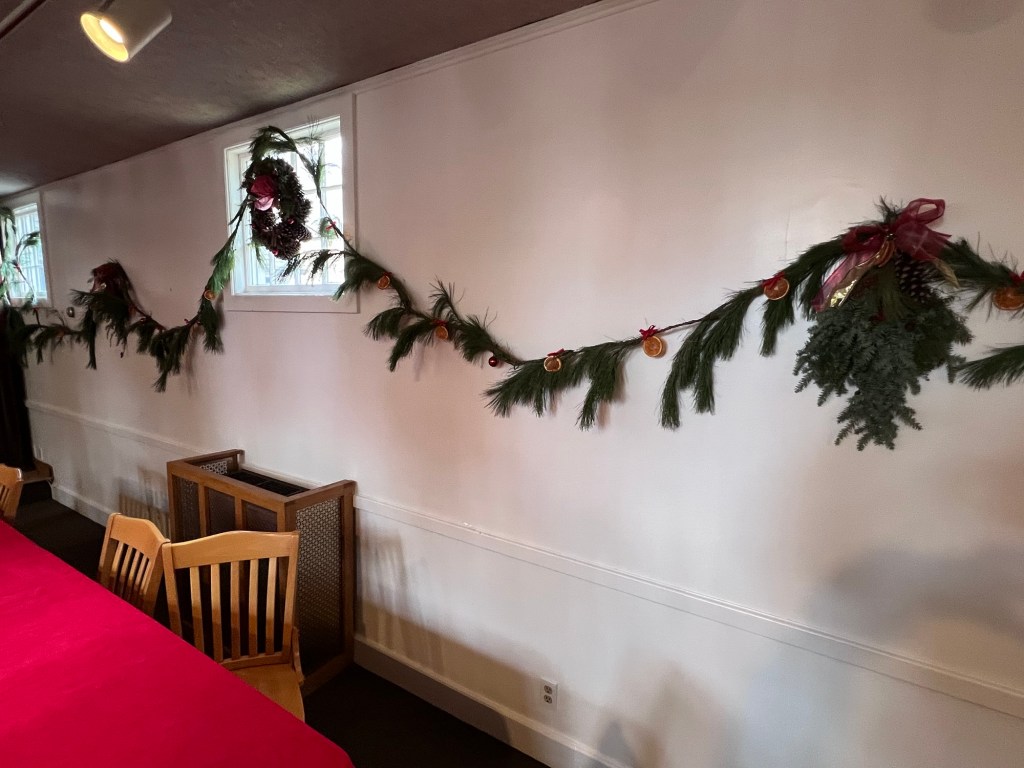
The meeting room was decorated for the holidays for refreshments and good conversation

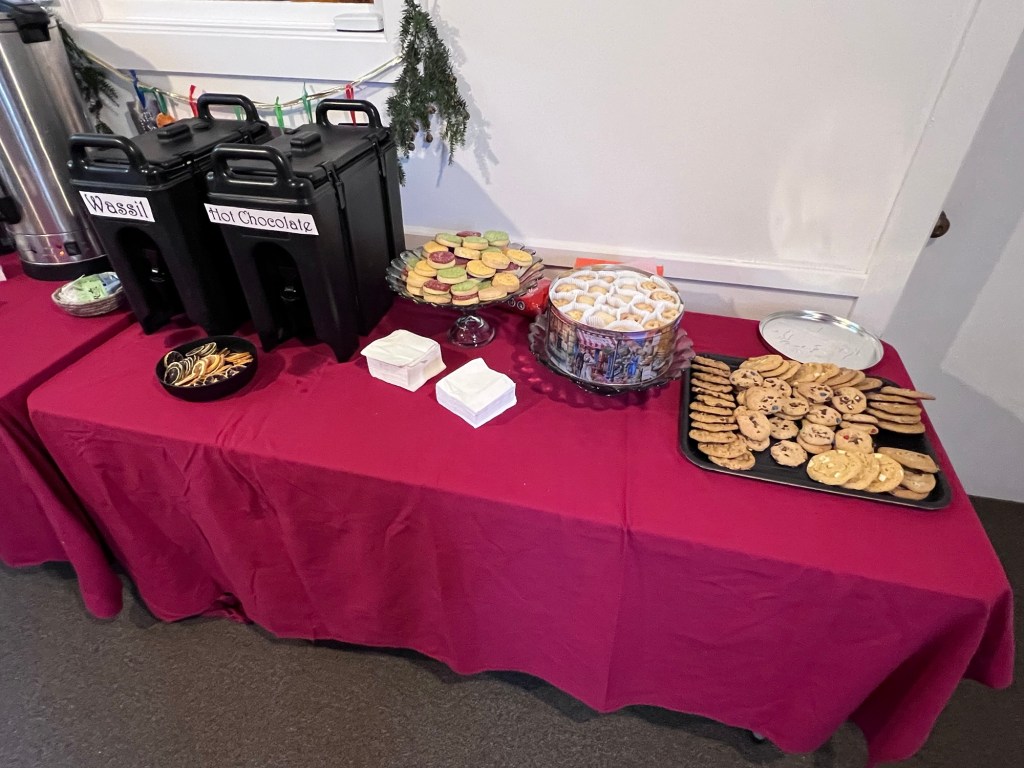
The refreshments at the Open House included cookies, candies, Hot Cider Wassil and Hot Chocolate and Tea

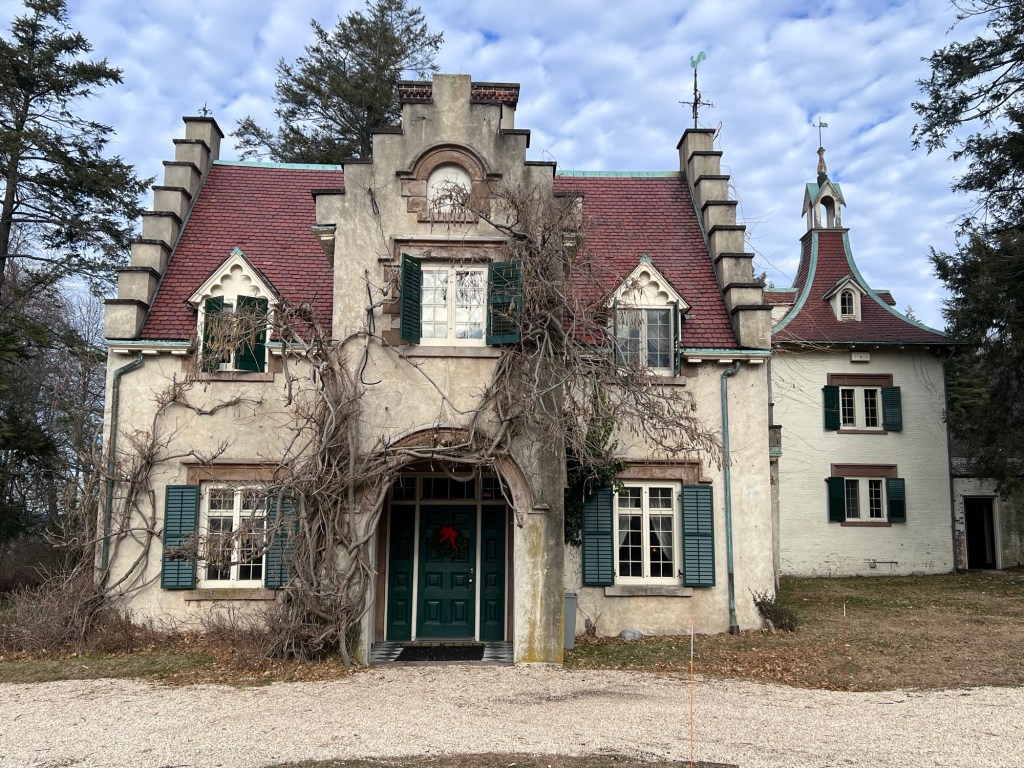
Sunnyside at Christmas time

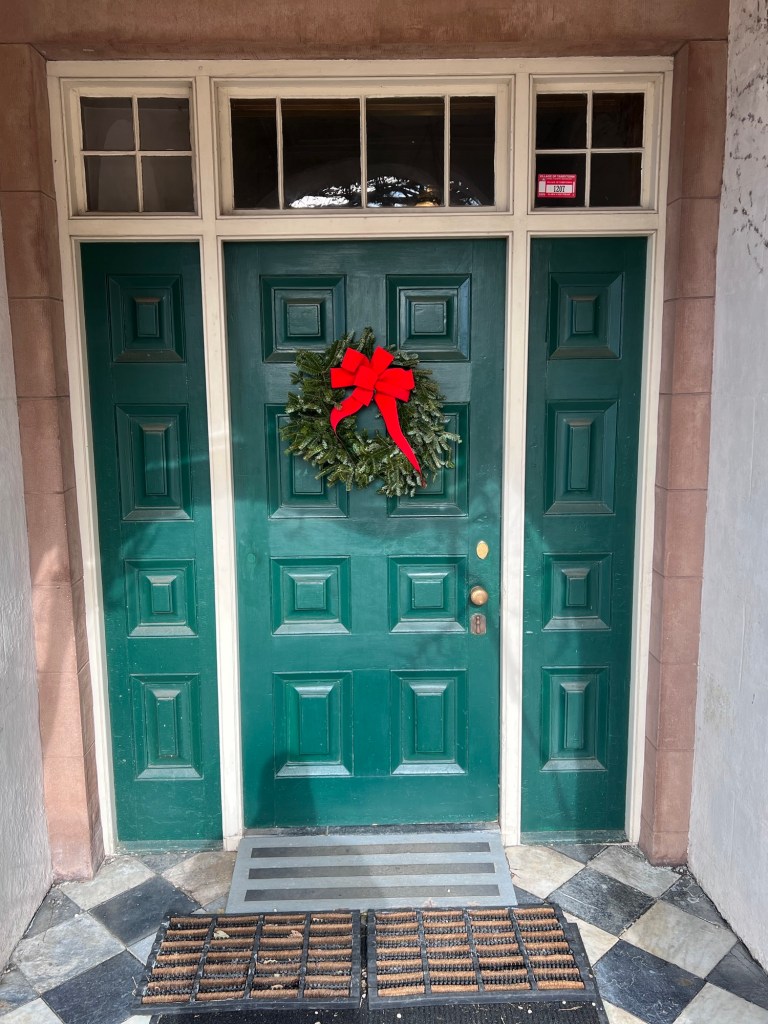
The Sunnyside front door at the holidays

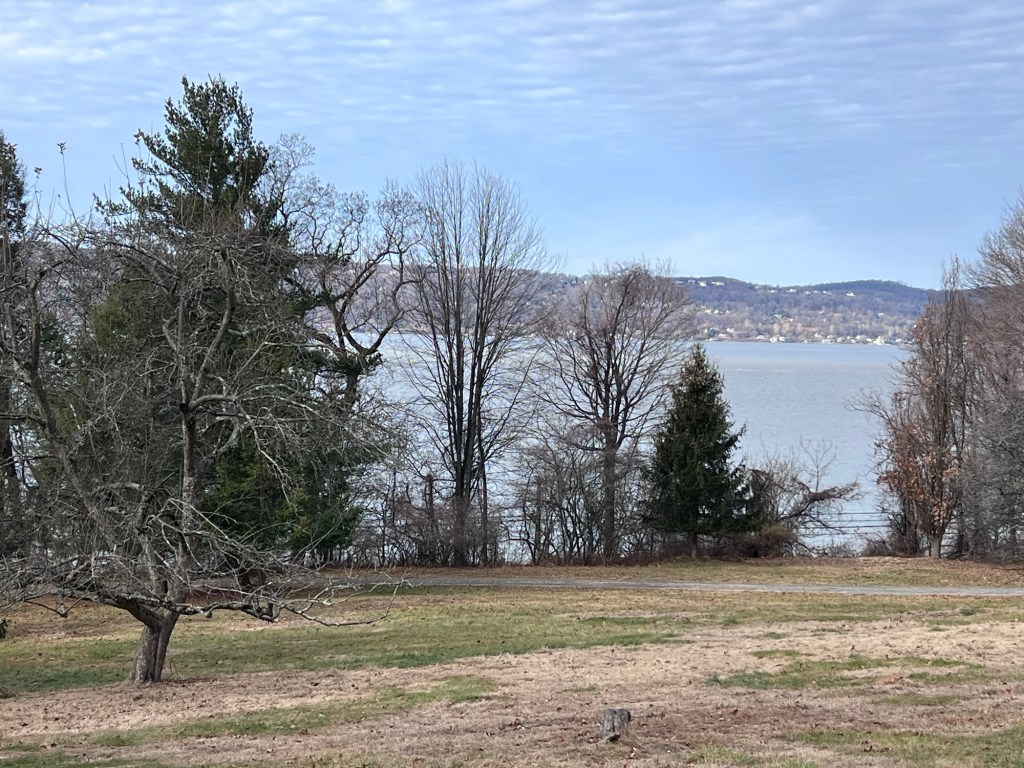
The beautiful view of the estate overlooking the Hudson River

When you enter the house, the first room to the left is the office of Washington Irving. There was a bed in the room for last night work and the room decorated for the holidays.

Washington Irving’s office during the holidays

The fireplace in the author’s office

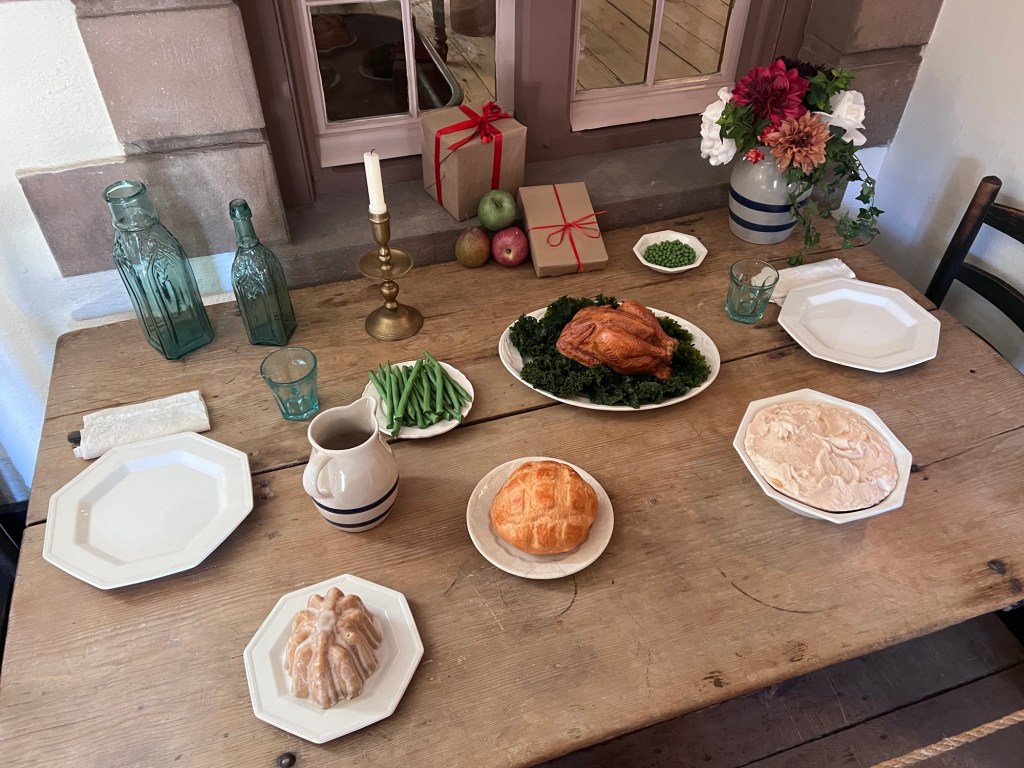
Nothing says entertaining than the dining room with a holiday lunch set with family china and all the delicacies of the time.

The Dining Room set for a holiday lunch

The Dining Room table set for Christmas lunch

The Christmas desserts showcasing the Christmas pudding

The pantry set for Afternoon Tea

The Living Room decorated for the holidays with a Table tree, fashionable for the times.

The Table tree in the Living Room

The hallway and stairs decorated for the holidays

The French inspired bedroom

The Children’s room of a visiting niece

Washington Irving’s bedroom

The niece’s bedroom of those that lived with him

My last part of the tour led to the behind the scenes of how the household runs with the kitchen, washrooms and sewing room.

The Christmas dinner being prepared for the family

The delicious foods prepared for the family meals including cookies, pies and a favorite treat, doughnuts

The kitchen stove where all the family meals were cooked

The house kitchen is decorated for the holidays

The staff holiday dinner was less elaborate but still very festive

The patio off the kitchen overlooking the Hudson River

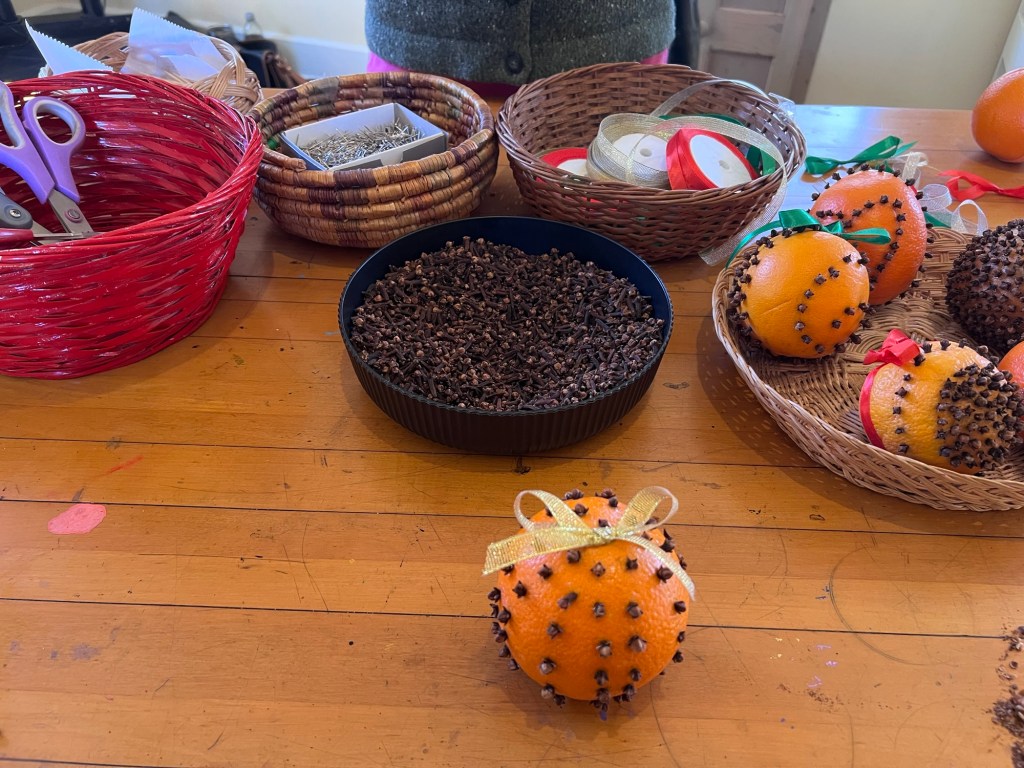
After the tour was over, I joined other guests making crafts such as Christmas crackers, creating ornaments and making pumices, the oranges studded with clovers.

The festive barn where crafts were created

Me making my pumice for the holidays

Visiting Sunnyside during the holidays is a special trip to the past to join the Irving family in their celebration. Not as elaborate as some of the Victorian mansions of the Hudson River Valley but a look at a family whose celebration was similar to our own. Their traditions are the basis of our own of food, family and fun.

Dia: Beacon                                                               3 Beekman Street                                           Beacon, NY 12508

Dia: Beacon 3 Beekman Street Beacon, NY 12508

Dia: Beacon

3 Beekman Street

Beacon, NY  12508

(845) 440-0100

https://www.diaart.org/visit/visit/diabeacon-beacon-united-states

https://www.diaart.org/visit/visit

Open: Sunday & Monday 11:00am-6:00pm/ Closed Tuesday & Wednesday/Thursday-Saturday 11:00am-6:00pm

Fee: General Admission $20.00/Seniors $18.00/Students $12.00/Children 11-5 $5.00/Free to Children under 12

My review on TripAdvisor:

https://www.tripadvisor.com/Attraction_Review-g47291-d273538-Reviews-Dia_Beacon-Beacon_New_York.html?m=19905

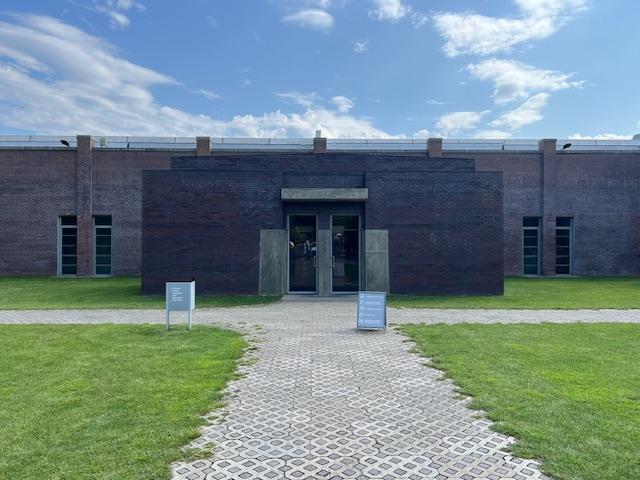
 The front of the Dia: Beacon

I visited the Dia: Beacon in Beacon, NY many times and I have to say that is an interesting space to display art and the pieces themselves make a statement. The museum is sited on thirty-one acres on the banks of the Hudson River and is adjacent to ninety acres of riverfront parkland. The museum is located in a former printing plant built in 1929 by Nabisco (National Biscuit Company) (Wiki). The space square footage gives the museum the opportunity to display larger statement pieces of well known artists.

The history of the Dia: Beacon:

(from the museum website)

The Dia: Beacon presents Dia Art Foundation’s collection of art from the 1960’s to the present as well as special exhibitions, performances and public programs. The Dia invited artist Robert Irwin to conceive the master plan for a twenty-century museum that retained the original character of the factory’s interior spaces, Irwin also designed seasonally changing garden throughout the surrounding landscape. Following the renovation, the Dia: Beacon was added to the National Register of Historic Places (Dia: Beacon Museum).

Dia Art Foundation:

(from the museum website)

Founded in 1974, Dia Art Foundation is committed to advancing, realizing and preserving the vision of artists. In addition to Dia: Beacon, Dia maintains a constellation of iconic, permanent artworks and installations in New York City, the American West and Germany (Dia Museum). 

Each of the galleries are devoted one artist’s work and these galleries make their own statements. There is also a really nice bookstore and gift shop on the extension of the museum and small restaurant.

It is nice to just walk around in your own time and visit each of the galleries. Plan about two hours to see the whole museum. It is an interesting place to see contemporary art in a gallery that is devoted to one artist at a time. The outside grounds of the museum and the parking lot makes it own statement. There is not much parking so plan on getting there early or later in the afternoon.

The museum has clean lines and big halls and a minimalist landscaping

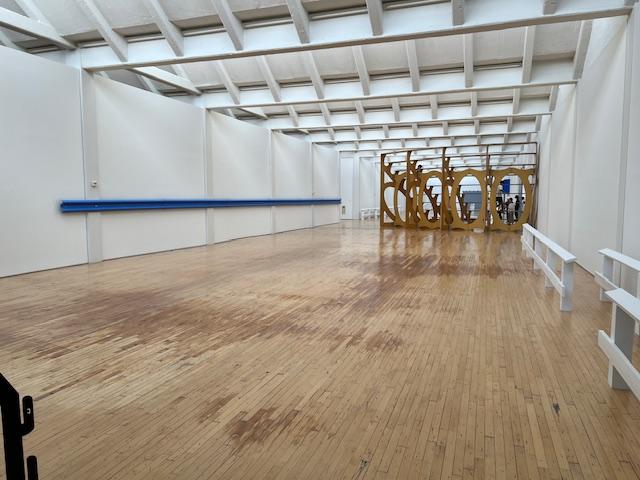
The one thing about the Dia is that the works are quite large and pack a bold statement.  The museum uses a combination of both American and Foreign artists and their works make a bold statement. The museums galleries are large and airy and can show larger works of art. The museum shows many of the artists largest pieces of work.

The inside of the Dia: Beacon’s large galleries

These larger pieces were interactive

Inside the museum, many contemporary artists are featured each season. Many of their larger works were featured in their galleries. While the shows rotate collections of many artists, these were the pieces that stood out to me on my visits to the museum over the years.

The Artists I most admired and their works that most stood out to me:

Artist Louise Bourgeois has displayed some interesting sculptures that dominate the upper floors. One of the most fascinating pieces was that of a large spider that dominates the corner of the floor.

Dia Beacon II

This Louise Bourgeois work is a rather creepy piece of art like something out of the movie “It”.

https://en.wikipedia.org/wiki/Louise_Bourgeois

https://diaart.org/collection/collection/bourgeois-louise-crouching-spider-2003-l-2007-012

In Bourgeois’s works on view in these galleries, organic formations fuse with the inorganic materiality of the media in which they are rendered, be it marble, wood, or bronze. The artist’s repertoire of materials spans traditional media and new textures, such as latex and synthetic resin. In her work, representation often entails the creation of a surrogate for the body and its suffering organs (Dia: Beacon museum website).

Artist Dan Flavin has some interesting light sculptures on display along the walls and floors of the gallery. Things are made of long fluorescent lights of various colors.

Dia IV

Artist Dan Flavin’s light sculptures

https://en.wikipedia.org/wiki/Dan_Flavin

After 1963 Flavin’s work was composed almost entirely of light, in the form of commercially available fluorescent tubes in ten colors (blue, green, pink, red, yellow, ultraviolet, and four whites) and five shapes (one circular and four straight fixtures of different lengths). Initially arranging these fixtures in varying autonomous configurations, Flavin increasingly made work in relation to architecture, such as his monumental barriers that physically block a passageway or segment of a space with light (The Dia: Beacon museum website).

In the main gallery as you walk in are the large geometric shapes of artist Charlotte Posenenske who created these pieces in various colors and shapes. These pieces line the floors and walls.

Dia III

The geometric shapes of Artist Charlotte Posenenske

https://en.wikipedia.org/wiki/Charlotte_Posenenske

https://www.diaart.org/exhibition/exhibitions-projects/charlotte-posenenske-exhibition

Embracing reductive geometry, repetition, and industrial fabrication, she developed a form of mass-produced sculptural Minimalism that addressed the pressing socioeconomic concerns of the decade by circumventing the art market and rejecting established formal and cultural hierarchies. Posenenske employed playful conceptual devices to oppose compositional hierarchy and invite the collaborative engagement of the public in the continual reconfiguration of her variable sculptures (The Dia: Beacon website).

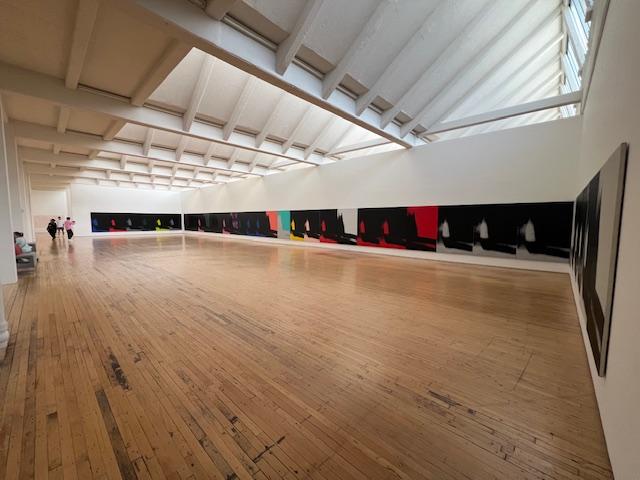
Artist Andy Warhol has one of his largest works displayed in the main gallery on the first floor.

The artist Andy Warhol gallery

https://en.wikipedia.org/wiki/Andy_Warhol

The large Andy Warhol piece

What I loved about the work by Warhol was the continuous colorful pattern of the work and the way it wrapped around the room. The pattern took form in many colors and showed consistency and balance.

A single painting in multiple parts, Shadows is one of Warhol’s most abstract works, yet one that cohesively synthesizes key elements of his practice, including film, painting, photography, and screen-printing. Originally commissioned by Dia and acquired in 1979 for a solo exhibition at 393 West Broadway in New York, Shadows includes a total of 102 canvases; the final number of canvases on view in each installation is determined by the dimensions of an existing exhibition space (The Dia: Beacon museum website).

Artist Senga Nengudi Gallery

https://www.sengasenga.com/

American artist Senga Nengudi had a some interesting works on display, one resembling melted ‘freeze pops’, which I thought was rather clever. Her large works took liquid forms and were colorful and spontaneous. These large works had lots of color and looked whimsical and fun.

One of Artist Senga Nengudi works

I thought this was a large ‘freeze pop’

One of her non-liquid works

Made of everyday materials such as vinyl, water, nylon, sand, dry-cleaning bags, lint, paper, and tape, Nengudi’s installations are at once proxies for bodies and sites for performance. The works accommodate a variety of cultural references from African, Japanese, and South Asian rites to Western avant-garde art. Characteristic of her openness to multiplicity, the artist, born Sue Ellen Irons, has assumed pseudonyms that inflect her creative identities as sculptor (Senga Nengudi), painter (Harriet Chin), photographer (Propecia Leigh), and writer (Lily Bea Moor) (The Dia: Beacon museum website).

Some of the other works that I liked as I walked around the museum:

Displayed on the first floor of the Dia: Beacon

Another interesting work on the first floor

The large galleries and open air space give patrons a chance to walk around the works and really get a feel for what the artists are trying to express. You really get to see the art up close and that is why I like the way they display their art. We can engage with each piece and develop our own meaning from it.

The grounds and the proximity to the river gives the museum a picturesque spot. It is nice to walk around the lawn on a warm day and enjoy the paths around the museum. The museum also has a very interesting gift shop featuring many books and gifts. The small restaurant can be pricey but offers a place for a light lunch or a quick snack.