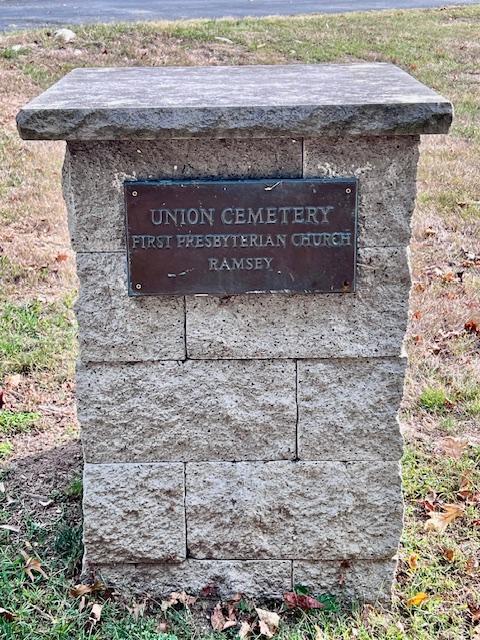
The Union Cemetery of The First Presbyterian Church of Ramsey, NJ
History of the Cemetery:
(from the church website)
Union Cemetery is a religious cemetery located at 316 Darlington Ave. in Ramsey, NJ. The cemetery is owned and managed by the First Presbyterian Church in Ramsey. As a religious cemetery, the cemetery is restricted under New Jersey state law and is not open to the general public. Only members of a Christian church and their immediate relatives may be interred at the cemetery.
The historic cemetery from the road. To the left is the oldest part of the cemetery
Entering the cemetery from Darlington Avenue
The newer part of the cemetery is to the right of the driveway
I was visiting the Union Cemetery in search of veterans of the Revolutionary War and found an interesting cemetery with a deep history in Bergen County. Many first families of Bergen County are buried here and veterans not just from the Revolutionary War but the Civil War all the way up to today are buried in this active town cemetery.
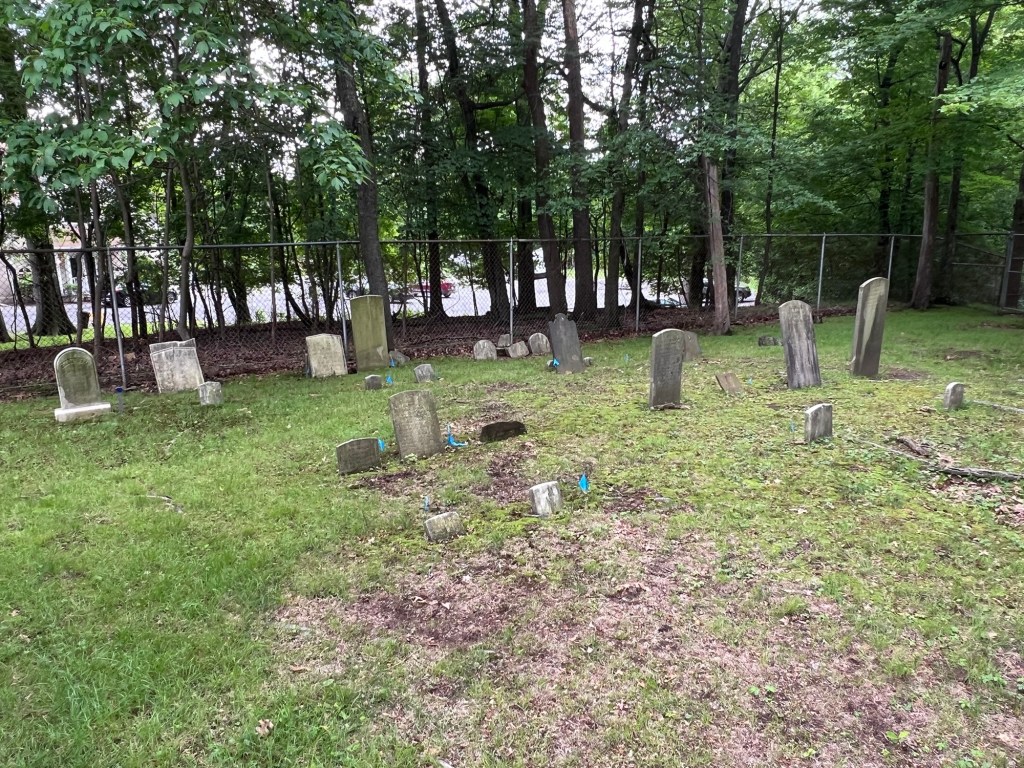
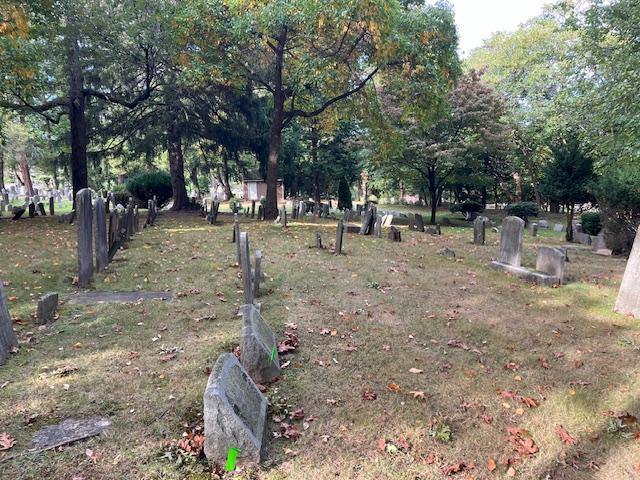
The older part of the cemetery is to the left of the driveway. These tombstones are from the early 1800’s.
The older part of the cemetery dates back to before the Revolutionary War
Many of the early family plots are located here with well known names like Hopper, Christie, Ackerman and the town’s namesake, the Ramsey family, whose family plot is in the oldest section of the cemetery.
The grave of Hannah Jane Ramsey in the Ramsey family plot
Part of the Ramsey family plot
The Ramsey family plot
The Union Cemetery to find the graves of Revolutionary War veterans and found some but not all of them. The tombstones are so worn after over two hundred years that they either had disappeared or were so worn you could not read them.
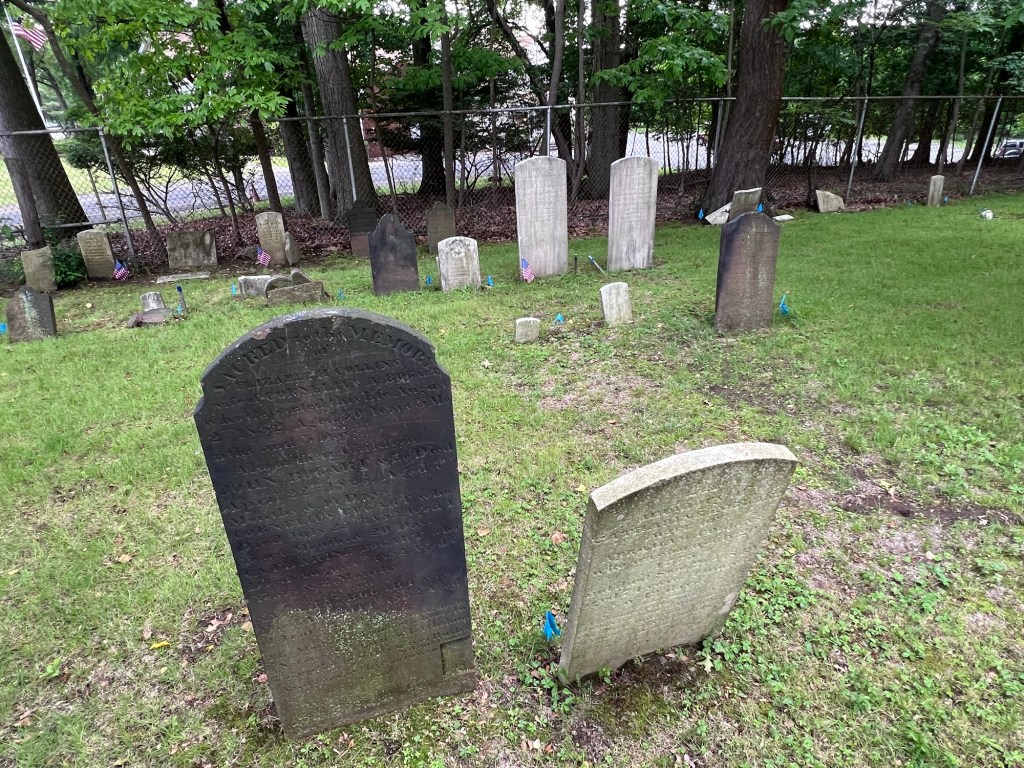
The oldest section of the cemetery where many veterans both from the Revolutionary and Civil War are buried. It was hard to read many of the tombstones. Some the veterans were buried in their family plots, others with their spouses separately. The burials were concentrated in the oldest part of the cemetery. Most of the veterans have been honored with American flags.
The first tombstones I found were from Ackerman family members
I could not make out the name of this Ackerman member but I figured it was one of the brothers wife
The grave of veteran John P. Post
The Post family history:
(from the Saddle River Historical Society website)
The Post family was of Dutch descent. The first Post was a soldier, who came here to protect the new settlements along the Hudson. They soon turned to milling; the name Post is attached to several mills in Bergen and Rockland Counties. Joseph Post, born in 1775, built a mill on the west branch of the Saddle River about 1800. He also opened a tavern and store on what is now West Saddle River Road, just north of Parker Place, across from the entrance to the mill.
The graves of members of the community at that time including the grave of John P. Post
The grave of veteran William Vanderbeck
The grave of a member of the Van Brock family, who was married to James Ramsey
I was not too sure who this was but by the veteran’s flower I am assuming the grave of veteran John Van Blarcom
The grave of Hannah (I believe Ackerman)
The Christie family plot
The Hopper family plot
The Hopper Family history:
(from the Saddle River Historical Society website)
The Hopper family is one of the oldest of European descent in Bergen County. Andries Hopper came from the Netherlands to New Amsterdam in the 1640’s. His widow and her son Hendrick were in the Polifly area (Hackensack) by the late 1600s. There was land to be had in the unsettled areas of what became Bergen County. Hendrick’s two oldest sons, Andries and Jan settled in the HoHoKus area (part of Paramus) around 1712. The Hopper name appears on many old homes and mills on early maps of the area. It was two of Andries’ children, Abram and Jan, who settled sometime around 1730 along the Saddle River in what is now Upper Saddle River.
The Voorhis Family Burying Ground was once part of the extensive farm owned by Henry Van Voorhis. This small burial plot houses this branch of the family and sits in what used to be the southeastern section of the farm. Now it sits behind a small house in need of a good lawn cutting.
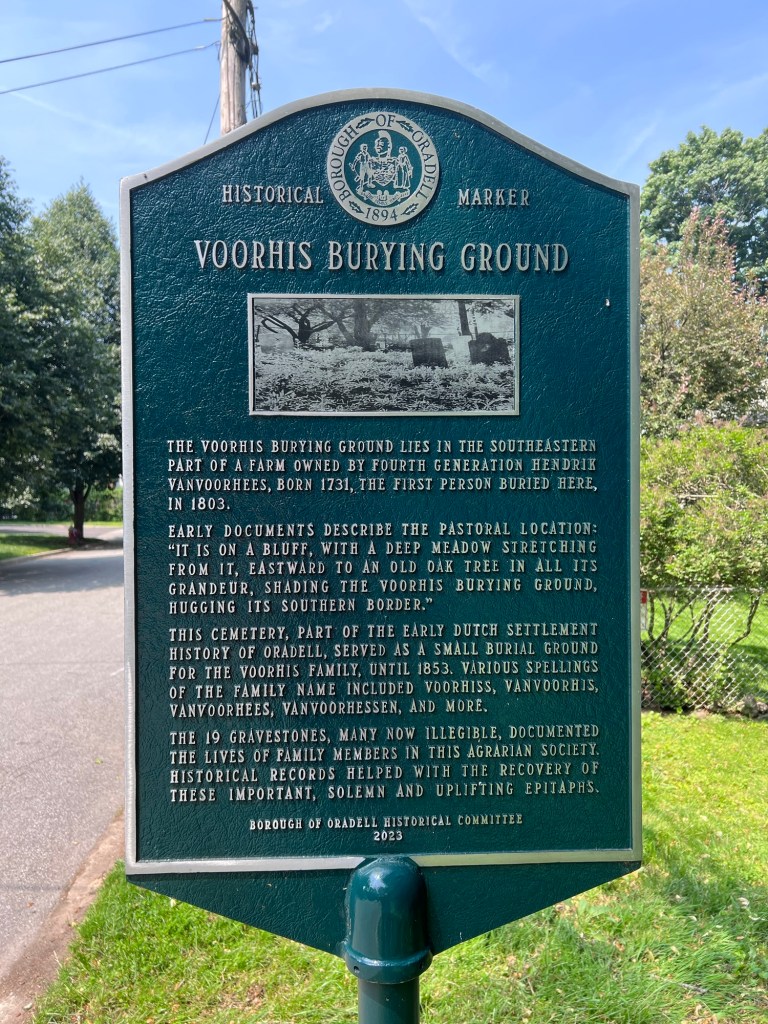
The historic sign of the Voorhis Burying Ground
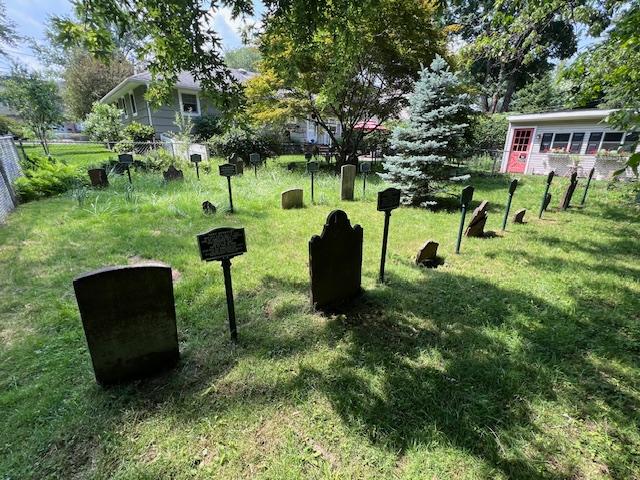
The inside of the Voorhis Burial Ground
What is sad about these small family cemeteries is that I am sure that the families never thought to the future when the land would be sold off and the family would move on. The Voorhis and Demarest names still dot the landscape of Bergen County but these tiny plots are lost to the current generations.
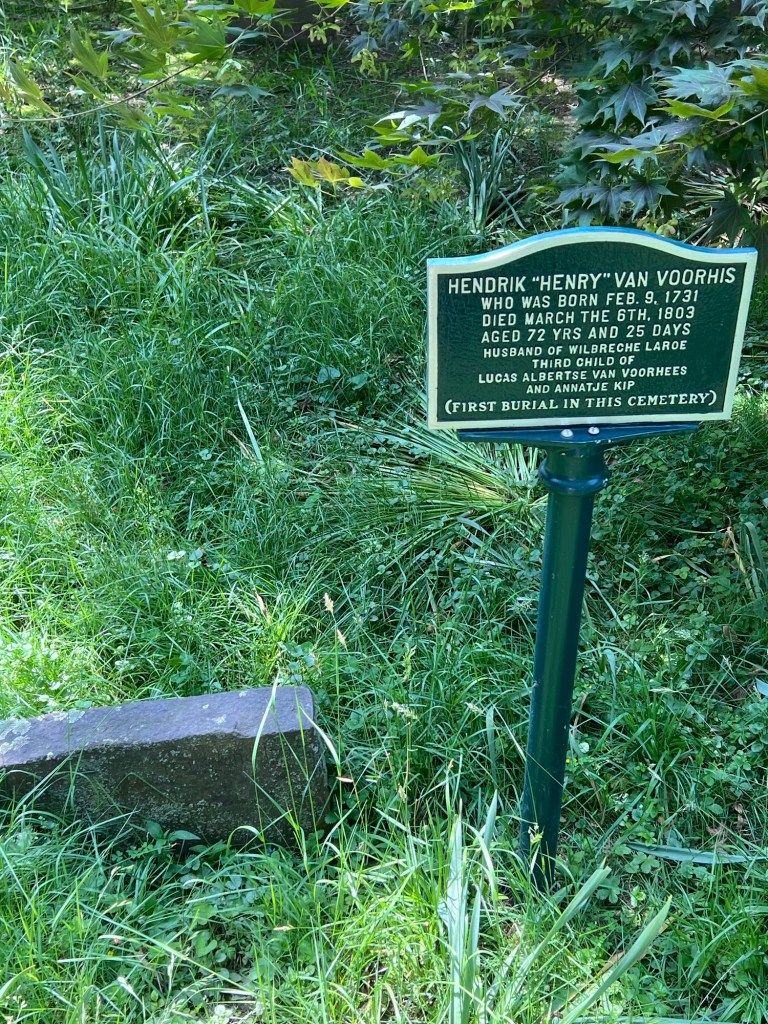
The gravesite of Lucas Van Voorhis
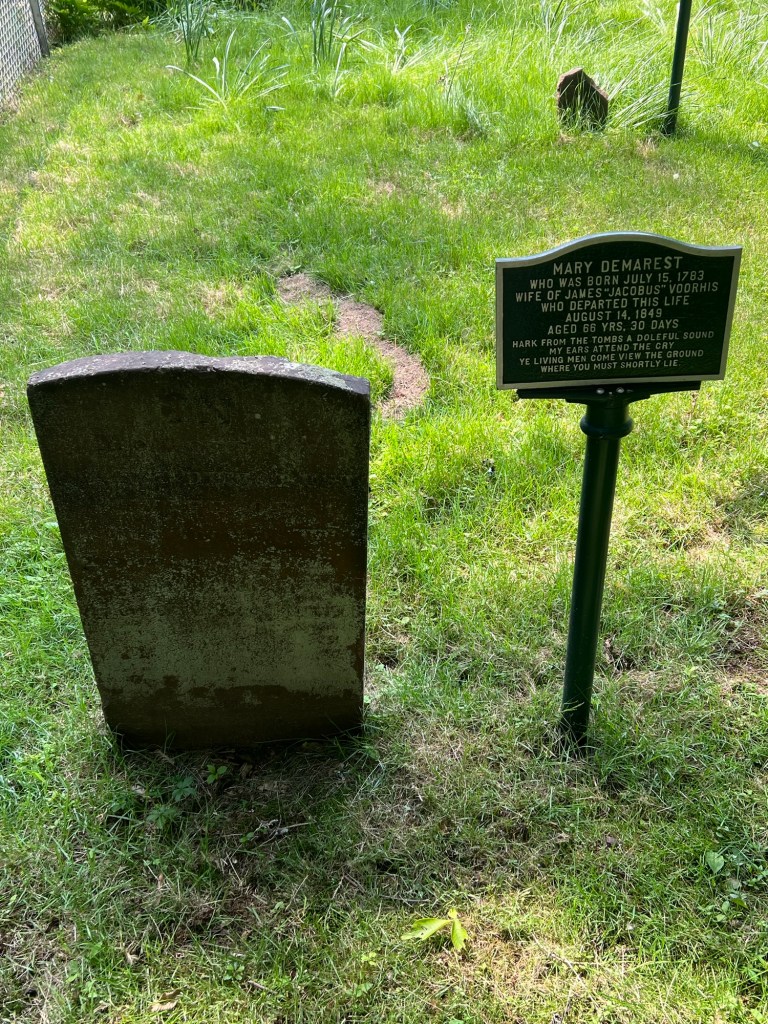
The grave of Mary Demarest, who was the wife of James
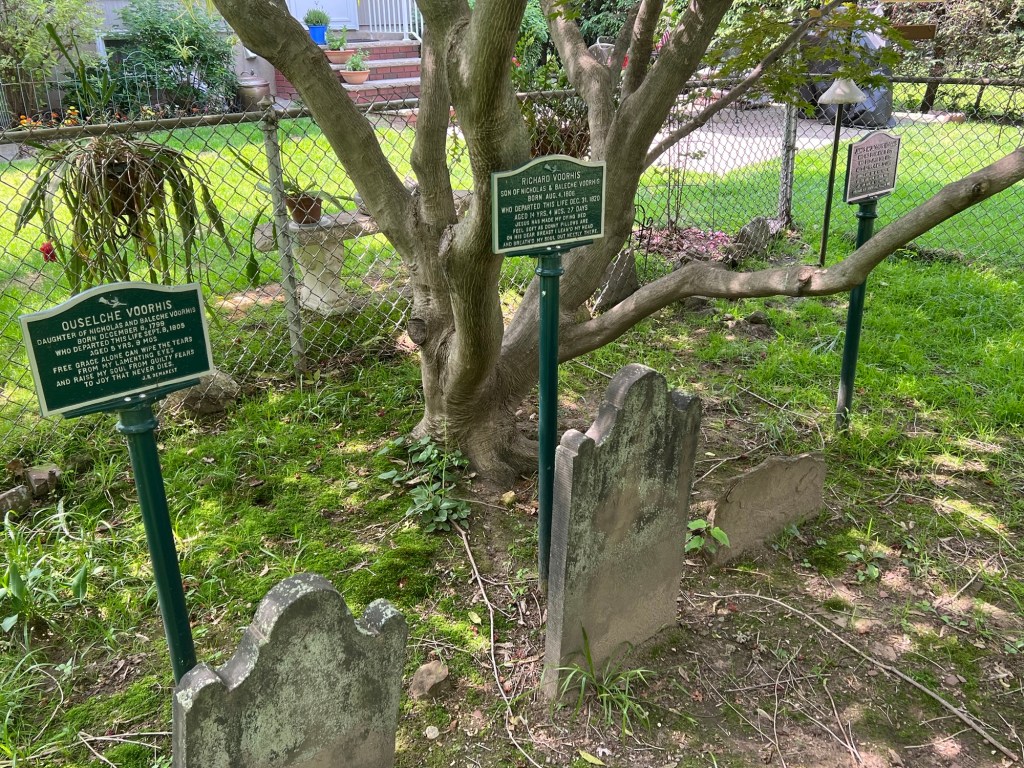
The one thing that I like about this particular cemetery is that someone in town had done their research on this cemetery and each grave marker was tastefully recreated in separate historic signs right next to the graves as the tombstones have worn out over the years.
The grave of Hannah Voorhis
The grave of Henry Van Voorhis, the first person buried in the site.
This was the first person buried here and the former owner of the farm, Henry Van Voorhis, whose line of the family had once owned this farm of several hundred acres.
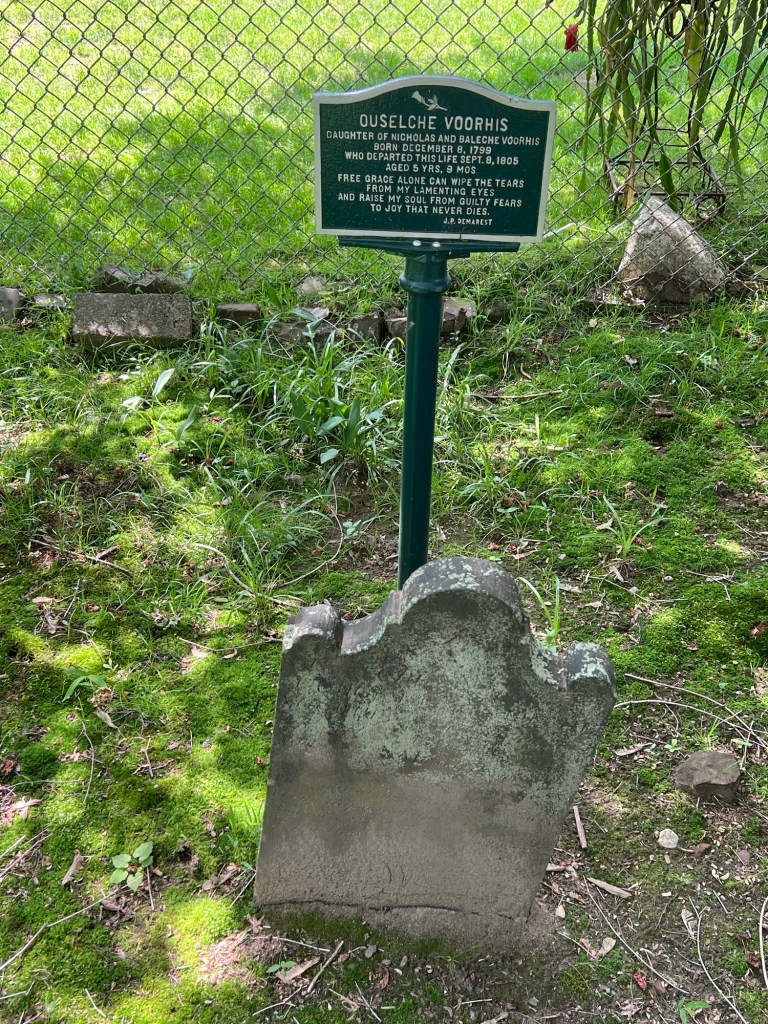
The grave of Ouselche Voorhis
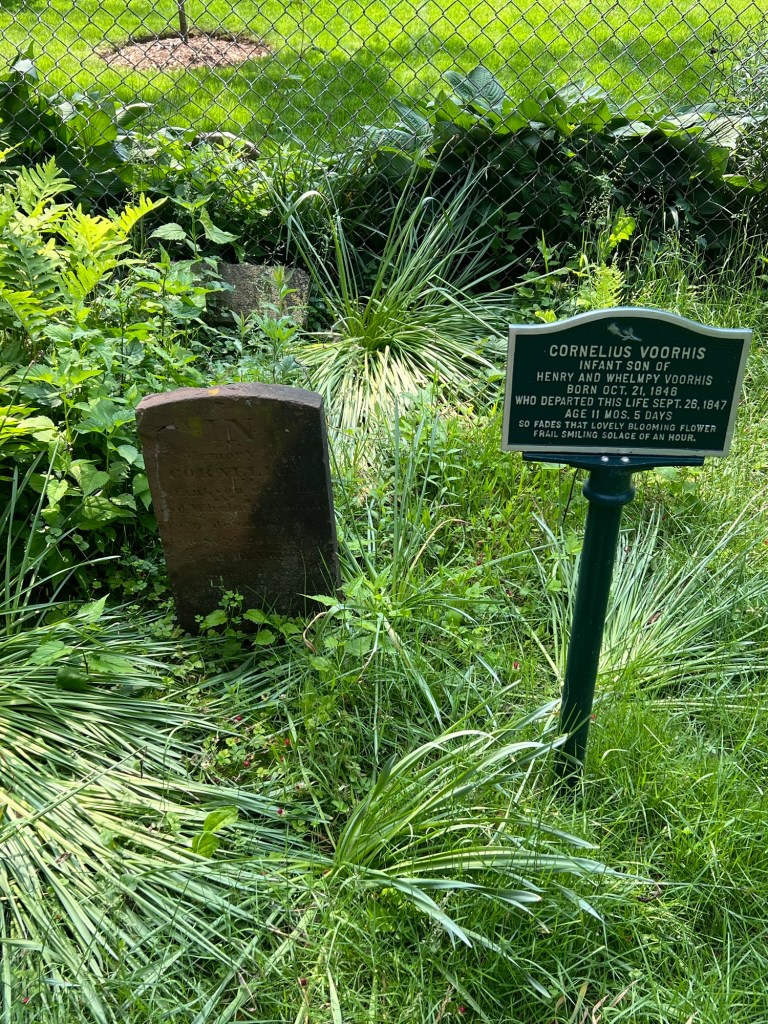
The grave of Cornelius Voorhis. I could not believe how many small children were buried in these cemeteries.
I was impressed by how organized and well researched this cemetery was with all the markers. I just needs a good lawn cutting.
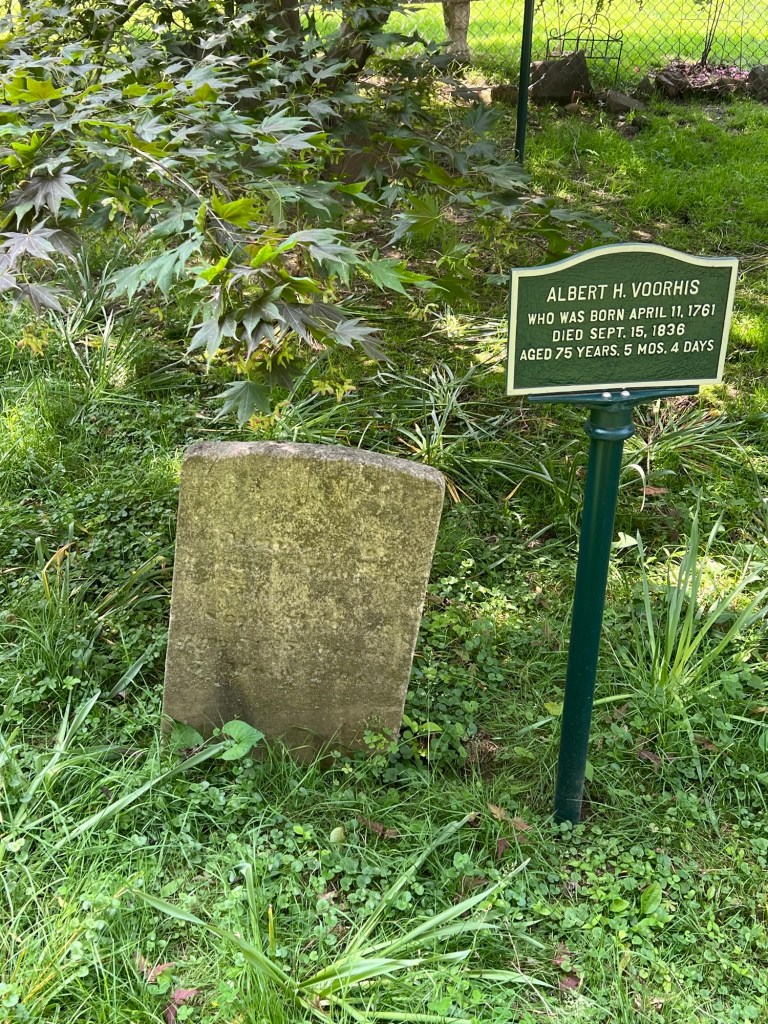
The grave of Albert Voorhis, son of the Revolutionary veteran, Albert Voorhis
The grave of Henry Voorhis Sr,
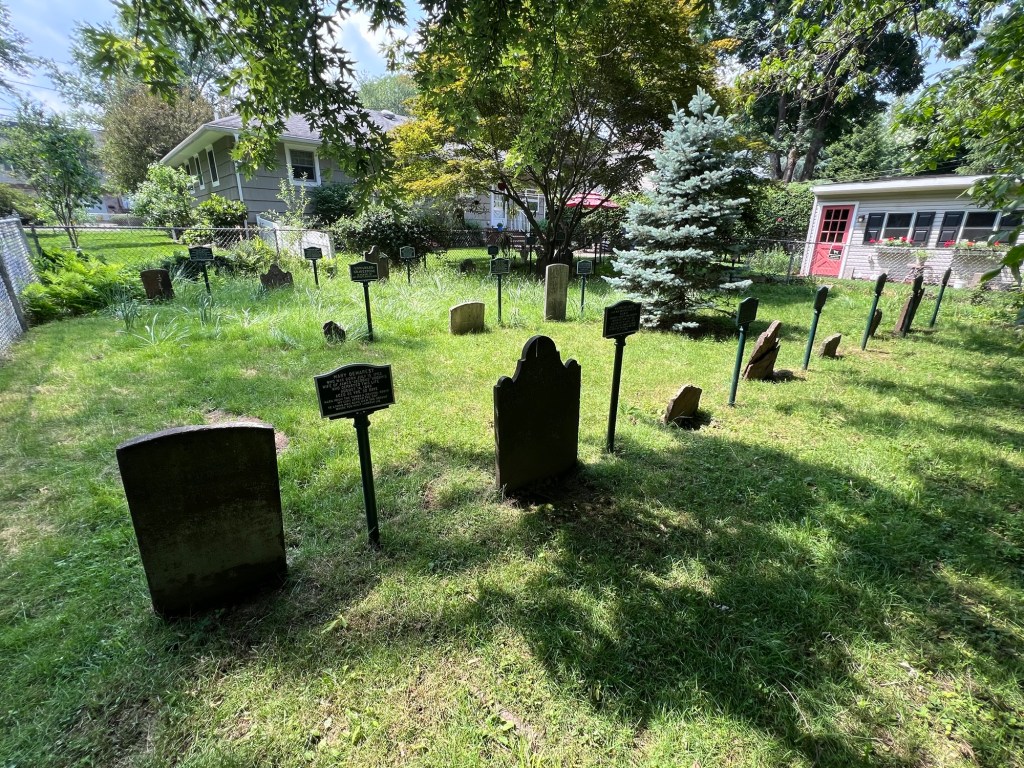
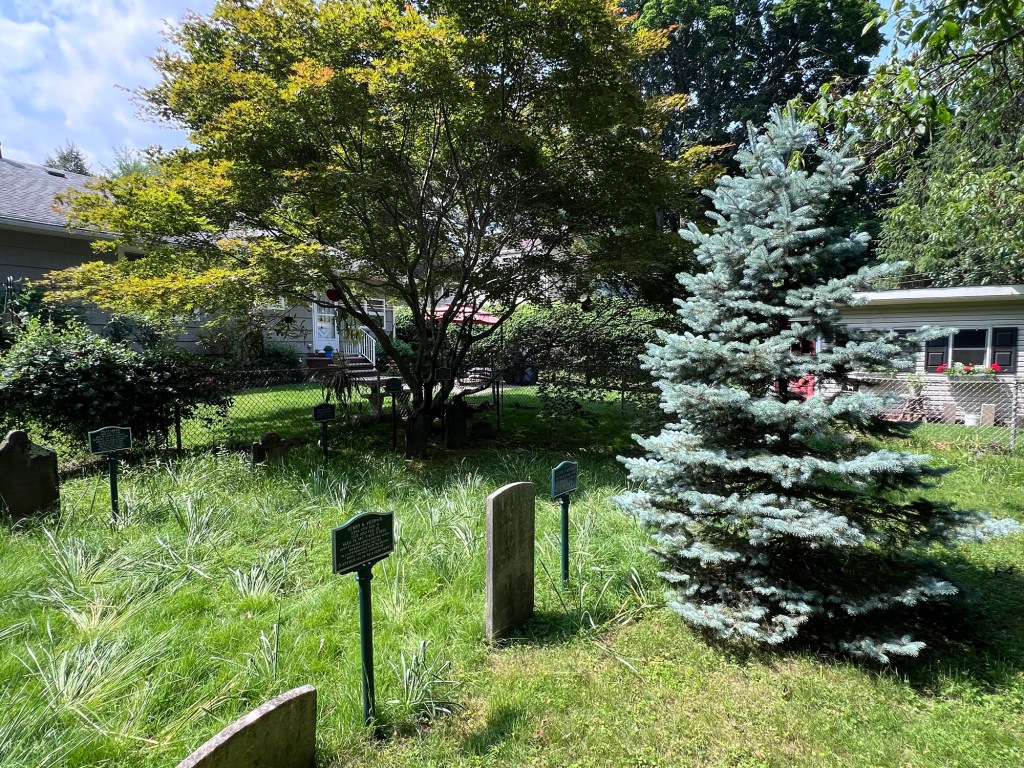
The full view of the cemetery as I was leaving
This quiet and respectful looking cemetery now sits in the back of someone’s home looking lost and forgotten but when you really look at all the historical signs and read them to yourself, their memories still linger on. The family will never truly be forgotten.
Admission: Free, the gates are open across from the baseball field.
My review on TripAdvisor:
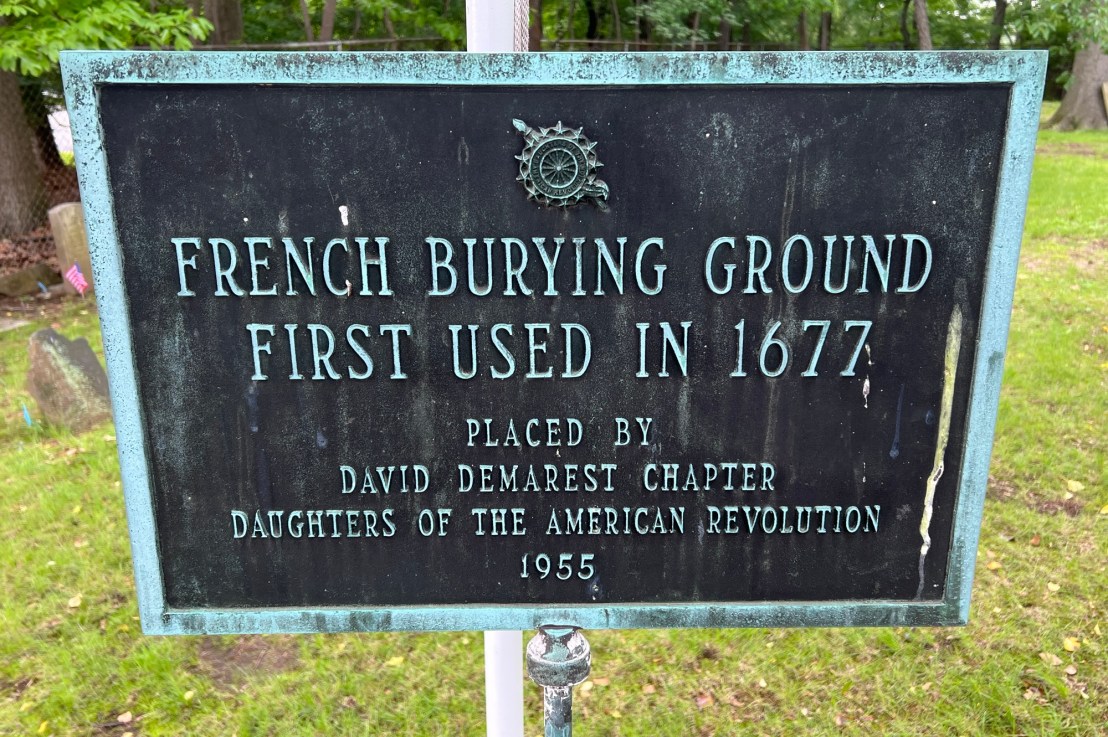
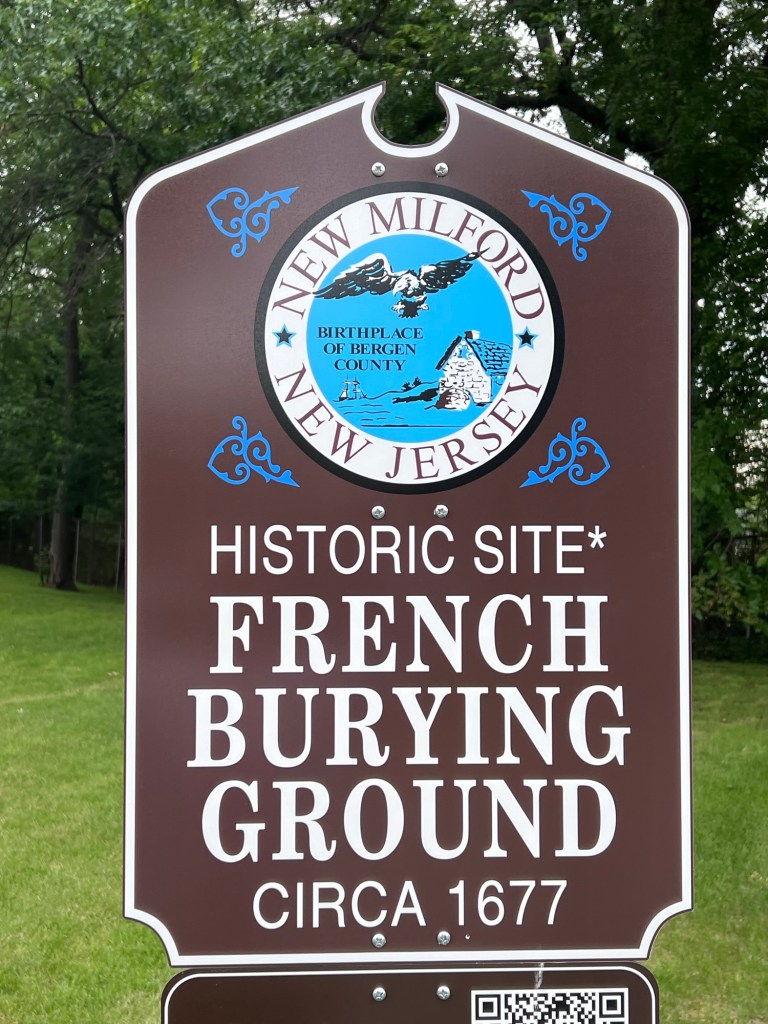
The sign for the French Burying Ground
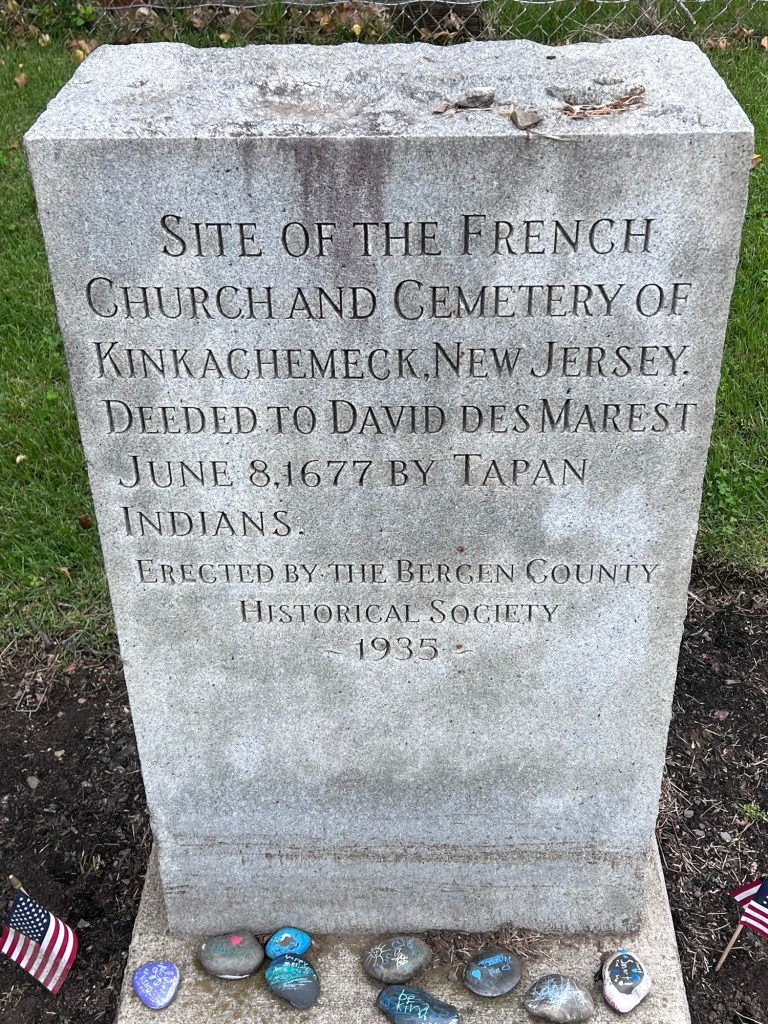
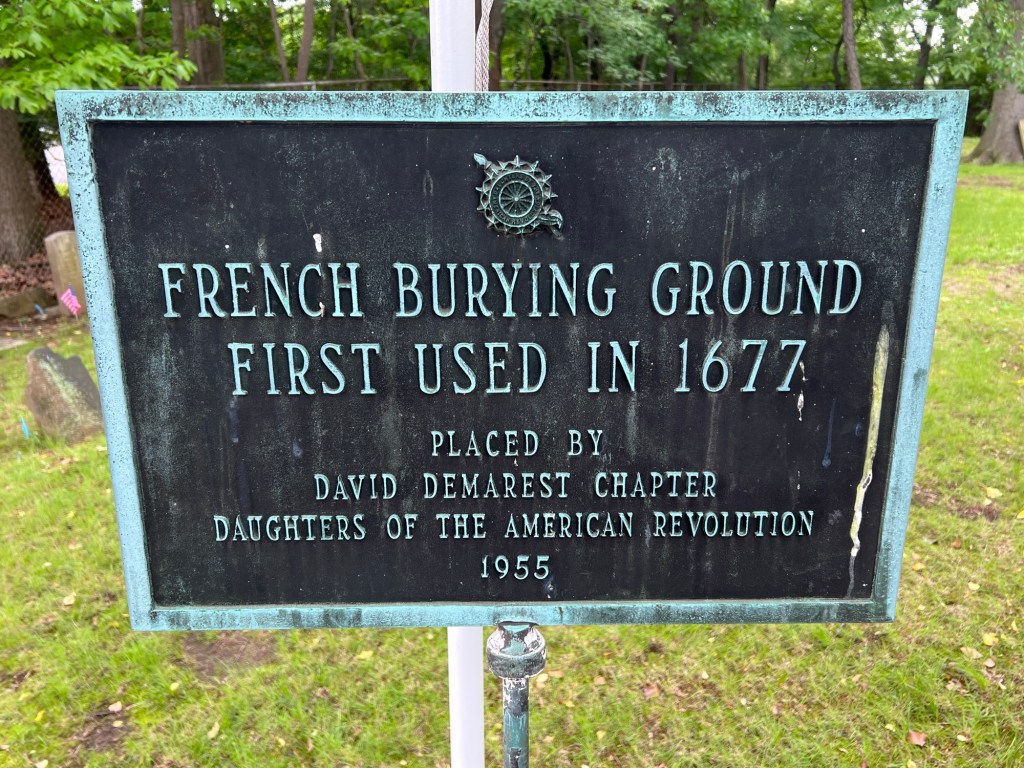
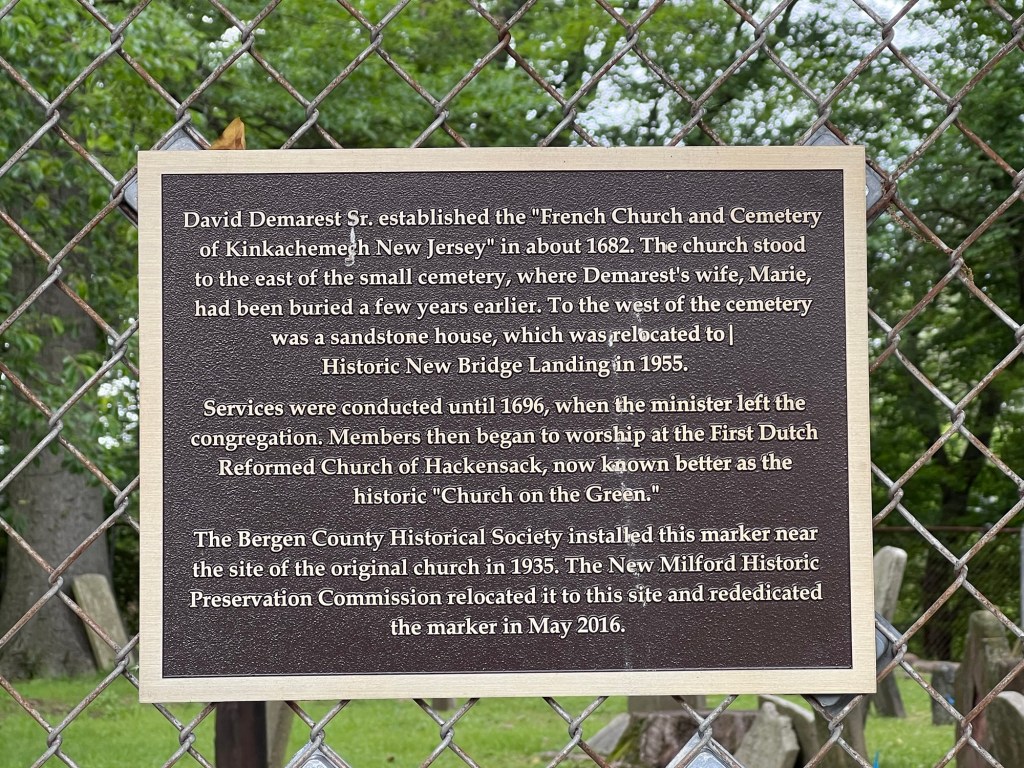
The historic marker in the front of the cemetery
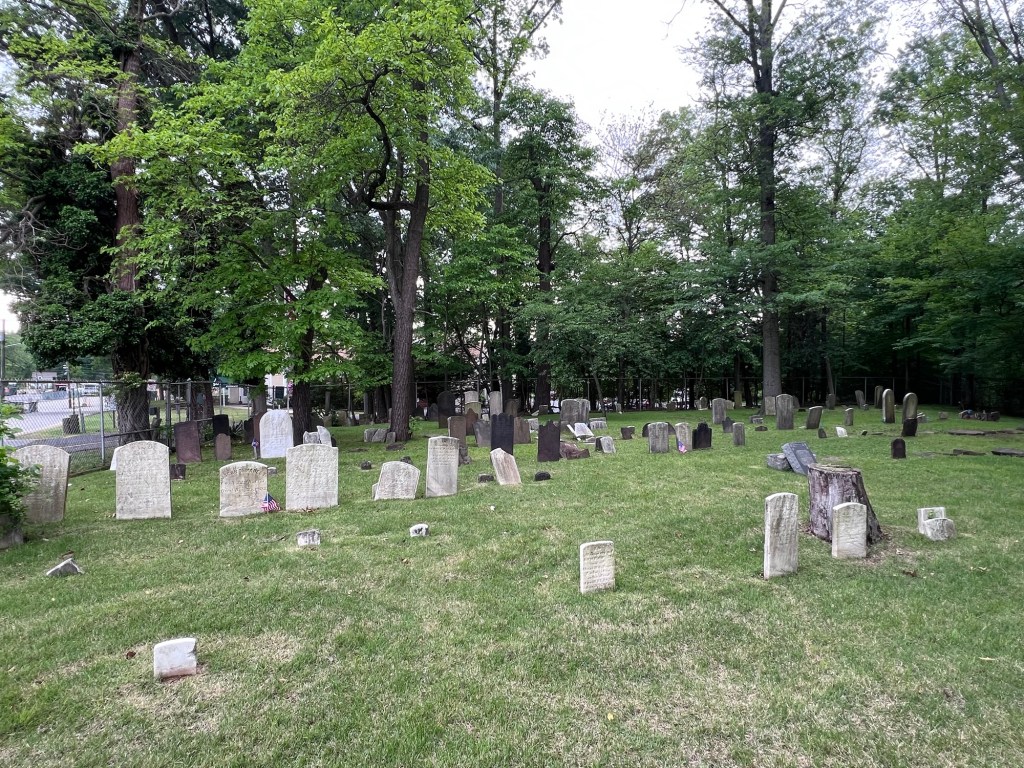
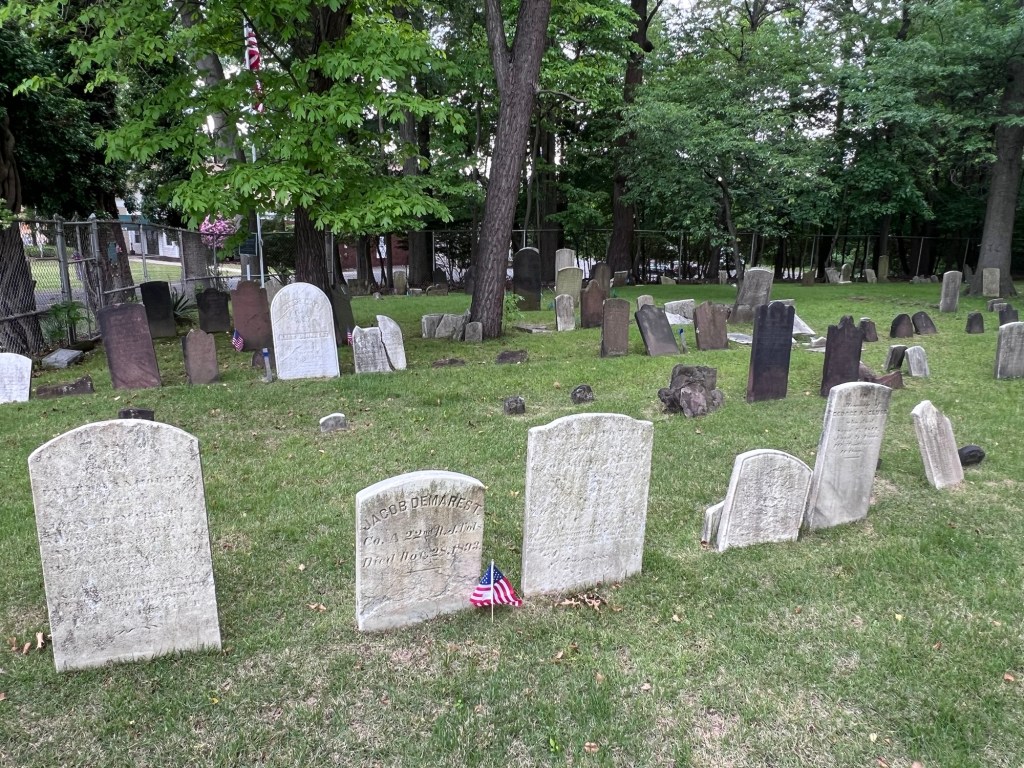
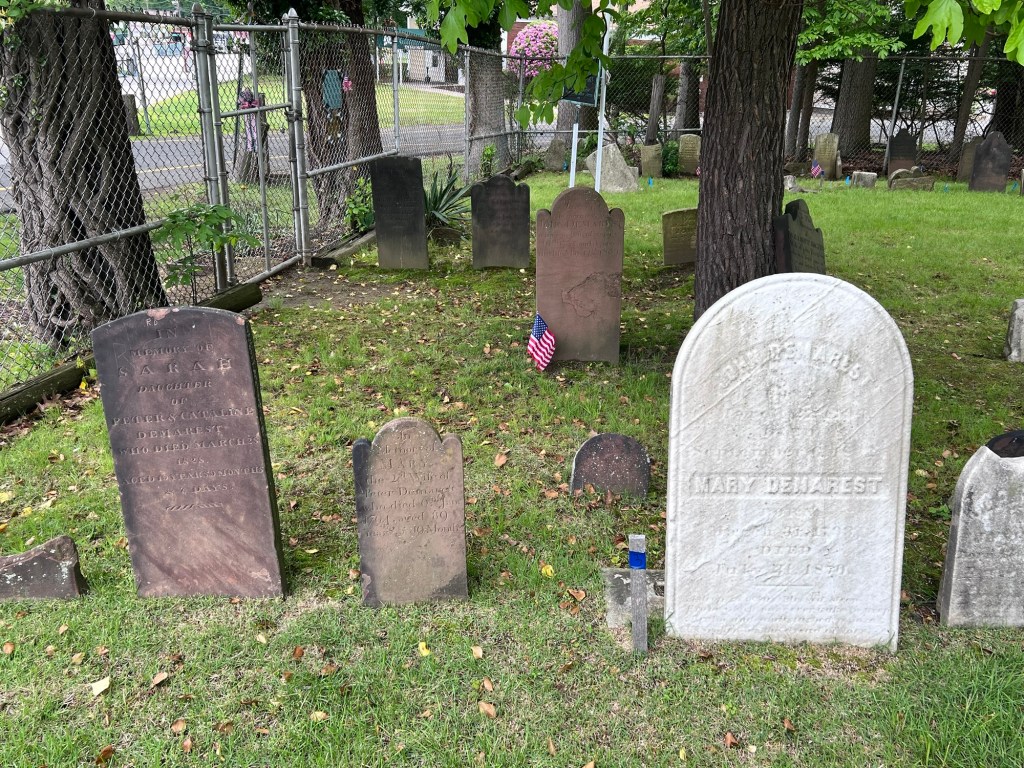
The French Burying Ground
The French Ground is a small historic cemetery once sat next to the French Church and the David Demarest House, that has since been moved to the Bergen County Historical Society site.
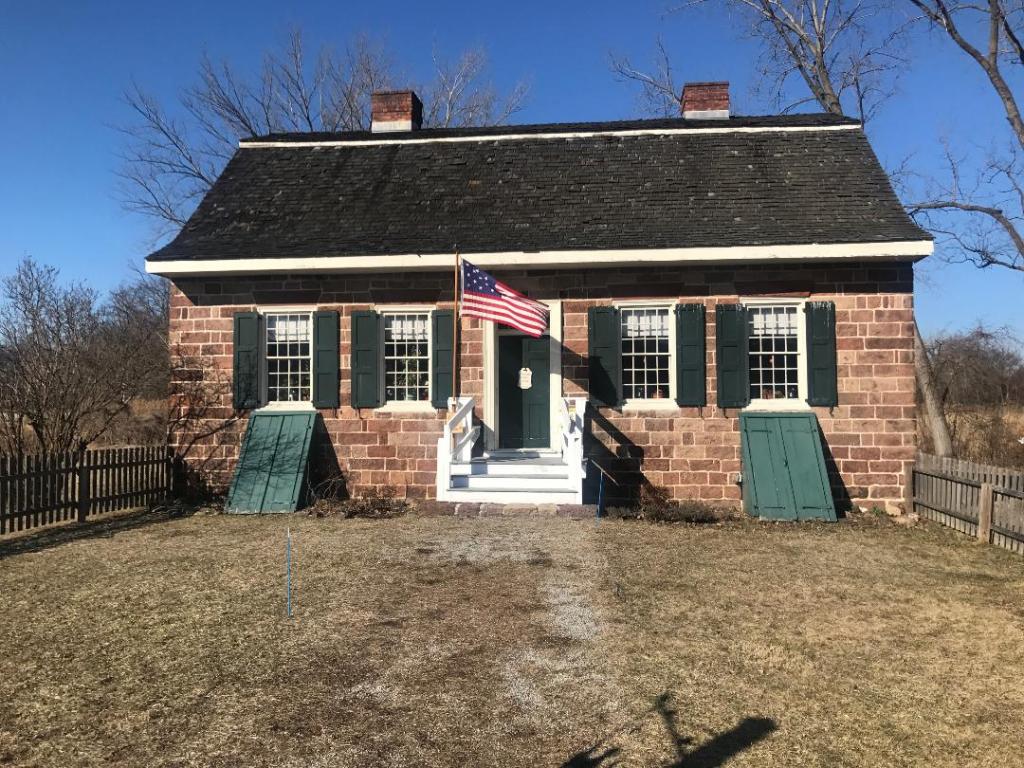
The Demarest House at the Bergen County Historical Society
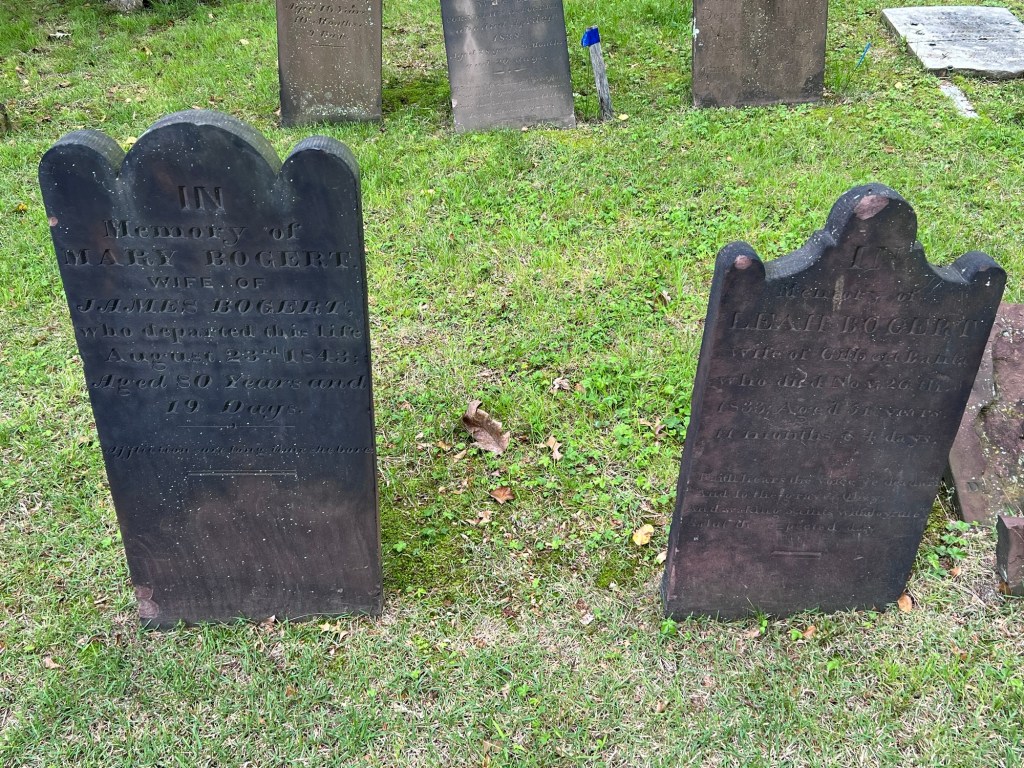
The graves of members of the Bogert, Demarest and Christi families
The History of the French Burying Ground:
(from the New Jersey Historic Trust)
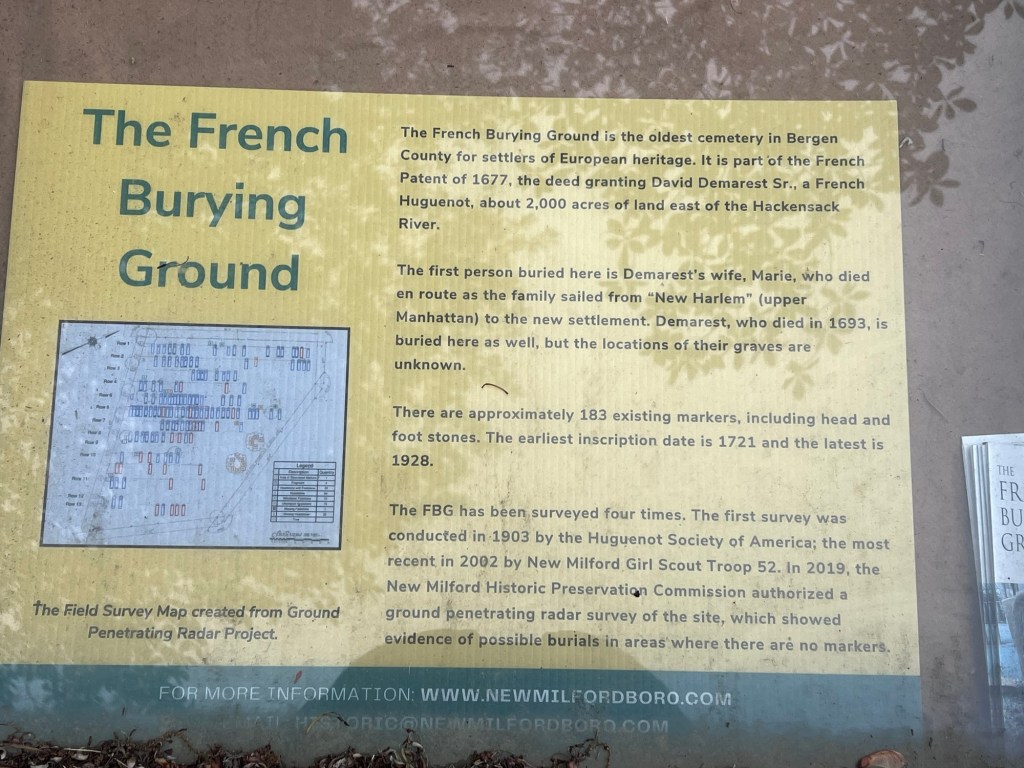
Thought to be oldest cemetery in Bergen County, the French Huguenot-Demarest Cemetery was established in 1677 as the final resting place for prominent French Huguenot and Dutch settlers in the eighteenth and nineteenth centuries. David Demarest purchased approximately 2,000 acres of land along the east bank of the Hackensack River from Native Americans in 1677 to establish a colony of French-Huguenots.
The cemetery is all that remains of the original French-Huguenot colony and has more than four dozen descendants of Demarest family buried on site. The Borough of New Milford acquired the property in 2018 and has been working closely with the New Milford Historic Preservation Commission to plan for its restoration and future interpretation.
The French Burying site sign
The cemetery (technically a graveyard since there was a church once here) is the final resting place of many of Bergen Counties Revolutionary War veterans as well as many prominent families including the Demarest, the Bogert and the Christie families. These were some of the founding families of Bergen County.
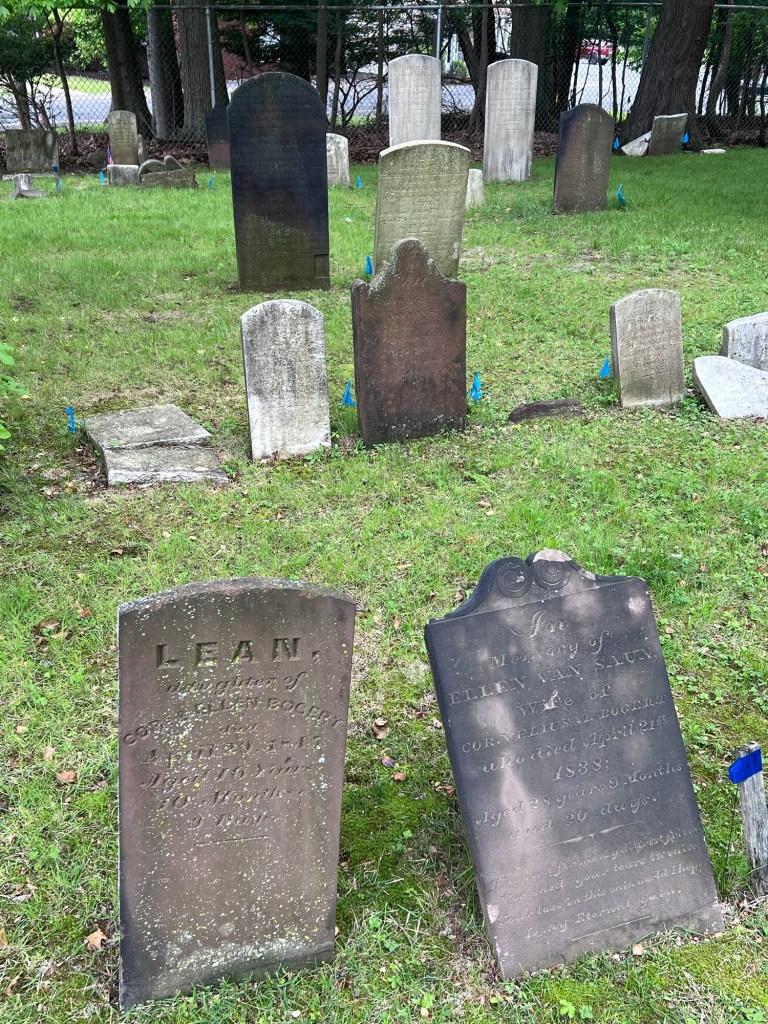
The graves of the prominent Bogert and Van Saun families
The cemetery has a quiet elegance about it with the many different styles of tombstones and the sheer history of these families and their contributions to the creation of our country.
The historical marker notes the cemetery was first used in 1677 after an agreement with the Native Americans
The back part of the cemetery
Members of the Bogert family
Members of the prominent Bogert family
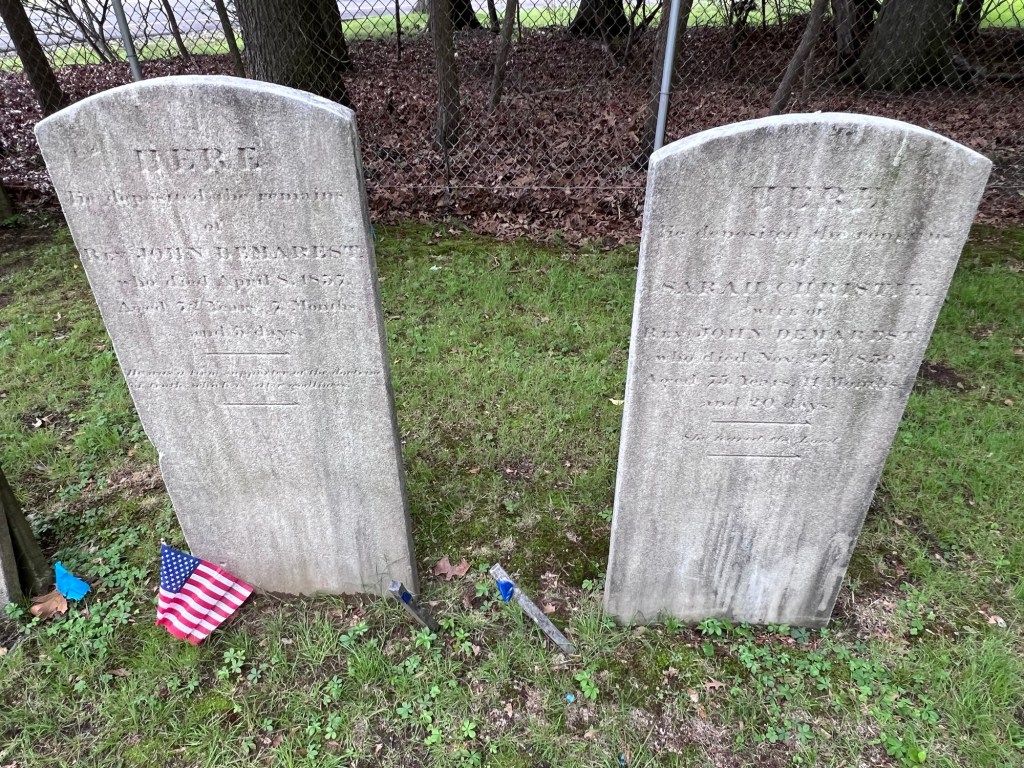
Members of the prominent Demarest family with Revolutionary War veteran Reverend John Demarest
Members of the prominent Demarest family
The historic marker of the original church site
There are many of the veterans of the Revolutionary War buried at the site some of which survived the battles and went on to have productive lives in their communities.
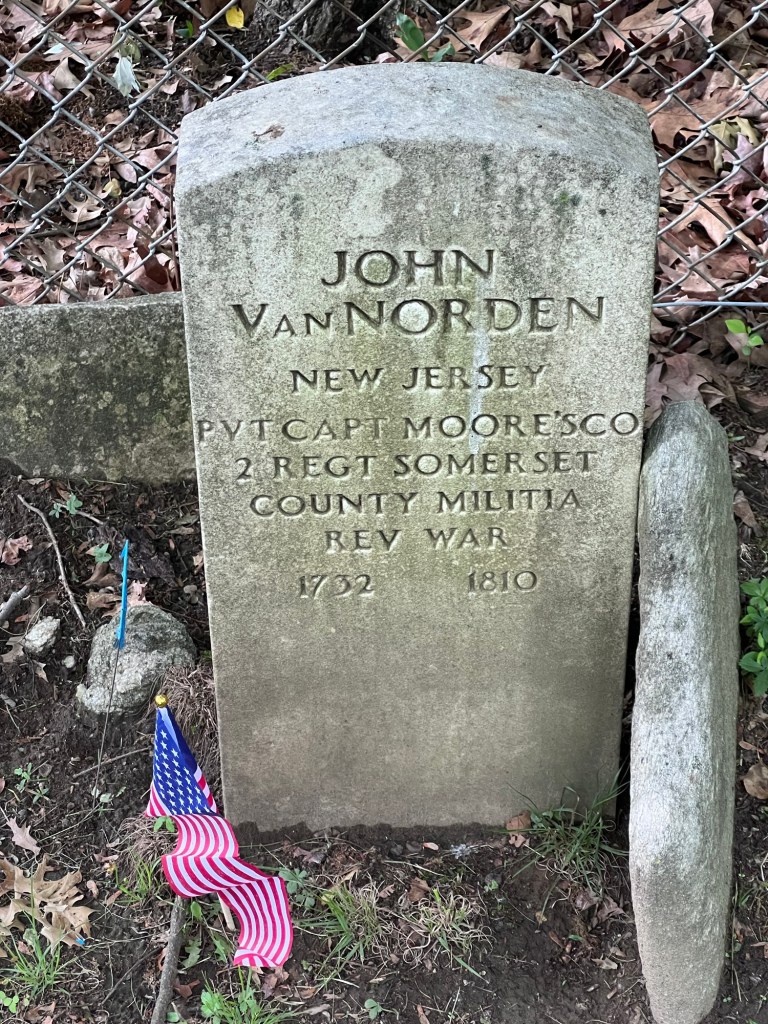
Veteran John Van Norden
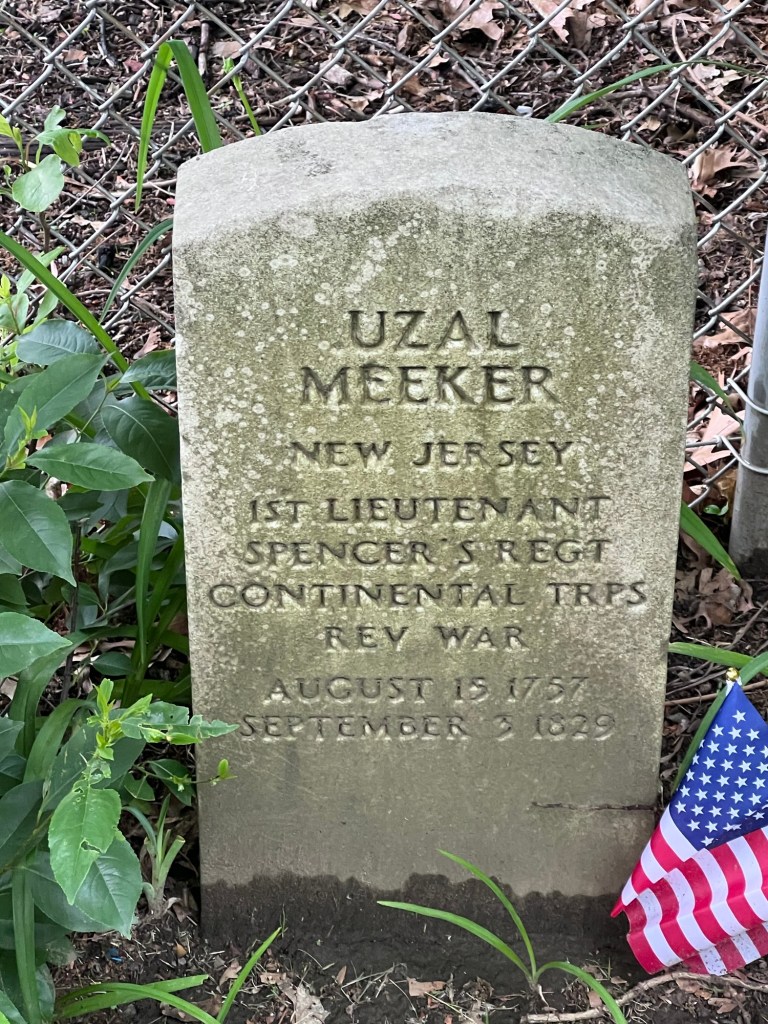
Veteran Uzal Meeker
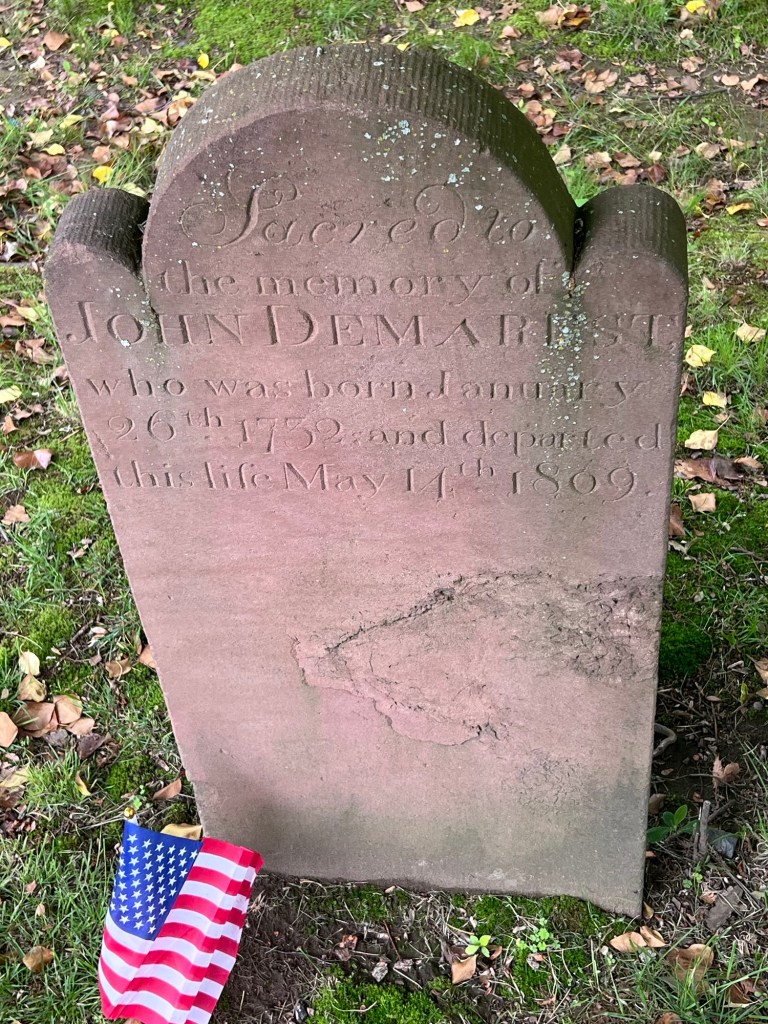
Veteran John Demarest
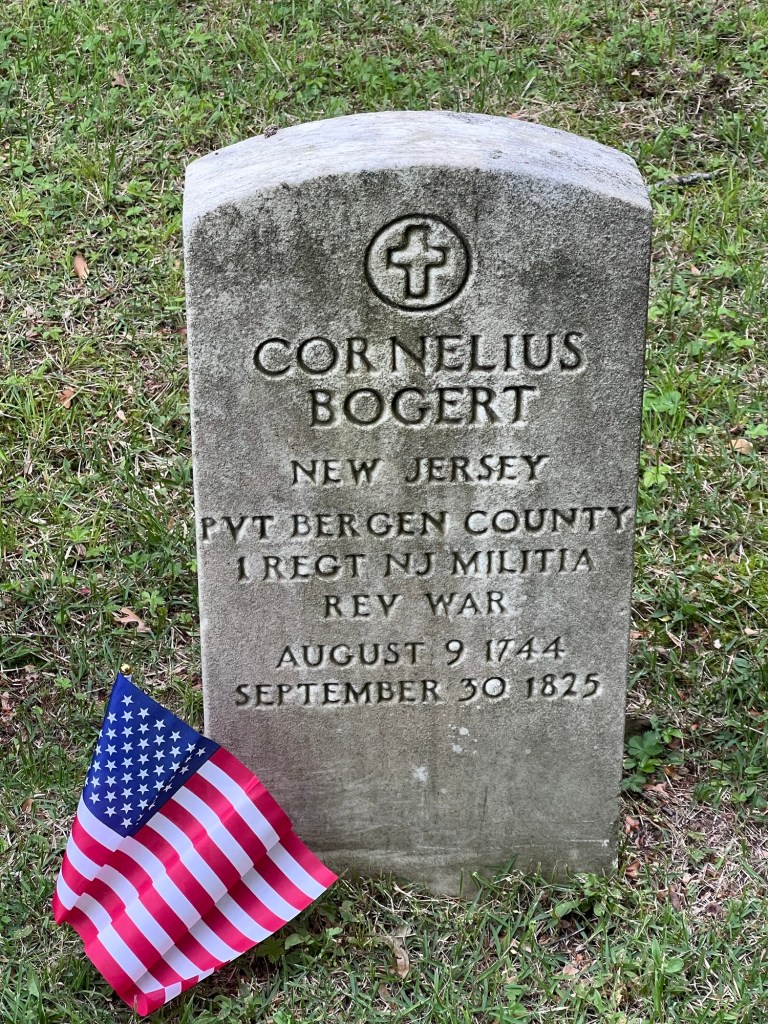
Veteran Cornelius Bogert
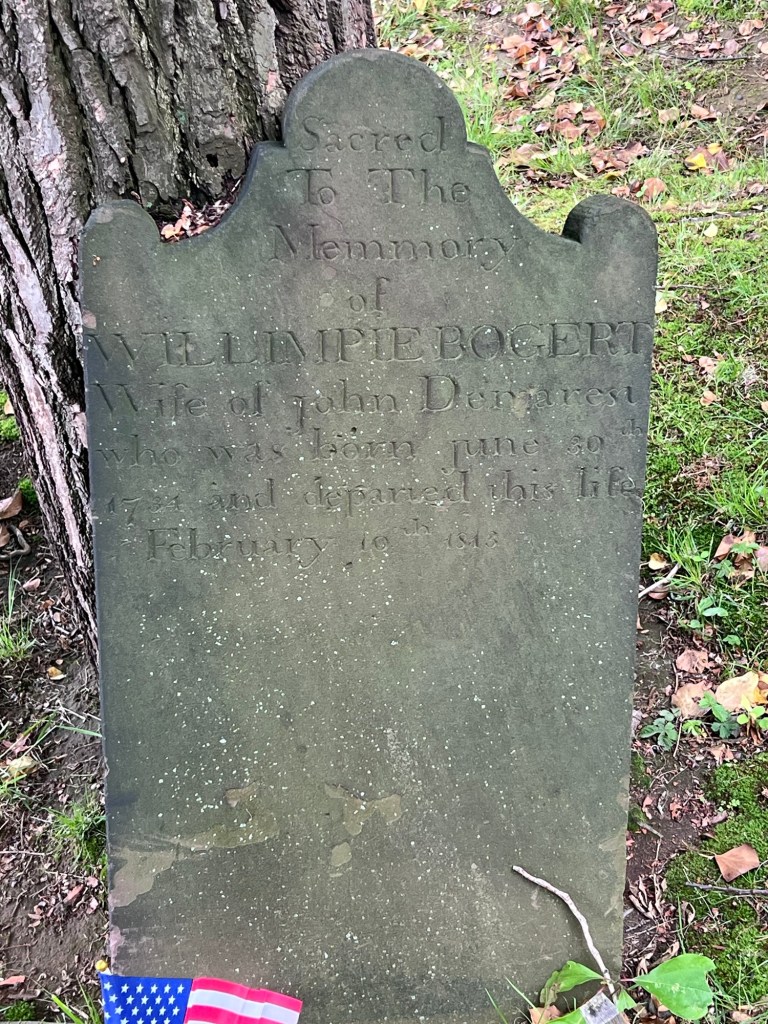
Veteran Willimpie Bogart Demarest
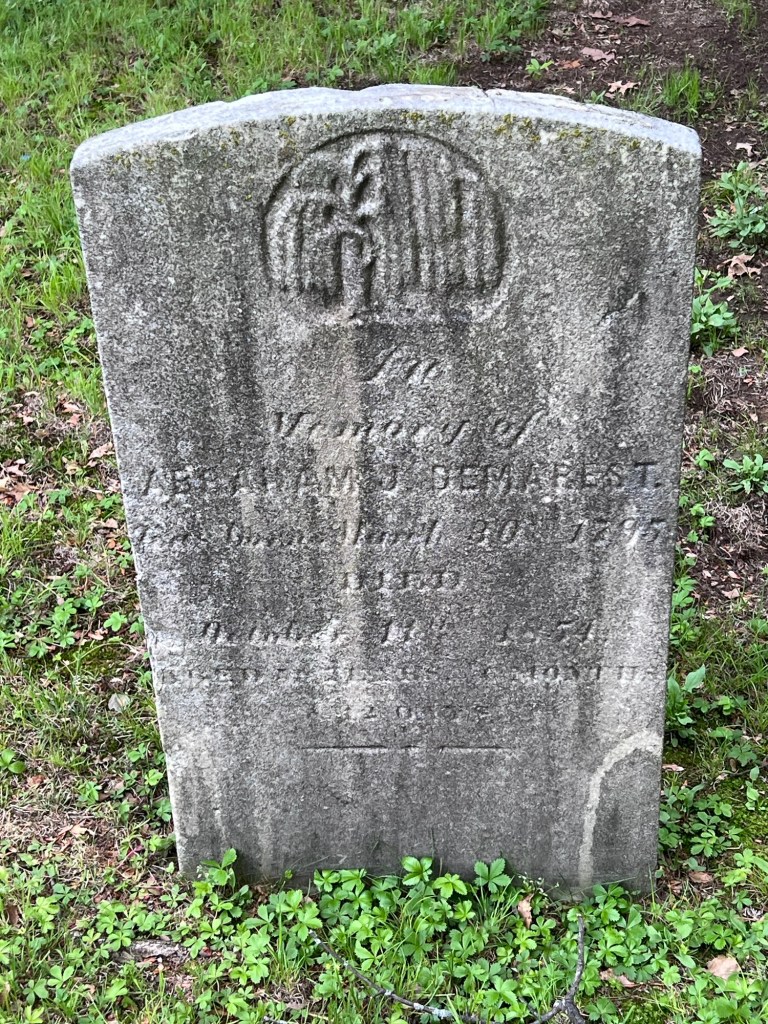
The grave of Patriot Abraham Demarest
This cemetery, like the rest of the small cemeteries and graveyards that dot Bergen County show the history and significance of these families contributions of the residents of early Bergen County and how they shaped the founding of this country.
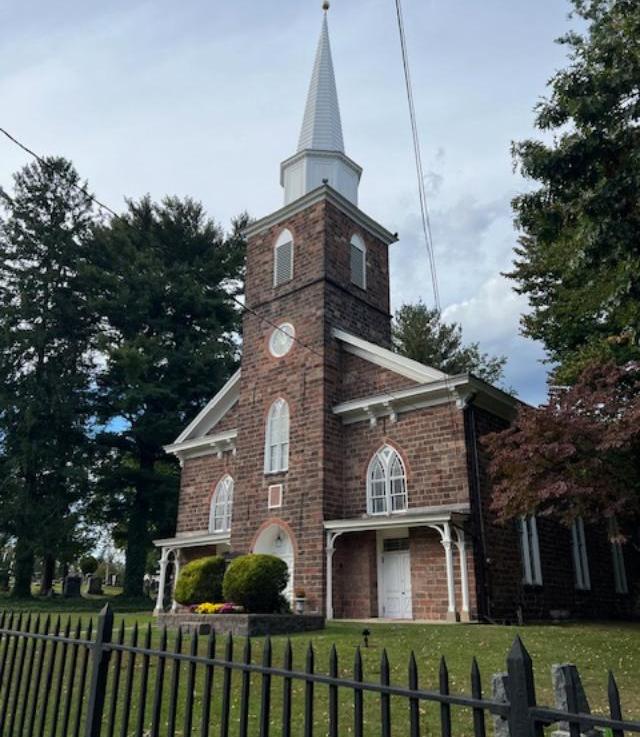
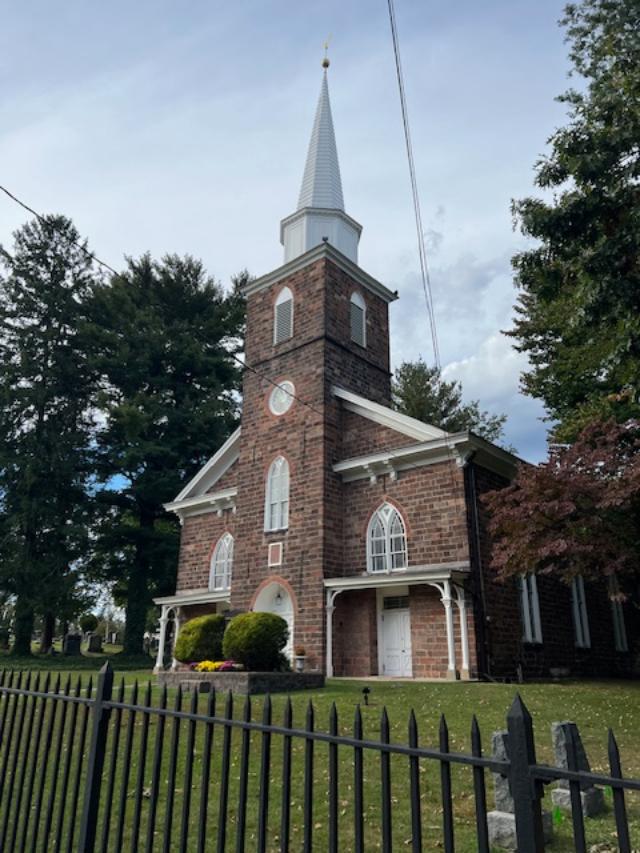
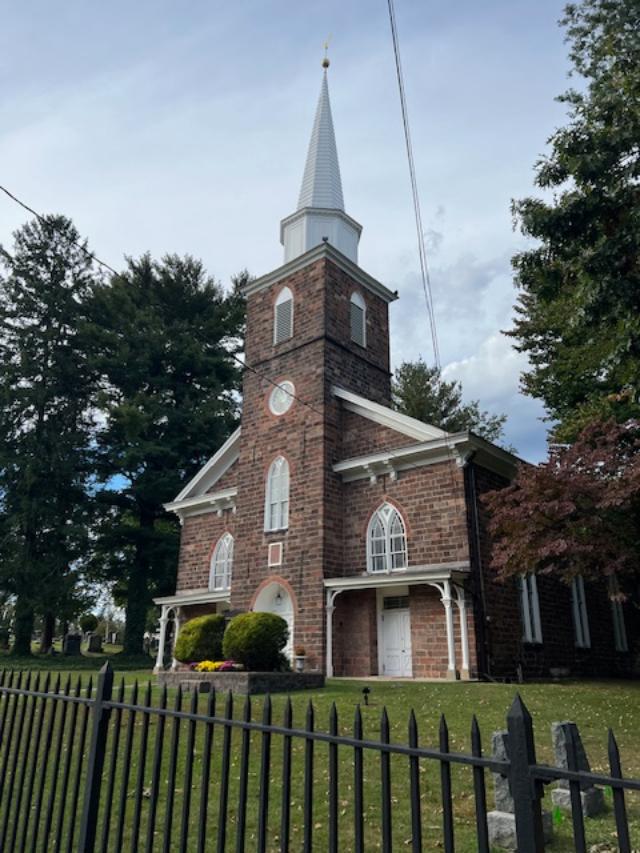
The South Presbyterian Church at 150 West Church Street in Bergenfield, NJ
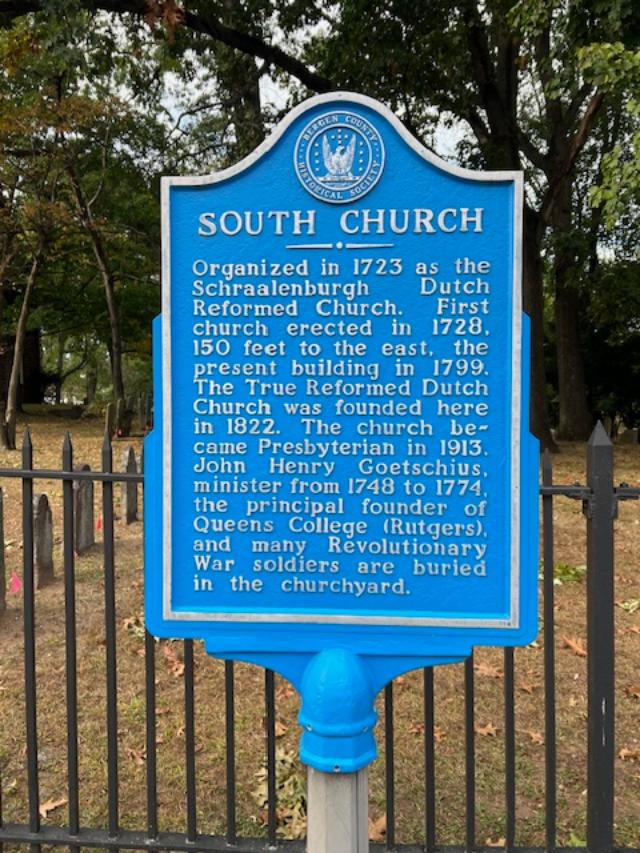
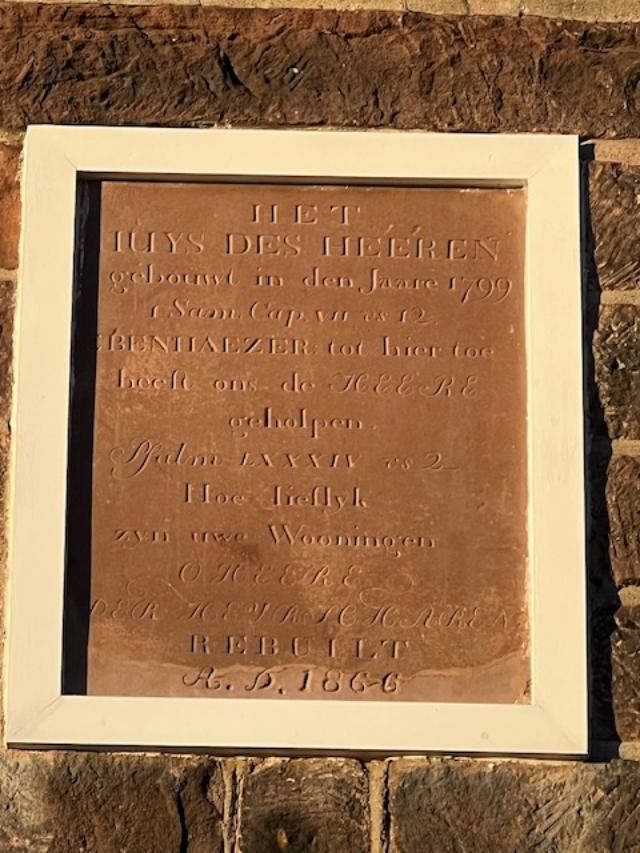
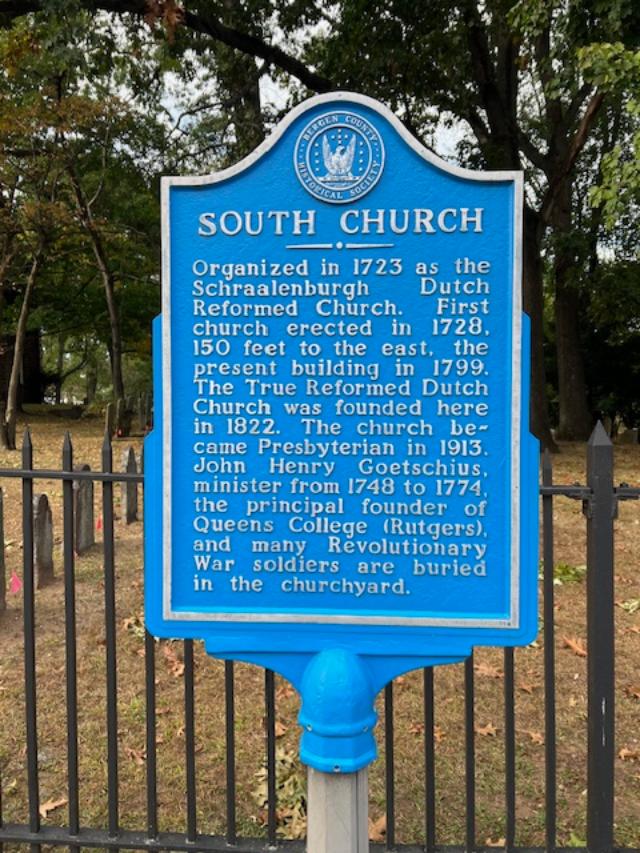
The historic marker in front of the church
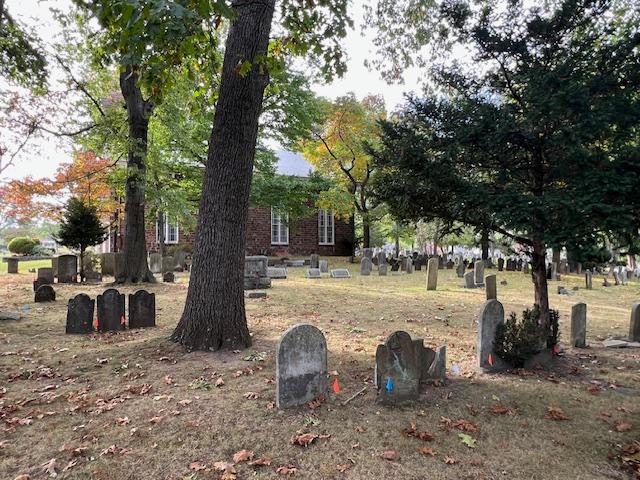
I was in Bergenfield, NJ recently to visit the Bergenfield Museum and I walked around this beautiful church and the graveyard next to it. What a beautiful, graceful building and the cemetery had an old New England charm about it. The graveyard held the graves of many of the original family members who founded the County and lived in Bergen County since the late 1600’s.
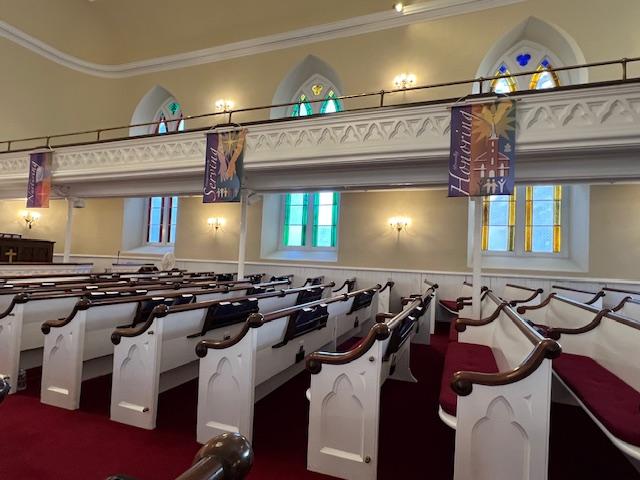
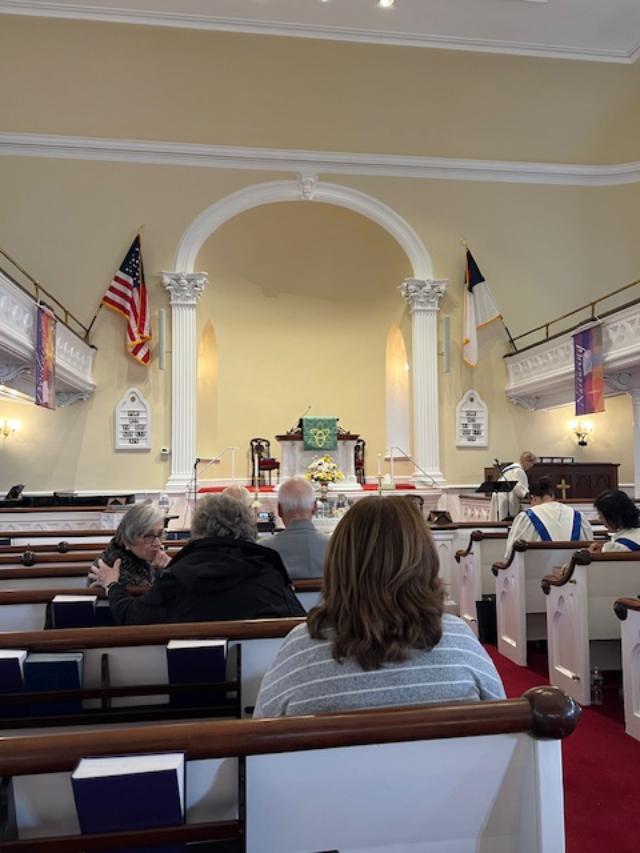
The inside of the church
The church sat in this beautiful area right next to Cooper Park off Downtown Bergenfield. I can’t wait to take a look inside one day.
The inside of the church during Sunday services
The Mission Statement from the Church:
(from the church website)
“As followers of the risen Lord, we, the South Presbyterian Church family, commit ourselves to proclaim the gospel, witness to the promise of God’s Kingdom, and nurture all children of God. In our community and throughout the world, we will serve in Christ’s name through worship and mission. We will serve through open worship, willing service and compassion to all for the glory of God wherever our lives shall take us.”
The historic marker of the church
History of the Church:
(from the church website)
SOUTH CHURCH is descended from the first Schraalenburgh congregation established in 1723. The first church building was constructed beginning in 1724, and fully completed by 1728. This was approximately 36 feet square with a Dutch hip roof ascending to a central belfry and steeple.
The front of the church cemetery
This church stood atop a small hill just west of Long Swamp Brook, facing south and fronting on the new county road laid down in 1717. Using today’s landmarks, we can describe the site as the southeast corner of the present cemetery, directly across Church Street from the South Church House. For more than seventy years, this small church building served the farmers of Schraalenburgh. The site of the new church was apparently chosen because of the presence of a large spring across the road near Long Swamp Brook.
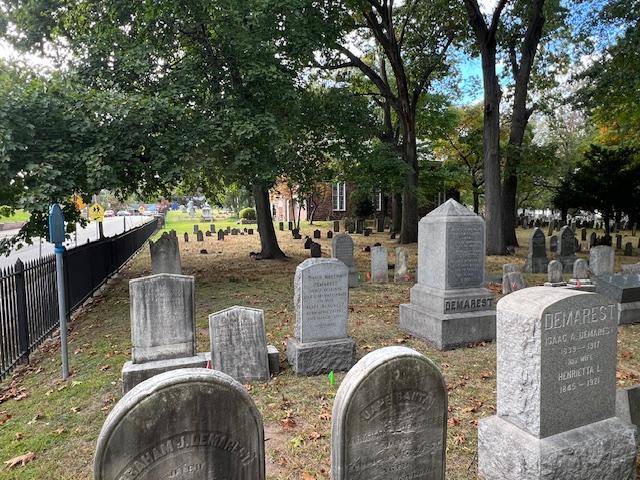
The historic graveyard with some of the original families of Bergen County
The philosophy of the Dutch Reformed Church shaped the growth and development in the early years of the church’s existence. In the more than two and a half centuries of its history, the members of the congregation had to choose many times between the strictly puritanical concepts and the more convenient religious beliefs, and invariably chose the puritanical. Some members were the patriots of the Revolution while others were Tories. In 1799, the new South Schraalenburgh Church was built a short distance to the west of the original building.
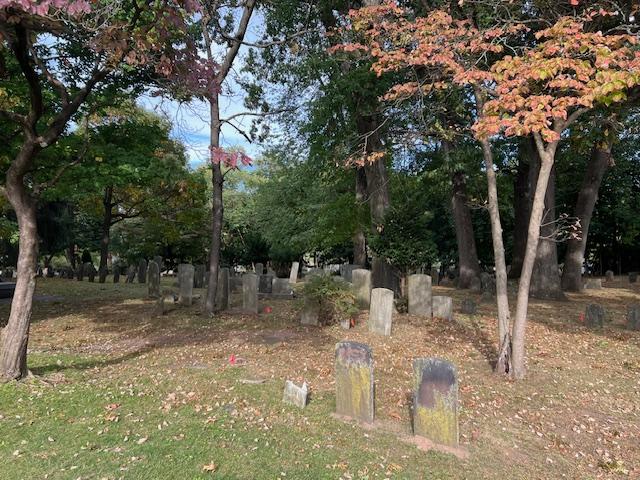
The historic cemetery during the Fall of 2024
Because of differences within the congregation in the late 1700s, two groups were formed and when a decision was made to build a new church, the opposing group withdrew, purchased land and built the North Schraalenburgh (now Dumont) Reformed Church in 1801. In May 1866 the congregation voted to enlarge and remodel the building, adding 15 feet to the north end and replacing part of two windows in the front with doors on each side of the original single door, as you see it now. This was completed in 1867.
The Church graveyard
In the past century, the building has had its share of modernizations— candlelight gave way to oil lamps, and in turn to electrification. Heat was installed, first coal fired, then oil, now gas, although the old drafts persist to this day. However, the charm and grace of the old Dutch Church at Schraalenburgh have remained. The South Church House completed and dedicated in September 1952, on the corner of West Church and Franklin Avenue, is used by the church for various classes and events and many community organizations meet there. In 2002 South Presbyterian Church celebrated the 50th Anniversary of the Church House.
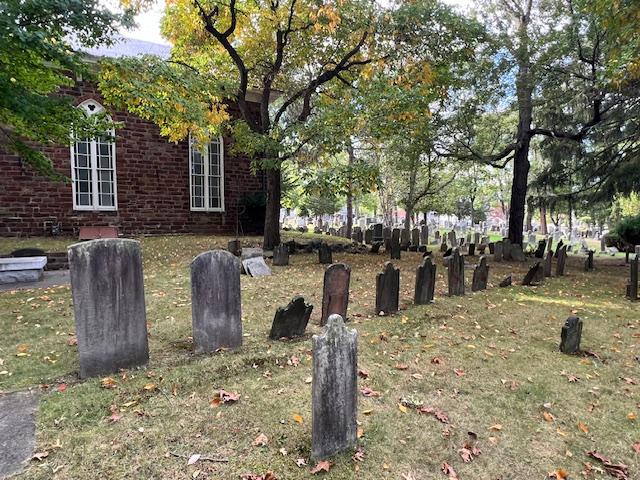
The historic graveyard at the side of the church in the oldest part
The South Presbyterian Church was placed on the National Registry December 6, 1975 and the Manse on August 24, 1979, both through the efforts of Mrs. Adrian Leiby. In 1913, after much discussion, the congregation chose to unite with the Presbyterian Church. Today, after almost 3 centuries of building and remodeling, separating and uniting, South Presbyterian Church in Bergenfield remains committed to the values of those Christian farmers who first gathered at this site to worship in 1723. . . steadfast in purpose and faith.
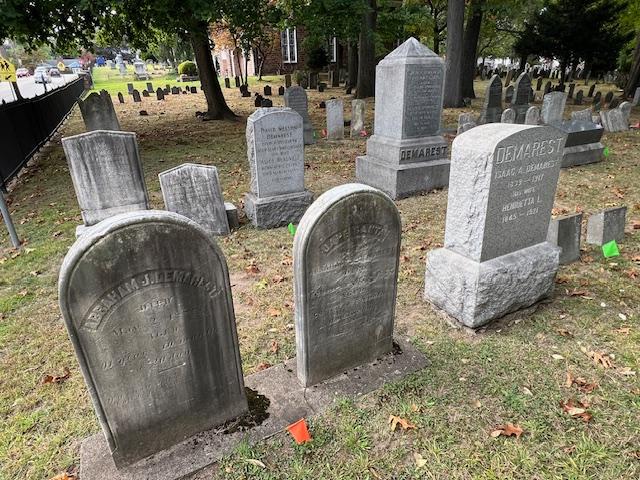
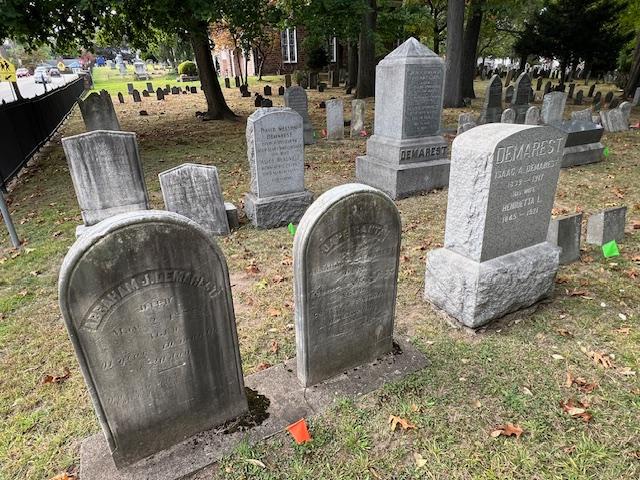
The Demarest family plot
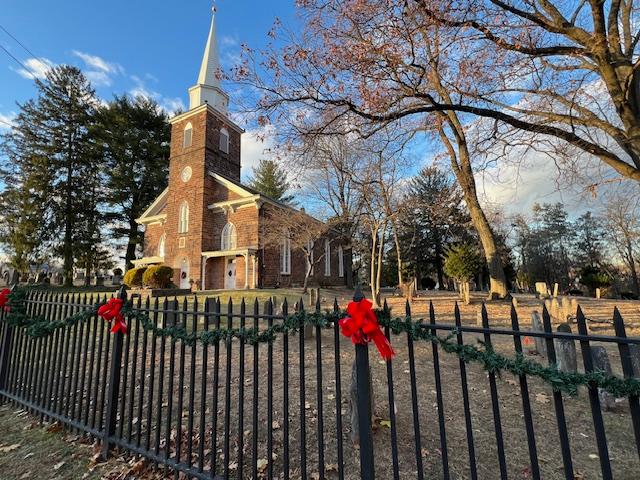
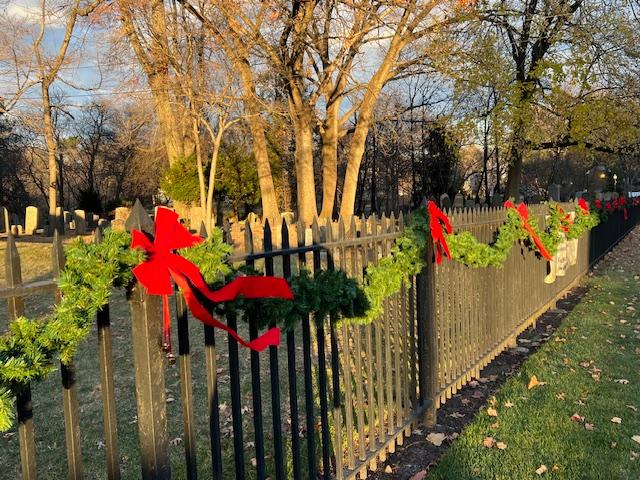
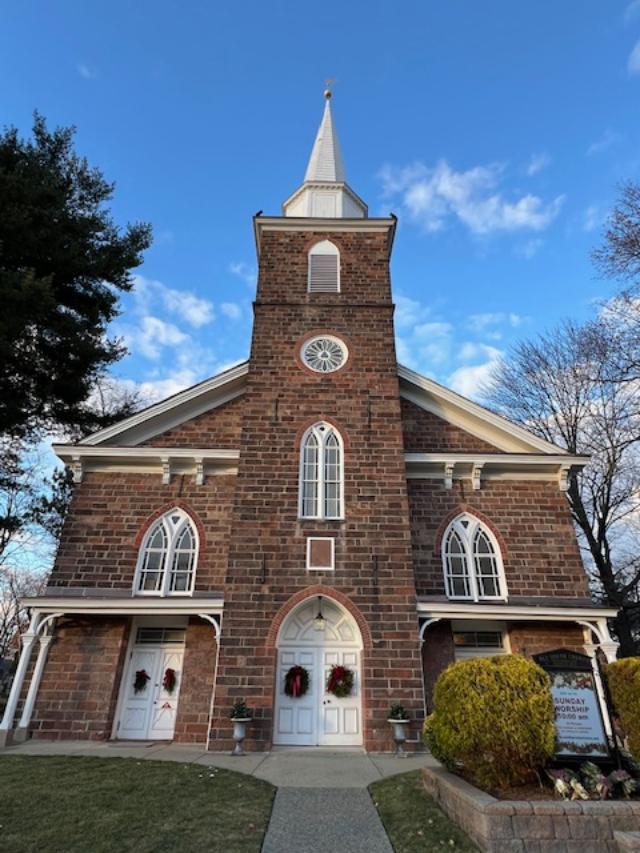
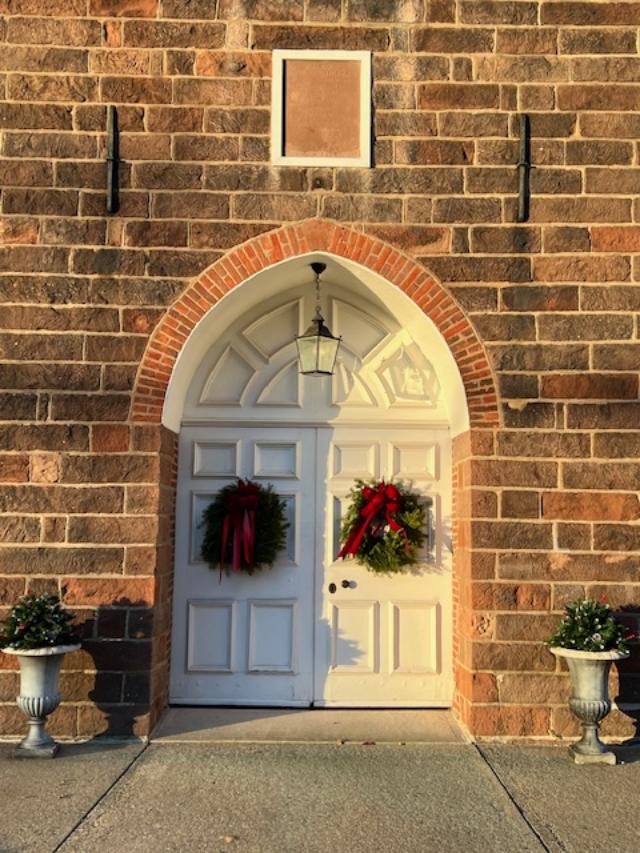
The Church is especially beautiful at the holidays all decorated with wreathes and garland.
The South Church decorated for Christmas
The fences are so nicely decorated for the holidays
The outside of the church decorated for the holidays
The front of the church at dusk
The front doors are so welcoming at the holidays
The Bergecco-Parc Consulting Inc. Project promoting the church for “Dark Tourism”:
In a recent project I created for my Marketing Students at Bergen Community College in Paramus, NJ, under the fictional company “Bergecco-Parc Consulting Inc.”, the Teams were tasked in creating a project that promoted the South Presbyterian Church for “Dark Tourism”, meaning that we promoted their historic cemetery for a historic walking tour concentrating on the Demarest family plot.
Here are the videos on the Bergenfield, NJ Historic sites project:
We walked through the park again to my take note of its Depression era past and beautiful views and colors and made our way to the historic South Presbyterian Church and its historic graveyard where the second half of the project would take place.
South Presbyterian Church at 150 West Church Avenue
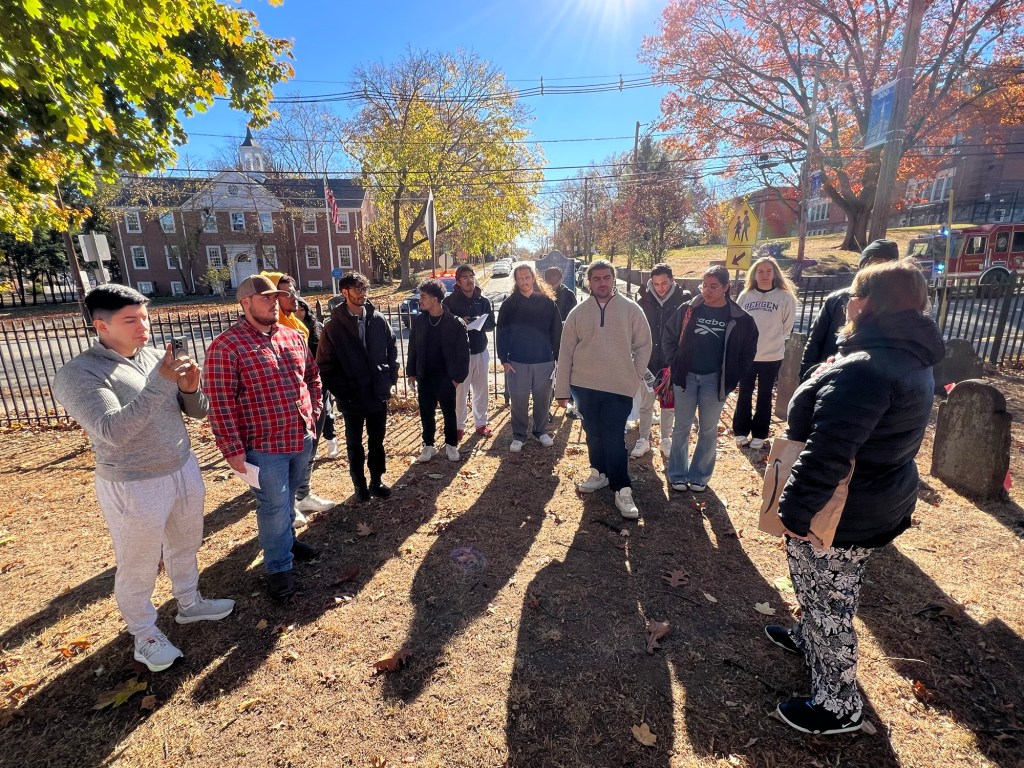
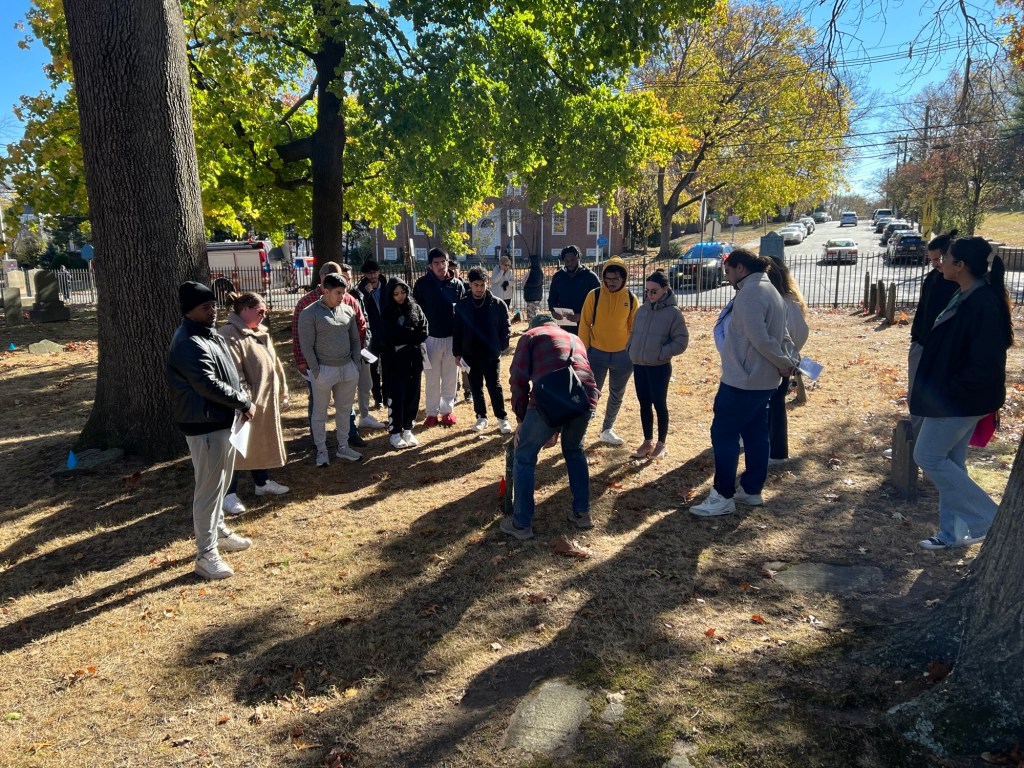
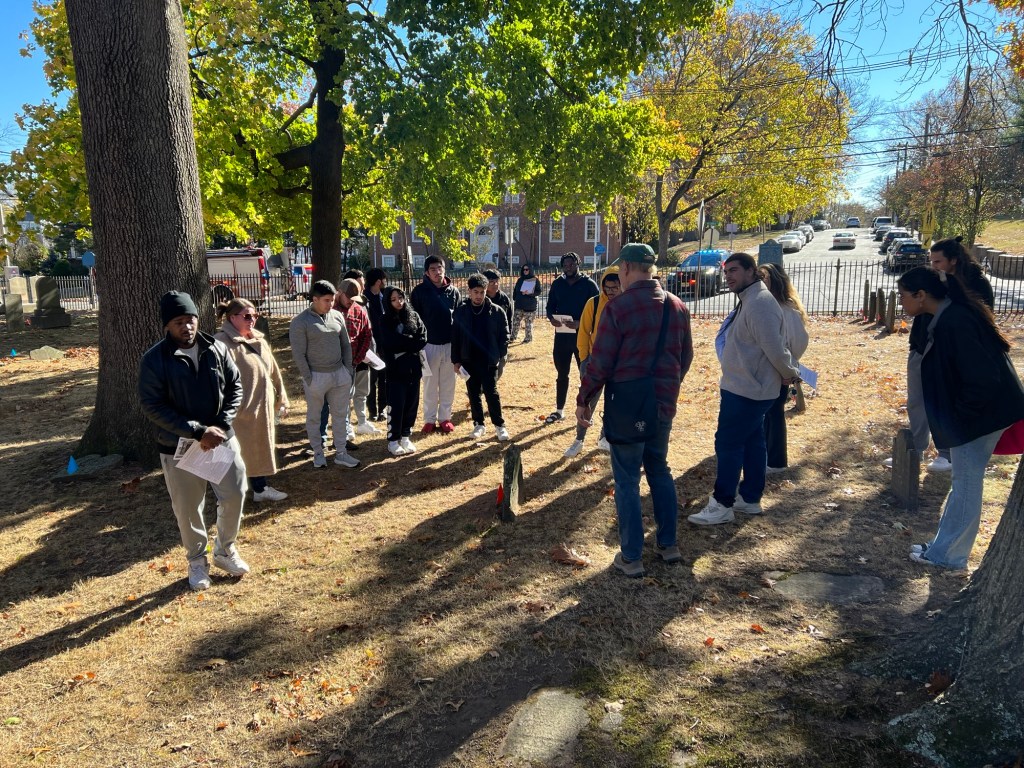
Touring the South Church graveyard for the historical walking tour with members of the Church volunteer staff
The tour was lead by Bob Carpenter, a historian who is helping renovate this historical graveyard
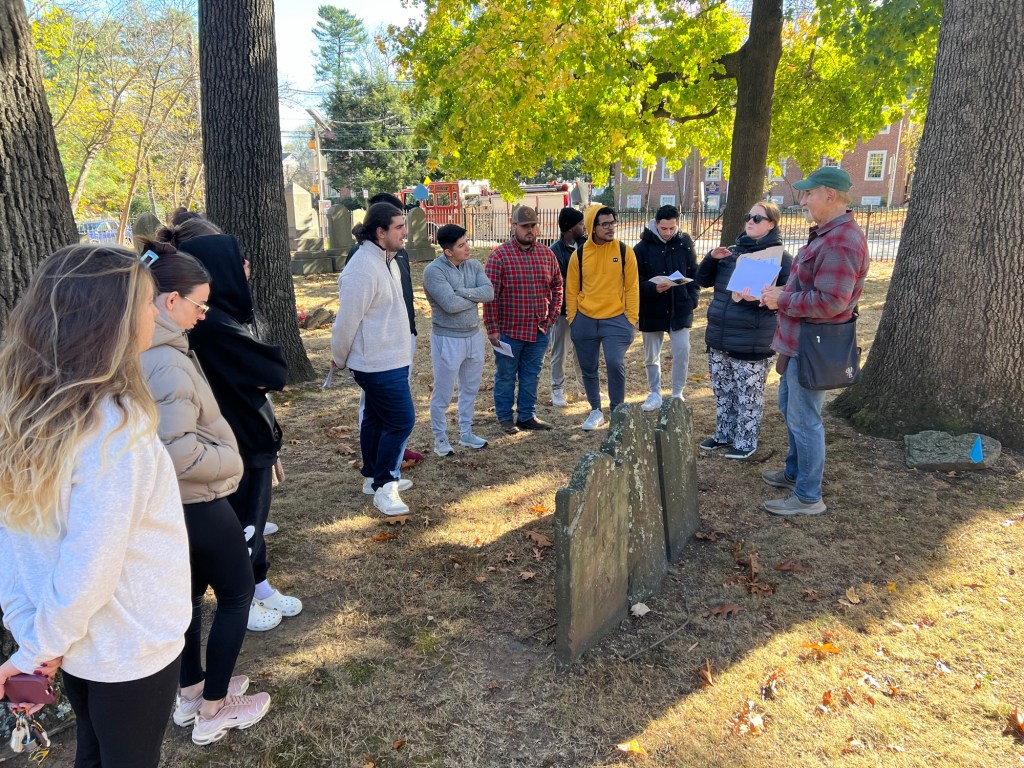
The tour of the historical Demarest family plot, which ties into the museum building’s historical past, was lead by historian Bob Carpenter, who is helping the church renovate and restore the graveyard. Mr. Carpenter explained to us how he was fixing all the plots and historic tombstones and how the maintenance of the stones needs to be carefully done.
Mr. Carpenter explains how to maintain the tombstones in these historic graveyards
Video of the walking tour of the historic graveyard:
Both the church volunteers and Mr. Carpenter explaining to the students how families were buried in the 1700and 1800’s
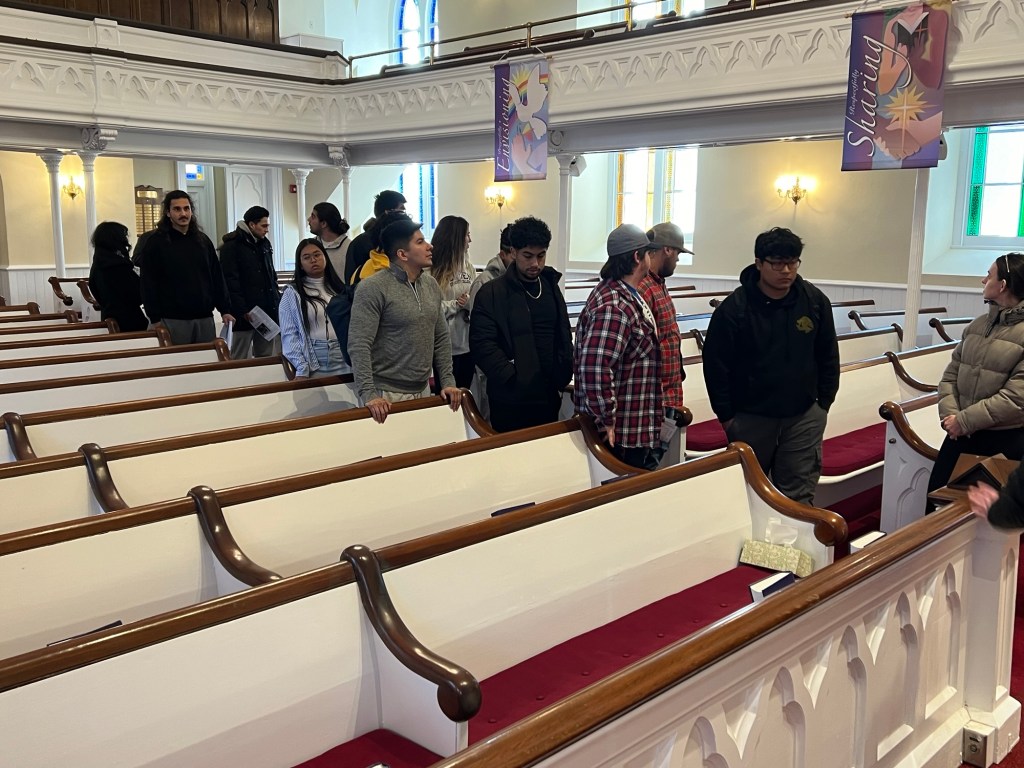
We finished the tour that afternoon inside the South Church to learn its history in the community. Though it will not be part of the project, the church offered the students a glimpse into Bergen County’s past as the original church was built before the Revolutionary War.
The Student Consultants touring the pews of the South Church
Once the tour was complete, the Student Consultants had a better understanding of the locations where the project will take place.
The new project will include walking tours, historical aspects of all three locations, and ways of creating a Destination Marketing Plan for domestic and foreign tourism. This will take place when the Student Consultants present their ideas to myself and the museum and church staffs.
The student consultants had four weeks to this project and put together their game plans. The had to put together commercials to promote the Bergenfield Museum, Coopers Pond Park and the historical cemetery of the South Church. As an extra credit assignment, I had the students develop a Halloween walking tour with food and create a separate commercial for this of which three of the for groups completed.
Here is their Presentation of the Project Promoting the Historic sites of Bergenfield, NJ. This section of videos was on promoting the South Presbyterian Church:
The South Church Cemetery is one of the oldest and historic cemeteries in Bergen County and home to the Demarest family plot, one of the most prominent families in Bergen County. The students were tasked with creating a short Walking Tour video promotion for the project to promote the South Church for tourism.
Team One:
Commercial Two:
Team Two:
Team Three:
Team Four:
*Special Note: I credit my Marketing 201 students at Bergen Community College with all of this work and the dedication that they gave the class. Excellent job everyone!







 Visiting a Museum: The Unique, Unusual, Obscure and Historical