Sunset Beach in all its glory in the summer of 2023.
Sunset Beach is a marvelous place to visit for sunset
Sunset Beach in Cape May, NJ is one of the most beautiful beaches in American and is ranked 24# on TripAdvisor as one of the breathtaking beaches to visit. The beach site in Lower Township in Cape May and is at the very end of Sunset Boulevard which is a direct run from downtown Cape May.
One both sides of the parking lot, there are gift shops and a small café grill. These have limited hours after Labor Day Weekend. The grill is closed after the holiday weekend but sometimes stays open depending on the weather after the Labor Day weekend.
The beach is amazing as you can see the pleasure boats in the distance coming in and out of the small harbor just north of the beach.
The Sunset Beach is really beautiful in the off season when not a lot of people are there
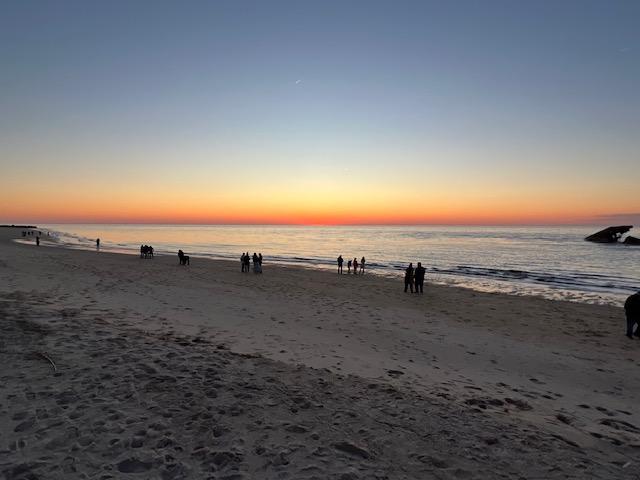
The Start of the Sunset in December 2022
Looking out into Delaware Bay is quite spectacular with its moving waves and the way it glitters in the sun. In the warmer months, it is just nice to walk along the shore and watch the birds. In the winter months, the breezes get to be too much and a short visit is nicer.
The beginning of the sunset
Any time of the year though, make sure to be here for sunset and that is when the beach works it beautiful natural magic.
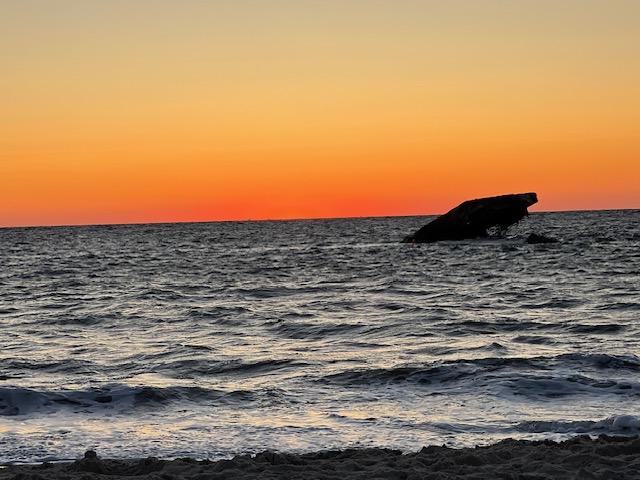
The setting of the sun
The sun disappearing in the horizon
The sun disappearing
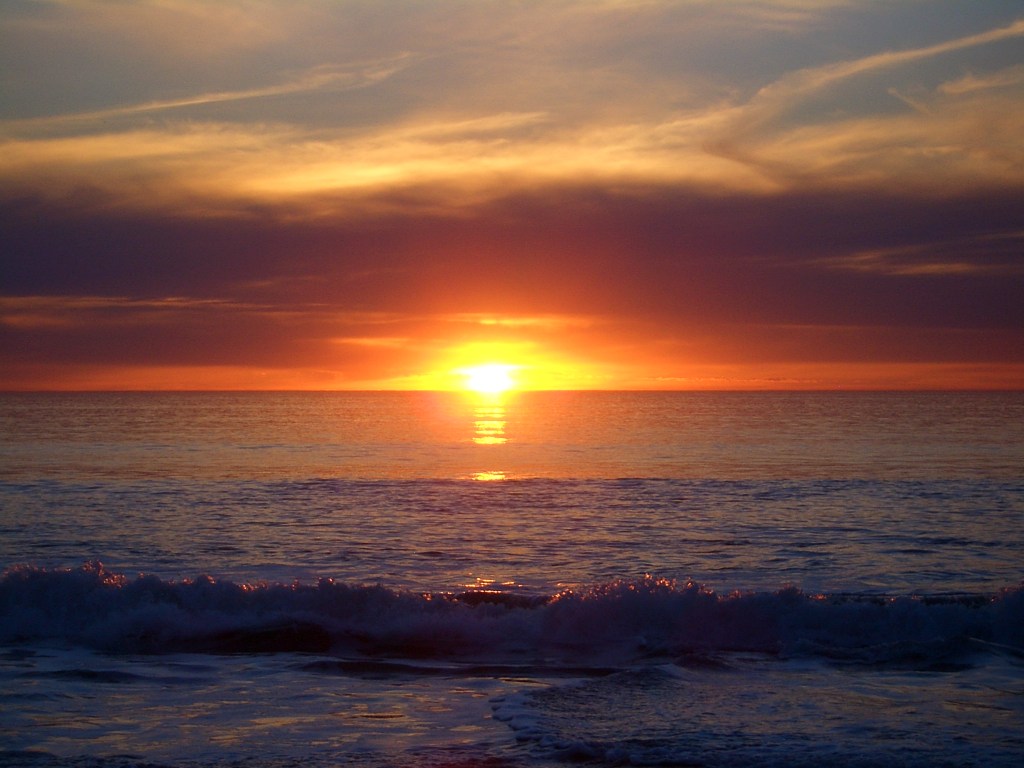
At sunset you will see an array of colors with the sun setting in the distance. The last time I visited the beach in September, it was a combination of oranges, purples and blues as the sun set. The lower the sun the more brilliant the colors. They become more complex as the sun gets lower.
The final sunset
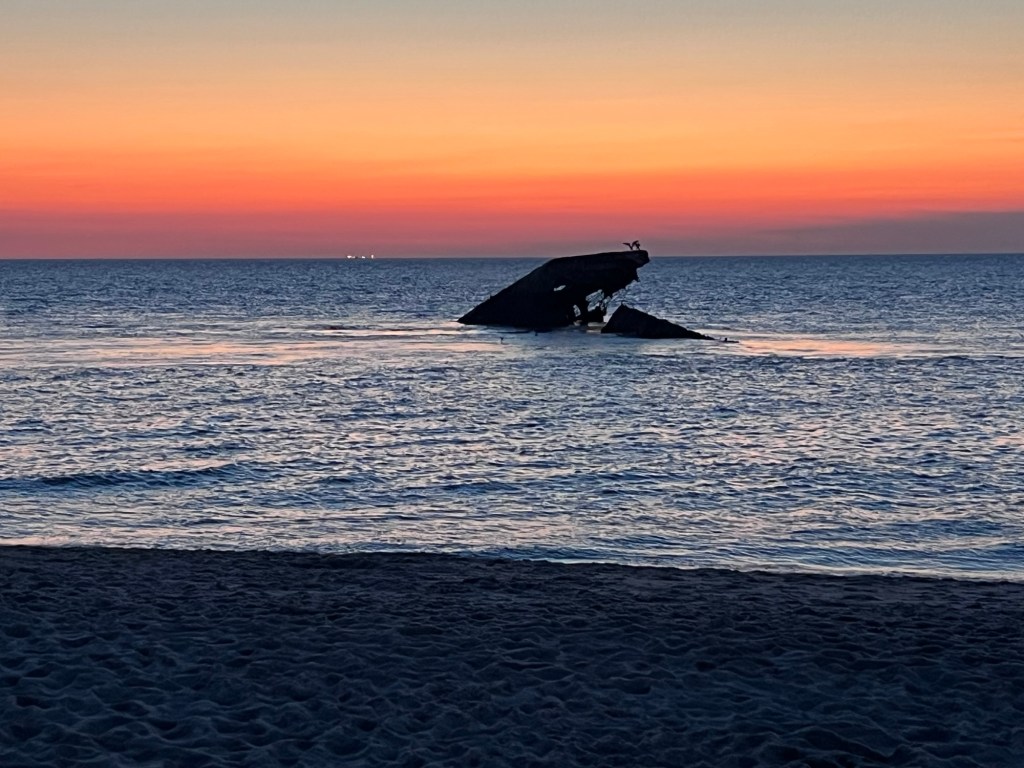
The best part of the view is that it is played out on the large stage. It covers the whole sky and it looks like the sun is going to sleep in the bay. You can almost touch it. Each night when the sun sets its a different color in the rainbow in the sky. The backdrop of the small stone formations and the SS Atlantus Concrete Ship make it more dramatic.
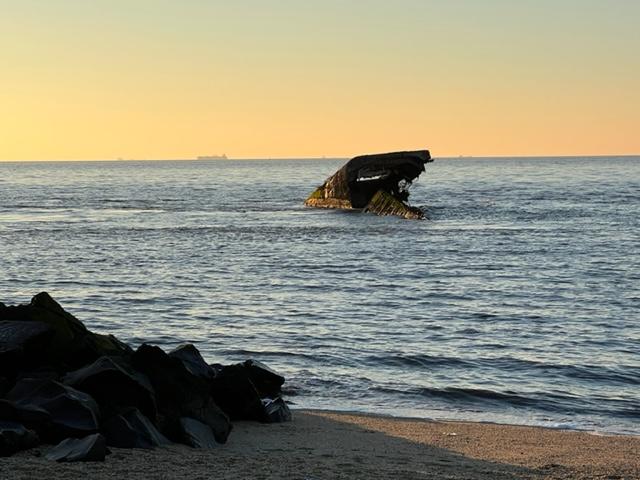
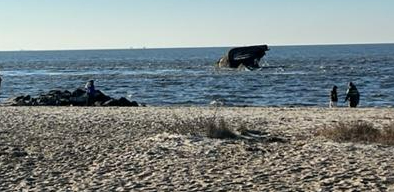
SS Atlantus Concrete Ship
Whenever you are in Cape May, try to finish your dinner early and then watch Mother Nature work her magic by the shoreline. It is an experience that should not be missed. Please try to arrive about an hour before sunset to get a space in the parking lot.
It is the most spectacular site at anytime of the year.
The SS Atlantus Concrete Ship:
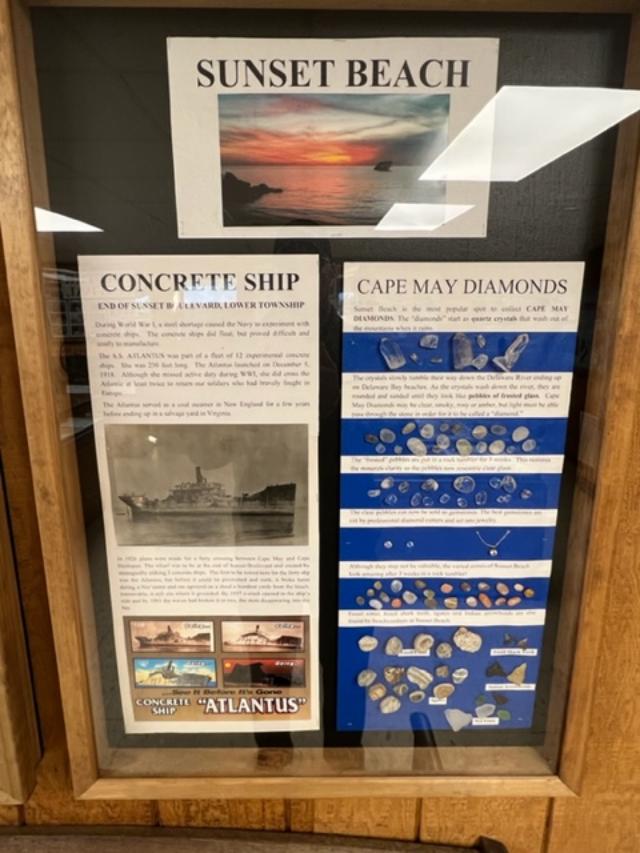
The SS Atlantus Concrete Ship was built and launched in 1918, just after World War I had ended as a trans-Atlantic steamer to return troops from Europe to home. After being decommissioned in 1926, she was purchased along with two other ships to create a ferry dock for ferries from Cape May to Delaware. The plans were later shelved as she ran aground in a storm along Sunset Beach and could not be freed.
Flag Lowering Ceremony:
The Evening Flag Ceremony held every night at sunset between Memorial Day and Labor Day. The lowering of the American flag at sunset is a 40-year-old tradition. All of the flags that are flown at the flag ceremony are veteran’s caskets flags that families being with them from their loved one’s funeral. The ceremony includes the Pledge of Allegiance, the ‘Stat-Spangled Banner’ and a recording of Kate Smith’s ‘God Bless America”.
The beautiful summer sunset in 2023.
Cape May Diamonds:
While taking a stroll along the beach, look out for Cape May ‘Diamonds’. These are small pieces of quartz crystal found in the sand that are washed from the bay. You can find Cape May diamond jewelry in the gift stores at the beach.
(NJ Leisure Guide)
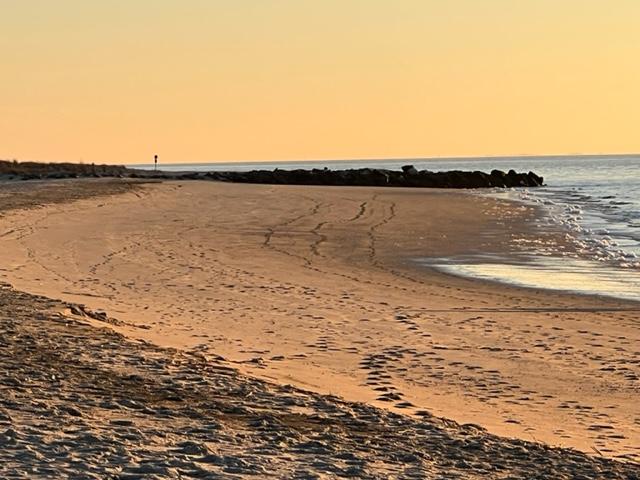
Sunset Beach during the day
Visiting again in 2025:
When I came in the Summer of 2025, for the Firemen’s Convention, that Saturday evening I came on the most spectacular sunny evening and the beach was packed.
Sunset Beach in the summer of 2025
I loved the sailboat in the distance
The beach was crowded with people
Then the sun started to set and the magic began. It was such a clear night it was perfect to see the sun set with no cloud interference.
The setting of the sun at 7:00pm
People getting the birds-eye view of the setting sun
While I was at Sunset Beach, I took a series of videos when the sun was setting to share with all the readers. You really must visit Sunset Beach to experience the beauty and the gracefulness of Mother Nature at her best. Until then, I hope everyone enjoys these videos of the setting of the sun in Delaware Bay.
The pictures and videos of the setting of the sun at Sunset Beach:
A video of the beauty of the beginning of the sunset
The sun in the horizon
A video of the sun setting
A video of the colors were brilliant that night
All the colors of three rainbow
The crowds that stared to thin out
Rainbow of cololr
The old snack shop here is now a fine dining restaurant
I saw this in the sand
This beach has some of the most beautiful sunsets in the world and I have seen a lot of them. Try not to miss seeing this when you visit Cape May.
Disclaimer: This information was taken from the NJ Leisure Guide and I give their writer full credit for it. The beach is open all year around but it is the best in the warmer months. Don’t miss this spectacular view at sunset.
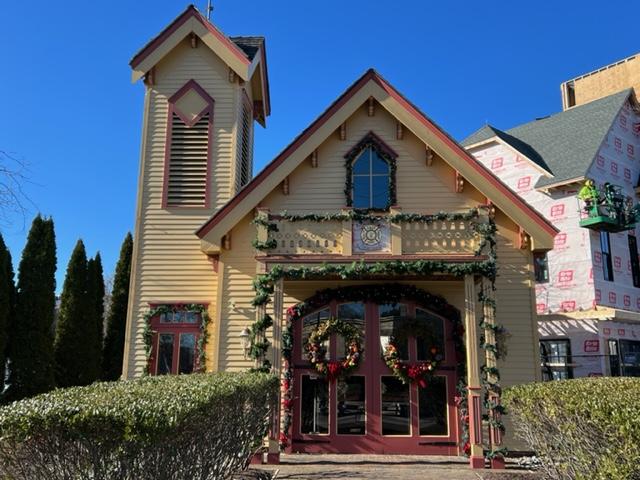
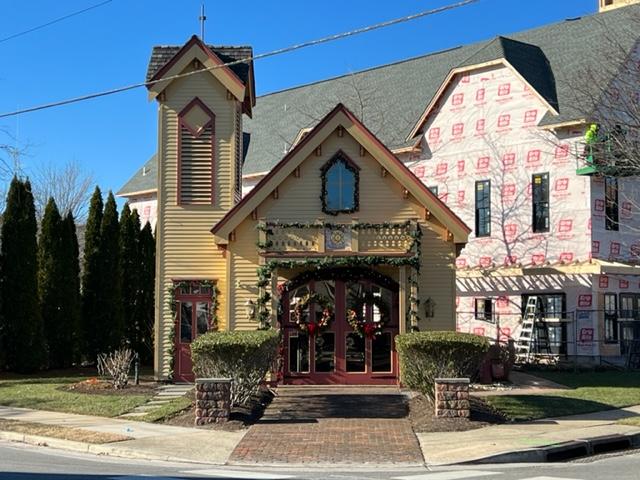
When I was in Cape May, NJ recently and came across the Cape May Fire Department Museum when walking around the town. It is interesting little museum that tells the history of the Cape May Fire Department.
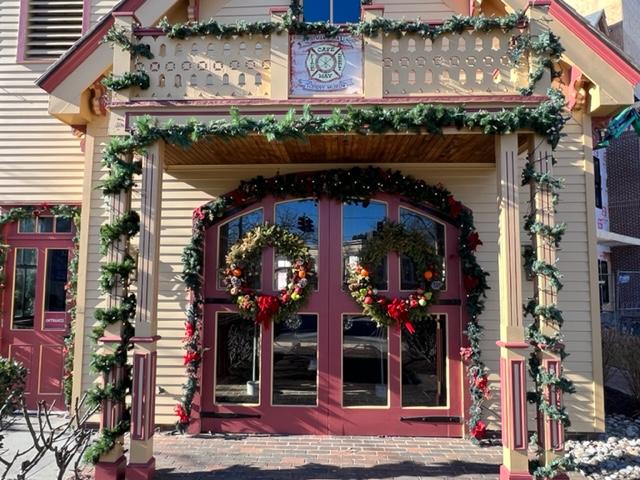
The museum decorated for Christmas 2022
The museum showcases the history Cape May Fire Department since its creation in the late 1880’s. There have been some serious fires over the years that have destroyed sections of the Cape May resort community.
Hotel fires displayed at the Cape May Fire Museum
Some of the resorts oldest and grandest hotels that were made of wood have been leveled by spectacular fires. The department has framed the articles around the building.
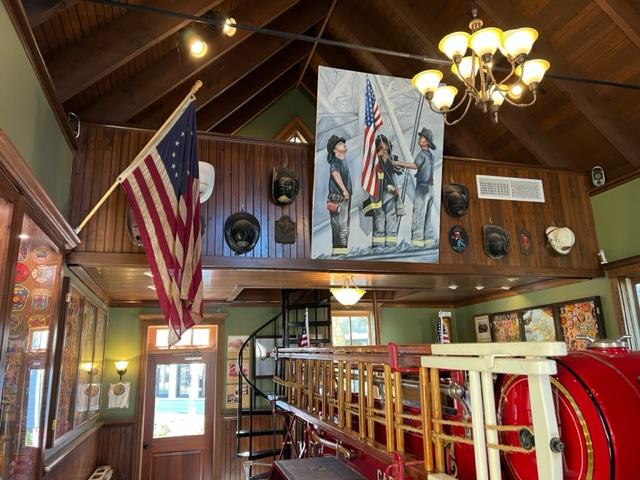
The inside of the Cape May Museum
There is also large collection of patches from fire departments all over the country, displays of equipment from all eras of firefighting and some displays that are dedicated to retired firemen from the department with their equipment.
Patches and Bunker gear
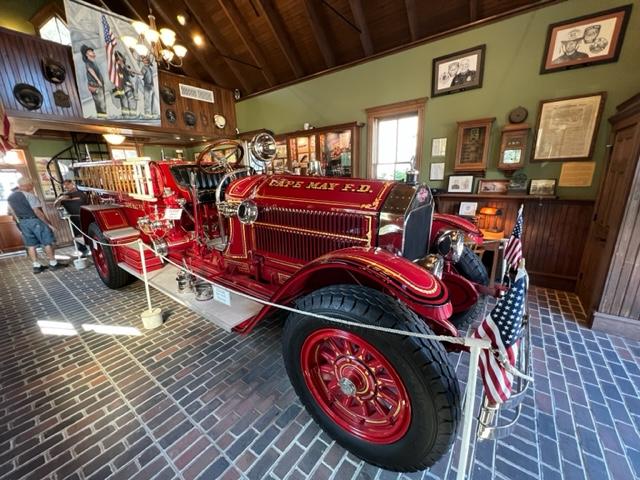
Some fascinating old fire equipment is on display as well. All of this is marked accordingly along the walls. In the middle of the museum there is an antique pumper to admire that has been fully restored. All the pieces of equipment are dated and described so that you can see the transition in fire fighting over the years.
The Chief’s desk
Cape May Fire Department News:
The museum is open and free to the public. Please come and enjoy the history of the City of Cape May Fire Department. Shirts can be purchased inside the Station. The career personnel on staff will be happy to assist you. The antique Fire Engine is a 1928 American La France and is house inside our museum.
The 9/11 exhibit at the Cape May Fire Museum
The back of the historic engine in the museum.
Disclaimer: I credit the Cape May Fire Department for this information, and I give them full credit on it. Please call the Department for hours of their museum.
The Cape May Fire Museum in front of the new Firehouse in Cape May
I visited the Hereford Lighthouse Museum recently (See my review on TripAdvisor) and toured the building and grounds. It was three floors of vintage furnishings, artifacts from the nautical era and the items from a working lighthouse, past and present.
The first floor meeting room.
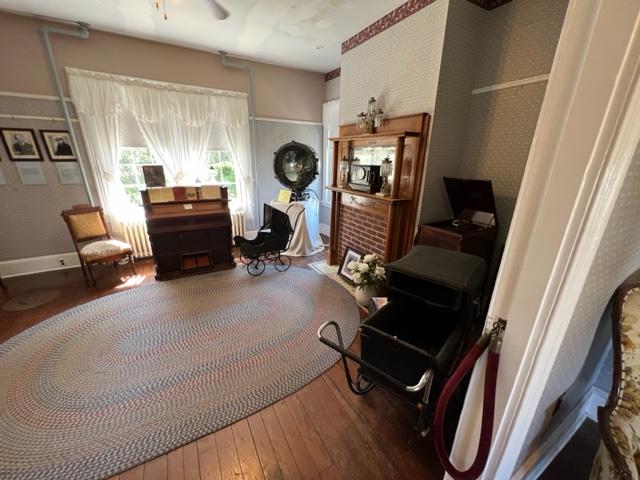
The Living Room of the Hereford Lighthouse.
The Living Room of the Hereford Lighthouse.
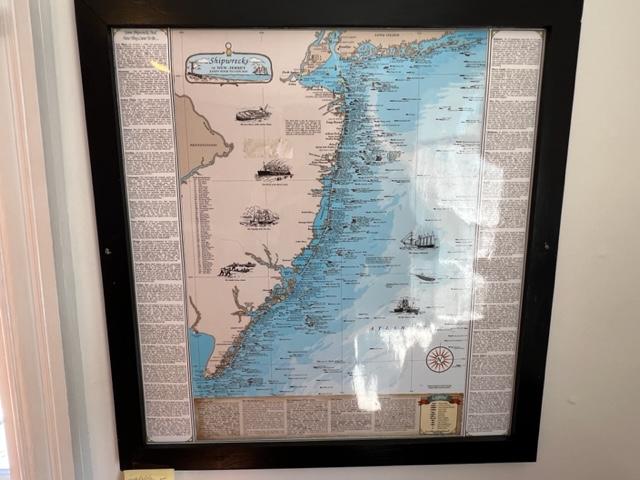
There was an interesting display of ship wrecks and their history, the role of lighthouses in New Jersey and their past and an interesting storyboard of the lighthouse keepers and the families that lived there at all stages of the history of the lighthouse.
The shipwrecks of the Jersey coastline
The shipwrecks off the coast of New Jersey.
The Hereford Victorian Lighthouse Museum and Gardens is a working lighthouse as well as a museum. Visitors will learn about the historic structure’s history and get a glimpse into the life of a lighthouse keeper in the late 19th and early 20th centuries (Hereford Lighthouse Museum).
The Children who lived in the Hereford Lighthouse.
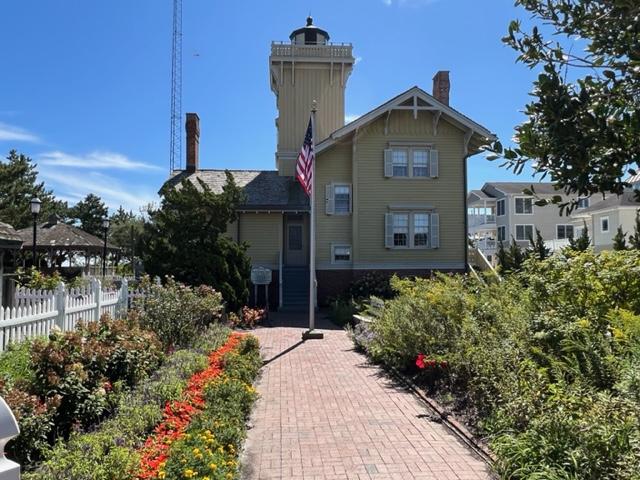
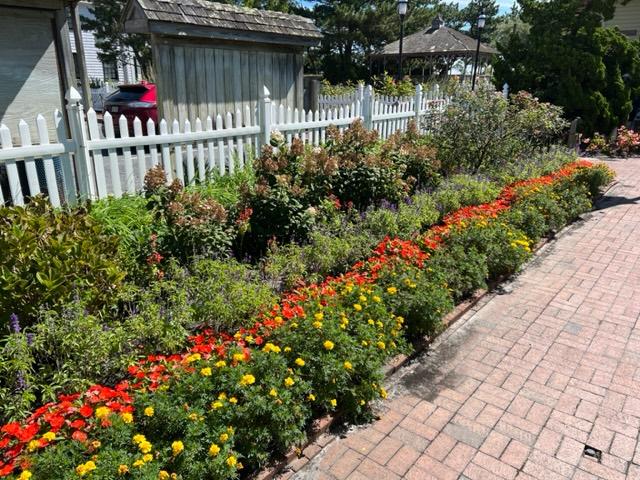
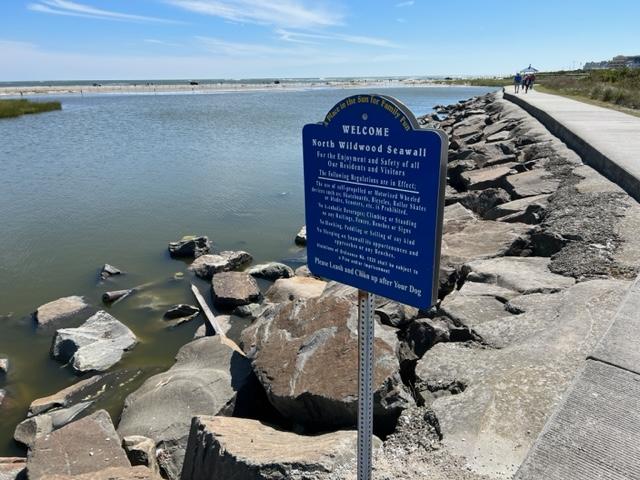
Nestled into one of the most scenic settings in the State, the lighthouse overlooks the picturesque Hereford Inlet and the Atlantic Ocean. A park surrounding the building overflows with numerous flower gardens that have won many awards. Benches, a gazebo and a seawall observation deck allow visitors to linger and take in all the beauty (Hereford Lighthouse Museum).
The seawall just outside the lighthouse.
There is a gift shop located on the first floor of the lighthouse.
History of the Lighthouse:
(from the museum website)
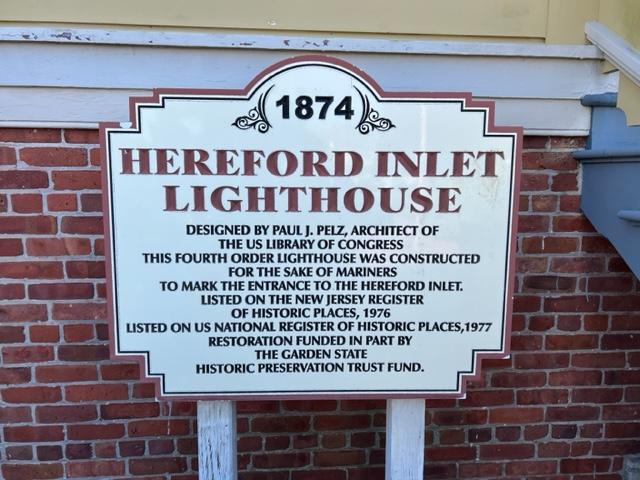
The Lighthouse sign welcomes you.
Historic and picturesque Hereford Inlet Lighthouse, a beacon of safety and assurance to the 19th century mariners, has become a cherished landmark for residents and visitors of this seashore resort community.
The Lighthouse is situated on the south side of the Hereford Inlet, which leads from the Atlantic Ocean to the famed Intra-Coastal Waterway linking Maine to Florida. First used by the 17th century whalers to haul in and butcher their catches, the Inlets use as a haven to mariners greatly increases as travel and shipping along the coast became more prevalent.
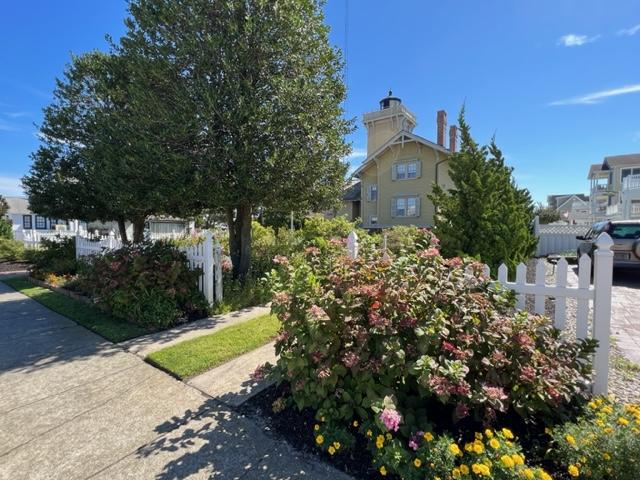
The front of the lighthouse and the front gardens.
Strong currents and shifting sandbars near the entrance to the Inlet caused frequent groundings and shipwrecks. Because of this, in 1849, a Life Saving Station was constructed along the south bank of the Hereford Inlet. A second, larger station replaced this in 1871, the time of the creation of the United States Life Saving Service. As the use of the Inlet and coastal shipping continued to increase, so did the number of shipwrecks. It became obvious that a Lighthouse was needed to mark the mouth of the Inlet.
On June 10th, 1872, Congress enacted legislation to finance the purchase of land and the construction of a fourth order Lighthouse. The site chosen held a prominent position on the dune area overlooking the approach to the Inlet.
The view from the top of the lighthouse.
Construction bean on the uninhabited barrier island on November 8, 1873 and was completed on March 30, 1874. This wood frame residential style Lighthouse was designed by the Lighthouse Boards Chief Draftsman, Paul J. Pelz. His Victorian era design is referred to as Swiss Carpenter Gothic and also Stick Style.
Hereford is the only Lighthouse like it on the East Coast although it had five sister lights on the West. Pelz designed Point Fermin, East Brother, Mare Island and Point Hueneme in California and Point Adams in Washington State. All of these were almost identical to Hereford and were built about the same time. Only Point Fermin and East Brother still exist. Paul Pelz would later garner world wide fame as the designer of the Library of Congress in Washington DC.
The view from the top of the lighthouse.
On May 11, 1874, a Notice to Mariners formally announced the start of operation of the Light. The fixed white light was located at latitude 39 degrees and longitude 74 degrees, 47 minutes. The tower height is 49 1/2 feet with the light elevation rising to 57 feet above sea level. The light is visible at a distance of 13 nautical miles.
John Marche was the first Lighthouse Keeper. He was in the post less than three months when he drowned when his boat capsized while returning to the mainland. He was replaced by a young man from Cape May Court House, Freeling Hysen Hewitt.
Freeling was a civil war veteran and a former merchant seaman. He would stay on as the keeper of the Light for the next 45 years. Freeling was considered a Pioneer of the island and among his many contributions, held the first formal religious services to occur in the Wildwood’s, in the Lighthouse parlor.
In 1888, a third larger Bibb#2 style Life Style Station was constructed three hundred feet Northwest of the Lighthouse. The Lighthouse Service and the Life Saving Service were both run by the Department of the Treasury but were separate organization. They were, however, both in the business of saving lives. The Lighthouse by warning and the Life Saving Service by rescue.
Hereford stood firm against the onslaught of the winds, rains and tides for 40 years at its original location. A severe storm in August of 1913 significantly damaged the foundation, requiring it to be moved westward 150 feet to where it sits today.
In 1915 the Coast Guard absorbed the duties of the U.S. Life Saving Service. A larger building was needed and in 1939 the modern Roosevelt Style Coast Guard Station was constructed. This Station also had a boathouse and a maintenance garage. These are the white buildings just north of the Lighthouse. 1939 was also the year that the Coast Guard took over control of the Lighthouse Service.
For the next 25 years the Hereford Lighthouse continue in operation. By the early 1960’s the Coast Guard began to automatize many of its many of its lighthouses. In 1964 this was the fate of Hereford when an automatic rotating modern optic was placed on an iron skeletal tower behind the Lighthouse. The Lighthouse was closed as was the Coast Guard Station next door. The entire property was transferred to the control of the New Jersey State Marine Police. The Police made use of the Coast Guard Buildings but the Lighthouse was boarded up and left to deteriorate for the next 18 years.
In 1982 through the long and painstaking efforts of Mayor Anthony Catanoso and his wife, Phyllis, a lease was signed Whereby the New Jersey Department of Environmental Protection turns over the stewardship of the Lighthouse to the City of North Wildwood.
The Children’s Room at the Hereford Lighthouse.
Restoration of the neglected building was immediately begun. After only ten months of intense work, on July 1, 1983, a portion of the restored building was opened to the public. Hundreds of public spirited citizens who helped raise funds for the restoration and contributed time, talent, energy and materials were on hand to celebrate the official reopening of the historic landmark for public use.
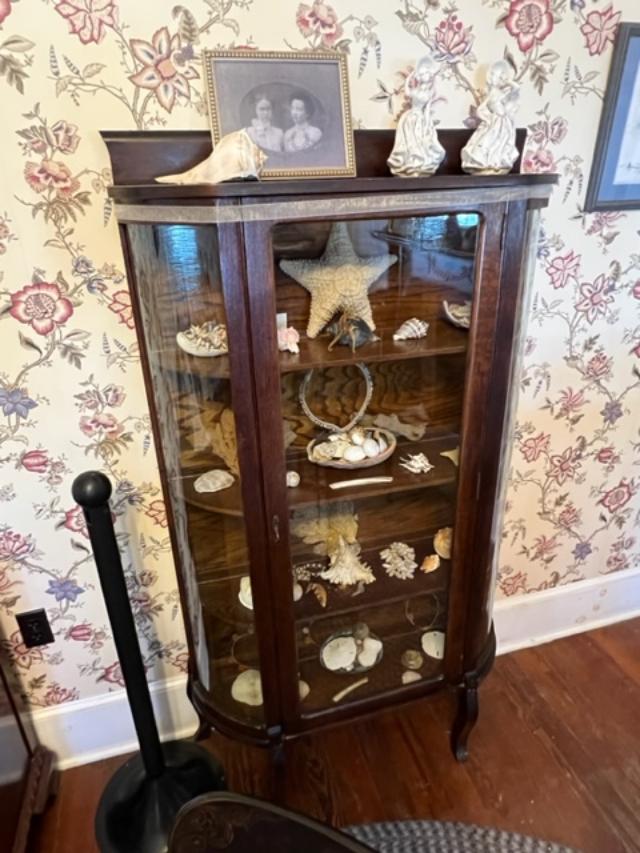
The Shell Collection in the Living Room of the Hereford Lighthouse.
In 1986, the modern automated light was removed from the iron tower and placed in the Lighthouse lantern room making it a fully functional aid to navigation once again.
Efforts were then begun to also create a museum in the Lighthouse. The interior of the building was furnished with period antiques, educational displays and lighthouse memorabilia. The 4th order Fresnel Lens was also restored and placed on display on the 2nd floor of the Lighthouse.
The Fresnel Lens at the Hereford Lighthouse
A project to improve the sandy, barren grounds into a park was undertaken by Superintendent of Parks Steve Murray, who designed the Park along with its many garden areas.
Finally an authentic restoration of the entire Lighthouse was begun in 1998 and as with many old, historic structures is always a work in progress. Grants awarded by the New Jersey Historic Trust and the N.J. Department of Transportation have helped finance this work.
The Hereford Lighthouse is listed on both the National and State Registers of Historic Places. It is also part of the New Jersey Coastal Heritage Trail.
The pictures of the Lighthouse Keepers over the years.
Keepers of The Hereford Inlet Lighthouse:
John Marche: 1874
John Nickerson: 1874
Freeling Hewitt: 1874-1919
William Hedges: 1919-1925
Laura Hedges: 1925-1926
Ferdinand Heizman: 1926-1939
Robert O’Neil: 1939-1942
George Baker: 1945-1955
Newman Bowden: 1955-1959
Bruce Bolon: 1960-1961
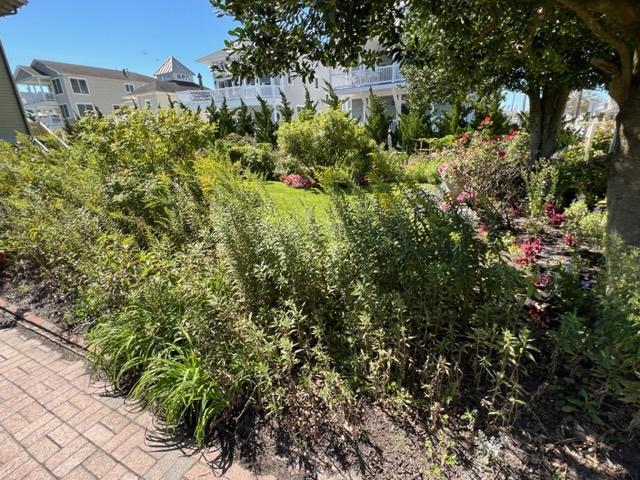
In the back of the Lighthouse is a wonderful set of gardens maintained by the local Garden Club.
The back gardens are beautifully maintained.
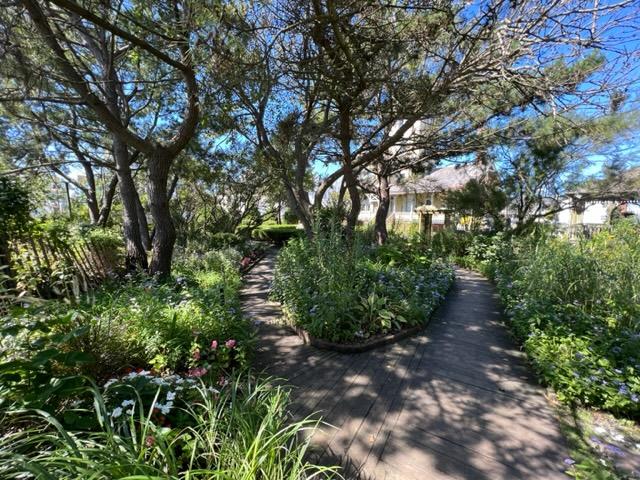
The back garden paths.
The back paths of the formal gardens in the back.
The paths leading to the seawall.
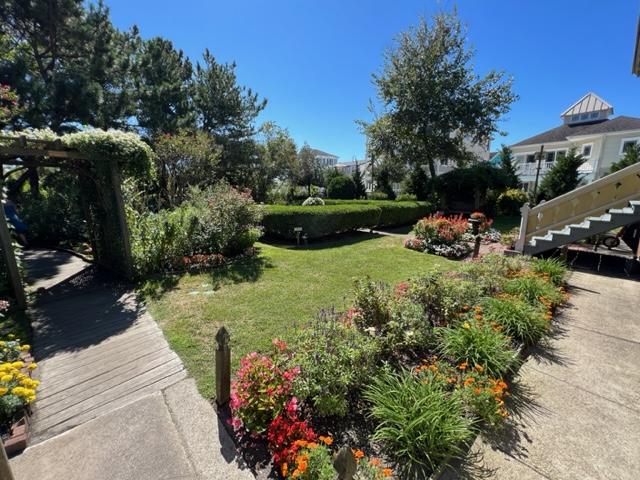
The lawns and gardens in the back of the lighthouse.
Disclaimer: This information was taken from the Hereford Lighthouse History website and I give the museum full credit for this information. Please call ahead before visiting in the off-season to see when the museum is open. It is a fascinating piece of New Jersey history.
In the Summer of 2024, I entered the zoo on a Sunday late afternoon and it was a nice visit as the zoo was quiet in a Friday afternoon near closing time. The animals were still outside, most being fed before they were taken inside for the evening (this is why so many animal pictures show them eating). Still I got a chance to walk around and enjoy the zoo.
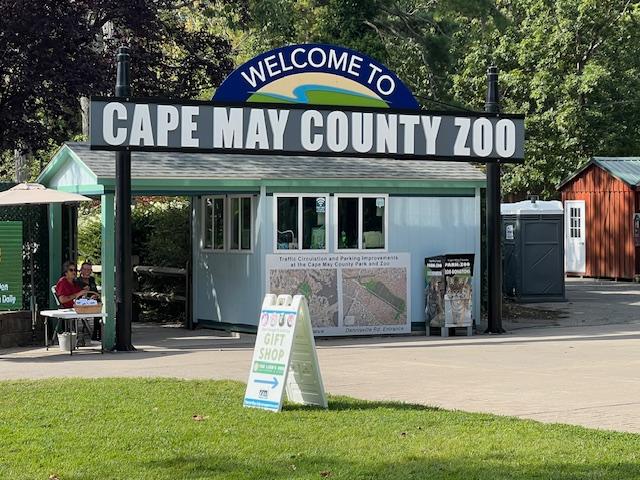
The welcome sign of the Cape May Zoo
In Summer of 2022, I visited the zoo in late September on a very gloomy rainy day, which I do not recommend for visitors. The animals like the humans took cover in their sheds and would not come out until the sun peaked out at the end of my visit. It still is an interesting zoo.
The entrance of the Cape May Zoo
I have to admit that it is a little dated in that the philosophy of zoos continues to change and I think the zoo could use another updating to give the animals some more room and better stimulation in their respected areas. They just need more room to move around. The nice part of the Cape May Zoo is that there is room to move around. The larger animals do have more room here to spread out and live.
The entrance to the zoo and park
The Barnyard animals are in the first part of the zoo. There were pens for Potbellied Pigs and Dairy Cows and they were very content when I visited eating and smiling at the visitors.
The Potbellied Pig sign
The potbellied pigs
The pigs have a good time
The Dairy Cows eating when I was visiting
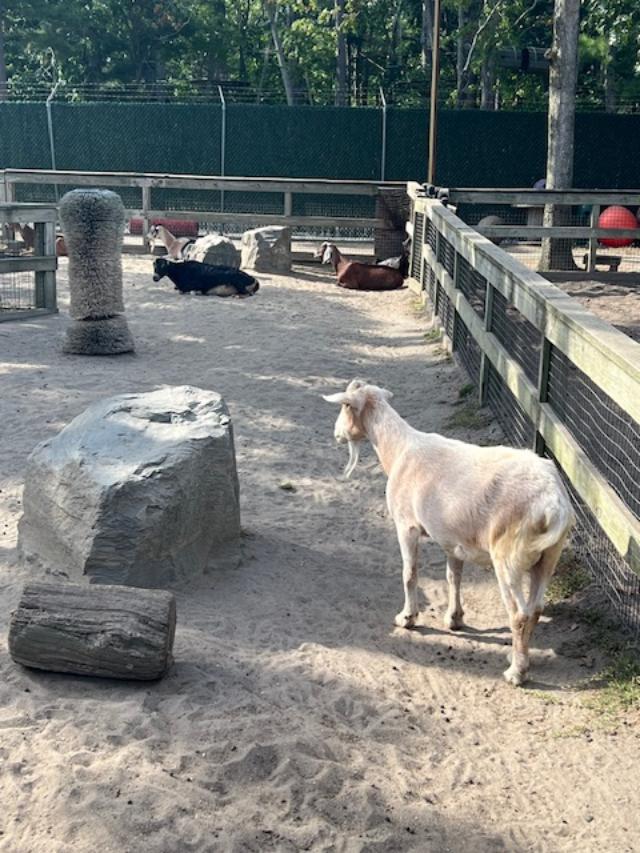
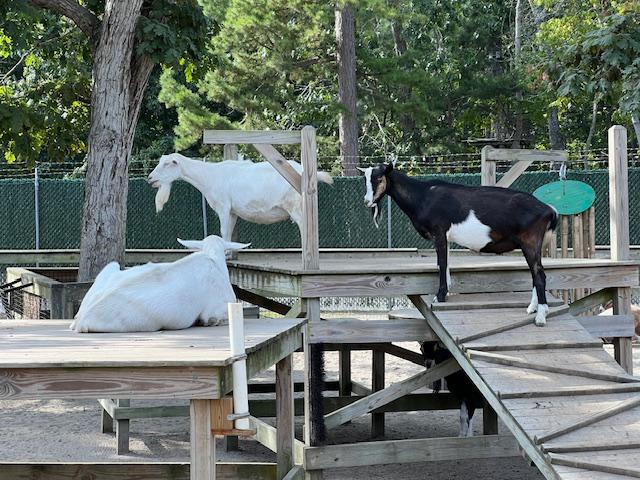
The Goat pens
The Goat pens at the end of the day
The Animal Safari Animals were towards the back of the park:
The entrance to the back of the zoo with the exotic animals
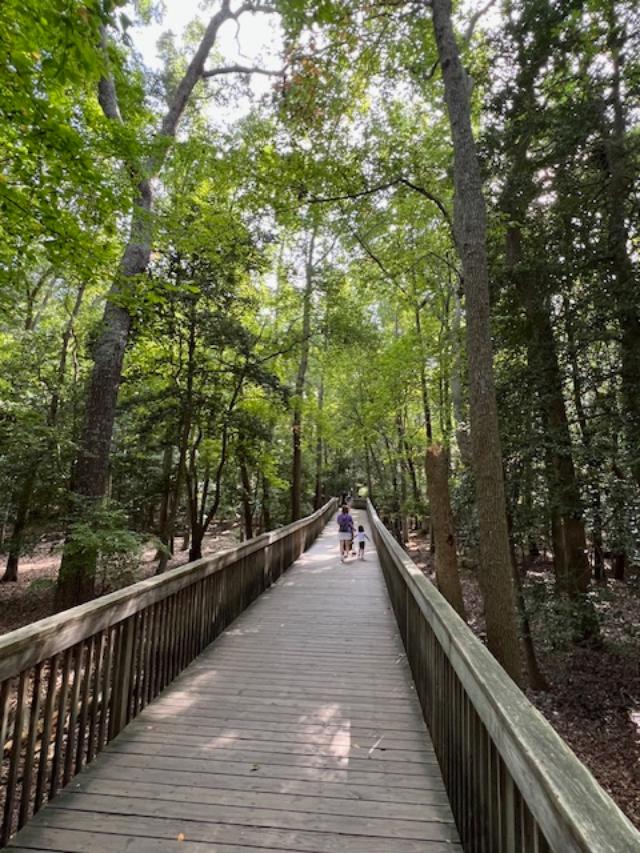
Inside the Safari walkway around this section of the zoo
This pristine zoo and park features more than 550 inhabitants representing 250 species. Over 200 acres of beautiful, natural wooded areas and open space. Winding trails for hikers, bikers, joggers and wildlife watchers. Picnic areas and a huge playground make the park and zoo your perfect place for a family adventure (Cape May County Zoo and Park).
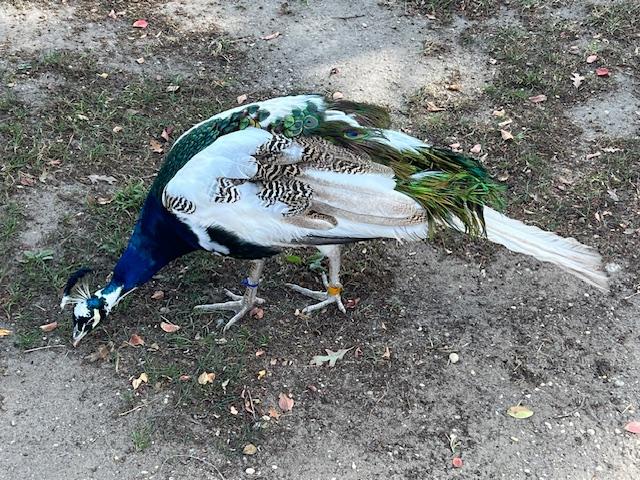
The Peacocks walk around the park and do their own thing
I finally got to revisit the zoo in 2022 and it was a much more pleasant experience to come to the zoo in the warm sunshine. It gives both me and the animals a different perspective. The place was also mobbed. It was Firemen’s Convention weekend, and the zoo was busy with families visiting the animals displays and taking pictures.
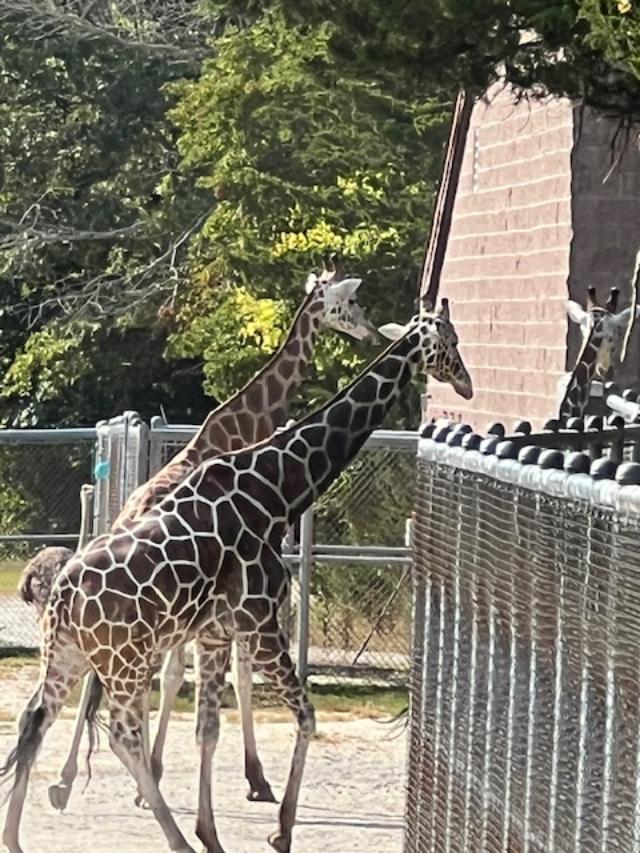
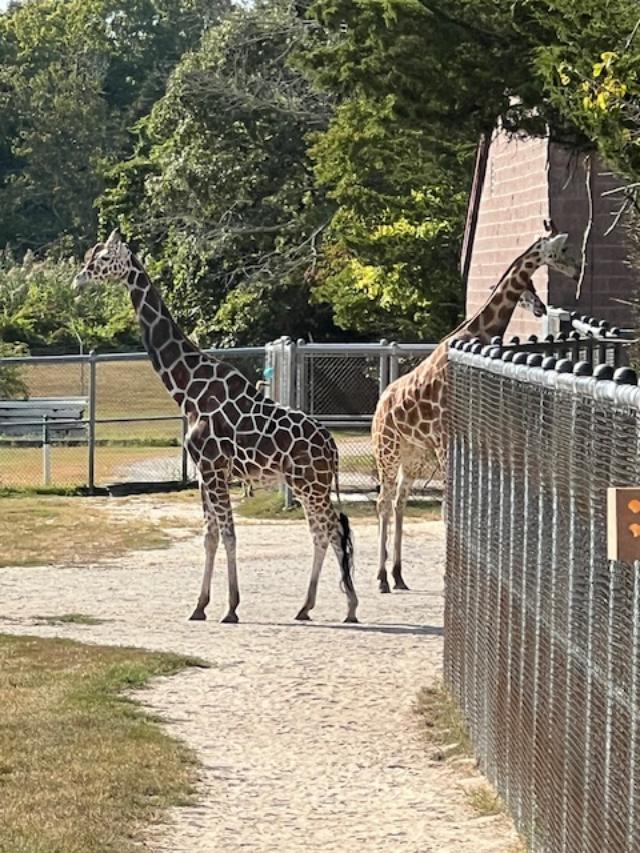
The Giraffe pens during the feeding
There were all sorts to tour guides working that day and docents explaining the animals and their habitats to the visitors. The sad part is that the animals look so bored. The giraffes I thought looked the most bored of all. There is not much land for them to room around and they get to see this area over and over. They have plenty of room to stretch out but not like in the wild.
Walking through the pathways in the African Safari
The weather was nice that afternoon but a little hot and that made the animals so sleepy. Most of them were sleeping when I visited the larger animals in their pens. The heat must have gotten to them like many of the humans on the benches around the park.
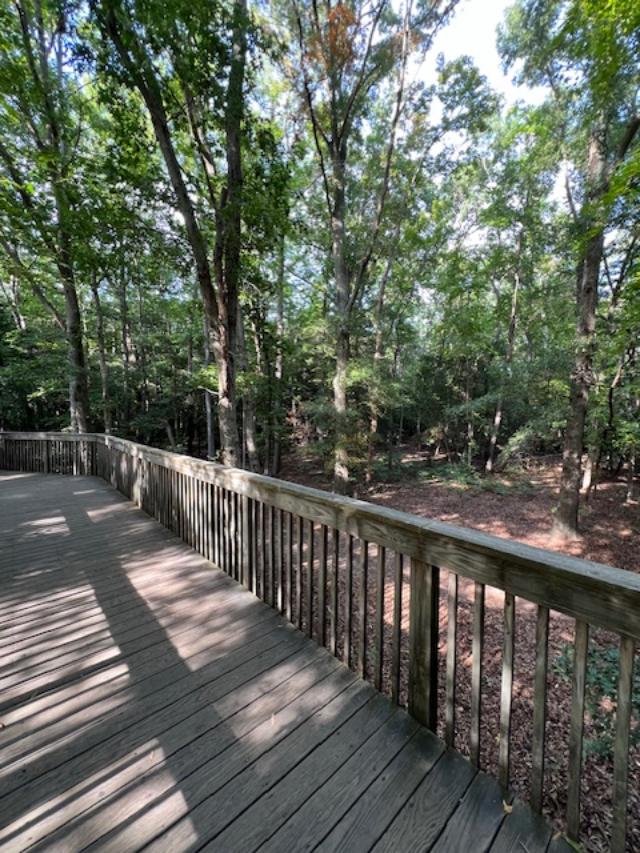
Inside the African Safari
The small displays of reptiles, birds and the smaller monkey family were nice as those displays challenge both the animals and people to really look at the life of these animals. One of the displays that was interesting was the Red Panda display. The docent was talking about like the in the wild for these animals and how they have to breed them captivity as there are not many of the left.
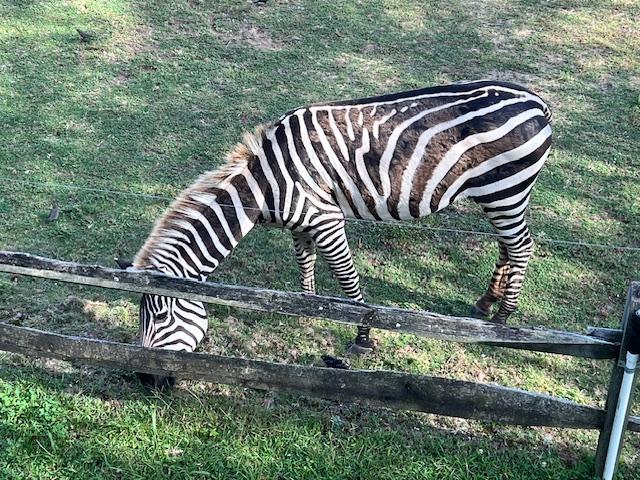
The Zebra pens and these guys are active
The zebras grazing at the zoo
What I also like about the museum is that they have a very nice gift shop with all sorts of stuffed animals and tee-shirts and a very cheery staff that is willing to help you. They also have a very engaging carousel that takes the kids and their older kid parents who enjoy the music and the ride as much as their kids do.
The Watusi eating at the zoo
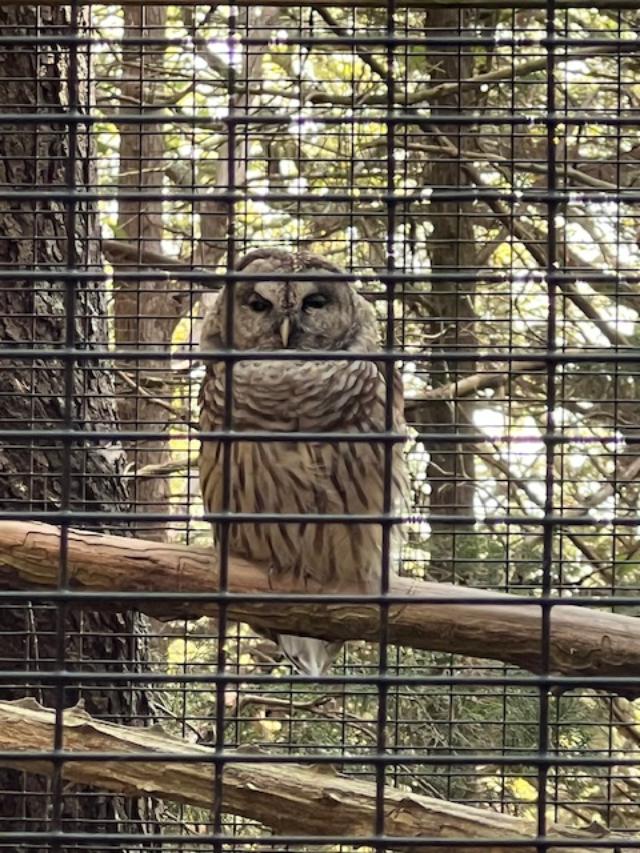
The Barred Owl sign
The Barred Owl in its home at the zoo
It is a really well maintained zoo where I can tell that the staff really cares and take very good care of the residents here.
The Safari Cafe at the end of the Safari pathway so that you can relax and have something to eat.
Cape May Park & Zoo History:
(History of Cape May Parks & Zoo; Parks System)
The Cape May County Park Central is located two miles north of the heart of Cape May Court House and occupies both the right and left side of Route 9. This site was originally a southern plantation of the Matthews family.
The sign that welcomes you to the zoo
Back in 1763, on Daniel Hand’s plantation in Middletown (now called Cape May Court House), the State Assembly petitioned erecting a courthouse and jail. The petition was granted and the cost was limited to 300 pounds. In 1764, Daniel Hand gave one acre to the county for the purpose of building a courthouse.
During the dame time, just north of the courthouse’s land, was the Matthew’s plantation. The main plantation was located below the lake and tributary waters. Just north of the tributary and small lake, the Matthews had an orchard that was set aside as a family cemetery and for the slaves of the plantation. This site still remains and is part of the park today. For a short period of time during the 1700s-1800s, this site was also used to bury the poor.
In “The 1942 Park Land Acquisition,” approximately forty acres of the Matthews plantation donated to the count to be used as a park and meeting place. Most of the land was wooded but some was lakes and tributary waters and also the cemetery. At this time, very little was done to the land. Later, a building used as a laundry at Crest Haven was moved from that location and converted into a maintenance and supply building with a comfort station and a six grill brick barbecue pit was constructed. It was during this time that the 4-H department, after holding its fair in Cold Springs or the riding club grounds, decided to ask permission to hold the fair at the county park.
The county road department and employees of Crest Haven cleared a section of the grounds of trees and brush, then seeded the ground for grass. This made a clearing for tents and booths, plus a horse ring to be used by the 4-H fair. The telephone company donated light fixtures and wire. Several years later, Pepsi-Cola donated a booth to be sued for refreshments. This was the extent of the county park for many years.
The County of Cape May was approved by referendum in November 1962. The State of New Jersey enabled an act for a park commission of nine residents of the county, which was established on February 5, 1963. The commissioners would serve terms of 1 to 5 years without compensation. A director was appointed in January 1966 and a solicitor was appointed in 1967.
The primary function of the park commission is to plan, acquire, develop, maintain and administer park land and the recreational facilities, thereon, which provide values for the benefit of the entire county. The Park Commission assumed complete responsibility of the County Park Systems on January 1, 1967. The County Park Facilities in 1967 were the same as they had been since the stat of the park! Facilities included maintenance and supply building with a comfort station, a band stand, 3 shelters, 1 six grill barbecue pit and a drinking fountain.
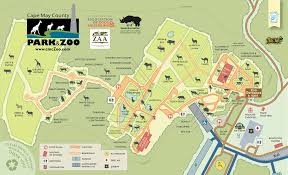
The Cape May Zoo layout
Parks facility developments under the commission in the year 1967 were: 2 ten car parking lots, 6 group and organization barbecue pits, 40 picnic tables, 13 picnic grills and 1 playground. In 1968, they added 1 manual pump with shelter, 2 shelter, 2 ten care parking lots, another playground, 10 picnic tables, 6 picnic grills, 2 shuffleboard courts, 3 horse pitching courts, 3 swinging par benches and 8 regular park benches. Also, they added 1 volleyball court, 1 badminton court, 1 croquet court plus a camping area for Boy Scouts and Girl Scout and a foot bridge.
In 1969, a large amount of recreation facilities were added along with some park equipment to better serve the park users. On the recreation additions: 1 horseshoe pitching court, 3 quoit pitching courts, 1 deck tennis court, 1 aerial tennis court, 1 archery range, 1 boccie court, 1 tether ball court, 1 tether tennis court, 1 hopscotch court, a natural trail, 3 swinging park benches, 2 entrance gates, 4 foot bridges, 5 parking lots and 24 shelter picnic tables. All available to the public to use. Also, during this period, the residence of Charles W. Allen was purchases and made into an office fro the Cape May County Park Commission.
It has been close to seventy years since the parks beginning but the facility is still expanding and remains open to the public year round.
History of the Cape May County Zoo:
(History of Cape May Parks & Zoo; Parks System)
The Cape May County Zoo was created in 1978 within the Cape May County Park. The dedication was on May 6, 1978.
At the opening of the zoo, it consisted of an African lion, primates (spider monkeys), various barnyards animals and New Jersey wildlife animals. In the early 1980’s, the zoo gradually incorporated into its displays more exotic animals such as black bears, bison, antelope, primates and birds. All exhibits were constructed by park personnel.
The Snow Leopard Exhibition at the Zoo
Beginning in 1986, a zoo renaissance began. Donations were solicited and major reconstruction was underway. Some of the projects that were completed consisted of a complete perimeter fence, a new lion exhibit, a Bengal tiger exhibit, a cougar exhibit, a giraffe and camel exhibit, a reptile house and a construction of a medical building and diet preparation building. In 1989, the zoo became AZA accredited and has remained an accredited zoo to this date.
Throughout the 1990’s, renovations and new exhibits continued with the construction of an African Savannah, which consisted of 57 acres that display giraffes, zebras, antelopes and ostriches. Reconstruction of a reptile house replaced the original reptile house that was destroyed by fire in 1998, also a “World of Birds” walk through Aviary was constructed.
From the zoo’s beginnings in 1978, the animal population was around 70 animals and today the zoo consists of 550 animals representing 250 species.
The Cape May County Zoo is home to 13 flamingos from Michael Jackson’s Neverland Ranch.
The zoo has recently improved traffic flow, parking and beautified the entrance to the zoo. The zoo is undergoing restroom renovations along with other amenities and necessities.
The Cape May Zoological Society added a train and added an animal themed carousel late in the summer of 2008. The Cape May County Zoo celebrated its 40th birthday in 2018.
Disclaimer: The information of the history of the Cape May County Park & Zoo was taken directly from the Park’s website and I give them full credit for the information. Please call ahead for weather and seasonal conditions to the park. In 2022, the day I visited it was raining and the animals just like the humans ran for cover. In 2024 when I visited again, the zoo was busy at the end of the day on a sunny day.





































 Visiting a Museum: The Unique, Unusual, Obscure and Historical