Category: Historic Sites in New Jersey

Campbell-Christie House, Historic New Bridge Landing: A Bergen County Historic Site                                                                   1201 Main Street                                                                   River Edge, NJ 07661

Campbell-Christie House, Historic New Bridge Landing: A Bergen County Historic Site 1201 Main Street River Edge, NJ 07661

Campbell-Christie House, Historic New Bridge Landing: A Bergen County Historic Site

1201 Main Street

River Edge, NJ 07661

(201) 343-9492

A County Historic Site

http://www.co.bergen.nj.us

http://bergencountyhistory.org/

Fee: Donations are accepted and there are fees for the special events

Open: Check the website above for special events and times

TripAdvisor Review:

https://www.tripadvisor.com/Attraction_Review-g46776-d7603554-Reviews-Historic_New_Bridge_Landing-River_Edge_New_Jersey.html?m=19905

I recently visited the Steuben House for a Christmas concert which was an evening of Christmas songs, a talk on the history of Christmas before, during and after the Revolutionary War. It was a very lively evening of song and lecture and the ladies who entertained us sang beautifully.
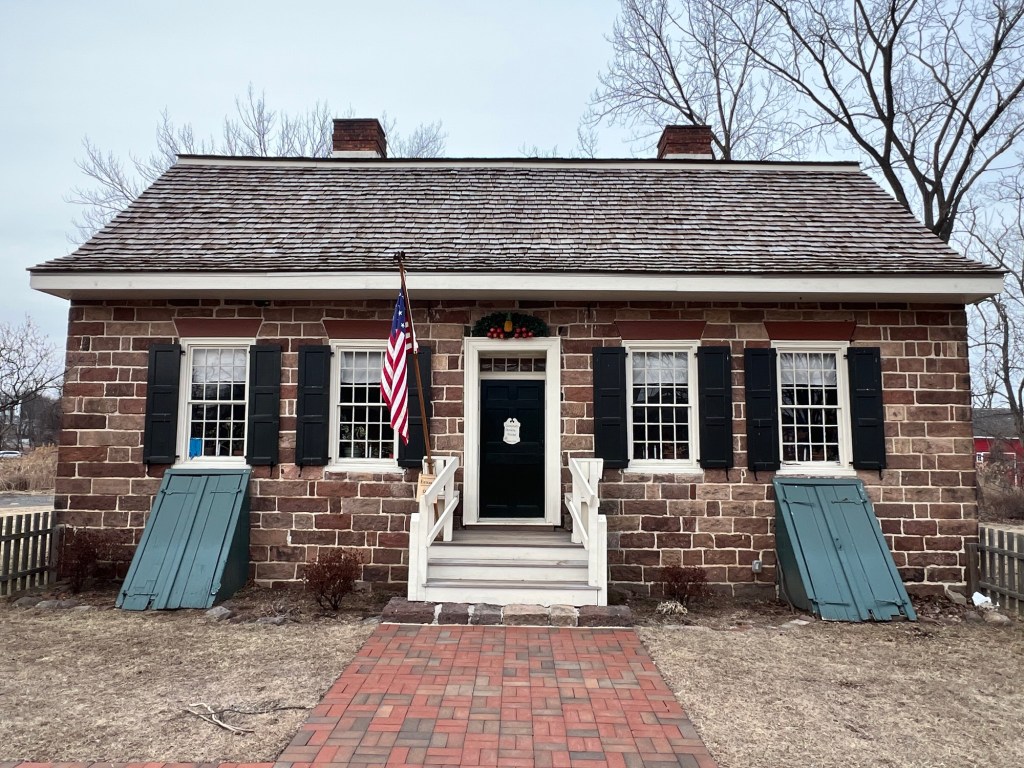
The Campbell-Christie House was used as the ‘pub’ for diners that night

Linda Russell & Company sang Christmas songs of the time and then talked in between about how Christmas was celebrated during the War years. She was a delight in her discussion and her and her daughter and their friend did a wonderful job.

The concert was entertaining, and the talk was interesting in the Van Steuben House

A sample of Linda Russell’s music

It seemed that while the Puritans put a damper on the Christmas holidays in New England the Dutch New Jersey and New York thoroughly enjoyed the holiday season after all their hard work during the Fall harvest months.

What was really nice was the Campbell-Christie House was open as a pub for dinner and light snacks and you could order things like Shepard Pie, Cheese & Onion Pie and Cake doughnuts and gingerbread for dessert while enjoying conversation by candlelight. It was an interesting and engaging history.
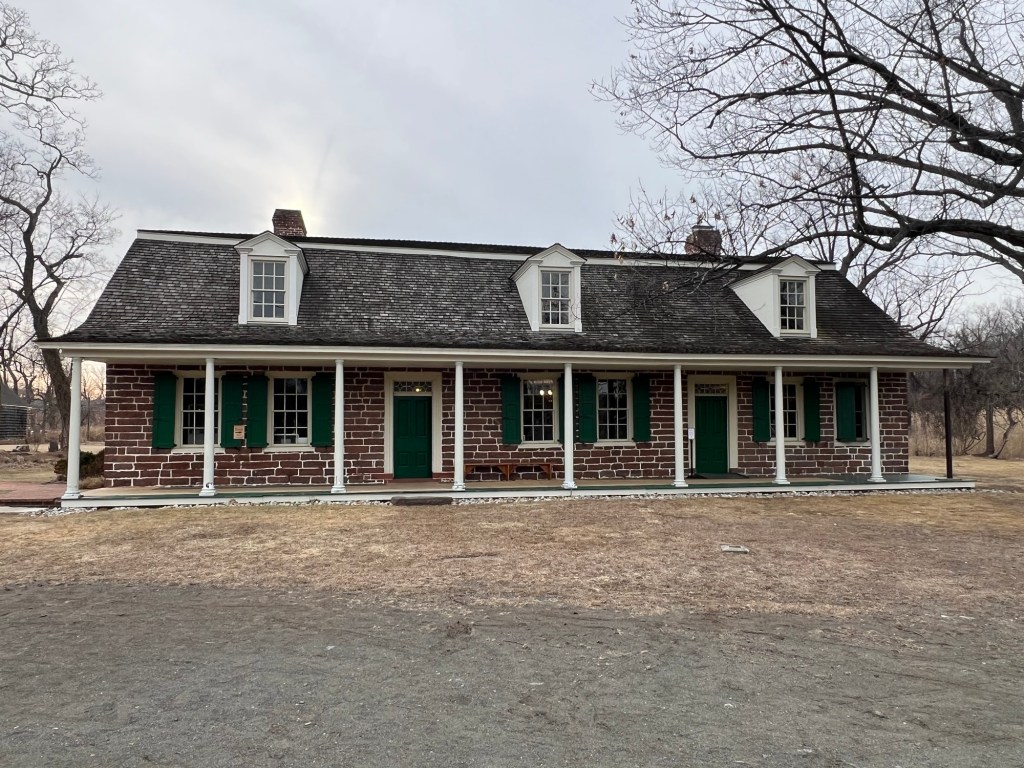
The Van Steuben House for the holidays was where the entertainment was that day

The house is nicely decorated for Christmas circa 1778

BCHS Xmas 2020 VI

The Campbell-Christie House at Christmas 2020 Historical Event

BCHS Xmasw 2020

Singer Linda Russell at the Christmas Tour Event at the BCHS 2020

Don’t miss their historic lectures and reenactments during the year. Check their website above for more activities.

https://revolutionarynj.org/event/sing-we-all-merrily-a-colonial-christmas-at-historic-new-bridge-landing-2/2019-12-15/2/

History of the Site:

BCHS Washington's Birthday X

The historic marker of the Campbell-Christie House

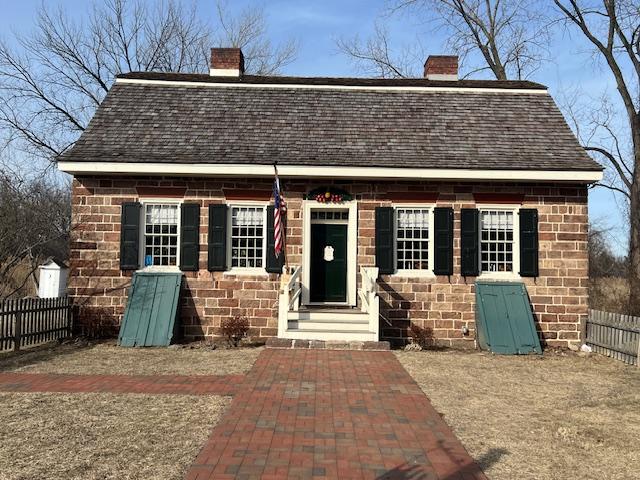
The Campbell-Christie House, an 18th century sandstone structure, is located in Historic New Bridge Landing State Park, River Edge. This historic building originally stood at the intersection of Henley Avenue & River Road, in New Milford, NJ. In 1977, in order to save it from demolition, Bergen County purchased and moved it south to this site next to the Hackensack River.

BCHS Washington's Birthday VIIII

The Christie Family Pub sign

The house was used again for a pub for the Christmas concerts that returned to the site in December 2022. The house was set up as a restaurant with a limited menu before and after the concerts. The light fare was catered in and the menu was similar to what people would have eaten at that time but with a modern twist. The food was really good.
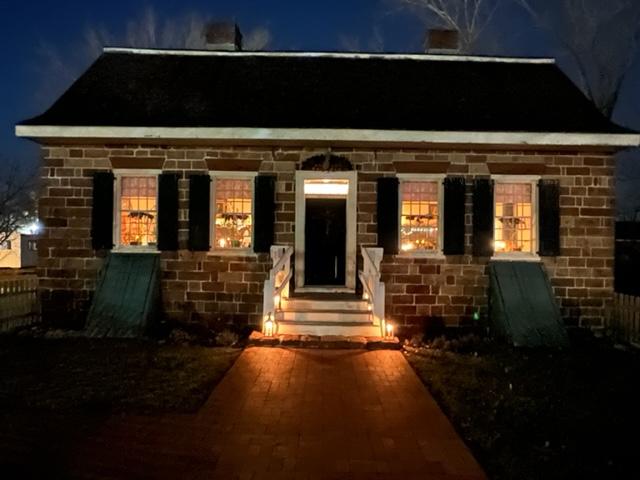
The house was used again for a pub on Christmas 2022 for the concert night

The Campbell-Christie House as the Blackhorse Pub for Christmas dinner
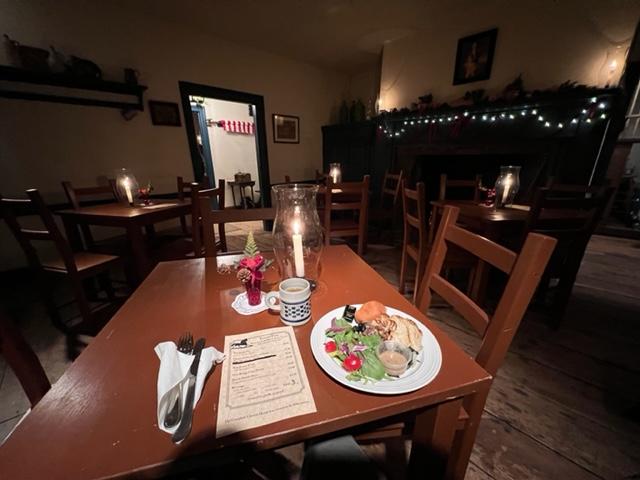
My Shepard’s Pie meal for the Christmas concert at the Blackhorse Pub

The Dutch Sweets dessert plate at the Blackhorse Pub in the Campbell-Christie House Christmas 2022

Sandstone houses were built continuously from the Dutch colonization of the 17th century through the founding of the Republic and the early years of the 19th century. The Campbell-Christie House, an outstanding example of this early regional architecture, is a 5 bay, 4 room center all building with two rooms to either side and two interior chimneys. This stone house form seems to have been built mainly after the Revolution and up to the turn of the century. The front wall is built out of well-dressed local sandstone with inset wooden trapezoidal lintels and side composed of roughly coursed sandstone.

BCHS Washington's Birthday VIII

The Campbell-Christie House during Washington’s Birthday Celebration

Historic New Bridge Landing.jpg

The Historic New Bridge Landing Site

Jacob Campbell, at the time of his marriage in 1774 built this house along the road (now Henley Avenue) that led from Old Bridge to the Schraalenburgh Church. Historical evidence records that Campbell, a mason by trade, also ran a tavern in his household. In 1795, the house was sold to John Christie, a blacksmith, who continued as a tavern keeper. Jacob Brinkerhoff-Christie, manager of the Comfort & Lumber Company, eventually inherited this large valuable homestead farm property along the Hackensack River. His son. John Walter, born in the house in 1865, was a famous inventor who built and raced cars (at one time holding the world’s speed record), invented the automotive front-wheel drive and is known as the “father of the modern tank”.

Historic New Bridge Landing Park is located at the narrows of the Hackensack River. Because of its strategic site along a tidal waterway it has been an active area of settlement, trade and commercial activities for thousands of years. The construction of the “New Bridge” in 1744 accelerated development of the area. Because of the nearness to Manhattan, New Bridge Landing was a principal base of operation during the Revolutionary  War and considered an important strategic route, guarded by troops from both sides at different times. General George Washington, who made his headquarters in Zabriske’s house, led his soldiers in retreat across here on November 20, 1776, saving his troops from entrapment by advancing British troops.

On the Hackensack River’s west bank, near the bridge, is the Steuben House. Originally  constructed by Jan Zabriskie in 1753 and doubled in size around 1765, it has been referred to as to as among the five “great houses” of Colonial Bergen County. The third stone house is the 18th century Demarest House, moved to this site in 1956 and owned by the Demarest-Blauvelt Foundation. The Historic New Bridge Landing Park Commission, a partnership of the Bergen County Historical Society, Blauvelt-Demarest Foundation, the County of Bergen, New Jersey Division of Parks & Forestry, New Milford Borough, River Edge Borough and Teaneck Township, operates the New Bridge Landing site.

This site also contains the County-owned 1888-89 Pratt-type, “pony” truss, iron swing bridge, the oldest highway swing bridge in New Jersey. The Campbell-Christie House, along with the other two houses and the bridge, is on the State & National Register of Historical Place. It is the headquarters of the Bergen County Historical Society and furnished with the furniture and collection owned by the Society. Open year round. For the FCHS calendar of event or go to http://www.bergencountyhistory.org.

http://www.co.bergen.nj.us

Kevin Wright’s Lecture on the Site (2015)

(2015 Bergen County Division of Cultural & Historic Affairs)

The Bergen County Division of Cultural & Affairs received an operating support grant from the New Jersey Historical Commission, a division of the Department of the State.

Disclaimer: This information is taken directly form my pamphlet from the Bergen County Division of Cultural & Historic Affairs. The site holds it position in its participation in the Revolutionary War and should not missed. I give them full credit for this information. Please call them for more information.

The reenactment of the Historic Bridge attack during the American Revolution at the Bergen County Historical Society. I give the Historical Society full credit for this information.
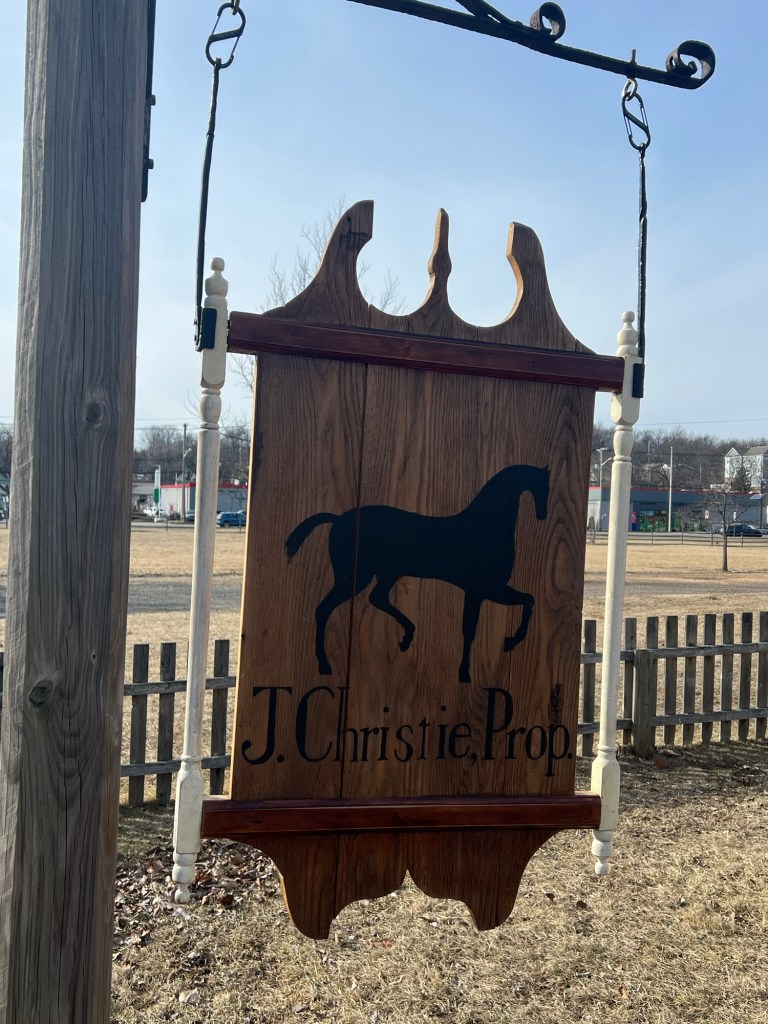
The Christie Pub sign

The pub exhibit at the Campbell-Christie House
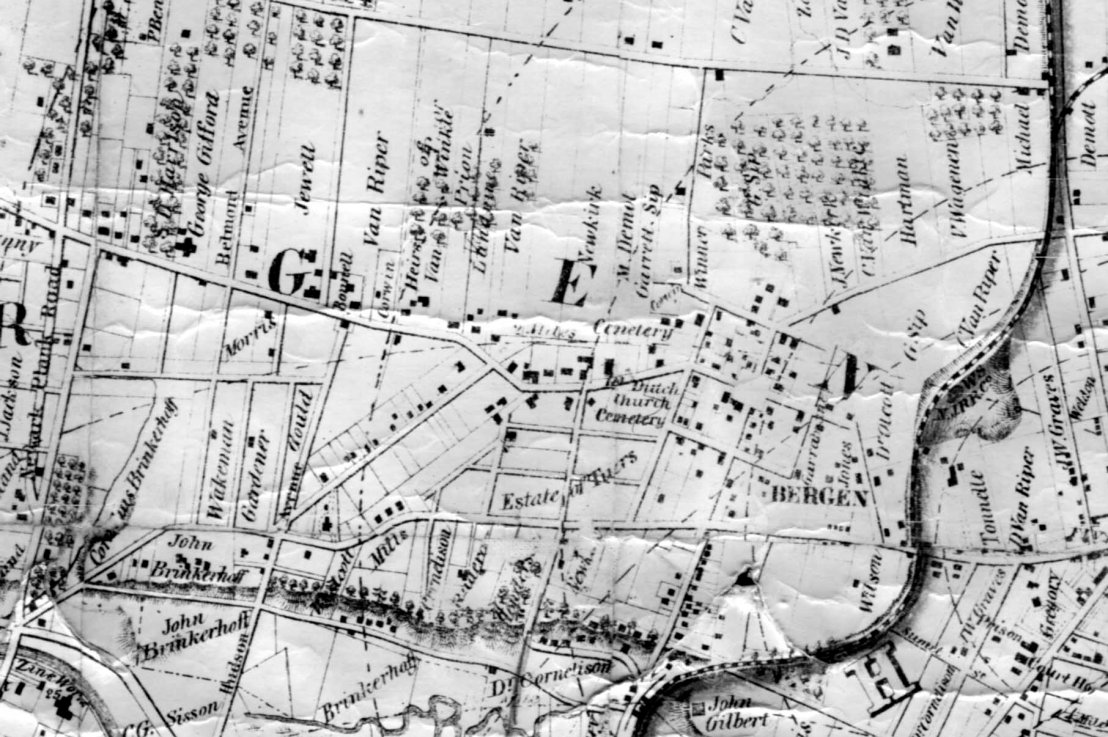
The Meaning of the name “Bergen” (Bergen County, NJ)

The Meaning of the name “Bergen” (Bergen County, NJ)

The name was originally applied to the village of Bergen, settled in 1660, which is not the area known as Jersey City Heights. Some earlier writers believed the name was derived from the City of Bergen, Norway. Others said it was named after the small town of Bergen in Northern Holland. Since Colonial New Jersey’s Bergen was a Dutch town founded and governed by a Dutch colony, the name was most likely derived from a town in Holland or a geographical description in the Dutch Language.

The name “Bergen”, originally derived from the word for “hill” in Norway, Belgium and the Netherlands, was applied to towns located in the hills. New Jersey’s Bergen, was originally a settlement on a hill. Therefore, the currently accepted theory is, that the geographical location of the original town is the most likely reason it was called Bergen The name “Bergen” was applied to the County, which was established in 1683.

Disclaimer: this information is taken directly to the pamphlet from the Bergen County Division of Cultural and Historic Affairs. It tells the story of the county we live in here in New Jersey

The Washington Spring Van Saun Park                                        A Bergen County Historic Site                                                           216 Forest Avenue                                      Paramus, NJ 07652

The Washington Spring Van Saun Park A Bergen County Historic Site 216 Forest Avenue Paramus, NJ 07652

The Washington Spring: A Bergen County, NJ Historic Site

Van Saun County Park

216 Forest Avenue

Paramus/River Edge, NJ 07652

https://www.co.bergen.nj.us/parks-recreation-areas/washington-spring

Open: Please check the website for the seasonality of the park

*Located in Van Saun Park at the entrance.

My review on TripAdvisor:

 The historic marker of the Washington Spring

The Washington Spring, a 1/2 area within Van Saun County Park, is associated with General George Washington and the movement of his Continental Army through this area of Bergen County during the Revolutionary War.

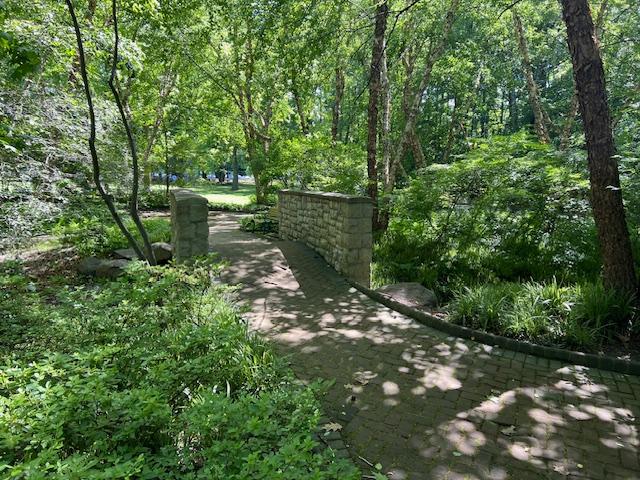
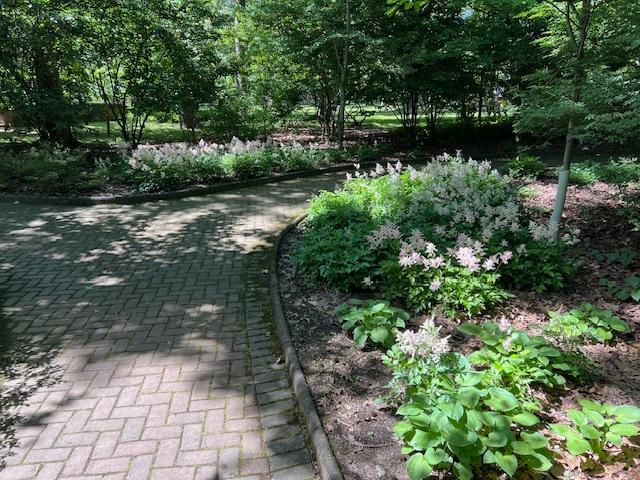
The small section of Van Saun County Park is one of the more quieter places to visit and one of its most historical. The pathways work their way around the springs and the plantings and flowers are especially nice in the early to late Spring months. It really is a beautiful walk.

The entrance to the Washington Spring

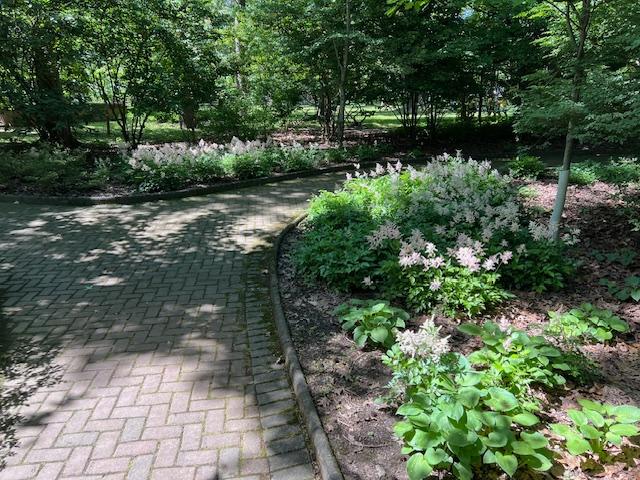
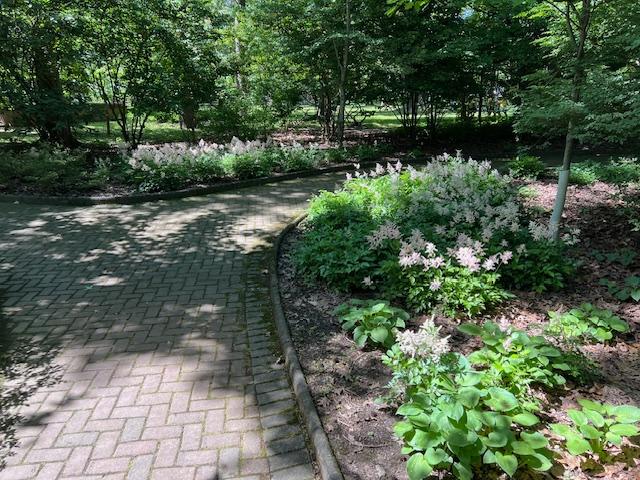
The pathways in bloom

History of the Washington Spring:

The hollow between hills known as “Slukup” until it was changed to the more pleasant-sounding “Spring Valley” in 1832. In the Dutch Frisan language “slukup” described a boggy area. The local Banta family was from Friesland in northern Holland and one of the area’s earliest settlers. Natural springs feed the streams in this area that flow through Van Saun  Pond and eventually into the Hackensack River. The park’s land was part of 300 acres owned by Albert Zabriskie in 1686. In 1695, he sold 224 acres to Jacob Van Saun of New York City.

The spring running through the garden area.

The road to Slukup, now Howland Avenue, served as the border between Jacob Van Saun’s farm to the south and son-in-law Christian Dederer’s farm to the north. Hendrick C. Banta, who owned a cider mill in the Steenrapie area (River Edge), lived west of the Mill Creek that flows through the park.

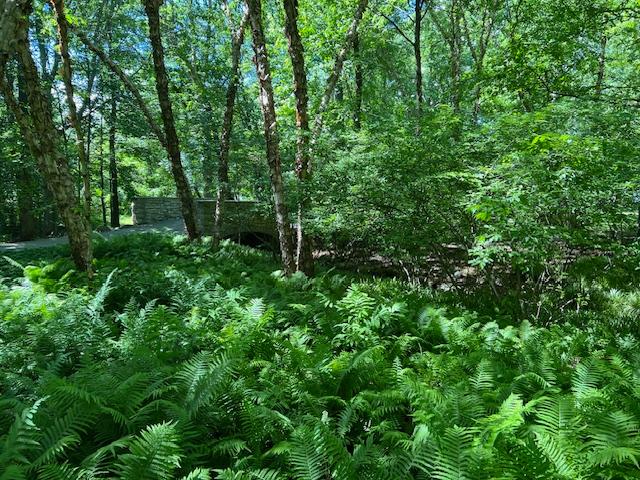
Ferns along the pathways

On September 4, 1780, General Washington moved the troops of the Continental army, numbering approximately 14,000 into a strategic encampment west of the Hackensack River between New Bridge in the south and Kinderkamack to the north in Steenrapie. They were part of the defense to challenge the British military stronghold on Manhattan and prevent any intervention with the landing of allied French troops in Rhode Island. Hendrick Banta reportedly sold a barrel of cider to these troops “every other day”. His 10 year old son, Cornelius, reportedly saw General Washington on his horse three times. During one of these sightings the General was watering his horse at the spring, giving rise to the name “Washington Spring”.

The Washington Spring pathways

On September 17th, General Washington, General Knox and the Marquis de Lafayette, who was headquartered at the northern end of the encampment in the area known as “Soldier Hill” in Oradell, left for Hartford, Connecticut to meet the recently arrived French commanding officers. The rest of the Continental Army decamped on September 20th.

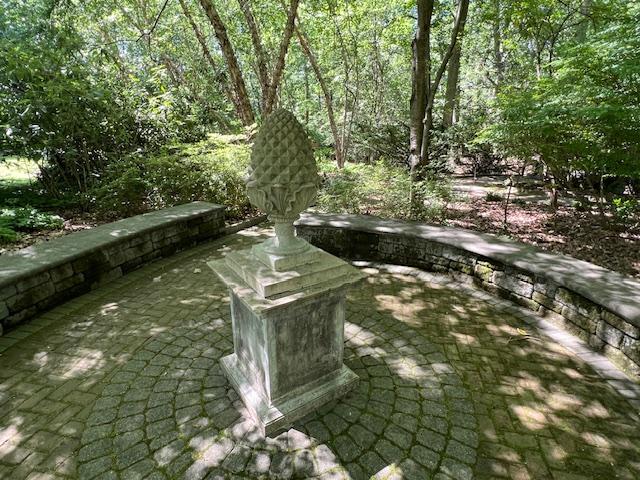
Sitting area and monument in the Washington Springs

The Bergen County Park Commission was created in November 1946 and in 1987 because the Division of Parks. Recreation and Cultural Affairs. Van Saun Park, whose 140 acres include Washington Spring, was created in 1957. Also, within the park is the Bergen Zoological Park, that opened in 1960. Open year round during park hours and is surrounded by accessible pathways.

Spring time in the Washington Springs

Explore the Pathways into the Springs

http://www.co.bergen.nj.us

The spring running through the woods

The Spring area, which is right off the parking lot leading to the zoo, is beautifully landscaped with benches, pathways and flowering plants like azaleas, rhododendrons and flowering trees. In the early spring, the look around the Spring is quite colorful and picturesque. It is a nice way to spend the afternoon, walking quietly around the paths and see where the General once watered his horse. The entrance of the Spring is under plants but becomes a stream further down. Another part of the great history of Revolutionary War and the part New Jersey played in winning the war.

The spring running through the woods

*Disclaimer: this information is taken directly from the Bergen County Division of Cultural & Historic Affairs pamphlet. The Spring is part of Van Saun Park as you drive in and watch for the signs. It really is a beautifully landscaped part of the park and its historical influence in the war should not be missed. (2015 Bergen County division of Cultural and Historic Affairs.  The Bergen County Division of Cultural & Historic Affairs received an operating grant from the New Jersey Historical Commission, a division of the Department of State.

There is a real beauty and quietness to the Washington Spring.

The Fort Lee Museum at the Judge Moore House                                                              1588 Palisade Avenue                                                             Fort Lee, NJ 07024

The Fort Lee Museum at the Judge Moore House 1588 Palisade Avenue Fort Lee, NJ 07024

The Fort Lee Museum at the Judge Moore House

1588 Palisade Avenue

Fort Lee, NJ  07024

(201) 592-3580

contact@thefortleehistoricalsociety.org

https://www.njpalisades.org/fortlee.html

https://www.fortleenj.org/facilities/facility/details/Fort-Lee-Museum-30

Open: Saturday & Sunday-12:00pm-4:00pm

Fee: Free with donation

TripAdvisor Review:

https://www.tripadvisor.com/Attraction_Review-g46446-d12268273-Reviews-The_Fort_Lee_Museum_at_the_Judge_Moore_House-Fort_Lee_New_Jersey.html?m=19905

I visited the Fort Lee Museum  at the Judge Moor House today to see the exhibition on Palisades Park Amusement Park and to see the history of the early film industry. Silent films started in Fort Lee long before they moved Los Angeles.

It was interesting to see how many silent screen stars started in Fort Lee including Mae Marsh, Lillian and Dorothy Gish and Mabel Normad and where  the movies were shot. The museum shows how the industry grew and the studios that were created in town.

Fort Lee Museum II

Exhibitions at the museum

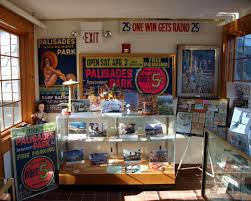
The Palisade Park exhibition was on the progression of the growth of the amusement industry in North Jersey and exhibited many artifacts from the old park. There were many pictures of the park in many different eras.

Fort Lee Museum III

The Palisade Park exhibition

From the museum:

The Fort Lee Museum is a historic museum in Fort Lee, New Jersey on Palisade Avenue within Monument Park. The museum opened in April 1999 and is operated by the Fort Lee Historical Society.

The museum building is also known as the Judge Moore House. It was built in 1922 with an exterior of bluestone quarried from the Hudson Palisades atop which Fort Lee is situated. The building was slated for demolition in 1989 but community intervention prevented its destruction and the borough purchased it.

Fort Lee Museum

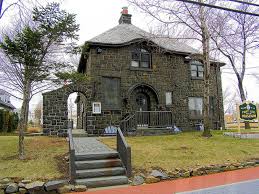
The Judge Moore house

The museum has a collections which speak the long history of Fort Lee and surrounding communities such as the Battle of Fort Lee. America’s first motion picture, the George Washington Bridge and Palisades Amusement Park.

Monument Park was built by the Daughters of the American Revolution and dedicated in 1908 at a ceremony attended by General “Black Jack” Pershing. The park was part of the original Fort Constitution of the Continental Army under the leadership of General George Washington. Over 2,600 troops were stationed in and around the Monument Park area. In 2004, the park was reconstructed for the Fort Lee Centennial. A time capsule was placed at the foot of the monument to be opened at the Bicentennial Celebration in the year 2104. Monument Park and Continental Army Park in Williamsburg, Brooklyn are the only parks in the US to be dedicated to soldiers of the American Revolution.

*Note from the editor: The Fort Lee Museum is in a very unusual location right off the Main Street of Fort Lee and tucked off to the side. It only takes about an hour to see the whole museum.

Hiram's Hot dogs

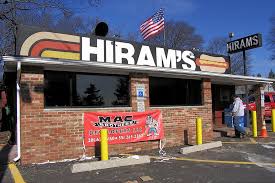
Hiram’s at 1345 Palisade Avenue

https://www.menupix.com/newjersey/restaurants/3020177/Hirams-Roadstand-Fort-Lee-NJ

My review on TripAdvisor:

https://www.tripadvisor.com/Restaurant_Review-g46446-d873711-Reviews-Hiram_s_Roadstand-Fort_Lee_New_Jersey.html?m=19905

When you are finished your tour, stop at Hiram’s down the road on Palisades Avenue for a deep fried hot dog. It is worth the trip.

Hiram's Hot dogs II

The best deep fried hot dogs and fries