Category: Historic Homes of New Jersey

The James Rose Center                                                            506 East Ridgewood Avenue                                     Ridgewood, NJ 07450

The James Rose Center 506 East Ridgewood Avenue Ridgewood, NJ 07450

The James Rose Center

506 East Ridgewood Avenue

Ridgewood, NJ  07450

Phone: (201) 446-6017

Email: http://www.jamesrosecenter.org

Fee: Adults $8.00/Children $5.00

Open: Tuesday-Sunday-10:00am-4:00pm/Closed Mondays

TripAdvisor Review:

https://www.tripadvisor.com/Attraction_Review-g46772-d15190166-Reviews-James_Rose_Center-Ridgewood_New_Jersey.html?m=19905

Originally designed as his own home, today the James Rose Center serves as the headquarters of a non-profit educational foundation, the mission of which is to improve the environment through research, education, preservation and design.

I recently toured the James Rose House with members of the Ridgewood Historical Museum. We had a lecture on the house and James Rose’s work in the industry as an architect and the other projects he had worked on over the years before his death in 1991.

James Rose Center

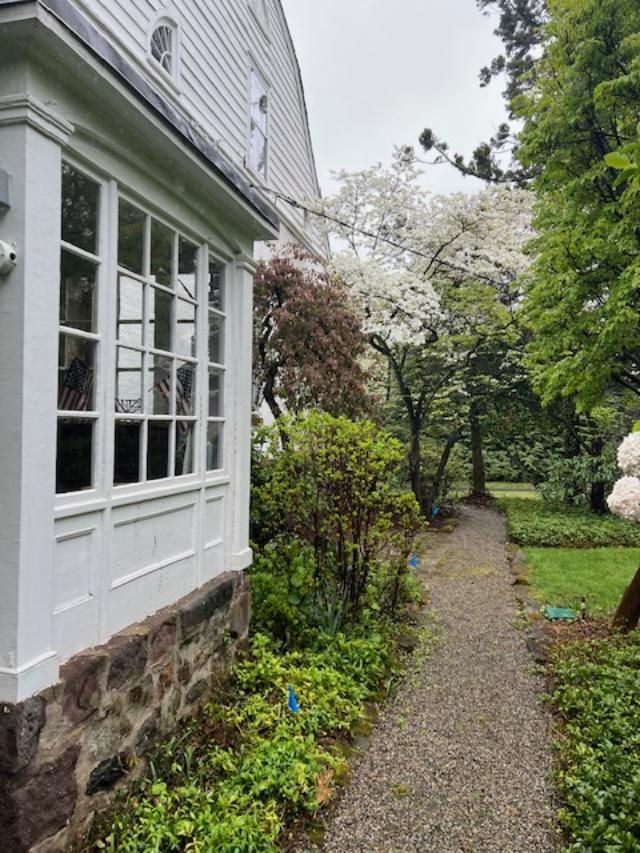
James Rose House at 506 East Ridgewood Avenue

http://jamesrosecenter.org/

The lecture was followed by a tour of the house with the group and then a small lecture and tour with the guide. We got to see the whole house, what he was trying to achieve in the design and the renovation work on the house as it is in pretty bad shape. The materials that were used to build the house were not the best quality and have rotted over the years. There is a lot of restoration work on the house that is needed.

We were able to walk all around the house and what struck me was the use of nature in the design of the house. He used the trees and brook on the property to achieve the aesthetic of the design of the house but over the years it has been used against it as the trees have either grown too big around the house or have died, in which one did and caused thousands of dollars of damage on the house. Still, it was an interesting tour of how the house was used as a studio and a family home for him, his mother and unmarried sister.

History:

James Rose (1913-1991) was a maverick landscape architect whose rebellious nature caused one writer to refer him as the “James Dean of Landscape Architecture.” Here Rose created a unique work of art fusing modern sculpture, architecture and landscape into a single unified place for living.

(Information from the Center’s pamphlet)

For its unique modern spatial language, its expression of an alternative approach to conventional post war suburban residential development and as the constantly changing laboratory of one of landscape architecture’s most inventive minds, the Ridgewood home of James Rose is one of the twentieth century’s most important landscapes.
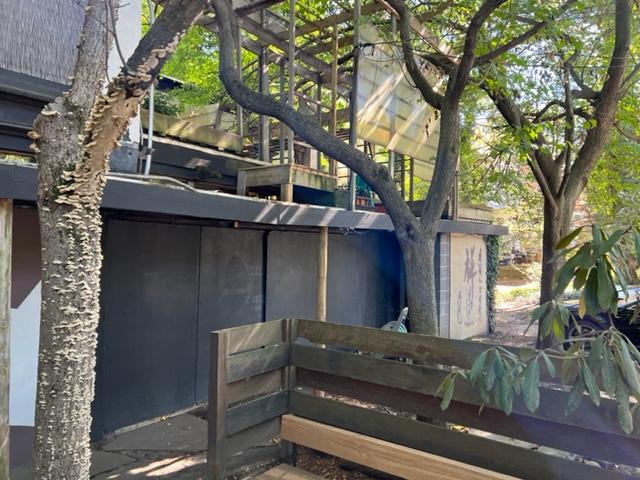
The Front of the house

The Vision:

Rose began  the design while in Okinawa during World War II with a model he made from scrapes found in construction battalion headquarters. “I wanted the spaces flowing easily from one to another, divided for privacy and for convenience.” Rose wrote in 1943. “I wanted the arrangement flexible and varied. Most of all, I wanted all this integrated with the site in a design that seemed to grow, to mature and to review itself as all living things do.”
The Reality:

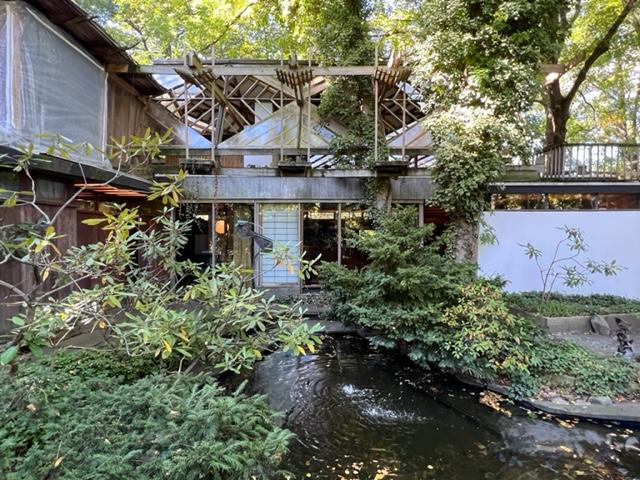
Constructed in 1953, Rose described his home as a “tiny village” build on an area half the size of a tennis court. It was a composite of three buildings-a main house for his mother, a guesthouse for his sister and a studio for himself. This experimental landscape achieves a fusion of indoors and outdoors perhaps unequaled by other leading designers of this time. Rose later described it as “neither landscape nor architecture, but both; neither indoors, nor outdoors but both.”

The Metamorphosis:

It was conceived to accommodate rapid twentieth century charge. “I decided to go at the construction as you might a painting or sculpture.” Rose wrote. “I set the basic armature of walls and roofs and open spaces to establish their relationships but left it free in detail to allow for improvisation. In that way it would never be “finished,” but constantly evolving from one stage to the next-ametamorphosis,” Rose wrote, “such as we find commonly in nature.”
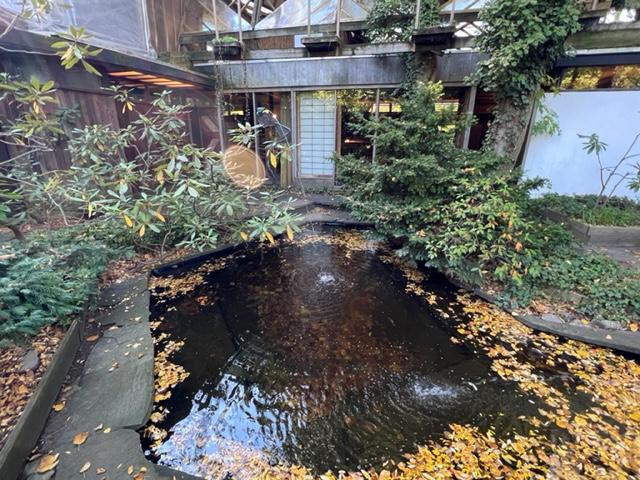
Consistent with this, the design changed dramatically during the almost forty years Rose lived here. From 1961, when Rose was invited by the Japanese government to participate in a World Design Conference (WoDeCo), he founded a mirror to his modern American design sensibility in the ancient culture of Japan. In changes such as the addition of the roof garden and zendo in the early 1970’s a fusion of ancient East and modern West is effected as Rose compares the filigrees of plant forms to the filigrees of structure. “In the bare architecture outline is a pattern of organic (rather than cosmetic) decoration and an inter division of space.”

The Reincarnation:

Unfortunately in the eighties this remarkable design, built to accommodate rapid growth went into rapid disrepair. Neglect, fire and water damage threatened complete destruction until a foundation was established by Rose, Dean Cardasis and a few of Rose’s close friends was formed just before Rose’s death in 1991. In 1993 the rehabilitation of this important property began and continues to this day. The site serves students, scholars and the general public in its new life as the James Rose Center for Landscape Architectural Research and Design.
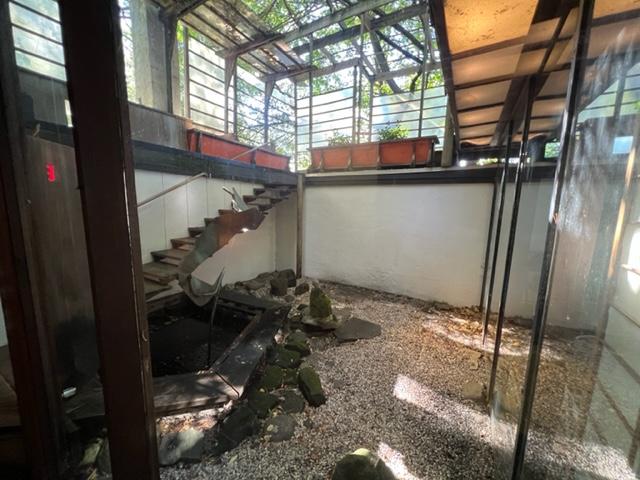
The rehabilitation reversed rampant deterioration of the previous decade. Support systems were revamped.  Fire damage was repaired. The leaking roof was rebuilt and Rose’s roof garden was reconstructed. Salvageable wood was reconditioned and woven with new lumber. Garden pools were rebuilt and important planting edges re-established. Murals and other original artwork were reconditioned. Through the center’s ongoing efforts, Rose’s enduring creation has entered a new stage of its metamorphosis from which it will continue to evolve.

But it remains consistent with its origins as a important modern work and serves the same larger purpose it always had for Rose to pose for us elemental questions about the nature of design. “Change is the essence,” Rose observed. “To reveal what is always there is the trick. The metamorphosis is seen minute by minute, season by season, year by year. Through this looking glass, ‘finish’ is another word for death.”

(Ridgewood-James Rose Center History)

James Rose, landscape theorist, author and practitioner

Along with Garrett Eckbo and Dan Kiley, James C. Rose was one of the leaders of the modern movement in American landscape architecture. Rose was only five years old when his father died and with his mother and older sister, moved to New York City from rural Pennsylvania. He never graduated from high school (because he refused to take music and mechanical drafting) but nevertheless managed to enroll in architecture courses at Cornell University. A few years later he transferred as a special student to Harvard University to study landscape architecture. He was soon expelled from Harvard in 1937 for refusing to design landscapes in the Beaux Arts manner.

The design experiments for which he was expelled served as a basis for a series of provocative articles expounding modernism in landscape design, published in 1938 and 1939 in Pencil Points magazine (now Progressive Architecture). Subsequently Rose authored many other articles, including a series with Eckbo and Kiley as well as four books which advance both the theory and practice of landscape architecture in the twentieth century.

Rose was employed briefly in New York City in 1941 as a landscape architecture by Tuttle, Seelye, Place and Raymond where he worked on the design of a staging area to house thirty thousand men to Camp Kilmer, New Jersey. For a short time, Rose had a sizable practice of his own in New York City but he quickly decided that large-scale public and corporate work would impose too many restrictions on his creative freedom and devoted most of his post WWII career to the design of private gardens.
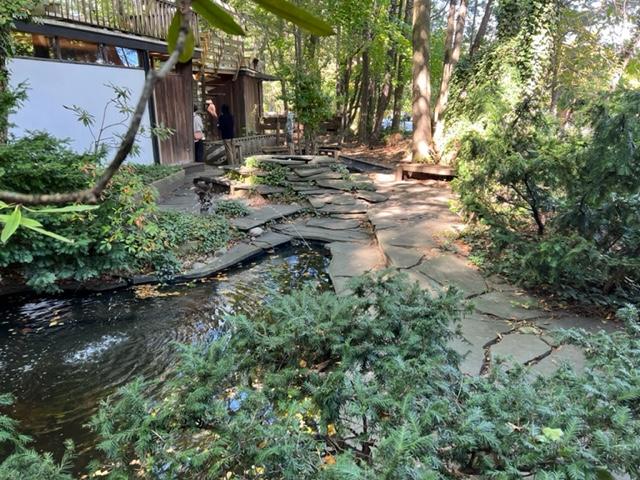
Fusion of indoor and outdoor space:

In 1953, he began building one of his most significant designs, the Rose residence in Ridgewood, New Jersey. Rose conceived of the design while stationed in Okinawa, Japan in 1943. He made the first model from scraps found in construction battalion headquarters. After construction, the design was published in the December 1954 issue of Progressive Architecture, juxtaposed to the design for a traditional Japanese house built in the garden of the Museum of Modern Art in New York City; the article cites Rose’s design for its spatial discipline. The design clearly expresses Rose’s idea of fusion between indoor and outdoor space as well as his notion that modern environmental design must be flexible between indoor and outdoor space as well as his notion that modern environmental design must be flexible to allow for changes in the environment as well as in the  in the lives of its users.

Practice based on improvisation:

From 1953 until his death, Rose based an active professional practice in his home. Like Thomas Church and many others. Rose practiced a form of design/build because it gave him control over the finished work and allowed him to spontaneously improvise with the sites of his gardens. As a result of this, most examples also exist in Connecticut, Florida, Maryland, California and abroad.

.

Establishment of a landscape research and design study center:

James C. Rose was one of the most colorful figures in twentieth century landscape design. While skeptical of most institutions during his lifetime he served as guest lecturer and visiting critic at numerous landscape architecture and architecture schools. Before he died he set in motion an idea which had been in his mind for forty years; the establishment of a landscape research and design study center and created a foundation to support the transformation of his Ridgewood residence for this purpose. Rose died in his home in 1991 of cancer.

(James Rose Foundation-James Rose Center)
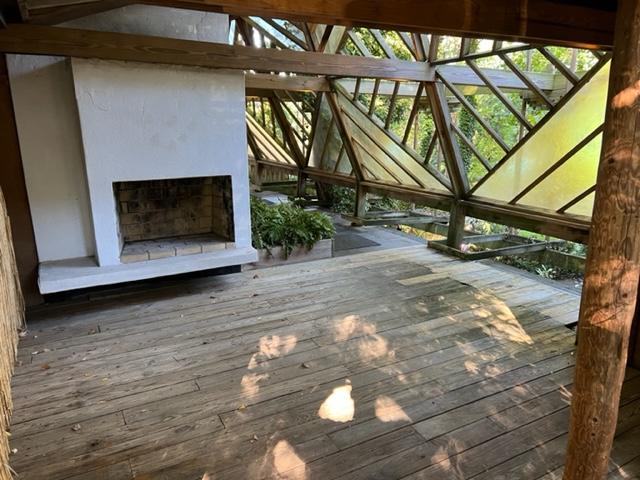
The upper part of the house.

The upper part of the house

The upper floors and garden

The upstairs near Ridgewood Avenue
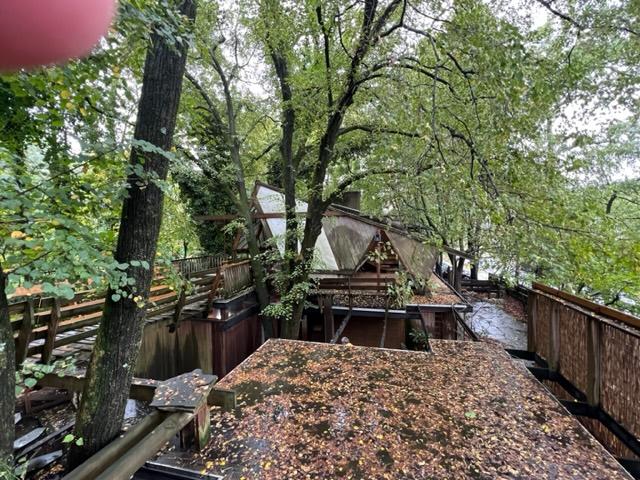
The upstairs of the house.

Hereford Inlet Lighthouse                                              111 North Central Avenue                                         North Wildwood, NJ 08260

Hereford Inlet Lighthouse 111 North Central Avenue North Wildwood, NJ 08260

Hereford Inlet Lighthouse

111 North Central Avenue

North Wildwood, NJ  08260

(609) 522-4520

http://www.herefordlighthouse.org

Open:

Mid May through October-Seven days a week: 9:00am-5:00pm

November through mid-May: Thursday-Sunday: 10:00am-1:00pm

*Days and hours may change without notice during these off-season months. Please call ahead to check on updates.

TripAdvisor Review:

https://www.tripadvisor.com/Attraction_Review-g46686-d532246-Reviews-Hereford_Inlet_Lighthouse-North_Wildwood_Cape_May_County_New_Jersey.html?m=19905

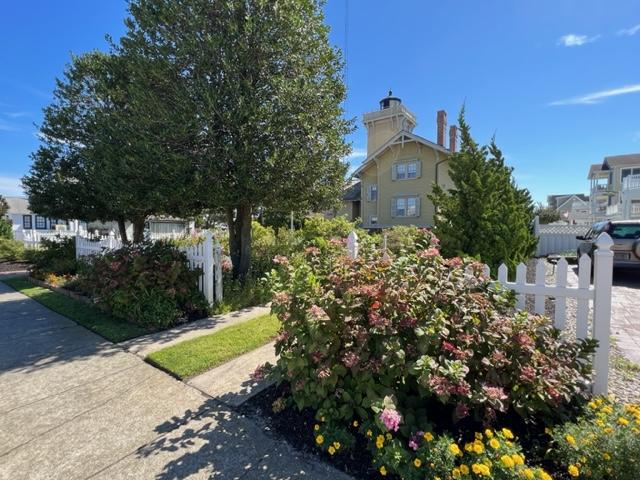
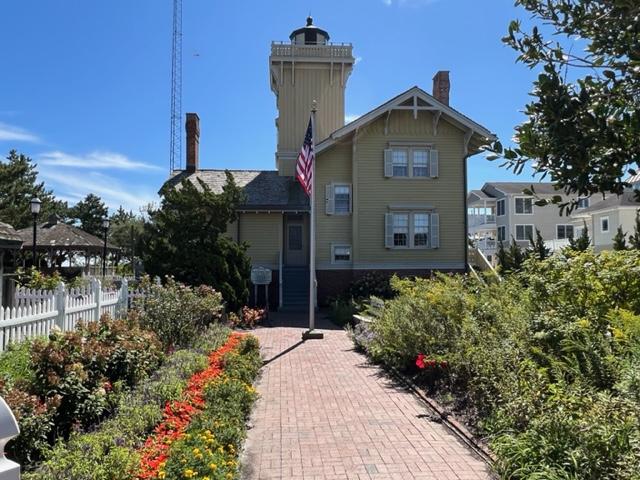
The Hereford Lighthouse in the summer of 2023.

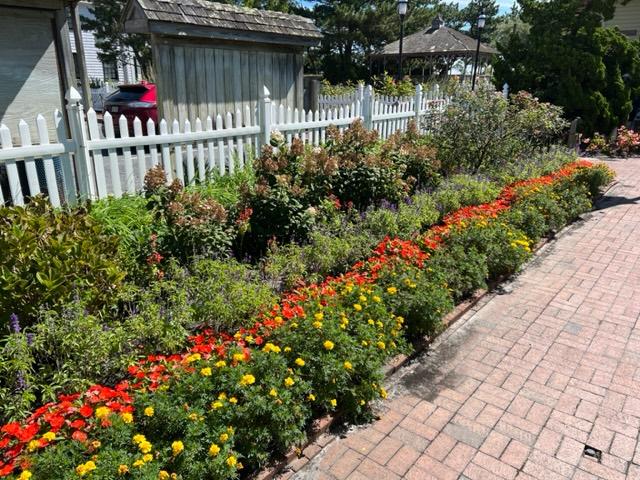
The front gardens of the lighthouse.

The front gardens of the lighthouse.

I visited the Hereford Lighthouse Museum recently (See my review on TripAdvisor) and toured the building and grounds. It was three floors of vintage furnishings, artifacts from the nautical era and the items from a working lighthouse, past and present.

The first floor meeting room.

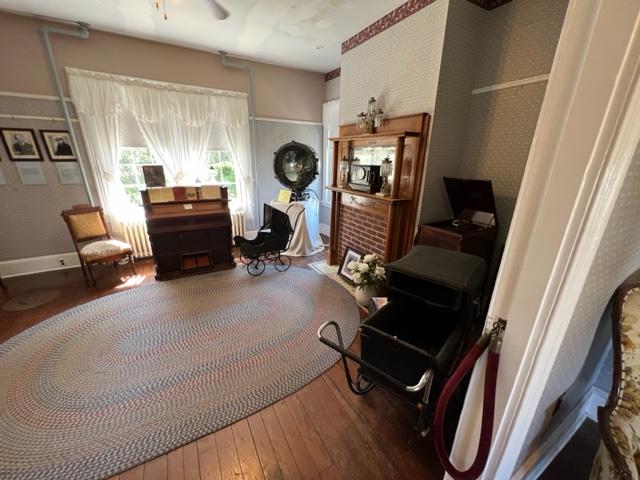
The Living Room of the Hereford Lighthouse.

The Living Room of the Hereford Lighthouse.

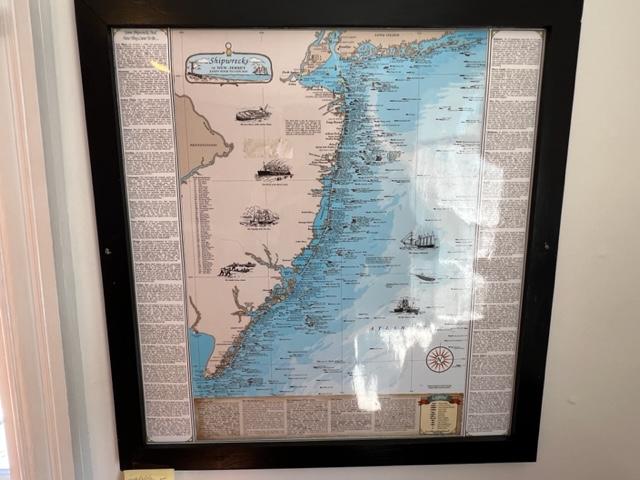
There was an interesting display of ship wrecks and their history, the role of lighthouses in New Jersey and their past and an interesting storyboard of the lighthouse keepers and the families that lived there at all stages of the history of the lighthouse.

The shipwrecks of the Jersey coastline

The shipwrecks off the coast of New Jersey.

The Hereford Victorian Lighthouse Museum and Gardens is a working lighthouse as well as a museum. Visitors will learn about the historic structure’s history and get a glimpse into the life of a lighthouse keeper in the late 19th and early 20th centuries (Hereford Lighthouse Museum).

The Children who lived in the Hereford Lighthouse.

Nestled into one of the most scenic settings in the State, the lighthouse overlooks the picturesque Hereford Inlet and the Atlantic Ocean. A park surrounding the building overflows with numerous flower gardens that have won many awards. Benches, a gazebo and a seawall observation deck allow visitors to linger and take in all the beauty (Hereford Lighthouse Museum).

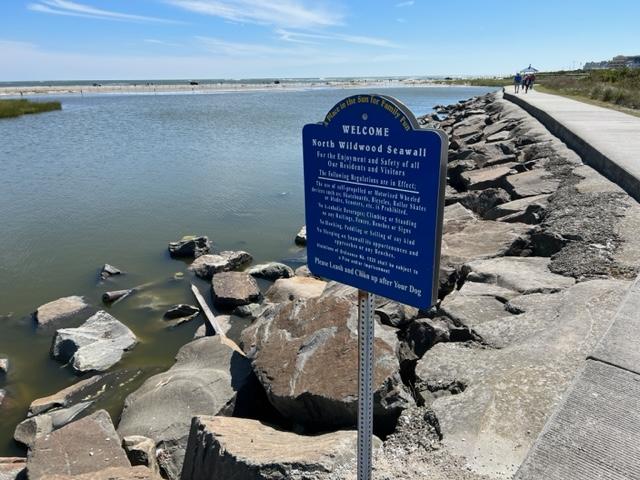
The seawall just outside the lighthouse.

There is a gift shop located on the first floor of the lighthouse.

History of the Lighthouse:

(from the museum website)

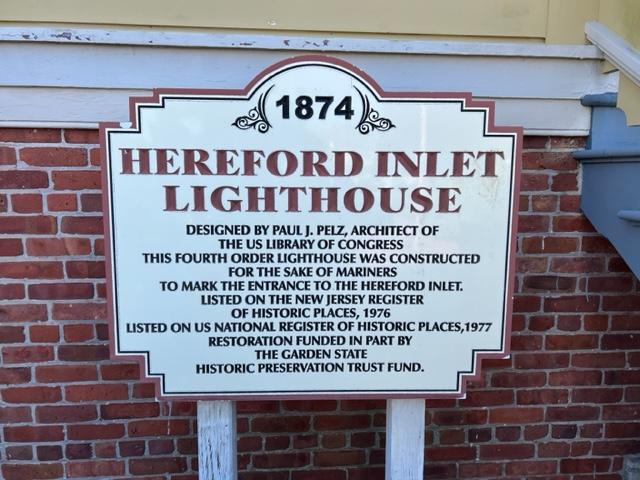
The Lighthouse sign welcomes you.

Historic and picturesque Hereford Inlet Lighthouse, a beacon of safety and assurance to the 19th century mariners, has become a cherished landmark for residents and visitors of this seashore resort community.

The Lighthouse is situated on the south side of the Hereford Inlet, which leads from the Atlantic Ocean to the famed Intra-Coastal Waterway linking Maine to Florida. First used by the 17th century whalers to haul in and butcher their catches, the Inlets use as a haven to mariners greatly increases as travel and shipping along the coast became more prevalent.

The front of the lighthouse and the front gardens.

Strong currents and shifting sandbars near the entrance to the Inlet caused frequent groundings and shipwrecks. Because of this, in 1849, a Life Saving Station was constructed along the south bank of the Hereford Inlet. A second, larger station replaced this in 1871, the time of the creation of the United States Life Saving Service. As the use of the Inlet and coastal shipping continued to increase, so did the number of shipwrecks. It became obvious that a Lighthouse was needed to mark the mouth of the Inlet.

On June 10th, 1872, Congress enacted legislation to finance the purchase of land and the construction of a fourth order Lighthouse. The site chosen held a prominent position on the dune area overlooking the approach to the Inlet.

The view from the top of the lighthouse.

Construction bean on the uninhabited barrier island on November 8, 1873 and was completed on March 30, 1874. This wood frame residential style Lighthouse was designed by the Lighthouse Boards Chief Draftsman, Paul J. Pelz. His Victorian era design is referred to as Swiss Carpenter Gothic and also Stick Style.

Hereford is the only Lighthouse like it on the East Coast although it had five sister lights on the West. Pelz designed Point Fermin, East Brother, Mare Island and Point Hueneme in California and Point Adams in Washington State. All of these were almost identical to Hereford and were built about the same time. Only Point Fermin and East Brother still exist. Paul Pelz would later garner world wide fame as the designer of the Library of Congress in Washington DC.

The view from the top of the lighthouse.

On May 11, 1874, a Notice to Mariners formally announced the start of operation of the Light. The fixed white light was located at latitude 39 degrees and longitude 74 degrees, 47 minutes. The tower height is 49 1/2 feet with the light elevation rising to 57 feet above sea level. The light is visible at a distance of 13 nautical miles.

John Marche was the first Lighthouse Keeper. He was in the post less than three months when he drowned when his boat capsized while returning to the mainland. He was replaced by a young man from Cape May Court House, Freeling Hysen Hewitt.

Freeling was a civil war veteran and a former merchant seaman. He would stay on as the keeper of the Light for the next 45 years. Freeling was considered a Pioneer of the island and among his many contributions, held the first formal religious services to occur in the Wildwood’s, in the Lighthouse parlor.

In 1888, a third larger Bibb#2 style Life Style Station was constructed three hundred feet Northwest of the Lighthouse. The Lighthouse Service and the Life Saving Service were both run by the Department of the Treasury but were separate organization. They were, however, both in the business of saving lives. The Lighthouse by warning and the Life Saving Service by rescue.

Hereford stood firm against the onslaught of the winds, rains and tides for 40 years at its original location. A severe storm in August of 1913 significantly damaged the foundation, requiring it to be moved westward 150 feet to where it sits today.

In 1915 the Coast Guard absorbed the duties of the U.S. Life Saving Service. A larger building was needed and in 1939 the modern Roosevelt Style Coast Guard Station was constructed. This Station also had a boathouse and a maintenance garage. These are the white buildings just north of the Lighthouse. 1939 was also the year that the Coast Guard took over control of the Lighthouse Service.

For the next 25 years the Hereford Lighthouse continue in operation. By the early 1960’s the Coast Guard began to automatize many of its many of its lighthouses. In 1964 this was the fate of Hereford when an automatic rotating modern optic was placed on an iron skeletal tower behind the Lighthouse. The Lighthouse was closed as was the Coast Guard Station next door. The entire property was transferred to the control of the New Jersey State Marine Police. The Police made use of the Coast Guard Buildings but the Lighthouse was boarded up and left to deteriorate for the next 18 years.

In 1982 through the long and painstaking efforts of Mayor Anthony Catanoso and his wife, Phyllis, a lease was signed Whereby the New Jersey Department of Environmental Protection turns over the stewardship of the Lighthouse to the City of North Wildwood.

The Children’s Room at the Hereford Lighthouse.

Restoration of the neglected building was immediately begun. After only ten months of intense work, on July 1, 1983, a portion of the restored building was opened to the public. Hundreds of public spirited citizens who helped raise funds for the restoration and contributed time, talent, energy and materials were on hand to celebrate the official reopening of the historic landmark for public use.

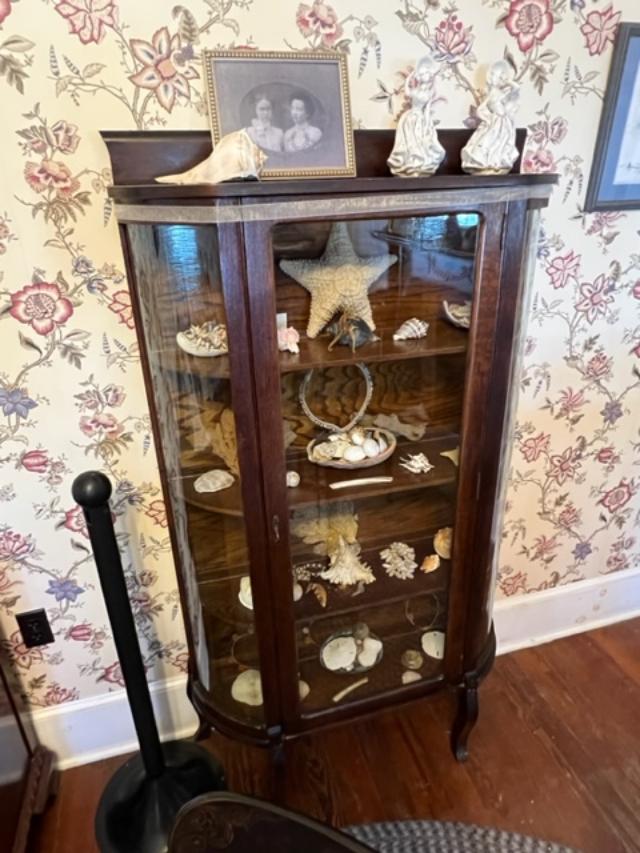
The Shell Collection in the Living Room of the Hereford Lighthouse.

In 1986, the modern automated light was removed from the iron tower and placed in the Lighthouse lantern room making it a fully functional aid to navigation once again.

Efforts were then begun to also create a museum in the Lighthouse. The interior of the building was furnished with period antiques, educational displays and lighthouse memorabilia. The 4th order Fresnel Lens was also restored and placed on display on the 2nd floor of the Lighthouse.

The Fresnel Lens at the Hereford Lighthouse

A project to improve the sandy, barren grounds into a park was undertaken by Superintendent of Parks Steve Murray, who designed the Park along with its many garden areas.

Finally an authentic restoration of the entire Lighthouse was begun in 1998 and as with many old, historic structures is always a work in progress. Grants awarded by the New Jersey Historic Trust and the N.J. Department of Transportation have helped finance this work.

The Hereford Lighthouse is listed on both the National and State Registers of Historic Places. It is also part of the New Jersey Coastal Heritage Trail.

The pictures of the Lighthouse Keepers over the years.

Keepers of The Hereford Inlet Lighthouse:

John Marche: 1874

John Nickerson: 1874

Freeling Hewitt: 1874-1919

William Hedges: 1919-1925

Laura Hedges: 1925-1926

Ferdinand Heizman: 1926-1939

Robert O’Neil: 1939-1942

George Baker: 1945-1955

Newman Bowden: 1955-1959

Bruce Bolon: 1960-1961

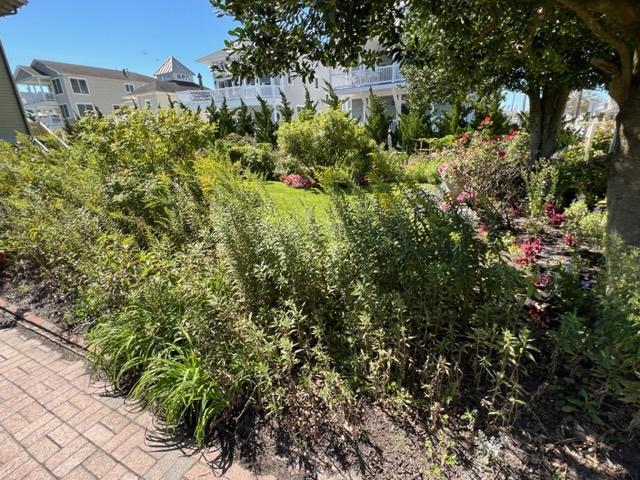
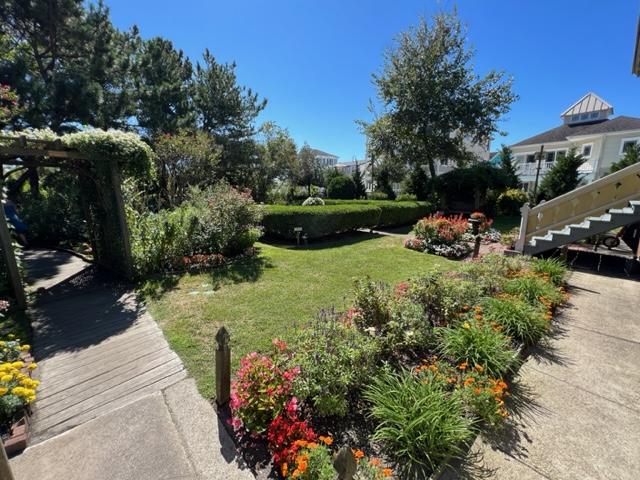
In the back of the Lighthouse is a wonderful set of gardens maintained by the local Garden Club.

The back gardens are beautifully maintained.

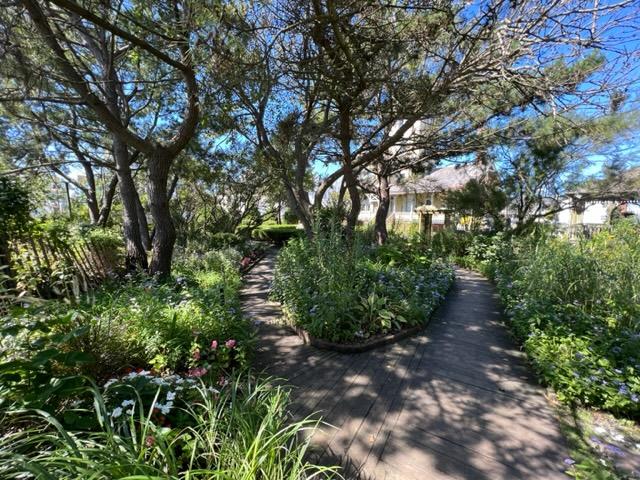
The back garden paths.

The back paths of the formal gardens in the back.

The paths leading to the seawall.

The lawns and gardens in the back of the lighthouse.

Disclaimer: This information was taken from the Hereford Lighthouse History website and I give the museum full credit for this information. Please call ahead before visiting in the off-season to see when the museum is open. It is a fascinating piece of New Jersey history.

The American Labor Museum/Botto House Museum National Landmark                                 83 Norwood Street                                      Haledon, NJ 07508

The American Labor Museum/Botto House Museum National Landmark 83 Norwood Street Haledon, NJ 07508

The American Labor Museum/Botto House Museum National Landmark

83 Norwood Avenue

Haledon, NJ  07508

Phone: (973) 595-7953/7291

Email: labormuseum@gmail.com

http://www.labormuseum.org

https://labormuseum.net/

https://labormuseum.net/?p=about-us

Open: Wednesday-Saturday-1:00pm-4:00pm/Sunday-Tuesday-Closed/All other times are by appointment. Closed major holidays but Open on Labor Day.

Fee: Free

TripAdvisor Review:

https://www.tripadvisor.com/Attraction_Review-g46485-d15087067-Reviews-The_American_Labor_Museum_Botto_House_National_Landmark-Haledon_New_Jersey.html?m=19905

 The Botto House at 83 Norwood Avenue

I recently visited The American Labor Museum/Botto House National Landmark for the afternoon and learned a lot about the American Labor Union formations and the rights we now take for granted.

A group of us took the tour of the Botto House and learned of its history and its place in the Paterson Silk Strikes of 1913. The first floor which serves as the meeting room has pictures of the Paterson Silk Strike which lasted just over five months and since the Mayor of Paterson at the time would not let the strikers meet, the Botto’s agreed to let the strikers meet at their home which at the time was in a isolated section of Haledon.

The history of the Silk Strike in Paterson

The Mayor of Haledon was sympathetic to the Union cause and let them meet in the town. Their house was situated in the middle of a field so that the strikers could gather around the home and listen to speakers.

The Botto House during the Paterson Silk Strikes

From their balcony, speakers could talk to the strikers and keep everyone abreast of the situation. Here people gathered and picnicked together and worked together to get their rights heard.

From the main display room, you will tour the home of Pietro and Maria Botto. First stop is the kitchen where Mrs. Botto ran her household. She made extra money selling food to the strikers and arranging meals for Mr. Botto’s co-workers. The family family did what it could to make money for the family.

Mrs. Botto’s kitchen

The sink area

Here she made meals for her family, did her jarring and preserving and the washing was done. Then a tour of the dining room, bedroom and the palour area where the family met and greeted people. The upstairs was formerly two apartments that were built to help ‘pay the bills’.

The Botto House Kitchen

The upstairs is now the display space where a display on the Dock Workers Union is currently being shown. We got to stand on the second floor balcony where so many speeches were made.

The backyard area

We took the back stairs to the backyard where the family had the grape arbor, root cellar where the preserves were kept and the boccie ball court. It seemed the family was very social at the time and self-sufficient.

The root cellar and Vineyard

Things turned bad for the family when both Mr. And Mrs. Botto both passed away two years after the strike. The strike could have taken its toll on the family or the fact that Mr. Botto could not find a job after the strike was over. No one knows.

It is an interesting tour of how one family opened their home to an important cause and it made a difference in the success of the strike and getting it resolved.

The history of the Botto’s:

The museum headquarters was the home of an immigrant family of industrial workers whose story is a fascinating one. In many ways, the telling of their saga is a doorway for museum visitors to step through and make connections with their own ethnic backgrounds.

The European Heritage:

Pietro and Maria Botto hailed from the region of Biella, Piedmonte, Italy. This area, at the foothills of the Alps, was a leading textile producer of linen and wool. The mountainous area was home to a fiercely independent people who, for centuries, wove cloth in their homes on looms which they owned.

The Industrial Revolution forced weavers to give upon cottage-based production to seek employment in large shops or mills. the displacement of workers by mechanized looms and weavers’ lack of economic independence caused people in Biella (as in other European textile areas where Paterson’s workforce originated) to embrace new ideas about worker rights and to be a vocal workforce wherever they roamed.

Pietro decided to leave Italy because he was made eligible for a second draft into the army at the recently united Kingdom of Italy (Italy had quadrupled its army at that time to strengthen unification and to acquire African colonies). A skilled weaver who also painted church interiors, Pietro brought his wife, Maria and daughter, Albina (born 1889) on the long voyage to America in 1892.

The Botto’s settled in crowded West Hoboken, New Jersey (today’s Union City), where they worked in silk mills for 15 years until they had saved enough money to afford a home for their growing family. The family now included three more daughters, Adelia (born 1894), Eva (born 1895) and Olga (born 1899). In 1908, the Botto’s moved to Haledon, a tiny community, growing up along the streetcar line from Paterson, where many other country folk from Biella had already settled.

The Botto’s home became a focal point for a dramatic slice of history in 1913 when the epic Paterson Silk Strike broke out. Pietro was on strike with 24,000 fellow silk workers when massive and constant arrests forced the workers to consider the independent borough of Haledon as a location for great outdoor rallies. Mayor William-Brueckmann guaranteed the safety of the workers and Pietro offered his home as a meeting place for the strikers.

The Botto’s courageous stand allowing their home to be so closely identified with the strike stemmed from a belief in the rights of the common man. During the strike, Pietro and his family played host to the social and labor leaders who were the idols of the working person at that time. After the strike, the family had to very circumspect about employment in the mills, with one of the daughters denying her family name to avoid blacklisting by an employer.

The large house and spacious hillside gardens are a tribute to the family’s combined labor. Pietro and his daughters worked 10-12 hour days, 5 1/2 days a week in the mills. The eldest daughter began mill work at age 11 and the youngest at age 13.

On Sundays, the usual day of rest, the girls helped their mother serve patrons of the resort aspect of the property. Maria ran a large household, feed boarders during the week and the scores of people on Sunday and did piecework from mills; she died in 1915 at the age of 45.

Pietro lived until 1945, a beloved father and grandfather to a growing clan.

History of the House and Land:

The house in Haledon, NJ

The total environment of the Botto House National Historic Landmark reflects the ethic origin of this family of silk workers from the Piedmonte (Biella) area of Italy and the development of housing in early streetcar suburbs. It is representative of the sensitive use of small landholdings in American urban areas by various European immigrant groups.

The Botto family purchased Block X, Lots 38, 39 and 40 in 1907 from Alexander King, a real estate speculator. King himself purchased a large parcel of land from the Cedar Cliff Land Company, a group of Paterson industrialist and business leaders who were quick to see the advantages of selling cheap land to workers in Haledon. The completion of a horse-drawn trolley line in 1872 allowed for expansion of residential and recreational areas outside  of the City of Paterson, a major American industrial center.

The Botto House sign

(Information from American Labor Museum: Botto House National Landmark, a Brief History)

The Period Rooms:

The Front Hall

The front entrance hall light fixture is original to the house. One of the restoration tasks yet to be carried out is the replacement of embossed wallpaper on the walls which was made to look like the carved leather coverings in the homes of the rich.

The front hallway

The Kitchen:

The kitchen was a major center of activity in the household. The large coal and gas range dominates the room. It was used as a heating source as well as for cooking foods. A table provided the space for food preparation; a cupboard stored pots, pans and dishes; an icebox kept food items cold (the root cellar, located in the garden was also used for cold food storage) and a sink for dishes and a tub for laundry utilities indoor plumbing-certainly a recent innovation for working class households.

The kitchen

Even with the convenience of indoor plumbing and the gas range, the kitchen was the scene of virtual non-stop labor for Maria Botto and her daughters. In addition to meals prepared for the family, the Botto’s fed a noon meal to extra people during the week, there were workmen without families, who rented rooms and come from the mills for a hot dinner.

On Sundays, the Botto women prepared food for as many as 100 people who came to recreate on the property. This, of course, provided on additional income for the family.

The Botto family’s foodways reflected their home region of Biella, Piedmonte, Italy. Piedmontese cooked scorned tomato sauce, preferring wine and chicken broth to accompany such staple foods as polenta (corn meal), risotto (rice) and tortellini, a pasta. Generally, rosemary, sage, and other herbs were used in cooking and grown outside in the garden. The herbs also had medicinal uses.

The kitchen sinks

Some of the artifacts placed around the kitchen are the copper put used to cook polenta (purur), meat grinder, fish scale, orange juice squeezer, coffee grinder (from a German immigrant household), rug beater, mousetrap and wall calendars which were used by working people as decorations.

The Botto women were generally charged with kitchen duties. Maria Botto hired a German woman to do the wash. One special job was reserved for Pietro, stirring the polenta and cutting it with a string.

The Dining Room:

The dining room was another work area for the family. Here the family and the ‘boarders’ dined. Here Maria ‘picked’ silk on a frame, located in the corner of the room under the window, examining the bolts of broadsilk brought from the mill for imperfections.

The Dining room

This was another task to bring income to the household. Maria used the sewing machine to make clothes. The table reflects a setting for the family and ‘boarders’, placed with dishes, silver-plated utensils and a condiment set.

The Dining Room

The sideboard, table chairs and sewing machine are family pieces. The lighting fixtures in this room as in the rest of the house were powered by gas. As is typical in the area, paintings were hung by string from a picture rail as the walls were made of plaster.

The Sideboard

The small painting shows sheep, which provide the wool upon which textile manufacture was based, against the backdrop of the Alps. The large sketched portrait of Pietro Botto in later years was produced by his grandson and professional artist, Richard Botto. On the side of the room hang pictures of the Botto daughters in their wedding attire.

The Dishes in the sideboards

The Bedroom:

This room, which was actually the girls bedroom has been recreated to resemble where Maria and Pietro slept. The dresser is set with brushes, combs and mirrors that are from the period. The Botto’s slept in a brass bed.

The bedroom at the home

Swimsuits and other clothing hang in the wardrobe. A travelling trunk rests on the floor next to the wardrobe. Next to the window hangs a photograph of Mr. and Mrs. Guala of Biella, Italy. Next to the wardrobe hangs the elaborately framed photograph of Adalgiso Valle of Paterson, NJ, a jacquard card cutter.

The Bedroom

The Parlor:

The most formal room in the house, the parlor was used for guests, weddings and wakes. Dominating is the oak mantle with its columns and mirror top. It surrounds a fireplace where, in the winter, a gas heater was attached to a pipe behind the hearth. The clock had to be wound every day and chimes on the half-hour.

The parlor

The photographs on the shelf are Maria’s sisters in Italy (right) and the three eldest Botto daughters (left). Members of the Bocchio family of Biello, Italy are pictured in the photograph to the left of the mantle.

The Parlor and decorations

The furnishings in the house

Other Rooms:

The area making up the library on the first floor was a sitting room and bedroom for the family. The Botto daughters rented the two apartments upstairs when they first married and started their families and other non-family members served as renters through the years. The bathroom on the first floor is the approximate size of the original but today has modern fixtures and is not meant to be part of the restoration.

(From the American Labor Museum/Botto House National Landmark)

The Labor Day display of the Union history:

Labor display

Labor Display

History of Paterson:

The City of Paterson was founded in 1792 as America’s first planned industrial city. Alexander Hamilton, Elias Boudinot and other members of The Society for the Establishment of Useful Manufactures chose the Great Falls of the Passaic River as the ideal site for a manufacturing center.  The Falls provided water power, while the river provided transportation upstream and down.

During the 19th Century, Paterson flourished. It became known as “Silk City” and “The City” with an Arm of Iron in a Sleeve of Silk for the silk mills and locomotive works that made their homes here. Immigrants flocked to the city at first from England, Switzerland. Germany and France and later from Southern and Eastern Europe. Many found jobs in the mills and a few took their place among the captions of industry.

(Mill Worker…Mill Owner-Botto House Museum)

The gift shops

Disclaimer: This information was taken directly from The American Labor Museum/Botto House National Landmark pamphlets. This museum is one of the few historical sites dealing with the Labor Unions in the United States and plays a huge role in workers rights today.


Zabriskie-Quackenbush House                                                421 Franklin Avenue                                                       Wyckoff, NJ 07481

Zabriskie-Quackenbush House 421 Franklin Avenue Wyckoff, NJ 07481

Zabriskie-Quackenbush House

421 Franklin Avenue

Wyckoff, NJ  07481

http://www.zabriskiehousewyckoffnj.org

https://www.wyckoff-nj.com/zabriskie-house-board-trustees

https://www.facebook.com/wyckoffzabriskiehouse

Open: Please check out their website for the dates when the house is open to the public.

TripAdvisor Review:

https://www.tripadvisor.com/Attraction_Review-g46945-d10359429-Reviews-The_Zabriskie_House-Wyckoff_New_Jersey.html?m=19905

I visited the Zabriskie House in May 2016 and 2019 for the Northwest Bergen History Coalition 6th Annual History Day. The house is left the way the last owner. Grace Zabriskie,  willed it to the town with all the original furnishings.

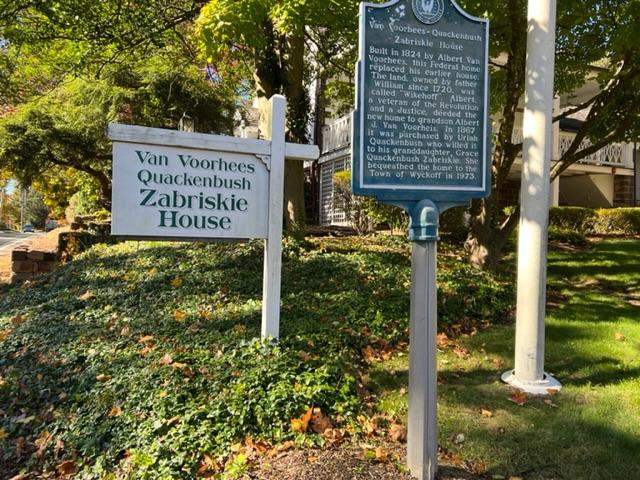
The historic signage

It has period furnishes, family heirlooms and antiques. The docents will take you on a tour of the house and show you where all the later additions were added and how they make up the whole house. As you walk through the house, you can see the difference in structure of the home plus how the last owner lived.

Zabriske House I

The Zabriske House in Wyckoff, NJ

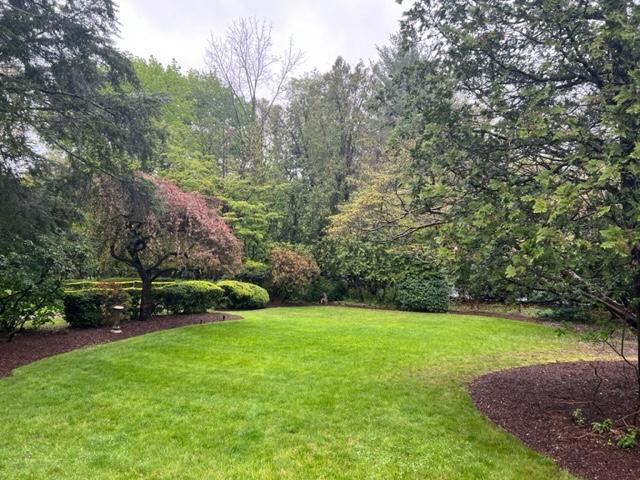
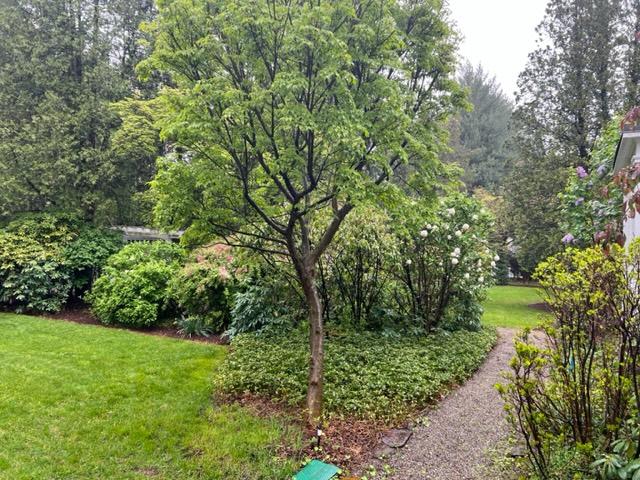
Don’t miss touring the gardens in the Spring as Mrs. Zabriskie worked with a Botanist to plant the gardens to bloom at different times. She planted it in stages so that she could entertain in them but still treated the gardens similar to the house as if you had to walk into a room. It is very nice and colorful in the Spring.

I have visited the house during the Northwest Bergen History Day and I was able to take a lot of pictures of the gardens next to the house on a rather gloomy day. The gardens were in full bloom in the middle of spring and the rain added a layer of beauty to the flowers and flowering bushes that lined the paths. They did a nice job maintaining the house.

On the terrace there are people to guide you through the house and docents to take tours. The ladies had a nice reception laid out for all of the people who came to visit.

The Van Voorhees-Quackenbush-Zabriskie House in the Fall of 2022

The original stone structure of the Van Voorhees-Quackenbush-Zabriskie House was built in 1730 by William Van Voorhees. It is believed to be the oldest house in Wyckoff, NJ. In 1824, William’s son, Albert, completed a major addition to the house in the classically Dutch colonial style. The original structure then became the dining room (NWBHC).

The historic part of the house from the 1700’s

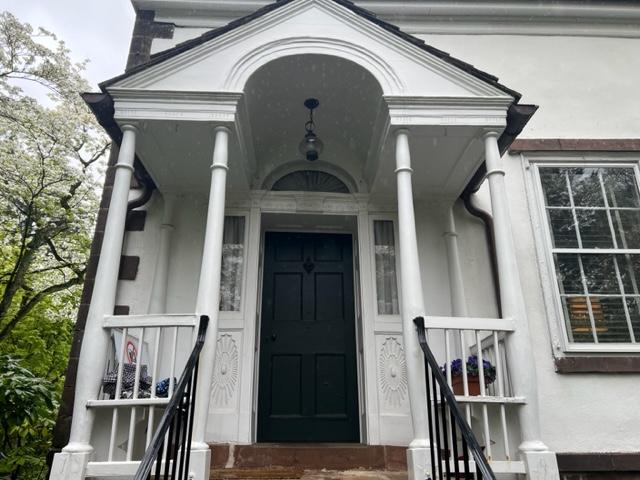
The entrance of the Zabriskie House

History of the House: (Taken from the Wyckoff History Page)

The Van Voorhees-Quackenbush-Zabriskie House has been a local landmark for over 275 years and is believed to be the oldest structure in the Town of Wyckoff, NJ. In 1720, William and John Van Voor Haze, yeoman of Bergen County, purchases 550 acres of land in what is now Wyckoff. The brothers were descended from Dutch settlers who emigrated from Holland in 1660 (Wyckoff History).

The historic part of the house

The first stone house was built circa 1730 by William. The land was cleared and the family farmed, raising table crops and staples such as grain, corn, potatoes and grapes. Over time, apple orchards and dairy farming became main occupations in the area. The Jersey Dutch were especially skilled at animal husbandry. They were considered the best farmers and gardeners in the American Colonies (Wyckoff History).

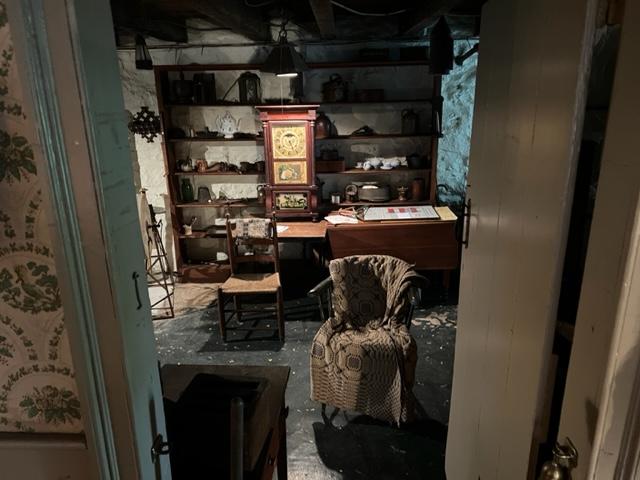
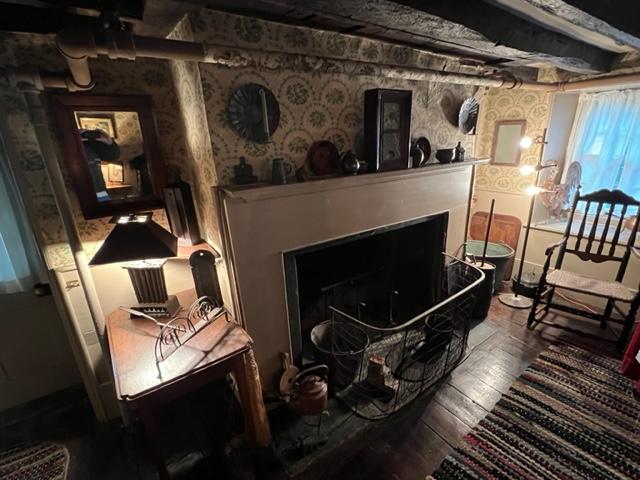
The historic kitchen in the original part of the house

There were only about 20 families in the area in 1775, when the house served as the village store and tavern. William’s son, Albert, served in the Militia in the Revolutionary War. The original stone structure later became the dining room of the house, when a large addition was added in 1824 by William’s son, Albert when he was 86 years old. He had just one son, John, but likely expanded the house for his nine grandchildren and their wives and children. Over the years, in addition to serving as a home, the house served as a not only home, tavern and store but also as a hotel and ballroom for area parties (Wyckoff History).

The gardens on the side of the house

The gardens in April 2023 on a gloomy day

The original 1730 house has a steeply pitched roof and overhanging eaves designed to protect the building and foundation from rain. It has a two piece “Dutch” door to allow ventilation while keeping animals outside. Inside is a five foot high fireplace which originally was the sole source of heat and was used for all cooking (Wyckoff History).

The pathways to the gardens to the side of the house

The lawn next to the house

The pathways next to the house

The pathway to the gardens

The much larger 1824 structure is three stories originally tall with a sub-basement. It contains four fire places, again for heat. It has two half and four quarter moon windows and two oval windows. There are four bedroom with pegs to hand clothes on (no closets then). Its exterior demonstrates the classic Dutch Gambrel roof with an upper 23 degree roof line and then a lower 45 degrees roof line. This beautiful design was developed by the Dutch in northern New Jersey and up the Hudson River and is found nowhere else in the world. The typical Dutch front porch has two benches on either side of the entrance (Wyckoff History).

The house in the Fall

The property left the Van Voorhees family in the mid-1800’s. In 1867, it was purchased by Uriah Quackenbush. Uriah and Keziah Quackenbush had one son, John, who died as a young adult. Grace Quackenbush was his only child and was two years old when he died. She was raised in the house by her grandparents, who left the property to her when they passed on, after Grace had married John Zabriskie (Wyckoff History).

The Zabriskie Pond across the street

During her lifetime, Grace modernized the house (including adding an indoor bathroom) and restored the appearance of the home using authentic period antique furniture and furnishings. She also created three beautiful formal gardens on the landscaped property with her friend, Mrs. Elizabeth Spencer, a botany major (Wyckoff History).

The house is considered one of the finest examples of American architecture in northern New Jersey. The current House Museum has been called one of the finest in New Jersey. In 1973, Mrs. Grace Q. Zabriskie, who was the last resident, willed the house and its antique furnishings to the Township of Wyckoff, when she died that year. The “Zabriskie” house belongs to everyone in Wyckoff to enjoy (Wyckoff History).

The Zabriskie Pond in the Fall of 2022

Please check out their website for when the house is open to the public.