Category: Historic Homes of Delaware

Dinker-Irvin Museum                                                  318 Garfield Parkway                                                Bethany Beach, DE 19930

Dinker-Irvin Museum 318 Garfield Parkway Bethany Beach, DE 19930

Dinker-Irvin Museum

318 Garfield Parkway

Bethany Beach, DE 19930

https://www.townofbethanybeach.com/110/Town-Museum

https://en.wikipedia.org/wiki/Dinker-Irvin_House

https://visitsoutherndelaware.com/listing/bethany-beach-dinker-irvin-museum

My review on TripAdvisor:

https://www.tripadvisor.com/ShowUserReviews-g33997-d33496882-r1029950348-Dinker_Irvin_Museum-Bethany_Beach_Delaware.html?m=19905

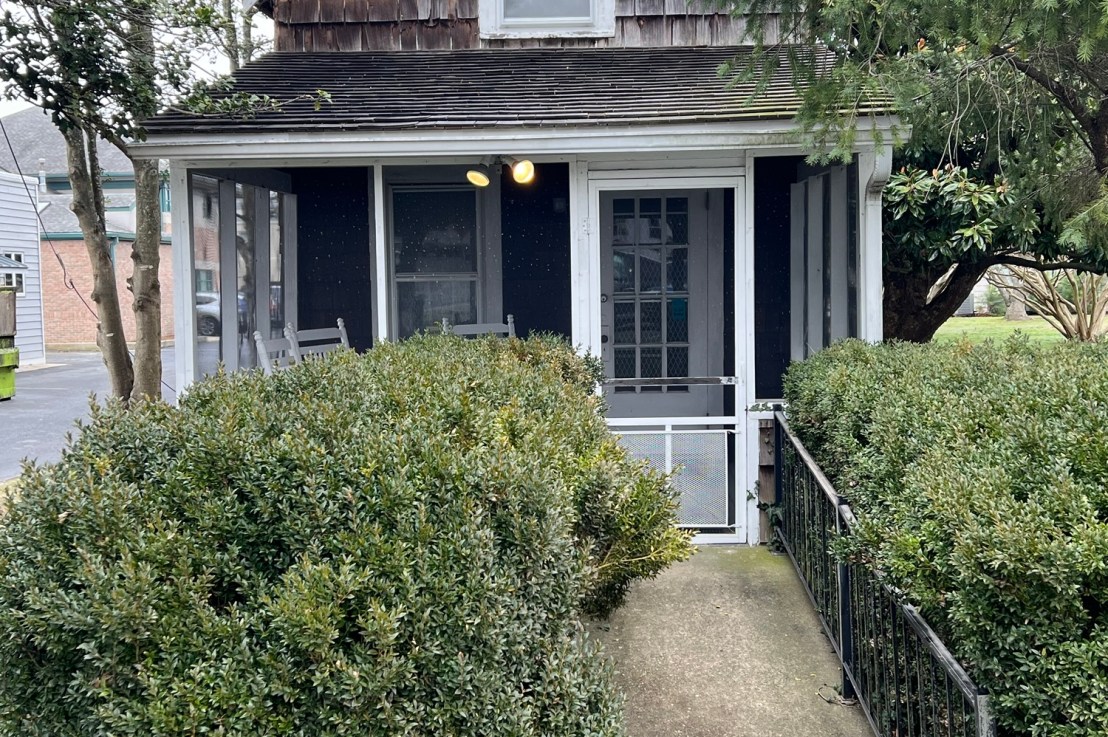
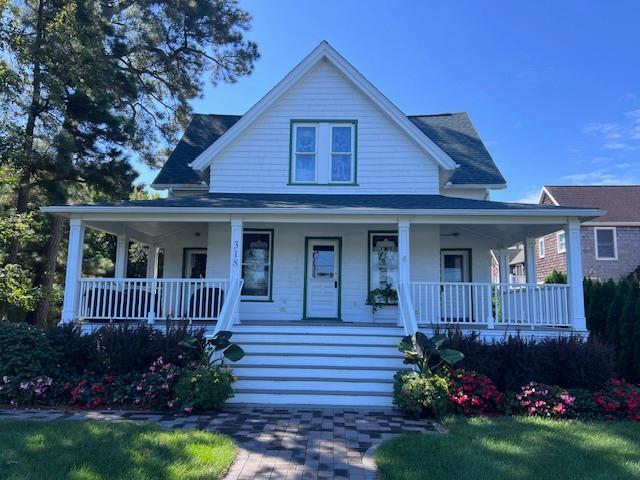
The front of the museum

History of the Museum:

(from the museum website)

Located across from Central Park at 318 Garfield Parkway, this beautifully restored cottage offers visitors an immersive experience of an historically significant early 1900’s home and a glimpse of what life was like during the early days of the town.  It is one of the few remaining original cottages in Bethany Beach and the oldest public building in town.  It served as a U.S. Post Office from 1922-25. 

The sign in the front

The historic sign

The backyard of the home

I arranged a personal tour with members of the Board of the Dinker-Irvin House Museum and I got to see one of the few remaining shore homes from the turn of the last century.

The Virtual tour of the Museum

Sneak Peek view of the museum

The History of Bethany Beach

The Dinker-Irvin House is an example of early beach living on the Delaware coast. This small home was just enough space for a family to live comfortably at the shore for the summer season before and after it was a religious retreat.

The antiques of the time period in the front entrance

This interesting little shore home shows life in early Bethany Beach similar to the development of shore communities up and down the Eastern seaboard first as religious retreats then with the changes of the modern work week with leisure travel.

The history of the cottage:

The background of William Dinker, the original owner of the home

Mr. Dinker’s family history. The house was first owned by the Dinker family and then the Irwin family.

The Irwin family history

The second family, the Irvin’s buys the home

The history of the development of the museum

The front of the museum building was dedicated to the history of beach life in Bethany. This was complete with bathing outfits and the history of swimming for pleasure. One covered up at the shore to show respect and modesty.

The bathing costumes from the turn of the last century

Life at the beach

Swimming at the shore would change a lot in the next 100 years.

Life Guard uniform

The modern life guards were developed in response to the increasing tourism and modern ocean swimming. In 1942, the beach community got its first female life guard, Marjorie Townsend Bramhall Slaughter. Her two sons would follower her into the profession.

The first female life guard in Bethany Beach

The start of tourism in Bethany Beach started first with ship then by rail and then by car. As the modern highways brought more people to the shore, the town continued to progress.

Early tourism and travel to Bethany Beach

The kitchen was original to the house and some of the original items to the home are on display. As small as the house was meals were still a serious affair at the shore. Fresh fish, fruits and vegetables were all available at farm stands as they are today.

The kitchen of a beach town

The kitchen of a beach home

The ice box of the turning of the last century

The hand pump

The kitchen items, foods and recipes

The kitchen provided a look of what was in the pantry at the time. The kitchen even included recipes for meals that would have been popular at the time.

The house served as the post office at that time

The house once served as the post office for the community.

The collection travel postcards in the museum’s collection. This shows the progression of working people at the time and how leisure travel became popular first with the railroads and then by car.

The Horse Racing in the area

The Chautauqua Assembly records on display

The development of religious communities at the beach

The museum gives a glimpse of the past of this diverse beach community from its development as a religious retreat to its development as the modern resort of today.
Indian River Life Saving Station Museum                  25039 Coastal Highway                                             Rehoboth Beach, DE 19971

Indian River Life Saving Station Museum 25039 Coastal Highway Rehoboth Beach, DE 19971

Indian River Life Saving Museum

25039 Coastal Highway

Rehoboth Beach, DE 19971

(302) 227-6991

https://www.destateparks.com/park/indian-river-life-saving-station/

https://visitsoutherndelaware.com/listing/indian-river-life-saving-station-museum

Open: Sunday 9:00am-3:00pm/ Monday-Saturday 9:00am-4:00pm (Schedule is flexible with the seasons)

Admission: $4.00

My review on TripAdvisor:

https://www.tripadvisor.com/Attraction_Review-g34048-d208535-Reviews-Indian_River_Life_Saving_Station_Museum_at_Delaware_Seashore_State_Park-Rehoboth_Be.html

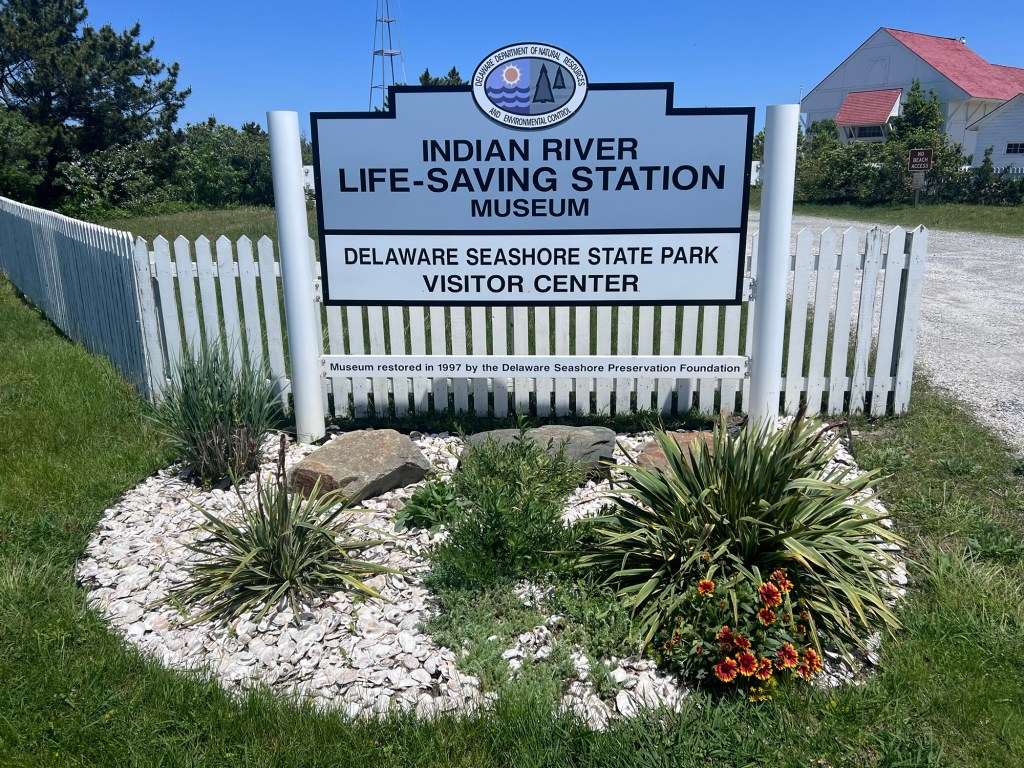
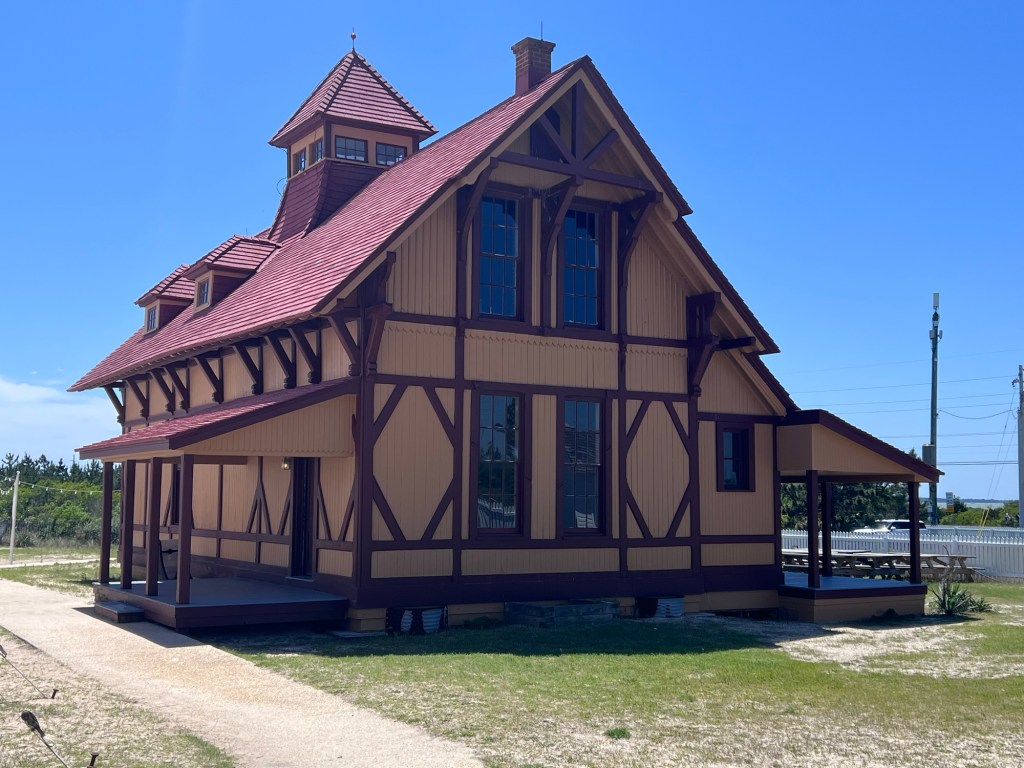
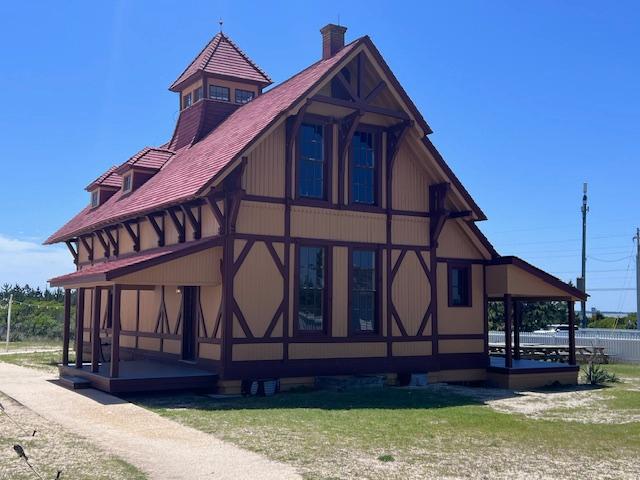
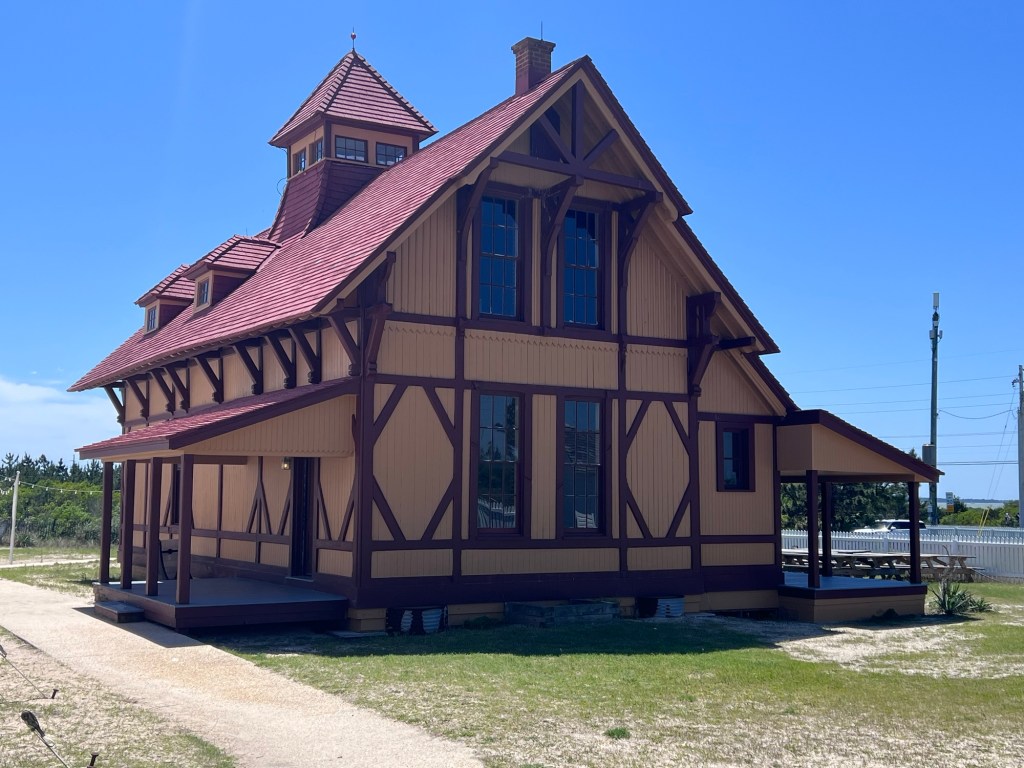
The front of the Indian River Life Saving Museum at 25039 Coastal Highway

History of the Indian River Life Saving Station:

(From the Delaware State Park website)

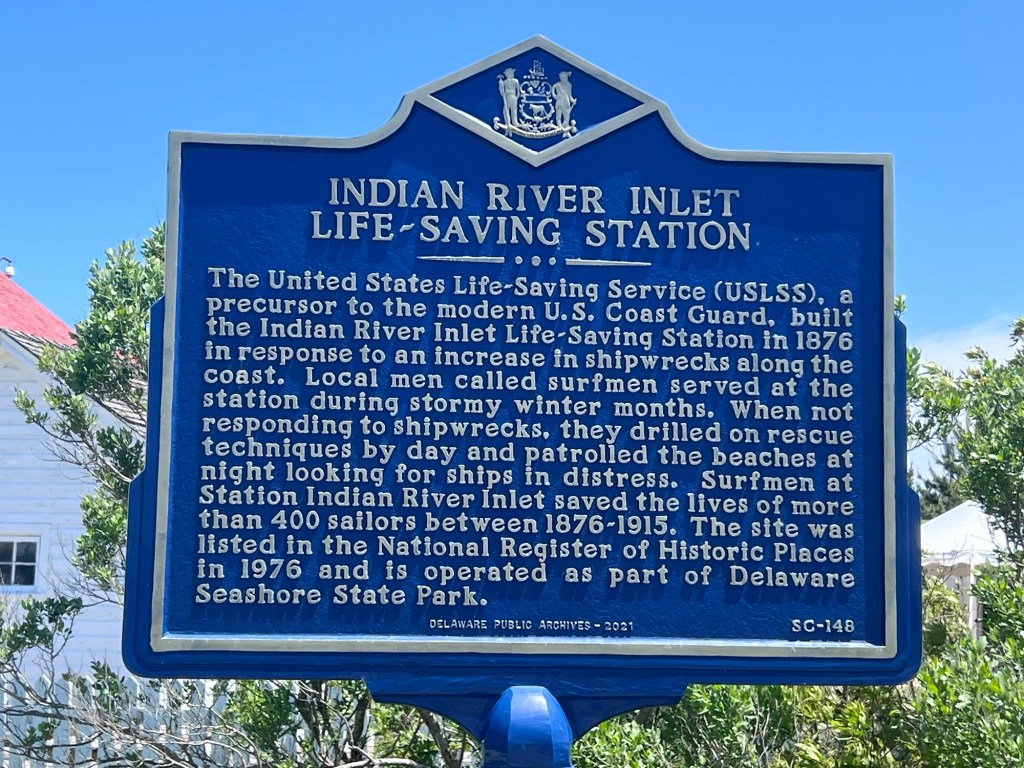
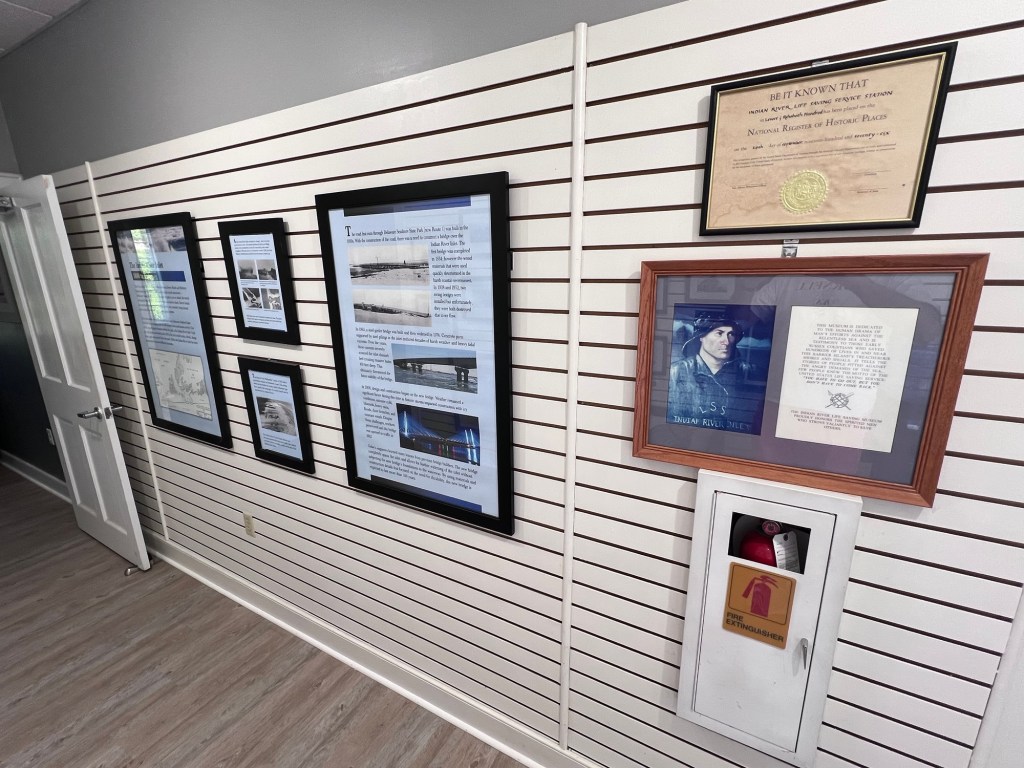
The original Indian River Life-Saving Station was built in 1876 for use by the United States Lifesaving Service, a government organization created to respond to the alarming number of shipwrecks along the coastlines of the United States and the precursor to today’s U. S. Coast Guard. The Life Saving Station today is a maritime museum that honors these courageous sailors and the rich history of their deeds. Listed on the National Registry of Historic Places, it is a must visit piece of Delaware history.

The front of the historical sign describing the park

The recent History of the Museum:

(From the Delaware State Park website)

The building was first located 400 feet closer to the shore, but a sand dune began to form around it almost as soon as it was finished. It was moved to its present location in 1877, and today has been meticulously restored to its 1905 appearance, complete with diamond-shaped trim. The museum is listed in the National Register of Historic Places.

The entrance of the museum

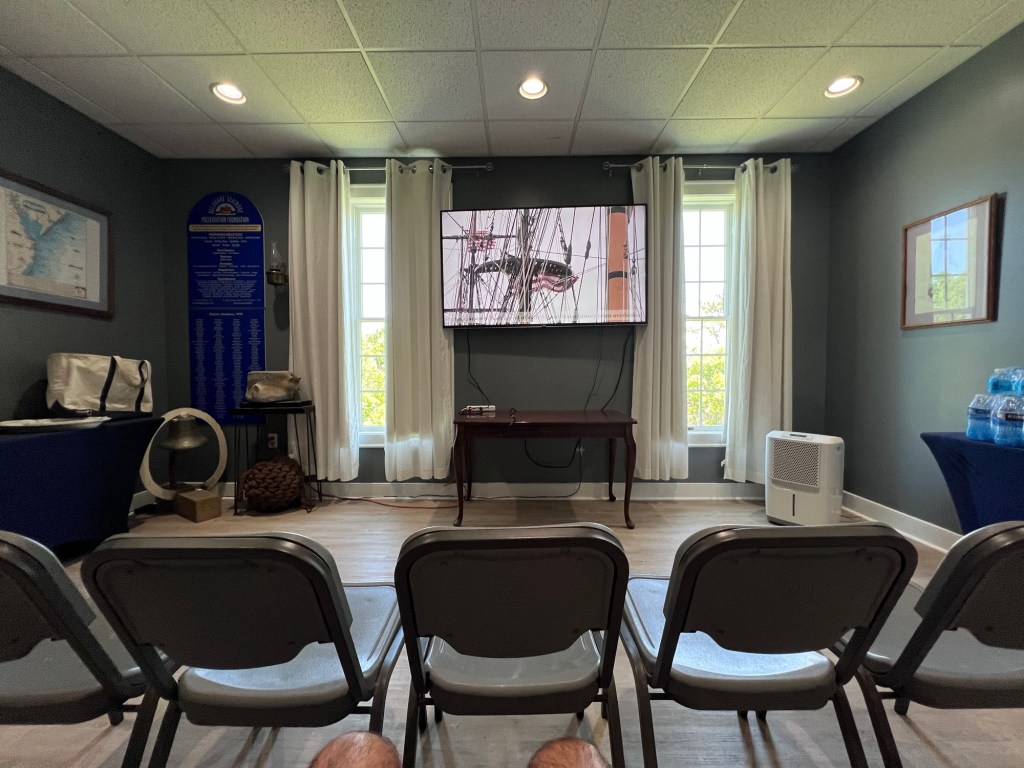
The Screening Room in the Visitors Center where you learn about the Life Saving Center

I started my tour of the Indian River Life Saving Museum at the Visitors Center with a quick video of the history of the building and the men who lived and worked here. The organization was the precursor to the modern Coast Guard. What I thought was interesting is that the way of rescuing people has not changed that much since the 1800’s. It has modernized with equipment and knowledge but the process is still similar to what it was then.

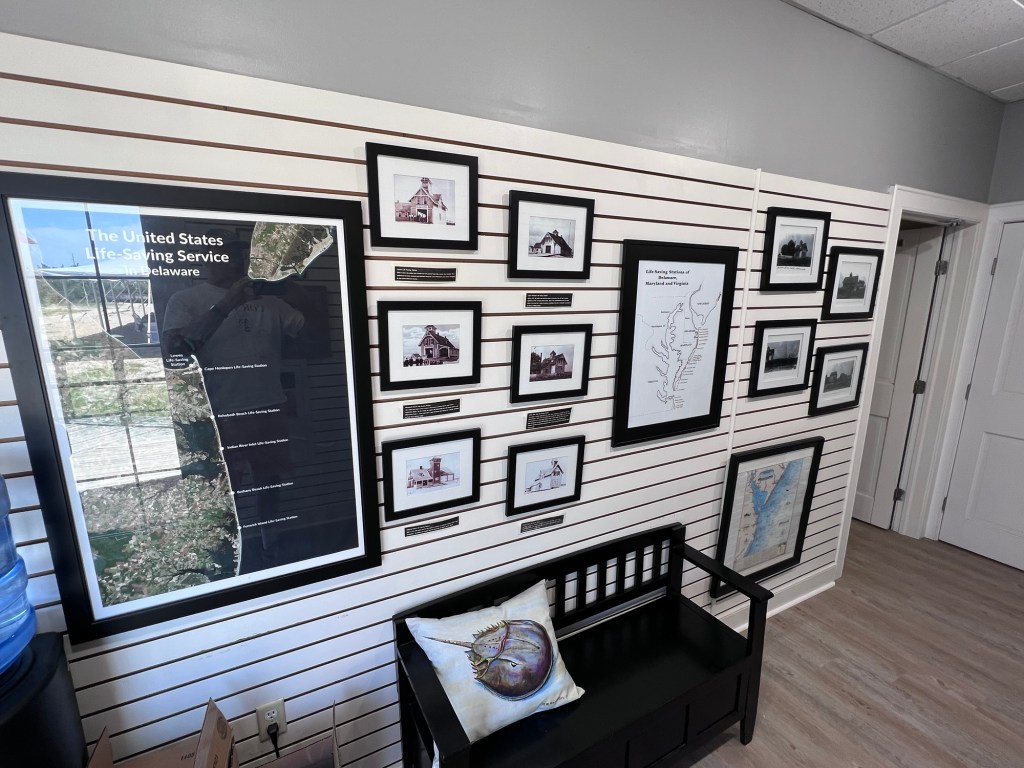
The Screening Room lined with historical pictures

The Screening Room lined with pictures of the history of the area

You can take two audio tours as you start to tour the station building just by calling into your phone, one of the exterior and one of the interior, room by room. Each room and many objects have a number assigned to them and you can listen to a description of the subject matter.

The Rescue Saving Station from the exterior. The building has a Queen Ann design.

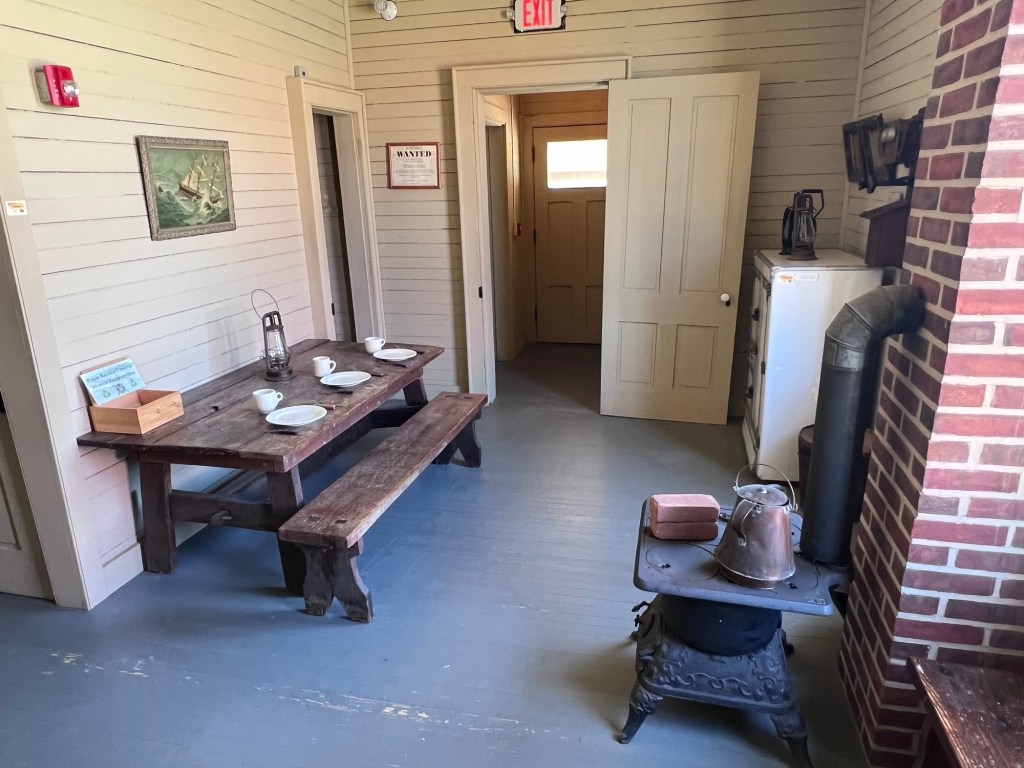
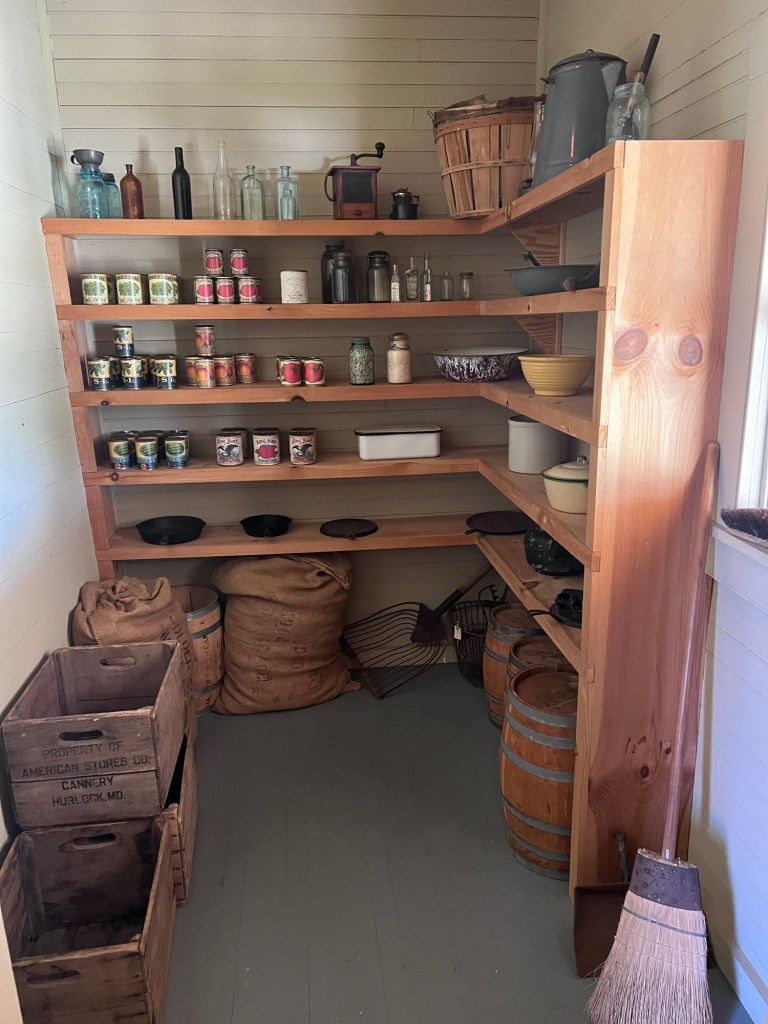
The first room you enter is the kitchen area where all meals were prepared and the men ate their meals. These men could not leave the facility because of the hours and type of work required, supplies were brought in and stored in this area.

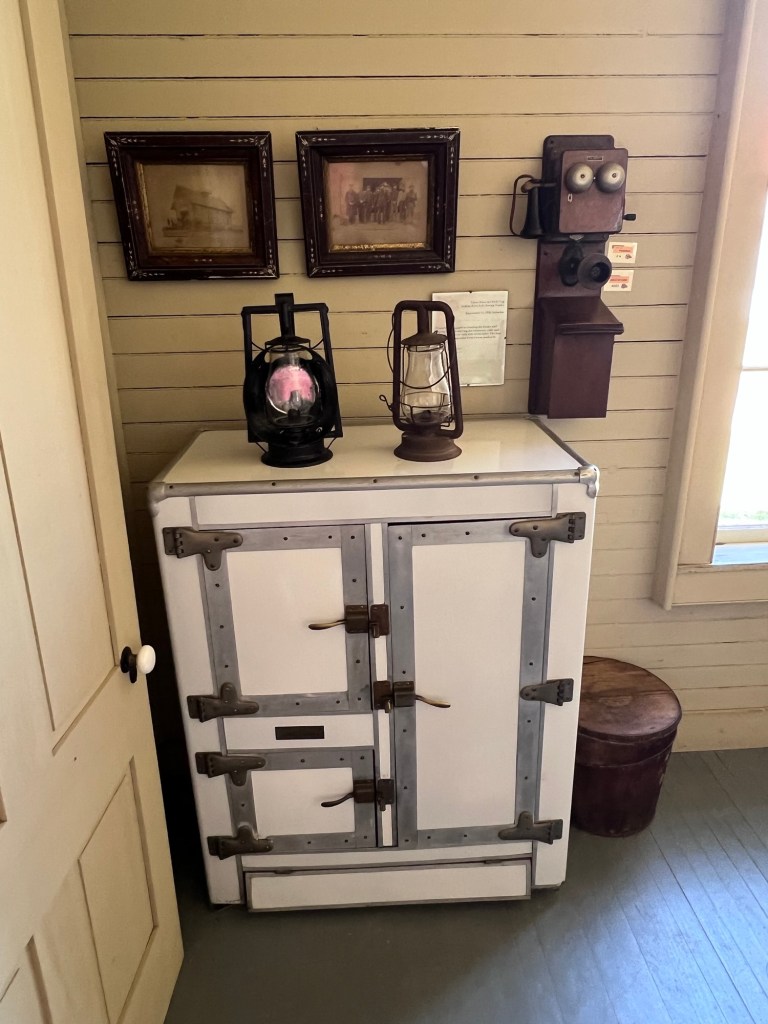
The old ice box where foods were stored

The pantry area where all the dry goods were stored

For recreation, the men read, entertained themselves with music and conversation. This room was used for recreation purposes and some down time for the staff.

The first floor downstairs room was used for entertainment and recreation during the downtimes

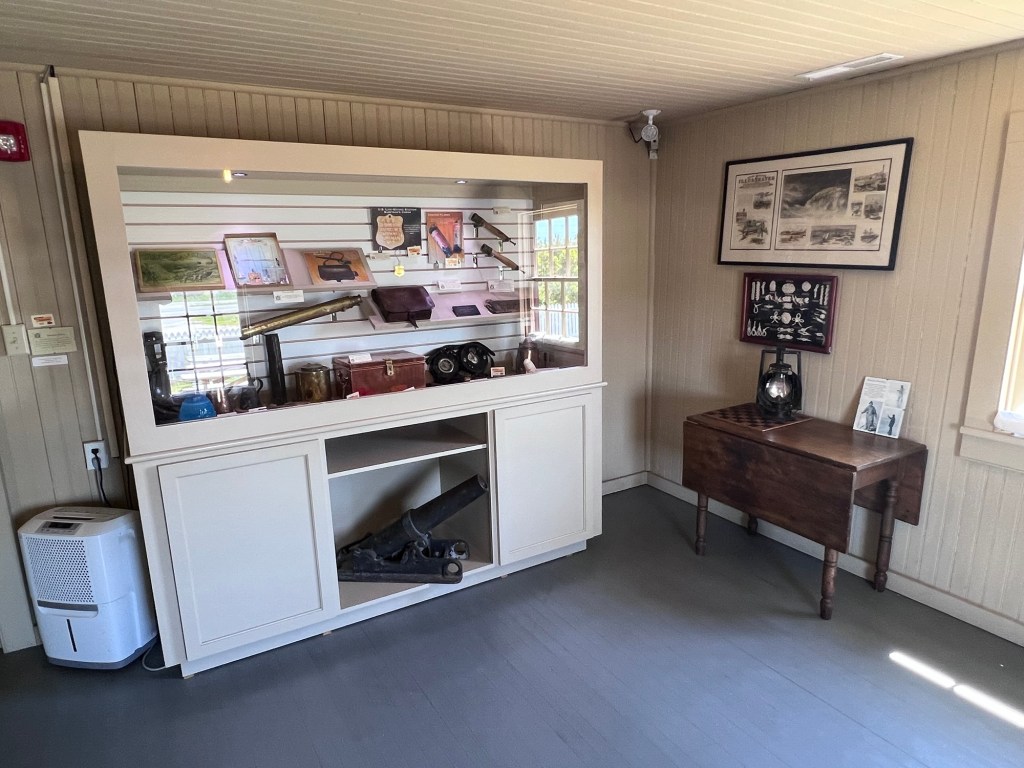
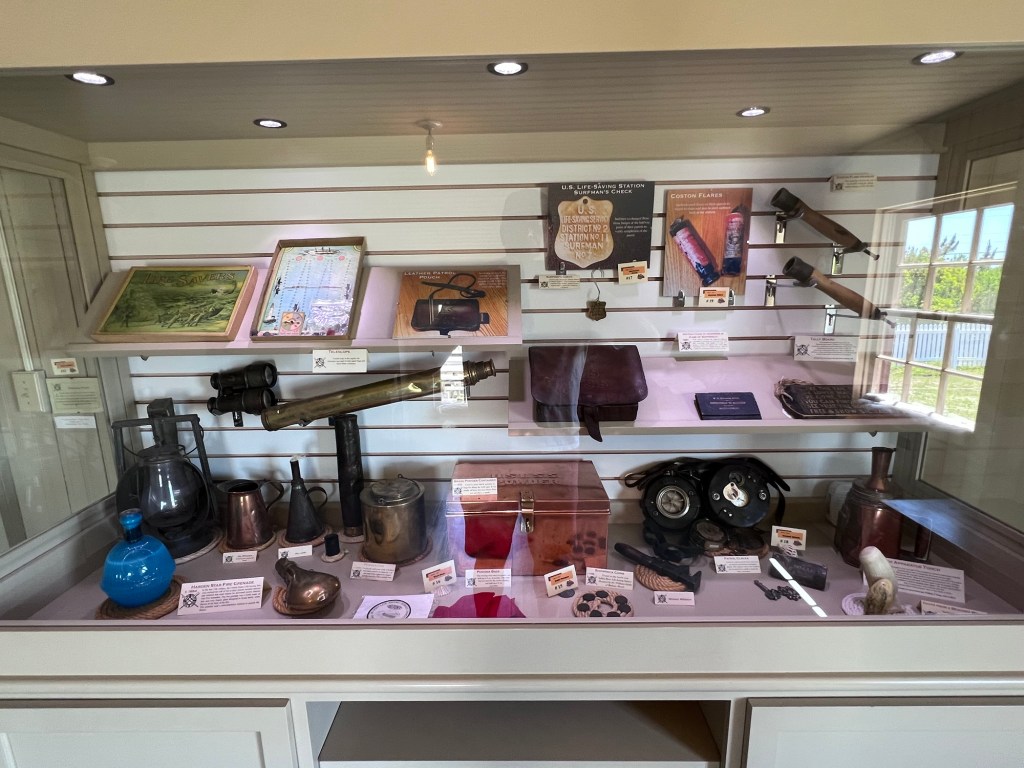
Old equipment and relics on display in the main room

Old equipment used at the station house

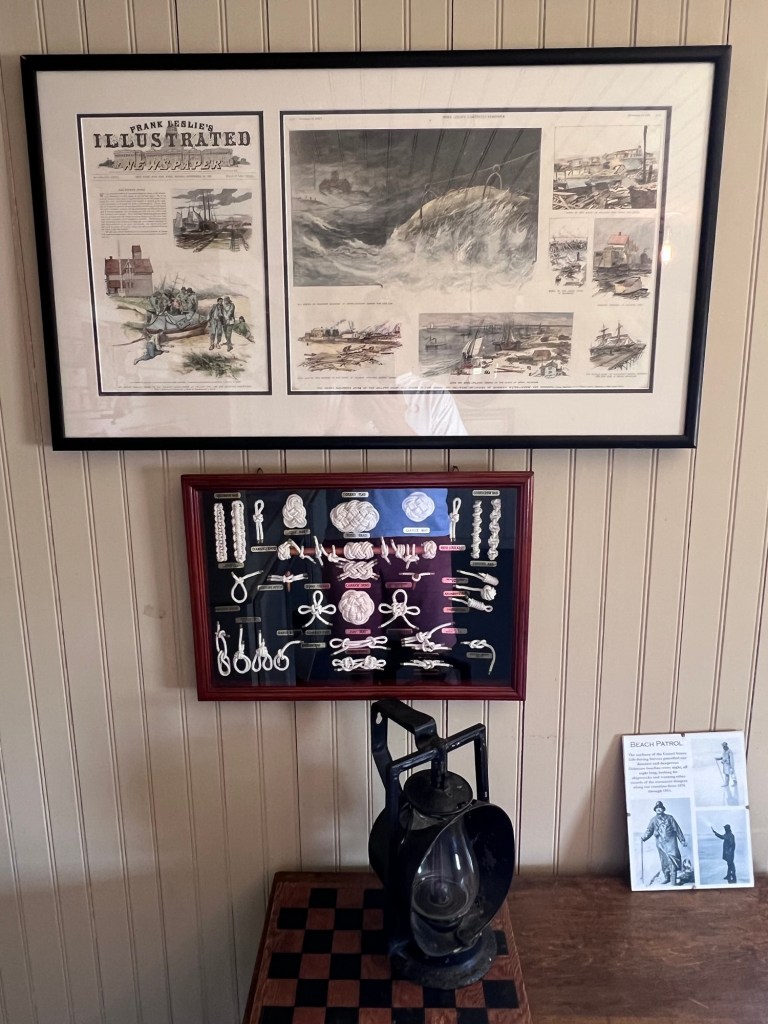
Methods of tying ropes and nautical rescues illustrated

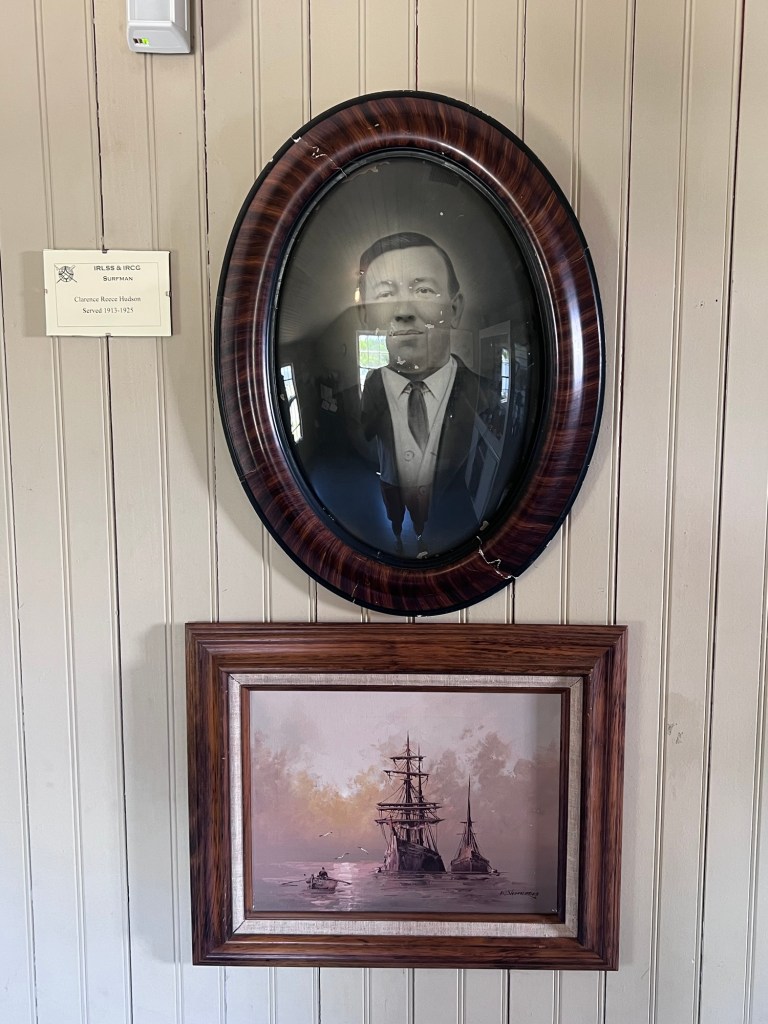
Portrait of one of the old station masters

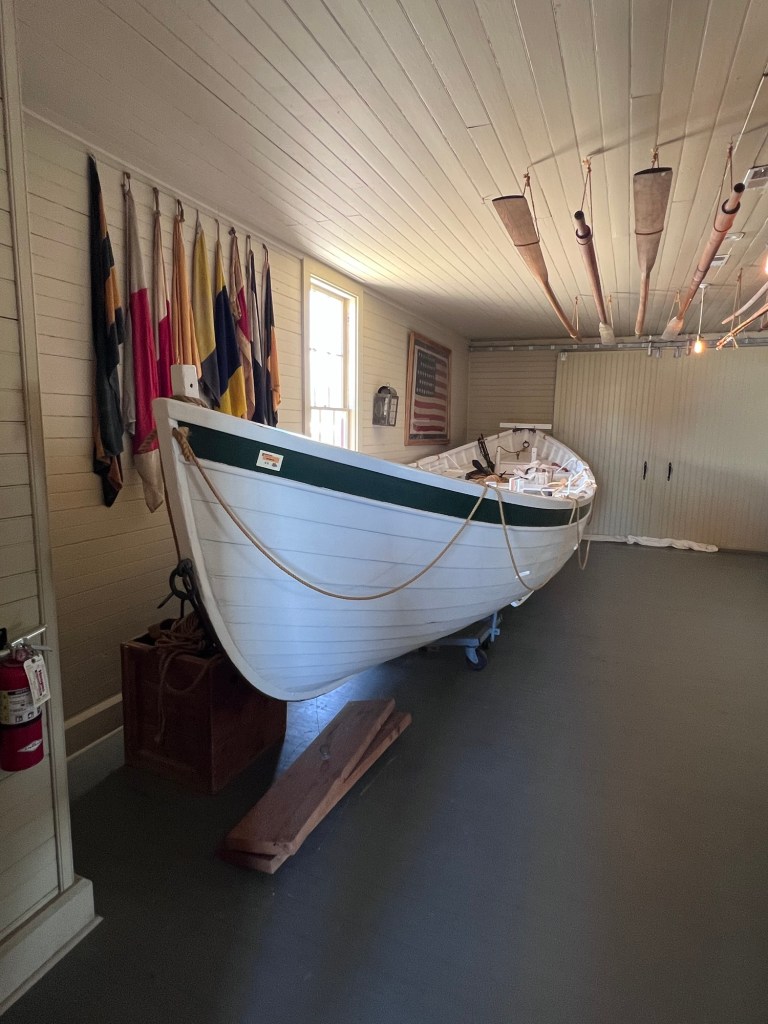
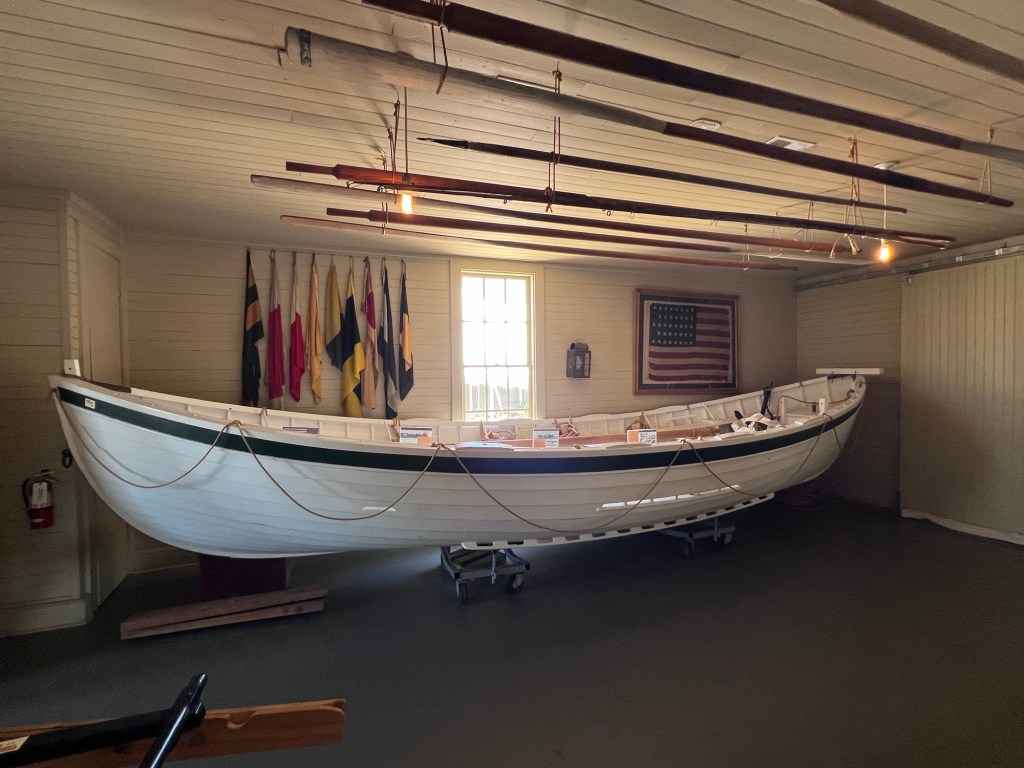
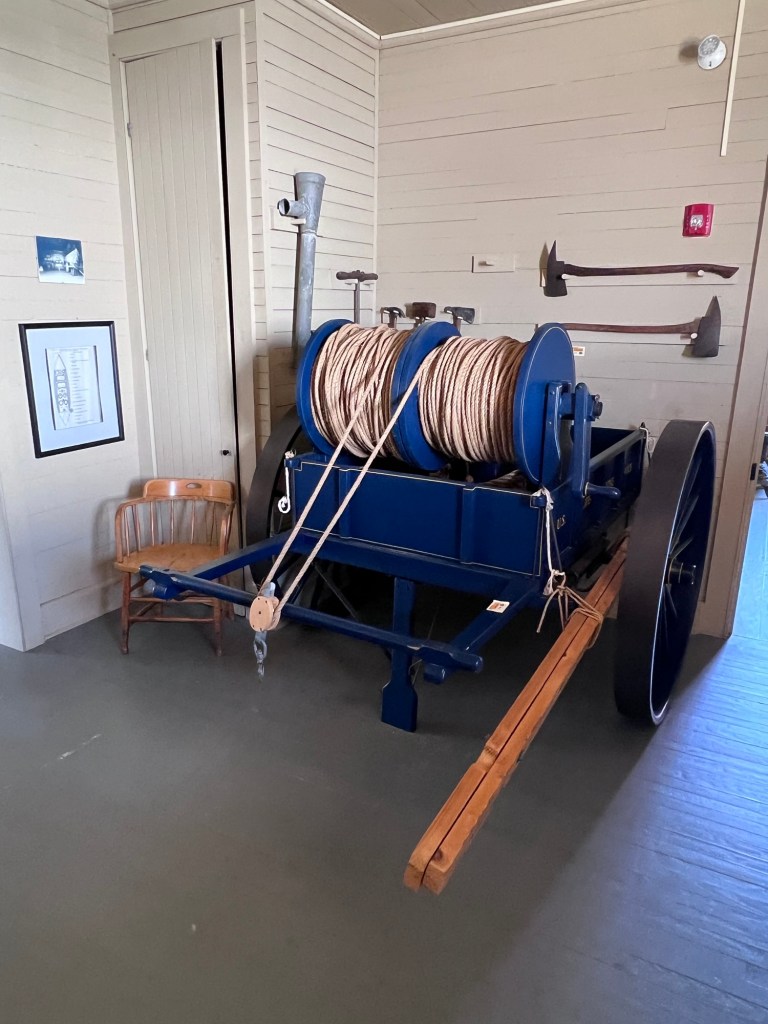
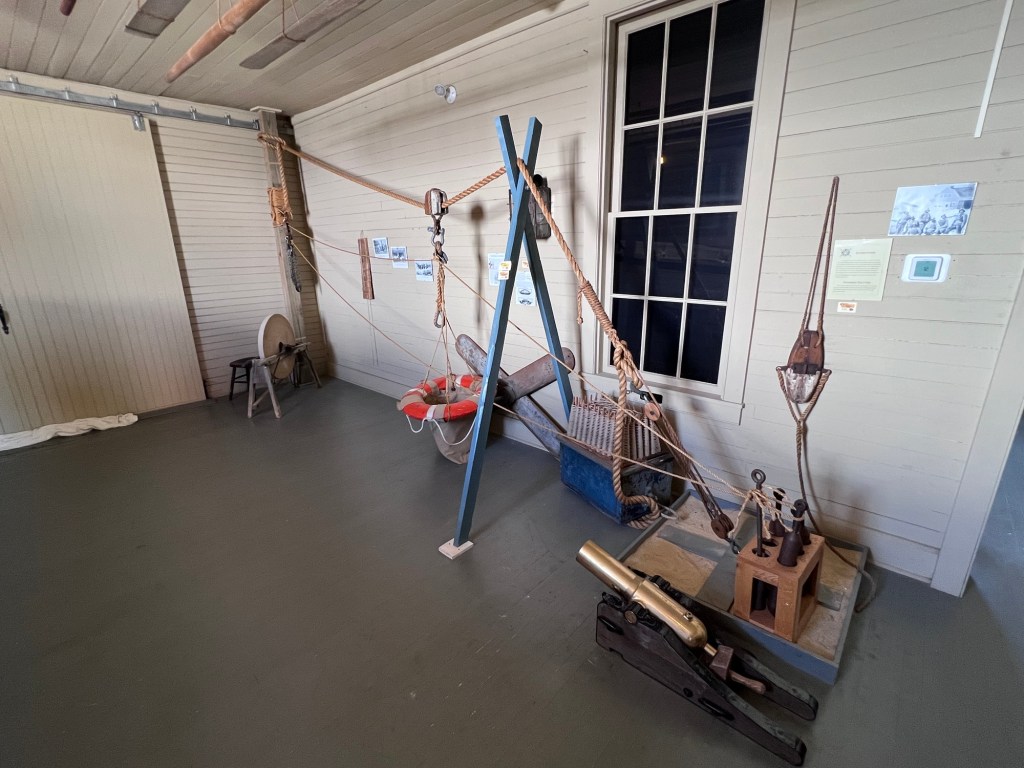
The main room held all the rescue equipment used to save both people and property. This included all the boats, ropes, pulleys and buckets for rescue.

The main rescue boat and paddles

The rescue boat used by the station to save people and cargo

Ropes and wenches to save and pull in damaged vessels

The bucket rescue method

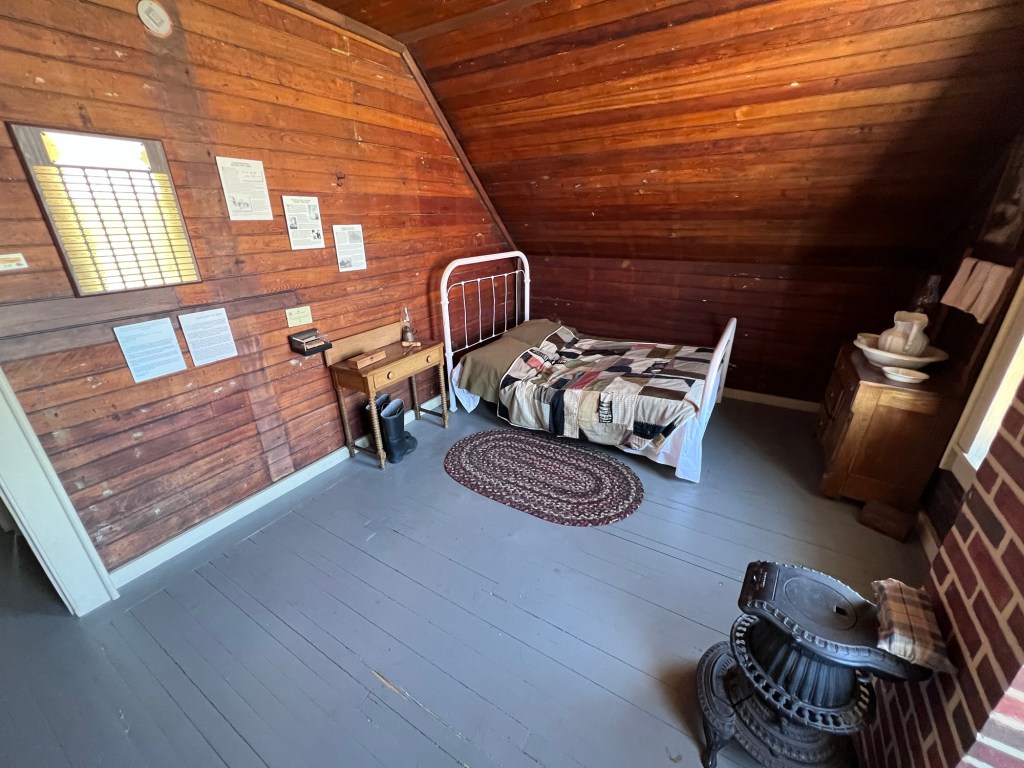
The second floor contained the living quarters. Since the Team worked in shifts, pretty much no one left the building except for small breaks. The men slept in shifts with one man working night duty in four hour intervals to watch the shore for wrecks.

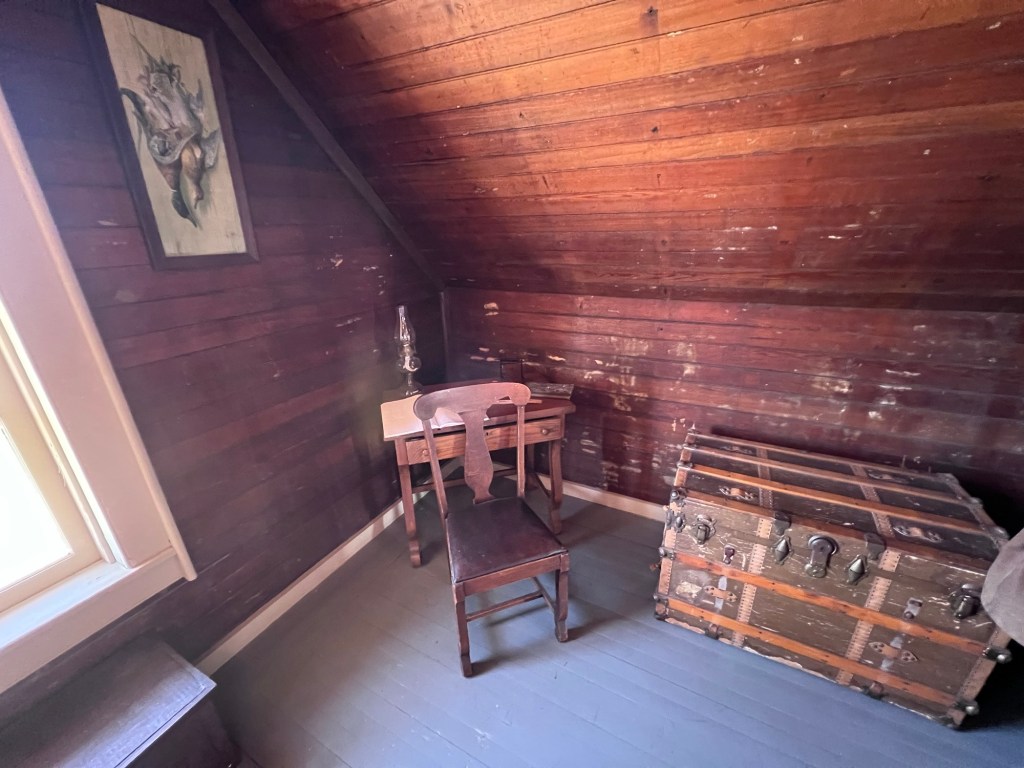
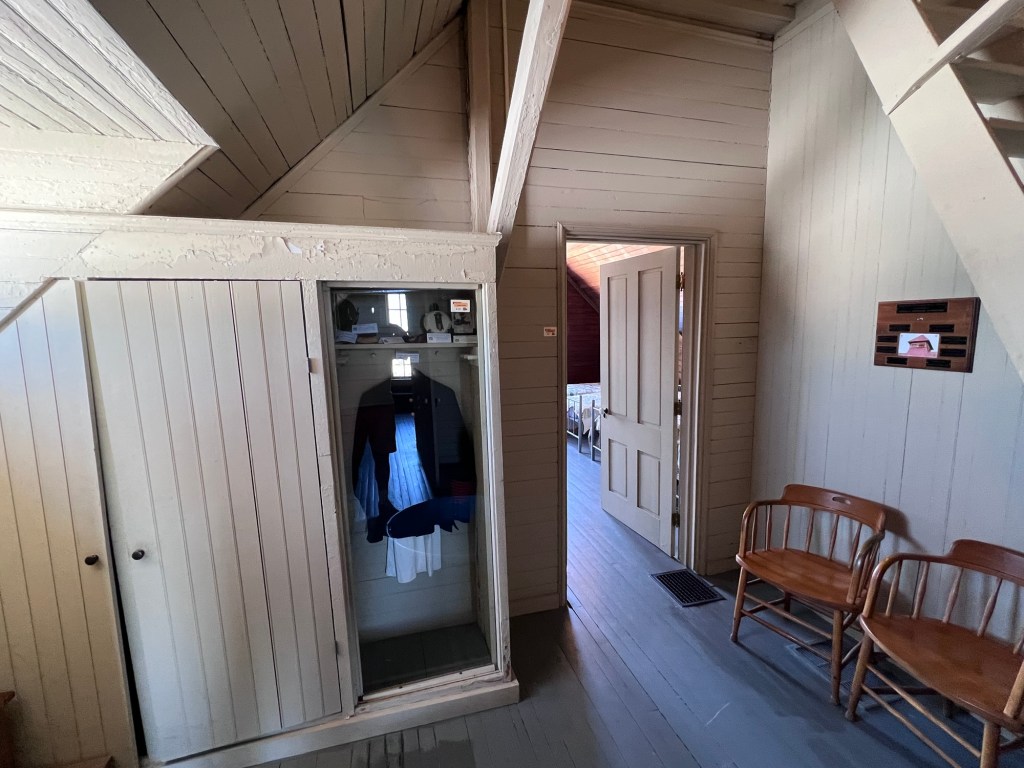
The living quarters for the station master

The small office in the room

The men slept on one room with the window facing the sea in a dorm like setting. The room was equipped with natural light and a view of the sea to watch over the coastline.

The bedroom of the men on duty

The bedroom

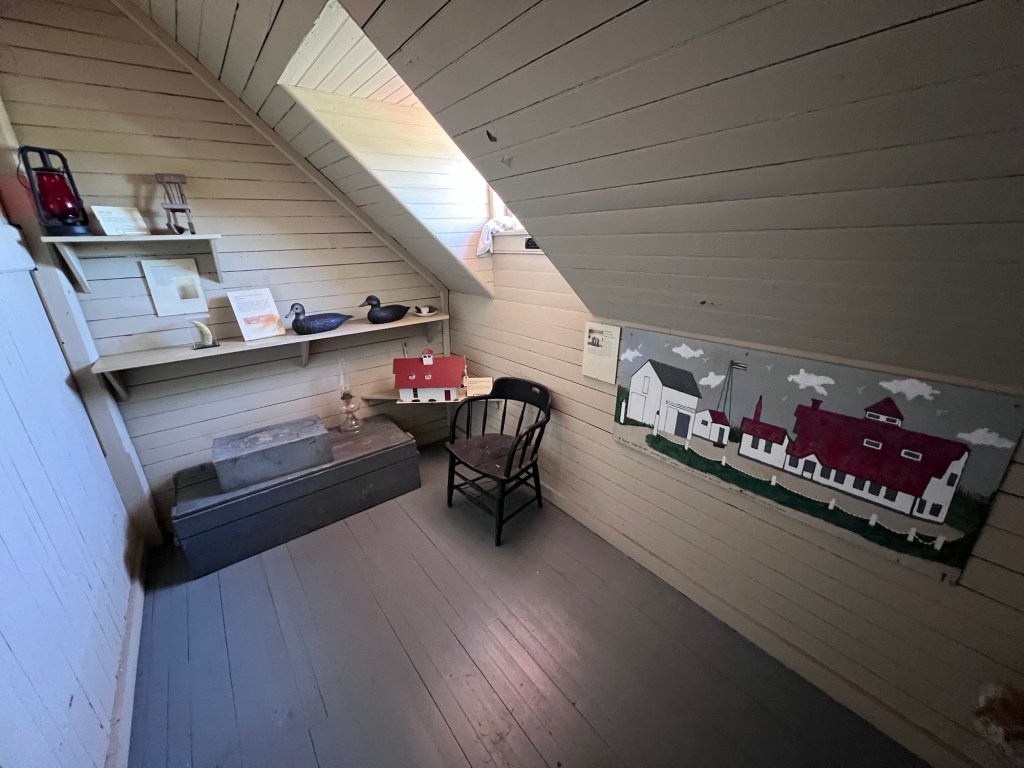
Separate room for private time

The locker storage area where each man’s personal items

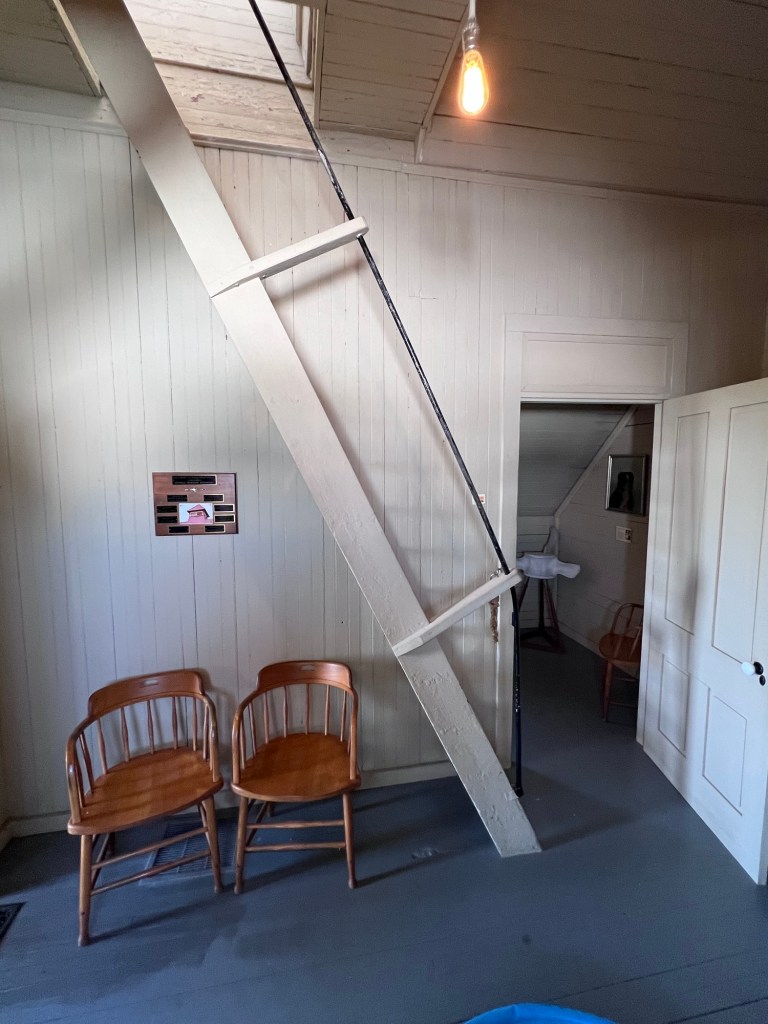
The stairs leading to the portico for lookout duties

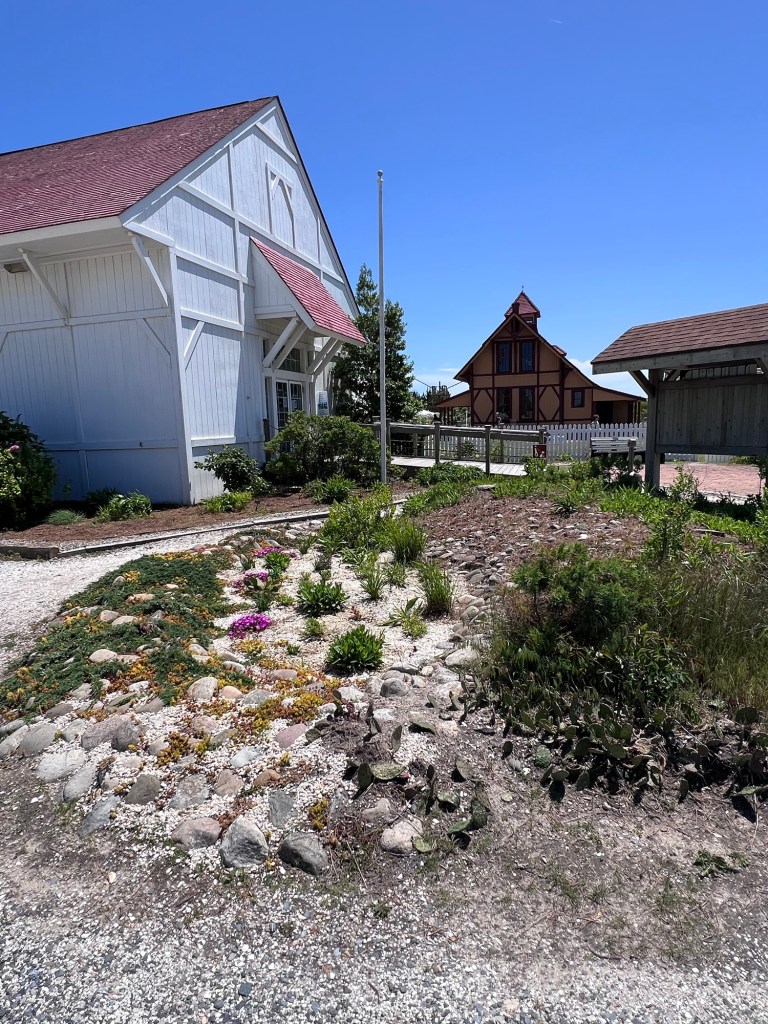
The grounds of the Rescue Saving complex and its location near the beach.

The tour was a lot of fun and gives you a glance of the heroism and isolated life of these men must have been back then. Today there are things like rotations and vacations, opinions that some of the men back then did not seem to have. Still these brave, well trained men kept the beaches and the oceans safe for many seafarers.

Anna Hazzard Museum                                          17 Christian Street                                            Rehoboth Beach, DE 19971

Anna Hazzard Museum 17 Christian Street Rehoboth Beach, DE 19971

Anna Hazzard Museum

17 Christian Street

Rehoboth Beach, DE 19971

(302) 227-7310

Open: Check website for seasonal hours

Admission: Adults $5.00/Seniors-Students-Active Military/Children $3.00

My review on TripAdvisor:

https://www.tripadvisor.com/Attraction_Review-g34048-d268882-Reviews-Anna_Hazzard_Museum-Rehoboth_Beach_Delaware.html

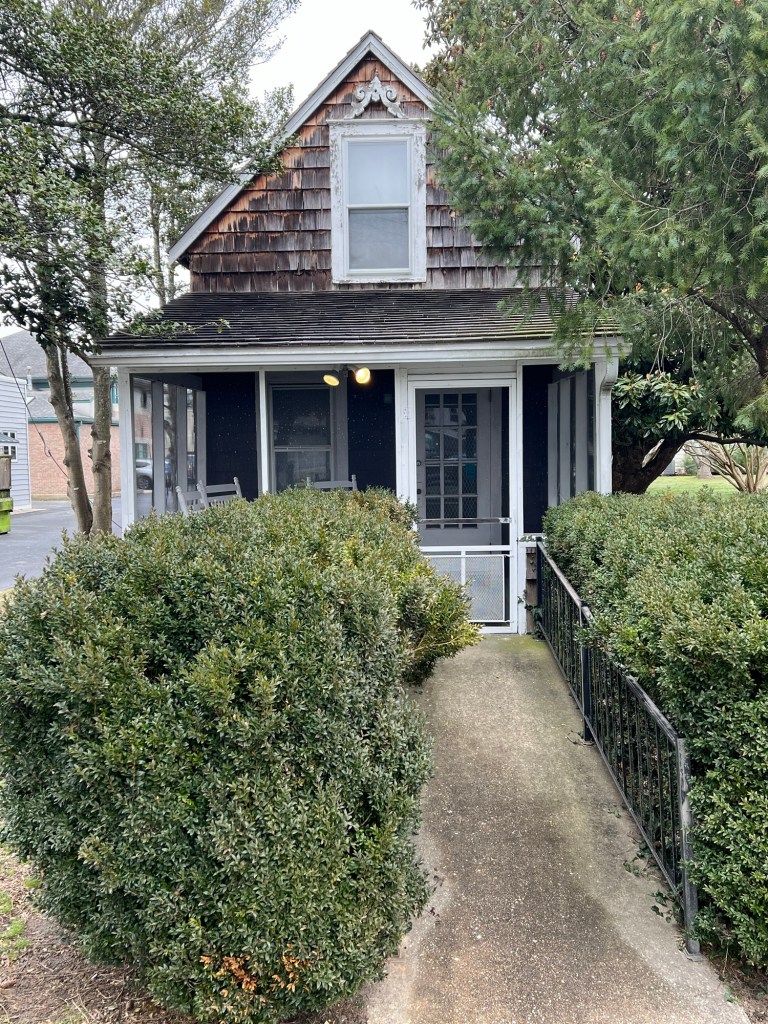
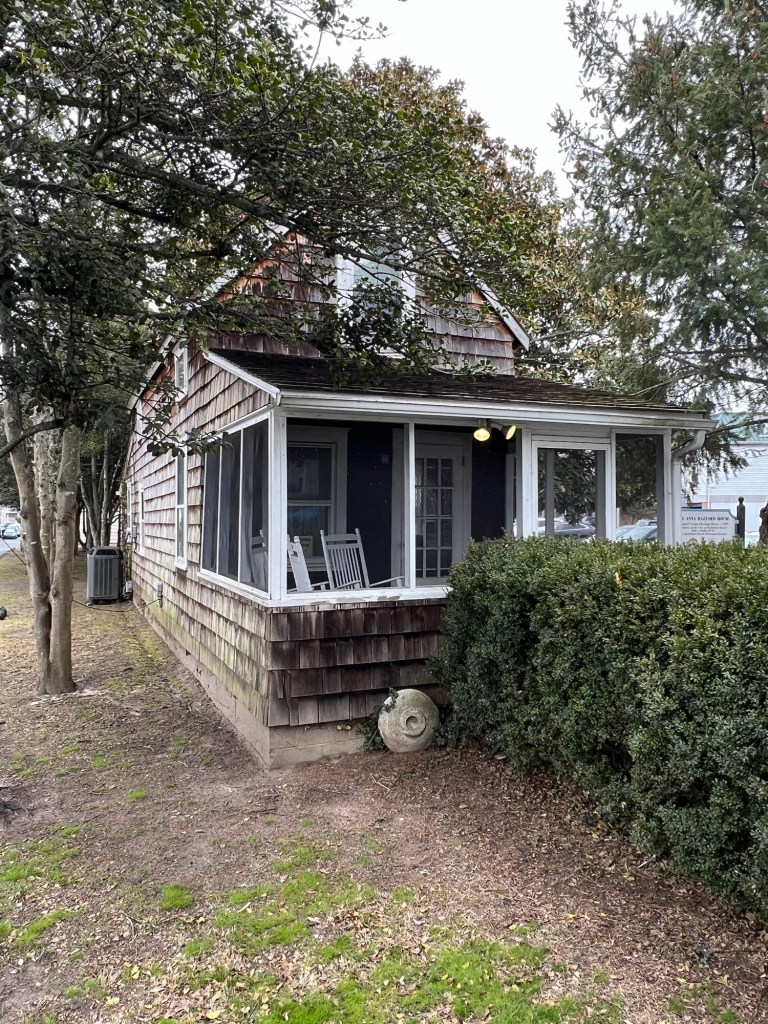
The Anna Hazzard Museum at 19 Christian Street

I got to take a personal tour of the Anna Hazzard house, a tiny museum in Downtown Rehoboth Beach that is part of the Rehoboth Beach Historical Society.

The little house shows the transition of Rehoboth Beach from a Methodist Revival Camp in its early history to its transformation to the beach resort it has become today. This small homes were used for only a certain amount of weeks in the summer months and shut for the rest of the year.
There was only a certain amount of space allotted so you could most people, who owned these types of homes were outside communicating with nature and enjoying the outdoors. The space inside didn’t allow for too much socialization.

This is the last of these type of homes being eventually replaced now by beach McMansions and homes on stilts in a changing weather pattern and shore erosion. It is interesting to see this example of how these beach communities have transitioned over the last hundred years from religious communities to luxury beach towns.

The History of the Museum:

(From the Rehoboth Beach Historical Society Museum website)

This museum boasts a Camp Meeting Era “Tent” structure, which houses a collection of artifacts and memorabilia pertaining to the early days of Rehoboth Beach as a religious retreat.

The historic sign

The information sign

A portion of this historic structure at 17 Christian Street dates back to 1895 and was the original home of Methodist minister Rev. Adams during the time of the Methodist Camp Meetings.

Once owned by Anna Hazzard, the first female licensed realtor in Delaware, it was later donated to the city by its last owners, Mr. and Mrs. Ronald James, and moved from its home on Baltimore Avenue to its current location (Rehoboth Beach Historical Society website).

The house from the side view

The inside porch

The inside porch

The museum is home to a large collection of Anna Hazzard’s hymn books. The collection includes the Epworth Hymnal and the New Songs of the Gospel.

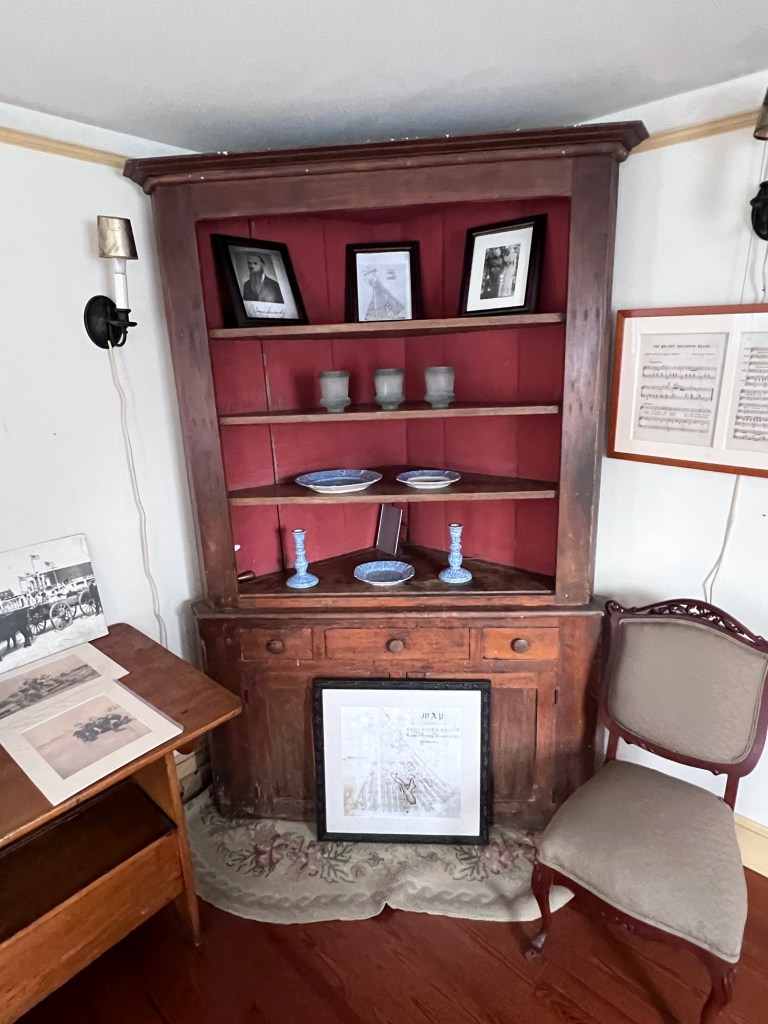
The main room of the home

Additionally, visitors can see many other Methodist hymn books. In addition to this,  Anna Hazzard’s original collection, the museum has recently installed a new exhibit on World War II (Delaware Digital Media website).

Family artifacts and old beach pictures decorate the room

The music box and sheet music

A look back to the other two rooms

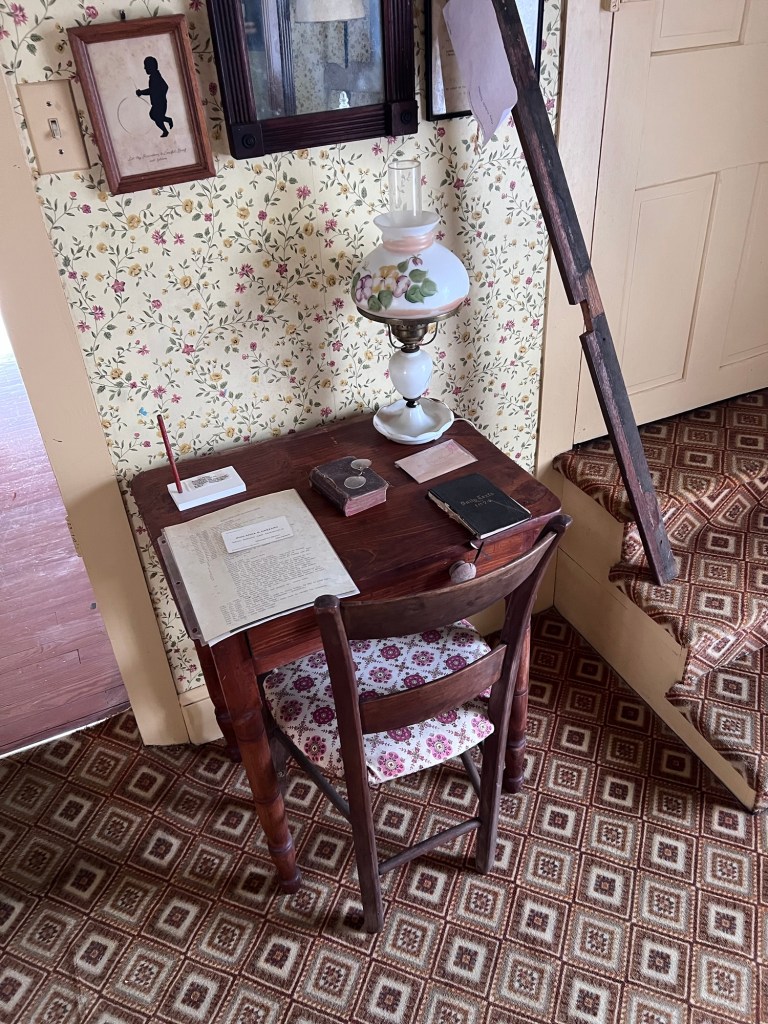
The small office/personal space

The small writing desk in the house

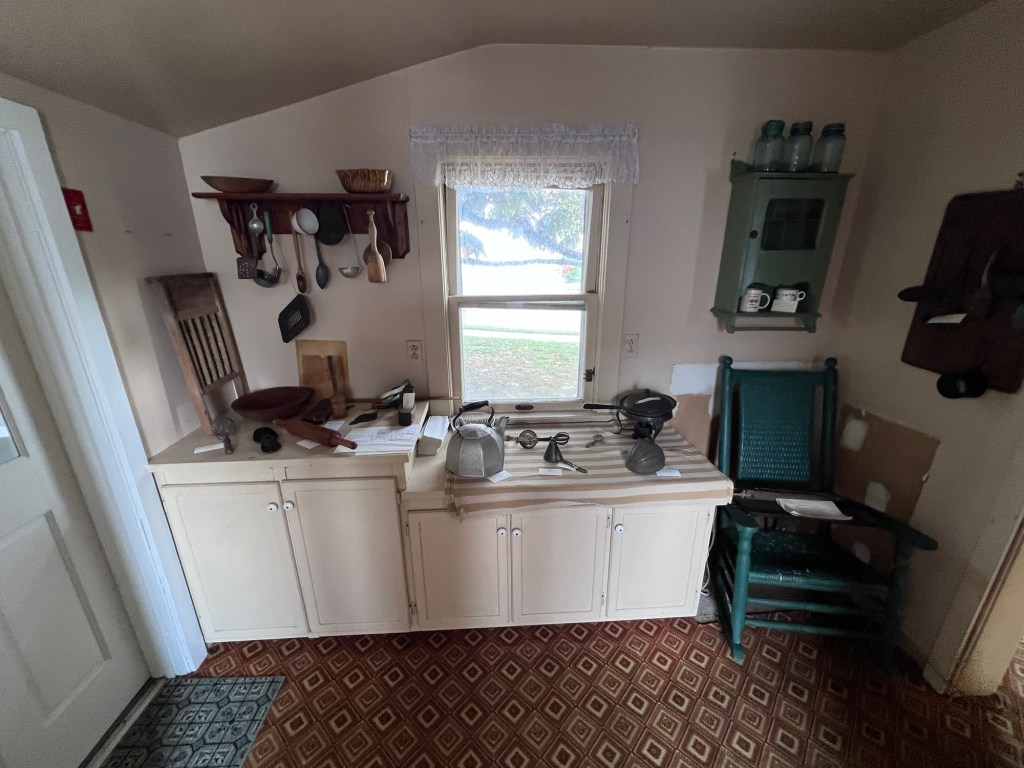
The small kitchen and dining area

The full kitchen area

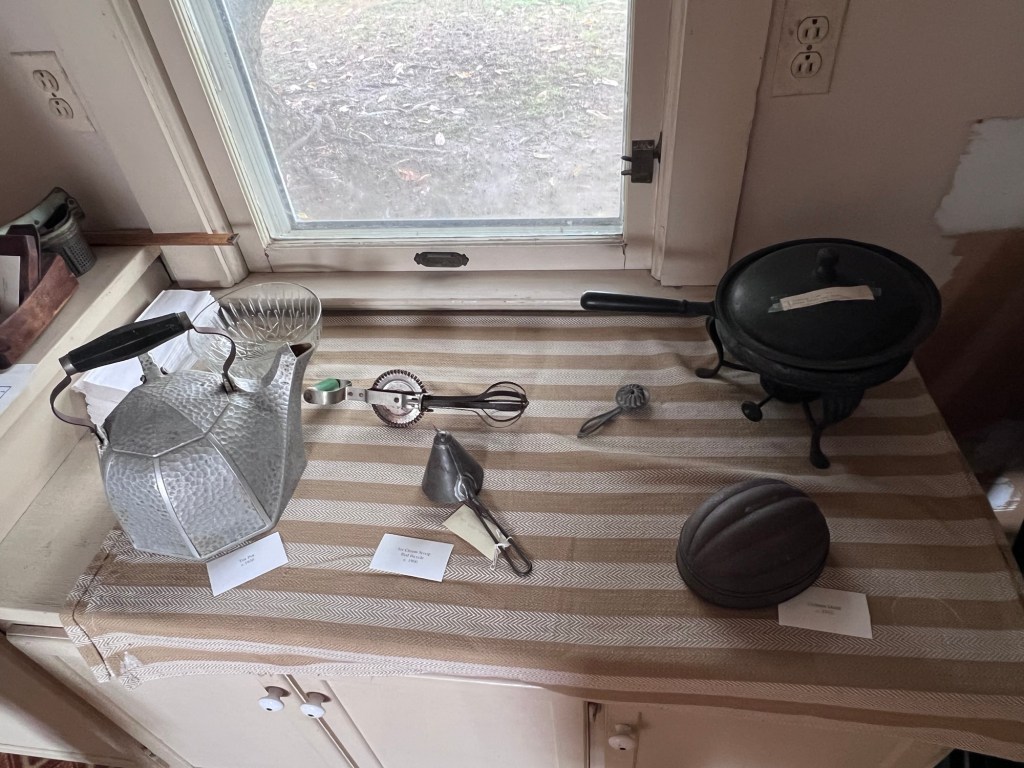
The antique kitchen appliances

The house is an example of the transitioning of this community from a religious retreat to a up and coming popular beach resort. The home is an interesting look at the communities past.

The Lewes Maritime Museum at the Cannonball House                                                                     118 Front Street                                                                   Lewes, DE 19958

The Lewes Maritime Museum at the Cannonball House 118 Front Street Lewes, DE 19958

The Lewes Maritime Museum at the Cannonball House

118 Front Street

Lewes, DE 19958

(302) 645-7670

https://www.historiclewes.org/visit/society-properties/cannonball-house.html

Open: Sunday-Monday Closed/Tuesday-Saturday 10:00am-4:00pm

Admission: $5.00 (this includes admission to the Lewes History Museum)

My review on TripAdvisor:

https://www.tripadvisor.com/Attraction_Review-g34028-d1382665-Reviews-Cannonball_House-Lewes_Delaware.html

My blog on The Lewes Historical Society:

https://visitingamuseum.com/tag/lewes-cannonball-house/

Our Mission:

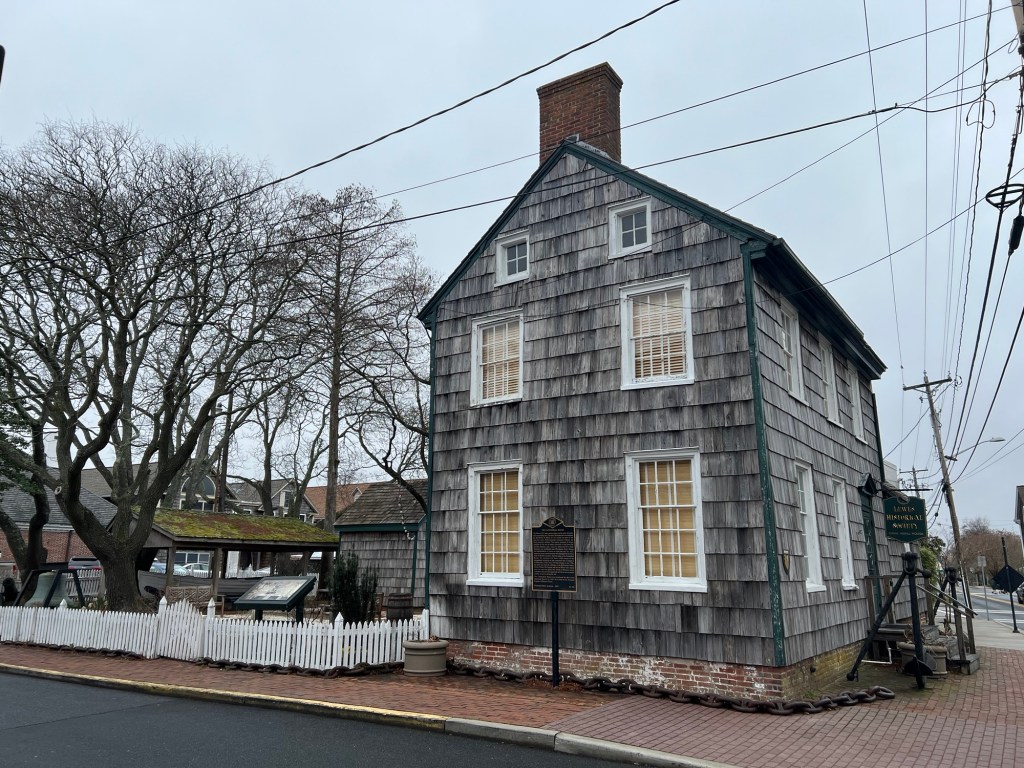
The Lewes Maritime Museum at the Cannonball House at 118 Front Street

The Lewes Historical Society promotes and advocates the preservation, interpretation, and cultural enrichment of the Lewes region, through museum exhibits, educational programs, historical research, and publications.

About The Lewes Maritime Museum at the Cannonball House

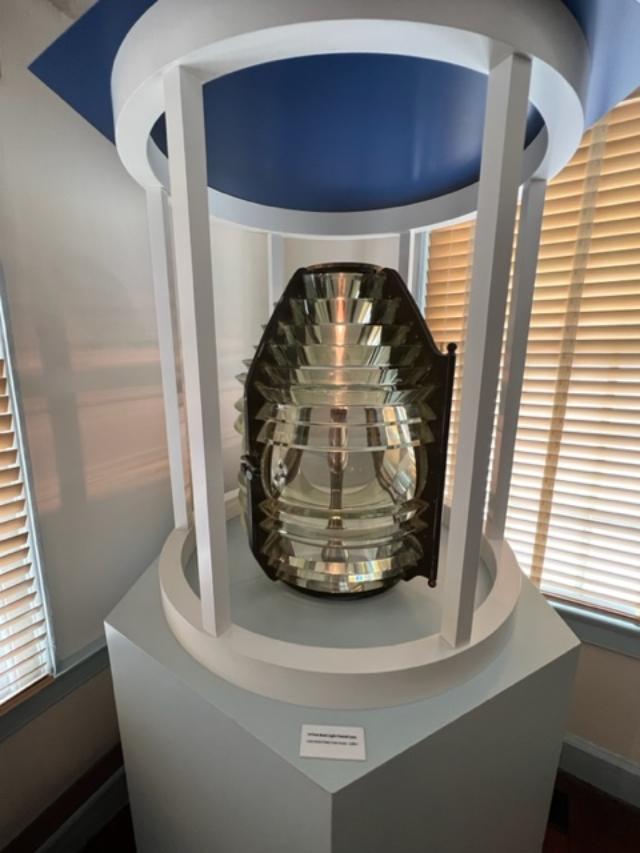
The Cannonball House was built c. 1765 and was once the home of Gilbert McCracken and David Rowland, pilots for the Bay & River Delaware. The Cannonball House has come to symbolize not only the Society, but the town of Lewes as well; previous uses included a restaurant, a laundry store, and, for a time, the mayor’s office. Harkening back to the town’s rich nautical heritage, the Cannonball House is the home of The Lewes Historical Society’s Maritime Museum. Nationally important pieces of maritime art and memorabilia are displayed in the house, including the Fresnel Lens of Fourteen Foot Bank Light. The exhibition of Breaking Britannia’s Grasp is also housed in the museum and is included in your admission.

Featured in many works on Delaware, the Cannonball House is a rare example of a Lewes house remaining on one site its entire existence. The Cannonball House was featured on the 2003 Lewes Business Directory (Lewes Historical Society website).

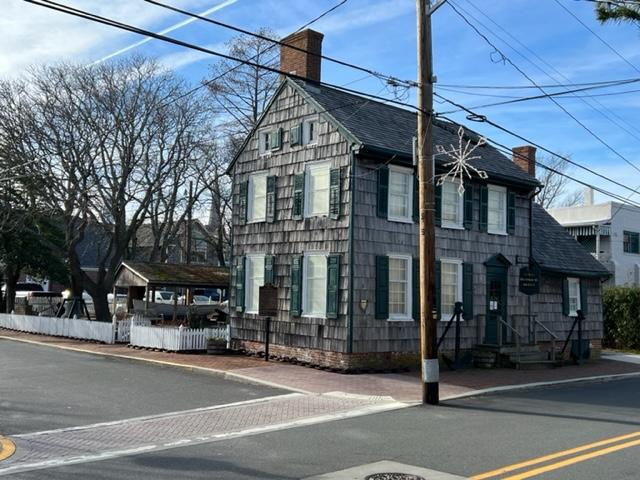
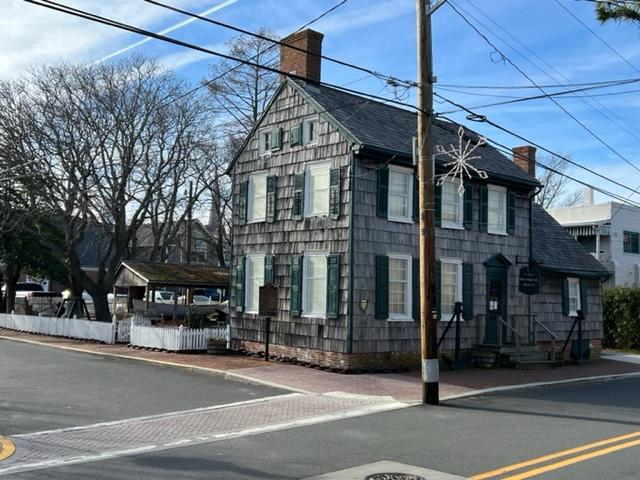
The front of the museum

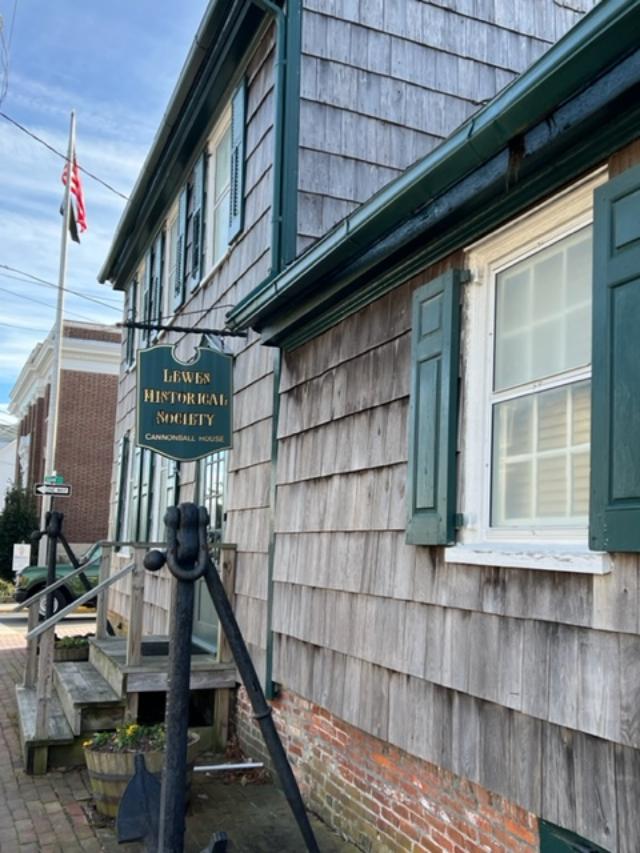
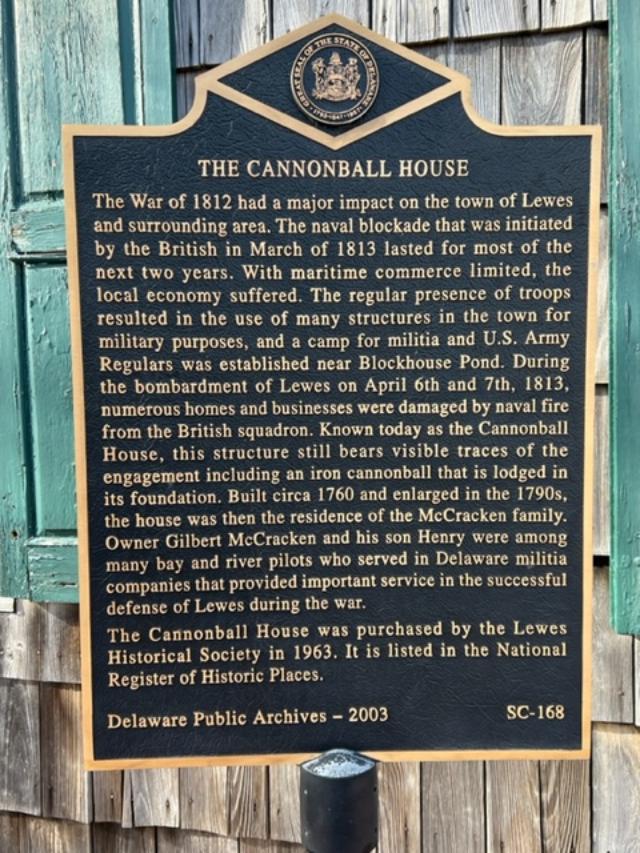
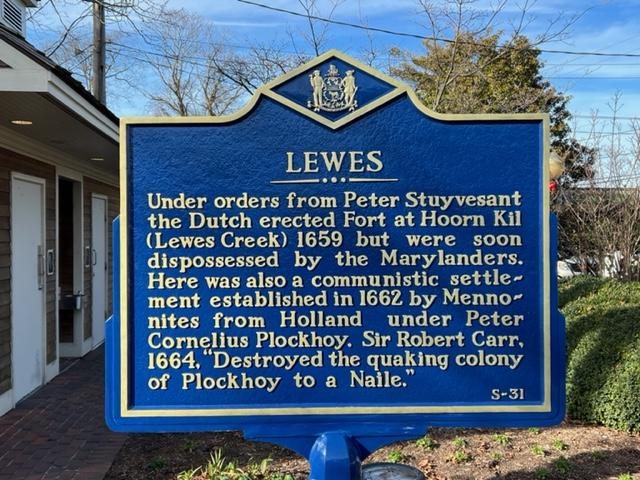
Historic Marker

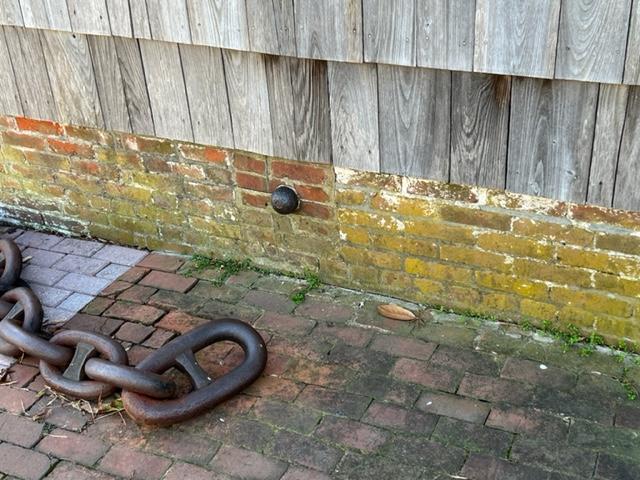
The Cannonball at the house (recreation)

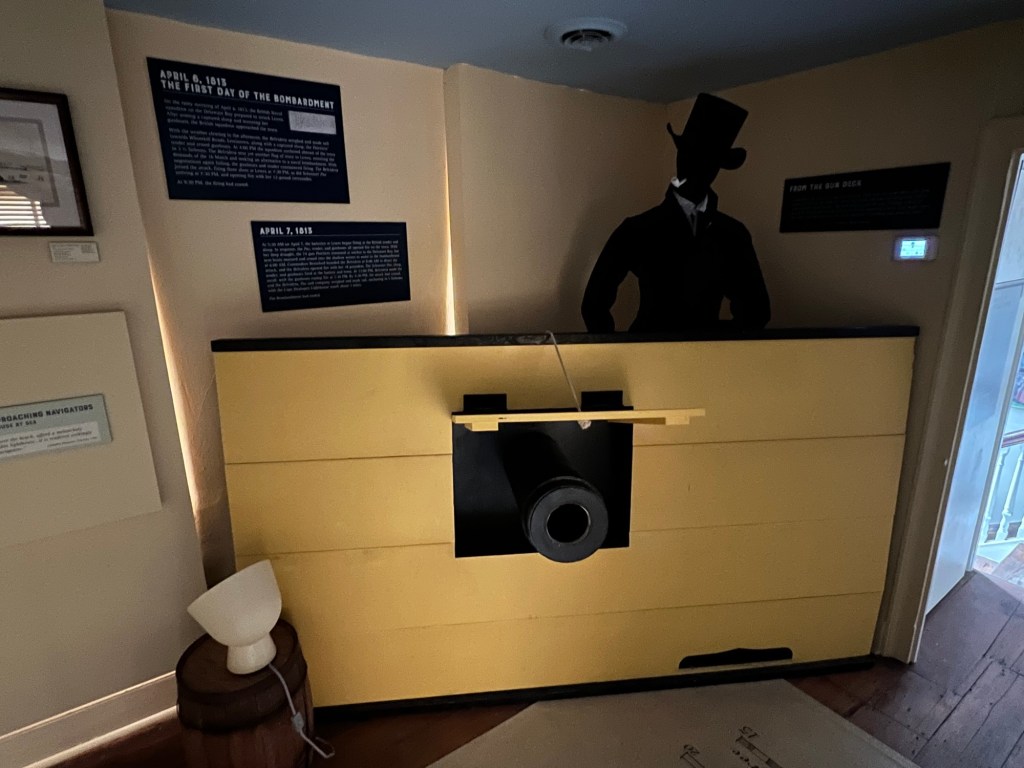
On April 5, 2003, the Cannonball House was honored by the State of Delaware for its close association with the Bombardment of Lewes by the British on April 6th and 7th, 1813 and as the home of two heroes of those fateful days, Gilbert McCraken and his son Henry, both Pilots of the Bay & River Delaware.

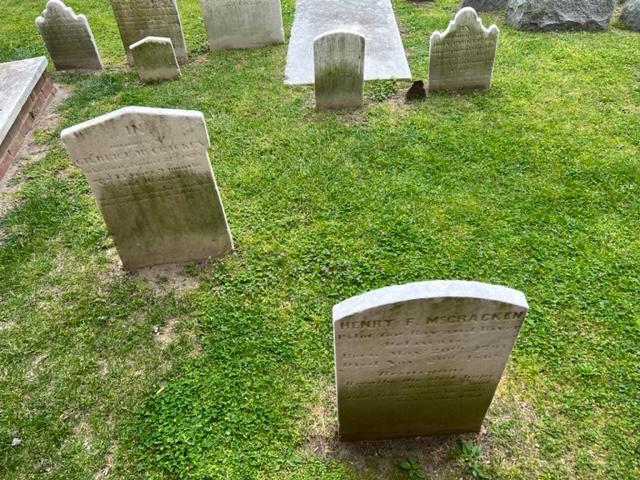
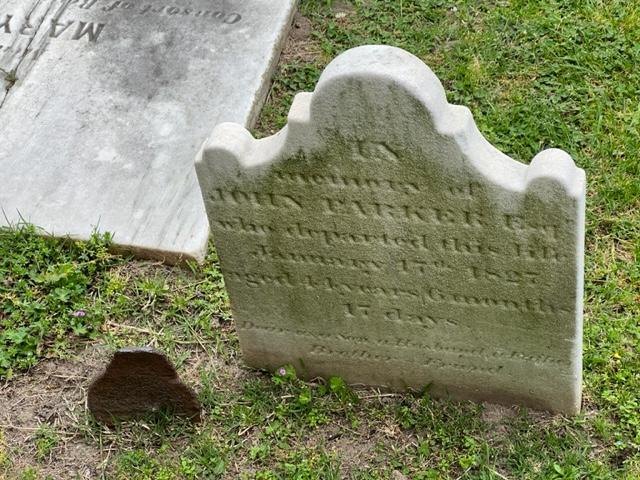
The Gilber and Henry McCraken burial site in downtown Lewes

The tip of the anchor that Henry McCraken was buried with in the Episcopal Church cemetery.

The War of 1812 Park, across Front Street from the house and site of one of the two forts that defended Lewes during the bombardment, was also recognized. Gilbert & Henry McCracken served in a volunteer militia composed primarily of Delaware Pilots that defended Lewes until the end of the war in 1815 (Lewes Historical Society website).

Perhaps the two most famous landmarks in Lewes are the Zwaanendael Museum and the Cannonball House. Many visitors come to town seeking the famous house with a cannonball still in its side, yet many are unaware of how close the house was to being lost. During the summer of 1961, several Lewes citizens expressed concern that the town was losing its character as its old homes were slowly being lost. They were especially concerned about the plight of what they knew as the Capt. David Rowland House – an ancient one with a distinguished history; built prior to the revolution, it had been the home of generations of river and bay pilots and had been scarred by cannon fire during the War of 1812 (Lewes Historical Society website).

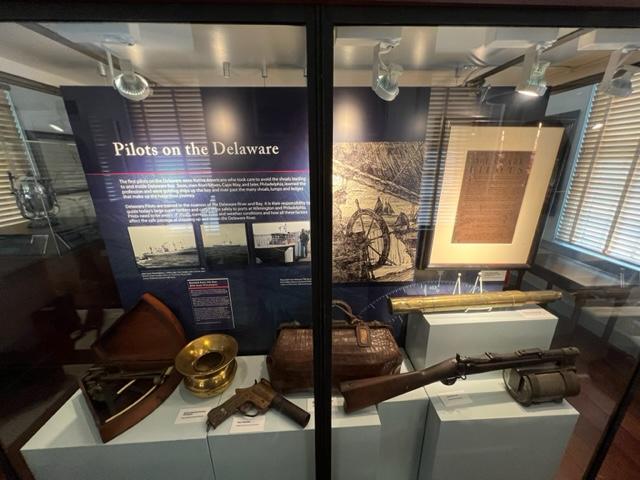
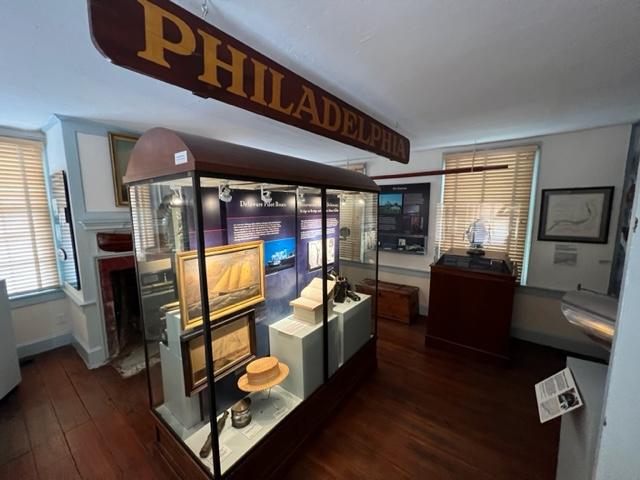
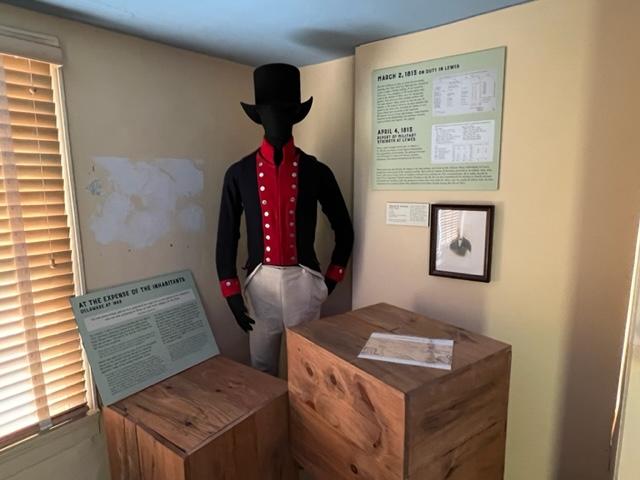
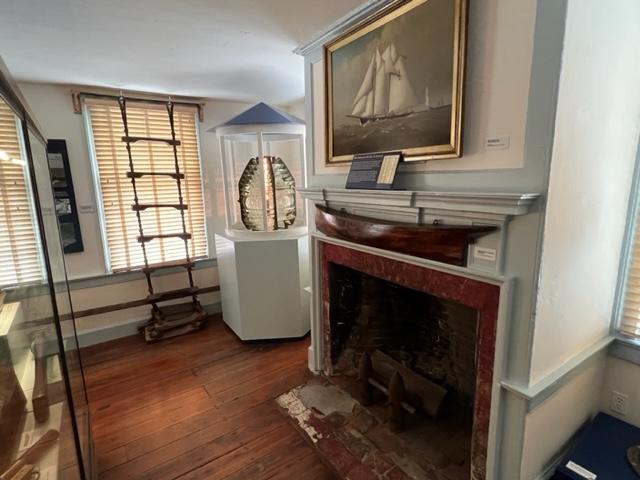
The inside of the Lewes Maritime Museum at the Cannonball House has many exhibitions to view.

the Pilots display inside the Cannonball Museum

The Philadelphia exhibition

Display at the museum

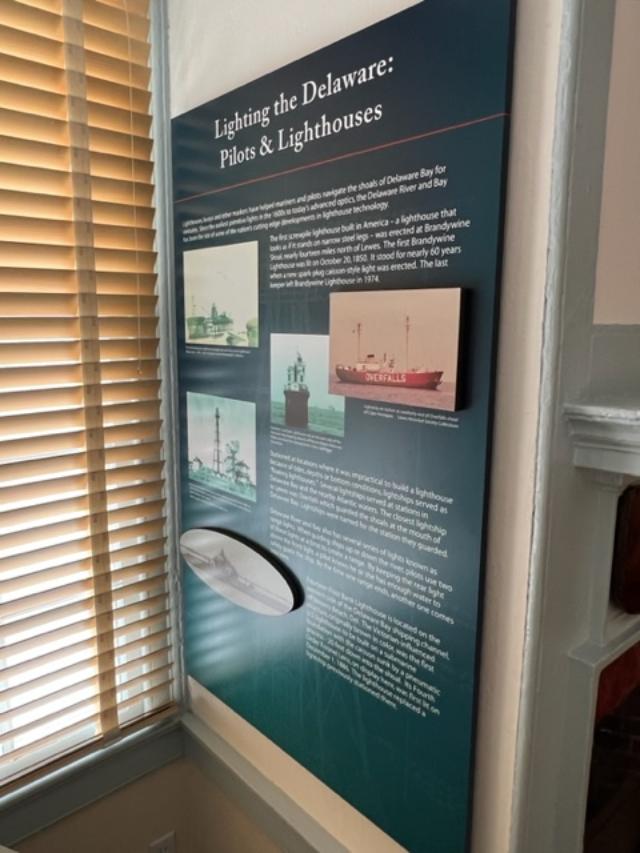
The lighthouse display

The lighthouse light

The lighthouse display

The Shipping Display

Object from the Shipping Display

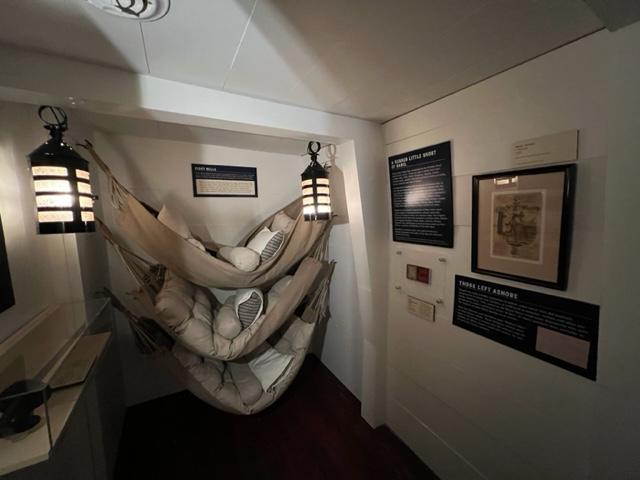
The museum had a display about life at sea. This included the bunking of sailors in the hull at that time. This was interesting look at life at that time.

The signs

The signs

Life on the ship

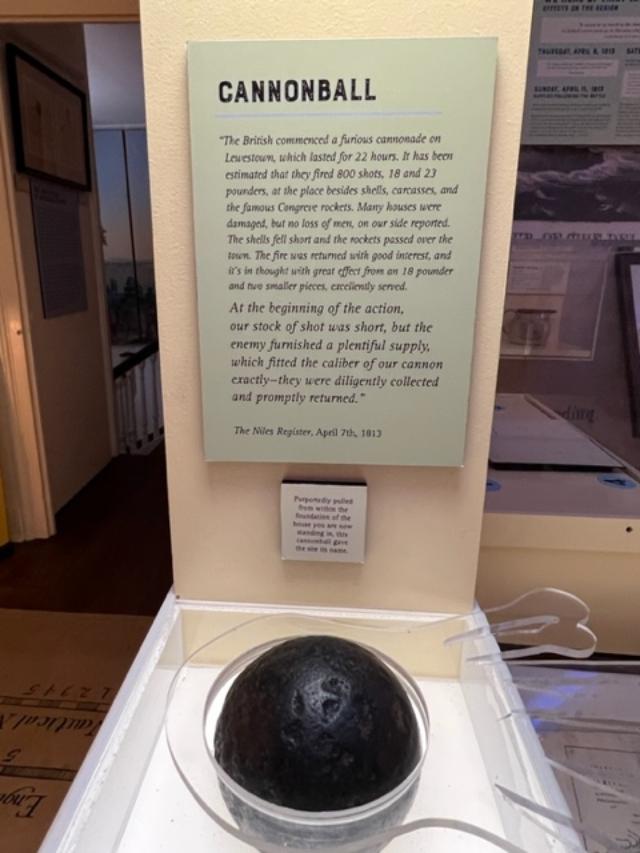
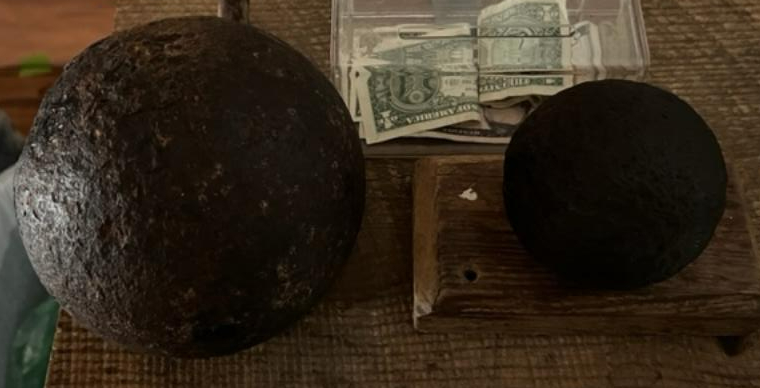
Still the most famous pieces in the museum is the cannonballs.

The Cannonball that hit the house

Cannonballs dredged from the canal.

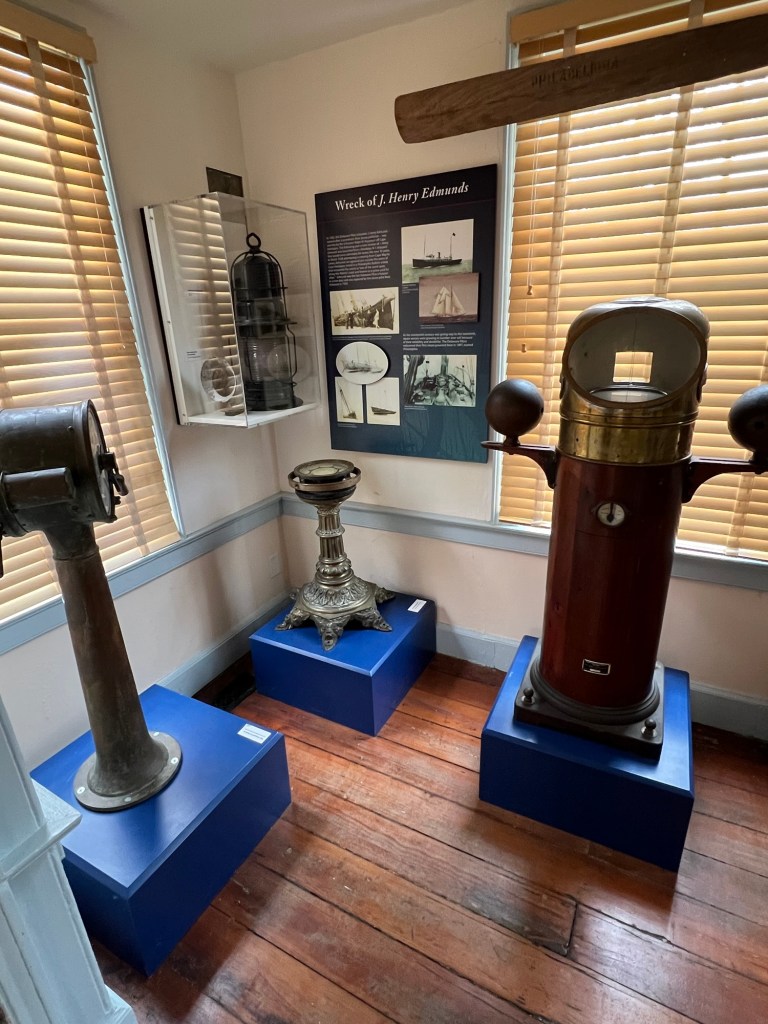
The second floor ‘Henry Edmonds’ artifacts

Wreckage artifacts on the second floor

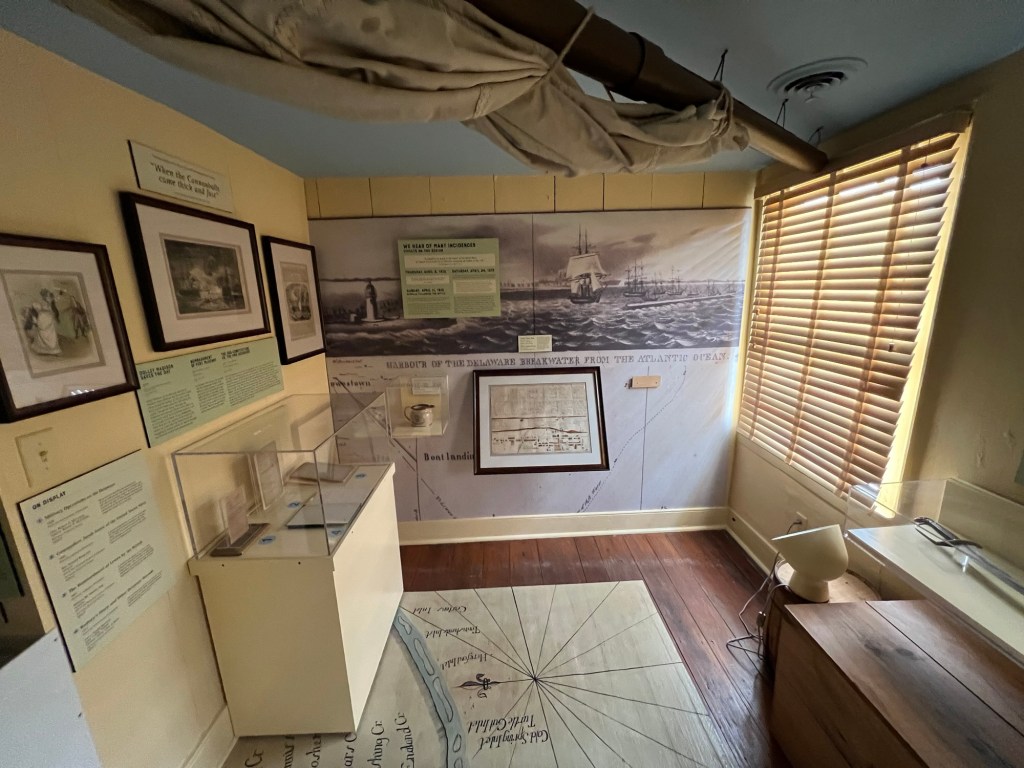
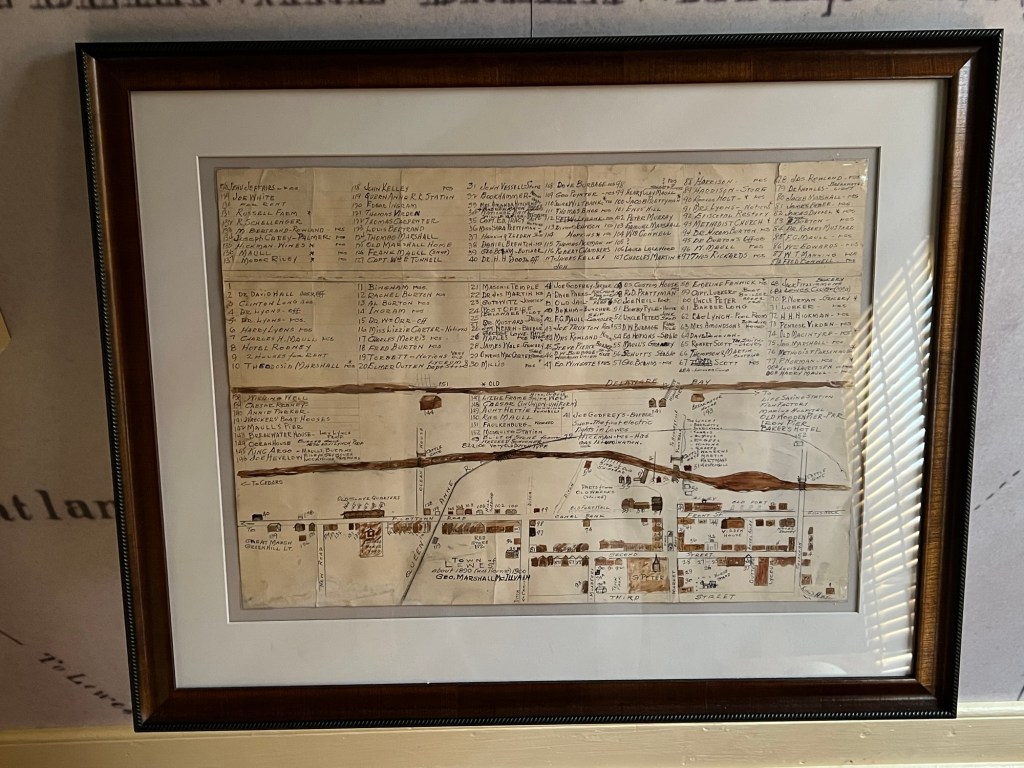
Downtown Lewes map

Ship attacks

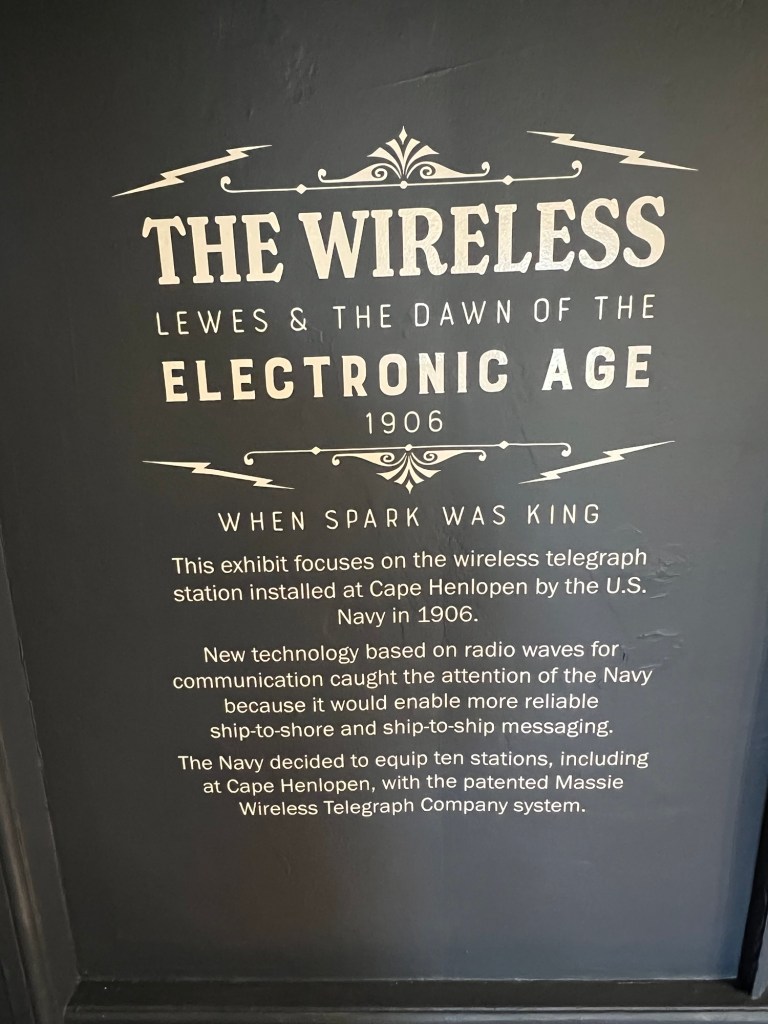
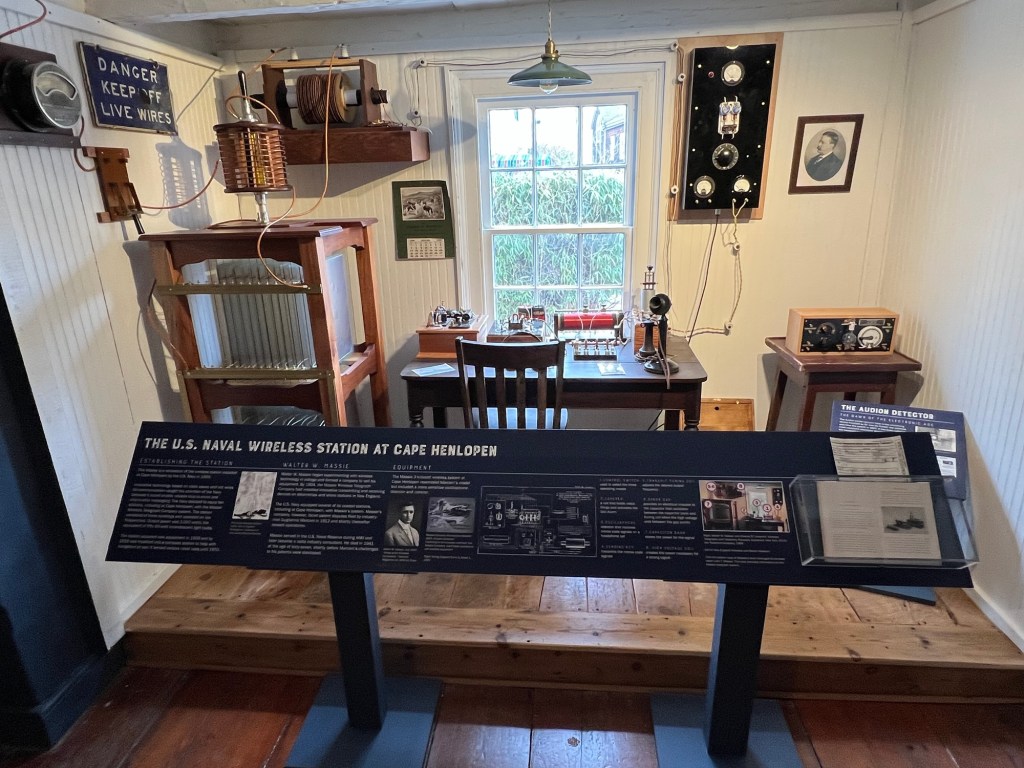
The New “Wireless Age” exhibition

The ‘Wireless Age’ exhibition

The ‘Wireless Age’ exhibition

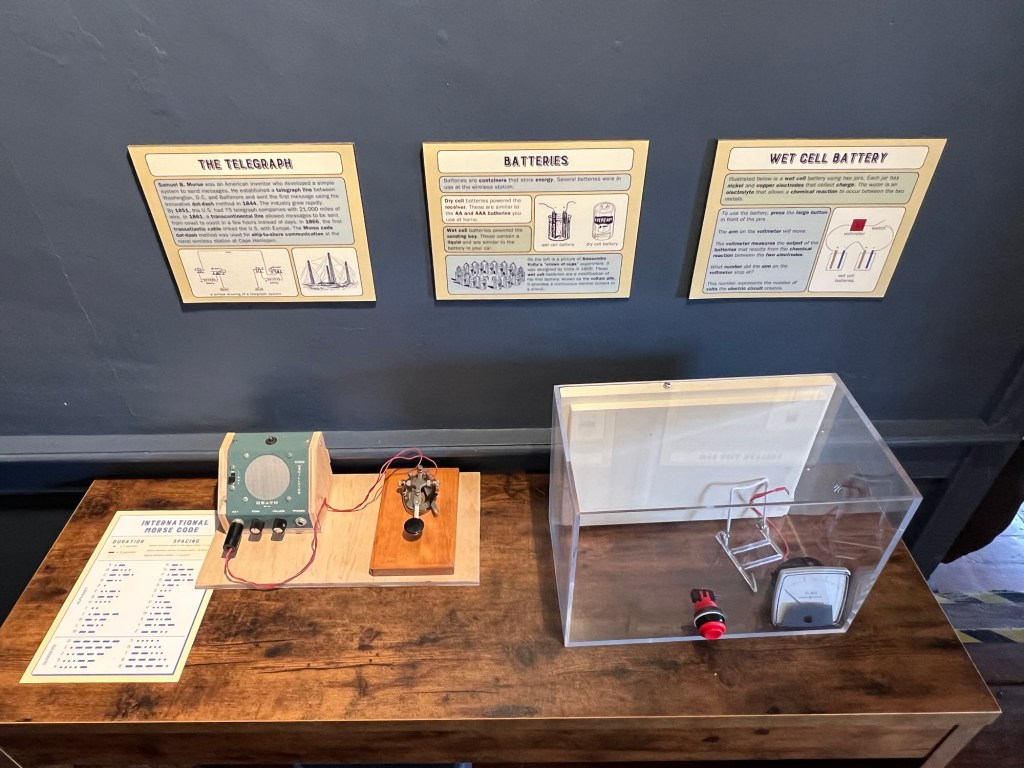
The ‘Wireless Age’ exhibition

The Children’s exhibition for the ‘Wireless Age’

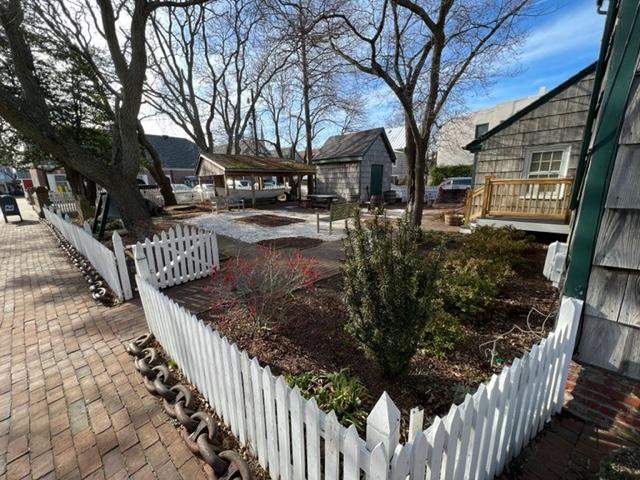
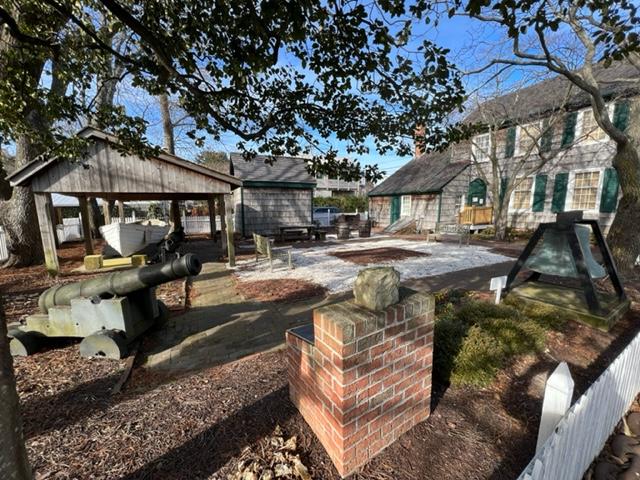
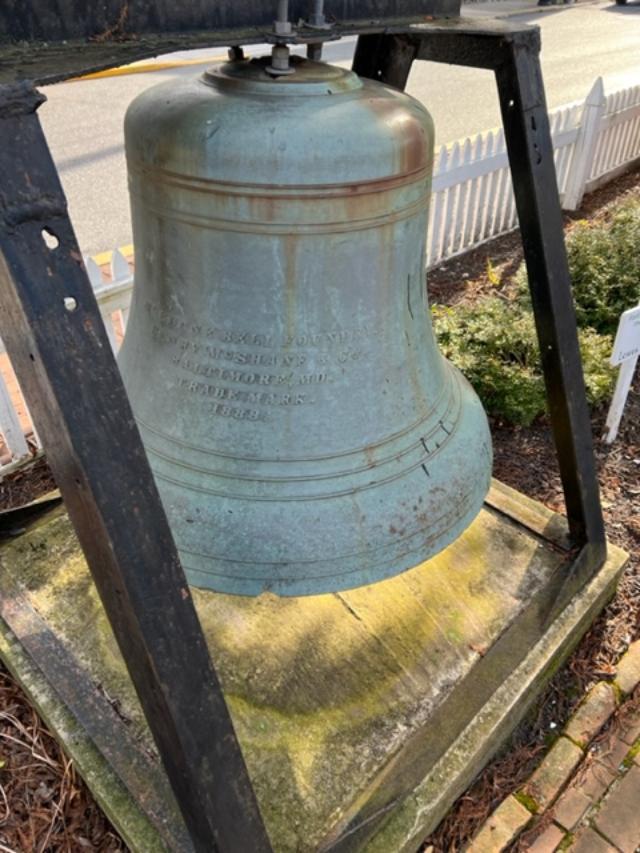
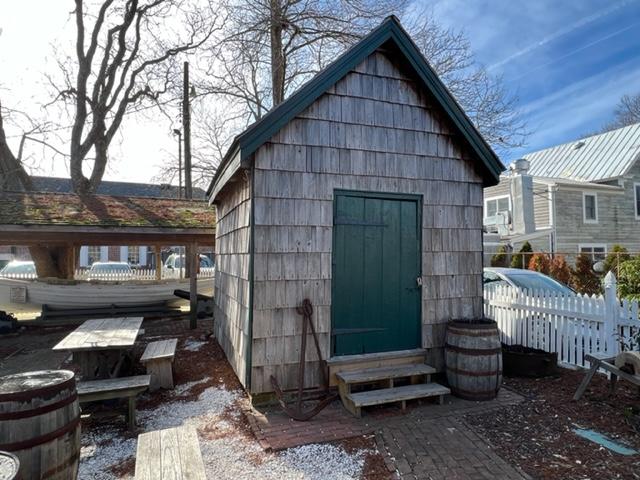
The Grounds of the Lewes Maritime Museum at the Cannonball House have all sorts of artifacts on the outside of the property include bells, boats and buildings. Take time during the season to walk the grounds and look over all the items in the garden.

The museum courtyard

The museum courtyard

The bell

The ice house in the courtyard

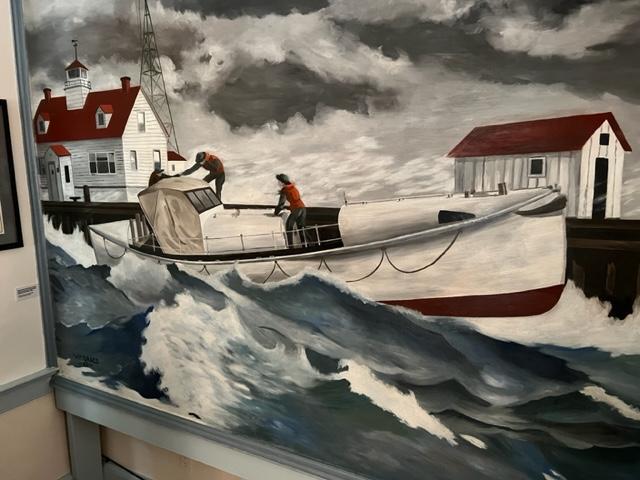
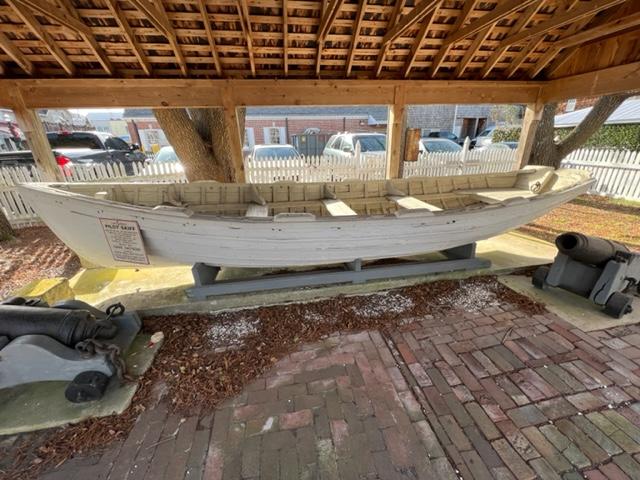
The Rescue Boat

One night they met on Pilottown Road and decided something needed to be done right then and there – at that moment The Lewes Historical Society was formed. Members were sought, funds raised, and the property was acquired – the historic Burton-Ingram House on Second Street. Two years later in 1963, the young historical society had raised the money to purchase the Rowland House, also commonly called the Cannonball House in honor of its scars from the infamous Bombardment of Lewes (Lewes Historical Society website).

The Historical Marker of Lewes, DE

The museum in the early Spring

The grounds in the early Spring