
The Sam Azeez Museum of Woodbine Heritage
610 Washington Avenue
Woodbine, NJ 08270
(629) 626-3831
https://visitnj.org/sam-azeez-museum-woodbine-heritage
Open: Sunday-Tuesday Closed/Wednesday-Saturday 10:00am-4:00pm/Saturday Closed
My review on TripAdvisor:
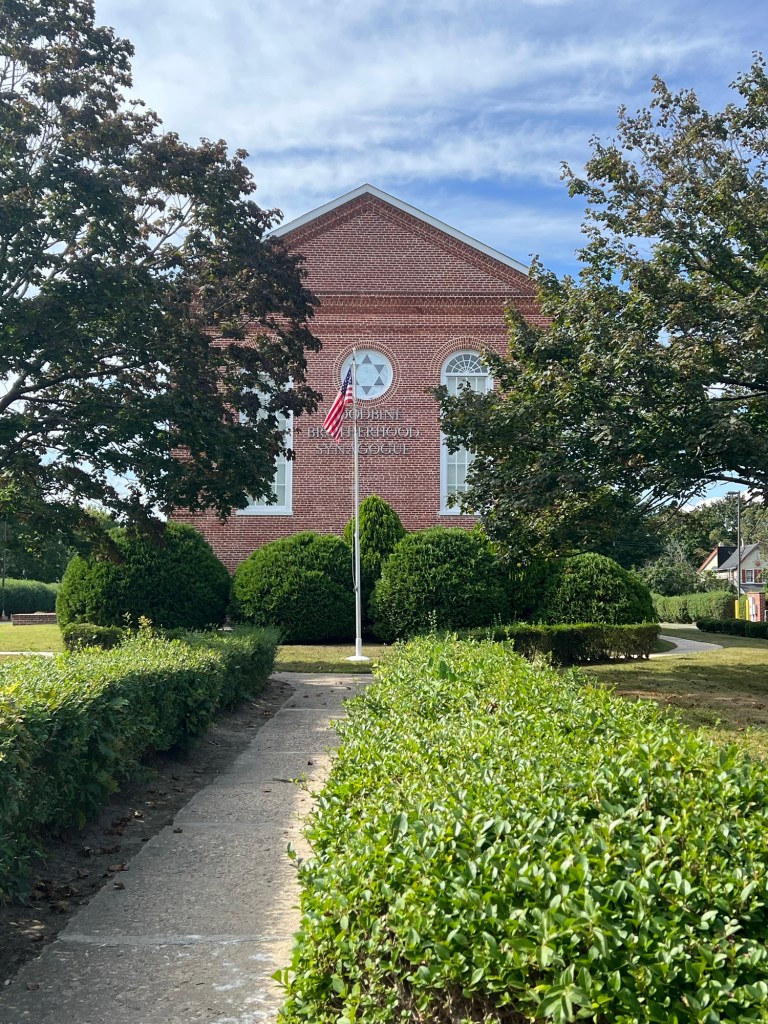
The front of the Sam Azeez Museum of Woodbine Heritage
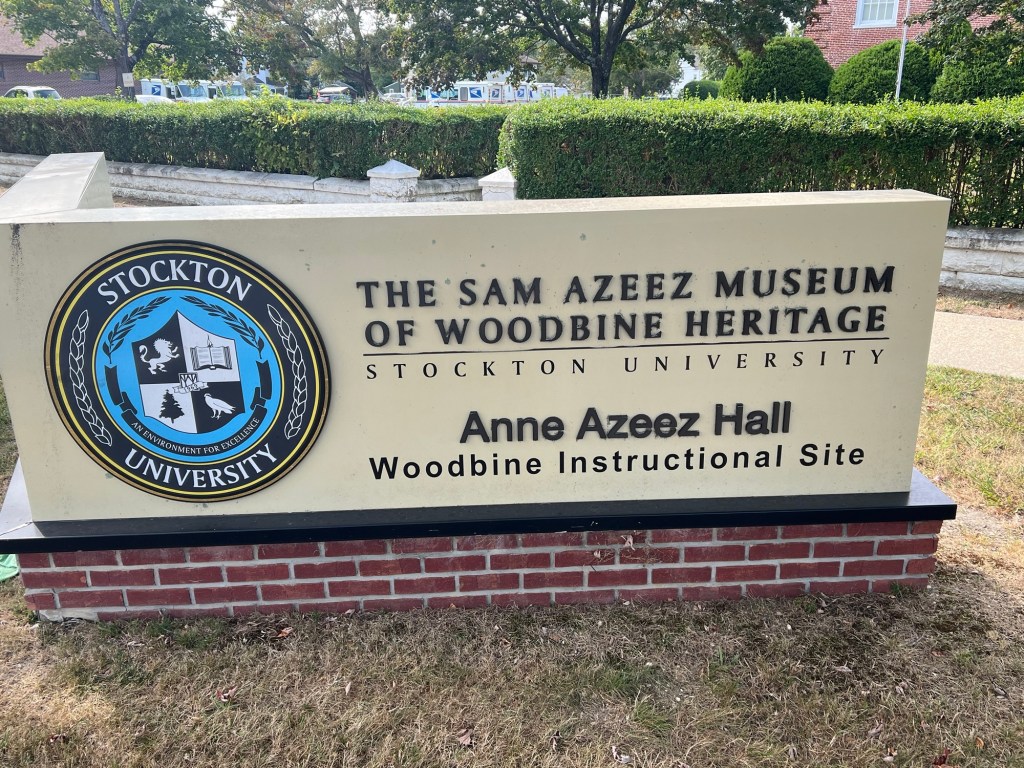
The entrance sign that welcomes you
The History of the Sam Azzez Woodbine Museum:
(from the museum’s website):
The Sam Azeez Museum of Woodbine Heritage is an independent non-profit charitable organization preserving the unique history of Woodbine, NJ.
Established in the 1890’s through Baron de Hirsch’s philanthropy, Woodbine began as an agricultural colony for Russian Jewish immigrants seeking freedom denied in their homeland. As poor soil conditions limited farming, Woodbine evolved into Cape May County’s manufacturing center while maintaining founding values of education, religion and inclusion.
The museum occupies the historic Woodbine Brotherhood Synagogue, listed on the Natural Register of Historic Places. The restored sanctuary hosts special services, while the Brotherhood Hall houses exhibitions including the community-contributed Collective Memory Wall.
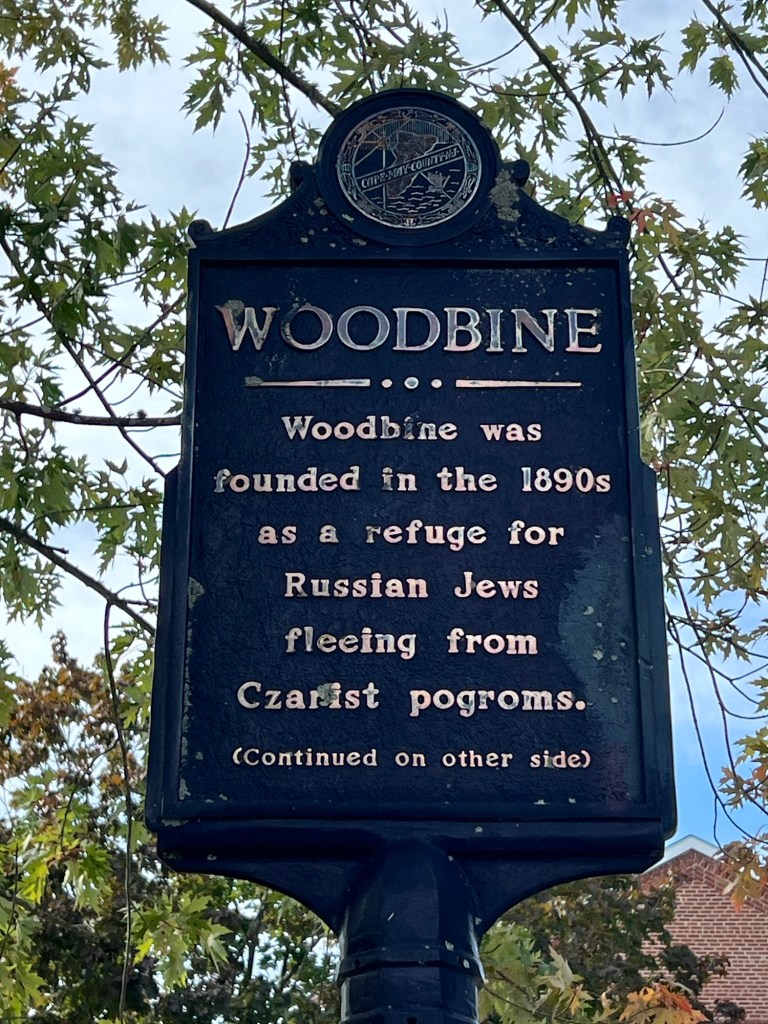
The historical significance of of the Town of Woodbine
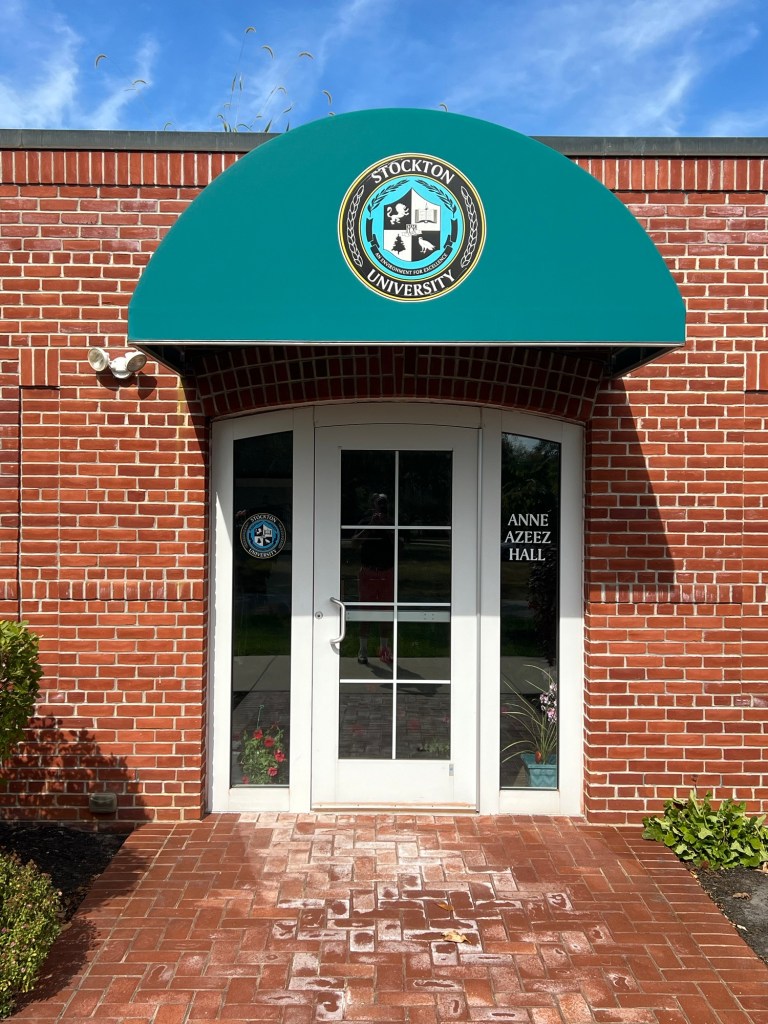
The entrance to the museum
The museum is another interesting look at New Jersey history and the development of the immigrant story of assimilation into American society.
I was given a personal tour by the Assistant Curator and she explained the resettlement of Russian Jewish immigrants by a wealthy patron into this South Jersey community.

The main gallery of the museum
The panels tell the story of how these community came into being and how these people built a community through agricultural and eventually manufacturing and small businesses that supported the community around it. It established a town that was self sustaining and grew to the community center.

The panels show the growth of Woodbine as a community
The residents established their own sports teams, community organizations and civic groups like the councils and fire and police departments.

The records of the many town organizations of Woodbine

Display of one of the first families to settle in Woodbine

Display of the religious faith of the community
One of the most touching displays is of survivors of the concentration camps during the holocaust. These pictures represent these women as children and them today.

The display of the women who survived the camps

The history of the community and the growth of diverse businesses in Woodbine

Creating and building the Synagogue in the community
On the second floor of the building is the old synagogue of the community which is only used during the high holidays. This is used by descendants of the community and family members of theirs.

The inside of the synagogue on the second floor of the building

The front of the temple

The chandelier is original to the temple
The space was being prepared for the Jewish New Year and the crowd of people who would be attending.

The Memorial Wall

The traditions of the religion being practiced in the community

The self-government of the community
Still the younger generation was all American and wanted to assimilate into society with an all American past time of things like baseball.

The Woodbine youth baseball team

The uniform of the old baseball team for youths in the town
The last display is of the famous alumni who once lived in the community. These are the men and women who once lived here and went on after all odds to do great things and make our country better.

The Hall of Fame
The museum I thought had a bit of an identity crisis as I really did not know what the museum was about.
I was pleasantly surprised to find an interesting part of New Jersey history I had never known. It just goes to show you how a museum can educate you with just one visit. The Assistant curator said there will be more to come in the future.
 Visiting a Museum: The Unique, Unusual, Obscure and Historical