Bergen County Department of Parks, Division of Cultural and Historic Affairs
Court Plaza South
21 Main Street, Room 203 W
Hackensack, N.J. 07601-7000
Survey of the Early Stone Houses of Bergen County:
One of the most important early American building types is that of the pre-1840 stone house built in areas with Dutch Cultural affiliation. Bergen County is unique in the abundance, variety and architectural quality of these early stone houses, although adjacent areas of New Jersey and New York have some of the type.
Materials and methods remained constant but the house which were built from the time of Dutch colonization in the 17th century vary in size, plan and stylistic detail. Bergen County’s surviving early stone houses many located along major thoroughfares, provide county residents with tangible links to the formation years of the County, State and Nation.
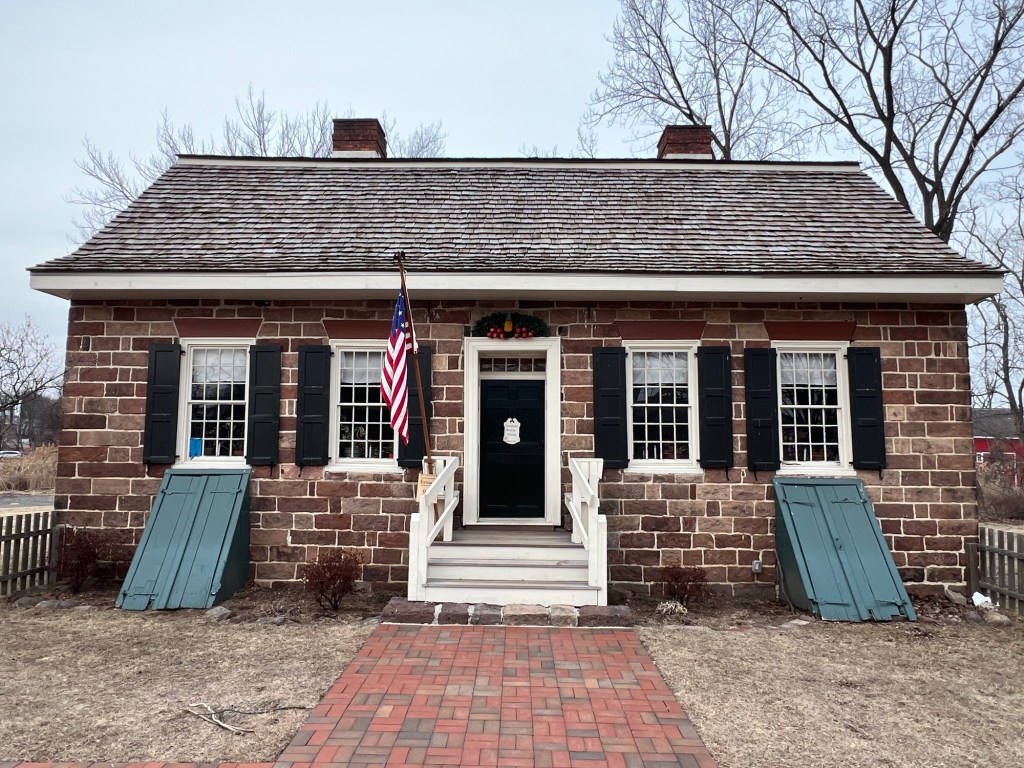
The Campbell-Christi House at New Bridge Landing/Bergen County Historical Society
The Survey of Early Stone Houses of Bergen County conducted in 1978-79 identified and recorded 230 of these early houses. Of these, 208 retained sufficient architectural integrity to be placed as a thematic group on the New Jersey Register of Historic Places in 1983, 1984 and 1985. A clear recognition of the houses importance is given by inclusion on these Registers, which are the State’s and Nation’s official lists of cultural resources worthy of preservation.
For inclusion in the Stone House Survey a building has to have at least two first story walls of pre-1840 stonework. The stone used in constructing the houses varies according to what as locally available. Many of the houses have reddish-brown sandstone walls but in the north-western section of the county rougher local fieldstone was utilized. Some houses have exterior walls of various types of stone and in some brick or frame exterior walls appear with stone ones. Frequently front facades display finer masonry work than do sides and rear. Usually the houses are 1 1/2 stories in height and have gable or gambrel roofs, sometimes with sweeping overhangs. Often there are side wings.
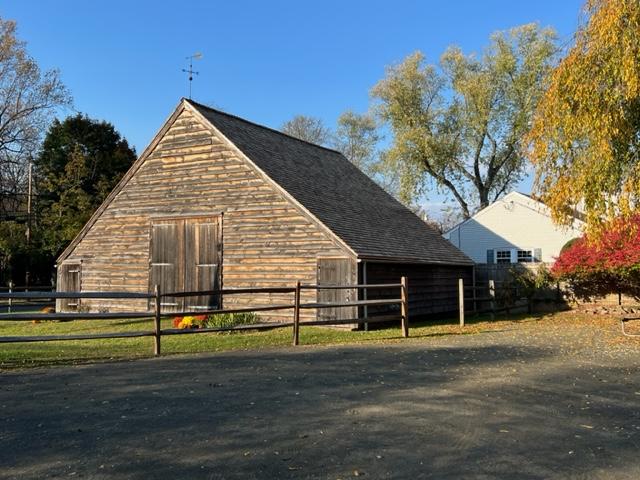
Wortendyke Barn in Oakland, NJ
The Wortendyke Homestead across the street from the barn.
Examples of the house-type are commonly called “Dutch Colonial.” This name most frequently applied to gambrel-roofed houses is a misnomer. Most of the houses were erected in the early 19th century, long after New Jersey passed from Dutch control in 1664. They date to a time when Anglo-American culture was being assimilated into Bergen’s Dutch cultural base. The typical stone house of the Colonial Period in Bergen County is a simple gable-roofed building.
Because they have been continuous use since they were constructed, many early stone houses have been modified and embellished. Often these changes in themselves have architectural distinction and are important to Bergen’s 19th and 20th century architectural history. Even when altered, the basic form and fabric of the original stone dwellings are usually recognizable and the houses are part of the county’s earliest architectural heritage.
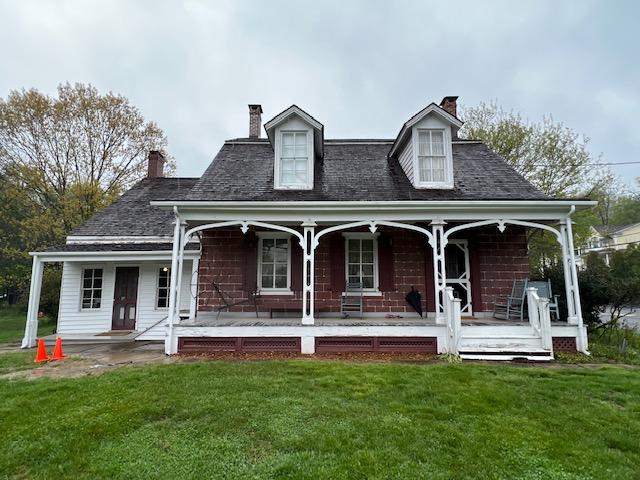
Cadmus House in Fairlawn, NJ
The Stone House survey was sponsored by the Bergen County Board of Chosen Freeholders, the Bergen County Historic Sites Advisory Board and the Division of Cultural and Historic Affairs. It was prepared by the Office of Albin H. Rothe, A.I.A. Claire K. Tholl did the field survey. The survey was made possible by a grant-in-aid from the Office of New Jersey Heritage, Division of Parks and Forestry, N.J. Department of Environmental Protection and matched by funds from the Bergen County Board of Chosen Freeholders.
The report for the Survey of the Early Stone Houses, with background text and inventory forms for houses, may be consulted at the Division of Cultural and Historic Affairs between 9:00am and 4:30pm weekdays.
Hopper House in Upper Saddle River, NJ
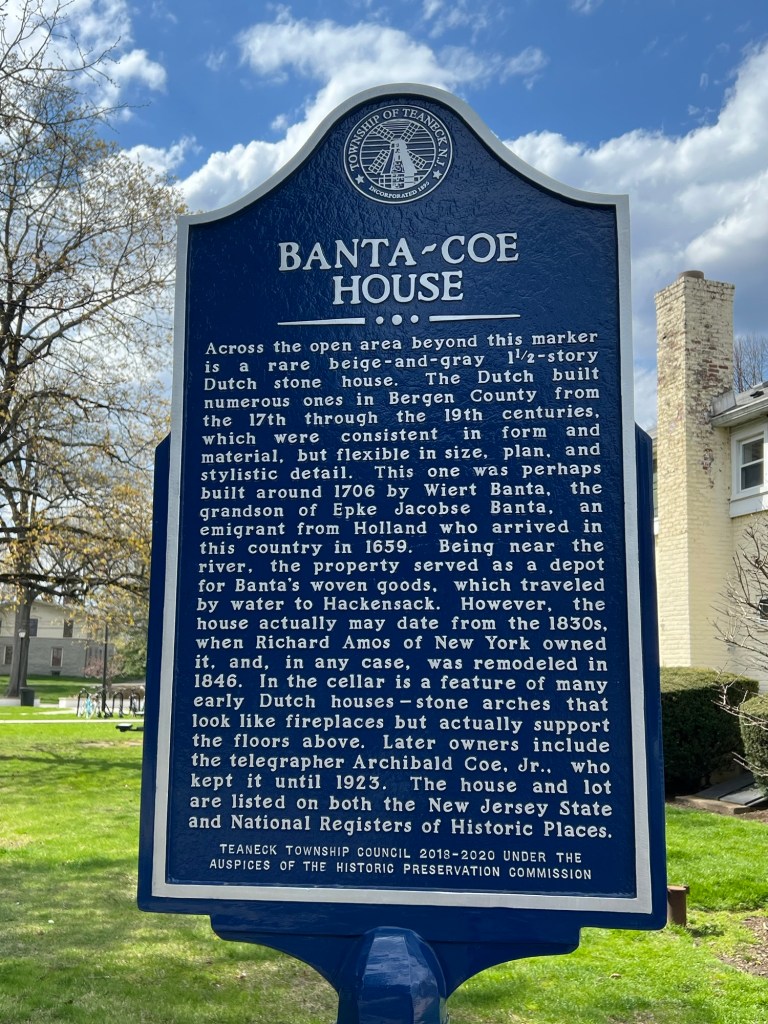
The Banta-Coe House on the Fairleigh Dickinson University campus
The Banta-Coe House prominently faces the Hackensack River
Disclaimer: This information was taken directly from the Bergen County Department of Parks, Division of Cultural and Historic Affairs pamphlet and I give them full credit for this information. Please contact the Department for more information on the subject.
The Pascack Valley Historical Society is now celebrating their 75th Anniversary.
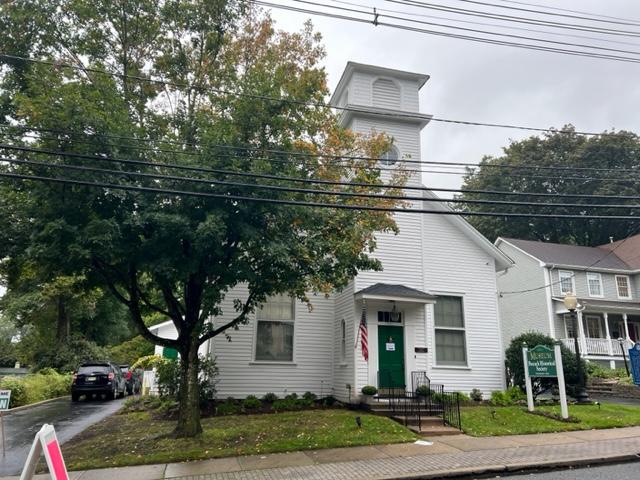
The Pascack Historical Society Museum (John C. Storms Museum), headquarters of the award-winning Pascack Historical Society, is located in the 1873 church building that was dedicated by the Reverend Henry Ward Beecher. The building and all the exhibitions have gone through an extensive renovation and have been reinstalled with more signage and information. Please check out their new displays.
The sign that greets you in the front of the building.
The Historical Marker in front of the building.
As you enter the building, you are welcomed to a comfortable spot.
The extensive exhibits include a general store, colonial kitchen, a Victorian Living Room, dolls, clothing and other displays of American life in the Pascack Valley. The front gallery as you enter serves as a classroom and lecture hall for the society. There you can see a variety of artifacts in the collection from china to guns and clothing.
Artifacts in the front room.
Artifacts in the first gallery.
A collection of antique guns in the front gallery.
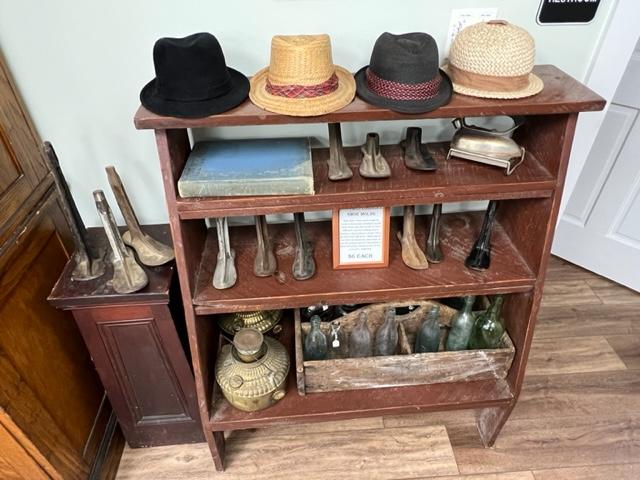
A selection of hats in the front gallery.
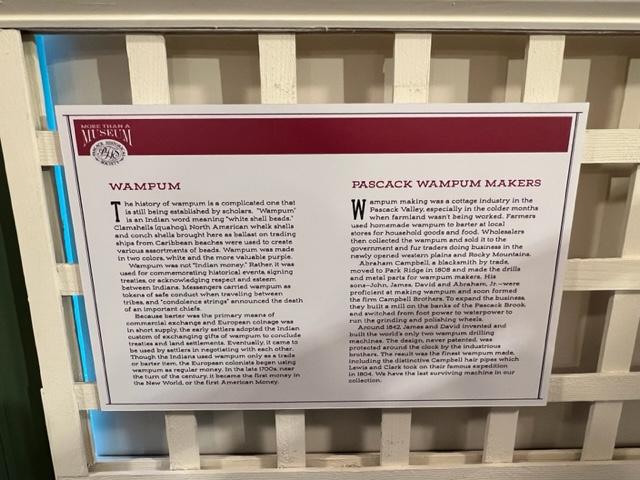
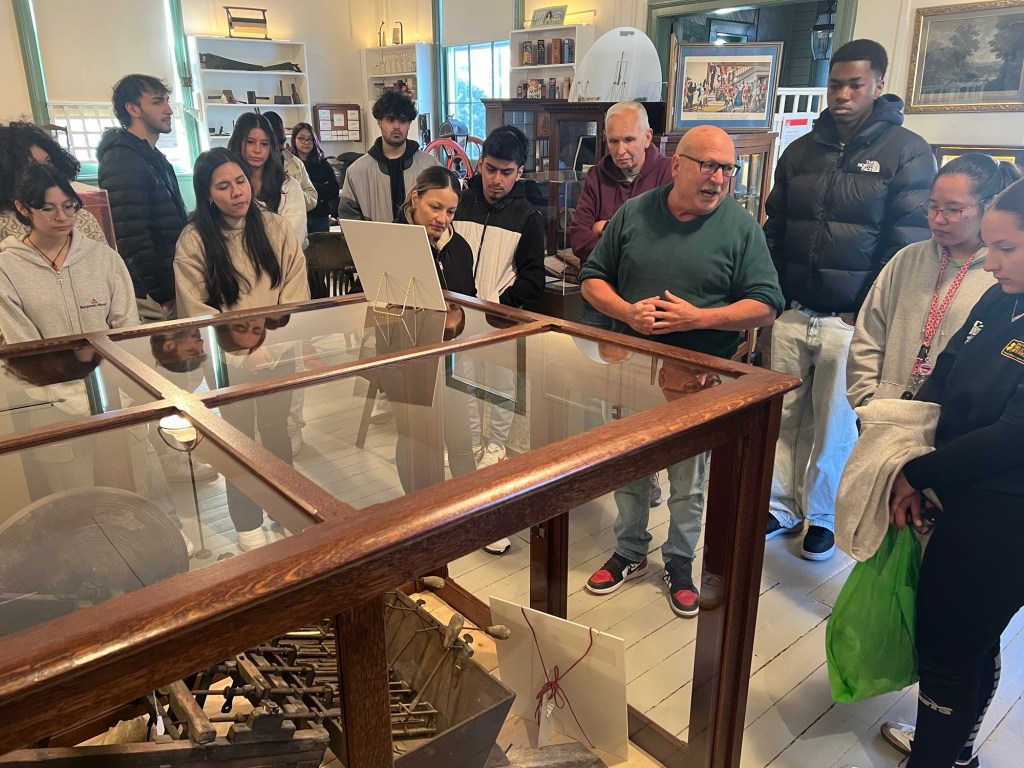
There is also a special exhibition that features the world’s only wampum drilling machine as well as a collection of early colonial currency.
The Wampum Machine sign and how Wampum is made.
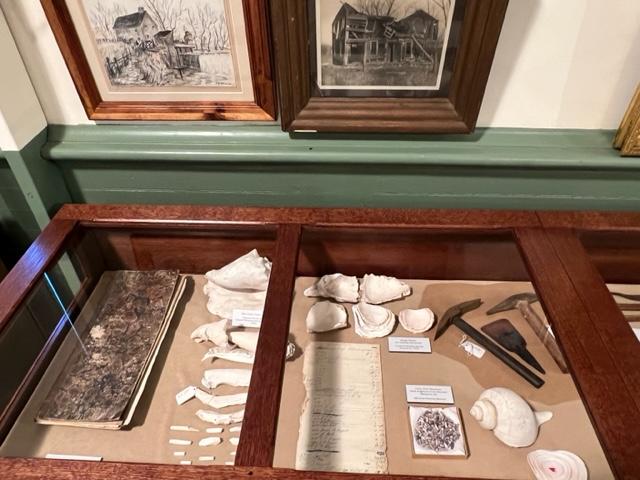
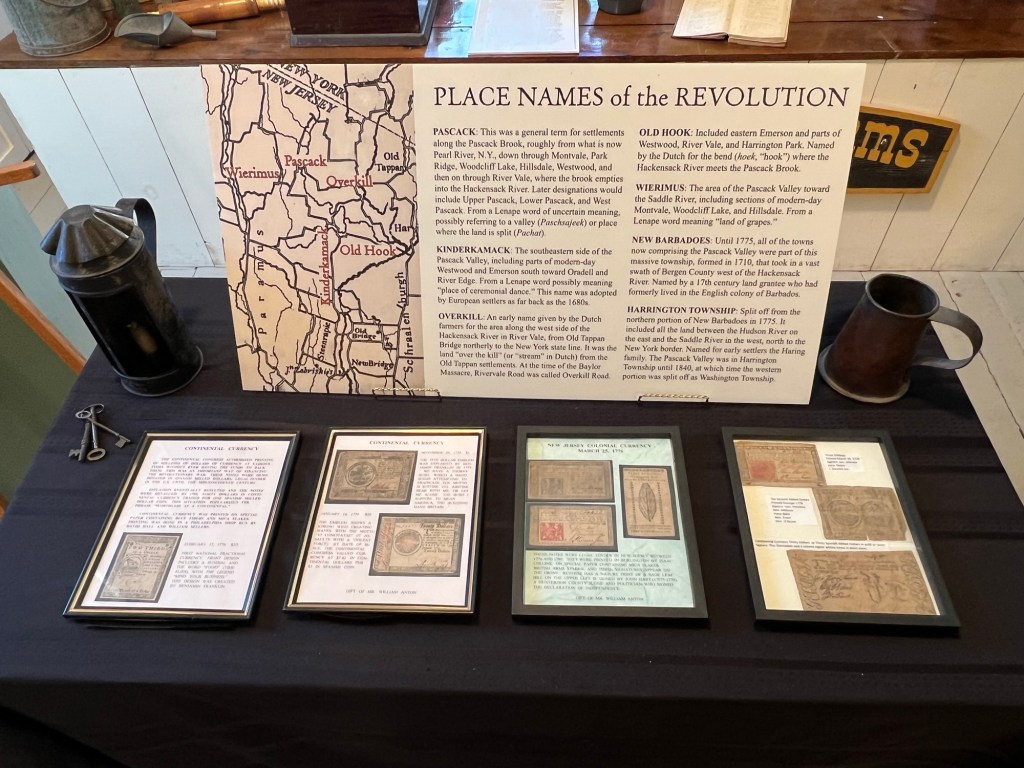
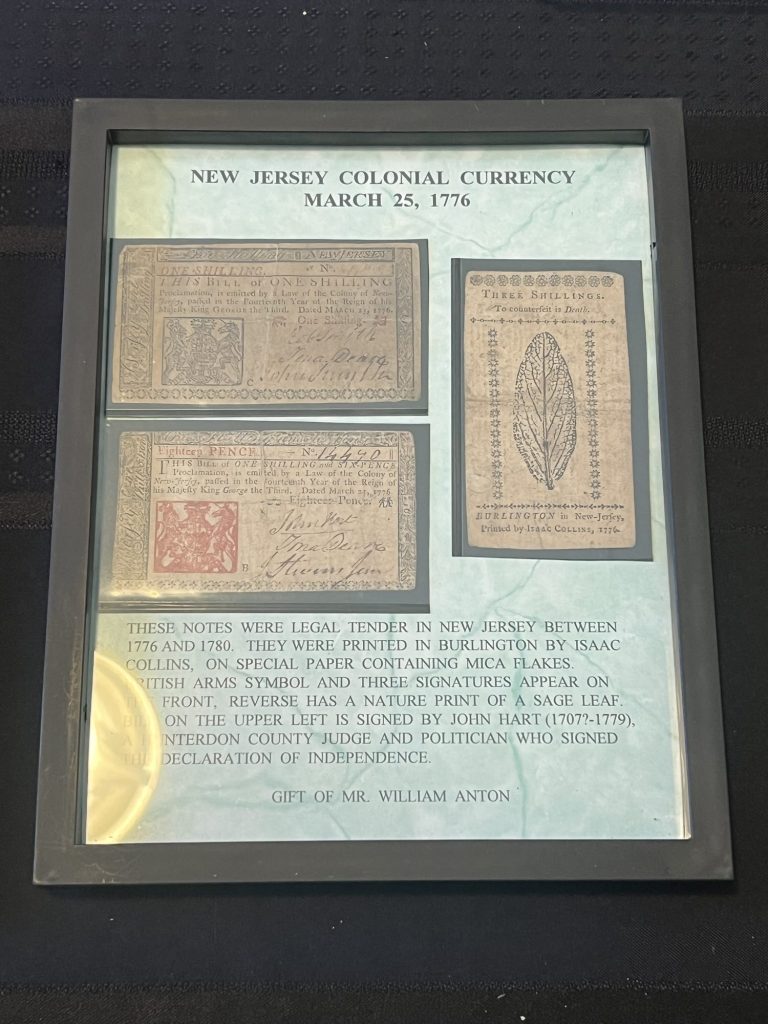
Their early Colonial Financial exhibits include an early wampum machine that the tour guide had said that it was the only one of its kind that made a type of rolled wampum from the inner section of a conch shell. Early New Jersey currency is well represented in the collection with several types of dollar bills at a time when states printed their own currency for its citizens. Really take a look at the early detail work of these bills.
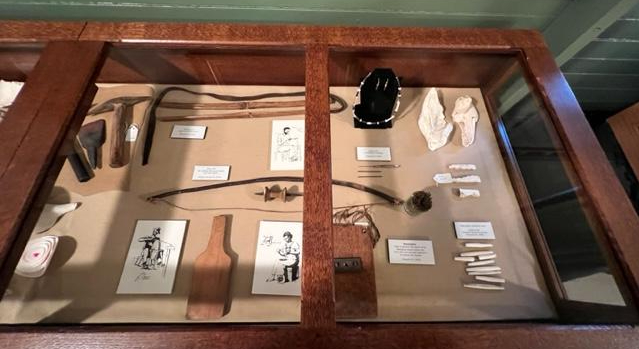
The Wampum display of shells and tools.
The uses of Wampum and how it is made.
The oldest working Wampum machine in the world.
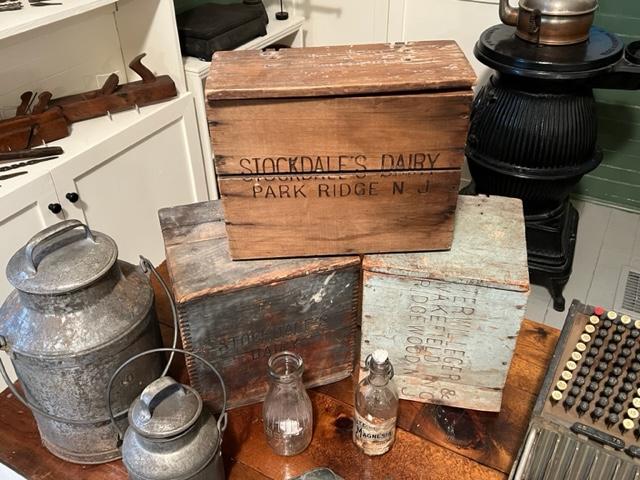
The Van Ripper General Store exhibition features many types of early Colonial artifacts that include weights and measures, food items found in an early grocery store, turn of the last century bottles and many types of appliances for cooking. Several treasures are tucked here and there to create the mood of shopping at the turn of the last century in Bergen County. There are classic groceries, weights and measures to weight groceries and several artifacts from the Van Ripper and Stockdale Farms which used to be located in the area.
The General Store sign
The General Store display.
Stockdale’s Dairy Farm was a popular farm in Park Ridge before the 1960’s.
Tools need on the farm and in the home.
The Tool display at the General Store.
The Toy Collection is extensive and covers several time periods. They have a interesting collection of dolls over the ages that include cloth and china dolls that would cater to children from different economic status. There are also games, wooden and metal pull toys and hobby toys such as marbles and jacks.
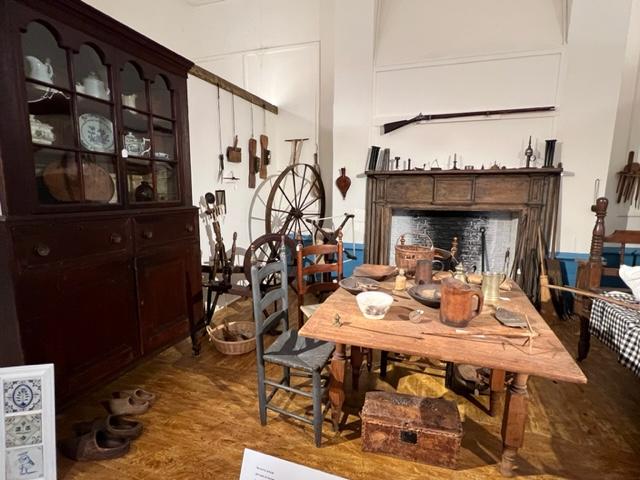
The Early Dutch Farmhouse Kitchen & Dining Room features one of the first beds that has no mattress but constructed by a series of ropes that are tightened. The tour guide explained that this might be where the expression “Sleep tight and don’t let the bed bugs bite” might have come from as the ropes needed to be tightened each evening before the family went to bed.
Early Dutch life sign.
The exhibit also had early furniture hatches, chamber pots, a butter churner, various chairs that were manufactured in the area and several detailed decorative pieces.
The Early Dutch Kitchen and Living Space
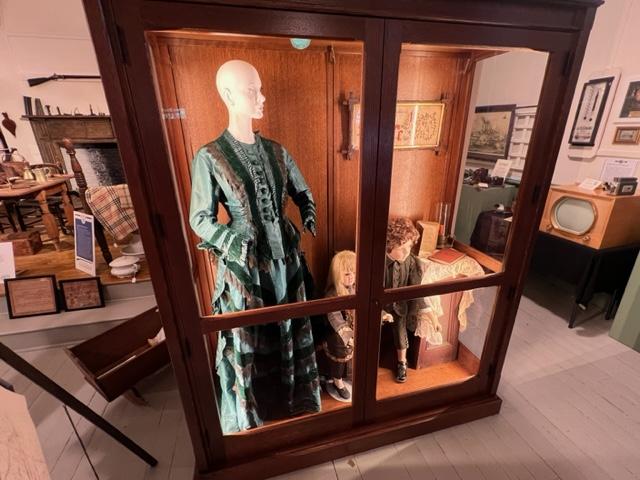
The Victorian Dress of the church visitation.
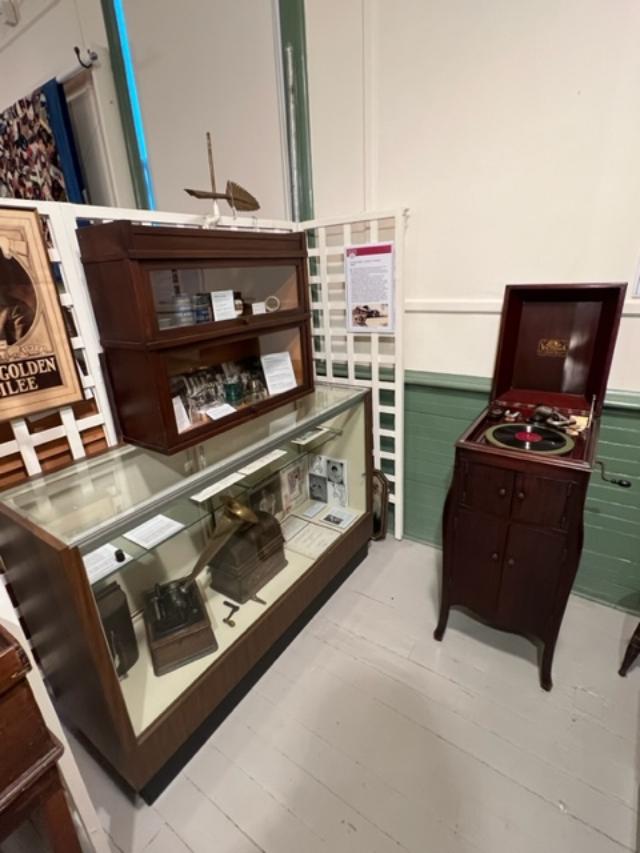
The Victorian Living Room features many plush pieces of furniture, decorative knick-knacks that used to dominate the décor and a graceful piano with mother of pearl keys and decorative carved sides. This model was one of maybe a hundred made for a very elite client. The display also featured one of the early record players that still works.
The ‘Victorian Afternoon’ exhibition in 2024:
The sign for the Victorian home:
The ideal Victorian Home ‘Parlor’
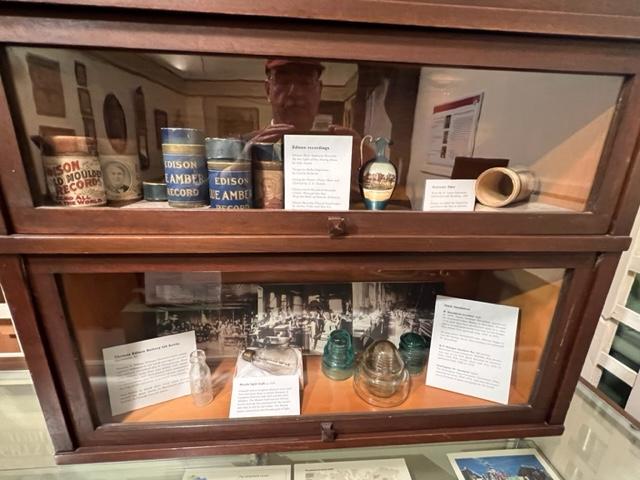
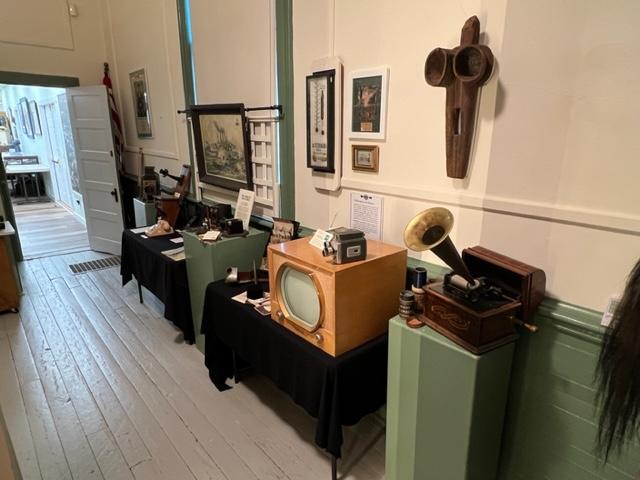
Early Edison products
Early Edison recording equipment was not just musical but decorative.
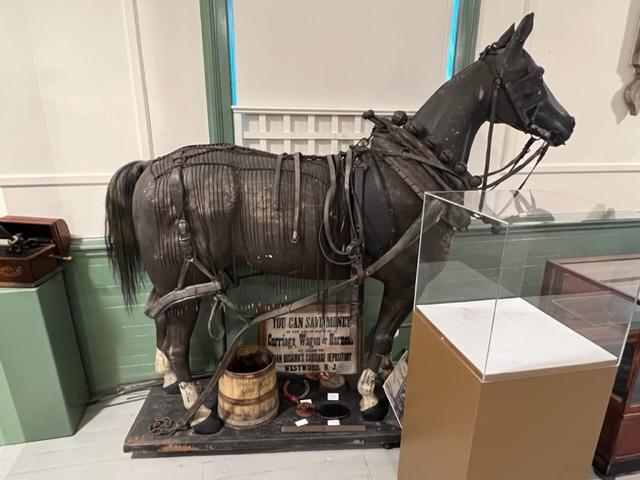
The horse display.
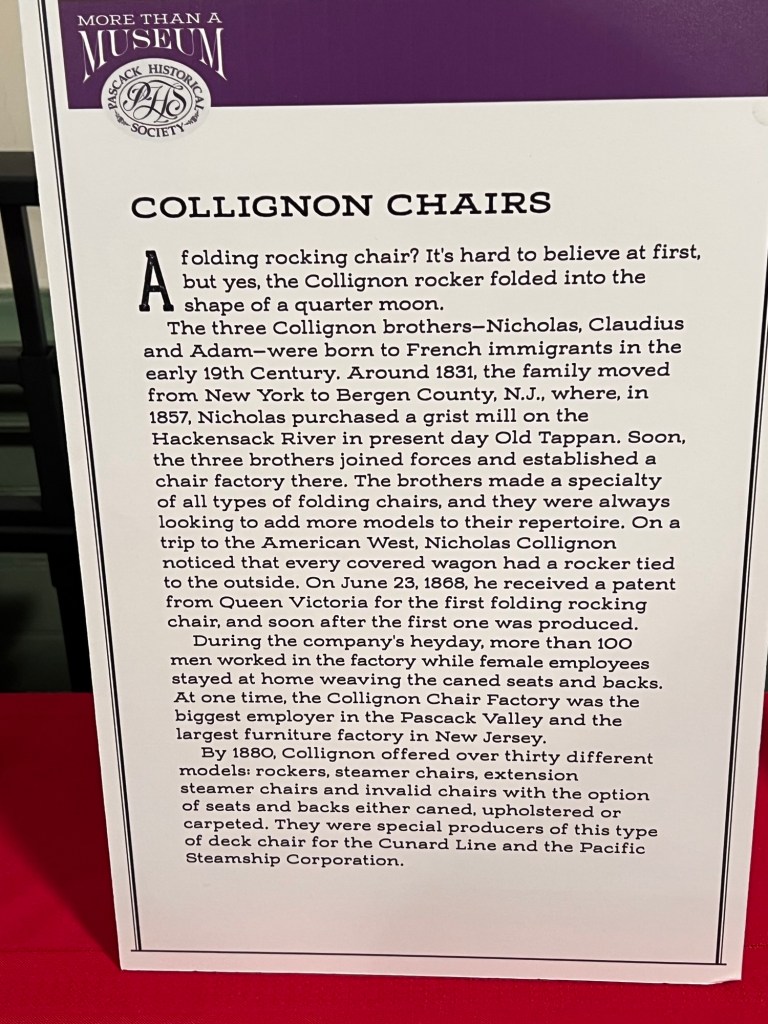
The new exhibition 2025: ‘Collignon Chairs’
The exhibition is on the Collignon Chair factory of River Vale, NJ and the selection of chairs that the factory once manufactured.
The sign from the exhibition
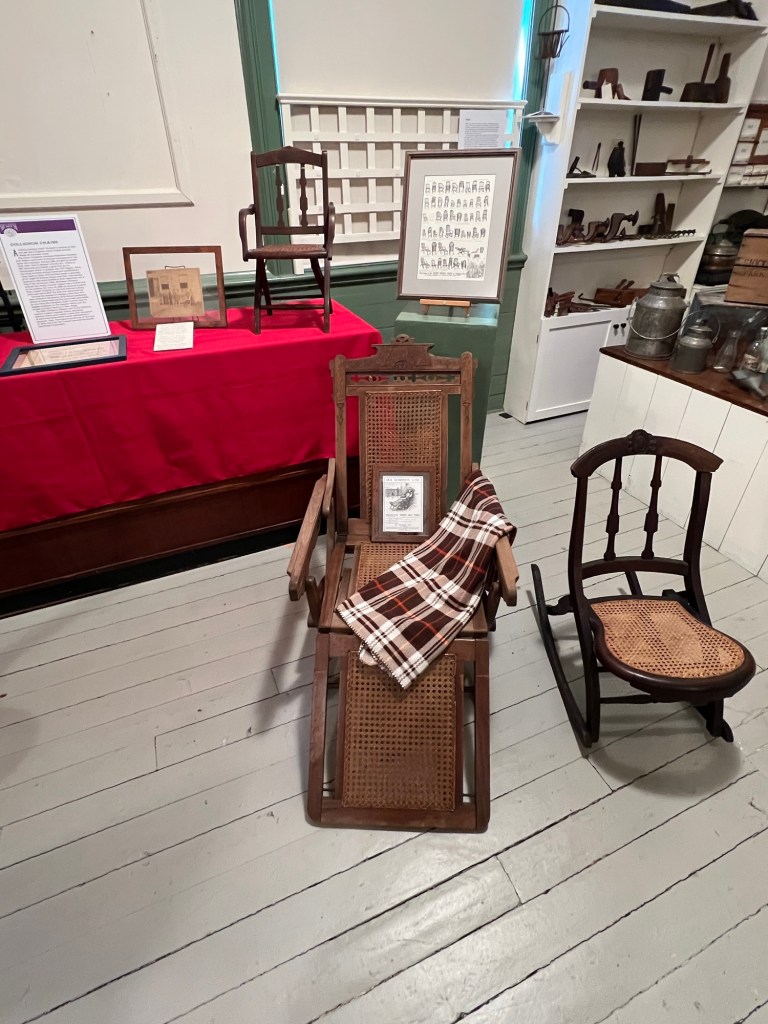
Some of the collection of Collignon chairs on display including the popular deck chair used on streamlines.
The popular folding rocker from the collection
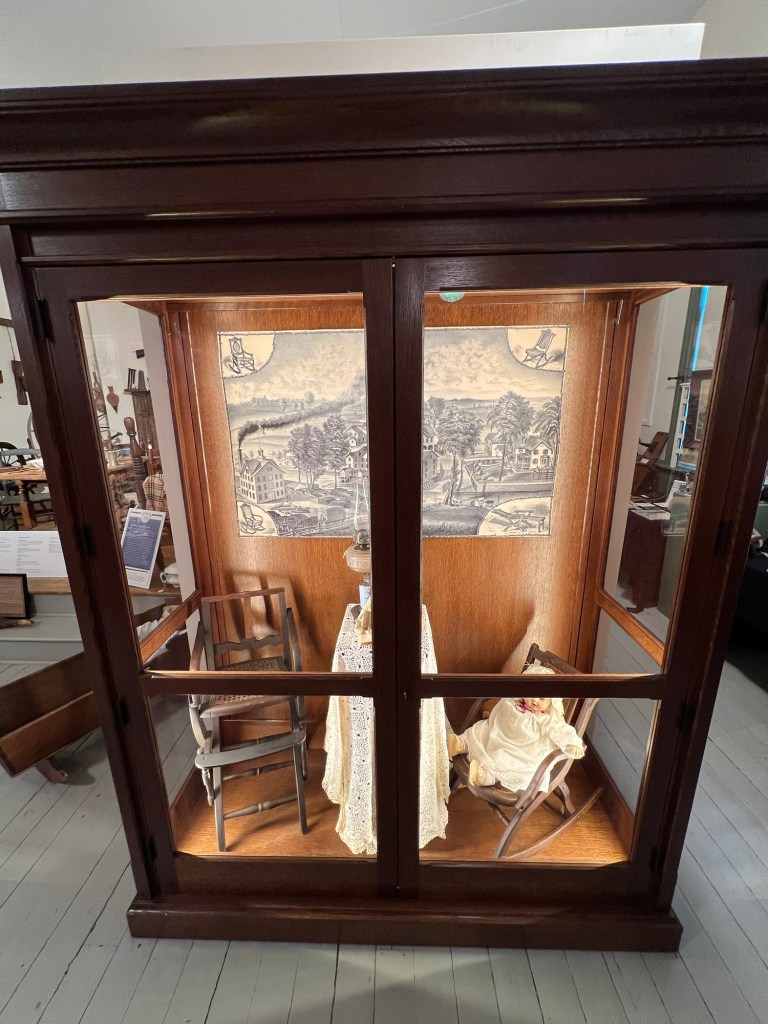
The display of chairs and a drawing of the old factory
Off to the side, there is an early sleigh and horse display, an exhibit of typewriters and carbon paper as I found out the area was once the leading manufacturer for carbon paper and a complete workshop with tools from all eras.
Typewriter collection at the museum.
Early Electronics
The schoolhouse desk of the school master.
The workshop is a very detailed in its artifacts with early saws, hammers and items that even I could not figure out what they were.
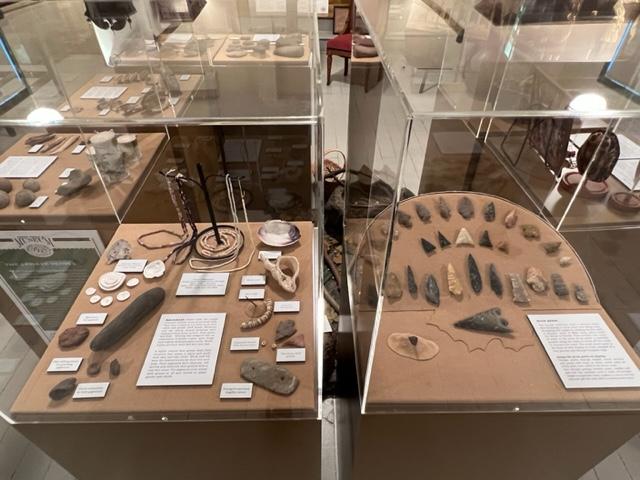
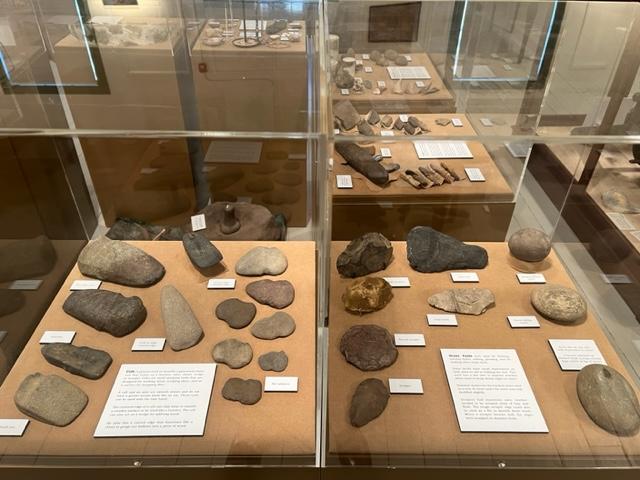
In the main room, there are more cases of toys, Revolutionary items and Native American artifacts to explore.
Native American Artifacts
The Lenape display
The Native American display.
A small gift shop is off to the side selling items donated by members.
Become a Friend: From the Friends of the Pascack Historical Society Museum pamphlet:
Pascack Historical Society Information and History:
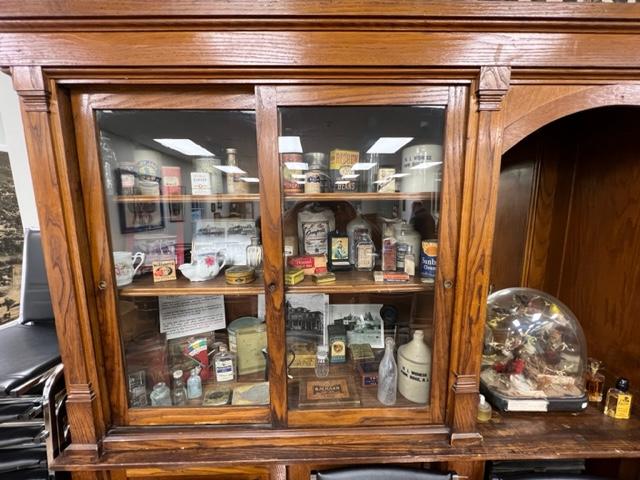
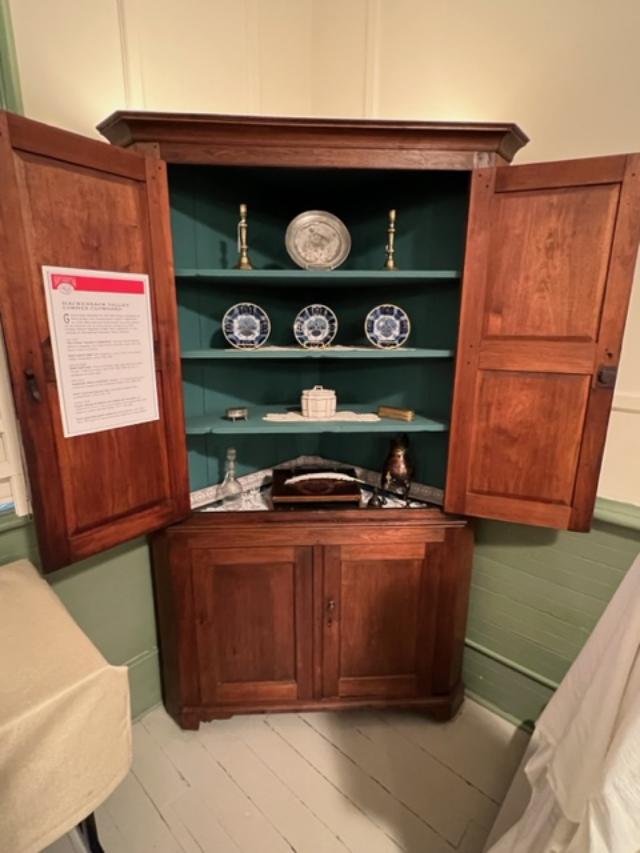
The Corner Cupboard of early American china.
(From their pamphlet):
Membership Benefits:
Become a member of the Pascack Historical Society, a 501C3 organization. Dues are modest and membership has its privileges!
One year of free admission to the museum and most of its activities.
A one year subscription to the Society’s award-winning quarterly newsletter, RELICS.
10% discount on museum gift shop items (Sale items and new books excluded).
50% discounts on programs for children and adults.
You will receive Members Only advance notice mailings and emails about upcoming events and activities.
Members only “behind the scenes tours” of the museum. (By Appointment Only).
You will have the satisfaction of knowing you have joined the ranks of the area’s most passionate historical preservationists, who have a commitment to educate and enrich their neighbors’ lives-young and old.
The Military embellishments
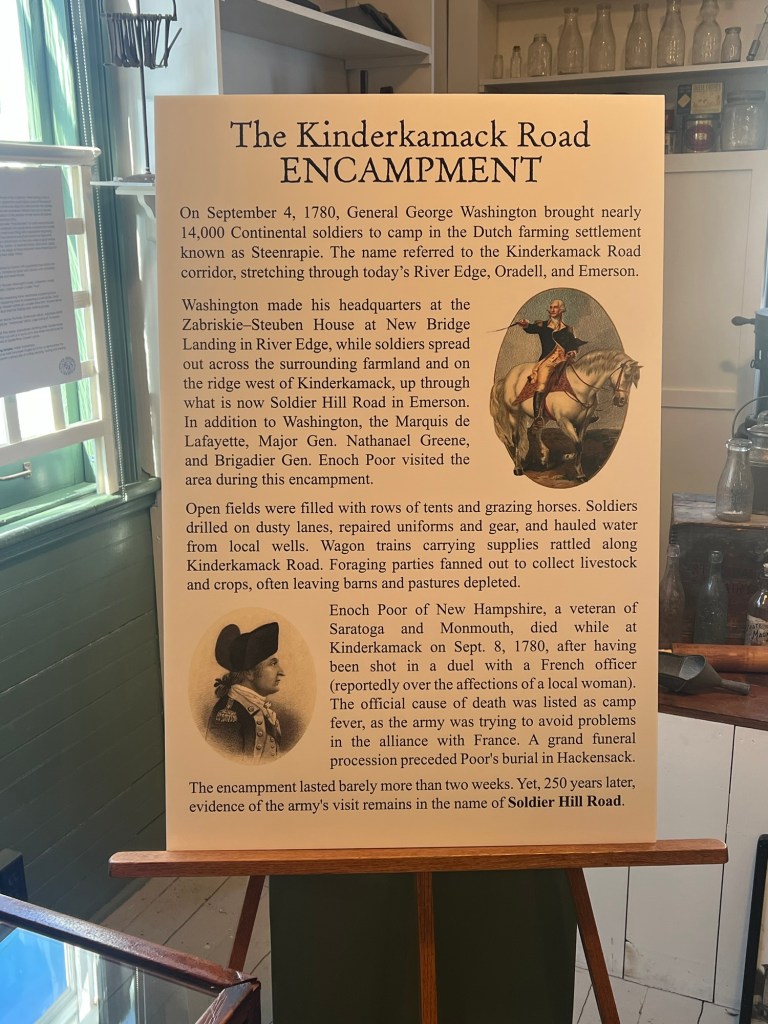
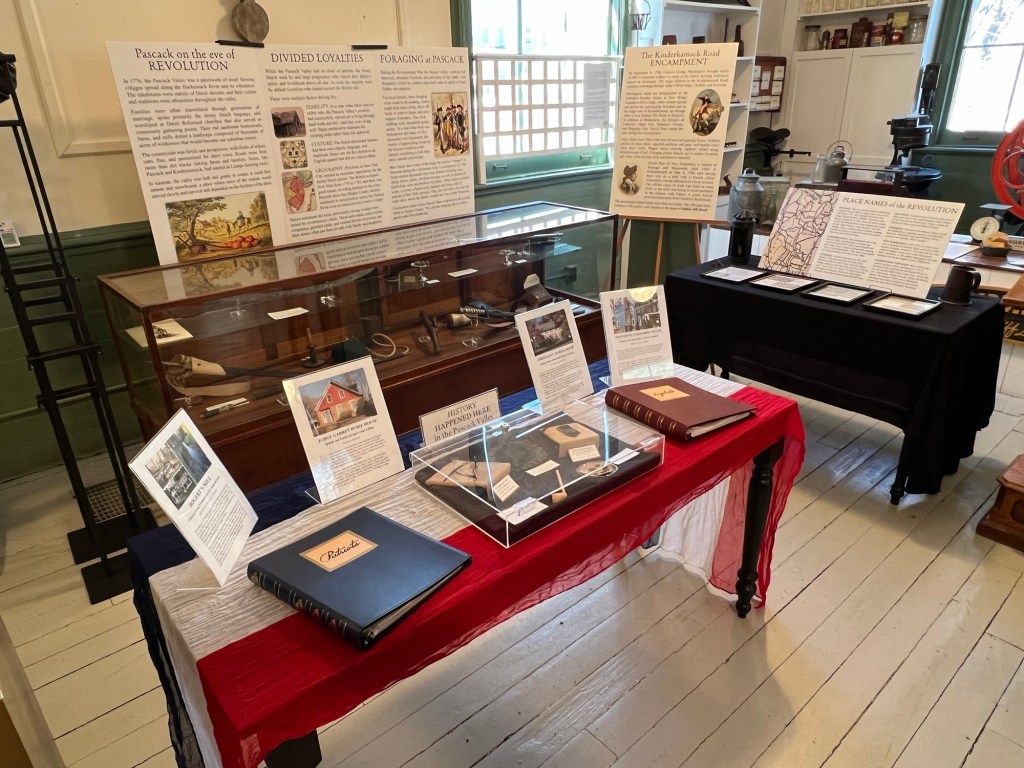
In 2026, the museum was celebrating the ‘250th Anniversary’ of the Revolutionary War and had an exhibition of artifacts from the Pascack Valley.
The ‘250th Anniversary’ of Revolutionary War
This included all the stops that General Washington made in Bergen County, battles and confrontations with British soldiers and family battles by members who were loyalists and patriots.
The currency of the war years
The exhibitions shows New Jersey’s contributions to the war effort. This part of the exhibition has Colonial currency from New Jersey.
New Jersey Colonial Currency
The full exhibition of the ‘250th Anniversary’ of the Revolution War
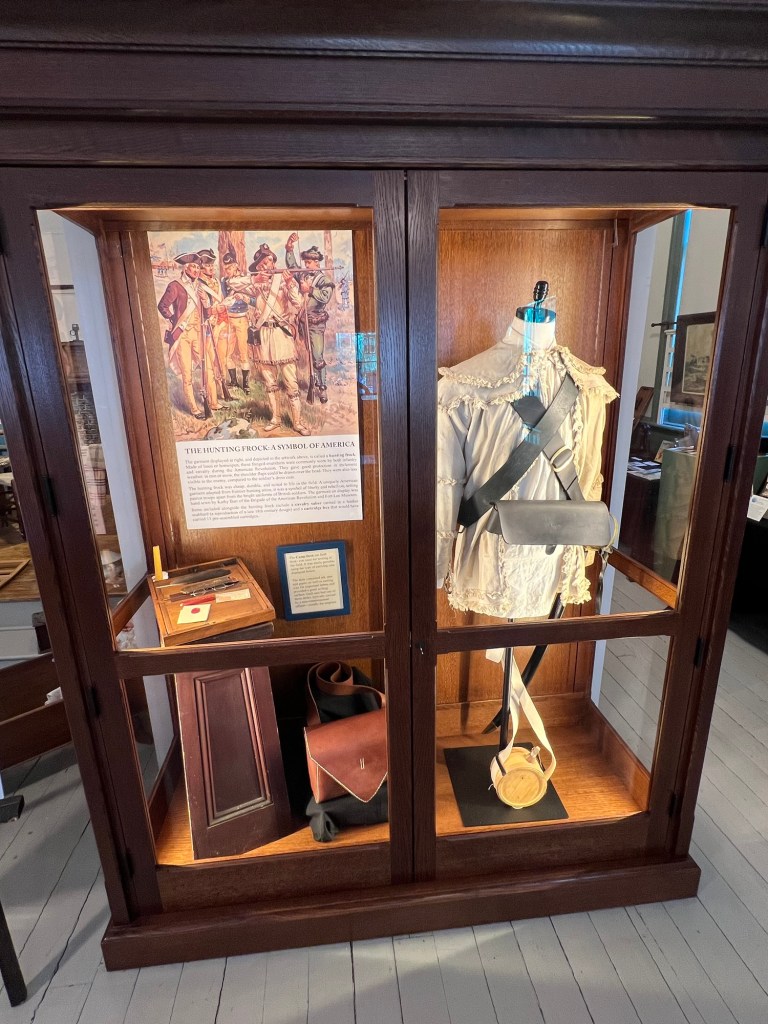
Uniforms and accessories of the War years
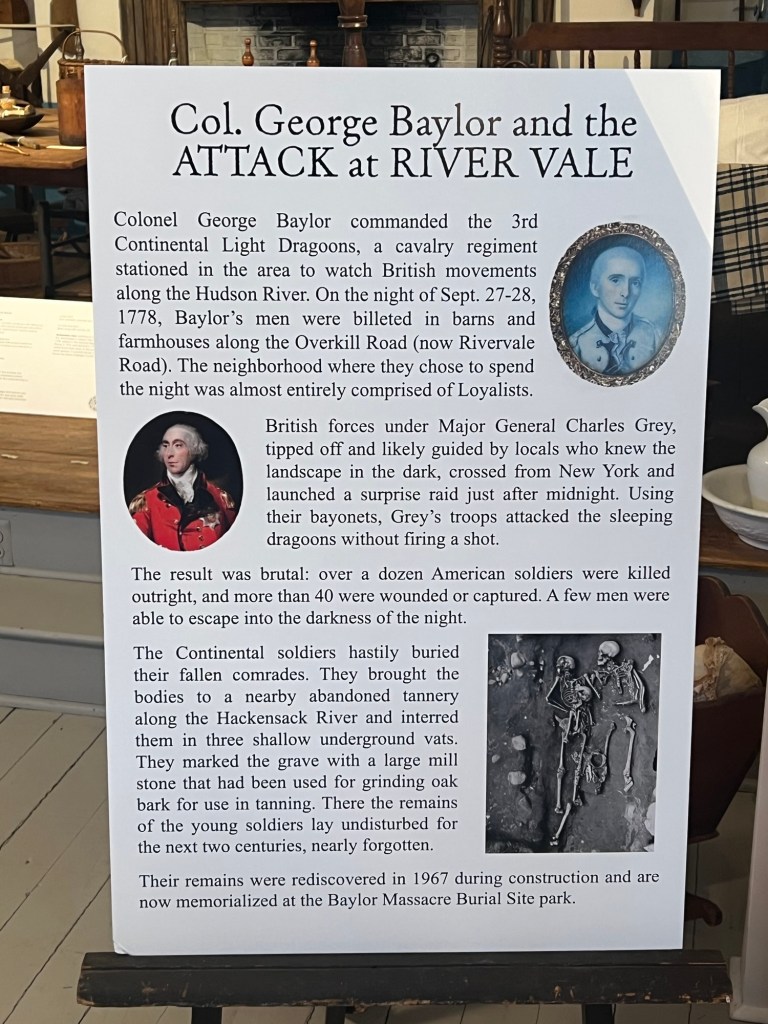
The Baylor Massacre attack
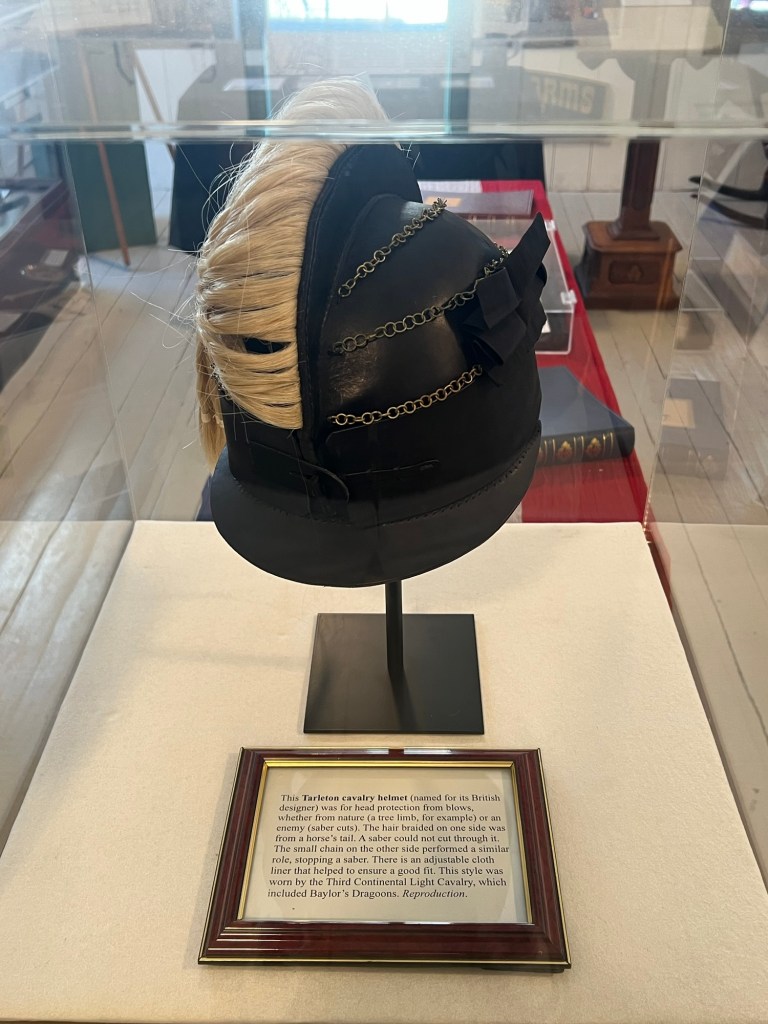
The Tarlatan Calvary helmet
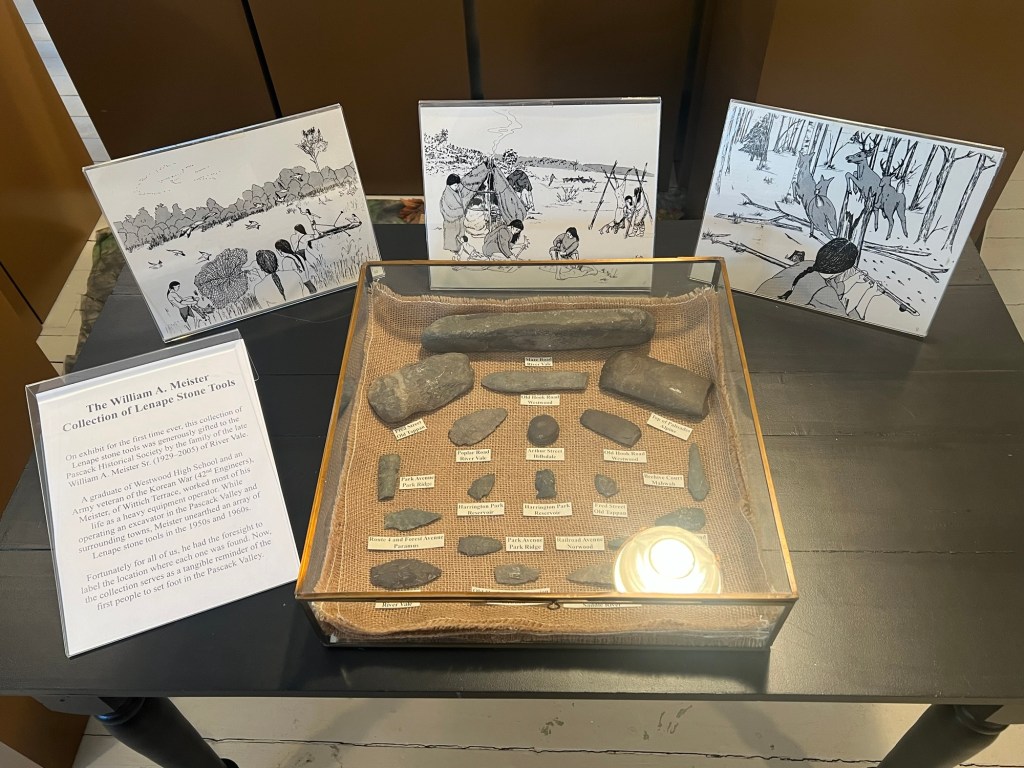
The Lenape artifacts from that era
Membership Opportunities:
Preserving and disseminating local history is a labor of love when you become a PHS member. It is a partnership between you and your fellow members. We encourage you to think about volunteering at some level at the museum or its events. Check out the volunteer opportunities below and give us a call if you would like to participate in any of them.
Docent: Act as a guide when people visit the museum. A simple one-day training session is all it takes.
Researcher: Do you like to wander through books and archives searching for answers to questions?
Archivists: Preserve and catalog the history of the Pascack Valley.
Educators: Work with youngsters and licensed teachers at Society events.
Tech Savvy: Volunteer your time to help with our website or graphic design.
Handy Helpers: Do you like to repair things? Can you sew, do carpentry? This might be for you.
*Disclaimer: Information on Volunteer and Membership opportunities are taken directly from the Pascack Historical Society Museum pamphlet. Most of the descriptions of the displays is what I was able to see in my short time visiting. The museum has a treasure trove of items to look at in detail.
The Reformed Dutch Church with its Colonial cemetery and the Wortendyke Barn is right down the road so take a few hours to explore the area. The members of the Wortendyke family are buried in the church’s cemetery.
Visit from Bergen Community College for the Bergecco- Parc Consulting Inc. on April 9th, 2025: for the ‘Bergen 250’ project:
The project we created for the “Bergen 250: the 250th Anniversary of the Revolutionary War” that was created:
As part of my International Marketing class, I took my students to visit the three sites for our project on the ‘Bergen 250’:
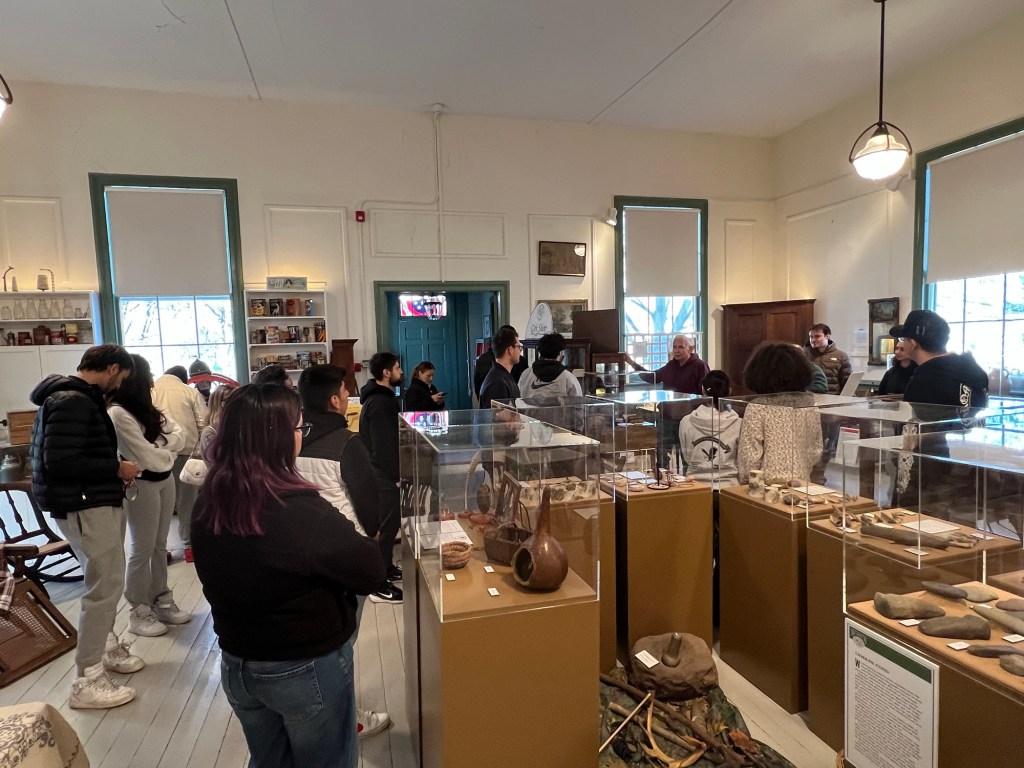
The students toured the museum with the assistance of the Museum’s Board members
As part of the assignment for our ‘Farm to Table Dinner’, the project starts here with a Cocktail Party and tour of the museum. The back room of the museum was where the party takes place and then the guests would tour the museum before heading to dinner at the Wortendyke Barn down the road.
Peter Meany, the First Vice President of the Board explaining the Wampum machine to the students. This form of Native American currency is the only machine in the world like it and is a rare artifact.
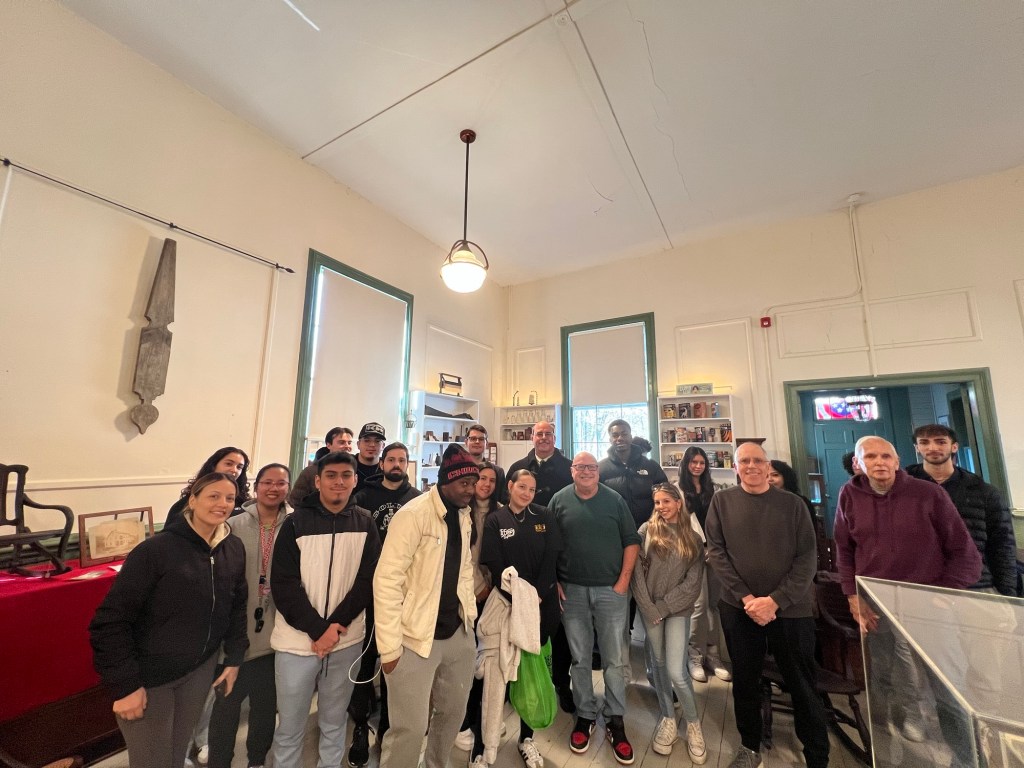
Our Team group picture at the Pascack Valley Historical Society with members of the Museum’s Executive Board Peter Meany, Ralph Donnell Jr. and Christopher Kersting.
We want to thank the Board for taking time out of their busy schedule to support the students on this project.
Bergecco-Parc Consulting Inc. Spring 2026 Team Project: “Bergen 250-Touring and Marketing the Pascack Historical Society for Tourism”:
The Proposal for “Bergen 250: Touring the Pascack Historical Society Museum”:
I presented the project to my students after the Spring Break and then the next week took my students on a mandatory field trip to the Pascack Historical Society Museum in early April. The Board members of the Museum led us on a tour of all the exhibitions, then discussed their plans for the “Bergen 250” and then discussed some of the challenges that the museum faced with attendance.
Touring the museum
The students on their part took pictures and notes about the museum and their displays. Many would make various trips back to the museum to crest the QR codes for the displays and map the museum’s backyard for the Farm to Table fundraiser and a proposed afternoon tea.
Touring the museum
Touring the museum
Touring the museum with the Board of the museum
The museum’s Board members could not have been nicer and more helpful to the students and myself. We got a lot of insights on what direction the Board wanted to go.
Our Team picture at the museum
The tour of the museum took about an hour. We then had a Division Team Dinner at Pompilio’s Pizzeria in Downtown Westwood, NJ:
I find that these Team dinners and lunches are very helpful in getting the students together to get to know each other and we share a nice meal as a Team should. We asked the Board to join us so we could continue the conversation.
Dinner with both the Board and my Team
For the next five weeks the three Teams broken into Marketing, Historical and Foodservice created their ideas and game-plans to help the museum increase traffic by trying to bring a younger and tech savvy visitor into the space.
The Pascack Historical Society YouTube Presentation:
The video of our Presentation to the Board of the Pascack Historical Society Museum on the evening of April 29th, 2026
On the evening of April 29th, the Board members of the museum joined us for the Presentation of ideas the students came up with including setting new QR codes for all the displays, a revamped Marketing plan to showcase the museum, a new historical walking tour, one aimed at adults and one to children and the ideas for the fundraising dinner, a children’s birthday party concept and a Afternoon Tea fundraiser.
After the Presentation, we had a Q & A on the ideas and after the Presentation was over, we had a reception for our guests and for the student consultants. Then we took our Corporate Team picture.
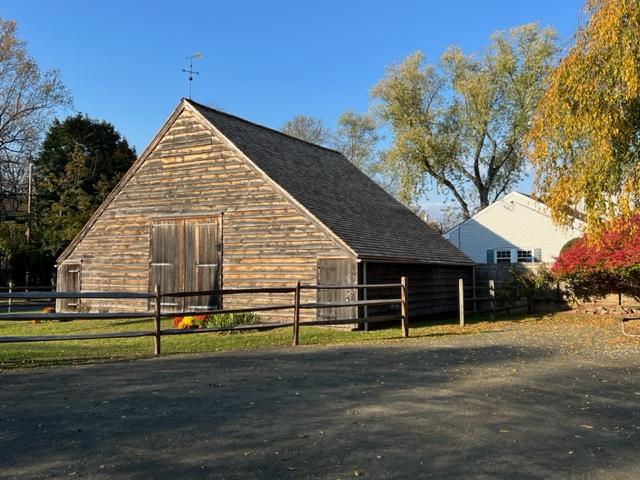
The Wortendyke Barn Museum, a National Register landmark, is all that remains of the original Wortendyke family farm. The barn, built circa 1770, is an outstanding example of the vernacular architecture referred to as a “New World Dutch Barn”, which could be found throughout 18th and 19th century Bergen County.
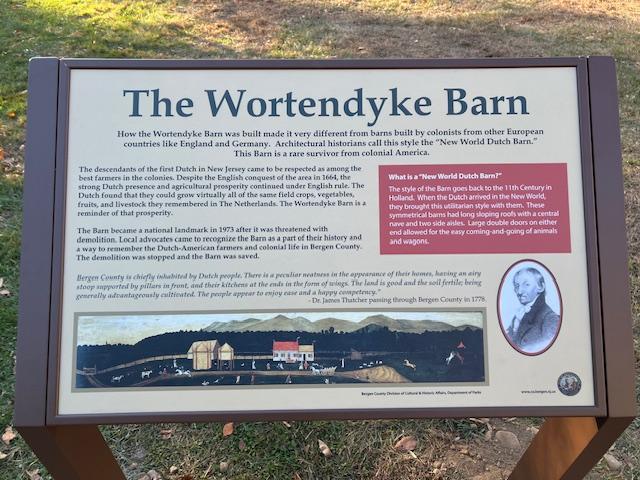
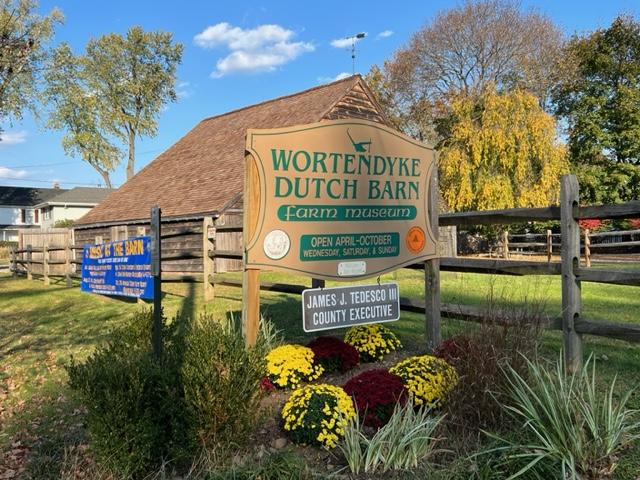
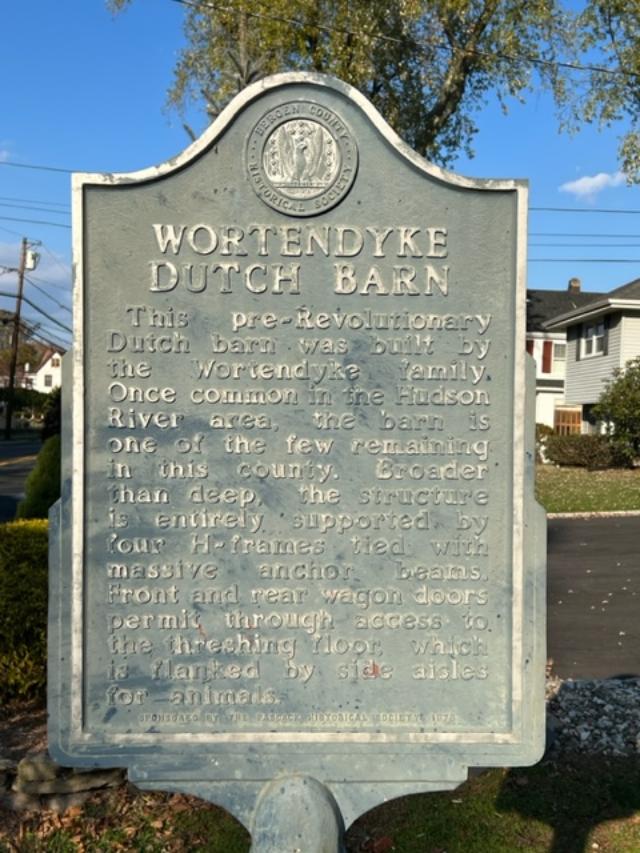
The Historic sign of the barn
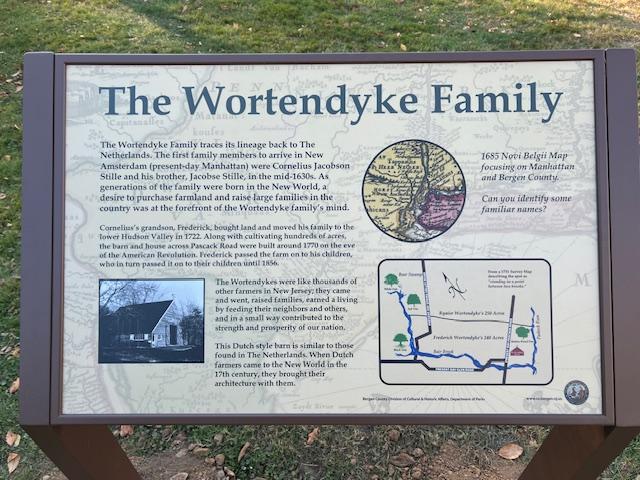
The Wortendyke Family sign
Most were built between 1624 and 1820 wherever Dutch farmers settled along the Hudson, Hackensack, Passaic, Raritan and Mohawk rivers. Today there are probably fewer than 100 of these barns left in various states of use and repair.
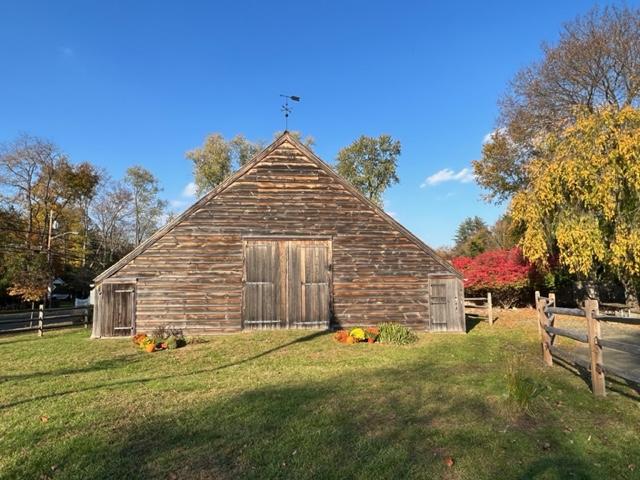
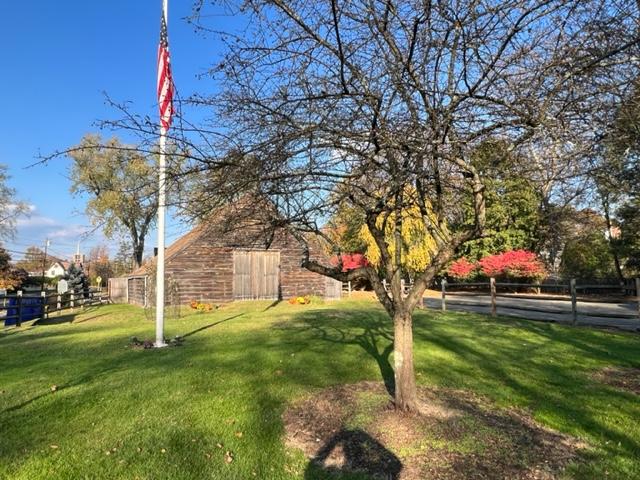
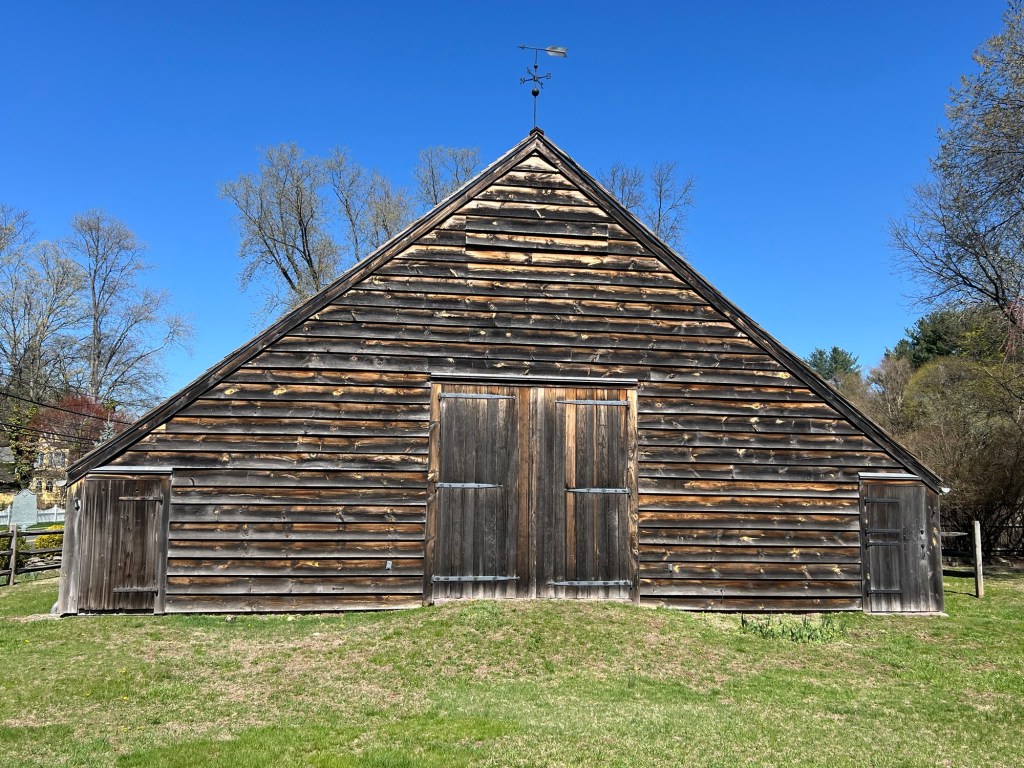
The Wortendyke Barn from Pascack Road
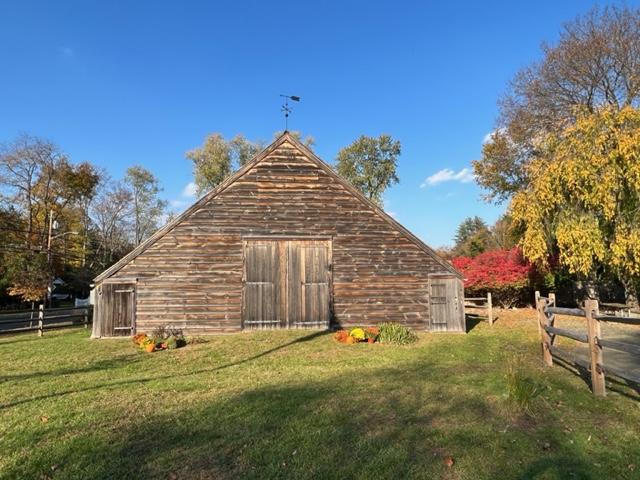
It was completely made of local wood, down to the nails called trunnels. Massive anchor beams support by posts creating an H-Frame, support the entire structure. These beams in turn support the ‘pulin’ plates, which support the roof. These barns were wider than long with steep, sloping roofs and low sidewalls, which created large storage areas. Farmers were able to store a variety of crops, keep many animals in the side bays and store hay in the large, roomy lofts. Because they were raised off the ground on a sill, the wood plan floors could last for decades. Large entrances on both gable ends allowed for the efficient unloading of wagons.
The Wortendyke Barn’s Museum exhibits include handmade 18th and 19th Century farm implements and tools and the history of the Wortendyke family farm and exhibits showing the agricultural history of Bergen County from the first settlers through the 20th century. The Wortendyke family settled in northern New Jersey in 1735 and maintained the land as a working family farm for over 115 years. After 1851, the land was sold several items but the barn continued to be used for its original purpose until well into the 20th century.
At the time the barn was built, most of the families living in the Hackensack Valley were independent farmers some owning hundreds of acres of fertile farmland. People of Dutch ancestry were numerous in Bergen County, speaking Dutch in their homes and churches. The Wortendyke family settled in this area in 1735, when Fredrick Wortendyke Senior moved from Tappan, NY and purchased 465 acres in present day Woodcliff Lake and Park Ridge. The family home, a sandstone house originally built around 1750, still stand directly across the street from the barn.
The Wortendyke Homestead that is privately owned.
The Wortendyke Homestead across the street from the barn.
The Historical marker for the Wortendyke Homestead.
From 1735 to 1851, from before the French and Indian War until nine years before the start of the Civil War, when the farm was sold, the land was maintained by the Wortendyke family as a working farm. After 1851, the land was sold several times. From 1960 until the middle of the 1980’s, the Pascack Historical Society displayed some of their collections in the barn showing it on occasion. After restoration was completed in 1997, Bergen County opened the barn as an accessible museum and County Historic site.
The Wortendyke Barn
The site now contains the barn and landscaped property that surrounds it. The old family homestead is now a private home but you can still see it from across the street. Many of the Wortendyke family are buried in the Dutch Reformed Church up the road, so take some time to visit the cemetery when you are in the area. The whole area is just beautiful this time of the year with all the trees and flowers in bloom and the woody areas close by. The Pascack Historical Society is also right up the road so plan your day wisely.
The historic sign of the barn.
During the Summer and early Fall months, they have a nice array of outdoor concerts on the lawn outside the barn. These usually take place on the last Sunday of the Month so please check the County of Bergen Website for details.
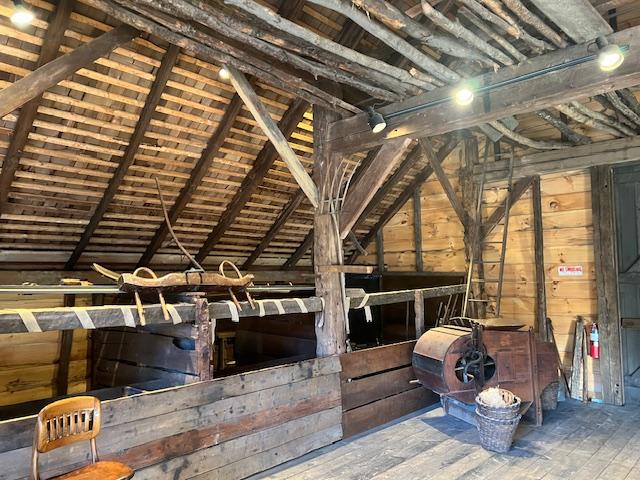
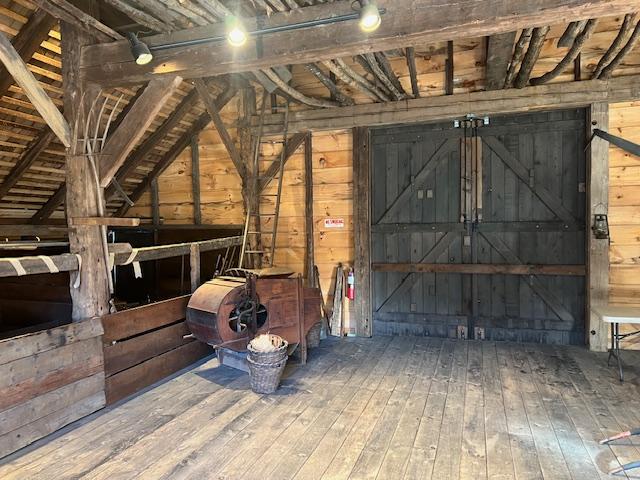
The inside of the Wortendyke Barn
The Ceiling of the barn
The back of the barn after one of the concerts
Also visit the Reformed Church up the road and the family homestead across the street while visiting the barn. You will see more of the family history in the homestead and in the family cemetery at the Church.
Bergen Community College Field Trip-Bergecco-Parc ConsultingApril 2025
A tour with my students on the Wortendyke Barn for the Bergecco- Parc Consulting Inc. Team Project on the ‘Bergen 250’: the history of the Revolutionary War in Bergen County’.
On April 9th, 2025, my students in my International Marketing class at Bergen Community College did an extensive tour of Park Ridge, NJ to the Wortendyke Barn, the Pascack Reformed Church and the Pascack Valley Historical Society as part of this extensive marketing project.
We toured the barn and the grounds on this spectacular day with County Historian, Vivian Davis, who I am partnering with on this project. We discussed the history and architecture of the barn and of the Wortendyke family. It was a very interesting tour for all of us.
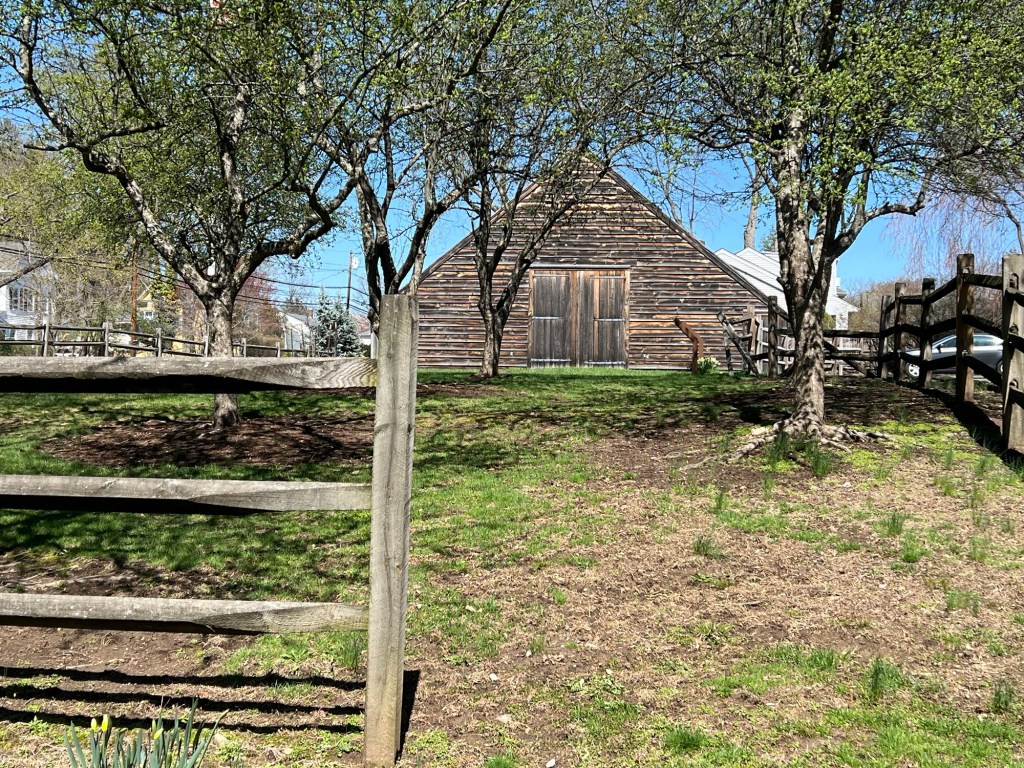
The barn in the early Spring
The Wortendyke Barn in the Spring
The grounds in the Spring
The Wortendyke Barn
Old farming equipment
Old equipment at the barn
Touring the outside of the barn and grounds with Vivian Davis, the County Historian
My class touring the inside of the barn
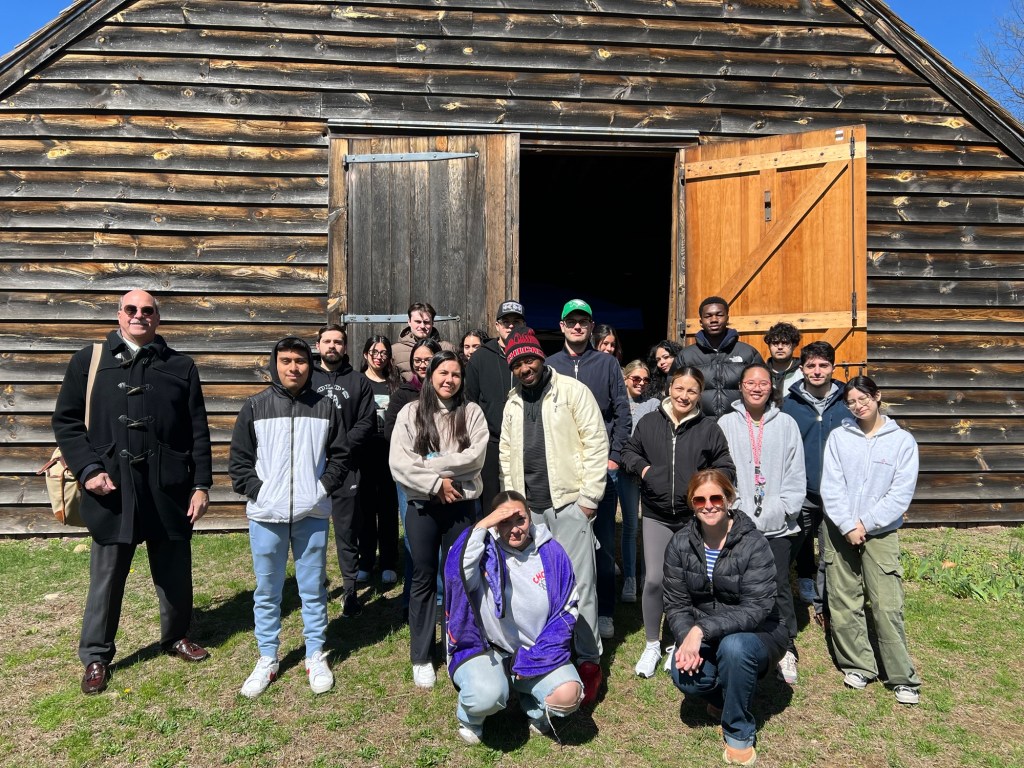
Our class picture after the tour of the barn and grounds
The Bergen County Division of Cultural and Historical Affairs publication is funded by a general operating support grant from the New Jersey Historical Commission, a Division of the Department of State.
*Disclaimer: This information about the Wortendyke Barn Museum was taken directly from the Bergen County Division of Cultural and Historical Affairs pamphlet. The barn is a beautiful example of Dutch architecture and really should be visited in the Spring and Fall for the areas true beauty shines. Please call the above number and ask about extended hours, programming and accessibility for the disabled.-