Category: Educational Museums

The Wortendyke Barn                                            13 Pascack Road                                                  Park Ridge, NJ 07656

The Wortendyke Barn 13 Pascack Road Park Ridge, NJ 07656

The Wortendyke Barn

13 Pascack Road

Park Ridge, NJ  07656

(201) 930-0124 (in season)/(201) 336-7267

http://www.co.bergen.nj.us

https://www.facebook.com/pages/Wortendyke-Barn/107718765917899

Open: Seasonal April-October

Fee: Free (concerts are free)

TripAdvisor Review:
https://www.tripadvisor.com/Attraction_Review-g46713-d12591229-Reviews-Wortendyke_Barn_Museum-Park_Ridge_New_Jersey.html?m=19905

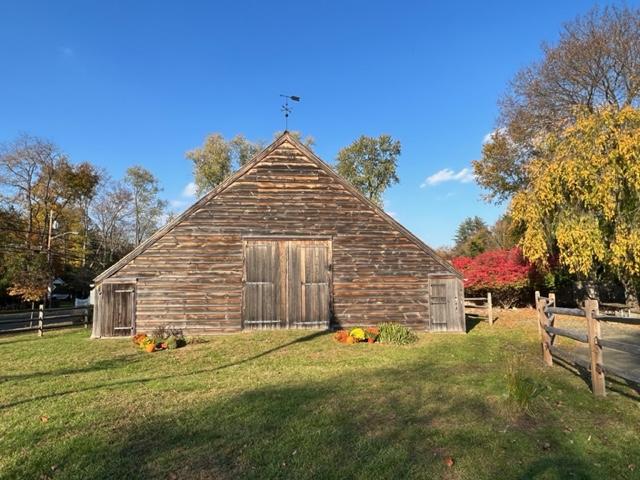
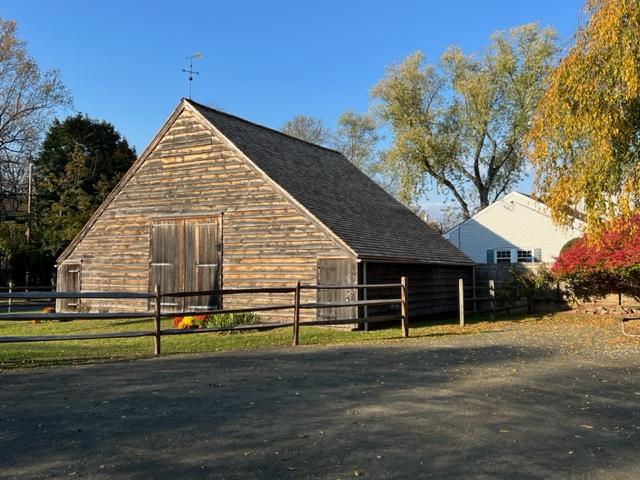
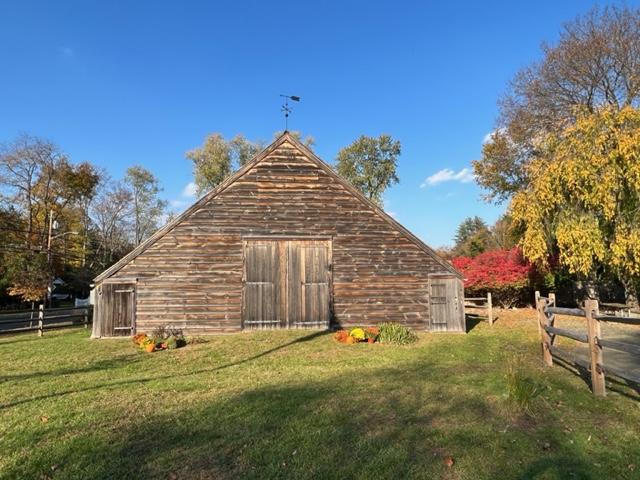
The Wortendyke Barn Museum, a National Register landmark, is all that remains of the original Wortendyke family farm. The barn, built circa 1770, is an outstanding example of the vernacular architecture referred to as a “New World Dutch Barn”, which could be found throughout 18th and 19th century Bergen County.
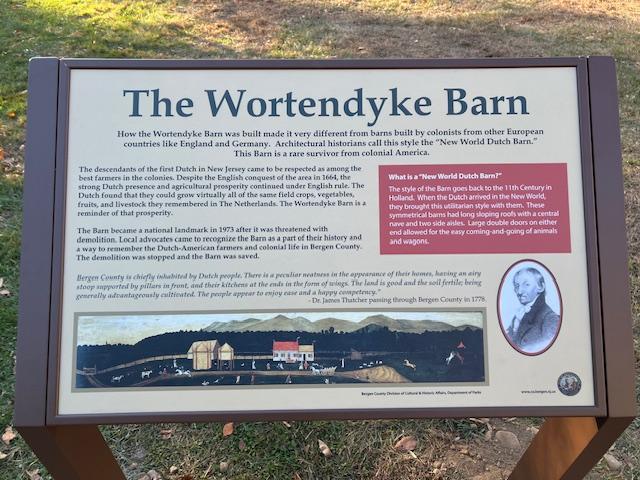
The Historic sign of the barn
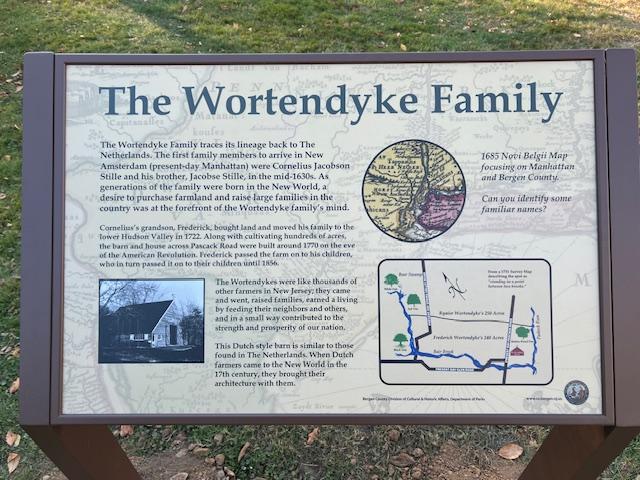
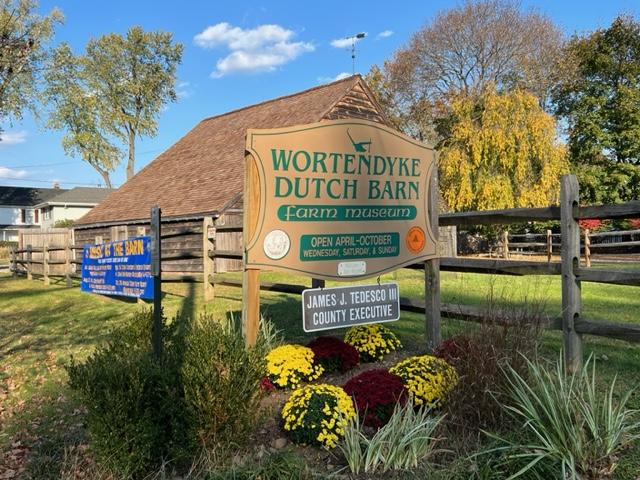
The Wortendyke Family sign

Most were built between 1624 and 1820 wherever Dutch farmers settled along the Hudson, Hackensack, Passaic, Raritan and Mohawk rivers. Today there are probably fewer than 100 of these barns left in various states of use and repair.

The Wortendyke Barn from Pascack Road

It was completely made of local wood, down to the nails called trunnels. Massive anchor beams support by posts creating an H-Frame, support the entire structure. These beams in turn support the ‘pulin’ plates, which support the roof. These barns were wider than long with steep, sloping roofs and low sidewalls, which created large storage areas. Farmers were able to store a variety of crops, keep many animals in the side bays and store hay in the large, roomy lofts. Because they were raised off the ground on a sill, the wood plan floors could last for decades. Large entrances on both gable ends allowed for the efficient unloading of wagons.
The Wortendyke Barn’s Museum exhibits include handmade 18th and 19th Century farm implements and tools and the history of the Wortendyke family farm and exhibits showing the agricultural history of Bergen County from the first settlers through the 20th century. The Wortendyke family settled in northern New Jersey in 1735 and maintained the land as a working family farm for over 115 years. After 1851, the land was sold several items but the barn continued to be used for its original purpose until well into the 20th century.
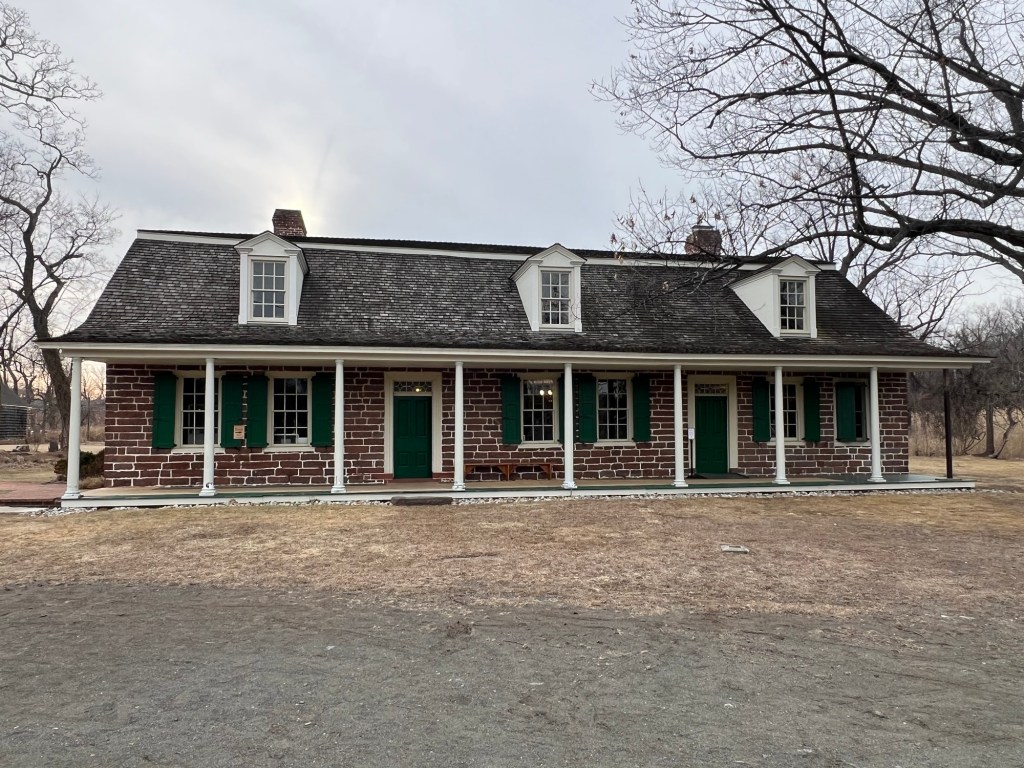
At the time the barn was built, most of the families living in the Hackensack Valley were independent farmers some owning hundreds of acres of fertile farmland. People of Dutch ancestry were numerous in Bergen County, speaking Dutch in their homes and churches. The Wortendyke family settled in this area in 1735, when Fredrick Wortendyke Senior moved from Tappan, NY and purchased 465 acres in present day Woodcliff Lake and Park Ridge. The family home, a sandstone house originally built around 1750, still stand directly across the street from the barn.

The Wortendyke Homestead that is privately owned.

The Wortendyke Homestead across the street from the barn.

The Historical marker for the Wortendyke Homestead.

From 1735 to 1851, from before the French and Indian War until nine years before the start of the Civil War, when the farm was sold, the land was maintained by the Wortendyke family as a working farm. After 1851, the land was sold several times. From 1960 until the middle of the 1980’s, the Pascack Historical Society displayed some of their collections in the barn showing it on occasion. After restoration was completed in 1997, Bergen County opened the barn as an accessible museum and County Historic site.
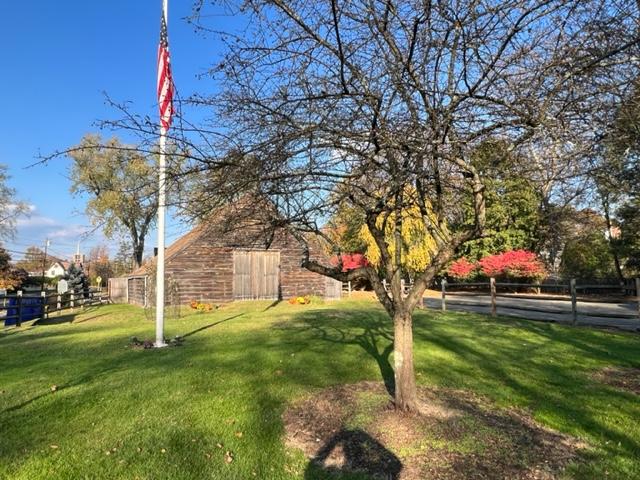
The Wortendyke Barn

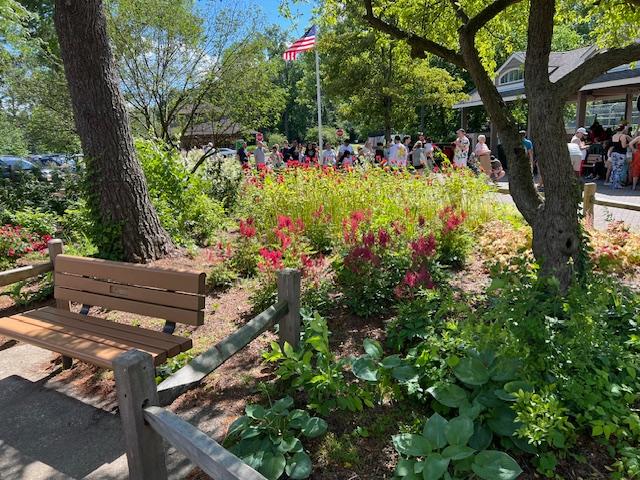
The site now contains the barn and landscaped property that surrounds it. The old family homestead is now a private home but you can still see it from across the street. Many of the Wortendyke family are buried in the Dutch Reformed Church up the road, so take some time to visit the cemetery  when you are in the area. The whole area is just beautiful this time of the year with all the trees and flowers in bloom and the woody areas close by. The Pascack Historical Society is also right up the road so plan your day wisely.
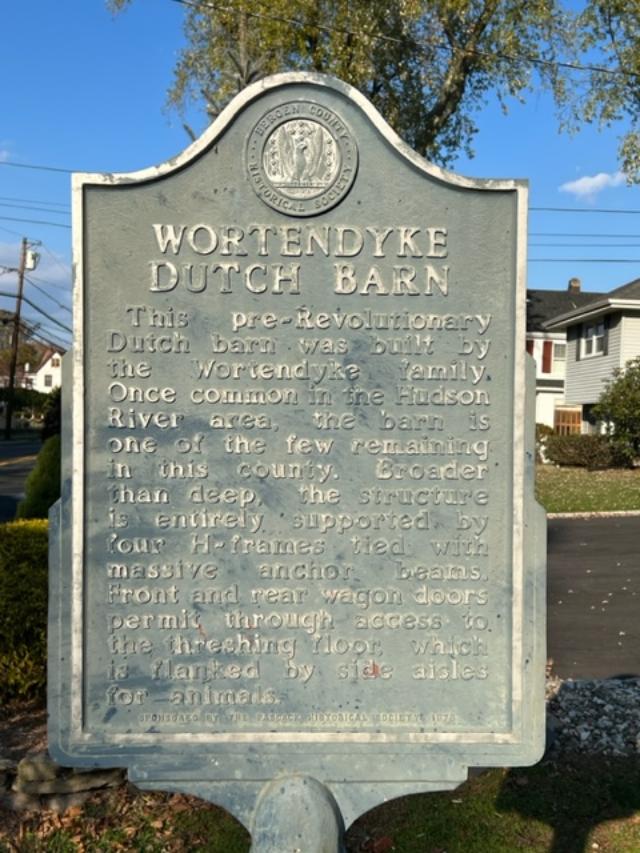
The historic sign of the barn.

During the Summer and early Fall months, they have a nice array of outdoor concerts on the lawn outside the barn. These usually take place on the last Sunday of the Month so please check the County of Bergen Website for details.
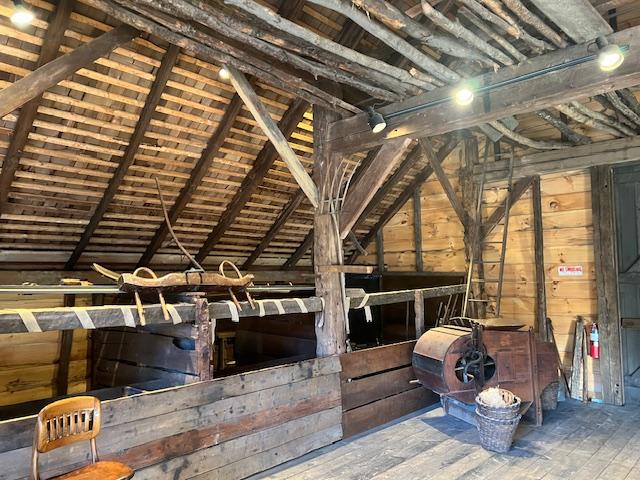
The inside of the Wortendyke Barn

The Ceiling of the barn
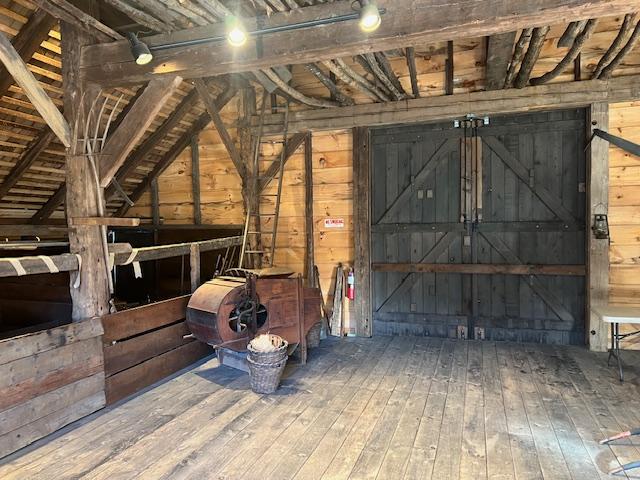
The back of the barn after one of the concerts

Also visit the Reformed Church up the road and the family homestead across the street while visiting the barn. You will see more of the family history in the homestead and in the family cemetery at the Church.

Bergen Community College Field Trip-Bergecco-Parc Consulting April 2025

A tour with my students on the Wortendyke Barn for the Bergecco- Parc Consulting Inc. Team Project on the ‘Bergen 250’: the history of the Revolutionary War in Bergen County’.

On April 9th, 2025, my students in my International Marketing class at Bergen Community College did an extensive tour of Park Ridge, NJ to the Wortendyke Barn, the Pascack Reformed Church and the Pascack Valley Historical Society as part of this extensive marketing project.

We toured the barn and the grounds on this spectacular day with County Historian, Vivian Davis, who I am partnering with on this project. We discussed the history and architecture of the barn and of the Wortendyke family. It was a very interesting tour for all of us.

The barn in the early Spring

The Wortendyke Barn in the Spring
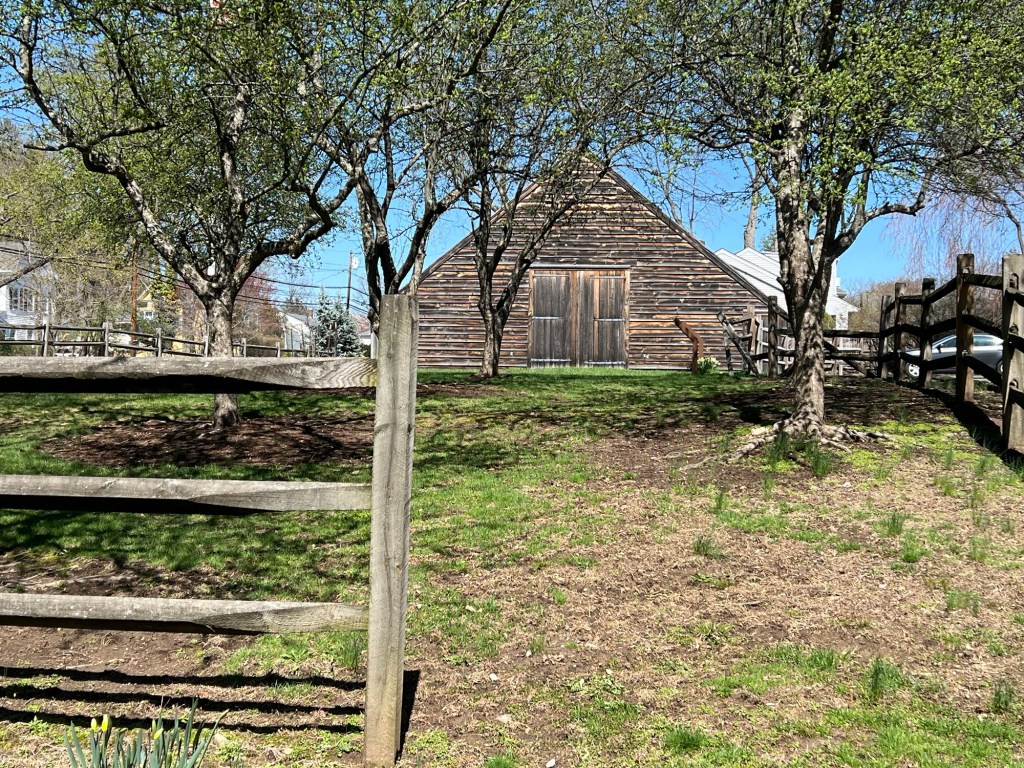
The grounds in the Spring
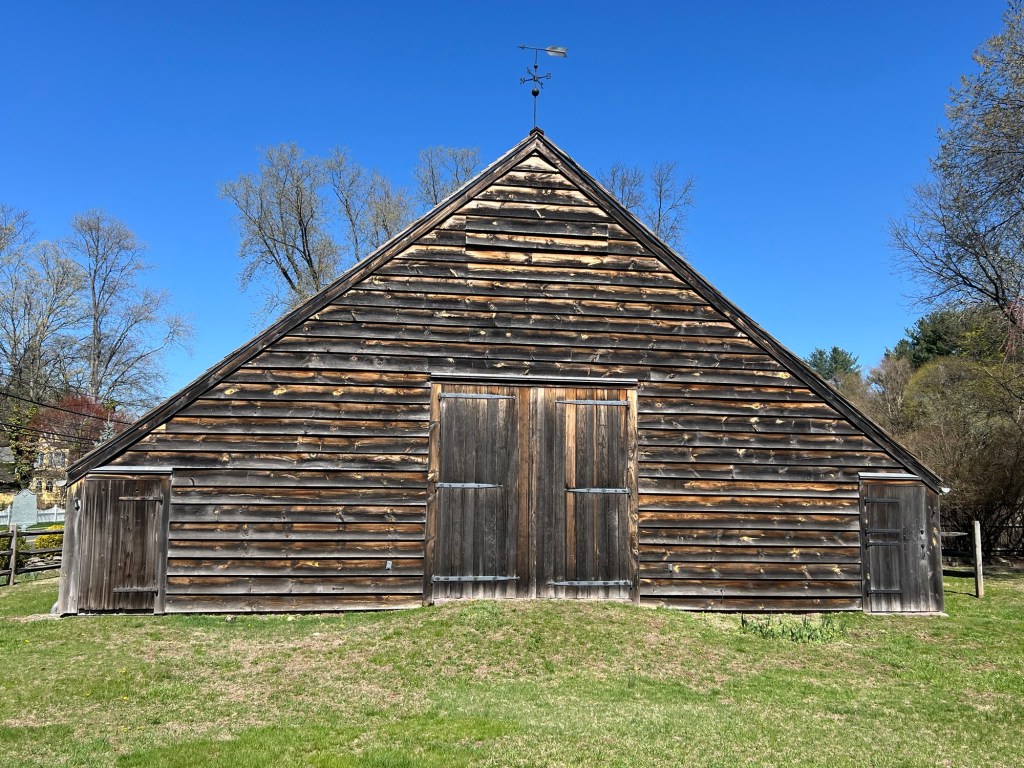
The Wortendyke Barn

Old farming equipment

Old equipment at the barn

Touring the outside of the barn and grounds with Vivian Davis, the County Historian

My class touring the inside of the barn
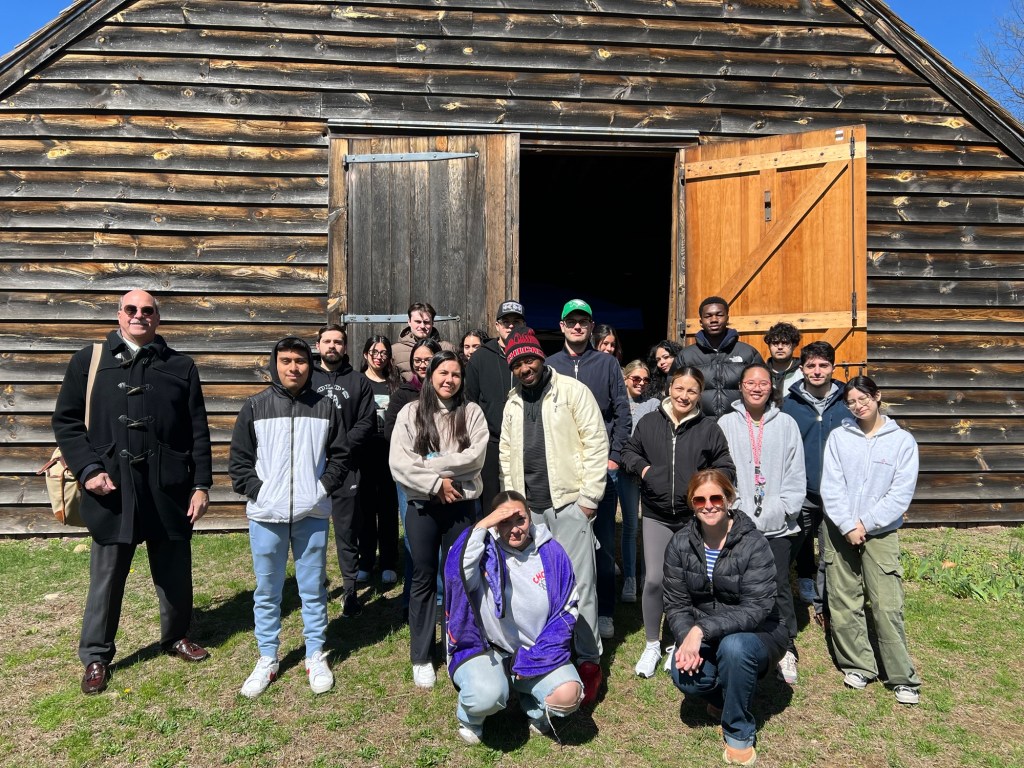
Our class picture after the tour of the barn and grounds

The Bergen County Division of Cultural and Historical Affairs publication is funded by a general operating support grant from the New Jersey Historical Commission, a Division of the Department of State.

*Disclaimer: This information about the Wortendyke Barn Museum was taken directly from the Bergen County Division of Cultural and Historical Affairs pamphlet. The barn is a beautiful example of Dutch architecture and really should be visited in the Spring and Fall for the areas true beauty shines. Please call the above number and ask about extended hours, programming and accessibility for the disabled.-

The Bergen County Zoo in Van Saun Park          216 Forest Avenue                                       Paramus, New Jersey 07652

The Bergen County Zoo in Van Saun Park 216 Forest Avenue Paramus, New Jersey 07652

The Bergen County Zoo in Van Saun Park

216 Forest Avenue

Paramus, NJ  07652

(201) 634-3100

http://www.co.bergen.nj.us/bc.parks/

Open: Sunday-Saturday-10:00am-4:30pm/Please check the website during the off seasons

Fee: Bergen County Resident: $4.00 Adults/$2.00 Child/$1.00 Seniors/Child under 3 Free/Non-Bergen County Resident $8.00 Adult/$5.00 Child/$2.00 Seniors-Disabled/Children under 3 and Active Military free

TripAdvisor Review:

https://www.tripadvisor.com/Attraction_Review-g46712-d652710-Reviews-Bergen_County_Zoological_Park-Paramus_New_Jersey.html?m=19905

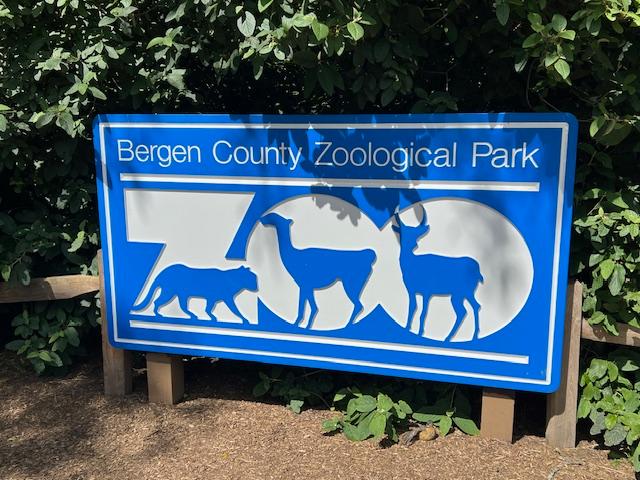
The entrance sign to the zoo

I went to the Bergen County Zoo for the first time in eight years and I have to say it has not changed much since I was a little kid. There have been some improvements and displays that look different but the feel of the zoo is very much the same as it was when I was eight and visiting with my cousins who lived in the area.

Still I like the appeal of the this zoo. It has a very family friendly feel about it. They still have the same entrance, gift shop and train service around the zoo. The Discovery Center has reptiles, snakes, turtles and lizards as it did before and the barnyard exhibition is still interesting. The cows, horses and goats still look at you with an inquisitive look, like they were jaded by looking at humans.

It is a great place to spend the afternoon with small children and teenagers who are interested in animals. They have also added food trucks to the entrance of the zoo for more food selections.

The Zoo History and Happenings (2022):

The Bergen County Zoo has been enjoyed by thousands of people over the years and has many fans. Every season, hundreds of families walk through the doors of the zoo to enjoy the afternoon out, visit the animals and ride the train around the park. What started as a duck pond and reserve in Van Saun Park in the 1960’s has morphed over time to the current zoo.

The entrance to the Bergen County Zoo

The 1980’s saw a tremendous change in the animal collection. The first birth of an endangered species in our zoo’s history occurred in 1982 with the birth of a Brown Lemur. Numerous species, many endangered were added including Ocelots, Red Brocket Deer, Mountain Lions and Snowy Owls among others. Births of Ocelots, Brocket Deer and Spider Monkeys occurred throughout the second half of the 80’s .

Bergen County Zoo II

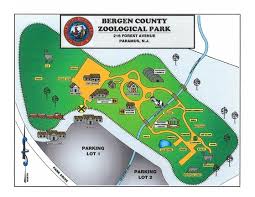
The Zoo Map

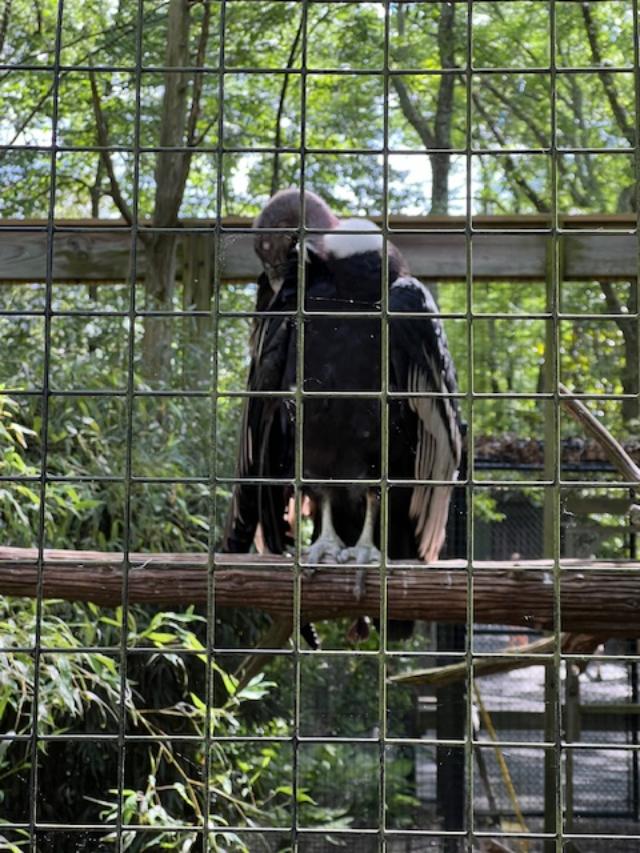
As the zoo moved through the 1990’s,  many changes continued to occur. The zoo’s commitment to wildlife conservation strengthened  and more endangered species were added to the collection including Andean Condors, Golden Lion Tamarins, Goeldi’s Monkeys and Galapagos Tortoises.

Andean Condors exhibit

The Golden Lion Tamarin.

Goeldi’s Monkey Exhibit

The Galapagos Turtles

Additional areas were renovated, providing exciting opportunities for our visitors to view and learn about many new species. Major projects completed in the 1990’s area as follows:

Projects:

Mountain Lion Exhibit (completed 4/90)

North American Plains Exhibit (completed 10/92)

Master Plan (completed 06/93)

Bergen Dutch Farmyard (completed 10/94)

South American Exhibit Areas (completed 10/96)

Zoo Entry Complex (completed 08/99)

Efforts to secure alternative funding sources became fruitful in the 1990’s with over $200,000 in federal grants received. In addition, local businesses and corporations increased their support of various zoo activities through cash and in-kind contributions.

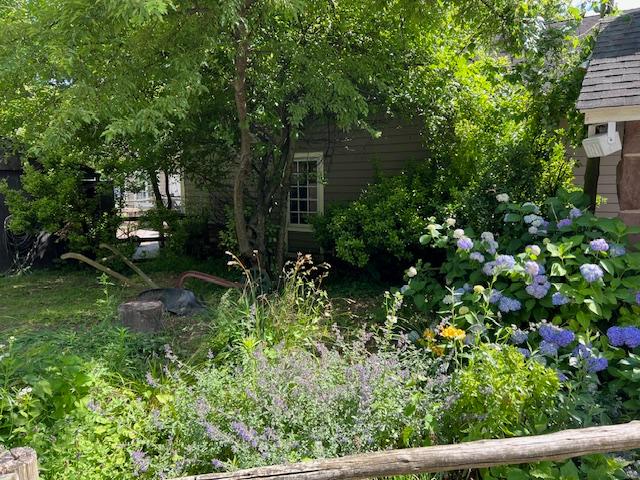
The Zoo gardens at the entrance.

Additionally a new entry complex was developed including new ticketing facilities, a new train station, gift shop and entry plaza. New and exciting special events were also developed including Holiday Lights and Zoo Boo, the most heavily attended event in zoo history. Educational programming was significantly re-developed, providing opportunities for our area residents to explore the zoo and learn about wildlife in new and innovative ways.

The Zoo Keepers Office in the front of the Zoo.

Another significant milestone for the zoo was the development of a comprehensive master plan. This planning tool was created to identify the future needs of the zoo and its visitors as well as provide an organized and orderly schedule of development.

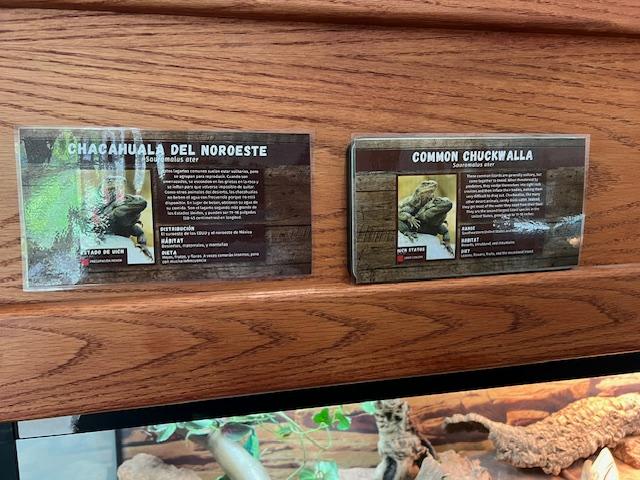
The Discovery Zone with the reptile exhibits

The Lizard Case

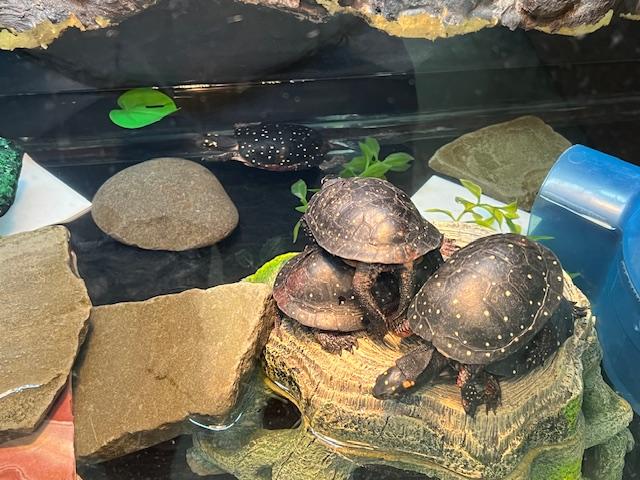
The Turtle case

As the 21st Century began, zoo development continued to advance. Several major projects were undertaken including a new state-of-art Animal Care Center, an Outdoor Demonstration Area for public programming and an Education/Discovery Center. All of these projects enhance the experience of our visitors, while furthering the zoo’s mission of wildlife conservation and public education.

The Waterfall at the Zoo

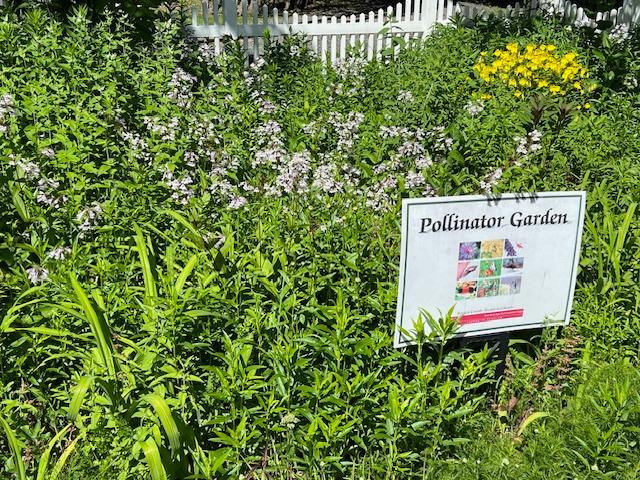
The Pollinator Garden

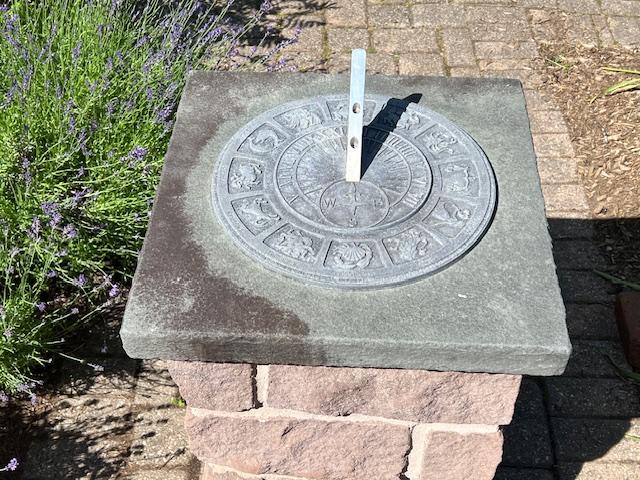
The Sundial in the Garden

Additionally, the zoo took a major step in support of conservation by establishing an annual field conservation grant program. The program provides financial support to researchers conducting field work in North and South America. Also, the zoo’s original master plan was formally revisited and determined to be no longer effective. As a result, a new plan was developed to assist the zoo in its development strategies over the next 20 years.

The Ostrid Habitat

In 2007, we moved forward with a Coati exhibition replicating an abandoned adobe. To address the needs of our keepers, we built a holding facility in 2008 for our alligators at their exhibit, therefore eliminating annual roundup of alligators. With the decline in the economy, the zoo has directly been affected. Funds for construction of new exhibits have been put on hold and fixing existing structures is taking priority. A new Neotropical songbird exhibit opened in 2009, adding new birds to our collection.

Birds at play

A larger guanaco exhibit was built at the far end of the zoo utilizing empty pasture space in 2010. In 2011, we had some dramatic effects caused by severe weather and significant personal changes, including the resignation of our zoo director of over 30 years, a change in the board of the Friends of the Bergen County Zoo Inc. and a new director of parks. So we start another chapter in our history.

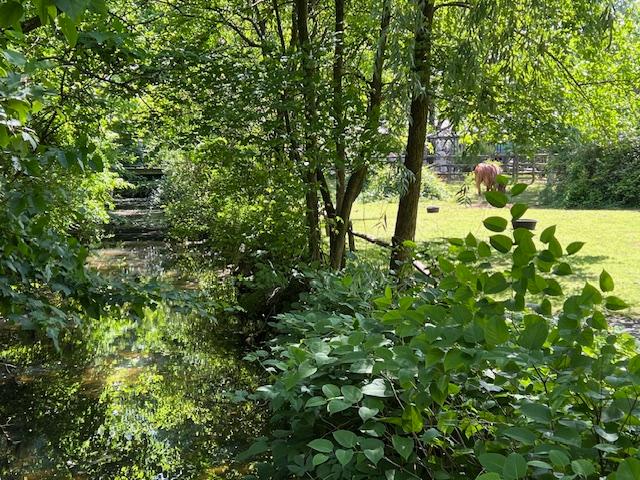
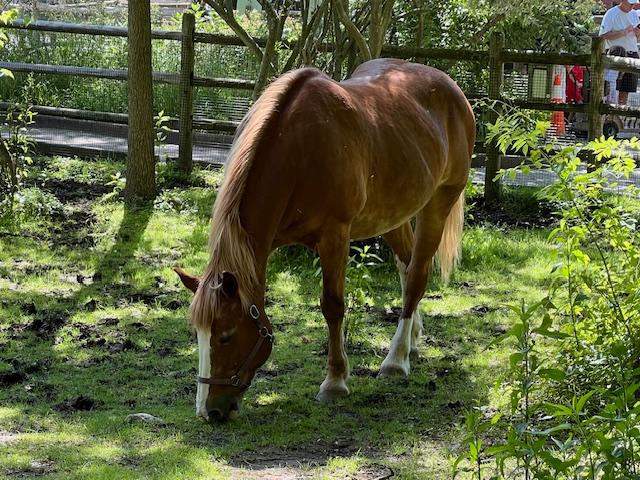
Horse Pasture and stream in the zoo

The horse grazing in the pasture

In the last five years, the zoo has had many changes. New Tamarin exhibit was constructed in 2013, two buildings constructed to replace the single outdated structure. Replacement of one of our bridges in the zoo, a wood bridge was replaced with a wider concrete bridge with decorative railings and new light posts.

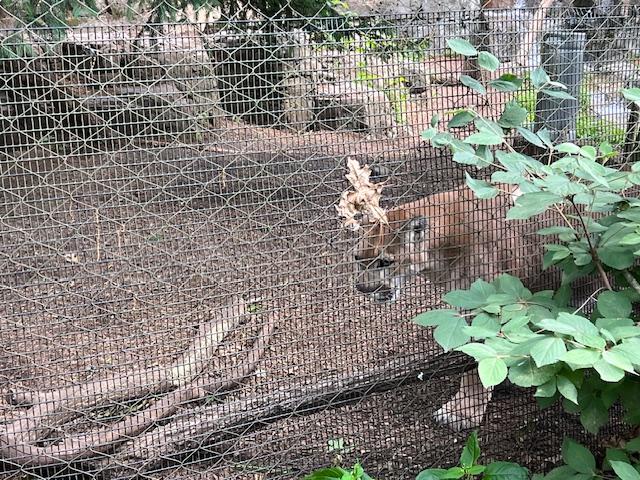
The Mountain Lion exhibition

The removal of our seasonal outdoor exhibit support structure in 2015 so we can prepare for an interactive barn which will be open all year round by the end of 2017. In 2015,  one of the best features we added was the new overflow parking lot. This lot will vastly improve our visitors parking experience as it replaces our old overflow parking,  which was a muddy field with many walking hazards.

The Barn and the Barnyard exhibition

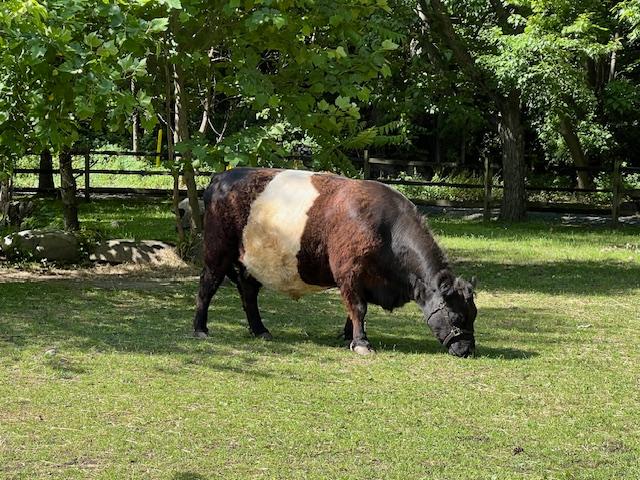
Farm cow gazing

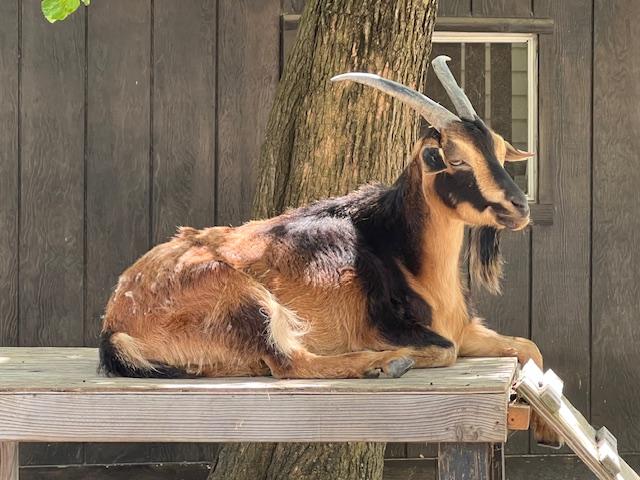
One of the goats relaxing by the barn

Also, 2015 was milestone year marking 25 years as an Accredited Institution of the AZA, for a small zoo this is truly an accomplishment. In light of this, in 2016 a new Master Plan was developed with Jones & Jones and new county administration so we have a new direction for future projects.

The Elk and Bison Exhibit

This plan includes the construction of a new prairie dog exhibit and bison & elk viewing area (to open in the spring of 2017). This will provide more opportunities for schools and our education department to conduct classes related to our exhibits of eagles, prairie dogs and the bison & elk.

The Prairie Dog exhibit in 2024

(This annotated history of the Bergen County Zoo was provided by the staff of the zoo).

The Bergen County Zoo is an accredited member of The Association of Zoos and Aquariums.

Beginning with November 1st, the Bergen County Zoo will be free of admission. The weather during the late fall and winter months does not allow for the majority of the animal collection to be view able to the public (see the above Animal Collection link for further details). Admission to the zoo will resume in May of 2017-forms of payment are cash and credit only. The admission fee schedule is listed below. Please note that in order to receive BC Resident rates, proof of residency is required at the admission ticket window.

Mountain Lion den

Amphitheater:

In July and August, live animal shows are held daily in our outdoor amphitheater, which is located behind the Tamarin Exhibit. Shows are free with zoo admission and seating is first-come, first-served. Daily shows with time frames can be seen as you enter the zoo.

Train/Carousel:

Cost: $1.50 (cash only)

The train and carousel operate from mid-April to mid-November (approximately). Hours are typically from 10:00am-5:00pm unless otherwise specified (weather permitted) with the last ticket being sold at 4:30pm and the last ride at 4:45pm.

The lines of people waiting for the next train ride

Schedule for the train and the carousel, for the week of June 11th-June 17th are as follows:

Train: Sunday, Monday, Tuesday, Wednesday, Thursday, Friday and Saturday

Carousel: Sunday, Tuesday (opens at 1:00pm), Wednesday, Thursday, Friday and Saturday.

Pony Rides:

The Pony Ride concession operates from April through October. Currently, the vendor is Ironside Farms, they can be reached at (201) 835-0932.

The Sundial and Gardens

Disclaimer: this information was directly from the Bergen County Parks Site and can change at any time. Please call the zoo for more information.

Campbell-Christie House, Historic New Bridge Landing: A Bergen County Historic Site                                                                   1201 Main Street                                                                   River Edge, NJ 07661

Campbell-Christie House, Historic New Bridge Landing: A Bergen County Historic Site 1201 Main Street River Edge, NJ 07661

Campbell-Christie House, Historic New Bridge Landing: A Bergen County Historic Site

1201 Main Street

River Edge, NJ 07661

(201) 343-9492

A County Historic Site

http://www.co.bergen.nj.us

http://bergencountyhistory.org/

Fee: Donations are accepted and there are fees for the special events

Open: Check the website above for special events and times

TripAdvisor Review:

https://www.tripadvisor.com/Attraction_Review-g46776-d7603554-Reviews-Historic_New_Bridge_Landing-River_Edge_New_Jersey.html?m=19905

I recently visited the Steuben House for a Christmas concert which was an evening of Christmas songs, a talk on the history of Christmas before, during and after the Revolutionary War. It was a very lively evening of song and lecture and the ladies who entertained us sang beautifully.

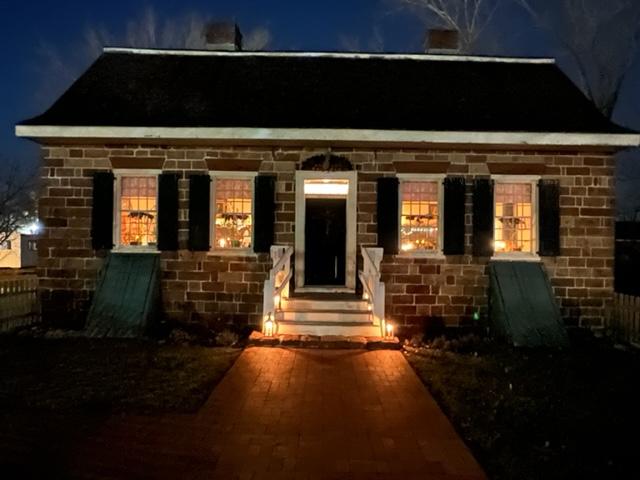
The Campbell-Christie House was used as the ‘pub’ for diners that night

Linda Russell & Company sang Christmas songs of the time and then talked in between about how Christmas was celebrated during the War years. She was a delight in her discussion and her and her daughter and their friend did a wonderful job.

The concert was entertaining, and the talk was interesting in the Van Steuben House

A sample of Linda Russell’s music

It seemed that while the Puritans put a damper on the Christmas holidays in New England the Dutch New Jersey and New York thoroughly enjoyed the holiday season after all their hard work during the Fall harvest months.

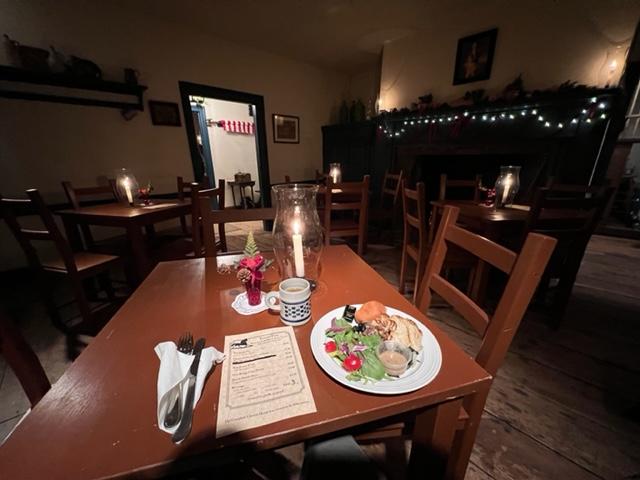
What was really nice was the Campbell-Christie House was open as a pub for dinner and light snacks and you could order things like Shepard Pie, Cheese & Onion Pie and Cake doughnuts and gingerbread for dessert while enjoying conversation by candlelight. It was an interesting and engaging history.

The Van Steuben House for the holidays was where the entertainment was that day

The house is nicely decorated for Christmas circa 1778

BCHS Xmas 2020 VI

The Campbell-Christie House at Christmas 2020 Historical Event

BCHS Xmasw 2020

Singer Linda Russell at the Christmas Tour Event at the BCHS 2020

Don’t miss their historic lectures and reenactments during the year. Check their website above for more activities.

https://revolutionarynj.org/event/sing-we-all-merrily-a-colonial-christmas-at-historic-new-bridge-landing-2/2019-12-15/2/

History of the Site:

BCHS Washington's Birthday X

The historic marker of the Campbell-Christie House

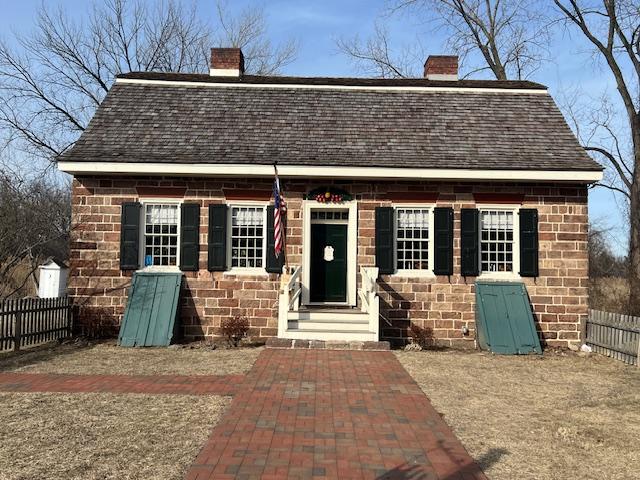
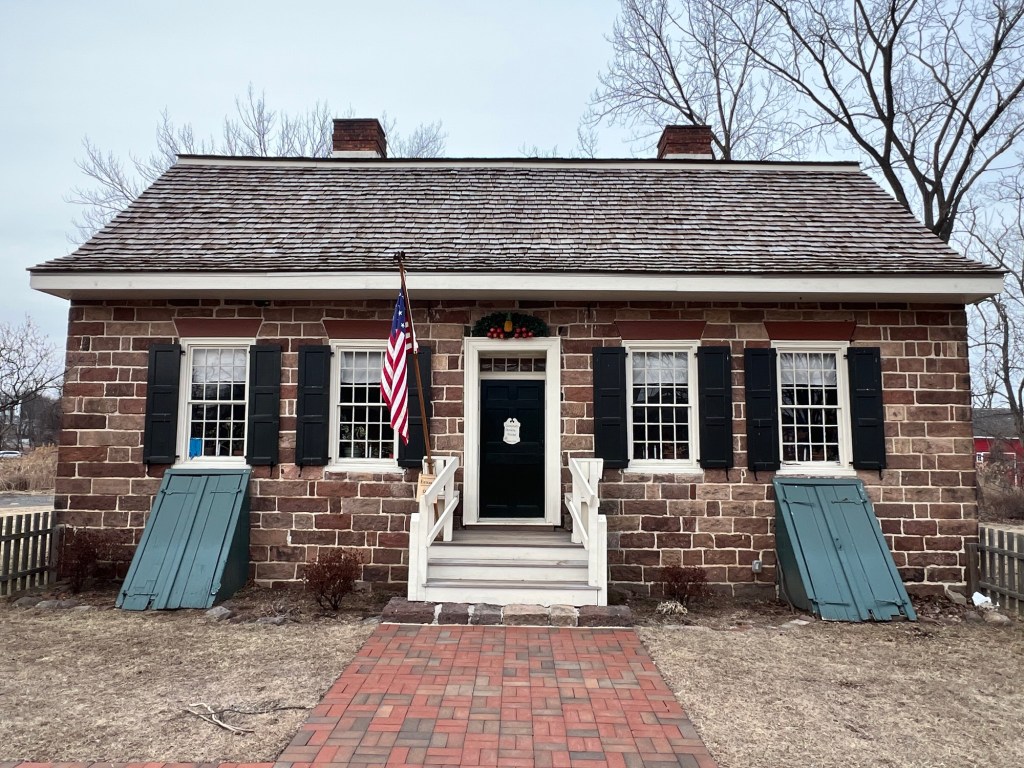
The Campbell-Christie House, an 18th century sandstone structure, is located in Historic New Bridge Landing State Park, River Edge. This historic building originally stood at the intersection of Henley Avenue & River Road, in New Milford, NJ. In 1977, in order to save it from demolition, Bergen County purchased and moved it south to this site next to the Hackensack River.

BCHS Washington's Birthday VIIII

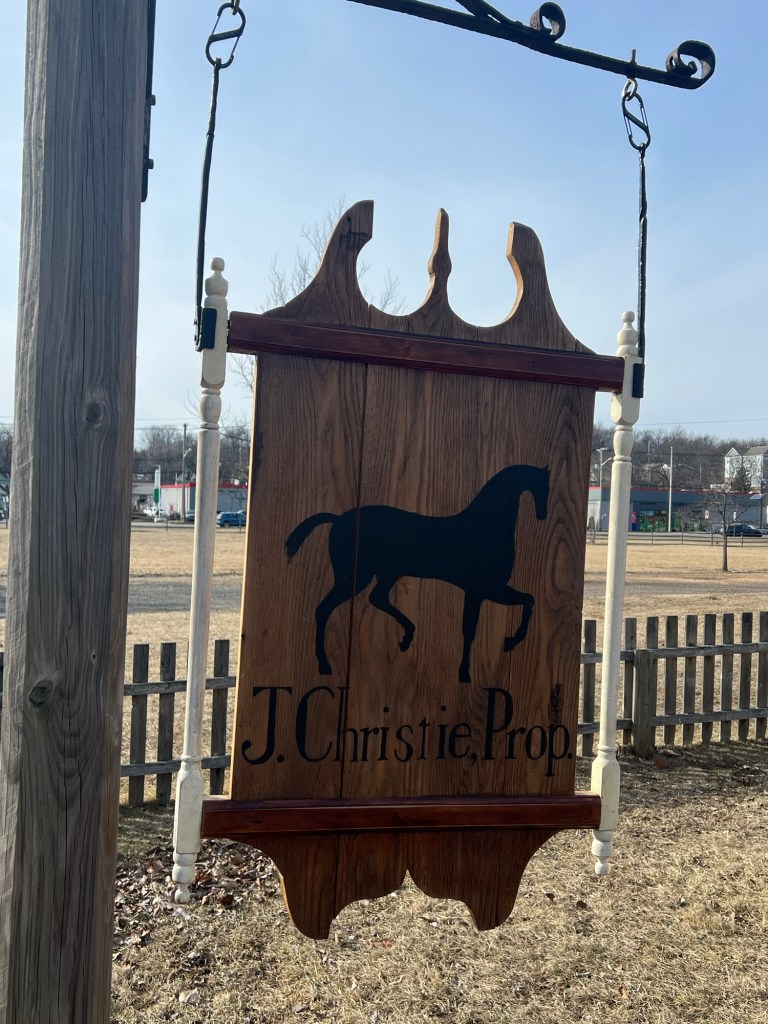
The Christie Family Pub sign

The house was used again for a pub for the Christmas concerts that returned to the site in December 2022. The house was set up as a restaurant with a limited menu before and after the concerts. The light fare was catered in and the menu was similar to what people would have eaten at that time but with a modern twist. The food was really good.

The house was used again for a pub on Christmas 2022 for the concert night

The Campbell-Christie House as the Blackhorse Pub for Christmas dinner

My Shepard’s Pie meal for the Christmas concert at the Blackhorse Pub

The Dutch Sweets dessert plate at the Blackhorse Pub in the Campbell-Christie House Christmas 2022

Sandstone houses were built continuously from the Dutch colonization of the 17th century through the founding of the Republic and the early years of the 19th century. The Campbell-Christie House, an outstanding example of this early regional architecture, is a 5 bay, 4 room center all building with two rooms to either side and two interior chimneys. This stone house form seems to have been built mainly after the Revolution and up to the turn of the century. The front wall is built out of well-dressed local sandstone with inset wooden trapezoidal lintels and side composed of roughly coursed sandstone.

BCHS Washington's Birthday VIII

The Campbell-Christie House during Washington’s Birthday Celebration

Historic New Bridge Landing.jpg

The Historic New Bridge Landing Site

Jacob Campbell, at the time of his marriage in 1774 built this house along the road (now Henley Avenue) that led from Old Bridge to the Schraalenburgh Church. Historical evidence records that Campbell, a mason by trade, also ran a tavern in his household. In 1795, the house was sold to John Christie, a blacksmith, who continued as a tavern keeper. Jacob Brinkerhoff-Christie, manager of the Comfort & Lumber Company, eventually inherited this large valuable homestead farm property along the Hackensack River. His son. John Walter, born in the house in 1865, was a famous inventor who built and raced cars (at one time holding the world’s speed record), invented the automotive front-wheel drive and is known as the “father of the modern tank”.

Historic New Bridge Landing Park is located at the narrows of the Hackensack River. Because of its strategic site along a tidal waterway it has been an active area of settlement, trade and commercial activities for thousands of years. The construction of the “New Bridge” in 1744 accelerated development of the area. Because of the nearness to Manhattan, New Bridge Landing was a principal base of operation during the Revolutionary  War and considered an important strategic route, guarded by troops from both sides at different times. General George Washington, who made his headquarters in Zabriske’s house, led his soldiers in retreat across here on November 20, 1776, saving his troops from entrapment by advancing British troops.

On the Hackensack River’s west bank, near the bridge, is the Steuben House. Originally  constructed by Jan Zabriskie in 1753 and doubled in size around 1765, it has been referred to as to as among the five “great houses” of Colonial Bergen County. The third stone house is the 18th century Demarest House, moved to this site in 1956 and owned by the Demarest-Blauvelt Foundation. The Historic New Bridge Landing Park Commission, a partnership of the Bergen County Historical Society, Blauvelt-Demarest Foundation, the County of Bergen, New Jersey Division of Parks & Forestry, New Milford Borough, River Edge Borough and Teaneck Township, operates the New Bridge Landing site.

This site also contains the County-owned 1888-89 Pratt-type, “pony” truss, iron swing bridge, the oldest highway swing bridge in New Jersey. The Campbell-Christie House, along with the other two houses and the bridge, is on the State & National Register of Historical Place. It is the headquarters of the Bergen County Historical Society and furnished with the furniture and collection owned by the Society. Open year round. For the FCHS calendar of event or go to http://www.bergencountyhistory.org.

http://www.co.bergen.nj.us

Kevin Wright’s Lecture on the Site (2015)

(2015 Bergen County Division of Cultural & Historic Affairs)

The Bergen County Division of Cultural & Affairs received an operating support grant from the New Jersey Historical Commission, a division of the Department of the State.

Disclaimer: This information is taken directly form my pamphlet from the Bergen County Division of Cultural & Historic Affairs. The site holds it position in its participation in the Revolutionary War and should not missed. I give them full credit for this information. Please call them for more information.

The reenactment of the Historic Bridge attack during the American Revolution at the Bergen County Historical Society. I give the Historical Society full credit for this information.

The Christie Pub sign

The pub exhibit at the Campbell-Christie House

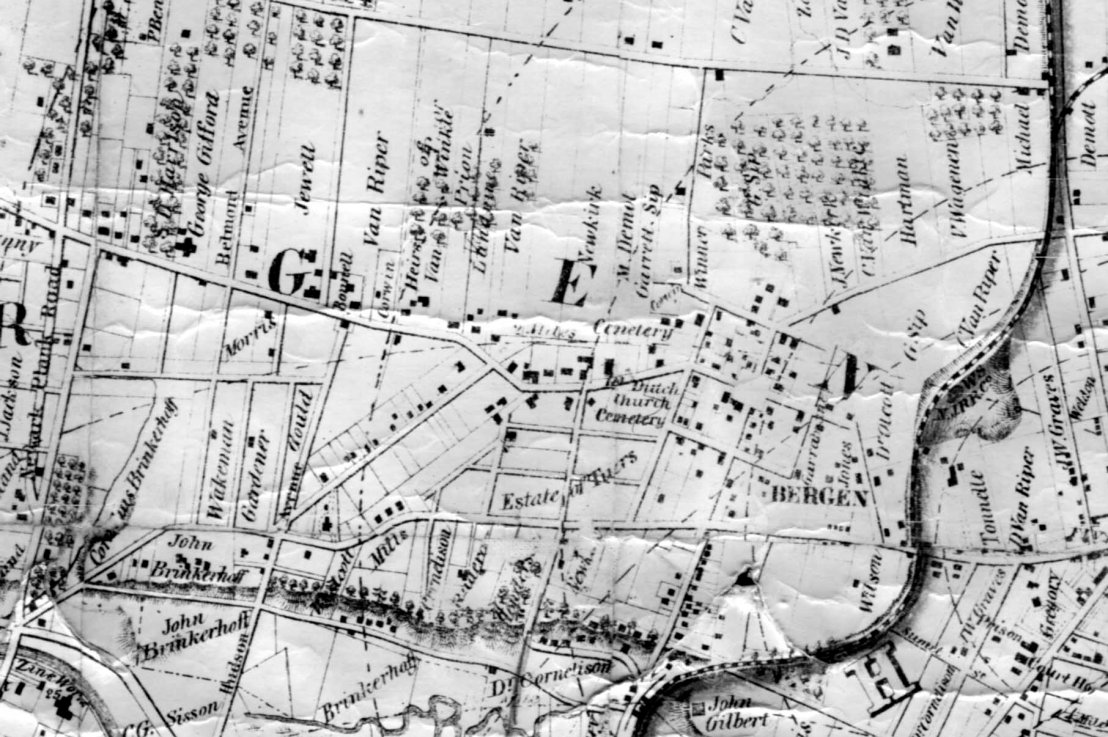
The Meaning of the name “Bergen” (Bergen County, NJ)

The Meaning of the name “Bergen” (Bergen County, NJ)

The name was originally applied to the village of Bergen, settled in 1660, which is not the area known as Jersey City Heights. Some earlier writers believed the name was derived from the City of Bergen, Norway. Others said it was named after the small town of Bergen in Northern Holland. Since Colonial New Jersey’s Bergen was a Dutch town founded and governed by a Dutch colony, the name was most likely derived from a town in Holland or a geographical description in the Dutch Language.

The name “Bergen”, originally derived from the word for “hill” in Norway, Belgium and the Netherlands, was applied to towns located in the hills. New Jersey’s Bergen, was originally a settlement on a hill. Therefore, the currently accepted theory is, that the geographical location of the original town is the most likely reason it was called Bergen The name “Bergen” was applied to the County, which was established in 1683.

Disclaimer: this information is taken directly to the pamphlet from the Bergen County Division of Cultural and Historic Affairs. It tells the story of the county we live in here in New Jersey