Tag: Small Museums of NJ

Bergenfield Museum Society                                                    100 Cooper Street                                                       Bergenfield, NJ 07621

Bergenfield Museum Society 100 Cooper Street Bergenfield, NJ 07621

Bergenfield Museum Society

100 Cooper Street

Bergenfield, NJ 07621

(201)

https://www.facebook.com/bergenfieldmuseum/

https://bergenfield.com/boards/museum-society

https://sites.google.com/site/bergenfieldmuseumsocietypage/

Open: Sunday (Last day of the month)/Monday Closed/Tuesday 1:00pm-3:00pm/Wednesday-Friday Closed/Saturday 1:00pm-3:00pm

Admission: Free but donations are accepted

My review on TripAdvisor:

https://www.tripadvisor.com/Attraction_Review-g46301-d24838399-Reviews-Bergenfield_Museum-Bergenfield_New_Jersey.html

I visited the Bergenfield Museum recently, a museum that I have to admit I never knew existed and I know almost all the museum in Bergen County and was surprised what an informative museum it was not just showcasing the history of Bergenfield but of Bergen County. Room by room the museum is filled with displays on the history of the town, and it has progressed through the last two hundred years.

The Bergenfield Museum at 100 Cooper Street

The museum is located in the back of Cooper Park towards the back of the pond. The museum is part of a complex of barns that were once small manufacturing companies owned by the families that owned the house. The grounds have the three barns that are not in use now and the home that overlooks the pond. This beautiful park was created during the Great Depression and is a wonderful place to just walk around in and relax from everyday life.
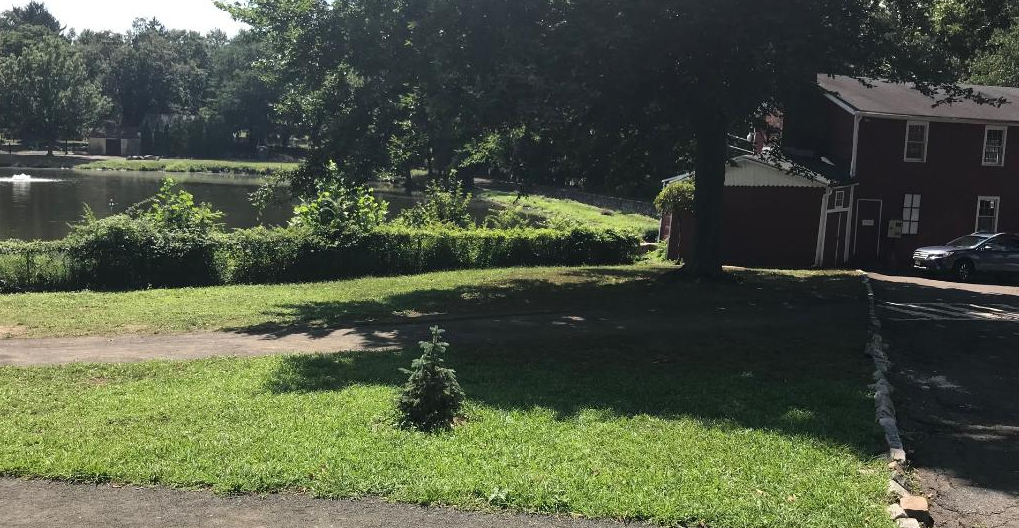
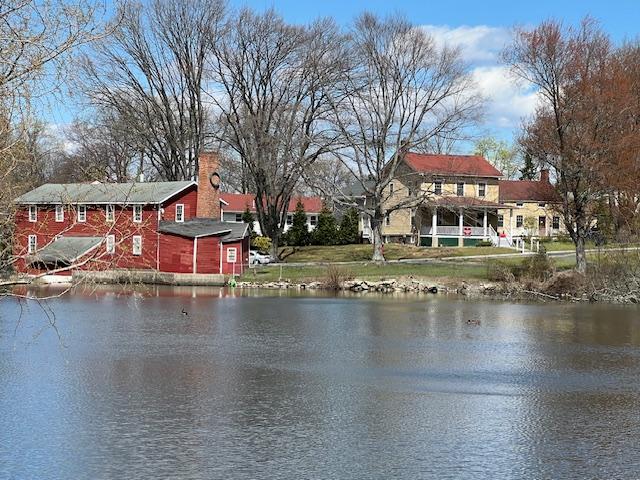
The view of Coopers Park and Pond from the museum front porch

Coopers Pond Park and the museum from the other side of the park

The history of the house and grounds of the Bergenfield Museum

Please note getting to the museum can be confusing as Google Maps and the museum diagram to get there are wrong. You will need to go down Ralph Road and then park before entering the complex. It is hard with the turnaround in the site to drive out with your car.

The entrance to the Bergenfield Museum at 100 Cooper Street

The entrance to the museum off Ralph Street. Please follow the signs.

I was met with a very enthusiastic group of volunteers who are so proud of the house and the way it is presented to the public. When you enter the house, you are met in the foyer of the home which is filled with pictures and small displays and then led to what was the parlor room where the family would have all their entertainment and socializing. Inside the room there is a very interesting portrait of a mysterious woman, who even the museum docents do not who she is, located above the fireplace.

The woman of mystery who holds a prominent place over the fireplace mantle

The room is decorated in period furnishings and even has one of the original phonographs. My docent, David, showed me how it worked and how you were able to get the volume up on the record player by opening one of the small doors in the cabinet.
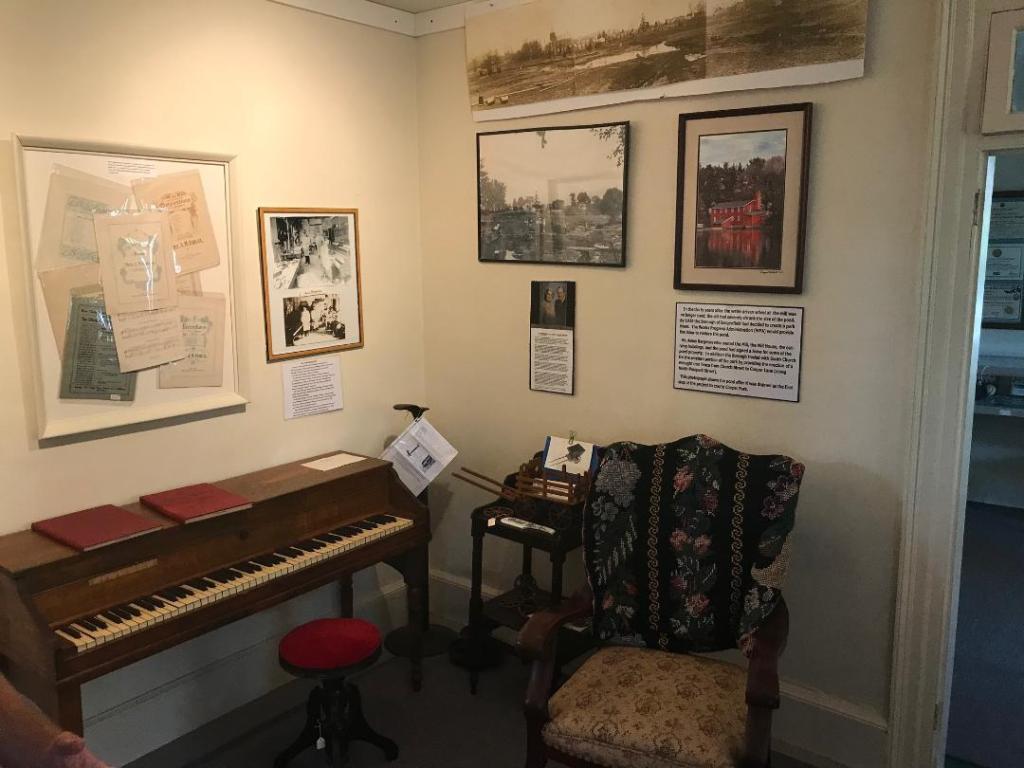
The ‘starter’ organ in the Living Room
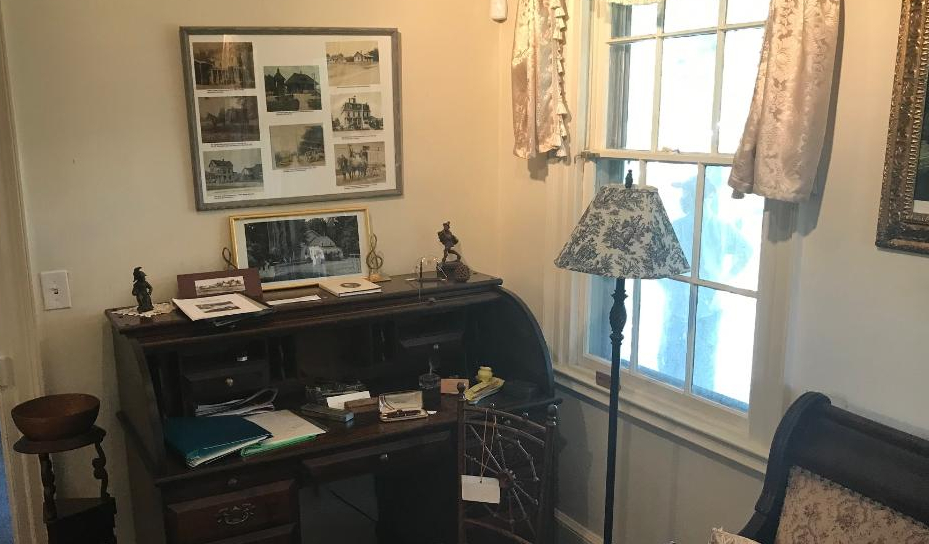
The home was once a working farm/business

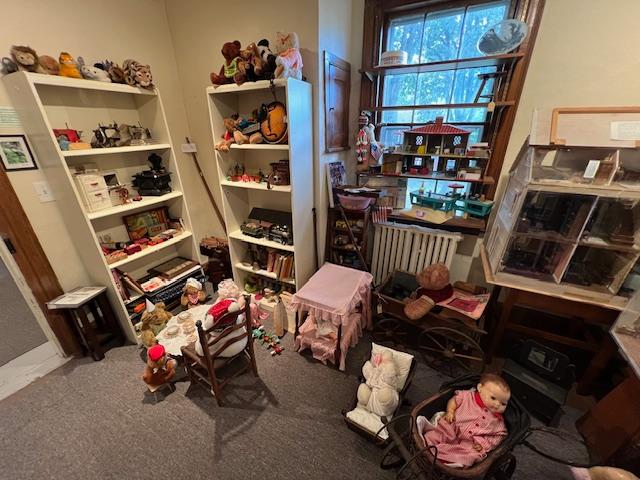
The room towards the back has an extensive collection of toys from the last one hundred years. There were several toys such a china dolls and metal ovens that were popular in the late 1800’s and early 1900’s to modern Fisher Price toys of the 1970’s that I remember growing up with as a kid. The site had once been a toy factory before the turn of the last century and these displays honor that history.

The Toy Room at the Bergenfield Museum is quite extensive
The museum is very much dedicated to the history of the Borough of Bergenfield, NJ. There are nice displays of the town’s school district and its history. The old school system pictures feature items from elementary school to high school and items that students would have used at the school. The elementary school featured in many of the pictures is still used by the town today according to my tour guide, David that afternoon. He told me he had attended the school growing up.

There was a small display of both the Bergenfield Fire and Police Departments and their progression through the years in the town. It is funny how much has changed cosmetically about the look of the job but the job itself is still the same. Helping people and keeping the town safe.

The Fire and Police Department display at the Bergenfield Museum

When you enter what was once the dining room, is the Chair Collection of Tunis Richard Cooper, whose factory was one of the barns on the property.
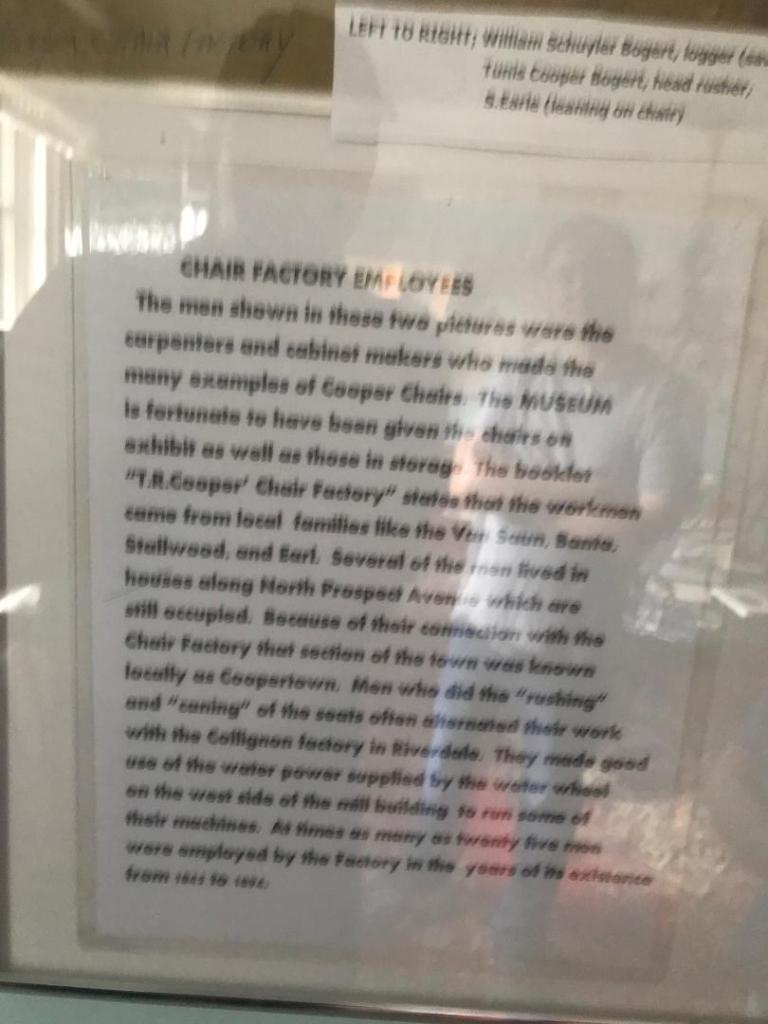
The Chair Factory rules

Some of the samples of the chairs manufactured at the barn factory

There were all sorts of makes and kinds of chairs throughout the room as well as many decorative pieces. The museum has an extensive collection of all the decorative furnishings that were made on the property including what the factory looked like and the rules and conduct of the employees working there.
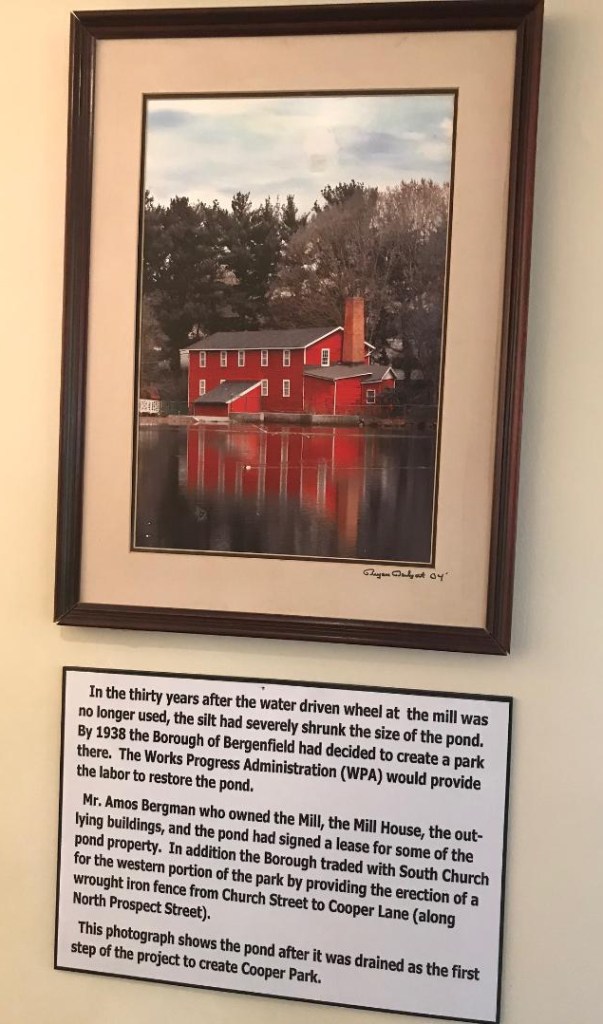
The working mill building on the property

The next room is the working kitchen of the original house with all sorts of kitchen equipment through the ages including a collection of toasters. There is also a working heart where the volunteers do some cooking.
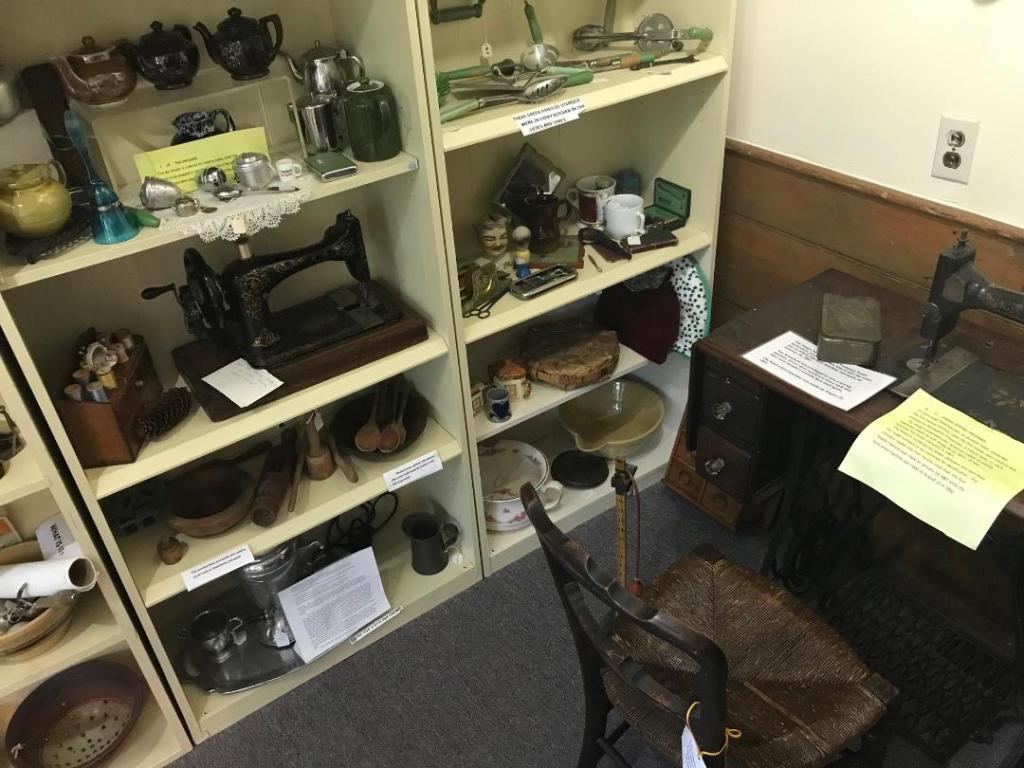
Everything to keep a kitchen running

The hearth of the kitchen is where all the action was in the kitchen

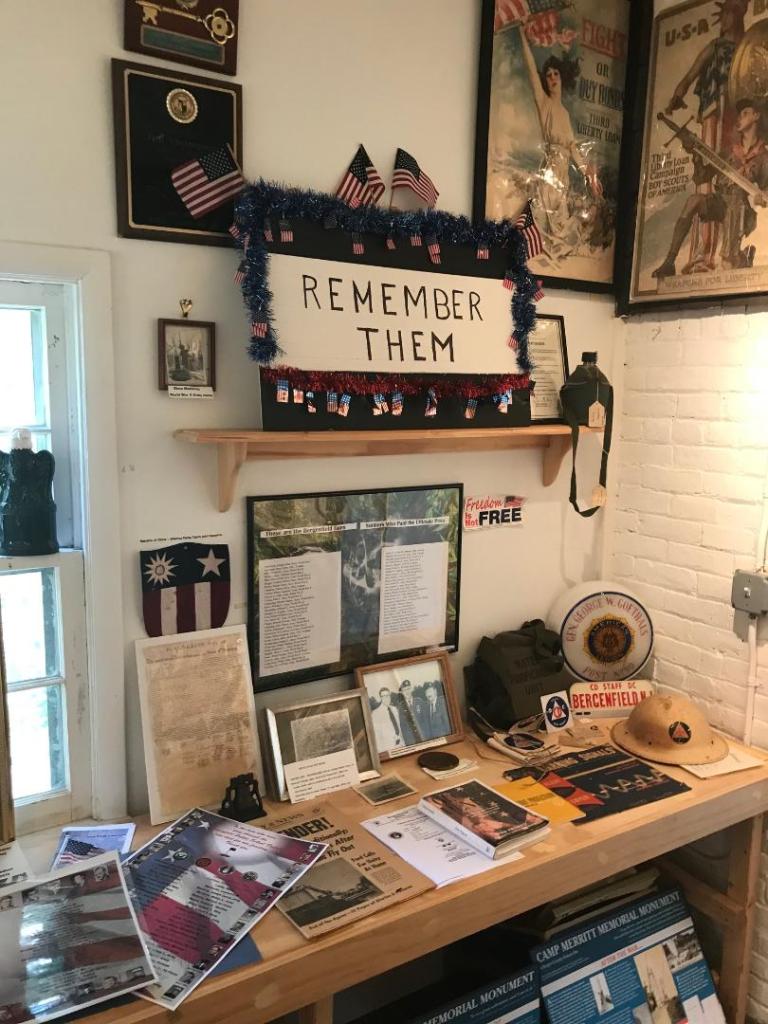
The back room of the house has a large military display that includes local heroes of the Revolutionary War, Civil War, WWI and the Vietnam War. There are all sorts of memorabilia from the soldiers and their families.
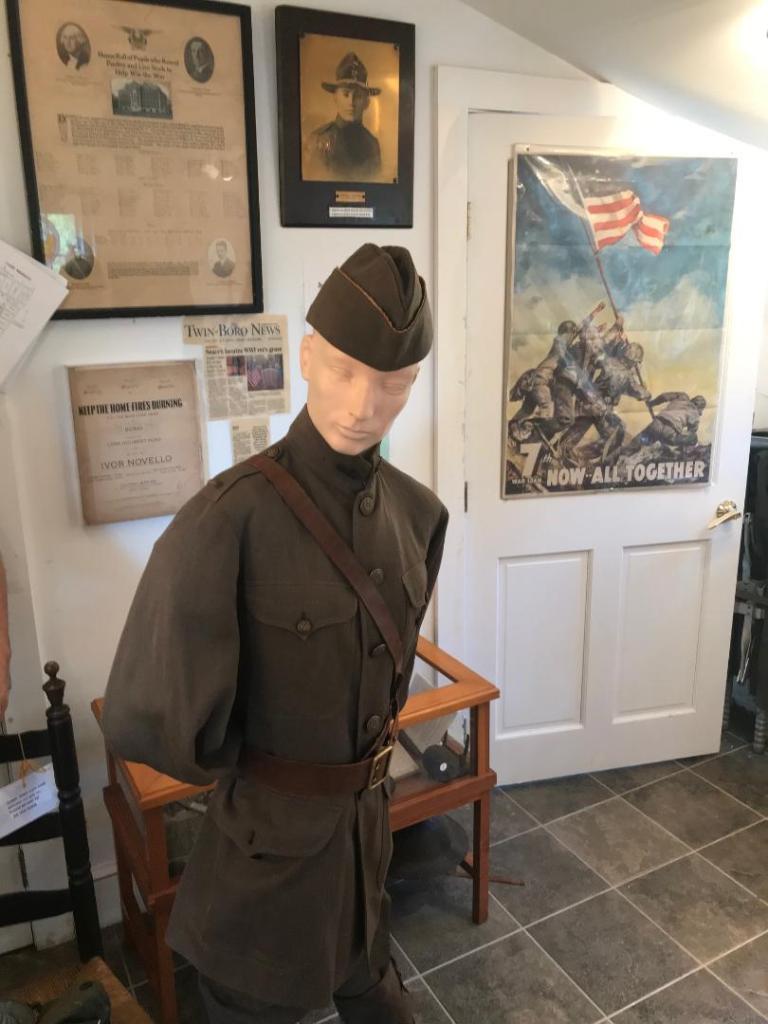
The Military display describes Bergenfield’s contribution to military battle from the Revolutionary War to Vietnam

The Military Room showcases our contributions on freedom
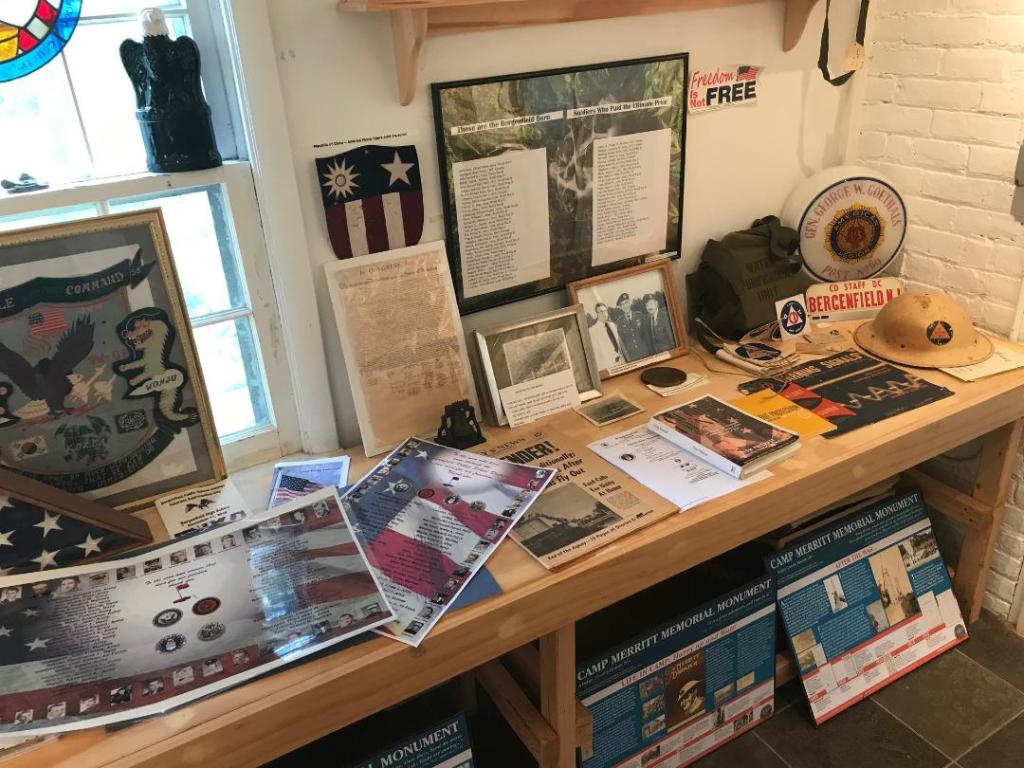
The patriotic duties of the town of Bergenfield, NJ
The museum has a 9/11 Memorial to the town and its contributions to that horrible day

Take time to walk the grounds and admire the park. This beautiful green space was built by the WPA during the Depression and the landscaped park includes Cooper’s pond, extensive gardens and paths of green lawn.
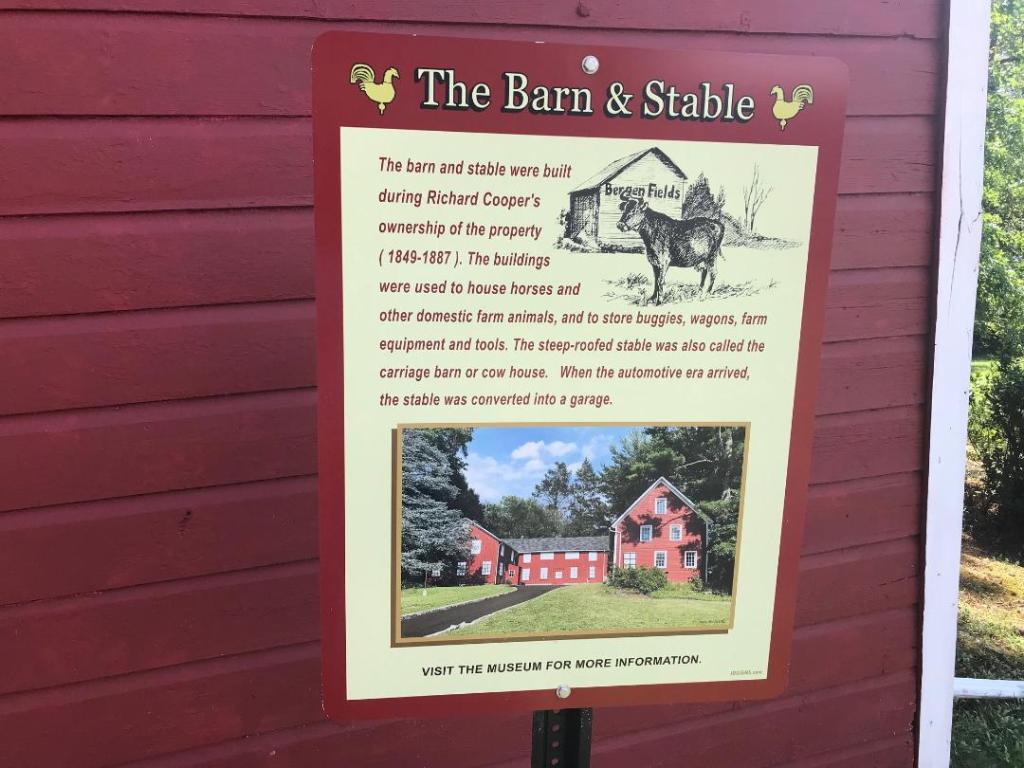
The grounds of the museum were once a farm and a working factory environment
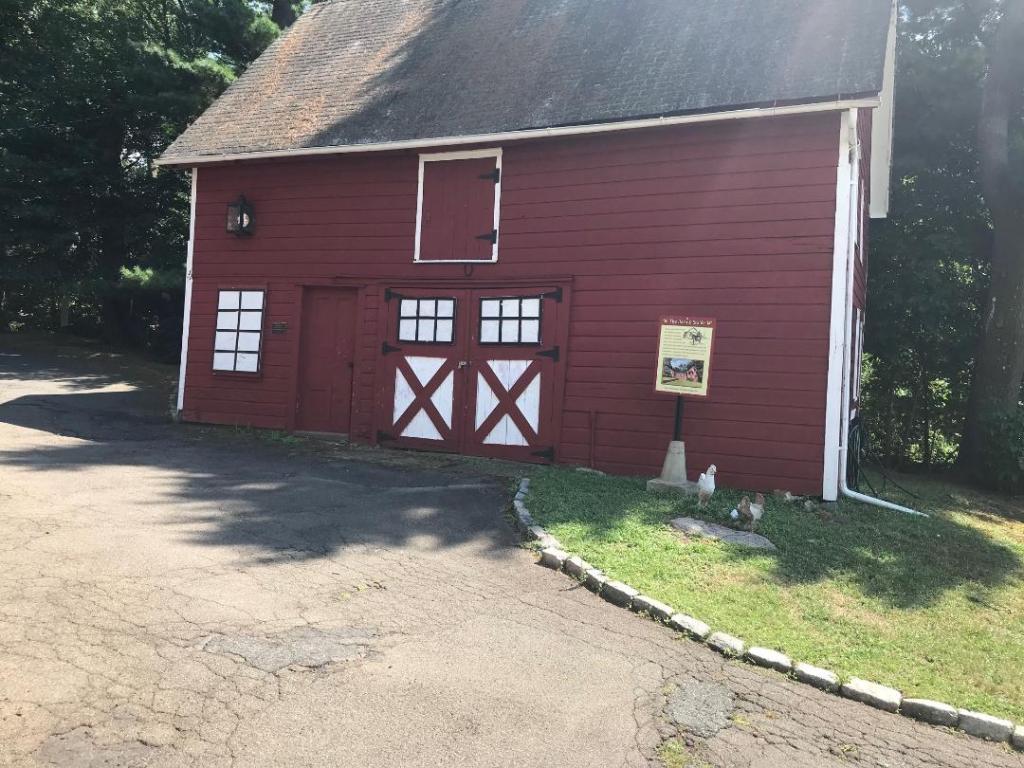
The factory/barn on the Bergenfield Museum property

The grounds of the Bergenfield Museum in Cooper’s Pond Park
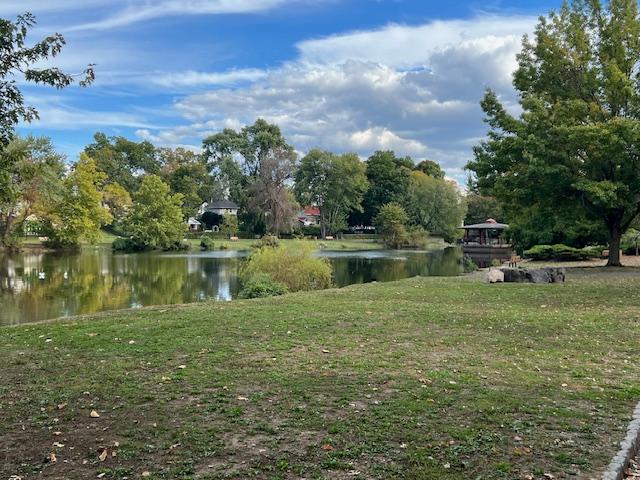
The park from the museum site in the early fall months of 2024

Cooper’s Pond Park is a quiet and very green oasis from the distractions of today. It is a nice patch of nature to just walk around in and relax and enjoy the beautiful sunny weather.

The History of the Bergenfield Museum:

(from the museum website)

Two Hundred years after the founding of the United States, local historian, Betty Schmelz began collecting artifacts that were essential for telling Bergenfield’s story. By 1988, her small collection had blossomed into full museum displays comprised of a century’s worth of wedding dresses, Camp Merritt and WWI memorabilia and testaments to the Bergenfield Music Department.

The Bergenfield Music Department display

From 2002 to 2014, the museum closed, and the collection was moved to storage until negotiations were settled with the Borough of Bergenfield. In July of 2013, volunteers reassembled the items for public viewing and began rehabilitation efforts.

The Museum House Timeline:

(From the museum’s pamphlet)

The tools to create those wonderful and decorative chairs

The Tunis R. Cooper property was originally owned by French Huguenot immigrants, the Demarest family. After years of changed ownership and purpose, the legacy of the property is now protected by the Bergenfield Museum Society:

The timeline of the town and its development:

*1677-1693: The Demarest family negotiates a deed for the Cooper Property with local Native Americans and settles throughout Schraalenburgh (now known as Bergen County).

*1840: Richard Tunis Cooper purchases the property and begins hiring local farmers to manufacture chairs.

*1849-1890’s: Richard’s son, Tunis Richard Cooper, purchases the property and establishes a successful chair factory. A major warehouse is opened in New York City.

*1897-1997: Ownership of the estate changes several more times:

-1897: Toymaker Oskar Martin, purchased the property.

-1908: Amos Bergman holds ownership until his death.

-1949: Bergman housekeeper, Daisy Coringrato, sells the property to wool importers, Alec and Catherine Marchbank.

*1997: Marchbank family initiates efforts to preserve the remaining Cooper Chair Factory and surrounding land.

*2004: The Borough of Bergenfield purchases the property with the four remaining buildings and solidifies preservation efforts.

*2013: The Bergenfield Museum successfully opens with a collection of authentic Bergen County artifacts.

My Team Project with my Marketing students at Bergen Community College promoting the Bergenfield Museum for Destination Tourism in November 2024:

The blog on the project:

This is when I got the idea of doing the same project in a larger form. I saw the Bergenfield Museum, a small gem on the other side of Coopers Pond Park, that did not much traffic considering the museum is open both during the week and the weekend. The building was an original Demarest homestead and the family had their family plot in the South Church which is located right next to the park. So I approached both the museum and the church to partner with me in creating a project to promote this corner of Bergenfield, NJ for tourism.

Cooper’s Pond Park during the Summer months

So I set up the next series of tours for my students that encompassed the Bergenfield Museum, Coopers Pond Park and the historical South Church graveyard where the Demarest family plot was located. The Bergenfield Museum building is the original Demarest family homestead so it tied in nicely to the project.

Walking through Coopers Pond Park inspired this fascinating project

https://bergenfield.com/notices-announcements/oem-notices/cooper-s-pond-update

Two weeks after the Behnke Museum project, I introduced this project and the next week we took a walking tour of all three sites starting with walking through Cooper Pond Park, a WPA project and one of the most beautiful and underrated parks in Bergen County.
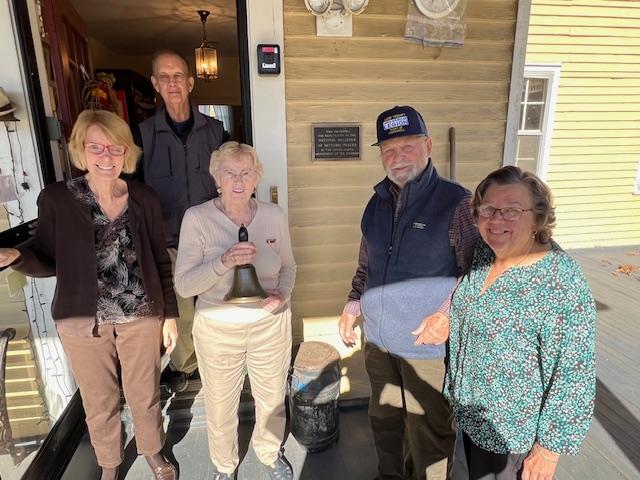
We met with the Bergenfield Volunteer Board at the museum to start the tour

The Bergenfield Museum at 100 Cooper Street in Bergenfield, NJ

https://bergenfield.com/museum-society

https://www.facebook.com/bergenfieldmuseum/

My review on TripAdvisor:

https://www.tripadvisor.com/Profile/R4960NKjustinw/photo/776032151?m=19905

My review on VisitingaMuseum.com:

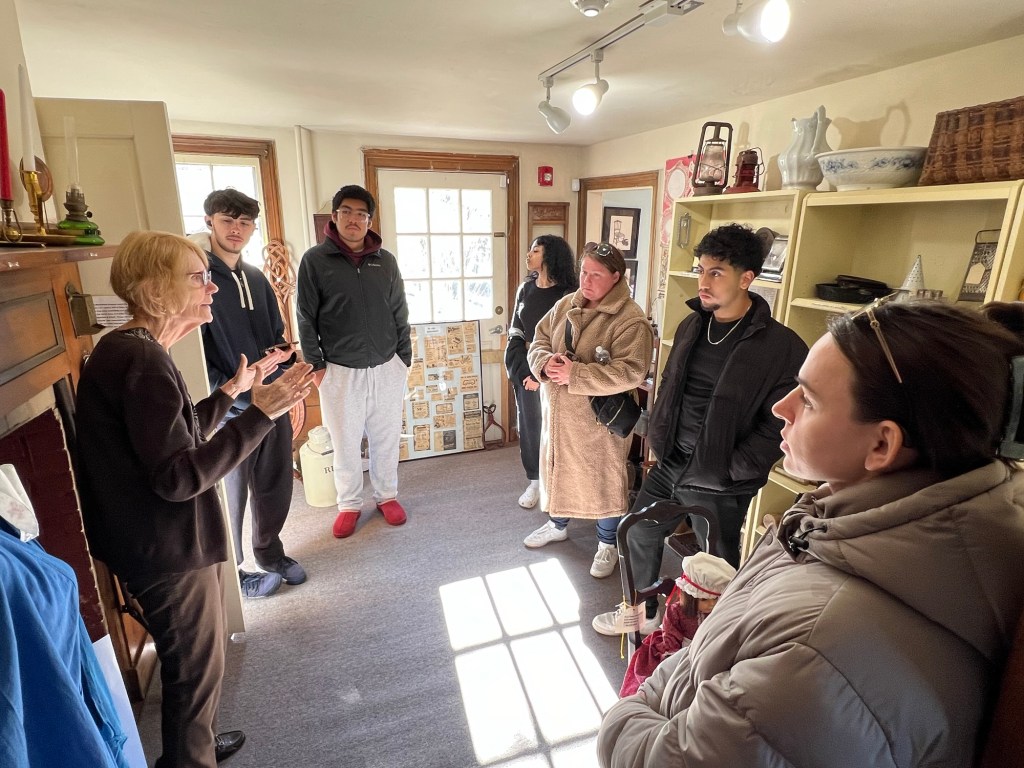
The President of the Bergenfield Museum Board, Joanne, helped me organize the Team Field Trip of the museum. She had four other docents from the Board helping in four different rooms so each Team would follow each other through the rooms. Each Team had about ten minutes in each room for the docent to explain the collection to them. The Student Consultants got to visit the museum on their own time as well.

Our class being greeted by the President of the Bergenfield Museum, Joanne

Touring the Living Room of the old Demarest Homestead

Touring the old Dining Room and the Chair Factory display in the museum
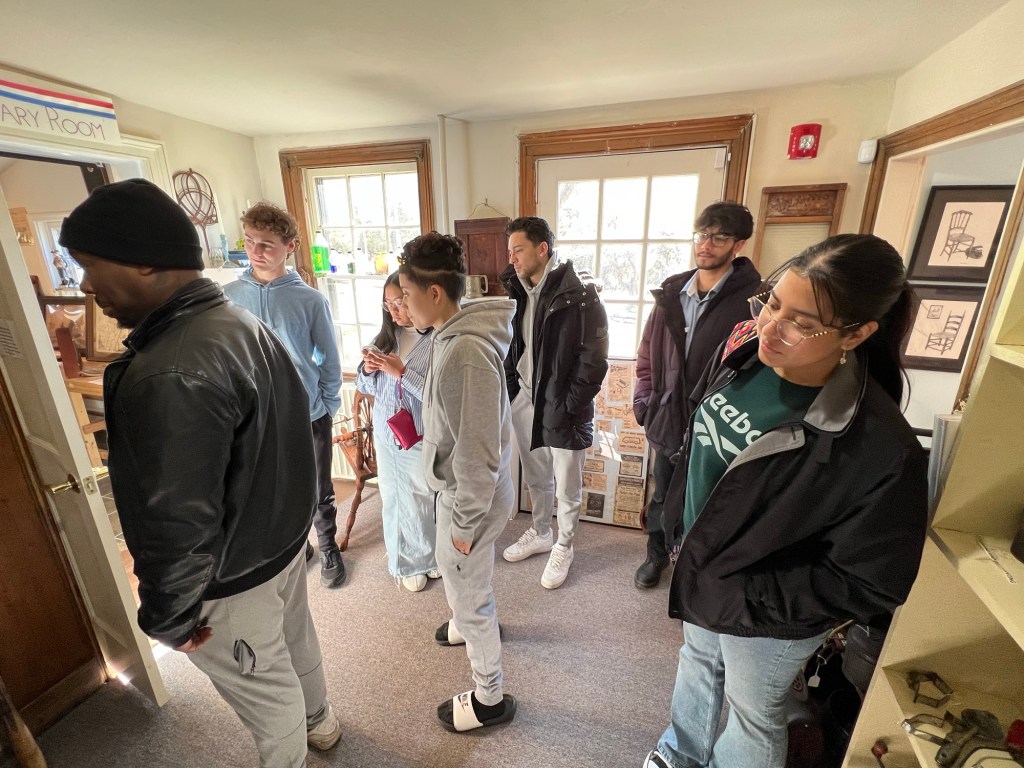
Touring the Kitchen area of the old homestead
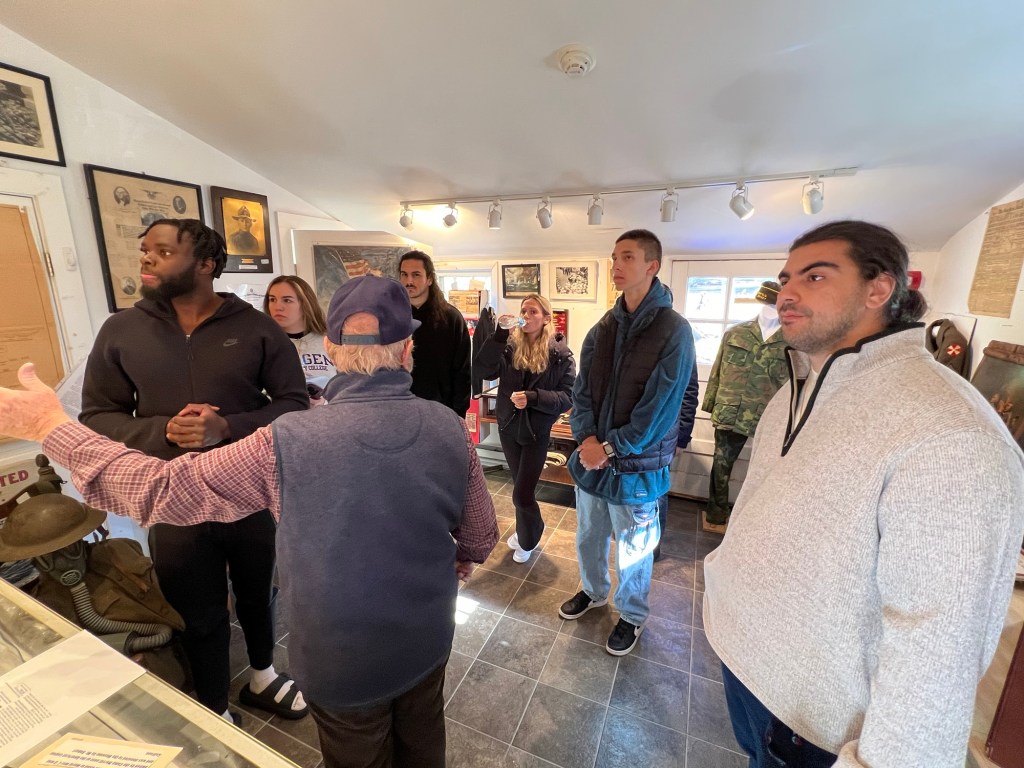
Touring the Military Room of the museum
Discussions of the function of the kitchen on the farm
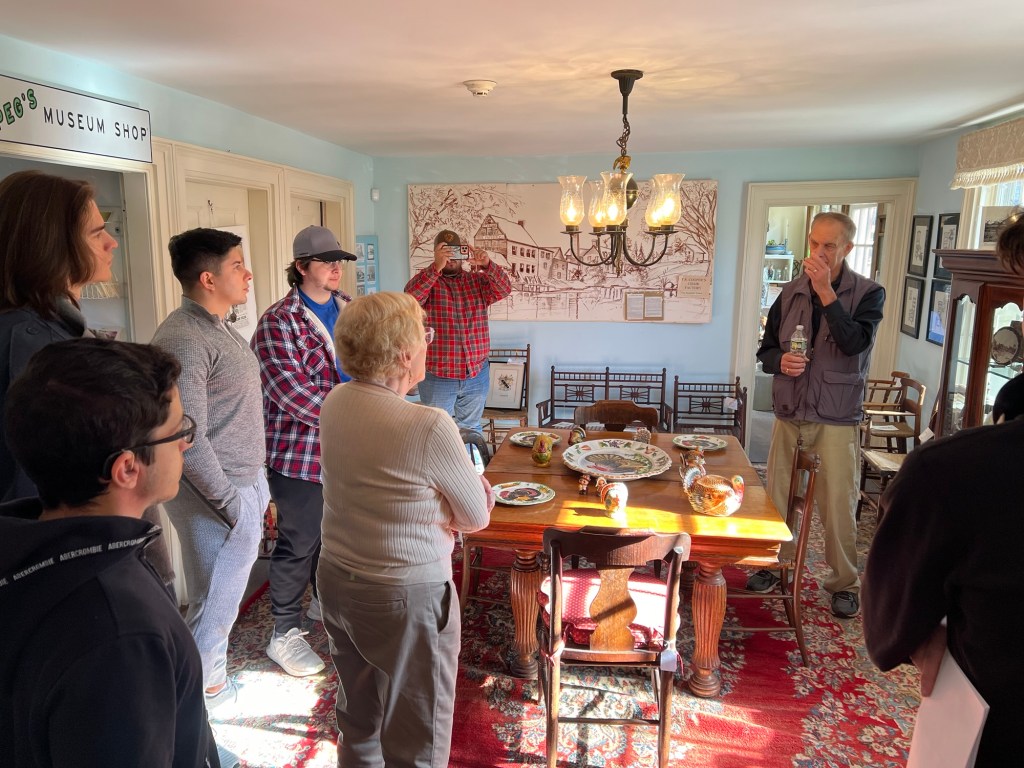
Discussing the Chair manufacturing in Bergenfield, NJ

The Student Consultants touring the Living Room
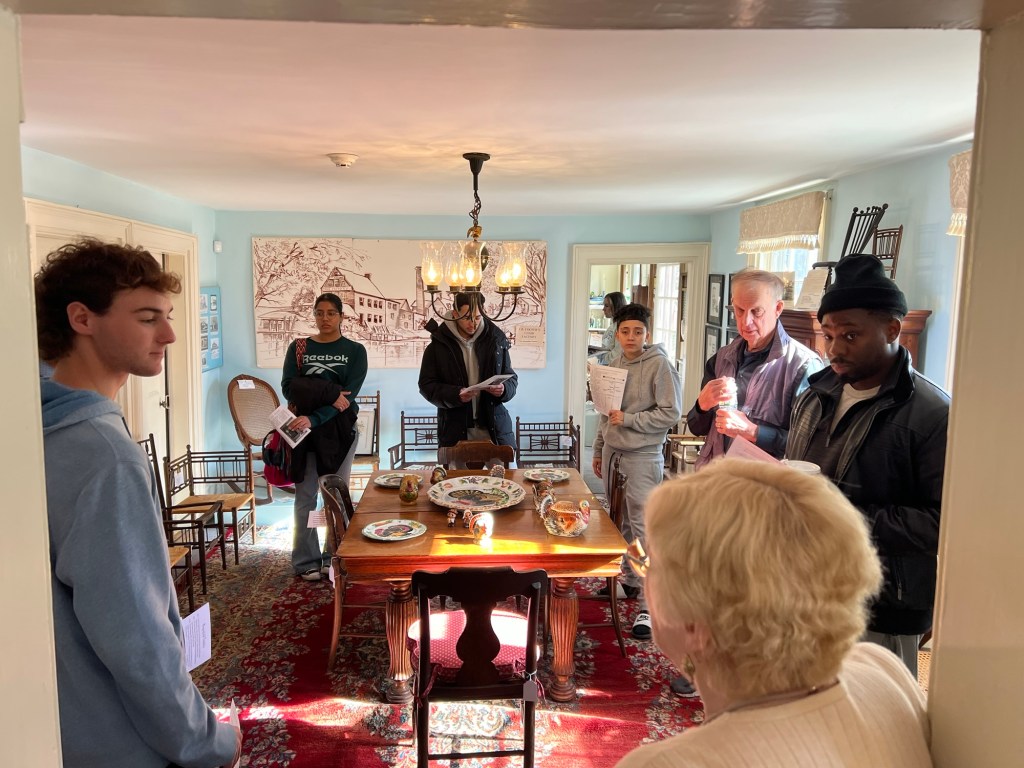
The Teams taking notes during the tour

After our tour of the museum was over, we took a group picture outside of the museum with the Board of the museum.
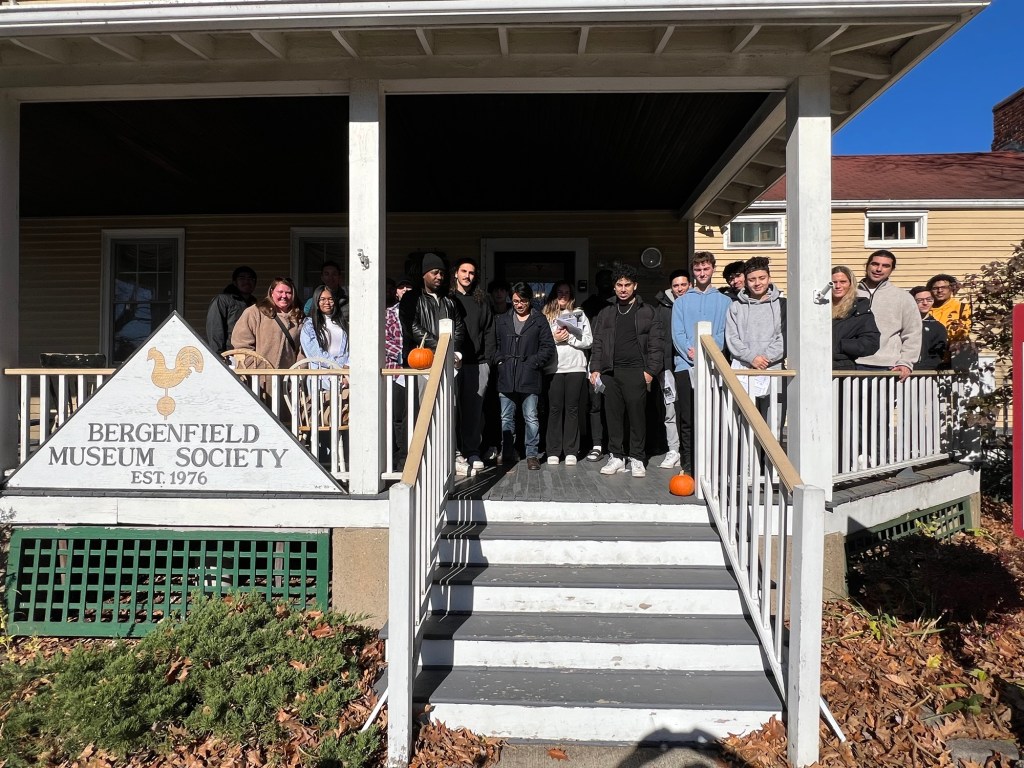
The Student Consultants from Bergecco-Parc Consultants Inc. visiting the Bergenfield museum

Here is the Presentation and Commercials:

The whole idea of the Bergenfield Project was not just to promote the museums, parks and historic churches but to create Destination Marketing Project to promote the Town of Bergenfield as a place to visit for both domestic and foreign tourism. This is the project that promotes that vision:

The Bergenfield Team website for Bergecco-Parc Consulting Inc:

https://bergeccoparcconsultinginc4.wordpress.com/

The presentation on the Bergenfield Museum

The day of the presentation the students had to be in professional dress with men expected to be in Jacket and tie or a suit and the ladies in blouses, slacks, suits and dresses. We presented this project to the Board and members of the Bergenfield Museum and to the Communications director of Bergenfield, NJ, which really gave the students a stamp of approval.

Video of the Presentation:

Part One:

Part Two:

PowerPoint of the Presentation:

https://docs.google.com/presentation/d/1VUbI7TwxcOVTjXf-Ra-7GbC7fErs0-VU2JSHVMDX9rc/edit?usp=sharing

I thought the commercials the students came up with were very clever.

The Commercials of the Bergenfield Museum:

Team One:

Team Two:

Team Three:

Team Four:

The Children’s Walking Tour of the Bergenfield Museum:

Team One:

Team Two:

Team Three:

Team Four:

It was a great Marketing project and the students did an excellent job helping the museum with their Digital Marketing. They also created pamphlets in English and Spanish, a new webpage and a Instagram account for them.

It was a very successful project and the students did an excellent job on it.
Church Landing Farm at Pennsville Township Historical Society                                                                                          86 Church Landing Road                                                        Pennsville, NJ 08070

Church Landing Farm at Pennsville Township Historical Society 86 Church Landing Road Pennsville, NJ 08070

Church Landing Farm at Pennsville Township Historical Society

86 Church Landing Road

Pennsville, NJ 08070

(856) 678-4453

http://www.pvhistory.com/museum.htm

https://www.facebook.com/pages/category/History-Museum/Pennsville-Township-Historical-Society-291880372272/

Open: Sunday 1:00pm-4:00pm/ Monday-Saturday Closed/Museum is open from April-December/The Auxiliary buildings are closed when the museum is closed. The community is welcome on Sundays when the museum is open and for community events. Please check the museum website on this.

Admission: Donation suggested/check website

My review on TripAdvisor:

https://www.tripadvisor.com/ShowUserReviews-g46726-d24140695-r844169560-Church_Landing_Farmhouse-Pennsville_New_Jersey.html?m=19905

Church Landing Farm-Pennsville Historical Society

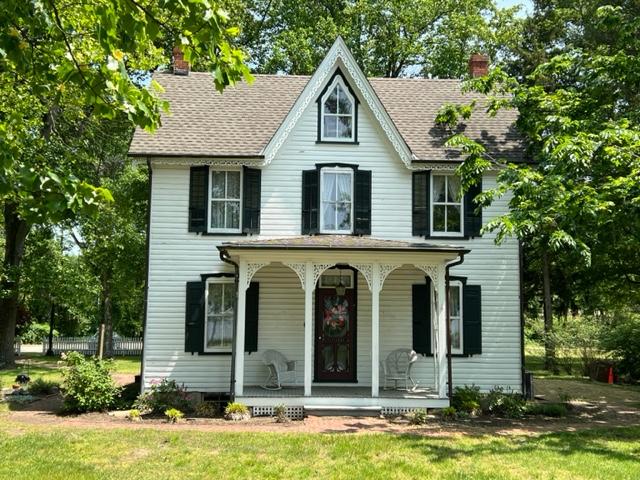
I got to the Church Landing Farm in plenty of to tour the house and the grounds. What an interesting museum that is full of surprises. When they unlock the auxiliary buildings to show you the displays, they are a real wonder of fascinating artifacts each with its own theme.

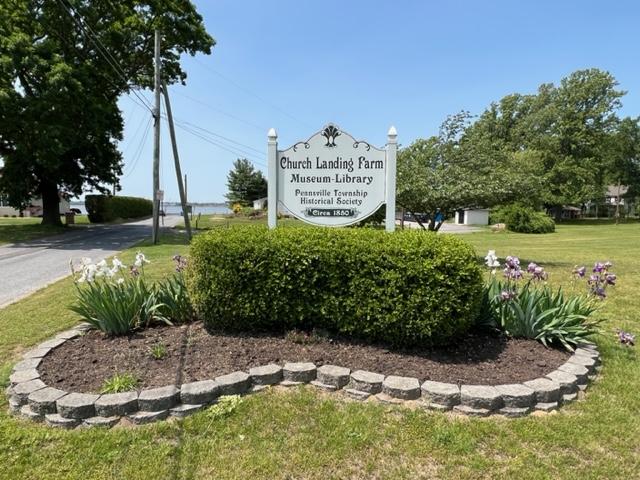
The sign welcoming you to the Church Landing Farm-Pennsville Historical Society

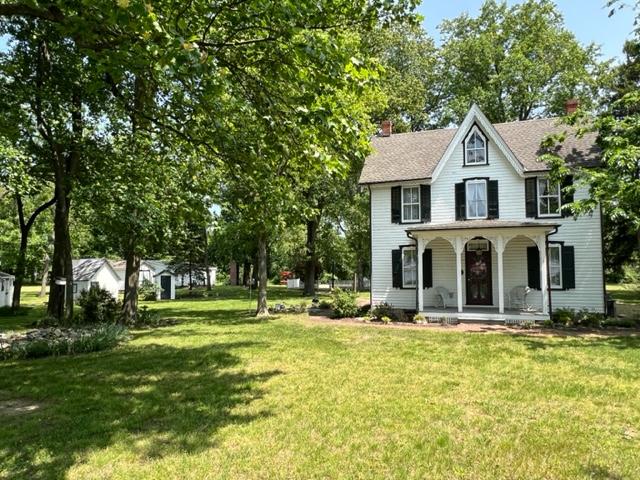
The house was built by Daniel Garrison between 1840-1845 and was the home for five generations of the Garrison family up to 1973 when the last living relative, Anna Locuson died and did not leave an heir. In 1991, Atlantic City Electric worked with the Pennsville Township Historical Society to open this as a museum.

As I toured the floors with the docent, I noticed all the beautiful antiques. These items are all donations to the home. The only items of the Garrison family are portraits and pictures that were donated by the family over the years. On the lower floors are the kitchen, the Living Room and the Dining Room all decorated in a Victorian style. The kitchen looked like it was from the 1920’s with all sorts of kitchen items from a period of the 1880’s to the 1920’s.

When we toured the upstairs bedrooms, one was decorated with children’s furnishings and toys. The other bedroom was decorated for adults and had once served as the Master Bedroom for the home. The house also has a complete Research Library for people to find genealogy about their families who lived in town and of Pennsville, NJ.

When you tour the outside auxiliary buildings, this is when the museum really shines. When each building on the property is opened for the tour, you get to see the whole collection of artifacts. There is a small one room schoolhouse on the property that served the community from 1837-1919, a period outhouse and a piece of art from the old electrical building that was located on the bay.

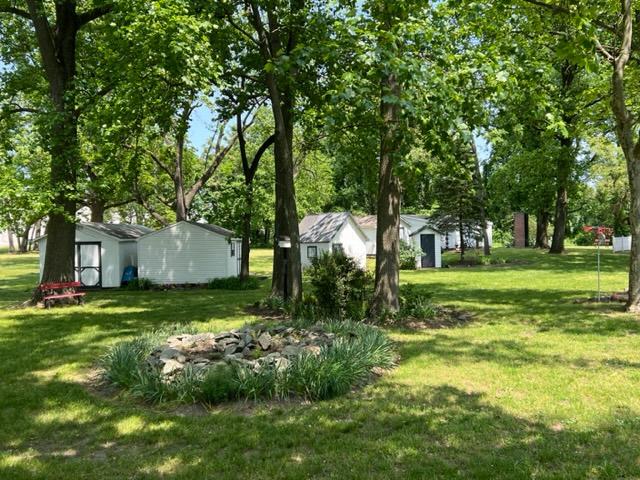
The outdoor buildings that show the displays

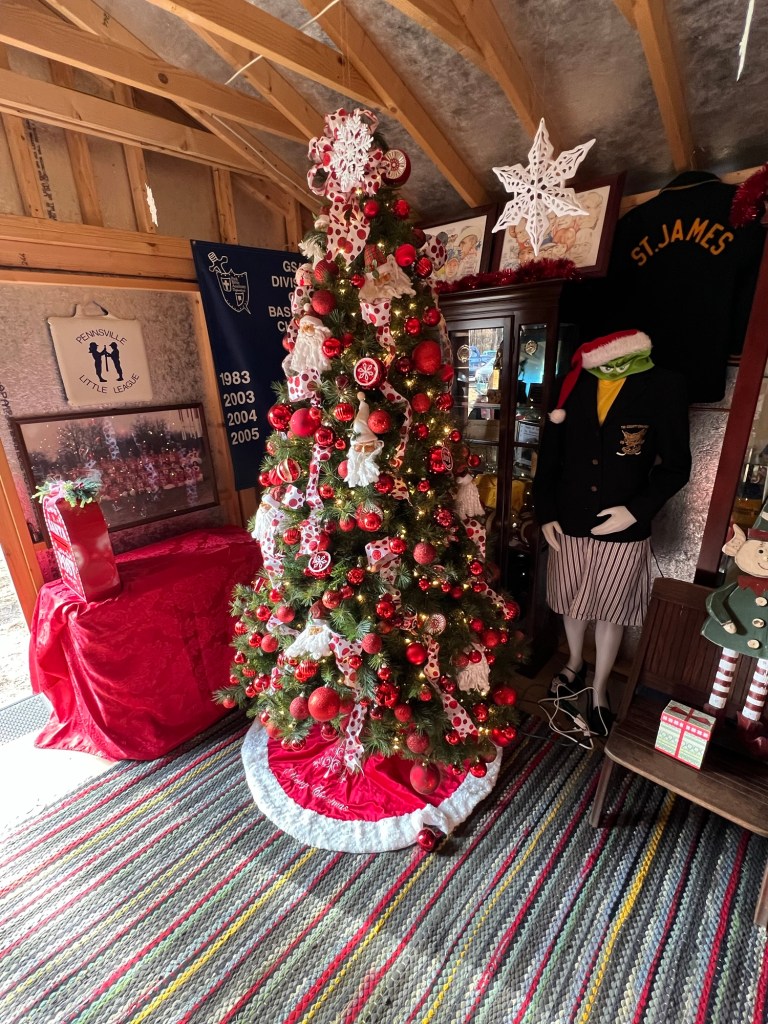
Each of the buildings has its own theme. One of them is dedicated to the high schools with all their uniforms and trophies, yearbooks and pictures of various sports teams. There is all sorts of spirit equipment and high school artifacts.

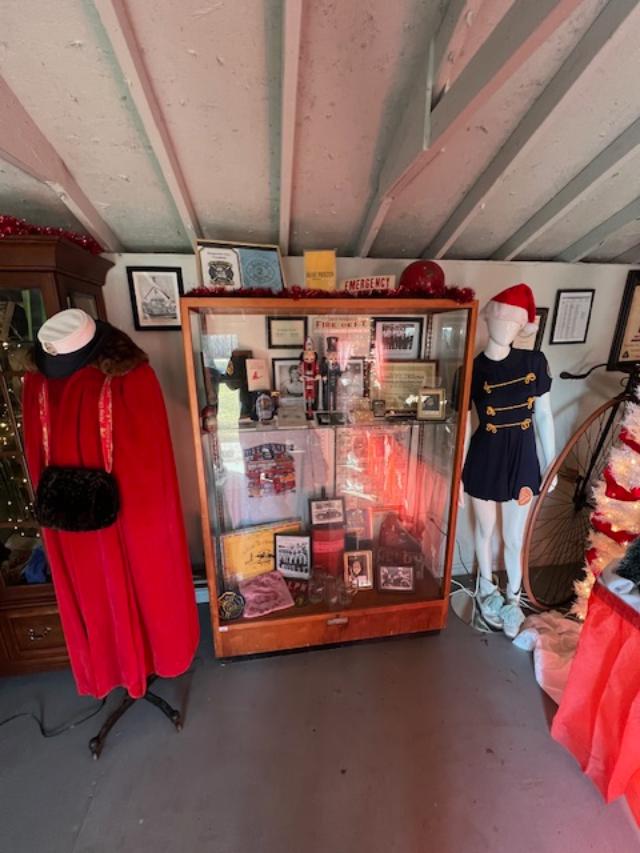
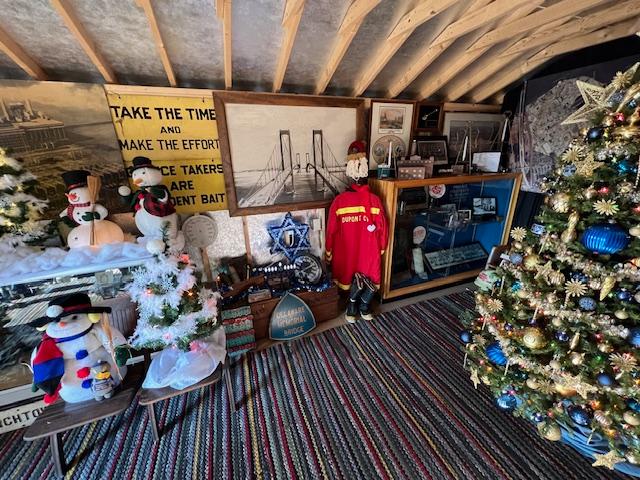
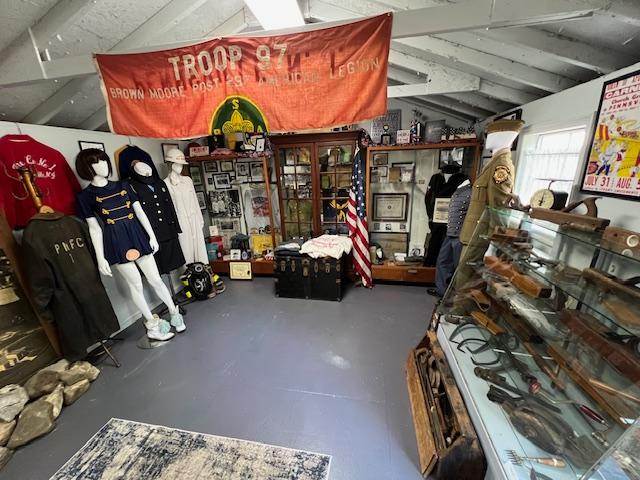
Another is a floating Fishing Cabin that was moved to the ponds and lakes when people wanted to ice fish and all the equipment you needed to perform the task. There was another shed that had all sorts of Military artifacts from various wars along with items from the local fire and police departments as well as the VFW. There was a display on the “Sunbeam”, the local paper of Pennsville and its former editor.

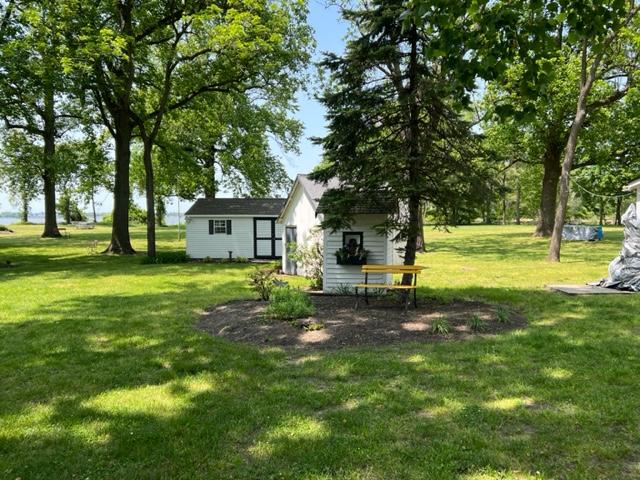
The outdoor sheds

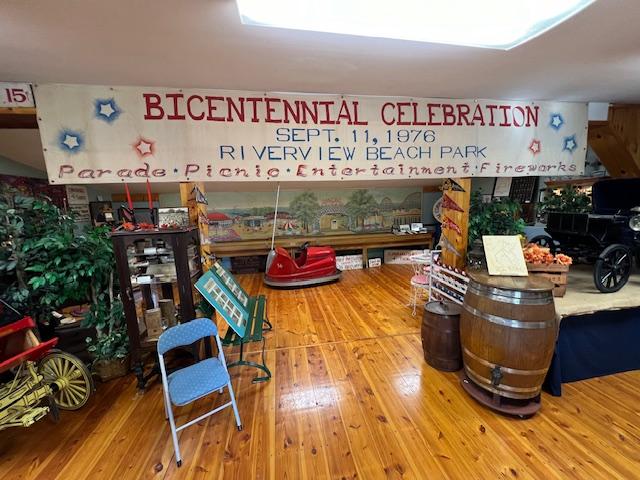
The most impressive building display was of the Riverview Beach Park, a former amusement park that was located in the current park until 1969. The display has all sorts of artifacts that include signs, old ride cars, signs, pictures, maps and items from the games. The are all sorts of items such as prizes that were won, pamphlets and signs from the park. It really brings the old park back to life.

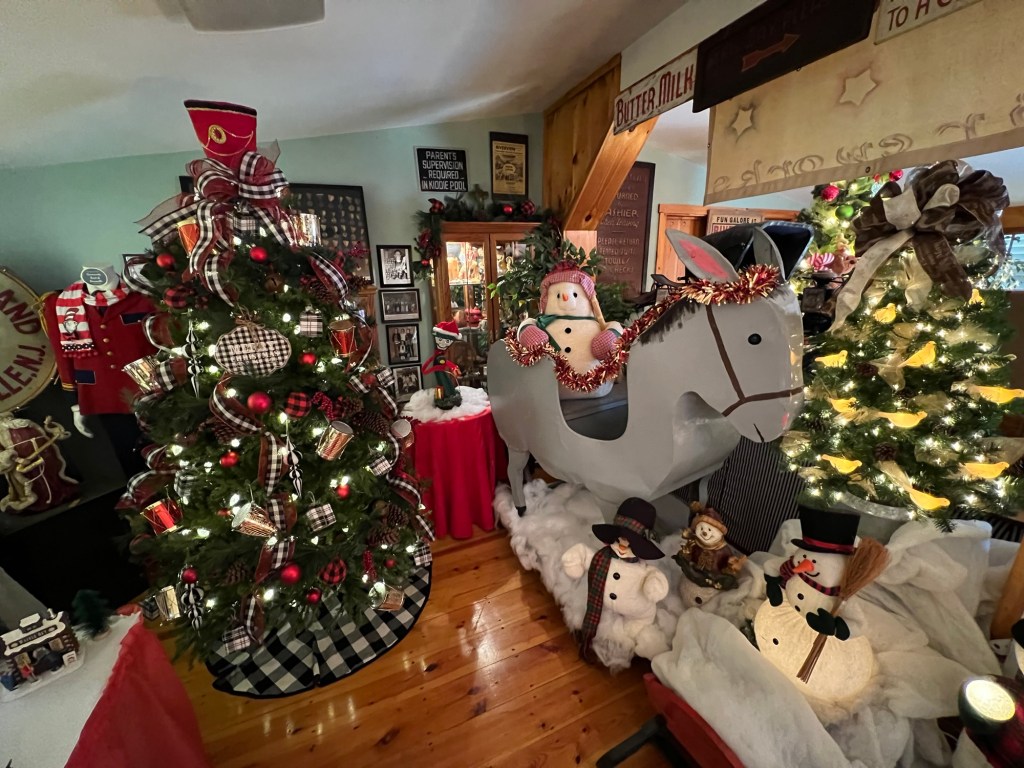
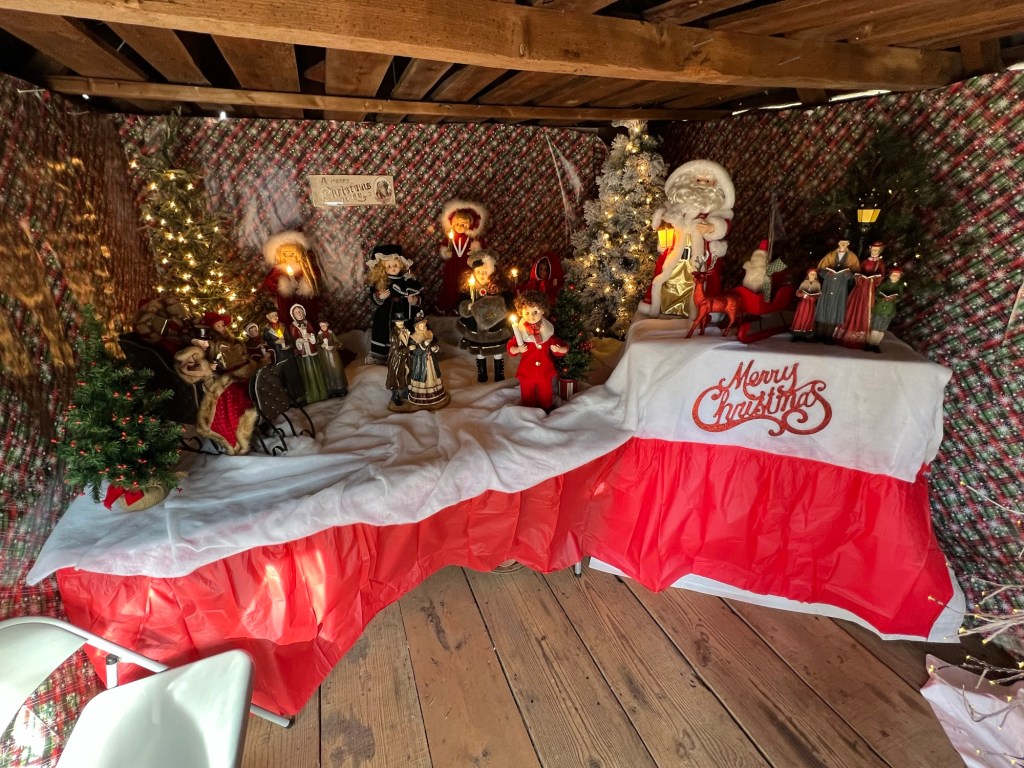
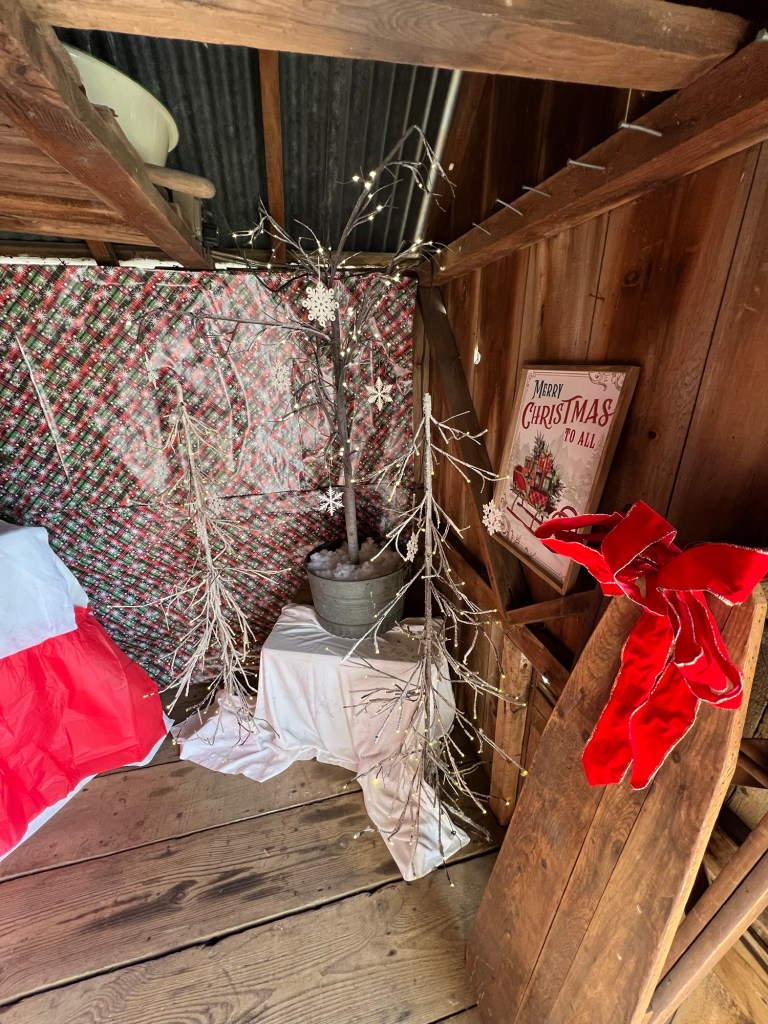
One of the sheds is used as Santa’s House during the holidays as well as the house will be fully decorated for the Christmas holidays. Santa and his wife make an appearance at the busy open house. I was able to visit the decorated home and buildings in 2023 and there is a magical wonder to the museum at the Christmas holidays.

Santa and Mrs. Claus at the Pennsville Historical Society

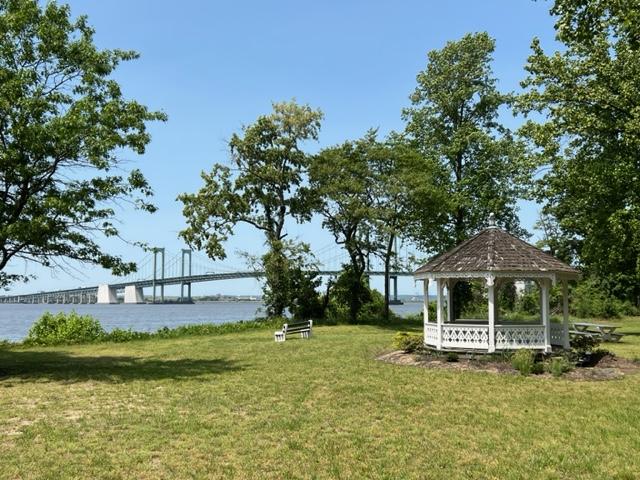
I was able to tour the grounds though and walk through the small gardens. The grounds had the most spectacular views of the Delaware Bay and the Delaware Memorial Bridge. I am sure much of this did not exist in that time frame but still it is the most amazing view especially on a sunny day like I had. The sun has the most amazing shine on the water from this direction.

The Church Landing Farms grounds and view of the Delaware River and the Delaware Memorial Bridge

Even when the house is not open, still take time to tour the grounds and visit the outer buildings. It is a nice walk around the property.

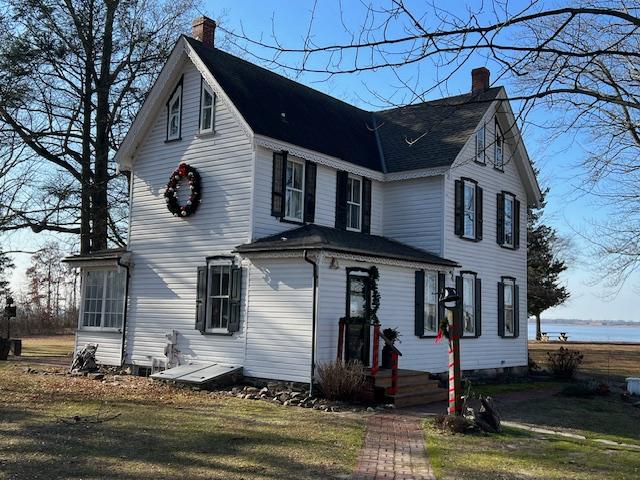
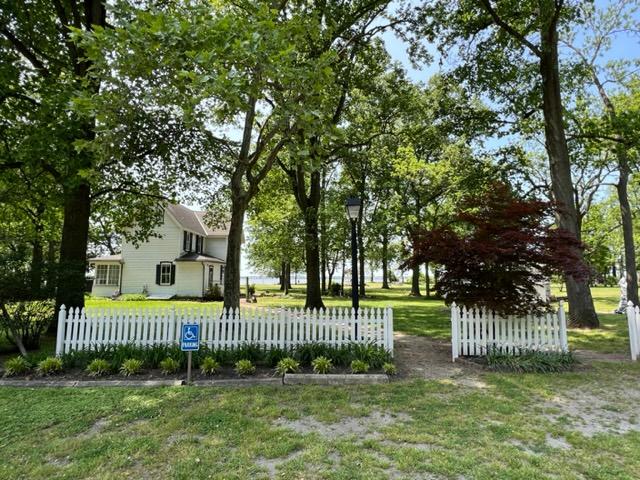
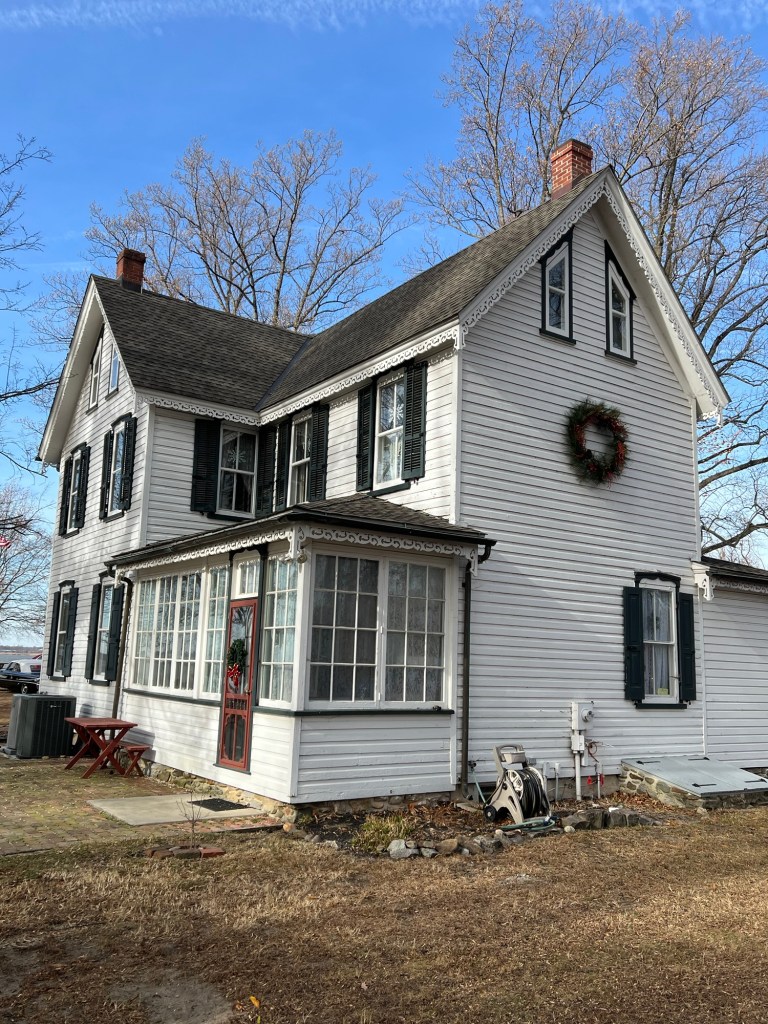
The Church Landing Farmhouse during the summer months.

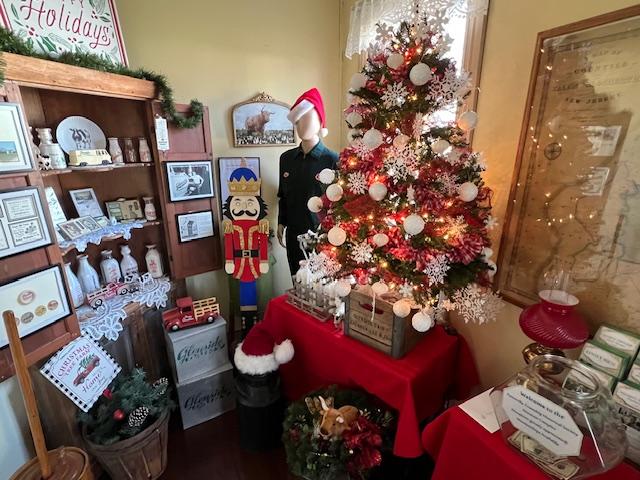
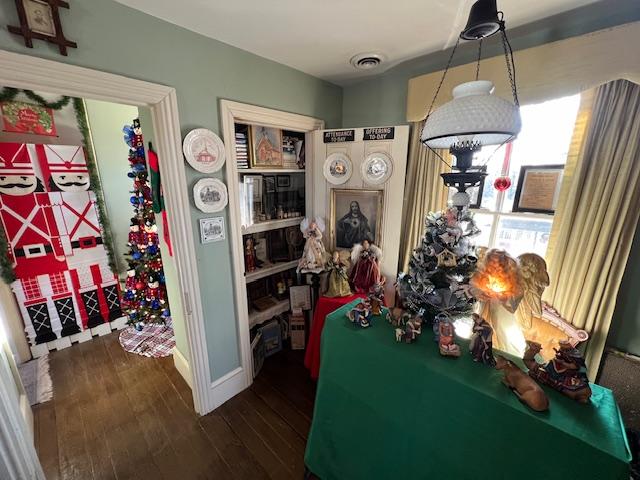
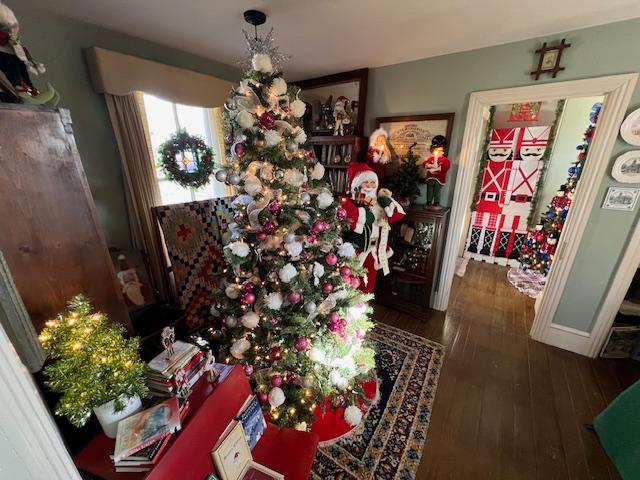
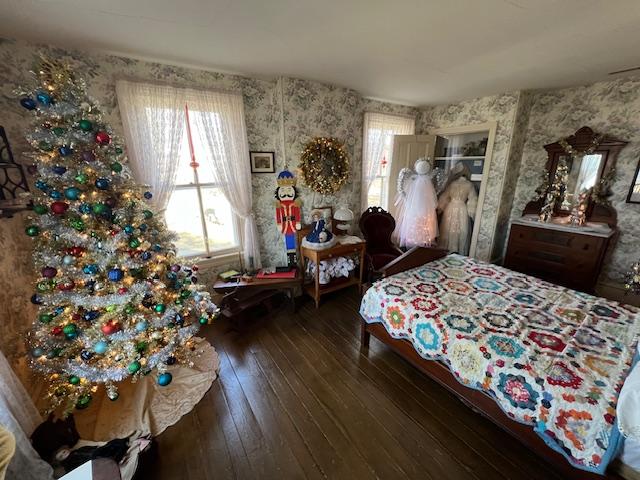
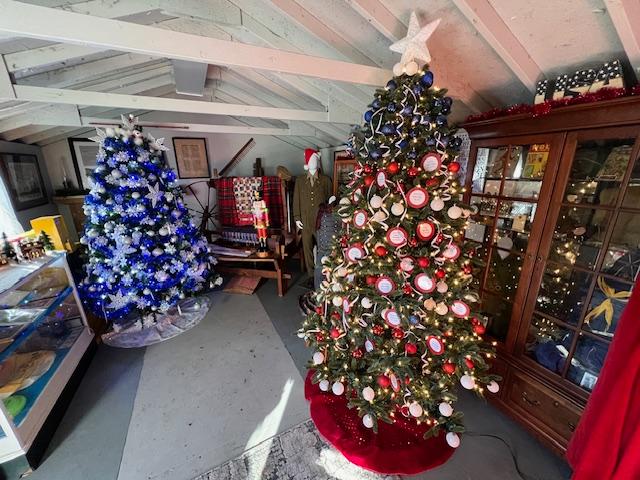
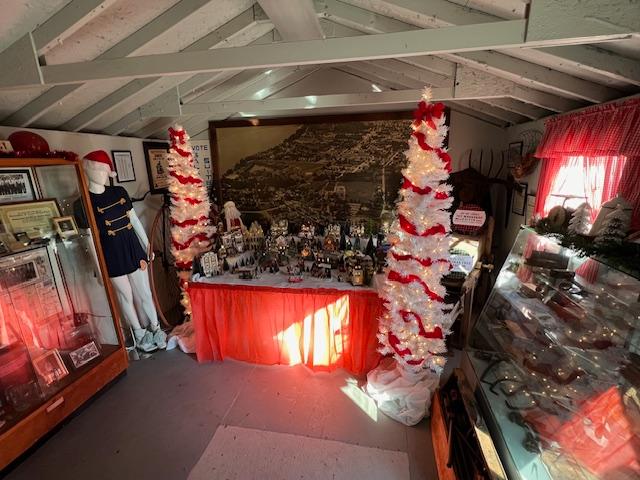
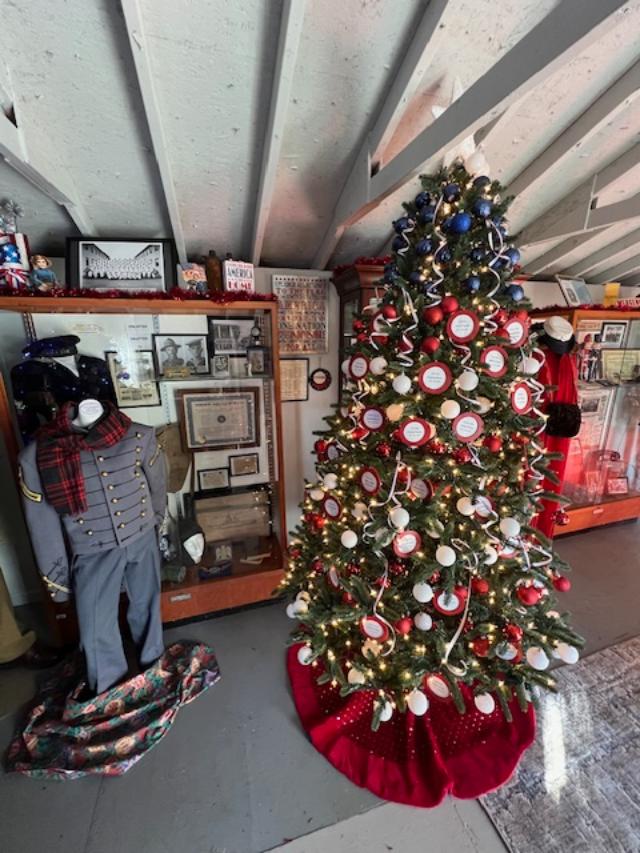
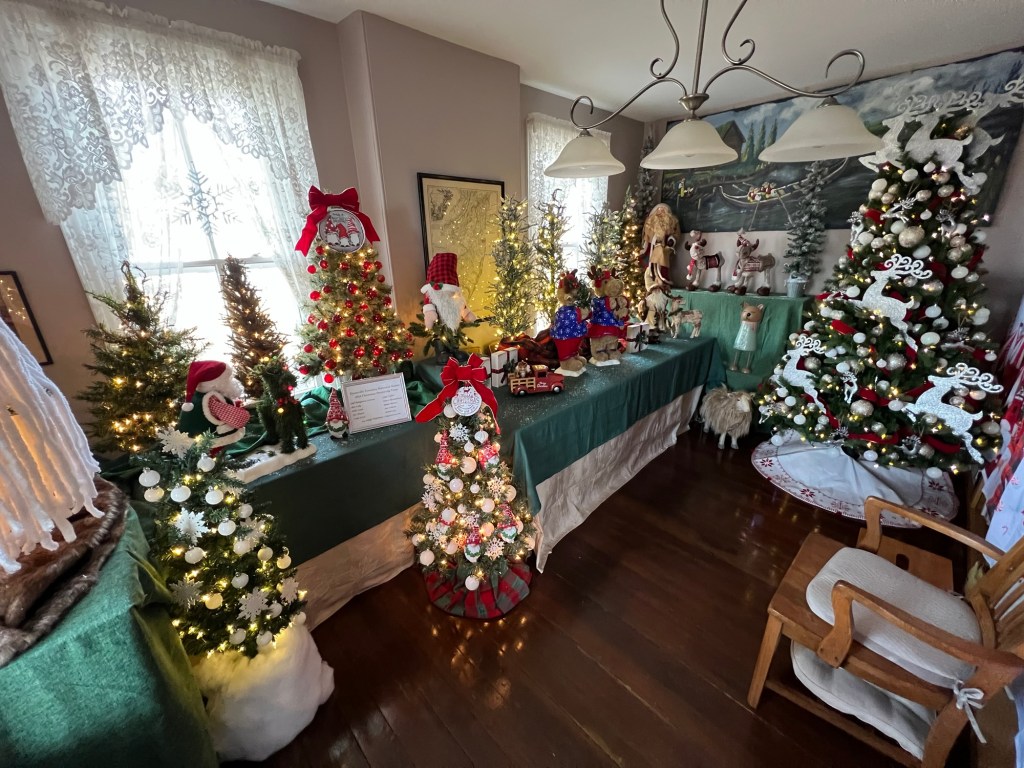
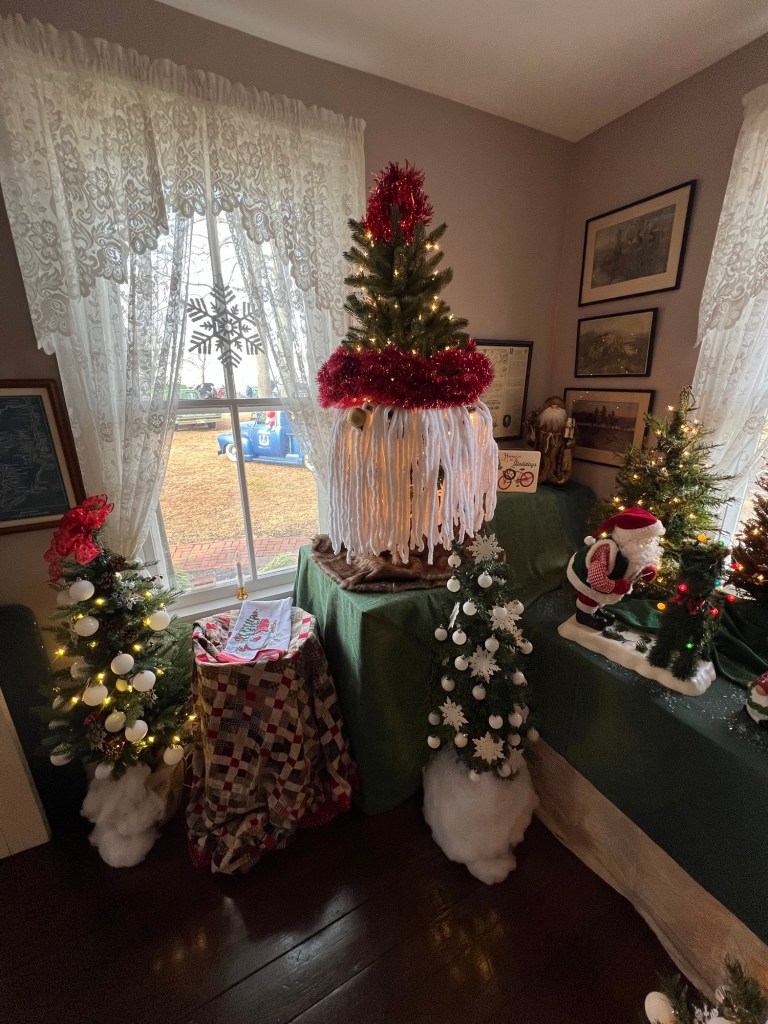
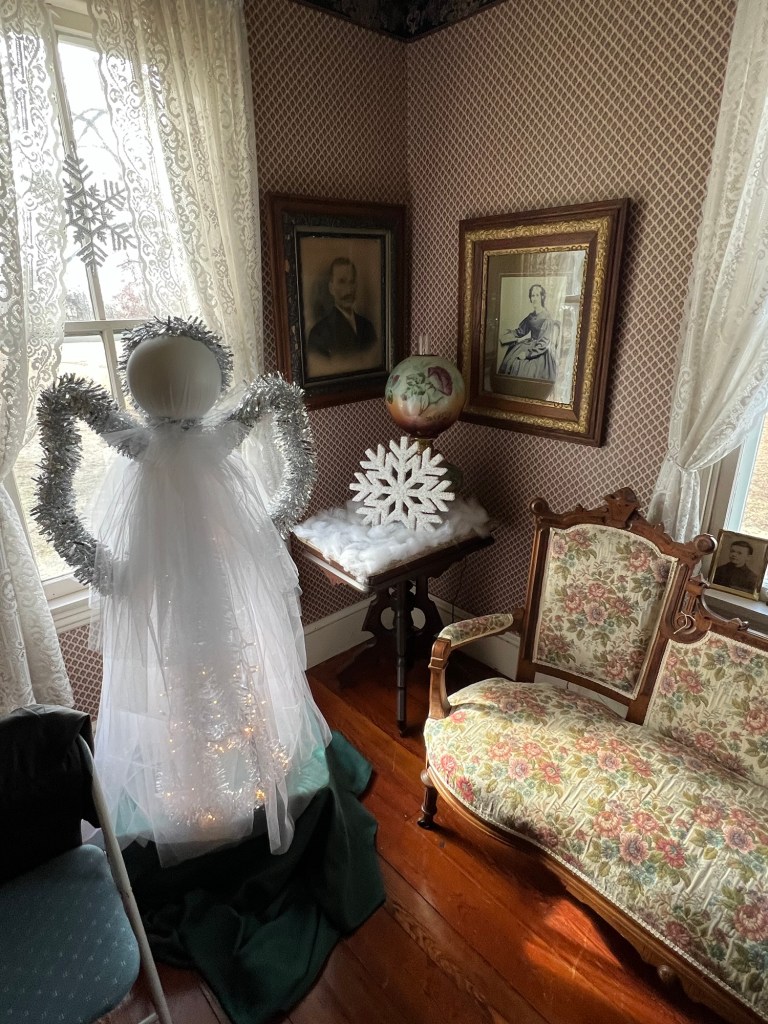
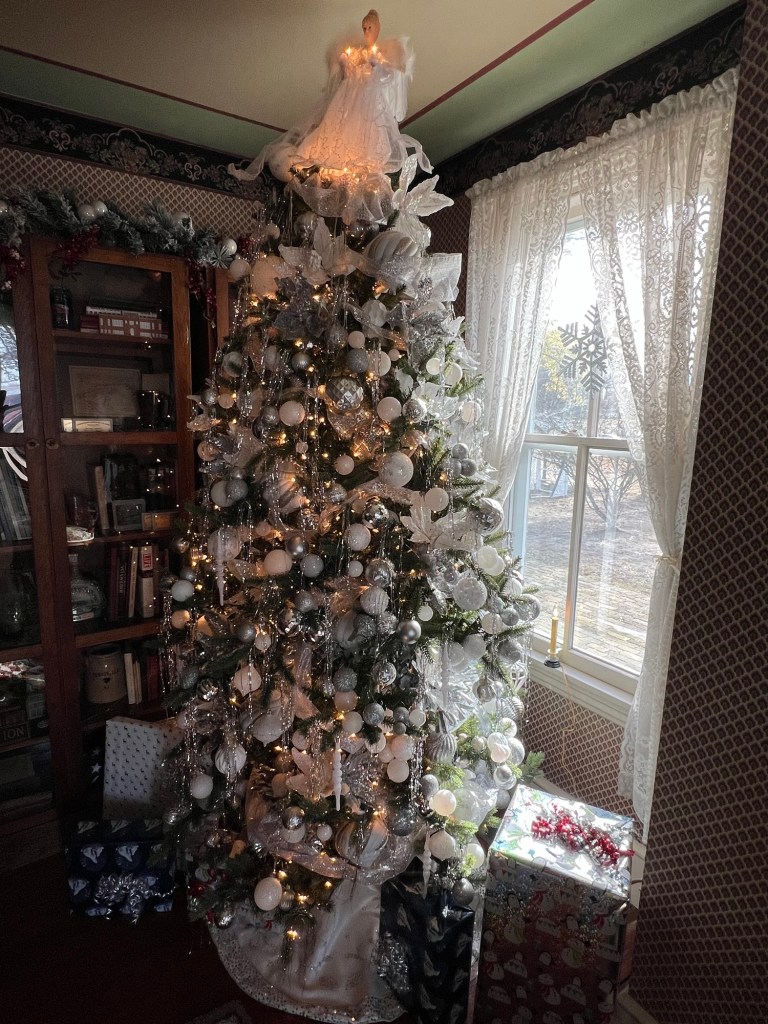
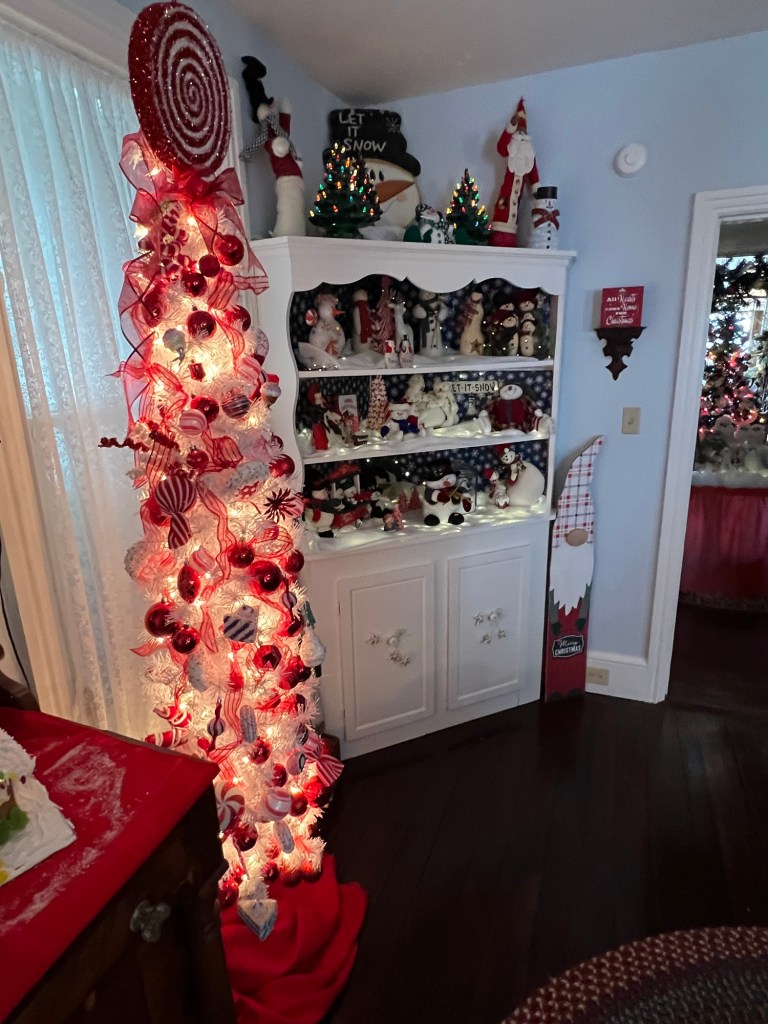
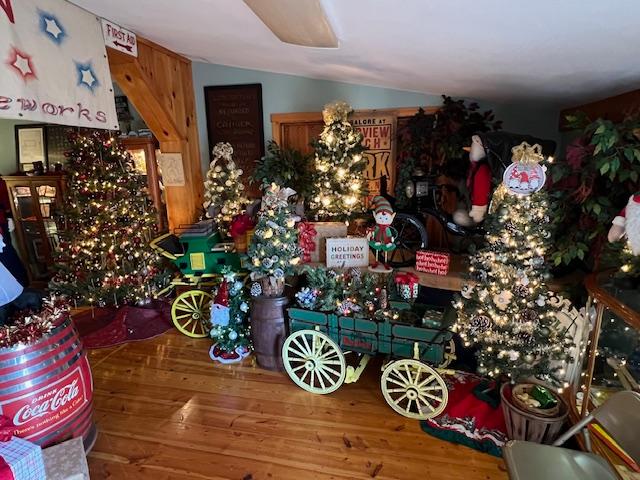
I took an extensive tour of the house in December when it was decorated for the Christmas holiday season. The house, grounds and outer buildings were all decorated for the Christmas holiday season with a hugely successful Open House on the first weekend of December. This is when this museum is highly under-rated with the amount of time and effort put into decorating every inch of this property. The display of Christmas decorations is dazzling! What a tour!

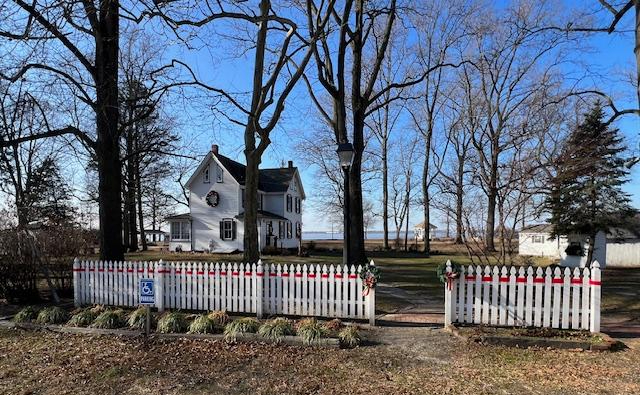
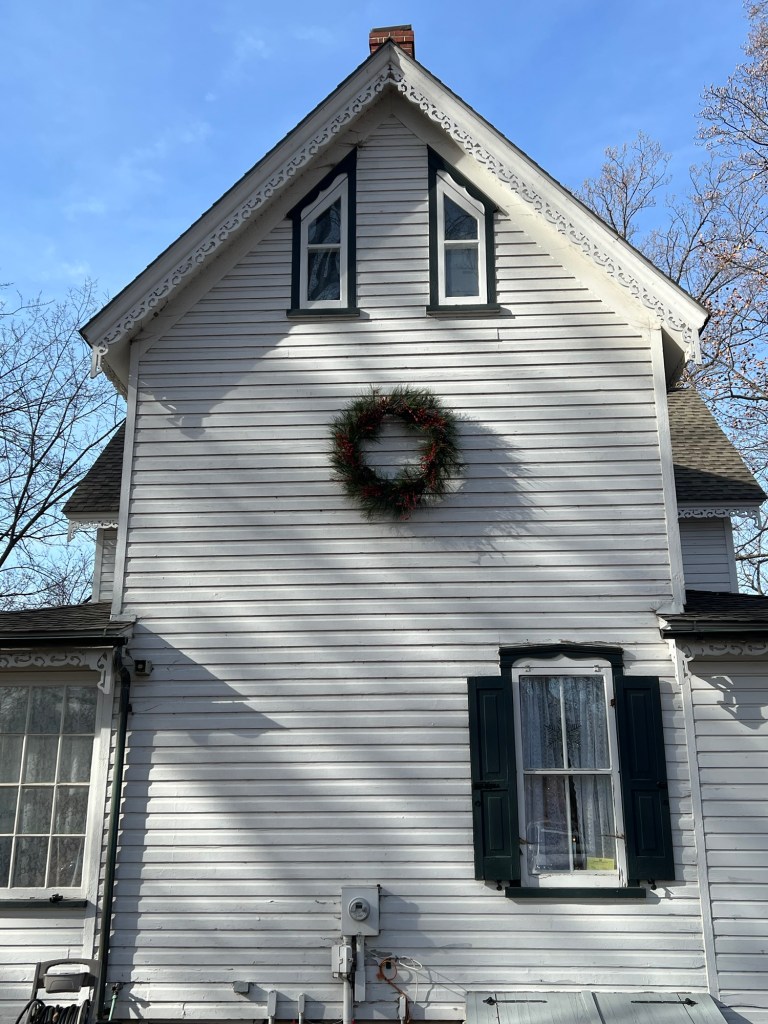
The Church Landing Farmhouse during the Christmas holidays.

The front of the Church Landing Farmhouse.

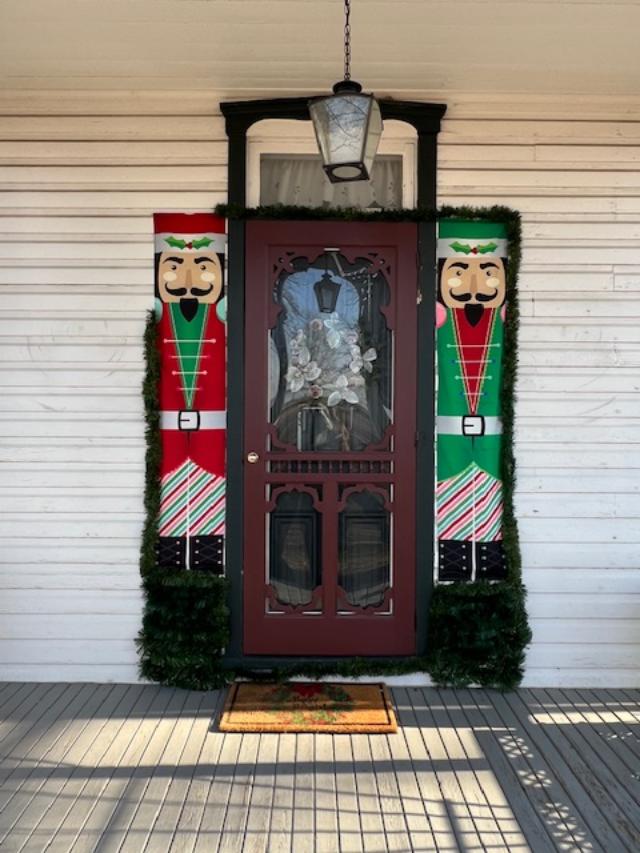
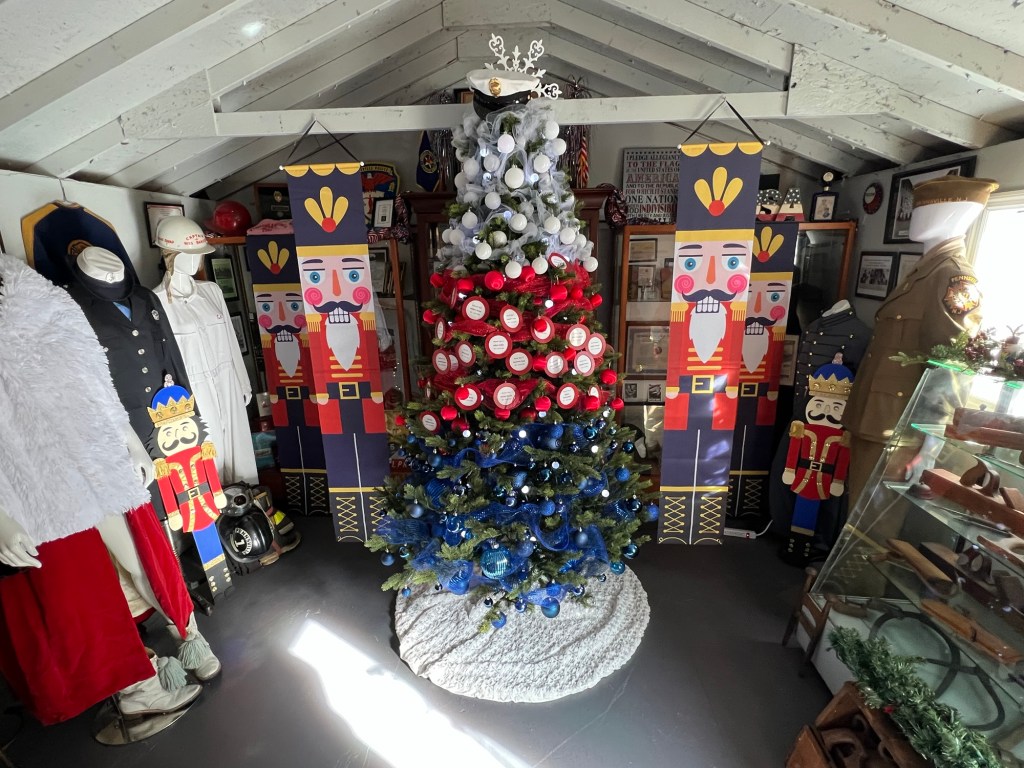
The theme this year is “Toy Soldiers”.

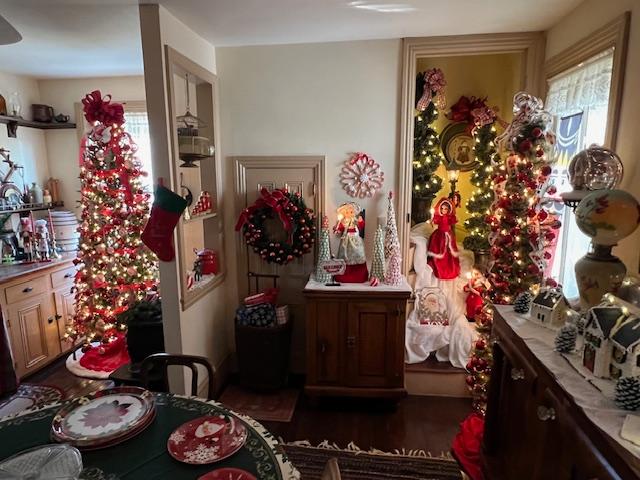
We entered through the kitchen and Gift Shop area of the house towards the back and I have to say that every room was decorated to the hilt with beautiful trees and decorations. There was not one corner of the house that was not decorated beautifully and tastefully.

The museum gift shop just off the kitchen.

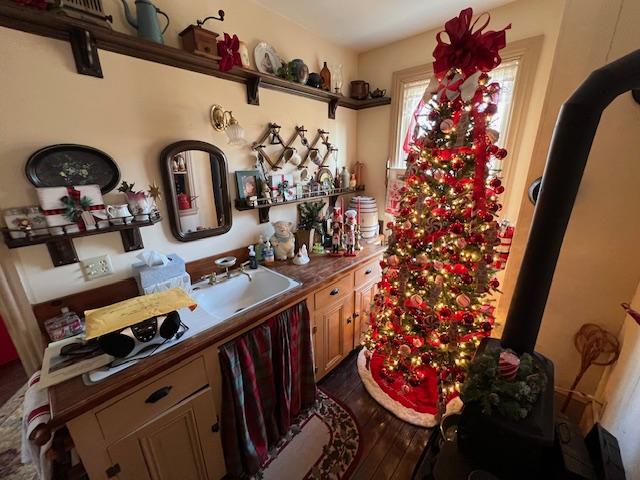
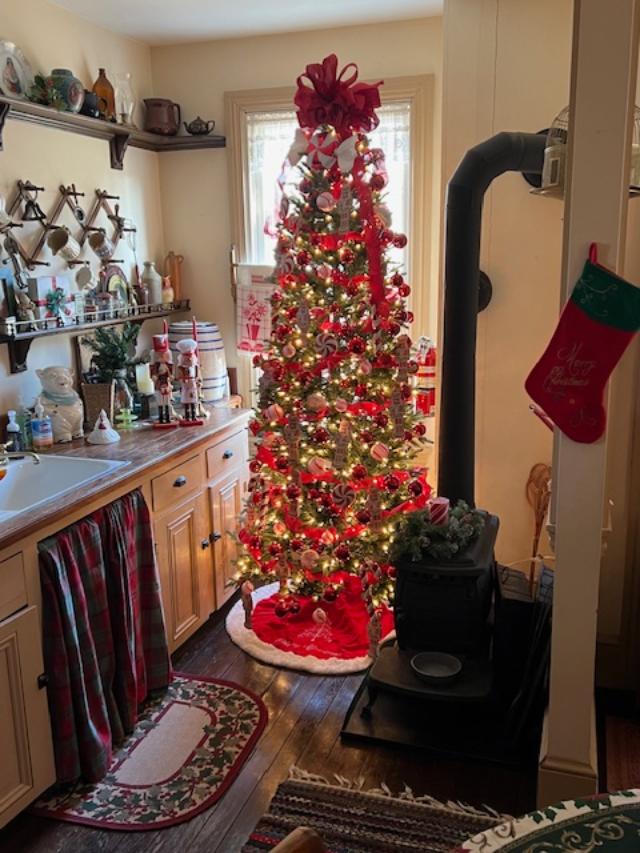
The kitchen in the Church Landing Farmhouse.

The kitchen at the Church Landing Farmhouse.

The Christmas tree in the kitchen of the Church Landing Farmhouse.

I was lucky in that I had a personal tour with the President of the Historical Society and she took me room by room explaining who designed and decorated the rooms and the detail work that went into them. We went room by room to see all the decorations.

The Living Room was decorated with all sorts of interesting decorations.

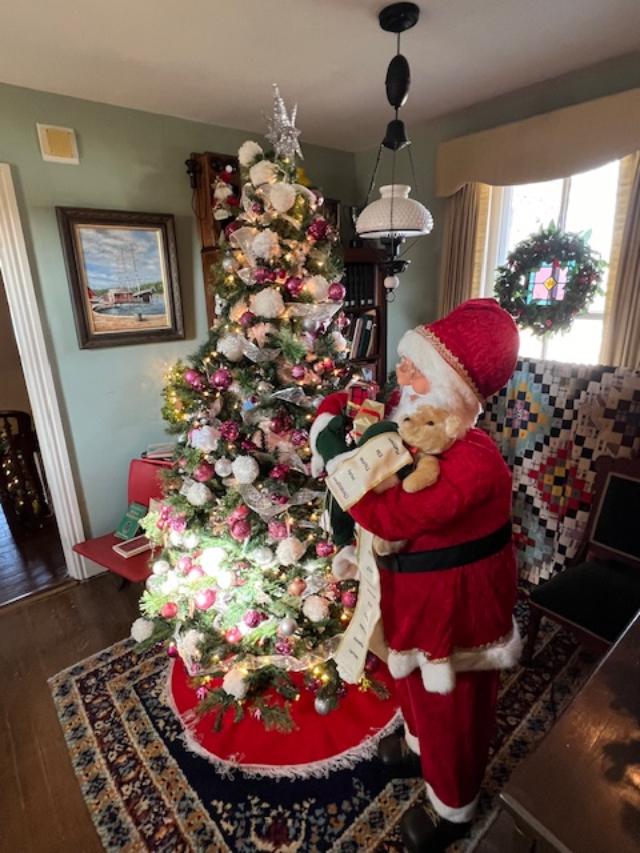
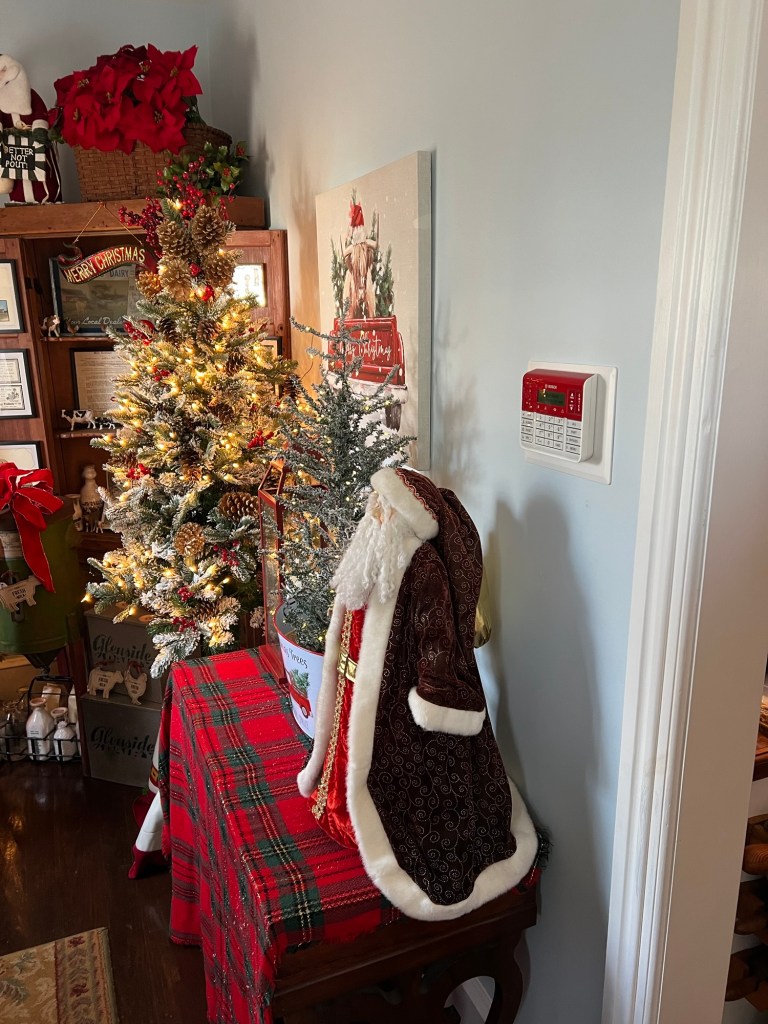
The Living Room tree with Santa standing guard.

The Christmas tree in the Living Room

The Living Room during the rest of the year

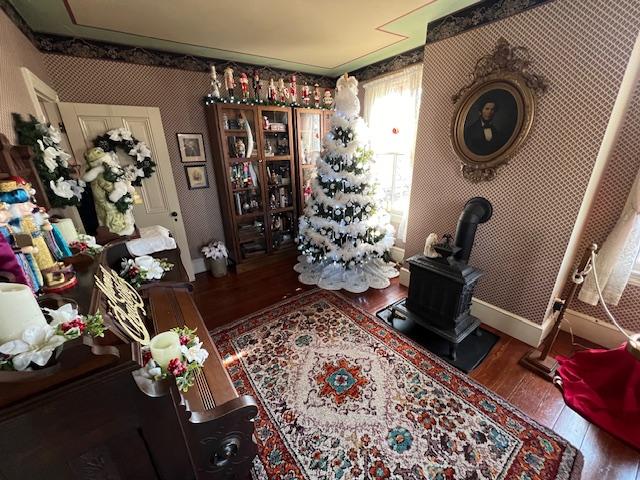
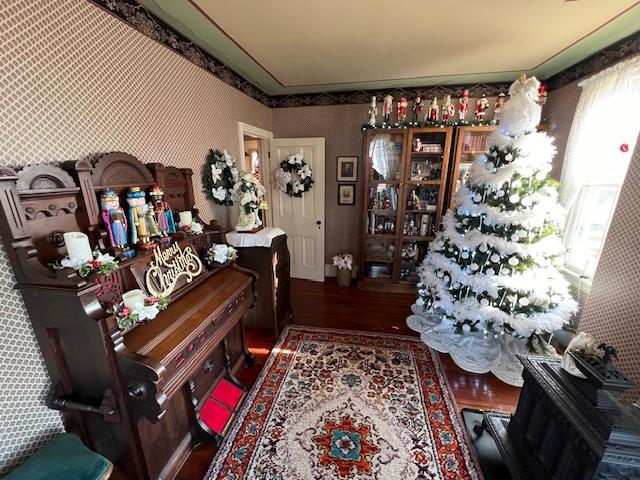
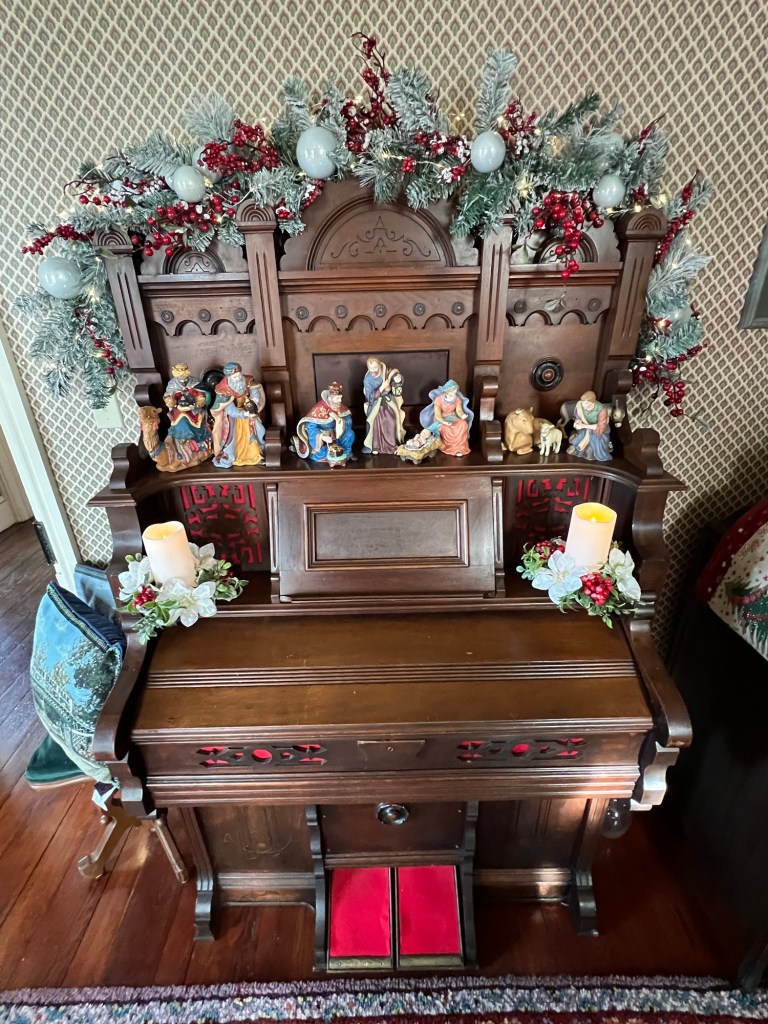
The next room we visited was the Music Room with its piano as the center of the room and a beautiful Christmas tree off to the side of the room.

The Music Room at the Church Landing Farmhouse.

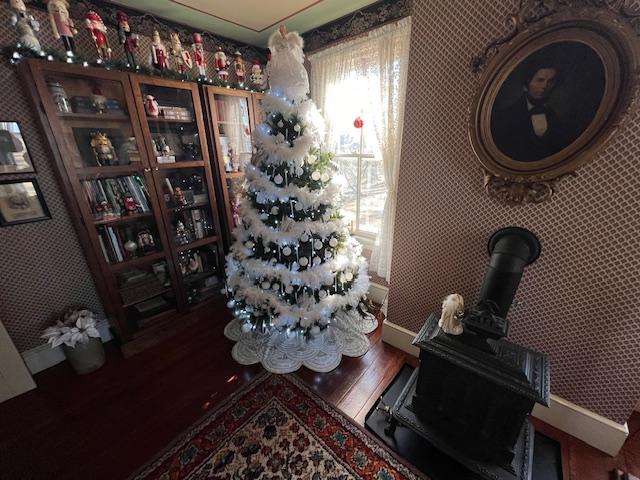
The Music Room Christmas tree

The Parlor during the rest of the year

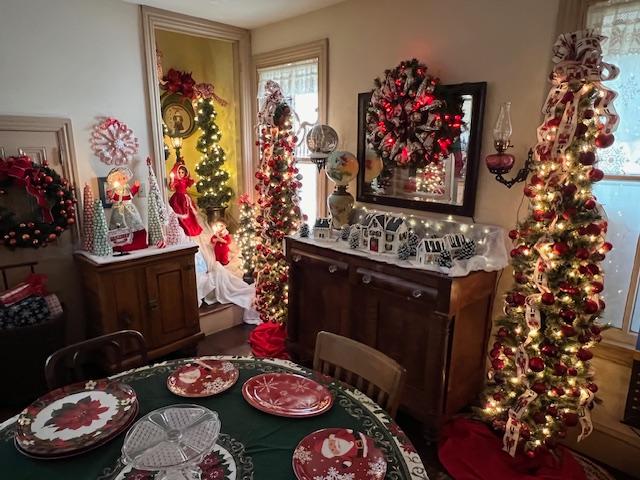
The next room was the Dining Room set for Christmas dinner.

The Dining Room set for Christmas dinner.

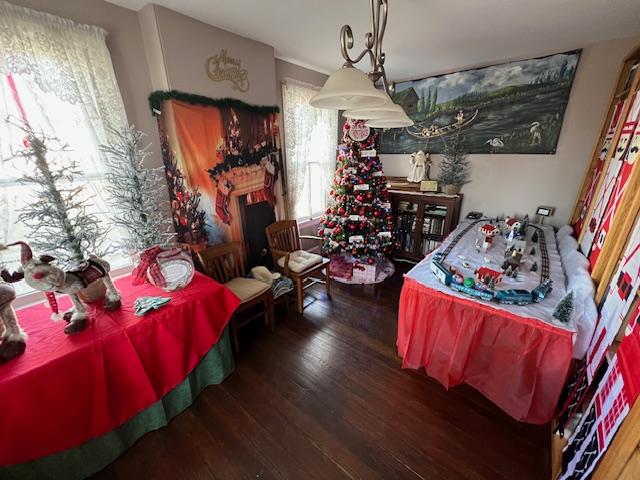
We then entered the room that Santa met all the visitors when they were at the Open House. The area was just off the foyer and was the first room that greeted visitors once they walked through the front door.

The Santa Room with a train set.

Santa and Mrs. Claus seats in the front parlor of the house.

The decorated staircase and hallway of the First Floor.

The Upstairs hallway with dolls.

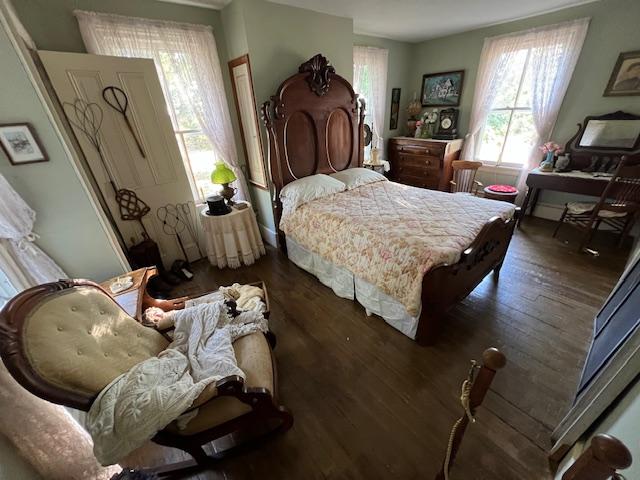
Bedroom One

Bedroom One

The Bedroom during the regular months

Bedroom Two

The Bedroom during the regular months

The new dollhouse that was donated

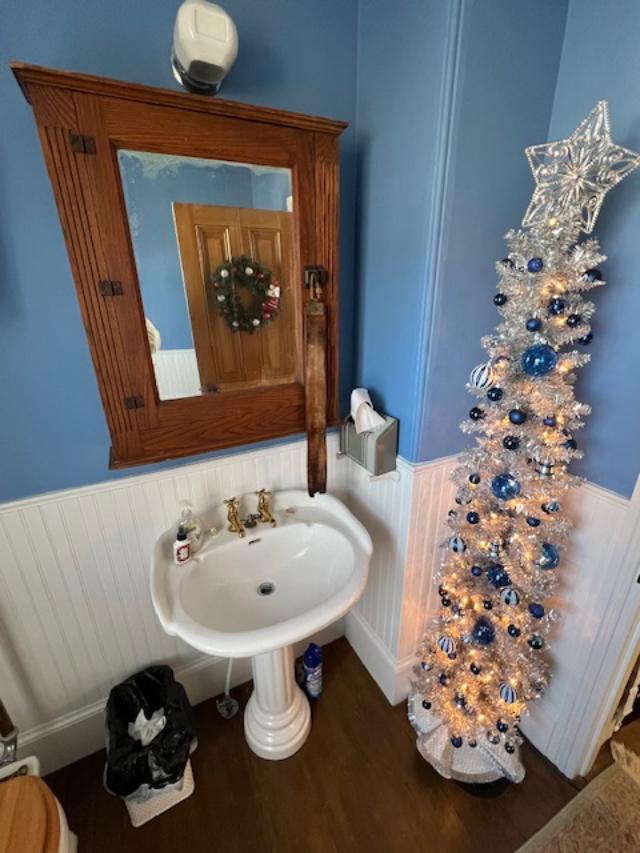
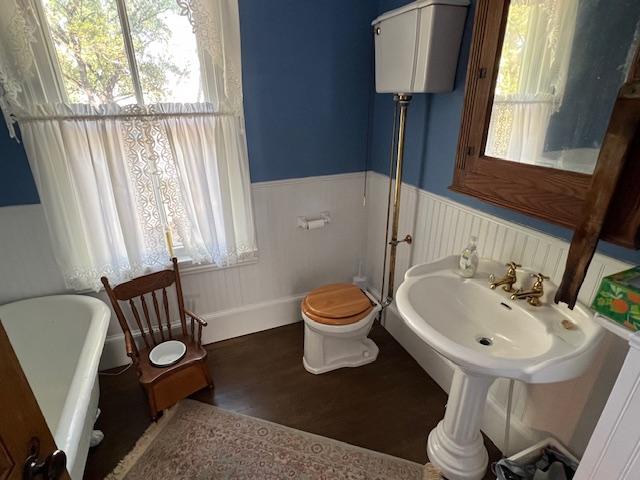
The Upstairs bathroom

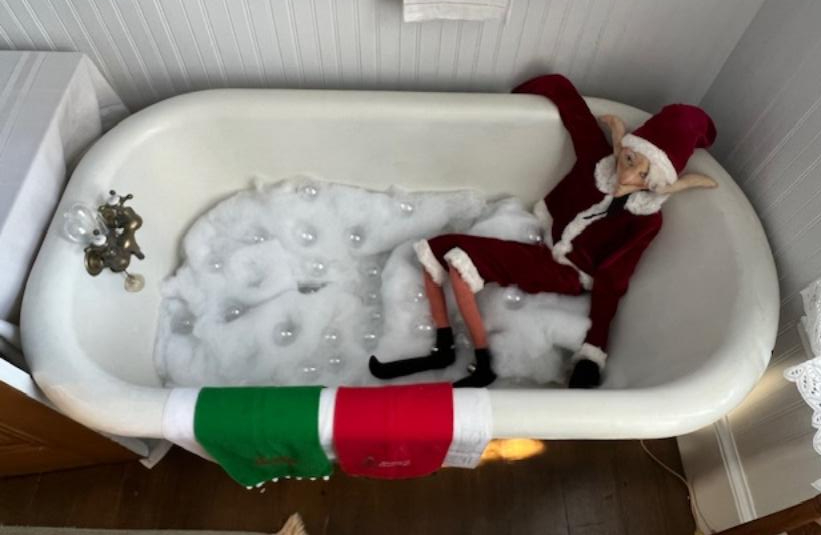
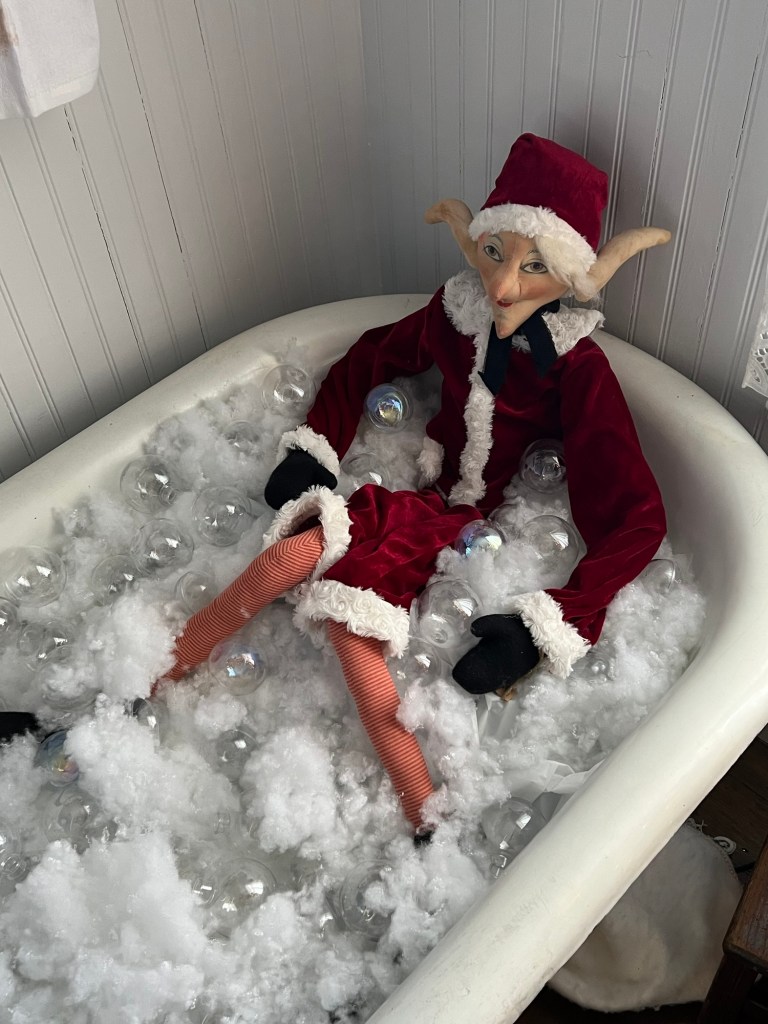
The Elf in the bathtub

The bathroom during the year

I thought this was quite unique was to see an elf in the bathtub of the upstairs bathroom. This little guy amused many visitors when he was just laying there in the tub with a smile on his face.

The nutcracker was standing guard when I returned to the first floor.

After I had toured the entire house, the three of us visited the smaller outer buildings that had also been decorated for the holidays. These included the Schoolhouse display, the Amusement Park display, the Military display and the High School displays. Each was decorated with their own them and was unique in its own way.

The Amusement Park display in the Riverview Beach Park building:

The Amusement Park display.

The Amusement Park display

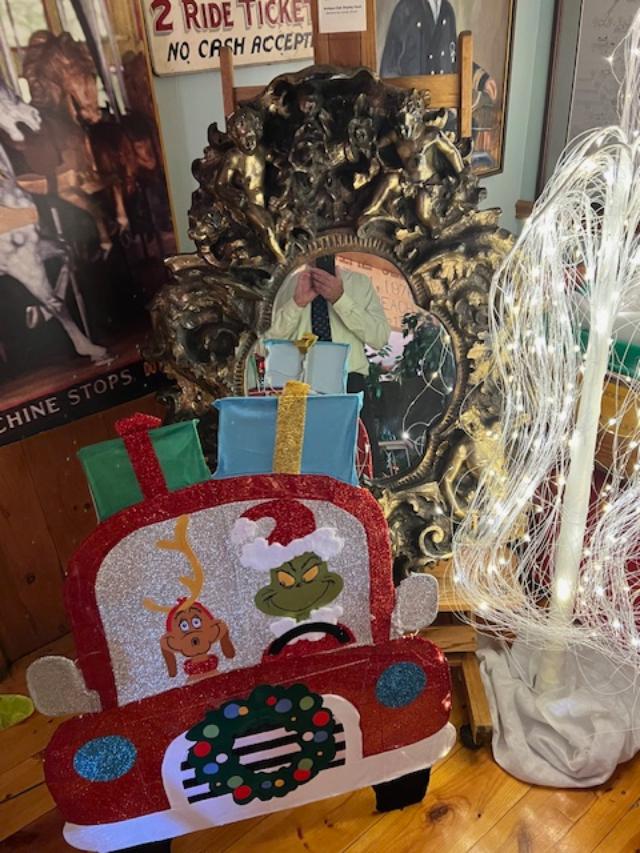
The Amusement Park display with one of the original carousel mirrors.

The Riverview Beach Park Display in the Amusement Building.

The Amusement Park display.

The Amusement Park display.

The display of the original park

The Amusement Park display

The Amusement Park display

The Amusement Park display

The next building we visited was the Military display in the Veteran’s Building. Every corner of the room was decorated to the hilt and honored local members of the local military.

The Military Building

The Military Building

The Military Building

The town history building

The next building was dedicated to the local schools and bands. When it is not decorated, you can see all the Alumni objects from the local high schools including uniforms, composite pictures and trophies.

Pennsville School display

The High School displays.

The School displays.

The Christmas tree inside the High School building

The Town and High School History building

The High School display

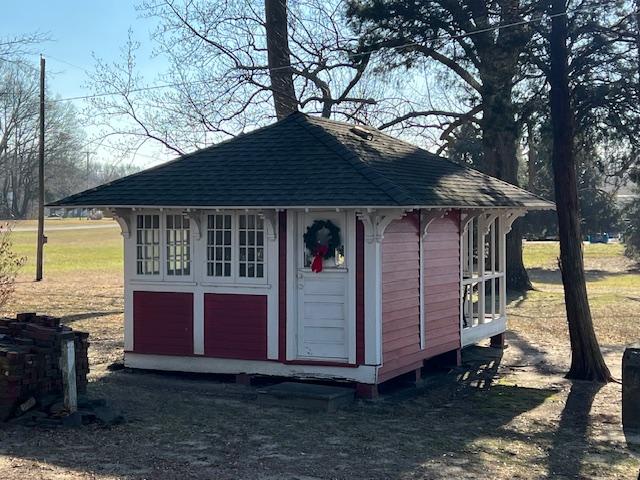
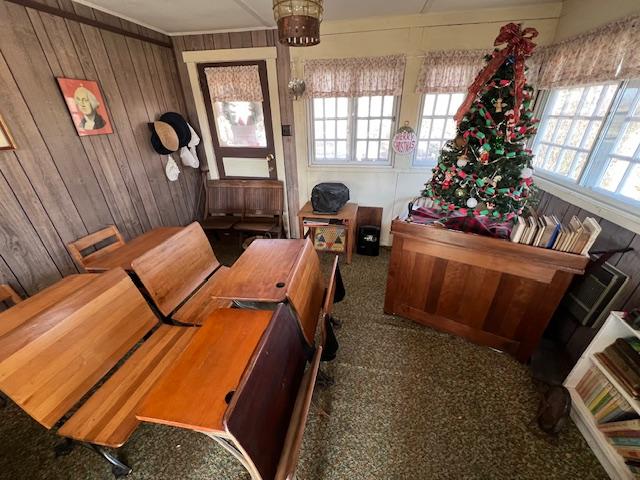
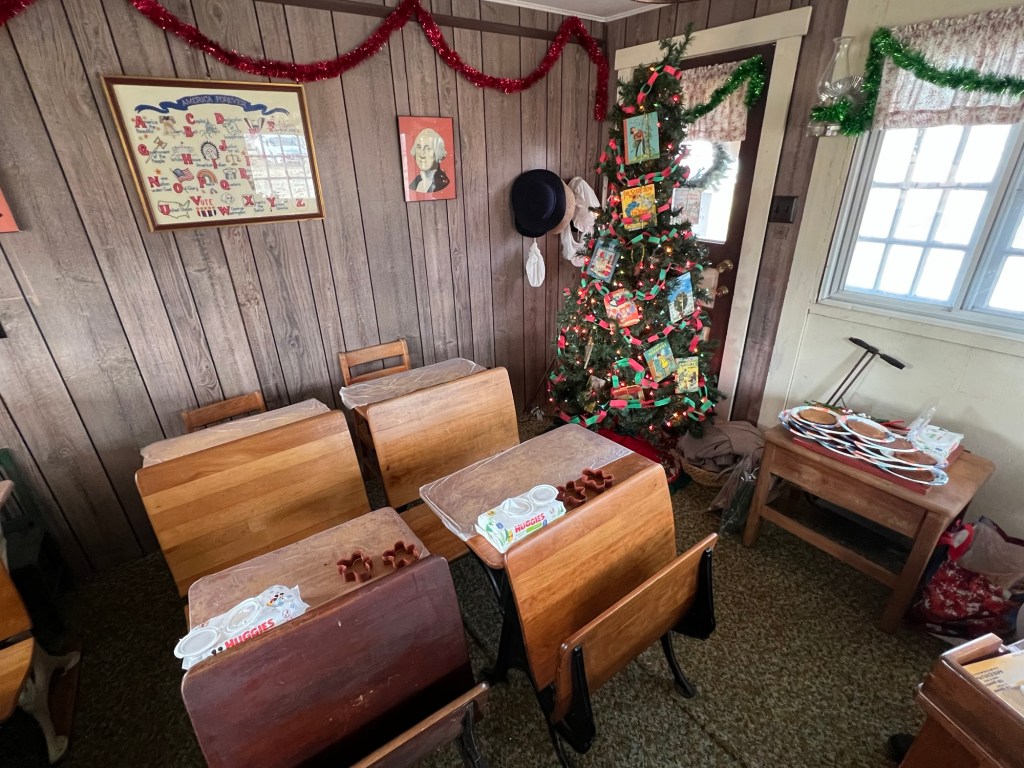
After we left this small set of buildings, we went to the old Schoolhouse display on the other side of the farmhouse. That was set up as a school room circa 1900.

The Schoolhouse by the side of the main farmhouse.

The inside of the School House.

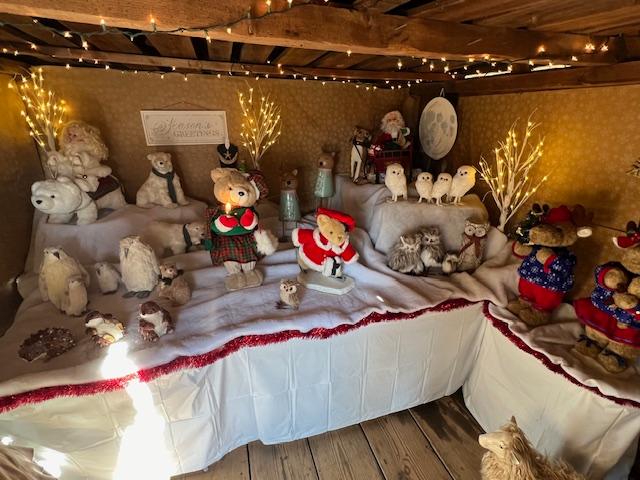
The Stuffed Animal display

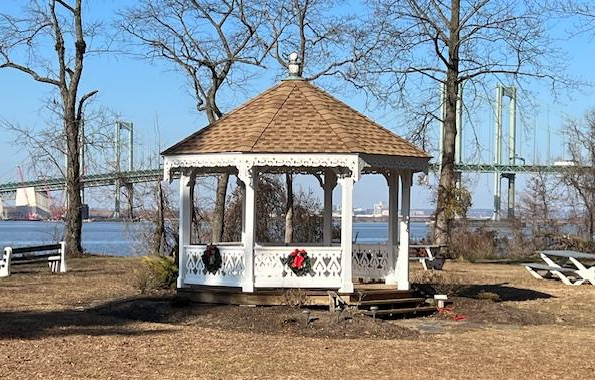
After I had finished walking around the buildings with the President and one of the Board Members, we toured the property really quickly. On such a beautiful sunny afternoon, I really had a great view of the Delaware River and the Bridge.

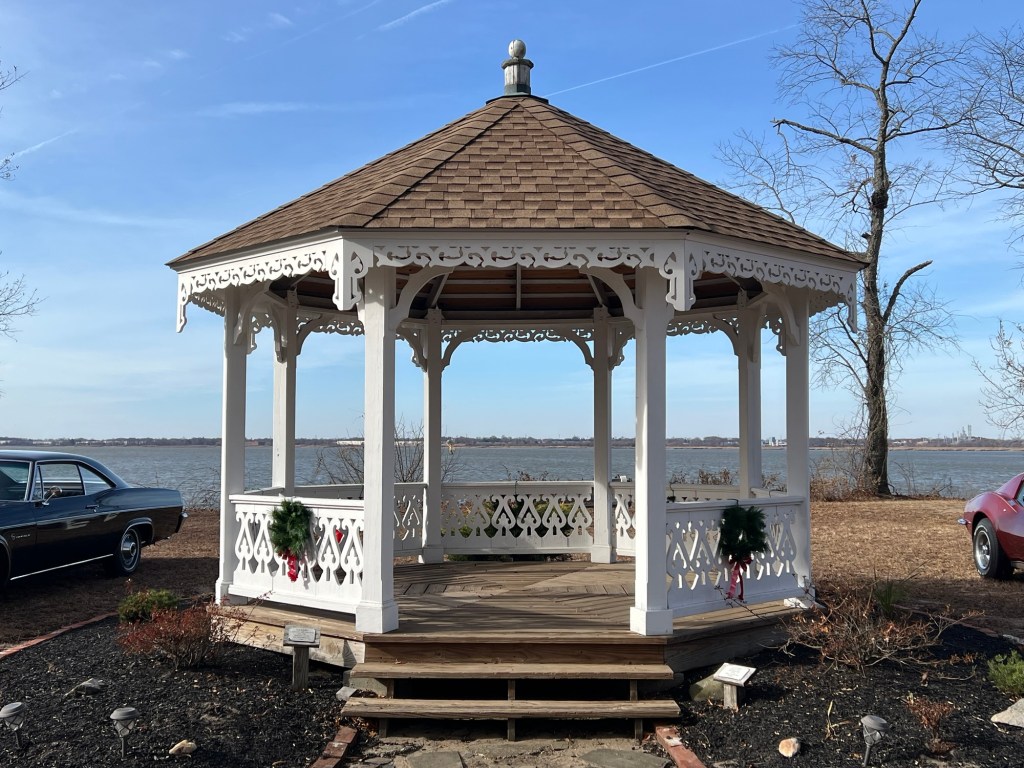
The Gazebo with a view of the Delaware Memorial Bridge in the background.

A close up view of the house as I was leaving.

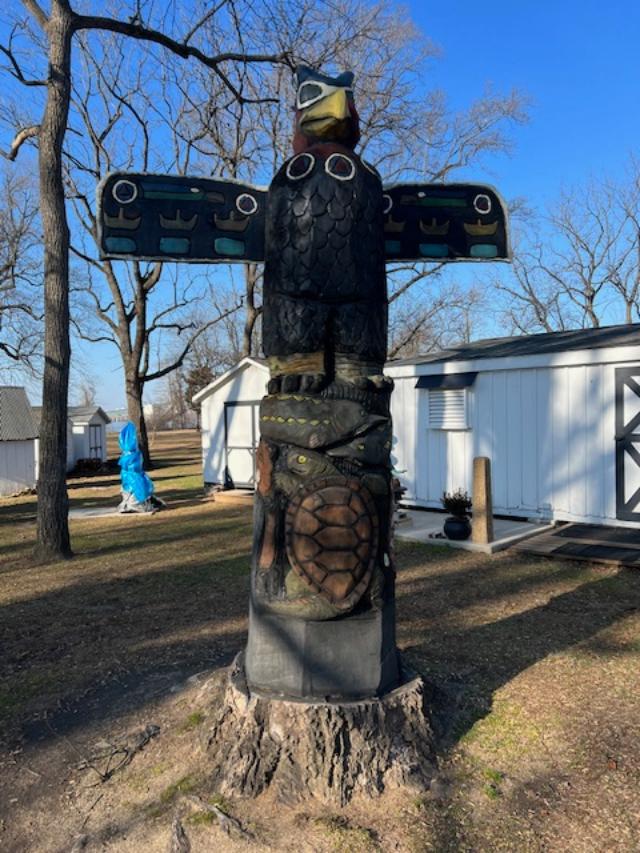
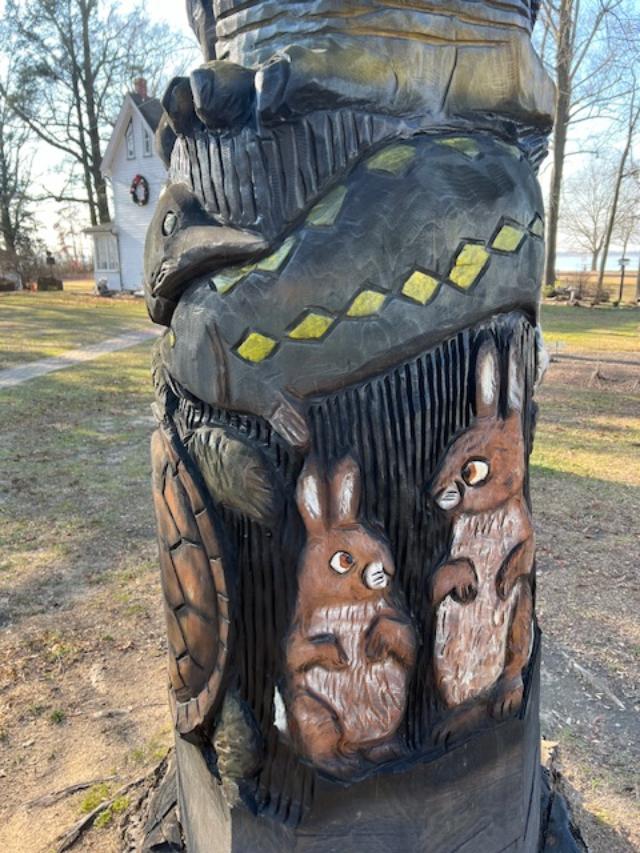
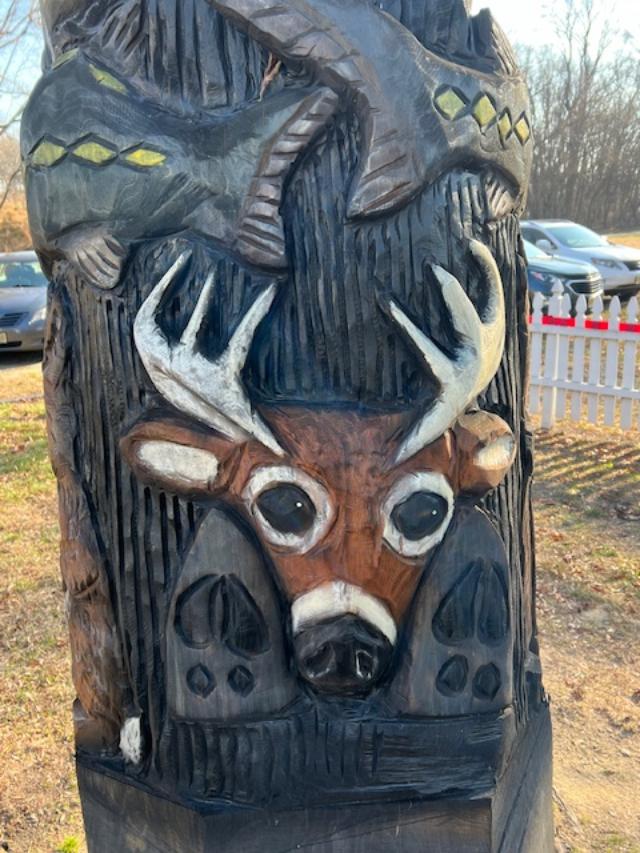
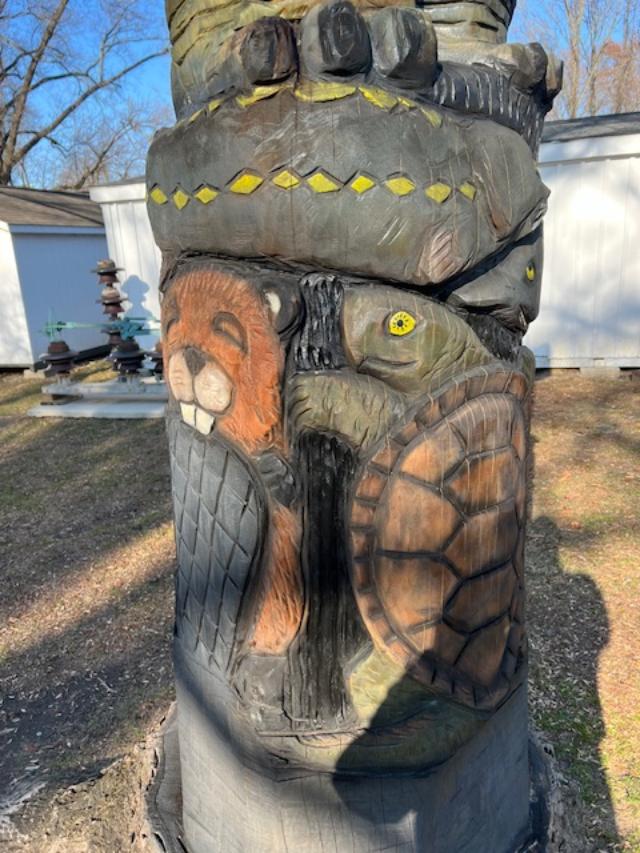
The last thing the ladies showed me was the Totem Pole that they had created for the site. I thought the carvings were really original.

The Totem Pole of the Pennsville Historical Society property.

Carvings on the Totem Pole.

Carvings on the Totem Pole.

Carvings on the Totem Pole.

It was an amazing tour in a very underrated museum that has so much to see and experience during the holiday season. This display closed as of the last week of December before Christmas and if you have not experienced this year, I suggest making a trip starting next December to see this magnificent display of Christmas trees and decorations that dazzle the eyes with their colors, designs and sheer glitter. It was one of the best Christmas displays I have seen in a long time.

The History of the Church Landing Farmhouse/Penn Township Historical Society:

(From the Pennsville Township Historical Society website):

The Church Landing Farmhouse was built in 1840 by Daniel Garrison. In 1991, the Atlantic City Electric Company provided structural renovations to the house and a group of dedicated volunteers from the community restored the farmhouse and grounds to their current glory.

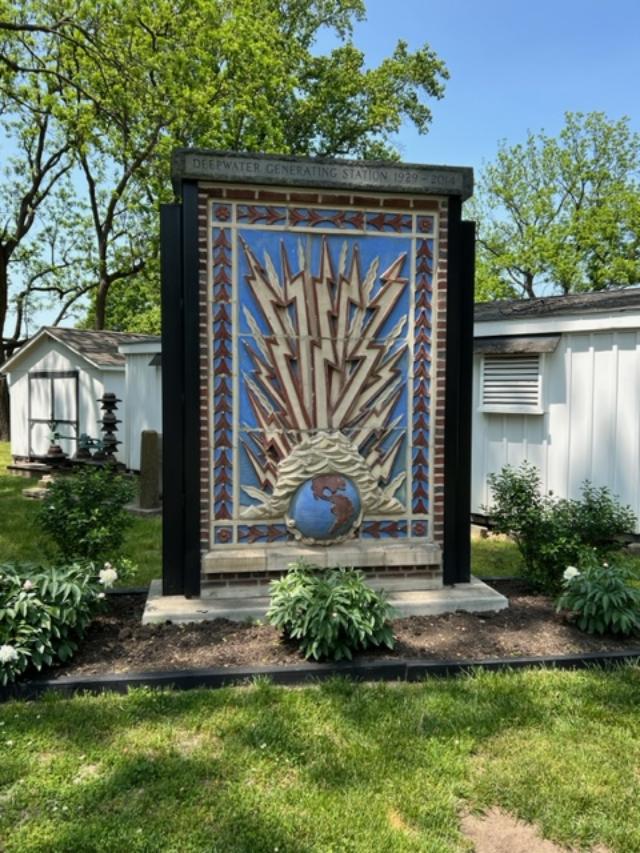
The Church Landing Farmhouse grounds currently house a 130 year old Floating Fishing Cabin, a 100 year old Wash House owned by Pennsville Physician Dr. James, the 100 year old Perry Farm Privy (the farm is located on the Pennsville-Salem Road), the Riverview Beach Park Museum, a 1929 Art Deco Tile from the original Deepwater Generating Station building, a one room Schoolhouse, and the historic records that features PMHA, Salem and SCCS Yearbooks, local genealogy, Township Obituaries (2010-2020), Federal NJ Township Census Records and local history.

The Art Deco Tile from the Deepwater Generating Station Building

The displays at the museum feature newspaper clipping and a section on local newsman Bill Gallo Jr., police, fire and military from the area, high school yearbooks and displays, ferry and excursion ships, antique looms, sewing machines and spinning wheels, antique tools and church records.

The Church Landing Farm estate from the parking lot

The Bay lawn in the Summer of 2024

Visiting in Christmas 2024:

I returned again for the Christmas Open House in 2024 to see another dazzling array of decorations and Christmas trees.

The Church Landing sign was decorated for the holidays

Every inch of the house and grounds was decorated for the holidays

The main house looked very festive for the holiday season

The Gazebo overlooking Delaware Bay

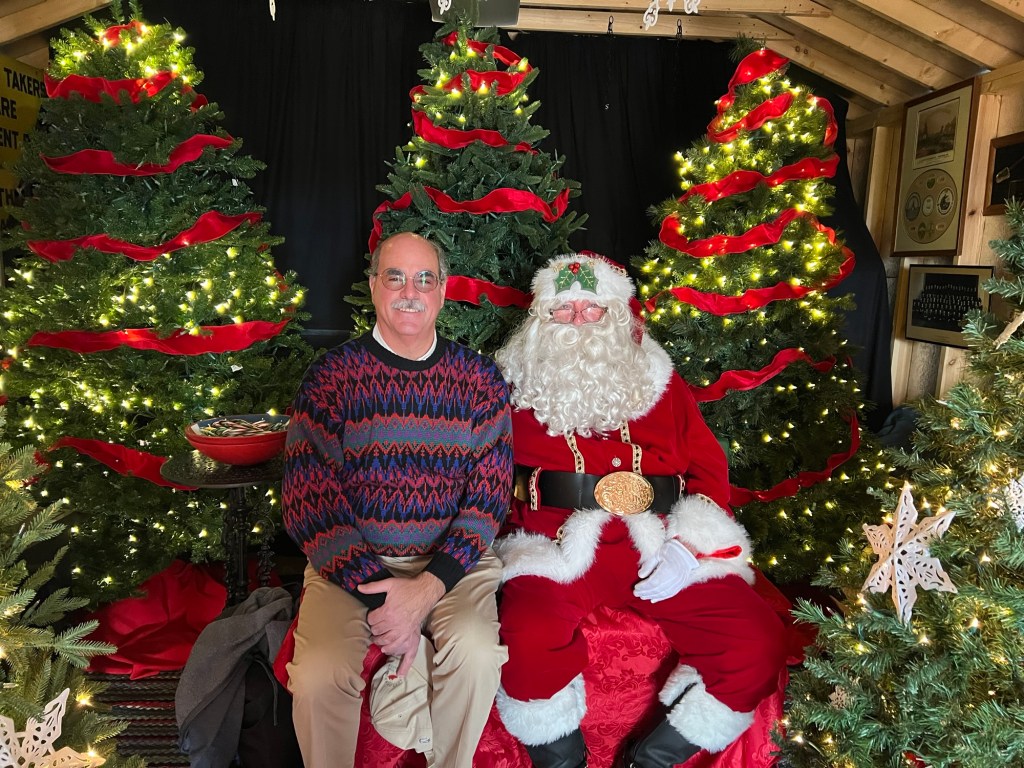
Since I got to the site when the estate first opened, the first thing I did was visit Santa and Mrs. Claus in their Santa shed. What nice, engaging, people they both were, and we were able to have a nice conversation about the care of elders in modern society today. I never realized the Claus’s were so insightful on current issues.

Santa’s Shed at Penns Landing

Santa and Mrs. Claus holding court in the private shed

Me giving Santa my list of wishes and telling him that I was not naughty

The beautiful decorations in the shed

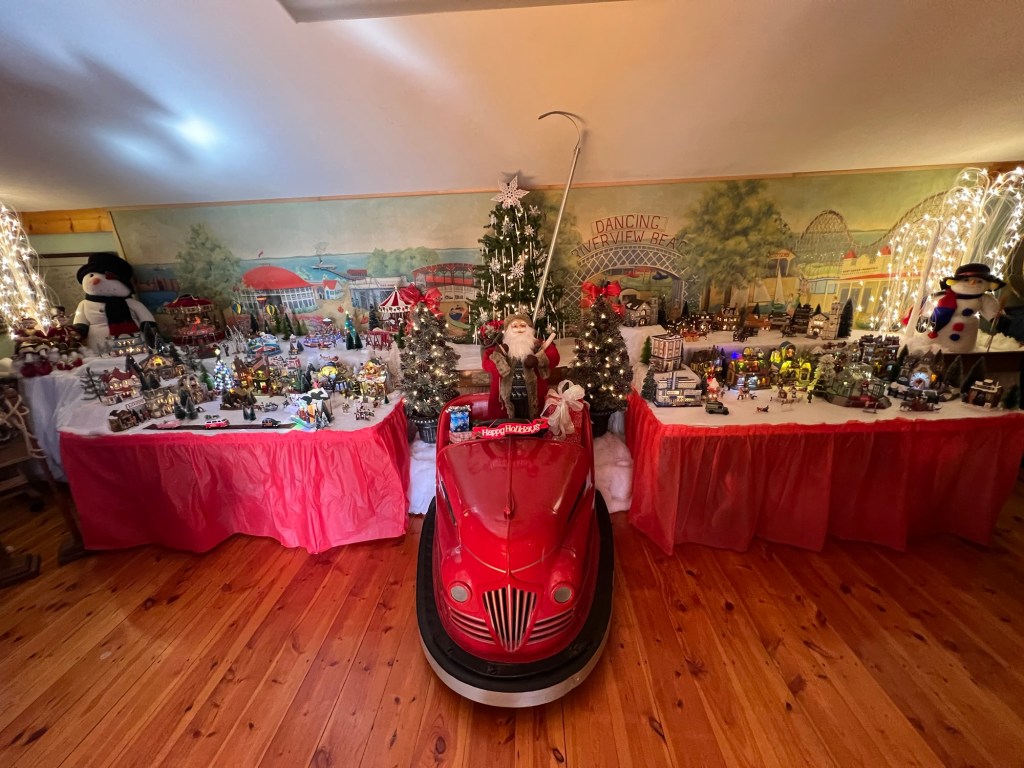
I moved onto the Amusement Shed that I enjoyed touring over the summer. the decorations here were really elaborate.

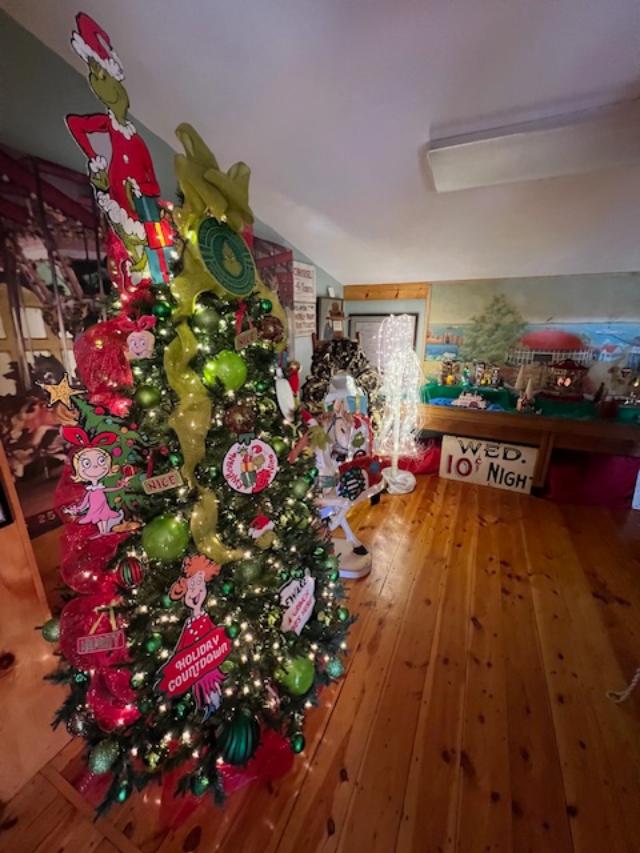
The Amusement Park shed decorated for the holidays.

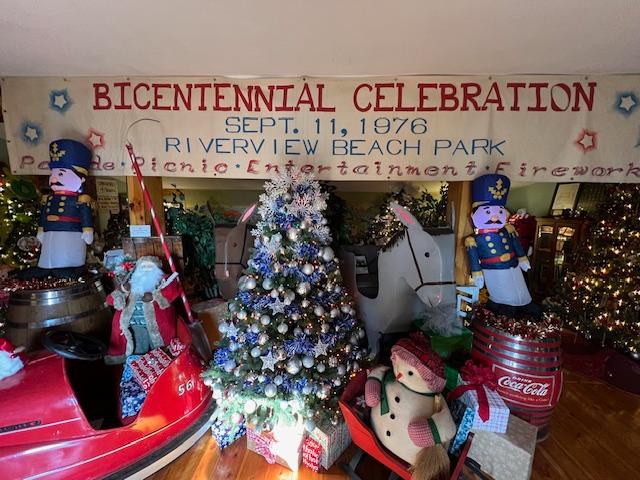
The bumper cars decorated for the holidays

The rides and amusement decorated

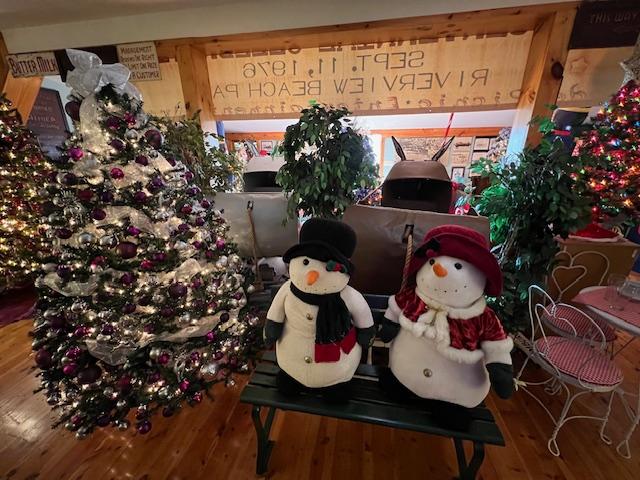
The rides and amusements decorated

The rides and amusements were nicely decorated

I then moved to the Military Shed which I barely recognized with all the decorations.

The patriotic colors of the holidays

Santa figures bowing and dancing

The unique trees

The Military Christmas

The Marching soldiers in the Military Shed

After touring the sheds, I toured the historic house on the property. Each room was more impressive than the next.

The entrance to the Church Landing Farm Home

The first-floor reception room

Taking pictures in the Reception Room

The Staircase decorated on the first floor

The Living Room piano

The decorations in the Living Room

The Christmas Tree in the Living Room

Decorations in the Parlor

Santa’s in the Parlor

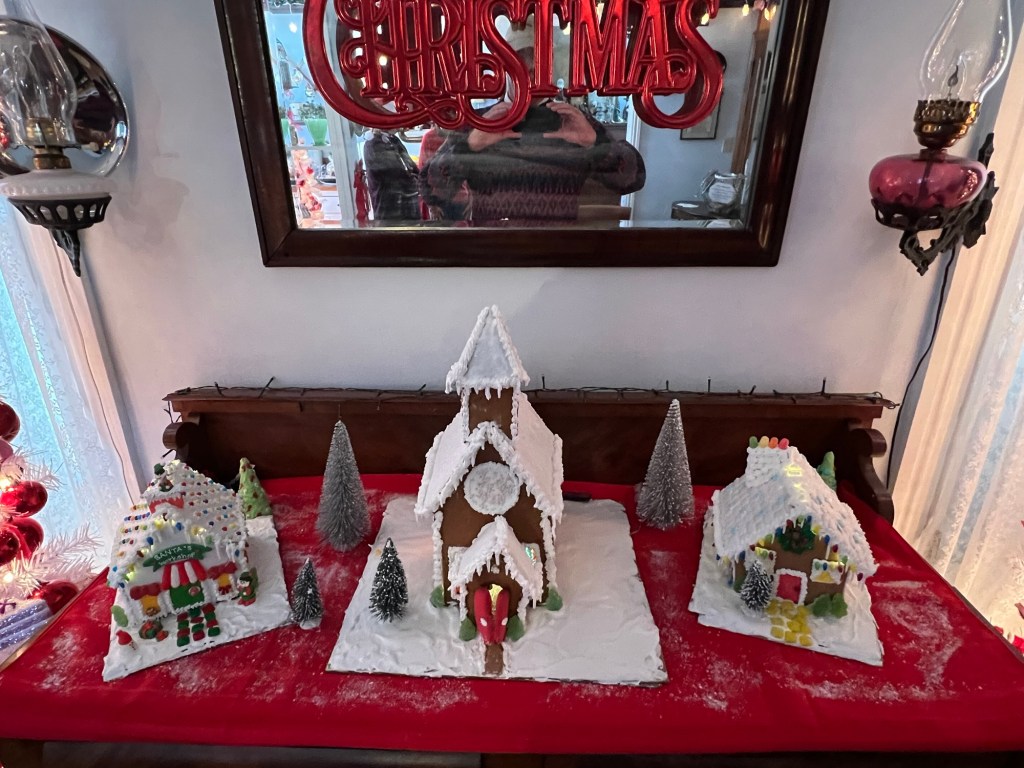
Gingerbread houses in the Parlor

The Parlor decorated with Santa’s and Christmas trees

Decorations in the Kitchen

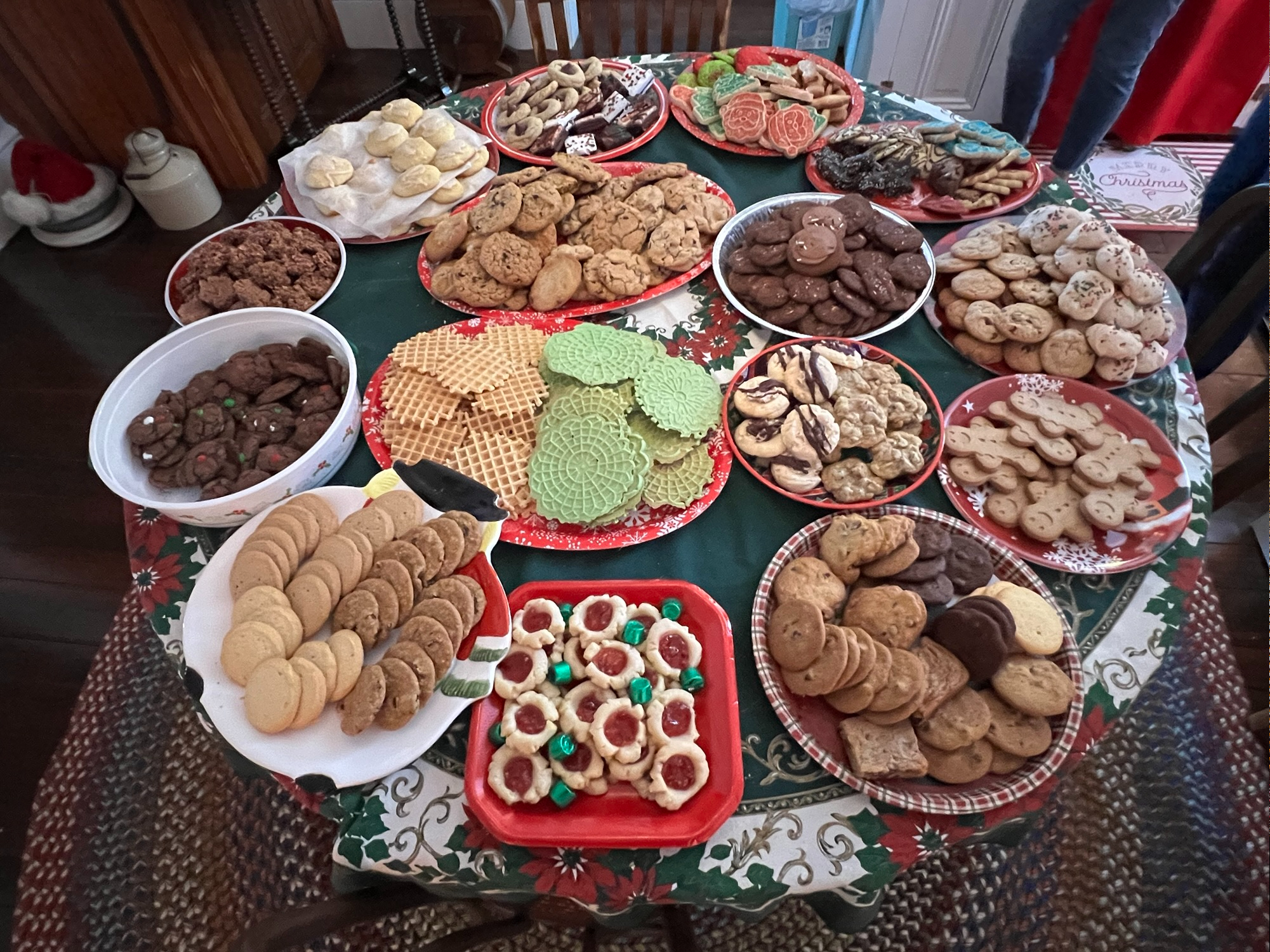
The selection of cookies and refreshments to enjoy the afternoon of the Open House

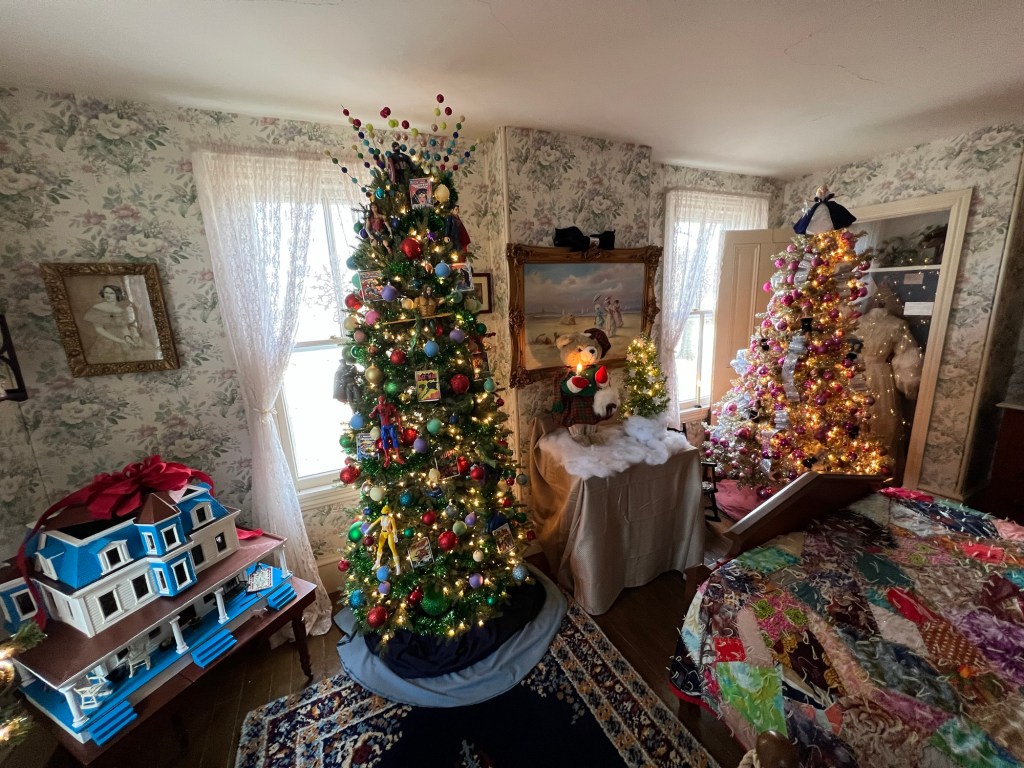
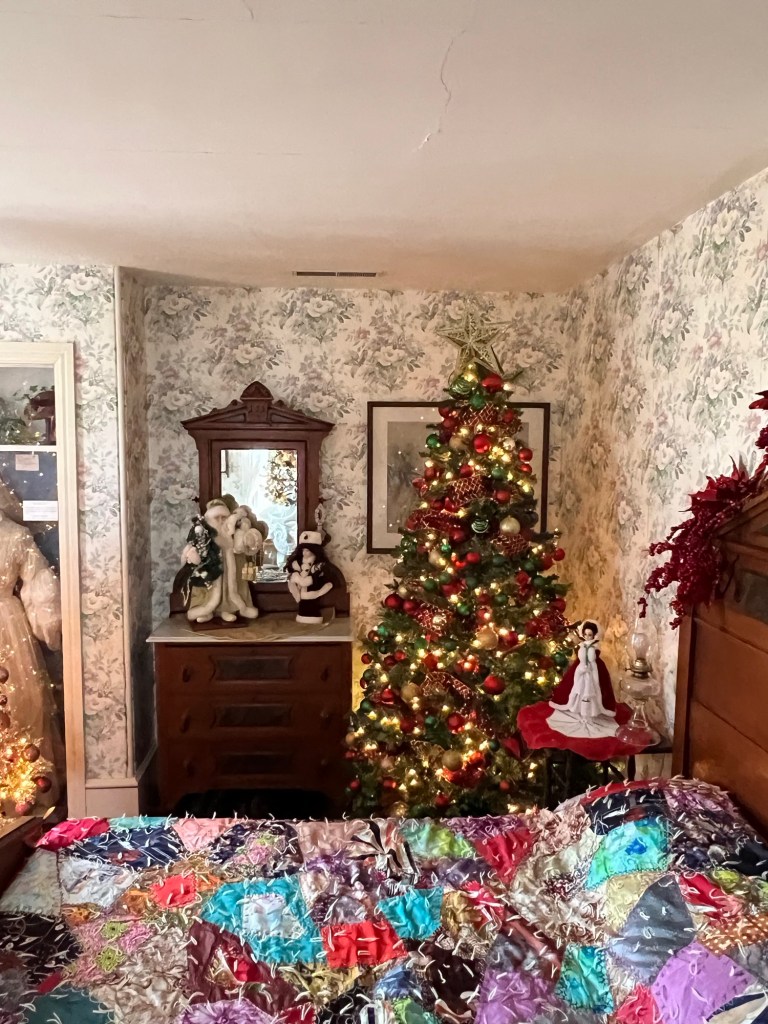
The beautiful trees in upstairs bedroom

The larger tree in the bedroom

The decorations in the second bedroom

The decorations in the second bedroom

The decorations in the third bedroom

The decorations in the third bedroom

A visitor in the decorated bathroom

The little bathing in the bathroom

The Christmas tree on the second floor landing

The Christmas tree on the landing

The Christmas tree on the landing

I finished touring all the beautiful decorations in the main house and then I visited the small schoolhouse in the yard to see its decorations.

These are the delightful decorations in the schoolhouse

The schoolhouse decorated for the school holidays

The Church Land Farmhouse decorated for the holidays

The Church Land Farmhouse decorated during the holidays in 2024.

It was a very nice afternoon and there was a lot going on with a car show, beautiful decorations and wonderful refreshments in the kitchen for people to enjoy. The Pennsville Historical Society always does such a wonderful job with the decorations.

Whippany Railway Museum                                    1 Railroad Plaza                                         Whippany, NJ 07981

Whippany Railway Museum 1 Railroad Plaza Whippany, NJ 07981

Whippany Railway Museum

1 Railroad Plaza

Whippany, NJ 07981

(973) 887-8177

Front Page

https://www.facebook.com/WhippanyRailwayMuseum/

Open: Sunday 12:00pm-4:00pm/Monday-Saturday Closed/Seasonal

Admission: Please check the website for seasonality

My review on TripAdvisor:

https://www.tripadvisor.com/Attraction_Review-g46925-d3395271-Reviews-Whippany_Railway_Museum-Whippany_Morris_County_New_Jersey.html

The Whippany Railway Museum

I have to say that I was very impressed by the Whippany Railway Museum. It was not one of those usual train museums with bric-a-brac and posters and a uniform here and there. The museum building itself is a highly organized history of the rail system not just in New Jersey but all over the country. It showcases how New Jersey played a big role in the growth of the rail system and how transportation has changed over the last 100 years.

The museum welcoming you to the museum

The museum displays were highly organized and well documented with all sorts of equipment of how a train functions, lighting equipment for the outdoors, and indoor dining, menus and manners for a time when rail was a form of luxury travel. It shows the progression from just transportation for the movement of product to a sleek way to travel from destination to destination.

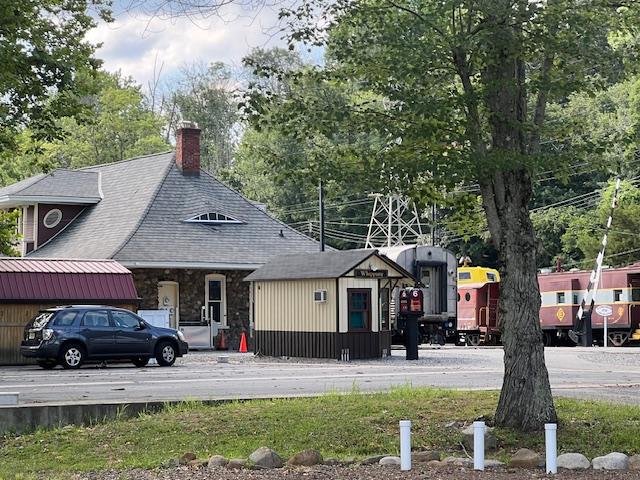
The Whippany Railway Museum at 1 Railroad Plaza

There are all sorts of everyday items that show how maintenance of the trains have changed over the years and the modernization of the railcars. They have a display on lighting that has changed over the years and the way that communication was done between the trains and the staff. Even the uniforms have not really changed too much over the years.

Race is touched on with the advancement of Blacks in the Pullman coaches as porters and later supervisors. There was even a discussion on the strikes for better pay and working conditions. I thought it was interesting about the discussion of being called a “George”, which was a term for George Pullman, the owner and developer of the luxury cars. It might have been meant as a compliment but came off as a slur. It showed a progression in the field that in some ways has not changed.

The historic railyard with all the cars you can visit

The museum also showed that rail life could be lonely and not the best in working conditions for anyone which is why the unions became so powerful in later years. It also showed the ingenuity of how the rails conquered the West and opened the country up for development. With each stop, towns developed, and populations have changed. You see how this has been affected even today as rail is not as popular as it once was, and these small towns are dying off.

The entrance to the museum

Where the museum really shines and where I saw the most pride is in the rail cars that have come to the yard over the years and have been carefully restored. The Southern Railway No. 385 built in 1907 for faster freight service, the Texaco Fireless Cooker No. 7240 built in 1937 for industrial switching duty and one of the newest steam locomotives still surviving, the U.S. Army No. 4039 built in 1942 for WWII service are just some of the cars on display (Whippany Railway Museum pamphlet).

The inside of the luxury car

The railcar that most impressed me was the Lackawanna Railroad Subscription Club Car No. 2454 that was once known as the “Millionaires Express” (Whippany Railway Museum). The mahogany paneled car carried businessmen from New York City through towns in the middle of New Jersey. What I thought was interesting was the people who rode it (Christie Todd Whitman’s father was a member) and the fact that you had to ‘buy’ the seat, which meant that no one could ever sit in ‘your chair’ if you were not there. This car ran for 72 years finally retiring out in 1984 (probably due to the recession and changing times).

The inside of the museum

I ended up spending about three hours at the museum due to a very detailed tour by one of the volunteers named Mike. He gave the most interesting hour-long tour of each car and how they were renovating it and carefully restoring each one to its historical integrity. He was so detailed and when the other volunteers chimed in with their stories as well, made it a fascinating tour of the whole yard.

When you are visiting the museum, allow time to take this every intensive and detailed tour of the museum grounds and just don’t concentrate on what’s inside the building. The museum spreads out all over the yards and take the time to explore each car and learn its history. It is an educating and fascinating way to spend the afternoon.

The museum modernizes:

The Whippany Museum under new directions

The History of the Whippany Museum:

(From the museum website)

The story of the Whippany Railway Museum began many years ago when the Morris County Central Railroad (MCC) first opened to the public on May 9th, 1965, at Whippany, NJ. On that exciting day a half-century ago, former Southern Railway steam locomotive No. 385 departed Whippany for Morristown, NJ with the MCC’s first trainload of over 400 passengers. At the end of the day over 1,500 people had traveled on a nostalgic trip into railroading’s colorful past. For the next 15 years until it ceased operations in 1980, the MCC would carry on this excellent tradition, leaving memories for untold hundreds of thousands of visitors that would last a lifetime.

The Morris County Central was founded by a New Jersey aerospace technician, the late Earle H. Gil, Sr. of Parsippany. His idea of running steam excursion trains was formed in the late 1950’s when conventional steam railroad operations were fading fast. Gil hoped that a financially successful heritage railroad would justify the great expense involved in keeping one of these magnificent machines alive.

Having acquired No. 385 in 1963 from the 16-mile-long Virginia Blue Ridge Railway (VBR) in rural Piney River, VA, the MCC ran an outstanding operation through the woodlands of suburban New Jersey. In 1966, Gil acquired another VBR steam locomotive, No. 4039 a former US Army 0-6-0 switcher that was soon added to the MCC’s roster of vintage steam-era equipment.

Threatened by development of the property alongside the Whippany Station, the Morris County Central RR saved the Whippany Freight House from demolition in June 1967 by having it moved across four sets of tracks to a site opposite the station building. Originally used by our predecessor organization, Morris County Central Railroad Museum, this classic railroad freight house is now the headquarters of the Whippany Railway Museum.

The Morris County Central was a fine example of what a conscientious group was able to accomplish, with moderate resources and good taste in the preservation of operating steam. It proved that trains, steam locomotives and haunting whistles continue to linger in the minds of the American public.

Fifty years on, the Whippany Railway Museum continues the tradition and proves that it is indeed possible to have a quality operation through much hard work by its dedicated group of volunteers and the tremendous support of the visiting public.

(From the Museum Pamphlet):

Here you can visit the restored, 1904 freight house with its outstanding collection of rail and transportation artifacts and memorabilia. There are dozens of historic railcars and exhibits on view. We are proud to feature the largest collection of American-built standard gauge steam locomotives displayed in New Jersey.

Marvel at one of the oldest steam locomotives in America, the Southern Railway No. 385 built in 1907 for fast freight service, Texaco Fireless Cooker No. 7240, built in 1937 for industrial switching duty and one of the newest stream locomotives still surviving, the U.S. Army No. 4039, built in 1942 for World War II service.

Avalon History Center                                                              215 39th Street                                                                     Avalon, NJ 08202

Avalon History Center 215 39th Street Avalon, NJ 08202

Avalon History Center

215 39th Street

Avalon, NJ 08202

(609) 967-0090

https://www.avalonhistorycenter.org/

https://www.facebook.com/avalonhistorycenter/

Open: Sunday Closed/ Monday-Friday 10:00am-4:00pm/Saturday 10:00am-3:00pm

Admission: Free but donations are appreciated

My review on TripAdvisor:

https://www.tripadvisor.com/Attraction_Review-g29754-d8096123-Reviews-Avalon_History_Center-Avalon_Cape_May_County_New_Jersey.html

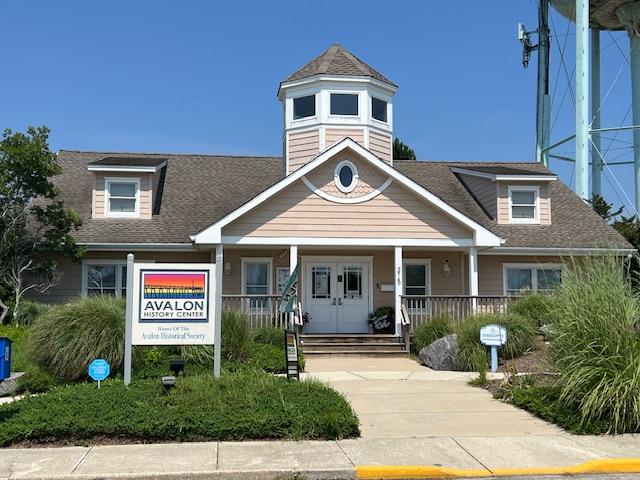
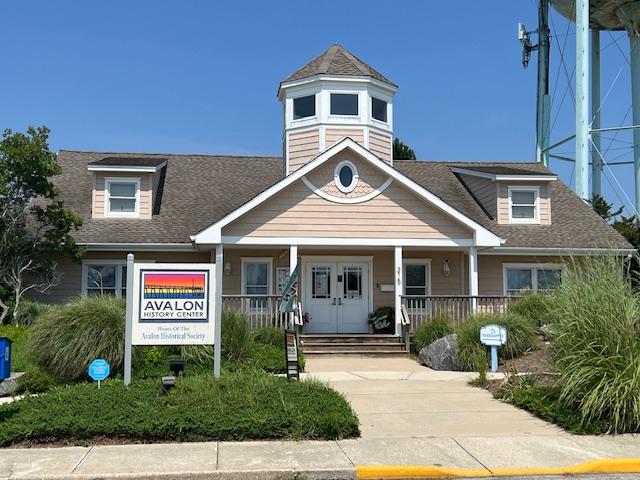
The Avalon History Center is at 215 39th Street in Downtown Avalon, NJ

Recently I took a tour of small Jersey shore towns and their historical societies. These interesting little museums are packed with information on the history and development of these towns. The progress of these towns from fishing and hunting villages for the Native Americans to the modern day resorts and permanent residence’s have a fascinating history.

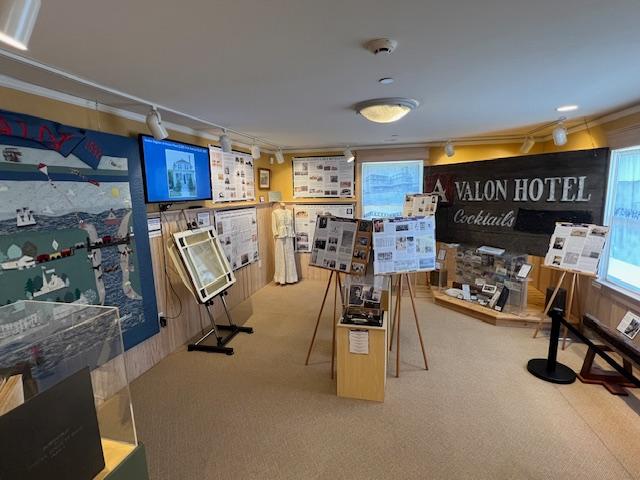
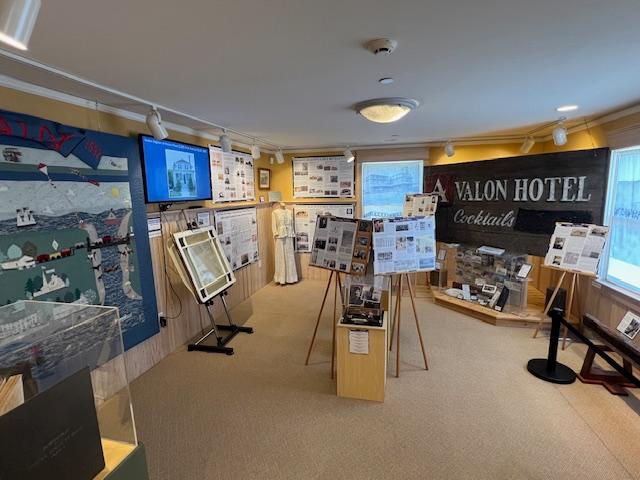
The early history of Avalon display with the development of the hospitality industry in the town

The Avalon History Center was the last museum on my visit to the shore that day and it had become very gloomy outside. The town was relatively quiet when I got there on a late Thursday night. I ended up having the whole museum to myself to tour. The curator came out and greeted me nicely and said that they were working in the back and if I had any questions to come get them. Outside that, I was the only one touring the exhibitions.

When you enter the building, the rooms are broken down in section by display. The Avalon Police Department has a wonderful exhibition of the history of the department. There are all sorts of police gear, mannequins with old uniforms and all sorts of police gear and pictures of the department through the ages. Near that is the Brendan Borek High Tide Memorial Fund.

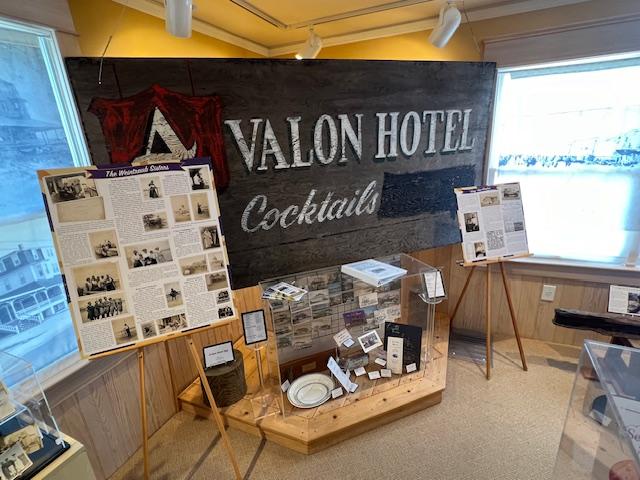
The Early Avalon Room contains the history of the many hotels that used to dot the town during the Victorian era that have either burned down or succumbed to the ocean currents. Of all the hotels that existed only the Sea Lark B &B (See my review on TripAdvisor) still greeting guests. There are all sorts of dishware from the old hotels, menus and silverware that show the opulence of the time when pleasure travel lasted longer than present day.

The history of the Hotel Industry in Avalon with artifacts like menus, china and wonderful pictures of the old hotels. One of the hotels, the Sealark Hotel, still operates as a bed and breakfast. I had stayed there in 2017 for the Firemen’s Convention and had a excellent stay.

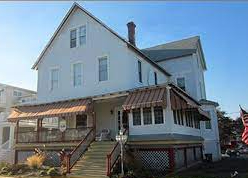
The Sealark B &B at 3018 First Avenue in Avalon, NJ

http://www.sealark.com/

My review on TripAdvisor:

https://www.tripadvisor.com/Hotel_Review-g29754-d79340-Reviews-Sealark_Bed_and_Breakfast-Avalon_Cape_May_County_New_Jersey.html?m=19905

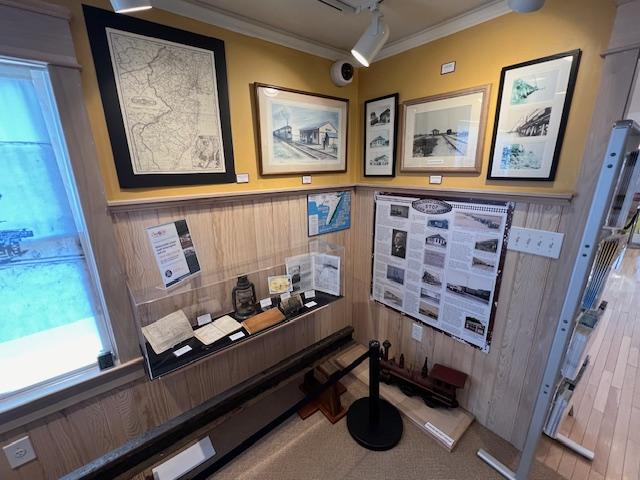
There was a section on the Founding of the town and its development over time. The town used to be Native American place to fish and hunt to the Victorian resort it became with the railroads. There was extensive history of the Railroad system that was so important to the growth of these shore towns. This was until 1937 when the rail system became obsolete with the advent of the automobile. There was a nice display of the old Avalon Pier.

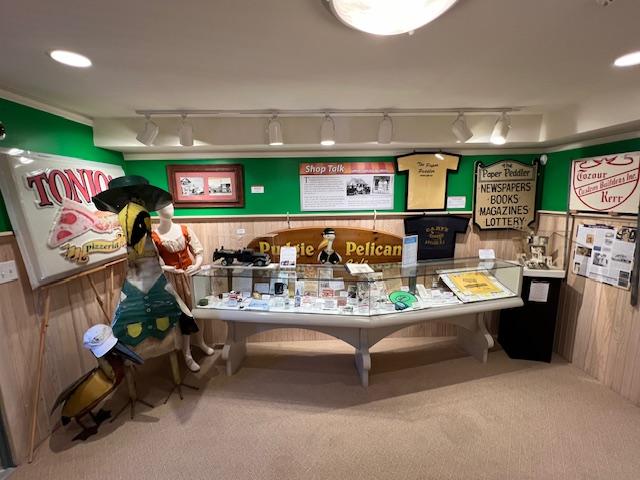
The detailed display of businesses that made Avalon the place to go and party

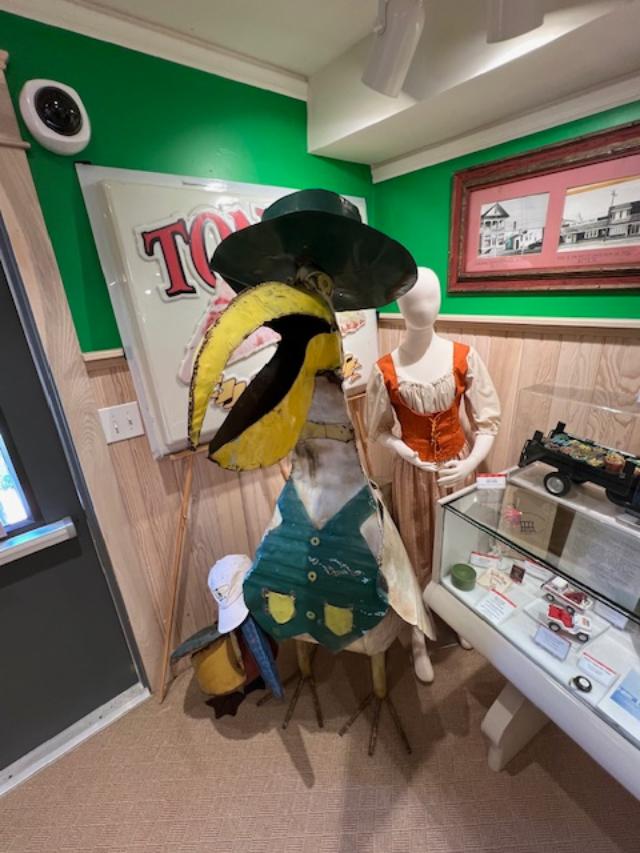
The Mascot for Pudgie Pelican

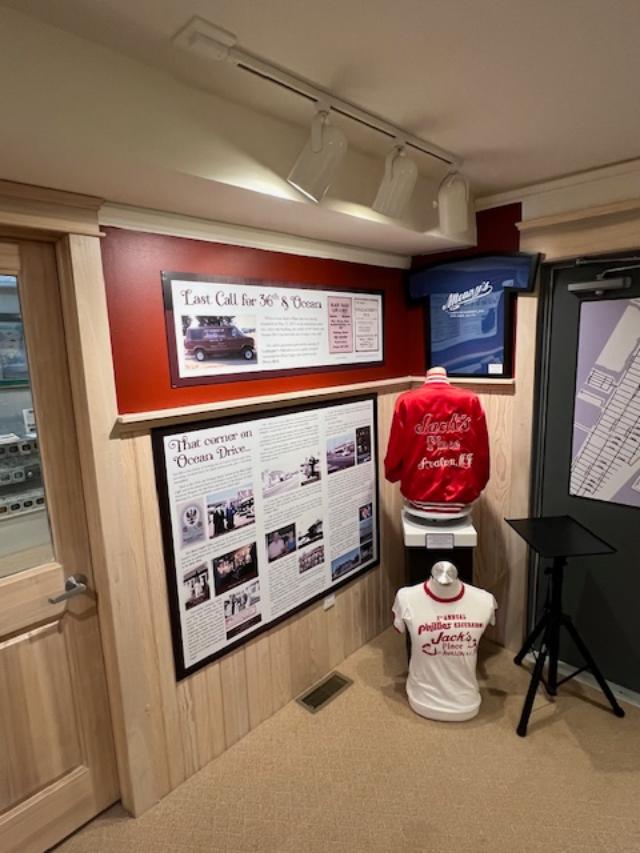
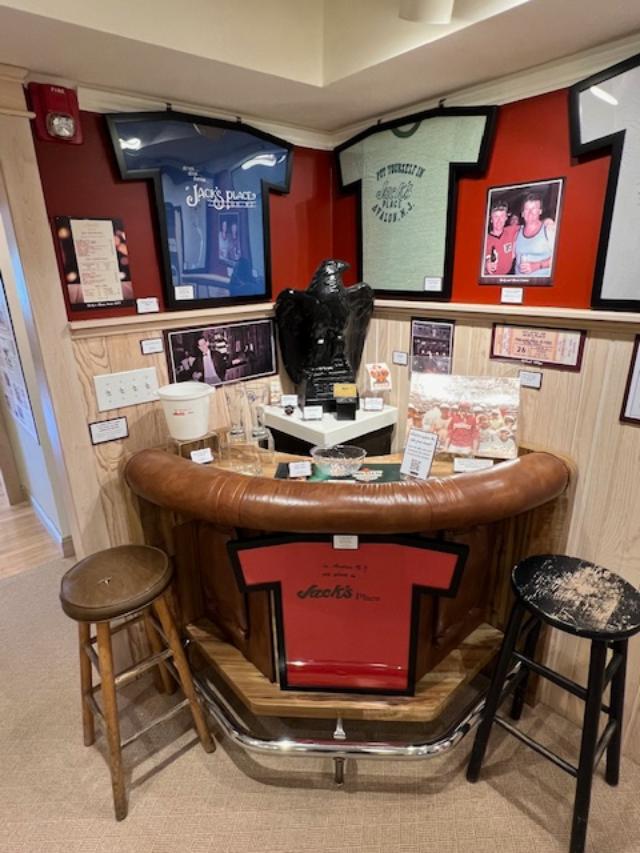
The back of the building was dedicated to local businesses that have since closed, This shows old signs, pictures and menus of watering holes that were popular for generations. There was an interesting display from the Avalon Hotel’s ‘Phil’s Bongo Room’, a popular place for bands.

The artifacts from Jack’s

Memories from a forgotten bar scene

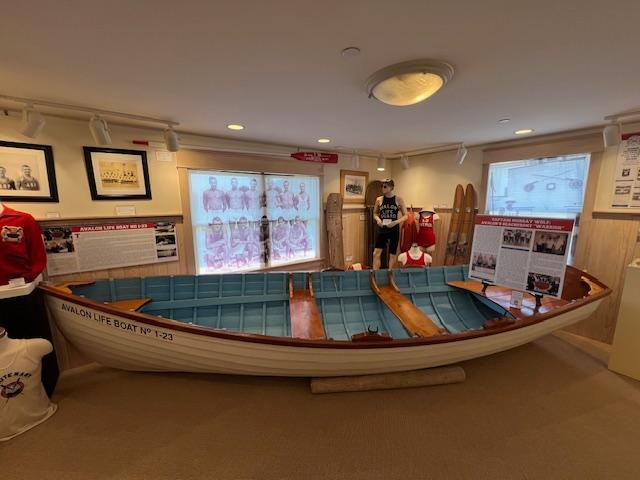
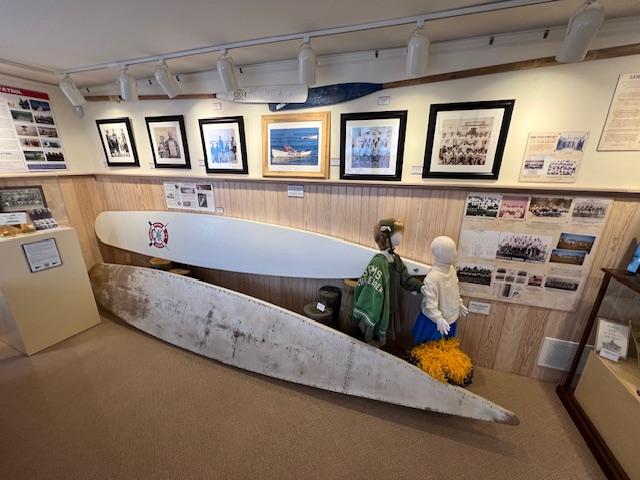
On the other side of the front of the museum is an interesting display on the Avalon Shore Patrol, a much dedicated group of men and women that play such an important role in a shore community. The museum displayed an restored patrol boat surrounded by other artifacts. Pictures of generations of Beach Patrol members proudly line the walls.

The Beach Patrol display

The Beach Patrol display

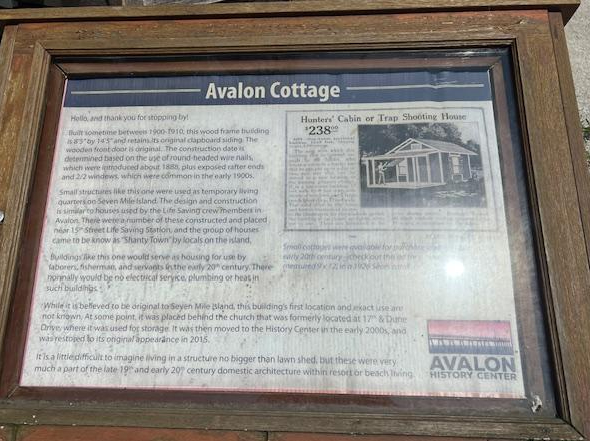
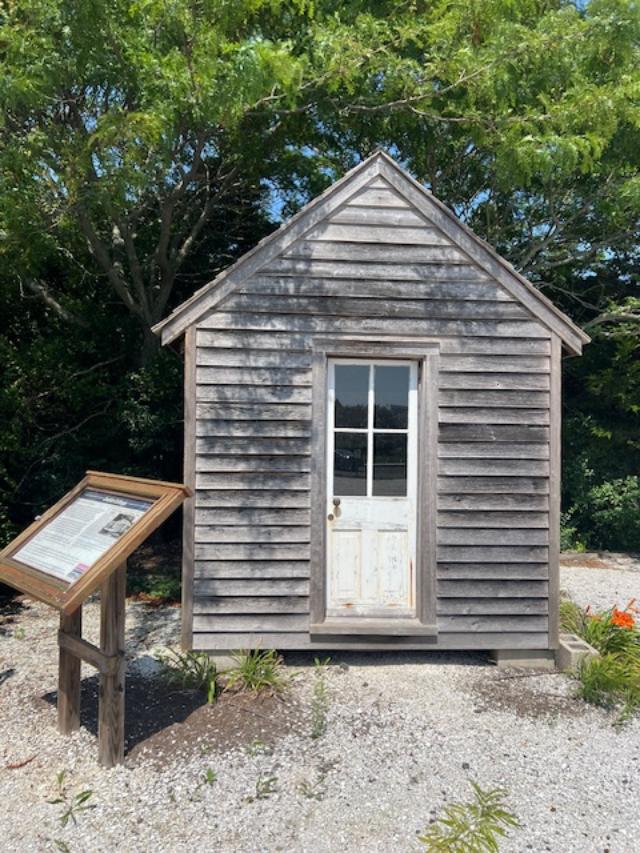
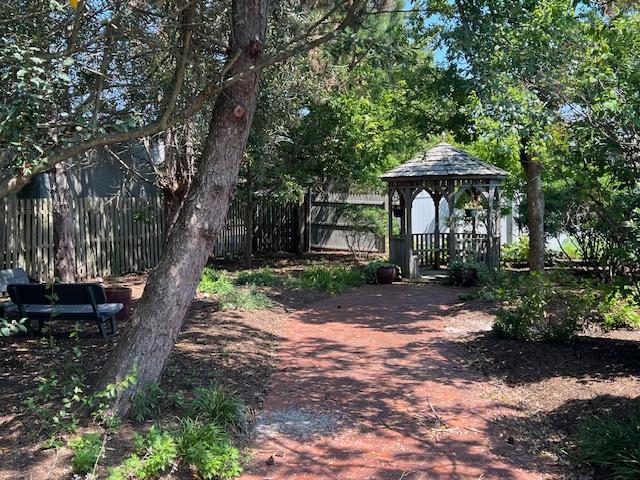
The museum also has landscaped grounds to walk outside either to some of the smaller historical buildings or to the gazebo to relax on a nice day and just enjoy the breezes. It is nice to walk along the flowering beds and just enjoy the sunshine.

The Avalon Cottage sign outside the museum

The Avalon Cottage located outside the museum

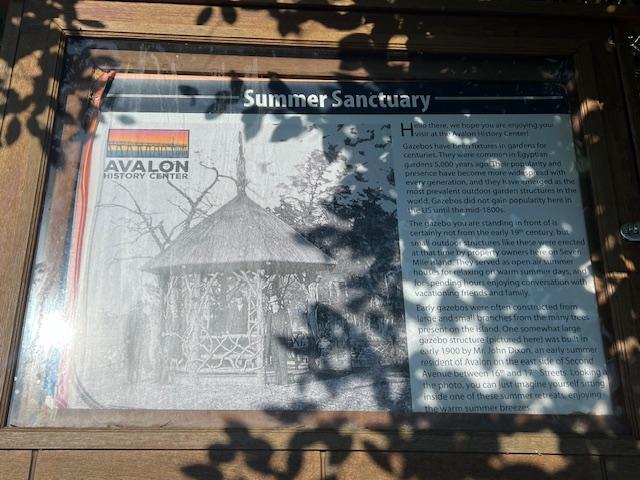
The Summer Sanctuary sign outside the museum

The Summer Sanctuary outside the museum

It was a great visit both times I went to the museum.

History of the Avalon History Center:

(from a recent AHMS Newsletter)

The current facility opened its doors in September of 2001 to the public and began to share Avalon’s past, historical photographs, artifacts, memories and recollections lovingly collected and recorded by members of the Avalon Museum and Historical Society.

The museum main gallery

After several years of discussion, 1997 saw a historical society being formed at last in Avalon, supported by the enthusiastic endorsement of Mayor Marty Pagliughi and Borough Council President Nancy Hudanich, Doris Hanna and Jean Losch even secured a $10,000 donation from the Avalon Women’s Civic Club, as seed money for a building. Borough Council agreed to provide a location at 39th Street as well as a modular building-the old Public Works Headquarters, which did not prove suitable. The Avalon Museum and Historical Society got to work.

In June 1997, the first election of the Avalon Museum and Historical Society officers occured, along with the adoption of a constitution and bylaws. Among those first officers were Robert Jaggard, President, Lucille (Sue) Jacobson, Vice-President, Jan Jaggard, Secretary and Gordon Smith, Treasurer. Among thefirst Trustees were Jean Losch, Doris Hanna, Betty Shoemaker, Marvin Wells Jr., Joseph Koen and Robert Penrose Jr.

In early 1998, as the AMHS held its first fund drive, Doctors John and Elizabeth Ruskey agreed to honor the previous owner’s wish to donate their recently purchased house (location on 111st Street in Stone Harbor) to the effort. The Avalon Museum and Historical Society had support, money, a location and a building. Now all they had to do was move the house from Stone Harbor to Avalon, which is exactly what happened on November 6th, 1998. The groundbreaking took place on January 22nd, 1999.

The main history display at the museum

Once in place, work on putting the building back together and creating a museum space continued, inside and out. Items had been donated, collected and stored in the homes of the officers and trustees. It was the work of the AMHS to organize fundraising events to finance the project.

In mid-September 2001, the officers opening day arrived at last and AMHS President Pary Woehlcke, together with Mayor Marty Pagliughi cut the ribbon on Avalon’s very own local history museum.

Since then, there have been many changes at 215 39th Street, including the merger and incorporation of the Avalon Museum and Historical Society into the Avalon Free Public Library. We are now the Avalon History Center.

One thing that remains constant is the commitment, enthusiasm and passion from History Center staff and the Historical Society Board and members. Our mission remains to bring Avalon’s past alive and make it accessible for all. This year has been a challenge but one we hope we have met as we continue to keep the doors open, broaden our outreach online, entertain, educate and amuse our patrons.

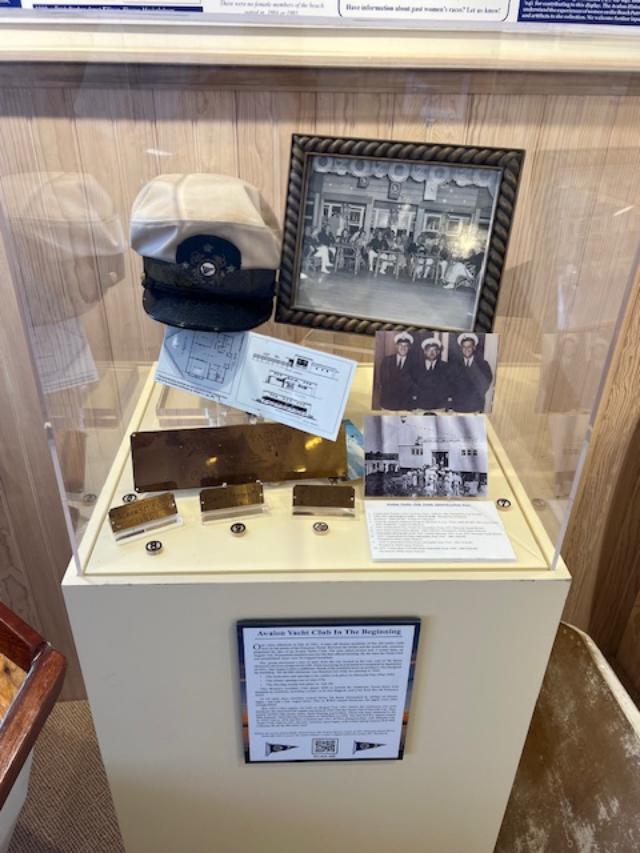
The Avalon Yacht Club display

Mission of the Avalon History Center:

The Mission of the Avalon History Center is to collect, chronical and preserve the history of the Borough of Avalon in the County of Cape May, New Jersey.

Peermont Self-Guided Walking Tour:

This self-guided tour of a section of Peermont (25th to 42nd Streets) will lead you from the Avalon Post Office at 33rd and Dune Drive through to 30th Street and ending at the Boardwalk and Beach Patrol on 32nd Street. It should take about one hour of gentle walking.

History of the Area:

(from the Avalon History Center pamphlet)

In October of 1888, Philadelphia entrepreneur George Rummel and the Avalon Beach Improvement Co. (ABICO) purchased from Joseph Wells at 17 block area of Seven Mile Island from 25th to 42nd Streets. The tract excluded the vast beachfront but included large areas of boggy meadowlands west of Third Avenue. This section of Seven Mile Island became known as the ABICO tract.

Rummel’s first priority was to build a hotel, which he named “The Peermont”. The railroad station which went up at the same time also became known as Peermont and so the ABICO tract followed suit. Peermont was on the map.
The Hotel Peermont in Avalon, NJ

Building lots were very quickly offered for sale so many that those in the Avalon section began to feel somewhat behind. Lots were also sold and bought in the meadowlands between Third and Forth Avenues on the assumption that they would be drained, filled, graded and curbed. Unfortunately 25th Street to Gravens Thoroughfare was the only roadway made passable. Rummel did however tear down the dunes, fill in and grade the ponds and marsh areas along the beachfront section of the ABICO tract, in order to build a seawall and then a boardwalk.