Tag: Small Museums of New Jersey

Pascack Historical Society Museum                                                (John C. Storms Museum)                                                                     19 Ridge Avenue                                                                                Park Ridge, NJ 07656

Pascack Historical Society Museum (John C. Storms Museum) 19 Ridge Avenue Park Ridge, NJ 07656

The Pascack Historical Society Museum (John C. Storms Museum)

19 Ridge Avenue

Park Ridge, NJ  07656

Phone: (201) 573-0307

Open on Sundays from 1:00pm-4:00pm; Admission is Free. Gift Shop hours are when the museum is open. (Holiday Excepted).

http://www.pascackhistoricalsociety.org

http://www.facebook.com/pascackhistoricalsociety

TripAdvisor Review:
https://www.tripadvisor.com/Attraction_Review-g46713-d12610386-Reviews-Pascack_Historical_Society_Museum-Park_Ridge_New_Jersey.html?m=19905

The Pascack Valley Historical Society is now celebrating their 75th Anniversary.
Pascack Historical Society IV

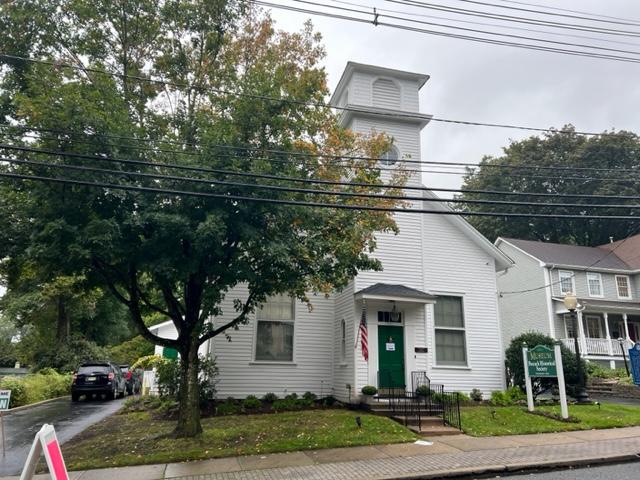
The Pascack Historical Society Museum (John C. Storms Museum), headquarters of the award-winning Pascack Historical Society, is located in the 1873 church building that was dedicated by the Reverend Henry Ward Beecher. The building and all the exhibitions have gone through an extensive renovation and have been reinstalled with more signage and information. Please check out their new displays.

The sign that greets you in the front of the building.

The Historical Marker in front of the building.

As you enter the building, you are welcomed to a comfortable spot.

The extensive exhibits include a general store, colonial kitchen, a Victorian Living Room, dolls, clothing and other displays of American life in the Pascack Valley. The front gallery as you enter serves as a classroom and lecture hall for the society. There you can see a variety of artifacts in the collection from china to guns and clothing.
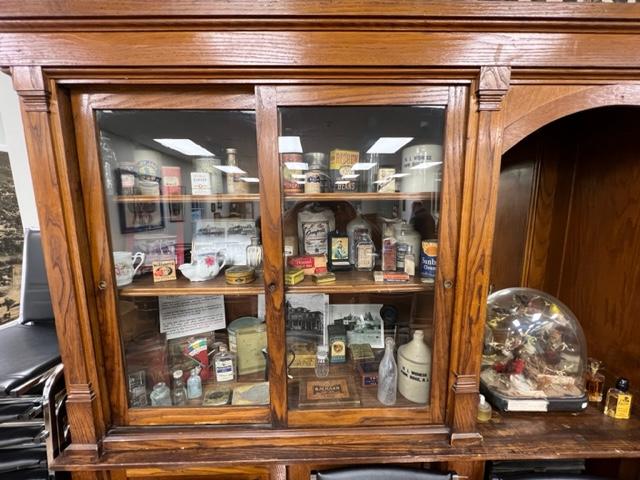
Artifacts in the front room.

Artifacts in the first gallery.

A collection of antique guns in the front gallery.
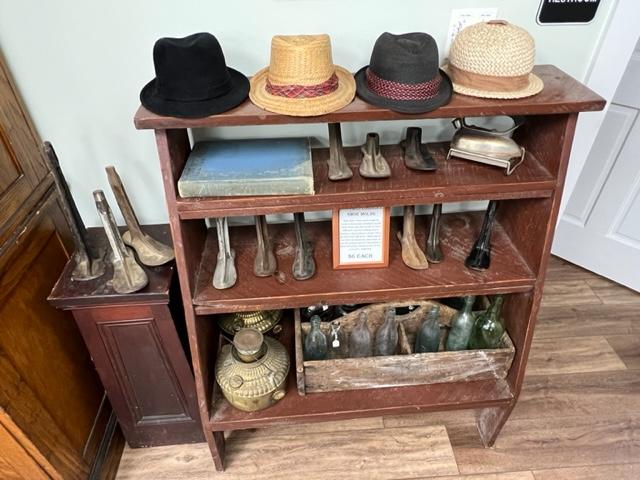
A selection of hats in the front gallery.

There is also a special exhibition that features the world’s only wampum drilling machine as well as a collection of early colonial currency.
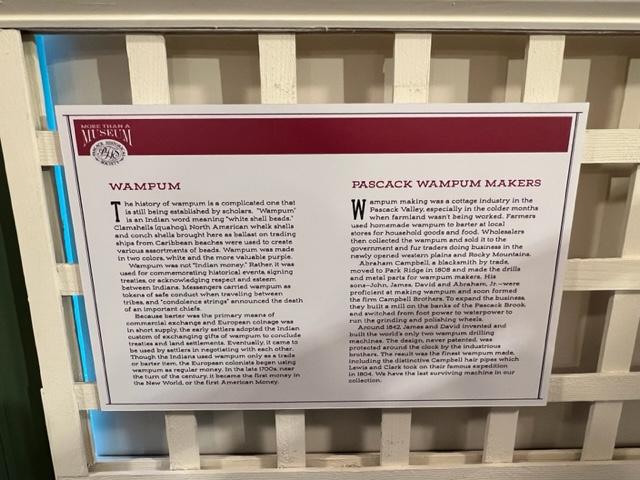
The Wampum Machine sign and how Wampum is made.

Their early Colonial Financial exhibits include an early wampum machine that the tour guide had said that it was the only one of its kind that made a type of rolled wampum from the inner section of a conch shell. Early New Jersey currency is well represented in the collection with several types of dollar bills at a time when states printed their own currency for its citizens. Really take a look at the early detail  work of these bills.
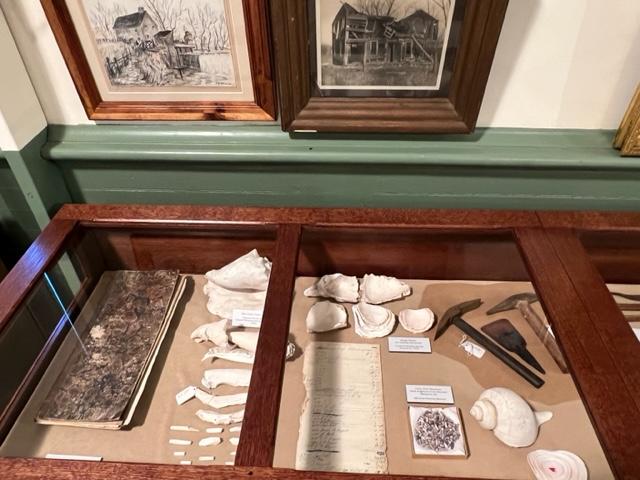
The Wampum display of shells and tools.
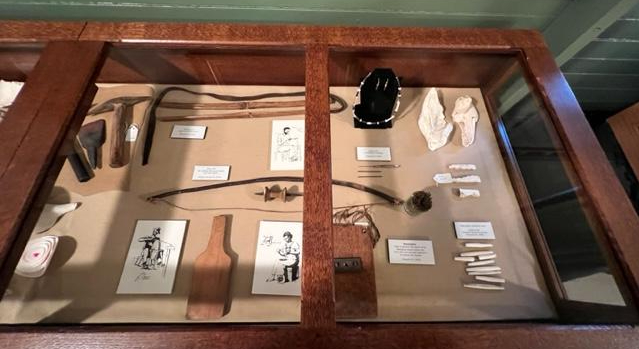
The uses of Wampum and how it is made.

The oldest working Wampum machine in the world.

The Van Ripper General Store exhibition features many types of early Colonial artifacts that include weights and measures, food items found in an early grocery store, turn of the last century bottles and many types of appliances for cooking. Several treasures are tucked here and there to create the mood of shopping at the turn of the last century in Bergen County. There are classic groceries, weights and measures to weight groceries and several artifacts from the Van Ripper and Stockdale Farms which used to be located in the area.

The General Store sign

The General Store display.
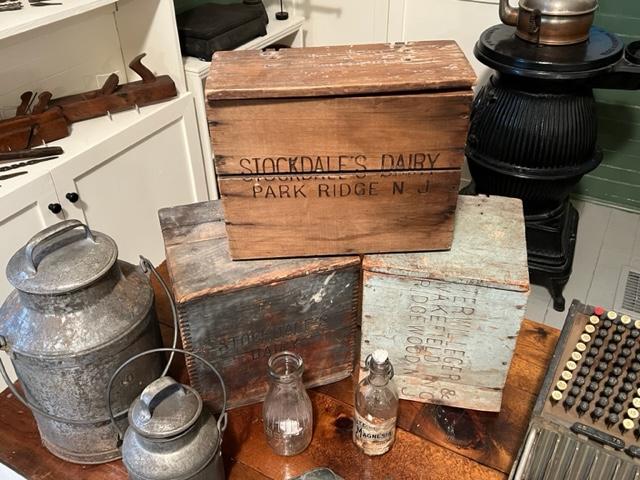
Stockdale’s Dairy Farm was a popular farm in Park Ridge before the 1960’s.

Tools need on the farm and in the home.

The Tool display at the General Store.

The Toy Collection is extensive and covers several time periods. They have a interesting collection of dolls over the ages that include cloth and china dolls that would cater to children from different economic status. There are also games, wooden and metal pull toys and hobby toys such as marbles and jacks.

The Early Dutch Farmhouse Kitchen & Dining Room features one of the first beds that has no mattress but constructed by a series of ropes that are tightened. The tour guide explained that this might be where the expression “Sleep tight and don’t let the bed bugs bite” might have come from as the ropes needed to be tightened each evening before the family went to bed.

Early Dutch life sign.

The exhibit also had early furniture hatches, chamber pots, a butter churner, various chairs that were manufactured in the area and several detailed decorative pieces.
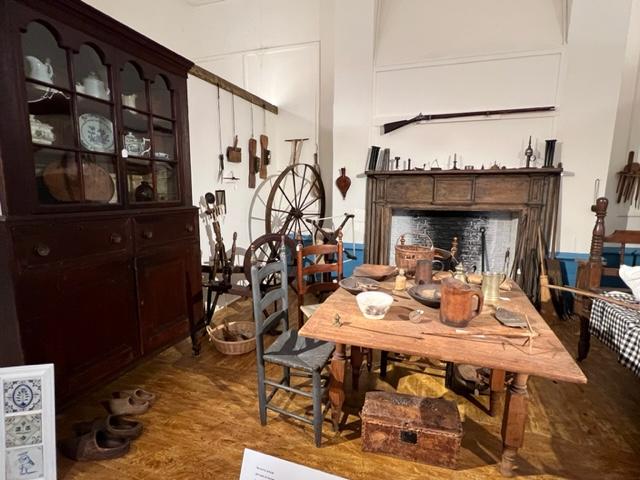
The Early Dutch Kitchen and Living Space
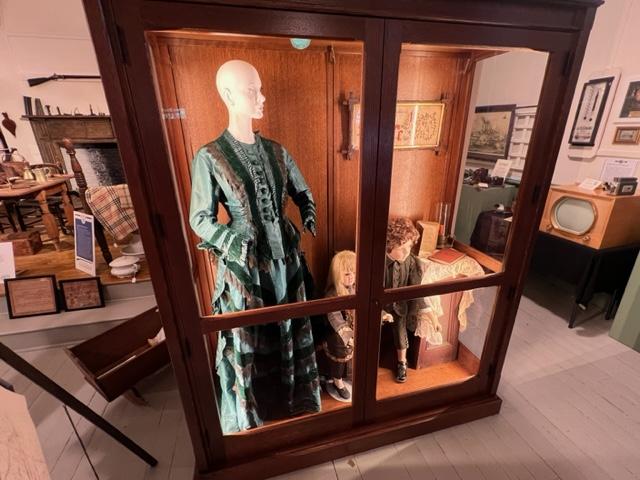
The Victorian Dress of the church visitation.

The Victorian Living Room features many plush pieces of furniture, decorative knick-knacks that used to dominate the décor and a graceful piano with mother of pearl keys and decorative carved sides. This model was one of maybe a hundred made for a very elite client. The display also featured one of the early record players that still works.

The ‘Victorian Afternoon’ exhibition in 2024:

The sign for the Victorian home:

The ideal Victorian Home ‘Parlor’
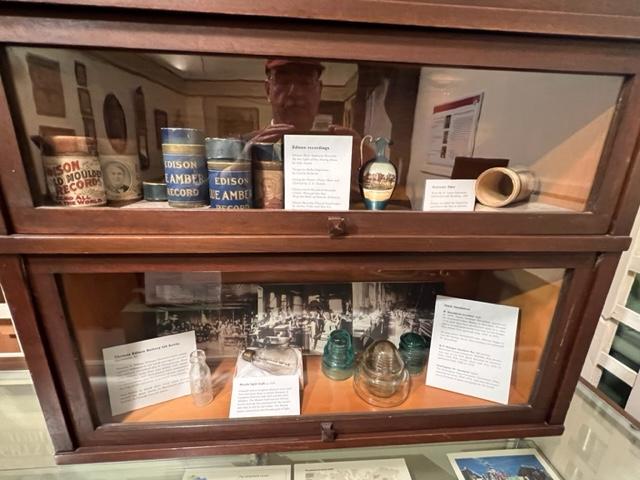
Early Edison products
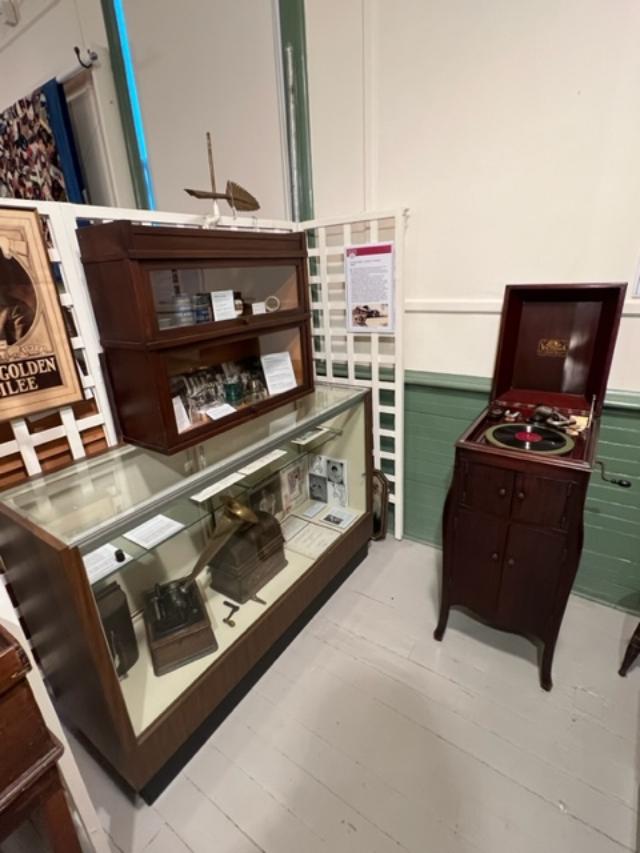
Early Edison recording equipment was not just musical but decorative.
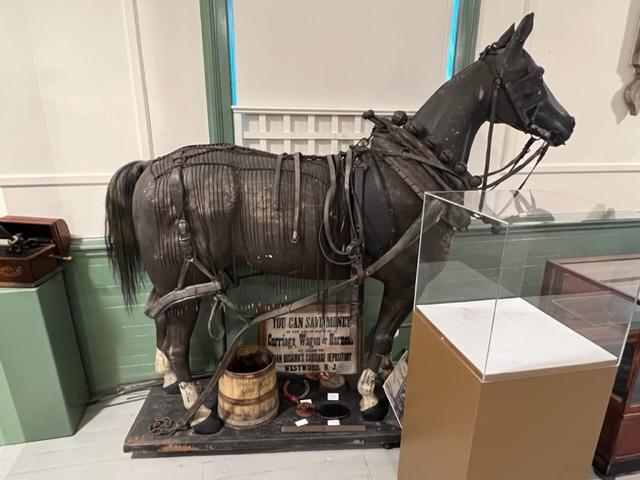
The horse display.

The new exhibition 2025: ‘Collignon Chairs’

The exhibition is on the Collignon Chair factory of River Vale, NJ and the selection of chairs that the factory once manufactured.
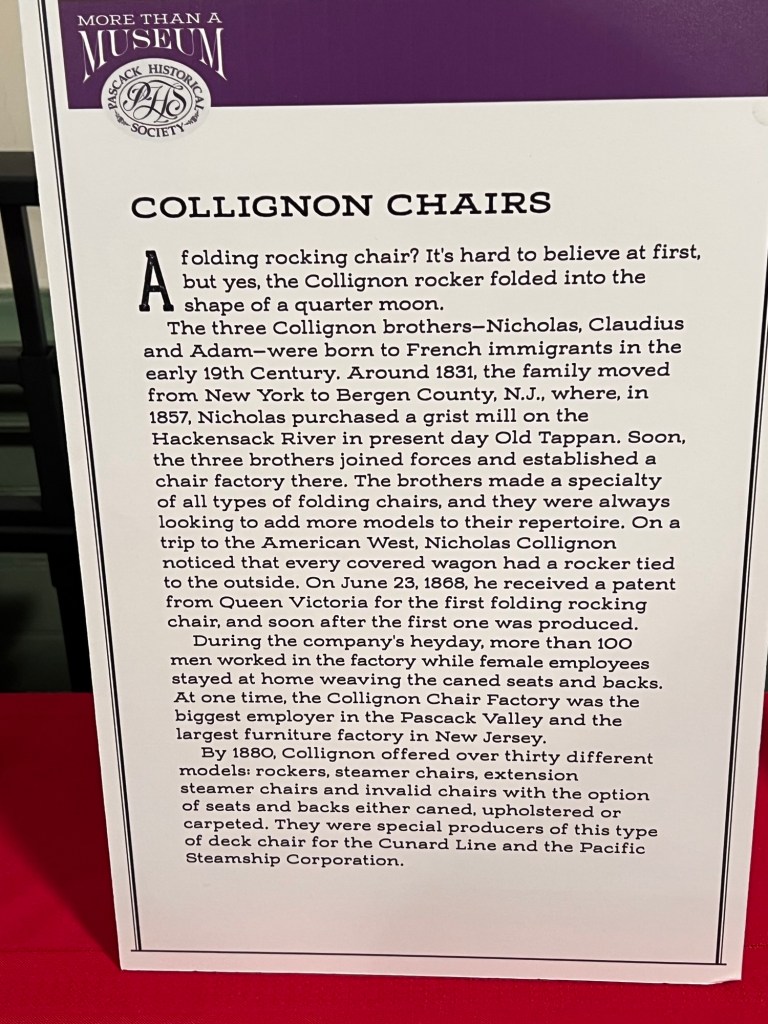
The sign from the exhibition
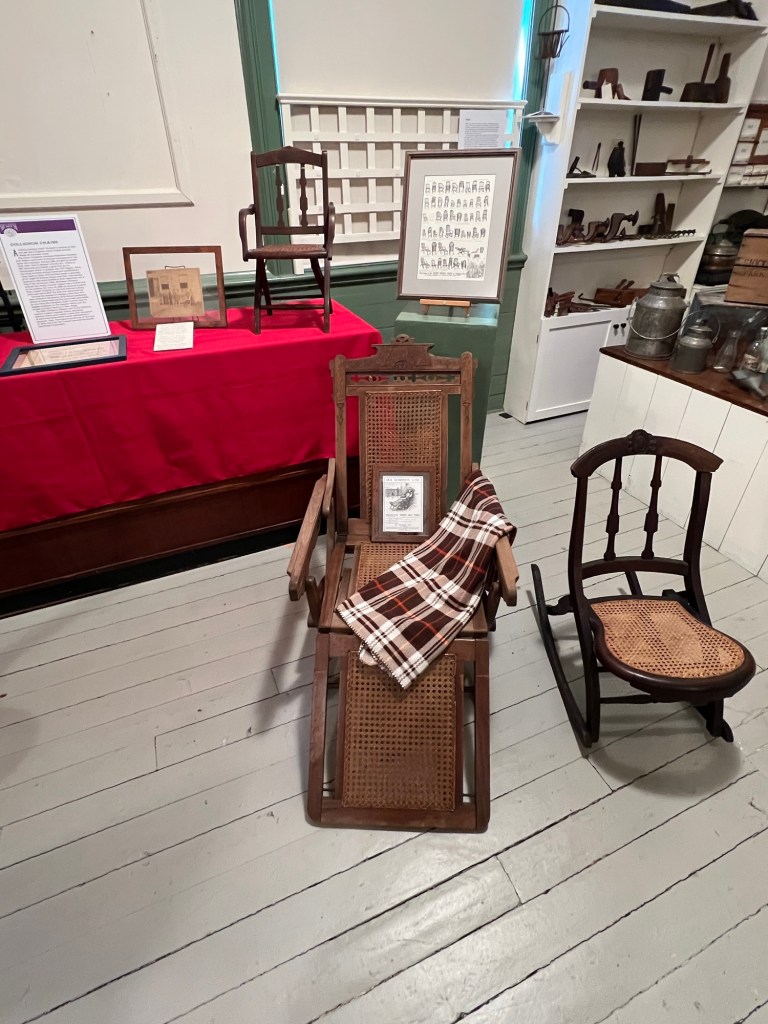
Some of the collection of Collignon chairs on display including the popular deck chair used on streamlines.

The popular folding rocker from the collection
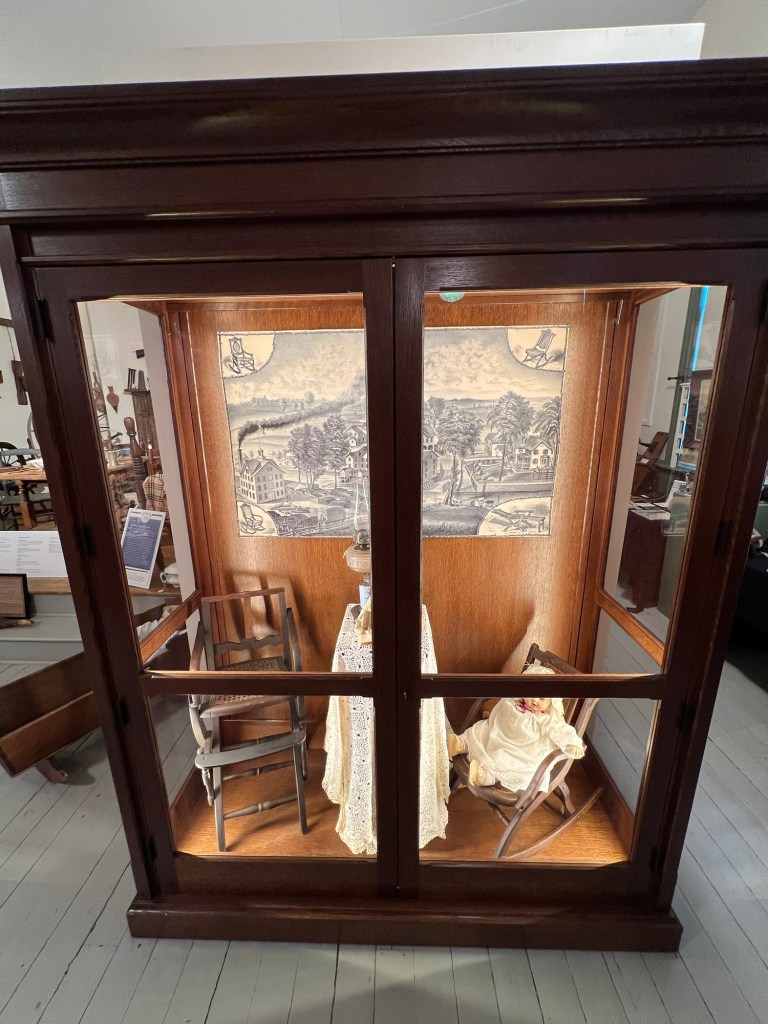
The display of chairs and a drawing of the old factory

Off to the side, there is an early sleigh and horse display, an exhibit of typewriters and carbon paper as I found out the area was once the leading manufacturer for carbon paper and a complete workshop with tools from all eras.

Typewriter collection at the museum.
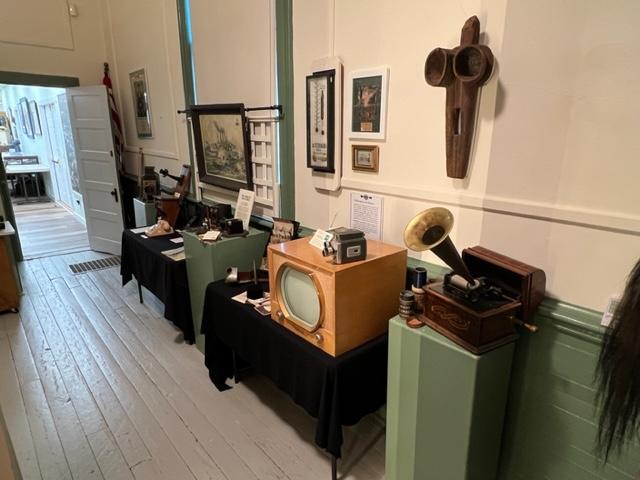
Early Electronics

The schoolhouse desk of the school master.

The workshop is a very detailed in its artifacts with early saws, hammers and items that even I could not figure out what they were.

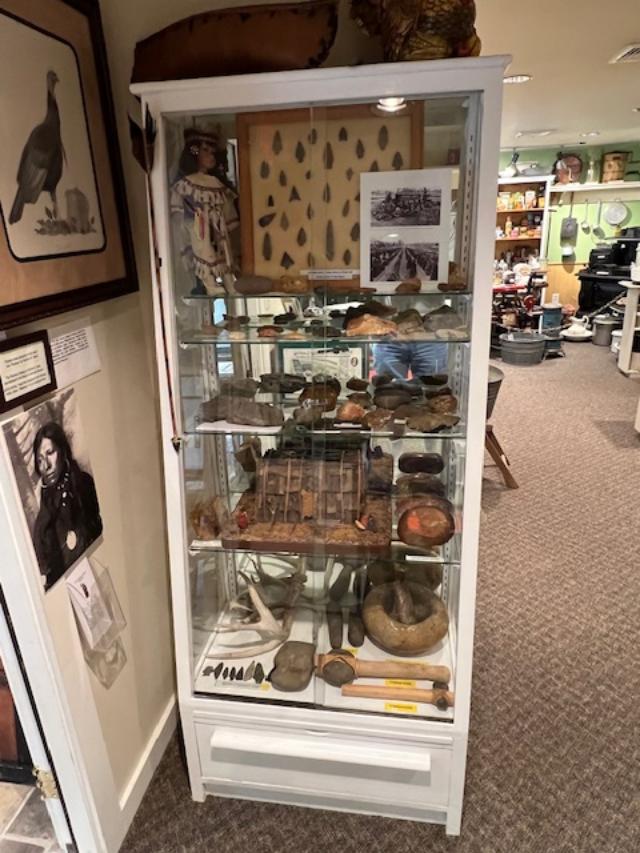
In the main room, there are more cases of toys, Revolutionary items and Native American artifacts to explore.
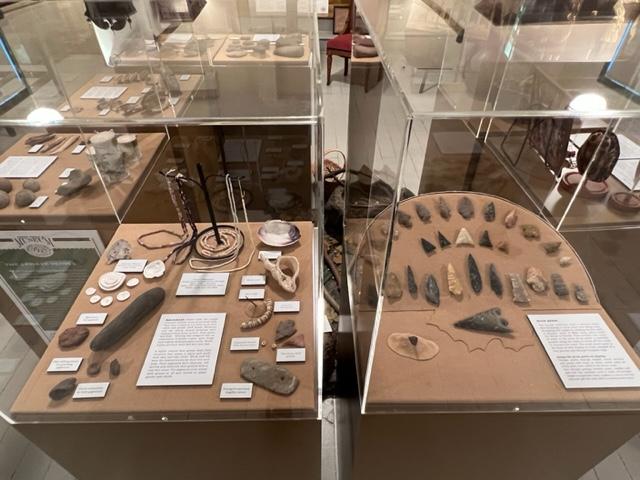
Native American Artifacts

The Lenape display
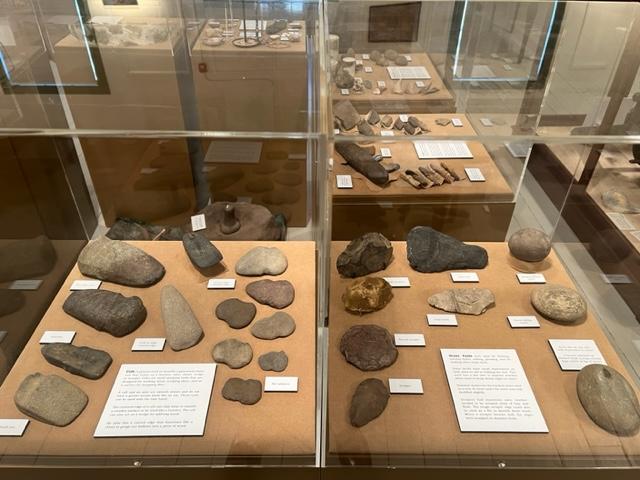
The Native American display.

A small gift shop is off to the side selling items donated by members.

Become a Friend: From the Friends of the Pascack Historical Society Museum pamphlet:

Pascack Historical Society Information and History:
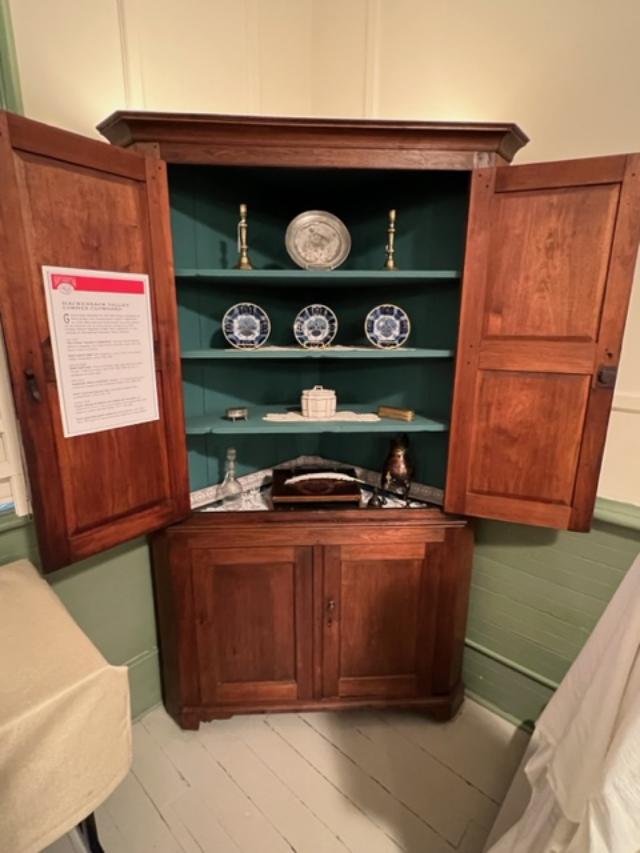
The Corner Cupboard of early American china.

(From their pamphlet):

Membership Benefits:

Become a member of the Pascack Historical Society, a 501C3 organization. Dues are modest and membership has its privileges!

  1. One year of free admission to the museum and most of its activities.
  2. A one year subscription to the Society’s award-winning quarterly newsletter, RELICS.
  3. 10% discount on museum gift shop items (Sale items and new books excluded).
  4. 50% discounts on programs for children and adults.
  5. You will receive Members Only advance notice mailings and emails about upcoming events and activities.
  6. Members only “behind the scenes tours” of the museum. (By Appointment Only).
  7. You will have the satisfaction of knowing you have joined the ranks of the area’s most passionate historical preservationists, who have a commitment to educate and enrich their neighbors’ lives-young and old.

The Military embellishments

In 2026, the museum was celebrating the ‘250th Anniversary’ of the Revolutionary War and had an exhibition of artifacts from the Pascack Valley.
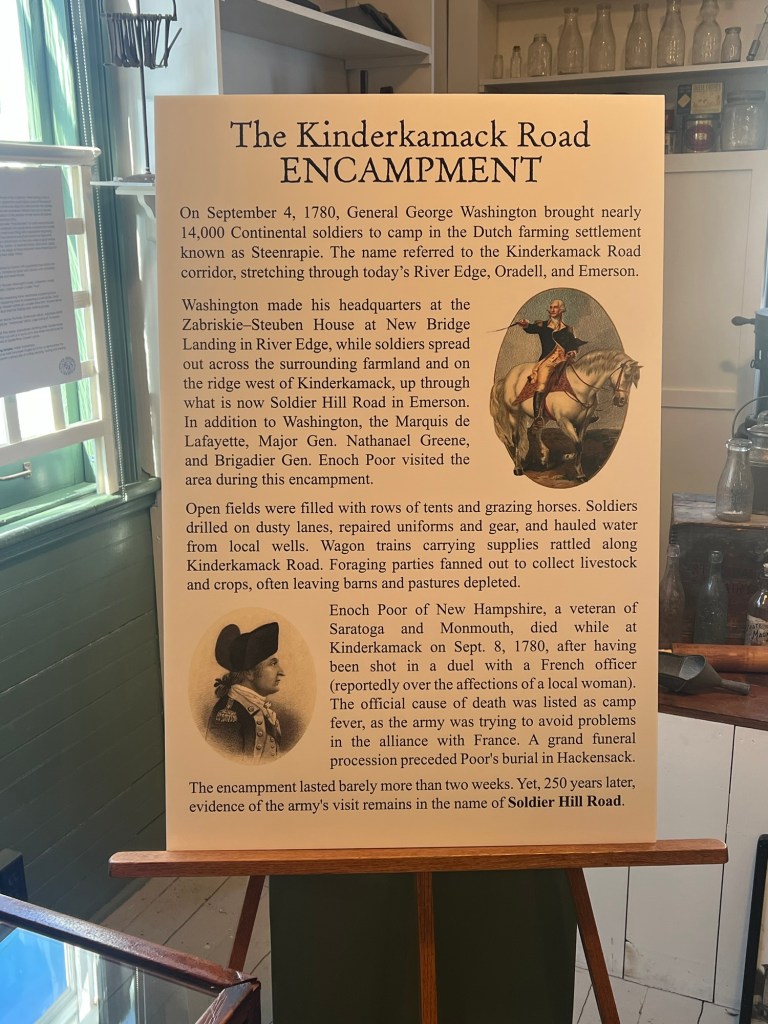
The ‘250th Anniversary’ of Revolutionary War

This included all the stops that General Washington made in Bergen County, battles and confrontations with British soldiers and family battles by members who were loyalists and patriots.
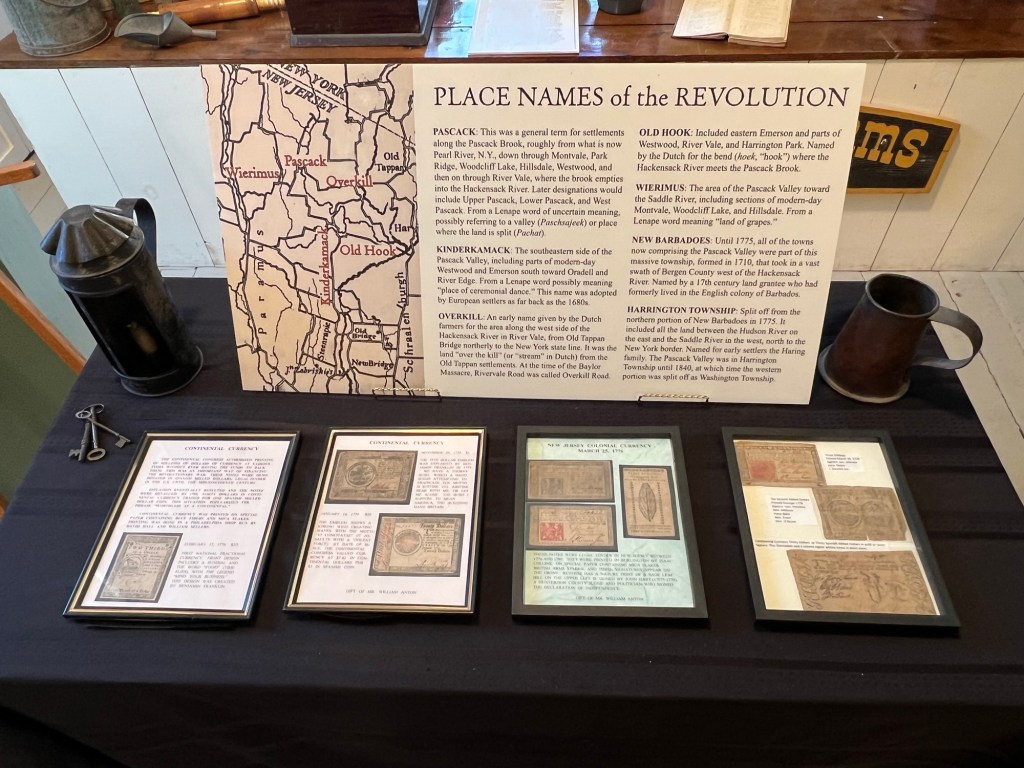
The currency of the war years

The exhibitions shows New Jersey’s contributions to the war effort. This part of the exhibition has Colonial currency from New Jersey.
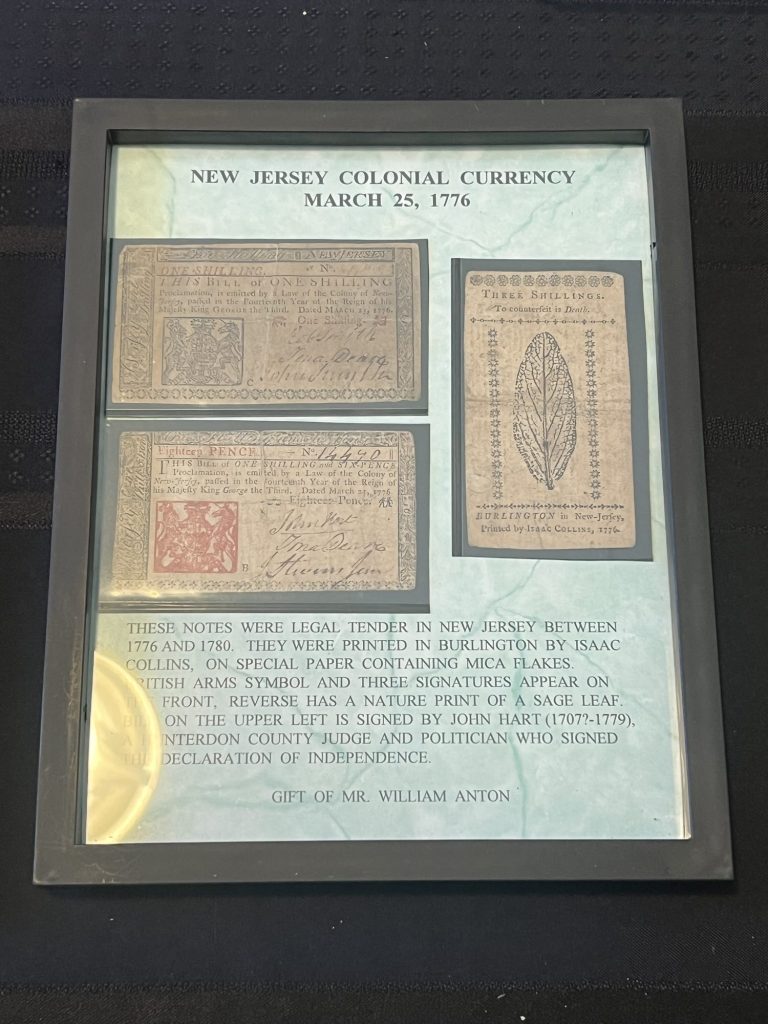
New Jersey Colonial Currency
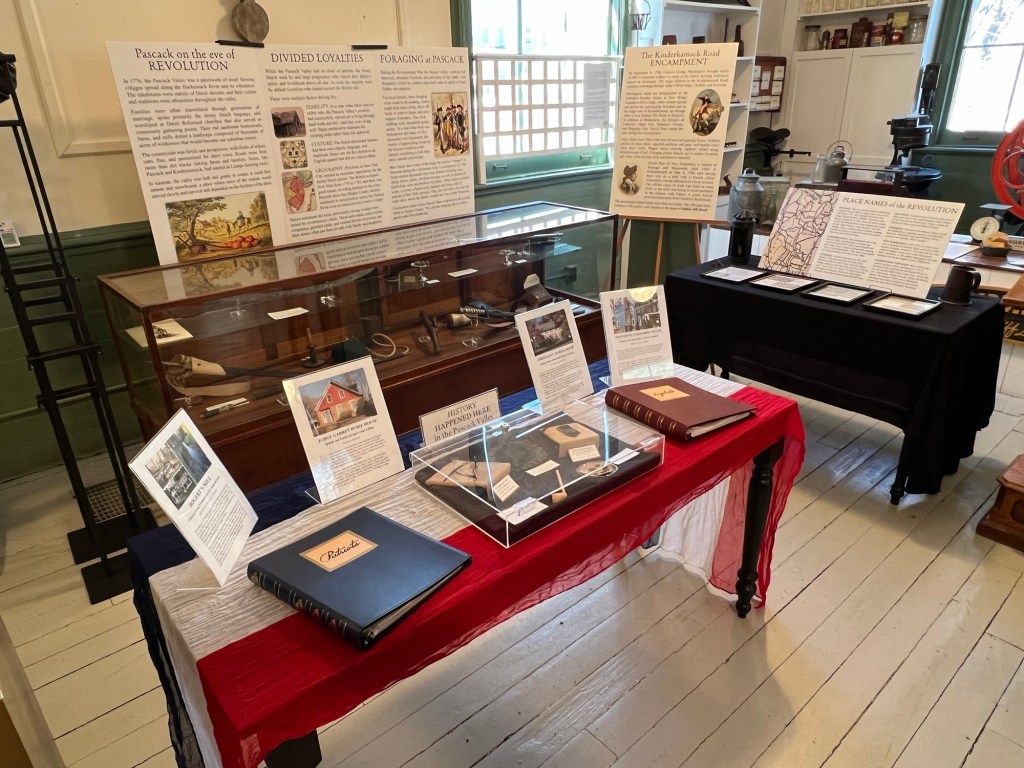
The full exhibition of the ‘250th Anniversary’ of the Revolution War
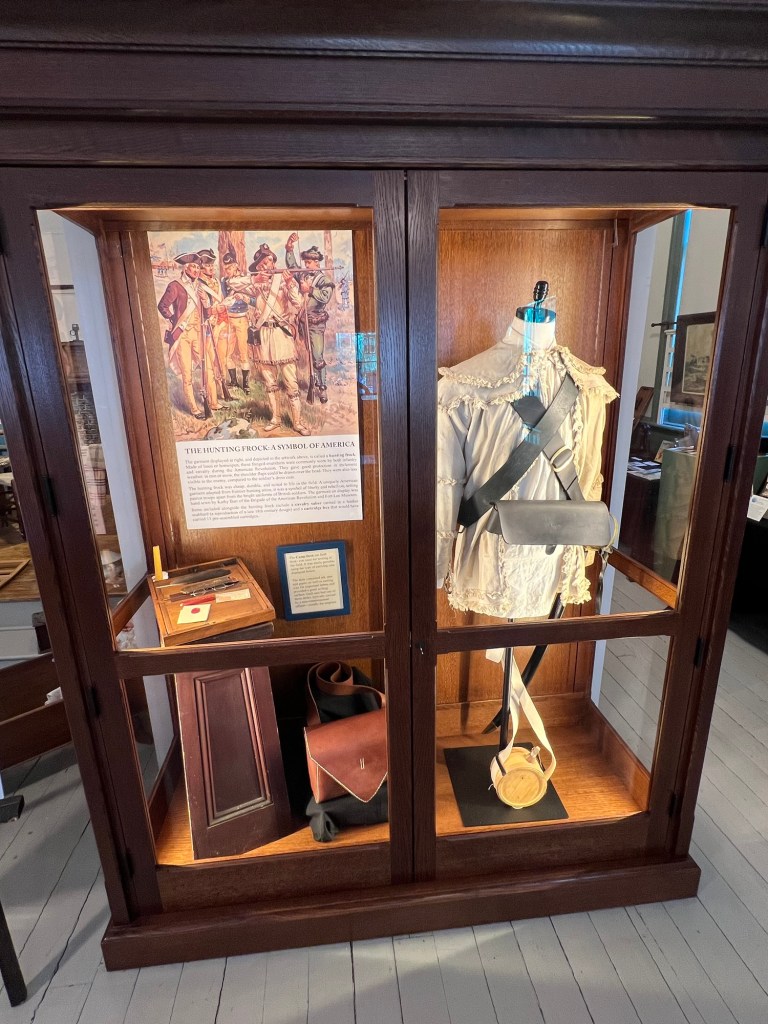
Uniforms and accessories of the War years
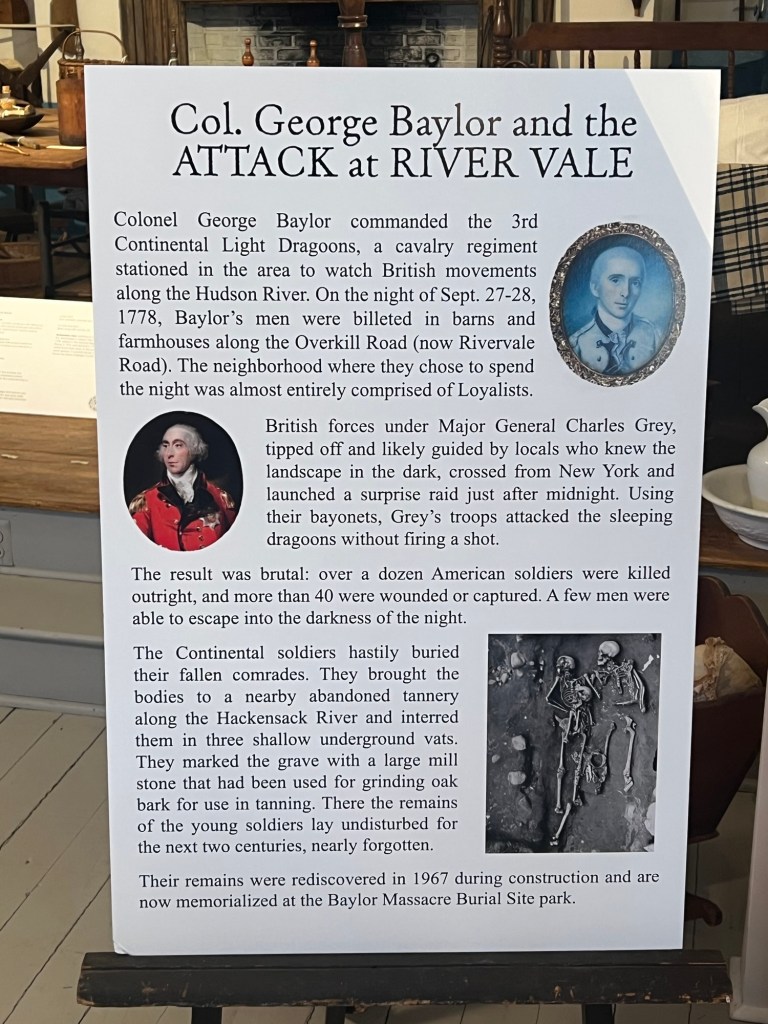
The Baylor Massacre attack
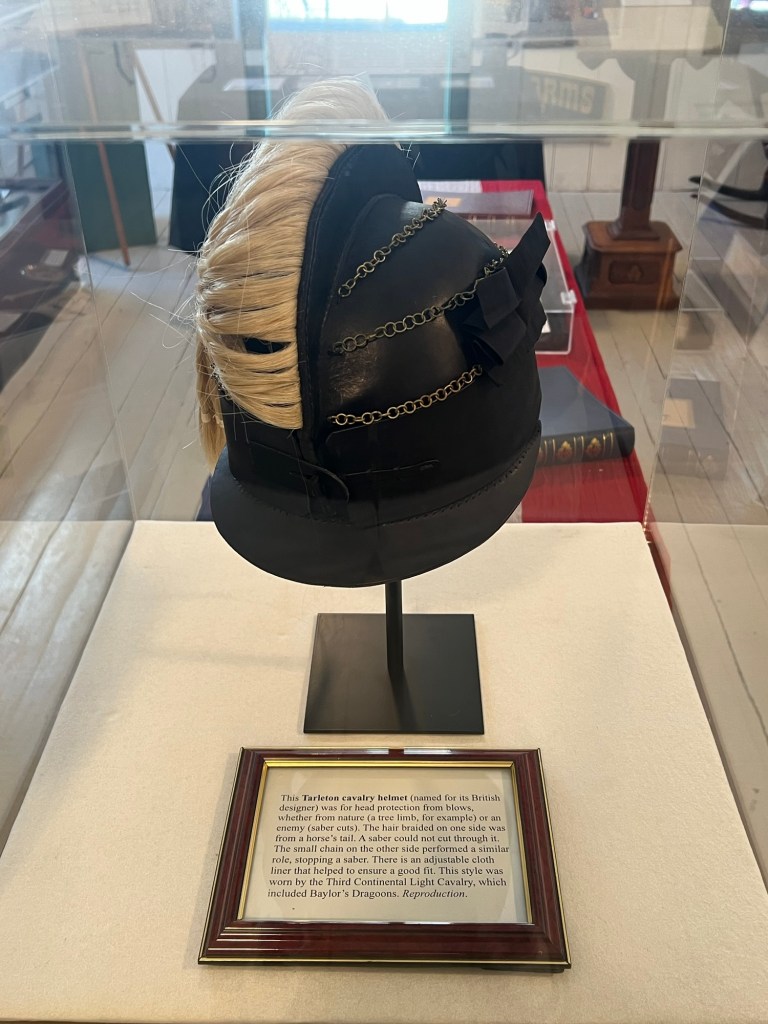
The Tarlatan Calvary helmet
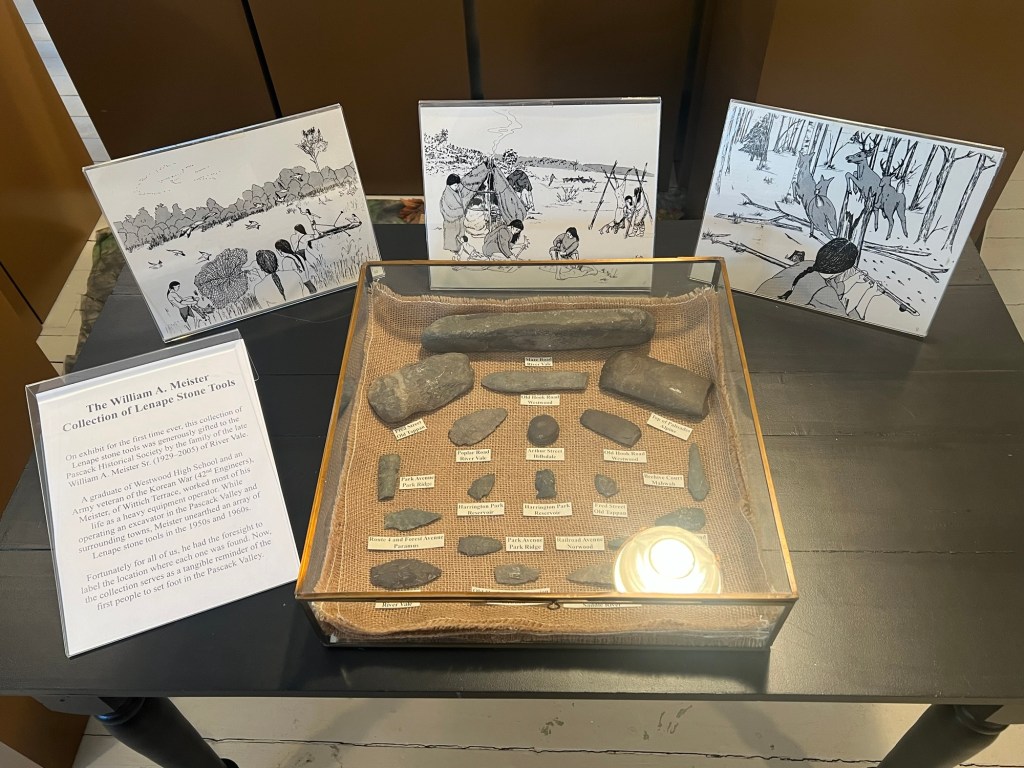
The Lenape artifacts from that era

Membership Opportunities:

Preserving and disseminating local history is a labor of love when you become a PHS member. It is a partnership between you and your fellow members. We encourage you to think about volunteering at some level at the museum or its events. Check out the volunteer opportunities below and give us a call if you would like to participate in any of them.

  1.  Docent: Act as a guide when people visit the museum. A simple one-day training session is all it takes.
  2. Researcher: Do you like to wander through books and archives searching for answers to questions?
  3. Archivists: Preserve and catalog the history of the Pascack Valley.
  4. Educators: Work with youngsters and licensed teachers at Society events.
  5. Tech Savvy: Volunteer your time to help with our website or graphic design.
  6. Handy Helpers: Do you like to repair things? Can you sew, do carpentry? This might be for you.

*Disclaimer: Information on Volunteer and Membership opportunities are taken directly from the Pascack Historical Society Museum pamphlet. Most of the descriptions of the displays is what I was able to see in my short time visiting. The museum has a treasure trove of items to look at in detail.

The Reformed Dutch Church with its Colonial cemetery and the Wortendyke Barn is right down the road so take a few hours to explore the area. The members of the Wortendyke family are buried in the church’s cemetery.

Visit from Bergen Community College for the Bergecco- Parc Consulting Inc. on April 9th, 2025: for the ‘Bergen 250’ project:

The project we created for the “Bergen 250: the 250th Anniversary of the Revolutionary War” that was created:

https://mywalkinmanhattan.com/tag/bergen-250-the-250th-anniversary-of-the-revolutionary-war-in-bergen-county-nj/

As part of my International Marketing class, I took my students to visit the three sites for our project on the ‘Bergen 250’:
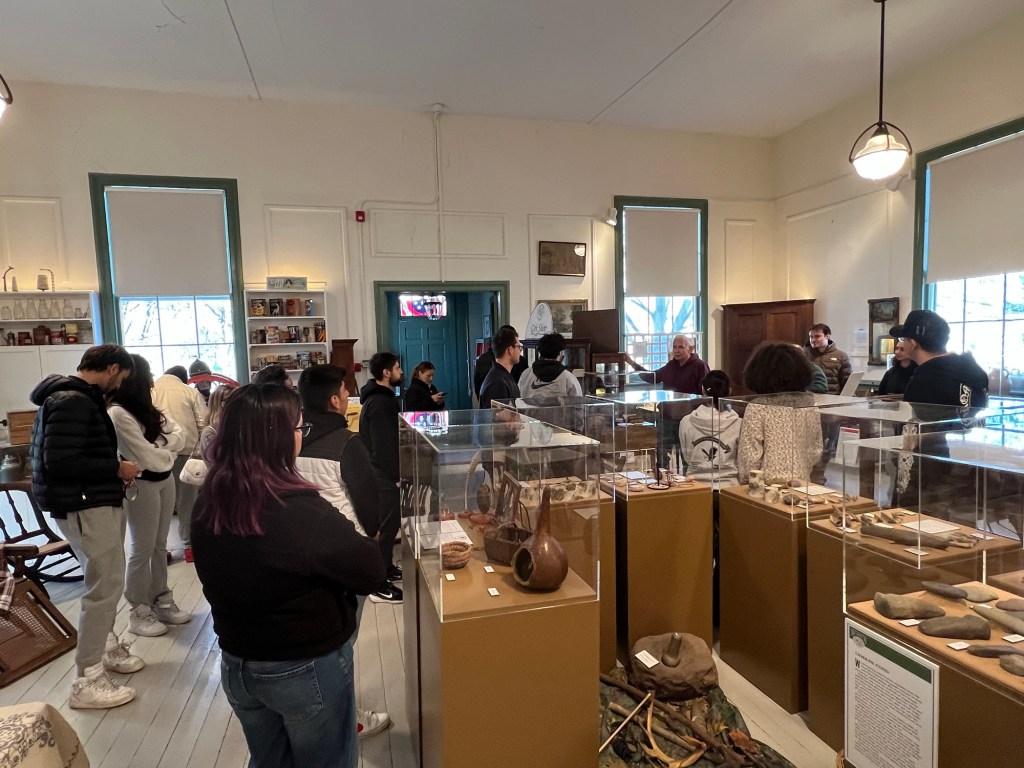
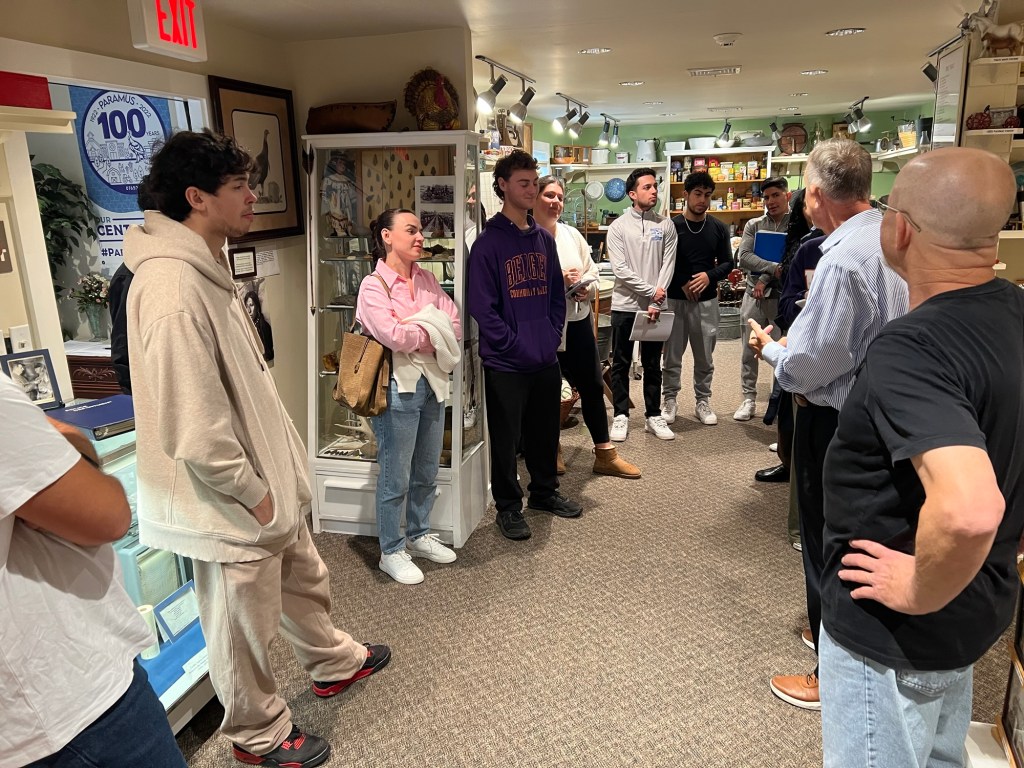
The students toured the museum with the assistance of the Museum’s Board members

As part of the assignment for our ‘Farm to Table Dinner’, the project starts here with a Cocktail Party and tour of the museum. The back room of the museum was where the party takes place and then the guests would tour the museum before heading to dinner at the Wortendyke Barn down the road.
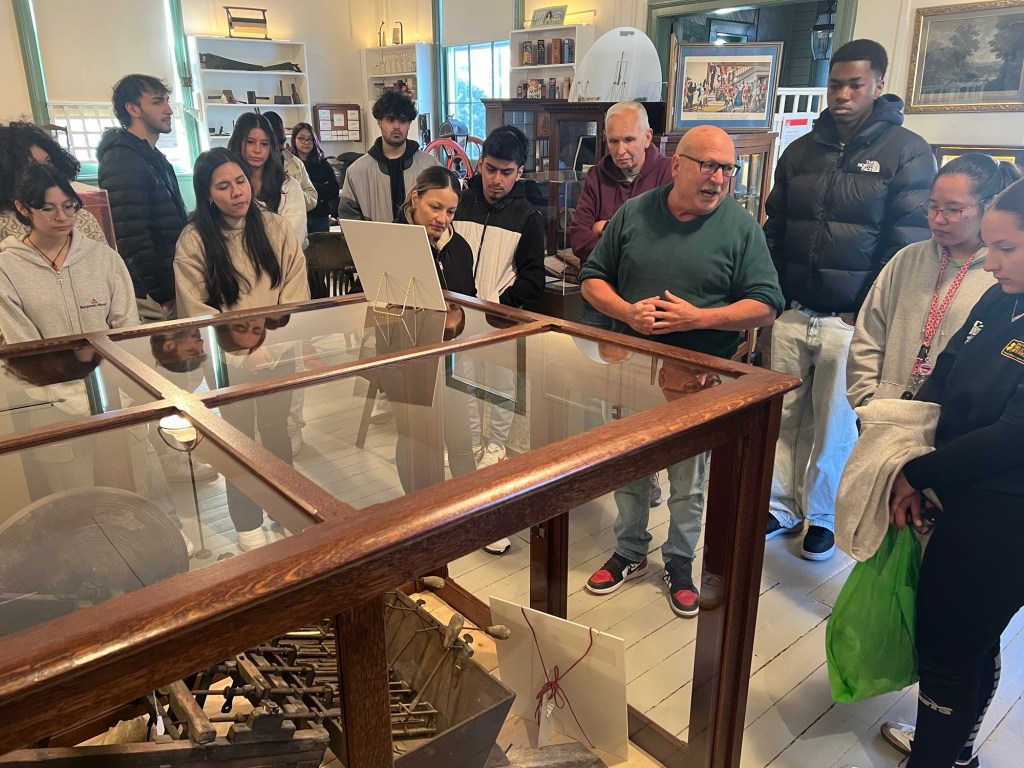
Peter Meany, the First Vice President of the Board explaining the Wampum machine to the students. This form of Native American currency is the only machine in the world like it and is a rare artifact.
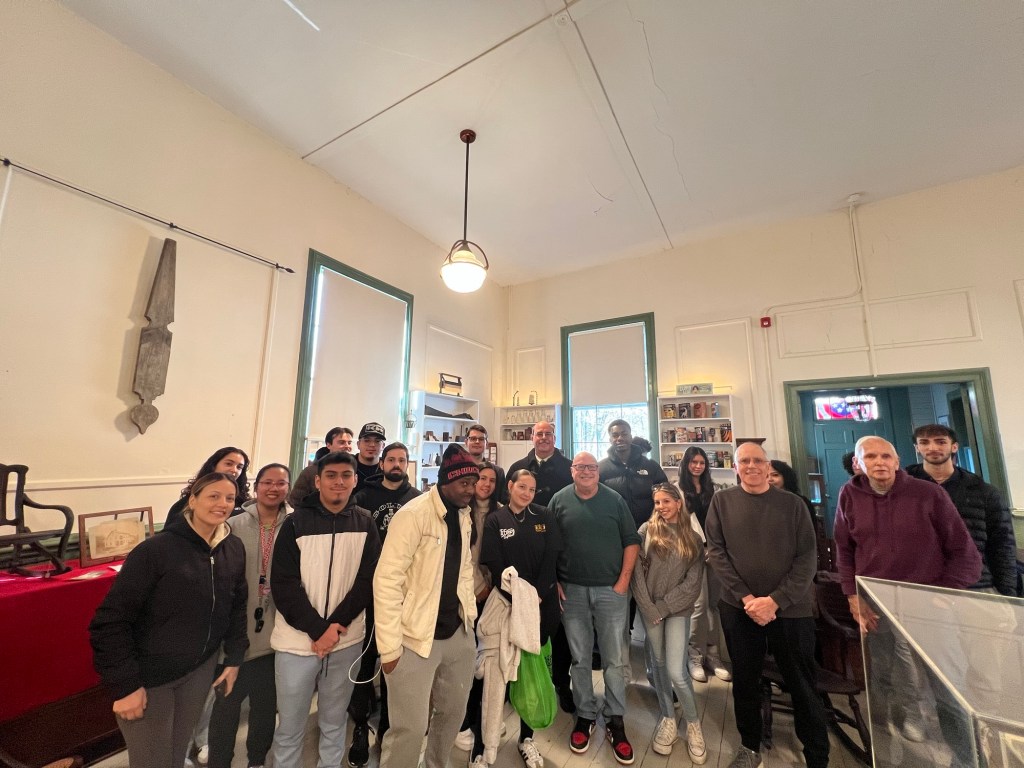
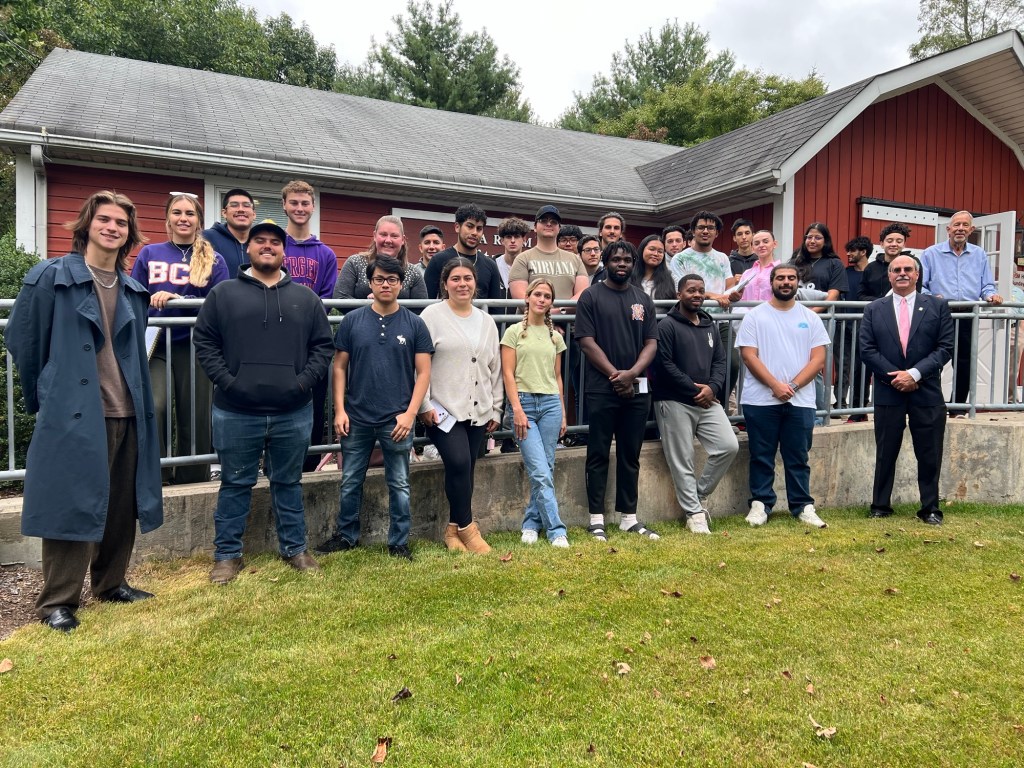
Our Team group picture at the Pascack Valley Historical Society with members of the Museum’s Executive Board Peter Meany, Ralph Donnell Jr. and Christopher Kersting.

We want to thank the Board for taking time out of their busy schedule to support the students on this project.

The Fritz Behnke Historical Museum of Paramus                330 Paramus Road                                      Paramus, NJ 07652

The Fritz Behnke Historical Museum of Paramus 330 Paramus Road Paramus, NJ 07652

The Fritz Behnke Historical Museum of Paramus

330 Paramus Road

Paramus, NJ  07652

(201) 445-1804

Home

Open: Sunday-1:00pm-5:00pm

Fee-Free with donations

TripAdvisor Review:

https://www.tripadvisor.com/Attraction_Review-g46712-d4973052-Reviews-Fritz_Behnke_Historical_Museum-Paramus_New_Jersey.html?m=19905

http://www.ParamusHistoricalMuseum.com

Driving Directions:

From Highway 17 & 4 proceed west on Route 4 approximately 1 mile to Paramus Road. Exit toward Ridgewood. Continue north through the traffic light. Pass a cemetery and a golf course. The museum is next on the right.

The front of the Fritz Behnke Historical Museum on 330 Paramus Road

I visited The Fritz Behnke Historical Museum of Paramus, NJ the other day after passing it for many years and found a smaller museum that told the history of Paramus, NJ. It has interesting displays on the agricultural past of the County of Bergen. Fred Behnke, the founder’s son, took me on the tour of his father’s masterpiece and I found the displays to be interesting and engaging.

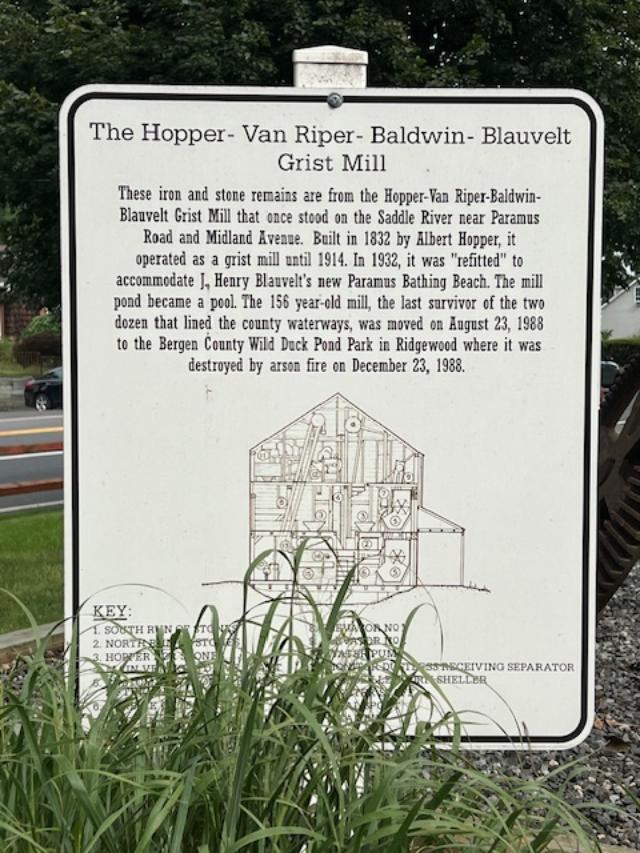
The Grist Mill sign from the old mill

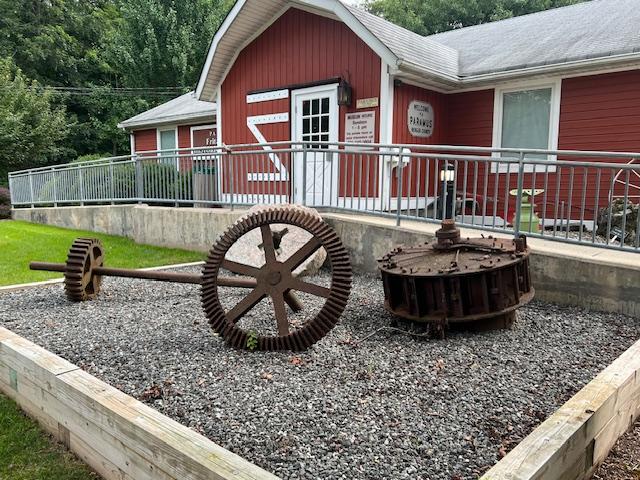
The Grist Mill pieces in the new display outside the museum

The sign that welcomes you to the museum

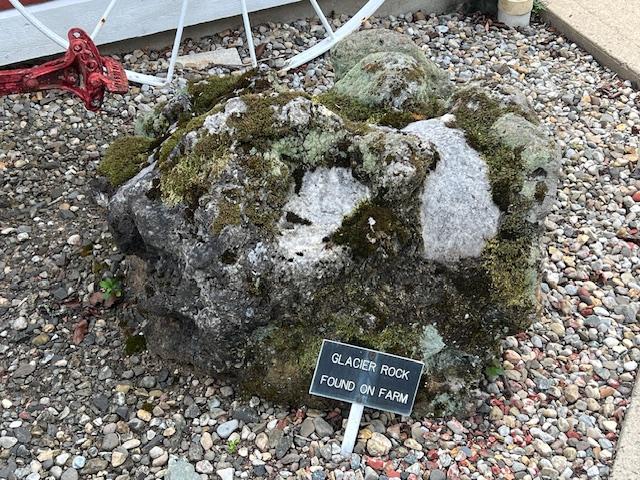
The Glacier Rock in the front of the museum

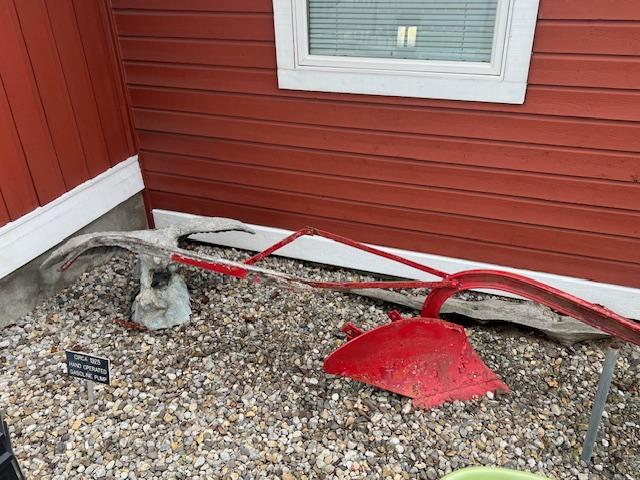
The farming hoe display in the front of the museum

He showed me equipment that had been in his family for generations and some of the Indian artifacts that his family had found on the property which gave more depth to the history of the property as it had been farmed by local Native American tribes.

The Fritz Behnke Historical Museum contains 2 floors of artifacts dating back to the early 1900’s when there were many farms in the Bergen County area.

Take the time to visit the basement and watch their history video. It is very interesting short on the history of the museum and the borough of Paramus. If you are from Bergen County and grew up here in the 70’s and 80’s, you will recognize a lot of the changes that have happened over the last forty years. It is a real reflection on the changes of Bergen County, NJ over the last 100 years. The museum is only open on Sunday’s so plan accordingly.

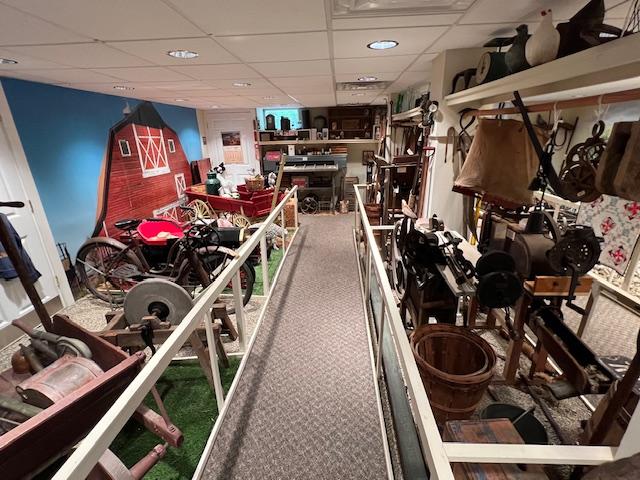
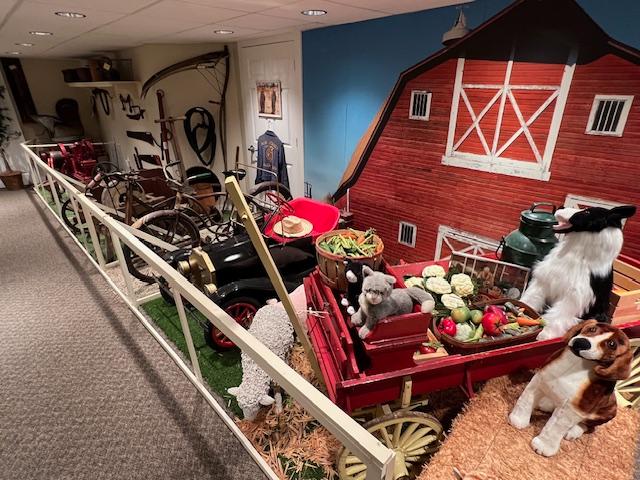
The Farming gallery in the basement in of the museum

The Behnke family farming equipment

The farming equipment on display for use on the farm

The farm crops and the recreation around the farm

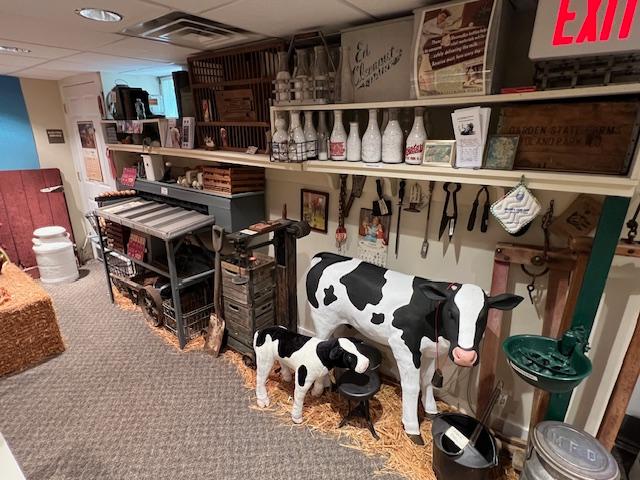
The Egg Sorter and the Dairy industry for milking and bottles

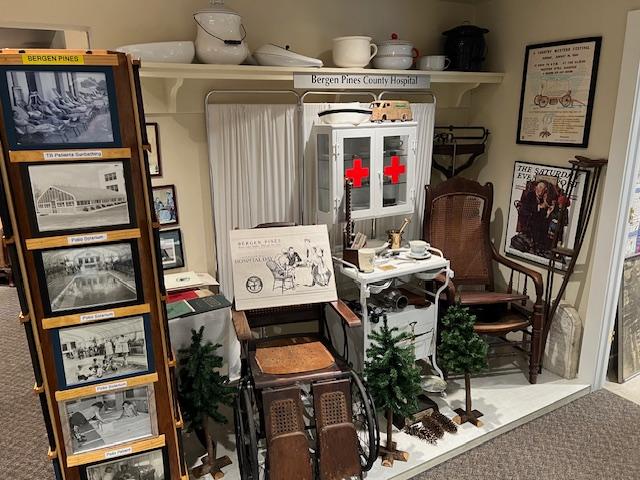
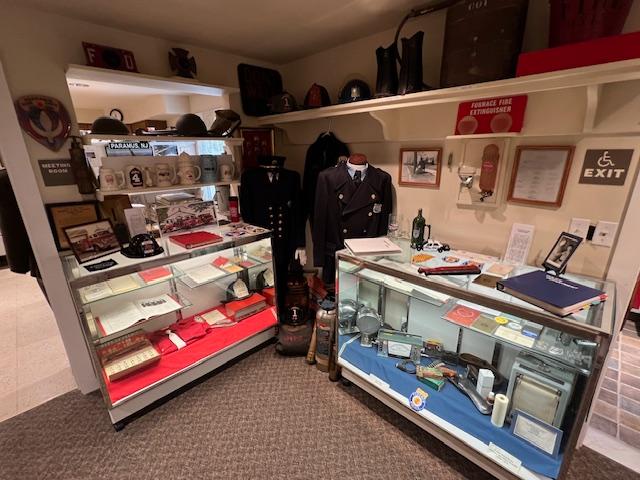
The main floor had an exhibit of Police and Fire Department memorabilia, an being the exhibit displaying  the history of Bergen Pines County Hospital and a display of an old school room. This was Paramus during different eras.

The Paramus Fire Department

The Paramus Fire Department

The Police and Fire Department displays

The hospital display

The School room display from the turn of the century until today

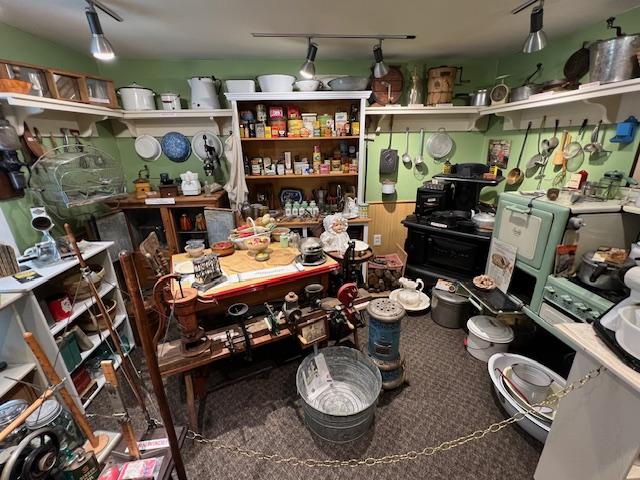
There is an area showing household cleaning and laundry items, including one of the first electric washing machines, a duplicate of which is at the Smithsonian Museum. The kitchen area displays many old devices, used in cooking and includes an old ice box and a wood-burning stove as well as a early gas stove.

The Farmhouse kitchen

The Children’s Toy exhibition

The toys that have not changed over the years for children to enjoy

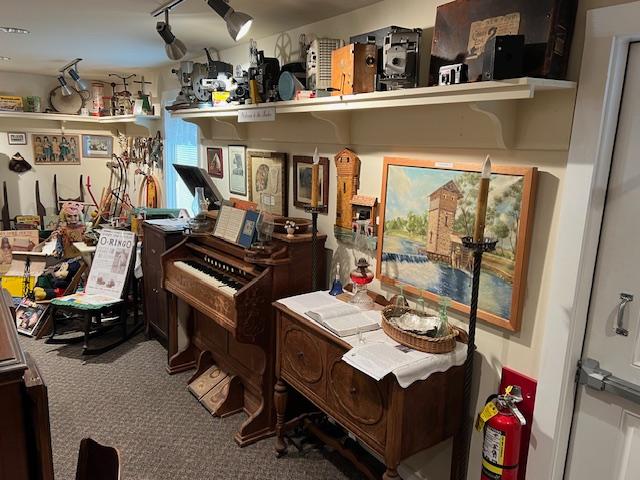
The Kids Room contains many old toys such as strap-on ice and roller skates, dolls, doll houses and cast metal farm tractors. In the parlor area there are old wind up phonographs and a church organ. In the corridors there are many photographs showing the Paramus of yesteryear.

The 1930’s items in the room

The room in the 1930’s and 40’s

The history of Paramus, NJ is explained at the museum

On the lower lever is an interesting 12-minute video presentations on the history of Paramus. There are also displays of woodworking, blacksmithing and farming. The farm display depicts the two distinct differences in Paramus farming that of the celery farms in the muck soil on the west side of town and vegetable farms in the brown soil on the east side of town. There are many different farming items displayed including an egg sorting machine and a shovel hand carved from one piece of wood.

The history of the radios and record player

More household items over time

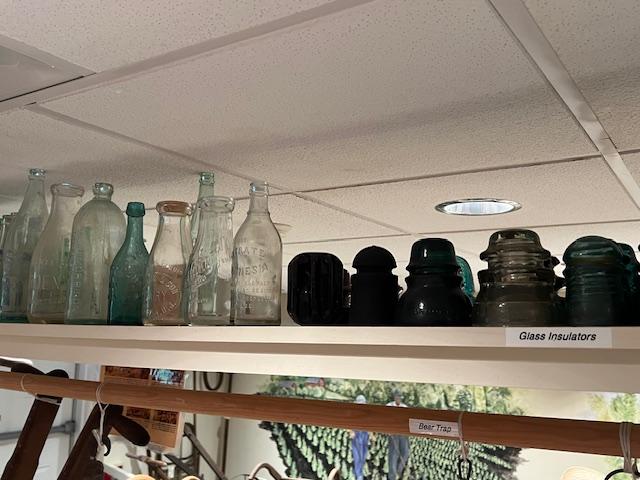
The bottles and glass insulators from the top of telephone poles

Special Notes in History provided by the museum:

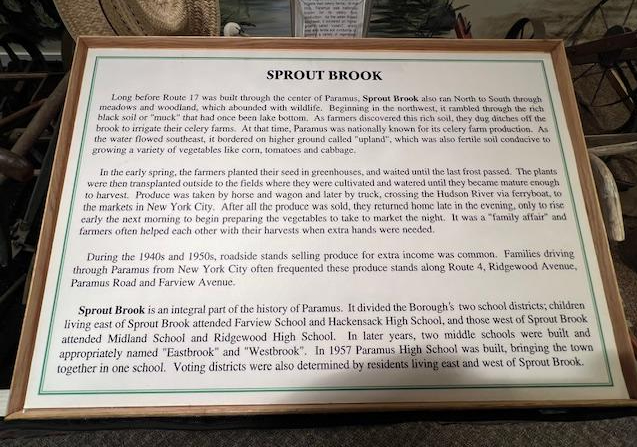
The History of Sprout Brook: Long before Route 17 was built through the center of Paramus, Sprout Brook also ran north to south through meadows and woodland, which abounded with wildlife. Beginning in the northwest, it rambled through the rich black soil or ‘muck’ that had once been a lake bottom.

The dark soil farm on one side of the brook

The Light Farm soil on the other side of the stream

As farmers discovered the rich soil, they dug ditches off the brook to irrigate their celery farms. At that time, Paramus was nationally known for its celery farm production. As the water flowed southeast, it bordered on higher ground called ‘upland’, which was also fertile soil conducive to growing a variety of vegetables like corn, tomatoes and cabbage.

The Sprout Brook history and farming

In the early Spring, the farmers planted their seed in greenhouses and waited until the last frost passed. The plants were then transported outside to the filed where they were cultivated and watered until they became mature enough to harvest. Produce was taken by horse and wagon and later by truck crossing the Hudson river via ferry board to the markets in New York City.

The colored eggs from different species of chickens

After all the produce was sold, they returned home late in the evening only to rise early the next morning to begin preparing the vegetables to take to market that night. It was a ‘family affair’ and farmers often helped each other with their harvests when extra hands were needed.

An early plow of an early design

During the 1940’s and 1950’s, roadside stand selling produce for extra income was common. Families driving through Paramus from New York City often frequented these produce stands along Route 4, Ridgewood Avenue, Paramus Road and Farview Avenue.

Items for life on the farm

The Farms of Bergen County, NJ

Sprout Brook is an integral part of the history of Paramus. It divided the Borough’s two school districts; the children living east of the Sprout Brook attended Farview School and Hackensack High School and those west of Sprout Brook attended Midland School and Ridgewood High School. In later years, two middle schools were built and appropriately named “Eastbrook” and “Westbrook”. In 1957, Paramus High School was built bringing the town together in one school. Voting districts were also determined by residents living east and west of Sprout Brook.

The Paramus High School Display

History of the Lenape Indians: The Indians of Bergen County, the Lenni Lenape Indians settled in the area for many reasons. The climate was ideal all year so they could survive during the winter months. Also the Ramapo Mountains made an ideal place to live. The shale rock overhangs were like caves that provided protection from the weather. There was abundant water in the area from the Hackensack and Saddle Rivers, Sprout Brook and many ponds that provided good fishing and navigation.

The Lenape Native American display

The wild animals in the area came to drink at these waterways thus providing great opportunities for hunting. The land was also fertile, which made for good farming such as corn (or Maize) and other root crops. These crops attracted many birds such as quail, pheasant and of course, the wild turkey which hare still in the area today.

Our early settlers traded with the Indians. Mrs. Lawrence, the one room school teacher was of Indian descent. As the early farmers in the area plowed their fields, they found arrowheads, tomahawks and grinding stones. The Lenni Lenape called this area “Perapepus”, which meant rich or fertile land. Through the years, the name changed several times until it became Paramus.

The museum also has the history of the Paramus Fire and Police Departments as well as the early Bergen Pines Hospital.

The history of the Police and Fire Departments

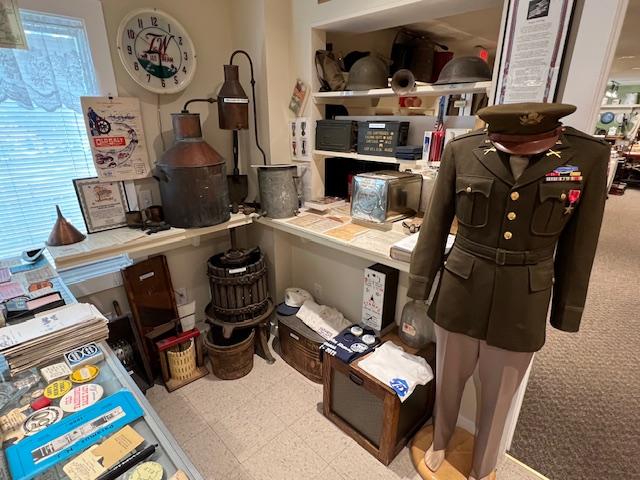
The Military display

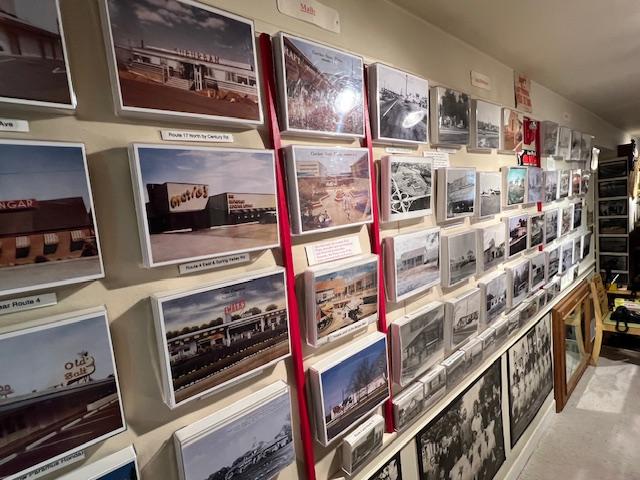
There was also a wonderful display of old businesses in Bergen County. For many residents who grew up in the area will recognize from the 1960’s and 1970’s. There were menus, dishes and meal set ups on display reminding us of dining from that era.

Businesses from Paramus and from Bergen County

Businesses in Paramus and Bergen County, NJ

The new “Fireplace Hamburger” display for the well-known restaurant that closed during COVID

*This little gem of a museum is only open one day a week but can be opened to accommodate groups so please call the museum for details. The museum is free to the public but please leave a donation to help with the costs of the museum. It is well worth the trip if you like the history early farming communities or want the know the history of Bergen County.

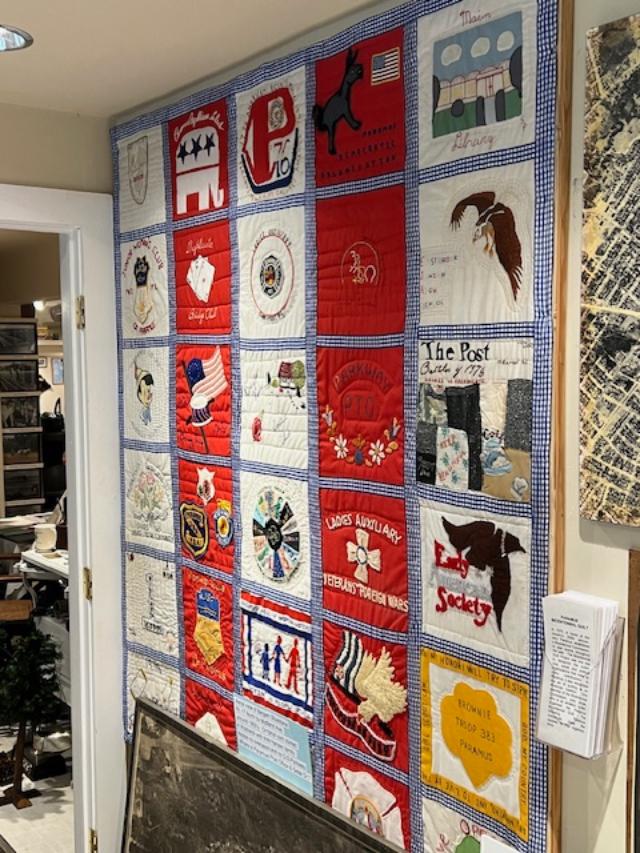
The Paramus Quilt display

The “Whatchamacallit” display

My Marketing Class at Bergen Community College Project promoting the museum:

The Blog on the whole project:

In October of 2024, I partnered with the museum to a Destination Tourism project to assist the museum in targeting to a new visitor with new Digital Marketing. I thought the museum had a lot of potential that had not been tapped into and thought this would be the perfect challenge to for the students to give the museum a fresh perspective.

I made an appointment with the staff at the museum and asked if they would partner with me for a Marketing project and they gladly accepted.

I arranged the class to have a field trip to the Behnke Museum during class time but I also arranged an extra credit trip the Sunday before so the students could get a glimpse of the museum ahead of time.

My class on their field trip to the Behnke Museum in Paramus, NJ

Then during class time we took a more formal tour of the museum with the founder’s son, Fred Behnke and his Volunteer Board, who gave us a better perspective of the museum.

The students at the Behnke Museum during our field trip

The class getting the tour from the founder’s son, Fred Behnke

After the tour was over, our class took a group picture

I had the students write a paper on their thoughts of improving the museum and the broke them into groups based on their thoughts. They had one week to put their game plan together and then they presented it to myself and the museum.

This is their presentation:

The Student Consultants had a week to put the Presentation together and create a commercial to promote the museum and their PowerPoint on their ideas to create excitement at the museum. Here is their project Presentation and PowerPoint on the project. Please remember that they had seven days to do this.

The PowerPoint:

https://drive.google.com/file/d/1atn7BlTHfG88tND0P8fU1yNzmEpFrEG4/view?usp=gmail

The Video of the Presentation:

https://www.youtubeeducation.com/watch?v=krZNmHevETA

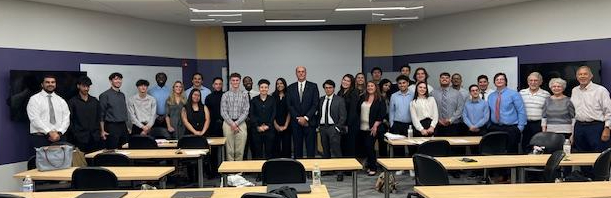
The Team Picture after the Behnke Museum Presentation to the Museum Volunteer Staff:

The Bergecco-Parc Consulting Inc. Paramus Team for the Behnke Museum

The Behnke Museum Volunteer Staff was impressed with the students ideas and thought there was a lot good ideas that they can use.

Commercial Group One:

Commercial Group Two:

Marketing Commercial Team Two:

Commercial Group Three:

Marketing Commercial Team Three:

Commercial Group Four:

I could see by the reaction of the museum that they were please with the project and I hope it helps them in the future. It really is a great museum.