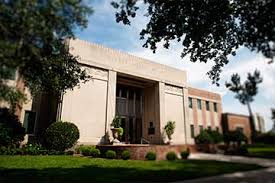
I made a special trip to Beach Haven, NJ recently to visit the NJ Maritime Museum which had gotten some interesting write ups online. The museum covers many aspects of the maritime history of Long Beach Island and the surrounding Jersey Shore and the State of New Jersey.
The NJ Maritime Museum at 528 Dock Road in Beach Haven, NJ.
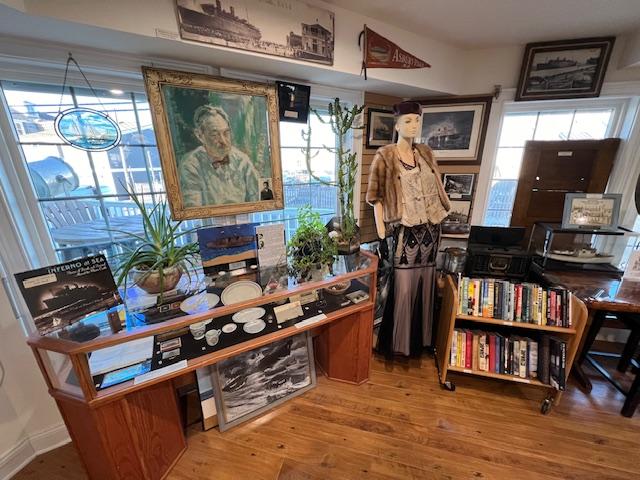
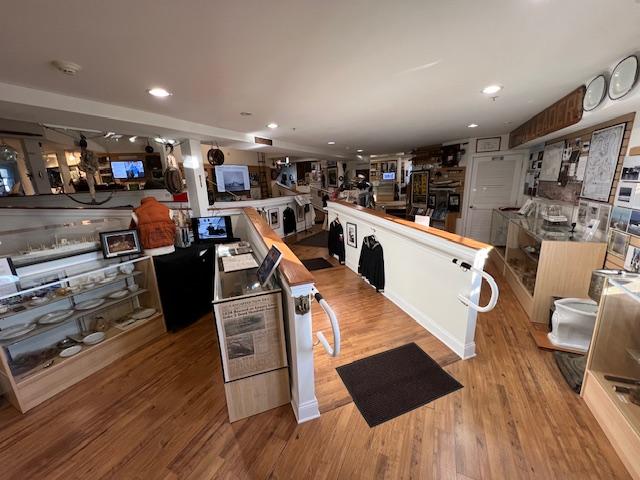
Each of the rooms are packed with pictures, artifacts and explanations of all the events. The front room has a lot of information of ship wrecks, both local and from all over the state.
The Front Galleries of the NJ Maritime Museum.
There is a large story board of the 1916 Shark attacks that inspired the book and movie, “Jaws” including the clippings from the paper and pictures of the cemetery where the victims were buried. It was a very detailed display of the incident.
The front section of the museum has the display of the “Morro Castle” fire.
In the back room of the first floor the room is dedicated to the 1934 “Morro Castle” luxury liner disaster where incompetence from the crew and staff lead to the burning of the ocean liner on its way back from Havana to New York at the height of the Depression and twenty years after the Titanic Disaster. The displays included menus, artifacts from the ship, witness accounts and a movie on the disaster being shown in a loop.
The Morro Castle Fire exhibition.
Natural disasters are covered as well with storms that have reeked havoc to the Jersey Shore over the last hundred years including the recent Hurricane Sandy which was the perfect storm. The pictures show the disaster that have hit Long Beach Island and the rebuilding over the years.
The history of Diving exhibition on the second floor.
There is a lot of local history with pictures of the all the luxury resorts that used to be on the island and its role in the development of the area as an early resort town through the railroads as well as the history of the local “Women’s Surf Fishing Club” and pictures of the club members over the years.
The second floor galleries.
The second floor is dedicated to the local Coast Guard history and rooms full of artifacts from local shipwrecks and the history of the local maritime history and fishing industry.
The Andrea Dora exhibition on the second floor.
The New Jersey Maritime history is in full display here
For such a small museum, the museum is packed with all sorts of interesting information on the New Jersey Shore line.
The History of the NJ Maritime Museum:
On a 1983 episode of the television program “Prime Time”, Jim O’Brien did a segment on New Jersey Shipwreck Diving, interviewing Bob Yates and Deb Whitecraft. During that interview, Deb spoke of her quest for knowledge about different wrecks and New Jersey maritime disasters. She also stated that she had started collecting this information and other items pertaining to New Jersey Maritime History and that she hope to one day have a place to display her collection. On July, 3rd, 2007, Deb’s lifelong ambition came to fruition when the Museum of New Jersey Maritime History opened its doors.
In the years between the program and the museum opening, Deb actively pursued her quest, working with other New Jersey maritime historians and amassing a sizable collection of shipwreck files and artifacts. This collection comprised almost all of the museum’s material when it opened. In the years since it opened, the museum has grown at amazing rate, thanks to the donations and loans from the diving community and the public in general.
The second floor galleries.
Although the museum was built entirely with private funds, it is now a registered non-profit entity and deed restricted to remain so. It operates entirely on donations and is staffed by a small group of dedicated volunteers. The museum is open all year long, Friday through Sunday in the off-season and seven days a week during the summer.
(NJ Maritime Website History)
The NJ Maritime Museum Mission:
The Museum of New Jersey Maritime History Inc. is a museum and research facility organized exclusively for educational purposes within the meaning of Section 501(c)(3) of the Internal Revenue Code. The corporation’s educational purposes include, among other things, providing a facility for the public display of historic maritime artifacts, books and documents. The display of such collections, preserved and exhibited under professional museum standards will encourage maritime research and promote the education of the public about New Jersey’s rich maritime history.
Fee: Adults $22.00/Seniors (over 65) $14.00/Current Students with ID $13.00/Free to Members and Children under 12 accompanied by a parent. Free on Friday Nights from 7:00pm-9:00pm. Discount for people with disabilities $13.00-Caregiver Free.
What I love about the Morgan Library & Museum is the level of sophistication and quality of their exhibitions. The museum really makes you think when you tour their galleries and attend their lectures and gallery talks. Their docents and curators bring an exhibition to a whole new level. I always feel like I am taking a college course and will be graded afterwards. They really make you think about the work or what the author or artist is trying to say.
Two of my favorite exhibitions were the “150th Anniversary Celebration of Alice in Wonderland”, which is why I joined the Morgan Library & Museum. I loved the novel and I wanted to get some ideas for our library’s own celebration. They had the original manuscript written by Lewis Carroll, some original prints and memorabilia from various times including posters, books, artwork and decorative items.
The entrance to the “Alice in Wonderland” exhibition
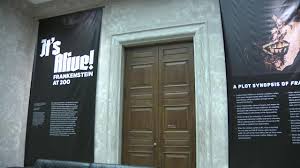
Another wonderful and interesting exhibition was on Mary Shelley’s “Frankenstein” which was a celebration of her life, her works and of the novel through the ages in both context of the novel and in Hollywood. There were various copies of the books in the exhibition as well as the history of the author’s life.
The Frankenstein print
The exhibition showed the clips of the original silent version of the film, the 1931 version with Boris Karloff and the modern version “Young Frankenstein” with Gene Wilder from 1974. I learned from the exhibition that the set used in the 1974 version of the film was from the original 1931 film and it had been in the director’s basement all those years.
The entrance to “It’s Alive: Frankenstein at 200” exhibition at the museum
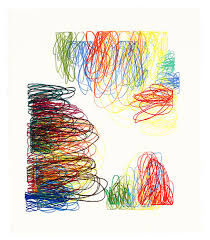
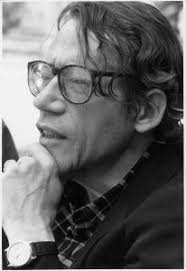
Another exhibition that was very interesting was the recent American artist Al Taylor with an showing of his drawings. The works were unusual but really stood out was his time in Hawaii and the drawings that inspired him.
Duck Bondage Study by Al Taylor
Untitled by Al Taylor
American artist Al Taylor
A YouTube video on the “David Hockney” Exhibition:
The recent David Hockney Exhibition that I missed.
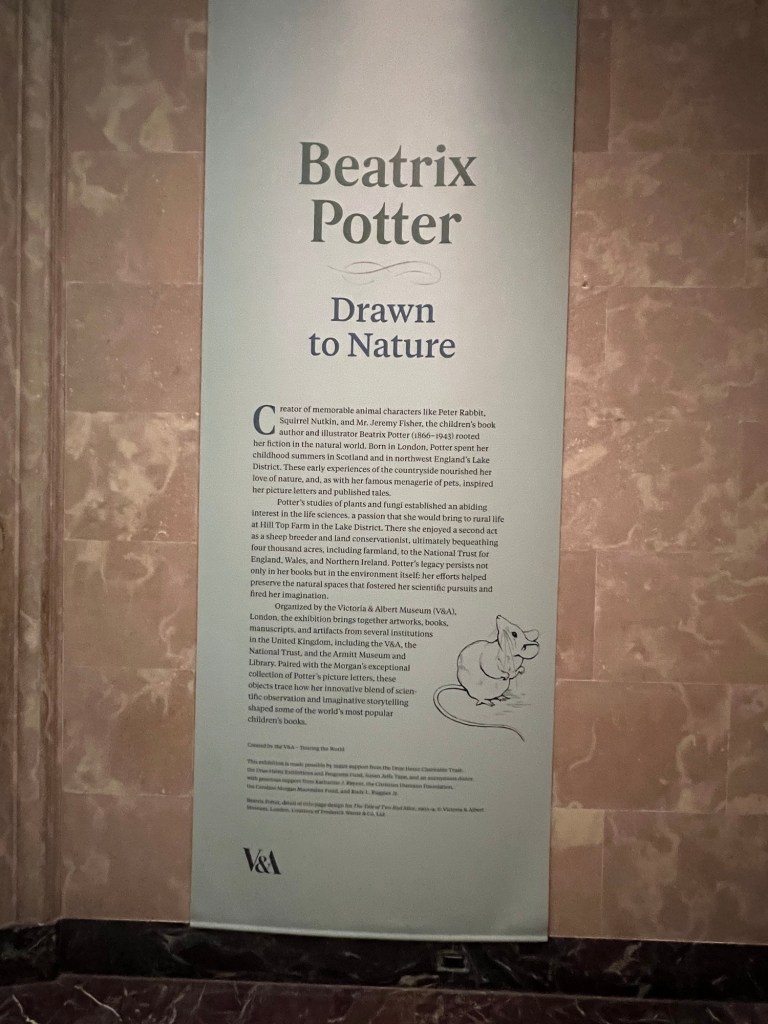
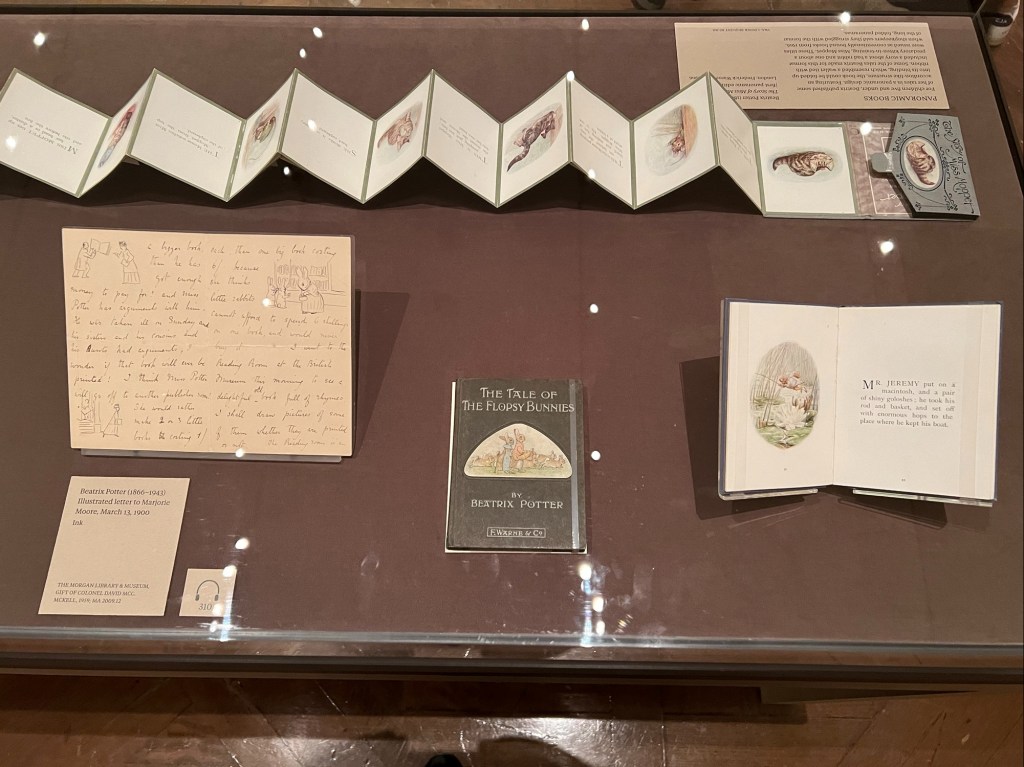
I rejoined the museum after a long COVID absence and the first exhibition that I attended was the “Beatrix Potter” exhibition on her work on Peter Rabbit. It had many of the early drawings of her children’s books as well as some of her merchandising. The exhibition discusses her life before and after her books were published and then her second act as a farmer and conservationist.
The “Beatrix Potter: Drawn to Nature” exhibition in April 2024:
Beatrix Potter: Drawn to Nature
The entrance to the gallery
The gallery opening
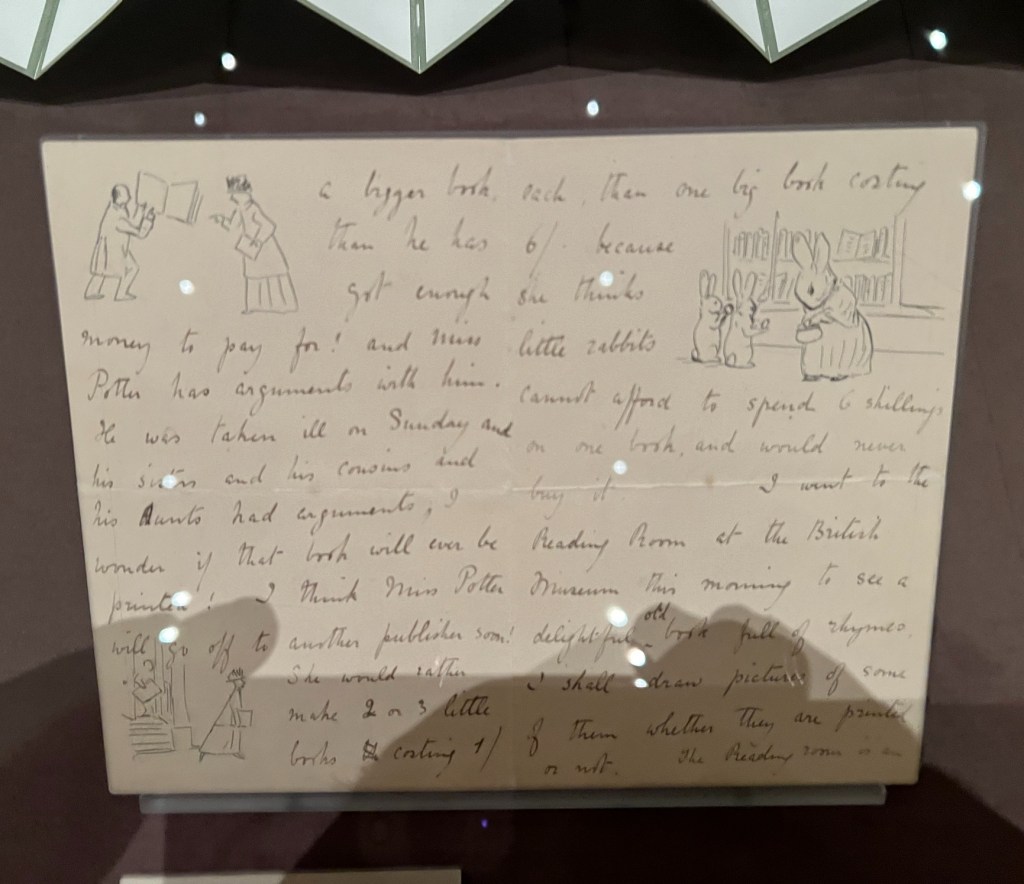
Here work included the initial drawings to the actual books.
Her early gift cards One of her original pieces.The main part of the exhibition.
The gallery of the exhibition
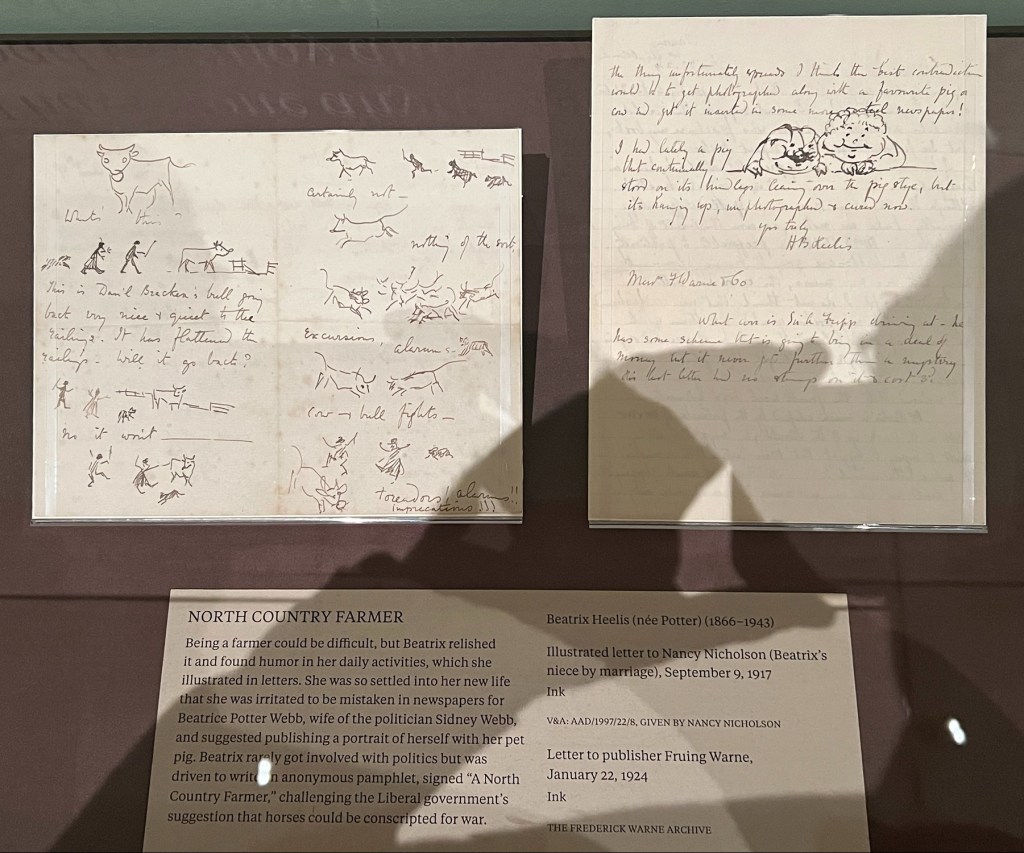
The exhibition is broken into two parts. The first part is on her early life in London with her family and her personal life as a child and an early adult. The second half of the exhibition is on her early books, manuscripts and letters. Then her later life as a ‘gentle farmer’ who ended up preserving and donation over 4000 acres of Lake District land for later generations to enjoy.
These are the original drawings for the book “The Tale of Peter Rabbit”
The original cardThe original card
Other pieces of her works.
Some of the original drawings.
Some letters that she wrote to friends.
All the wonderful novelty items that she helped create. She had a real hand in merchandising way before this became the norm in publishing. She created all the cards, stuffed animals and small books that would become her collection.
Some of her original books.The original Peter Cottontail book.The original drawing from the exhibition.
The stuffed animal of Jeremiah Puddle Duck
The sign as you enter the exhibition.
The end of the exhibition with the author holding one of her pets.
The other exhibition that I saw that day which will be closing soon is the Walton Ford exhibition. Mr. Ford’s works are a reflection on his relationship with nature with works being influenced by trips to the American Museum of Natural History. His works draw from nature.
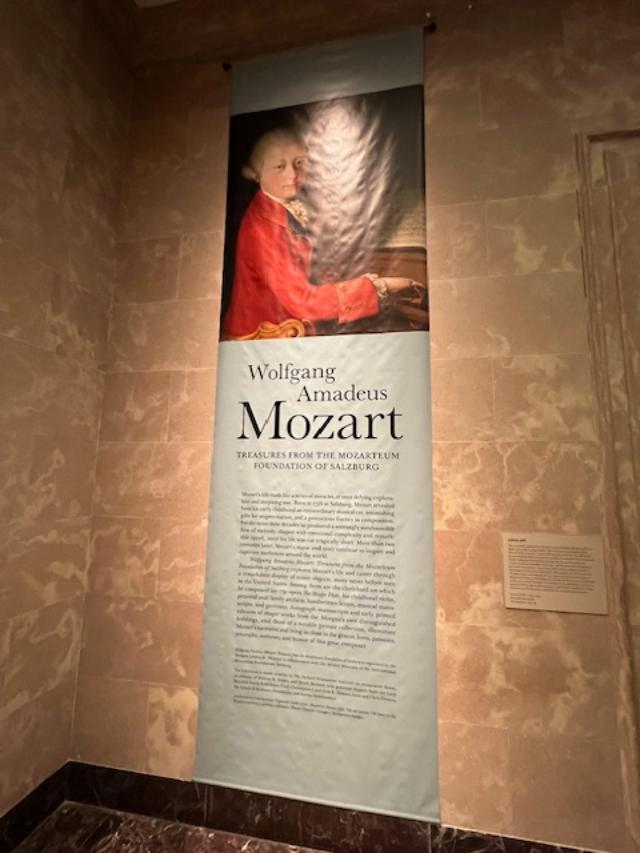
I recently visited for the “Wolfgang Amadeus Mozart: Treasures from the Mozarteum Foundation of Salzburg” exhibition on a private Members Night and it was an interesting look at his life and how his career progressed until his untimely death at an early age.
The entrance to the exhibition in March of 2026
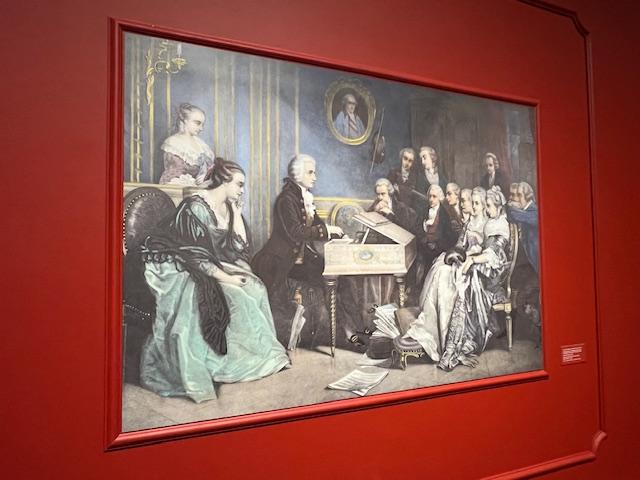
The Mozart family picture in the exhibition of the artist’s work
(From the Morgan Museum website):
The exhibition focuses on the two family chapters of Mozart’s life: his youth with his father, Leopold, and sister Nannerl in Salzburg, and his adult life with his wife, Constanze, in Vienna. After Mozart’s death in 1791, Nannerl and Constanze returned to Salzburg, where they, with the composer’s two sons, preserved and built his legacy. Their collection became the foundation of the modern-day Mozarteum (Morgan Library).
The sign for ‘Tarot Renaissance Symbols’
The exhibition sign
Video on the exhibition:
The exhibition description
Medieval era Tarot cards
Tarot card sign
The Rosenwald Tarot Card Sheet
The Rosenwald Tarot sign
Tarot Art work
Tarot Card inspired art
Evoking the cities, homes, and people that shaped the composer, the exhibition highlights Mozart’s many travels, continual quest for employment and renown, family tensions, and constant creative output amid frequent illness and other challenges. It also illustrates Mozart’s existence under aristocratic patronage, a context both foreign and familiar to modern viewers (Morgan Library).
It is nice to walk among the permanent collection of prints in the lower level and to visit the former private areas of Mr. Morgan’s home. It adds to who he was as a financier and as a homeowner. The home was not as elaborate as you would have thought.
The private part of the museum
I also enjoy the Morgan Cafe on the main level of the museum in the courtyard area of the first floor. The food is a little pricey and a limited menu but the service is wonderful and the quality of the food is very good. You will enjoy the meal and I have heard from other patrons that the Afternoon Tea is very nice as well.
They also have a Dining Room in the Library area that I have heard is very nice as well.
The Morgan Dining Room
They have a nice selection of books, cards and gifts in their Gift Shop just beyond The Morgan Dining Room. I really like their selections at the holidays and their theme books to the exhibitions especially for the “Alice in Wonderland” exhibition.
The Morgan Library giftshop
It is a nice place to take a gallery talk, then a light lunch in the main hall and then a lecture at night. It’s a great way to spend the day.
The History of the Morgan Library & Museum:
(from the Morgan Library & Museum website)
The Museum is a complex of buildings in the heart of New York City and began as the private library of financier Pierpont Morgan, one of the preeminent collectors and cultural benefactors in the United States. As early as 1890, Mr. Morgan had begun to assemble a collection of illuminated, literary and historical manuscripts, early printed books and old master drawings and prints.
Mr. Morgan’s library was built between 1902 and 1906 adjacent to his New York residence at Madison Avenue and 36th Street. Designed by Charles McKim of the architectural firm McKim, Mead & White, the library was intended as something more than a repository of rare materials. Majestic in appearance yet intimate in scale, the structure was to reflect the nature and stature of its holdings.
The side view of the Morgan Library
The result was an Italian Renaissance-style palazzo with three magnificent rooms epitomizing America’s Age of Elegance. Completed three years before McKim’s death, it is considered by many to be his masterpiece. In 1924, eleven years after Mr. Morgan’s passing, his son, J.P. Morgan Jr., known as Jack, realized that the library had become too important to remain in private hands. It what constituted one of the most momentous cultural gifts in the United States history. He fulfilled his father’s dream of making the library and its treasures available to scholars and the public alike by transforming it into a public institution.
Mr. Morgan’s private areas are part of the museum
Over the years, through purchases and generous gifts, The Morgan Library & Museum has continued to acquire rare materials as well as important music manuscripts, early children’s books, Americana and materials from the twentieth century. Without loosing its decidedly domestic feeling, the Morgan also has expanded its physical space considerably.
The Middle Eastern exhibit in the Library.
In 1928, the Annex building was erected on the corner of Madison Avenue and 36th Street, replacing Pierpont Morgan’s residence. The Annex connected to the original McKim library by means of a gallery. In 1988, Jack Morgan’s former residence, a mid-nineteenth century brownstone on Madison Avenue and 37th Street was added to the complex. The 1991 garden court was constructed as a means to unite the various elements of the Morgan campus.
JP Morgan II home which is now part of the Morgan Library.
The largest expansion in the Morgan’s history, adding 75,000 sq ft to the campus was completed in 2006. Designed by Pritzker Prize winning architect Renzo Piano, the project increases exhibition space by more than fifty percent and adds more important visitor amenities, including a new performance hall, a welcoming entrance on Madison Avenue, a new cafe and a new restaurant, a shop, a new reading room and collections storage. Piano’s design integrates the Morgan’s three historical buildings with three new modestly scaled steel and glass pavilions. A soaring central court connects the buildings and serves as a gathering place for visitors in the spirit of an Italian piazza.
The Morgan Library & Museum expansion by Renzo Piano
The Morgan Library & Museum Mission:
The mission of The Morgan Library & Museum is to preserve, build, study, present and interpret a collection of extraordinary quality, in order to stimulate enjoyment, excite the imagination, advance learning and nurture creativity.
The Dorothea Maria Gsell painting “Heron Encircled by a Snake with a worm in his Bill”
A global institution, focused on the European and American traditions, the Morgan houses one of the world’s foremost collections of manuscripts, rare books, music, drawings and ancient and other works of art. These holdings, which represent the legacy of Pierpont Morgan and numerous later benefactors, comprise a unique and dynamic record of civilization as well as an incomparable repository of ideas and of the creative process.
(From the Morgan Library & Museum website and history)
Fee: Adults $10.00/Seniors and Students (with valid ID) $6.00/Children under 5 and Members Free
I recently went Jacksonville, Florida while visiting relatives and spent time at the Cummer Museum which is in the Five Points section of the City. This small museum by the water offers galleries full of interesting art as well as beautiful gardens to stroll through when you are finished.
There were some interesting exhibitions to visit when we were there. The ‘Lewis Comfort Tiffany: Treasures from the Driehaus Collection’ showcased the artist’s works from glasses and tableware to a series of his famous lamps. These colorful works were sometimes lit so that you could see the intensity of the colors in the glass design.
The Louis Comfort Tiffany display
Another interesting exhibition in the museum was the ‘Innovation and Imagination: The Global Dialogue in Mid to Late 20th Century Art’ showing the shift of the art world innovations from Paris to New York following World War II. Pop Art, Cubism and Modern art were displayed and it showed a range of styles of the artists some borrowing from more famous counterparts.
We also enjoyed visiting the Permanent Collection of the museum. The Cummer Family Parlor showed the family’s taste in furnishings and decoration to their home. A lot of late Victorian furniture is shown here.
The small showing of works in the Ancient Art Gallery displayed art from the Greek and Roman worlds and a few small items from Egypt.
The Gardens were the one thing that stood out. On a beautiful day there is nothing like strolling through the pathways along the tree lined stone ways. Most of the gardens had been damaged during Hurricane Irene so there is a lot of rebuilding going on.
The pathway leading from the museum to the gardens
Along the river though are the gardens designed by Fredrick Law Olmstead for the museum grounds. These gardens are currently being renovated but you can still see the traces being redone in their updated form.
It is best to visit the museum on a nice day to enjoy both the inside and outside of the museum.
History of the Cummer Museum & Gardens:
The Cummer Museum of Art & Gardens is the culmination of the civic, social and business involvement of a remarkable family. The Cummer’s came from a long line of lumber barons, whose business interests began in Canada before branching out to Michigan, Virginia and Florida. As early as 1890, Wellington Willson Cummer (1846-1909) recognized the value of Florida cypress and prolific stands of pine timberlands in the state. After relocating his family from Morley, Michigan to Jacksonville, Florida, he went on to found the Cummer Lumber Company in 1896. Among his many feats, Wellington built a railroad for transporting lumber from the low country of Florida to Jacksonville, where the mills and distribution centers were located.
His sons, Arthur and Waldo Cummer, along with his son-in-law, John L. Roe, all of whom came up through the ranks in the family business, assumed control of the company after Wellington’s death in 1909.
In 1902, Mr. and Mrs. Cummer began constructing a large English Tudor Revival house, replete with exterior half- timbering and richly carved interior paneling. Situated on Riverside Avenue, the home was part of the close-knit family compound of three houses with adjacent gardens and the construction of the Cummer house led to Mrs. Cummer’s masterminding of her gardens. The development of the gardens would remain her passion until the time of Mr. Cummer’s death, with her focus expanding to the establishment of city parks for public access to the open environments. Today, the Cummer Gardens are one of the most popular locations in the city and visitors enjoy their beauty.
(Taken from the Cummer Museum History website)
Disclaimer: This information was taken directly from the Cummer Museum History website and I give them full credit for the information.
This was the second time I visited the Morris Museum and on every trip I learn something new. The first time I had visited the museum it was right after the movie ‘Hugo’ had opened which was a story that involved the automata (moveable animals and people mechanical objects) so my dad and I toured the permanent exhibit and then toured the rest of the museum.
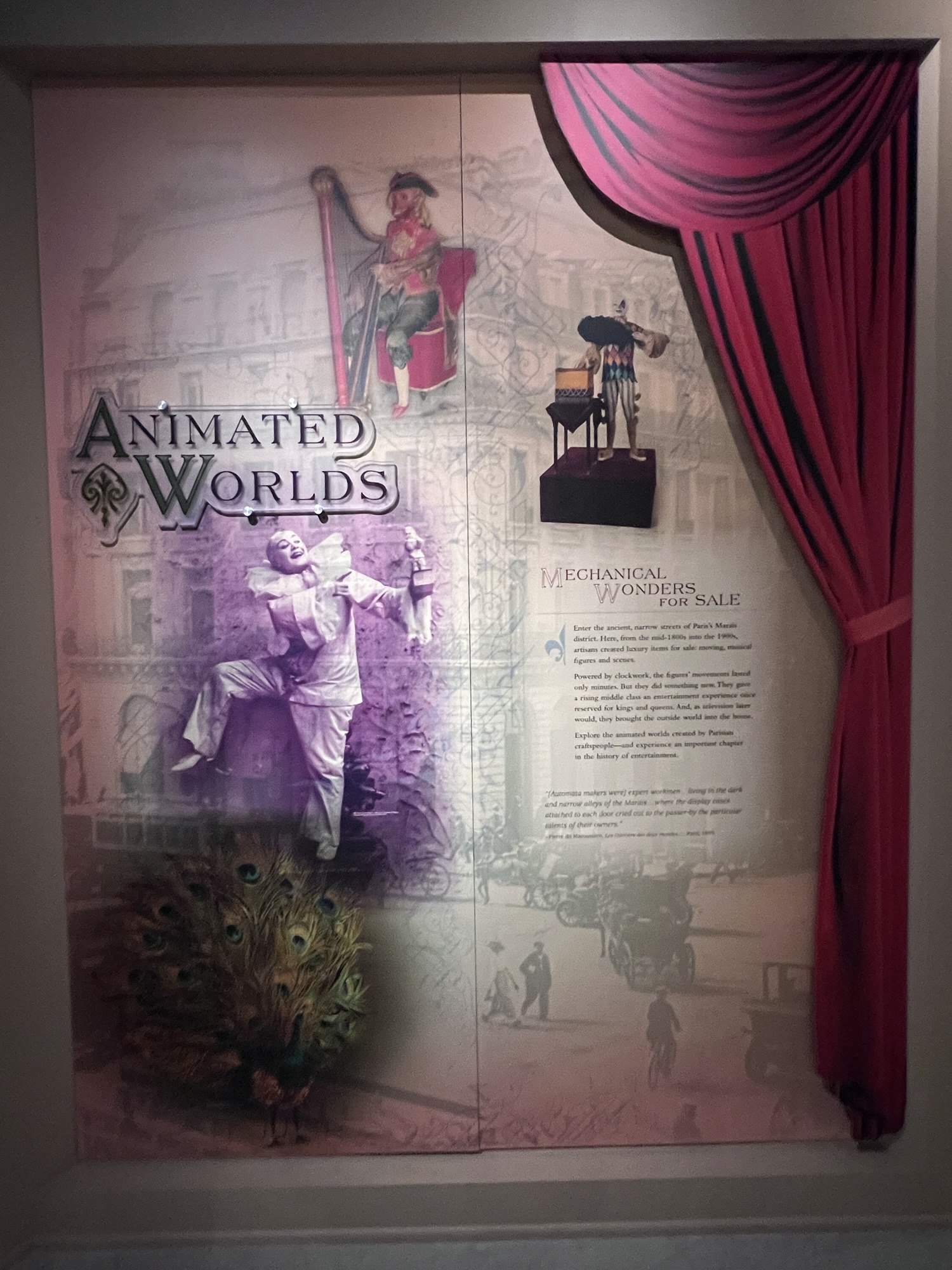
The Guinness Galleries of Automata
The gallery of Automata
When I arrived at the museum at 2:00pm recently, the museum was having a talk and a demonstration on the automata and musical boxes and that was very interesting. These mechanical wonders have been around since the 1300’s being perfected in the Arabic countries by clockmakers and craftsmen at the time.
The exhibition galleries
The movie “Hugo”
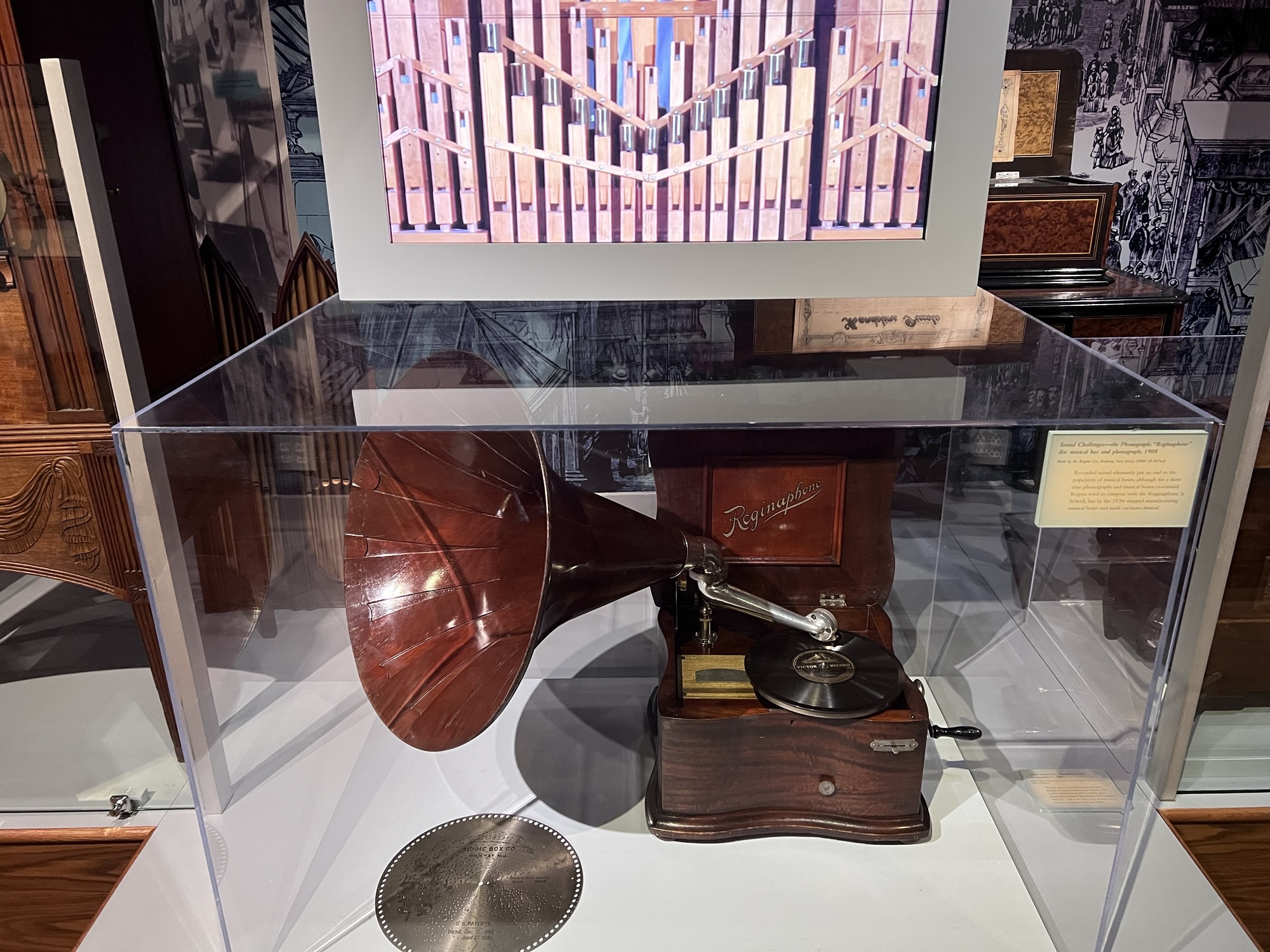
The lecture was on how they were constructed and perfected over time to make them more reasonable to a growing market and how they were replaced when phonographs, radios, record players and tapes gradually progressed to change the market and make them obsolete.
A old Victrola record player
We got to hear an example of each of the objects and it was fascinating that during the Industrial Revolution how paper rolls changed the cost of these objects making them available to all classes. Today’s talking dolls and music boxes are descended from these innovative items.
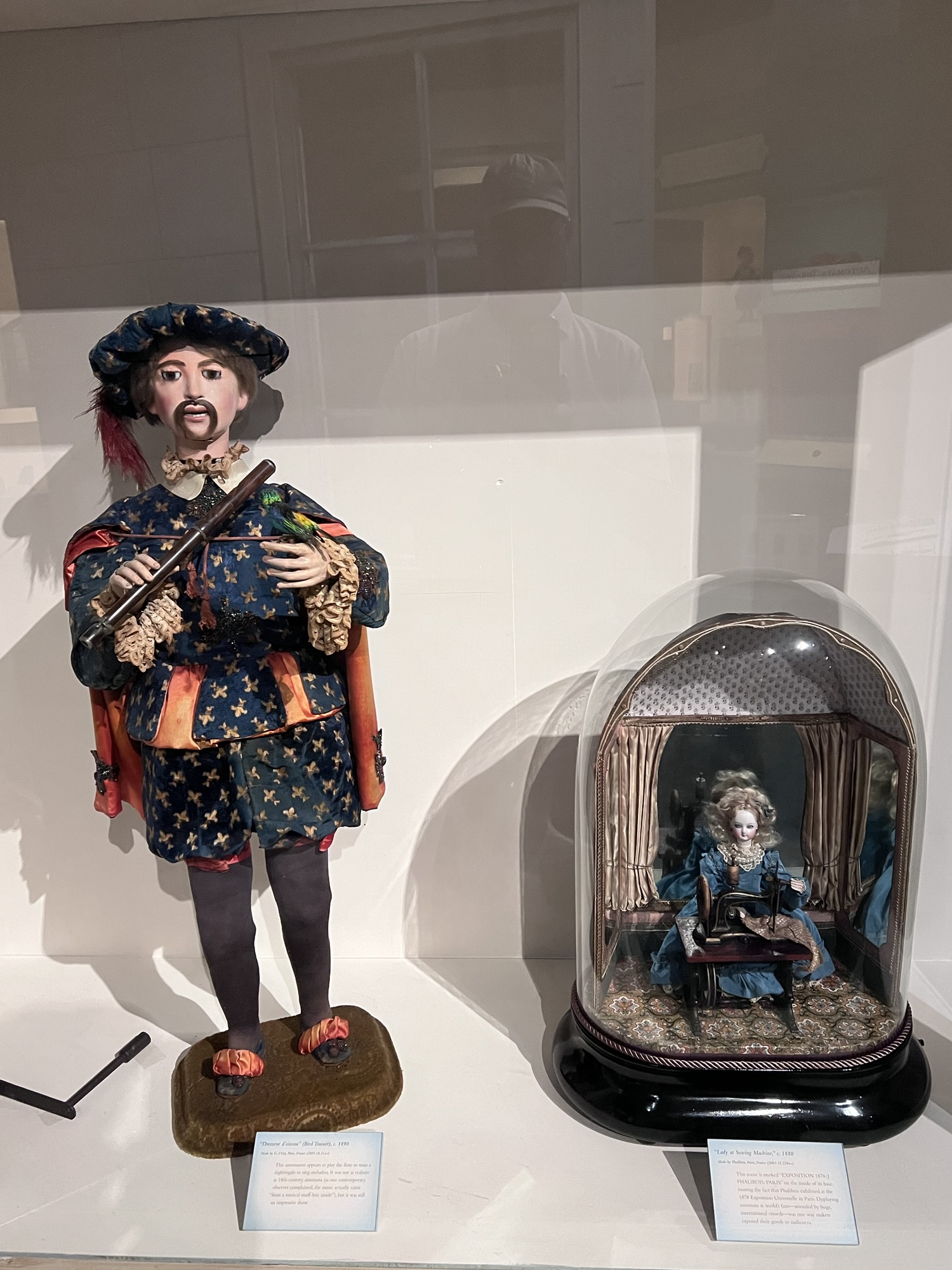
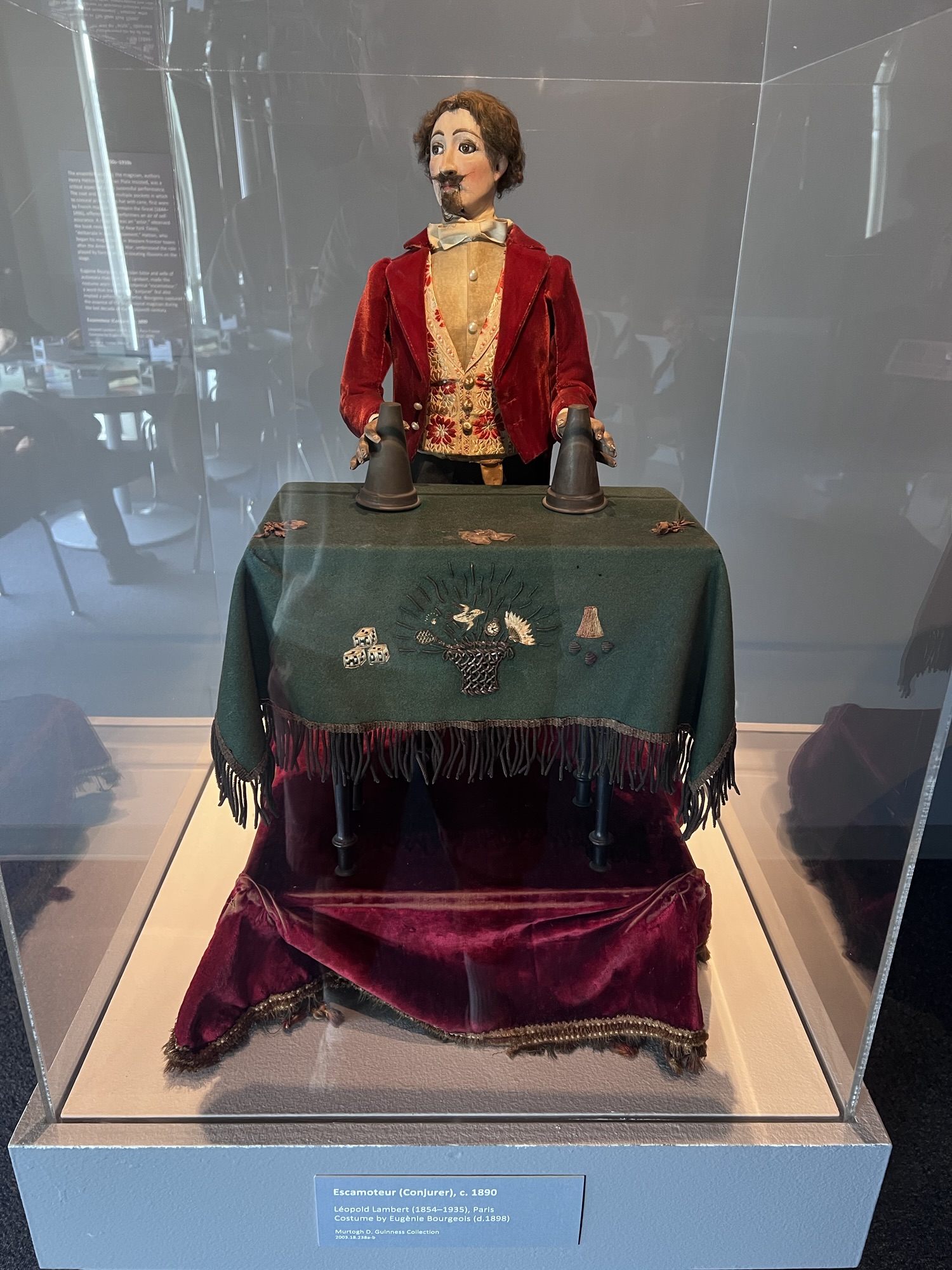
The Automata at the Morris Museum
The fancy music boxes
Amusing children’s toys
The beautiful French workmanship
The beautiful pieces from the 1800’s
After the talk, I walked around the Museum to see parts of it that I had not visited on my last trip. For a small suburban museum, the museum is packed with all sorts of artifacts from Native American art to dinosaur relics and fossils found in the State of New Jersey.
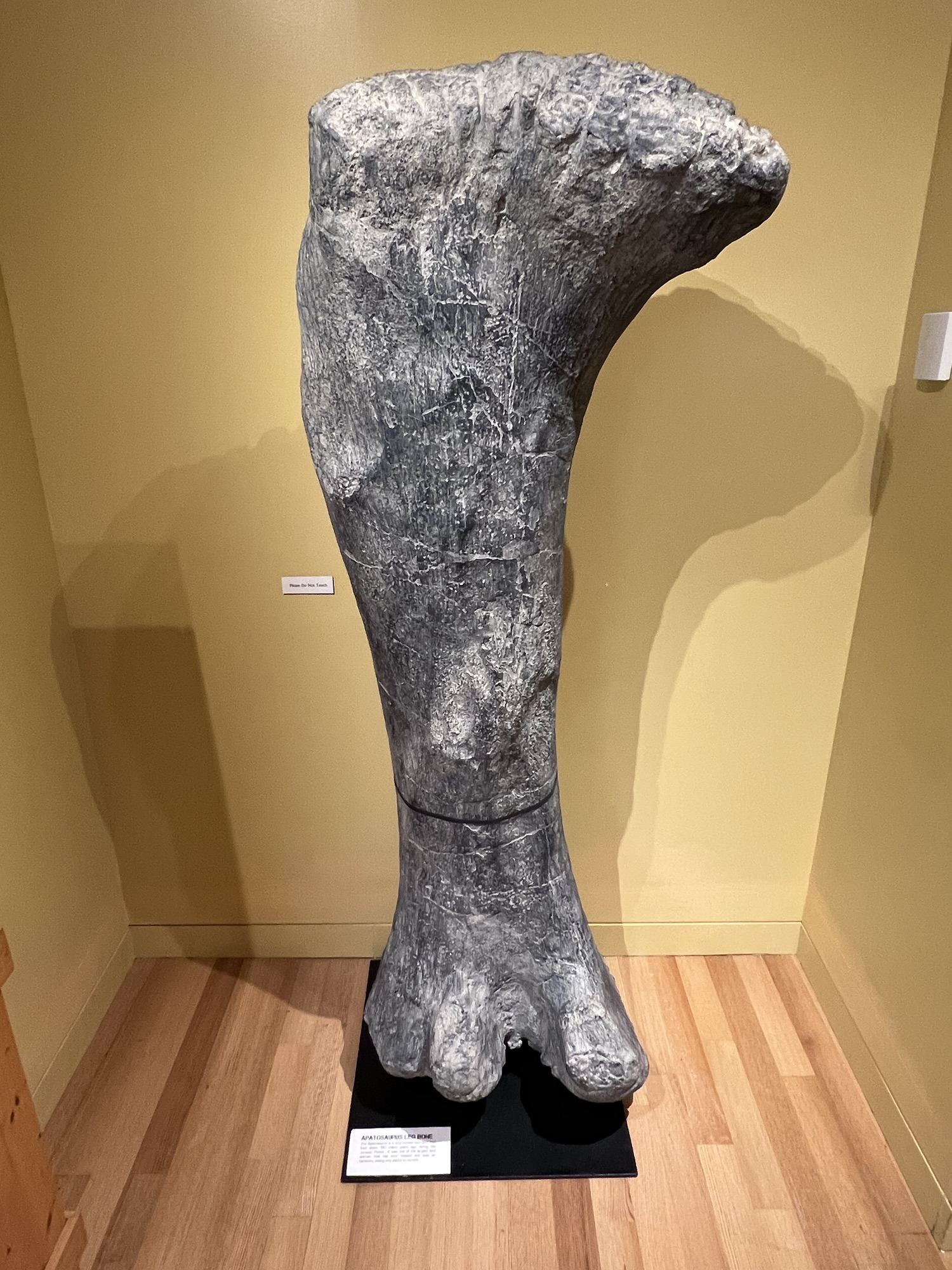
The Dinosaur Room
Dinosaur femur
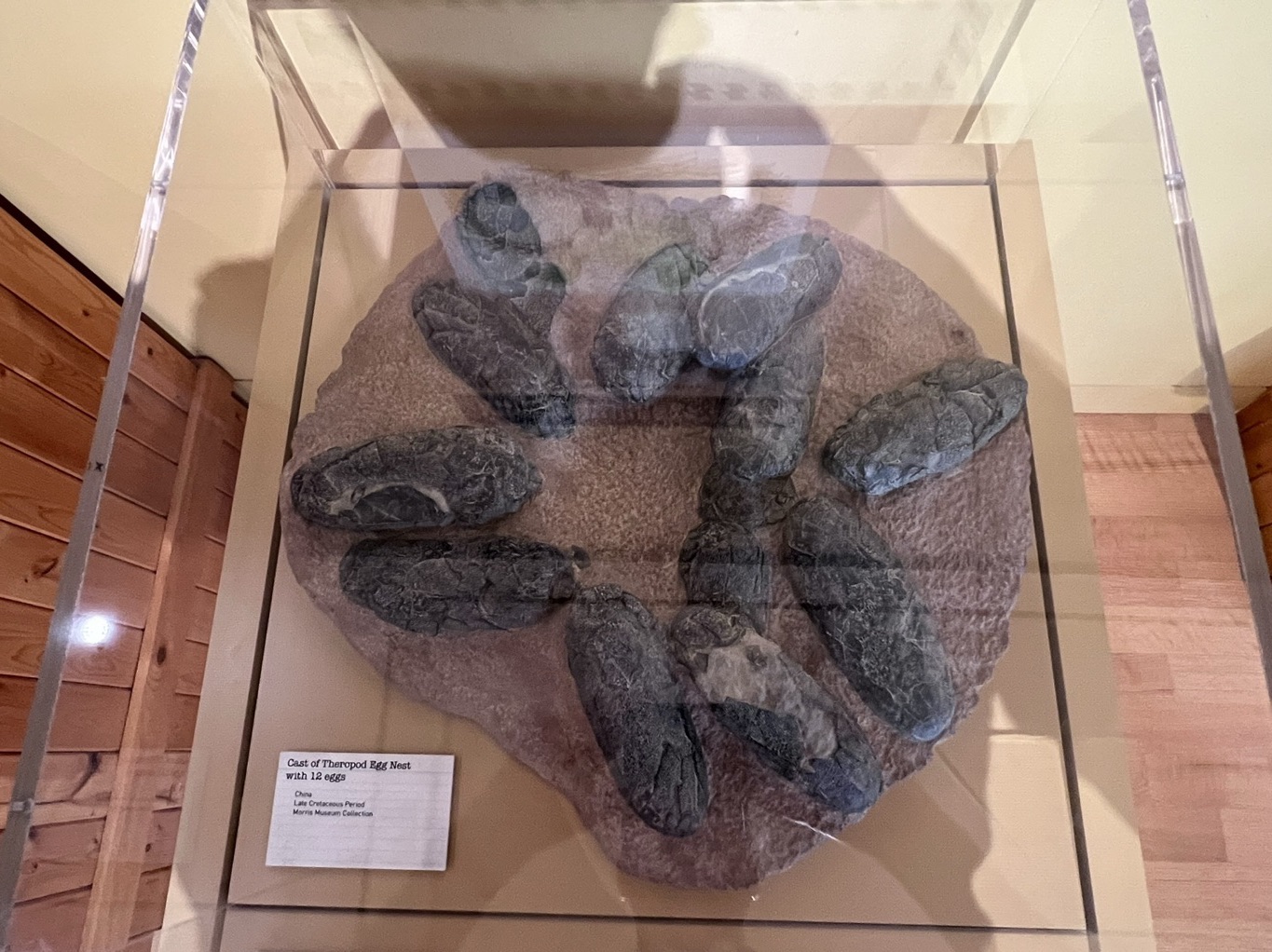
Dinosaur eggs
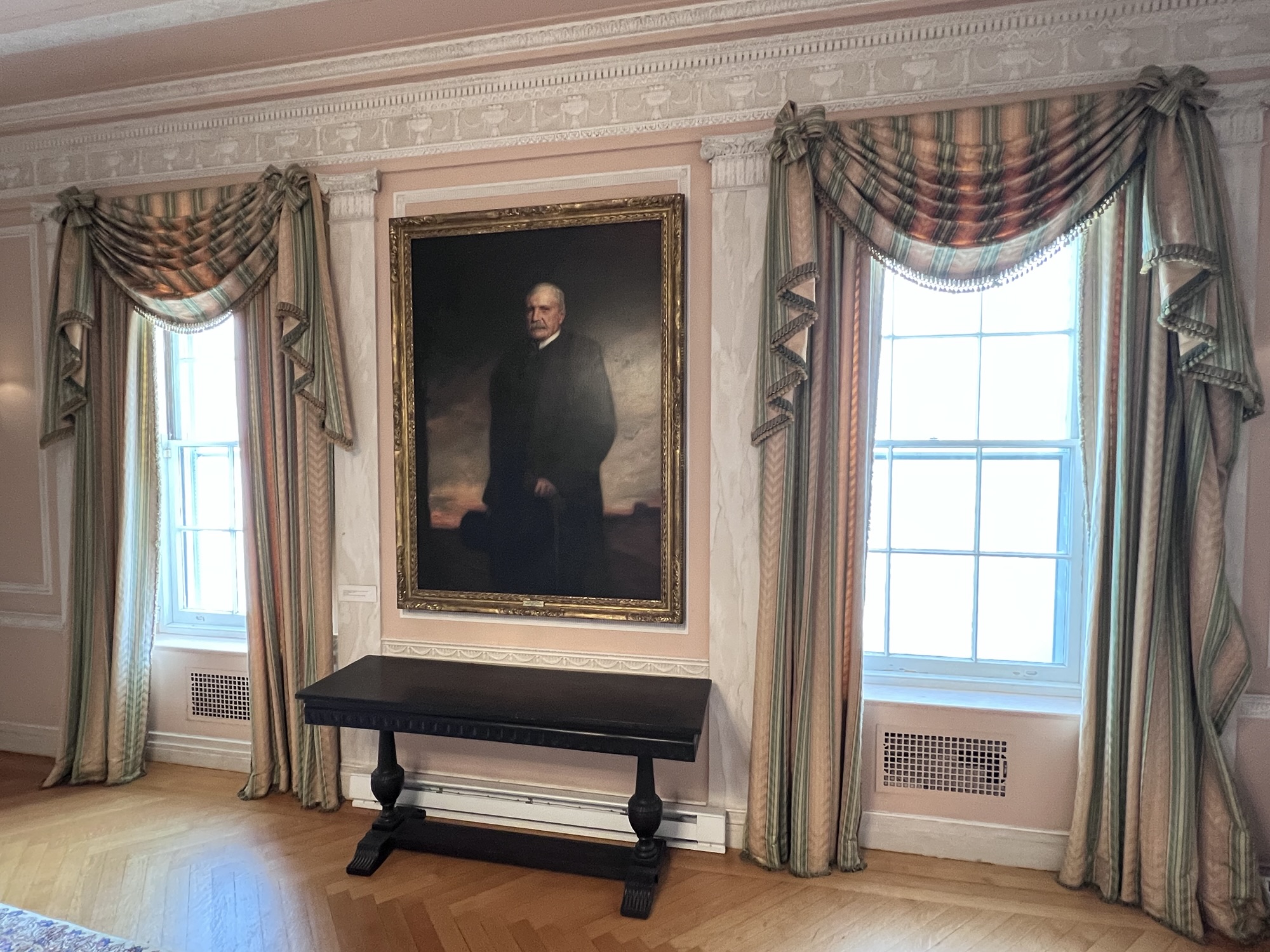
In the original Frelinghuysen Mansion section of the museum, you can visit the Dodge Room which was dedicated to Geraldine Rockefeller Dodge, a great patron of the Arts. The room contains vintage furniture and paintings and shows what the room may have looked like when the Frelinghuysen’s lived here.
The Dodge Room at the Morris Museum
The portrait of William Rockefeller
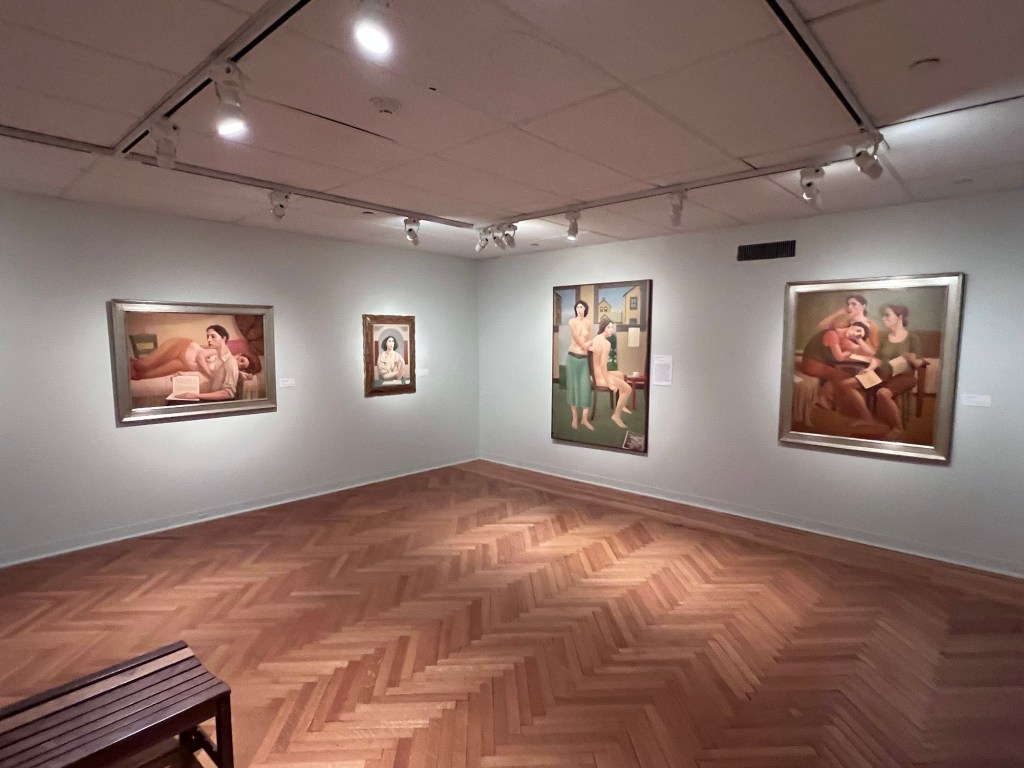
The museum also had really interesting exhibits from travelling shows including the Artist Alan Feltus exhibition of paintings
Artist Alan Feltus is an American figurative painter whose paintings present a series of contrived interior vignettes that simultaneously use a casual familiarity of contemporary life while arranging the figures and their surroundings with a precision and order from a bygone artistic tradition (Morris Museum website).
The Feltus exhibition in May 2025
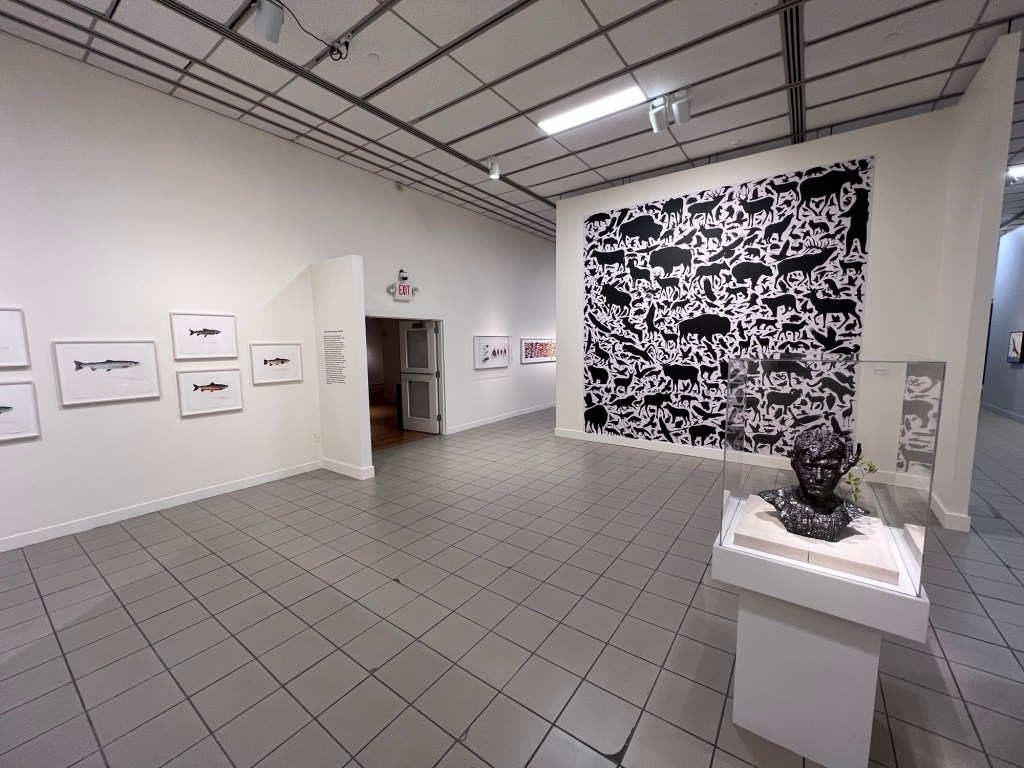
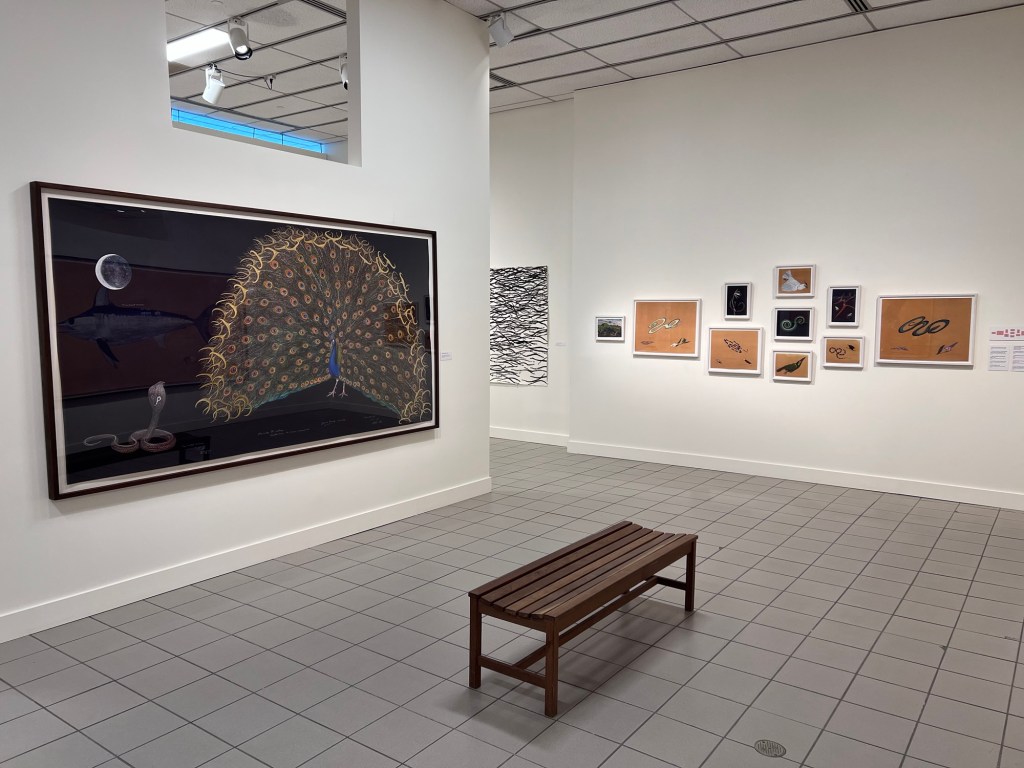
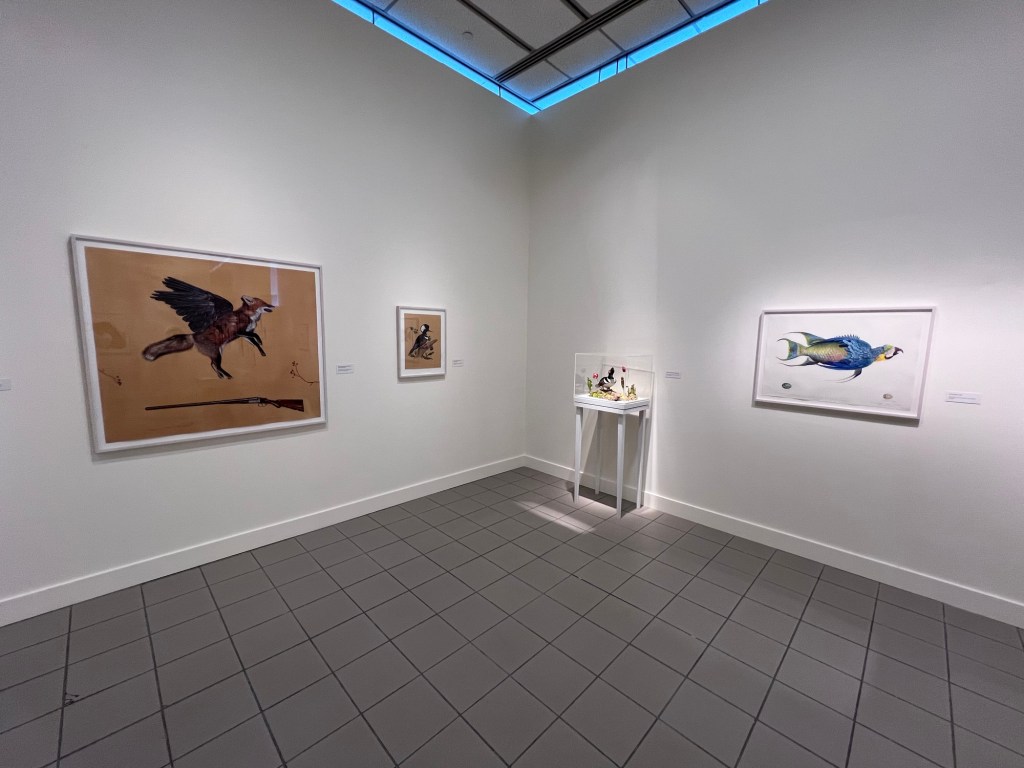
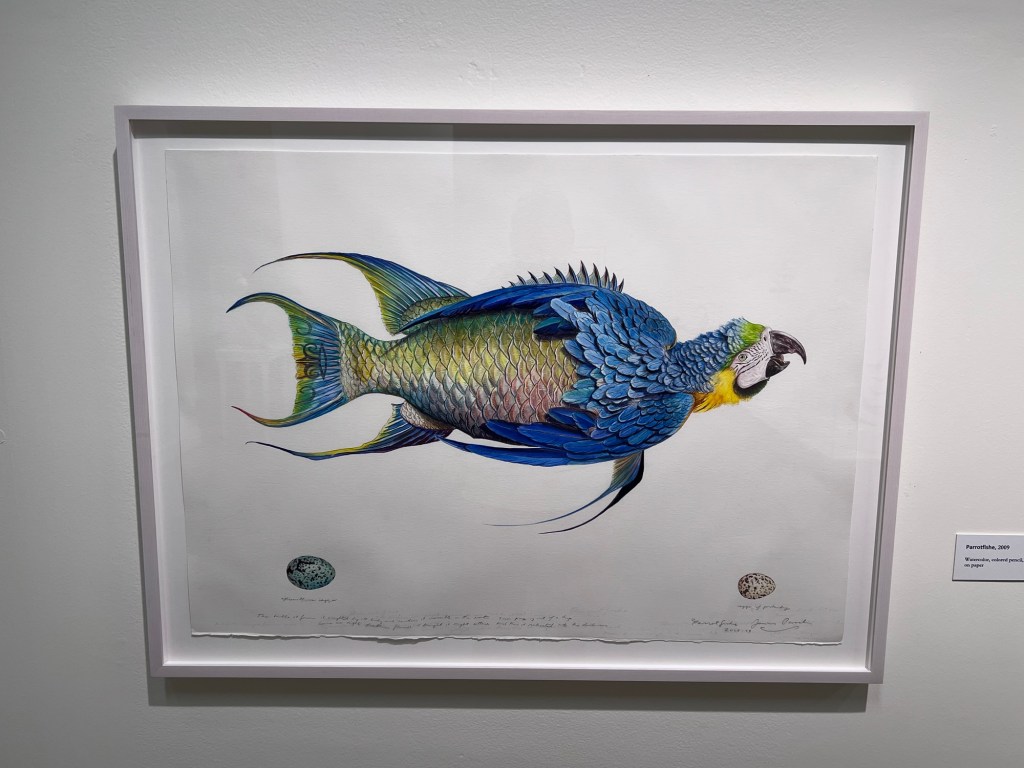
There was another exhibition that I visited that afternoon by the Artist James Prosek “At Work”.
Some of the sculpture pieces from the Prosek exhibition
There is a lot to see and do at the museum for all ages and if none of these appeal to you there is also the theater. The Morris Museum has a lot to offer everyone.
The Museum Mission:
The Morris Museum celebrates art, science, history and the performing arts by providing engaging exhibitions and programs, all of which are designed to excite the mind and promote cultural interests. The Museum strives to educate, entertain and inspire diverse audiences of all ages, abilities and backgrounds (Museum site)
History of the Museum:
(from the Museum website)
In 1913, objects collected for display in a curio cabinet at the Morristown Neighborhood House formed the beginning of the Morris Museum Collection. Originally known as the Morristown Children’s Museum, education has been an intrinsic part of the Museum’s mission from the start. Mrs. Aldus Pierson, the Museum’s first head worker, introduced children to world cultures through the exploration of cultural artifacts. Generous donors began giving Mrs. Pierson interesting objects that they had acquired in their travels around the world. By 1927, the collection had expanded to seven rooms encompassing the first floor of the Neighborhood House’s annex. Displays included the world and children’s toys.
In 1938, the Museum moved to the Maple Avenue School building and shared space with the Morristown Board of Education and the Morris Junior Colleges until 1956. This enabled the Museum to enhance its programs for children and establish a link between its offerings and the curricula of area schools. This strong educational focus developed and continues to the present. The museum was incorporated in 1946, and its collections and services continued to expand. During this time, the Museum was at the forefront of presenting new trends in museum education through the modern use of dioramas, panels and niches. The outreach education program began in 1950 with in-school presentations to eight Morris County school including talks about American Indian culture.
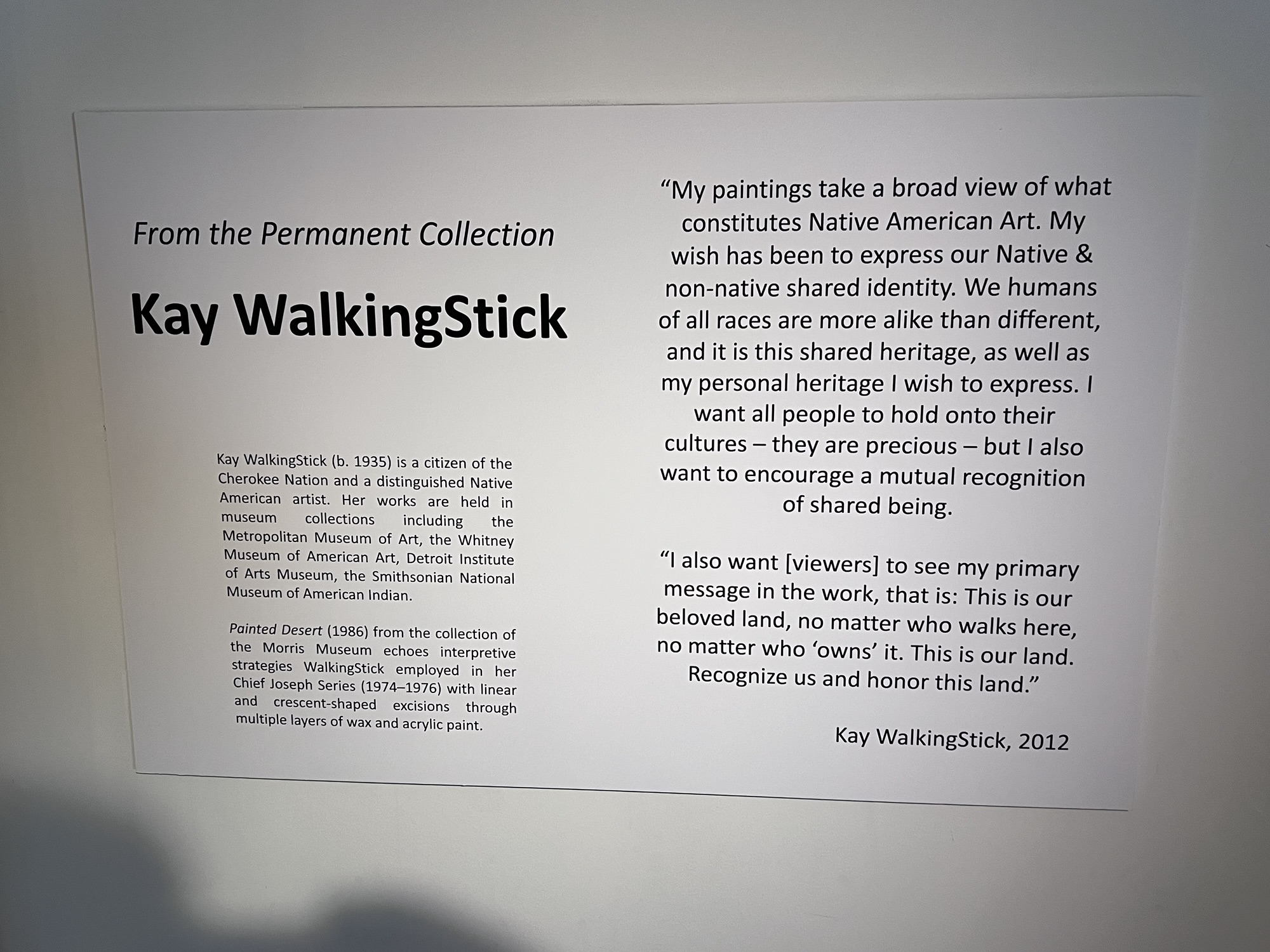
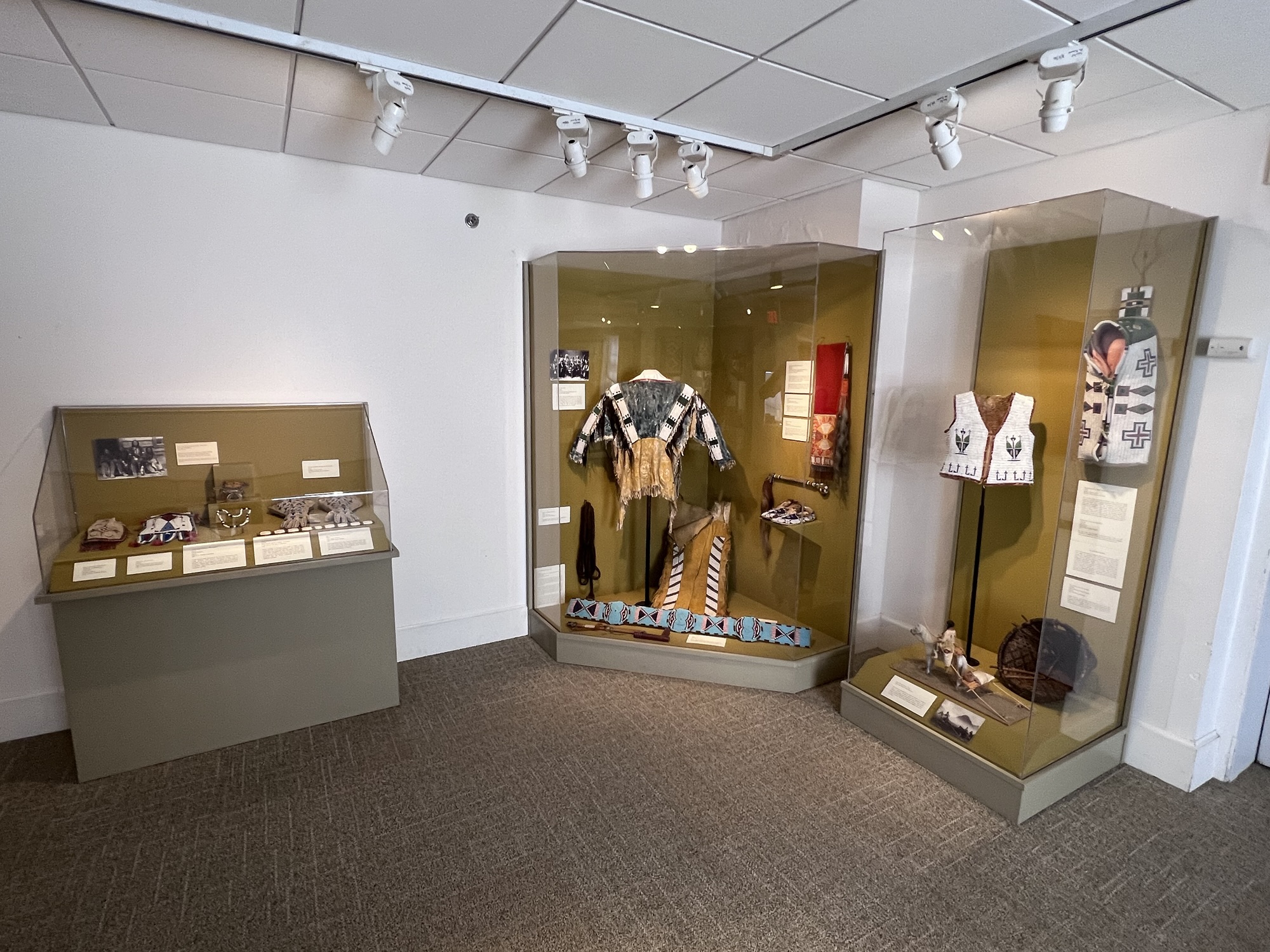
The Kay WalkingStick Collection
The Museum’s first Director, Mr. Chester H. Newkirk made a significant impact on the development of the Museum’s programs, collections and services. During his 25 years of leadership (1956-1981), the collections of fine and decorative arts, toys and American Indian artifacts were greatly enhanced. In 1964, having outgrown its fourth location, the Museum purchased Twin Oaks, the former Frelinghuysen estate.
The Kay WalkingStick Collection
The Kay WalkingStick Collection
The Kay WalkingStick Collection
The Kay WalkingStick Collection
Today, the Georgian-style mansion functions as the heart of the Morris Museum’s operations. In 1969, the institution was renamed the Morris Museum of Arts and Sciences, reflecting it growing emphasis on visual art and the expansion of its offerings for all ages. In response to the Museum’s increasing activities, successful capital campaigns enabled additions to the facility to be built.
Art of the Sublime in the lower level of the mansion
In 1970, gallery space was expanded and a 312 seat theater was added, which was later named the Bickford Theater. In 1973, the Morris Museum became the first museum in New Jersey to be accredited by the American Association of Museums. In 1985, its name was changed to the Morris Museum. In 1990, the Museum complex was further expanded to 75,524 sq. ft.
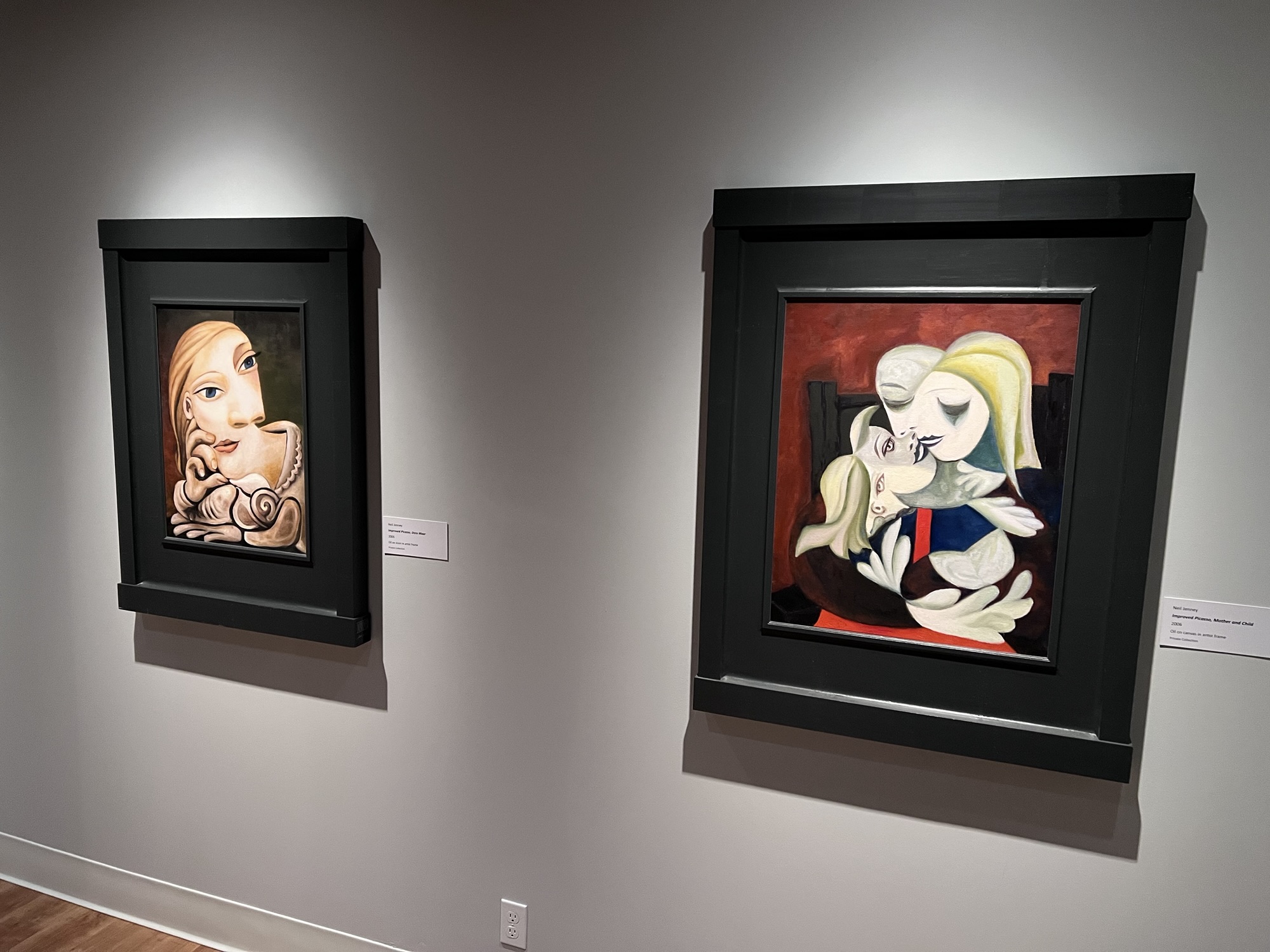
Artist Neil Jenney pursues realism as a style and a philosophy. Mostly self-taught, he attended the Massachusetts College of Art in 1964 and moved to New York in 1966, where he has lived and worked since (Morris Museum website).
The Morris Museum’s Bickford Theater is a cultural hub for the very best of the performing arts in Morristown and beyond. Approaching its 50th anniversary, it will shine with even more dynamic, multifaceted and relevant programming, including a partnership with London-based National Theater Live; two film series and unique film festivals; traveling professional productions, a new lecture series, story-telling workshops, jazz, classical and community concerts children’s theater and more.
In 2003, the Museum was awarded the Murtough D. Guinness Collection, one of the world’s most important collections of mechanical musical instruments and automata (robotic figures of animals and people).
The beautiful pieces in the automata collection
This collection further enhances the Morris Museum’s role as a major cultural center and travel destination for the arts, sciences and humanities. This 750 object collection reflects innovative technology, exquisite craftsmanship, compelling sound and important cultural heritage.
This is one of the extensive collections in the country
In recognition of what is the Museum’s most renowned collection, the Museum launched a major capital expansion project that resulted in a 5000 square foot gallery devoted to showcasing the history of mechanical music and automata, a grand Entrance Pavilion and a sky-lighted Court and expanded upper galleries.
Today, the Morris Museum is the only accredited museum in the United States with a theater and one of New Jersey’s most dynamic cultural institutions, serving more than 300,000 persons each year, two thirds of whom are children. Audiences are drawn from all twenty-one counties throughout the state and reflect the social-economic and ethnic spectrum that define northern and central New Jersey.
In 2008, the Museum was named Outstanding Arts Organization by the Arts Council of Morris area, in recognition of its exceptional accomplishments and commitment to improving the quality of life in the community through the arts. The Morris Museum has been recognized as a Major Arts institution by the New Jersey Council on the Arts/Department of State (2006-2017 eleven consecutive years) in recognition of the Museum’s solid history of artistic excellence, substantial programming and board public service. The New Jersey State Council on the Arts further distinguished the Morris Museum by bestowing the Council’s Citation of Excellence (2007-2013 seven consecutive years). The Morris Museum is a leading cultural institution in the state, upholding the highest standards of artistic excellence, educational innovation, fiscal responsibility, community engagement, audience impact and leadership in the arts community (Museum website).
(This information comes from the Morris Museum website on their history and I give them full credit for the information)
Automata Gallery
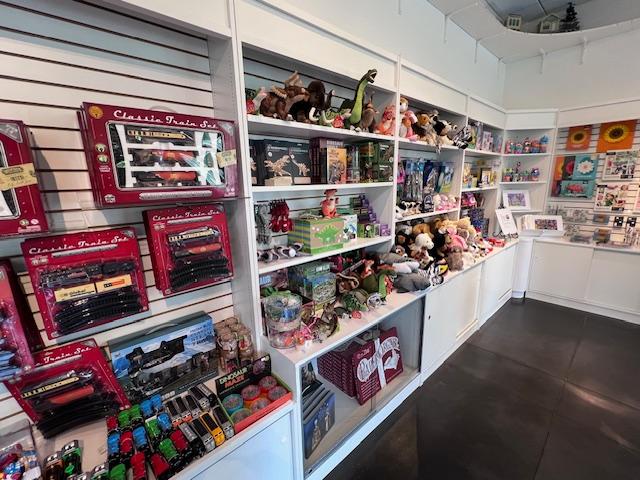
Don’t forget to visit the Gift Shop on the way out. There are all sorts of interesting items to choose from including stuffed animals and books.