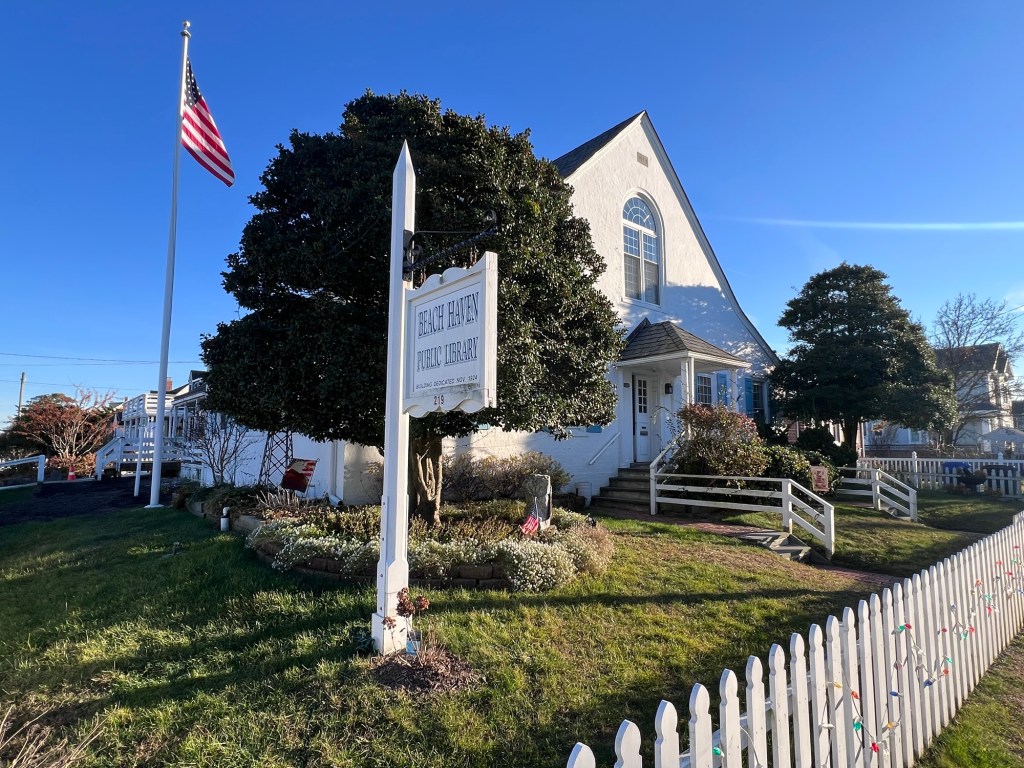
Tag: museum

Beach Haven Library & Museum                                    219 North Beach Avenue                                               Beach Haven, NJ 08008

Beach Haven Library & Museum 219 North Beach Avenue Beach Haven, NJ 08008

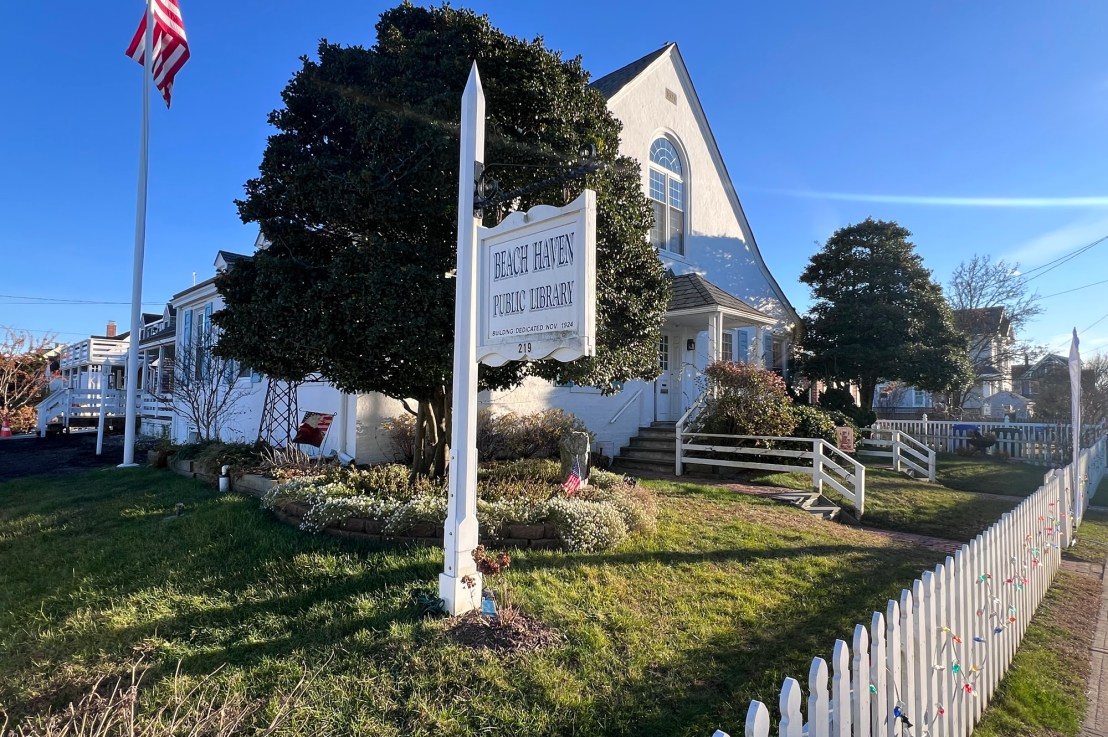
The library at 219 North Beach Haven Avenue

https://www.beachhavenlibrary.org/

https://www.instagram.com/bhpl1924/

My review on TripAdvisor:
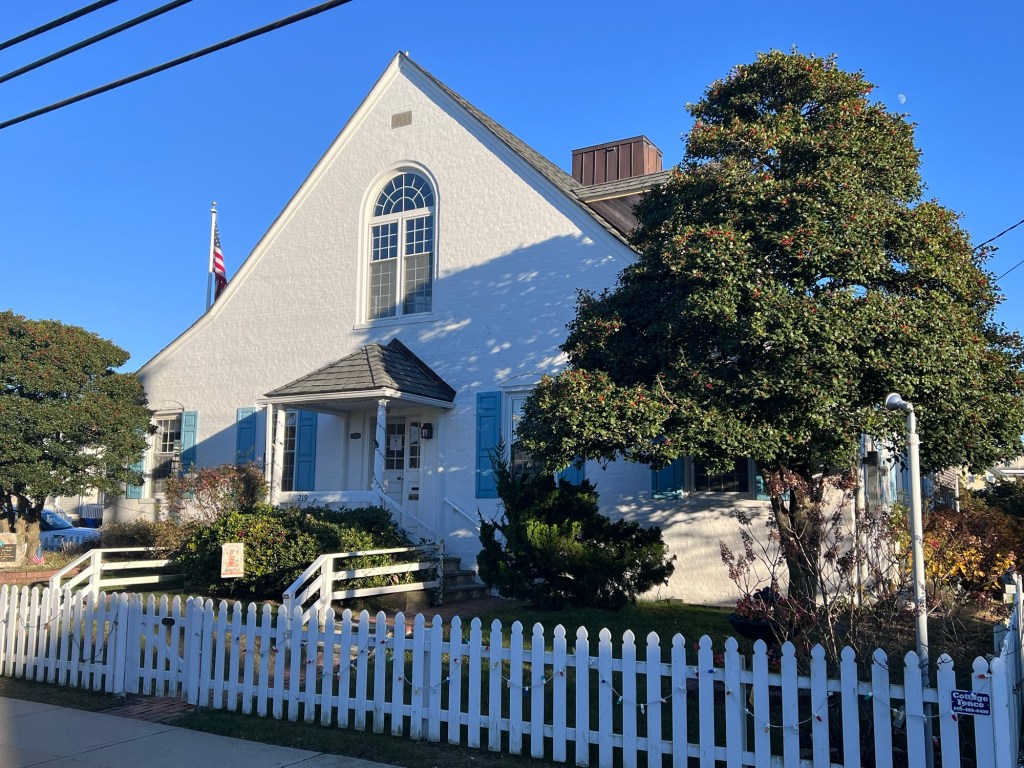
The front of the library and museum in the Fall of 2025
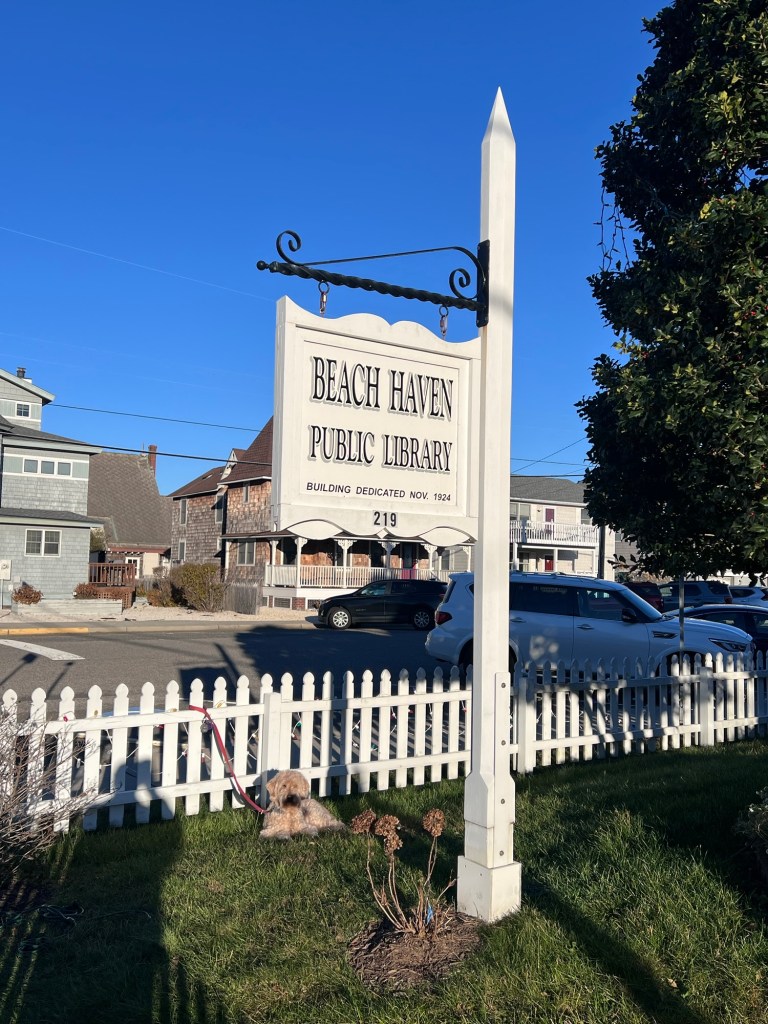
The historic sign

I recently visited the Beach Haven Library and Museum in Beach Haven during the holiday season and discovered a historical library with a rich history in both the community and on Long Beach Island.
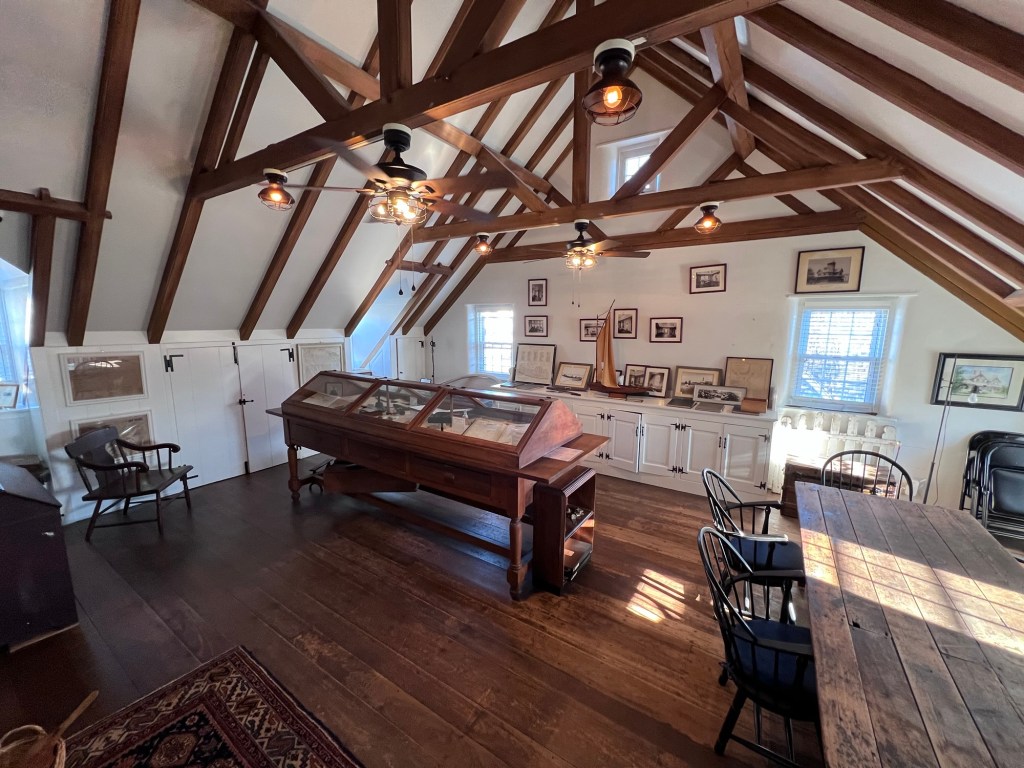
The museum on the second floor

On the second floor of the library is the history room of the Beach Haven Library that contains a collection of historic artifacts and ledgers from hotels and businesses on the island. Each of the case lines tells a different story of the community from the grand hotels that once lined the shore and have since disappeared to the lives of the families that once called the island home. When I talked with one of the librarians, she told me that estates from the area donate these items to the library and this has established their collection.
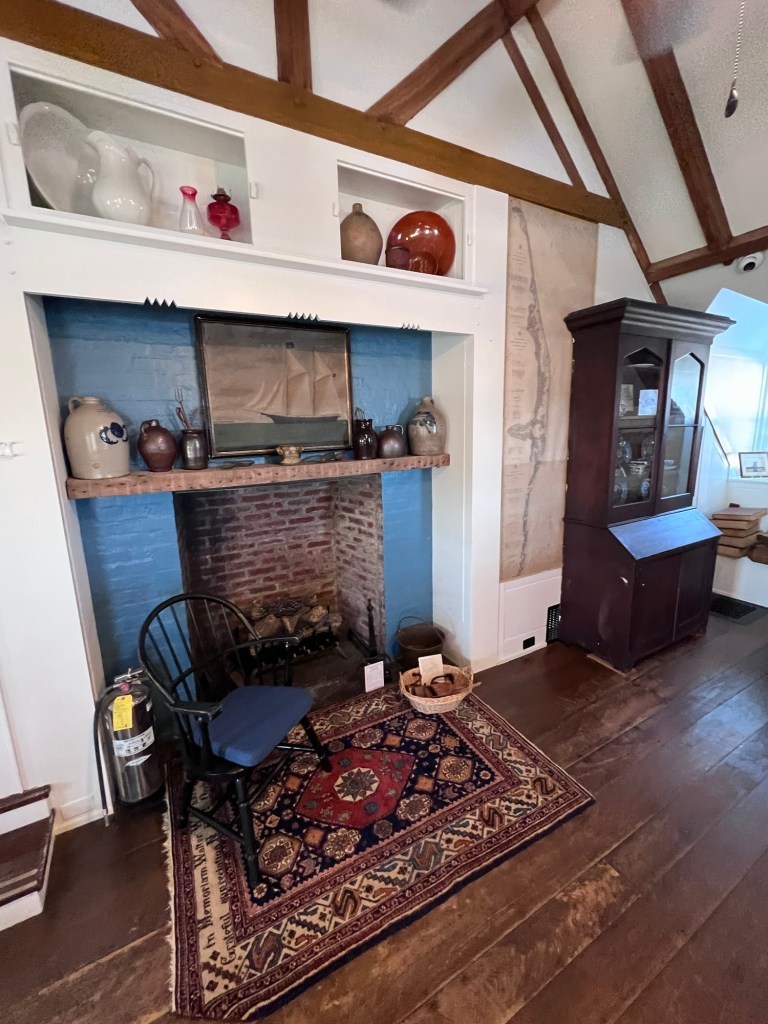
The second floor fireplace
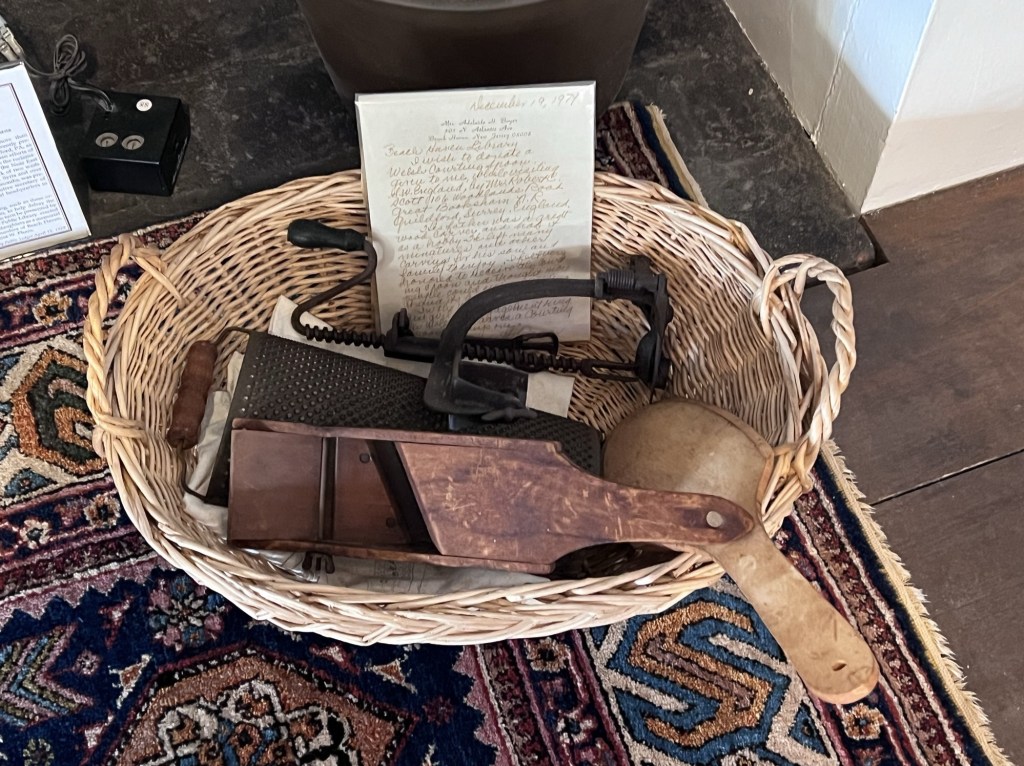
The antique kitchen equipment

The second floor of the library has another fireplace where vintage pottery and kitchen items are on display. There are also decorative pieces of pottery lining the shelves.
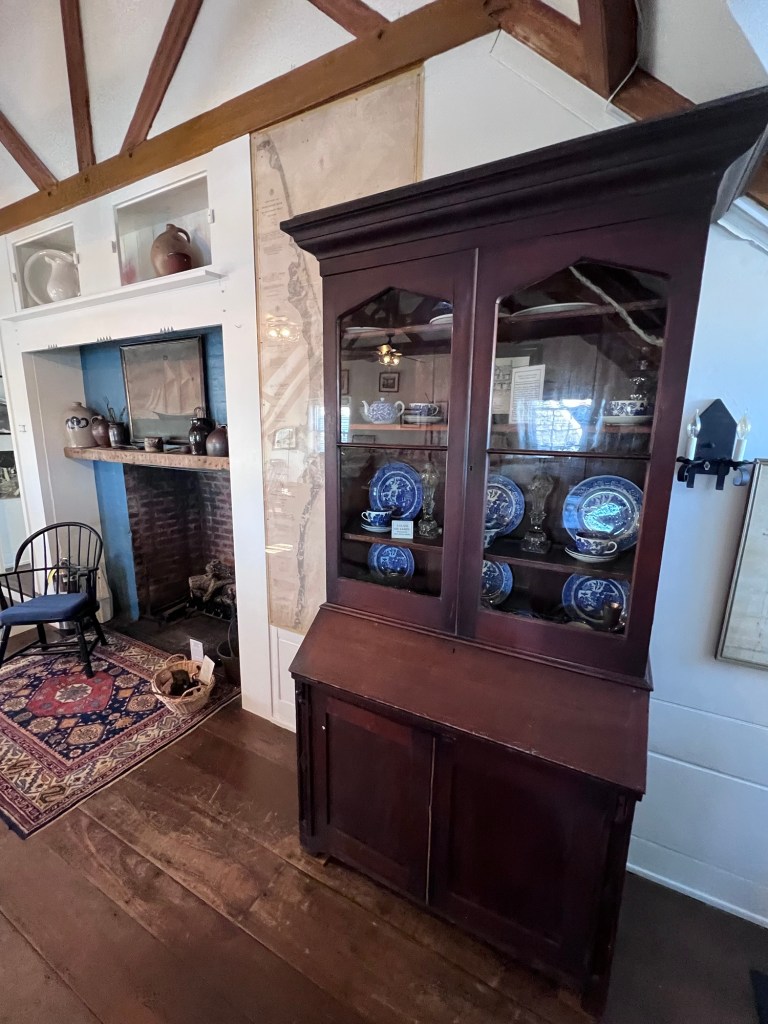
Historic China inside the Emily Lloyd Wilson Secretarial desk. Her father designed the Baldwin Hotel in Beach Haven.
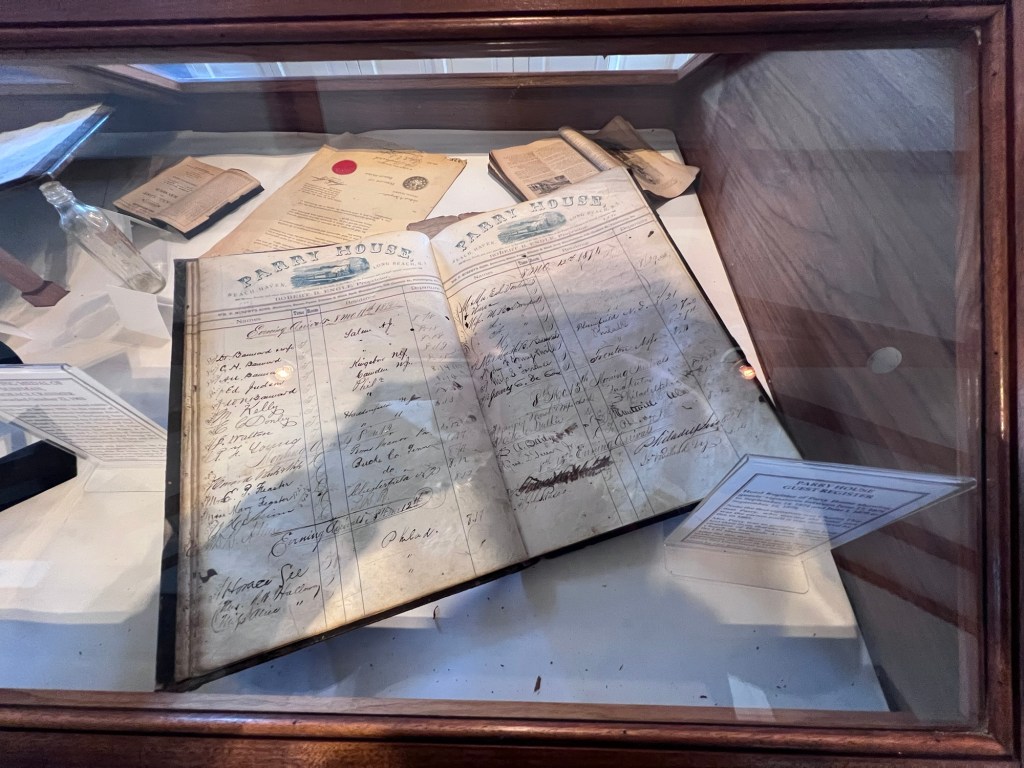
The historic ledger from the Parry Hotel

The library has another fireplace where extensive collection of hotel ledgers and artifacts.
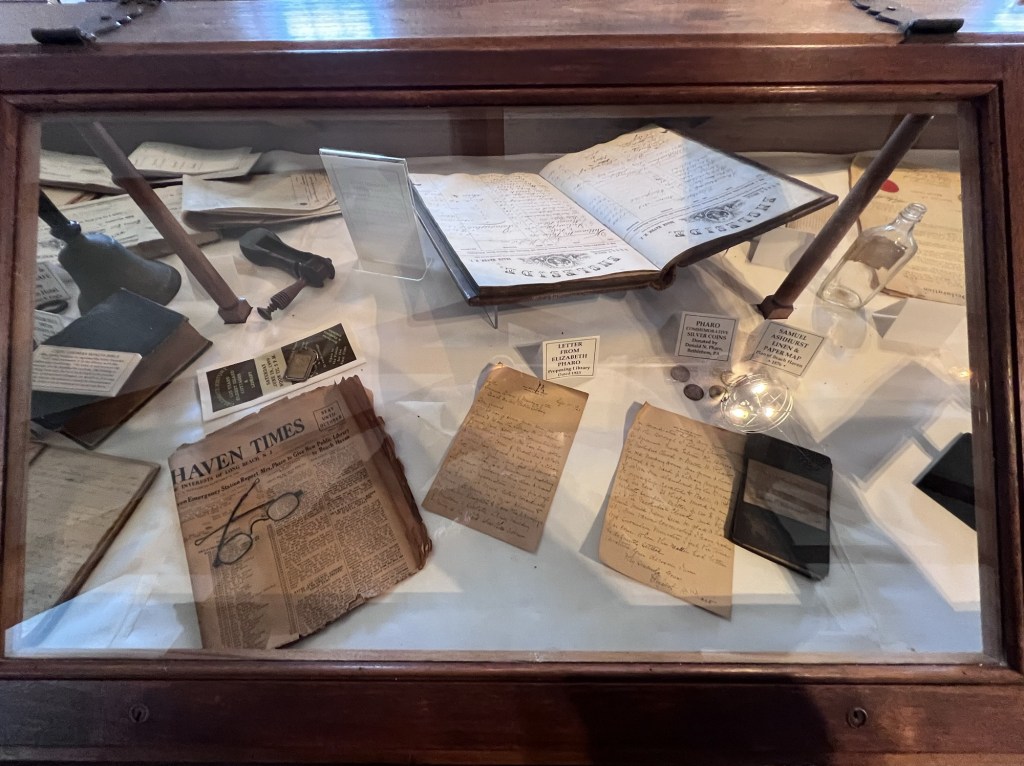
Letters from Elizabeth Pharo proposing the Library in 1923

Short History of the Library:

(From the library pamphlet)

Mrs. Pharo presented to the library board a proposal to build the library entirely at her own expense. She contacted Philadelphia architect, R. Brognard Okie to design the library. He chose the model of a Pennsylvania Farmhouse. The library was completed in the Fall of 1924. The museum is now over a hundred years old.
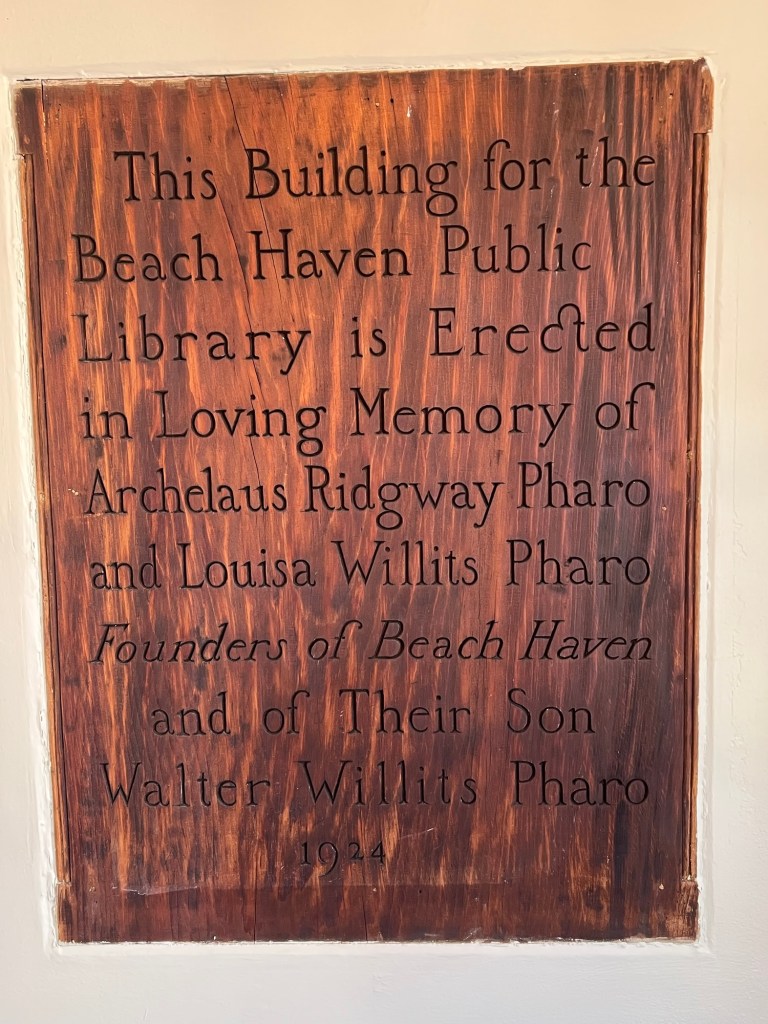
The dedication to Elizabeth Pharo, who dedicated the museum.
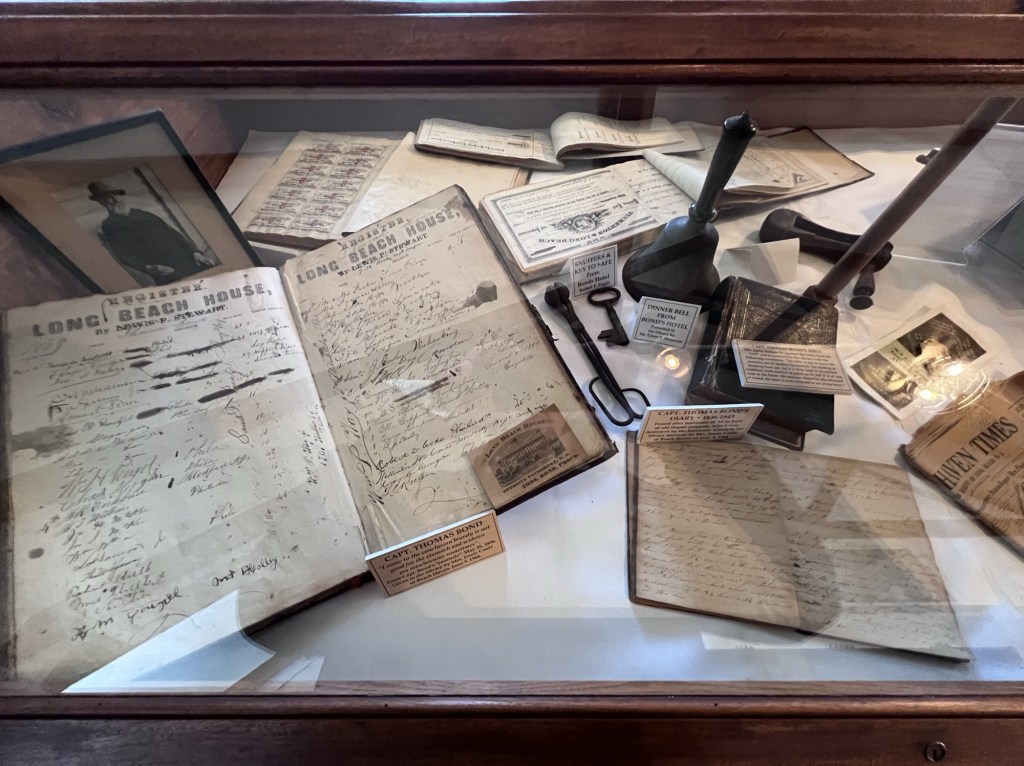
The Long Beach Island House Guest Ledger and historic items from the historic Bond Hotel

The records of the past resort town Long Beach Island used to be with guests coming from New York City, Philadelphia and beyond.
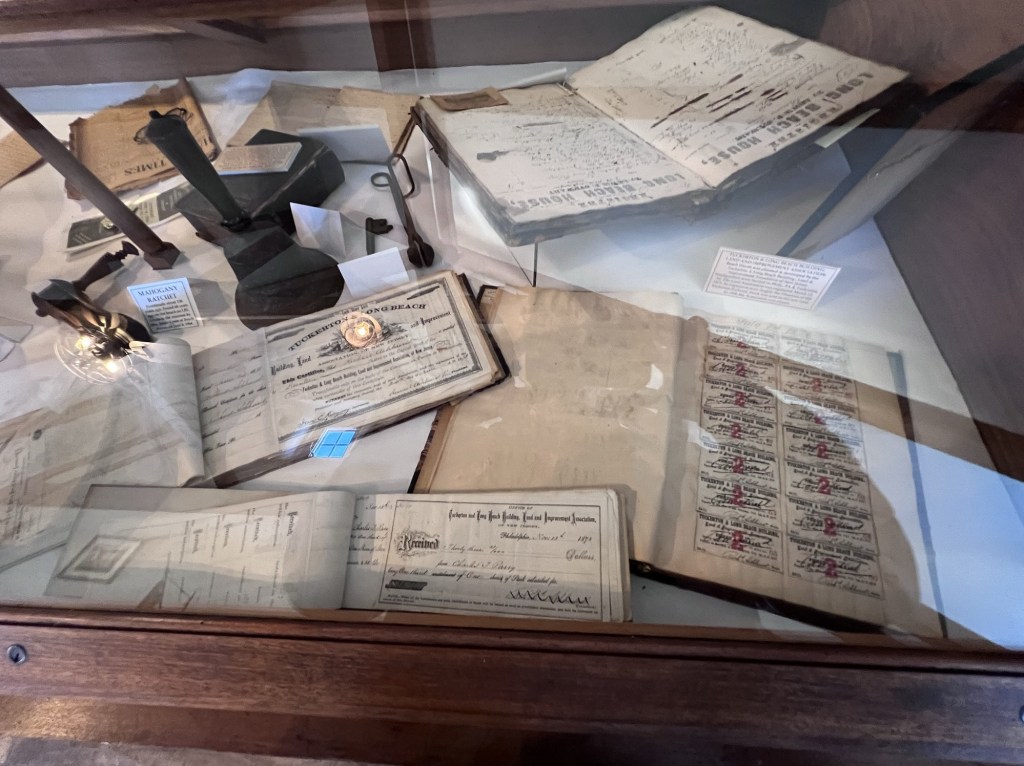
Historic items from the Tuckerton & Long Beach Building Land and Improvement Association
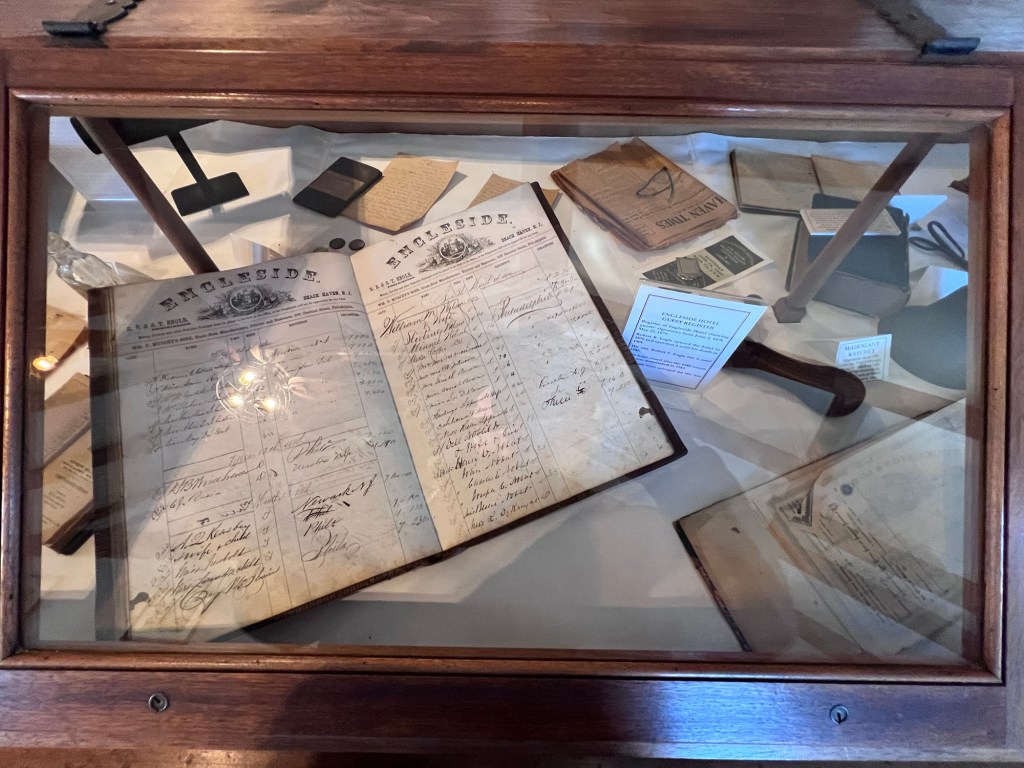
The Engleside Hotel ledger and items from the hotel
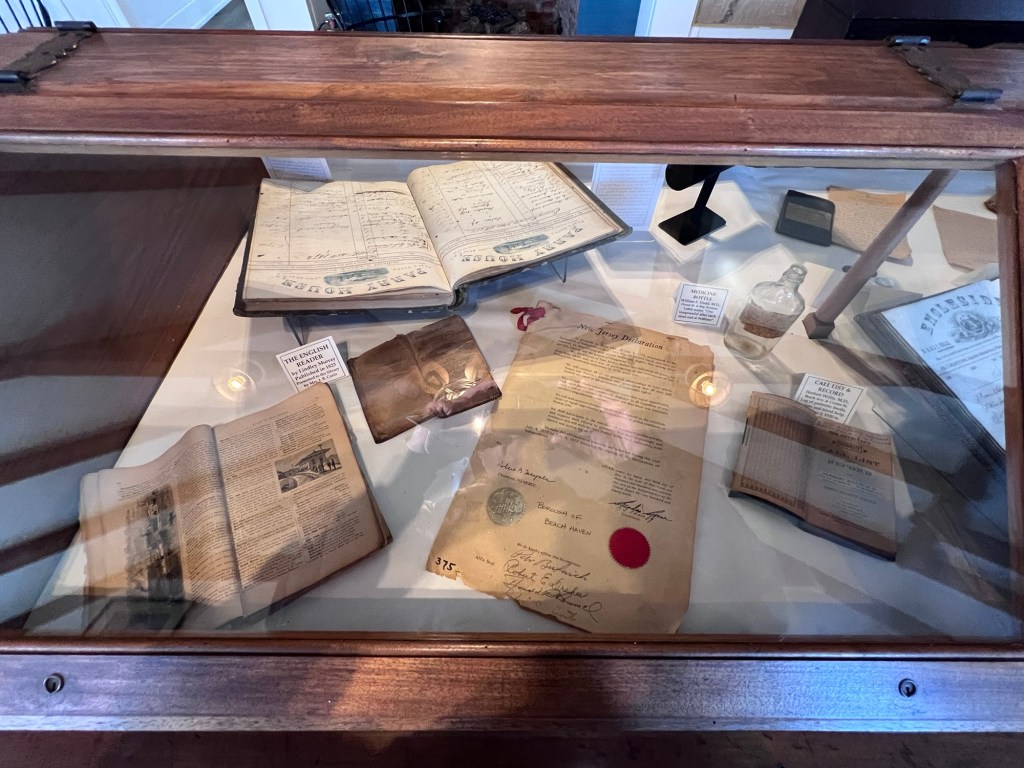
The New Jersey Declaration towards the Declaration of Independence
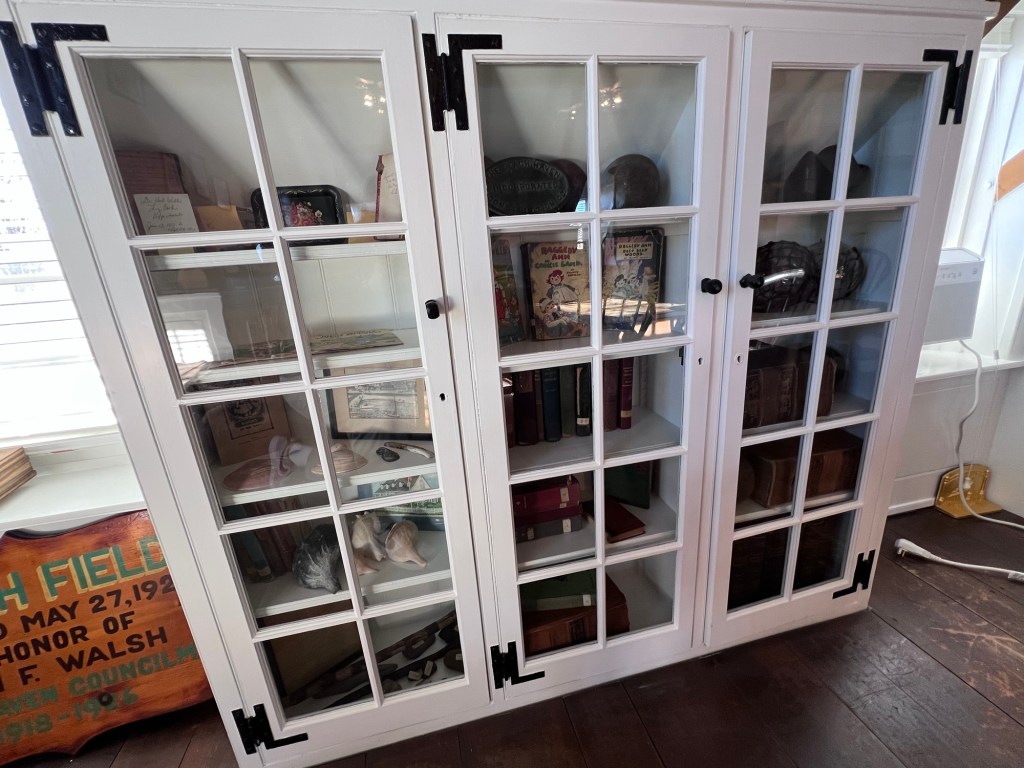
Historic books and periodicals

The library has an interesting collection of vintage and antique books that have been donated to the collection.
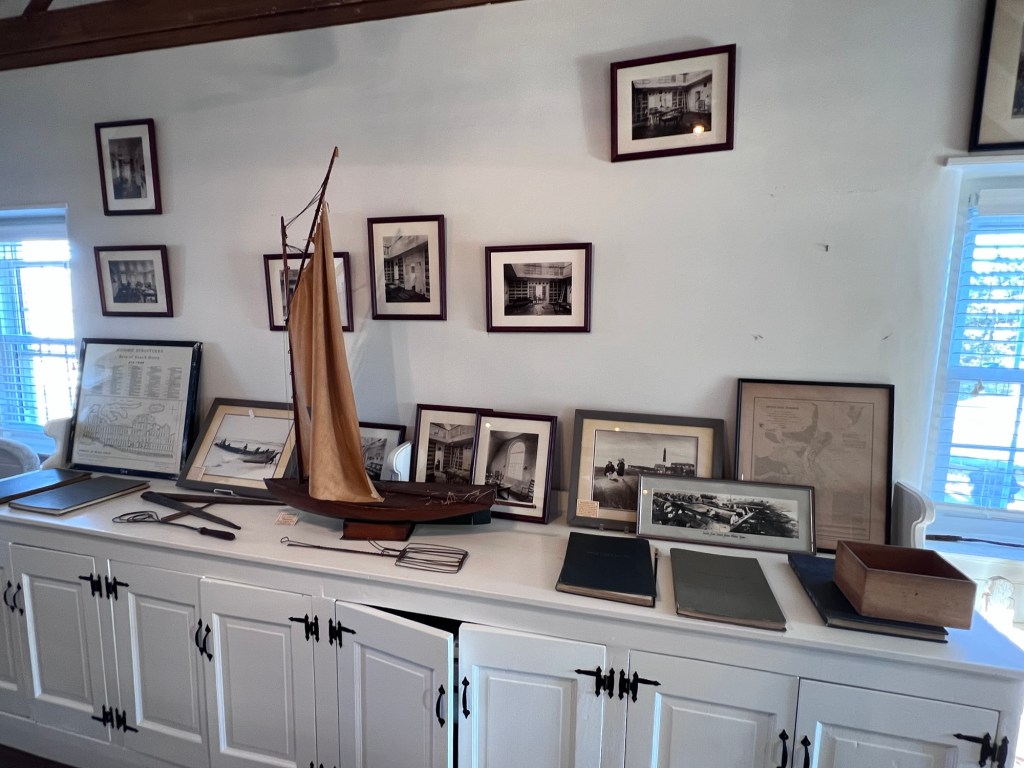
Photo display on historic sites in Beach Haven and pictures of the original library

Some of the pictures are from the old library and the artifacts come from ships ground ashore. The library has a diverse collection of items to view.
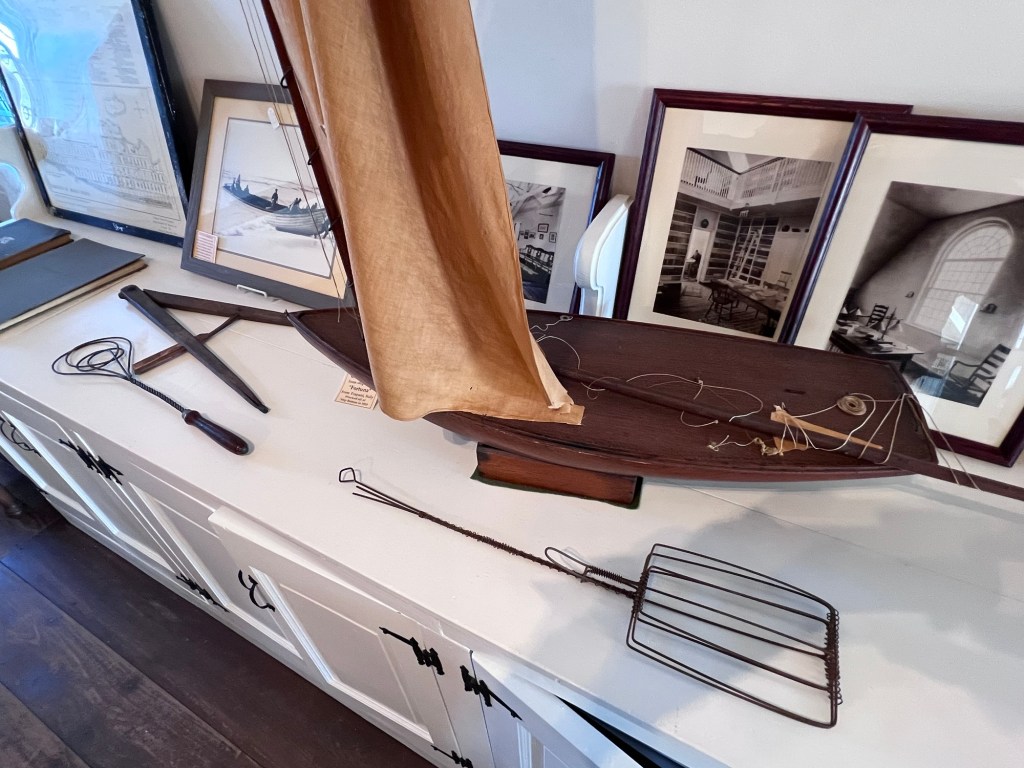
The Compass from the historic shipwreck ‘Fortuna’ that wrecked off Ship Bottom in 1910 and historic boat
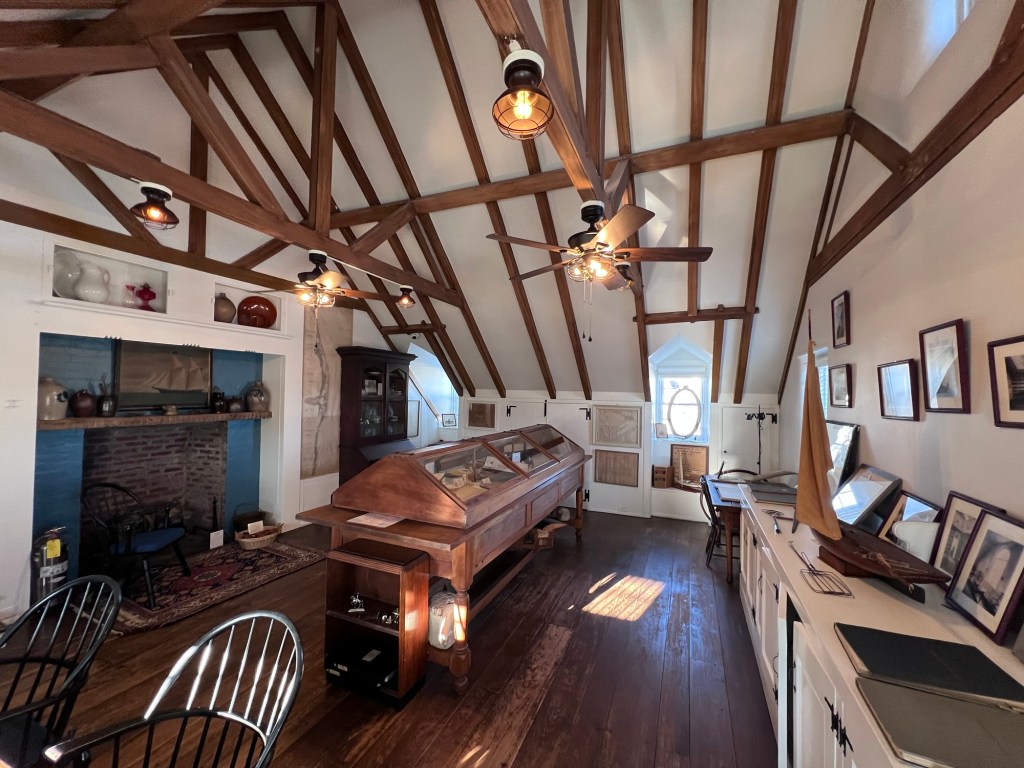
The second floor museum gallery holds the diverse collection of artifacts
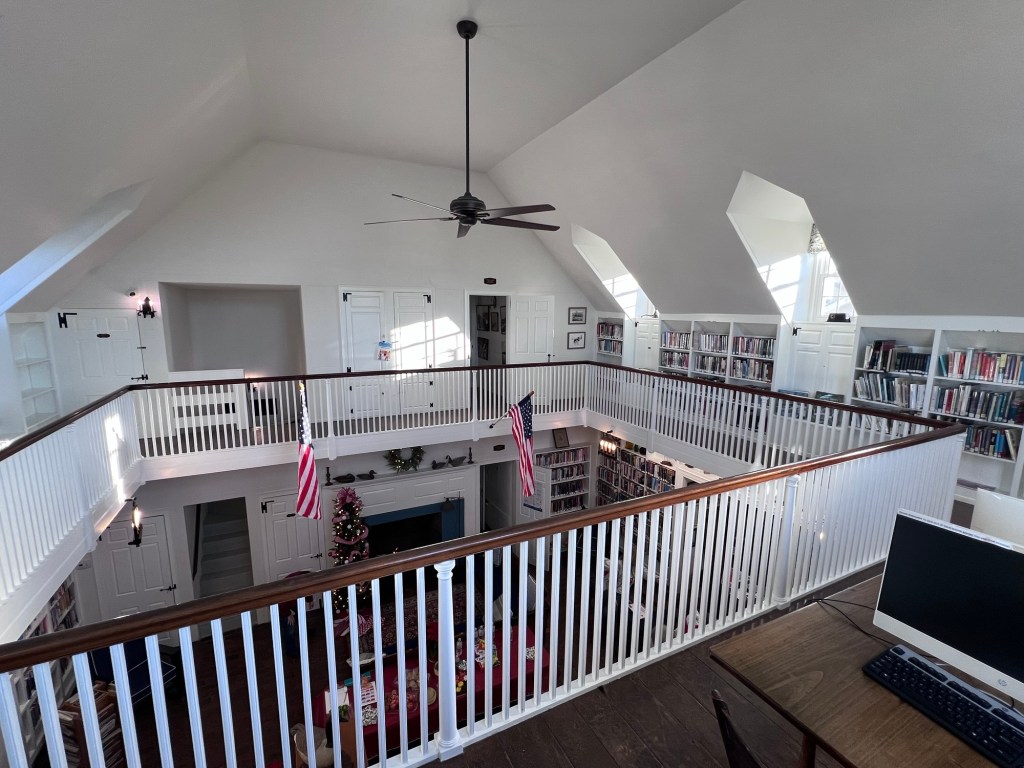
The second floor of the 1928 building
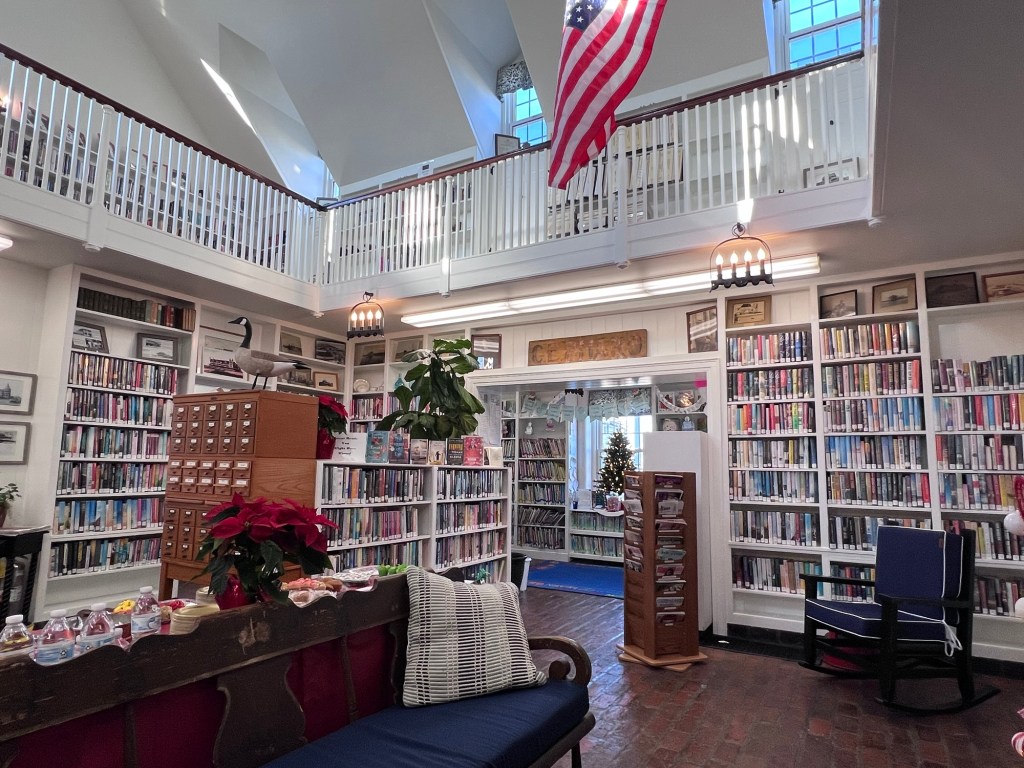
The first floor of the library has all sorts of historical artifacts along the walls

The Holiday Kickoff in 2025:

I visited during the library’s Holiday Open House with games, trivia and activities. There was also live music in the afternoon. It was a way that the library gives back to the community. It was a nice family event with good food and nice conversation with people from the community.
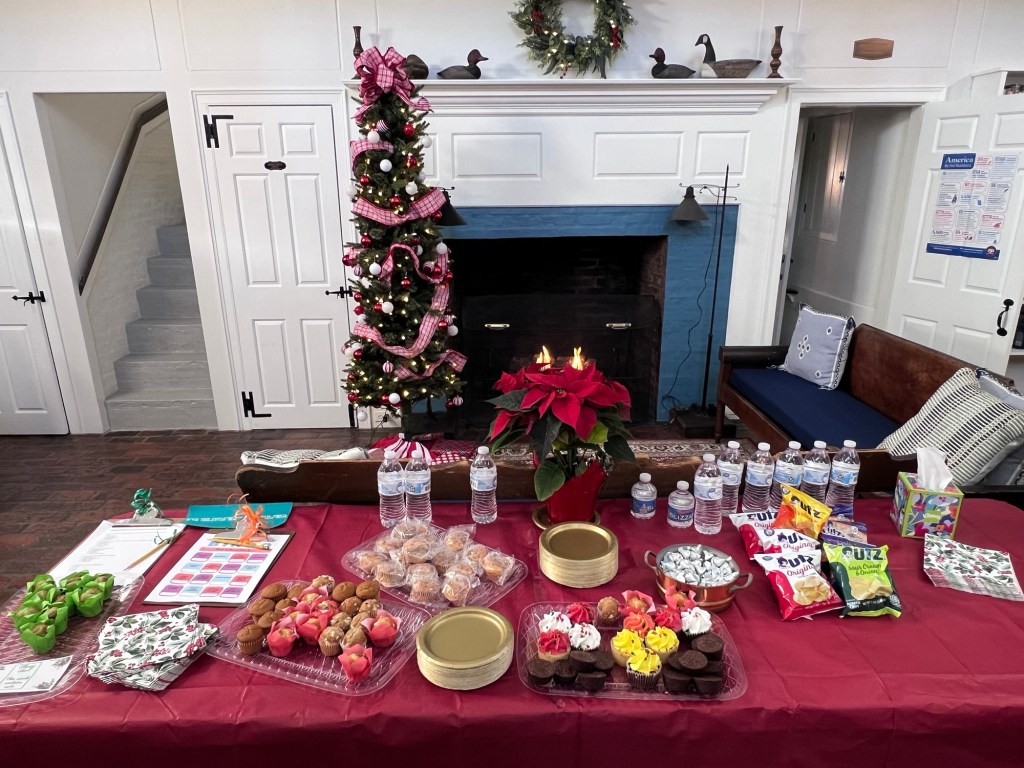
The Holiday Open House
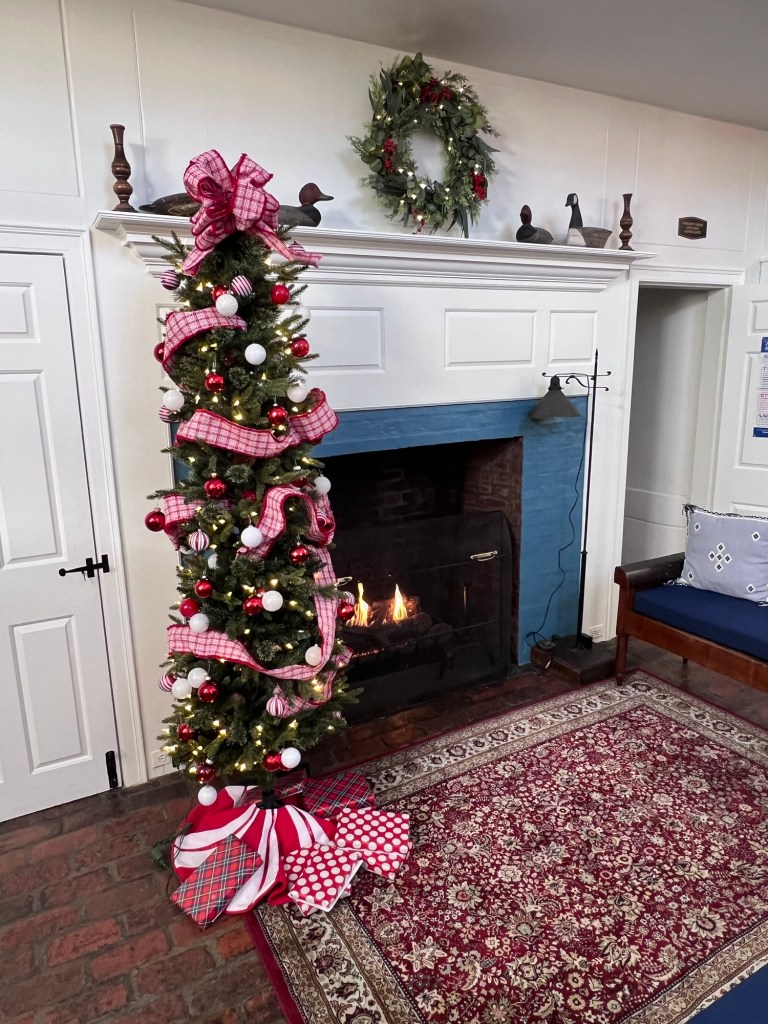
The fireplace was going when I was talking to the librarians

It was a very nice family event where patrons families could relax, have something to eat and play games with their children. The Liberians could not have been more friendly and engaging with the public.
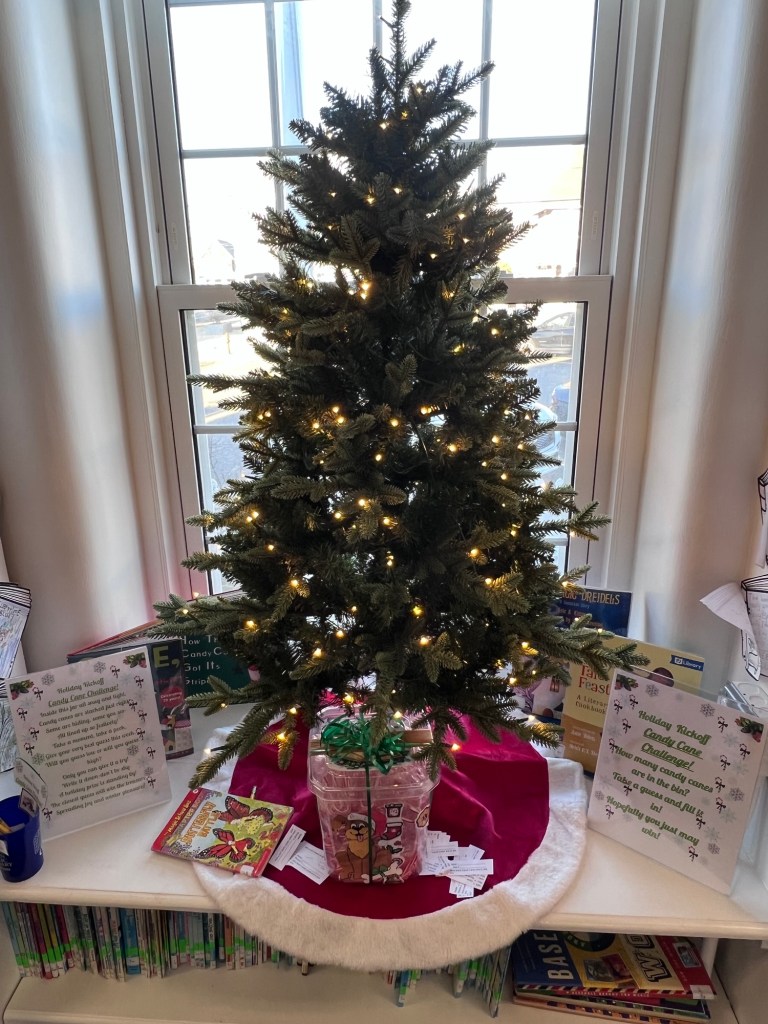
The Children’s Room had a holiday challenge

The museum is a rare gem tucked not just on the second floor but along the shelves and tables of the entire historic library giving visitors a chance to see all these historic artifacts mixed in with the library book collection.

The History of the Beach Haven Library:

(from the library website)

Attempts to establish a library in Beach Haven had begun as early as the 1880’s with a gift of books for the town’s children by Dr. Edward Williams. Williams, along with Charles Parry of the Parry House and the Baldwin Hotel, was a partner in the Baldwin Locomotive Works. The library collection was first housed in the home of Samuel Copperthwaite on Engleside Avenue. It was later moved into one of the Sunday School rooms of the Kynett Methodist Church, which had been built in 1890.

After the old Quaker Meeting House was donated to the town by Walter Pharo, the Reverend Alexander Corson of the Methodist Church began work, with the help of his wife, to turn the former Meeting House into a viable library. By the time they left in 1908, it was well on its way.

In 1923, Walter’s widow, Elizabeth Pharo, presented the library’s board of trustees with a proposal to build, entirely at her own expense, a new library for the town. It would be sited two blocks away from the Methodist church on a corner lot which she owned at Third Street and Beach Avenue. The library would be dedicated to the memory of her husband’s parents, Archelaus Ridgway Pharo and Louisa Willits Pharo–the founders of Beach Haven–as well as to her late husband Walter. 

Mrs. Pharo contracted R. Brognard Okie, one of Philadelphia’s finest architects, to design the new library. He chose as his model a Pennsylvania farmhouse–not an early lifesaving station, as some believed. Unlike a traditional farmhouse, however, it would be constructed entirely of brick and steel and include several stunning features: three working fireplaces, a vaulted ceiling, and an interior balcony encircling the first floor.

Tons of concrete were poured and steel girders for the new, two-story structure were already up by the spring of 1924 on the southeast corner of Beach Avenue at Third Street. Okie moved to Beach Haven to supervise every step of the construction, which was all done by local builder Floyd Cranmer. Ten railcar loads of bricks were used to build the solid outer walls and it was soon evident that the town was to have the finest library on the New Jersey coast.

As the library neared completion in the late fall of 1924, its beauty was already drawing praise. Every window in the structure was framed with long shutters of pale green, which gleamed against the white brick exterior. A sweeping, multi-dormered black roof added a grace seldom seen in a public building. Surrounded by a low, white picket fence and later, a well-kept green lawn, it added an incomparable dignity to what, in that time period, was the town’s main street, Beach Avenue.

There are two large colonial-style working fireplaces on the first floor. One is in the main room and the other is behind it in the long back room on the ocean side of the library. Today this room houses the Mystery collection and its solid, ten-foot table makes it useful as a meeting room. In the early years, however, it served a different function–it was designated as the men’s reading room, and there male patrons could sit in large comfortable chairs to read magazines and newspapers. It was well lit by two tall French windows and it opened out onto the screened porch on the north side.

The main reading room with its vaulted ceiling is encircled with a balcony reached by a spiral stone staircase, its steps topped with thick slabs of slate. The balcony flooring is of oak, as are all of the spindles in the railings. The upstairs walls are lined with books. One great window on the west side rises ten feet to the ceiling. The rest are all set into dormers. On the east wall behind the upstairs balcony there is a door where one may step down into a well-furnished little museum with high, beamed ceilings and a huge stone fireplace. It is filled with old hotel registers, deeds, diaries, photographs and other mementos of Beach Haven’s vibrant history.

The Beach Haven Public Library is a prime architectural treasure on Long Beach Island and a direct link to a colorful past that is the town’s most precious heritage. Mrs. Elizabeth Pharo’s gift to the town, itself now almost 100 years old, is as stunning as the day it was built. The taxpayers who support it are proud of its status as the only independent library in Ocean County and have chosen to keep it that way.
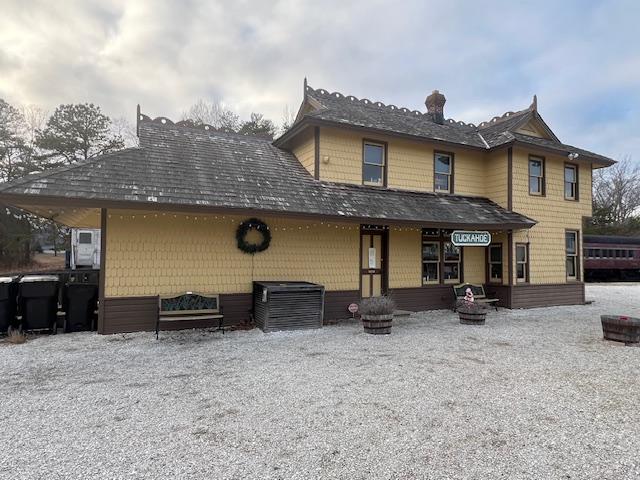
Tuckahoe Train Station                                                 Mill Street and Railroad Avenue                          Tuckahoe, NJ 08250

Tuckahoe Train Station Mill Street and Railroad Avenue Tuckahoe, NJ 08250

Tuckahoe Train Station

Mill Street and Railroad Avenue

Tuckahoe, NJ 08250

http://www.uppertwphistory.org/

https://www.facebook.com/UpperTwpHistory/

Open: Please check the website for the times they are open.

Admission: Free but donations accepted

My review on TripAdvisor:

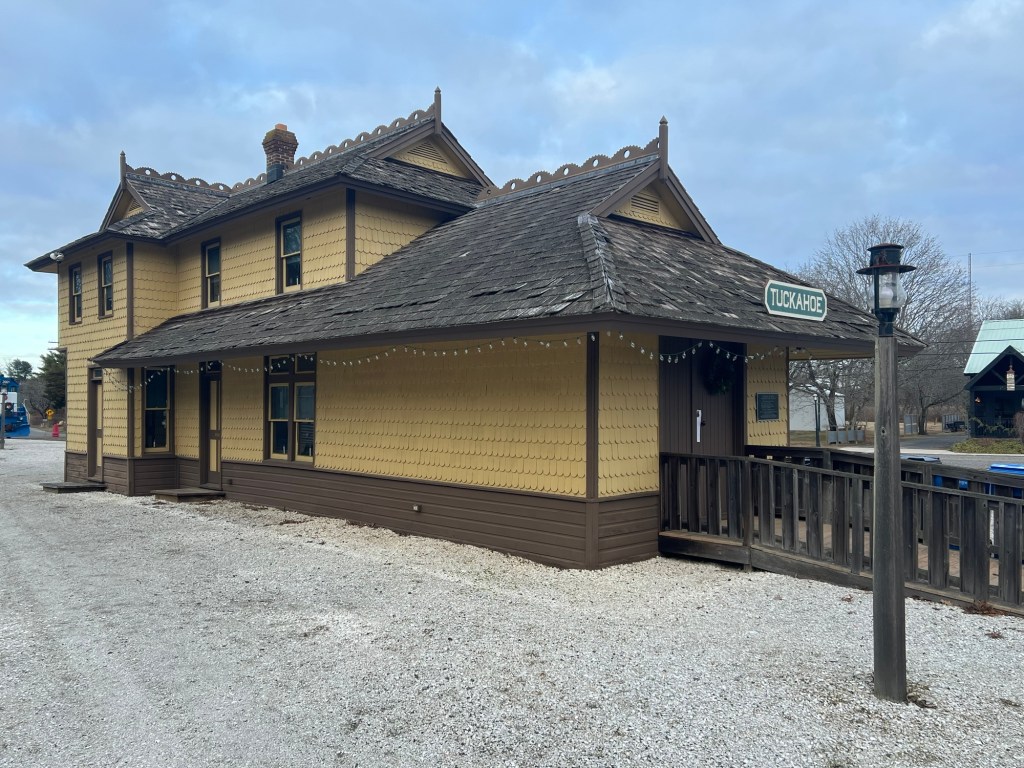
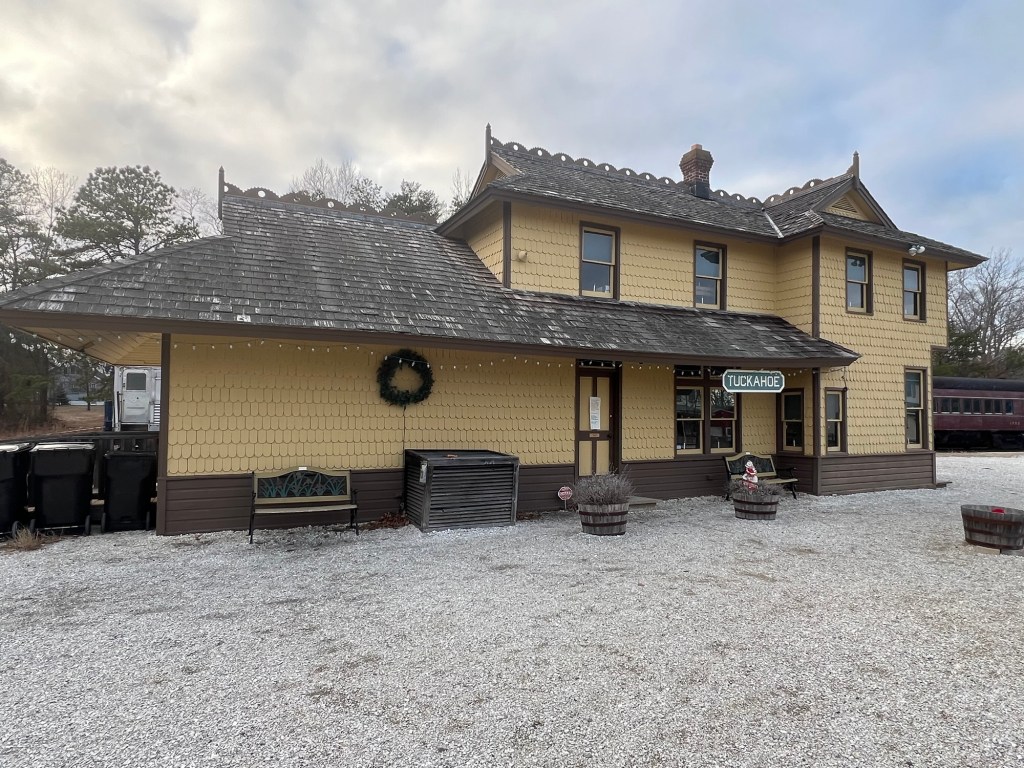
The Tuckahoe Train Station at Mill Street and Railroad Avenue

I visited the Tuckahoe Train Station during Christmas of 2024. The holiday events were long over but the station was still decorated for the holidays. In the Summer of 2025, I arranged a full tour of the station museum and the rail yard.

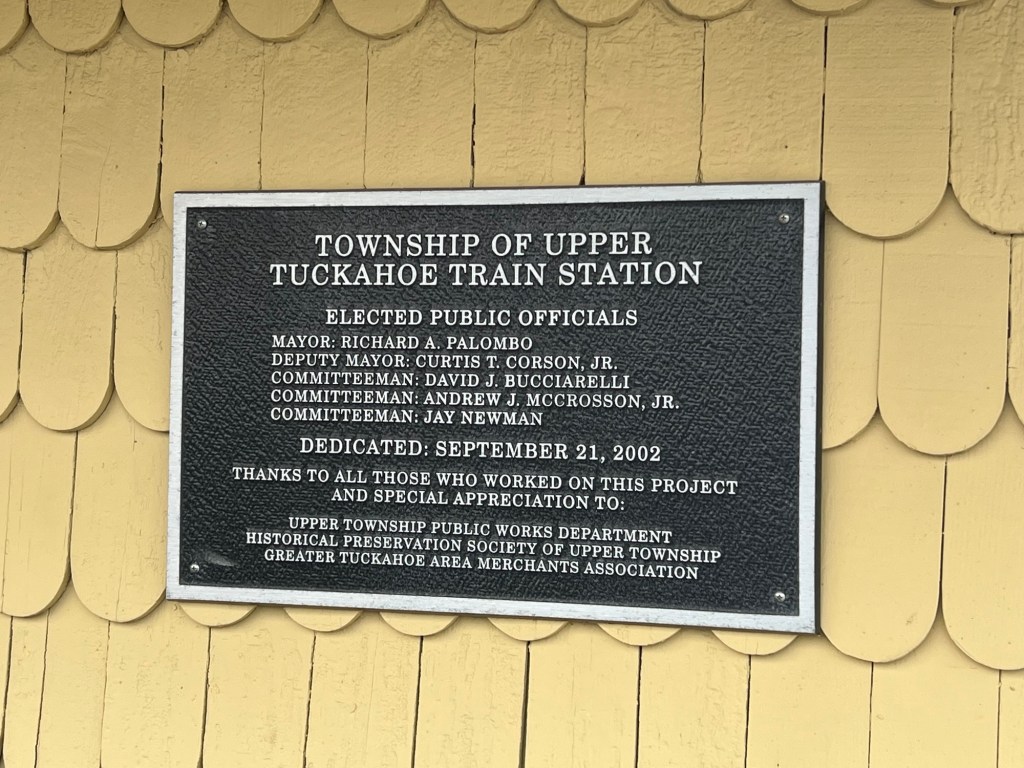
The station’s historic sign

The station’s historic sign

The station was once the hub of the area and visitors would depart from cities like New York and Philadelphia. The trains stopped running to this area in 1981.

The train station from the front of the building in the winter of 2024

The station again in 2025

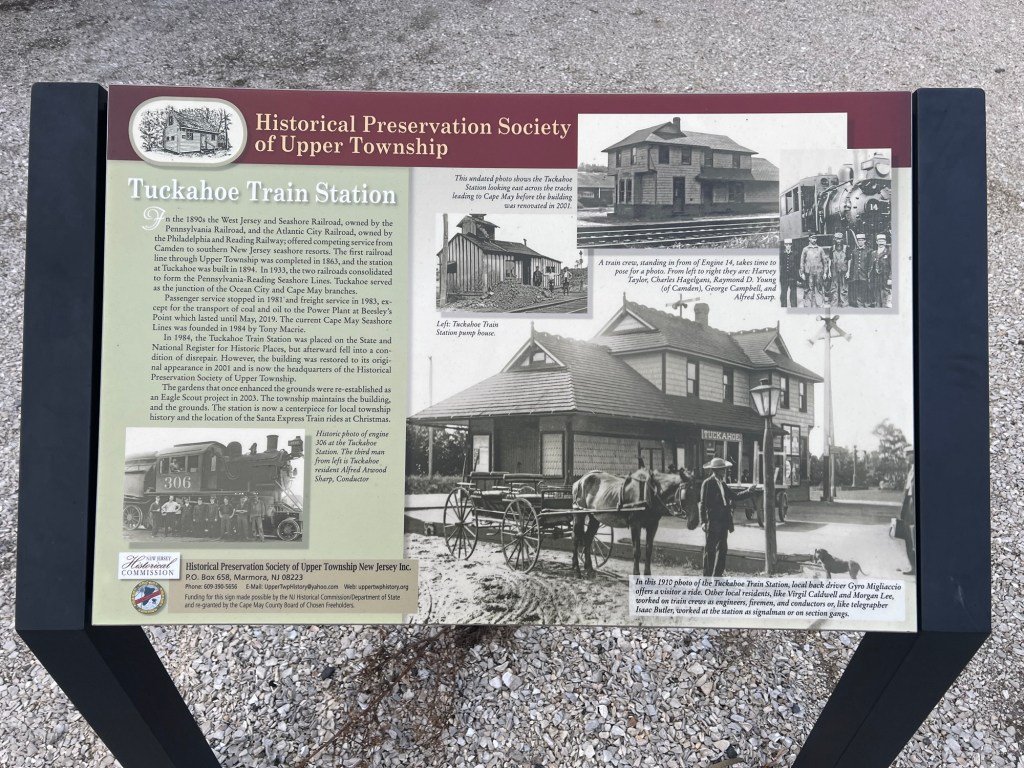
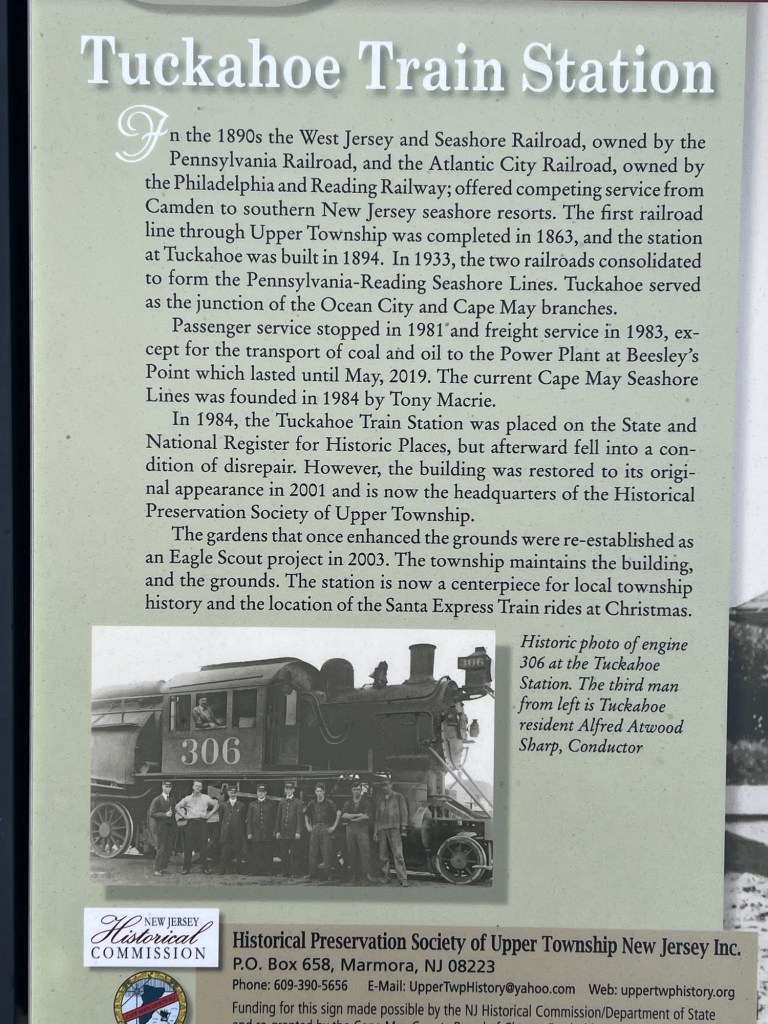
The train station history

The Summer of 2025:

My tour of the train station started with the history of the station and the development of the train station and transportation to the area. The coming of the railroad meant the development of the area as a resort town bringing hundreds of visitors each summer.

The tour started at the inside of the station and took me through the first and second floors of he old station house.

The first floor of the Tuckahoe Train Station

The Ticket a room is now the gift shop

The display cases of memorabilia from the station days

The classic train sets

Ticketing and travel materials

The entrance to the baggage Room

The Baggage Room

The old Ticketing Room

The Ticketing window

The old seating area in the Ticket Room. The tour guide told me that unions version of the benches was built brand new to match the antique one. I could not tell the difference.

The pot belly stove that kept everyone warm in the winter months

The next room over was the Waiting Room where there were more artifacts to see.

The Waiting Room

The seating in the Waiting Room

Then we toured the upstairs where the Conductor’s office and bedroom were located.

The Conductors office on the second floor

The conductor’s uniform

The we moved on to the Conductor’s living quarters when at the station working. This type of work had so much more to it in the days when rail travel was the way to go.

The Rail Conductor’s bedroom

The simple bedroom was enough so the conductor could get some rest

The artifacts from the turn of the last century

After we toured the entire building with the docent really giving me the thorough tour and history on the station and its artifacts, we went outside to discuss the trains.

We headed outside to tour the individual trains and their history. This once major shore hub has quieted down with the reduction in rail transportation due to cars.

The outside of the train station and its collection of train cars.

The train station outside where the cars are located

The Blue Comet Beach Train

The Blue Comet was once the ultimate in luxury travel when you came to the shore. This once ‘grand dame’ of travel is being renovated by the museum.

The Showman’s Car

The Pennsylvania Starline

The long line of train cars

The train cars being renovated

The Beach trains

The last part of these interesting and engaging tour was a tour of the Signal and Control Building, where all communications for the railway took place.

The Control and Signal Building

The inside where controls and repairs take place

The signal board to the train turnaround at the Y

The full tour of the Tuckahoe Train Station Museum will give you a glimpse of a once vibrant rail head and the life of visitors down the shore. The inner workings of a train station at that time are on full display here.

The History of the Tuckahoe Train Station Museum:

(from the museum website)

n the 1890’s the West Jersey and Seashore railroad, opened by the Pennsylvania Railroad, and the Atlantic City Railroad, owned by the Philadelphia and reading railway, offered competing service from, Camden to southern New Jersey seashore resorts. The first railroad line through Upper Township was completed in 1863, and the station at Tuckahoe was built over 30 years later in 1894. In 1933 the two railroads consolidated to form the Pennsylvania-Reading Seashore Lines. Tuckahoe served as the junction of the Ocean City and Cape May branches.

Passenger Service stopped in 1981 and soon after, freight service halted in 1983 except for the transport of coal and then oil to the power plant at Beesley’s Point. which lasted until May, 2019. The current Cape May Seashore Lines was founded in 1984 by Tony Macri.

In 1984, the Tuckahoe Train station was placed on the State and National Register for Historic Places, but afterward fell into a condition of disrepair. However, the building was restored to its original appearance in 2001 and is now the headquarters of the Historical Preservation Society of Upper Township.

‘The gardens that once enhanced the grounds were established as an Eagle Scout Project in 2003. Today, the township maintains the building and the grounds. The station is now a centerpiece for local township history and the location of the Santa Express Train rides at Christmas.

I found the tour fascinating of how this museum was once the hub of transportation for this section of the Jersey Shore.

Beacon Historical Society                                                  61 Leonard Street                                                                 Beacon, NY 12508

Beacon Historical Society 61 Leonard Street Beacon, NY 12508

Beacon Historical Society

61 Leonard Street

Beacon, NY 12508

(845) 831-0514

https://www.beaconhistorical.org/

https://www.facebook.com/BeaconHistoricalSociety/

Open: Sunday- Wednesday Closed/ Thursday 10:00am-12:00pm/Friday Closed/Saturday 1:00pm-3:00pm

Admission: Free but donations are accepted

My review on TripAdvisor:

https://www.tripadvisor.com/Attraction_Review-g47291-d15772700-Reviews-Beacon_Historical_Society-Beacon_New_York.html

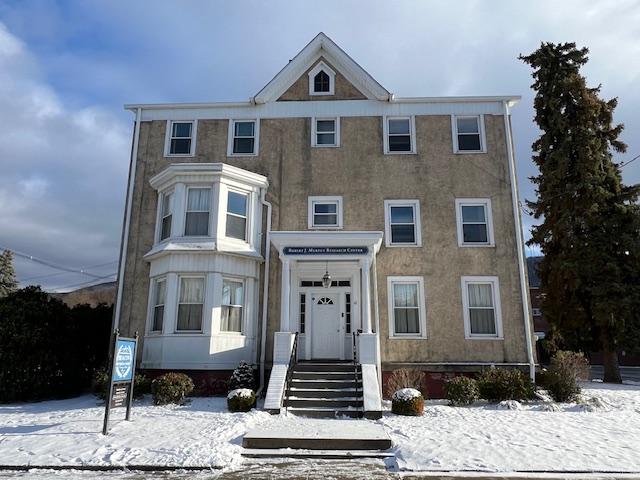
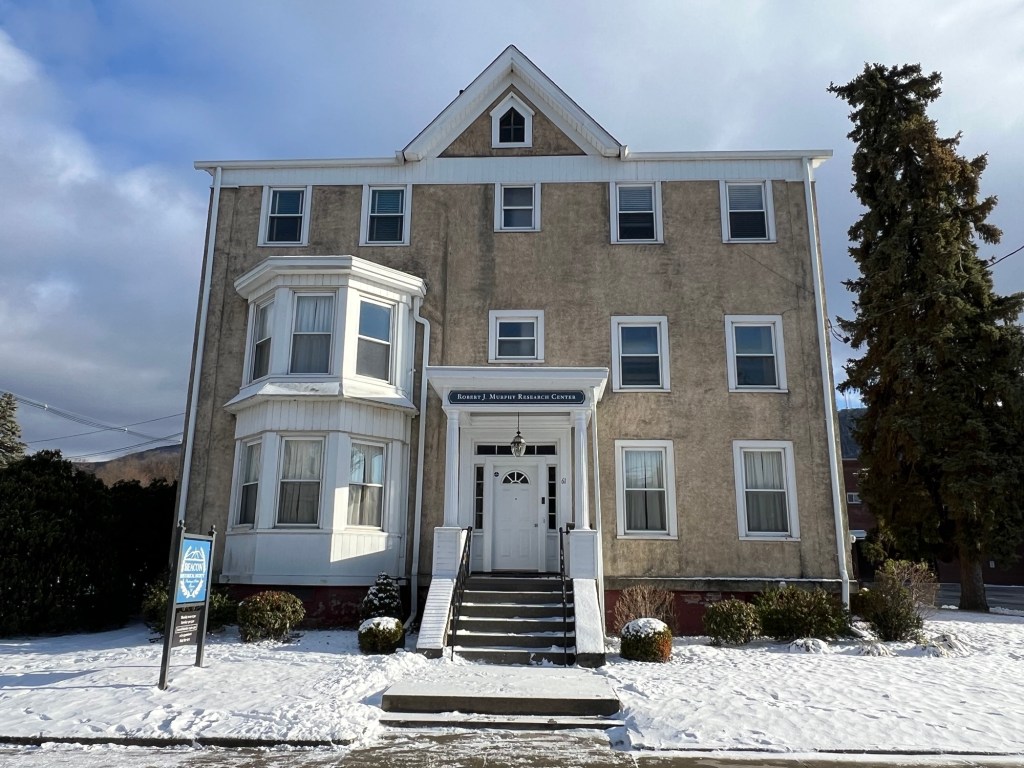
The Beacon Historical Society at 61 Leonard Street at Christmas time

The outside of the building in the Summer

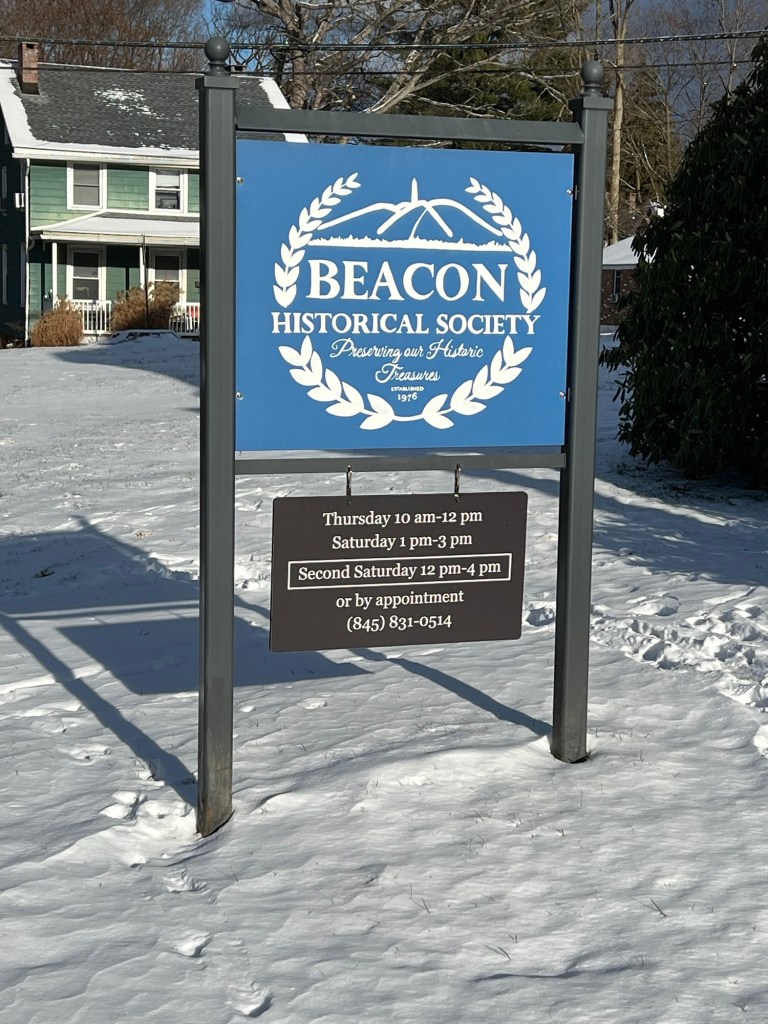
The sign for the Beacon Historical Society at Christmas time

The outside sign in the Summer

The Mission of the Society:

(From the Society pamphlet

The Beacon Historical Society was founded in 1976 to preserve, collect and interpret the rich history of the City of Beacon and its predecessor Villages of Fishkill Landing and Matteawan.

History of the Society:

(From the Museum website)

Established in 1976, the Beacon Historical Society showcases Beacon’s history through exhibitions, collections, programs, books and an informative monthly newsletter. The Beacon Historical Society is proud to serve as Beacon’s repository of rare photographs, paintings and prints, Hudson River ship models, objects and ephemera from local factories and Main Street businesses, records of local cemeteries and Civil War veterans, maps of Beacon, Fishkill Landing and Matteawan.

I recently did a walking tour of Downtown Beacon, NY and was impressed by the numbers of restaurants, bars and stores in the downtown area. It is an impressive downtown with very few empty stores and impressive and lively street life. On my first trip to the Beacon Historical Society I learned this was not always the case.

I recently visited this small historical society packed with information on the history not just of the City of Beacon but the surrounding Hudson River area. The museum gives an in depth view of the industrial history of the area and the highs and lows of many of the river communities. These small communities have seen a renaissance over the last decade especially during COVID and many of the older towns have seen new life being breathed into them.

The first exhibition I looked at was the Photographer Patrick Prosser exhibition (being shared with the Howland Cultural Center) ‘Work in Decay: The City of Beacon NY’.

Artist Patrick Prosser

https://www.facebook.com/groups/Beaconphotogroup/posts/30007658412154532

Photographer Patrick Prossner was born and raised in Beacon and a graduate of Beacon High School and SUNY New Paltz with BFA. His work on this project started in 1982 photographing the decay of his home town (Author’s Bio on BHS website).

The photographer moved to the area in the early 1980’s during a time when Beacon’s mills and factories were closing and the downtown was boarded up. It shows what the downtown business district looked like and the changes that were made to shape it today.
The sign for the exhibition

Pictures of the former industrial zone

The pictures showed a once vibrant industrial community and the changes once these factories closed.

The changes in the surrounding area

The exhibition really shows the transformation of these towns from the once industrial hubs to the artsy communities filled with galleries and bars that many of them have become.

Downtown Beacon today filled with art galleries, shops and small restaurants

The former mill is now a luxury hotel and restaurant overlooking the same waterfall that used to power the mill

These small communities factories have now become hotels, lofts and in some cases new cottage industries have moved in. Time transforms areas and what is old becomes new again.

The first floor gallery

The second exhibition that I walked through was the ‘From Haverstraw to Beacon: Inside the Brickyards the built New York City’, an extensive look at the brickyards and the clay deposits that once lined the Hudson River that build most buildings in the City in the end of the Eighteenth, Nineteenth and early Twentieth centuries.

The exhibition sign

The map of the location of the brickyards along the Hudson River. This depended on the location of the clay deposits.

Transportation of freight and people for both recreation and business was described in this display of different boats down the Hudson River.

The display of understanding the brick business

Display of the different companies and processes of making bricks

The display of people that make up the industry

The process of mining, making, drying and creating the bricks that would end up in New York City

Some of the bricks and the companies from the New York market that were created in the region

Another display on the companies

More of the companies and processes to making bricks

The exhibition was a very interesting look at what was once a dominant industry in the area but like any industry as the clay ran out and building materials changed, the industry diminished in the area and that way of life changed. With it as well was the transformation of the area.

The former brick factories

The Brockway Brick Company that built Macy’s original building in Manhattan

There were smaller exhibitions as well all over the two floors of displays. First there was a handmade dollhouse on the first floor that is a favorite of the elementary school students.

The handmade dollhouse on the first floor

On the seconded floor is a display is the socially prominent Van Nydeck family. The family donated their family tree and many family heirlooms and portraits.
Part of the Schenck Van Nydeck family tree

The Van Nydeck family heirlooms

There was also artwork and artifacts from the surrounding community on display all over the museum.

The painting is by a local artist and the pottery is locally made

The window is a Tiffany window from a local church that the Historical Society saved for the museum

The first floor gallery

The docent told me after I toured the exhibition that there are more exhibitions being planned for the future.

Touring Downtown Beacon, NY:

After the trip through the Historical Society, I ventured and walked Downtown Beacon. The neighborhood has certainly changed since the early eighties.

Downtown Beacon today

Downtown Beacon today with Mount Beacon in the distance

The beautiful floral arrangements in the downtown today

Mahanoy Area Historical Society                                          1 West Center Street #5                                    Mahanoy City, PA 17948

Mahanoy Area Historical Society 1 West Center Street #5 Mahanoy City, PA 17948

Mahanoy Area Historical Society

1West Center Street#5

Mahanoy City, PA 17948

(570) 773-1295

https://www.mahanoyhistory.org/

https://www.facebook.com/p/Mahanoy-Area-Historical-Society-100063570881125/

Open: Sunday-Wednesday Closed/Thursday-Friday 12:00pm-3:00pm/Saturday Closed

Admission: Free but donations are accepted

My review on TripAdvisor:

https://www.tripadvisor.com/Profile/R4960NKjustinw/mediabatch/13476787?m=19905

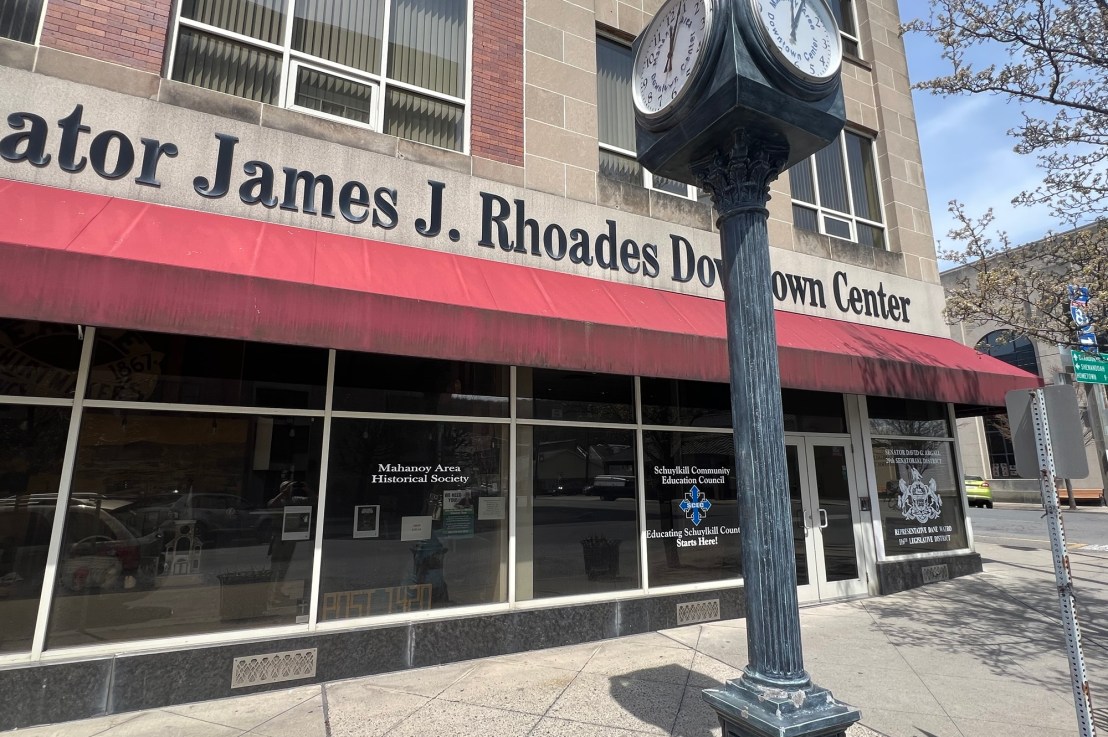
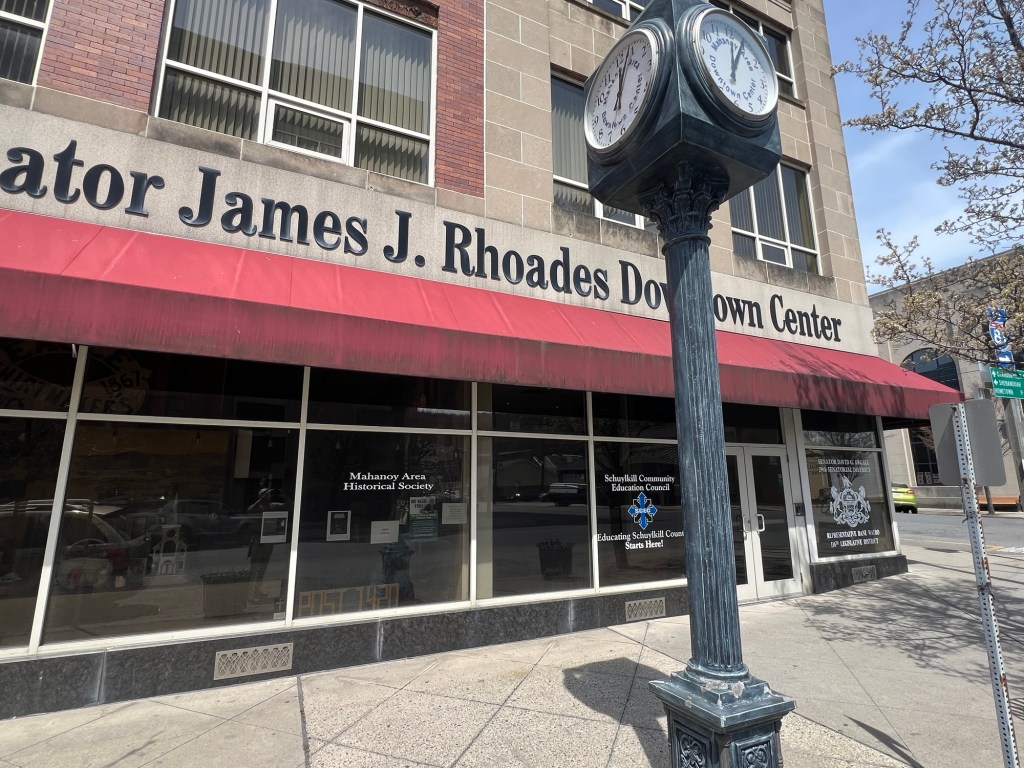
The front of the Mahanoy Area Historical Society at 1 West Centre Street#5 in Mahanoy City, PA

(from the museum website)

The museum is located on the first floor of the James J. Rhoades Downtown Center at the corner of Main and Centre Streets in Mahanoy City.

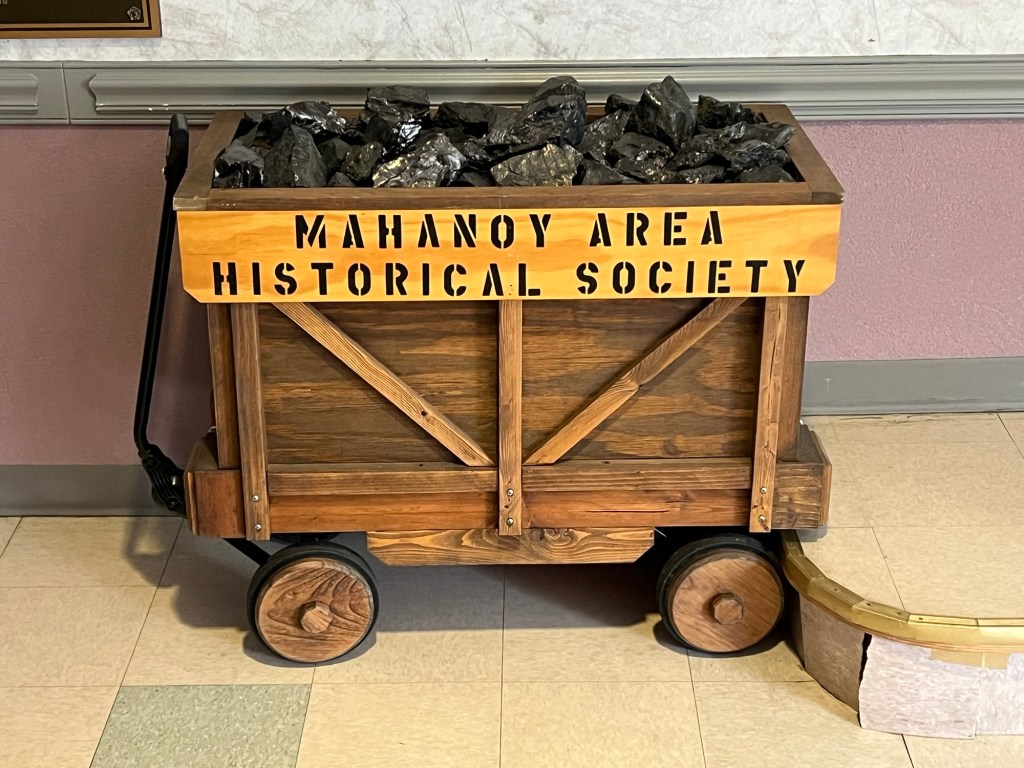
A representation of the Coal Mining Industry in Mahanoy City

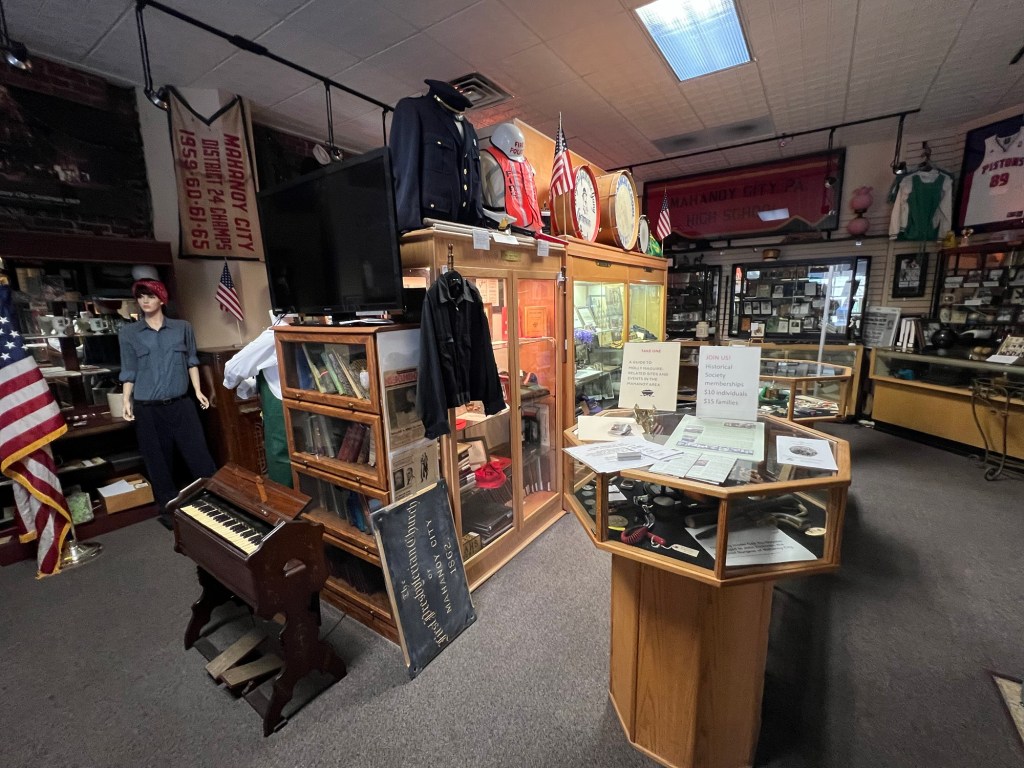
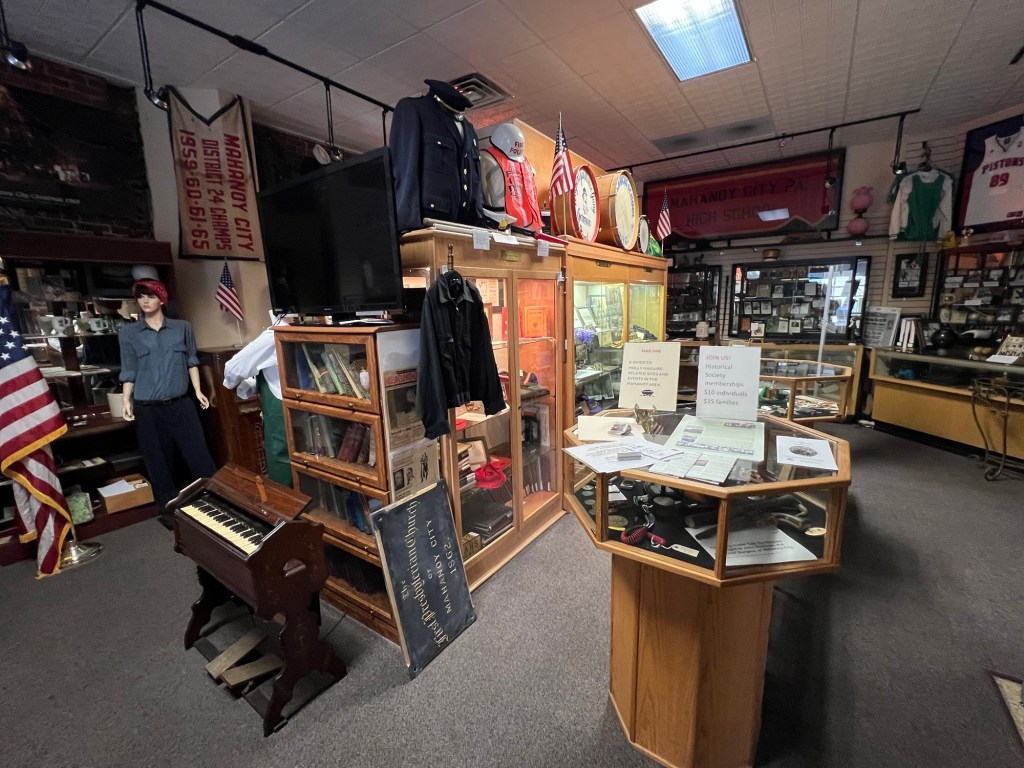
The inside of this interesting museum

The Mission of the Museum:

(From the museum pamphlet):

To preserve and protect the history of the Mahanoy Area and to work toward the restoration, revitalization and future of the community.

A glimpse into the areas contributions to the Mining industry

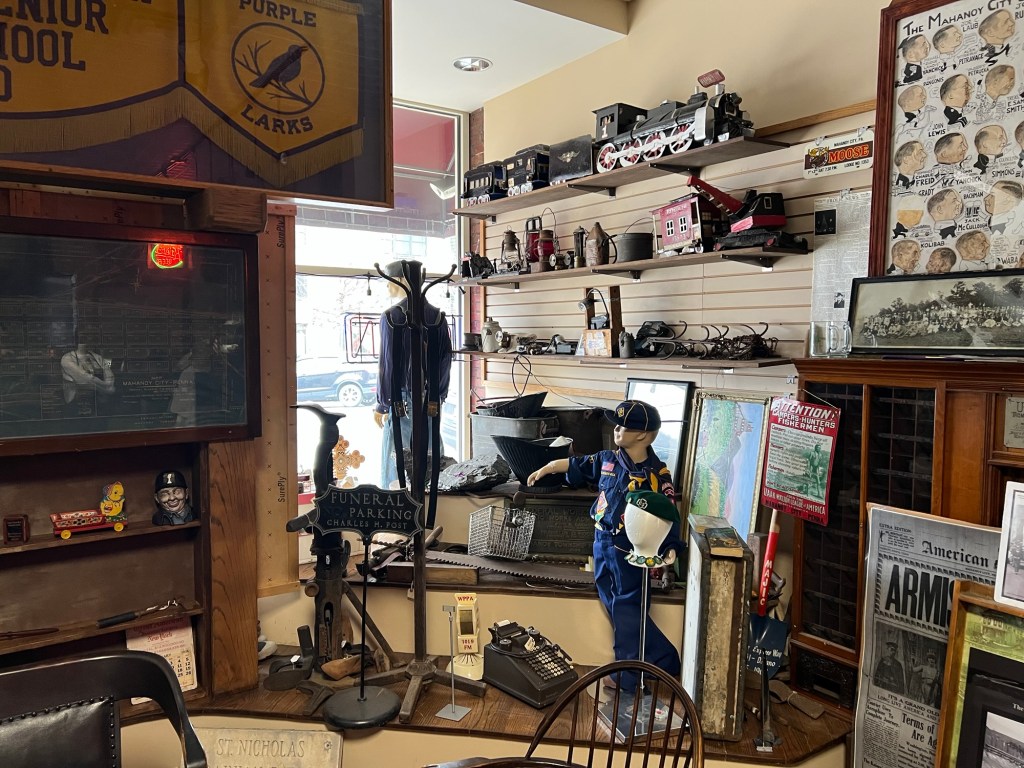
I took time on my visit to Mahanoy City, PA to visit the Mahanoy Area Historical Society and discovered an interesting little museum that tells the story of this small city, whose roots and founding are around the local mines. The displays show a tight knit and proud community even in the changes in the economy and the status of the mines.

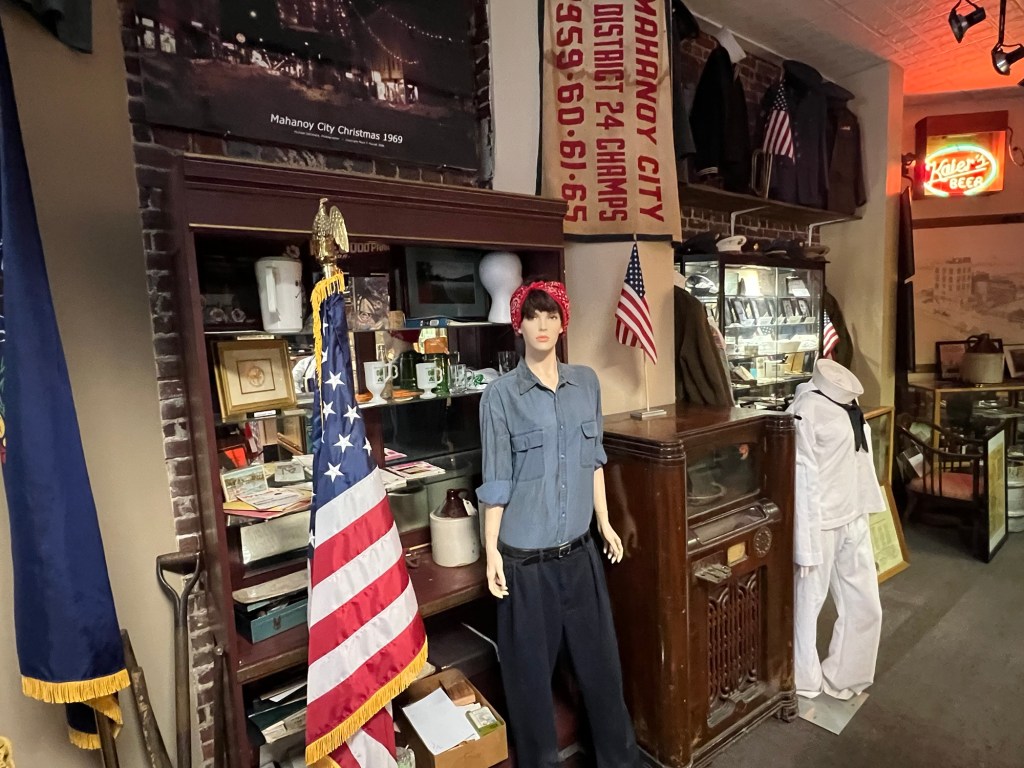
There is a lot of memorabilia on the contributions of local residents to our armed forces

The pride of the community to our country

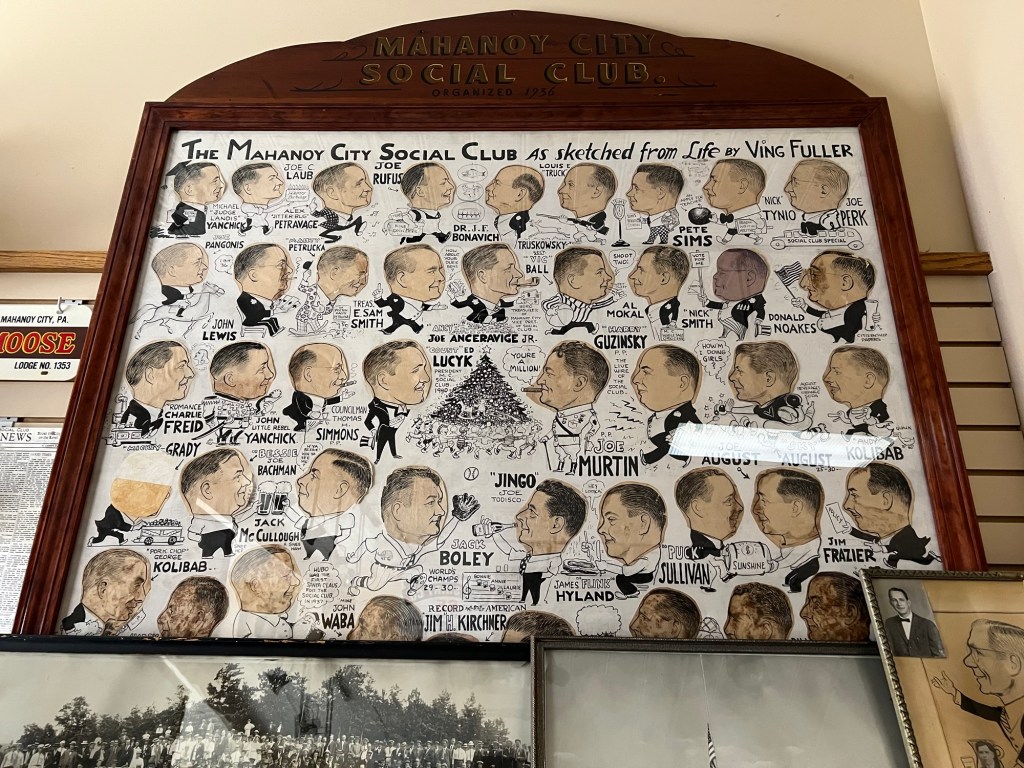
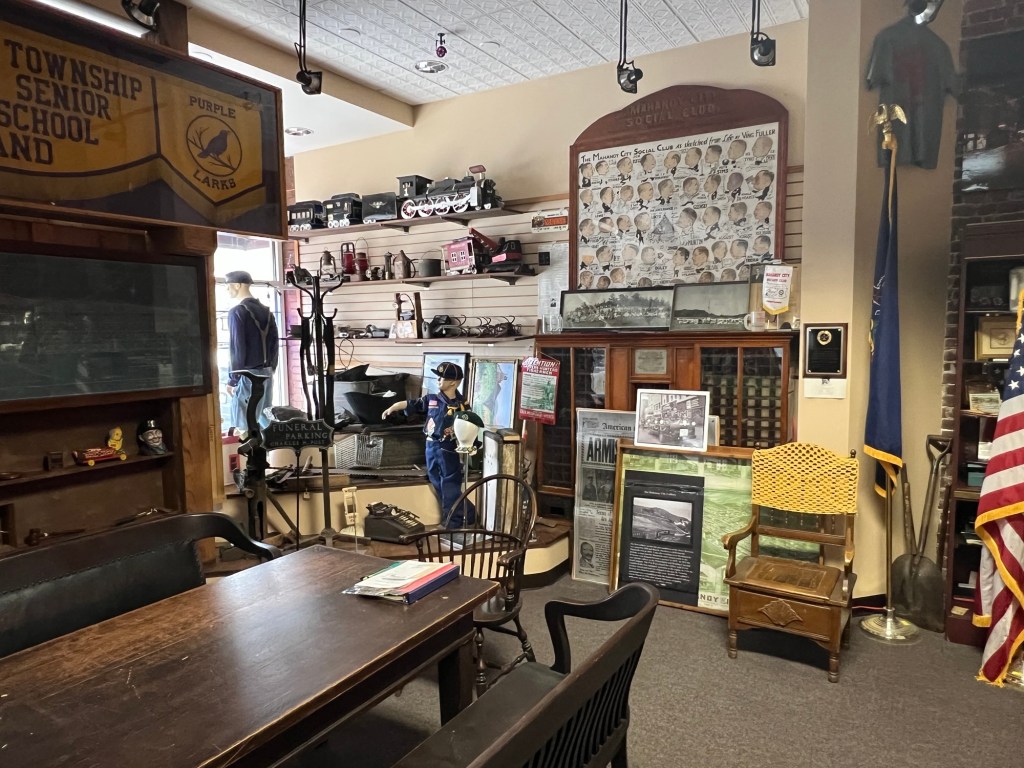
The characters of the movers and shakers of the community in The Mahanoy City Social Club, who once dominated the business scene in town.

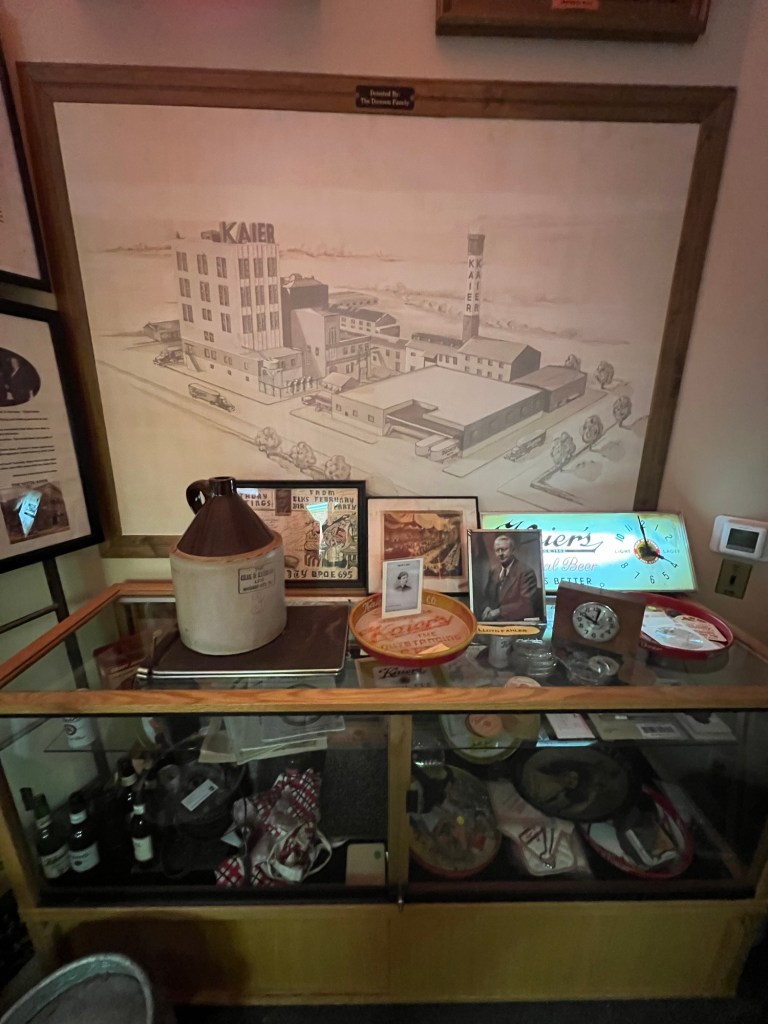
The display of the Kaier Brewery, once a dominate business in town until the late 1960’s

https://en.wikipedia.org/wiki/Charles_D._Kaier_Company

https://www.thebeerprofessor.com/?tag=kaiers-beer

The knocking down of the old Brewery Building:

https://www.wnep.com/article/news/local/schuylkill-county/watch-the-old-kaier-brewery-come-crashing-down-in-mahanoy-city/523-f8ce5f7e-136f-4bff-806e-d5debcd86553

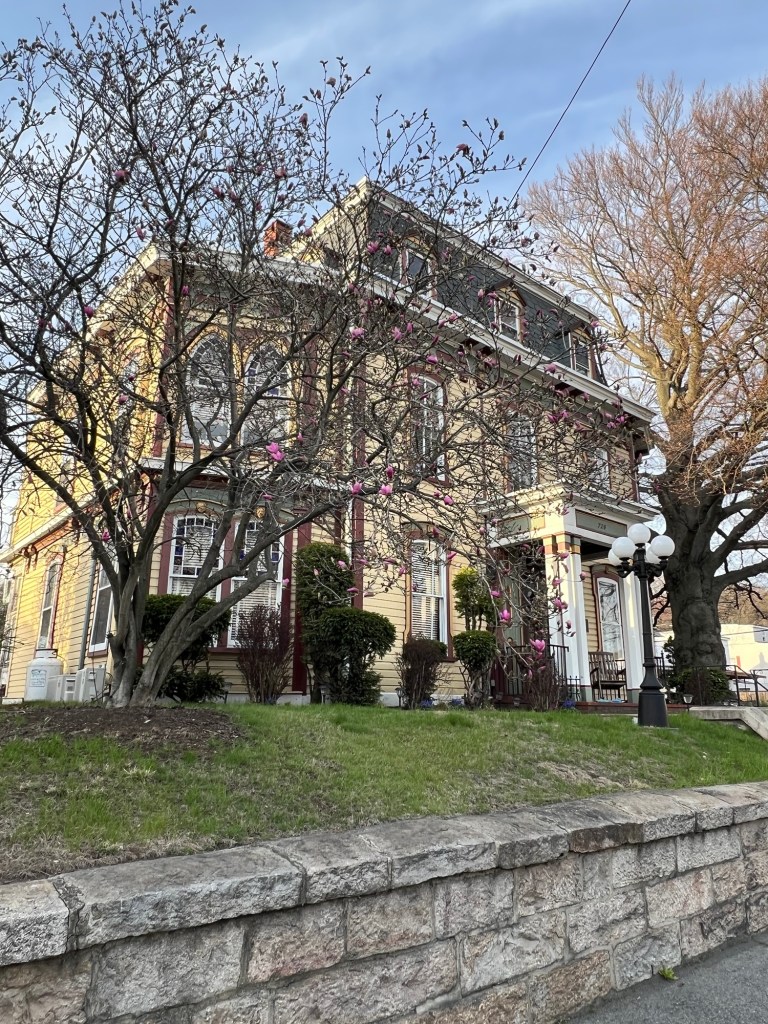
The former Kaier Mansion is right down the road from the old brewery is now a B & B

https://www.kaiermansion.com/

Review on TripAdvisor:

https://www.tripadvisor.com/Hotel_Review-g53087-d1517244-Reviews-Kaier_Mansion_Bed_Breakfast-Mahanoy_City_Pennsylvania.html?m=19905

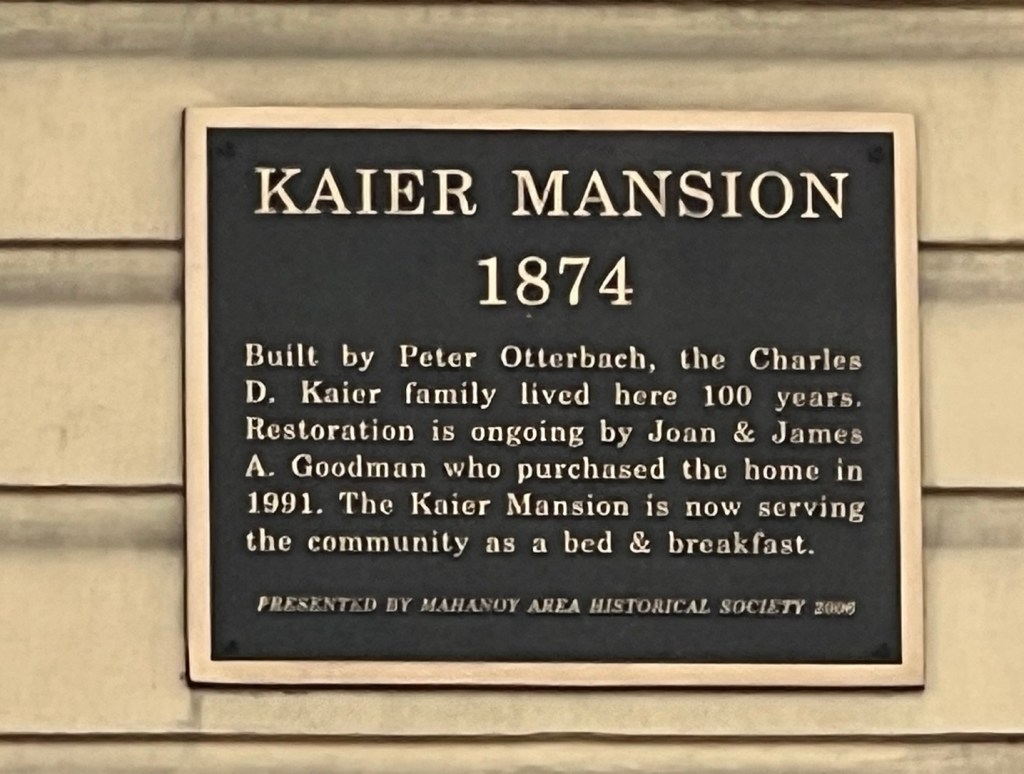
The plaque on the old mansion down the road from the museum

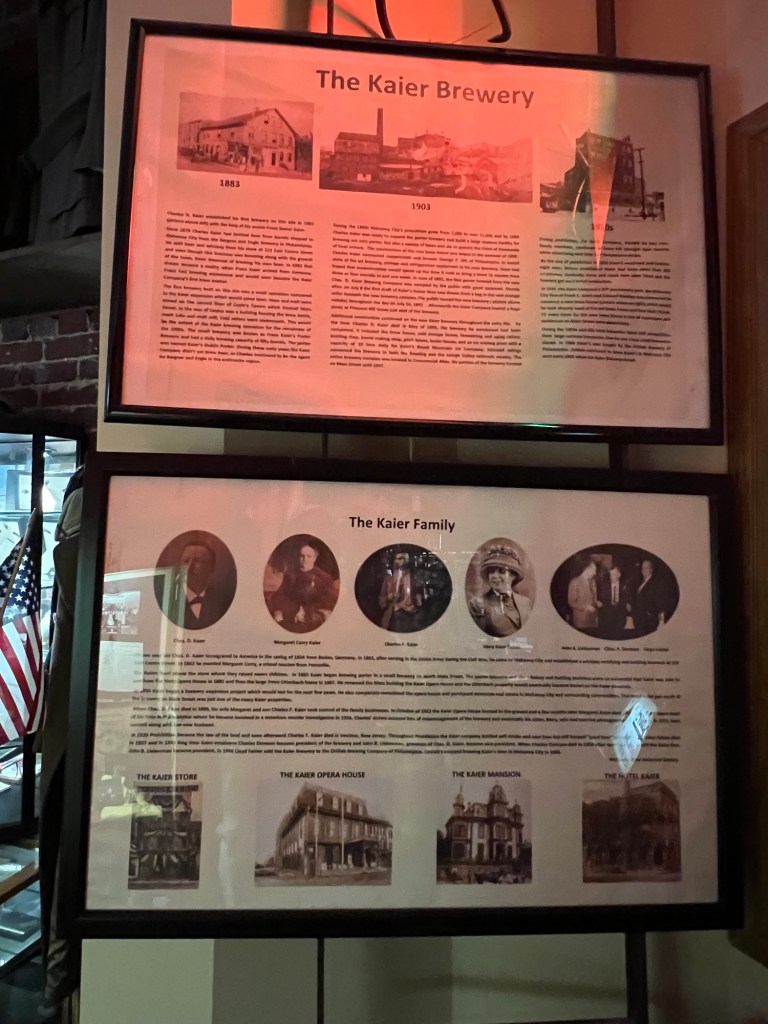
The history of the Kaier Brewery family in the area

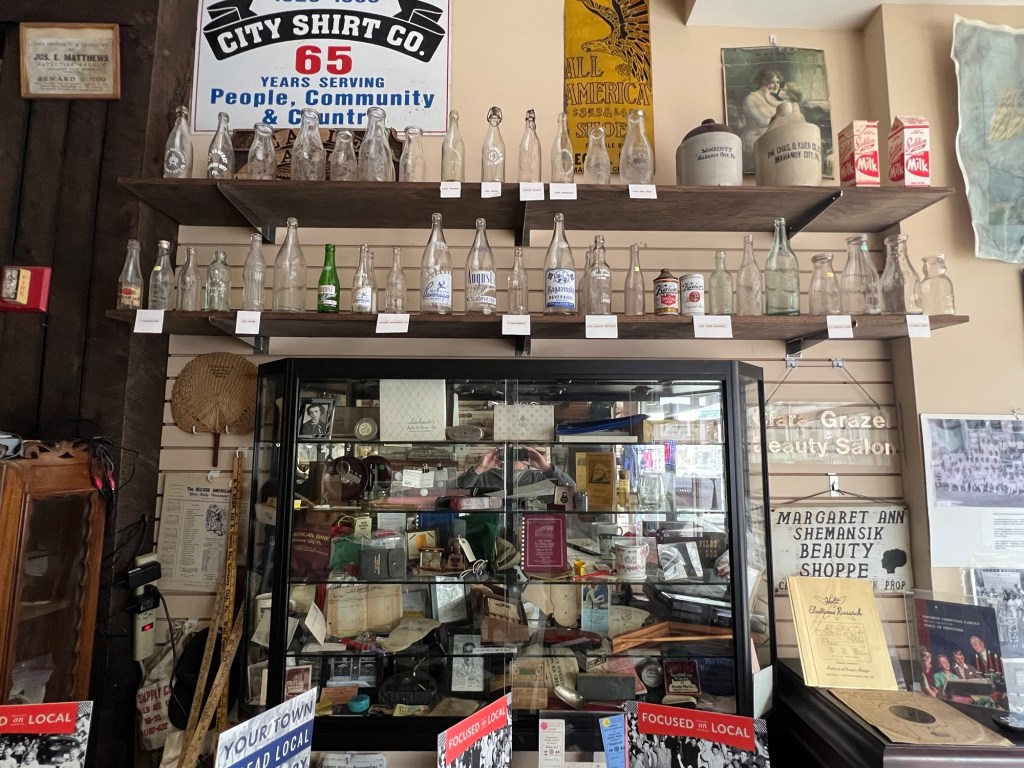
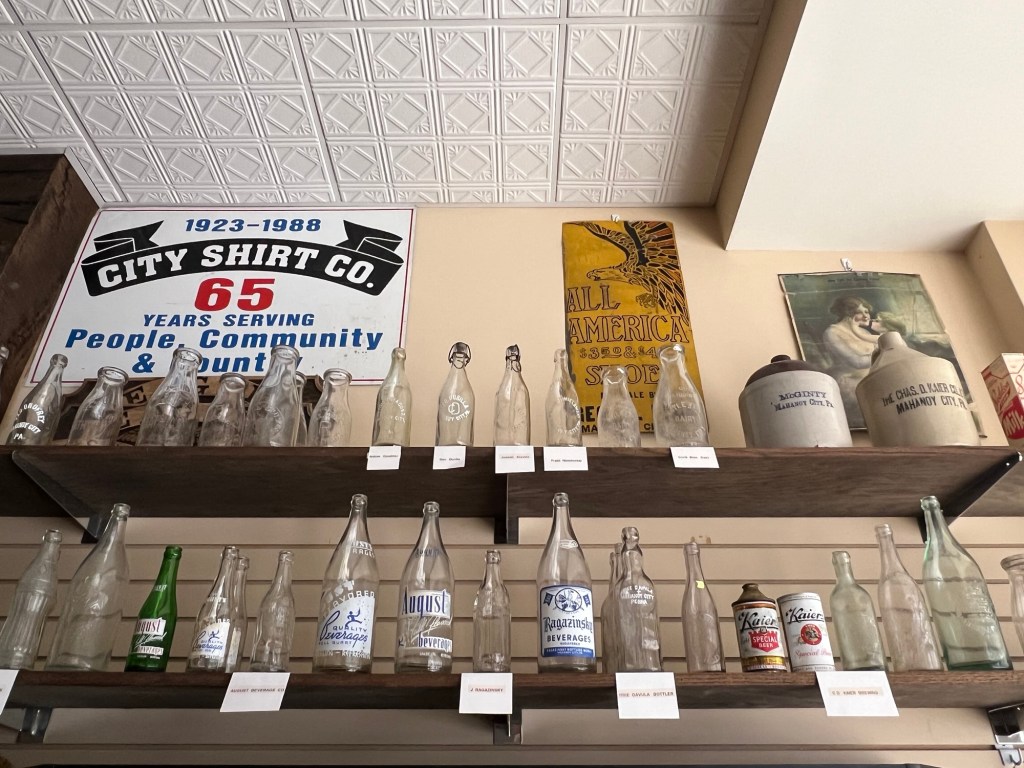
The local businesses in the downtown and the bottling plants that once dominated the area for beverages produced around Mahanoy City.

There were many individual bottlers in the area

The many companies that dominated the area

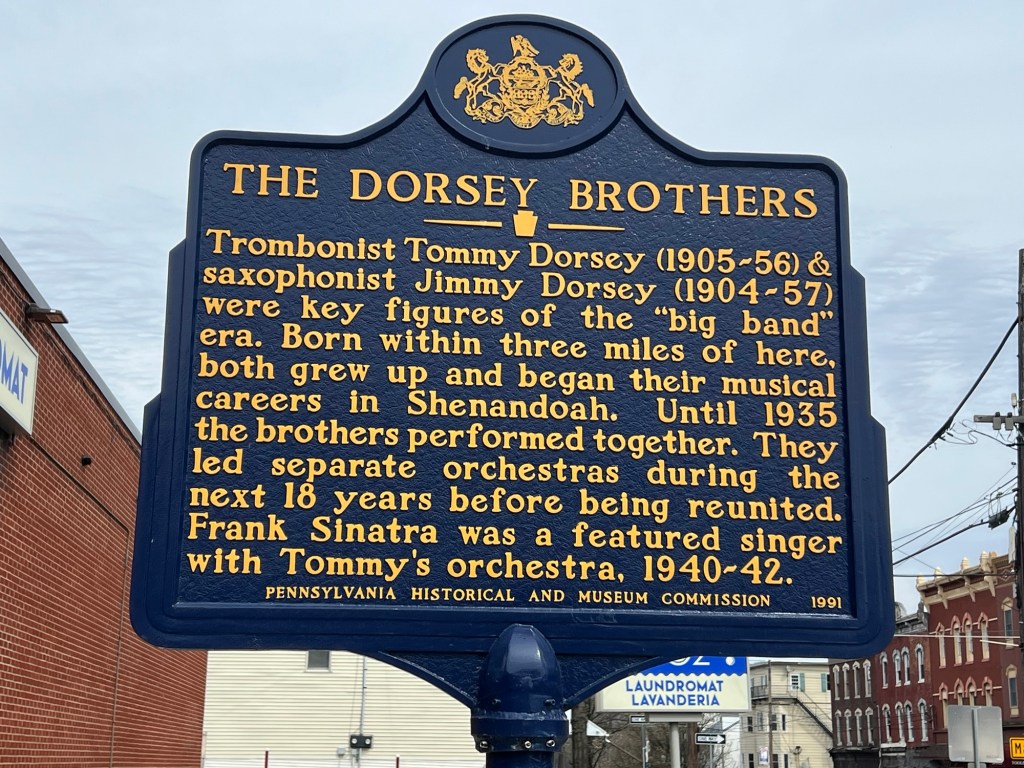
New York and Hollywood have their roots in the community too with the Dorsey Brothers, Tommy and Jimmy Dorsey raised around both here and Shenandoah.

The historical marker in Shenandoah

https://en.wikipedia.org/wiki/Tommy_Dorsey

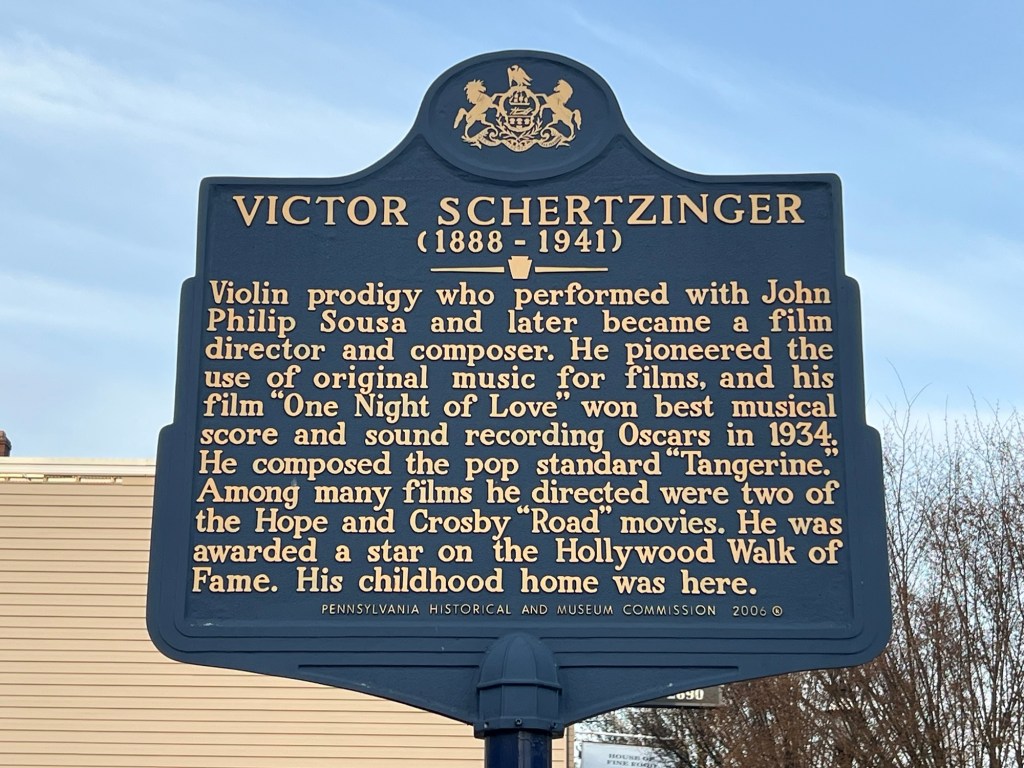
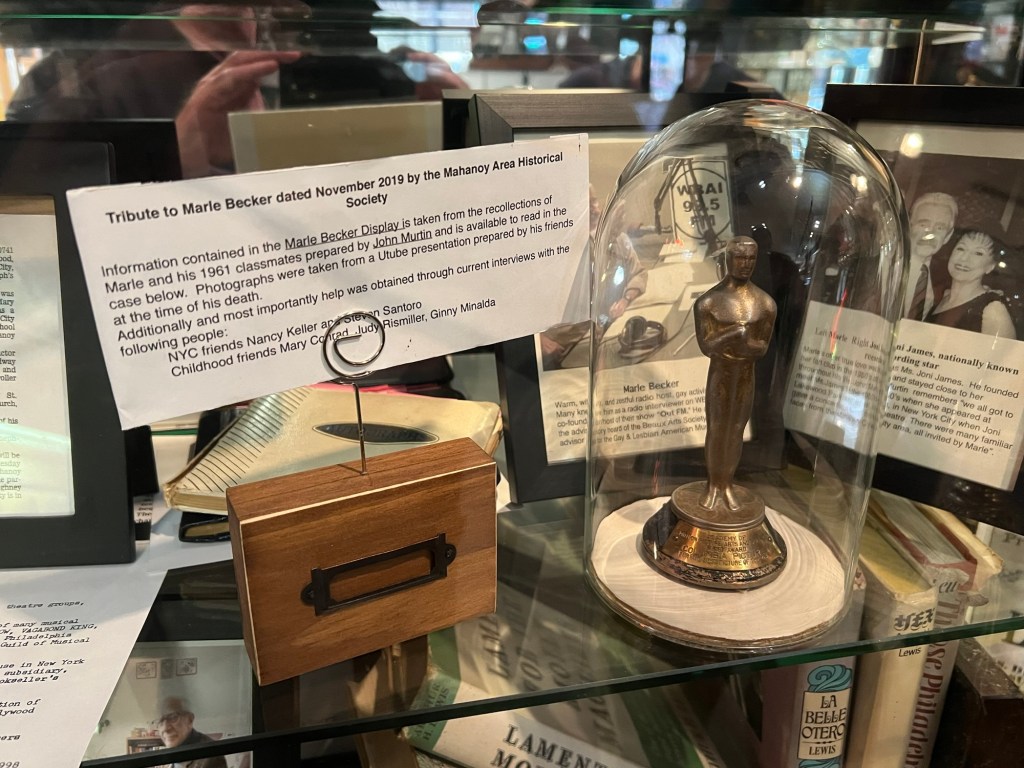
The other being Victor Schertzinger, who was a director and composer, who won the Academy Award for best original music for the film ‘One Night of Love’.

The marker near the Historical Society

https://en.wikipedia.org/wiki/Victor_Schertzinger

The Clip from “One Night of Love”

His Oscar was donated to the museum by his family

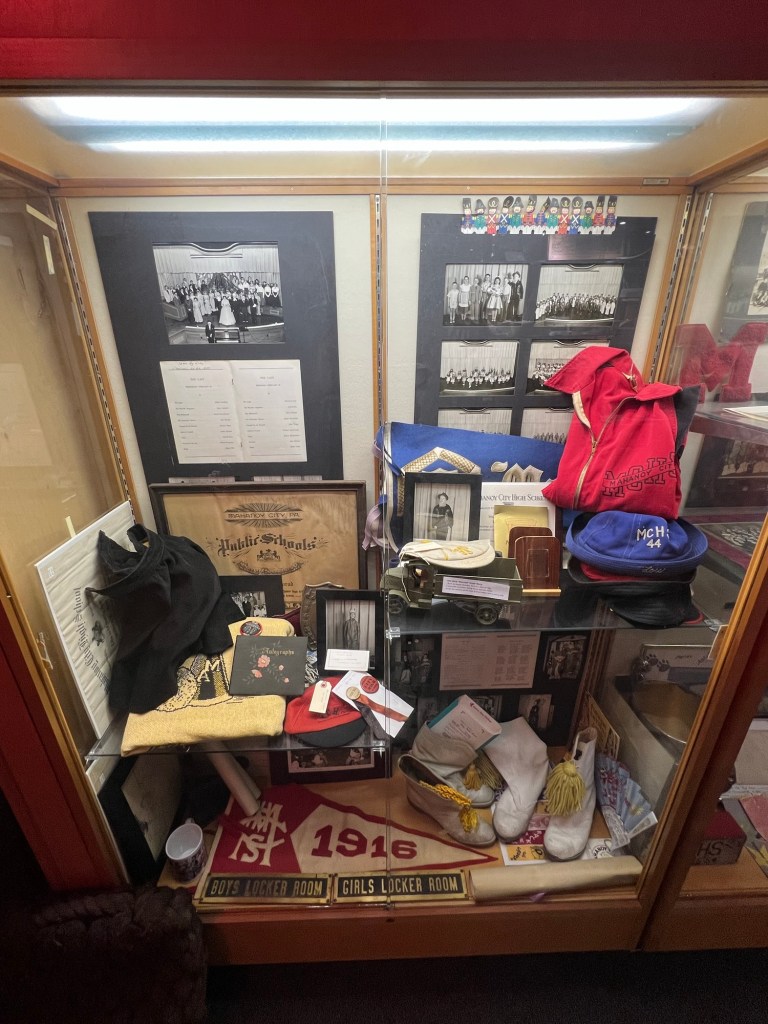
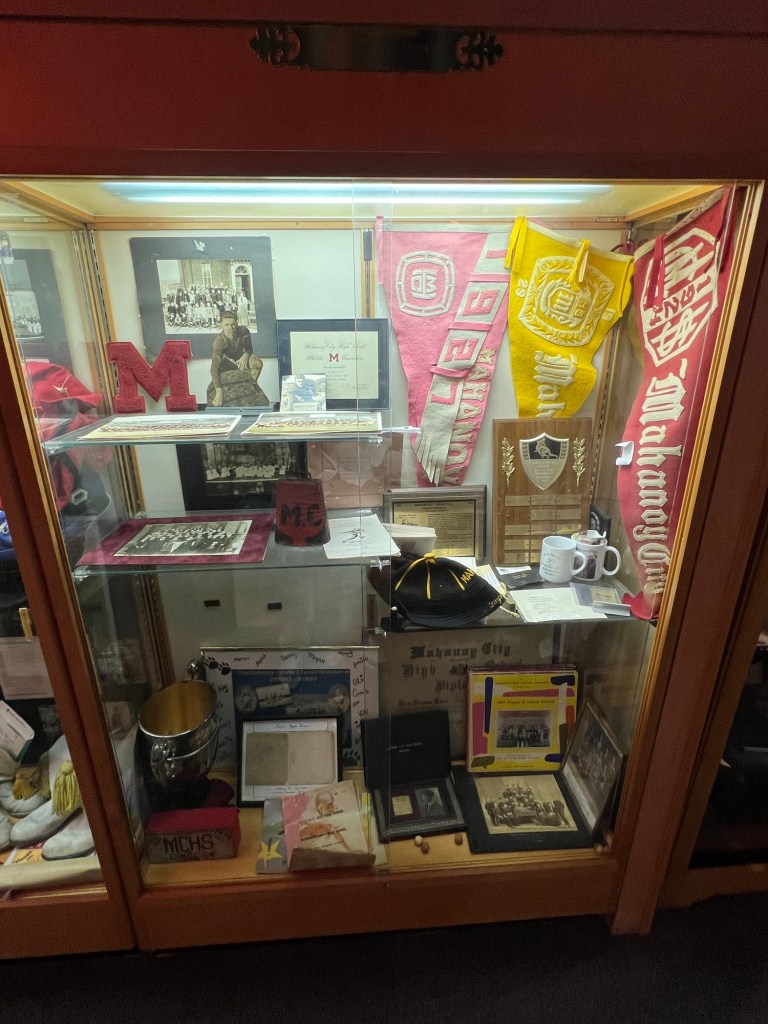
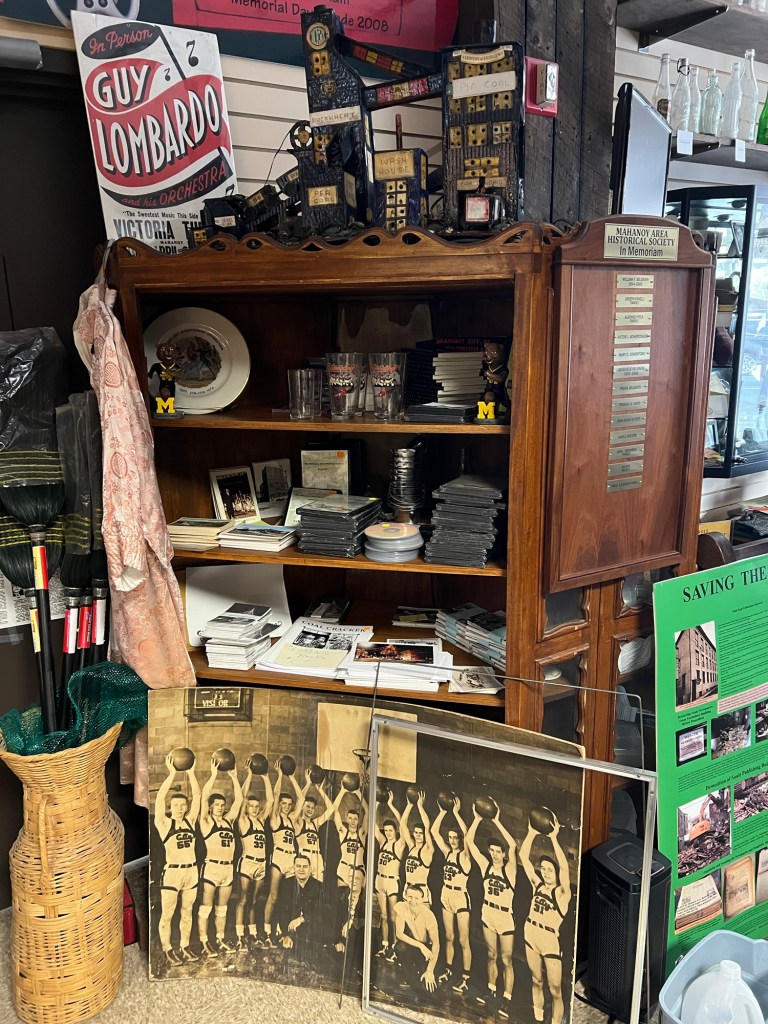
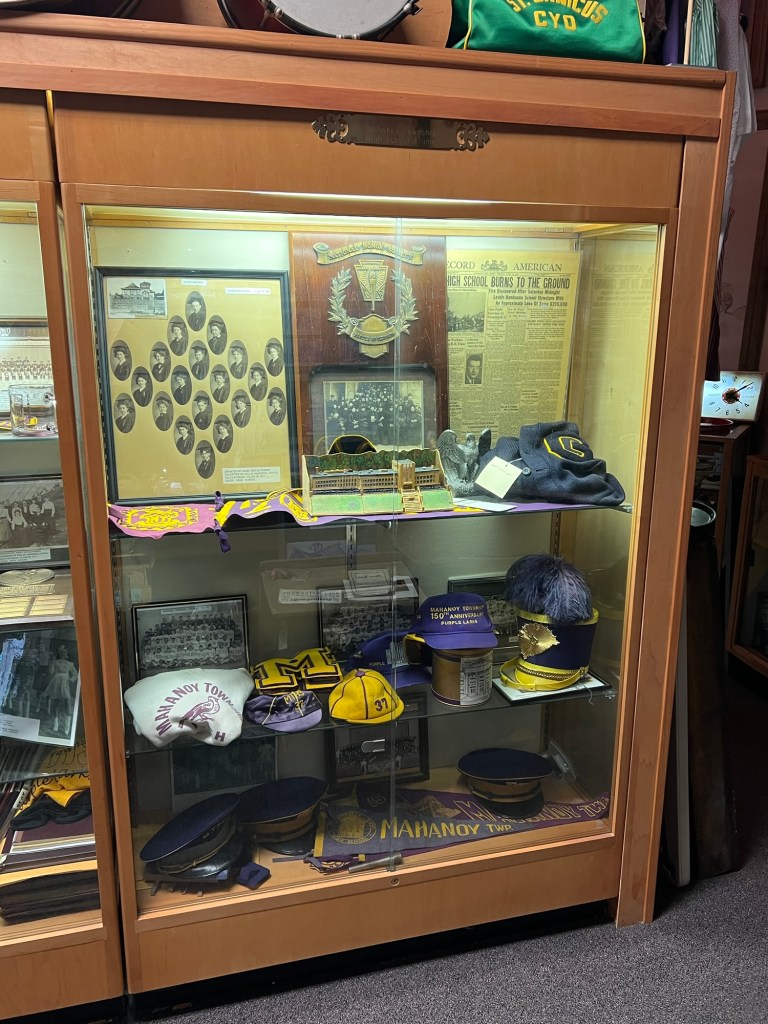
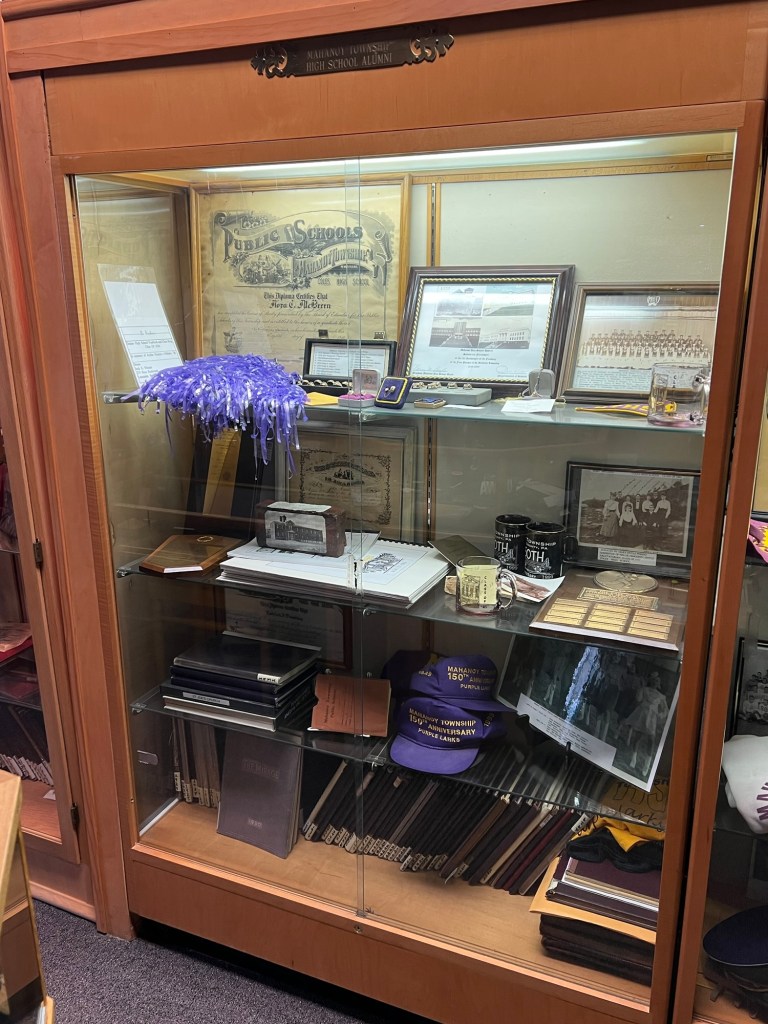
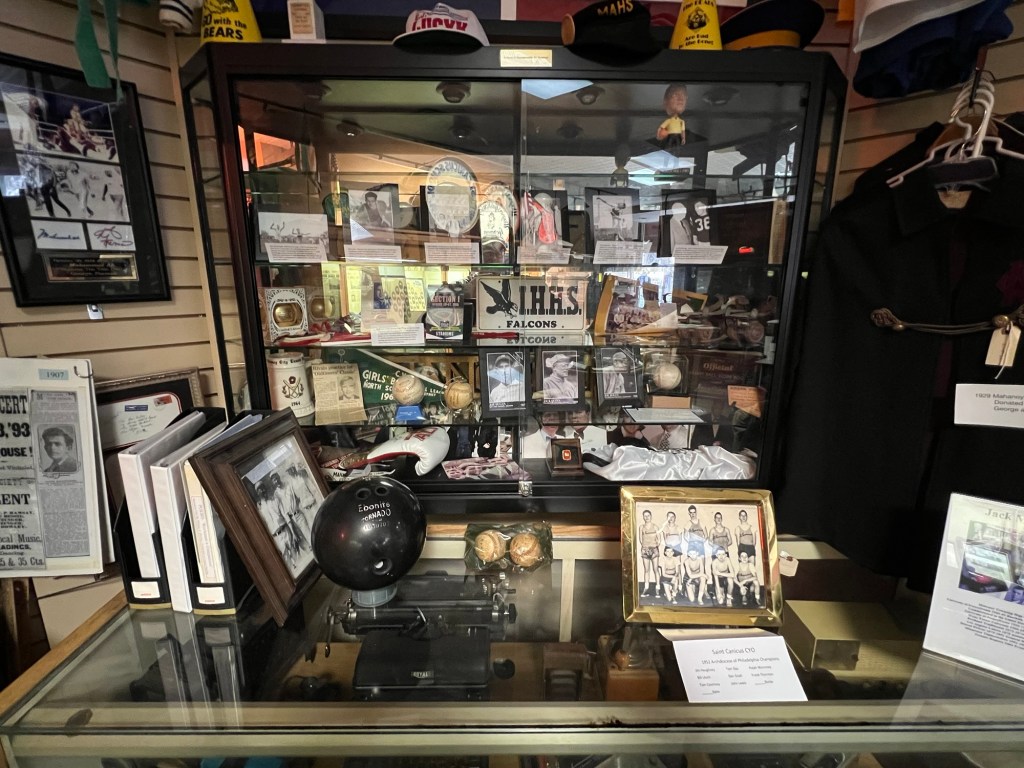
A big part of the museum is the collection from the Mahanoy City and the Mahanoy Township school systems. There is a big history of sports and with school pride in this area.

The display of school memorabilia at the museum

The high school memorabilia from Mahanoy City schools

High School memoribilia

High school pride

School uniforms and clothing

Awards, plaques and yearbooks

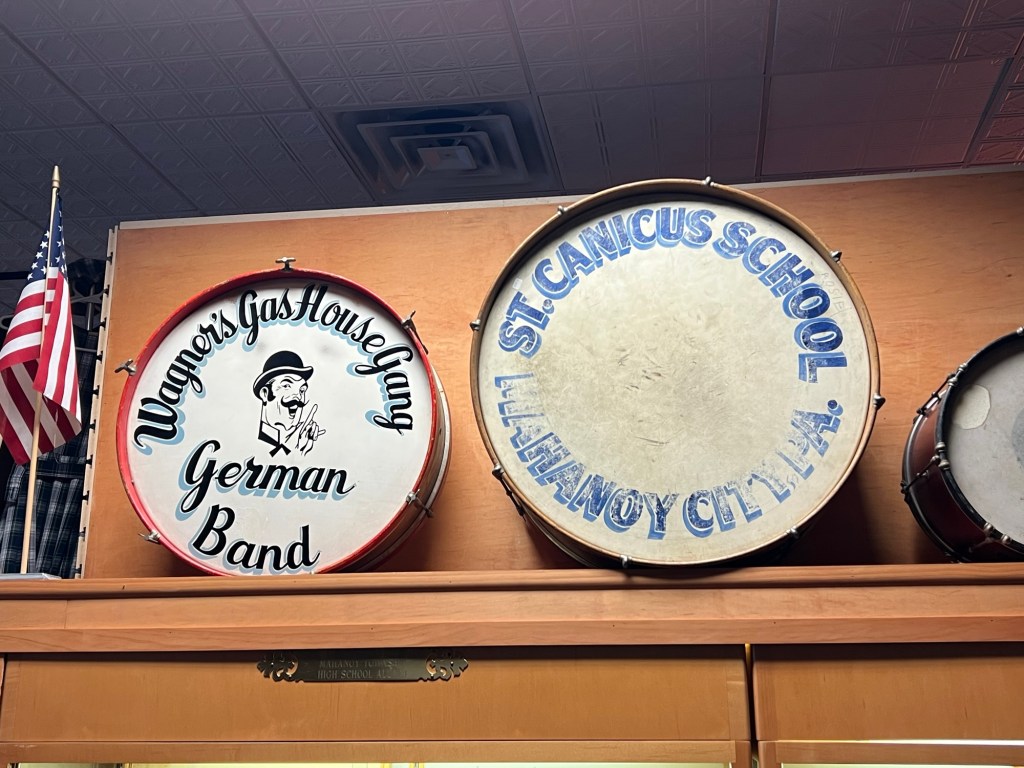
The school and local band equipment

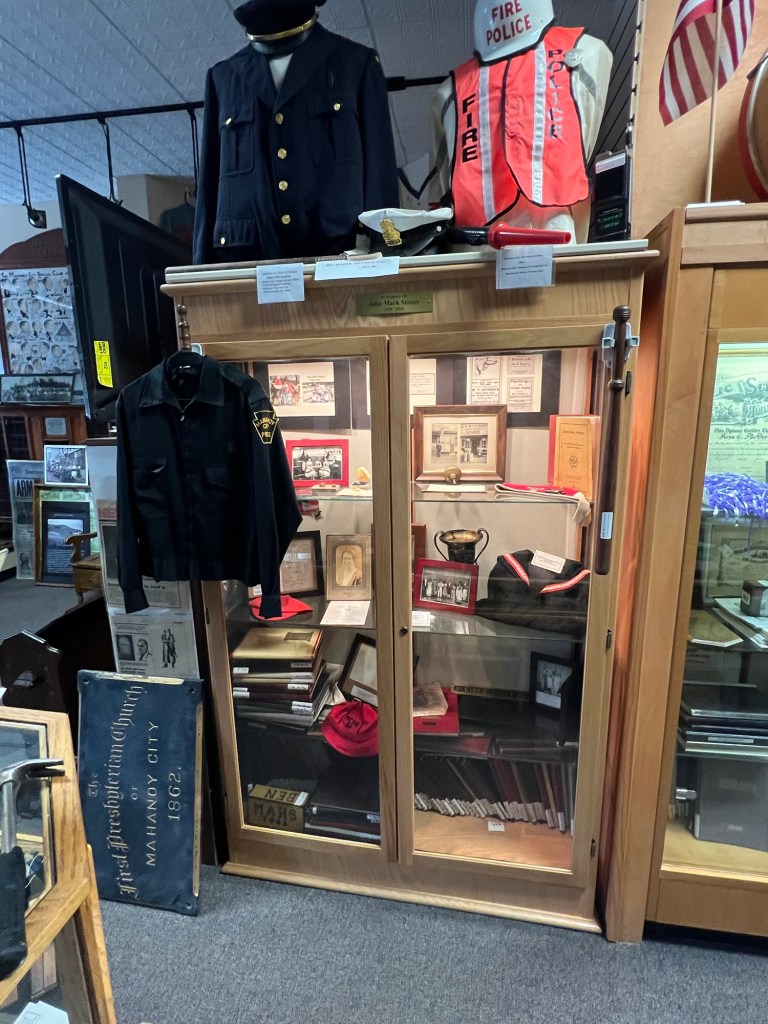
The para-Military is prominent in the collection with many families donating their family items. Items from the Police and Fire departments are prominently on display.
Display cases of local items

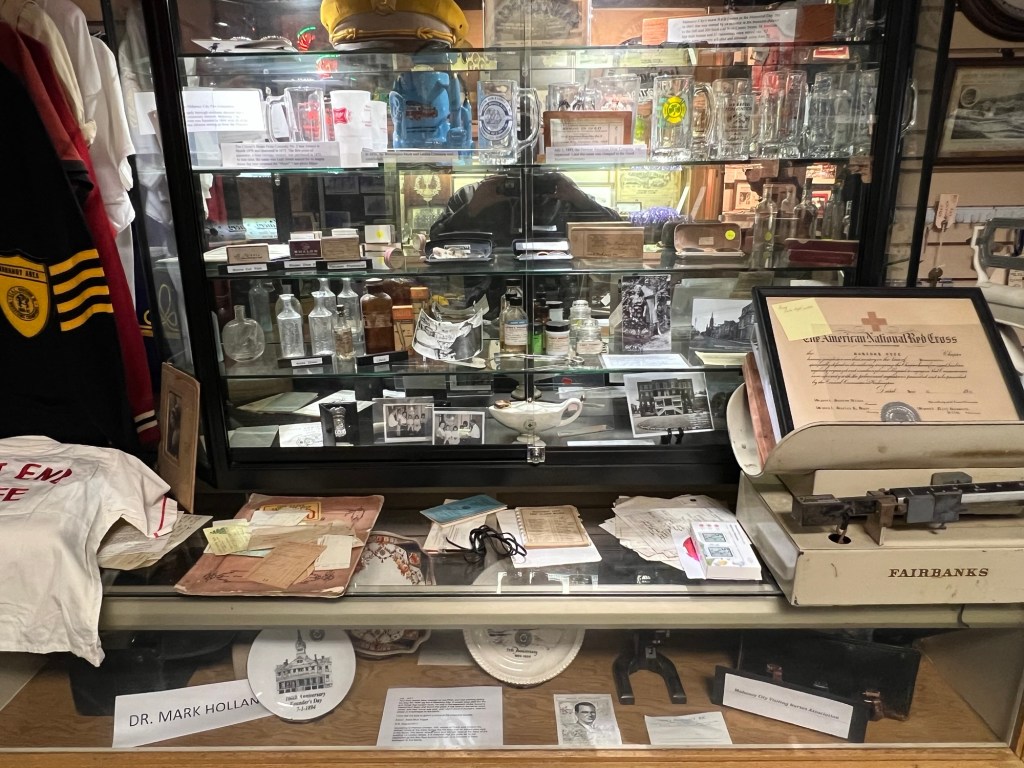
Civic items in the collection

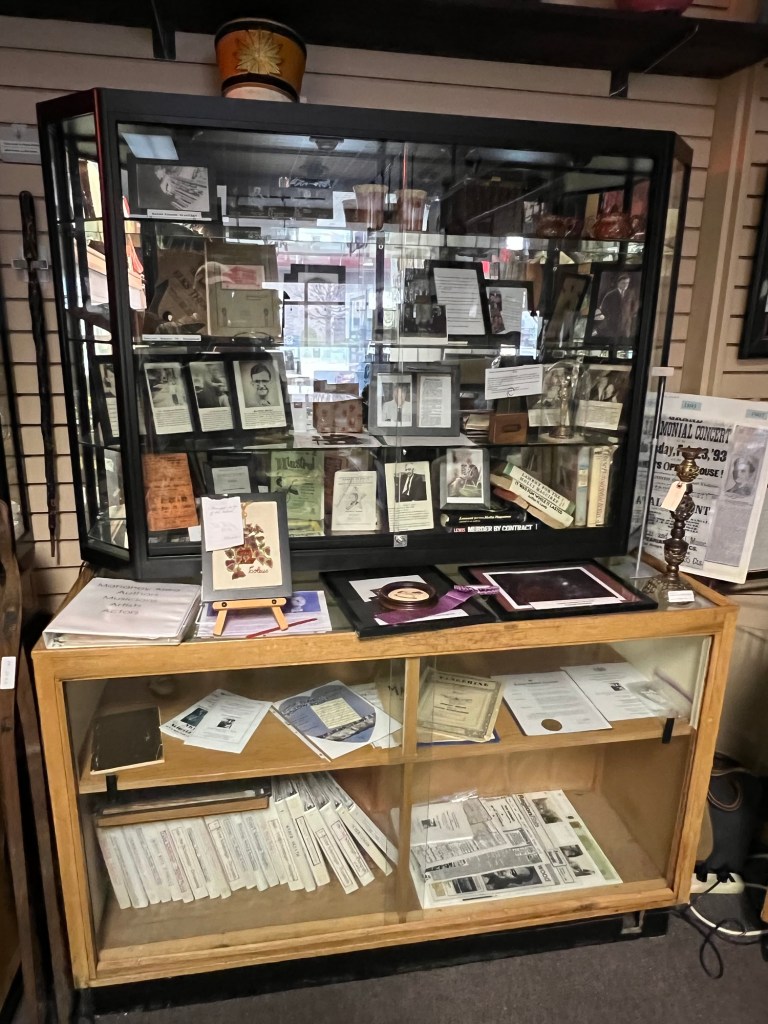
More historical items from around the community

Local artifacts from the community

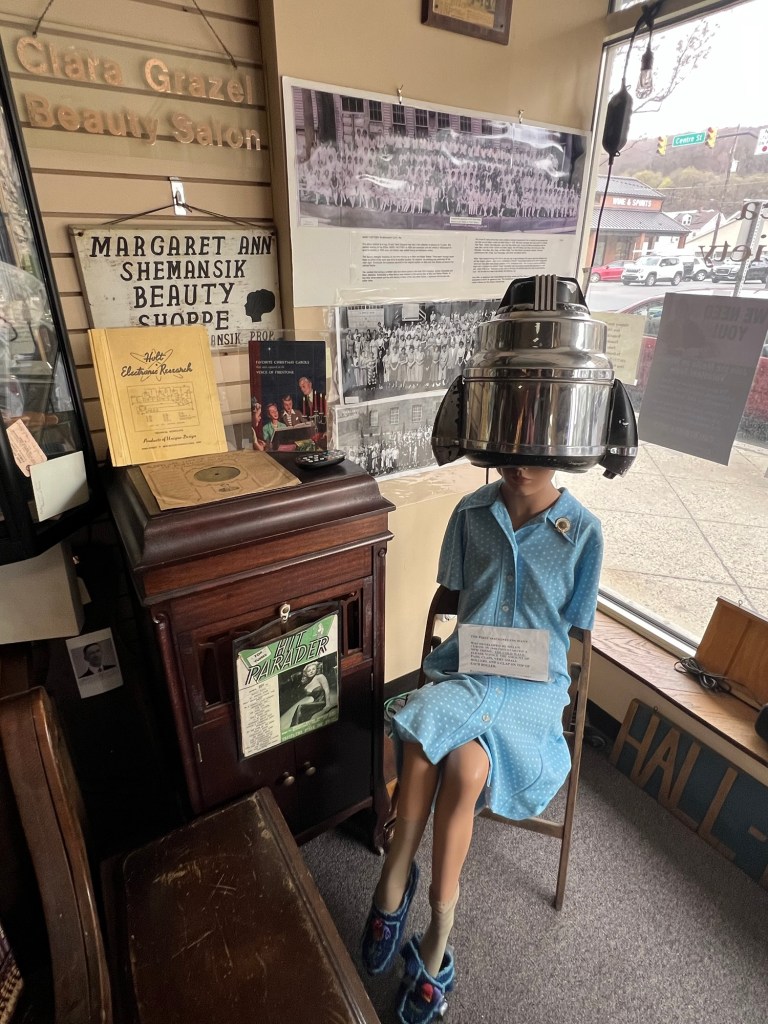
There were many businesses that were created in the area when innovation and technology were changing between the wars.

The clothing and beauty industries were founded and thriving businesses in the community.
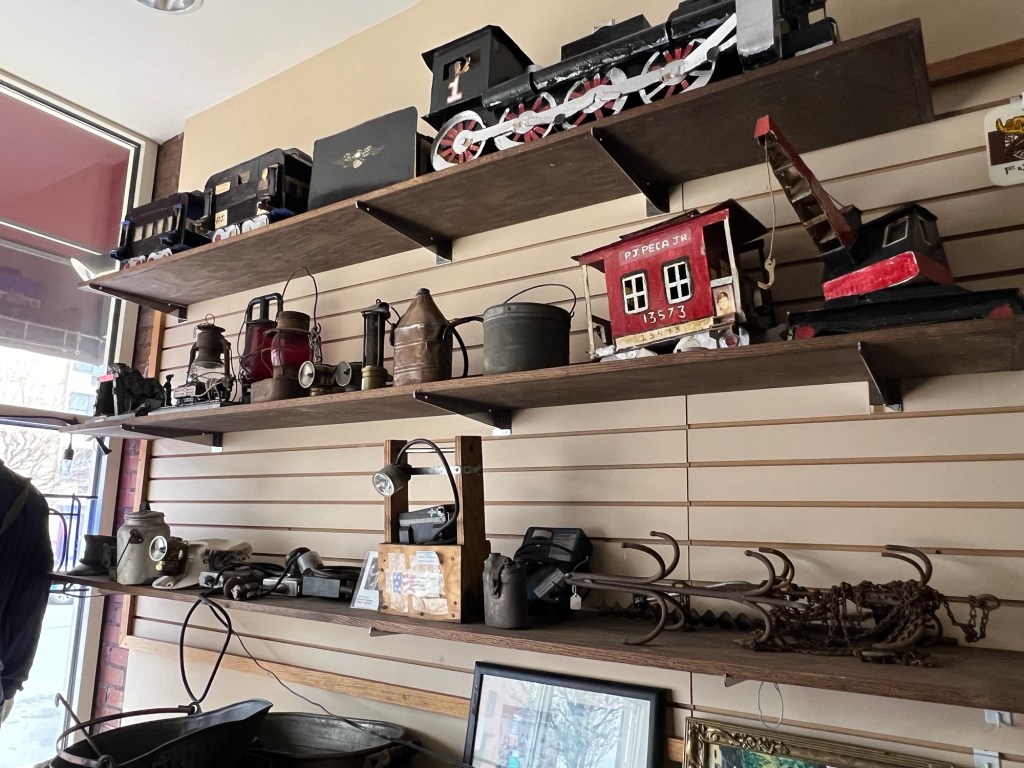
Items from the mining industry are prominently displayed in the front of the museum.
The front of the museum

The museum shows the creation, growth and pride in this and the surrounding communities. Innovation and creation were once prominent in Mahanoy City now waiting for another generation to discover it and keep this tradition alive.

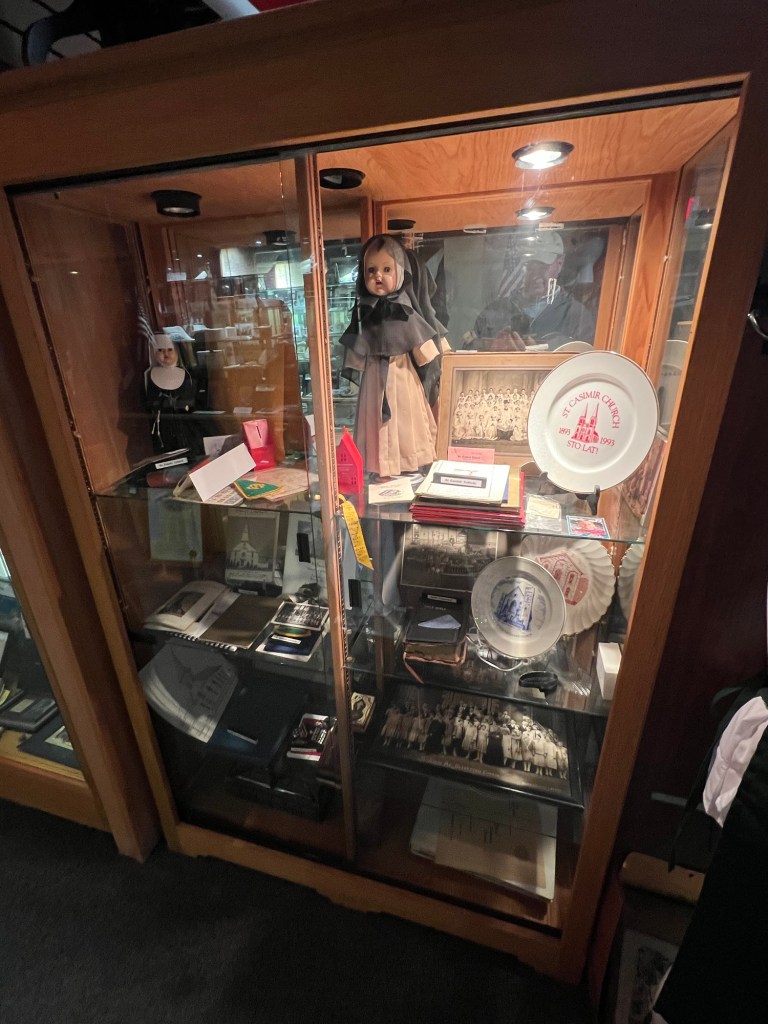
The Church community

After the visit to the museum, I walked around the downtown to see the before and after effects of the mines and the industries that have closed down over the years.

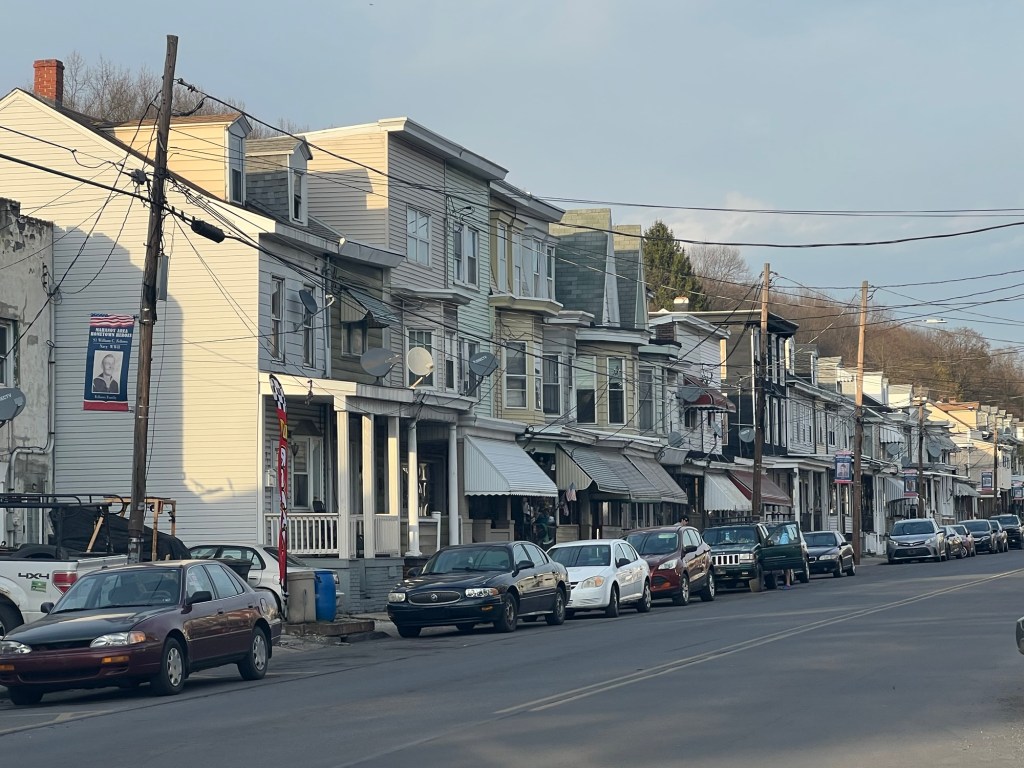
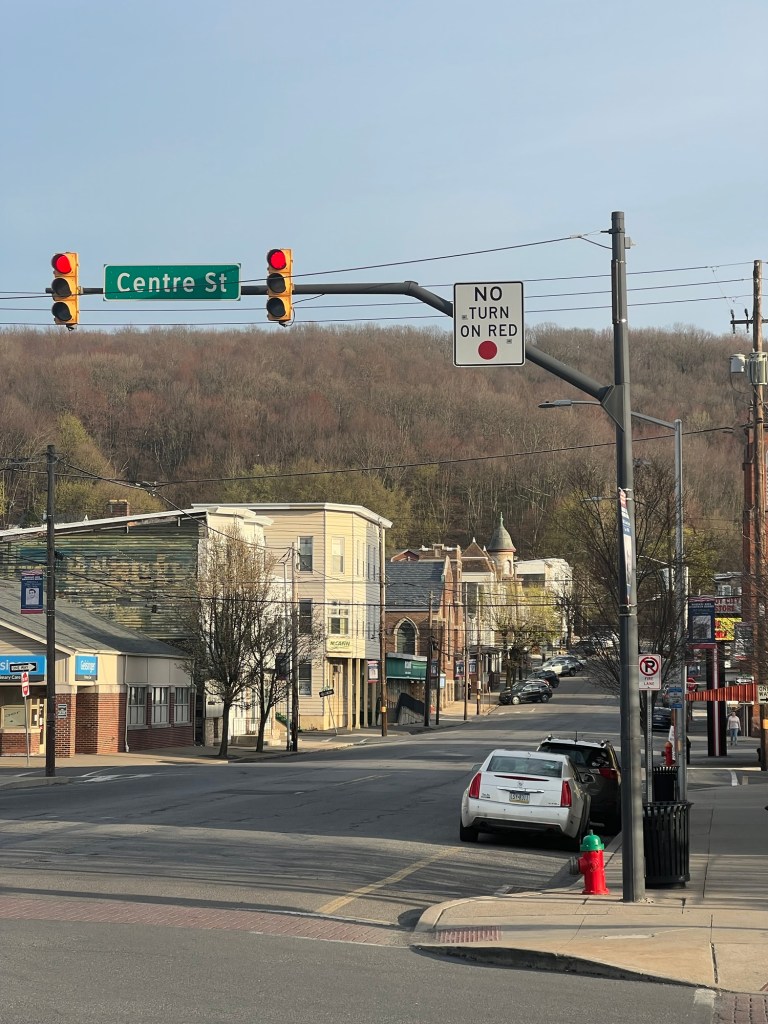
Downtown Mahanoy City, PA

https://www.mahanoycity.org/

While it does look depressed in some ways, you can still the spark of a community that needs to be discovered again. Somewhere buried in this community is the next new business or innovative idea that will once again showcase it again. There is a lot of pride still here and it shows in the history in this museum.

Exploring the downtown area