Tag: Exploring the Historic Hudson River Valley

Van Wyck Homestead Museum                           504 U.S. 9                                                        Fishkill, NY 12524

Van Wyck Homestead Museum 504 U.S. 9 Fishkill, NY 12524

Van Wyck Homestead Museum

504 U.S. 9

Fishkill, NY 12524

(845) 896-0560

https://www.hudsonrivervalley.com/sites/Van-Wyck-Homestead-Museum-/details

https://en.wikipedia.org/wiki/Van_Wyck_Homestead_Museum

Admission: Free

Open: Sunday 1:00pm-4:00pm/Monday-Saturday Closed/June-October

My review on TripAdvisor:
https://www.tripadvisor.com/Attraction_Review-g47724-d263982-Reviews-Van_Wyck_Homestead_Museum-Fishkill_New_York.html

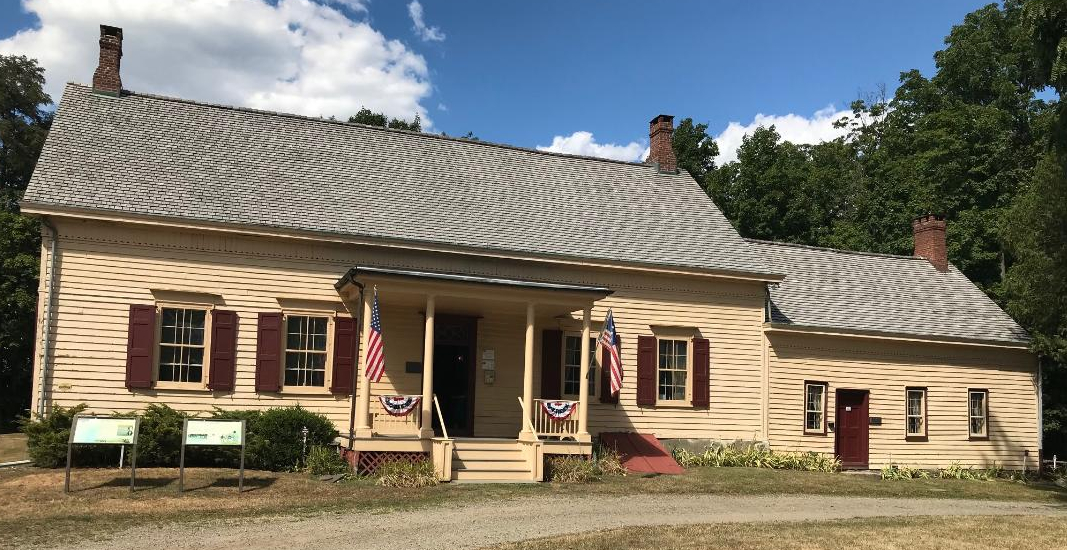
The Van Wyck Homestead at 504 U.S. 9

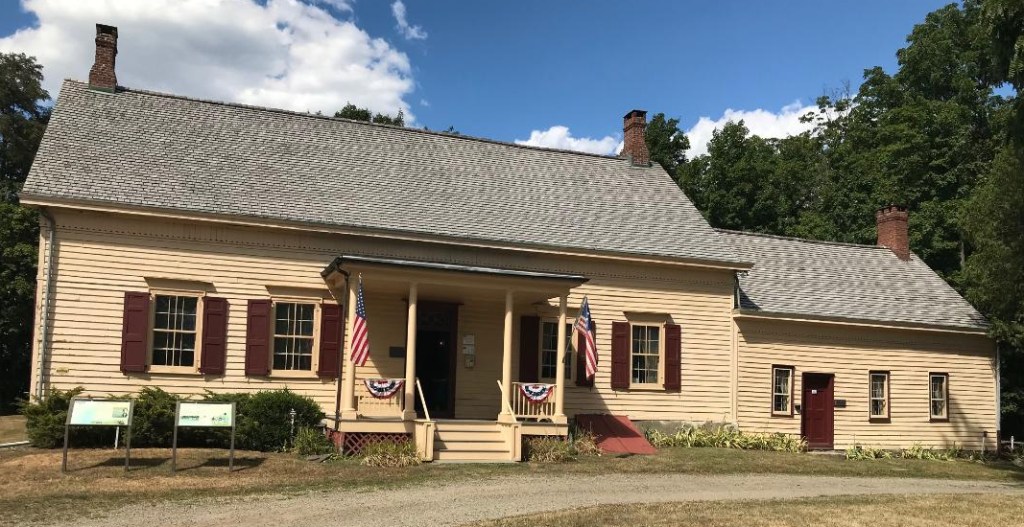
Visiting the Van Wyck Homestead is like stepping back into the past to see a part of our nation’s history. The homestead sits at a once pivotal point location in the Hudson River Valley and during the Revolutionary War, George Washington established his main northern supply depot here in October of 1776. After the war was over, the Van Wyck family returned to the home and lived here for five generations until the late 1800’s. The last member of the family, Sidney Van Wyck hung himself in the barn on the property (Van Wyck Homestead pamphlet).

The house was built in two sections. The original section of the house off to the right of the building is the original section of the home that was built in 1732 and the larger section of the home was finished in the 1750’s.
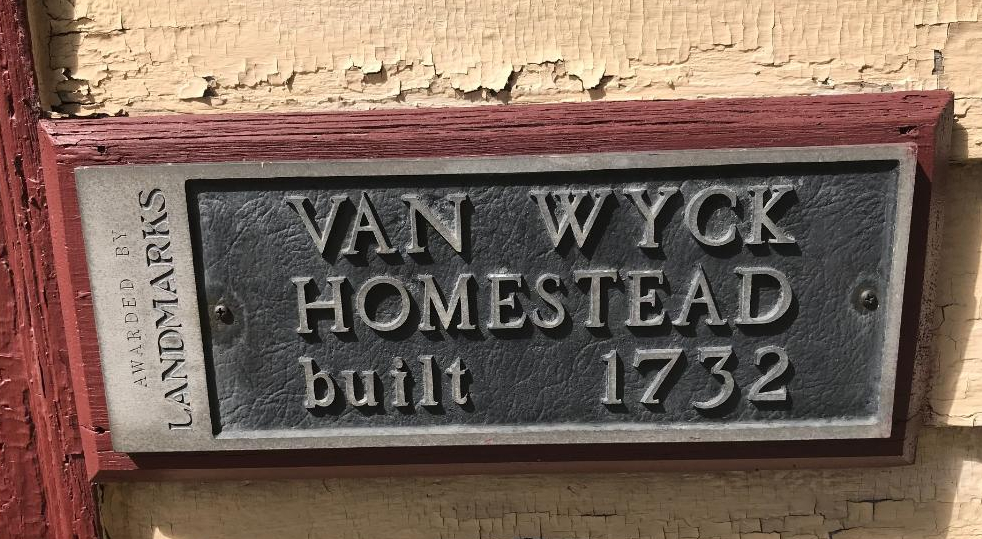
The marker of the original home

When you enter the homestead, you are greeted in the hallway that runs the length of the main part of the home. To the right of the hallway is old living room and to the right of the hallway is the combination kitchen and dining room. The stairs leading to the upstairs, now serving as offices, are at the end of the hallway.

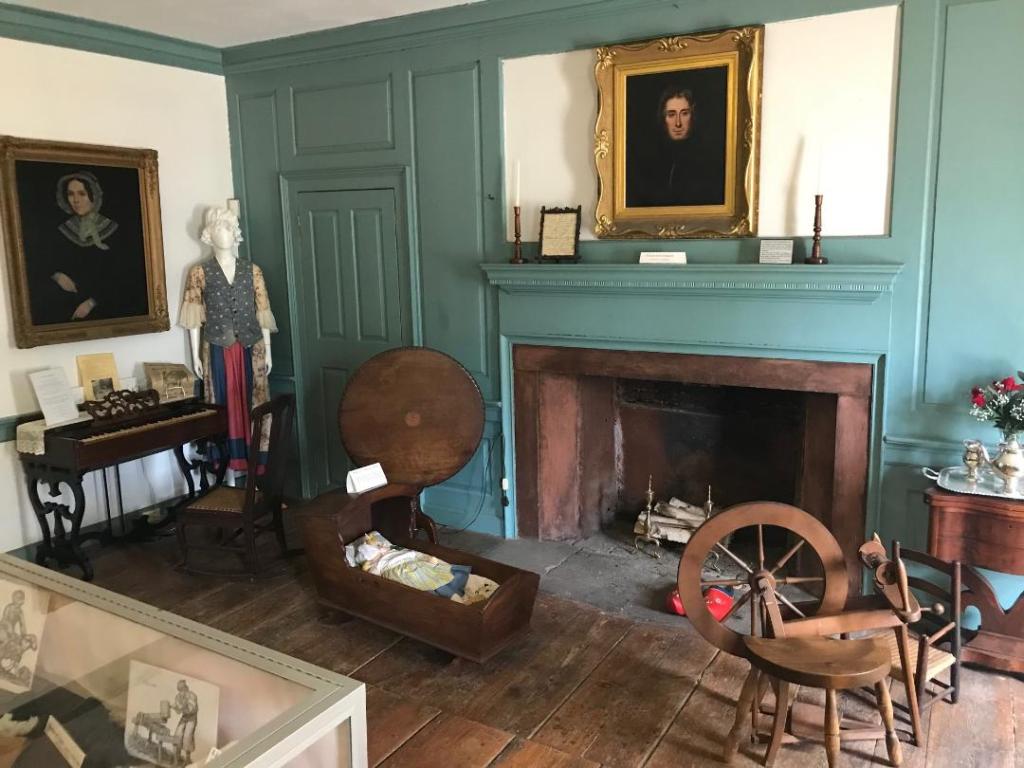
Another piece of Van Wyck furniture in the old Dining Room with the display case holding family heirlooms that have been donated over the years.

The former Dining Room of the Van Wyck home with the fireplace of the addition of the house. The crib in front of the fireplace is a recent donation from the Van Wyck family and had been used by the family for generations.

The family portrait above the fireplace was recently returned to the home and fit perfectly above the fireplace. The Spinning Wheel is another family heirloom donated to the house.

An original piece of Van Wyck furniture returned to its home

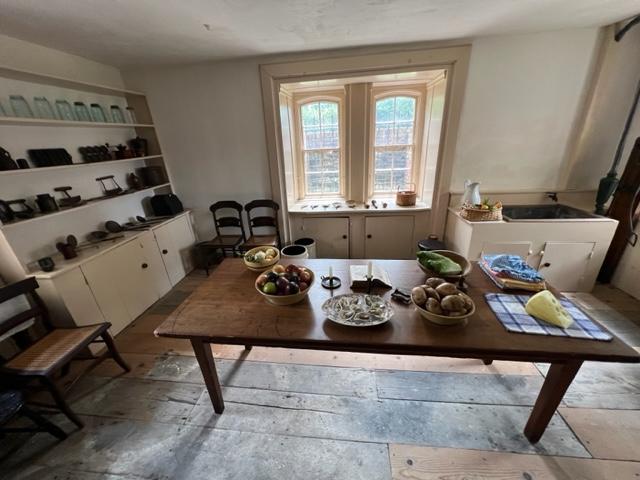
When you step down the stairs into the smaller part of the original part of the house, you will be greeted in by the original kitchen and living space. This was used by the family for all functions of work and social aspects of the farm.
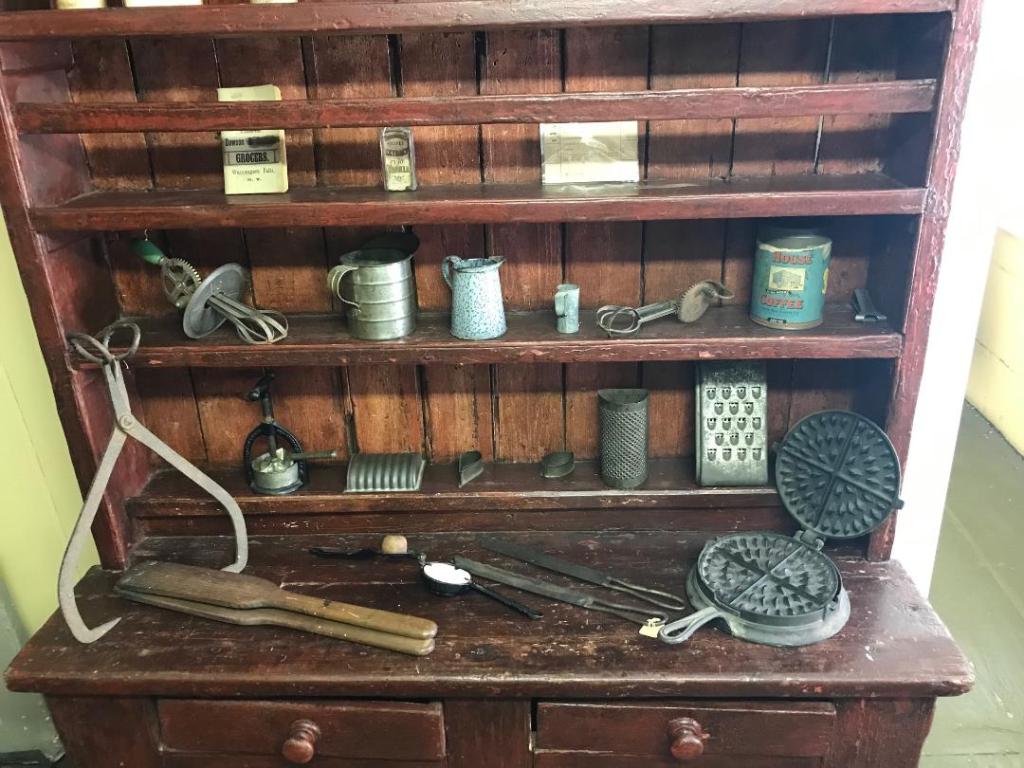
Items used in Colonial and Victorian kitchens

Items in the Colonial kitchen display which have not changed much over the years.

The Colonial Kitchen at the Van Wyck Homestead

To the right of the hallway is the old Living Room that is now used as a lecture hall and where meetings are held. The room was dedicated to George Washington for the service that he did for the area during the war.

The old Dining Room and lecture room
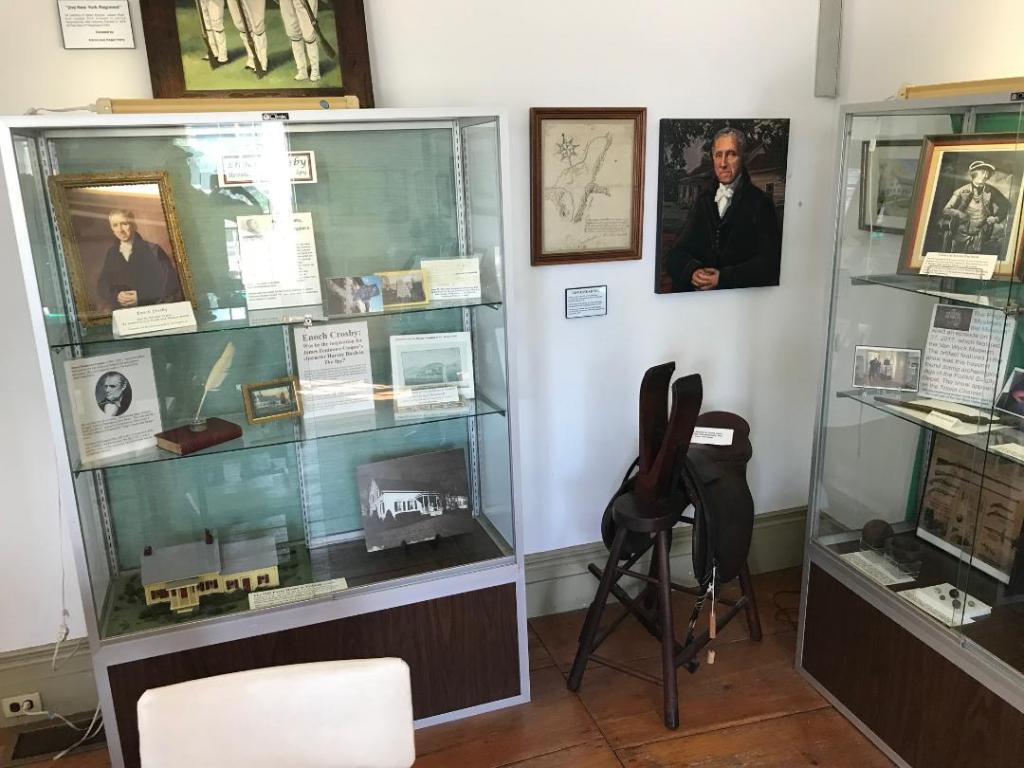
The Revolutionary War displays in the old Living Room

The room is lined with displays that are dedicated to the family and the war years. All sorts of artifacts and pictures are displayed here.
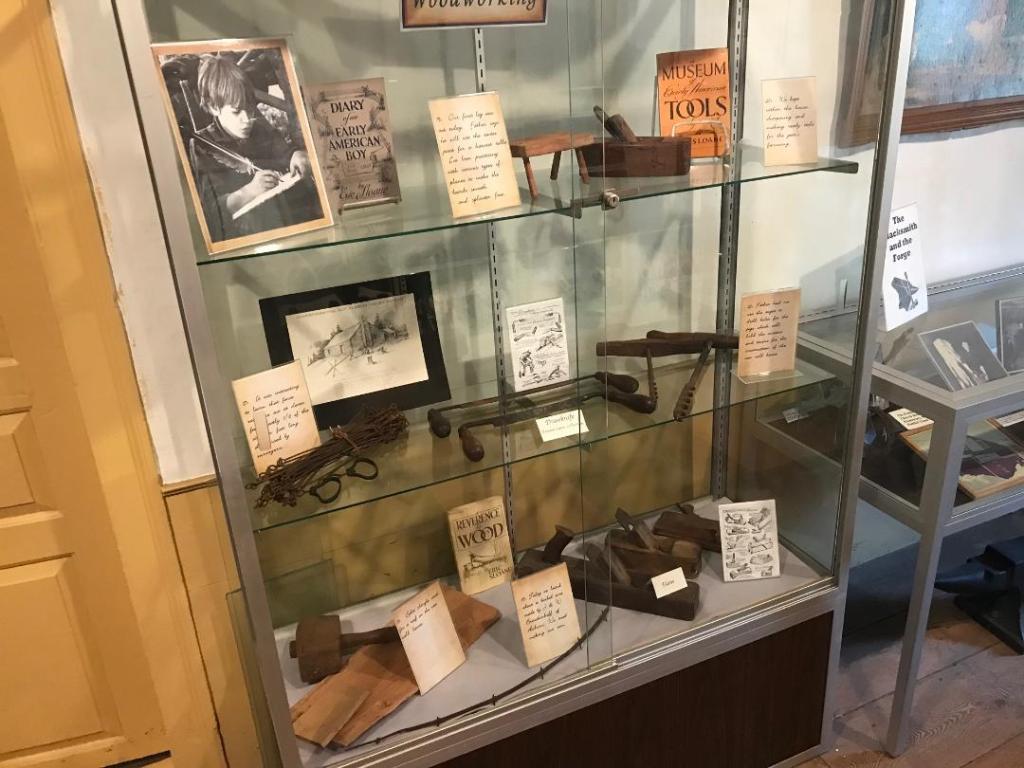
The display case in the old Dining Room

In the back of the home is the old Library that is now used a Research Library on the history of the area and of the Van Wyck family. Here you can research your roots in the community.

The Research Library at the Van Wyck Homestead

The Research Library at the Van Wyck Homestead

When you walk the grounds, the story boards tell the story of the home as it played a role in the history of the region and its place in the war years.
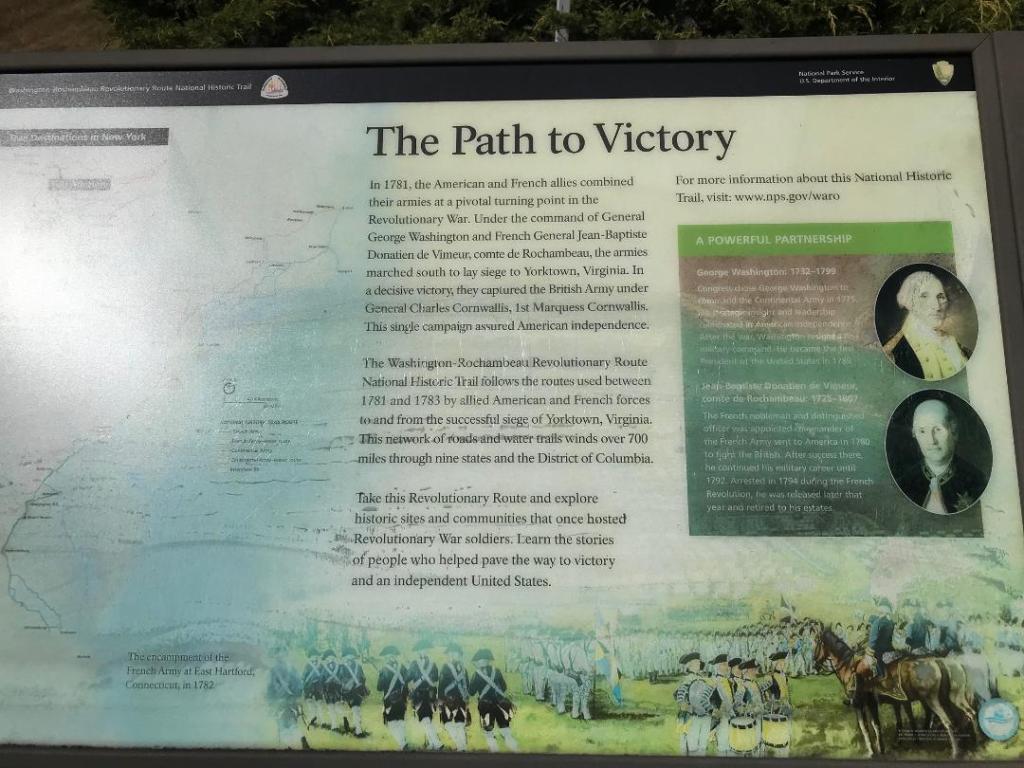
The Path to Victory

On the grounds of the home is also a working garden and the working beehive oven that is a recreation of the original that once stood on the property.
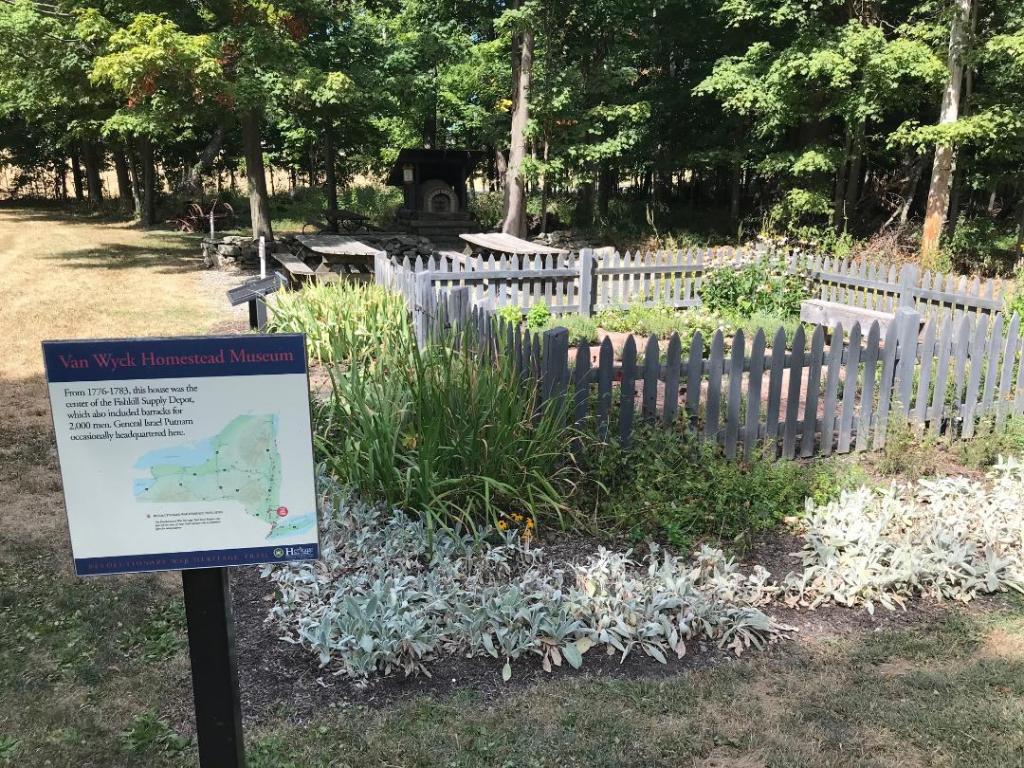
The Van Wyck Garden and outdoor over towards the back

History of the Van Wyck Homestead:

(From the Museum pamphlet)

In 1732, Cornelius Van Wyck from Hempstead, Long Island, acquired 959 acres from Madame Brett. He built the small east wing of the Van Wyck Homestead. By 1757, the larger west wing of the home had been added. During the Revolutionary War, George Washington established his main northern supply depot here in October of 1776. The Van Wyck house was requisitioned by the Continental Army to serve as the depot’s headquarters.

At the end of the Revolutionary War, the house reverted back to the owner, Issac Van Wyck. The old barracks and huts used for the war were torn down and the land went back to farming. The Van Wyck descendants lived in the house until the late 1800’s.

The original part of the house was built in 1732

By the mid-twentieth century, the house stood empty and was slated to be torn down for the new Interstate 84. The Fishkill Historical Society was formed in 1962 and after going to Albany, members were successful in getting the historical building saved and I-84’s plan changed. The Fishkill Historical Society was able to purchase the property and begin the restoration. This work is ongoing as we maintain this historical structure and grounds.

The Homestead is listed on the National Register and is part of the Hudson River Valley National Heritage Area. It is also part of the Rochambeau Trail which celebrates the French Alliance with the new United States.

The historic marker outside the house donated by the Daughters of the American Revolution. A cemetery for soldiers of the American Revolution were buried somewhere near the estate. When graves were discovered south of the museum, this could have been one of the resting places for them (Van Wyck pamphlet).

The Trolley Museum of New York                                            89 East Strand                                              Kingston, NY 12401

The Trolley Museum of New York 89 East Strand Kingston, NY 12401

The Trolley Museum of New York

89 East Strand

Kingston, NY 12401

(845) 331-3399

http://www.tmny.org/

https://www.facebook.com/trolleymuseumny/

Open: Sunday & Saturday 12:00pm-5:00pm/Monday-Friday Closed-May through October so please check the website.

Fee: Adults $6.00/Children over Five (5) and Seniors $4.00/Children under Five/Active Military with ID and their families/Members Free

Trolley Rides leave Gallo Park at 12:30pm/1:30pm/2:30pm & 3:30pm.

My review on TripAdvisor:

https://www.tripadvisor.com/Attraction_Review-g48003-d4755385-Reviews-Trolley_Museum_Of_New_York-Kingston_Catskill_Region_New_York.html?m=19905

The Kingston Trolley Museum at 39 East Strand

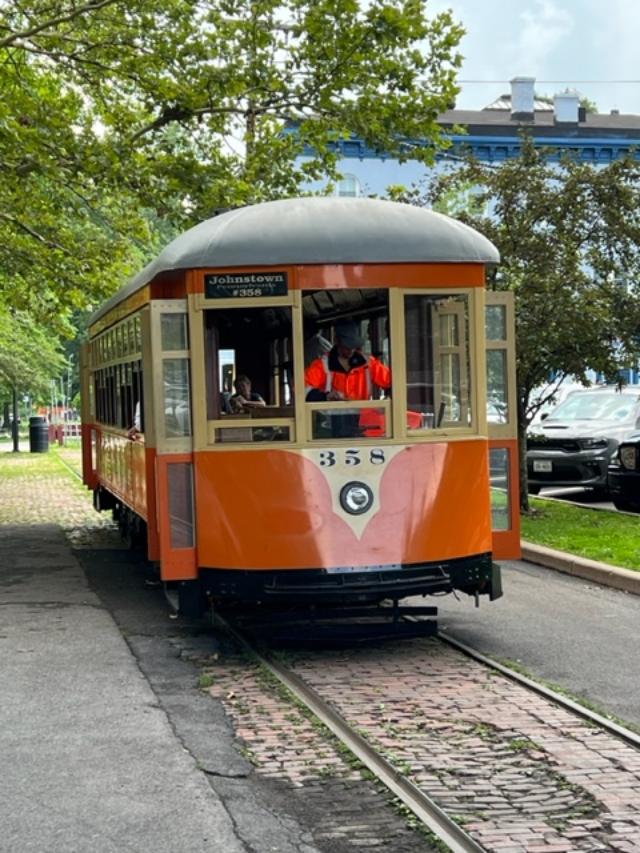
When I was visiting Kingston, NY again for my blog, “MywalkinManhattan.com”, I came across the Trolley Museum that was down the road from the NY Maritime Museum and the harbor for the ‘Hudson River Cruises”. This unique museum has a lot of interactive things for a family to do including riding a trolley through the harbor of the Kingston Roundout to Kingston Point Park right on the Hudson River. On a beautiful sunny day there is nothing like it.

The first part of the trip took us to the Kingston Roundout

I just made the first trip on the trolley. You start at the front of the museum and then you take a short trip to the downtown and we picked up other passengers. It was then off for a short trolley trip following the river up to Kingston Point Park and the picnic grounds there.

The Trolley Museum

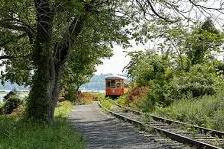
The Trolley arriving at Kingston Point Park

The foliage was amazing at the park with hues of gold and red and the trees were just coming into their peak. We only had about a half hour to stay at the park and look around but it was a real delight of colors and the views of the river just shined in the sun. It was very picturesque especially with sailboats passing by.

The Trolley stops at Kingston Point Park

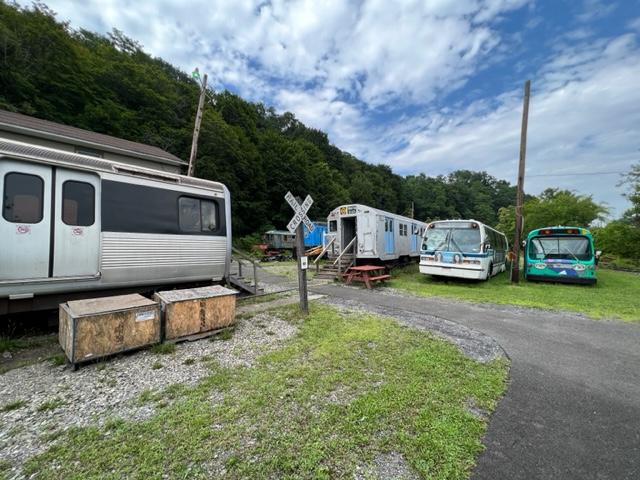
On our way back to the museum, you could see the lighthouse from its perch at the mouth of the inlet. People were starting to take the Hudson River Cruise in the distance which I had made two weeks earlier. When I got back to the museum, I toured all the buses, subway cars and the Path train that they had in the parking lot. I could see this live in Manhattan so I went to visit the museum. The nice part about the museum is how interactive it is and how you can pace yourself through all the displays.

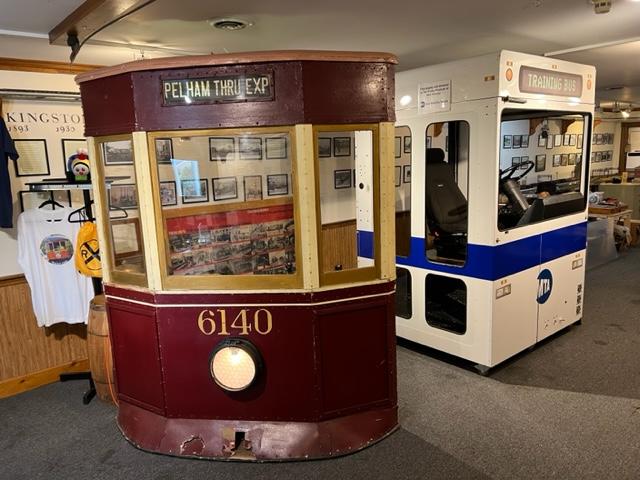
You can tour old subway cars, buses and an old Path Train

There were small exhibits on the history of the trolley cars in cities, the development of the cars as a mode of transportation starting with horses to the electrical age.

Old New York City subway car

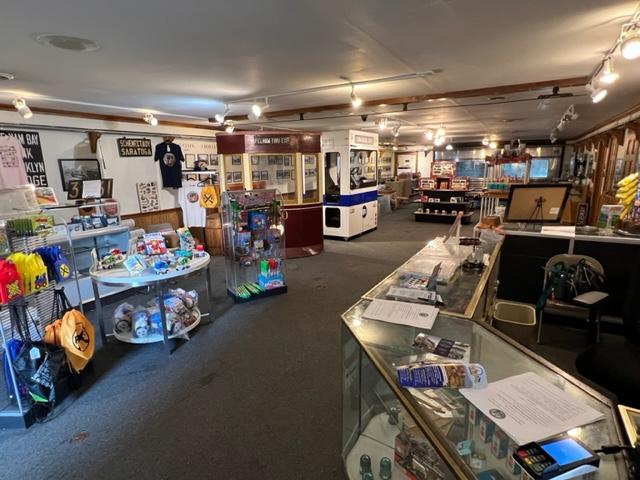
There was also a small display on glass fixtures used in the electrical lines before the new cabling systems came in and another hats and uniforms used on the trolley cars over the years. There are also displays of signs and posters for the different lines.

The inside of the Kingston Maritime Museum

The Subway display at the Kingston Trolley Museum

It is a small museum but for families, there is a lot to climb through and tour around and just taking the trolley up to the park is worth the price of the ticket.

The conductor operations room display at the Kingston Trolley Museum

History of The Trolley Museum of New York:

The Trolley Museum of New York is a non-profit educational museum founded in 1955. The goals of the museum are to offer rides to the public, exhibits and educational programs sharing the rich history of rail transportation and the role it played in the development of the Hudson Valley region. In addition to static displays of trolley, subway and rapid transit cars from the United States and Europe, a trolley ride runs 1 1/2 miles from Gallo Park at the foot of Broadway in downtown Kingston, NY to Kingston Point Park on the shore of the Hudson River, using a renovated 1925 trolley. Along the way, we stop at the Museum grounds.

The inside of the Kingston Trolley Museum

The Museum is on the original site of the Ulster and Delaware Railroad yards at Milepost 1. Our shop building is built on the foundation of the U & D engine building house which existed at the turn of the century. The upper level includes a Visitor’s Center featuring seasonal and permanent displays, a video viewing area and large windows overlooking the restoration shop. Visitors can see up to eight trolleys being housed and restored below.

The outside of the Kingston Trolley Museum

One of the cars in the restoration shop is our 1897 wooden trolley car from Olso, Norway. This car is one of four cars that we have on display that are 100 plus years old.

The public transport display inside the Kingston Trolley Museum

Your Donations:

All of the Museum staff are volunteers. There are many projects, both large and small, all of which require funding to complete. Chief among these are the installation of overhead electric wire, trolley restoration and the expansion and rehabilitation of track. Your donations will help to provide vital support for these projects and others.

Inside the Kingston Trolley Museum

(This information comes from The Trolley Museum of New York’s pamphlet and I give them full credit for it).

Volunteer Firemen’s Hall & Museum of Kingston 265 Fair Street Kingston, NY 12402

Volunteer Firemen’s Hall & Museum of Kingston

265 Fair Street

Kingston, NY  12402

(831) 331-0866

https://kingstonvolunteerfiremensmuseum.weebly.com/

Open:  The hours vary by the season so please look to the website for the openings. School groups please call for an appointment.

Fee: Free but donations accepted

My review on TripAdvisor:

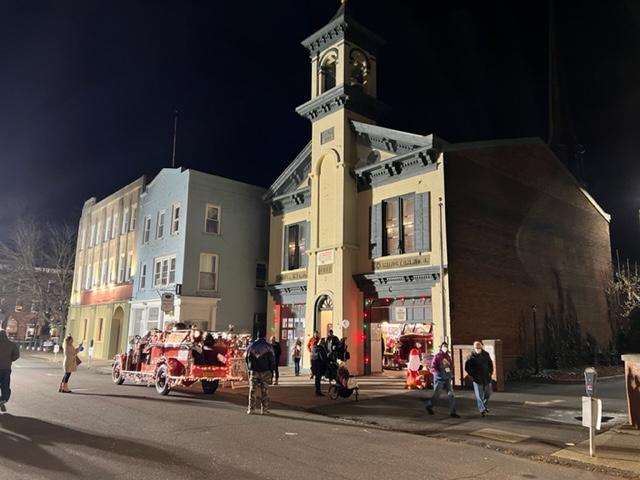
The Kingston Volunteer Museum during the ‘Kingston Snowflake Festival’

https://www.tripadvisor.com/Attraction_Review-g48003-d3367598-Reviews-Volunteer_Fireman_s_Hall_Museum_of_Kingston-Kingston_New_York.html?m=19905

The antique fire truck outside the firehouse during the Kingston “Snowflake Festival”

I was recently visiting Kingston, NY for an event and while walking around the downtown the doors of the Volunteer Firemen’s Hall & Museum of Kingston was open for visitors. Even if you are not a fire fighter it is such an interesting museum on the history of fire fighting and the role the Kingston Fire Department had in the formation of the City of Kingston.

Kingston Firemen's Museum II.jpg

The early horse drawn fire equipment

The museum welcoming people to the Kingston “Snowflake Festival” in 2022

On the main floor is four pieces of equipment from various stages of the department. The engines are from the turn of the last century featuring horse drawn ladders and steam engines and then the latest equipment from the early teens and twenties from the automotive stage. Each piece of equipment has been carefully maintained and is in pristine shape.

The museum decorated for Christmas for the recent “Kingston Snowflake Festival”

It is interesting to see how different each rig is at that stage of its history but how much has not really changed with the use of the equipment when fighting a fire.

The bay area of the old firehouse with the antique equipment

One of the more interesting pieces in the collection is the beautifully detailed Parade piece from the late 1800’s (circa around 1890’s) which has gorgeous details and intricate craftsmanship work to it. This interesting piece of equipment was the pride of the department on parade day and is one of the few of its type in the country.

The Fire Department Parade Piece

Along the walls is all sorts of pictures of old fires, men who were once members of the department, ribbons and awards, old systems for calling for firemen from the horns that used to sound the alarms to the more modern telegraph equipment to the current paging systems.

The roster upstairs

Kingston Firemen's Museum III.jpg

The fire department equipment pieces

Upstairs you can visit the furnished headquarters of a firehouse circa 1890’s to 1920 with vintage furniture, decorations and composites of firemen long ago. There is even a mannequin of a fire fighter sliding down a pole that leads to the first floor. Here and there are more decorative equipment pieces, furnishings and awards.

The upstairs of the Kingston Volunteer Museum

The museum has a little something for everyone and if you are interesting in knowing more of the history of the fire service and want to hear the stories by members current and retired from the Kingston Fire Department, then the Volunteer Firemen’s Hall & Museum is the place to visit.

Kingston Firemen's Museum IV.jpg

Old decorations from fire equipment at the Volunteer Firemen’s Hall & Museum

History of the Museum and Fire Fighting in Kingston, NY:

Ulster County has a remarkable over 350 year history of noble fire fighting. See it up-close and personal at the Volunteer Firemen’s Hall & Museum of Kingston.

The award case upstairs at the firehouse

When Kingston City Hall burned on June 4th, 1927, the third alarm was sounded from the building’s own bell tower before it crashed to the ground. Fire calls in Kingston today are answered through the 911 system with a three minute response time. Ever watched a TV show about firemen and their firehouse? The ‘squawk’ to a call is unmistakable.

The upstairs in the firehouse

Seven volunteer fire companies and the Exempt Association of Kingston recognized the importance of preserving and protecting firematic artifacts as well as establishing a meeting hall for volunteer fire organizations in Kingston and Ulster County. They were charged with finding a permanent home and signed a lease with the City of Kingston for Fair Street’s historic circa 1850 Wiltwyck Fire Station and the rest is history.

The Ladies Auxiliary and rosters

Walk through the large wooden doors to the home away from home of the 19th century firefighters.

Kingston Firemen's Museum.jpg

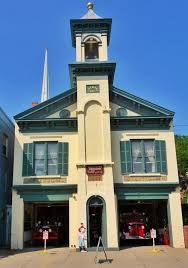
The old Kingston, NY firehouse that now houses the museum

Disclaimer: this information was taken directly from the Volunteer Firemen’s Hall & Museum of Kingston pamphlet and I give them full credit for it. Please check out their website for more information.

The living area upstairs in the firehouse decorated for Christmas

Martin Van Buren National Historic Site-Lindenwald-Martin Van Buren Home               1013 Old Post Road                                 Kinderhook, NY 12106

Martin Van Buren National Historic Site-Lindenwald-Martin Van Buren Home 1013 Old Post Road Kinderhook, NY 12106

Martin Van Buren National Historic Site-Lindernwald-Martin Van Buren Home

1013 Old Post Road

Kinderhook, NY  12106

(518) 758-9689 x2040

Open: Sunday-Saturday 9:00am-4:30pm

Admission: See website

https://www.nps.gov/mava/index.htm

https://www.nps.gov/mava/planyourvisit/index.htm

My review on TripAdvisor:

https://www.tripadvisor.com/Attraction_Review-g60899-d105846-Reviews-Martin_Van_Buren_National_Historic_Site-Kinderhook_New_York.html?m=19905

Lindenwald estate of Martin Van Buren at 1013 Old Post Road

During the beginning of the Halloween season, I decided to explore the Hudson River Valley mansions while the foliage was out. I had never been as high up as Kinderhook, NY before and I wanted to visit the Martin Van Buren National Historic Site. This was the estate Lindenwald-Martin Van Buren home.

Martin Van Buren

President Martin Van Buren

https://www.whitehouse.gov/about-the-white-house/presidents/martin-van-buren/

https://en.wikipedia.org/wiki/Martin_Van_Buren

The tour is really informative and discusses our eighth President’s life in Upstate New York. I had not released that he was not born a wealthy man. He was a barkeeper’s son to Abraham Van Buren and his wife, Maria Hoes. His mother had been married before, so he had three half siblings and four other siblings growing up.

The Lindenwald Estate

He had worked his way through Law School and joined the local political scene of Upstate New York. From the what the tour guide told us; he was a self-made man. He had won the first election but not reelection. His further attempts at Presidency were not successful so after his time in Washington DC, he retired to his home in Kinderhook, NY and remained here until he died in 1862.

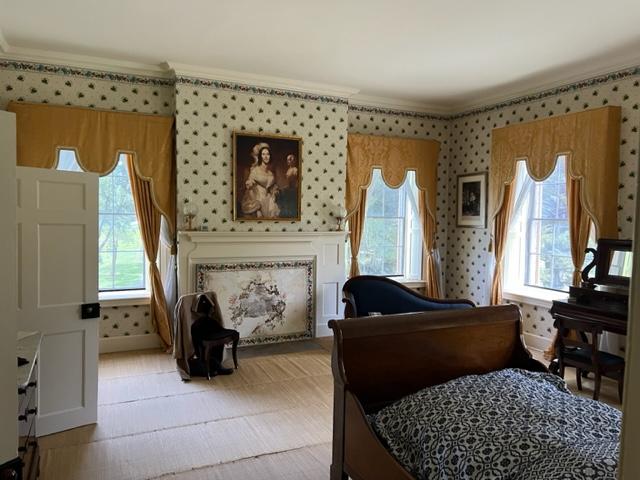
President Van Buren’s son’s and daughter in law’s bedroom. Abigal Van Buren’s portrait sits prominently in the bedroom.

When we took the tour, the tour guide said that the house had many other owners after the President’s death and that was the reason why there was not much left in the house. There is period furniture from the time he lived here but not from the President himself. There are a few pieces from the family that were donated later. They even replaced the wallpaper in the dining room that was from the original French company that manufactured it (it seems that they have records going back almost 400 years).
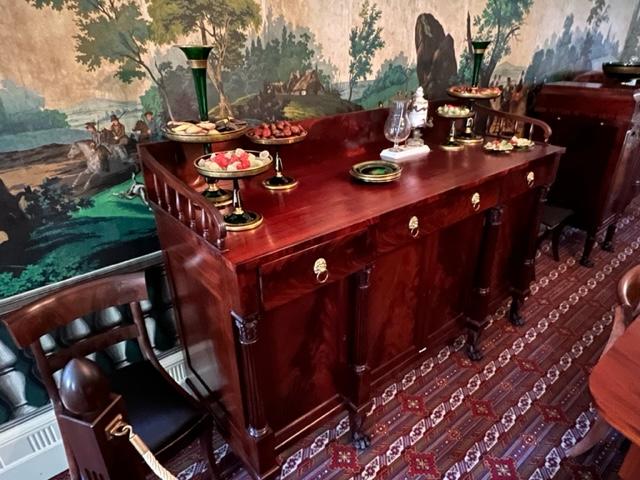
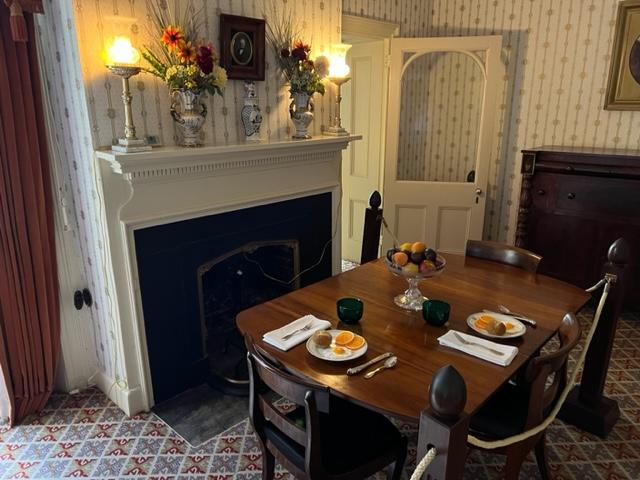
The original Dining Room wallpaper

The grounds are beautiful with the golden and orange leaves on the trees and what is left of the crops in the back fields. There is also the graves of Peter Van Ness and his wife, the original owners of the house.

Lindenwald’s Dining Room

The house is not far from downtown Kinderhook so take time to visit the town and the historic sites of the President. There is a lot to see.

Downtown Kinderhook, NY

History of the Martin Van Buren Home & of President Van Buren:

Kinderhook is most noteworthy for its native son. Martin Van Buren, the eighth President of the United States. Van Buren was born here in 1782 and began his road to the White House as a teenager campaigning for Thomas Jefferson in 1800. Van Buren held many positions in New York State government before becoming a United States senator. in 1821. He was elected President of the United States in 1837 after serving as Secretary of State (1829) and vice-president (1833-1837) in Andrew Jackson’s administration. Van Buren was one of only two men to serve as Vice-President, Secretary of State and President. The other was Thomas Jefferson.

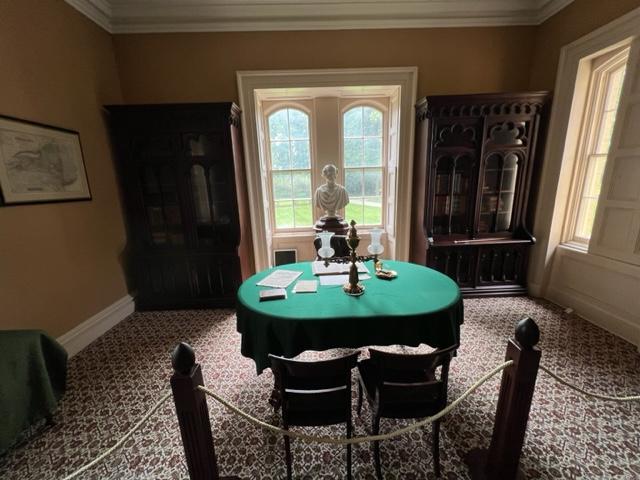
President Van Buren’s office at Lindenwald

Van Buren was the first President to be born as an American citizen. Previous Presidents were born prior to the American Revolution. President Van Buren was an accomplished politician, but his Presidency was characterized by the economic hardship of the time-the Panic of 1837.

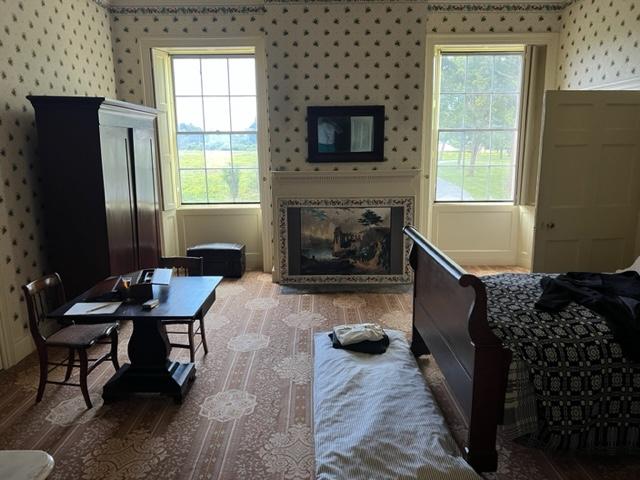
The Guest Bedroom

This banking crisis occurred only five weeks into Van Buren’s Presidency and tarnished his administration. Van Buren ran for reelection in 1844 and seemed to have a advantage for the nomination. However, his opposition to the annexation of Texas contributed to his defeat at the Democratic convention. The nomination eventually went to James Polk. As the question of extending slavery into the territory captured in the Mexican War became heightened, Van Buren broke with his party and ran for the Presidency as a candidate of the Free Soil Party in 1848. Following the campaign of 1848, Van Buren returned to his farm, Lindenwald, where he remained until his death in 1862 from bronchial asthma and heart failure at age seventy-nine.

(Lindenwald-Van Buren Home pamphlet)

Lindenwald House:

The house was built in 1797. The knocker on the old front door of this famous mansion bears the date 1797. This however refers to the building of the small and much less imposing building, which was the beginning of this Mansion and was erected by Peter Van Ness. There was still an earlier house on the place when Peter Van Ness bought it about 1780. The house of 1797 was greatly improved by Judge Van Ness, a son and still more improved and enlarged by Mr. Van Buren on his return from Washington when he named it ‘Lindenwald’.

The Lindenwald Parlor for the family

Many of the most distinguished men of the period of the Van Ness and Van Buren families entertained here, among whom were Henry Clay, Washington Irving and Samuel Tilden.

The Lindenwald Living Room

Lindenwald is situated about two miles south of Kinderhook on the Old Post Road from New York City to Albany and sits about 400 to 500 feet back from the road, surrounded by old fir and pine trees. Two separate driveways lead up to the house.

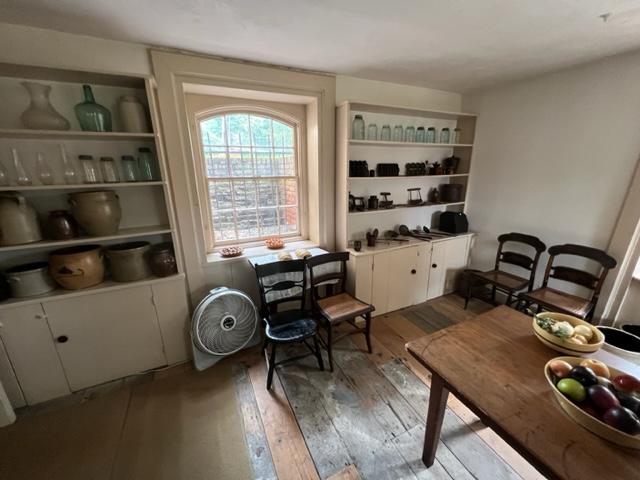
The Lindenwald Kitchen

The Lindenwald kitchen in preparation for dinner

The house is brick, painted yellow and seven windows wide. The main building had two stories and a large garret. Three chimneys rise above this main or front part of the house, two to the north and a wide one to the south. The middle of the front is pedimented and there is a dormer on each side of the gable, which in the bedroom story below has a large triple central window with a curved pedimental top and two windows on each side. The two windows on the south side are in the room where Van Buren died.

President Van Buren’s bedroom

Before the center of the main story is a small, covered portico with an easy flight of steps and balusters. To the left is the living room or double parlor to the right the sitting room and dining room.

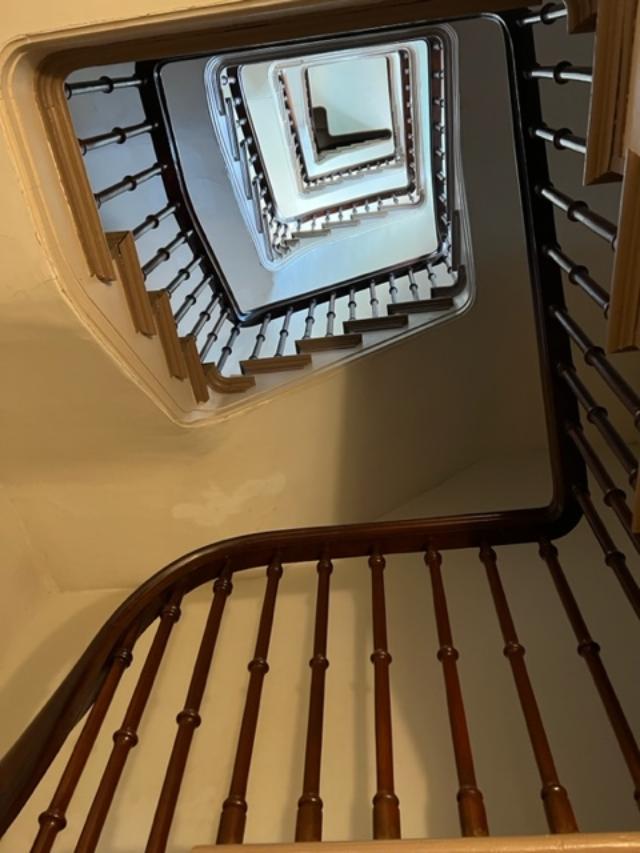
The spiral staircase to the tower

The oblong house is four windows deep on the north side. A colonnade or arched porch separates it from a domestic building, mainly kitchen and laundry. This undoubtedly was the Peter Van Ness original home. The library was added in the rear of the south side by Mr. Van Buren and next to this he built a tower, like a donjon keep with an Italian summit, the openings few and slitted, the object, stateliness and the view.

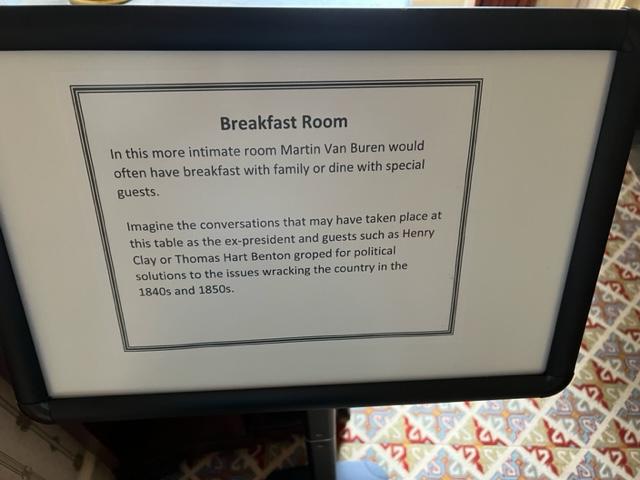
The Breakfast Room

Beyond the front door is a fine straight hall. The four doors opening off of it are of early carpentry. At the rear, nearly concealed in the side of the hall under sort of an alcove is the stairway, wide and low and long stepped. The main feature of the hall, is the foreign wallpaper in large landscapes, representing hunters on horseback and with guns and dogs breaking into Rhenish vales, where milkmaids are surprised and invite flirtation, the human figures are nearly a foot high, the mountains and woods, rocks and streams, panoramic the colors dark and loud.

The wallpaper at Lindenwald

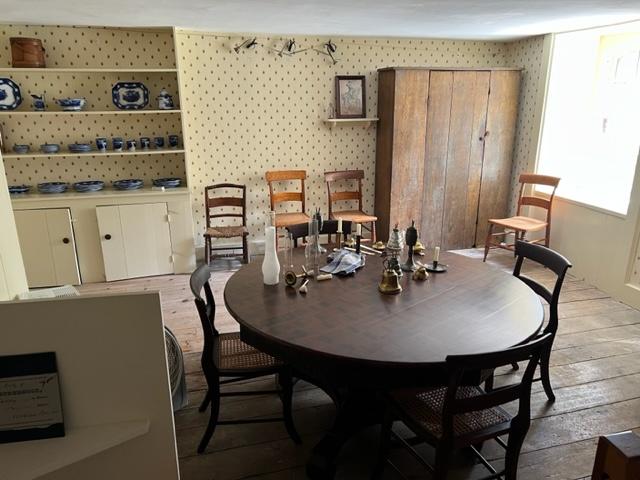
The servant’s Breakfast Room

After the death of President Van Buren the house was sold several times.

Another bedroom at Lindenwald

(Lindenwald-Wiki)

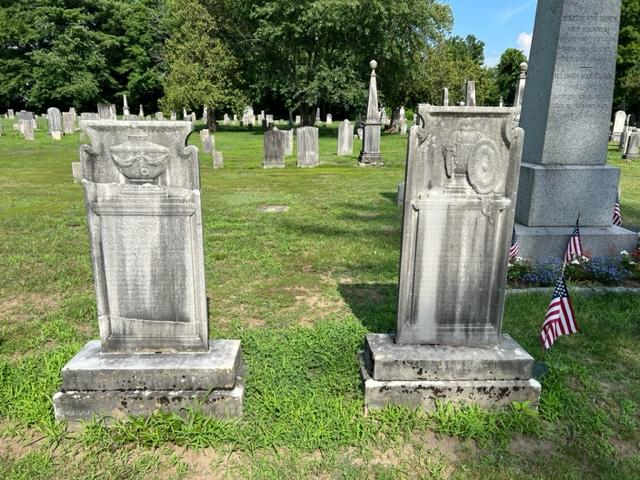
The Cemetery where the President and his family are buried a few blocks from the Downtown.

President Van Buren’s grave in the cemetery in Kinderhook, NY

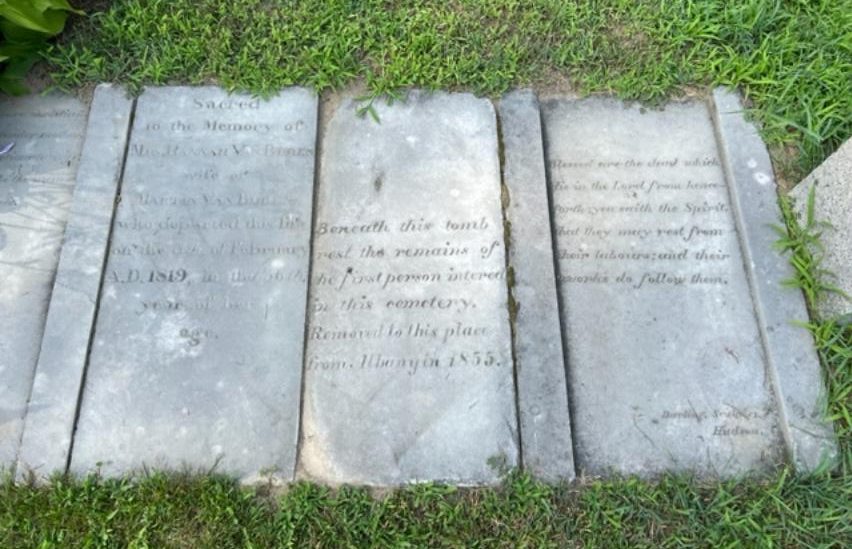
Martin Van Buren’s parents gave who were moved here to be near the President.

Hannah Van Buren was moved here to be near her husband.