Tag: Exploring Poughkeepsie NY

Walkway Across the Hudson State Historic Park 87 Haviland Road                                       Highland, NY 12528

Walkway Across the Hudson State Historic Park 87 Haviland Road Highland, NY 12528

Walkway Across the Hudson State Historic Park

87 Haviland Road

Highland, NY 12528

(845) 834-2867

https://parks.ny.gov/parks/178/details.aspx

Open: Sunday-Saturday Dawn to Dusk/Office Open 8:00am-4:30pm Daily

Fee: Vehicle Fee $5.00/Educational Programs Adults $5.00/Students $2.00

My review on TripAdvisor:

https://www.tripadvisor.com/Attraction_Review-g48443-d2249606-Reviews-Walkway_Over_the_Hudson_State_Historic_Park-Poughkeepsie_New_York.html?m=19905

The history of Walkway over the Hudson River

This is the best way to experience seeing the Hudson River by walking on top of it. It is especially nice on a beautiful day.
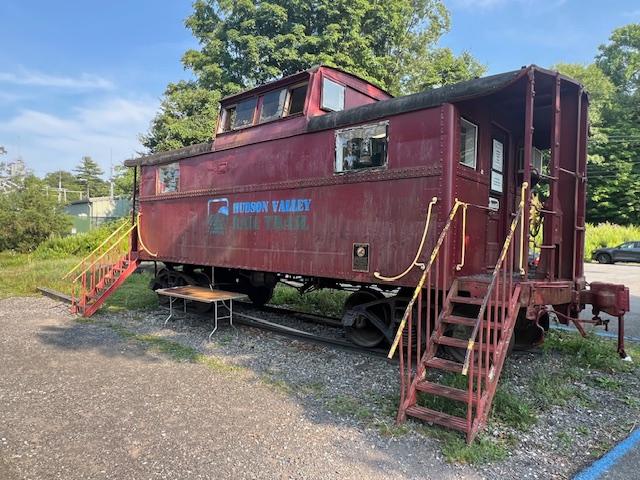
The rail car from the entrance to the Walkway by the Highland Park side of the walk

The day I walked over the “Walkway over the Hudson” it was a rather cool September day in the last days of the summer but still it was a spectacular day to see the river with blue skies and sunshine. I also revisited the Walkway in July of 2024 and the views are just as amazing when everything in full bloom.

The history of the bridge that crosses the Hudson River

The start of the walk by the Highland NY side of the bridge
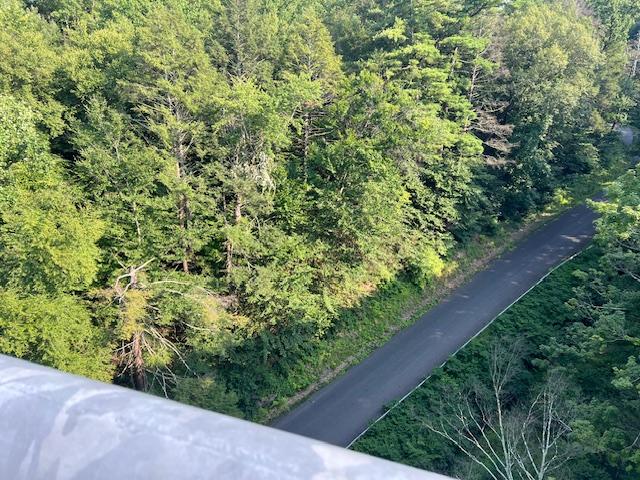
The views from the bridge on the Highland NY side

The views of the Mid Hudson Bridge

The views of Poughkeepsie and Hyde Park

On both sides of the bridge, there are small parks to sit and relax. There are signs all over the bridge to tell the story of the bridge and the people who helped save it. The best part is to just sit around the rails and see the views of the Hudson River. On the Poughkeepsie side of the river, you have the entrance to the Little Italy section of city right near the riverfront. Since my initial walk, three of the restaurants have closed since COVID.

The historic sign at the halfway point

Looking up the Hudson River to the north of the bridge

Looking north to Hyde Park, NY

Looking south down the Hudson River

What is nice too is when you are leaving the Walkway is that you can tour Little Italy and Downtown Poughkeepsie. The Riverfront area of the City is changing quickly and new bars and restaurants are opening.
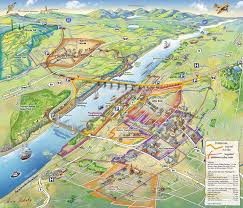
The towns and neighborhoods to visit after leaving the Walkway in Poughkeepsie and Highland NY
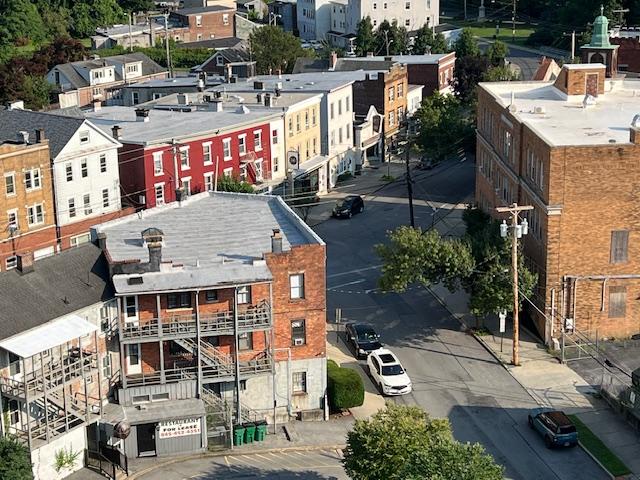
The Little Italy section of Poughkeepsie from the Walkway over the Hudson
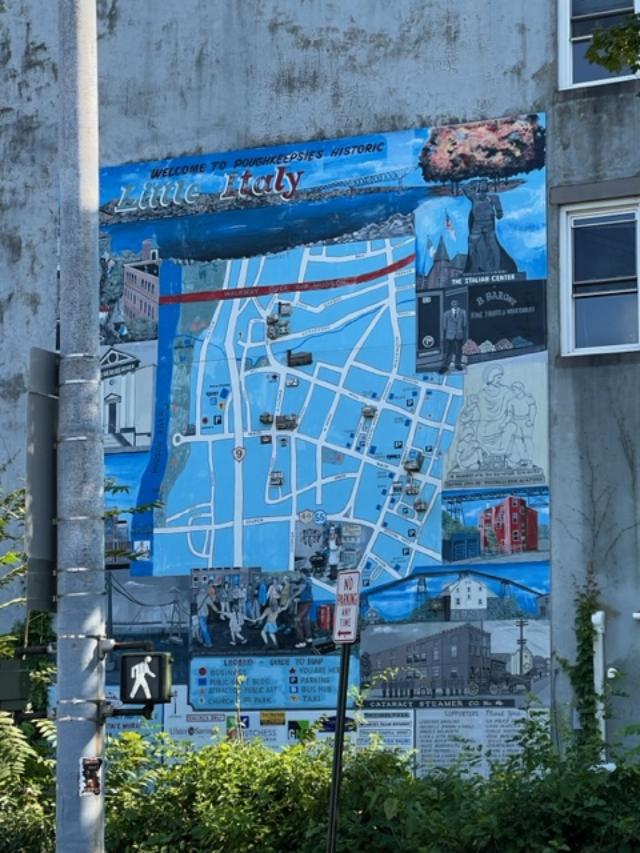
The sign in Little Italy in Poughkeepsie

The history of the ‘Walkway Across the Hudson’:

The bridge now known as the Walkway Over the Hudson opened in 1889 as the Poughkeepsie-Highland Railroad Bridge to transport western raw materials to eastern industrial centers. Rosendale cement was used in the original construction of the piers. At the same time of its opening, it was the longest bridge in the world.
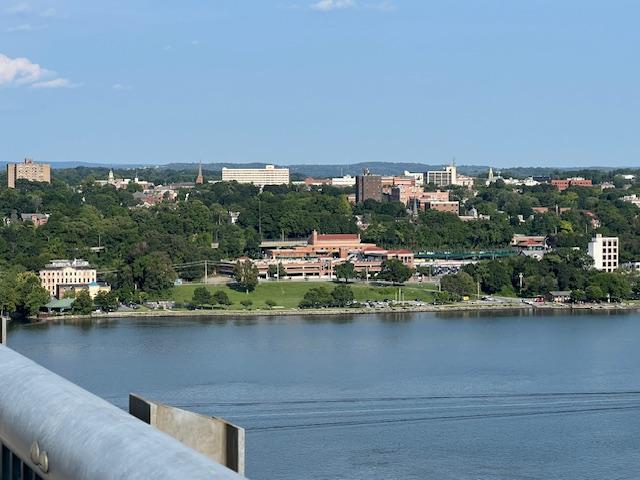
Downtown Poughkeepsie in front of me

In addition to freight trains, the bridge hosted passenger trains connecting Boston, New York, Harrisburg, Philadelphia, Baltimore and Washington as early as 1890. Trolley cars termed “rapid transit” were modified to run on both trolley and railroad tracks and served tourists, students and shoppers (from New Paltz to Lucky Platt’s). Special West Point Football trains ran from 1921-1930. Circus trains, milk trains, trains for hogs and cattle-the uses were varied and the impact was huge. At its peak as many as 3,500 rail cars crossed the bridge each day.

The waterfront of Poughkeepsie

There were two sets of tracks until 1918 when gauntlet track, also called interleaved track, was installed to handle the weight of diesel locomotives. It was removed in 1958.
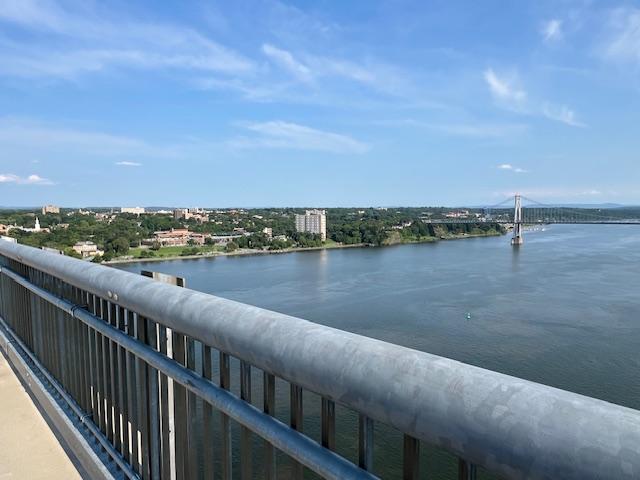
Looking south down the Hudson River

During World War II the bridge was painted black to make it less visible in the event of an attack. Painting continued until the 1960’s. The high quality of the steel used in the original construction does not need to be painted. Metal experts during reconstruction stated that the absence of paint in fact helped keep the steel in the good condition it is in today.

The Poughkeepsie waterfront

The fire that destroyed the tracks in 1974 was probably started by a spark from a train’s brakes. From Carleton Mabee’s ‘Bridging the Hudson’, page 247: “An hour after a Penn Central train with 100 cars crossed the bridge on May 8, 1974, a thick cloud of black smoke hung over the bridge. Wooden ties were smoldering and wooden walkways were burning, fanned by a moderate breeze. Because Penn Central had no guards or maintenance men on the bridge at the time, the fire was not quickly reported. When firemen arrived at the site, they found they could not easily pump water up to the top of such a high bridge.

Downtown Poughkeepsie from the bridge near the waterfront

When firemen arrived arrived at the site, they found they could not easily pump water up to the top of such a high bridge. When they tried turning on the water to flow into the bridge. When they tried turning on the water to flow into the steel pipe which ran the length of the bridge, a line meant to help fight fires, they found that because it had not been drained the previous winter, it had burst at several points-Penn Central had known it but had not repaired it.”

View from the bridge on the Poughkeepsie side right near Little Italy

It was rebuilt and re-opened in October 2009 as the Walkway Over the Hudson State Historic Park thanks to the efforts of a dedicated friends group, the Dyson Foundation, many donors and New York State.
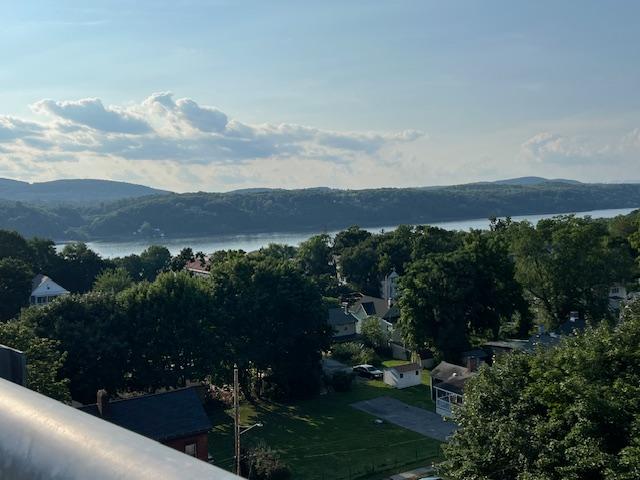
The Highland Park side of the bridge at dusk

At 212 feet above the Hudson River, this 1.28 mile linear park boasts scenic views north to the Catskills and south to the Hudson Highlands.

The Walkway is amazing on a sunny day

The Walkway is part of the Hudson Valley Rail Trail Network and was inducted into the Rail-Train of Fame in 2016, it connects Ulster County’s Hudson Valley Rail Train to the William R. Steinhaus Dutchess Rail Trail.

The ADA compliant 21 story glass elevator provides seasonal access from Poughkeepsie waterfront at Upper Landing Park a short walk from the Metro North train station.

The Walkway welcomes more than 500,000 visitors annually from all over the world who enjoy walking, cycling and running amidst its scenic beauty.

Today, the Walkway is operated and owned by NYS Office of Parks, Recreation and Historic Preservation and the NYS Bridge Authority it is open year round, offering programs, events and tours made possible through membership and donations to the Walkway organization.

(This information was taken from the Walkway over the Hudson website and pamphlet and I give them full credit for all of this information).

Firefighting Museum of Dutchess County                             P.O. Box 2435                                                                      Poughkeepsie, NY 12601

Firefighting Museum of Dutchess County P.O. Box 2435 Poughkeepsie, NY 12601

Firefighting Museum of Dutchess County

(Antique Firehouse & Firefighting Museum)

P.O. Box 2435

Poughkeepsie, NY  12601

https://dchsny.org/firemuseum/

https://www.facebook.com/DutchessCountyFirefightingMuseum/

My review on TripAdvisor:

The new home of the Dutchess Firefighting Museum at the Dutchess County Fairgrounds

I recently visited the Dutchess County Fair in August of 2024 and discovered that they finally built the new Firefighting Museum of Dutchess County in the Century Village complex of the fairgrounds. This will only be open when the fairgrounds are open. It replaced the tent display that had been part of the fair since 2022.

The old tent museum that was a temporary display

The Firefighting Museum of Dutchess County (Dutchess County Firefighting Museum) is finally open and houses all the memorabilia and artifacts for fire companies all over Dutchess County. I met fire fighters from companies all over Dutchess County who are dedicated in showing the history of their departments and of fire fighting over the years. The museum had just opened in August 2024 so all the displays have not been mounted yet. They should be ready for future events at the fairgrounds.

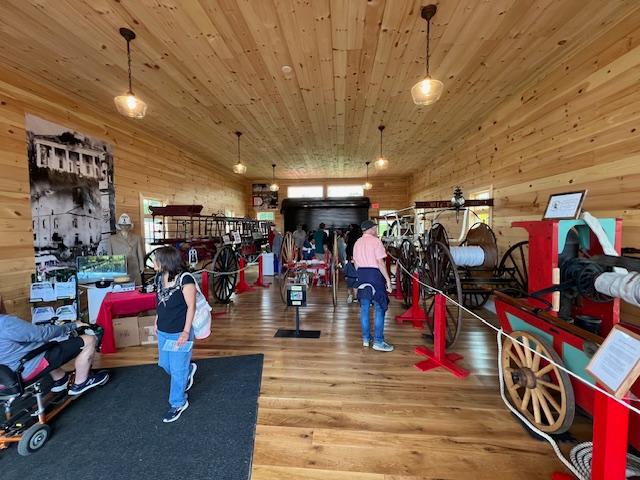
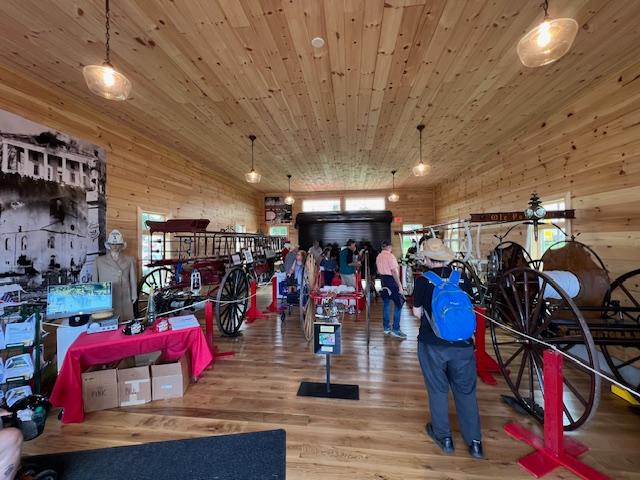
The firefighting equipment of the museum visited by many firefighters from the area and their families

The Dutchess County Fairgrounds Management had proposed to build them a new building on the Fair Grounds with the stipulation that it remain open when the fair grounds are being used and closed when they are not being used. It will be part of the Century Museum Village & Collectors Association to include a reproduction of a late 19th Century firehouse and museum of firefighting memorabilia.

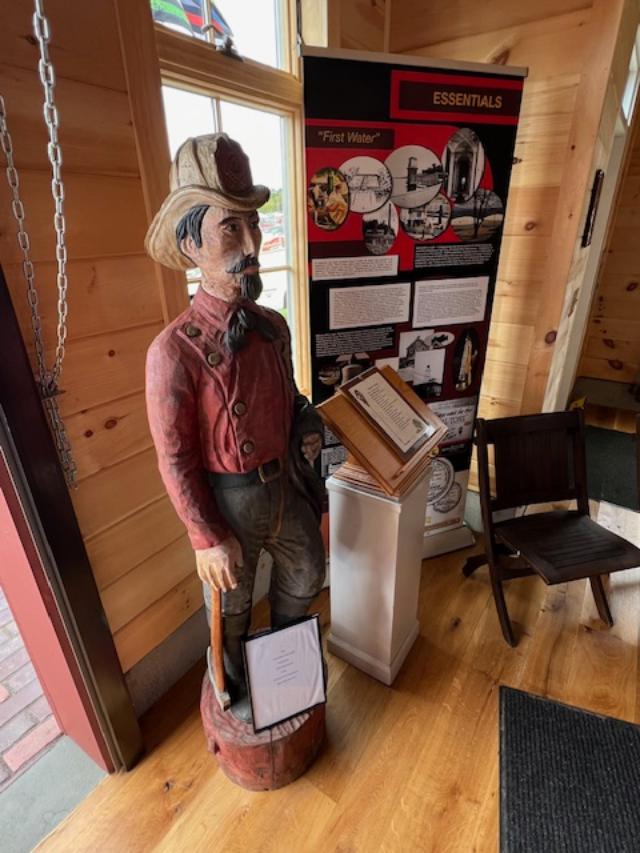
Firefighting artifacts at the front of the museum

The Parade Celebration cart with uniform for parades.

Firefighting artifacts at the new museum

The antique firehouse will join the Pleasant Valley Railroad Station, the Mount Ross Schoolhouse, the Washington Hollow Fair Judging Gazebo and the Century Museum.

Dutchess County Firefighter Museum II

Dutchess County Firefighters Museum logo

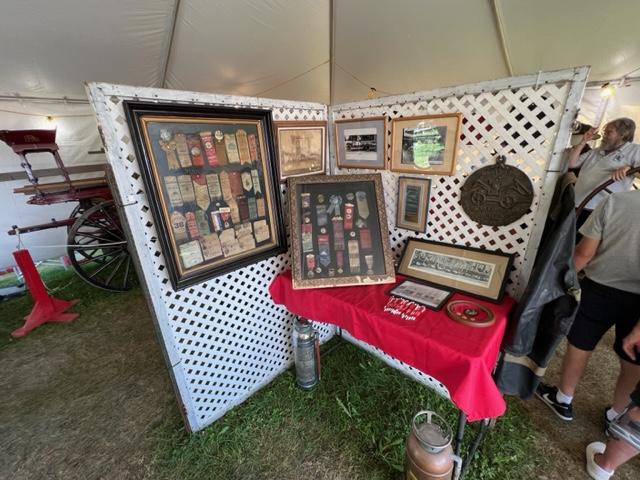
The new museum has an interesting combination of equipment, medals, horns and firefighting objects from the 1800 and 1900’s. It really is an interesting way to see how firefighting from the past relates to today and how much really has not changed. There were three different pieces of equipment on display: an old Ladder Truck from the 1890’s, a pumper from 1902 and an old hose bed that must have been around 1896.

The Pine Plains FD Ladder Truck

The old pumper on display

The handheld hose bed

There were old fire horns used long before traditional fire whistles and modern pagers, firefighting ribbons and awards, old buckets and hoses for moving water and lots of pictures of old fires. The members were explaining to me that they take the objects out at all sorts of town and county functions to promote the museum.

Old Fire Medallions from the old fire insurance days when these were placed on the houses

The roll call of fire fighting in Poughkeepsie, NY

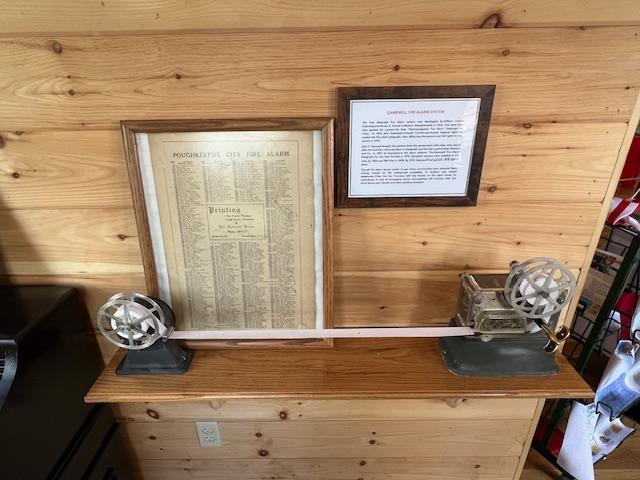
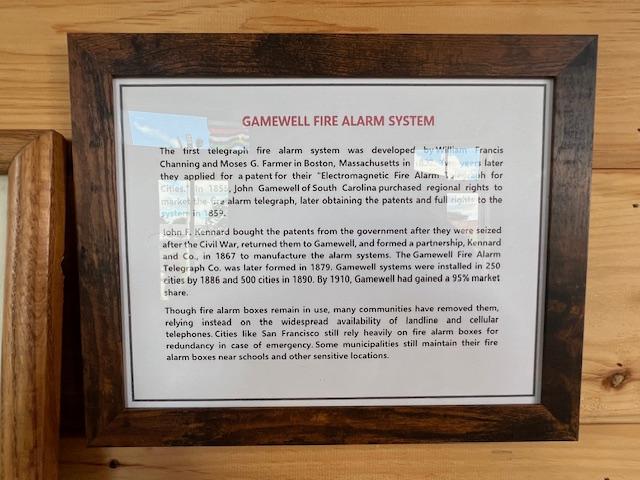
The Gamewell Fire Alarm System

History of the Dutchess County Firefighting Museum:

(from the museum pamphlet)

The Dutchess County Agricultural Society Inc. (DCAS) and the Century Museum Village & Collectors Association will be growing The Antique Village, located on the Dutchess County Fairgrounds which will include a reproduction of a late 19th Century Firehouse and museum of Firefighting memorabilia.

Firehouse artifacts in the museum

The Antique Firehouse will join the Pleasant Valley Railroad Station, the Mt. Ross Schoolhouse, Washington Hollow Fair Judging Gazebo and the Century Museum.

This grouping of special buildings on the Fairgrounds has been dedicated to preserving life in the late 1800’s in Dutchess County and sharing it with the over 500,000 visitors to the Dutchess County Fairgrounds over the course of the year.

The awards of the fire service from the old museum that will be displayed at the new museum soon

The Firehouse Project Research and artifact collection is underway, and the Fairgrounds is committed to adding to Dutchess County’s Fire Service history.

The project cost is $300,000 and was raised from funds all over Dutchess County, NY. This year’s fair the association was proud to open this museum as part of the Century Village on the fairgrounds.

The history of the Dutchess County Fire Service on video.

Special Firefighting “Coins” have been minted commemorating different fire stations, historic Dutchess County firefighting events and the dream of the Antique Fire Station and Museum. You can be a part of this exciting project by purchasing coins or making a tax-deductible donation.

The fire truck in front of the museum at the Dutchess County Fairgrounds

Disclaimer: This information is taken directly from the Antique Firehouse & Firefighting Museum of the Dutchess County Fair Grounds, and I give them full credit for it. The above picture is of the original proposed design for the museum and will be changed once the new building is built.

The new museum will house many more exhibitions in the future

The Frances Lehman Loeb Art Center/Vassar College                                                                  124 Raymond Avenue                                             Poughkeepsie, NY 12604

The Frances Lehman Loeb Art Center/Vassar College 124 Raymond Avenue Poughkeepsie, NY 12604

The Frances Lehman Loeb Art Center/Vassar College

124 Raymond Avenue

Poughkeepsie, NY  12604

(845) 437-5632

fllac.vassar.edu

https://fllac.vassar.edu/

blogs.vassar.edu/fllaceducation

Open: Sunday 1:00pm-5:00pm/Monday Closed/Tuesday-Saturday 10:00am-5:00pm

TripAdvisor Review:

https://www.tripadvisor.com/Attraction_Review-g48443-d2419076-Reviews-Frances_Lehman_Loeb_Art_Center_at_Vassar_College-Poughkeepsie_New_York.html?m=19905

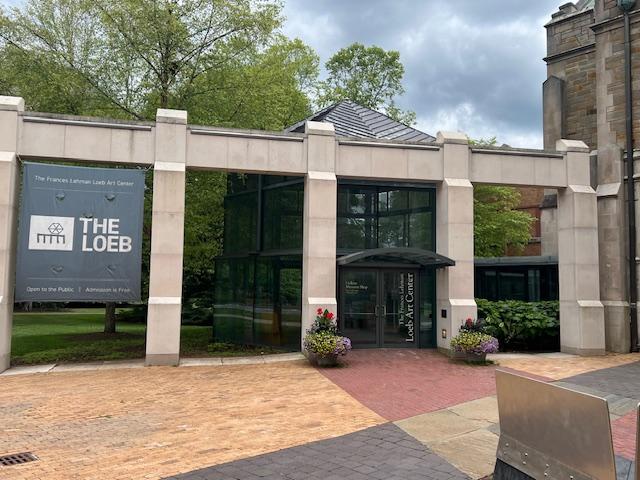
The Loeb Museum at Vassar College

Visiting The Frances Lehman Loeb Art Center is a wonderful afternoon out. Its best to park in the North Campus parking lot. You can walk the campus on a nice day down to the museum and enjoy the campus architecture. The campus is straight out of an Ivy League handbook. The museum is located by the front gate of the campus, and you can tour the whole museum in about two hours comfortably.

Take time to walk the Art Garden next to it and they have a really nice little downtown off North Campus to wonder around the restaurants and shops. See my review of Pizzeria Bacio Ristorante at 7 Collegeview Avenue near North Campus. The food is excellent!

The Art Sculpture Garden at the Loeb Museum

The Frances Lehman Loeb Art Center opened in 1864 as the Vassar College Art Gallery. The founding members of the college’s Board of Trustees understand art to be an integral part of the academic experience. Vassar therefor became the first college or university in the United States to include an art museum as part of its original plan. Since its inception, the museum has remained a significant part of the Vassar experience.

The Contemporary Galleries at the Loeb Museum

The Frances Lehman Loeb Art Center is a cultural destination both for the Vassar College community and for visitors from the region and around the world who are attracted by the breadth and quality of the art on view. It is unique to the region in its combination of stellar temporary exhibitions and an ongoing installation of the permanent collection that features art through the ages, from ancient Egypt to the present.

Ancient Art gallery with items from Egypt, Greece and Rome.

The collection began with an initial gift from Matthew Vassar of 3,800 works of art, including an important group of Hudson River School paintings and British watercolors. Today, the Art Center’s collection has grown to over 18,000 works of art that span antiquity to the present. Notable holdings include the Warburg Collection of Old Master prints and a wide range of works by major European and American twentieth-century painters, including Georgia O’Keeffe, Pablo Picasso, Jackson Pollock, Joan Miro, Mark Rothko and Andy Warhol.

The Andy Warhol exhibition was being shown on my first trip to the museum

https://www.vassar.edu/theloeb/publications/people-are-beautiful-prints-photographs-and-films-andy-warhol

I went to the museum recently before the closing of the “Beyond the Threshold: Tibetan Contemporary Art” and “Mastery and Merit: Art from the Jack Shear Collection” and got to view the galleries before they closed for the evening. Admittingly I am no expert of Buddhist art, but the Jack Shear collection gave you a perspective on the religion.  The art portrayed Buddha in many forms as Divine. The contemporary works were very interesting as it delved into what modern Tibetans all over the world see in the form of current happenings, playing off other famous works of art (such as the modern version of the Mona Lisa) and a contemporary take on the Buddha. 

The modern take on Buddha from a contemporary perspective

https://www.vassar.edu/theloeb/exhibitions/beyond-threshold-tibetan-contemporary-art

The shows revolve on a continual basis and there are shows being mounted at various times of the year.

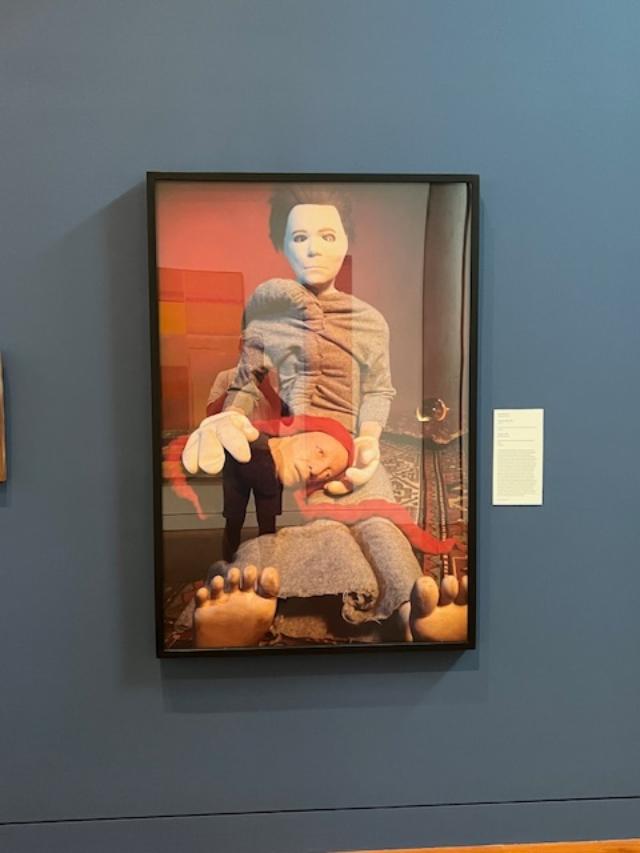
Cindy Sherman Art in the collection

The Art Center is housed in a building designed by Cesar Pelli and completed in 1993. The Hildegarde Krause Baker, class of 1911, Sculpture Garden includes works by Frank Stella, Gaston Lachaise and Anthony Caro, among others.

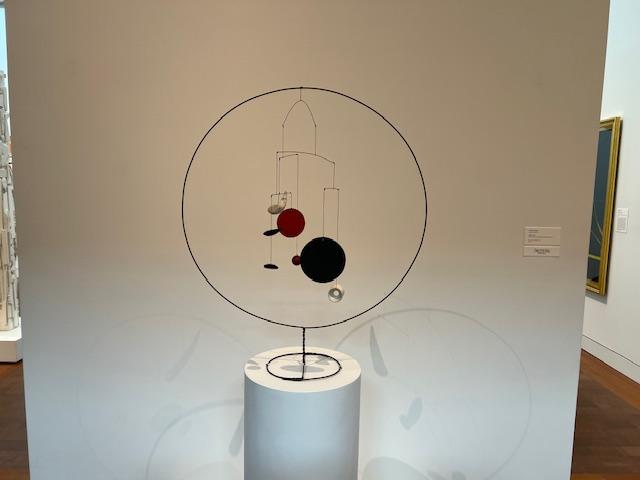
The Alexander Calder work “Mobile” in the collection

Tourism information on the museum:

There are tours for School Groups, Adult Groups, Individuals and Self-Guided for individuals. Please call the museum for more information on this. A centerpiece of the Loeb’s programming is Late Night at the Loeb, held weekly on Thursday evenings. Programming for Late Night is spearheaded by the Loeb Student Committee who organize activities and offerings for students and the general public.

There are creative happens every week. You can also join as a member and there are opportunities to volunteer at the museum.  To learn more about both of these, please call (845) 437-5237.

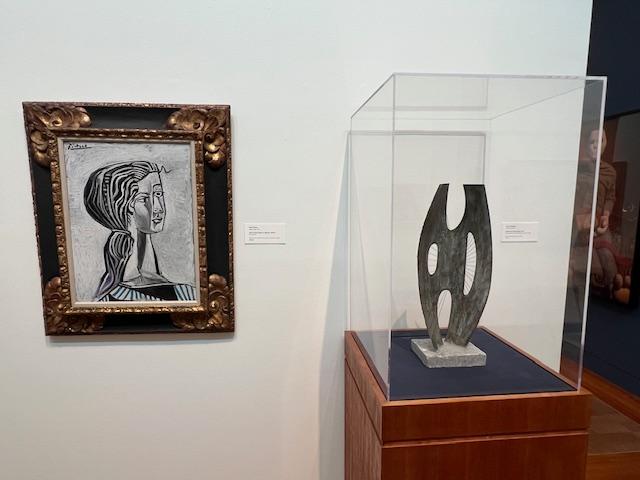
The famous Picasso is to the left

Disclaimer: This information about the museum came from the museum pamphlets. Please call the above numbers for more information or email them. It is a great afternoon out to just tour the museum and then walk around the campus on a nice day.

The “Stokers of the Earth” painting by Roberto Matta

“Stokers of the Earth” sign

Locust Grove Estate                                                                 2683 South Road (Route 9)                                    Poughkeepsie, NY 12601

Locust Grove Estate 2683 South Road (Route 9) Poughkeepsie, NY 12601

Locust Grove: A National Historic Landmark

2683 South Road (Route 9)

Poughkeepsie, NY  12601

(845) 454-4500

http://www.lgny.org

https://www.lgny.org/

Open: Seasonal-See Below

Visitor Information: The gardens and grounds are open year round from 8:00am to dusk, weather permitting.

House Tours: Offered May through November, daily from 10:00am-5:00pm and weekends in April & December. Groups tours by appointment.

Visitor Center: Open January through March, weekdays from 10:00am-5:00pm. April through December daily from 10:00am-5:00pm.

Fee: Adults $12.00/Children (6-18) $6.00

TripAdvisor Review:

https://www.tripadvisor.com/Attraction_Review-g48443-d263920-Reviews-Locust_Grove_Estate-Poughkeepsie_New_York.html?m=19905

The Locus Grove Estate

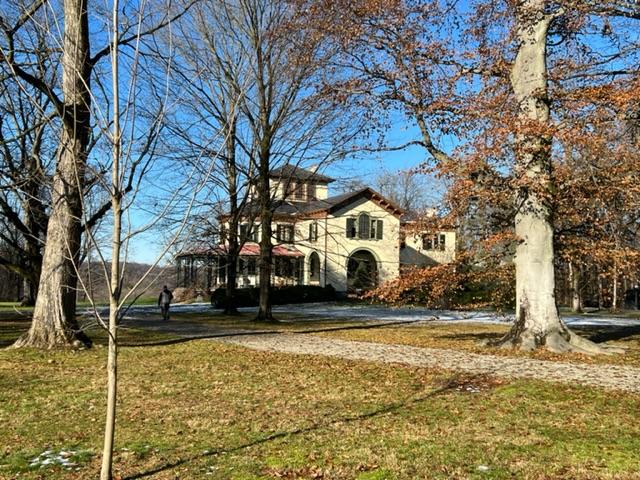
Overlooking the Hudson River, the 180 acre Locust Grove Estate includes an Italianate villa designed in 1851 by architect Alexander Jackson Davis for artist and inventor Samuel F. B. Morse.

The Locus Grove additions of the tower and back rooms

The estate, with miles of carriage roads, landscaped grounds, historic gardens and Hudson River views, was preserved as a museum and nature preserve by the Young family, whose collection of art and antiques is exhibited in the mansion’s 25 rooms.

Entering Locus Grove for the Christmas holidays

I have visited the house twice for Christmas with the mansions elaborate but tasteful displays and once in the last fall when the foliage was in full peak. The house is an interesting example of turn of the century architecture and innovation of both the Morse and Young family’s love of Locust Grove. Each added their own touch to the house.

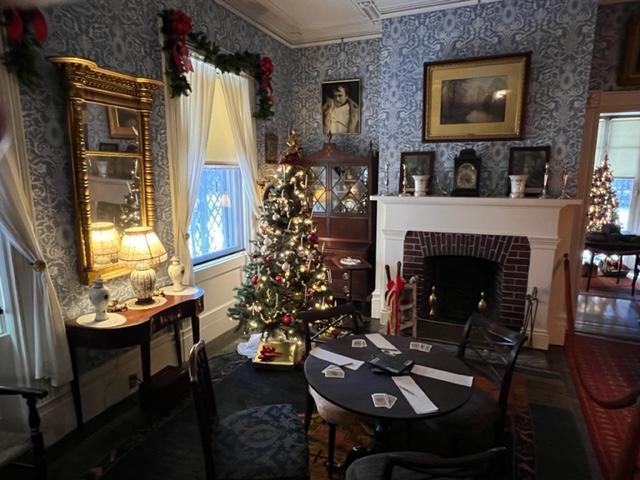
The Library right off the main hallway entrance used to be the original Dining Room when the Morse’s owned the house

The Christmas tree in the Library

The Parlor across the hall from the Library

A closer look at the Christmas tree

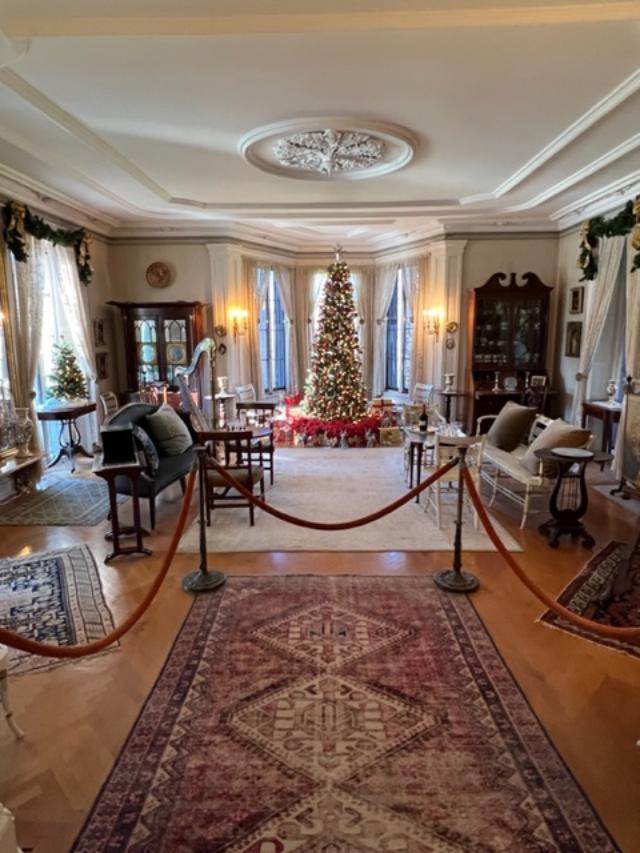
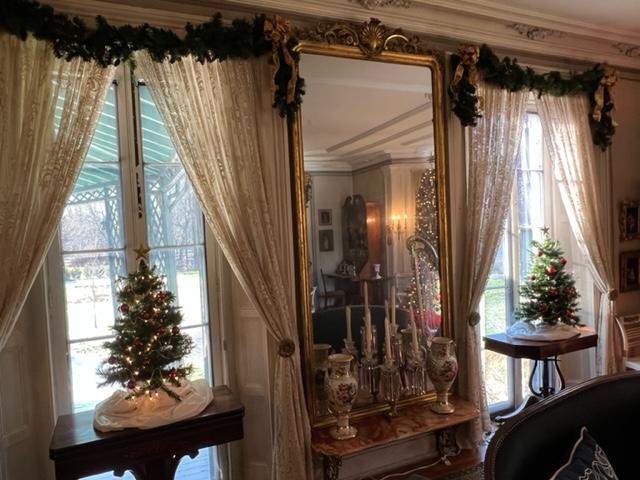
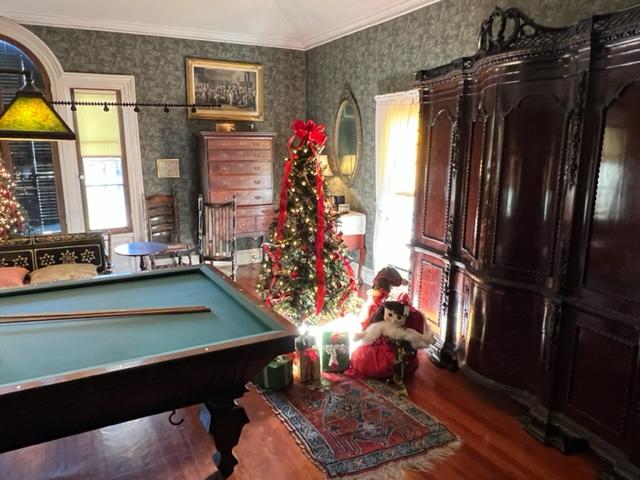
During the Christmas holiday season, the house is beautifully decorated both inside and out for the holidays, with a formal tree in the back Living room, smaller trees and garland around the house on the first floor and smaller trees with presents in the bedrooms and in the Billiards room.

The Library at Locust Grove for the holidays

One of the rooms set for Afternoon Tea

One of the back offices

When the Young’s moved into the house, they needed more room for entertaining so they added the larger dining room (The Morse’s added the Tower to the home). So the old Dining Room became one of the reception rooms and a library. Some of the smaller rooms were used for social occasions so the first floor was reconfigured.
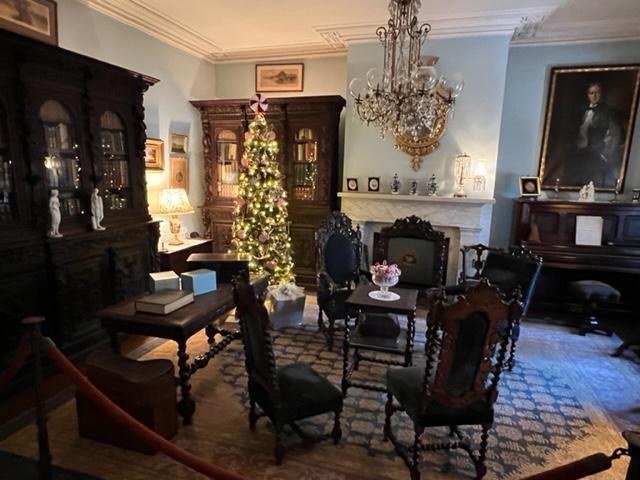
The Living Room in the Tower addition of the home

The mirror in the Living Room was the last thing left by the Morses

The larger Living Room held the most beautiful Christmas tree with a gorgeous view of the Hudson River from the back window. The room is elaborately decorated for the holidays and the volunteers created a very festive decor for the room. I do not know if the family would have decorated this much but still the halls were decked perfectly.

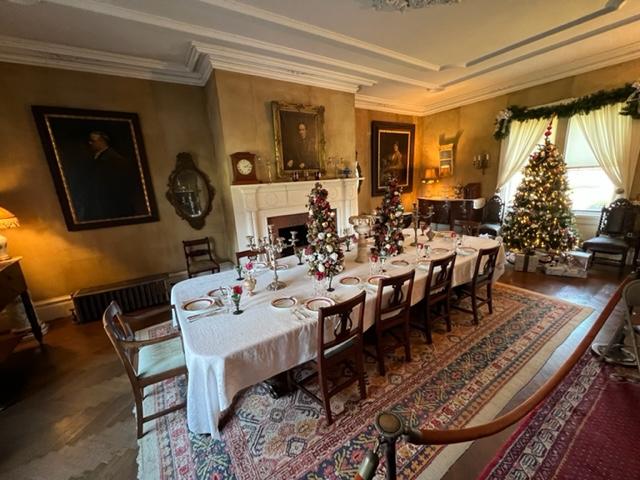
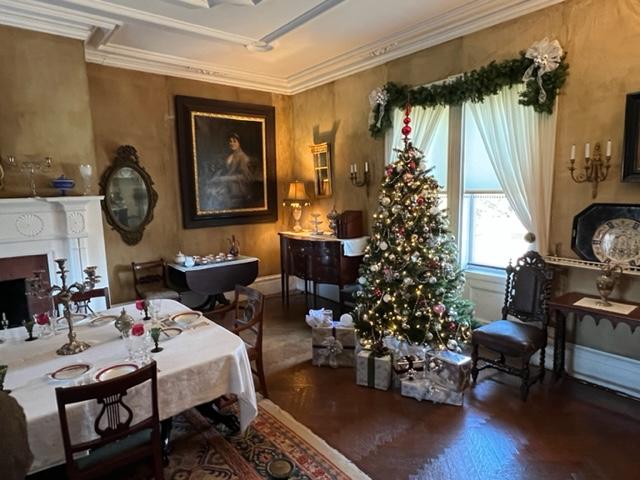
The Dining Room was set for an formal Christmas lunch with the family’s best china, crystal and silver and had displays of fruits and desserts that would have been served during the holidays. The Morse family spent their holidays in New York City so it would have been the Young’s who spent their holidays here.

The Dining Room set for Christmas lunch

The Christmas tree in the Dining Room

The Butler’s Pantry for the Dining Room

The upstairs to the bedrooms

The house had been added onto twice from the small cottage that had been built by the second owners, the Montgomery family. The back tower and wings were built by the Morse family and the formal dining room by the Young’s for their growing family.

The bedrooms were nicely decorated and the rooms had lots of Christmas decorations that you would not ordinarily see in a bedroom. Each room had its own Christmas tree.

The Master Bedroom with a breakfast nook overlooking the Hudson River

The paintings above the bed are of the Young family

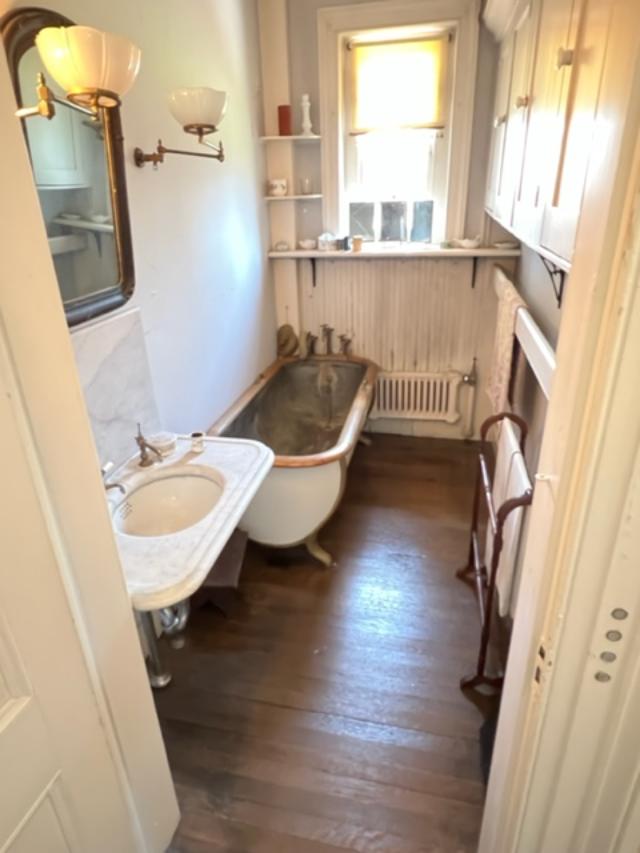
The modern bathroom with hot and cold running water

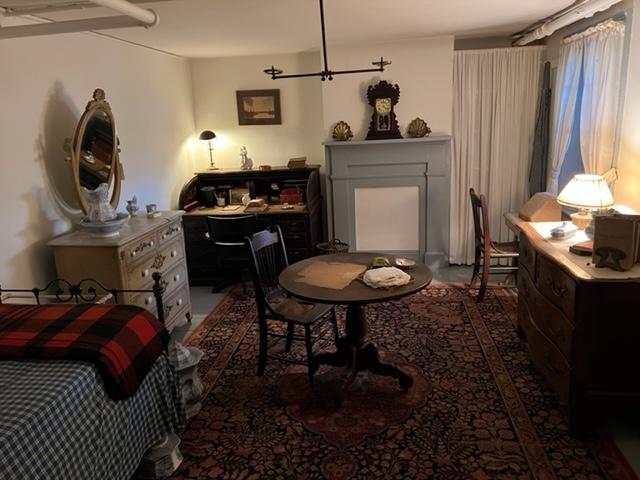
The Young’s son lived in this room until he died

The Young’s daughter lived in this room until her death

The guest rooms were also nicely decorated

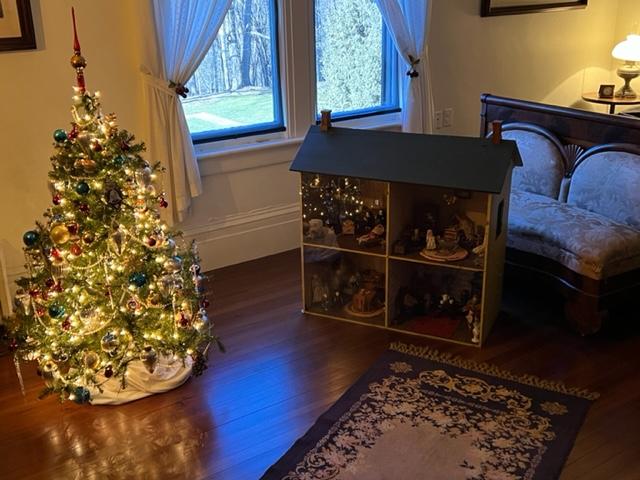
The dollhouse in the guest bedroom

Another guestroom

Guest room

The tour guide told us that the second floor Billiards Room was once a very popular and engaging room in the house for everyone visiting. There was always a lot of action going on in this room.

The Second Floor Billiards Room

The Christmas decorations in the Billiards Room

Our last stop on the second floor was the modern bathroom which was considered extremely innovative for its day. This was the most modern approach to plumbing.

The upstairs bathroom

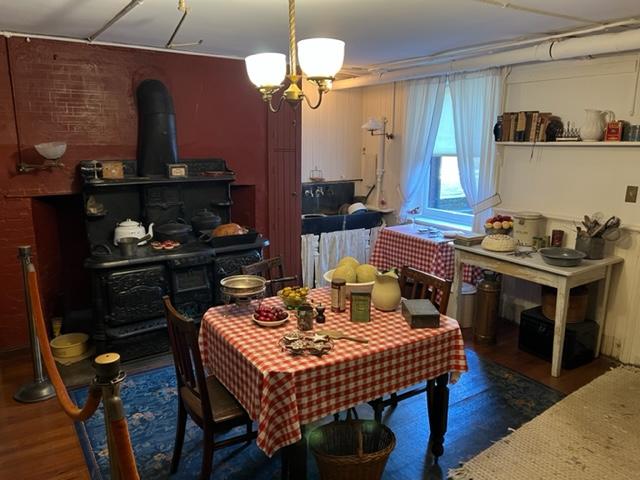
The last stop on the tour was the downstairs Servants Quarters which were also decorated for the holidays. It showed what the Servants of the household would have been doing on a daily basis to help keep the house running.

The Servants kitchen

The kitchen table in the Servants Quarters

The Servants Dining Room

Our tour guide, Ethel, did a nice job interpreting how each family would have used the house and for what occasions. The Young’s lived here full time until the last owner, Annette, died in 1975 and the Morse family used it as a summer retreat until Samuel Morse died in 1872.

locust-grove-ii.jpg

The view from the back of Locust Grove to the Hudson River during the early fall

The view to the Hudson River from the back of the house during Christmas 2022

The house is tastefully furnished both in turn of the last century decor and some more modern pieces. The grounds in the spring and summer months are in full bloom and in the fall awash with colors from the trees.

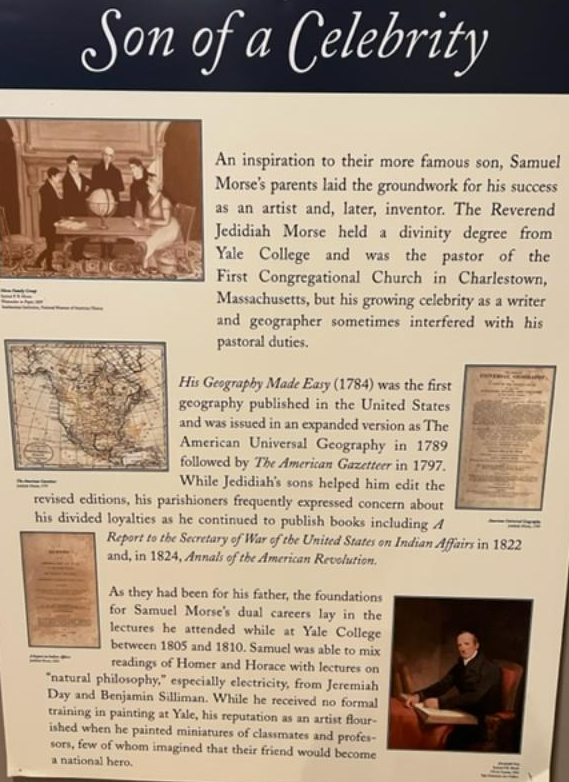
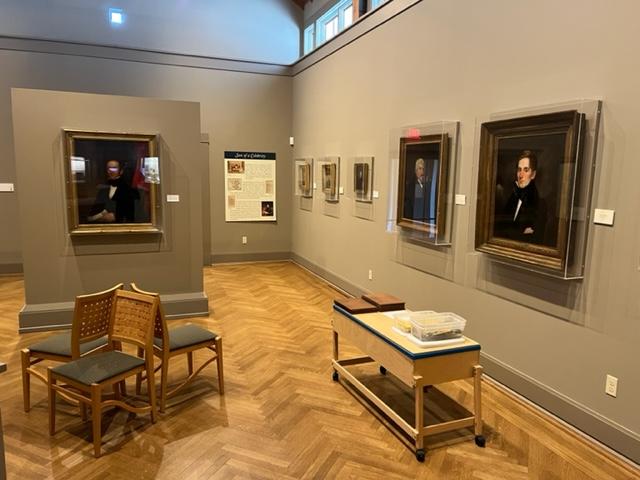
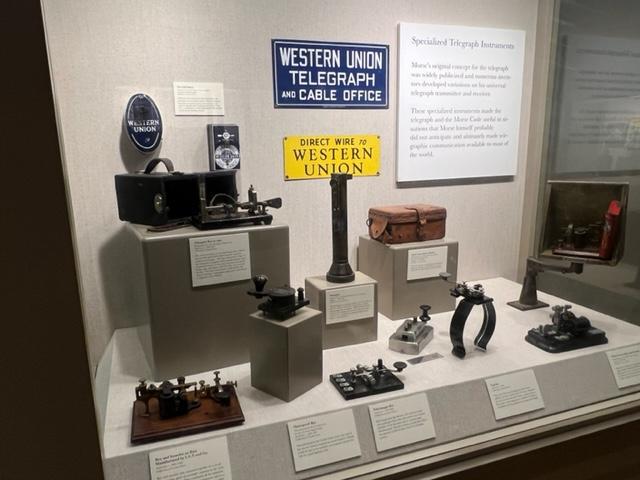
Also, don’t miss visiting the small museum of Samuel Morris’s paintings and his development of the telegraph system, where the patents is where most of the family fortune came from. Mr. Morse was an artist, educator and inventor and his life’s work is displayed in the galleries.

The Morse Family

Morse Museum: Samuel Morse family in the early Colonies

Samuel Morse with his career in portrait painting

Samuel Morse’s Portraits

Samuel Morse’s inventions and innovations with the telegraph

Samuel Morse’s innovations

The History of Locust Grove:

Locust Grove has an interesting history. The estate was first owned by Henry Livingston Jr. when he purchased the property from his father in 1771. The estate was such named because of the black locust trees that grew on the property. After his death, the estate was sold to John and Isabella Montgomery who built the original cottage on the estate. Mr. Livingston’s home had been torn down by this point.

The main house at Locust Grove is a villa in the Italianate style designed in 1850. Morse had recalled the elegant villas that he had visited years earlier in the Italian countryside and he sketched towers, windows and floor plans. Construction on the villa, sited on a dramatic bluff overlooking the Hudson River began in 1851 and was completed the following year.

He continued to expand the cottage and the gardens during his time and the family continued to use the house as a summer retreat and living in the winters in their brownstone in Gramercy Park. After Mr. Morse’s death, the family used the house occasionally and then sold it to one of their renters, the Young family.

William and Martha Young added modern amenities to the house like central heat and running water and updated the bathrooms. They added the new dining room and guest bedrooms in the new North Wing of the house. They also brought with the many family heirlooms and their decorative art collection which is still on display in the house.

After their deaths, the Young’s children, Annette and Ennis worked to preserved and restore their family’s homes in here, in New Haven, New York City and Ulster County. After the death of her brother in 1953, Annette Young continued to live at Locust Grove and began donating to museums the art, land and historic houses she inherited so that they would be protected. When she died in 1975, she established a not-for-profit foundation to ensure that Locust Grove with its collections and archives would be protected. The house is now available for touring and for weddings.

(Locust Grove History and Wiki: I give both organizations full credit for this information)

Location: Locust Grove is located on Route 9 in Poughkeepsie, NY, two miles south of the Mid-Hudson Bridge or 11 miles north of Interstate 84.

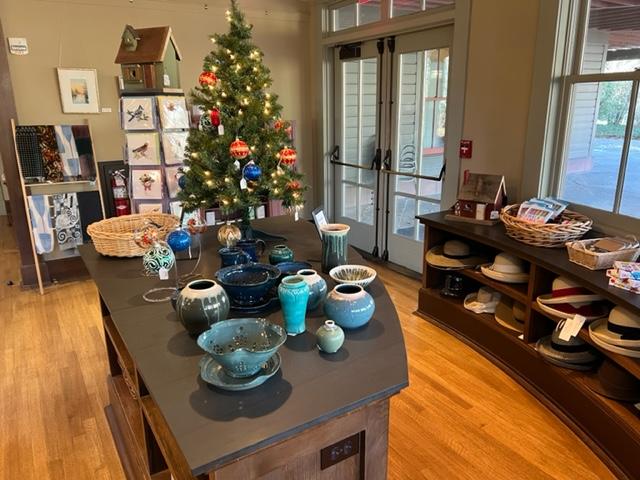
Locus Grove Gift Shop

Disclaimer: this information is taken from the Locust Grove Historic pamphlet. The site is very interesting and should be added to your list of ‘must sees’ in the area. Please call the site for more information.