Tag: Exploring Historic Morris County NJ

Parsippany Historical and Preservation Society/Bowlsby-DeGelleke House                             320 Baldwin Road                                                Parsippany, NJ 07054

Parsippany Historical and Preservation Society/Bowlsby-DeGelleke House 320 Baldwin Road Parsippany, NJ 07054

Parsippany Historical and Preservation Society/Bowlsby-DeGelleke House

320 Baldwin Road

Parsippany, NJ 07054

My review on TripAdvisor:
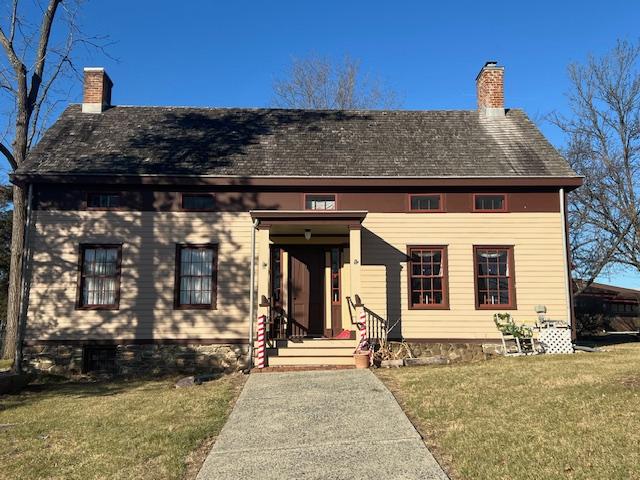
The Bowlsby/DeGelleke House at 320 Baldwin Avenue

The History of the Parsippany Historical and Preservation Society:

(from the Society website)

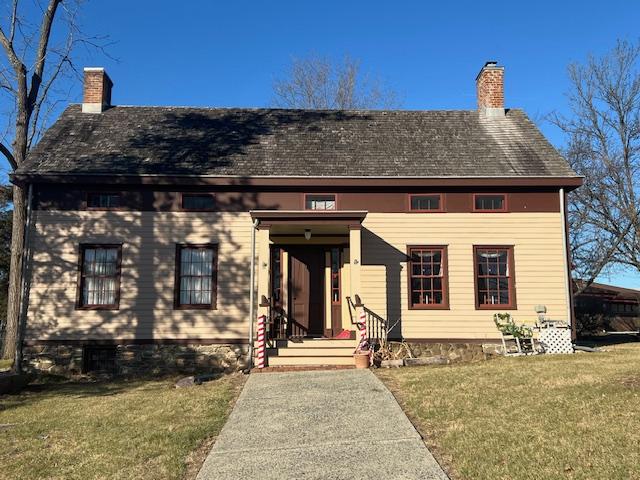
The Bowlsby / DeGelleke House is a one and a half story, clapboard-sided farmhouse set on a stone foundation. The house was built by George Bowlsby, Jr., c.1790. Originally constructed as a 3-bay façade, an 1819 2-bay addition to the right of the door resulted in a central entrance appearance. The porch was constructed in the Greek Revival style in the 1850 renovation.

A center hallway runs from the front door to the rear door of the house and contains a mid- Victorian open staircase to the second floor and stairs to the basement. On either side of the hallway are two interconnecting rooms. The left (west) side contains a front parlor with a simplified Greek Revival fireplace and a small back room. The right (east) side of the house contains a dining room and a kitchen. Original floorboards remain, with a replacement floor in the kitchen.

Three second floor bedrooms were added when enlarged in 1819. In c.1920, walls were added to create two more bedrooms. An existing front bedroom was changed to a bathroom. The kitchen was also modernized, but still utilized a hand water pump from a cistern in the cellar.

In 1977, the house was purchased by the Township from the estate of Alethea DeGelleke, to be used as The Parsippany Historical Museum. In 1978, the building was added to the State and National Historic Registers. Restoration was completed in 2008 with grants from the Morris County Historic Preservation Trust and the Township’s Open Space Program.
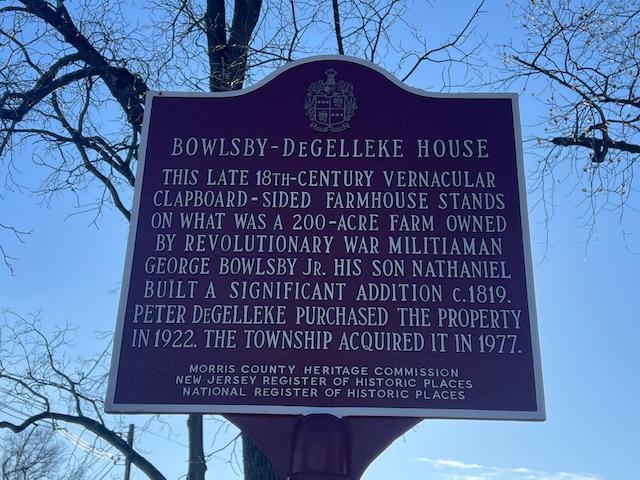
The historic marker for the house

Mission Statement

(from the Society website)

The purposes of the Parsippany-Troy Hills Historical and Preservation Society are to:

*Encourage an appreciation for, and an understanding of, the history of the Township of Parsippany-Troy Hills by holding meetings at which historical lectures, entertainments, discussions, and other programs are scheduled; by marking historical sites, roads, trails, and building; by publishing work concerned with historical research; by working with school administrators and teachers to encourage the study of local history, and by engaging in other appropriate activities;
*to seek out, to collect, and to collate material which may help to reveal and illustrate the history of the Township of Parsippany-Troy Hills in terms of exploration, settlement, and development;
* to cooperate with public and private agencies in providing for the preservation and for the display of historic sites and materials;
* to conduct or encourage archaeological investigations in the Township of Parsippany-Troy Hills;
* to hold title to real and personal property of historical interest of significance that the Society may acquire;
* to hold title to moneys or instruments acquired for the purpose of furthering and/or maintaining the Society’s properties.
History of the Society

The Society was incorporated on June 8, 1998. Since that time the Society has worked toward the mission of preserving and interpreting the Township’s history and historic structures. The Society works with the Township to open the Township’s historic sites, including the Parsippany Museum, also known as the Bolwsby / DeGelleke House, the Smith / Baldwin House, Old Littleton Schoolhouse and the Forge Pond and Dam property. The Society also sponsors programs that highlight the history of the Township and are held at one of the Townships historic properties.

The Society is a 501(c)(3) non-profit organization.
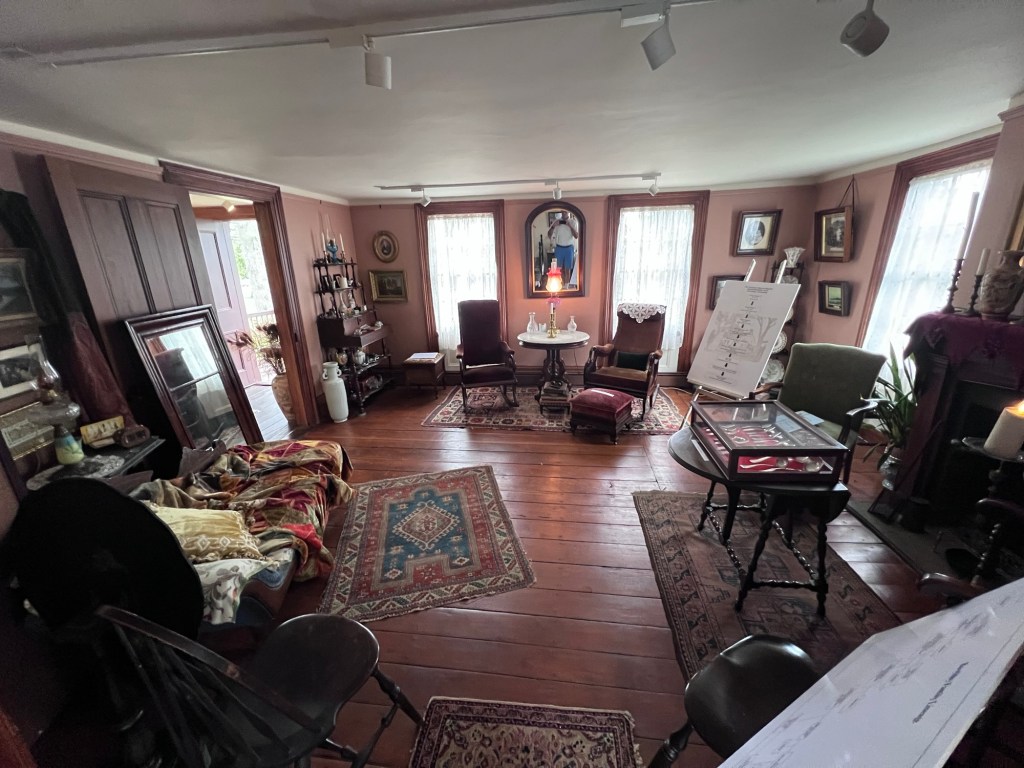
The Living Room of the house

I visited the Bowlsby-DeGelleke home during Morris County’s Pathways tour recently and discovered an interesting historic home that had been in the Bowlsby family for many generations while farming hundreds of acres of land in this area. The tour guide explained that while the house may have been small, the influence of this family was felt around the community.
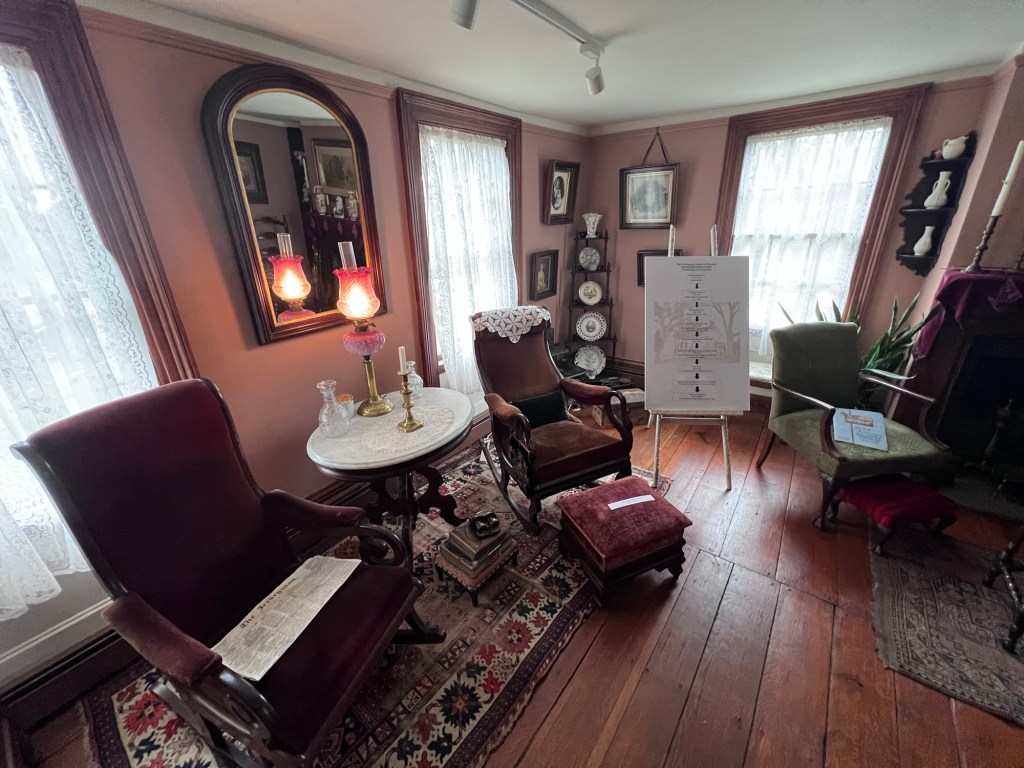
The front sitting area
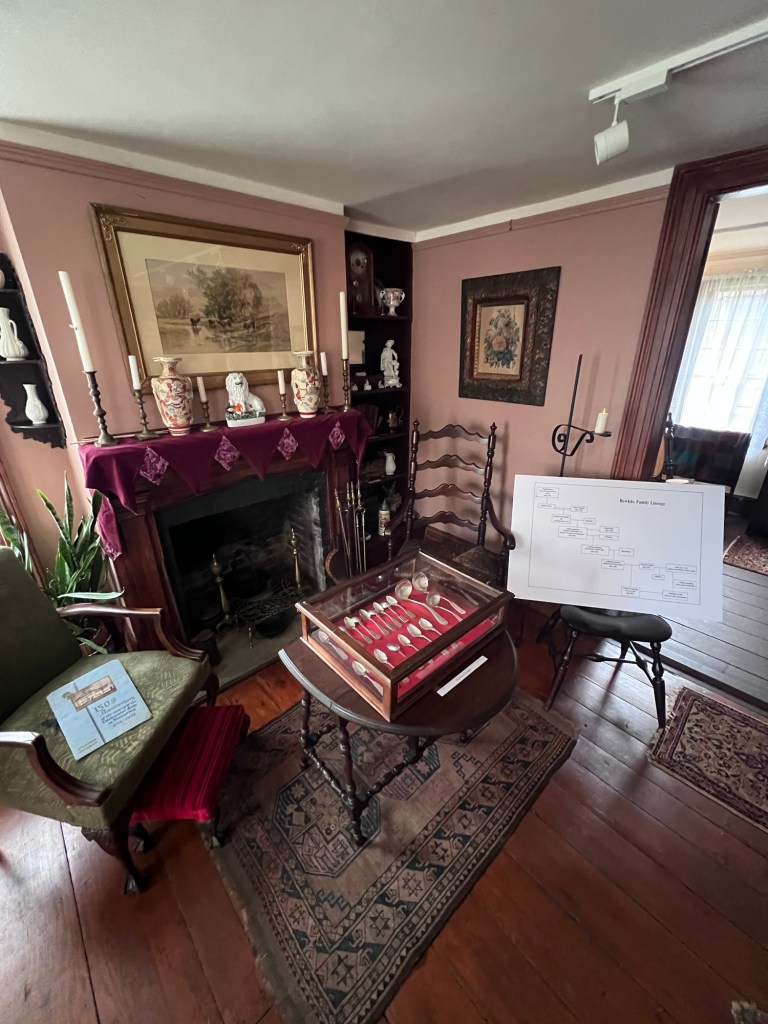
The fireplace in the room with silver collection and the family tree
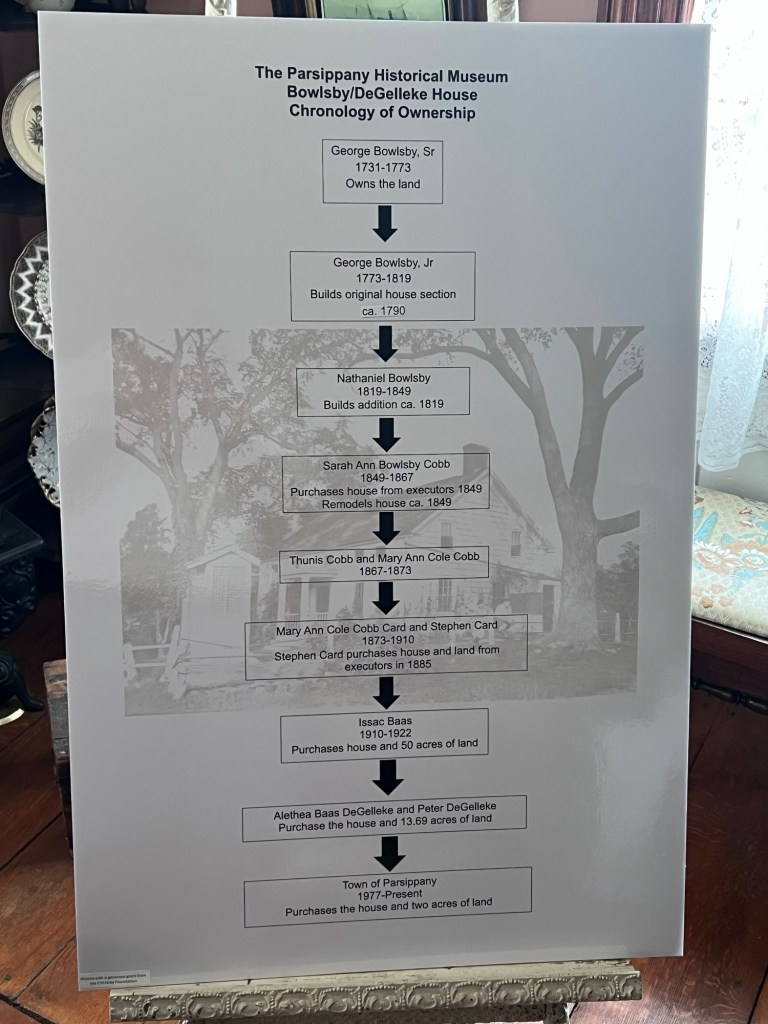
The Bowlsby Family tree

You could see by the family tree that house and land stayed in the family from the mid 1700’s to 1910, with the farmland being broken up with each generation inheriting a piece of the overall farm.
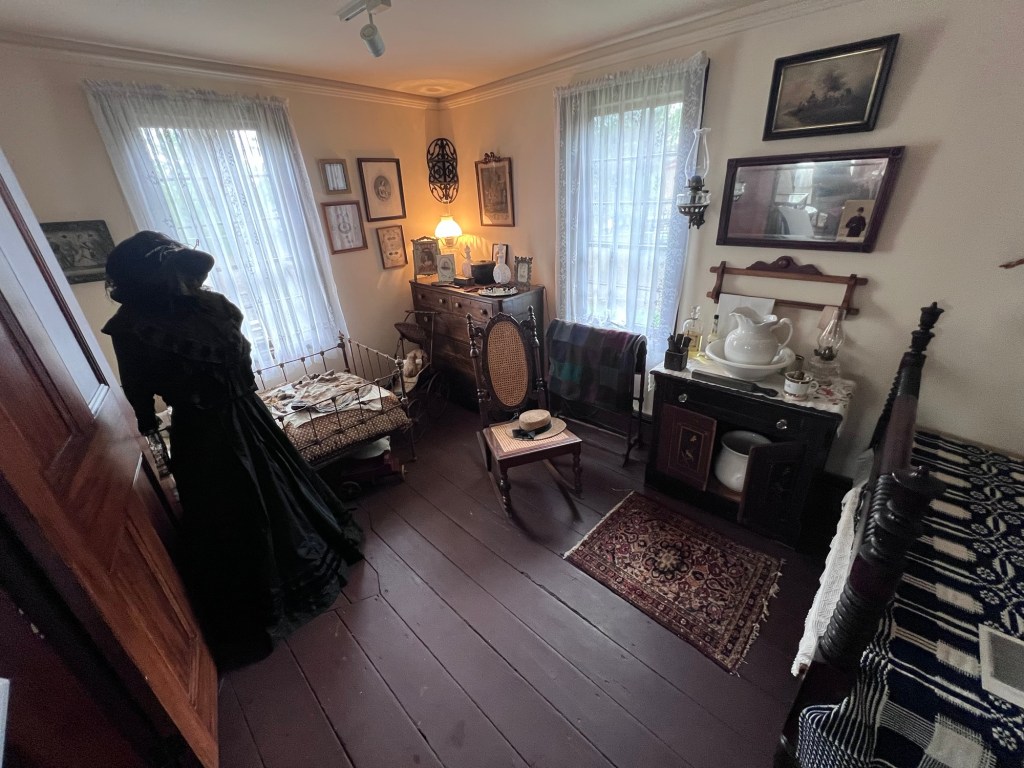
The back bedroom and nursery
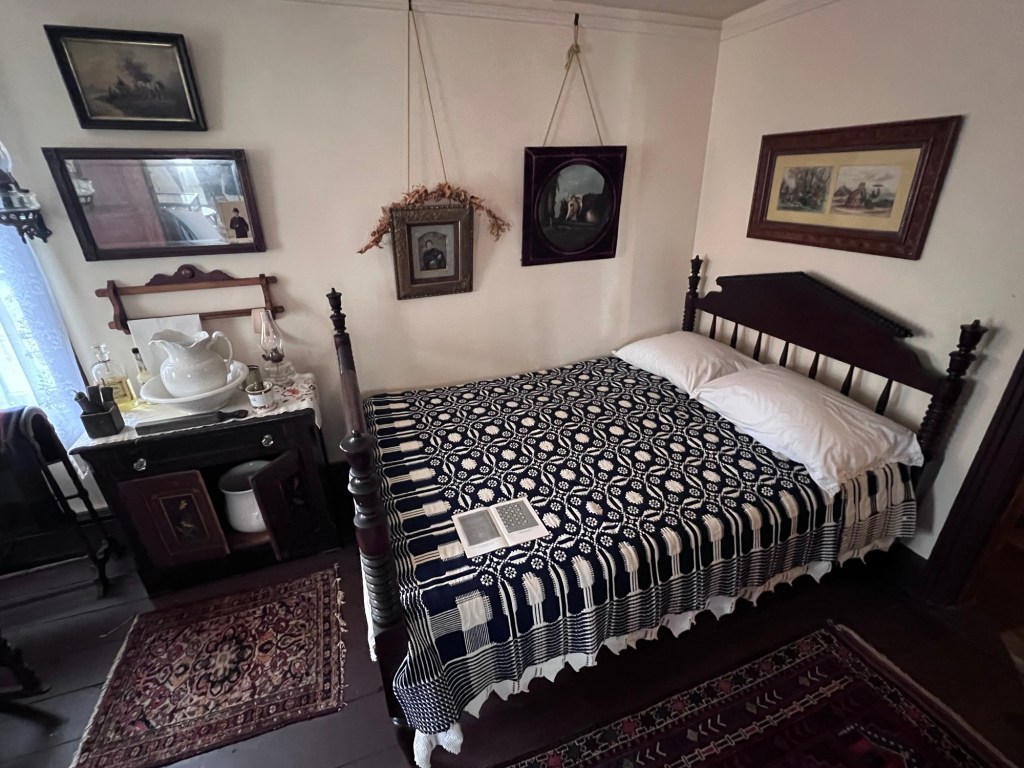
The back bedroom on the first floor behind the Living Room
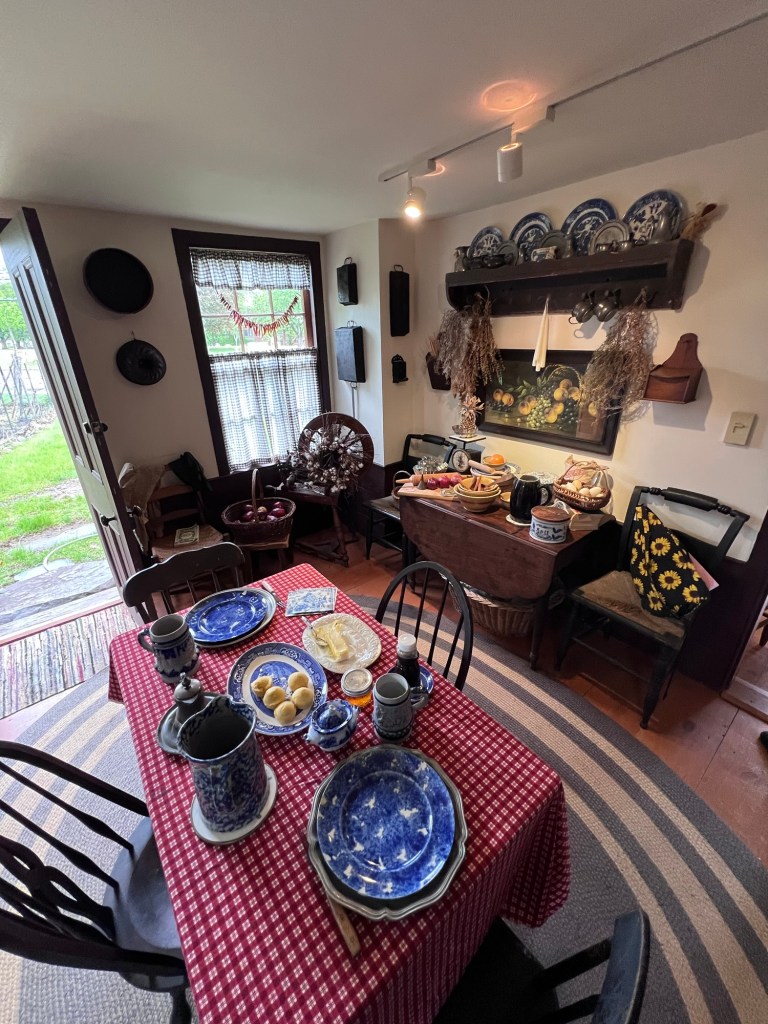
The kitchen in the back of the first floor

I thought they did a wonderful job decorating the kitchen to reflect different time periods.
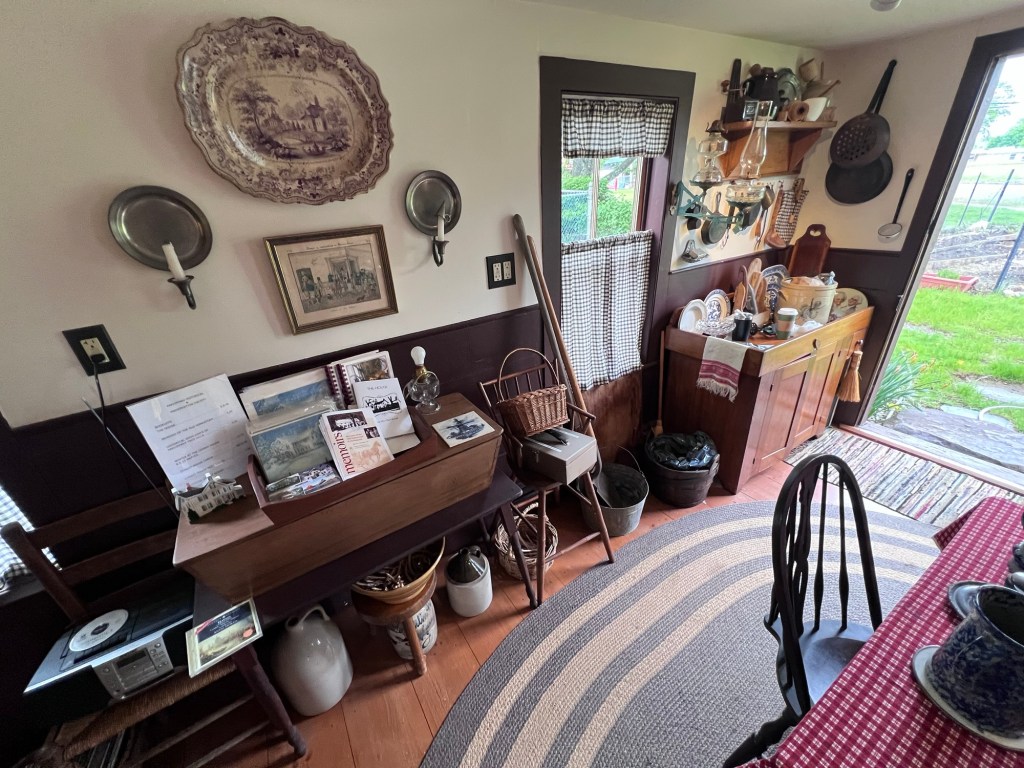
The kitchen wares and items needed for everyday life
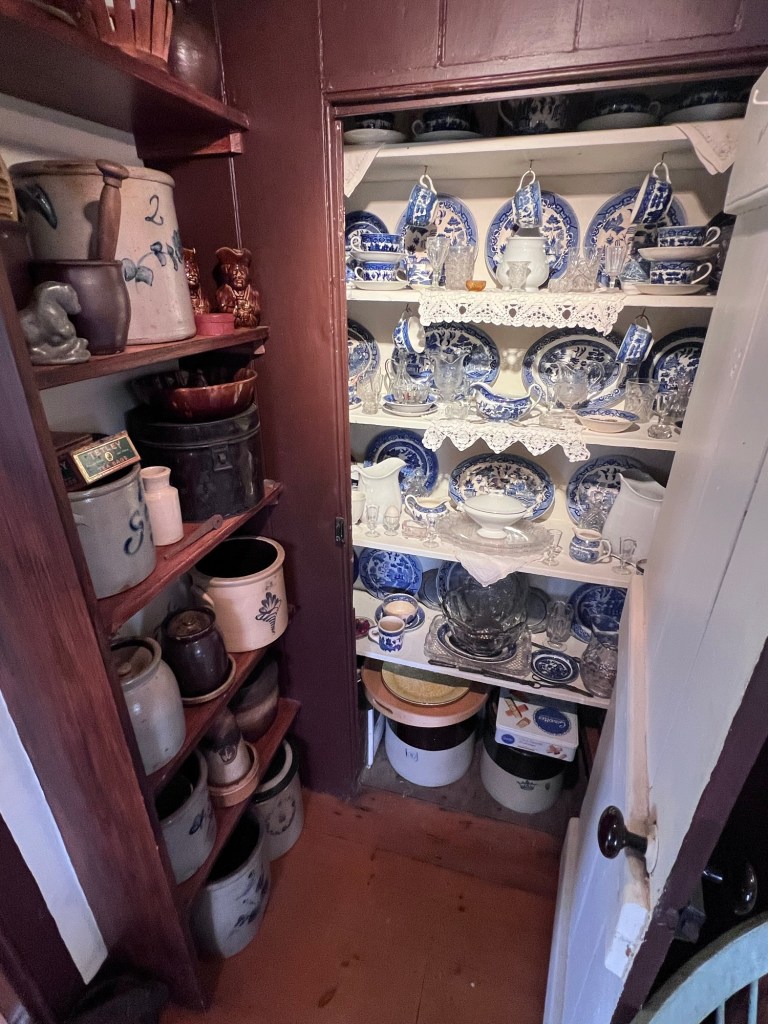
Family China and crockery in the kitchen

The China pattern shown here was not the family’s but close to what the family would have owned and entertained with for meals.
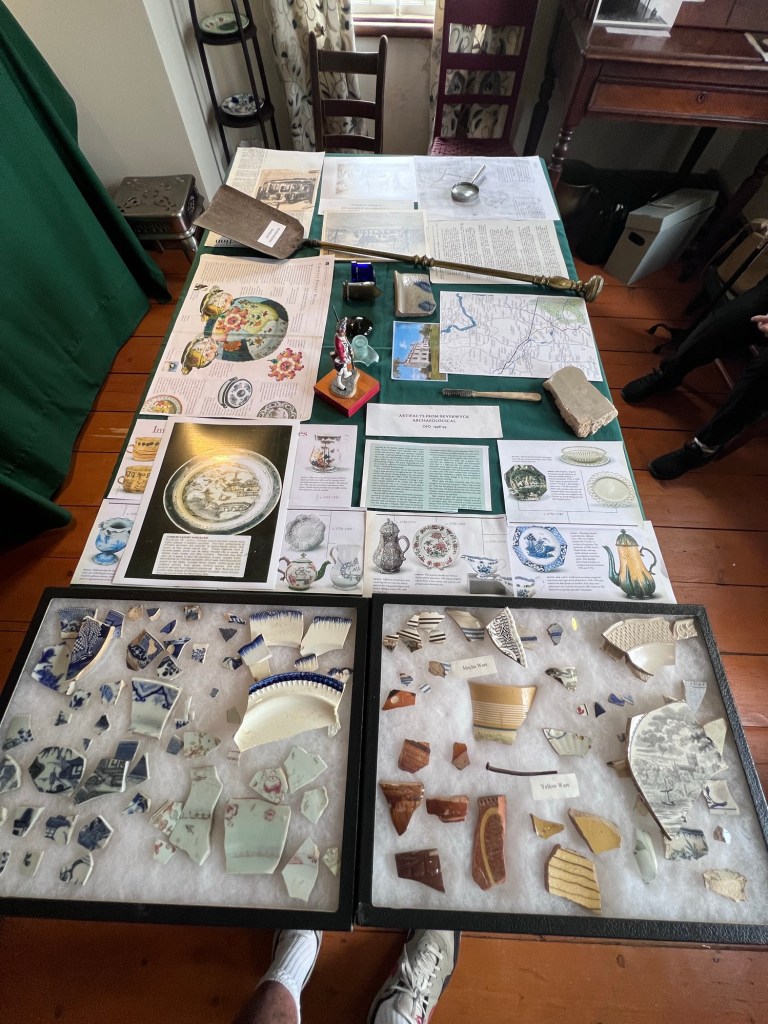
Artifacts found on property and at a dig site at an old mansion in town
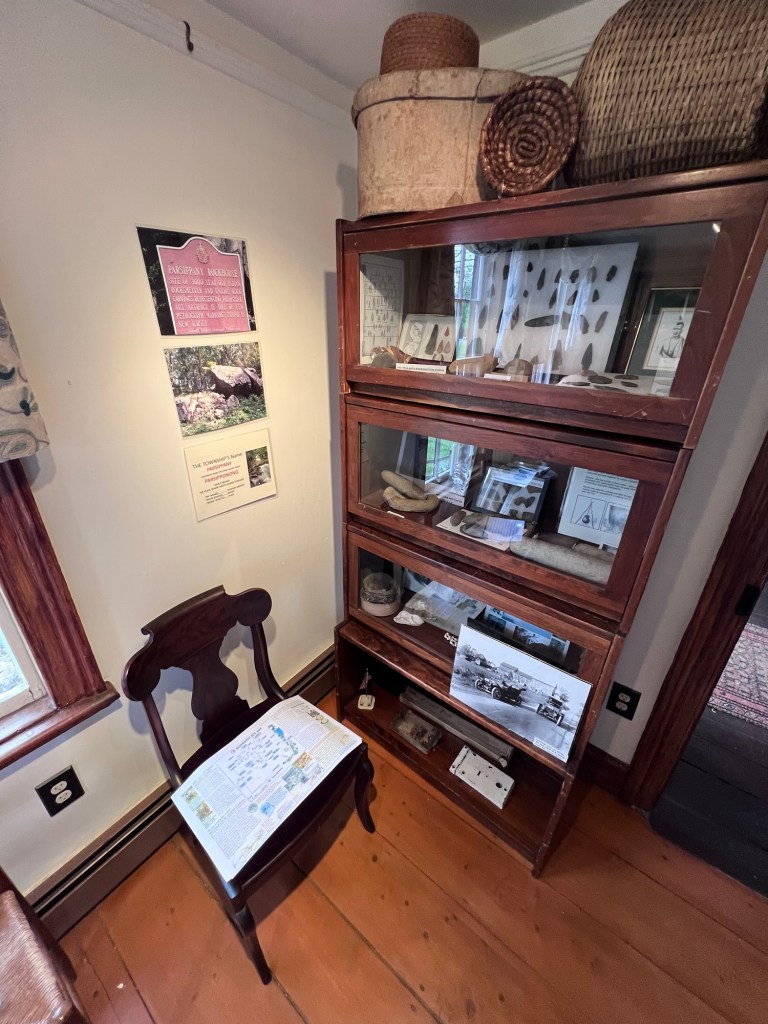
Native American artifacts and weaved baskets from the local area
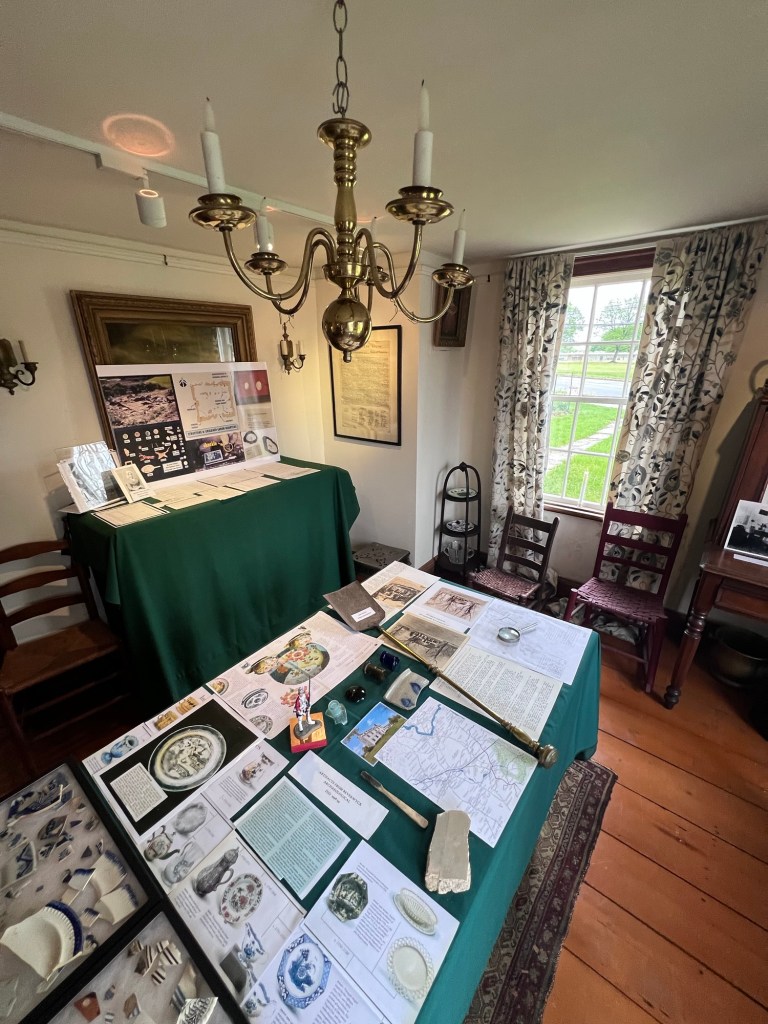
Information on the local area and items from the dig
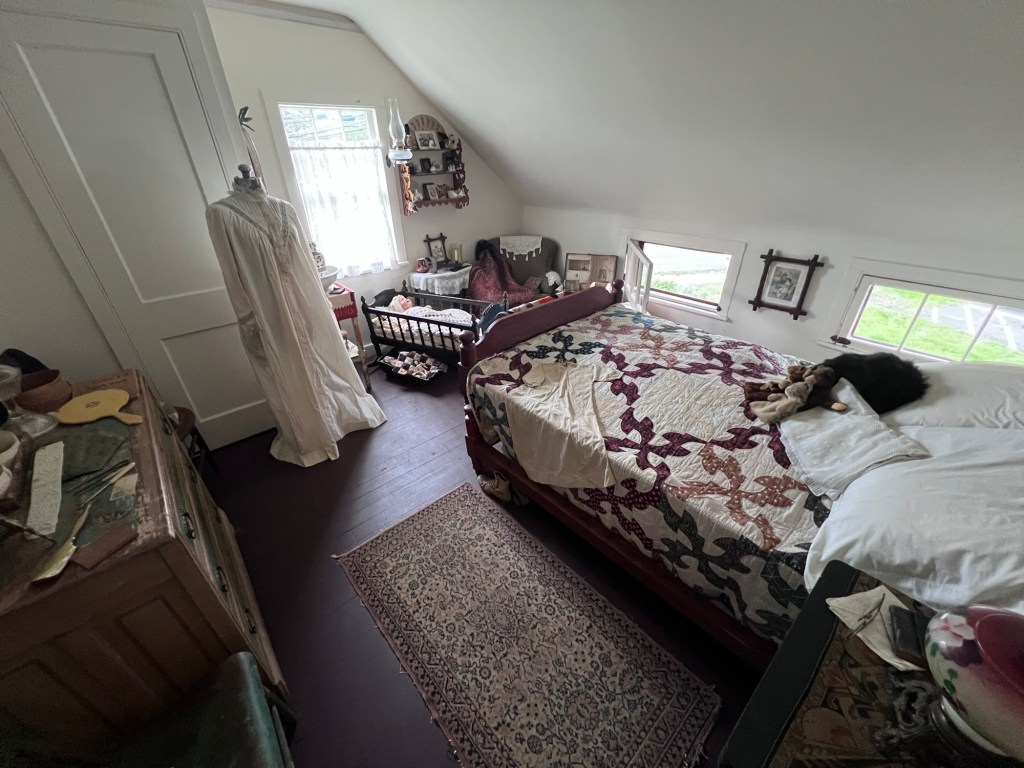
The second floor Children’s room display

I loved the Children’s Room with the vintage toys and furniture. This interpretation would have been for a wealthy or upper middle class child. I loved the selection of dolls and games throughout the room.
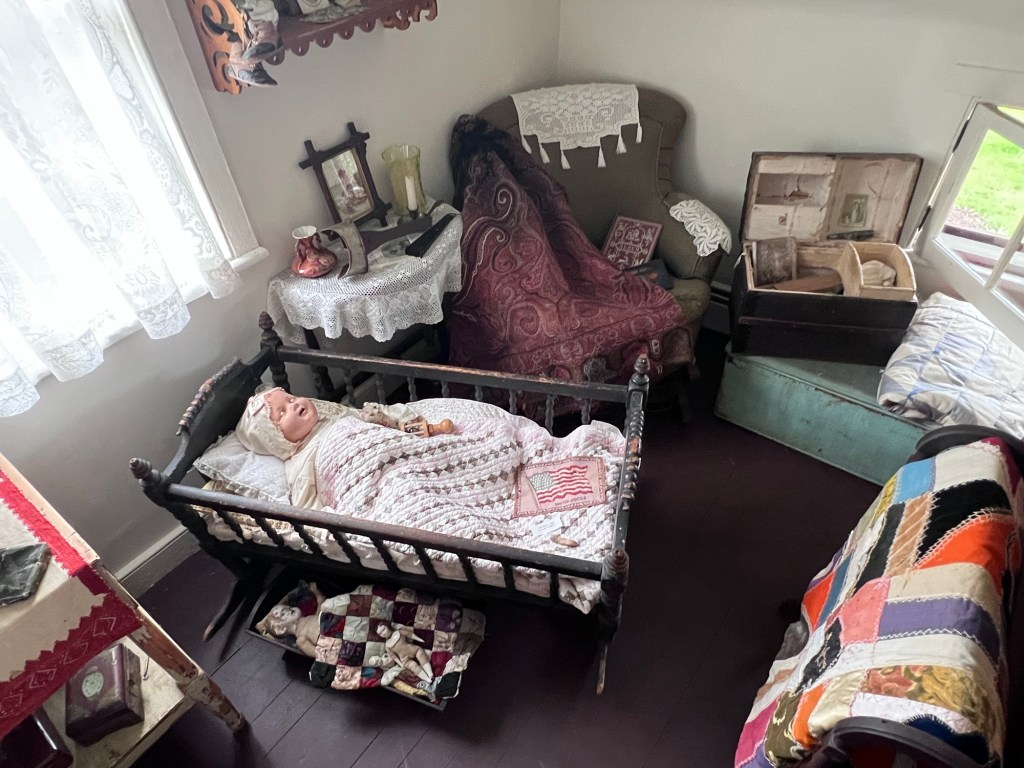
The toys and doll display in the second floor room
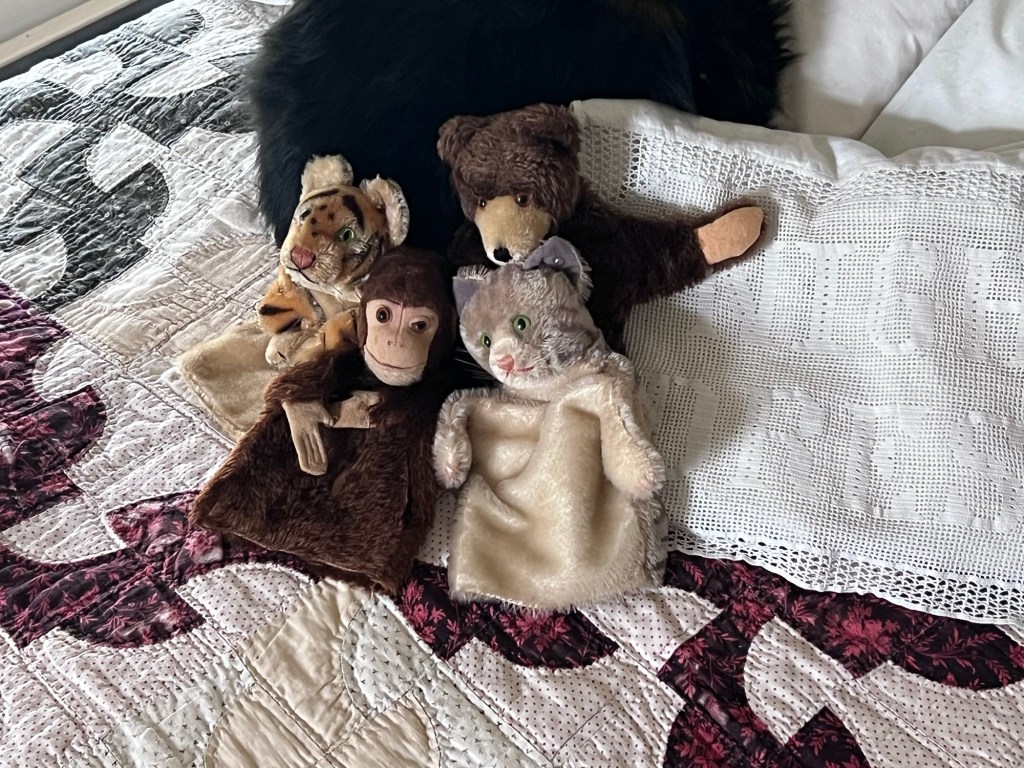
The toys on display in the second floor room
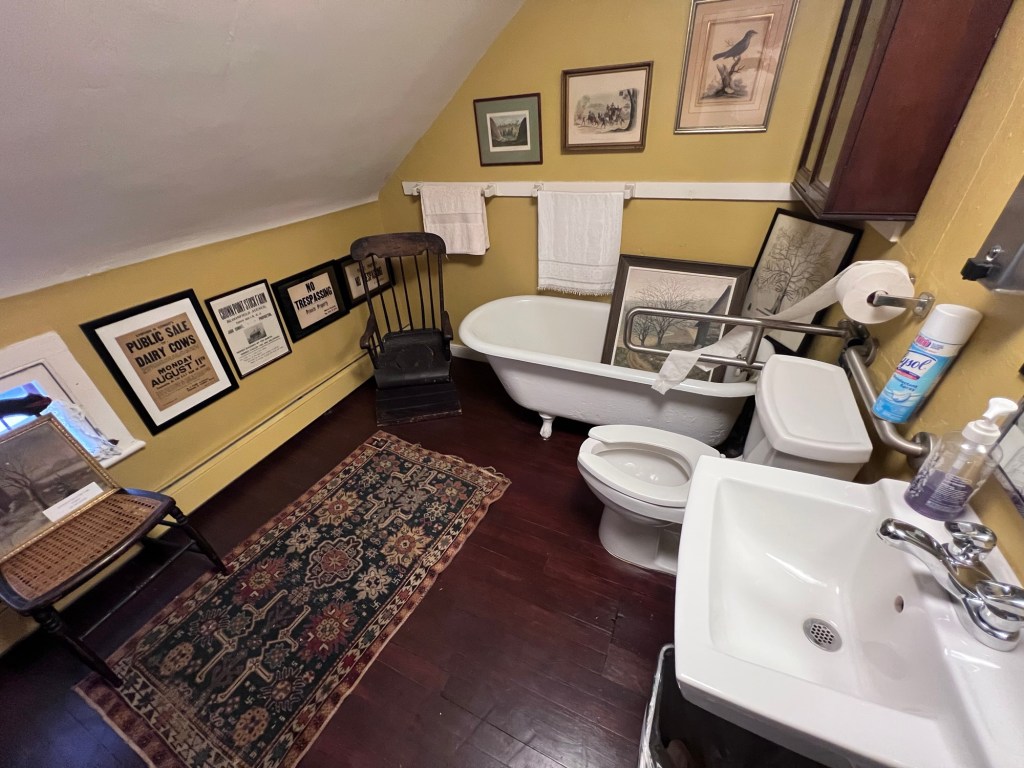
The second floor bathroom
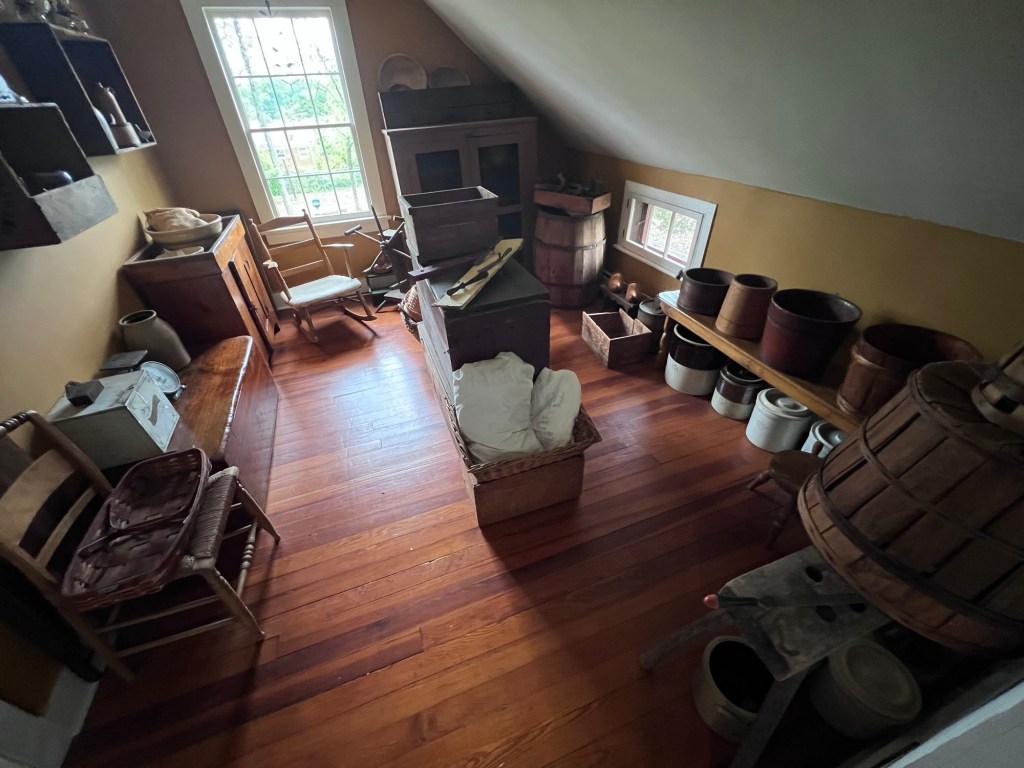
The second floor farm items of baskets and pots. Item used on the farm.
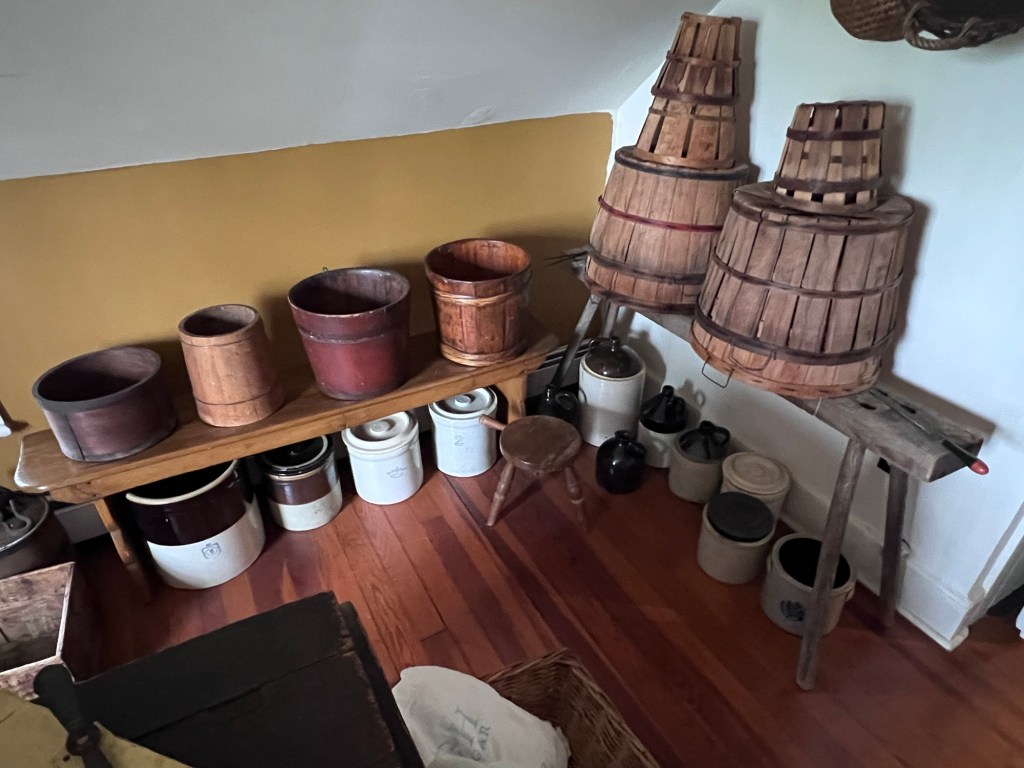
The baskets and crockery used on a farm

This display reminds visitors that this was still a working farm until up to about a hundred years ago.
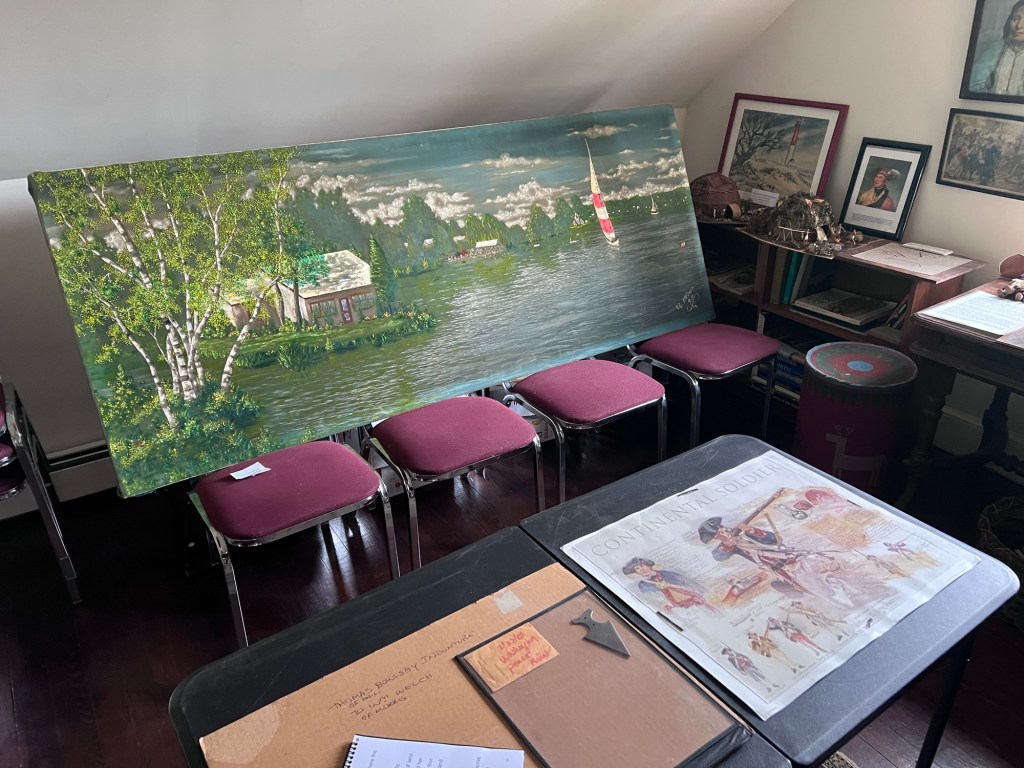
Paintings and artwork on display in the house
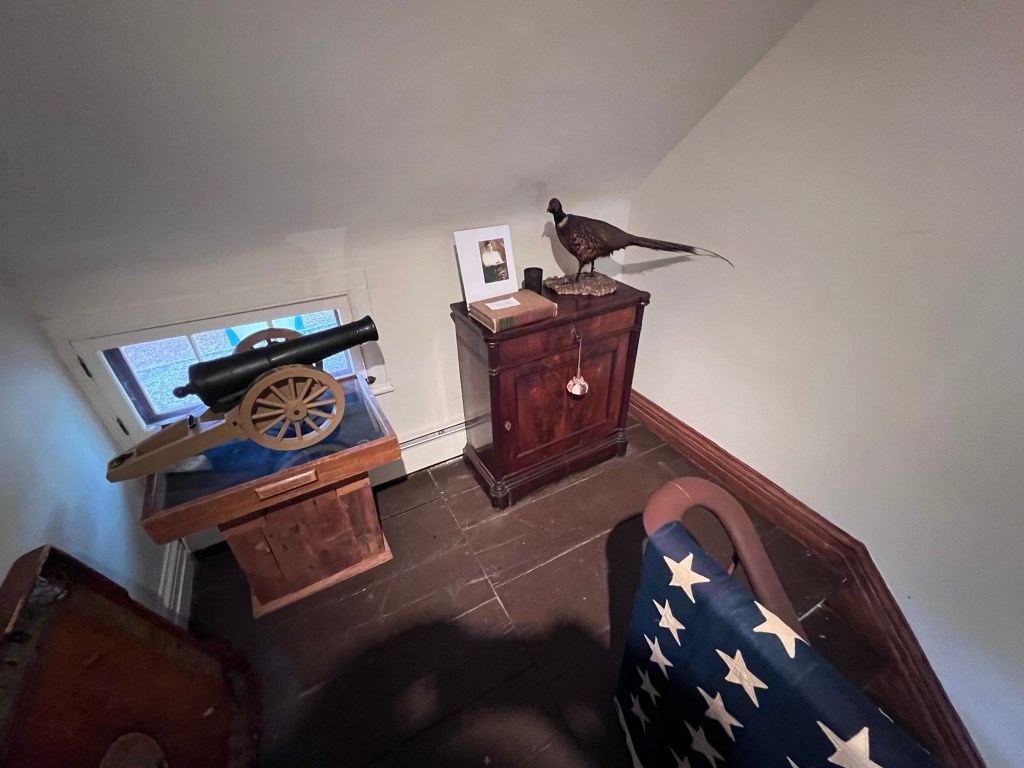
Artifacts in the hallway from the first to the second floor
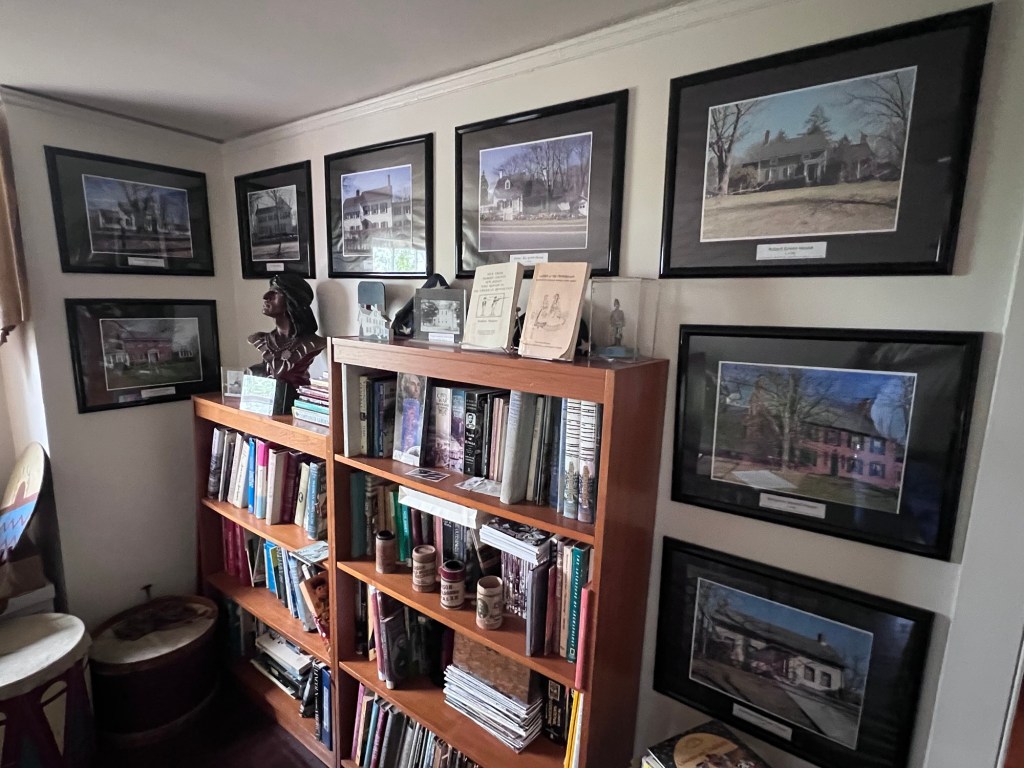
The display of local historical homes and their history
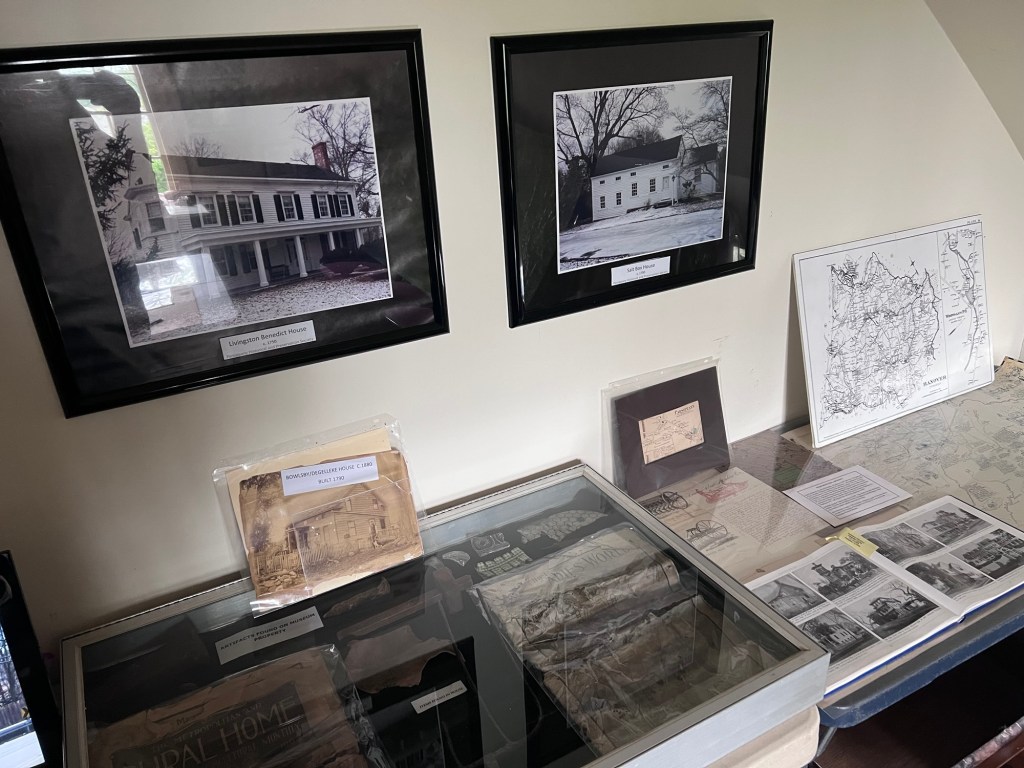
Local historical homes
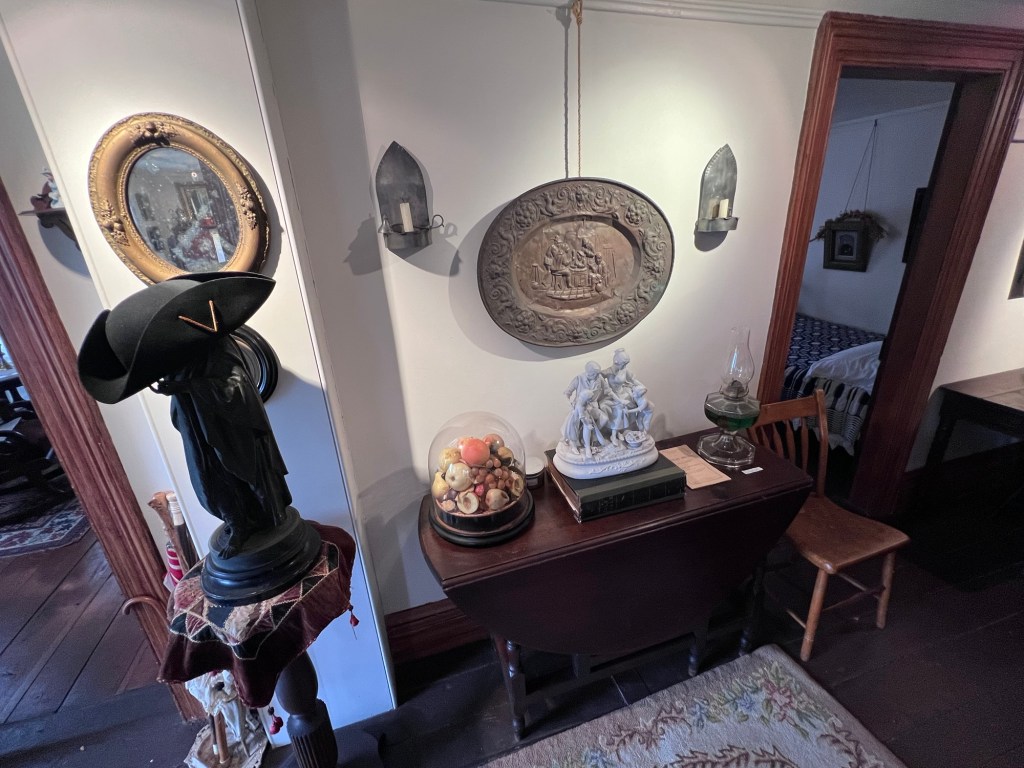
Artifacts at the bottom of the stairs in the foyer as I left

The house had been in the family for almost five generations until it had been sold to another family who in turn owned it for another set of generations. The memory of this family still lives on in this wonderful museum.
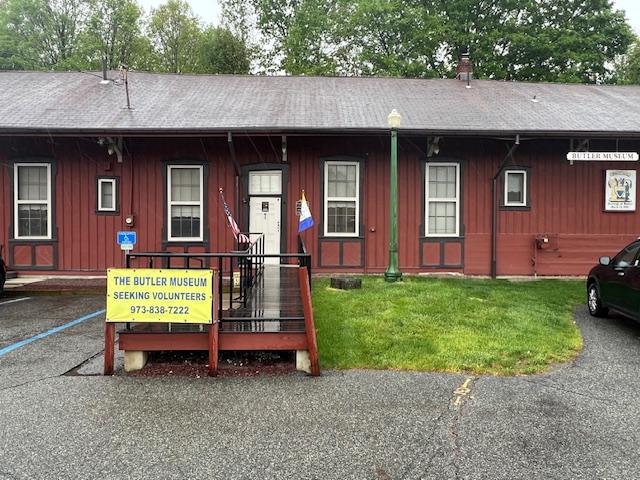
Butler Museum                                                      221 Main Street                                                Butler, NJ 07405

Butler Museum 221 Main Street Butler, NJ 07405

Butler Museum

221 Main Street

Butler, NJ 07405

(973) 838-7222

https://www.butlerborough.com/cn/webpage.cfm?tpid=17694

https://www.facebook.com/TheButlerMuseum

My review on TripAdvisor:

https://www.tripadvisor.com/Attraction_Review-g46335-d27729077-Reviews-Butler_Museum-Butler_Morris_County_New_Jersey.html

The Butler Museum 221 Main Street

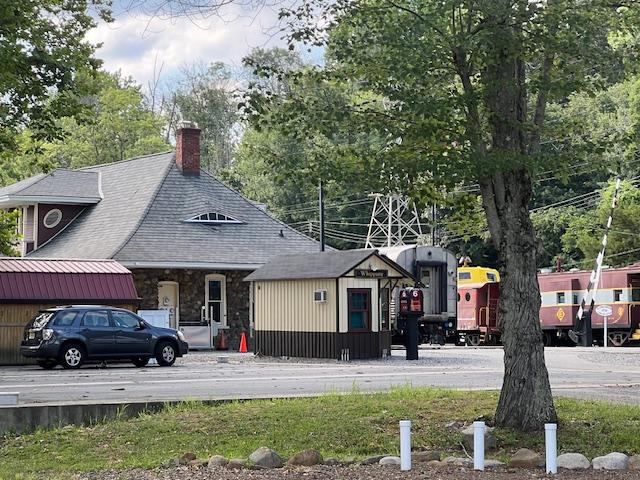
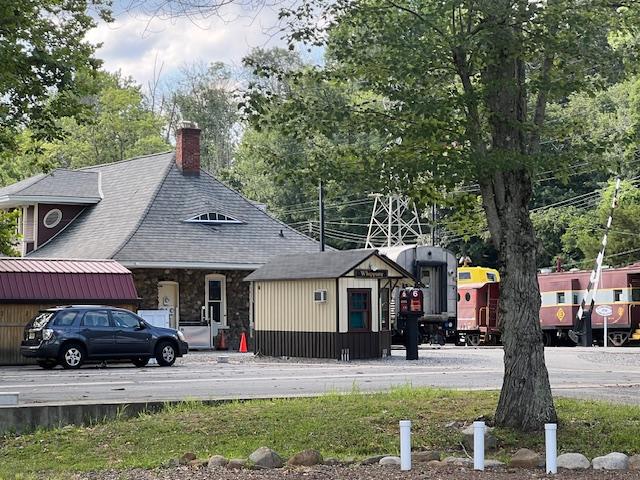
The Butler Museum is housed in the former New York Susquehanna and Western Railroad station. Constructed in 1888, it was remodeled in the 1890’s and in 1907, when a freight room was added to the northwestern end of the building. A major restoration took place from 2011 to 2015. Purchased by the Borough of Butler for a museum just in time for the Bicentennial Celebration in 1976, the museum houses a large collection of artifacts of local and regional significance.

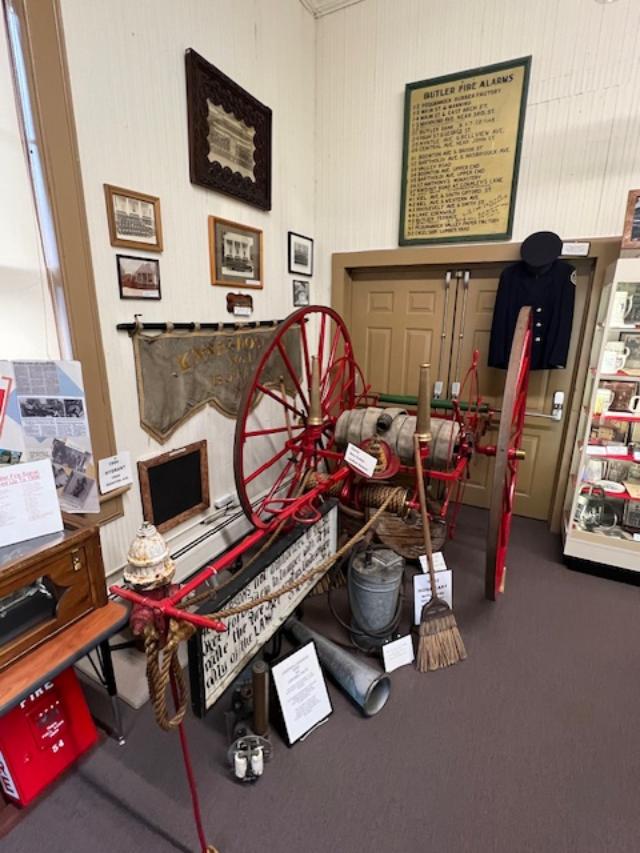
The Butler Fire and Police Department artifacts.

Exhibits highlight the social, educational, fraternal, political, and business life of the community. Unique to the Butler Museum are artifacts pertaining to the Statue of Liberty, statue designer Frederic Bartholdi, and his friend Richard Butler, for whom the town is named. Mr. Butler was an important member of the committee that raised the funds to construct the statue’s pedestal (Pathways to History of Morris County website).

The Statue of Liberty exhibition.

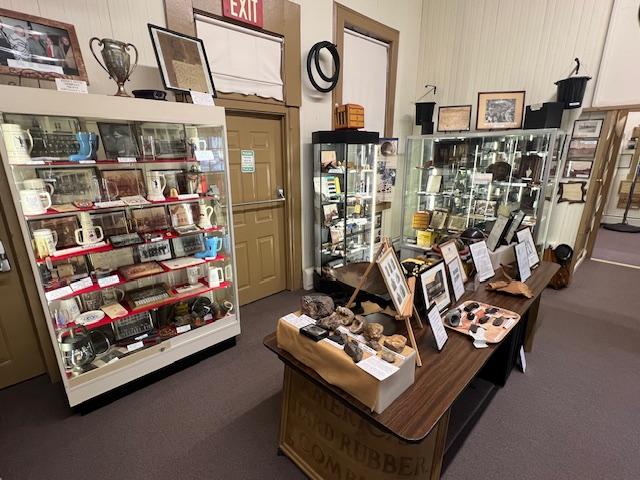
Displays also include products manufactured by the American Hard Rubber Company, the area’s largest employer from the 1880’s to the late 1950’s. Development of items such as Ace Bowling Balls and Ace Combs can be traced from blueprints and salesman samples to the finished products.

The Ace Company exhibit

The resource center presents the opportunity to view past copies of local newspapers, almost a century of Butler High School yearbooks, and a pictorial history of Main Street, Butler.

The Butler Museum main gallery with the Ace Rubber exhibition as well as the Butler Fire and Police departments. The displays represent years of tradition in the town.

The Butler Museum main gallery. The Ace Company exhibition.

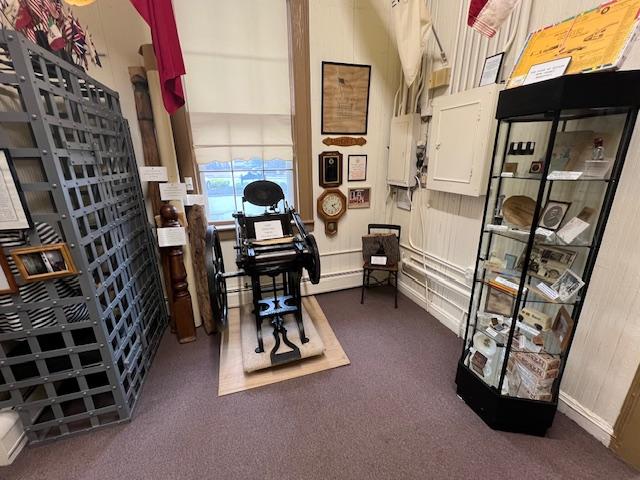
The Butler Museum’s local town history display.

The Printing industry of the town of Butler, NJ.

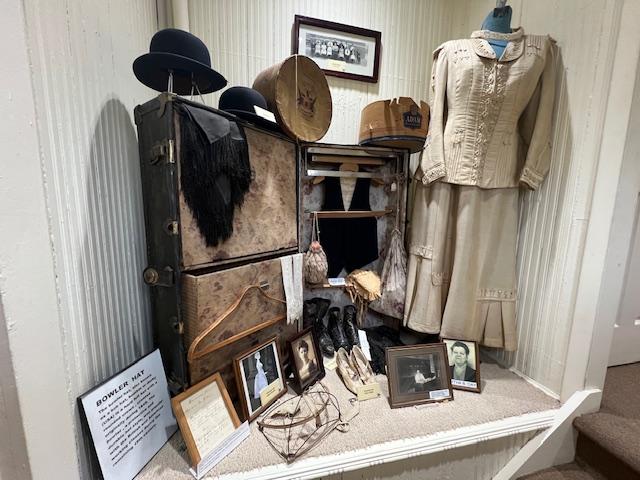
The display of vintage clothing.

The museum has a wonderful display of artifacts that tell the story of the town and show the progression of the town’s growth. The docents do a nice job of telling that story of the town they love so much. It is a very fascinating museum when you tour all the interesting things that the museum has in its collections.

Day Two Hundred and Thirty-Five Exploring the Historical sites of Morris County, NJ for “The Pathways of History” event April 30th-May 1st, 2022

Day Two Hundred and Thirty-Five Exploring the Historical sites of Morris County, NJ for “The Pathways of History” event April 30th-May 1st, 2022

Don’t miss this two-day event in the first weekend in May when Morris County, NJ showcases all the ‘hidden gems’ that it has to offer. It was a great weekend!

http://pathwaysofhistorynj.net/

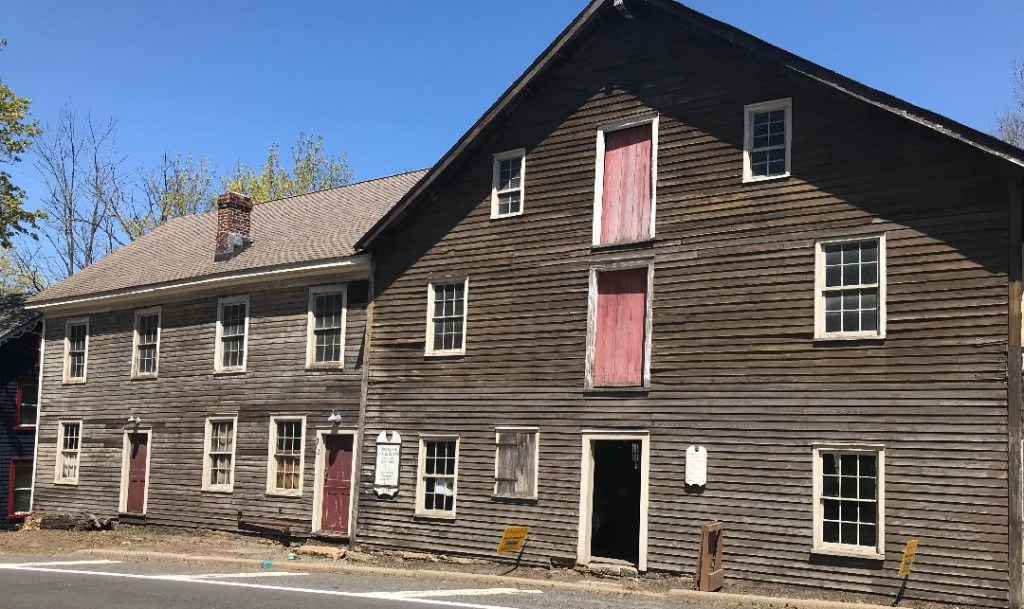
The Obadiah La Tourette Grist & Sawmill

Don’t miss this wonderful weekend tour of Historic Morris County, NJ

jwatrel's avatarmywalkinmanhattan

I had been sent the notice that the County of Morris, New Jersey was having a two-day Open House of many of their historical sites for touring and for special events for a program entitled “The Pathways of History: Museum and Site Tours of Morris County, NJ”.

The “Pathways to History” event takes place every May

http://pathwaysofhistorynj.net/

The weekend event spread to small museums, historical homes and cemeteries all over the County with walking tours and lectures at various sites. Having never been or even heard of many of these sites, I was interested in visiting as many as I could for my blog, “VisitingaMuseum.com” which is here on WordPress.com as well.

I plotted my two days of the event and tried to organize the trip so that we could see as many sites as we could. The event asked the sites to open one of the two days as…

View original post 6,327 more words

Whippany Railway Museum                                    1 Railroad Plaza                                         Whippany, NJ 07981

Whippany Railway Museum 1 Railroad Plaza Whippany, NJ 07981

Whippany Railway Museum

1 Railroad Plaza

Whippany, NJ 07981

(973) 887-8177

Front Page

https://www.facebook.com/WhippanyRailwayMuseum/

Open: Sunday 12:00pm-4:00pm/Monday-Saturday Closed/Seasonal

Admission: Please check the website for seasonality

My review on TripAdvisor:

https://www.tripadvisor.com/Attraction_Review-g46925-d3395271-Reviews-Whippany_Railway_Museum-Whippany_Morris_County_New_Jersey.html

The Whippany Railway Museum

I have to say that I was very impressed by the Whippany Railway Museum. It was not one of those usual train museums with bric-a-brac and posters and a uniform here and there. The museum building itself is a highly organized history of the rail system not just in New Jersey but all over the country. It showcases how New Jersey played a big role in the growth of the rail system and how transportation has changed over the last 100 years.

The museum welcoming you to the museum

The museum displays were highly organized and well documented with all sorts of equipment of how a train functions, lighting equipment for the outdoors, and indoor dining, menus and manners for a time when rail was a form of luxury travel. It shows the progression from just transportation for the movement of product to a sleek way to travel from destination to destination.

The Whippany Railway Museum at 1 Railroad Plaza

There are all sorts of everyday items that show how maintenance of the trains have changed over the years and the modernization of the railcars. They have a display on lighting that has changed over the years and the way that communication was done between the trains and the staff. Even the uniforms have not really changed too much over the years.

Race is touched on with the advancement of Blacks in the Pullman coaches as porters and later supervisors. There was even a discussion on the strikes for better pay and working conditions. I thought it was interesting about the discussion of being called a “George”, which was a term for George Pullman, the owner and developer of the luxury cars. It might have been meant as a compliment but came off as a slur. It showed a progression in the field that in some ways has not changed.

The historic railyard with all the cars you can visit

The museum also showed that rail life could be lonely and not the best in working conditions for anyone which is why the unions became so powerful in later years. It also showed the ingenuity of how the rails conquered the West and opened the country up for development. With each stop, towns developed, and populations have changed. You see how this has been affected even today as rail is not as popular as it once was, and these small towns are dying off.

The entrance to the museum

Where the museum really shines and where I saw the most pride is in the rail cars that have come to the yard over the years and have been carefully restored. The Southern Railway No. 385 built in 1907 for faster freight service, the Texaco Fireless Cooker No. 7240 built in 1937 for industrial switching duty and one of the newest steam locomotives still surviving, the U.S. Army No. 4039 built in 1942 for WWII service are just some of the cars on display (Whippany Railway Museum pamphlet).

The inside of the luxury car

The railcar that most impressed me was the Lackawanna Railroad Subscription Club Car No. 2454 that was once known as the “Millionaires Express” (Whippany Railway Museum). The mahogany paneled car carried businessmen from New York City through towns in the middle of New Jersey. What I thought was interesting was the people who rode it (Christie Todd Whitman’s father was a member) and the fact that you had to ‘buy’ the seat, which meant that no one could ever sit in ‘your chair’ if you were not there. This car ran for 72 years finally retiring out in 1984 (probably due to the recession and changing times).

The inside of the museum

I ended up spending about three hours at the museum due to a very detailed tour by one of the volunteers named Mike. He gave the most interesting hour-long tour of each car and how they were renovating it and carefully restoring each one to its historical integrity. He was so detailed and when the other volunteers chimed in with their stories as well, made it a fascinating tour of the whole yard.

When you are visiting the museum, allow time to take this every intensive and detailed tour of the museum grounds and just don’t concentrate on what’s inside the building. The museum spreads out all over the yards and take the time to explore each car and learn its history. It is an educating and fascinating way to spend the afternoon.

The museum modernizes:

The Whippany Museum under new directions

The History of the Whippany Museum:

(From the museum website)

The story of the Whippany Railway Museum began many years ago when the Morris County Central Railroad (MCC) first opened to the public on May 9th, 1965, at Whippany, NJ. On that exciting day a half-century ago, former Southern Railway steam locomotive No. 385 departed Whippany for Morristown, NJ with the MCC’s first trainload of over 400 passengers. At the end of the day over 1,500 people had traveled on a nostalgic trip into railroading’s colorful past. For the next 15 years until it ceased operations in 1980, the MCC would carry on this excellent tradition, leaving memories for untold hundreds of thousands of visitors that would last a lifetime.

The Morris County Central was founded by a New Jersey aerospace technician, the late Earle H. Gil, Sr. of Parsippany. His idea of running steam excursion trains was formed in the late 1950’s when conventional steam railroad operations were fading fast. Gil hoped that a financially successful heritage railroad would justify the great expense involved in keeping one of these magnificent machines alive.

Having acquired No. 385 in 1963 from the 16-mile-long Virginia Blue Ridge Railway (VBR) in rural Piney River, VA, the MCC ran an outstanding operation through the woodlands of suburban New Jersey. In 1966, Gil acquired another VBR steam locomotive, No. 4039 a former US Army 0-6-0 switcher that was soon added to the MCC’s roster of vintage steam-era equipment.

Threatened by development of the property alongside the Whippany Station, the Morris County Central RR saved the Whippany Freight House from demolition in June 1967 by having it moved across four sets of tracks to a site opposite the station building. Originally used by our predecessor organization, Morris County Central Railroad Museum, this classic railroad freight house is now the headquarters of the Whippany Railway Museum.

The Morris County Central was a fine example of what a conscientious group was able to accomplish, with moderate resources and good taste in the preservation of operating steam. It proved that trains, steam locomotives and haunting whistles continue to linger in the minds of the American public.

Fifty years on, the Whippany Railway Museum continues the tradition and proves that it is indeed possible to have a quality operation through much hard work by its dedicated group of volunteers and the tremendous support of the visiting public.

(From the Museum Pamphlet):

Here you can visit the restored, 1904 freight house with its outstanding collection of rail and transportation artifacts and memorabilia. There are dozens of historic railcars and exhibits on view. We are proud to feature the largest collection of American-built standard gauge steam locomotives displayed in New Jersey.

Marvel at one of the oldest steam locomotives in America, the Southern Railway No. 385 built in 1907 for fast freight service, Texaco Fireless Cooker No. 7240, built in 1937 for industrial switching duty and one of the newest stream locomotives still surviving, the U.S. Army No. 4039, built in 1942 for World War II service.