Tag: Exploring Historic Morris County, NJ

Montville Township Museum/Montville Historical Society                                                                              6 Taylortown Road                                                Montville, NJ 07045

Montville Township Museum/Montville Historical Society 6 Taylortown Road Montville, NJ 07045

Montville Township Museum/Montville Historical Society

6 Taylortown Road

Montville, NJ 07045

https://montvillenj.org/426/Montville-Museum

https://www.montvilletwphistoricalsociety.com/museums

https://www.montvilletwphistoricalsociety.com/

Open: The third Sunday of each month 1:00pm-4:00pm

My review on TripAdvisor:

https://www.tripadvisor.com/Attraction_Review-g46639-d27079954-Reviews-Montville_Township_Museum-Montville_Morris_County_New_Jersey.html

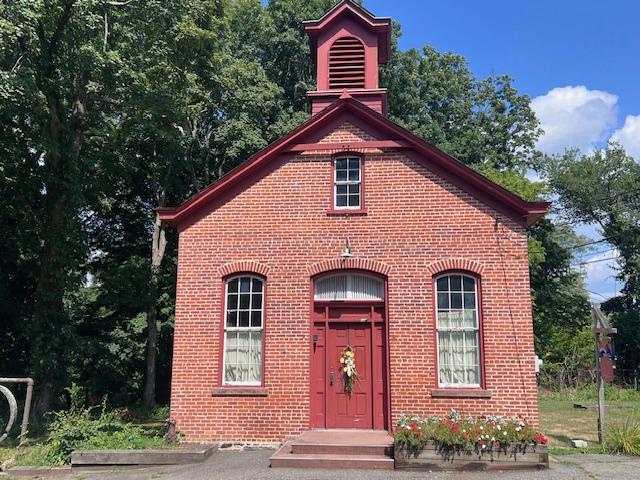
The front of the Montville Township Museum at 6 Taylortown Road

The front sign

I stopped at the Morris Township Museum on a busy Sunday afternoon. The museum, housed in a building that once served the community as a school, post office and a government center.

Each of the cases holds all sorts of artifacts that reflects the towns developments and growth. The first case line is filled with fossils found in the area and small artifacts from the Lenape Indians.

The next case was filled with accessories from Victorian objects from jewelry to household items. Lining the walls are objects from the high school, personal family records for people to search on their loved one’s genealogy. The docents are hand from the Historical Society to answer any questions about the museum.

The History of the Building:

(from the museum website)

The building was originally “Old Schoolhouse #10”.  It was built in 1867 and occupies the site of a former 1837 school.  One of the early superintendents of Morris Canal, Mr. William Hickson , was its builder.​

Located at 6 Taylortown Road just down the street from Route 202 is a red brick building with a sign out front proclaiming it the “Montville Township Historical Museum”. Within its walls are articles, pictures, tapes, and memories that will carry you back through the years to times long past.

The front of the museum

About the Building: The building was constructed following the Civil War, in the year 1867. It was one of the first one-room schools in the area. The land was donated by the eastern district superintendent of the then-thriving Morris Canal, one of the many waterways then in existence to help promote trade and travel in America. William Hixson gave the land to the town for public purposes, with the stipulation that it could be reclaimed if used for a purpose with which his family disagreed.

The historic sign of the school

Reconstruction: The building began serving Montville as a one-room school heated by a potbellied stove. It also served as an auxiliary to the local Methodist Church. It became the gathering place for the local temperance league in the 1890s, and was the scene of many temperance meetings in the town.

The gardens of the front the museum

The historical collection of the museum

The history of the property:

(from the Museum website)

Entrance: Today, as you enter the museum, you walk into an entrance foyer. Probably once used to hold the boots and coats of school children, it is now an entrance hallway. The door to the main room is straight ahead, and upon entering, you step into history.

Building Uses: Forty-four years after being erected, it changed from a school to the center of political activities as the town hall. It was the town hall until 1939, when it became the town’s post office. It served as such until 1961, when a post office was constructed close by (Taylortown Road and Route 202).

Making it a Museum: After the postmen moved out of the building, the township considered selling the property to a business concern but the original Hixson agreement was recalled, and the building remained unused – until the celebration of New Jersey’s 300th Anniversary.

At that time, a Tercentenary committee was founded in the Township to help celebrate the anniversary and the Committee decided to make the establishment of a museum its main project. Armed with donations from local residents, committee members renovated the building and reopened it in 1963 as a museum.

The inside of the museum

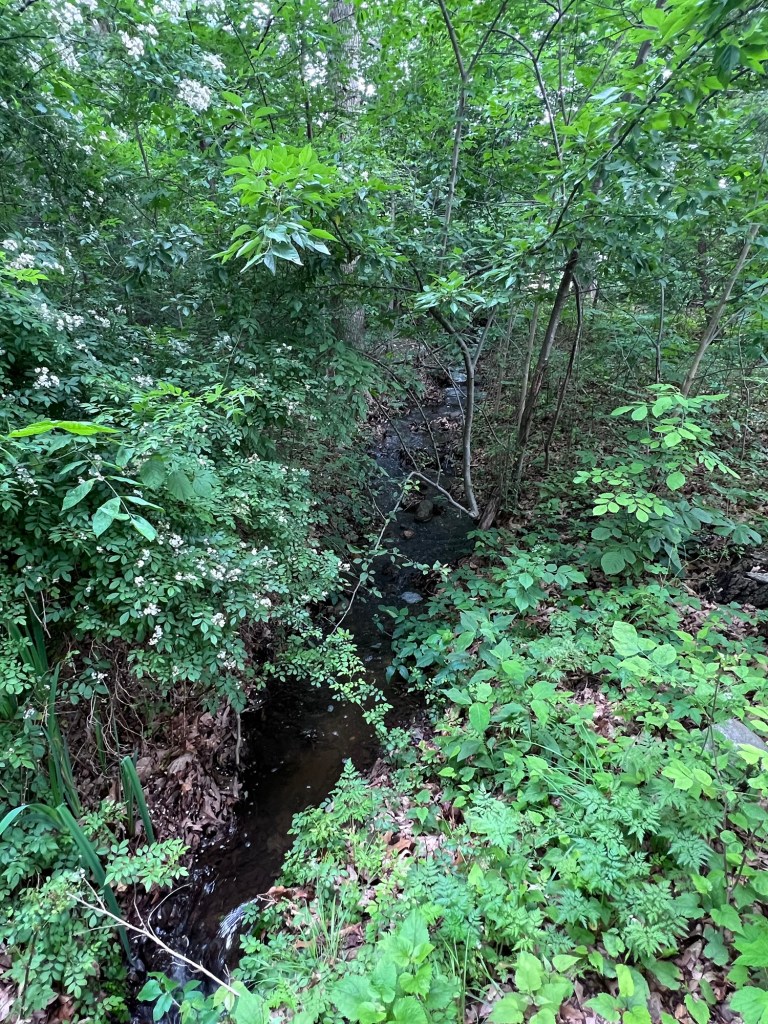
The part of the canal that exists around the museum

Around the corner from the museum is the corner from where the Morris Canal lock was located which was on display at the museum.$

The area around where the Morris Canal was located

https://en.wikipedia.org/wiki/Morris_Canal

https://www.morriscanalgreenway.org/

I traveled further down the road to see what is left as the canal that has since grown over. Before railroads and cars, the canal system is where goods and services from the interior of the state to the cities such as New York City and Newark.

The sign marking the site of the canal and the lock system

The lock location

The grown over canal system

It is an interesting museum whose artifacts represent the three communities in Montville township.
Frelinghuysen Arboretum                                          53 East Hanover Avenue                                            Morristown, NJ 07962

Frelinghuysen Arboretum 53 East Hanover Avenue Morristown, NJ 07962

Frelinghuysen Arboretum

53 East Hanover Avenue

Morristown, NJ. 07962
(973) 326-7600

Open: Sunday-Saturday 8:00am-Sunset

Admission: Free

My review on TripAdvisor:

https://www.tripadvisor.com/ShowUserReviews-g60906-d183697-r1011332193-The_Frelinghuysen_Arboretum-Morristown_Morris_County_New_Jersey.html?m=19905

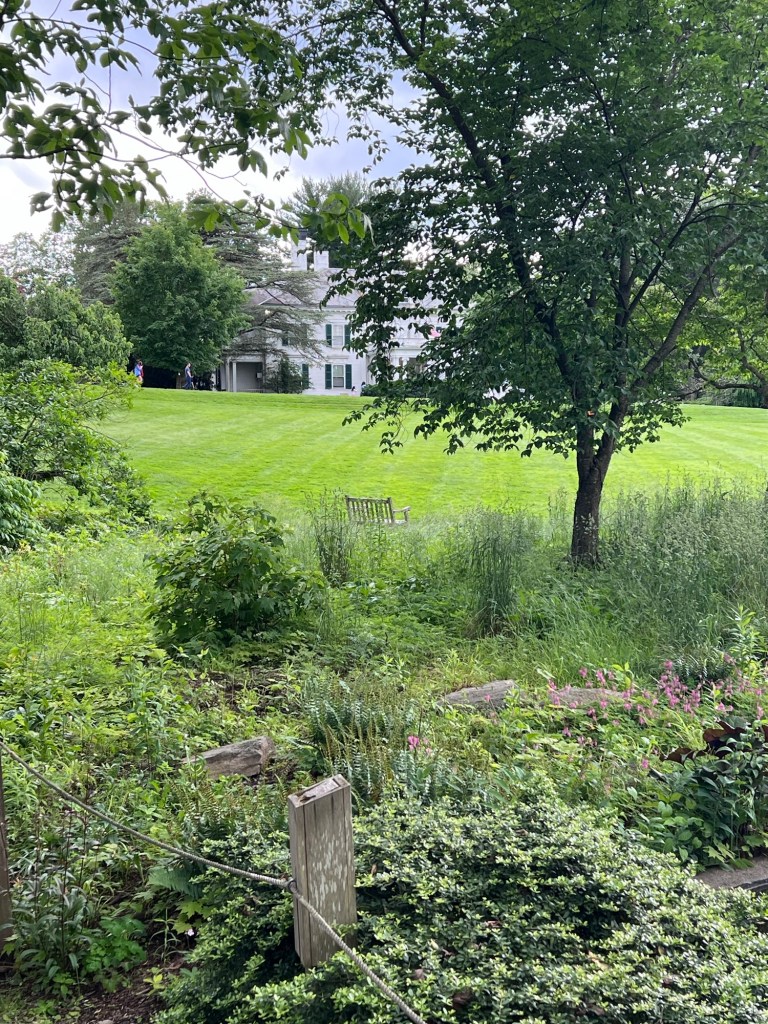
I had never been to the Frelinghuysen-Ballentine estate before and in the peak of the Spring and after all the rain we have had, the gardens were in full bloom. The gardens were broken down into different sections that surrounded the main mansion and the stables.

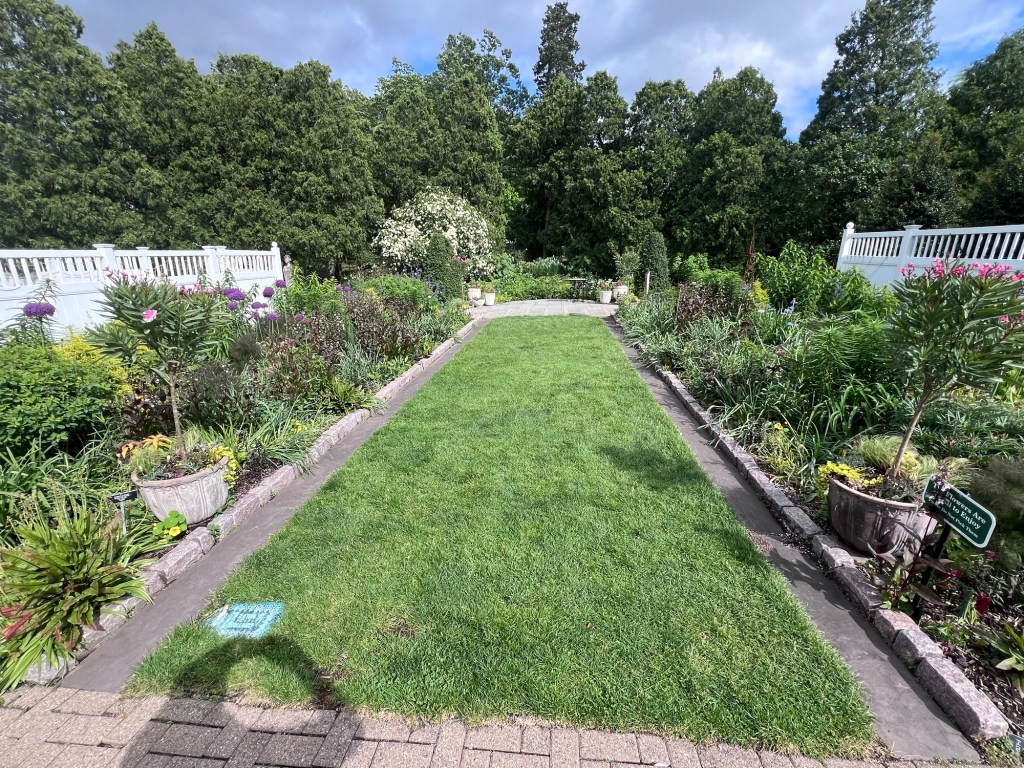
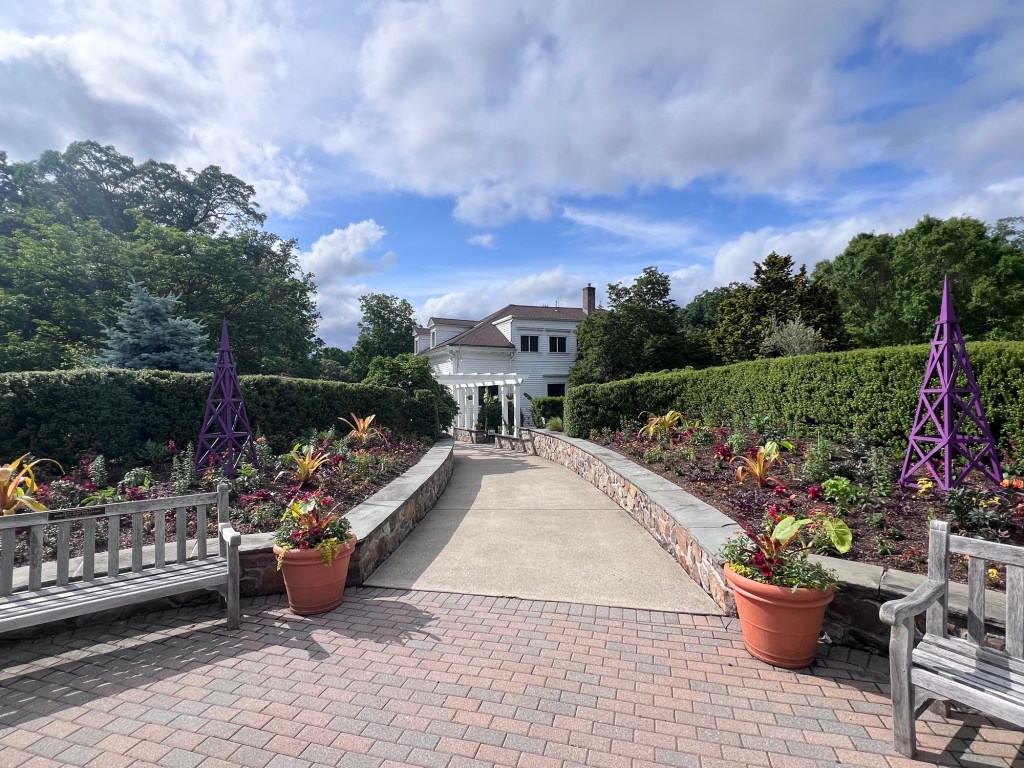
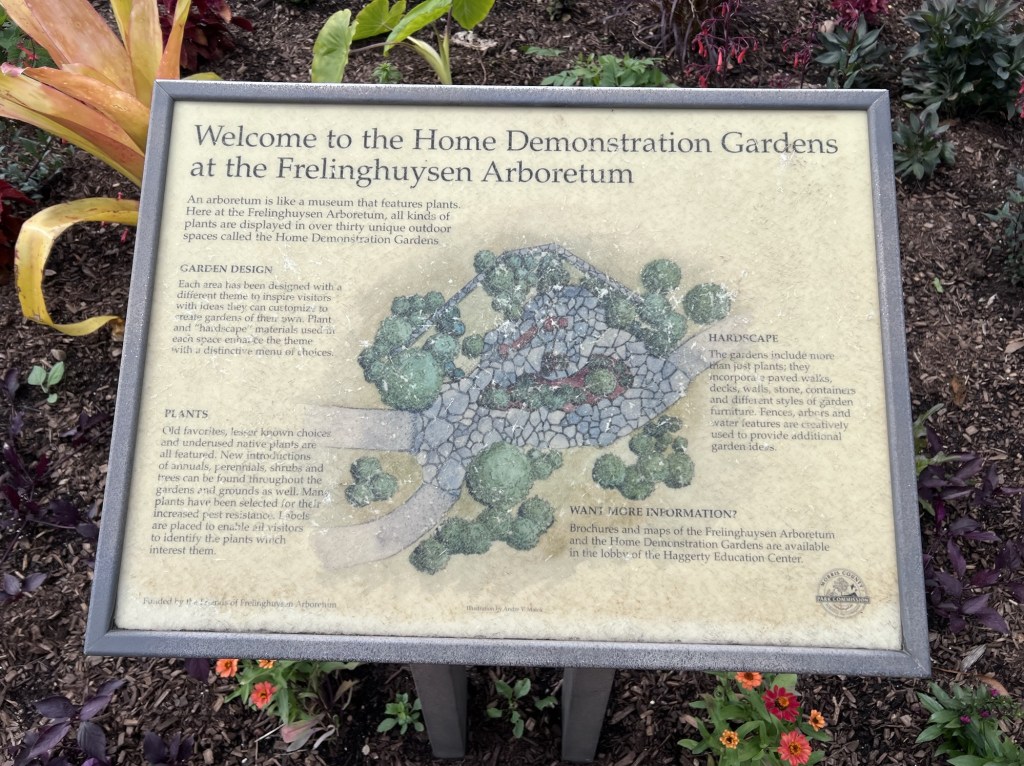
The entrance to Frelinghuysen Arboretum with the Home Demonstration Gardens

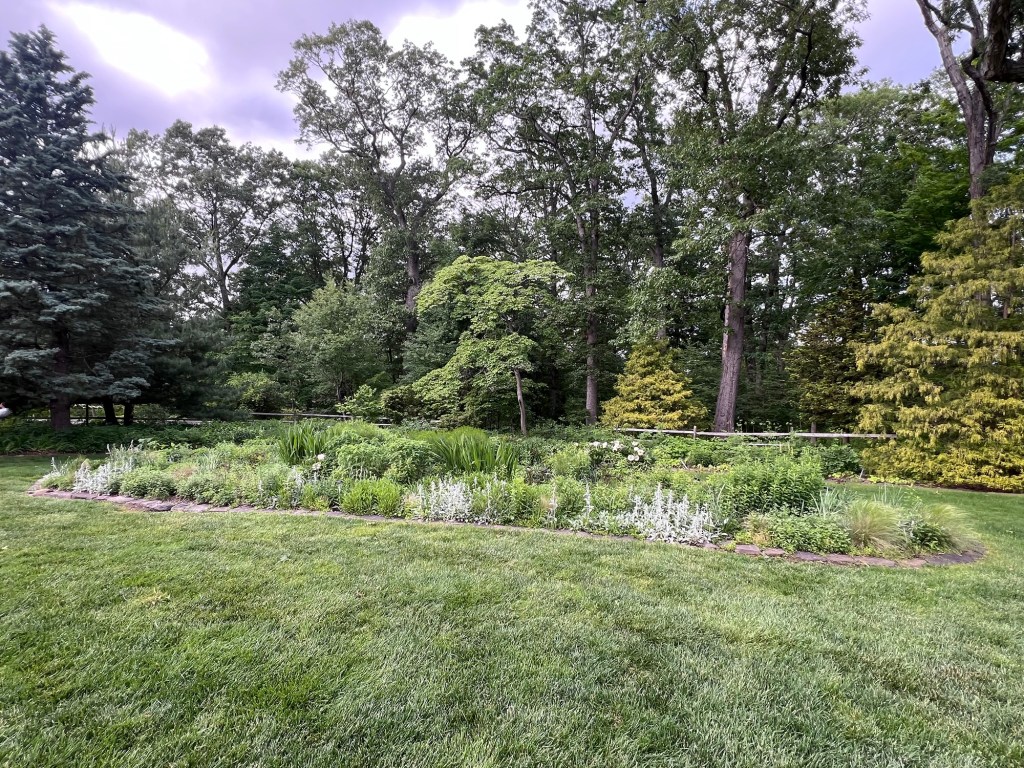
The gardens spread out along the edges of the estate. The main gardens sit between the mansion and the stables, which now serves as the Visitors Center. The lawns and the gardens are so beautifully maintained. Many of the flowers were in full bloom and it made a colorful display of Mother Nature.

The entrance to the gardens

The History of the Frelinghuysen Estate:

(from the Friends blog post)

George G. Frelinghuysen, a patent attorney and son of Frederick T. Frelinghuysen, Secretary of State under president Chester A. Arthur, was married in 1881 to Sara Ballantine of Newark. She was the granddaughter of the founder of the P. Ballantine Brewing Company.

In 1891 the couple commissioned the Boston architectural firm of Rotch & Tilden to construct a summer home and carriage house on property they named Whippany Farm for the river nearby. The Colonial Revival style is evident in such details as the Federal urns and swags, Ionic columns on the porte-cochere and the large Palladian window on the second floor landing.

The family only lived here during the summer months. In the winter they resided at 1 Sutton Place in New York City. The property was a working farm. Vegetables and flowers were grown for the family’s consumption and sent to them in New York City via train. There were greenhouses, several barns and some smaller houses on the property. Some servants lived on the property year around.

George Frelinghuysen died in 1936 and Sara Frelinghuysen died in 1940. This property was left to their only daughter, Matilda. Miss Frelinghuysen had an interest in gardening and was a member of the Garden Club of Morristown. In 1964, she began plans for turning the estate into an arboretum. Upon her death the land and house was bequeathed to the people of Morris County for the use as a public arboretum. The Frelinghuysen Arboretum was dedicated in 1971.

The Haggerty Education Center was opened in 1989. It contains a multi-purpose auditorium and two classrooms. Its purpose is to provide continuing horticultural educational programs for the public. It is also home for various regional plant societies.

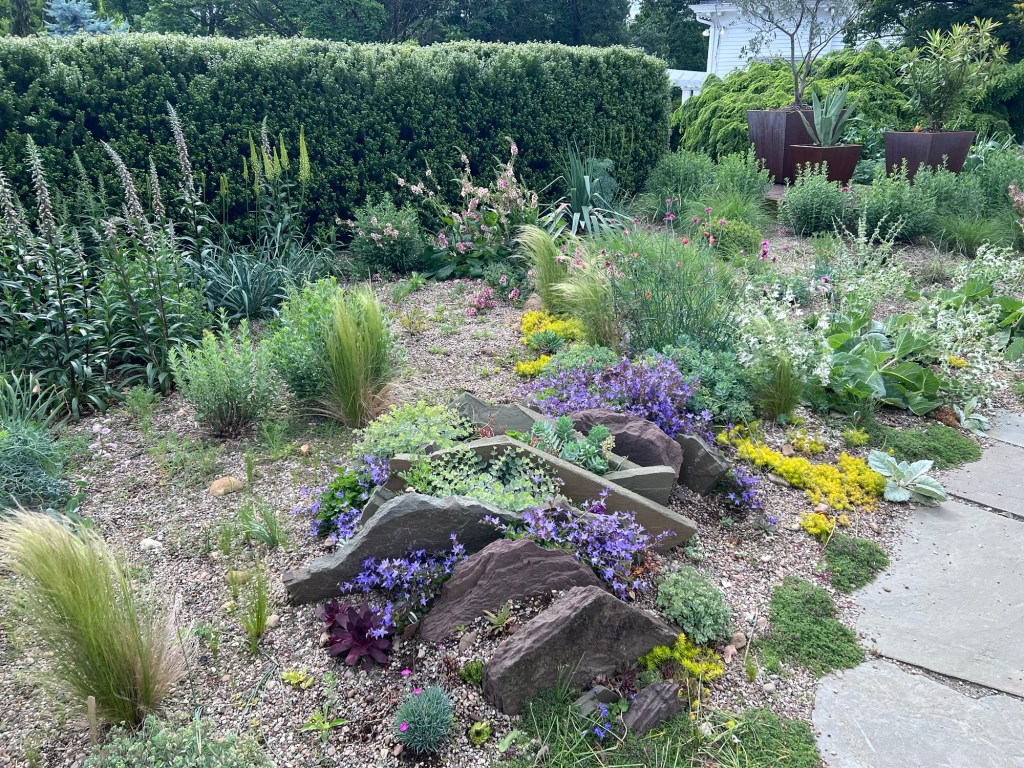
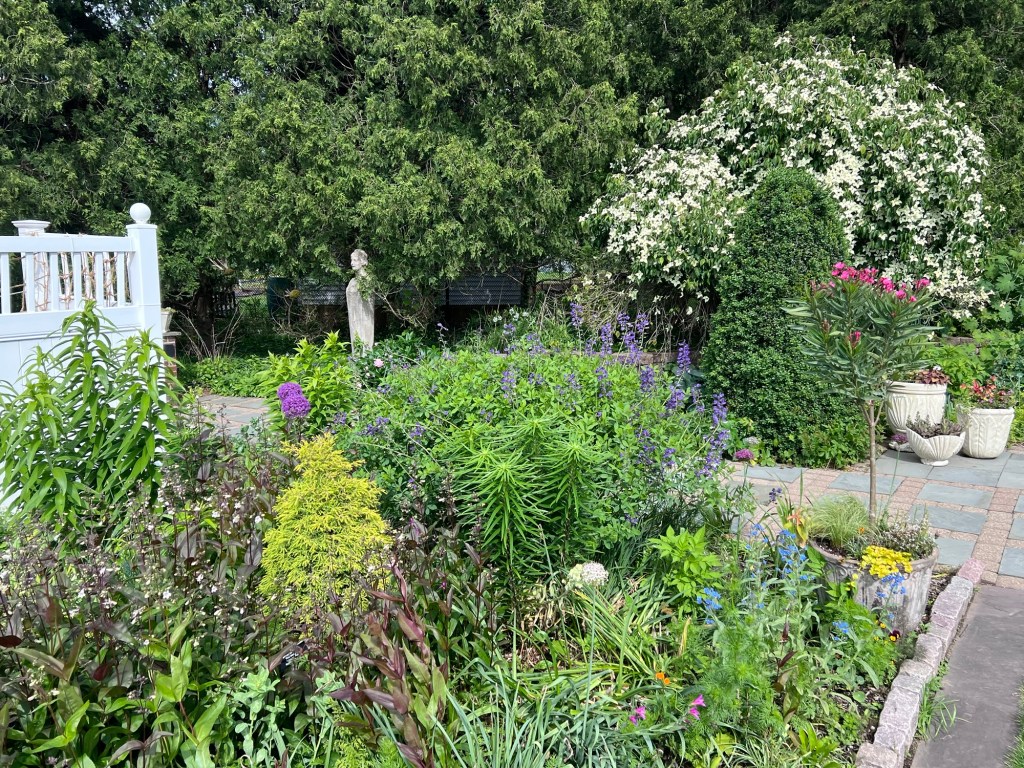
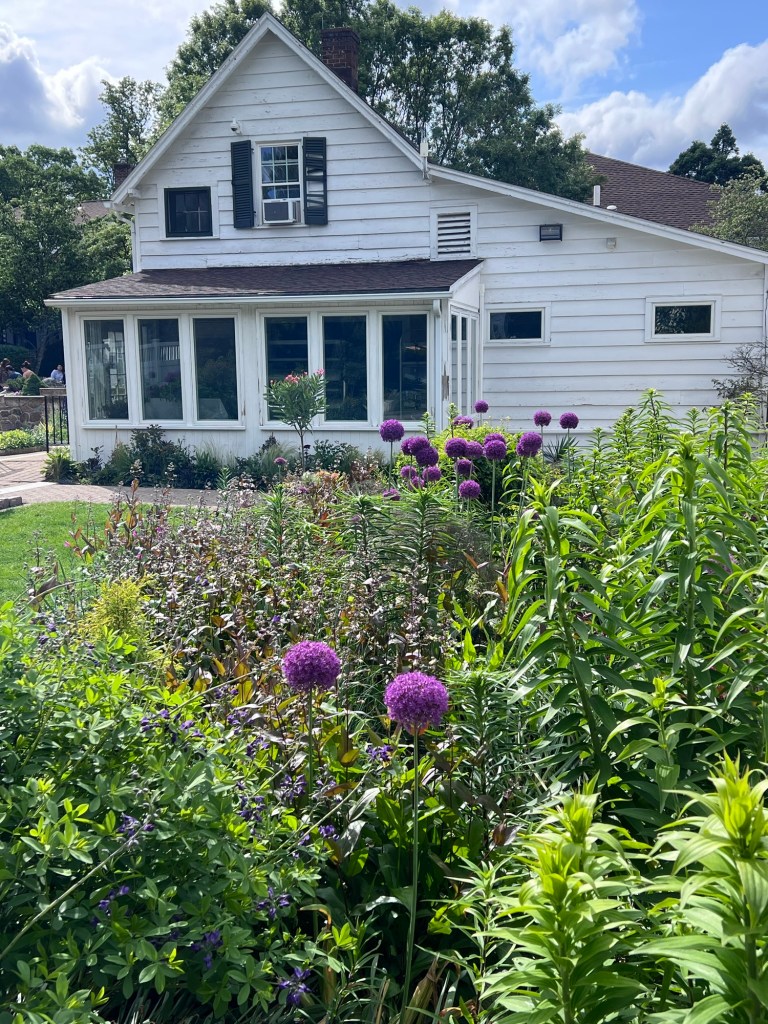
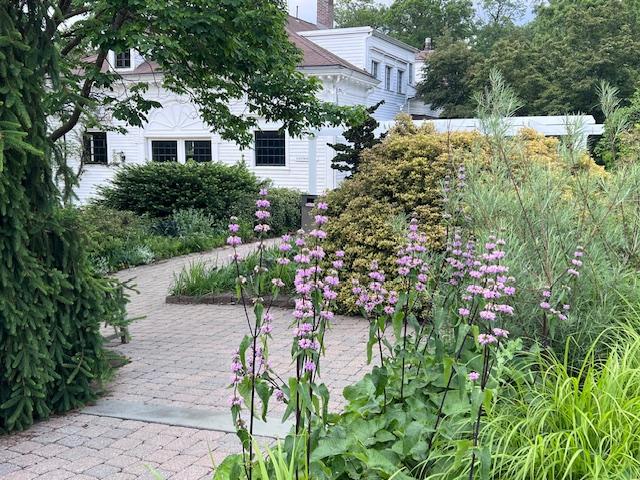
The gardens in bloom in the Spring of 2025

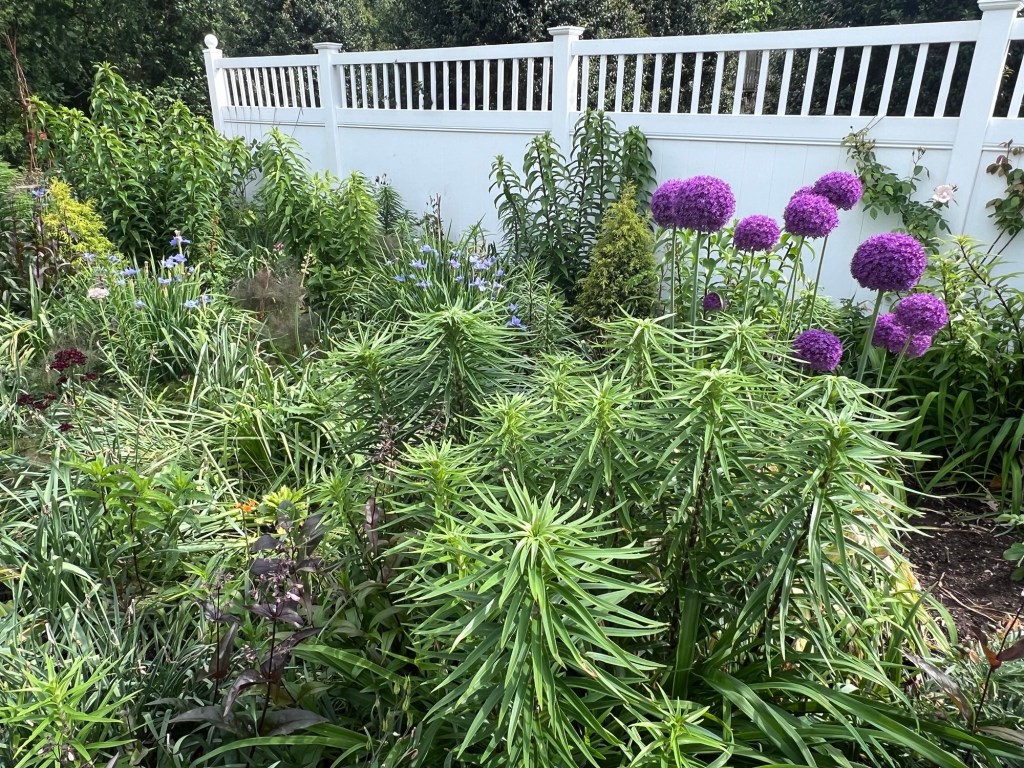
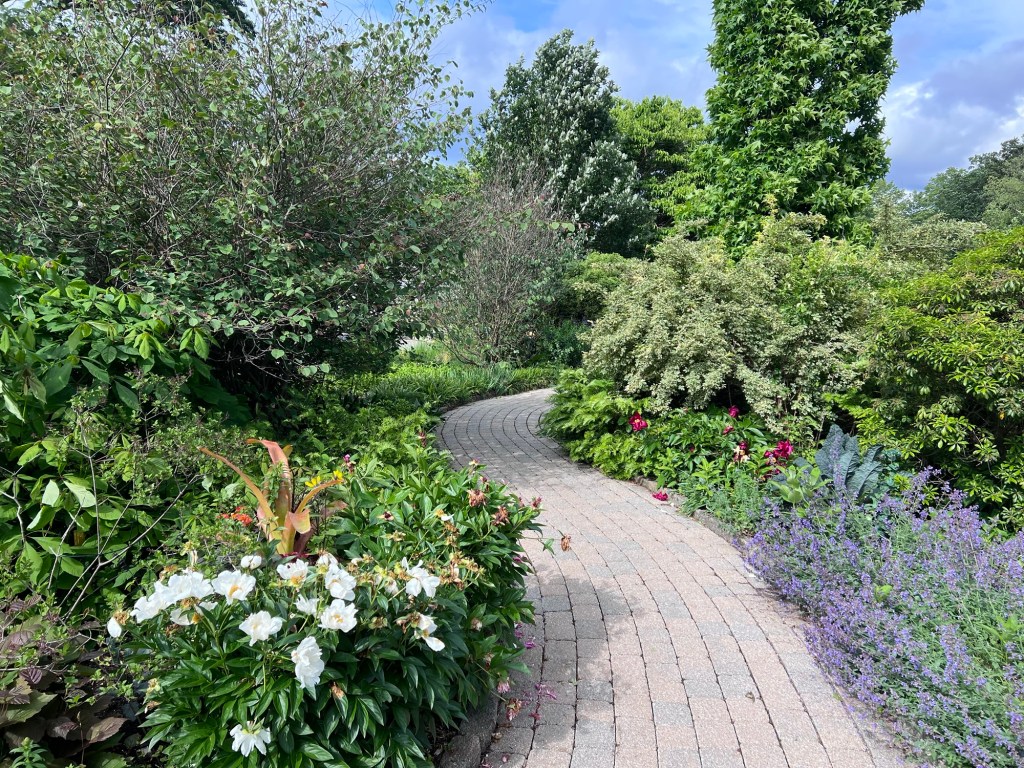
The flowers on the beds in full bloom

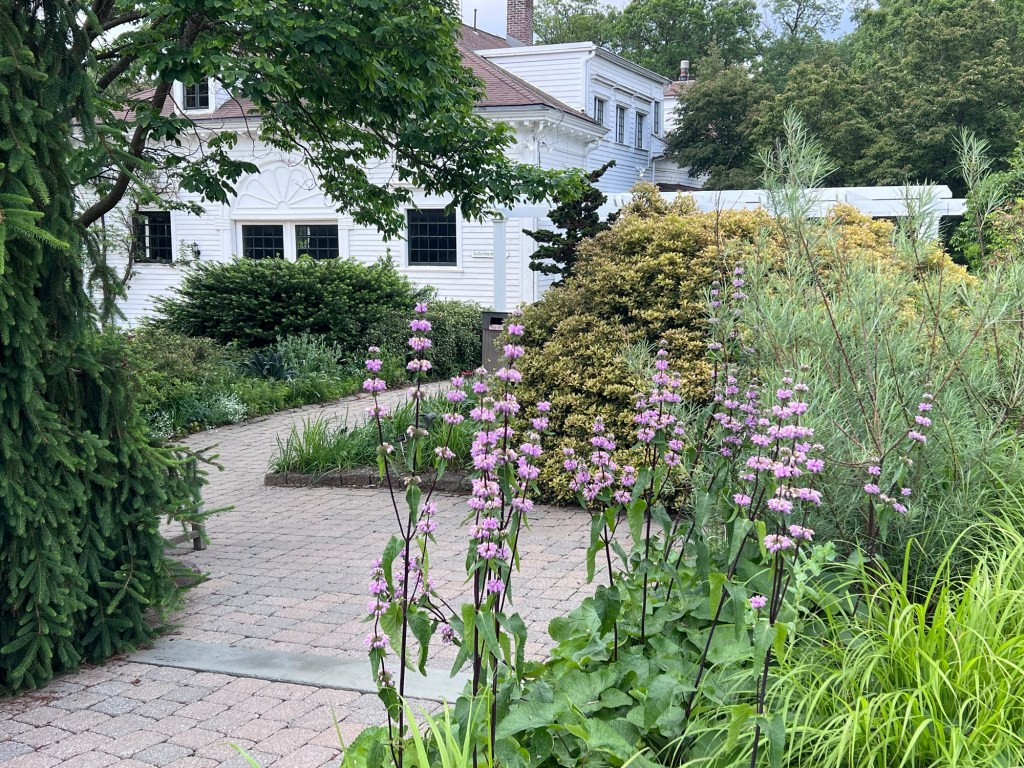
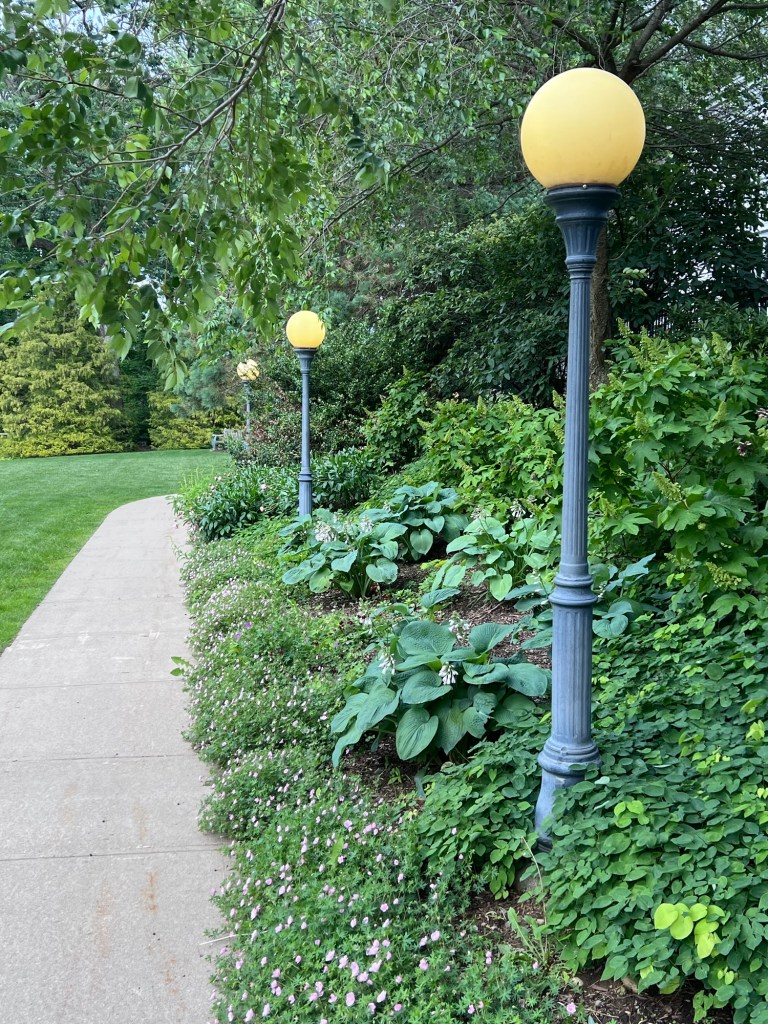
The pathways around the gift shop and Education Center.

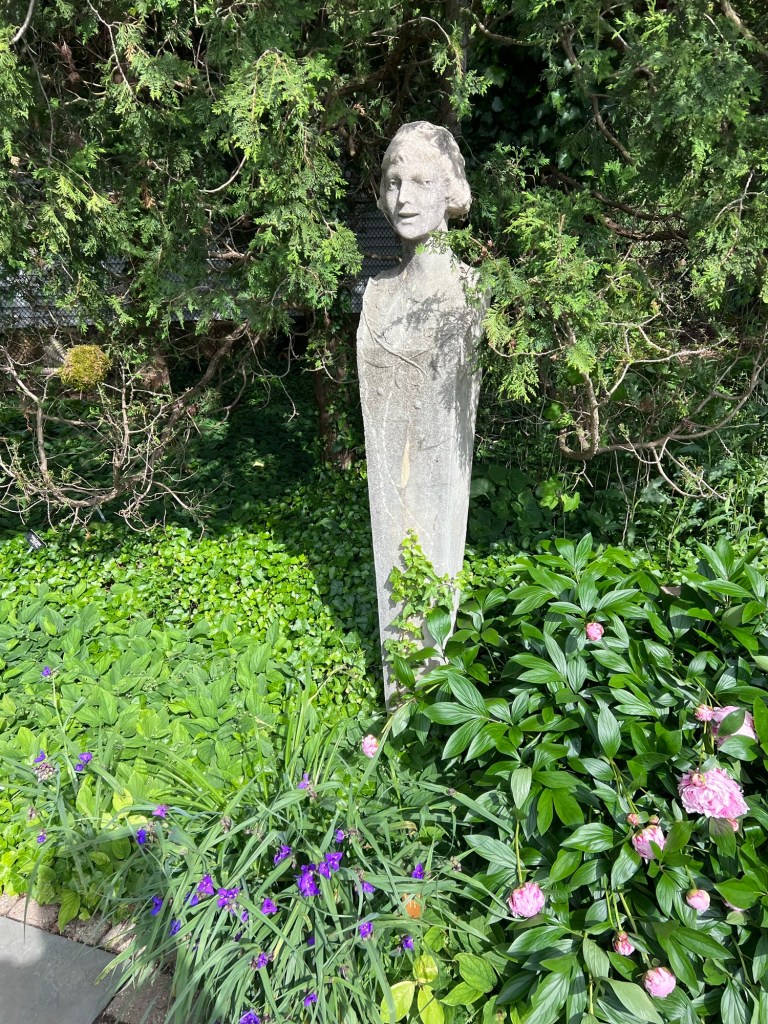
The statuary around the gardens

The flowers around the old stables area

The gardens around the old stables

Walking to the family mansion (which was closed for a wedding)

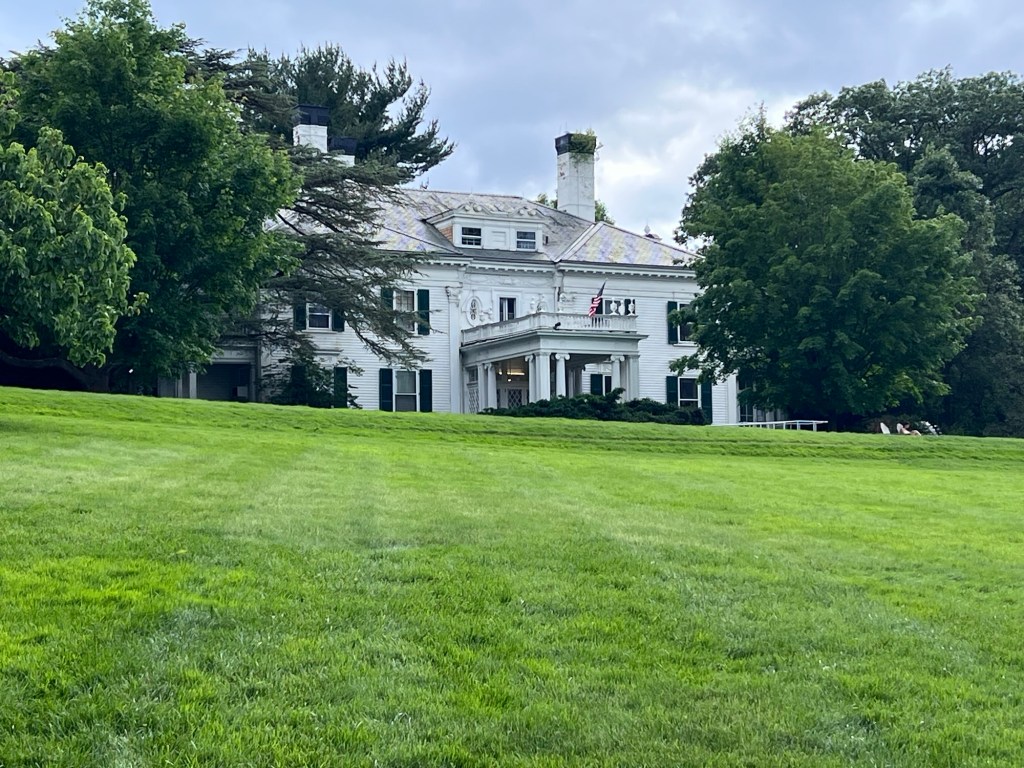
The Frelinghuysen Mansion

The mansion was closed for a wedding but I was able to walk around the front gardens and the extensive lawn. The clouds kept moving in and out of the sky but when the sun peaked out, the gardens showed off their beautiful colors.

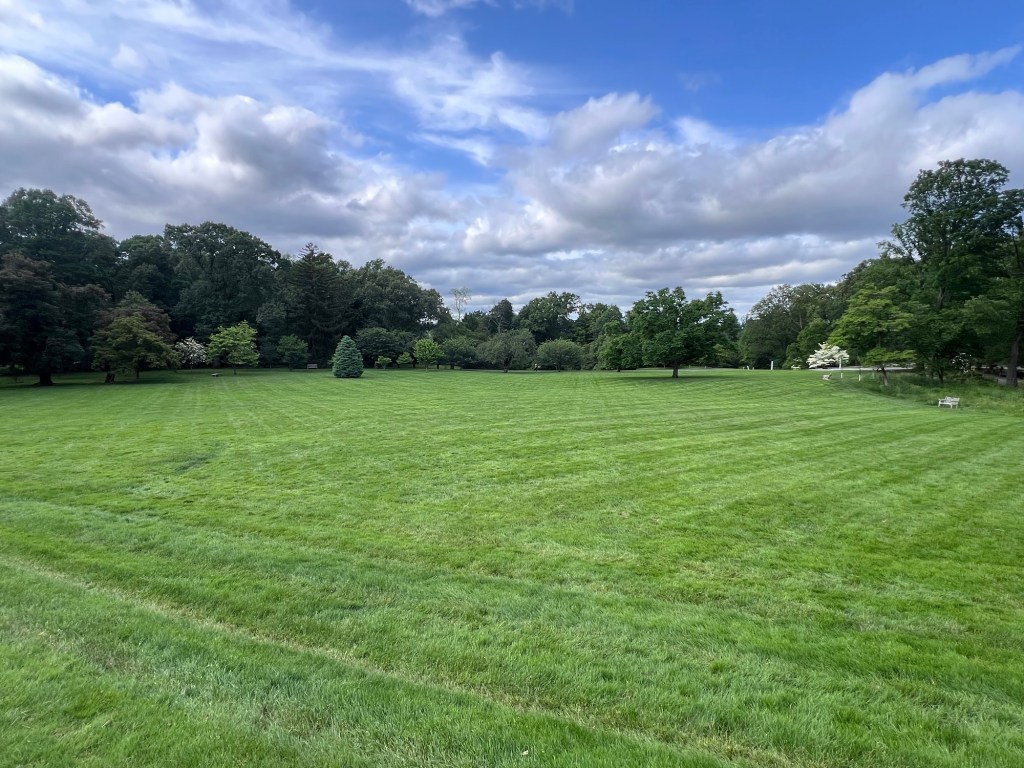
The lawn in front of the mansion

Off to the side of the house between the old stables and the parking lot, there were a series of paths in a natural preserve garden just off the lawn.

The pathways through the garden

The pathways with landscaping

Walking along the pathways by the stables

The gardens just south of the house with a pathway into the woods

Walking the pathway into the woods. There was not much to see but it was cooler in the woods

After I had visited the mansion grounds and the gardens that surrounded the house (the mansion was closed for a private wedding), I walked through the parking lot to the gardens to the north of the house. This was the Marsh Meadow Garden.

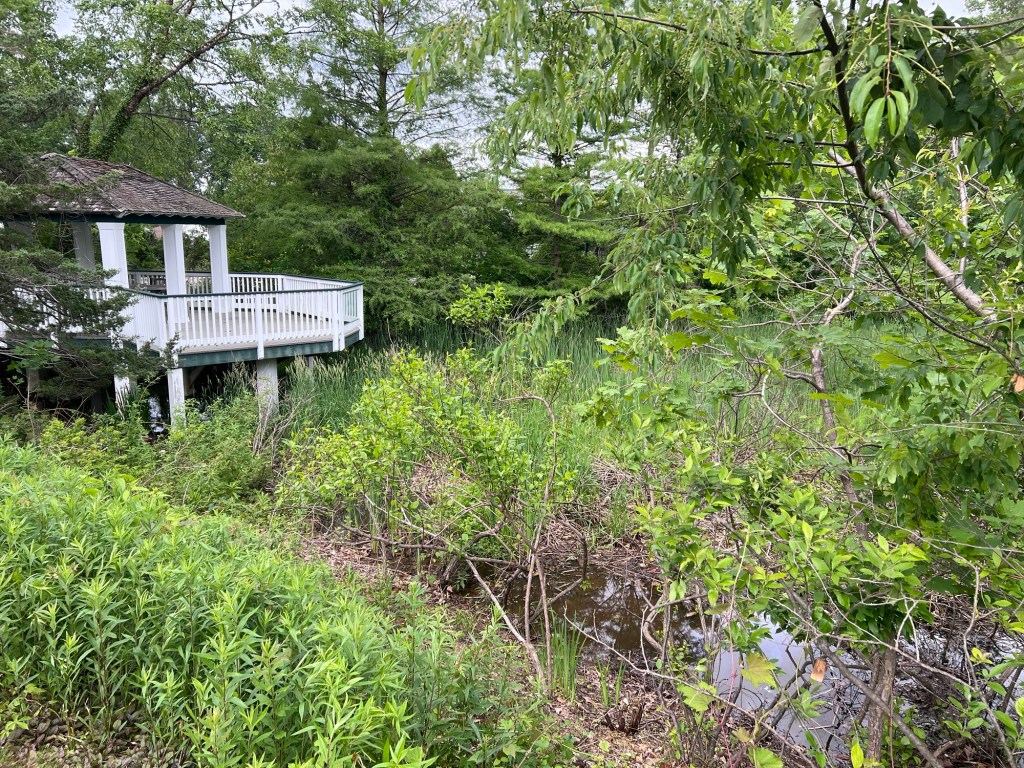
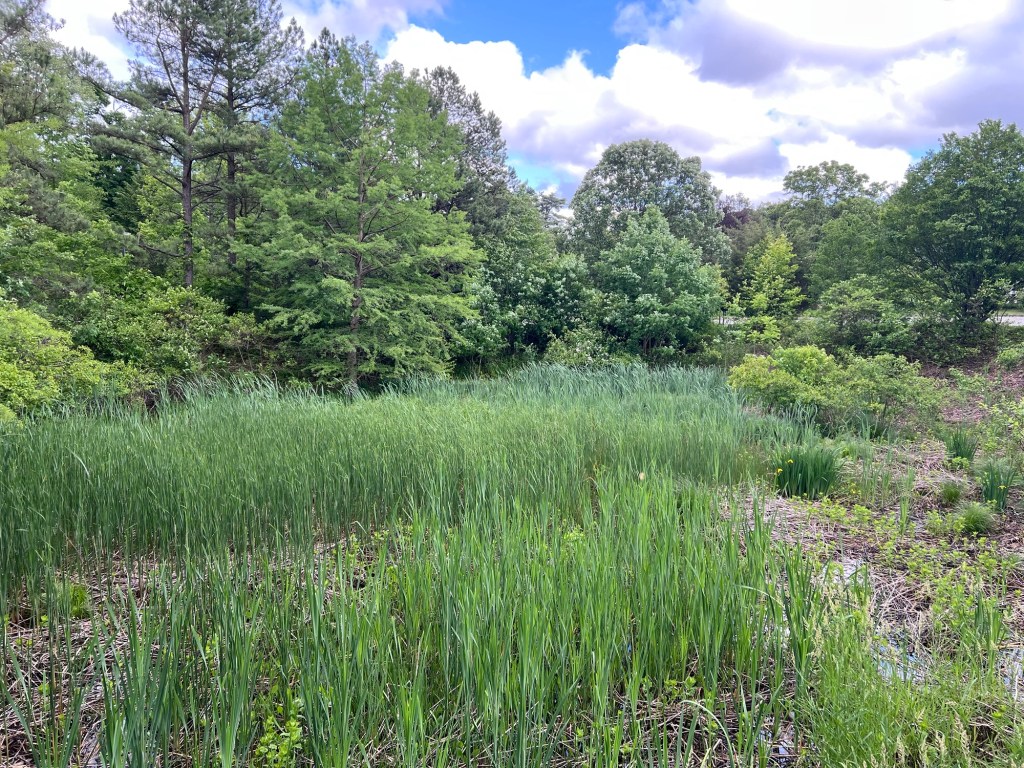
The Marsh Meadow Garden was a catch bastion on the property and with this grows the reeds and water vegetation that makes up the garden.

All the rain had made these gardens very lush

The catch bastion was filled with reeds and flowers

The flowers by the parking lot were in full bloom

I walked all along the pathways admiring the flower beds

The garden tour just east of the mansion

Map of the Gardens of the Four Seasons

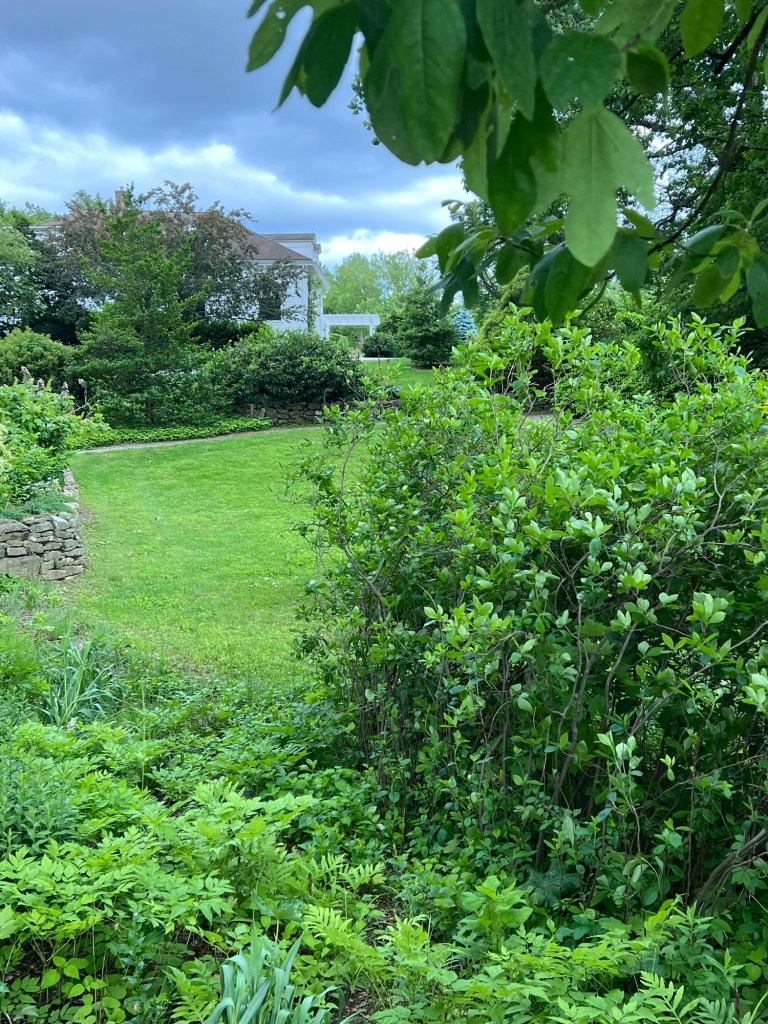
Just south of the main off the main lawn in front of the house are the Gardens of the Four Seasons, which is a pathway through a small landscaped woods.

Maybe this was a patch of the woods when the mansion was being built but it was like a natural preserve to just relax and walk around when the family lived here. I could this as a place of refuge after a long day at work just to unwind.

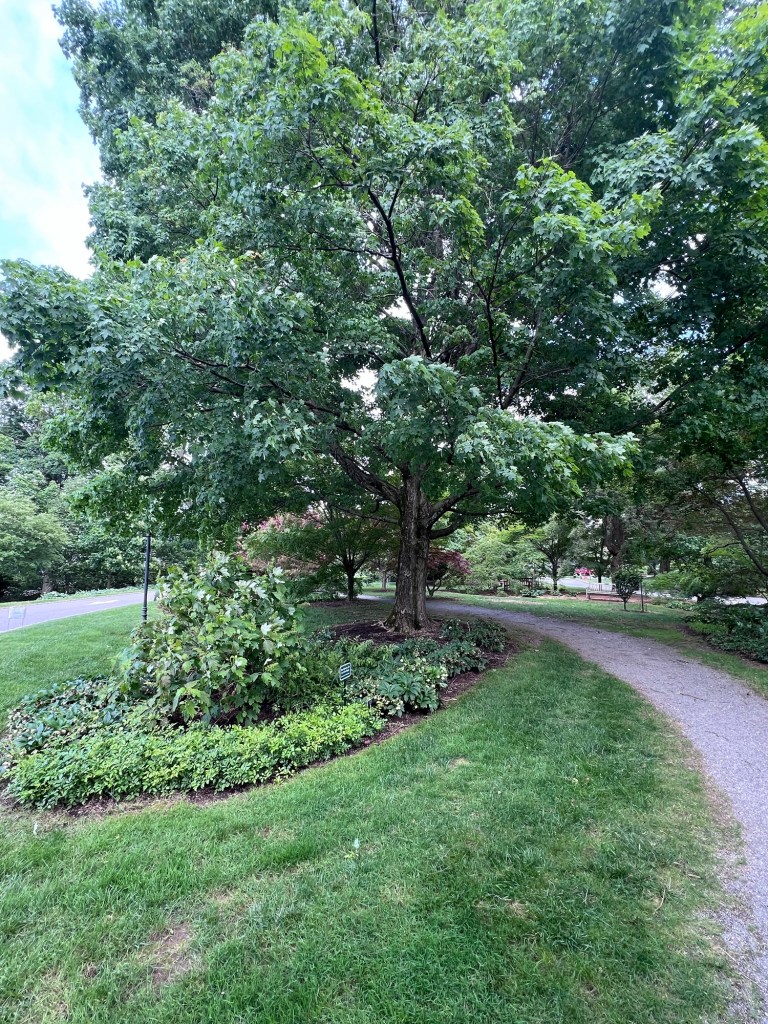
The pathways of the natural garden off the main lawn

The gardens just south of the mansion just off the main lawn

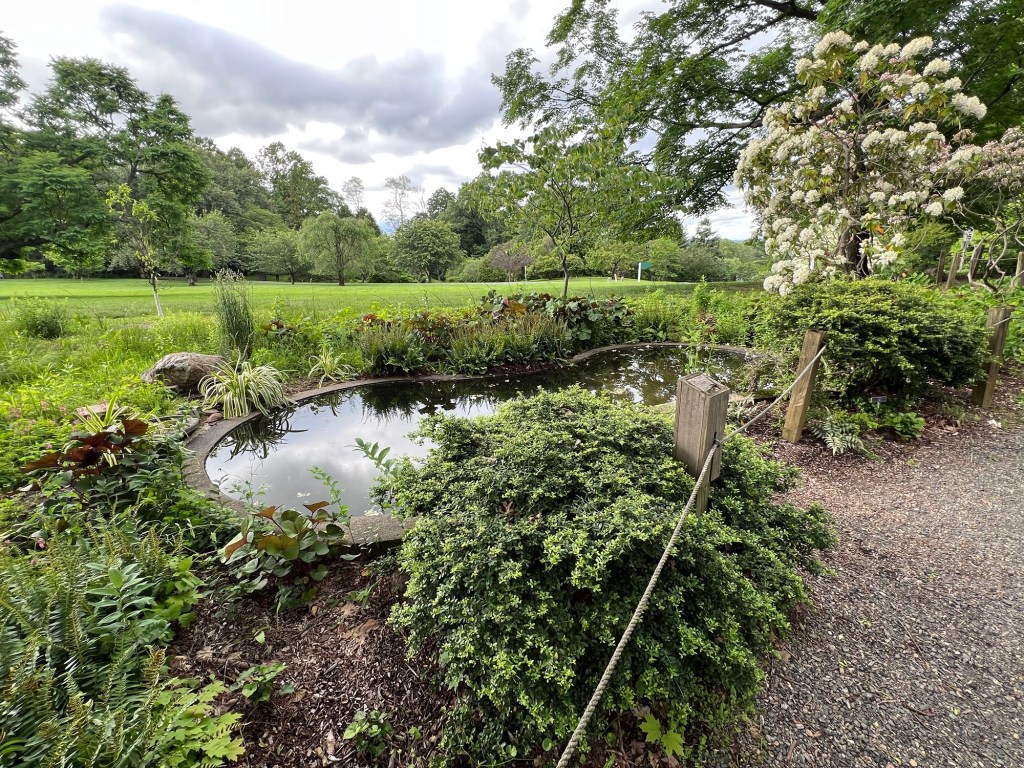
The reflective pool just off the paths

The gardens next to the mansion

The view of the mansion from the gardens south of the home

The end of the pathway through the gardens

It was a nice visit to the gardens and I will have to visit again when the mansion is open and visit the landscaped gardens behind the house.

Walking through the gardens is so relaxing and enjoyable on a sunny afternoon.

Parsippany Historical and Preservation Society/Bowlsby-DeGelleke House                             320 Baldwin Road                                                Parsippany, NJ 07054

Parsippany Historical and Preservation Society/Bowlsby-DeGelleke House 320 Baldwin Road Parsippany, NJ 07054

Parsippany Historical and Preservation Society/Bowlsby-DeGelleke House

320 Baldwin Road

Parsippany, NJ 07054

My review on TripAdvisor:

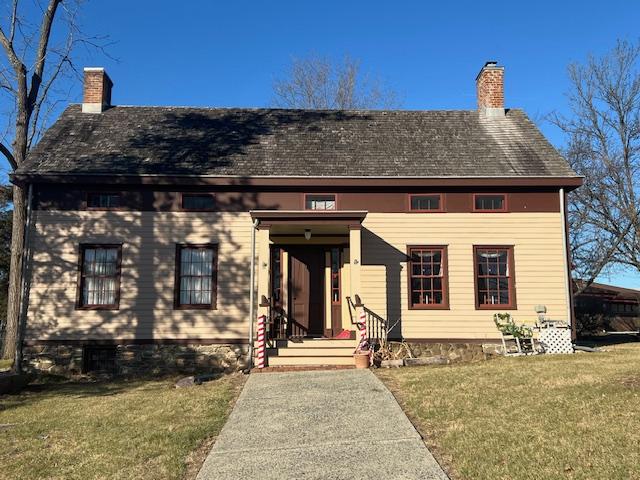
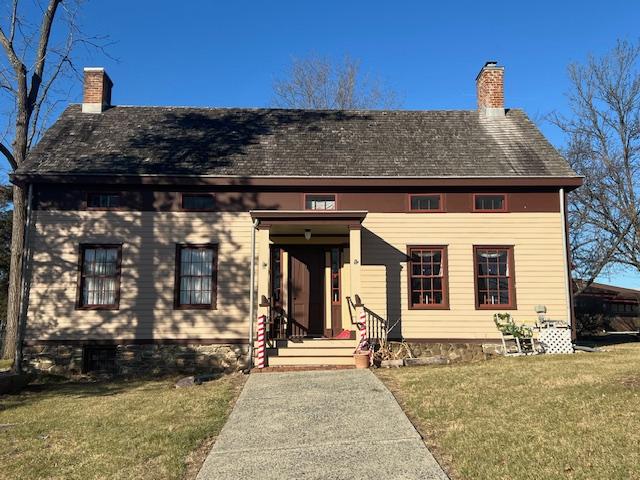
The Bowlsby/DeGelleke House at 320 Baldwin Avenue

The History of the Parsippany Historical and Preservation Society:

(from the Society website)

The Bowlsby / DeGelleke House is a one and a half story, clapboard-sided farmhouse set on a stone foundation. The house was built by George Bowlsby, Jr., c.1790. Originally constructed as a 3-bay façade, an 1819 2-bay addition to the right of the door resulted in a central entrance appearance. The porch was constructed in the Greek Revival style in the 1850 renovation.

A center hallway runs from the front door to the rear door of the house and contains a mid- Victorian open staircase to the second floor and stairs to the basement. On either side of the hallway are two interconnecting rooms. The left (west) side contains a front parlor with a simplified Greek Revival fireplace and a small back room. The right (east) side of the house contains a dining room and a kitchen. Original floorboards remain, with a replacement floor in the kitchen.

Three second floor bedrooms were added when enlarged in 1819. In c.1920, walls were added to create two more bedrooms. An existing front bedroom was changed to a bathroom. The kitchen was also modernized, but still utilized a hand water pump from a cistern in the cellar.

In 1977, the house was purchased by the Township from the estate of Alethea DeGelleke, to be used as The Parsippany Historical Museum. In 1978, the building was added to the State and National Historic Registers. Restoration was completed in 2008 with grants from the Morris County Historic Preservation Trust and the Township’s Open Space Program.

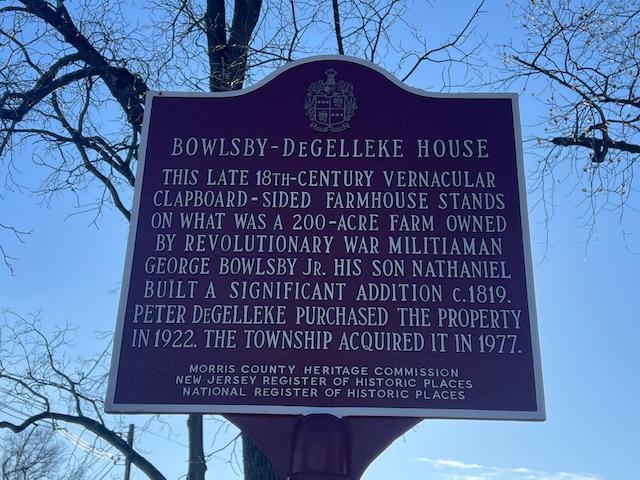
The historic marker for the house

Mission Statement

(from the Society website)

The purposes of the Parsippany-Troy Hills Historical and Preservation Society are to:

*Encourage an appreciation for, and an understanding of, the history of the Township of Parsippany-Troy Hills by holding meetings at which historical lectures, entertainments, discussions, and other programs are scheduled; by marking historical sites, roads, trails, and building; by publishing work concerned with historical research; by working with school administrators and teachers to encourage the study of local history, and by engaging in other appropriate activities;
*to seek out, to collect, and to collate material which may help to reveal and illustrate the history of the Township of Parsippany-Troy Hills in terms of exploration, settlement, and development;
* to cooperate with public and private agencies in providing for the preservation and for the display of historic sites and materials;
* to conduct or encourage archaeological investigations in the Township of Parsippany-Troy Hills;
* to hold title to real and personal property of historical interest of significance that the Society may acquire;
* to hold title to moneys or instruments acquired for the purpose of furthering and/or maintaining the Society’s properties.
History of the Society

The Society was incorporated on June 8, 1998. Since that time the Society has worked toward the mission of preserving and interpreting the Township’s history and historic structures. The Society works with the Township to open the Township’s historic sites, including the Parsippany Museum, also known as the Bolwsby / DeGelleke House, the Smith / Baldwin House, Old Littleton Schoolhouse and the Forge Pond and Dam property. The Society also sponsors programs that highlight the history of the Township and are held at one of the Townships historic properties.

The Society is a 501(c)(3) non-profit organization.

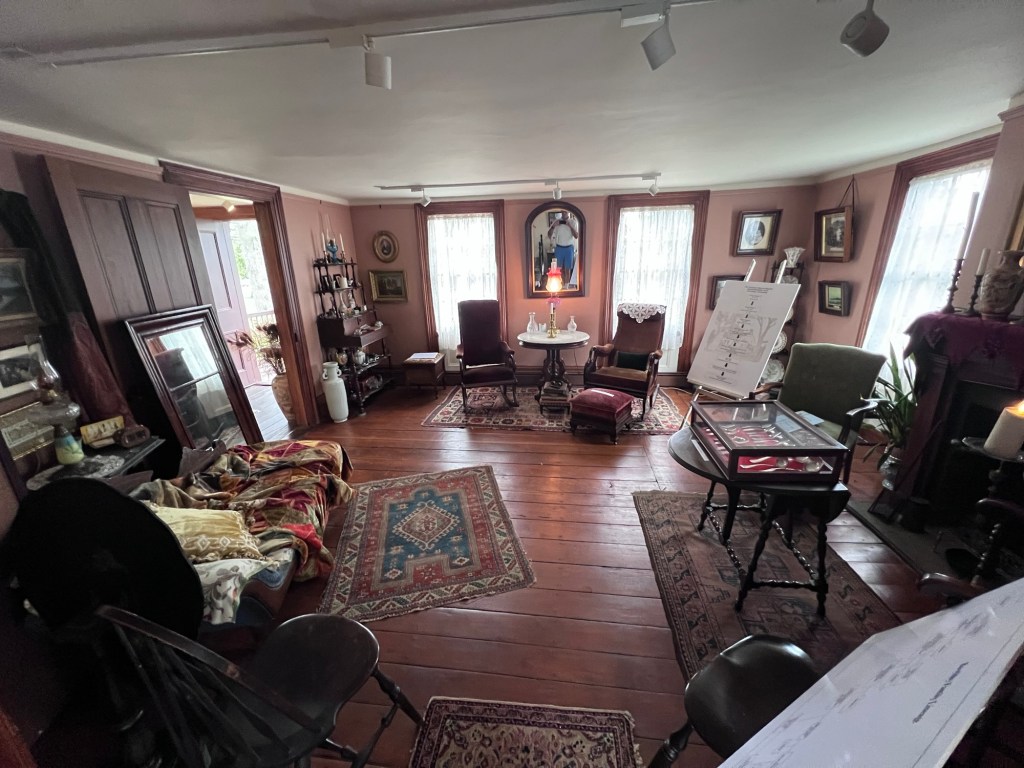
The Living Room of the house

I visited the Bowlsby-DeGelleke home during Morris County’s Pathways tour recently and discovered an interesting historic home that had been in the Bowlsby family for many generations while farming hundreds of acres of land in this area. The tour guide explained that while the house may have been small, the influence of this family was felt around the community.

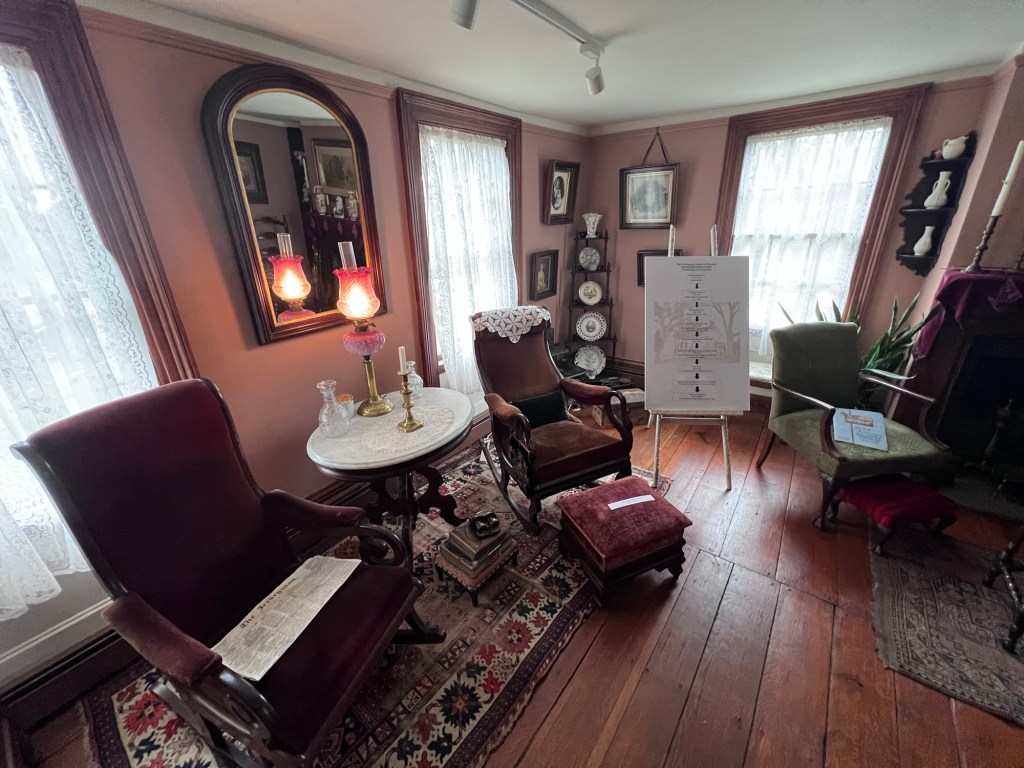
The front sitting area

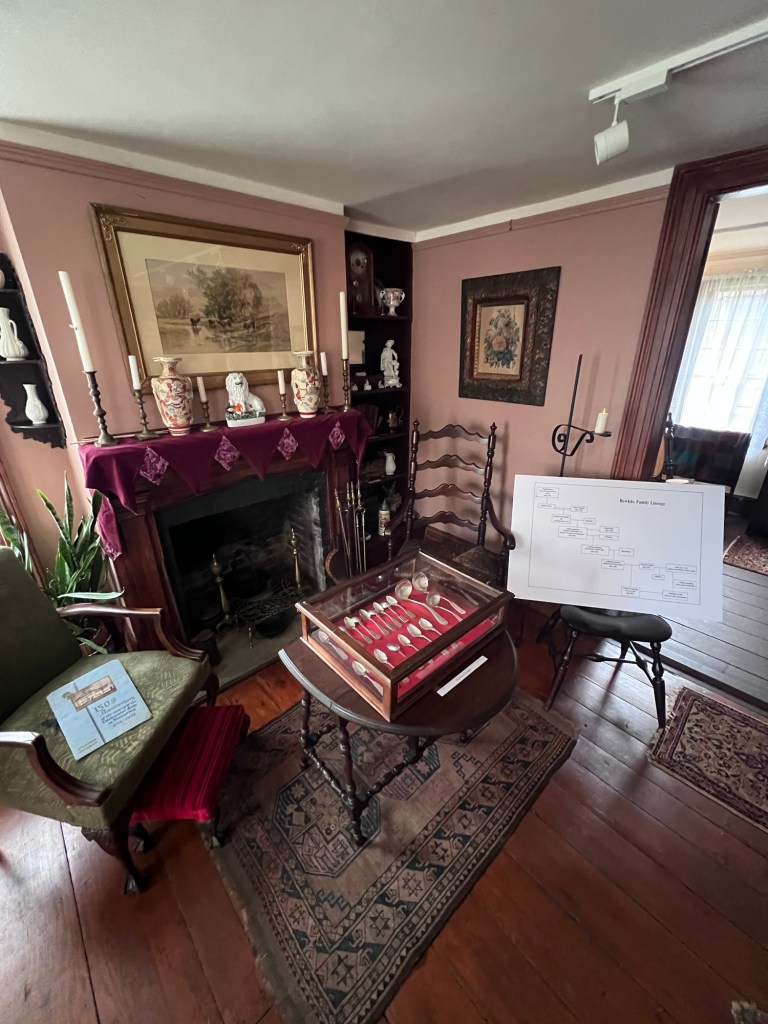
The fireplace in the room with silver collection and the family tree

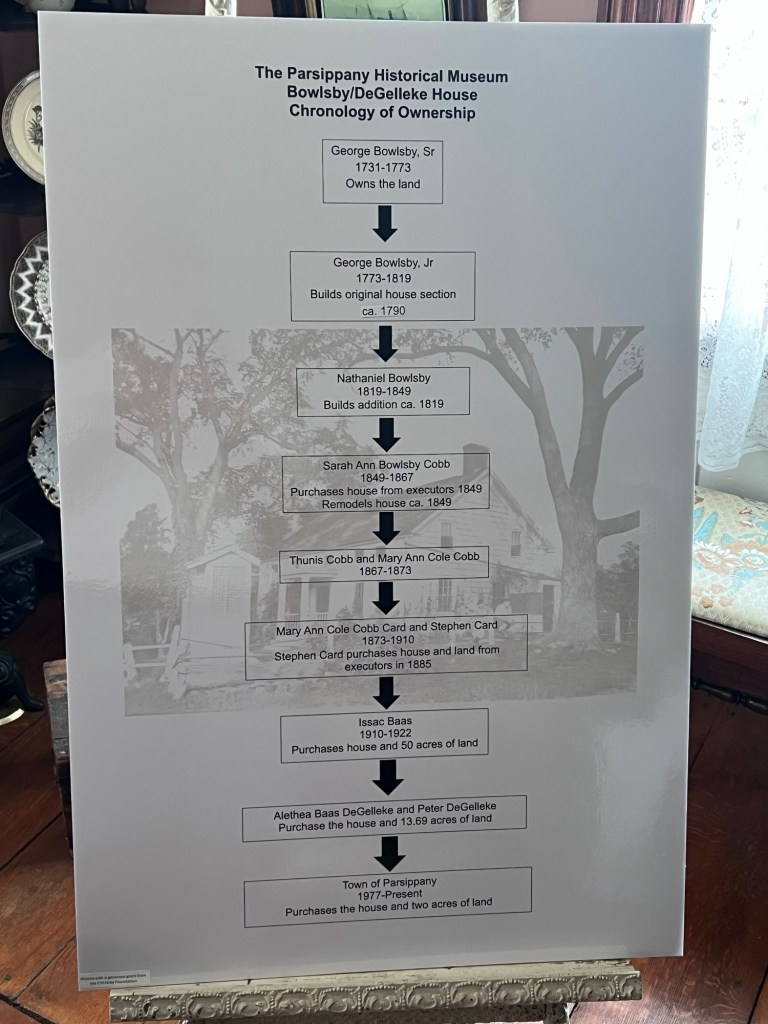
The Bowlsby Family tree

You could see by the family tree that house and land stayed in the family from the mid 1700’s to 1910, with the farmland being broken up with each generation inheriting a piece of the overall farm.

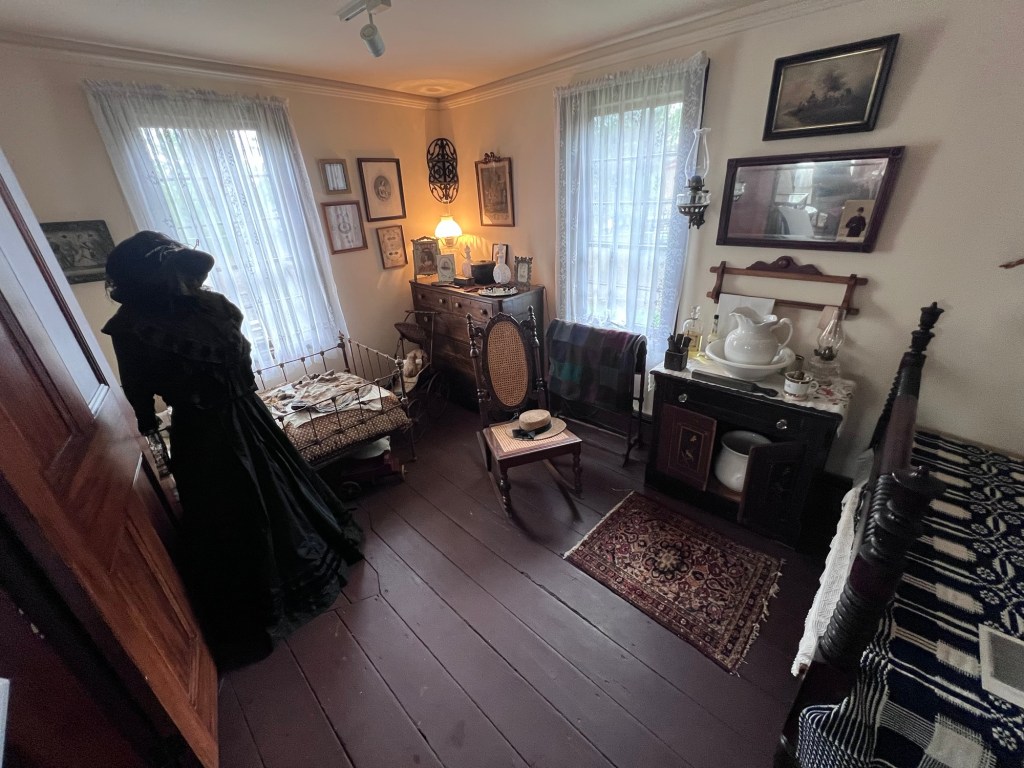
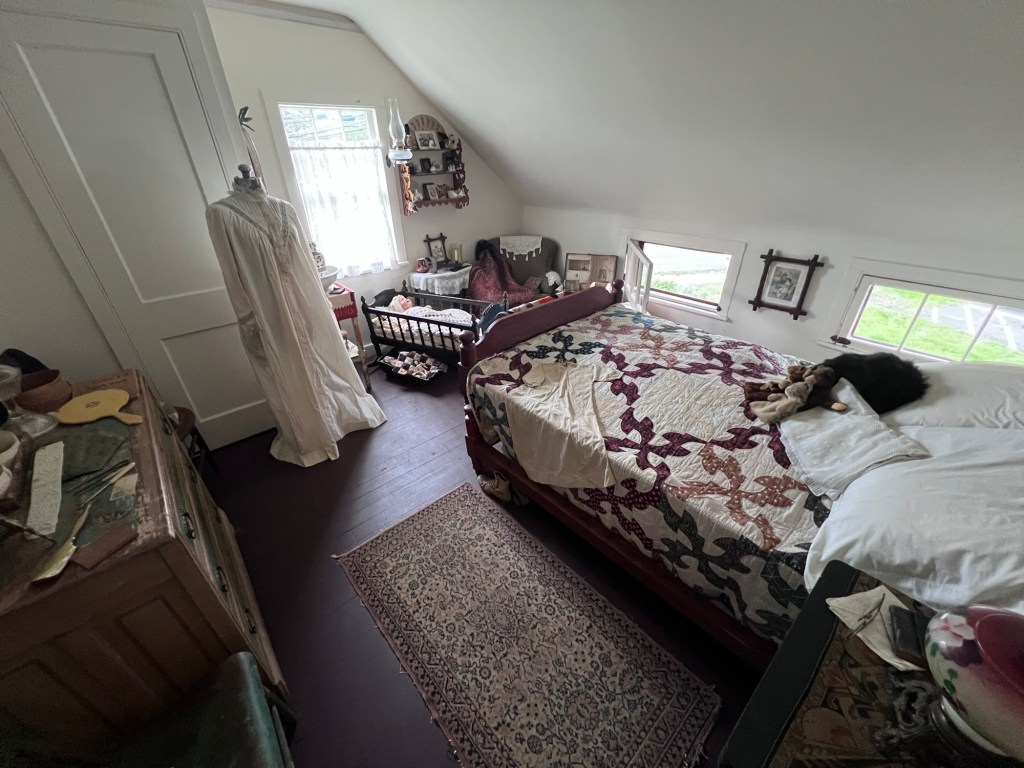
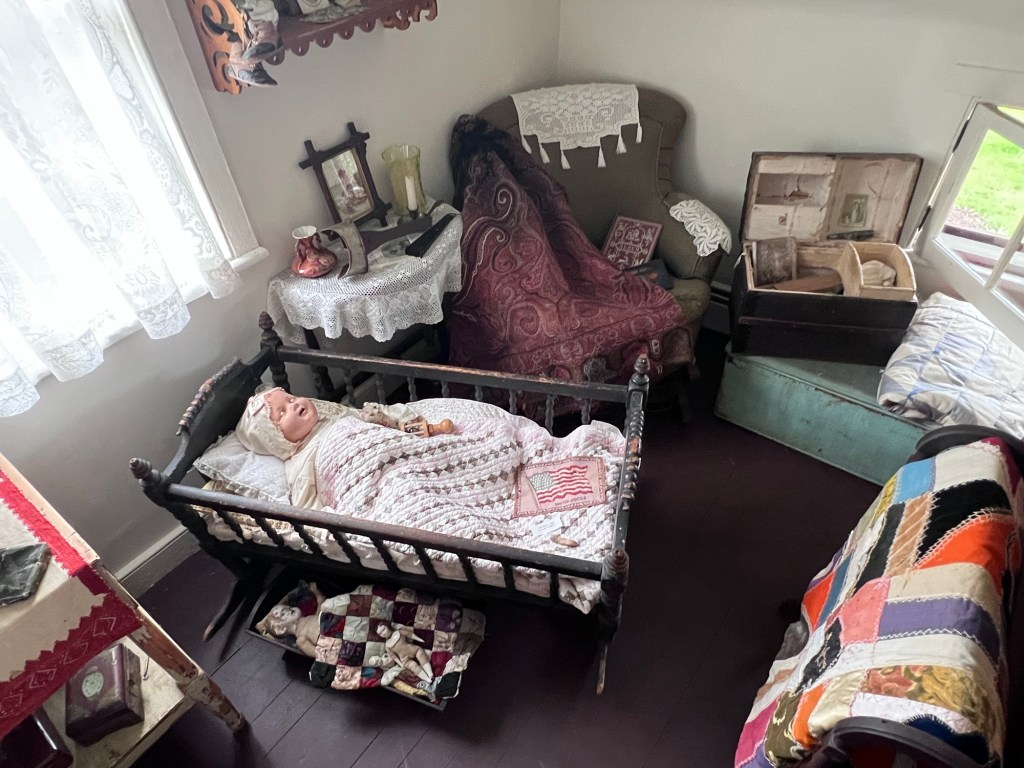
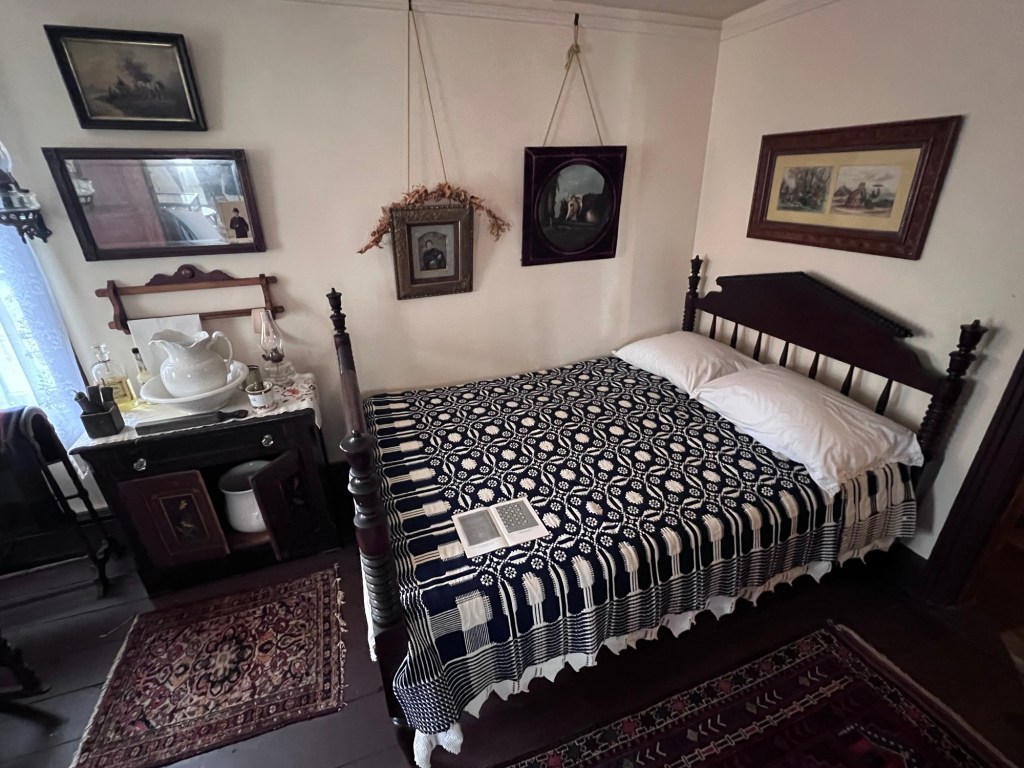
The back bedroom and nursery

The back bedroom on the first floor behind the Living Room

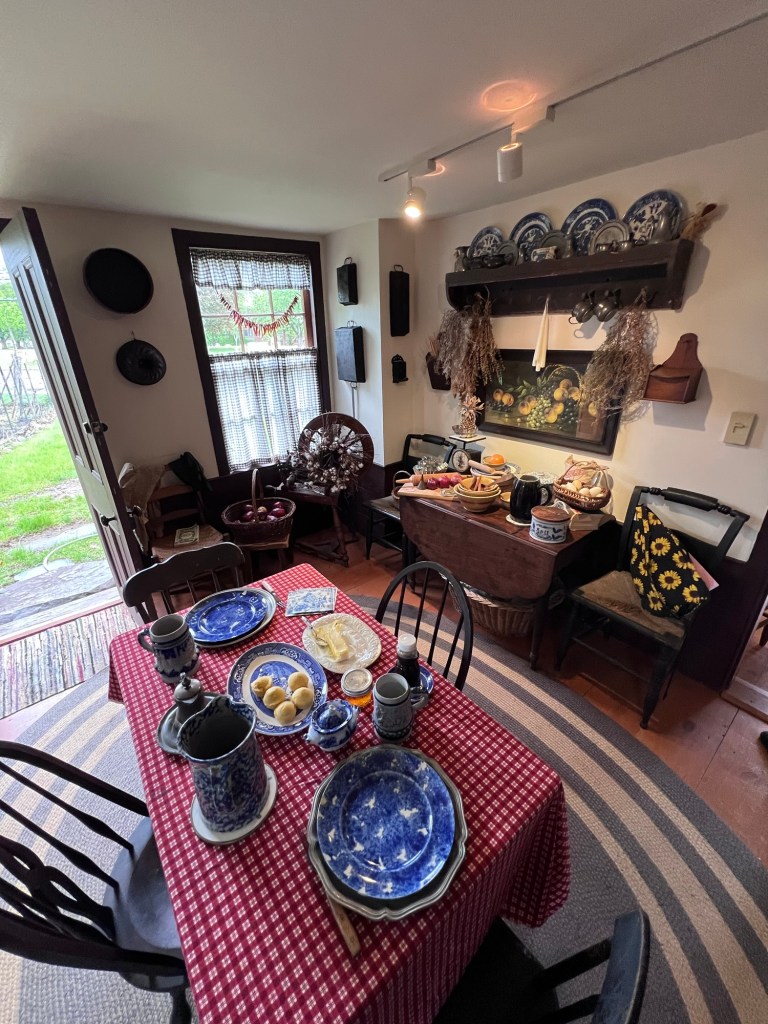
The kitchen in the back of the first floor

I thought they did a wonderful job decorating the kitchen to reflect different time periods.

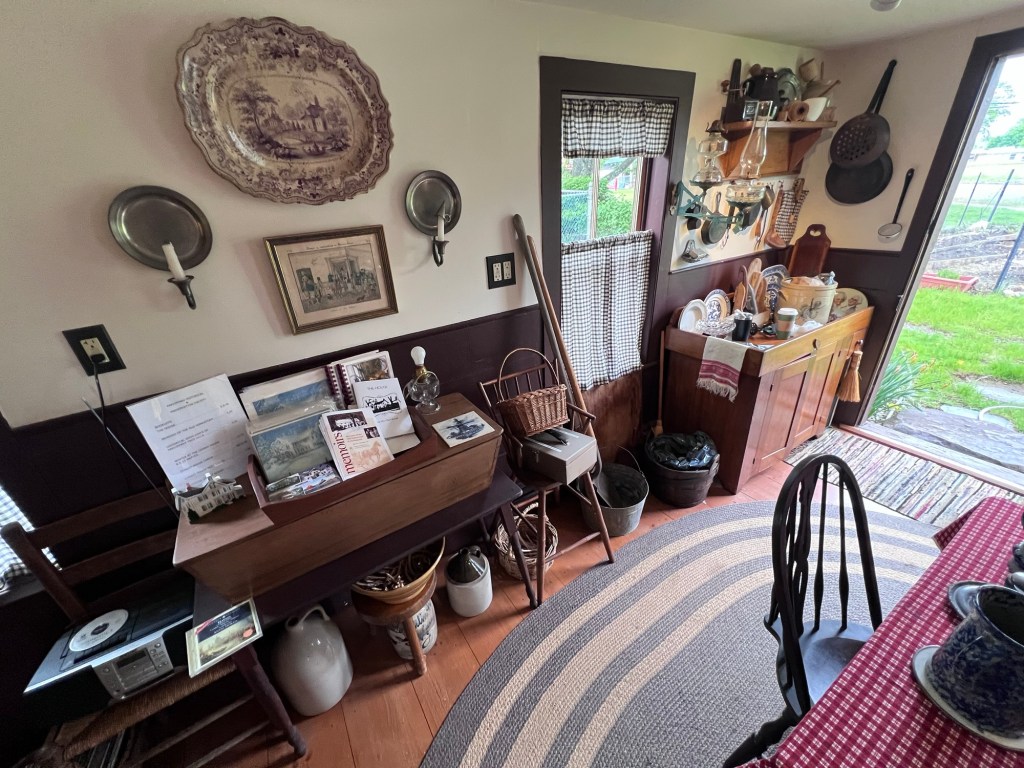
The kitchen wares and items needed for everyday life

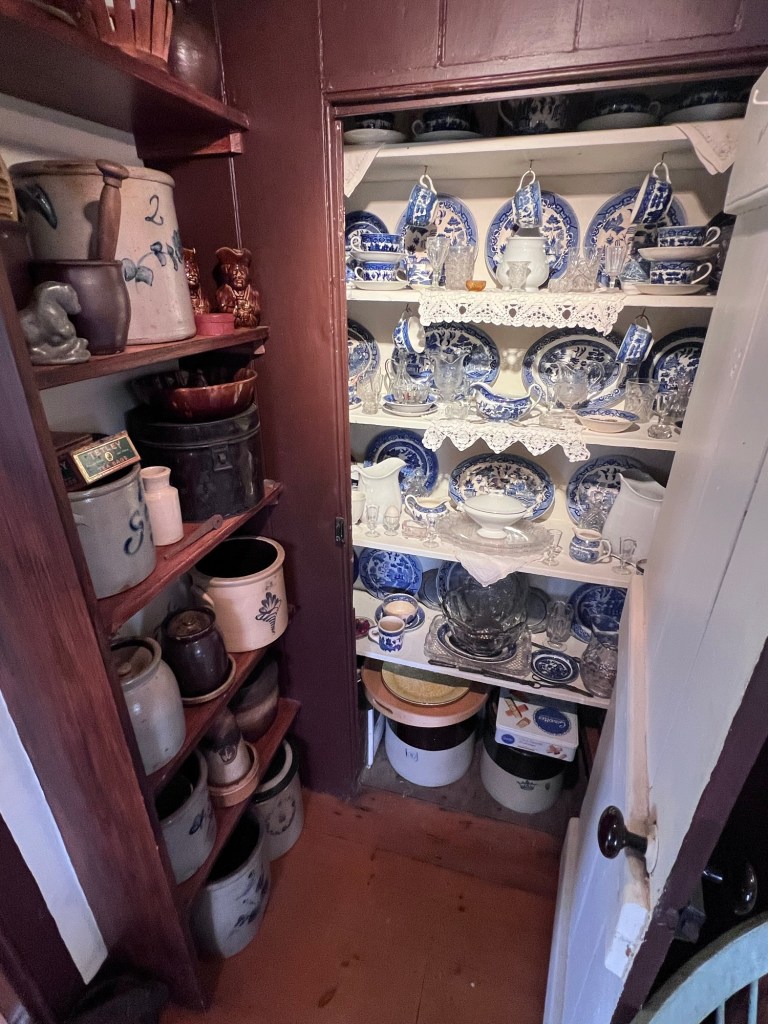
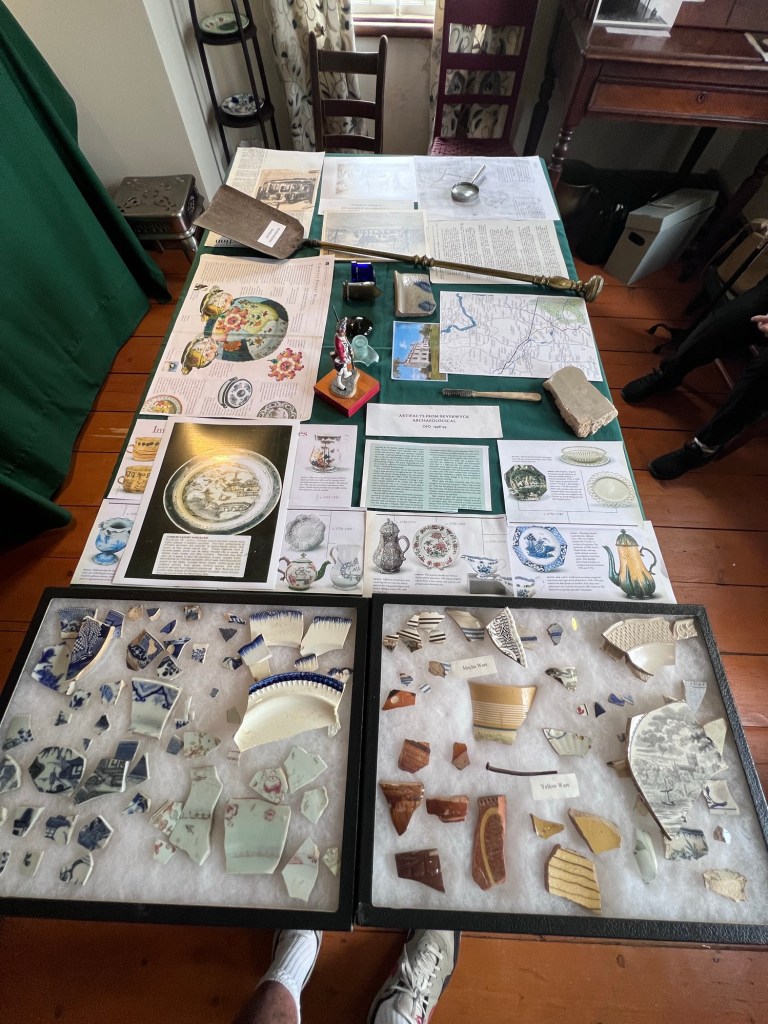
Family China and crockery in the kitchen

The China pattern shown here was not the family’s but close to what the family would have owned and entertained with for meals.

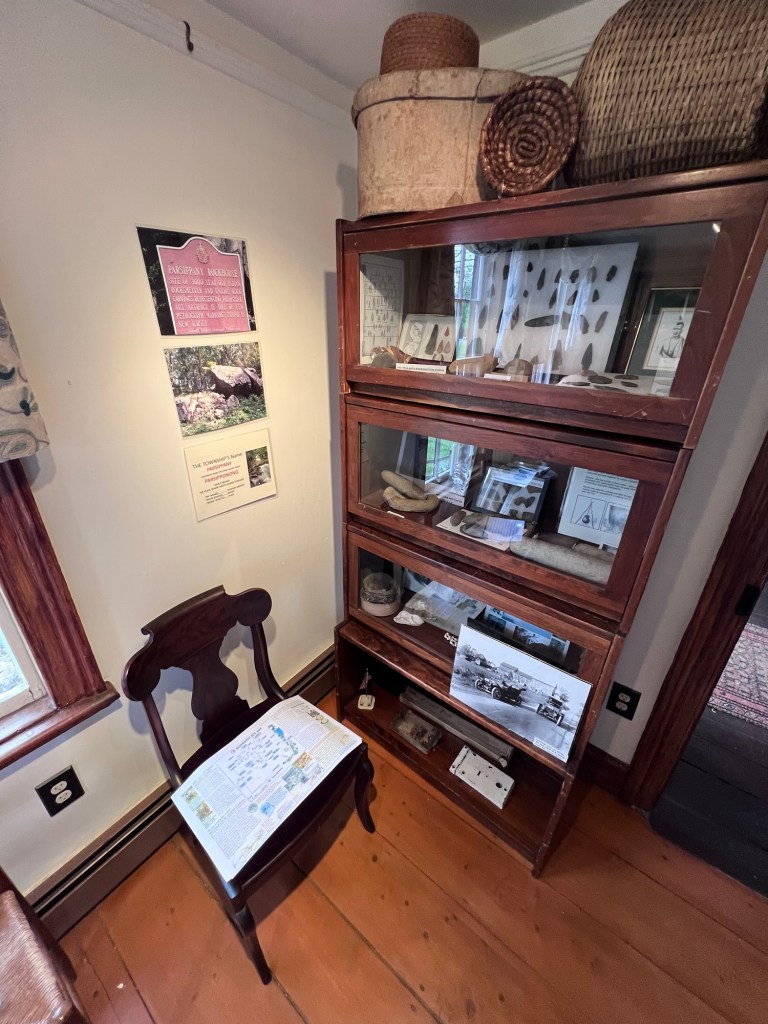
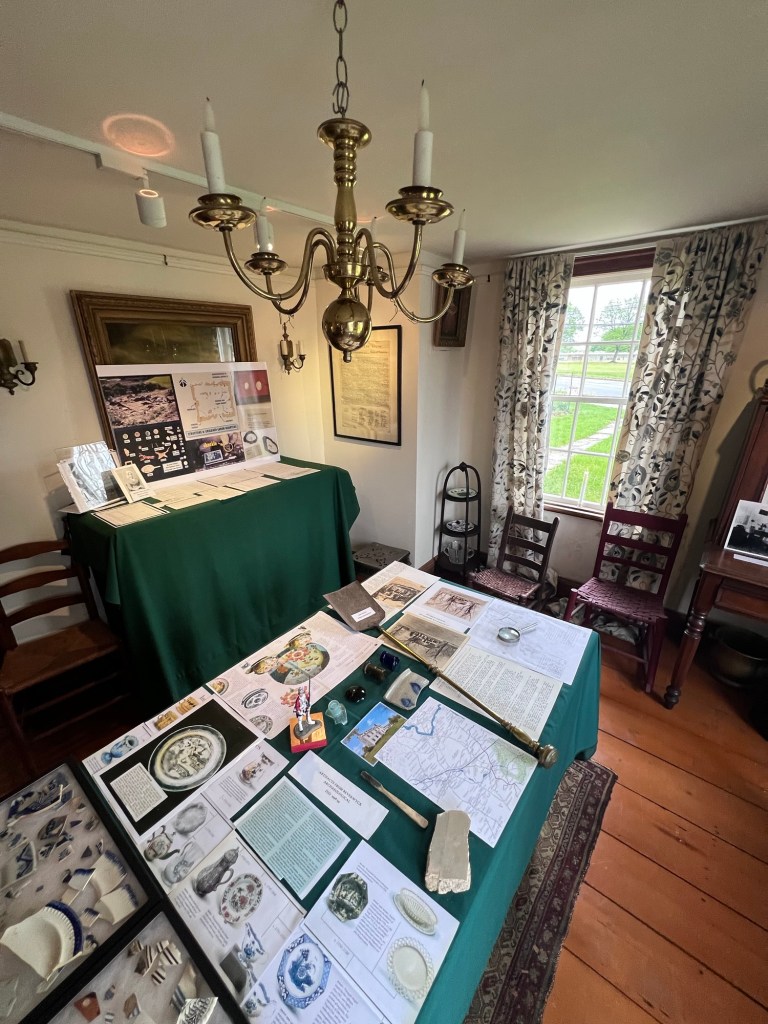
Artifacts found on property and at a dig site at an old mansion in town

Native American artifacts and weaved baskets from the local area

Information on the local area and items from the dig

The second floor Children’s room display

I loved the Children’s Room with the vintage toys and furniture. This interpretation would have been for a wealthy or upper middle class child. I loved the selection of dolls and games throughout the room.

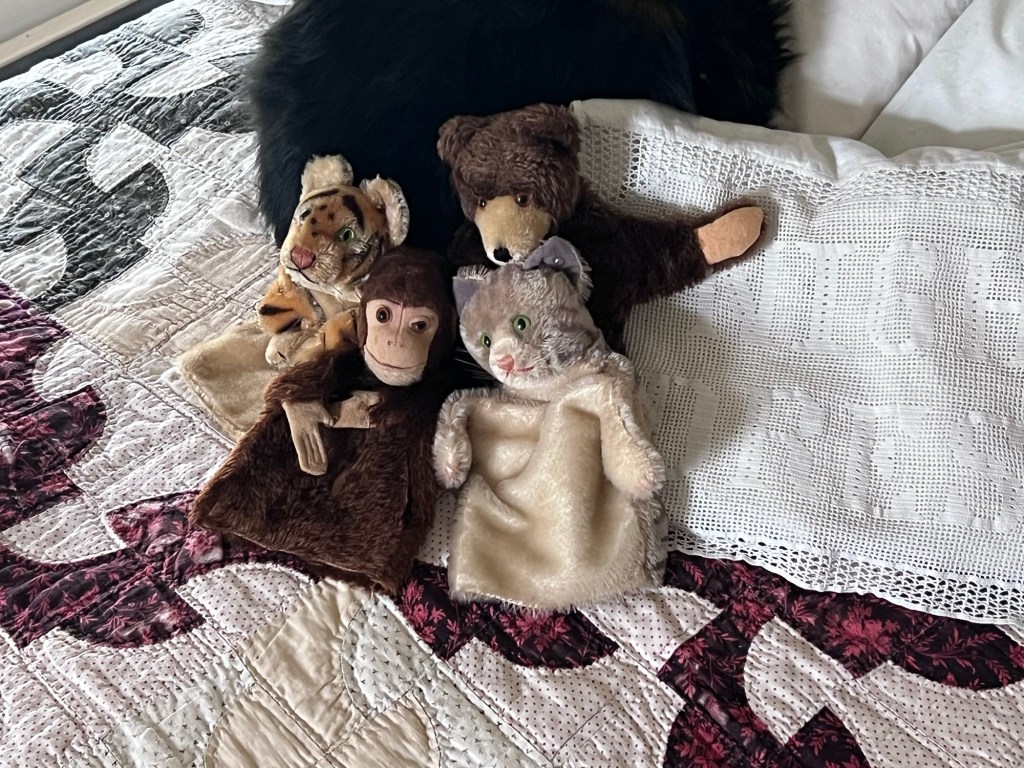
The toys and doll display in the second floor room

The toys on display in the second floor room

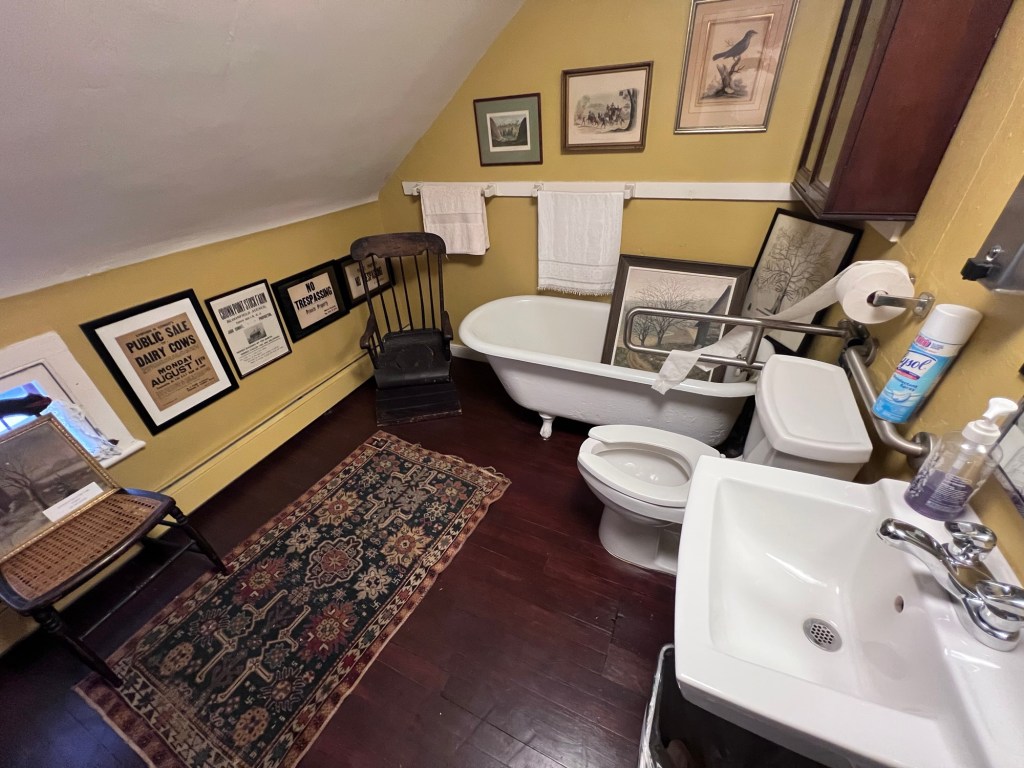
The second floor bathroom

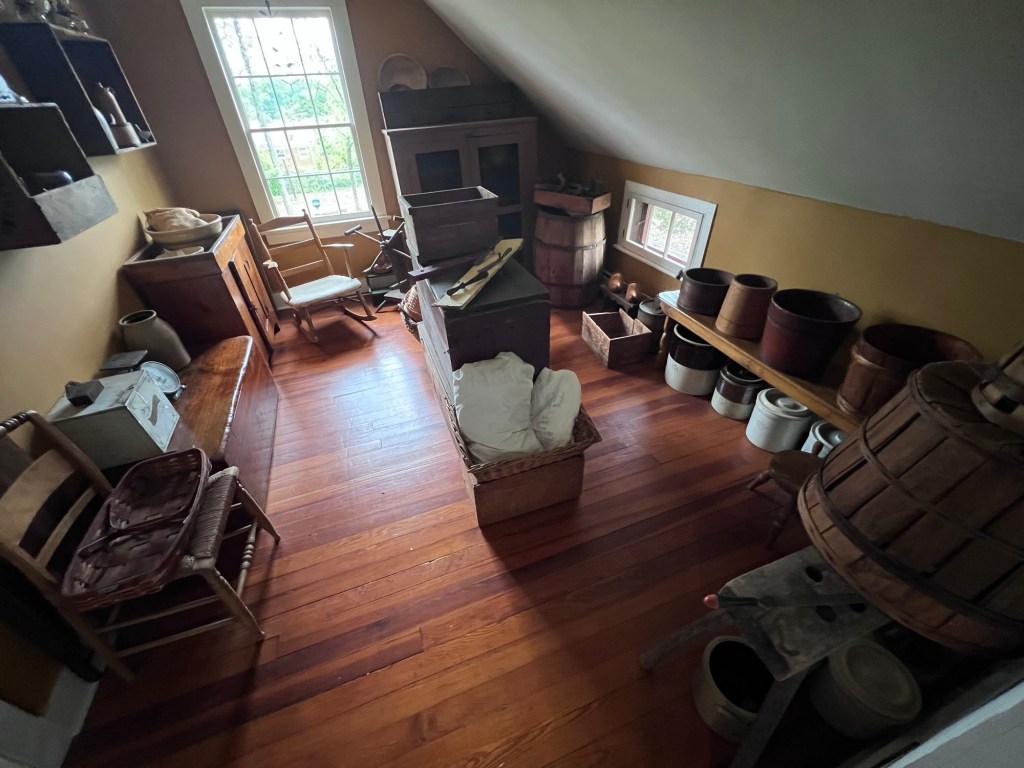
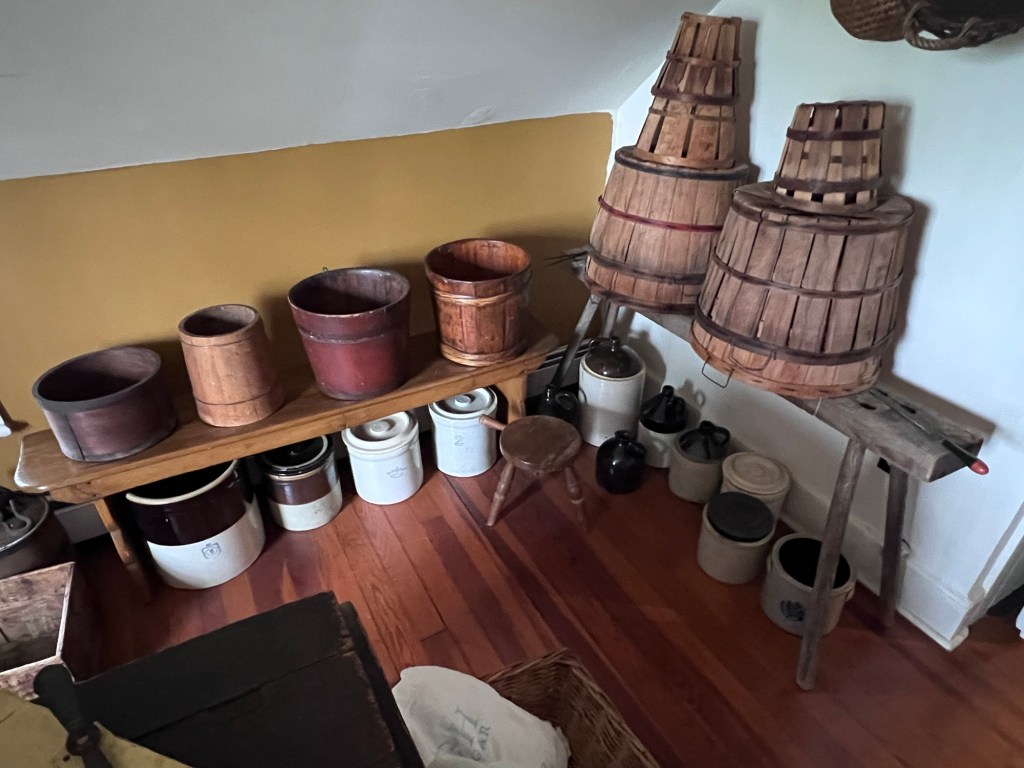
The second floor farm items of baskets and pots. Item used on the farm.

The baskets and crockery used on a farm

This display reminds visitors that this was still a working farm until up to about a hundred years ago.

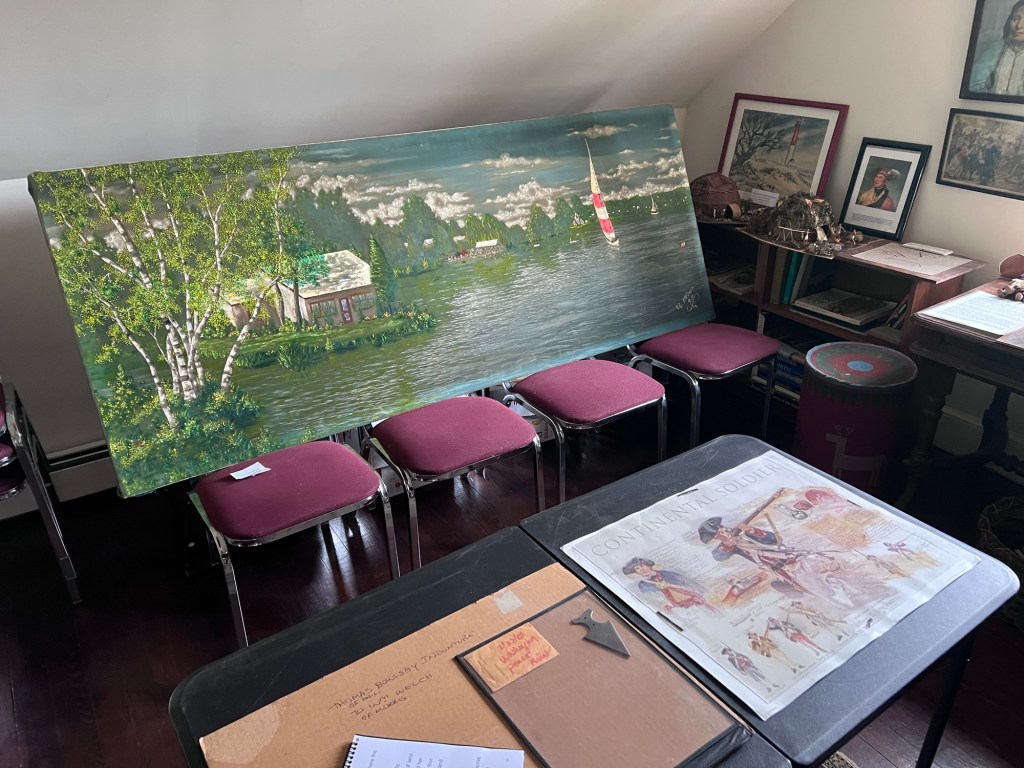
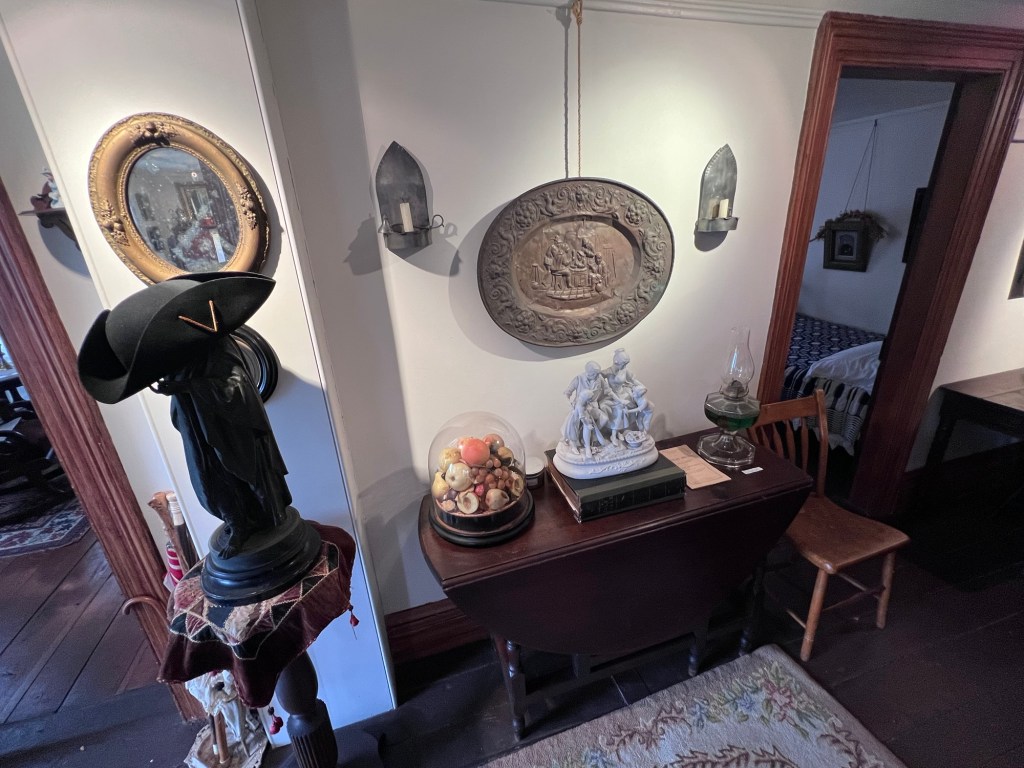
Paintings and artwork on display in the house

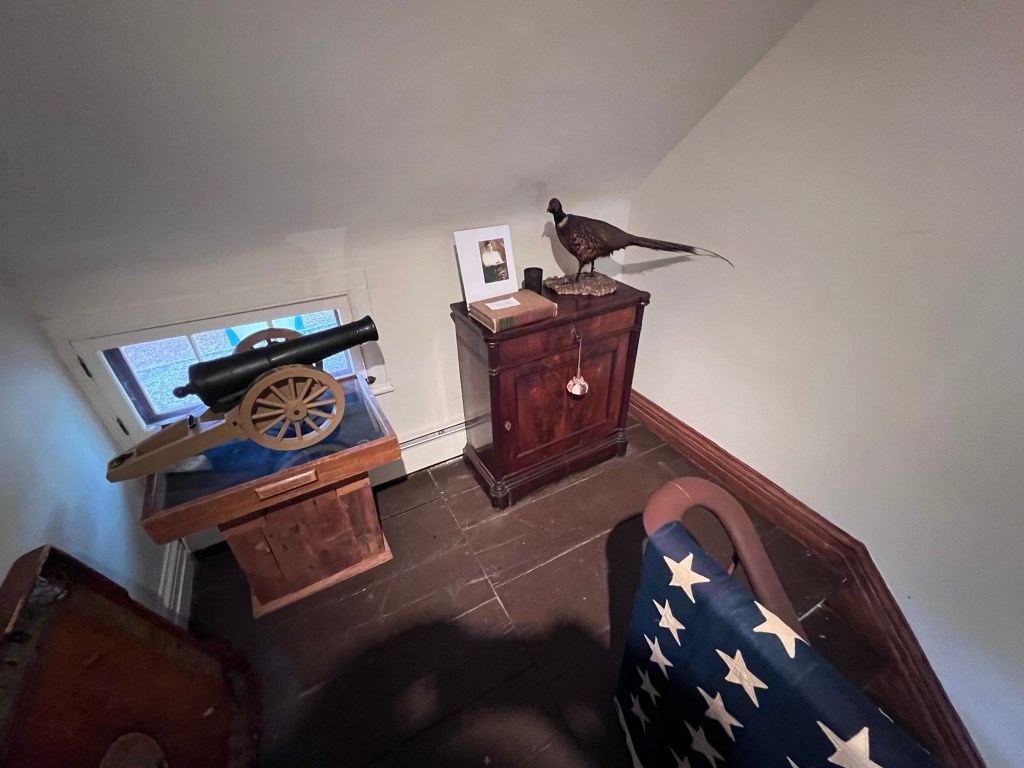
Artifacts in the hallway from the first to the second floor

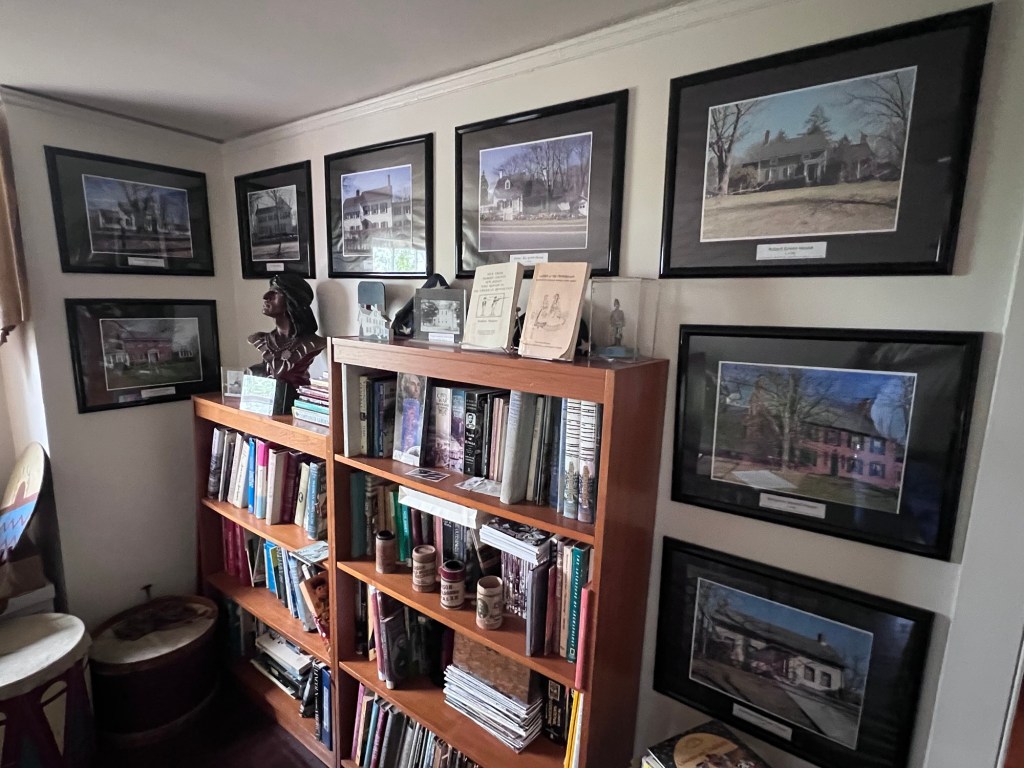
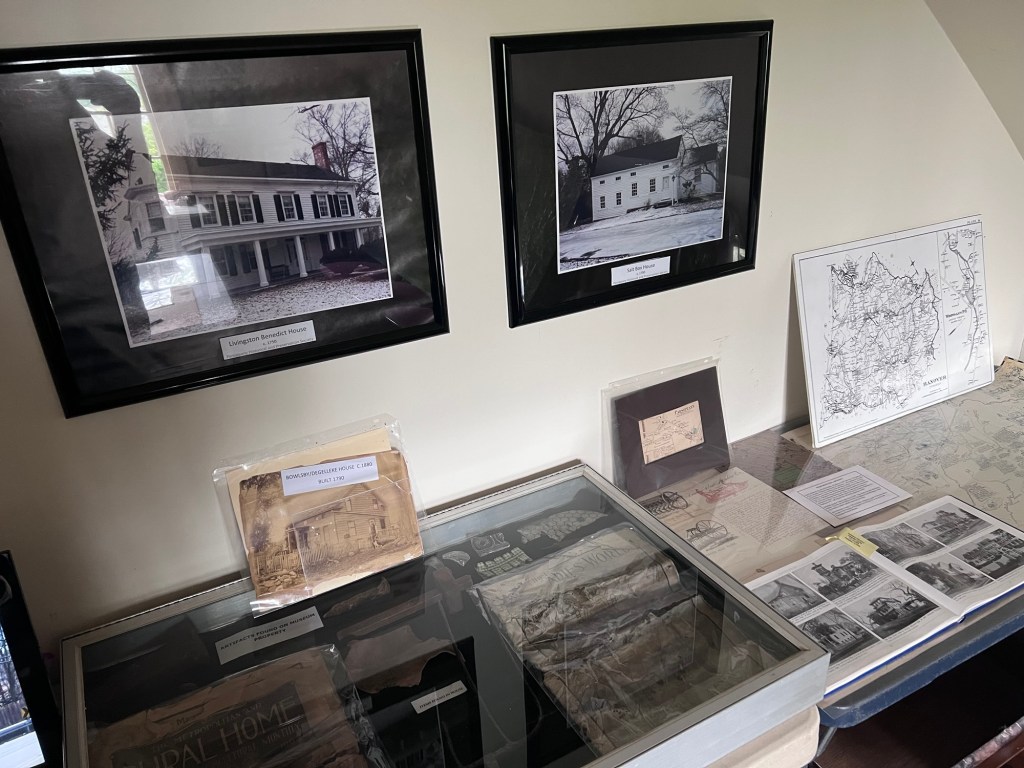
The display of local historical homes and their history

Local historical homes

Artifacts at the bottom of the stairs in the foyer as I left

The house had been in the family for almost five generations until it had been sold to another family who in turn owned it for another set of generations. The memory of this family still lives on in this wonderful museum.