While I was searching for the Cape May Maritime Museum, I made a detour into a parking lot and came across the Garrett Family Preserve
The sign that welcomes you to the park
Visiting the Preserve:
(from the Cape May Visitor website)
The Nature Conservancy protects the 180-acre Garrett Family Preserve situated between Seashore Road and Cape Island Creek, offering a tranquil setting for walking, picnics, painting, biking, and observing nature.
The preserve offers six trails ranging from 0.2-0.5 miles in length, and a two-mile perimeter loop along the forested edge–four miles in total. Explore year-round on foot or by bicycle. Sights vary by season, with bird migration peaking in the spring and fall, and the wildflower field blooming from May through July. Beginning in late August into the fall, Monarch butterflies stop here to feed before their journey south.
Preserve amenities include a mobile bird blind, welcome kiosk, shaded pavilion with picnic tables, benches and picnic tables along the trails, and three adjustable art easels. From November 1st to March 1st, leashed dogs are welcome. Because this is a preserve, the Nature Conservancy does not provide trash receptacles. Be sure to take anything you’ve brought with you.
The size of the preserve
The history of the Garrett Family
History of the Preserve:
(From the Nature Conservatory website)
Originally slated for development, TNC acquired the property in 2000, as the preserve offered an unusual opportunity to manage a significant piece of land for migratory songbirds, whose stopover habitat, especially at the southern tip of the peninsula, has been all but wiped out.
In 2013, the generosity of the Garrett family enabled TNC to further protect Cape Island Creek for future generations by acquiring crucial land, improving and stewarding habitat, performing coastal research and installing enhanced visitor amenities.
After reading some of the history of the preserve, I decided to take a walk down the paths. I ended up walking down several paths that took me through woods and many natural gardens. I could see by how dry everything was how the lack of rain was affecting the preserve.
The pathways leading to different parts of the preserve
Following the pathways through the preserve
My first stop was the picnic area and rest stop
The Insect Hotel
The Insect Hotel
The description of the insect hotel
I thought this was an interesting concept of creating a place for insects to have a breather. It is a place of reproduction and in helping pollinate the preserve.
The fields of plants and wildflowers that make up the preserve
The flowering plants and wildflowers in the fields
Each of the paths took me through different parts of the preserve that were wooded or with meadows or an array of wildflowers that attracted birds, butterflies and bees.
The batches of wildflowers in the meadow
The Salt Marsh part of the Preserve was filled with more wildflowers that had bees and butterflies swarming them.
The Salt Marsh Habitat
The sign for the Salt Marsh Habitat
The the pathways though the meadows
The fields of flowers and plants in the marsh area
Th e next section of the preserve I visited was the Wildflower Meadows
The Wildflower Meadows in the late summer
The Wildflower Meadows paths
As I left this part of the preserve, I took many paths around the park lands. There are all sorts of fields of flowers and woods to shade the way during touring the preserve.
Going on the different trails throughout the preserve
I walked down the paths to the Bird Habitat area
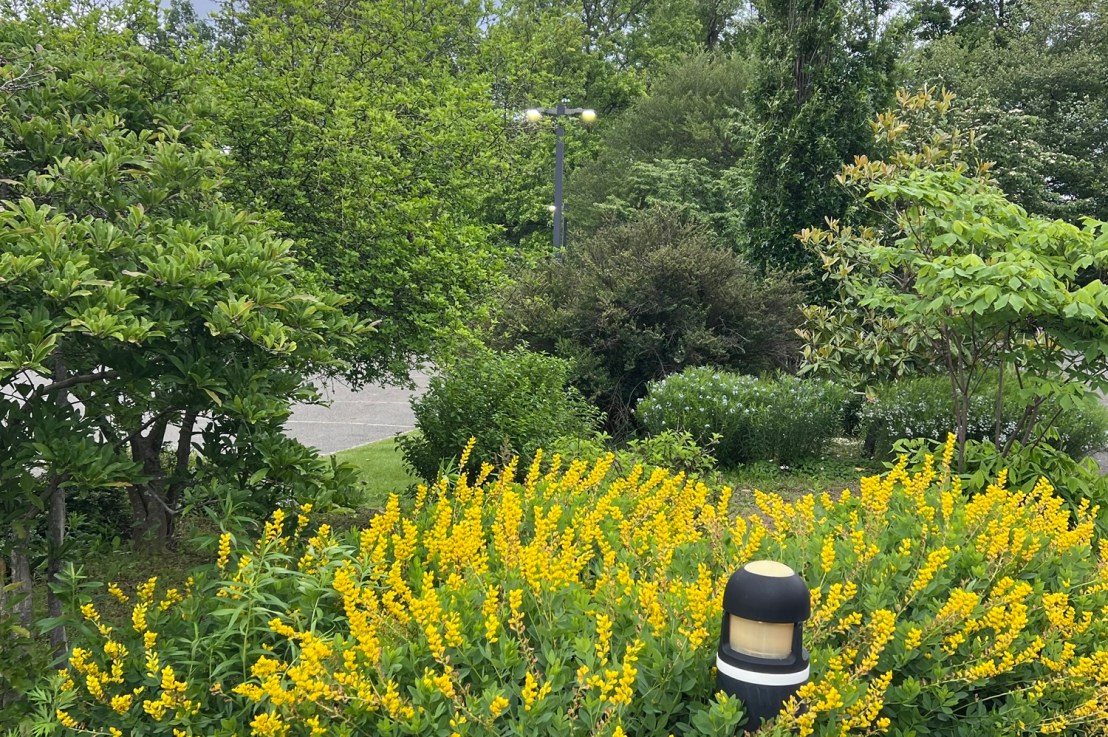
The golden rod flowers attract all sorts of bees and butterflies
Flowering Honey Suckle
Beautiful flowering plants in the woods area
The colorful paths of flowers that lined the Bird Sanctuary
This all led to the end of the trails and a wrap up of how the pollinators work. How the plants, insects and birds play a role in nature.
The last thing I saw at the preserve was this butterfly sculpture by the parking lot
The history of the Garrett family
The park changes its complexity with each season. What I noticed at the end of the summer with no rain is how dry the fields were and the trees were changing colors early because the lack of moisture.
It will be interesting to see the preserve in the Spring and early Summer in the future. It was a nice walk through the preserve.
The sign welcoming you the the Endicott-Reardon Family museum
The original Endicott-Reardon Homestead that sits in the front of the museum
The entrance to the museum dedicated to the lives of both the Endicott and Reardon families.
The family artifacts and heirlooms at the museum as you enter the museum
The Endicott family display at the entrance
The museum is a real surprise as entire set of displays is dedicated to the lives of the local Reardon and Endicott families and their family items. A fascinating look of the lives of these early New Jersey families for over a hundred years. This is the collection of Harriett Reardon Bailey and her family. All these wonderful items were saved over the last 100 years and now it was time to share them with the world.
The various family items are organized by sections categorized by lifestyle and collection.
I was given a personal tour that I had arranged with the current curator who had known and worked with the owner of this extensive collection. It had been her dream to open a museum to share her collection with the public.
This beautiful, well lit and displayed collection of family heirlooms and personal items gives a glimpse of the lives of an upper middle class family in Southern New Jersey. It is organized and displayed as a household would be at that time. The first section of the museum was dedicated to items from the kitchen and preparations.
The family Living room furnishings and decorations
The family piano that once graced their Living Room
A decorative toy car used in the Living Room
The kitchen area and artifacts of the cooking and washing done in the house
The table set for a formal dinner
The next part of the exhibit was the formal Dining Room and on display were many of the China patterns that the family owned.
All the china collections the family owned plus other decorative pieces
The family collection of China and glass pieces
The family had various collections of China
Mainly of the bedroom items have been preserved too from linens to comforters to every day clothing. There are also a selection of family member’s clothing, jewelry and personal items.
The Bedroom vignette with clothing and accessories
Another view of the bedroom
Harriett Reardon Bailey had been a school teacher like her mother and there were displays of items that reflected her time in the classroom including a classroom setting.
Time on the classroom and family employment
The classroom set up
Activities and programs at the school
More local school items
There were also displays on her father’s time in the army and her uncle’s time working on the railroad with carefully preserved outfits, programs and railroad artifacts from the job.
The Railroad display
School and family items
Work on the railroad
The display on the family contribution to the armed forces
What I thought was interesting was that the founder of the museum, Harriett Reardon Bailey, had been an only child with relatives that had never been married so that she was the only child and a bit spoiled.
The Toy Room
In a separate room off the side held her extensive collection of dolls and games. She had kept all her childhood items in such beautiful shape and with great care. What impressed me was there was a picture of her as a little girl with all her dolls and stuffed animals her room and since she kept everything, they were able to recreate the display.
The picture of the owner of the museum as a little girl in her bedroom
The exact replicated display of toys in the same spots in the display
The collection of tea sets
The collection of toys and playthings are extensive and they are all in wonderful working shape
There was a large collection of dolls plus all their clothes and accessories that were kept together in her collection. Even into adulthood, all of her childhood items were kept in pristine condition.
The collectible dolls and clothing
The extensive collection of childhood dolls
The collection of China and baby dolls
The collection of baby dolls
The collection of cloth and rag dolls
The handmade dollhouse and rag dolls
The fancier imported and collectible dolls
What I thought was interesting during the tour was that the curator had said that the founder of this museum was dedicated in keeping all these items for so long and packing the house with family memorabilia. I think she knew what she was doing.
She was not just preserving memories, she was preserving a past that was fading away and the memories of a different time. As her family died, she kept their memories alive by preserving their past as well. The curator had said that she had always wanted to create a museum with all her family’s items and share them with the public. Now we get to glimpse into her family’s history and everyday life.
The museum shares with the public the day to day happenings and life of the Endicott-Reardon branches of the family and life as a middle class Victorian family. I think she preserved the best items with such care as to share them with future generations of what life was like at that time. When people knew each other and times were slower and quality mattered. I think she loved her beautiful things and wanted to share them with all of us.
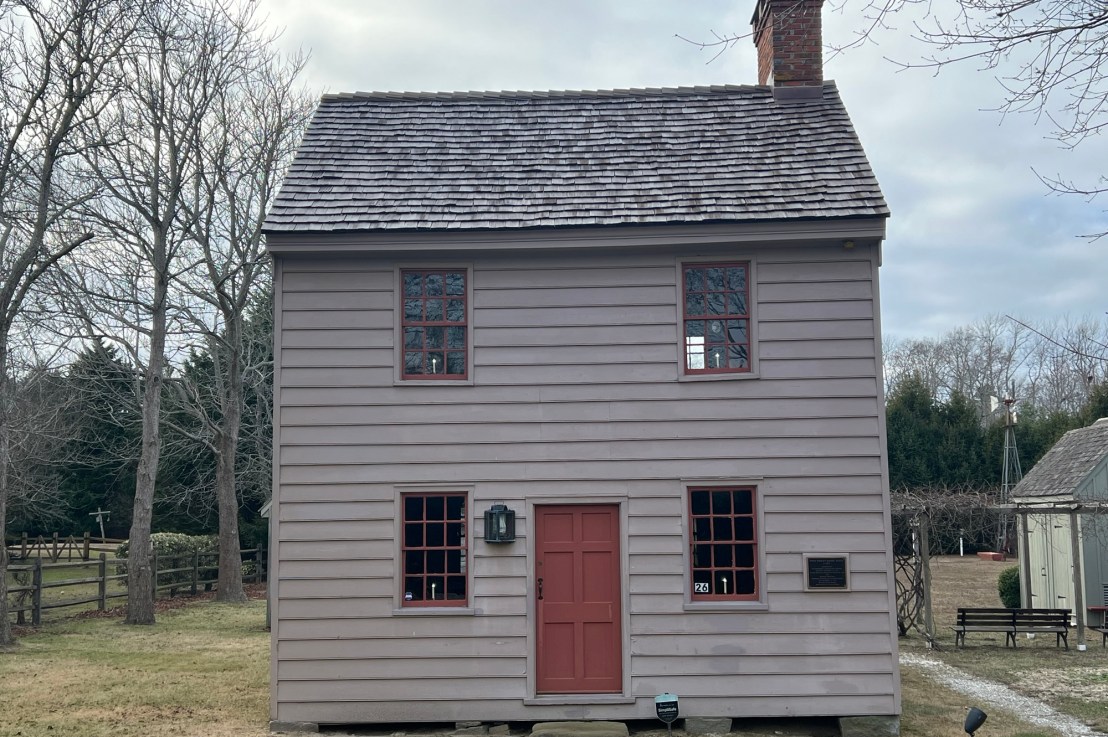
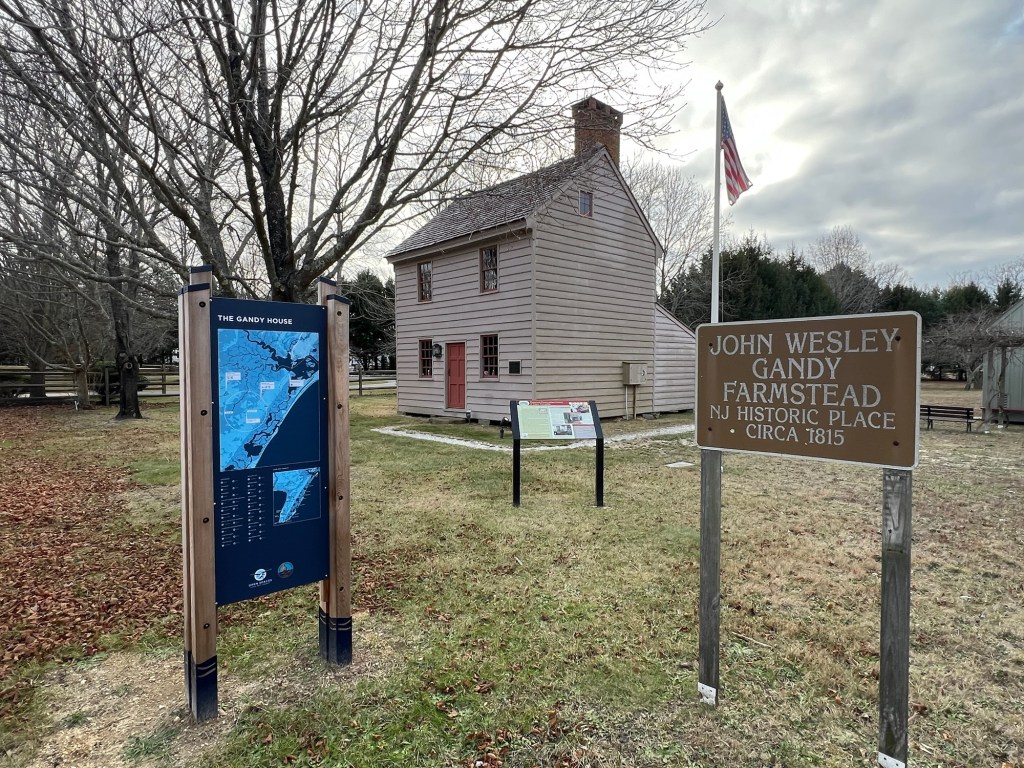
The historic grounds of the property in the winter
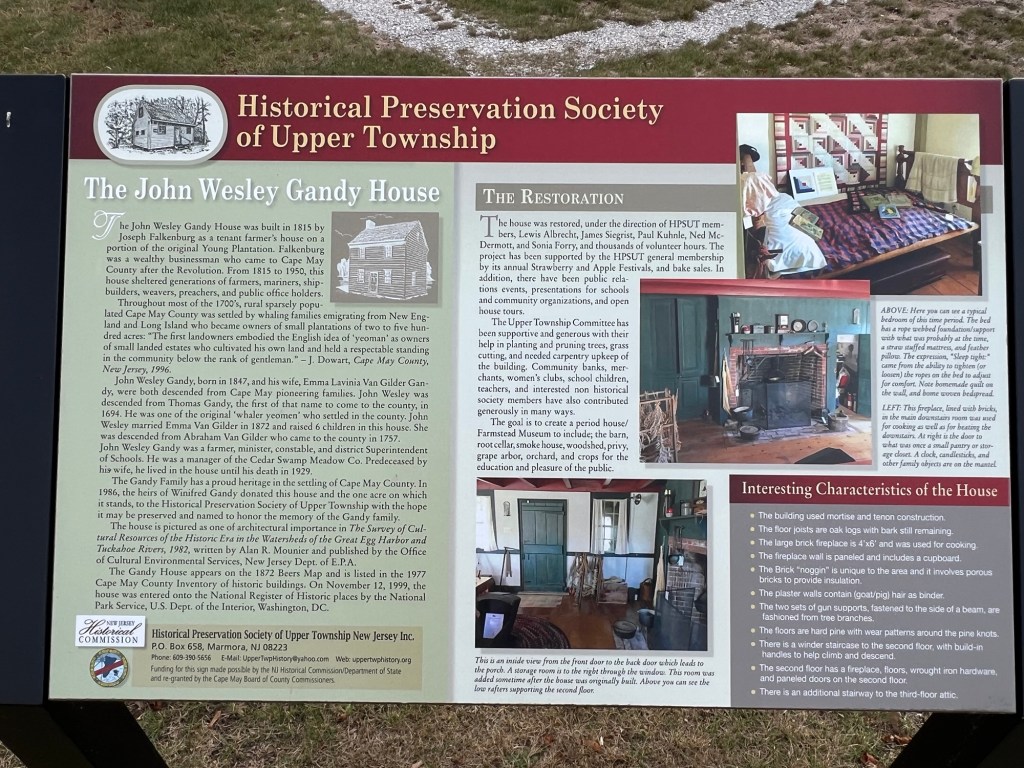
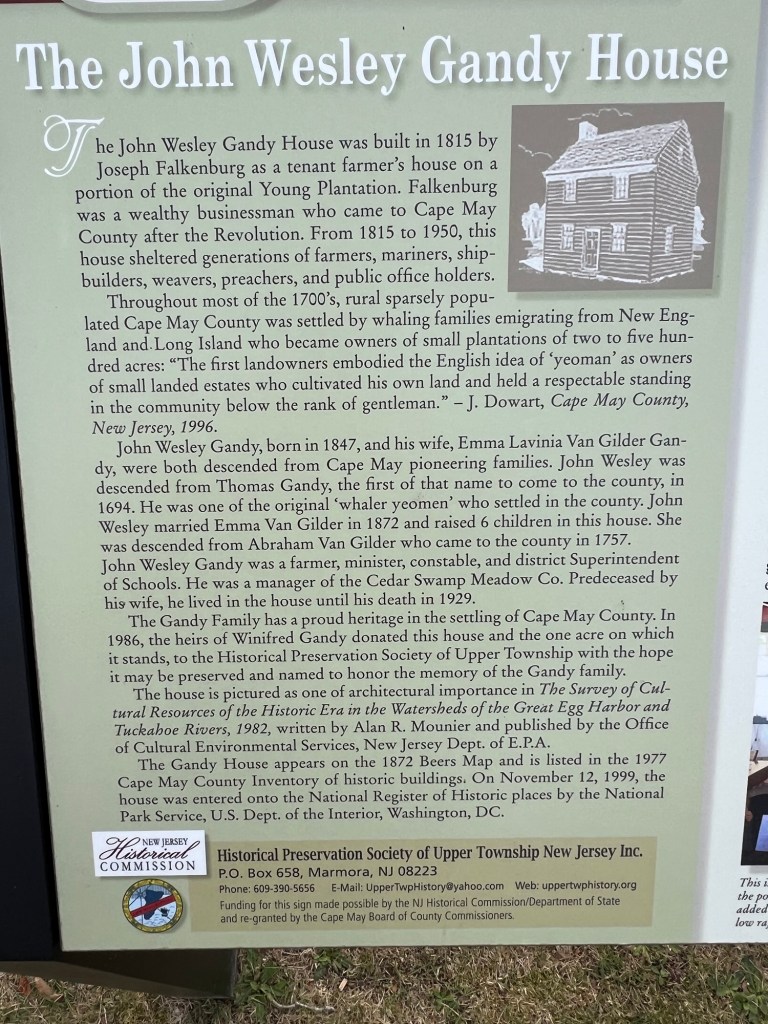
I visited the John Westley Gandy Farmstead on private walking tours both in the Winter of 2024 and the Summer of 2025 and got a glimpse of farm life in early rural Southern New Jersey. Away from the markets of New York City, I got to see how tenant farming and life was for early farmers after the Revolutionary War.
The house is decorated with artifacts from the early 1800’s to the turn of the Twentieth century and how they affected the lives of early inhabitants of the house. There is antique furniture, home made quilts and a fully stocked kitchen with a wood burning fireplace to cook meals from scratch (which was not a trend in those days, that is how they lived).
The grounds when I visited in the summer months
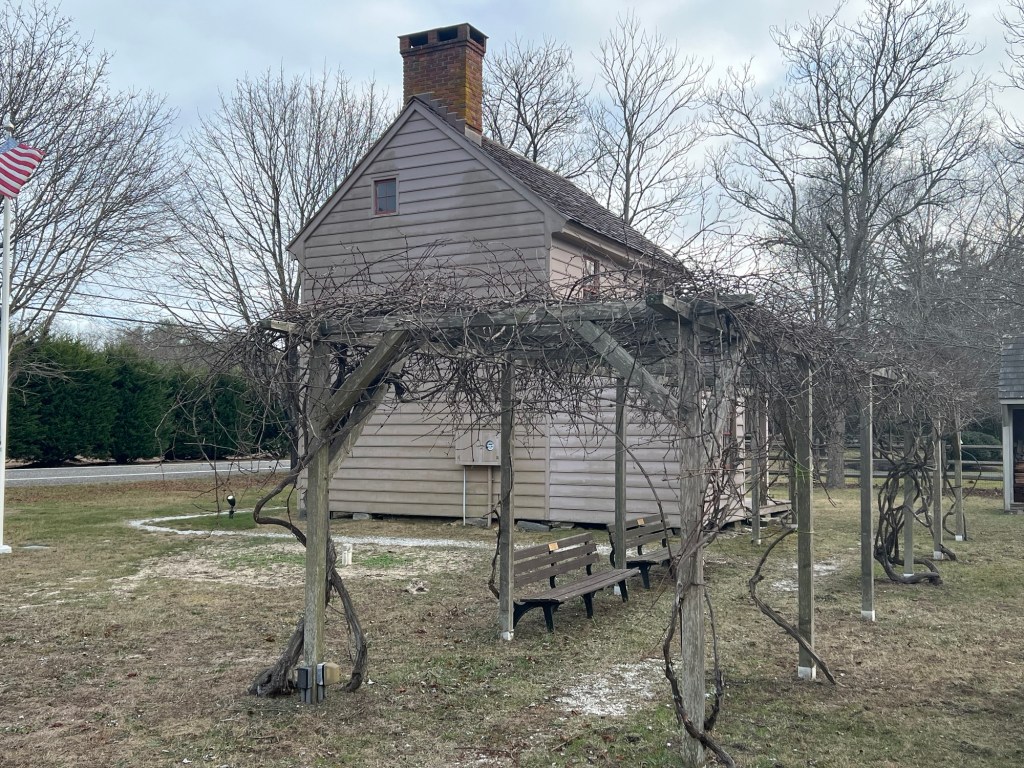
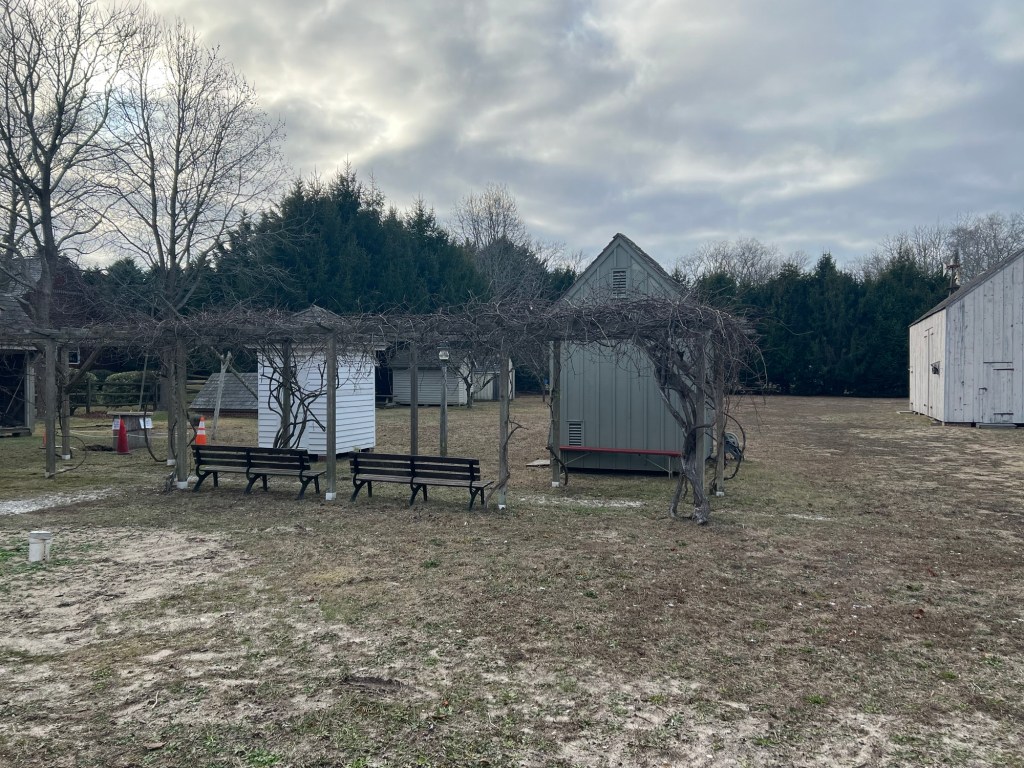
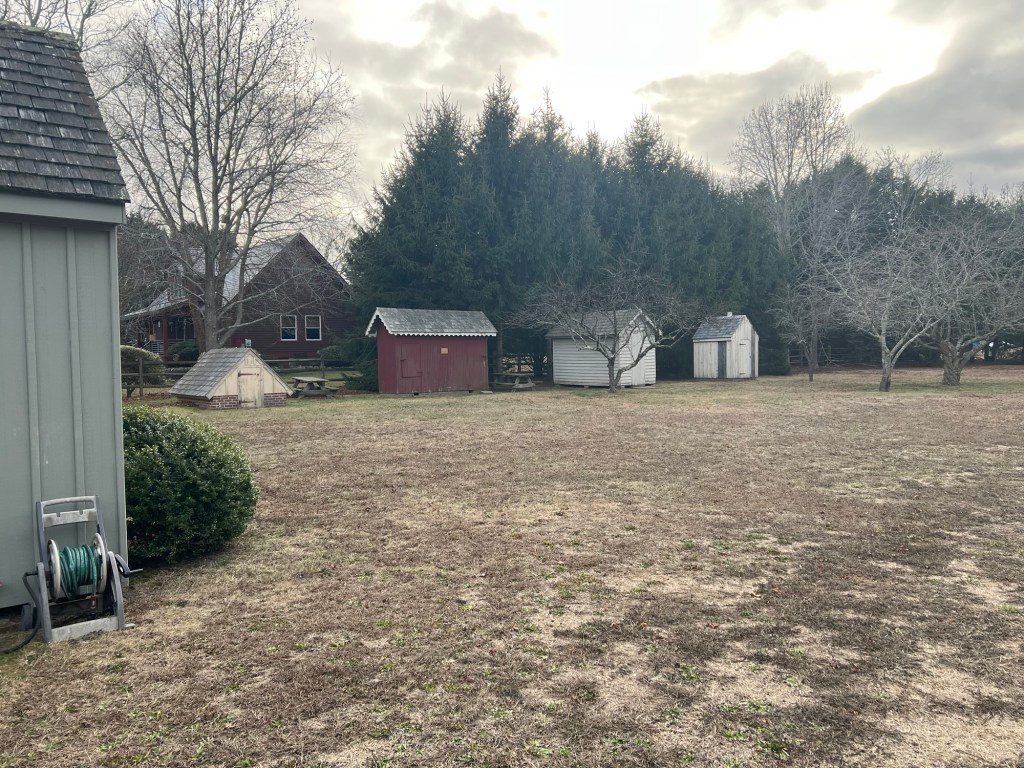
The grounds of the farm in the winter
The grounds of this historic homestead in the winter
The same grounds in the summer
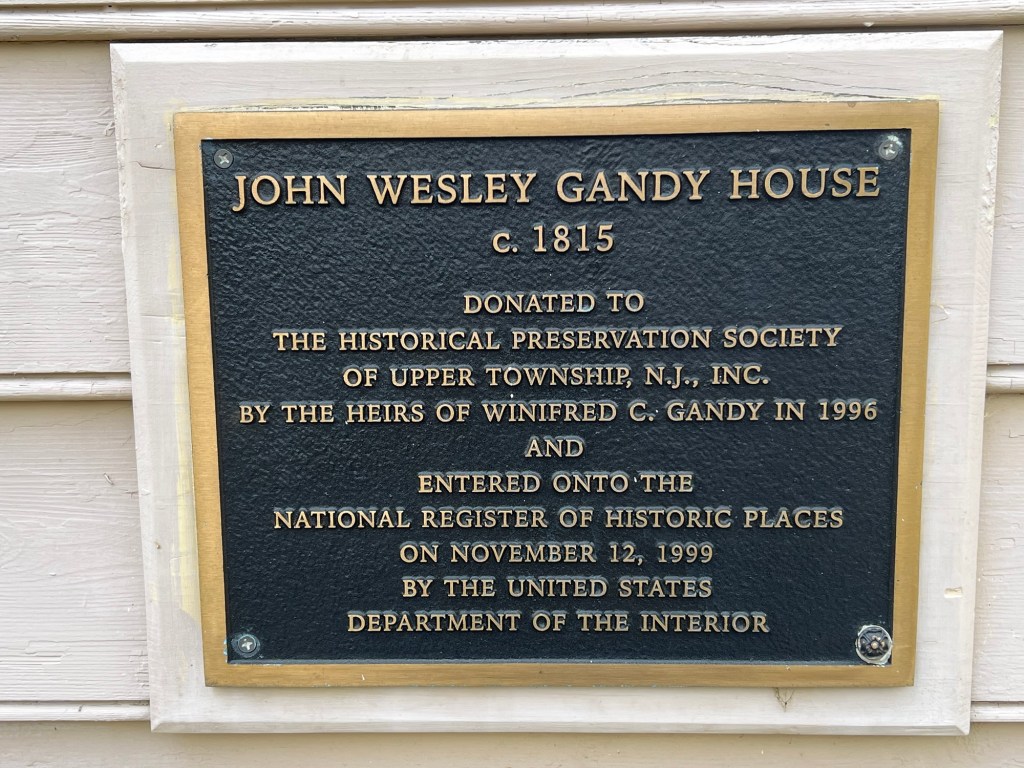
The history of the house
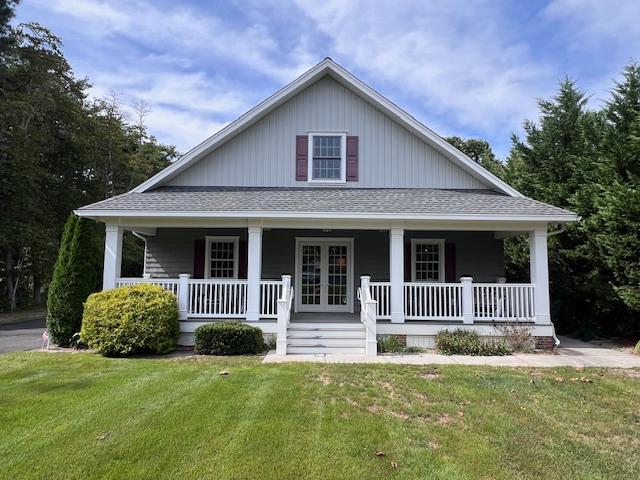
The front of the house during the summer
The Laundry Room
The Laundry Room
When you walk inside the Gandy Housr on the first floor, you are welcomed into the kitchen and pantry area plus some of public areas of the house. Here meals were prepared and guests were greeted.
The pantry area of the kitchen
Wood was stored for heat and cooking and herbs were drying for the winter months for cooking and daily use.
The fire wood and herb s drying
The pantry and larders for daily cooking and baking for the daily meals. All meals were cooked from scratch and large breakfasts and lunches were part of farm life. All meals were cooked in the open hearth so meals had to be properly timed and cooking and baking had to be coordinated for the family meals.
The larders were filled with the items that were in season
Cooking over a wood burning fire was part of everyday meals in the farm kitchen. Various pots and pans were in use to cook the family meals.
The inside of the kitchen area that heated the main room
Meals were coordinated for the day with cereals and soups cooking first, baked items going into the oven when it was warm enough followed by roasts and stews.
The days cooking over a hot stove
There were early morning breakfasts on the farm and then a late lunch/ early supper when the afternoon work was done.
The other half of the main room was used for dining and the families social space. Here meals were served and the family relaxed.
Everyday family objects of the household
The front part of the room faced the road and the comings and goings of the surrounding community.
The side bench and family objects
The most interesting part of the tour of the first floor is the view of the construction of the home. Behind the glass frame showed how the home was built and of what.
The construction of the home behind the glass frame
The family quarters on the second floor show the chores that followed during the day with spinning yarn, making and mending clothes and dying fabrics.
The spinning wheels and the making of quilts
The landing and the first floor rooms
The spinning wheels and patterns
The first bedroom was furnished with handmade quilts and sown linens. The wash basins were used before indoor plumbing.
The first bedroom upstairs
The wash basin and grooming products
Going out for a formal evening
The second bedroom on the second floor has is collection of quilts
The hand made quilts in the second bedroom
The children’s toys
The handmade quilt collection in the one bedroom
Handmade linens were part of the fabric of rural life as women were trained to sew and quilt their clothes and bed linens. Store bought linens were a rarity at this time and the quality of a woman’s homemaking skills defined her household. The handwork on these quilts were amazing.
The upstairs fireplace to keep the rooms warm
The upstairs alcove where the fireplace is located
The Morning clothing in the alcove
We then headed up the stairs to see the attic which were hard to walk up they were such small stairs.
The narrow stair’s to the attic
I got to see the attic area which visitors normally don’s see. This is where the boys of the family would sleep in the summarrr
The attic loft area
We finished the house tour back in the kitchen-living room
The full kitchen and living room room
The laundry area just off the main room
The we then toured the grounds of the estate walking through the grounds and exploring all the buildings on the property, some original to the estate and some brought here from other properties that awaited the wrecking ball. The grounds included the family well, barn, outhouse, root cellar, wood shed and a grape arbor.
The area right behind the main
The estate well which was going to be replaced
Fresh well water is still a part of the communities in Southern New Jersey. These farmsteads were pretty much self-sufficient and people grew what they needed and could barter for the rest or bring it to market.
The woodshed on the estate
The estate on a sunny day
The root cellar
The Root Cellar was used to keep Summer foods and preserves cool throughout the season. People tried to eat seasonally as much as possible and store for the Winter months.
The Ice House
The historic sign for the Ice House
The inside of the ice house and the hooks to hold meats
Ice was brought in from local lakes and ponds to keep foods well preserved during the warmer months of the Spring and Summer.
The barn that was moved here
The inside of the barn with all sorts of historic farm. These are pieces of equipment that were used over the last 100 years.
The farm equipment
The equipment that runs a farm
The storage area of the farm
The storage bins
The Outhouse
There was no indoor plumbing in those days and the use of the outhouse was placed far from the main house.
The grounds of the farm
The back of the farm
The front of the homestead in the summer of 2025
The house was warm and contained by fireplaces in the Winter months and open and airy in the Summer months with a flow of air through the open windows. The Upper Cape May Township Historical Society is open also for special events like their Strawberry and Apple festivals plus private tours.
The Gandy Farmstead Annual Apple Festival2025:
Two weeks after my initial visit to the Gandy House during the Firemen’s Convention, I returned for the Historical Society’s Annual Apple Festival. The event reminded me of the Brinckerhoff House Strawberry Festival, a very nice family and community event that attracted everyone.
Since there were a lot of shore towns I wanted to revisit while the weather was nice, I arranged to stay at an Airbnb in Ocean City so I had plenty of time to do what I needed to do and relax afterwards.
I could not believe how crowded the roads were as so many places were having either Fall festivals or October Fest. Route 9 was like a parking lot near Smithville, NJ.
I got to the Apple Festival around noon and the parking lot was packed with people. One of the members said later that afternoon that he could not believe the consistent crowds as it was still busy at 2:15pm (the festival was over by 3:00pm). The crowds were filled with several generations of family members who I am sure were traveling from one event to another on this spectacular sunny morning.
The sign welcoming you to the event
When I arrived at the festival, the parking lot was still filling up so I had to park way in the back so I could get in and out easily.
On the Gandy family property on the other side of the home, they had an antique car show, a mini train ride around the tracks of this part of the property and a Caboose train car that you could explore.
The train tracks around the farm property
The train set up and tracks to tour around the farm
The train rides were really popular with both the small and ‘big’ kids
This small train trip had a nice sized line to it as families were really enjoying themselves
I then toured the Caboose which was set up for service and a day in the life of a conductor. Some of the volunteers were even dressed as conductors leading tour and talking to families.
The caboose on the farm property
The inside of the caboose
Getting ready for the holidays
Life of a train conductor shown in the caboose
After the tour of the car show and watching the families have fun on the trains, I headed across the street to the Gandy House for the tours and activities.
The back of the Gandy Farmstead with crafts and entertainment
Entering the Apple Festival with a Farmers Market and Apple sale
The Farmers Market of locally grown produce
They had a wonderful duo interesting the crowds that afternoon
There were all sorts of crafts stands around where the entertainment was performing
The local crafts people were really talented and included crocheted, painters, floral arrangers and jewelry markers.
One woman sold flowers from her gardens and arranged bouquets
This woman painted her own crafts and did beautiful work for both Halloween and Christmas
Here beautiful holiday crafts
I loved this Santa tree and was going to get it for my mom
This woman had the most beautiful handmade doll clothing and knit items for the holidays
What is an Apple Festival without food? I went to the concession stand for lunch and ordered a hot dog with a glass of locally made Apple cider and had an homemade Apple Shortcake, which I found out later the members had made the night before.
The concession stand where all the food was made
Enjoying my lunch. Both the hotdogs and apple cider were locally made. That’s why it tasted so good!
Hot dogs taste so good off the grill!
The delicious homemade Apple Shortcake with homemade apple topping were made by the members
I also stopped off at the apple stand where cases of apples were being sold. It looked like many people were going to make pies and sauce with these and the stand looked like they were selling out.
I managed to buy one of the Mango sweet apples they were selling individually
The apples were so hard, fresh and sweet that it made the perfect addition to dessert.
The Mango Sweet apples
Talk about delicious
After lunch I ran into the Board members who had helped me with the tour two weeks early and I took a quick tour of the first floor of the home. The laundry room was not open the day of my private tour.
Touring the outside grape arbor
The grape arbor on an early Fall day
Touring the first floor laundry room
An early washing machine
How to do laundry at the turn of the last century
After having lunch, touring the house and visiting all the vendors I relaxed for the rest of the afternoon and listened to the entertainment perform. They did a combination of 70’s hit songs, country music and some James Taylor.
The duo performing
The first part of the song “Brandy (You’re a Fine Girl)” from the 1970’s before people walked in the way
The rest of the song performed. They did an excellent job with it
Before I left just after 2:00pm, I stayed to see who won the Apple pie contest. There were only three contributors but I wanted to get a slice before I left. They did not slice them up. Bummer!
The winners of the Apple pie contest
The Apple Festival sponsored by the Upper Township Historical Society happens every October. It is a wonderful family event and fundraiser for the Historical Society. I know I had a lot of fun and it reminded me of the events that I went to as a kid in the 1970’s.
It was funny that the only person who had a cell phone glued to his hand was me. It was just like the 1970’s all over again with families enjoying each other’s company. Try to visit in the future.
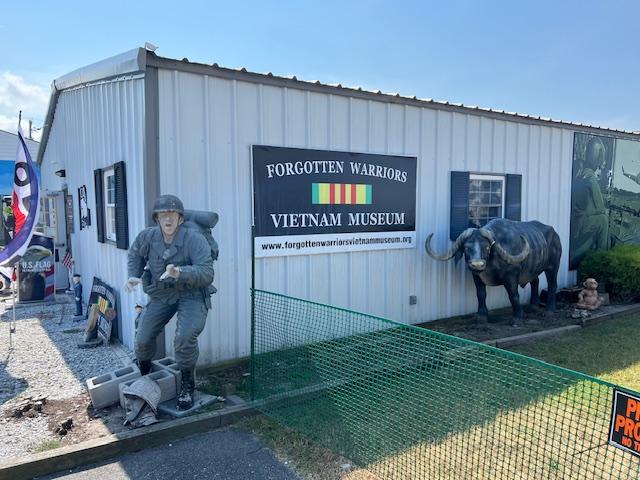
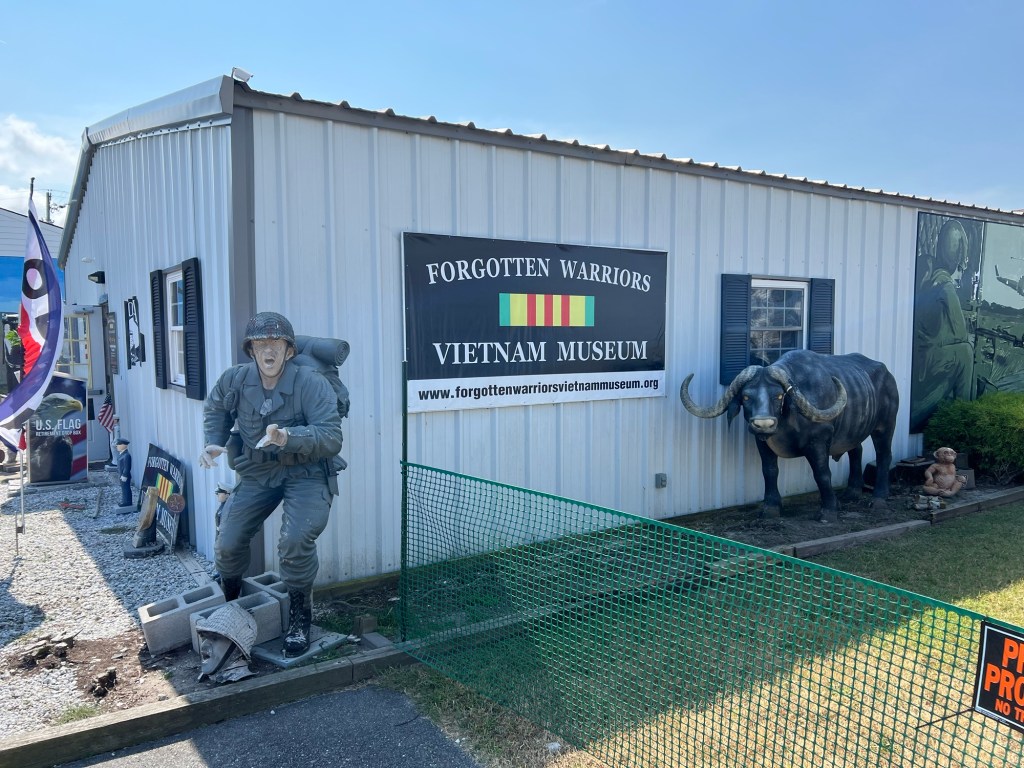
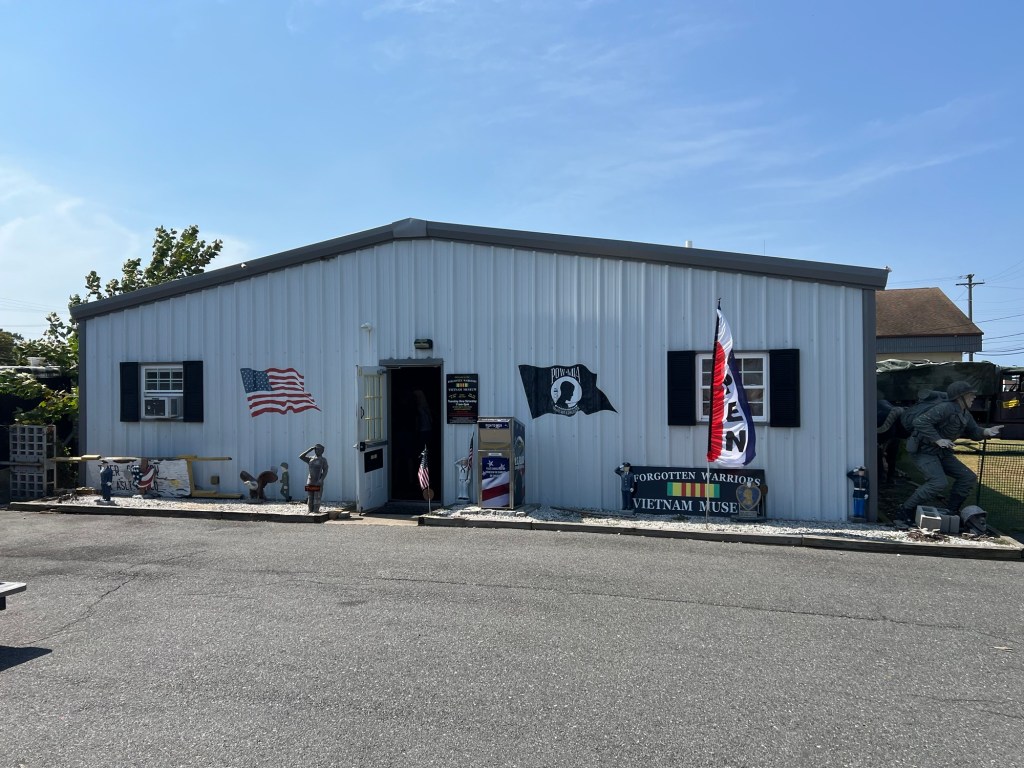
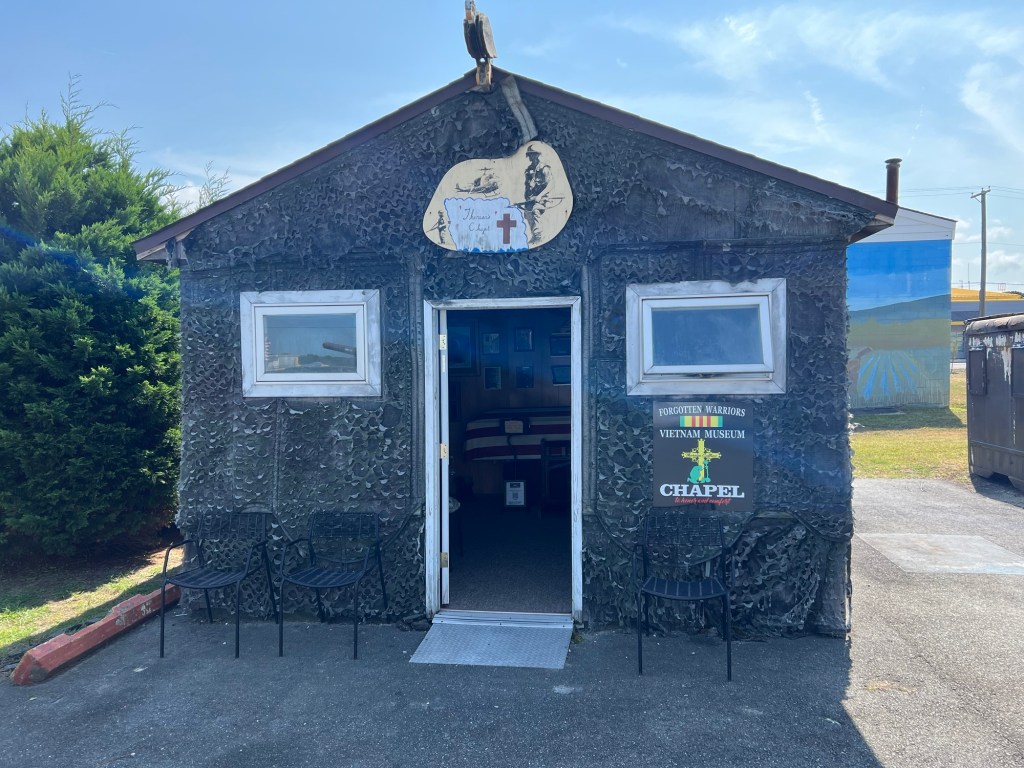
The front of the Forgotten Warriors Vietnam Museum at 529 Forrestal Road
The entrance to the museum
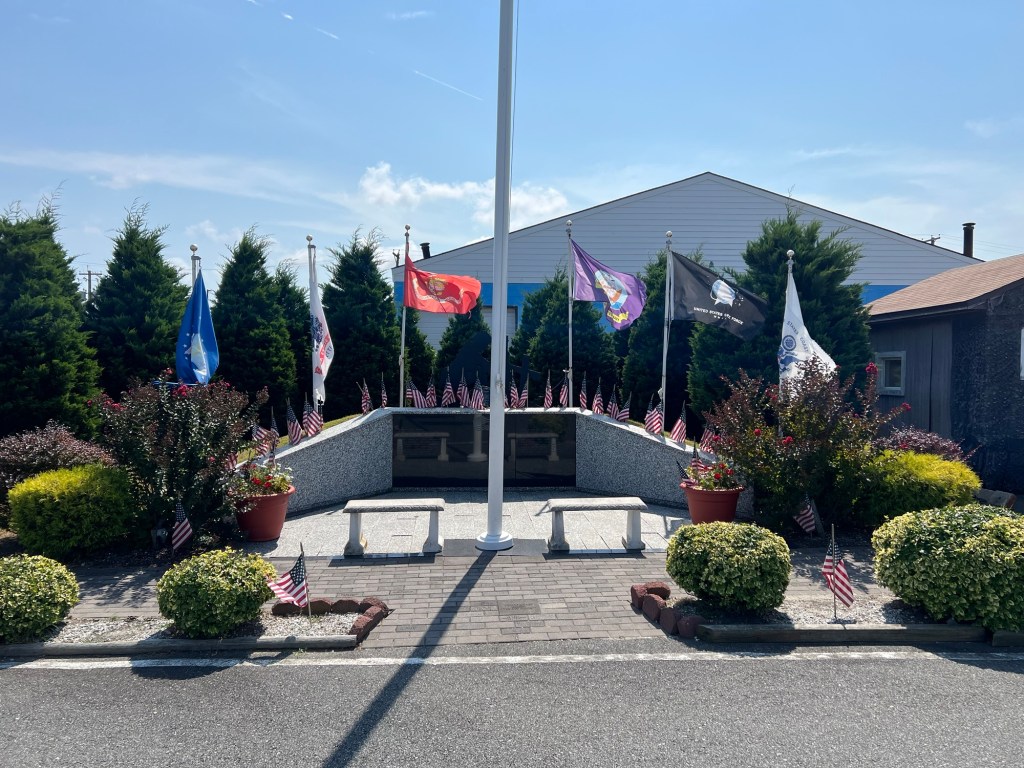
The Vietnam Veterans Memorial outside the museum has the names of those who fought in the war
The museum’s Chapel dedicated to the Veterans
The Chapel is dedicated to those who lost their lives in the Vietnam War and is a very emotional display of the value of a soldier during the war years.
The History of the museum:
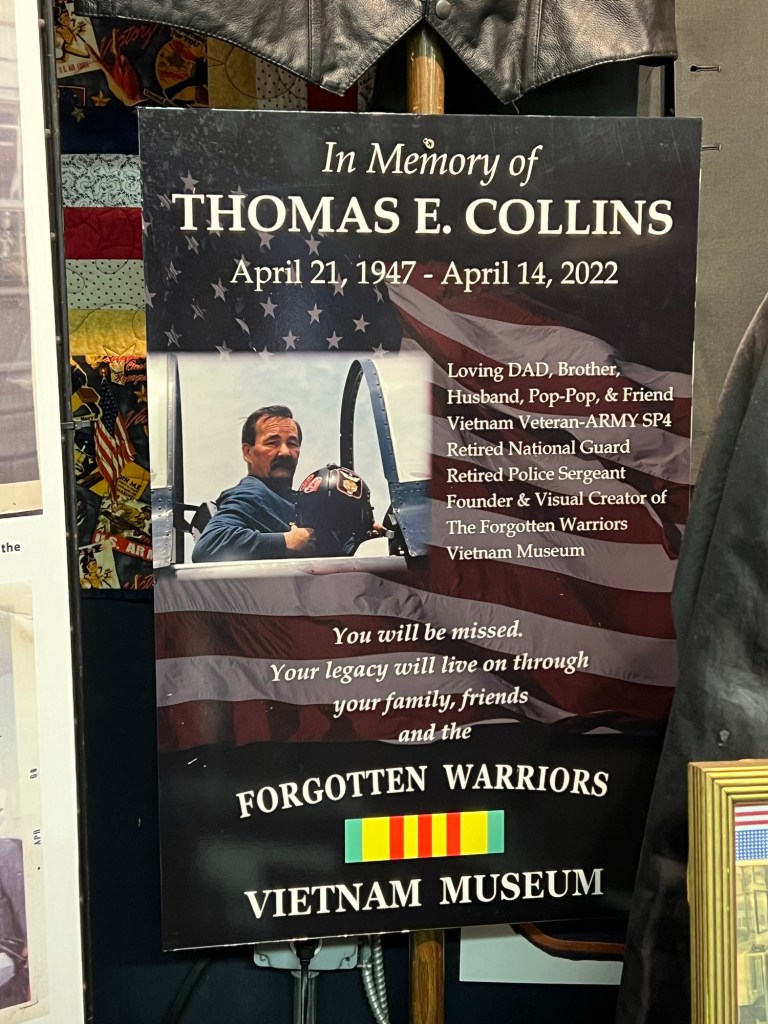
The museum was created in 2008 by the late Vietnam Veteran Thomas E. Collins. His committed passion for over 15 years to create a unique, realistic, educational experience to live on the memory of the men and women who fought in the war.
The museum honors and protects the thousands of men and women’s legacies and artifacts on the museum that will not be forgotten. The museum continues to preserve and welcome home veterans, their families and educate future generations.
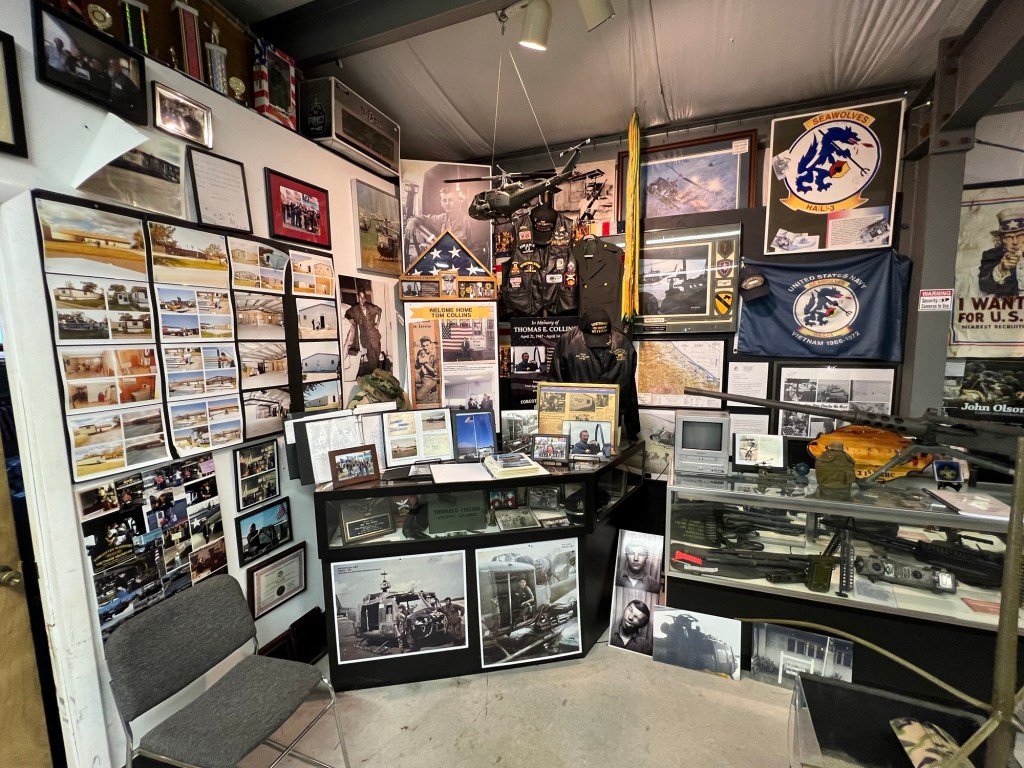
This one room museum is packed with information and memorabilia from the war years.
The display in honor of Thomas R. Collins
The main gallery of the museum
In Memory of Thomas E. Collins
Very touching memory to the founder of the museum, Thomas E . Collins.
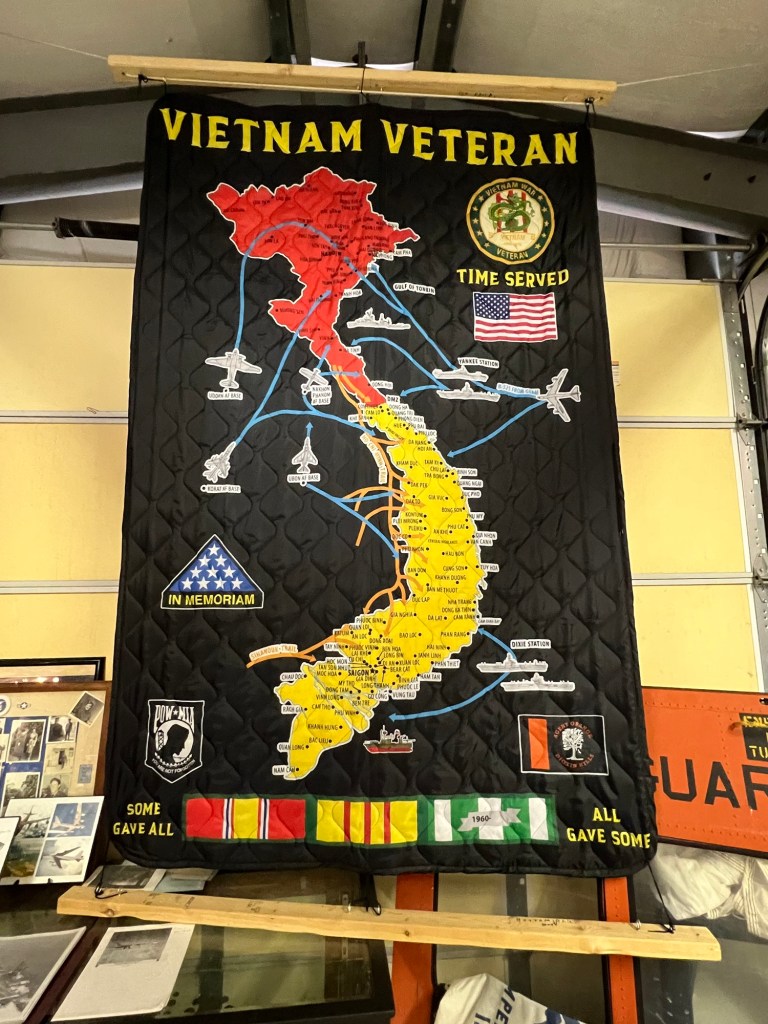
The map of North and South Vietnam at the time of the war
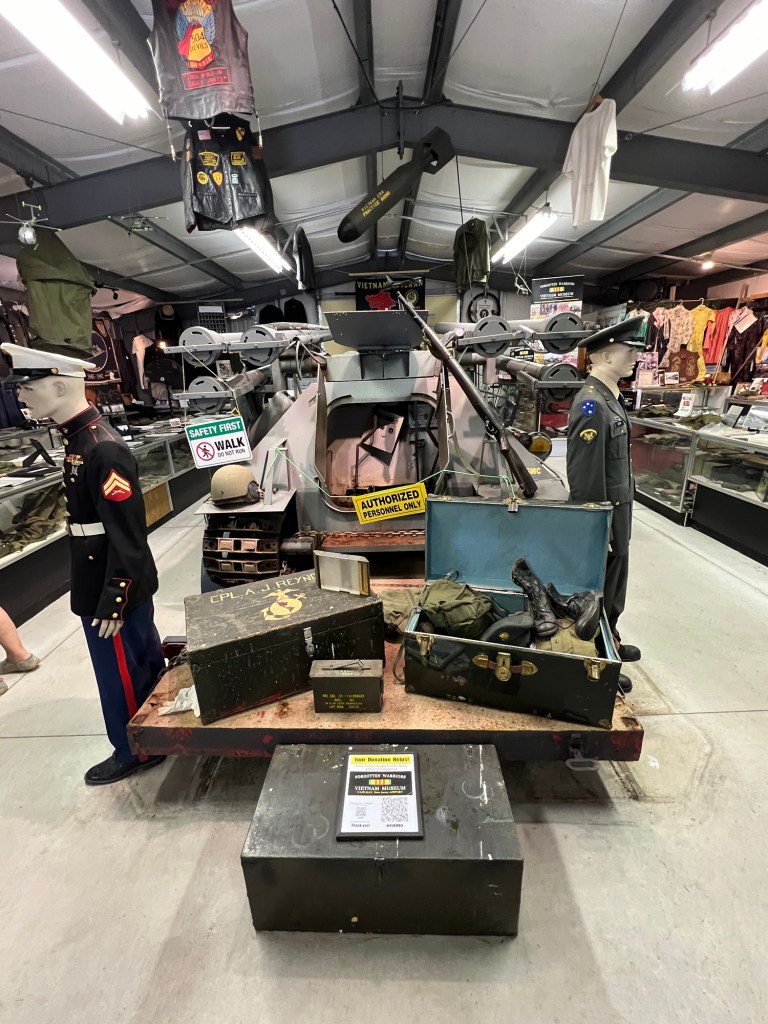
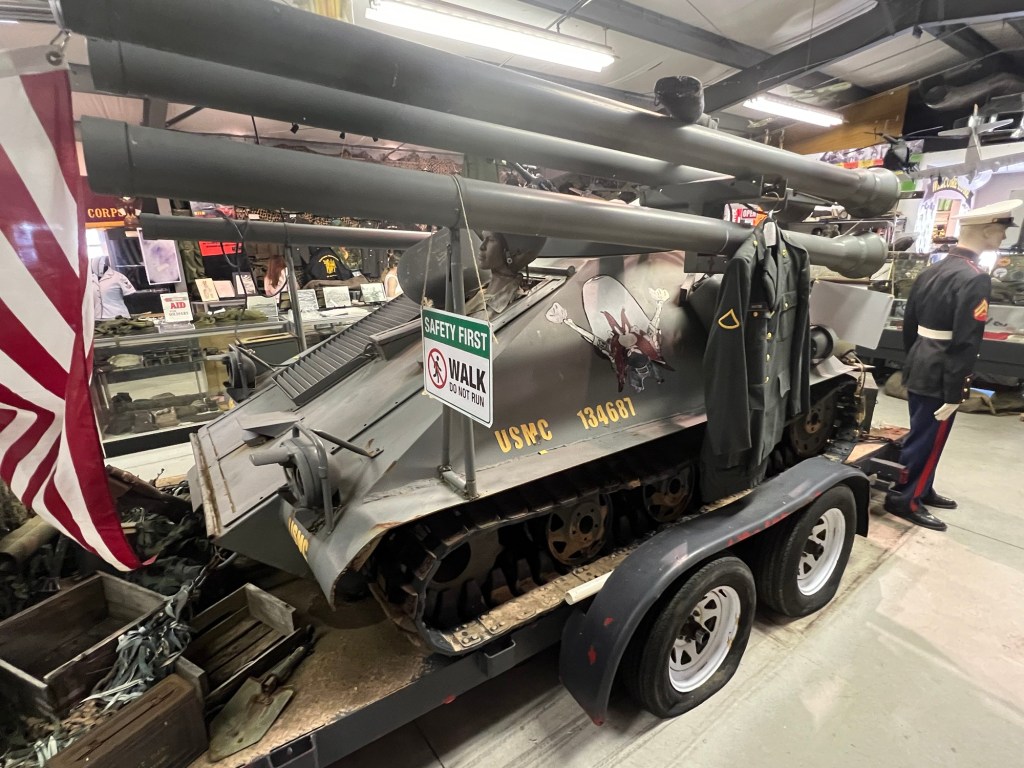
The equipment and artifacts from the Vietnam War
One of the small tanks inside the museum
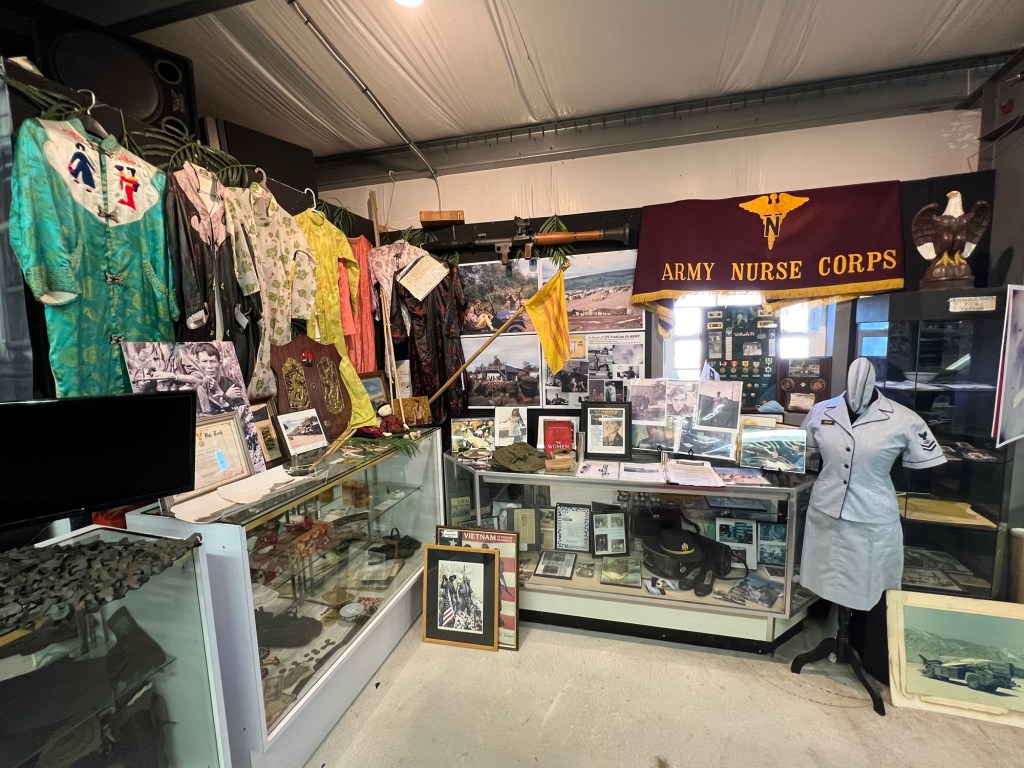
The outfits warn in Vietnam during the war by the natives and the nurses
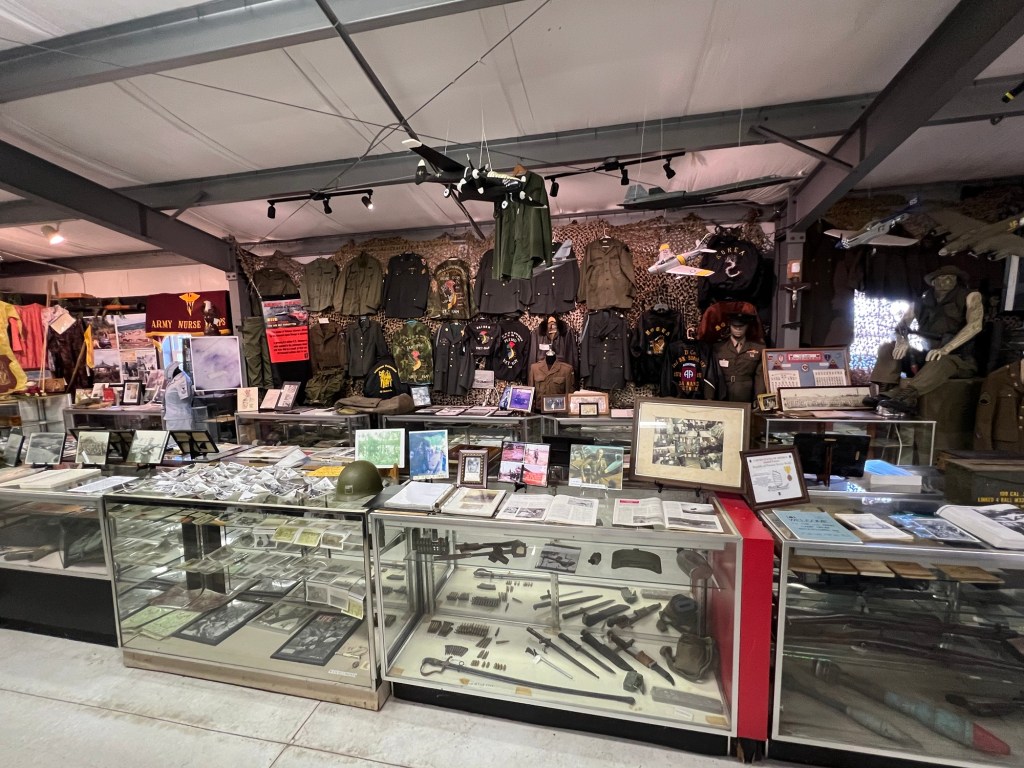
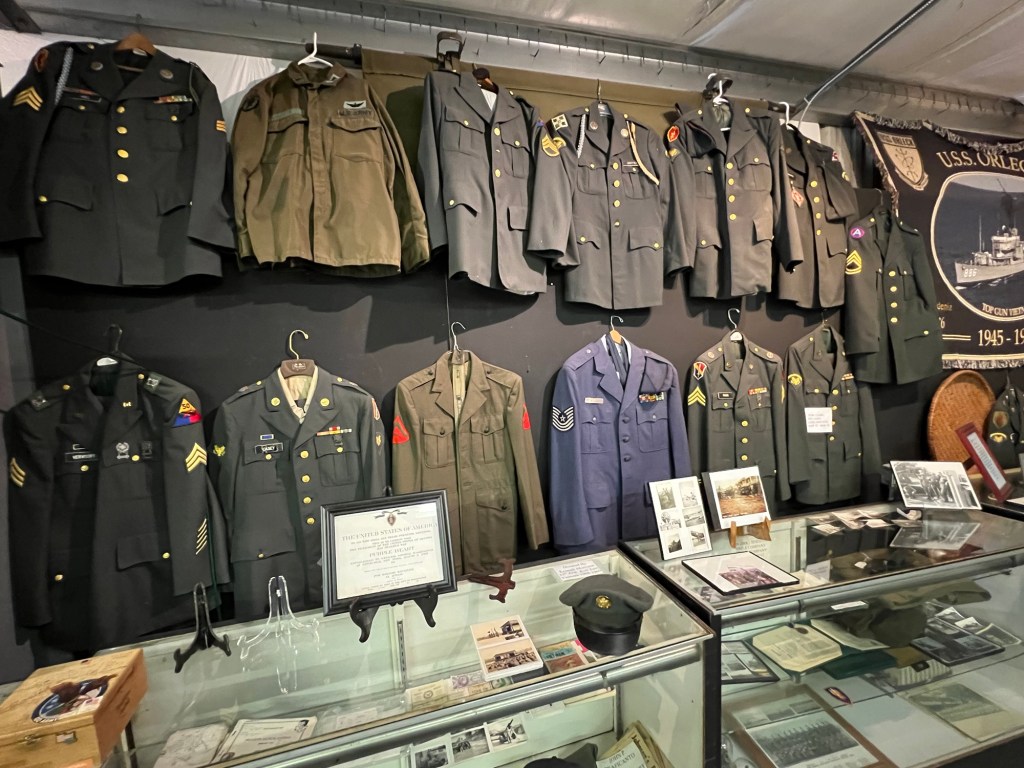
Various weapons and uniforms on display
Array of uniforms that had been used in the war
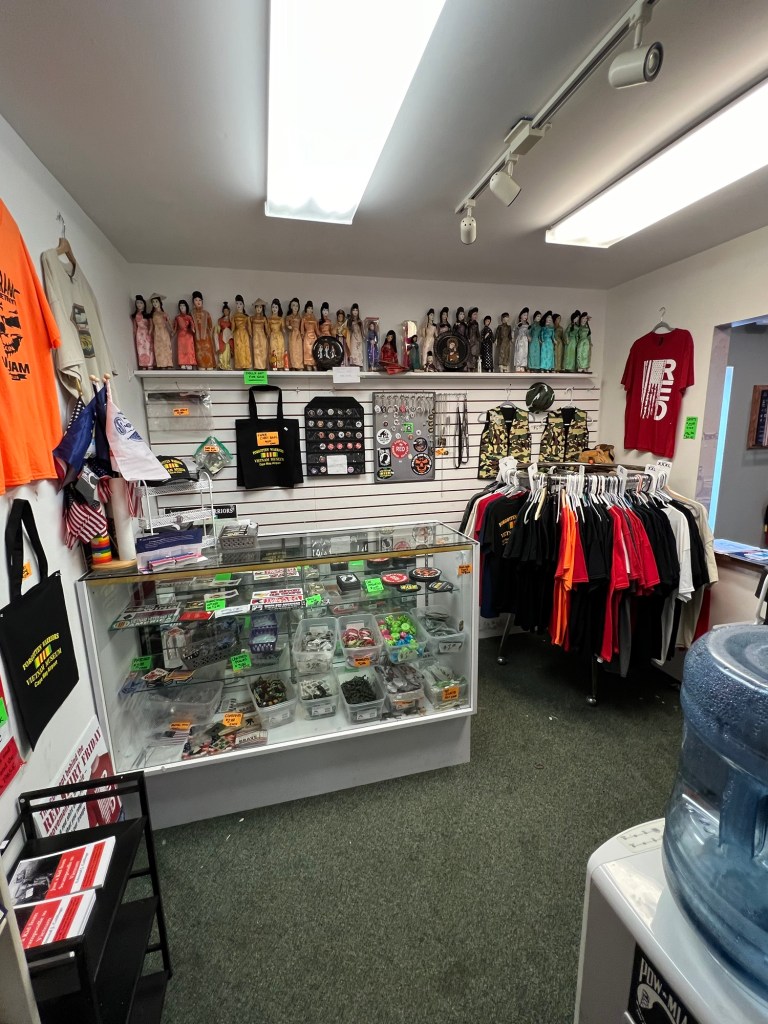
The gift shop by the entrance of the museum has some interesting gift items.
This museum is a very touching memorial to all those who have served during the war in Vietnam and some fascinating items in the collection to see and observe.











 Visiting a Museum: The Unique, Unusual, Obscure and Historical