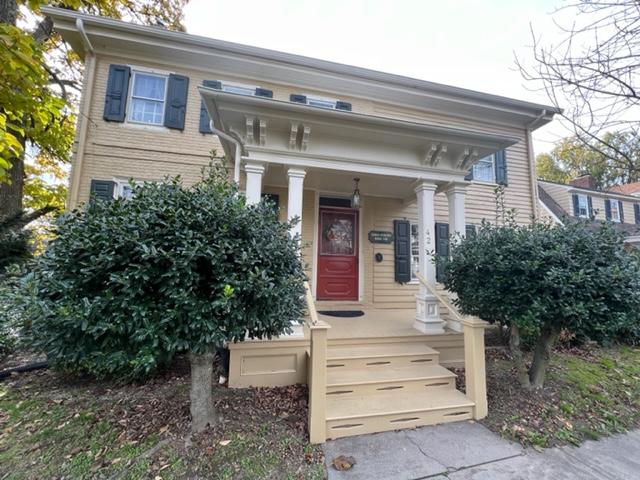
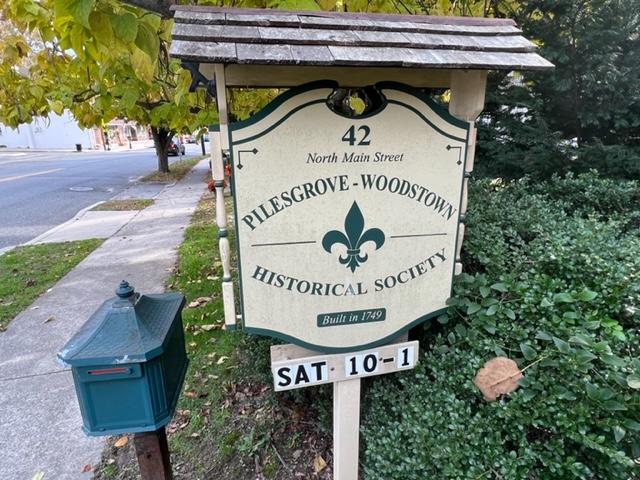
Pilesgrove-Woodstown Historical Society
42 North Main Street
Woodstown, NJ. 08098
(856) 769-1886
My review on TripAdvisor:
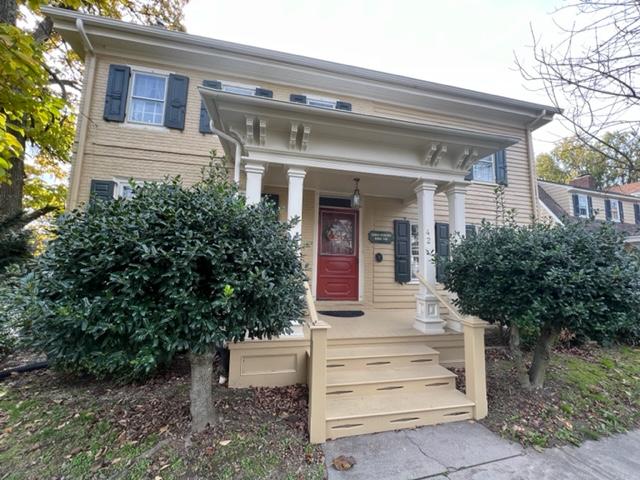
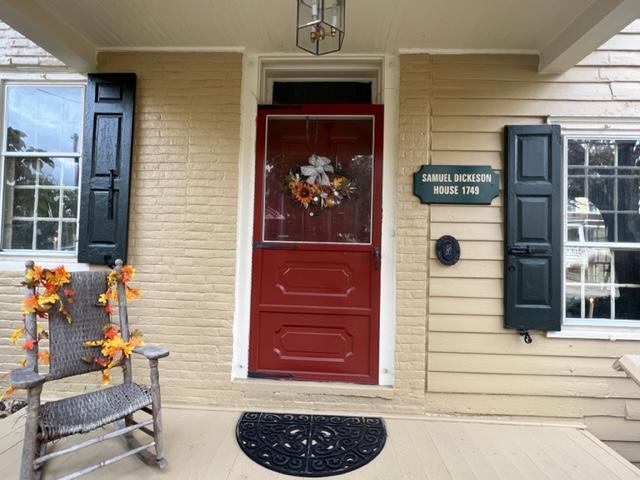
The Samuel Dickeson House
The Mission of the Pilesgrove-Woodstown Historical Society:
To preserve and advance interest in and awareness of the history and heritage of the Borough of Woodstown and Pilesgrove Township by properly procuring, preserving and maintaining the art, artifacts and documents that relate to the cultural, archaeological, civil, literary, genealogical and ecclesiastical history of the local community. We welcome researchers and provide them with any available material.
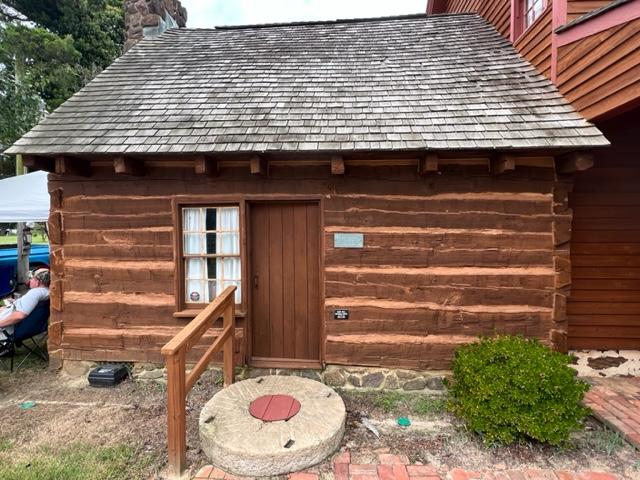
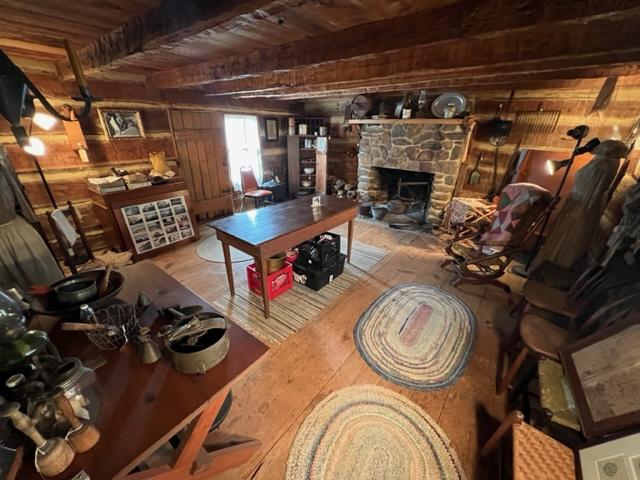
On the site is the 1840’s one room schoolhouse that was moved from Eldridge’s Hill in the 1970’s and is open for touring during museum hours. The organization hosts quarterly presentations and participates with the Candlelight Tour on the first Friday of December.
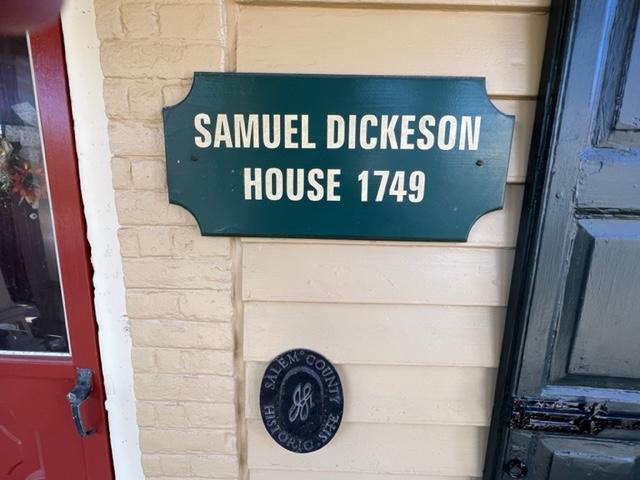
Touring the house is a wonderful experience and I got an excellent tour from a member of the Board of Directors who took me on a full tour of the house and grounds. She explained that the volunteers take a lot of pride in the home, the displays and the artifacts and antiques that make up the décor of the house. The tour starts in the Library which is to the right of the entrance. This is where people can research their families and the towns’ histories. The house was originally owned by the Dickerson family and had changed hands many times over the years.
The Library:
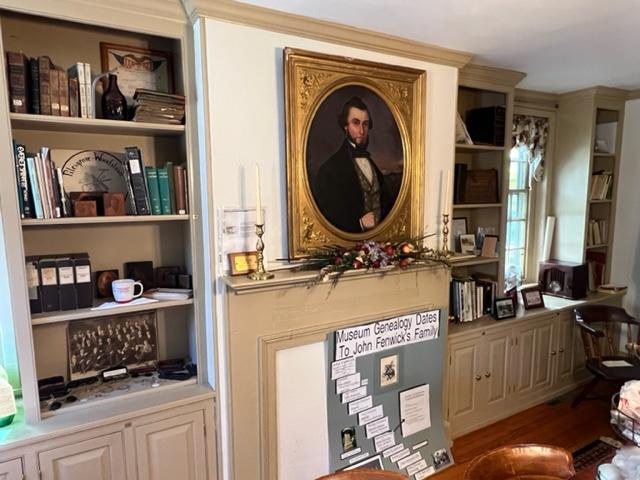
This display has the portrait of John Fenwick and the family tree
The Library:
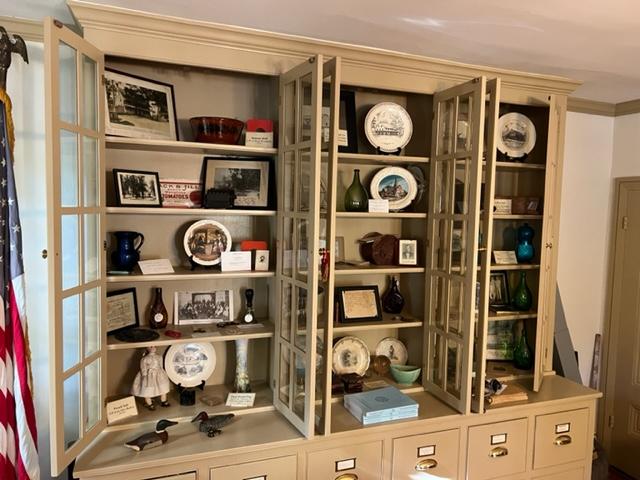
The Library:
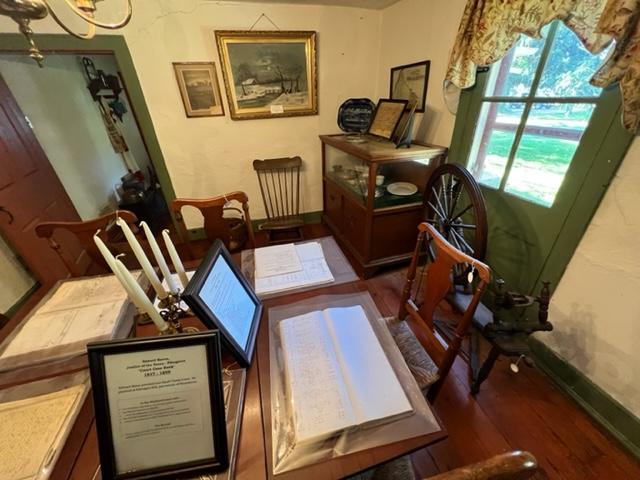
The collection of books and manuscripts is held in the library of the home. Patrons can do their research on their family trees and on the local towns here.
The Living Room:
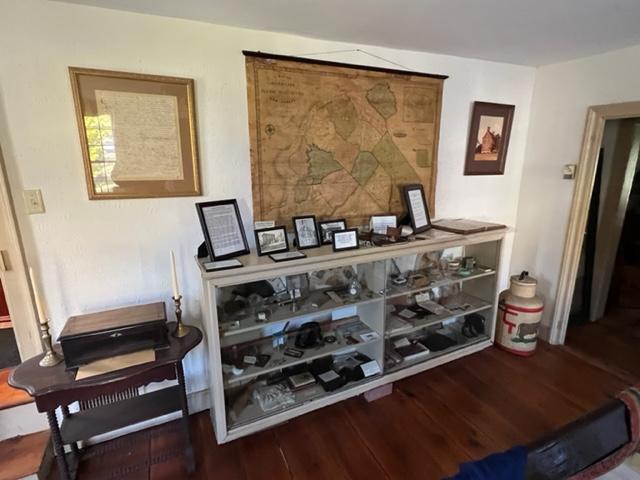
The Living Room:
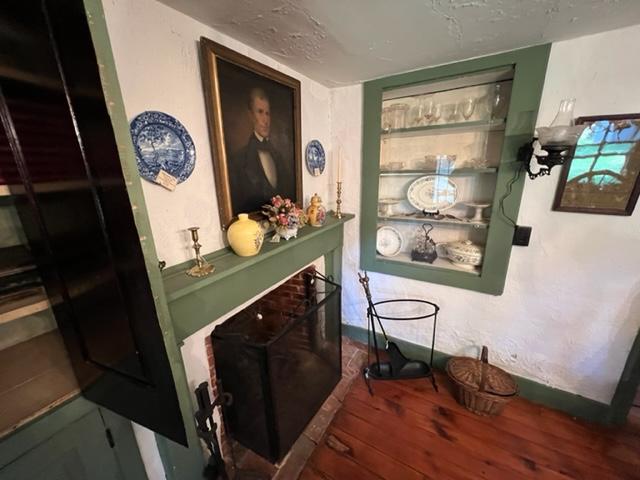
The Living Room:
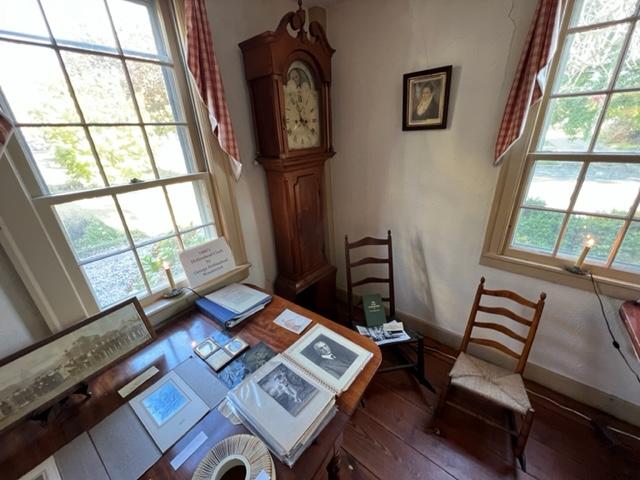
The Living Room:
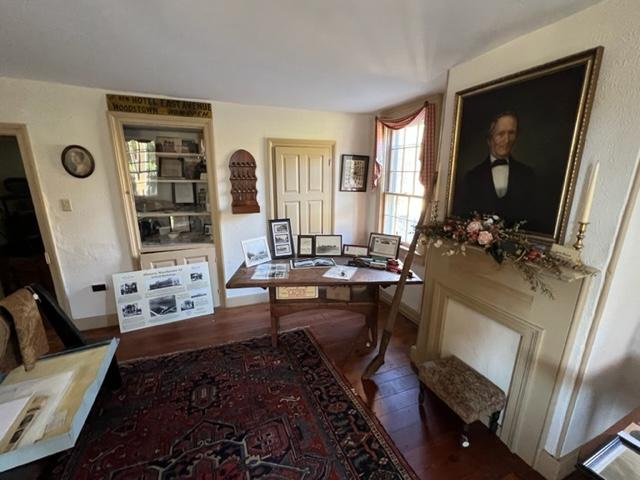
The Living Room:
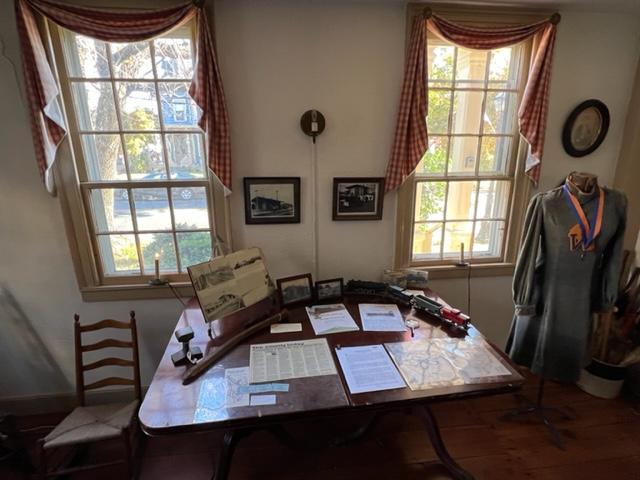
The Kitchen:
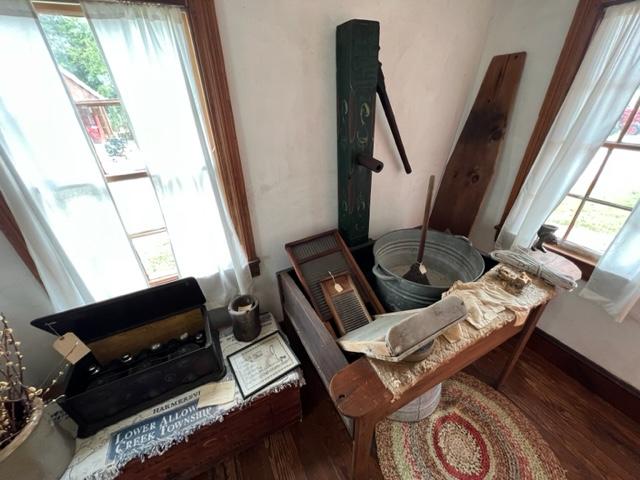
The kitchen had been modernized over the years but still retains its historic look to it.
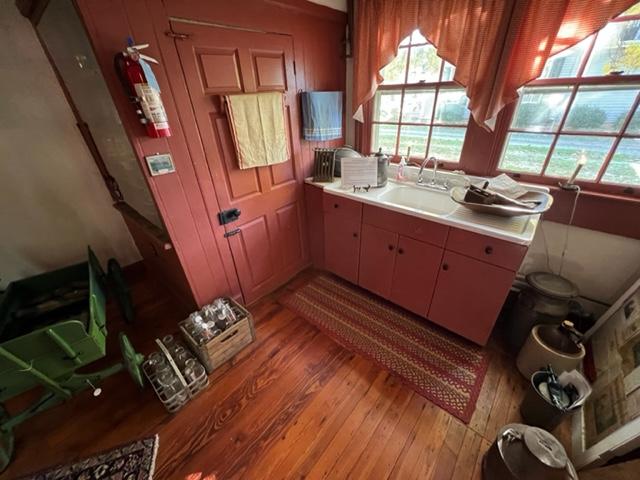
The Kitchen:
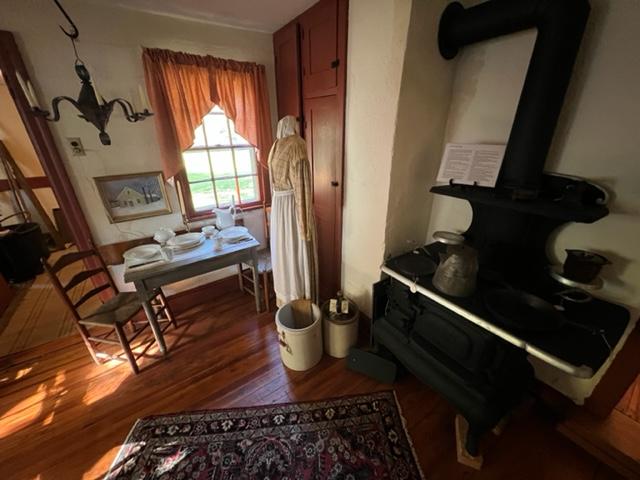
The Kitchen:
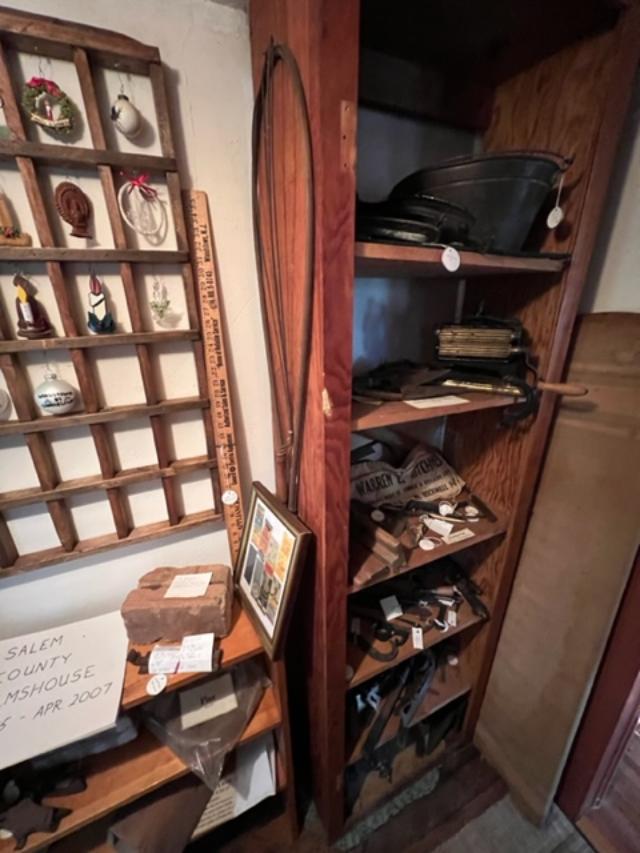
The Kitchen:
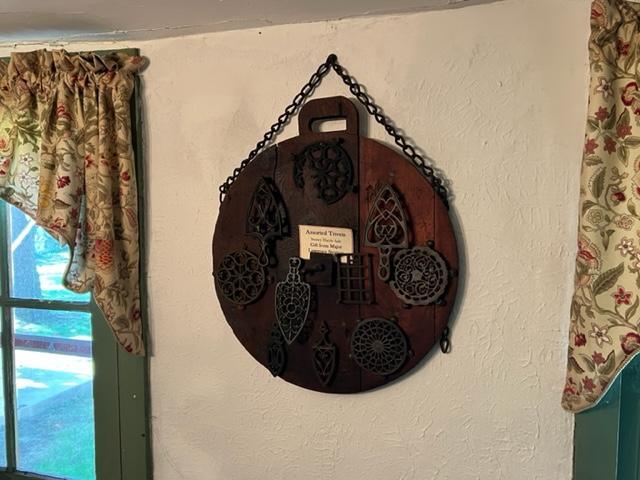
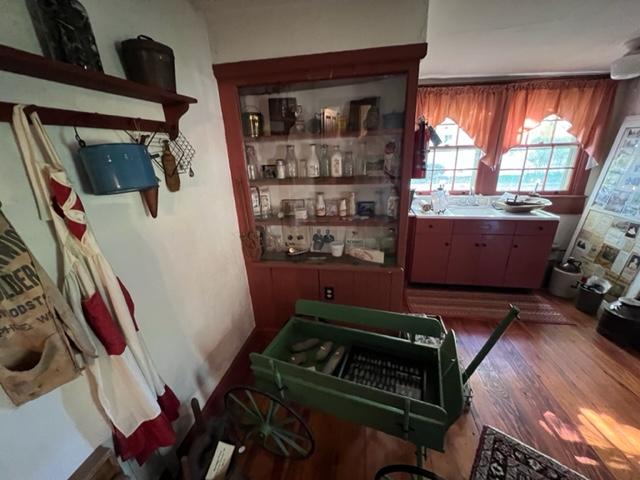
The kitchen:
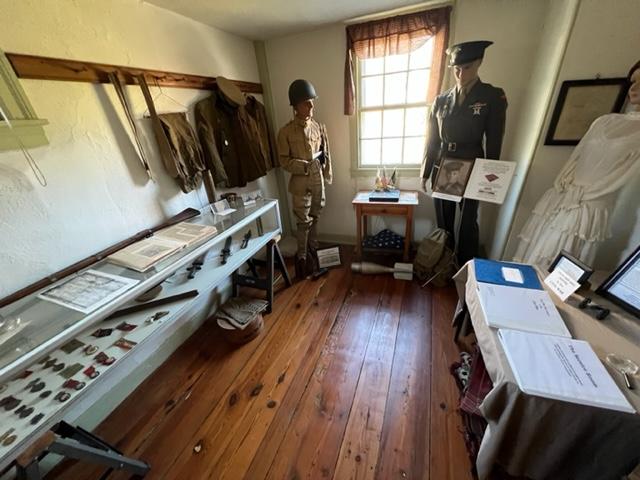
The Military Room:
Memorabilia from the Veterans of Foreign Wars
The Upstairs Bedrooms:
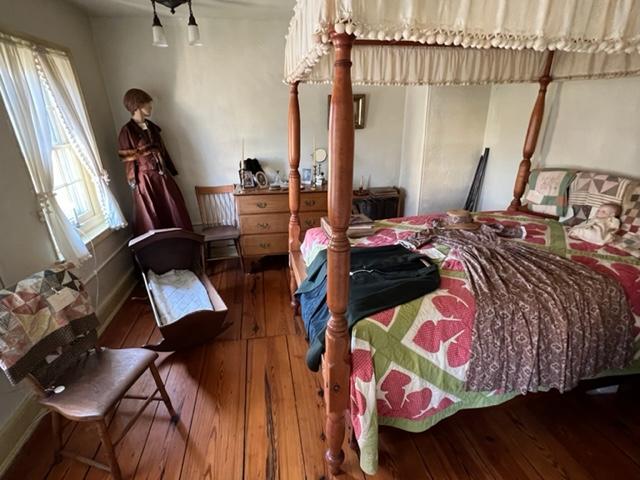
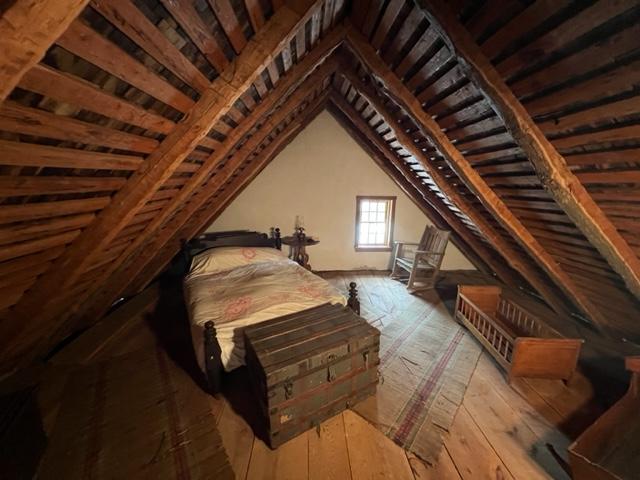
The Upstairs bedroom:
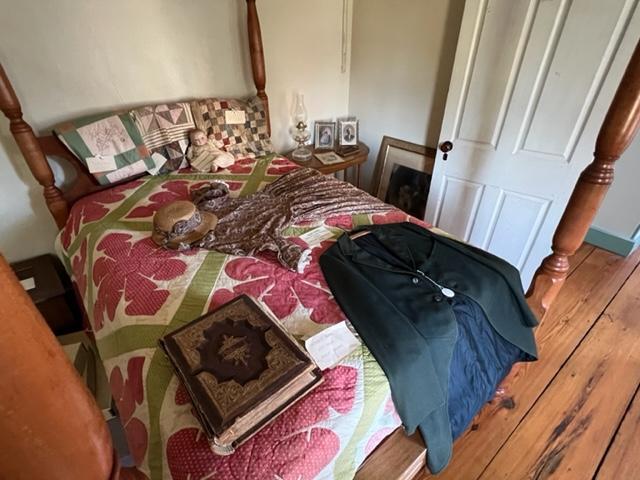
The Upstairs bedroom:
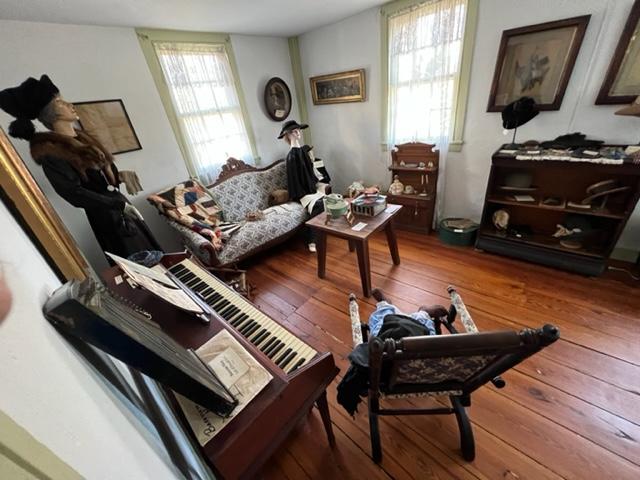
The Upstairs bedroom:
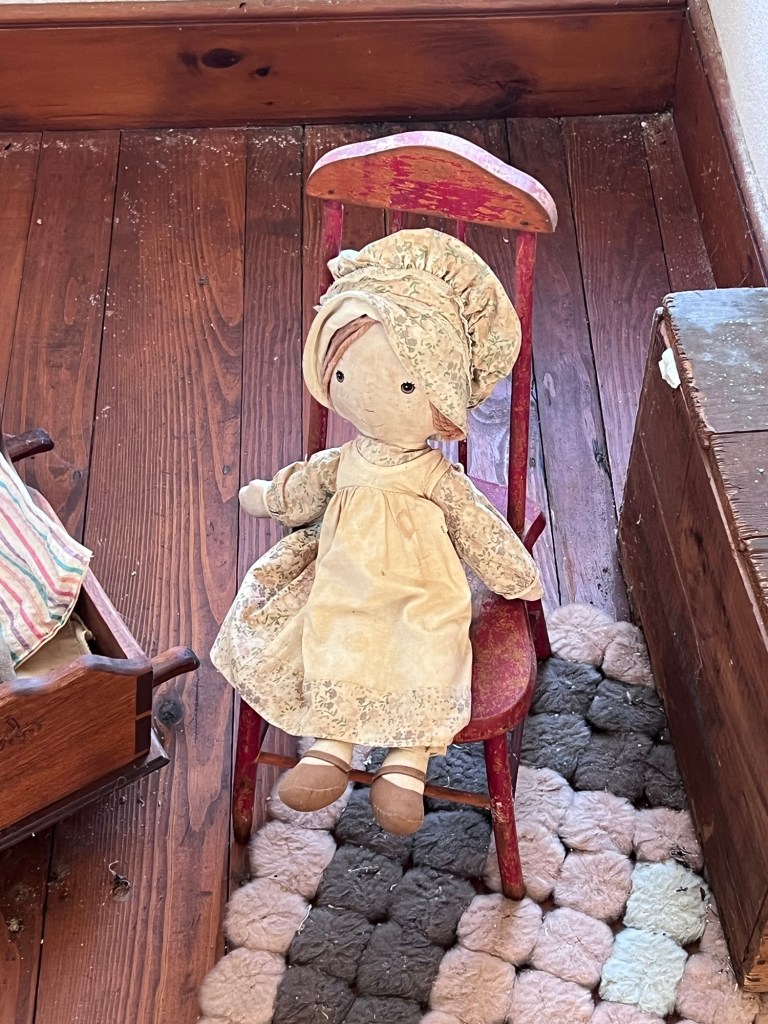
The upstairs bedroom has lots of children’s toys, clothes and musical instruments.
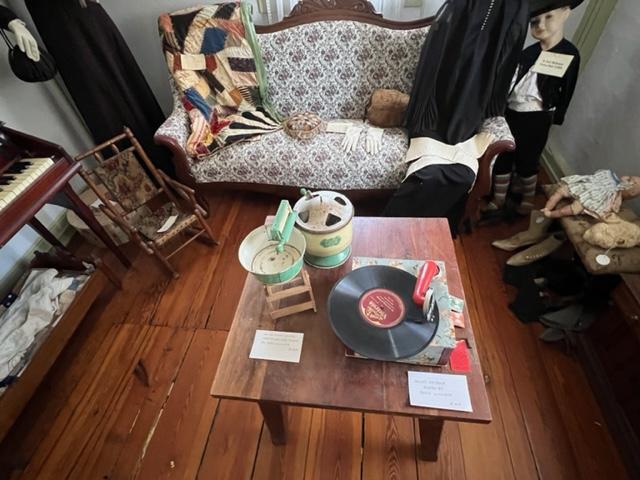
The Upstairs bedroom:
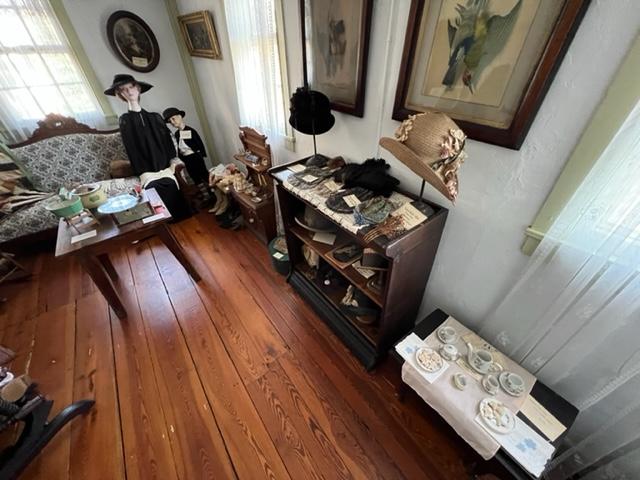
The Upstairs bedroom:
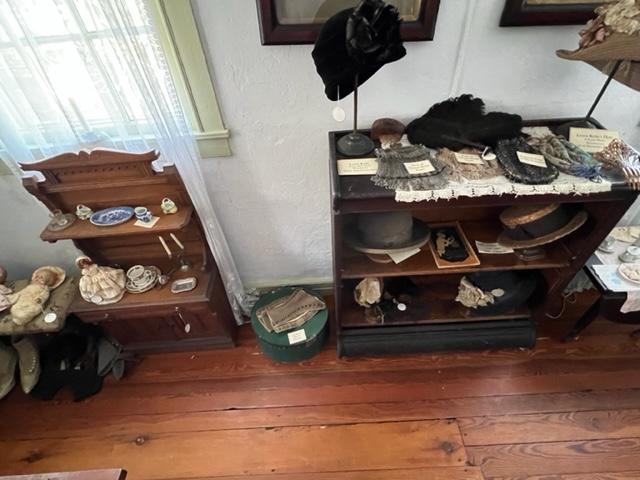
The hats and toy collections in the home.
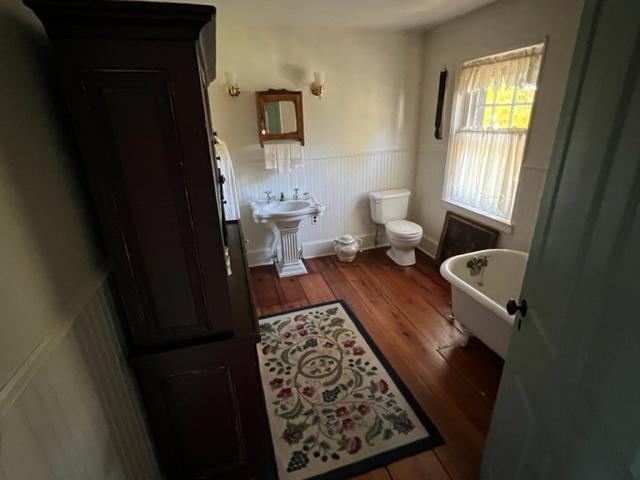
The Bathroom:
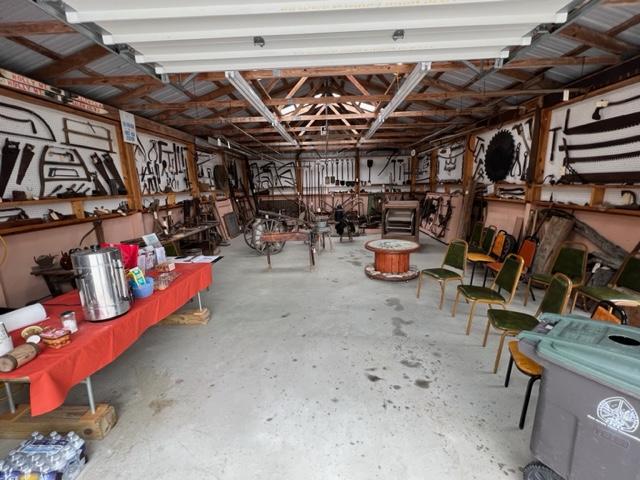
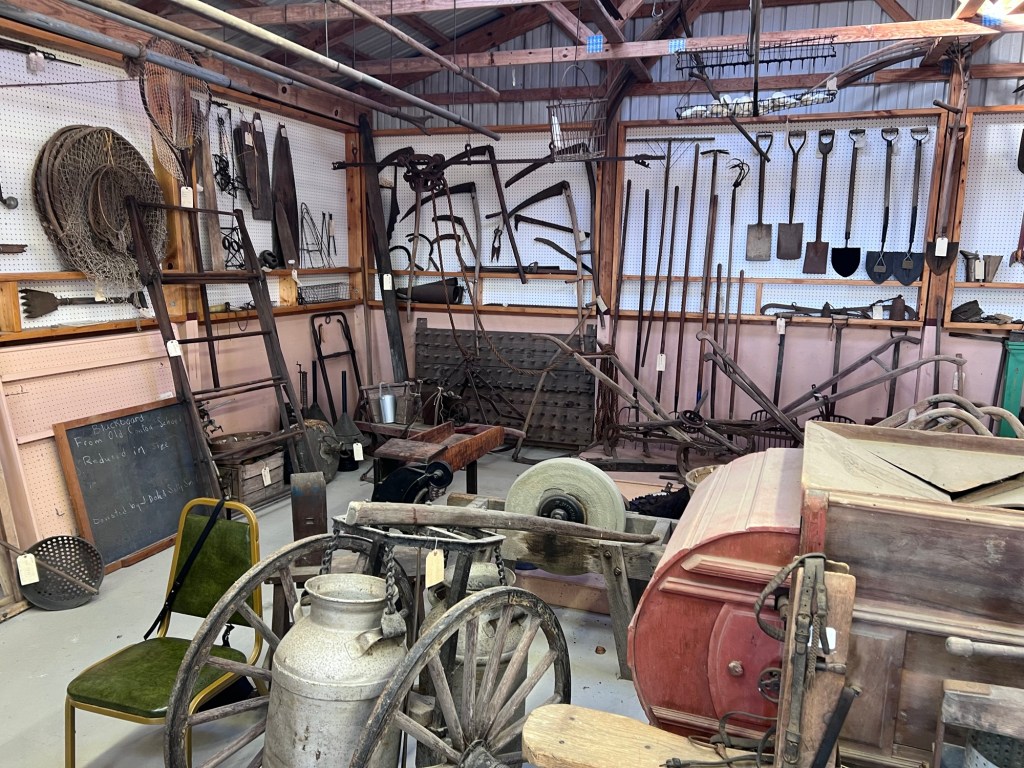
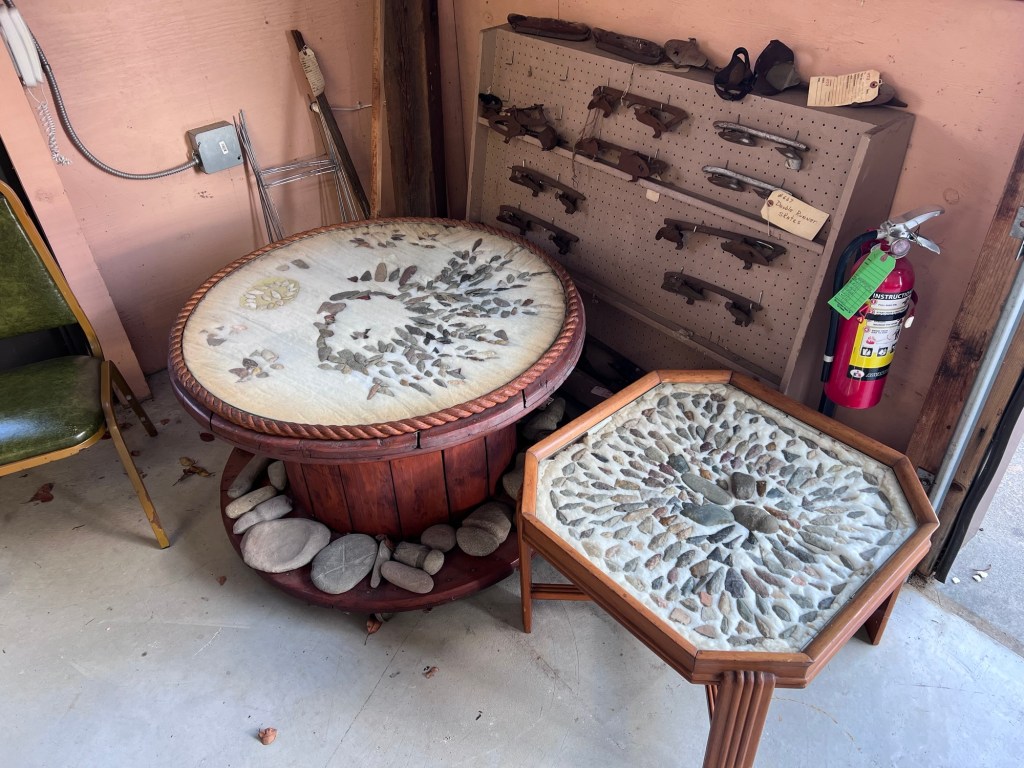
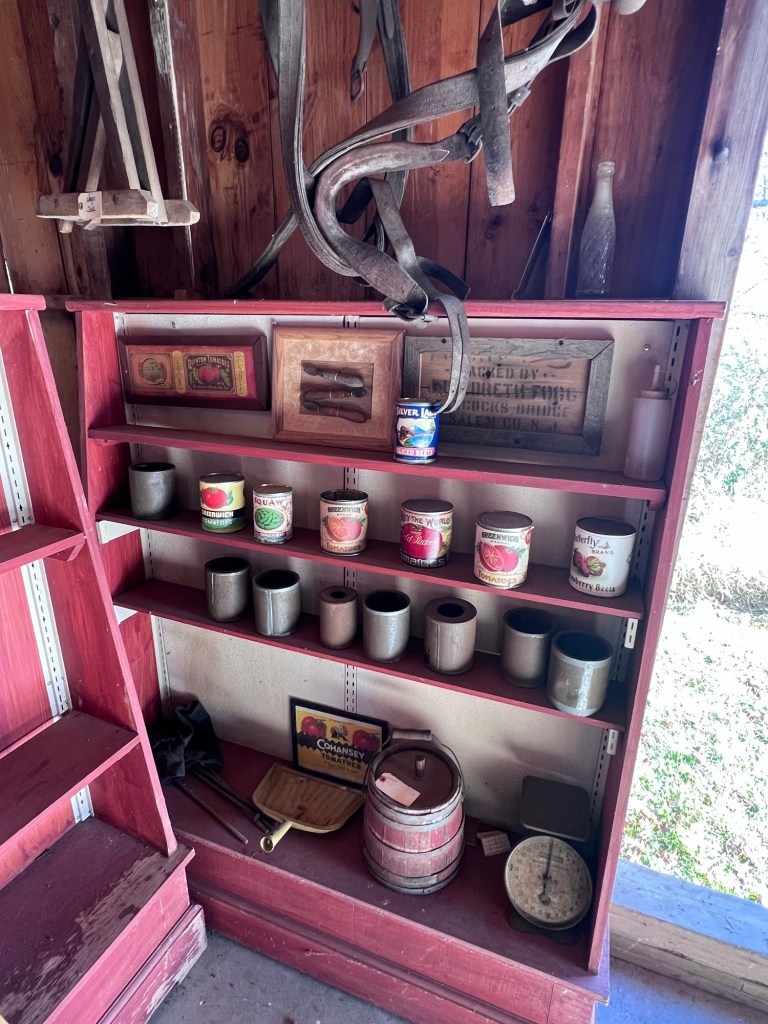
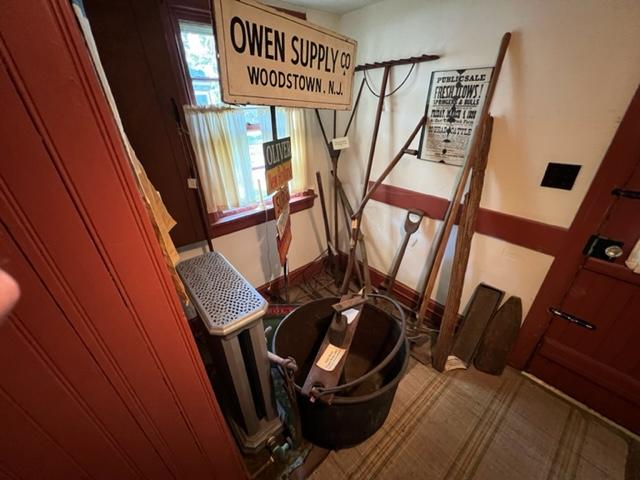
The Commercial section of the home:
The outside grounds have a wonderful lawn area where the foliage was in full hilt when I was visiting and in the back of the home is the schoolhouse from the 1840’s. This was locked for the day, but I could see the classroom set up of an old-fashioned school room that has not changed all that much since that period.
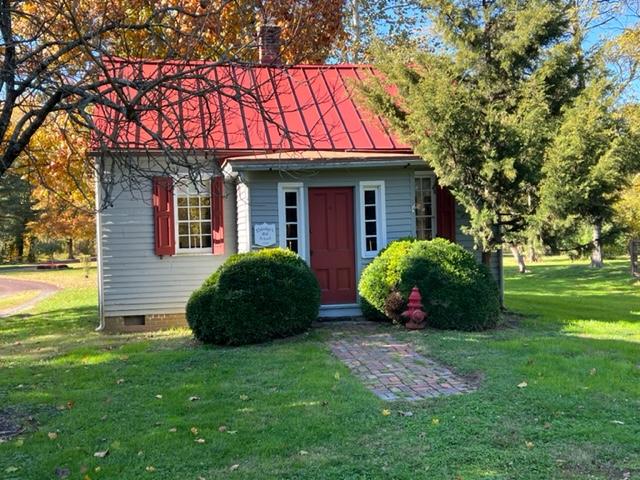
The Schoolhouse on the society’s property
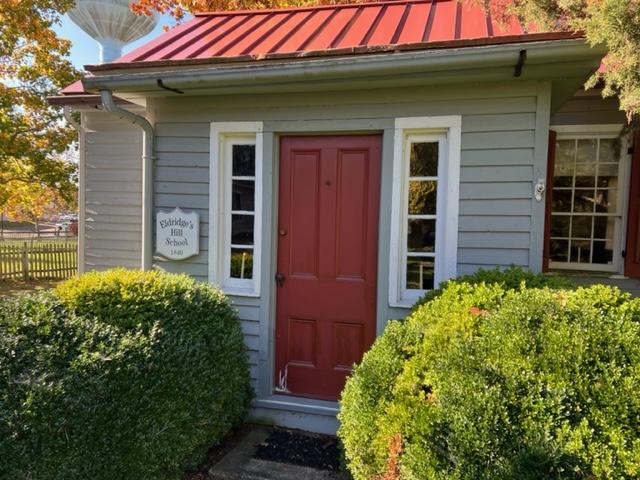
The Schoolhouse
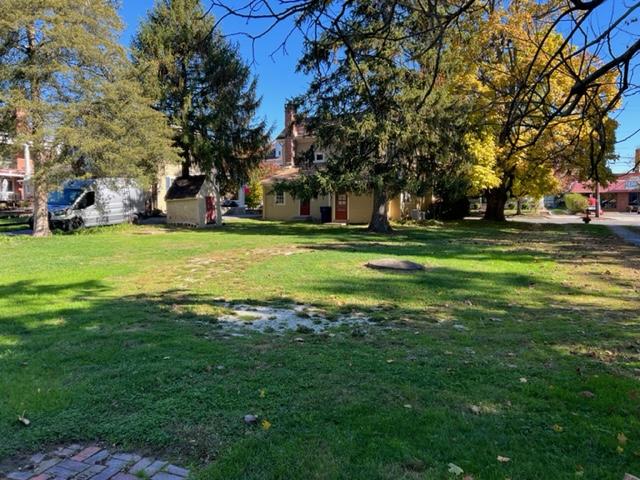
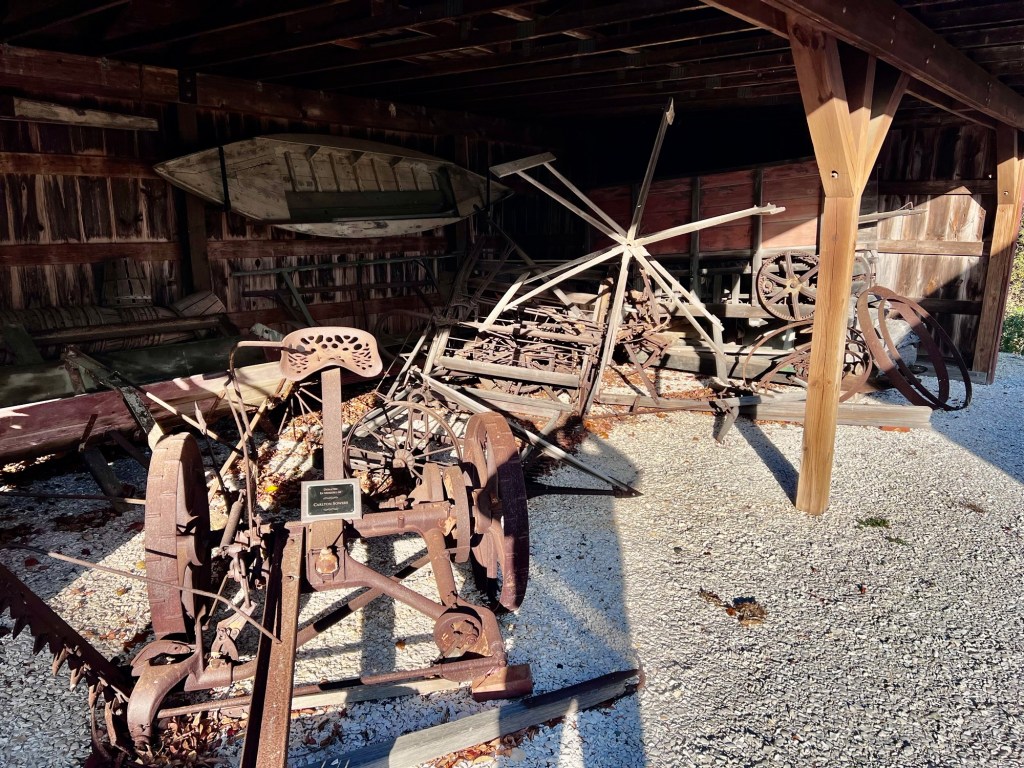
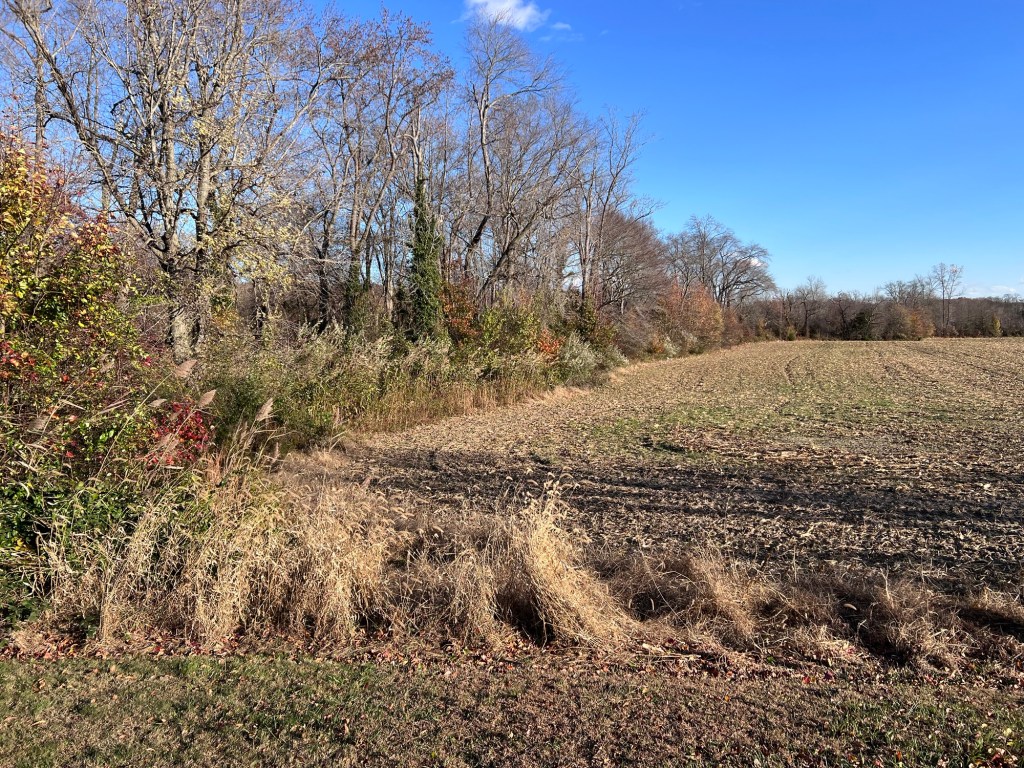
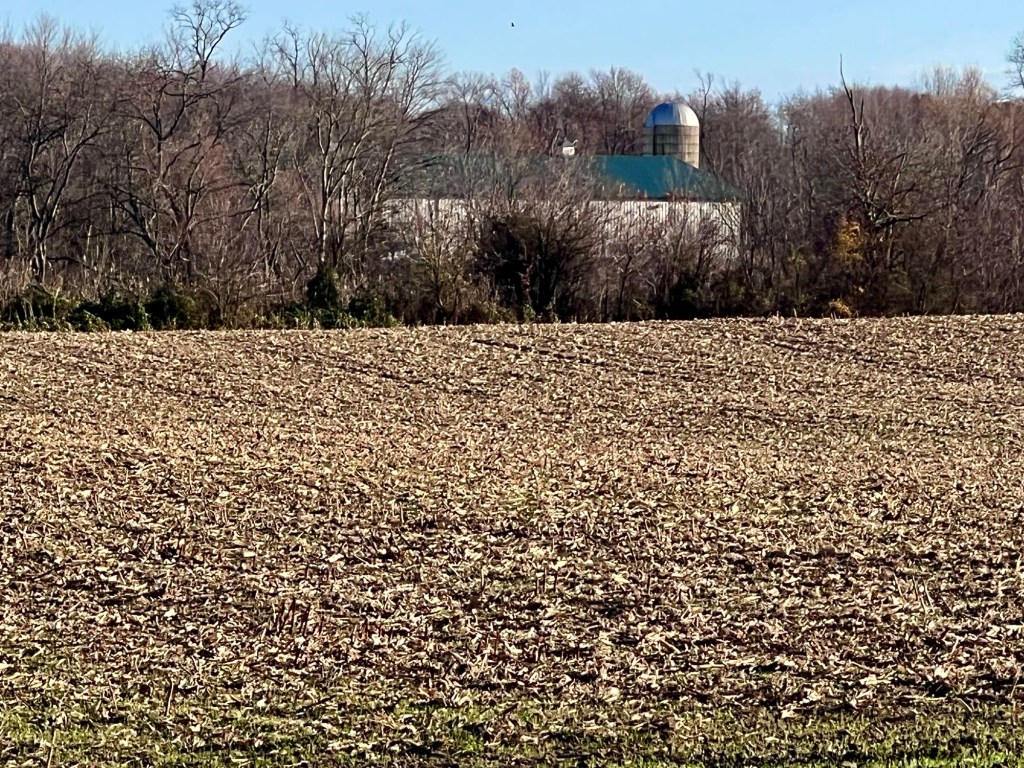
The property behind the house was beautiful and well-kept with colorful foliage.
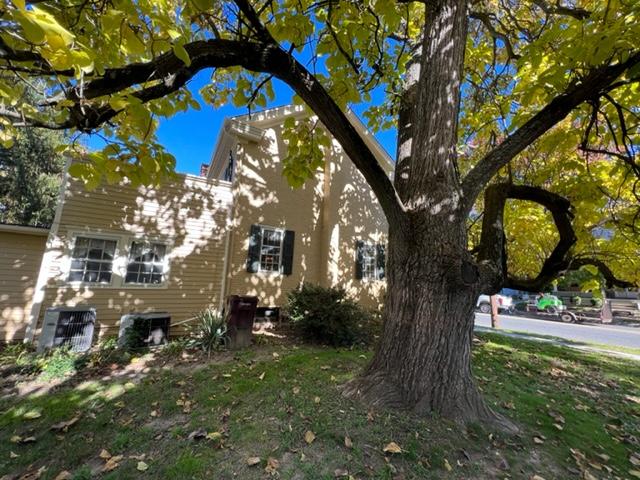
The house is well maintained, beautifully displayed with artifacts and there is a lot to see and do here. I just wish this wonderful site was open more often so that people could enjoy these wonderful artifacts and displays.
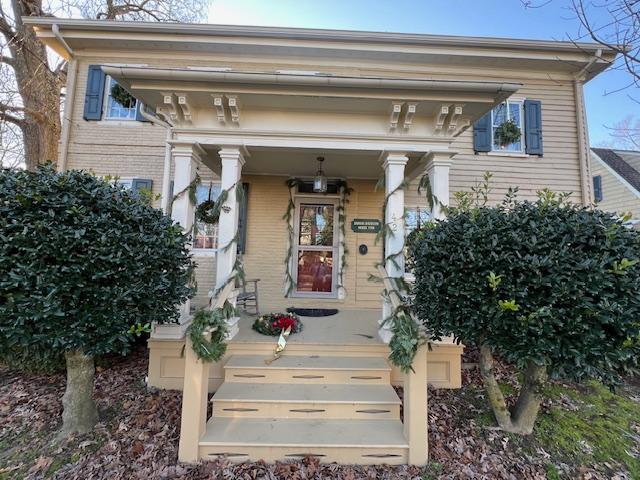
The Society when decorated for Christmas 2023
Some of the special programs that the society has run:
“David Crockett, Scout and Adventurer” on March 26th, 2023:
The Pilesgrove-Woodstown Historical Society is presenting a free program for the community titled ” David Crockett, Scout and Adventurer.” There are many stories about “Davy” Crockett. Our speaker, Mr. Douglas Jones, in period clothing, will be sharing many and will have time for questions. The date is Sunday, March 26th, 2023 at 2:00 pm in the Woodstown Friends Meeting House, 105 North Main Street, Woodstown, N.J. 08098 (this is down the road from the Historical Society). The meeting house is handicap accessible with a sound system and onsite parking. All are welcome. For more information or questions, call 609-313-7534.
Special Event on May 21st, 2023
The Pilesgrove-Woodstown Historical Society Quarterly Program, on Sunday, 2:00 pm, May 21st, 2023 is titled “Liberty, Loyalty, Libations, Love and Remembrance.” The hosts, Jan and John Haigis, from “PastTimePresent” will be setting stories to music and song from Memorial Day Celebrations of our United States History.
This free program will be held in the Woodstown Friends Meeting House, 104, North Main Street, Woodstown, N.J. 08098 is suitable for all ages, all are invited. The Meeting House is handicap accessible with on site parking available. For any questions or information call 609-313-7534.
‘The Woodstown by Candlelight’ Christmas Holiday House Tour:
https://www.woodstownbycandlelight.org/
I returned to Woodstown this December for the Annual Pilesgrove-Woodstown Christmas Holiday House Tour and it was a really amazing event. I had a wonderful time. I did not realized it until the tour was over that this was the first time they had extended the tour through Pilesgrove and used the buses to go out to four of the additional homes.
That lead to some challenges like people being left at homes and not being picked up. It also led to other folks missing parts of tours of the homes because they stopped the transportation too early to get people around. So there are some hiccups that will have to be worked out for next year.
We had gotten left on our last house on the tour by forty-five minutes and did not leave until someone called the woman running the event and we got the bus back to pick us up. That made us an hour late for the regular tour in Woodstown but I was still able to see most of the homes on the listing. It all worked out in the end and I had a ball.
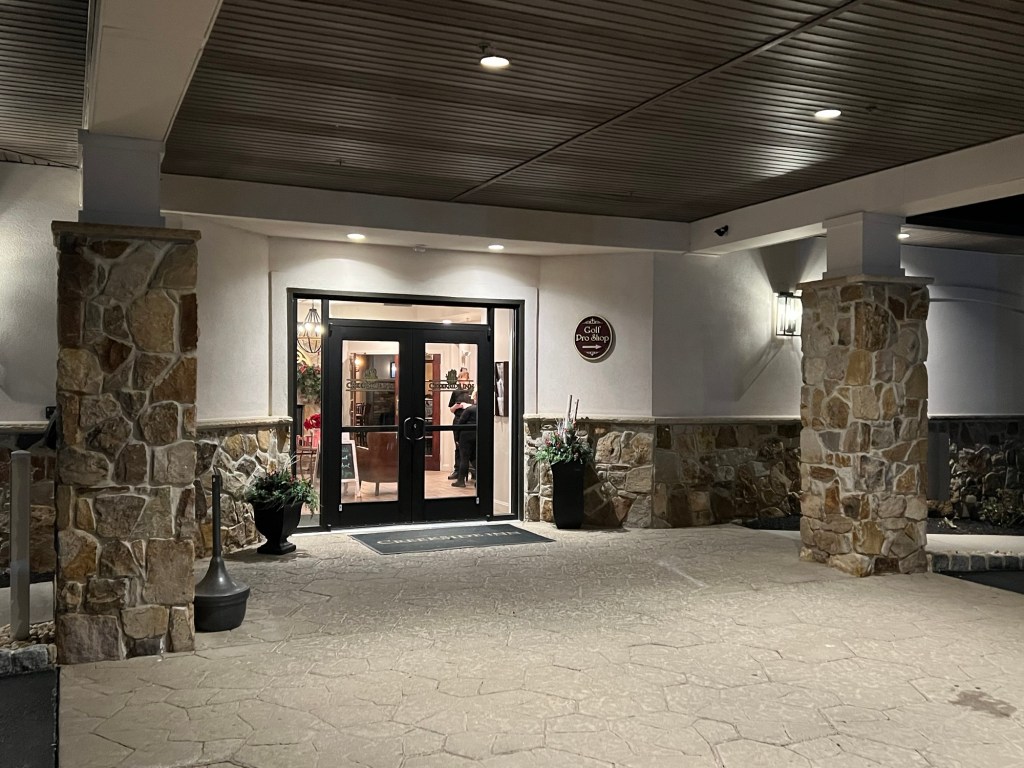
The Creekside Inn at 197 East Avenue in Woodstown, NJ
https://www.creeksideinndining.com/
My review on TripAdvisor:
I started my tour at the Creekside Inn in Downtown Woodstown, where the tour would start and I would be taking the bus with the group of people I would be touring with that afternoon. I checked in and there was over an hour before my tour began, so I stopped for lunch at the restaurant in the Creekside Inn and what a nice choice it was for lunch.
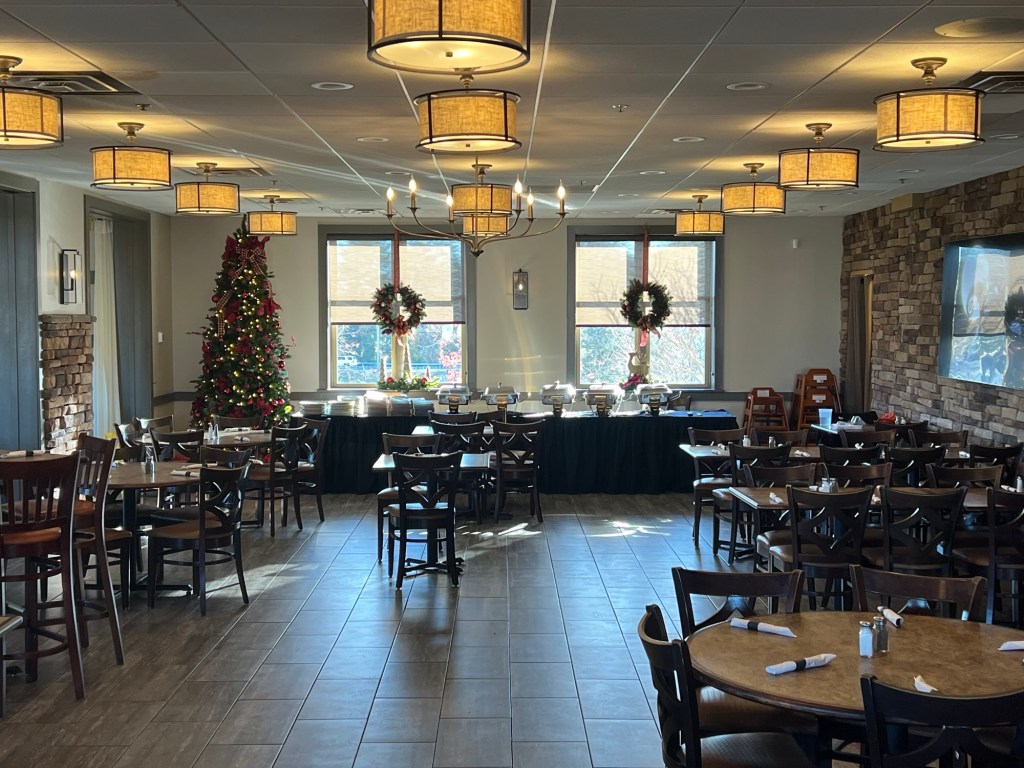
The restaurant was so nicely decorated for the holidays
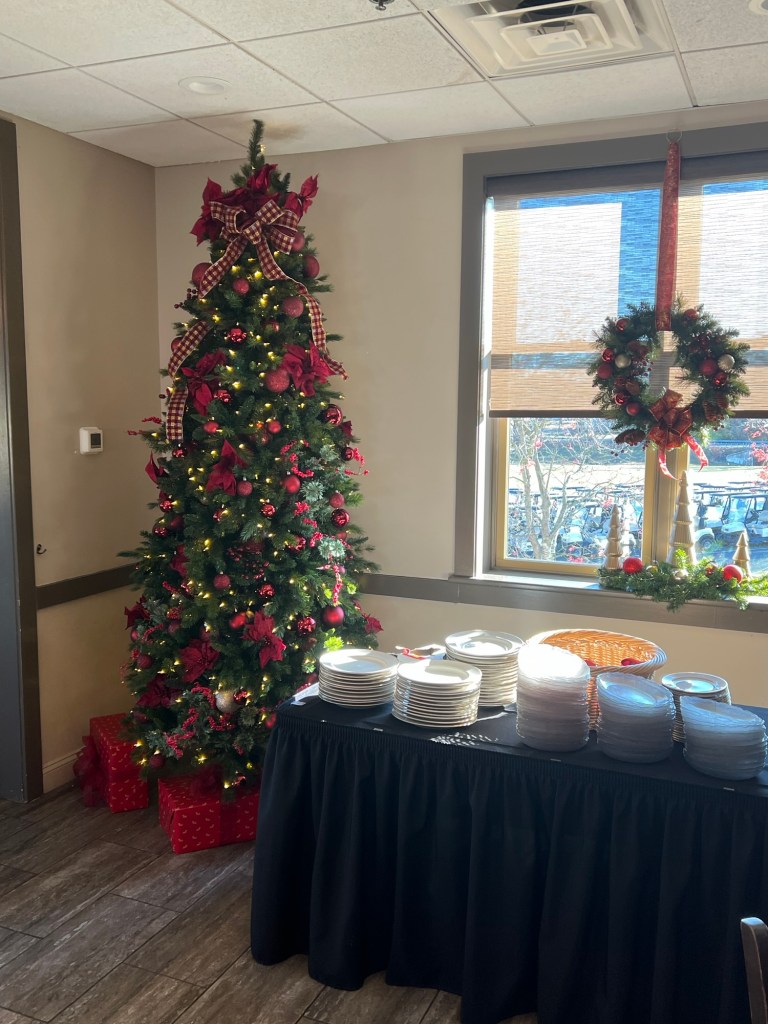
They had a nice holiday buffet set up for dinner
The restaurant was so beautifully decorated for the Christmas holidays with garland and lights and two Christmas trees. It really put me in the holiday spirit and I started to relax. I had the most wonderful lunch.

The Grilled Cheese with Tomato and Bacon with a side salad
I ordered on the recommendation of the waitress the Grilled Cheese Sandwich on sourdough bread with bacon and beefsteak tomato with a side salad. It was the best lunch for a long day of touring. The sandwich was homey and crisp and I loved the combination of flavors. It would get me through the rest of the afternoon of touring.

I highly recommend the Grilled Cheese with Bacon and Tomato here
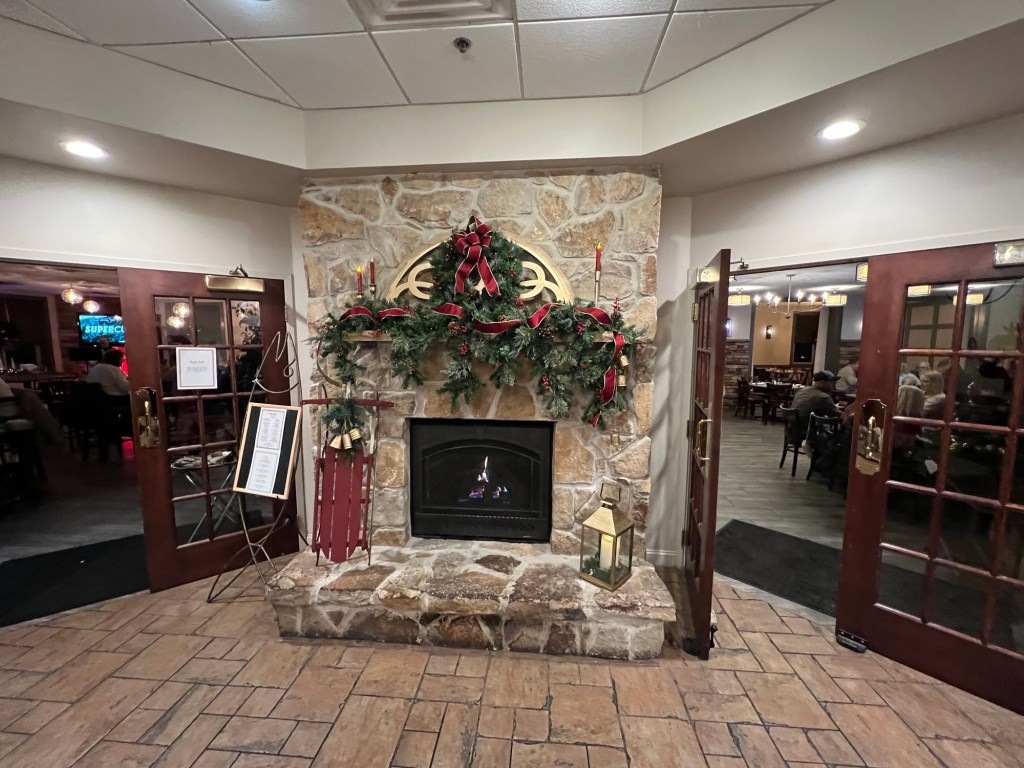
The lobby of the Creekside Inn
I was just finishing my lunch when the woman from the Historical Society came in and announced that the tour was going to start and we had better finish. I would stop in later after the tour.
I got on the bus with everyone on my tour to get to the first stop which was The Seven Star Tavern in Pilesgrove, NJ. The main portion of the home was built as a tavern in 1762. In 1805, with the changes in transportation and the community for farming, it became a farmhouse. It has served as a private home since 1941 (Tour handbook).
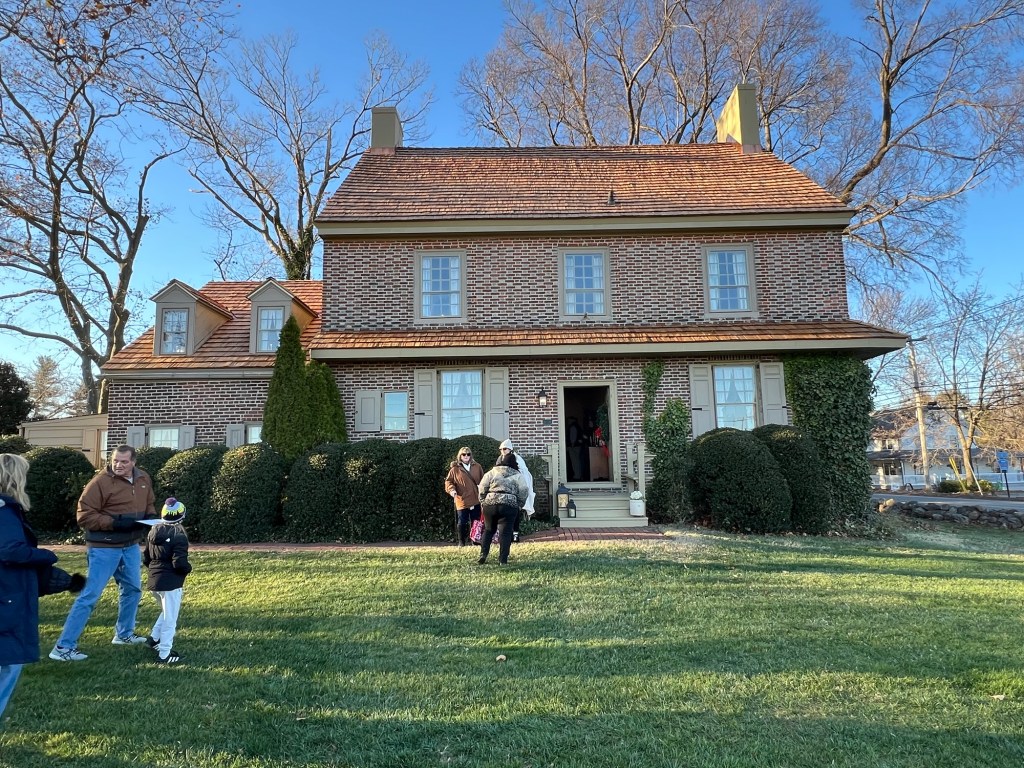
The Seven Star Tavern at 1349 Kings Highway in Pilesgrove, NJ
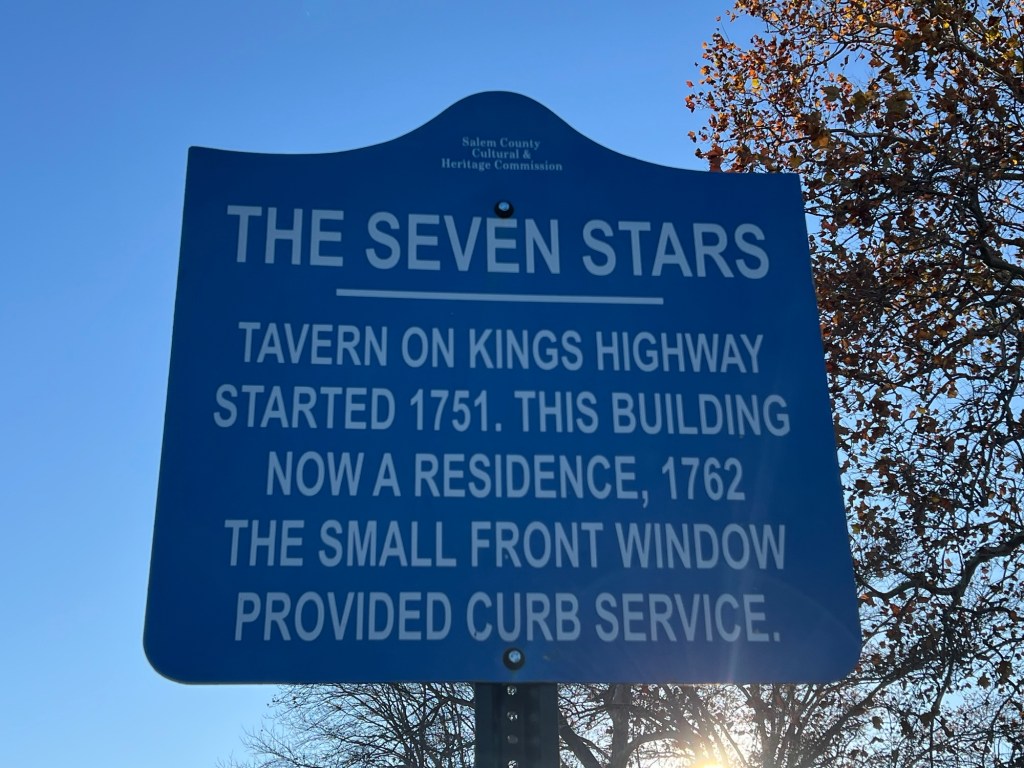
The Historic sign of The Seven Stars Tavern
https://en.wikipedia.org/wiki/Seven_Stars_Tavern_(New_Jersey)
https://www.loc.gov/resource/hhh.nj0790.photos?st=gallery
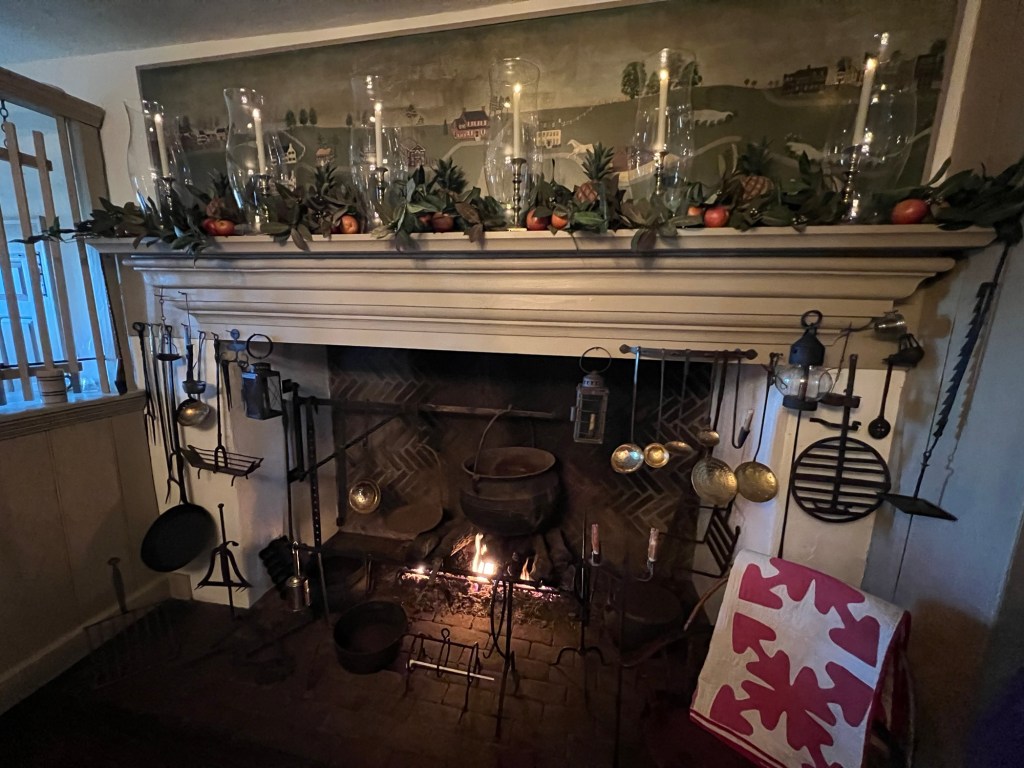
The decorations in the old tavern which is now the Living Room
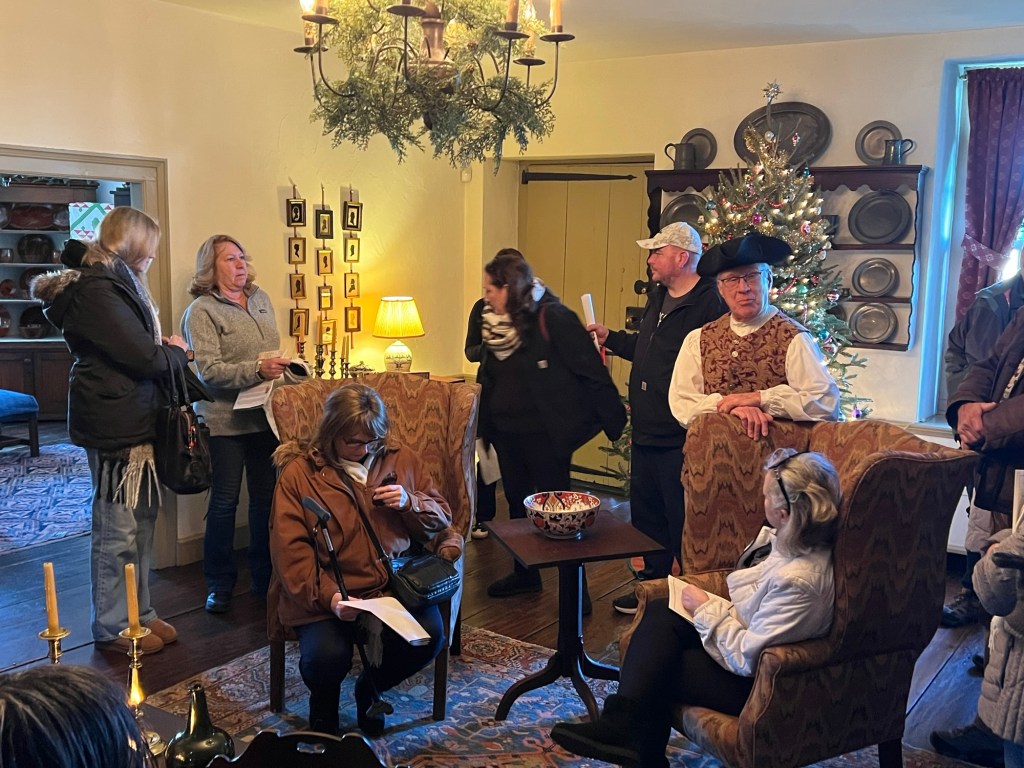
Our group at the Seven Stars Tavern with the owner who was in Revolutionary War costume
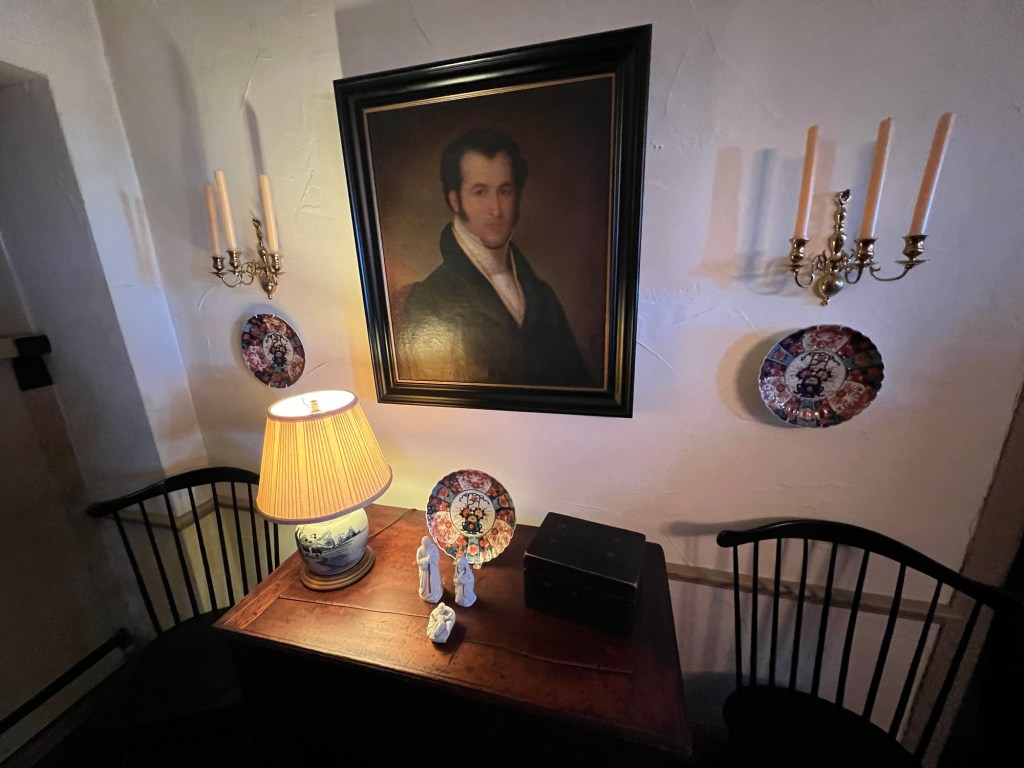
The Living Room at the Seven Stars
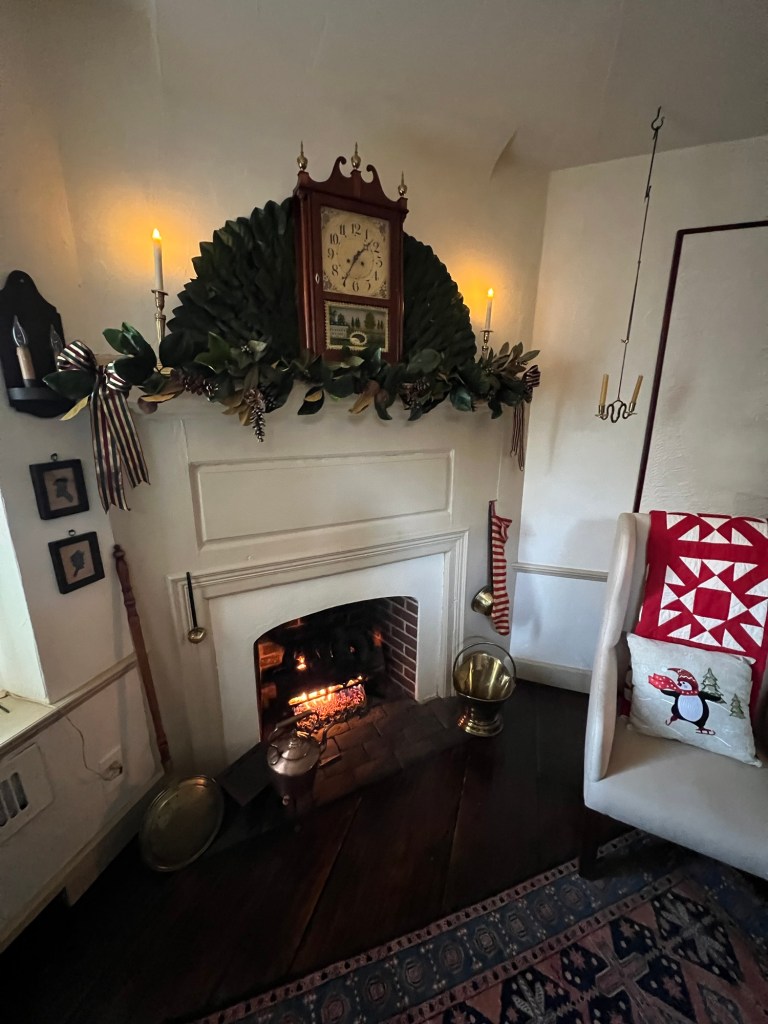
The second room with a fire going
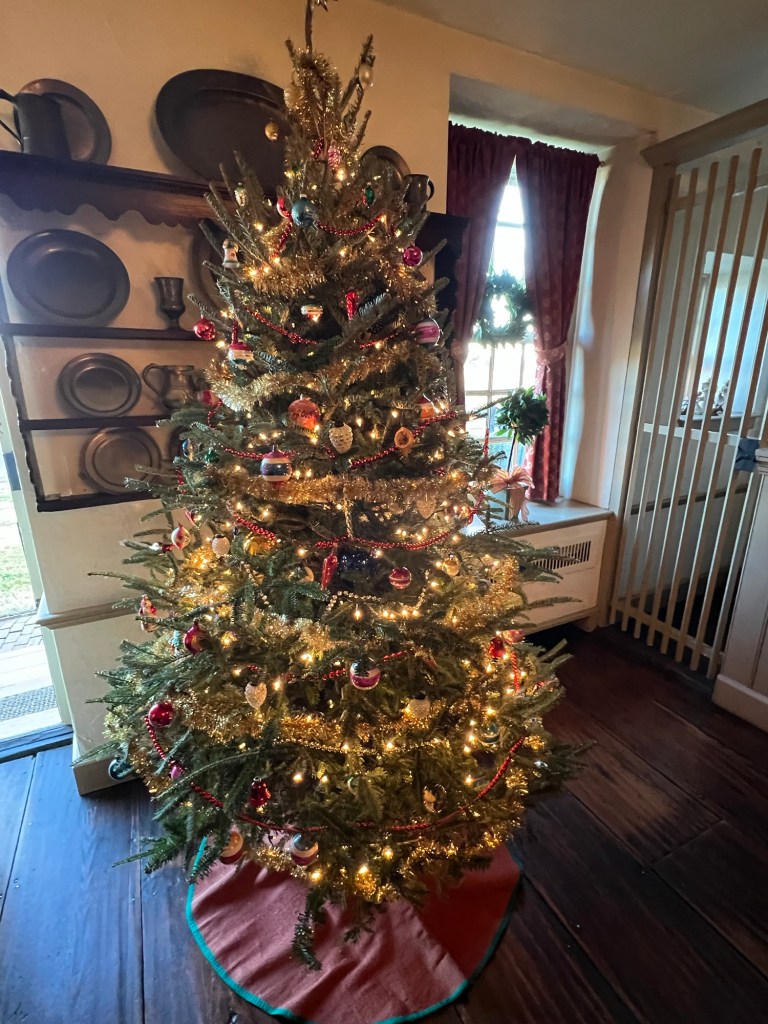
The Christmas in the Living Room
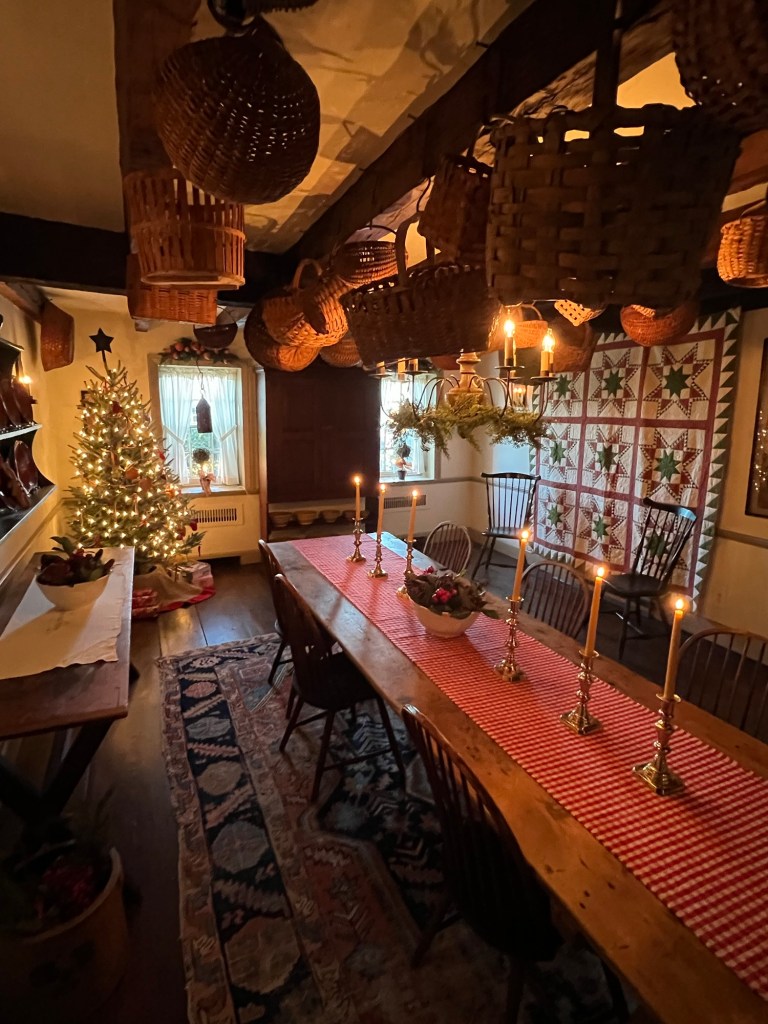
The Kitchen at the Seven Stars Tavern
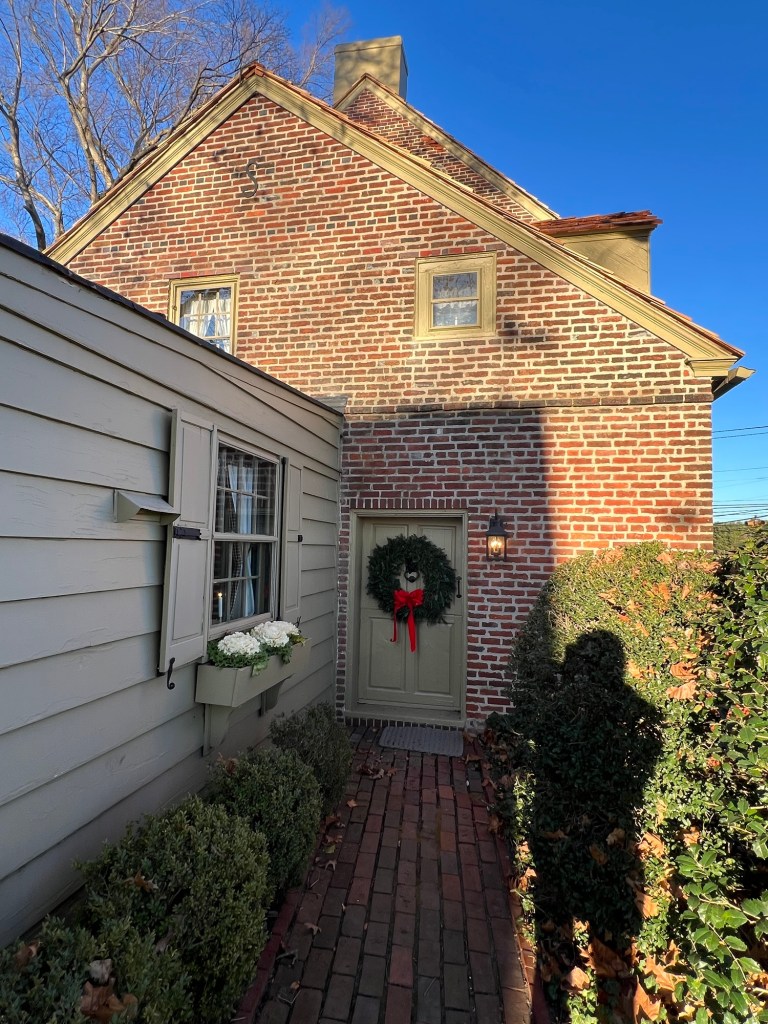
The back of the home’s decorations
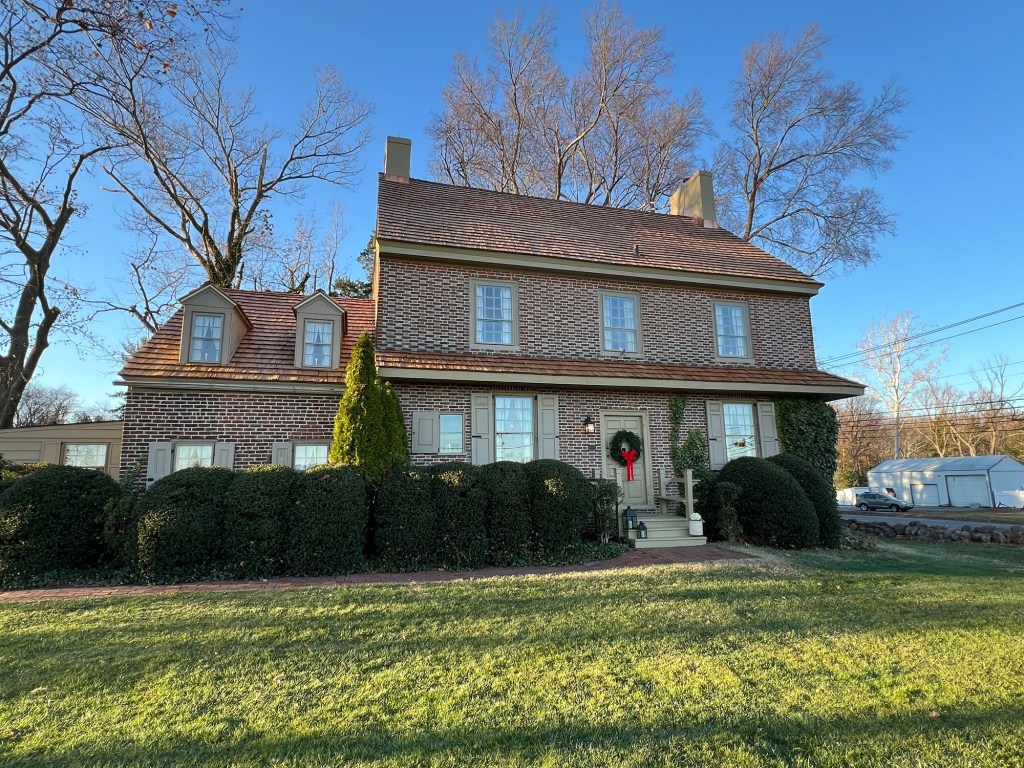
The Seven Stars Tavern house before we left
The Seven Stars Tavern was interesting in that you can see that it is a home but you can see that when you are inside how it was a tavern at one time.
Our next stop was the Catalpa Hill Farm, which had been in the same family for almost two hundred years. The property was beautifully decorated for the holidays. The farm was owned by the Lippincott family for almost 200 years until it was sold in 1999 to the current owners, the Valentes (Tour handbook).
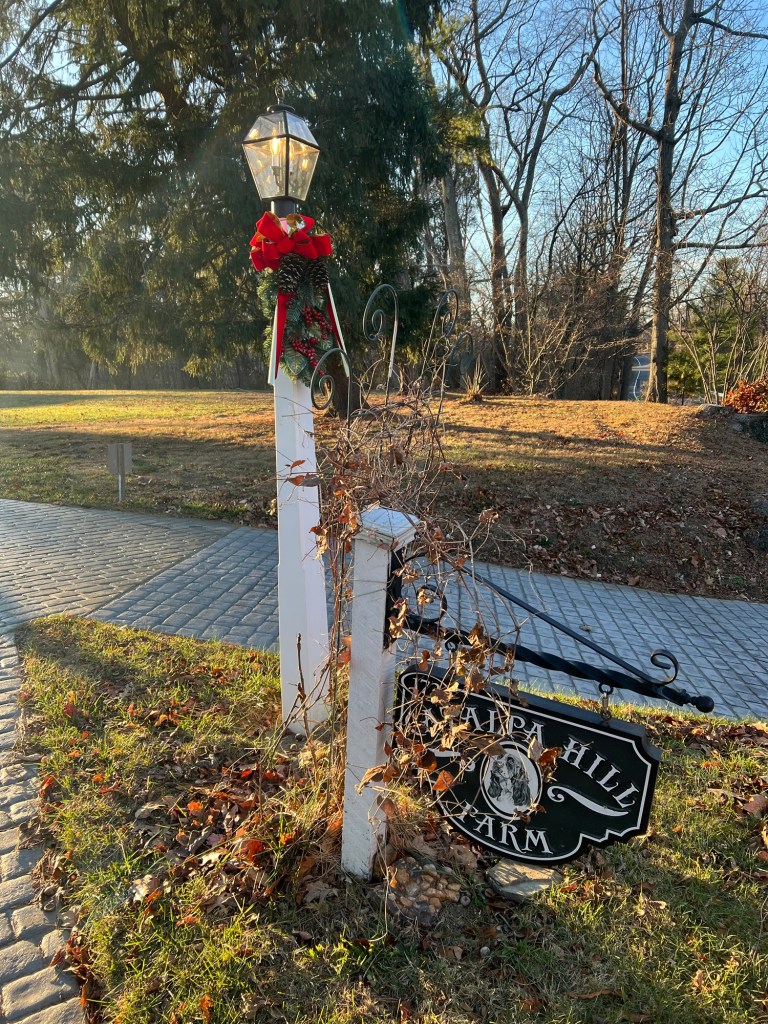
The entrance sign to the farm

Our group starting the tour of the farm
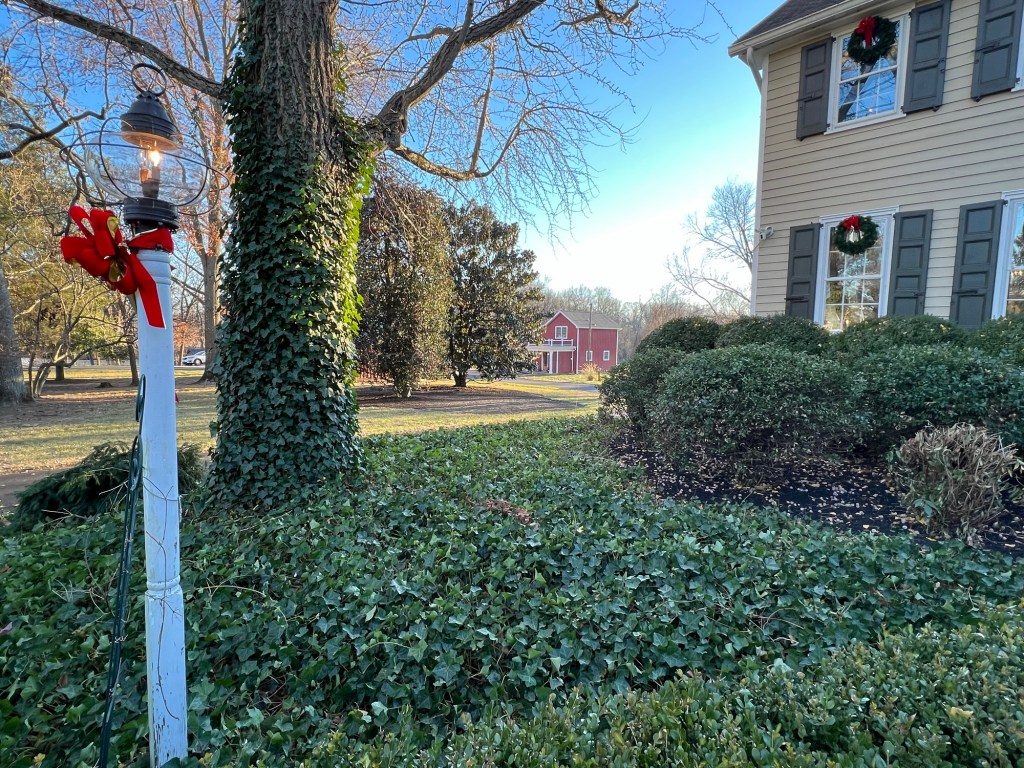
The property was beautifully landscaped
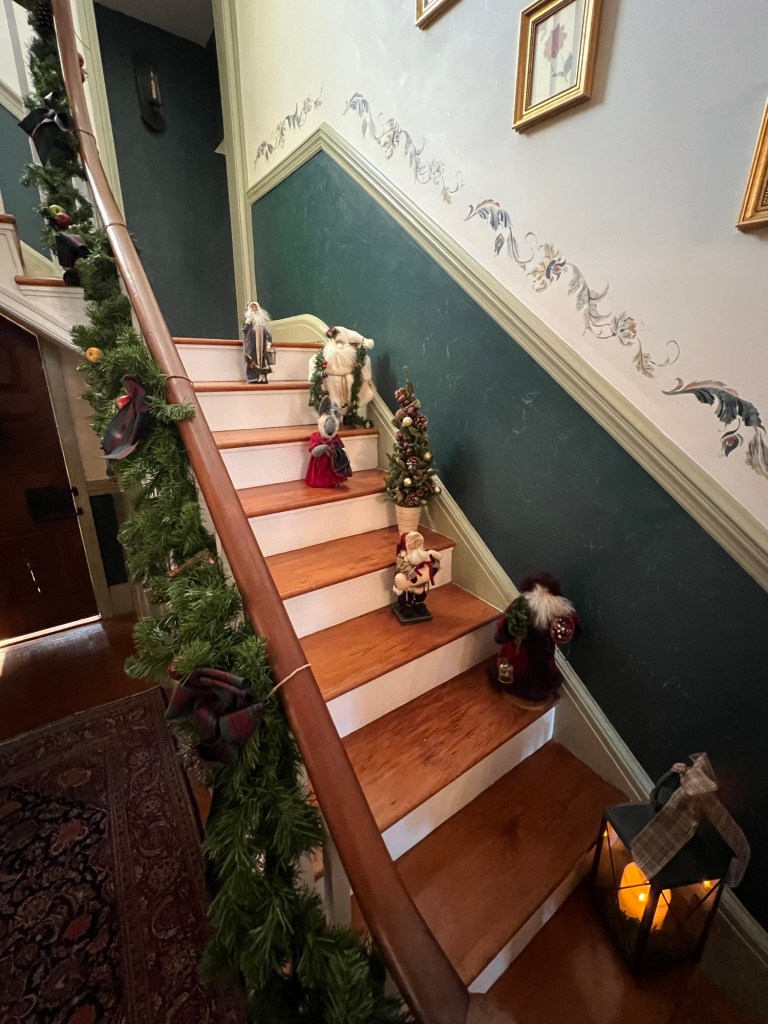
The entrance to the home
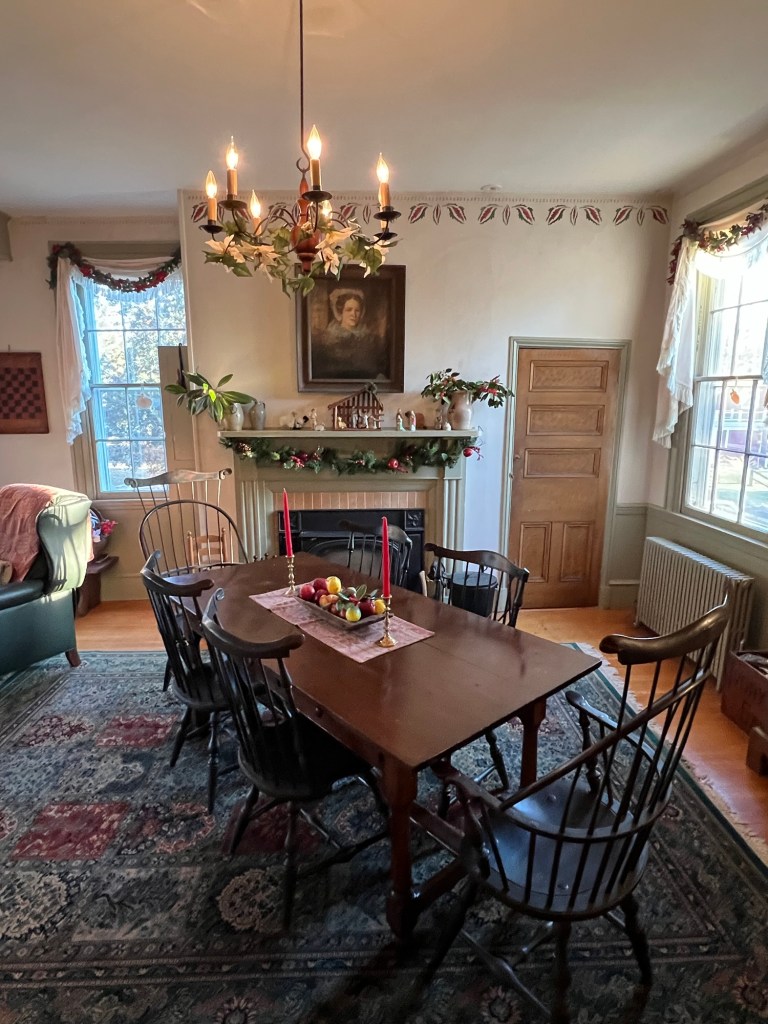
The Dining Room of the home
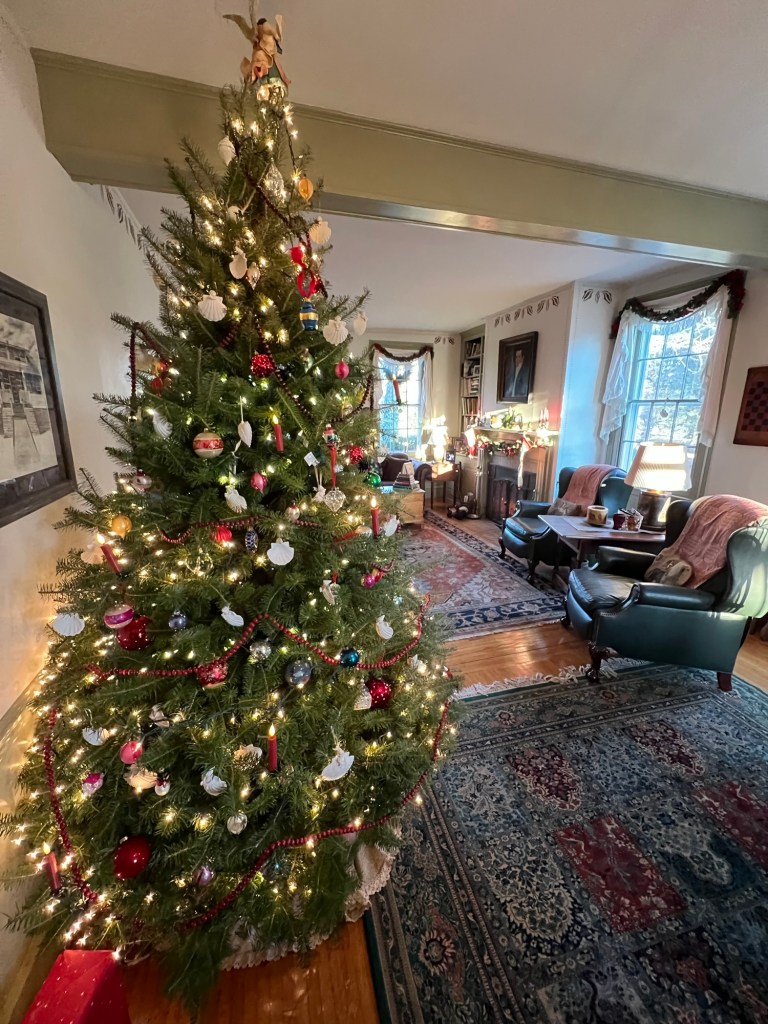
The Christmas tree in the Living room
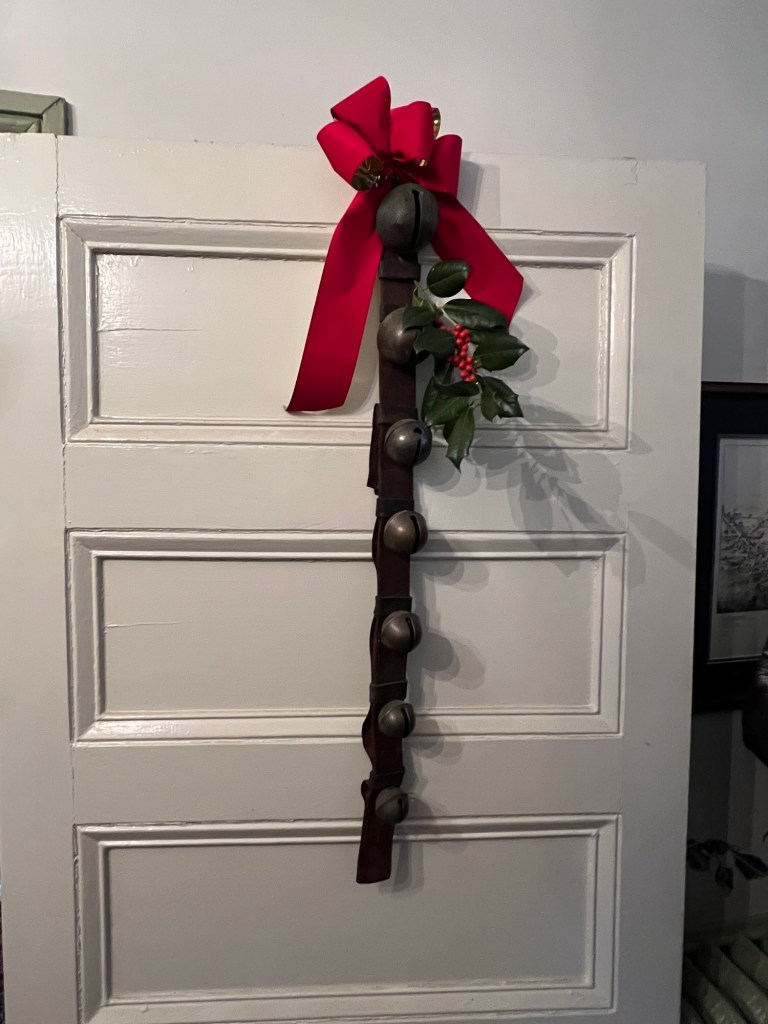
Sleigh bells on the door
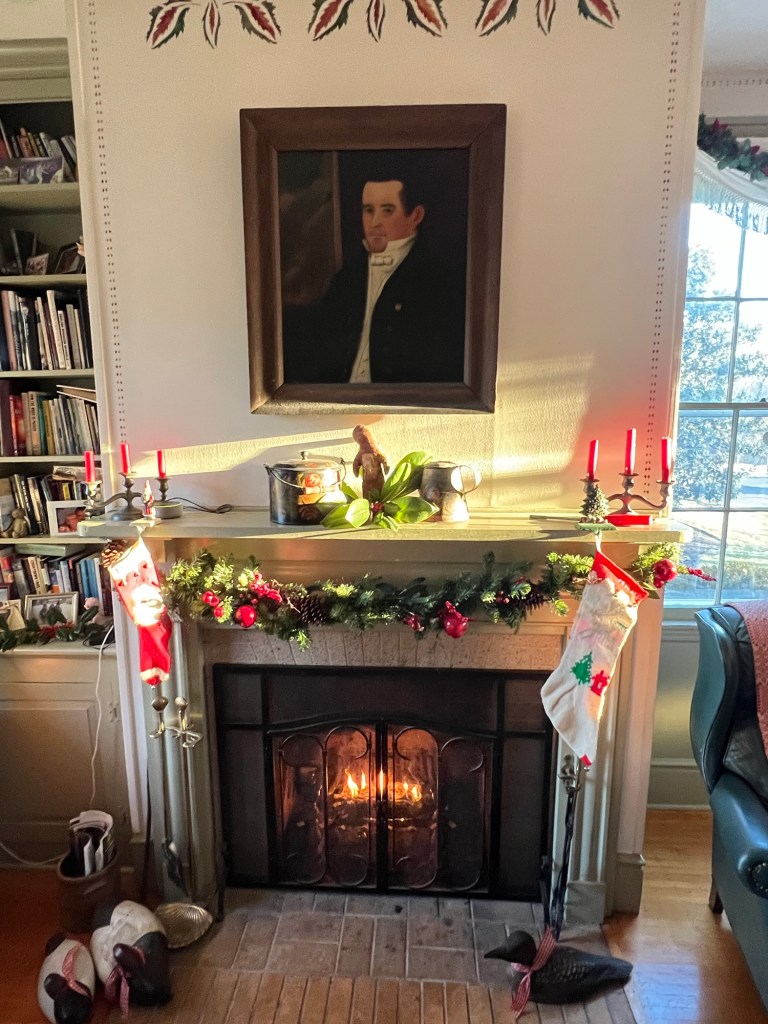
A family portrait above the working fireplace
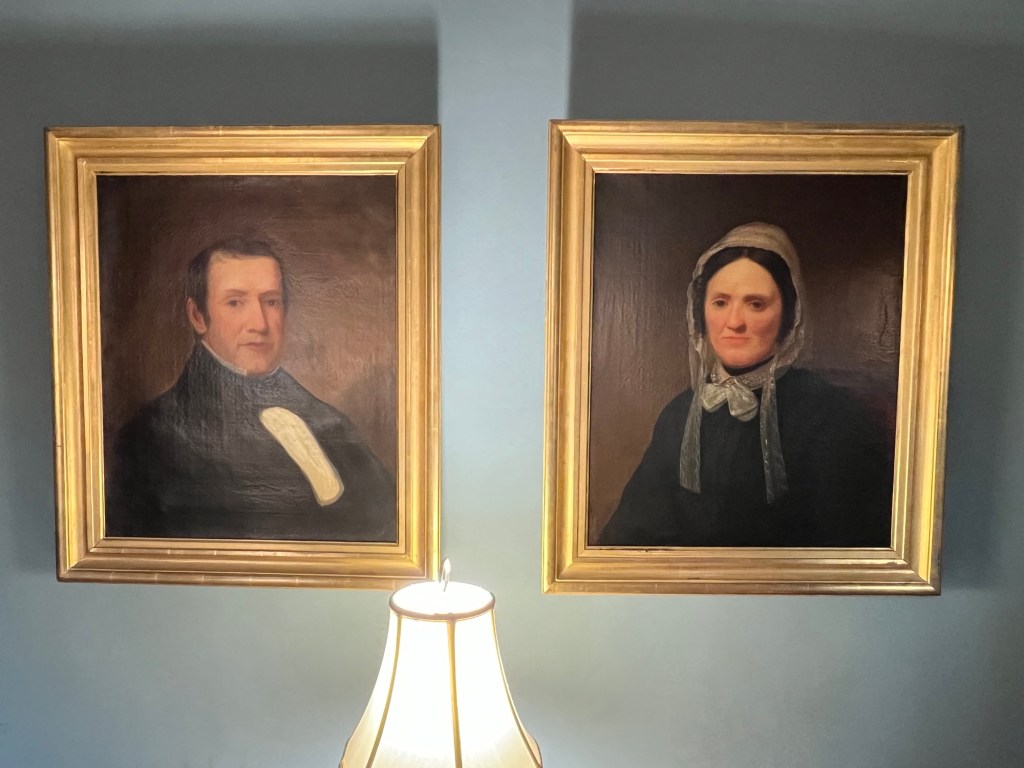
More family portraits
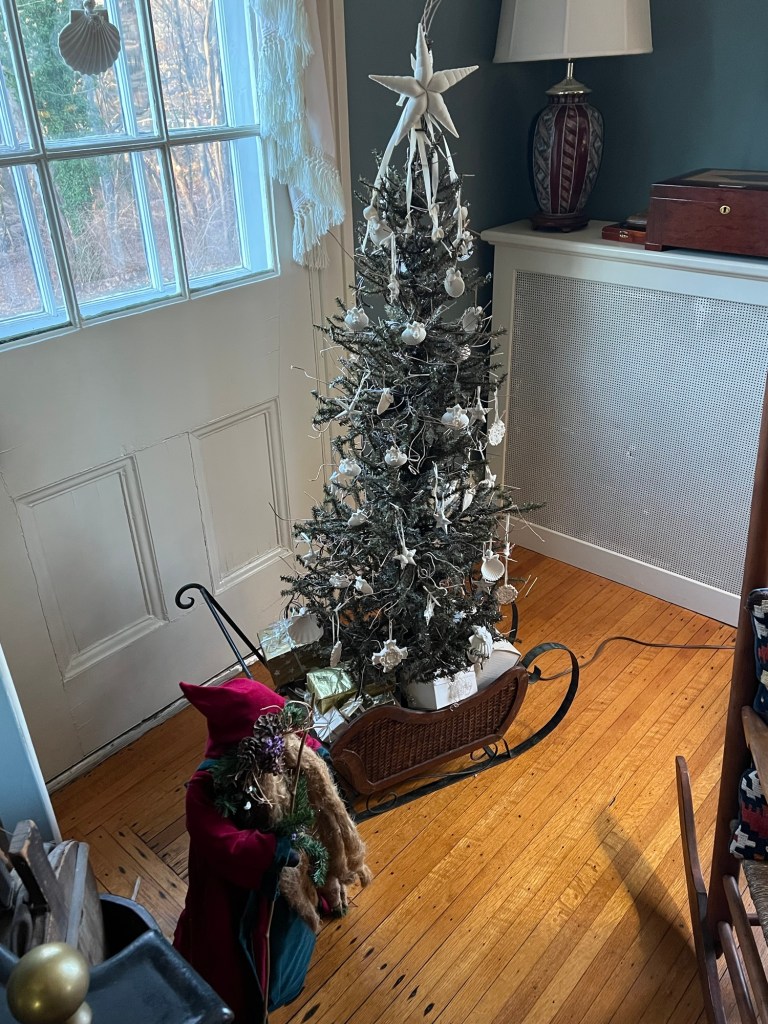
The Christmas tree in the kitchen
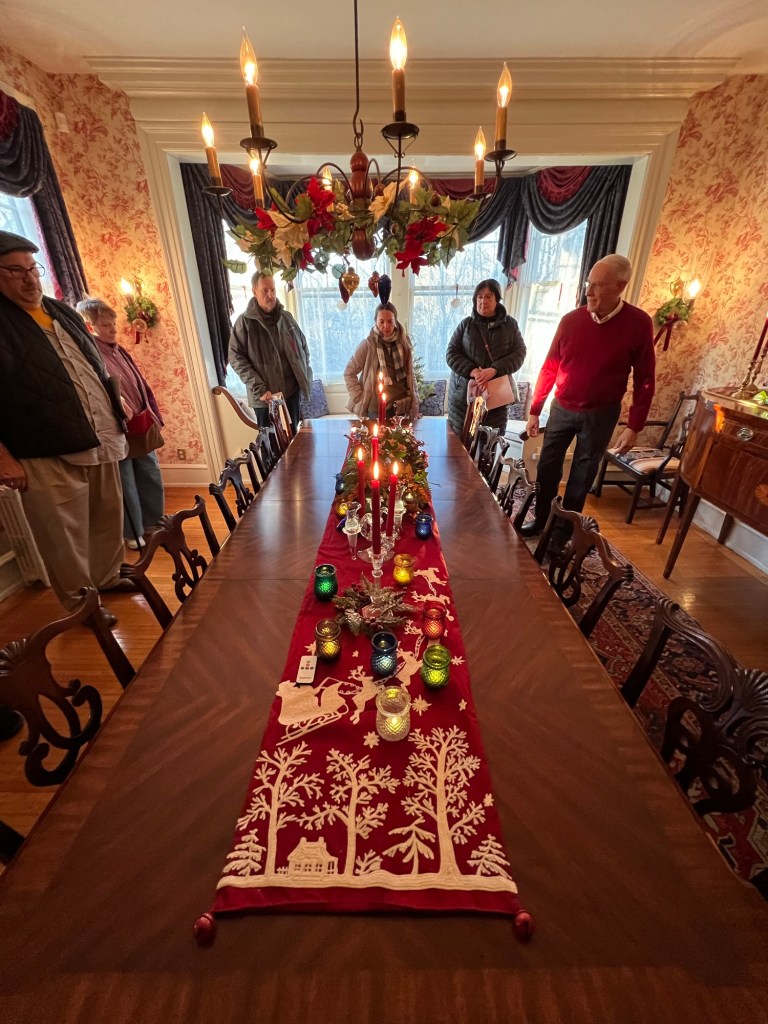
The formal Dining Room table in the Dining Room set for Christmas
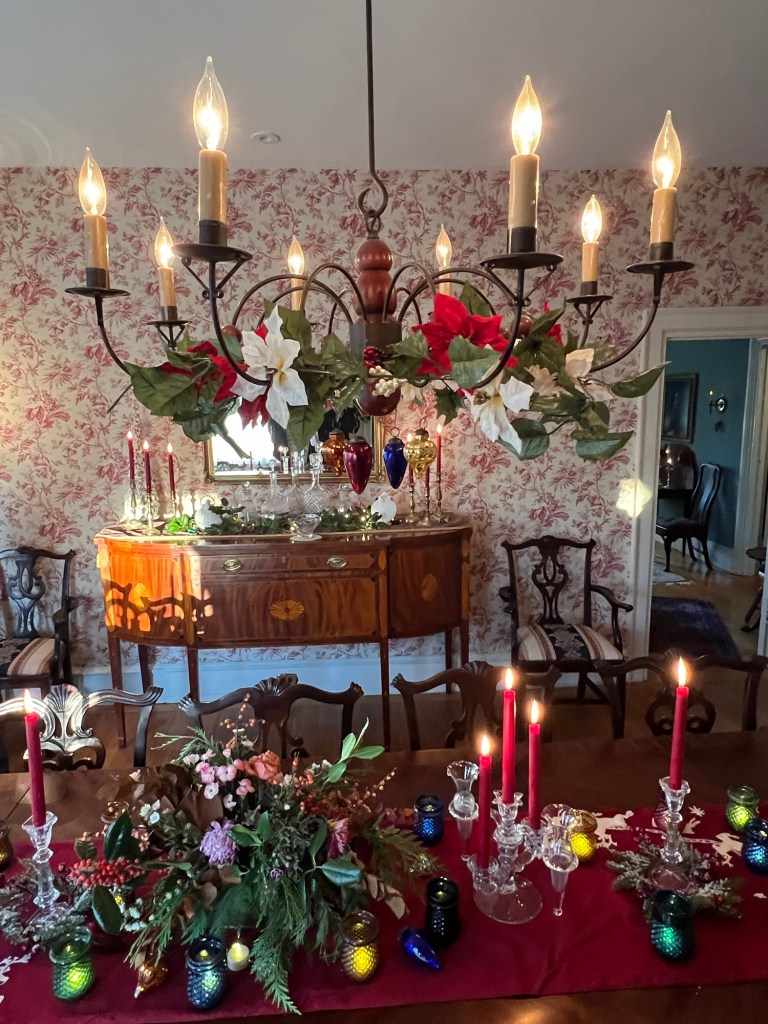
The middle part of the Dining Room
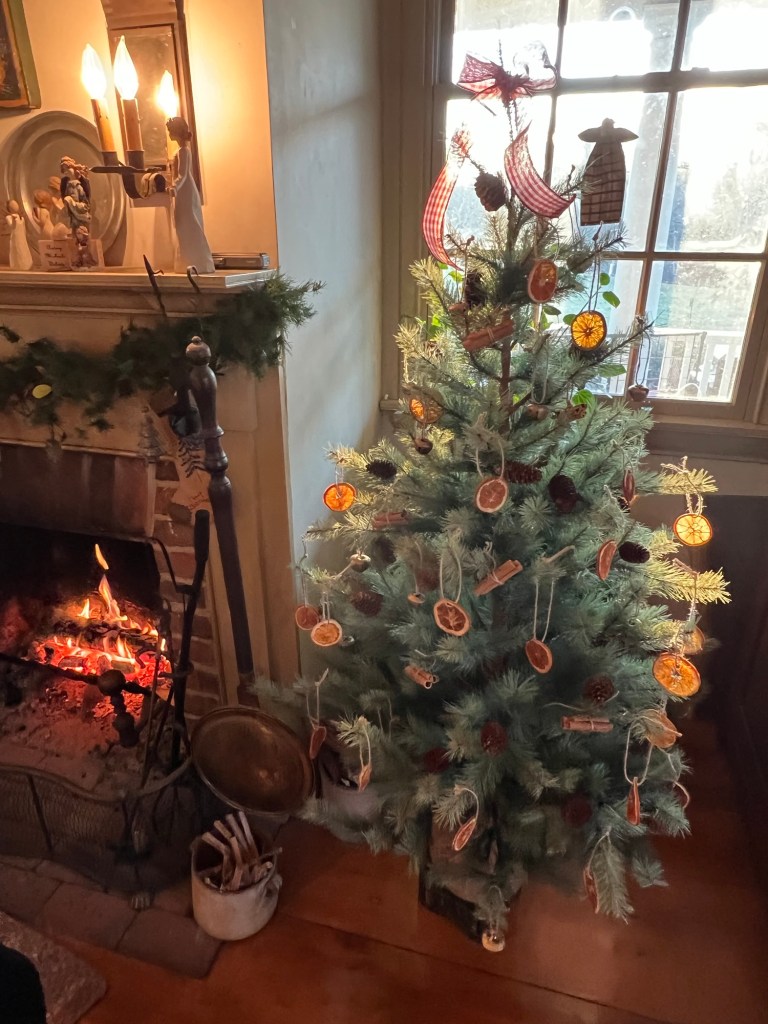
The second Christmas tree in the Dining Room
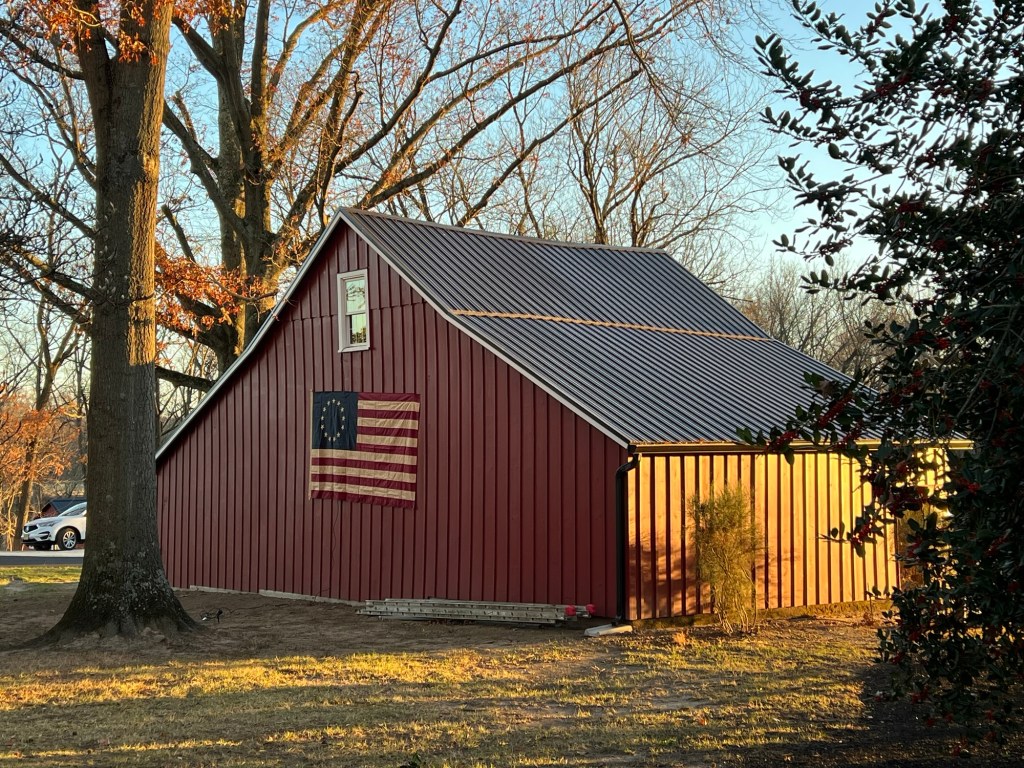
The barn in the back yard
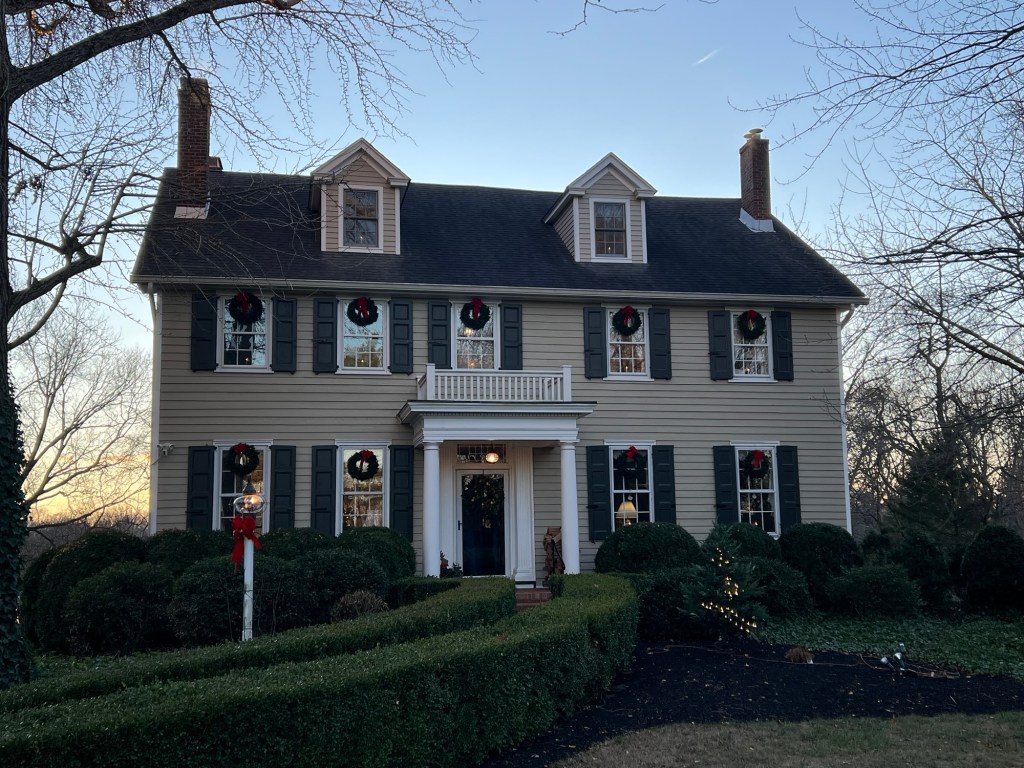
The front of the house at sunset when we left for the next house
Our next stop on the tour was The Zigo Farm which was built in the 1860’s. This ‘gentleman’s farm’ is based around the Colonial Home which was fully renovated and expanded in the 1950’s by the Costello family. The current family bought it in 2013 and added the stables in the back for their rescue horses.
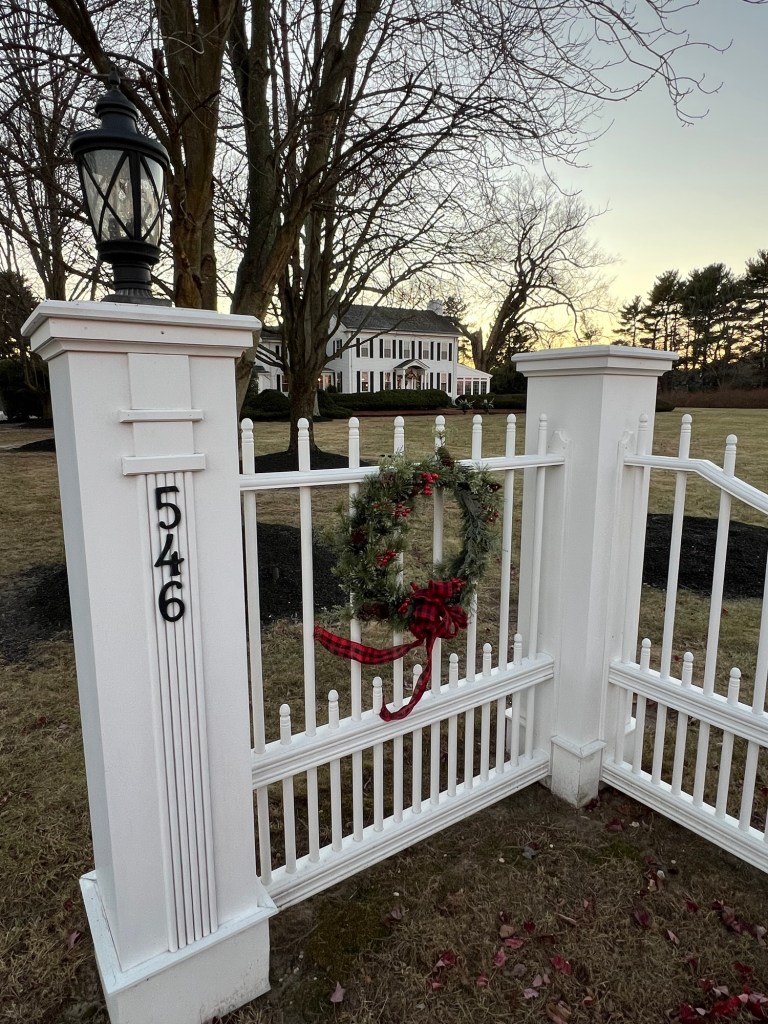
The entrance to the Zigo Farm
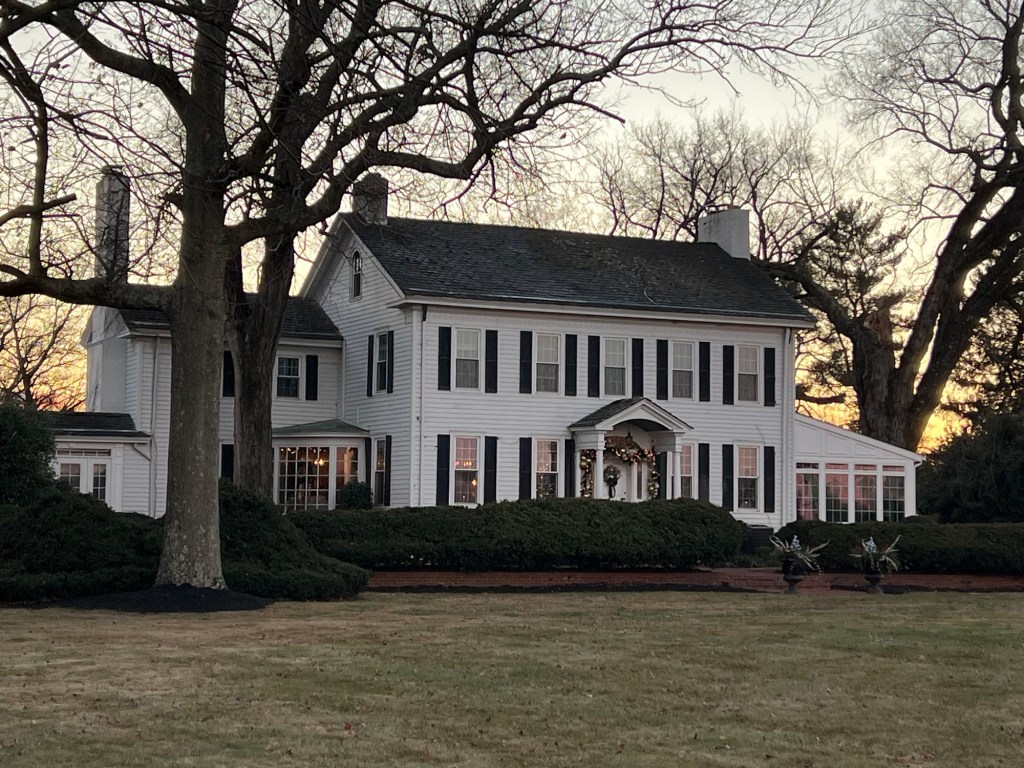
The front of the Zigo Farm
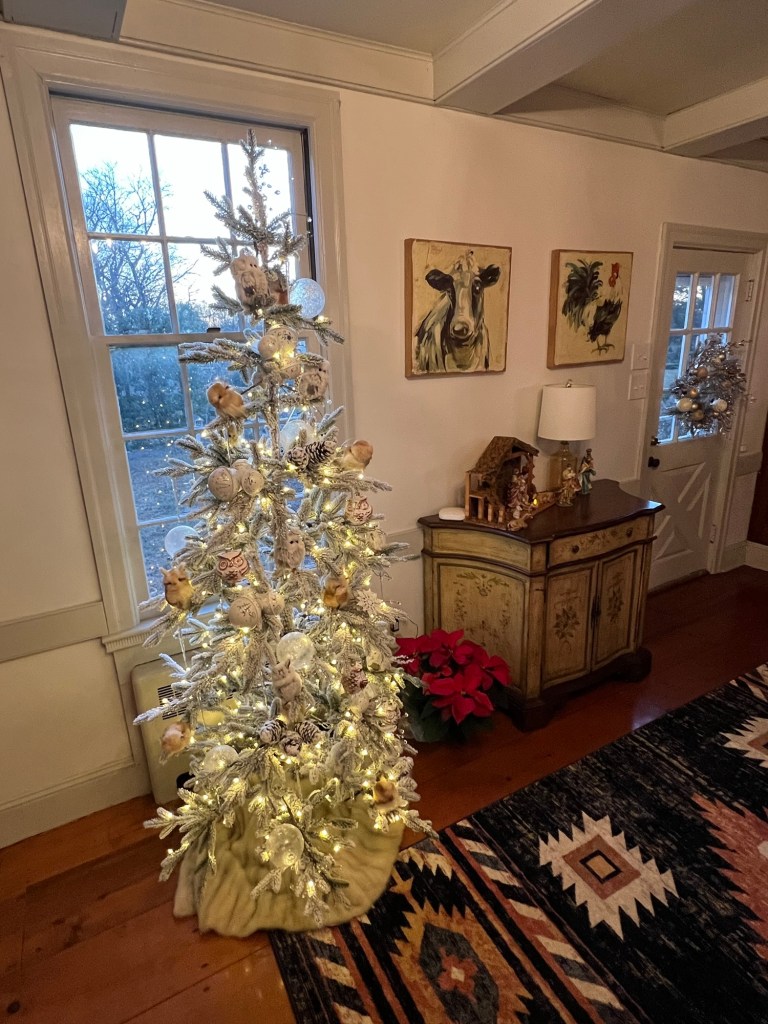
The Christmas tree in the entrance was of the home
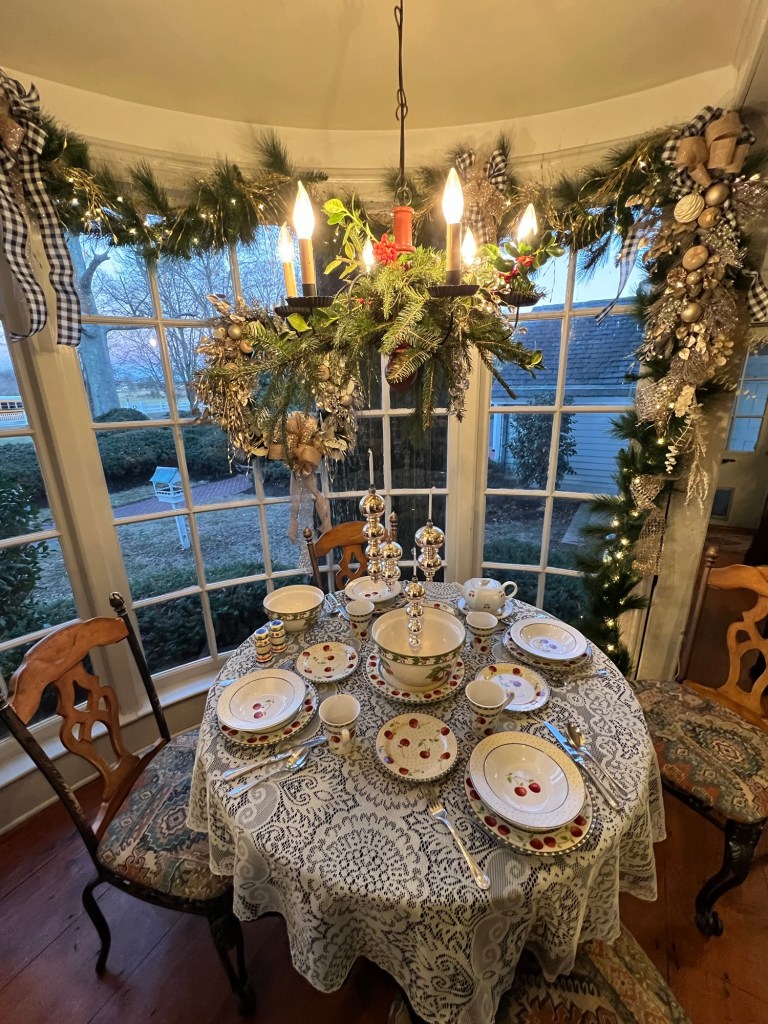
The kitchen dining area
While we in the kitchen, our host’s mother was helping prepare homemade cookies for all of us and I thought this was a very nice touch. While the tour went on, I stayed in the kitchen and talked with the ladies as I enjoyed some of the cookies. These freshly baked treats were really popular on the tour.
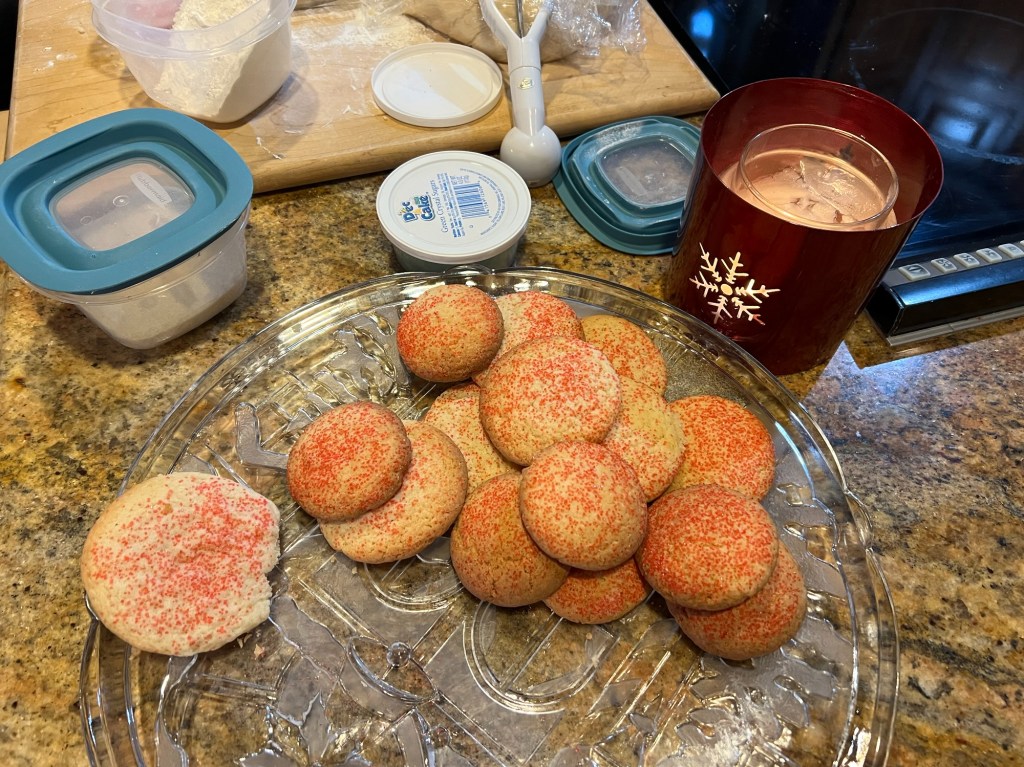
The homemade cookies in the kitchen
We then toured the rest of the house which was very tastefully decorated for the holidays. We toured both the Living Room and the Dining Room. I stopped and talked to our hosts parents while everyone took a hay ride through the grounds.
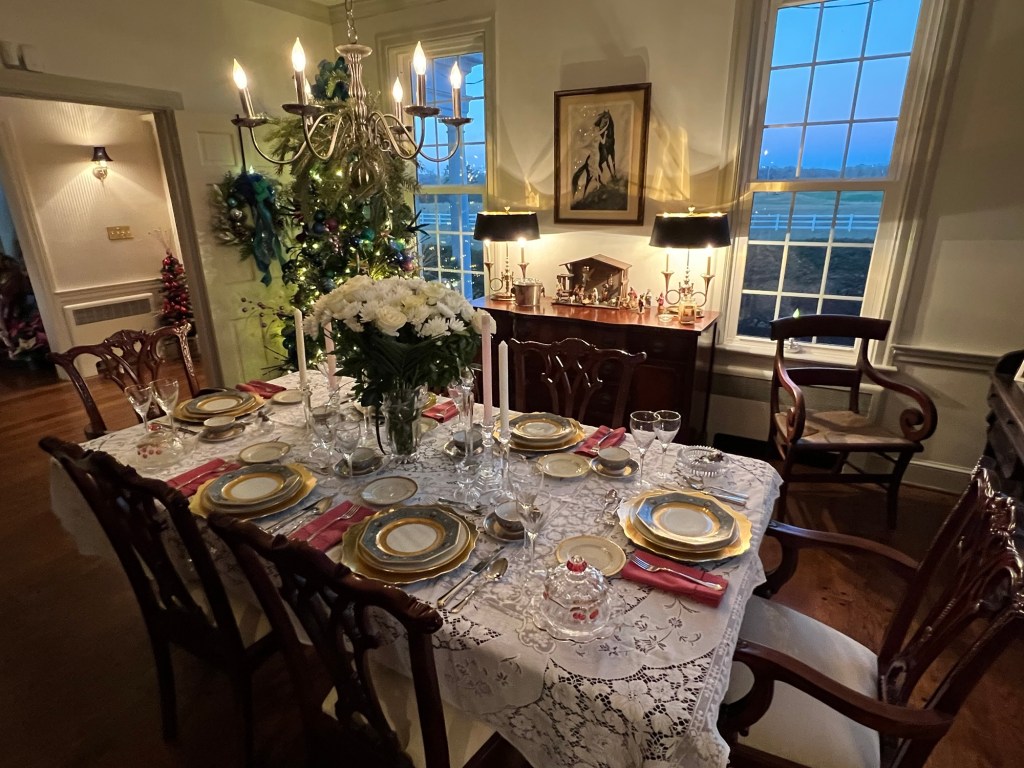
The Dining Room of the Zigo Farm
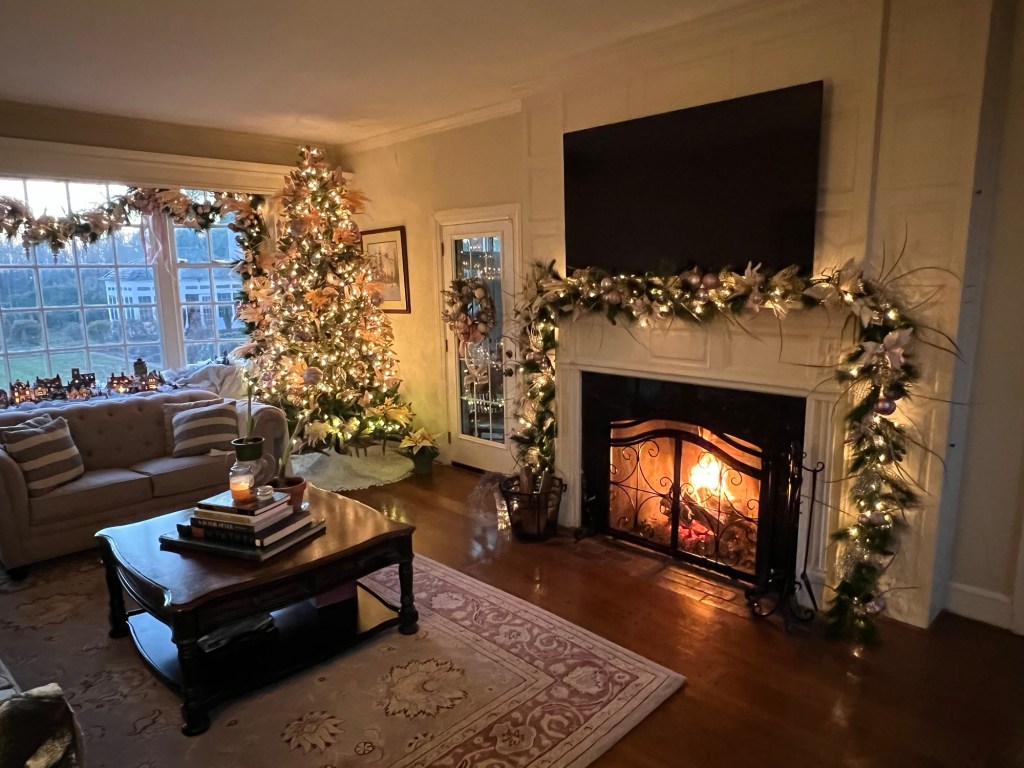
The Living Room of the house
I then caught up with the rest of the group at the stables, which were also nicely decorated for the holidays. The grounds were also decorated for the upcoming holidays. The lighting and the sunset made the property glow.
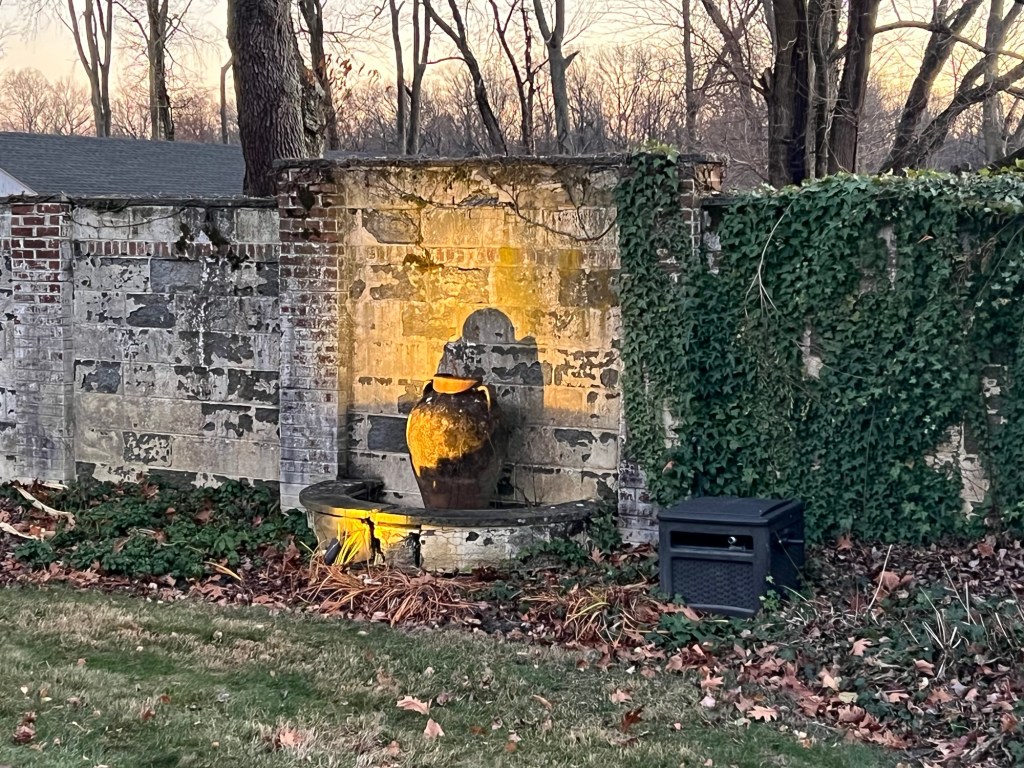
The Walled Gardens
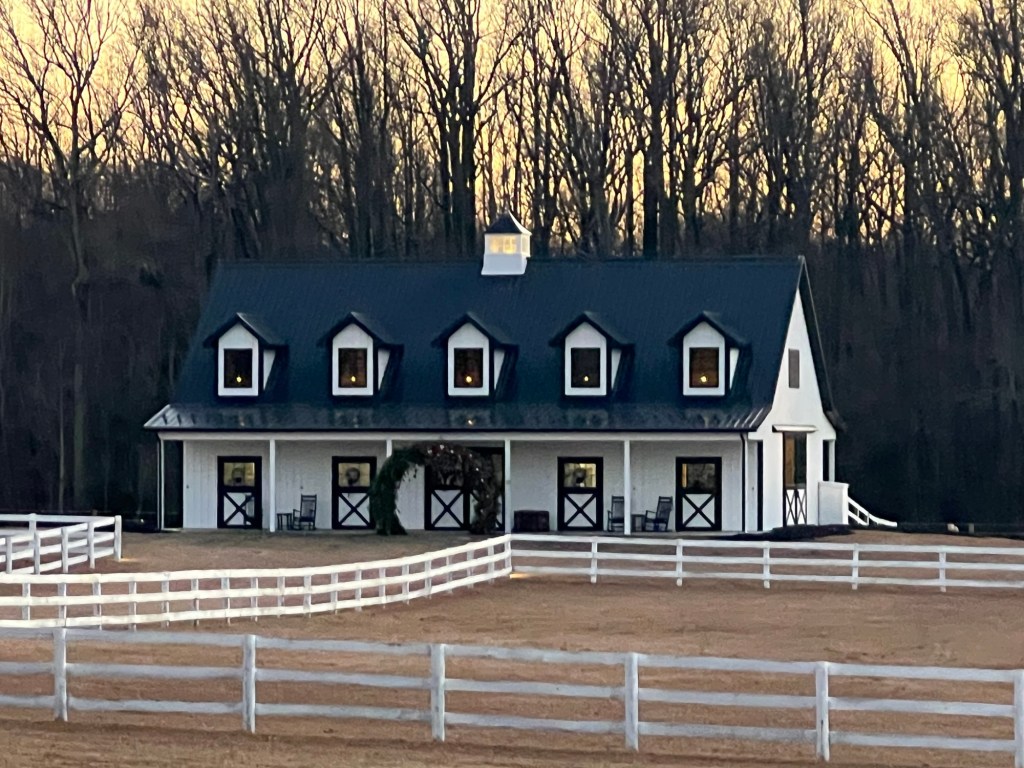
The Stables on the property
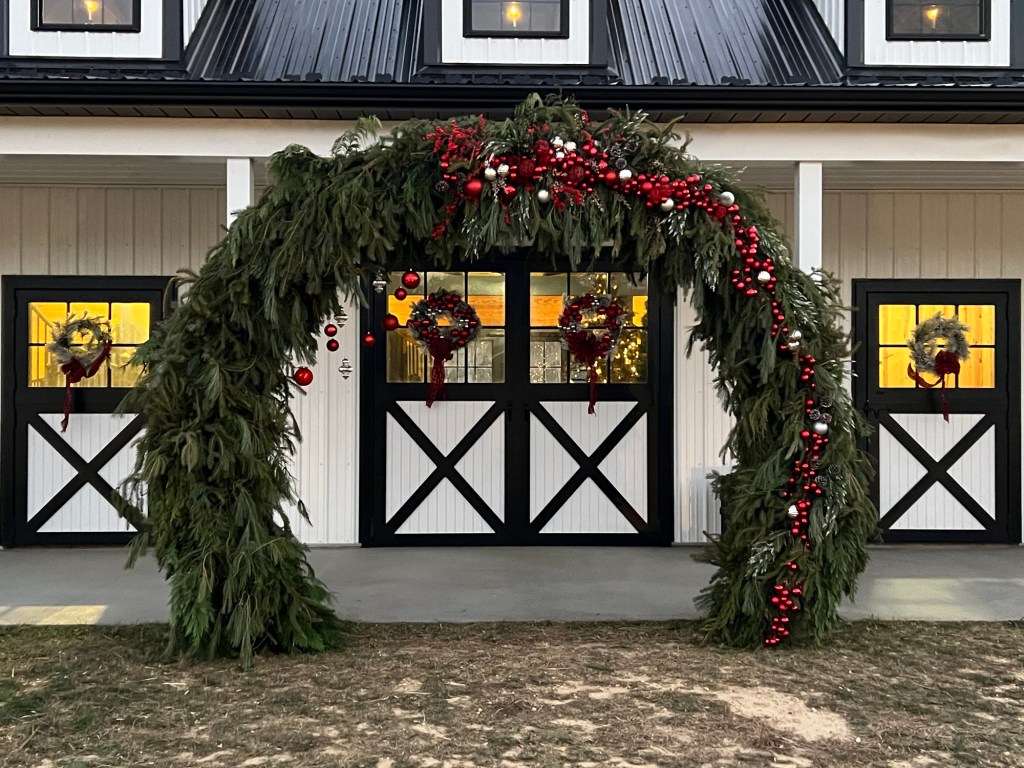
The Christmas decorations at the stables
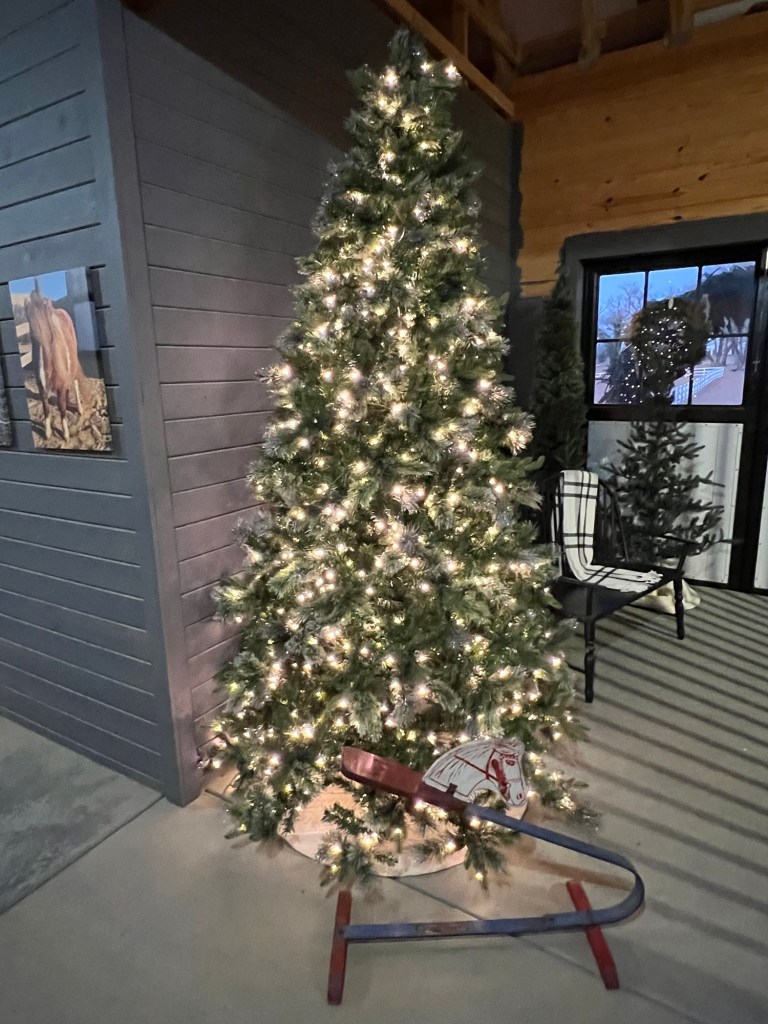
The beautiful Christmas tree at the stables
The tour of the farm and its stables were really impressive and the farm was decorated from top to bottom with impressive decorations.
The last stop on the bus tour before we went back to town was at the ‘Morgan’s Folly House’ at 2 Layton Avenue, which was built in 1804 by Samuel Morgan in the Federal Colonial style. It was considered a very large home at its time and somewhat pretentious which earned it its nickname “Morgan’s Folly” for being so out of place. The home today has been fully renovated by the current family.
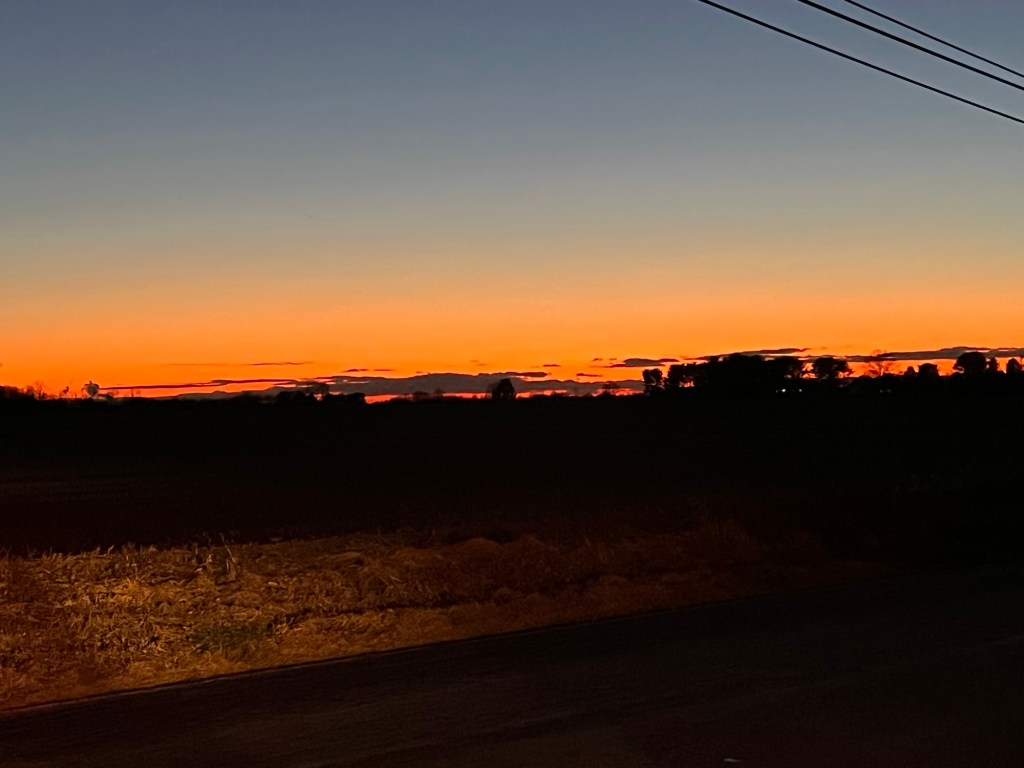
The beautiful sunset on the fields
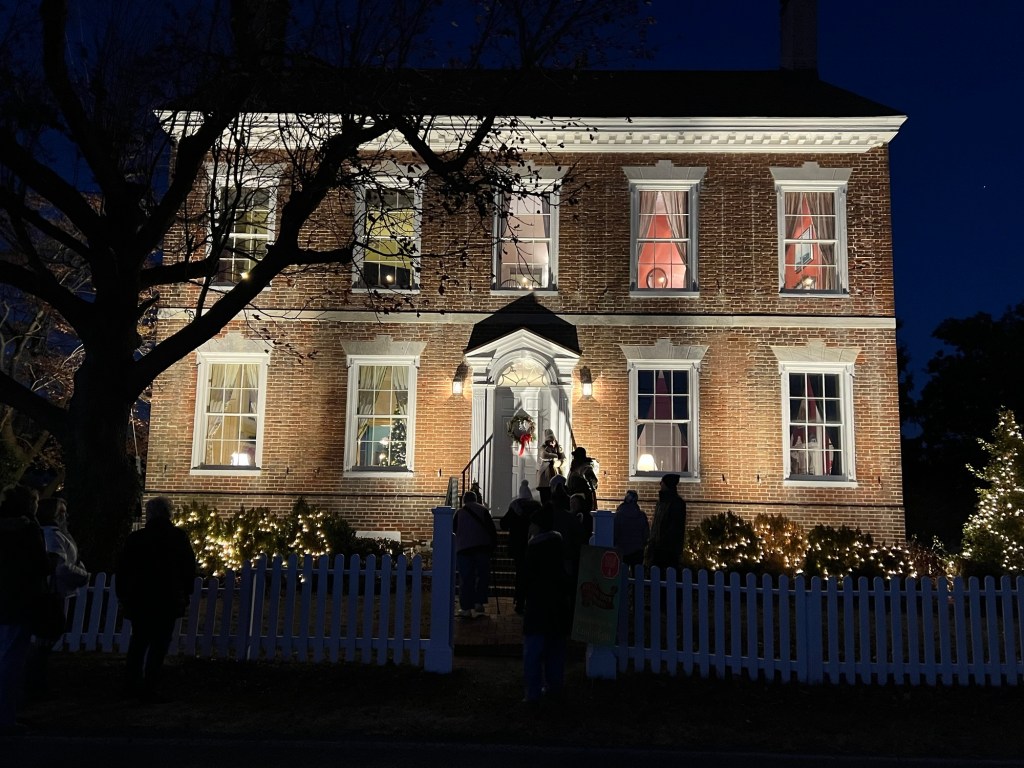
The front of the Morgan’s Folly House decorated for the holidays
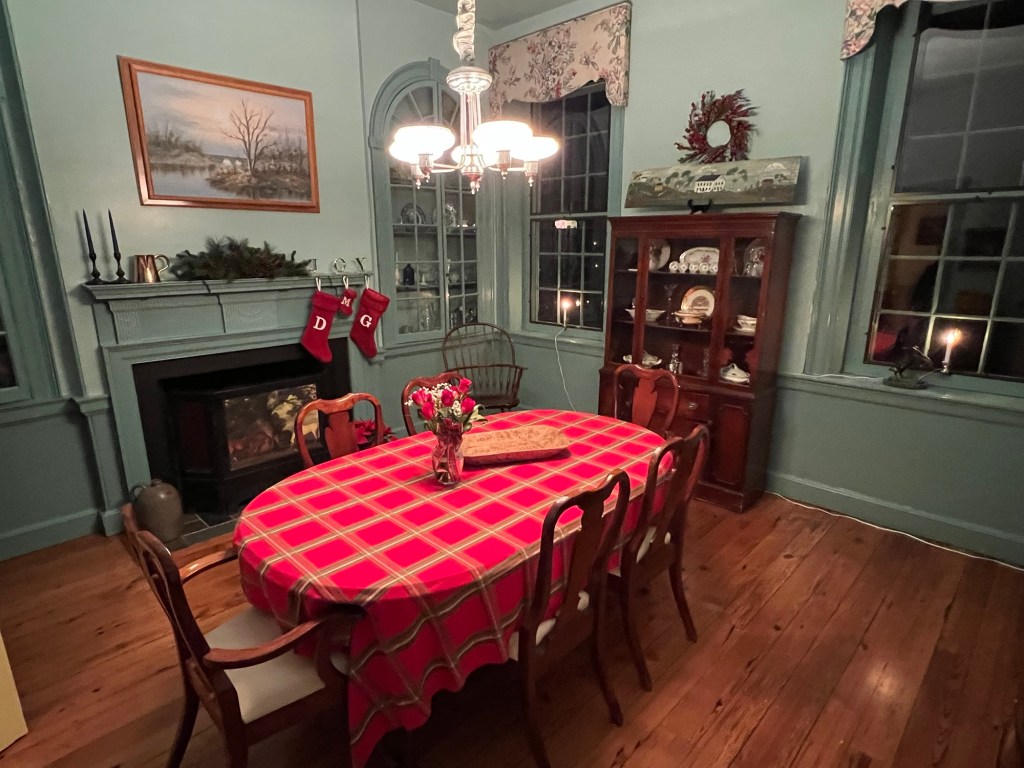
The Dining Room at the Morgan’s Folly House.
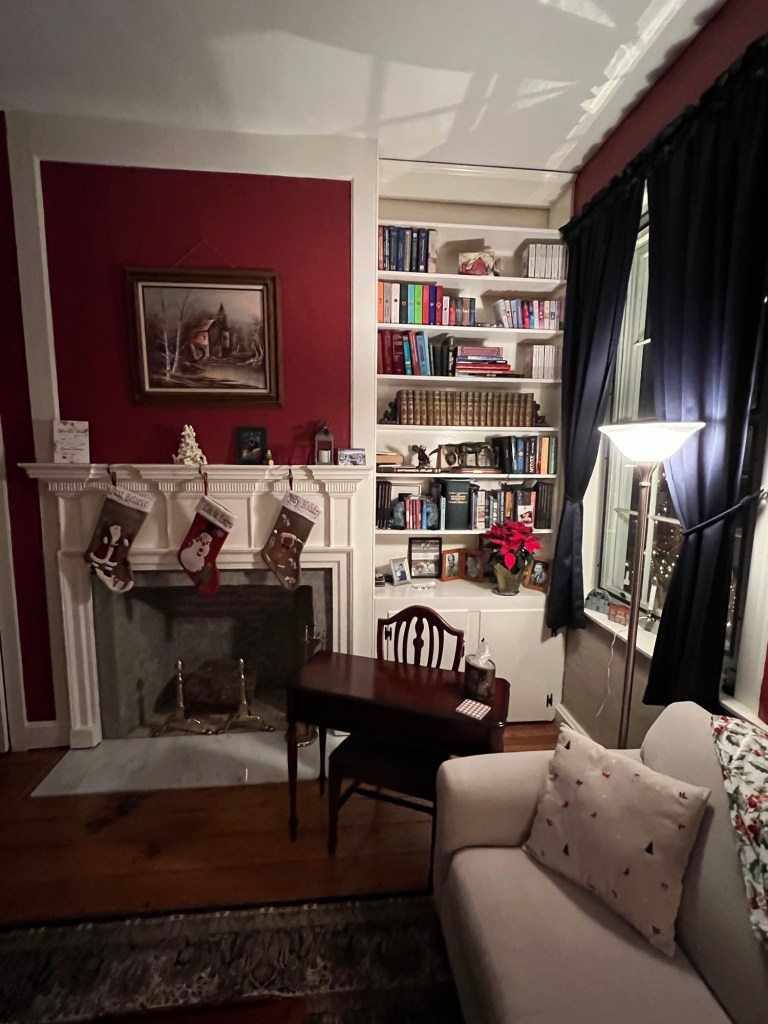
The Living Room at Morgan’s Folly
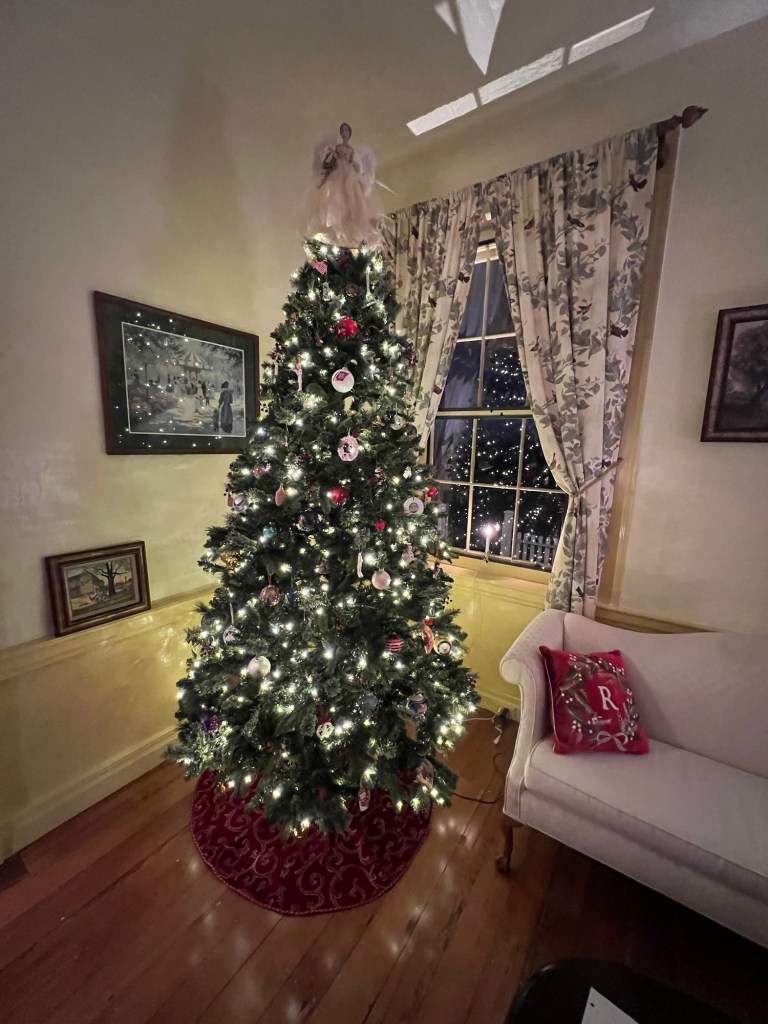
The Christmas in their Living Room
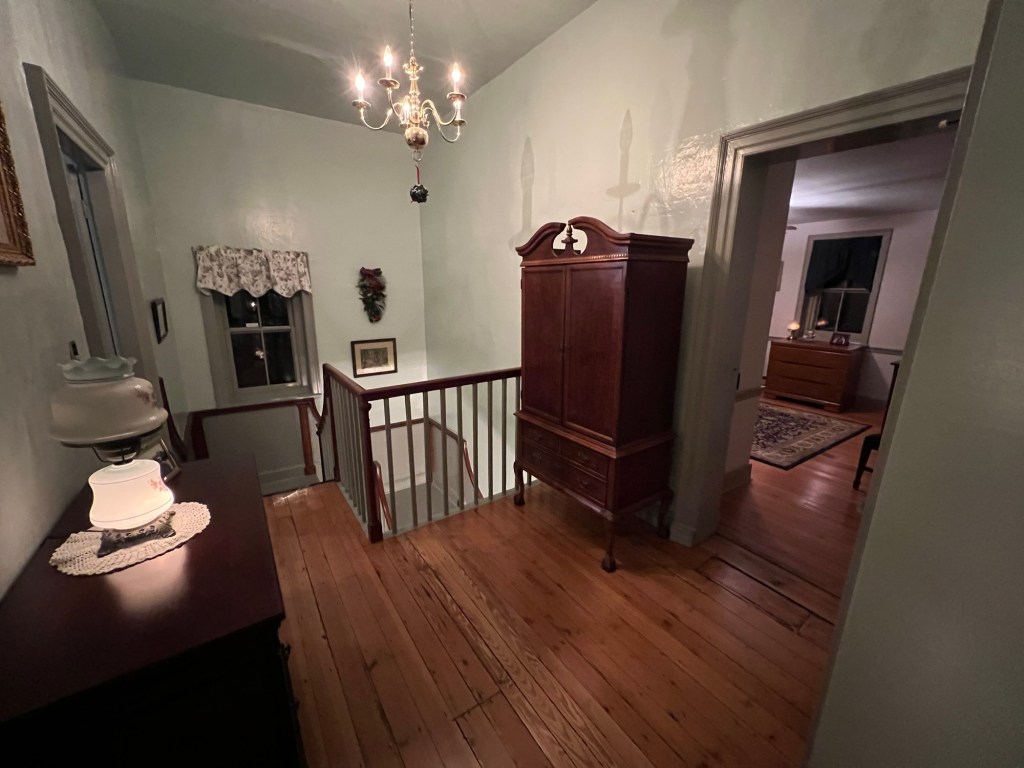
The historical beauty of the renovated upstairs
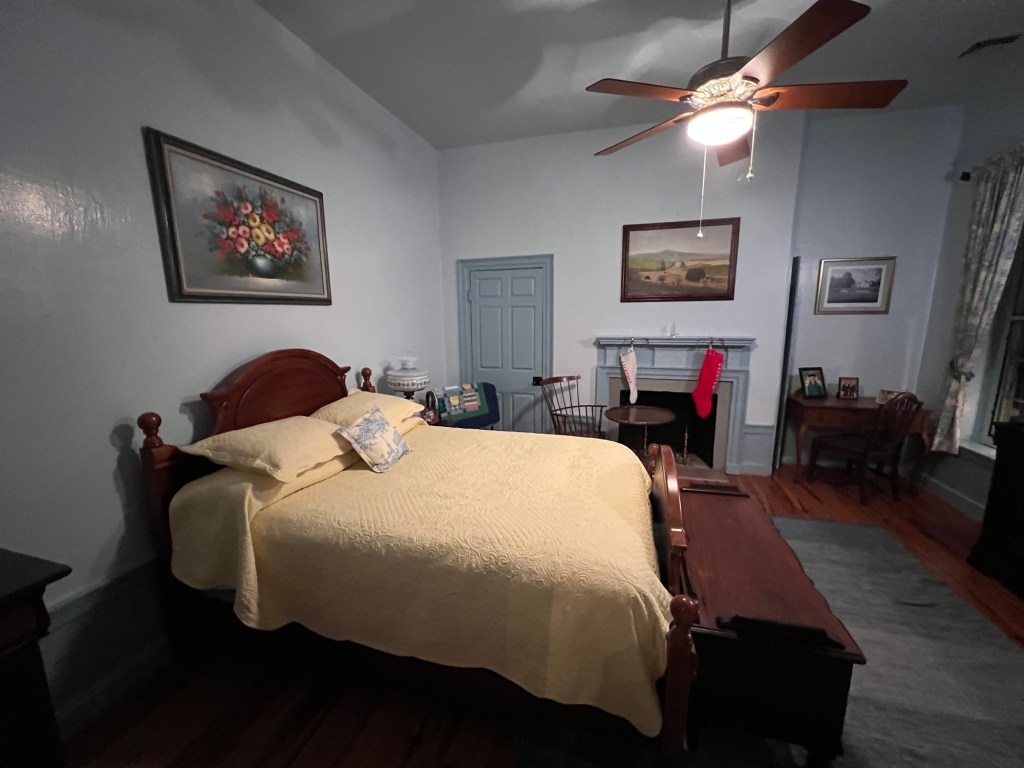
One of the upstairs bedrooms decorated for the holidays
It was funny because we were at Morgan’s Folly house for about forty-five minutes when we all started wondering where our bus was and finally someone in our group called the woman in charge to send a bus for us. The owners kidded with us that we could spend the night if we wanted.
It ended up that one of the bus drivers had been released for the evening and they forgot we were still touring. The poor bus driver was beside himself. I thought they really needed to work on this for next year. One group missed the second half of the tour and the second group was left at the last house. Not a good thing.
When we finally got back to Woodstown, we arrived back at the Creekside Inn for dinner. I was still stuffed from lunch and walked around the Crafts Fair that they set up. There in the middle of the Fair was Santa sitting there looking bored. I walked up to him and asked him honestly why people were getting so rude.
He did not miss a beat and told me honestly that it was the way they were raised and how it starts at home. This guy was so earnest and honest about what he said that I listened to rest of the conversation with such interest. We talked for a bit more and when I left I said to him, “ I just wanted to let you know that I still believe in you.” That seemed to make him very happy.
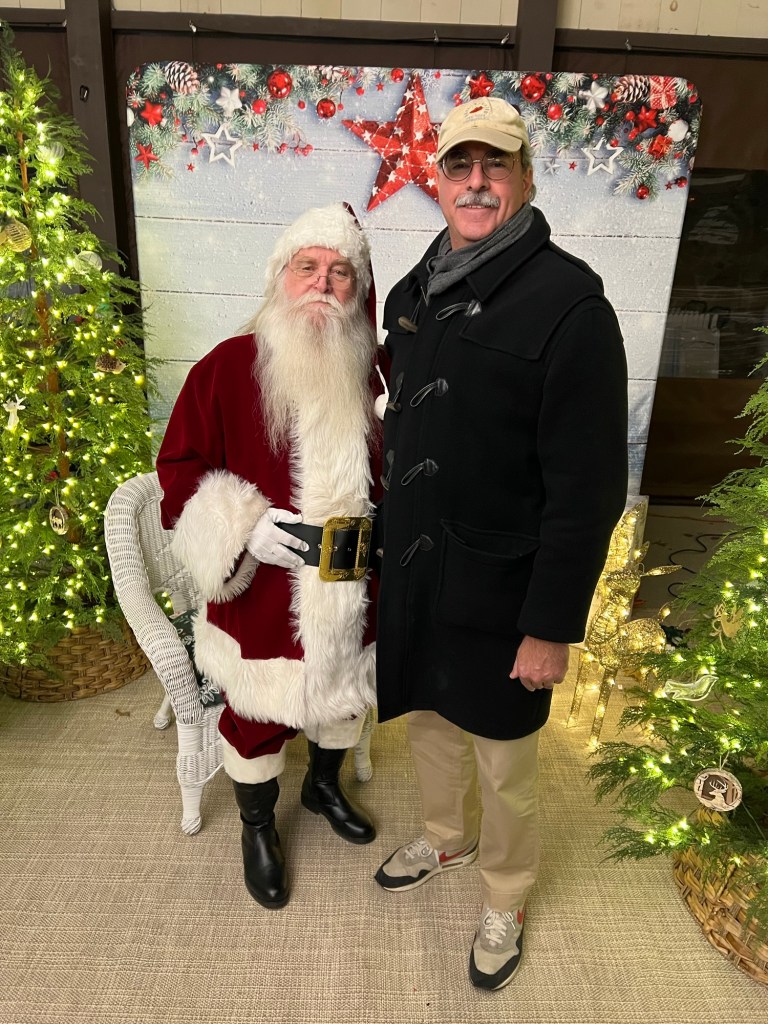
Me with Santa-I swear he made me believe again
I then moved on to touring Downtown Woodstown’s decorated homes. The whole downtown was so beautifully decorated for the holiday.
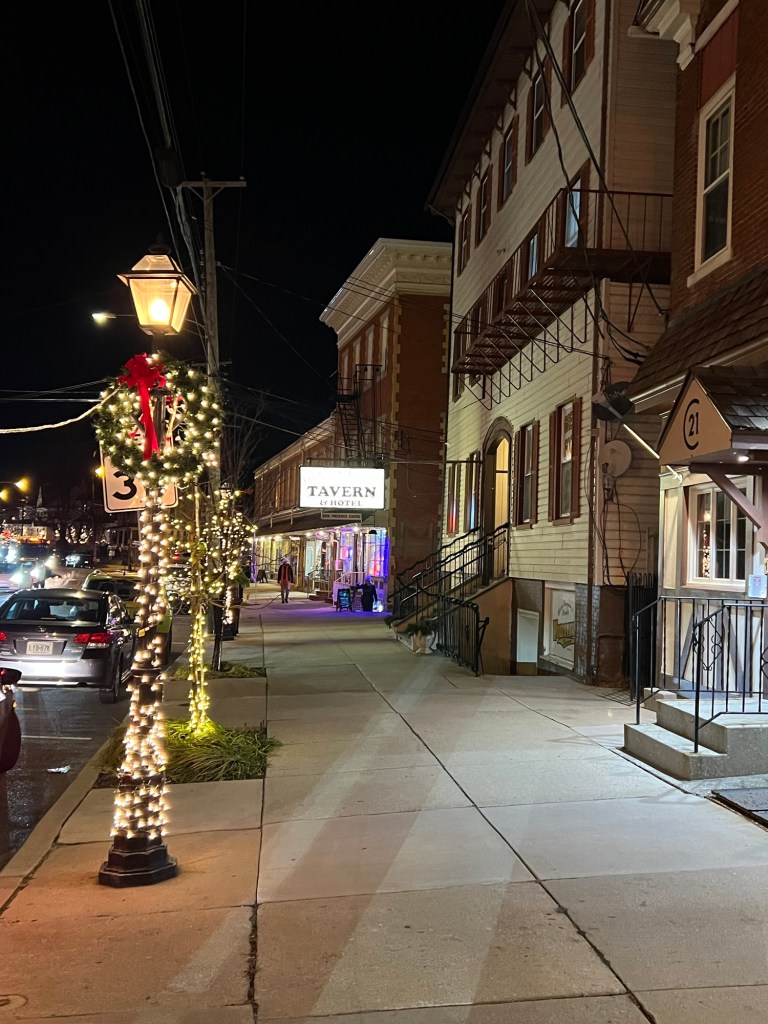
Downtown Woodstown, NJ decorated for Christmas
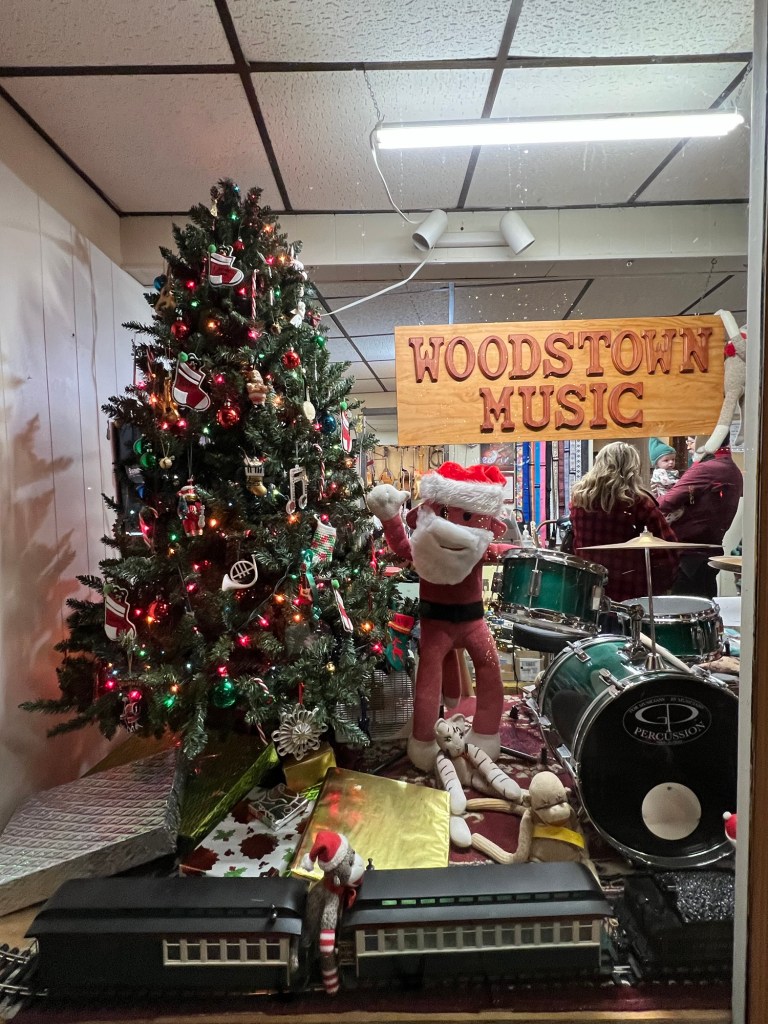
Downtown windows decorated for the holidays
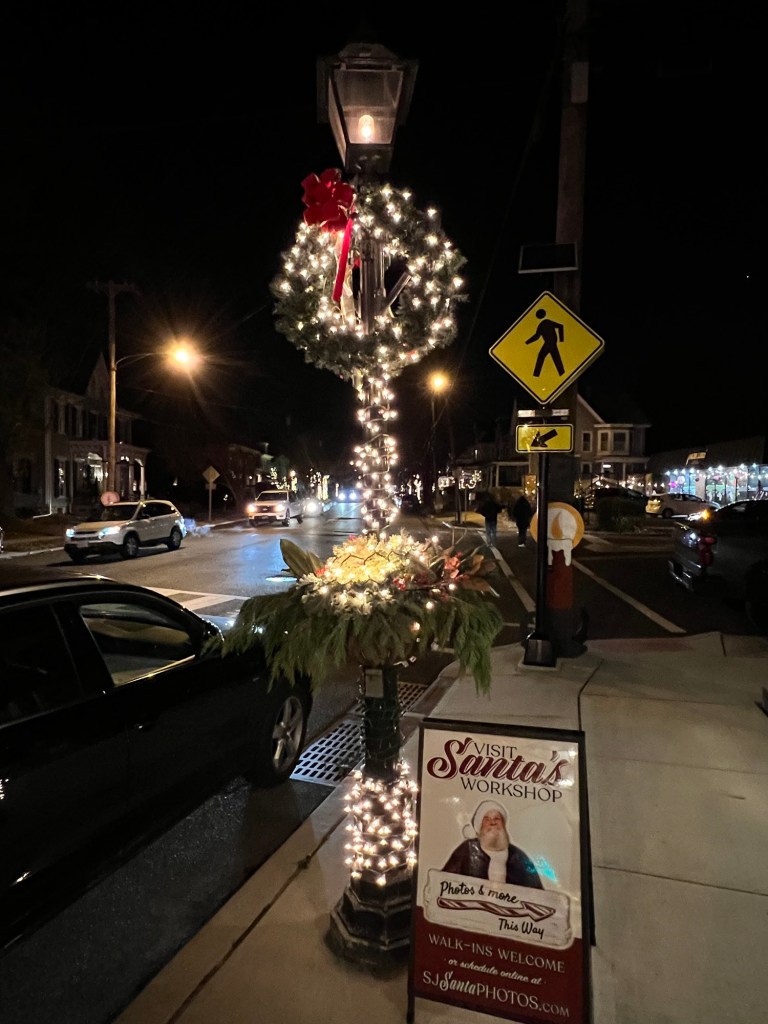
Downtown Woodstown, NJ decorated for the holidays
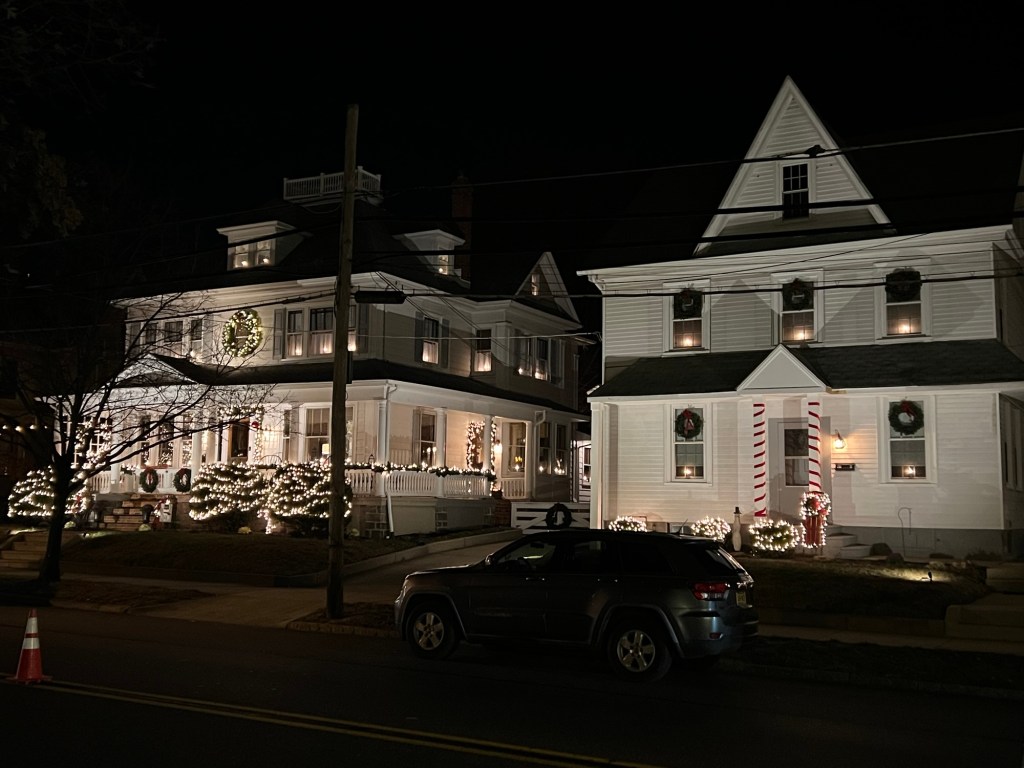
The downtown homes decorated for the holidays
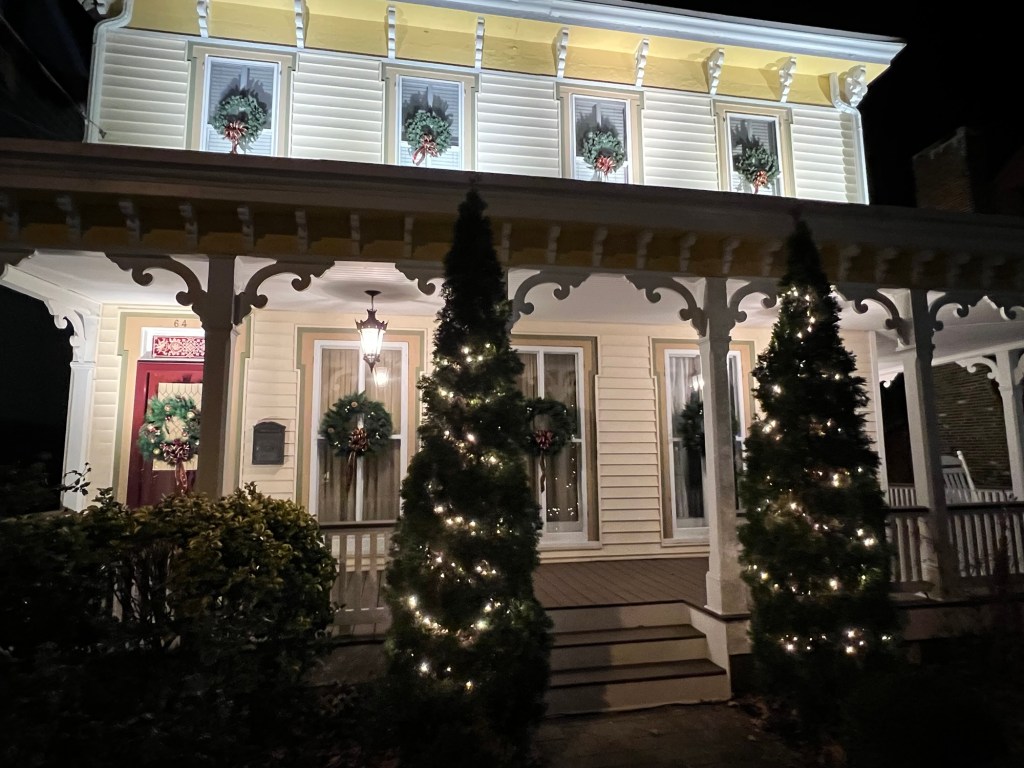
Decorated houses downtown
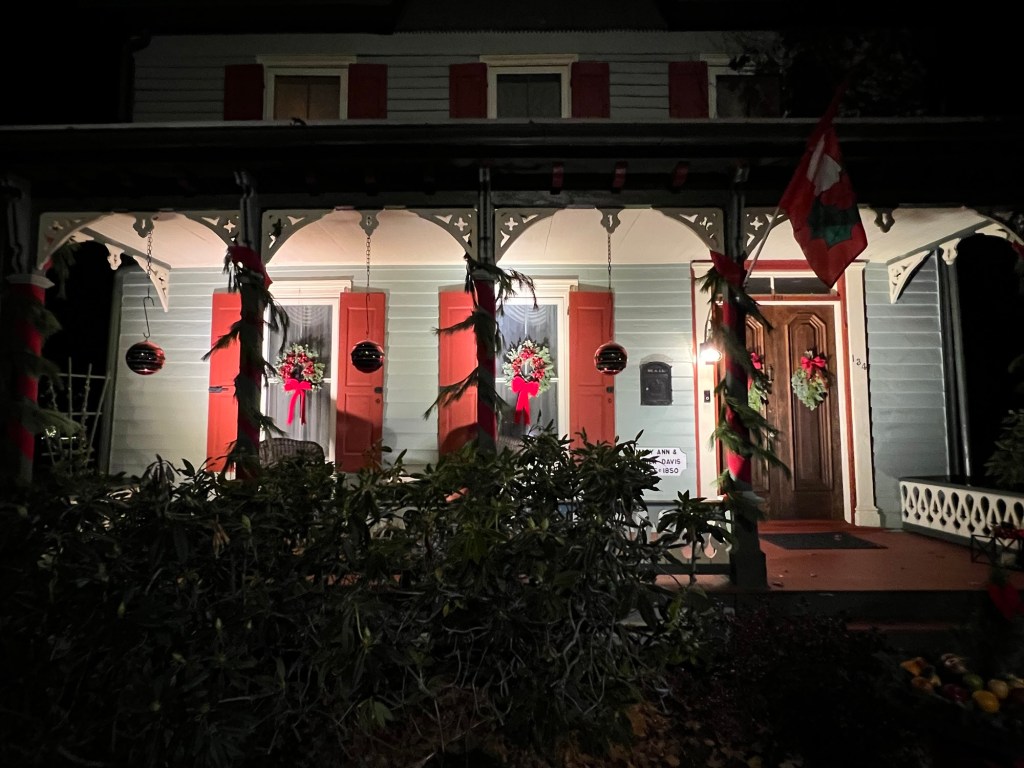
Decorated house in Woodstown
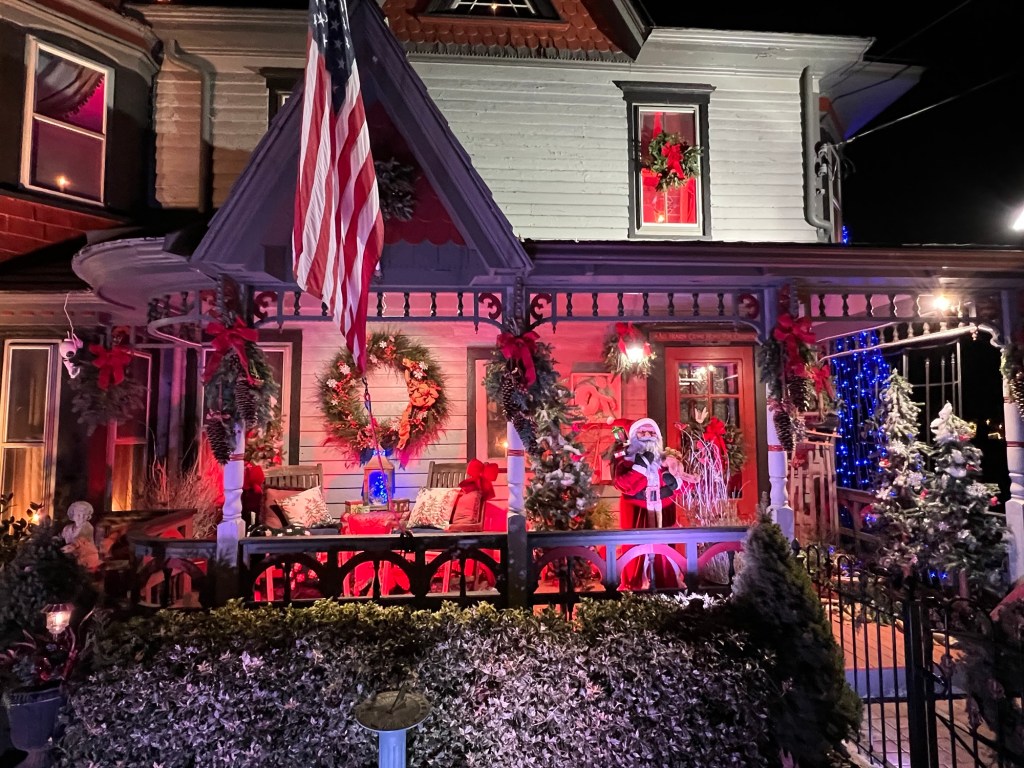
Decorated house in Downtown Woodstown
On the side of this house, they had the most interesting light show with a blue Christmas tree:
Video on the lightshow:
The first house on the tour was the Bobbitt House, which seemed to be a very popular house on the tour. I could see why, with its turn of the century style rooms and gorgeous decorations.
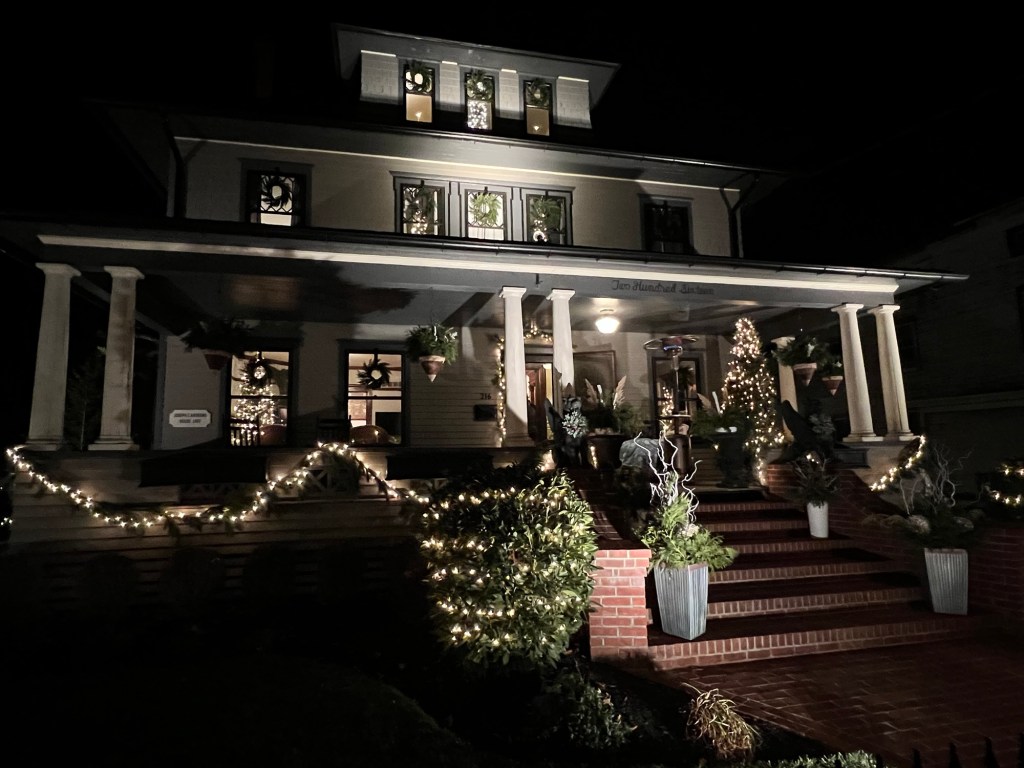
The Bobbitt House at 216 North Main Street in Woodstown, NJ, the home of Bruce and Lori Bobbitt. The home has some of its original cherry, chestnut and oak woodwork and the original stained-glass windows. The home was beautifully decorated for the holidays.
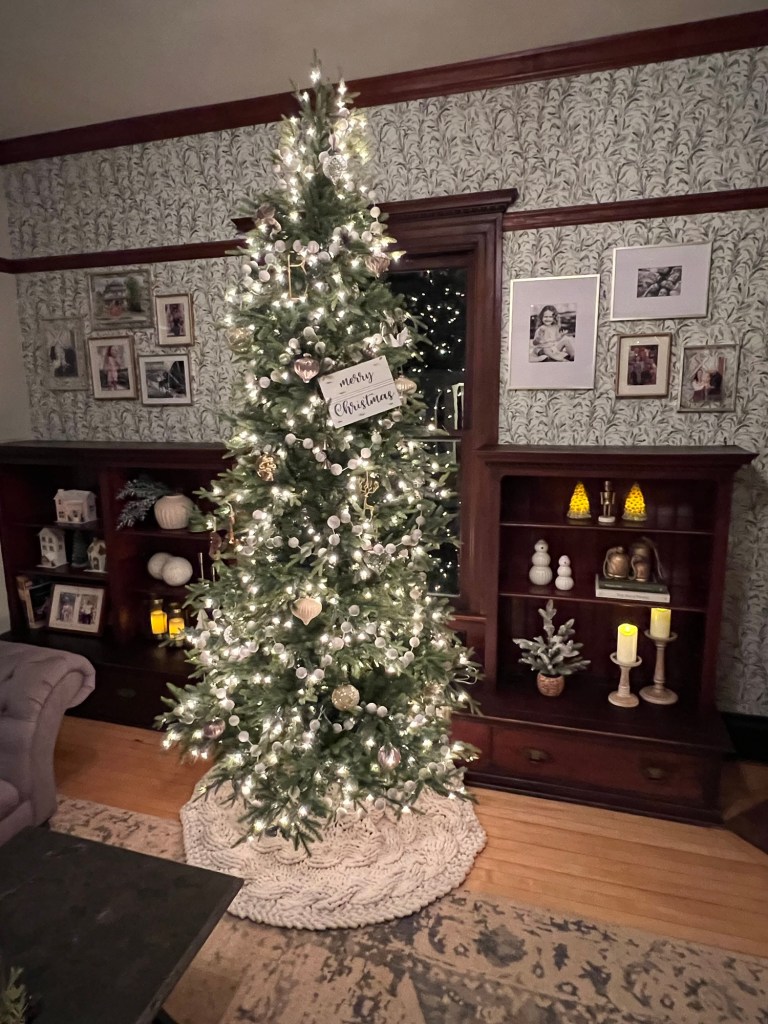
The Christmas tree in the Bobbitt House Parlor
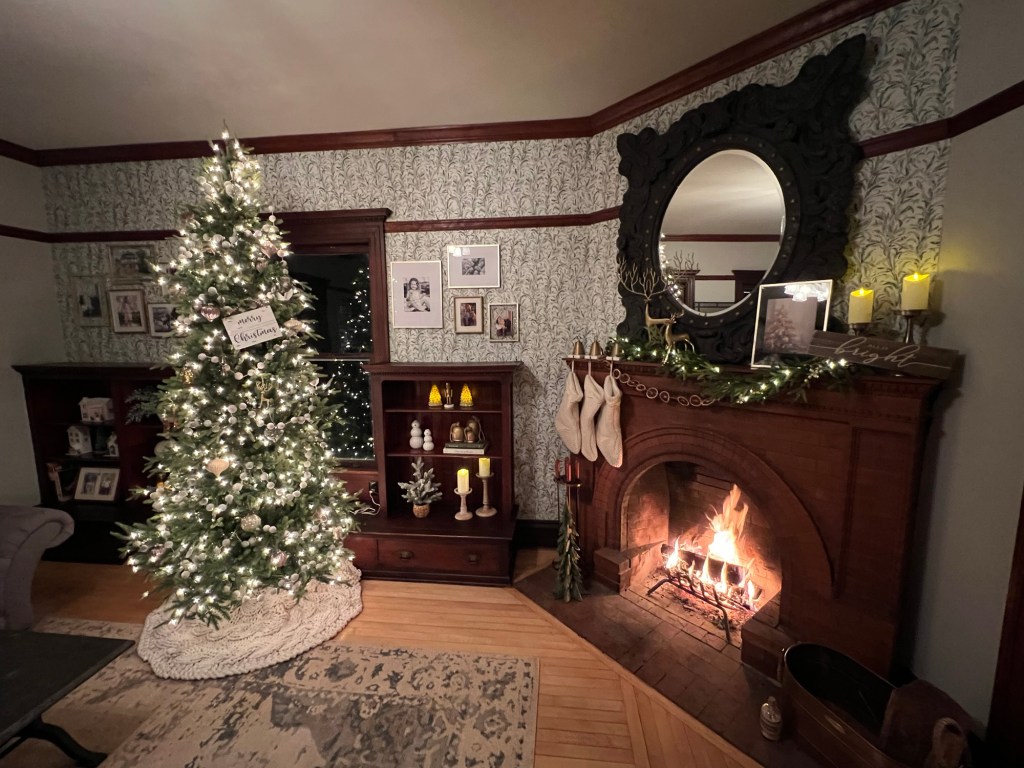
The Parlor of the Bobbitt House
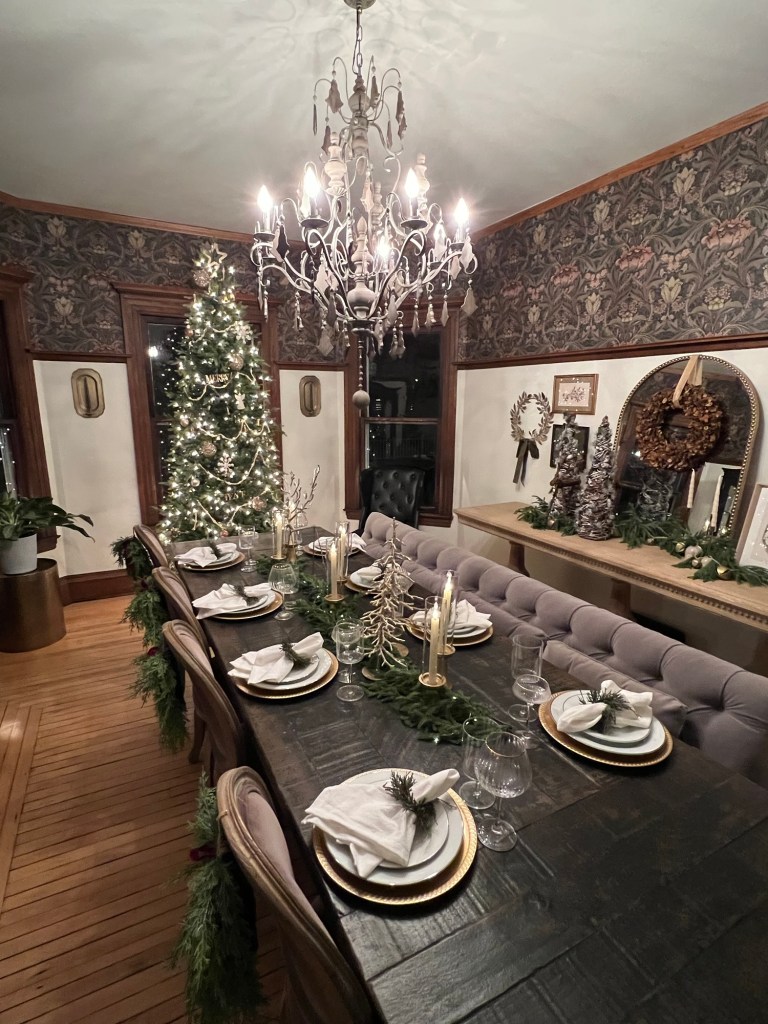
The Dining Room at the Bobbitt House
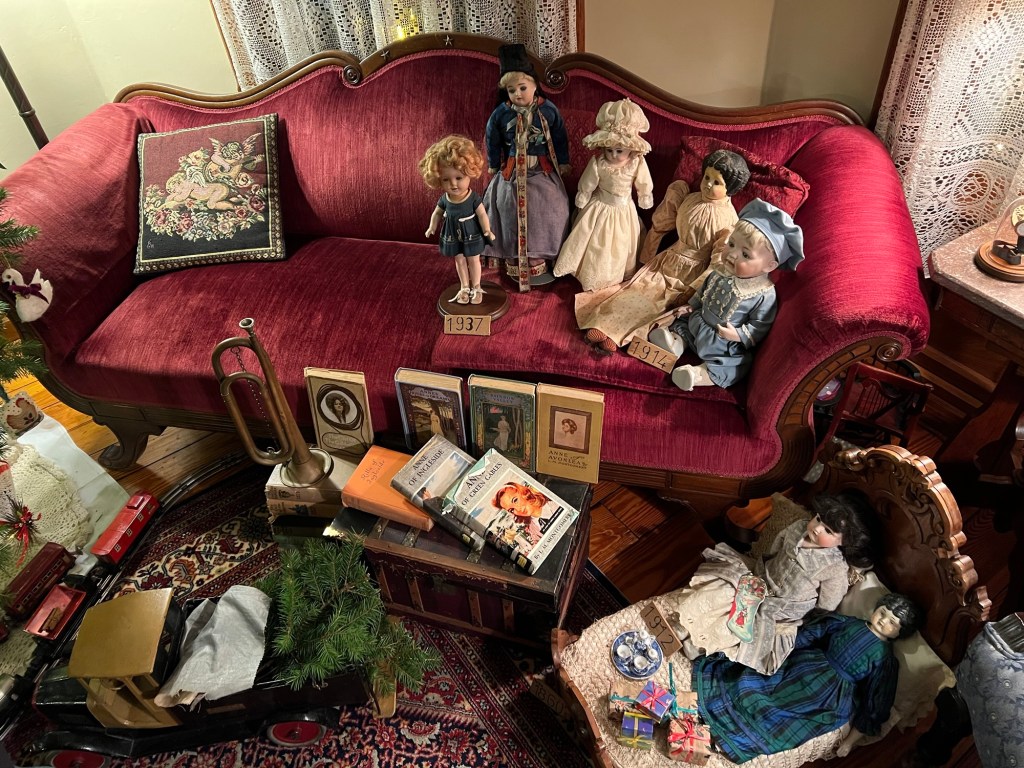
The doll collection at the Bobbitt House
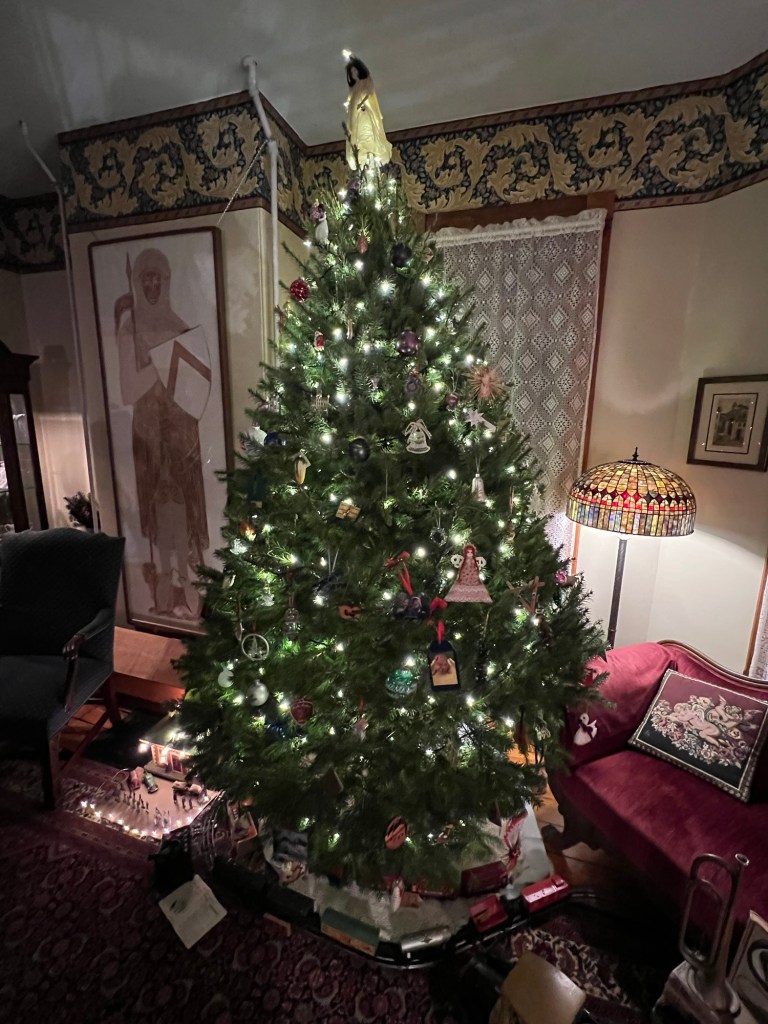
The Christmas tree in the Living Room
After the tour of the Bobbitt House, I walked to the next home across the street. We toured through the home quickly as it was so crowded, and it was tough to get around. I stopped at the Ellwood Davis House, which is a Colonial Revival home built in 1906.
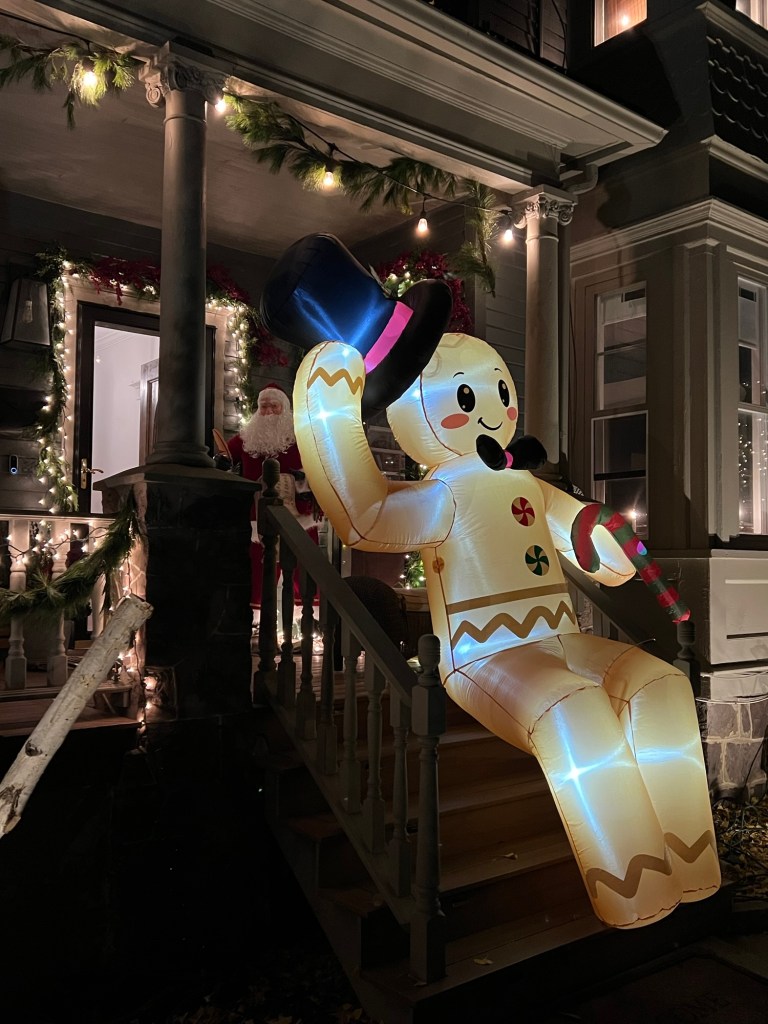
The decorations and the giant gingerbread man welcomed us to the home
What I thought was really nice was that that the young girl who lived here performed Christmas songs for the people that stopped by and even in the cold, it was so entertaining and really put me in to the holiday spirit.
Video of the girl playing Christmas songs on here piano:
I stopped by the Pilesgrove-Woodstown Historical Society for a quick tour of the museum. The docents wanted to fill our minds with all sorts of facts and all I wanted to do is look at the decorations around the old home. The first floor was nicely decorated for the Christmas holidays.
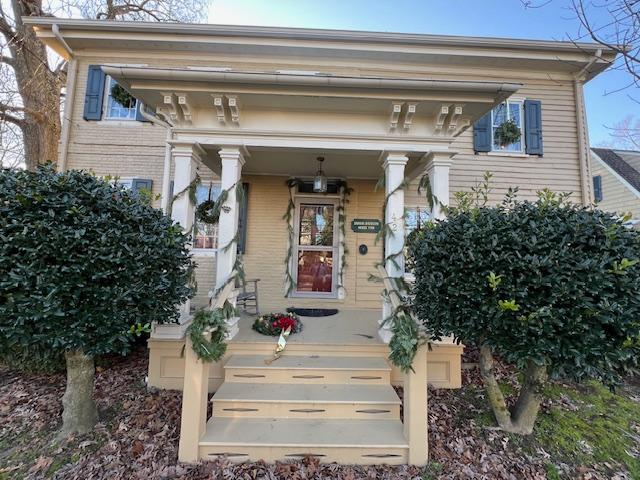
The Pilesgrove-Woodstown Historical Society at Christmas time
https://www.woodstownbycandlelight.org/
My review on TripAdvisor:
My review on VisitingaMuseum.com:
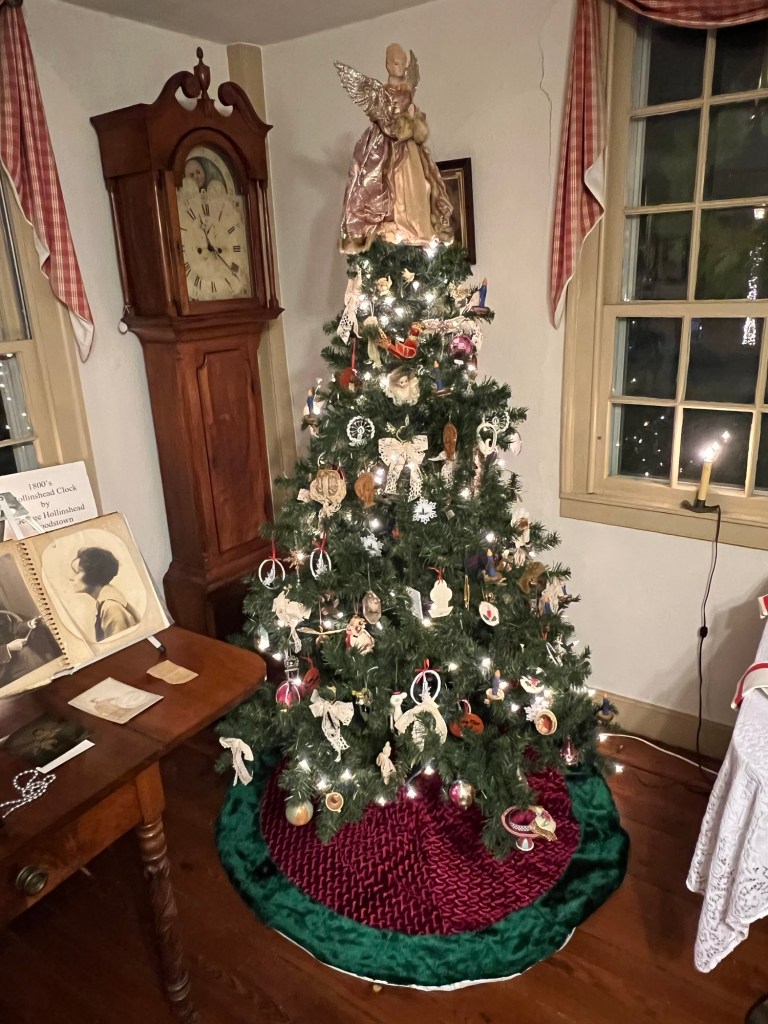
The Christmas tree inside the Historical Society
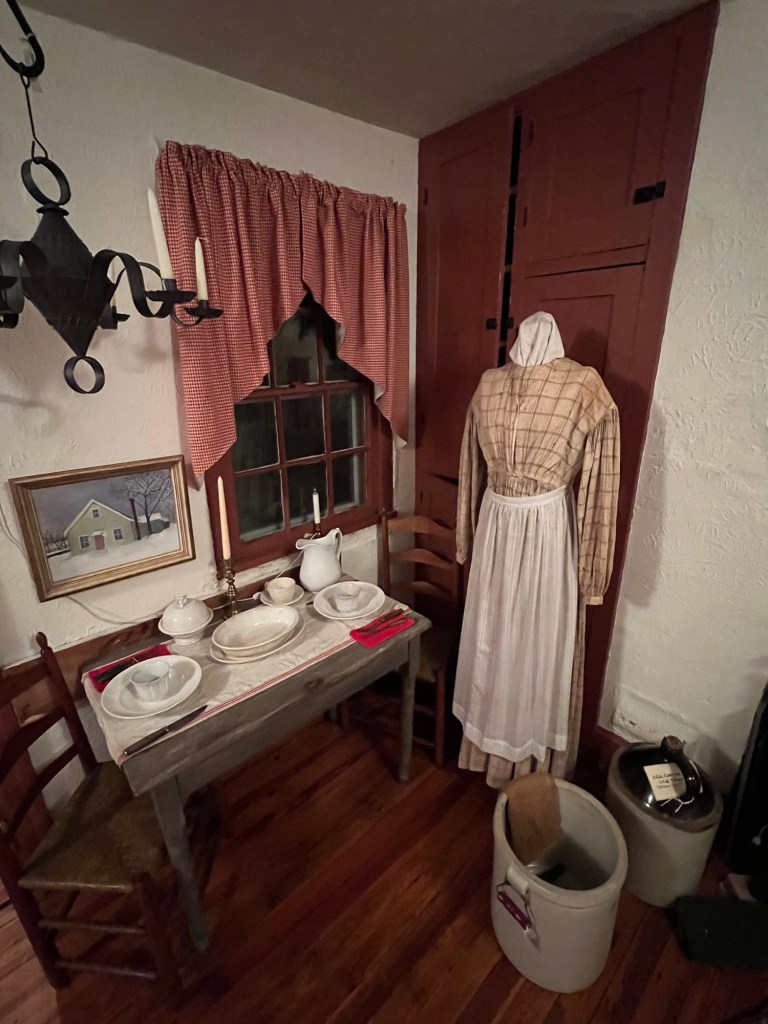
The old fashioned kitchen in the Historical Society
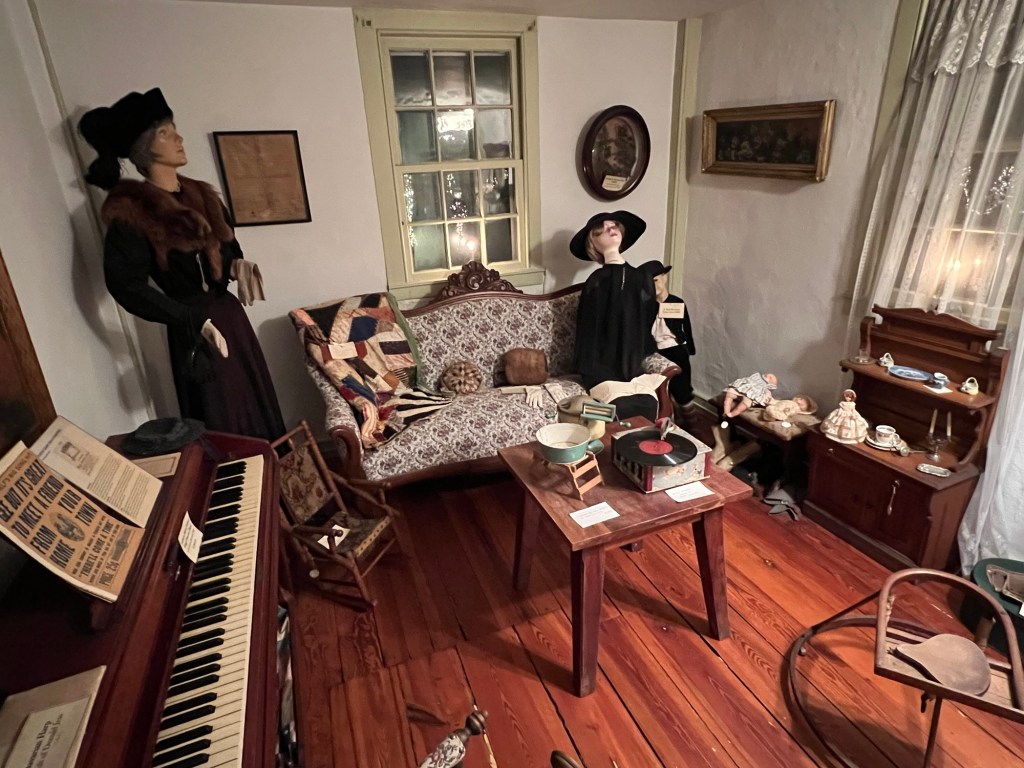
The upstairs bedroom at the Historical Society
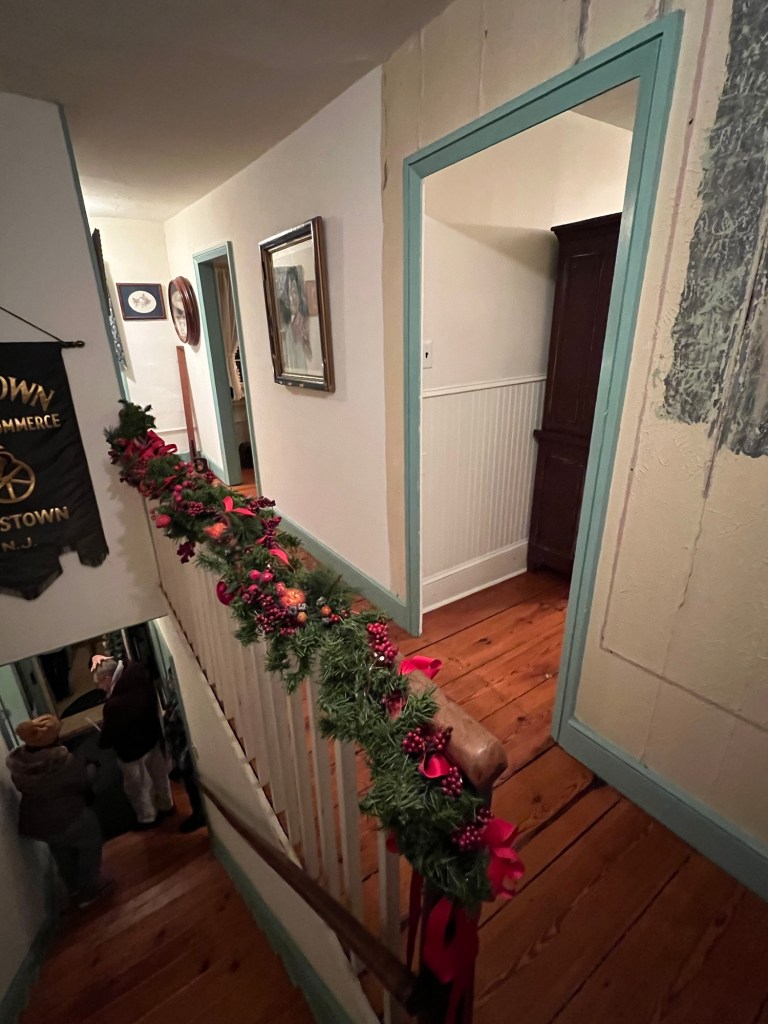
The upstairs decorated for the holidays
After I left the historical society, I had time for one more house before the evening ended and I made my way down to the Melissa Dolan House. The home was originally owned by the Presbyterian Church and had been the minister’s home with his wife. The house was built around 1890 and had some the original floors, fireplaces and pocket doors.
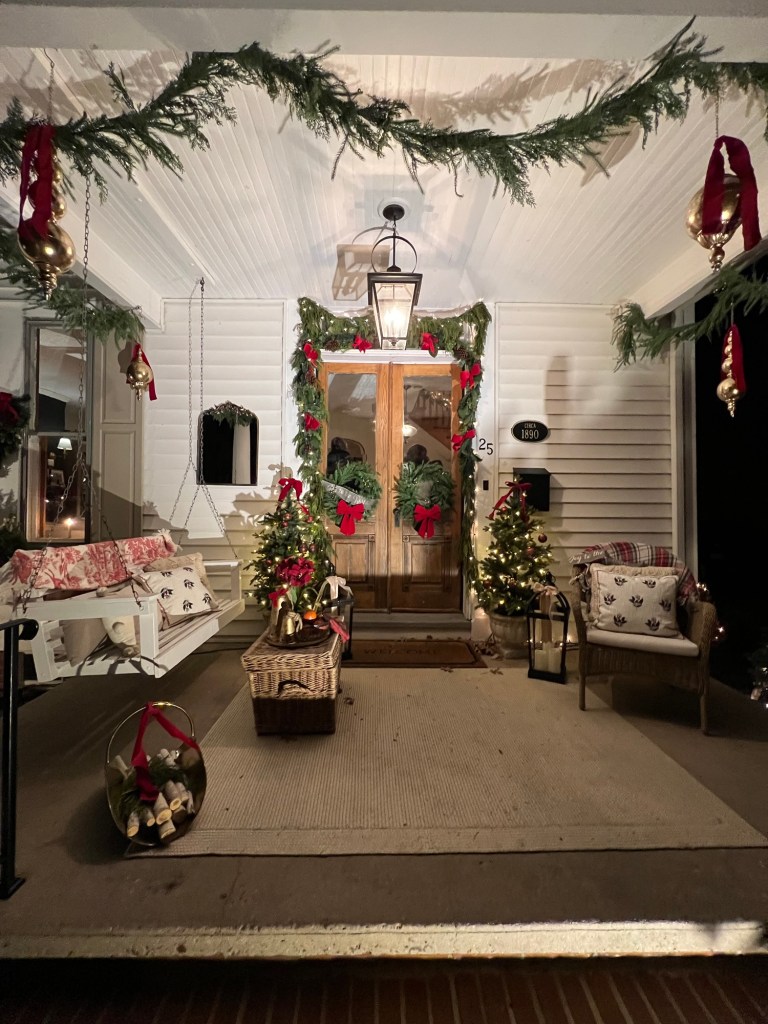
The front of the Dolan House at 25 Bowen Avenue
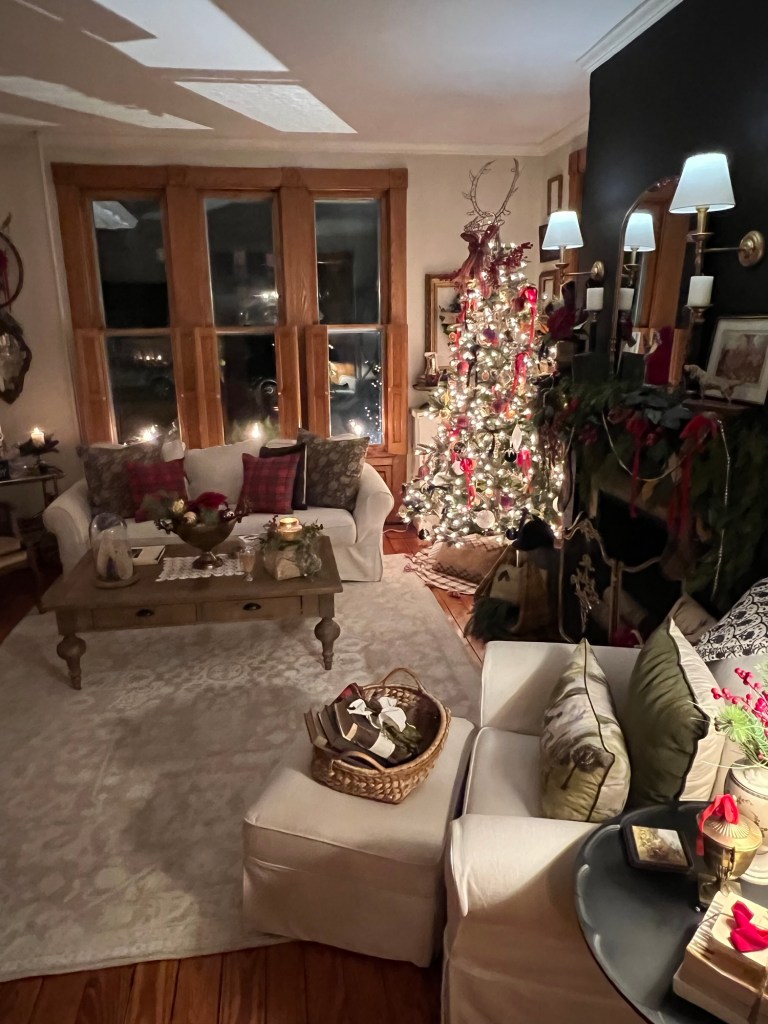
The beautiful Living Room during Christmas
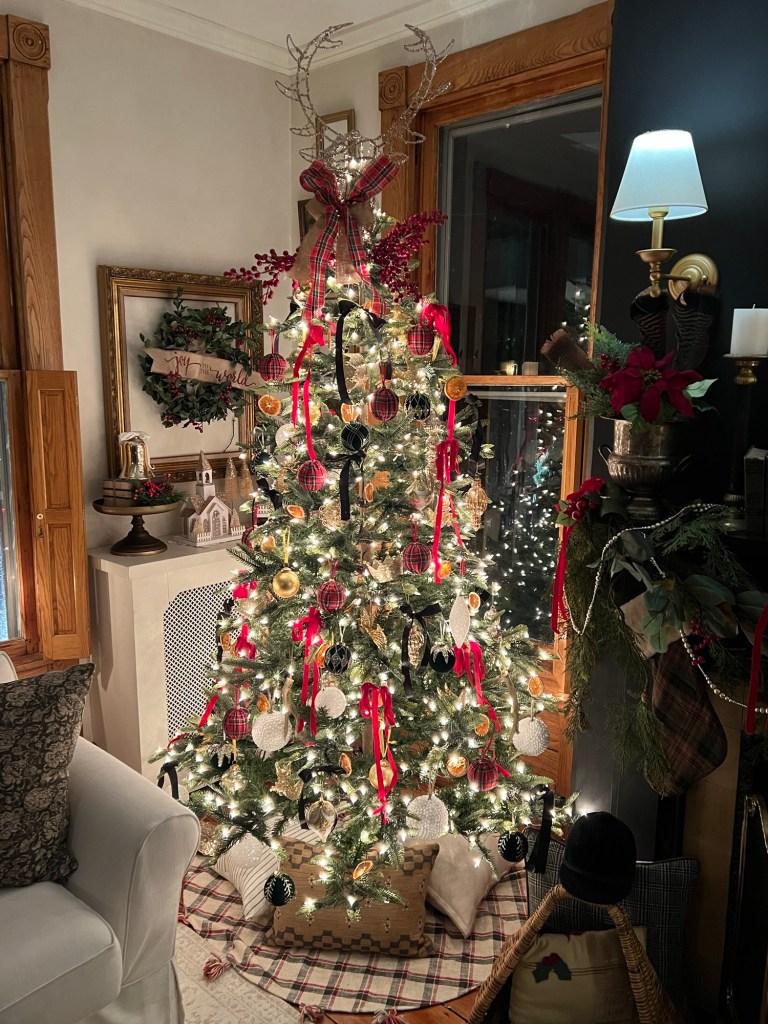
The Christmas tree in the Living Room
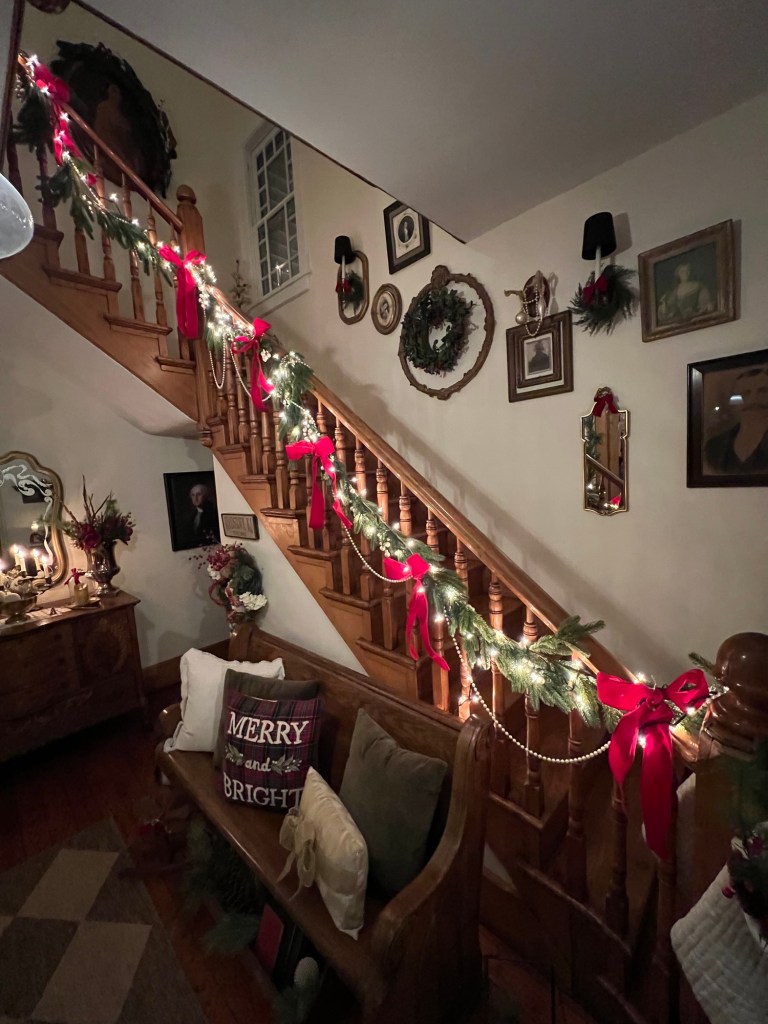
The banister decorated for the holidays
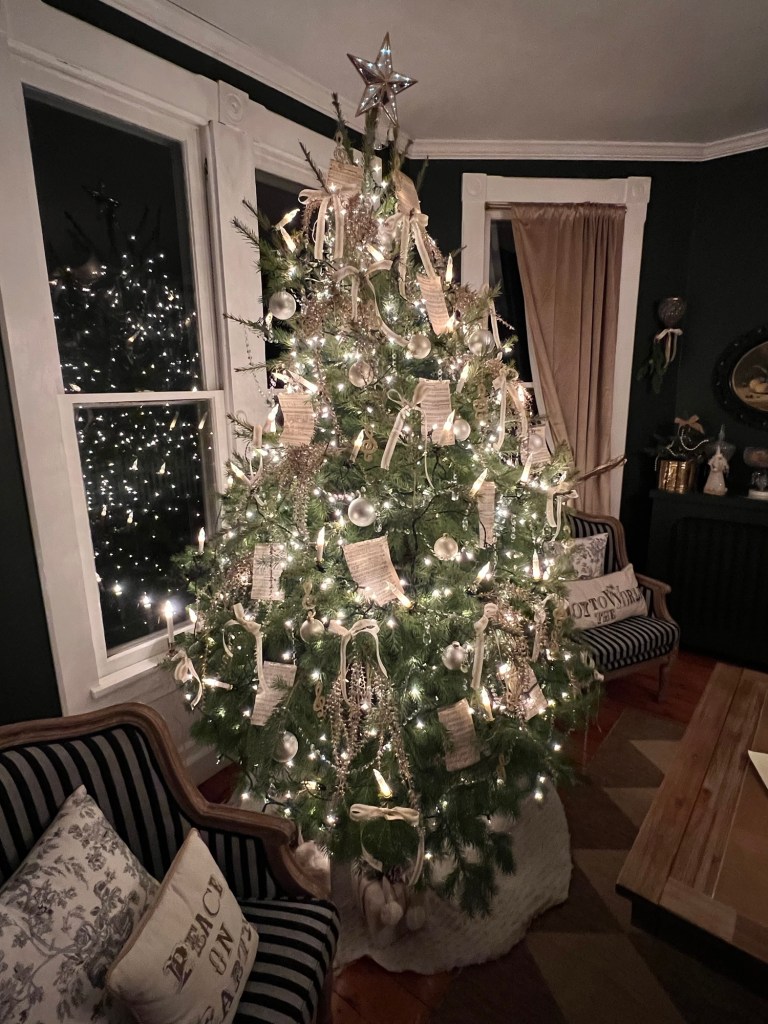
The Christmas tree in the back room of the home
After the house tours were finishing up for the evening, I made my way back downtown and walked through the last of the vendors who were still open. At the Craft Market they had set up, there were vendors selling all sorts of gourmet foods like chocolate, ice cream and jellies plus all sorts of crafts. They stayed open to the last of the crowds still milling around until about 9:30pm.
I made my way back by one of the last busses back to the Creekside Inn and drove back to Salem for the evening. It was freezing by this point and I just wanted to relax.
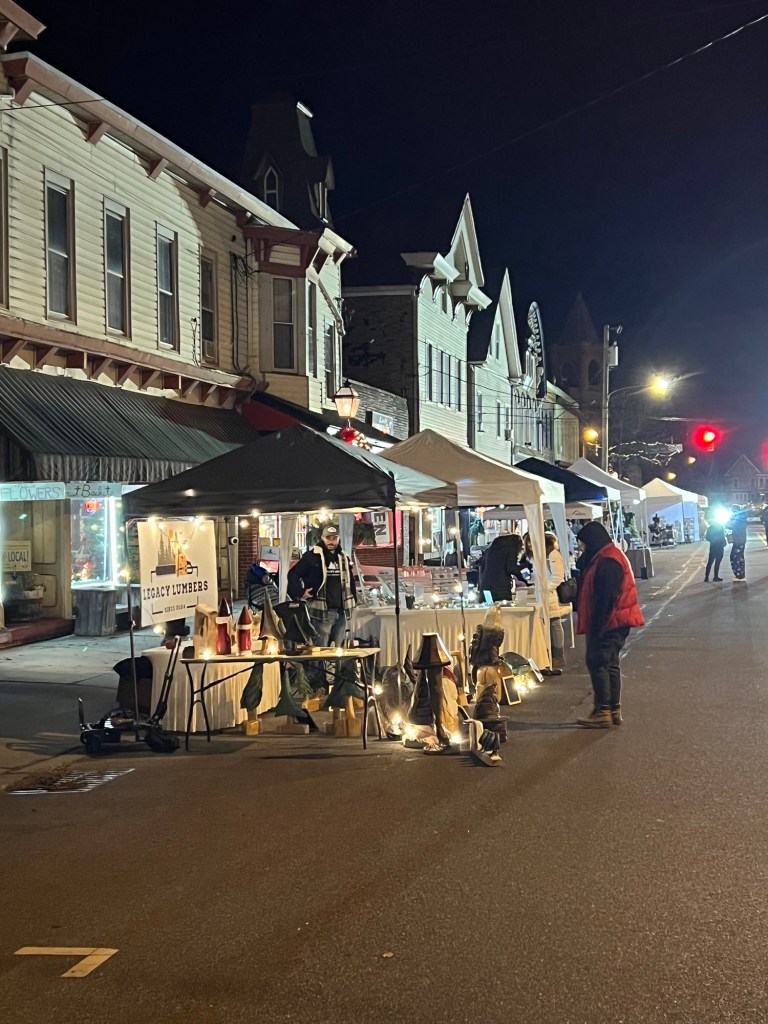
The Craft Market in Downtown Woodstown, NJ
The Salem River Inn was really quiet when I returned around 10:00pm. I got a wonderful night’s rest and prepared for breakfast the next morning and the second house tour that would take place in Salem, NJ the next day.
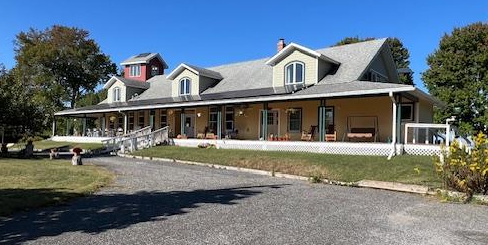
The Salem River Inn at 91 Salem Country Club Road
My review on TripAdvisor:
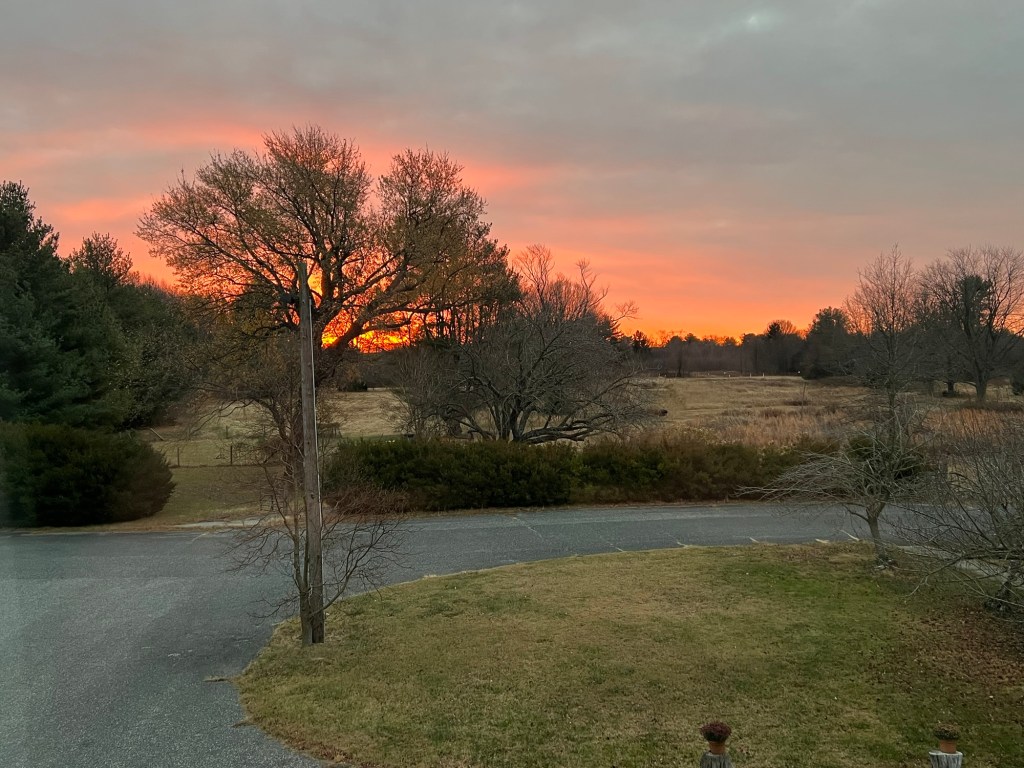
The sunrise view from the Meadow Room at the Salem River Inn
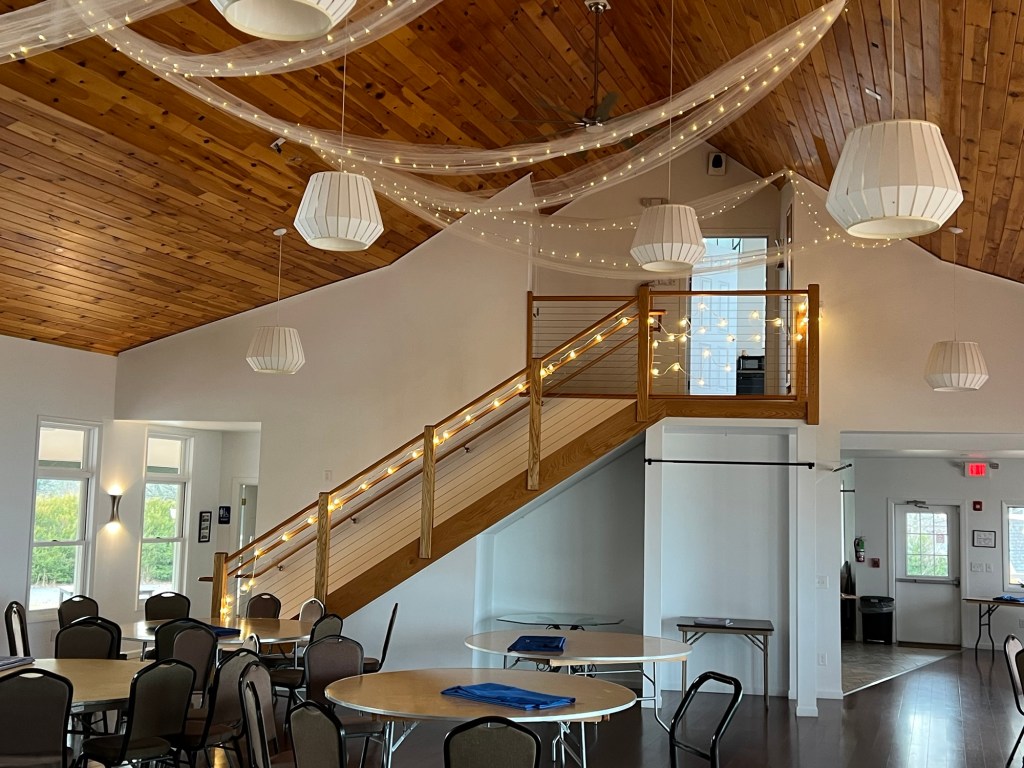
The decorations being prepared for a wedding the next day

Breakfast overlooking the Delaware Bay

Breakfast overlooking the patio

It was a nice way to end the event with a wonderful breakfast and a lot of good memories from the night before. Don’t miss visiting Woodstown and Pilesgrove at the Christmas holidays. It is a very special place to relax and enjoy the coming of Christmas.